A Practical Guide to Wood Shake Roof Maintenance
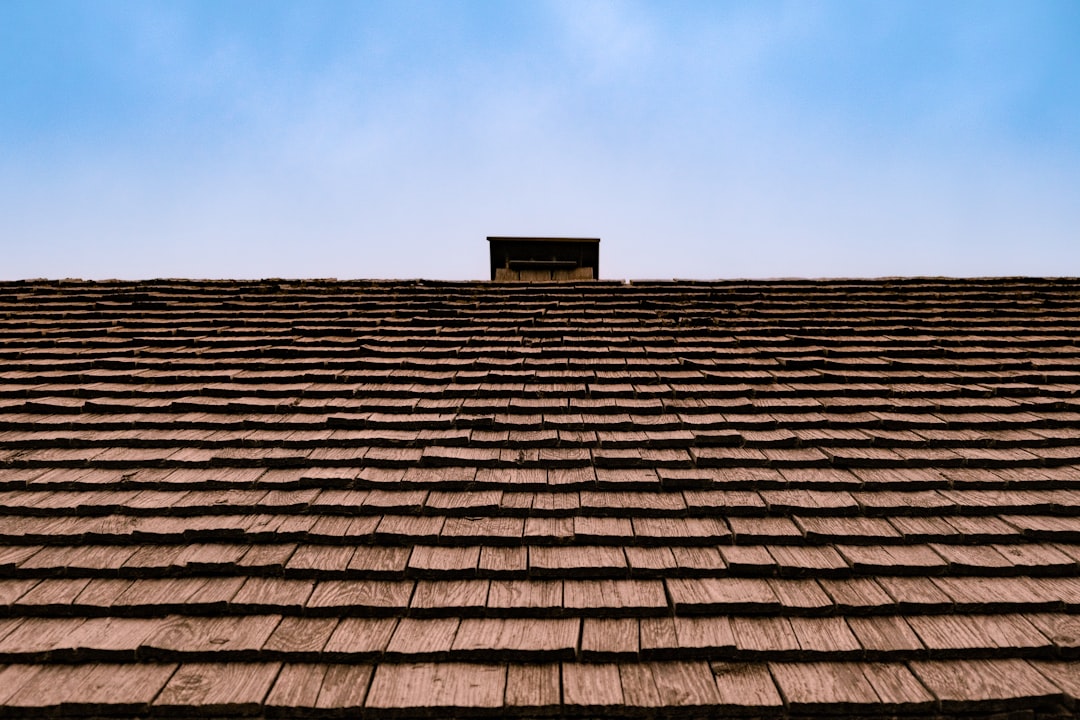
Wood Shake Roof Maintenance Starts With Regular, Gentle Care
Wood shake roof maintenance comes down to a few habits: inspect the roof each spring and fall, clear leaves and pine needles before they hold moisture, keep gutters flowing, trim back overhanging branches, and address split, loose, or soft shakes early. Avoid harsh pressure washing and moisture-trapping sealers. Instead, use gentle cleaning methods and breathable, wood-safe treatments when needed.
Cedar and other quality wood shakes can last 30 to 40 years with consistent care, but sun, wet-dry cycles, moss, fungi, and storm damage can shorten that life. The goal is simple: keep the wood dry, ventilated, and free of debris so small issues do not become leaks or rot.
JF Baker Roofing Company has served Central Ohio since 1929. Led by third-generation owners Chad and Pat Baker, we provide residential and commercial roofing, roof repair, replacement, storm damage roofing, gutter installation and repair, and sheet metal work across Columbus, Dublin, Upper Arlington, Hilliard, Grandview Heights, Worthington, Westerville, and nearby communities. We are a CertainTeed ShingleMaster Preferred Contractor, NRCA member, and BBB Accredited Business with an A+ rating. Honest assessments, transparent pricing, clean job sites, and clear communication are central to how we work, with repairs recommended whenever possible and replacement only when genuinely needed.
I'm Chad M. Baker, and the sections ahead explain how to protect a wood shake roof safely through every season.
Core Principles of Wood Shake Roof Maintenance
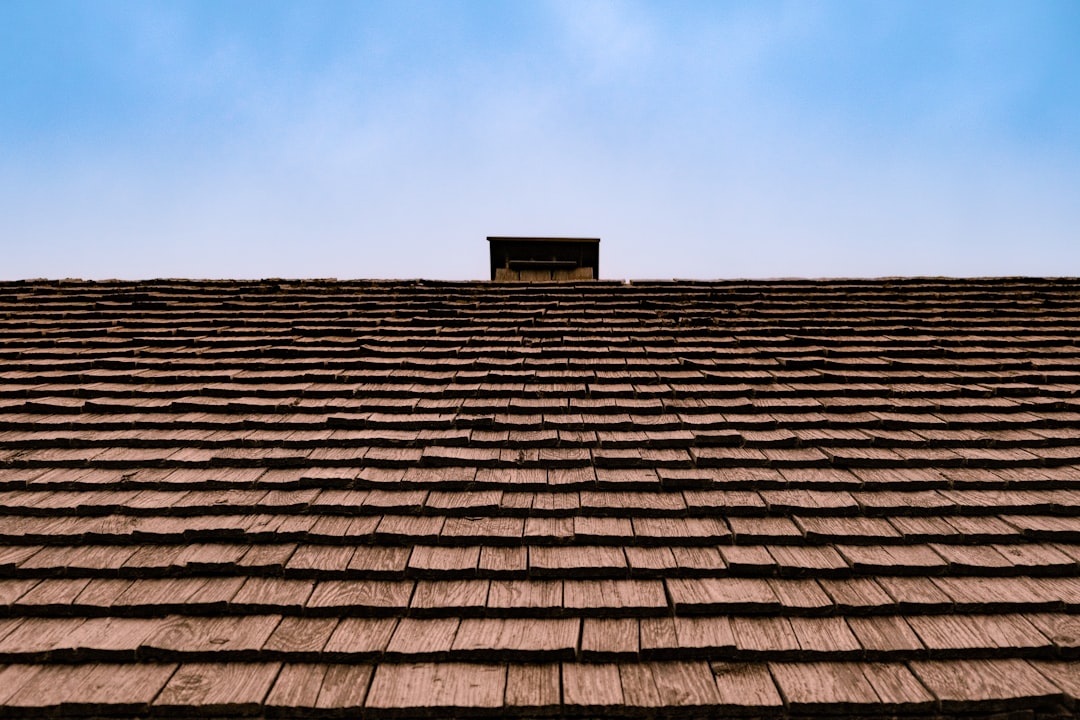
Understanding how a wood roof functions begins with recognizing what makes wood shakes unique compared to standard shingles. Wood shingles are sawn smooth on both sides and tapered uniformly, while shakes are typically hand-split or resawn, offering a thicker, more textured, and rustic appearance.
The longevity of a wood shake roof depends heavily on the species used. Western redcedar is the industry standard across North America, prized for its natural heartwood extractives. These natural chemicals serve as the tree's built-in defense against moisture, insects, and decay-causing fungi. Other durable species include coastal redwood, bald cypress, and eastern redcedar.
Beyond wood species, grain orientation dictates durability. Edge-grain (vertical-grain) shakes shrink and swell about half as much as flat-grain shakes, making them far less prone to cupping, curling, and splitting over decades of exposure. For a broader overview of modern residential systems, you can explore our residential roofing guide.
Natural weathering is a reality for any exterior wood surface. As established in extensive USDA Forest Service research on wood shake care, sunlight slowly degrades lignin—the organic glue holding wood fibers together. This photodegradation, combined with rain and cyclical freezing and thawing, turns rich golden cedar into a soft silvery-gray patina over the first year. While this graying is entirely natural, excessive moisture retention turns benign weathering into active biological decay.
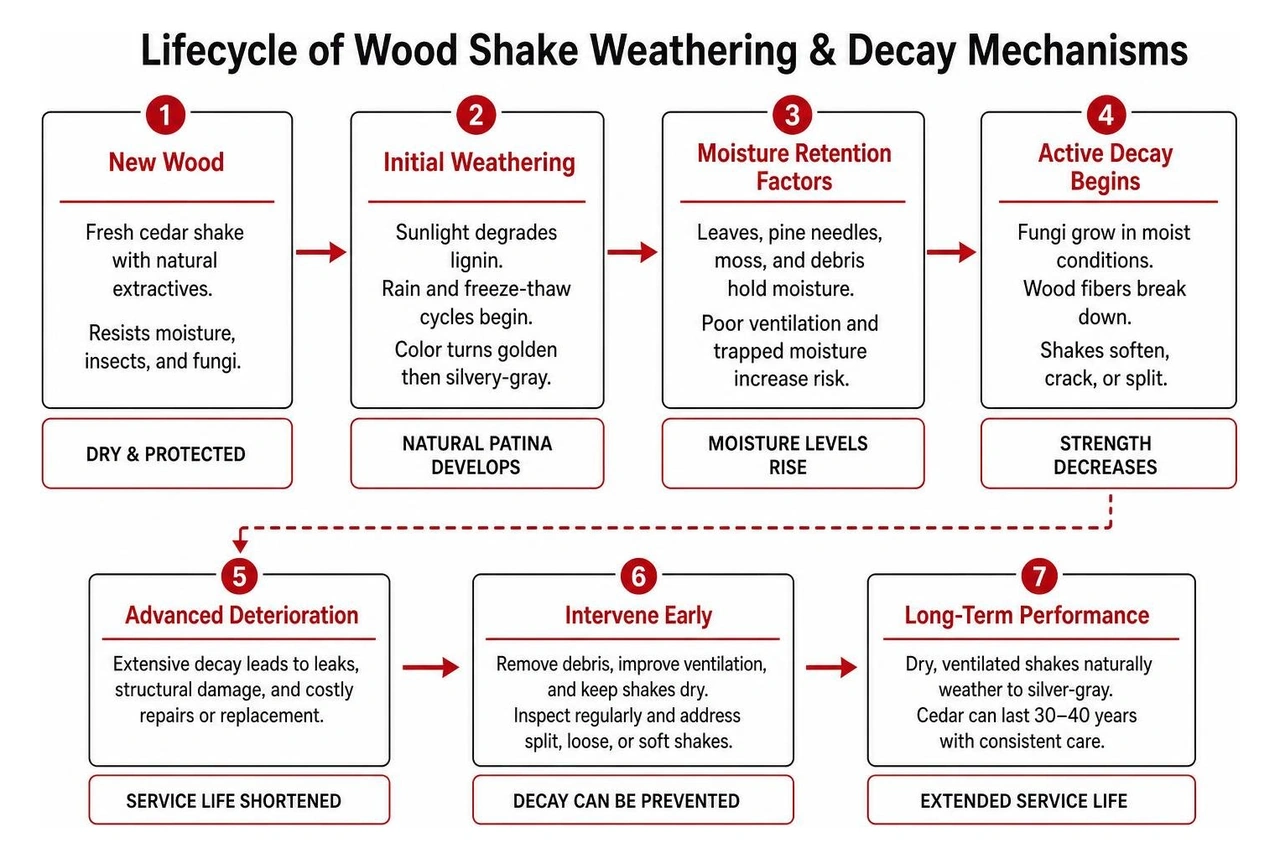
Seasonal Wood Shake Roof Maintenance Schedule
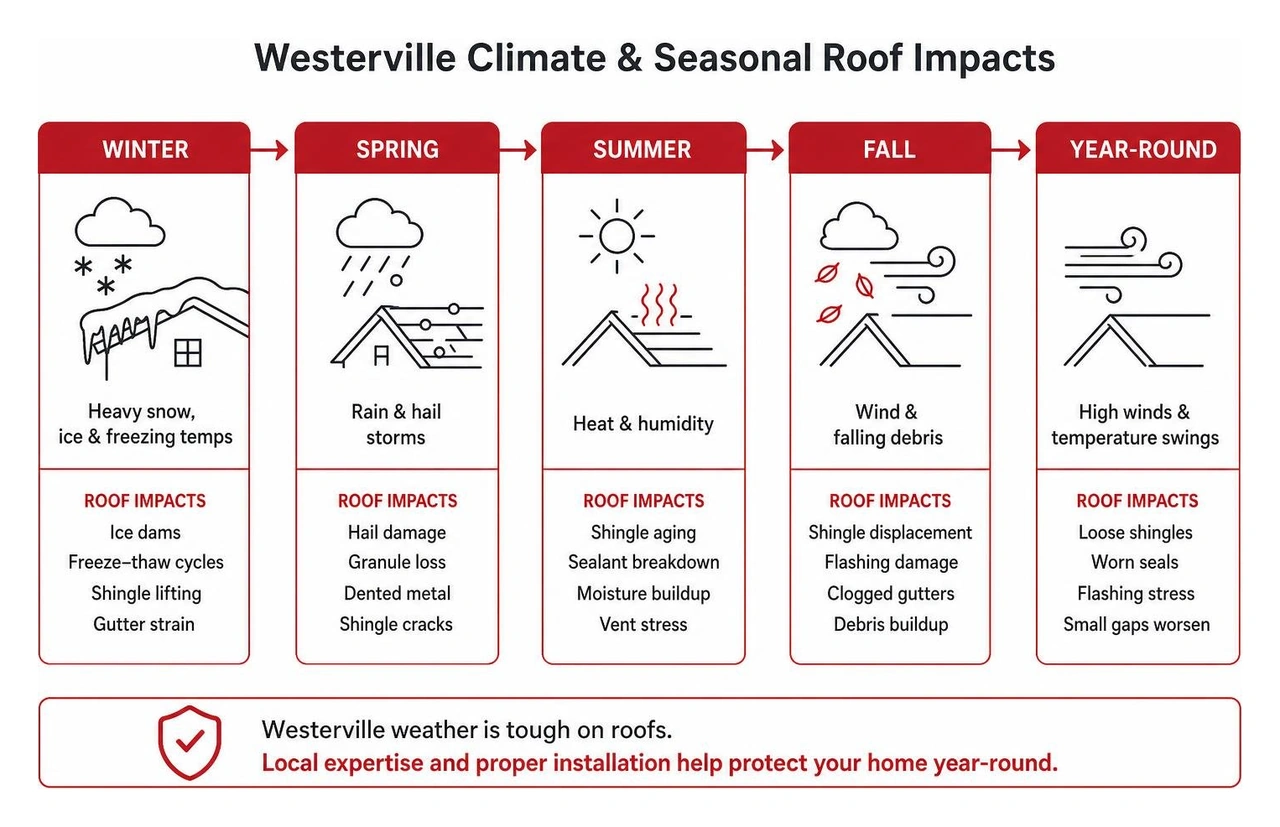
A regular seasonal routine ensures your roof breathes freely and sheds water properly:
- Spring Inspection (Post-Winter): Check for shingles or shakes loosened by winter winds, frost heave, or heavy snow loads. Look for newly formed splits, dislodged ridge caps, and flashings pulled out of alignment.
- Fall Preparation (Pre-Winter): Clear out autumn leaf litter and pine needle buildup that settles between the keyways (the gaps between adjacent shakes). When keyways become clogged, rainwater cannot flow off the roof and instead backs up beneath the wood courses.
- Vegetation Management: Prune back overhanging tree branches at least several feet from the roof plane. Dense tree canopies block sunlight, prevent wood from drying after storms, and deposit organic matter directly onto the surface.
- Gutter Drainage and Attic Ventilation: Keep gutter runs and downspouts completely clear to prevent water from backing up along the eaves. Ensure your attic has balanced intake and exhaust ventilation, as trapped attic humidity causes underside rot and accelerates shake warping.
Safe Cleaning Techniques and Debris Removal
Cleaning a wood shake roof requires a delicate touch. Aggressive techniques do far more harm than good. High-pressure washing acts like an industrial chisel on soft cedar, stripping away surface wood fibers, raising grain furrows, and opening deep cracks that invite leaks.
- Air Blasting and Hand Brushing: For routine debris removal, using low-pressure compressed air or gentle hand scrubbing with a soft-bristle brush is the safest way to dislodge compacted needles and leaves from keyways.
- Safe Cleaning Solutions: When tackling biological growth, opt for oxygen bleach (sodium percarbonate) rather than harsh chlorine bleach. Oxygen bleach breaks down mold and organic staining without destroying wood lignin, corroding metal flashings, or killing the lawn below.
- Rinsing Protocols: Apply cleaning solutions on calm, overcast days to prevent premature drying. Allow proper dwell time according to product directions, scrub stubborn spots lightly, and rinse thoroughly from the ridge downward with a standard garden hose.
Managing Moss, Fungi, and Preservative Treatments
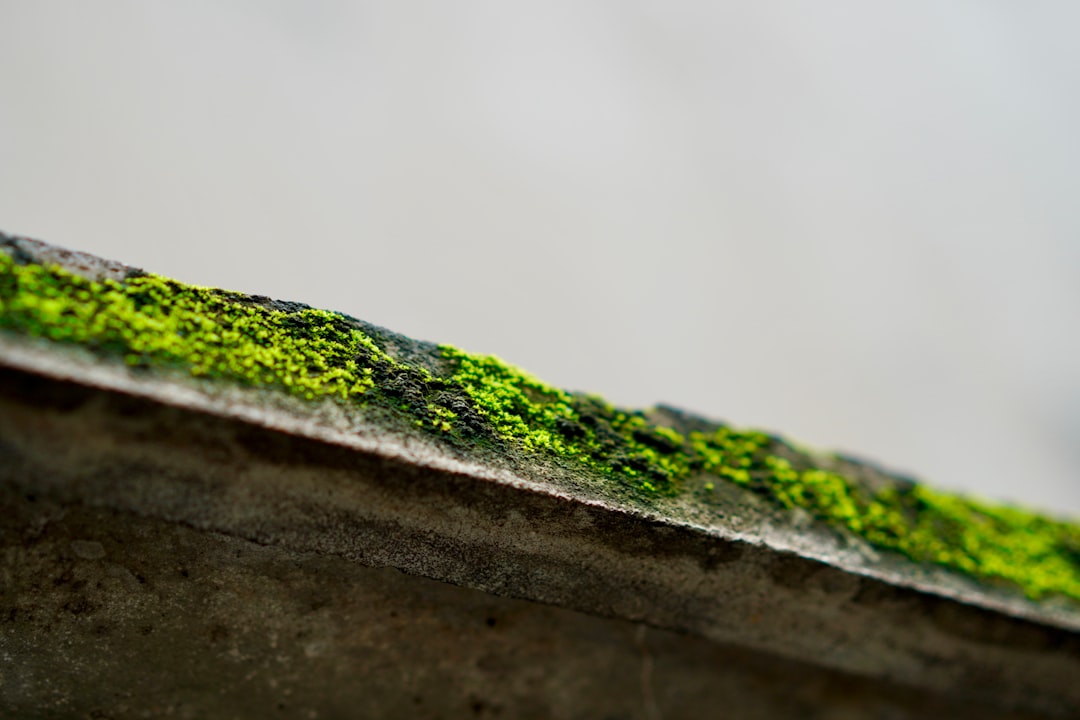
Moss and lichens might look charming on a fairytale cottage, but on a wood roof, they act like soaked sponges. Moss holds moisture directly against the shakes, preventing them from drying out and creating the exact damp environment wood-rotting fungi require to thrive.
One proven preventative measure is installing continuous zinc or copper strips along the roof ridges and hips. As rainwater washes over the exposed metal, it releases trace ions that naturally inhibit moss, mold, and lichen growth down the slope for roughly two to six feet.
When treating older wood, apply breathable water-repellent preservatives formulated specifically for cedar roofing. Never coat a cedar roof with non-breathable sealants, thick plasticizers, or standard varnish. Cedar must breathe; surface sealants trap internal moisture and cause the wood to rot from the inside out.
According to the OSU Extension study on wood shake preservation, penetrating treatments like copper naphthenate provide effective fungal deterrence and water repellency for three to five years before requiring reapplication.
Repairing Versus Replacing Aging Wood Shakes
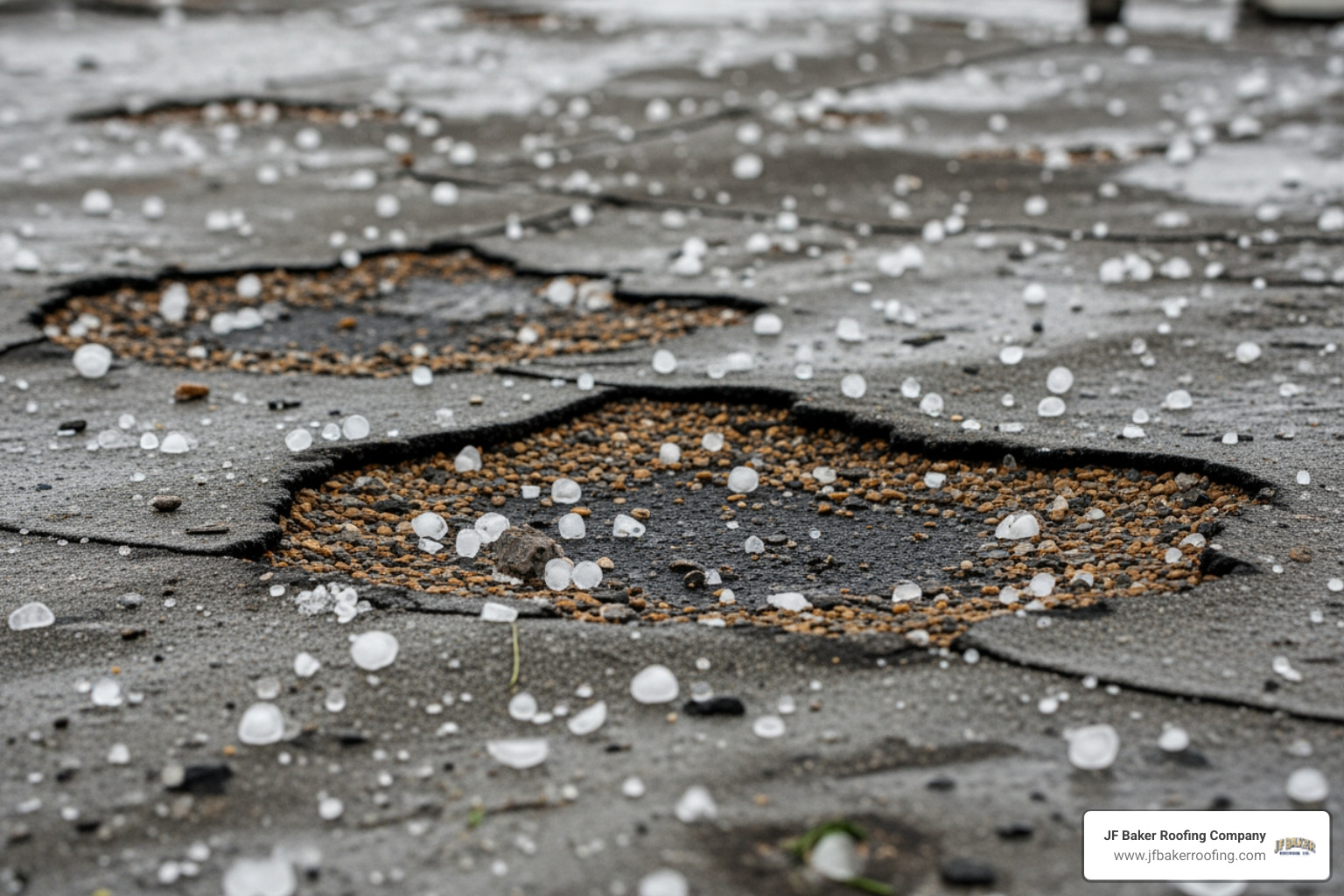
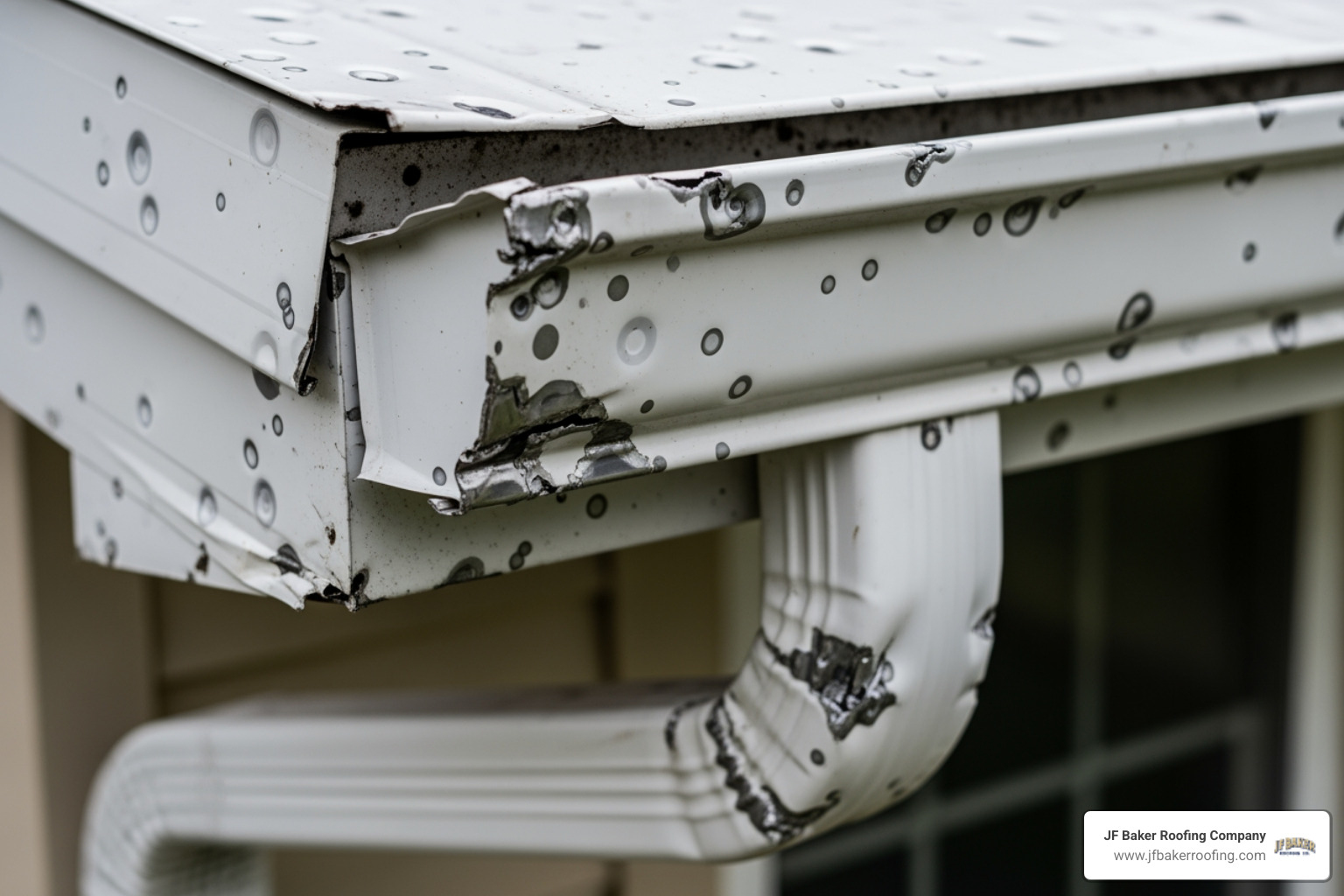
Even with regular upkeep, individual shakes will occasionally fail due to localized knots, hail impacts, or wind stress. Regular visual checks allow you to handle a targeted roof repair before minor issues evolve into structural deck damage.
Watch for these indicators:
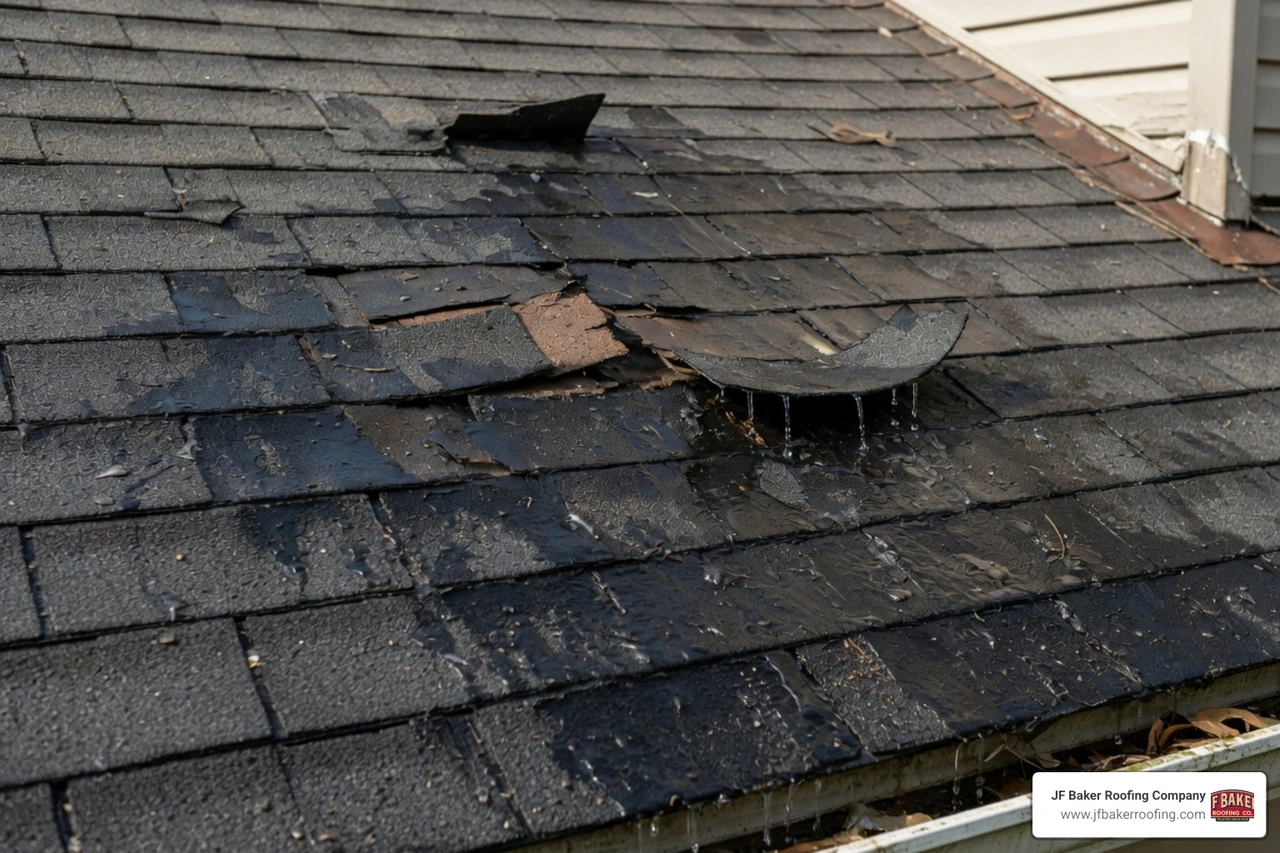
- Horizontal Splitting and Cracking: Splits that run through the entire thickness of a shake expose the felt underlayment directly beneath it to sunlight and water.
- Cupping and Curling: Minor movement is normal as wood adapts to moisture, but excessive curling allows windblown rain to blow underneath the course.
- Soft Rot: If wood feels soft, spongy, or crumbles when pressed lightly, wood-decay fungi have compromised the cellular structure.
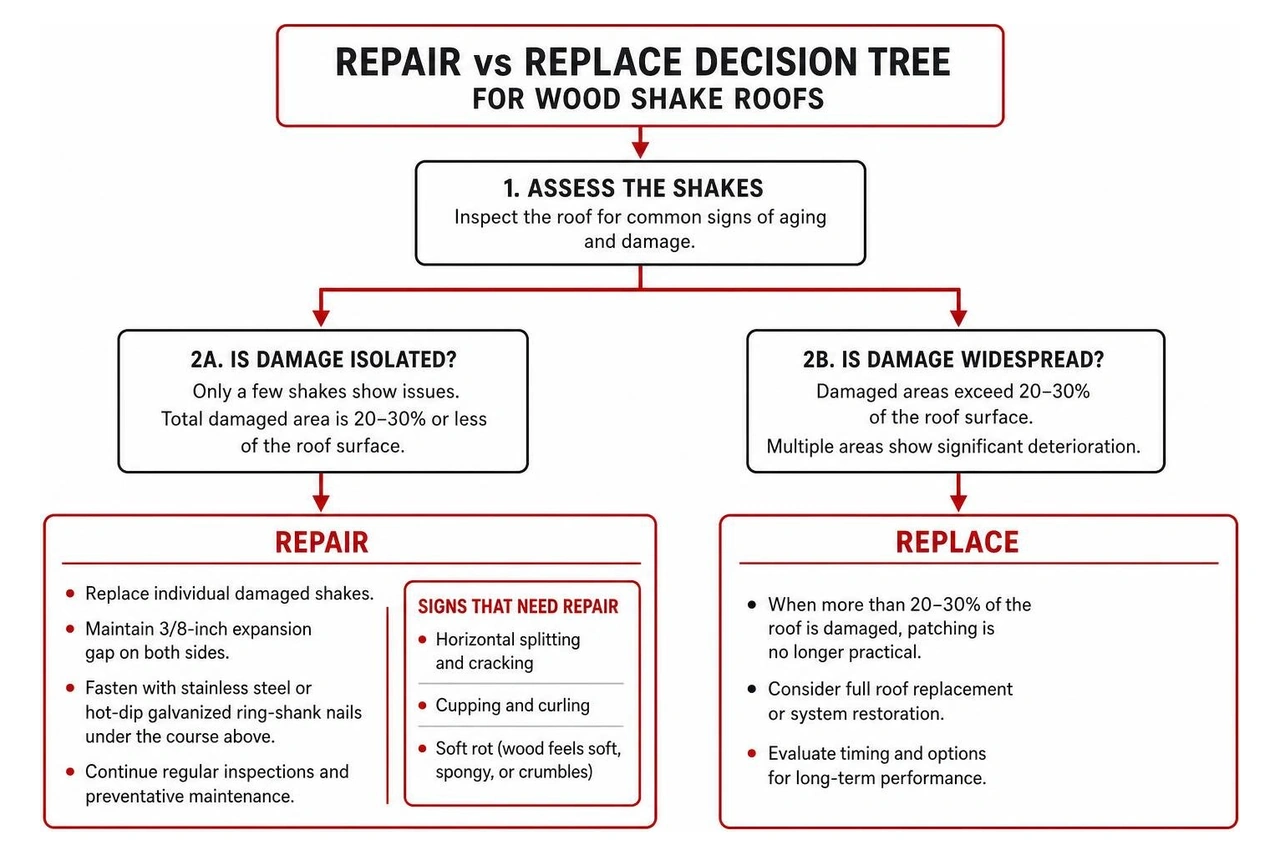
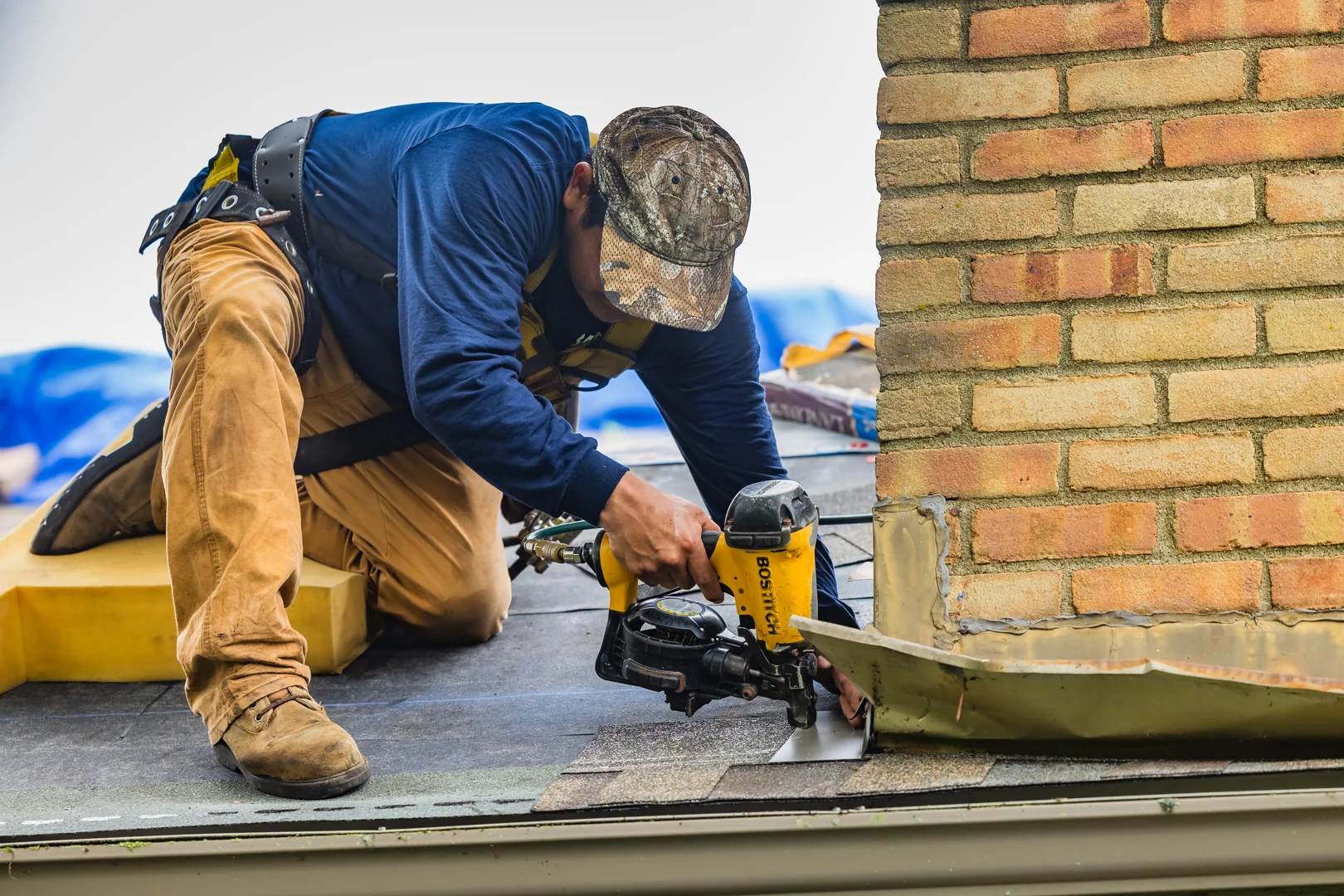
When replacing broken shakes, split the damaged piece using a wood chisel and gently extract it along with its old fasteners. Slide a matching, naturally durable shake into place, maintaining a 3/8-inch expansion gap on both sides. Fasten the replacement using corrosion-resistant stainless steel or hot-dip galvanized ring-shank nails driven just beneath the overlapping course above.
When isolated damaged areas exceed 20 to 30 percent of the total roof surface, localized patching becomes an uphill battle. At that point, review our guide on evaluating roof replacement timing to determine if a full system restoration or replacement is the more sensible path forward.
Safety Precautions During Wood Shake Roof Maintenance
Working on wood roofs presents significant safety hazards:
- Wet Wood is Slick: Damp cedar shakes covered in microscopic algae are exceptionally slippery. Always wear soft, high-traction rubber-soled footwear; never wear slick-soled boots.
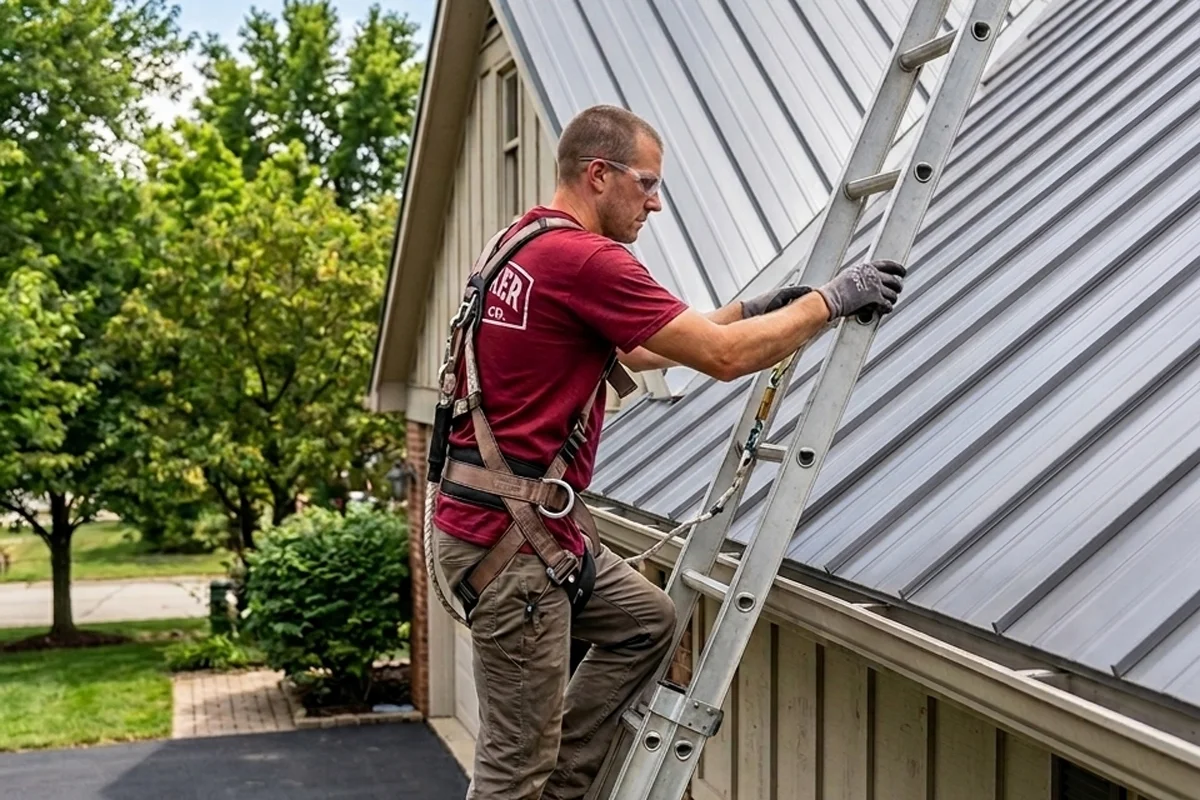
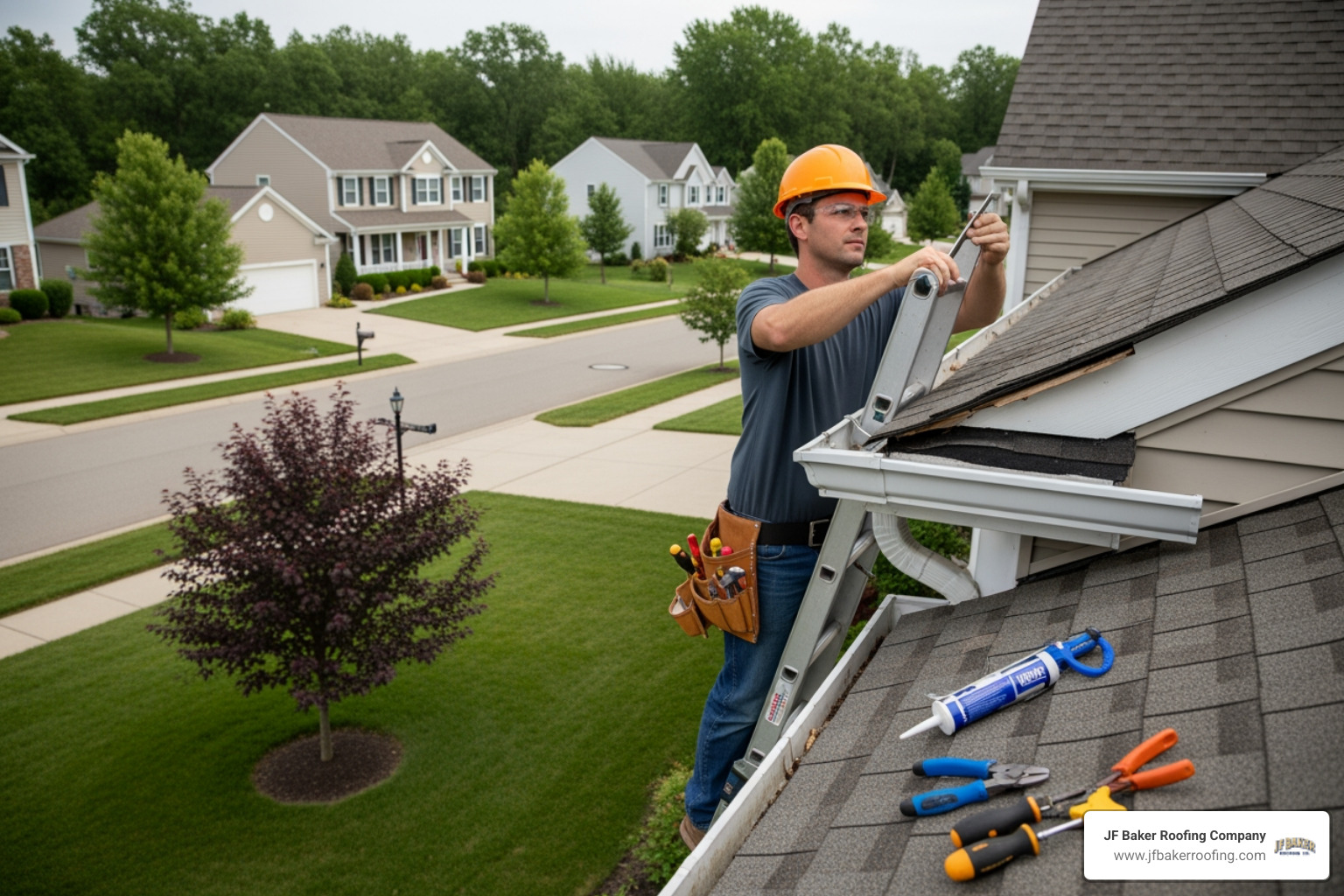
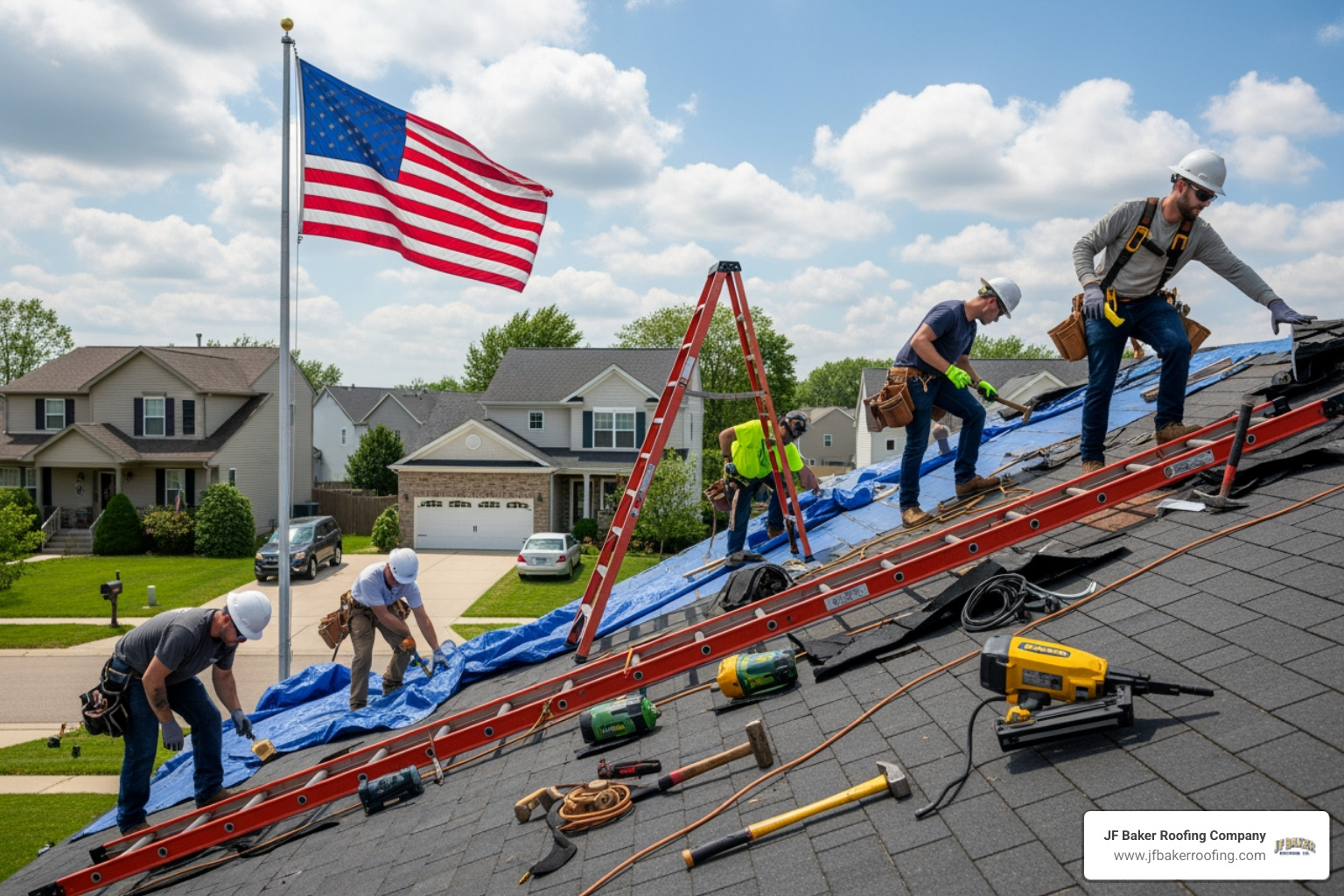
- Ladder Placement: Ensure your ladder is tied off securely at the gutter line and extends at least three feet above the roof edge on firm, level footing.
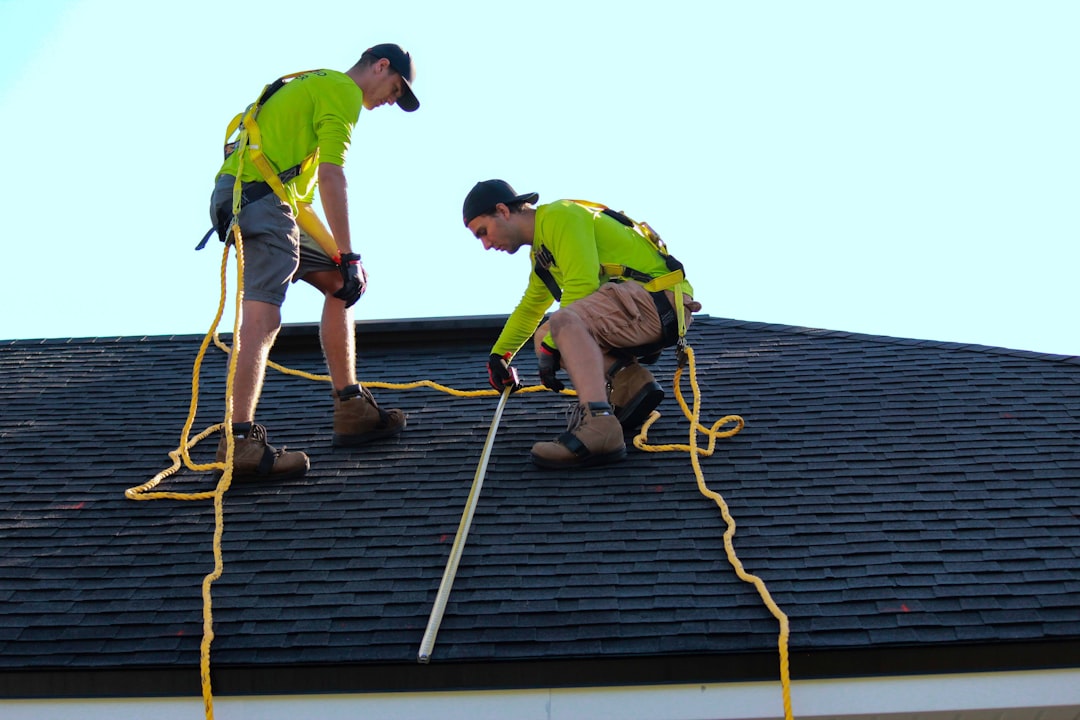
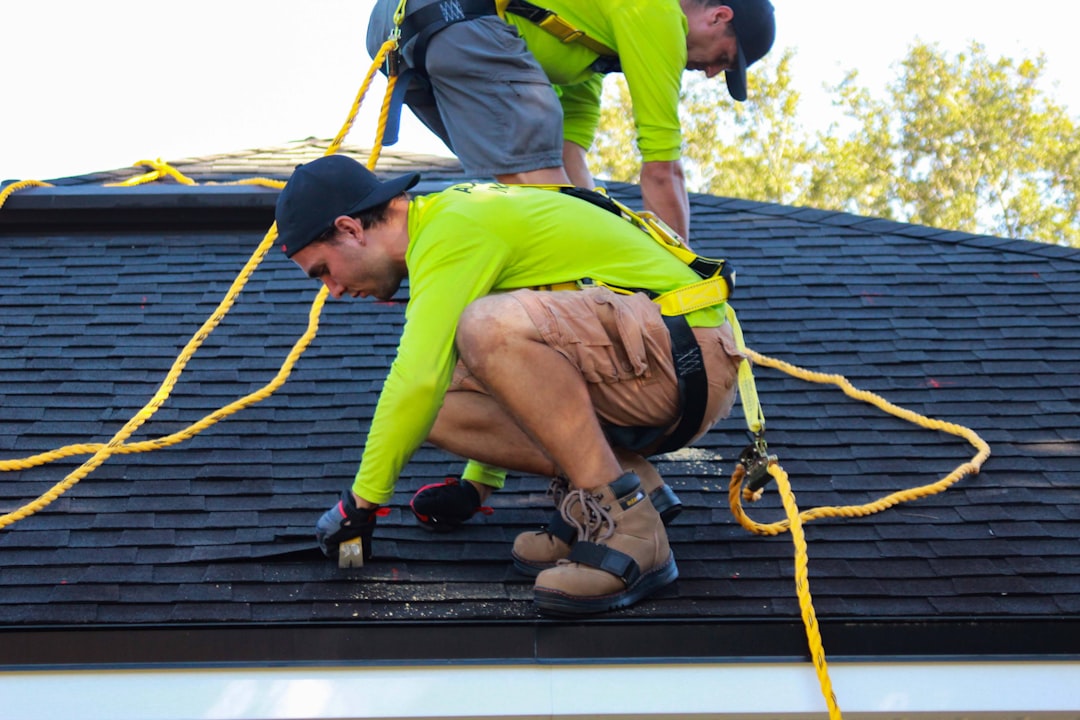
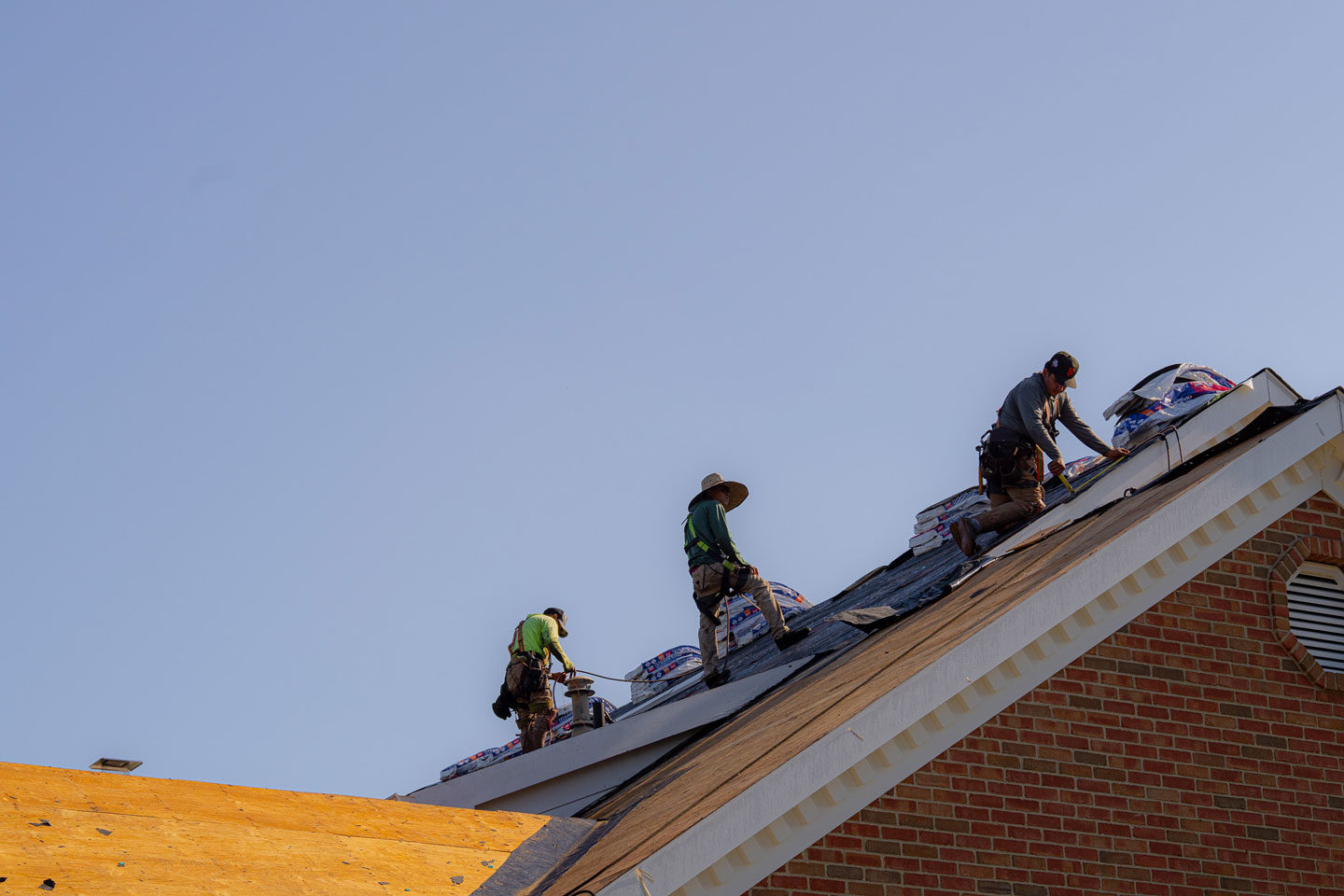
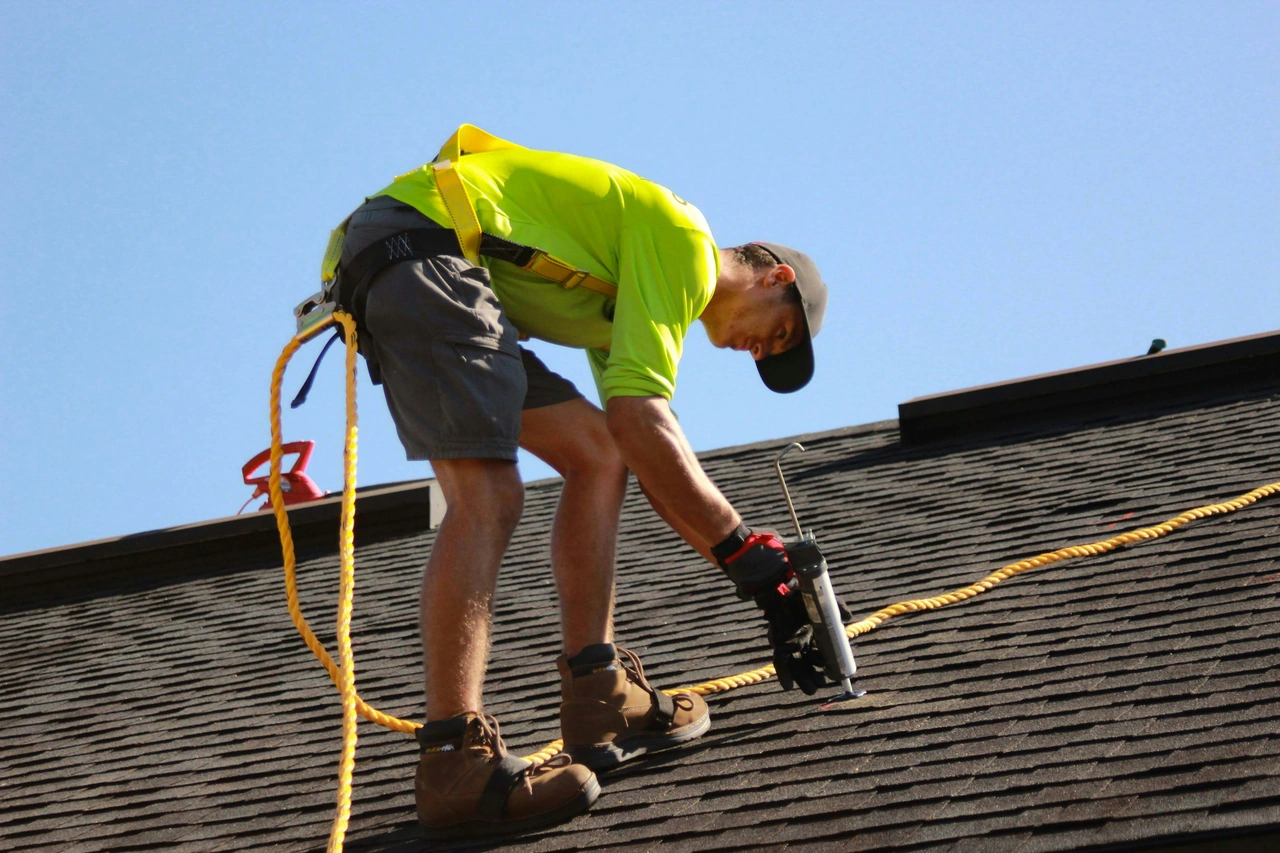
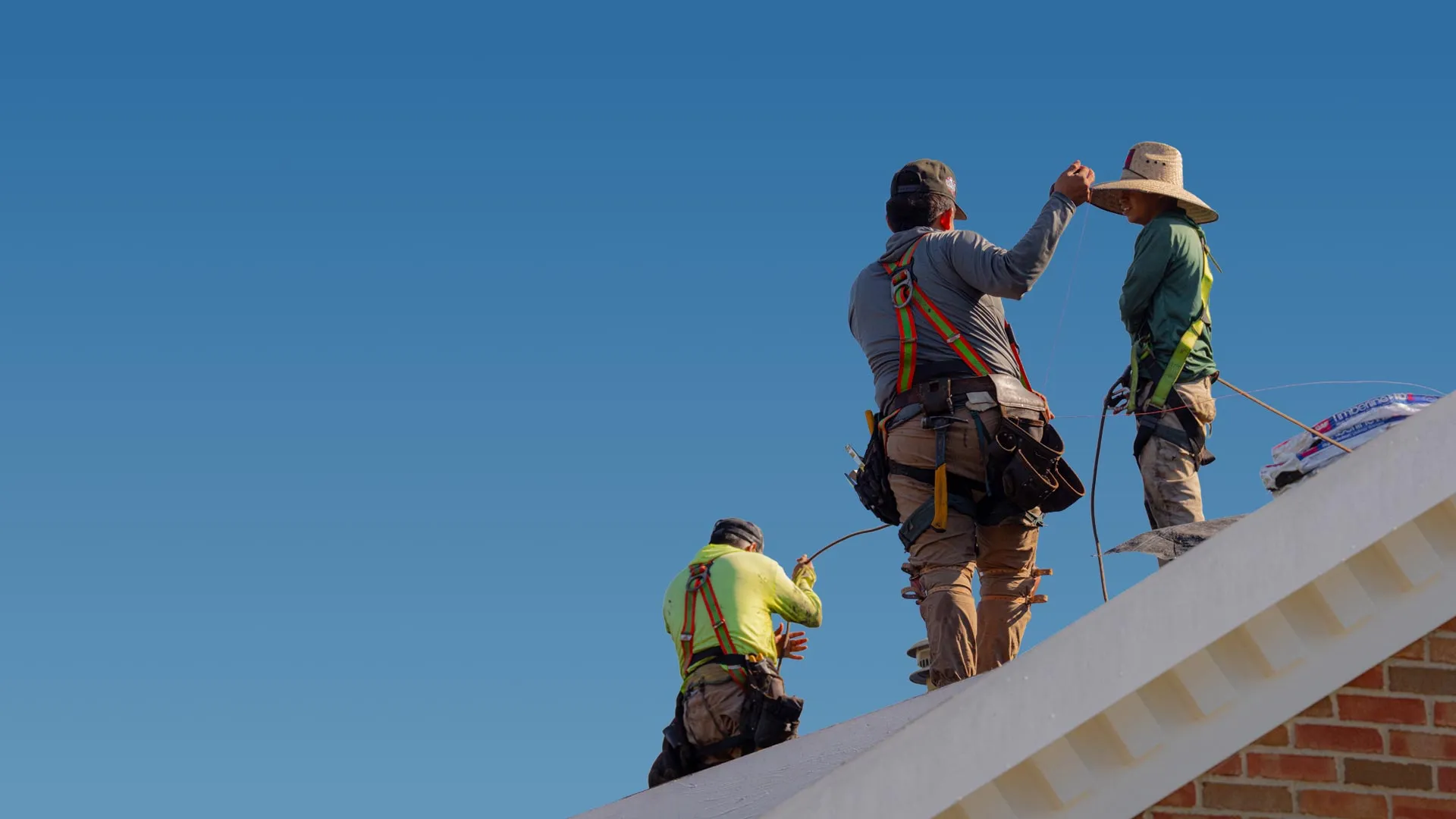
- Fall Protection: Use an approved fall arrest harness anchored to a structural member when navigating steep roof slopes.
- Weight Distribution: Walking directly on weathered shakes can snap them in half. Distribute your weight across roof ladders or foam cushions rather than stepping on the fragile lower butts of individual shakes.
- If a roof has a steep pitch or extensive second-story elevations, partnering with safety-trained roofing contractors protects both you and the structural integrity of your roof.
Frequently Asked Questions about Wood Shake Roofs
How often should a wood shake roof be cleaned and inspected?
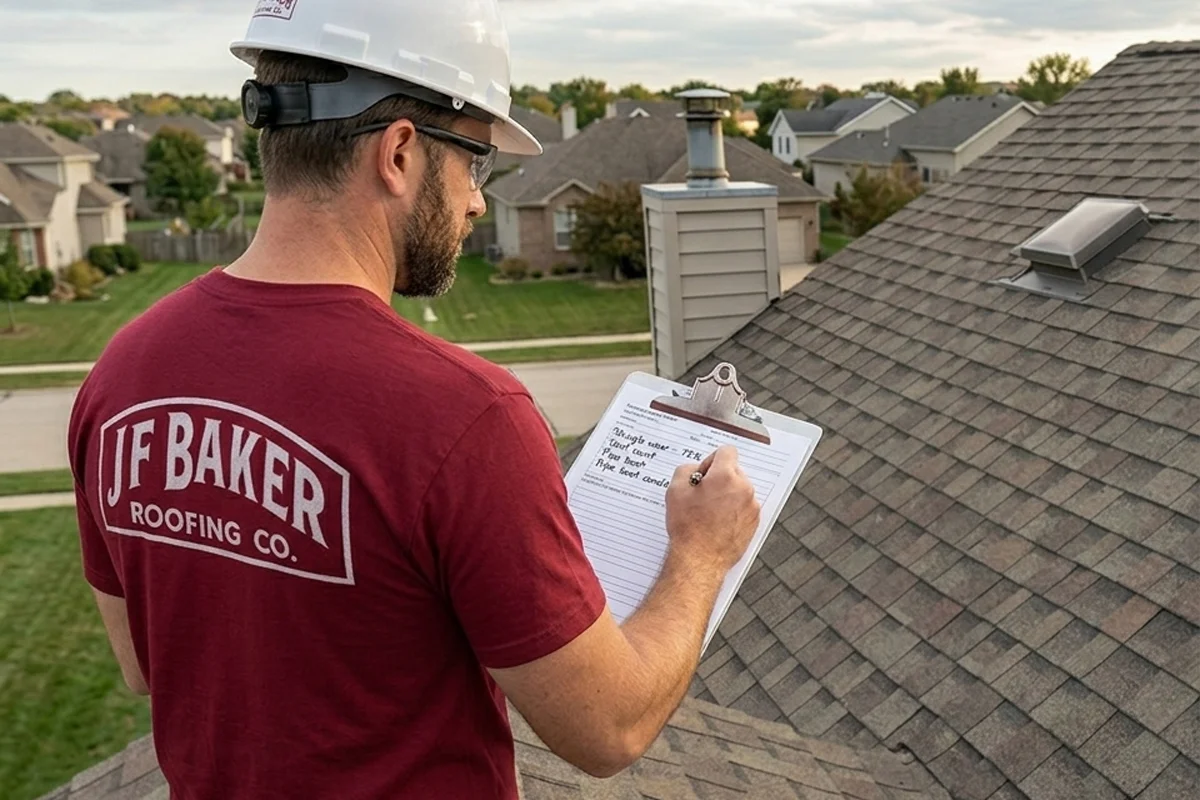
We recommend a thorough visual roof inspection twice a year—once in early spring after winter freezes, and once in late fall before winter moisture sets in. Debris like leaves and pine needles should be cleared annually, while chemical cleaning and protective treatments are typically done every two to four years based on tree coverage and shade.
Can power washing damage wood shake roofing?
Yes. High-pressure washing erodes the soft springwood fibers of the shake, leaving deep grooves, loosening nails, and promoting premature grain separation. If a washer is used to apply a cleaner, the pressure must remain low (under 1,000–1,200 PSI) with a wide 40-degree fan tip kept at a safe distance, though gentle soft-washing methods and hand brushing are far safer.
How long do protective treatments last on cedar shakes?
Most topical water-repellent treatments and oil-based preservatives last between one and three years, though specialized copper-based formulations can provide up to five years of protection in moderate climates. Periodic reapplication restores cedar's natural moisture resistance and protects exposed wood fibers from sun degradation.
Conclusion
A wood shake roof offers architectural character that few modern alternatives can match. Keeping that beauty intact requires patience, regular debris removal, and a commitment to letting the wood breathe naturally.
Since 1929, JF Baker Roofing has helped homeowners protect their roofing investments across Central Ohio. Led by third-generation owners Chad and Pat Baker, we provide residential roofing, commercial roofing, roof repair, roof replacement, storm damage roofing, gutter installation and repair, and sheet metal work throughout Columbus, Dublin, Upper Arlington, Hilliard, Grandview Heights, Worthington, Westerville, and neighboring communities.
As a CertainTeed ShingleMaster Preferred Contractor, NRCA member, and BBB Accredited Business with an A+ rating, our philosophy is simple: Built on integrity. Proven by performance. We provide honest assessments, transparent pricing, clean job sites, clear communication, and no high-pressure sales tactics—recommending repairs when possible and replacement only when genuinely needed.
If you have questions about your wood shake roof or would like a knowledgeable assessment of its condition, reach out to our family-owned team anytime for a reliable residential roofing consultation. We stand behind every roof we service.













.jpeg)