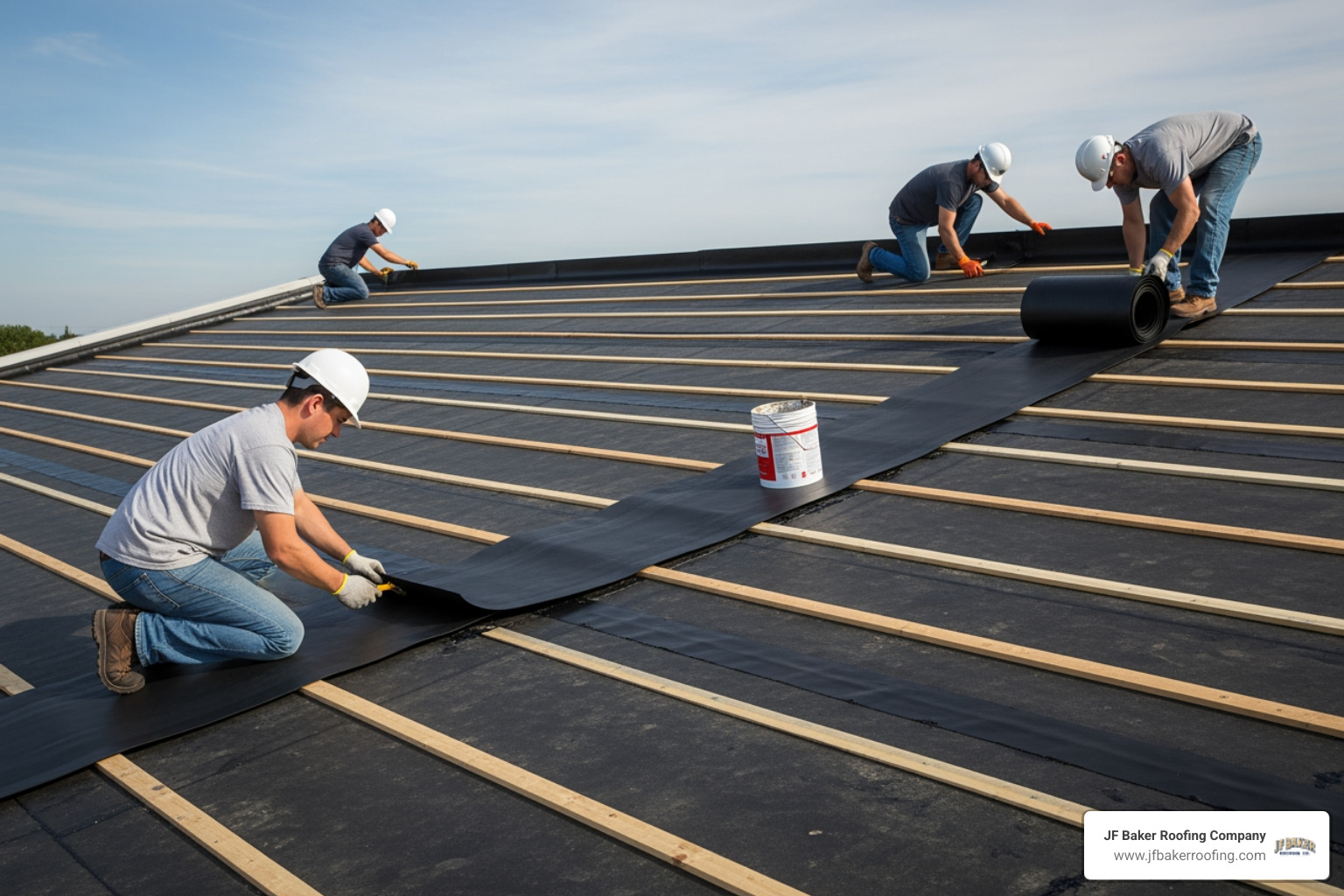
How to Fix Roof Flashing Leaks the Right Way
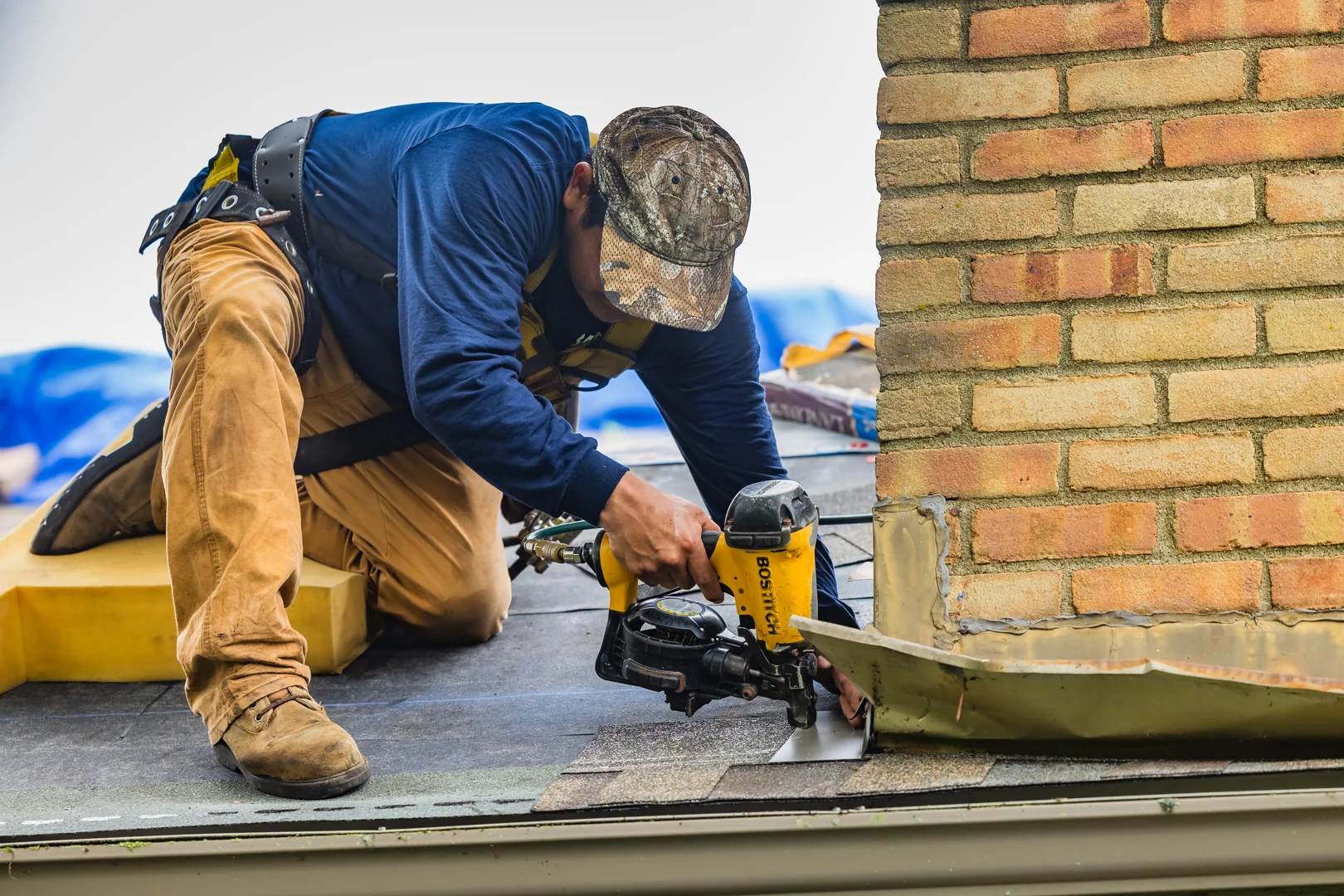
Fix Roof Flashing Leaks Before Water Spreads
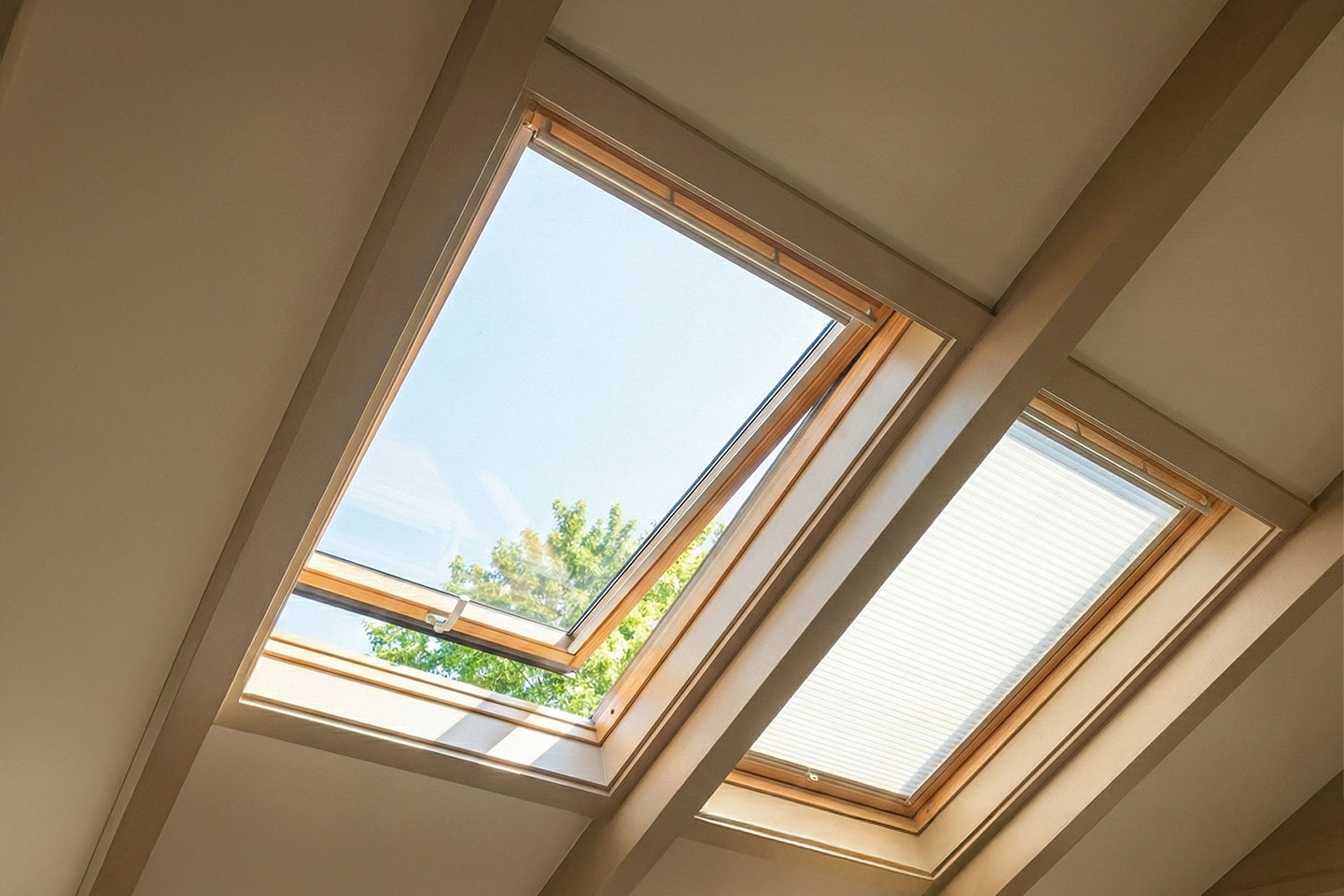
Roof flashing repair starts with finding the failed detail, not simply adding more caulk. Check the metal around chimneys, vent pipes, skylights, roof-to-wall joints, valleys, and edges for lifted sections, cracked sealant, rust, gaps, or loose fasteners. If the metal is still sound, a careful reseal or targeted repair may stop the leak. If it is rusted through, bent, missing, or improperly installed, replacement is usually the lasting fix.
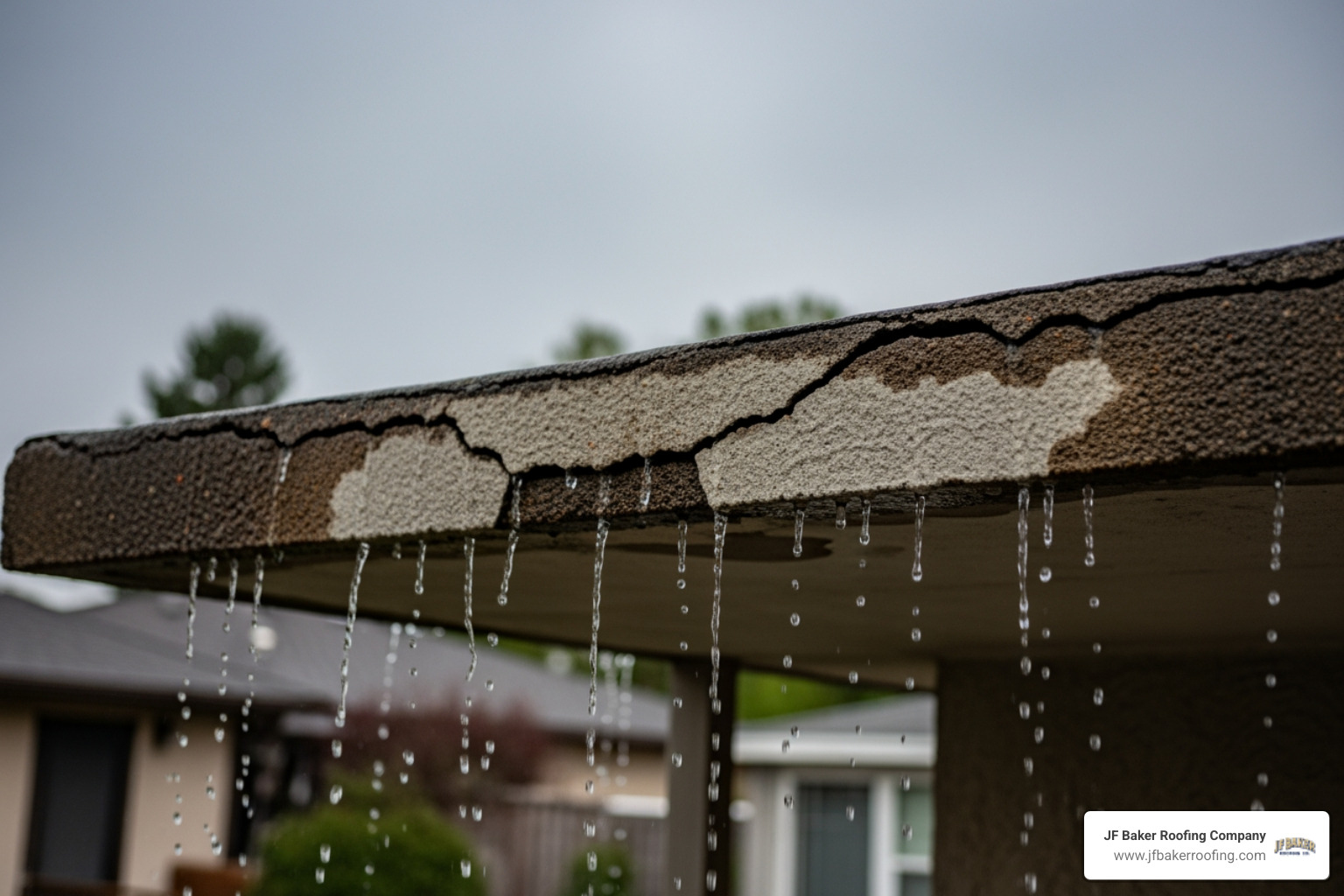
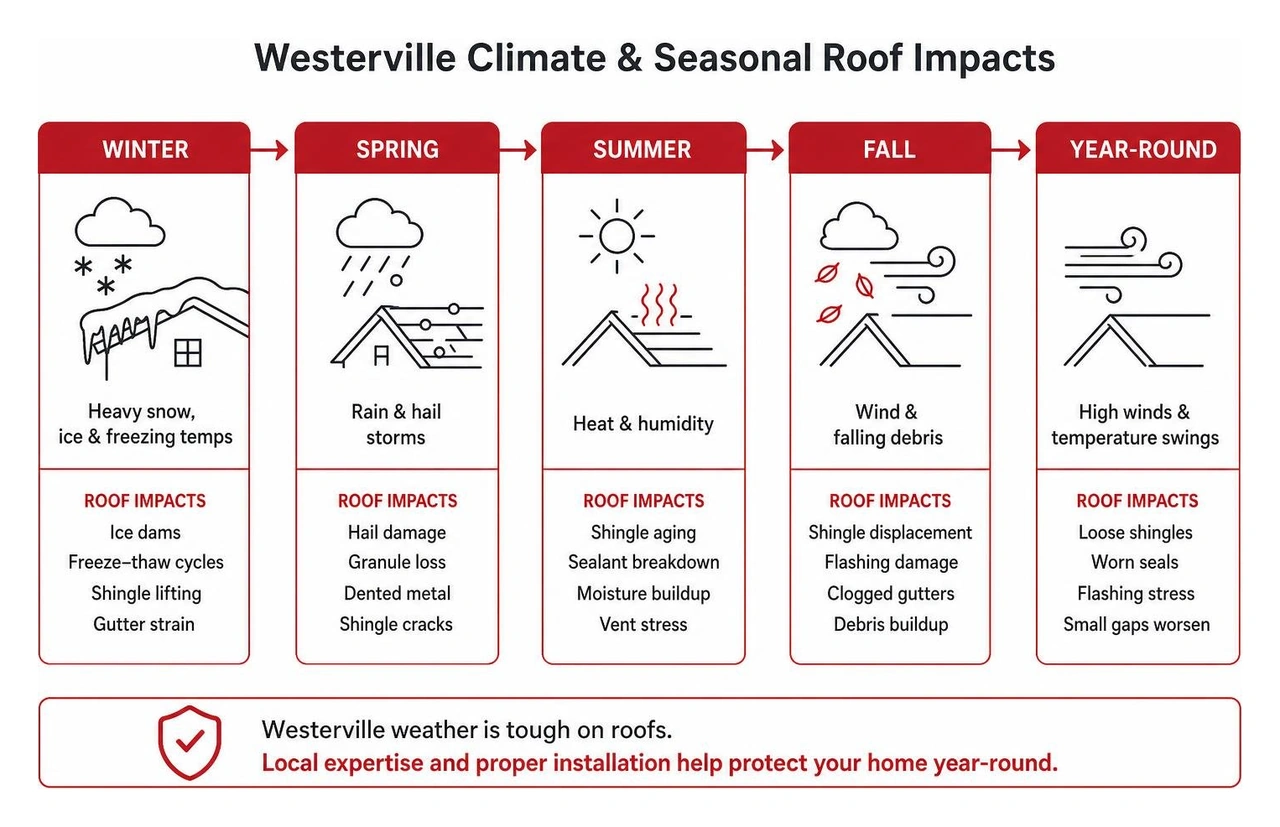
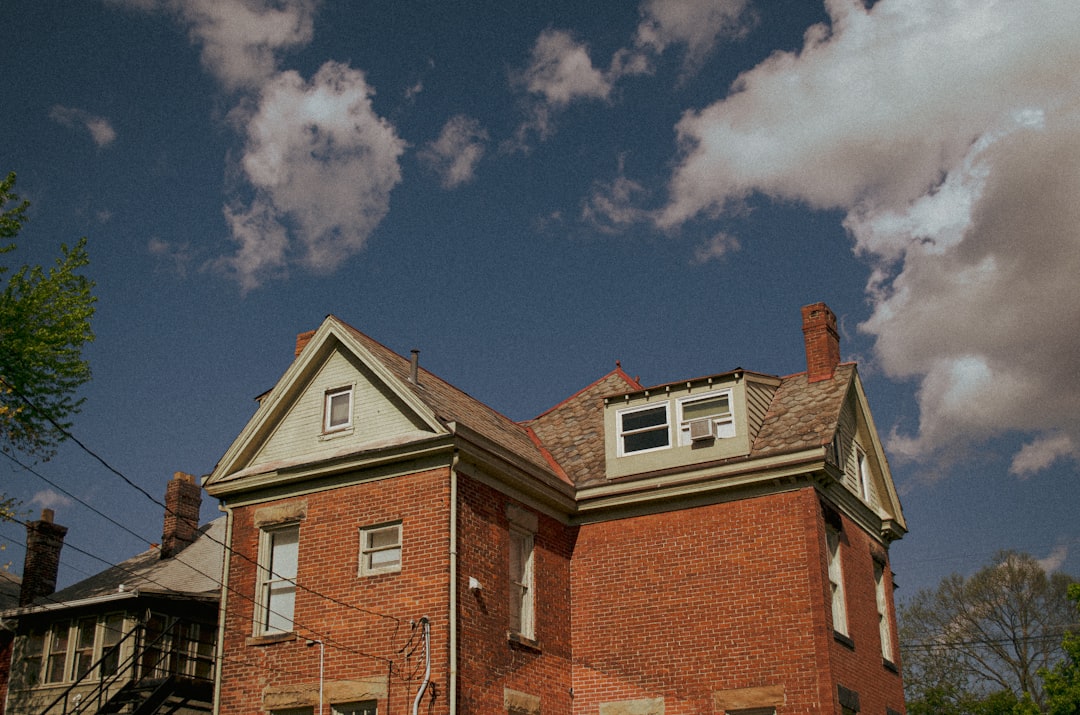
In Columbus and across Central Ohio, winter freeze-thaw cycles, spring storms, and summer heat can all weaken flashing seams. A small ceiling stain or rust streak may be the first visible sign, but moisture can travel beneath shingles and into roof decking before it shows up indoors. The right repair restores the path that sheds water off the roof, rather than trapping it behind a surface patch. I’m Chad M. Baker of JF Baker Roofing, and our family has provided honest, no-pressure roofing guidance in Central Ohio since 1929.
Roof flashing repair definitions:
- flashing sealant
- roof flashing sealant
- Roof flashing
For a broader overview of how flashing works with the rest of the roof system, see Roof flashing.
Understanding Roof Flashing Types, Locations, and Lifespans
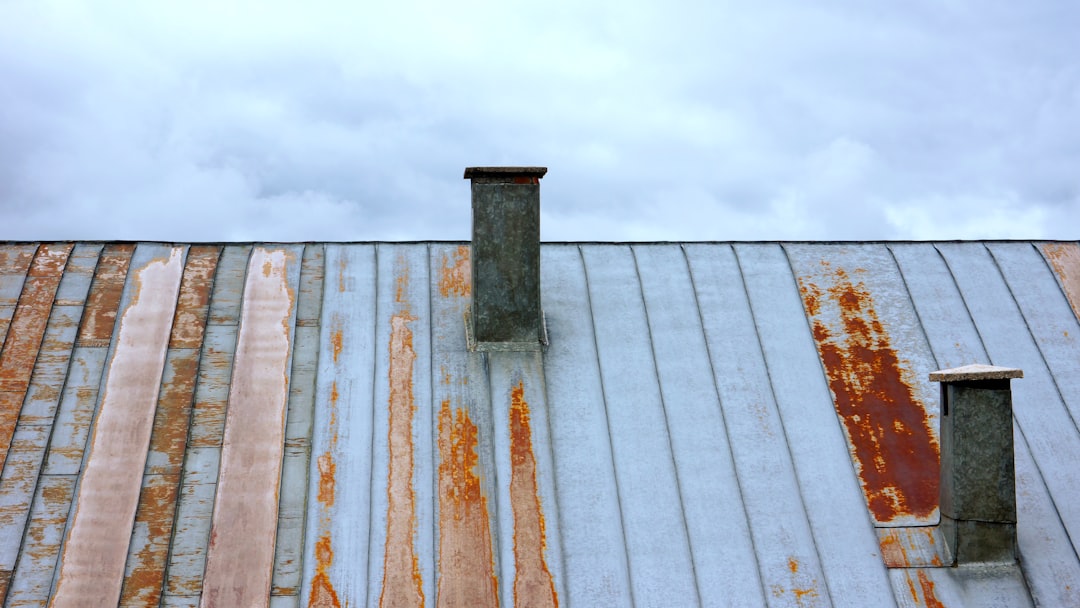
Roof flashing) is the thin impervious material, typically formed from sheet metal, installed to divert water away from critical junctions on your roof. Shingles do an excellent job shedding water across wide, sloping expanses, but whenever a slope ends, turns into a wall, or gets interrupted by a chimney or plumbing pipe, shingles alone cannot keep water out. That is where flashing bridges the gap.
Different roof architectural features demand specialized flashing profiles:
- Step Flashing: Used where a sloped roof meets a vertical sidewall or dormer. These are individual L-shaped pieces of metal overlapped with each shingle course to step water safely down the slope.
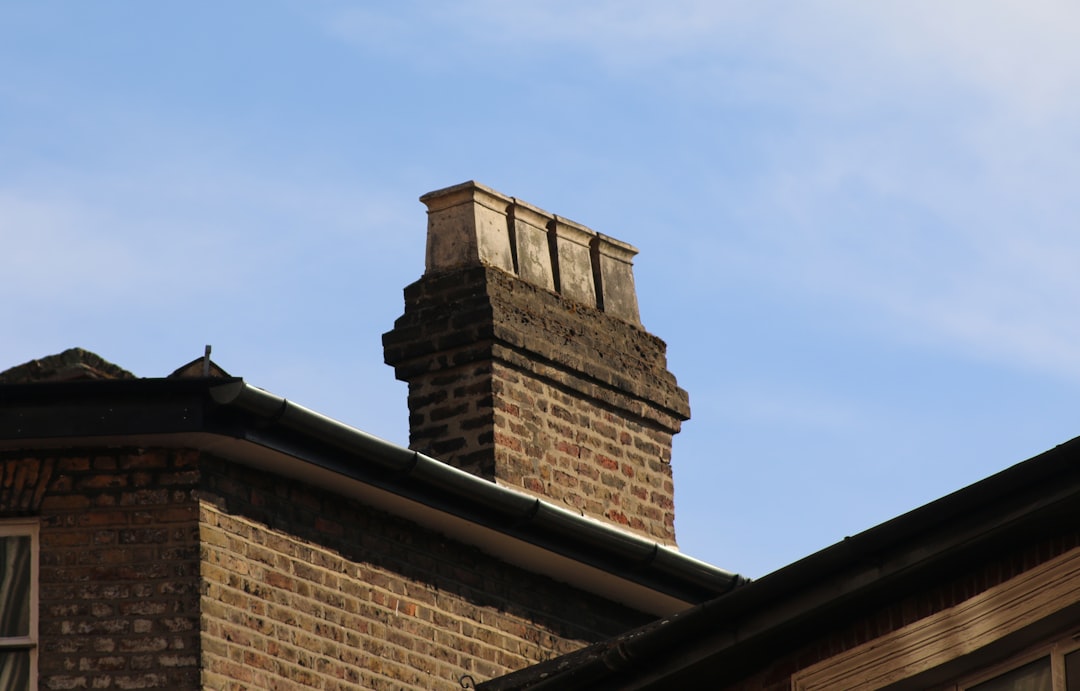
- Counter-Flashing: Positioned above step or base flashing along brick chimneys or masonry walls. The top edge is ground and mortared directly into a masonry joint to cap the lower flashing pieces and prevent water from getting behind them.
- Vent Pipe Boots: Cylindrical flashings fitted with an elastomeric or lead collar that slide over plumbing vent stacks protruding through the roof plane.
- Valley Flashing: W-shaped or V-shaped channels of metal laid along the internal intersections where two roof planes meet, carrying large volumes of runoff toward the gutters.
- Drip Edge: Installed along eaves and rakes to direct rainwater away from the underlying fascia boards and directly into gutter systems.
- Apron and Headwall Flashing: Straight L-shaped metal profiles positioned horizontally where a sloped roof meets a front-facing wall.
The lifespan of your flashing depends heavily on the base material selected, environmental exposure, and the craftsmanship of custom sheet metal work.
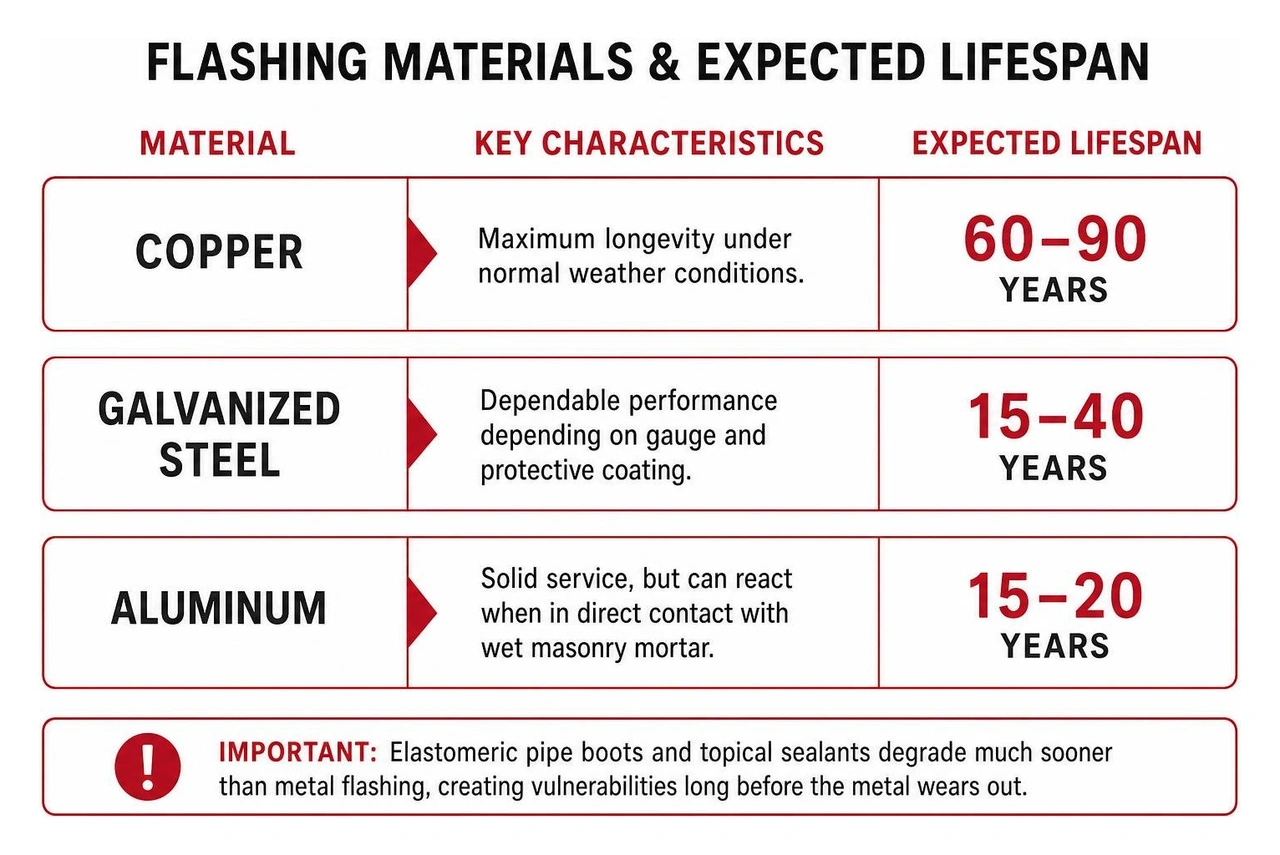
Copper provides maximum longevity, often enduring for 60 to 90 years under normal weather conditions. Galvanized steel delivers dependable performance, generally lasting between 15 and 40 years depending on the gauge and protective coating. Aluminum provides 15 to 20 years of solid service, though it can react when placed in direct contact with wet masonry mortar.
While the sheet metal itself can endure for decades, elastomeric pipe boots and topical sealants degrade much sooner, creating vulnerabilities long before the metal wears out.
Warning Signs, Failure Causes, and the True Cost of Delayed Repairs
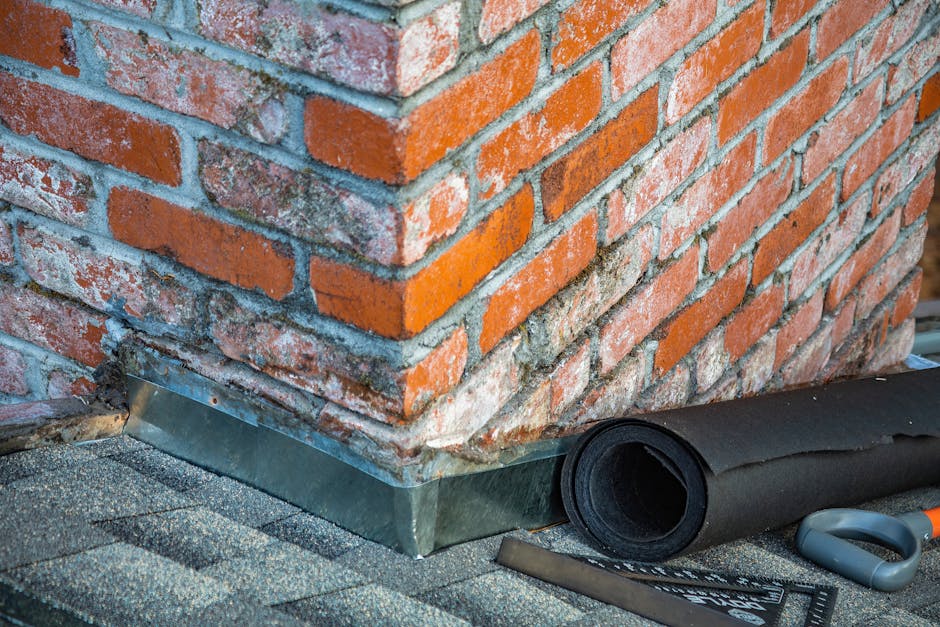
Most roof leaks do not originate in the field of the shingles. In fact, failing or improperly installed flashing represents the single most common cause of roof leaks in roofs older than eight years, accounting for roughly 60% of recurring water intrusion calls. To understand how flashing failures compare with broader roof system issues, the National Roofing Contractors Association documents common causes of moisture intrusion across roof assemblies.
Spotting trouble early saves you from dealing with severe internal property damage. Look for these clear indicators:
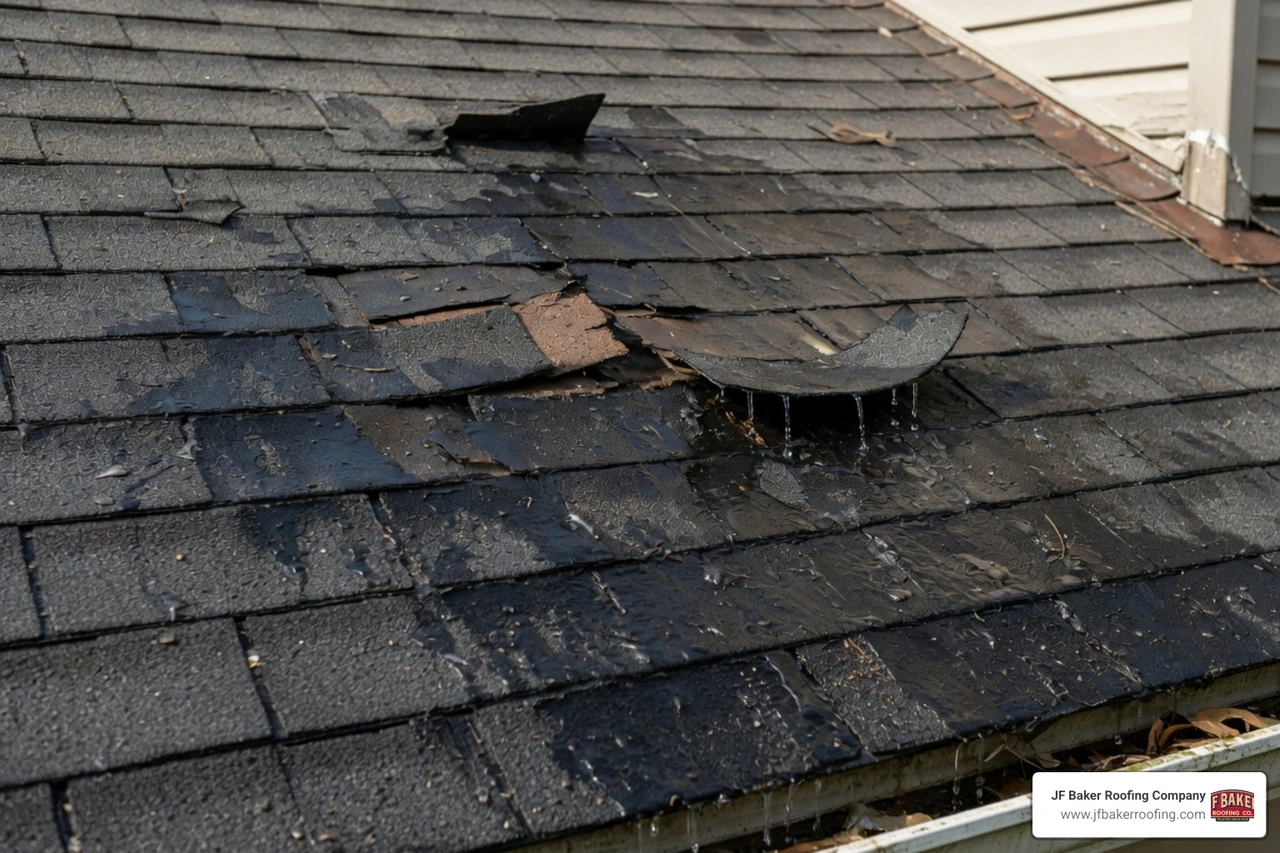
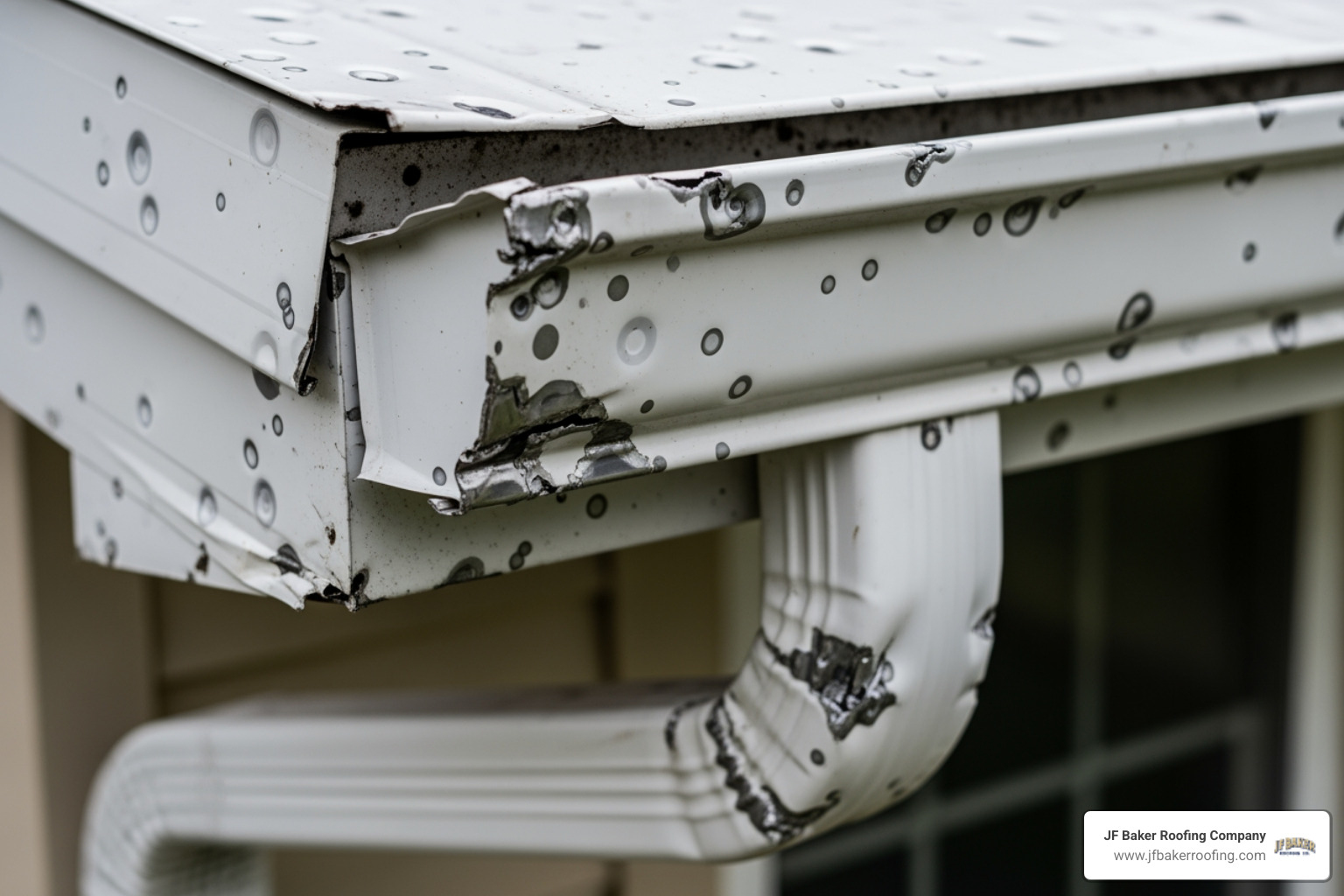
- Exterior Visual Clues: Rust streaks trailing down chimney masonry, lifted metal edges, cracked or missing caulking, bent flashing panels, and exposed nail heads without protective seals.
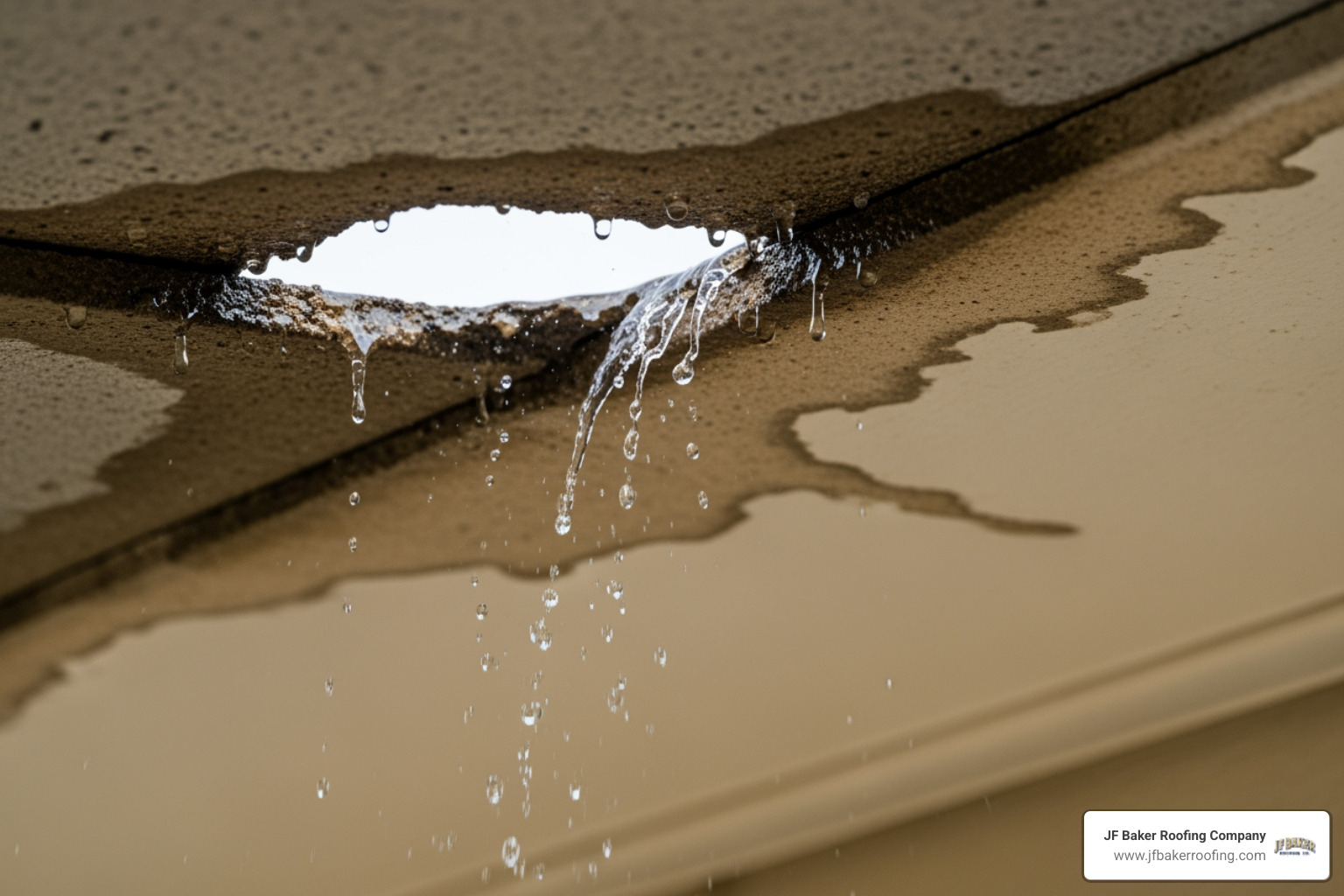
- Interior Red Flags: Water stains on ceilings directly beneath roof-wall intersections, peeling paint on upstairs walls near dormers, and damp smells in the attic.
- Attic Evidence: Black mold on the underside of the roof sheathing, dark water trails running down rafters, and rusted roofing nails protruding through the wood deck.
Why does flashing fail? The most common culprit is natural thermal expansion and contraction. Central Ohio experiences severe temperature swings, from freezing winter mornings to humid summer afternoons. As metal expands in the heat and shrinks in the cold at different rates than wood, masonry, and asphalt shingles, rigid sealants pull apart and fasteners gradually back out. Other causes include structural settling, wind damage, falling tree limbs, and improper initial installation where flashing pieces lacked the required two-inch overlap.
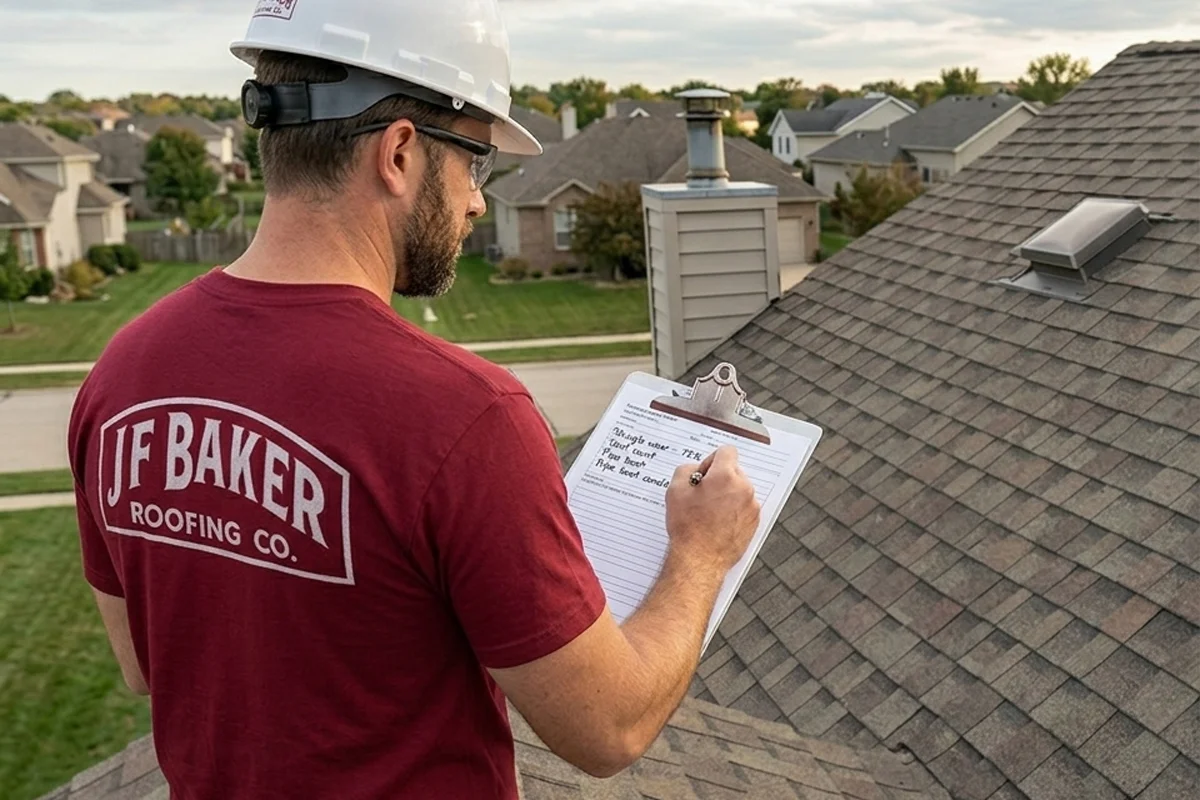
Ignoring a small flashing leak leads to compounding costs. A leak that could have been resolved with a quick service call can quickly rot structural decking, saturate attic insulation, destroy drywall, and encourage mold colonies. Scheduling a comprehensive roof inspection when you first spot interior discoloration prevents a localized flashing issue from turning into a major structural restoration project.
Essential Methods for Roof Flashing Repair
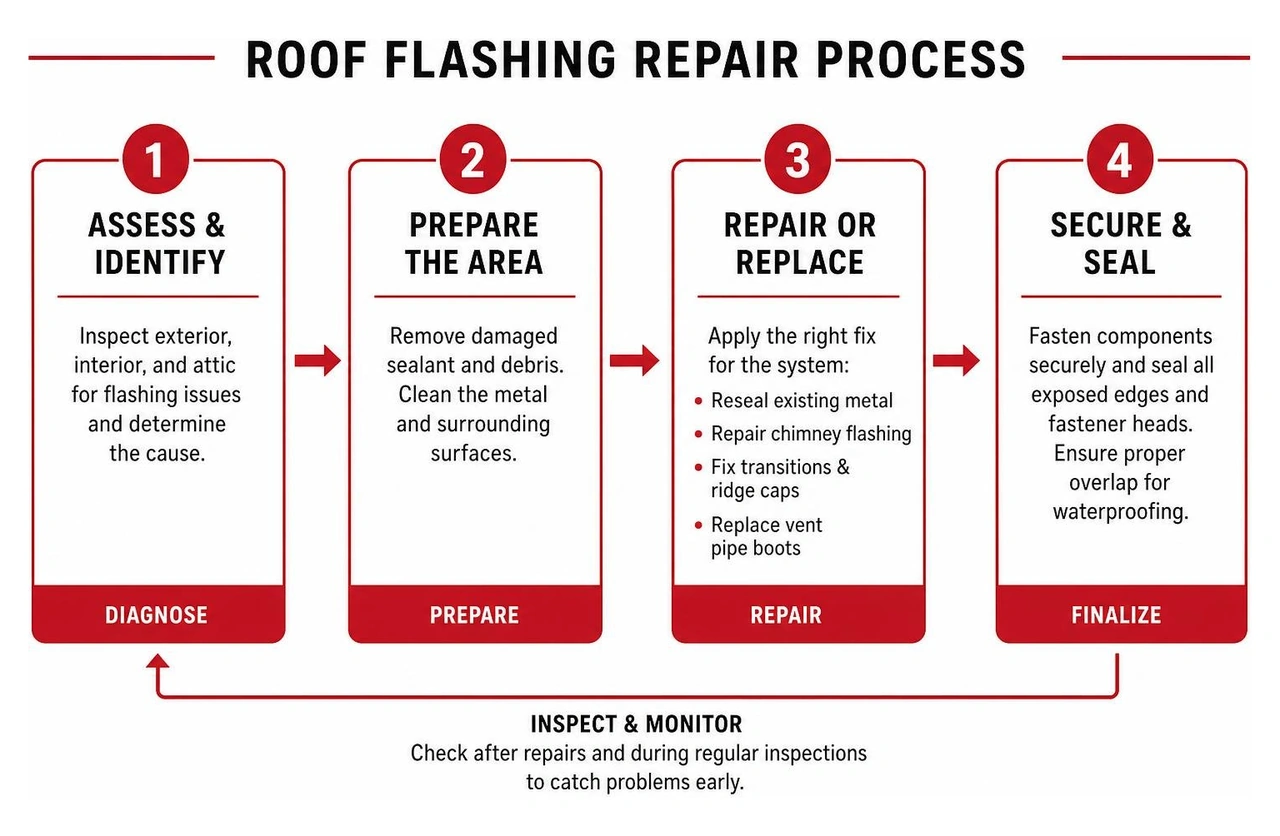
Fixing flashing correctly requires respecting the natural path of draining water. Water always flows downward and sideways following gravity; flashing components must overlap like shingles to maintain that downward path without depending exclusively on surface adhesives.
Proper repair methods vary by flashing system:
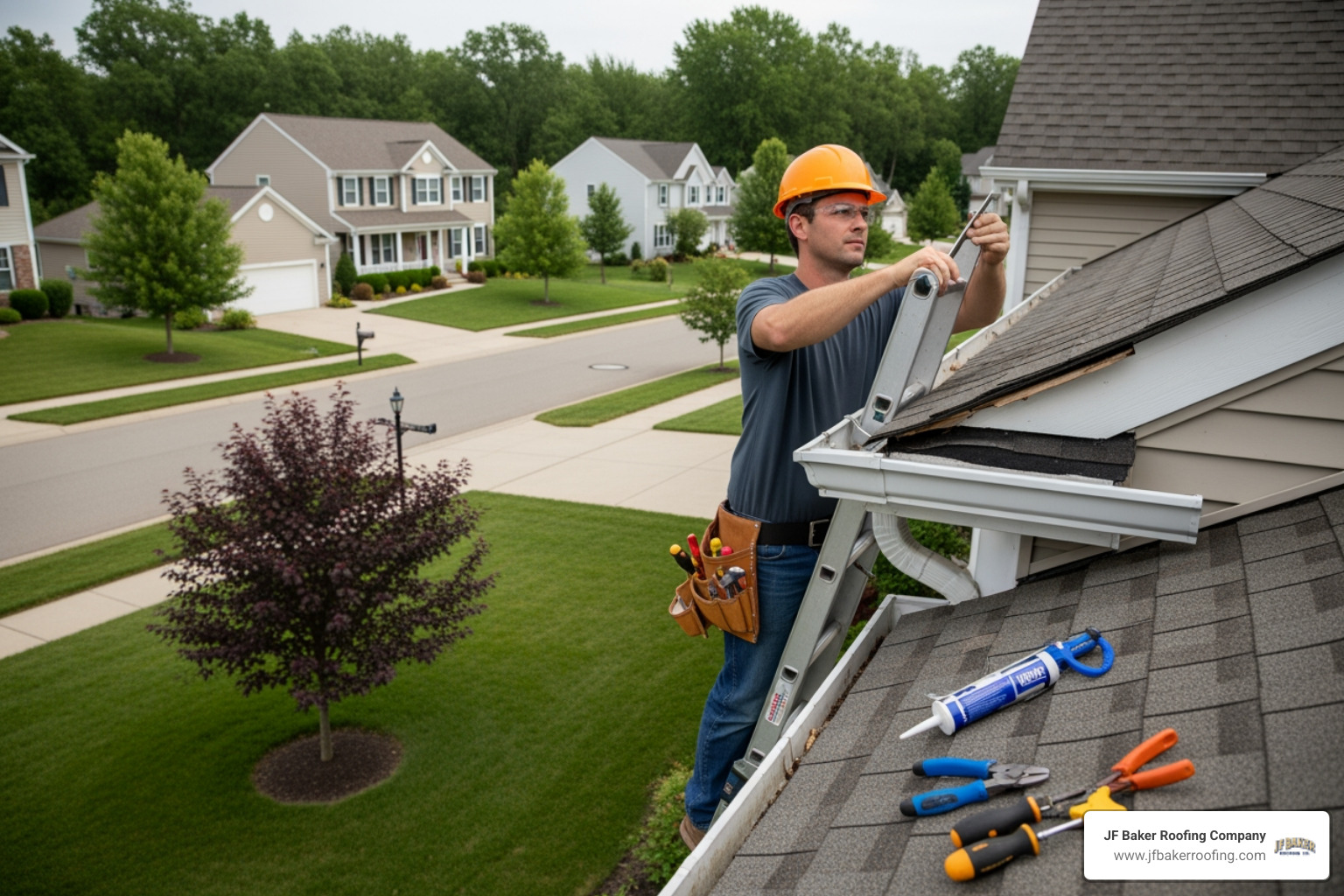
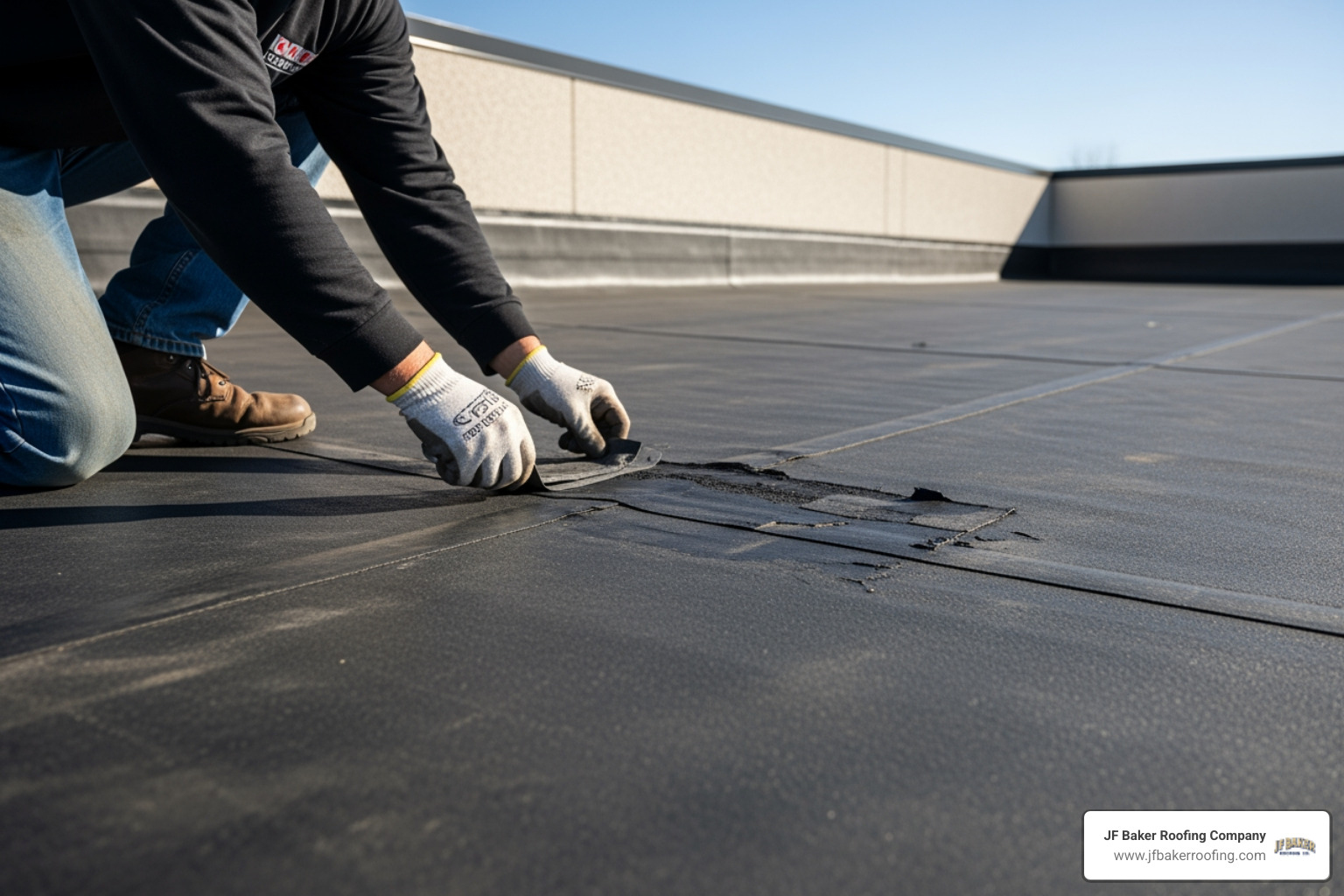
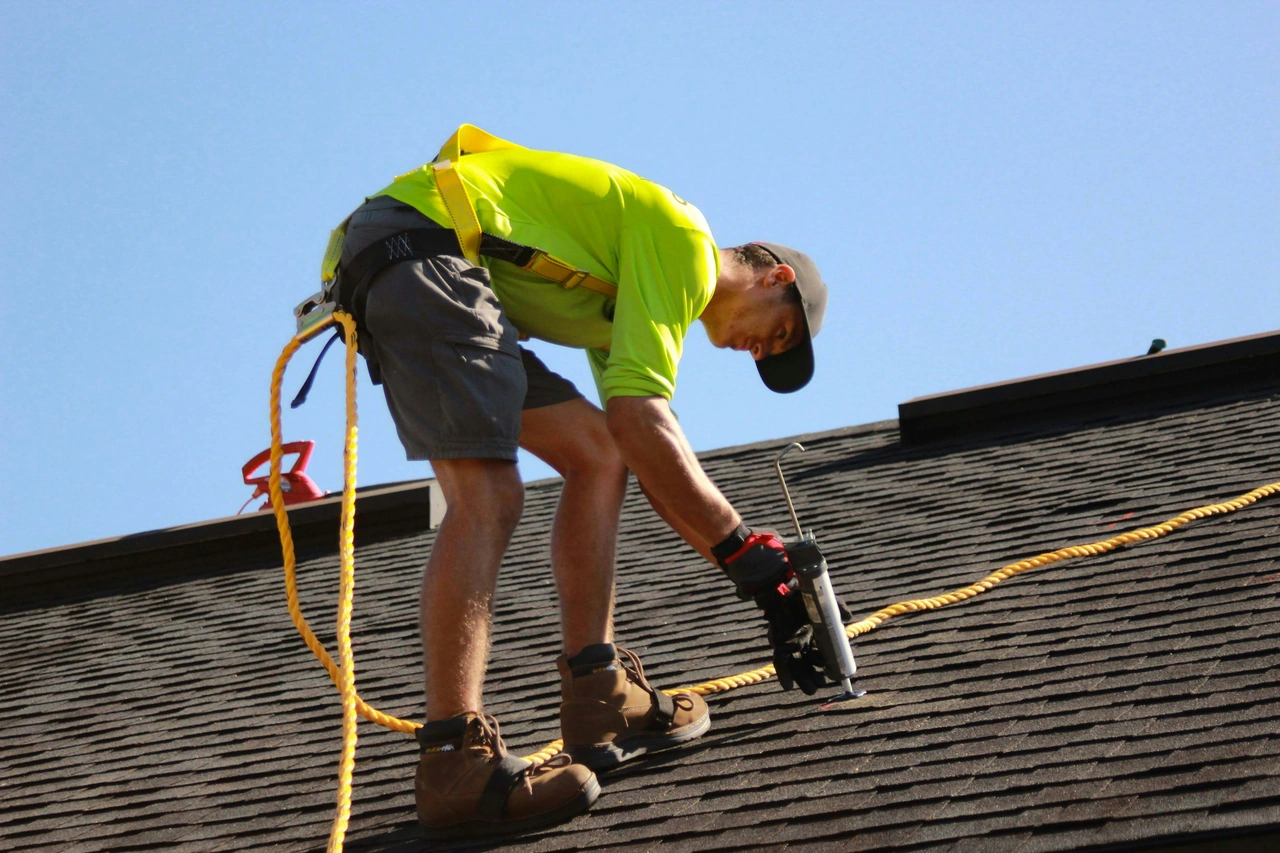
- Resealing Existing Metal: If the metal is intact, flat, and free of deep rust, clean away all deteriorated caulking using a utility knife and a wire brush. Apply a flexible, commercial-grade polyurethane or silicone roofing sealant underneath the metal edge, press it flat, secure it with corrosion-resistant fasteners if loose, and seal all exposed fastener heads.
- Addressing Chimney Flashing Leaks: Chimneys require a two-part flashing system. If base step flashing is sound but mortar has crumbled around the counter-flashing, re-cut the mortar joint, seat the new counter-flashing into the joint, pack it with specialized masonry sealant, and ensure it overlaps the step flashing beneath. For deep masonry issues, read our detailed guide on chimney flashing leak repair.
- Repairing Metal Transitions and Ridge Caps: Transition points between different roof pitches or ridge lines require precise fastening. If water is entering along a metal crest, consult our breakdown on metal roof ridge cap leaking to see how fasteners and closure strips are reset.
- Replacing Vent Pipe Boots: When the rubber collar on a plumbing vent boot splits, the most reliable method is removing the surrounding shingles, lifting the old boot, sliding a new pre-formed flashing boot over the pipe, securing it to the decking, and weaving the shingles back over the base flange.
Always use high-grade polyurethane sealants formulated for exterior sheet metal rather than standard asphalt plastic cement. Cheap caulk patches or thick layers of roofing tar dry out in the sun, turning brittle within one to three years.
When to Choose Roof Flashing Repair vs. Full Replacement
Determining whether to repair existing flashing or execute a full replacement depends on the metal's condition, the extent of damage, and the age of your roof.
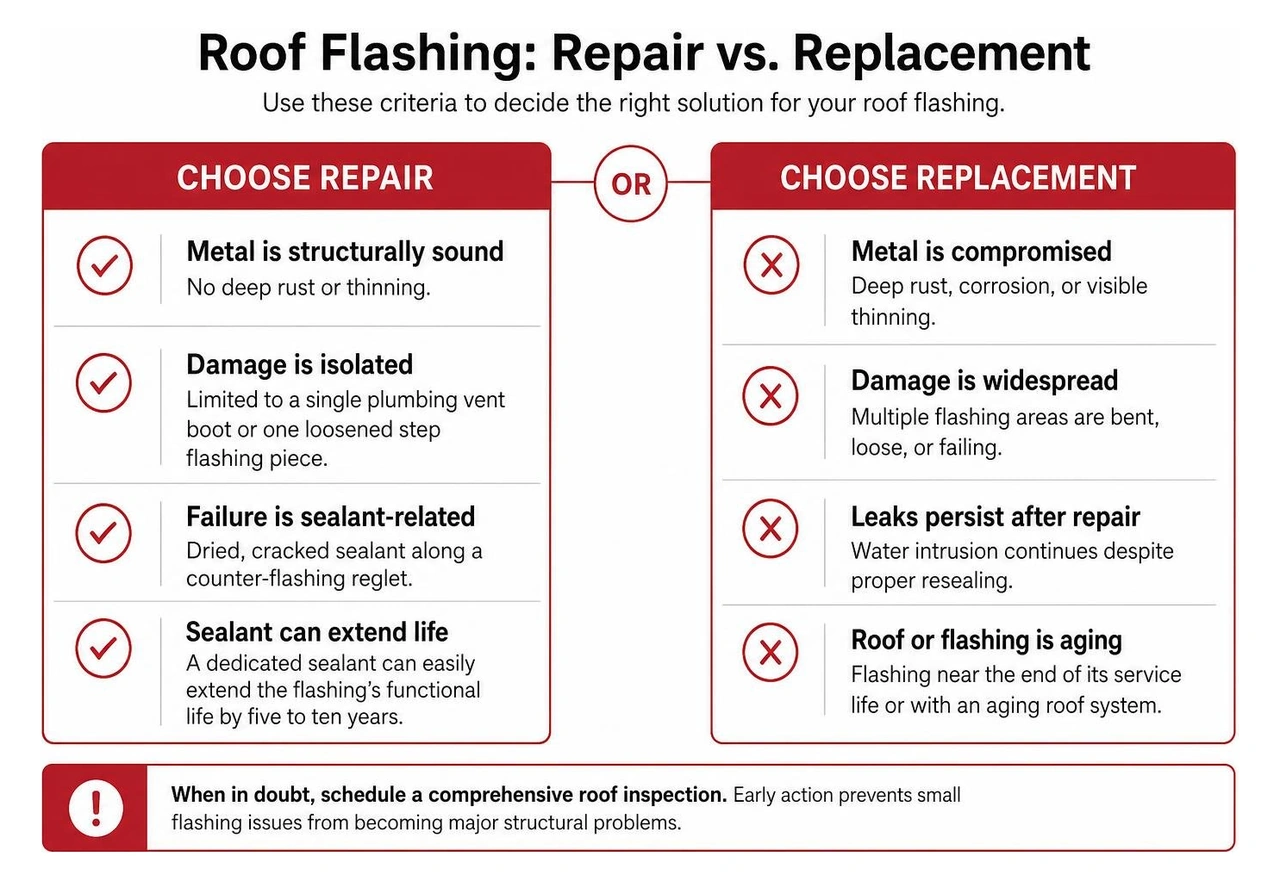
You can choose a targeted repair when:
- The metal is structurally sound with no deep rust or thinning.
- Damage is isolated to a single plumbing vent boot or one loosened step flashing piece.
- The primary failure point is dried, cracked sealant along a counter-flashing reglet.
- Applying a dedicated sealant can easily extend the flashing's functional life by five to ten years.
Full flashing replacement is necessary when:
- Corrosion has eaten pinholes through galvanized steel or aluminum.
- Metal is warped, deformed, or torn from wind and falling debris.
- Flashing was installed backward or without proper underlayment integration.
- You are installing a new roof and need to synchronize the service life of all components.
For homeowners in our area, you can learn more about regional repair solutions in our article covering roof flashing repair central ohio.
DIY vs. Professional Roof Flashing Repair Costs
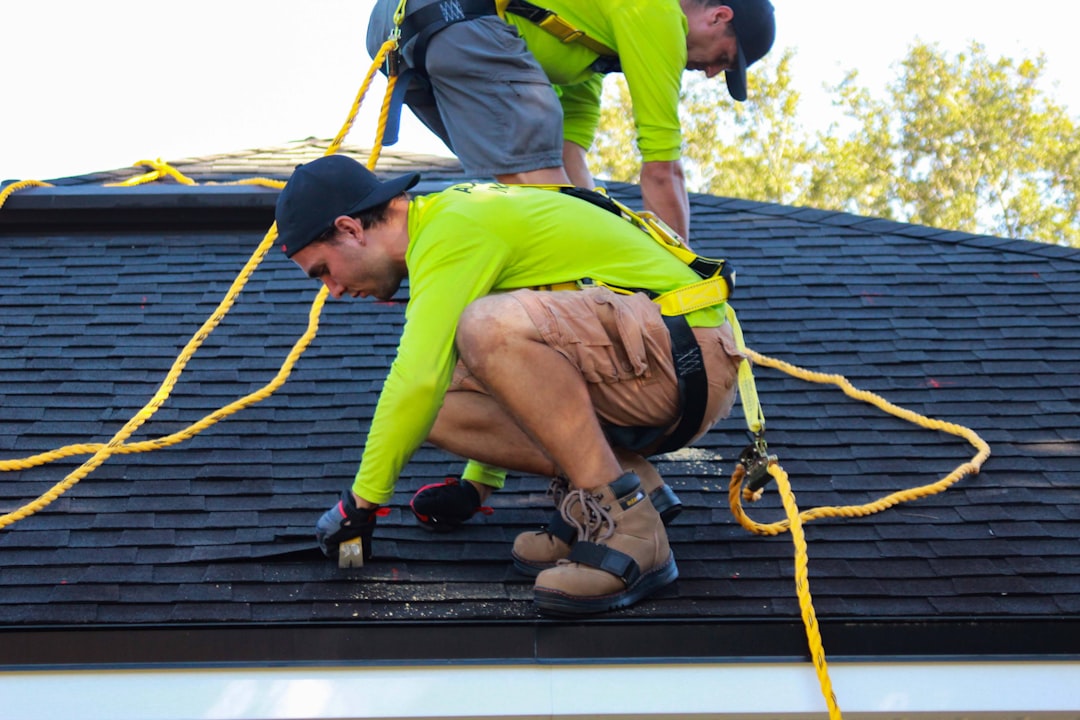
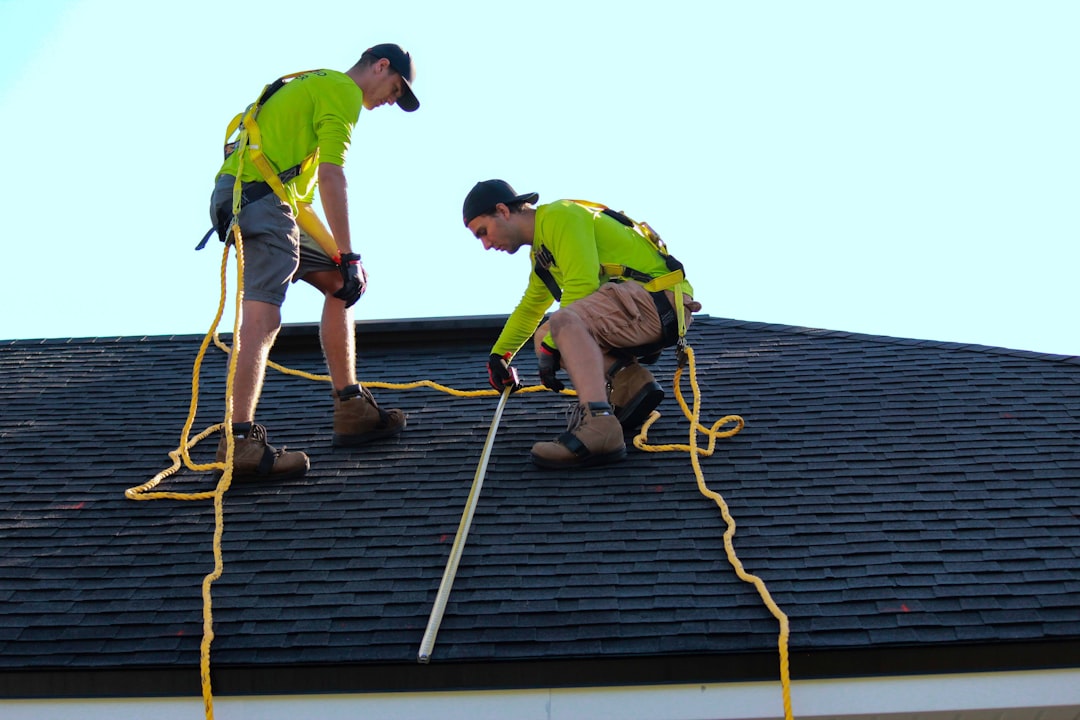
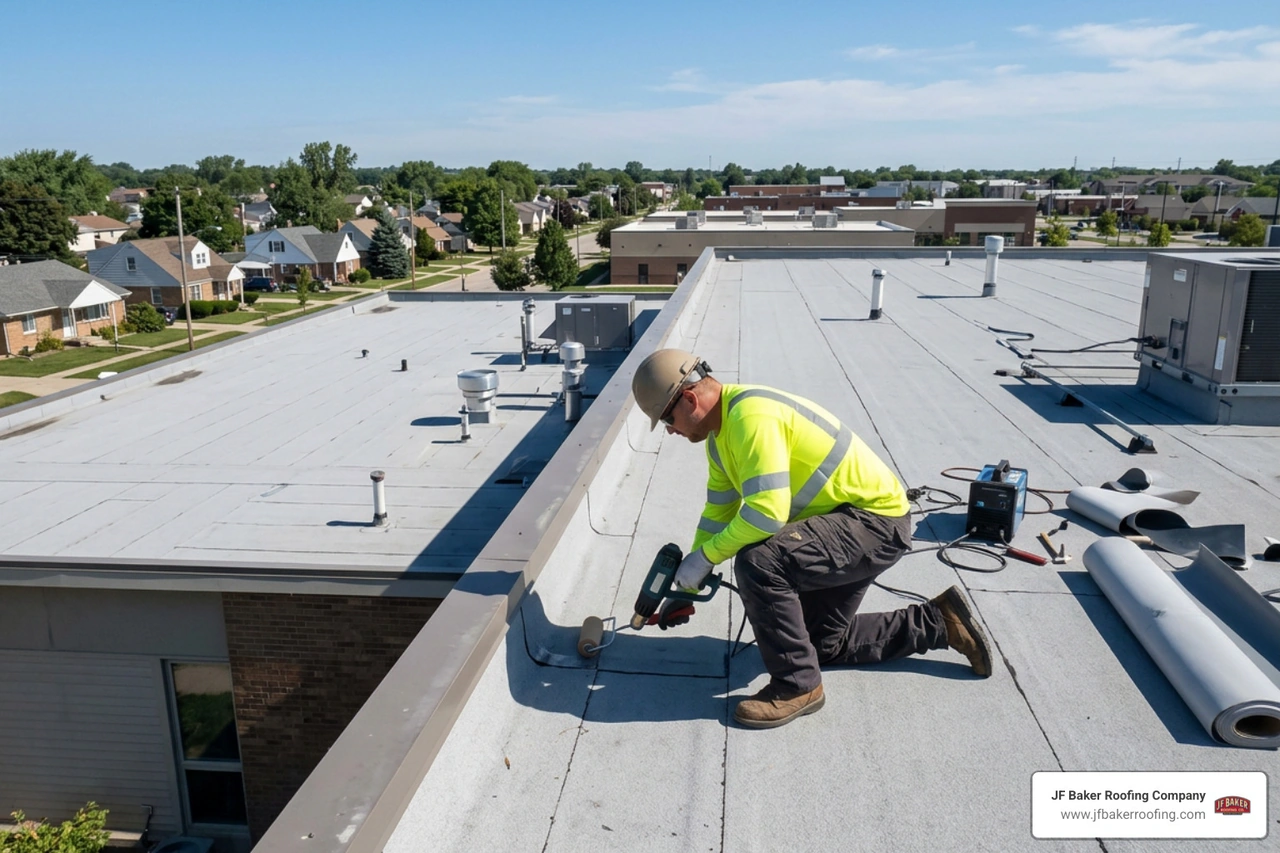
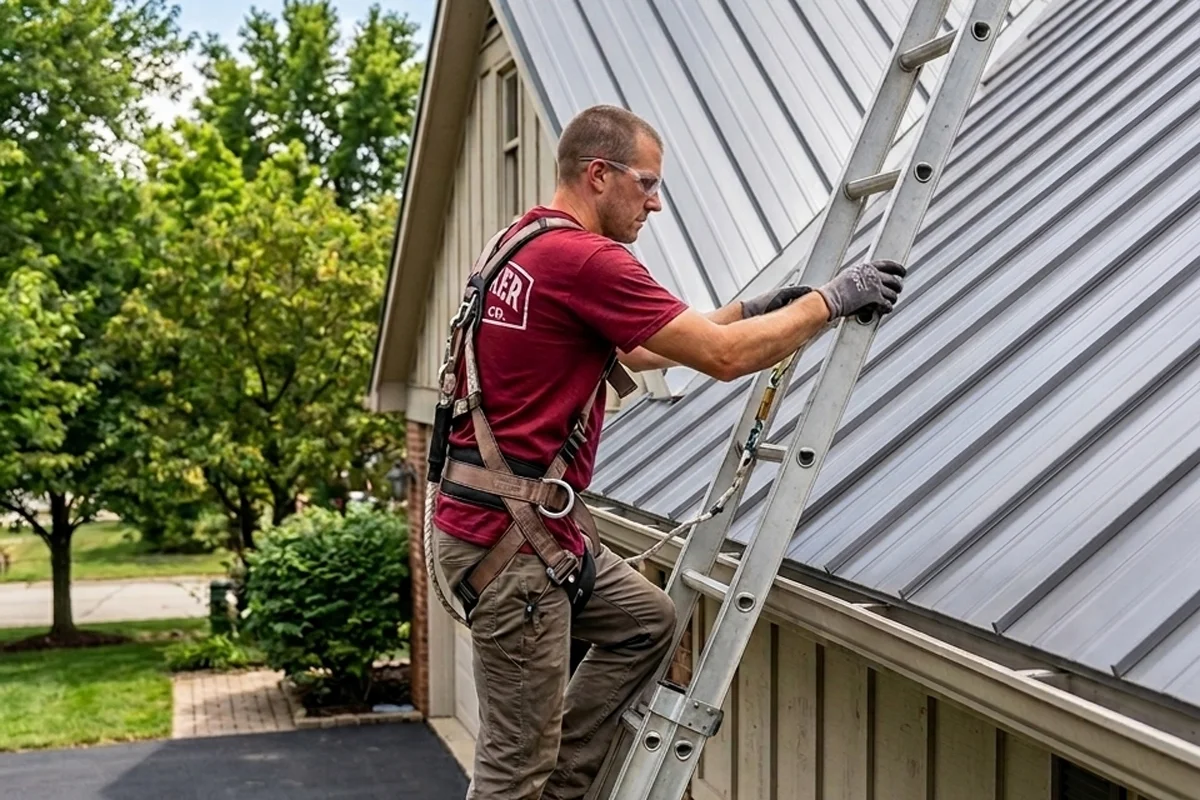
Handling a simple reseal on an accessible, low-slope roof might look like a straightforward weekend task. However, flashing work involves high safety risks and requires a precise understanding of how water migrates beneath shingles.
Professional repair eliminates the guesswork. Experienced technicians identify hidden dry rot beneath the shingles, properly lace step flashing with the shingle courses, and finish repairs with a controlled water hose test to verify watertight integrity.
Frequently Asked Questions About Roof Flashing Leaks
Should I replace my flashing when I get a new roof?
Yes, in most situations you should replace all roof flashing when installing a new roof. While copper flashing in pristine condition can sometimes be carefully preserved, standard aluminum and galvanized steel flashings should always be replaced.
Tearing off old shingles often bends and distorts existing metal flashings. Reusing old flashing pieces creates an aging mismatch where older metal or hidden nail holes can fail years before the new shingles reach their lifespan, potentially voiding manufacturer warranty coverage.
How long does a typical roof flashing repair last?
The durability of a repair depends entirely on the materials and techniques used. Slapping a quick coat of roofing tar or basic caulking over a leak is a temporary fix that usually fails within one to three years as sun and seasonal temperatures cause it to dry out and split.
In contrast, a professional repair that replaces damaged metal and uses high-grade polyurethane sealants will reliably protect your roof for five to ten years, while complete metal replacement will last 20 years or longer.
Can damaged flashing cause hidden structural damage?
Yes. Flashing leaks rarely dump water directly into your living room on day one. Instead, water seeps slowly beneath the shingle underlayment, traveling along rafters and pooling inside attic insulation.
Over time, this slow moisture intrusion rots the plywood roof decking, degrades structural trusses, ruins wall insulation, and fosters mold colonies long before you notice a damp spot on your ceiling.
Conclusion
A well-maintained roof relies on sound flashing details just as much as quality shingles. Catching flashing damage early and addressing it with permanent metal solutions rather than temporary surface goop protects your property, preserves your home's structural framing, and prevents expensive interior renovations down the road.
At JF Baker Roofing, we believe in honest assessments, transparent pricing, and no high-pressure sales tactics. Serving Central Ohio since 1929, our family business is led by third-generation owners Chad and Pat Baker. We are a CertainTeed ShingleMaster Preferred Contractor, an NRCA member, and a BBB Accredited Business with an A+ rating.
Whether you need a targeted roof repair, residential or commercial roofing, full roof replacements, storm damage restoration, gutter installation, or custom sheet metal work, our professional crews take pride in clean job sites and clear communication. We proudly serve homeowners and businesses across Columbus, Dublin, Upper Arlington, Hilliard, Grandview Heights, Worthington, and Westerville.
Built on integrity. Proven by performance. Let our reputation be your security. If you suspect your roof flashing is leaking or due for maintenance, reach out to our team today for a straightforward evaluation and dependable, long-term protection.



.jpeg)