The Complete Guide to Roof Condition Assessment
Why a Roof Inspection Matters
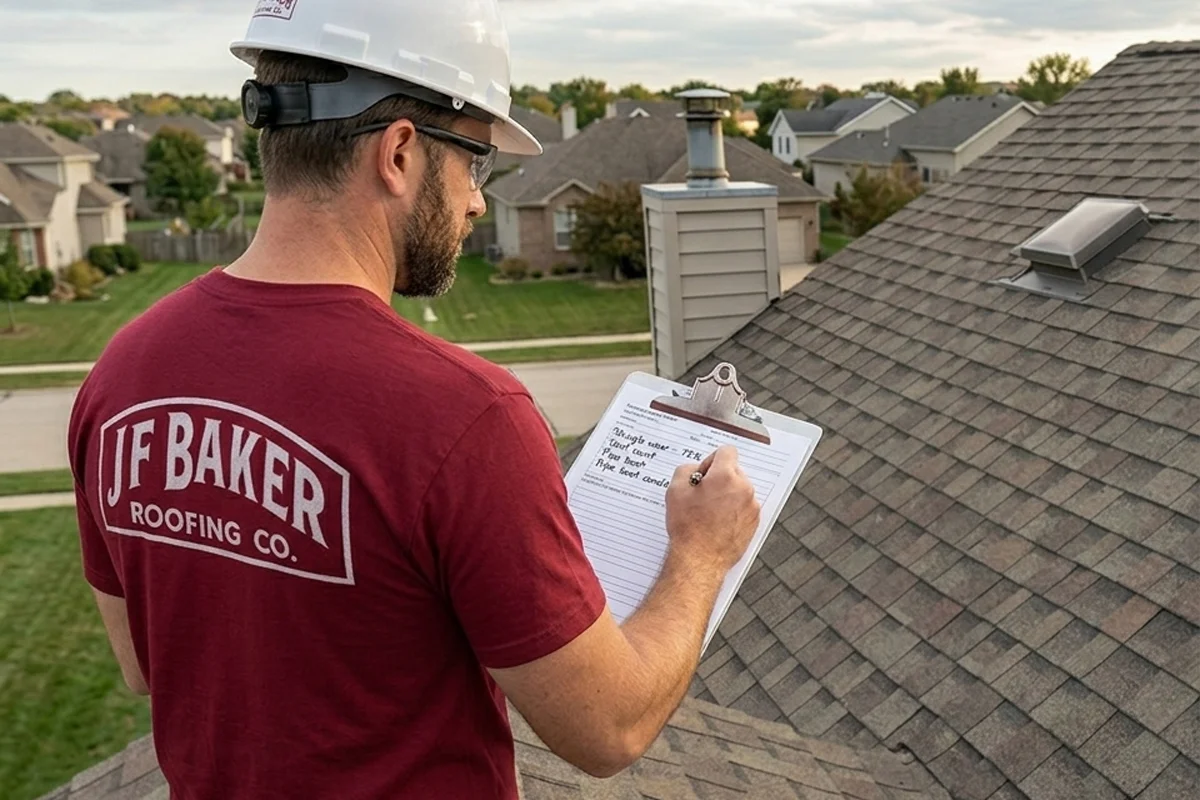
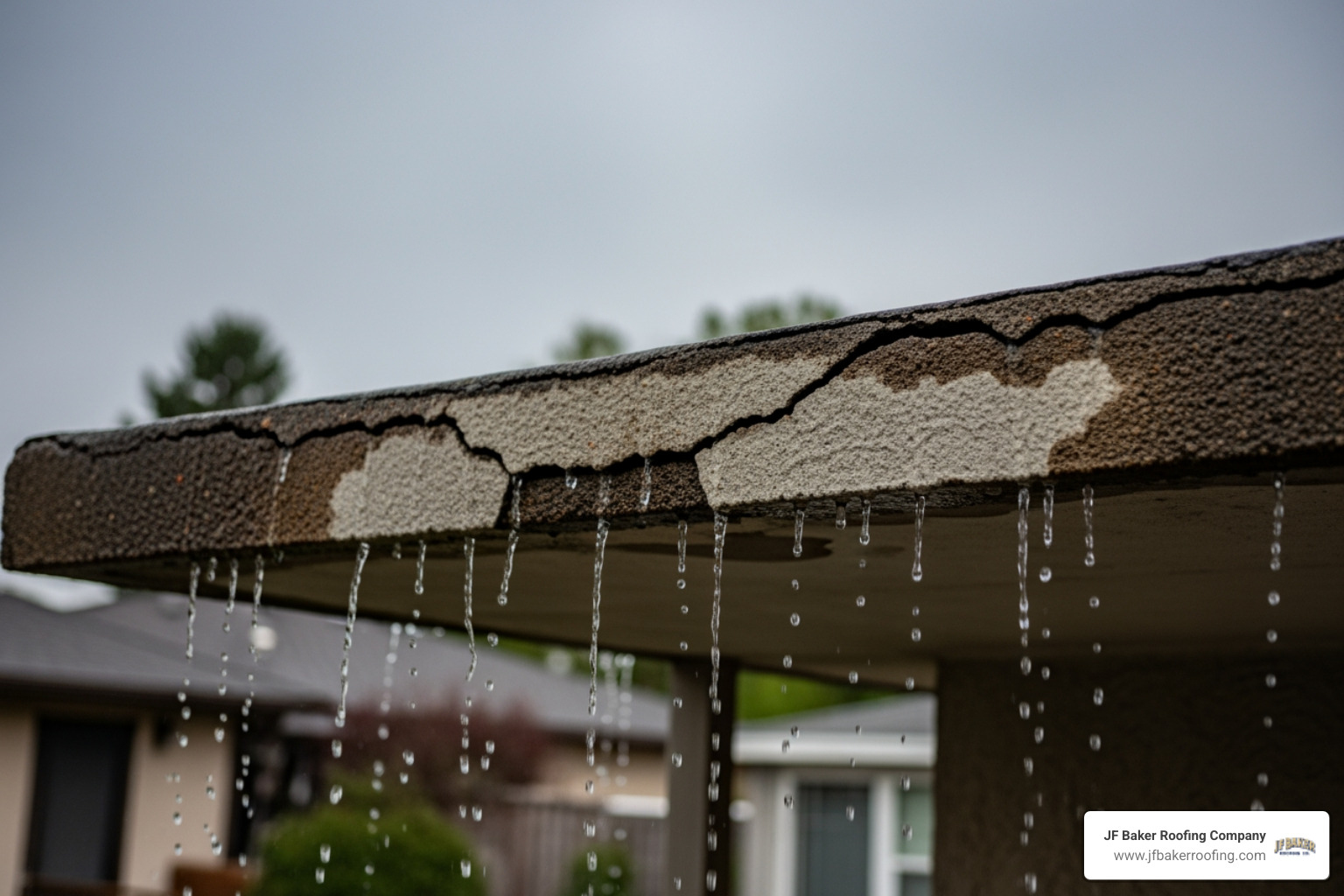
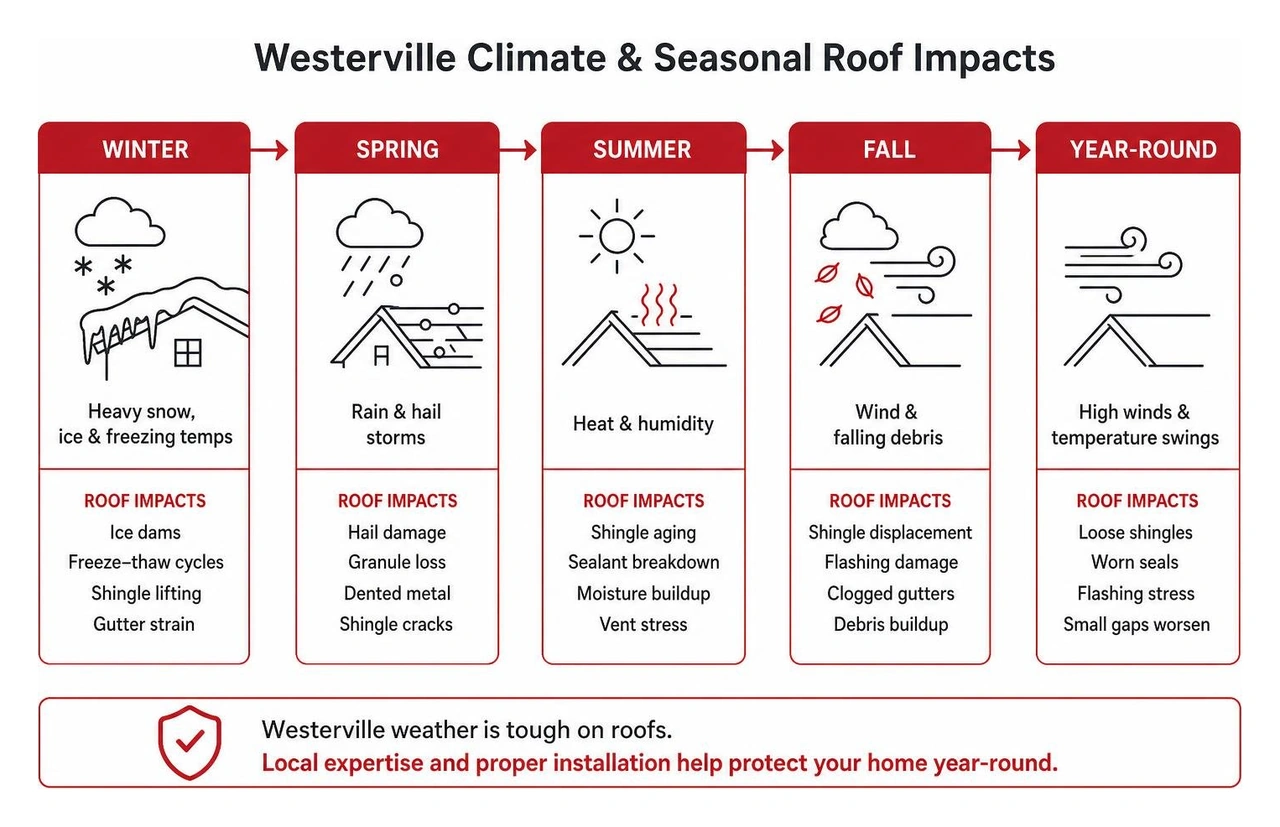
A roof inspection is a careful check of your roofing materials, flashing, gutters, ventilation, and attic for damage, leaks, wear, or drainage problems. It helps you spot small issues before they become larger repairs, especially after Central Ohio wind, hail, heavy rain, snow, and freeze-thaw weather.
For a quick answer, inspect your roof twice a year, usually in spring and fall, and arrange a professional assessment after a major storm, before buying a property, or when you see signs of a leak. A complete review should look beyond shingles to include the full roof system and the spaces beneath it.
JF Baker Roofing has served Central Ohio since 1929. We provide honest assessments, transparent pricing, clean job sites, clear communication, and no high-pressure sales tactics. Our team recommends repair when possible and replacement only when it is genuinely needed for residential and commercial clients throughout Columbus, Dublin, Upper Arlington, Hilliard, Grandview Heights, Worthington, Westerville, and nearby communities.
I am Chad M. Baker, a third-generation owner of JF Baker Roofing, and this guide will help you understand what your roof is telling you.
Basic roof inspection terms:
- residential roof inspection checklist
- roof inspection before buying a house
- roof inspection residential commercial
Essential Signs of Roof Damage and Material Lifespans
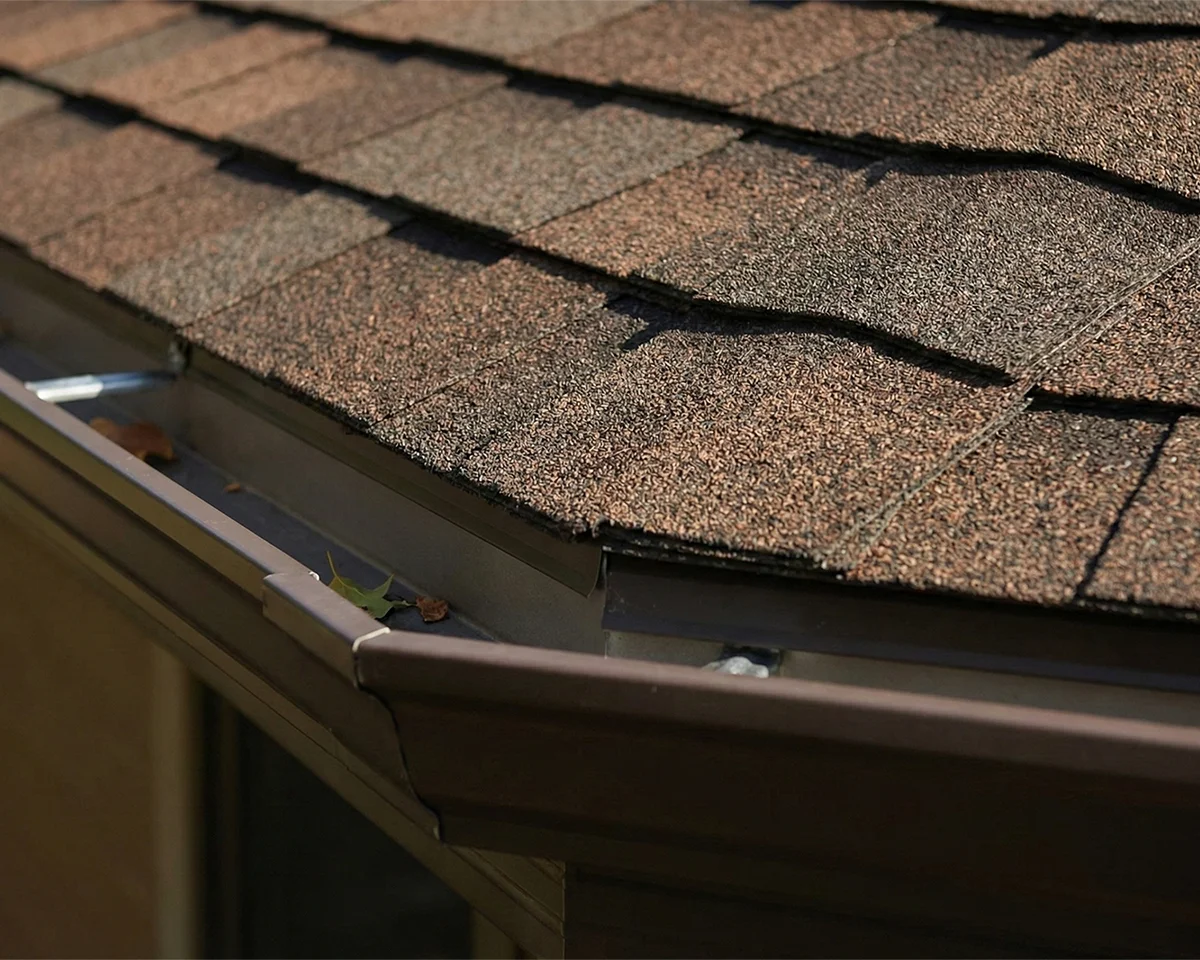
Spotting roof damage early is one of the best ways to protect your property's value and structural health. Over time, constant exposure to thermal expansion, ultraviolet sunlight, ice dams, and intense storms degrades even the highest quality roofing materials. Knowing what signs to look for helps you take action before water infiltrates interior walls or ceiling drywall.
When evaluating a roof, it is helpful to review both physical wear symptoms and expected material lifespans to determine if simple repairs will suffice or if you need to review How to Know When It's Time to Replace Your Roof.
Visual Indicators of Shingle and Structural Wear
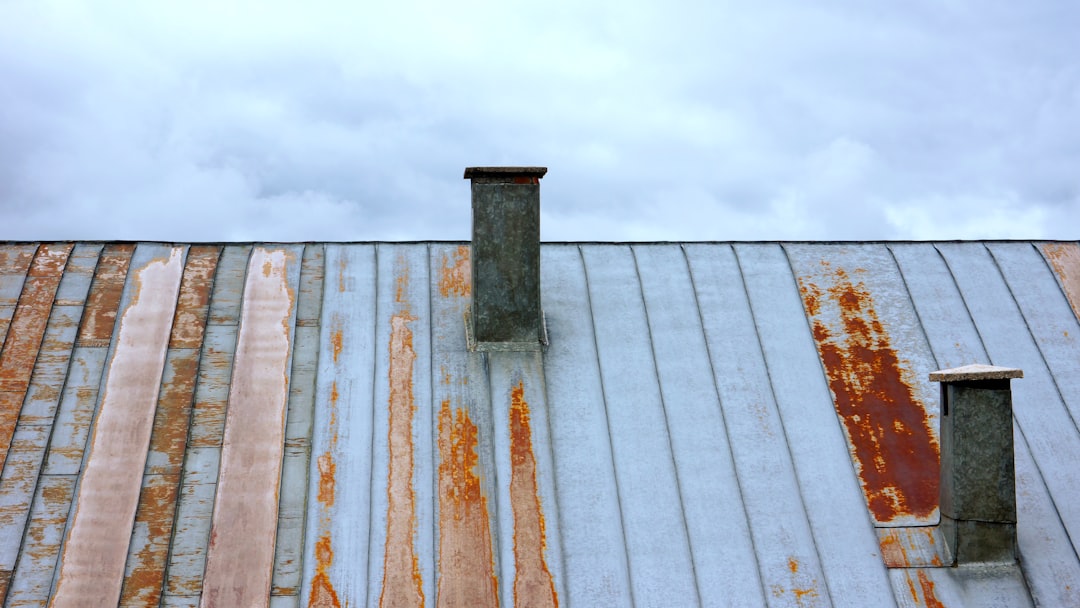
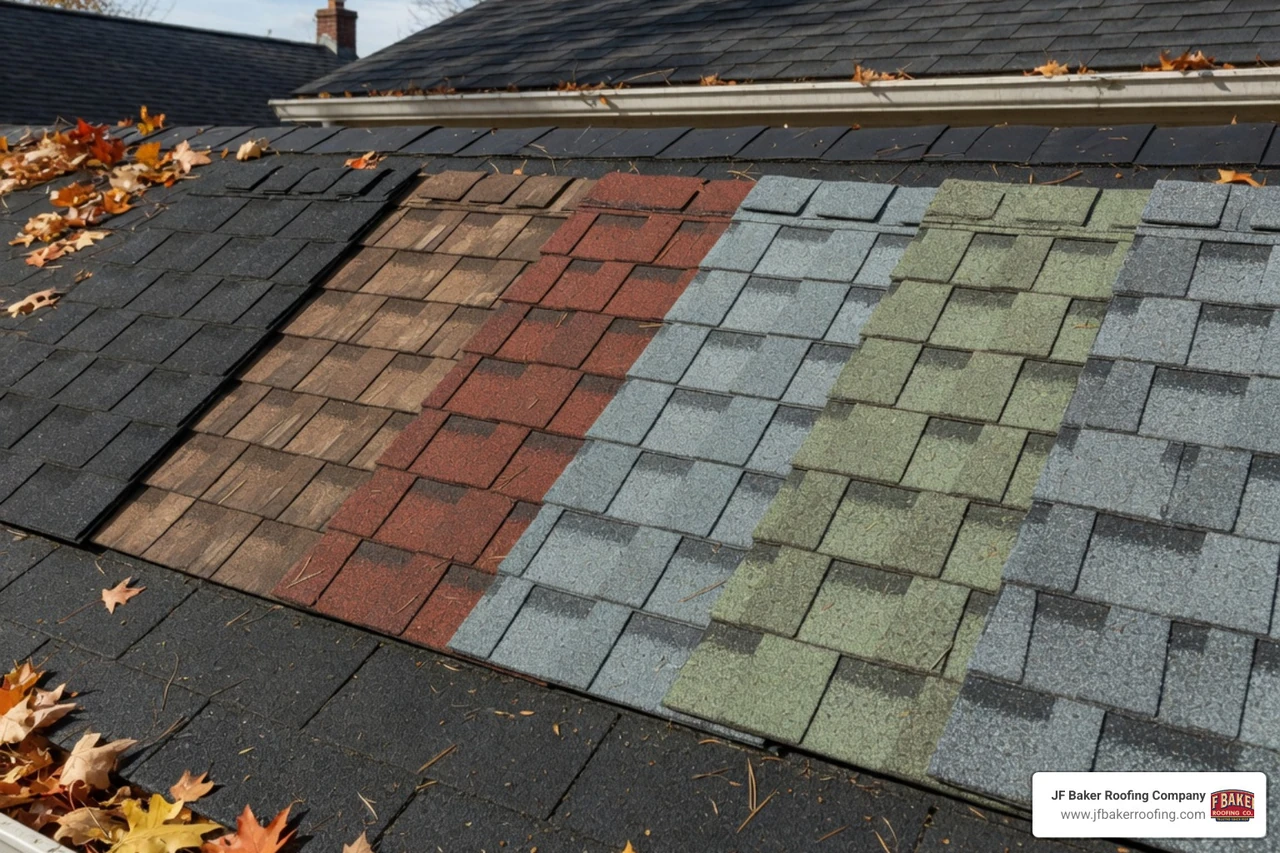
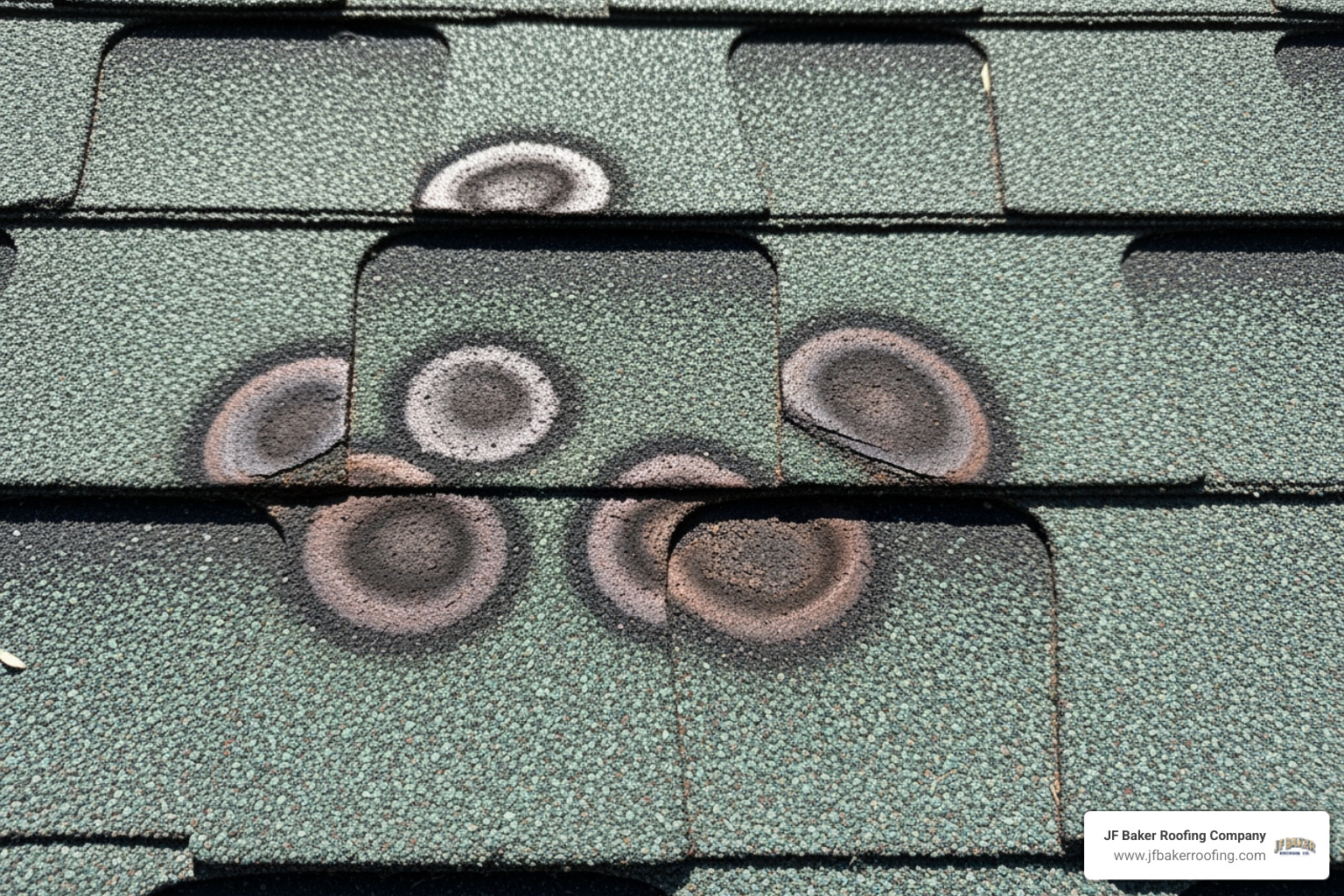
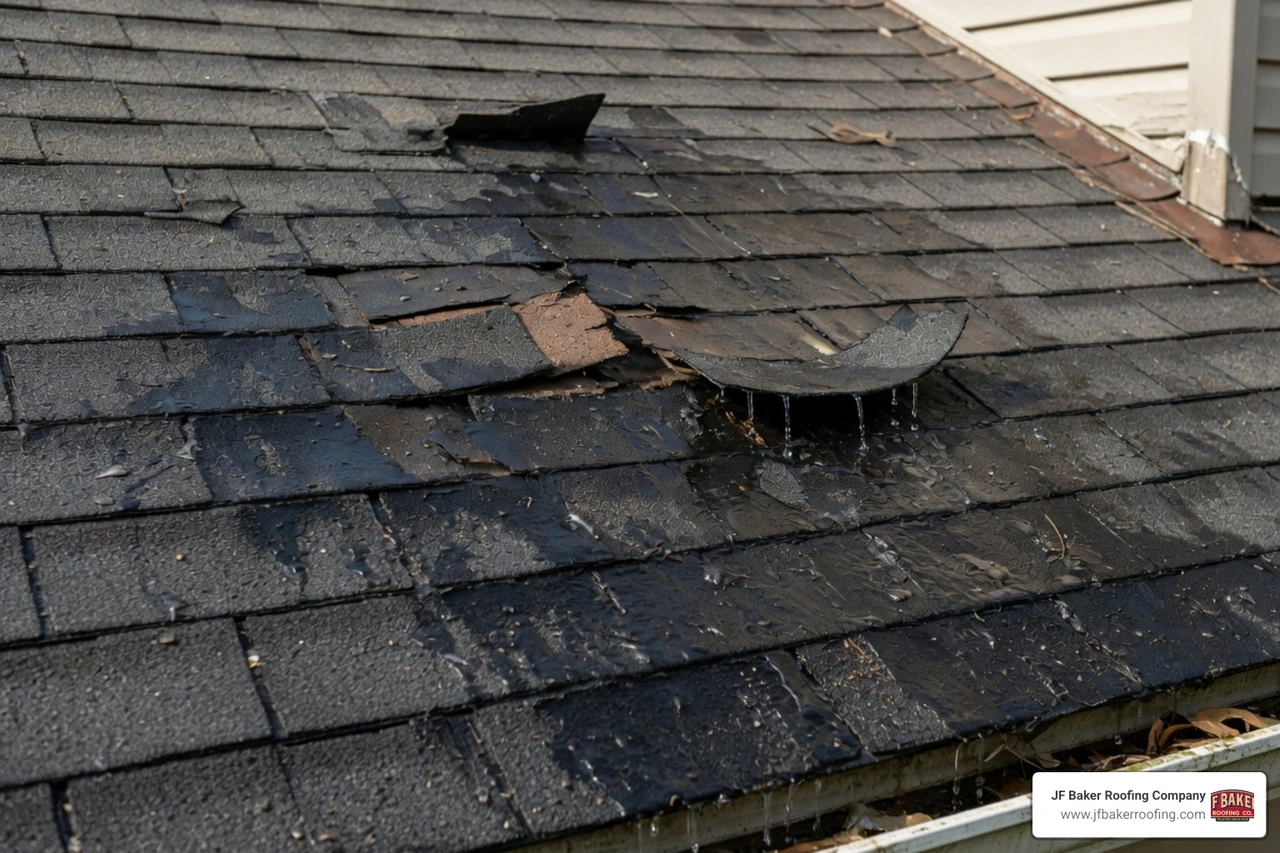
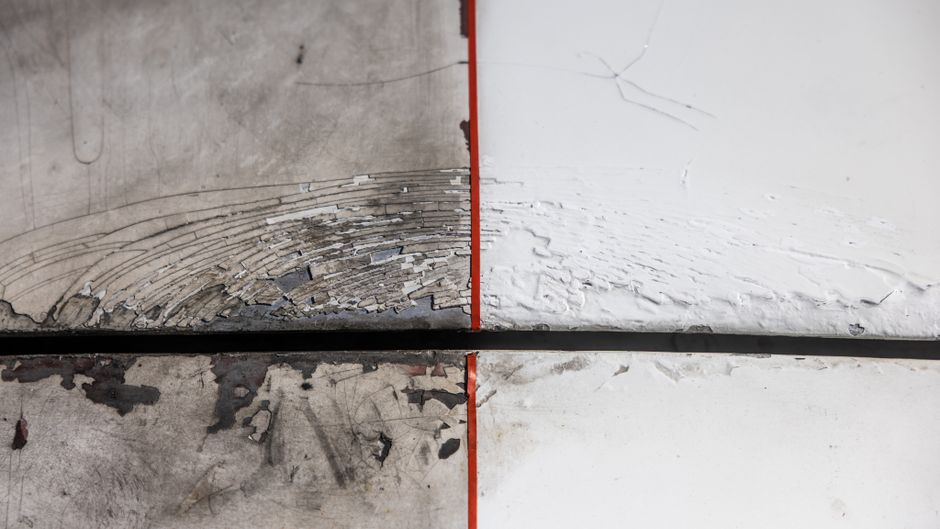
Roof wear creates distinct visual warnings both outside on the roof plane and inside the structure. Missing, cracked, or severely curled shingles are obvious indicators that atmospheric exposure has broken down the protective asphalt mat. Trapped heat in an attic often accelerates this process, causing shingles to warp, buckle, or cup upwards along their edges. If more than one-third of the shingles on a roof plane show severe curling, spot fixes are rarely sufficient, and a fuller scope of work should be considered.
Granule loss is another primary indicator of advanced aging. Asphalt shingles rely on mineral granules to shield underlying bitumen layers from ultraviolet radiation. As shingles age, these granules loosen and wash into gutters, resembling coarse dark sand. Finding heavy granule deposits during seasonal gutter cleaning signals that your roof's protective layer is thinning.
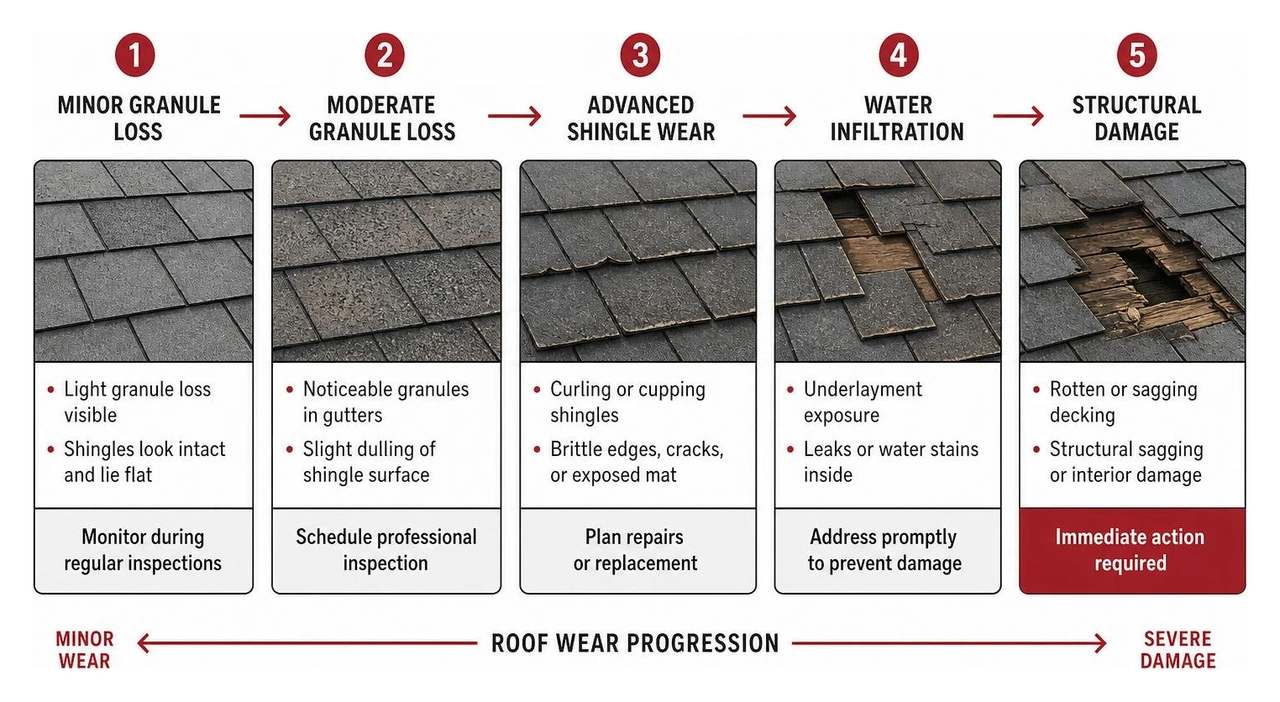
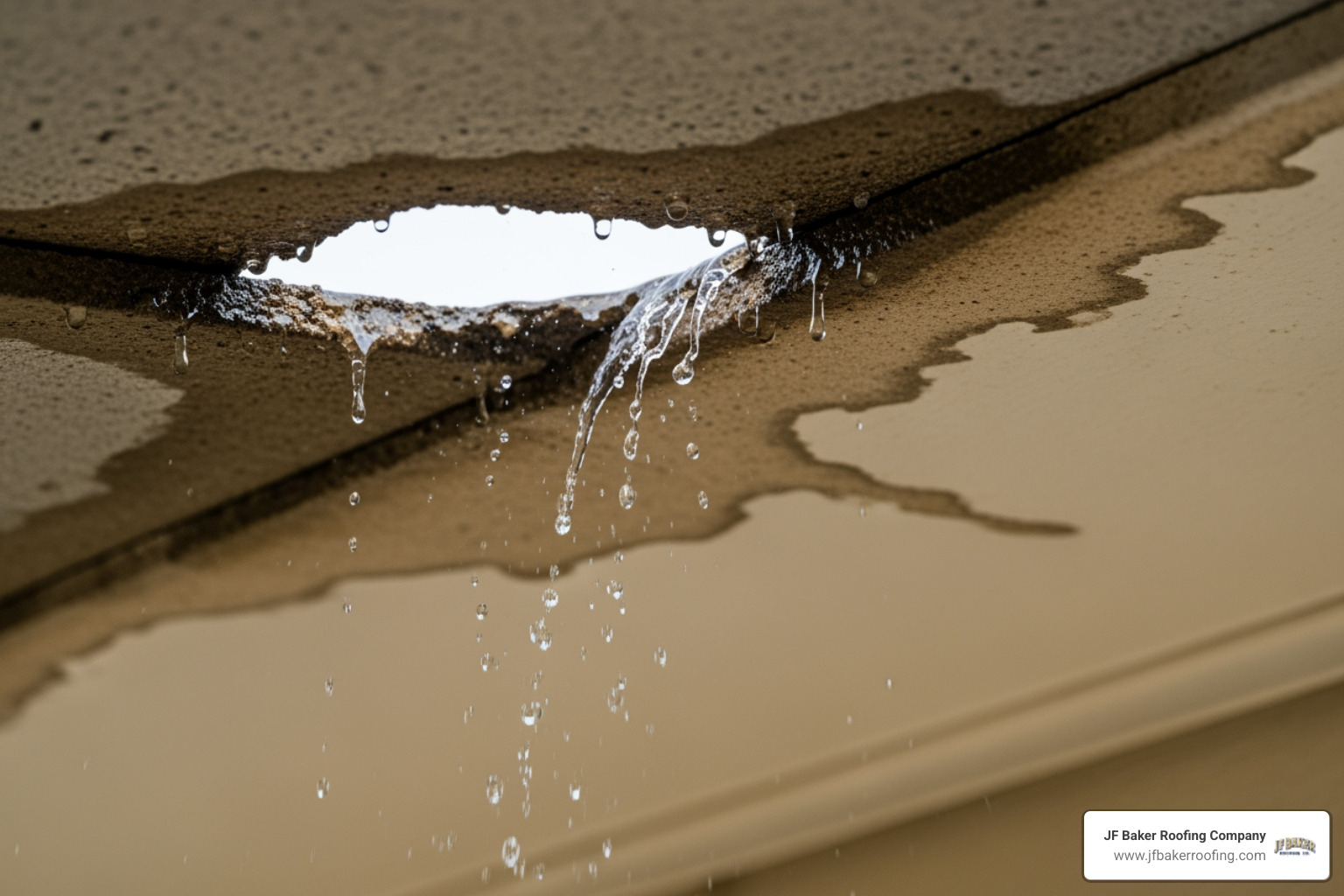
Inside the home, structural wear reveals itself through water stains on drywall, ceiling spots after heavy rains, or sagging roof decking. Water infiltrating vulnerable seams can cause wood sheathing to rot, weakening the roof deck. If you notice structural sagging or interior dampness, consult our Roof Damage Repair Guide 2026 to address underlying moisture before mold develops.
Lifespan Expectations Across Roofing Materials
Every roofing material exhibits unique durability characteristics and operational lifespans. Knowing the baseline longevity of your current covering helps gauge whether observed wear is normal aging or premature breakdown:
- Standard 3-tab asphalt shingles generally last around 20 years under normal weather exposure.
- Architectural asphalt shingles feature multi-layer construction and generally last around 30 years.
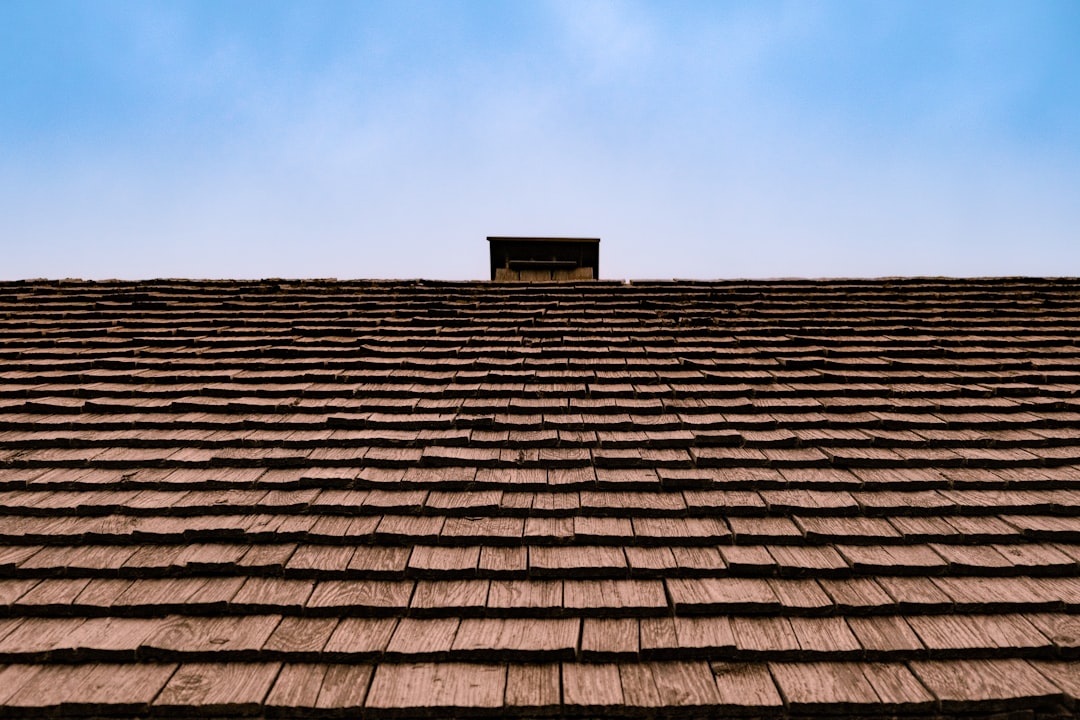
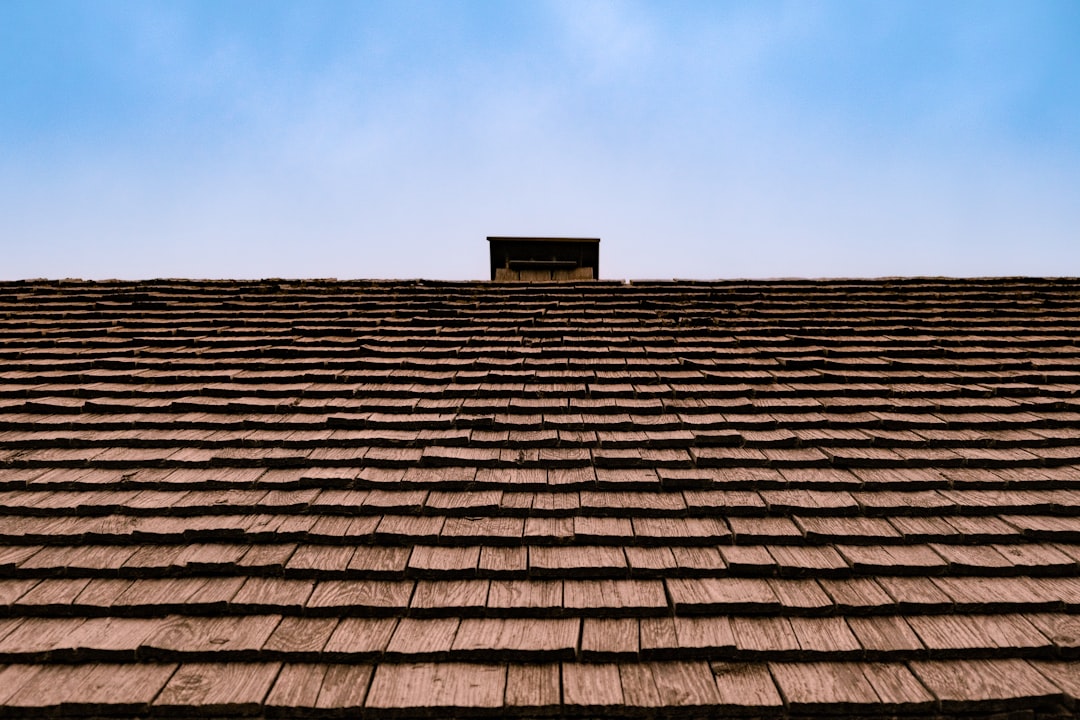
- Wood shakes and shingles carry an average service life of approximately 30 years, though they require adequate pitch and consistent airflow to avoid rot.
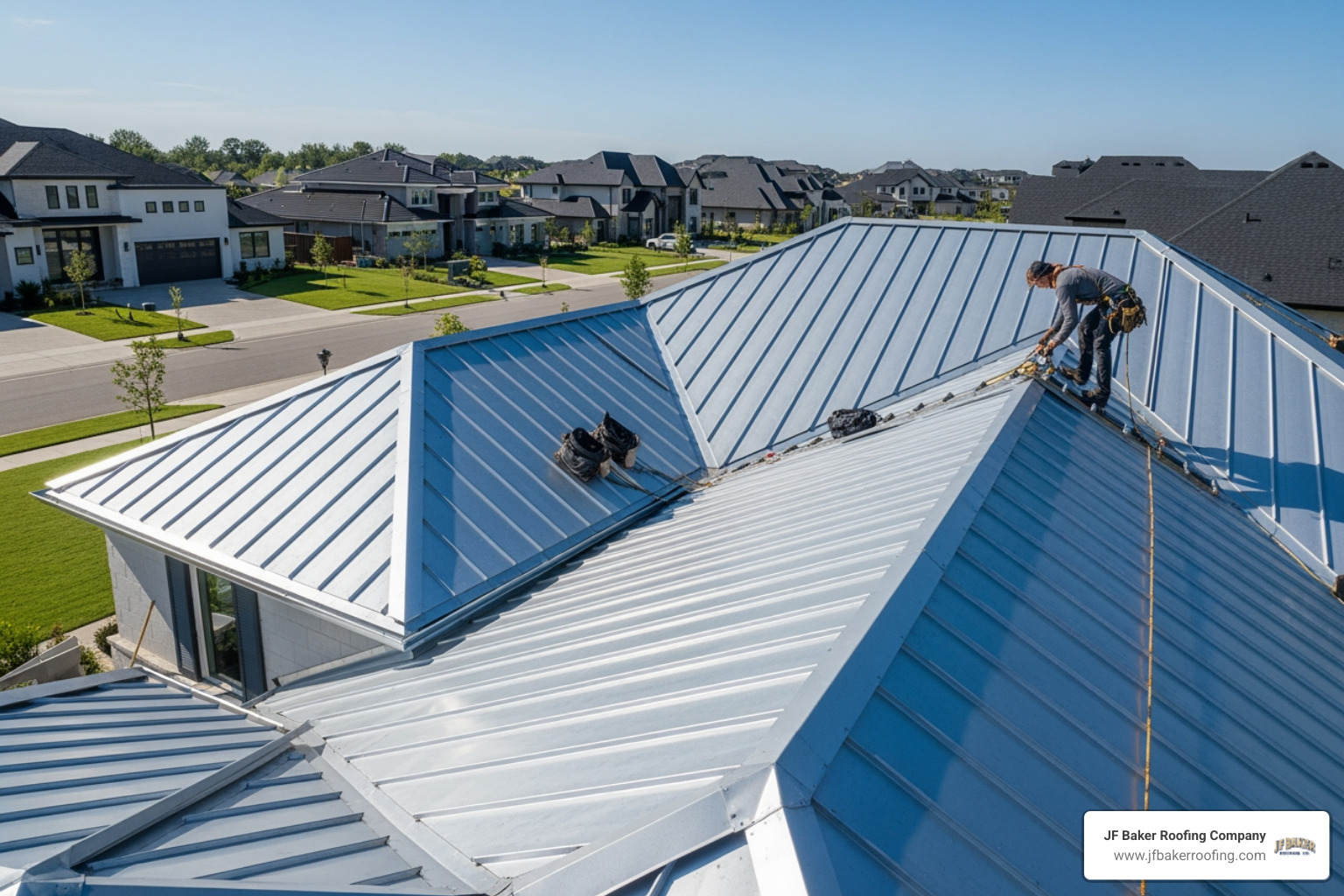
- Metal roofing systems (including both shingle and sheet designs) offer outstanding weather resistance, lasting between 40 and 80 years.
- Clay and concrete tiles provide extreme weather defense, frequently lasting 100 years or more.
- Natural slate roofs represent the gold standard in longevity, remaining functional for 60 to 150 years when properly maintained.
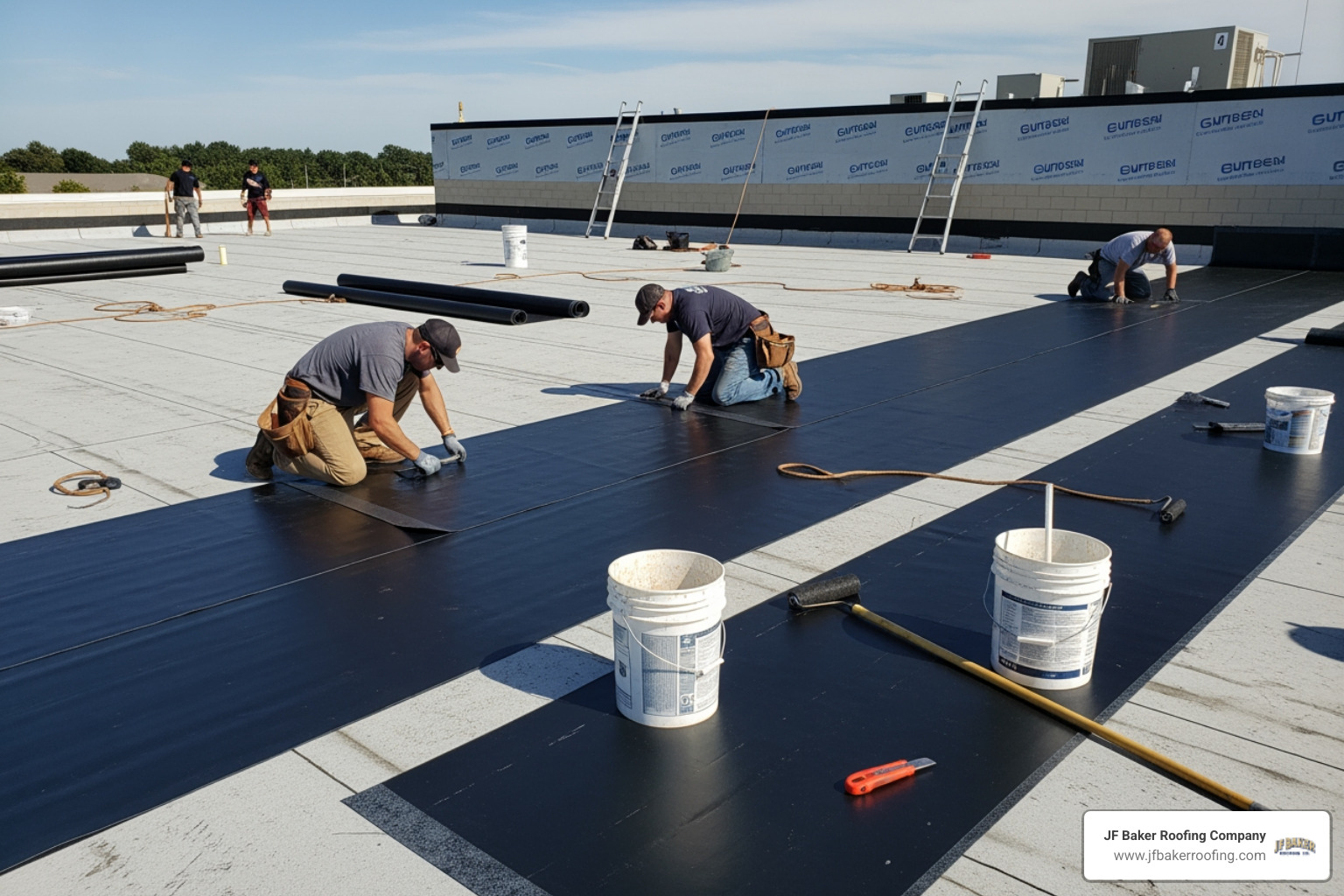
- Single-ply rubber membrane roofing systems typically last between 15 and 25 years on low-slope applications.
- Built-up roofing (BUR) systems generally offer an operational lifespan of approximately 30 years.
- Asbestos cement shingles historically last between 25 and 50 years.
- Roll roofing provides economical protection for lower-tier utility structures, lasting less than 10 years.
To review official standard inspection protocols and technical component evaluations across various roof coverings, homeowners can examine the InterNACHI Roof Inspection Standards.
Roof Inspection Types, Frequencies, and Certifications
Maintaining a healthy roof requires an intentional scheduling approach tailored to seasonal conditions, real estate transfers, and unexpected weather events. Regular assessments prevent hidden water intrusion from decaying structural framing unnoticed.
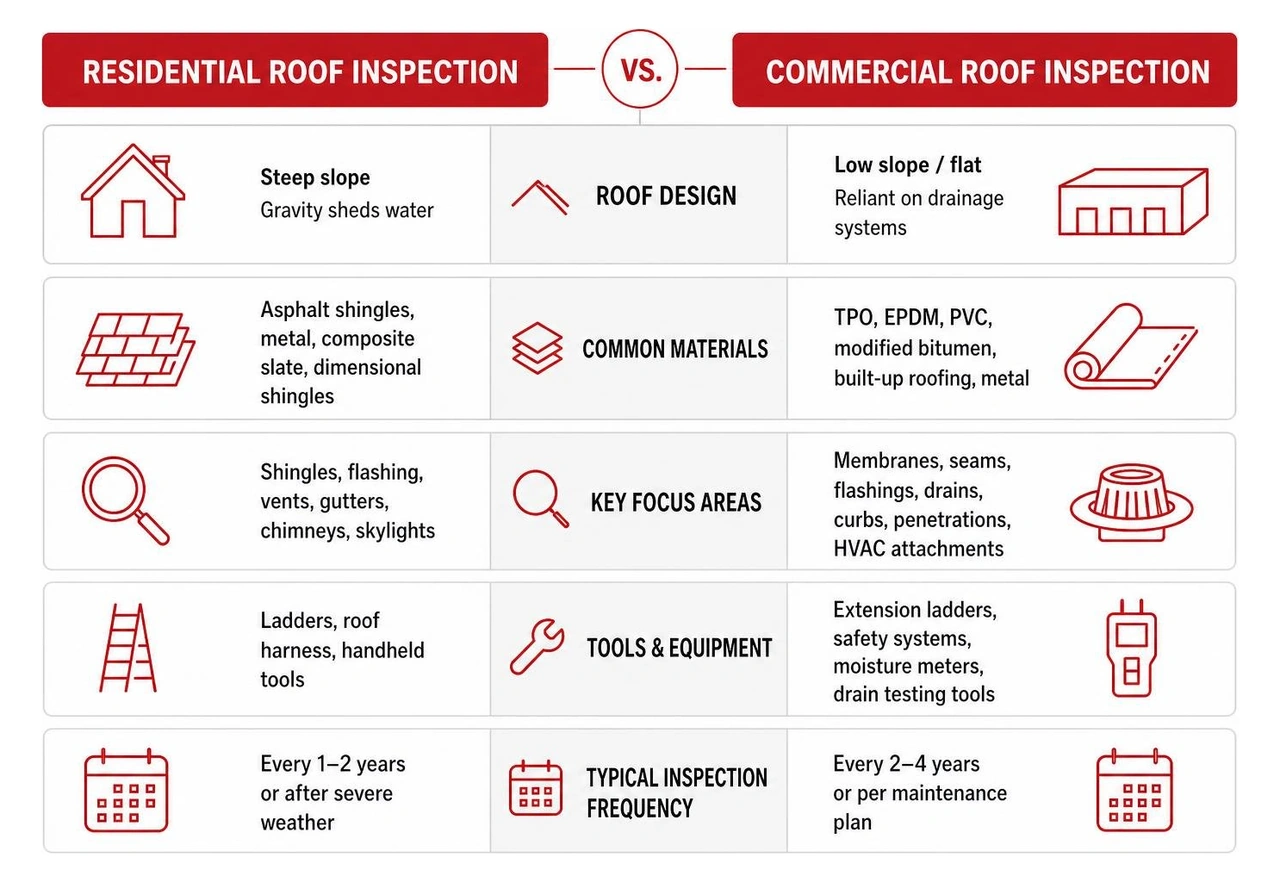
We strongly advise performing a basic roof inspection twice a year: once in the spring to evaluate damage from ice, winter snow, and freeze-thaw cycles, and once in late autumn to prepare the roof for severe cold weather. For comprehensive coverage on both living spaces and business facilities, read our guide on Roof Inspection Residential Commercial.
Pre-Purchase and Post-Storm Roof Inspection Needs
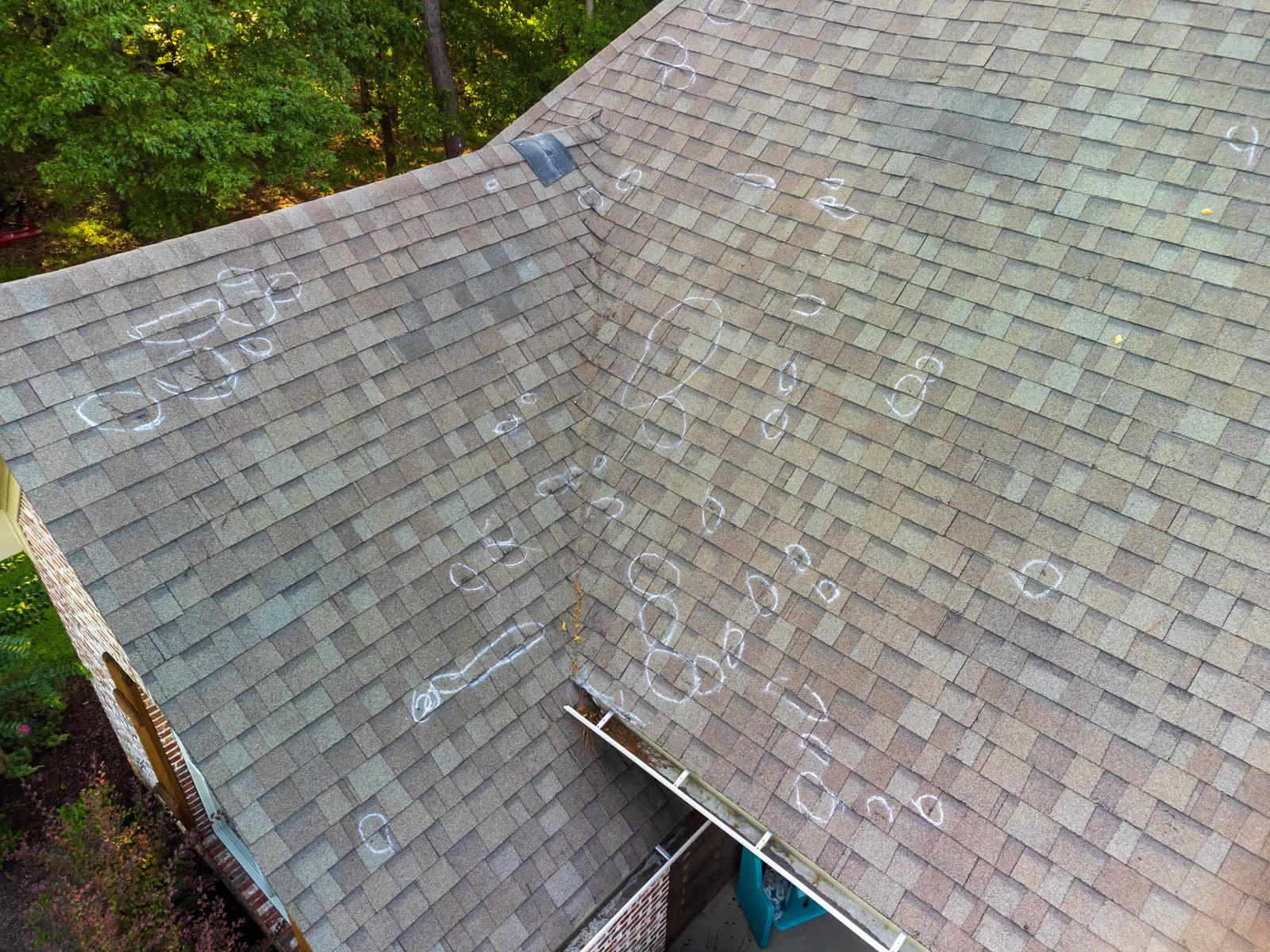
Beyond routine bi-annual maintenance, two specific events demand immediate roof evaluations: property purchases and major weather incidents.
A pre-purchase assessment acts as critical due diligence for home buyers. A standard home inspector gives a general overview of the building, but a specialized evaluation examines flashing details, underlayment condition, remaining service life, and ventilation efficiency. Reviewing a detailed report prior to closing allows buyers to negotiate necessary repairs or seller concessions before taking ownership. Learn more about navigating real estate transactions with our detailed resource on Roof Inspection Before Buying a House.
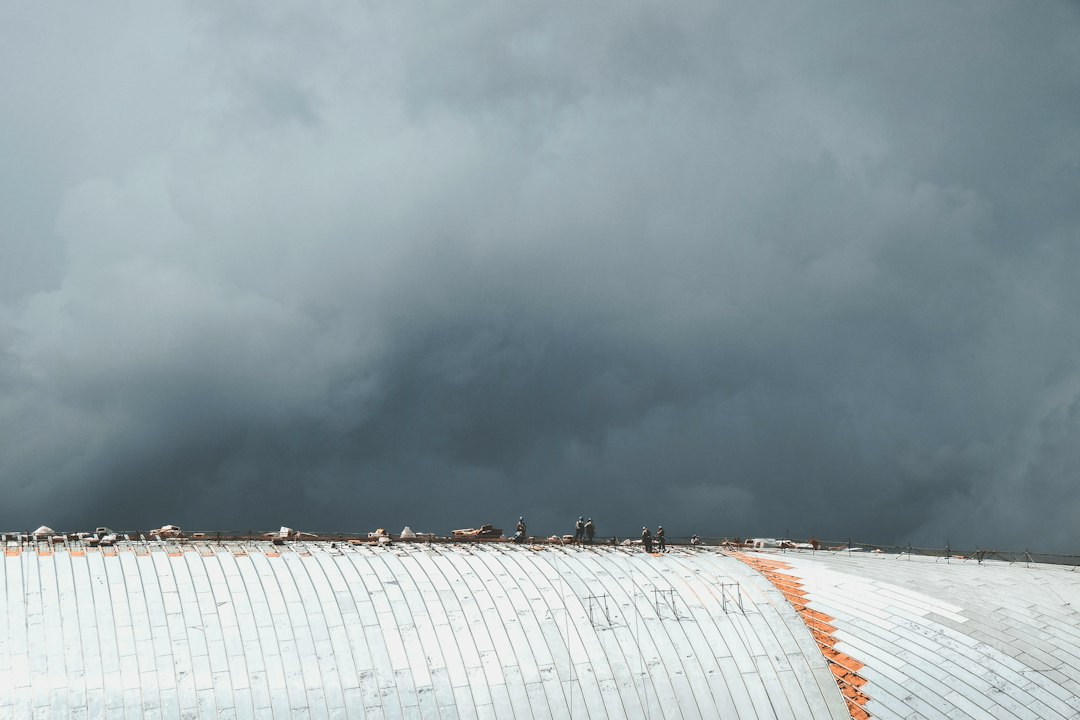
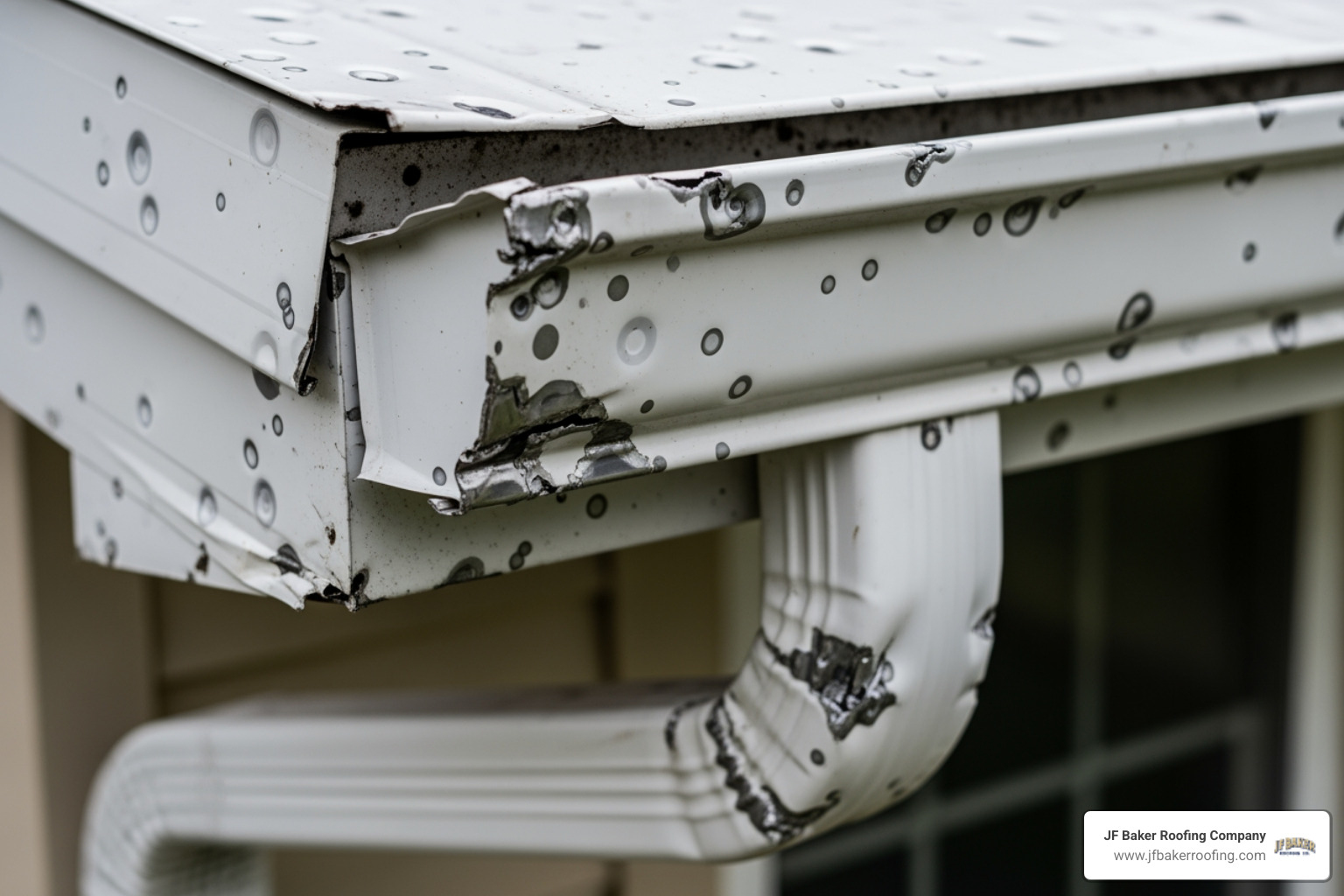
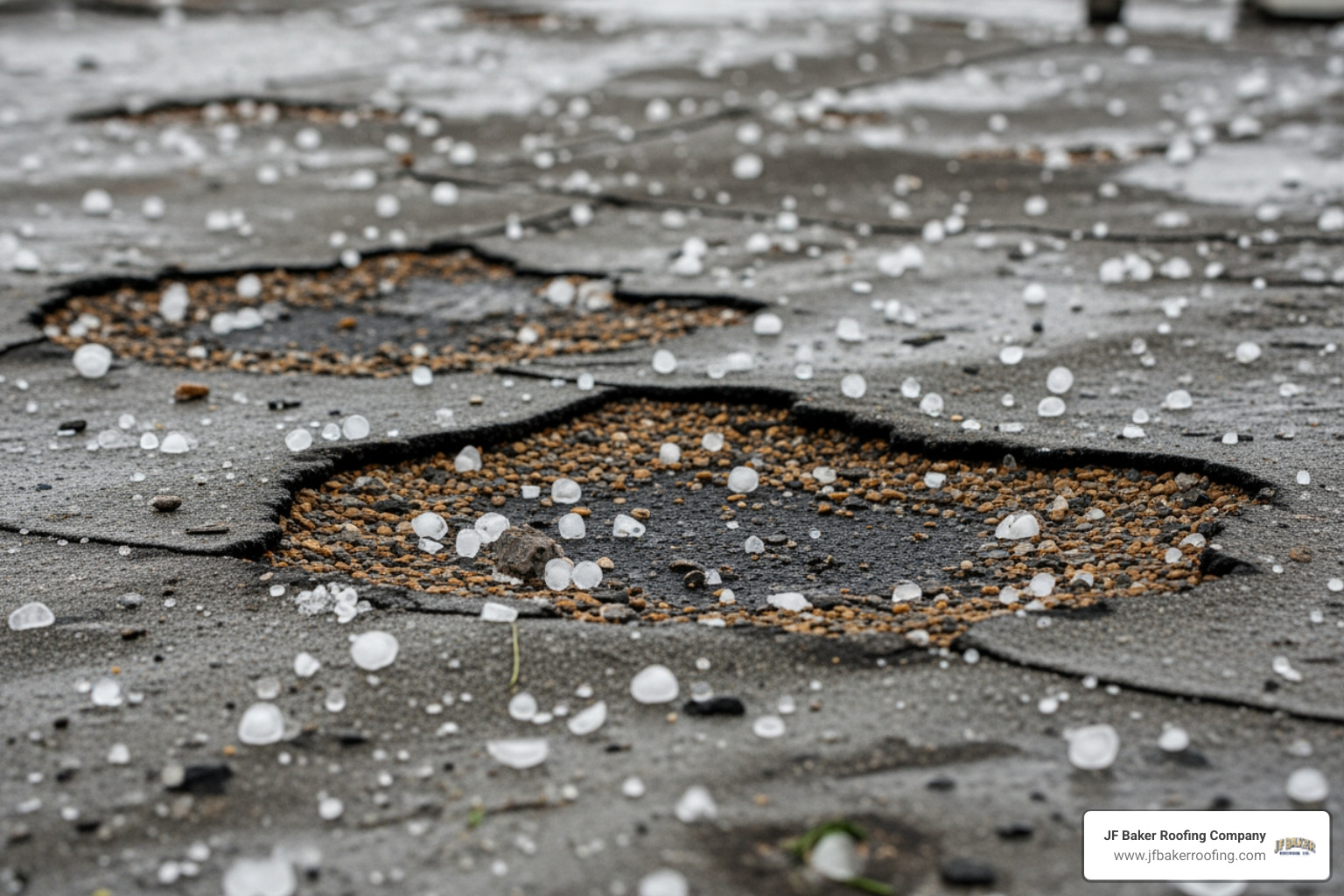
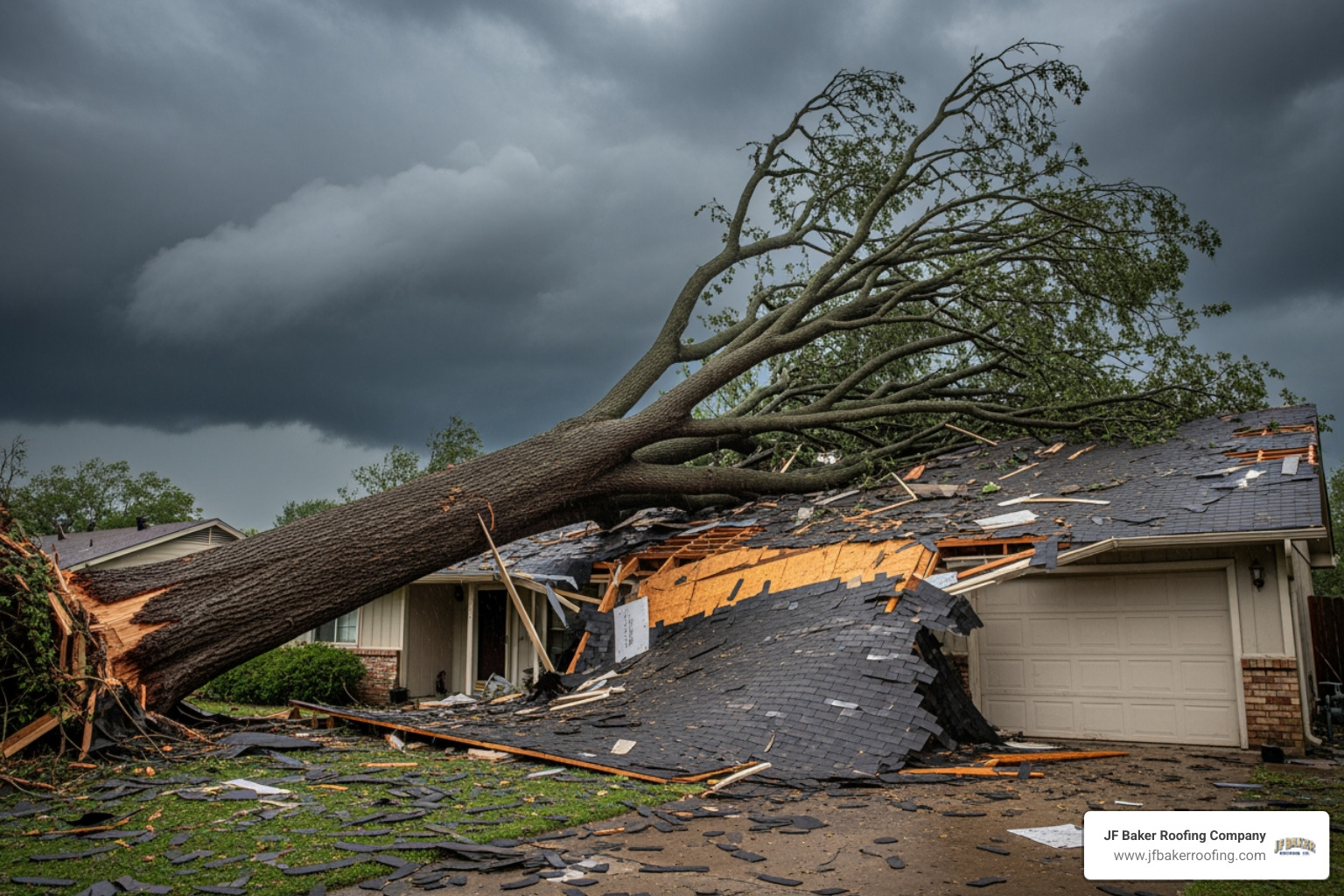
Post-storm assessments are equally critical after severe wind, hail, or severe thunderstorm outbreaks. Severe weather can lift shingle tabs, break adhesive seal strips, or puncture surface layers with violent hail impacts without showing dramatic destruction from ground level. Scheduling an assessment immediately after severe weather preserves evidence and ensures you submit insurance claims within policy notification windows. For immediate post-storm guidelines, check our advice on Roof Inspection After Storm.
Inspection vs Roof Certification Differences
Homeowners often confuse a standard condition assessment with a formal roof certification. While both evaluate structural health, they serve distinct operational and legal purposes:
- A roof inspection evaluates current physical condition, identifying wear, installation defects, active leaks, and recommended maintenance tasks without providing a written performance guarantee.
- A roof certification is an official written document issued by a qualified professional certifying that the roof system is leak-free and expected to remain functional for a specific period (commonly 2 to 5 years).
Certifications are frequently utilized during real estate sales to reassure buyers and mortgage lenders. If repairs are necessary to meet certification standards, those corrections must be completed before the document is granted, transferring financial liability away from the purchaser.
Comprehensive DIY Roof Inspection Checklist and Safety
Homeowners can easily track roof health from the ground and attic space. However, personal safety must always take priority over physical roof access.
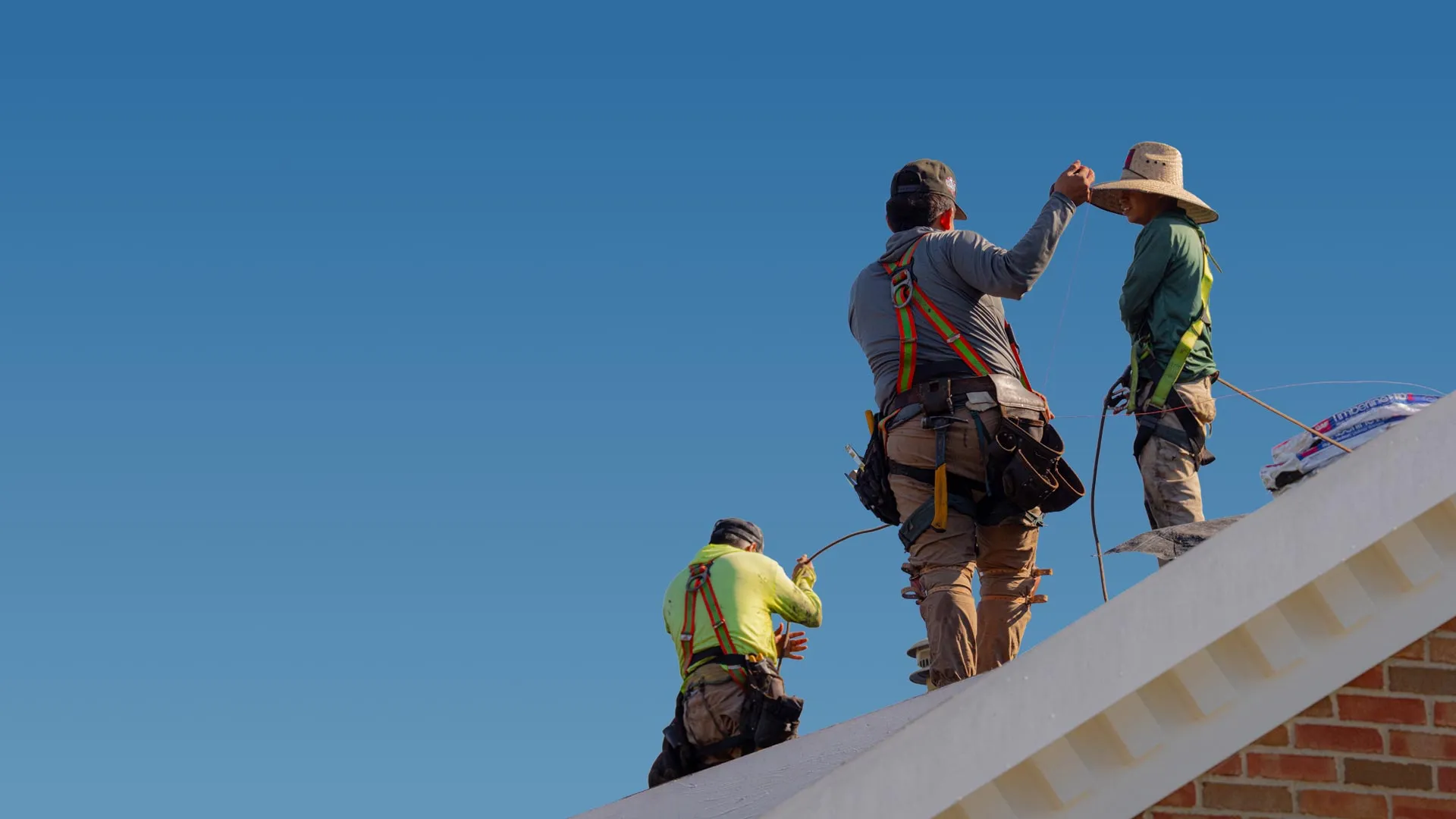
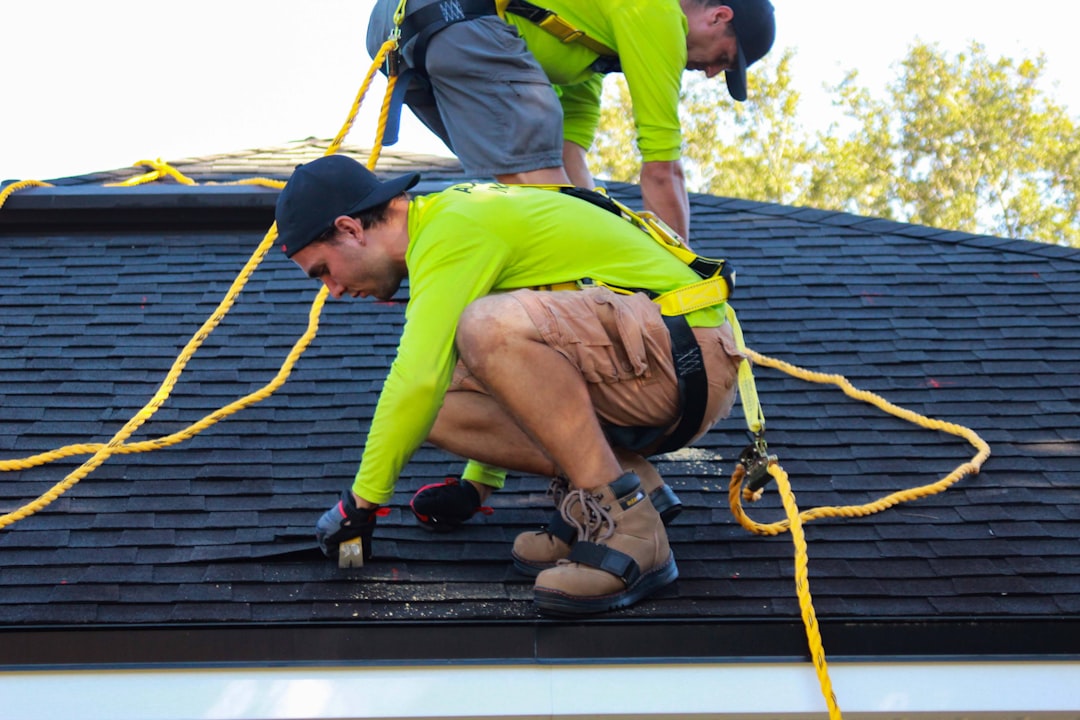
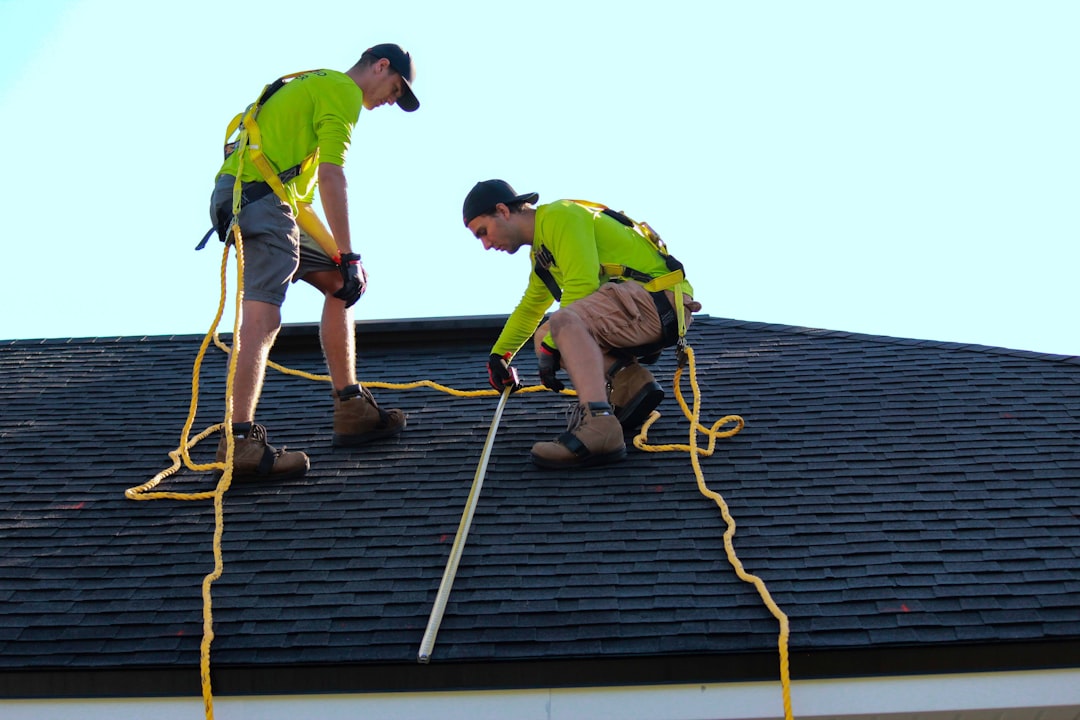
A slope lower than 2/12 pitch is classified as a flat roof, while a pitch between 2/12 and 4/12 is considered low-slope. Standard asphalt shingles should never be installed on roofs below a 3/12 pitch, and wood shakes generally require a pitch greater than 4/12 to shed water correctly. Crucially, any roof with a pitch greater than 8/12 is too steep to walk on safely without professional rigging and harnesses.
Key Steps for a Safe DIY Roof Inspection
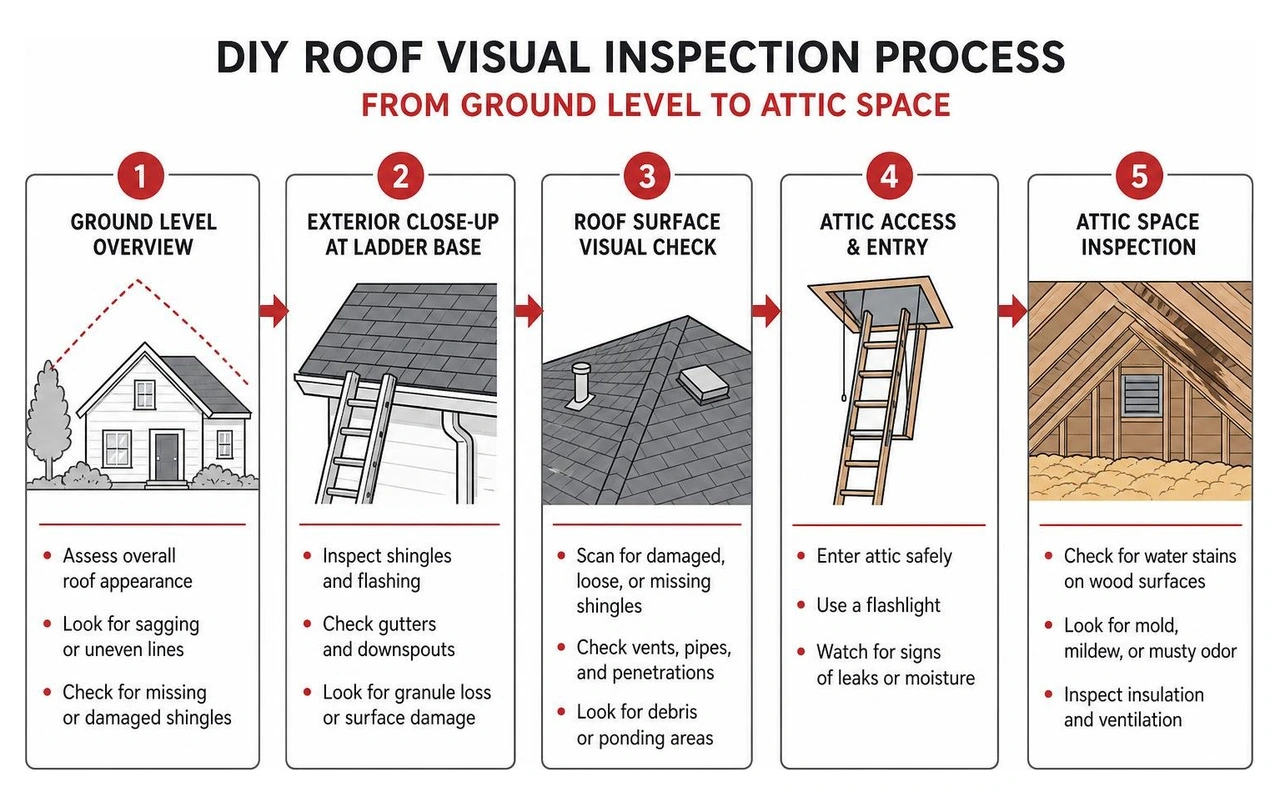
If you choose to conduct a DIY check, stick to safe ground-level and ladder-base visual evaluations:
- Perform ground-level observation using high-powered binoculars. Walk around the perimeter of your property to inspect roof planes, dormer sidewalls, fascia, and ridge caps.
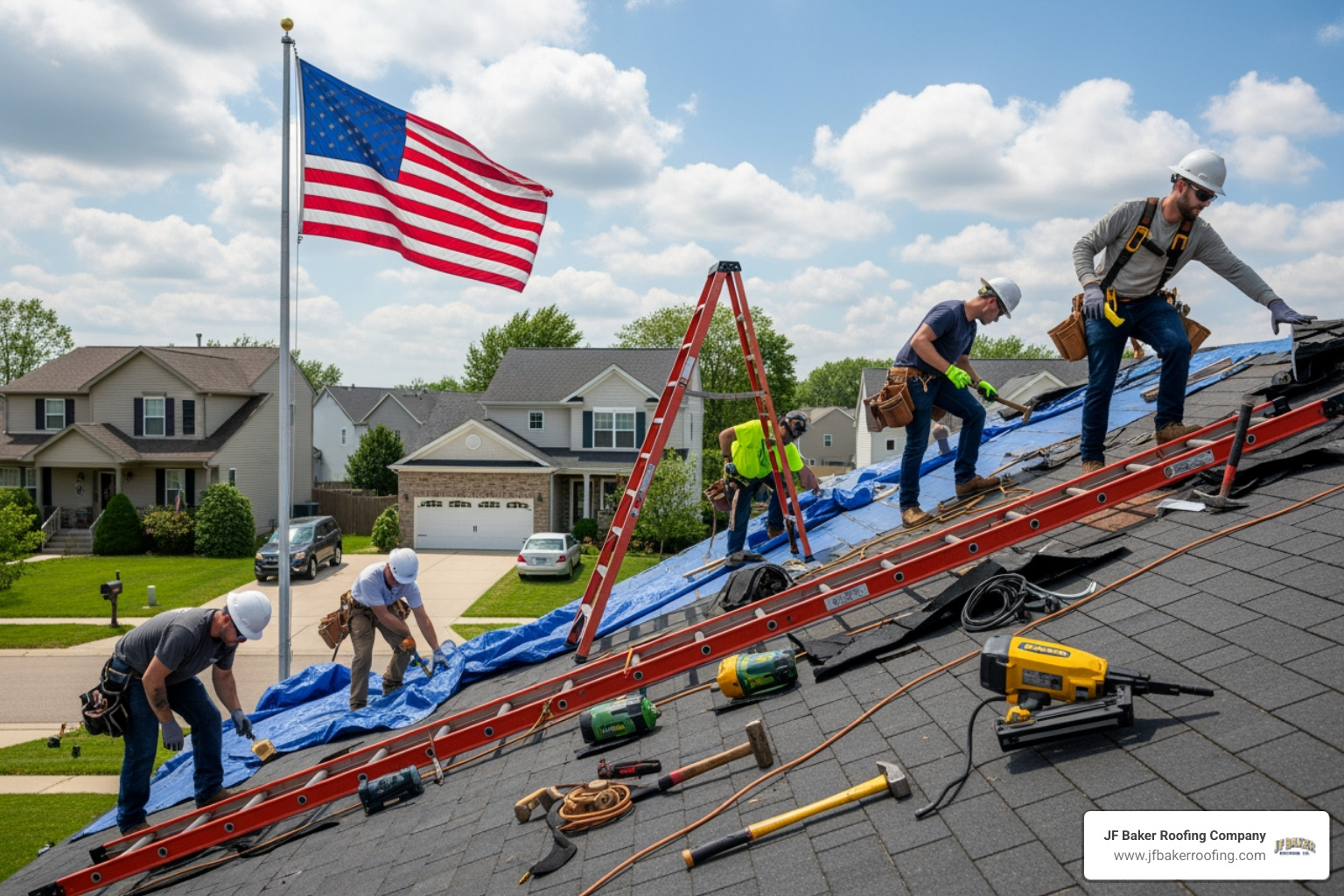
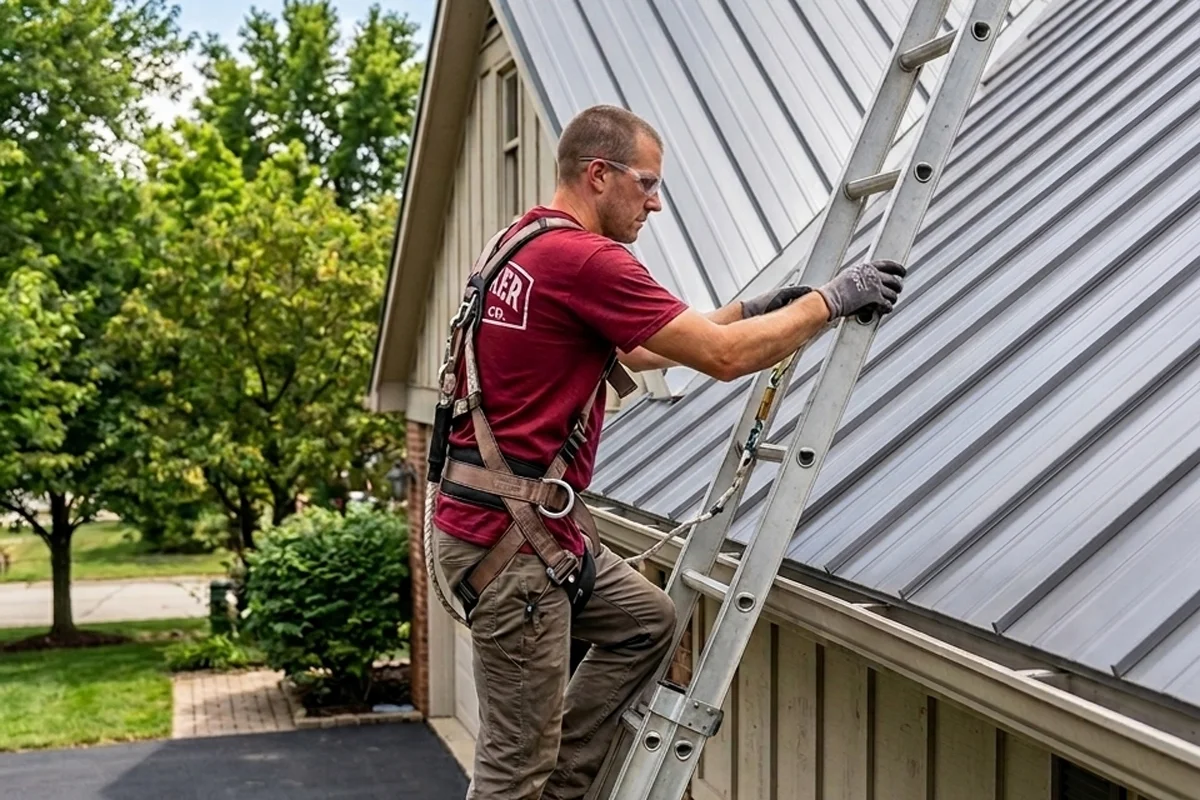
- Check ladder pitch safety before climbing. Place the extension ladder on stable, level ground. Use the 4-to-1 ratio rule: for every 4 feet of ladder height up to the eave, set the ladder base 1 foot back from the wall.
- Observe ladder positioning relative to power connections. Always use non-conductive fiberglass extension ladders when working anywhere near overhead utility lines.
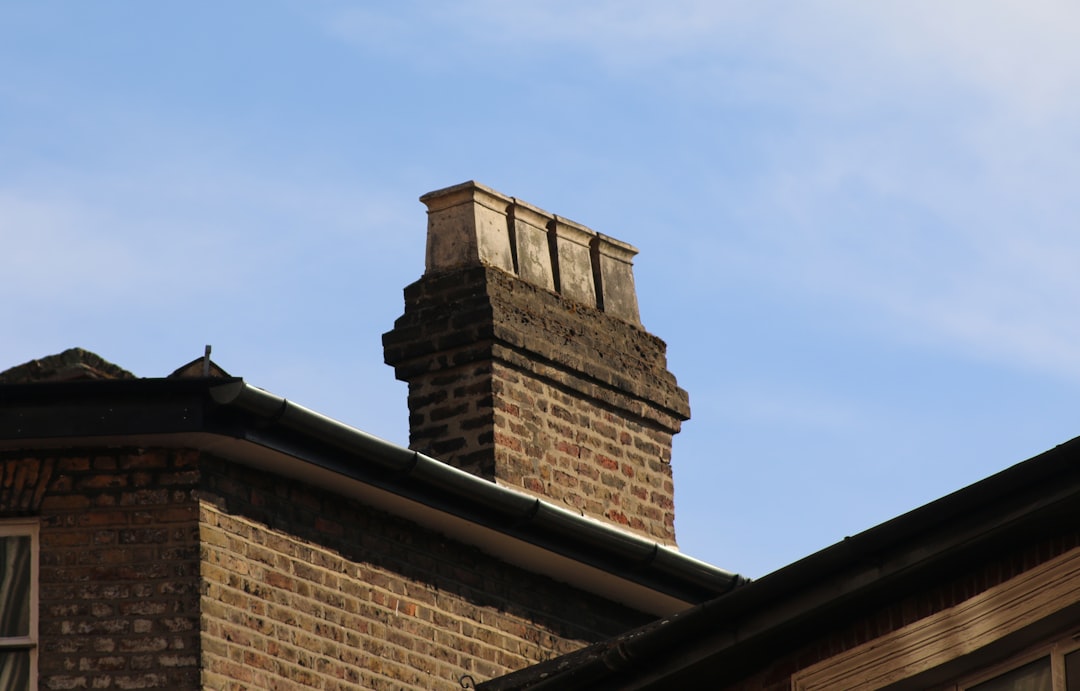
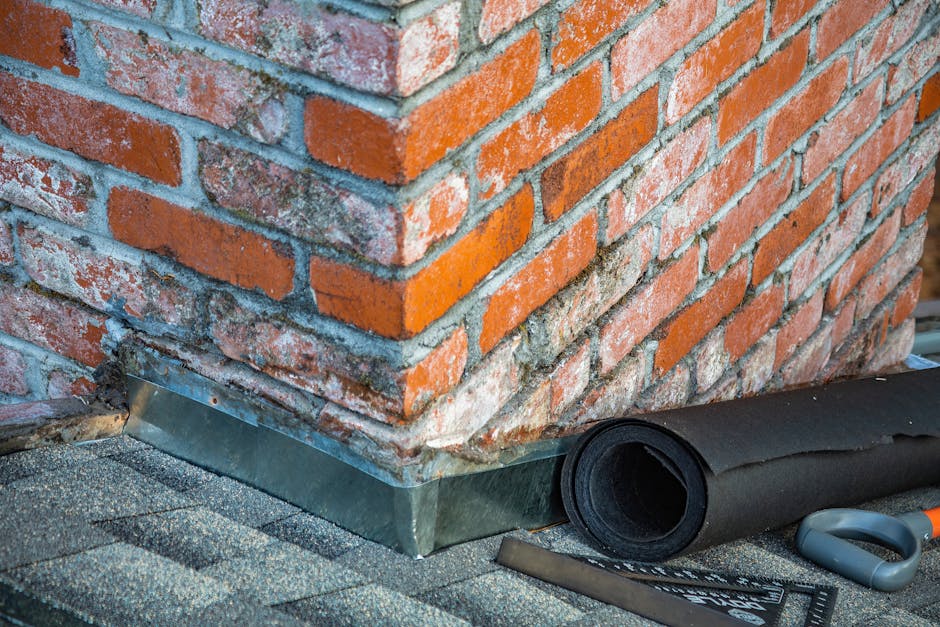
- Check high-risk failure points visually from the eave. Look closely at metal step flashing around chimneys, dormers, pipe boots, and valley intersections where water flow converges.
- Review federal structural guidelines like the HUD NSPIRE Roof Assembly Standard to understand standard evaluation metrics for structural integrity and drainage pathways.
For a printable step-by-step checklist, refer to our Residential Roof Inspection Checklist.
Exterior, Attic, and Gutter Evaluation
A complete evaluation balances exterior surface checks with internal attic inspections:
- Attic interior check: Go into your attic space during daylight hours with a flashlight. Look for pinpricks of daylight shining through structural sheathing, water staining along rafters, damp insulation, or signs of mold growth.
- Moisture testing: Touch interior roof sheathing near chimney saddles and roof valleys after heavy rains to catch hidden dampness.
- Gutter slope verification: Gutters must slope down toward downspouts at a minimum rate of 1/16-inch per foot (roughly 1/4-inch for every 5 to 10 feet of trough) to prevent standing water. Under housing standards, standing water exceeding 25 square feet on flat roof surfaces indicates severe drainage defects requiring prompt correction.
- Downspout sizing checks: Verify that downspouts handle your total roof square footage. A standard 2x3-inch downspout manages up to 600 square feet of roof area, whereas a larger 3x4-inch downspout manages 1,200 square feet.
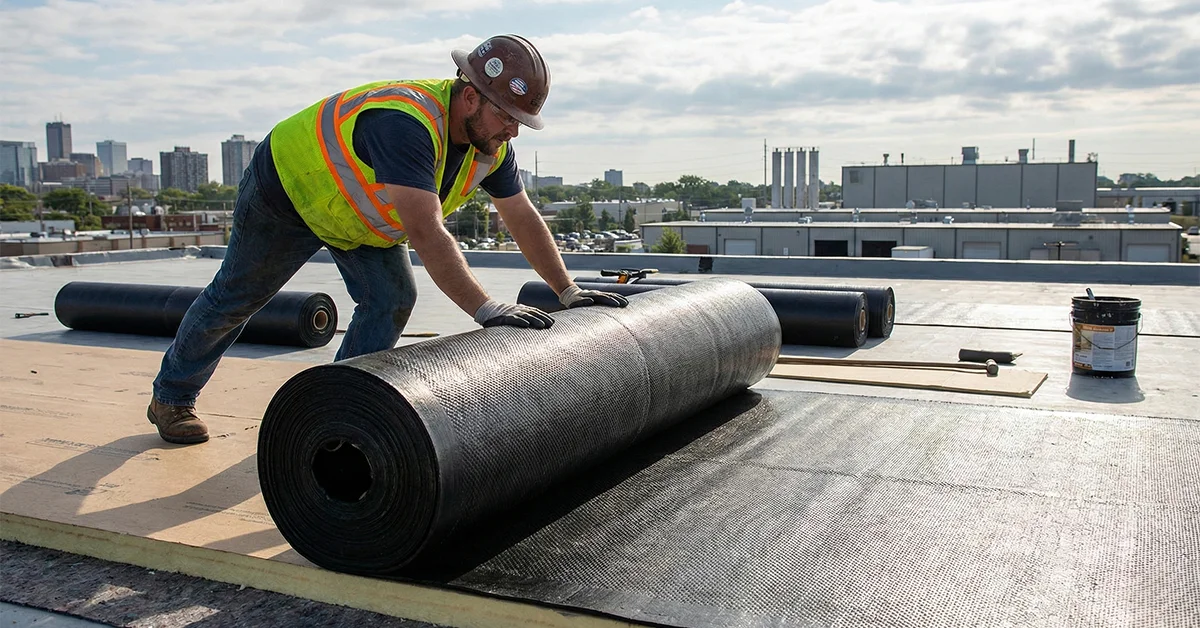
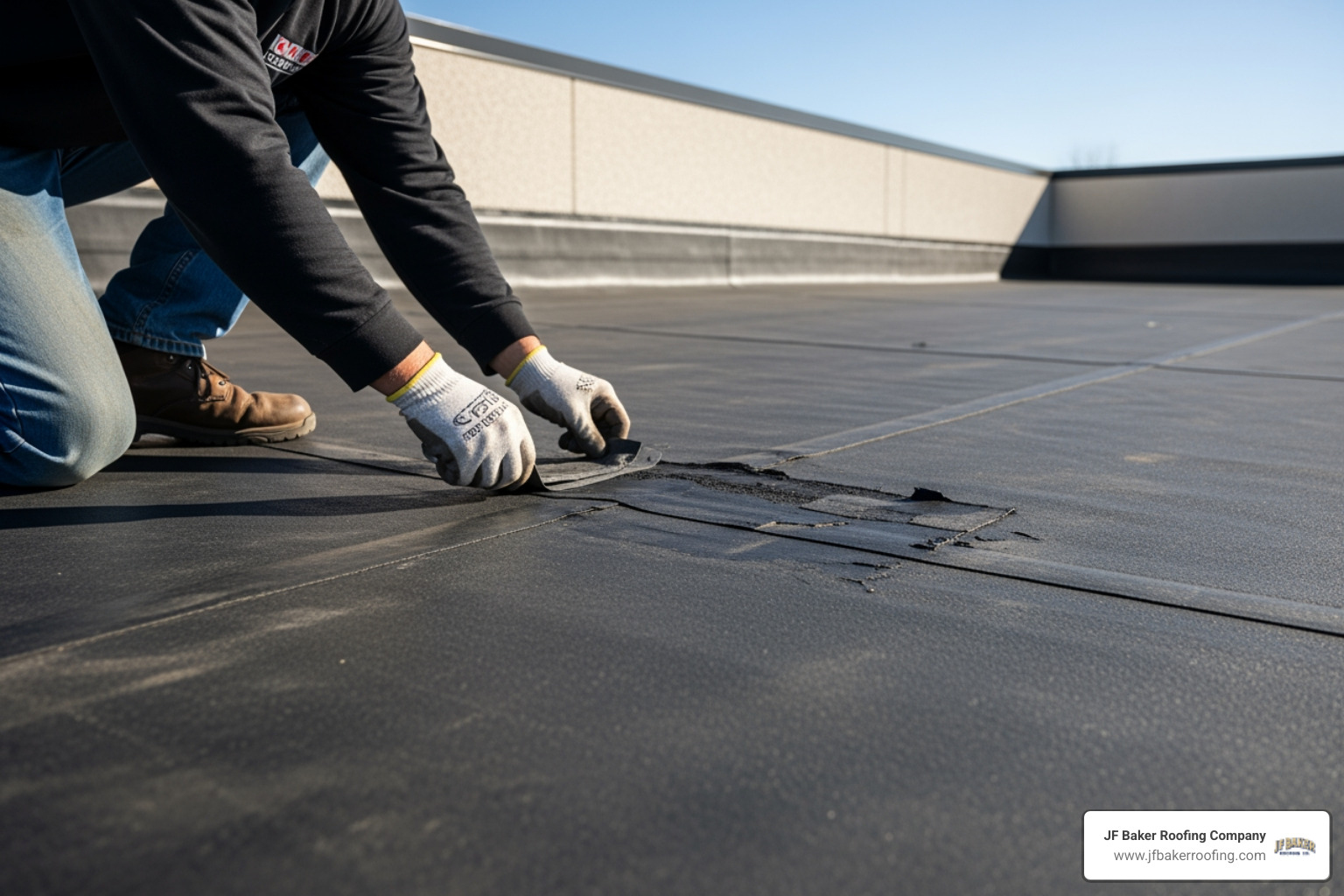
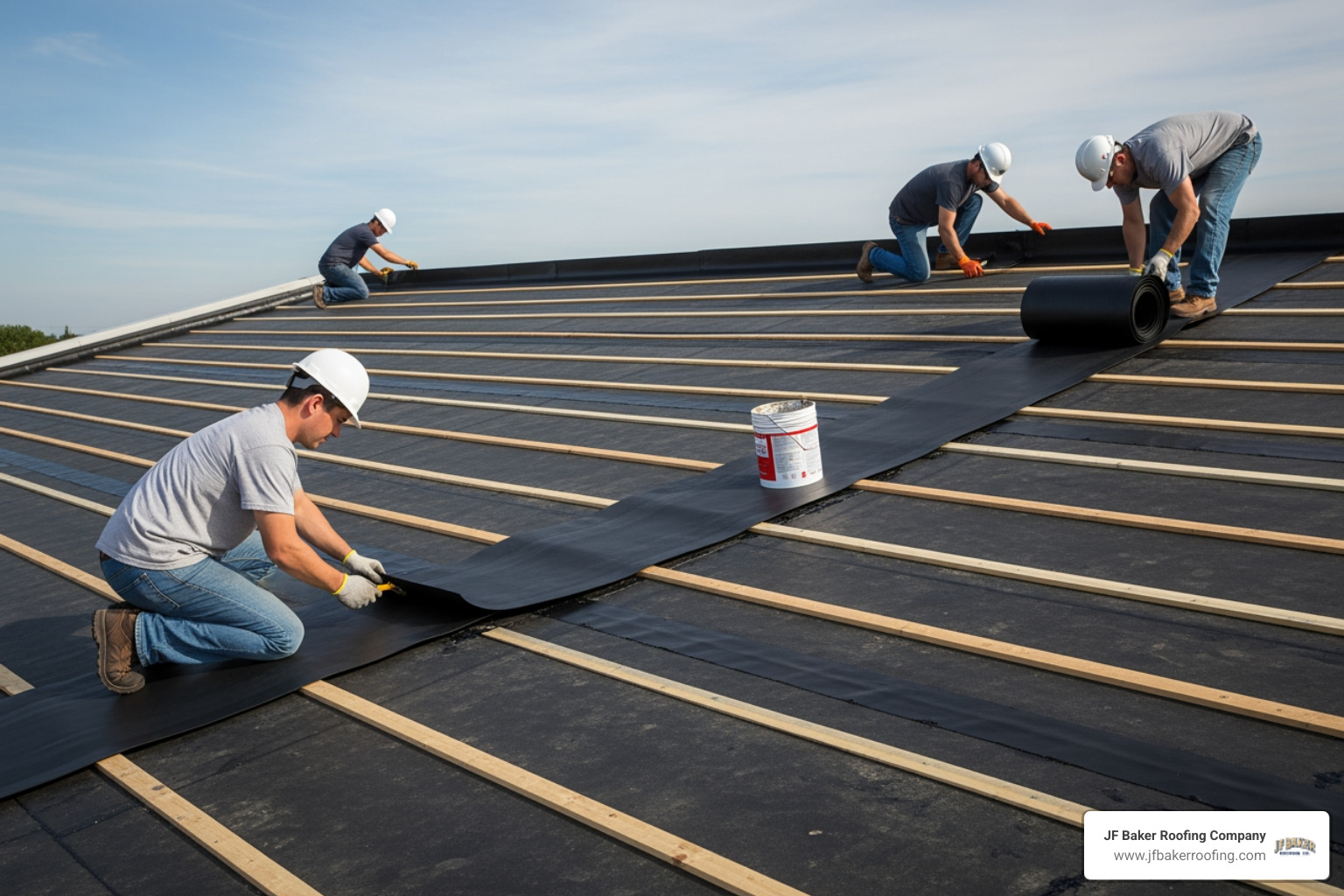
- Specialized flat roof reviews: Flat and single-ply membranes require unique care. Read our specialized insights on Rubber Roof Inspection Service to keep low-slope systems sealed.
Professional Evaluation Costs and Insurance Claim Strategies
While DIY ground checks are helpful routine habits, professional evaluations provide official, line-by-line documentation required for real estate transactions and property insurance claims.
What Included in Professional Reports and Costs
A thorough professional assessment yields a comprehensive written report detailing the exact physical status of your roofing assembly. Rather than providing quick verbal opinions, a comprehensive report includes:
- High-resolution labeled photo evidence of exterior shingles, flashings, valleys, ridge vents, soffits, and gutters.
- Interior attic observations detailing structural decking, rafter health, insulation depth, and proper vent alignment.
- Detailed analysis of remaining useful service life across all roof sections.
- An itemized list of necessary maintenance, immediate spot repairs, or full replacement recommendations.
Leveraging Inspections for Insurance Claims
Filing a storm damage insurance claim is essentially a negotiation supported by physical evidence. Insurance adjusters evaluate liability on behalf of the insurance provider, making detailed third-party roof reports vital to protecting your financial interests.
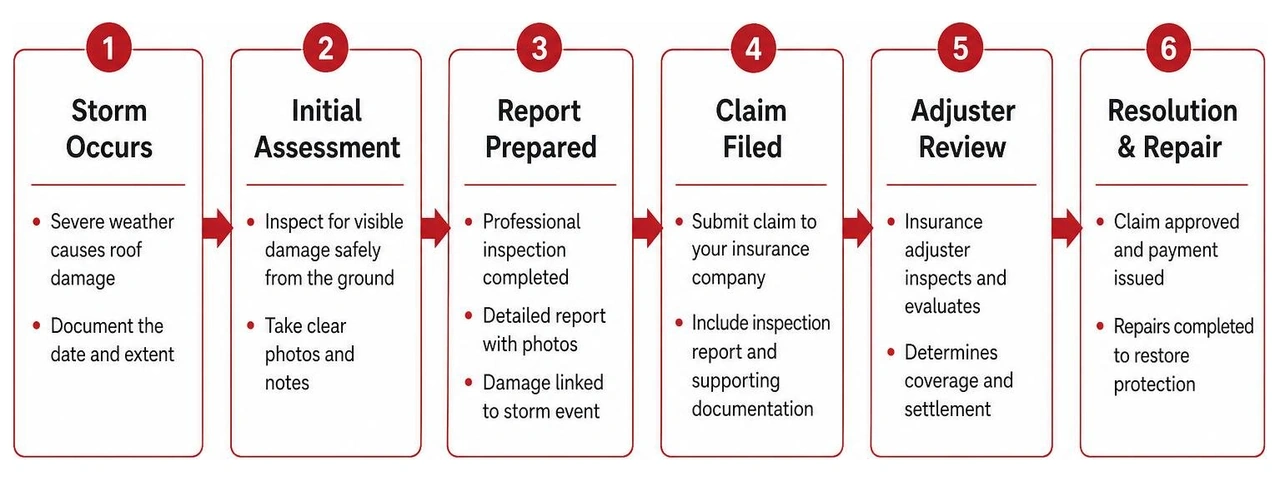
A detailed post-storm report strengthens your claim position by clearly documenting hail bruises, broken adhesive seals, and lifted shingles. Certified reports distinguish between recent storm damage and pre-existing wear, disproving claims that damage was caused by simple homeowner neglect.
If your initial claim is denied or underpaid, an independent assessment provides the photographic proof required to request a re-inspection or formal claim appeal. To learn how we assist property owners during the claim process, connect with our Storm Damage Roofing Contractors and review options for Hail Damage Roof Repair Near Me.
How to Select a Trustworthy Professional Inspector
Selecting the right professional ensures you receive an unbiased assessment rather than a high-pressure sales pitch. When evaluating local specialists, keep these selection criteria in mind:
- Verify licensing, bonding, and full liability and workers' compensation insurance coverage.
- Prioritize independent inspectors or roofing firms with long-standing local community roots.
- Choose companies that provide comprehensive written photographic reports rather than simple verbal estimates.
- Ask if the inspector physically walks dry low-slope roofs or uses high-resolution drones for steep planes, rather than merely glancing from driveway level.
- Confirm adherence to municipal building standards and safety compliance, which you can review through resources like the Upper Arlington Municipal Building Code FAQs.
Work with professionals who offer clear, plain-language explanations without pressure tactics, recommending repairs whenever viable and full replacement only when genuinely required.
Frequently Asked Questions About Roof Assessment
How often should a roof be inspected?
We recommend a complete roof inspection twice a year—once in spring and once in autumn. Additionally, arrange an evaluation immediately following major hail or severe wind storms, or whenever you notice interior wall moisture or ceiling stains.
How much does a professional roof inspection cost?
Professional inspection pricing varies based on structure size, roof pitch complexity, attic accessibility, and whether specialized diagnostic technology like thermal imaging or drone surveying is required. Basic checks during repair estimates are often complimentary, whereas comprehensive formal evaluations for real estate transactions or insurance claims carry standard service fees reflecting the written detail required.
Can a roof inspection help overturn a denied insurance claim?
Yes. An independent, certified report providing high-resolution photo evidence, impact counts per square, and clear distinctions between age wear and storm damage serves as crucial evidence during an official insurance appeal or re-inspection request.
Conclusion
A regular roof inspection is one of the most proactive steps you can take to protect your home, preserve indoor comfort, and avoid unexpected interior restoration costs. By checking roof surfaces bi-annually, clearing gutter drainage paths, monitoring attic moisture, and bringing in experienced professionals after severe storms, you ensure your roof continues to shield your family for decades.
JF Baker Roofing has served Central Ohio since 1929. Led by third-generation owners Chad and Pat Baker, our family-owned company is built on integrity and proven by performance. We are proud to be a CertainTeed ShingleMaster Preferred Contractor, NRCA member, and BBB Accredited Business with an A+ rating.
Our team serves residential and commercial clients across Columbus, Dublin, Upper Arlington, Hilliard, Grandview Heights, Worthington, Westerville, and nearby communities. We offer full-service roofing solutions, including residential roofing, commercial roofing, roof repair, roof replacement, storm damage roofing, gutter installation and repair, and custom sheet metal work.
We provide honest assessments, transparent pricing, clean job sites, clear communication, and no high-pressure sales tactics. We recommend repairs when possible and replacement only when it is genuinely needed. We stand behind every roof we install.
If you have questions about your roof's current condition or want to establish a reliable baseline before severe weather arrives, reach out to us today. Schedule Your Professional Inspection with JF Baker Roofing—let our reputation be your security.




.jpeg)