Best Attic Ventilation Specialists Near Me: A Local Guide
Is Your Attic Breathing Right? A Central Ohio Homeowner's Guide
Finding an attic ventilation specialist near me starts with knowing what to look for. Here is a quick summary of what matters most:
- What they do: Inspect, design, and install balanced intake and exhaust vent systems to protect your roof and lower energy costs
- When you need one: Hot upper floors, high energy bills, ice dams in winter, musty smells, or mold in the attic
- What it costs: Most upgrades run between $500 and $5,000 depending on vent type and attic size
- Who to hire: A licensed, insured roofing contractor with local experience and verifiable reviews
- Best time to upgrade: During a roof replacement, when labor costs are already in play
If you live in Central Ohio, your attic works hard year-round. Columbus summers push attic temperatures well above 130°F. Winters bring the kind of cold that turns trapped moisture into ice dams along your roofline. Without proper airflow, that heat and moisture build up quietly until they start doing real damage to your shingles, roof deck, insulation, and energy bills.
Most homeowners do not think about attic ventilation until something goes wrong. By then, the damage is already underway.
I'm Chad Baker, third-generation owner of JF Baker Roofing Company, and in this guide I'll walk you through everything you need to know to find the right specialist, ask the right questions, and protect your home for the long haul.
Why Proper Attic Airflow Matters for Your Home
Many homeowners believe that insulation is the only thing keeping their home comfortable. While insulation is incredibly important, it is only half of the equation. Without proper airflow, your attic becomes a giant heat sink in the summer and a moisture trap in the winter.
When hot air gets trapped in your attic during our humid Columbus summers, it does not just sit there. It radiates downward through your ceiling, making your air conditioning system work twice as hard to keep your living spaces cool. This spike in utility costs is often the first clue that something is wrong.
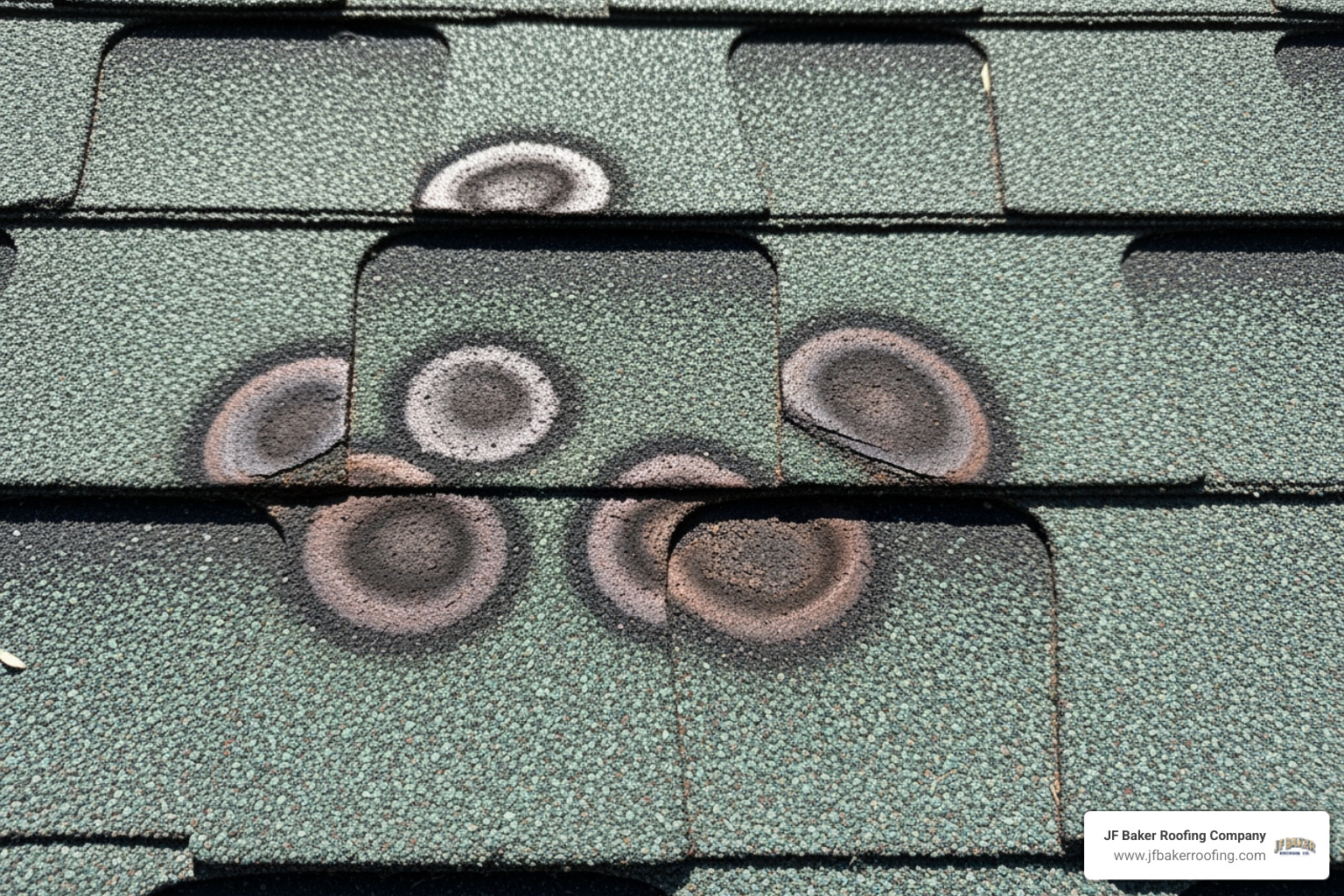
More importantly, extreme heat can bake your shingles from the inside out. Excess heat and moisture from poor ventilation can shorten shingle life by 30% to 40%. When shingles are subjected to constant, unvented heat, they curl, blister, and lose their protective granules much faster than they should.
In the winter, the problem shifts from heat to moisture. Everyday household activities like cooking, showering, and running the dryer release moisture into the air. This warm, humid air naturally rises into the attic. If the attic is cold and unventilated, that moisture condenses on the cold underside of your roof deck, rusty nails, and rafters. Over time, this leads to wood rot, ruined insulation, and mold growth.
To prevent these issues, we focus on creating a balanced system of intake and exhaust. If you want to learn more about how we integrate ventilation into our roofing systems, you can read about our Residential Roofing services.
Signs Your Home Has Poor Attic Airflow
How do you know if your attic is struggling to breathe? You do not necessarily have to crawl into a dark, dusty space to find out. Your home will usually give you several warning signs.
The most common signs of poor attic ventilation include:
- Ice Dams in the Winter: When warm air is trapped in your attic, it warms up the roof deck and melts the snow on top. As that melted snow runs down to the colder eaves, it refreezes, creating a thick block of ice. This ice dam forces water back up under your shingles, leading to serious leaks.
- Uncomfortably Hot Upper Floors: If your second story feels like an oven during July, even when the air conditioner is running constantly, your attic is likely trapping heat.
- Musty Odors and Mold Growth: Trapped moisture creates the perfect breeding ground for mold and mildew. If you notice a musty smell upstairs or see dark spots on your attic rafters, you have a ventilation issue.
- Warped Roof Decking: When plywood roof decking absorbs moisture over several seasons, it can warp, buckle, or sag. This weakens the structural integrity of your entire roof.
- Condensation on Attic Nails: During cold winter months, look at the nails protruding through your roof deck. If they are covered in frost or water droplets, warm air is escaping into your attic and condensing on the cold metal.
If you are noticing any of these warning signs, it is best to address them before they lead to structural damage. You can read more about how we handle these issues in our guide to Roof Repair.
Types of Attic Ventilation Systems
A healthy attic ventilation system relies on a continuous loop of fresh air. Cool air enters through intake vents near the lower edge of the roof (the eaves or soffits), warms up as it sits in the attic, and exits through exhaust vents near the peak of the roof.
To achieve this, standard building codes require 1 square foot of net free ventilating area (NFVA) for every 150 square feet of attic space. This area must be balanced evenly between intake and exhaust vents. If you have a vapor barrier installed, that ratio can sometimes be adjusted to 1 square foot per 300 square feet, but balancing the system remains critical.
Passive Ventilation Systems
Passive ventilation relies entirely on natural airflow, wind pressure, and thermal buoyancy (the natural tendency of warm air to rise). Because they do not have moving parts, passive systems are incredibly reliable, quiet, and require virtually no maintenance.
- Soffit Vents (Intake): These are installed under the eaves of your roof. They allow fresh, cool air to enter the attic space. It is crucial to keep these clear of insulation.
- Ridge Vents (Exhaust): Installed along the entire peak of your roof, ridge vents are highly efficient because they allow warm air to escape at the highest point of the attic.
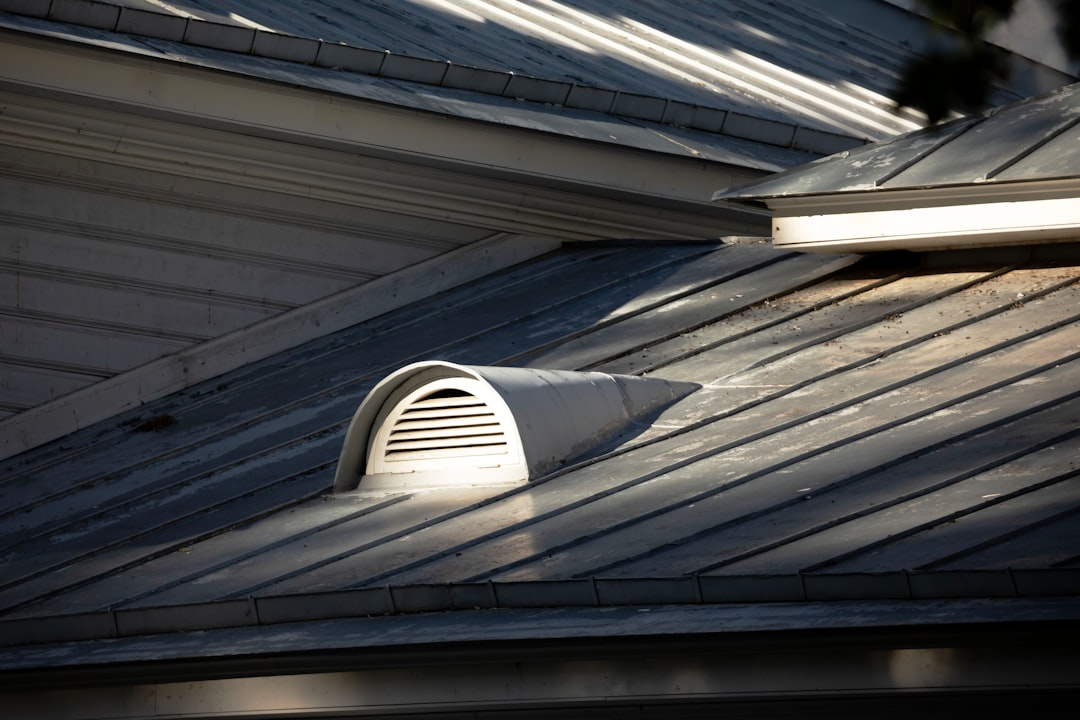
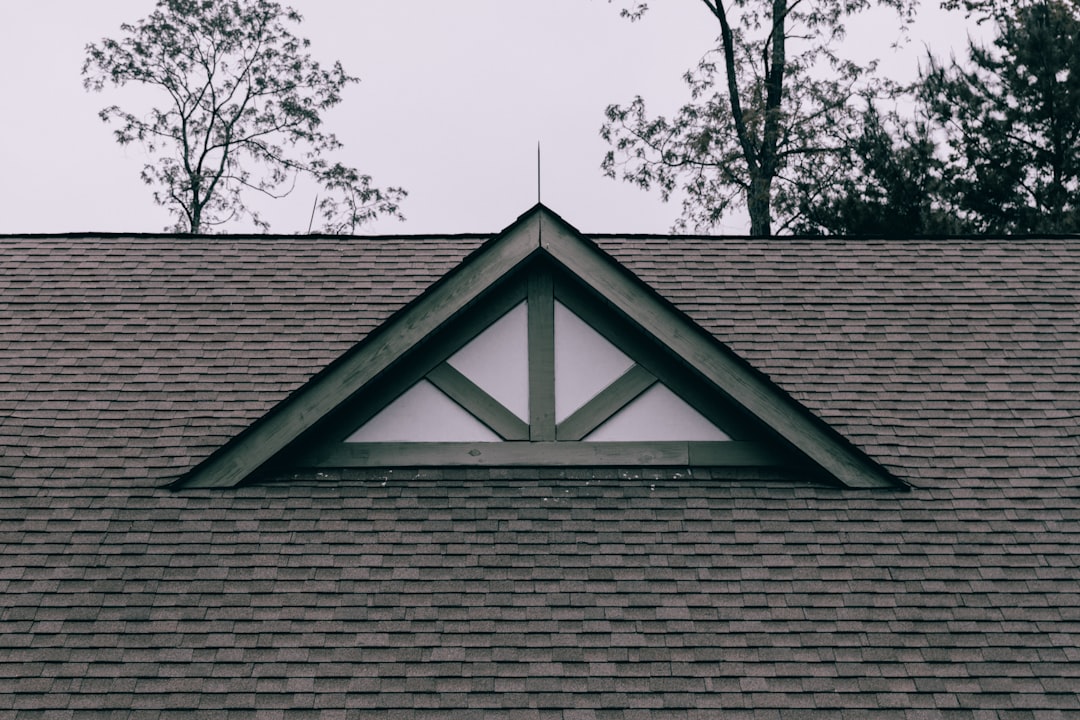
- Gable Vents (Exhaust/Intake): These are the wooden or metal grates located on the exterior side walls of your attic. They rely on cross-winds to move air through the space.
- Static Box Vents (Exhaust): These are individual, low-profile hoods installed near the ridge. While effective, you often need several of them to match the performance of a continuous ridge vent.
Active and Powered Ventilation Systems
Active systems use mechanical force to pull air through the attic. These are often used when a home's architectural style makes it difficult to install adequate passive venting.
- Electric Attic Fans: These use a thermostat or humidistat to turn on automatically when the attic reaches a certain temperature or moisture level.
- Solar Attic Fans: These operate similarly to electric fans but run on solar power, meaning they do not add to your monthly electric bill.
While powered fans are great at moving air, they must be paired with plenty of intake vents. If your attic does not have enough intake airflow, a powerful exhaust fan can create negative pressure. This negative pressure can actually pull conditioned air from your living rooms up through light fixtures and attic hatches, wasting your energy dollars.
To learn more about how different climates and home designs require different vent types, you can look at general resources like An Point Exteriors Attic Ventilation or read about coastal approaches on Foxen Maria Santa Maria CA.
Hiring an Attic Ventilation Specialist Near Me
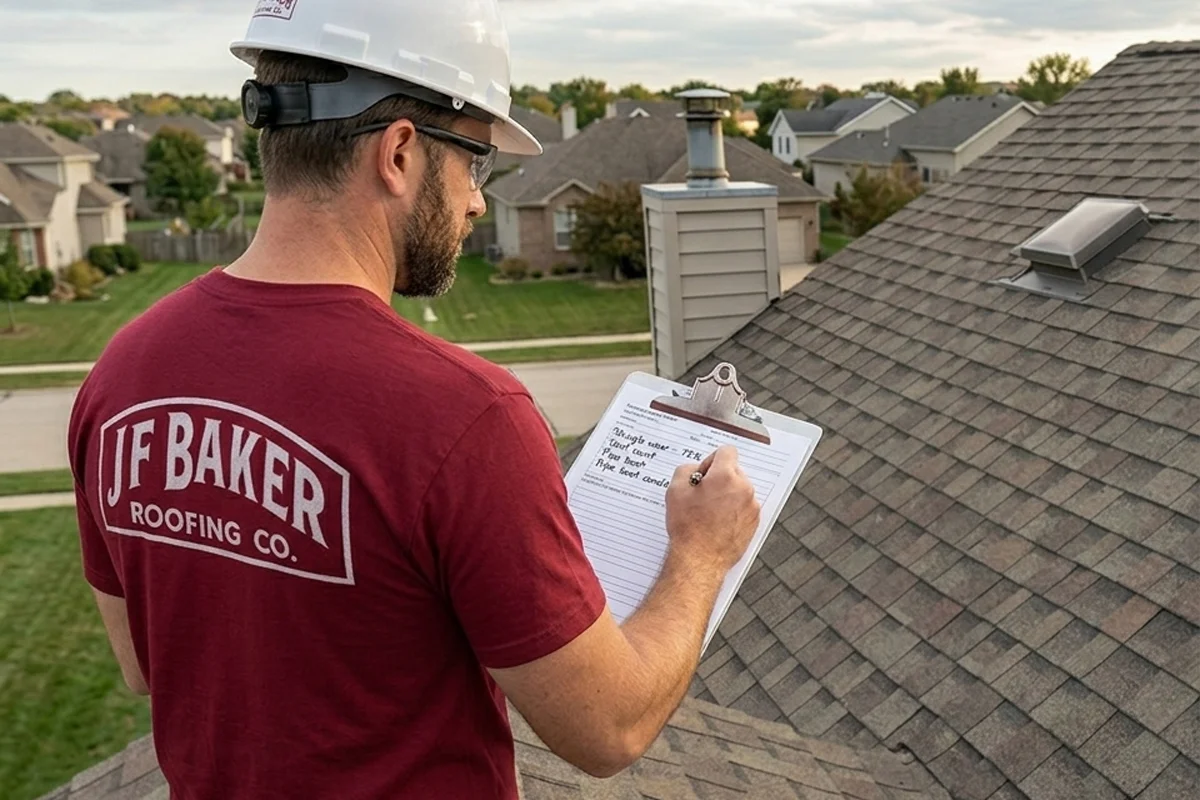
Designing a ventilation system is not as simple as cutting a few holes in your roof. It requires a deep understanding of thermodynamics, local building codes, and roofing materials. If a system is unbalanced, it can cause more harm than good. That is why it is so important to work with a qualified specialist.
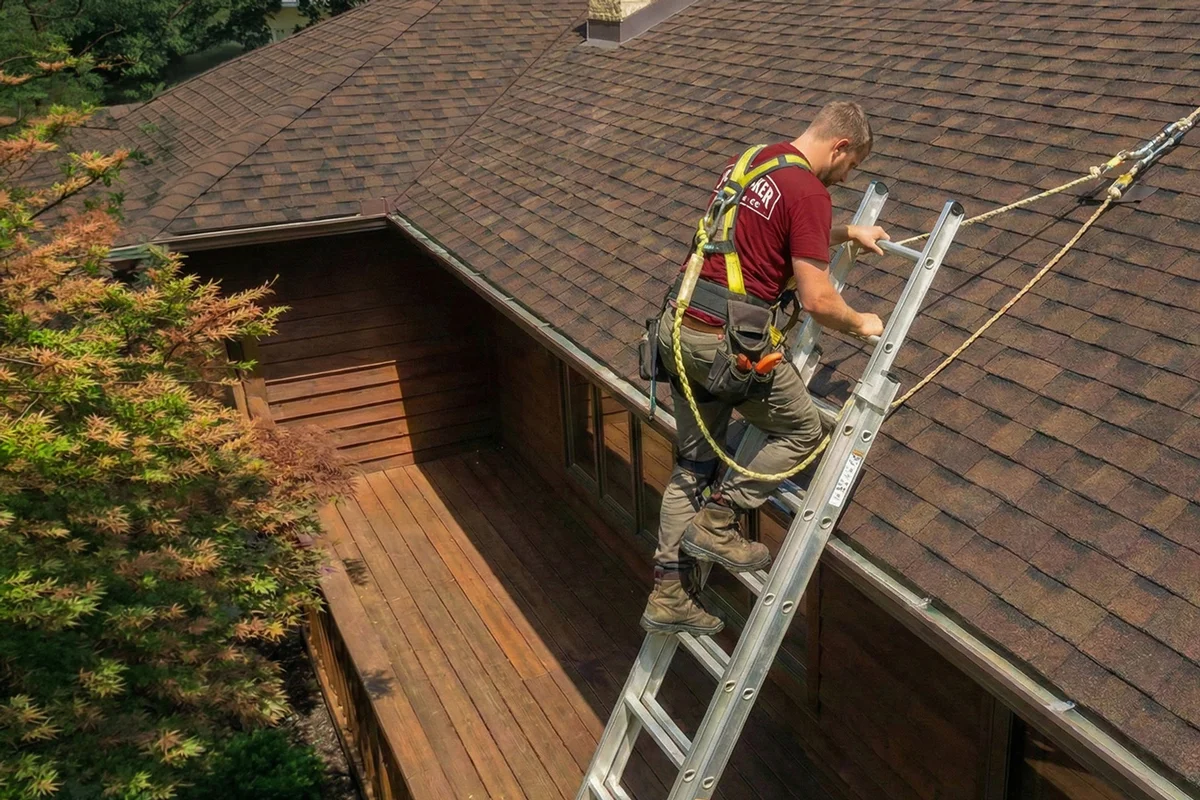
When searching for an attic ventilation specialist near me, labor makes up a major portion of your overall project cost, often around 60%. Because of this, you want to make sure you are paying for skilled, experienced craftsmanship.
Always check that your contractor is fully licensed and carries general liability and workers' compensation insurance. While certifications from manufacturers are voluntary, they show that a contractor has taken the extra step to train their crews to the highest industry standards.
Questions to Ask an Attic Ventilation Specialist Near Me
Before you sign a contract, ask these questions to ensure you are working with a professional who has your best interests in mind:
- Do you use subcontractors, or do you have your own trained crews? Knowing who will actually be on your roof gives you peace of mind.
- How do you calculate the amount of ventilation my attic needs? A professional should be able to explain the math based on your attic's square footage.
- Will you inspect my soffit vents to ensure they aren't blocked by insulation? Installing new exhaust vents is useless if the intake is completely blocked.
- What cleanup procedures do you follow? You want to make sure they protect your landscaping and clean up any stray nails or debris.
- Do your installations follow the shingle manufacturer's guidelines? Improper ventilation can void your shingle warranty, so this is critical.
Finding a Certified Attic Ventilation Specialist Near Me in Central Ohio
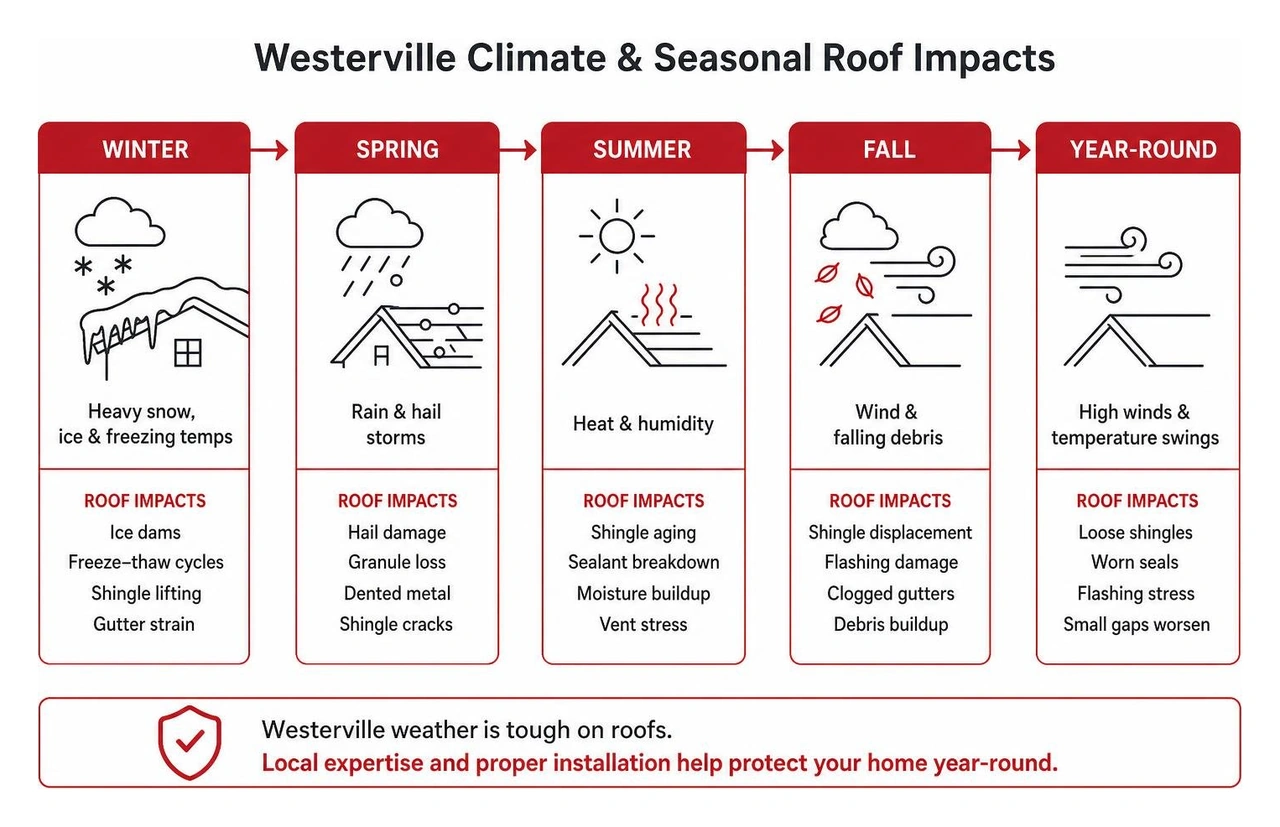
Our climate in Central Ohio is unique. We get hot, humid summers and freezing, snowy winters. Our homes face rapid temperature swings in the spring and fall, which can accelerate moisture problems if your attic cannot breathe.
If you live in Columbus, Upper Arlington, Dublin, or Westerville, you need a contractor who understands how local weather patterns impact your roof. For example, homes in Delaware, OH often face different wind patterns and tree cover than homes closer to the city center. You can read more about local roof care in our guide to Professional Roof Inspection Delaware.
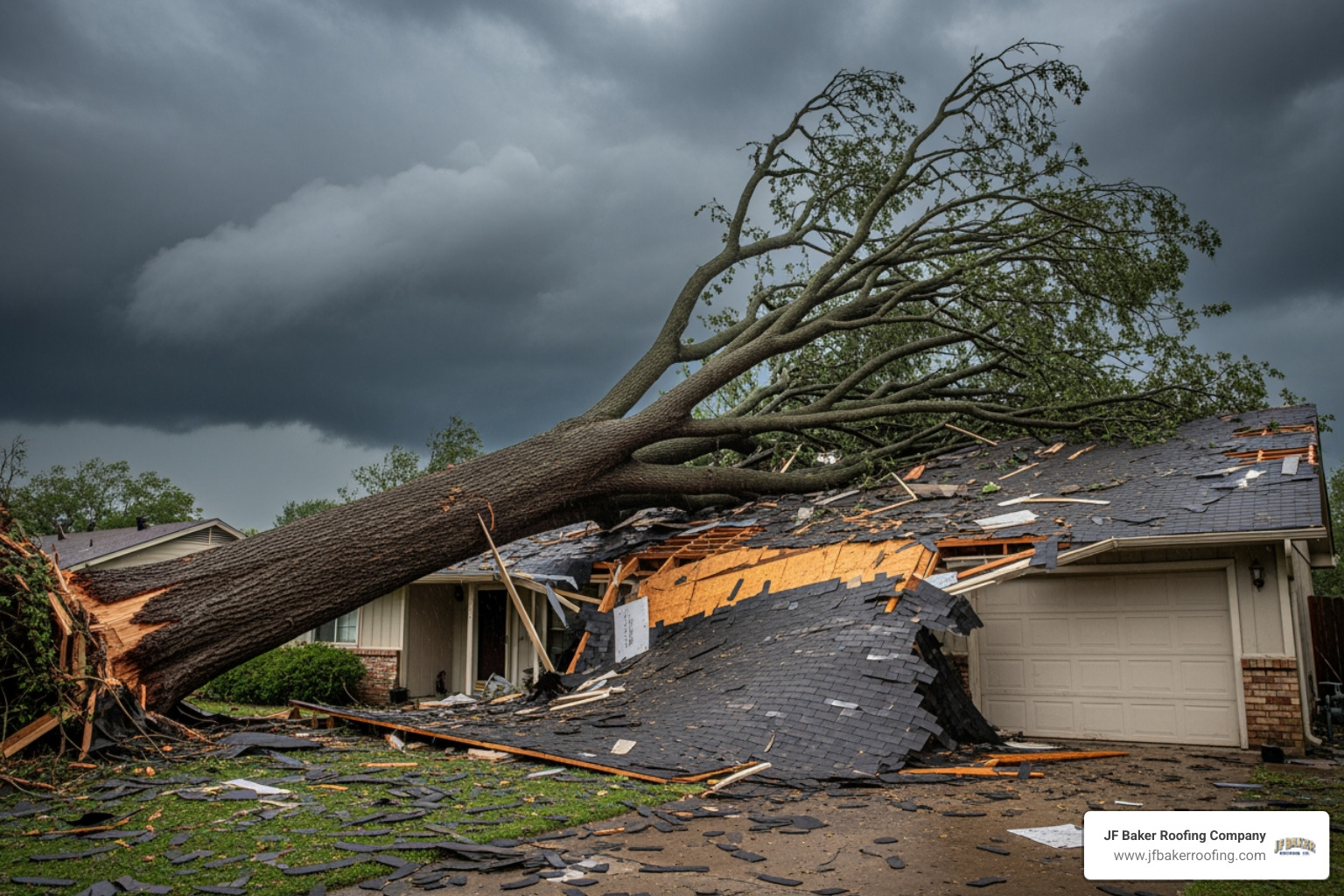
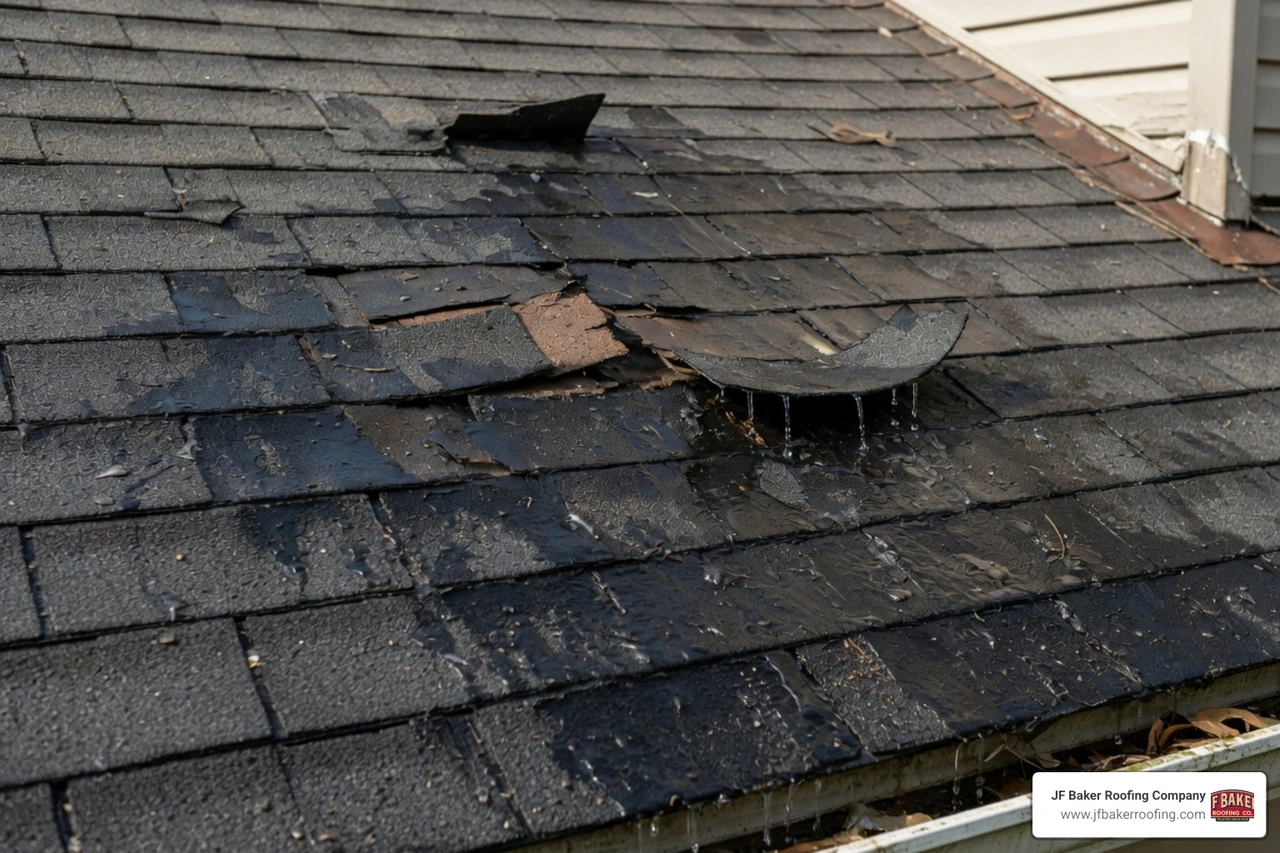
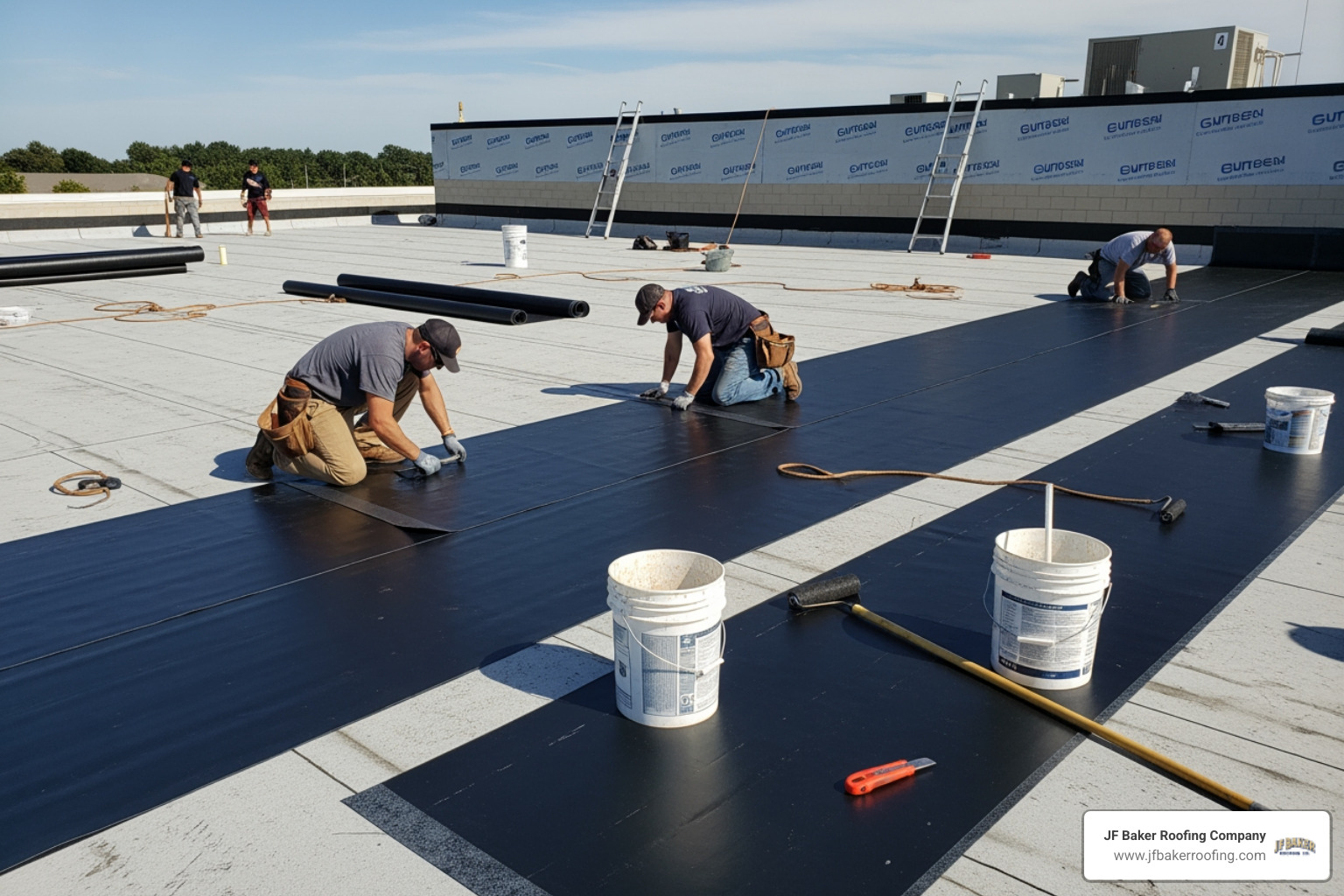
Additionally, spring storms can damage existing vents, allowing water or pests to enter your attic. If you suspect storm damage has compromised your ventilation, check out our resource on Roof Inspection After Storm. If your property features flat or low-slope sections, you may also find our guide on Rubber Roof Inspection Service helpful.
For general reading on how other regions handle attic moisture and insulation issues, you can explore resources like Green Attic Kent WA or Green Attic Covington WA.
Frequently Asked Questions About Attic Ventilation
How much does attic ventilation installation cost?
The cost to upgrade or repair your attic ventilation depends on several factors, including the size of your attic, the pitch and complexity of your roof, the type of vents being installed, and the amount of labor required. Adding a few passive vents is a relatively straightforward job, while installing a complete, balanced system with new soffit intakes and a continuous ridge vent requires more time and materials.
Should I upgrade my attic ventilation when replacing my roof?
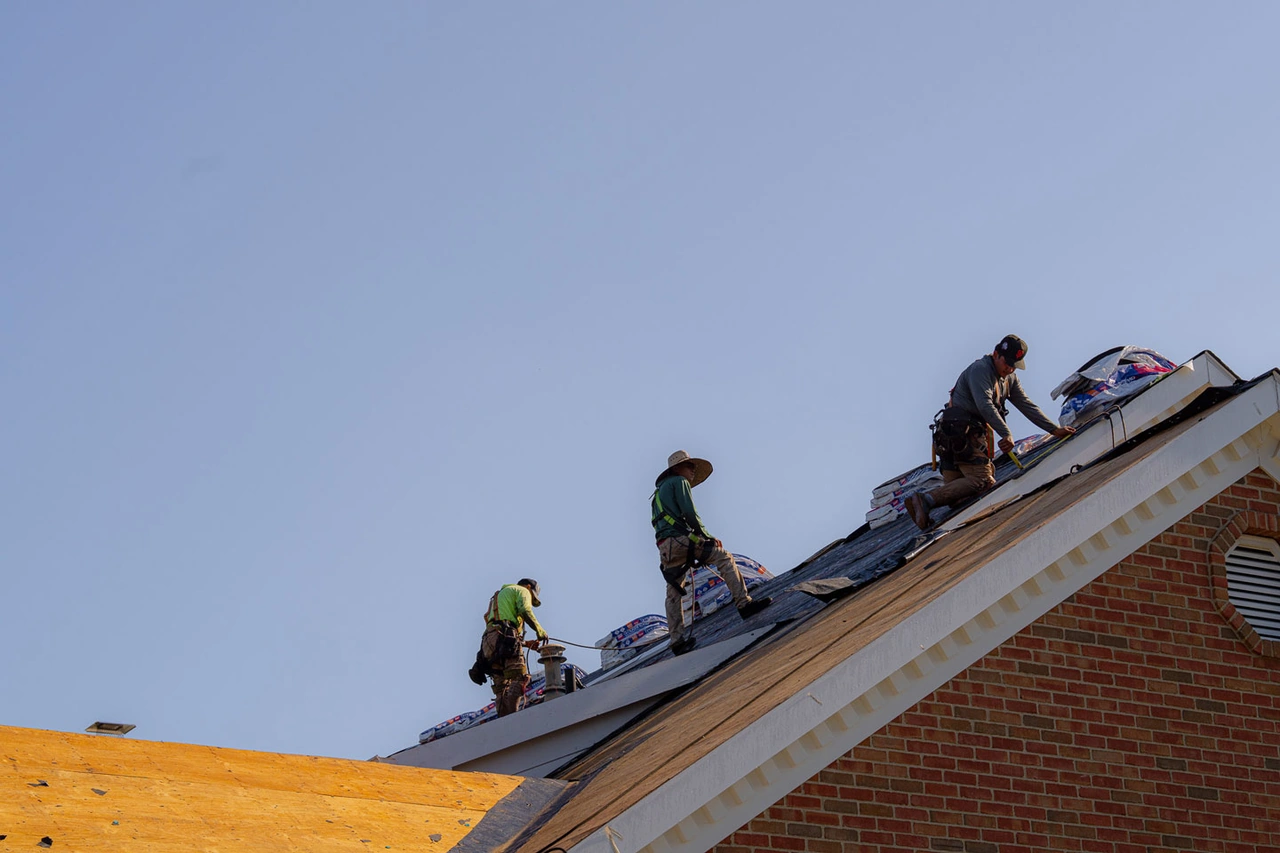
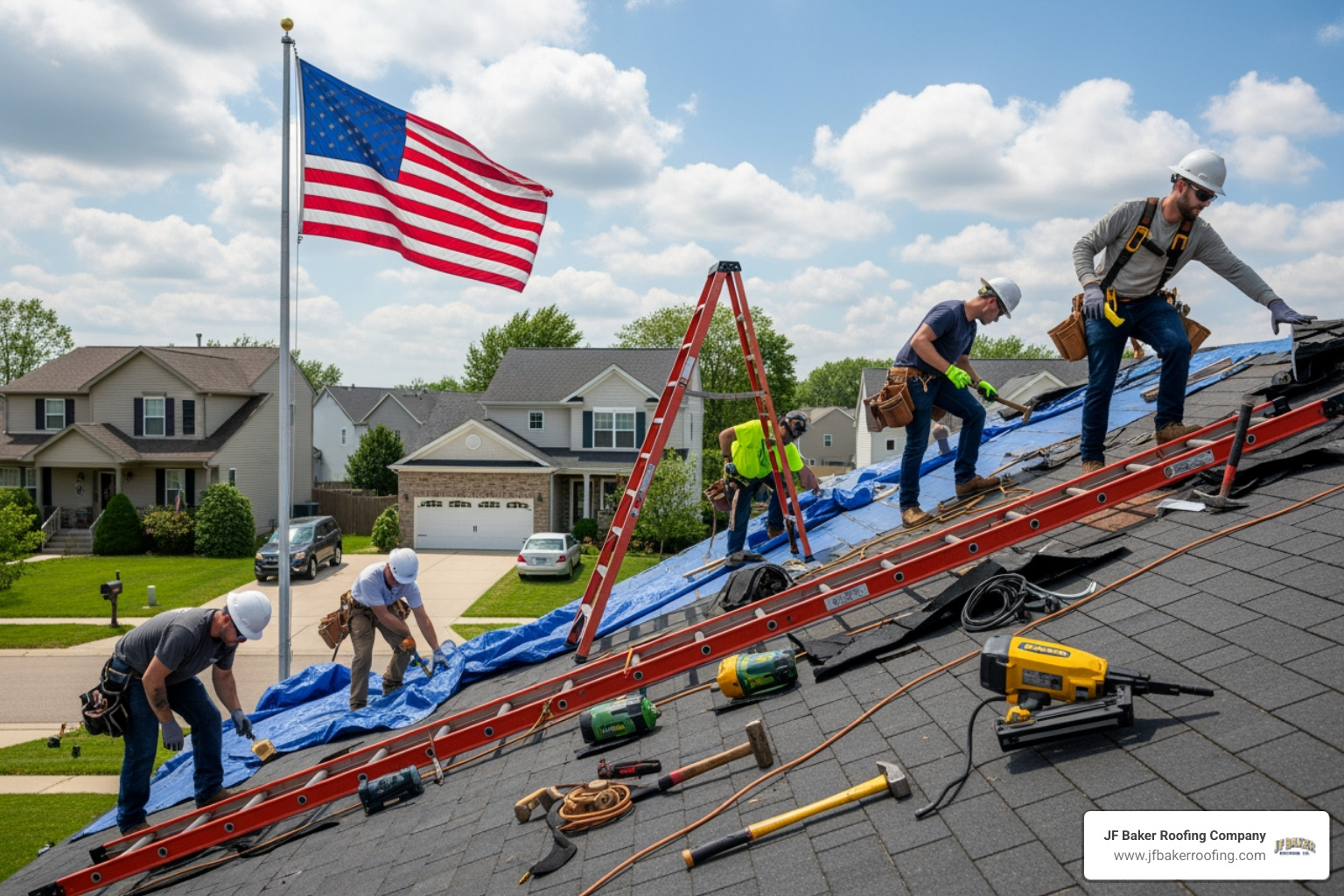
Absolutely. A roof replacement is the absolute best time to upgrade your ventilation. Because the old shingles and decking are already exposed, our crews can easily cut new ridge vents or install intake baffles. Doing this during a replacement saves you significantly on labor costs, ensures your new roof meets modern building codes, and protects your shingle warranty from day one.
How long does it take to install attic ventilation?
Most attic ventilation projects can be completed in a few hours to a single day. The exact timeline depends on how accessible your attic is and whether we need to clear away old insulation or debris to install baffles.
Conclusion
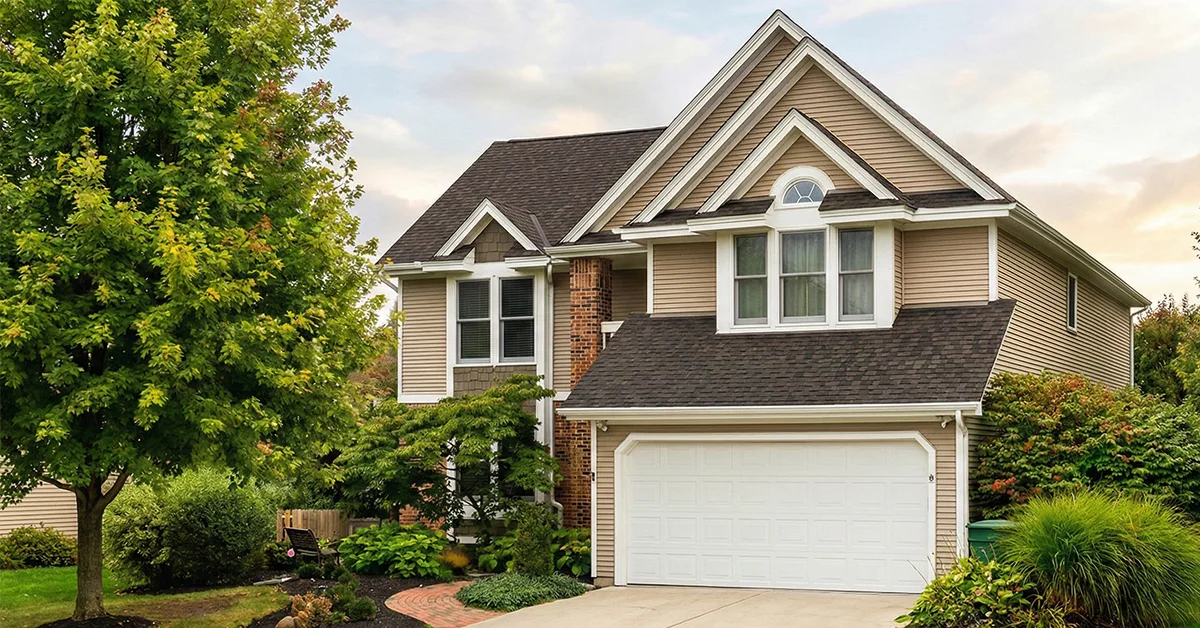
Your attic is the unsung hero of your home's comfort and structural health. Keeping it properly ventilated protects your shingles, lowers your summer energy bills, and prevents mold and ice dams from taking hold.
At JF Baker Roofing Company, we have been serving Central Ohio since 1929. Built on integrity and proven by performance, our family-owned business is community-rooted and dedicated to providing honest assessments with absolutely no pressure. We stand behind every roof we install, and we bring three generations of Central Ohio roofing experience to every single project.
If you are noticed signs of poor airflow or simply want to ensure your attic is breathing properly before the next seasonal shift, let our reputation be your security. Contact us today for a straightforward, honest evaluation of your home's ventilation system through our JF Baker Roofing Services.


.jpeg)