Commercial Storm Damage Repair and Recovery Essentials
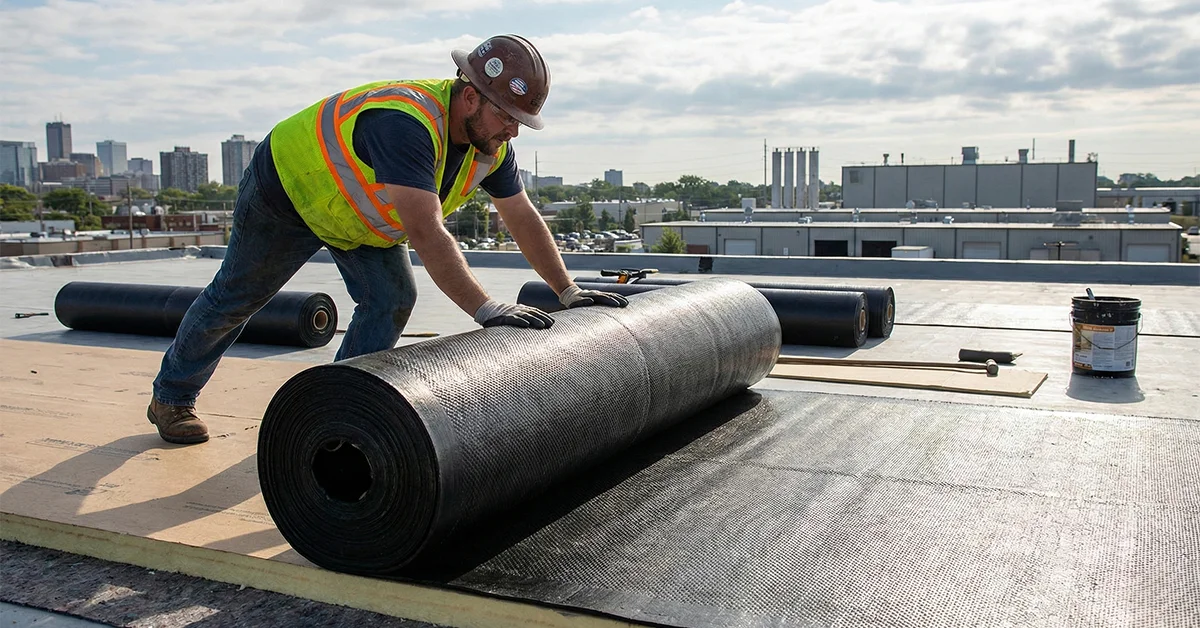
When Storms Hit Your Business, Every Hour Counts
Commercial storm restoration is the process of assessing, securing, and repairing business properties after storm damage to get operations back on track as quickly and safely as possible.
If your commercial property was just hit by a storm, here is what to do first:
- Stay safe - do not enter areas with exposed electrical hazards or structural damage
- Document everything - photograph and video all visible damage before any cleanup
- Secure the building - board up broken windows and tarp any open roof sections
- Shut off utilities - turn off water and circuit breakers in affected areas if safe to do so
- Call a professional restoration contractor - before calling your insurer, get a qualified team on-site to prevent further damage
- Notify your insurance carrier - report the loss promptly and save all receipts
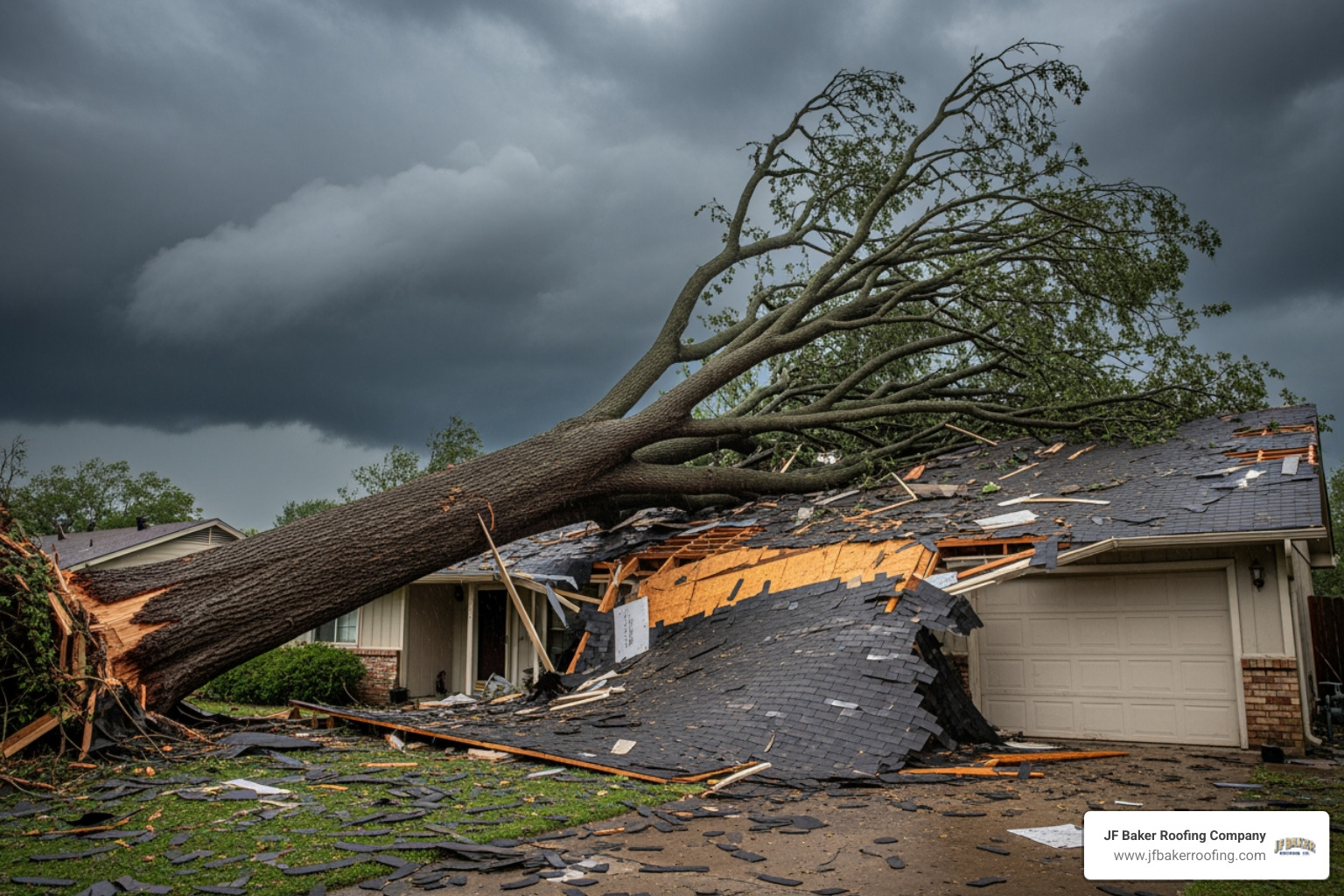
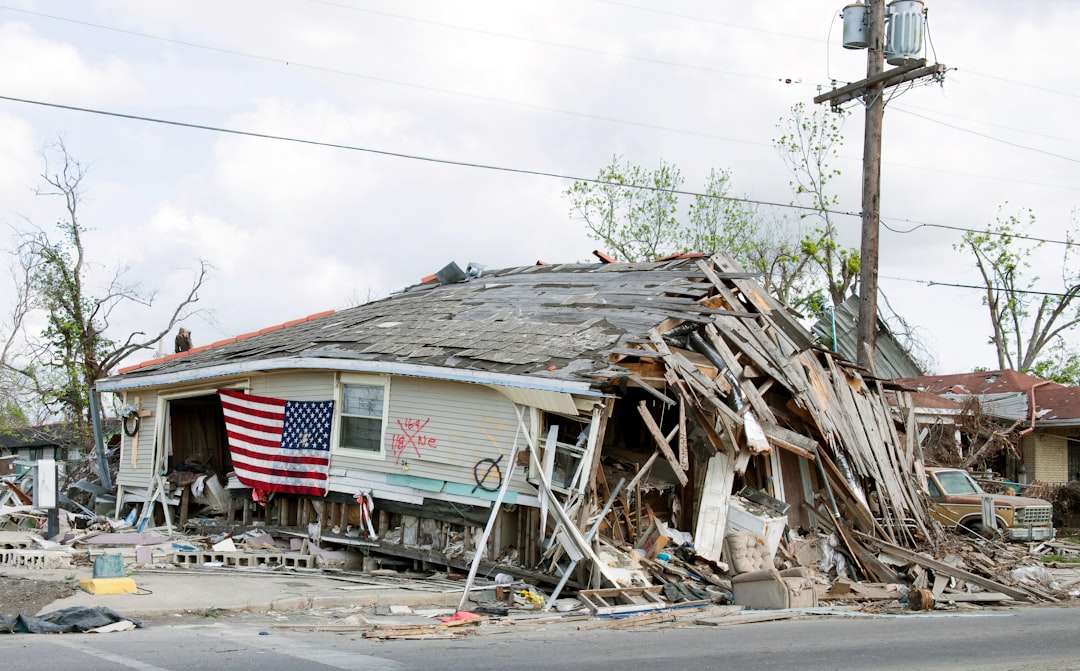
Storms in Central Ohio can move fast and hit hard. Hail, high winds, heavy rain, and ice can all cause serious damage to commercial roofs, walls, windows, and interiors in a matter of minutes.
The stakes for businesses are high. Industry data from the Federal Emergency Management Agency (FEMA) shows that 40% of businesses never reopen after a major disaster. And when operations are disrupted, the financial bleeding can start immediately.
The good news? Fast, professional action after a storm can make an enormous difference. The difference between a two-day repair and a two-month closure often comes down to how quickly the right people respond.
At JF Baker Roofing Company, we have been helping Central Ohio property owners protect and repair their buildings since 1929. This guide walks you through everything you need to know about commercial storm restoration, from the first hour after a storm to the final repair.
Easy commercial storm restoration glossary:
Immediate Steps for Commercial Storm Restoration
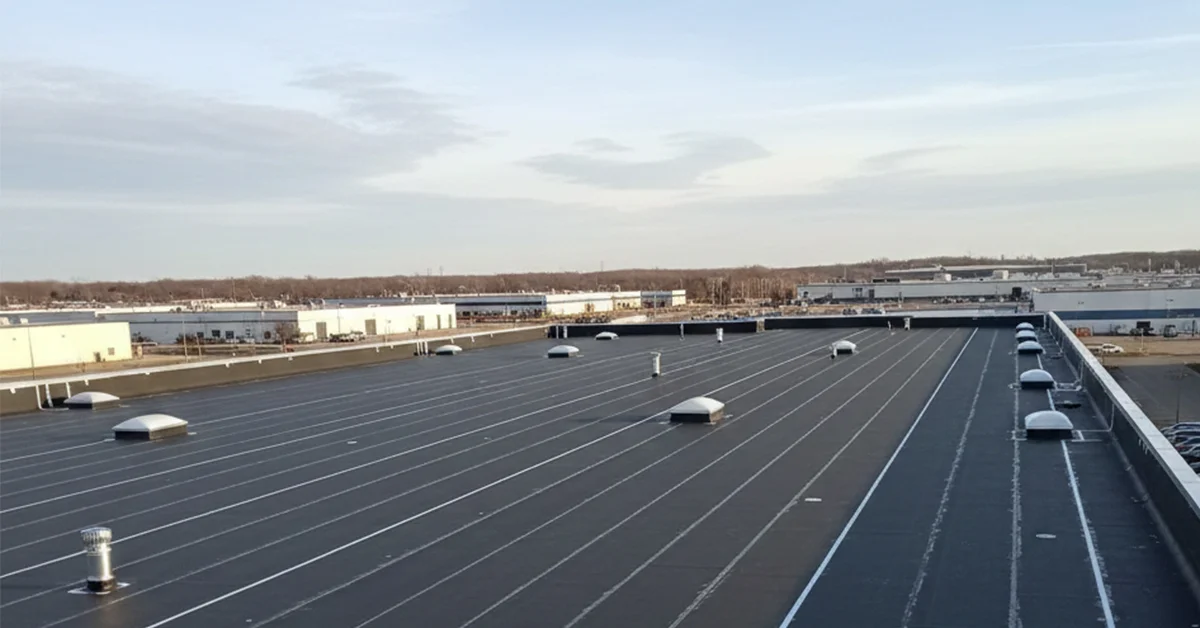
When the clouds clear and the sirens stop, your first instinct might be to grab a broom and start cleaning. We understand the urge to get back to work, but the first 24 hours are the most critical for your safety and your insurance claim.
Safety First: Assessing the Scene
Before anyone enters the building, we recommend a perimeter check. Look for downed power lines, leaning trees, or sagging roof lines. If you see standing water inside, do not step into it until you are 100% certain the power is off. Electrical hazards are a leading cause of injury following a storm. If it is safe to do so, shut off the main water valve and turn off the circuit breakers to any wet areas.
Secure the Perimeter
Your insurance policy likely includes a "duty to mitigate" clause. This means the insurance company expects you to take reasonable steps to prevent further damage. If a window is shattered, it needs to be boarded up. If the roof is leaking, it needs a professional tarping system.
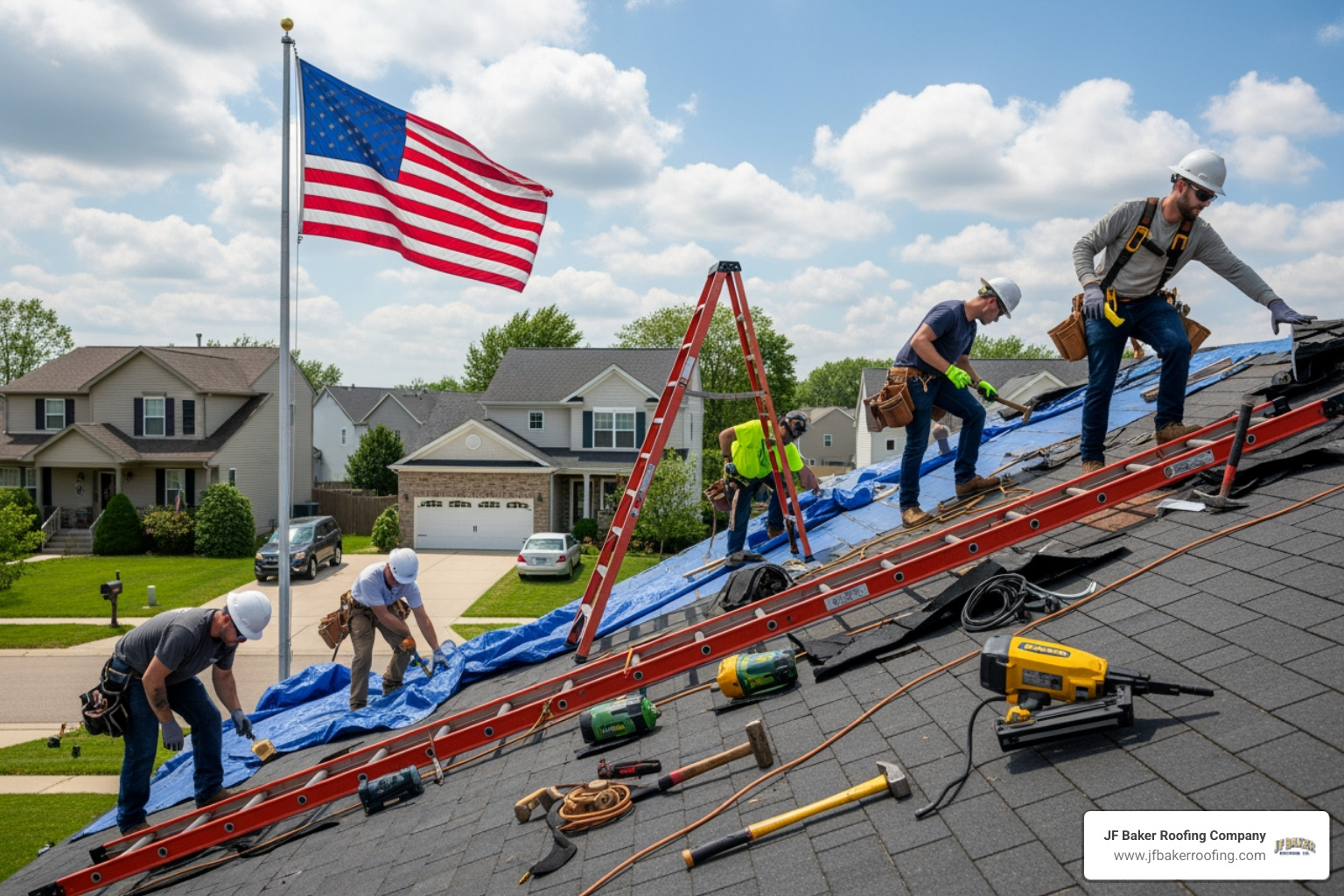
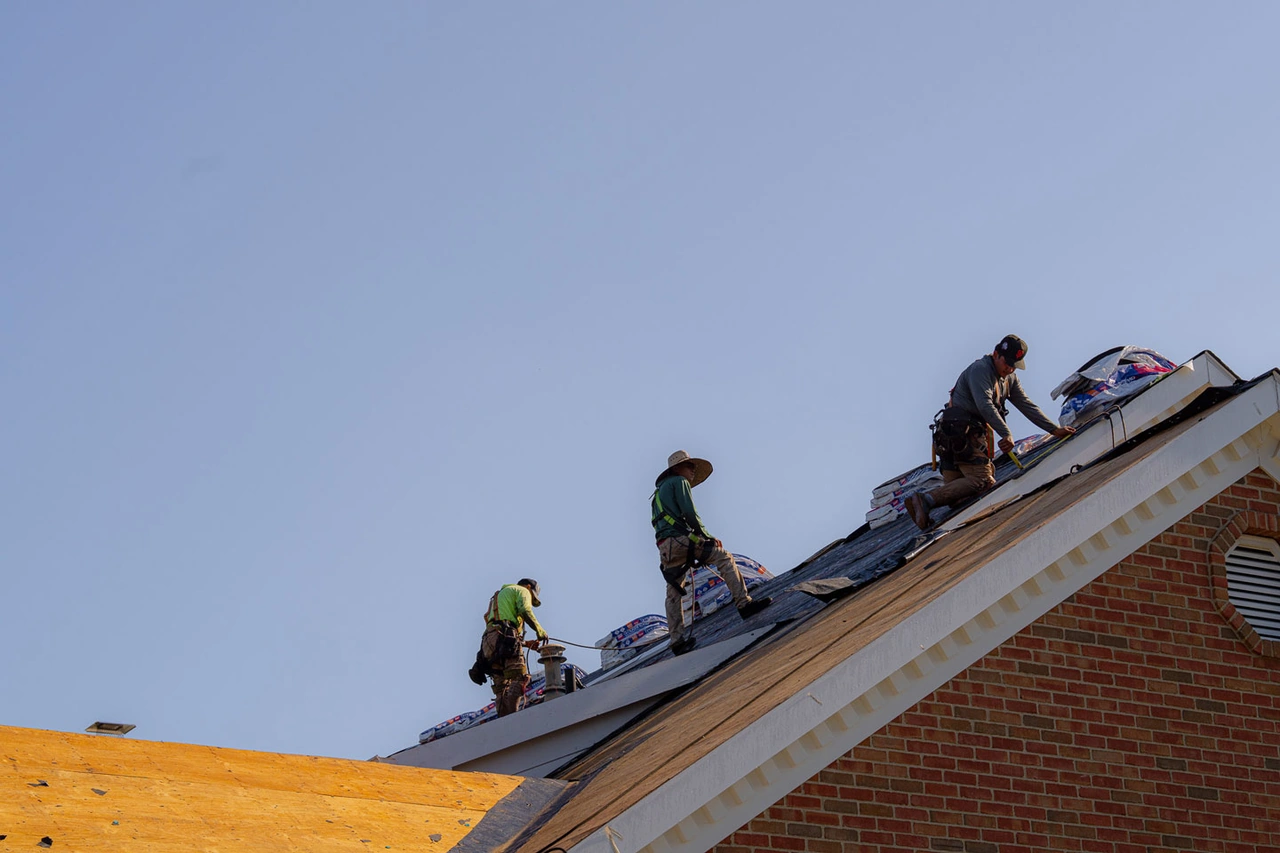
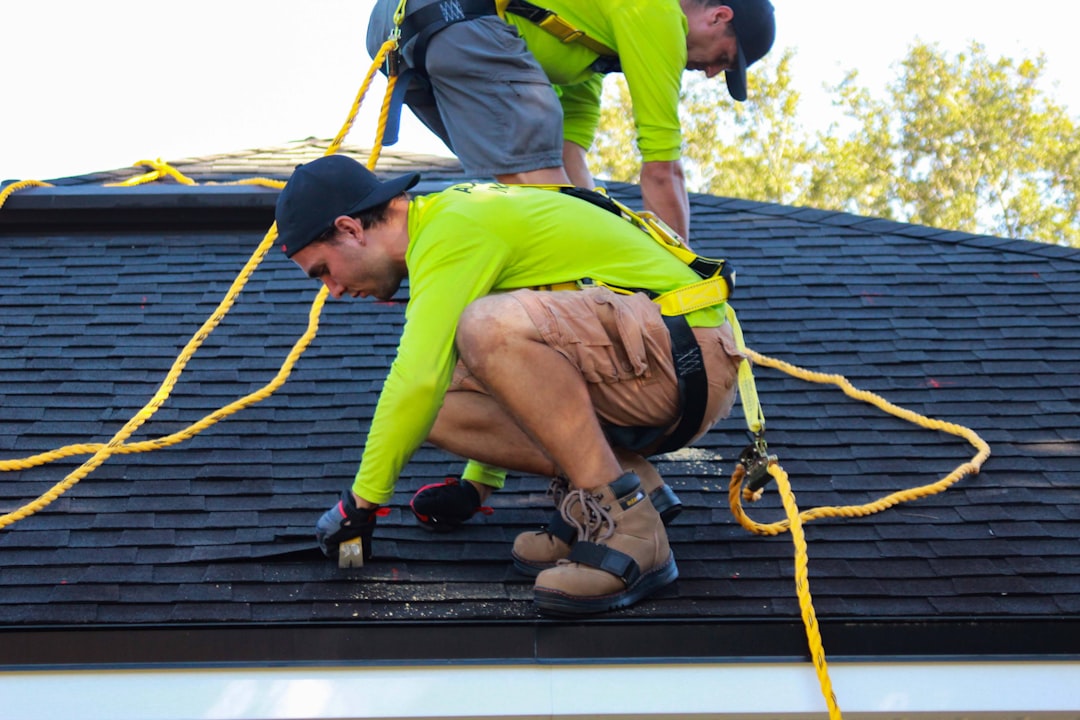
Unlike the flimsy blue tarps you see on residential homes, professional commercial tarping is engineered to withstand wind and rain while permanent Storm Damage Repairs are planned. Securing the building immediately prevents rain from ruining your inventory or mold from taking root in your drywall.
Documentation and Initial Reporting
Before a single piece of debris is moved, take out your phone. Capture high-resolution photos and videos of everything. This includes the "curb-to-core" view: start at the street to show the exterior damage and work your way into the building.
Documentation is the fuel that drives your insurance claim. We recommend keeping a log of every person you speak with and every expense you incur, from plywood for board-ups to temporary generator rentals. Once the building is stable, notify your insurance agent immediately. Reporting the loss promptly helps you stay ahead of the surge of claims that usually follows a major weather event in Columbus.
Common Types of Storm Damage to Business Properties
No two storms are identical. A fast-moving thunderstorm might bring high winds that peel back roof membranes, while a slow-moving system might dump enough rain to cause ponding and structural stress.
Wind vs. Hail: A Comparison of Impact
| Damage Type | Primary Targets | Signs to Look For |
|---|---|---|
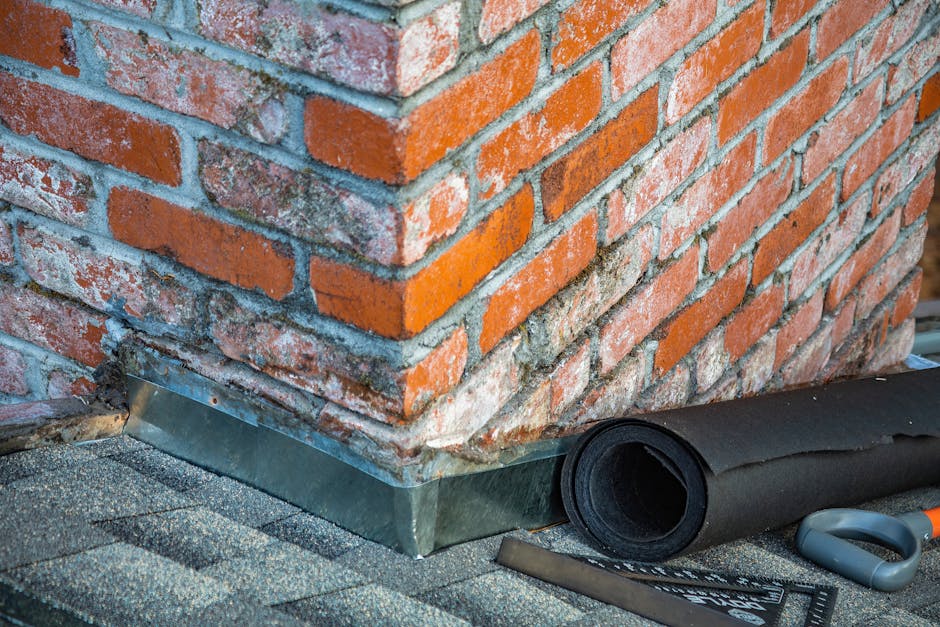
| High Winds | Roof edges, HVAC units, siding | Peeled membranes, missing shingles, bent flashing |
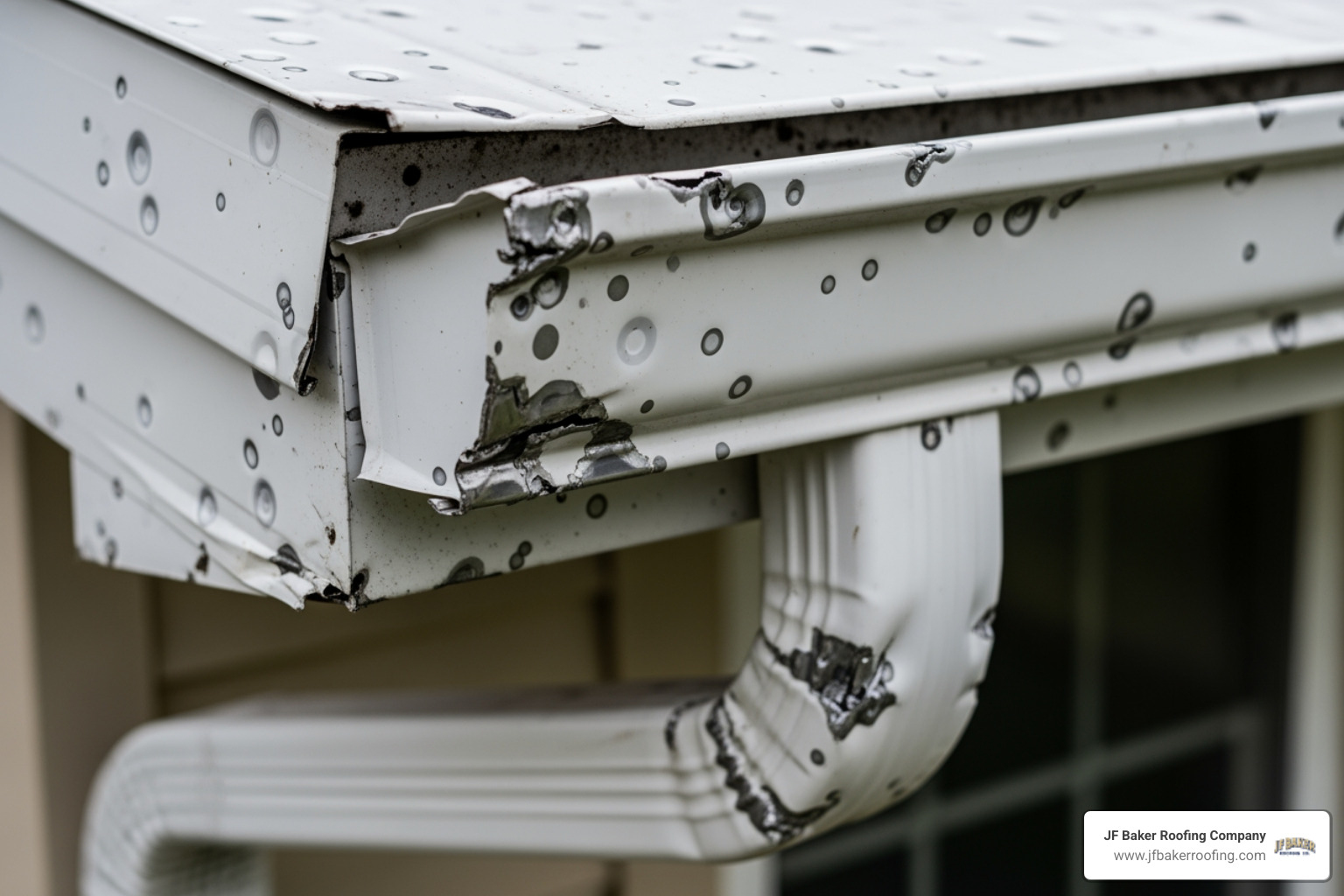
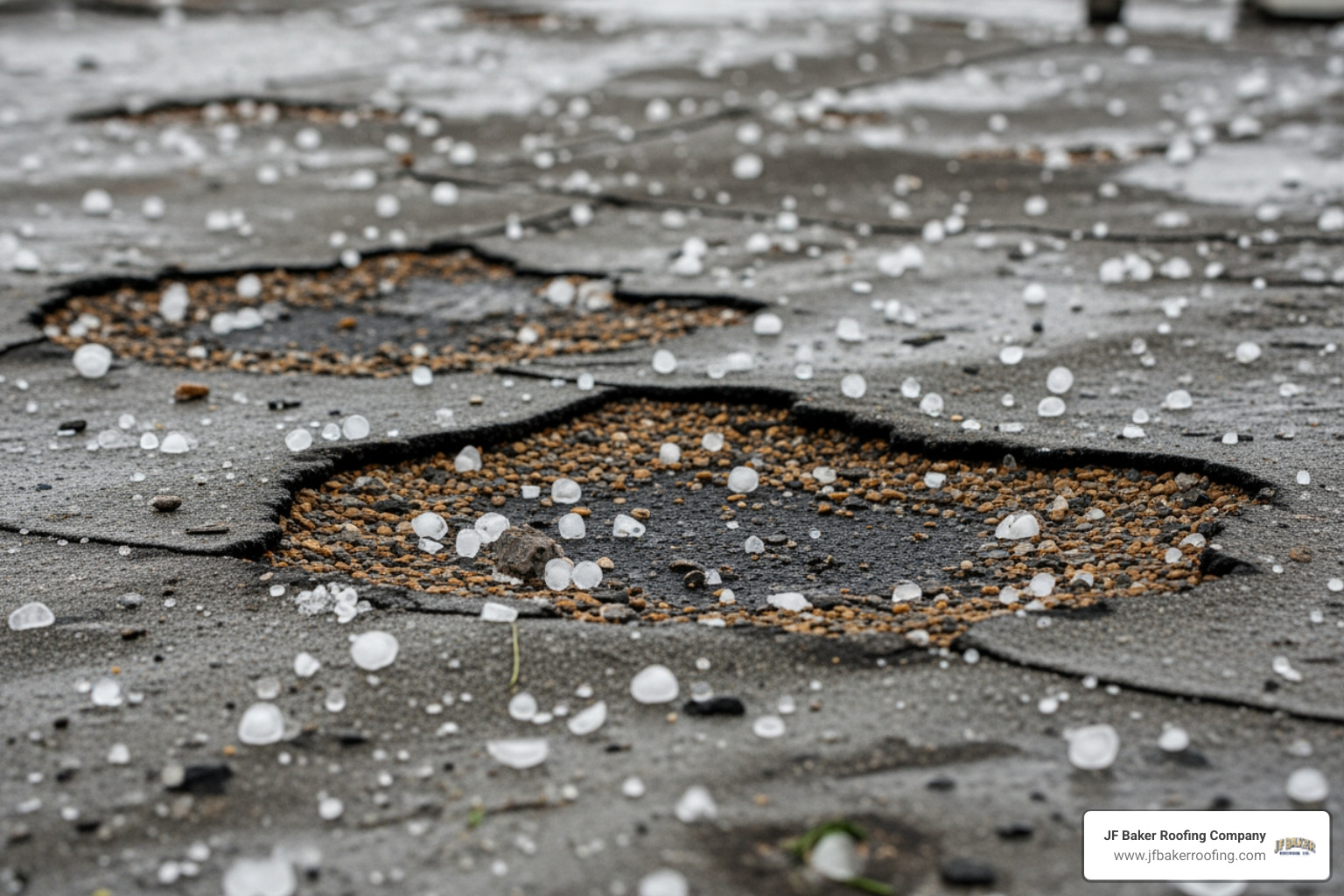
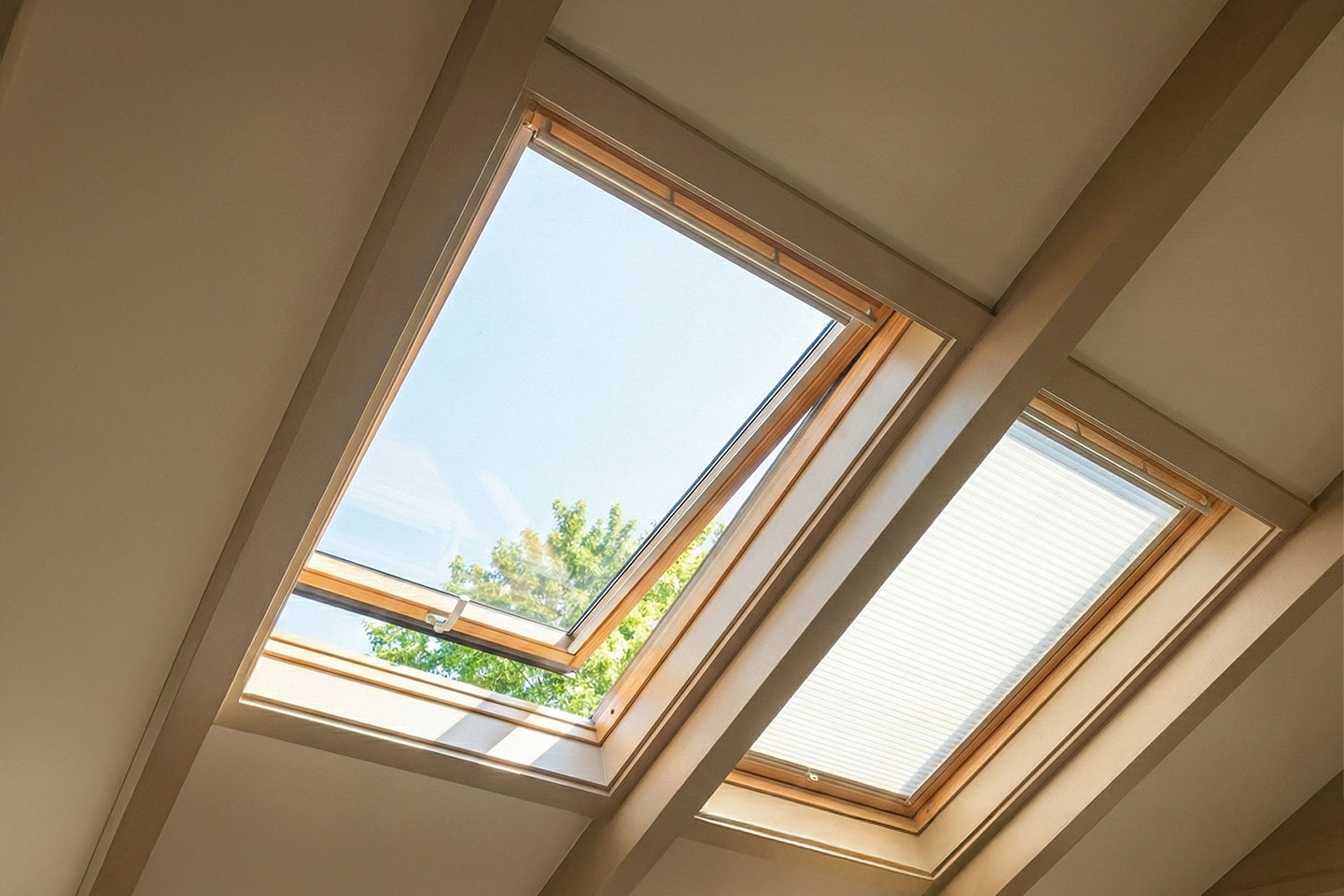
| Hail Impact | Commercial roofing, gutters, AC fins | Dents in metal, bruised membranes, cracked skylights |
Wind Uplift and Roof Failures
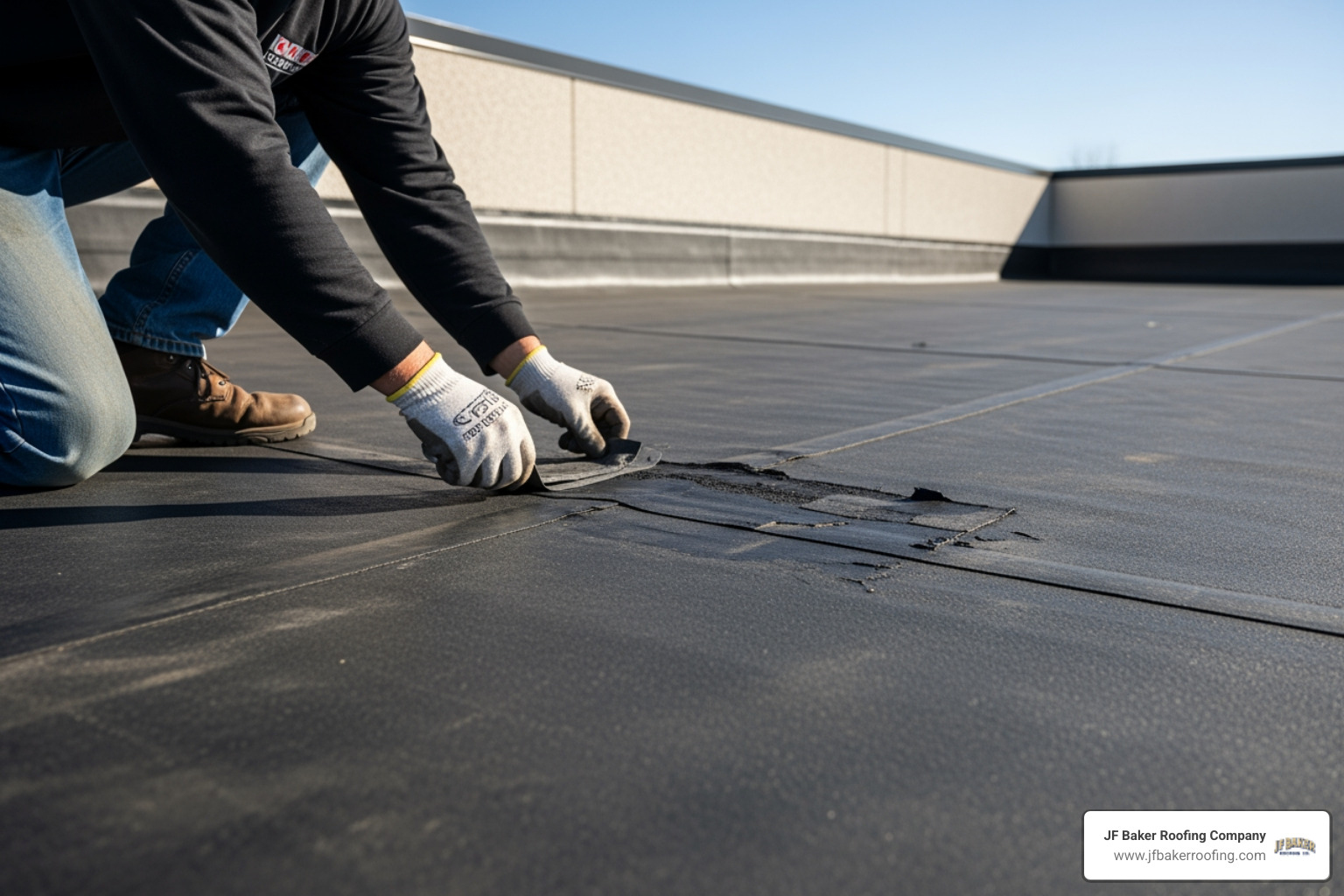
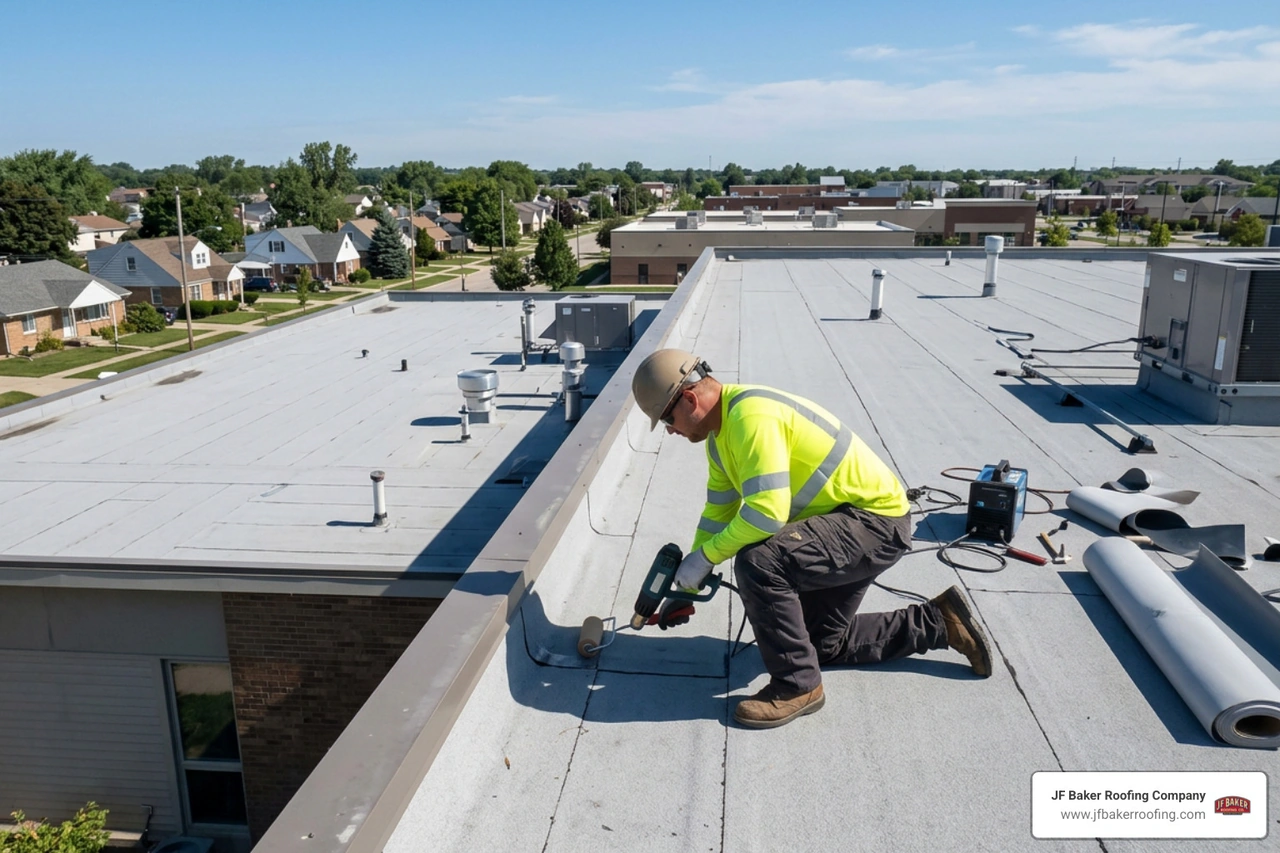
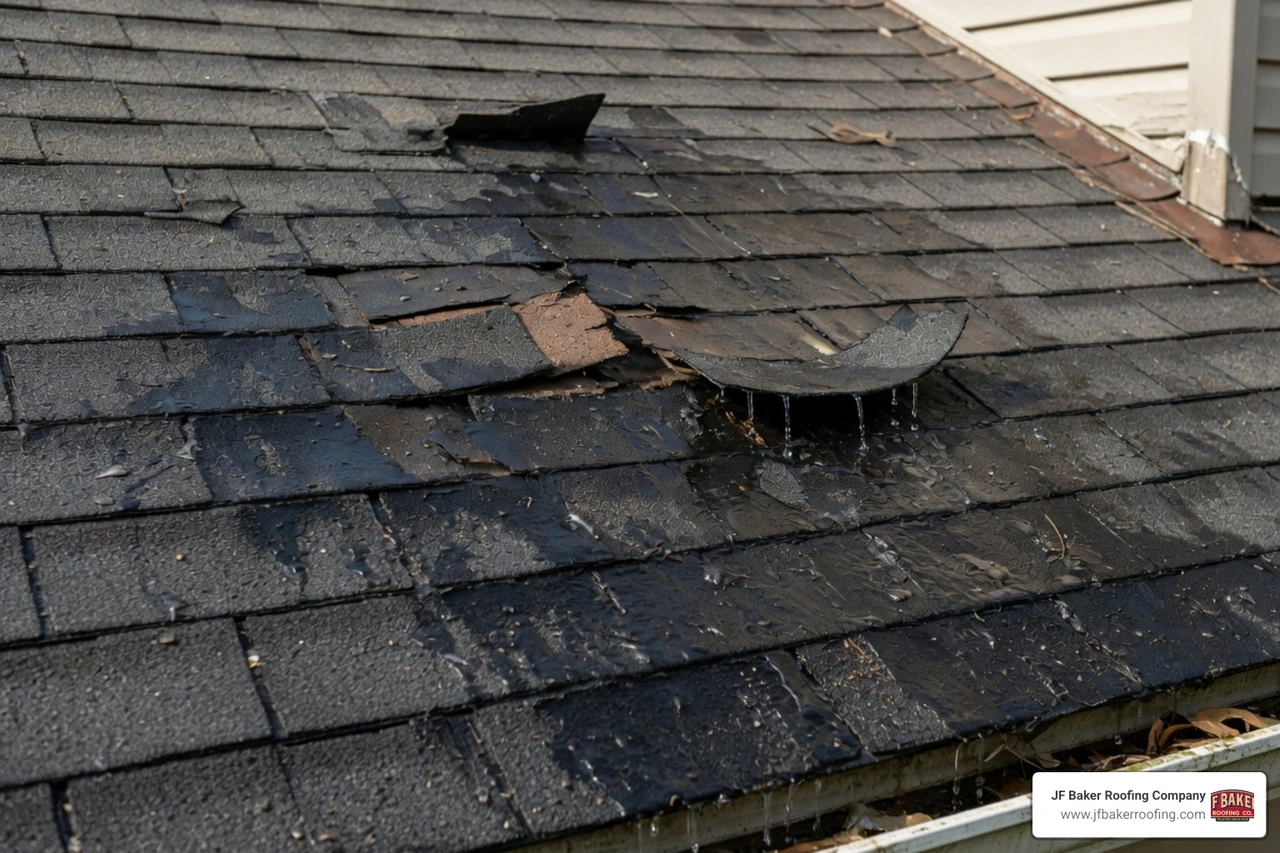
Wind damage is often "sneaky." High winds create a vacuum effect known as wind uplift. This can pull a commercial roof membrane away from its substrate without completely blowing it off. You might not see the damage from the ground, but the structural seal is broken, leaving you vulnerable to the next rain. This is especially common on TPO or EPDM roofs where the edges or corners weren't properly secured.
Hail and Punctures
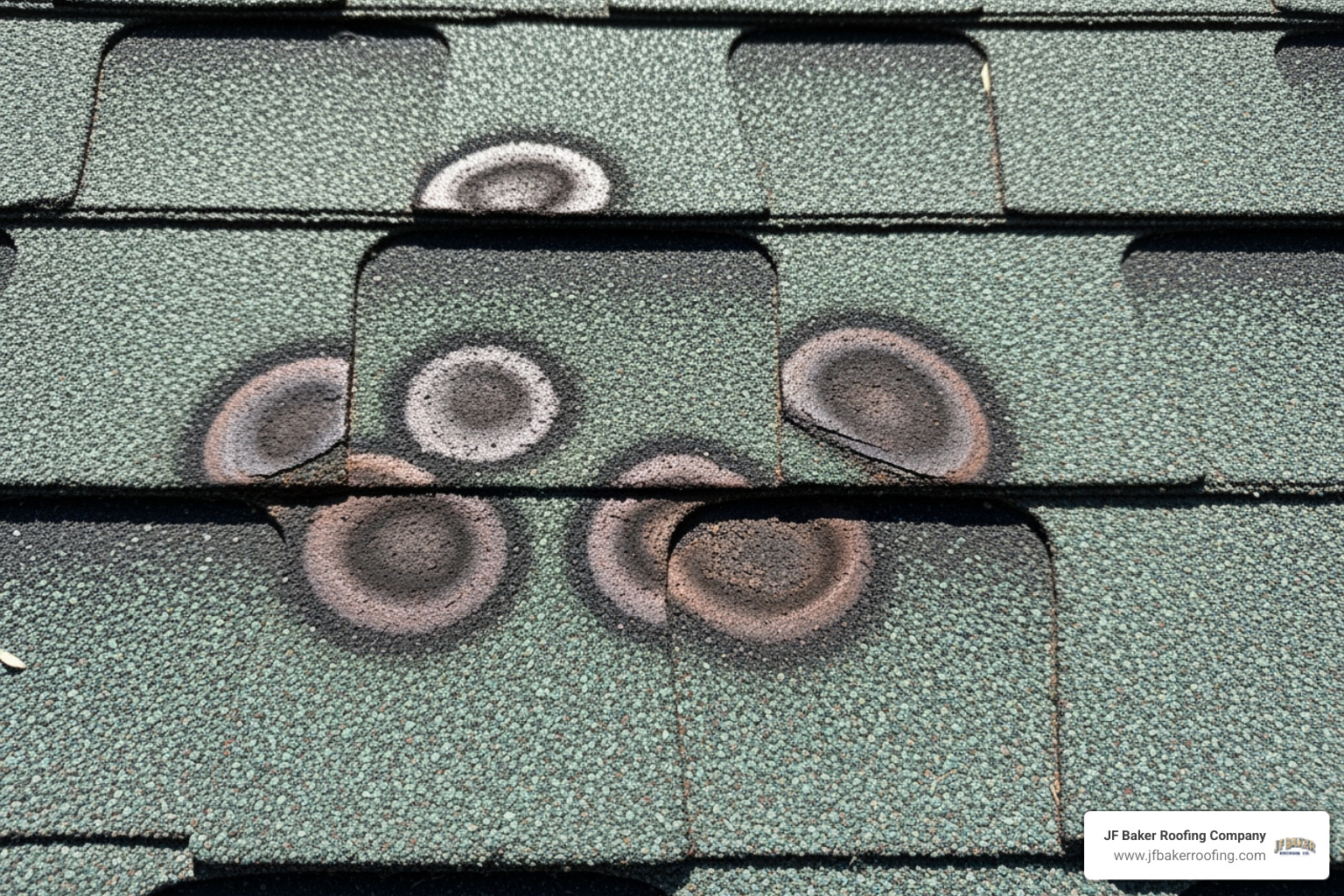
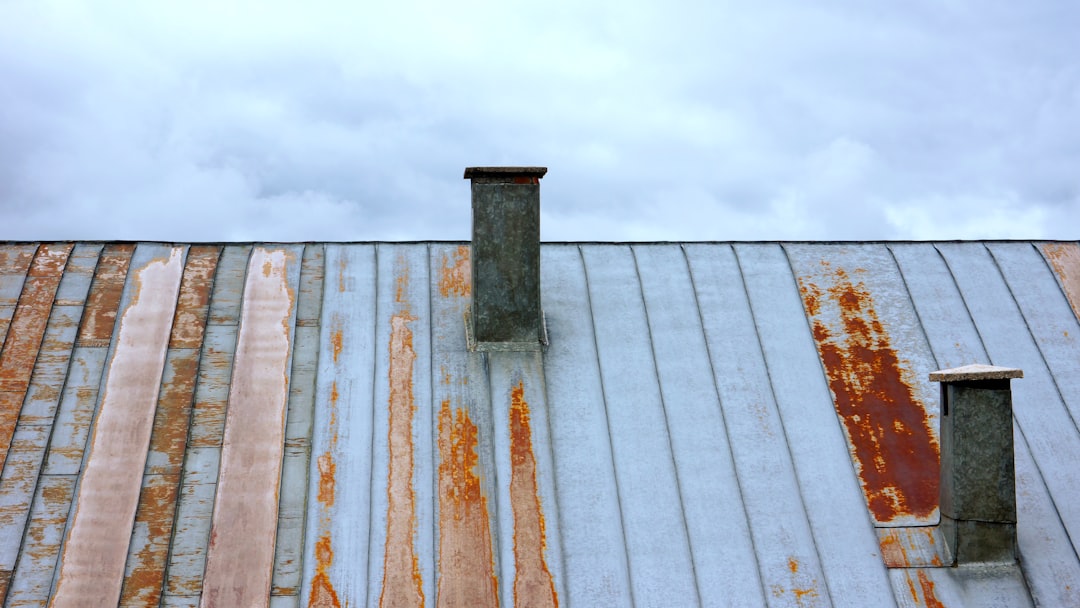
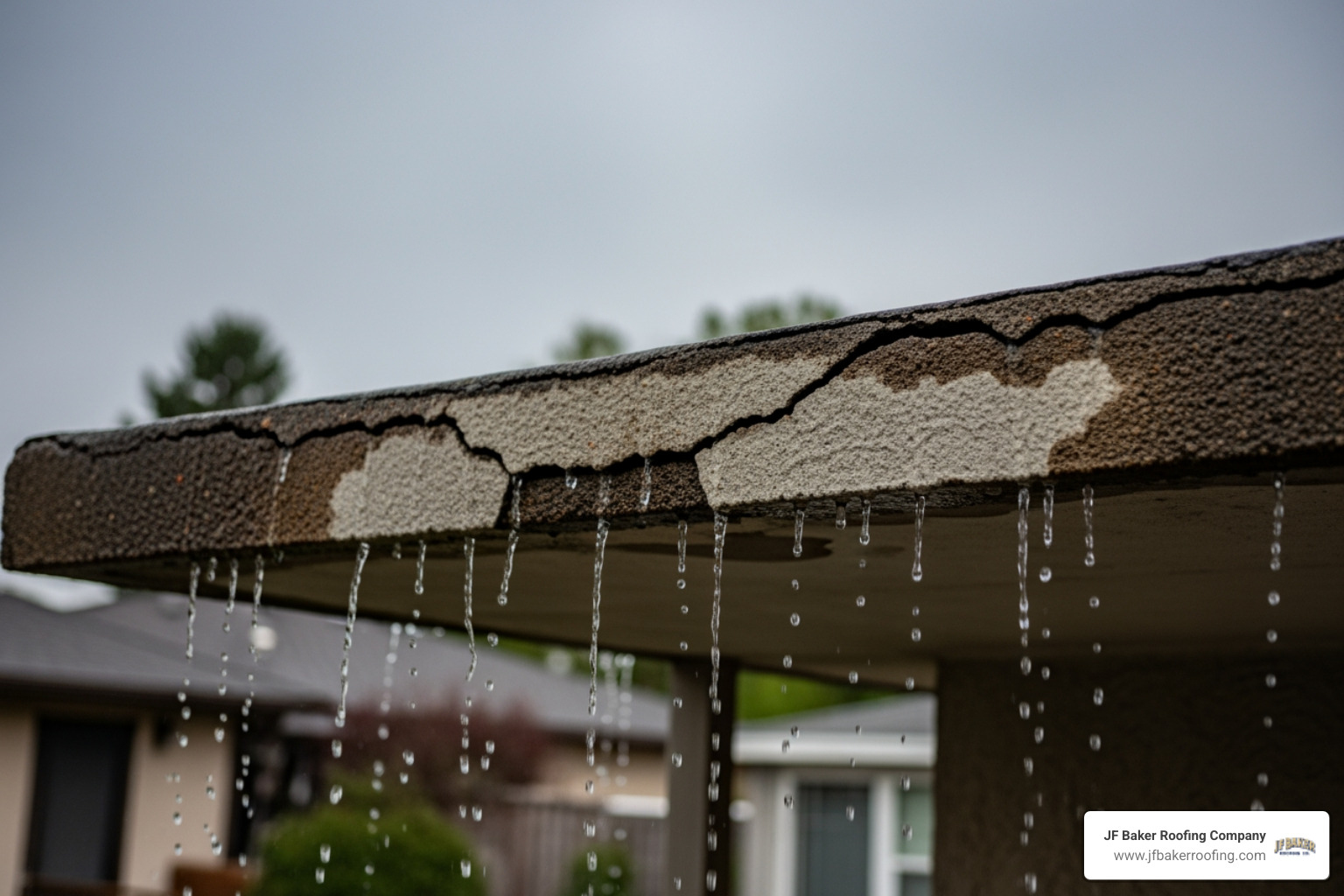
Hail doesn't have to be the size of softballs to cause trouble. Even small hail can "bruise" a commercial roof membrane, weakening the material and leading to leaks months later. For businesses with metal roofs, hail can cause cosmetic denting that, while ugly, might not leak immediately. However, those dents can lead to Hail Damage Commercial Roofing issues like coating failure and eventual rust.
Water Ponding and Flat Roof Stress
Flat roofs are common in retail and industrial spaces across Central Ohio. During heavy rainfall, if gutters are clogged or drains are undersized, water begins to "pond." Water weighs about 62 pounds per cubic foot. If that weight isn't moving off the roof, it can cause the structure to bow or even collapse. We often see this during our Commercial Roofing Services when older buildings haven't had their drainage systems updated to handle modern storm patterns.
The Weight of Winter: Snow Loads and Ice Dams
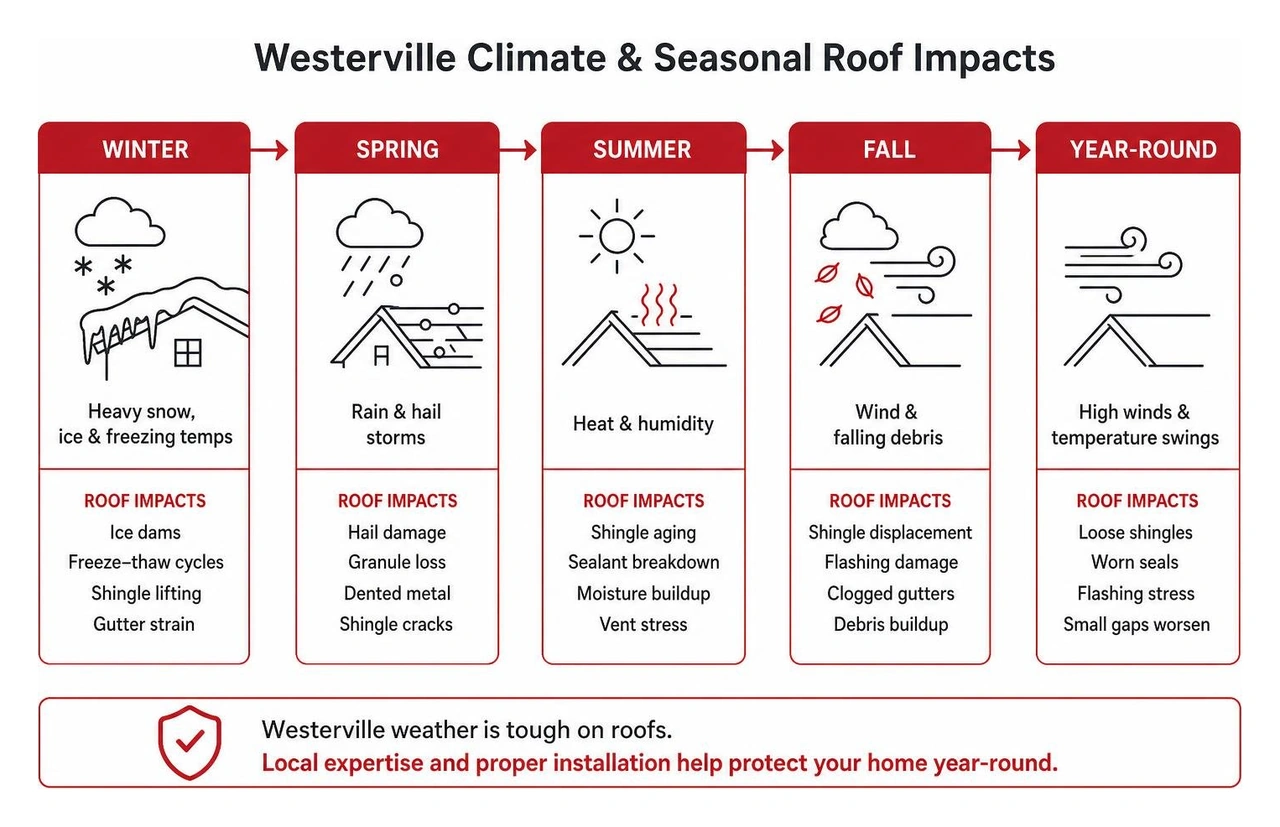
In places like Dublin and Westerville, winter storms bring their own set of problems. Wet, heavy snow can exceed the weight limits of commercial roof trusses. Furthermore, ice dams can form at the roof edge, forcing melting snow back under the roofing material and into your ceiling. If your roof is over 15 years old, it is particularly susceptible to these stresses.
The Professional Restoration Process for Businesses
Once the emergency is stabilized, the real work of commercial storm restoration begins. This is a phased process designed to minimize your downtime.
Rapid Assessment and Moisture Mapping

We don't just look for puddles; we look for the water you can't see. Using moisture meters and infrared cameras, our team performs moisture mapping. Water often travels along support beams or behind wall cavities, showing up far away from the actual leak.
By identifying these hidden pockets of moisture early, we can prevent mold growth, which can begin in as little as 24 to 48 hours. This thorough Storm Restoration Services Columbus approach ensures that we aren't just fixing the symptoms, but solving the root cause of the damage.
Technology Used in Commercial Storm Restoration
Modern restoration relies on more than just hammers and nails. We use a suite of advanced tools to ensure your building is dry and safe:
- Thermal Imaging: Detects temperature differences in walls to find hidden leaks.
- Industrial Dehumidifiers: Large-scale units that pull gallons of moisture out of the air daily to prevent secondary water damage.
- High-Velocity Air Movers: These aren't just fans; they are designed to create specific airflow patterns that accelerate evaporation from carpets and subfloors.
- Drone Inspections: For large industrial complexes or multi-story buildings in downtown Columbus, drones allow us to see damage that would be dangerous or impossible to spot from a ladder.
Structural Repairs and Reconstruction
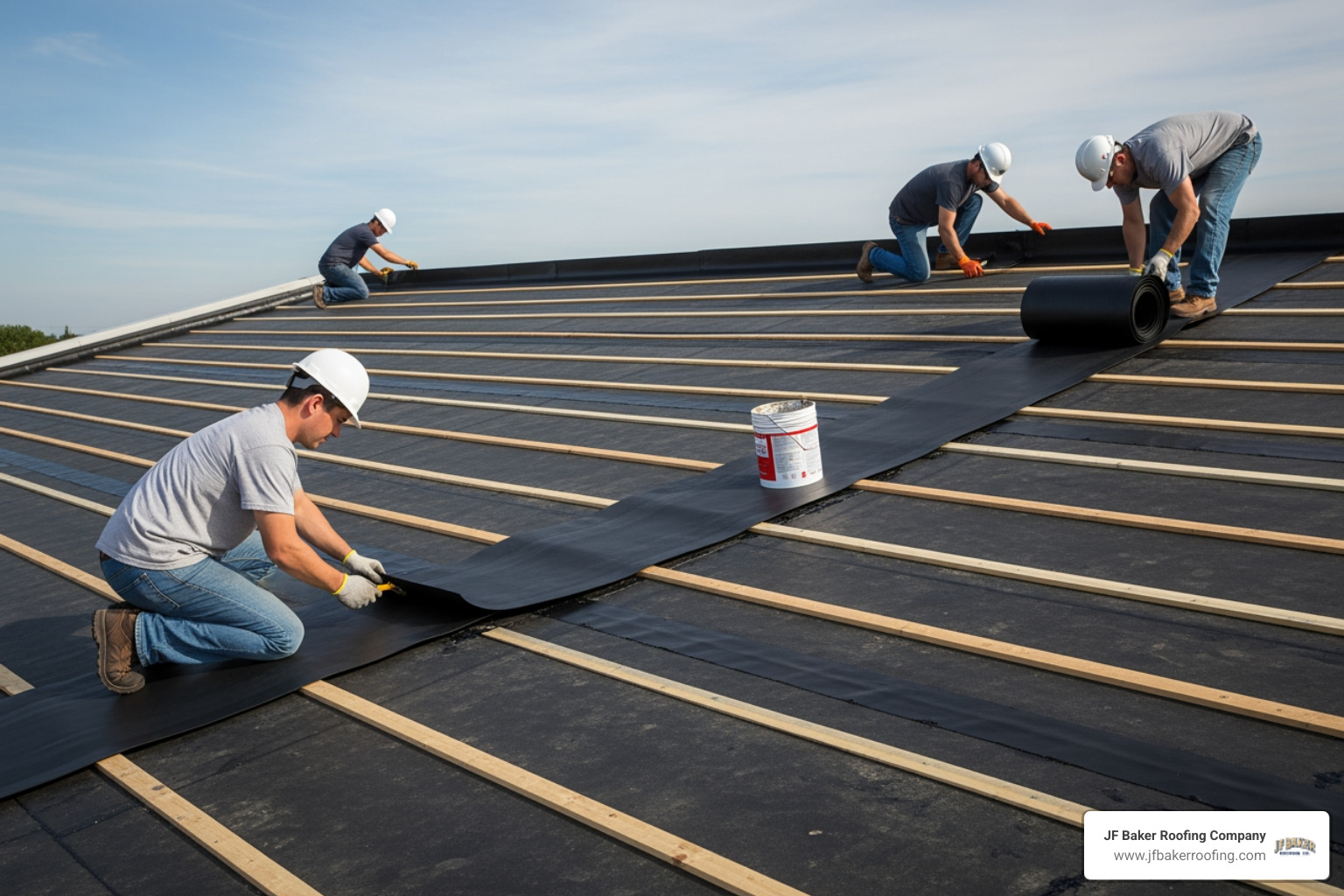
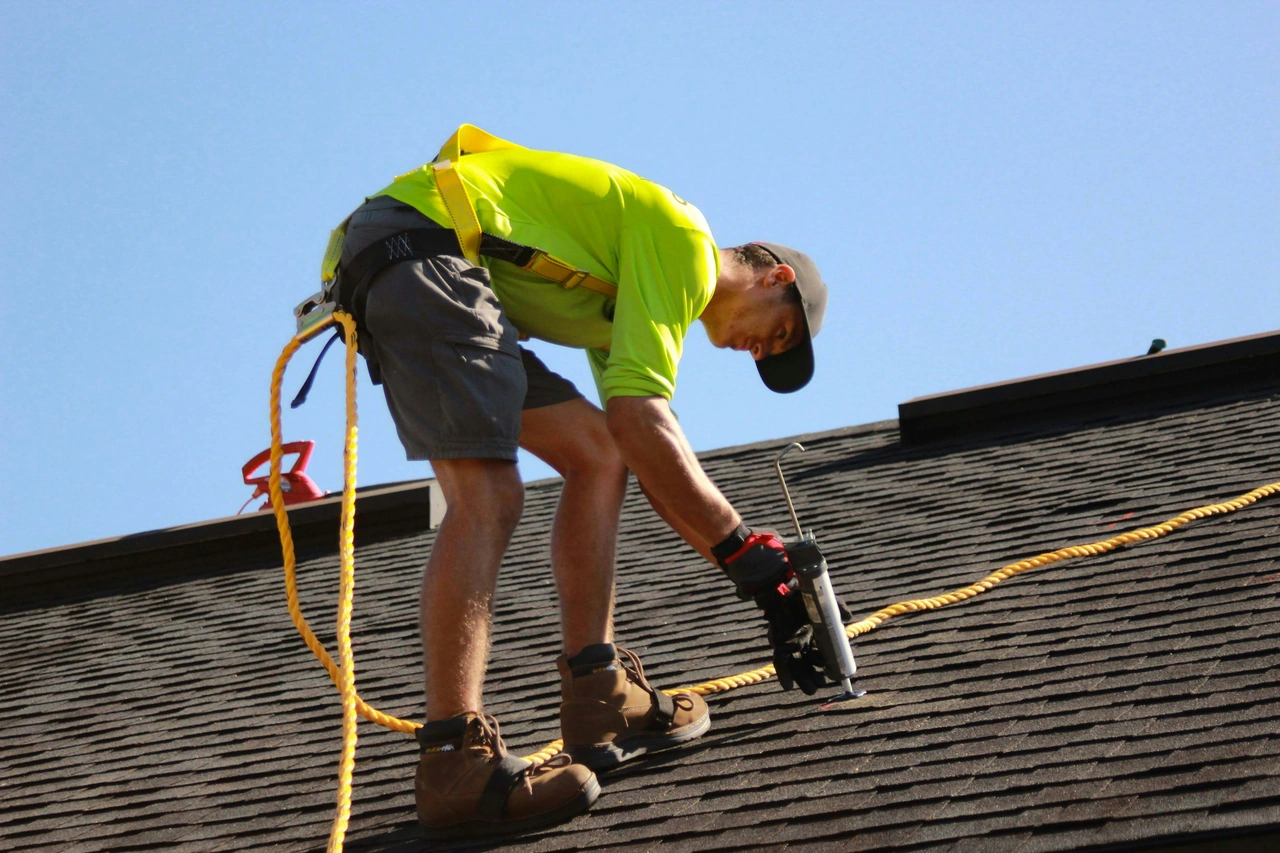
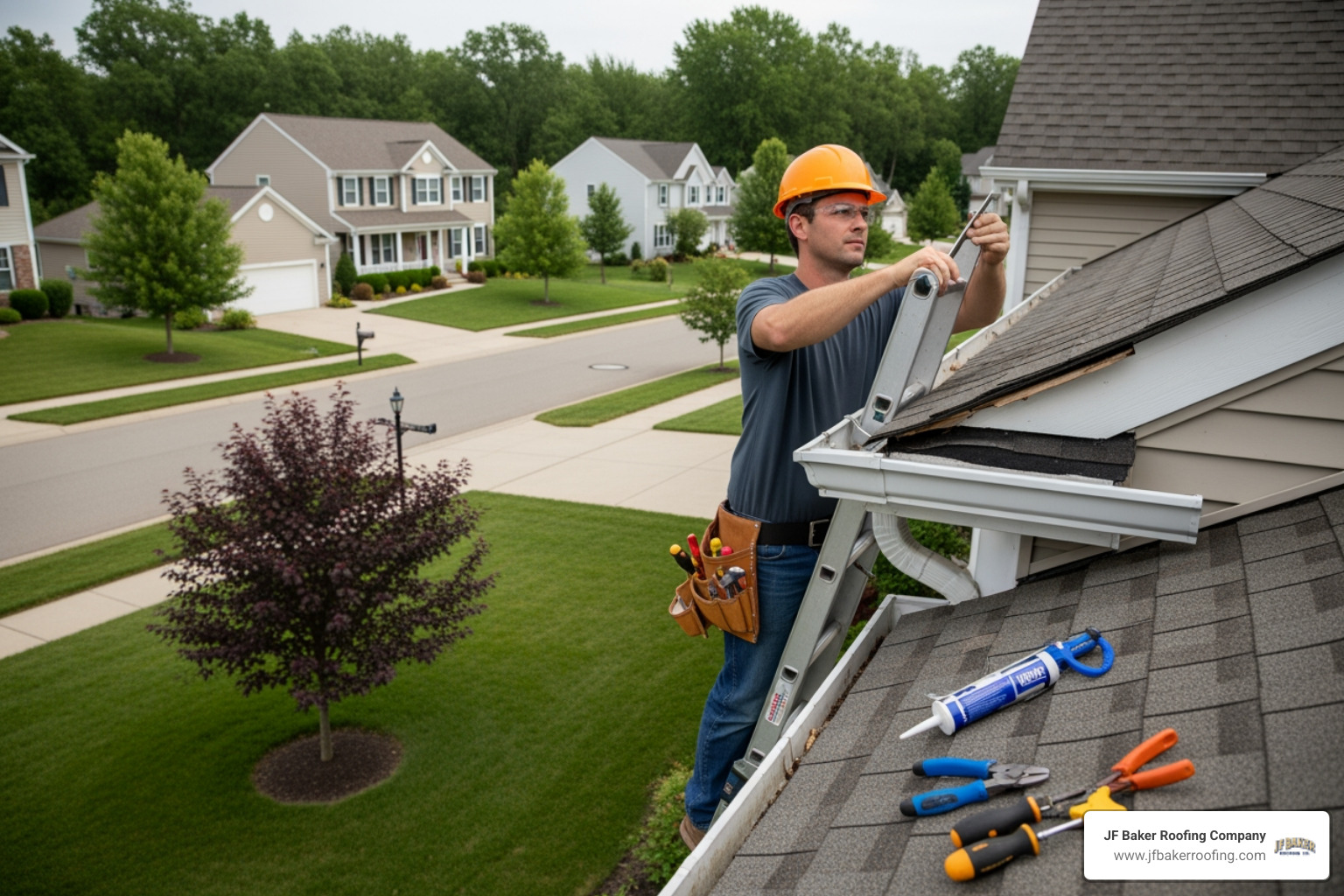
After the building is dry, we move into the reconstruction phase. This involves everything from Columbus Gutter Storm Damage repair to full structural rebuilding.
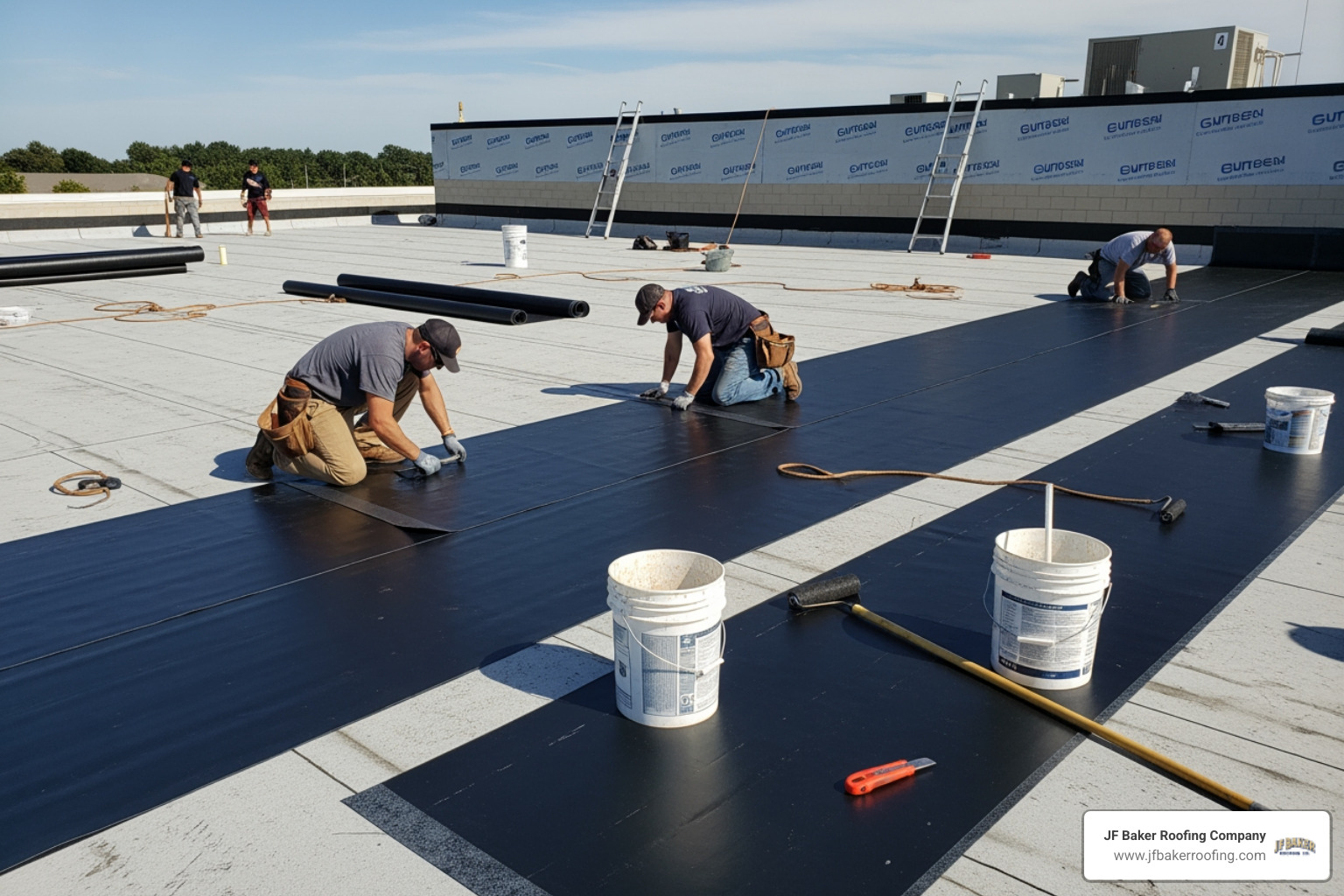
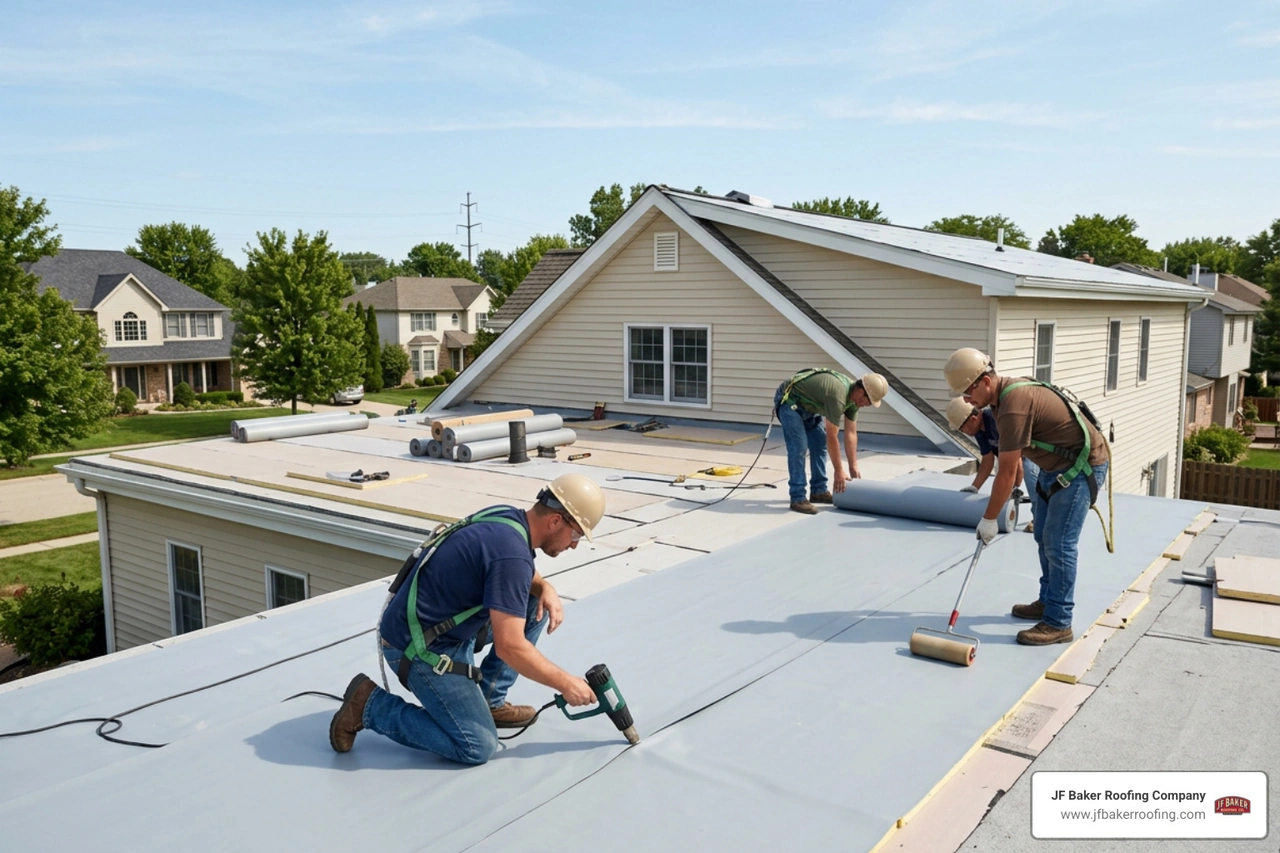
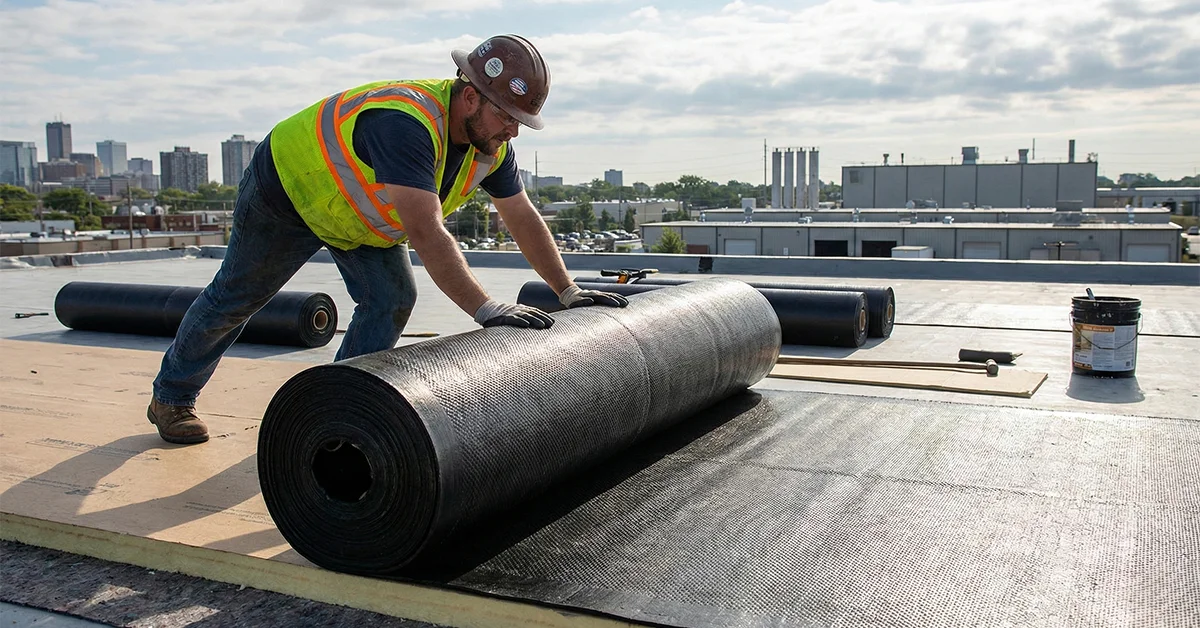
When we handle a project, like the Anna Compton Commercial Roof Replacement, we ensure all work meets current building codes. Sometimes, a storm is an opportunity to upgrade. For example, replacing an old roof with a modern TPO membrane can actually reduce your cooling costs by nearly 20% while providing better wind resistance for the future.
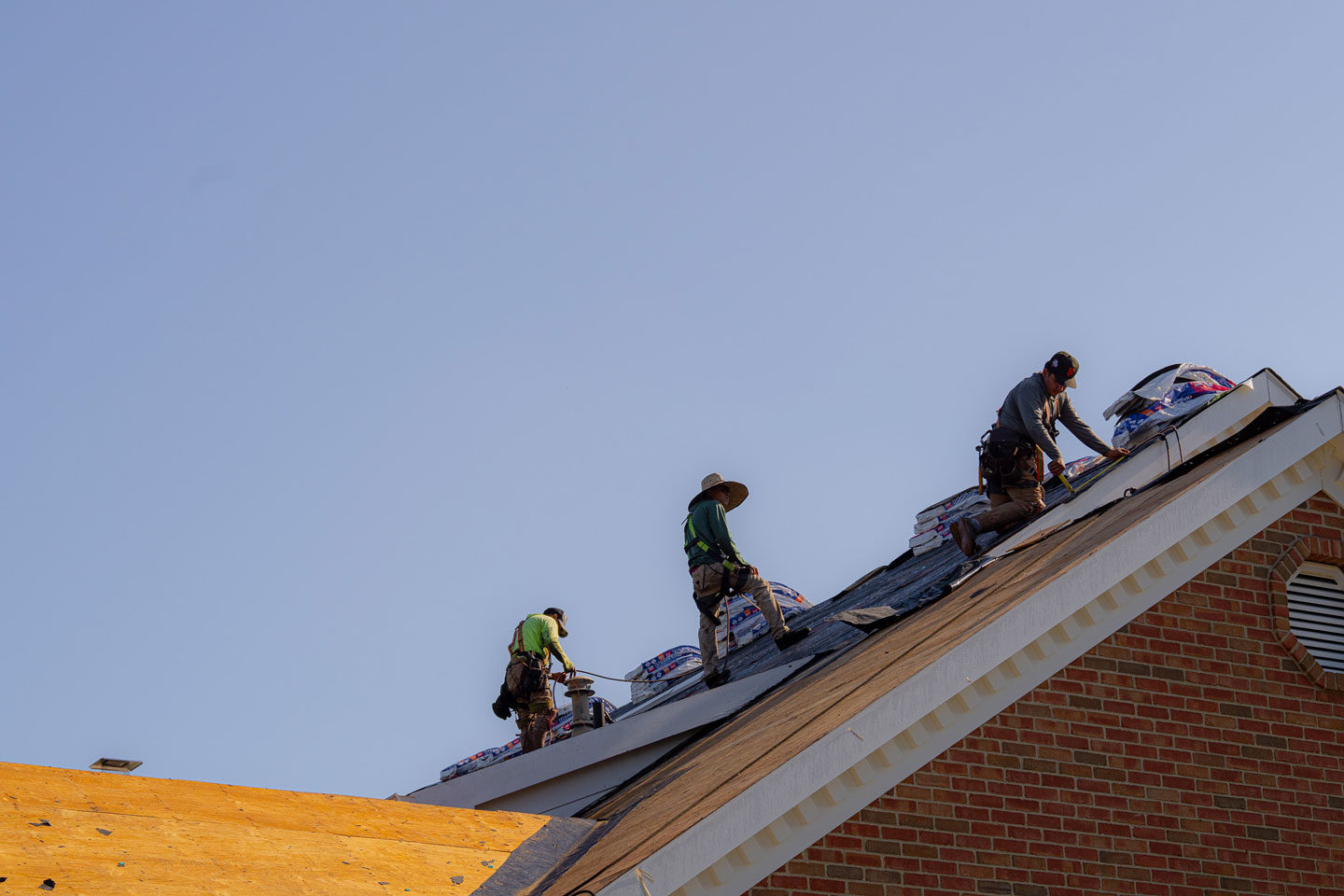
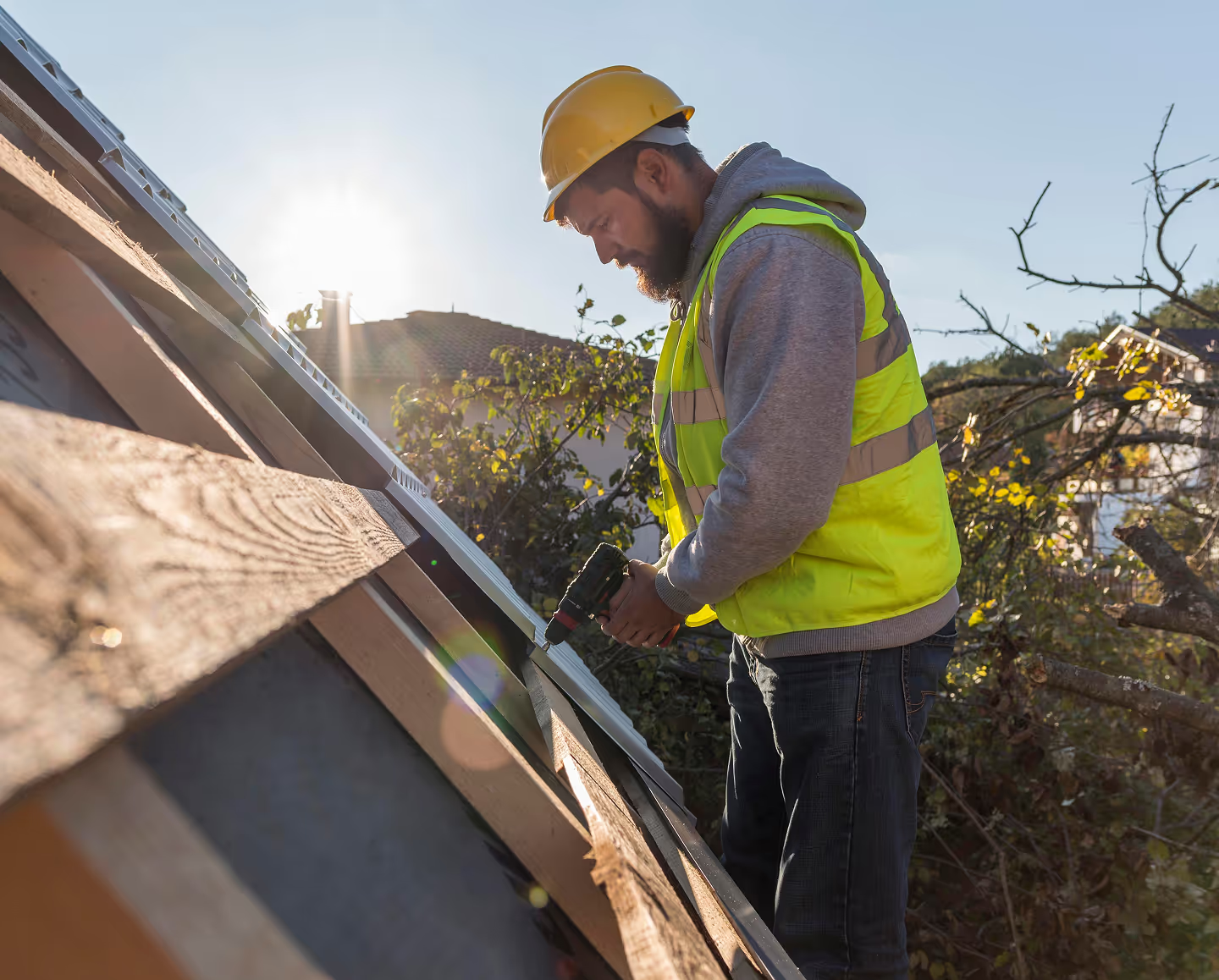
Our crews focus on keeping the site clean and organized. We know your customers and employees are watching, so we maintain a professional presence that reflects well on your business. Whether it is Commercial Roofing or interior structural work, our goal is to make the damage look like it never happened.
Navigating Insurance and Minimizing Business Downtime
The financial side of a storm can be just as stressful as the physical damage. Understanding how to work with your adjuster is half the battle.
Documentation for Commercial Storm Restoration
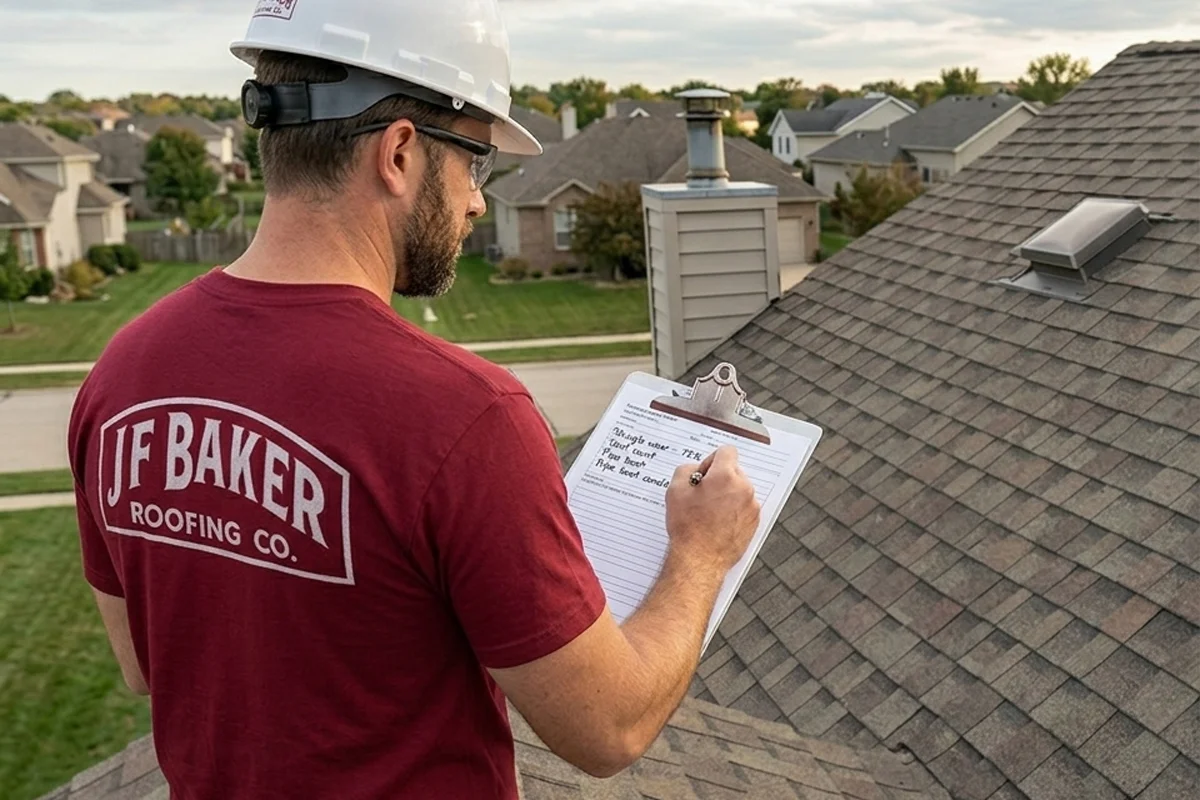
Insurance companies speak the language of data. When we arrive on-site for Storm Damage Repairs Services, we provide timestamped logs, moisture readings, and detailed photo evidence.
We often coordinate directly with adjusters to ensure the scope of work is accurate. This transparency helps avoid the back-and-forth "estimate wars" that can delay your repairs. The burden of proof is on the policyholder to show that the damage was caused by the storm and not by general wear and tear. Having a contractor with nearly a century of local experience helps provide that credibility.
Strategies to Reduce Revenue Loss
Downtime is a silent killer for businesses. Industry statistics show that business downtime can average $5,600 per minute depending on the industry. To keep your doors open, we often use phased restoration:
- Safety Perimeters: We set up OSHA-compliant barriers so you can continue operating in one part of the building while we work on another.
- Temporary Power: If the storm knocked out your grid connection, we can coordinate temporary power solutions to keep your servers and essential equipment running.
- Partial Occupancy: We prioritize the areas of your building that generate the most revenue, such as your retail floor or production line, before moving to back-office storage areas.
By acting quickly, you avoid being part of the 40% of businesses that never reopen. Speed isn't just about convenience; it is about survival.
Frequently Asked Questions about Commercial Storm Damage
Is storm damage typically covered by commercial insurance?
In most cases, yes. Most commercial property policies cover damage from wind, hail, and fire resulting from a storm. However, standard policies often exclude "flood" damage (rising water from the ground). It is important to review your policy for "wind-driven rain" clauses. We always recommend having your property reasonably maintained; if an adjuster can prove a leak happened because of a ten-year-old unpatched hole rather than the storm, they may deny the claim.
How long does the restoration process take?
Every project is unique, but we generally follow this timeline:
- Emergency Mitigation: 1 to 2 days (board-up, water extraction).
- Drying and Dehumidification: 3 to 7 days.
- Repairs and Reconstruction: 1 to 4 weeks, depending on the availability of materials and the scale of the damage.For larger facilities in areas like Gahanna or Grove City, we provide a detailed schedule so you can plan your staffing and operations accordingly.
Why is 24-hour response critical for water damage?
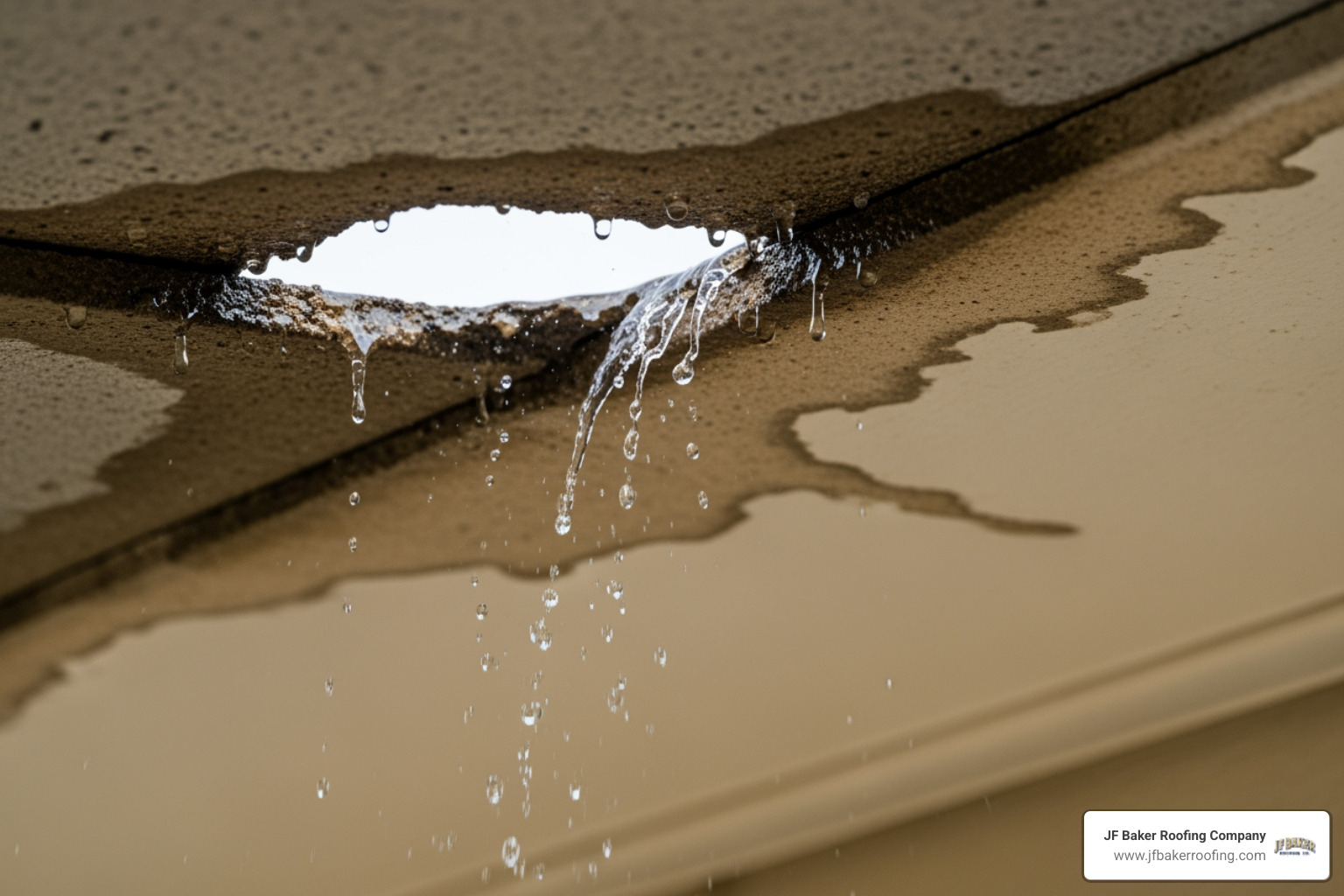
Water is sneaky. It doesn't just sit on the floor; it wicks up into drywall and insulation. Within 24 to 48 hours, mold spores can begin to colonize. Once mold is present, the cost of restoration triples because of the specialized containment and hazardous material protocols required. A 24-hour response stops the "ticking time bomb" of mold and structural rot.
Conclusion
Since 1929, JF Baker Roofing Company has stood by the businesses of Central Ohio. We have seen every type of weather this region can throw at a building, from the blizzard of '78 to the high-wind derechos of recent years.
Now led by third-generation owners Chad and Pat Baker, we remain a family-owned, community-rooted business. As a CertainTeed ShingleMaster Preferred Contractor and an NRCA member with an A+ BBB rating, we don't believe in high-pressure sales or vague superlatives. We believe in honest assessments and quality craftsmanship that lasts for decades.
We recommend repairs when repairs will do the job, and we only recommend a full replacement when it is genuinely needed to protect your investment. We stand behind every roof we install and every repair we make.
If your business has been affected by weather, or if you want to be proactive with a pre-disaster inspection, we are here to help. Let our reputation be your security.
More info about storm damage repairs is just a phone call away. Whether you are in Upper Arlington, Delaware, or right here in Columbus, we are ready to help you get back to business.






.jpeg)