Don't Let Hail Damage Commercial Roofing Ruin Your Business
Why Hail Damage Commercial Roofing Is a Threat You Can't Ignore
Hail damage commercial roofing is one of the most costly and underestimated threats facing business owners in Central Ohio and across the U.S. Here's what you need to know right away:
Quick assessment checklist after a hailstorm:
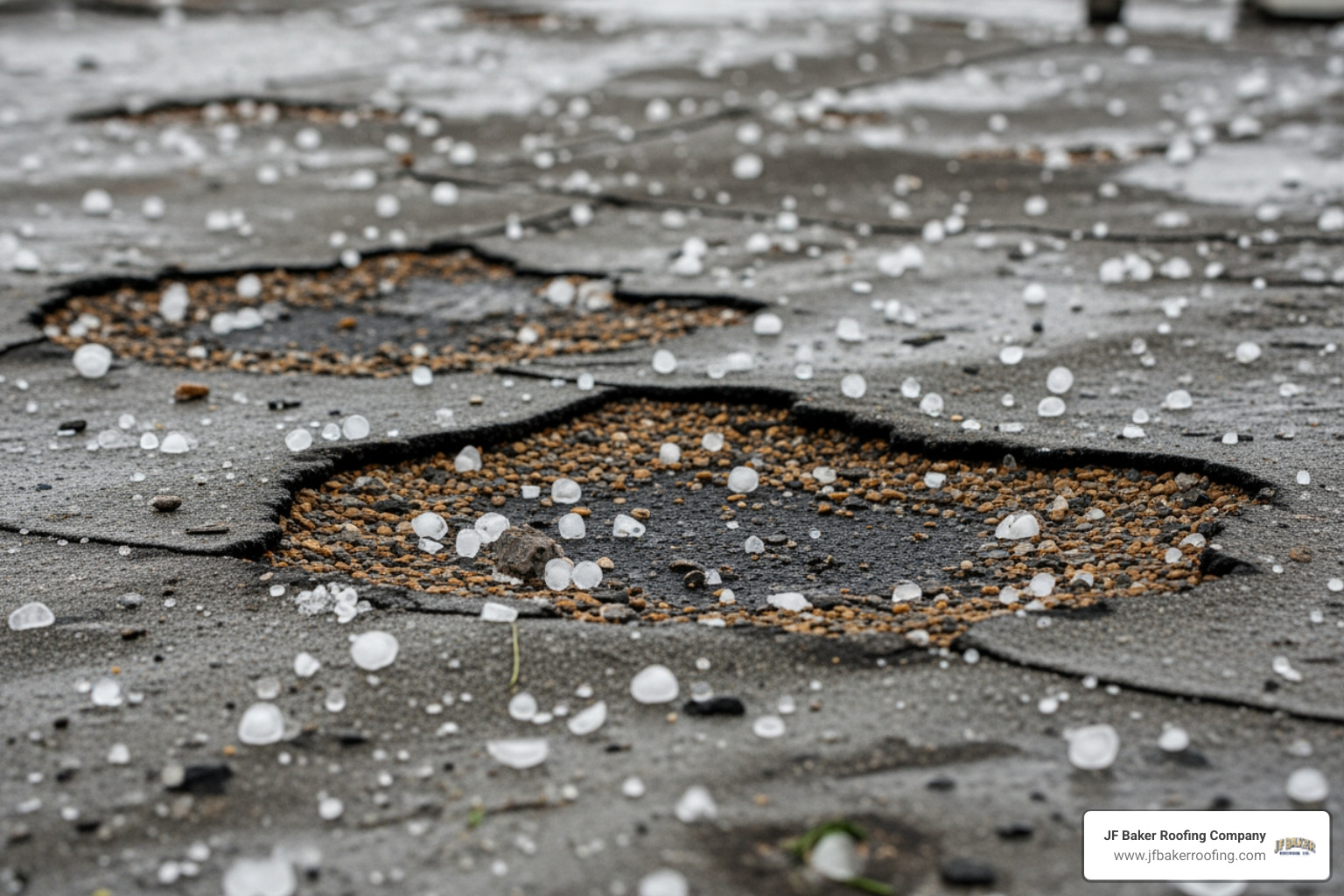
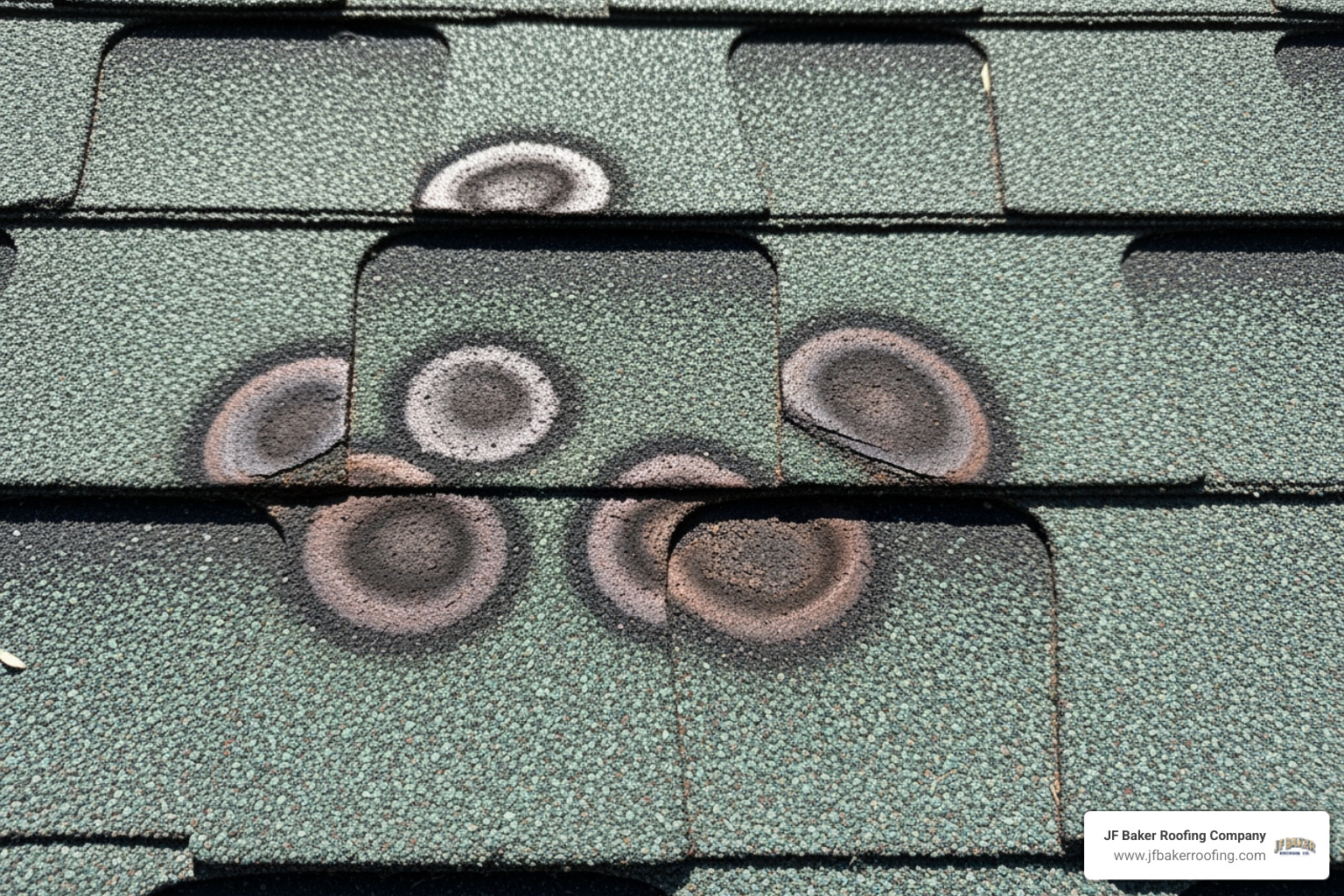
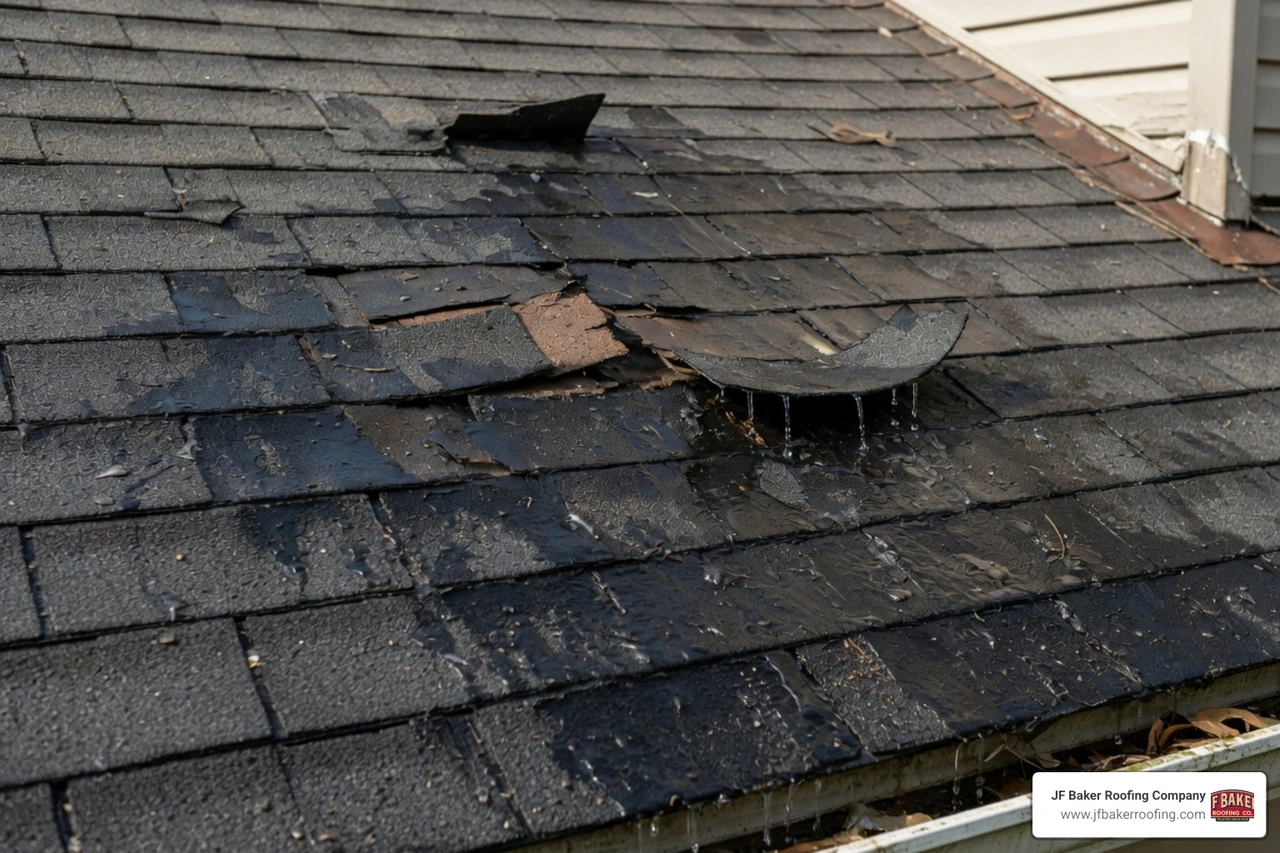
- Look for circular impact marks, bruising, or punctures on roof membranes
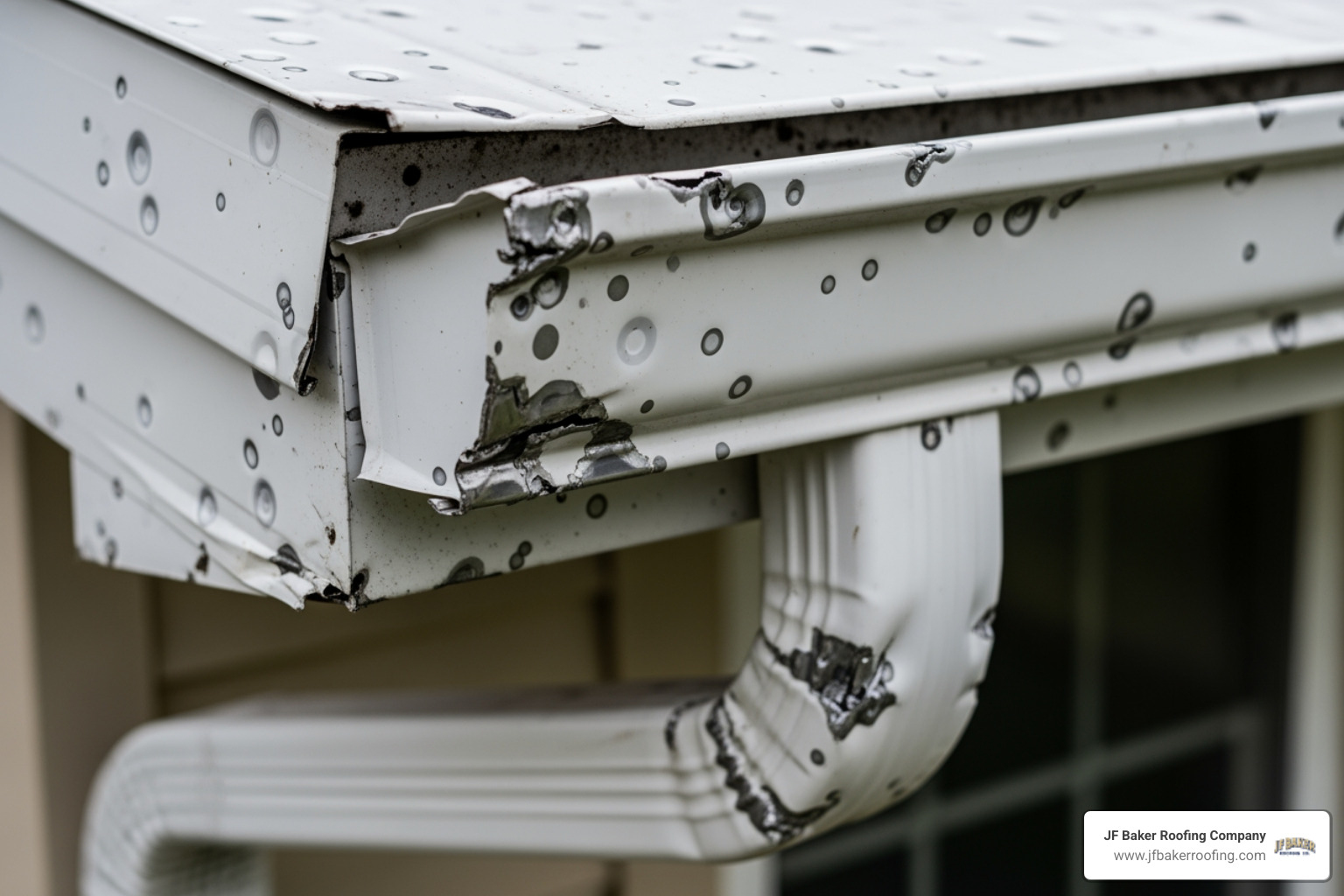
- Check metal surfaces for dents, chipped paint, or seam separation
- Inspect gutters for granule buildup from asphalt or modified bitumen roofs
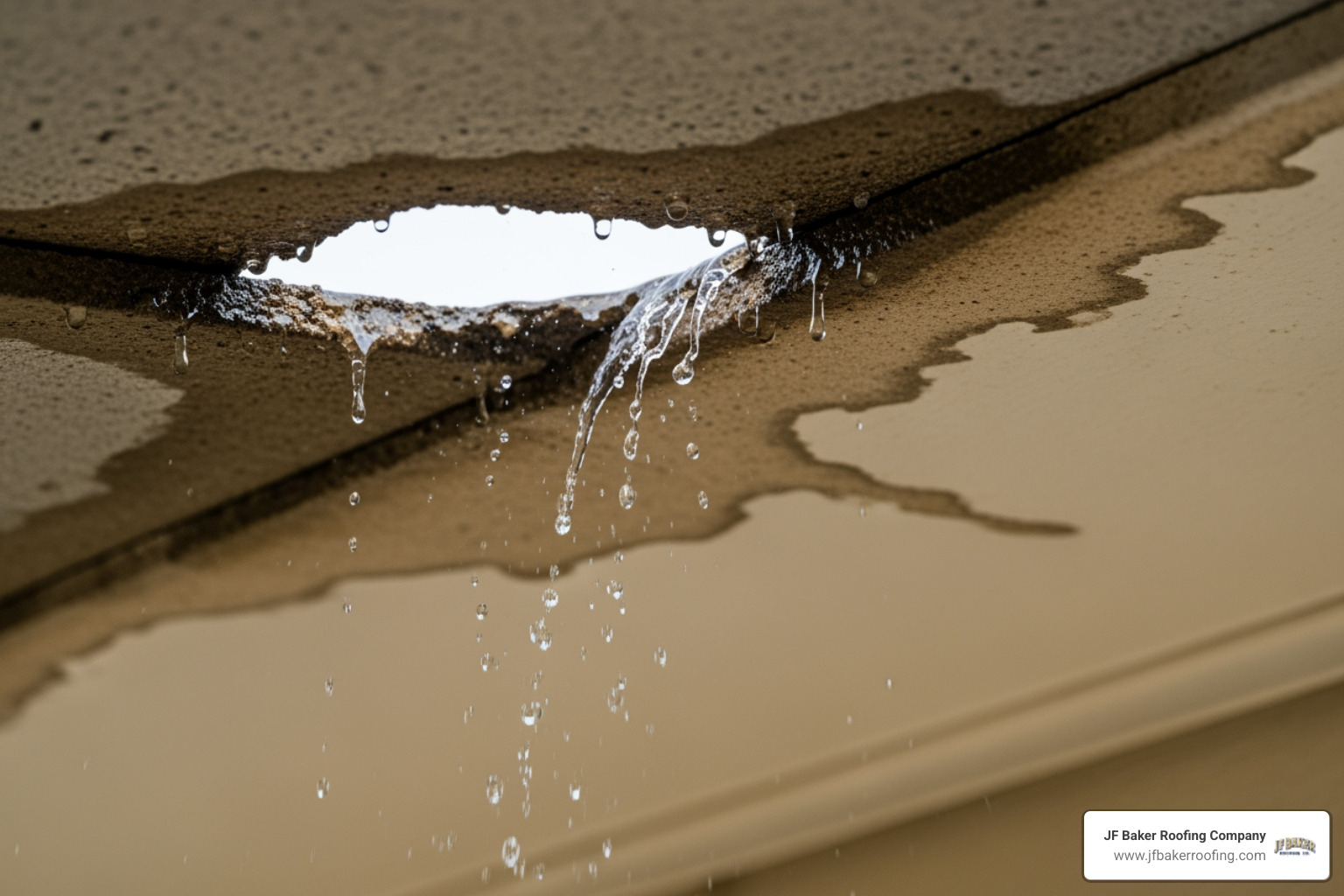
- Look for pooling water or new interior leaks
- Check HVAC units, vents, and flashing for visible hits
- Call a professional roofer — hidden damage is often worse than what you can see
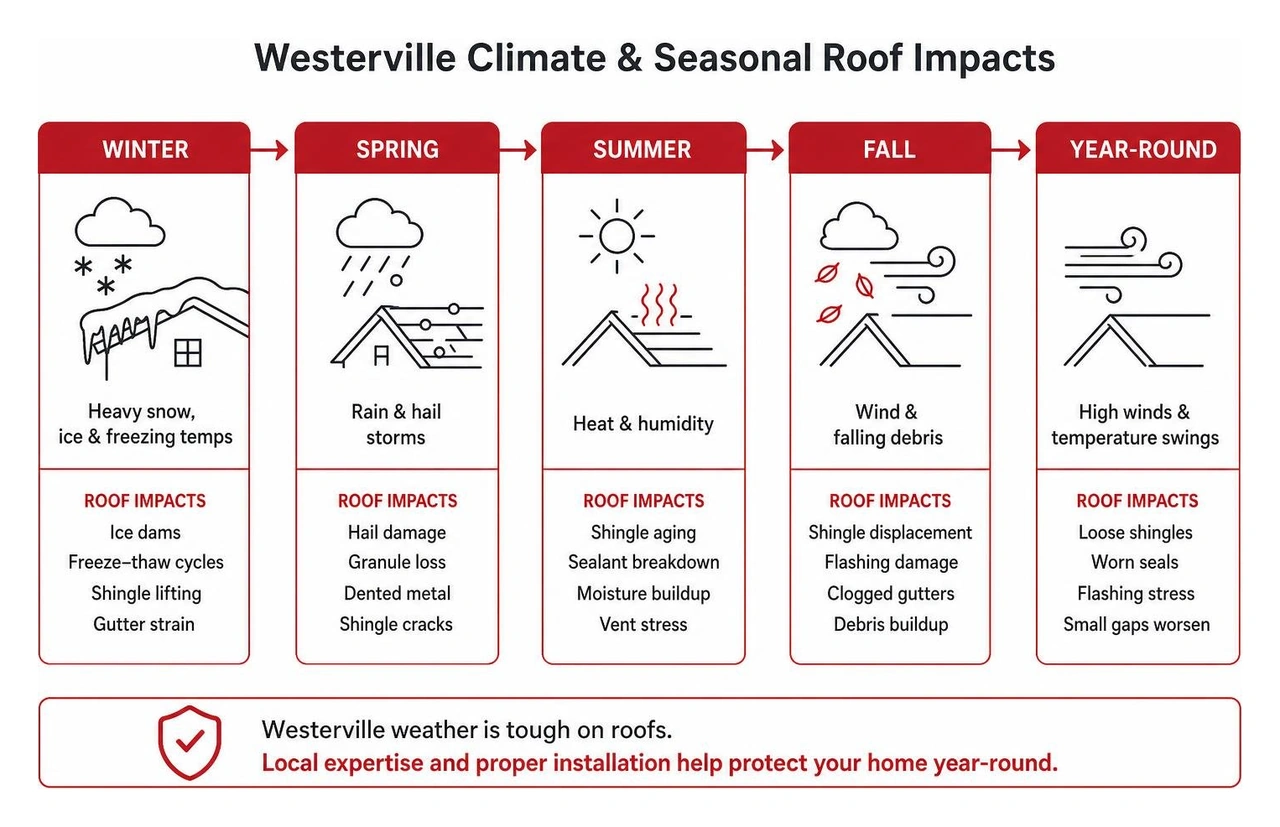
The numbers tell a serious story. In 2020 alone, hailstorms caused over $14 billion in insured damage across the U.S., with 4,611 major storms recorded in a single year. And according to a 2018 NASA study, rising CO2 levels could push extreme storm frequency up by as much as 60% by the end of this century.
For Central Ohio businesses, this isn't a distant risk. It's a real and growing one.
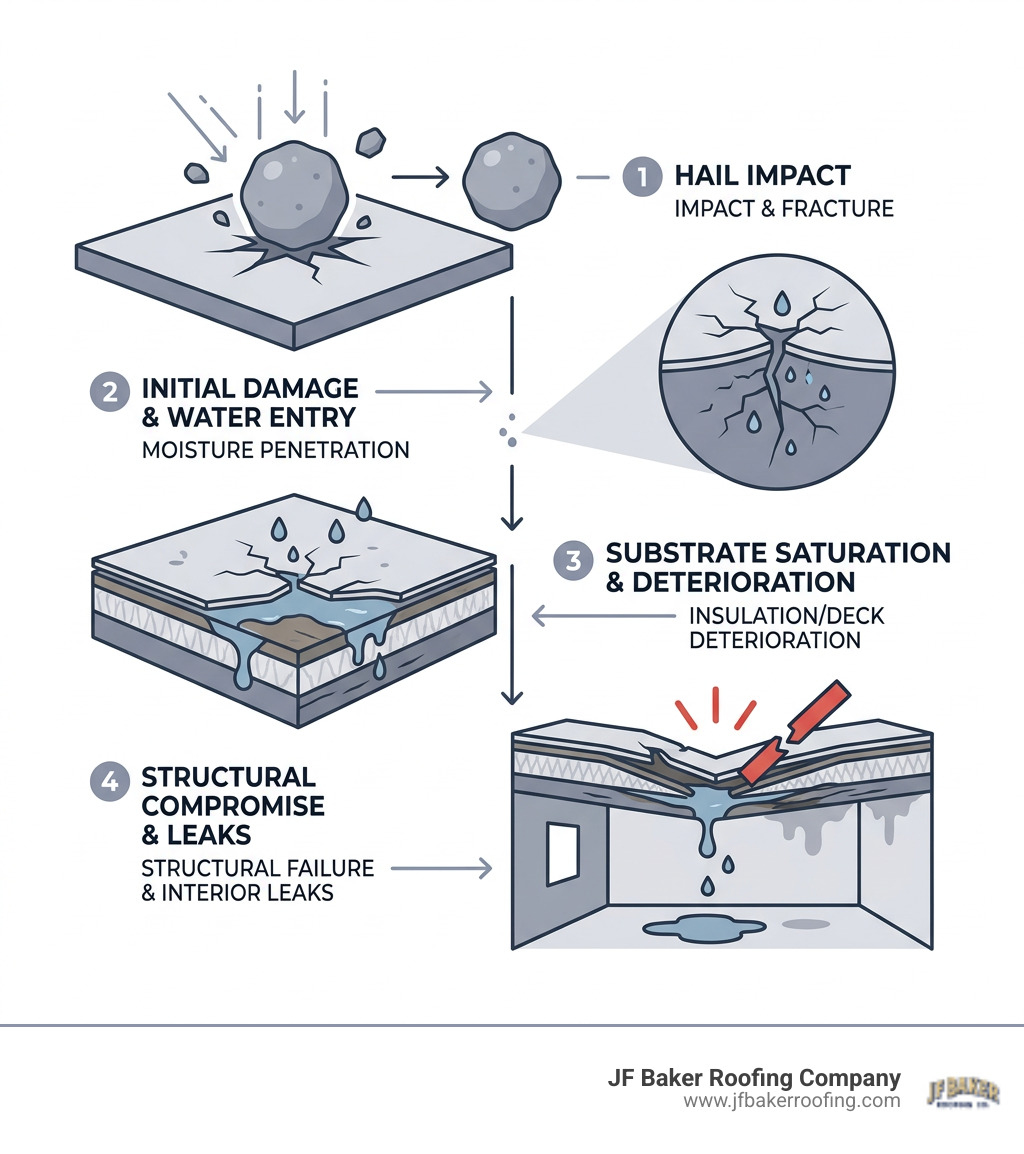
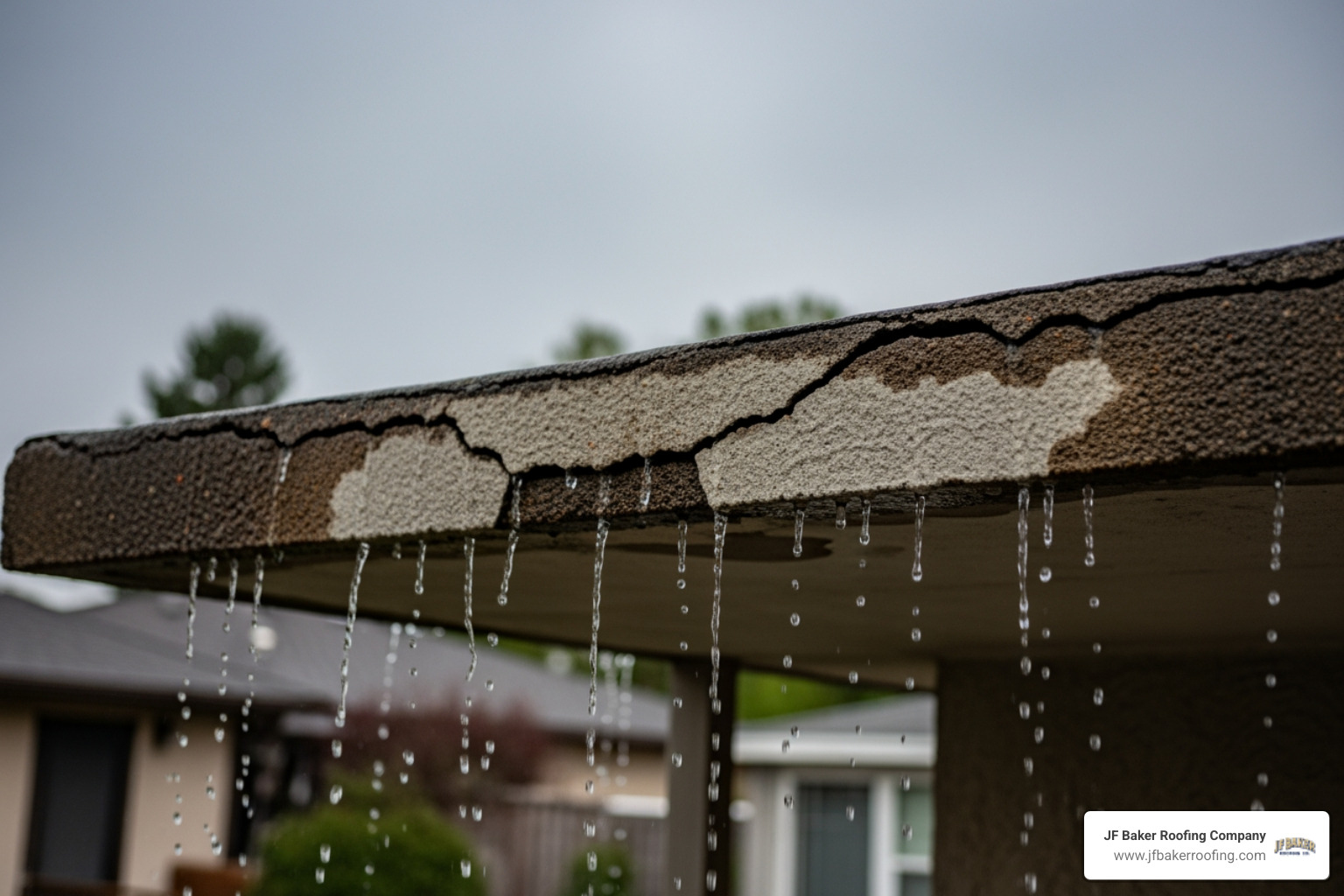
What makes hail so damaging to commercial roofs is how deceptive it is. A storm can pass in minutes and leave your roof looking mostly intact — while underneath, membranes are fractured, insulation is compromised, and moisture is already working its way in. Those hidden issues can snowball into mold, structural rot, and full roof replacement if left unchecked.
This guide walks you through how to identify damage, understand your material's vulnerabilities, navigate the insurance process, and make smart upgrades to protect your property long-term.
Identifying Hail Damage Commercial Roofing Across Different Systems
Not all roofs "bruise" the same way. Depending on whether your facility in Columbus or Delaware, OH, uses a single-ply membrane, metal panels, or a built-up system, the evidence of a storm will look drastically different. Understanding these nuances is the first step in a successful storm damage repair strategy.
When we perform a forensic assessment of hail directionality, we look for patterns. Hailstones rarely fall perfectly straight; wind pushes them diagonally. This means the "windward" side of your building—the side facing the oncoming storm—usually takes the brunt of the impact. We also pay close attention to areas with less substrate support, such as near mechanical curbs, parapet transitions, or where the membrane may have existing wrinkles or blisters. These "hollow" spots are far more likely to suffer punctures than areas backed by solid insulation or cover boards.
Common Signs of Hail Damage on Commercial Roofing
Every material has a "tell." If you are managing a property in Upper Arlington or Worthington, you should know what to look for based on your specific type of commercial roofing system.
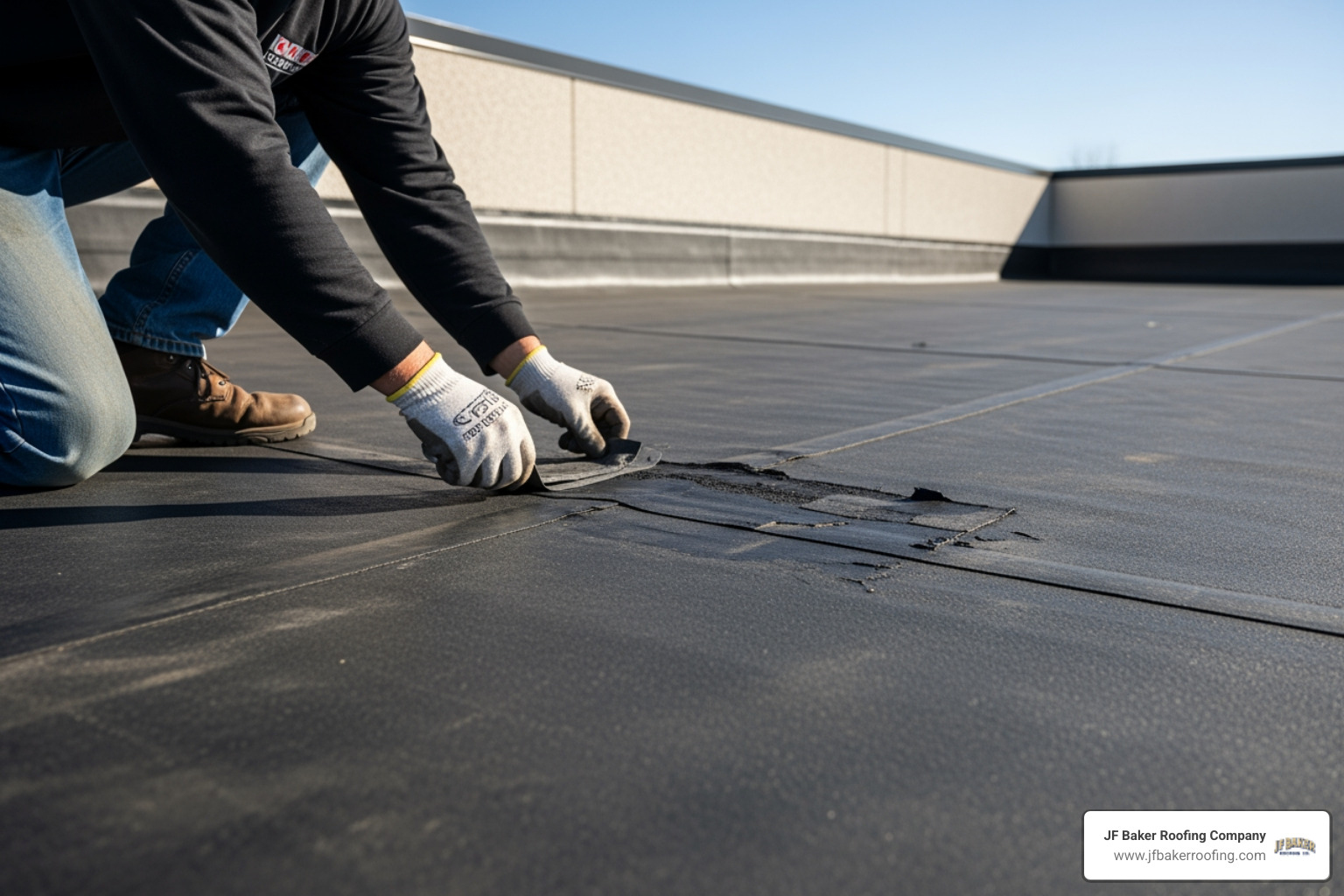
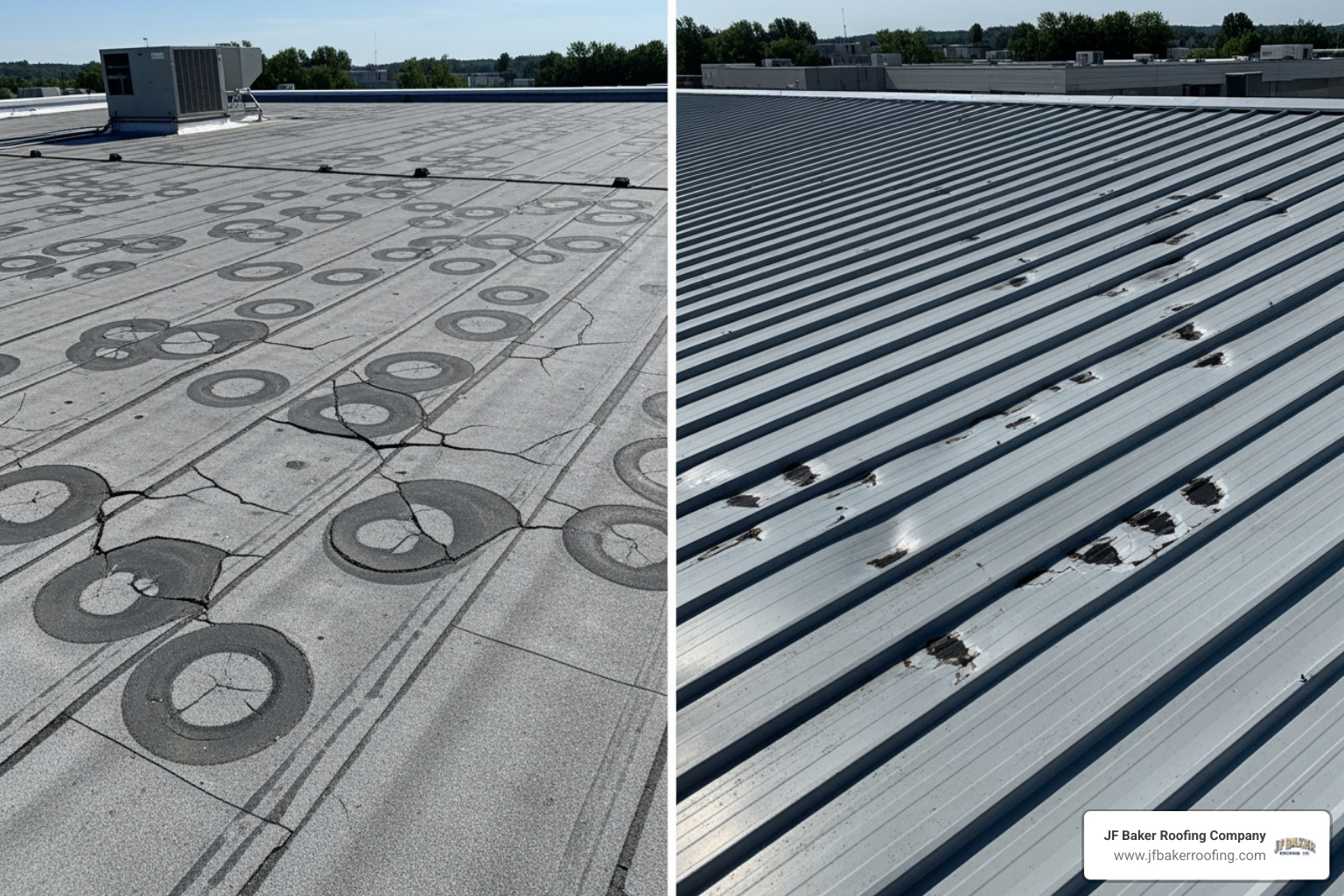
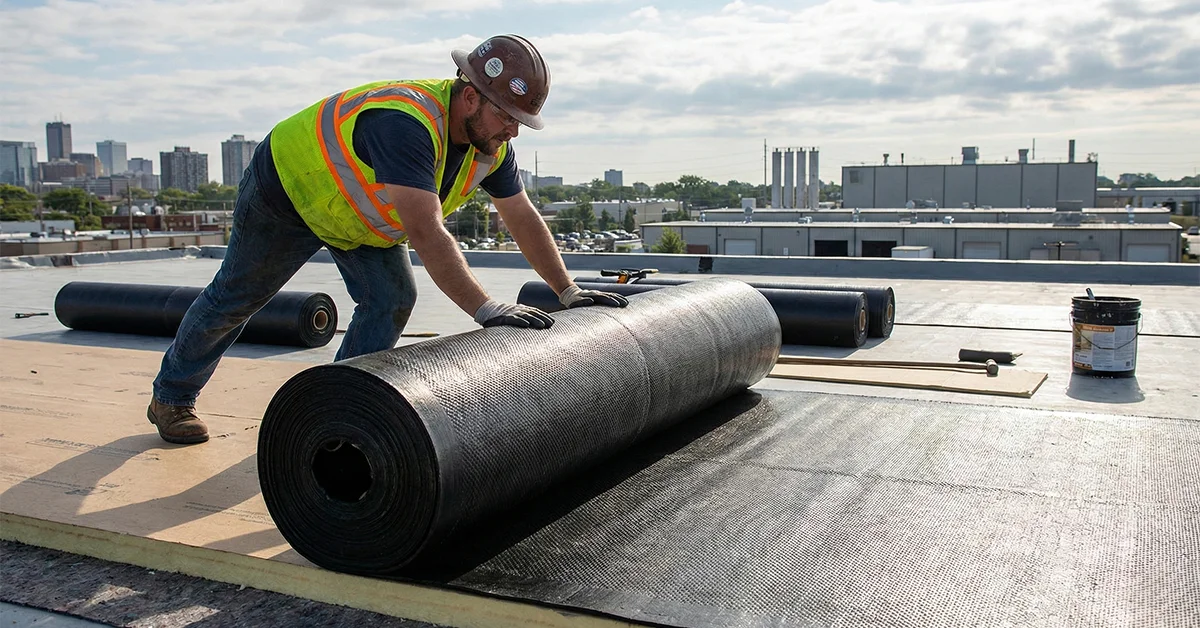
- TPO and PVC Membranes: On these thermoplastic roofs, hail often leaves "fractures" or "bruises." These may look like small, circular cracks in the top layer. Over time, the sun’s UV rays expand these cracks, allowing water to reach the reinforced scrim and eventually the building interior.
- EPDM (Rubber): Because EPDM is flexible, it often bounces back, but severe hits can cause "star" fractures. These are tiny, radiating cracks that might be hard to see with the naked eye but are devastating to the roof's waterproofing.
- Modified Bitumen and BUR: For these asphalt-based roofs, the most common sign is granule loss. Hail knocks the protective stone surfacing loose, leaving the underlying bitumen exposed to the sun. You might also see "bitumen displacement," where the asphalt itself has been pushed aside by the force of the ice.
Detecting Damage on Metal and Flat Roofs
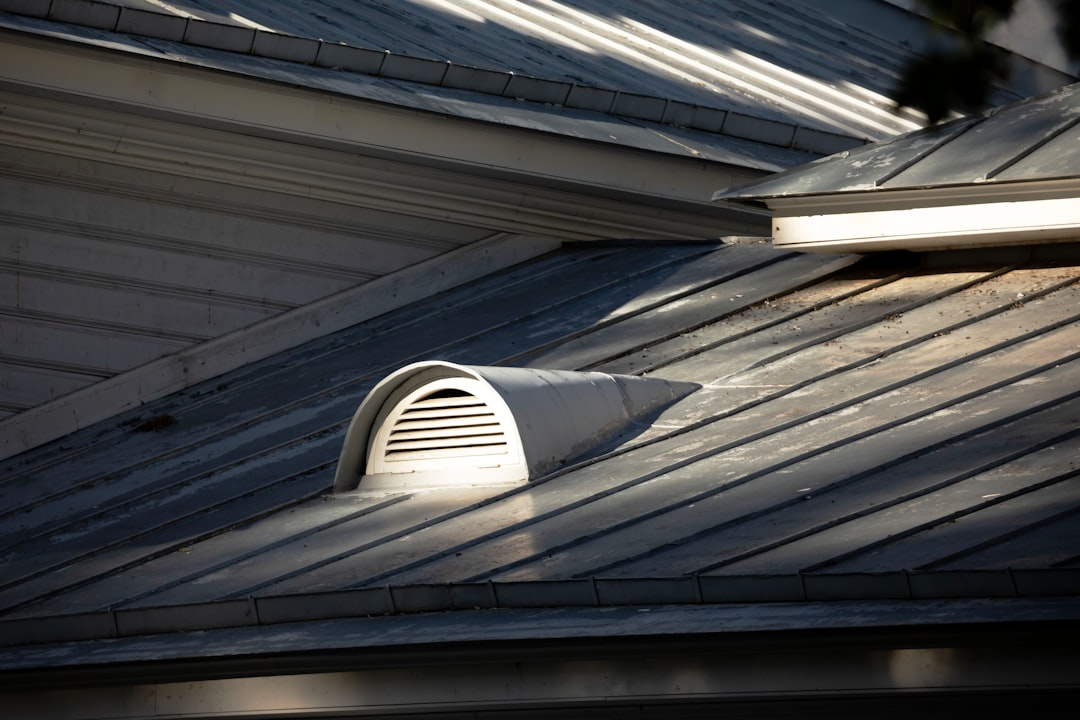
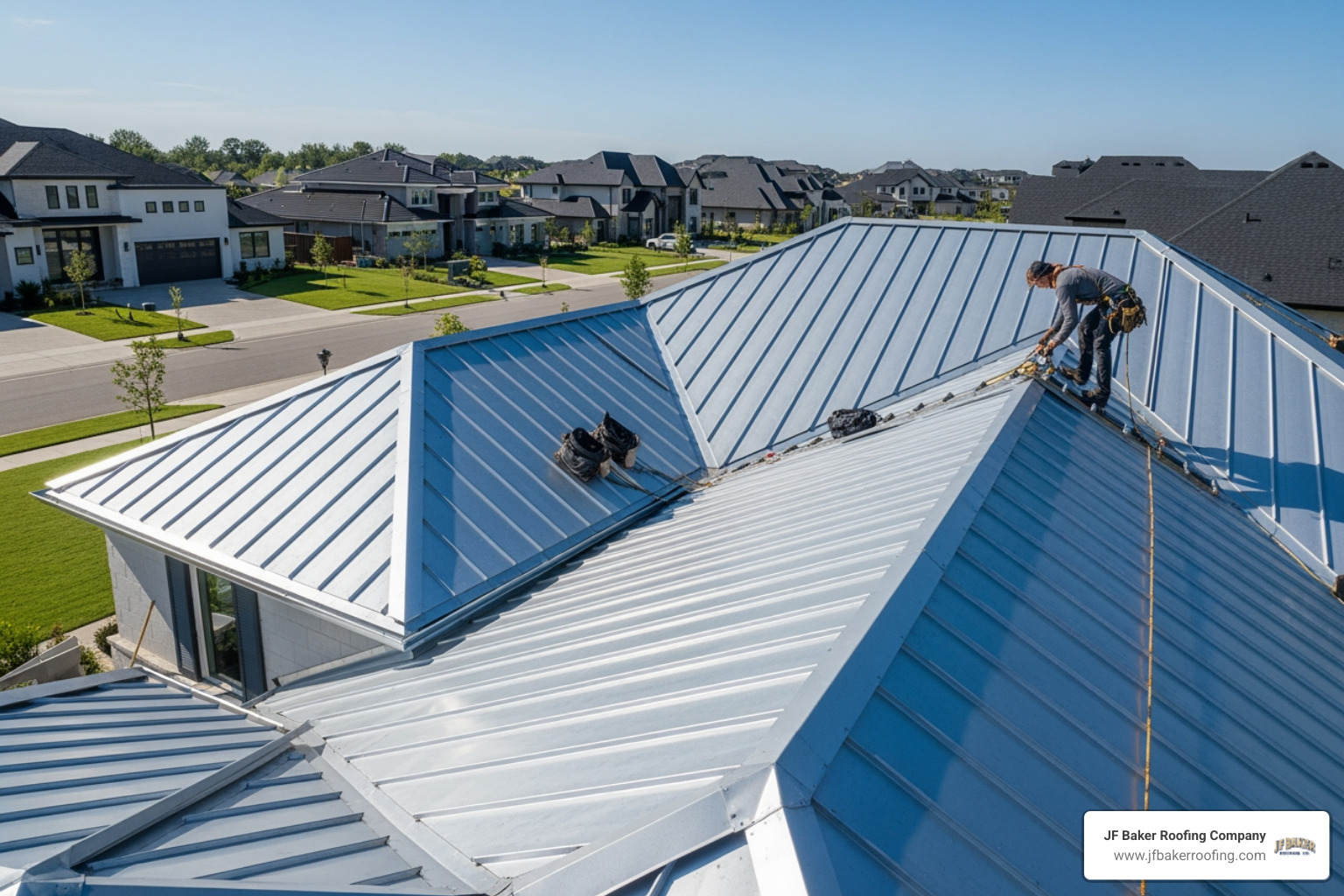
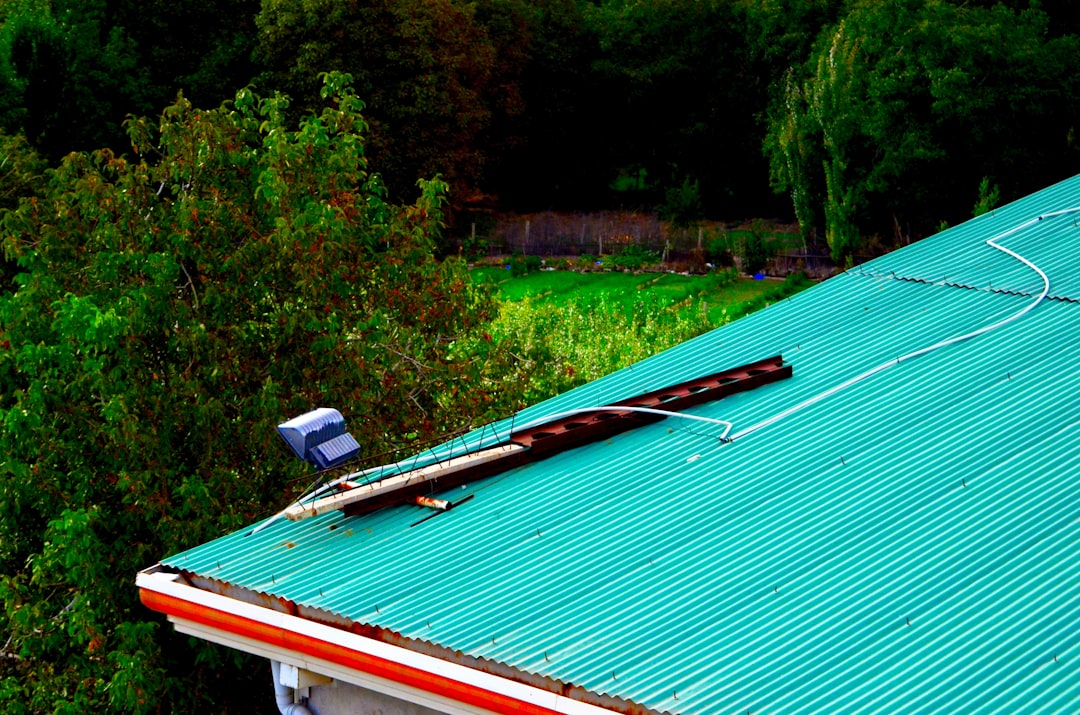
Metal roofs are incredibly popular in industrial areas like Whitehall and Grove City because of their durability. However, they aren't invincible. While a metal roof rarely leaks immediately after a storm, the damage is often structural or aesthetic.
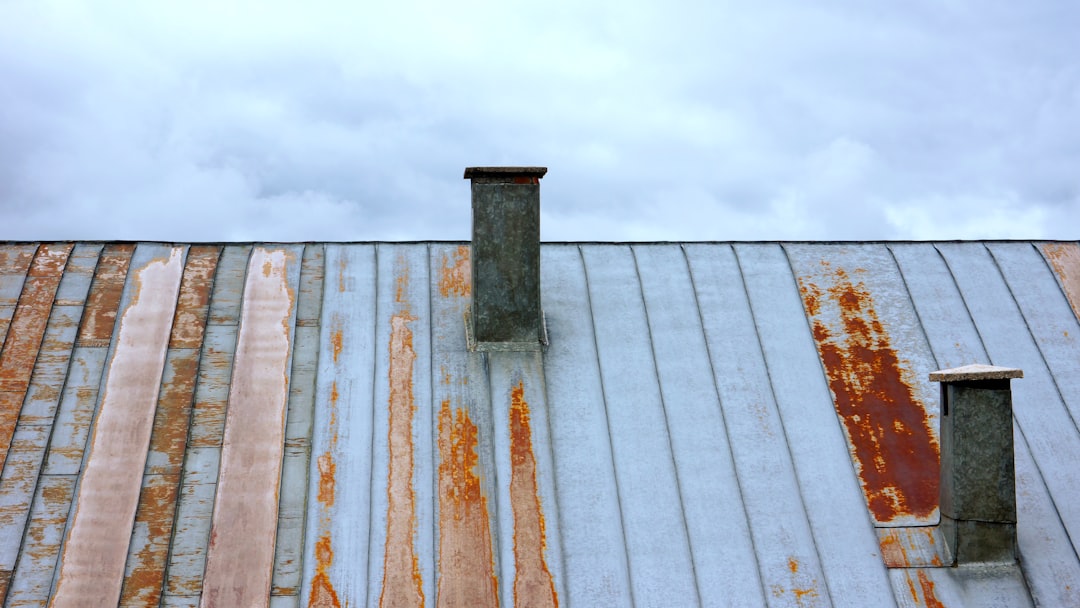
We look for cosmetic dents, which insurers sometimes try to ignore. However, if the hail was large enough to cause paint cracking or chipping, the protective coating is gone. This exposes the raw metal to the elements, leading to rust and premature failure. Furthermore, the vibration from thousands of high-velocity impacts can lead to seam separation or fastener stress, where the screws holding the roof down are actually backed out or loosened.
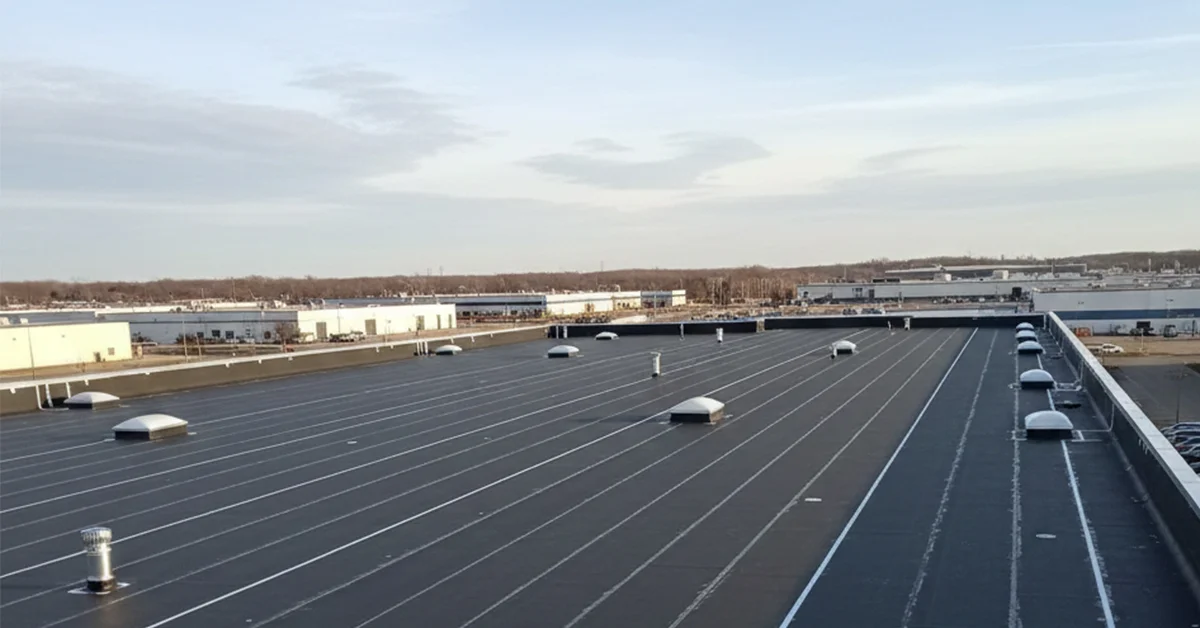
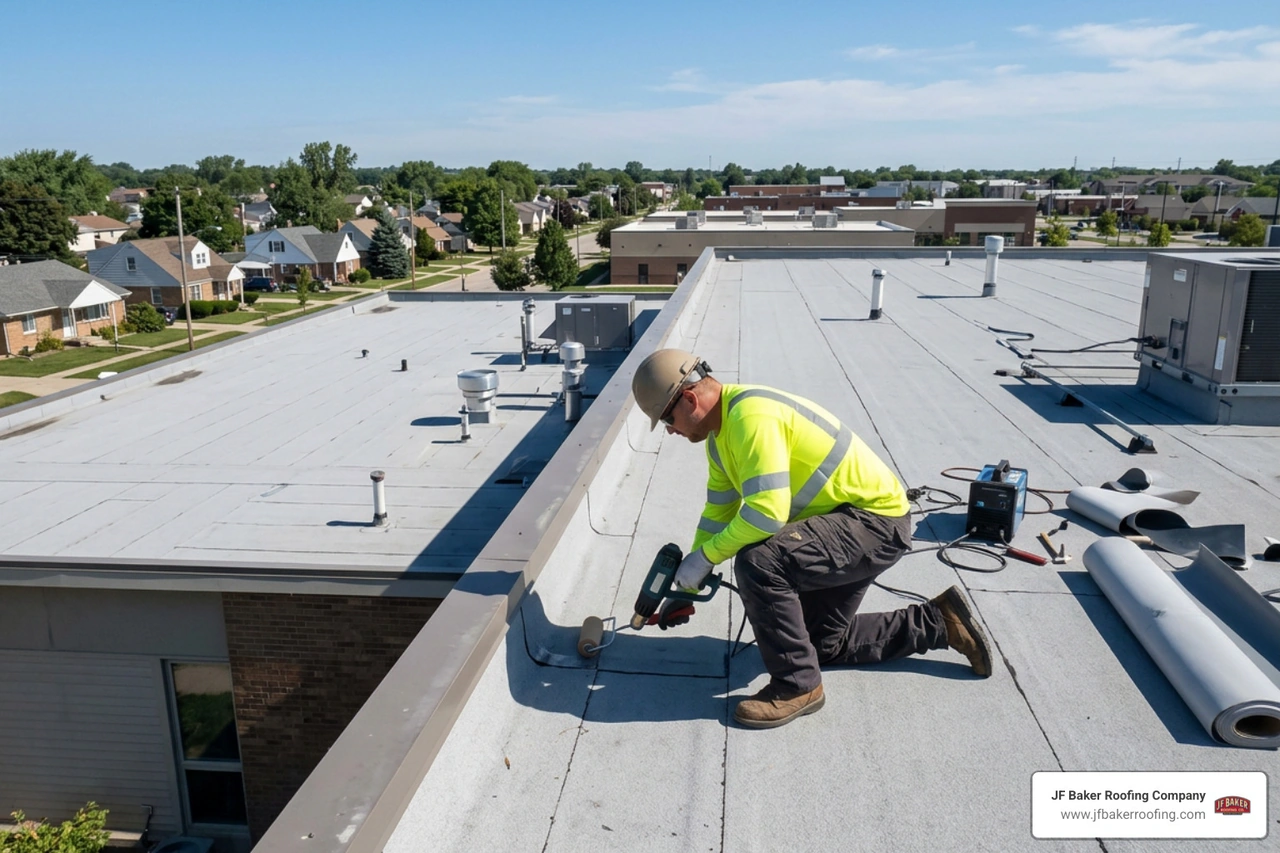
On flat roofs, identifying punctures in TPO membranes requires a trained eye. We often use tactile methods—literally feeling the membrane for soft spots—or advanced moisture detection tools to find where the "skin" of the building has been breached.
Understanding Hail Impact Ratings and Material Resilience
When it’s time for a commercial roof replacement, the "Class" of your material matters. The industry uses two primary standards to determine how well a roof stands up to frozen projectiles: UL 2218 and FM 4473.
The UL 2218 test involves dropping steel balls from heights of up to 20 feet onto the roofing material. However, many experts prefer the ice sphere propulsion testing used in FM 4473. Why? Because ice behaves differently than steel. Ice can shatter or compress, providing a more realistic simulation of a Central Ohio hailstorm.
Materials are rated from Class 1 to Class 4. A Class 4 rating is the gold standard; it means the material survived the impact of a 2-inch "hailstone" without cracking or tearing.
How Hail Size Affects Commercial Roofing Materials
Size matters, but so does velocity. Generally, one-inch hail (roughly the size of a quarter) is the threshold where we begin to see functional damage on most commercial systems. Once you hit the two-inch mark (egg to lime size), even heavy-duty metal roofs are at risk of significant denting.
Other factors play a role too:
- Roof Age: As membranes age, they lose plasticizers and become brittle. A 15-year-old TPO roof might shatter under one-inch hail, while a brand-new one might walk away unscathed.
- Metal Gauge: Thicker metal (lower gauge numbers like 22 or 24) resists denting much better than thinner residential-grade panels.
- Wind Velocity: A 60-mph wind can turn a small hailstone into a high-energy "bullet."
The Importance of UL 2218 Class 4 Ratings
Investing in a Class 4 rated system isn't just about durability; it's about the bottom line. Many insurance providers offer significant premium discounts for buildings with impact-resistant asphalt shingles or membranes.
In some hail-prone regions, building codes are even beginning to mandate these materials. When testing flexible roofing materials, the goal is to ensure that the "waterproofing layer" remains intact. If you’re in a high-risk area like Hilliard or Dublin, a Class 4 system is often the difference between a quick post-storm inspection and a $100,000 unplanned capital expense.
Immediate Steps and the Insurance Claim Process
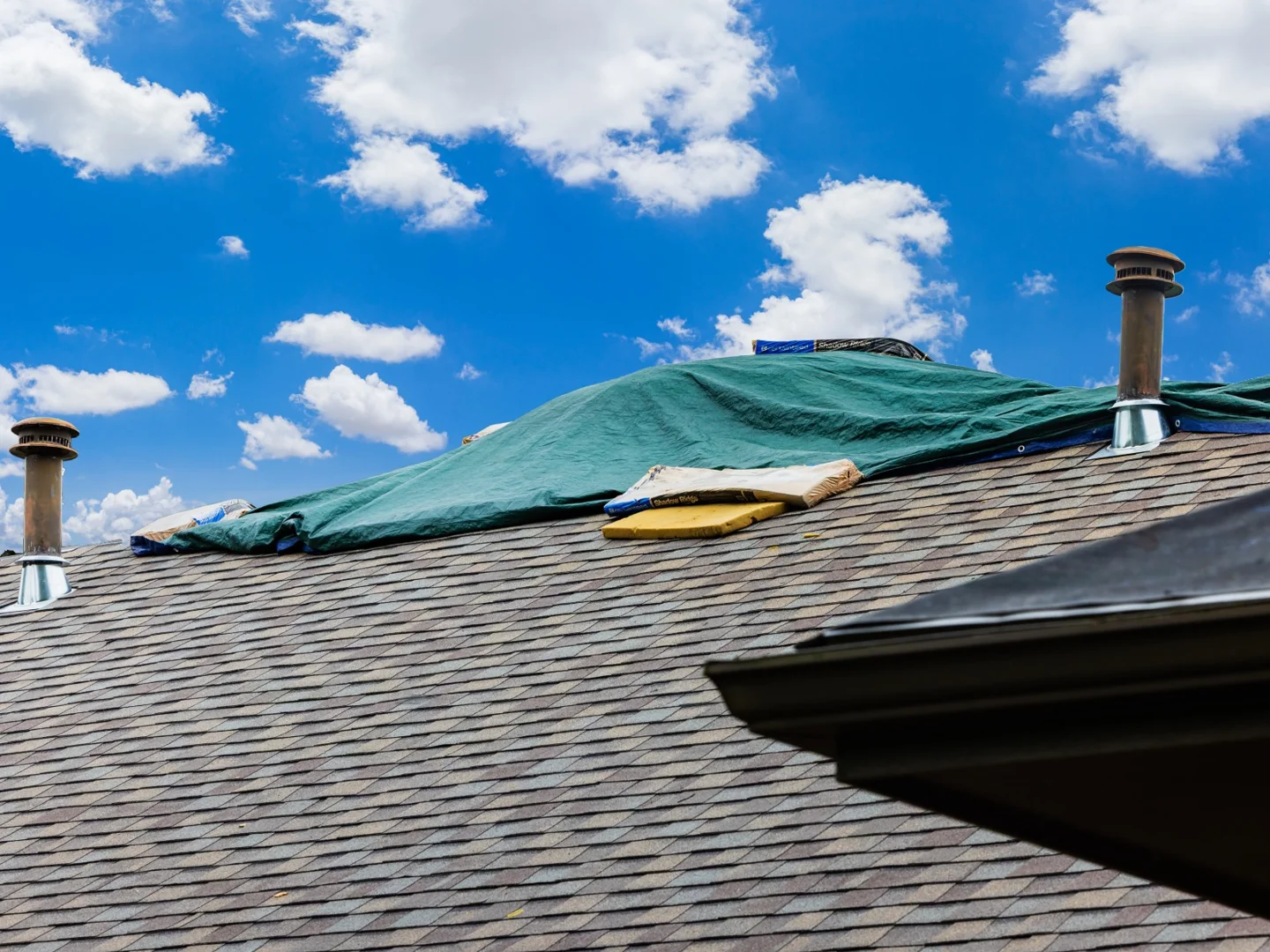
If a storm just rolled through Columbus, don't wait for a leak to appear. Time is of the essence when dealing with hail damage commercial roofing.
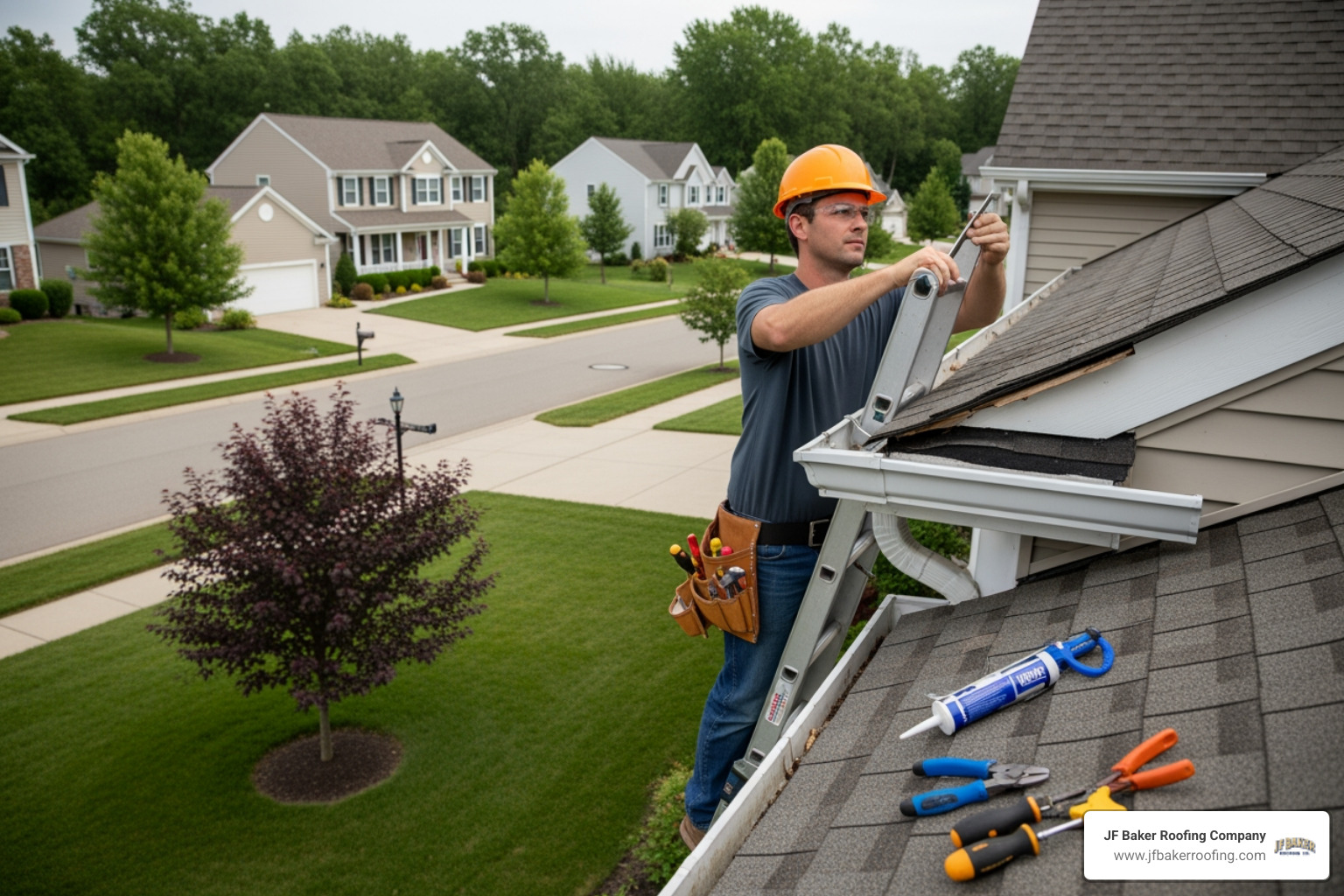
The first thing we recommend is documenting the event. Note the date and time of the storm and, if possible, take photos of hailstones next to a ruler or a common object for scale. From there, you need a professional commercial roofing assessment. We provide detailed reports that include photo documentation of "bruises" and punctures that an untrained eye—or a rushed insurance adjuster—might miss.
Navigating the Hail Damage Commercial Roofing Claim
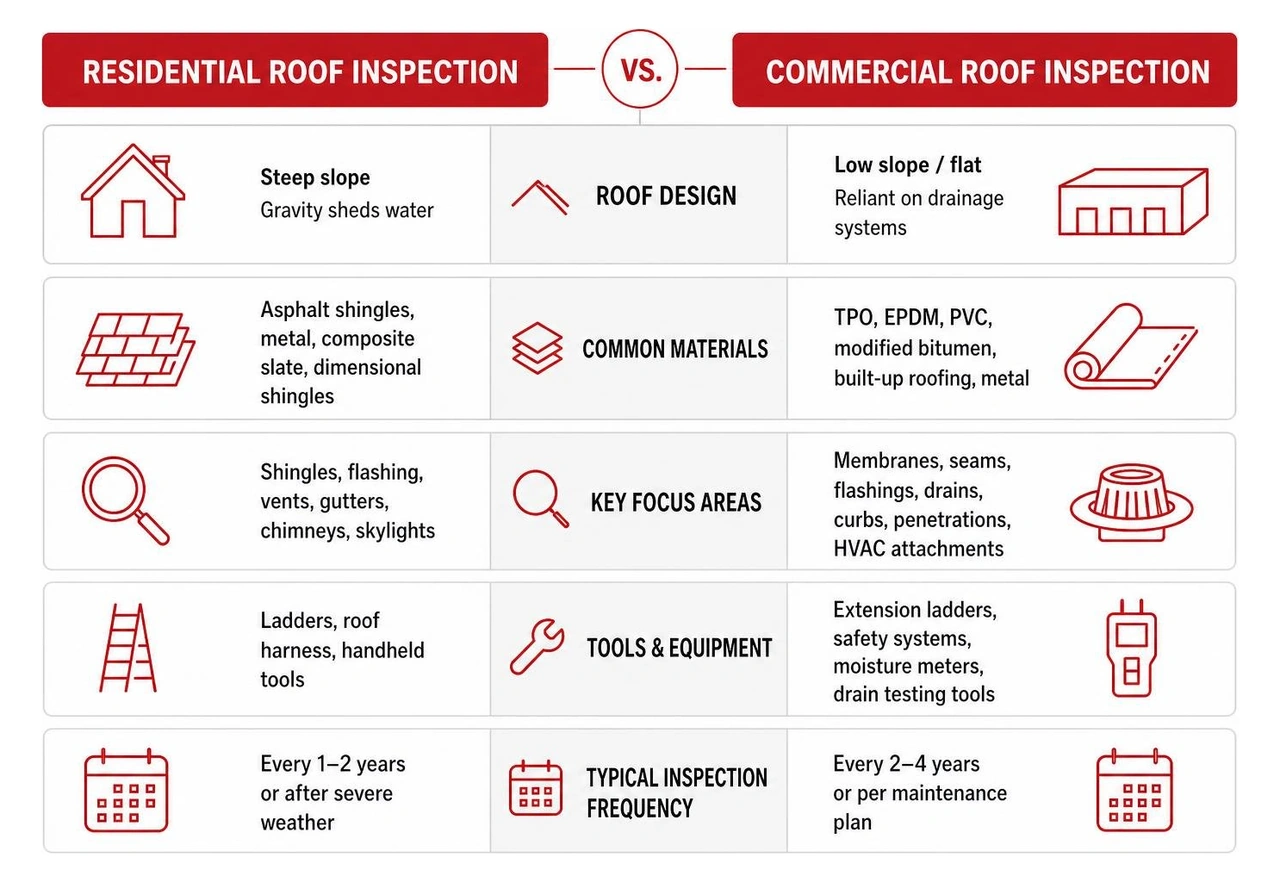
Filing a claim for a commercial property is more complex than a residential one. You are dealing with larger dollar amounts and more specialized materials.
- Damage Logging: Keep a log of every issue found, from dented HVAC fins to clogged scuppers.
- Professional Estimates: Get a comprehensive estimate from a roofer who understands commercial systems. Avoid "storm chasers" who knock on doors after a storm; they often lack the technical expertise for complex flat roofs and may disappear before the job is done.
- Correspondence Tracking: Keep a folder of every email and phone call with your insurance company.
- The Adjuster Meeting: We highly recommend having your roofing contractor present when the insurance adjuster arrives. We speak the same technical language and can point out subtle damage—like subsurface fractures—that might otherwise be excluded from the claim.
With hail risks projected to remain high in 2025, having a paper trail is your best defense against a denied claim.
Why Professional Inspections are Essential
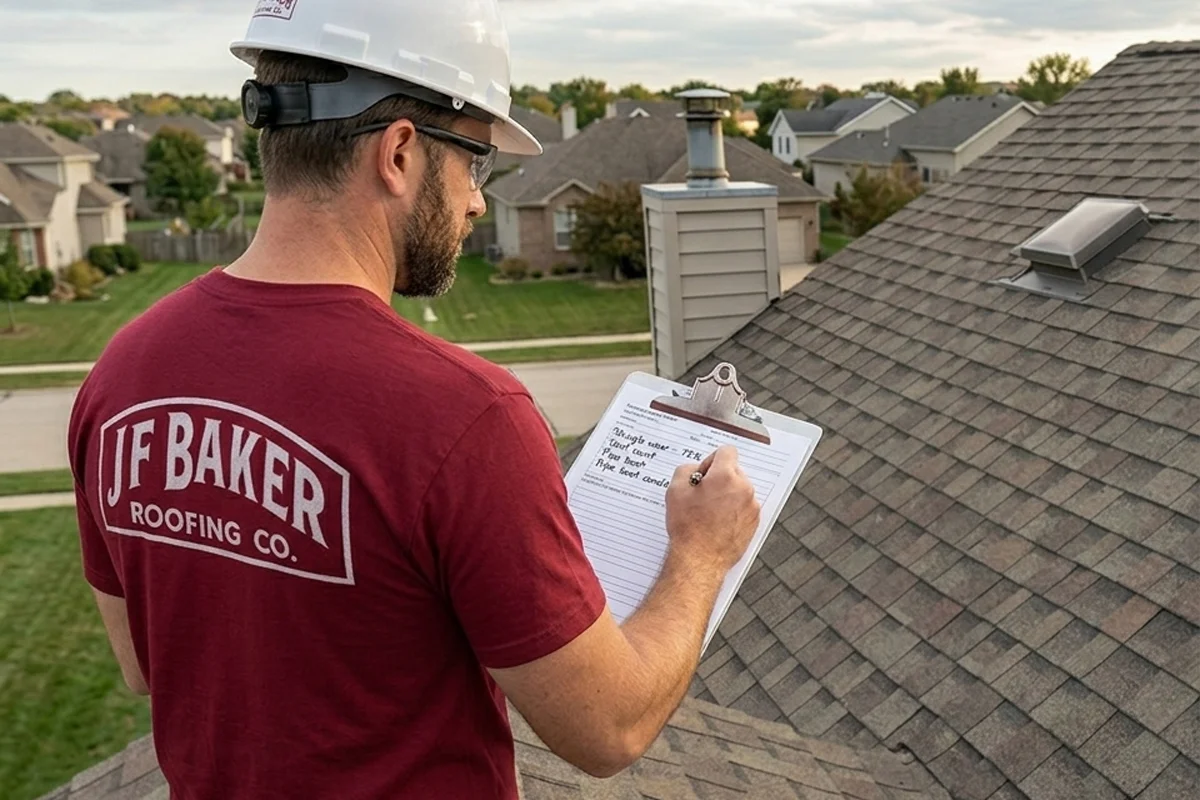
Standard visual inspections from the ground are useless for commercial hail damage. We use advanced tools to see what’s happening beneath the surface:
- Infrared Technology: This helps us find "wet" insulation. If hail punctured the membrane, water might be trapped underneath, even if it hasn't dripped through the ceiling yet.
- Core Sampling: We may take a small "core" of the roof to see the condition of the various layers and the deck.
- Moisture Detection: Electronic sensors can map out exactly where moisture has infiltrated the system.
These storm damage repairs and diagnostic steps ensure that "hidden" fractures don't turn into a structural nightmare three years down the road when the insurance window has closed.
Long-Term Financial Impact and Preventative Upgrades
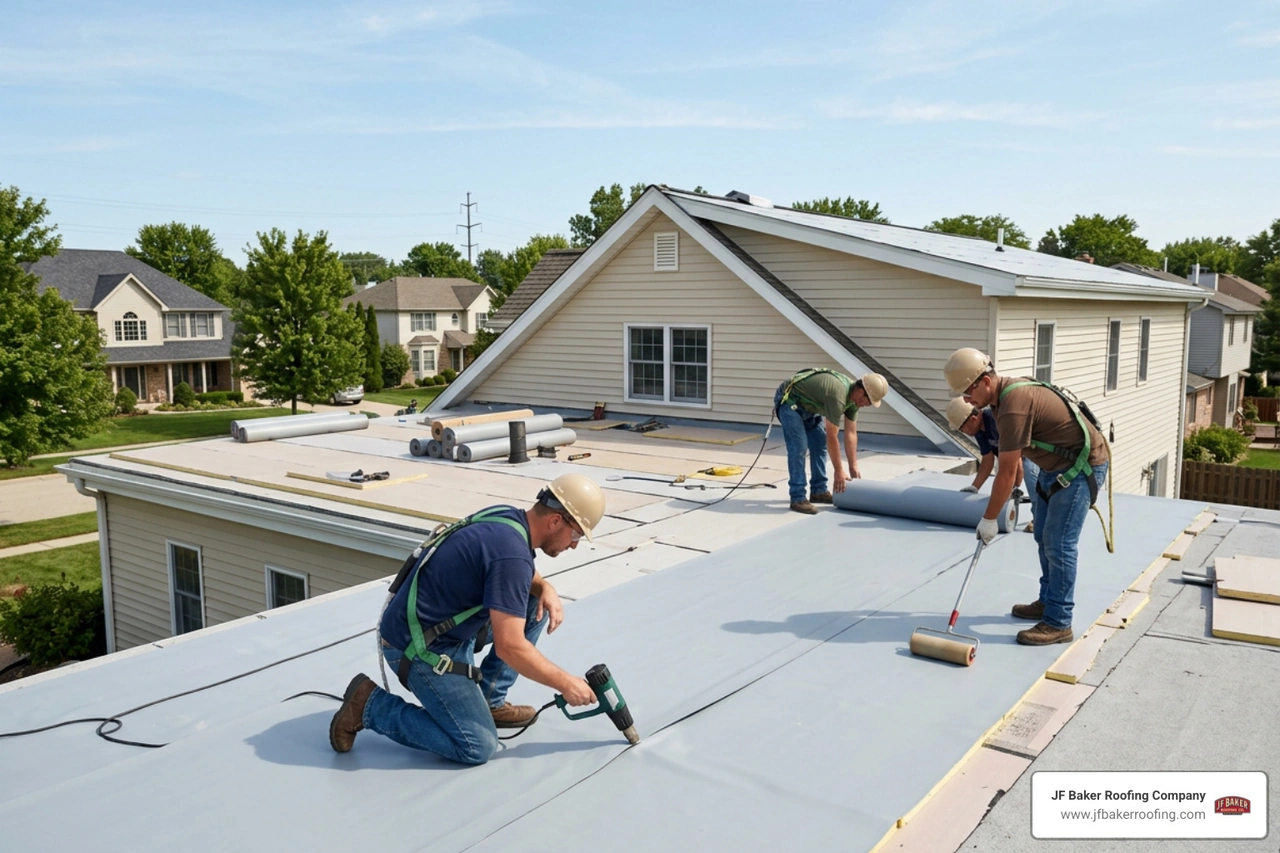
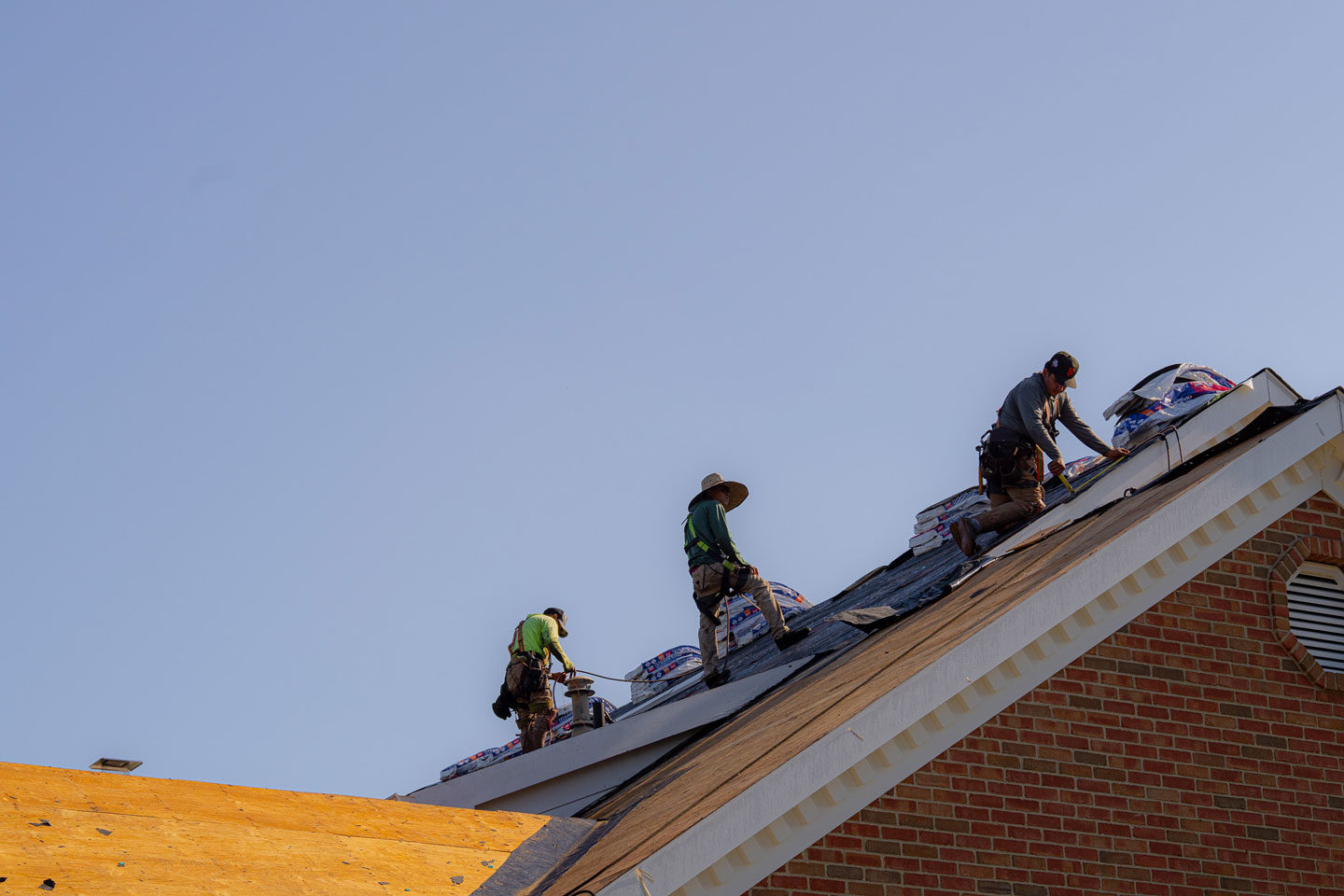
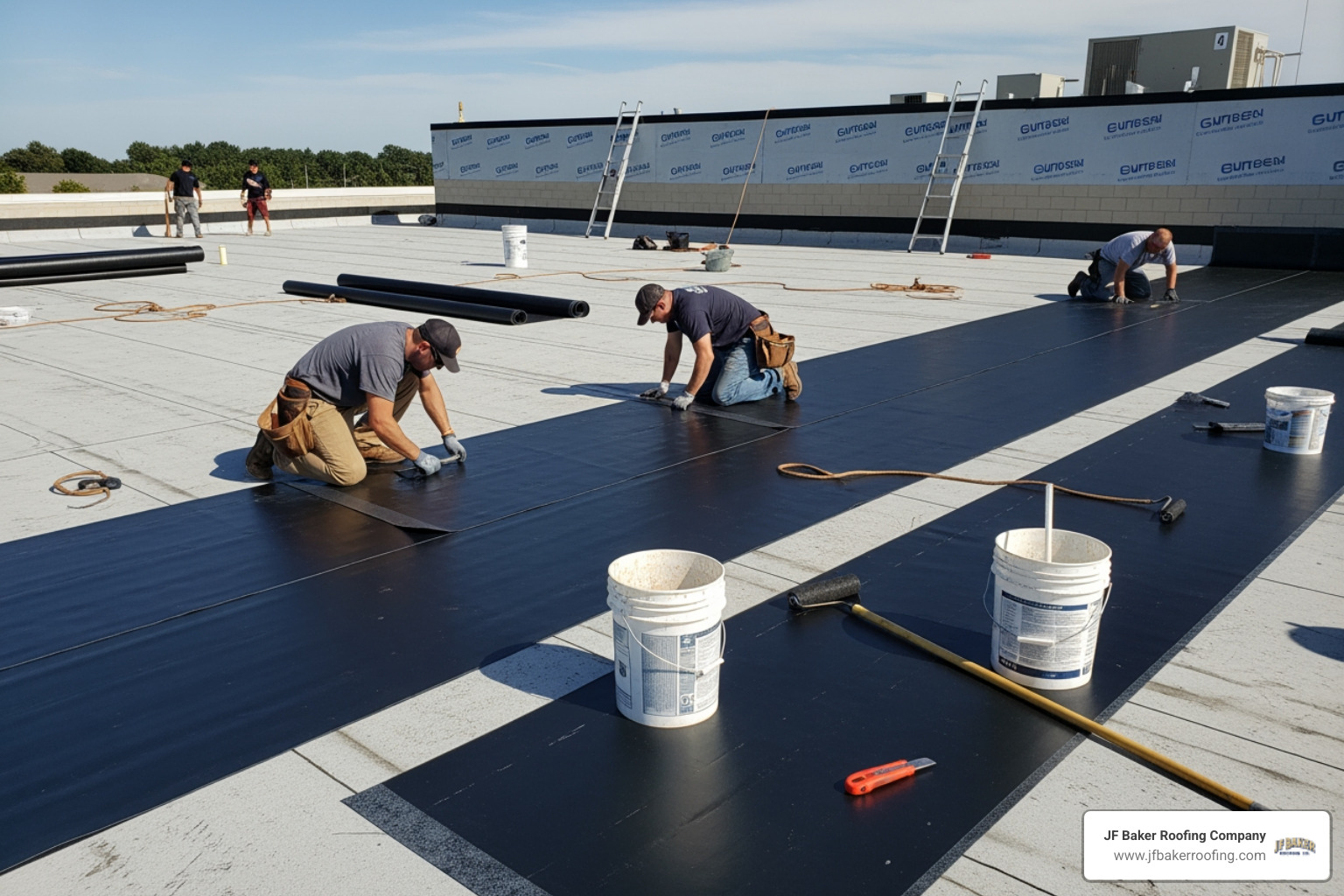
When we talk to building owners in Bexley or Grandview, the conversation often turns to "Repair vs. Replace." If your roof is near the end of its life, a hailstorm might be the catalyst for a full upgrade that pays for itself through energy savings and reduced maintenance.
Best Hail-Resistant Upgrades for Commercial Properties
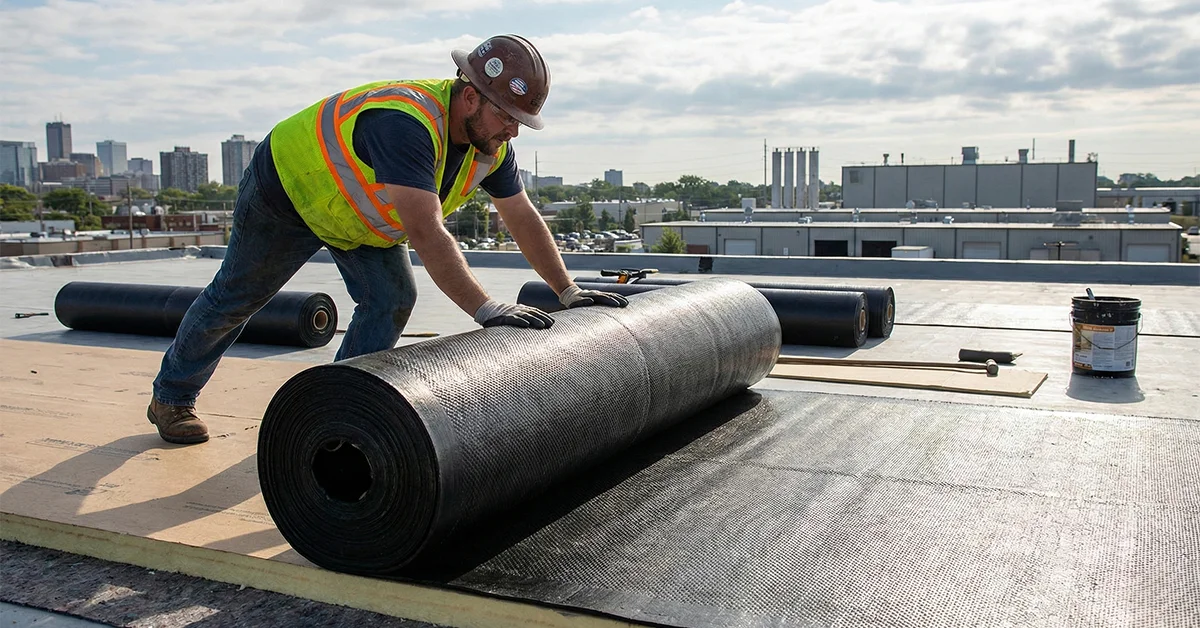
If you are replacing a damaged roof, don't just put back what was there before. Consider these resilience upgrades:
- High-Density Cover Boards: Installing a rigid board (like gypsum or high-density ISO) between the insulation and the membrane acts as a "shield," absorbing the energy of the hail and protecting the soft insulation below.
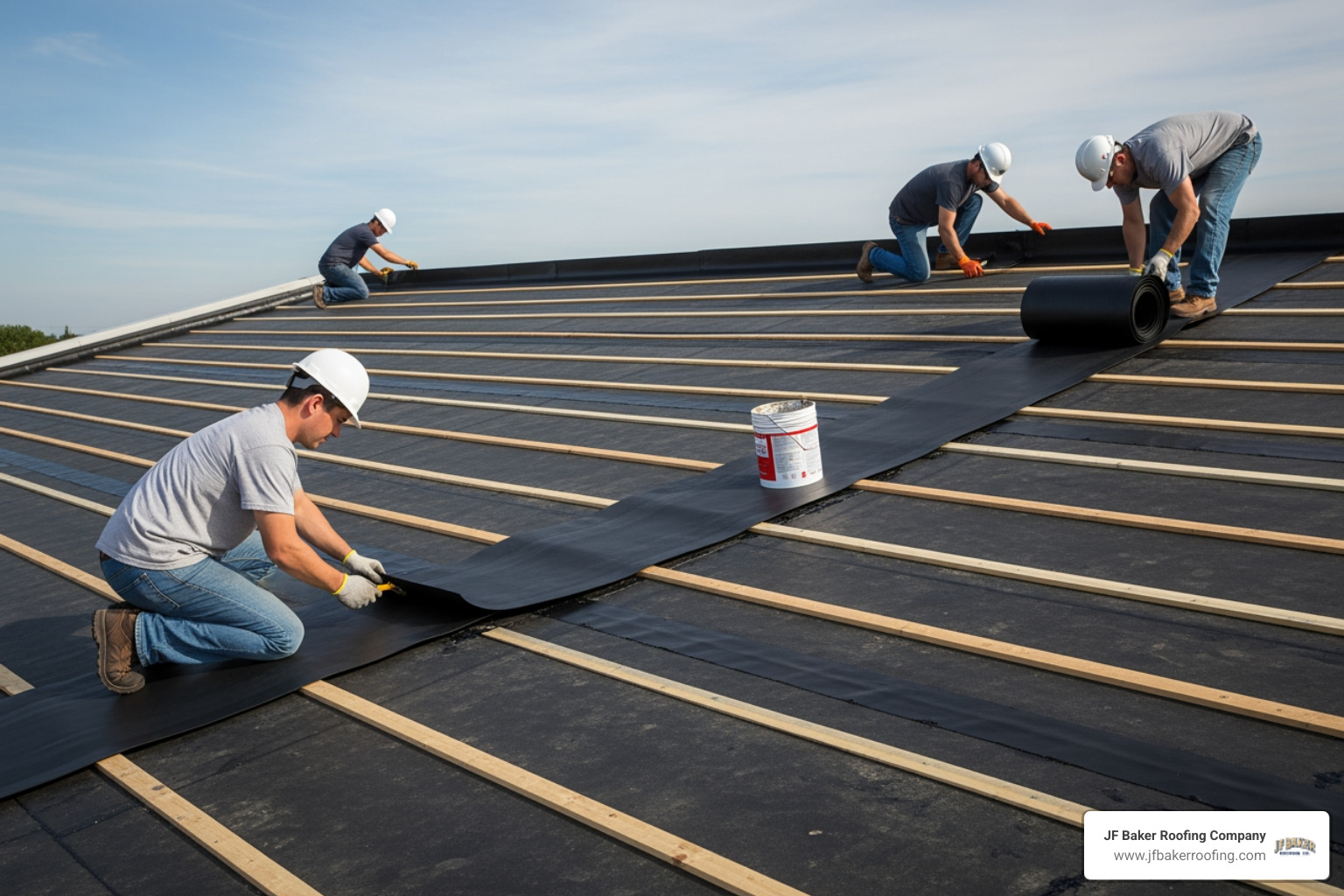
- 80-mil Membranes: Standard membranes are often 45 or 60 mils thick. Stepping up to 80 mils provides a much thicker wear layer that is significantly harder to puncture.
- Elastomeric Coatings: Applying a high-quality elastomeric coating can add a layer of "rubberized" protection and UV resistance to an existing roof.
- Ballasted Systems: These use large stones or pavers to hold the roof down. The stones naturally diffuse the energy of falling hail, making these systems very resilient.
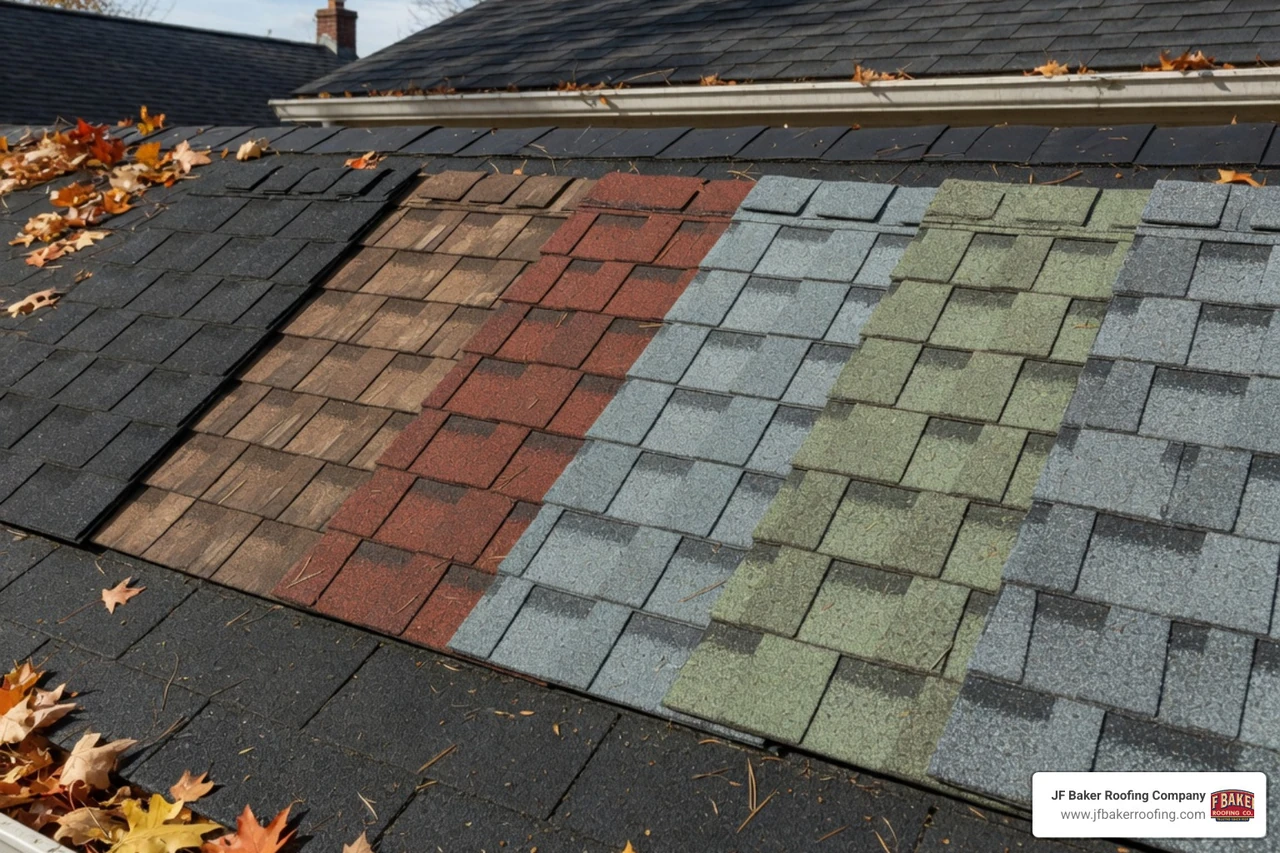
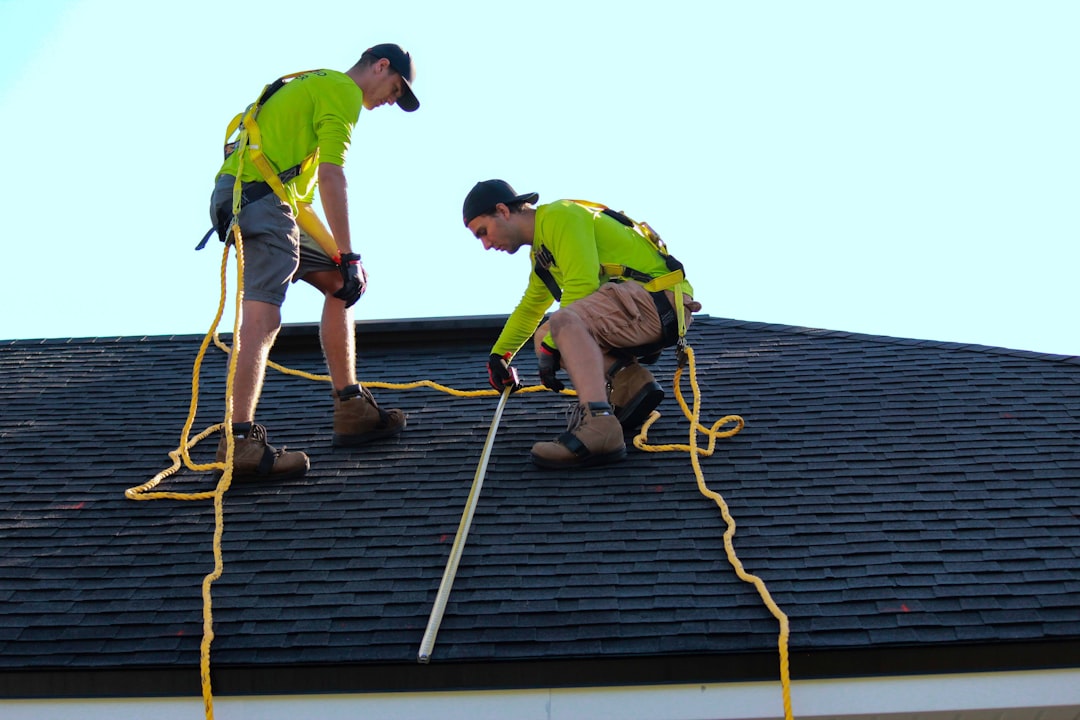
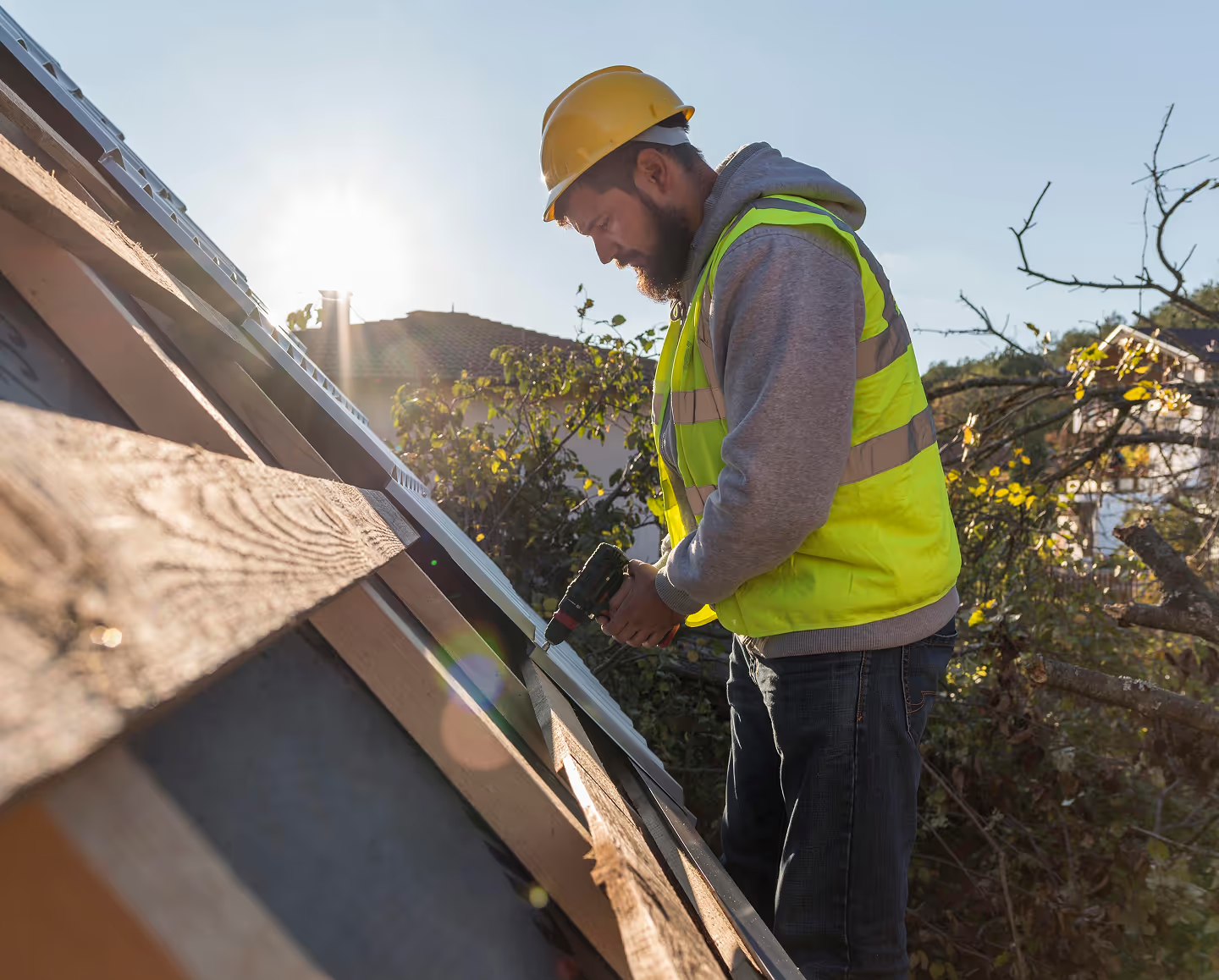
- Impact-Resistant Shingles: For steep-slope commercial buildings, upgrading to Class 4 shingles is a smart move that often triggers insurance discounts.
Consequences of Neglecting Hail Damage
Ignoring a few "dents" can be a million-dollar mistake. When a membrane is breached, moisture enters the insulation. Saturated insulation loses its R-value, leading to massive energy spikes as your HVAC system struggles to keep the building cool.
Even worse, trapped moisture leads to structural rot of the steel or wood decking and mold growth that can threaten the health of your tenants. By the time you see a brown spot on the ceiling, the damage is already extensive. Adhering to FM 4470 severe hail standards during your next project can prevent these "slow-motion" disasters.
Frequently Asked Questions about Hail Damage Commercial Roofing
What size hail causes damage to commercial roofs?
While it depends on the roof's age and material, one-inch hail is generally the "danger zone" where functional damage begins. For metal roofs, damage is often cosmetic until hail exceeds two inches, though high winds can cause smaller stones to puncture aged membranes.
Does insurance cover cosmetic hail damage on metal roofs?
This is a "hot button" issue. Many modern policies include a "cosmetic damage exclusion," meaning they won't pay for dents that don't cause leaks. However, if the hail chipped the paint or compromised the seams, it is no longer just cosmetic—it's a functional failure that should be covered.
How long do I have to file a commercial hail damage claim?
In Ohio, most policies require you to file within one year of the storm event. However, some policies have shorter windows. This is why immediate professional inspection is so critical; you don't want to discover a leak 13 months later only to find out you're past the deadline.
Conclusion
At JF Baker Roofing Company, we’ve seen nearly a century of Ohio weather. With 96 years of family-owned integrity, we understand that your commercial roof isn't just a shelter—it's a critical business asset. From the historic buildings of Bexley to the modern facilities in Lewis Center, we provide the Central Ohio expertise needed to navigate the complexities of hail damage commercial roofing.
Don't wait for the next storm to test your building's limits. Whether you need a proactive maintenance plan, a detailed forensic inspection, or a full hail-resistant upgrade, we are here to provide transparent pricing and quality craftsmanship.
Protect your investment today. Schedule your commercial storm damage repair or inspection with JF Baker Roofing and ensure your business stays dry, no matter what the Ohio sky throws at it.











.jpeg)