Commercial Roofing 101
Understanding Different Types of Commercial Roofing Systems
Commercial roofing is a specialized field that protects the buildings where Central Ohio businesses operate, store inventory, and serve customers. When a commercial roof fails, the consequences move fast: water damage, disrupted operations, unhappy tenants, and repair bills that grow the longer you wait.
If you're looking for a commercial roofing contractor in Columbus, here's what you need to know upfront:
- Most commercial roofs last 15 to 30 years depending on the system and how well they're maintained
- Common systems include TPO, EPDM, PVC, metal, modified bitumen, and built-up roofing (BUR), with each offering different strengths for different building types
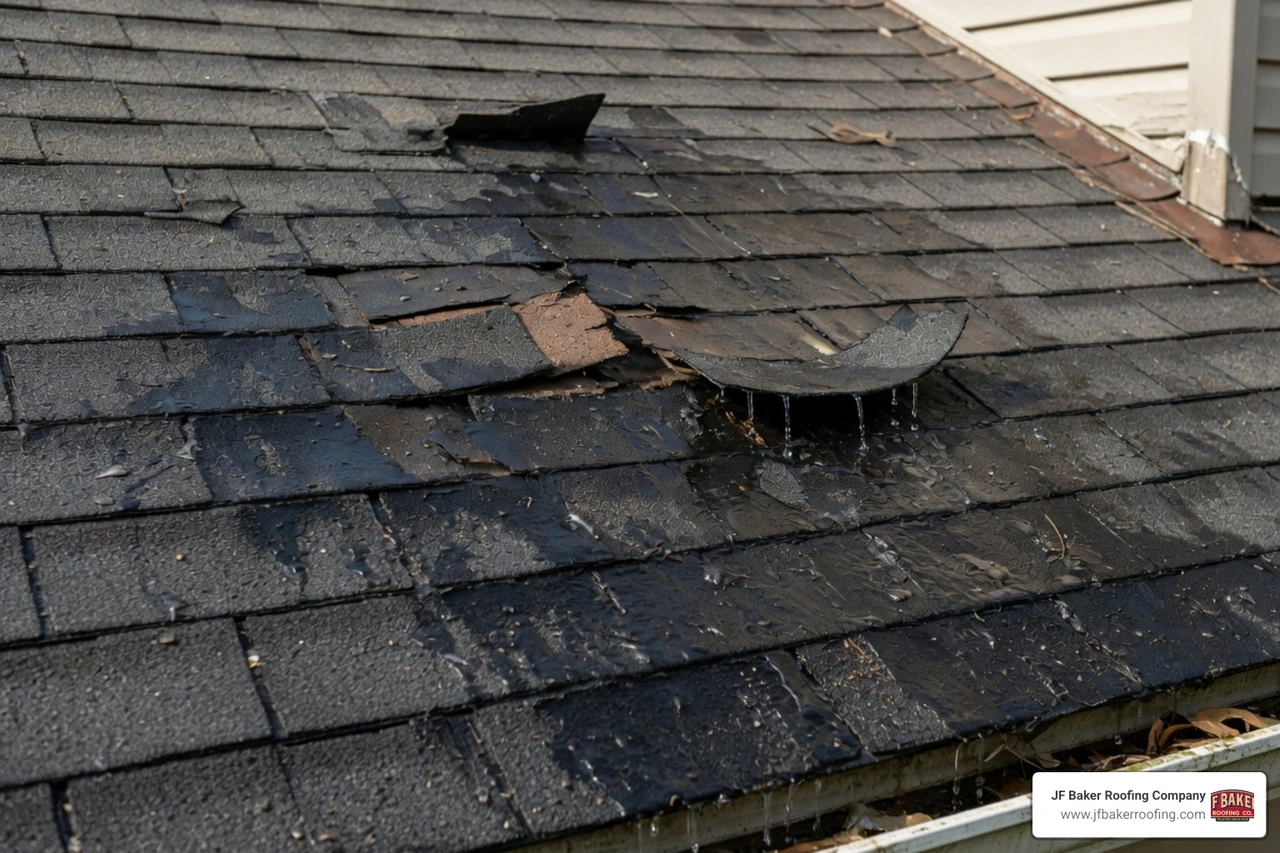
- Signs you need attention now: ponding water, visible membrane tears, interior leaks, or damaged flashing
- Twice-a-year inspections (spring and fall) are the single best way to catch small problems before they become expensive ones
- Replacement costs typically range from $5 to $15 per square foot depending on system type, building size, and existing roof condition
At JF Baker Roofing, we've been working on commercial roofs across Columbus and Central Ohio since 1929. We give honest assessments, recommend repairs when repairs will do the job, and only suggest replacement when it's genuinely needed.
This guide covers everything a Columbus-area building owner or facility manager needs to know, from choosing the right system to navigating insurance claims after a storm.
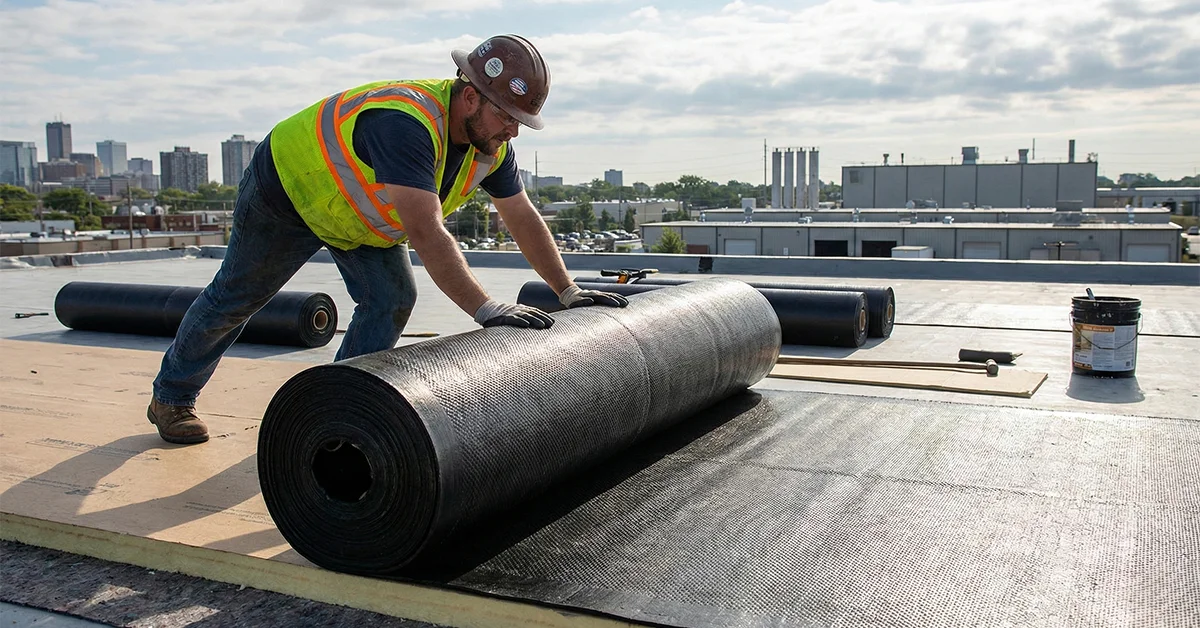
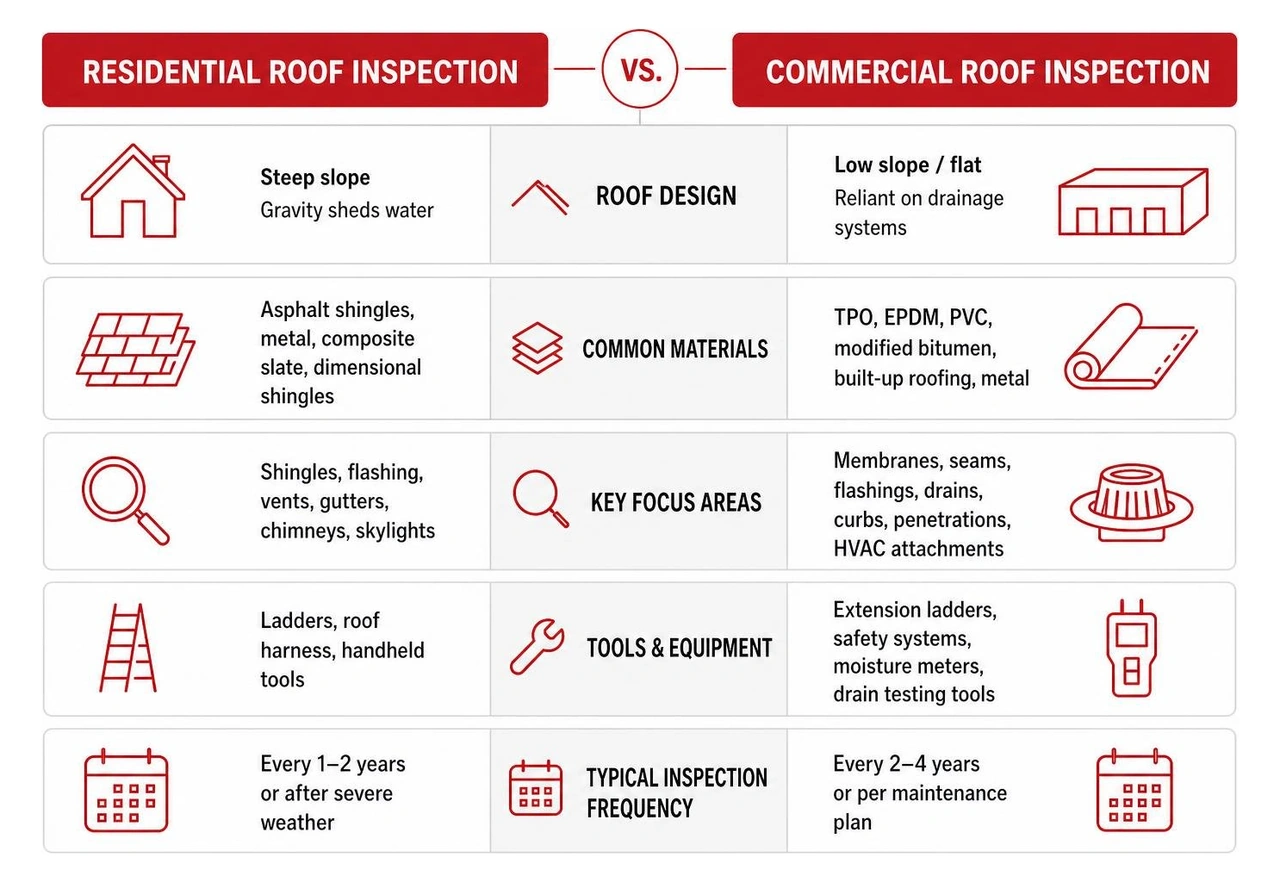
Selecting the right commercial roof requires balancing upfront installation costs with long-term performance. Low-slope and flat roofs have unique drainage patterns and structural demands, meaning you cannot treat them like residential pitched roofs. Understanding the Types of Commercial Roofing Systems is the first step toward making an informed investment for your property.
Selecting the Right Commercial Roofing Material
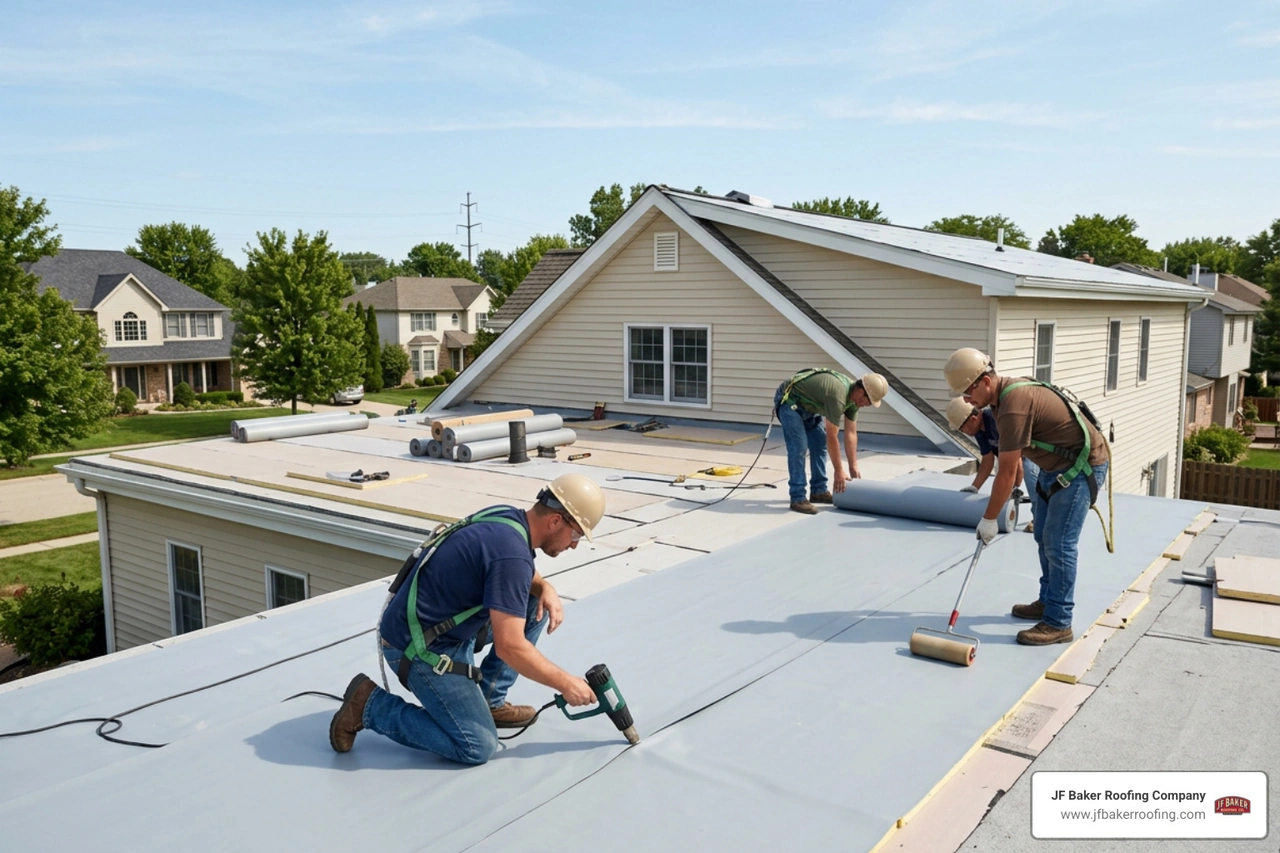
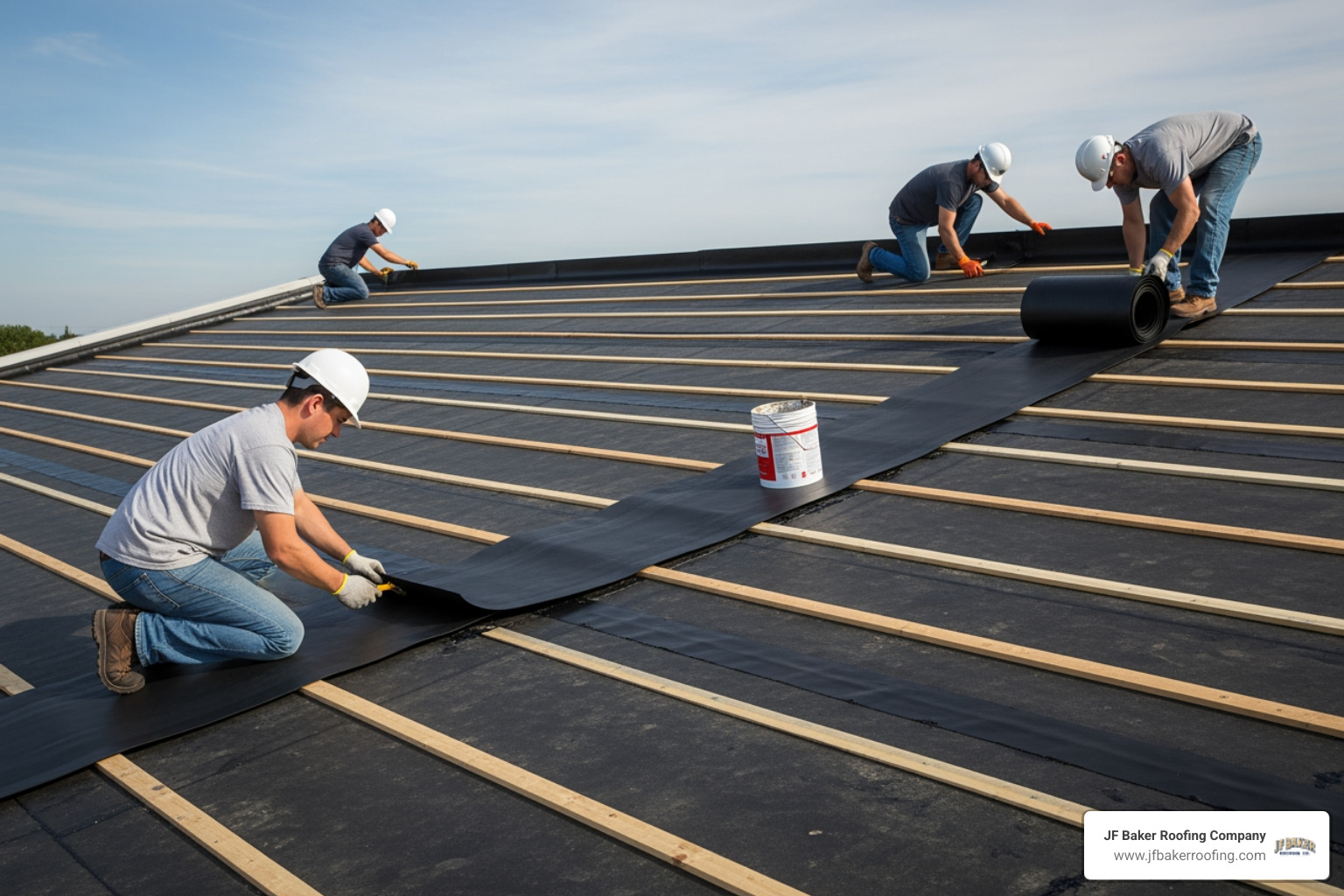
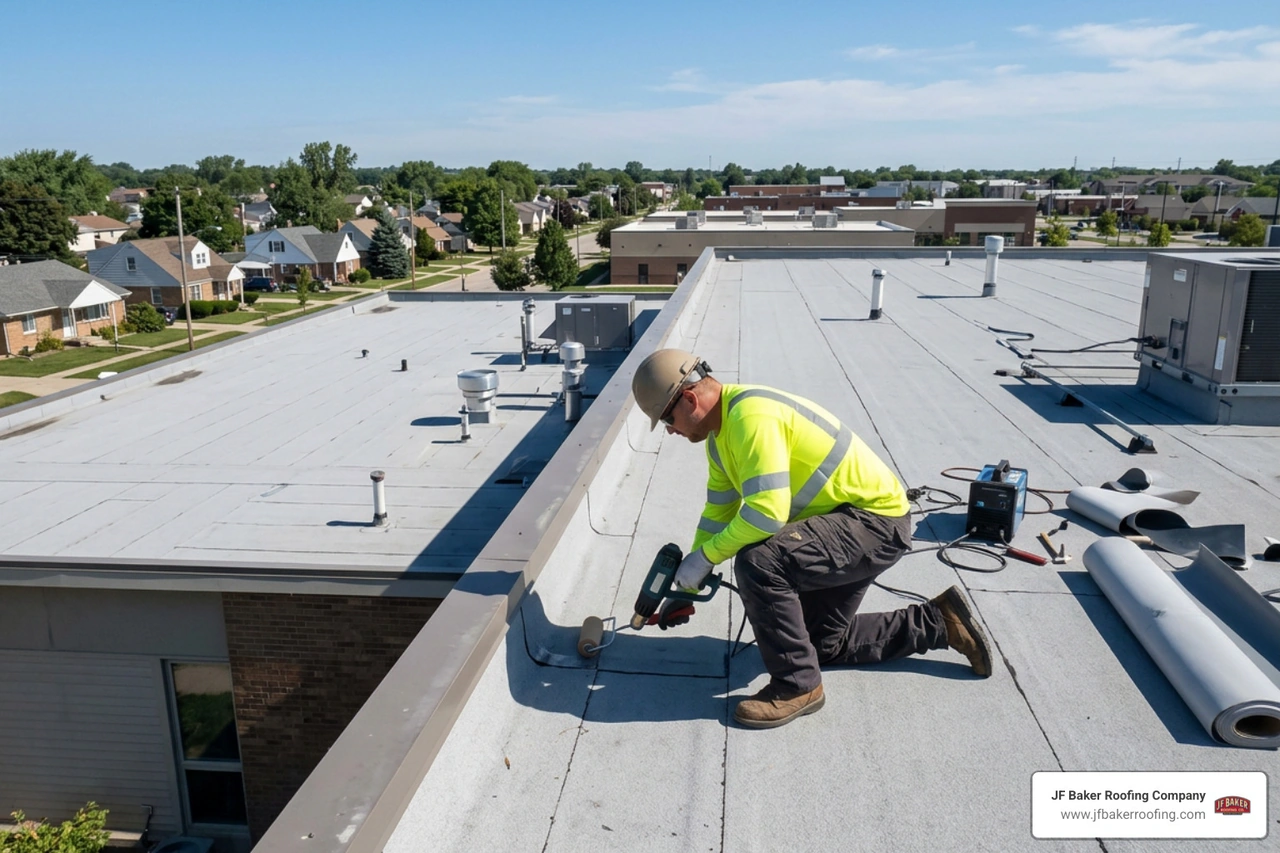
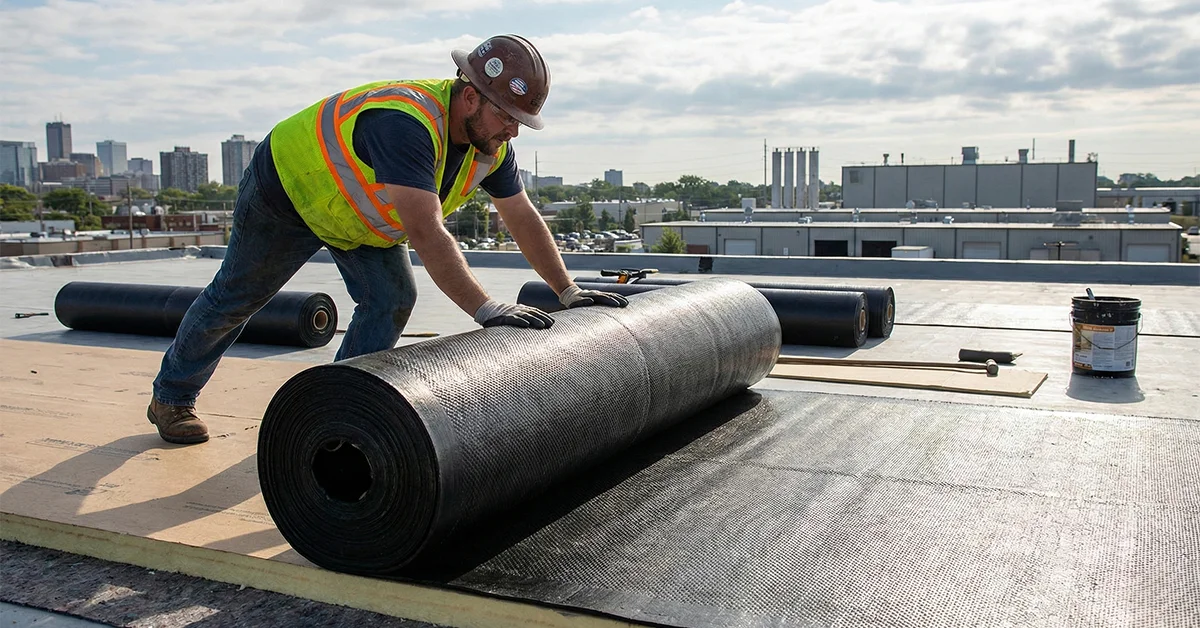
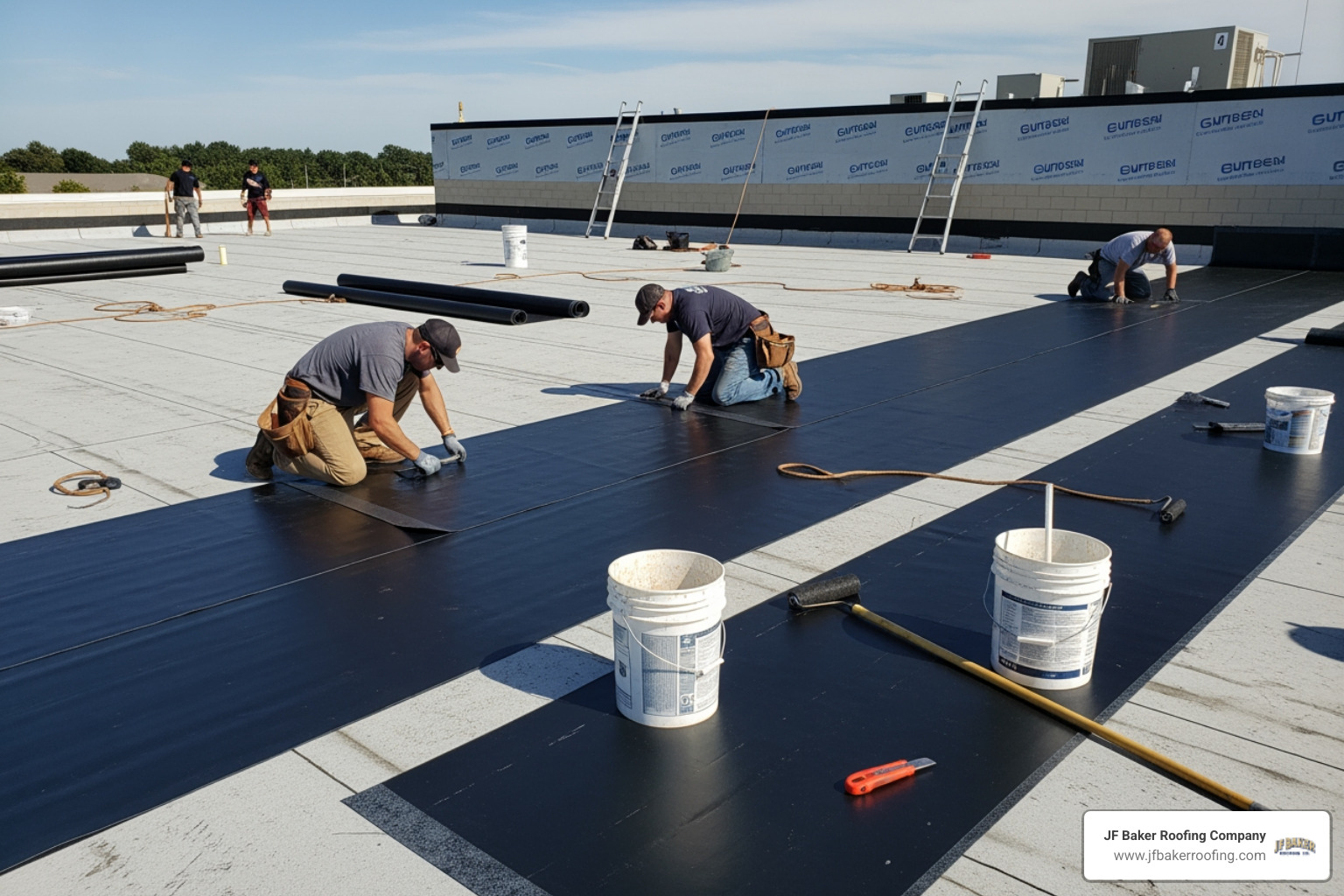
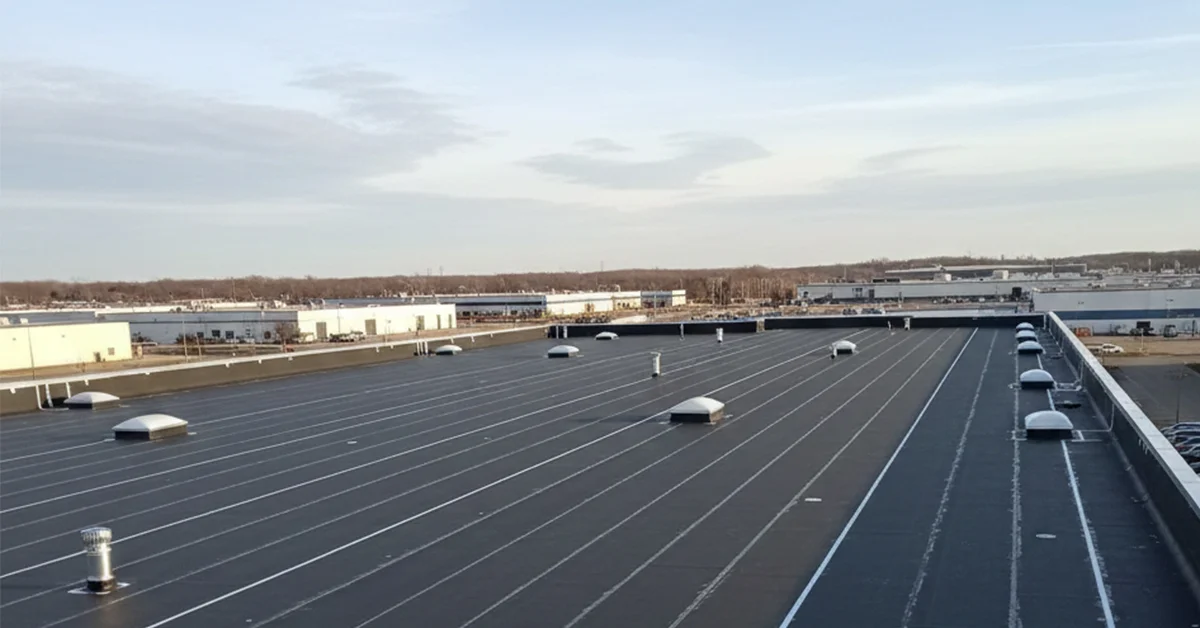
Single-ply membranes are the most common choice for modern flat roofs. These systems consist of flexible sheets of synthetic materials that are chemically adhered, mechanically fastened, or heat-welded together to form a continuous waterproof barrier.
- TPO (Thermoplastic Polyolefin): TPO is a highly popular option for modern commercial properties. It consists of a blend of polypropylene and ethylene-propylene rubber. Naturally reflective, white TPO membranes help lower operating costs by reflecting solar heat. Its heat-welded seams provide excellent wind resistance and leak protection.
- EPDM (Ethylene Propylene Diene Monomer): Often referred to as rubber roofing, EPDM is a durable synthetic rubber membrane. It is highly flexible, allowing it to expand and contract during extreme temperature swings without cracking. While typically black, which absorbs heat during cold winters, it can be coated with reflective materials to improve summer energy efficiency.
- PVC (Polyvinyl Chloride): PVC membranes are exceptionally strong and highly resistant to chemicals, grease, and animal fats. This makes PVC the ideal choice for restaurants, food processing facilities, and manufacturing plants in industrial areas of Columbus. Like TPO, PVC seams are heat-welded, creating a strong, watertight bond.
To explore specific material lines and technical certifications, you can review professional resources like Commercial Roofing Products & Systems | IKO Commercial .
Traditional and Metal Options
While single-ply membranes dominate the modern market, traditional multi-layer systems and metal roofs remain excellent choices for specific building styles.
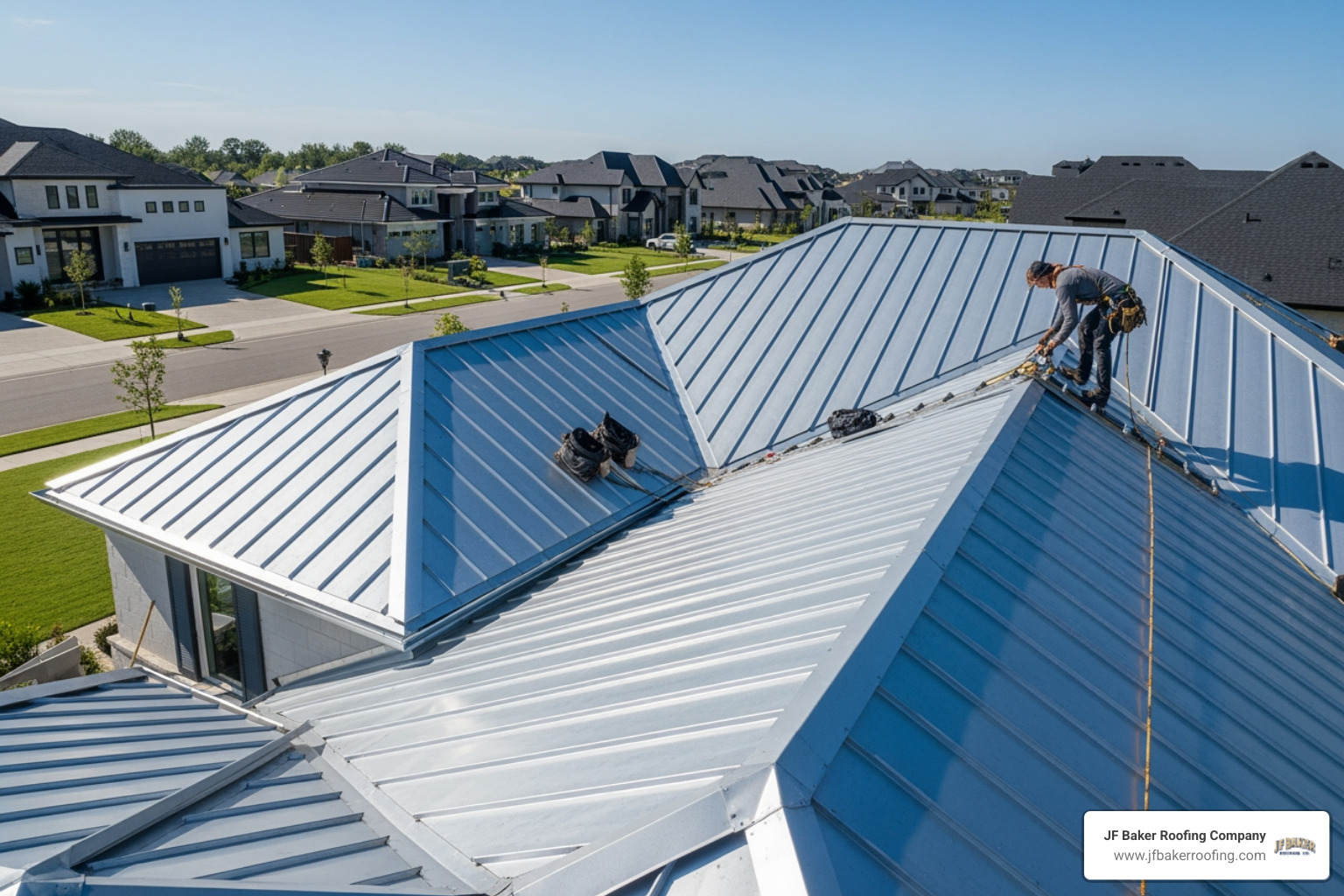
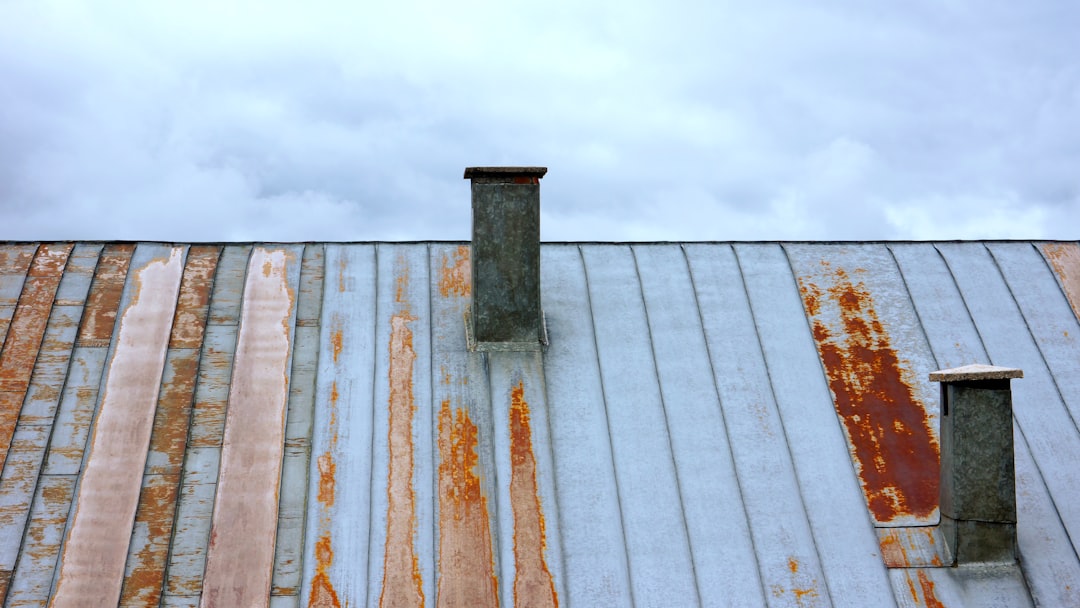
- Metal Roofing: Metal systems are incredibly durable and can easily last 30 to 50 years or more. They are highly recyclable, fire-resistant, and reflect solar heat. Metal is an excellent choice for pitched commercial properties, architectural features, and warehouses.
- Built-Up Roofing (BUR): Often called tar-and-gravel roofs, BUR systems have been used in the United States for over a century. They consist of alternating layers of asphaltic felt and liquid asphalt, finished with a layer of gravel. BUR provides superb redundancy, if the top layer is damaged, multiple layers underneath continue to prevent leaks.
- Modified Bitumen: This system is an evolution of BUR, using asphalt modified with plastic or rubber polymers to increase strength and flexibility. It is usually installed in two or three layers, making it highly resistant to heavy foot traffic and rooftop maintenance activities.
When evaluating these traditional options, consulting with an experienced local commercial roofing contractor can help clarify which system fits your building structure.
Climate Factors, Lifespan, and Preventative Maintenance
A commercial roof is a major capital asset. To protect this asset, building owners must understand how local weather patterns affect different materials and how regular care can extend the system's useful life.
How Local Weather Affects Commercial Roofing Performance
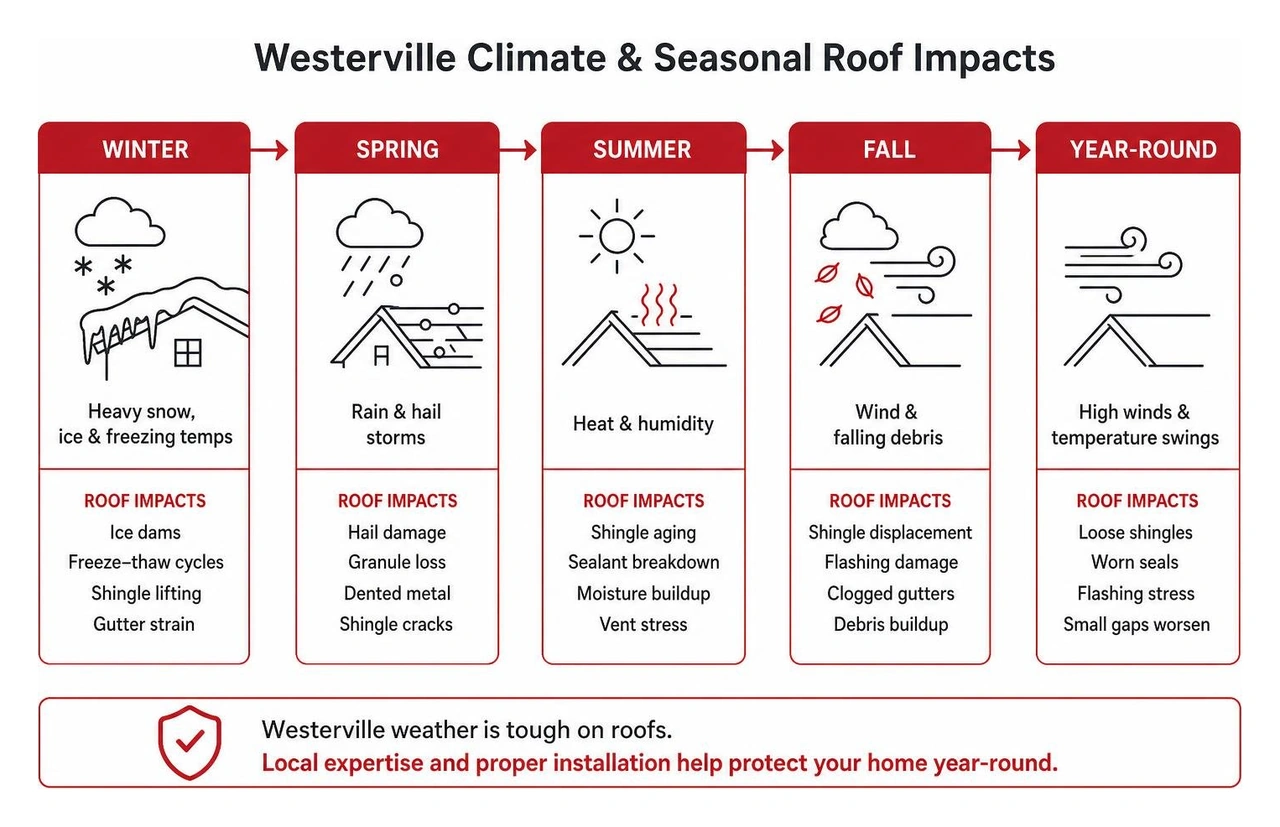
Central Ohio weather places significant stress on commercial roofs. Our climate features hot, humid summers with intense UV exposure that can dry out and degrade low-quality roofing materials.
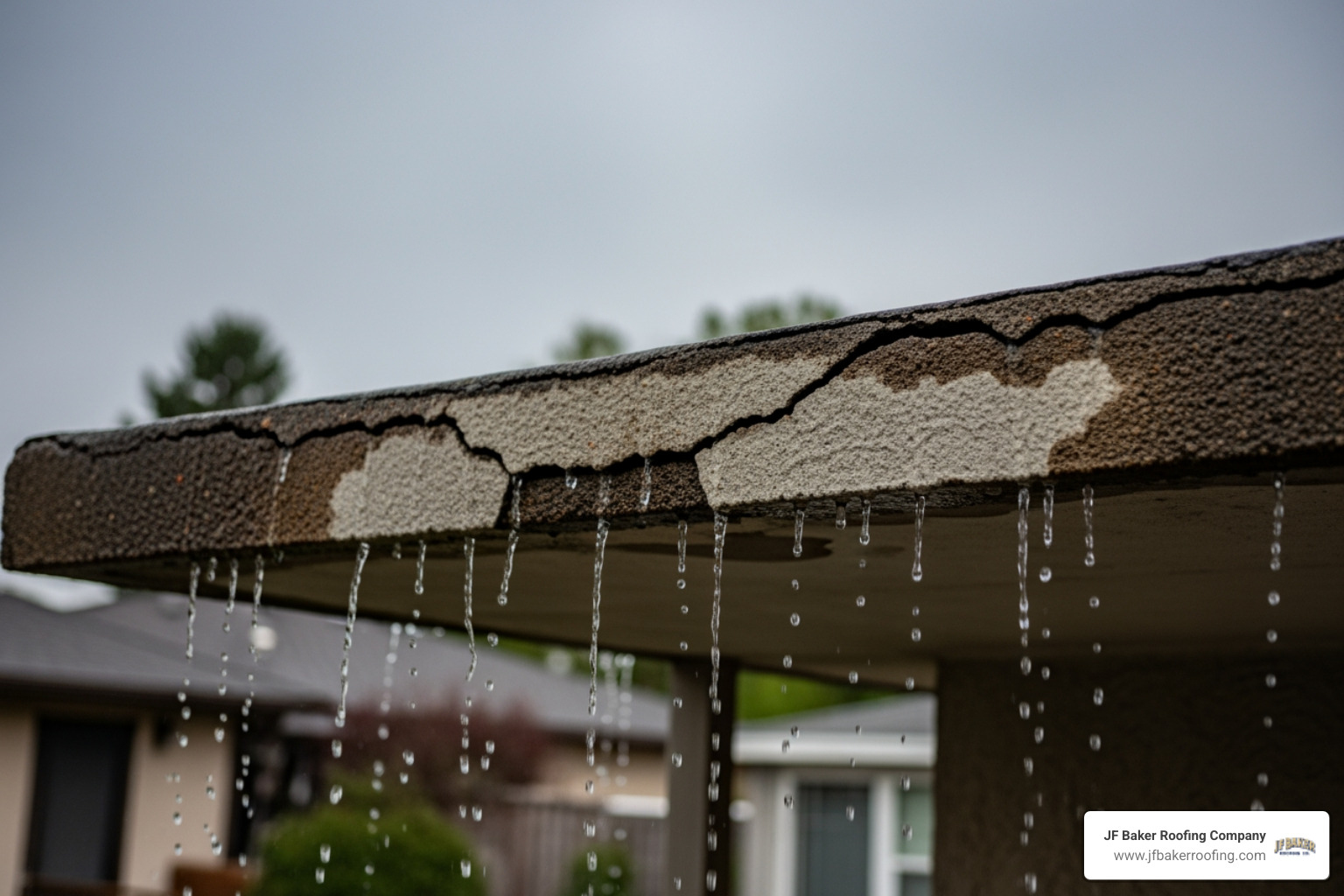
Even more challenging are our winters. The constant freeze-thaw cycles cause water to seep into small cracks, freeze, expand, and widen those openings. Heavy snow loads and spring storms add physical weight and wind stress, meaning your roof must be engineered to handle both heavy rainfall and sudden temperature shifts.
Energy Codes and Cool Roof Coatings
Energy efficiency is no longer just a trend, it is a regulatory and financial reality. Modern building codes, including local energy conservation standards, place strict requirements on insulation levels and solar reflectance.
Cool roof coatings are a highly effective way to meet these standards while cutting operating costs. Applying a white, highly reflective elastomeric or silicone coating to a solid substrate can reduce rooftop temperatures significantly. This can cut cooling costs by 10% to 30% in most commercial buildings. Additionally, a professionally applied cool roof coating can extend an existing roof's life by 10 to 15 years, delaying the need for a full tear-off.
Extending Lifespan Through Preventative Maintenance
The average commercial roof lasts 15 to 30 years, but reaching that upper limit requires proactive maintenance. Relying on a reactive strategy, only calling a roofer when a ceiling is dripping, is a guaranteed way to shorten your roof's lifespan.
A solid preventative maintenance plan includes:
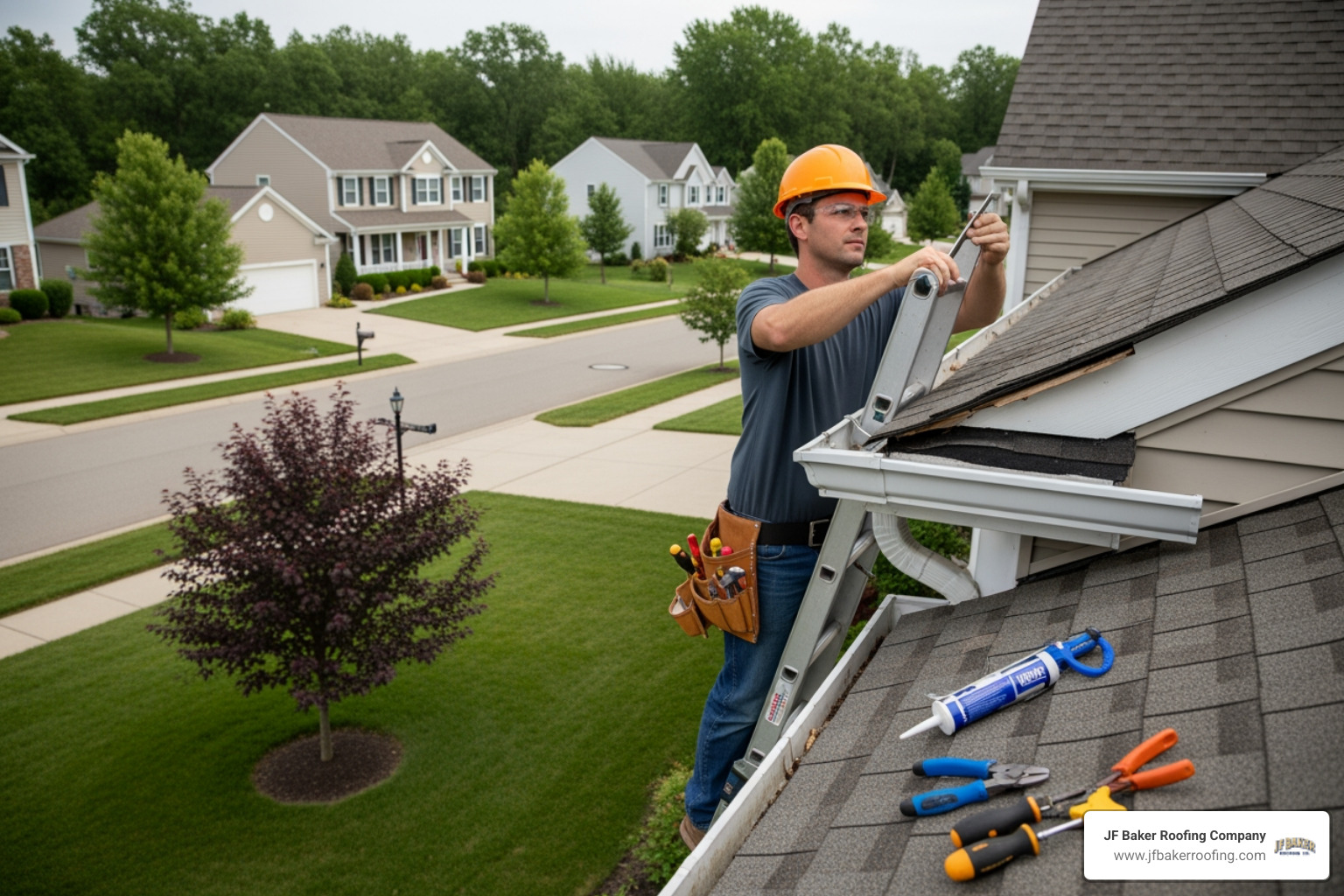
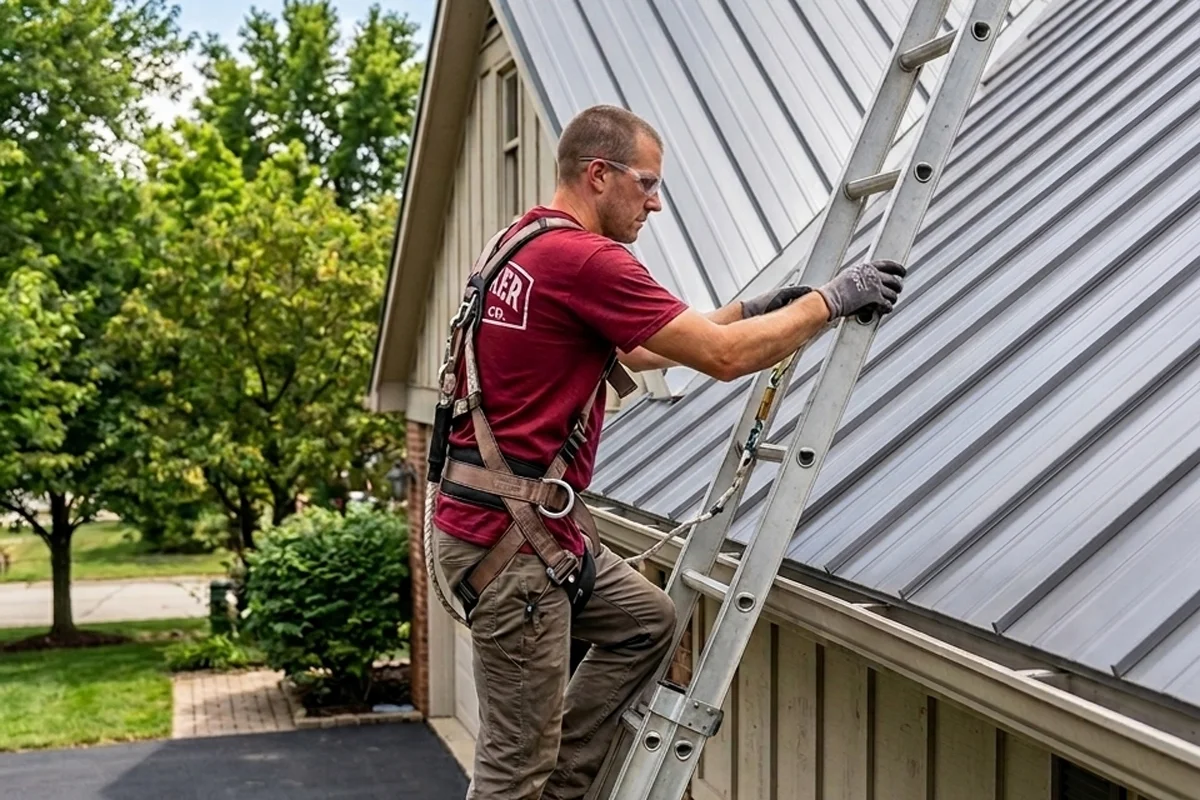
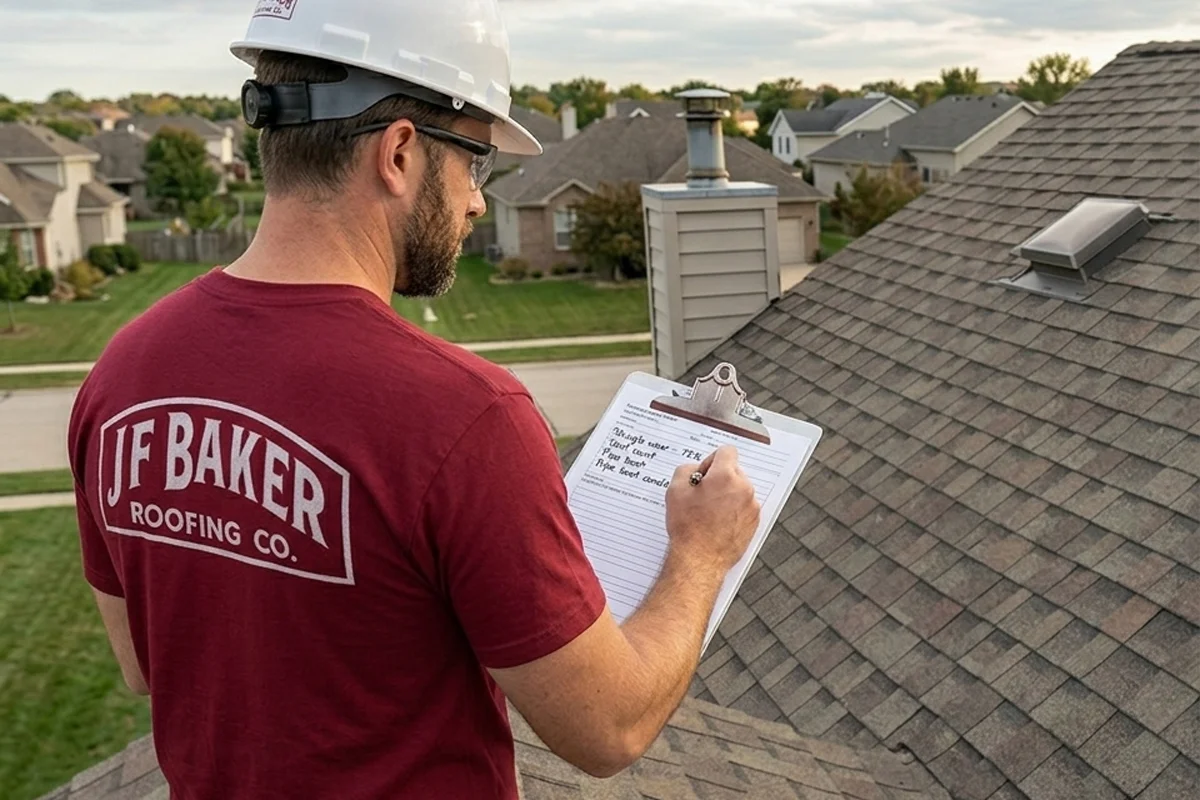
- Twice-a-Year Inspections: Checking the roof in the spring (after winter ice damage) and fall (before snow arrives).
- Clearing Debris: Removing leaves, branches, and windblown trash that can trap moisture against the membrane.
- Drain Cleaning: Keeping primary drains, scuppers, and gutters completely clear to prevent standing water.
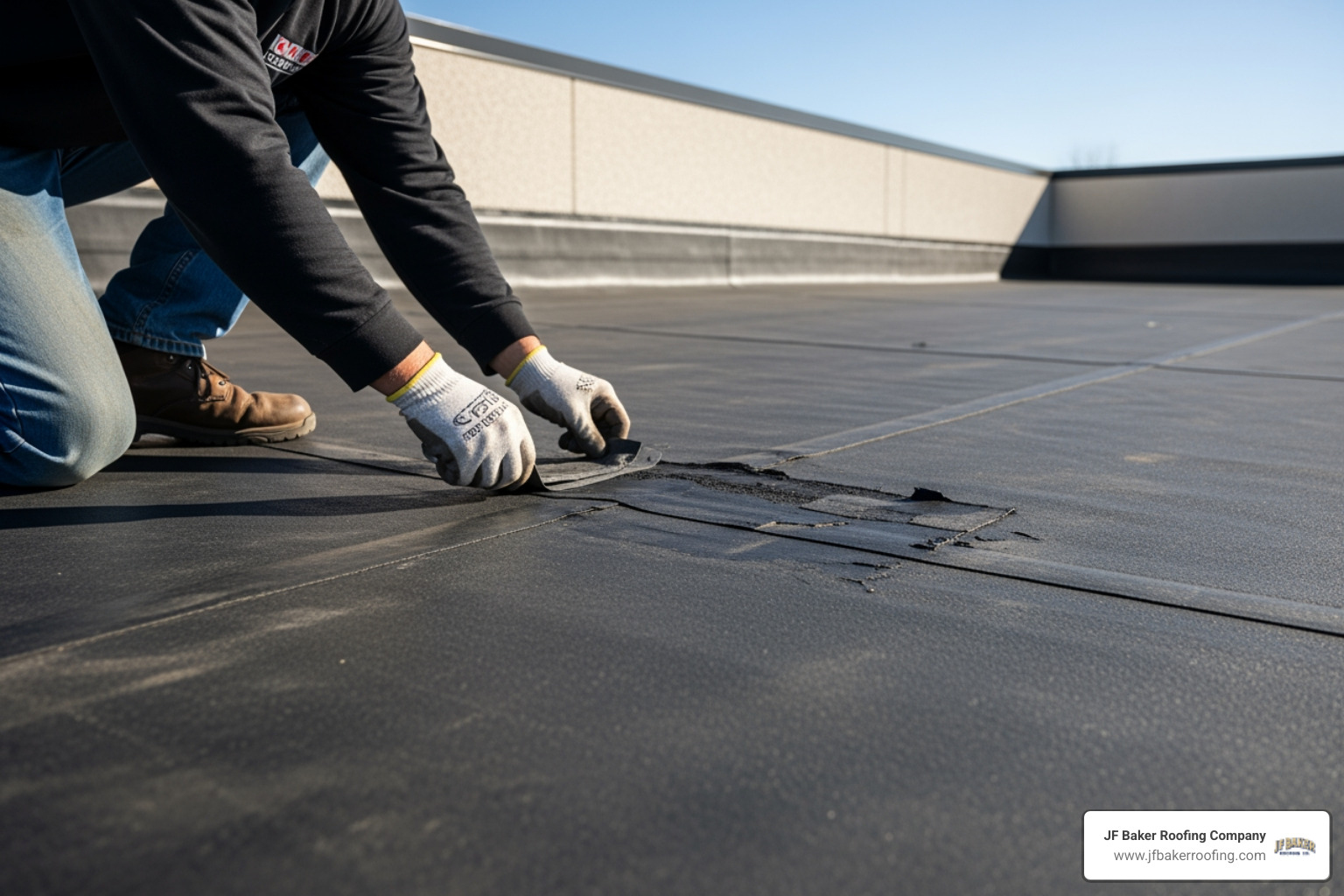
- Prompt Minor Repairs: Sealing open seams, replacing damaged pipe boots, and patching minor punctures before they allow water to saturate the insulation deck.
Key Signs Your Roof Needs Repair or Replacement
It is vital to recognize the warning signs of roof deterioration before a catastrophic failure occurs. Keep an eye out for these red flags:
- Ponding Water: Standing water that remains on the roof surface for more than 48 hours after rain. This indicates poor drainage or sagging roof decks, which can quickly degrade membranes.
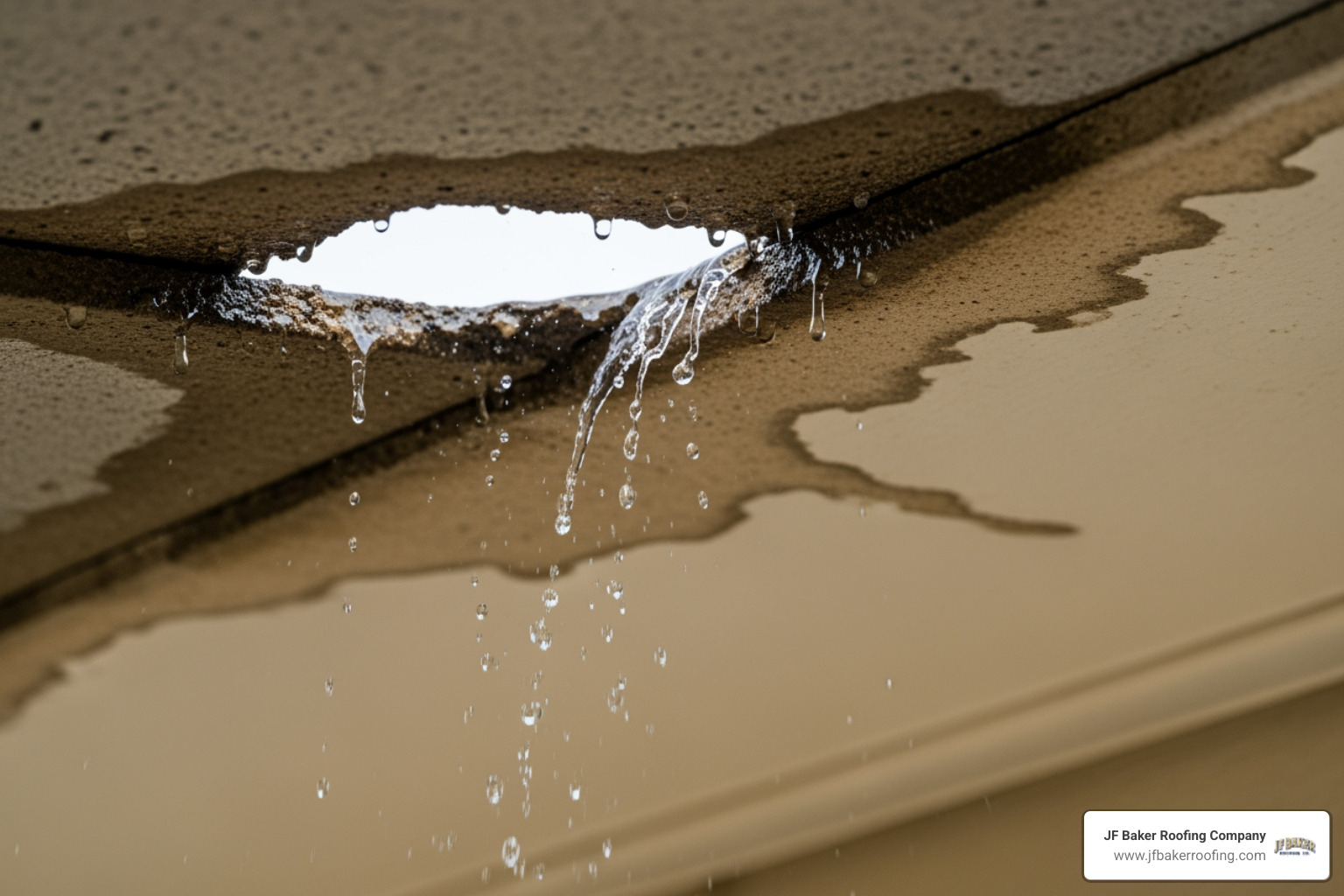
- Interior Water Leaks: Active drips, water stains on ceiling tiles, or mold growth along upper walls.
- Membrane Tears and Open Seams: Splits, cracks, or lifting edges in single-ply membranes.
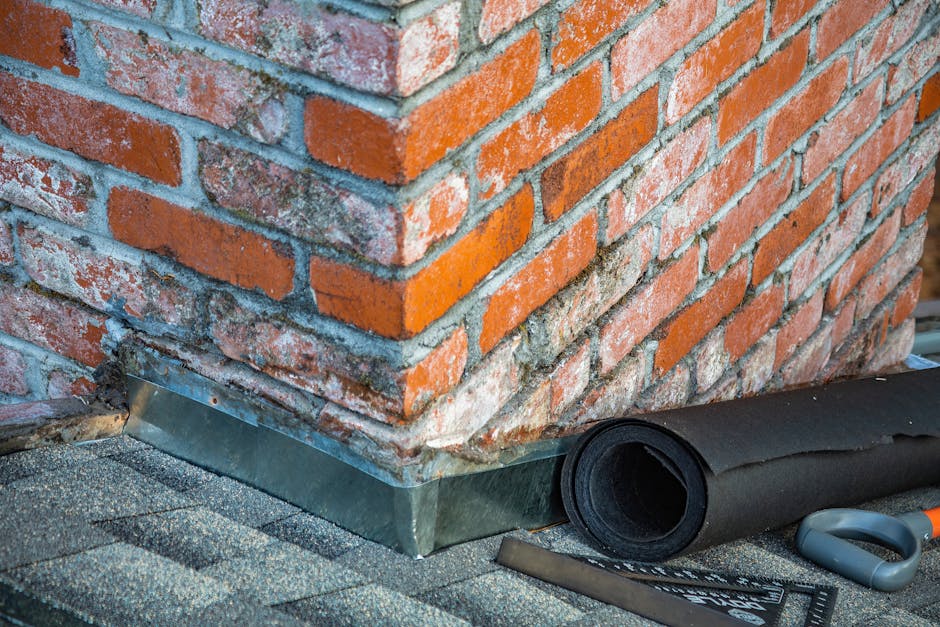
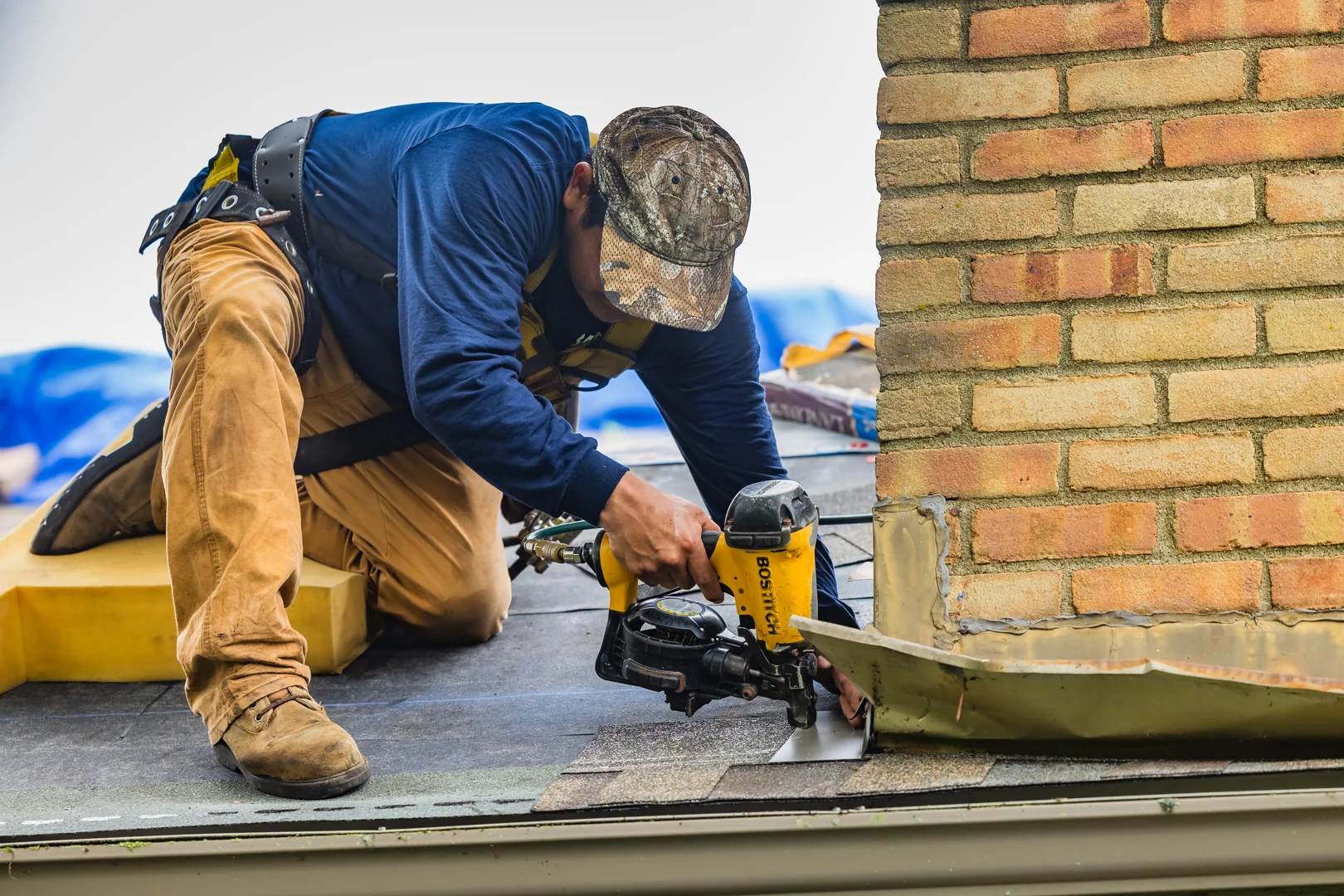
- Damaged Flashing: Cracking, rusting, or separation of metal flashing around roof edges, walls, and HVAC units.
- Saturated Insulation: Spongy spots on the roof when walked upon, indicating that water has penetrated the membrane and soaked the insulation boards beneath.
Severe Weather Preparation and Insurance Claims
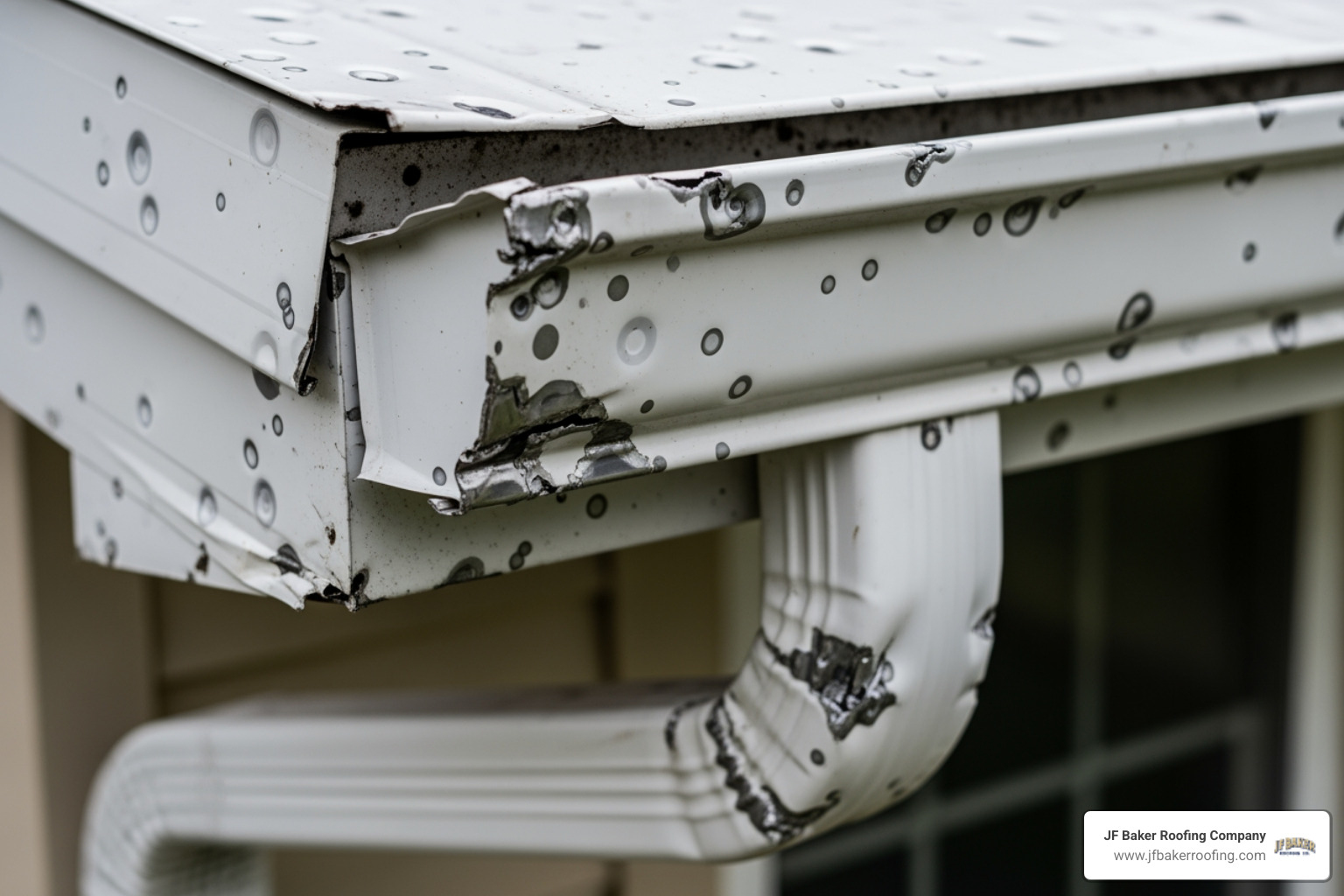
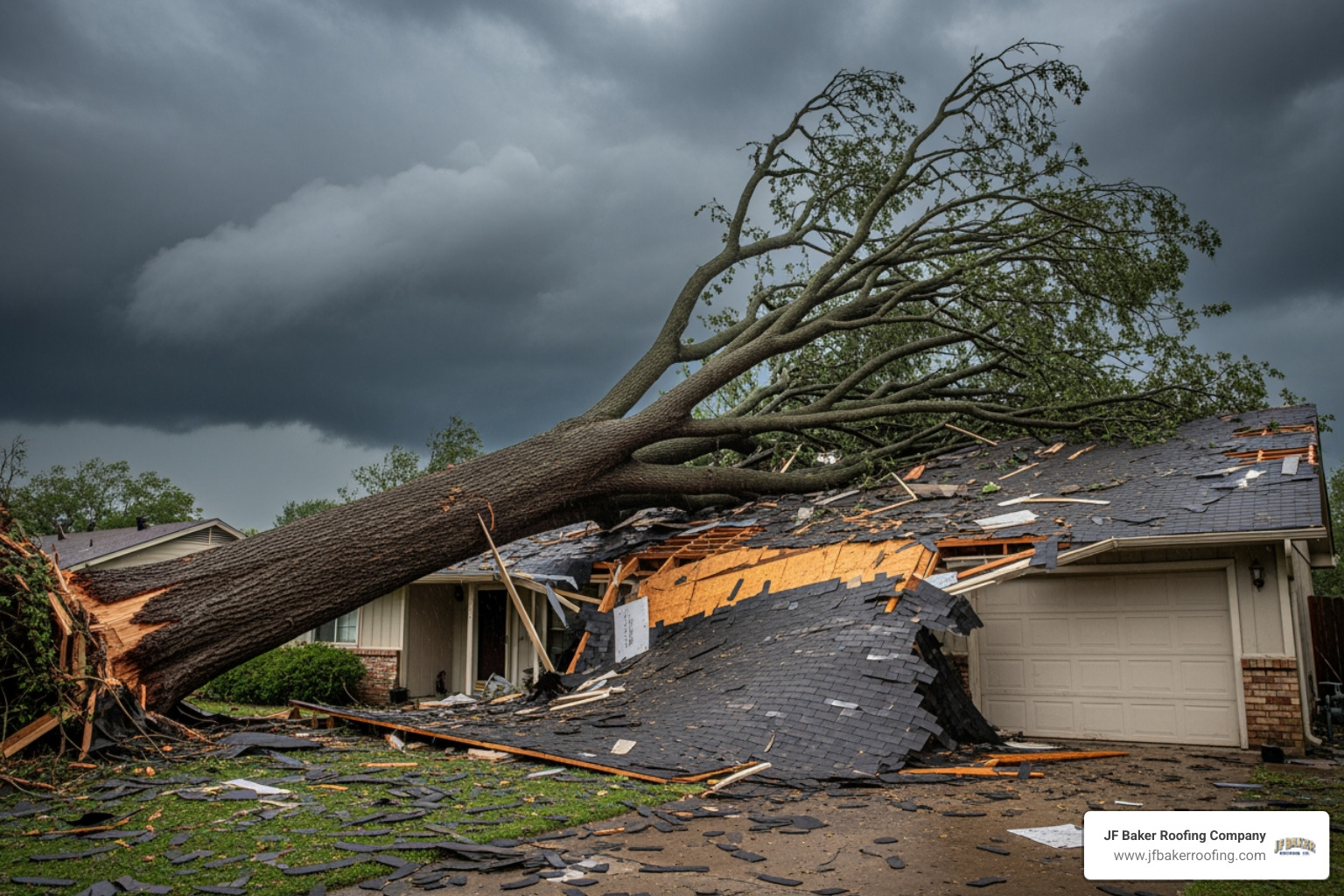
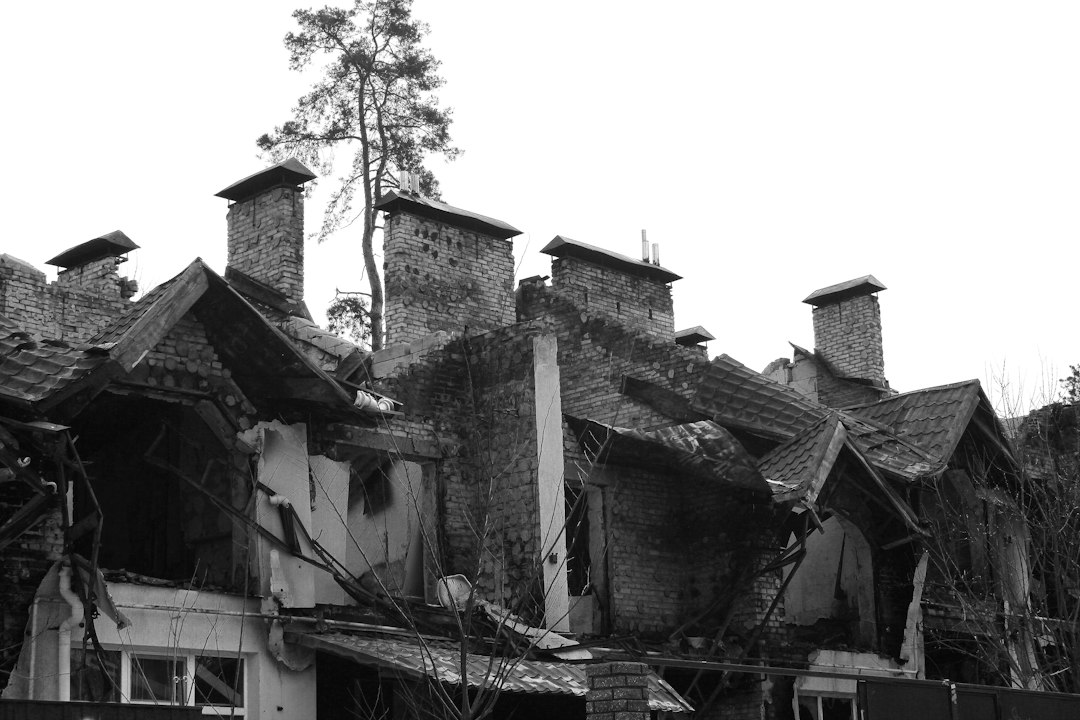
When severe storms roll through Central Ohio, commercial roofs take the brunt of the impact. Wind, hail, and torrential rain will find and exploit any existing vulnerability.
Preparing for Storms and Hurricanes
While we do not face coastal hurricanes in Columbus, we do experience severe summer storms, high winds, and occasional tornadoes. Preparing your roof ahead of storm season is critical for minimizing damage.
Start by ensuring all roof drains and gutters are completely clear of debris so heavy rains can drain immediately. Inspect and secure rooftop equipment, such as HVAC hoods and exhaust fans, to prevent them from tearing loose in high winds. Trim back overhanging tree branches from nearby properties, including areas in Dublin or Upper Arlington, to prevent limbs from falling onto the roof. For detailed guidance on post-storm recovery, you can read about our Commercial Storm Restoration services.
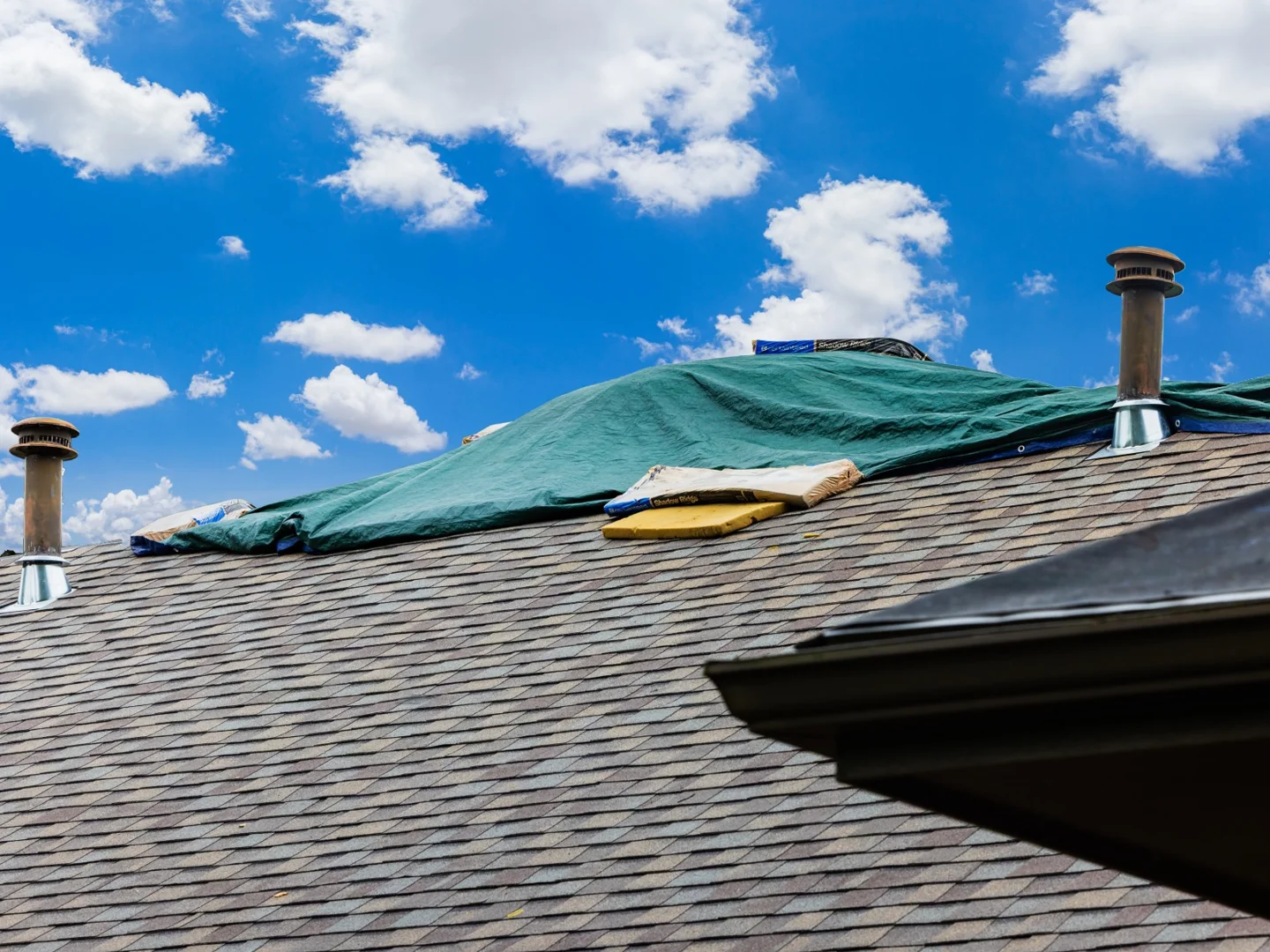
If a storm causes sudden, severe damage, fast action is required to protect your inventory and structure. Localized services like Commercial Emergency Roofing Whitehall can help secure your building quickly with emergency tarping or temporary repairs.
Navigating Storm Damage and Insurance Claims
Dealing with commercial insurance claims after a major storm can be complex. Insurance companies require clear, undeniable proof that the damage was caused by a sudden storm event rather than deferred maintenance.
To navigate this process successfully:
- Take Photo Documentation: Document the condition of your roof before storm season, and take immediate photos of any visible damage, fallen debris, or interior leaks after a storm.
- Request Professional Inspections: Have a qualified commercial roofer perform an inspection using moisture scans or core samples to verify the extent of the damage.
- Obtain Detailed Estimates: Ensure your roofer provides a detailed scope of work that aligns with your insurance policy requirements.
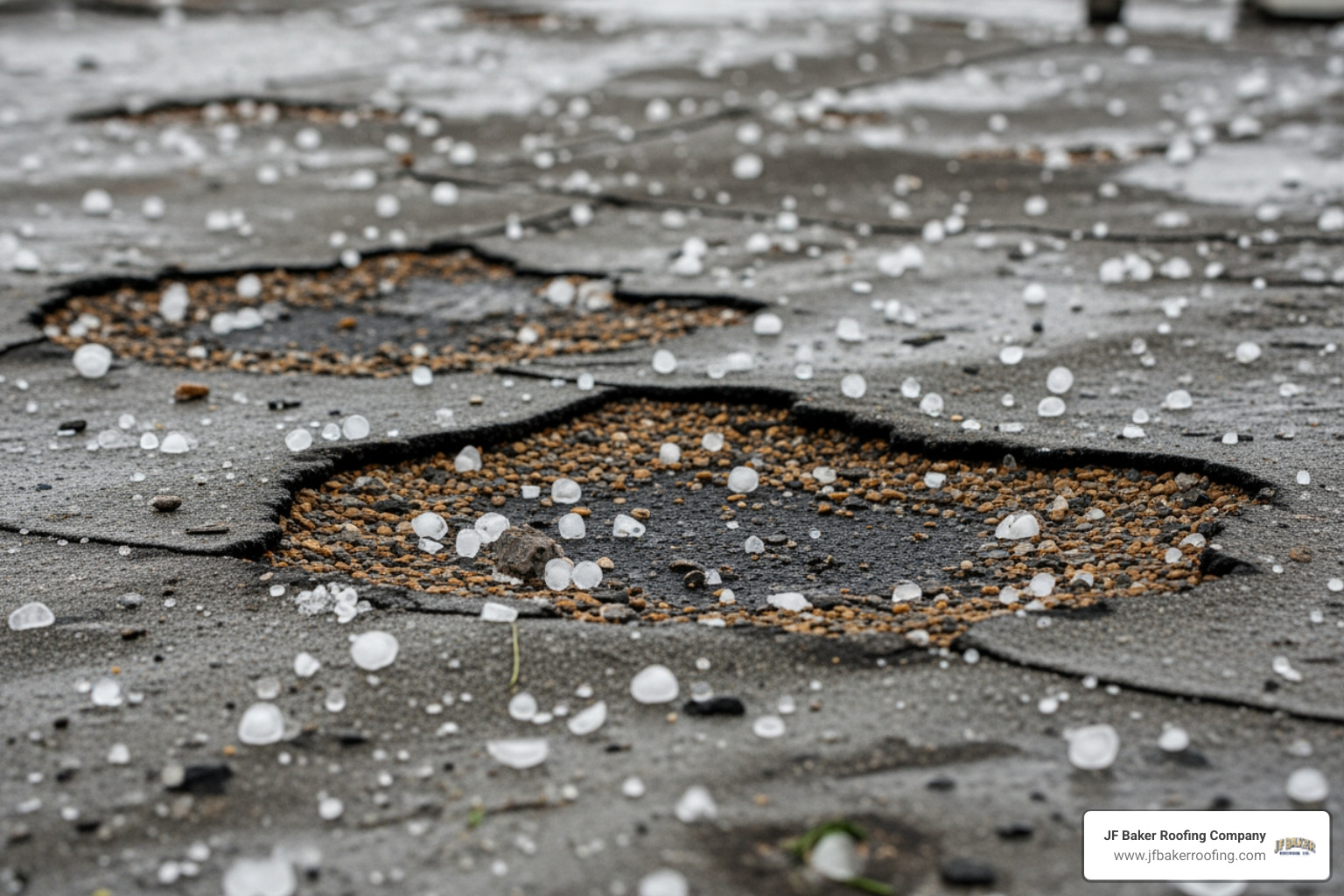
For more information on handling storm-related issues, check out our resources on Hail Damage Commercial Roofing and Storm Restoration Services Columbus.
What to Expect During a Replacement Project
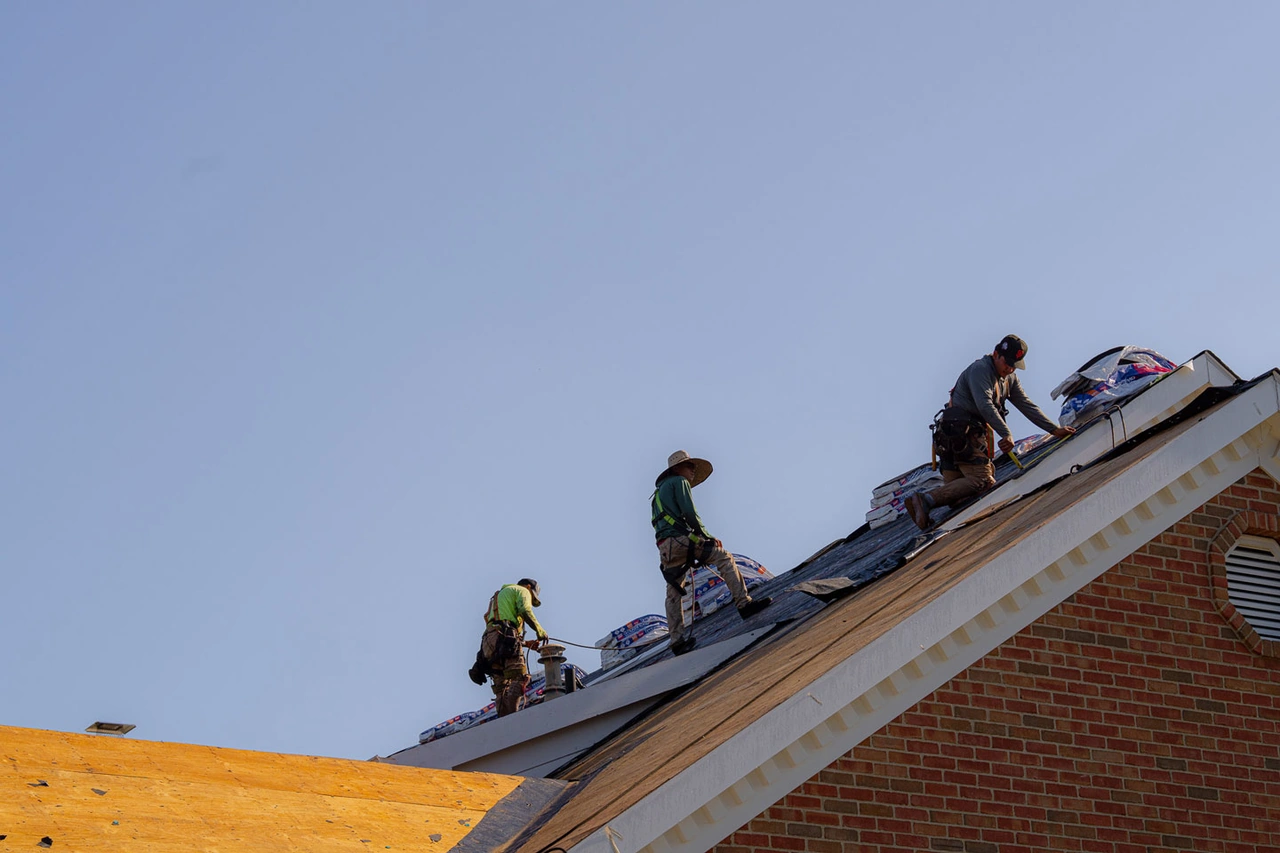
Replacing a commercial roof is a major project, but knowing what to expect can help you plan your budget and keep your business running smoothly.
Cost Factors and Budgeting
Most commercial roof replacement projects range from $5 to $15 per square foot. The actual cost of your project will depend on several key factors:
- Building Size and Height: Larger roofs benefit from economies of scale, but high-rise buildings require specialized safety equipment and cranes, which can increase labor costs.
- Substrate Condition: If the wood or metal decking underneath is rotted or rusted due to long-term leaks, it must be repaired or replaced before the new membrane is installed.
- Material Choice: TPO and EPDM are generally cost-effective, while PVC and high-end metal systems require a larger upfront investment but offer longer lifespans.
- Number of Roof Layers: Building codes typically limit the number of roofing layers allowed on a building. If your roof already has two layers, a full tear-off is required, which increases labor and disposal costs.
To understand the scope of our commercial work, you can visit our main Commercial Roofing service page.
Project Timelines and Minimizing Disruption
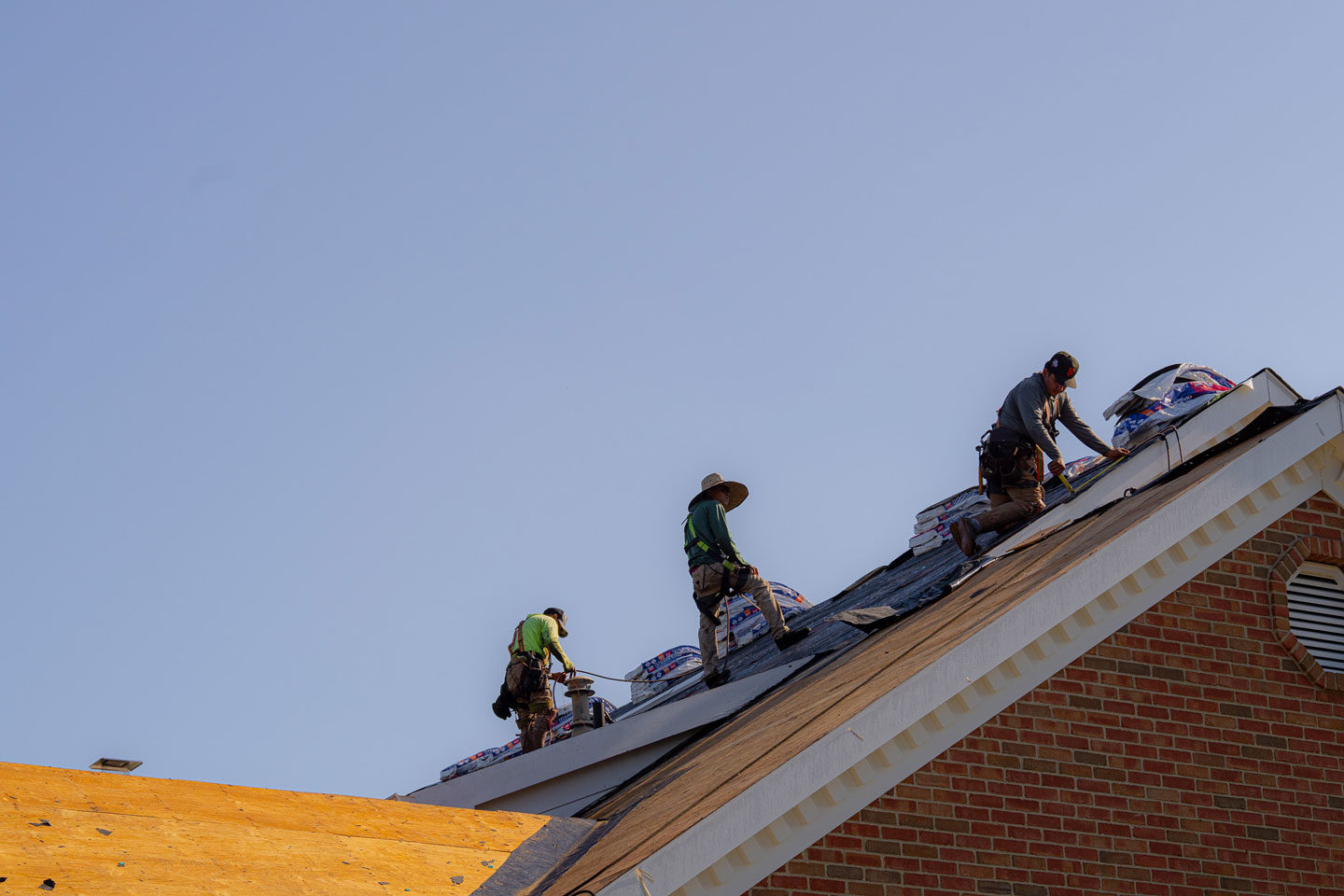
A professional commercial roofing contractor understands that your business cannot simply shut down during installation. Most commercial projects are completed on occupied buildings.
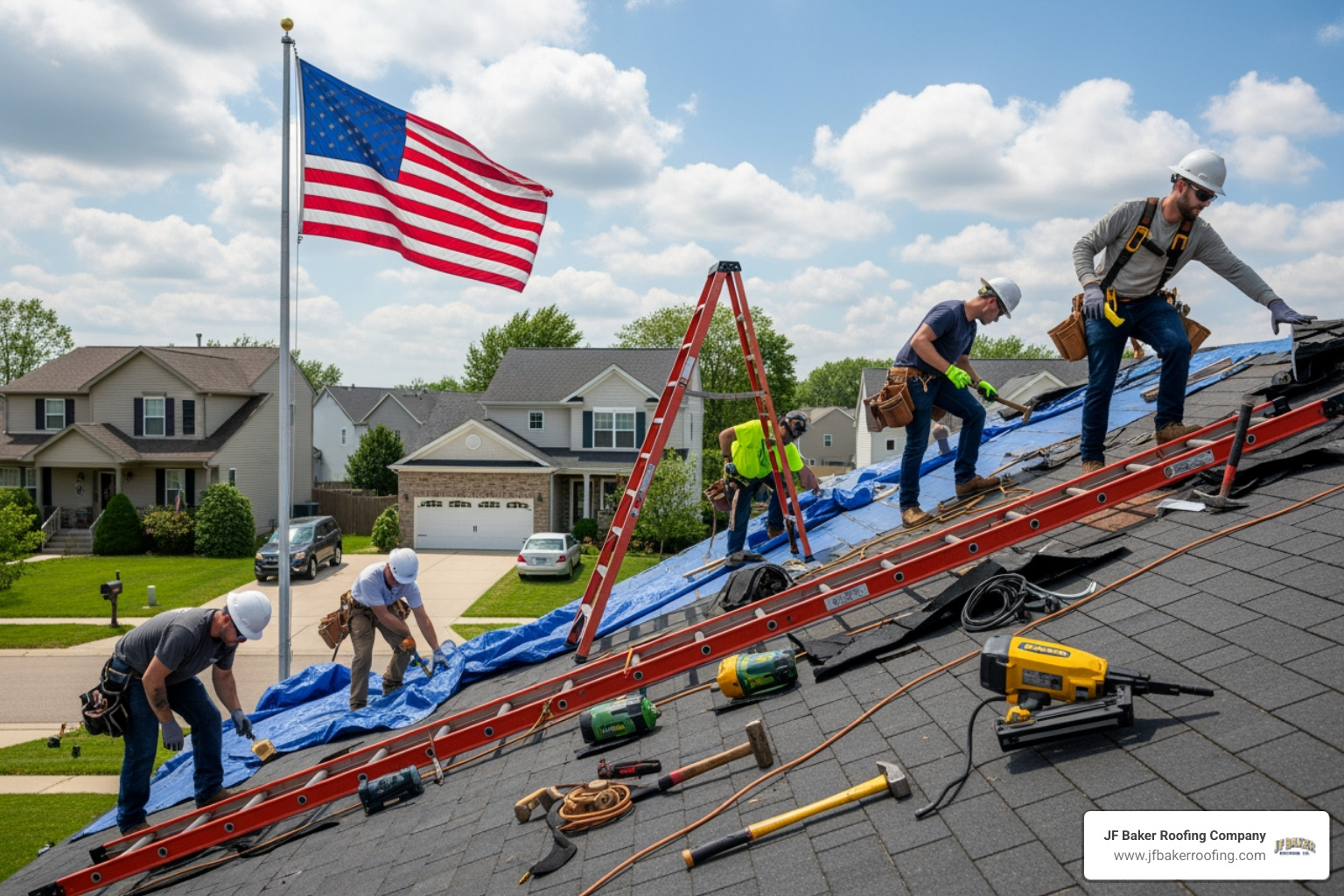
To minimize disruption, we utilize phased scheduling, working on one section of the roof at a time. This keeps the rest of the building secure and dry. We can also coordinate noisy tasks or material deliveries during off-hours or weekends. Clear communication between our crew and your facility manager ensures that employees, tenants, and customers remain safe and undisturbed.
You can read a real-world example of how we manage these complex projects by reviewing the Anna Compton Commercial Roof Replacement project.
Warranties and Long-Term Protection
When investing in a new commercial roof, warranties provide essential peace of mind. Commercial warranties typically fall into two categories:
- Manufacturer Warranties: These cover defects in the roofing materials themselves. High-quality systems often offer 15 to 30 year material warranties. Some manufacturers also offer NDL (No Dollar Limit) warranties, which cover both materials and the labor to replace them if the system fails prematurely.
- Contractor Labor Warranties: These cover the actual installation workmanship. If a leak occurs due to an installation error, the contractor will repair it at no cost to you.
Always review the fine print of your warranty. Some warranties require proof of regular professional inspections to remain valid, emphasizing the importance of a preventative maintenance plan.
Frequently Asked Questions
How long does a commercial roof typically last?
On average, commercial roofs last 15 to 30 years. Single-ply systems like TPO and EPDM typically last 15 to 25 years. Well-maintained built-up roofing (BUR) and metal roofs can easily last 30 years or more with proper care and routine maintenance.
What is the typical cost per square foot for replacement?
Most commercial roof replacements range from $5 to $15 per square foot. This price includes material costs, labor, safety equipment, and the removal of old materials. The final price is determined by the complexity of the roof, the selected material, and the condition of the underlying deck.
Can roofing work be done while the building is occupied?
Yes. The majority of commercial roofing projects are performed on fully occupied buildings. Professional crews coordinate with property managers to schedule work in phases, manage noise levels, and secure the site to ensure business operations continue with minimal disruption.
Conclusion
Your commercial roof is the first line of defense protecting your business, employees, and inventory. Whether your building in Westerville, Grove City, or Grandview Heights needs a minor repair, a preventative maintenance plan, or a complete system replacement, choosing the right partner is critical.
At JF Baker Roofing, we have built our reputation on nearly a century of honest assessments, transparent pricing, and quality craftsmanship. We do not use high-pressure sales tactics. If a simple repair will extend the life of your roof, that is exactly what we will recommend.
If you want to protect your commercial asset with a team that stands behind every roof we install, we invite you to explore our Commercial Roofing services. Contact us today for an honest assessment of your building's roof.




.jpeg)