Everything You Need to Know About Asphalt Roof Lifespan Ohio
What Is the Asphalt Roof Lifespan in Ohio?
Understanding asphalt roof lifespan Ohio homeowners can realistically expect is one of the most common questions we hear at JF Baker Roofing. Here's the short answer:
- 3-tab asphalt shingles: 15-20 years
- Architectural or dimensional shingles: 20-25 years
- Premium or designer shingles: 25-40 years
Ohio's climate is hard on roofs. Freeze-thaw cycles, heavy snow, ice dams, summer heat, and spring storms all work against your shingles year after year. Most asphalt roofs here perform at roughly 80-85% of their stated manufacturer warranty before showing real signs of wear.
So a shingle rated for 30 years? In Central Ohio, plan for closer to 20-25 years of solid performance.
That gap between what's printed on the box and what your roof actually delivers in the real world is something Columbus homeowners need to understand before they buy, before they budget, and before they wait too long on a repair.
At JF Baker Roofing, we've been installing and replacing roofs across Columbus and surrounding communities since 1929. Three generations of the Baker family have watched Ohio weather do its work on roofs of every age and type. What follows is an honest, practical guide to help you understand what to expect from your asphalt roof and how to get the most life out of it.
Simple guide to asphalt roof lifespan ohio:
Realities of the Asphalt Roof Lifespan Ohio
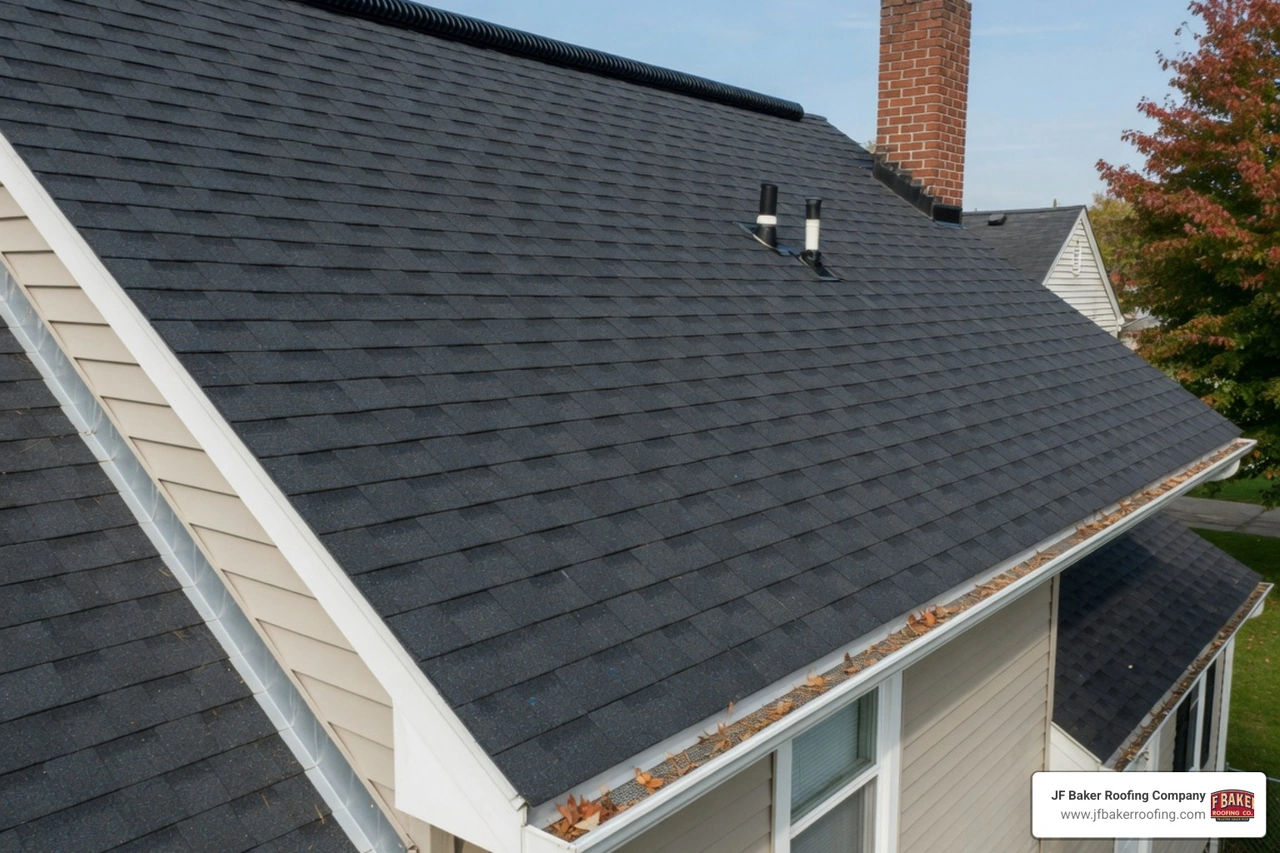
When you start researching how long a roof lasts, you will find plenty of manufacturer brochures claiming their products will easily last 30, 40, or even 50 years. While those numbers look great on paper, the real-world conditions in Central Ohio tell a very different story.
According to regional data on How Long Do Roofs Last in Ohio?, the typical lifespan of an asphalt shingle roof in the Buckeye State ranges from 15 to 30 years, with a solid average estimate of 15 to 20 years for standard materials. Because our local weather transitions rapidly from freezing winters to humid, scorching summers, shingles experience constant thermal shock. This expansion and contraction gradually degrade the asphalt and cause the protective granules to shed.
A manufacturer’s warranty is a guarantee against material defects, but it is not a prediction of service life. A warranty does not account for a severe spring hailstorm in Dublin, heavy winter snowpacks in Delaware, or the baking July sun in Upper Arlington.
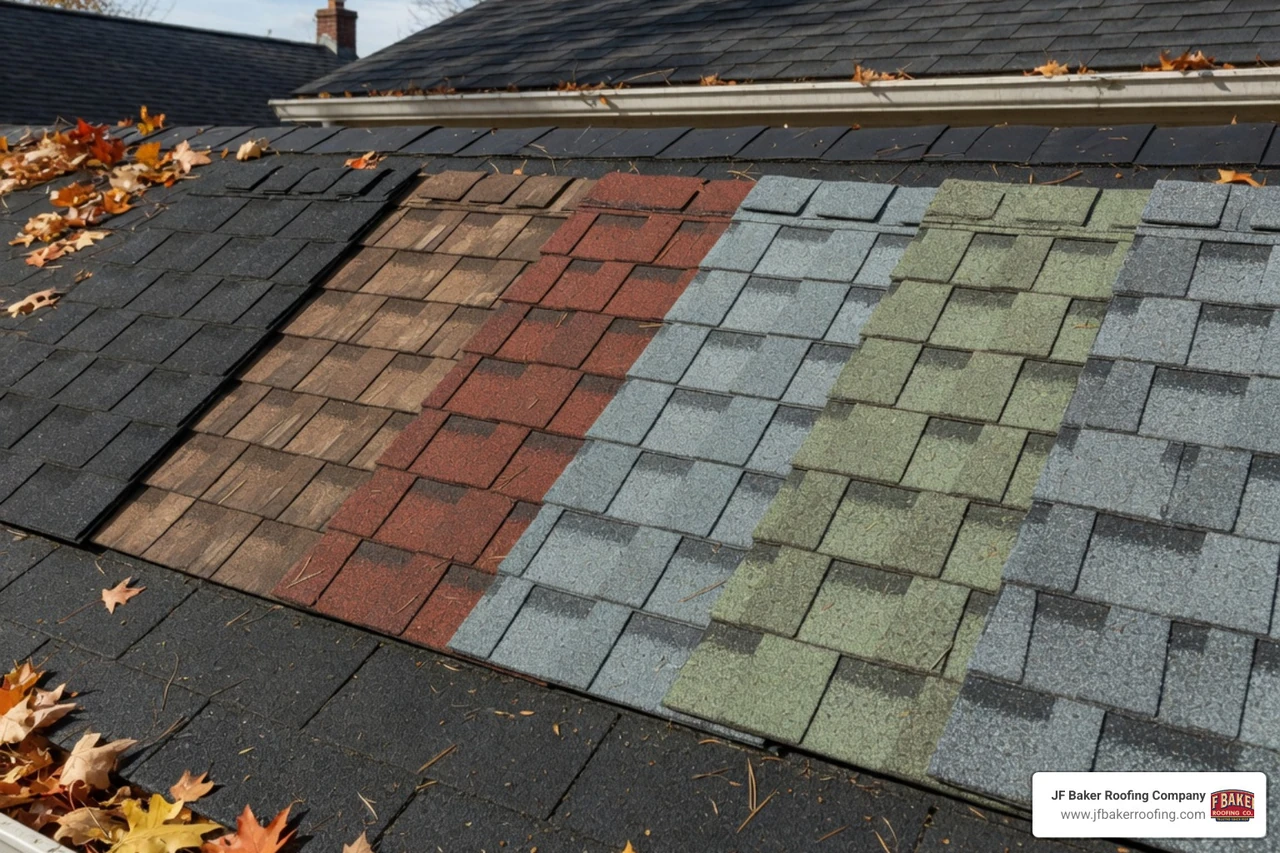
To help you visualize how different materials hold up under real Central Ohio conditions, we have broken down the realistic lifespans of the most common asphalt shingle options below:
Traditional 3-tab shingles often come with a 20- to 25-year manufacturer warranty, but in Central Ohio, a more realistic lifespan is usually 15 to 20 years. Common problems include wind uplift, curling, and early granule loss.
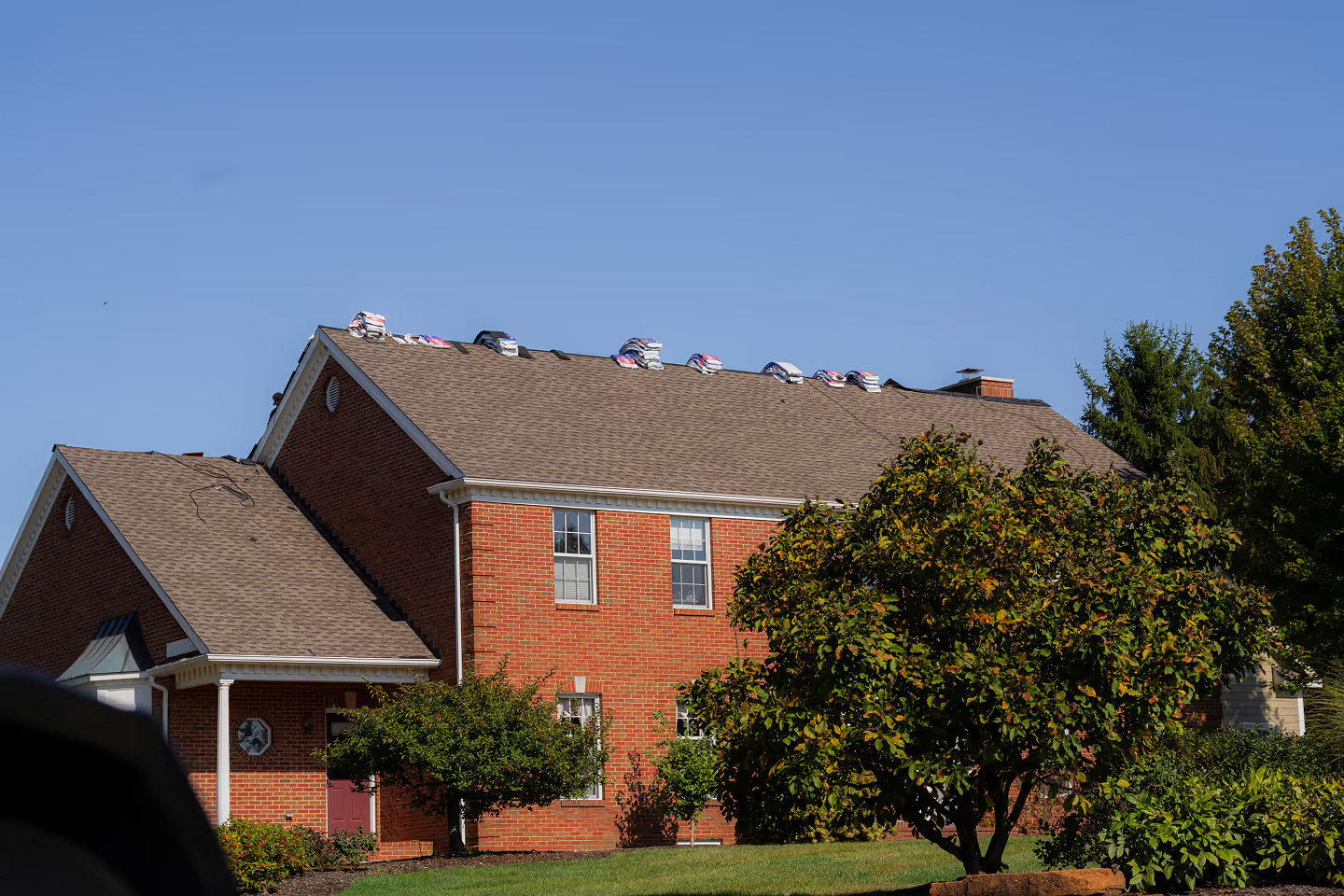
Architectural or dimensional shingles are commonly marketed with a 30-year warranty. In real-world Ohio conditions, homeowners can often expect about 20 to 25 years, with wear showing up as gradual granule shedding, algae staining, or edge cracking.
Premium or designer shingles may carry 40- to 50-year warranty claims, but their practical lifespan is usually closer to 25 to 40 years. They tend to fail from heavy storm impacts or the slow weathering of laminated layers.
How Shingle Quality Impacts Your Asphalt Roof Lifespan Ohio
The quality of the shingle you select is the foundation of your roof's longevity. Traditional 3-tab shingles are the most budget-friendly option, but they are also the thinnest and lightest. Because they are constructed from a single flat layer of fiberglass mat coated with asphalt, they are highly vulnerable to wind uplift. During our windy spring transition months in Central Ohio, wind gusts can easily get under the flat tabs of a 3-tab roof, causing them to crease, crack, or blow off entirely.
Architectural shingles, also known as dimensional shingles, offer a massive step up in durability. Instead of a single flat layer, architectural shingles are constructed from two or more layers of fiberglass mat laminated together. This multi-layered design not only gives your home a beautiful, textured look that mimics wood shake, but it also provides superior strength.
Architectural shingles routinely carry a wind resistance rating of 110 to 130 mph under ASTM D7158 Class H testing. Because they are heavier and stiffer, they resist wind uplift far better than 3-tab shingles. For homeowners in open, wind-swept areas like Powell or parts of Hilliard, upgrading to architectural shingles is one of the smartest ways to protect your home.
Premium designer shingles represent the absolute highest tier of asphalt technology. These are thicker, heavier, and often modified with specialized polymers to provide enhanced impact resistance. If you want to dive deeper into how manufacturer promises translate to local protection, you can read our detailed guide on the Residential Roofing Warranty Columbus homeowners receive.
How Attic Ventilation Protects Your Asphalt Roof Lifespan Ohio
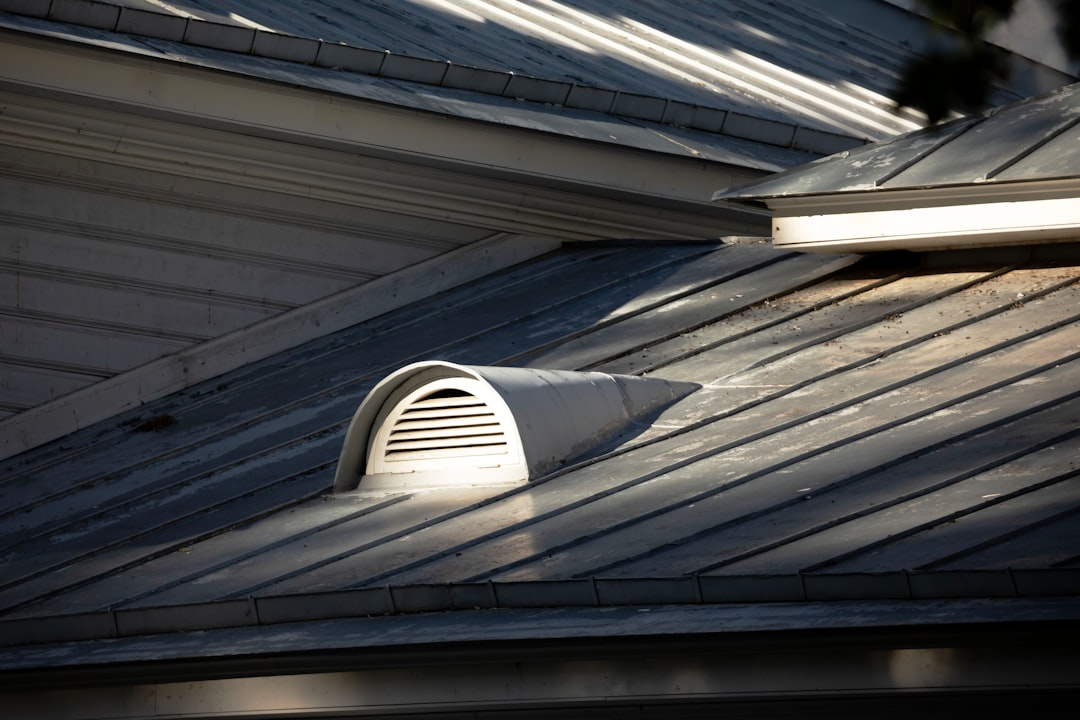
You could purchase the most expensive, heavy-duty shingle on the market, but if your attic is not properly ventilated, your roof will fail prematurely. Think of attic ventilation as the breathing system for your home. It requires a balanced combination of intake vents (usually located under your eaves or soffits) and exhaust vents (located at or near the ridge of your roof).
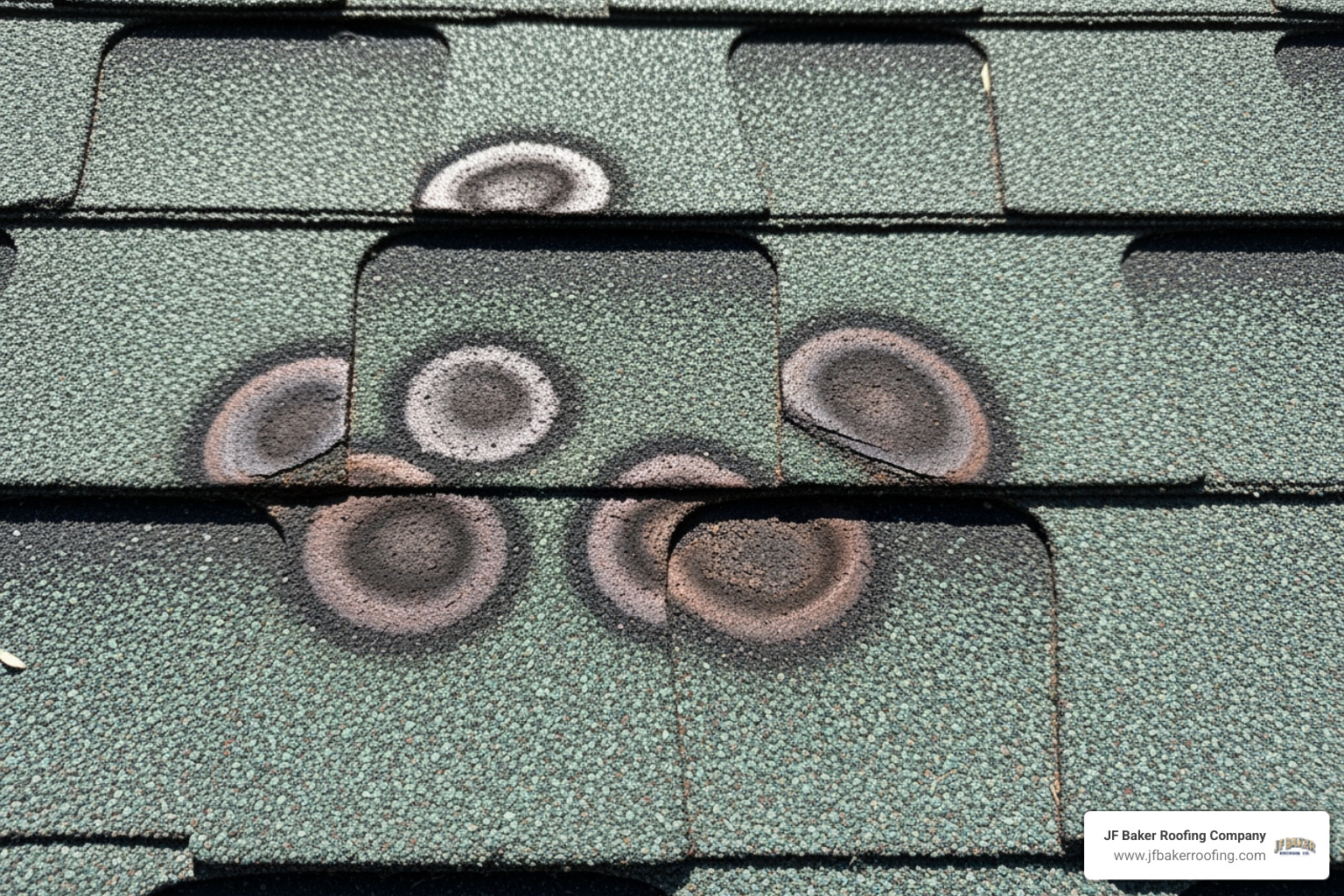
During our hot Central Ohio summers, the sun beats down on your shingles, heating your attic space. If that heat has no way to escape, your attic can easily reach temperatures exceeding 150 degrees Fahrenheit. This extreme heat literally bakes your shingles from the underside, causing the asphalt to oil-bleed, swell, and blister. Over time, this thermal abuse destroys the adhesive bond of the shingles and causes premature granule loss.
In the winter, proper ventilation is just as critical. Warm, moist air from your showers, cooking, and heating rises into the attic. If it cannot escape, it condenses on the cold underside of your roof deck. This trapped moisture breeds mold, rots the wooden rafters, and rusts the nails holding your shingles in place. To understand how ventilation fits into the bigger picture of your home's structural health, take a look at our breakdown of The Main Components of a Residential Roof in Columbus Ohio.
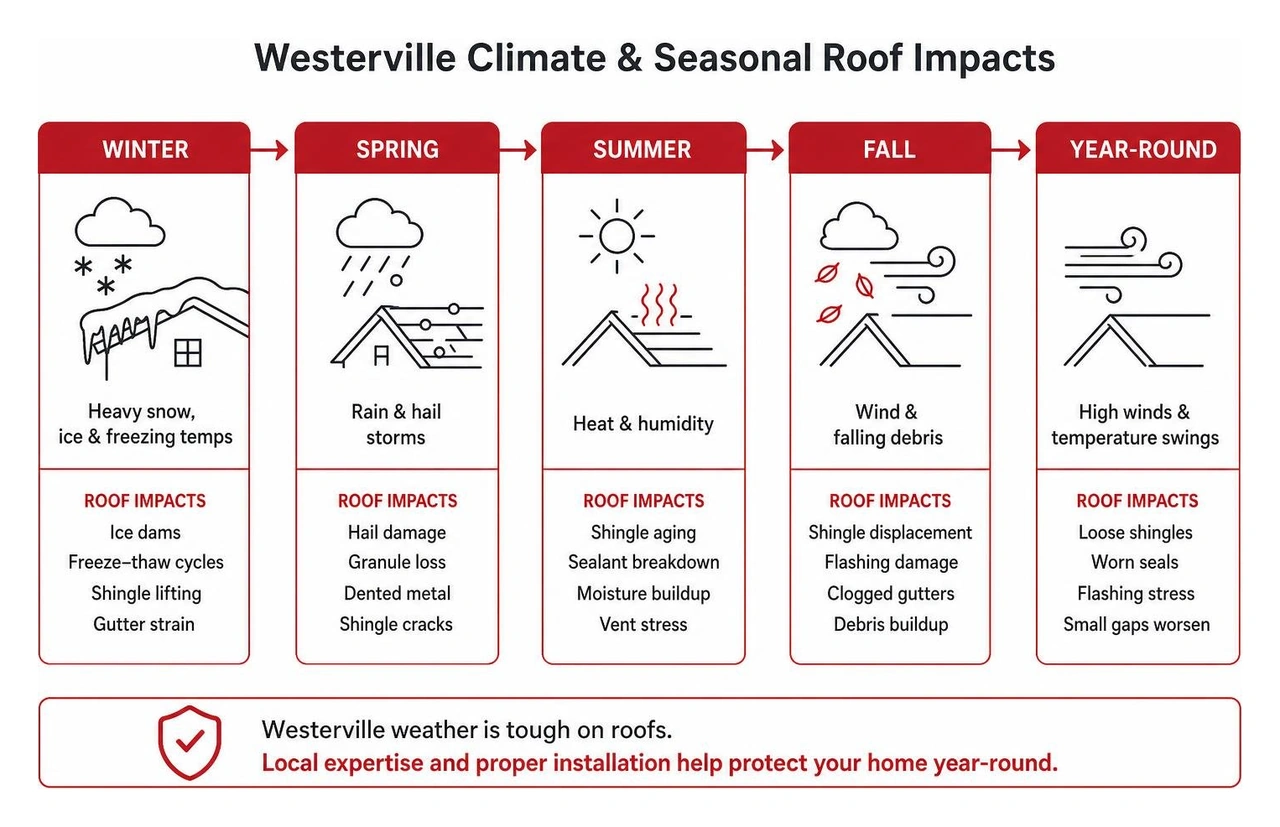
How Ohio Weather Affects Roof Longevity
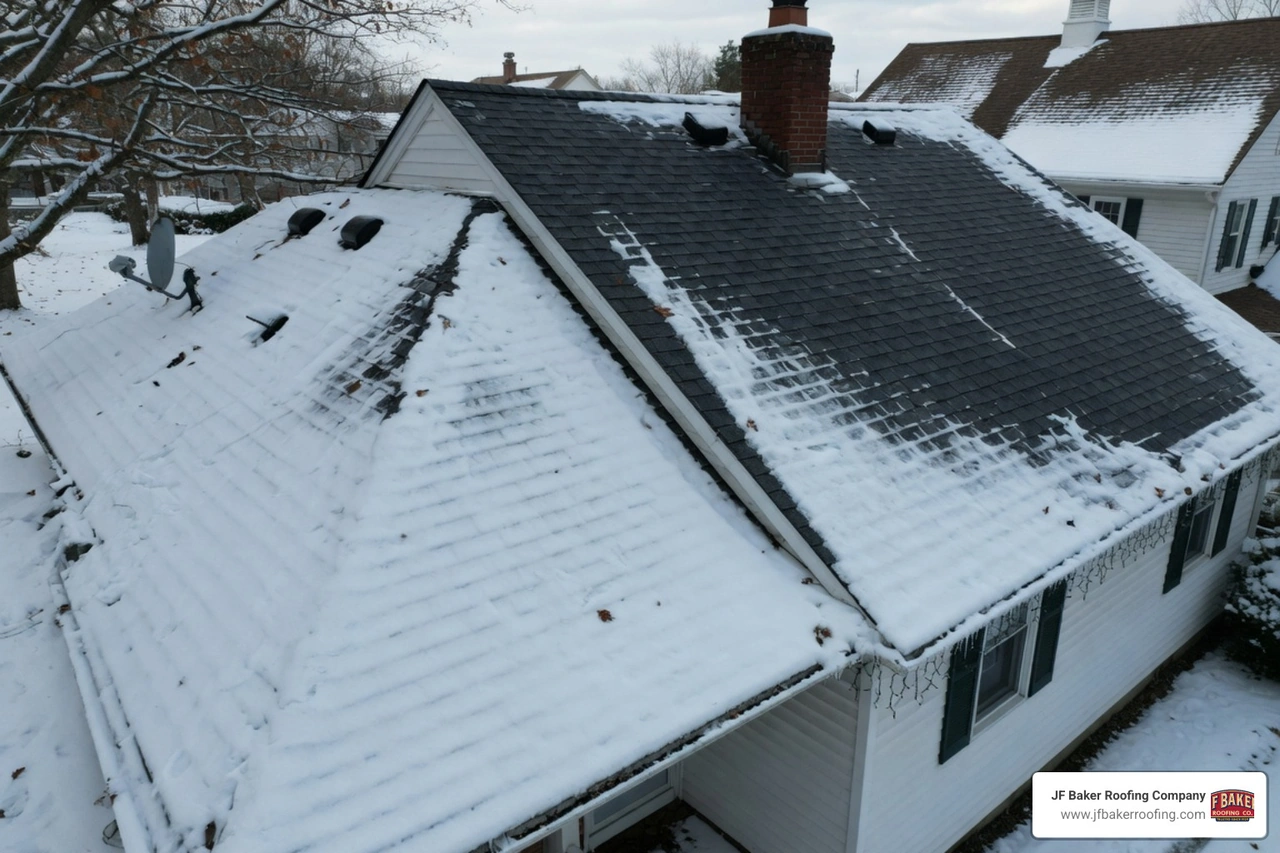
Our weather in Central Ohio is notoriously unpredictable. We often joke that you can experience all four seasons in a single week, but for your roof, this volatility is a constant challenge.
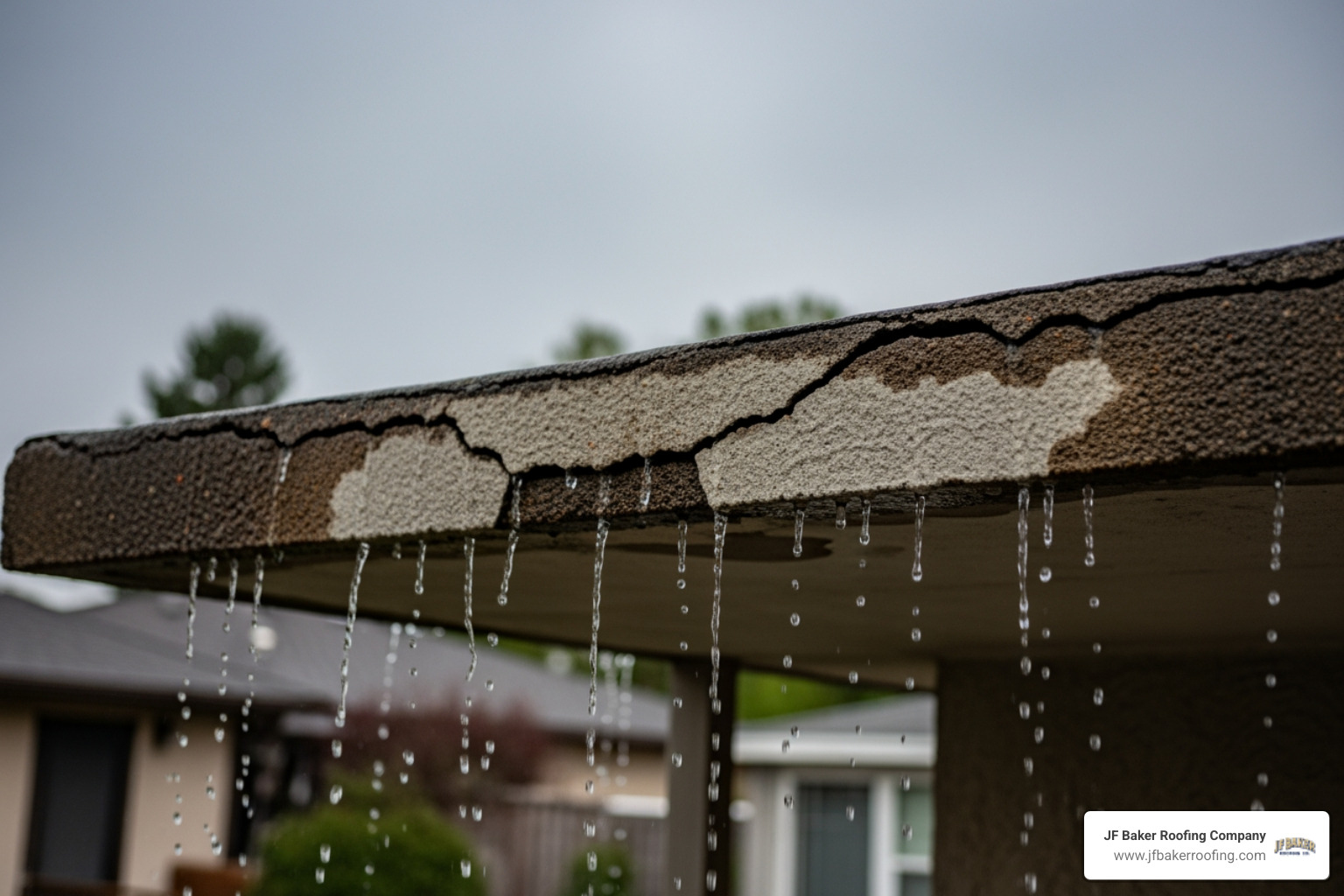
The freeze-thaw cycle is perhaps the most destructive weather force your roof faces. When snow melts during a sunny winter afternoon in Westerville, the water runs down your roof slope. As soon as the sun goes down and temperatures drop below freezing, that water freezes again. When water turns to ice, it expands. If that water has seeped into tiny cracks in your shingles or under the edges of your flashing, the expanding ice forces those gaps wider. Day after day, this cycle slowly tears your roofing materials apart.
Ice dams are another major winter hazard. They occur when warm air escapes from your attic, melting the snow on the upper sections of your roof. As the meltwater runs down to the colder eaves, it freezes, forming a thick barrier of ice. This ice dam traps subsequent runoff, forcing water backward under your shingles. Because asphalt shingles are designed to shed water shedding downward, they cannot stop water that is forced upward.
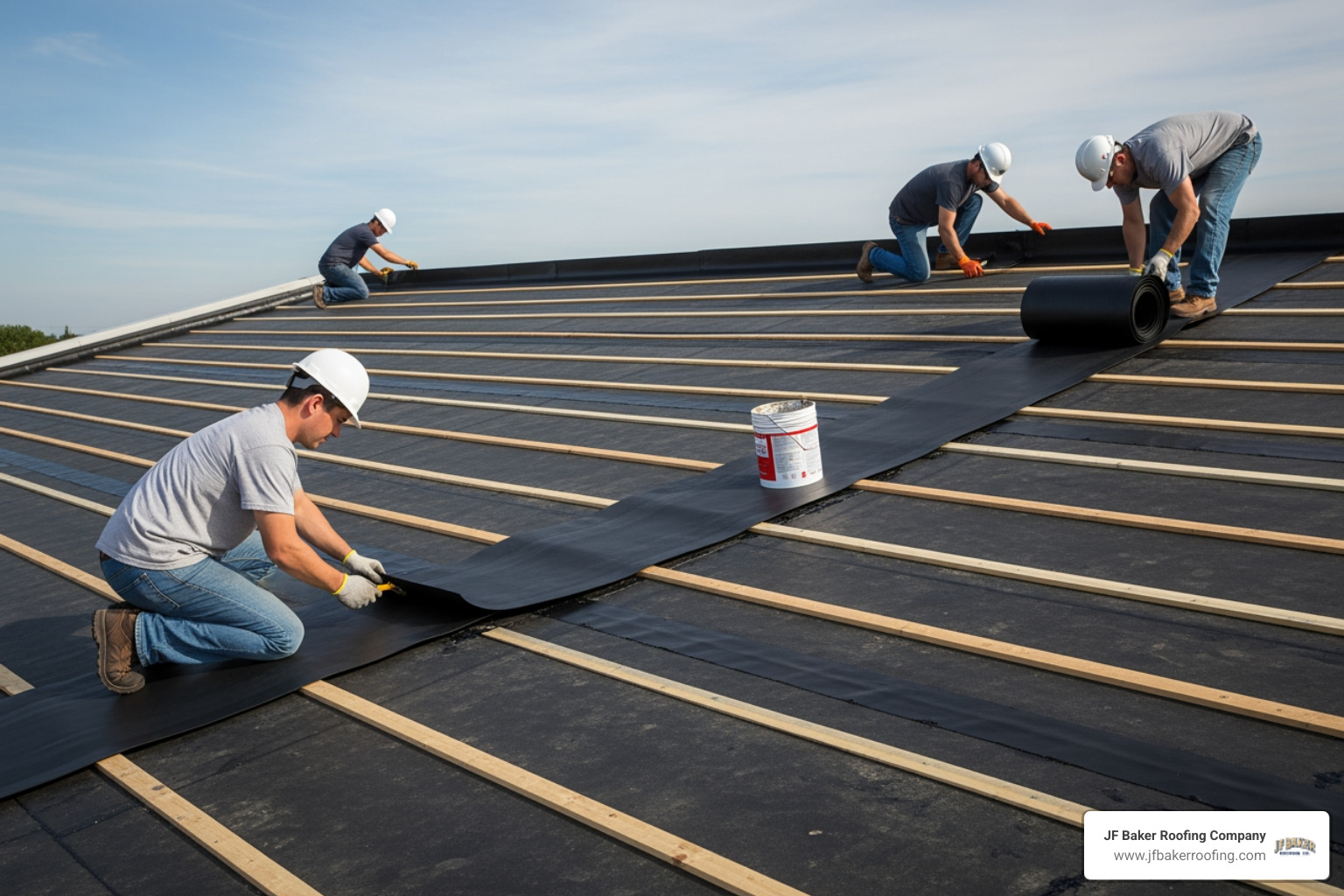
To combat this, the Ohio Building Code enforces strict regulations for Climate Zones 5 and 6, which cover our service areas. These codes require the installation of a waterproof ice and water shield. This self-adhering underlayment must extend from the lowest roof edge to a point at least 24 inches inside the warm exterior wall line to prevent leaks from ice damming.
For a broader look at how these winter elements impact homes across the state, you can read about How Long Should an Asphalt Roof Last in Northwest Ohio? to see how our neighbors handle similar winter conditions.
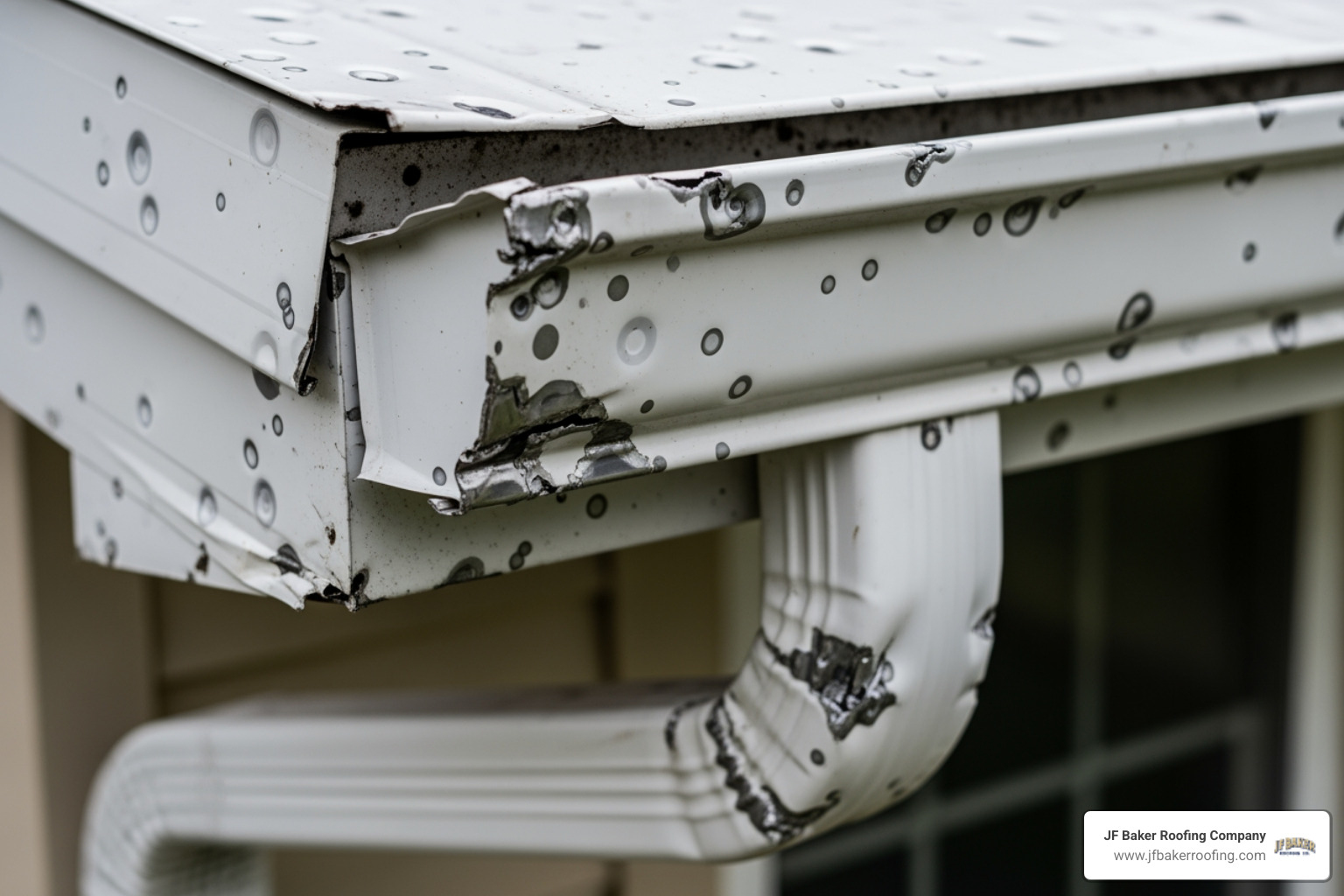
In the spring and summer, the threats shift to severe thunderstorms, high winds, and intense UV radiation. The sun's ultraviolet rays break down the chemical bonds in the asphalt, making the shingles brittle over time. When a sudden thunderstorm rolls through Gahanna or Grove City with high winds and hail, brittle shingles are much more likely to crack, lose granules, or tear away.
Warning Signs Your Ohio Roof Needs Attention
Roofs rarely fail all at once. Usually, they send out quiet warning signs that trouble is brewing. Knowing what to look for can save you from a major interior leak and a costly emergency repair.
Here are the primary warning signs that your asphalt roof is reaching the end of its functional lifespan:
- Excessive Granule Loss: Asphalt shingles are coated with ceramic granules to protect the underlying asphalt from UV damage. As shingles age and wear, these granules loosen. If you notice piles of colored sand in your gutters or at the bottom of your downspouts after a rainstorm, your shingles are losing their protective armor.
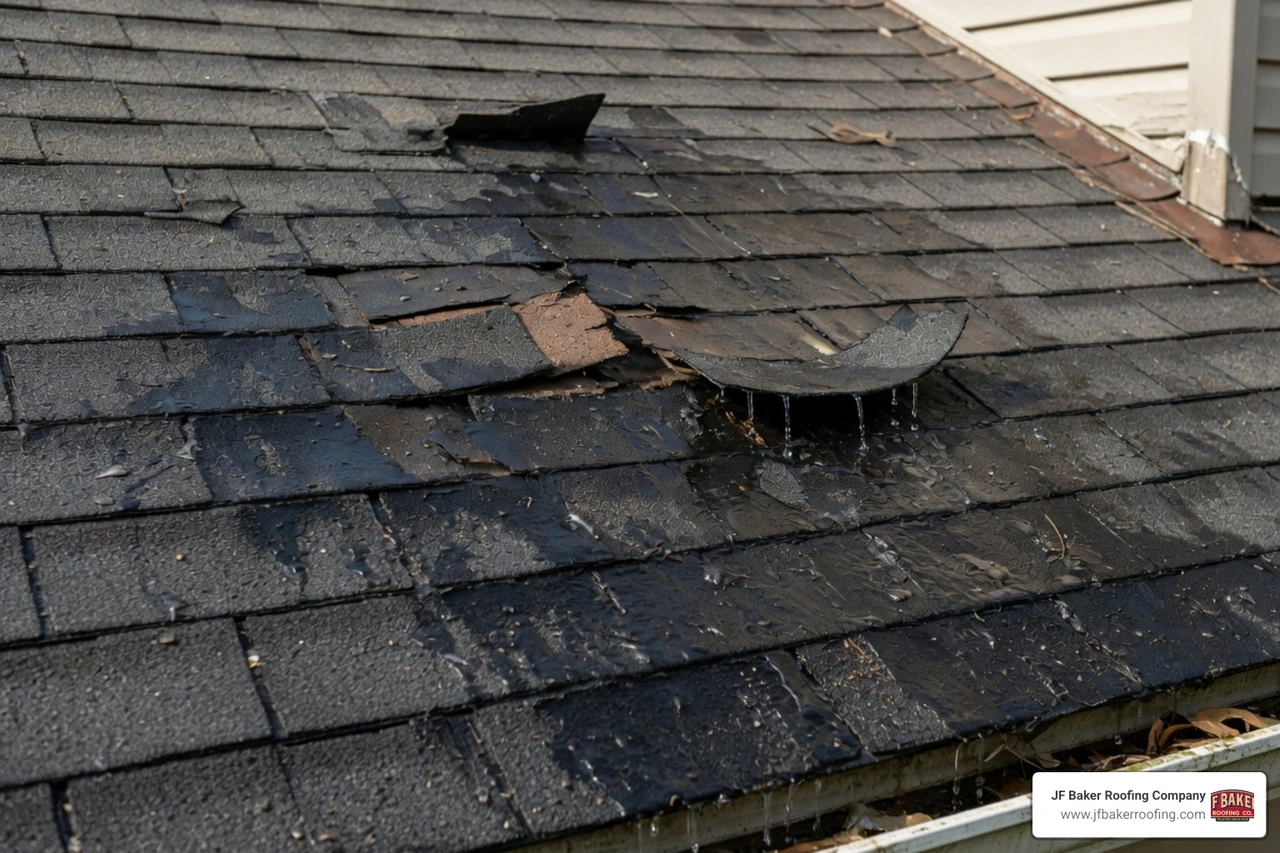
- Curling or Cupping Shingle Edges: When shingles dry out and lose their flexibility, the edges will begin to curl upward (cupping) or the middle will bow upward (clawing). Curled shingles are highly susceptible to wind damage and allow wind-driven rain to blow right underneath.
- Missing or Cracked Shingles: If you look up at your roof and see dark patches where shingles used to be, or if you find pieces of shingles in your yard after a windy night in Worthington, your roof's structural integrity is compromised.
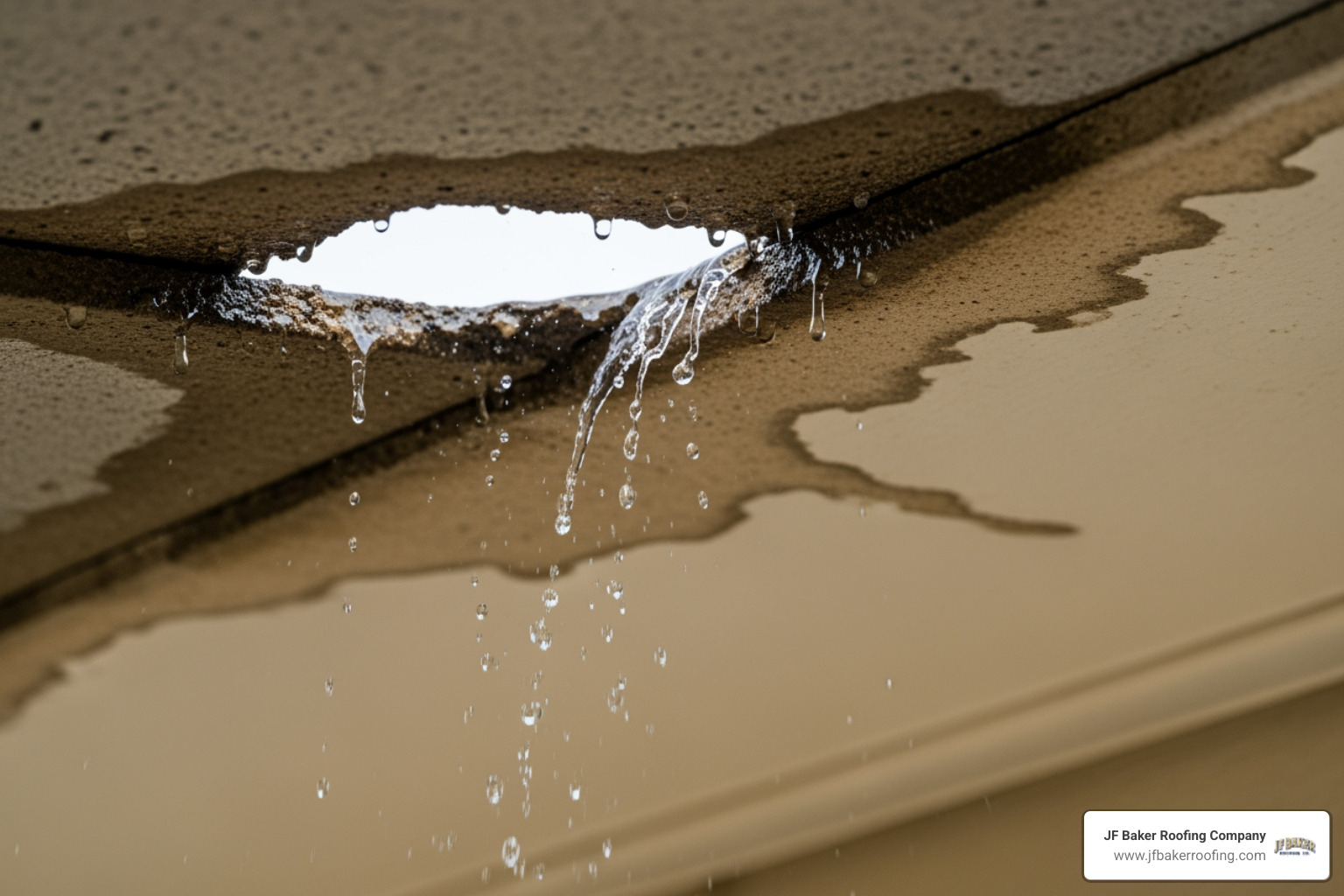
- Active Leaks or Water Stains: Inside your home, look for water stains on your ceilings, damp spots in your attic, or peeling paint near your roofline.
- Daylight in the Attic: If you climb into your attic on a bright day, turn off the lights, and see beams of sunlight peeking through the roof boards, water can easily get in through those same gaps.
If you are noticing any of these issues on your home, we encourage you to read our complete homeowner's guide on How to Know When It's Time to Replace Your Roof for a thorough step-by-step diagnostic checklist.
Comparing Asphalt Shingles to Alternative Materials
While asphalt shingles are the most popular choice for homes in Central Ohio due to their balance of affordability and performance, they are not the only option. Homeowners often ask us how asphalt compares to other materials like metal, slate, or clay tile.
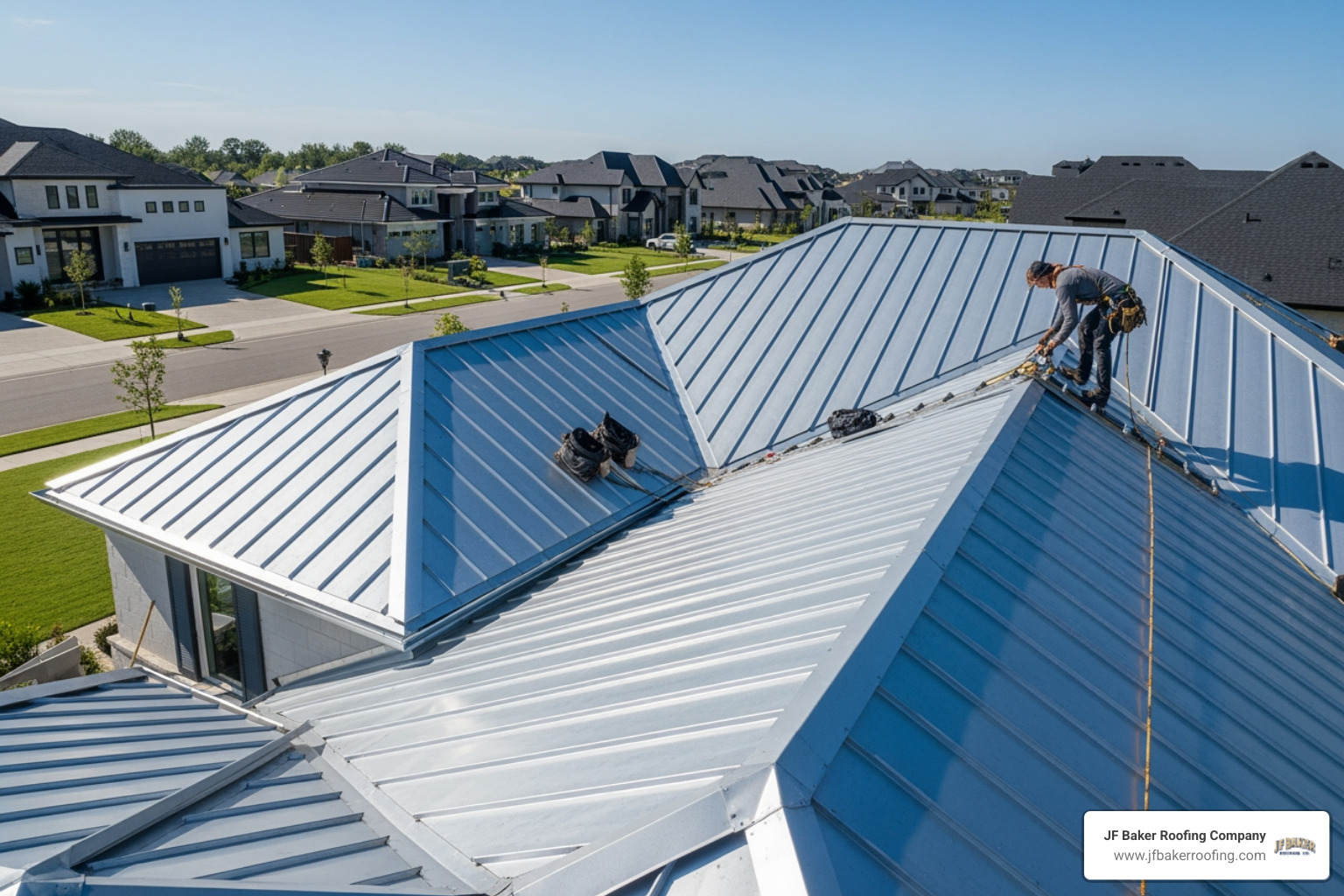
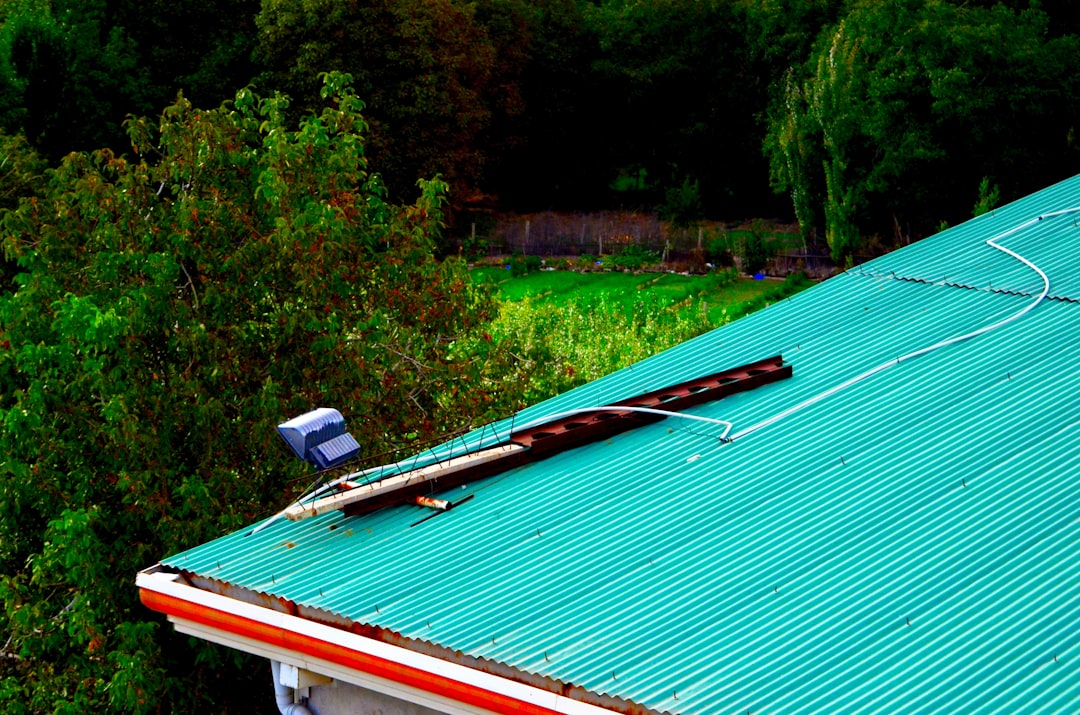
Metal roofing has surged in popularity across areas like Delaware and New Albany. A professionally installed metal roof can easily last 50 years or more, which is more than double the lifespan of a standard asphalt roof. Metal is highly reflective, meaning it sheds summer heat efficiently, and its smooth surface allows winter snow to slide right off, preventing ice dams.
However, the upfront investment for metal is significantly higher than asphalt. If you plan to stay in your home for decades, the long-term value of a metal roof makes great financial sense. If you are curious about this durable alternative, check out our Residential Metal Roofing Ohio Guide and learn more about the incredible durability of a Durable Metal Roof Lifespan.
Slate and clay tile roofs are the undisputed champions of longevity, often lasting 75 to over 100 years. You can still see original slate roofs on historic homes in Bexley and Grandview Heights. However, slate and tile are incredibly heavy. Most modern suburban homes in Central Ohio are not structurally engineered to support the immense weight of stone or clay. Additionally, the specialized craftsmanship required to install these materials makes them a premium luxury option.
For the vast majority of homeowners in Columbus, architectural asphalt shingles remain the most practical, cost-effective, and reliable choice to protect their families.
Frequently Asked Questions
What is the average cost of roof replacement in Ohio?
The cost of replacing a roof in Central Ohio varies widely based on several key factors. The overall square footage of your roof, the pitch (steepness), accessibility, and the specific grade of shingle you choose all play a major role. A steep, complex roof with multiple valleys and dormers in Upper Arlington will require more safety equipment and labor than a simple, low-pitch ranch home in Whitehall. At JF Baker Roofing, we believe in transparent pricing and honest assessments, providing you with a clear, detailed estimate so you know exactly what to expect.
Do impact-resistant shingles last longer in Ohio?
Yes, they do. Class 4 impact-resistant shingles are specifically engineered to withstand heavy impacts from hail and falling debris. They are manufactured with a polymer-modified asphalt that acts like rubber, absorbing the energy of an impact rather than cracking. Because Central Ohio experiences severe spring storms, installing Class 4 shingles can significantly extend your roof's lifespan and may even qualify you for a substantial discount on your homeowner's insurance premiums.
How often should I inspect my asphalt roof?
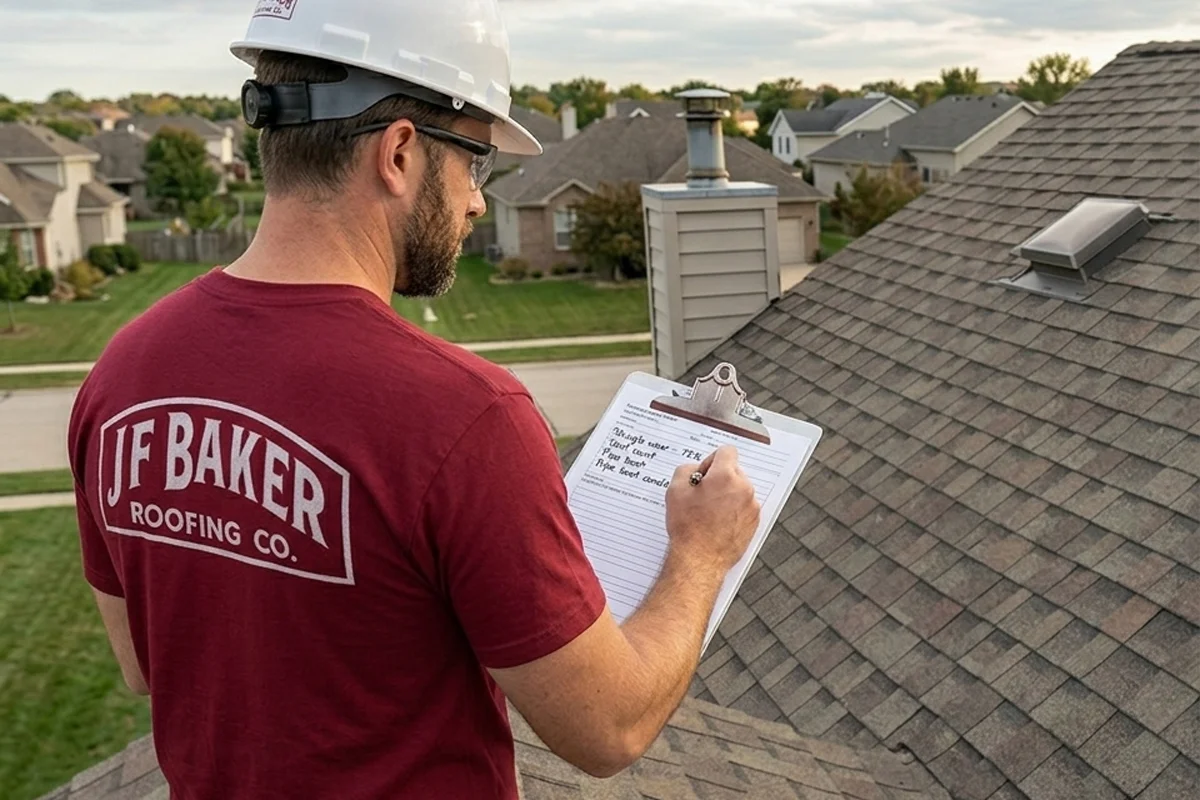
We recommend inspecting your roof at least twice a year, ideally in the spring and fall. A spring inspection ensures your roof survived the freezing winter weather and ice dams without damage. A fall inspection ensures your roof is fully prepared to handle the upcoming winter snow. It is also wise to do a quick visual check from the ground after any major wind or hailstorm. Keeping your gutters clean is another crucial part of this routine, as clogged gutters force water to back up under your lower shingles.
Conclusion
Your roof is the first line of defense protecting your home, your family, and your memories from the unpredictable Central Ohio climate. While the asphalt roof lifespan Ohio homeowners experience is shaped by our harsh winters and humid summers, choosing high-quality architectural shingles, ensuring proper attic ventilation, and partnering with an experienced local contractor will help you get every single year of performance out of your investment.
At JF Baker Roofing, we have been building trust across Central Ohio since 1929. As a family-owned business now led by third-generation owners Chad and Pat Baker, we are community-rooted and built on integrity. We do not believe in high-pressure sales tactics or recommending replacements when a simple, honest repair will do the job.
Whether you are in Columbus, Dublin, Westerville, Hilliard, or Grandview Heights, we stand behind every roof we install. Let our reputation be your security. Schedule a consultation with our residential roofing experts today for an honest assessment of your roof's health.









.jpeg)