4 Immediate Steps to Take When You Need Emergency Shingle Repair in Columbus
What to Do First for Emergency Shingle Repair in Columbus
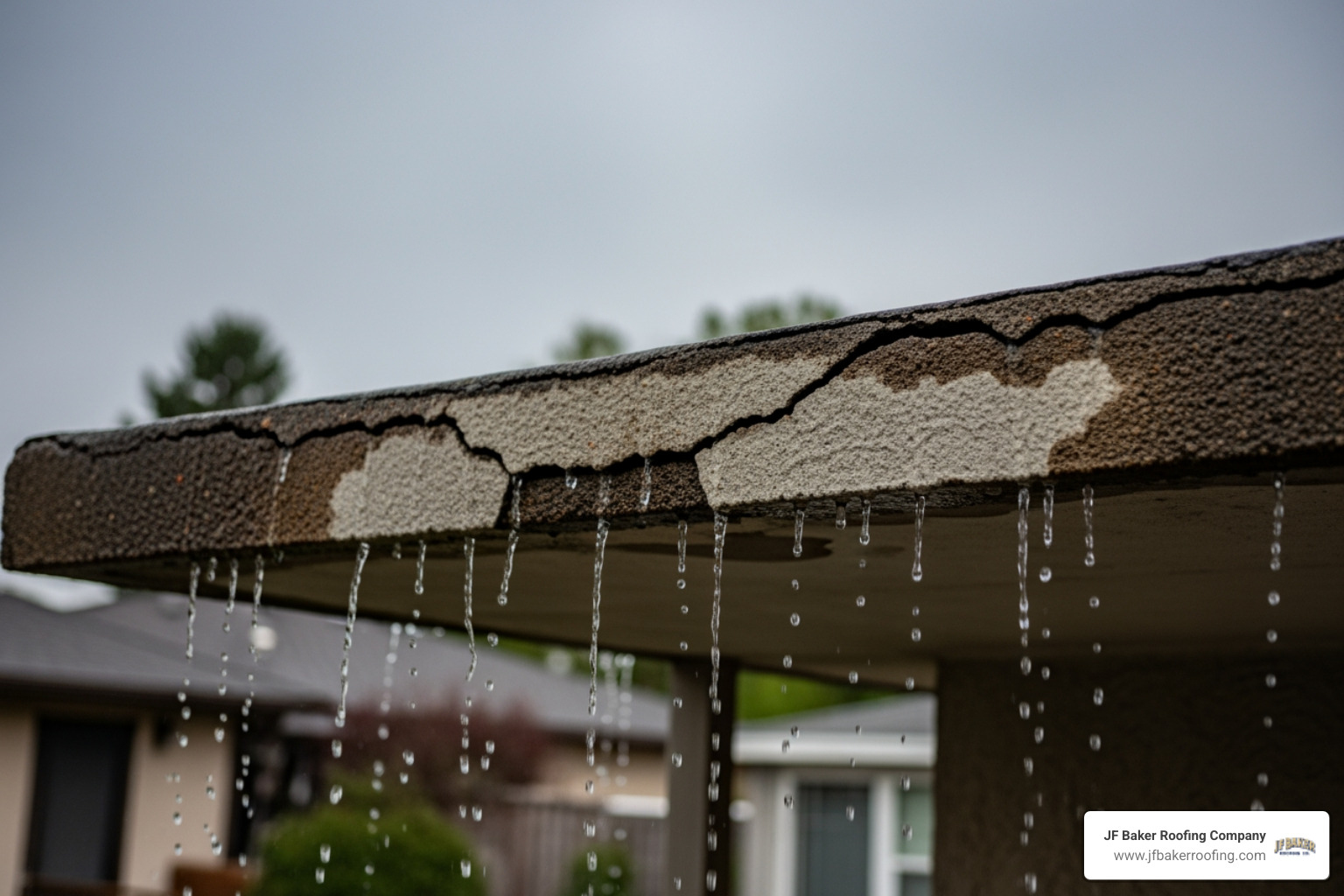
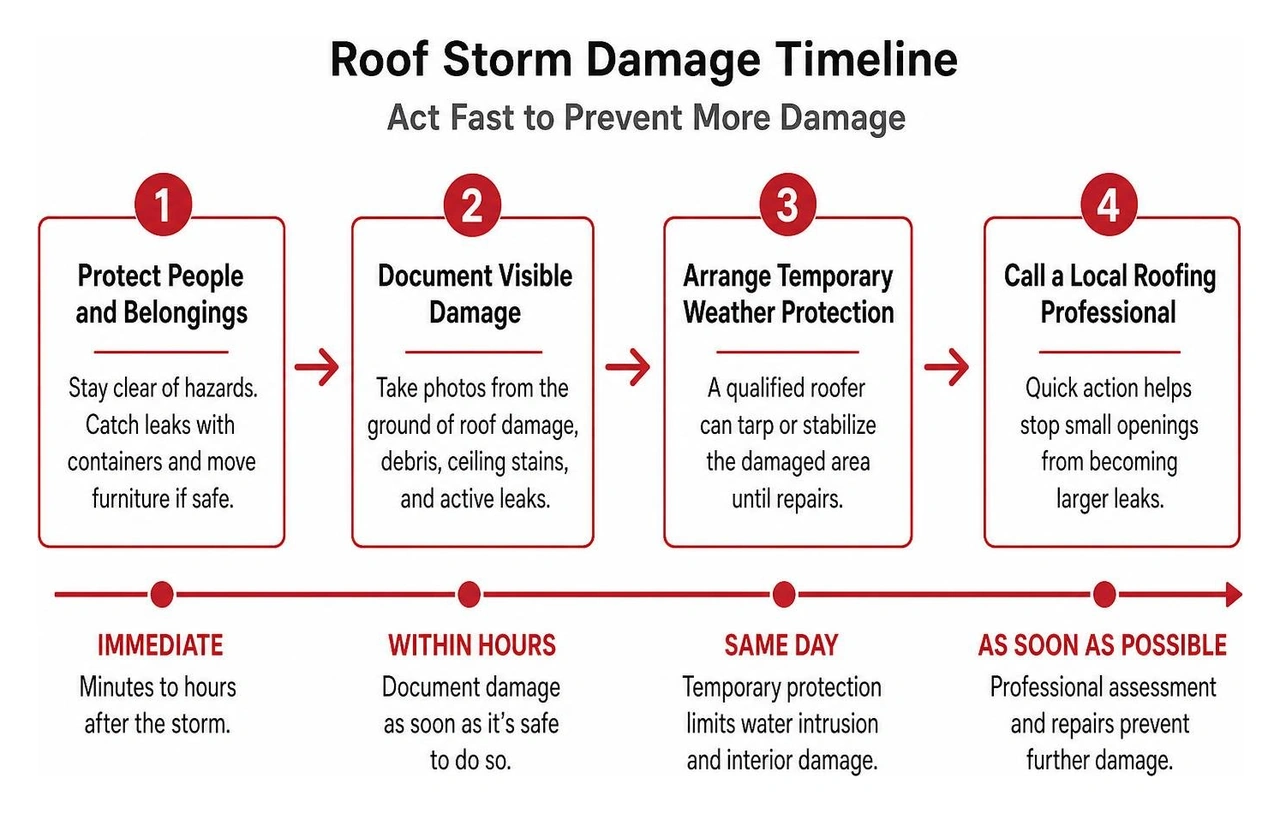
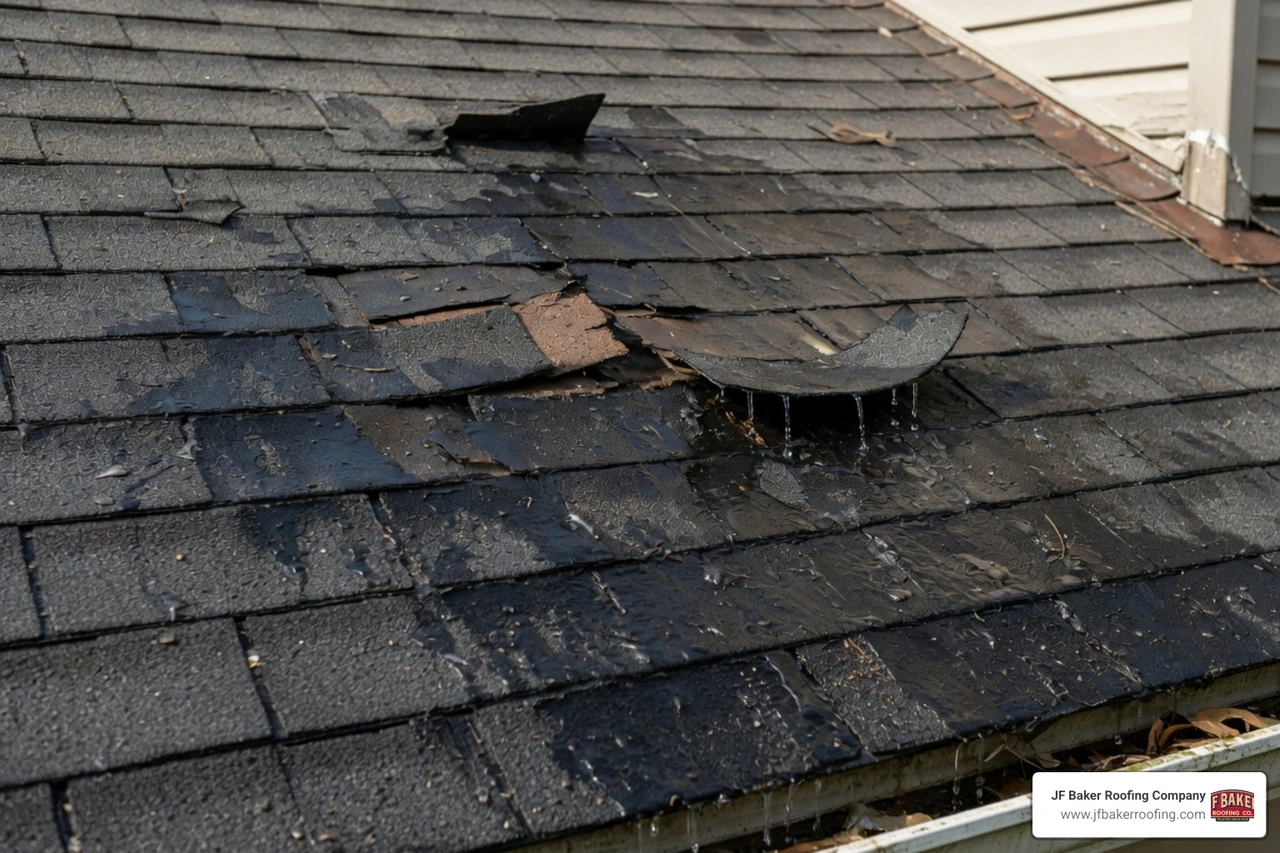
If wind, hail, or a fallen branch has torn shingles from your roof, act quickly to limit water damage. For emergency shingle repair in Columbus, start with these priorities:
- Protect people and belongings. Keep clear of sagging ceilings, wet electrical areas, and downed power lines. Catch dripping water with containers and move furniture if it is safe.
- Document visible damage from the ground. Take photos of missing shingles, debris, ceiling stains, and active leaks for your insurance claim.
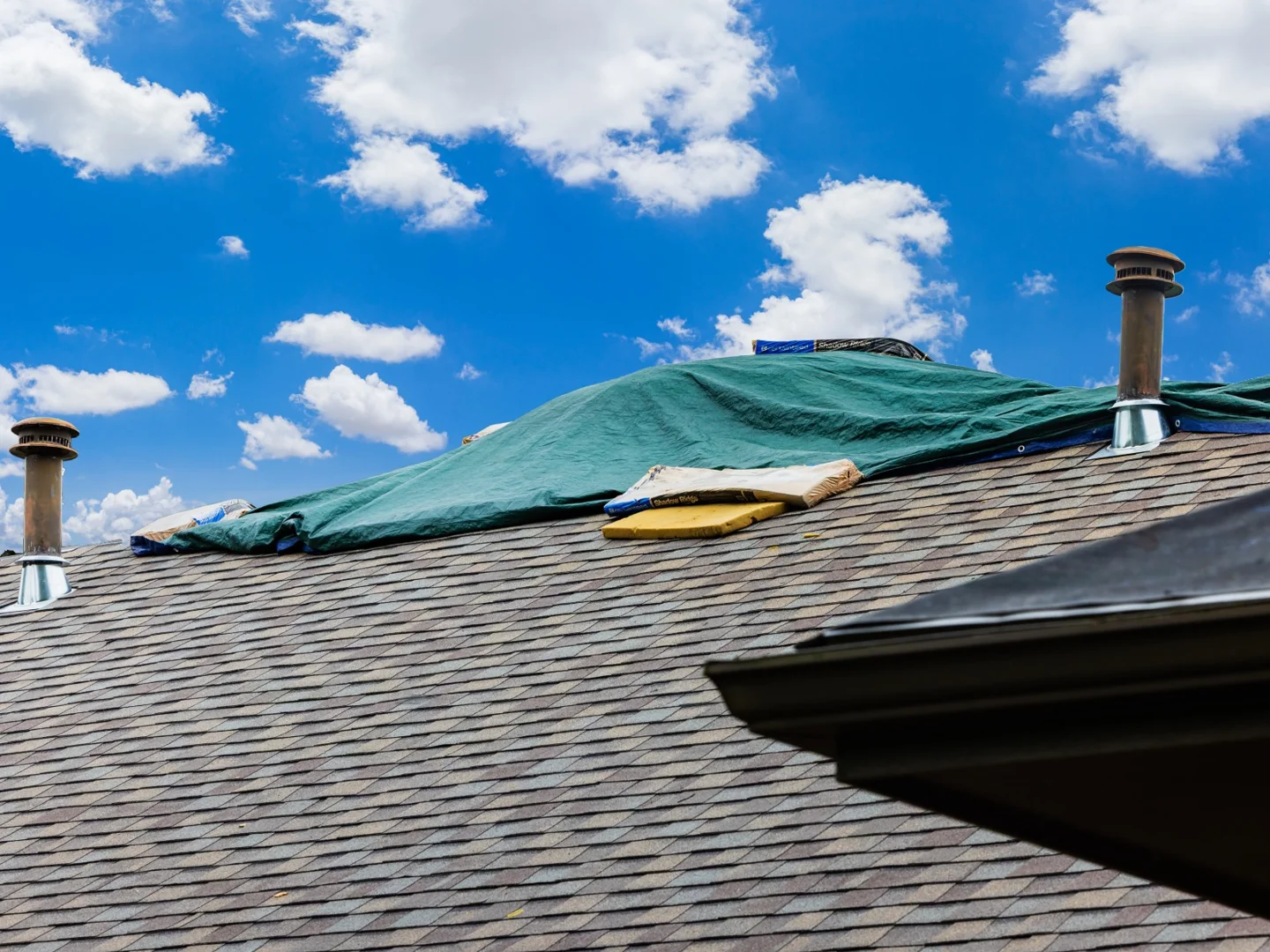
- Arrange temporary weather protection. A qualified roofer can tarp or stabilize the damaged area until conditions allow a permanent repair.
- Call a local roofing professional promptly. Columbus storms, hail, high winds, and winter ice can turn a small opening into a larger leak fast.
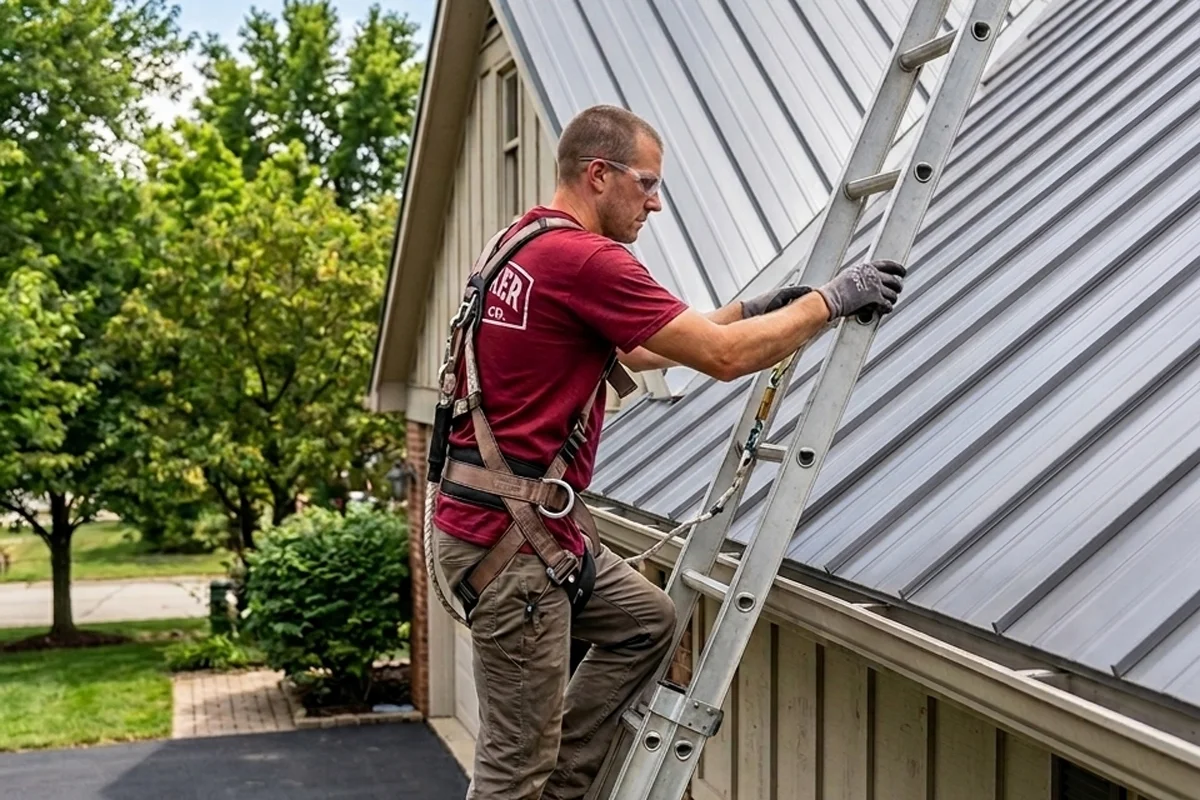
Do not climb onto a storm-damaged roof yourself. Missing shingles, lifted flashing, granules in gutters, attic moisture, and new ceiling stains all warrant a timely inspection, especially during Ohio's spring storm season and winter freeze-thaw cycles. According to the National Weather Service, severe thunderstorms in Central Ohio frequently produce damaging straight-line winds and large hail that can compromise residential roofing systems.
I am Chad M. Baker of JF Baker Roofing Company, a family-owned Central Ohio roofing company serving homeowners and businesses since 1929 with honest assessments and no pressure.
Emergency shingle repair columbus word roundup:
- storm restoration services columbus
- professional roof inspection delaware
- residential roofing warranty columbus
Understanding Weather Triggers and Signs of Critical Roof Damage
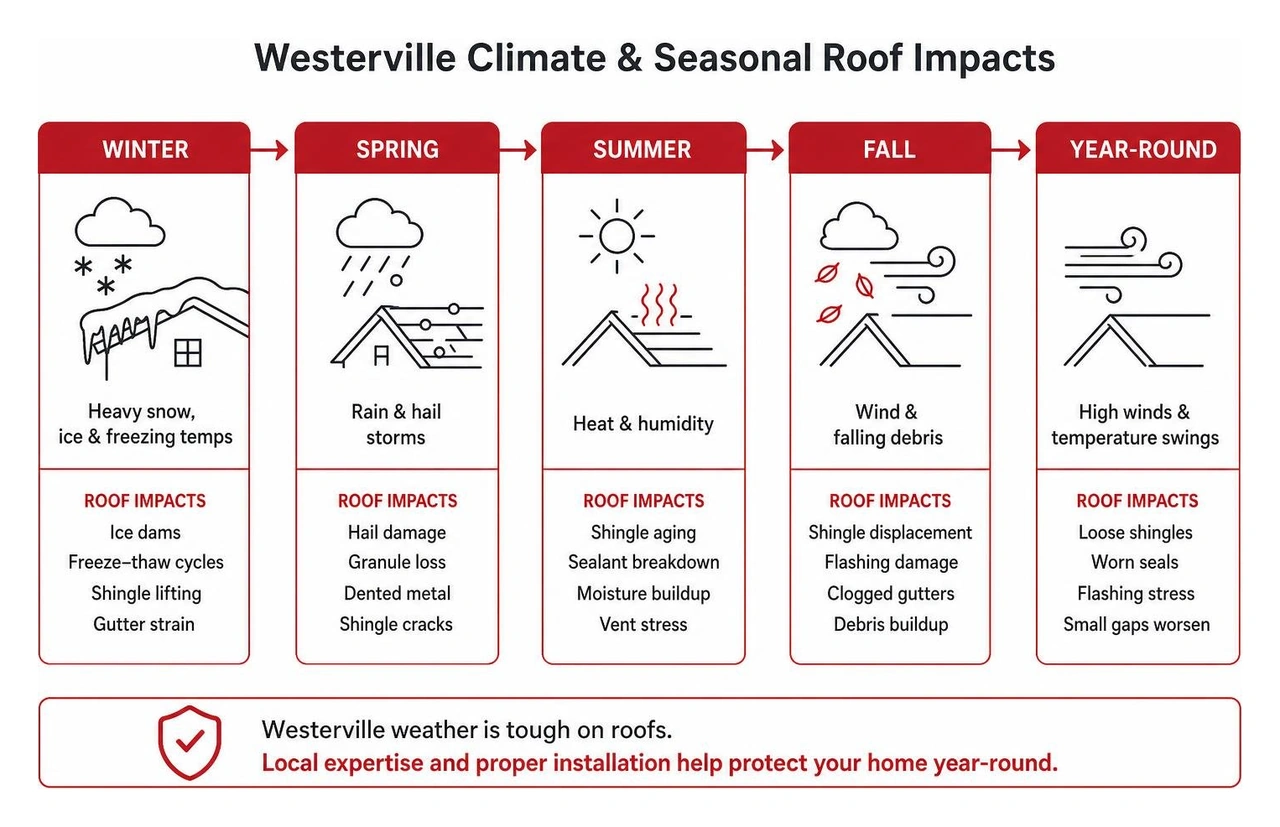
Central Ohio weather tests residential roofing systems year-round. When strong storms sweep across Franklin County, the roof envelope faces intense wind shear, sudden pressure changes, and heavy precipitation. A minor shingle failure can quickly compromise moisture barriers, allowing gallons of water into your attic insulation and ceiling drywall within hours.
Understanding what causes these sudden failures and recognizing the early warning signs helps you take immediate action before interior structural damage spreads.
Assessing Severe Weather Triggers for Emergency Shingle Repair in Columbus
Columbus experiences an average of 40 to 50 severe thunderstorms each year, bringing microbursts, straight-line winds, and heavy downpours. In fact, roughly 70% of emergency roof repairs in the area stem directly from wind and hail impact.
High winds get under the edges of asphalt shingles, breaking the thermal sealant strips that hold them flat. Once the bond fails, wind can bend shingles backward, crack their fiberglass mats, or rip entire tabs off the decking.
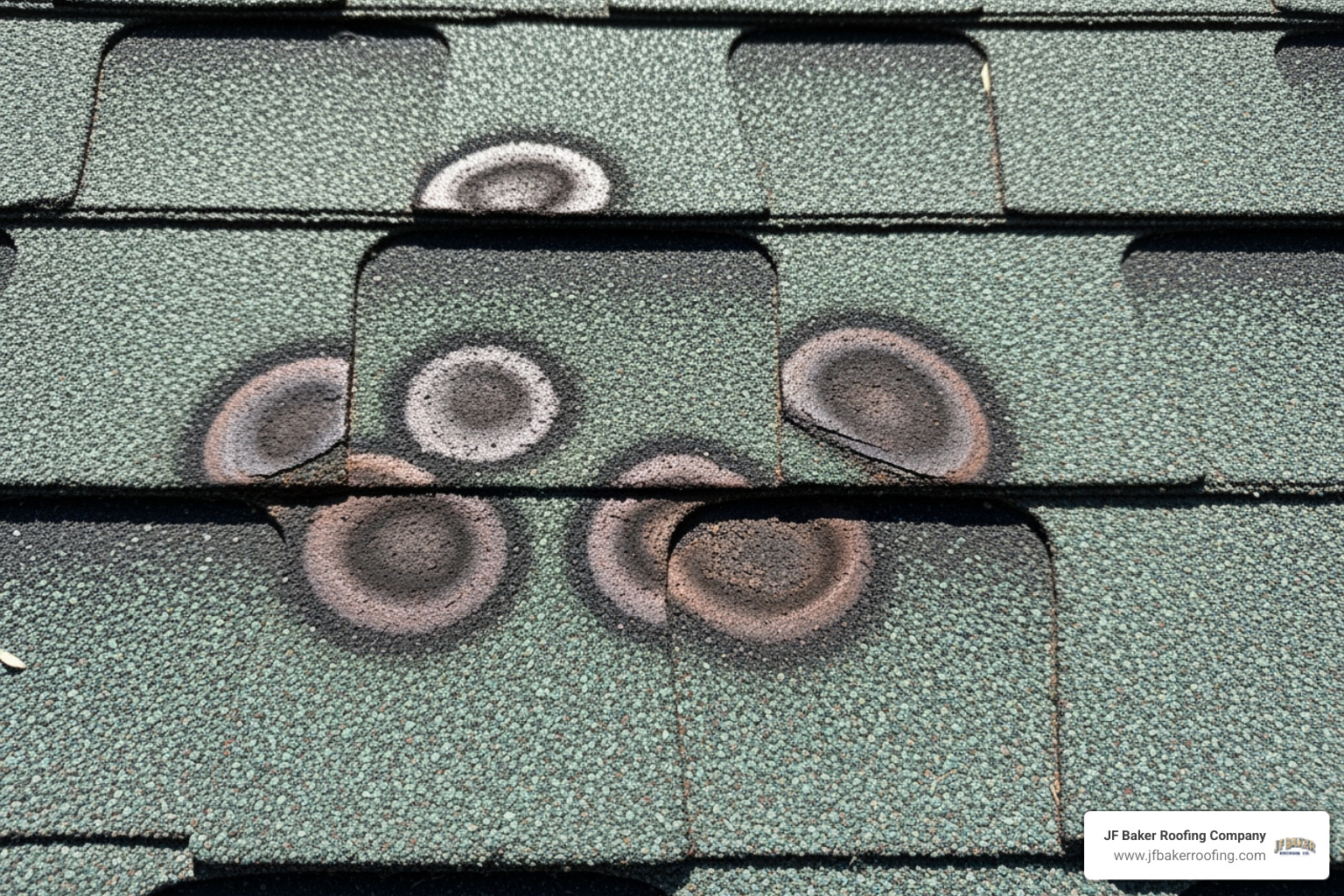
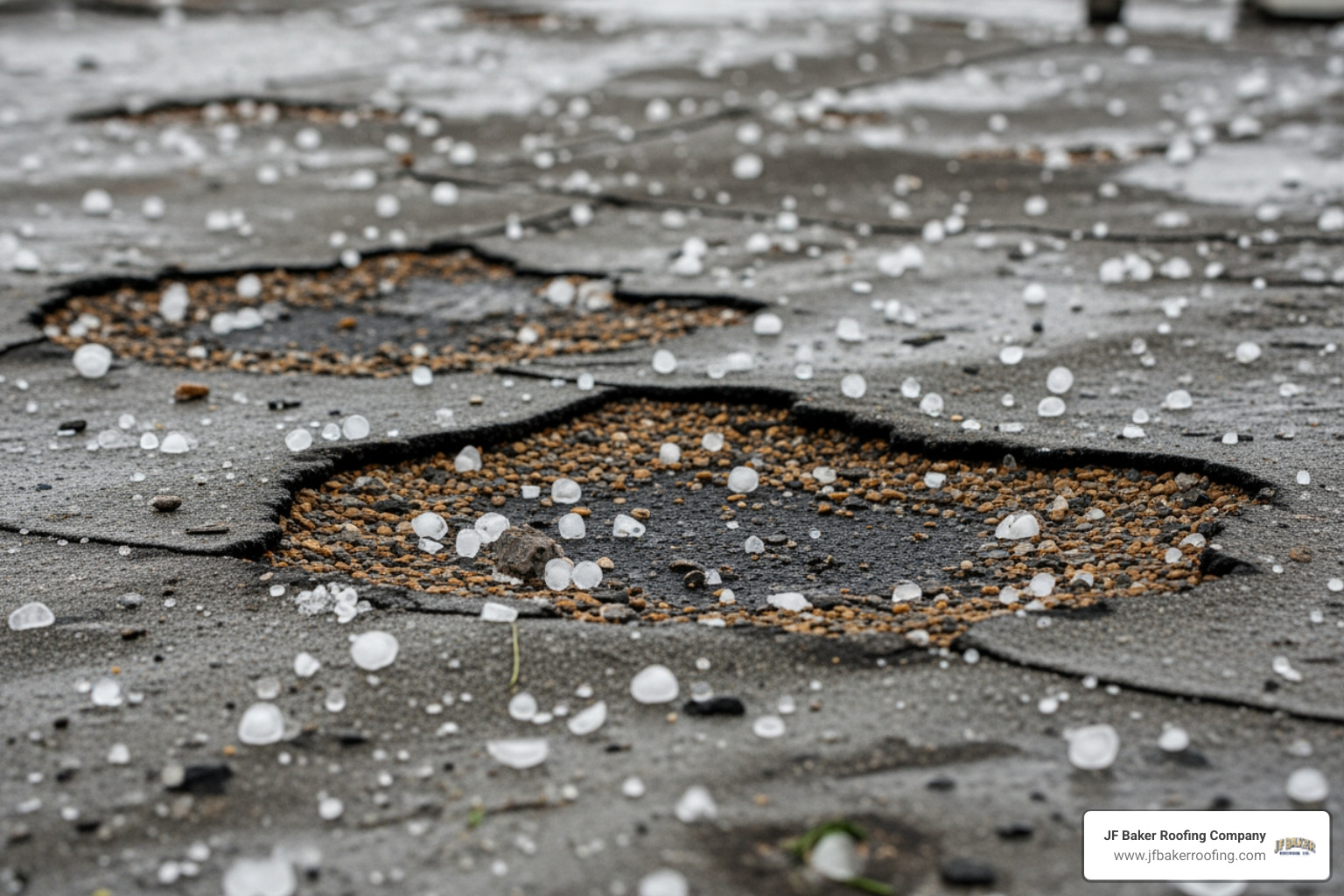
Hail poses another serious challenge. Columbus consistently ranks in the top 20 U.S. cities for hail damage claims, averaging about 1,500 claims annually related to asphalt shingles. Hailstones bruise the asphalt layer, dislodge protective mineral granules, and expose the underlying membrane to rapid degradation. If your neighborhood has recently experienced severe weather, finding specialized hail damage roof repair near me is critical to restoring protection.
Key Warning Signs Requiring Immediate Attention
Not every roof issue produces an immediate torrent of water in the living room. Some damage begins silently and spreads throughout the structure before you notice it.
Watch for these urgent signs:
- Sections of missing or displaced shingles: Visible gaps in your roof covering leave bare underlayment or exposed wooden decking open to rain.
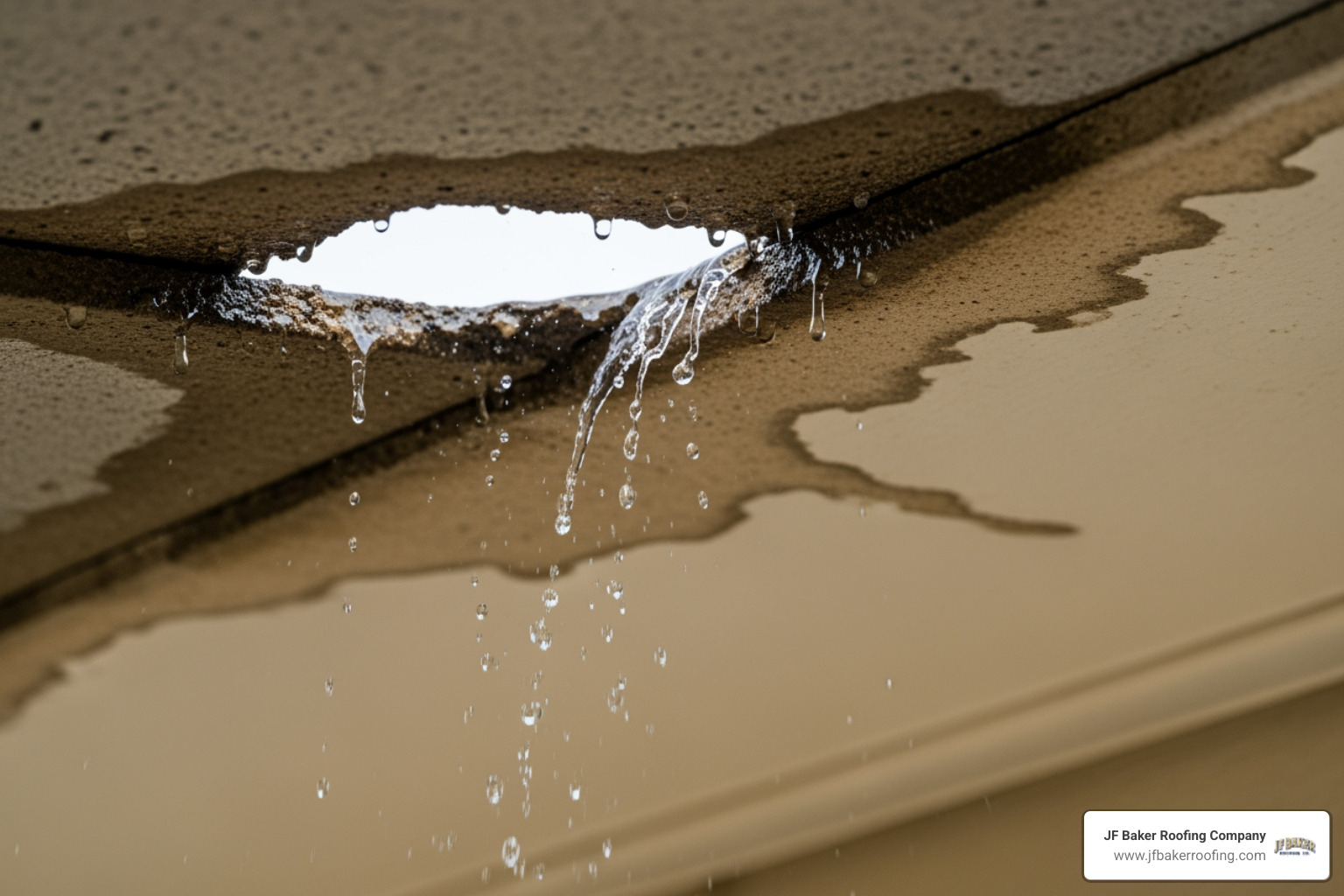
- Active water leaks or dripping ceilings: Water finding its way into finished living spaces indicates an active breach in the roof system.
- Dark, spreading water stains: Discoloration on ceilings or along upper walls signals that water is pooling above the drywall.
- Large quantities of granules in downspouts: When storms wash mineral granules down into gutters, your shingles lose their primary layer of weather protection.
- Sagging roof decking: A dip or depression along the roofline indicates that underlying plywood or OSB decking has absorbed water and weakened structurally.
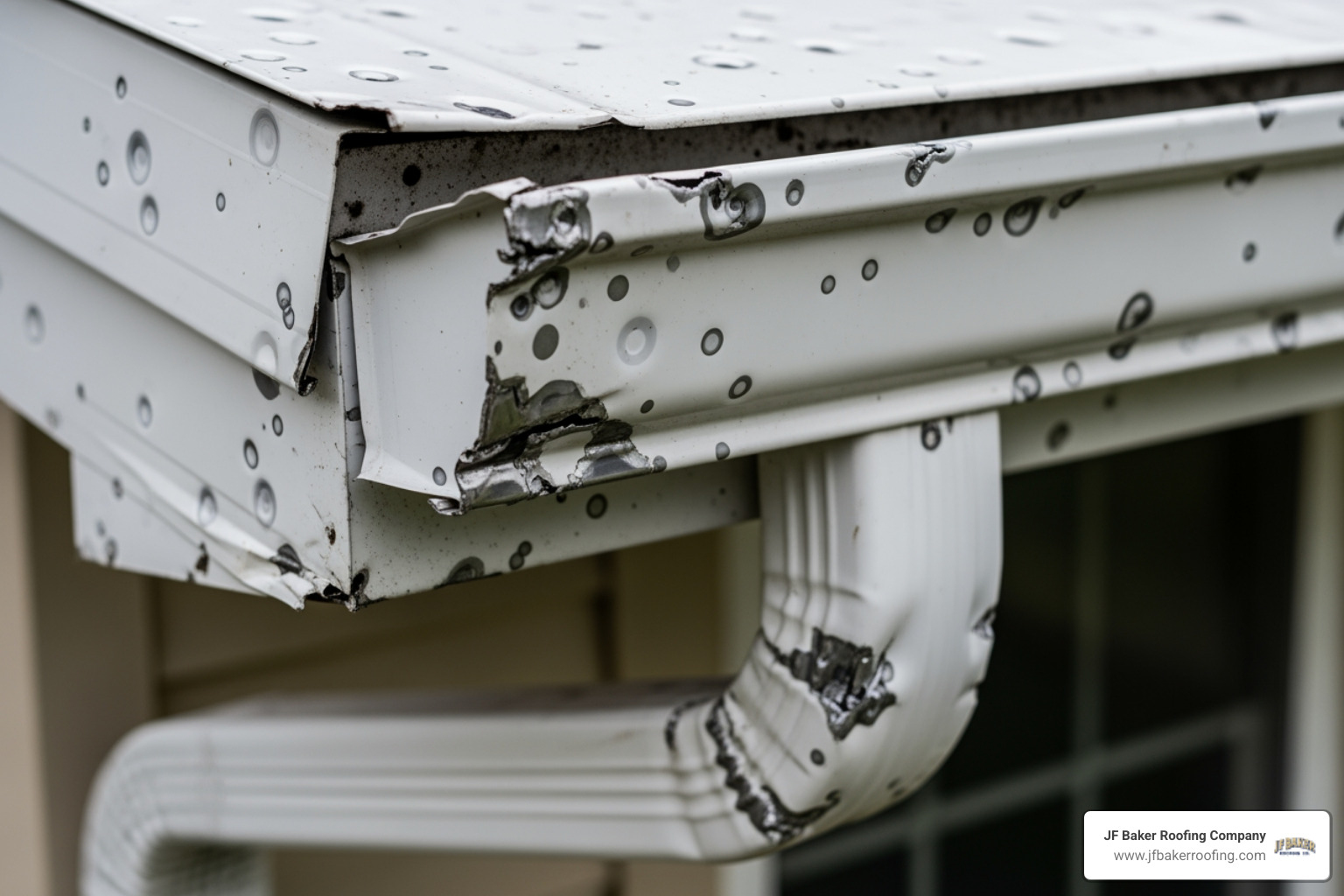
- Overflowing or detached gutters: Clogged or damaged gutters can back water up under the roof eaves, requiring an emergency storm gutter fix to stop edge leaks.
4 Critical Steps for Emergency Shingle Repair in Columbus
When disaster strikes, taking the right steps in the correct order prevents secondary damage, safeguards your family, and simplifies the insurance claims process.
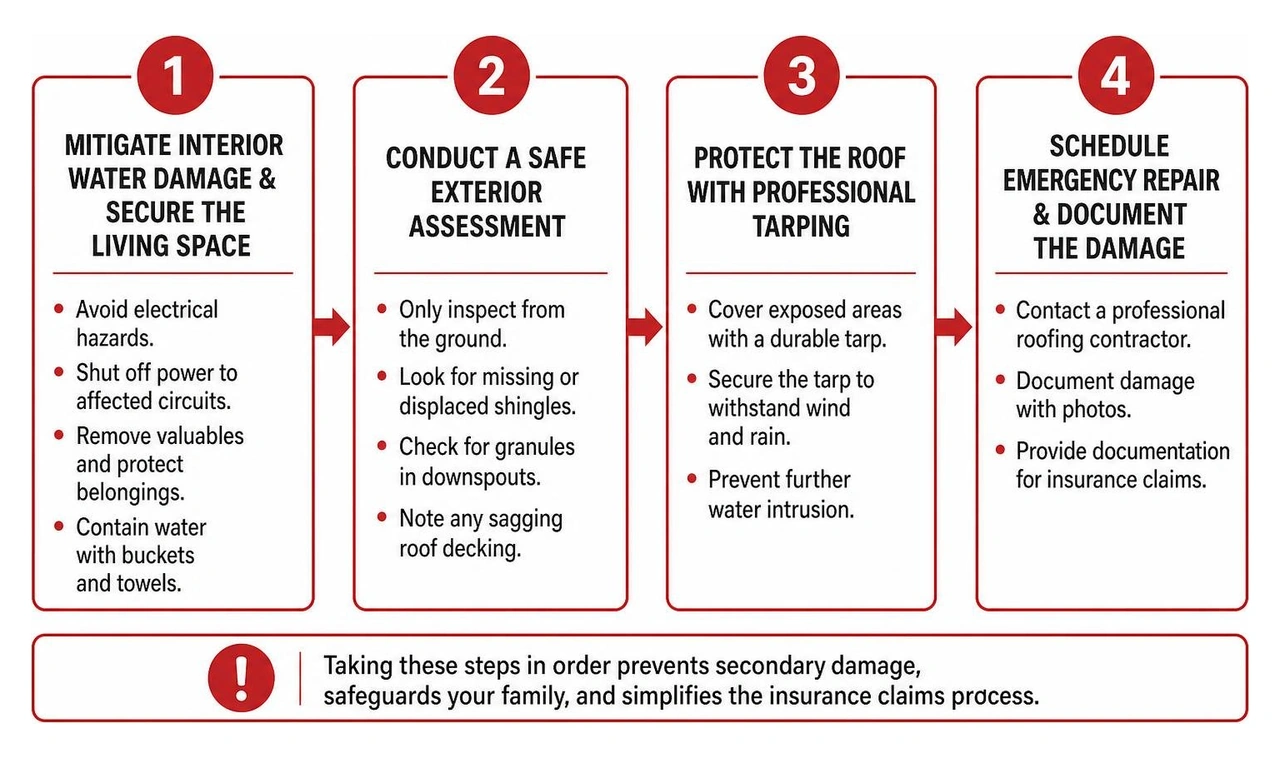
Step 1: Mitigate Interior Water Damage and Secure the Living Space
Your first concern must always be personal safety. If heavy rain or structural damage has compromised your home, step back and assess immediate safety risks:
- Avoid electrical hazards. If water is dripping near light fixtures, ceiling fans, or wall outlets, shut off power to those circuits at the main breaker box immediately.
- Relieve ceiling water pressure. If ceiling drywall is bubbling or bowing under pooled water, place a large bucket underneath and carefully puncture the center of the bulge with a screwdriver to release the water. This controlled drain prevents the entire drywall sheet from collapsing.
- Move furnishings and valuables. Clear the area beneath the leak. Move furniture, rugs, electronics, and keepsakes to a dry room, or cover stationary items with heavy plastic tarps.
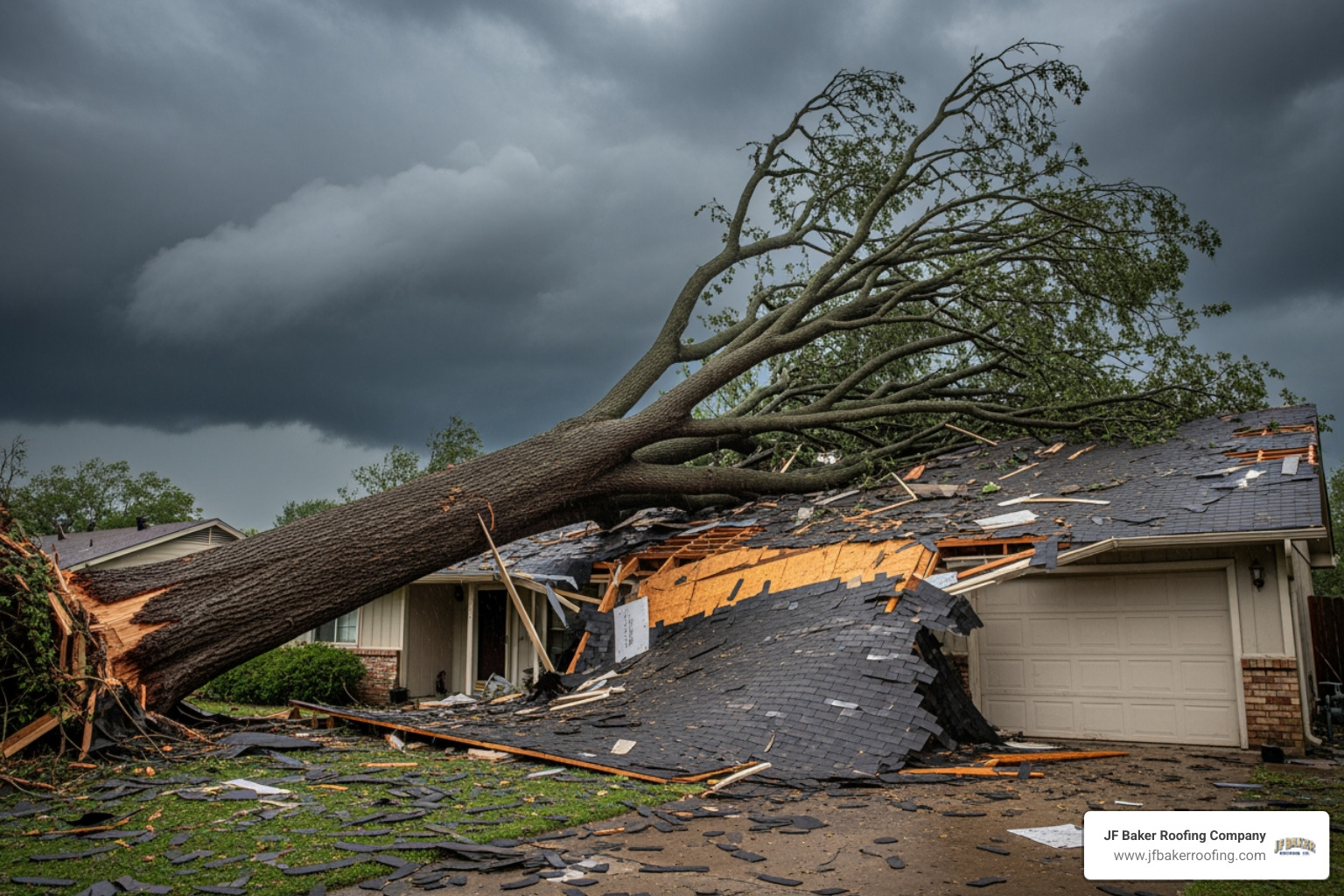
- Address tree impact safely. If a tree branch has punctured the roof deck, stay out of the room below. In cases of severe impact, contact professionals specializing in tree fallen roof repair to handle stabilization safely.
Step 2: Safely Document Roof Damage for Insurance
Insurance adjusters require clear documentation to process storm-related claims. Before starting clean-up or temporary repairs, gather thorough evidence while keeping your feet safely on the ground:
- Take wide-angle and close-up photos: Capture shots of interior water damage, saturated ceilings, wet flooring, and ruined personal property.
- Photograph exterior damage from the ground: Use a smartphone camera with zoom or a pair of binoculars to capture missing shingles, lifted flashing, damaged siding, and storm debris on the roof.
- Record dates, times, and weather conditions: Note the exact time the storm hit and write down specific details, such as hail size or wind intensity.
- Save dislodged materials: If shingles, siding trim, or large hail stones landed in your yard, take photos of them alongside a ruler or common object for scale.
Scheduling a thorough roof inspection after storm activity will provide the comprehensive photographic evidence and written documentation your insurance carrier needs.
Step 3: Implement Temporary Weatherproofing and Roof Tarping
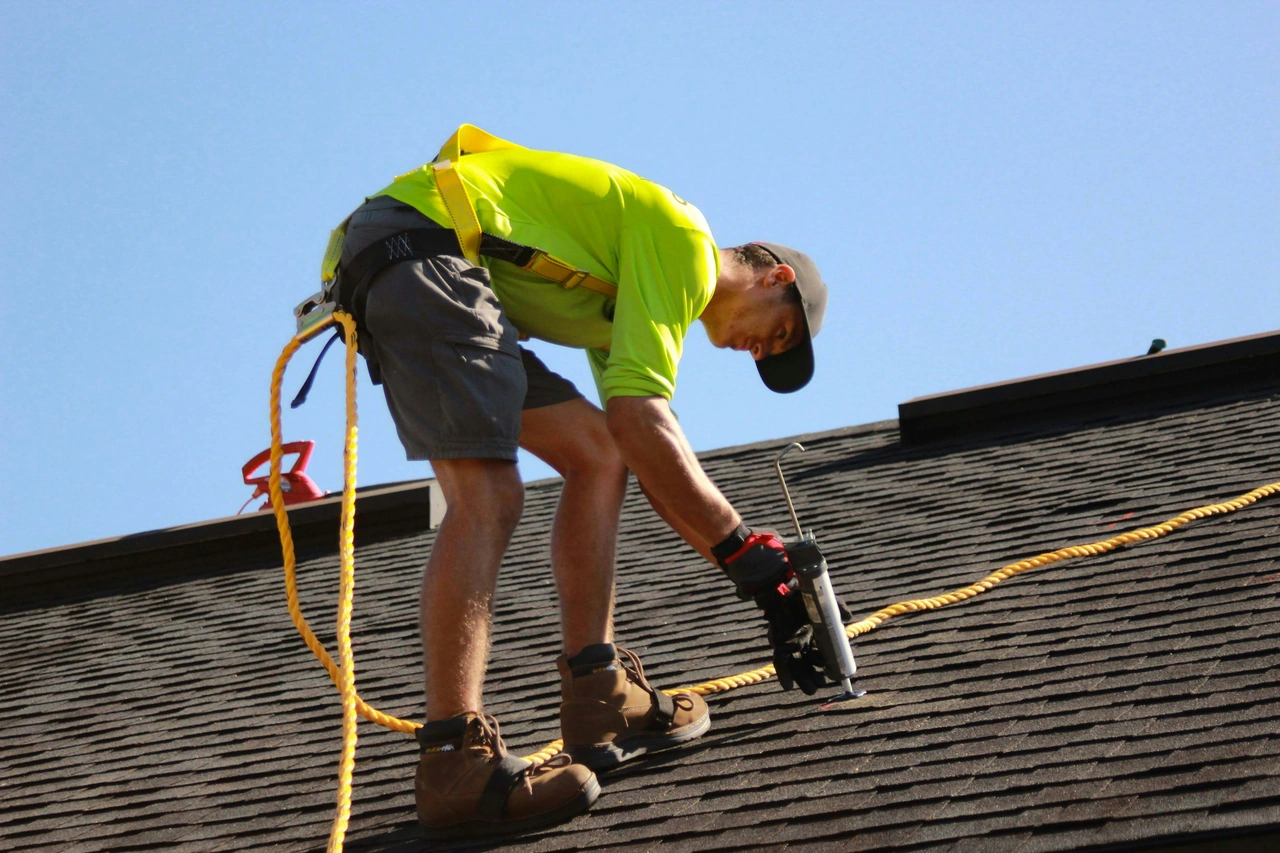
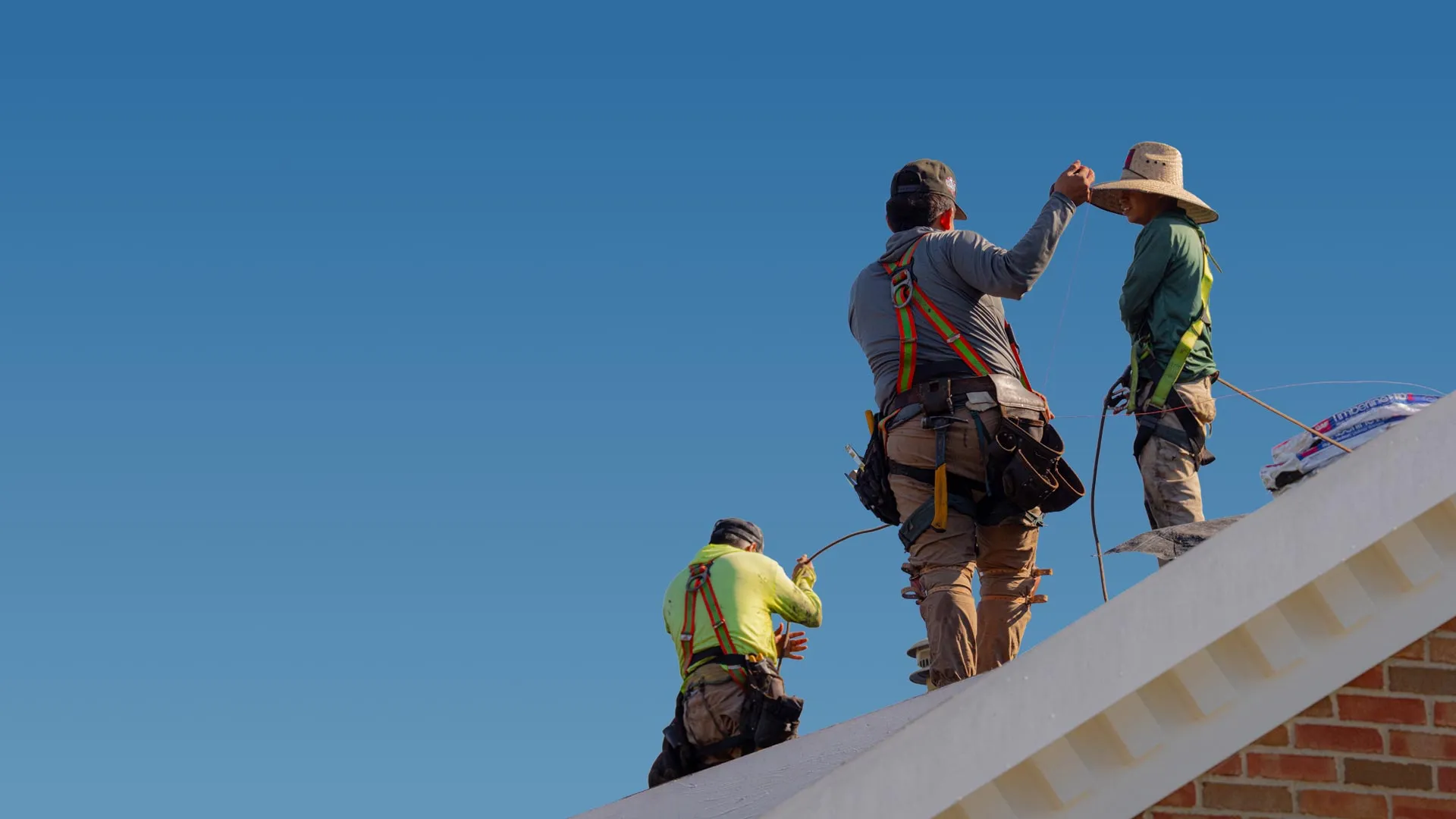
Temporary stabilization stops water infiltration while you wait for scheduled permanent repairs. Attempting DIY roof repairs during or immediately after a storm is dangerous due to wet, slippery shingles, hidden structural weaknesses, and high winds.
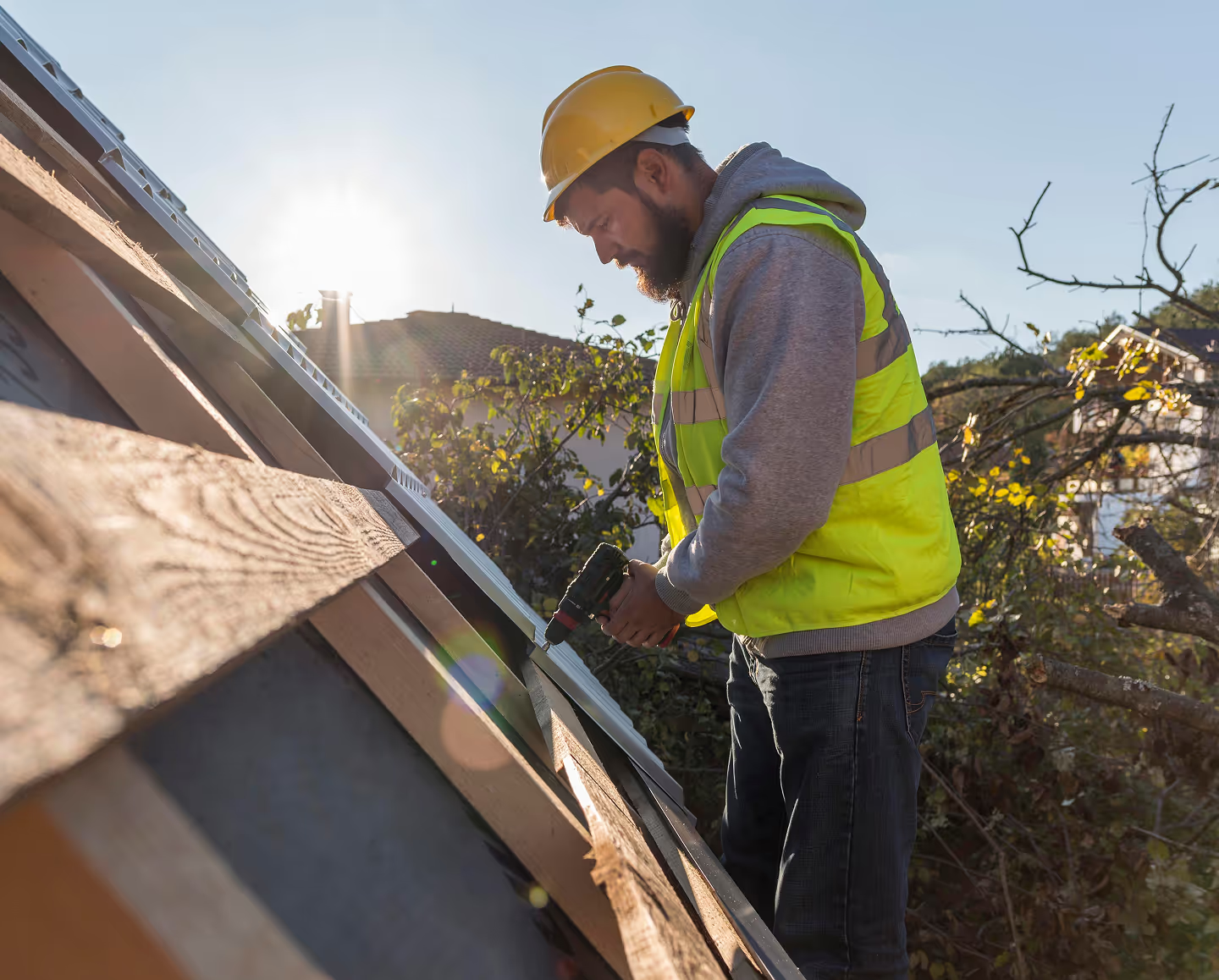
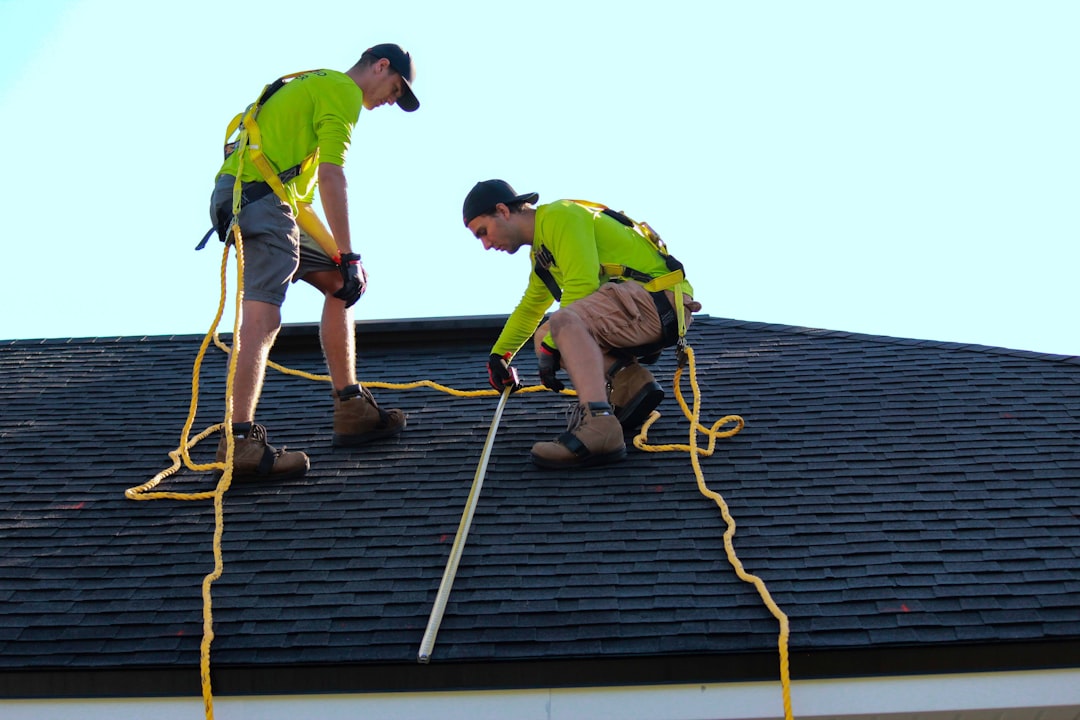
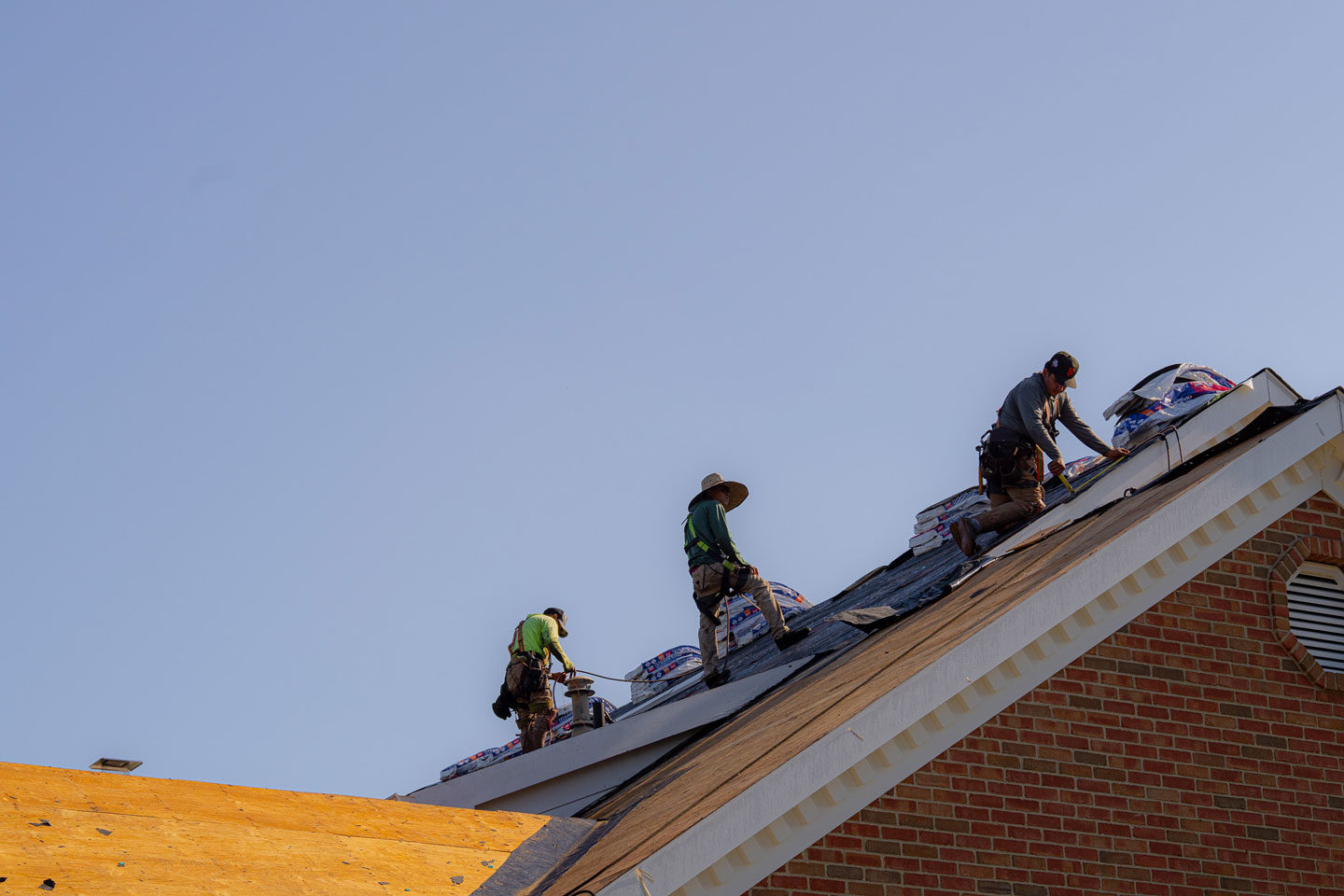
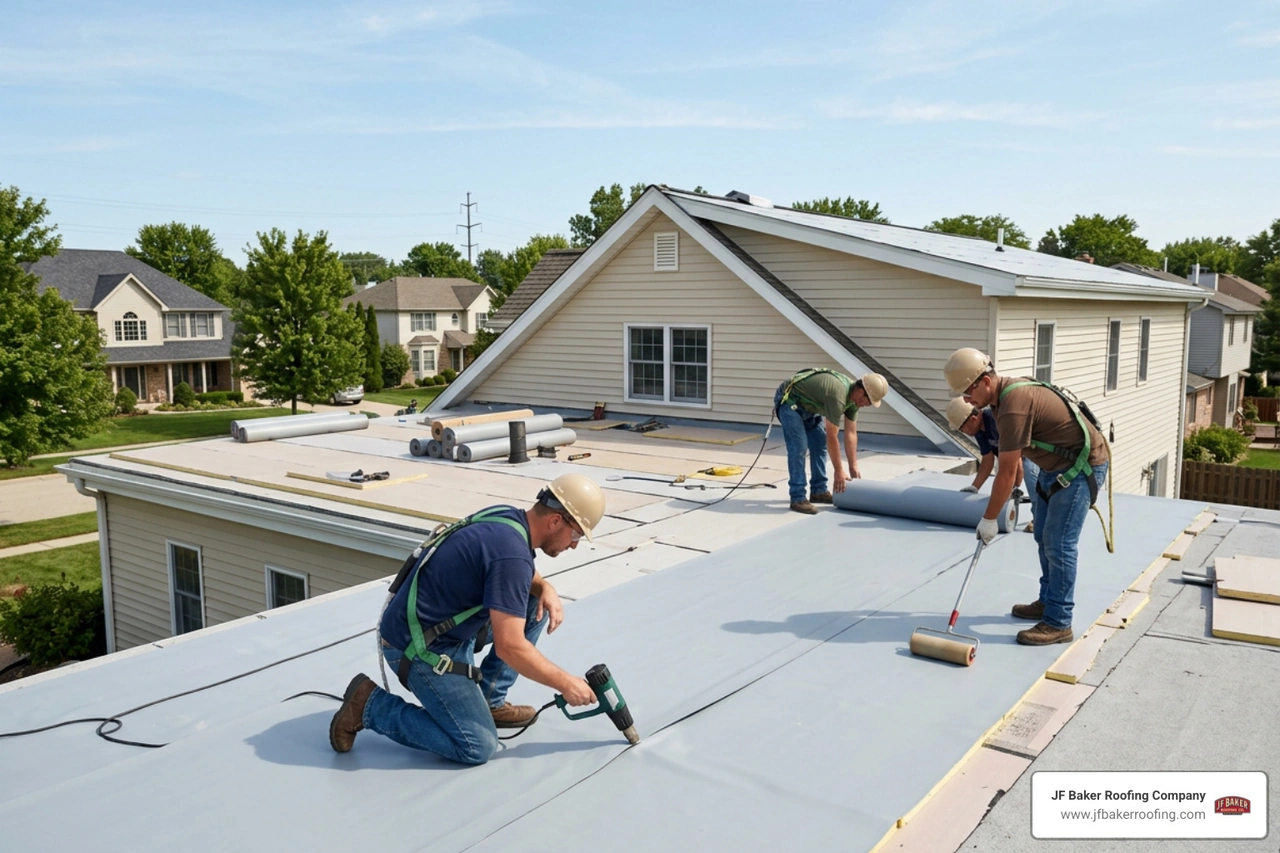
Professional roofing crews stabilize damaged roofs by:
- Securing heavy-duty, UV-resistant tarps: The tarp must extend well past the damaged area and over the roof ridge to prevent water from running underneath the top edge.
- Fastening with wooden anchor strips: Fastening tarps using 2x4s or furring strips prevents strong winds from catching the edges and tearing the tarp away.
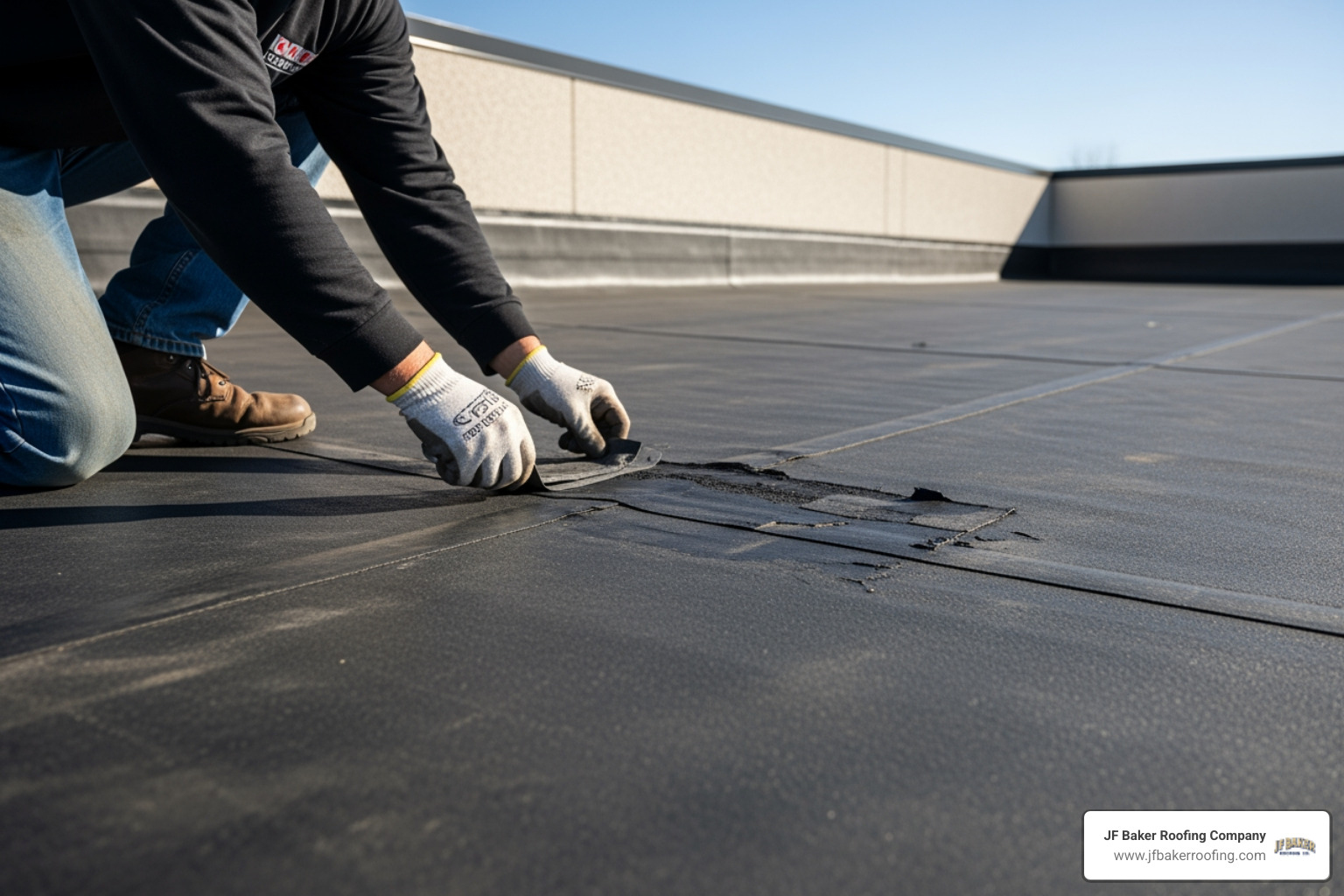
- Applying emergency sealants where appropriate: For minor punctures or lifted seams, professional roofers can apply commercial-grade temporary sealants.
Learning about the best way to patch a roof will show you why heavy tarps and mechanical fastening are far more reliable than temporary liquid coatings during an active emergency.
Step 4: Contact a Rapid-Response Roofing Contractor and File Your Claim
Once the property is temporarily protected from incoming weather, contact both your insurance carrier and a reputable local roofing contractor:
- Notify your insurance company: Open a storm claim promptly. Let them know you have taken reasonable steps to mitigate active water leaks, as required by standard homeowner policies.
- Review your coverage terms: Learn the basics of your storm damage insurance policy, including your deductible amount and whether your coverage pays for replacement cost value or actual cash value.
- Engage established local contractors: Work with experienced storm damage roofing contractors who routinely evaluate storm losses, meet with insurance adjusters on-site, and provide clear, line-item estimates.
Navigating Costs, Insurance, and Local Regulations
Navigating the financial and regulatory side of emergency roof repairs can feel overwhelming when dealing with storm cleanup. Knowing what to expect regarding costs, timelines, and city building codes helps you make smart decisions.
How Much Does Emergency Shingle Repair in Columbus Cost?
Emergency roofing services generally carry different costs than scheduled, routine repairs. The final invoice reflects factors such as the steepness and height of your roof, the time of dispatch, the square footage of damaged decking, and whether structural rafters need bracing.
Homeowners who delay emergency repairs face significant compounding expenses. Waiting more than 48 hours to secure an active roof leak leads to an average of $2,000 in additional water damage. Saturated attic insulation, ruined drywall, warped hardwood floors, and rapid mold growth multiply costs quickly.
To plan long-term project budgeting and understand component lifespans, review our comprehensive roof damage repair guide 2026.
Temporary Emergency Stabilization vs. Permanent Shingle Replacement
It is helpful to separate immediate stabilization from permanent restoration:
- Emergency stabilization (Tarping): This temporary step seals out water for days or weeks while you coordinate with adjusters, select materials, and wait for clear weather.
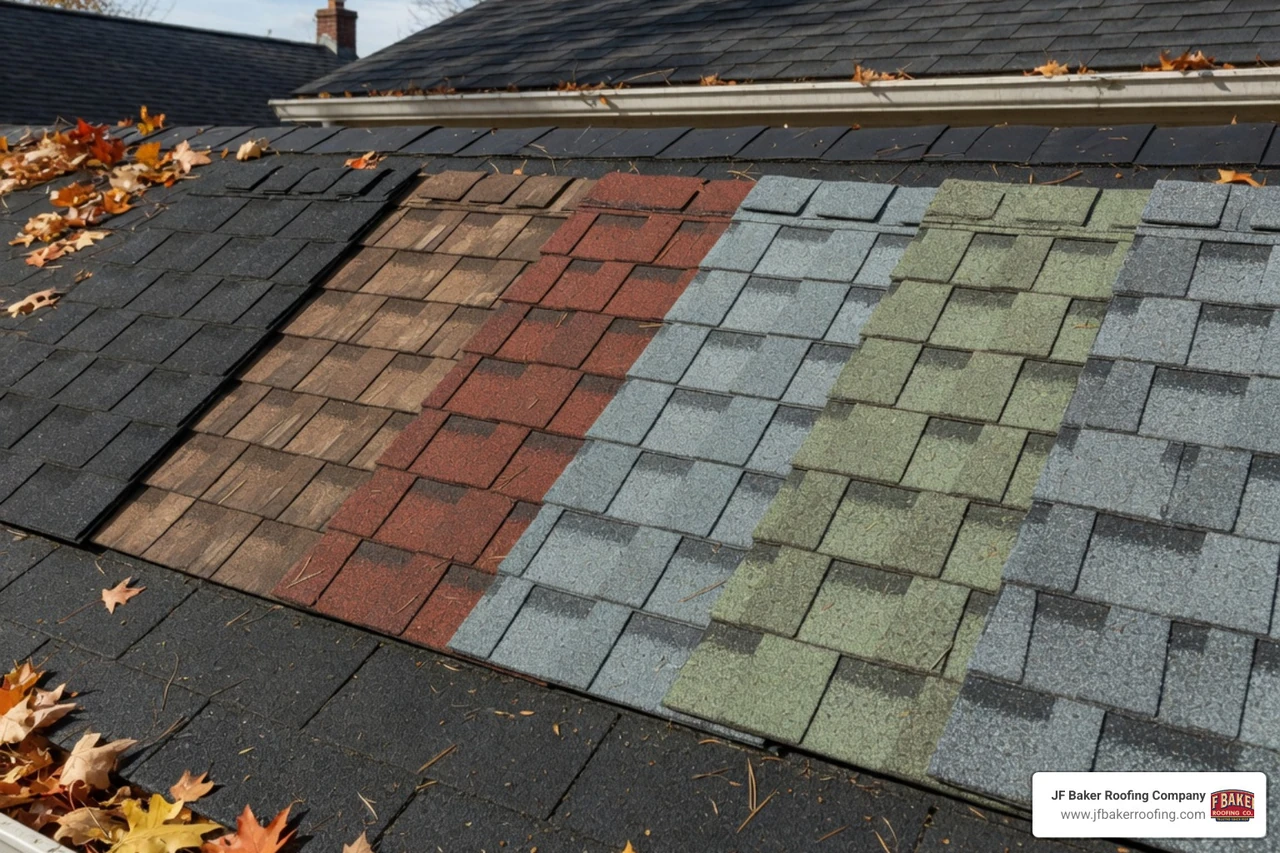
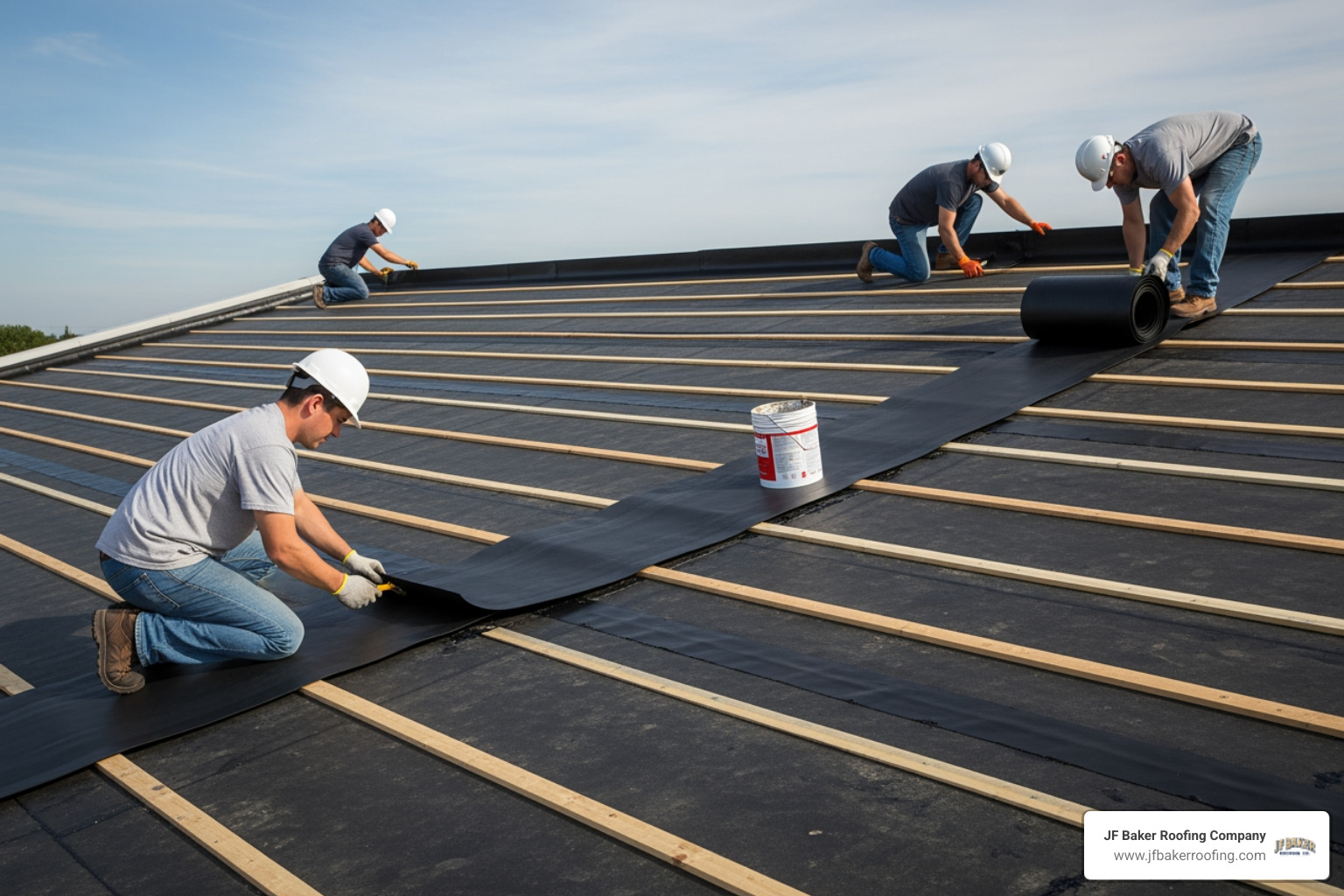
- Permanent shingle replacement: This permanent fix involves tearing away damaged sections down to the decking, replacing rotten wood, installing fresh ice-and-water shield membranes, weaving in matching shingles, and securing all flashing points.
When you replace roof shingles permanently, local building codes must be followed. The City of Columbus Department of Building and Zoning Services enforces residential building codes regarding ice barrier installation along eaves, adequate attic ventilation, and proper shingle nail patterns. While emergency tarping does not require a municipal permit, substantial permanent structural decking repairs often do. A licensed contractor will handle these permit applications for you.
Selecting a Trusted Local Contractor and Preventing Future Damage
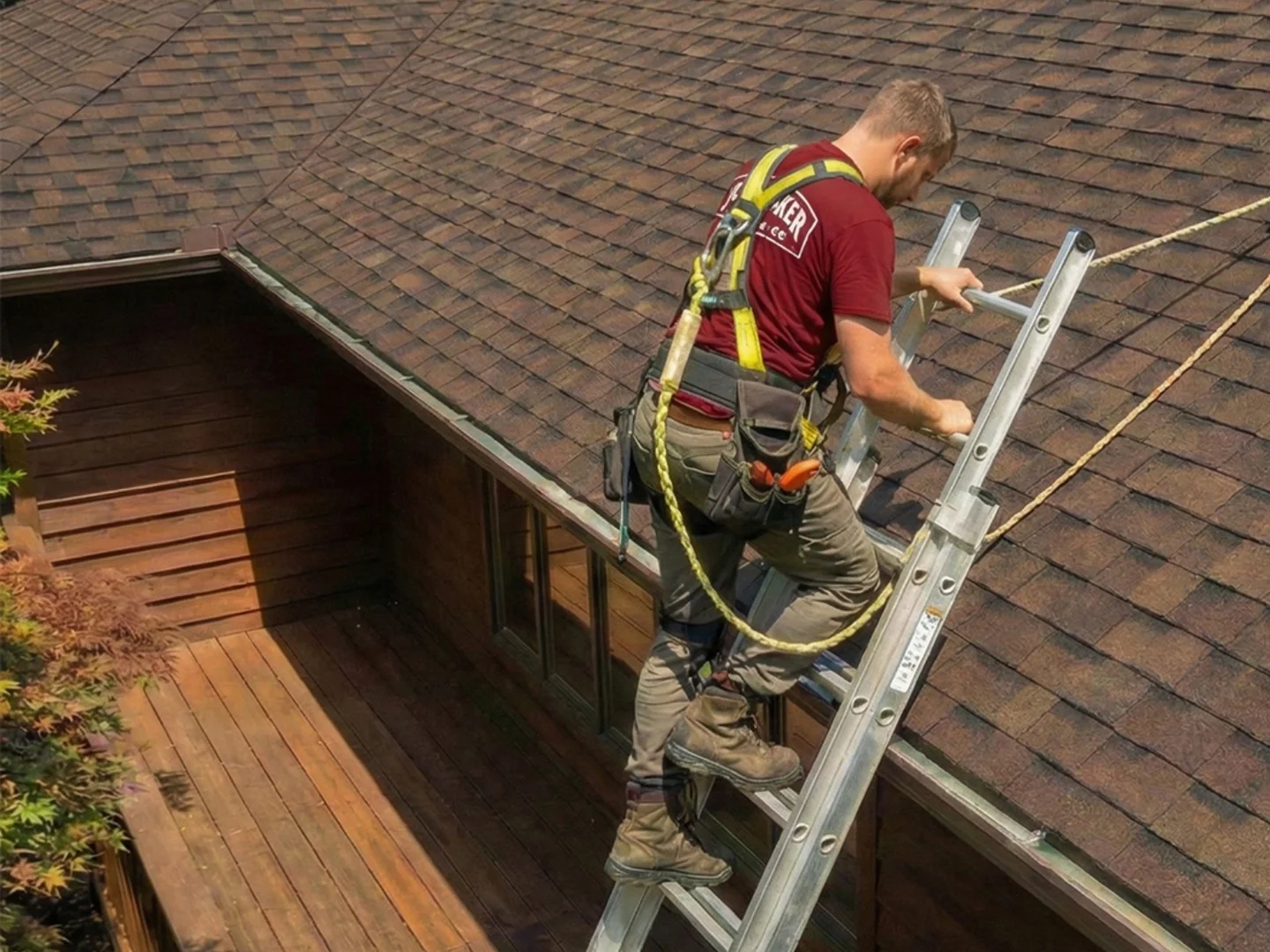
Severe weather frequently brings out-of-town "storm chasers" who travel from city to city, knocking on doors with aggressive sales pitches. These transient crews often do rushed work and move on before problems appear, leaving homeowners without recourse when leaks return.
Vetting Fast-Response Roofing Professionals
Protect your home and budget by partnering with an established, locally rooted contractor. When evaluating emergency repair teams, look for:
- Physical local presence: Choose a business with a permanent address and deep roots in Central Ohio communities like Dublin, Upper Arlington, Westerville, and Columbus.
- Proper credentials: Always work with a licensed insured roofing contractor carrying both general liability insurance and workers' compensation coverage to protect you from liability.
- Verified reputation: Check third-party review platforms and verify standing with the Better Business Bureau.
- Factory certifications: Manufacturers award advanced credentials, such as CertainTeed ShingleMaster status, only to contractors who consistently demonstrate proper installation practices.
Partnering with dependable roofers columbus oh ensures that your warranty remains valid and your contractor will be here years down the road if you need follow-up service.
Long-Term Maintenance and Detecting Hidden Moisture Damage
Once emergency repairs are complete, focus on preventing future surprises. Moisture trapped in hidden spaces can lead to wood rot and unhealthy mold spores long after the storm clouds have cleared.
Have a contractor perform a thorough attic inspection to verify that insulation has dried completely and rafters remain structurally sound. Investing in regular roof inspection appointments each spring and autumn helps catch loose shingles, cracked pipe boots, and loose flashing before the next storm hits.
For extensive storm issues, comprehensive storm restoration services columbus provide total property recovery, covering everything from roof decking and asphalt shingles to siding and seamless gutters.
Frequently Asked Questions About Emergency Roof Repairs
How quickly should emergency shingle damage be addressed in Columbus?
Emergency shingle damage should be addressed immediately, ideally within the first 24 to 48 hours. Columbus weather can bring back-to-back storm fronts. Leaving a roof exposed allows moisture to seep into wood decking, soak attic insulation, damage drywall ceilings, and create mold growth within 48 to 72 hours. Fast tarping or patching keeps interior repair costs from escalating.
Does homeowners insurance cover the cost of emergency shingle tarping?
Yes, most standard homeowners insurance policies cover reasonable emergency mitigation costs, including professional tarping and boarding services. Insurance policies typically contain a clause requiring the property owner to take reasonable steps to prevent secondary damage after an incident. Keep all receipts, invoices, and photos from your emergency roofer to submit alongside your main insurance claim.
Do emergency shingle repairs in Columbus require a building permit?
Immediate emergency tarping and small, temporary weatherproofing patches do not require a building permit in the City of Columbus or surrounding Franklin County municipalities. However, if the permanent repair involves replacing structural rafters, rebuilding large sections of the roof deck, or completing a total roof replacement, local building codes require a permit. A qualified local contractor will obtain any required permits on your behalf.
Reliable Storm Repairs for Your Columbus Home
When severe storms damage your roof, you need a calm, experienced team that responds quickly with honest guidance. JF Baker Roofing provides residential roofing, commercial roofing, roof repair, roof replacement, storm damage roofing, gutter installation and repair, and sheet metal work, with honest assessments, transparent pricing, and no high-pressure sales tactics.
Trusted since 1929, our company has protected homes across Central Ohio for nearly 100 years. Led by third-generation owners Chad and Pat Baker, we are a CertainTeed ShingleMaster Preferred Contractor, NRCA member, and BBB Accredited Business with an A+ rating. Built on integrity and proven by performance, our professional crews maintain clean job sites, communicate clearly, and recommend repairs when repairs suffice, suggesting full replacement only when genuinely needed.
We serve homeowners throughout Columbus and neighboring communities, including Dublin, Upper Arlington, Hilliard, Grandview Heights, Worthington, and Westerville. Family-owned and community-rooted, we stand behind every roof we install.
If your home has suffered storm damage or needs prompt attention, let our reputation be your security. Reach out to our team today for professional storm damage repairs and schedule a thorough, honest assessment of your roof.








.jpeg)