Verify Contractor Credentials: Licensed Insured Roofing Survival Guide
Why You Must Hire a Licensed Insured Roofing Contractor
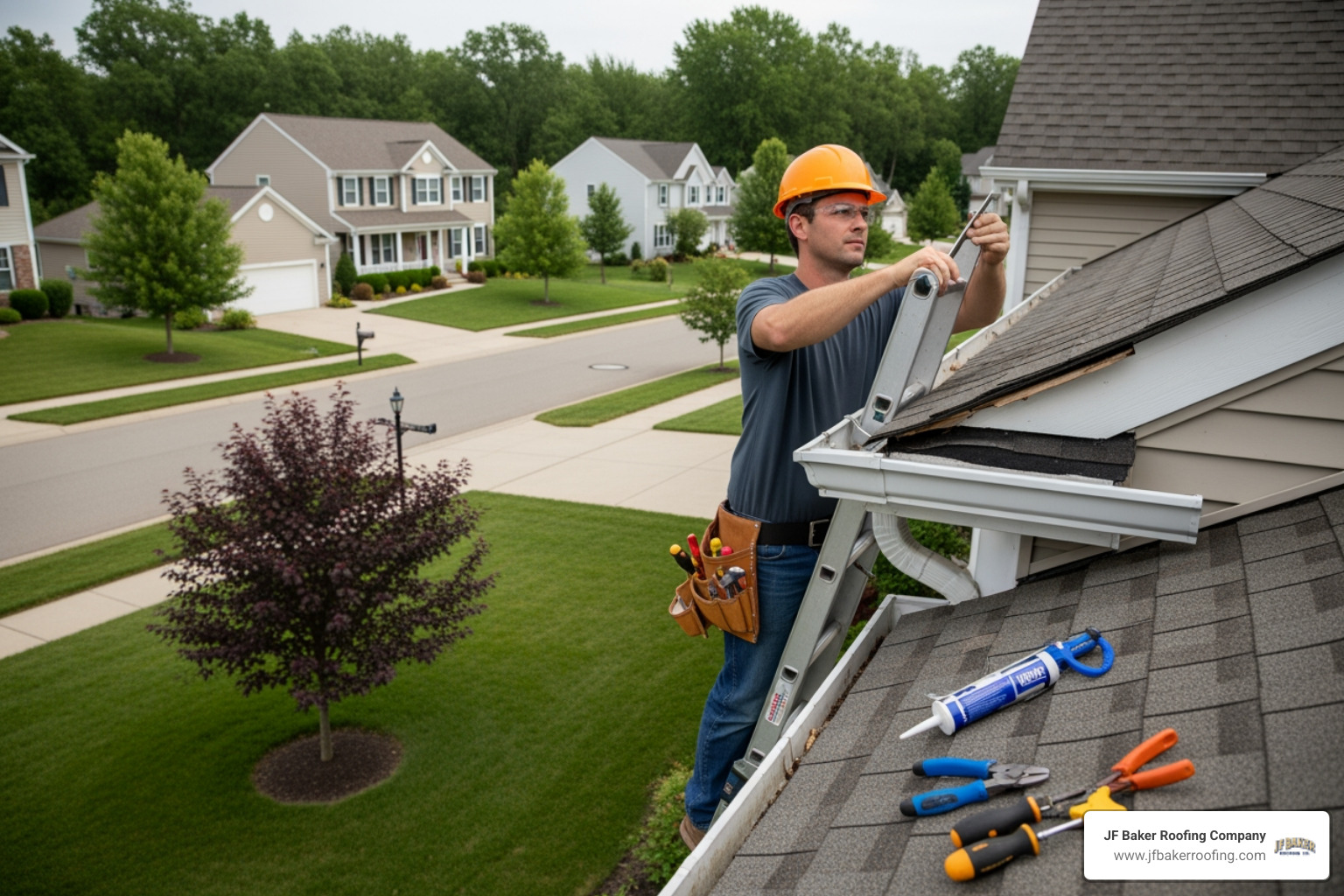
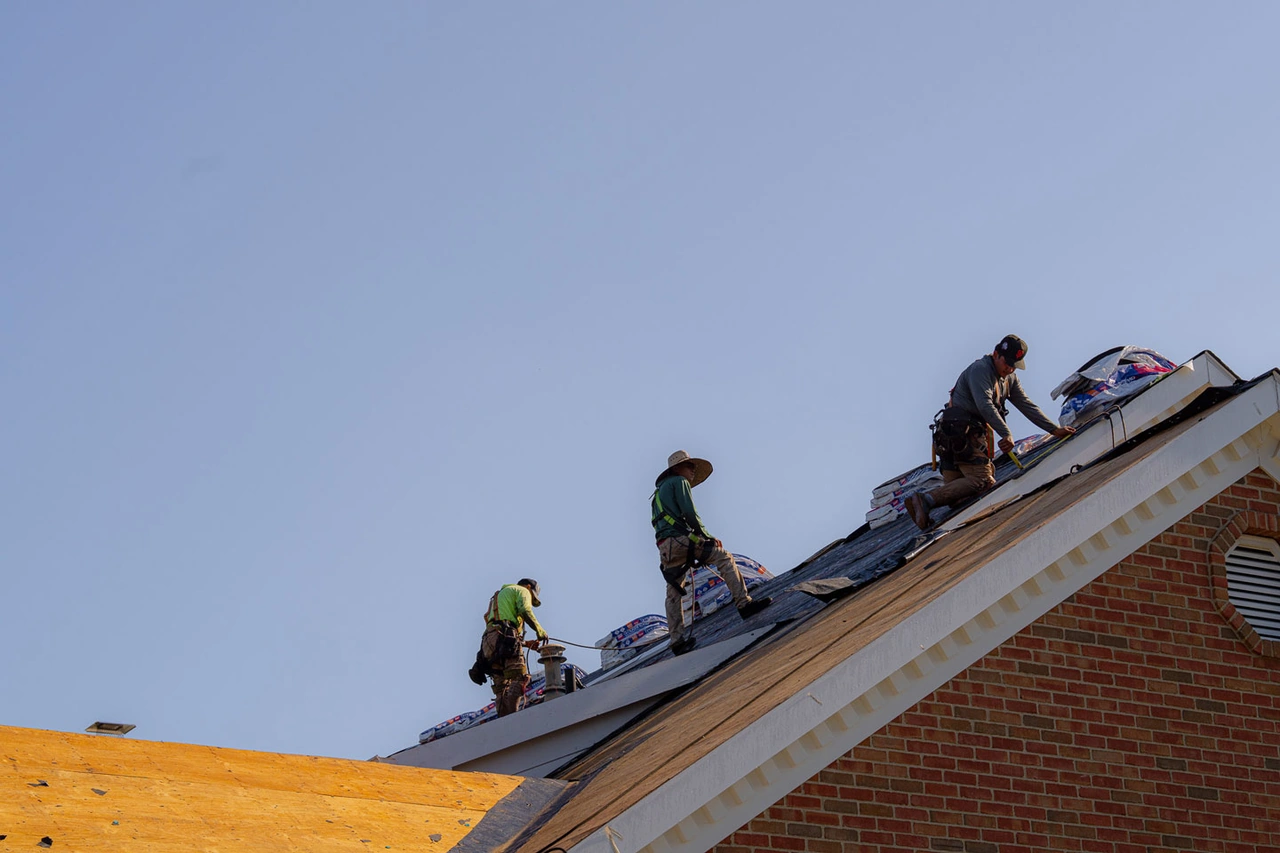
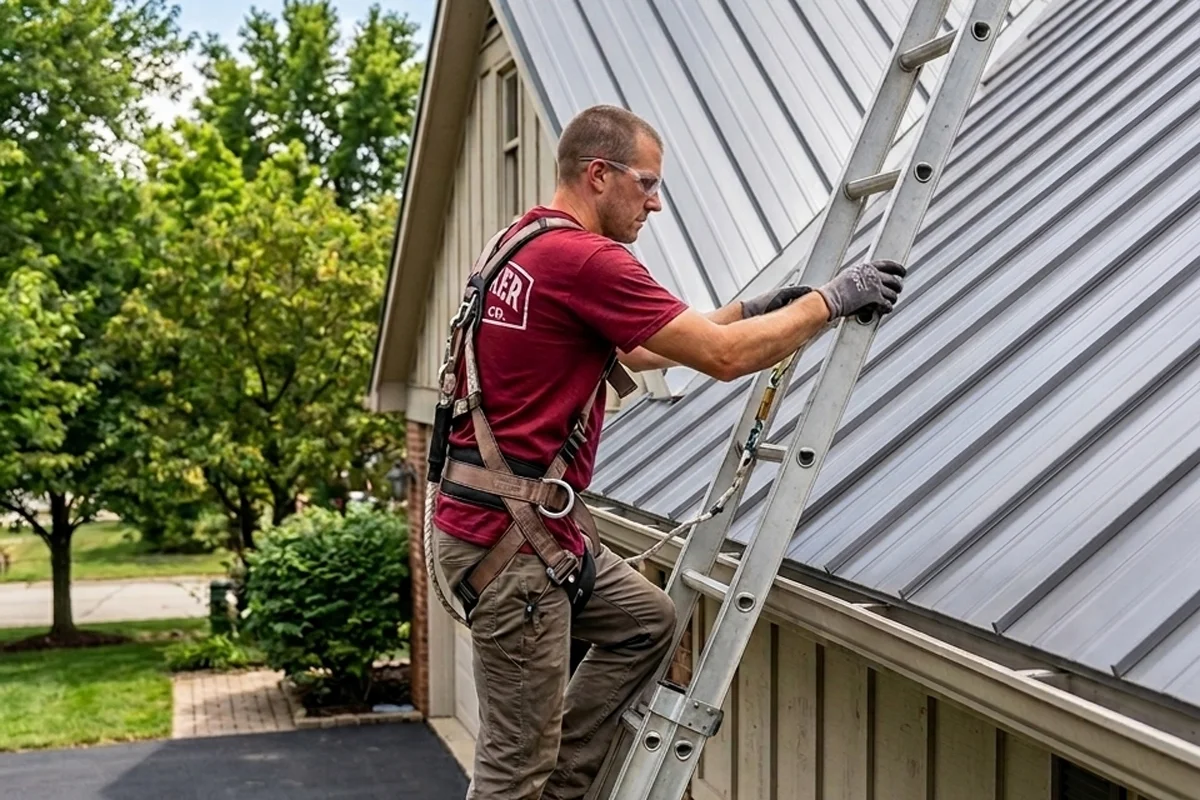
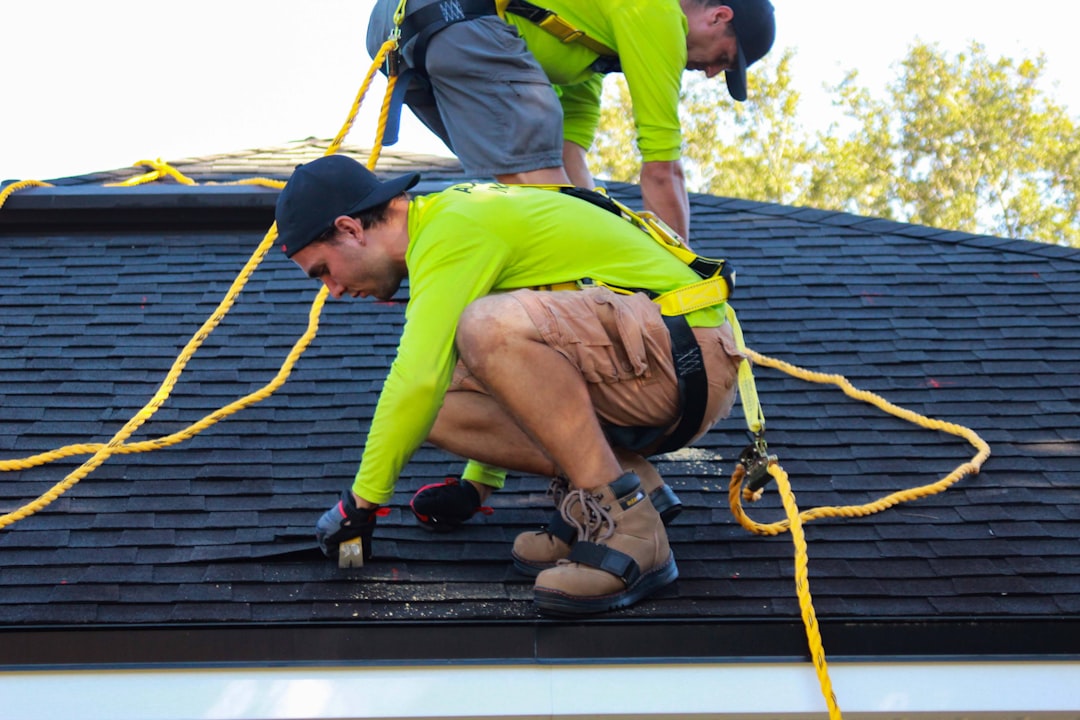
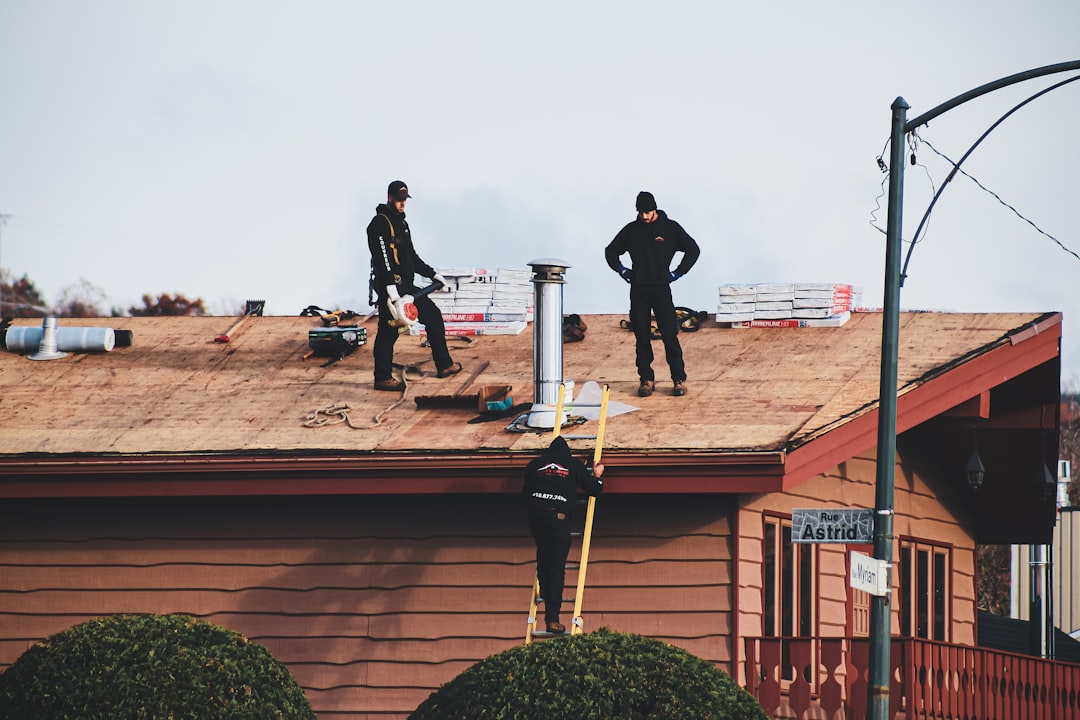
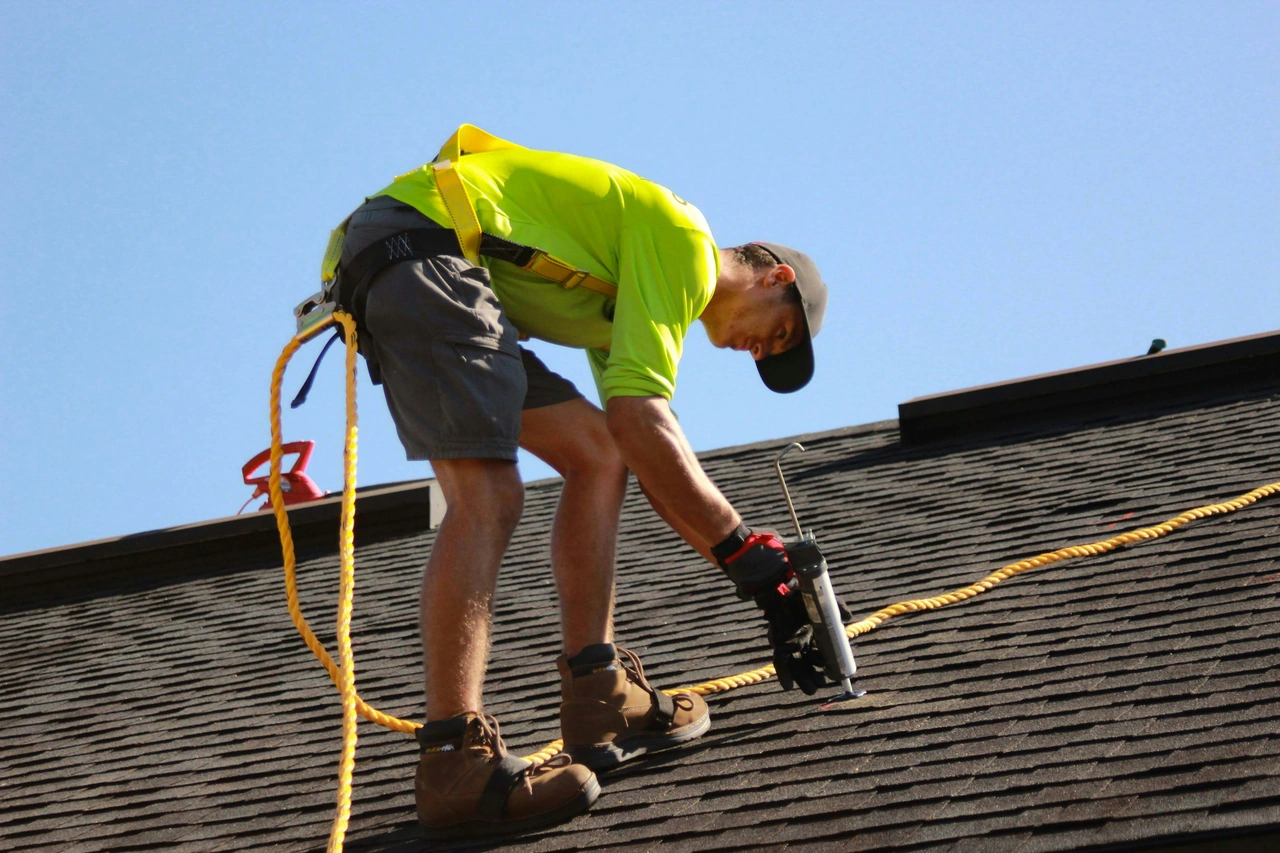
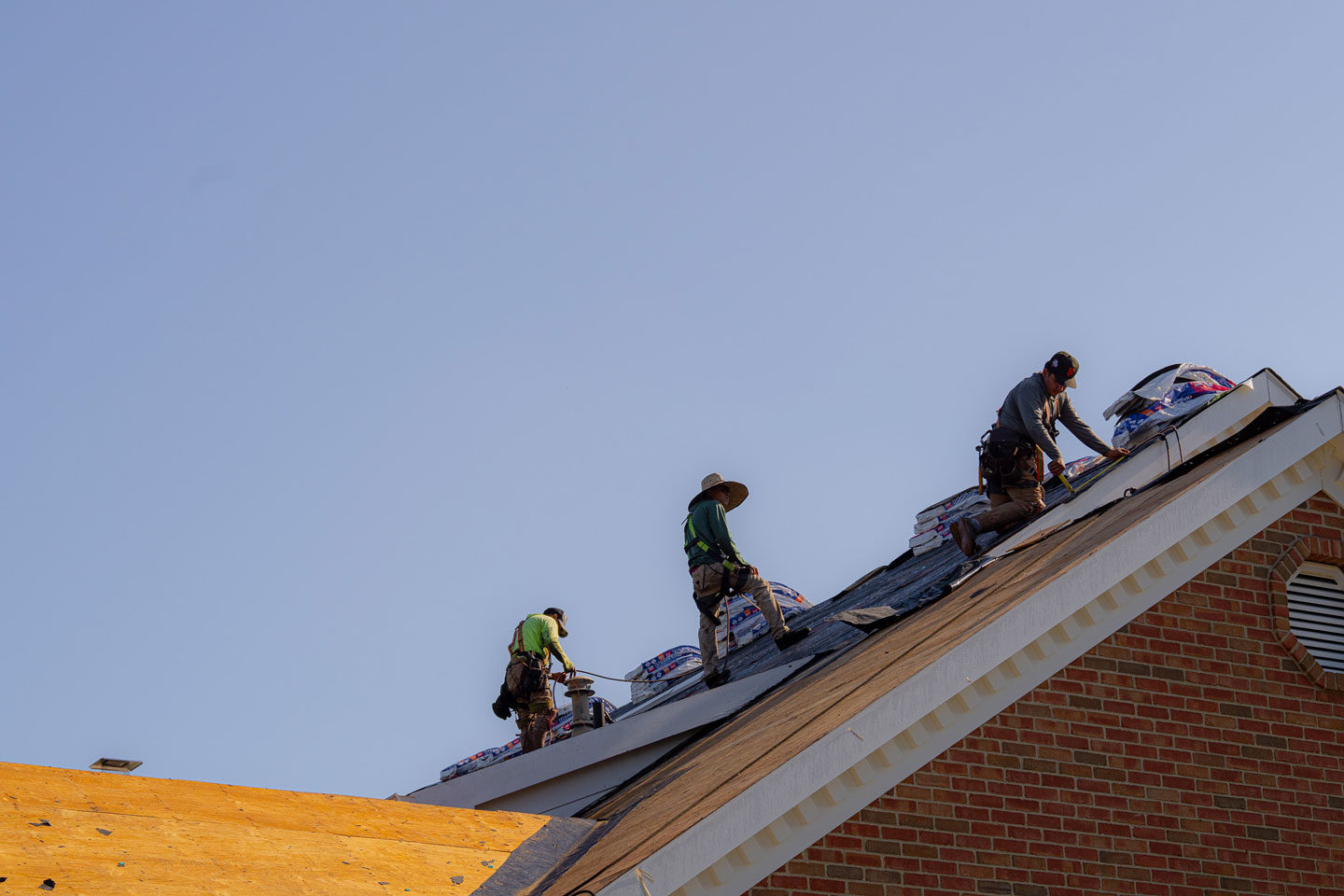
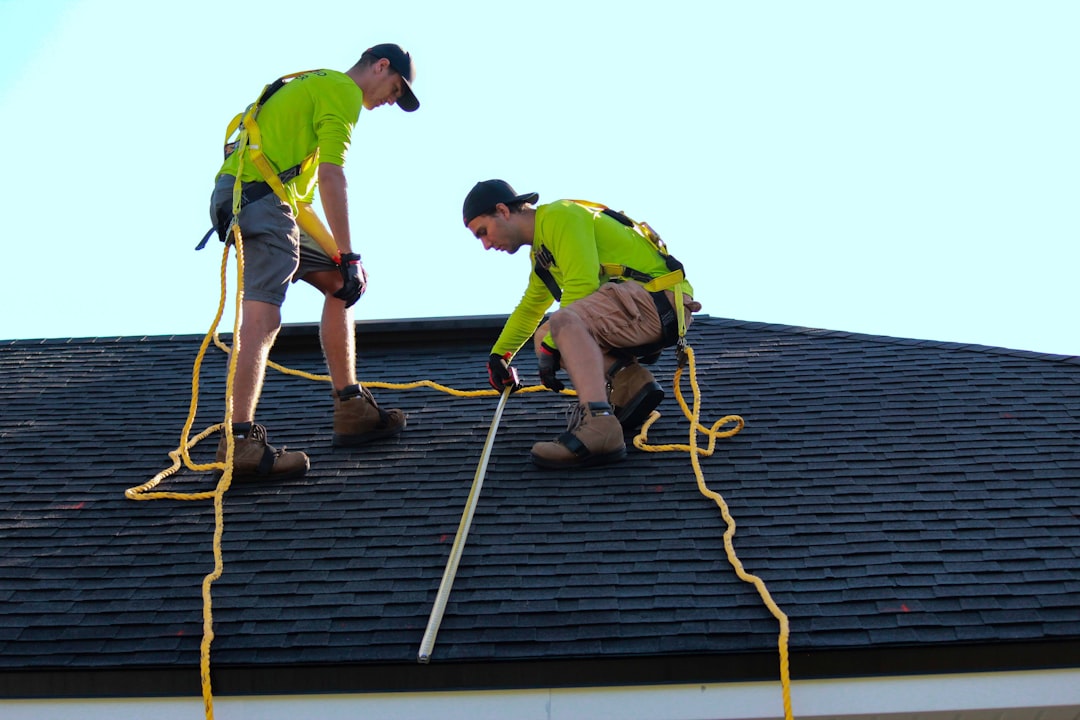
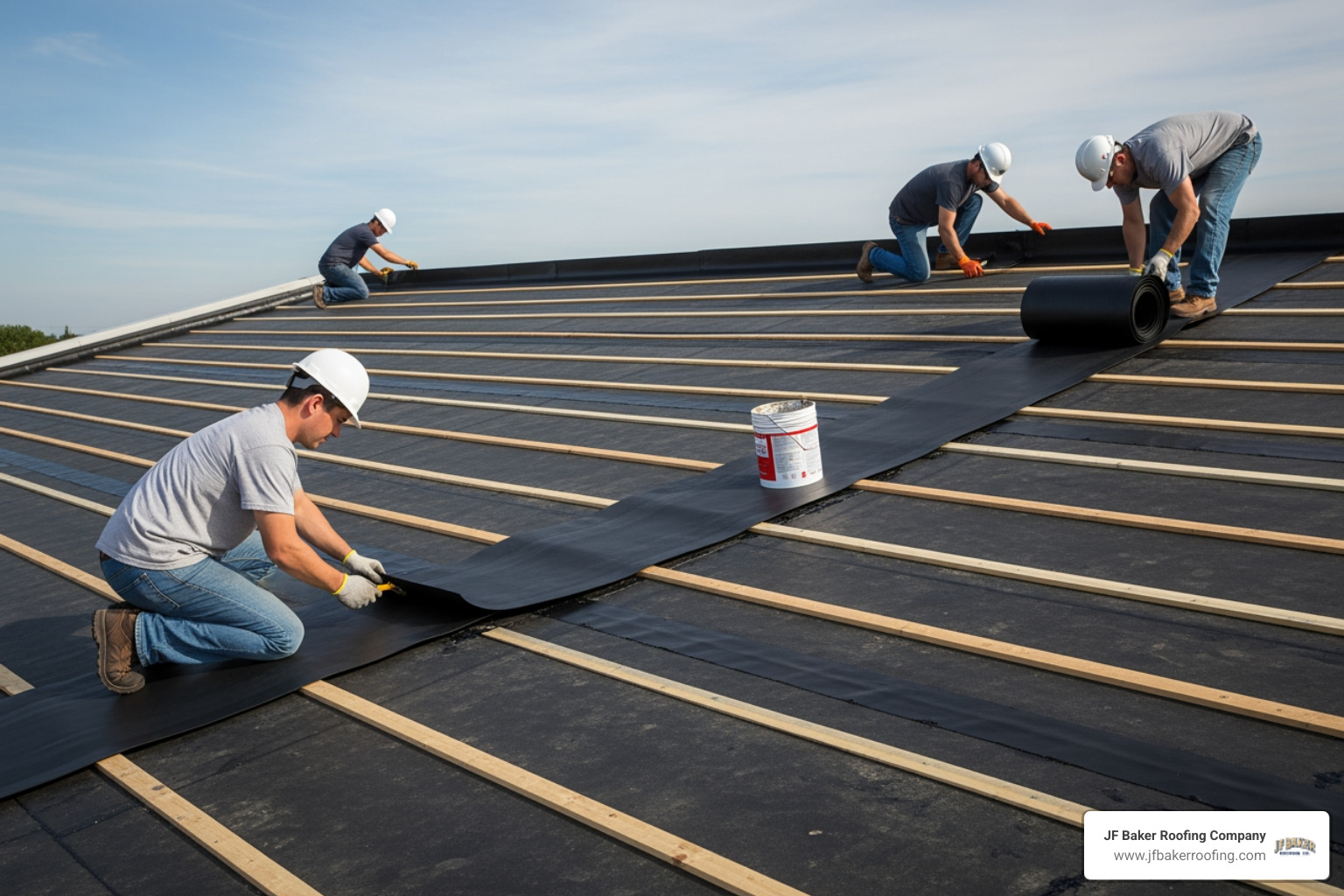
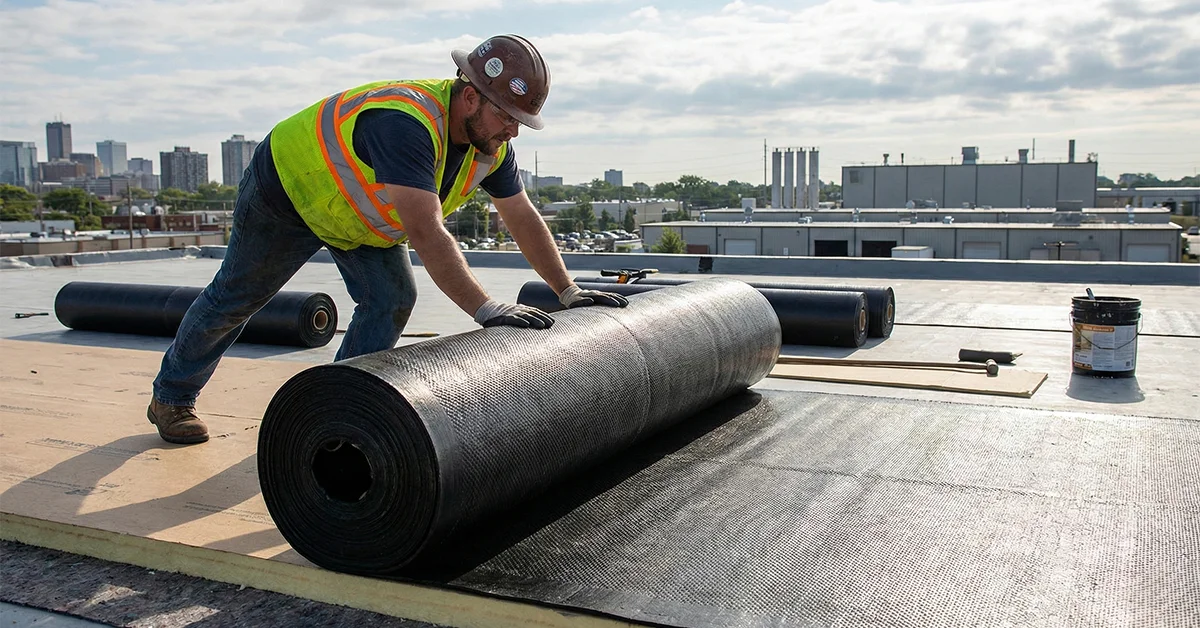
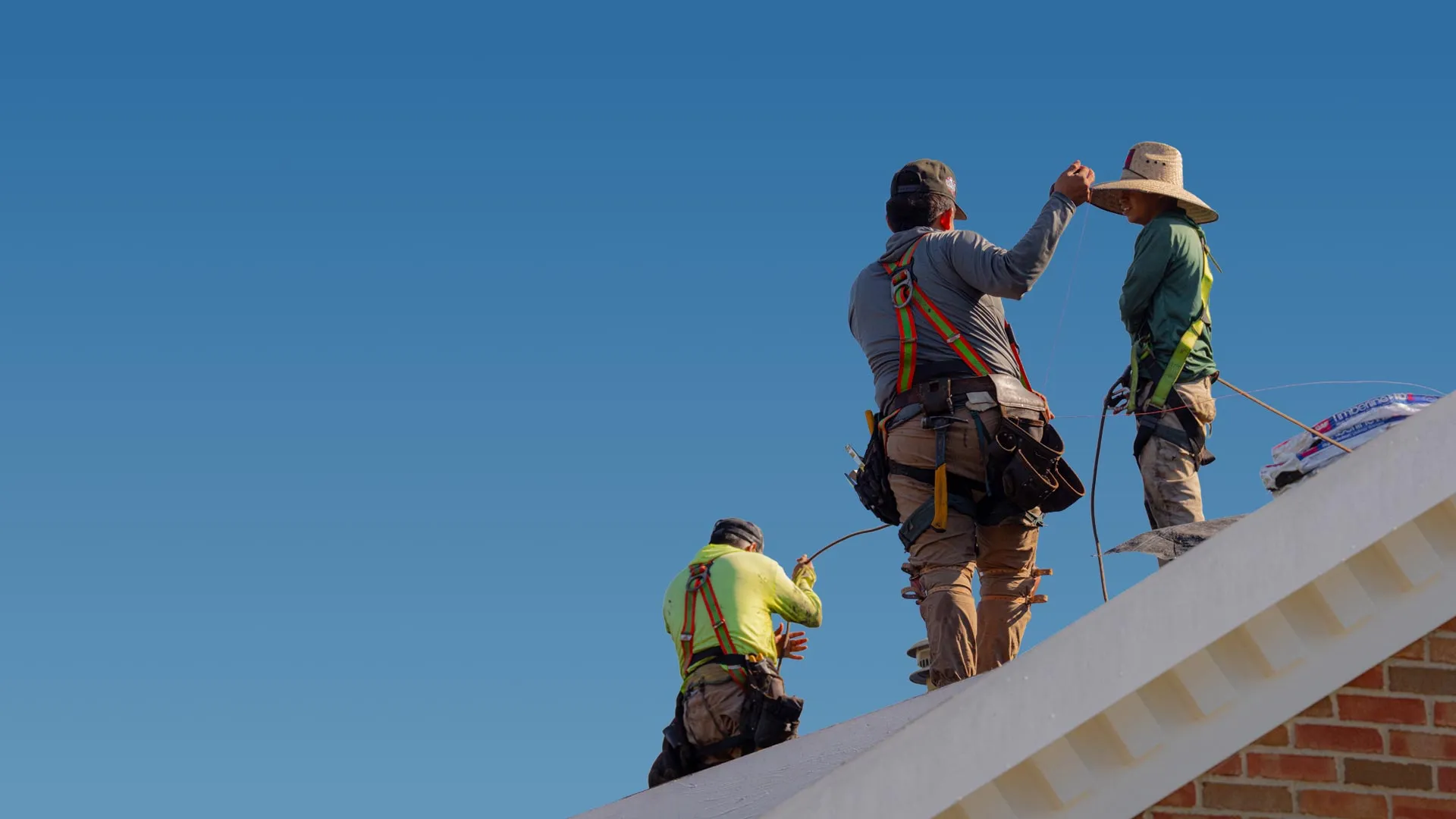
Your roof is the primary shield protecting your family, your belongings, and the structural integrity of your entire property. When work is performed overhead, the stakes are exceptionally high. Construction trades carry inherent hazards, and roofing consistently ranks as one of the most dangerous occupations due to elevated fall risks, heavy material staging, and variable weather conditions.
When a company steps onto your property to handle residential roofing, any accident, property mishap, or structural oversight becomes your legal and financial headache if that contractor lacks verified credentials.
Hiring an unverified crew introduces serious risks:
- Direct Homeowner Liability: If an uninsured laborer falls from a ladder or roof deck, your personal homeowner insurance policy could become the target for catastrophic medical bills, disability settlements, and legal representation costs.
- Third-Party Property Damage: Heavy tear-off debris can shatter expensive siding, crush air conditioning condenser units, crack concrete driveways, or ruin delicate landscaping. Uninsured companies often walk away from these repair bills.
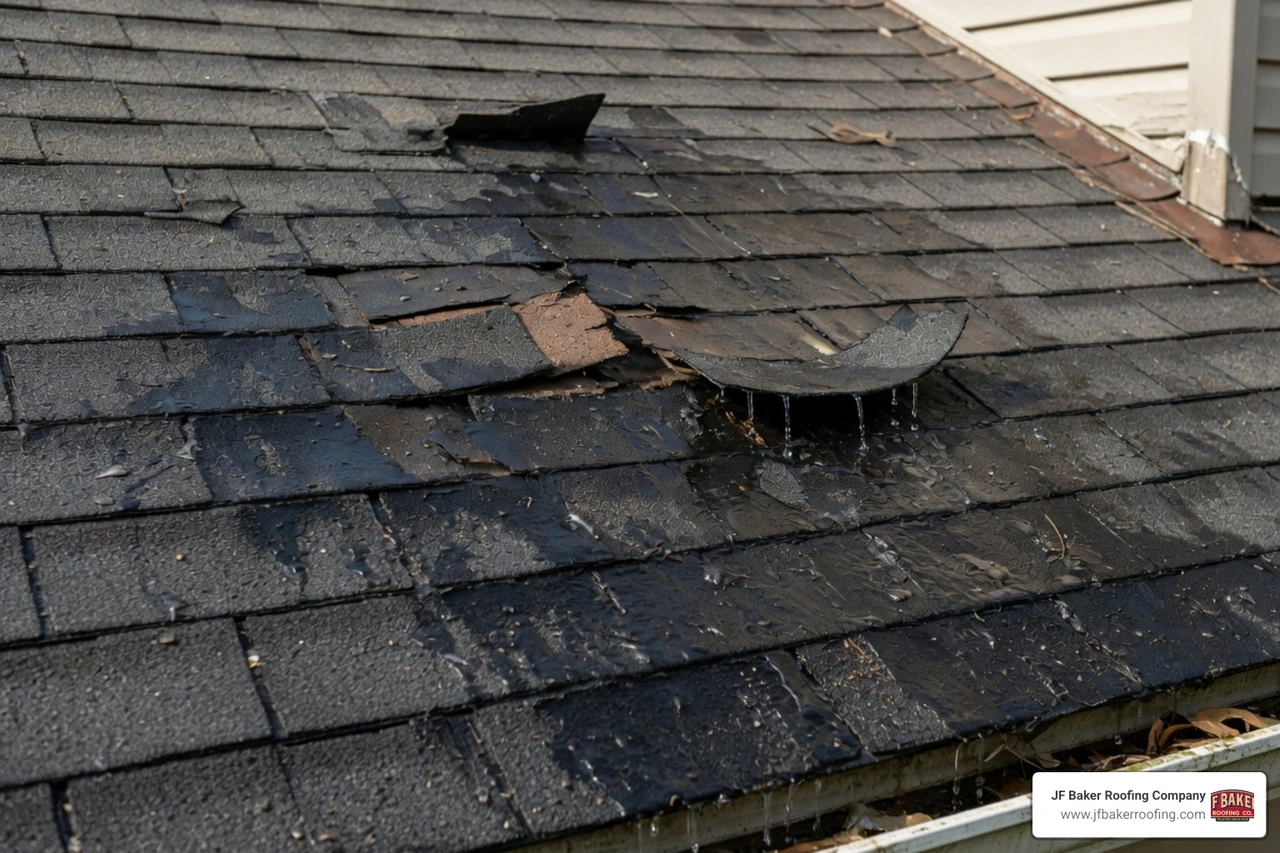
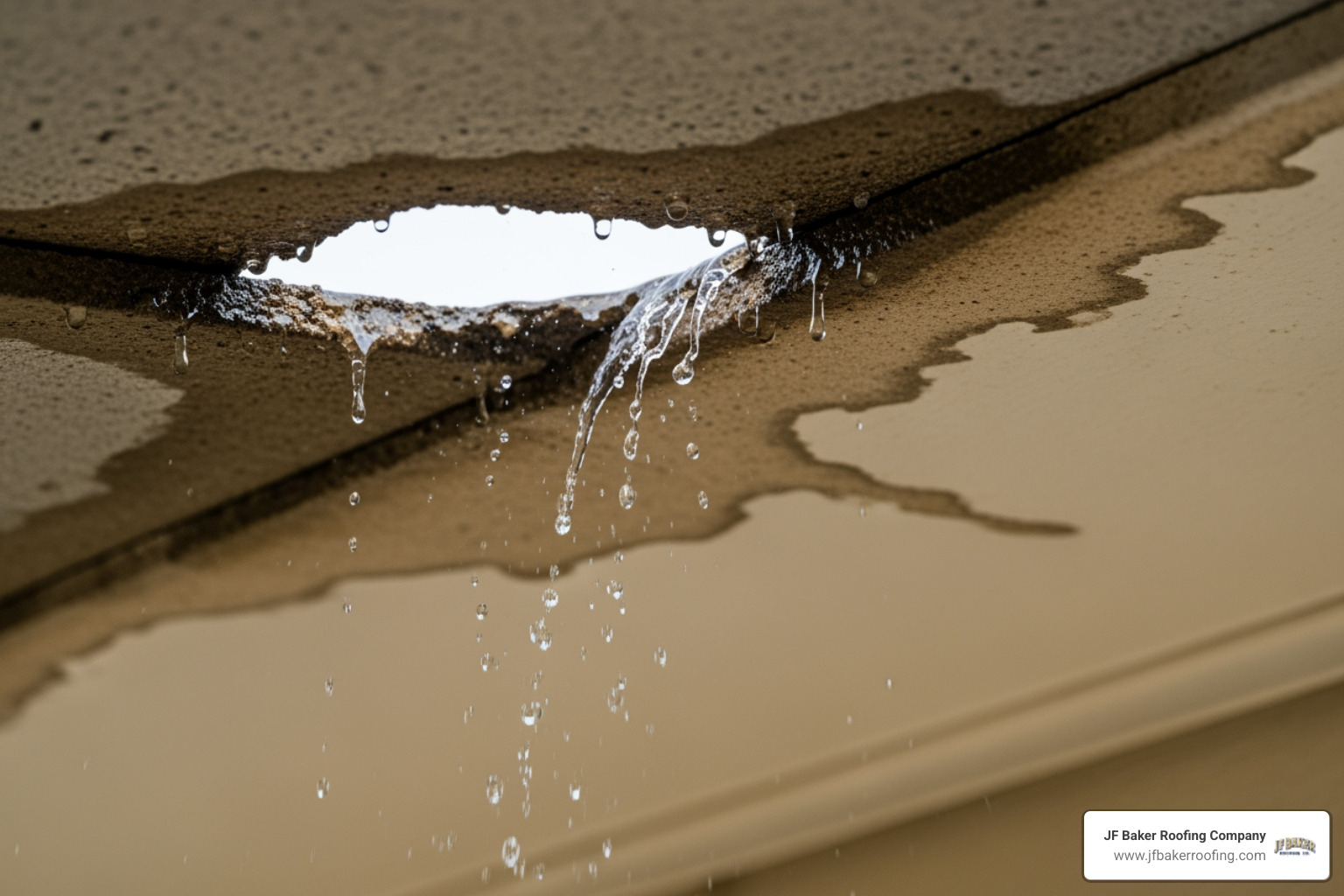
- Hidden Structural Water Intrusion: Poor flashing details, incorrect nail placement, or inadequate underlayment can lead to interior drywall rot, attic mold, and ceiling leaks that stay hidden for months until the next severe storm cycle.
- Code Violations and Legal Disputes: Unregistered contractors frequently bypass mandatory municipal inspections, leaving you with unpermitted structures that complicate future property sales or trigger municipal stop-work orders.
Working with an established, credentialed team guarantees accountability. Legitimate professionals carry active policies designed specifically to absorb high-risk construction exposures, keeping your home and finances secure throughout the build.
Essential Insurance Policies for a Licensed Insured Roofing Contractor
A single generic insurance policy is not enough for structural work. Because roofing involves elevated heights, open flames on flat decks, heavy hauling, and high material turnover, a properly structured company maintains multiple overlapping coverage lines.
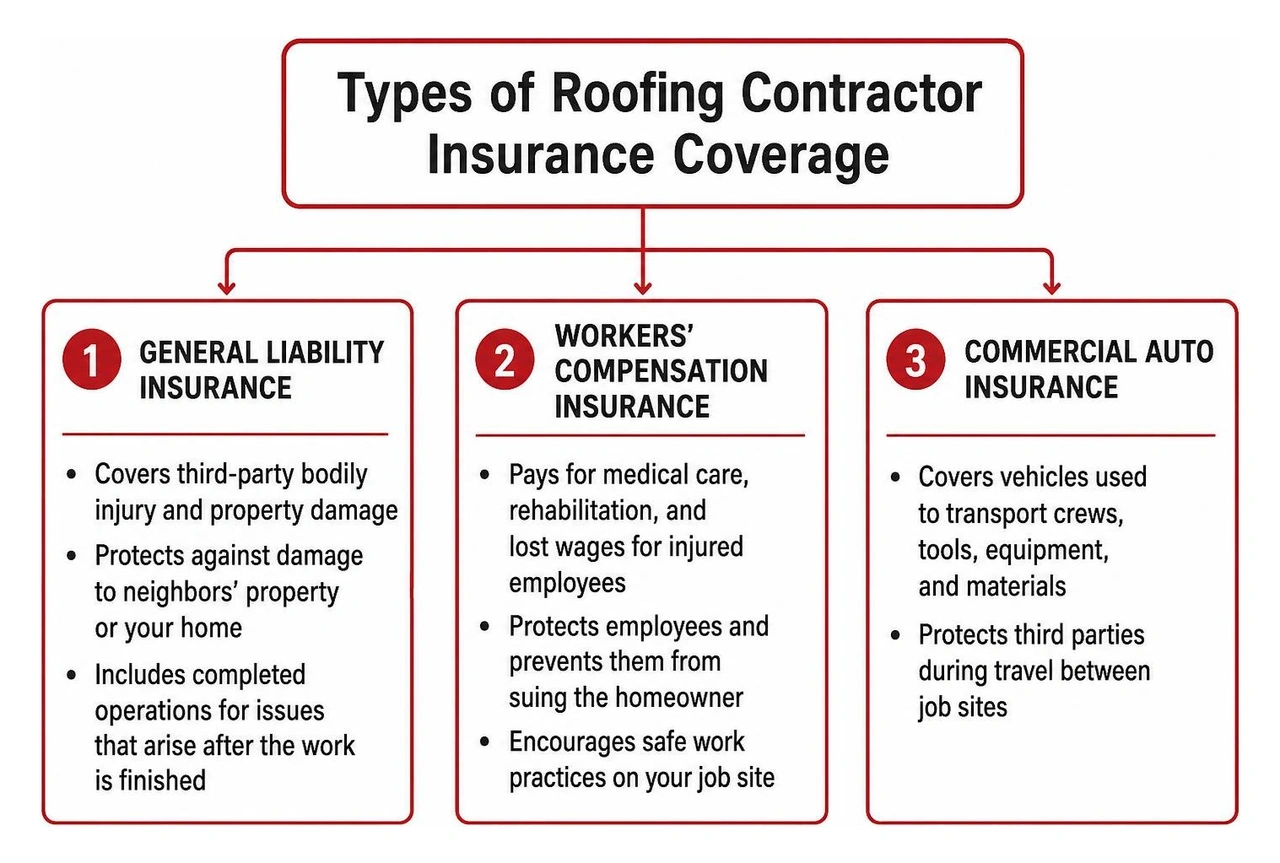
When reviewing contractor credentials for residential or commercial roofing, verify these essential policies:
- General Liability Insurance: This covers third-party bodily injury and property damage. If a bundle of shingles slides off a ridge and smashes a neighbor's parked vehicle, or an unexpected downpour floods an exposed attic overnight, general liability responds. This coverage must include completed operations, protecting you if an installation defect causes water damage months down the road.
- Workers' Compensation Insurance: Roofing carries severe physical demands. Workers' compensation pays for medical care, rehabilitation, and lost wages if an employee is injured on your job site. It also provides an essential legal shield: when workers are covered by statutory workers' compensation, they cannot pursue personal injury lawsuits against the homeowner for workplace accidents. Contractors maintain their safety standards to keep their Experience Modification Rate (EMR) low, as frequent safety claims cause their operating expenses to spike significantly.
- Commercial Auto Insurance: Standard personal auto policies specifically exclude coverage for vehicles carrying commercial roofing tools, tear-off dump trailers, or pallets of shingles. Legitimate companies carry commercial fleet policies that protect third parties during transit between local job sites.
- Inland Marine (Tool and Equipment) Coverage: This covers specialized staging equipment, ladders, air compressors, and safety harnesses while in transit or parked on your property, ensuring that stolen or damaged tools do not delay your build.
- Commercial Umbrella Liability: For larger residential builds and commercial installations, an umbrella policy adds an extra layer of liability protection above the core policy limits.
State and Municipal Licensing Requirements Across Jurisdictions
Contractor credentialing rules vary significantly across regions. In some states, state-level agencies establish universal testing and financial thresholds. In other regions, licensing, bonding, and trade registrations are handled directly at the municipal or county level.
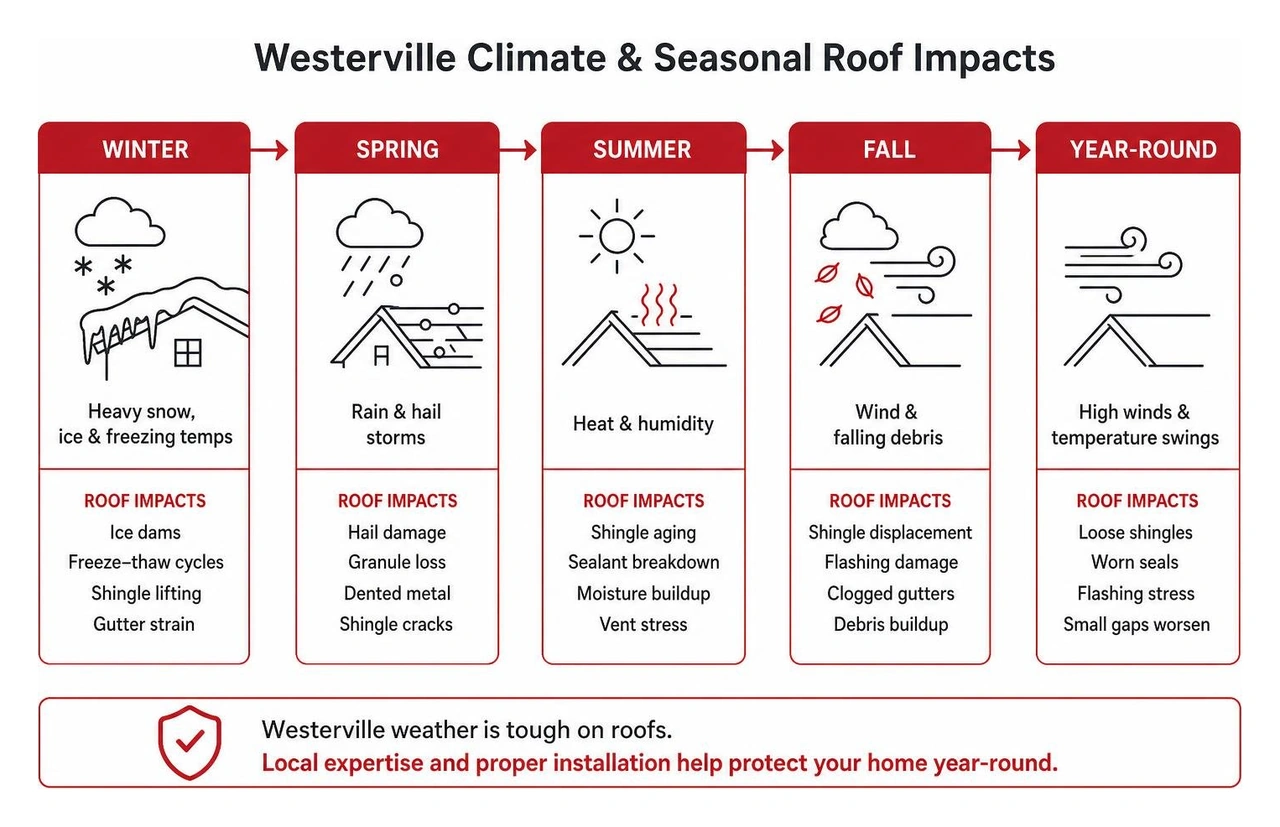
Local municipalities frequently require contractors to register with the city building department, maintain a dedicated surety bond, provide active certificates of insurance, and pull official building permits before stripping a single shingle. This system guarantees that local building codes are followed, ice-barrier requirements are met for cold winter climates, and final roof inspections are completed by city building officials.
Working with experienced storm damage roofing contractors who understand local municipal registration prevents unpermitted construction and ensures your project passes all required city inspections without delays.
Trade Licensing Versus Manufacturer Certifications and Warranties
Property owners often confuse legal licensing with manufacturer certifications. While both are critical indicators of professionalism, they serve distinct purposes in protecting your investment.
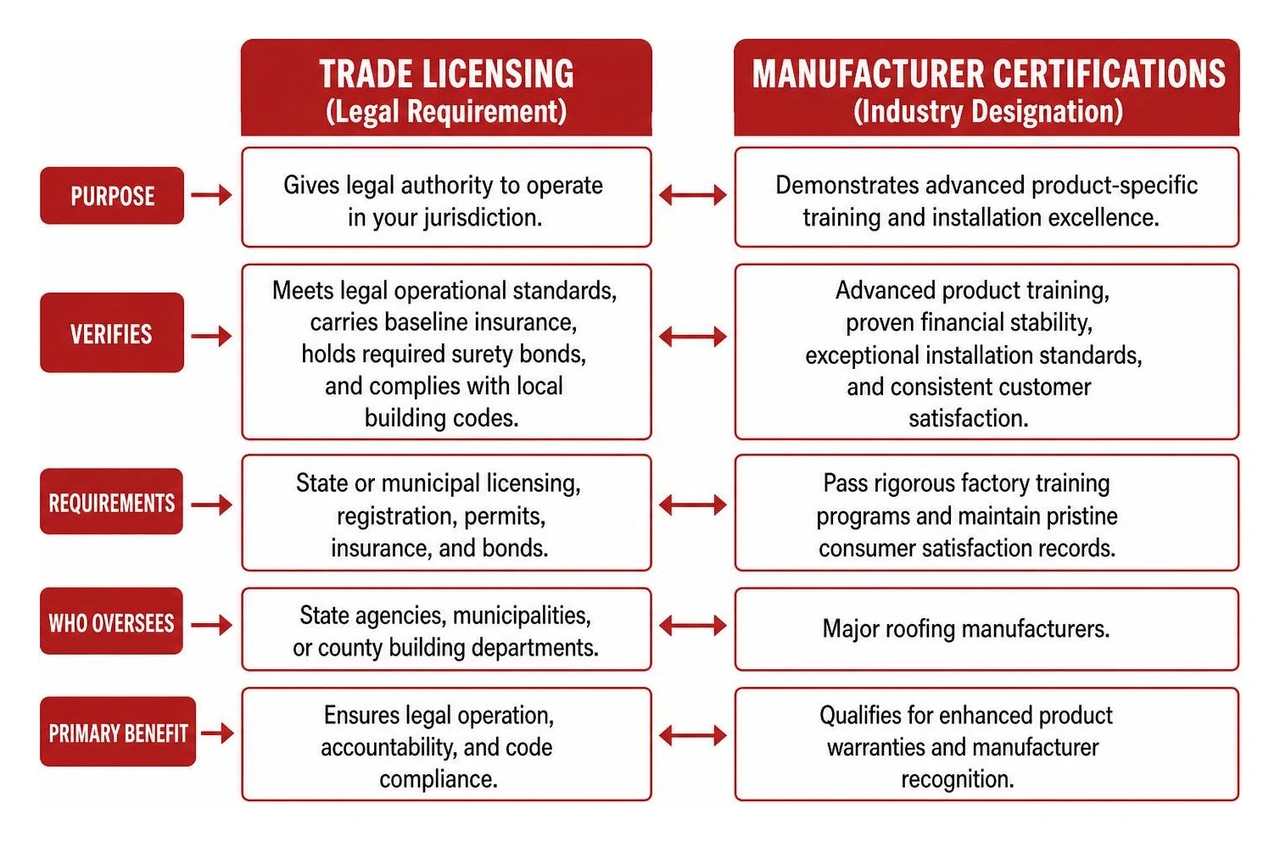
A municipal or trade license confirms that a contractor meets legal operational standards, carries baseline insurance, holds required surety bonds, and complies with local building codes. It gives a contractor the legal authority to operate in your jurisdiction.
Manufacturer certifications, by contrast, reflect advanced product-specific training, proven financial stability, and exceptional installation standards. Major shingle manufacturers partner with select contracting companies who demonstrate verified craftsmanship, ongoing safety education, and consistent customer satisfaction.
Homeowners can review independent manufacturer directories, such as the GAF certified contractor directory, to verify specialized credentials. Achieving these advanced designations requires passing rigorous factory training programs and maintaining pristine consumer satisfaction records.
Understanding Coverage Differences Between Material and Workmanship Warranties
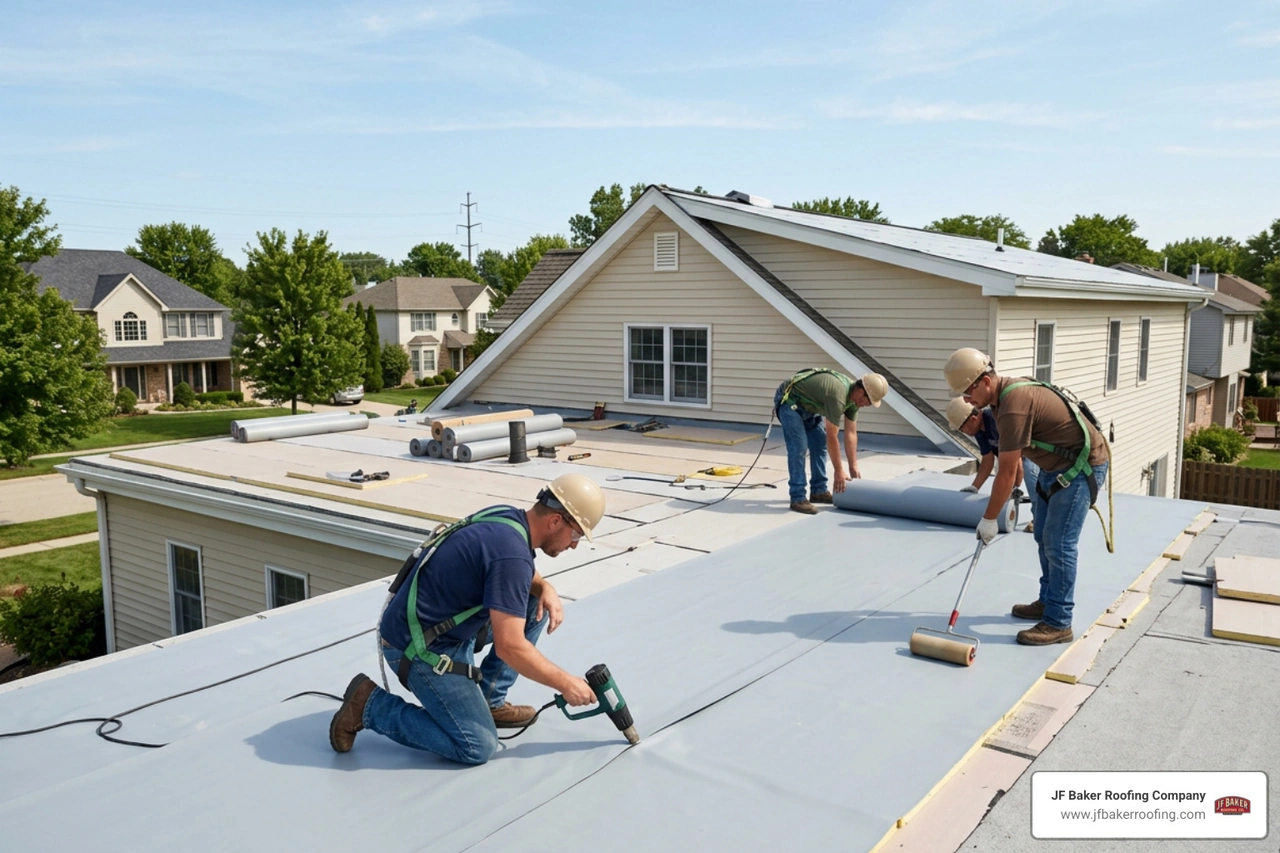
A new roof includes two separate forms of warranty protection: material defect coverage from the manufacturer and workmanship coverage from the installer. Understanding the difference is vital when preparing for a complete project to replace my roof.
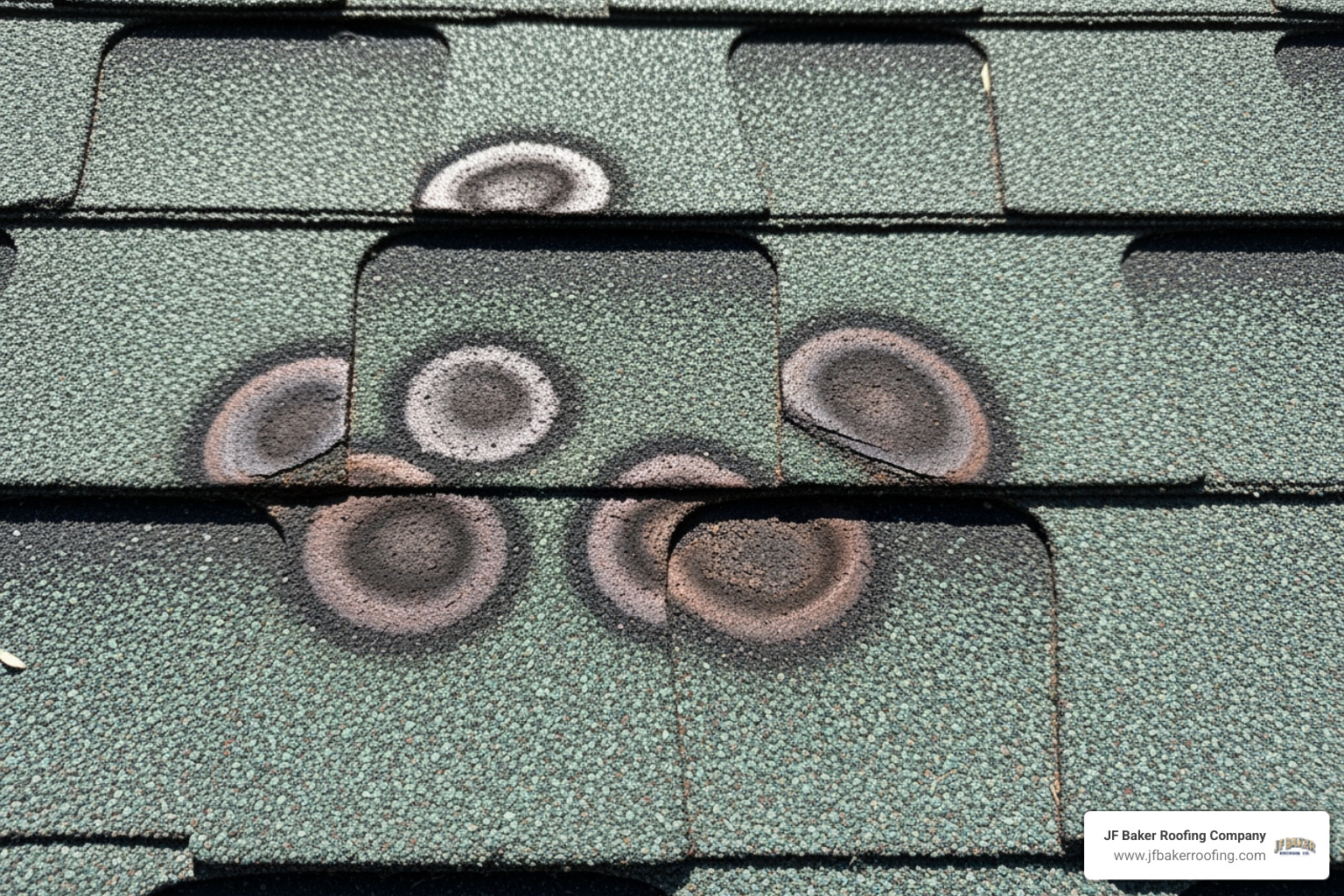
- Standard Material Warranties: Supplied by the shingle manufacturer, these cover manufacturing defects that cause premature granule loss, curling, or thermal cracking. However, if shingles fail because they were nailed incorrectly or installed over improper ventilation, the manufacturer will deny your claim.
- Contractor Workmanship Warranties: Provided directly by the installation company, these cover labor, installation mistakes, improper valley construction, and flashing leaks. If the contractor goes out of business, this standalone labor warranty disappears with them.
- Extended System-Wide Warranties: Factory-certified contractors can offer manufacturer-backed workmanship warranties, such as a comprehensive residential roofing warranty Columbus. Under these elite warranties, the manufacturer inspects and stands behind both the materials and the contractor's labor for decades, providing complete peace of mind.
How to Verify Contractor Credentials and Prevent Roofing Scams
Verifying contractor documentation takes just a few minutes and protects you from costly legal disputes and botched installations. For a deeper look at vetting local professionals, explore how to choose the right roofing contractor in Columbus Ohio.

Never accept a photocopied certificate of insurance handed to you at your kitchen table as final proof. Unscrupulous operators sometimes purchase a policy, print a certificate, and cancel the coverage the following week to pocket the savings.
How to Vet a Licensed Insured Roofing Contractor Step-by-Step
Follow this systematic verification process before allowing anyone onto your roof:
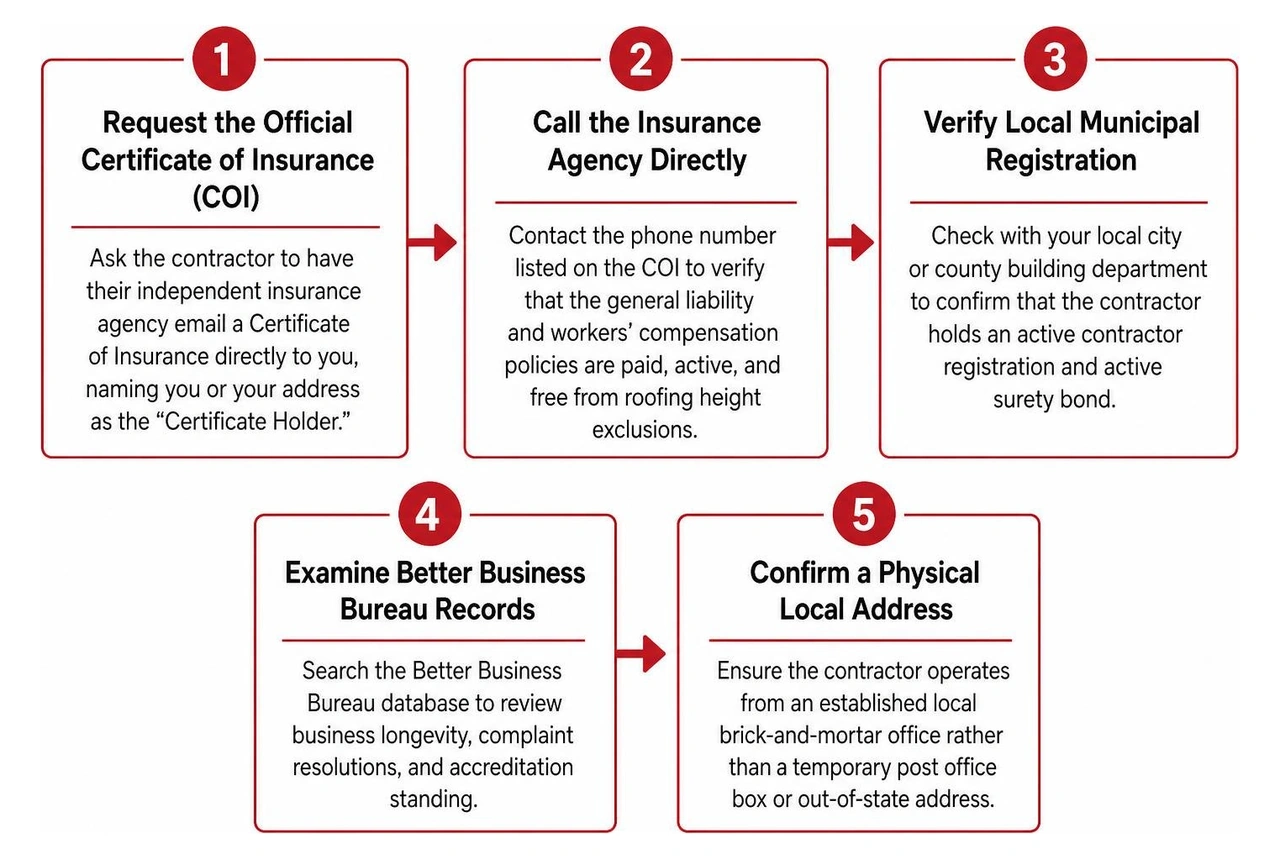
- Request the Official Certificate of Insurance (COI): Ask the contractor to have their independent insurance agency email a Certificate of Insurance directly to you, naming you or your address as the "Certificate Holder."
- Call the Insurance Agency Directly: Contact the phone number listed on the COI to verify that the general liability and workers' compensation policies are paid, active, and free from roofing height exclusions.
- Verify Local Municipal Registration: Check with your local city or county building department to confirm that the contractor holds an active contractor registration and active surety bond.
- Examine Better Business Bureau Records: Search the Better Business Bureau database to review business longevity, complaint resolutions, and accreditation standing.
- Confirm a Physical Local Address: Ensure the contractor operates from an established local brick-and-mortar office rather than a temporary post office box or out-of-state address.
Watch out for these common contractor red flags:
- Demanding large cash deposits before delivering materials to your property.
- Offering to pay, waive, or absorb your insurance deductible (which constitutes insurance fraud).
- Refusing to provide a written contract or clear itemized scope of work.
- High-pressure sales tactics that require you to sign a contract on the spot to lock in temporary pricing.
- Unmarked trucks, temporary out-of-state license plates, or an unwillingness to pull city permits.
Critical Elements of a Legally Binding Roofing Contract
A handshake agreement is never sufficient for major exterior renovations. A legally binding roofing contract must clearly outline responsibilities, product specifications, and financial expectations.
Ensure your written agreement contains the following essential components:
- Detailed Scope of Work: A line-by-line summary outlining complete tear-off of old materials, deck inspection protocols, rotted wood replacement terms, ice and water shield placement, synthetic underlayment, drip edge installation, and ventilation upgrades.
- Specific Material Specifications: The exact manufacturer, shingle line, color name, flashing gauge, and ventilation models being installed, avoiding vague phrases like "standard architectural shingles."
- Permits and Code Compliance: Explicit confirmation that the contractor is responsible for pulling all required municipal building permits and scheduling final inspections.
- Payment Schedule and Milestone Terms: Payments structured around verifiable project milestones (such as material delivery, substantial dry-in, and final completion). If you are exploring financing solutions, review can you finance a new roof to understand structured payment options.
- Property Protection and Cleanup Protocols: Clear terms specifying magnetic sweeping for stray nails, daily disposal of tear-off debris, landscaping protection, and dumpster placement terms.
- Lien Waivers: A requirement that the contractor provide signed lien waivers upon final payment, confirming that all material suppliers and labor crews have been fully paid.
Navigating Storm Damage and Insurance Claims Safely
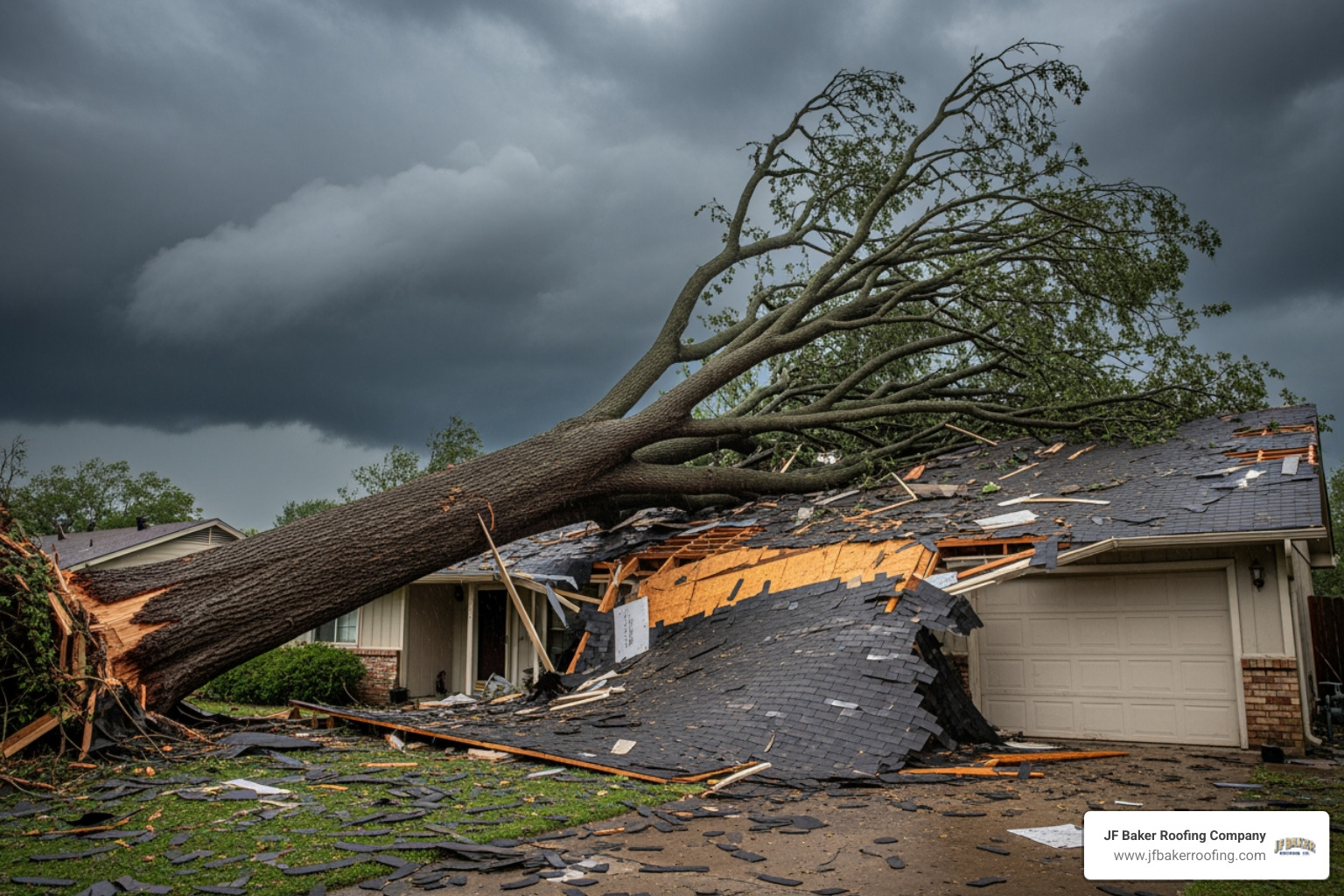
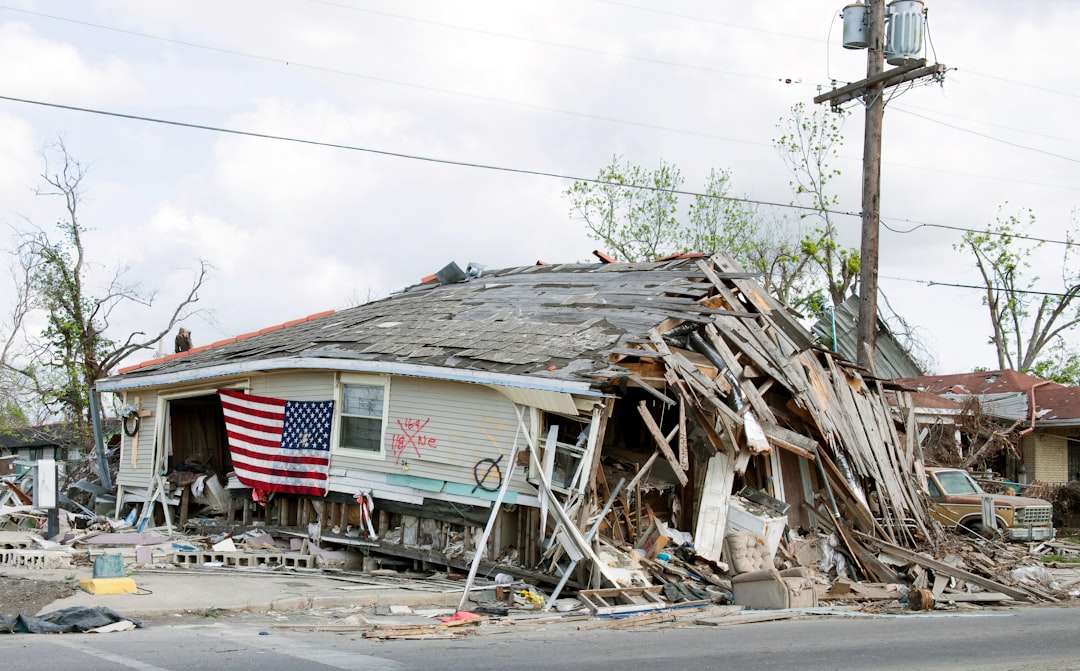
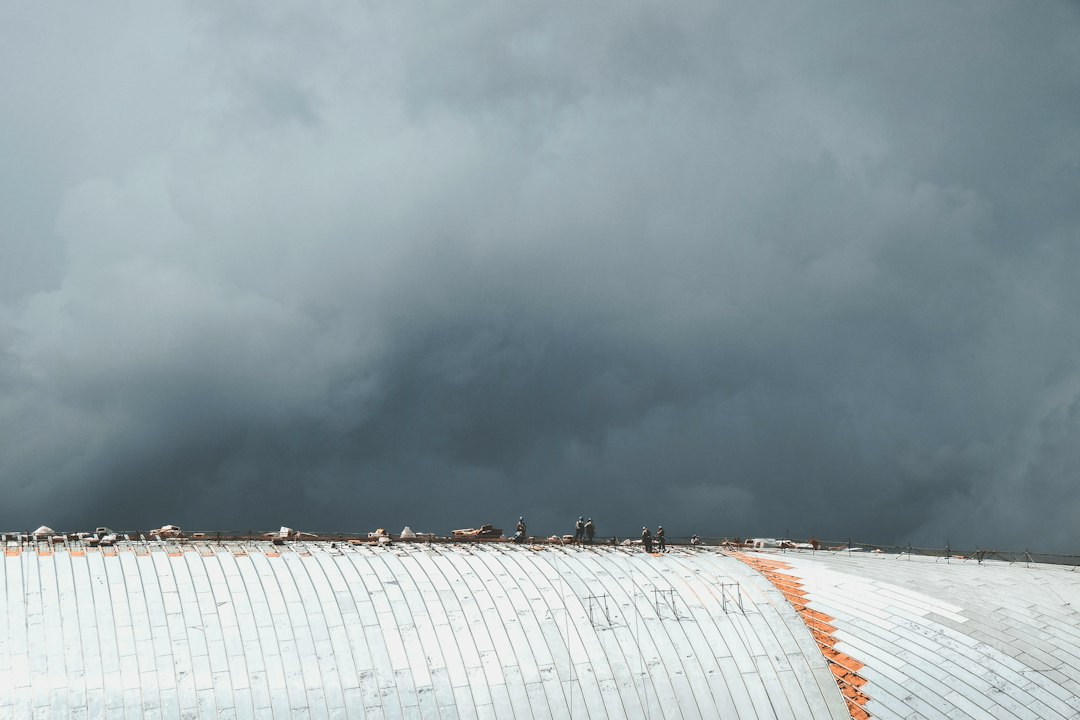
Severe storms with hail, high winds, and heavy precipitation can compromise roofing systems within minutes. Unfortunately, severe weather also brings transient out-of-town contractors seeking quick insurance payouts.
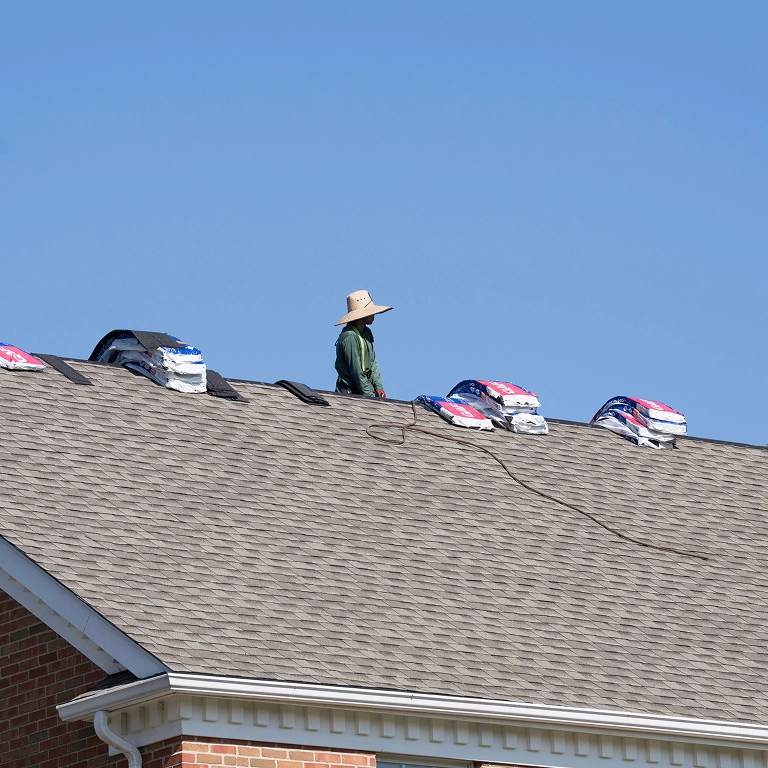
If your roof sustains storm damage, follow these structured steps to protect your property and finances:
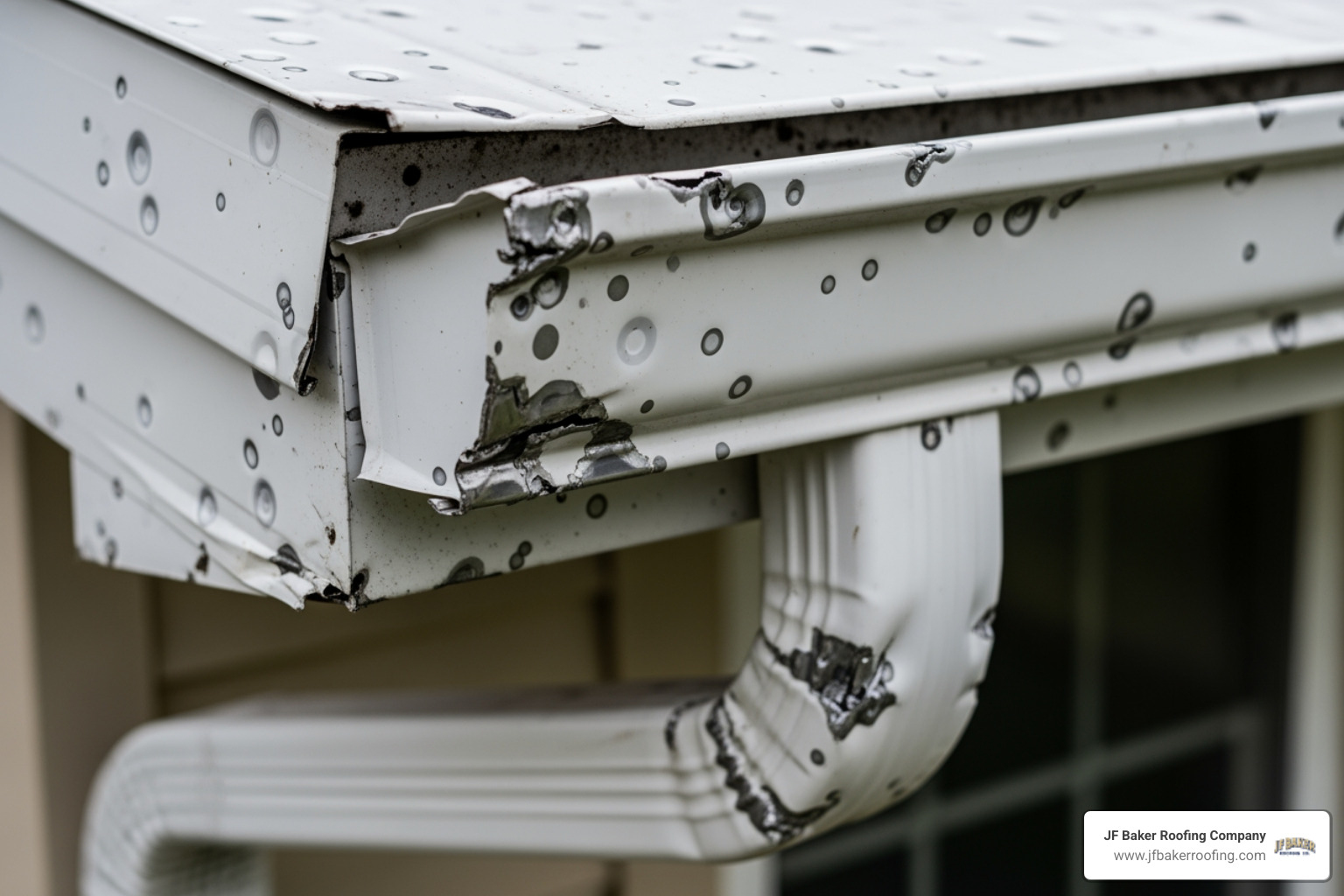
- Document the Damage Safely: Take clear photos of fallen branches, displaced shingles, dented gutters, and any interior water stains. Never climb onto a damaged or wet roof yourself.
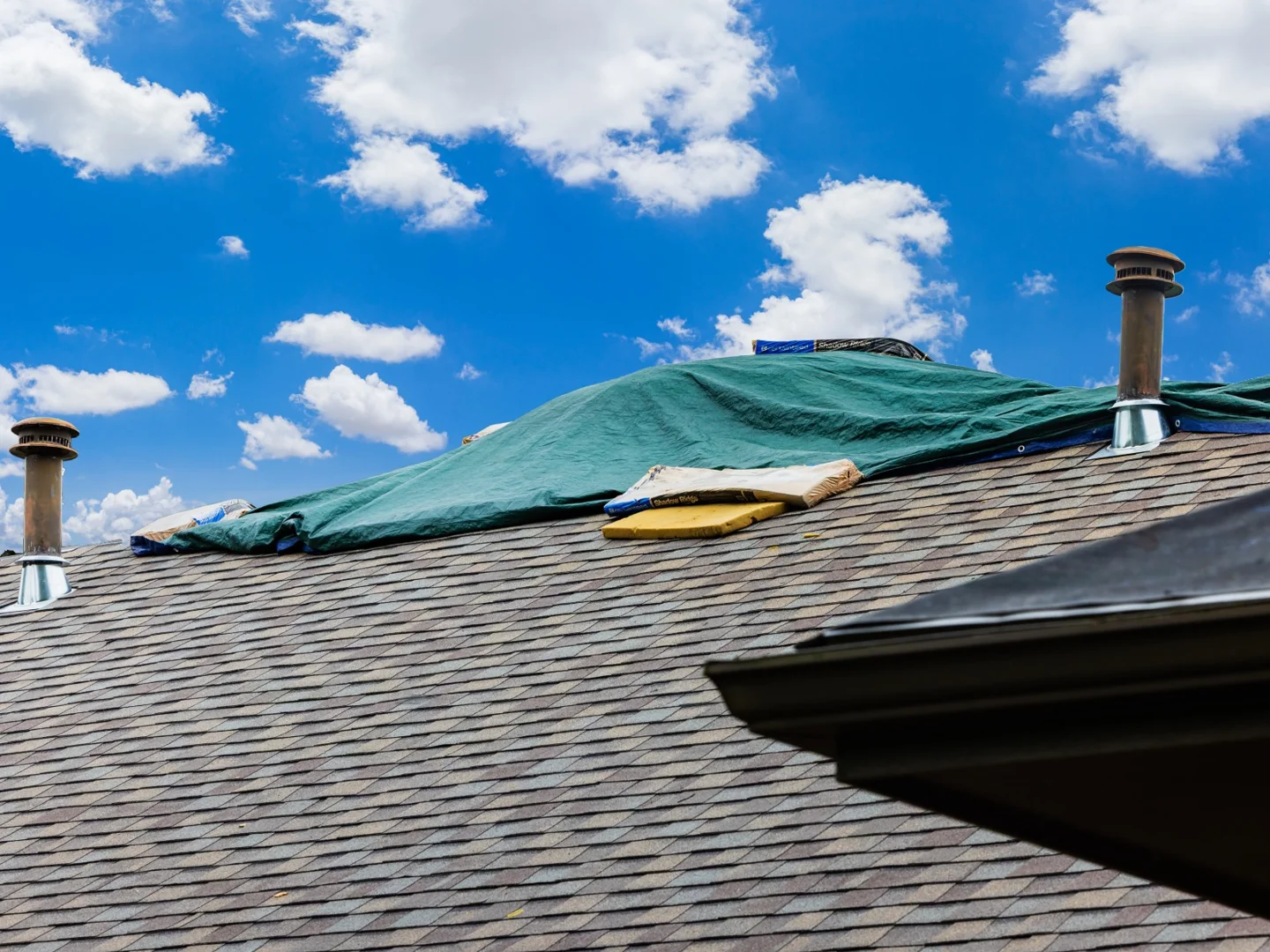
- Secure Emergency Tarping: Contact a reliable local contractor for emergency mitigation to prevent interior structural rot while insurance paperwork is processed.
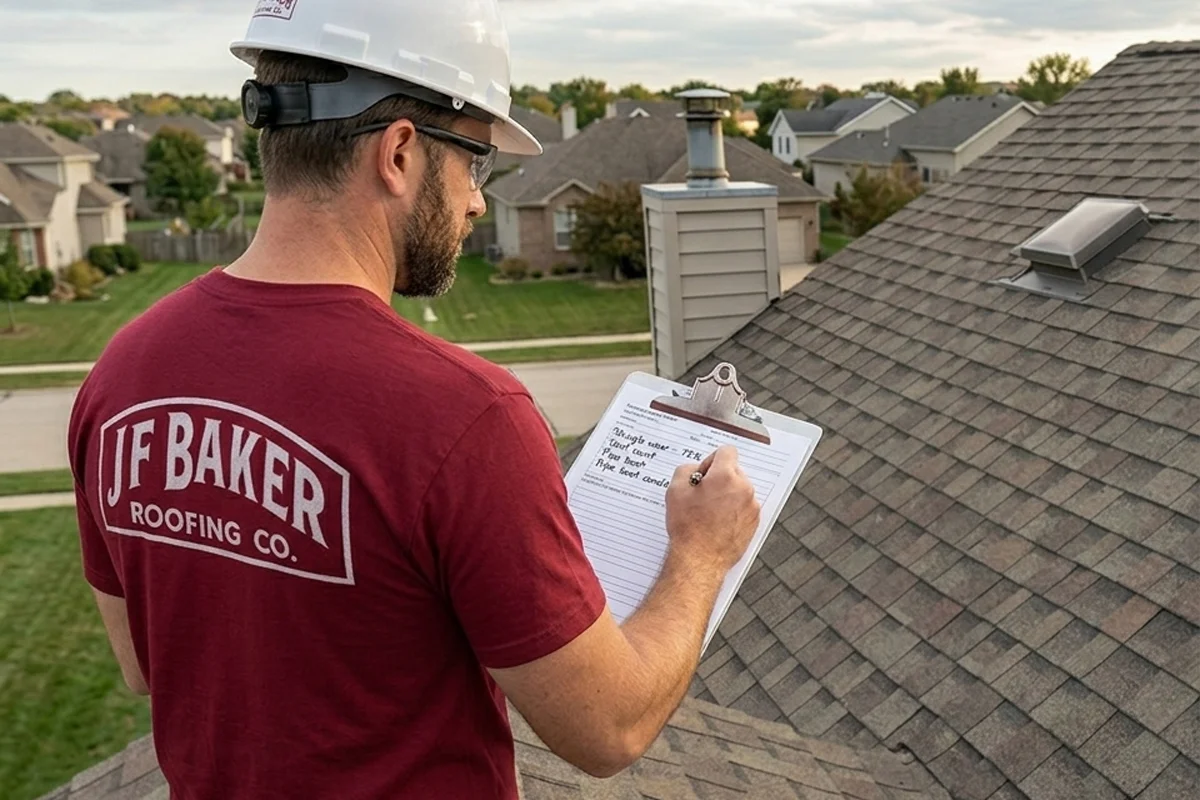
- Schedule a Professional Assessment: Have a qualified local contractor inspect the roof, document damage points with photo evidence, and provide an honest assessment of whether a repair or full replacement is appropriate.
- Coordinate with Your Insurance Adjuster: Provide the adjuster with your contractor's detailed photo report to ensure all compromised components—including flashing, decking, and gutters—are included in the claim scope.
For prompt, professional assistance following severe weather events, schedule dedicated storm damage repairs with an established team that prioritizes long-term community trust over temporary storm claims.
Frequently Asked Questions About Roofing Credentials
How do I confirm if a roofer's insurance policy is active?
Ask the roofing contractor to instruct their insurance agency to issue an official Certificate of Insurance (COI) listing your name and address as the certificate holder. When you receive the document, call the insurance agency directly using the phone number listed on the certificate to confirm policy effective dates and ensure that workers' compensation and general liability coverages are fully active without restrictive roofing exclusions.
What happens if an uninsured roofing worker gets injured on my property?
If an uninsured worker is injured on your property, you face substantial financial and legal exposure. Because the contractor lacks workers' compensation to cover medical bills and lost earnings, the injured worker may file a personal injury claim against your homeowner insurance. If damages exceed your policy limits, you could be held personally liable for medical expenses, legal fees, and long-term disability claims.
Is a manufacturer certification the same as a state roofing license?
No. A state license or municipal registration is a legal mandate issued by government entities that permits a contractor to conduct business, pull permits, and perform work according to building codes. A manufacturer certification is an elite trade credential awarded by shingle manufacturers to contractors who complete specialized factory training, pass rigorous quality standards, and maintain proven financial stability, allowing them to offer extended system warranties.
Conclusion
Your roof protects everything underneath it, making thorough credential verification an essential first step before any project begins. Taking the time to verify active general liability coverage, workers' compensation policies, municipal registrations, and manufacturer certifications protects your home, your family, and your investment for decades to come.
JF Baker Roofing Company has been serving Central Ohio since 1929 and is led by third-generation owners Chad and Pat Baker. We are a CertainTeed ShingleMaster Preferred Contractor, NRCA member, and BBB Accredited Business with an A+ rating. Trusted since 1929, our business is built on integrity and proven by performance.
We provide honest assessments, transparent pricing, clean job sites, clear communication, and no high-pressure sales tactics, recommending repairs when possible and replacement only when genuinely needed. We proudly serve residential and commercial clients across Columbus and surrounding areas including Dublin, Upper Arlington, Hilliard, Grandview Heights, Worthington, and Westerville.
Our complete services include residential roofing, commercial roofing, roof repair, roof replacement, storm damage roofing, gutter installation and repair, and sheet metal work. As a family-owned, community-rooted business with three generations of Central Ohio roofing experience, we stand behind every roof we install. Let our reputation be your security.
If you have questions about your roof or would like an honest evaluation of your property, explore our full range of JF Baker Roofing services or reach out to our family team today. Honest assessments. No pressure.










.jpeg)