Fast Response Guide for Emergency Storm Damage

When a Storm Hits, Every Hour Counts
Emergency storm damage repair is the process of immediately securing and restoring a property after severe weather to prevent further structural damage, water intrusion, mold, and safety hazards.
If you need help right now, here's what to do first:
- Stay safe - Stay away from downed power lines, unstable structures, and standing water
- Stop further damage - Shut off electricity to wet areas if it is safe to do so
- Document everything - Take time-stamped photos of all visible damage before touching anything
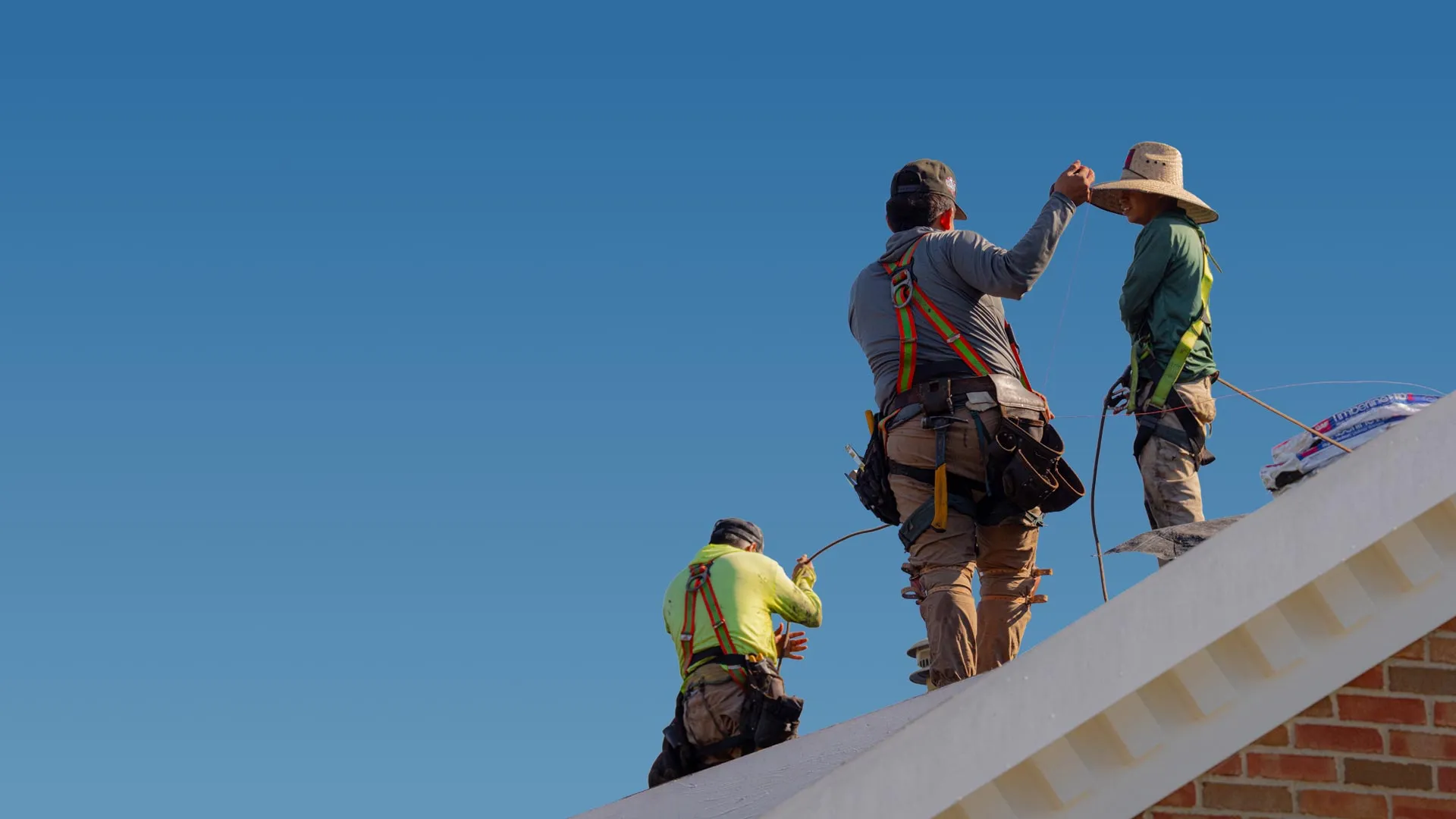
- Call a licensed roofer - Get emergency tarping or board-up services as quickly as possible
- Contact your insurer - Start your claim while the damage is fresh and documented
Ohio spring storms can move fast. One severe thunderstorm can leave you with missing shingles, flooded rooms, and a growing list of problems before the rain even stops. In April 2026, Central Ohio is already deep into peak storm season, and the window between a damaged roof and a serious interior problem is shorter than most homeowners expect.
Here's the hard truth: mold can begin growing within 24 to 48 hours of water getting inside your home. What starts as a few missing shingles can become a mold, rot, and structural repair problem within days if it isn't addressed quickly.
At JF Baker Roofing, we have been helping Columbus-area homeowners and businesses recover from storm damage since 1929. This guide walks you through exactly what to do, step by step, so you can protect your home and make smart decisions without the pressure.
Emergency storm damage repair terms to know:
Immediate Safety Steps After a Severe Storm

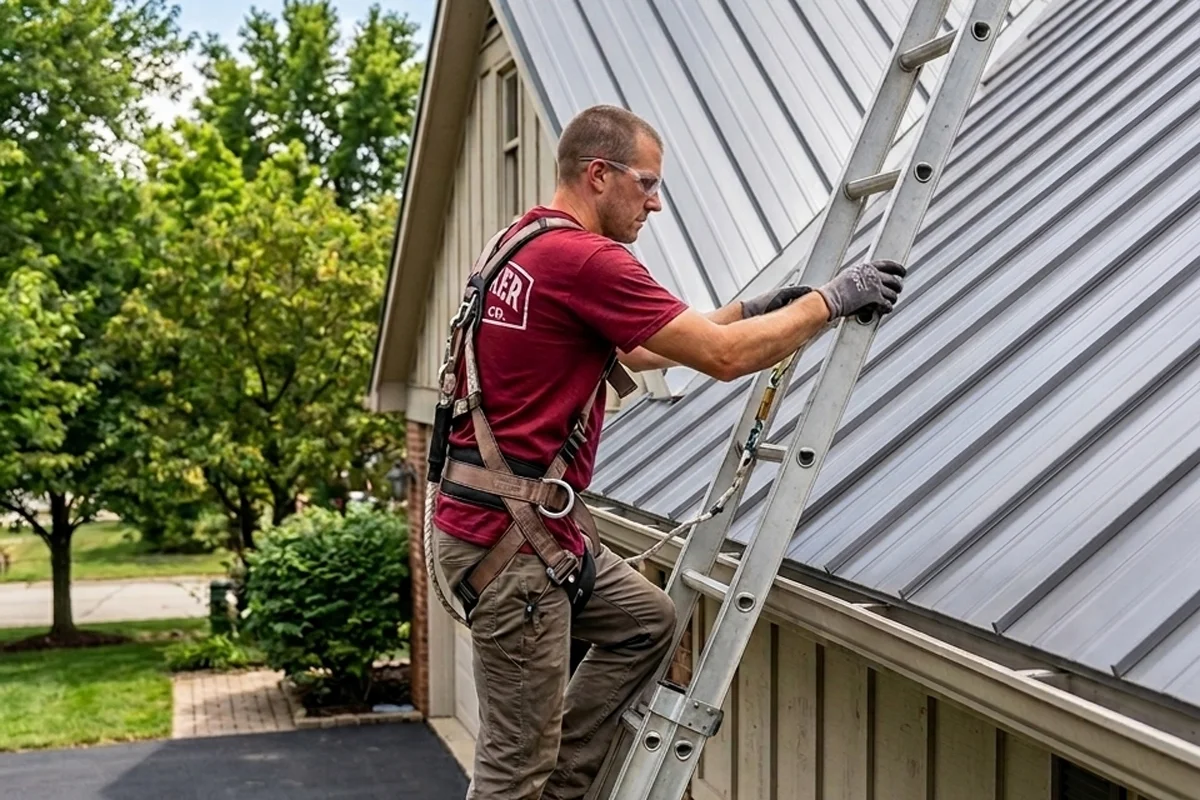
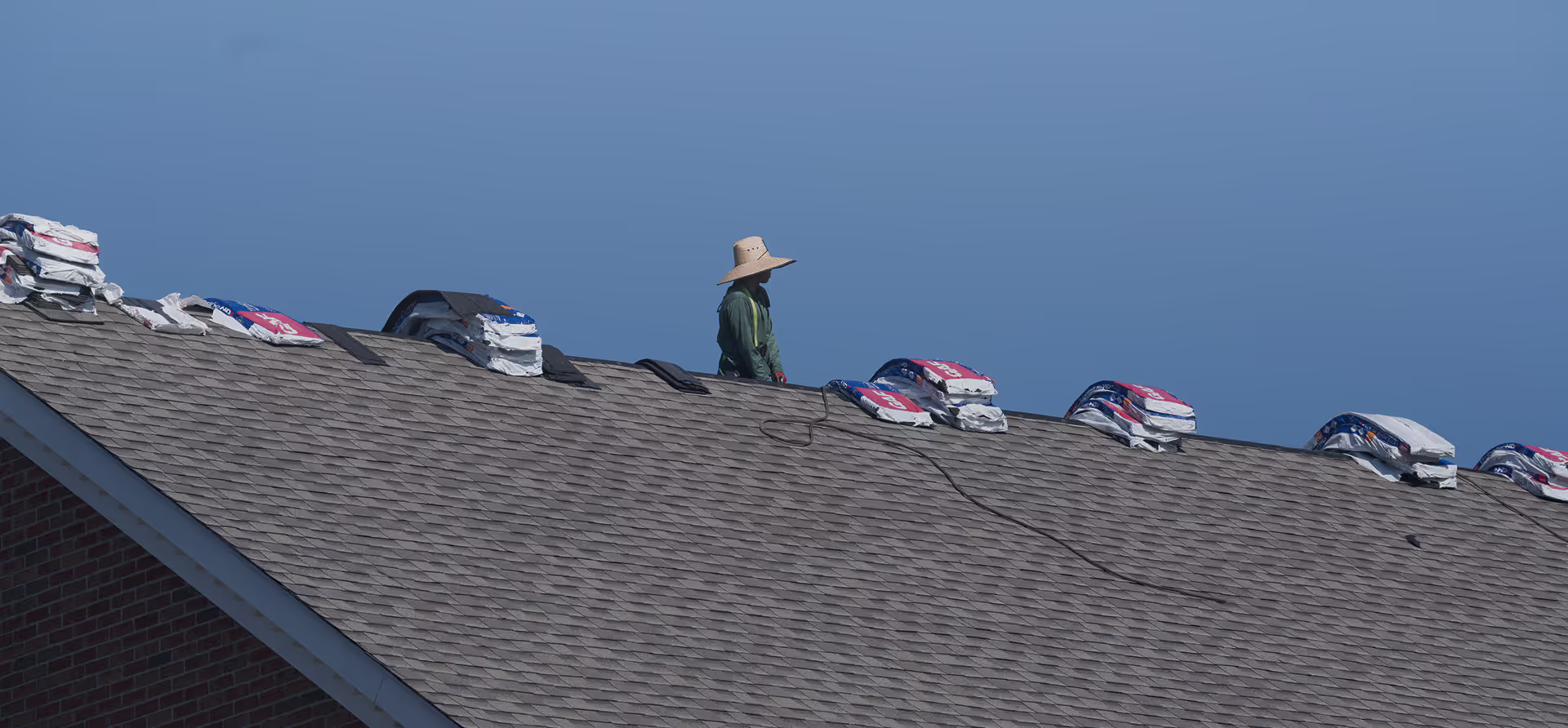
Once the wind dies down and the sirens stop, your first instinct might be to grab a ladder and climb onto the roof. Please, don't do that. After a severe storm in Central Ohio, the ground and the structure of your home can be more dangerous than they look. Safety must remain your absolute priority.
Before you begin any kind of Atlanta Storm Damage Restoration | Emergency Storm Recovery or local assessment, check for these critical hazards:
- Electrical Hazards: If you see standing water in your basement or living areas, stay out. Water and electricity are a deadly combination. If you can safely reach your breaker box without stepping in water, turn off the power to the affected rooms.
- Downed Power Lines: High winds frequently pull down lines in neighborhoods like Clintonville or Upper Arlington where mature trees are common. Treat every downed wire as live and stay at least 30 feet away.
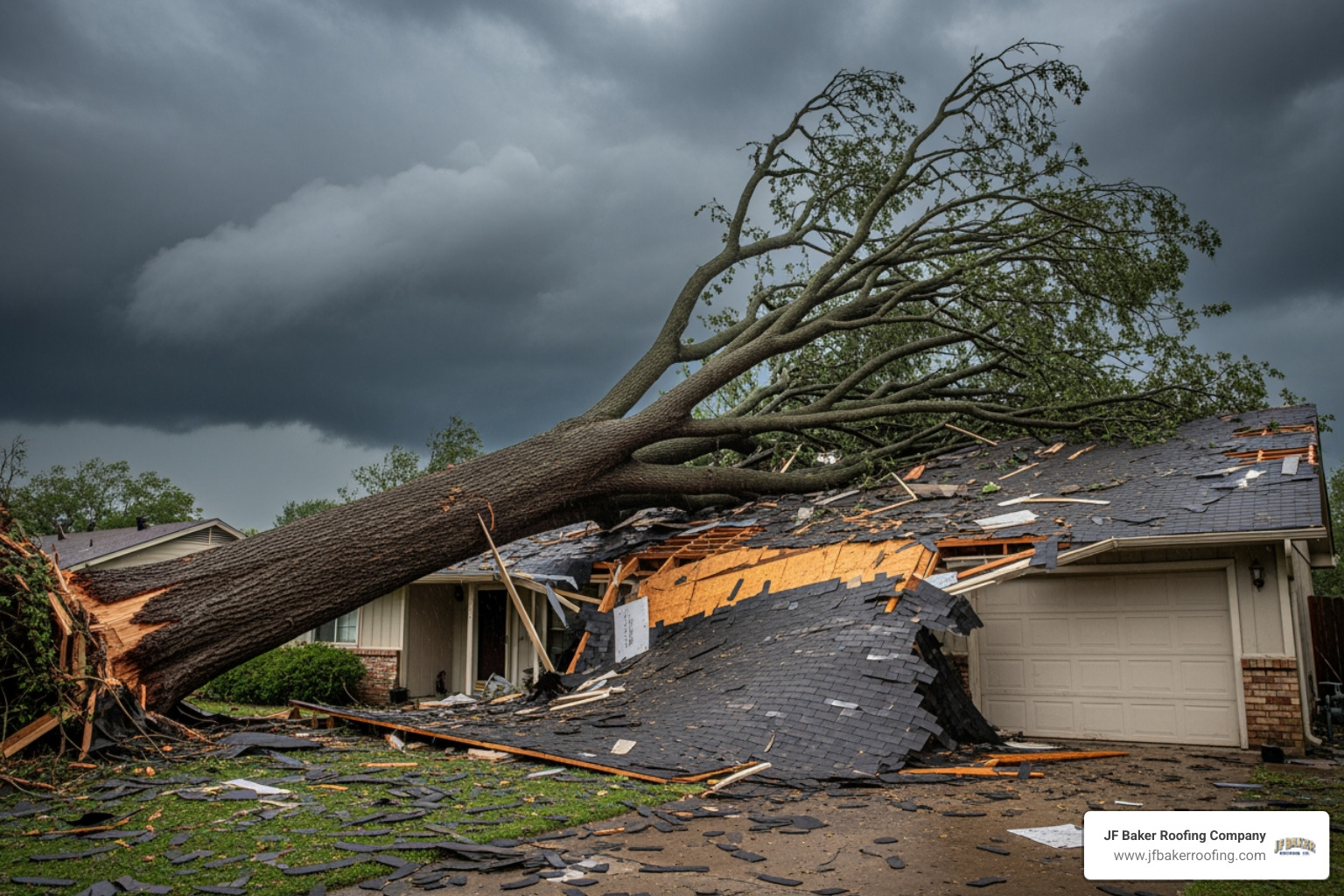
- Structural Instability: If a tree has fallen on your home or if the roof looks saggy, do not enter. Structural shifting can happen hours after the initial impact.
- Gas Leaks: If you smell "rotten eggs," leave the property immediately and call the gas company.
Your post-storm priority list should look like this:
- Ensure all family members and pets are accounted for and uninjured.
- Evacuate if the building's structural integrity is in question.
- Check for fire hazards or gas leaks from a distance.
- Call for professional emergency storm damage repair once the immediate threat to life is over.
Assessing Hail and Wind Damage for Emergency Storm Damage Repair
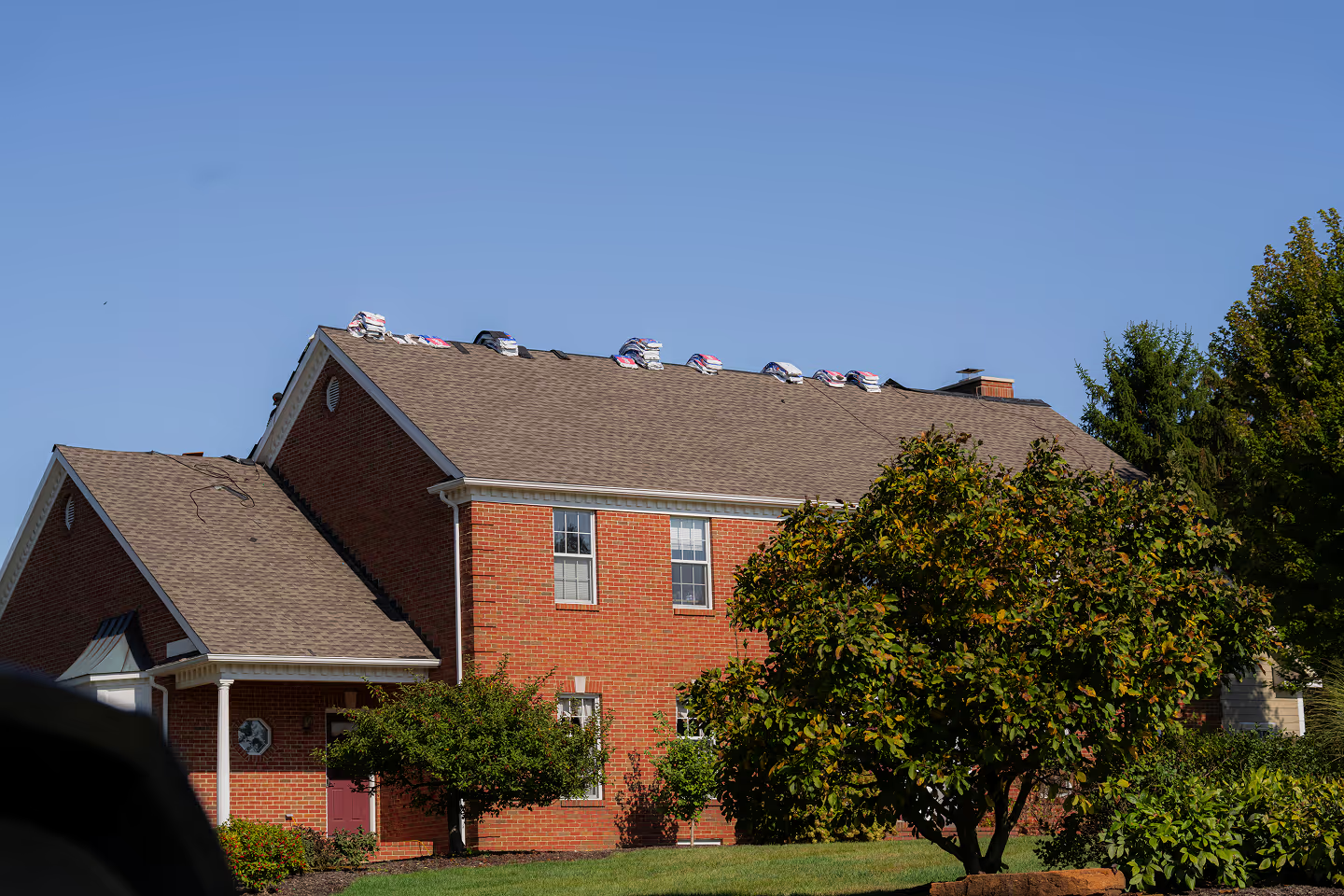
When it is safe to walk around the exterior, look for signs that your roof has been compromised. You don't need to get on the roof to find these clues. In fact, we recommend staying on the ground and using a pair of binoculars if you have them.
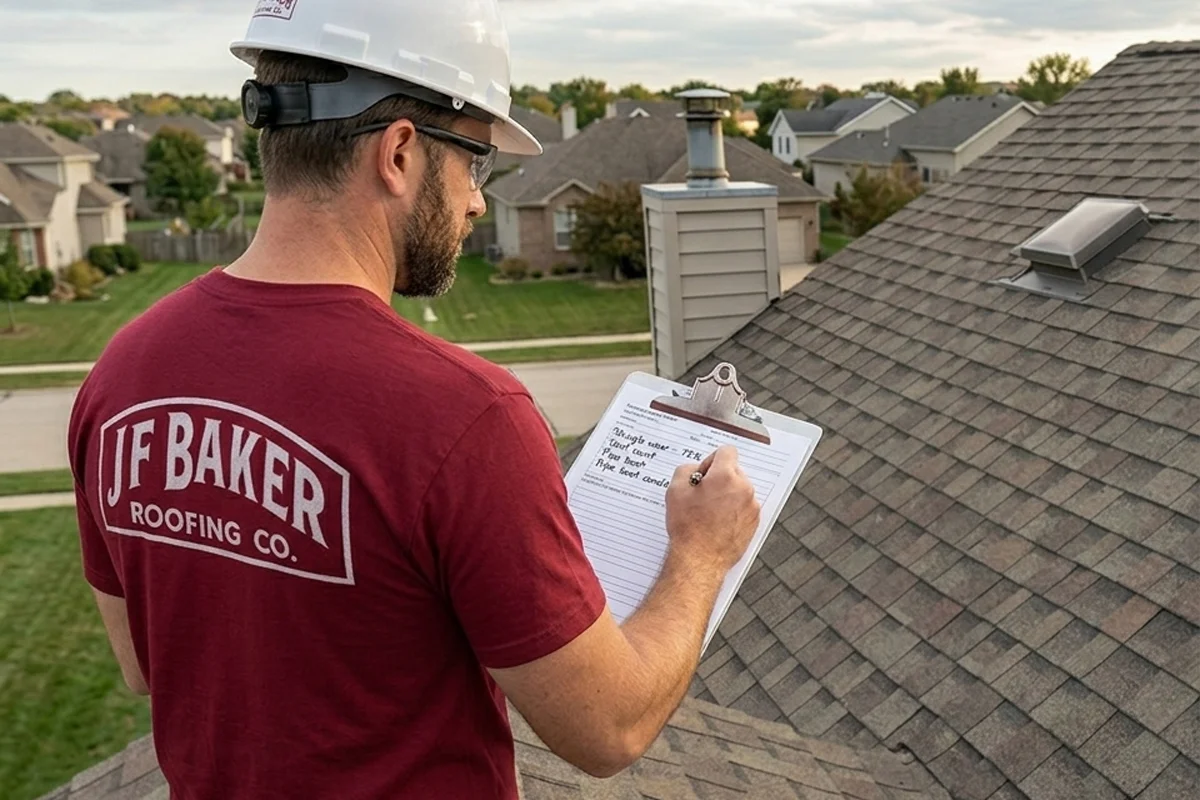
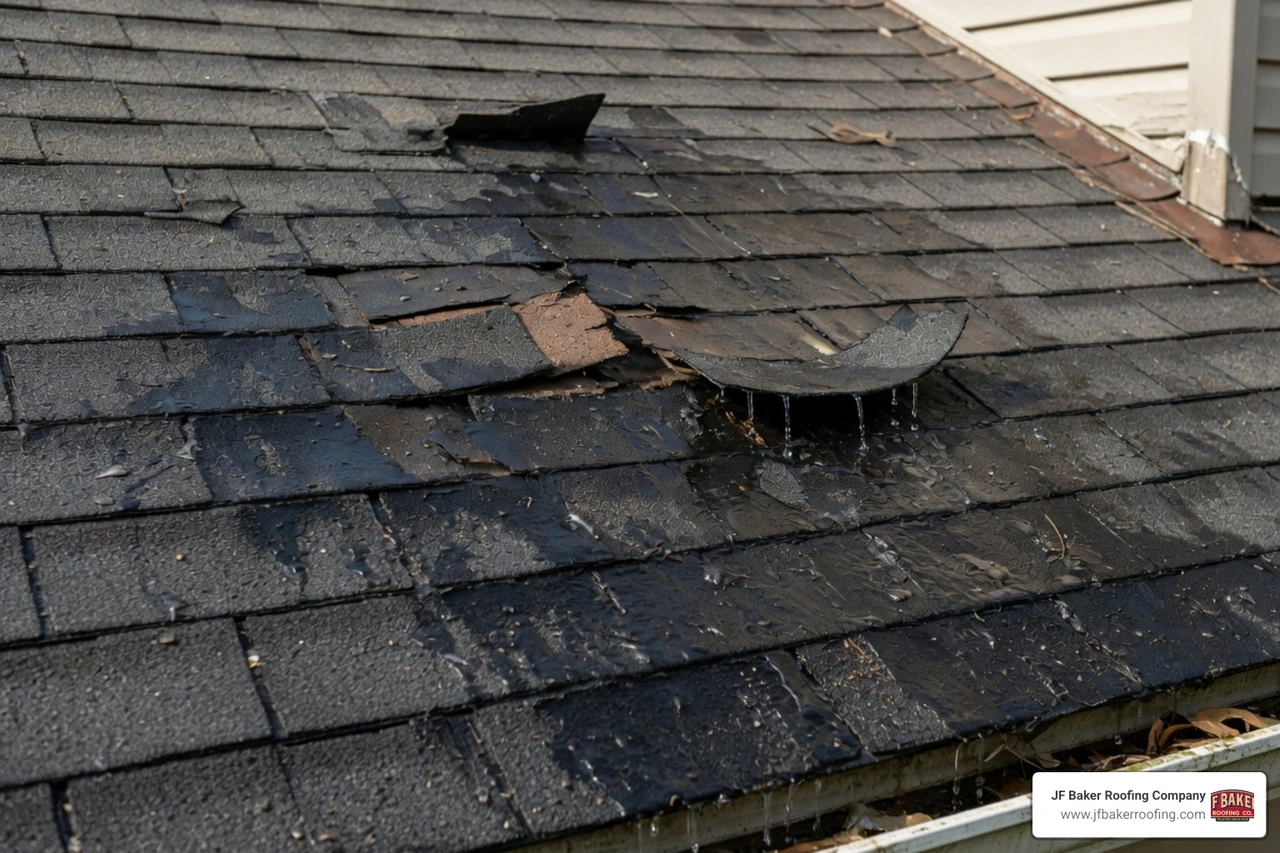
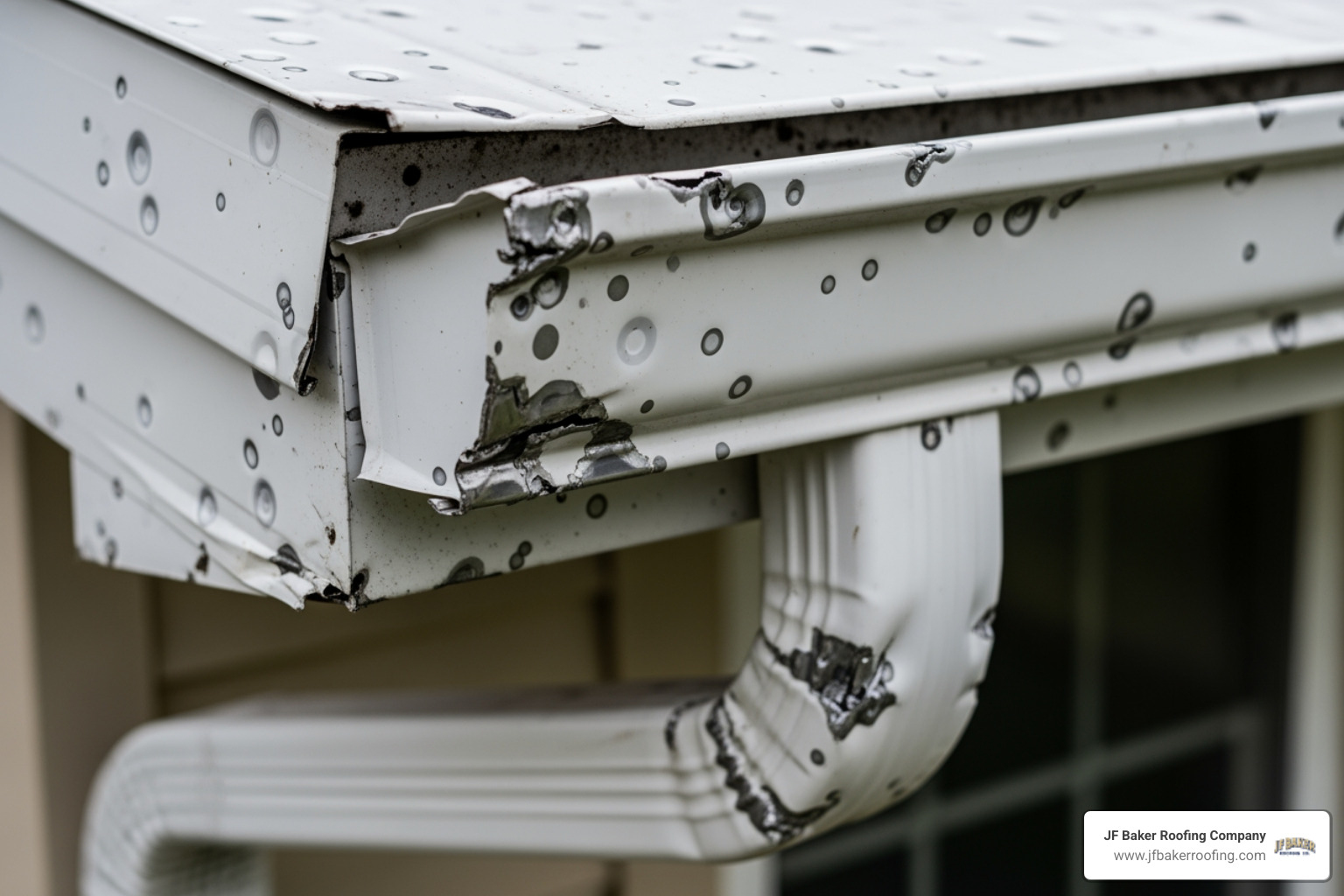
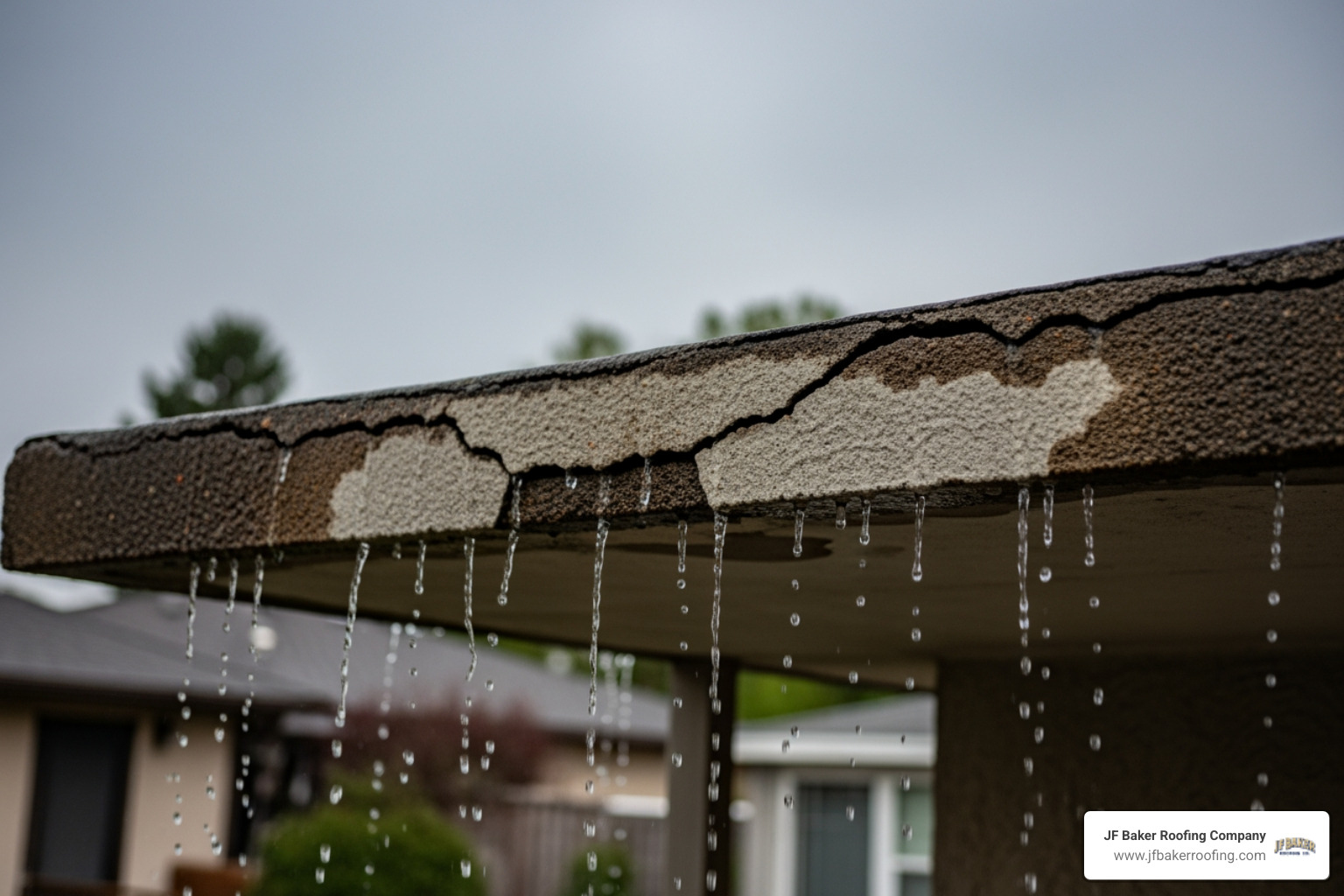
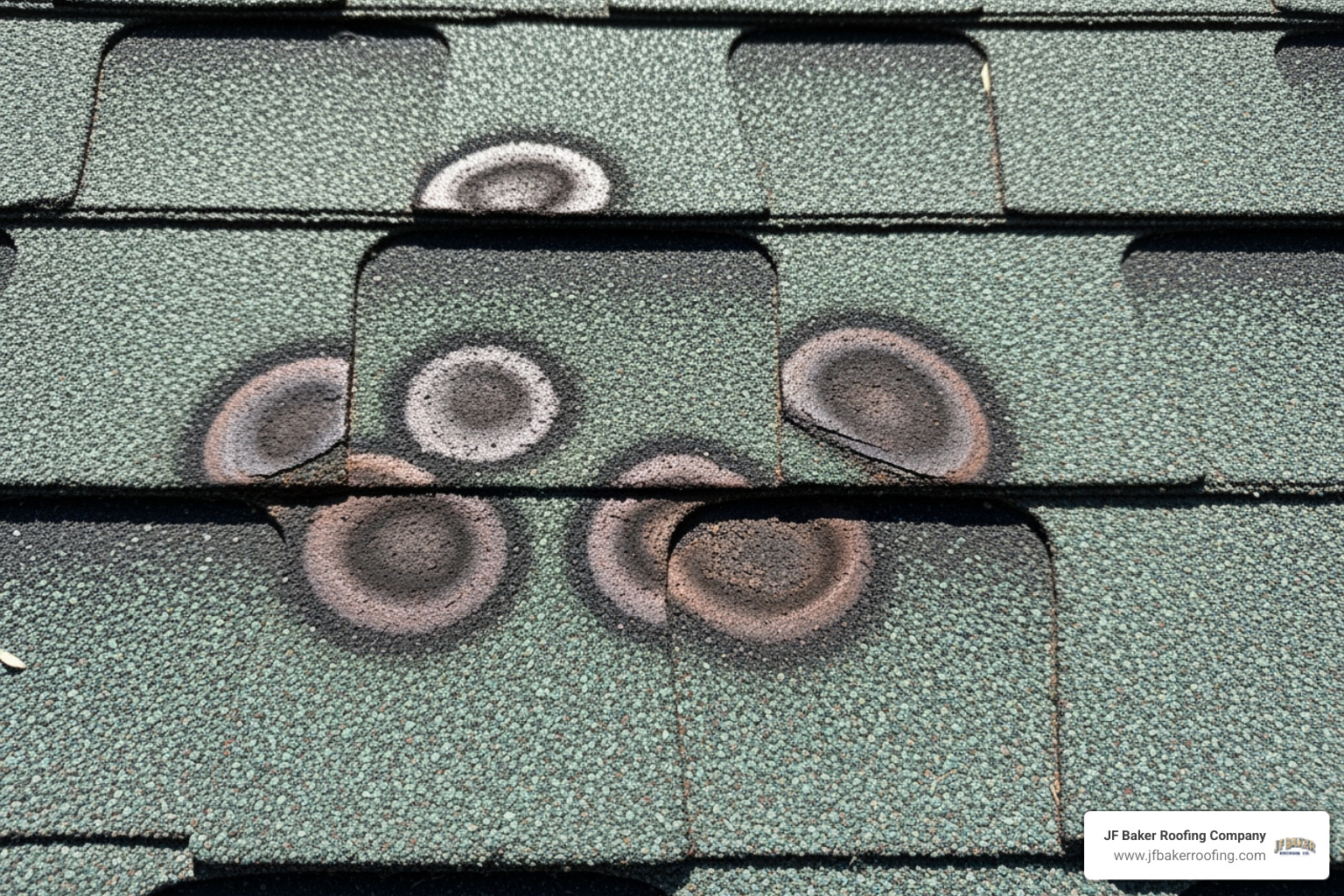
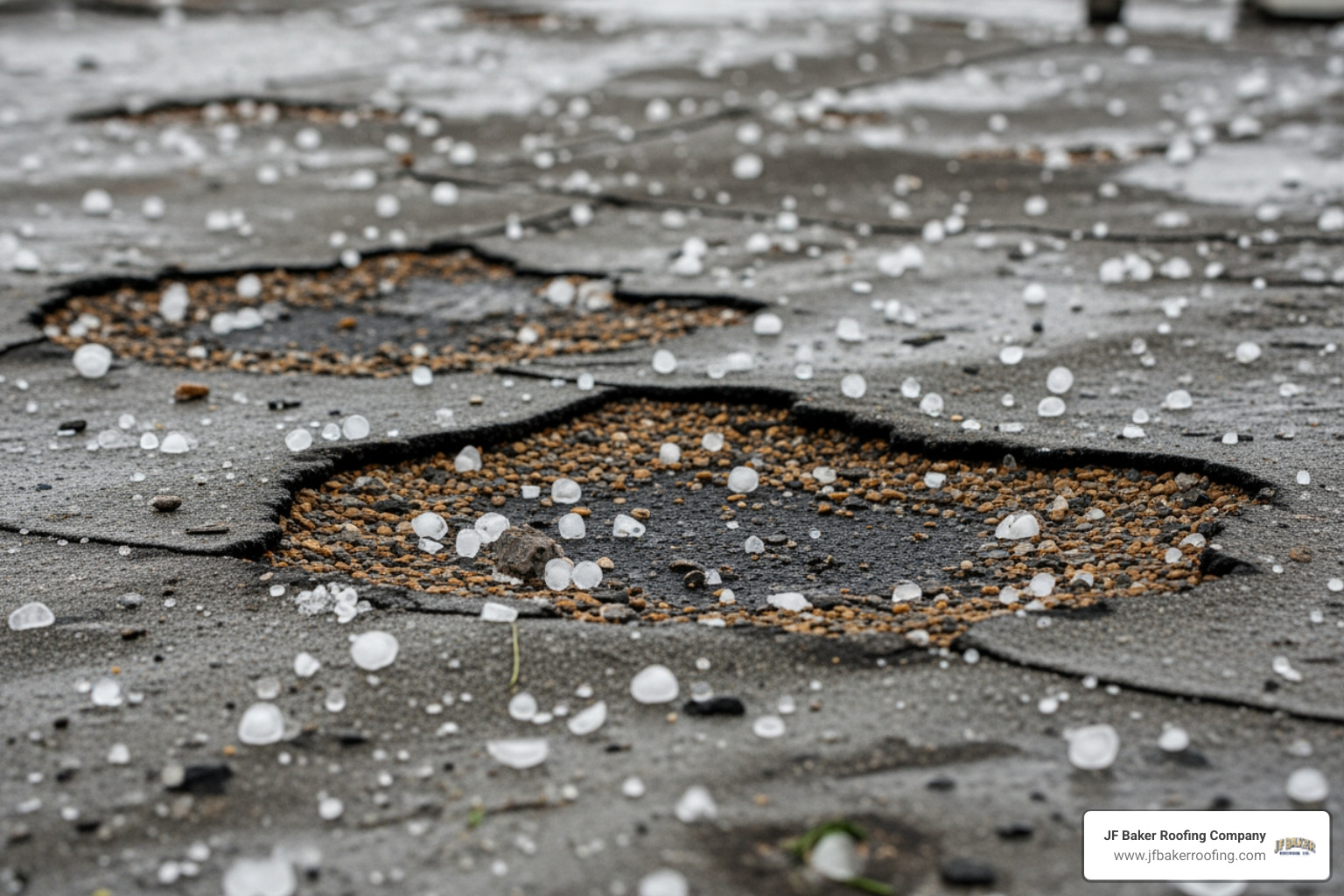
Look for granule loss, which often looks like dark sand piling up at the bottom of your downspouts. This is a sign that hail has knocked the protective coating off your shingles. Also, keep an eye out for missing shingles or "wind lift," where shingles have been peeled back but not fully detached. Dented gutters and downspouts are also clear indicators that a professional roof inspection after storm is necessary to check for hidden punctures.
Identifying Hidden Interior Damage
Sometimes the worst damage isn't visible from the driveway. Water is incredibly good at finding the path of least resistance. You might have a perfectly intact-looking roof while water is slowly saturating your insulation.
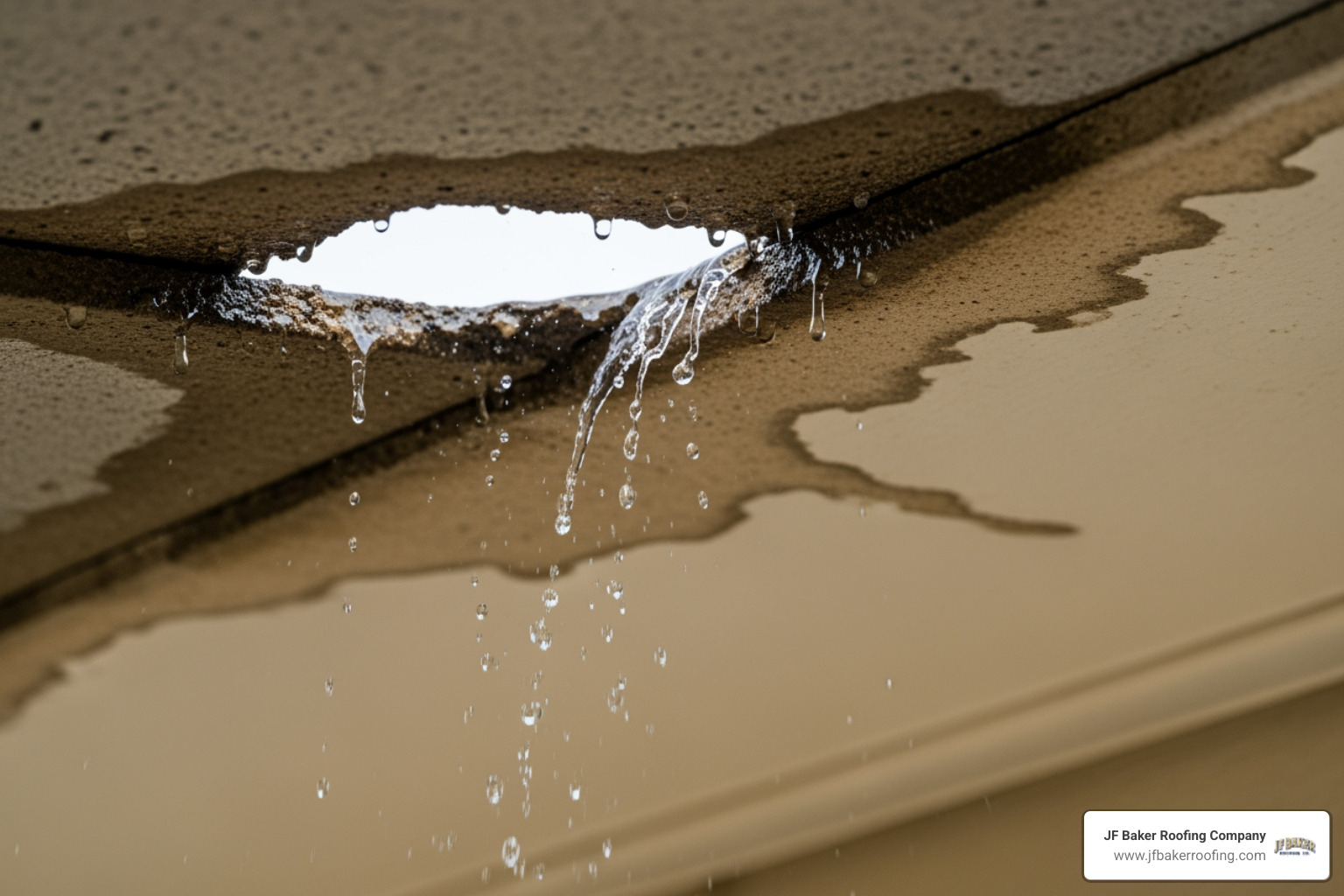
Check your ceilings for yellow or brown water stains. Go into your attic (if it is safe) and look for damp rafters or soft spots in the plywood. Musty odors or "bubbling" paint on your drywall are also red flags that moisture has moved past your roofing system and into your home's skeleton. If you notice these signs, you likely need storm restoration services Columbus residents trust to stop the leak before it ruins your interior finishes.
The Critical Need for Emergency Storm Damage Repair

In the restoration industry, we often say that "time is the enemy." This is especially true in Central Ohio, where a storm on Monday can be followed by humidity on Tuesday and more rain on Wednesday. Emergency storm damage repair isn't just about fixing what's broken; it's about stopping the "secondary damage" that happens after the clouds clear.
Professional emergency services typically include:
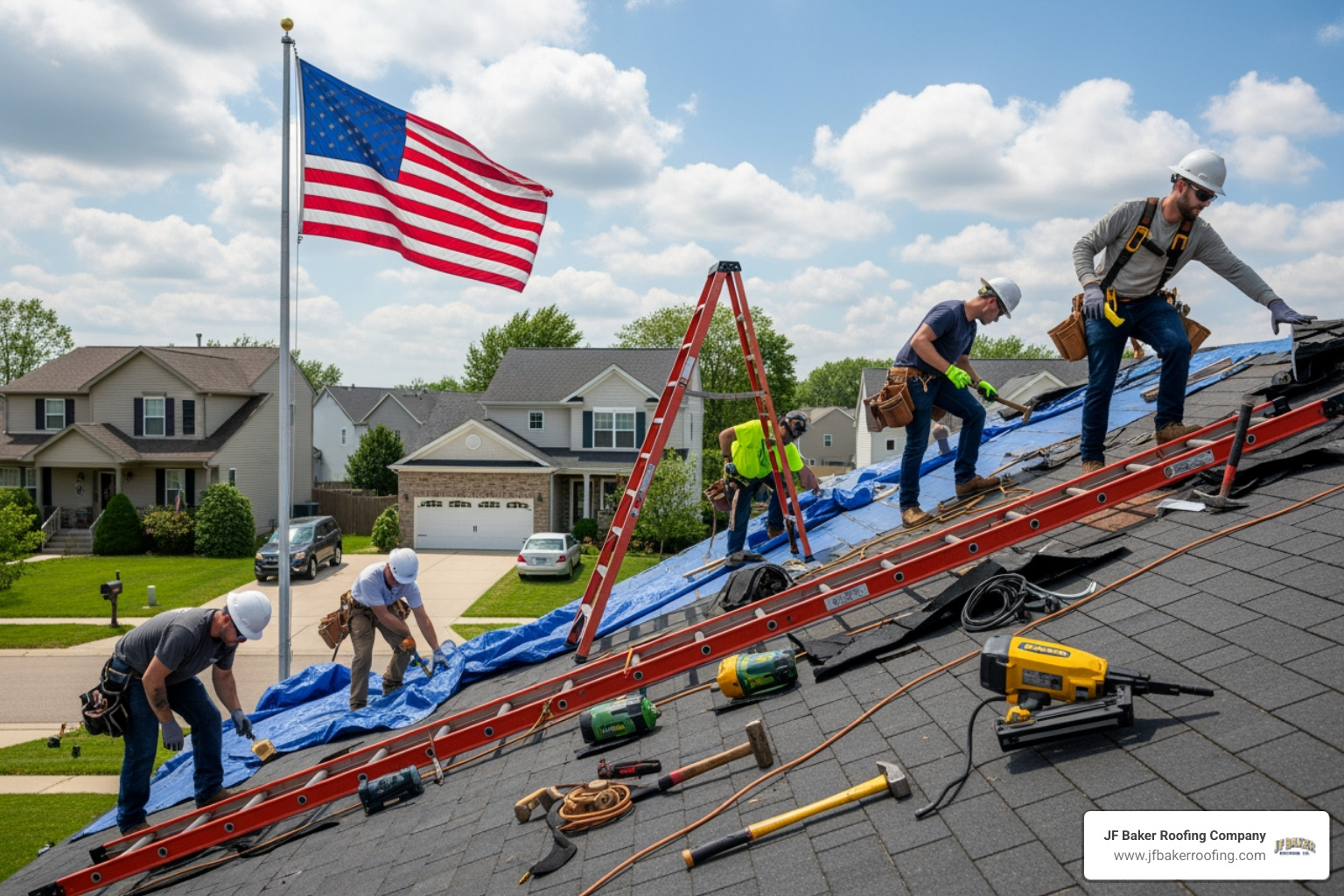
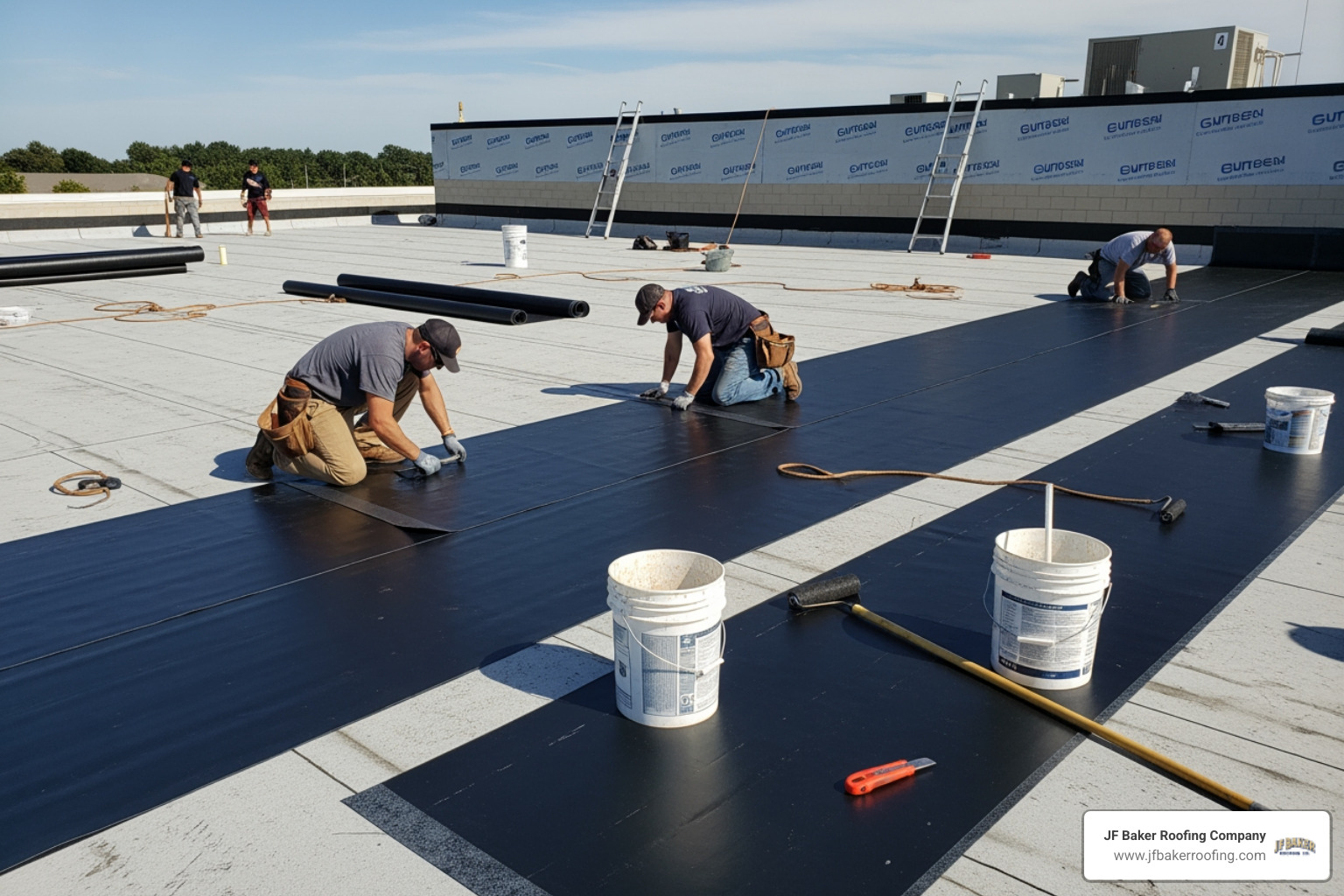
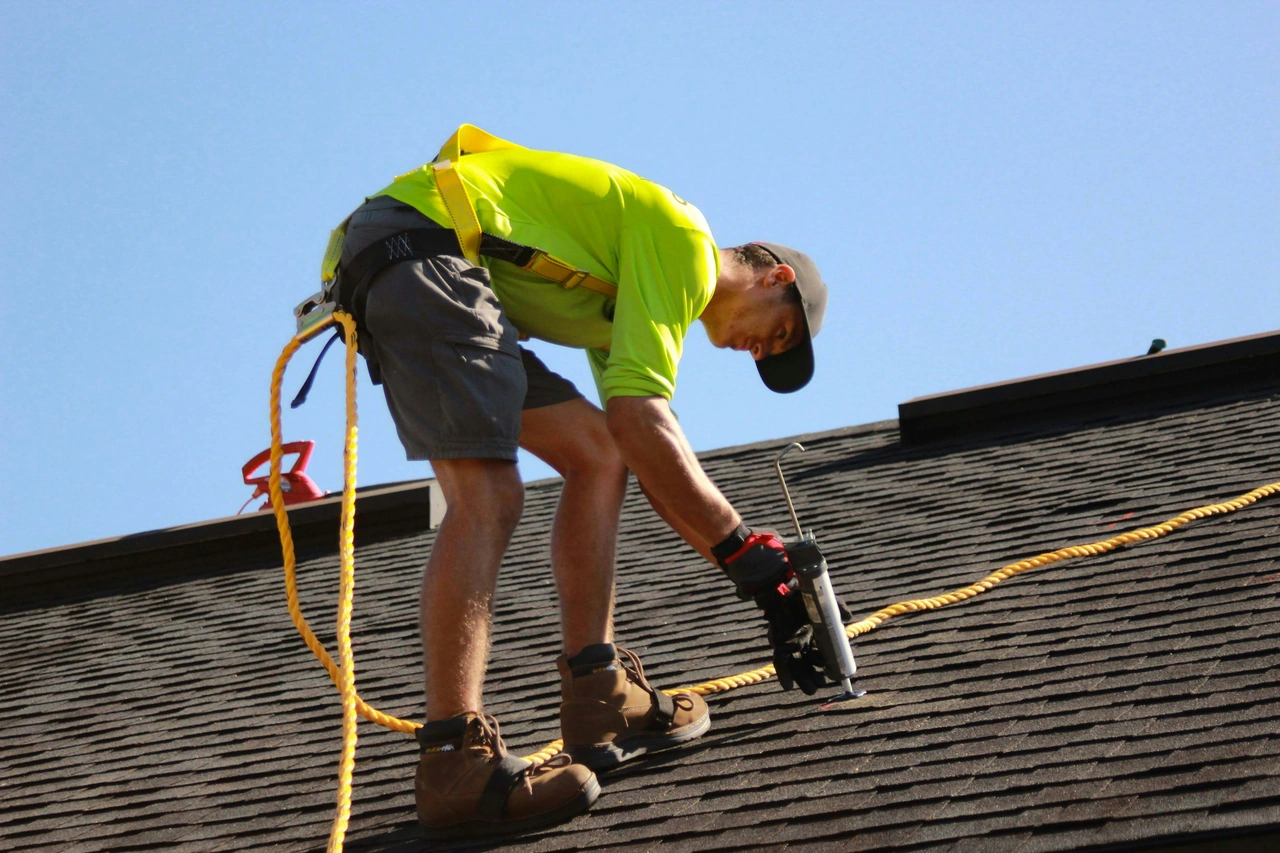
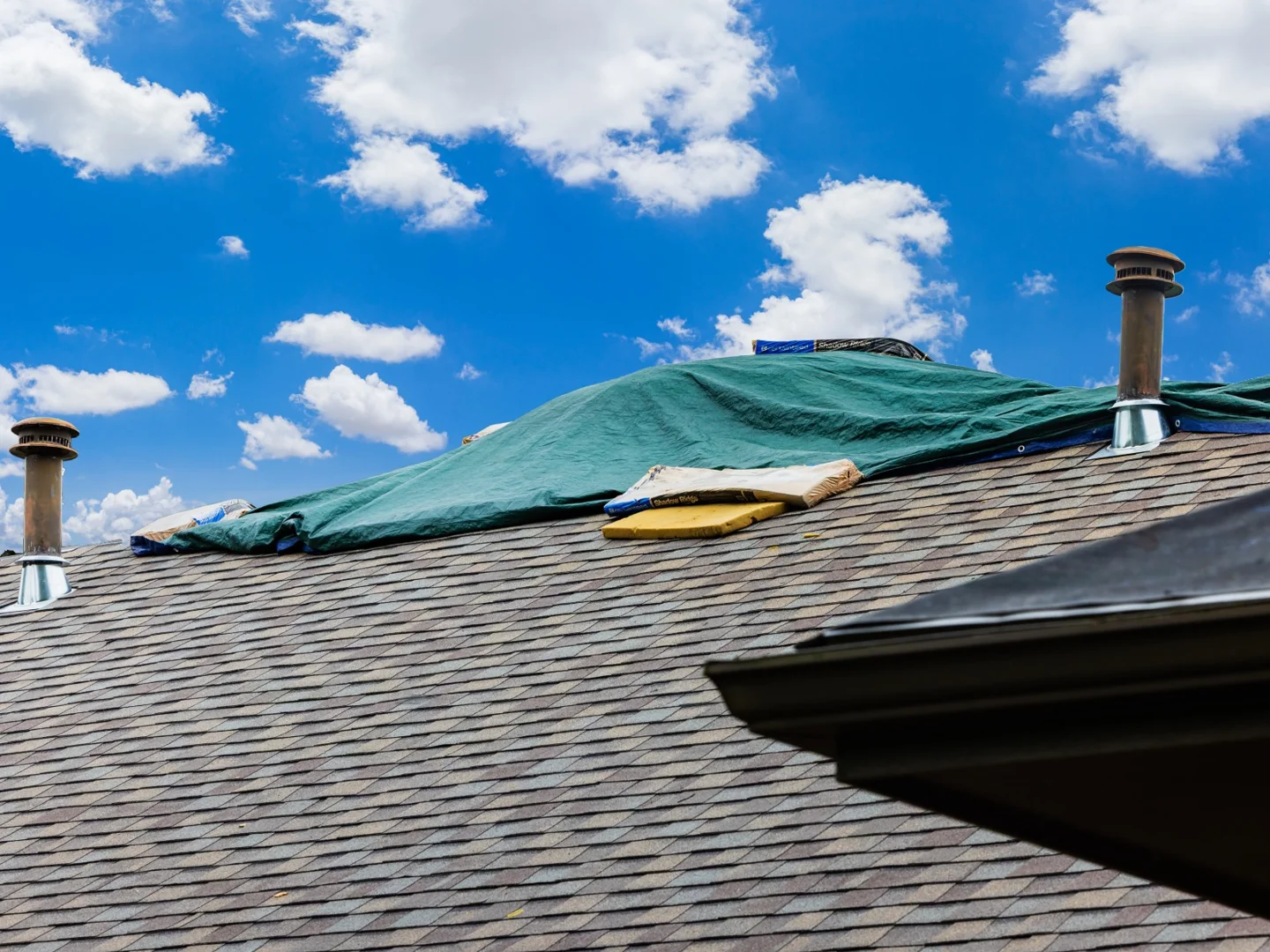
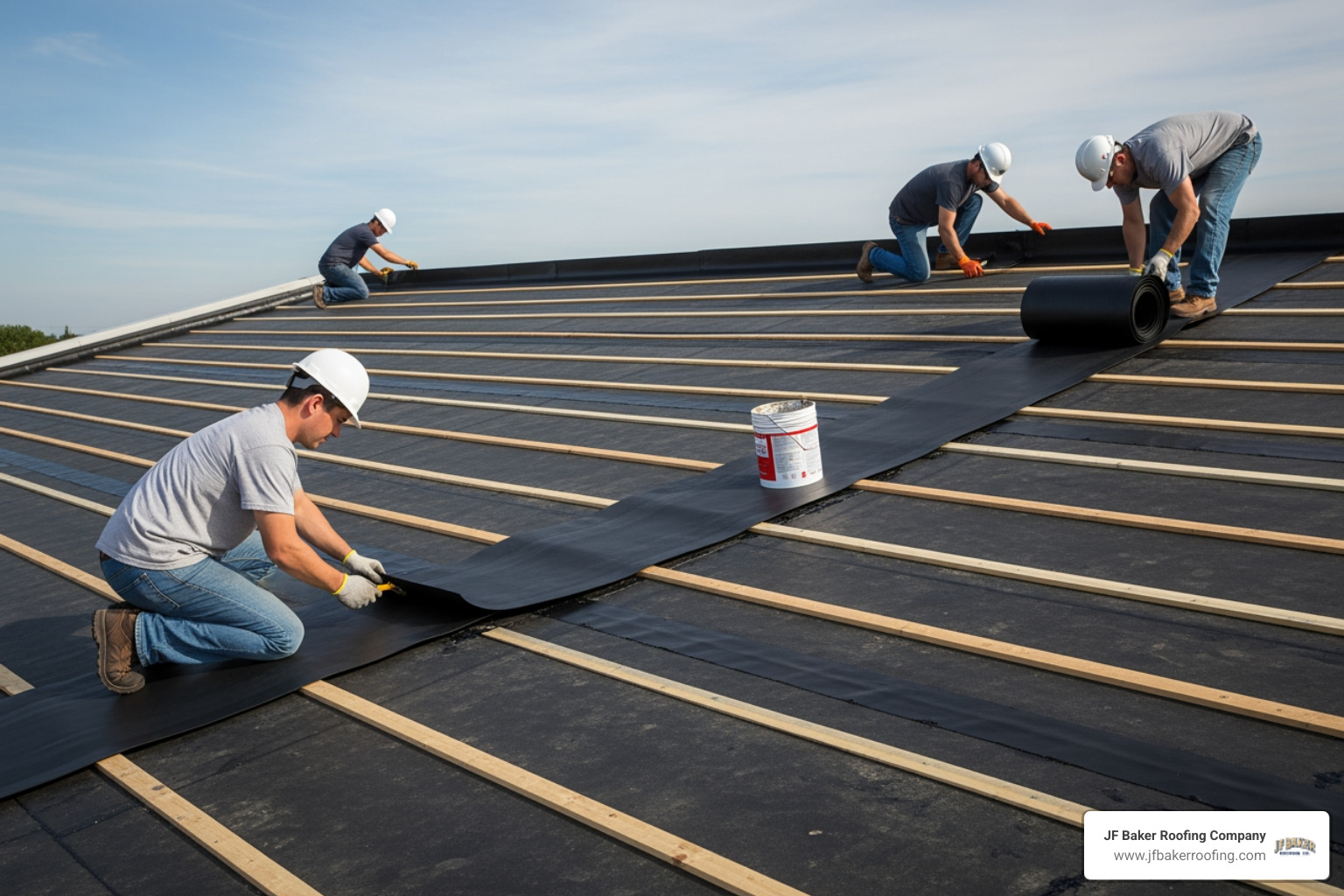
- Roof Tarping: Using heavy-duty, reinforced tarps to cover holes or missing shingle sections. This prevents rain from entering the home while you wait for a permanent repair.
- Board-Up Services: Securing broken windows or doors to prevent both weather intrusion and unauthorized entry.
- Water Extraction: Using industrial pumps and vacuums to remove standing water before it soaks into the subflooring.
- Structural Stabilization: Providing temporary support to weakened walls or roof sections.
By acting fast, you move from a state of crisis to a state of controlled recovery.
Preventing Mold with Emergency Storm Damage Repair
The most significant risk of delaying your repair is mold growth. Research shows that mold spores can begin colonizing damp surfaces within 24 to 48 hours. In the humid climate of a Columbus summer, this process can accelerate.
Once water gets into your drywall or carpeting, it creates a breeding ground. Professional teams use advanced moisture detection tools to find water hidden behind walls. They then use high-velocity air movers and industrial-grade dehumidifiers to dry the structure. If you wait even three days to address a leak, your repair bill could triple because you are no longer just fixing a roof; you are performing mold remediation. Keeping your gutters clear with a gutter repair after storm also ensures that water is moved away from your foundation, preventing basement dampness.
Reducing Long-Term Restoration Costs
Rapid response is the single best way to save money on your home repairs. When we can get a tarp on a roof within hours of a storm, we often save the homeowner from having to replace ceilings, insulation, and flooring.
Furthermore, documenting the damage immediately provides the proof your insurance company needs. If a tree falls on your property in Dublin, getting an emergency tree service Dublin OH | 24/7 storm response team out to stabilize the situation prevents the weight of that tree from causing further structural warping. Early intervention preserves the integrity of your home and makes the final reconstruction much simpler and less expensive.
Navigating the Restoration and Insurance Process
The path from a storm-damaged house back to a beautiful home involves several moving parts. Understanding the typical costs and timelines can help lower your stress levels during a difficult time.
| Service Type | Typical Timeline | Primary Goal |
|---|---|---|
| Emergency Tarping | 1 - 4 Hours | Stop water intrusion immediately |
| Board-Up Services | 2 - 6 Hours | Secure the property from weather/theft |
| Initial Assessment | 24 - 48 Hours | Document all damage for insurance |
| Water Extraction | 1 - 3 Days | Remove moisture to prevent mold |
| Full Reconstruction | 1 - 4 Weeks | Permanent structural and cosmetic repairs |
Most homeowners in the U.S. find themselves paying an average of $12,384 for storm restoration, though costs can range significantly based on whether you need a simple patch or a full roof replacement. At JF Baker Roofing, we focus on providing honest assessments. If a repair will solve the problem, that is what we recommend. We only suggest a full replacement when it is genuinely necessary for the safety of your home.
Documenting Damage for Your Adjuster
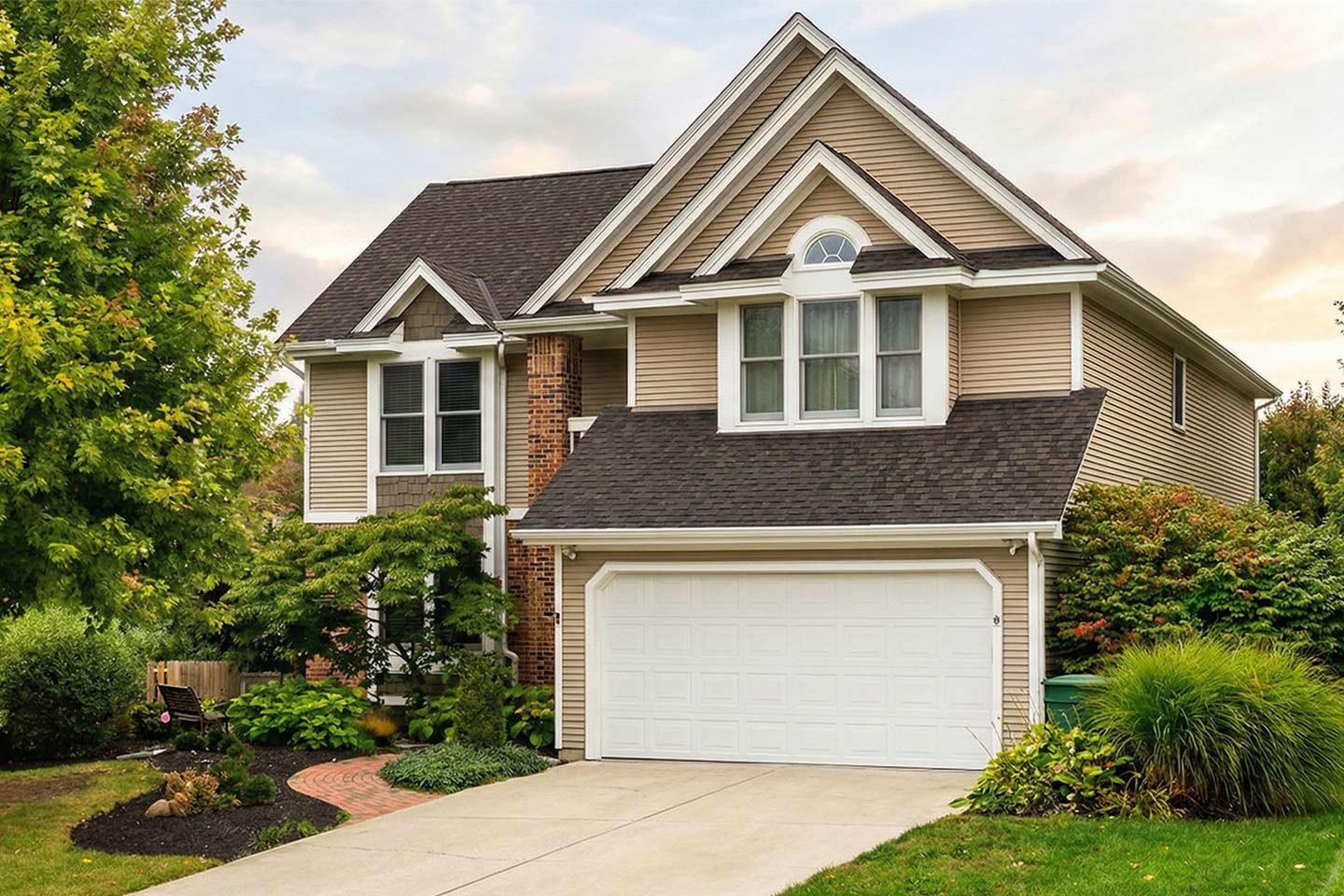
Your insurance claim is only as good as your documentation. Before any debris is moved or temporary repairs are made, take dozens of photos. Start with wide shots of the house from all four corners, then move in for close-ups of the specific damage.
Keep all receipts for any materials you buy for temporary fixes, like plywood or plastic sheeting. A professional hail damage roof repair near me specialist can provide you with a written assessment and an itemized invoice that speaks the language your insurance adjuster needs to hear. This documentation is the key to ensuring your policy covers the full extent of the damage.
The Five-Step Restoration Workflow
When you work with a professional team, the process usually follows these five steps:
- Initial Assessment: A thorough walk-through to identify all visible and hidden damage.
- Emergency Protection: Immediate tarping and board-up to "stop the bleeding."
- Debris Removal: Clearing fallen branches, ruined shingles, and damaged interior materials.
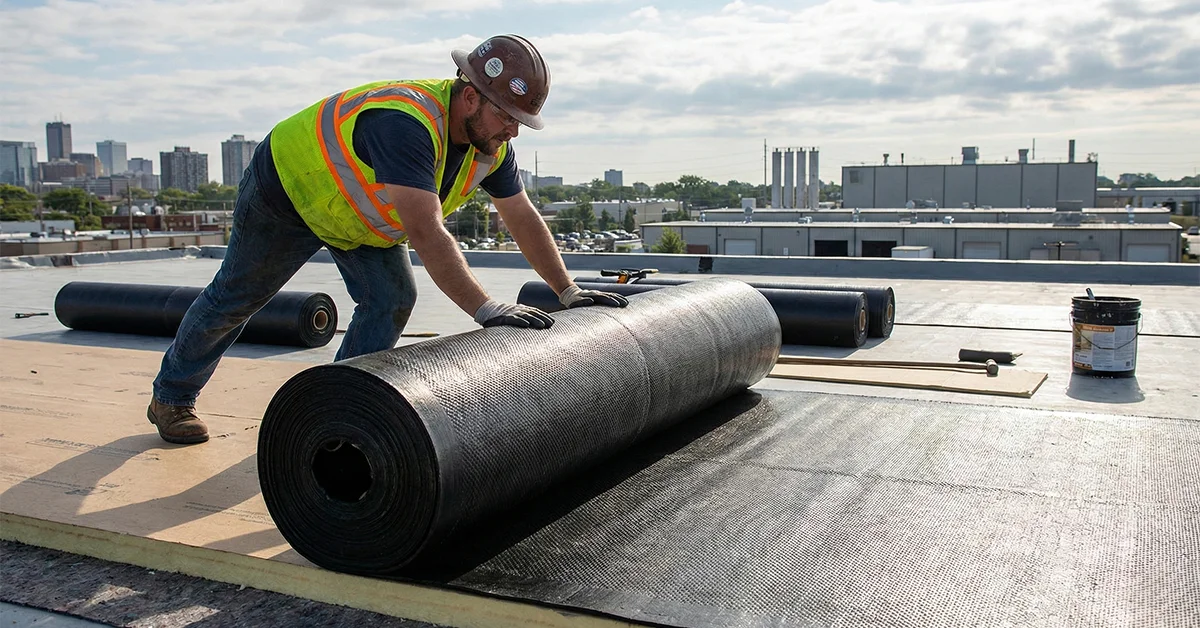
- Structural Repair: Fixing the rafters, decking, and roofing system to ensure the home is watertight.
- Final Inspection: A quality check to ensure every shingle and gutter is installed to manufacturer specifications.
Choosing a Reliable Local Restoration Partner
After a major storm, you might see "storm chasers" knocking on doors in Westerville or Hilliard. These are out-of-state contractors who follow storms to make a quick buck. They often provide low-quality work and disappear before the warranty period even begins.
Instead, look for a local partner with deep roots in Central Ohio. A reliable contractor should have:
- IICRC Certification: This ensures they are trained in the latest restoration and drying standards.
- Specialized Equipment: They should use industrial-grade moisture meters and thermal imaging to find hidden leaks.
- Transparent Pricing: You should receive a clear, written estimate without high-pressure sales tactics.
- Family-Owned Integrity: Companies that have been in the community for decades, like JF Baker Roofing, rely on their reputation to stay in business.
Verifying Contractor Credentials and Insurance
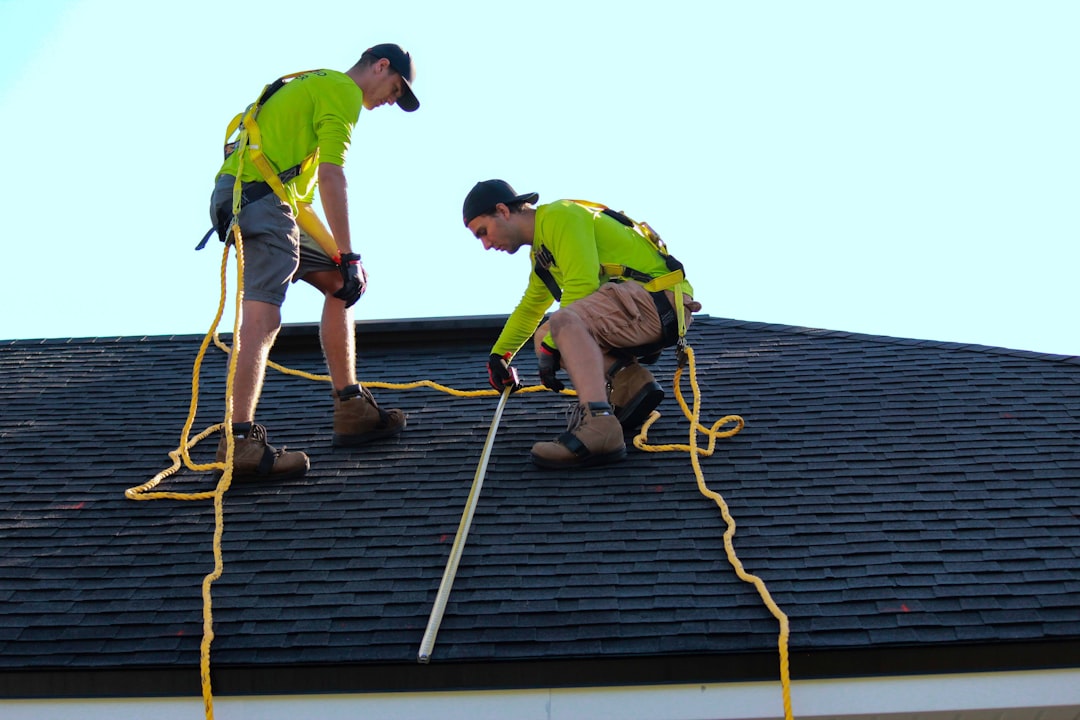
Never let someone on your roof without verifying their credentials. In Ohio, a reputable roofer should be fully insured and bonded. Ask for proof of liability coverage and workers' compensation. This protects you if a worker is injured on your property.
Check for BBB accreditation (we maintain an A+ rating) and manufacturer certifications, such as being a CertainTeed ShingleMaster Preferred Contractor. These designations mean the manufacturer trusts the contractor to install their products correctly. Whether you are dealing with a residential home or hail damage commercial roofing, these credentials are your safety net.
Frequently Asked Questions about Storm Damage
How long does it take for mold to grow after a roof leak?
Mold is incredibly fast. It can begin to develop within 24 to 48 hours of water intrusion. This is why immediate emergency storm damage repair and structural drying are so important. If you wait a week to fix a leak, you are almost guaranteed to have a mold issue.
Does homeowners insurance cover fallen tree removal?
Generally, yes, if the tree has damaged a covered structure like your house or garage. If a tree simply falls in your yard without hitting anything, coverage may be limited. Always check your specific policy and document the damage before the tree is moved.
How can I prepare my property for severe Ohio storms?
While you can't stop a storm, you can minimize the damage. Keep your trees trimmed away from your roofline, ensure your gutters are clean and securely attached, and have a professional inspection every few years to catch loose shingles before the wind catches them.
Conclusion
Since 1929, JF Baker Roofing has stood by the families and businesses of Central Ohio. We have seen every type of weather the Midwest can throw at a roof, from the blizzard of '78 to the spring derechos of the 2020s. Now led by Chad and Pat Baker, our third-generation family-owned company remains built on integrity and proven by performance.
When you need storm damage repairs, you deserve an honest assessment, not a sales pitch. We serve Columbus, Dublin, Upper Arlington, Delaware, and the surrounding areas with the same dedication to quality that our grandfather started nearly a century ago.
If your home has been hit by the recent storms, don't wait for the damage to get worse. Let our reputation be your security. Contact us today for a straightforward evaluation and fast, professional service. We stand behind every roof we install.

.jpeg)