The Storm Restoration Services Columbus Survival Guide
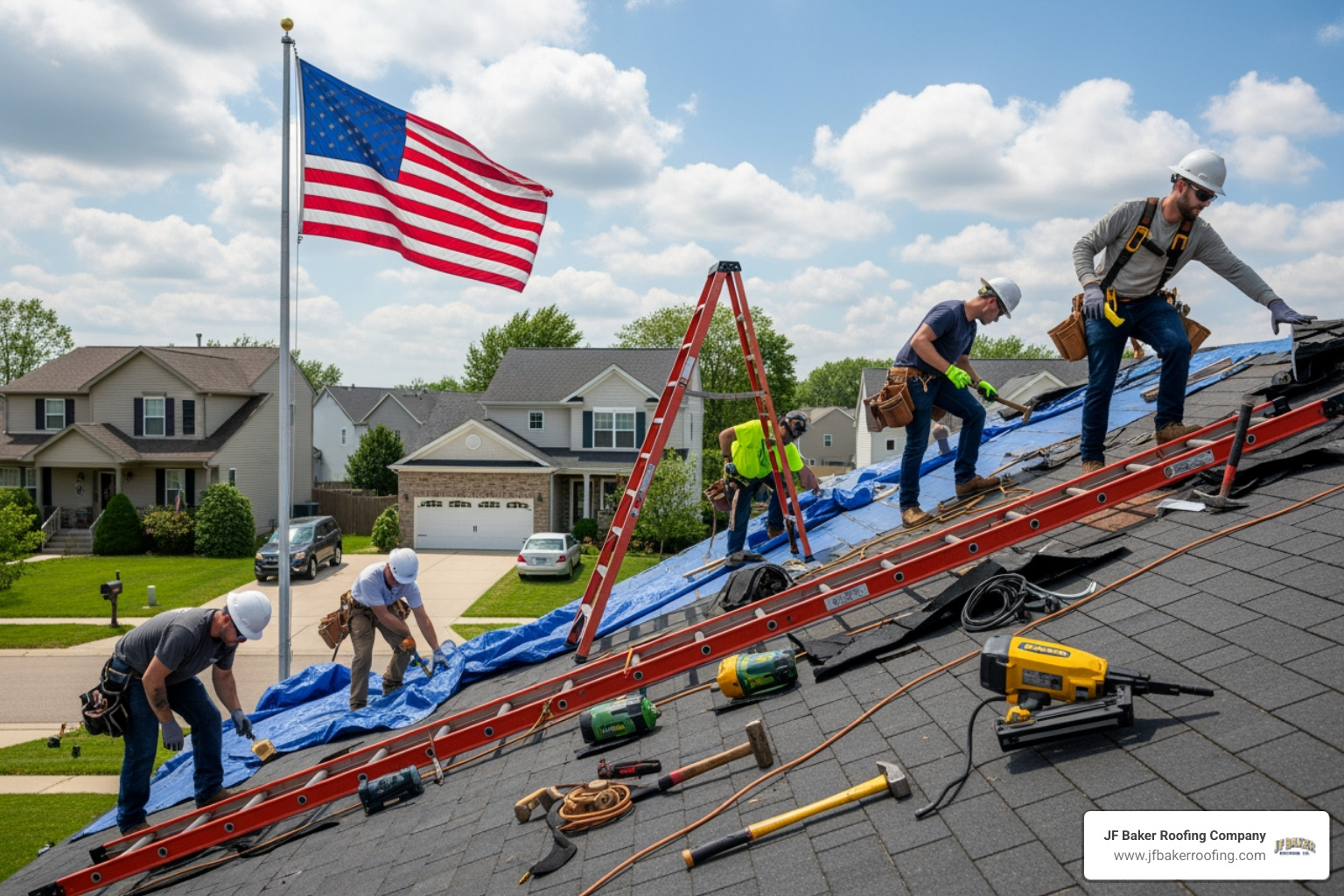
When a Columbus Storm Hits, Here Is What to Do First
If you need storm restoration services Columbus help right now, here is a quick summary:
- Stay safe - stay indoors and away from damaged areas until the storm passes
- Document everything - take photos and video of all visible damage before touching anything
- Cover open areas - use emergency tarping to stop water from getting in
- Call a licensed roofing contractor for a professional inspection before filing your insurance claim
- Contact your insurance provider and report the damage as soon as possible
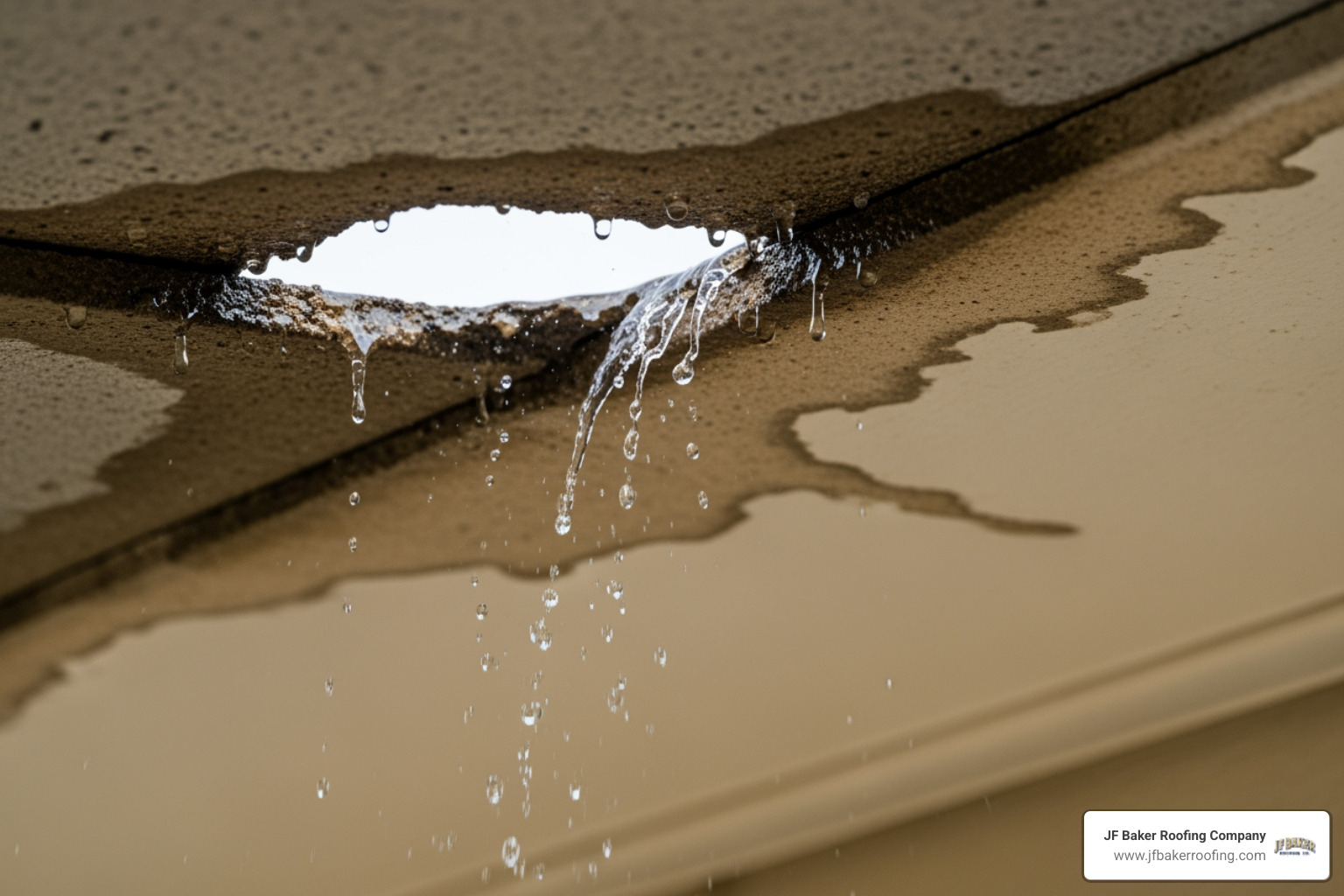
Central Ohio storms can move fast and hit hard. One afternoon you have clear skies. A few hours later, you have missing shingles, clogged gutters, and a wet ceiling in your living room.
Spring storm season is especially rough here. Wind gusts, hail, and heavy rain can do serious damage to a roof in minutes. And because storm damage is not always obvious from the ground, many Columbus homeowners do not realize how bad things are until water is already working its way into the structure.
That window between the storm and the first sign of an interior leak is where the real damage gets done.
At JF Baker Roofing, we have been helping Columbus homeowners through storm season since 1929. Three generations of the Baker family have seen what Ohio weather can throw at a home, and we know how to help you recover the right way, without the pressure or the guesswork.
This guide walks you through exactly what to do after a storm hits your Central Ohio property.
Essential Storm Restoration Services Columbus Homeowners Need
When we talk about Storm Damage Repairs, we are looking at more than just a few missing shingles. A severe weather event in Central Ohio often involves a combination of high winds, heavy rain, and sometimes large hail. Each of these elements attacks your home's exterior in different ways.
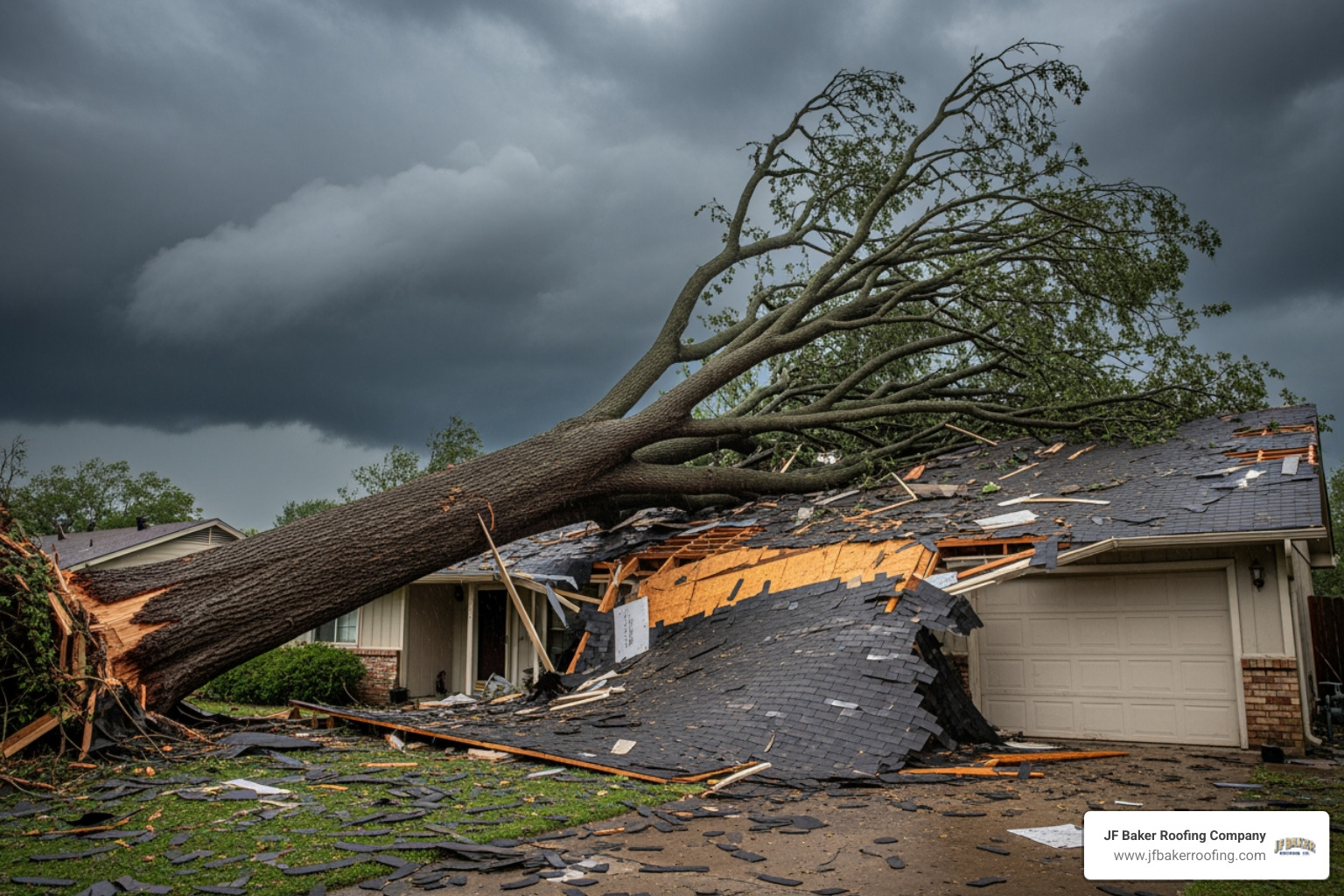
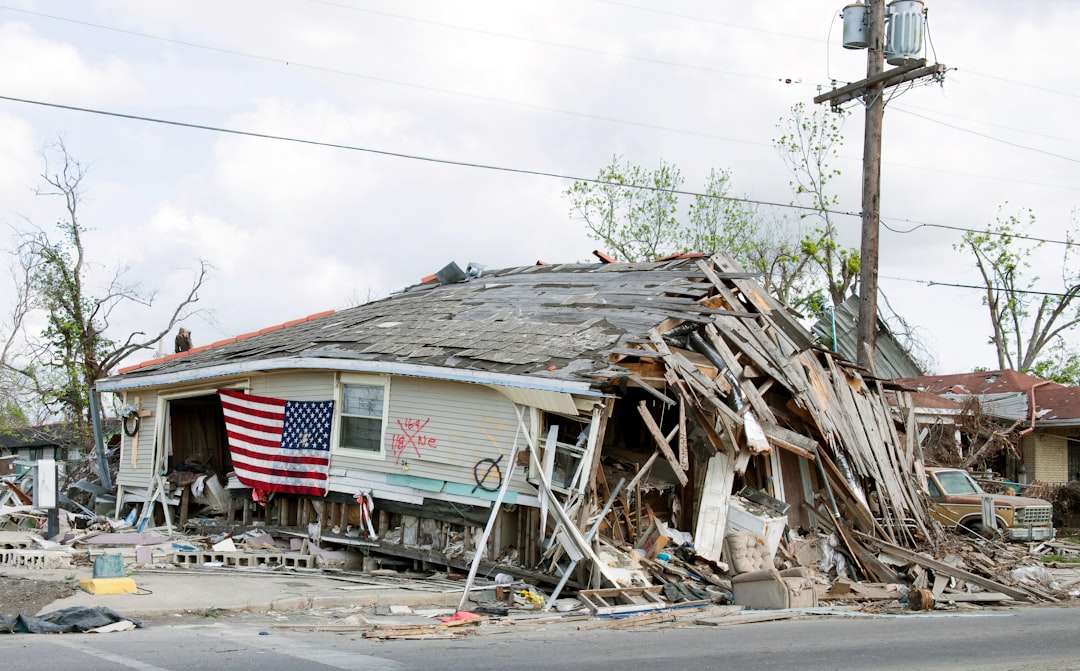
In areas like Upper Arlington or Clintonville, where many homes have mature trees, falling debris is a major concern. A single heavy limb can puncture a roof deck or crush a gutter system. Professional restoration starts with stabilizing the structure to prevent secondary issues like wood rot or mold.
The most common services required after a Columbus storm include:
- Emergency Tarping: This is a temporary fix to keep rain out of your attic until permanent repairs can be made.
- Shingle Replacement: High winds can peel back shingles, leaving the underlayment exposed.
- Gutter Realignment: Heavy rain and wind can pull gutters away from the fascia, leading to foundation issues.
- Siding and Trim Repair: Wind-blown debris often dents or cracks siding, which can let moisture seep into your walls.
Identifying Hail and Wind Impact
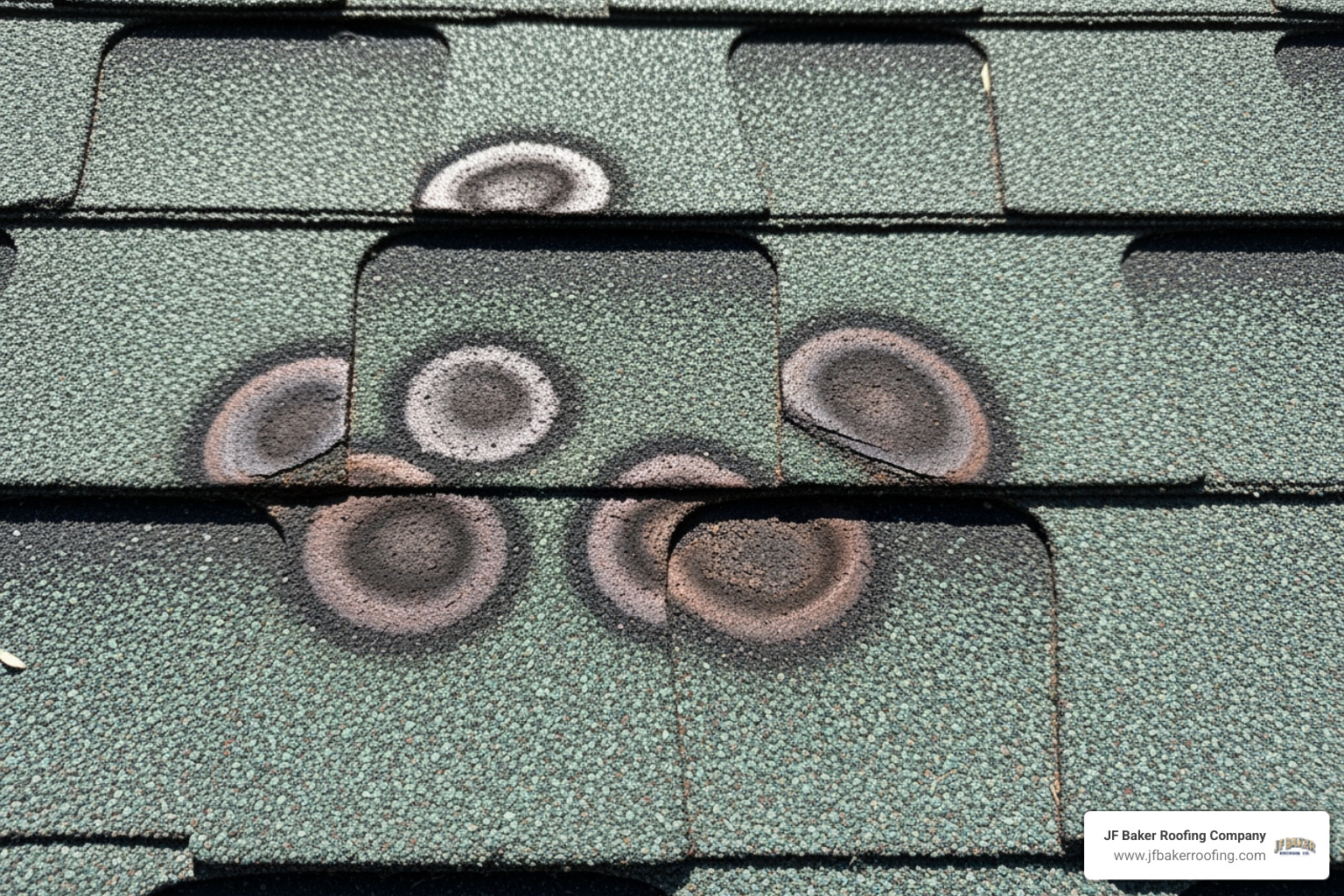
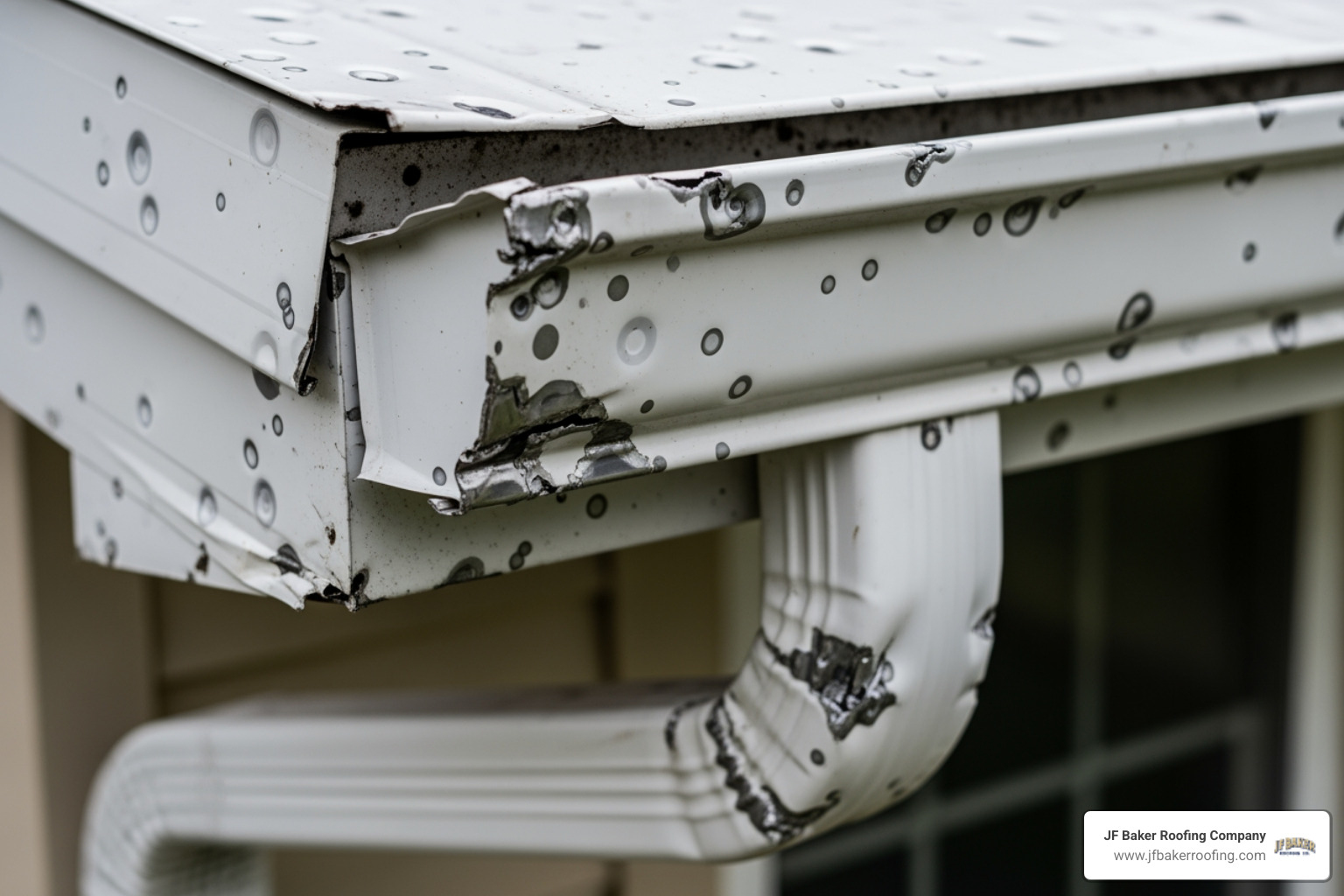
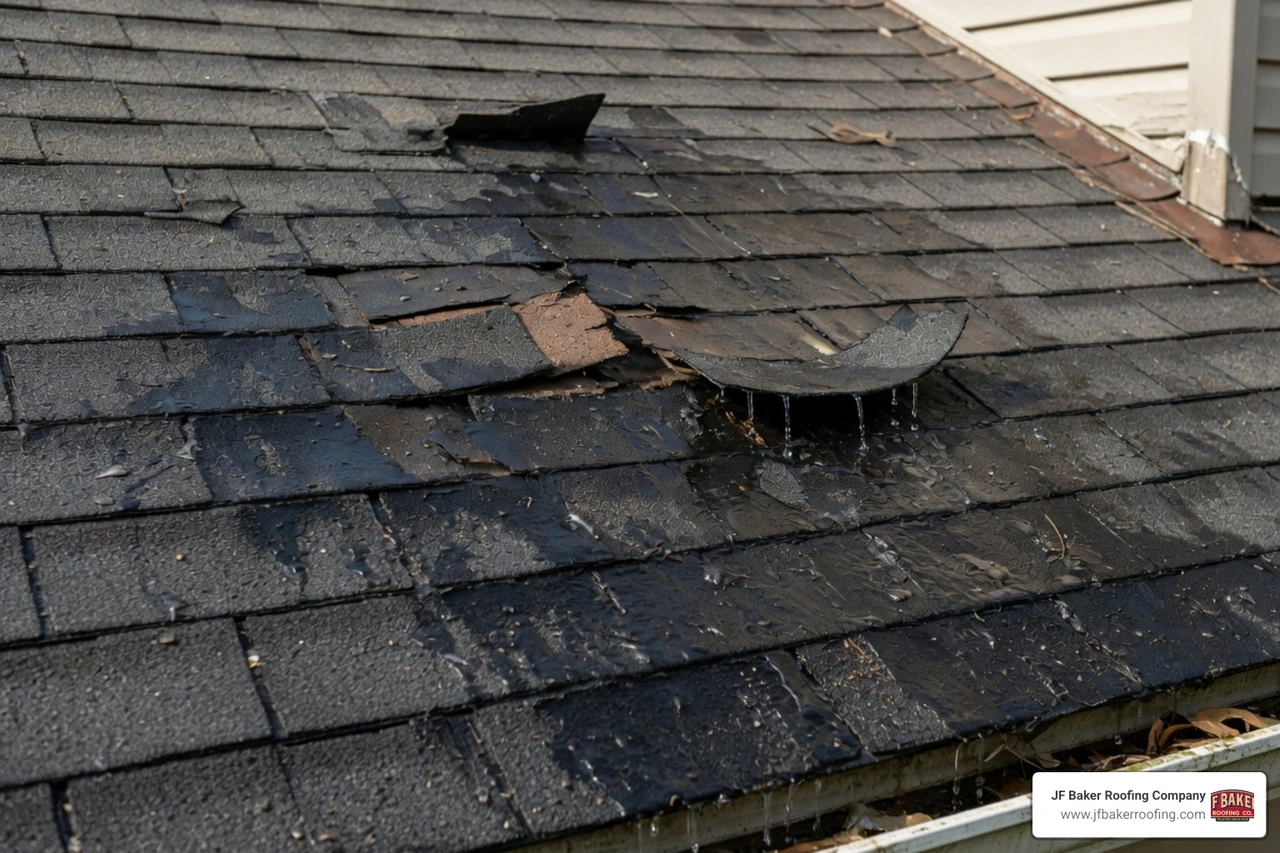
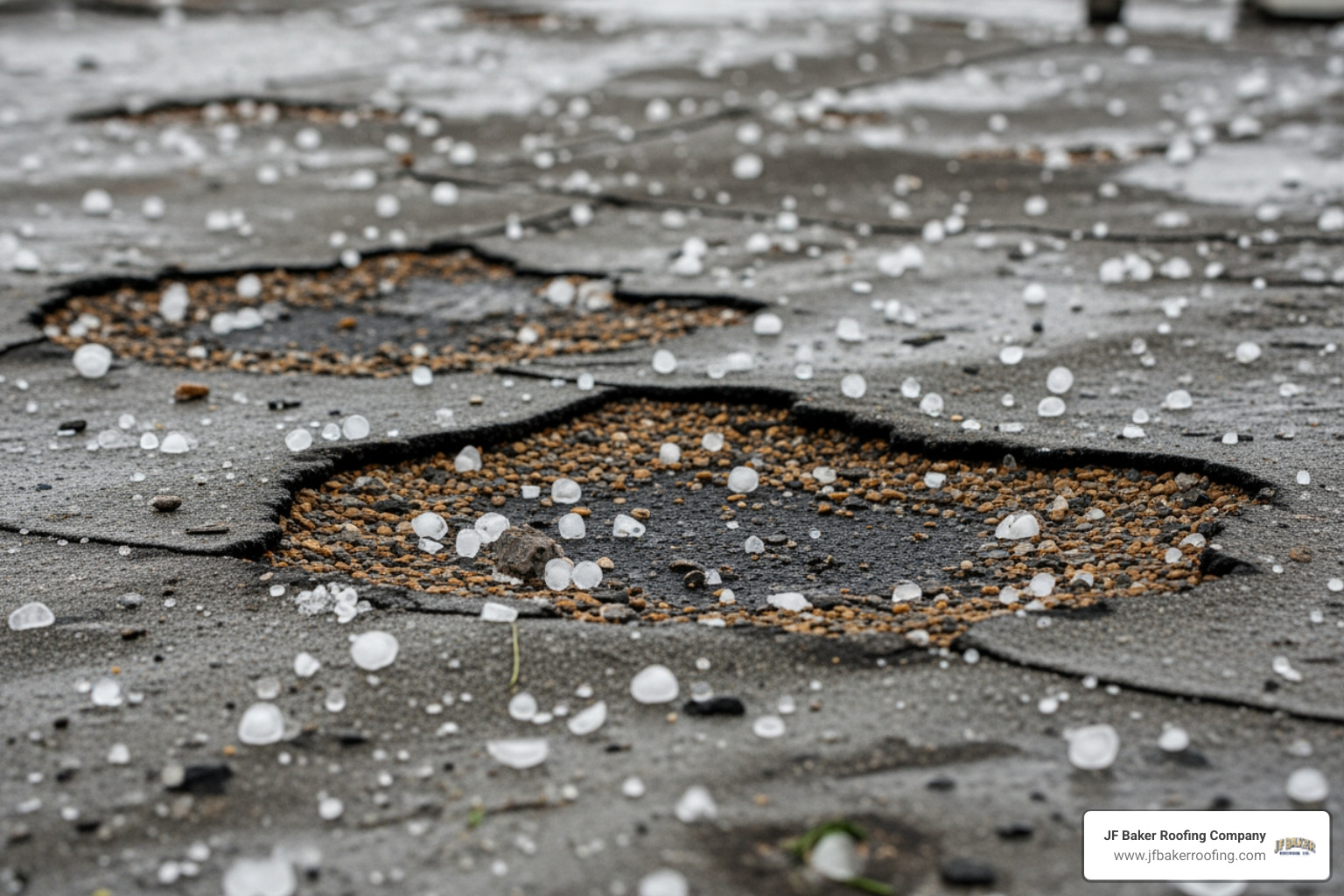
Not all storm damage is as obvious as a fallen tree. In fact, some of the most expensive damage is the hardest to see. Hail damage, for example, often looks like small dark spots on your shingles. These are actually "bruises" where the hail has knocked away the protective granules. Once those granules are gone, the sun's UV rays quickly bake the asphalt, causing the shingle to become brittle and fail.
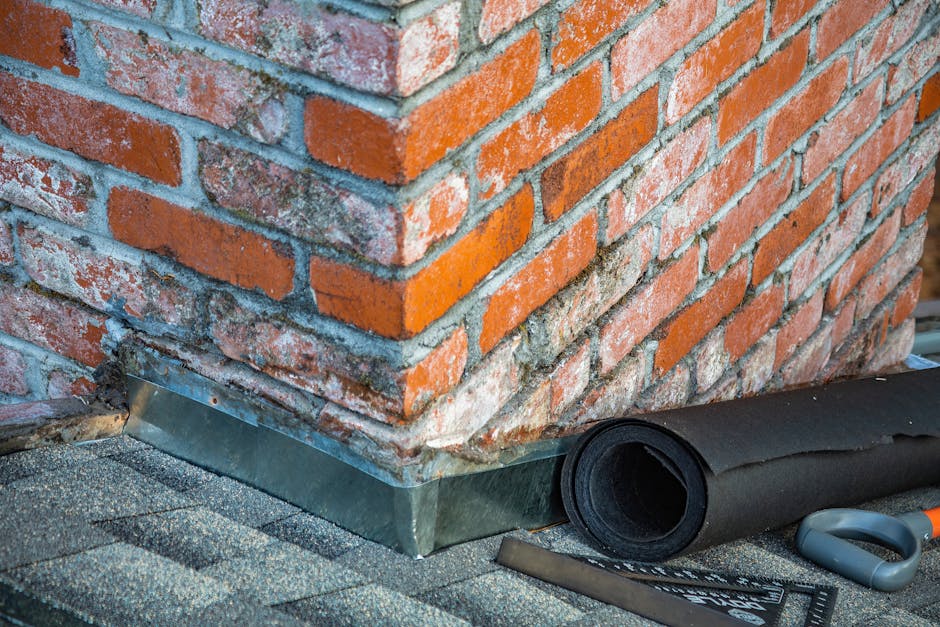
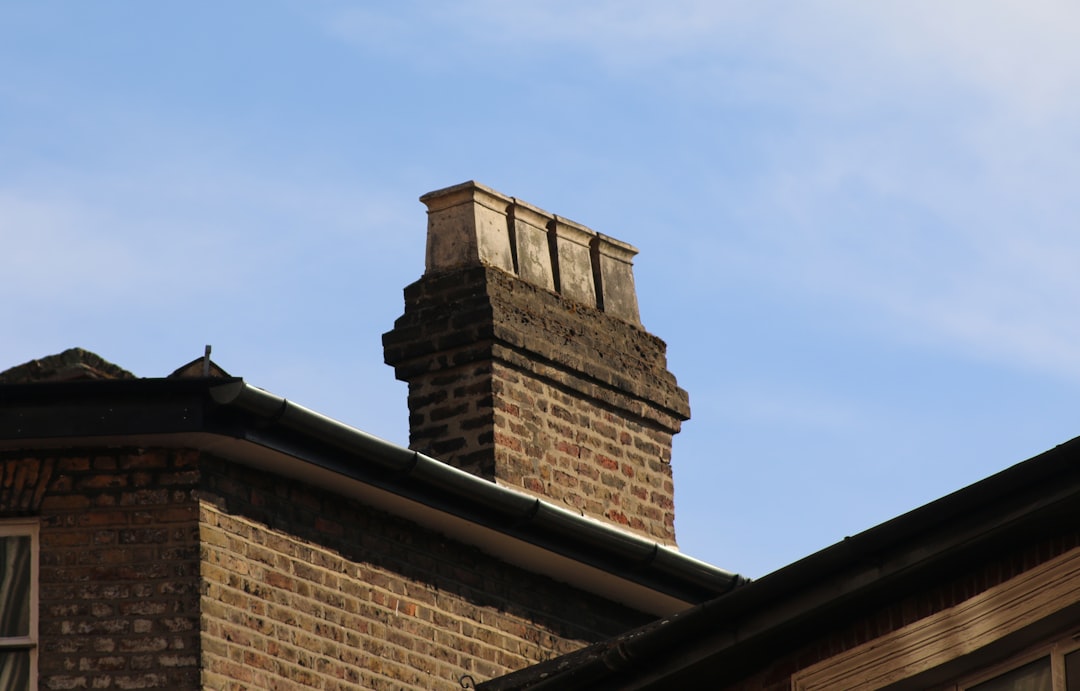
Wind uplift is another "invisible" culprit. Strong gusts can lift the edge of a shingle just enough to break the sealant strip. Even if the shingle lays back down, it is no longer watertight. During the next rain, water will be pushed underneath it. If you notice lifted flashing around your chimney or vents, that is a clear sign that wind has compromised your roof's integrity. For specialized cleanup of limbs and debris, the City of Columbus Storm Damage Cleanup page provides resources for clearing your landscape so roofing crews can safely access the house.
Structural Drying and Water Mitigation
If water has made its way into your home, the clock is ticking. Moisture detection is a critical part of the restoration process. We often find that while a homeowner sees one small water stain on a bedroom ceiling, the attic insulation above it is completely saturated.
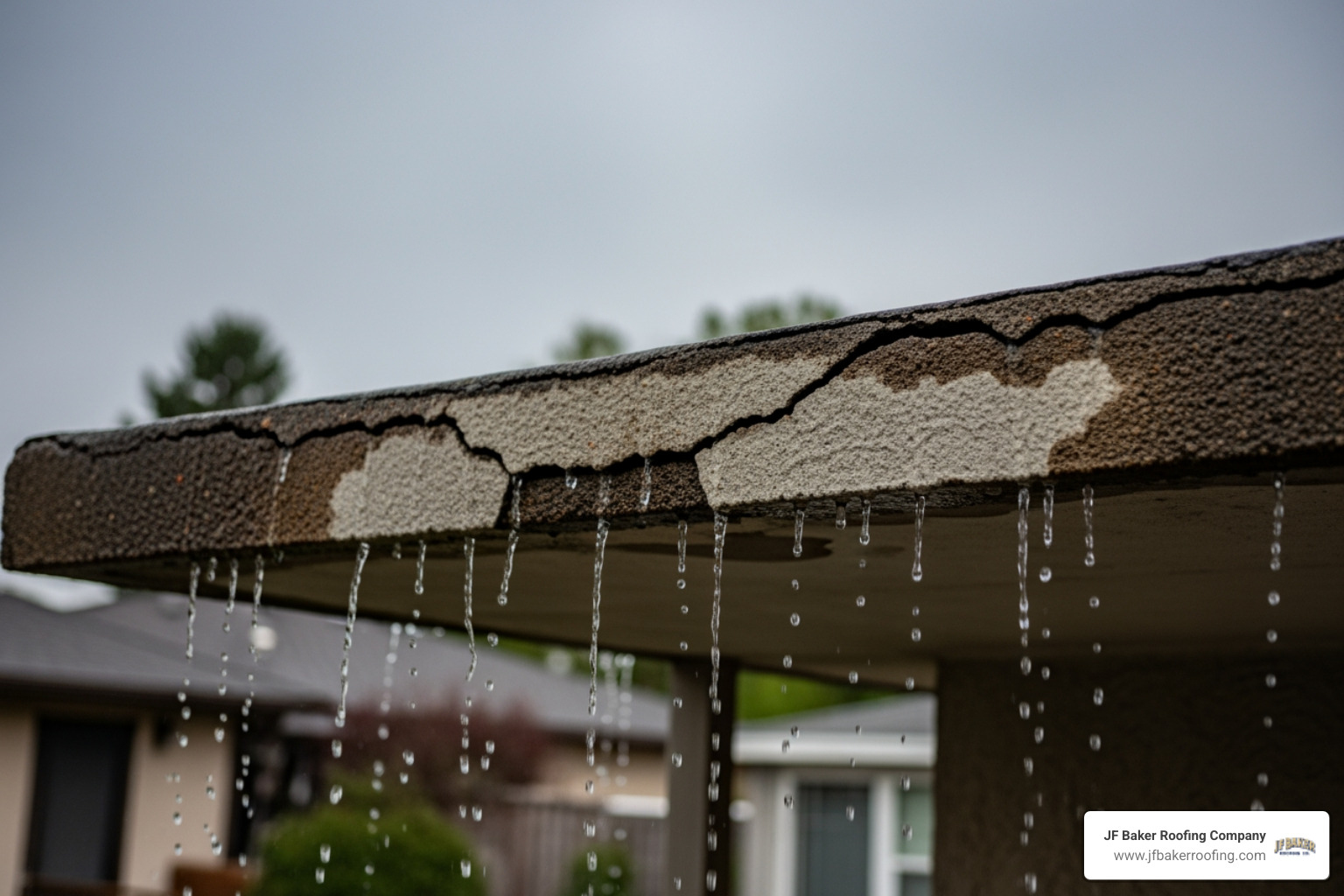
Unchecked moisture leads to attic leaks that can weaken the structural rafters and, within 24 to 48 hours, begin the growth of mold. Professional restoration involves not just fixing the hole in the roof, but ensuring the interior environment is dry and safe. We use moisture meters to check behind drywall and under flooring to make sure no hidden pockets of water remain.
Immediate Steps to Take After a Severe Ohio Storm
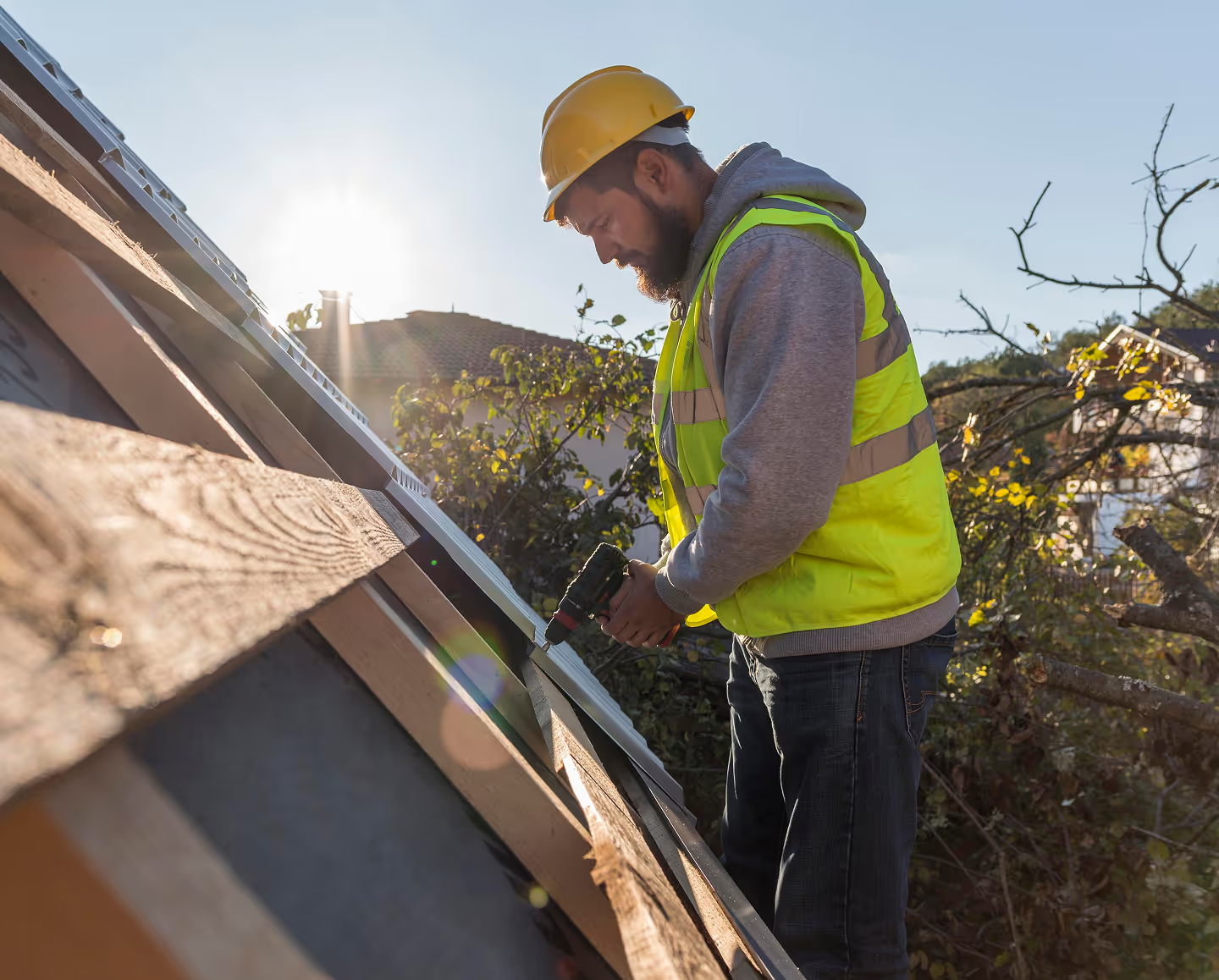
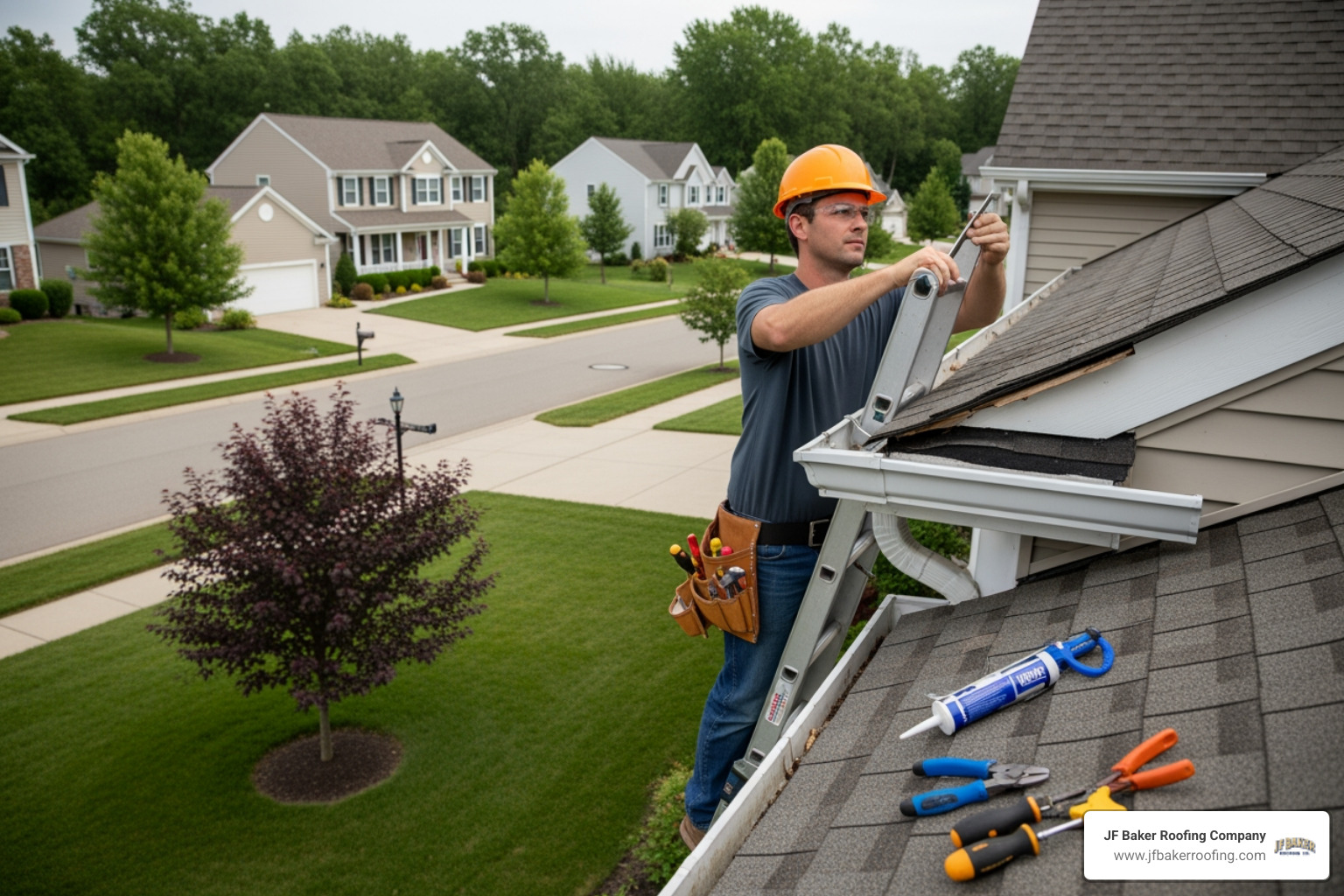
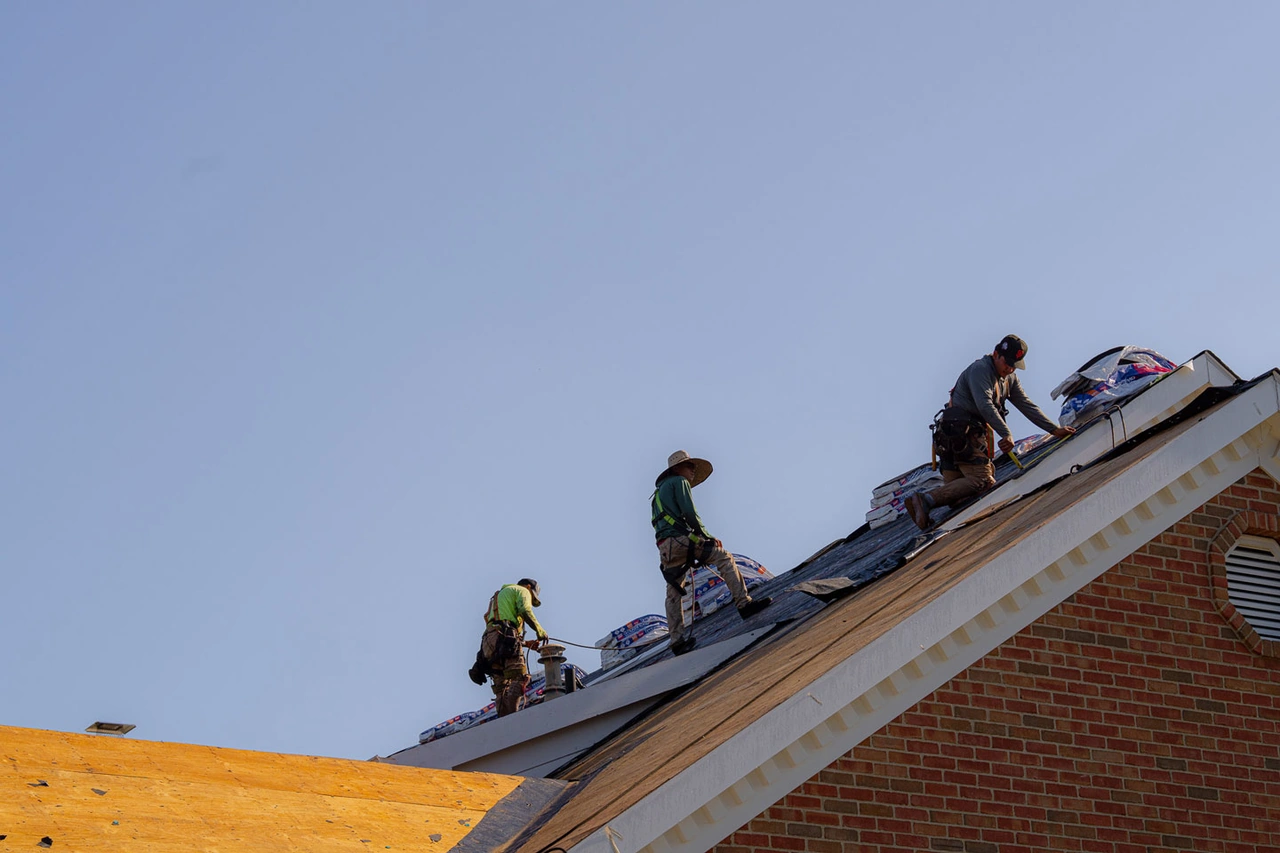
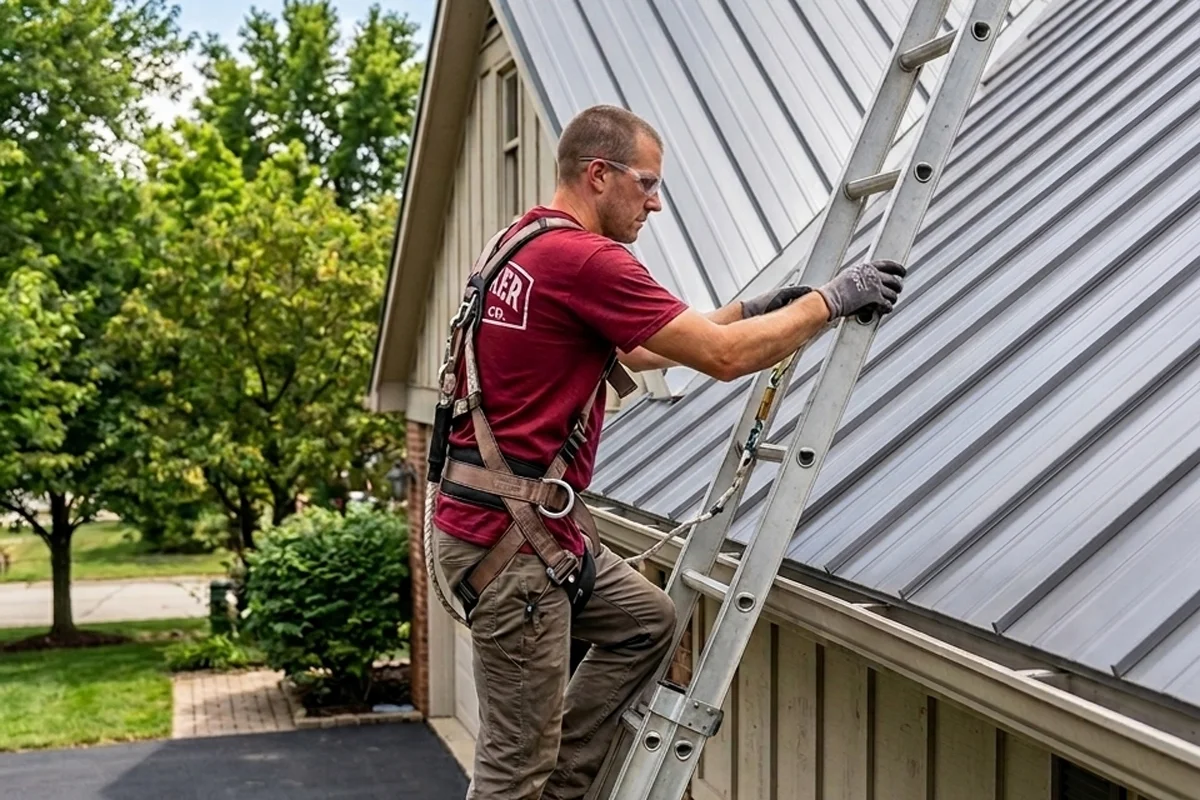
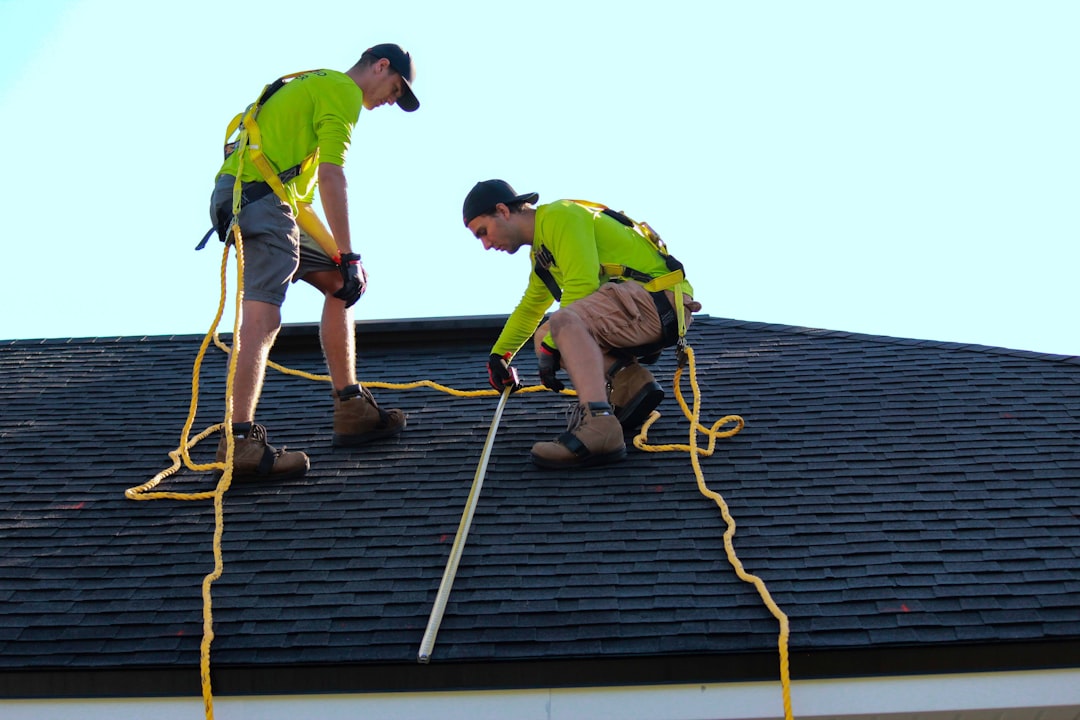
The moments immediately following a storm are the most critical. While it is tempting to grab a ladder and climb up to see the damage for yourself, we strongly advise against it. Roofs are slick after rain, and storm-damaged shingles can be unstable.
1. Safety FirstCheck for downed power lines or smell for gas leaks. If a tree has fallen on your house, evacuate everyone until a structural engineer or a professional contractor can confirm it is safe to re-enter.
2. Utility ShutoffIf you have water pouring through a light fixture or near an electrical panel, shut off the main power immediately.
3. Photo DocumentationWalk around the perimeter of your home and take photos of everything. Capture shots of hail on the ground (using a coin for scale), dented downspouts, and any shingles you find in the yard. This evidence is vital for your insurance claim.
4. Temporary ProtectionIf you have an active leak, place buckets under the drips. If it is safe to do so, move furniture and valuables out of the splash zone. Professional crews can provide emergency tarping to stop the water at the source.
Professional Inspection vs. DIY Observation
FeatureDIY ObservationProfessional InspectionSafetyHigh risk of falls/slipsTrained with safety gearHail DetectionUsually missed from groundIdentified via close-up "bruising" checksFlashingOnly see major bendsCheck for seal failure and tiny cracksAttic CheckLook for obvious dripsMoisture meters and thermal imagingDocumentationCell phone photosDetailed reports for insurance adjusters
The Step-by-Step Process of Professional Recovery
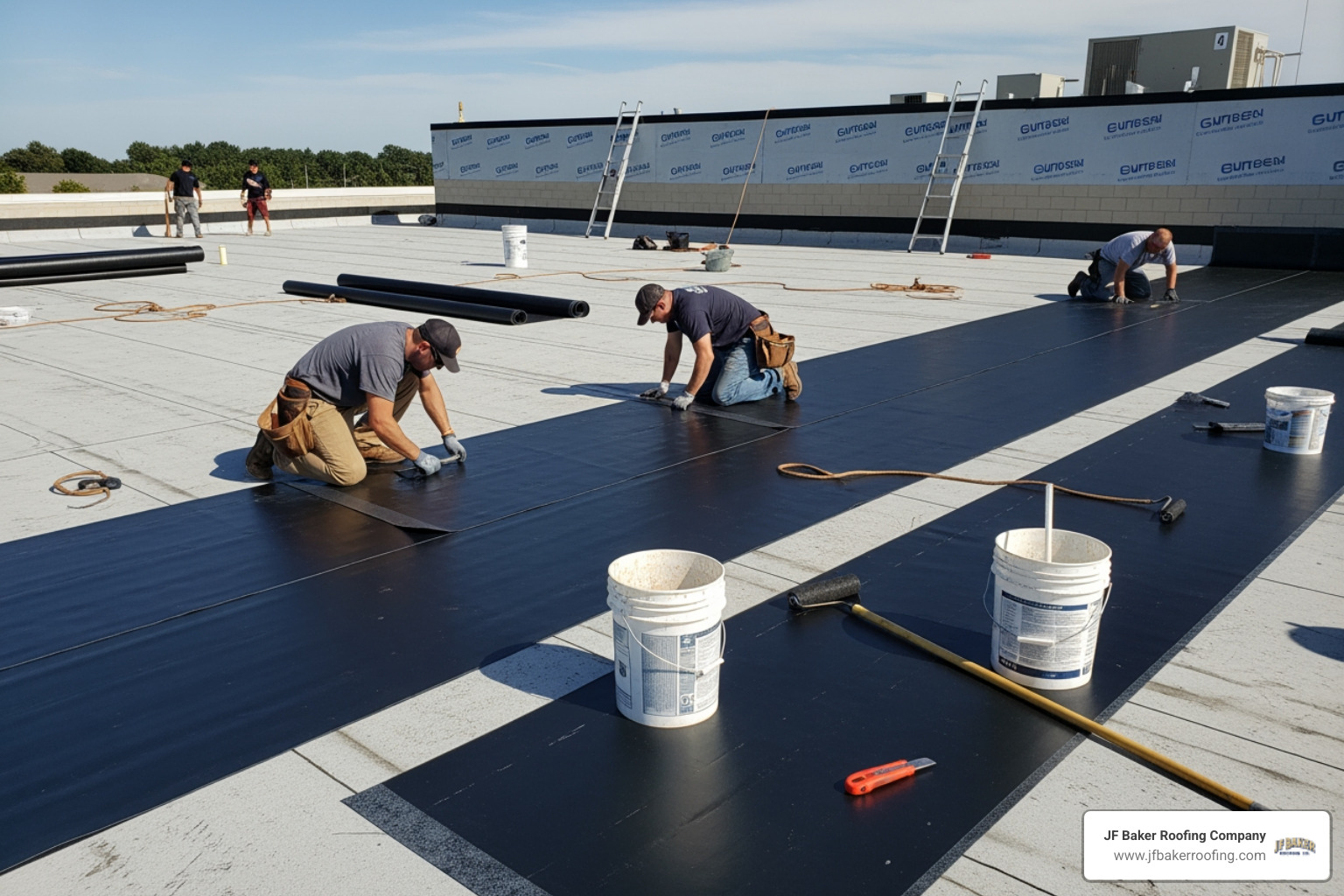
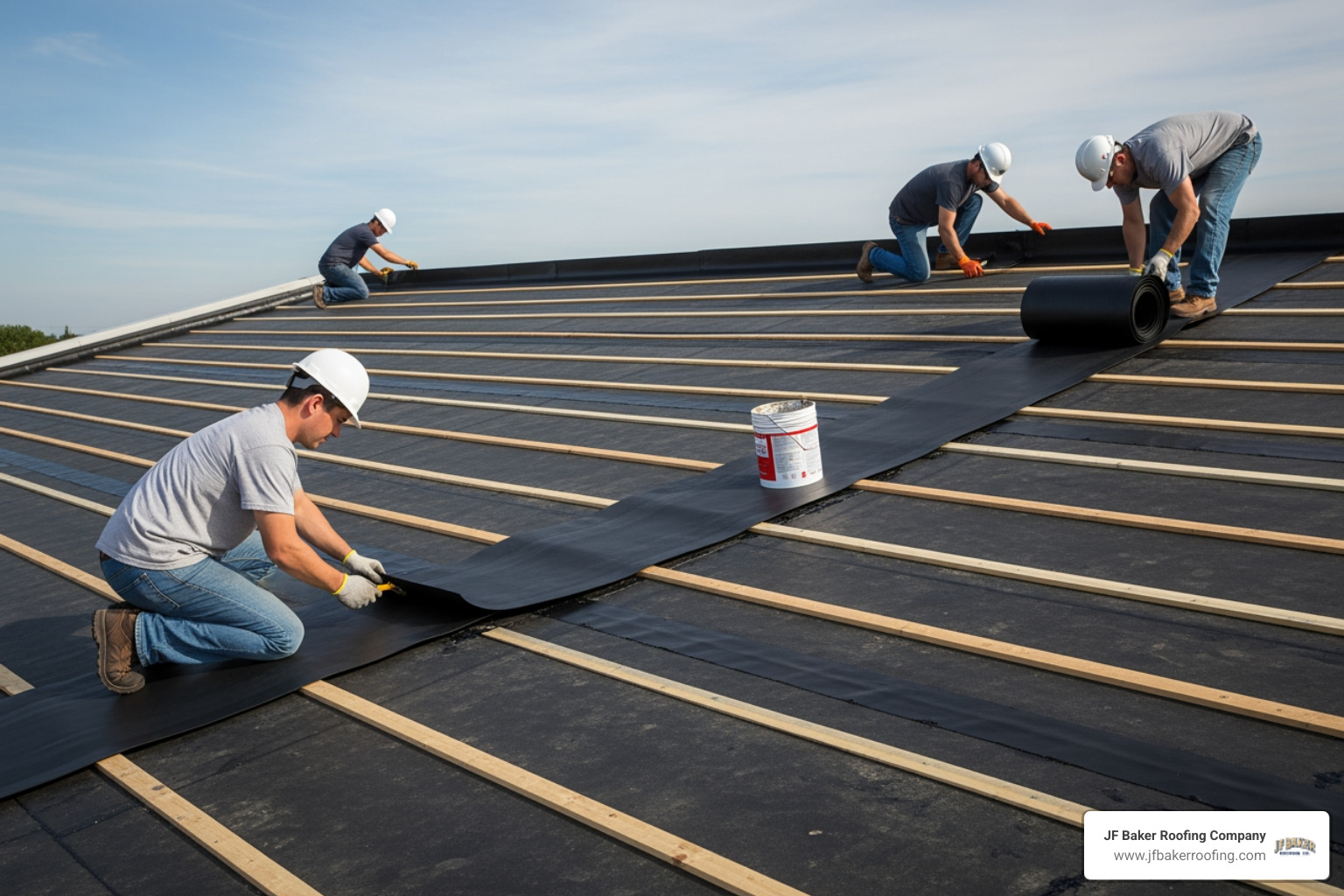
When you call us for storm restoration services Columbus help, we follow a structured process to get your life back to normal. We have been doing this in Central Ohio since 1929, so we know how to navigate the local building codes and weather patterns.
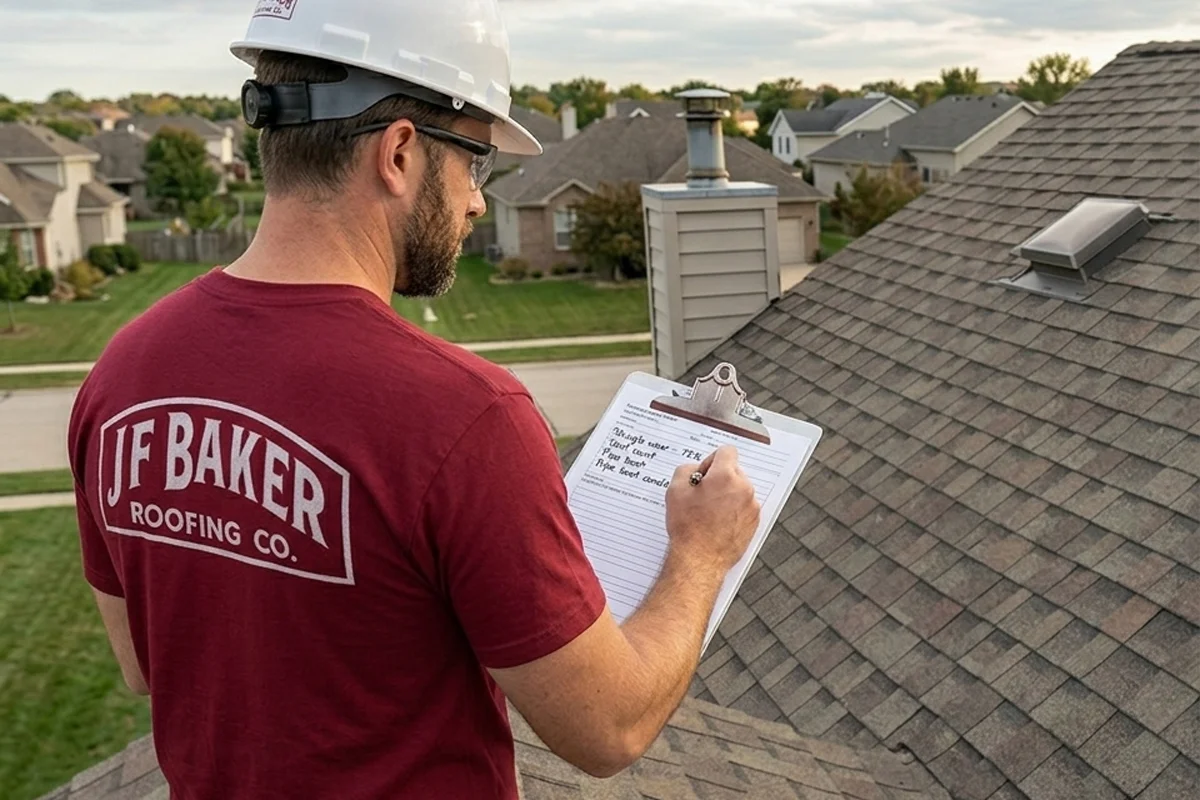
- Damage Assessment: We perform a thorough "top-to-bottom" inspection of the roof, gutters, siding, and attic.
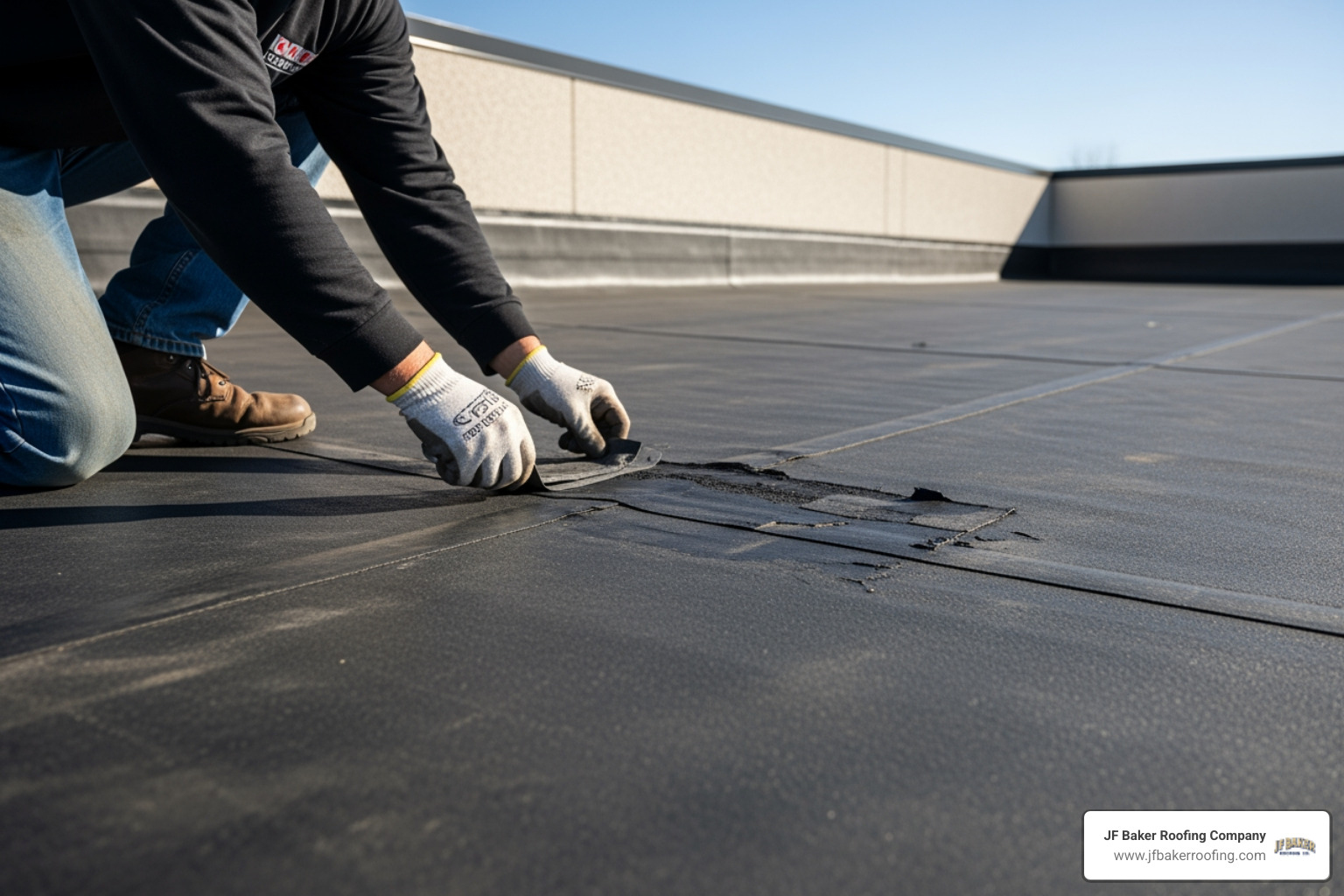
- Mitigation Phase: If the roof is open, we apply high-quality tarps or temporary seals to prevent further water entry.
- Insurance Collaboration: We provide you with a detailed report that you can hand over to your insurance company. This includes photos and a line-item scope of work.
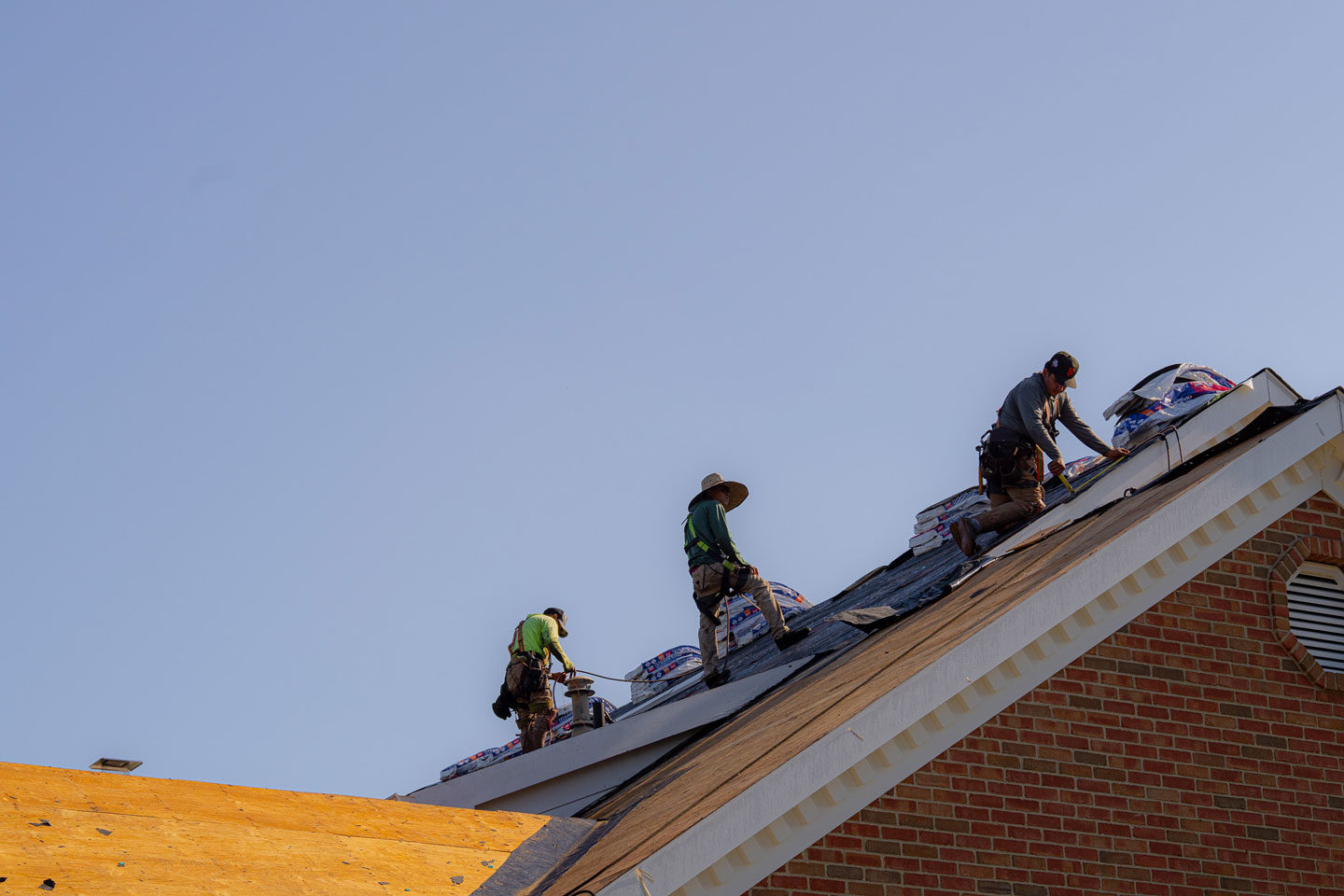
- Structural Repairs: Once the claim is approved, we begin the permanent work. This might involve replacing the roof deck, installing new shingles, or repairing damaged rafters.
- Final Walkthrough: We don't consider the job done until we have cleared every nail from your lawn and you are 100% satisfied with the work.
How Storm Restoration Services Columbus Professionals Handle Your Claim
Dealing with insurance adjusters can be overwhelming. Many homeowners feel pressured to accept the first offer they receive. Our role is to provide an honest assessment based on nearly a century of experience.
We make sure that the materials used for the repair match your existing home. For example, if you have a specific type of architectural shingle, we ensure the replacement isn't a lower-grade 3-tab shingle. We stand behind every roof we install, and that starts with making sure the insurance company covers the correct materials to restore your home's value. You can learn more about our approach to Storm Damage Repairs and how we help you navigate the paperwork.
Timeline for Storm Restoration Services Columbus Projects
How long does it take to get things back to normal?
- Emergency Response: Usually within 4 to 24 hours for tarping and mitigation.
- The Inspection: Takes about 1 to 2 hours.
- The Claim Process: This can take anywhere from a few days to a few weeks depending on your insurance carrier.
- Permanent Repairs: Most residential roof replacements in Columbus are completed in 1 to 2 days.
Weather delays are the only thing we cannot control. We track Central Ohio weather patterns closely to ensure we have a "clear window" before we tear off your old roof. We won't leave your home exposed to a Buckeye State thunderstorm mid-project.
Identifying Hidden Damage Before It Becomes a Crisis
The most dangerous storm damage is the kind that doesn't leak right away. We often get calls from homeowners in Westerville or Gahanna who have a major ceiling leak two years after a big hailstorm. By then, it is often too late to file an insurance claim.
Look for these "hidden" warning signs:
- Granule Loss: Check your downspouts. If you see piles of what looks like heavy sand, your shingles are losing their protective layer.
- Hairline Cracks: Wind can cause shingles to flex, creating tiny cracks in the asphalt that aren't visible from the ground.
- Compromised Underlayment: If shingles were lifted and then settled back down, the nails may have pulled through the felt paper underneath.
- Attic Dampness: A musty smell in the attic after a rain is a sure sign that moisture is getting in somewhere.
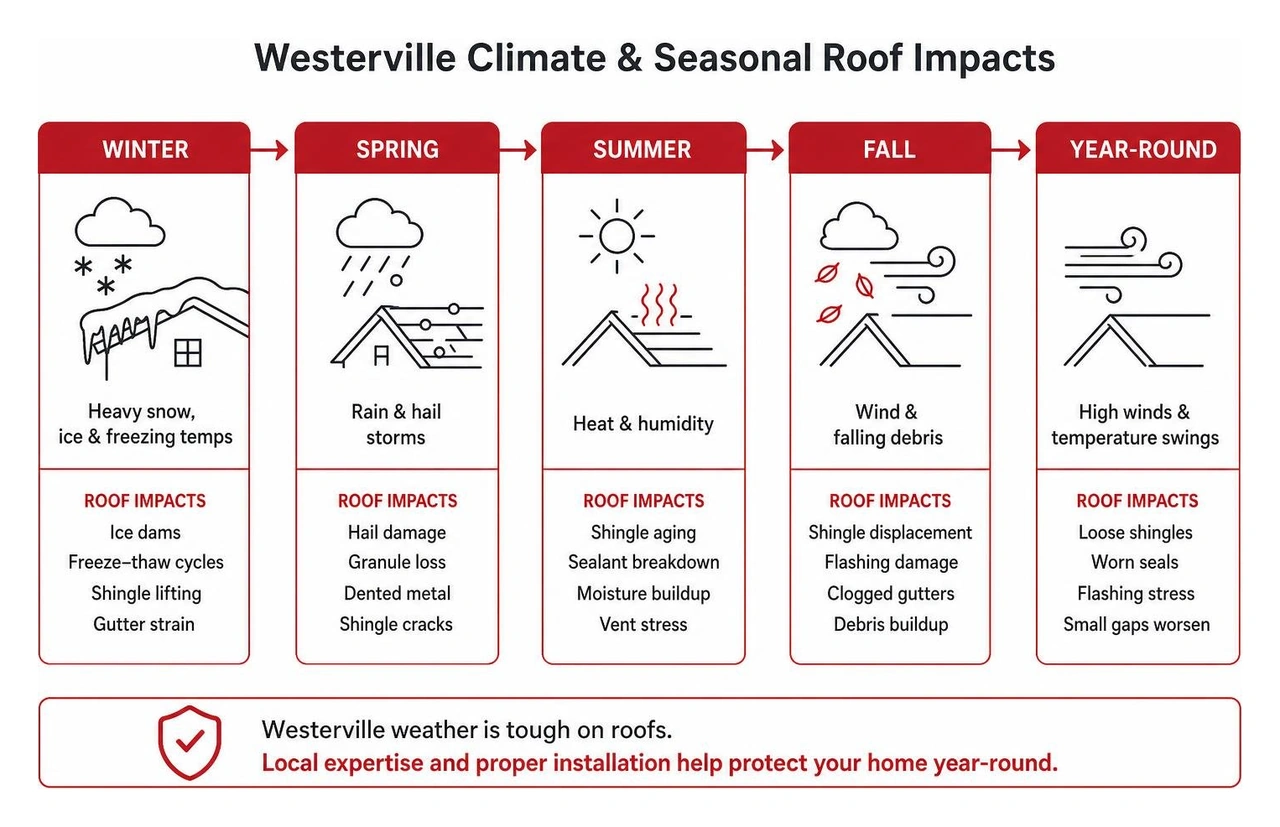
If your home has a history of ice dams during Ohio winters, storm damage can make those issues much worse by giving the melting ice an easy path into your eaves.
Frequently Asked Questions about Columbus Storm Recovery
How quickly should I start the restoration process?
You should start immediately. Most insurance policies require homeowners to take "reasonable steps" to prevent further damage. If you leave a hole in your roof for a week and it rains three more times, the insurance company might not cover the resulting mold or interior water damage. Aim to have a professional on-site within 24 to 48 hours.
Does insurance cover all types of storm damage in Ohio?
Most standard homeowners' policies cover wind and hail damage. However, "flood" damage (water rising from the ground) usually requires a separate policy. It is also important to check your deductible. In Central Ohio, some policies have a specific "wind/hail deductible" that is higher than your standard deductible. We recommend reviewing your policy annually before the spring storm season begins.
How can I tell if my roof needs a full replacement or just a repair?
This is where honest advice matters. At JF Baker Roofing, we recommend repairs when repairs will do the job. If the damage is localized to one slope or a small area, a repair is often the best route. However, if the storm has compromised the sealant on 30% or more of the roof, or if the shingles are old and brittle, a full replacement is usually the only way to ensure your home stays dry. We provide transparent pricing and honest assessments so you can make the right choice for your budget.
Conclusion
Storms are a part of life in Central Ohio, but they don't have to be a catastrophe for your home. Since 1929, JF Baker Roofing has been built on integrity and proven by performance. As a third-generation, family-owned business led by Chad and Pat Baker, we treat every Columbus home as if it were our own.
Whether you are in Dublin, Hilliard, or right here in the heart of Columbus, we are here to provide the steady hand and expert craftsmanship you need to recover. We are a CertainTeed ShingleMaster Preferred Contractor and a BBB Accredited Business with an A+ rating, which means we stand behind every roof we install.
Don't let a storm compromise your security. Let our reputation be your security with a professional assessment and see why Central Ohio has trusted the Baker family for nearly a century. Reach out today for an honest, no-pressure evaluation of your property.






.jpeg)