The Ultimate Guide to Roof Maintenance Tips

Roof Maintenance Protects Your Home Before Small Problems Grow
Roof maintenance means inspecting your roof twice a year, clearing gutters and debris, checking the attic for moisture, and looking again after major Central Ohio storms. Spring and fall are ideal times to catch loose shingles, damaged flashing, blocked drainage, and ventilation issues before they turn into leaks or rot.
Your roof faces summer heat, heavy rain, wind, snow, and freeze-thaw cycles every year. Regular care helps water move off the roof as designed and gives you time to make a small repair before it becomes a bigger disruption. It can also help preserve the service life of the roofing system, though no maintenance plan can stop normal aging or storm damage.
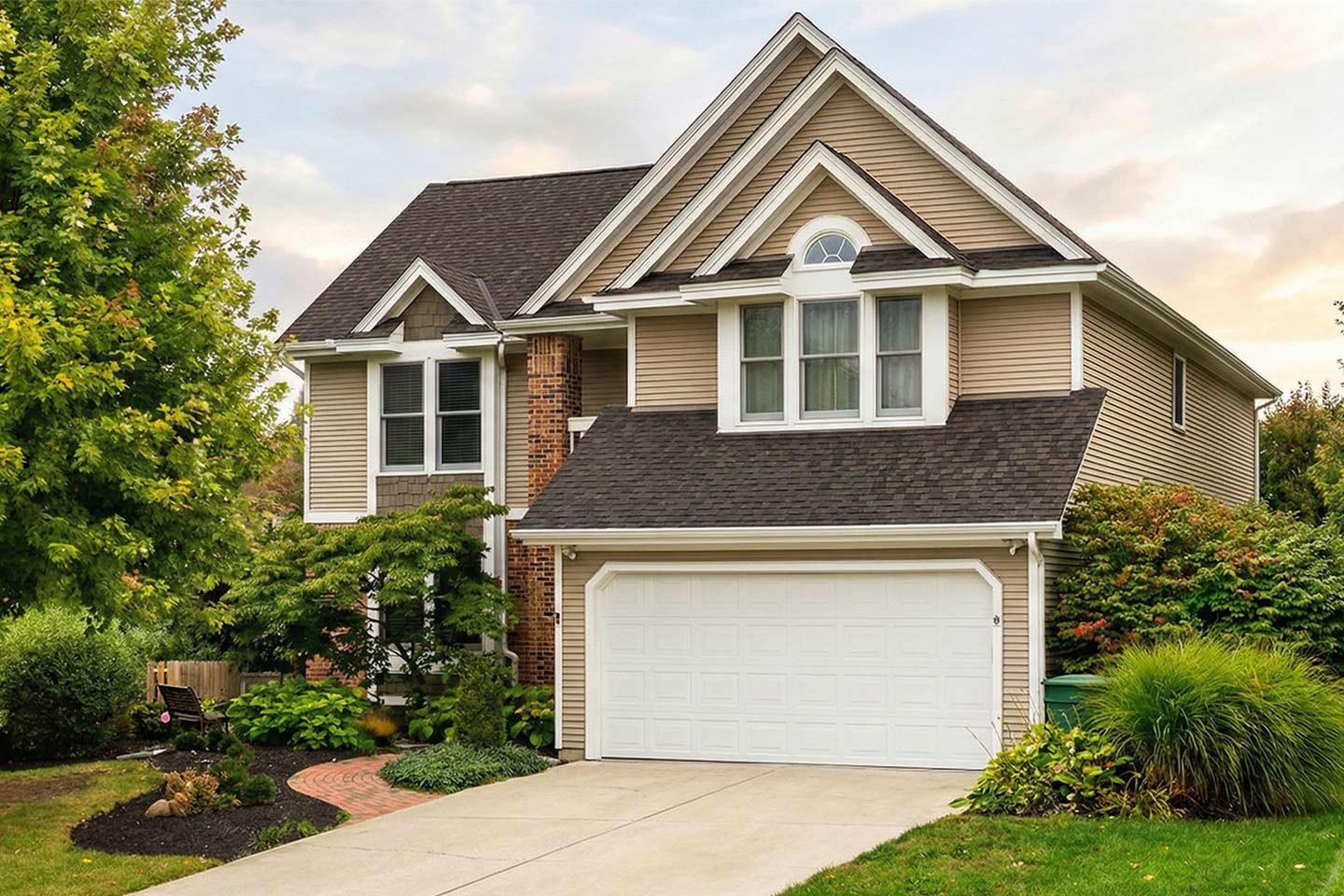
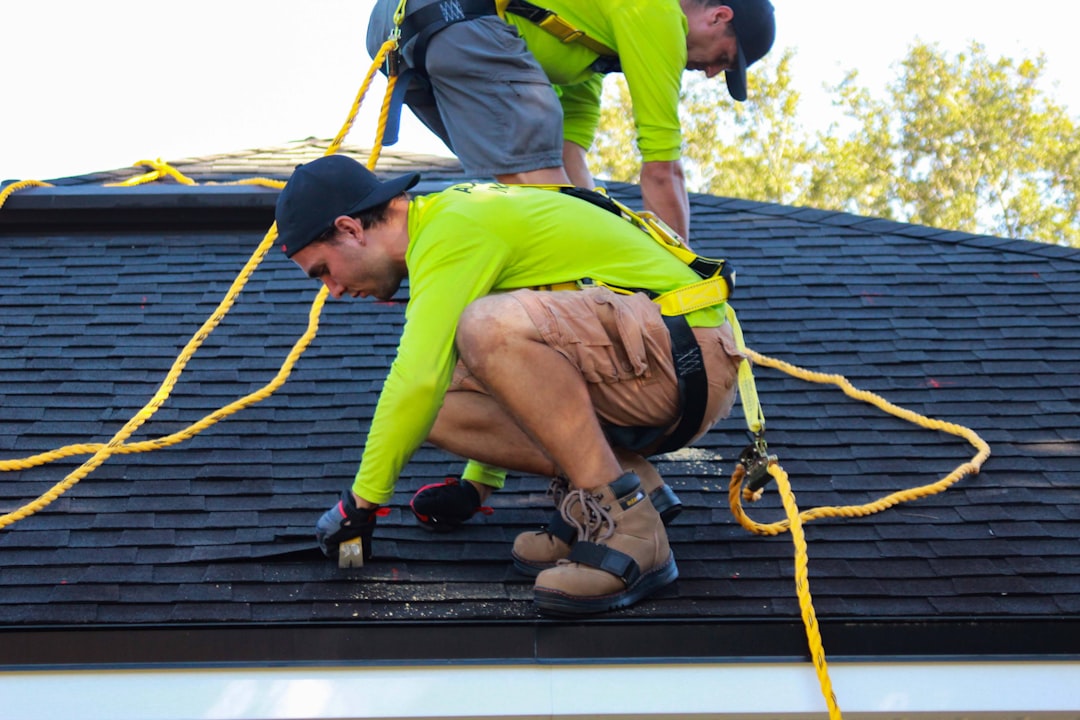
For Columbus-area homes and commercial properties, start with safe ground-level checks, clean gutters and downspouts, trim branches away from the roof, and document anything that looks different with dated photos. Avoid walking on the roof unless you have the training and safety equipment to do so.
I am Chad M. Baker of JF Baker Roofing Company, a third-generation, family-owned Central Ohio roofer serving our community since 1929 with honest assessments and no pressure.
Handy roof maintenance terms:
Why Proactive Roof Maintenance Matters for Longevity
A building's roof is its primary barrier against the elements, yet it is often the most neglected component until water begins dripping through the ceiling. Across the construction industry, roofing accounts for roughly 4% of initial building costs, but an estimated 75% of building litigation costs stem from roof-related defects and water intrusion. A structured upkeep routine prevents these catastrophic failures by addressing small vulnerabilities long before they compromise your interior living spaces.
Industry standards, including the Roof Maintenance - RCABC Roofing Practices Manual, emphasize that proactive care is the single most reliable factor in achieving the full design life of any roofing assembly. Environmental stressors such as ultraviolet radiation, thermal expansion, high winds, and heavy snow constantly degrade waterproofing layers. Consistent oversight ensures that manufacturer warranties remain intact, as nearly all material warranties require documented periodic care and exclude damage caused by owner neglect.
Preventing Premature Replacement and Water Infiltration
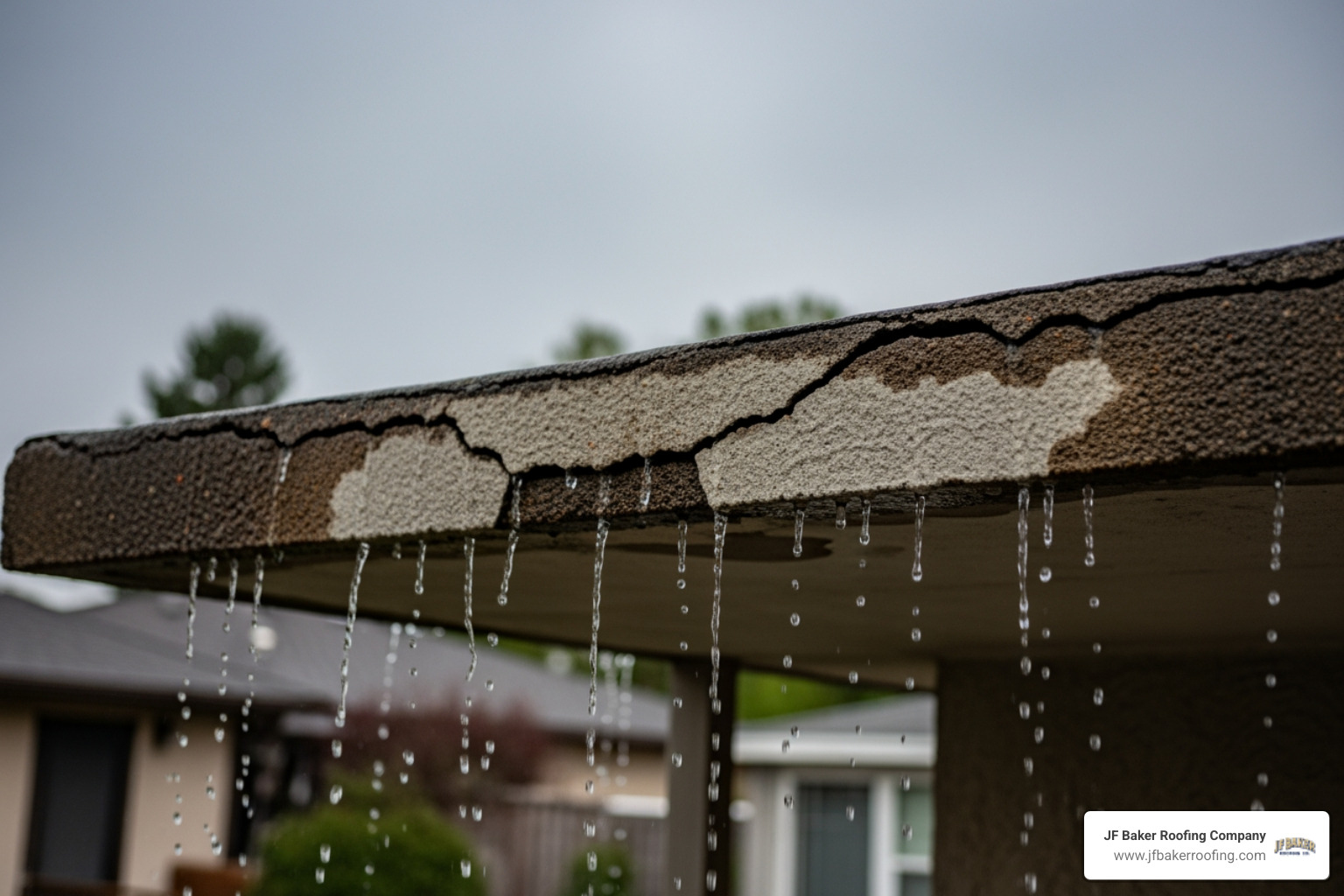
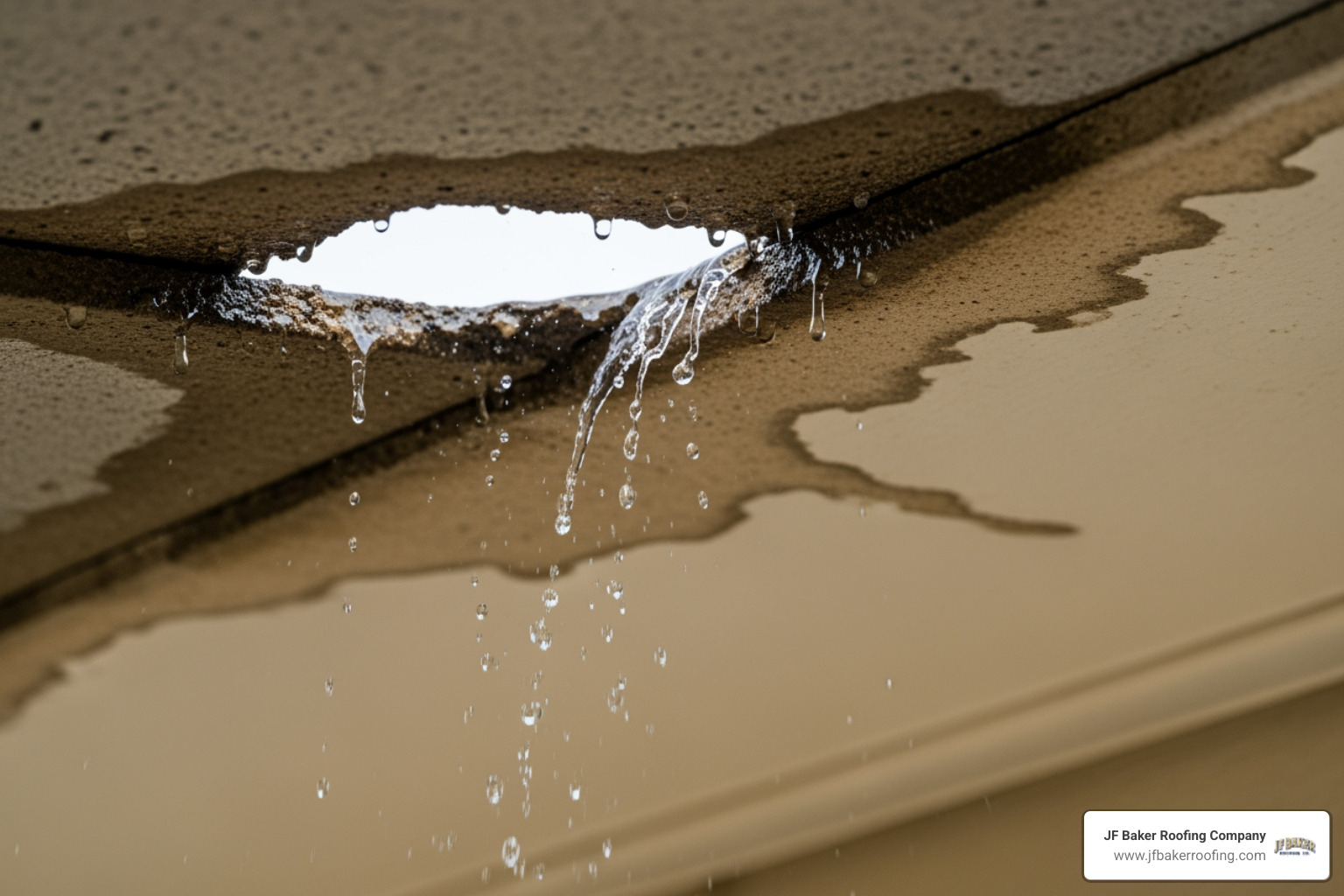
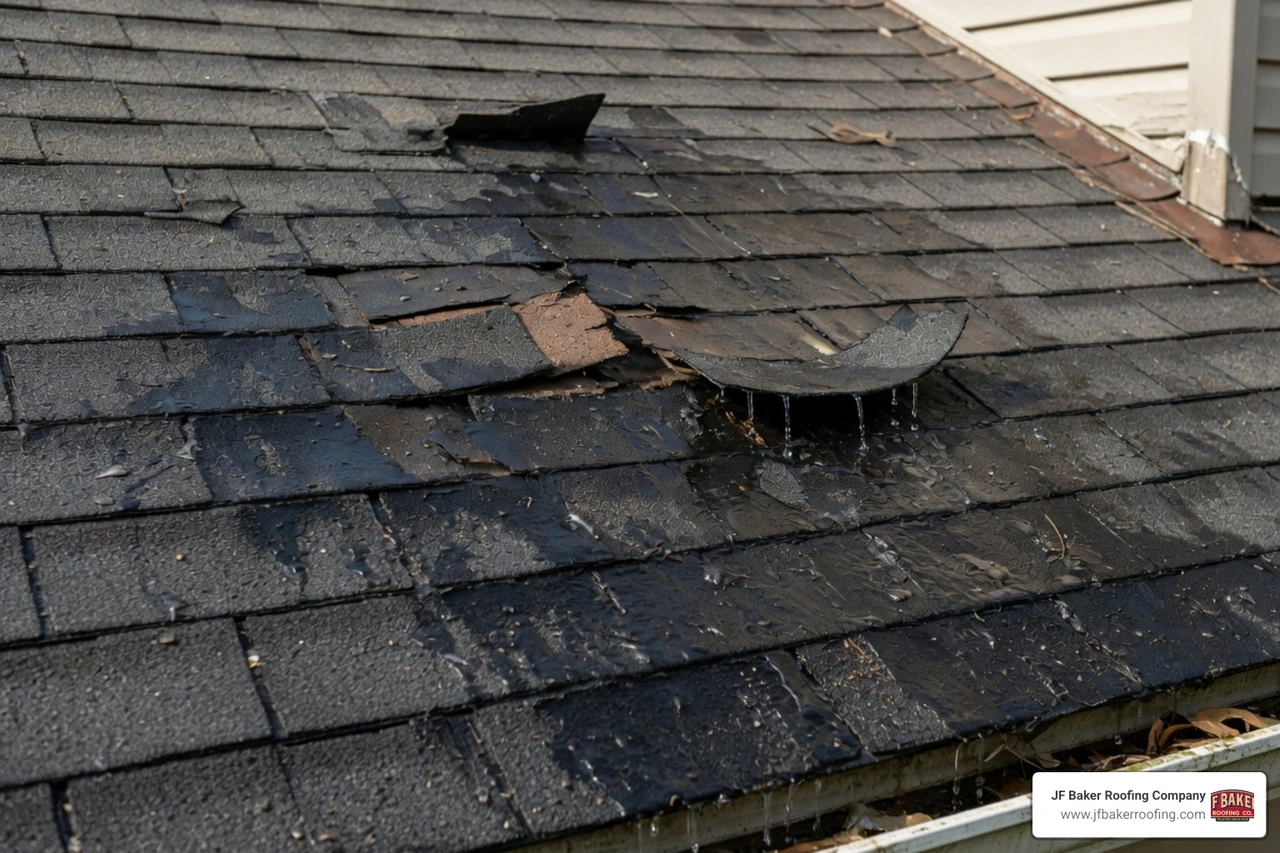
Water is patient, persistent, and destructive. When a small gap forms around a pipe collar or a shingle tab lifts during a windstorm, moisture begins to seep underneath the surface. Over time, this slow seepage saturates the underlayment, rotting wooden roof decking, rafters, and structural fascia boards.
Left unchecked, chronic moisture saturates attic insulation, causing it to lose its thermal resistance (R-value) and encouraging the rapid growth of toxic mold spores. Catching these defects early helps homeowners avoid extensive structural remediation. Understanding the difference between minor component wear and complete system failure is essential, and our guide on how to know when it's time to replace your roof outlines when simple repairs suffice versus when an aging system has reached the end of its useful service life.
Protecting Attic Airflow and Energy Efficiency
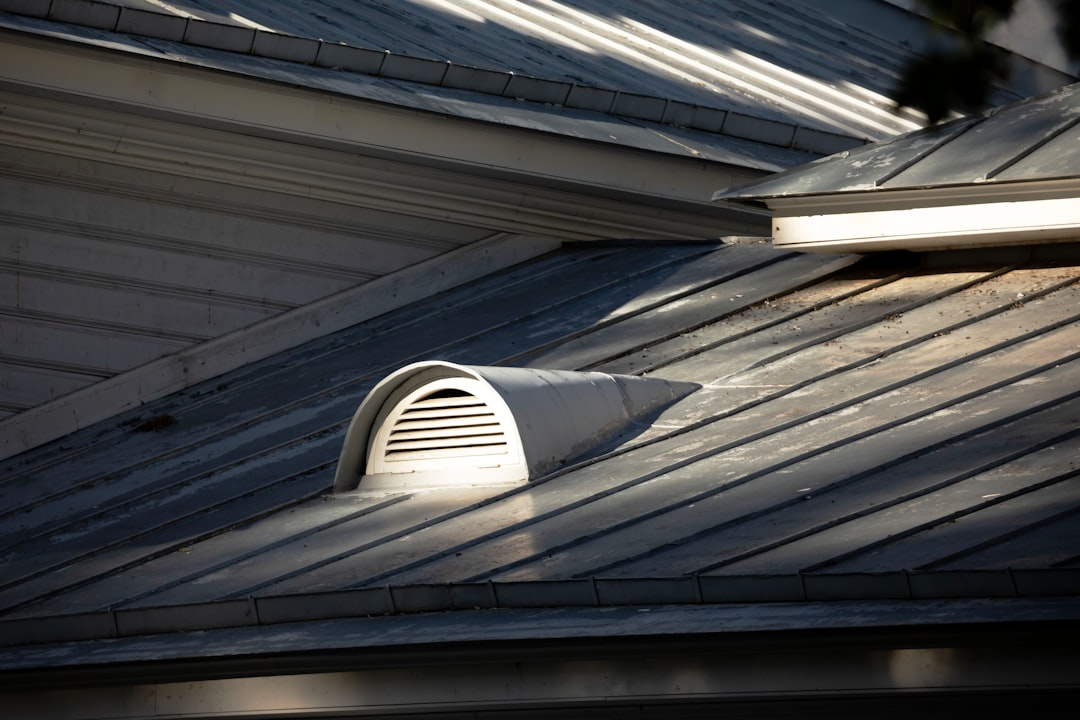
A roof cannot function effectively without proper intake and exhaust airflow beneath its deck. When passive roof vents become obstructed by bird nests, leaves, or displaced insulation, warm and humid indoor air becomes trapped in the attic space. During hot summer months, this trapped heat bakes shingles from the underside, leading to premature blistering, thermal cracking, and loss of protective granules.
In cold winter months, warm attic air melts snow on the upper sections of the roof. As this runoff reaches the cold eaves and gutters, it refreezes, forming thick ice dams that force backup water under the shingle edges. Maintaining clean, balanced roof ventilation balances internal temperatures, minimizes ice dam risks, and reduces household energy consumption by keeping cooling and heating loads stable year-round.
Comprehensive Seasonal Care and Safe Inspection Protocols
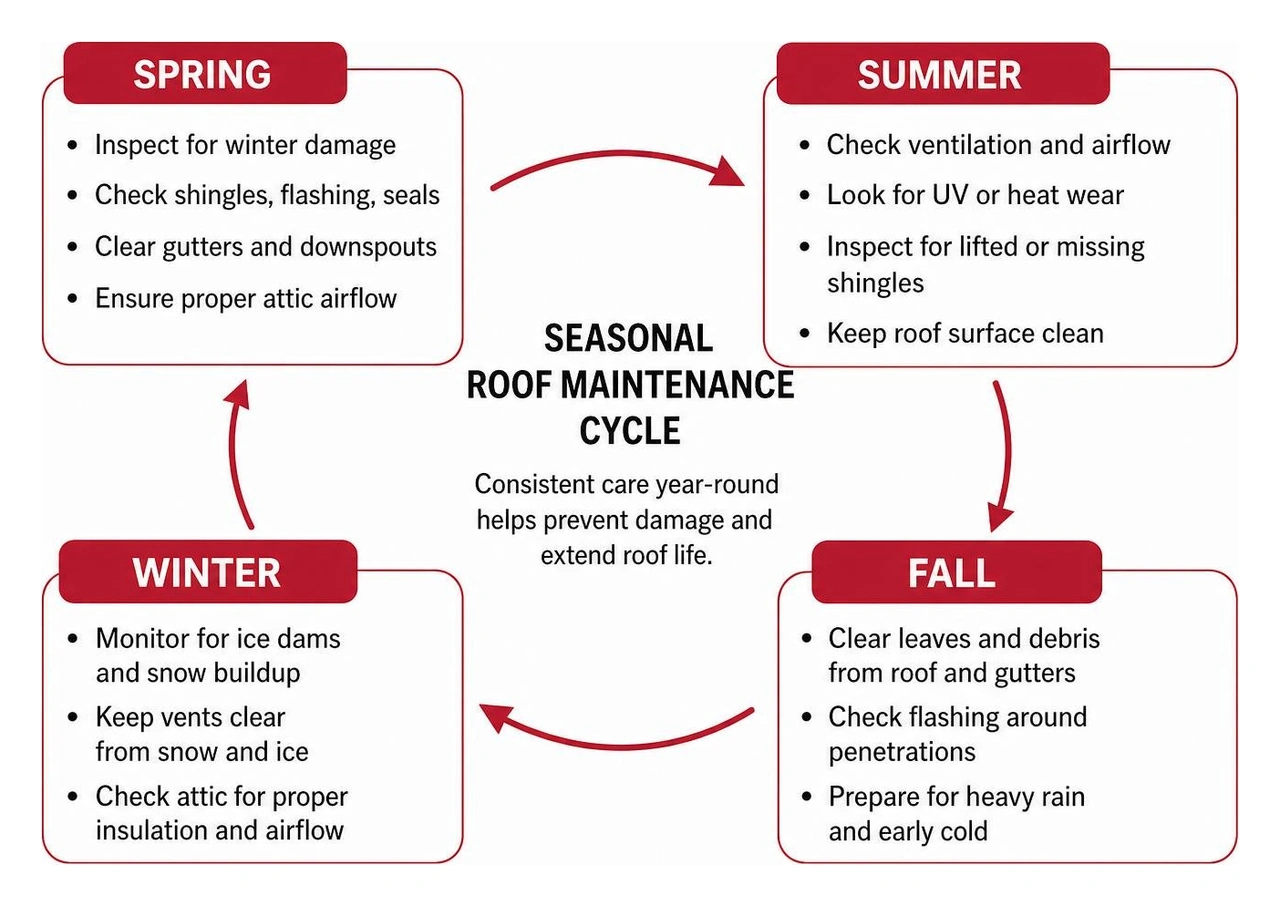
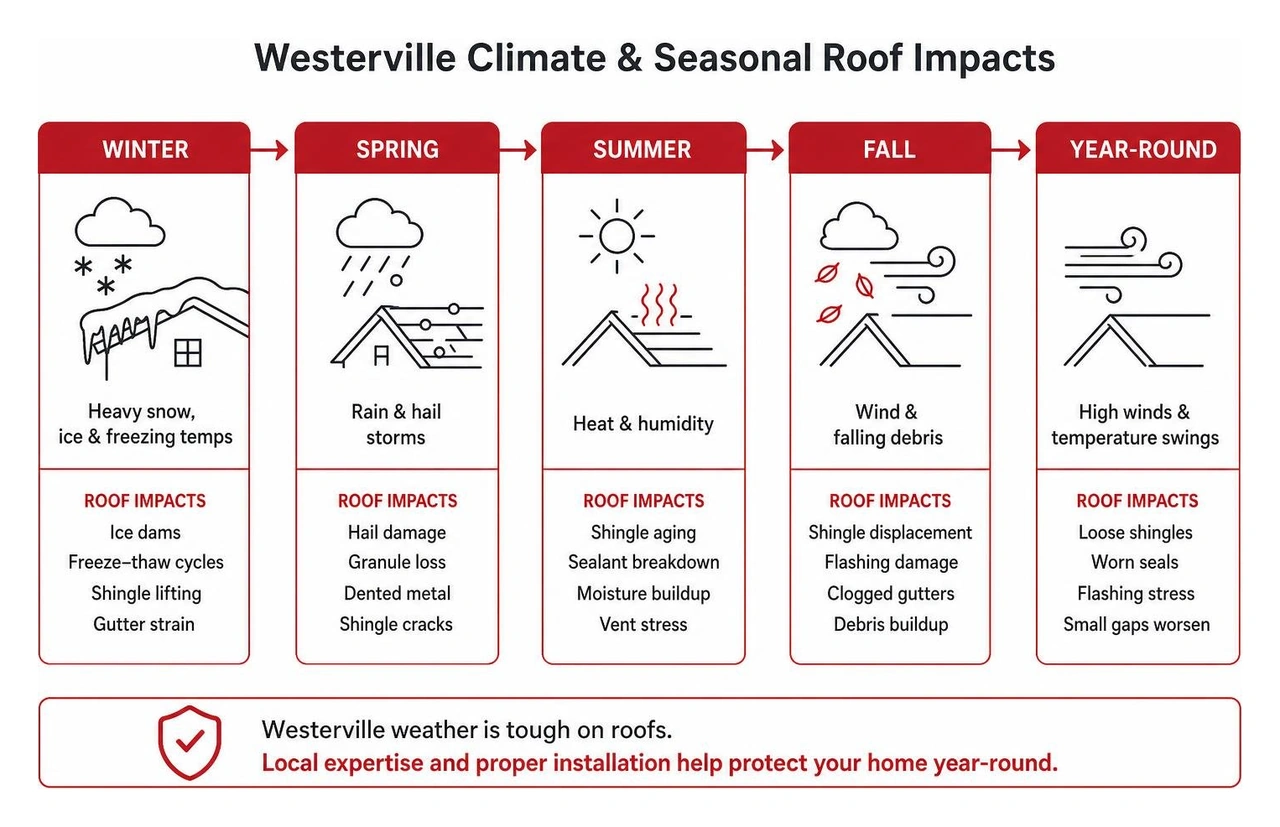
Establishing a regular seasonal routine prevents seasonal weather swings from catching you off guard. Central Ohio brings distinct challenges in every quarter: freezing rain and heavy snow in winter, severe spring thunderstorms, intense summer ultraviolet exposure, and heavy autumn leaf drop.
Essential DIY Roof Maintenance Safety Protocols
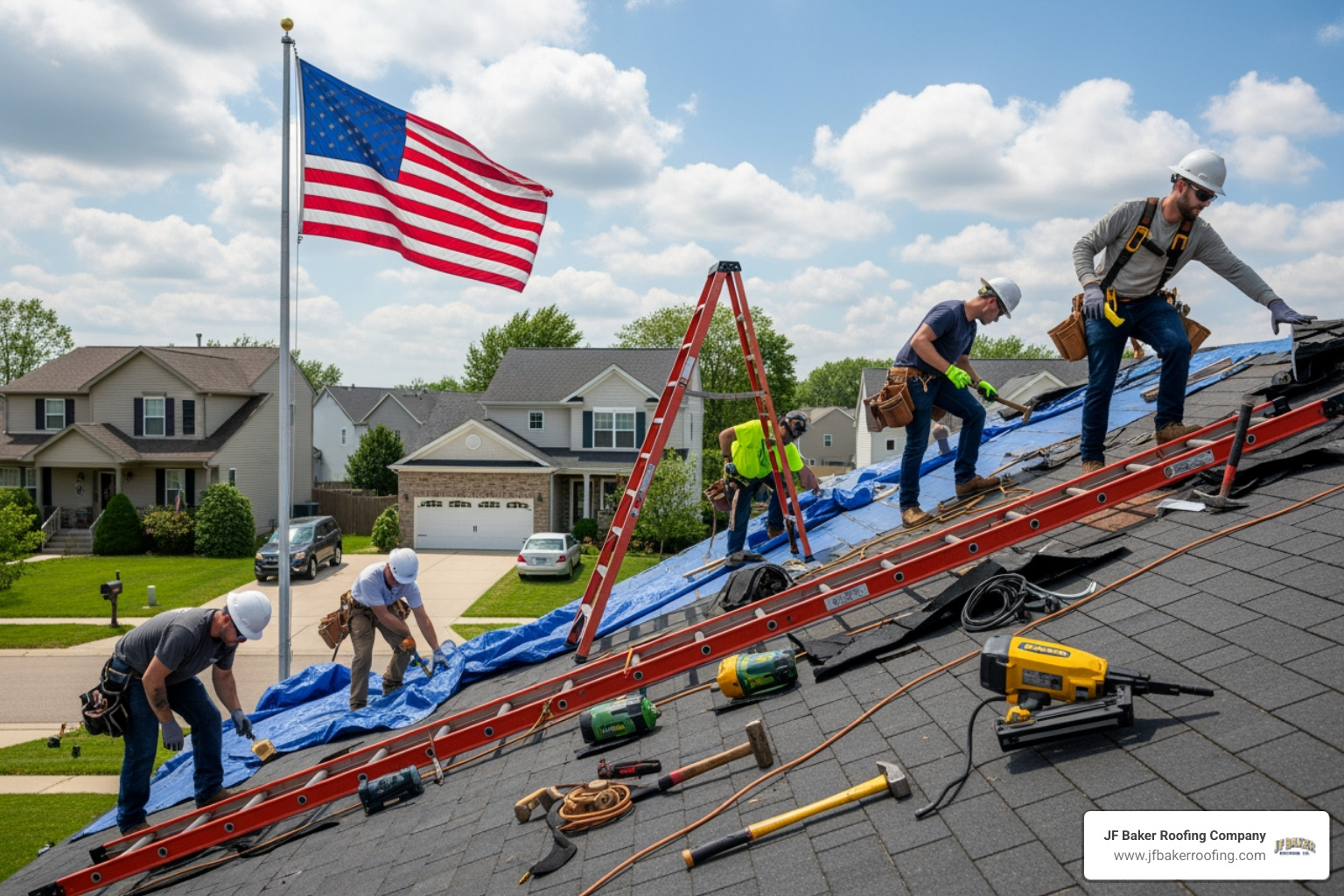
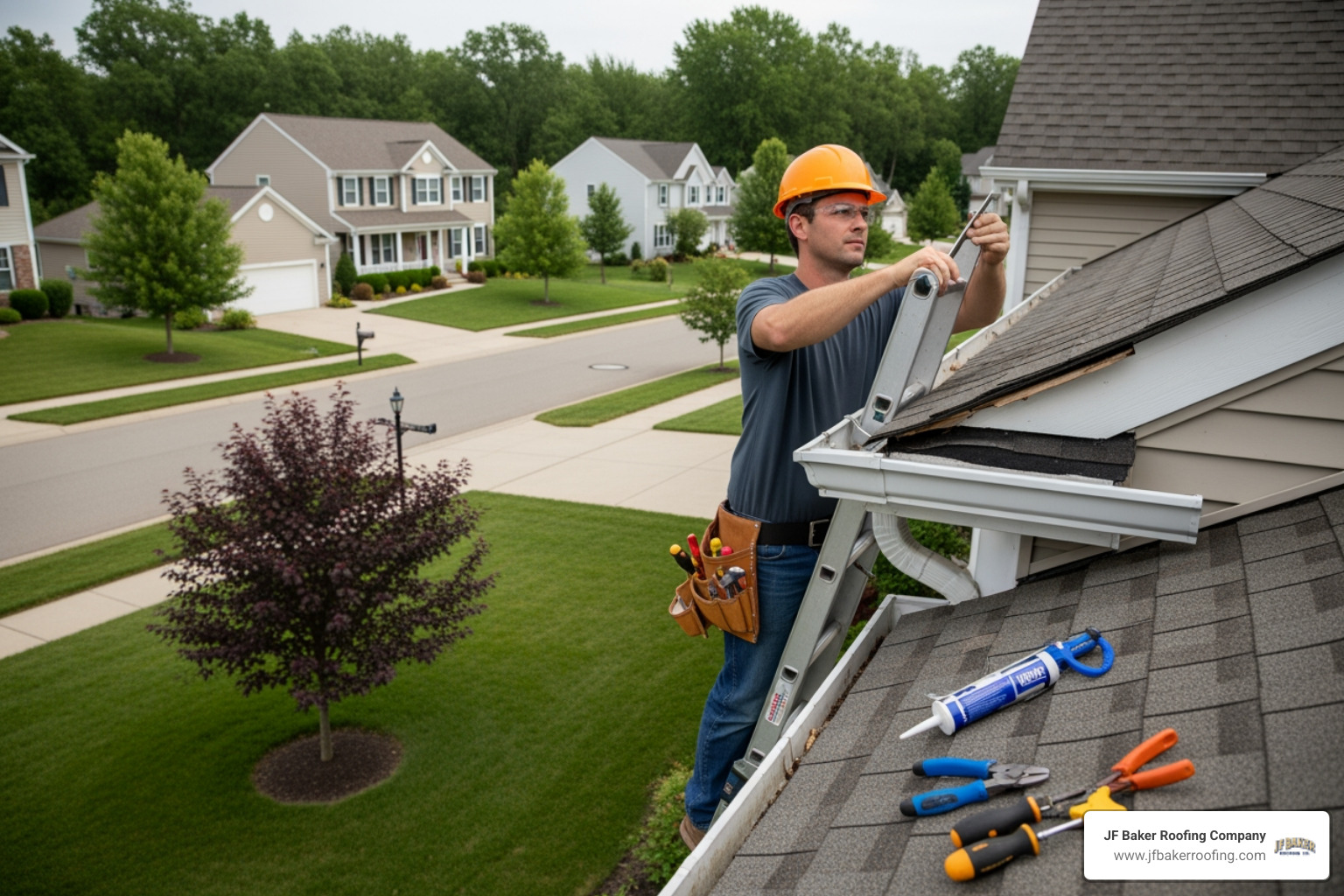
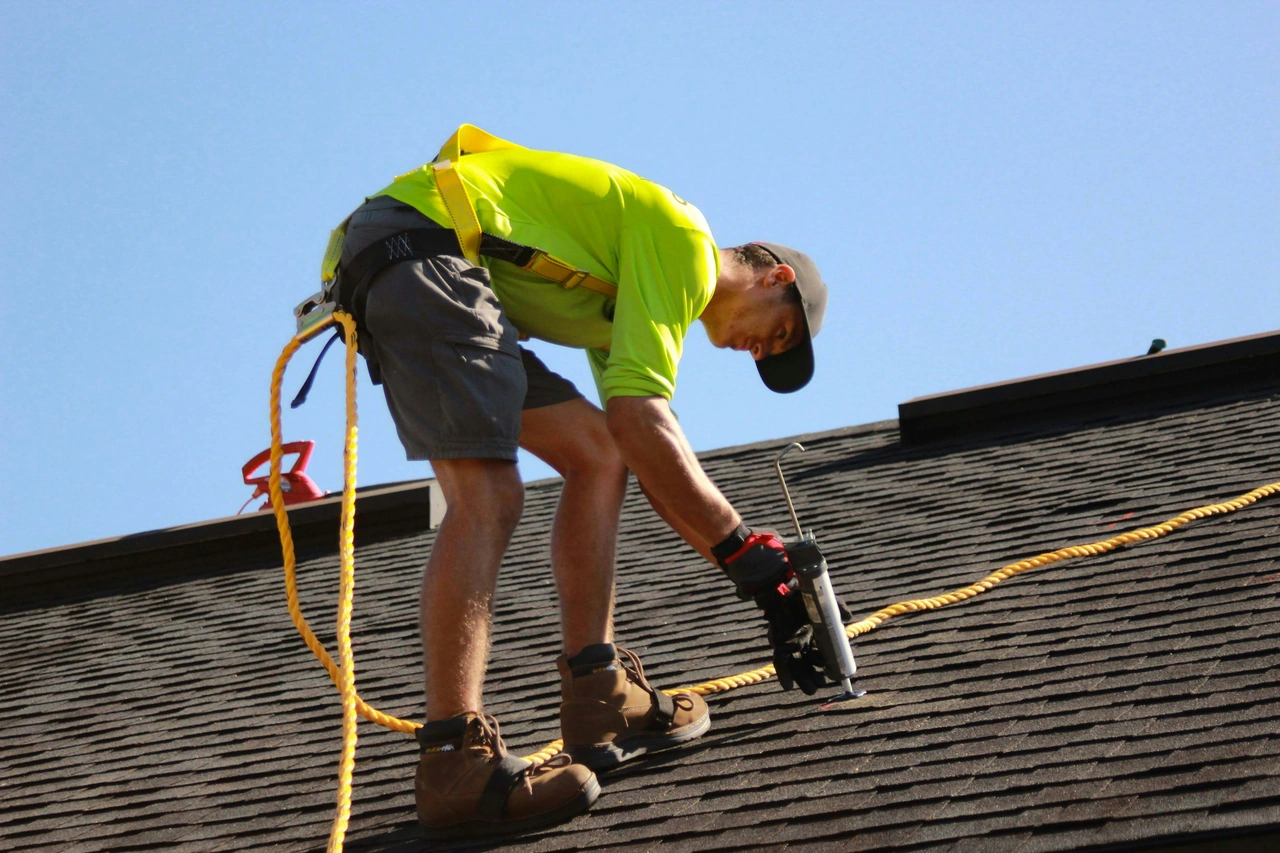
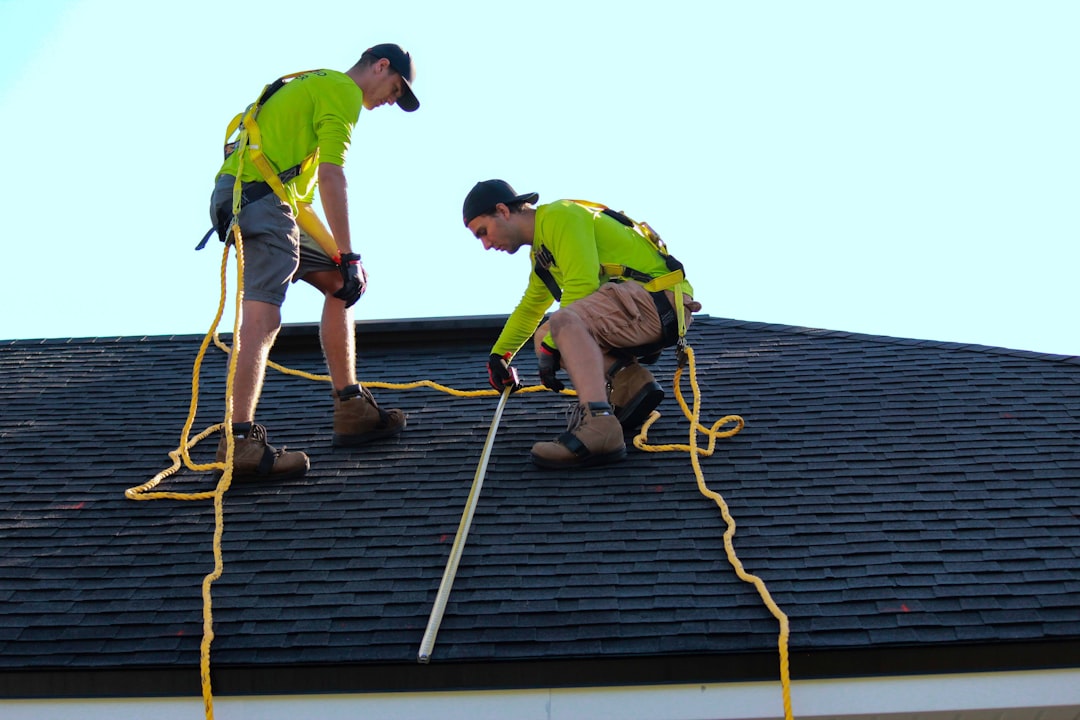
Safety must always come first when inspecting any roofing system. Construction industry data consistently identifies falls as the primary cause of jobsite injuries and fatalities among trained professionals. Homeowners should never walk on a steep-pitched or damp roof. Most visual checks can be completed safely from the ground using a pair of high-powered binoculars.
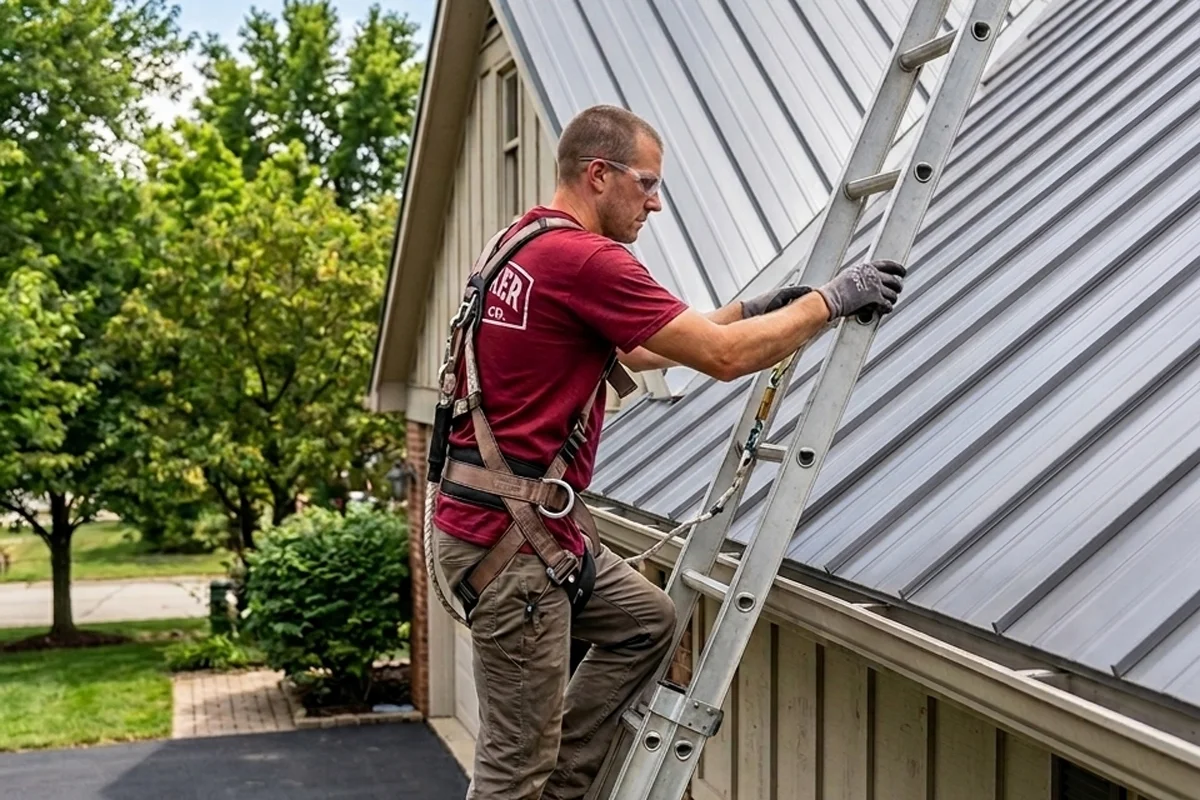
When using a ladder to inspect eaves or clear low gutters:
- Place the ladder on firm, level ground, setting the base one foot away from the wall for every four feet of ladder height (the 4:1 safety ratio).
- Use a ladder stabilizer (standoff) to prevent crushing the gutters and to provide lateral stability against the exterior wall.
- Ensure the top of the ladder extends at least three feet past the roofline or working surface.
- Always maintain three points of contact (two hands and one foot, or two feet and one hand) while climbing.
- Wear slip-resistant footwear with clean rubber soles and heavy-duty work gloves to handle sharp debris.
Seasonal Maintenance and Drainage Management
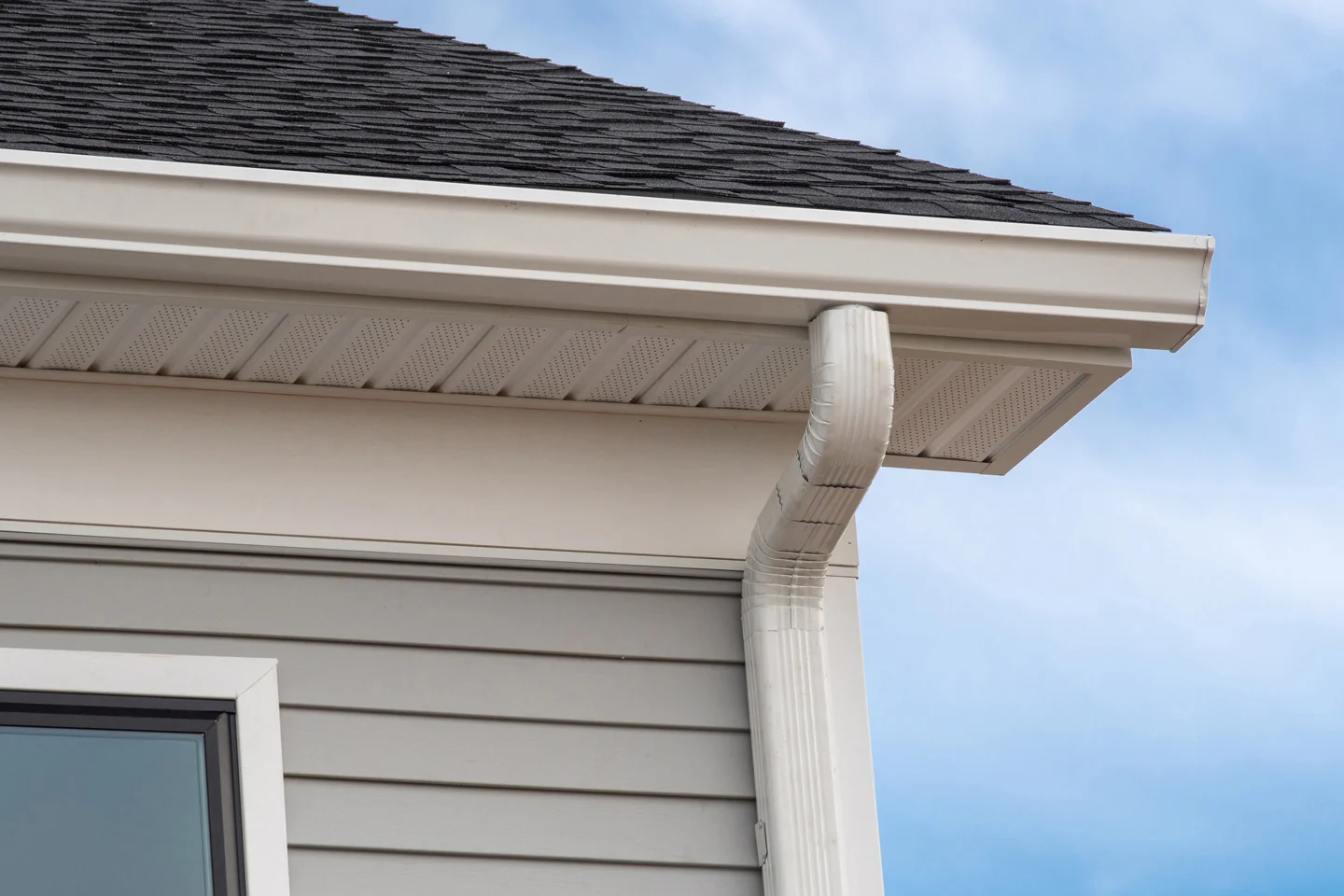
A functional drainage network is your roof's best defense against water accumulation. When gutters become clogged with leaves, pine needles, and roofing granules, rainwater backs up beneath the lower starter shingles and rots the fascia board behind the metal trough.
- Spring: Conduct a thorough visual sweep to identify winter damage. Clear out remaining winter debris from valleys, gutters, and downspout elbows. Look for displaced shingle tabs and flashing gaps caused by freeze-thaw cycles.
- Summer: Check attic temperatures during peak heat to verify ventilation efficiency. Trim overhanging tree branches to maintain at least ten feet of clearance from the roofline, preventing mechanical abrasion and cutting off access routes for squirrels and raccoons.
- Fall: This is the most vital maintenance window. Complete a full gutter cleaning and repair sweep once the majority of autumn leaves have fallen. Flush downspouts with a garden hose to verify free-flowing drainage before freezing temperatures arrive.
- Winter: Monitor the eaves for early signs of icicle buildup or ice dam formation. Inspect the interior attic space for frost accumulation on roof sheathing nails.
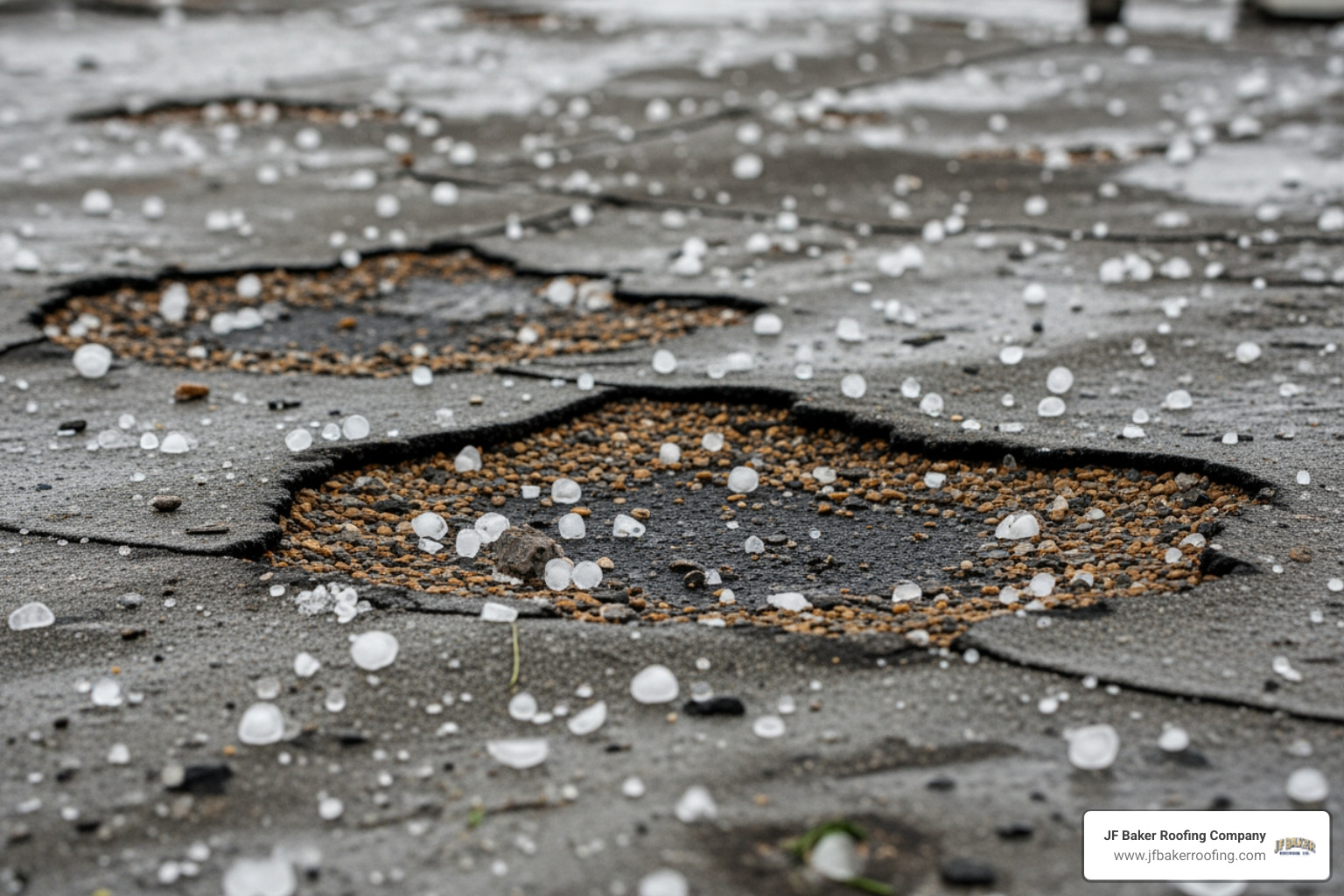
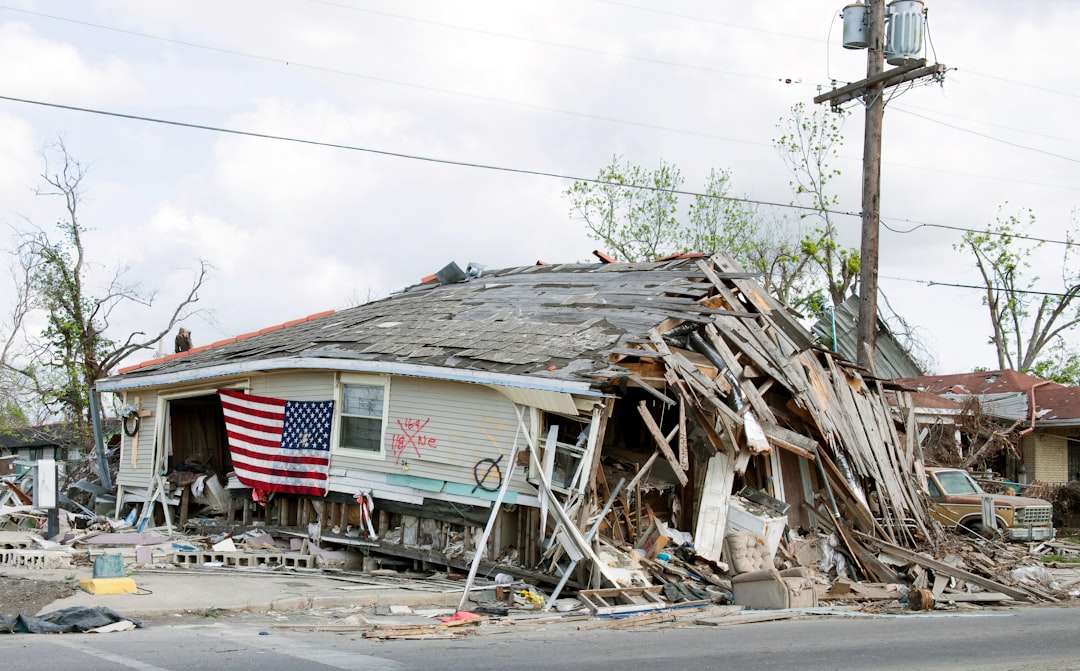
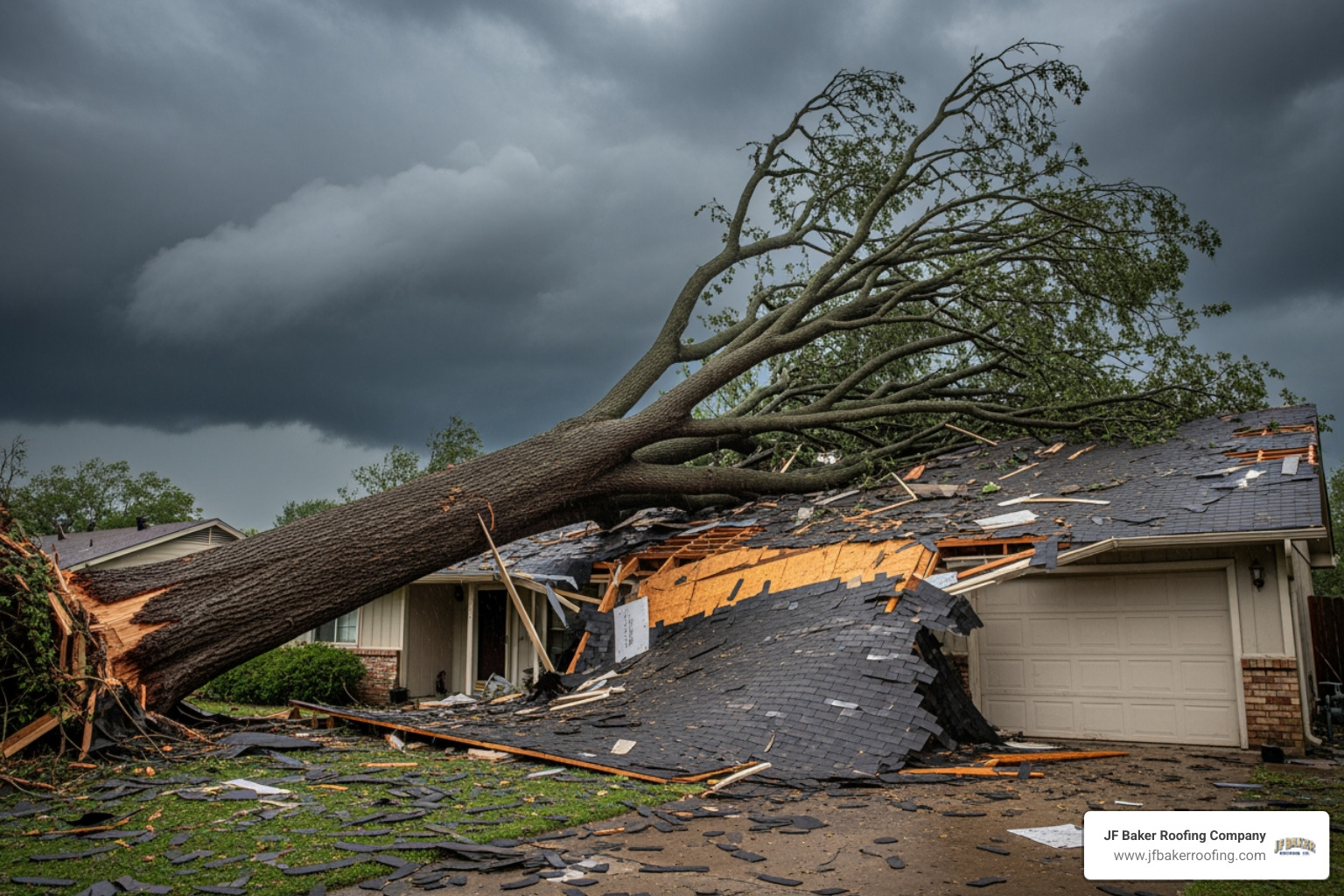
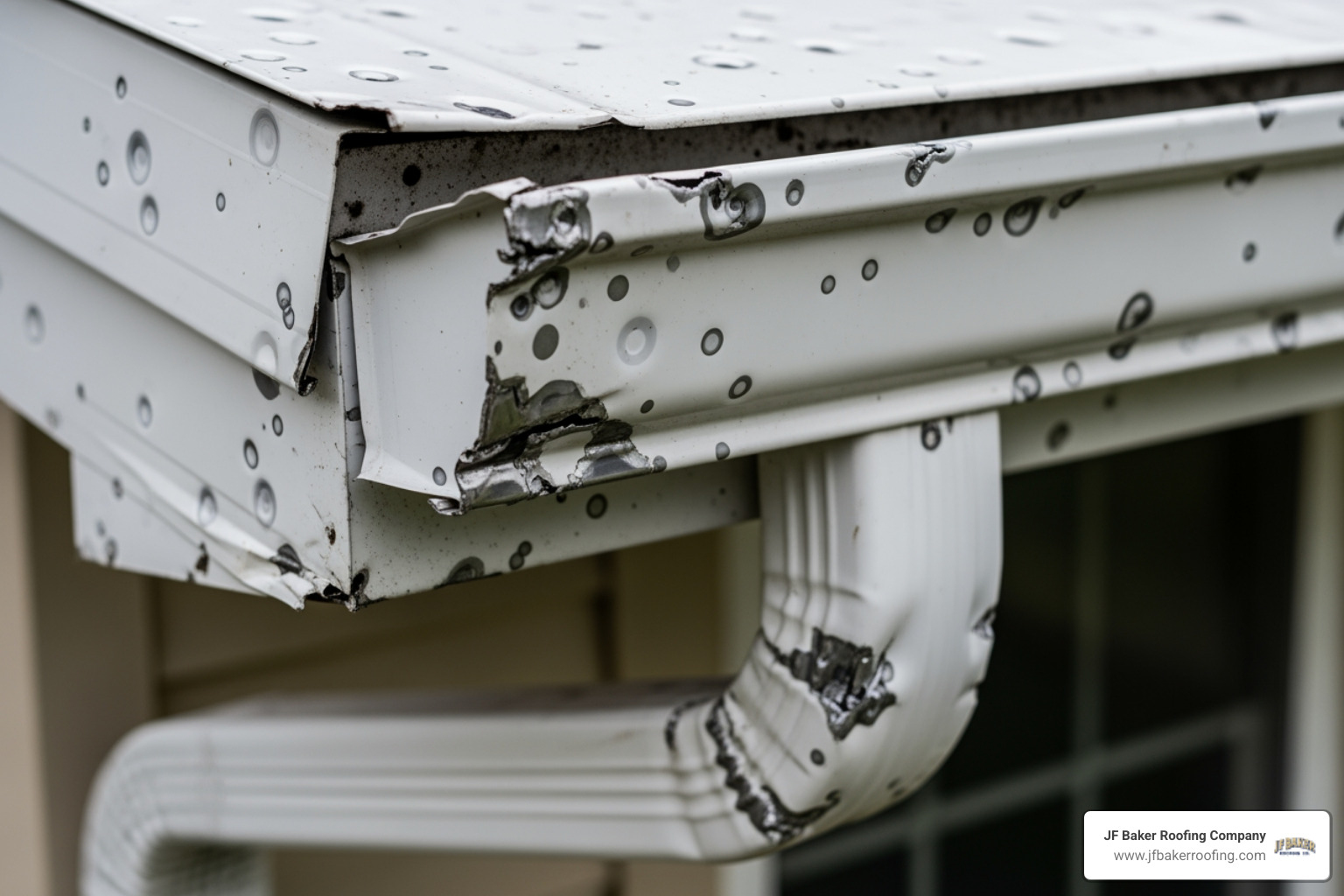
- Post-Storm Care: High winds and hail require swift attention. Perform a careful roof inspection after storm events to spot torn tabs, impact bruising, and dislodged siding or metal trim.
Material-Specific Care for Residential and Commercial Systems
Every roofing material exhibits unique physical characteristics, failure modes, and maintenance requirements. Understanding the needs of your specific system ensures you do not inadvertently damage protective barriers during routine upkeep.
Material-Specific Roof Maintenance by System Type
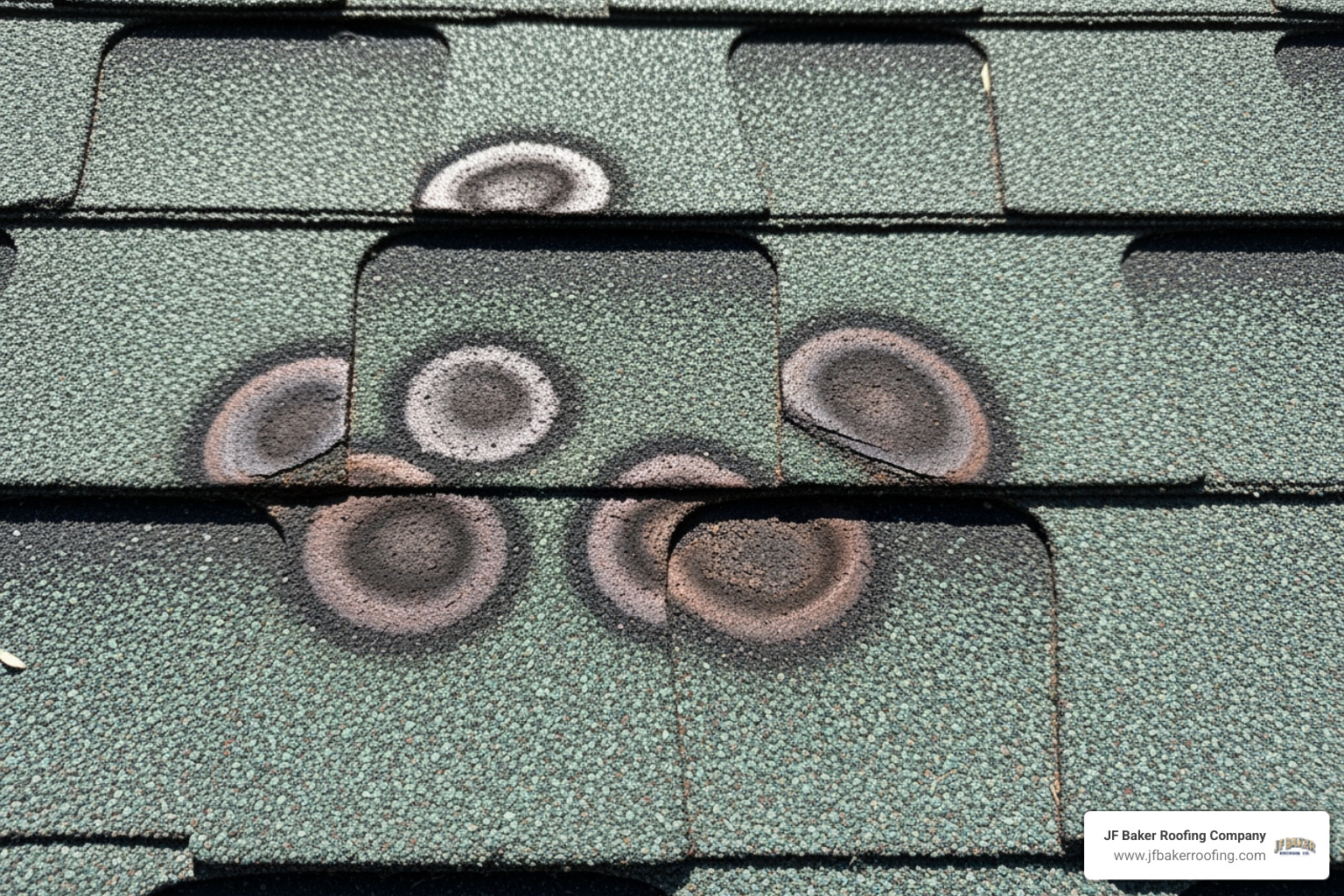
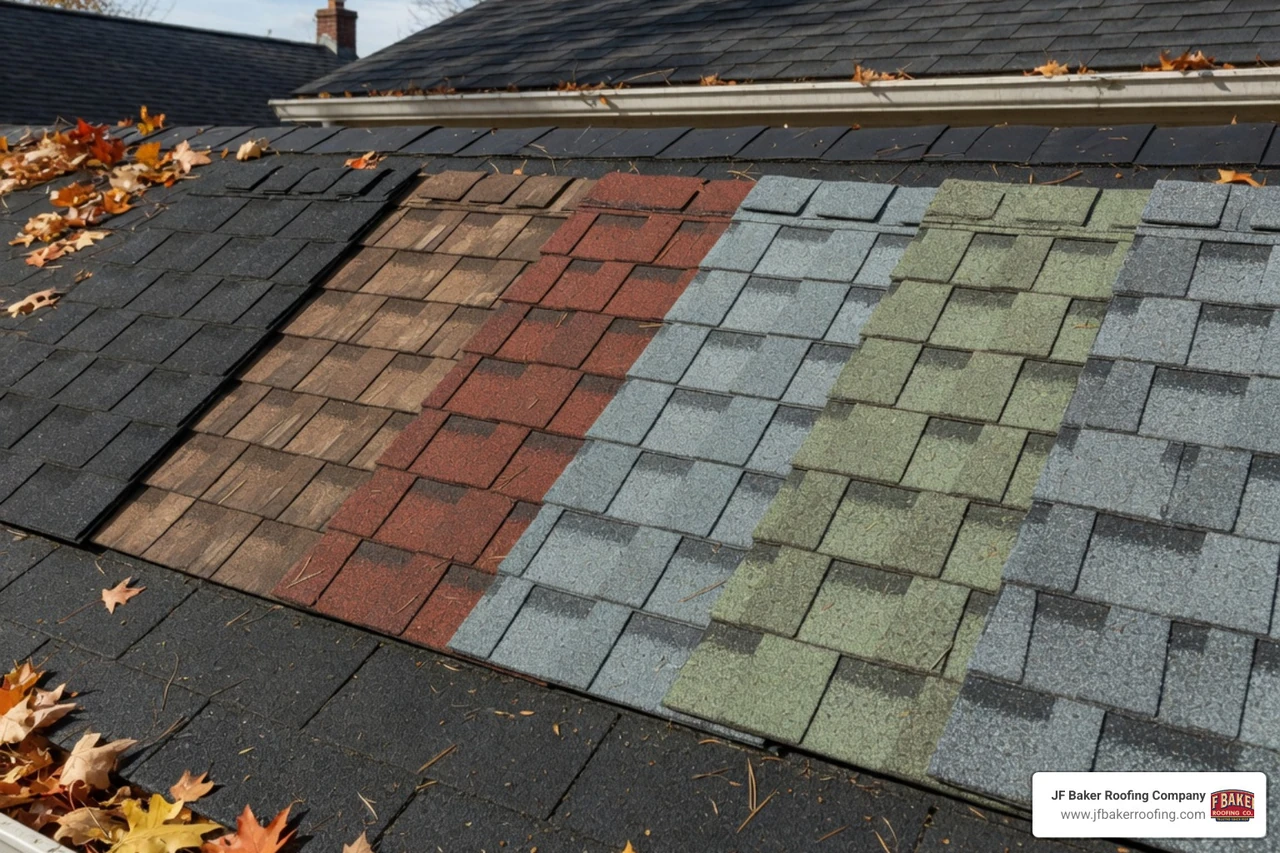
- Asphalt Shingles: The most common residential system relies on ceramic-coated mineral granules to shield the underlying asphalt from solar UV degradation. Never use a high-pressure power washer on asphalt shingles, as the pressurized water stream strips away granules and drastically reduces the asphalt roof lifespan in Ohio. Treat surface moss and algae with a gentle, non-bleach biocide spray that kills organic growth without lifting the shingle tabs.
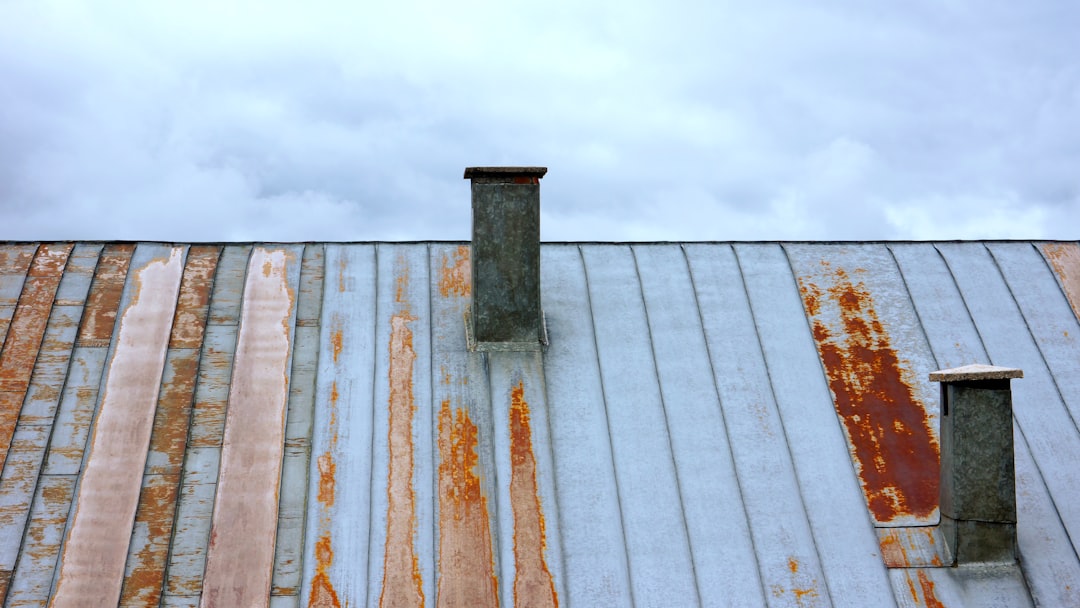
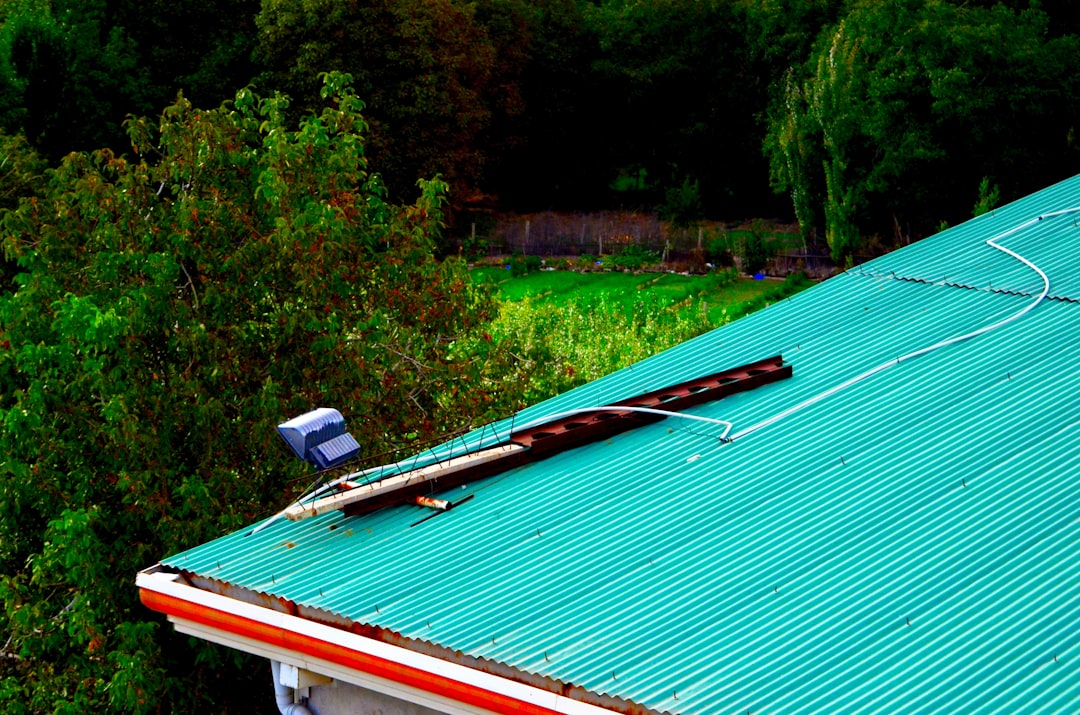
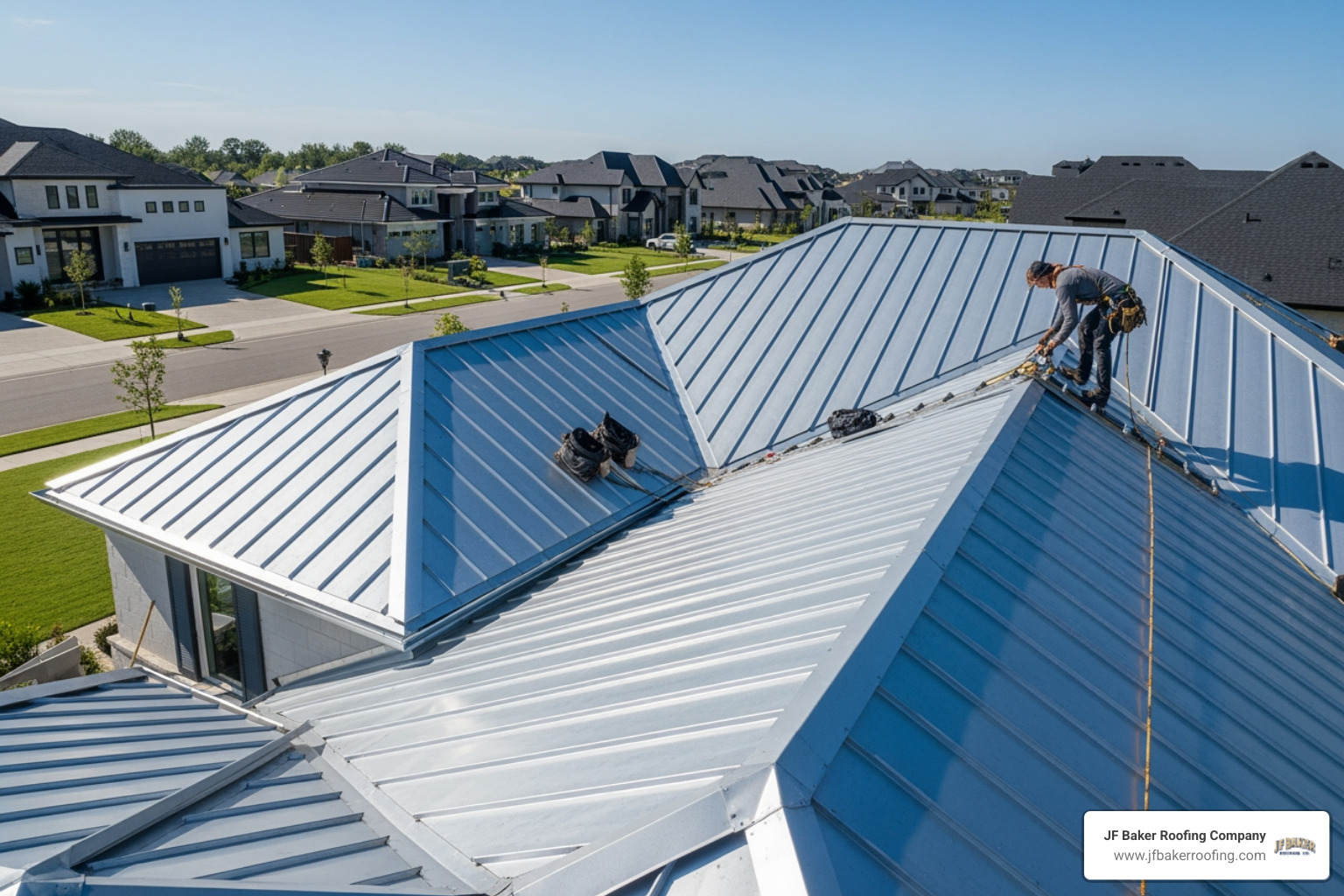
- Standing Seam and Metal Panels: Metal roofs offer superior longevity, but exposed fasteners, neoprene washers, and seam sealants require regular monitoring. To maximize the durable metal roof lifespan, inspect panels for galvanic or bimetallic corrosion, which occurs when dissimilar metals (like copper runoff touching galvanized steel) come into direct contact.
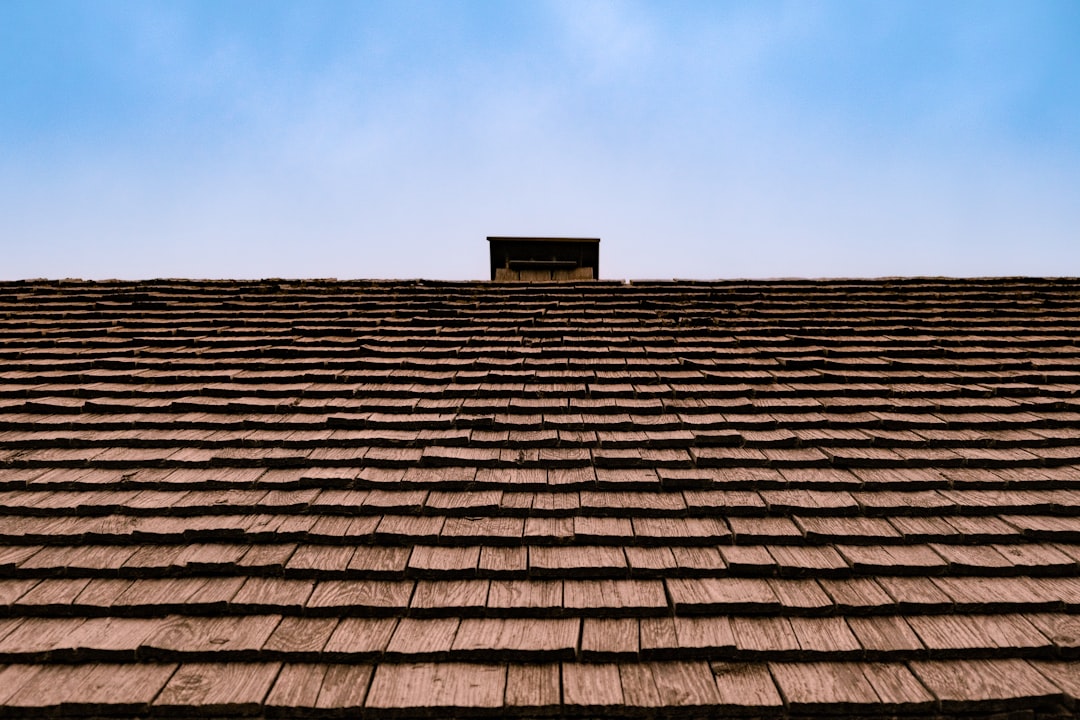
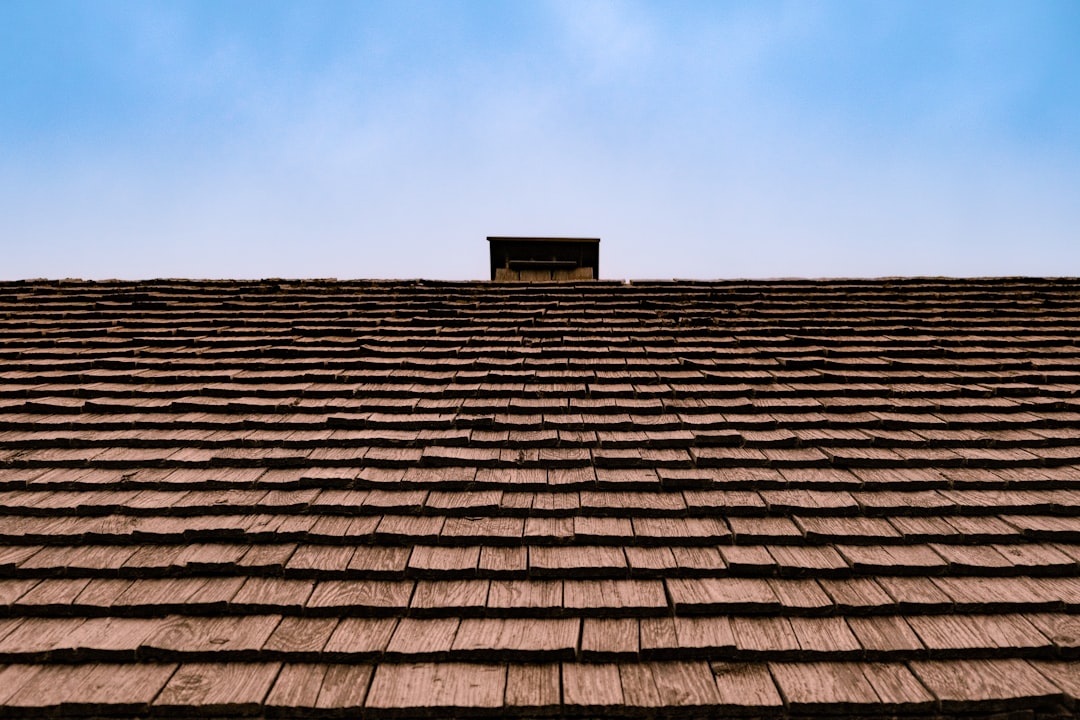
- Wood and Cedar Shake: Natural wood requires breathability. Practicing diligent wood shake roof maintenance involves gently clearing accumulated needles from keyways (the gaps between shakes), treating the wood with preservative stains to curb rot, and addressing insect infestations before woodpeckers cause secondary impact holes.
- Clay and Slate Tiles: Slate and clay tiles can last for generations, but individual tiles are brittle under point loads. Never walk across slate or clay roofs without specialized hook ladders and walking boards. Immediately replace cracked, spalled, or sliding tiles to prevent water from running directly onto the underlying membrane.
Flat and Low-Slope Membrane Preservation
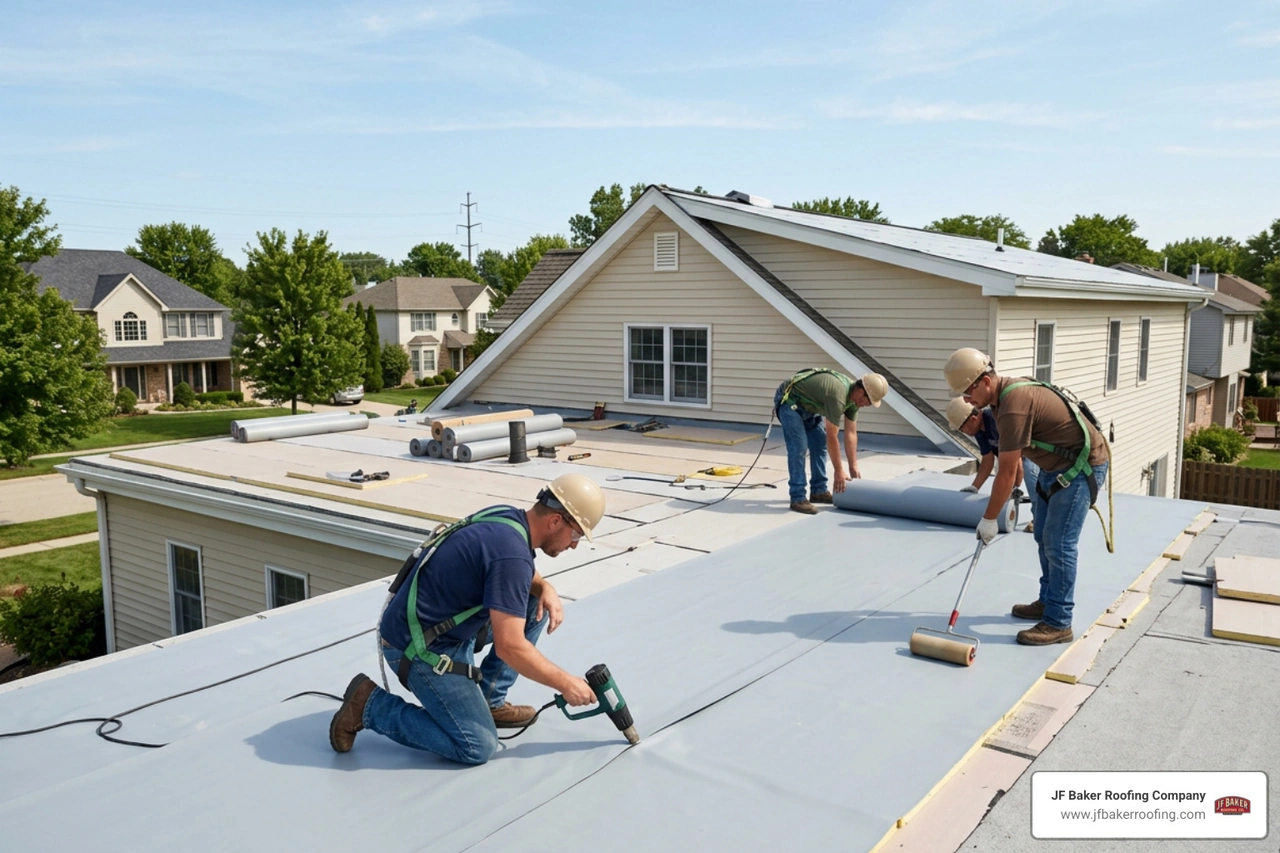
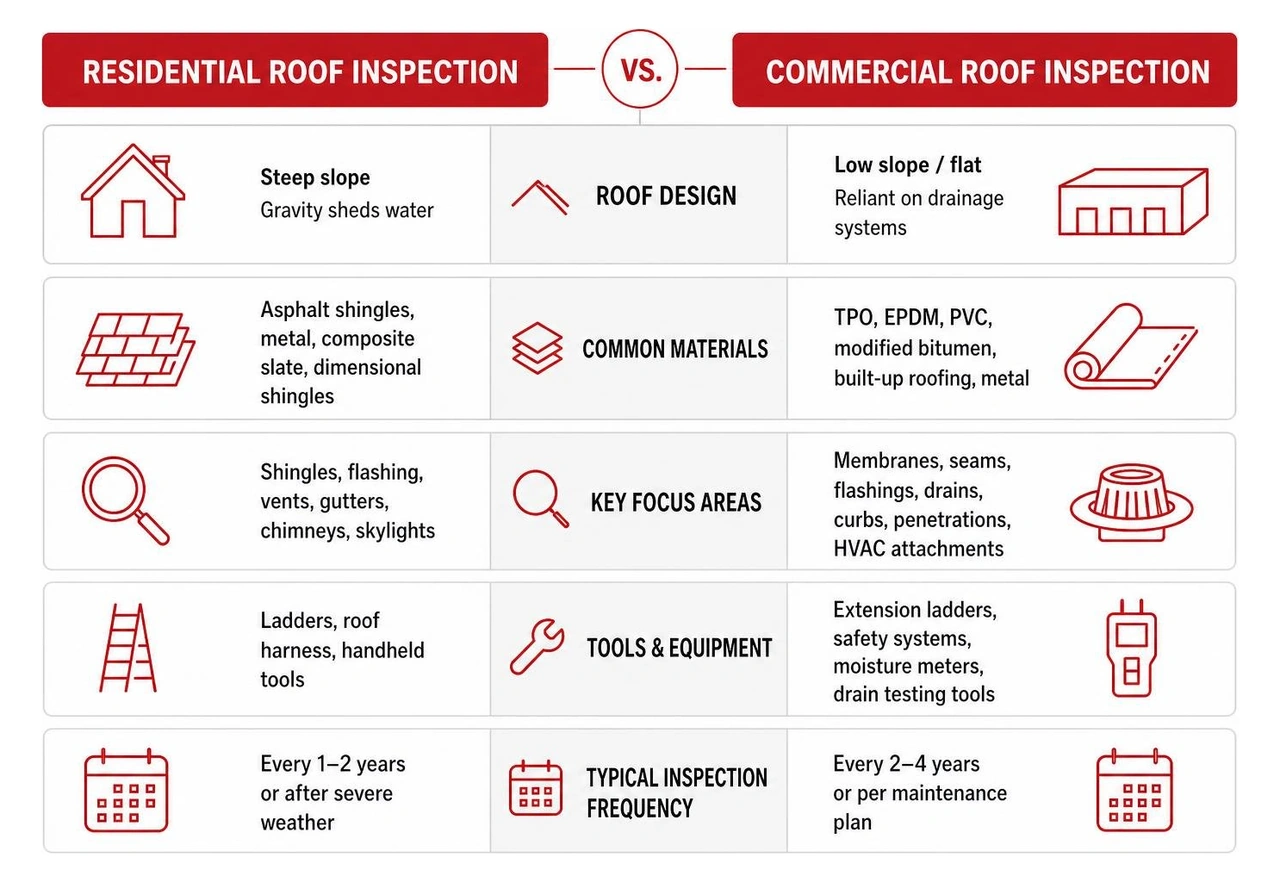
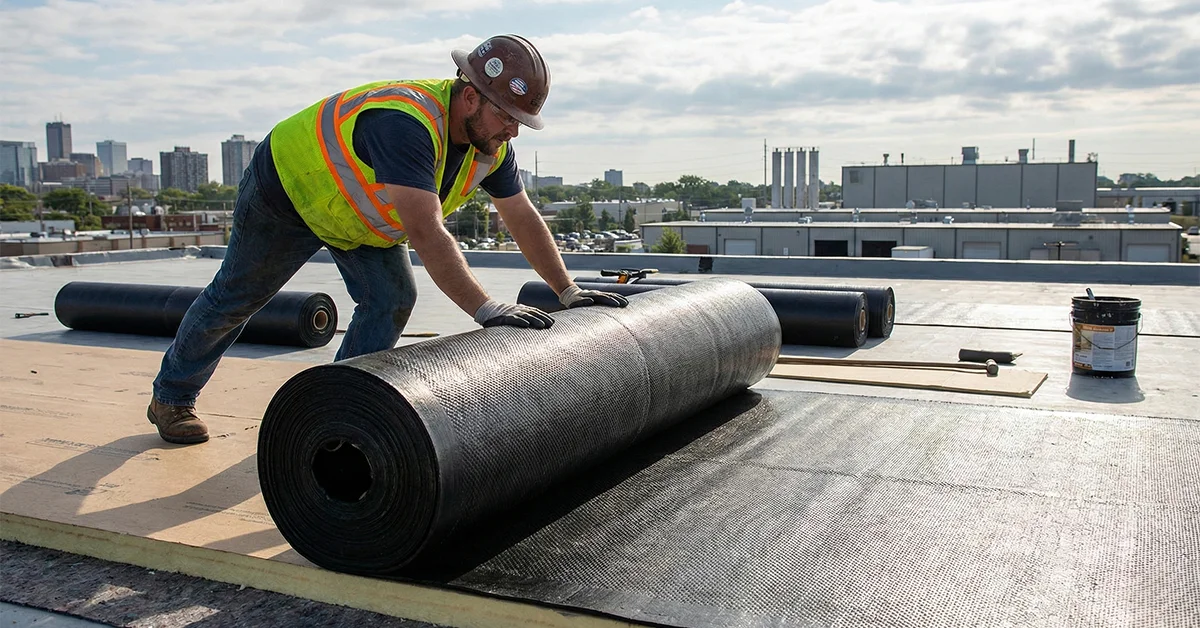
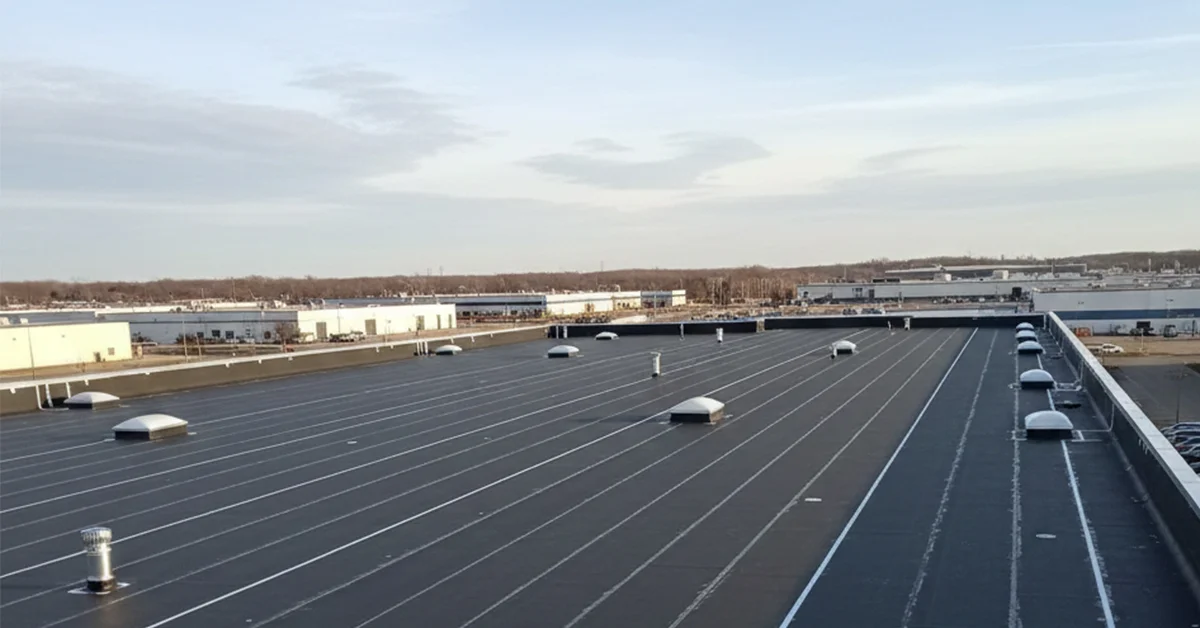
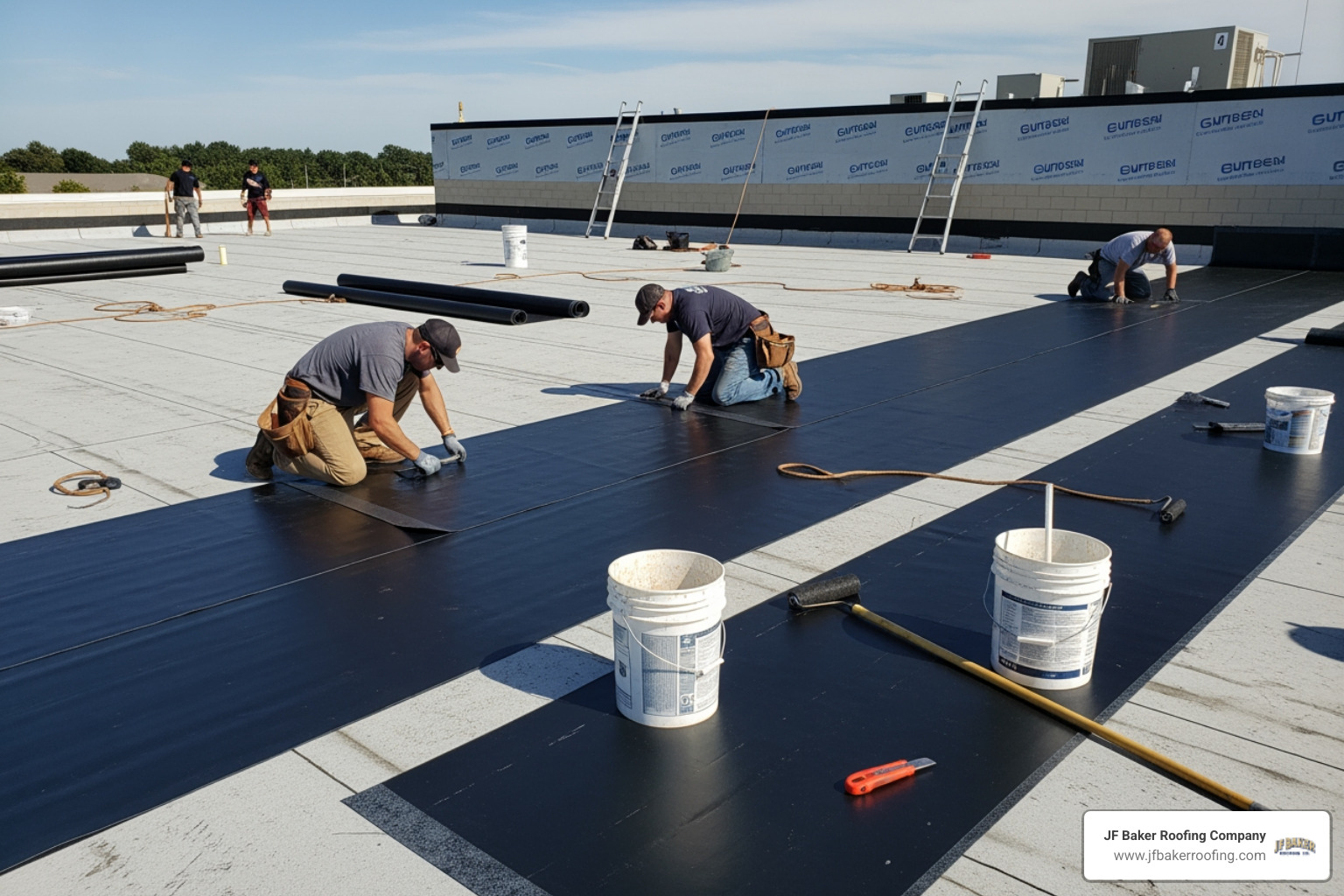
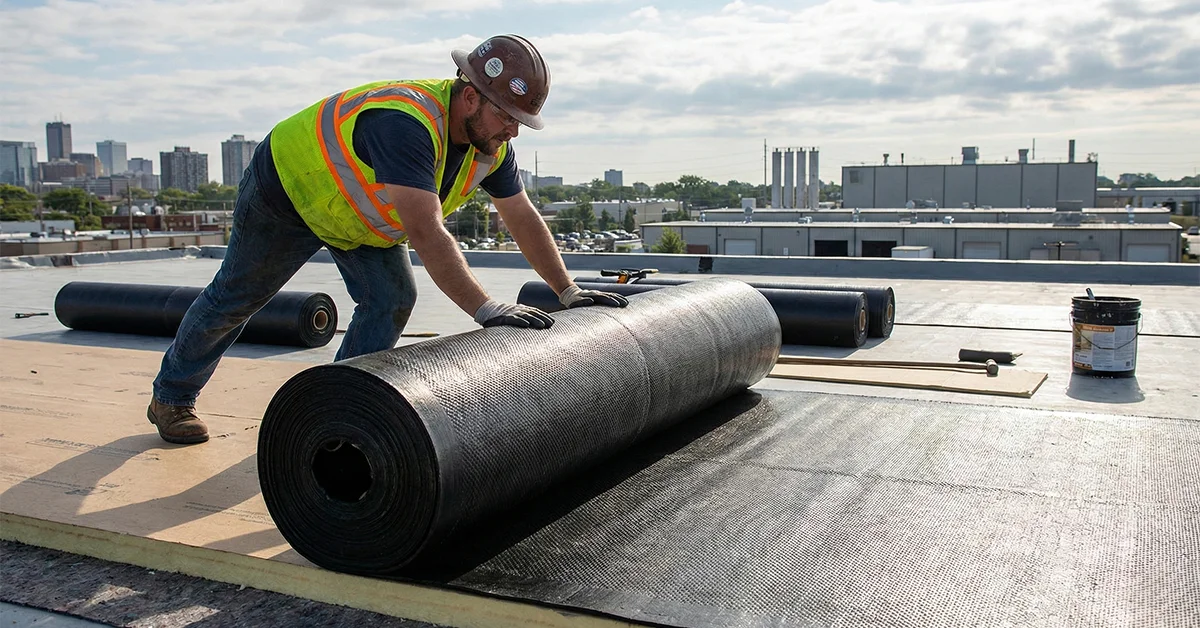
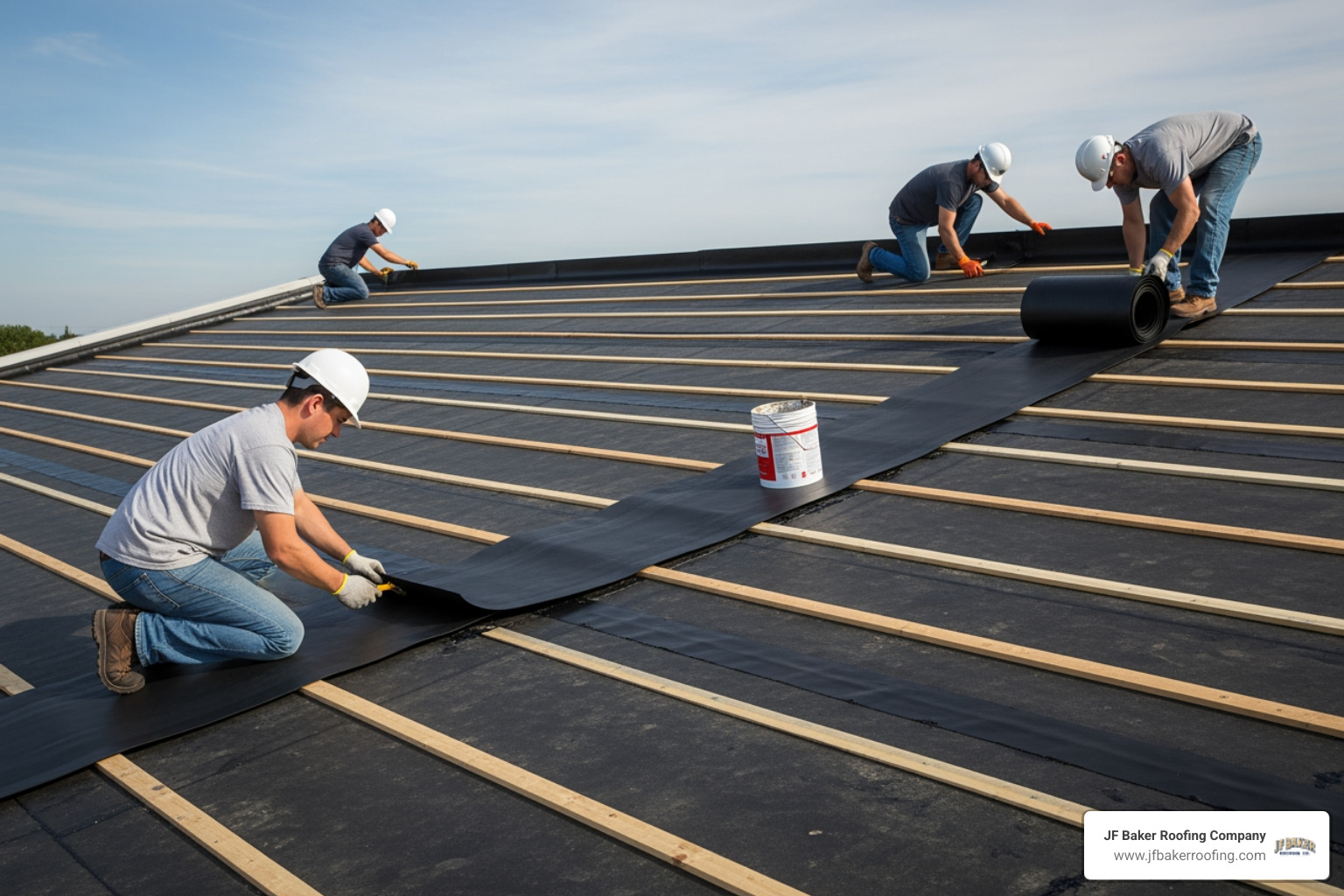
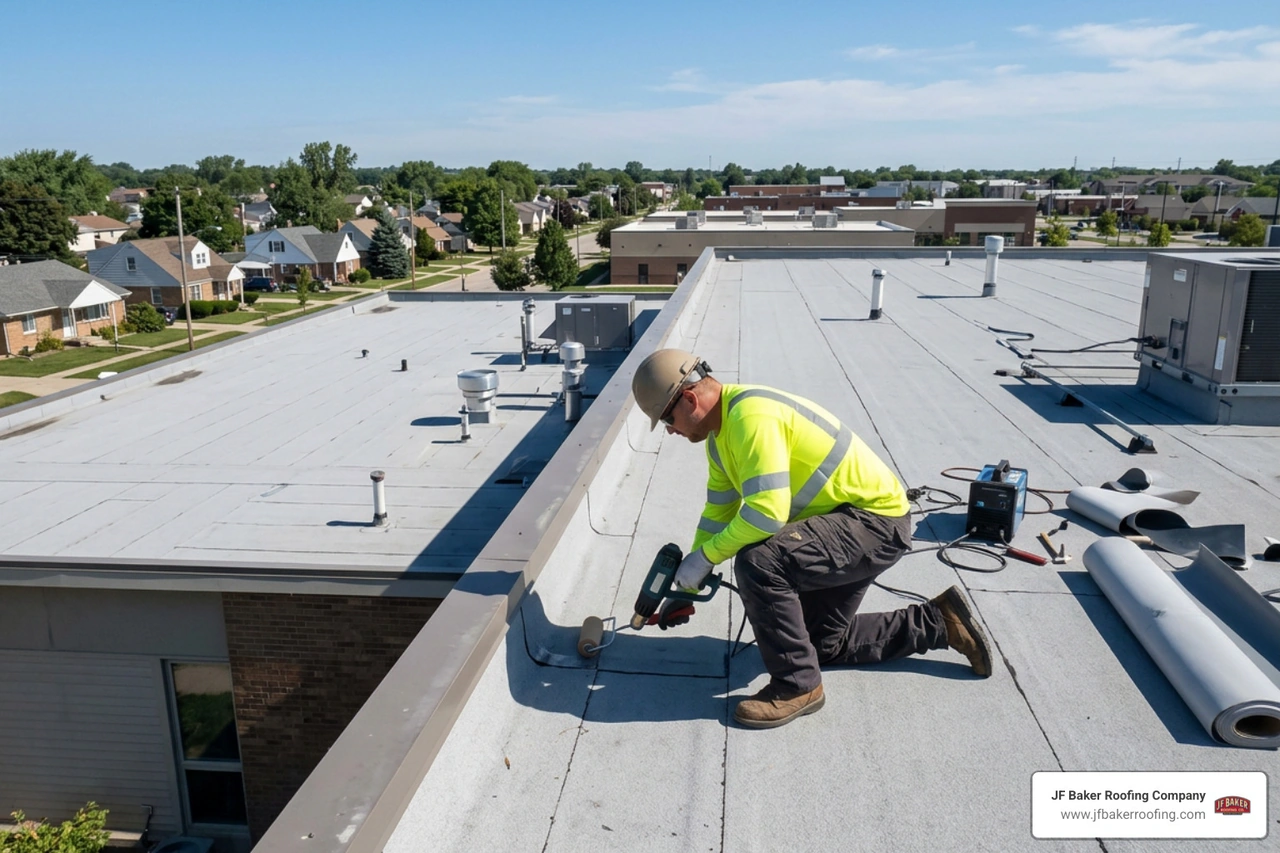
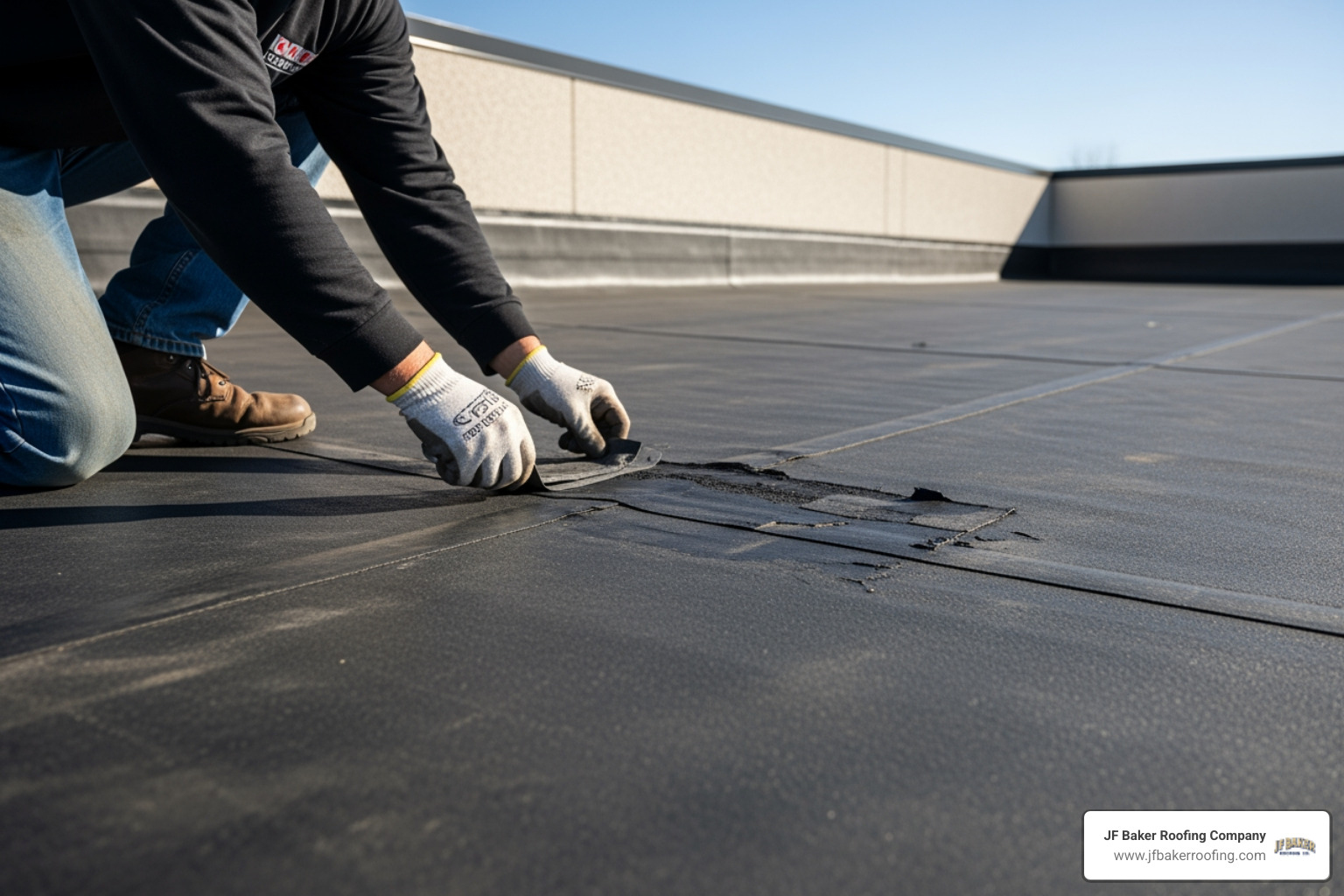
Flat and low-slope roofing systems (such as EPDM rubber, TPO, and modified bitumen) rely on continuous, watertight seams to protect commercial buildings, porches, and modern residential structures.
Ponding water (water that remains on the roof surface longer than 48 hours after precipitation) accelerates membrane breakdown, degrades seam adhesives, and adds substantial dead-weight stress to the roof deck. Follow the historical guidelines found in the National Bureau of Standards Roof Maintenance Manual by checking internal drains, scuppers, and conductor heads for blockages during every visit.
For residential rubber systems, completing regular house rubber roof maintenance and applying professional-grade elastomeric coatings can restore surface reflectivity and seal minor hairline crazing. When localized punctures or tears occur, knowing how to apply the best flat roof patch with proper primer and membrane cleaners prevents minor punctures from soaking large expanses of underlying polyiso insulation.
Warning Signs of Roof Deterioration and When to Call a Pro
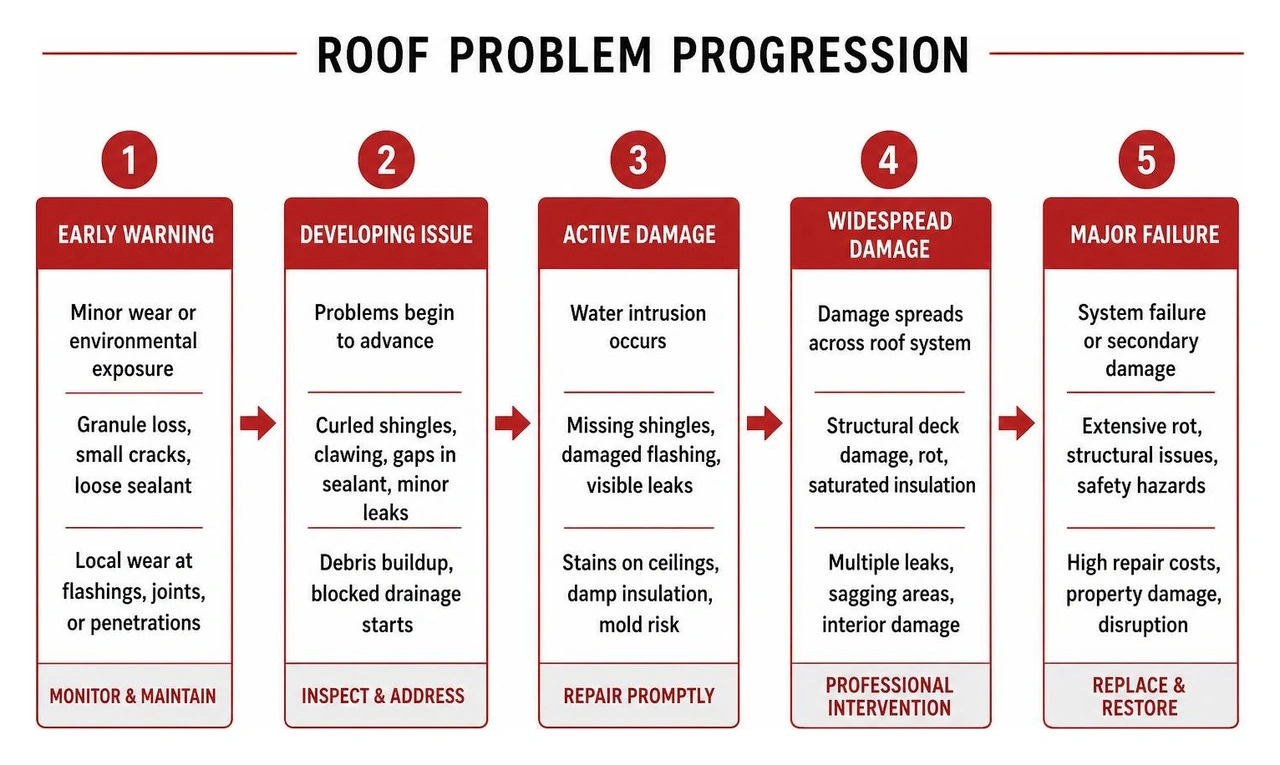
Catching the early warning signs of roof distress allows you to address localized defects before water spreads throughout the structure.
Exterior Shingle, Flashing, and Penetration Breakdown
Most roof leaks do not originate in the open field of shingles; they occur at roof transitions, joints, and penetrations.
- Shingle Distress: Look for curling shingle edges, horizontal cracking across the shingle body, or clawing tabs. Missing shingles indicate adhesive seal failure under wind loads.
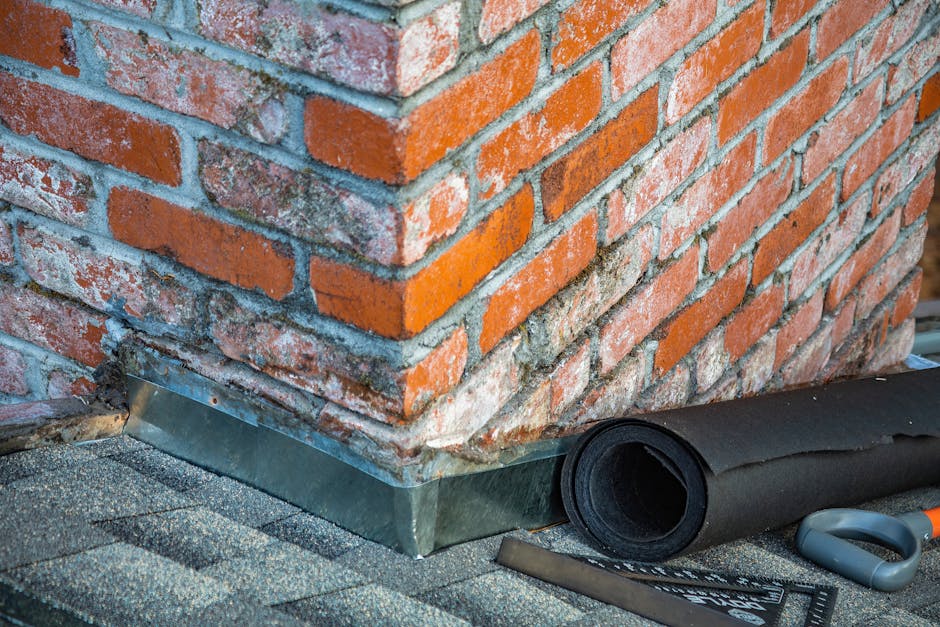
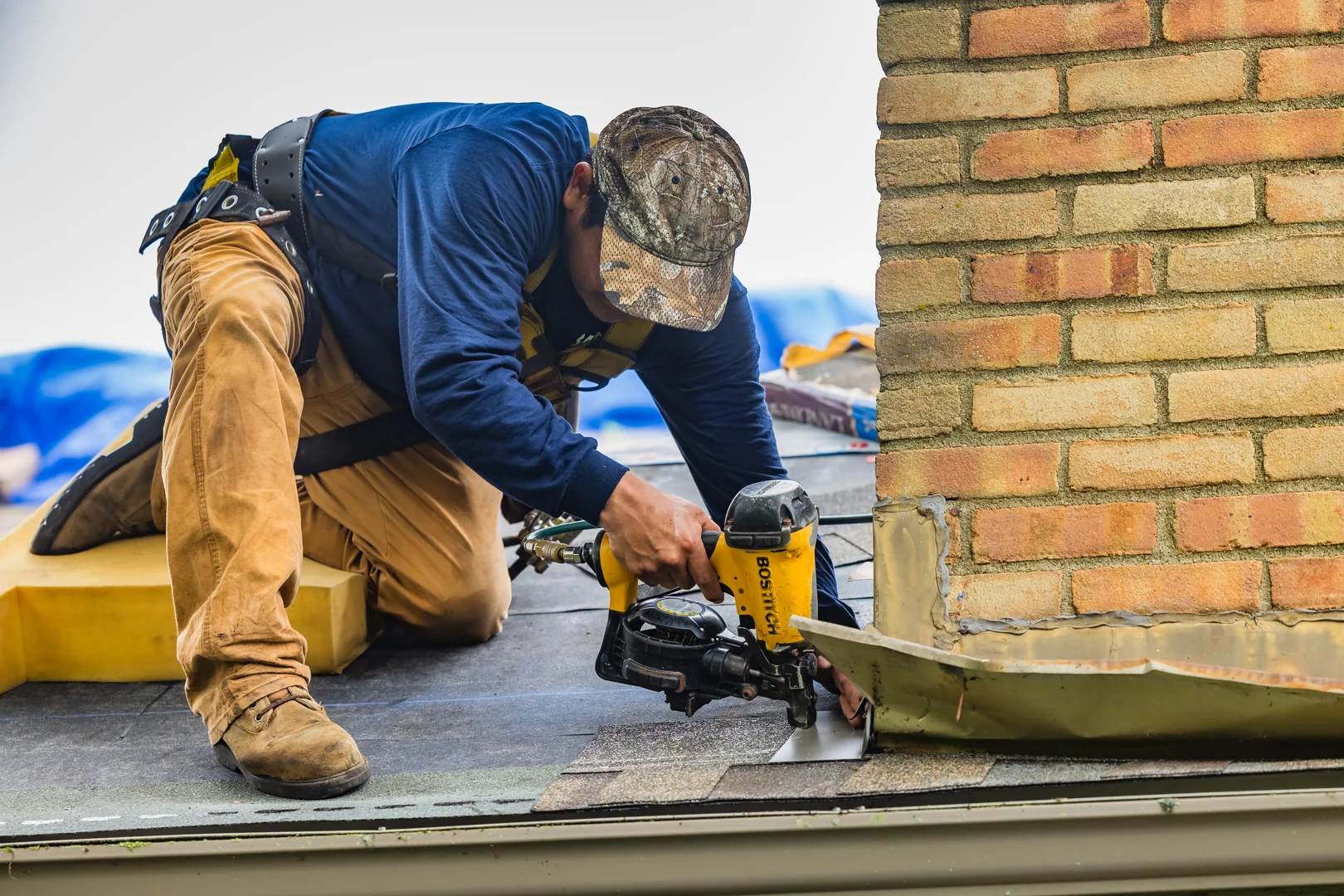
- Flashing and Sealants: Metal flashings around chimneys, dormers, and sidewalls rely on precise overlaps and durable sealants. Over time, UV exposure causes sealants to dry out, shrink, and pull away. Learning about proper roof flashing sealant application helps you recognize when perimeter joints need renewal.
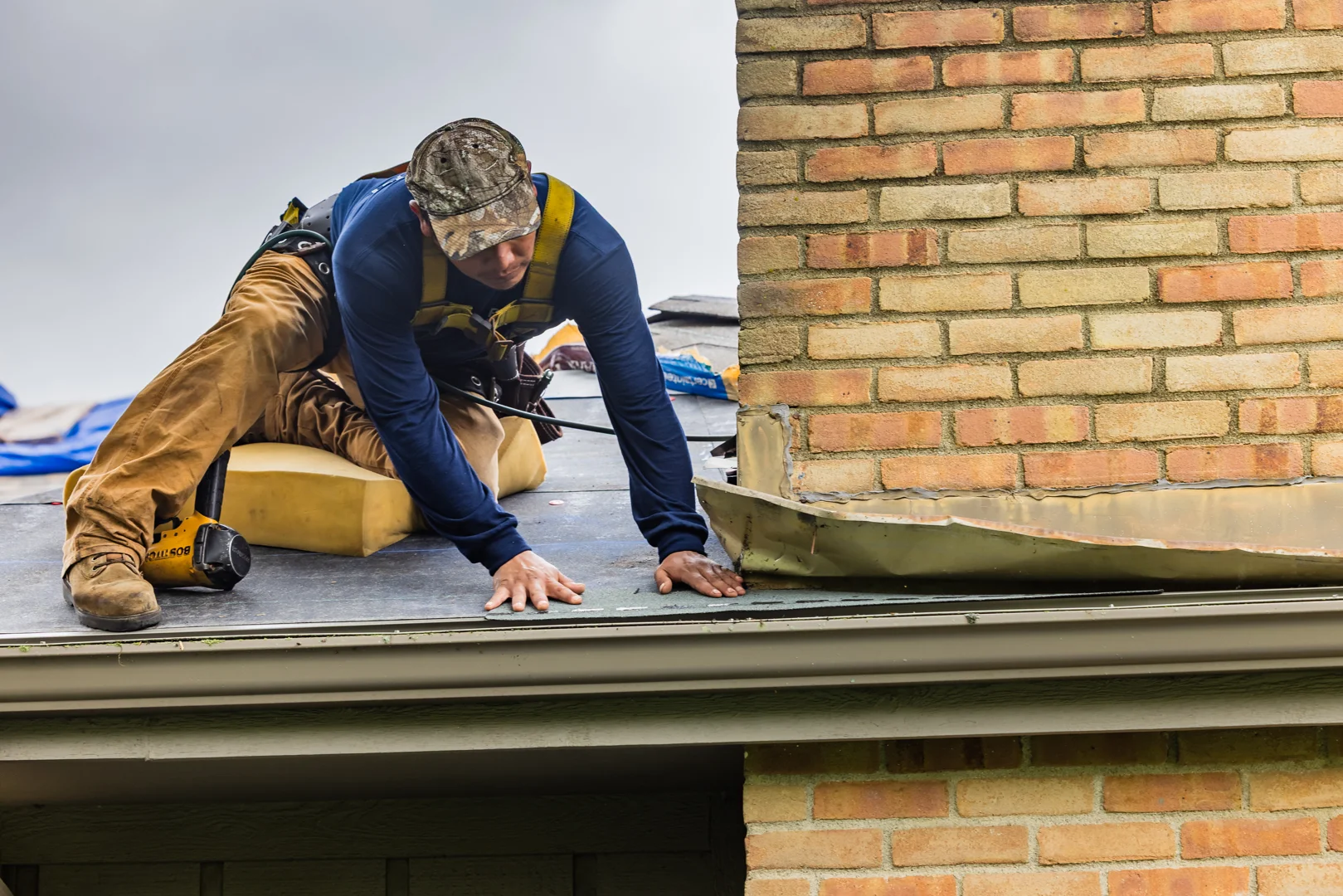
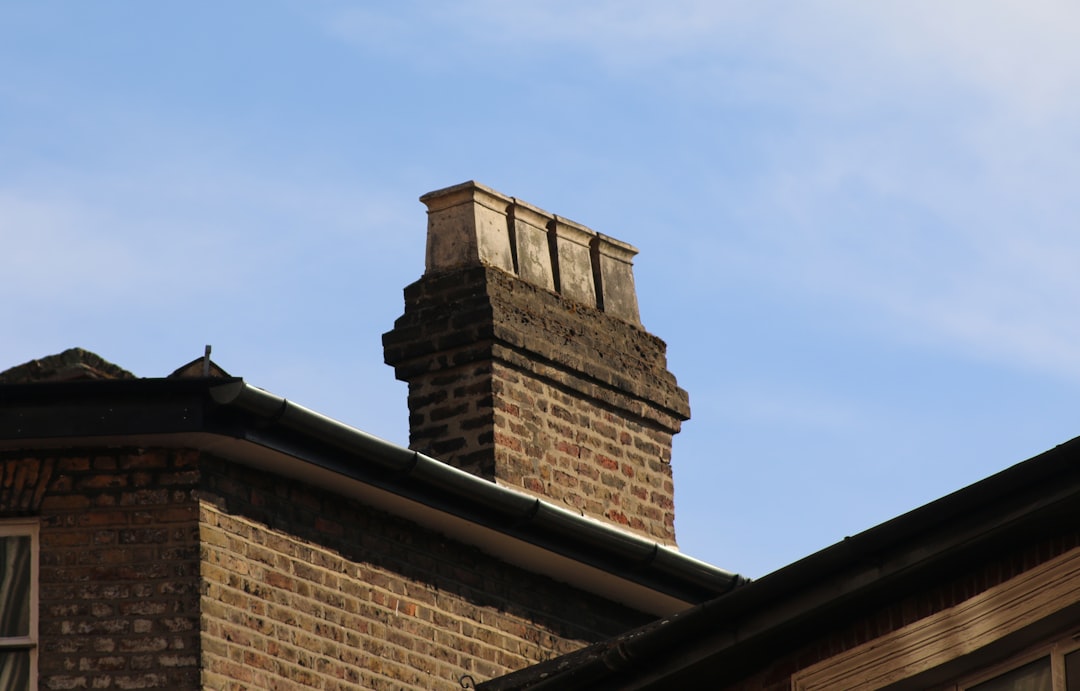
- Chimney Transitions: Mortar deterioration and failing counter-flashing are notorious entry points for driving rain. Addressing chimney flashing leak repair early prevents costly masonry rebuilding and damaged plaster ceilings.
- Pipe Boots and Vents: Neoprene rubber collars surrounding plumbing vent stacks typically deteriorate after 8 to 12 years of sun exposure. Cracked collars should be replaced or fitted with specialized protective silicone caps promptly to maintain weather resistance.
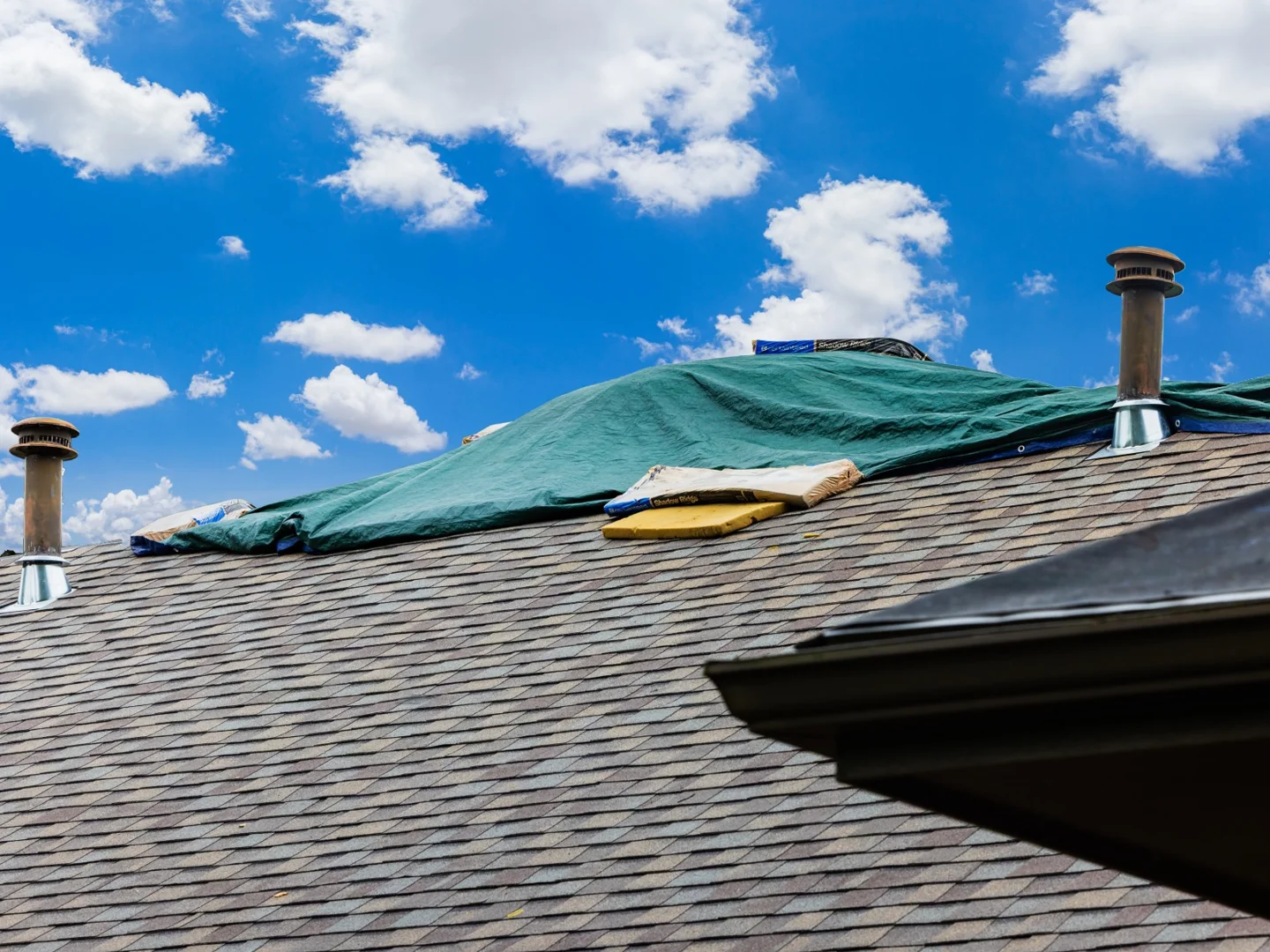
When structural decking shifts or extensive flashing damage occurs, seeking prompt roof damage repair from a qualified professional ensures the underlying components are restored to manufacturer specifications.
Interior Decking Stains and Ventilation Deficiencies
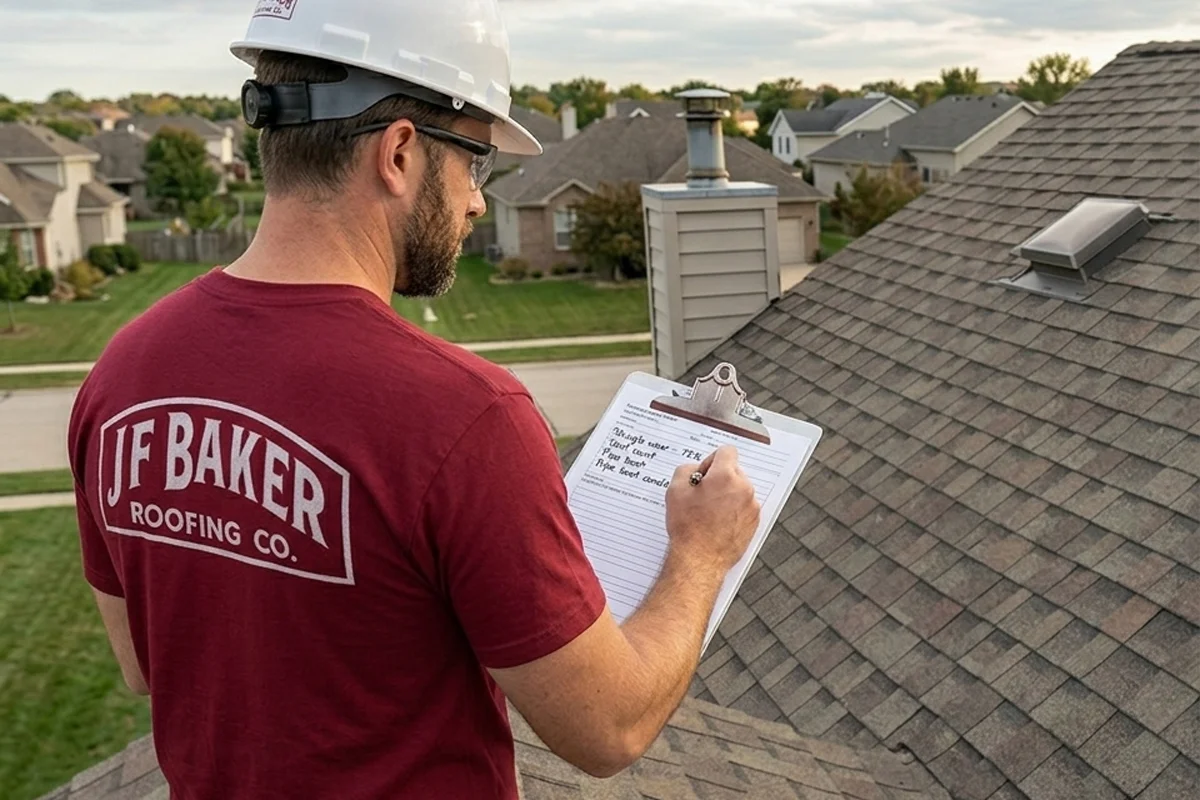
A thorough maintenance inspection always includes the attic space. Using our residential roof inspection checklist, enter your attic during daylight hours with a bright flashlight and look for:
- Dark water stains, damp streaks, or white efflorescence tracks along the rafters and underside of the plywood decking.
- Rusted roofing nails poking through the deck sheathing, which indicates persistent high humidity and insufficient attic exhaust.
- Pinpoints of daylight visible around roof valleys, vents, or chimney chases.
- Mold growth, musty odors, or compacted, damp insulation batts near the exterior soffits.
- Sagging or bowed deck boards between rafter spans, signaling long-term rot or structural overloading.
Frequently Asked Questions About Roofing Upkeep
How often should a home roof be inspected?
A comprehensive inspection should take place at least twice a year: once in the spring to evaluate winter exposure and once in the late autumn to prepare for freezing temperatures. Additionally, conduct a quick visual ground assessment after severe hail or high-wind storms. For roofs older than ten years, scheduling an annual professional inspection ensures hidden membrane fatigue and flashing wear are identified before leaks develop.
Can I clean and maintain my roof myself without walking on it?
Yes, most routine maintenance tasks can be safely performed from the ground or from a stable ladder position at the roofline. Use ground-level visual sweeps with binoculars, clear low-lying gutters with telescoping wand attachments, and remove fallen branches with extendable poles. If an area requires surface repairs, deep moss scrubbing, or high-pitch work, call a qualified, licensed roofer with appropriate fall-arrest gear.
What records should be kept in a roof maintenance log?
Maintaining a dedicated roof binder or digital folder protects your warranty coverage and simplifies future insurance claims. Your maintenance log should contain:
- As-built roofing invoices, manufacturer product specification sheets, and warranty certificates.
- Date-stamped digital photographs of the roof surface, flashings, and attic decking taken during each biannual check.
- Receipts and detailed work orders for all gutter cleaning, tree trimming, and professional repair services.
- Notes on any severe weather events, recorded hail sizes, and emergency response actions taken.
Conclusion
A proactive approach to roof care transforms maintenance from a stressful emergency chore into a predictable, budget-friendly habit. Regular biannual checks, clean drainage channels, and prompt attention to minor sealant gaps safeguard your home against moisture intrusion and extend the service life of your roofing system.
JF Baker Roofing provides residential roofing, commercial roofing, roof repair, roof replacement, storm damage roofing, gutter installation and repair, and sheet metal work, with honest assessments, transparent pricing, and no high-pressure sales tactics. Built on integrity and proven by performance, our team is led by third-generation owners Chad and Pat Baker.
Trusted since 1929, we have served Central Ohio for nearly a century as a CertainTeed ShingleMaster Preferred Contractor, NRCA member, and BBB Accredited Business with an A+ rating. We serve homeowners and businesses across Columbus, Dublin, Upper Arlington, Hilliard, Grandview Heights, Worthington, and Westerville.
Whether you need a simple flashing check or a comprehensive evaluation, our professional crews prioritize clear communication, clean job sites, and recommendations tailored to your home, suggesting repairs when repairs suffice and replacement only when genuinely needed. Let our reputation be your security. Explore our expert residential roofing services today or reach out to our team to schedule your next honest, no-pressure roof assessment.








.jpeg)