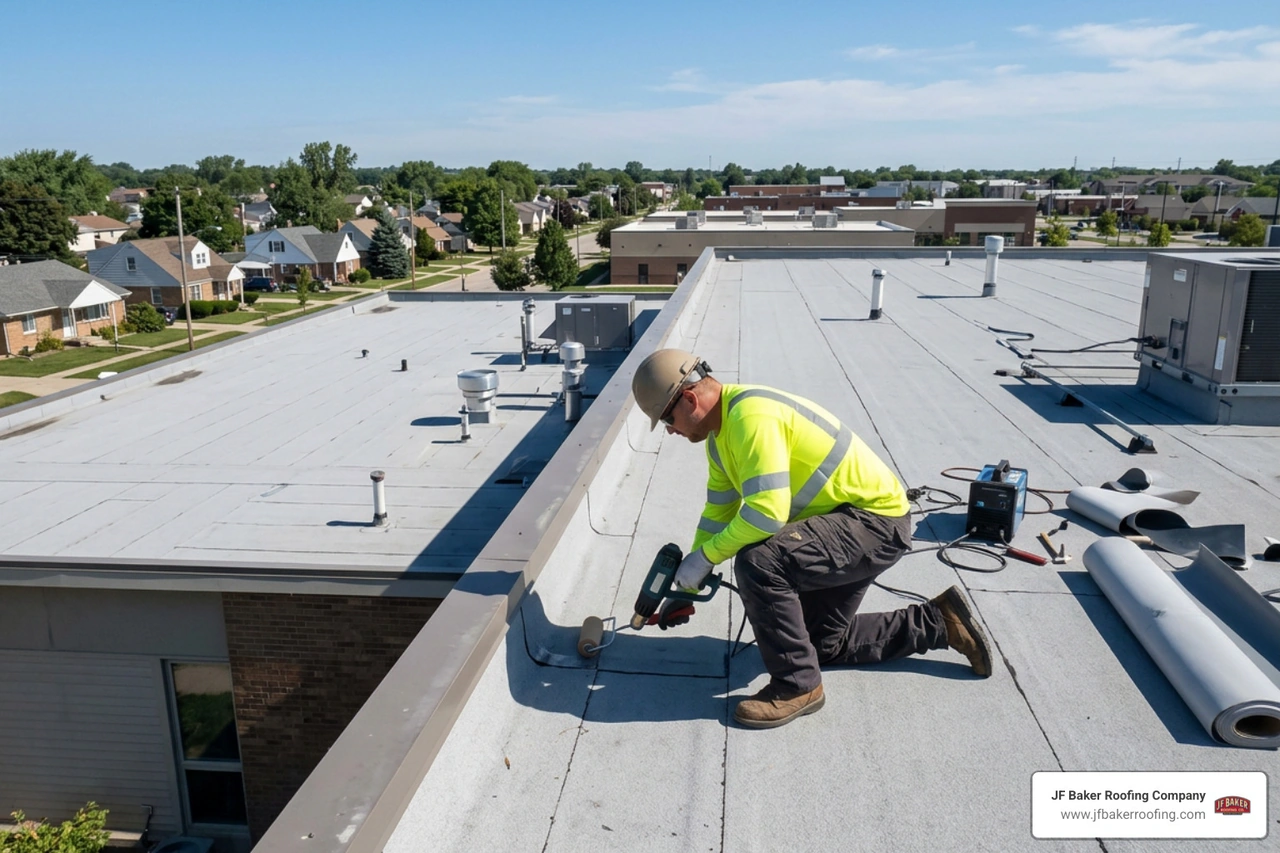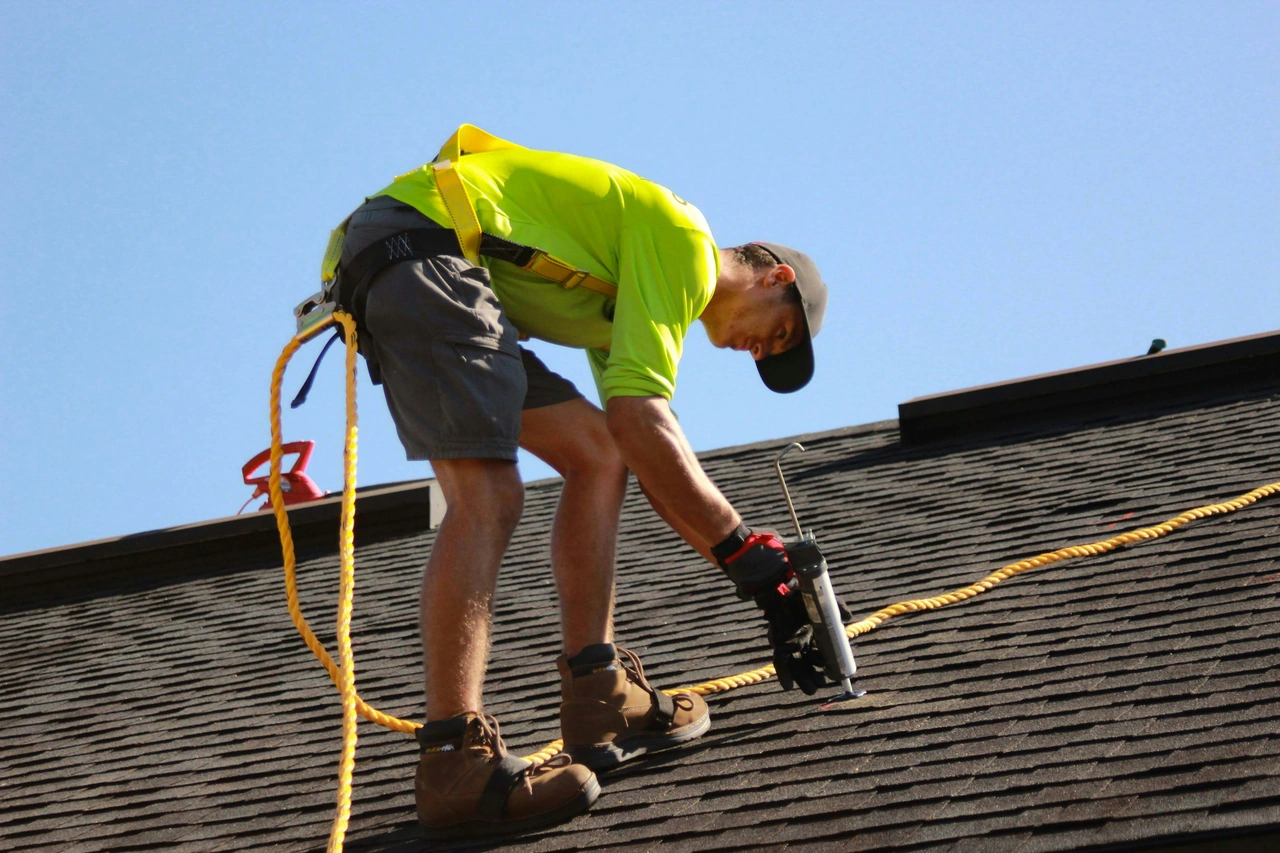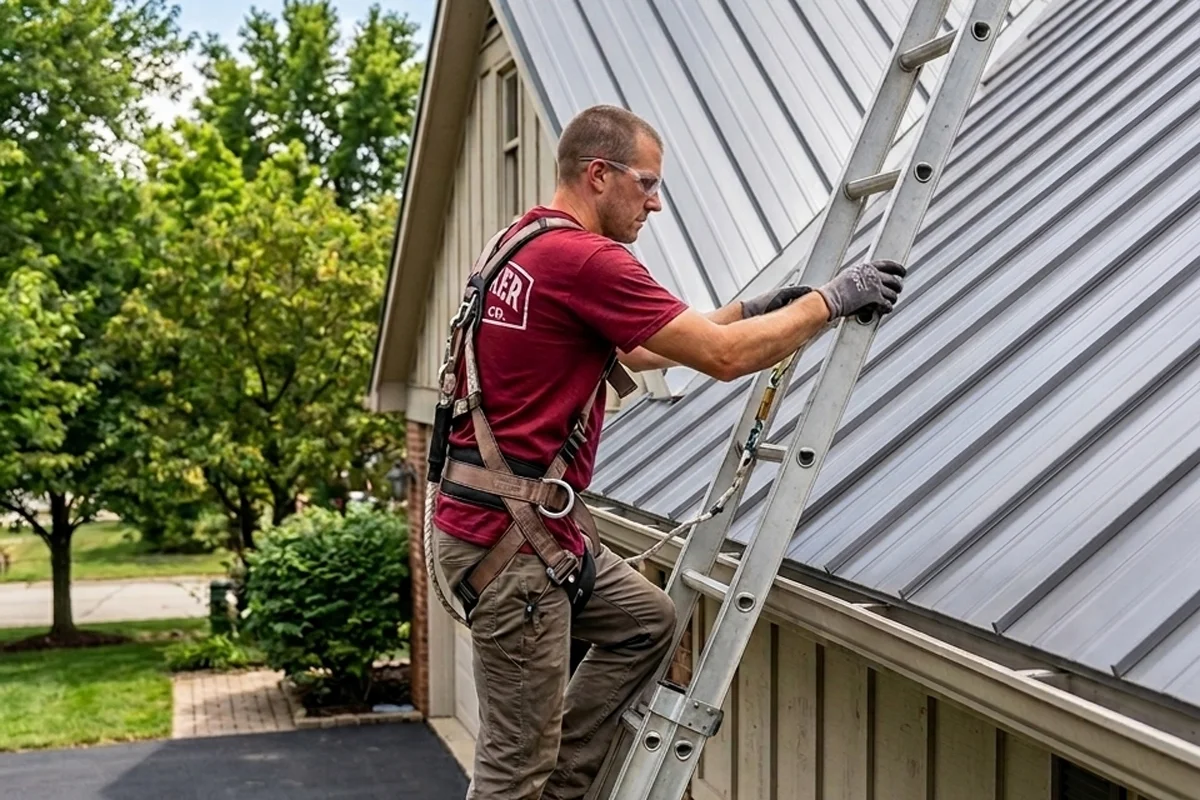
A Practical Guide to Roof Flashing Sealant: Find the Best Option
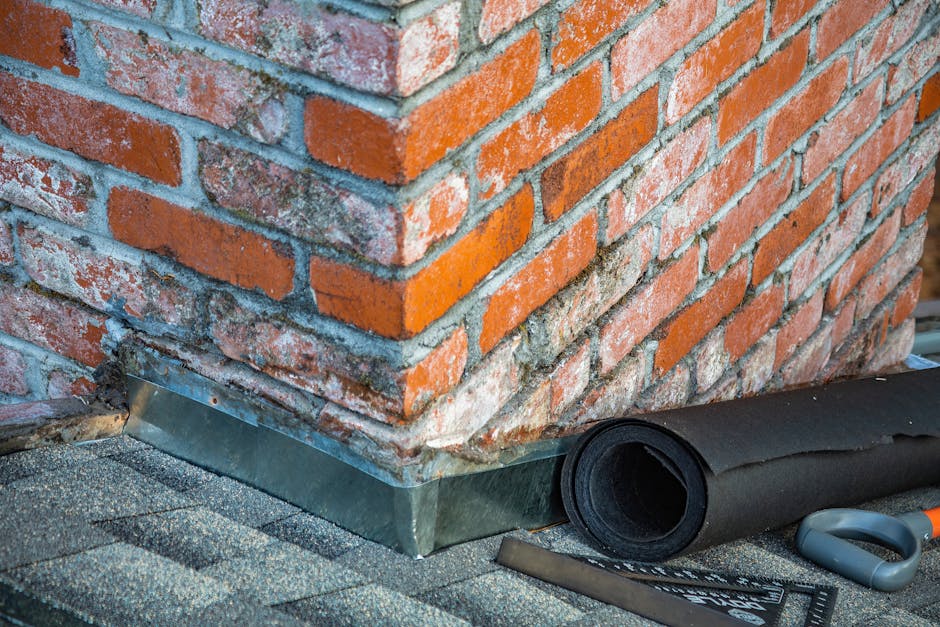
Choose Roof Flashing Sealant That Matches Your Roof
The right roof flashing sealant stops small leaks at chimneys, vents, skylights, wall intersections, and metal seams, but it must match the roofing material and the job conditions. In general, choose polyurethane for a paintable, high-movement repair; silicone for strong UV and weather resistance; butyl for metal laps and gutter joints; and a compatible hybrid product for many mixed-material flashing details. Always check the label for adhesion to your roof membrane or metal, required primer, wet-surface limits, and cure time.
Sealant is a repair tool, not a substitute for flashing that is rusted through, loose, poorly lapped, or damaged by a storm. A clean, sound surface and a continuous tooled bead matter as much as the cartridge you buy.
For Central Ohio homes and businesses, JF Baker Roofing has provided honest assessments, transparent pricing, clean job sites, and clear communication since 1929. We recommend repair when it makes sense, replacement only when it is genuinely needed, and never use high-pressure sales tactics. I am Chad M. Baker, a third-generation owner of JF Baker Roofing, and this guide will help you compare the options before you seal a leak.
Types of Roof Flashing Sealant: Chemistry and Performance
When water finds its way behind a metal termination or sidewall counter-flashing, the sealant line is often the first thing to check. Sealants are engineered to bridge gaps between dissimilar building materials—such as aluminum to brick, steel to asphalt shingles, or vinyl to PVC membrane—while accommodating natural building movement and thermal expansion.
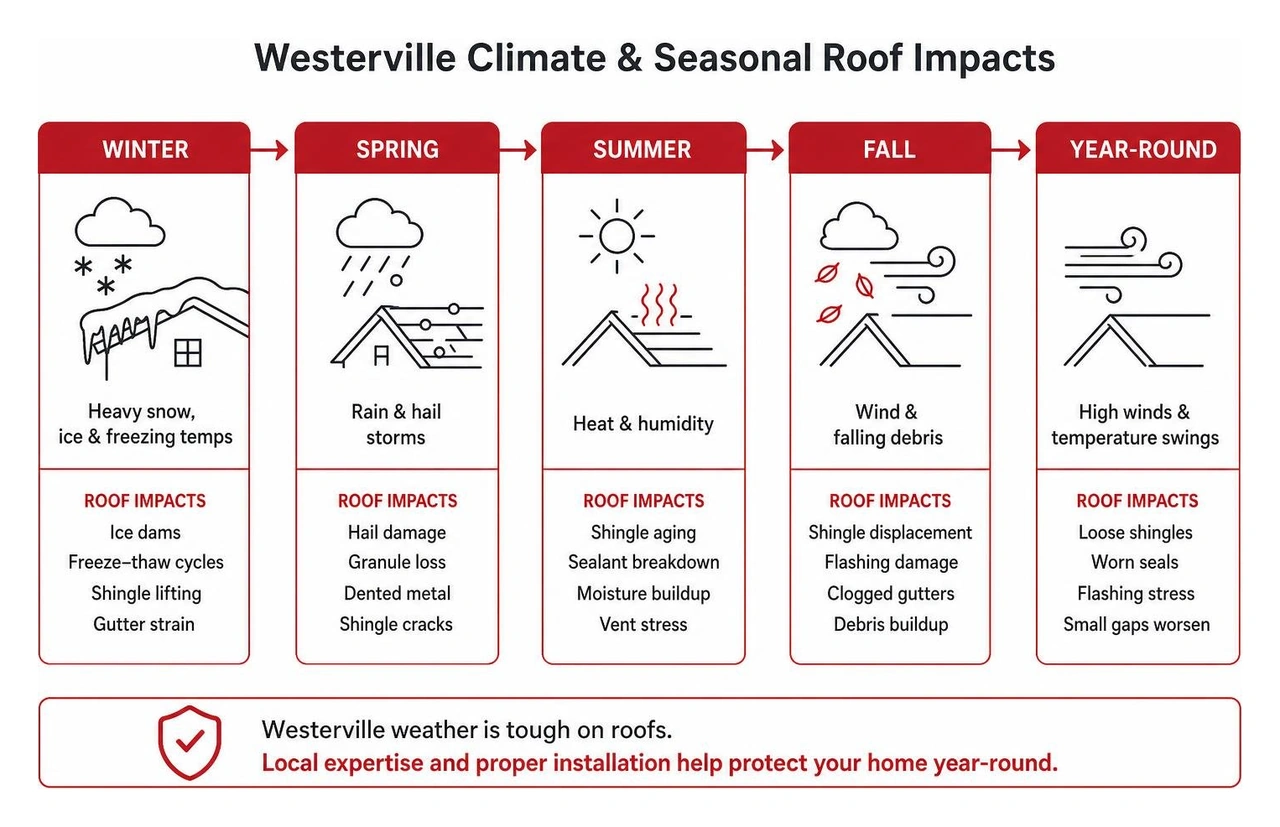
Selecting the right chemistry ensures the bond will not split when temperatures swing through extreme seasonal shifts.
Polyurethane Formulations
Polyurethane sealants are standard options for exterior construction joints. They offer strong adhesion, high tear strength (often around 61 pli under ASTM D1004), and excellent dynamic joint movement capabilities. Products like PL ® Roof and Flashing Polyurethane deliver ±35% movement capability (ASTM C719) and an elongation at break of 589% (ASTM D412).
- Paintability: Polyurethane can be painted with high-grade exterior acrylic paints once fully cured to match masonry or trim.
- Service Temperature: Handles operational ranges from -40°F to 180°F (-40°C to 82°C).
- Substrate Versatility: Adheres securely to brick, concrete, wood, aluminum, and primed steel.
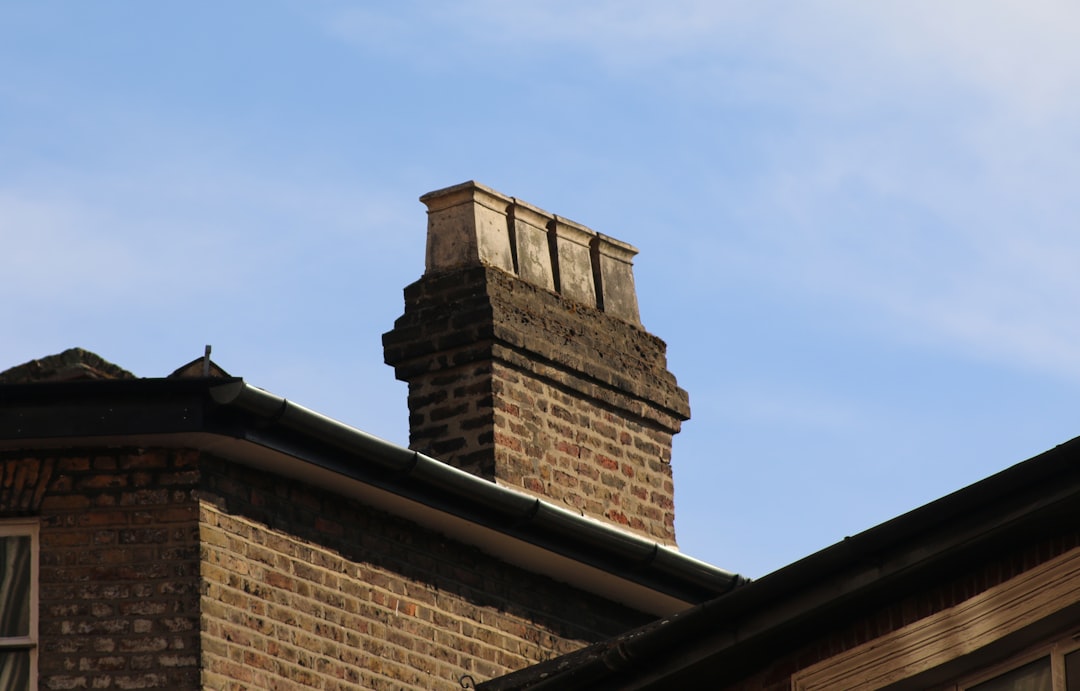
Because polyurethane retains elasticity and bonds tightly to masonry, it is frequently chosen when tackling a complex chimney flashing leak repair where mortar joints meet sheet metal counter-flashing.
100% Silicone Formulations
Silicone is well-suited for areas exposed to continuous sunlight and standing moisture. Formulas like 100% SILICONE DESIGNED FOR UNMATCHED DURABILITY AND LONGEVITY High viscosity for applications on vertical surfaces Repair or seal penetrations that have existing silicone coating feature broad usable temperature ranges from -60°C to 200°C (-76°F to 392°F).
- UV and Moisture Resistance: Silicone does not oxidize, shrink, dry out, or crack under intense solar radiation.
- Ponding Water Performance: An effective option around low-slope penetrations and scuppers where water may pool temporarily.
- Coverage: Cartridges such as Kool Seal Silicone provide coverage ranging from 6 to 24 linear feet depending on joint dimensions, becoming tack-free in approximately 30 minutes.
That standard silicone cannot be painted. Once applied, future repairs must use silicone, as most other materials cannot bond to a cured silicone surface. For flat commercial setups, see our detailed flat roof repair guide 2026 to determine whether silicone fits your assembly.
Butyl Rubber and Hybrid Elastomers
Butyl rubber and advanced hybrid formulations bridge specific application niches where traditional options have limitations.
- Butyl Rubber: Formulations meeting ASTM C1311, like DAP® BUTYL-FLEX® Rubber Gutter & Flashing Sealant - Product Data, maintain a service range of -40°F to 180°F with dynamic movement capabilities of ±7.5% (ASTM C1216). They are ideal for concealed metal-to-metal lap seams, end laps, and gutter joints.
- Hybrid MS Polymers / Silyl-Terminated Polyethers (STPE): Products like SikaHyflex®-407 EverFlash Universal offer service ranges between -40°F to 170°F (-40°C to 75°C) and tack-free times of 30 to 90 minutes. They provide primer-less adhesion to difficult plastics (polyethylene, polypropylene) and remain fully compatible with bituminous asphalt without bleeding or discoloring.
- Low-VOC Hybrids: Products like FLASHING SEALANT and FLASHING SEALANT Product Datasheet feature non-flammable chemistries without isocyanates, curing fully in roughly 40 hours while adhering directly to damp masonry, cement board, and metals.
These products are frequently utilized during detailed rubber flat roof repair to secure termination bars and pipe boots cleanly.
Key Criteria for Selecting the Best Sealant
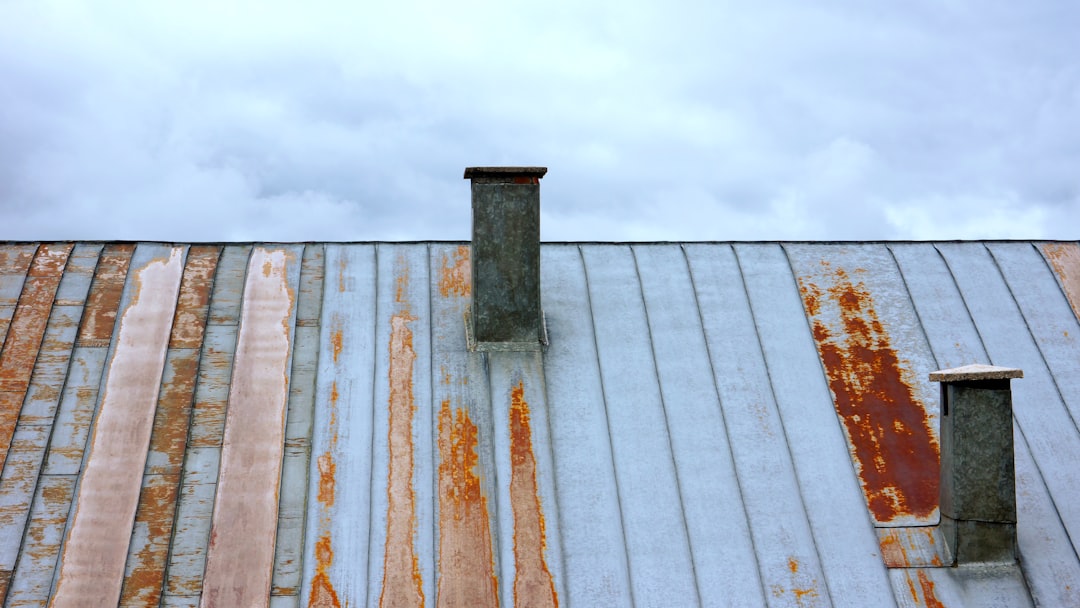
Choosing the correct compound involves balancing several mechanical and chemical factors against the site conditions:
- Movement Capability & Elasticity: Metal contracts and expands as seasons shift. High movement joints require sealants rated at ±25% to ±35% class movement.
- Service Temperature Spectrum: The product must endure freezing winter nights and roof surfaces exceeding 150°F on hot summer days.
- Adhesion without Priming: Look for formulas that bond reliably to your specific metals, masonry, or single-ply membranes.
- UV Stability: Exposed joint lines require formulas that will not chalk or break down under sunlight.
- Moisture Compatibility During Install: Standard projects require completely dry substrates, though certain specialized polymers allow damp-surface bonding during emergency weather events.
Choosing the Right Roof Flashing Sealant by Substrate
Different roofing surfaces interact uniquely with chemical sealants:
- EPDM Rubber: Use compatible hybrid polymers, specialized neoprene mastics (such as APOC 501 Super-Flash), or approved solvent-free formulations. Avoid standard solvent-heavy products that can cause EPDM to swell and blister.
- TPO & PVC Single-Ply: Requires high-grade hybrid polymers or primed silicone. Verify manufacturer compatibility before application.
- Asphalt Shingles & Modified Bitumen: Hybrid sealants and SBS-modified mastics adhere well without causing asphalt bleeding.
- Masonry & Brick Chimneys: Polyurethane or moisture-cure hybrid elastomeric mastics bond strongly to porous brick and mortar.
- Metals (Galvanized Steel, Aluminum, Copper): Uncoated copper and galvanized metals can experience chemical reactions with certain curing agents. Check product technical sheets; some polyurethanes require a designated metal wash primer before application on copper or stainless steel.
Review our technical notes on selecting a flashing sealant for detailed substrate compatibility profiles.
Sealant vs Roof Cement vs Flashing Tape
It is common to confuse standard asphalt plastic cement, flashing tapes, and elastomeric sealants.
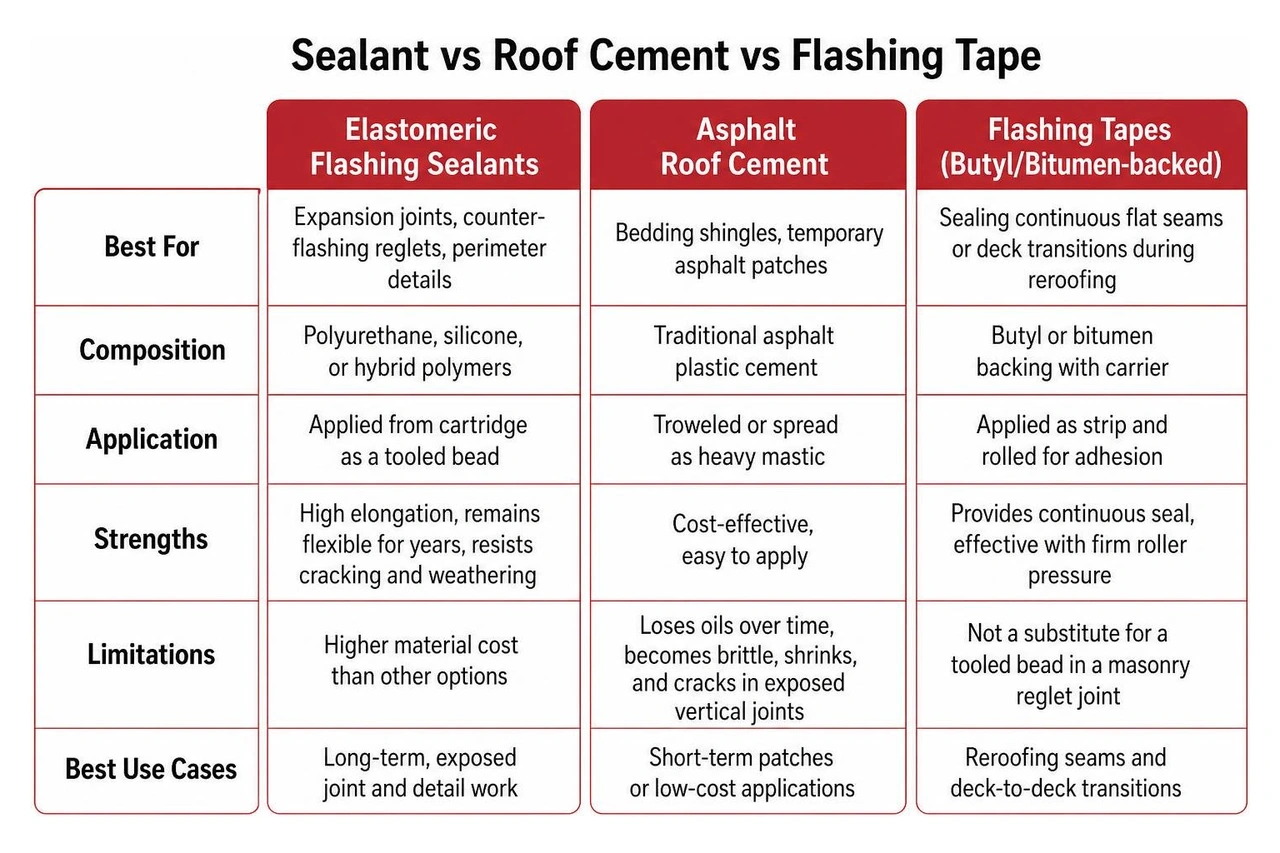
- Elastomeric Flashing Sealants: Premium cartridges (polyurethane, silicone, hybrid) designed for expansion joints, counter-flashing reglets, and perimeter details. They provide high elongation, stay flexible across years of weather exposure, and resist cracking.
- Asphalt Roof Cement: Traditional heavy mastic used for bedding shingles or temporary asphalt patches. While cost-effective, standard asphalt plastic cement loses its volatile oils over time, turning brittle, shrinking, and cracking when applied in exposed vertical joints.
- Flashing Tapes (Butyl/Bitumen-backed): Useful for sealing continuous flat seams or deck transitions during reroofing. They require a clean surface and firm roller pressure, but they cannot replace a tooled bead inside a masonry reglet joint.
When evaluating repair methods, take a look at our overview on the best way to patch a roof to pick the right strategy for your structure.
Step-by-Step Guide to Flashing Repair
Proper installation technique ensures your repair creates a durable, weather-tight joint.
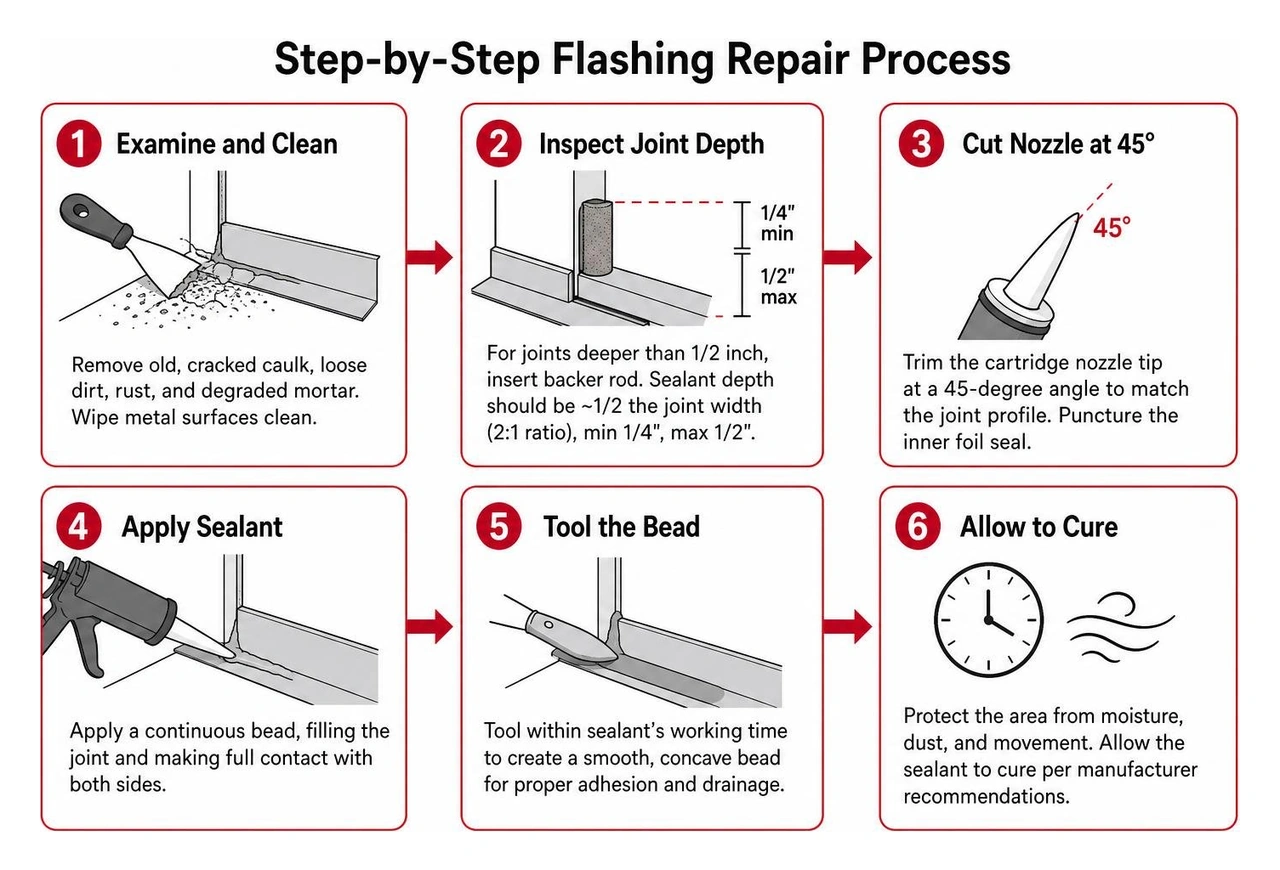
How to Apply Roof Flashing Sealant for a Watertight Joint
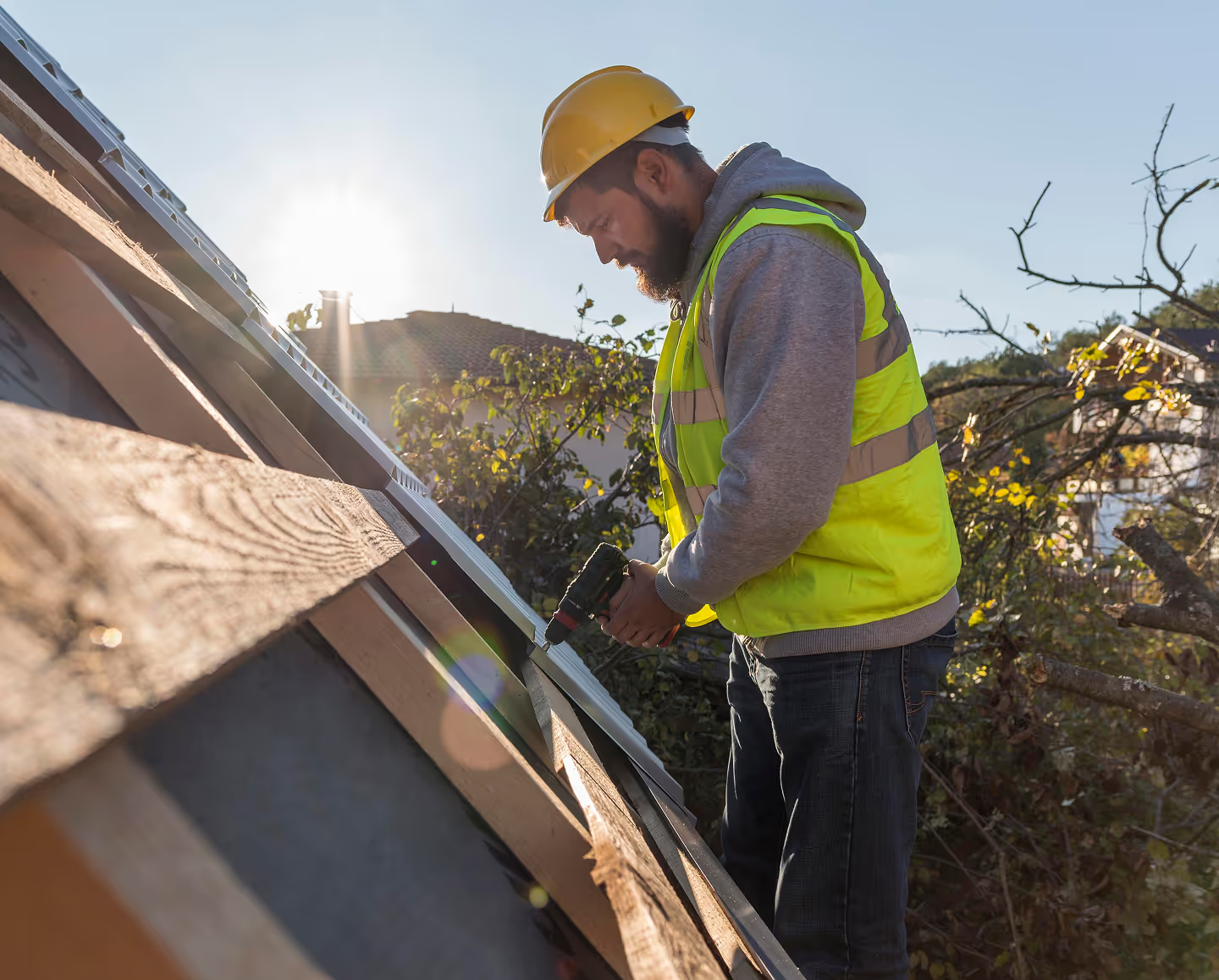
- Examine and Clean: Remove old, cracked caulk, loose dirt, rust scale, and degraded mortar with a stiff wire brush, putty knife, or scraper. Wipe down metal surfaces with mineral spirits or a residue-free cleaner to remove oils.
- Inspect the Joint Depth: For joints deeper than 1/2 inch, insert a closed-cell polyethylene backer rod. The sealant depth should be roughly half the joint width (a 2:1 width-to-depth ratio), maintaining a minimum depth of 1/4 inch and a maximum depth of 1/2 inch to allow proper movement without tearing.
- Cut Nozzle at 45 Degrees: Trim the cartridge nozzle tip at a 45-degree angle to match the joint profile. Puncture the inner foil seal thoroughly.
- Extrude a Continuous Bead: Place the cartridge into a caulking gun. Hold the tip at a steady 45-degree angle, applying smooth trigger pressure to push sealant deep into the void rather than dragging it lightly over the surface.
- Tool the Bead Immediately: Within 5 to 10 minutes (before the sealant begins to skin over), tool the joint using a dry putty knife, jointing tool, or gloved finger. Tooling pushes the material against both bonding surfaces, eliminating trapped air pockets and creating a slope that sheds water cleanly.
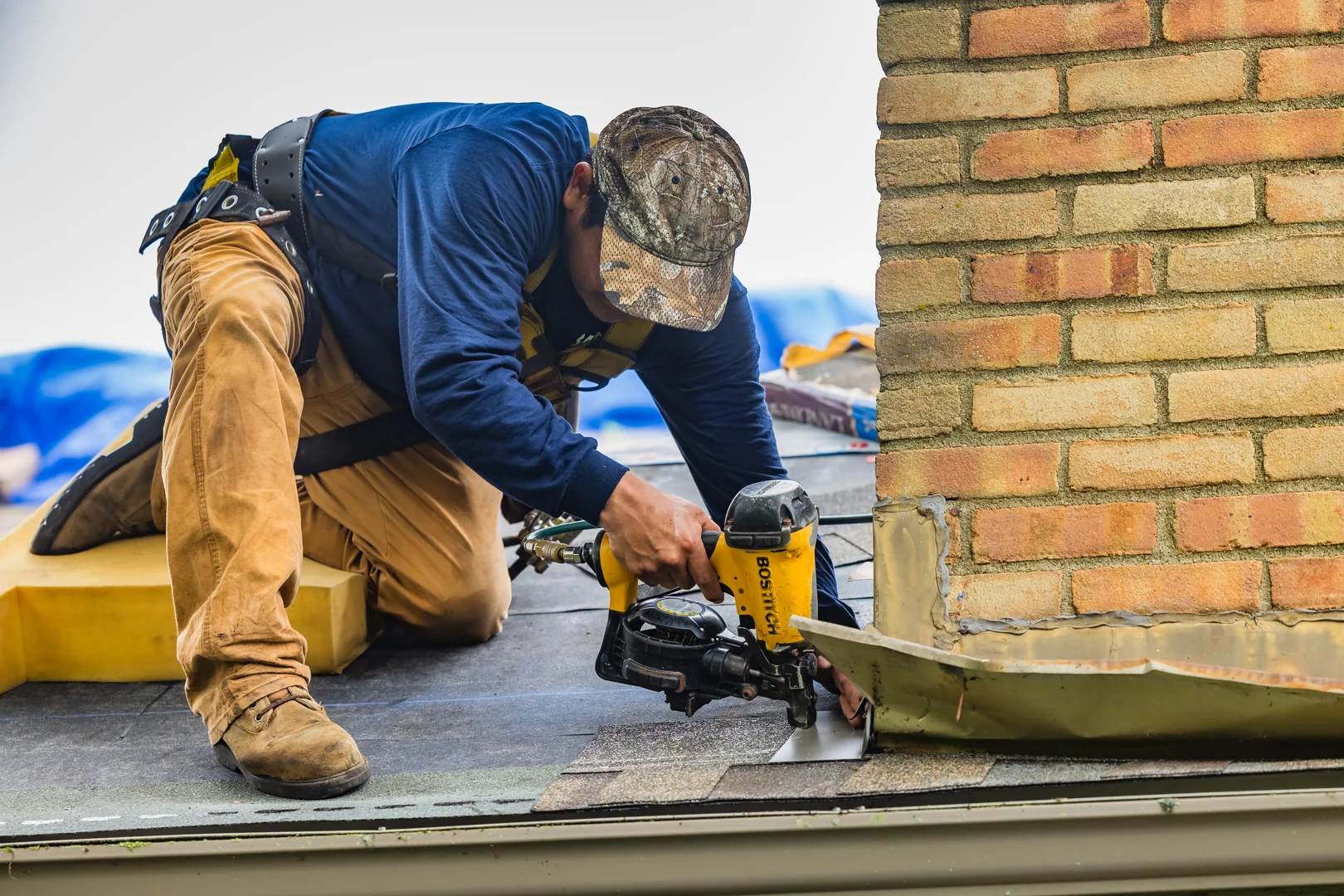
Following these steps provides a dependable seal when working through a localized chimney leak fix.
Common Application Mistakes to Avoid
- Sealing Over Wet Substrates with Incompatible Formulas: Applying standard polyurethane over damp brick traps moisture, which vaporizes in warm sun and causes bubbles or adhesion loss.
- Bridging Expanding Cracks with Too Thin a Bead: Applying a paper-thin smear across a joint will quickly tear when materials expand. Maintain the recommended 1/4-inch minimum depth.
- Skipping Primers on Sensitive Metals: Failing to prime copper or specific galvanized coatings when required by the sealant manufacturer can cause the bead to peel away within a few seasons.
- Using Uncured Sealants in Structural Gaps: Sealants are designed to keep water out; they cannot hold loose flashing in place if the mechanical fasteners (screws, nails, anchors) have pulled free.
Frequently Asked Questions About Flashing Repair
Can flashing sealant be applied to wet or damp surfaces?
Most standard polyurethanes and silicones require clean, completely dry surfaces for full bond strength. However, specialized moisture-cure hybrid polymers (such as LATICRETE Flashing Sealant) and select neoprene sealants (like APOC 501) can adhere to damp substrates or provide immediate emergency stopping power during wet weather. For long-term performance, permanent seals are best applied once surfaces are dry.
How long does flashing sealant take to cure fully?
Curing times depend on product chemistry, ambient temperature, and relative humidity:
- Tack-Free / Skin Time: Polyurethanes and hybrids typically skin over in 30 to 90 minutes; silicones skin in 30 to 85 minutes.
- Functional Cure: Most products become weather-resistant within 2 to 24 hours.
- Full Cure: Polyurethanes and hybrids typically require 40 hours to 7 days to develop full mechanical properties. Butyl rubber formulations can take up to 21 days for a complete, deep cure.
When should flashing be resealed versus replaced?
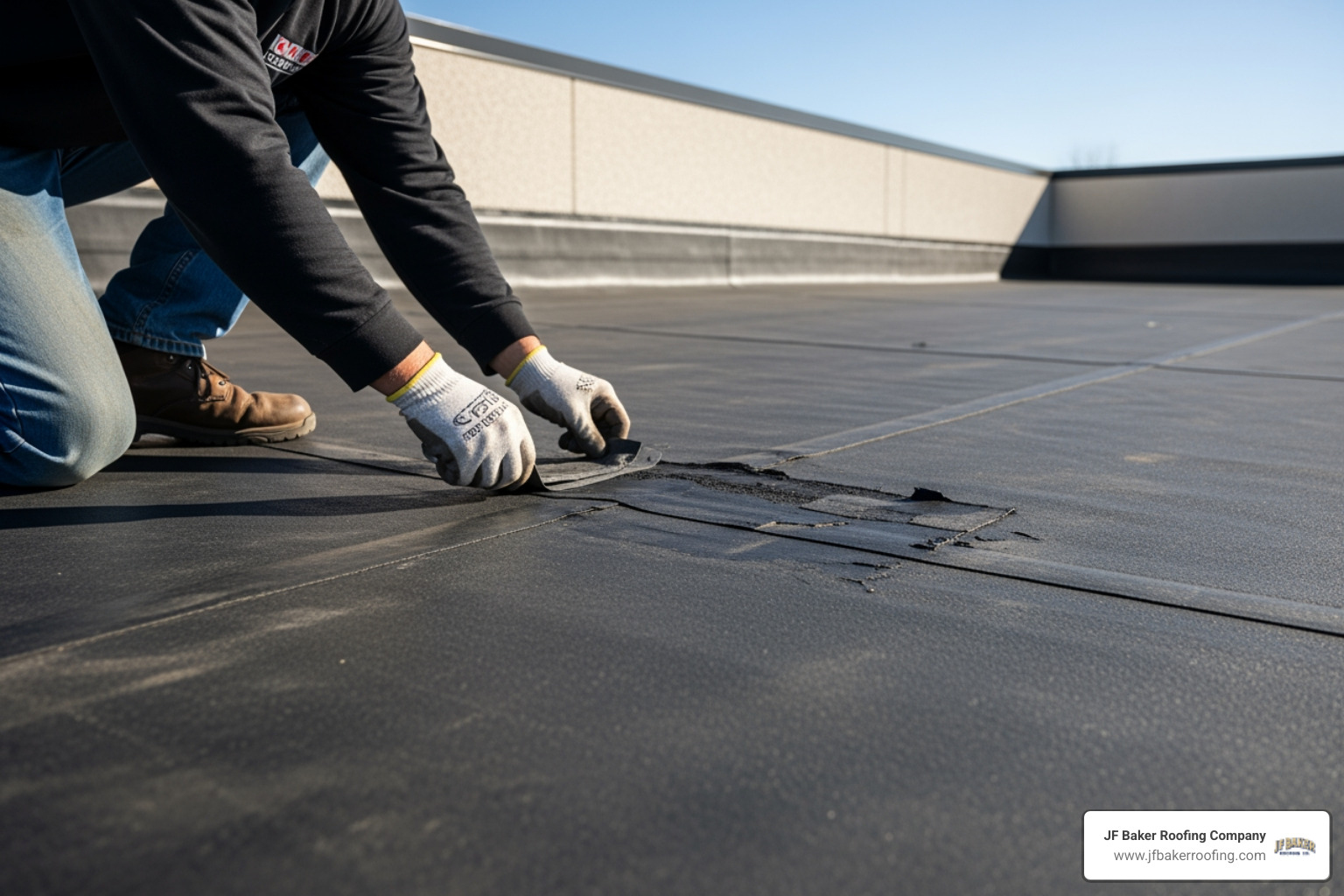
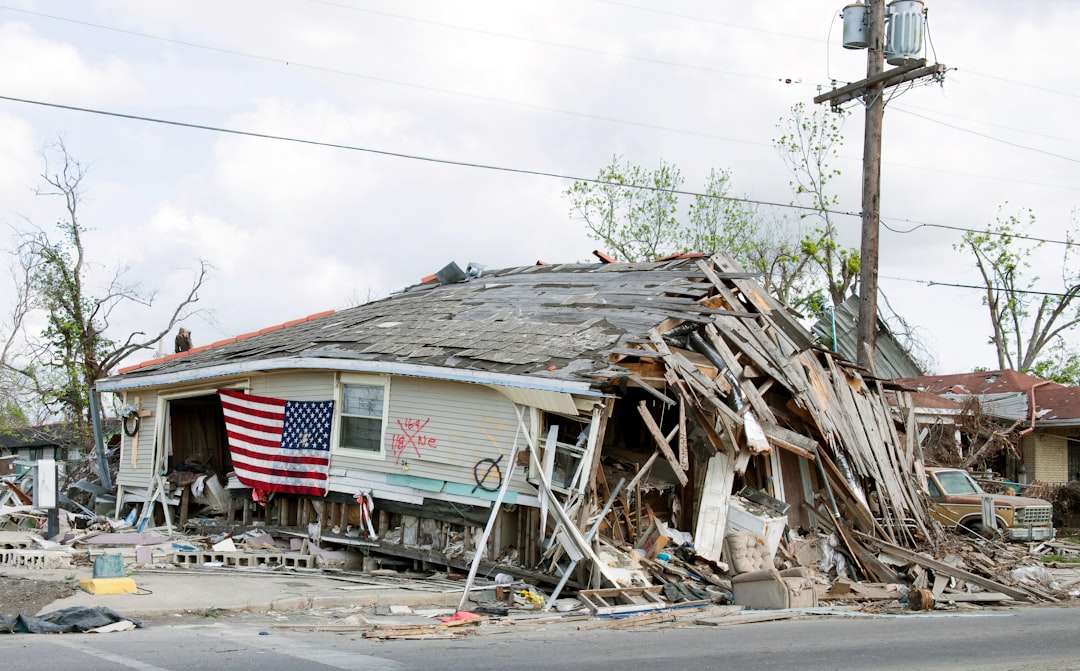
Resealing is suitable when the metal flashing is structurally secure, properly overlapped, and free of severe corrosion, with only the old sealant bead failing. If the metal has rusted through, cracked from metal fatigue, pulled away from the wall, or suffered wind damage, applying caulk is only a short-term band-aid. Schedule a thorough roof inspection to evaluate whether a complete metal replacement is necessary.
Conclusion
A high-quality roof flashing sealant is an essential tool for maintaining watertight roof perimeters, chimneys, and membrane transitions. Selecting the right product—whether flexible polyurethane, durable silicone, or a versatile hybrid—keeps water out and extends the lifespan of your roof assembly.
At JF Baker Roofing, we have been serving Central Ohio since 1929 and are led by third-generation owners Chad and Pat Baker. Our team serves residential and commercial properties throughout Columbus, Dublin, Upper Arlington, Hilliard, Grandview Heights, Worthington, and Westerville.
We are a CertainTeed ShingleMaster Preferred Contractor, an NRCA member, and a BBB Accredited Business with an A+ rating. Our comprehensive services include residential roofing, commercial roofing, roof replacement, storm damage roofing, gutter installation and repair, sheet metal work, and roof repair.
We believe in honest assessments, transparent pricing, clean job sites, clear communication, and no high-pressure sales tactics. We recommend repairs when possible and replacement only when genuinely needed. If you have questions about your flashing or suspect a leak around a chimney, pipe boot, or wall joint, reach out to our team for clear guidance and dependable service.

















.jpeg)