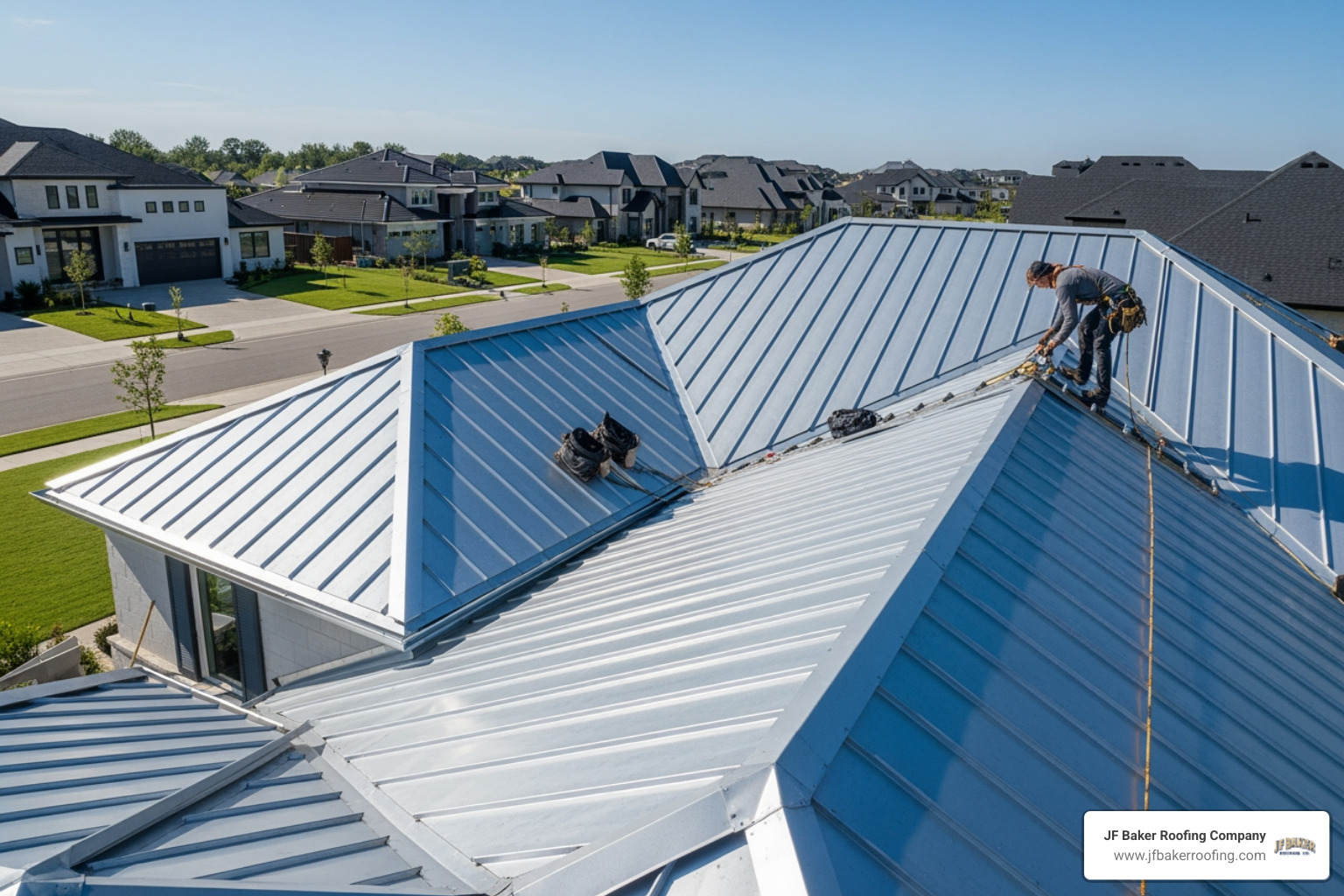
A Practical Guide to Comparing Residential and Commercial Roof Inspections
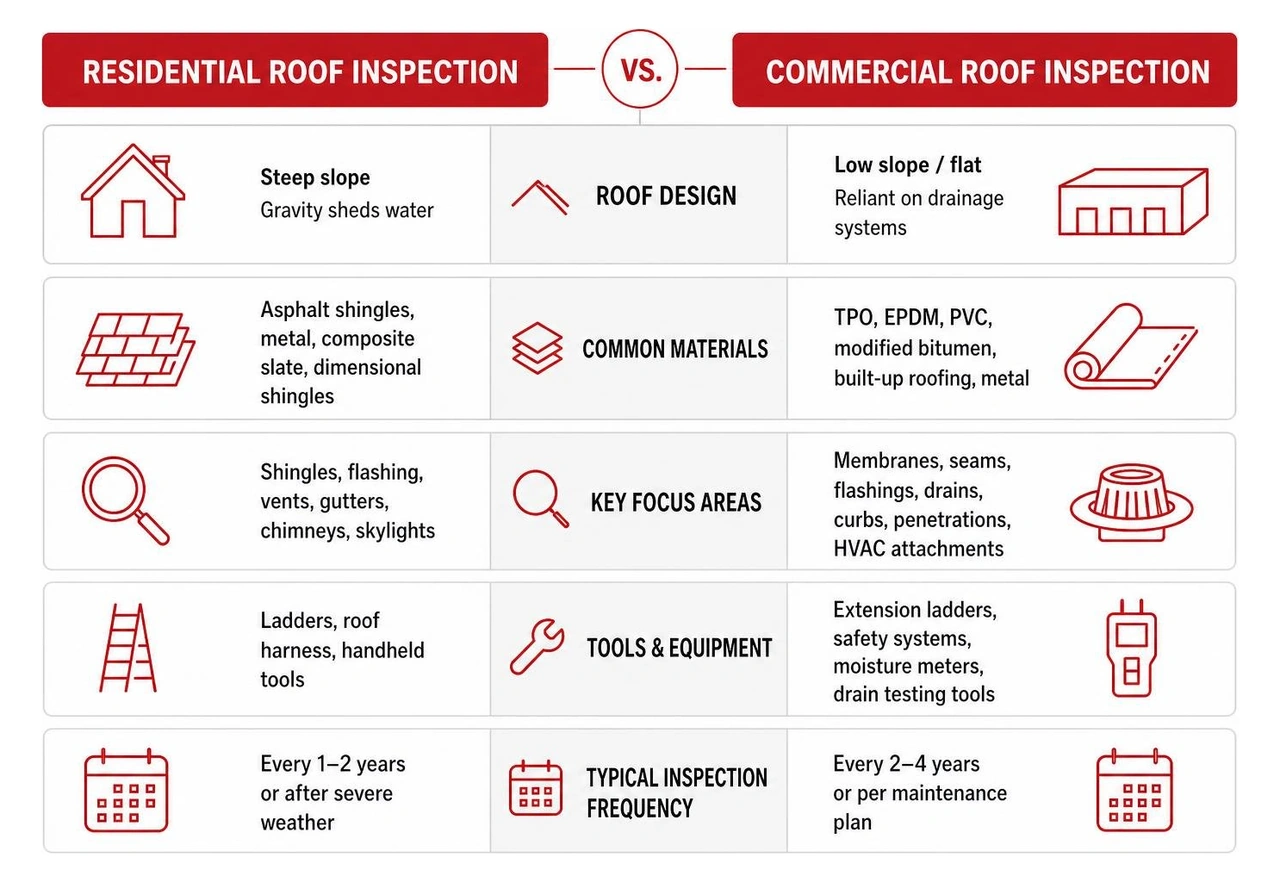
Key Differences in Roof Inspection Residential Commercial Properties
At first glance, a roof might seem like a simple protective barrier. However, evaluating a single-family home in Upper Arlington is a completely different process than assessing a multi-tenant commercial plaza in Dublin. Understanding the primary distinctions between Residential Roofing and Commercial Roofing helps property owners understand why inspectors look at different components, use different tools, and recommend distinct maintenance schedules.
Structural Design and Material Variations
The most obvious difference between residential and commercial roofs comes down to slope dynamics and square footage.
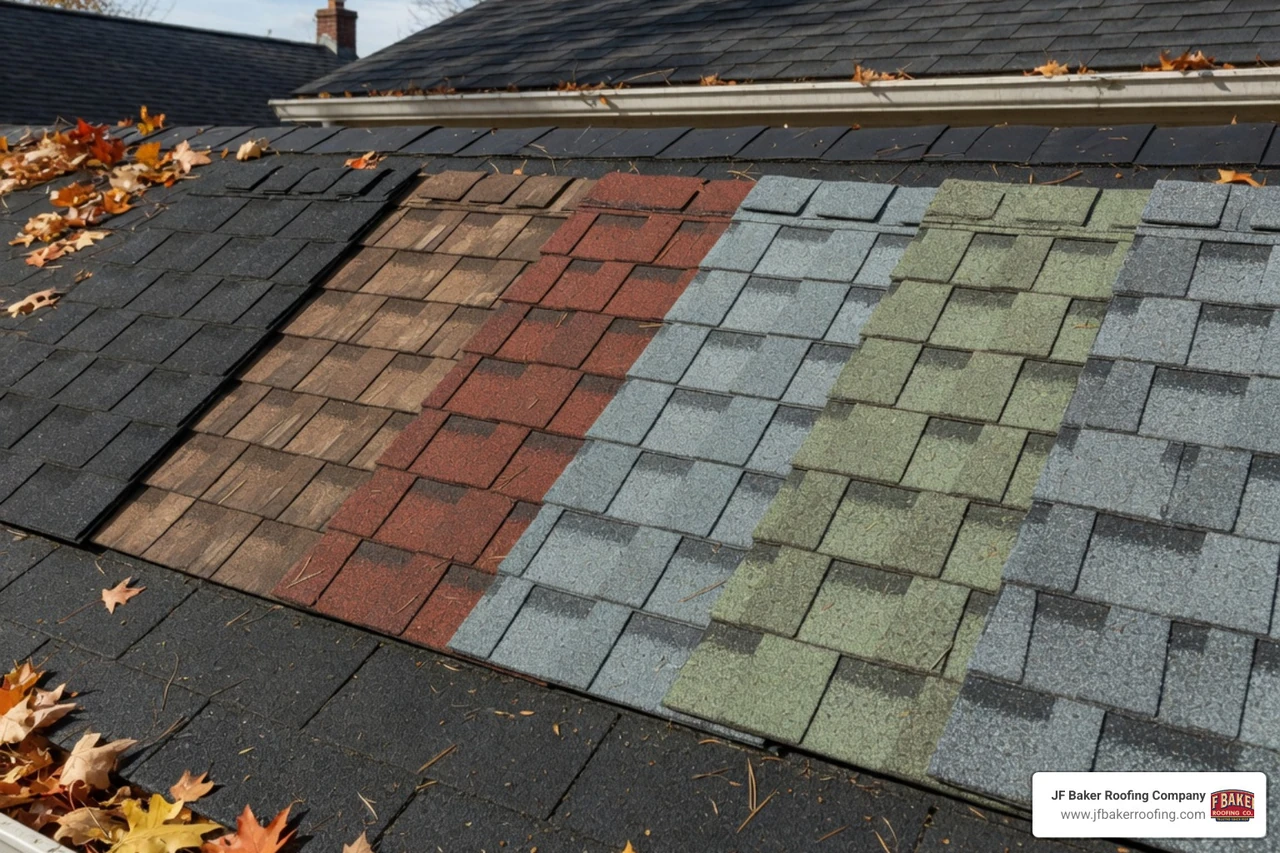
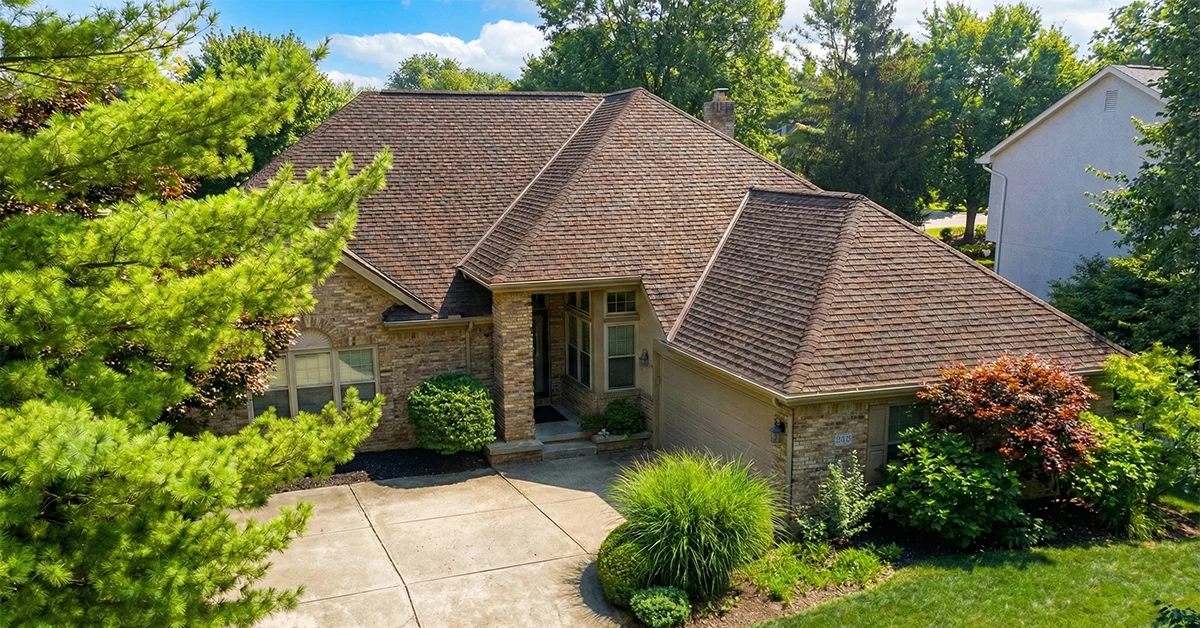
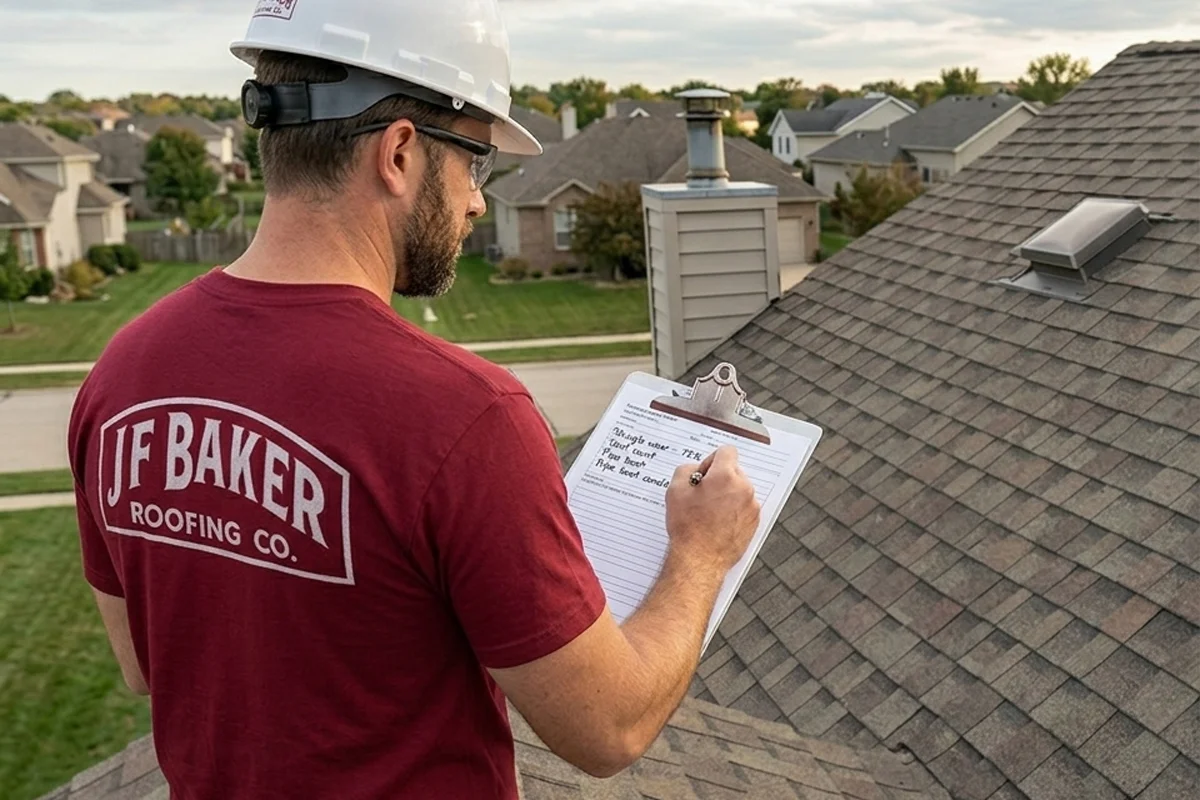
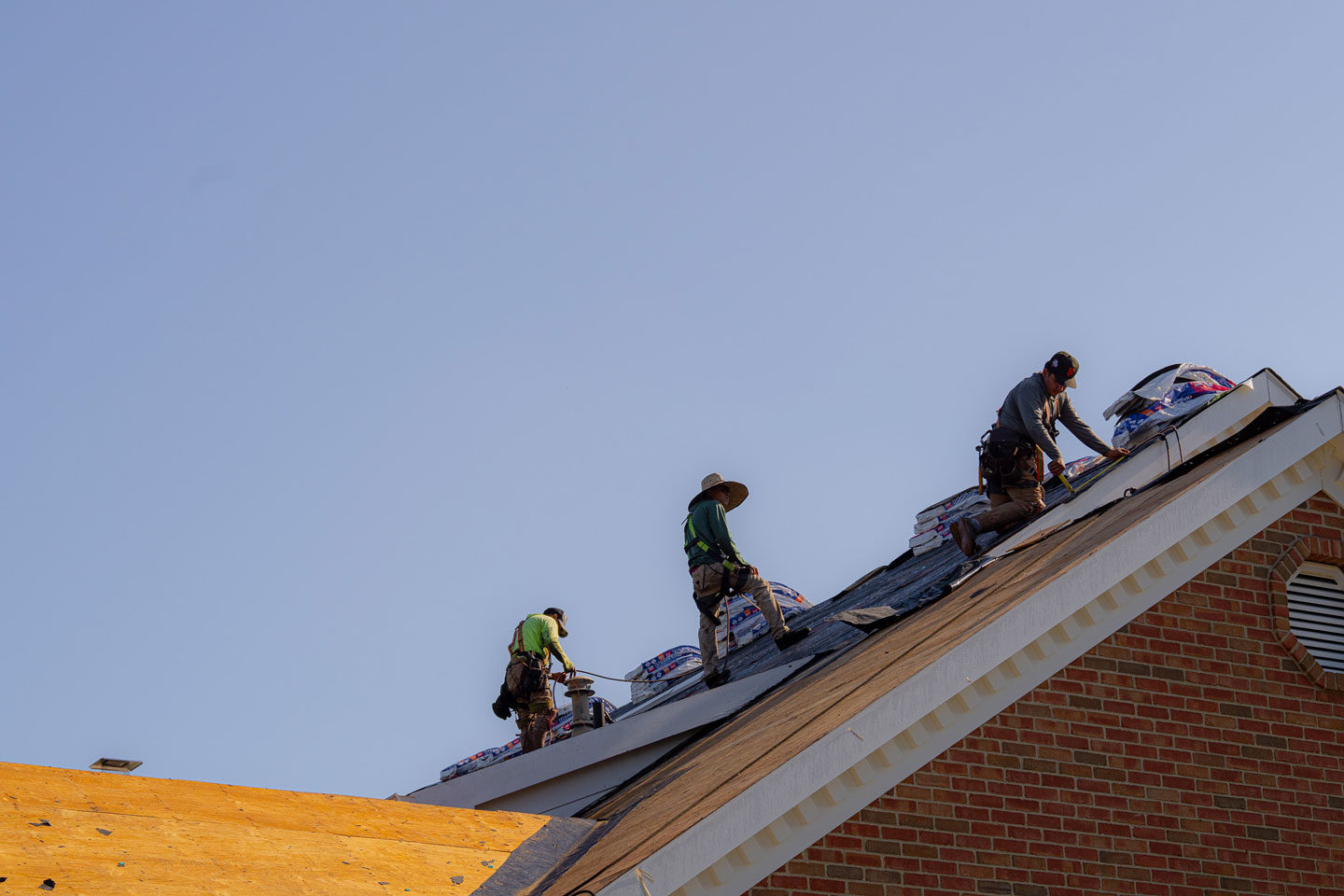
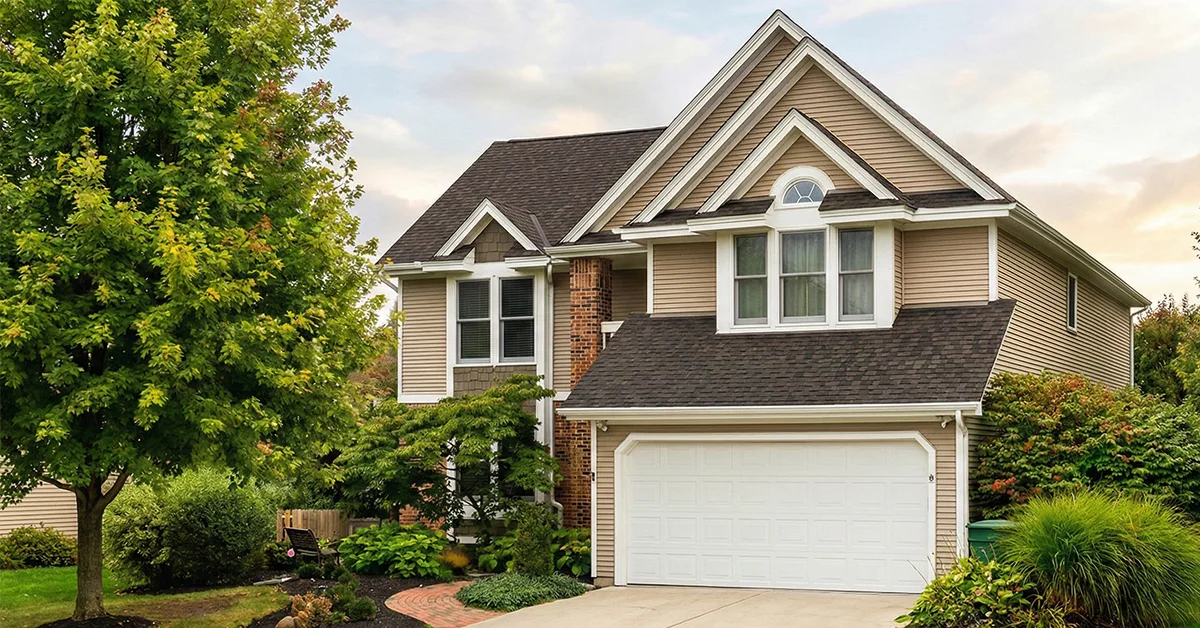
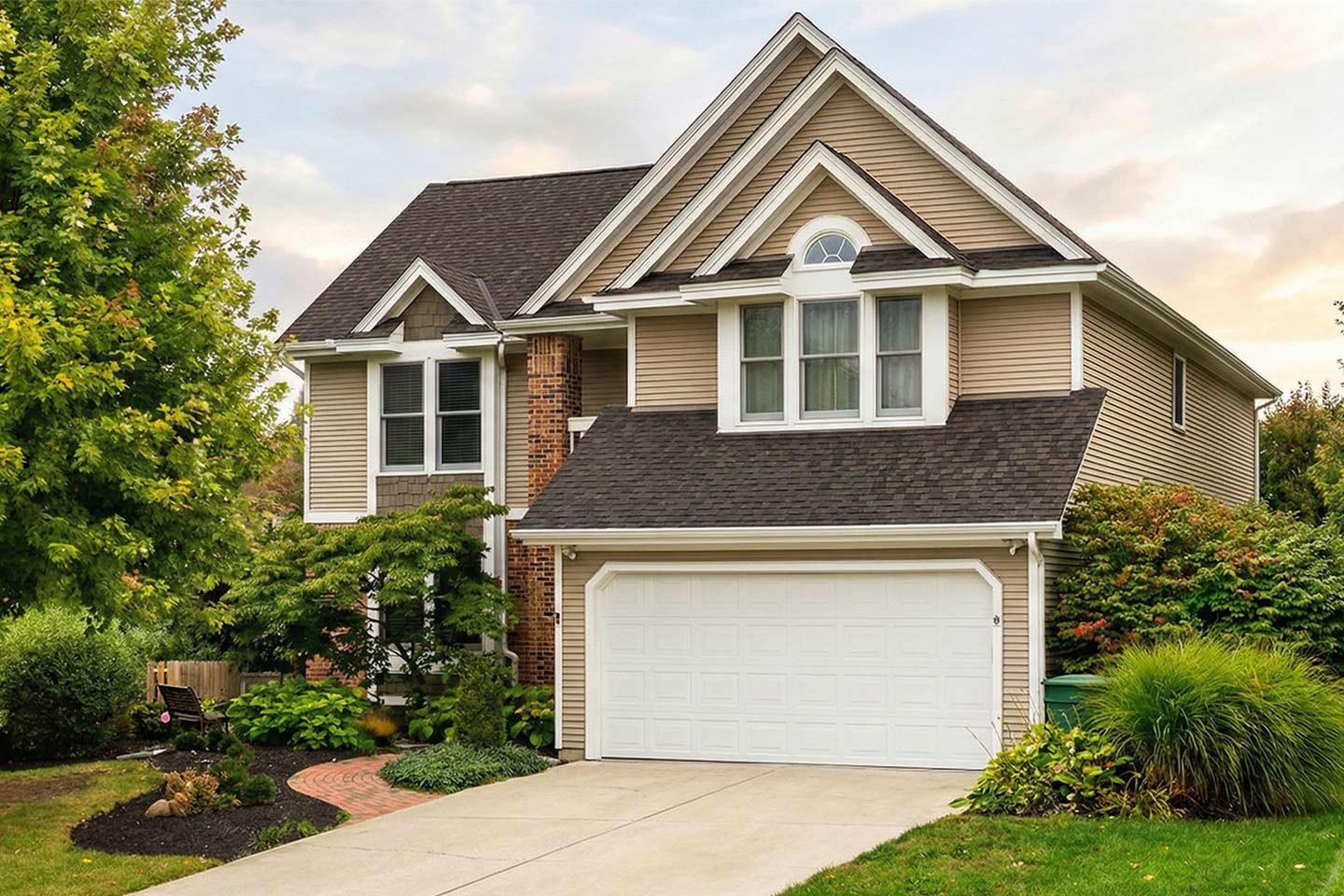
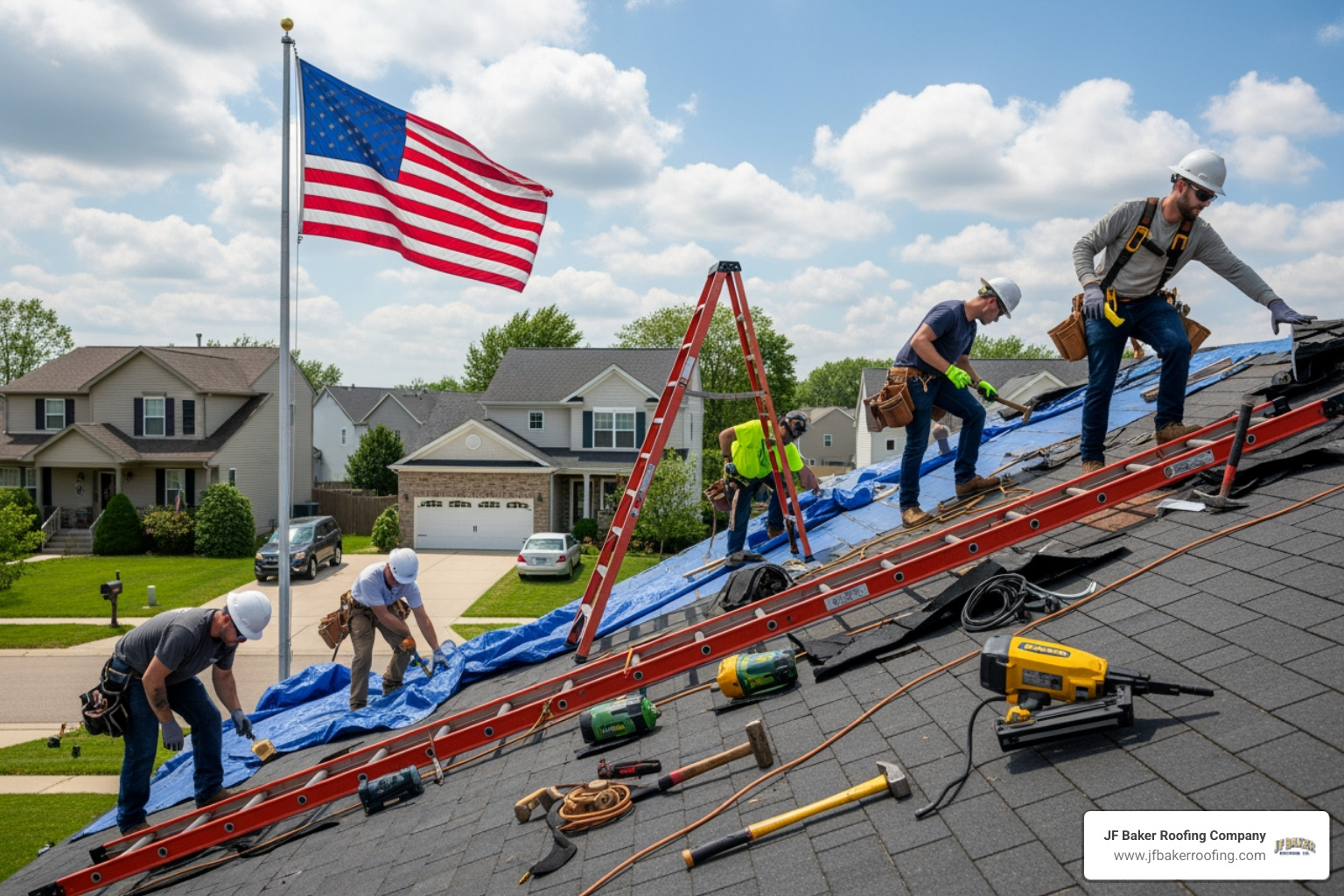
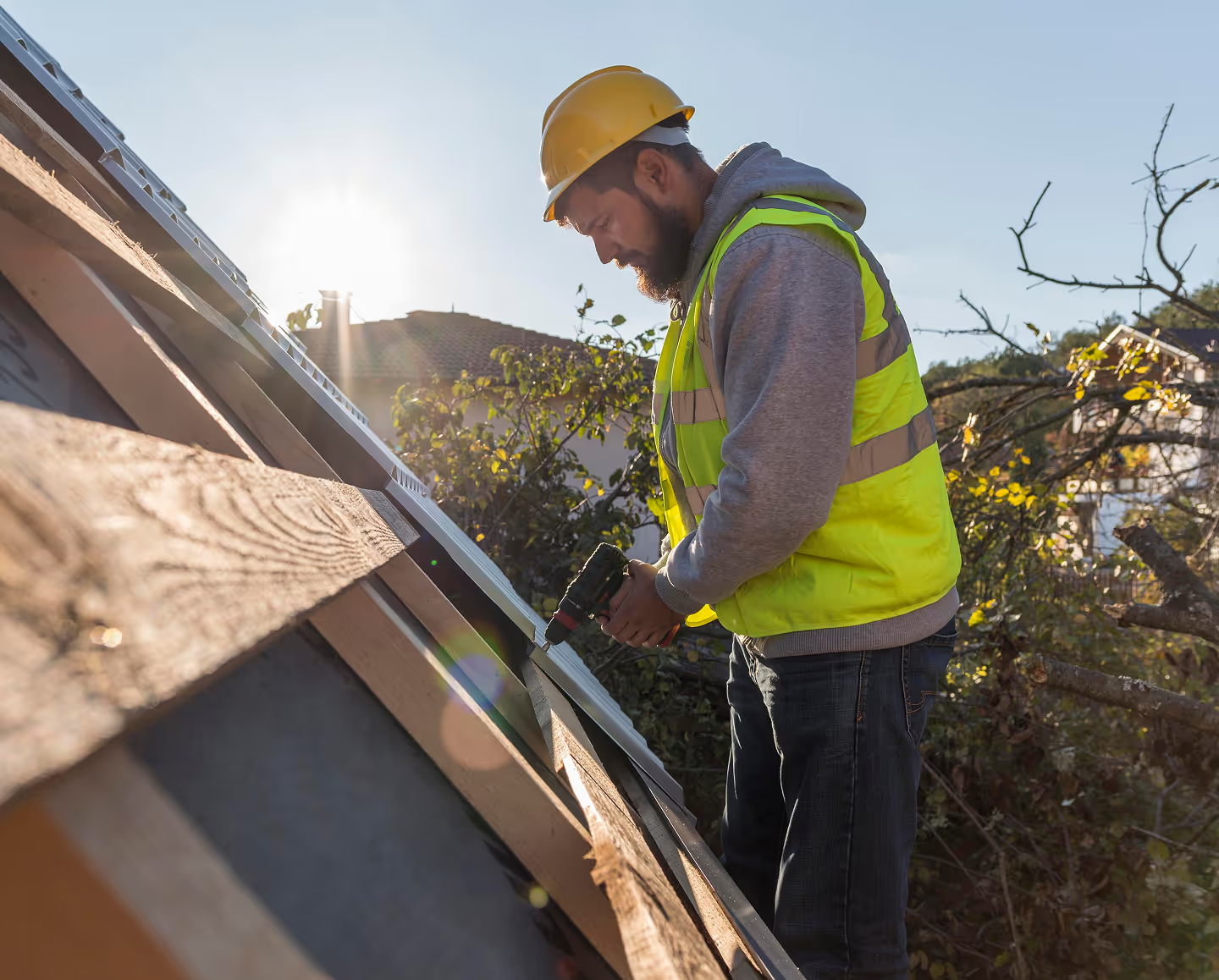
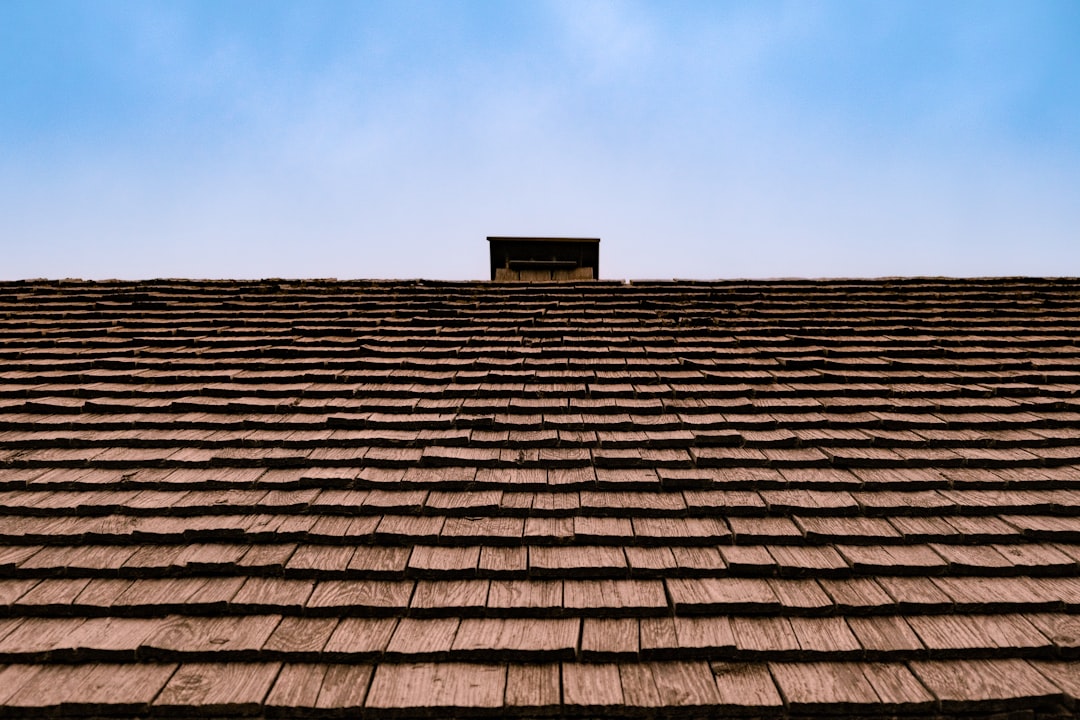
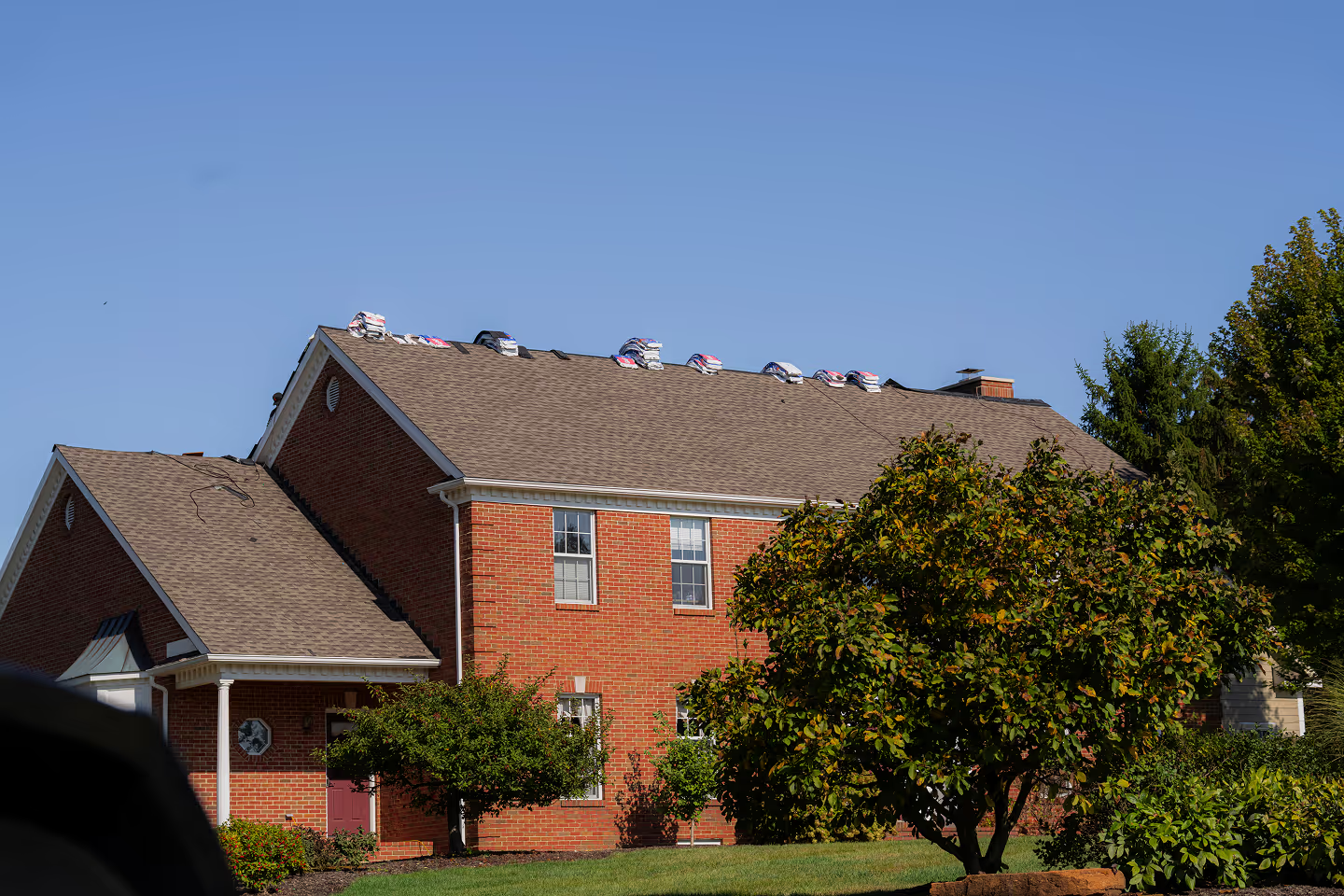
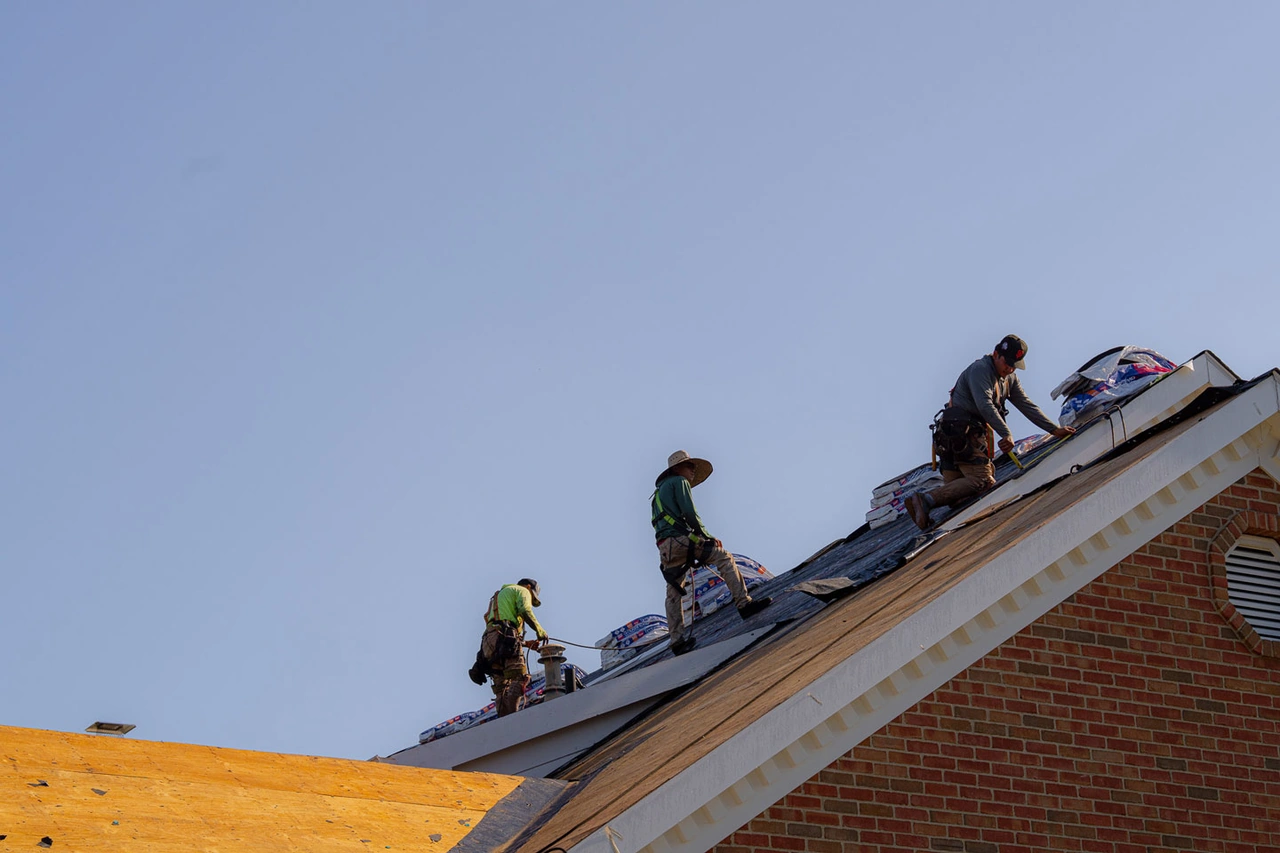
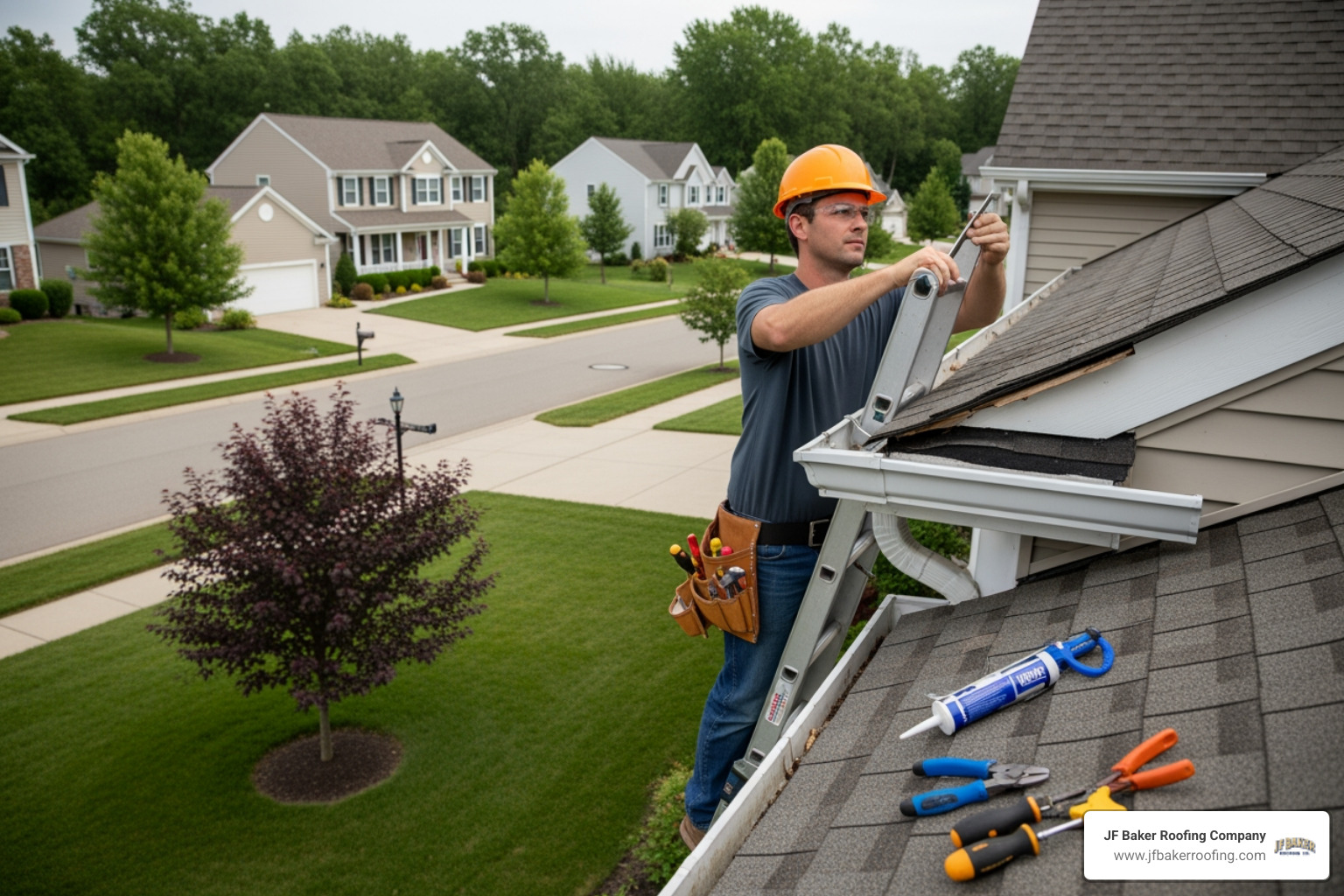
Most single-family homes utilize steep-slope designs. These structures rely on gravity to shed water quickly into gutters and downspouts. Residential roofing materials primarily include asphalt shingles, metal standing seam panels, composite slates, or dimensional shingles. When we conduct a residential evaluation, we examine how individual shingles overlap, how gravity manages water runoff, and how the underlying roof decking holds up under local weather conditions. You can read more about these components in The Main Components of a Residential Roof in Columbus Ohio.
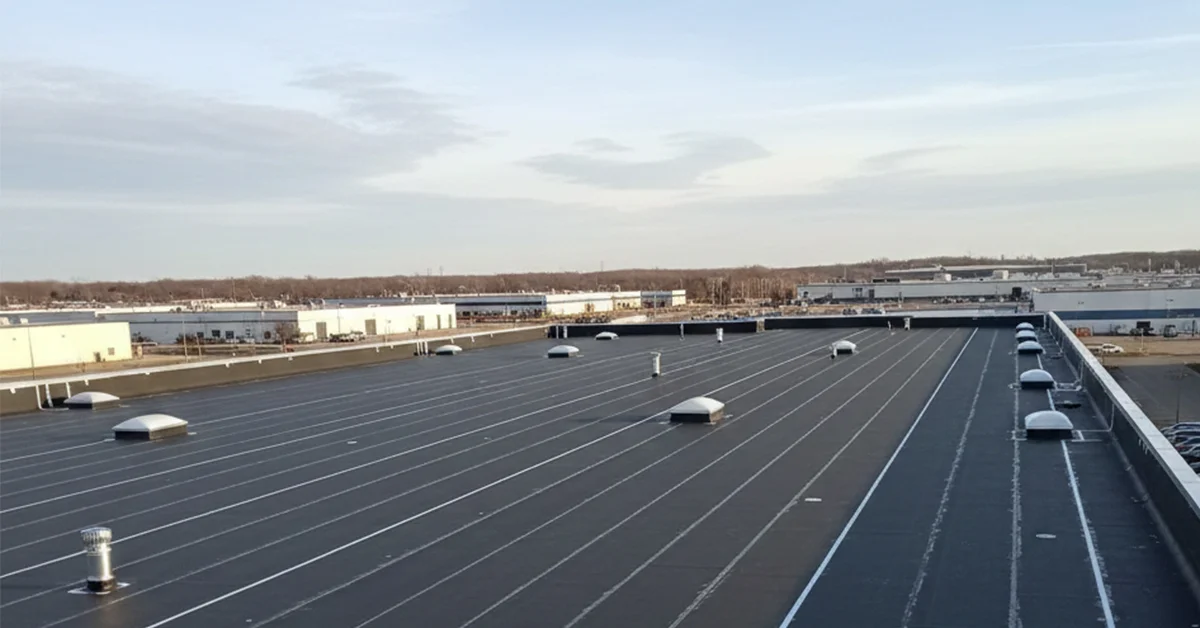
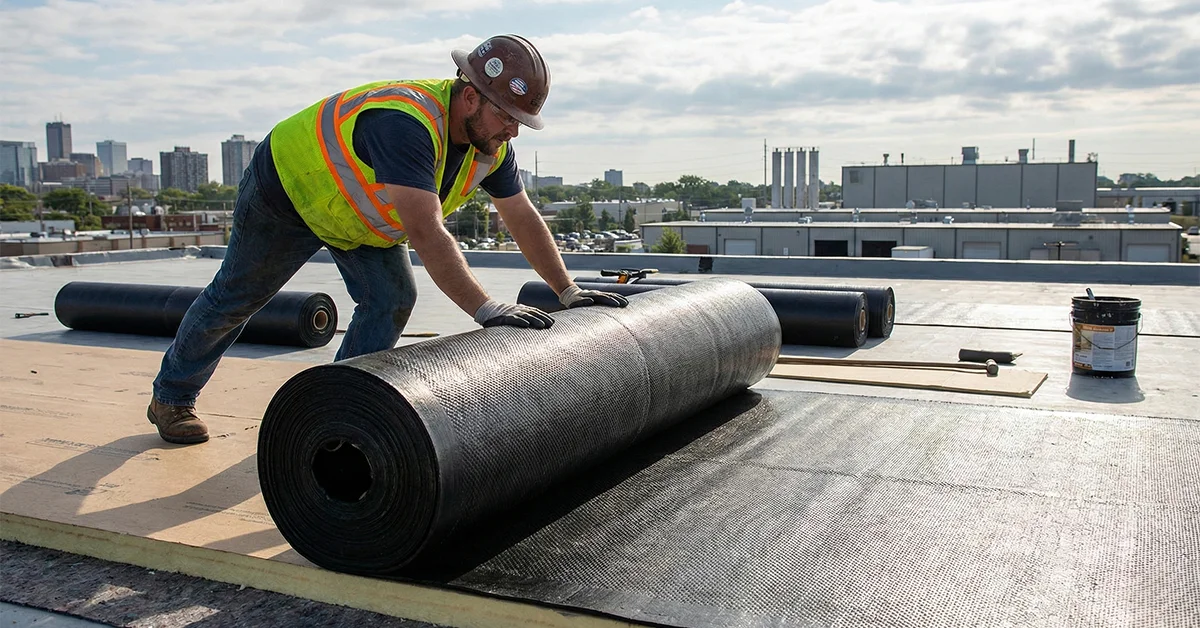
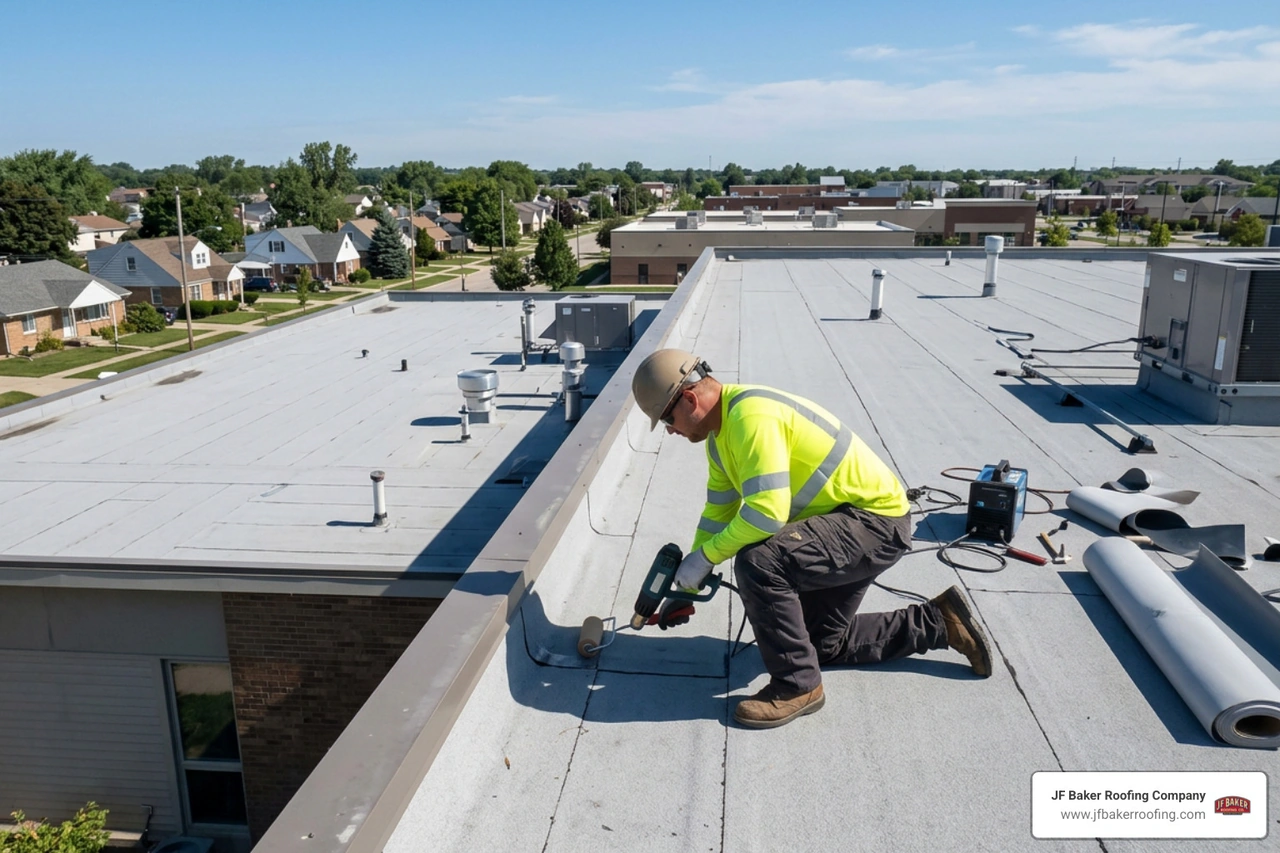
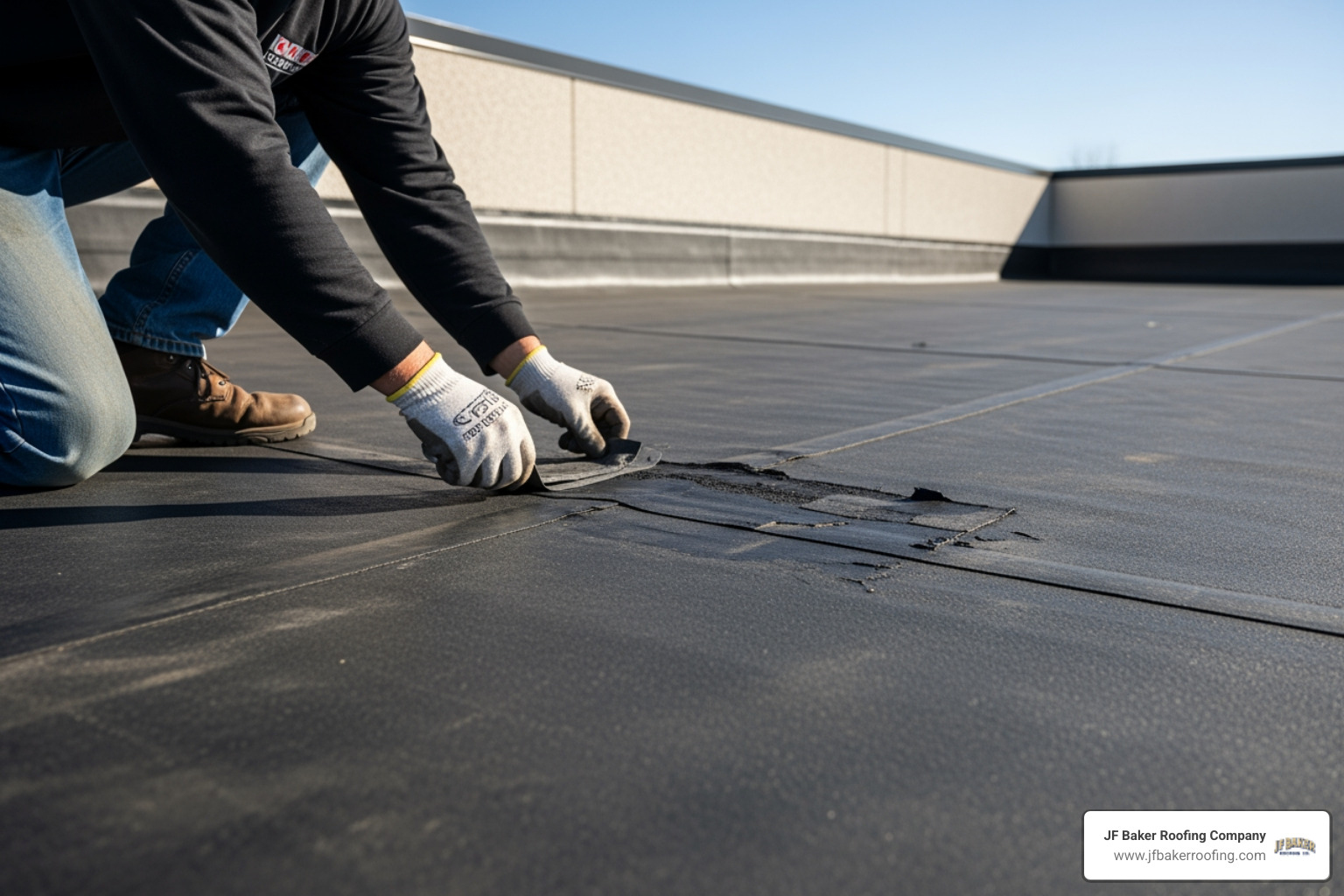
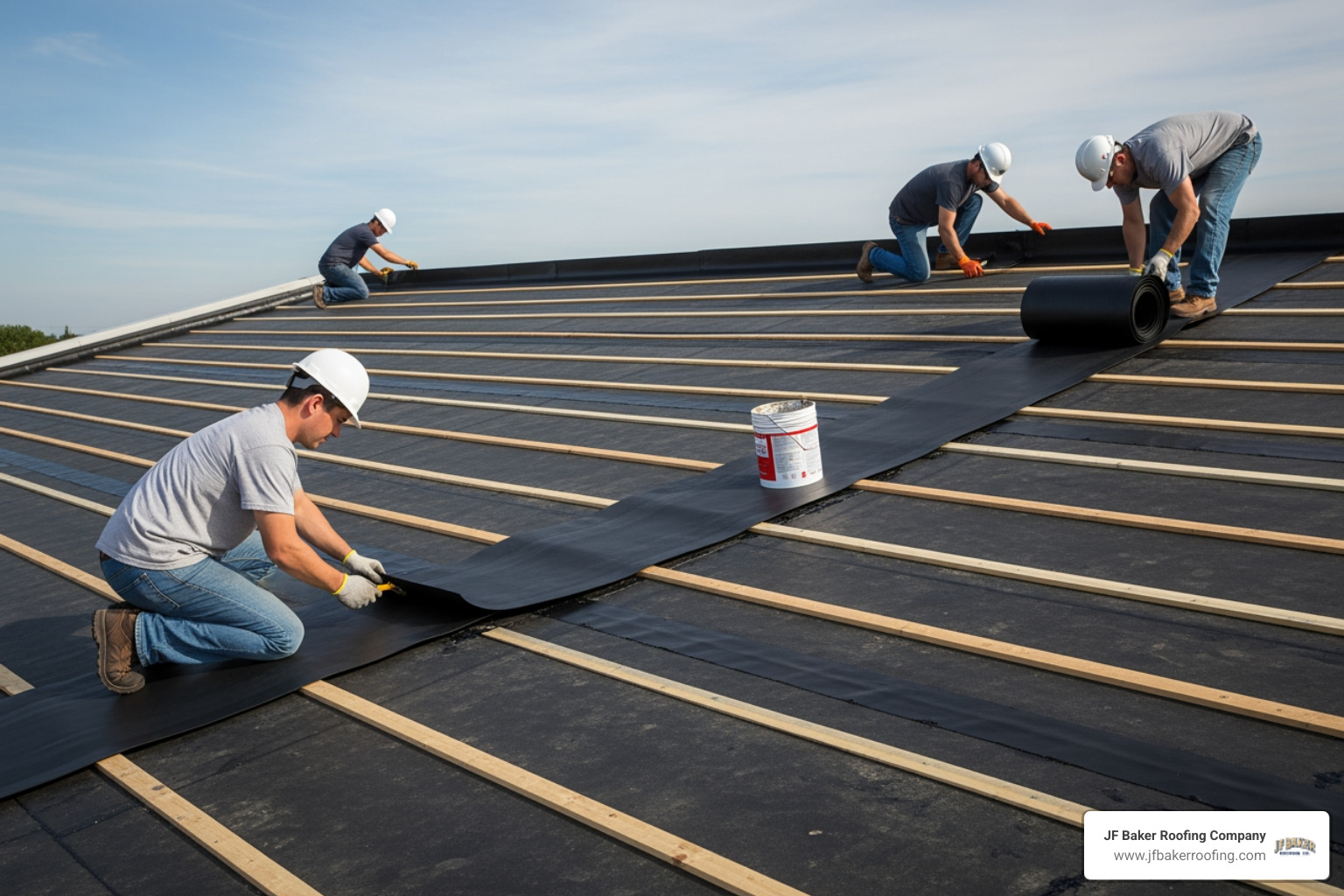
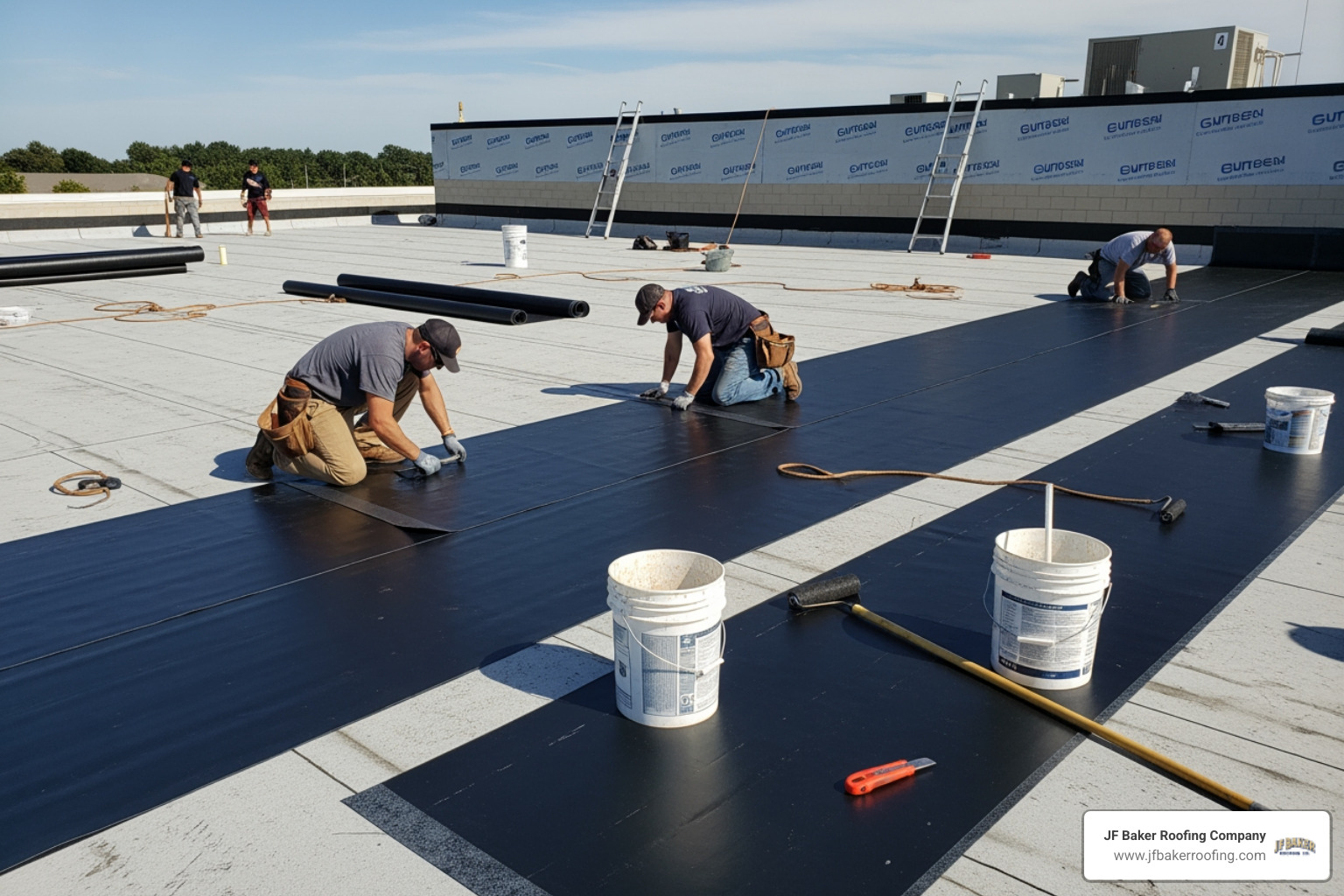
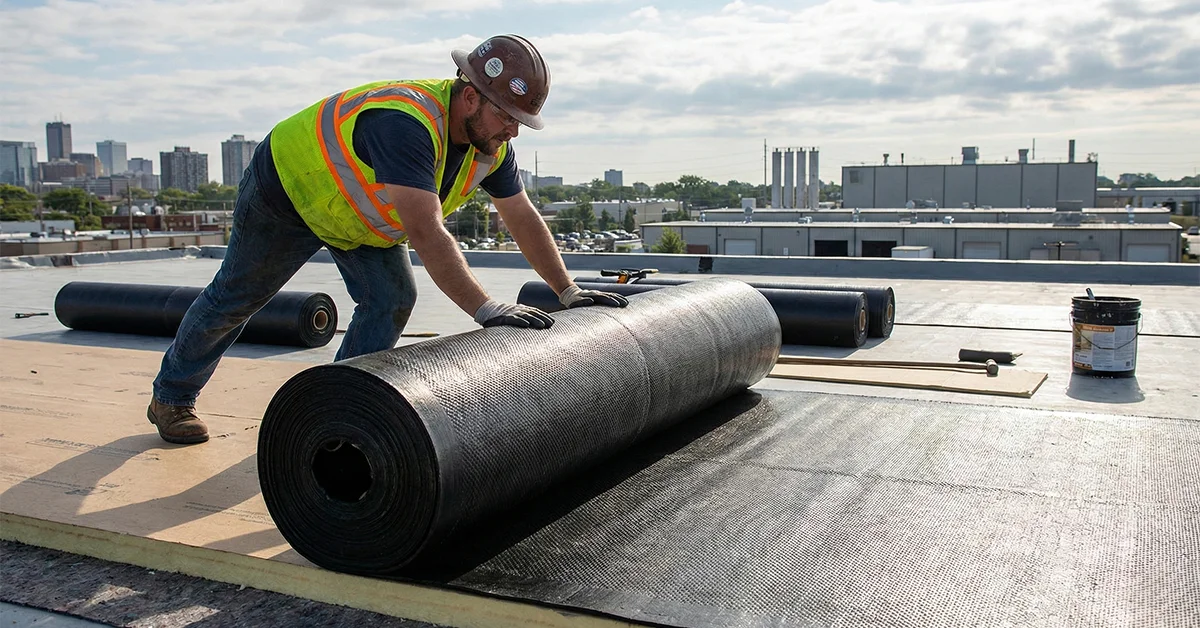
Commercial buildings, on the other hand, usually feature flat or low-slope roof assemblies. Because gravity cannot move water off flat surfaces immediately, commercial systems are engineered as continuous waterproof membranes designed to resist standing water. Common commercial systems include:
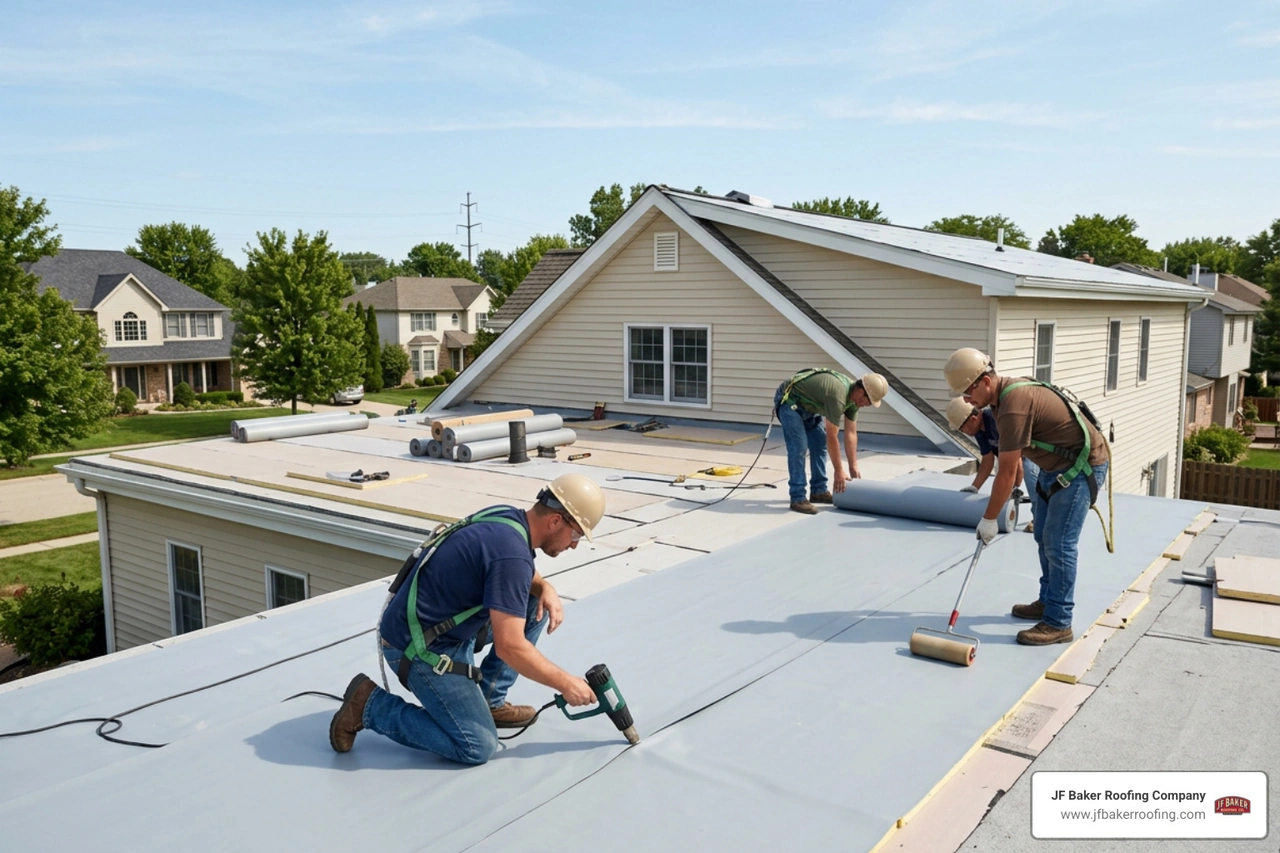
- Thermoplastic Polyolefin (TPO): Single-ply membranes featuring heat-welded seams for strong water resistance.
- Ethylene Propylene Diene Monomer (EPDM): Synthetic rubber roofing known for high durability and flexibility during freeze-thaw cycles.
- Modified Bitumen and Built-Up Roofing (BUR): Multi-ply asphalt-based systems offering redundant waterproof layers.
To understand how these commercial systems operate, take a look at our breakdown on Types of Commercial Roofing Systems.
Because flat roofs hold water longer, an inspector evaluating a commercial property spends significant time checking heat-welded seams, field adhesives, internal drains, and heavy roof-mounted HVAC units.
Frequency and Inspection Timelines
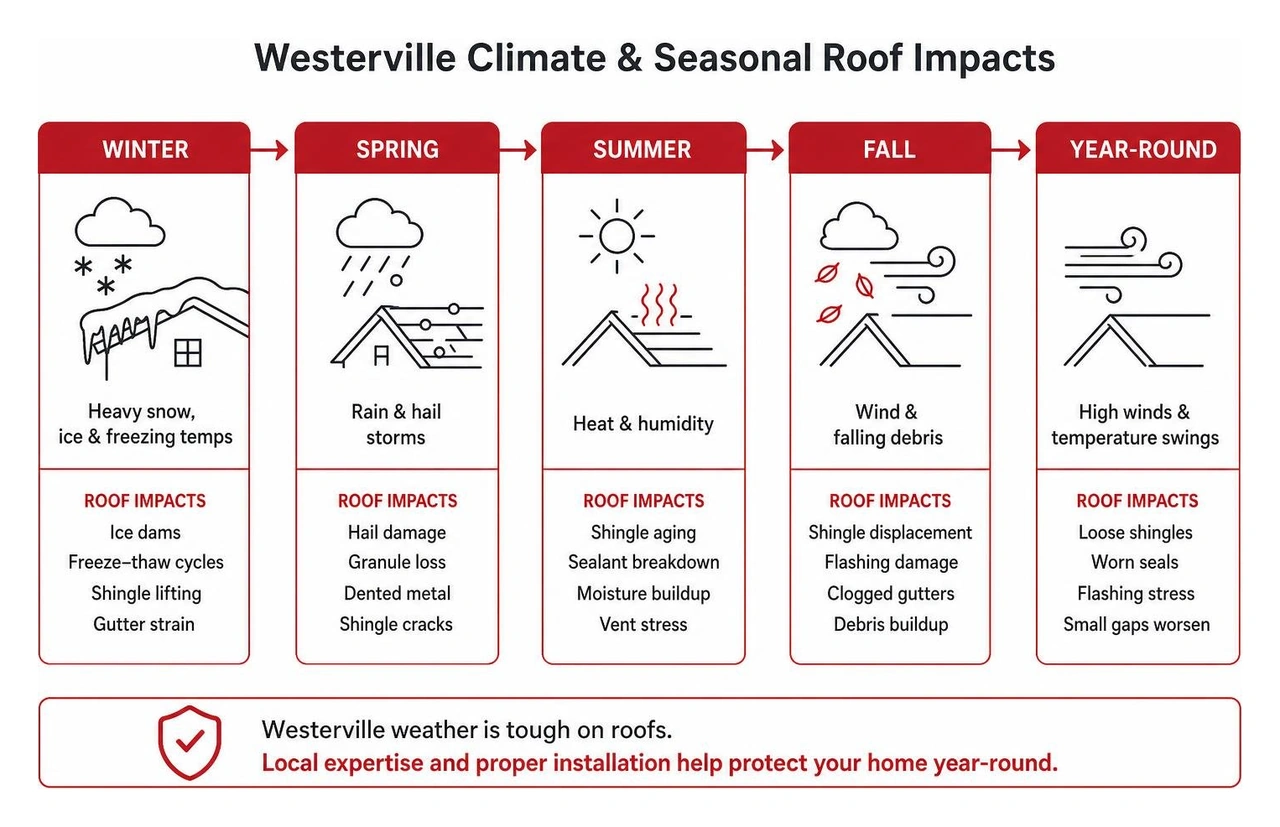
Weather conditions in Central Ohio bring freezing winter temperatures, heavy snow accumulation, rapid spring thaws, and intense summer heat. These temperature swings cause building materials to expand and contract constantly, making regular schedule checks essential for both residential and commercial properties.
For residential homes, we recommend a thorough professional inspection at least once a year, ideally in the fall before freezing weather sets in or in the spring after winter storms have passed. Homeowners can also follow a Residential Roof Inspection Checklist for quick visual ground-level checks between professional visits.
Commercial buildings require a tighter timeline. Building owners and facility managers should schedule formal commercial inspections twice annually, once in the spring and once in the fall. Commercial roofs experience heavy foot traffic from maintenance technicians servicing equipment, making them more vulnerable to accidental punctures, dropped tools, and seam stress. Property owners in Delaware OH can learn more about local service routines in our guide on Professional Roof Inspection Delaware.
Core Components and Common Defects Evaluated
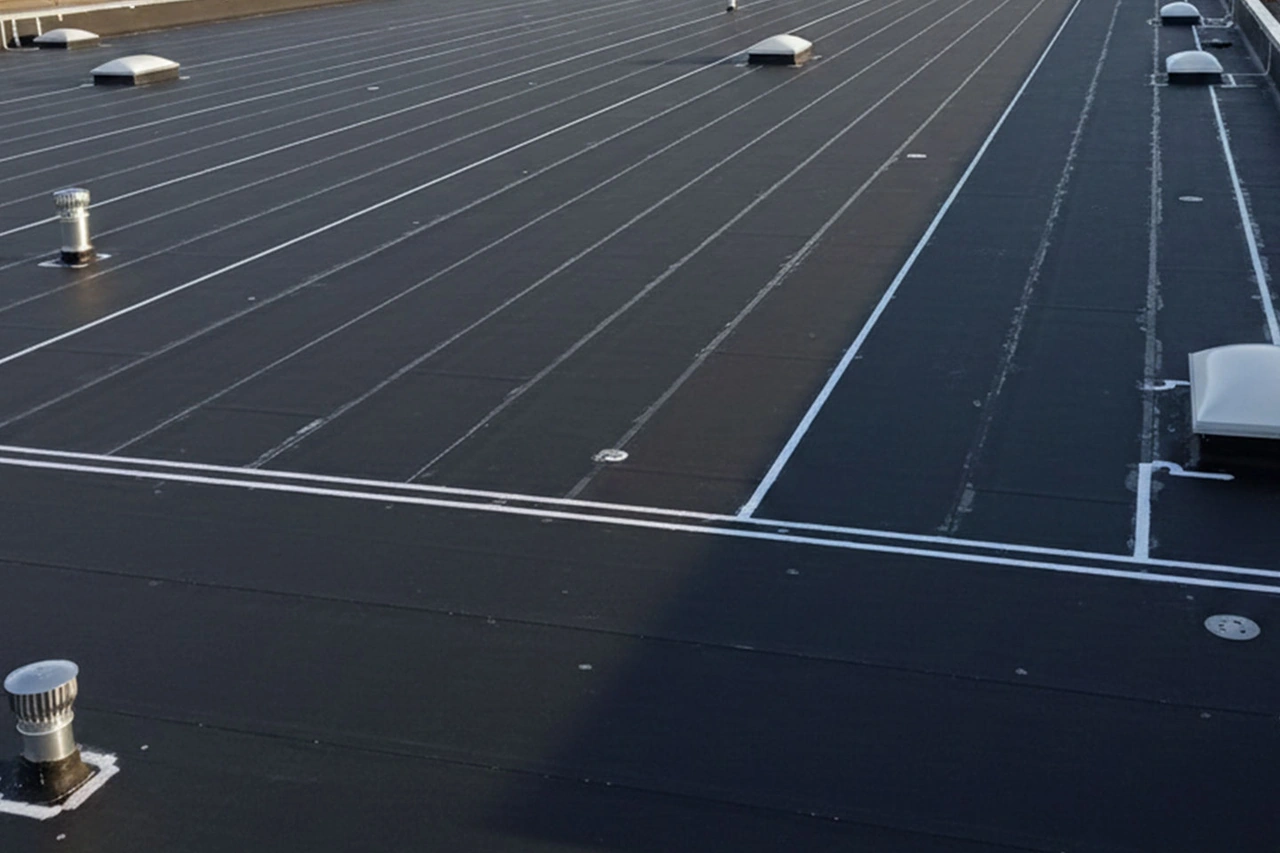
Every successful roof inspection relies on a systematic evaluation. Whether checking a home in Hilliard or a warehouse in Grove City, our inspectors walk the structure to assess structural integrity, material decay, and drainage paths.
Critical Components Checked During Evaluation
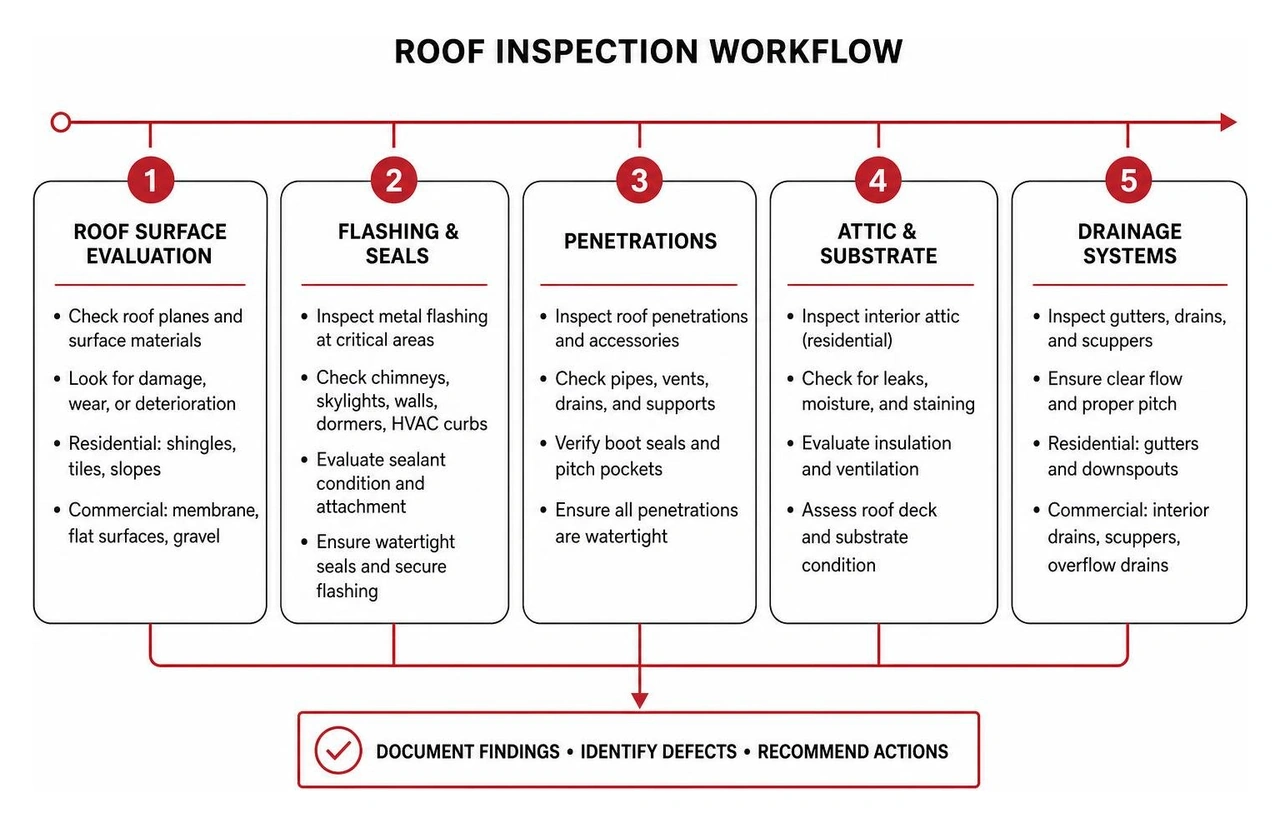
During a comprehensive roof inspection residential commercial project, we break the structure down into critical target areas:
- Roof Planes and Surface Materials: On residential slopes, we check for shingle curling, granule loss, and missing tiles. On commercial flat surfaces, we look for membrane blistering, surface ridging, or loose gravel surfacing.
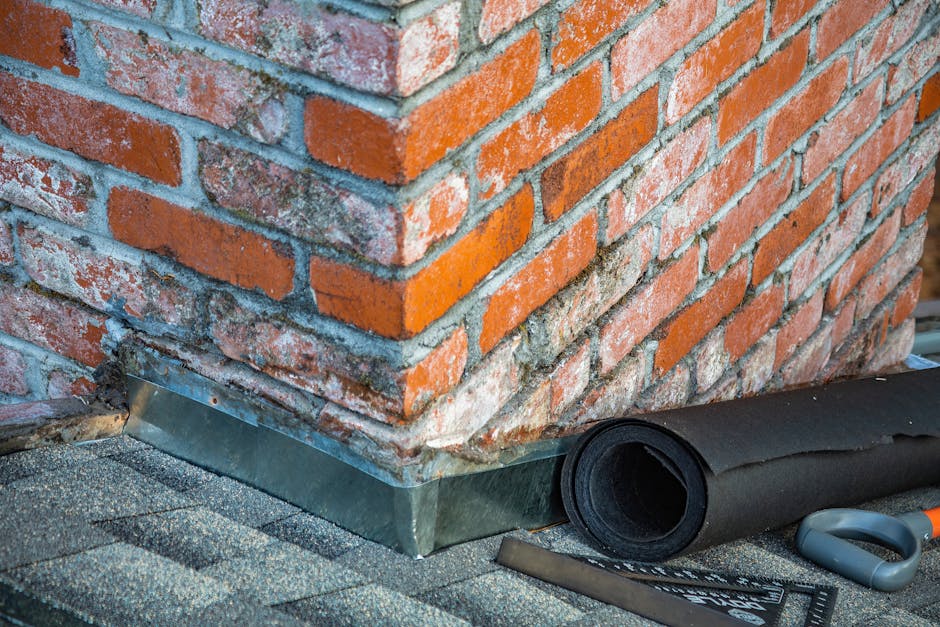
- System Flashing and Seals: Metal flashing installed around chimneys, dormers, skylights, parapet walls, and HVAC curbs is the first line of defense against leaks. Deteriorated sealant or loose flashing accounts for most roof leaks.
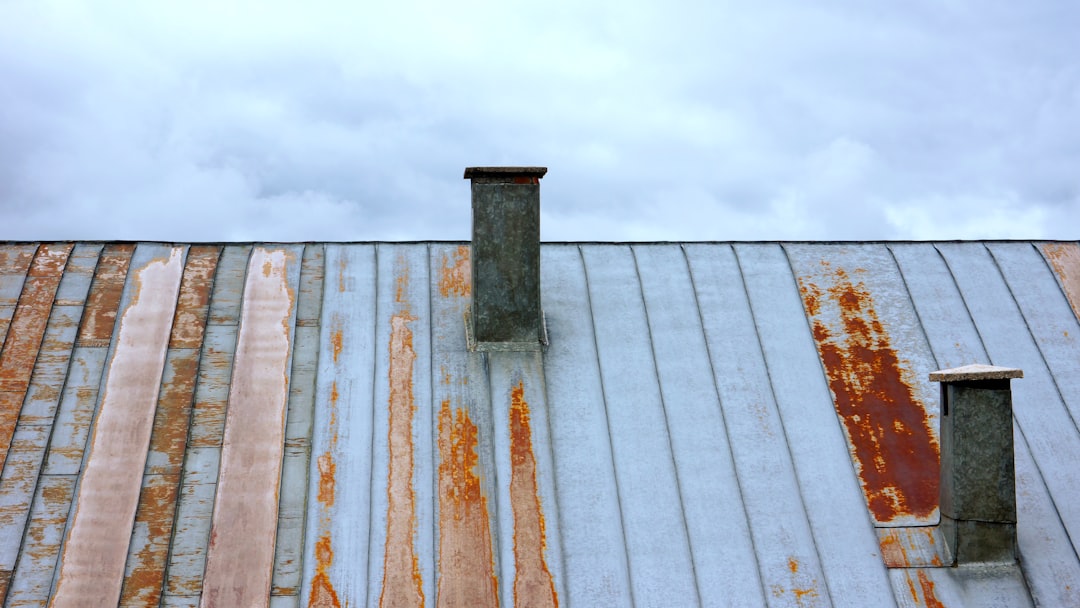
- Penetrations: Roof pipes, vent stacks, drain boots, and mechanical supports cut directly through the waterproofing layer. We verify that all boot seals and pitch pockets remain fully watertight.
- Attic Ventilation and Substrate: For residential structures, inspecting the interior attic space reveals hidden leaks, inadequate insulation, and improper ridge venting.
- Drainage Flow Systems: We check that residential gutters and downspouts are clear, well-attached, and carrying water away from the foundation. On commercial roofs, we clear interior drains, scuppers, overflow drains, and gutter boxes.
Common Defects and Drainage Failures
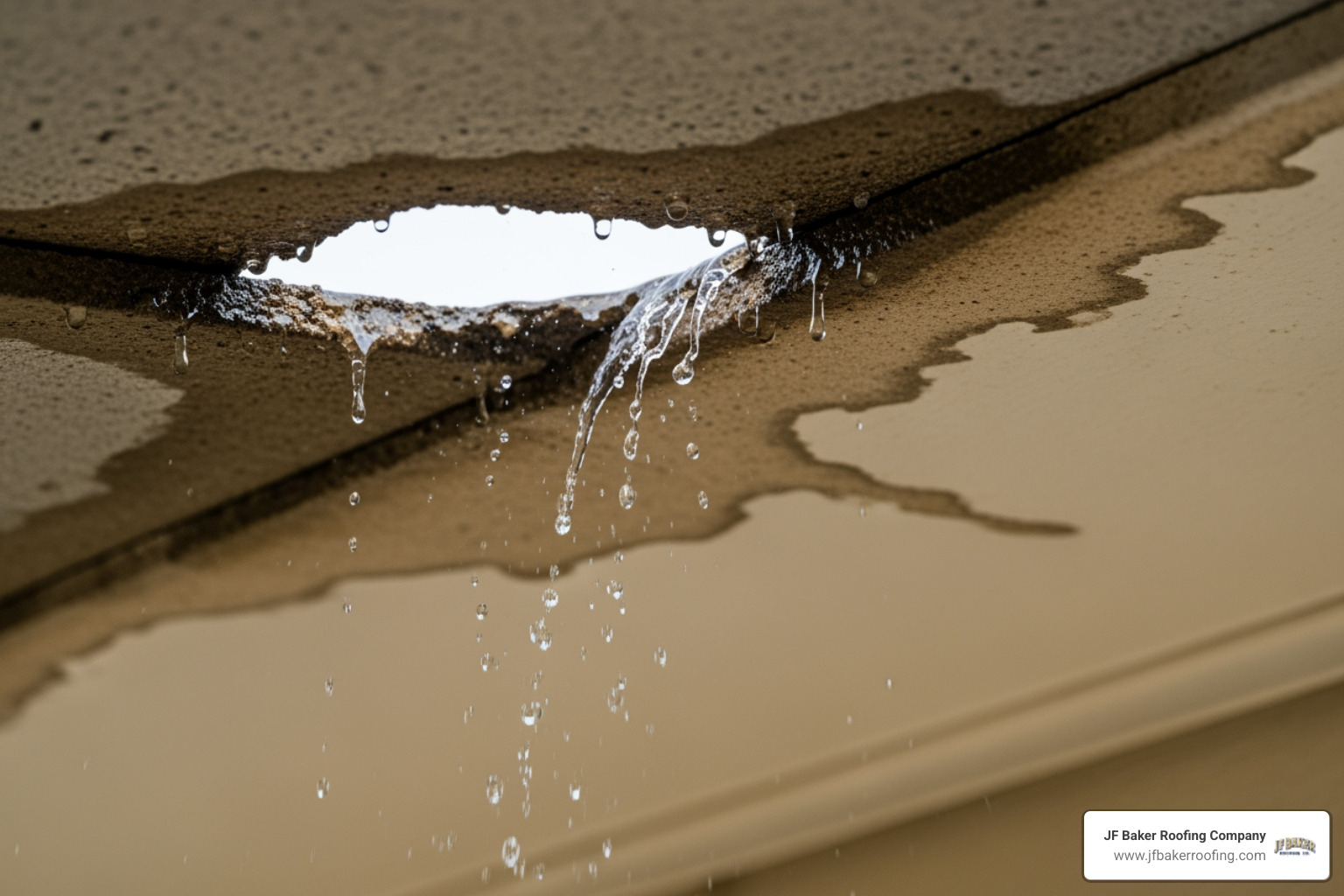
Identifying defects before water migrates into interior ceilings saves thousands of dollars in emergency repairs.
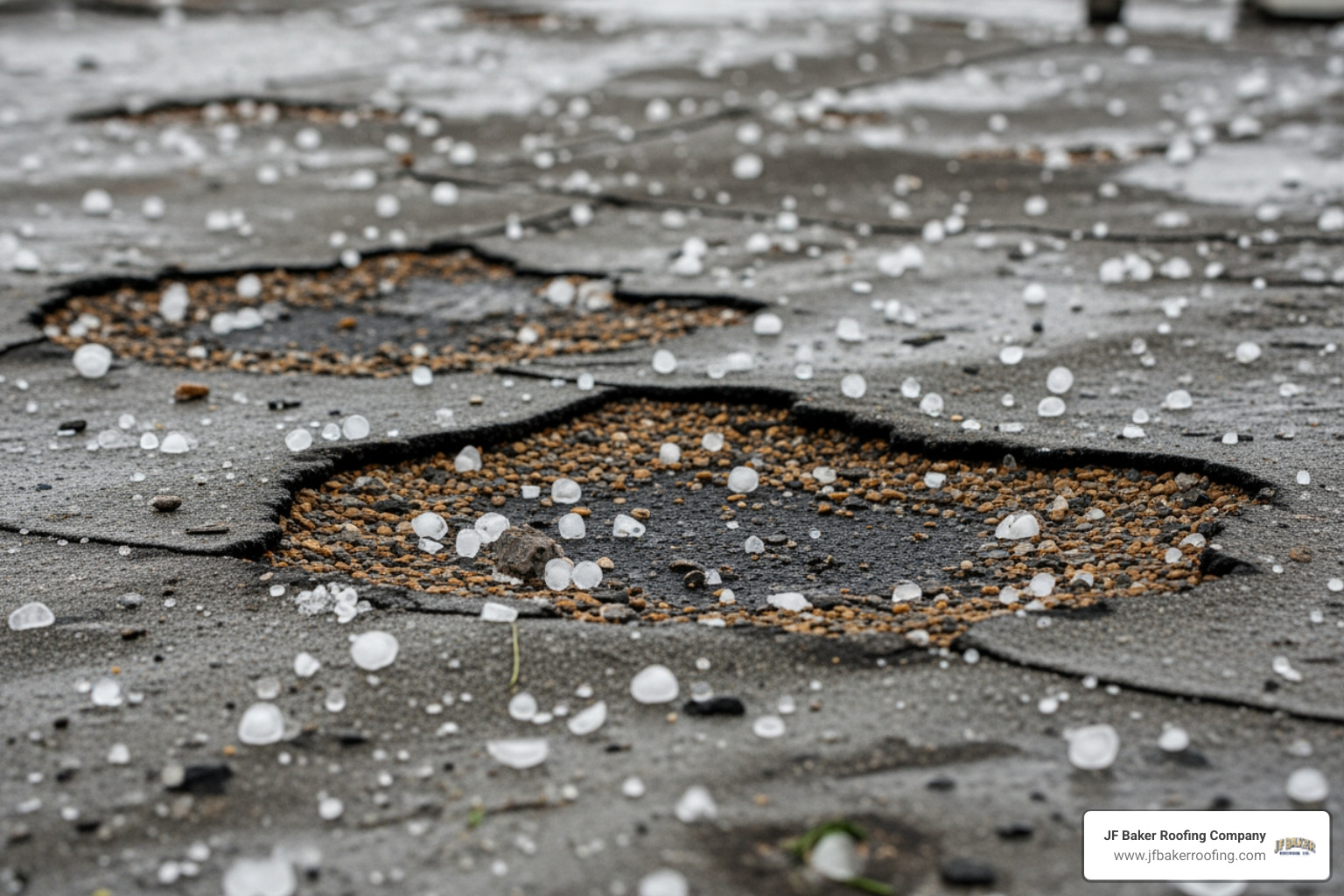
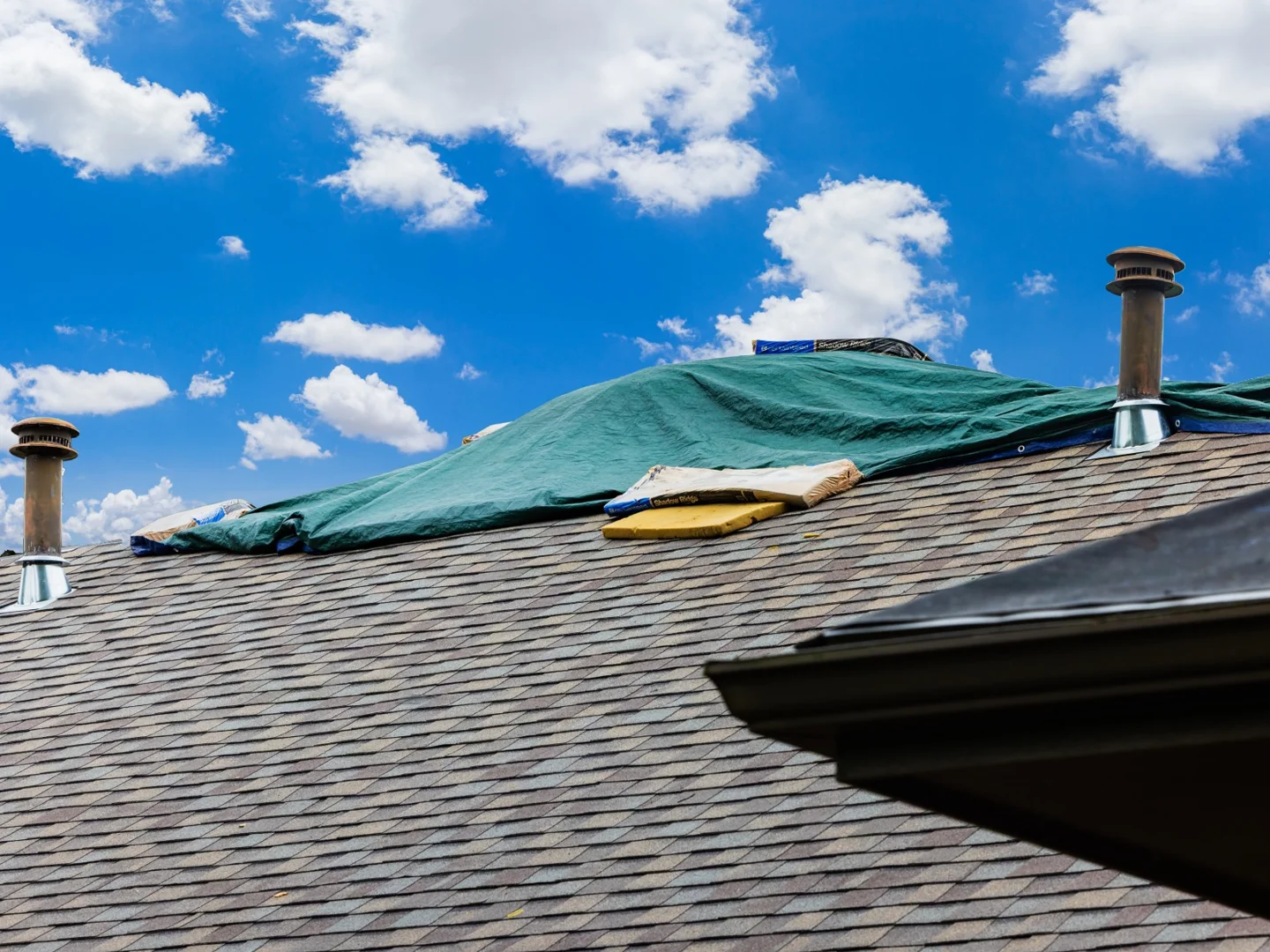
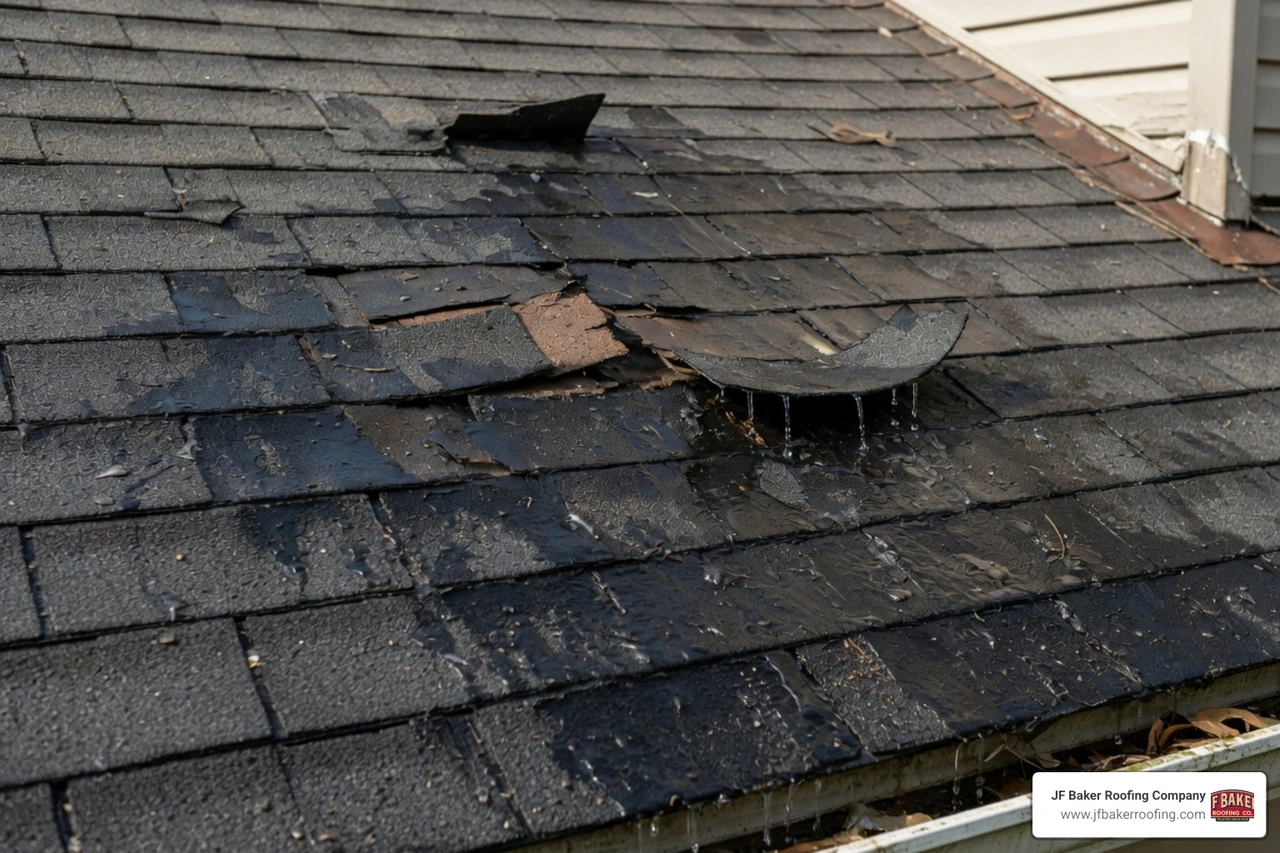
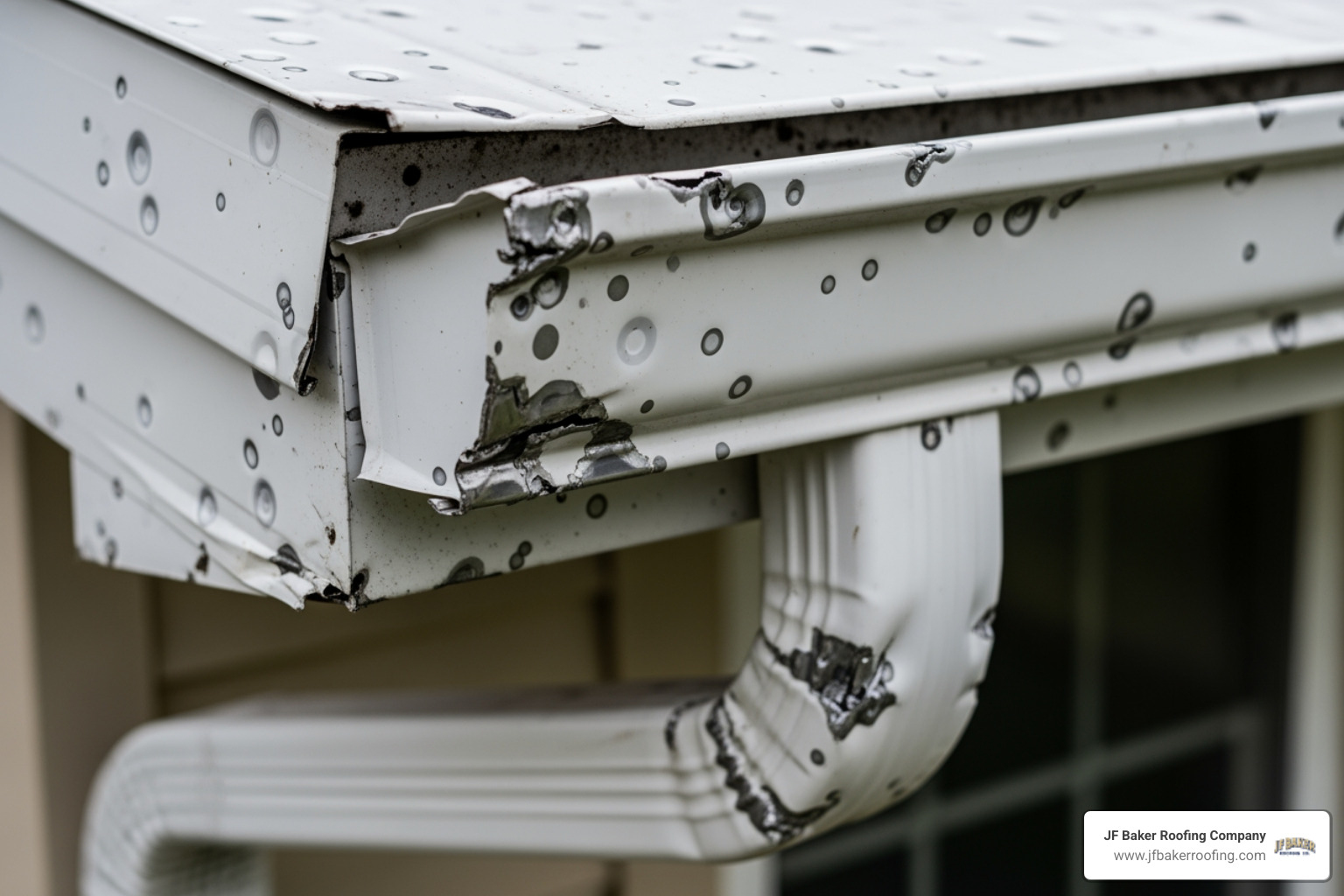
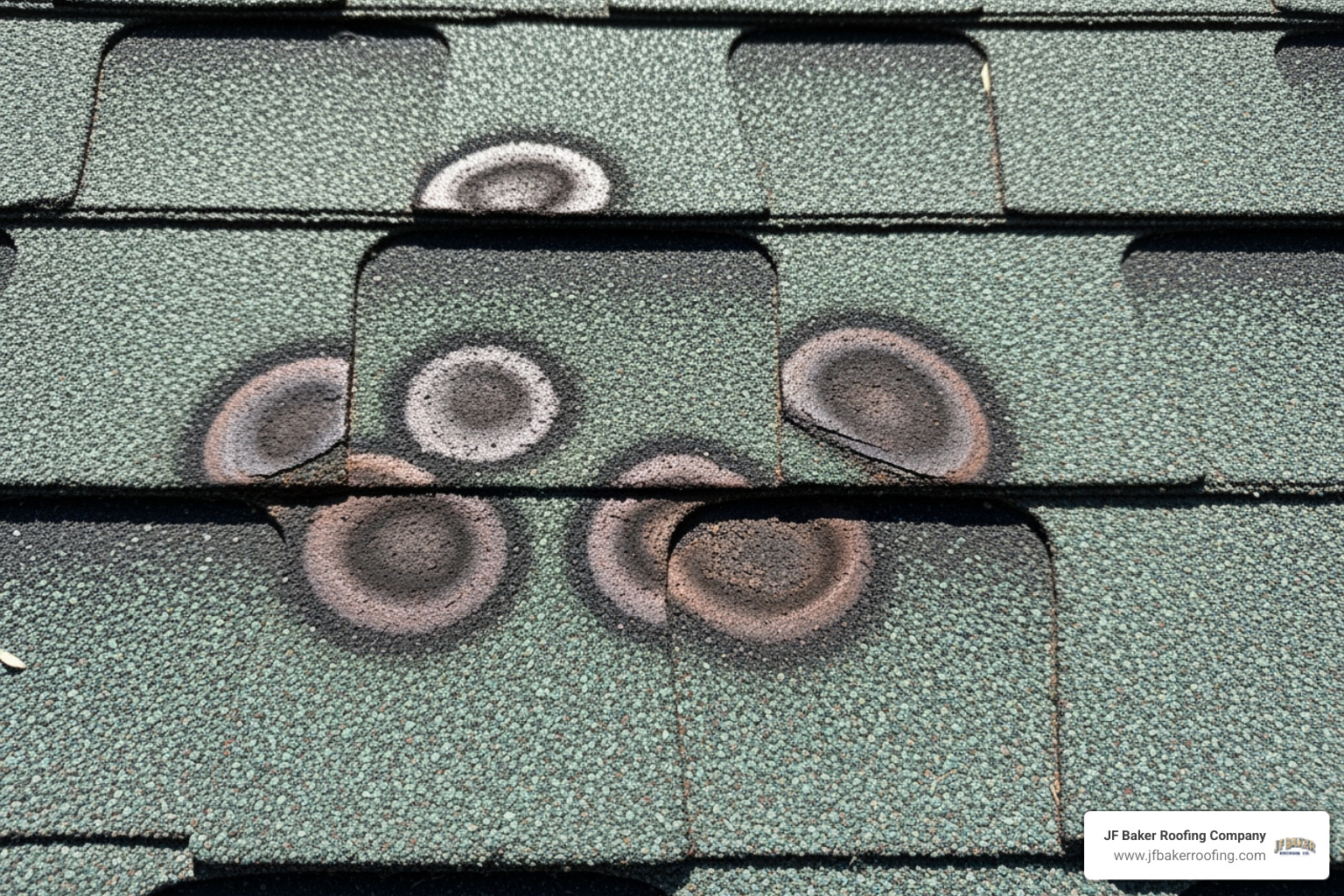
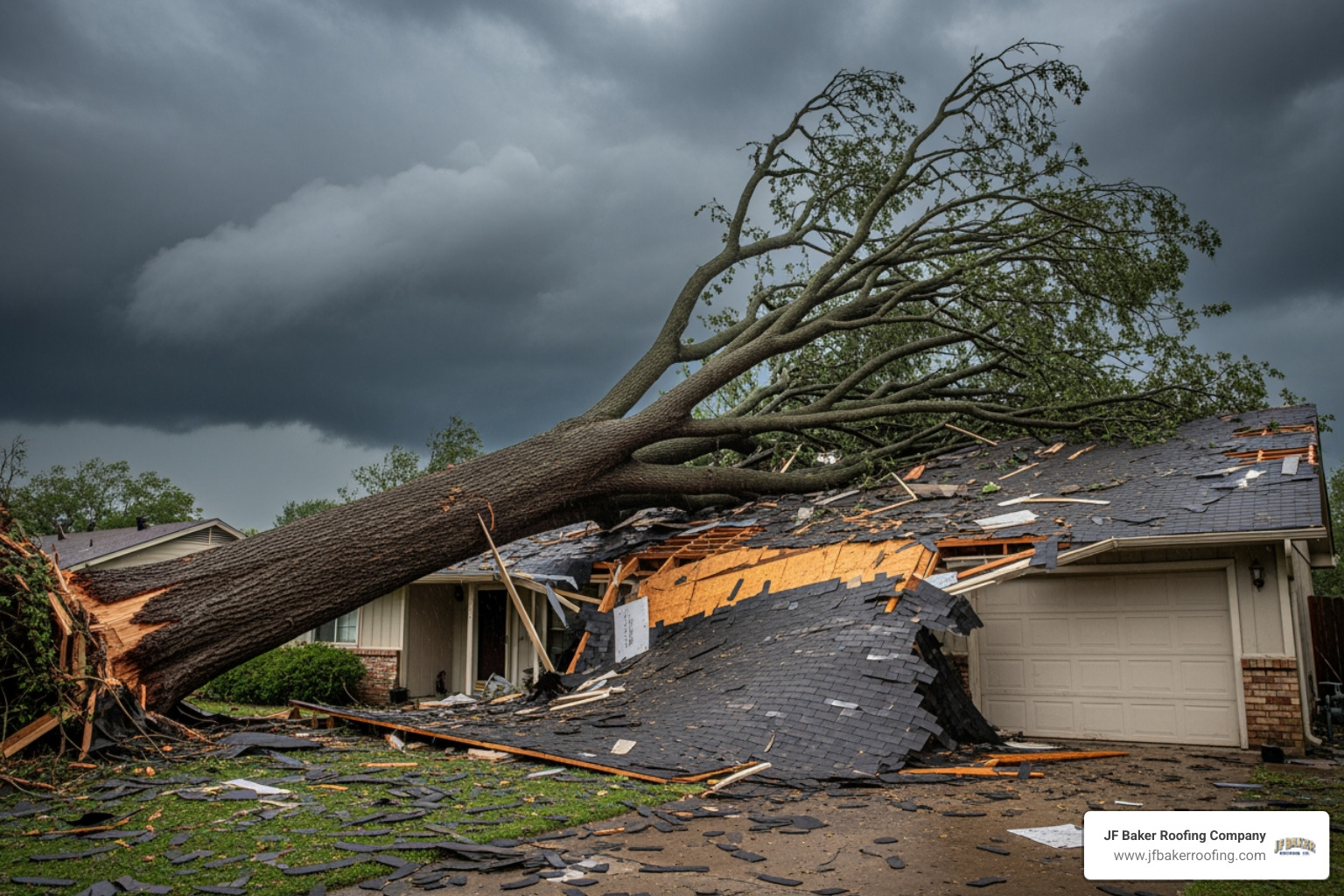
On residential roofs, storm damage is the leading cause of sudden failure. High winds lift shingle tabs, breaking the thermal sealant bond, while hail strikes dislodge protective asphalt granules. If you suspect storm activity around your home, review our guide on Roof Inspection After Storm and explore options for Storm Damage Repairs. You can also dive deeper into long-term restoration advice in our Roof Damage Repair Guide 2026.
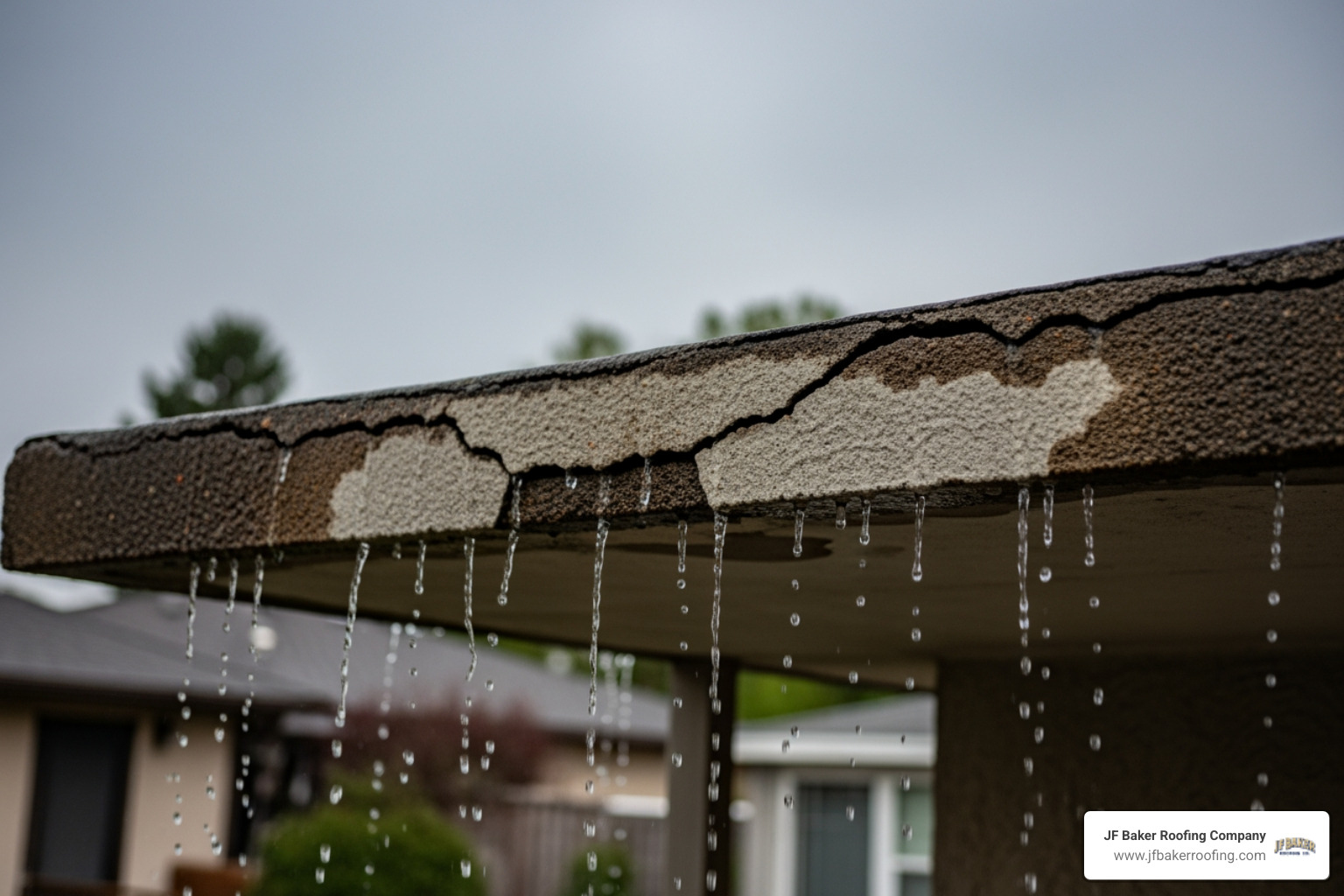
On commercial roofs, standing water is the primary cause of system deterioration. Under guidelines such as the federal NSPIRE Standard - Roof Assembly, standing water covering an area of 25 square feet or greater on a flat surface that does not drain within 48 hours is classified as a significant deficiency. Ponding water adds severe weight to structural roof decking, degrades membrane seams, and promotes biological growth like algae and moss.
Common commercial defects include:
- Membrane Punctures: Caused by foot traffic, mechanical maintenance, or severe storm debris.
- Shrinkage and Tenting: Single-ply membranes pull away from parapet walls over time due to UV exposure and poor installation anchoring.
- Clogged Internal Drains: Leaves, windblown dirt, and trash clog roof drains, creating large temporary ponds during heavy rainfall.
Inspection Methods, Technologies, and Cost Breakdown
Roof inspections have evolved significantly over the decades. Modern tools allow us to evaluate roofs faster, safer, and with higher diagnostic accuracy than ever before.
Traditional vs Drone and Thermal Inspections
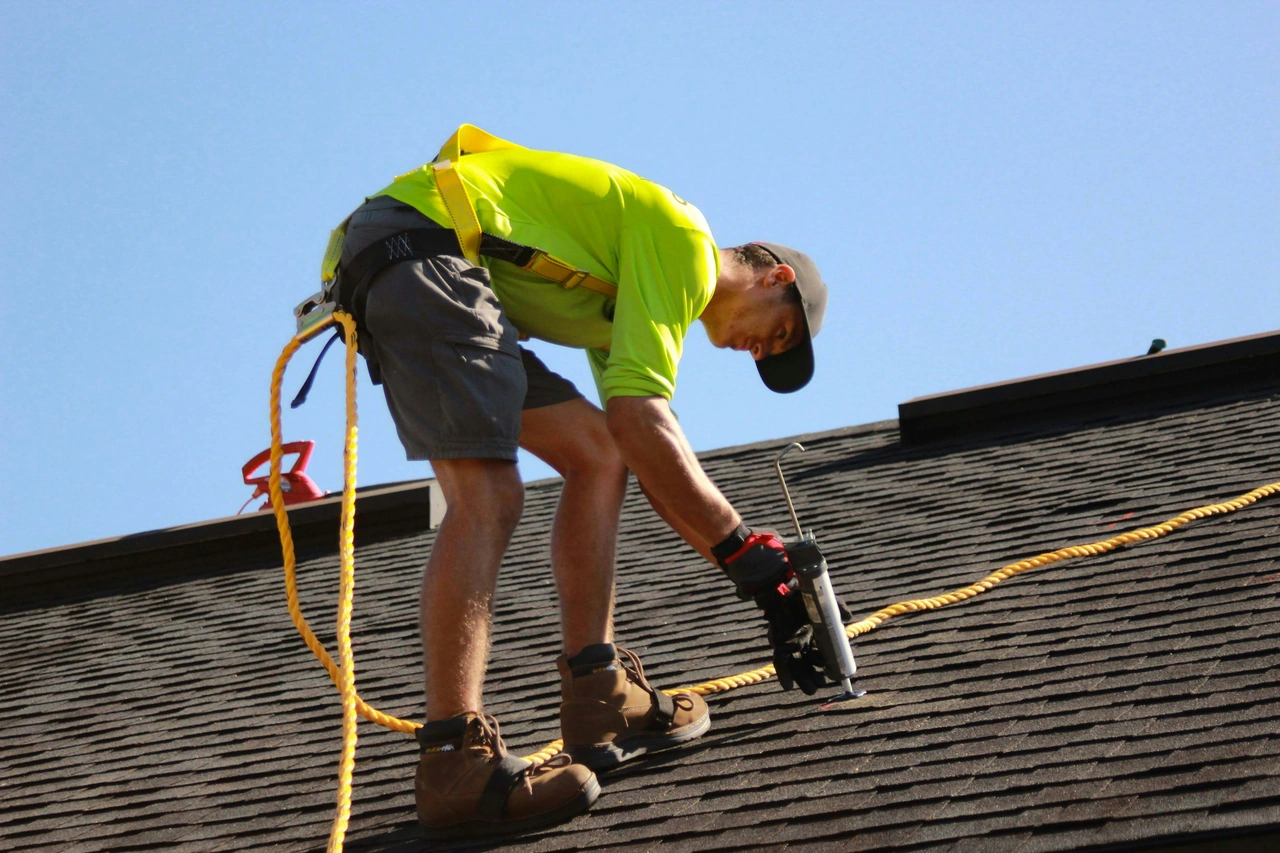
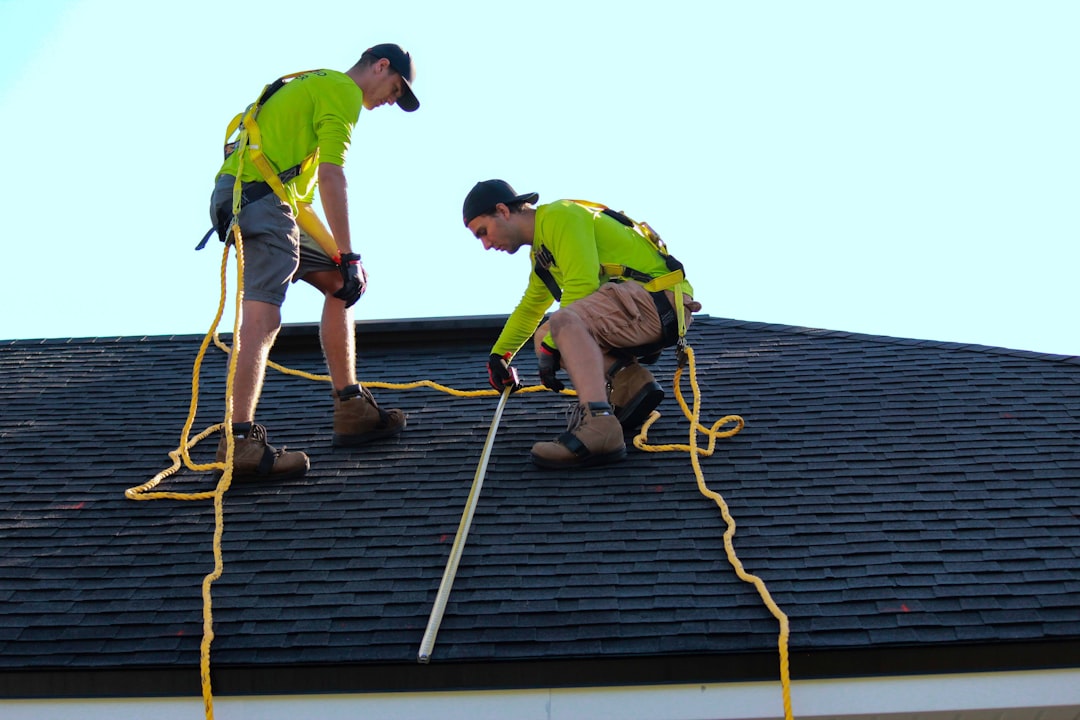
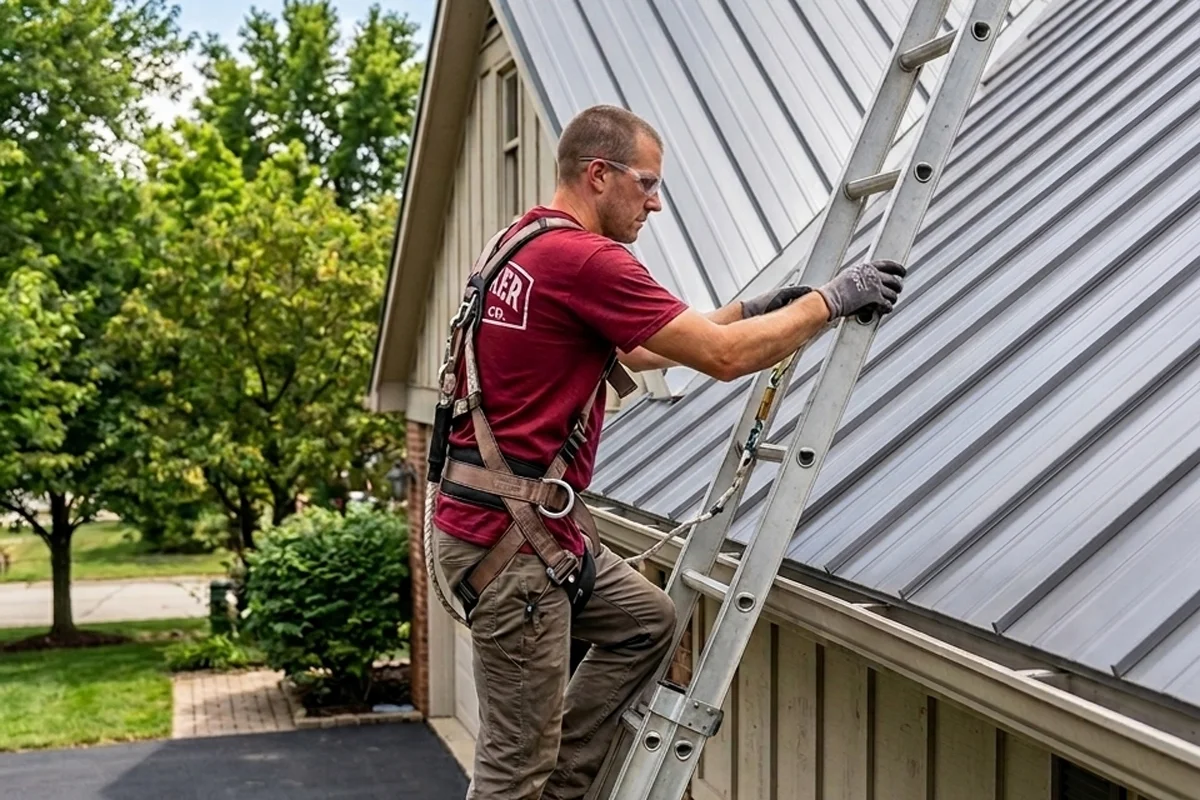
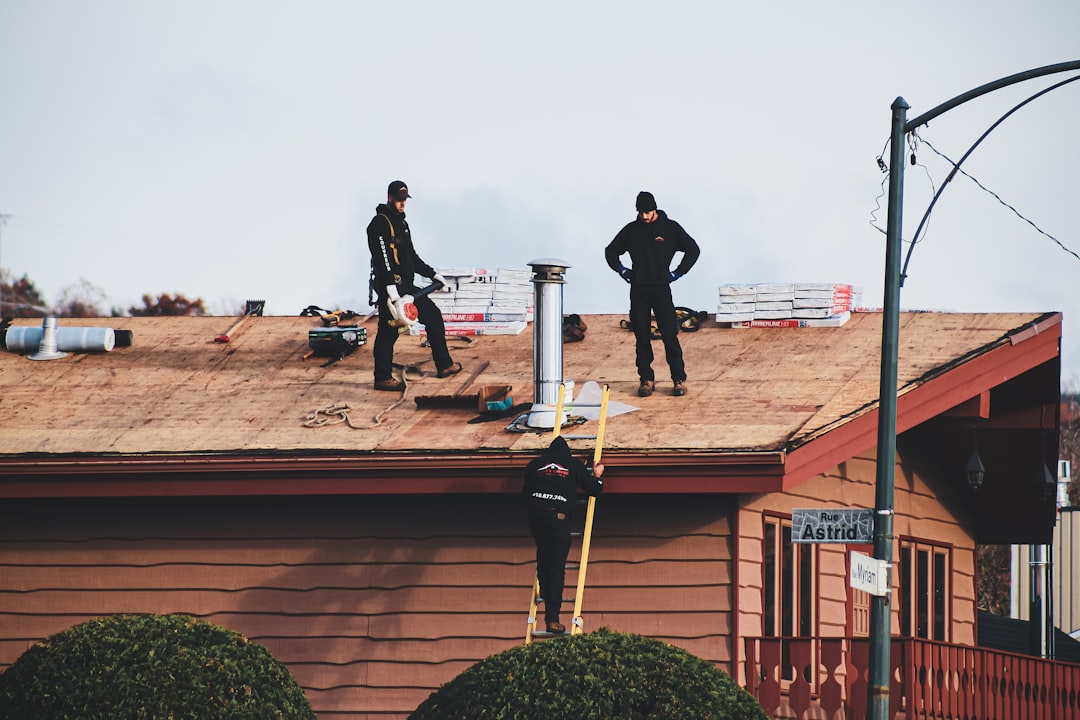
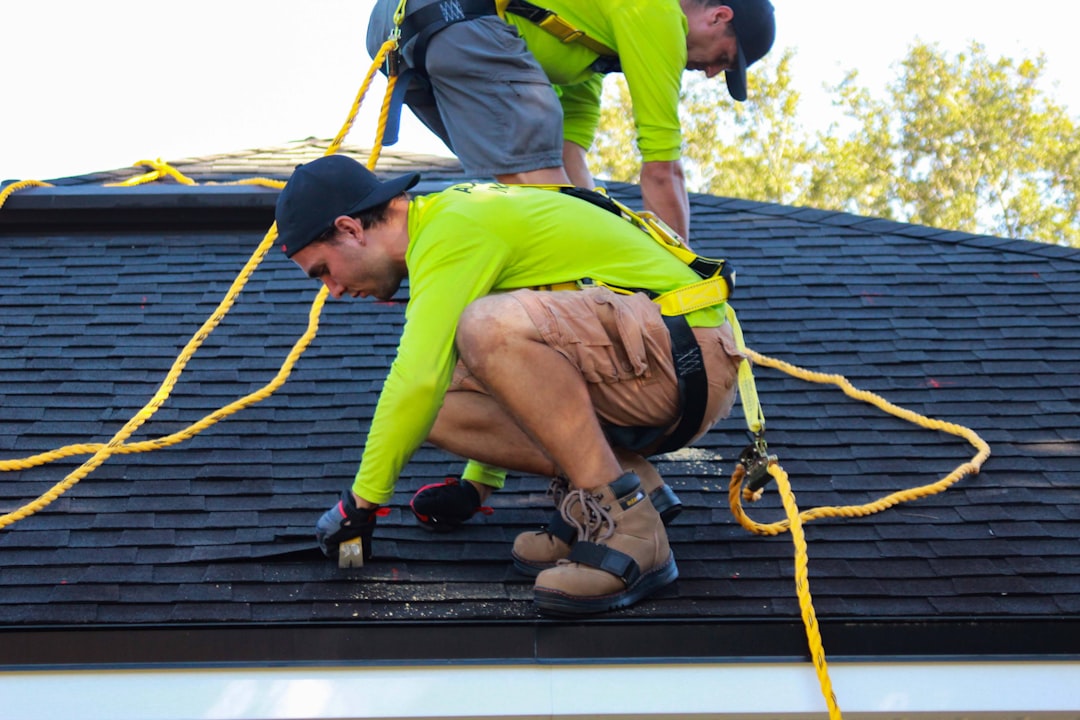
Historically, every roof assessment required climbing ladders, setting up staging, and walking every square foot of the roof surface. While a physical walkthrough remains crucial for physical seam probing and core sampling, modern technology enhances safety and efficiency.
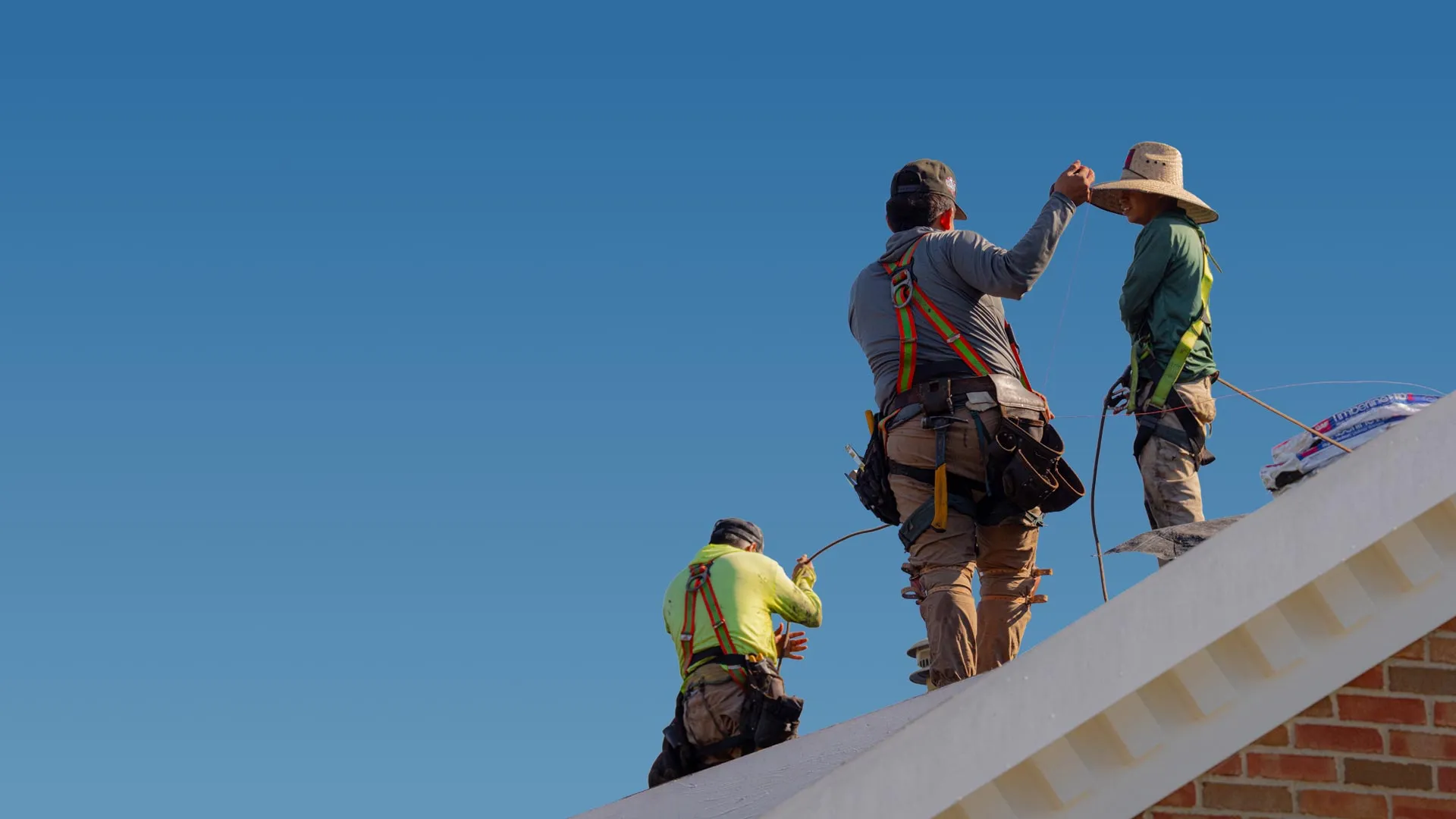
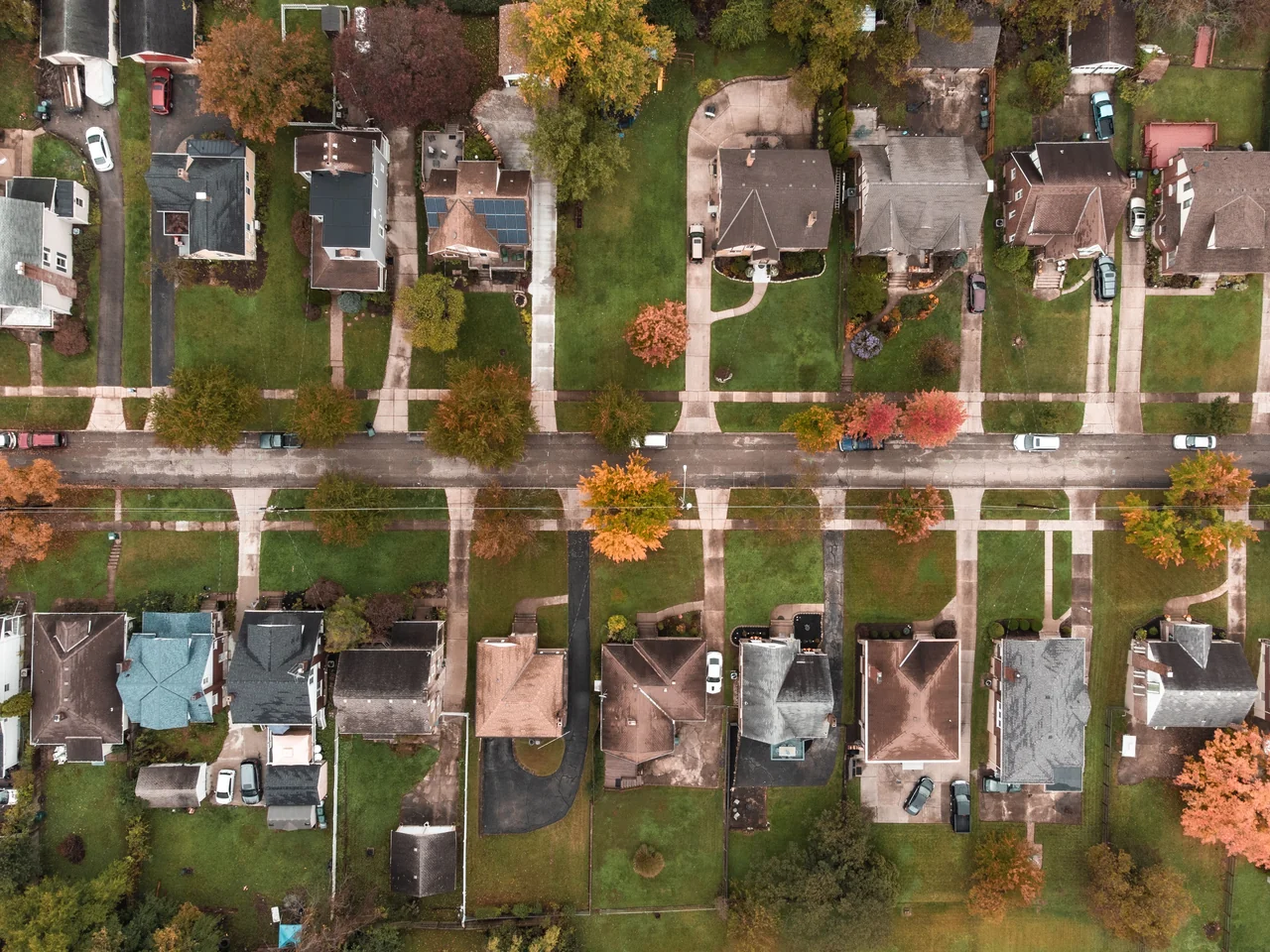
According to OSHA data, falls are the leading cause of construction-related fatalities. Utilizing high-resolution drone inspections eliminates unnecessary climb risks on steep slopes or degraded structures. According to a Drone Roof Inspection Guide 2026 | Cost, Process & Benefits, drone flights complete inspections 50 to 60 percent faster while requiring 20 to 30 percent less manual labor than traditional methods.
For low-slope commercial roofs, thermal infrared FLIR imaging provides clear insights into hidden moisture. Thermal imaging detects temperature variations across the roof surface. Trapped moisture inside wet roof insulation retains heat differently than surrounding dry insulation. When performed during morning warming or evening cooling transitions, infrared cameras highlight concealed moisture pockets without cutting into the roof.
When physical verification is necessary, inspectors can perform non-destructive electrical impedance testing or take core samples to check underlying insulation condition, structural deck integrity, and layer counts, as outlined by Roof Condition Assessment Services | Prevent Costly Roof Failures.
Cost Factors for Roof Inspection Residential Commercial Projects
Understanding inspection pricing helps property managers and homeowners budget effectively for routine maintenance.
Residential drone or physical inspections generally range between $150 and $500, depending on home size, roof pitch, and architectural complexity. Commercial building assessments typically range from $2,500 to $8,000+ depending on total square footage, thermal scanning requirements, and building height.
While commercial inspections represent a larger upfront investment, they deliver substantial returns. Traditional scaffolding setup for complex multi-story commercial inspections can easily run $15,000 to $40,000+ when staging equipment and labor are included. Using aerial data and targeted thermal imaging avoids those heavy mobilization costs.
More importantly, catching hidden moisture early saves massive capital. Bad roof data can cost tens of thousands of dollars over a project's lifecycle. In one real-world case study, a comprehensive roof condition assessment saved a facility over $200,000 by identifying specific damaged sections that could be repaired in phases, avoiding an immediate, full roof replacement. Investing a small amount in proactive evaluation prevents premature capital expenditures.
Compliance, Warranties, and Insurance Requirements
Roof inspections do more than spot leaks; they protect your legal and financial interests regarding building codes, insurance coverage, and manufacturer warranties.
Insurance Mandates and Building Codes
Insurance requirements for commercial and residential properties have tightened considerably in recent years. Many insurance carriers now require a formal Roof Condition Certification before issuing or renewing policies on single-family homes older than 25 years.
Similarly, nationwide regulatory standards enforce tight timelines for physical roof repairs. For instance, HUD standards mandate a strict 30-day correction timeframe for moderate health and safety roof deficiencies. In commercial markets, municipalities often require documented structural sign-offs before issuing Certificates of Occupancy or approving major renovation permits.
Maintaining documented inspection records ensures seamless insurance claim approvals following severe weather events. To learn more about professional inspection standards, visit Roof Inspection Services | Commercial & Residential Roof Inspectors.
Choosing the Right Provider for Roof Inspection Residential Commercial Needs
Selecting a qualified professional is the most important step in receiving an accurate, unbiased roof evaluation.
When selecting an inspector or contractor:
- Verify Credentials: Ensure drone operators hold active FAA Part 107 certifications and appropriate commercial liability coverage.
- Look for Local Expertise: Choose an established company that understands Central Ohio snow loads, ice damming patterns, and regional building codes.
- Distinguish Estimates from Forensic Inspections: A free contractor estimate is often designed to price out a full replacement. An independent, comprehensive inspection evaluates whether simple repairs can safely extend the roof's working lifespan.
For practical advice on choosing a local contractor, read our detailed guide on How to Choose the Right Roofing Contractor in Columbus Ohio. You can also review regional home evaluation practices covered in Home Inspections in Dublin Ohio | Radon, Termites, Mold.
Frequently Asked Questions About Roof Inspections
How often should residential and commercial roofs be inspected?
Residential roofs should be professionally inspected at least once a year, preferably in late fall or spring, as well as immediately following major storm events with hail or severe winds. Commercial roofs should be inspected twice a year, typically in spring and fall, plus after any major mechanical work or heavy storm activity.
How long does a typical roof inspection take?
A standard single-family residential roof inspection usually takes between 1 and 2 hours to complete, including interior attic checks and perimeter gutter checks. Commercial roof inspections on larger industrial, retail, or office facilities can take anywhere from 3 hours to a full day, depending on total square footage, rooftop equipment complexity, and diagnostic testing requirements.
What happens if an inspector discovers severe moisture damage?
If an inspection uncovers saturated insulation or core structural decay, the inspector maps out the exact boundaries of the moisture intrusion using infrared thermography and probe testing. Depending on the size of the affected area, we recommend isolated membrane repairs, sub-layer insulation replacement, or a phased restoration plan rather than jumping directly to an expensive full tear-off when the underlying decking remains sound.
Conclusion
Whether you own a single-family home in Westerville or manage a large commercial complex in downtown Columbus, your roof represents one of your property's most valuable physical assets. Understanding the clear distinctions in roof inspection residential commercial workflows ensures you schedule the right services, protect your structural investments, and catch minor issues before they become major expenses.
At JF Baker Roofing Company, we have been serving Central Ohio property owners since 1929. Led by third-generation owners Chad and Pat Baker, our approach is built on integrity, quality craftsmanship, and clear communication. We recommend repairs when repairs will do the job, and we only recommend replacement when it is genuinely necessary.
If you have questions about your property's roof or want to schedule a thorough assessment, explore our Residential Roofing Services or reach out to our team today. Let our reputation be your security.










.jpeg)