Types of Commercial Roofing Systems: What Columbus & Central Ohio Building Owners Should Know
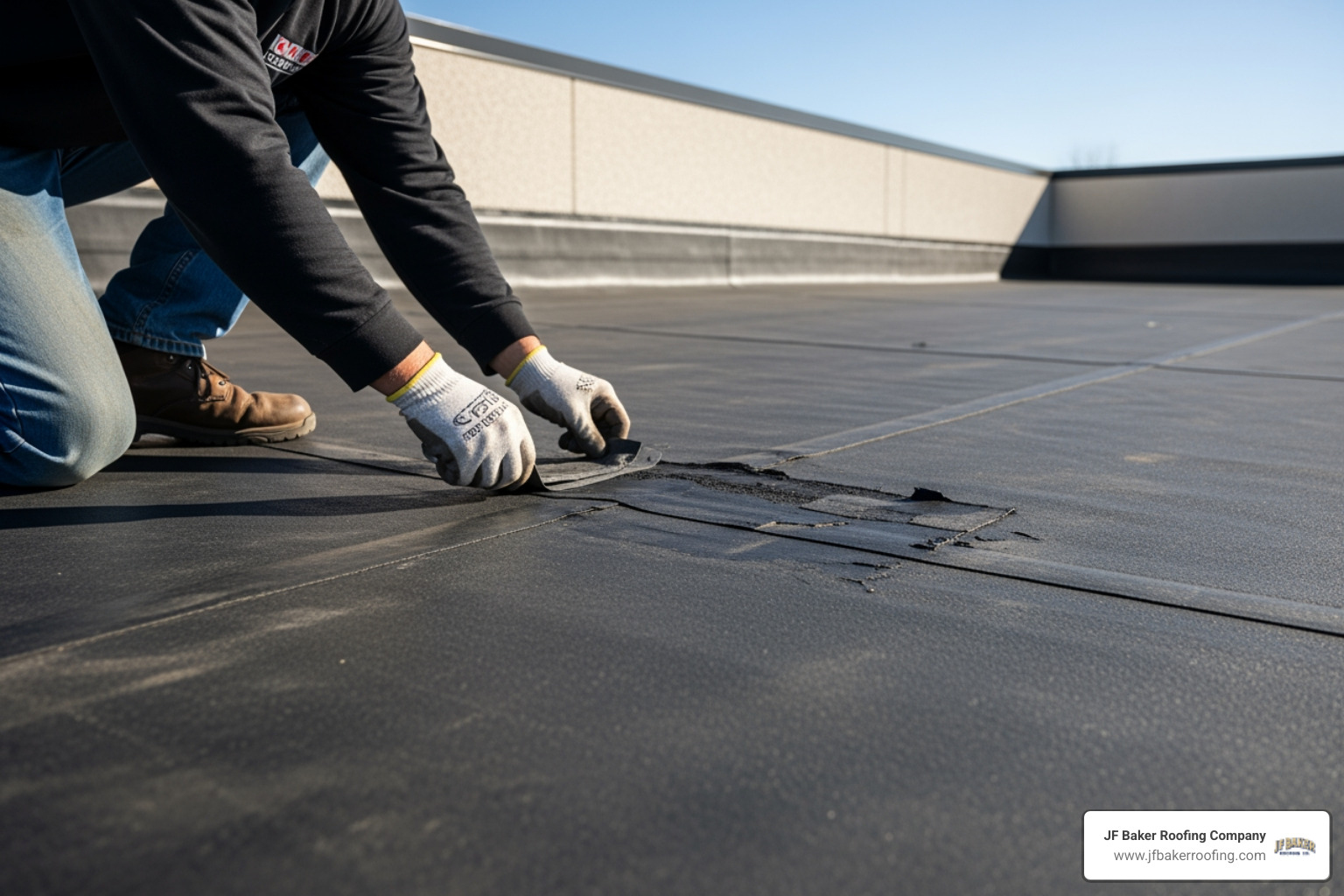
Choosing the right commercial roofing system is one of the most important decisions a building owner can make. In Columbus and throughout Central Ohio, commercial roofs must withstand heavy rain, snow, ice, wind, and extreme temperature changes year after year.
This guide explains the most common types of commercial roofing systems, how they work, and which options may be best for different types of buildings in Central Ohio.
Why Commercial Roofing Systems Matter in Central Ohio
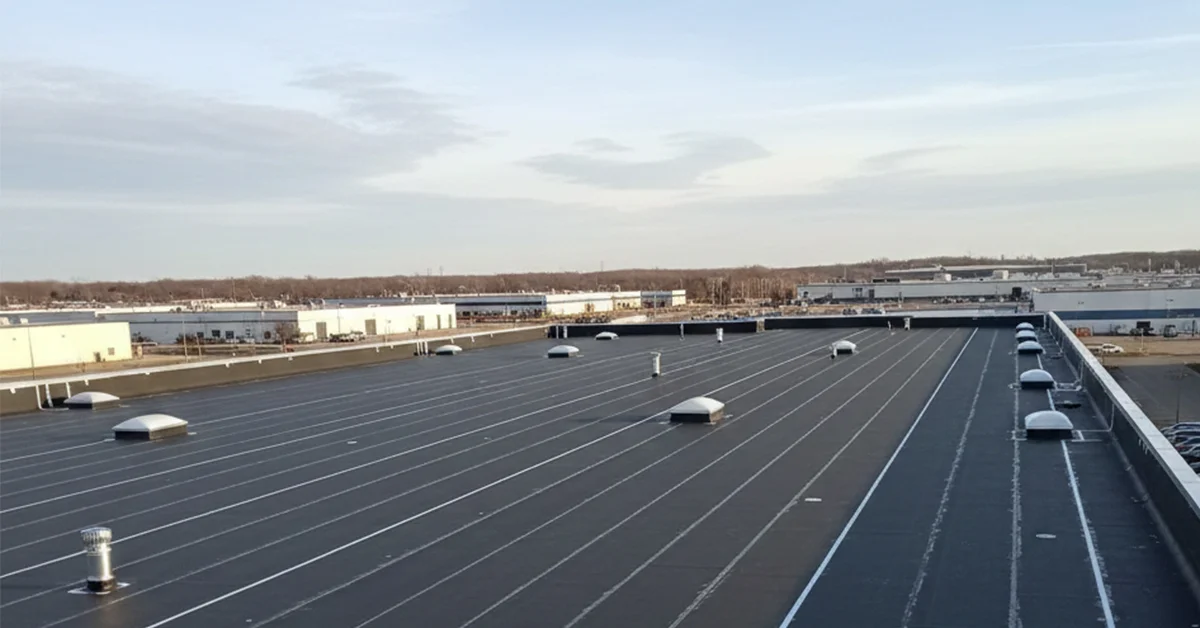
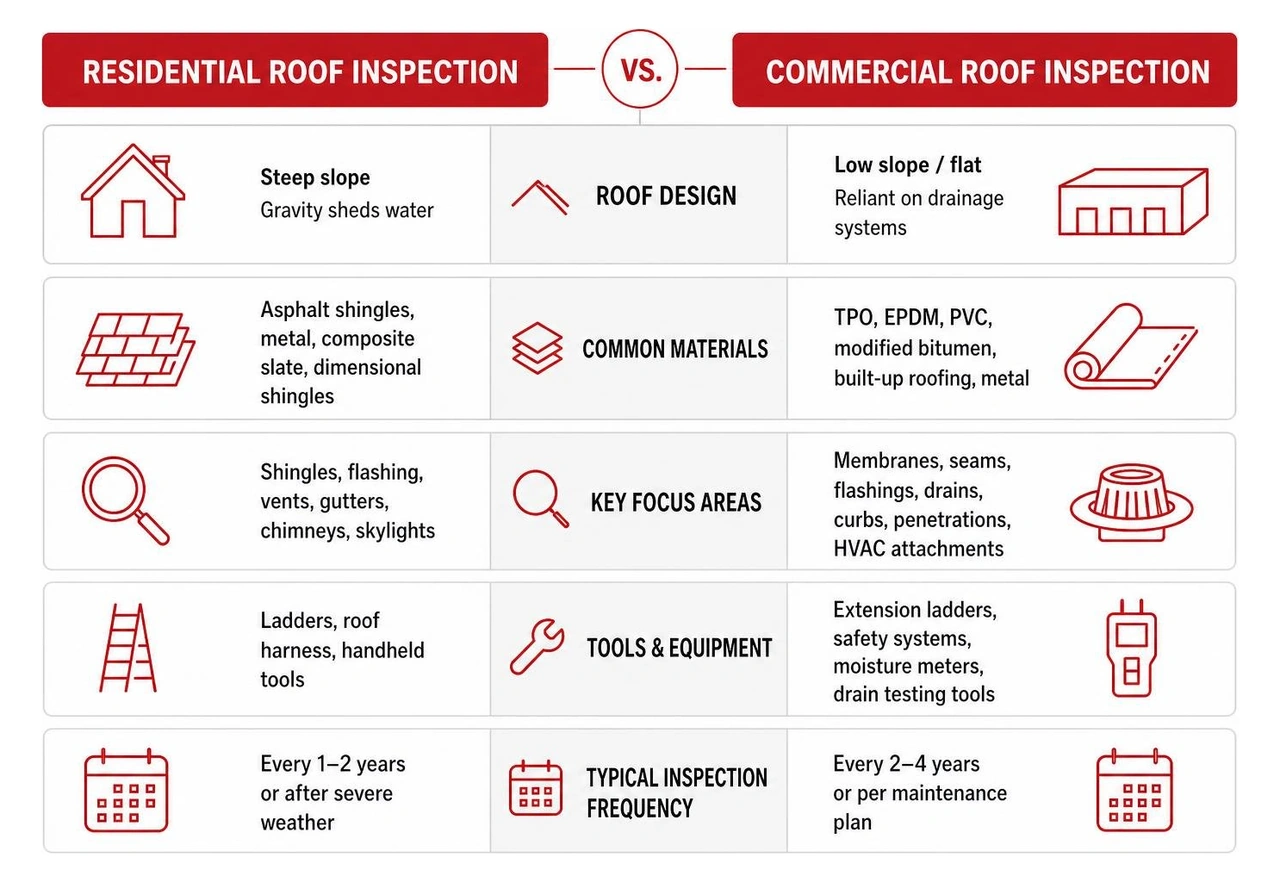
Unlike residential roofs, commercial roofing systems often cover large surface areas and protect valuable assets, equipment, and occupants. Poor system selection or improper installation can lead to leaks, energy loss, and costly downtime.
Manufacturers like CertainTeed design commercial roofing systems with specific performance goals in mind, including durability, energy efficiency, and long-term protection. Choosing the right system starts with understanding your options.
Common Types of Commercial Roofing Systems
1. TPO Roofing Systems
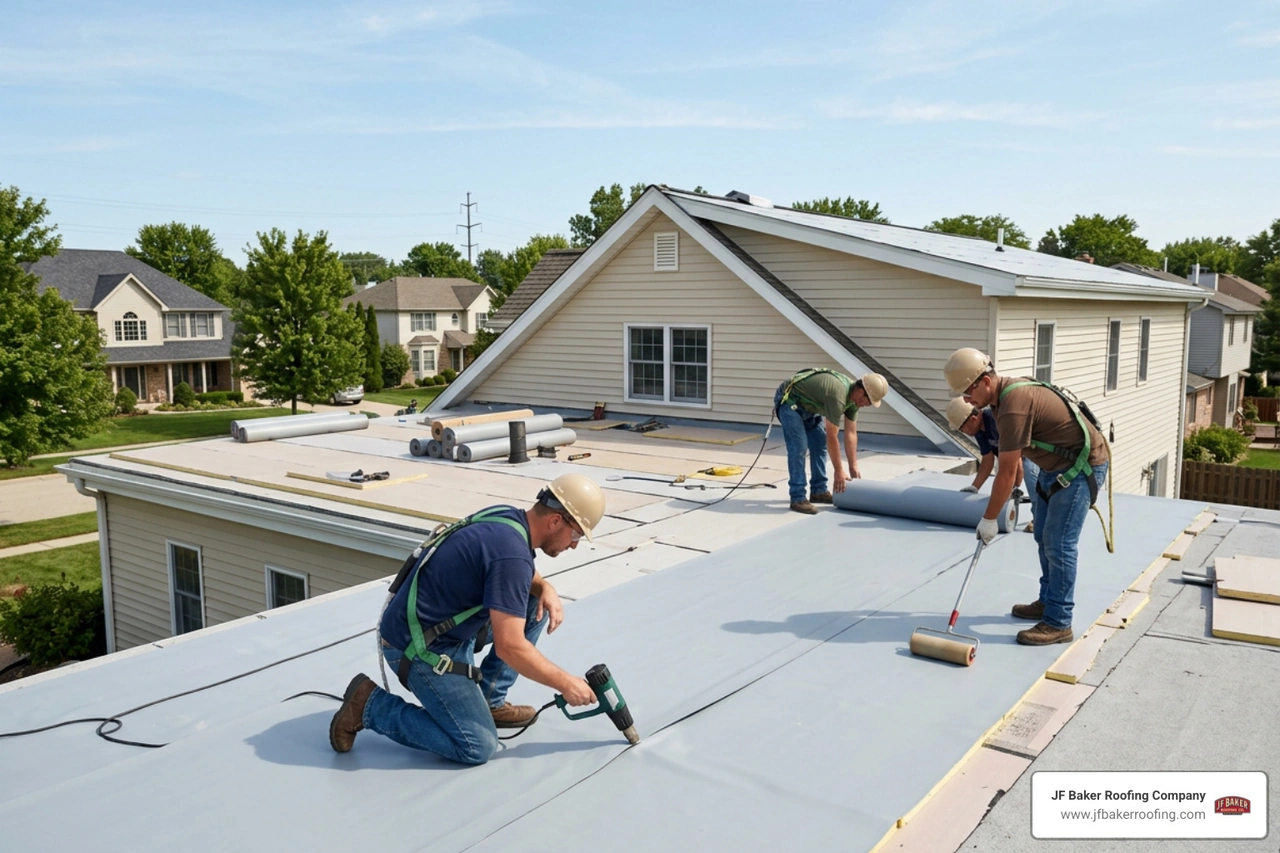
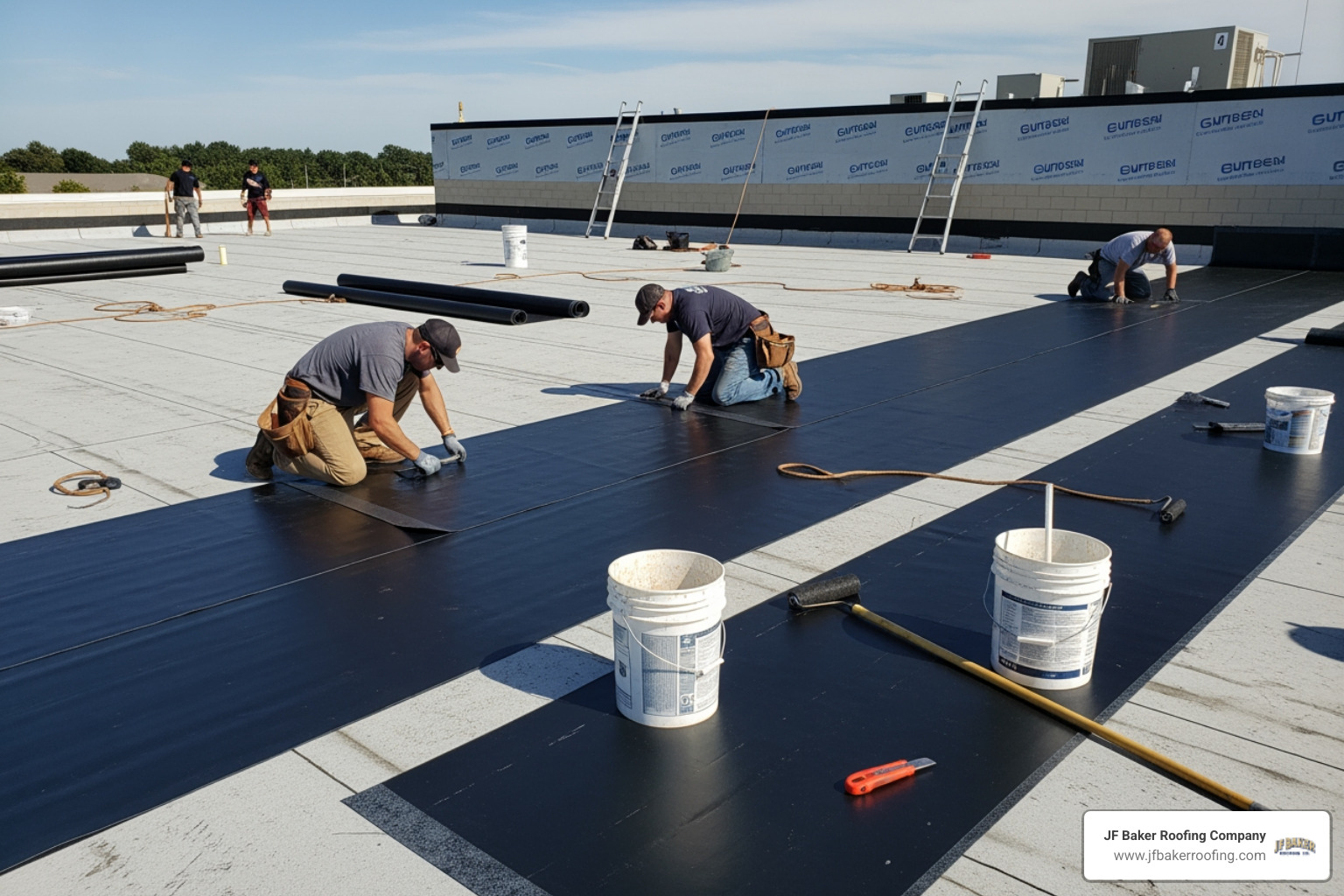
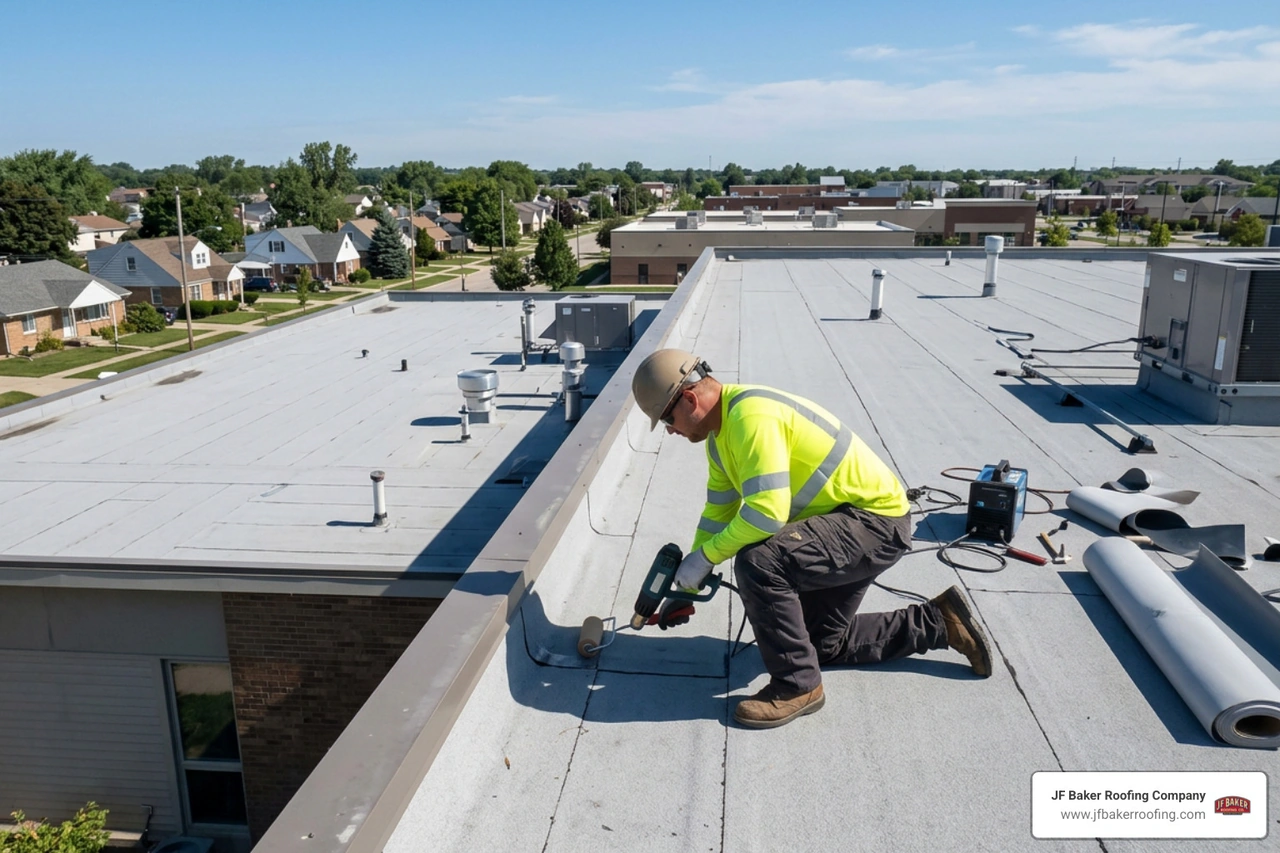
Thermoplastic Polyolefin, or TPO, is one of the most popular commercial roofing systems in Central Ohio.
Benefits of TPO roofing include:
- Heat-reflective surface that improves energy efficiency
- Strong resistance to UV exposure and chemical damage
- Lightweight material suitable for large roof areas
TPO is commonly used on warehouses, retail buildings, and office spaces.
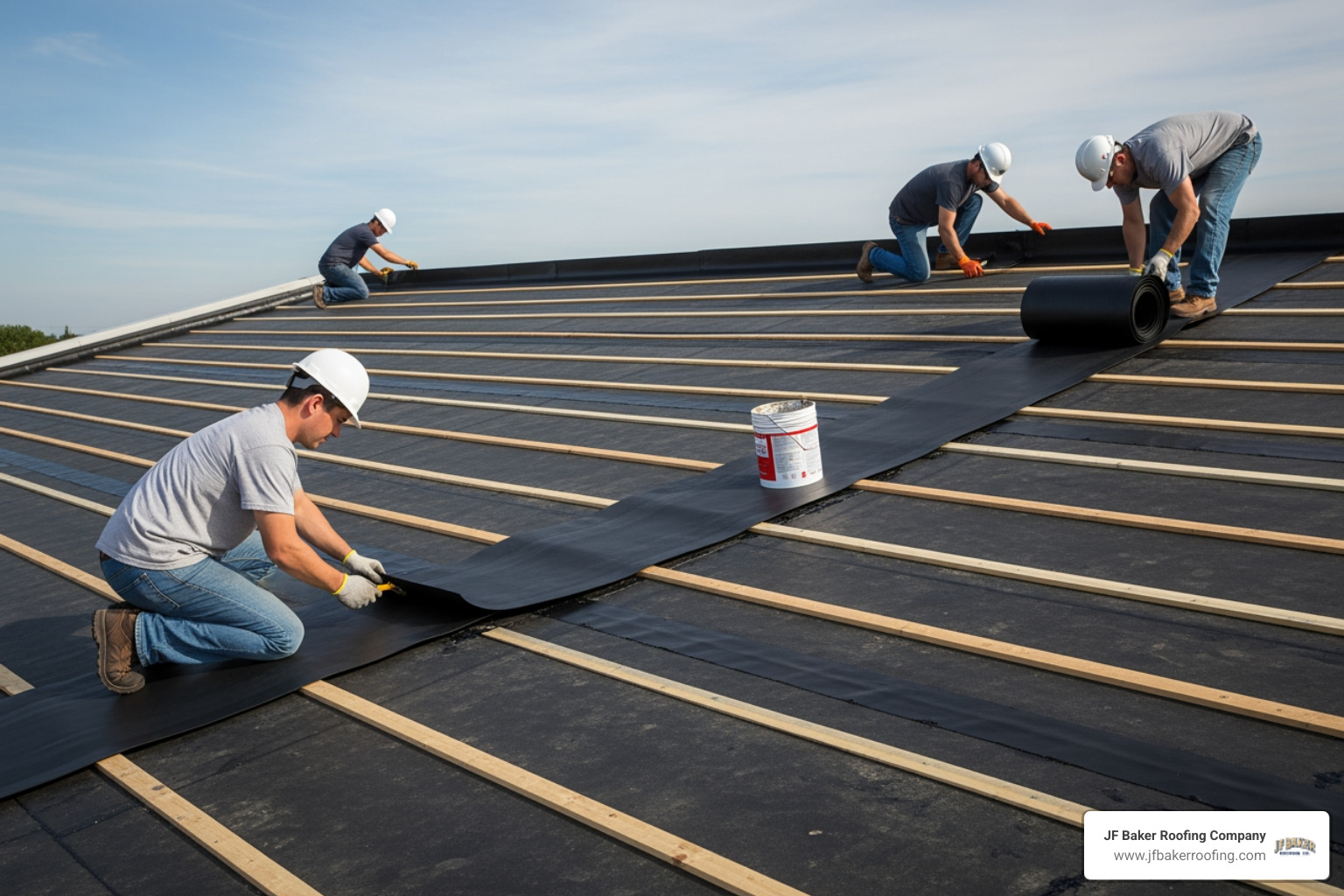
2. EPDM Roofing Systems
EPDM, often referred to as rubber roofing, is known for flexibility and durability.
EPDM roofing advantages include:
- Excellent performance in cold and fluctuating temperatures
- Long service life with proper maintenance
- Resistance to cracking and splitting
This system performs well on flat or low-slope commercial roofs in Central Ohio.
3. PVC Roofing Systems
PVC roofing systems offer strong resistance to chemicals, grease, and moisture.
PVC is often chosen for:
- Restaurants and food service buildings
- Manufacturing facilities
- Commercial kitchens and processing areas
Its welded seams create a watertight surface that helps prevent leaks.
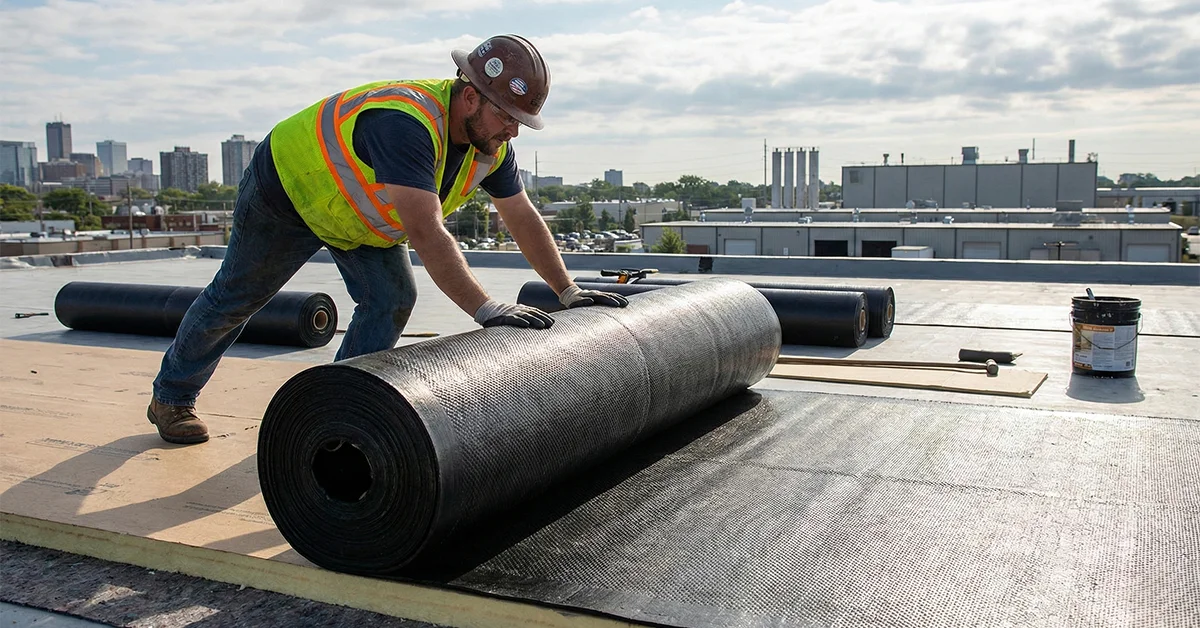
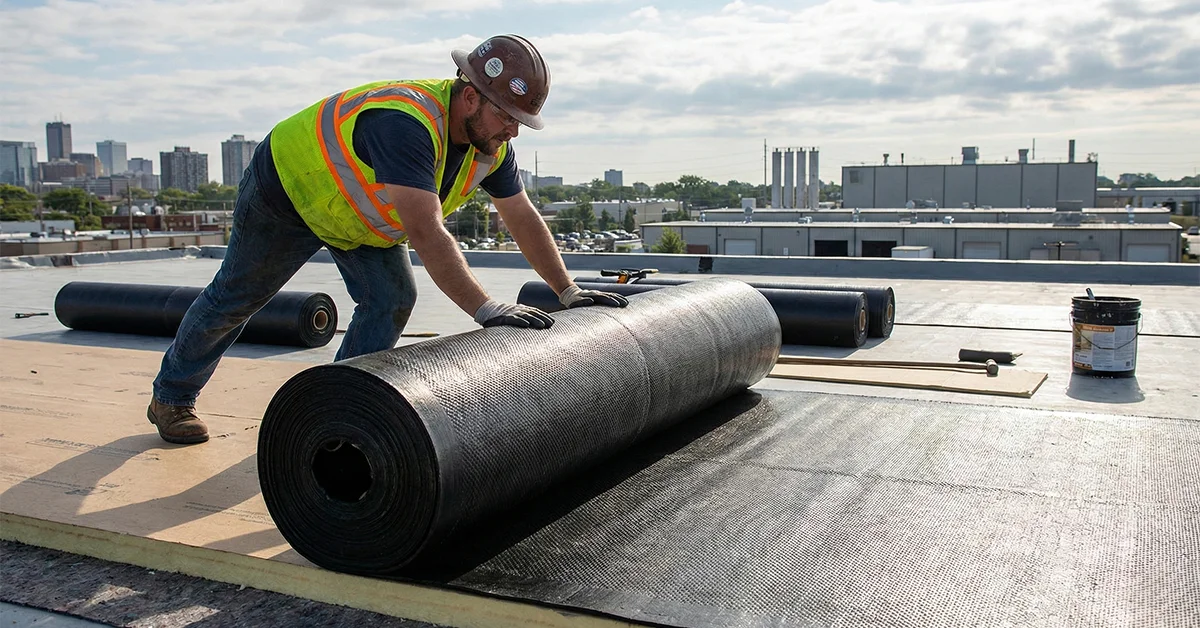
4. Modified Bitumen Roofing
Modified bitumen roofing combines asphalt with polymer reinforcement for added strength.
This system offers:
- Multiple layers of protection
- Good resistance to foot traffic
- Reliable performance in Ohio’s seasonal weather
Modified bitumen is often used on buildings with frequent rooftop access.
5. Built-Up Roofing (BUR)
Built-up roofing systems consist of alternating layers of asphalt and reinforcing fabric.
BUR systems provide:
- Proven durability
- Redundant waterproofing layers
- Strong protection for large flat roofs
These systems are common on older commercial buildings and facilities.
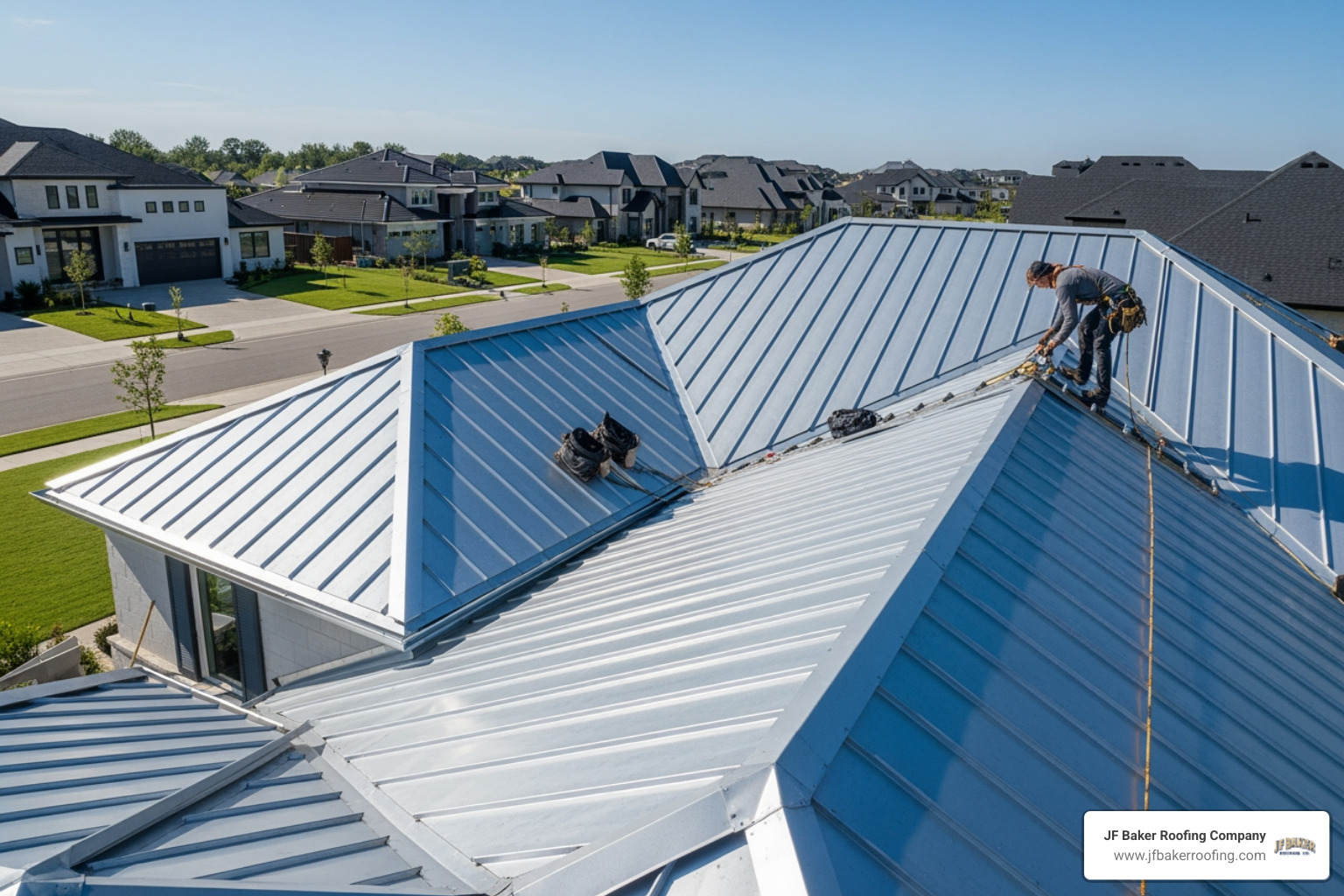
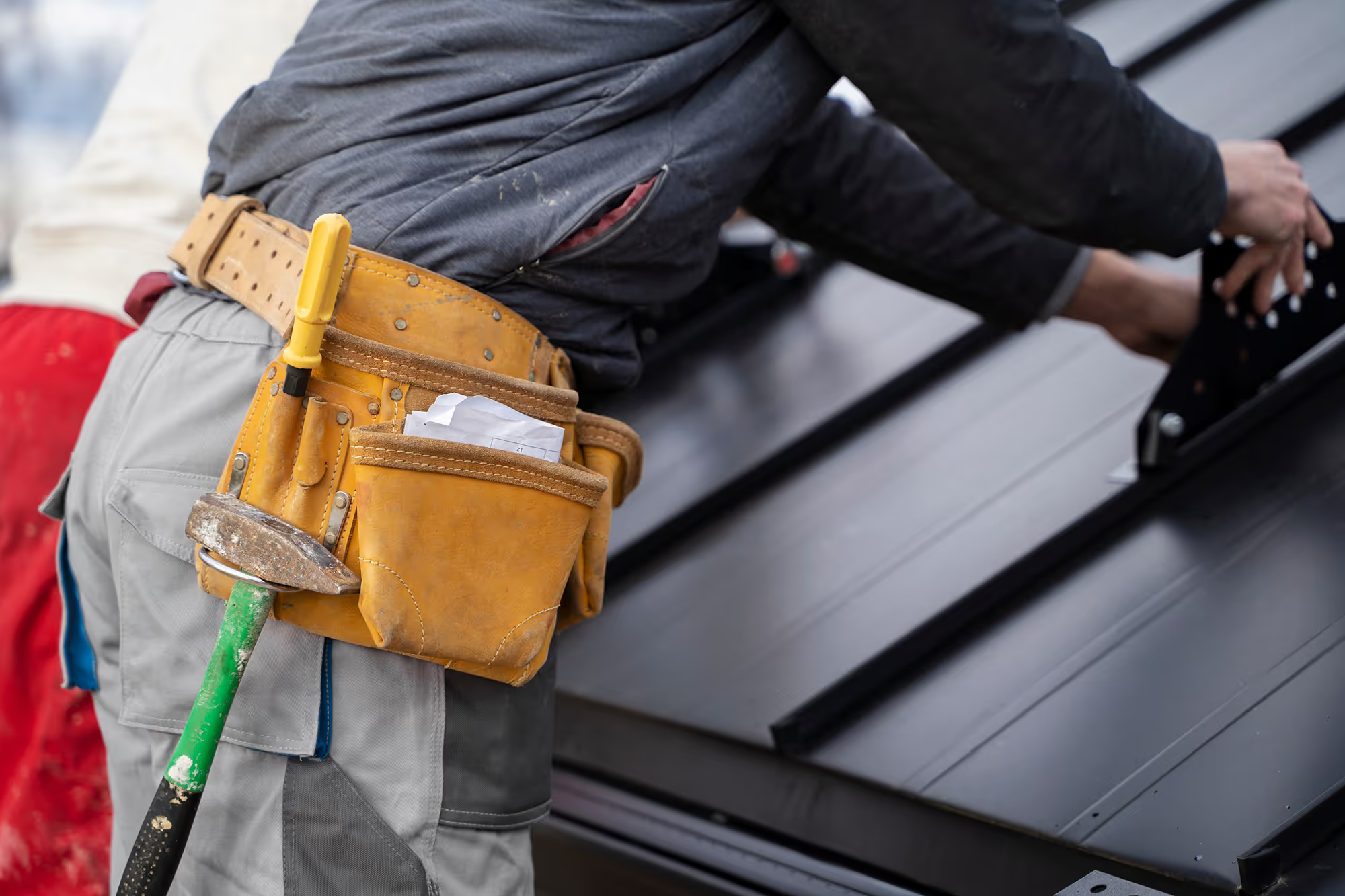
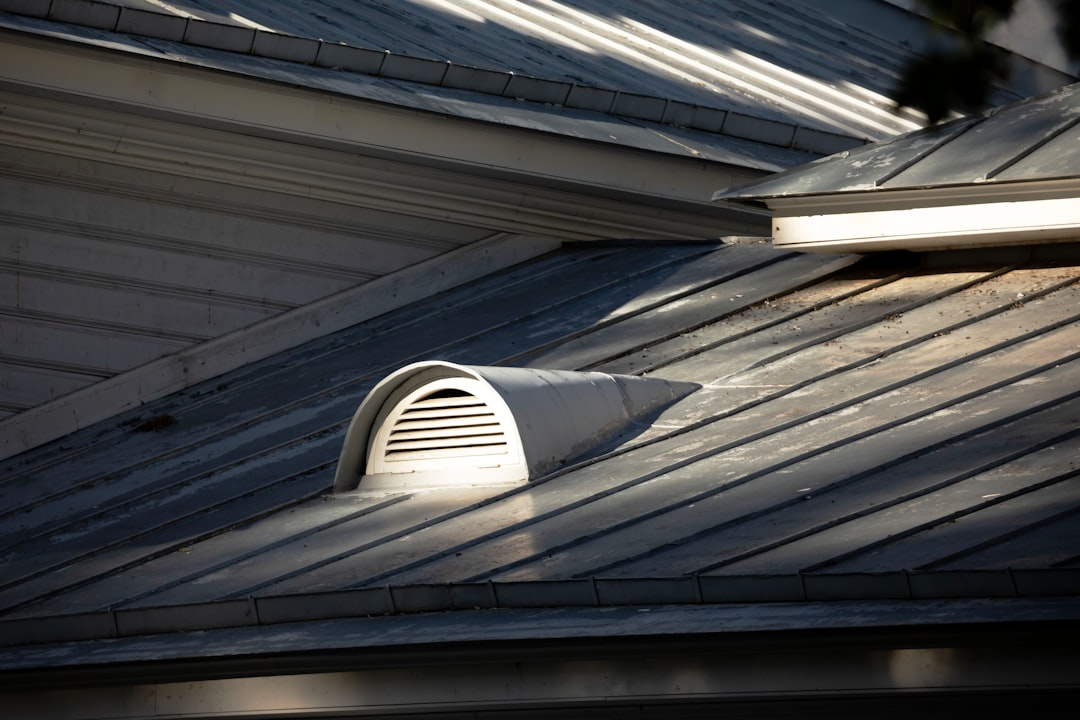
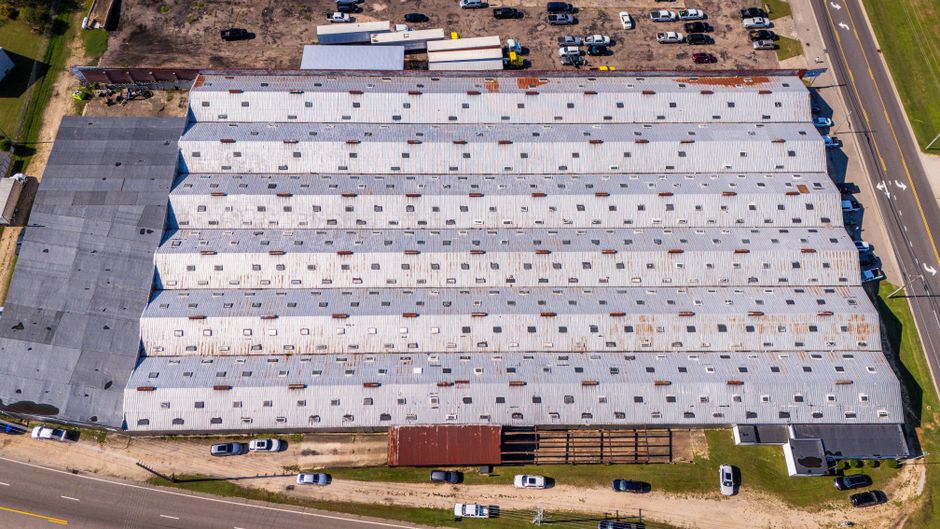
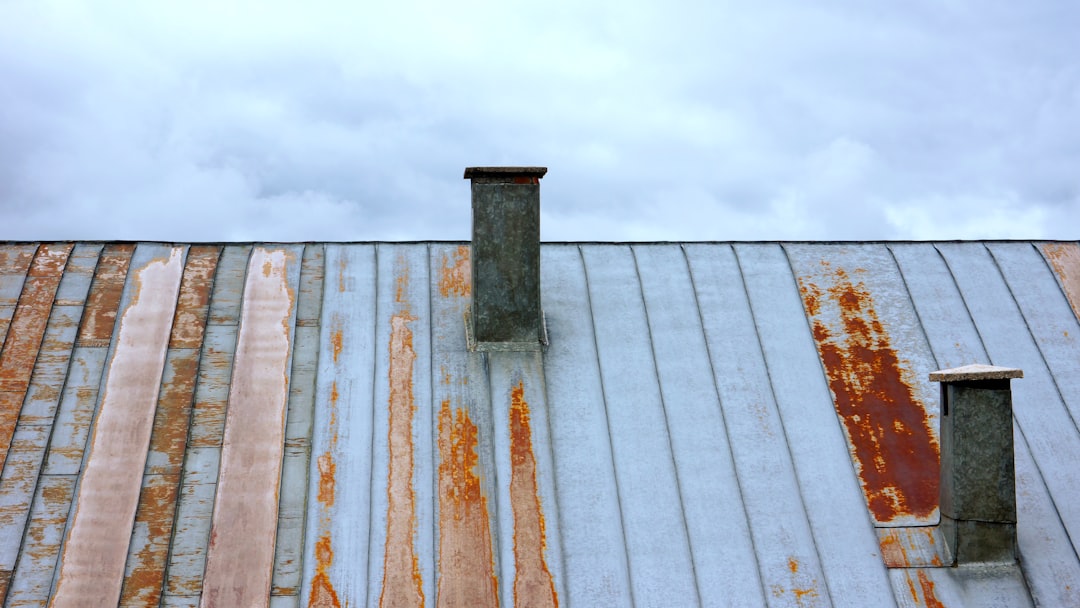
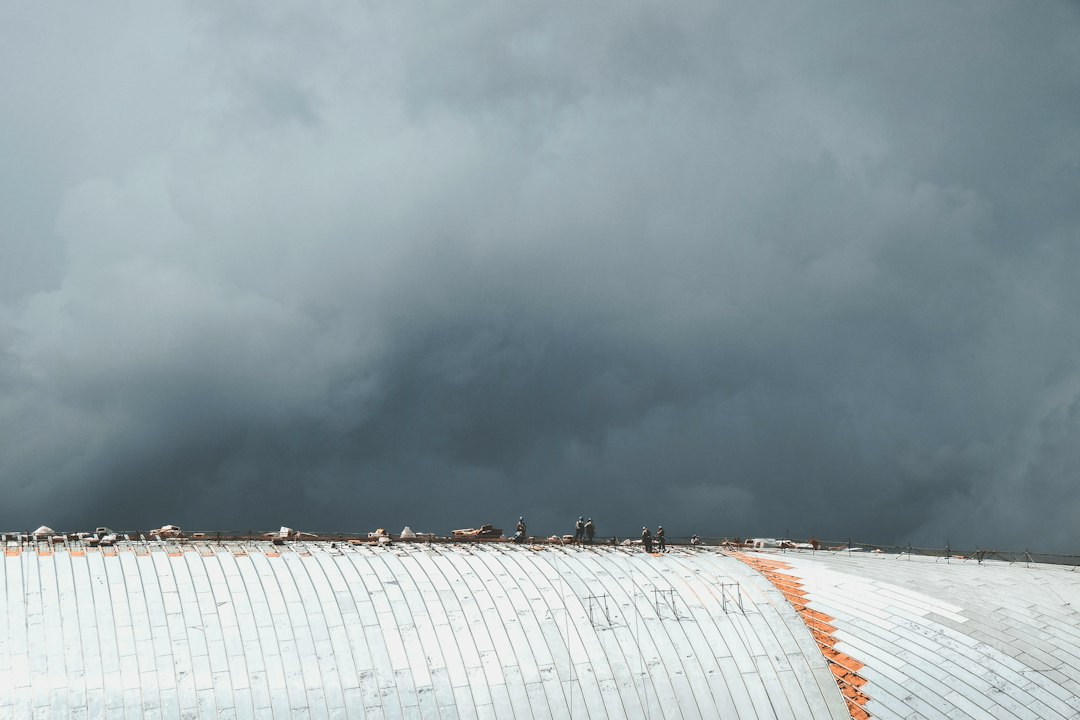
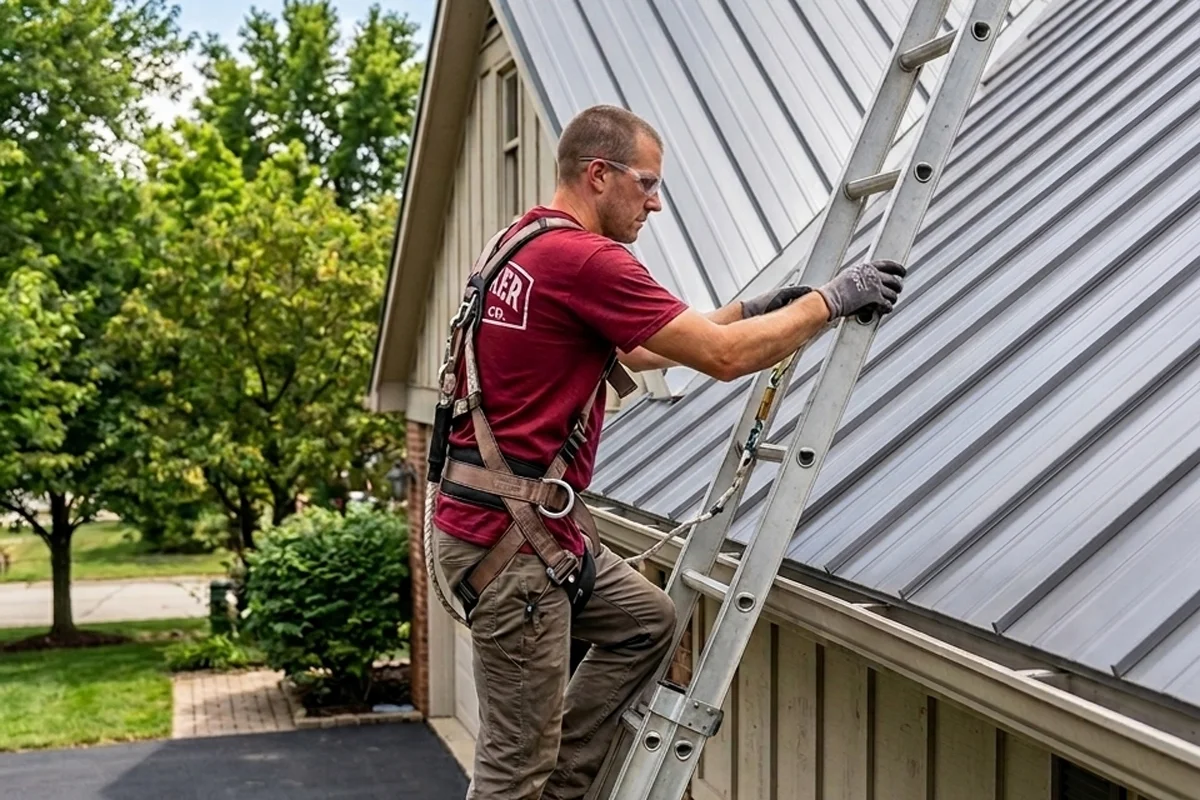
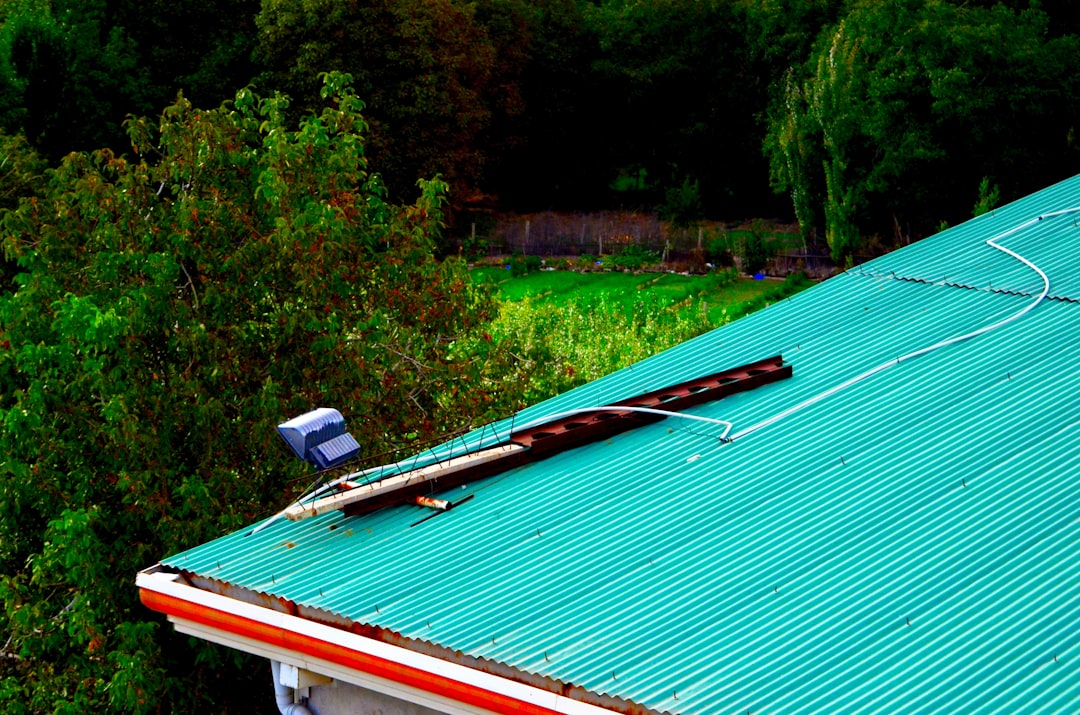
6. Metal Commercial Roofing Systems
Metal roofing is increasingly popular for commercial applications.
Metal roofing benefits include:
- Long lifespan
- High wind resistance
- Low maintenance requirements
Metal systems are often used on industrial buildings and facilities seeking long-term durability.
How to Choose the Right Commercial Roofing System
The best commercial roofing system depends on several factors:
- Building use and occupancy
- Roof slope and structure
- Energy efficiency goals
- Budget and long-term maintenance plans
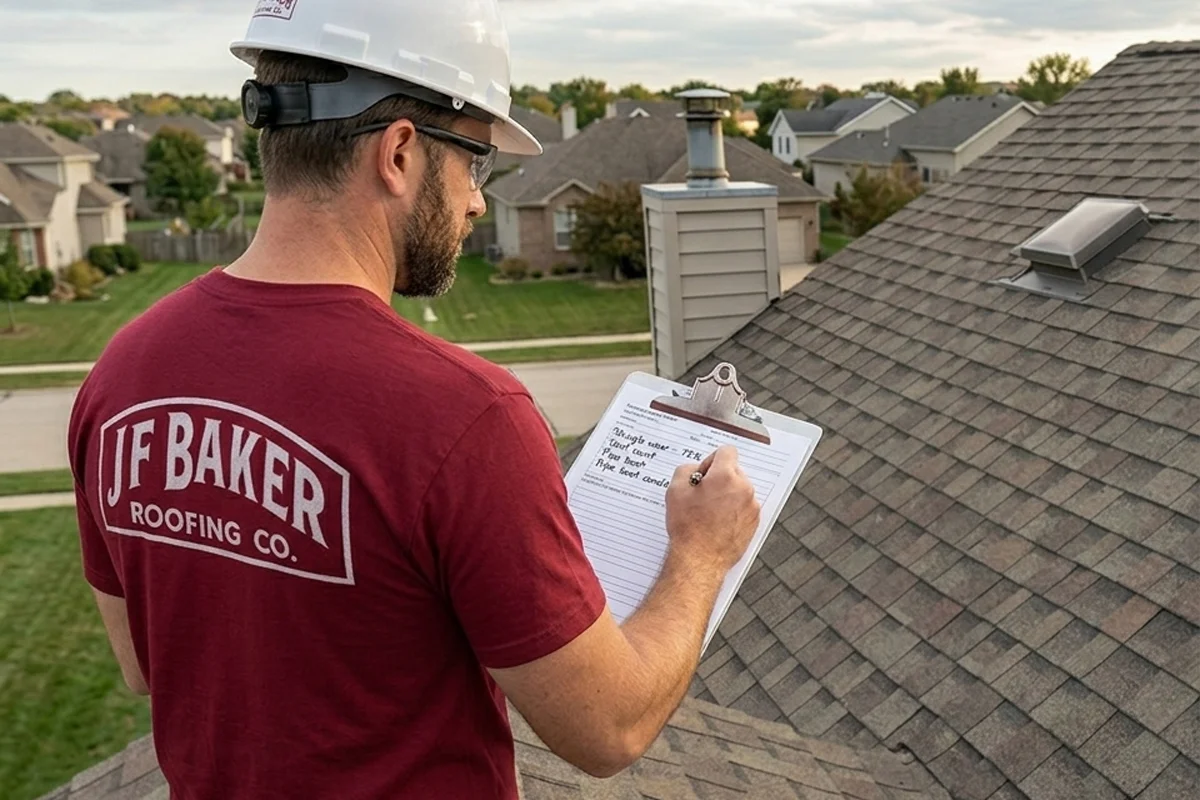
A professional evaluation ensures the roofing system matches the building’s needs and local climate conditions.
Many Central Ohio building owners trust J.F. Baker Roofing for commercial roof inspections, system selection guidance, and professional installation backed by decades of local experience.
Frequently Asked Questions About Commercial Roofing Systems
What is the most common commercial roofing system?
TPO and EPDM are among the most commonly installed commercial roofing systems due to durability and energy efficiency.
How long do commercial roofing systems last?
Depending on the material and maintenance, commercial roofs can last 20 to 40 years or more.
Are commercial roofs flat?
Most commercial roofs are low-slope rather than completely flat, allowing for proper drainage.
Which commercial roofing system is best for Ohio weather?
Systems like TPO, EPDM, and modified bitumen perform well in Central Ohio due to flexibility and moisture resistance.
Can commercial roofing systems be repaired instead of replaced?
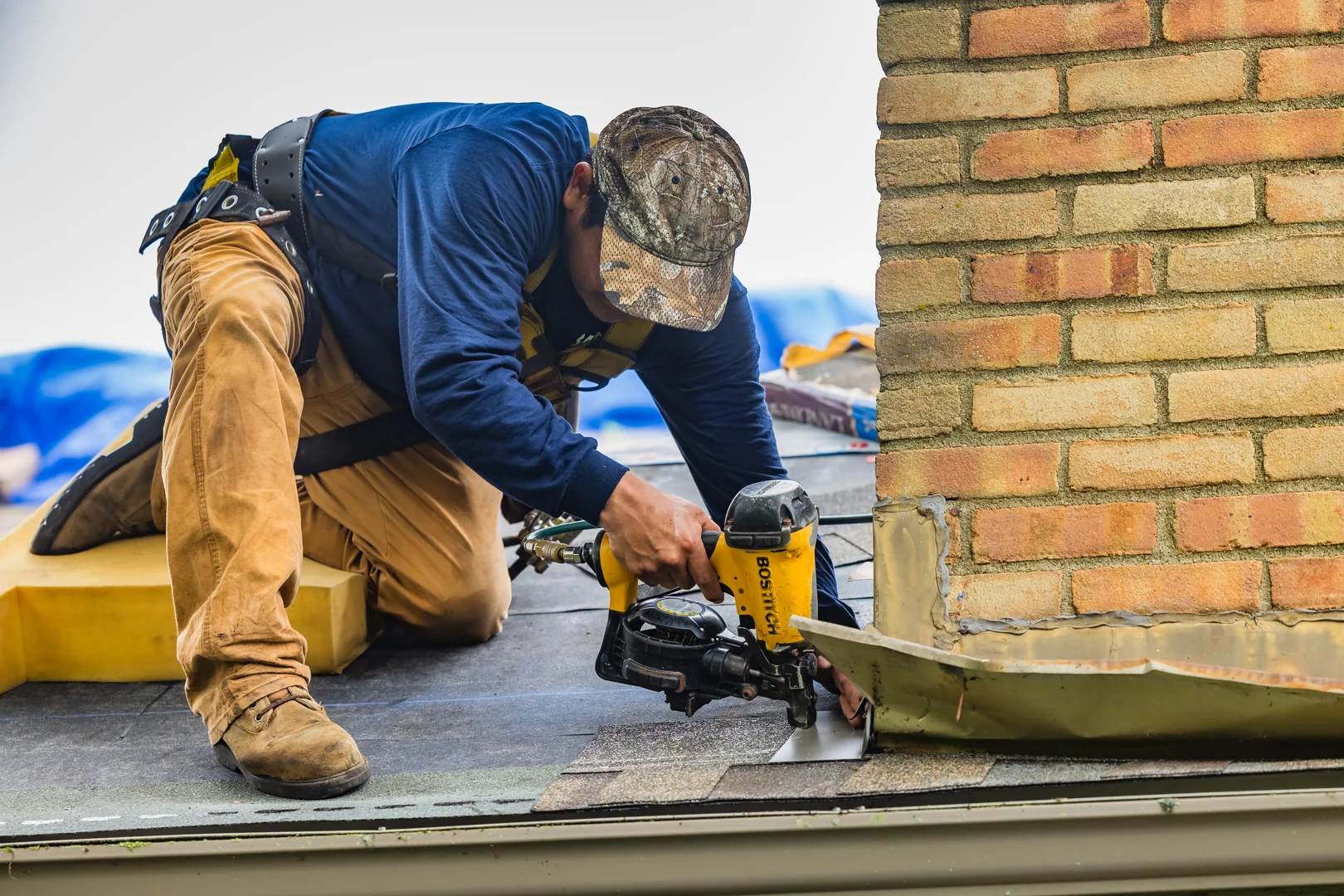
In many cases, targeted repairs or coatings can extend roof life if the system is still structurally sound.














.jpeg)