Everything You Need to Know About Roofing

Your Roof Is One of Your Home's Most Important Investments
Roofing is the system of materials and components that protects your home from rain, wind, snow, and heat. Here's a quick overview of what Central Ohio homeowners need to know:
- Most common material: Asphalt shingles (used in roughly 80% of U.S. homes)
- Average lifespan: 20-30 years for asphalt; 40-80+ years for metal; 75-150 years for slate
- Typical replacement cost: Most homeowners spend between $5,855 and $13,116
- Key components: Decking, underlayment, flashing, shingles, ridge vents, and gutters
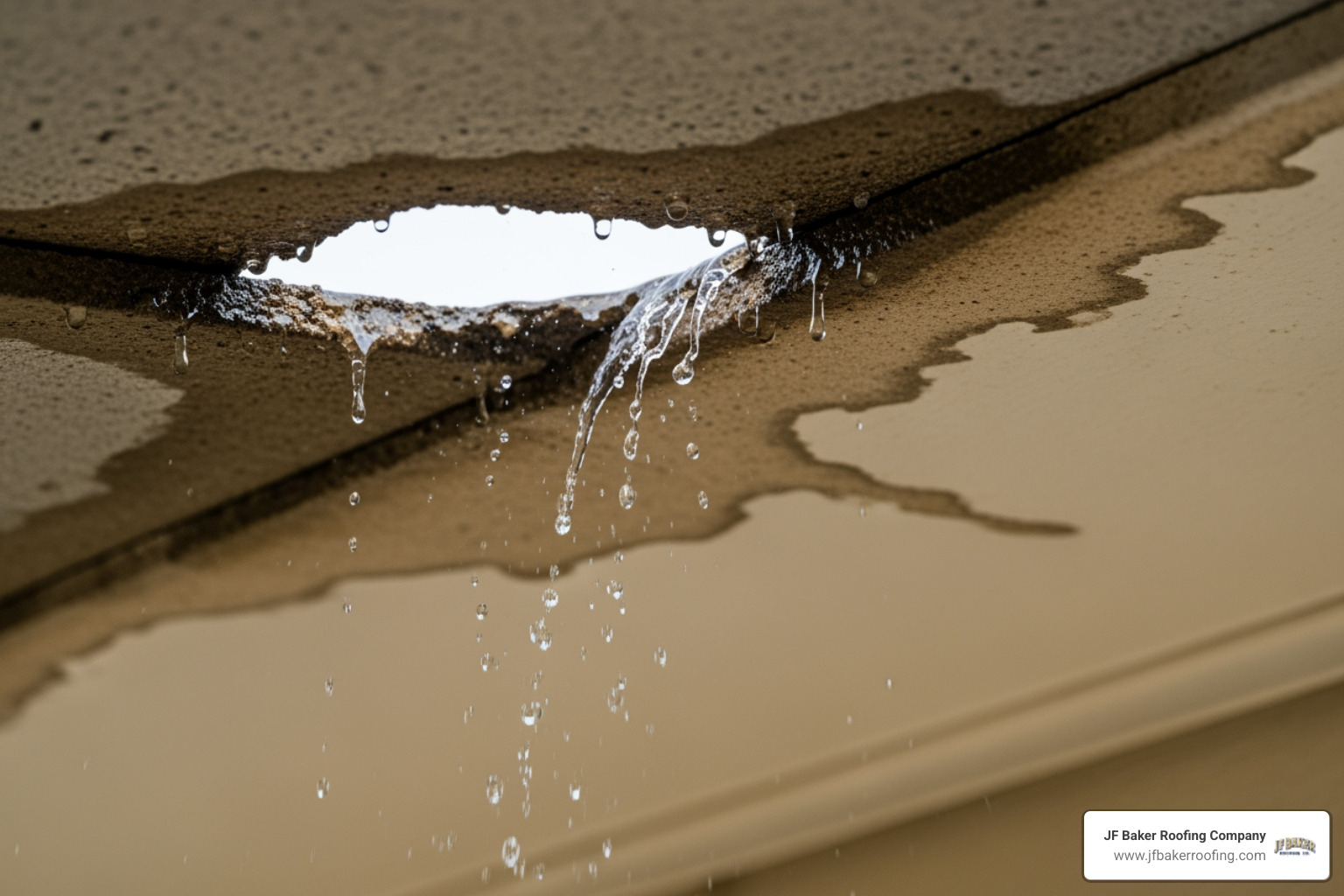
- When to act: Curling shingles, granules in gutters, leaks, or a roof older than 20 years are all warning signs
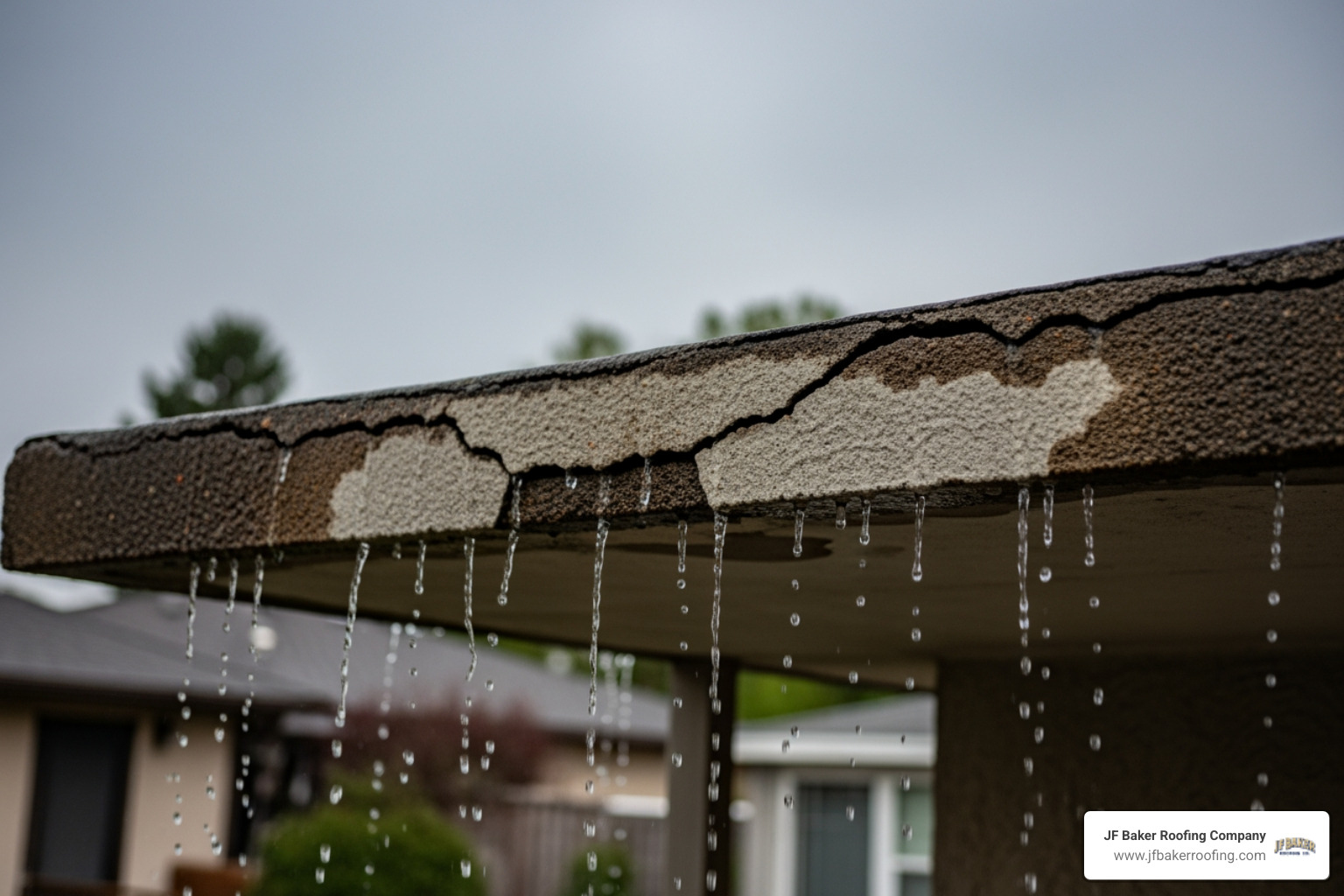
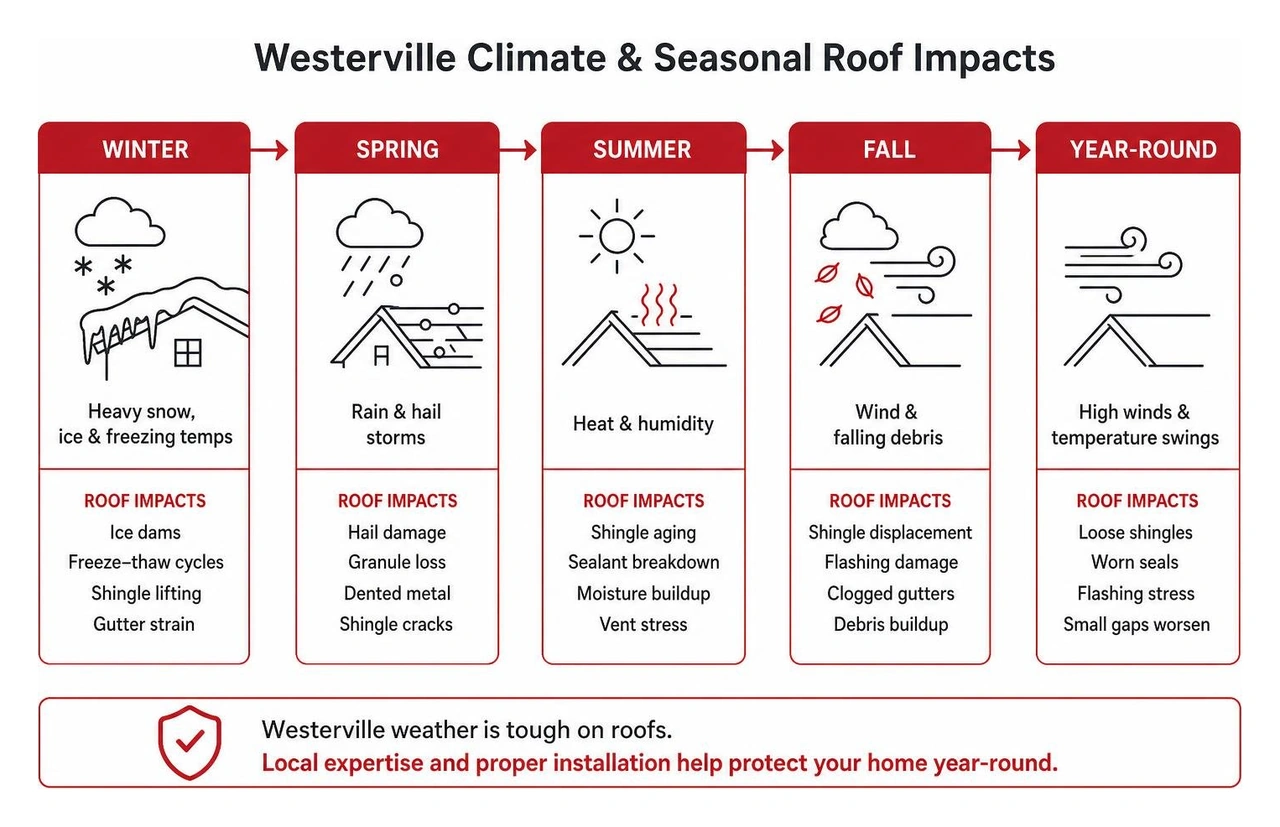
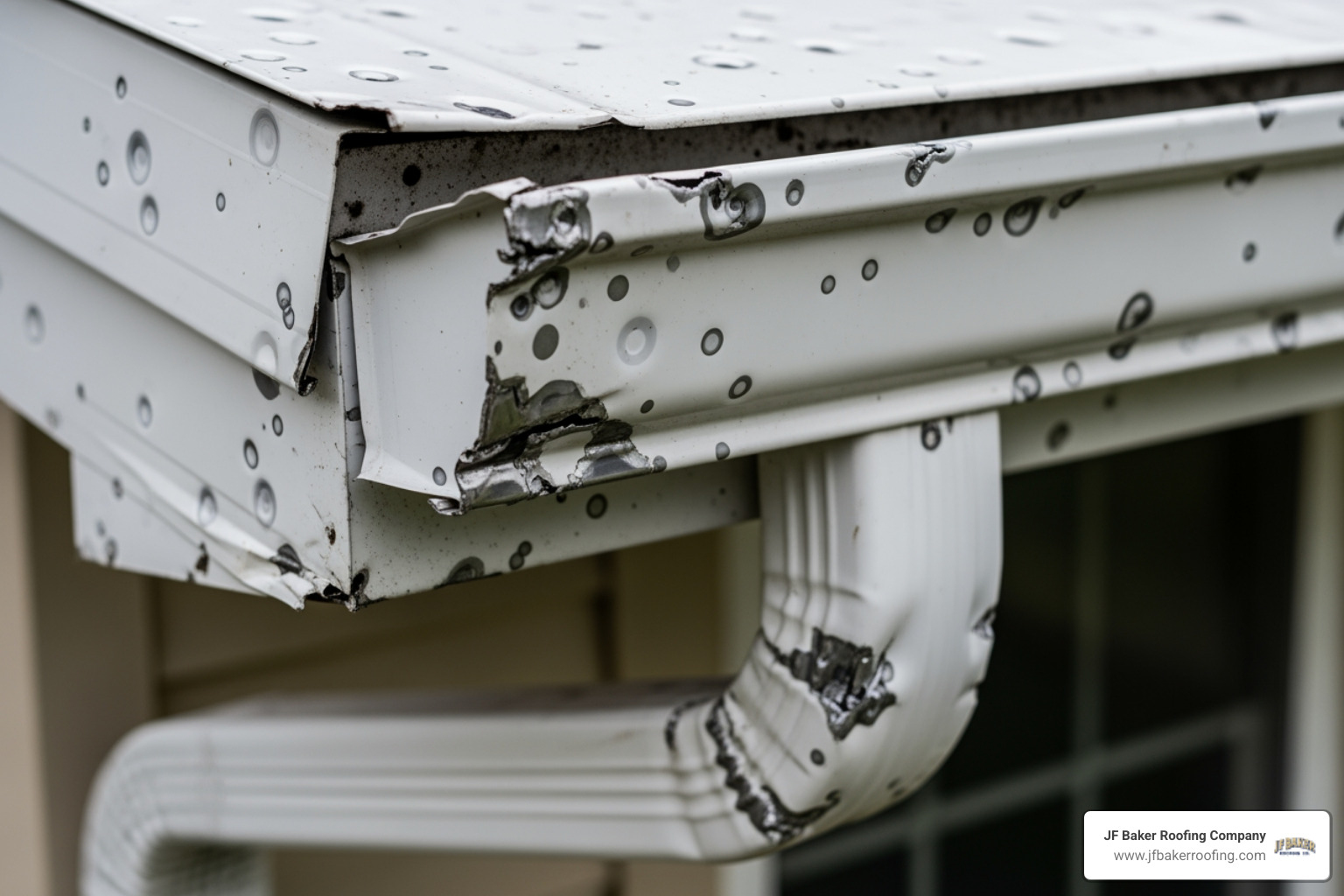
Ohio weather is hard on roofs. Harsh winters, spring hailstorms, summer heat, and fall debris all take a toll year after year. By the time most Central Ohio homeowners notice a problem, the damage has often been building for a while.
A roof isn't just shingles. It's a layered system designed to shed water, manage heat, and protect your home's structure. When one part fails, the rest follows.
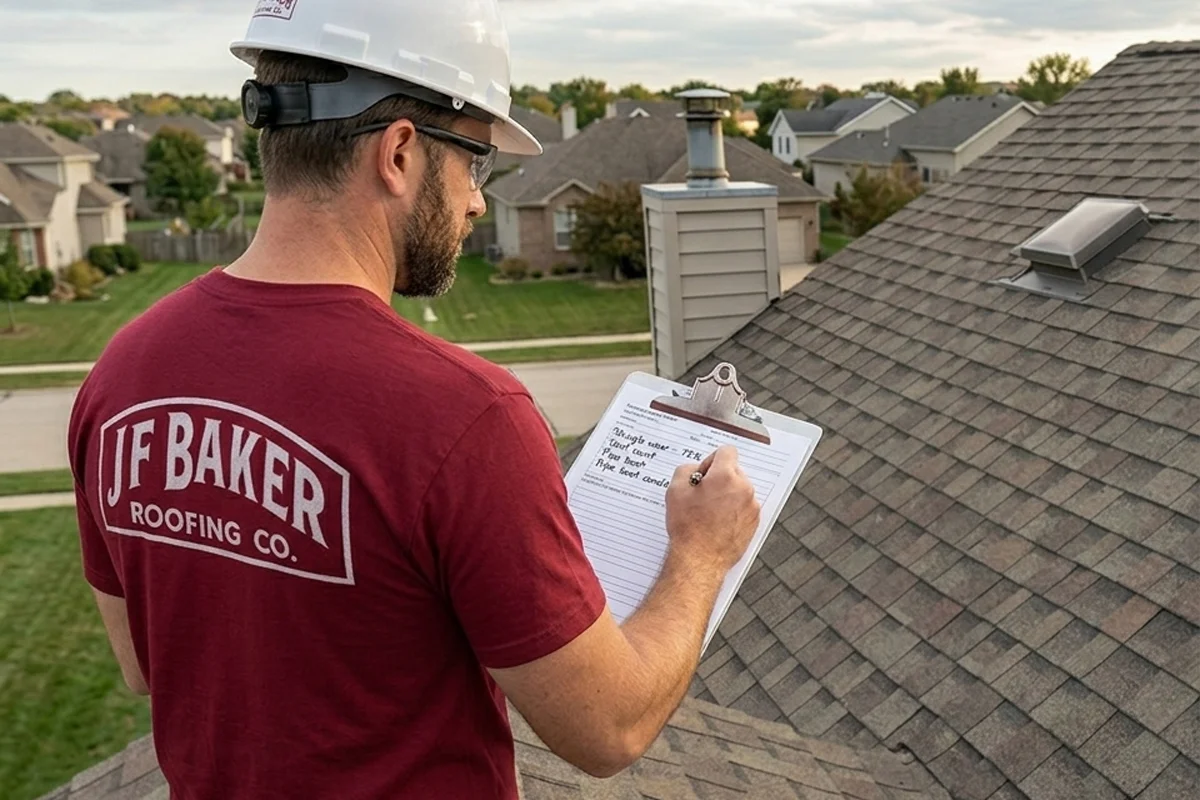
At JF Baker Roofing, we've been helping Columbus-area homeowners understand and care for their roofs since 1929. This guide covers everything you need to know, from choosing the right materials to hiring a contractor you can trust, written the way we'd explain it to a neighbor: plainly and honestly.
Common Types of Residential Roofing Materials

Choosing the right material for your Roofing project is a balance of aesthetics, durability, and budget. In Central Ohio, we see a wide variety of styles, but a few materials dominate the market because they handle our fluctuating temperatures well.
- Asphalt Shingles: These are the most common choice in the U.S. for a reason. They are cost effective and provide reliable protection. You generally choose between three-tab shingles and architectural shingles.
- Clay Tile: Often seen on stucco or Mediterranean-style homes, clay tiles have an incredible lifespan. While they are heavier and require a sturdy roof frame, they are very effective at shedding heat.
- Slate: This is the "forever" roof. Natural stone slate can last well over a century. It is common on older, historic buildings in areas like Bexley or German Village. However, it is very heavy and requires specialized installation.
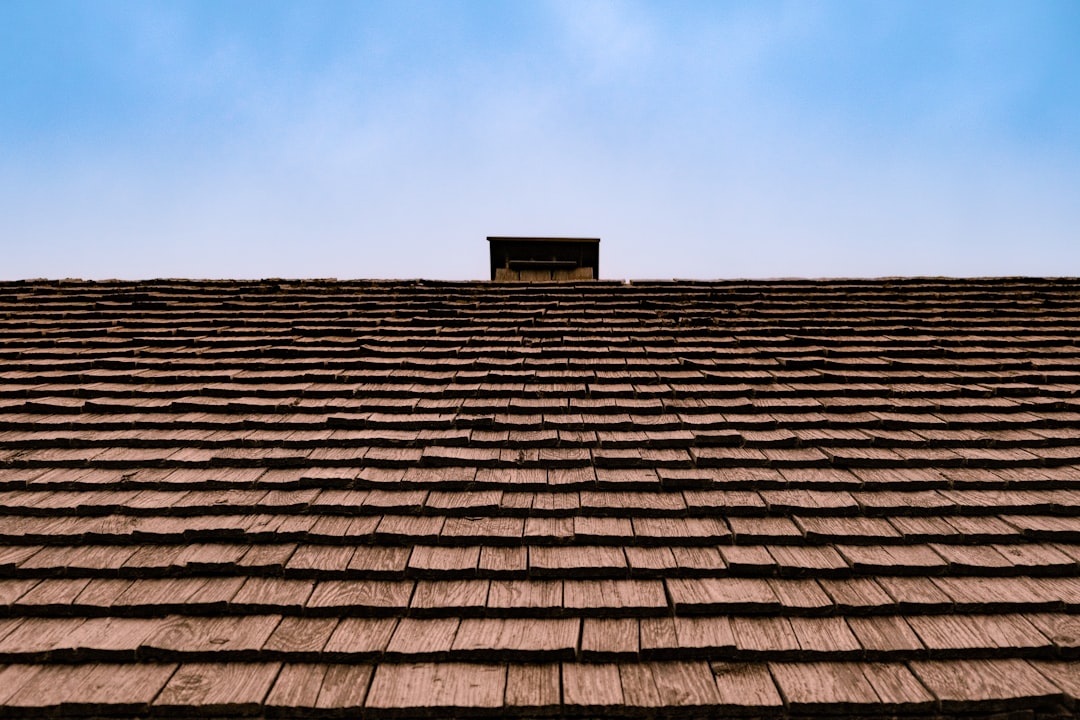
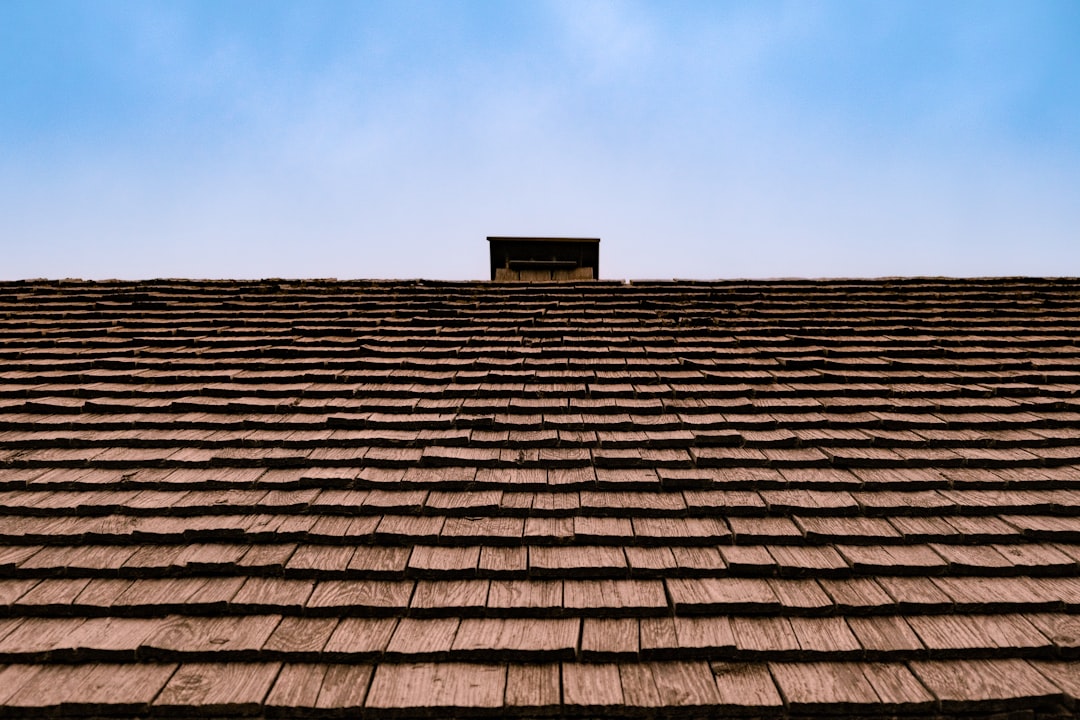
- Wood Shakes: These offer a rustic, textured look. Unlike sawn wood shingles, shakes are typically split along the grain, giving them a more rugged appearance. They require more maintenance to prevent moss and rot.
Material TypeExpected LifespanRelative CostThree-Tab Asphalt15 - 20 YearsLowArchitectural Asphalt25 - 30 YearsModerateMetal (Standing Seam)40 - 80 YearsHighWood Shakes30 - 40 YearsHighSlate75 - 150+ YearsVery HighClay/Concrete Tile50 - 100 YearsHigh
For more details on how these materials perform on local homes, you can read more info about residential roofing services.
The Rise of Metal Roofing Systems
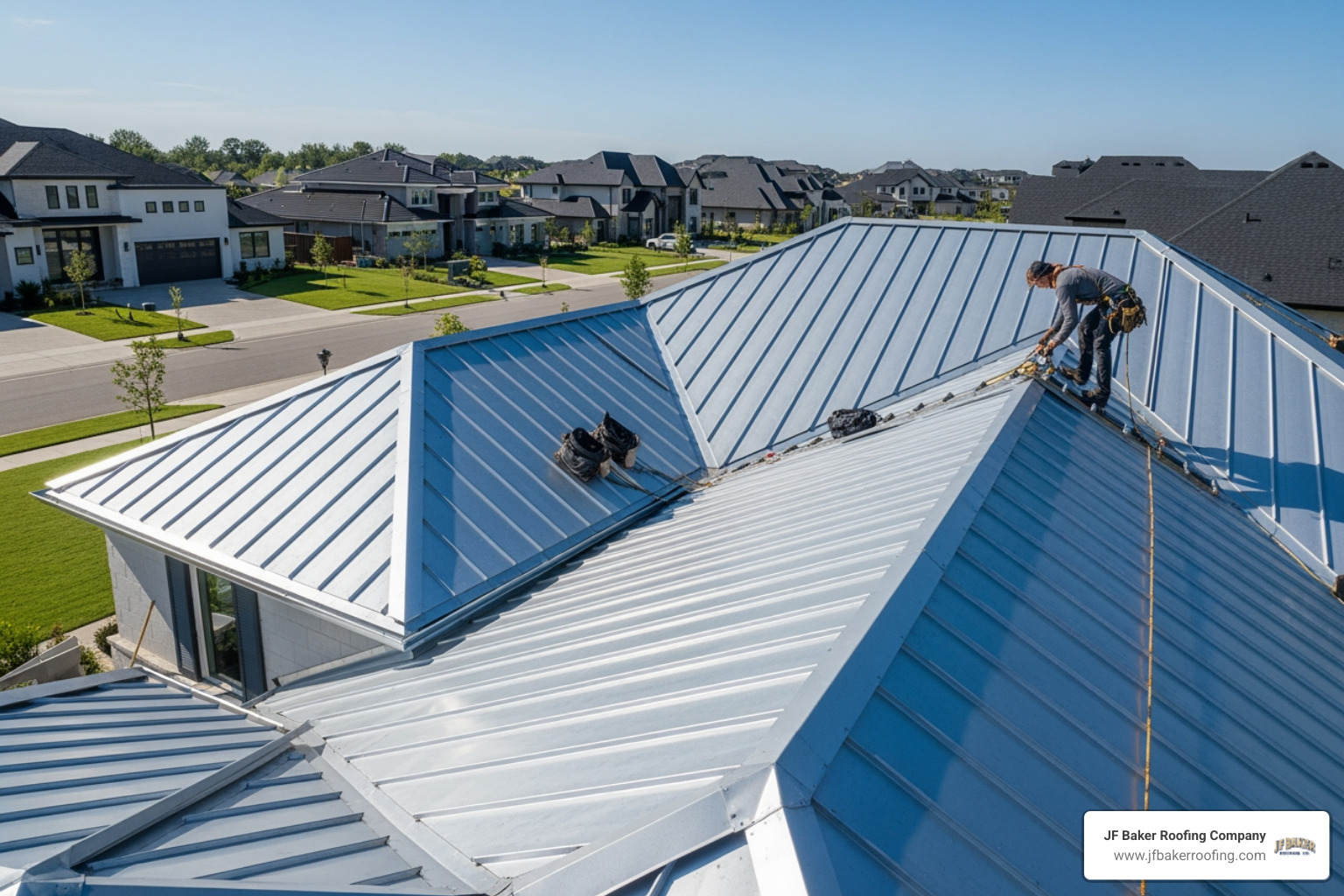
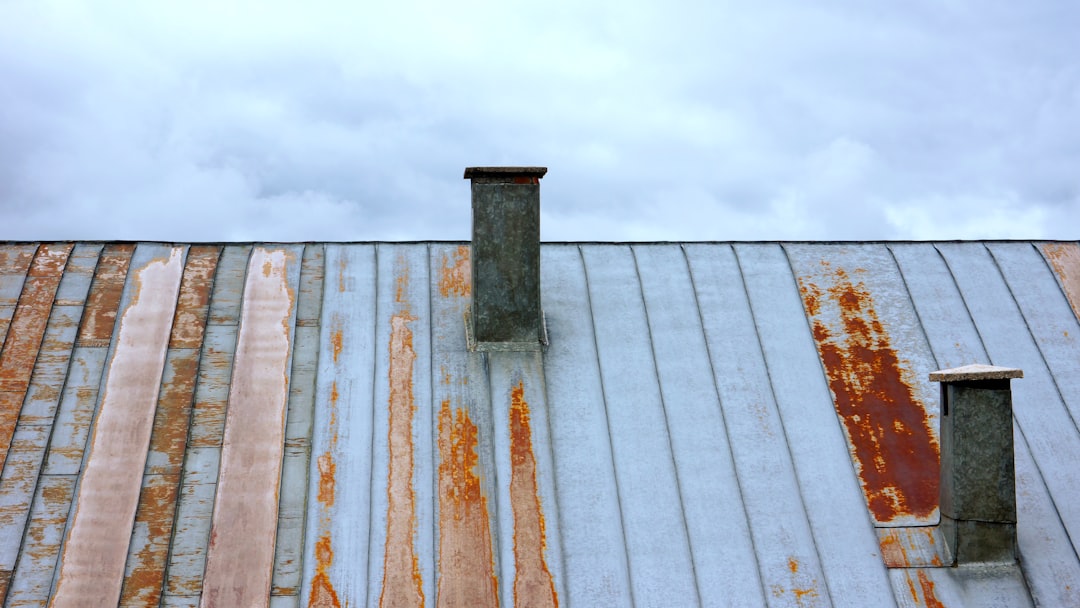
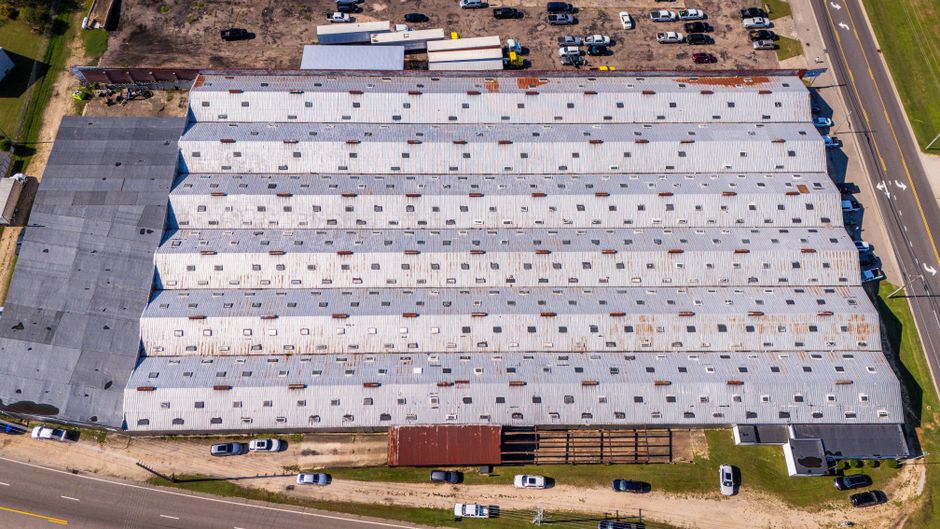
Metal Roofing is no longer just for barns or commercial buildings. According to Freedonia Group research on metal roof popularity, this material is growing in favor because of its resistance to leaks and wind uplift. In regions prone to violent storms, the durability of metal is a major selling point.
Standing seam metal roofs are particularly popular because the fasteners are concealed, reducing the chance of leaks. They also reflect a significant amount of solar heat, which can help keep your home cooler during those humid Columbus summers.
Benefits and Drawbacks of Traditional Shingles
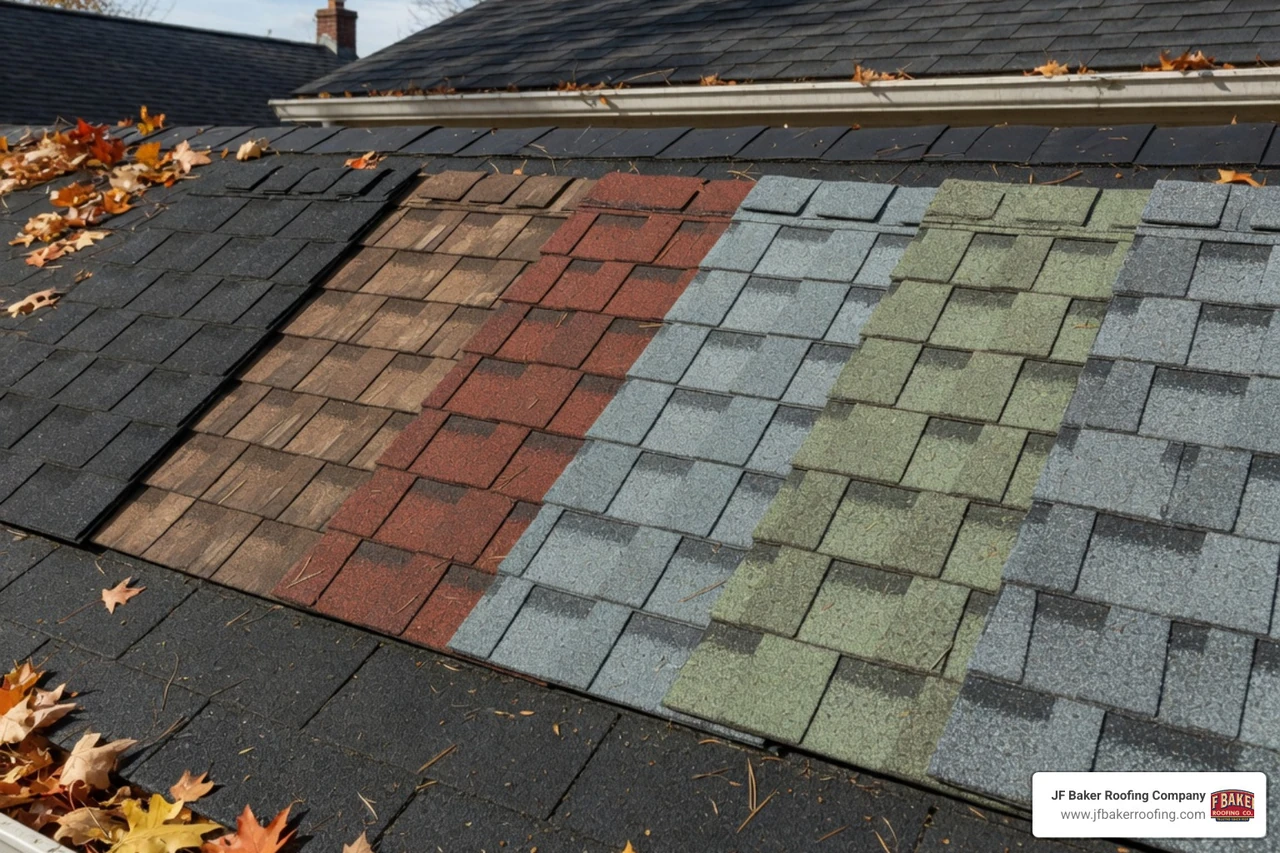
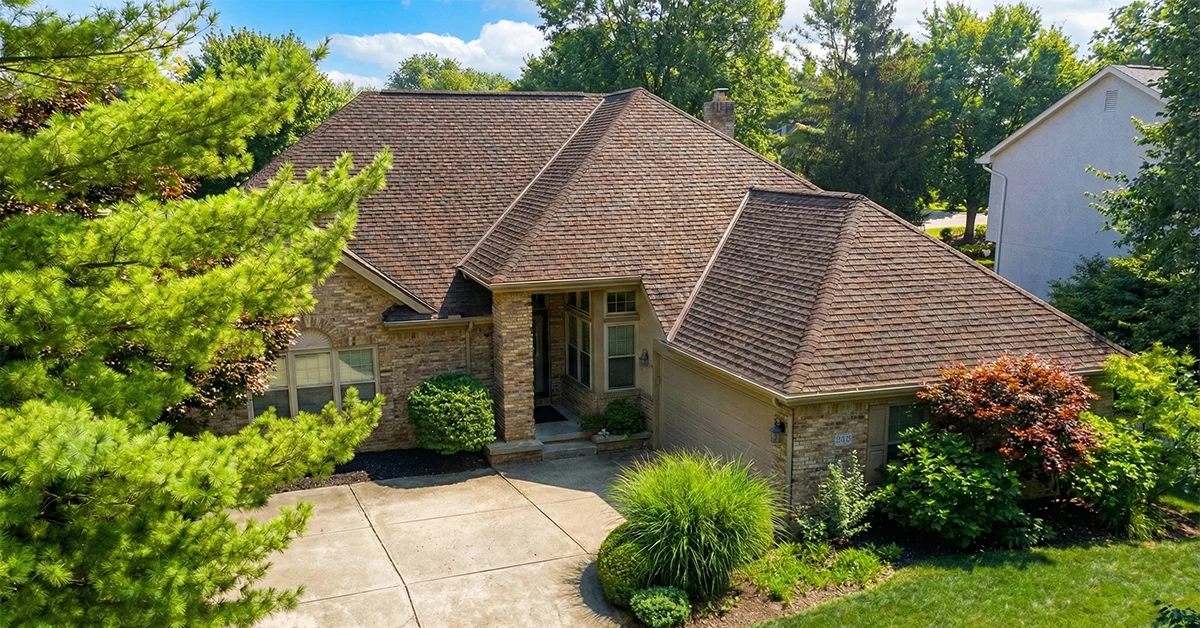
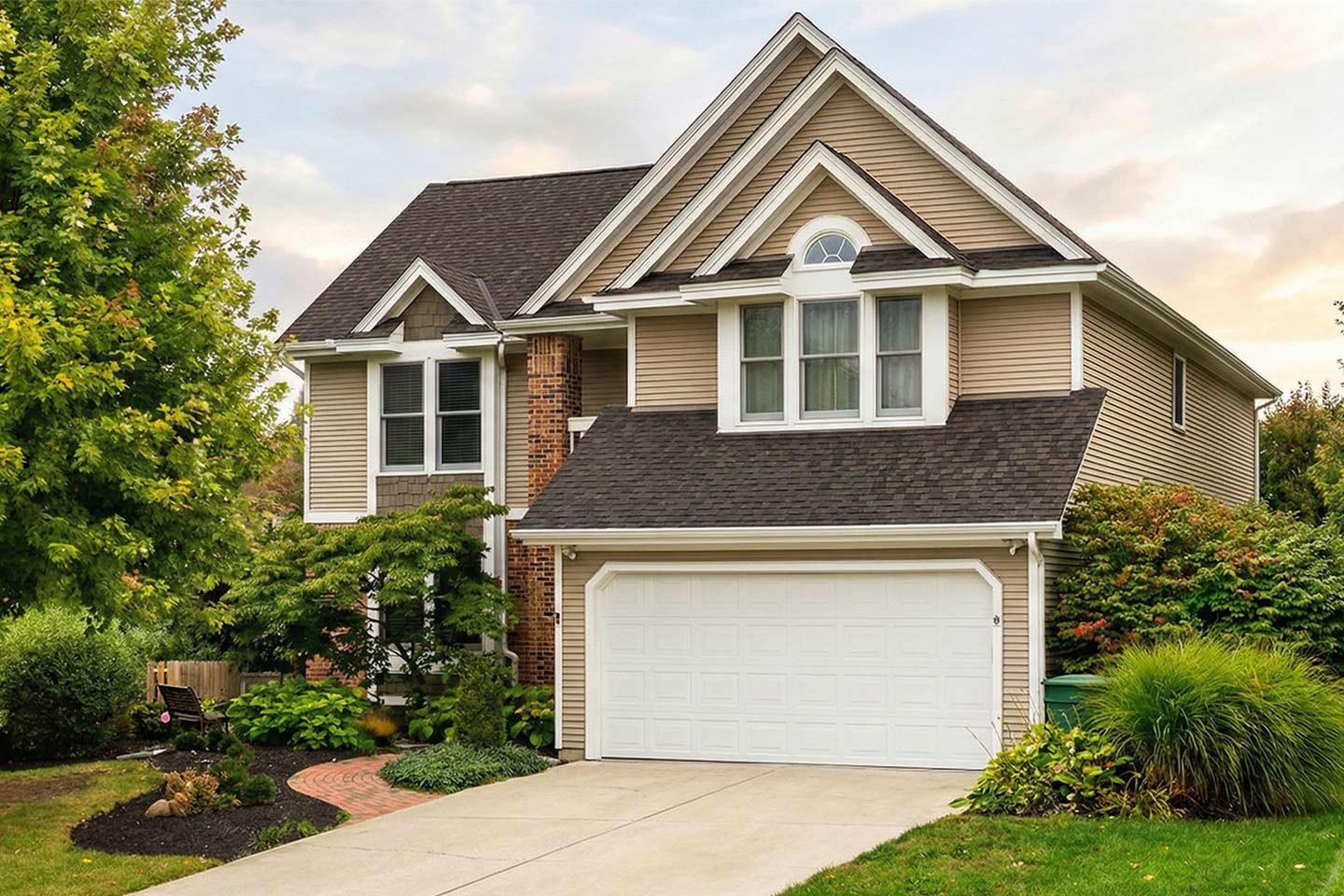
Asphalt shingles remain the standard for Residential Roofing. Three-tab shingles are the most affordable option, but they have a lower wind rating and a shorter lifespan. Architectural shingles, also known as laminated or dimensional shingles, are thicker and can weigh up to 50% more than three-tab versions. They offer better fire resistance and a more modern look that mimics wood or slate.
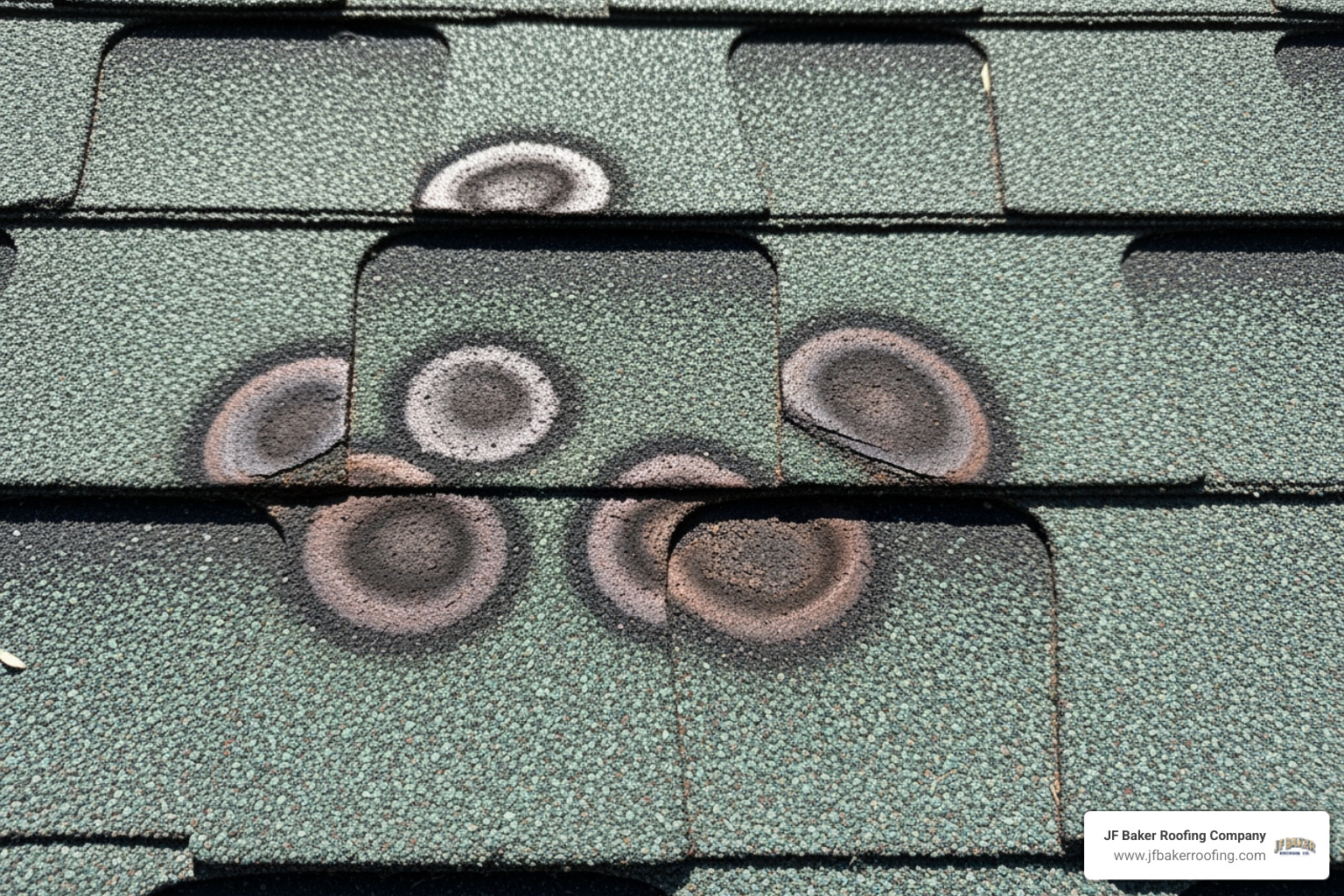
One common drawback of asphalt is its susceptibility to algae (those black streaks you see on older roofs) and granule loss over time. If you start seeing "bald spots" or excessive granules in your gutters, it is a clear sign the shingles are reaching the end of their functional life. Check out more info about when to replace your roof to see if your shingles are still doing their job.
Understanding the Roof Replacement Process
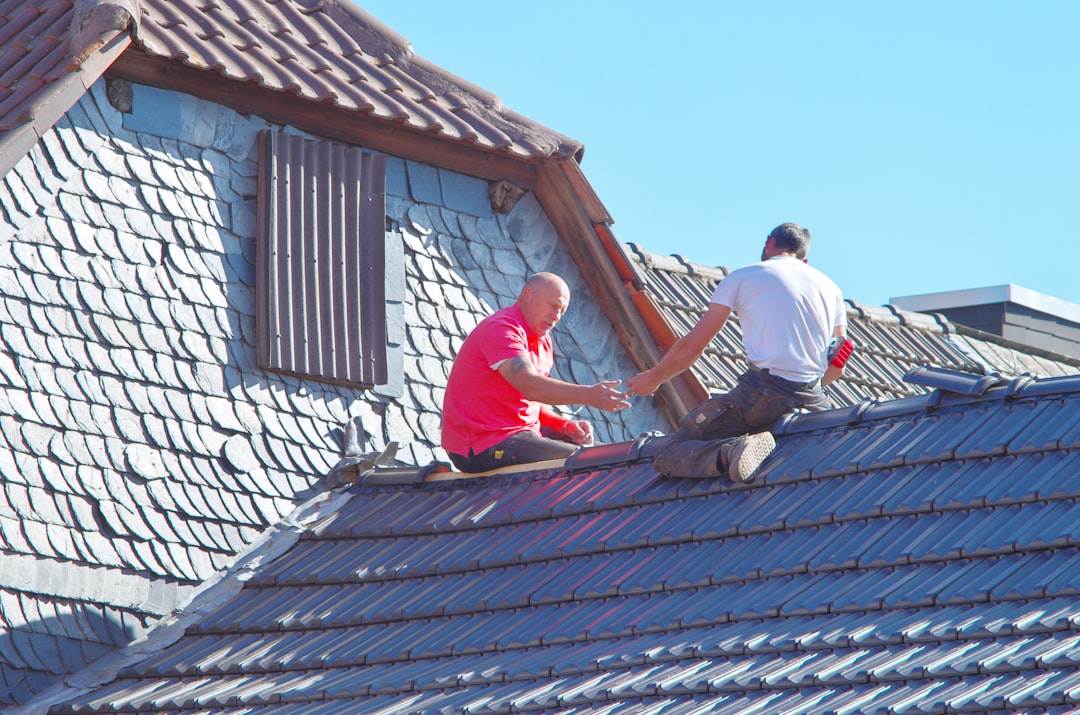
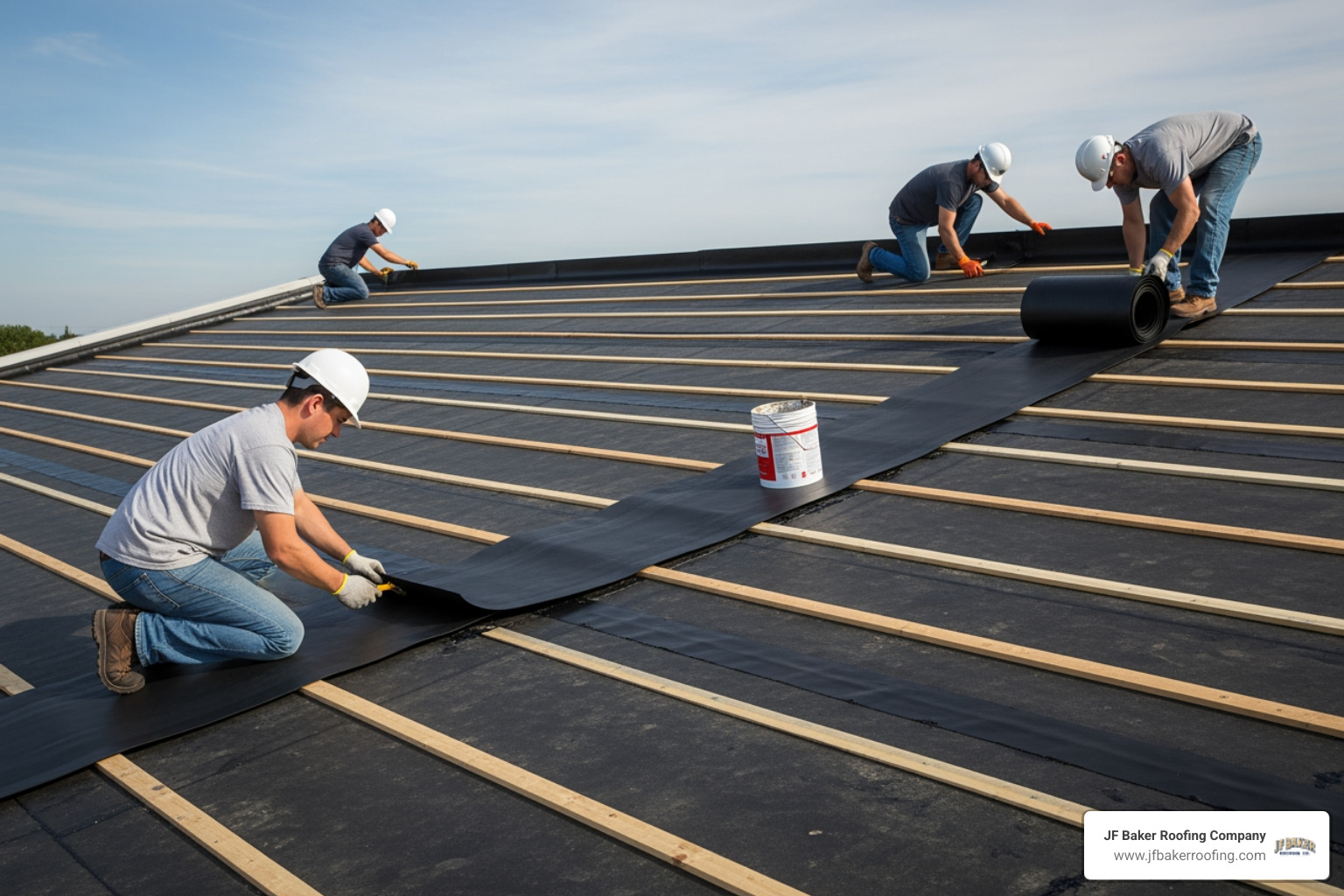
Replacing a roof is a major construction project. It isn't just about nailing down new shingles; it is about ensuring the entire "envelope" of your home is sealed. The process typically begins with a thorough inspection of the roof pitch and the underlying structure.
The foundational steps include:
- Tear-off: Removing the old layers to see the wood underneath.
- Decking Inspection: Checking the wooden sheathing for rot or soft spots.
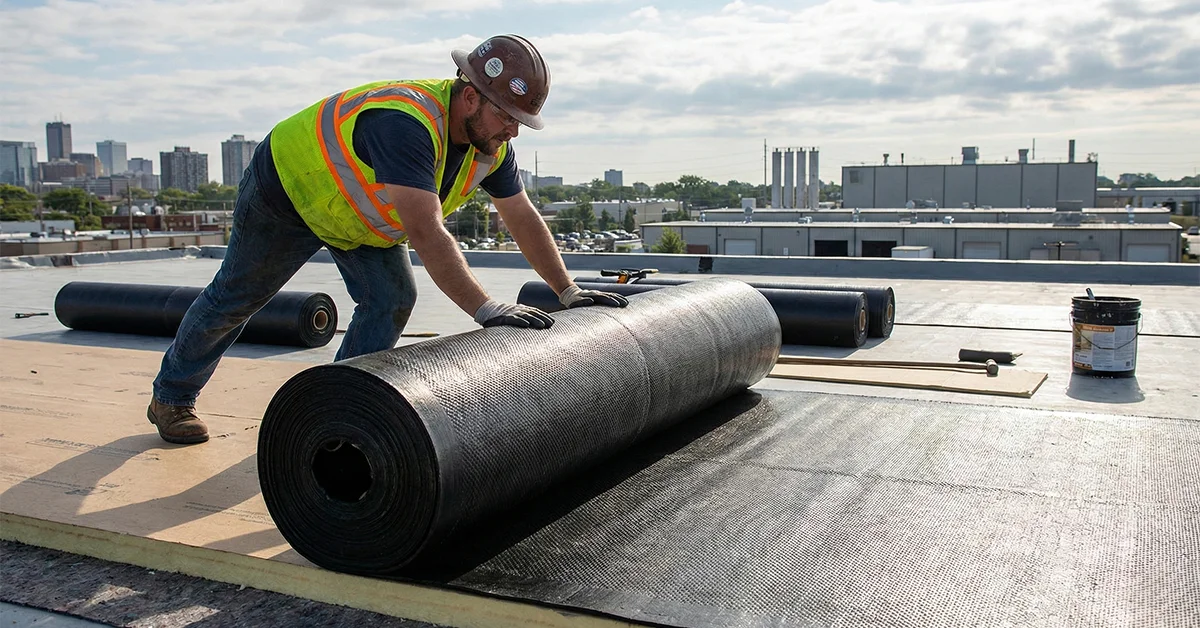
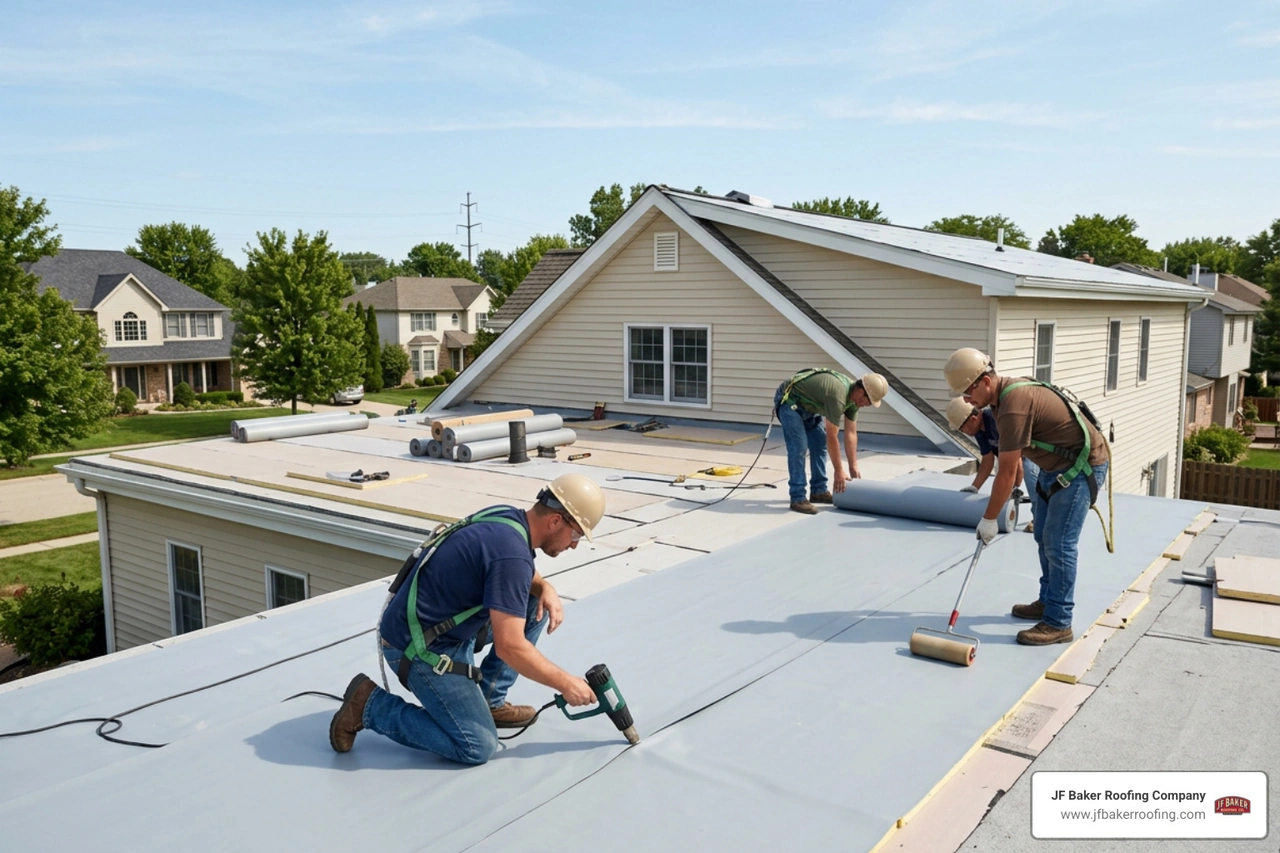
- Underlayment & Ice/Water Shield: Applying a waterproof barrier, especially in valleys and near the eaves where ice dams form in Ohio winters.
- Starter Shingles: A specialized row of shingles that ensures the first course has proper wind resistance.
- Shingle Installation: Laying the main field of the roof.
- Ridge Caps & Vents: Finishing the peaks to allow for proper airflow.
You can learn more about these layers in our guide on the main components of a residential roof.
Tear-Off vs. Overlay Methods
Some homeowners consider an "overlay," which means installing new shingles directly over the old ones. While most building codes allow for up to two layers of asphalt shingles, we almost always recommend a full tear-off.
An overlay adds significant structural weight to your home. More importantly, you cannot inspect the decking for water damage or replace old flashing if the old shingles stay in place. A full tear-off allows us to find hidden leaks and ensures the new roof has the longest possible lifespan.
The Role of Ventilation and Flashing
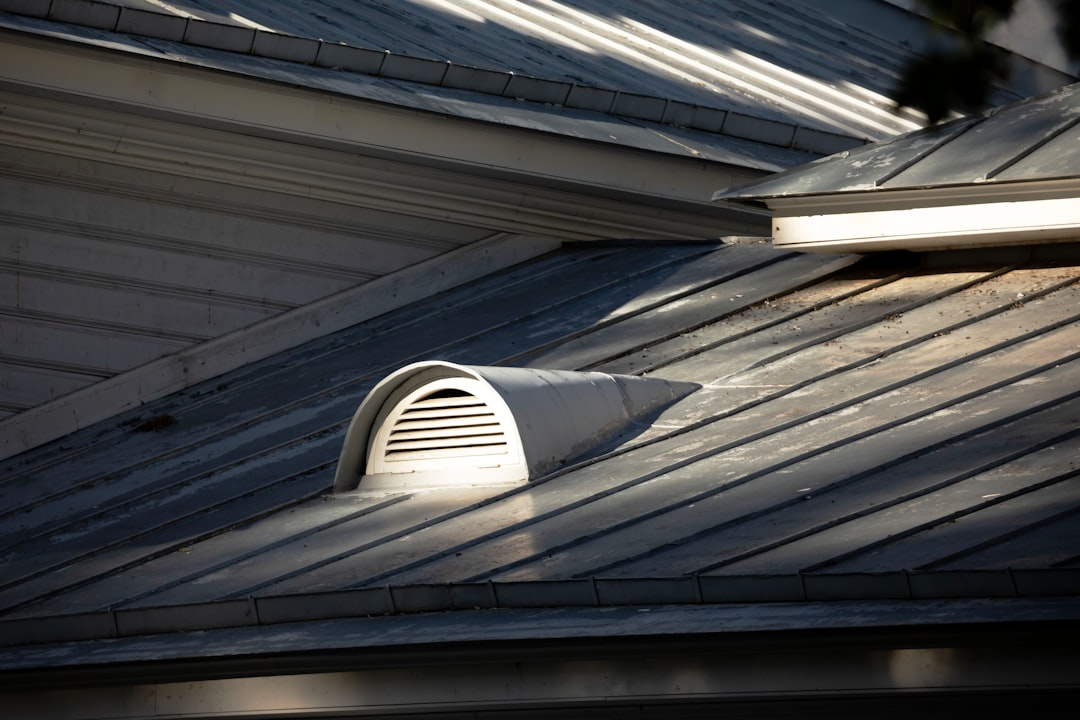
A roof needs to breathe. Without proper ventilation, your attic can become 50 to 85 degrees hotter than the outside air. This heat can bake your shingles from the inside out, shortening their life. Ridge vents and soffit vents work together to keep air moving.
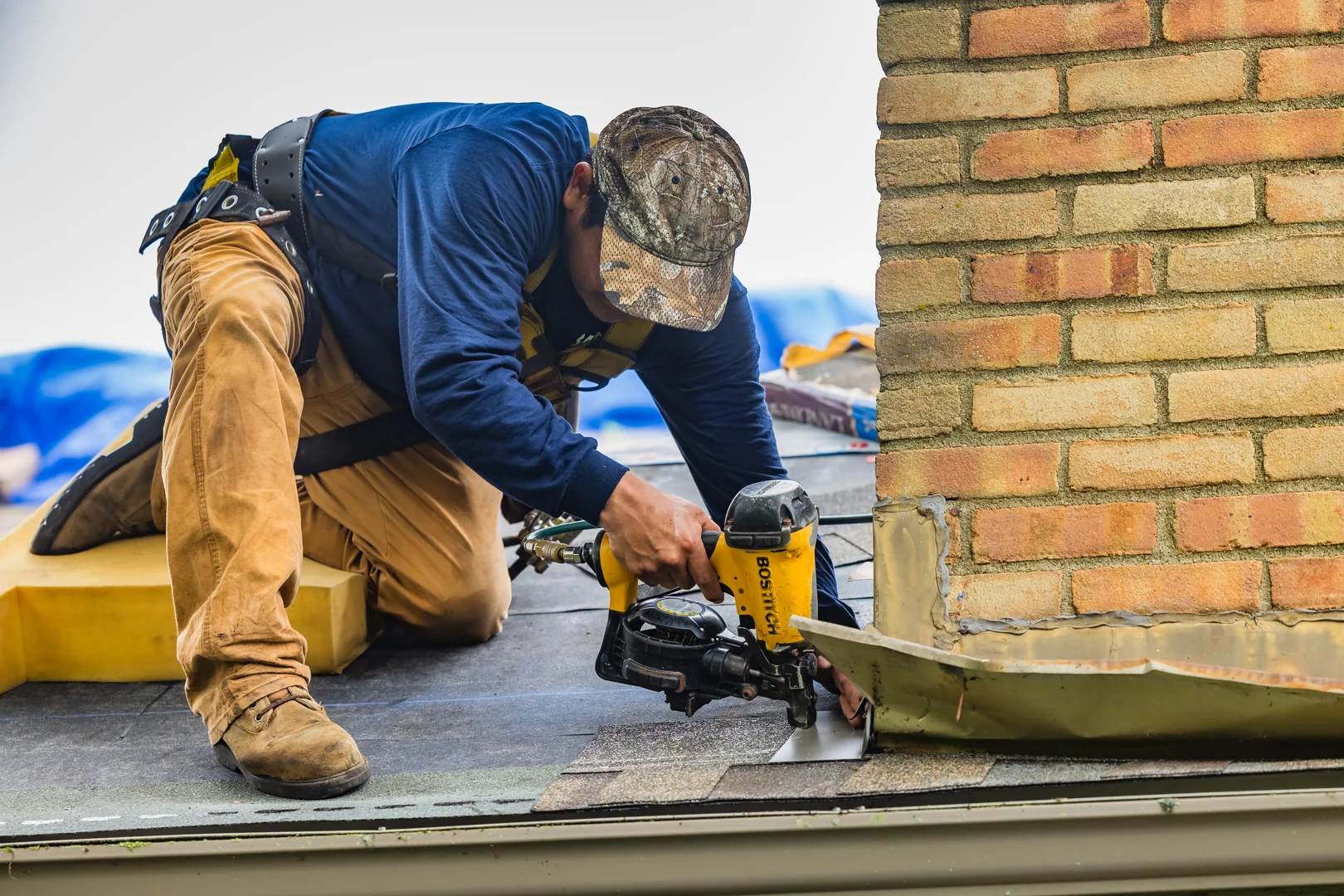
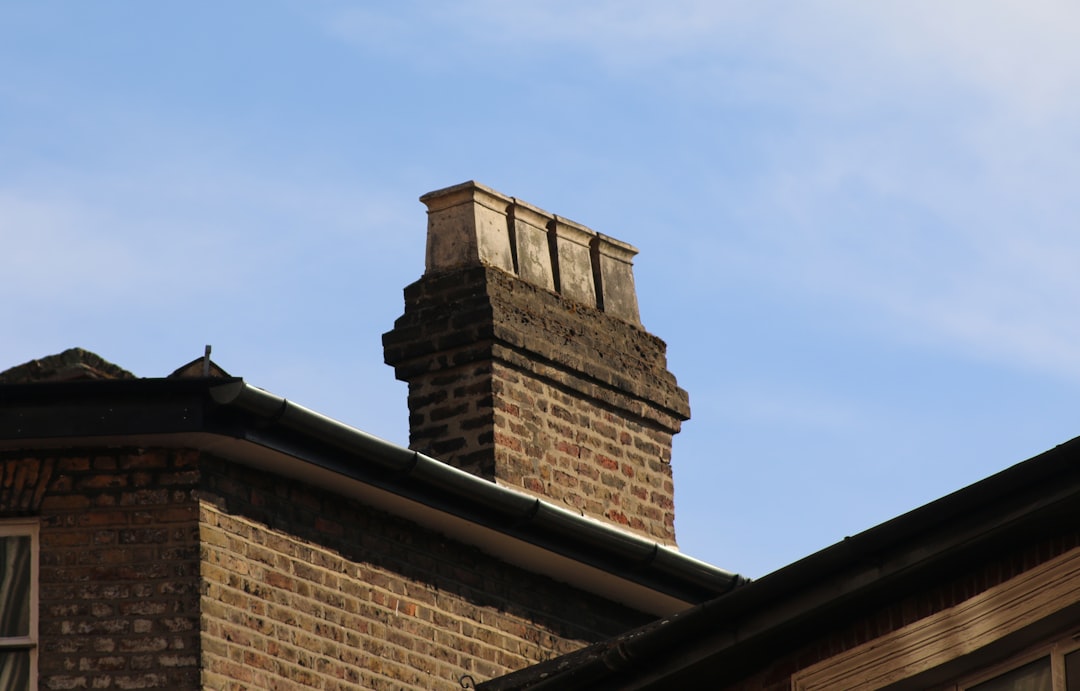
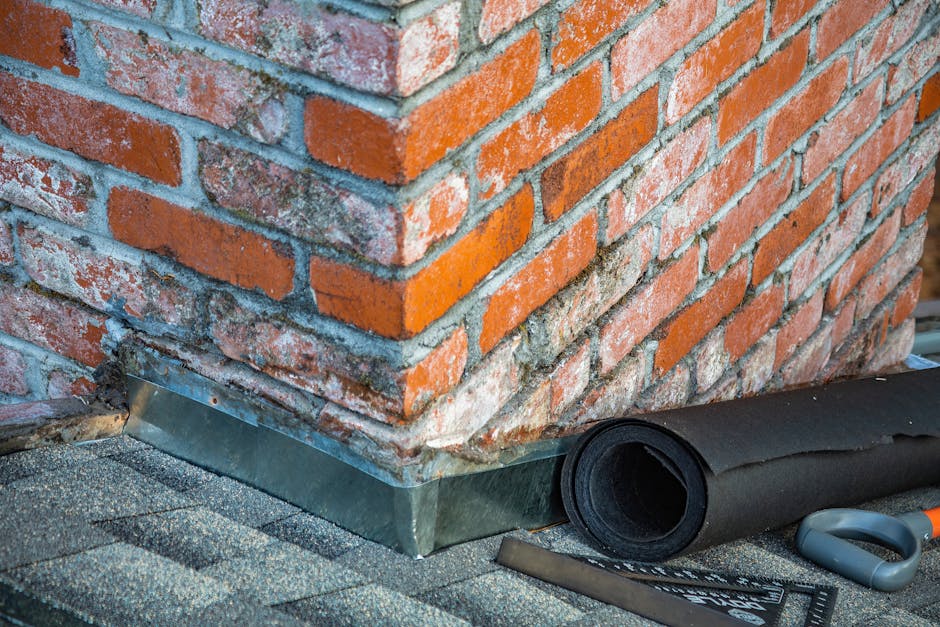
Flashing is equally critical. These are the metal pieces installed around chimneys, dormers, and valleys. They are the "joints" of your roof and are the most common places for leaks to start. Quality Sheet Metal Work ensures these vulnerable areas remain watertight for decades.
Energy Efficiency and Modern Trends
Modern Roofing technology has come a long way in helping homeowners save on utility bills. From reflective pigments to integrated solar technology, your roof can do more than just stop rain.
Solar Roofing and Federal Incentives
Solar technology is no longer limited to bulky panels bolted on top of shingles. Manufacturers like GAF and CertainTeed have introduced photovoltaic shingles that look and act like traditional roofing materials. For example, CertainTeed Solstice Shingle details show how these can integrate seamlessly into your roofline.
Even better, there is currently a 30% federal tax credit available for solar roof installations through the end of 2025. This incentive has no income restrictions and can significantly offset the cost of modernizing your home's energy system. You can explore GAF Solar roofing options to see how these systems look in practice.
Cool Roofs and Reflective Technology
A "cool roof" is designed to reflect more sunlight and absorb less heat than a standard roof. Light-colored shingles or those with specialized reflective pigments can reduce home cooling costs by up to 15 percent.
According to DOE’s Energy Saver page on cool roofs, white roofs are the most effective, reflecting 60 to 90 percent of sunlight. If you prefer a darker color, "cool colored" roofs use special pigments to reflect about 30 to 60 percent of sunlight. You can verify the ratings of different products through the Cool Roof Rating Council directory.
Safety Standards and Contractor Selection
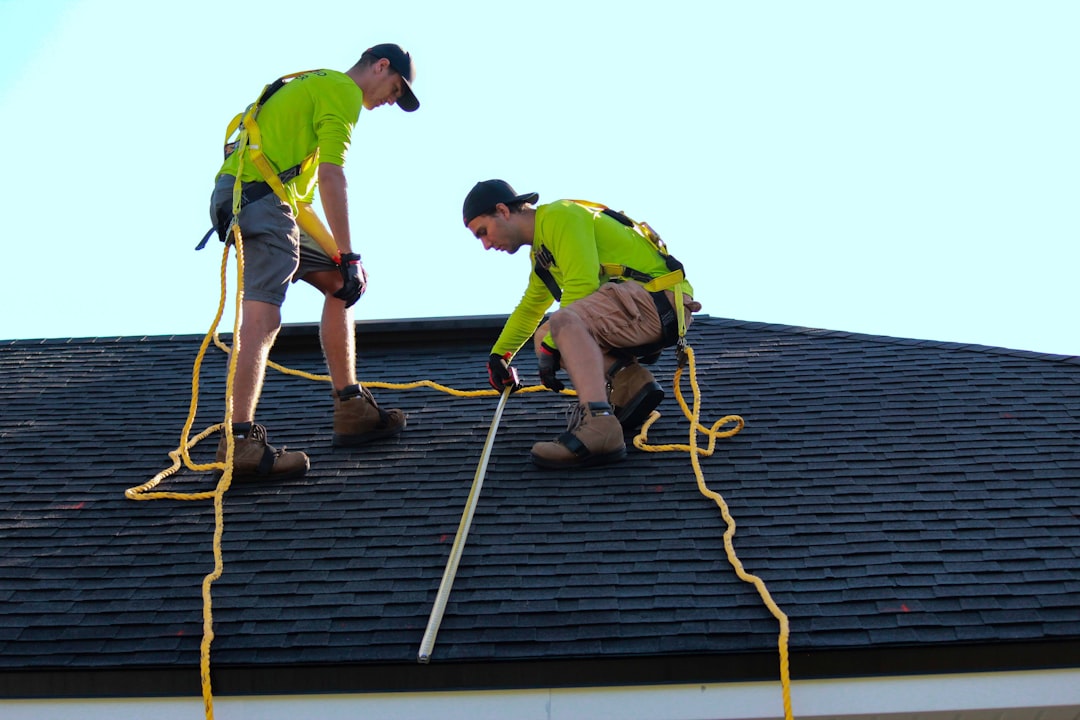
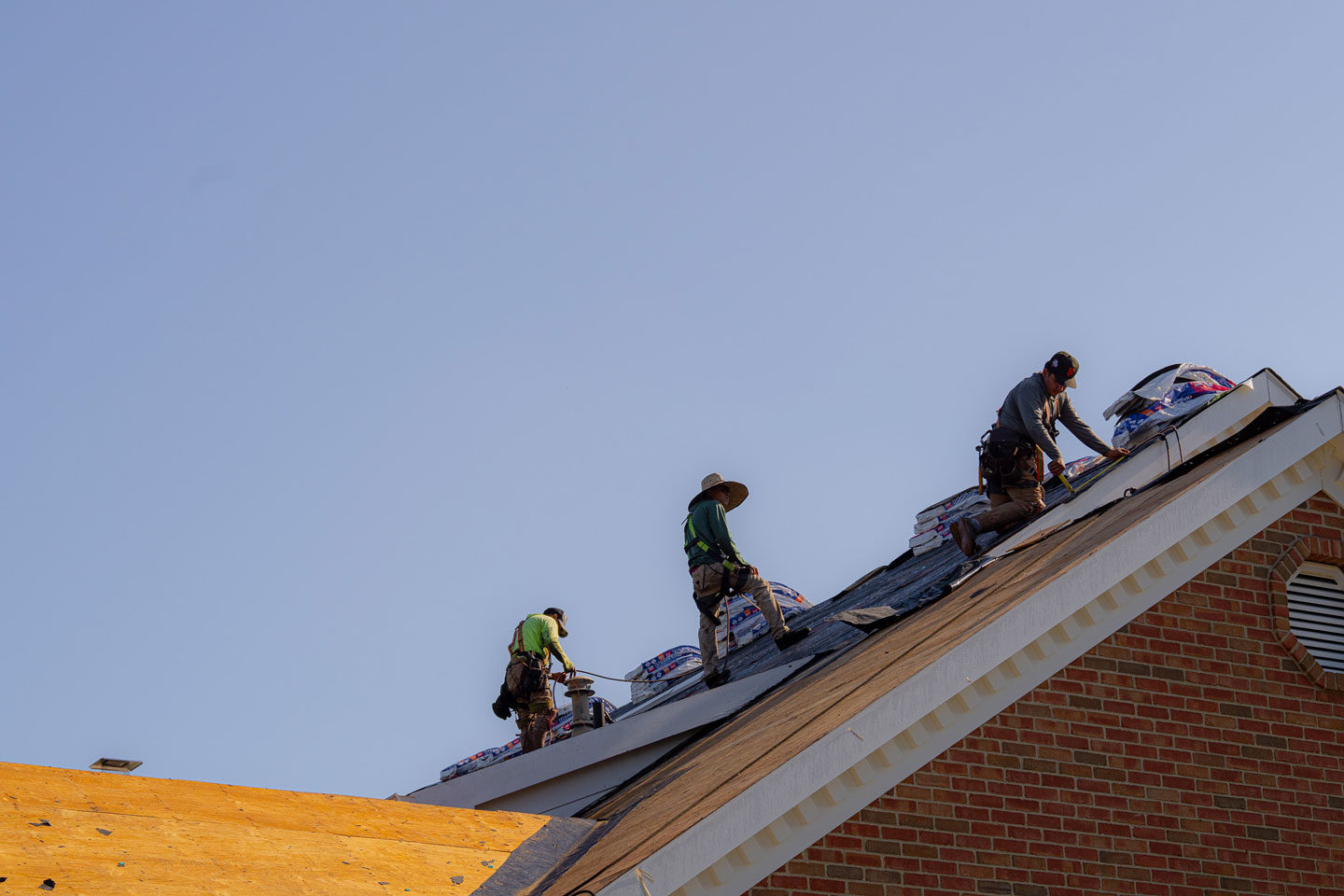
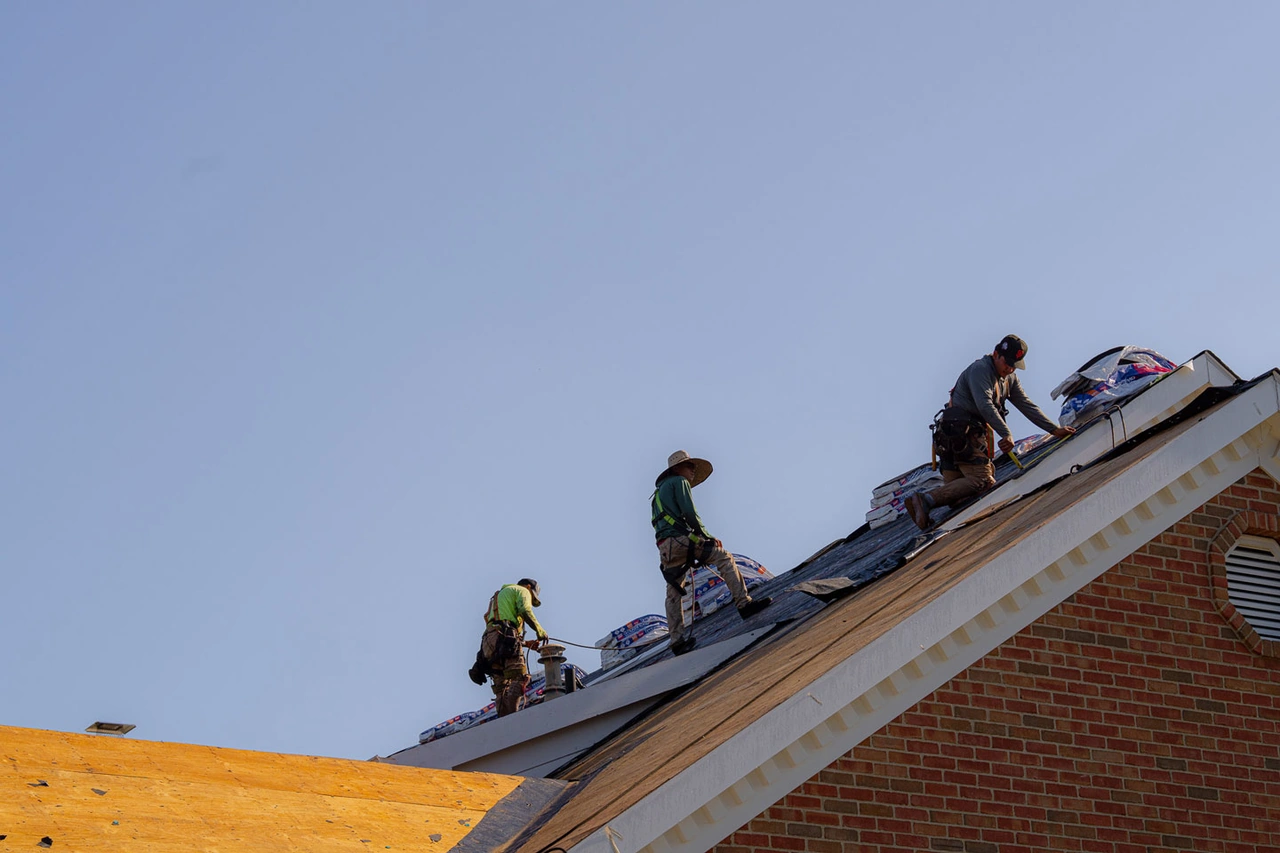
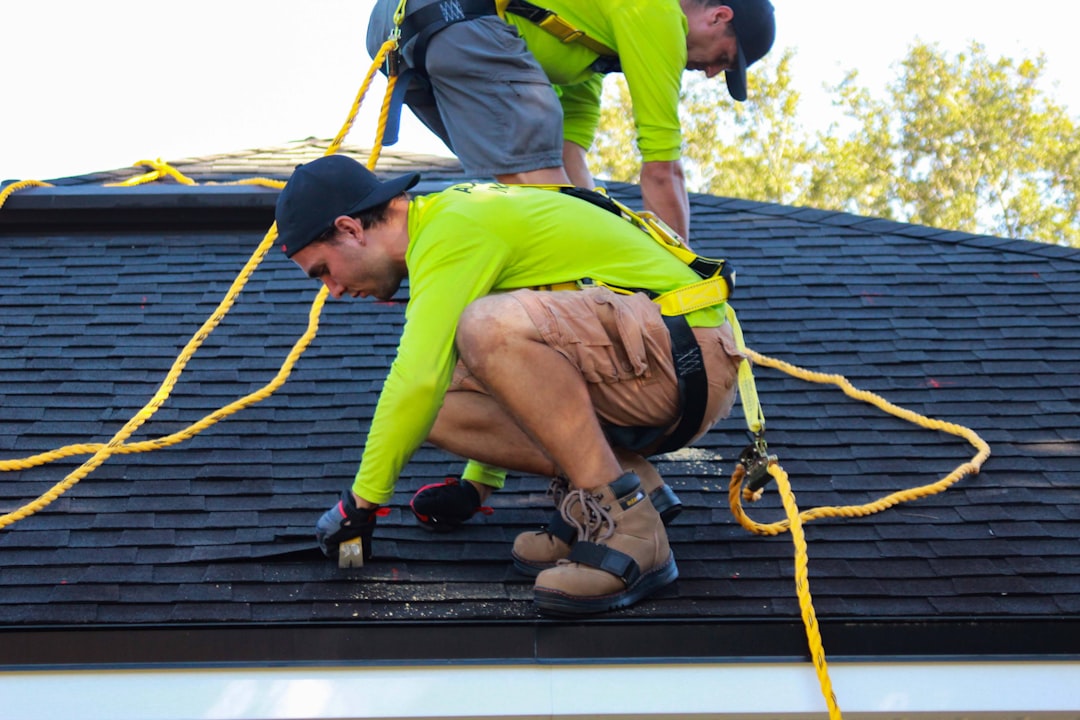
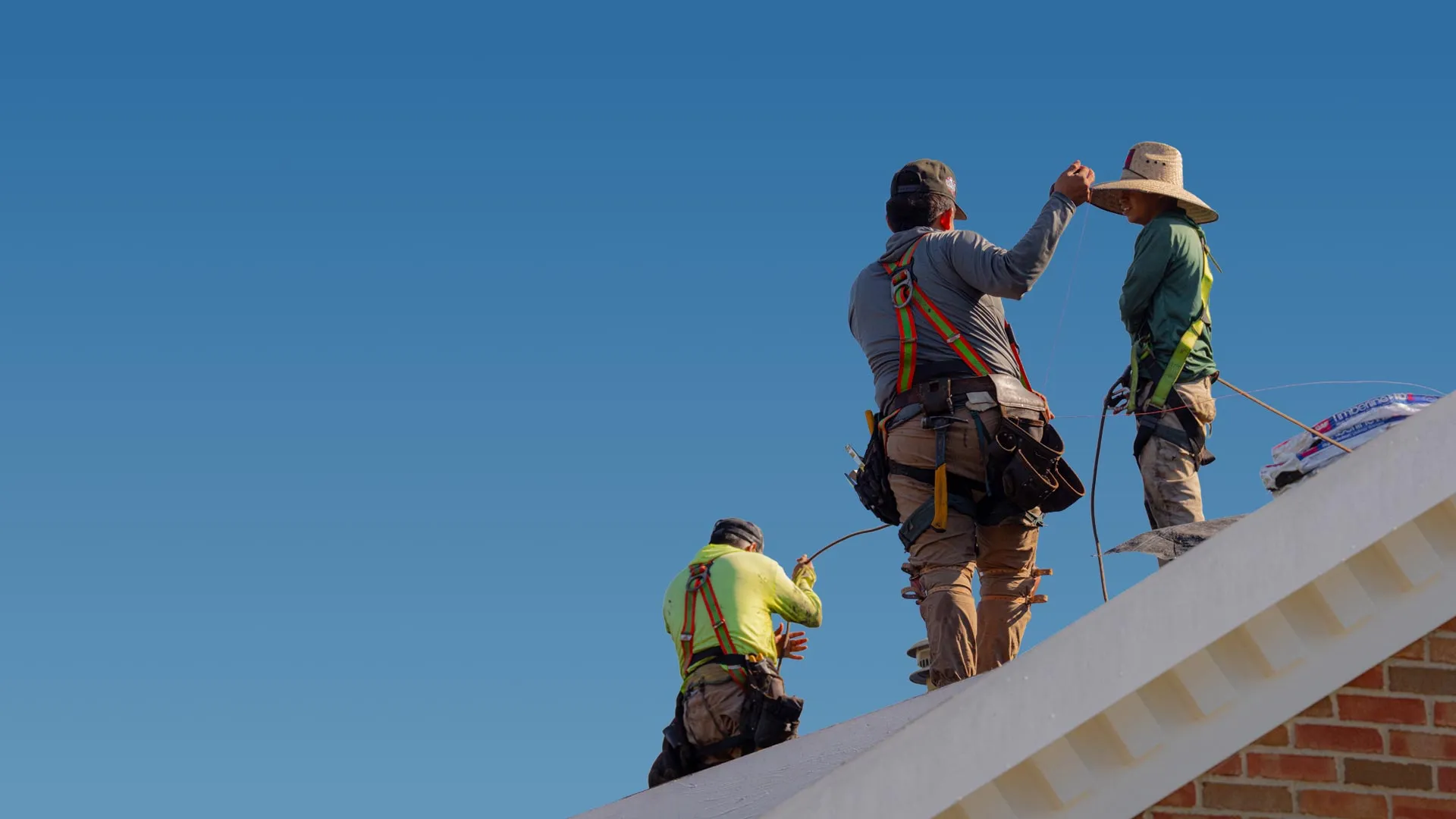
Roofing is one of the most dangerous jobs in the country. In 2021, the fatality rate for roofers was over 16 times higher than the national average for all workers. Safety isn't just a checkbox; it is a necessity for protecting the people working on your home.
Key safety measures include:
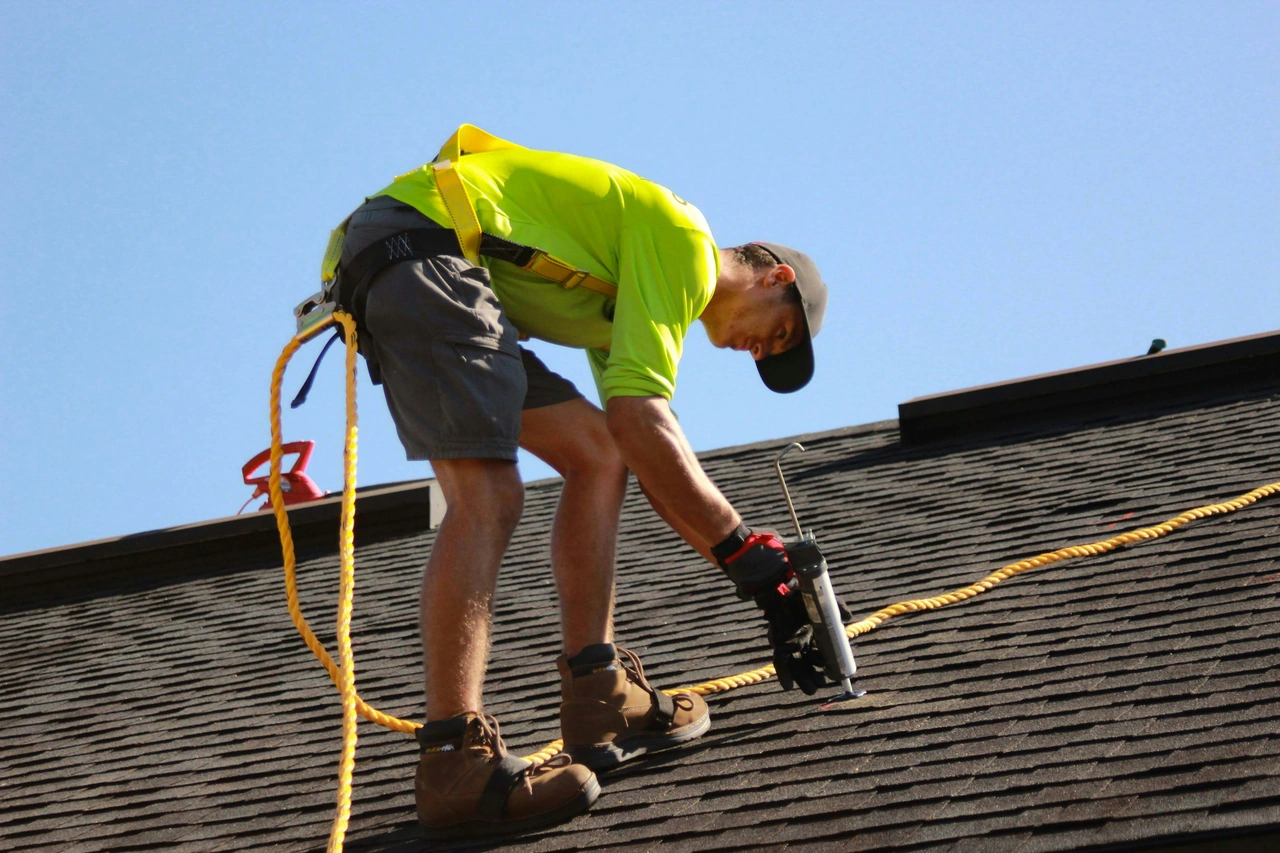
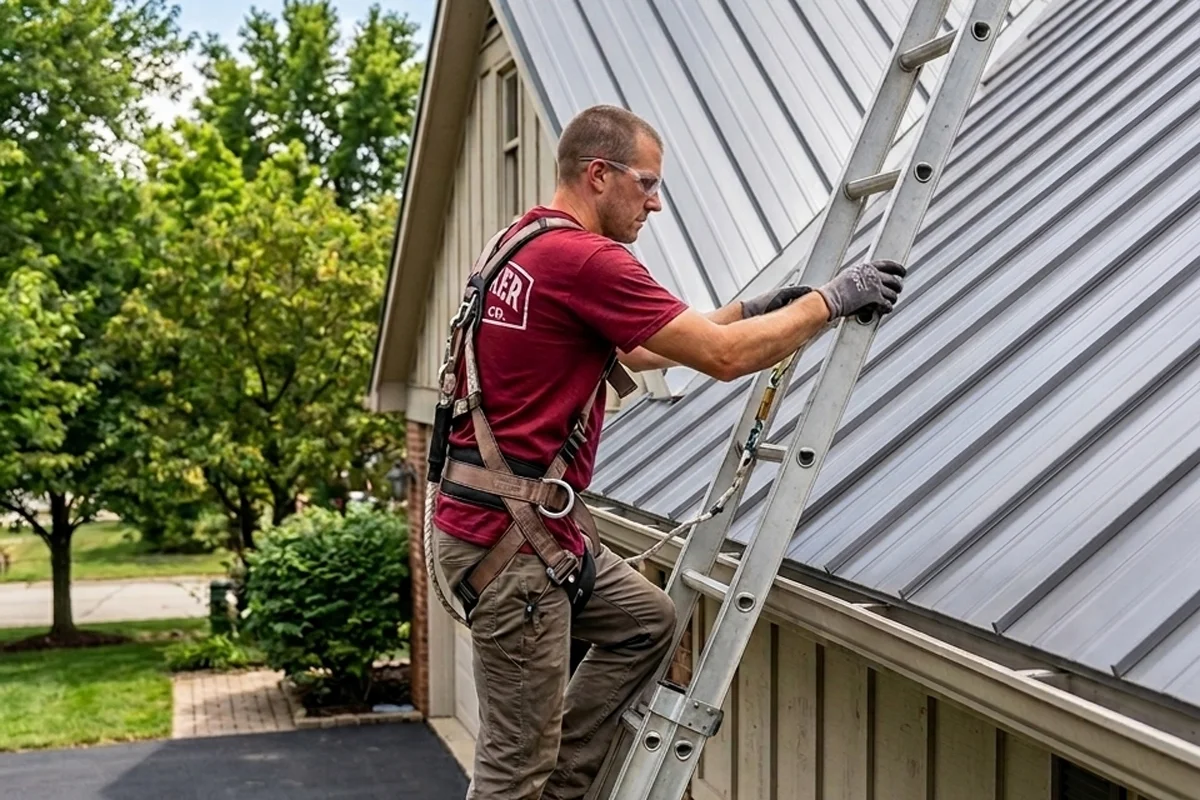
- Personal Fall Arrest Systems (PFAS): Harnesses and anchors that prevent workers from hitting the ground if they slip.
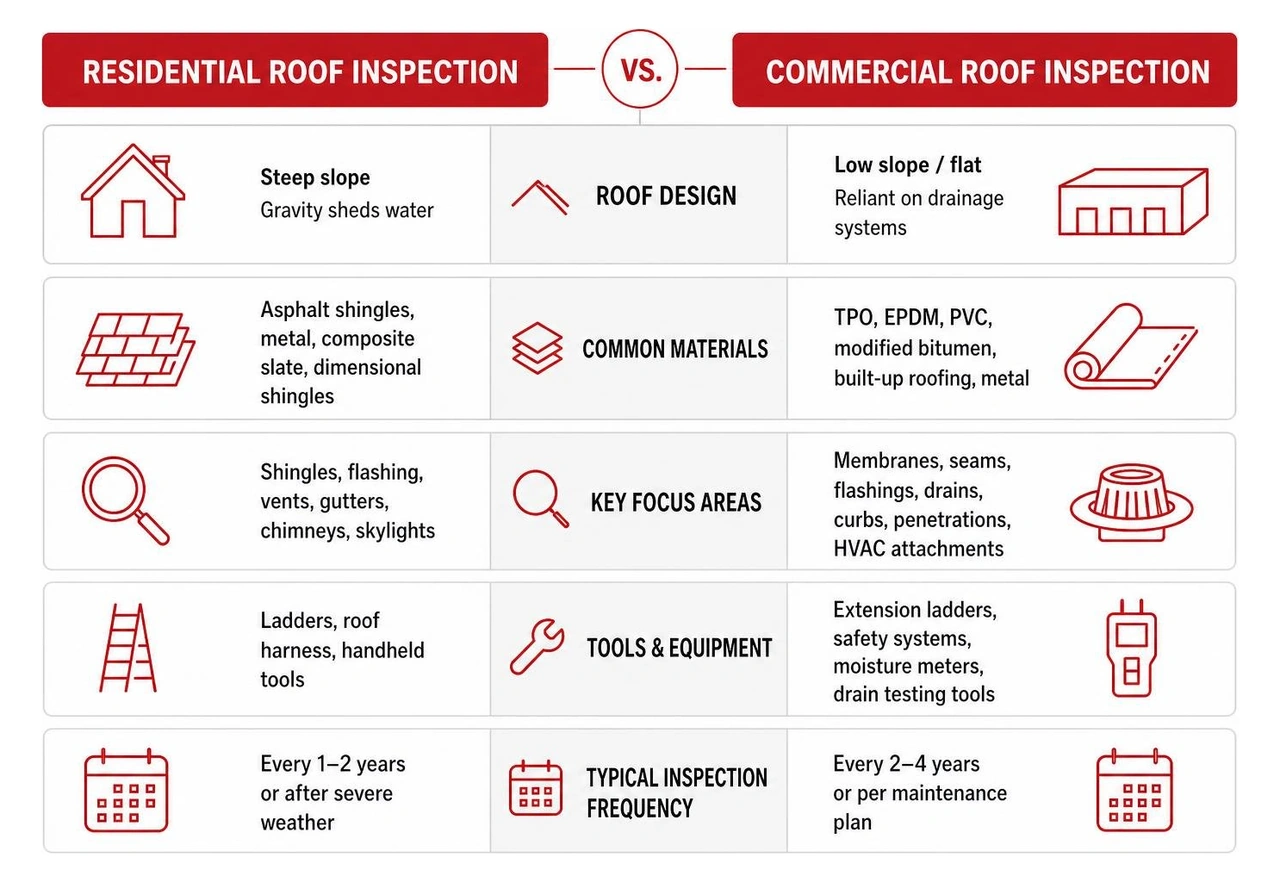
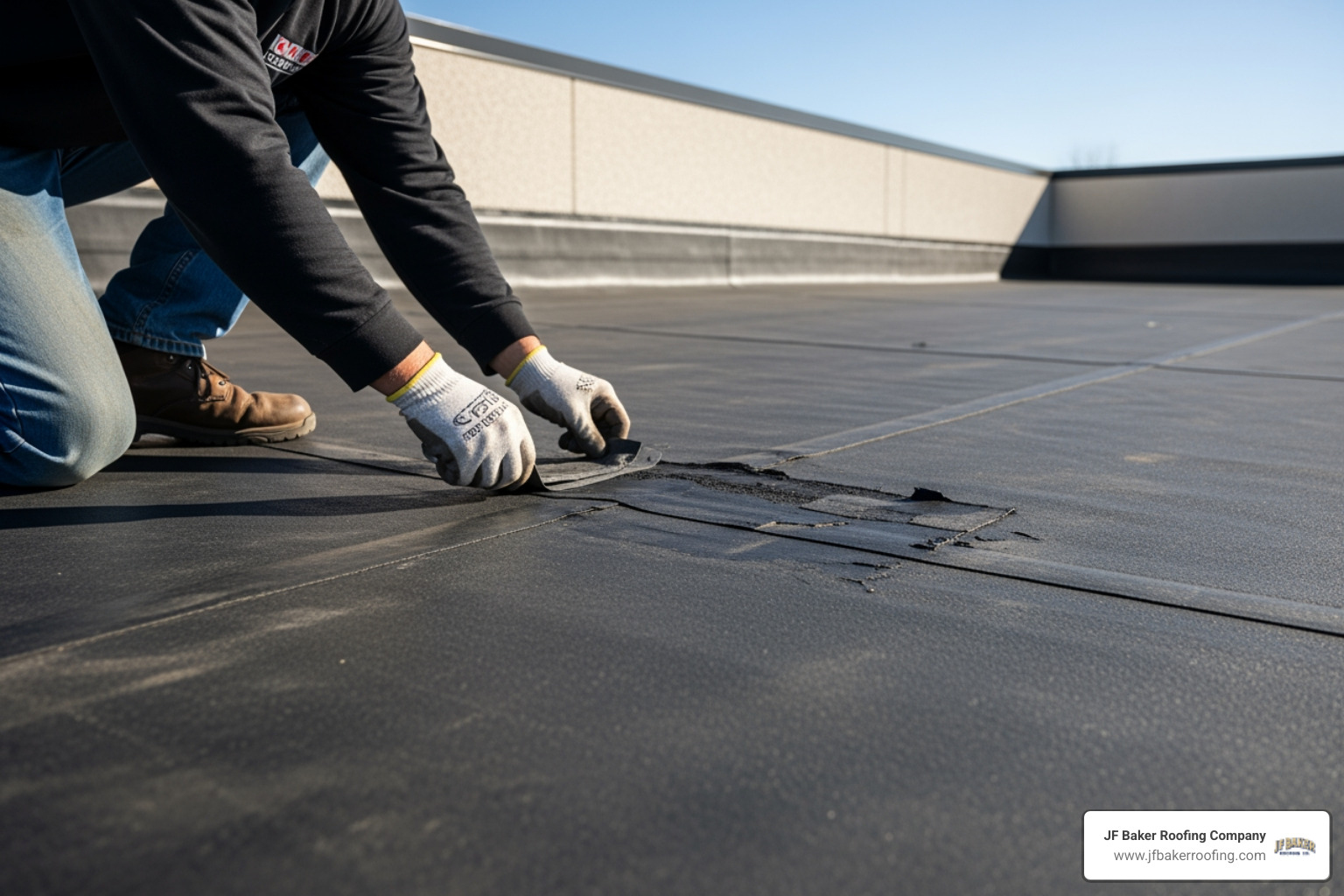
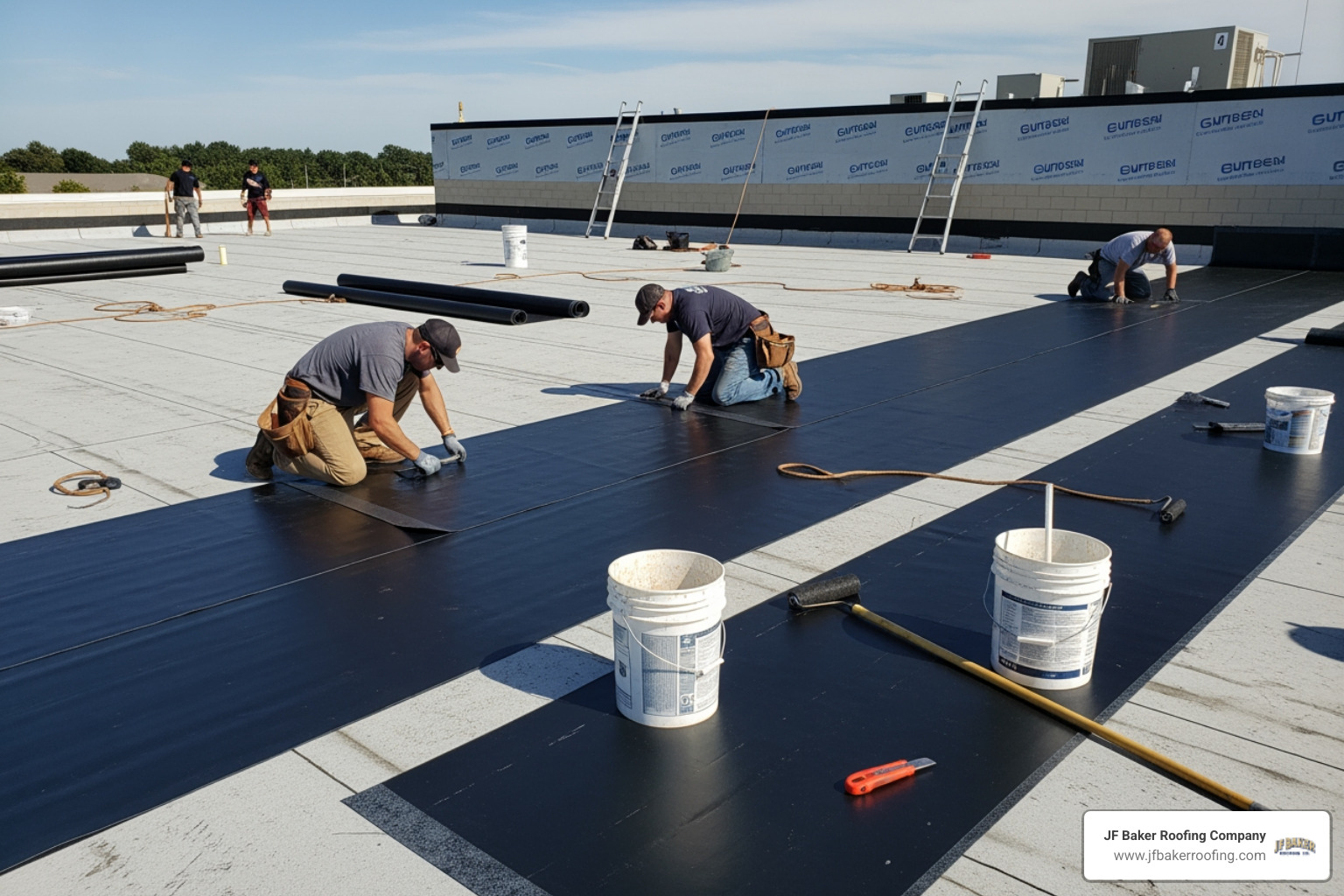
- Guardrails and Warning Lines: Used primarily on low-slope or commercial roofs to mark roof edges.
- Ladder Safety: Ensuring ladders are placed on stable ground and secured at the top.
Reputable contractors follow strict OSHA regulations to keep their crews safe. You can read more about these standards in the Protecting Roofing Workers safety guide.
Verifying Contractor Credentials
In Central Ohio, you have a lot of choices for Roofing contractors. To protect your investment, you should always verify a few key things:
- Local Reputation: Does the company have a physical office in the Columbus area?
- BBB Accreditation: Look for an A+ rating and a history of resolving issues.
- Insurance: Ensure they carry both general liability and workers' compensation.
- Certifications: Manufacturers often certify contractors who meet high standards of workmanship.
For a deeper dive into this process, see our guide on how to choose the right roofing contractor in Columbus Ohio.
Understanding Material and Workmanship Warranties
There are two types of warranties you need to understand. A Manufacturer Warranty covers defects in the shingles themselves. A Workmanship Warranty covers the quality of the installation.
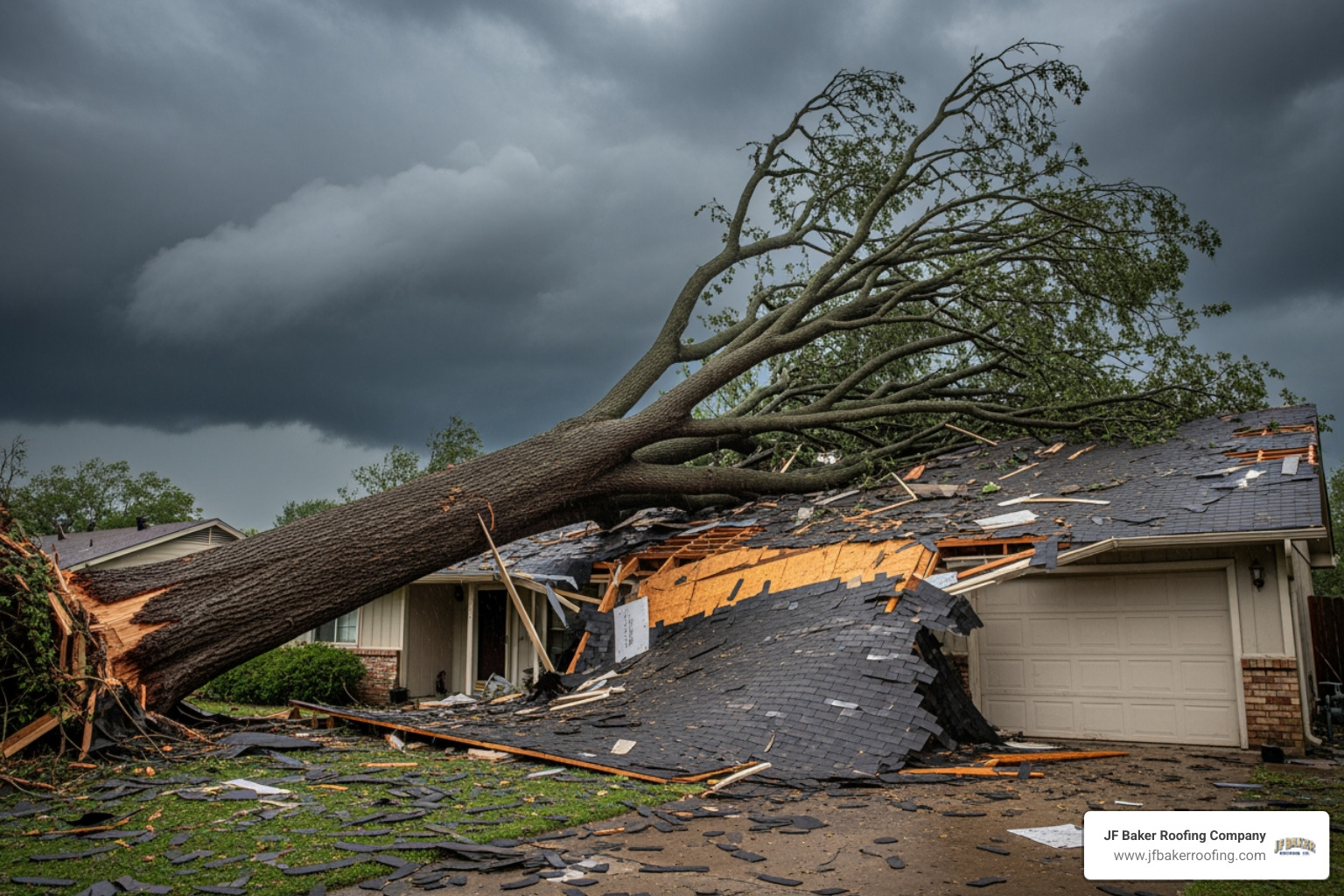
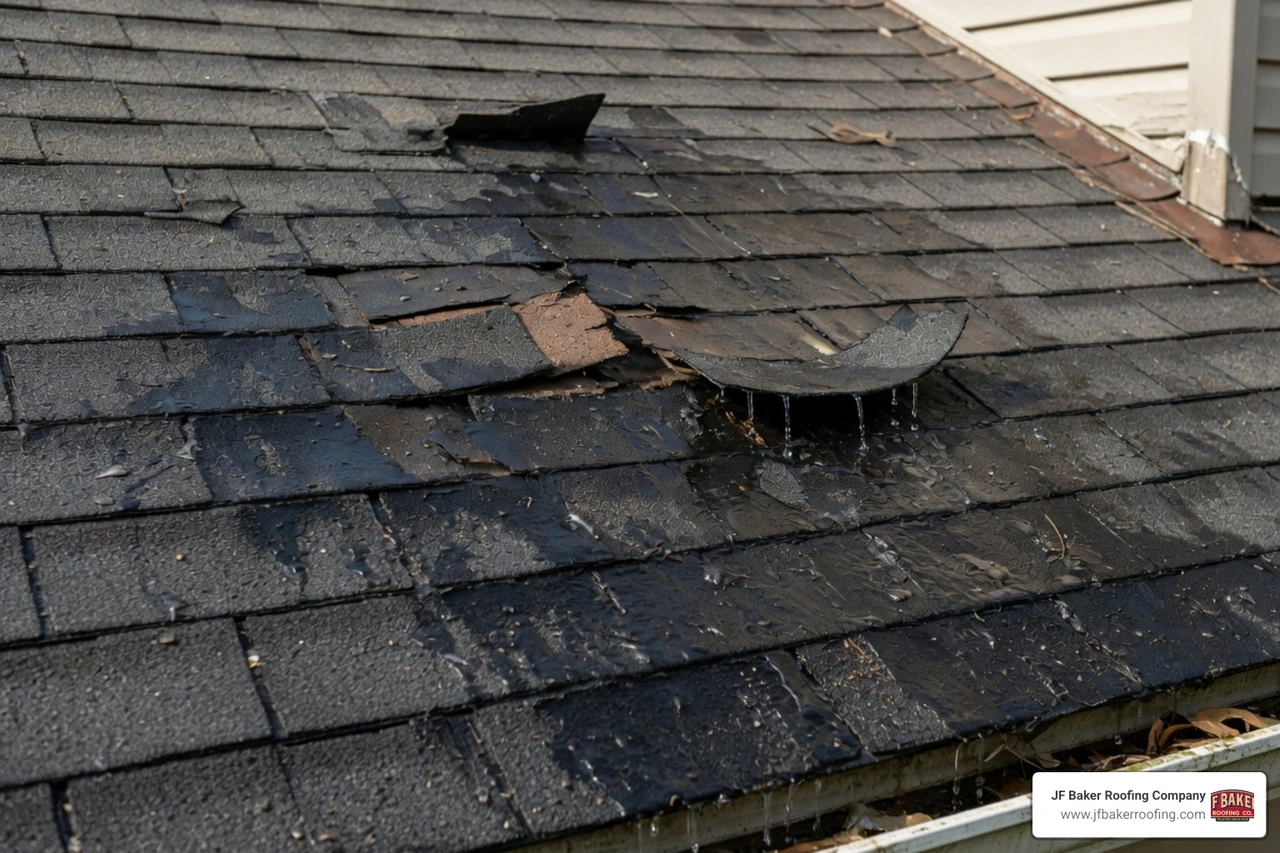
At JF Baker Roofing, we stand behind every roof we install. It is important to know that some warranties are "prorated," meaning they cover less as the roof gets older. Also, check if the warranty is transferable if you decide to sell your home. This can be a great selling point for future buyers. If you've experienced a storm, we also offer Storm Damage Repairs and can help navigate the complexities of insurance claims.
Frequently Asked Questions about Roofing
How much does a typical roof replacement cost?
The average cost for a roof replacement is around $10,000, but this varies based on the size of your home and the materials you choose. Asphalt is the most budget-friendly, while metal or slate will be a larger investment. Labor typically accounts for about 25 to 35 percent of the total cost, with materials and disposal fees making up the rest.
How long should a new roof last?
A standard asphalt shingle roof should last 20 to 30 years in Central Ohio. However, heavy storms, poor ventilation, and lack of maintenance can shorten that lifespan. Metal and tile roofs can easily last 50 years or more with proper care.
What maintenance is required to extend roof life?
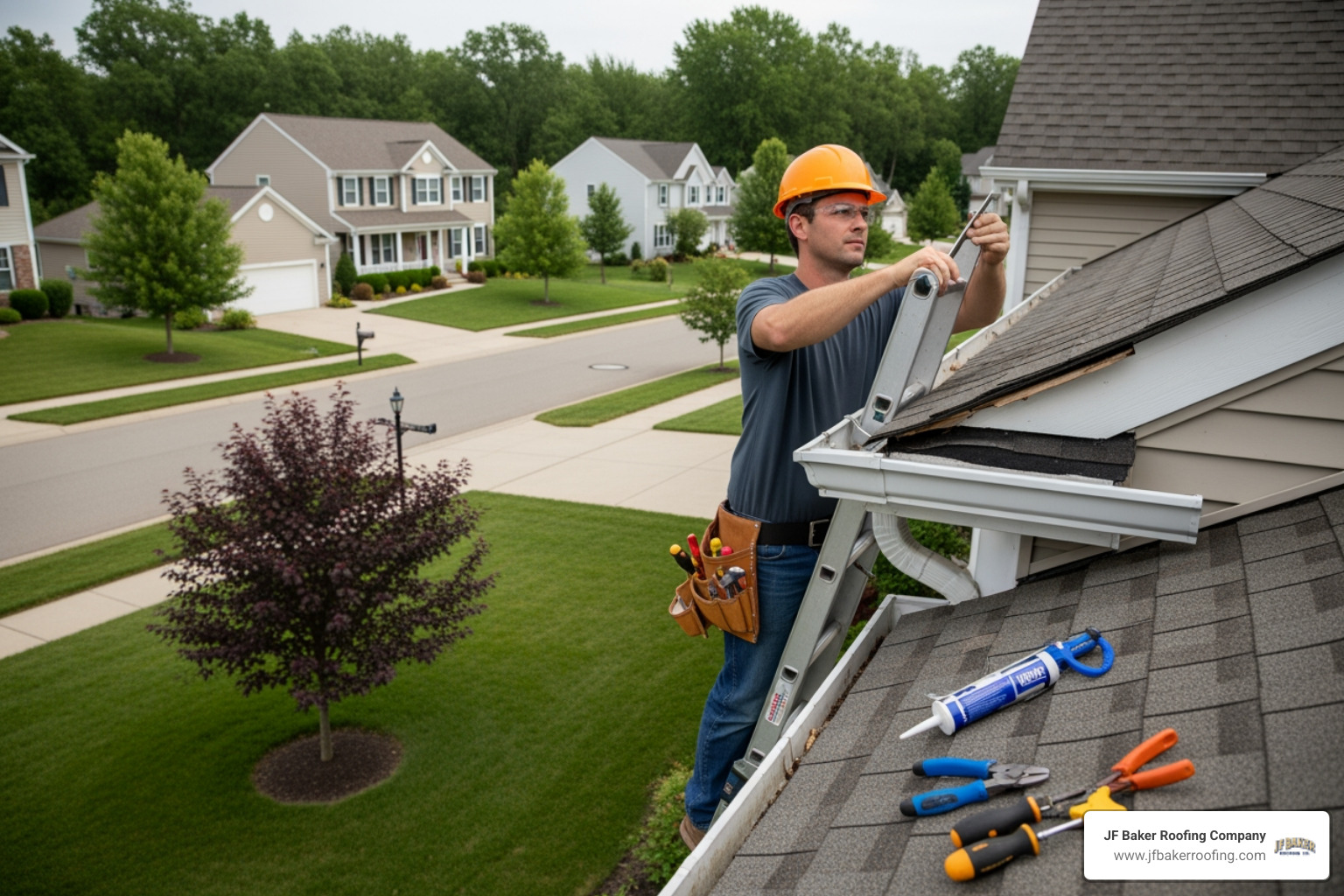
The best thing you can do is keep your Gutters and Drainage clear. Clogged gutters cause water to back up under the shingles at the eaves. You should also remove debris like branches or leaves, and have a professional inspection every few years to catch small issues before they become expensive leaks.
Conclusion
A new roof is a significant undertaking, but it doesn't have to be a stressful one. Whether you are dealing with storm damage or just know it is time for an upgrade, having the right information is the first step toward a successful project.
JF Baker Roofing has been trusted since 1929. We are a family-owned, community-rooted business now led by third-generation owners Chad and Pat Baker. We believe in honest assessments and no-pressure advice. We recommend repairs when they'll do the job and only suggest replacement when it's truly needed.
If you have questions about your roof or need a professional eye to take a look, we invite you to explore our roofing services and see why we've been a staple of the Columbus community for nearly a century. Built on integrity. Proven by performance. Let our reputation be your security.



.jpeg)