Shingle All the Way: How to Replace Roof Shingles Like a Pro
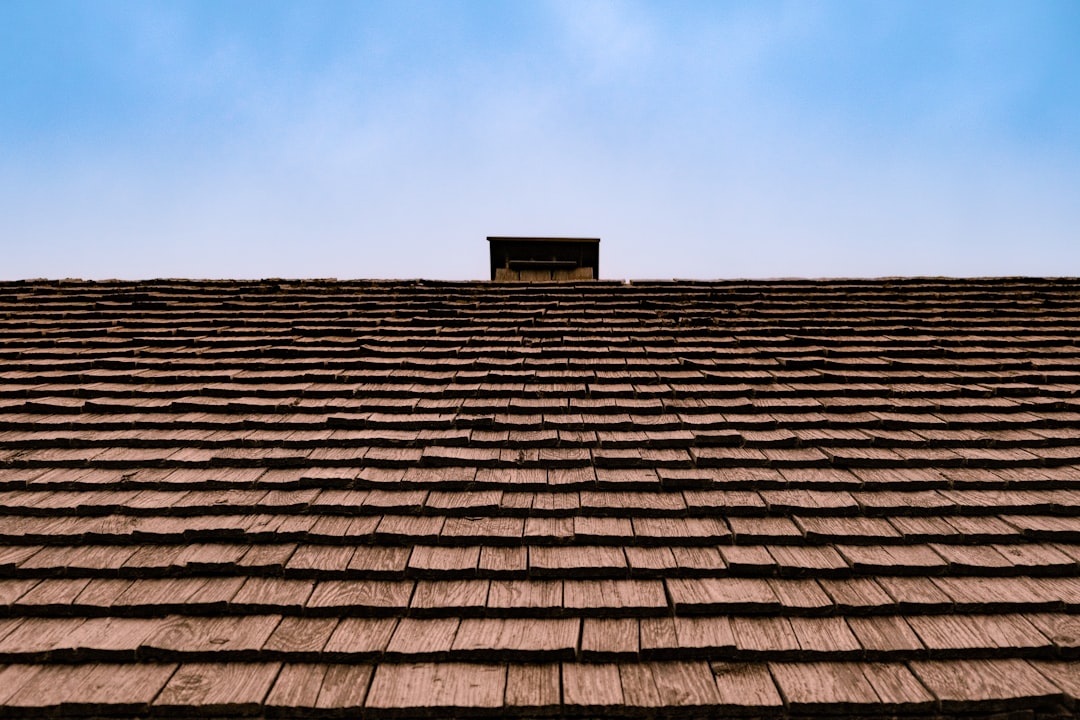
Why Knowing How to Replace Roof Shingles Can Save Your Home
Replace roof shingles the right way with these key steps:
- Identify the damage - Look for curling, cracking, missing shingles, or granules in your gutters
- Gather your materials - New matching shingles, pry bar, roofing nails, roofing cement, and safety gear
- Remove the damaged shingle - Loosen surrounding shingles, pry out nails, and slide the old shingle out
- Install the new shingle - Slide it into place, nail it down, and seal all edges with roofing cement
- Know your limits - Call a professional for sagging decks, water damage, or widespread deterioration
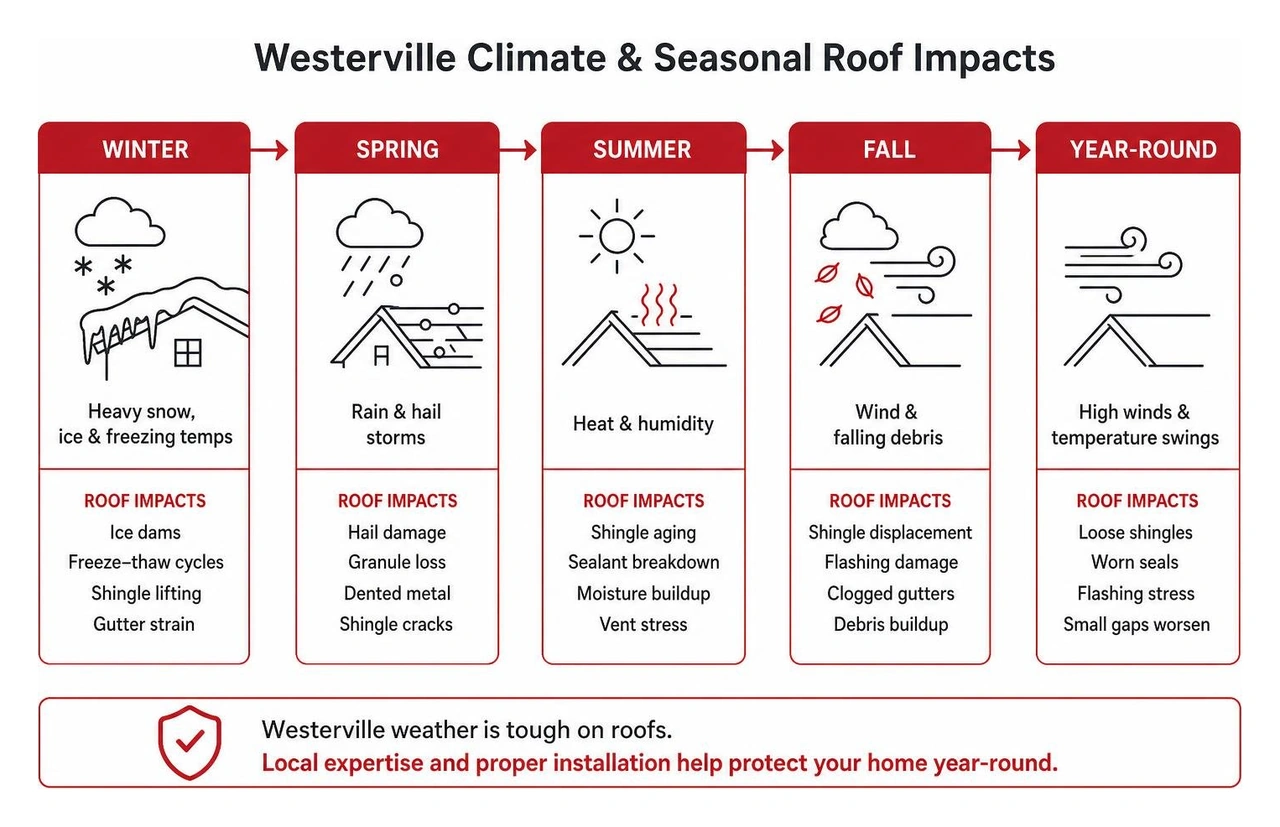
Your roof takes the full force of every Ohio winter, spring storm, and summer heat wave. Over time, that adds up. Asphalt shingles typically last around 20 years, but here in Central Ohio, harsh seasonal swings can wear them down faster than that.
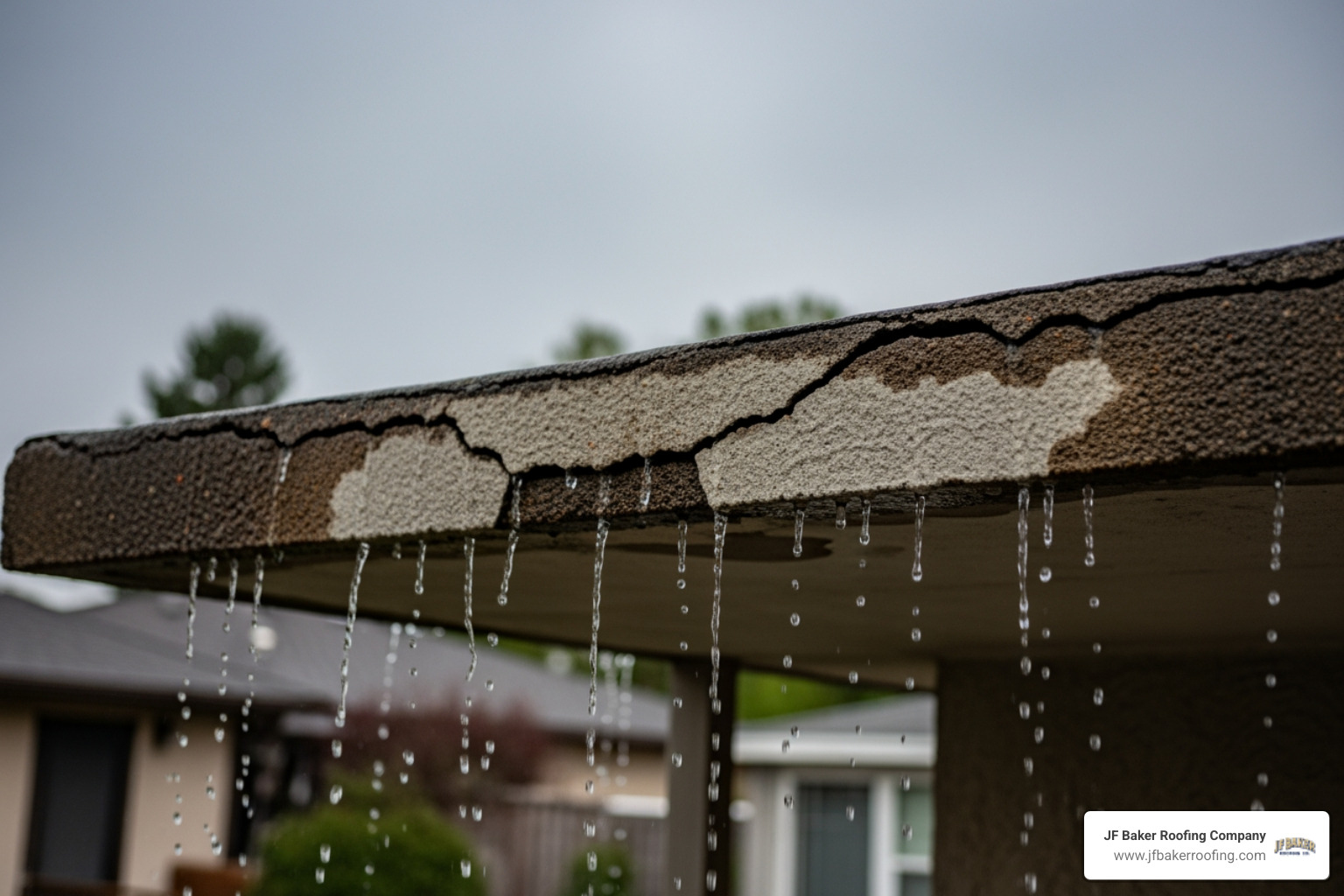
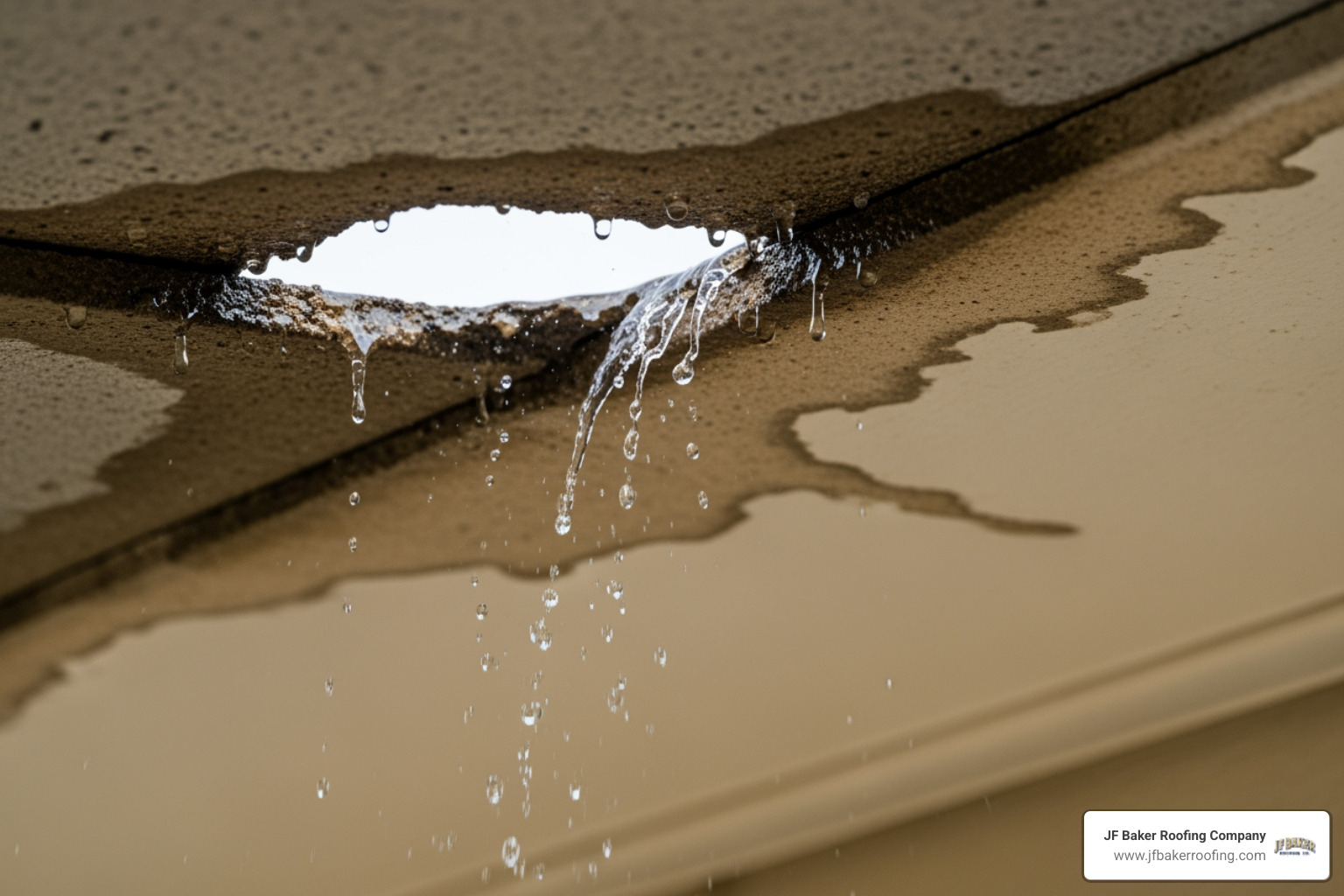
A missing or damaged shingle might look like a small problem. It rarely is. Water finds its way in quickly, and what starts as a few cracked tabs can turn into a leaking ceiling, rotted decking, or worse.
The good news? Many shingle repairs are manageable if you catch them early and approach the job carefully. This guide walks you through everything you need to know, from spotting the damage to finishing the repair safely.
And if at any point the job looks bigger than expected, JF Baker Roofing has been helping Central Ohio homeowners make the right call since 1929. Honest assessments. No pressure.
Identifying Damage and Knowing When to Replace Roof Shingles

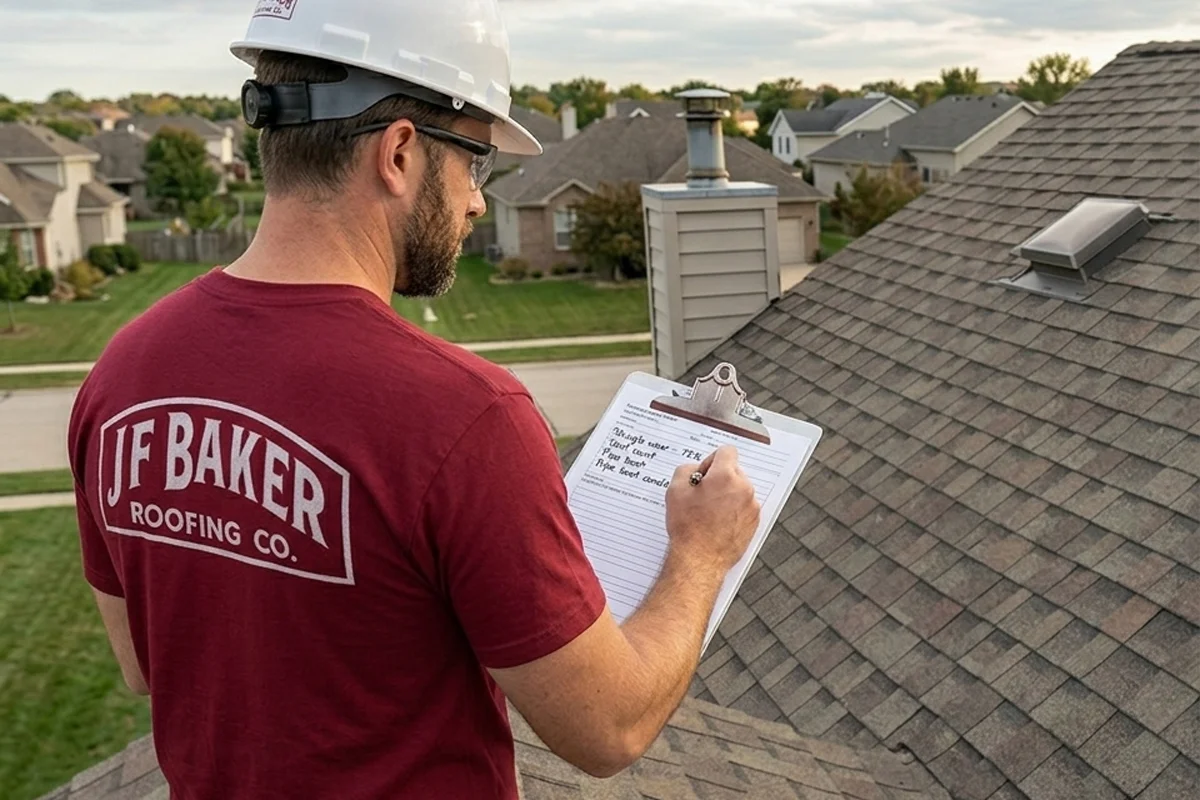
Spotting damage early is the best way to avoid a full-scale emergency. In Central Ohio, we suggest a quick visual check every spring and fall. High winds from spring storms can lift tabs, while the weight of winter snow can stress older materials.
If you see shingles that look "tired" or are literally missing from the field of the roof, it is time to act. You can learn more about specific timing in our How to Know When It's Time to Replace Your Roof: A Complete Homeowner's Guide.
When to Repair vs. Replace Roof Shingles
The big question every homeowner asks is whether they can get away with a spot repair or if they need a total tear-off.
If your roof is relatively young (under 15 years) and the damage is limited to a few shingles torn by a branch or a localized wind gust, a spot repair is usually the right move. However, if the shingles are brittle, losing their protective granules, or the roof is approaching that 20-year mark, patching might just be a temporary bandage. Brittle shingles often crack when you try to lift them to make a repair, which can lead to a "domino effect" of damage.
Signs of Failing Roof Shingles
Keep an eye out for these red flags:
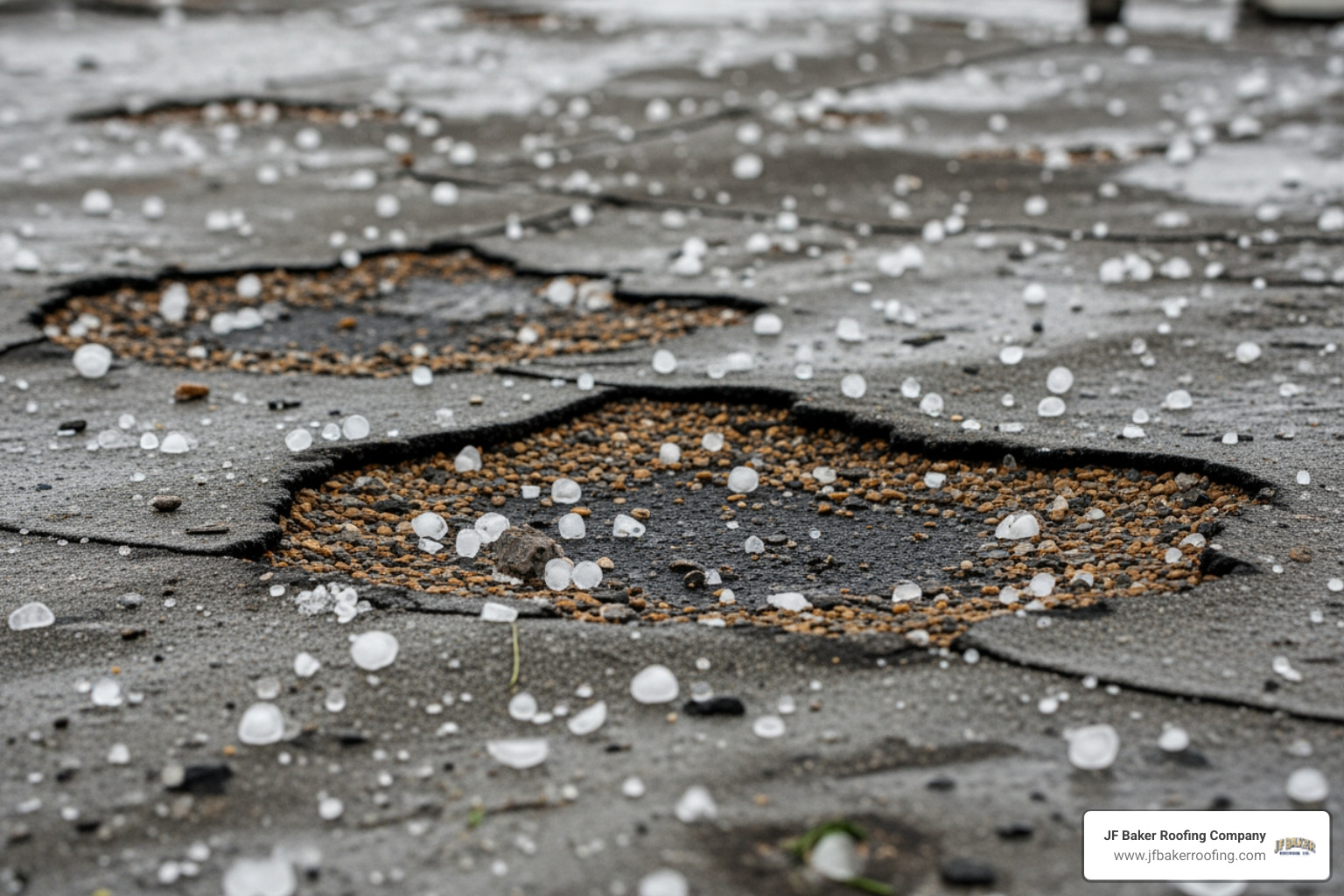
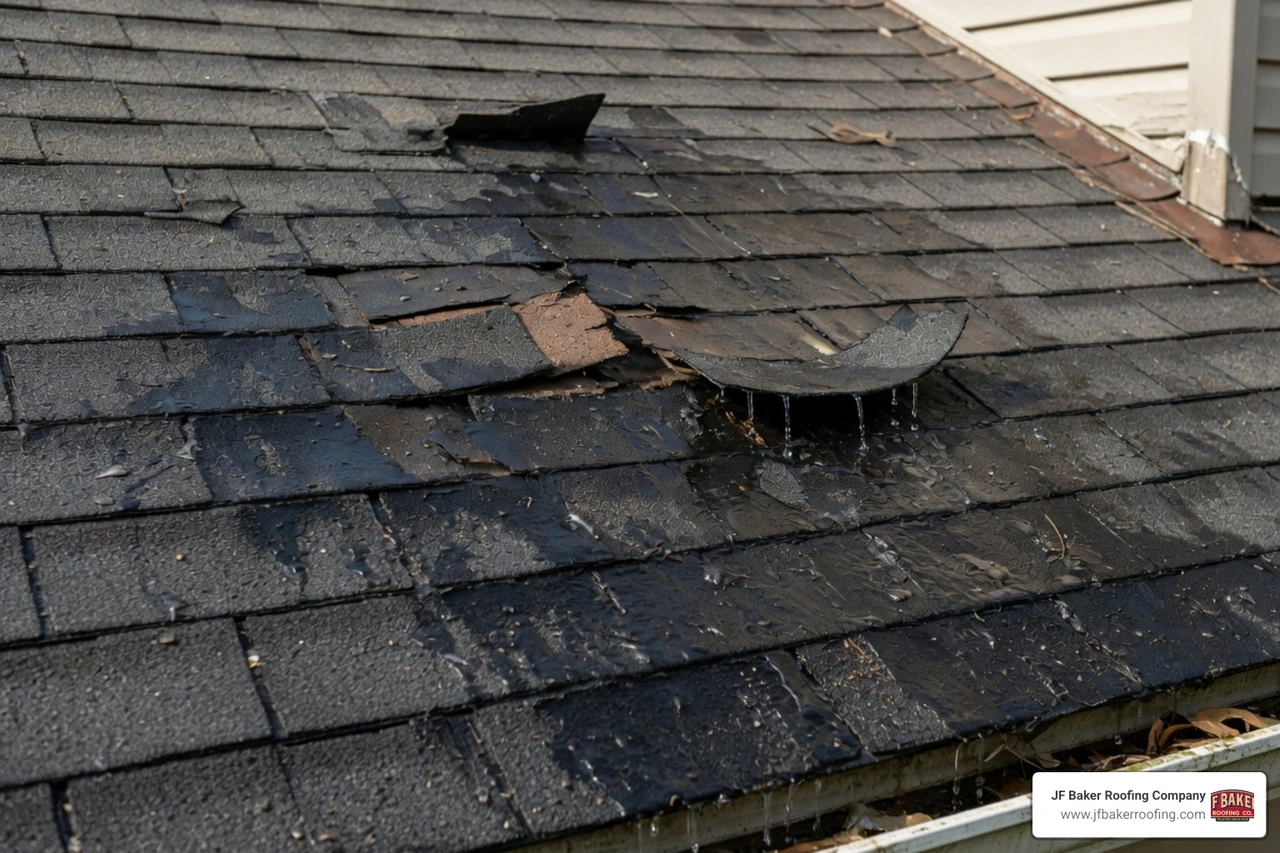
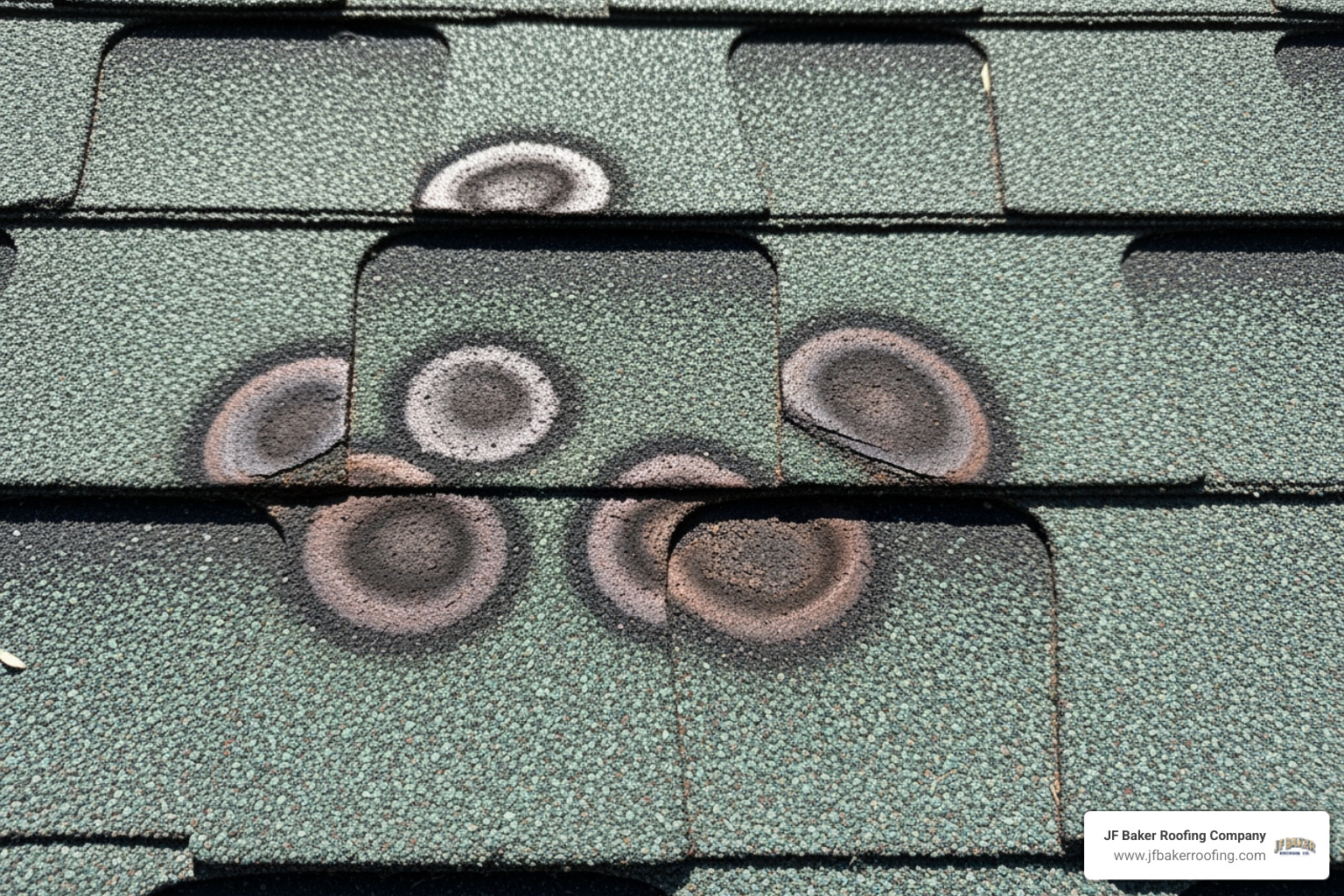
- Curling or Cupping: When the edges of the shingles turn upward or the middle starts to bulge, the material is shrinking and losing its ability to shed water.
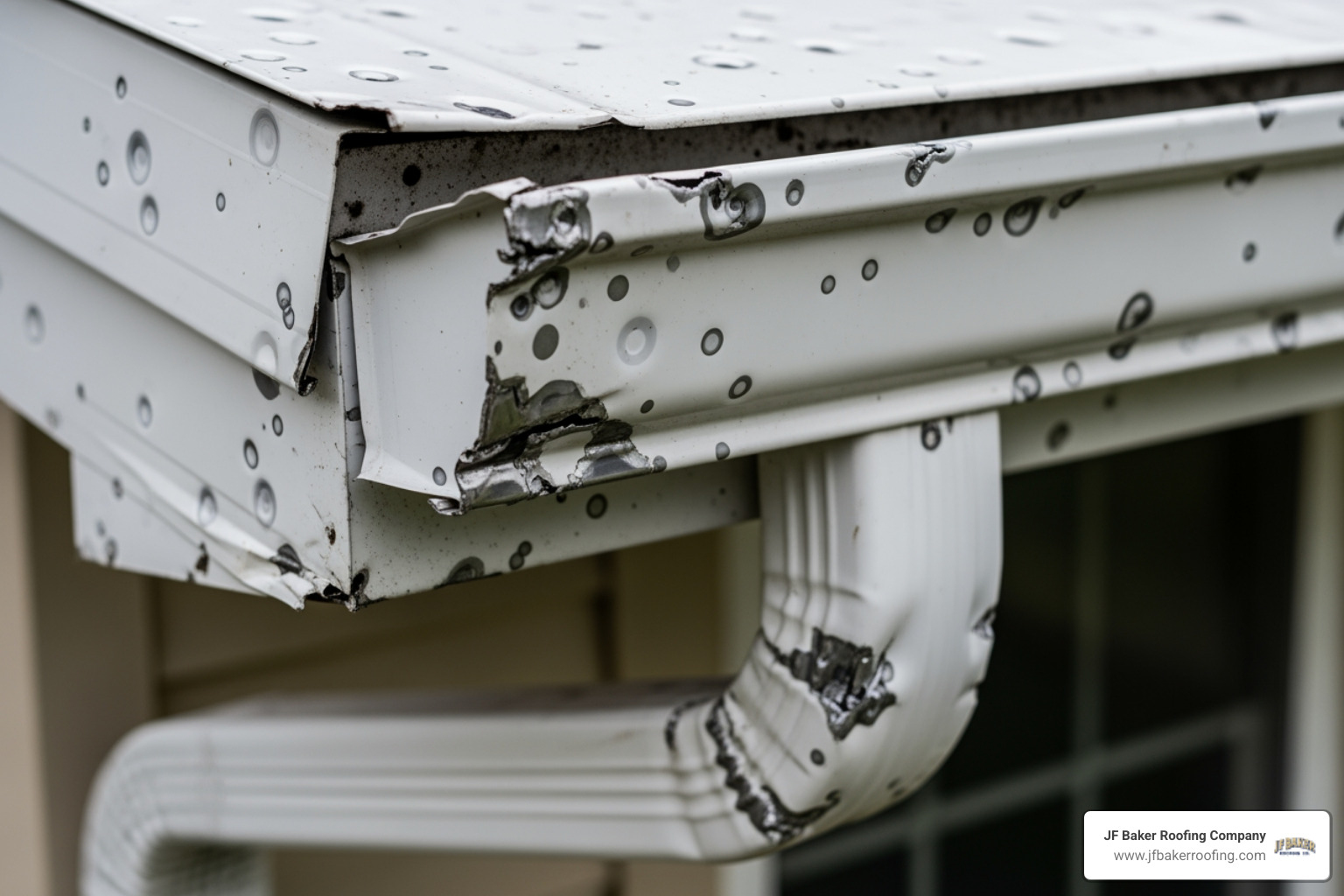
- Granule Loss: Check your gutters. If they look like they are filled with dark sand, your shingles are losing their UV protection.
- Cracked Tabs: Thermal expansion and contraction in the Ohio heat can cause shingles to split.
- Daylight in the Attic: If you can see the sun through your roof boards, water is definitely getting in.
- Sagging: This is a serious structural warning. A sagging roof deck often means the wood underneath is rotted from long-term moisture.
Preparation and Materials for the Job

Before you climb the ladder, you need the right gear. Using the wrong tools can turn a one-hour job into a weekend-long headache. It is also helpful to understand The Main Components of a Residential Roof in Columbus Ohio: What Central Ohio Homeowners Should Know so you know how the shingles interact with the flashing and underlayment.
Tools Needed to Replace Roof Shingles
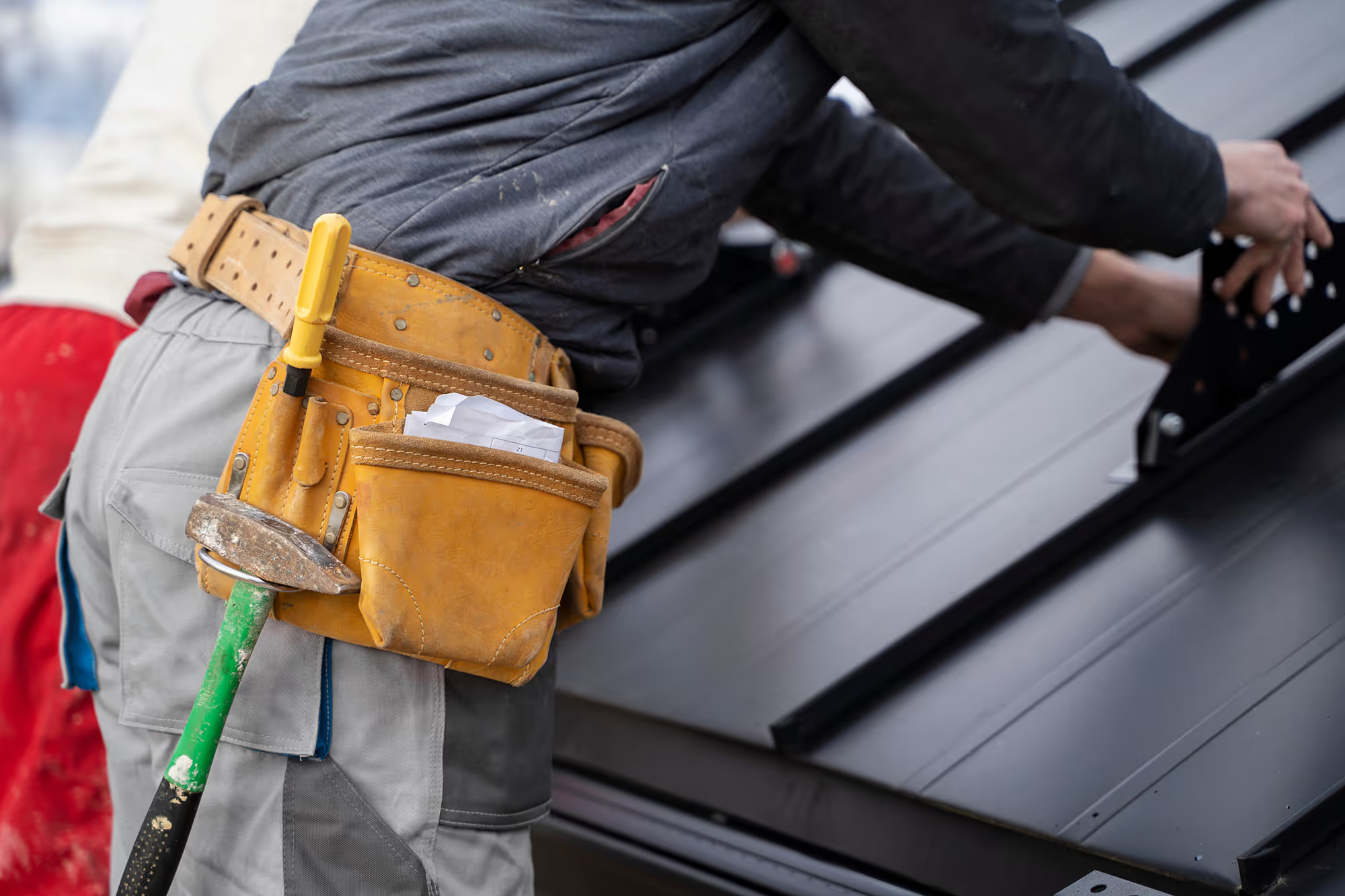
You likely have some of these in your garage, but a few are specialized:
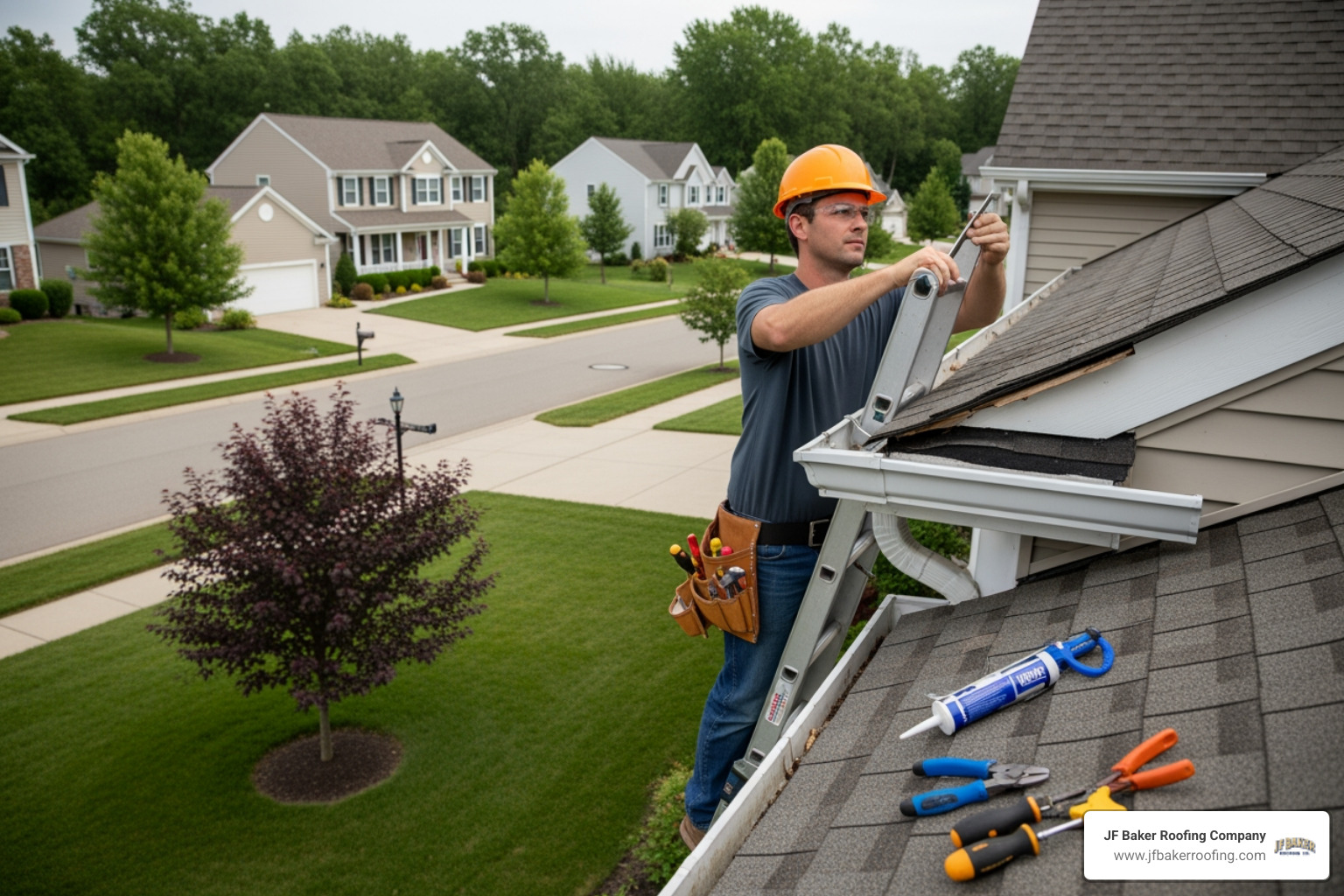
- Flat Pry Bar (Crowbar): Essential for loosening the sealant and prying up nails without tearing the good shingles.
- Roofing Hammer: A standard hammer works, but a roofing hammer has a built-in gauge for shingle exposure.
- Utility Knife: For trimming shingles to fit.
- Roofing Nails: Use 1.25-inch or 1.5-inch galvanized nails.
- Roofing Cement/Sealant: To re-seal the tabs and cover nail heads.
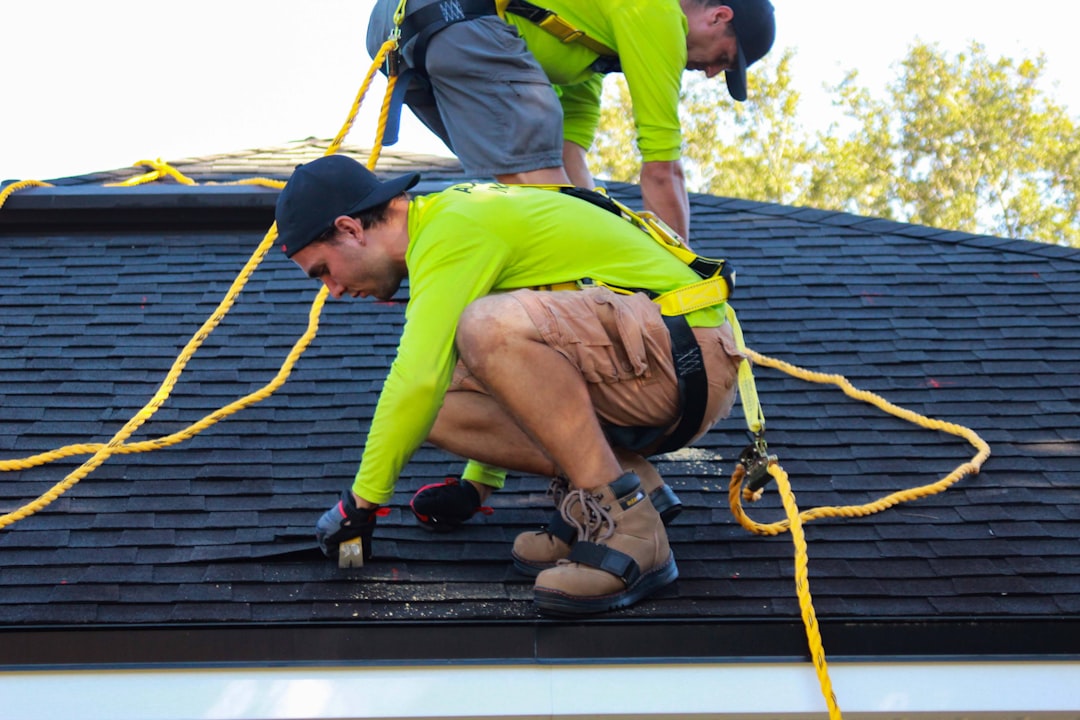
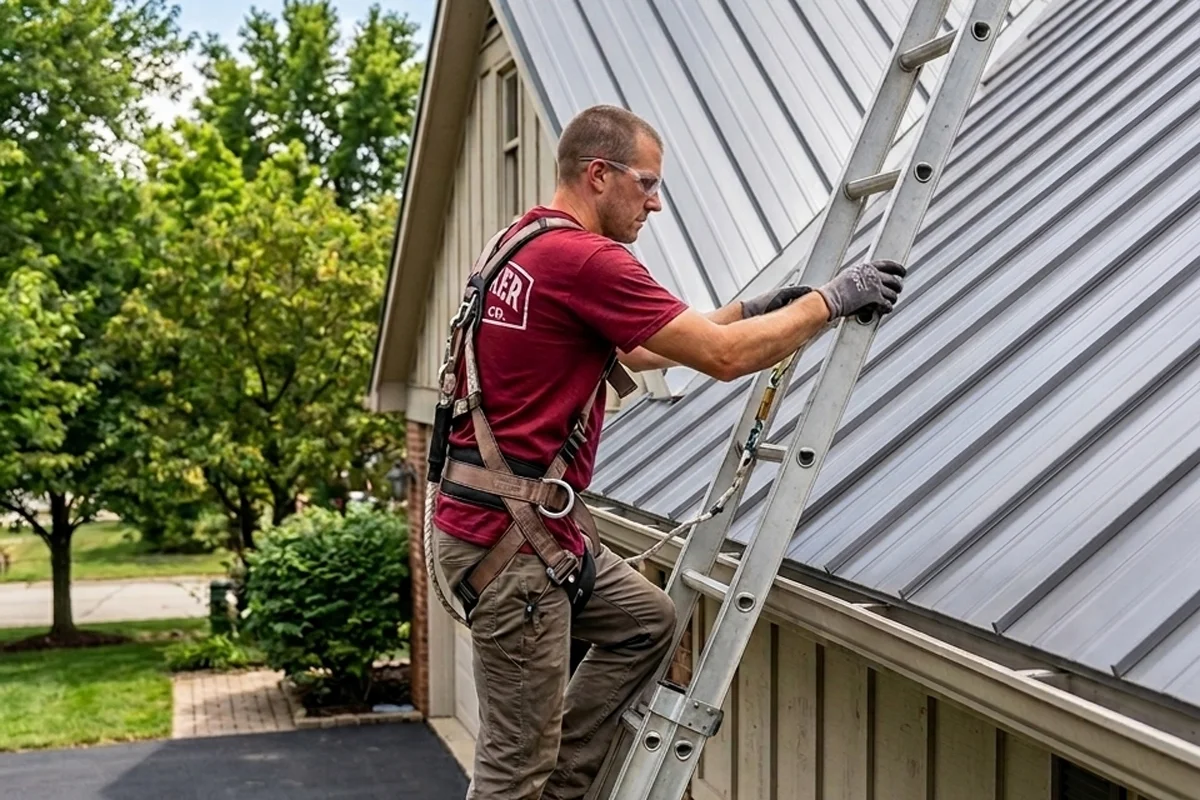
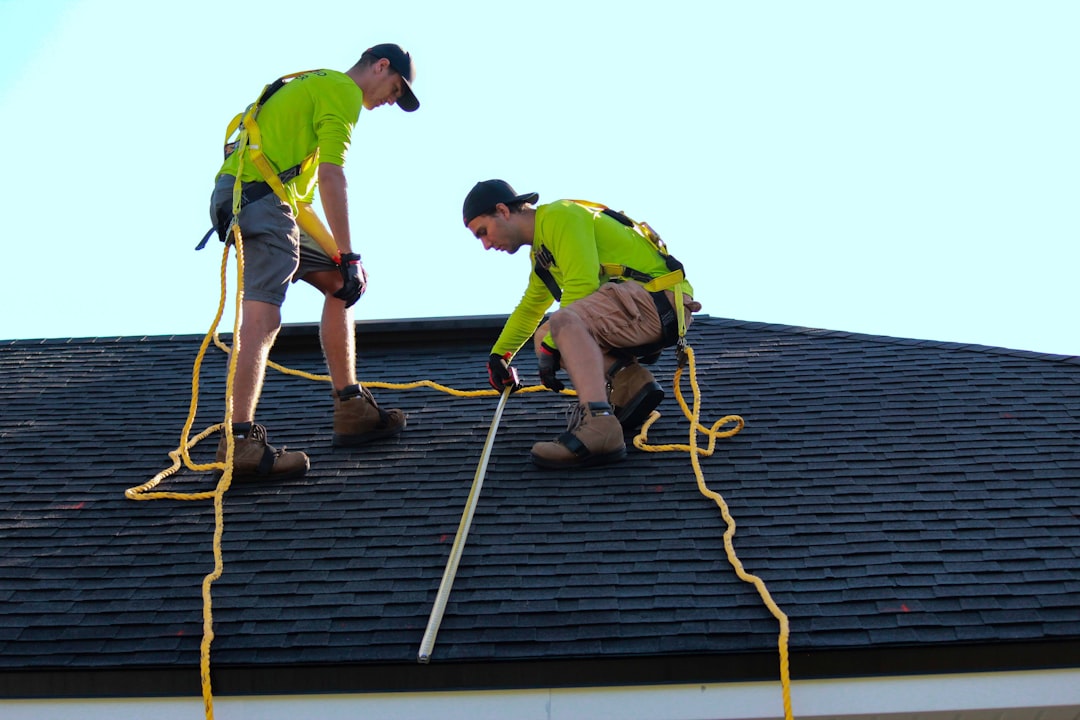
- Safety Harness: If you are working on a steep pitch, this is non-negotiable.
For a detailed visual on these items, you can check out this guide on How to Replace Damaged Roof Shingles: 12 Steps (with Pictures).
Selecting the Right Shingle Type
Matching your existing roof is both an aesthetic and functional choice.
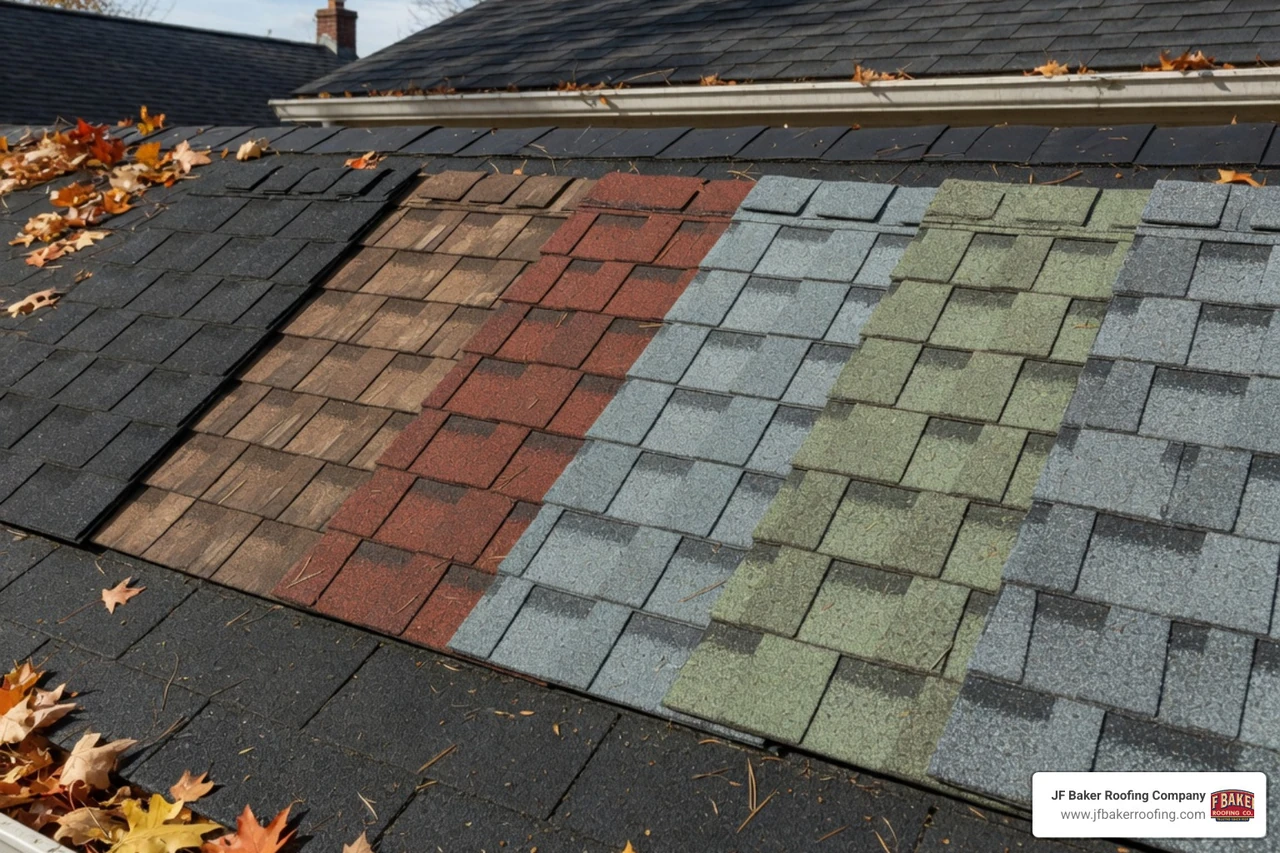
- Three-Tab Shingles: These are flat, economical, and common on older homes. They are generally rated for 60-70 mph winds.
- Architectural (Laminated) Shingles: These have a dimensional look and are thicker. They offer better wind resistance (up to 130 mph) and longer warranties.
- Impact Resistance: If you live in an area prone to hail, look for Class 4 impact-rated shingles.
When you replace roof shingles, try to find the exact brand and color used originally. If the roof has faded over time, you might need to take a sample to a local supplier to find the closest match.
Step-by-Step Guide to Replace Roof Shingles Safely
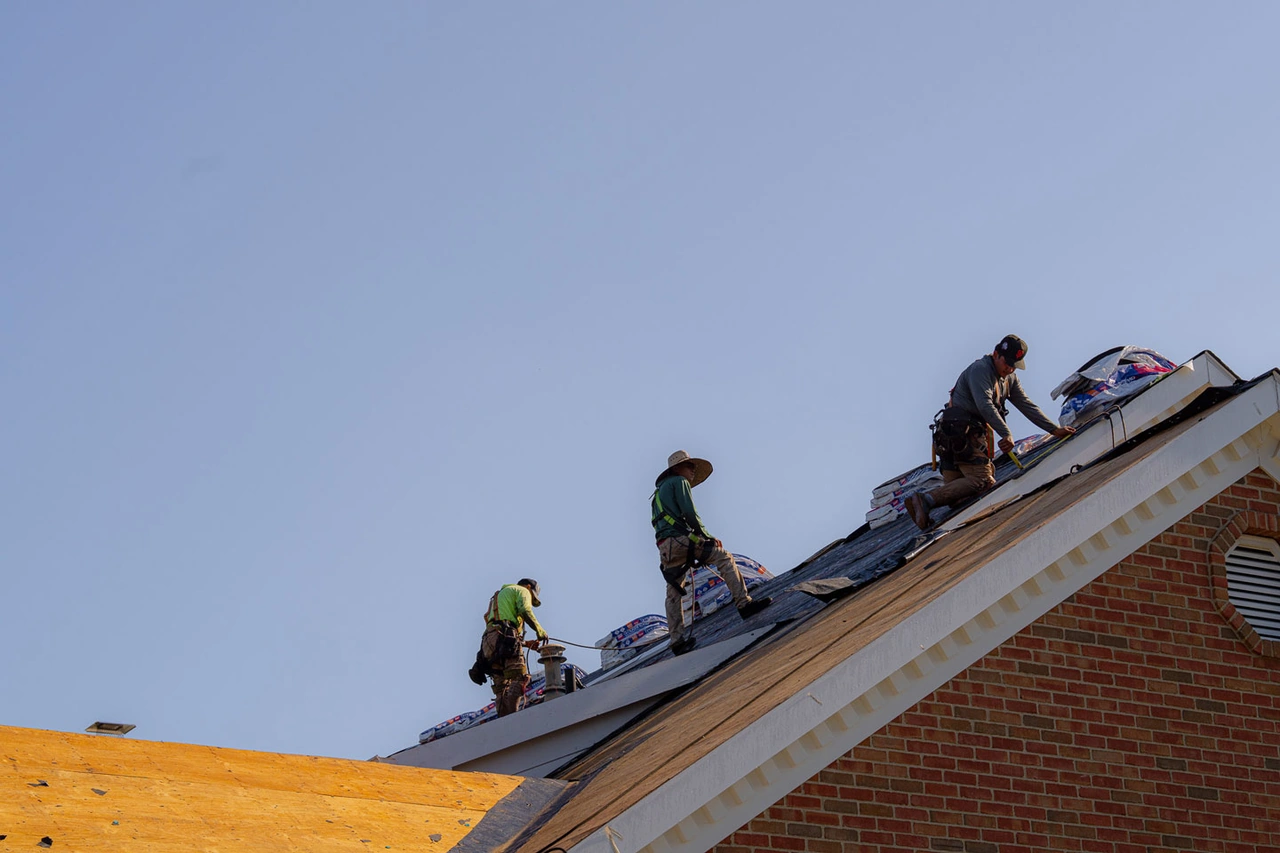
Safety is the priority. Never work on a wet roof, and avoid working in extreme heat, which makes the shingles too soft and easily damaged by your boots. A cool, dry morning is usually best.
Removing the Damaged Shingle
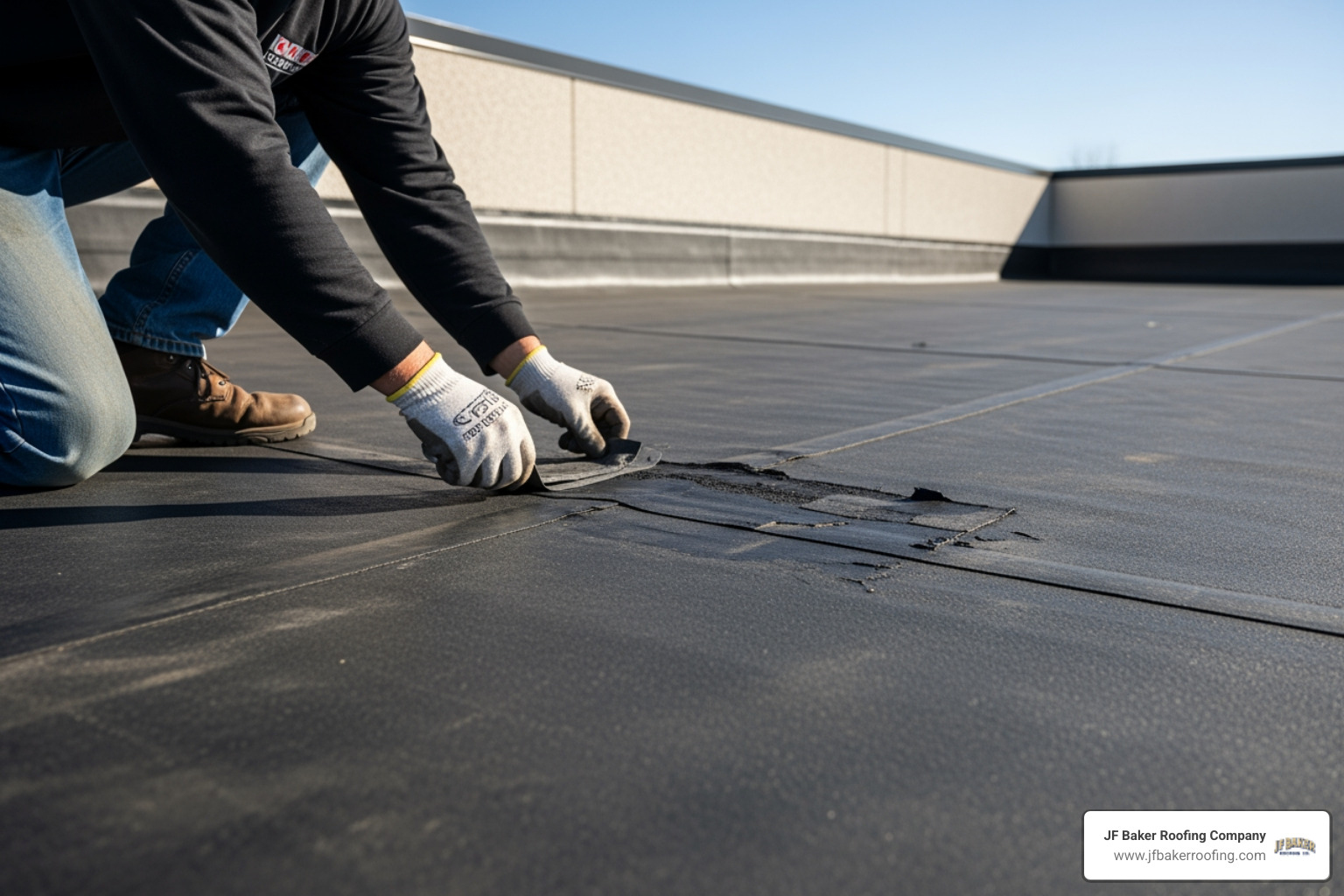
- Break the Seal: Carefully slide your pry bar under the shingle directly above the damaged one. Gently lift to break the adhesive seal.
- Locate the Nails: Shingles are usually held by four or more nails. You will need to lift the shingle two rows above the damage to find the nails holding the top of the damaged shingle in place.
- Pry the Nails: Slide the pry bar under the shingle, center it on the nail, and pop it up. Once the nail is raised, pull it out.
- Remove Debris: Once all nails are removed, the damaged shingle should slide out. Use this time to inspect the wooden deck. If the wood is soft or dark, you may have a larger leak issue.
Installing the New Shingle
- Slide into Place: Take your new shingle and slide it into the gap. Align it with the shingles on either side to maintain the "reveal" (the part of the shingle you actually see).
- Nail it Down: Drive new nails into the nailing strip (the line marked on the shingle). Avoid nailing into the old holes, as they won't hold as well.
- Seal the Tabs: Apply a small dab of roofing cement under the tabs of the new shingle and the shingles you lifted above it. This ensures they won't catch the wind and blow off.
- Finish the Edges: If you are working near the peak, you may need to install specialized ridge caps, which overlap to keep water from driving under the top row.
Understanding Costs and Building Codes in Central Ohio
When budgeting for roof work, labor typically accounts for about 60% of the cost when hiring a pro. Doing it yourself saves that labor cost, but you assume all the risk for leaks or falls.
Single shingle patch: Minimal material cost, often under $50. Best for small, isolated damage. Complexity is intermediate.
One square, or 100 sq. ft.: Materials may run $150 to $1,500, depending on shingle type. Complexity is advanced.
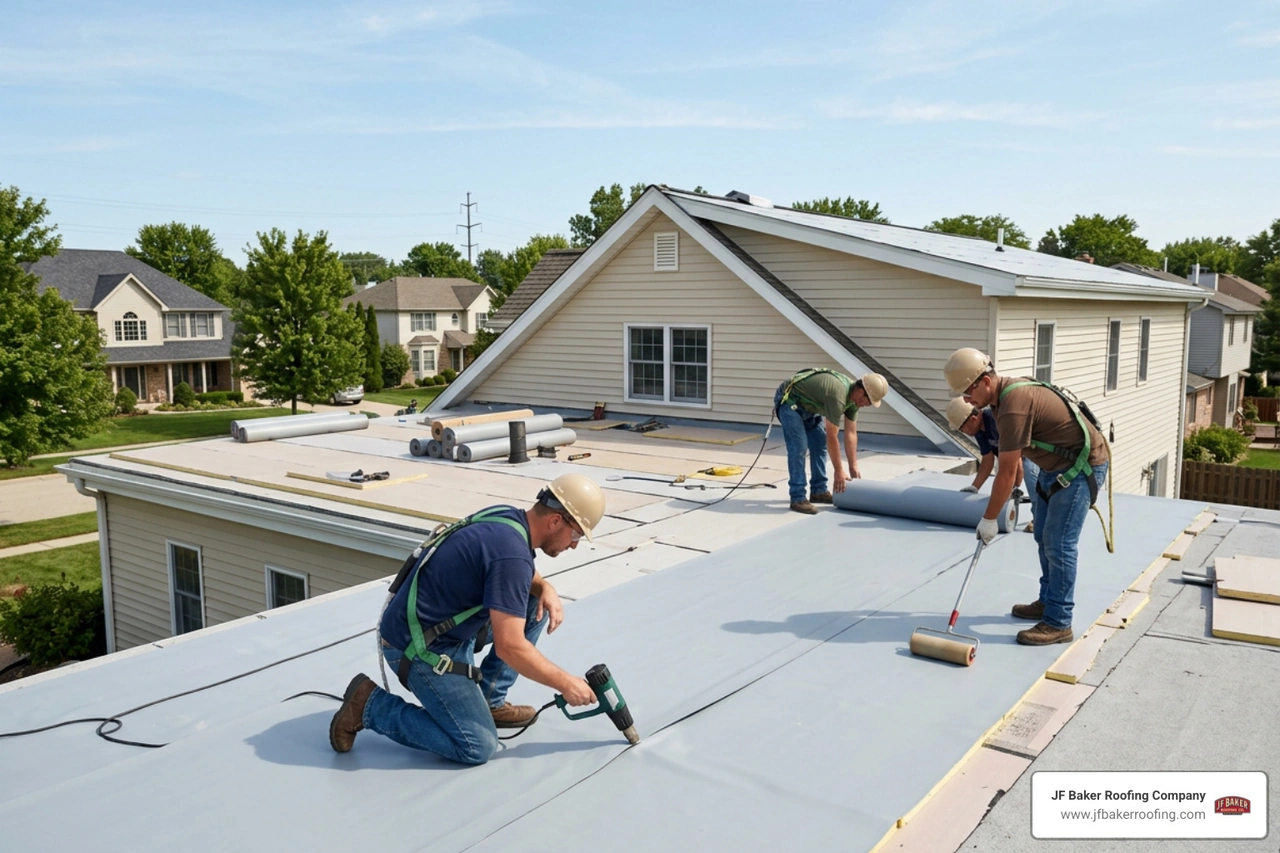
Full roof replacement: Materials alone may cost $2,500 to $6,300. This is typically a professional job.
In our region, it is also vital to prevent ice dams. During a shingle replacement, we often recommend installing an ice and water shield underlayment along the eaves to prevent melting snow from backing up under your new shingles.
Local Building Codes and Layer Limits
In most of Central Ohio, including Columbus and Dublin, building codes generally limit a roof to two layers of shingles. While "re-covering" (putting new shingles over old ones) might seem like a way to save money, it is often a bad idea. It traps heat, which shortens the life of the new shingles, and adds significant weight to your home's structure. At JF Baker Roofing, we almost always recommend a full tear-off to ensure the deck is solid.
Warranty and Insurance Considerations
Most shingle manufacturers offer warranties ranging from 20 to 50 years, but these often only cover material defects. If you install them yourself, you may void the labor portion of a warranty.
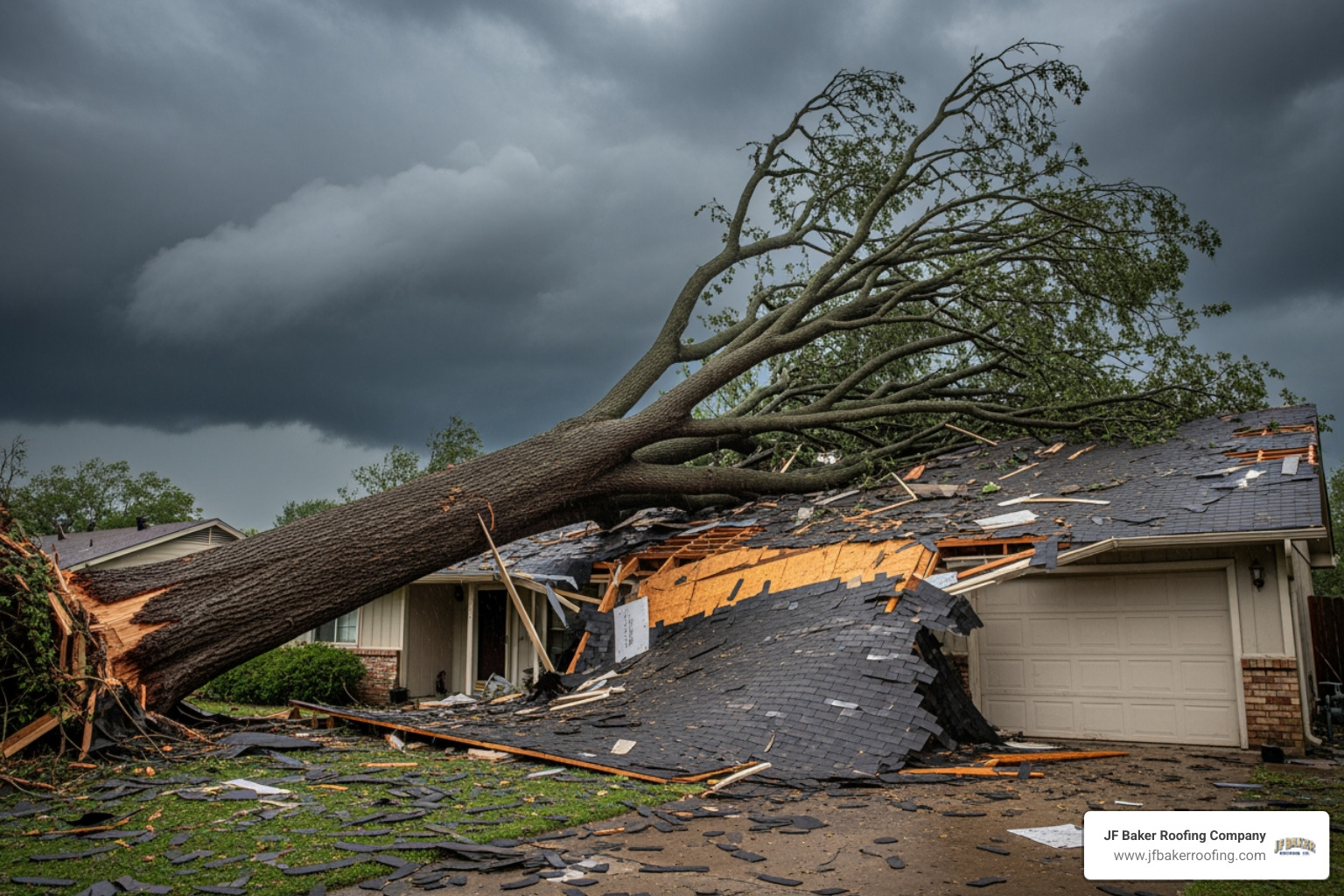
If your shingles were damaged by a specific storm event, your homeowner's insurance might cover the replacement. We often assist our neighbors in Hilliard and Upper Arlington with honest assessments for insurance claims, ensuring you have the documentation needed to prove storm damage.
Frequently Asked Questions about Shingle Replacement
Is it okay to install new shingles over old ones?
Technically, codes often allow two layers, but we don't recommend it. A second layer prevents a proper inspection of the roof deck, makes it harder to track future leaks, and can void manufacturer warranties. It also makes the eventually inevitable tear-off much more expensive due to extra disposal weight.
What is the best time of year for shingle replacement?
In Ohio, late spring and early fall are the "sweet spots." Summer heat can make shingles too pliable and prone to scuffing underfoot, while winter cold makes them brittle and prevents the adhesive strips from sealing properly until the weather warms up.
Should I DIY shingle replacement or hire a professional?
If you are comfortable on a ladder and only need to replace one or two shingles, it is a great DIY skill. However, if you see sagging, widespread damage, or have a very steep roof, hiring a pro is the safer, more reliable choice. A professional crew can often finish a whole house in a day or two, whereas a DIYer might leave the roof exposed to rain for a week.
Conclusion
Mastering how to replace roof shingles is about protecting your biggest investment. Whether you are tackling a small patch in Westerville or looking at a full replacement in Gahanna, the key is attention to detail and a commitment to safety.
At JF Baker Roofing, we’ve been part of the Central Ohio community since 1929. We believe in Residential Roofing built on integrity and proven by performance. Our family-owned team is led by third-generation owners who stand behind every roof we install.
If your roof inspection reveals more than you want to handle alone, we are here to help. We provide honest assessments and transparent pricing with no high-pressure tactics. Let our reputation be your security.
Ready for a professional look at your roof? Visit our residential roofing page or give us a call for an honest evaluation. We’ve been your neighbor for nearly 100 years, and we’ll be here for the next 100, too.











.jpeg)