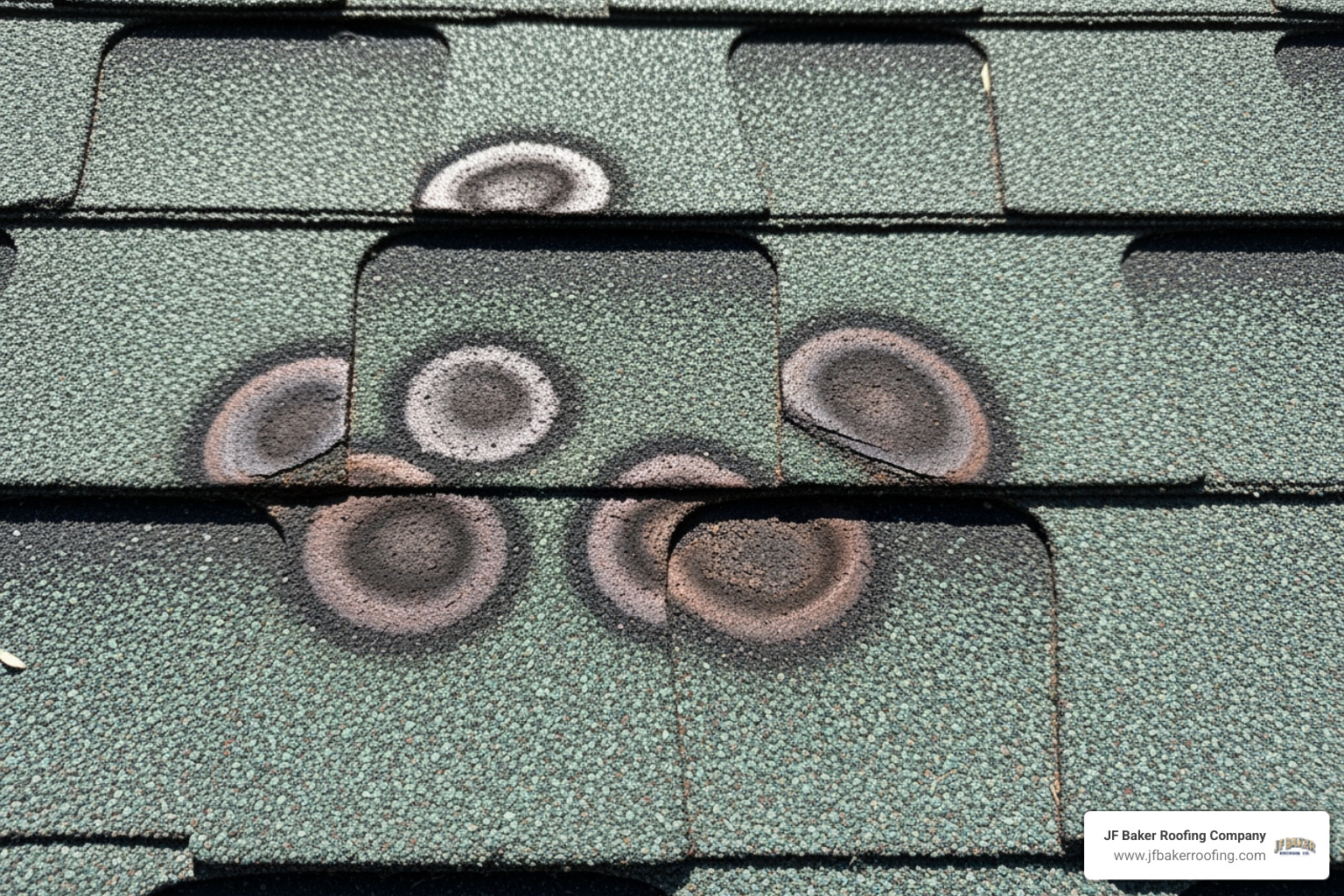
EPDM Roofing: The Good, The Bad, and The Ugly
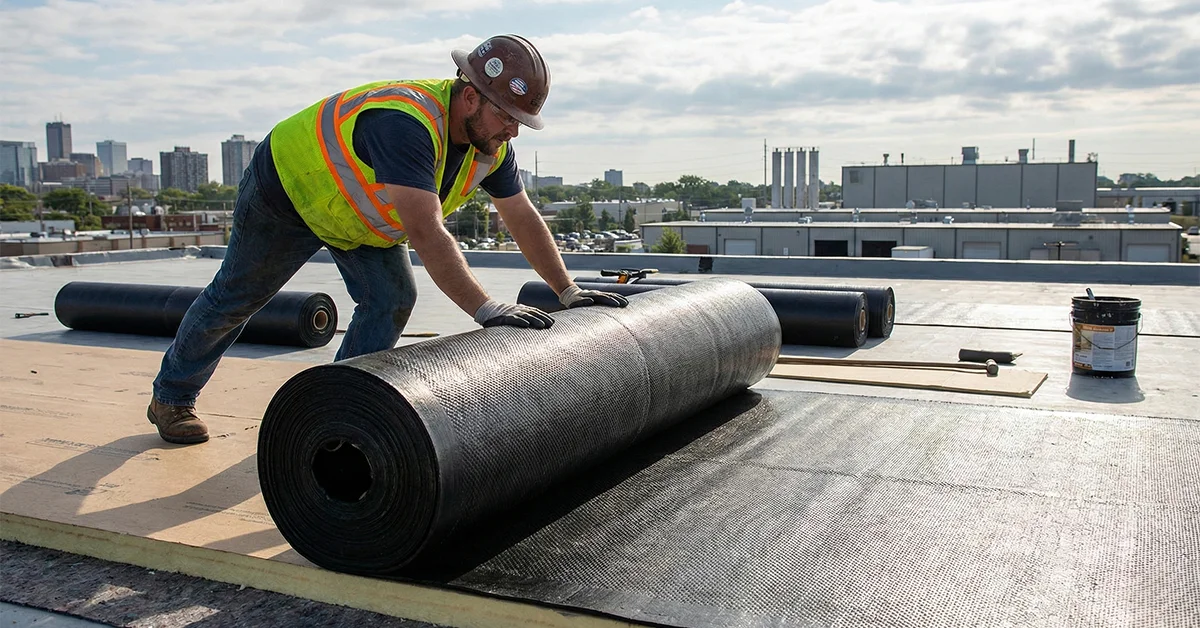
What Are the Disadvantages of EPDM Roofing?
The disadvantages of EPDM roofing are more significant than most property owners expect going in. Here is a quick summary:
- Seam failures - Glued and taped seams break down over time, especially with UV exposure and temperature swings
- Puncture vulnerability - Foot traffic, debris, and hail can easily damage the soft rubber membrane
- Heat absorption - Black EPDM absorbs up to 90% of sunlight, raising surface temps above 150°F and driving up cooling costs
- Shrinkage - The membrane can shrink by up to 4% as it ages, pulling away from edges and flashings
- Ponding water - Flat roofs with poor drainage hold standing water, leading to mold and structural damage
- Installation sensitivity - A poorly installed EPDM roof can fail in as little as 5 to 7 years
- Aesthetic limitations - The flat black rubber look is unappealing on many residential and commercial buildings
- Environmental concerns - Production relies on oil and natural gas by-products, and disposal options are limited
EPDM rubber roofing has been a popular choice for flat and low-slope roofs for decades. It is affordable upfront, reasonably durable, and relatively simple to install. Those qualities have made it a common sight on commercial buildings and residential additions across Central Ohio.
But simple to install is also part of the problem. That low barrier to entry attracts inexperienced contractors, and a bad EPDM installation does not always show its flaws right away. By the time leaks appear or seams start lifting, the damage is often already done.
At JF Baker Roofing, we have been working on flat roofs in Columbus and the surrounding area since 1929. We have seen EPDM perform well when it is installed right and maintained consistently. We have also seen it fail badly when it is not. This guide walks through the real drawbacks of EPDM roofing so you can make an honest, informed decision about what belongs on your building.
Simple disadvantages of epdm roofing word guide:
What is EPDM and How is it Installed?
EPDM stands for Ethylene Propylene Diene Monomer. In plain English, it is a synthetic rubber membrane. If you have ever looked at a large flat commercial roof in downtown Columbus or a small rubber-covered porch in Upper Arlington, you have likely seen this material. It looks and feels a bit like a giant, heavy-duty inner tube stretched across a building.
The manufacturing process uses oil and natural gas by-products, often incorporating recycled tires, slate dust, and sawdust. It is sold in large rolls or as part of an EPDM Rubber Roof Kit for smaller residential projects. While it is praised for being lightweight and flexible, that flexibility comes with some physical trade-offs we will discuss later.
Common Installation Methods
There are three main ways we see EPDM installed in Central Ohio:
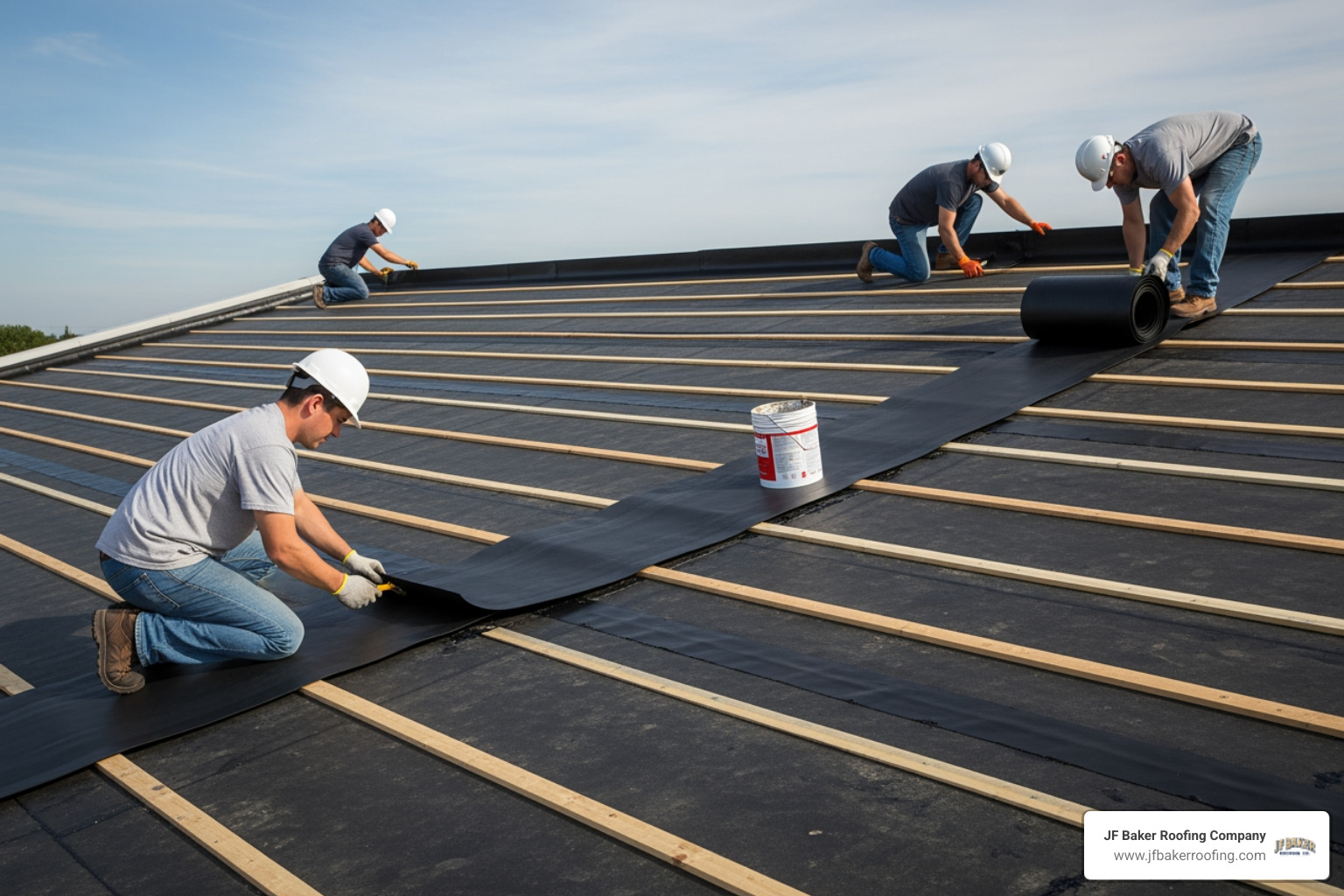
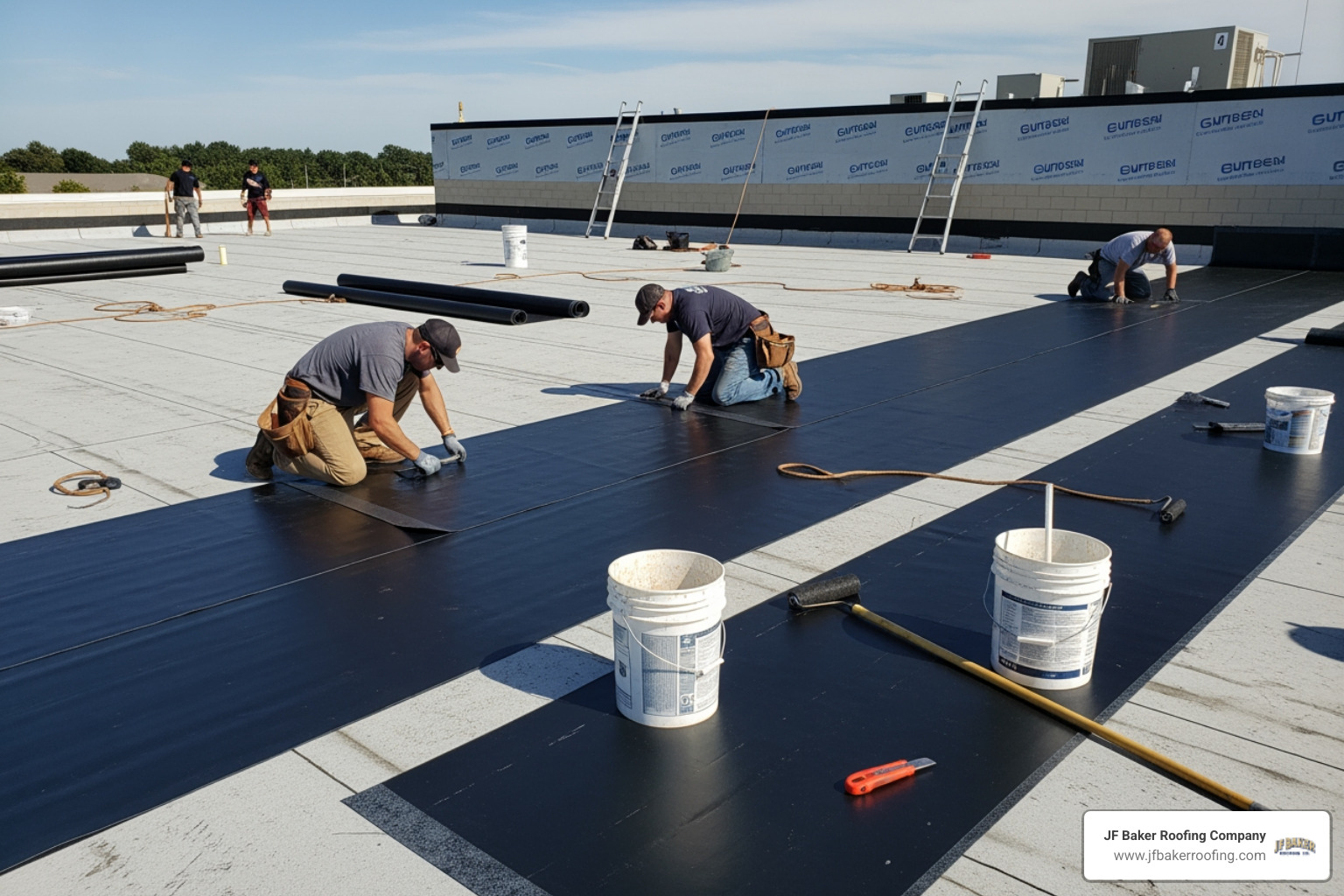
- Fully Adhered: The membrane is glued directly to the roof substrate using a strong liquid adhesive. This is generally the most reliable method because it prevents the wind from getting underneath the rubber, but it is also the most labor-intensive.
- Mechanically Fastened: Large screws and plates hold the membrane down. This is faster to install but can create stress points around the fasteners.
- Ballasted Systems: The rubber is laid down loosely and then weighed down with large stones or river rock. While this is the cheapest way to install EPDM, it makes finding leaks nearly impossible because you have to move tons of rock to see the membrane.
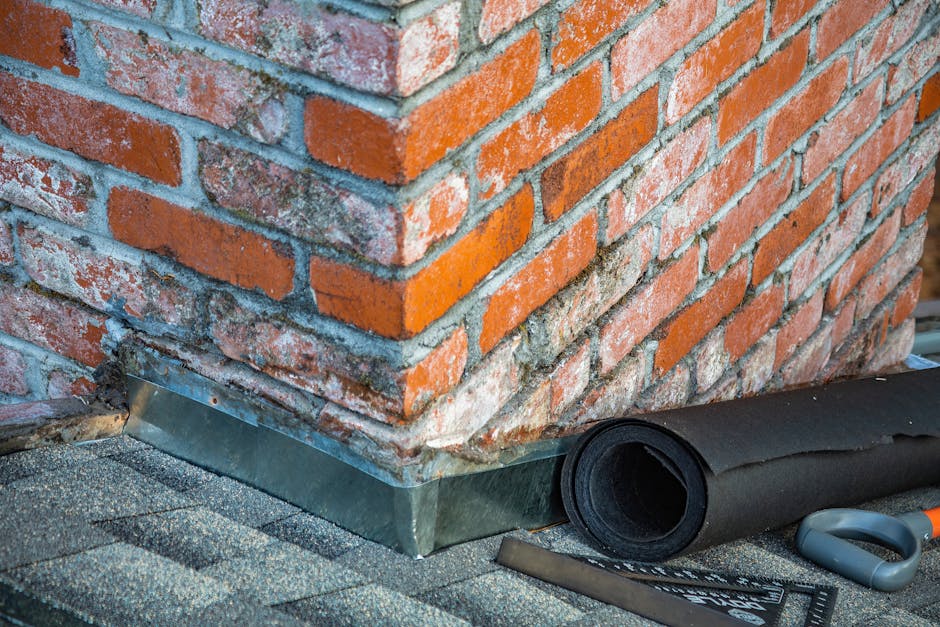
Most systems also require termination bars at the edges to keep the rubber from pulling away and specialized flashing around vents and pipes.
The Primary Disadvantages of EPDM Roofing
While EPDM has its fans, there are several serious disadvantages of EPDM roofing that property owners in the Columbus area need to consider. The biggest issues usually revolve around how the different sheets of rubber are joined together and how long they actually stay that way.
Unlike some modern alternatives that are fused together with heat, EPDM relies on chemistry. If that chemistry fails, your building is going to get wet.
For a broader technical overview of how EPDM membranes are used in roofing, the EPDM article on Wikipedia offers a helpful general reference.
Why Seams are Common Disadvantages of EPDM Roofing
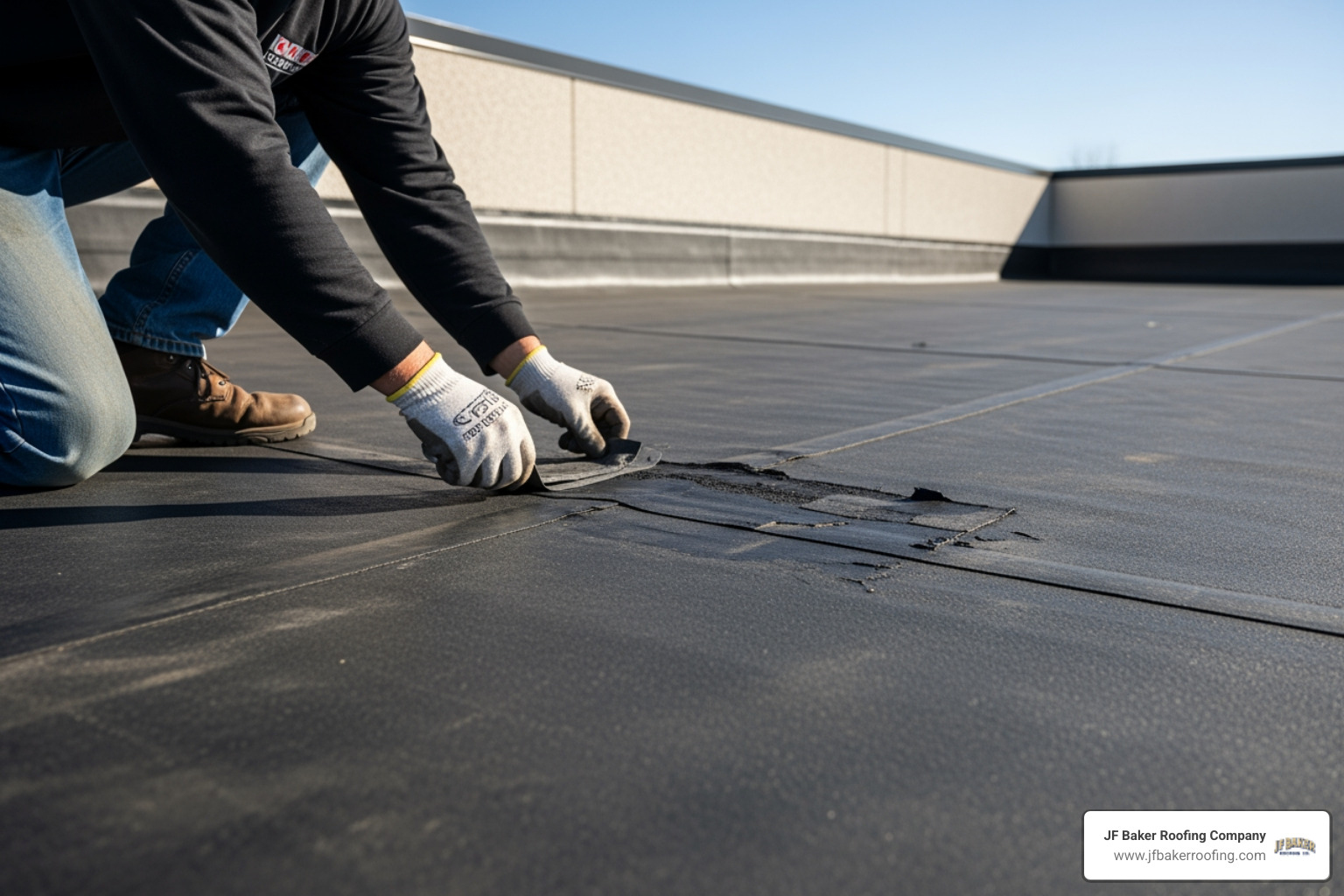
The seams are the "Achilles' heel" of any EPDM roof. Because EPDM is rubber, it cannot be melted and welded together like TPO or PVC. Instead, installers must use specialized seam tape or liquid adhesives to glue the overlapping sheets together.
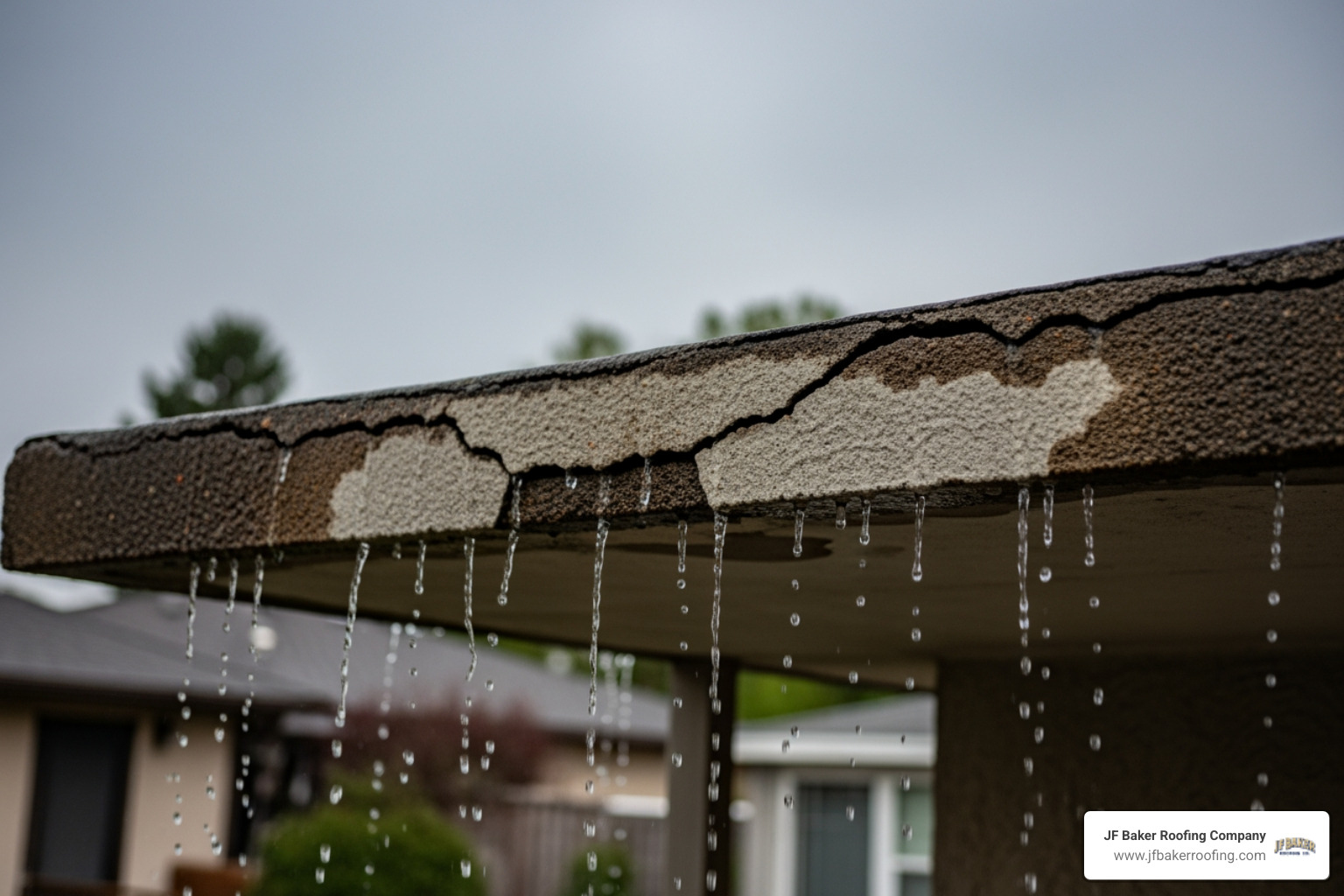
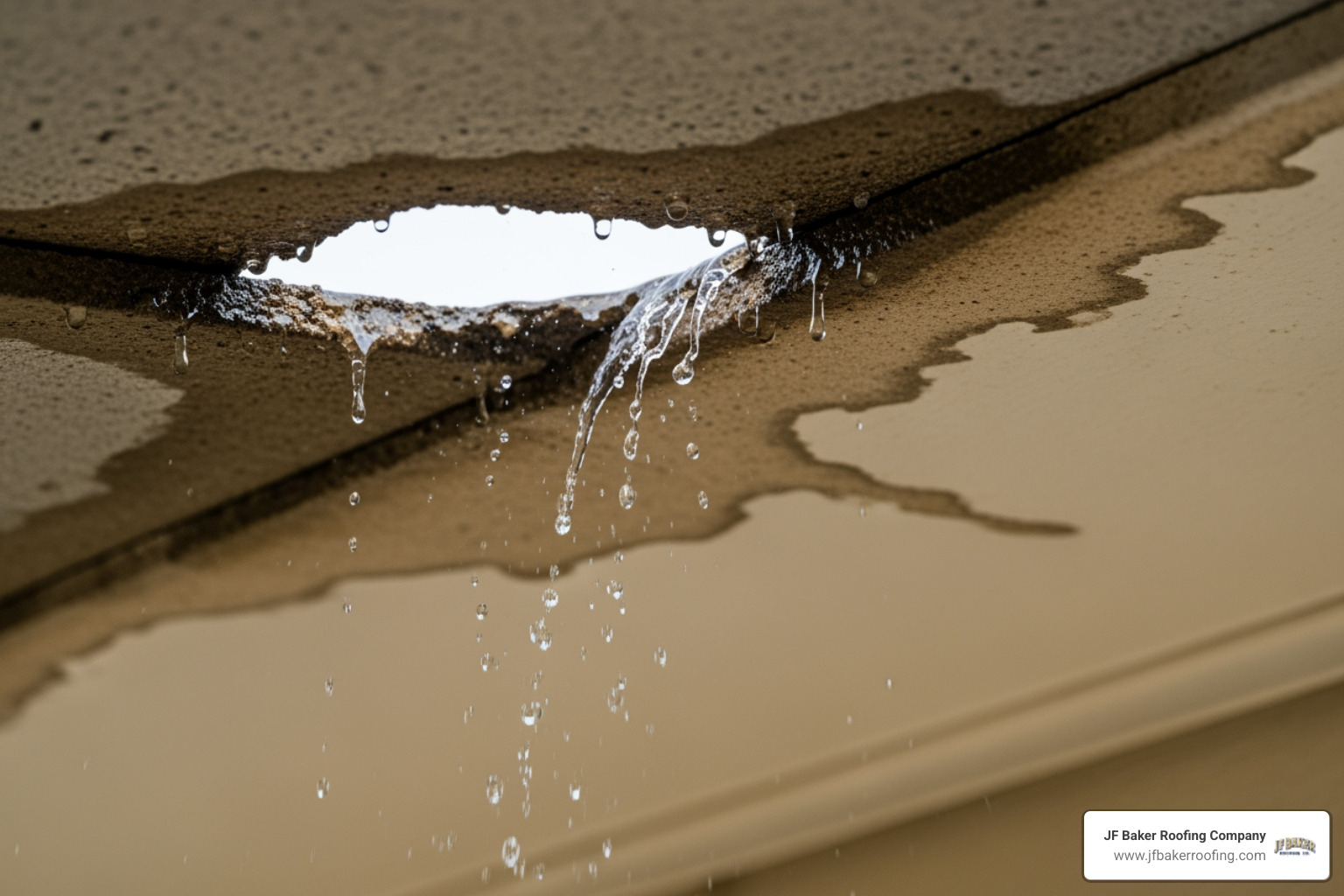
Over time, these glued joints are under constant attack. UV rays from the summer sun and the brutal freeze-thaw cycles of an Ohio winter cause the rubber to expand and contract. Eventually, the adhesive can dry out or lose its grip. When the tape fails, moisture creeps into the seam. This often leads to "slow leaks" that stay hidden in your insulation for months before you ever see a drop on your ceiling.
Installation Quality as one of the Disadvantages of EPDM Roofing
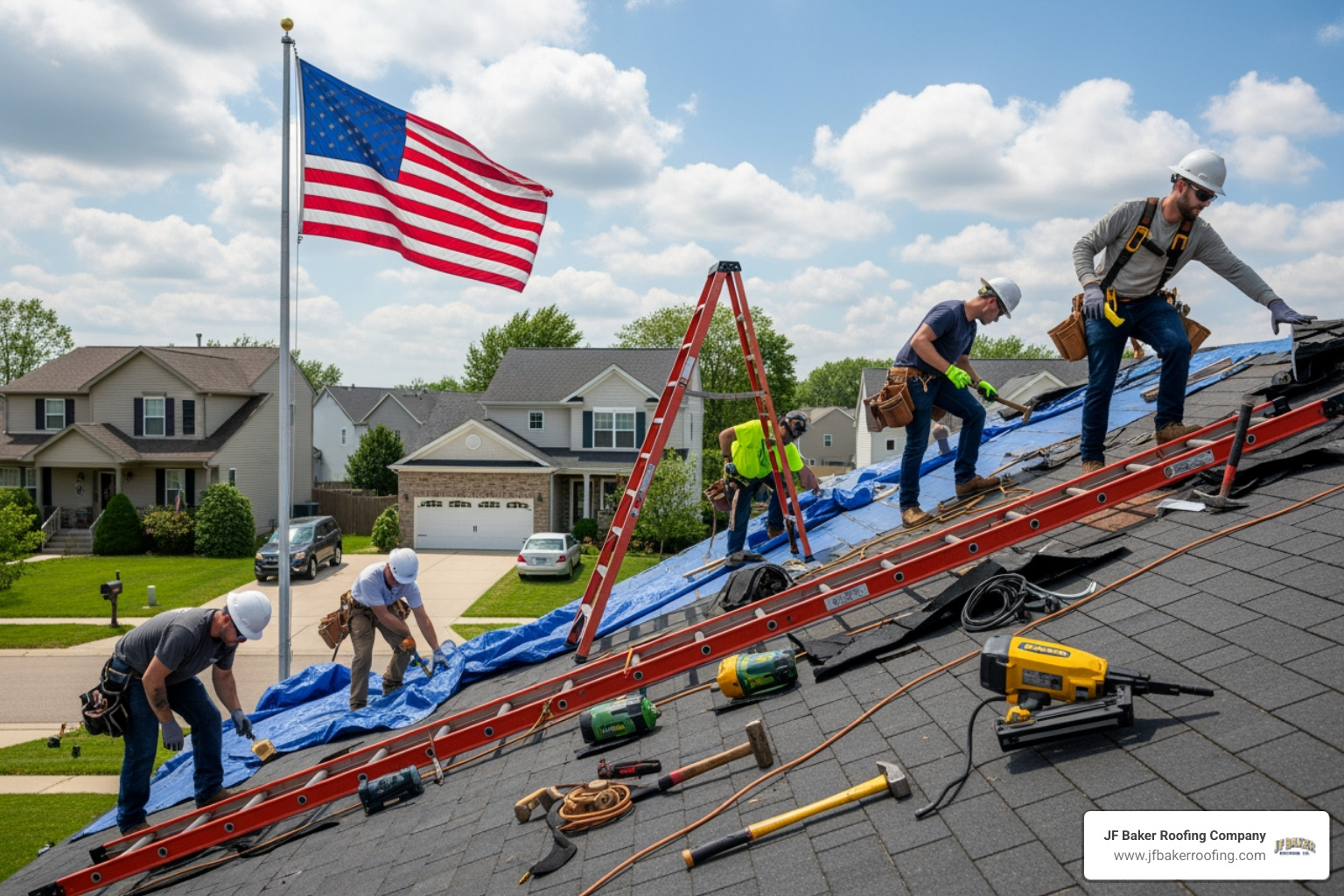
Because EPDM is widely available and seemingly "easy" to roll out, many contractors who lack specialized flat roofing experience try to install it. This is a recipe for disaster.
One of the most common mistakes is not giving the rubber enough "relaxation time." When EPDM comes off the roll, it is under tension. If a contractor glues it down immediately without letting it sit in the sun to relax, the membrane will try to shrink back to its original shape later, pulling on the seams and flashings. We have seen poorly installed EPDM roofs fail in just 5 to 7 years, whereas a professional installation by an experienced crew should last 20 to 30 years.
Physical Vulnerabilities: Punctures, Tears, and Shrinkage
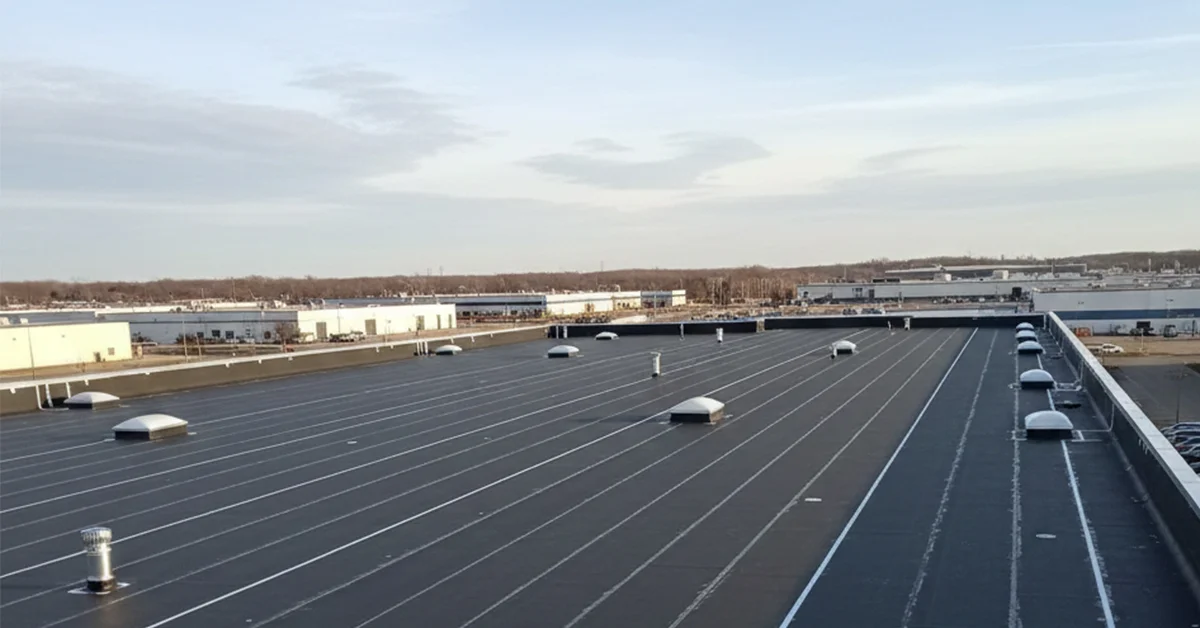
One of the most frustrating disadvantages of epdm roofing is how easily it can be damaged by physical force. Because it is a soft, non-reinforced rubber, it does not take much to create a hole.
As the material ages, it also deals with a phenomenon known as shrinkage. Research shows that EPDM can shrink by up to 4% over its lifespan. While 4% might not sound like much, on a 100-foot-long roof, that is 4 feet of movement. This creates a "drum skin effect" where the rubber pulls tight across the roof, eventually tenting at the base of vents or pulling completely away from the edges of the building.
Why Punctures are Common Disadvantages of EPDM Roofing
If you have an HVAC unit on your roof that requires regular maintenance, EPDM might not be your best friend. The membrane is highly susceptible to punctures from:
- Foot Traffic: Someone wearing the wrong boots or walking over a stray screw can easily poke a hole.
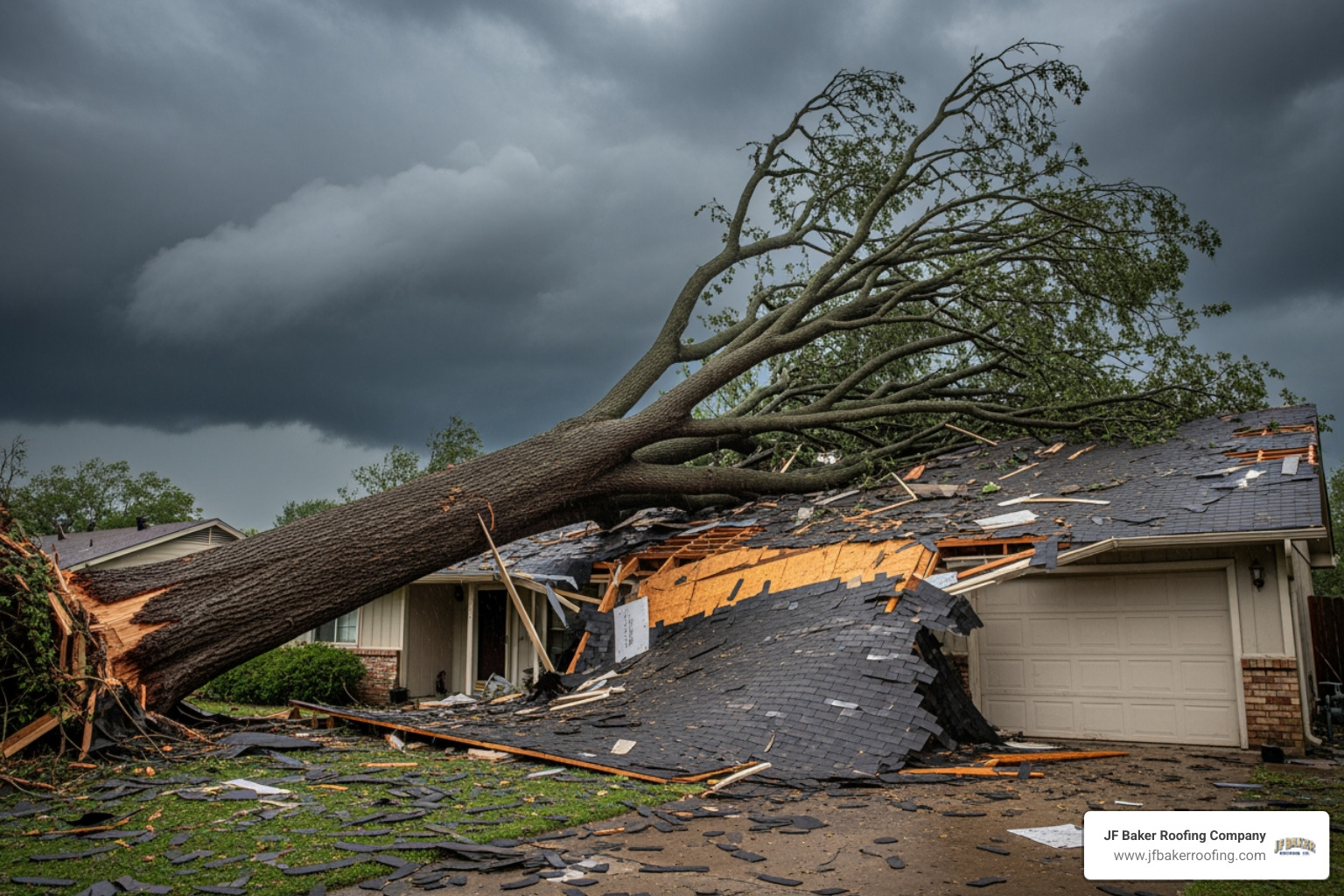
- Falling Branches: In wooded areas like Worthington or Bexley, a fallen limb during a storm can slice through the rubber.
- Sharp Tools: A dropped screwdriver or a sharp-edged metal scrap left behind by a technician is a common cause of leaks.
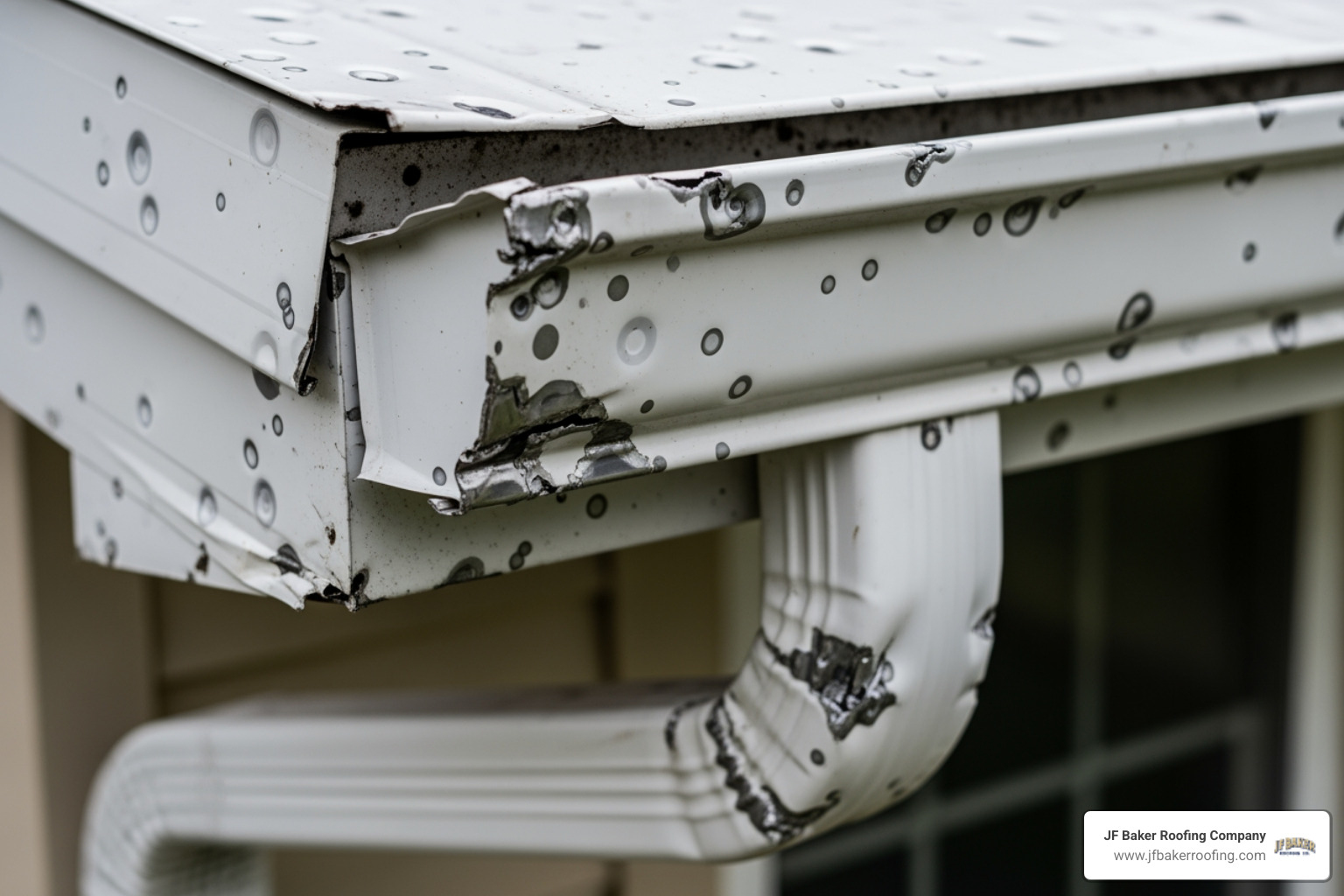
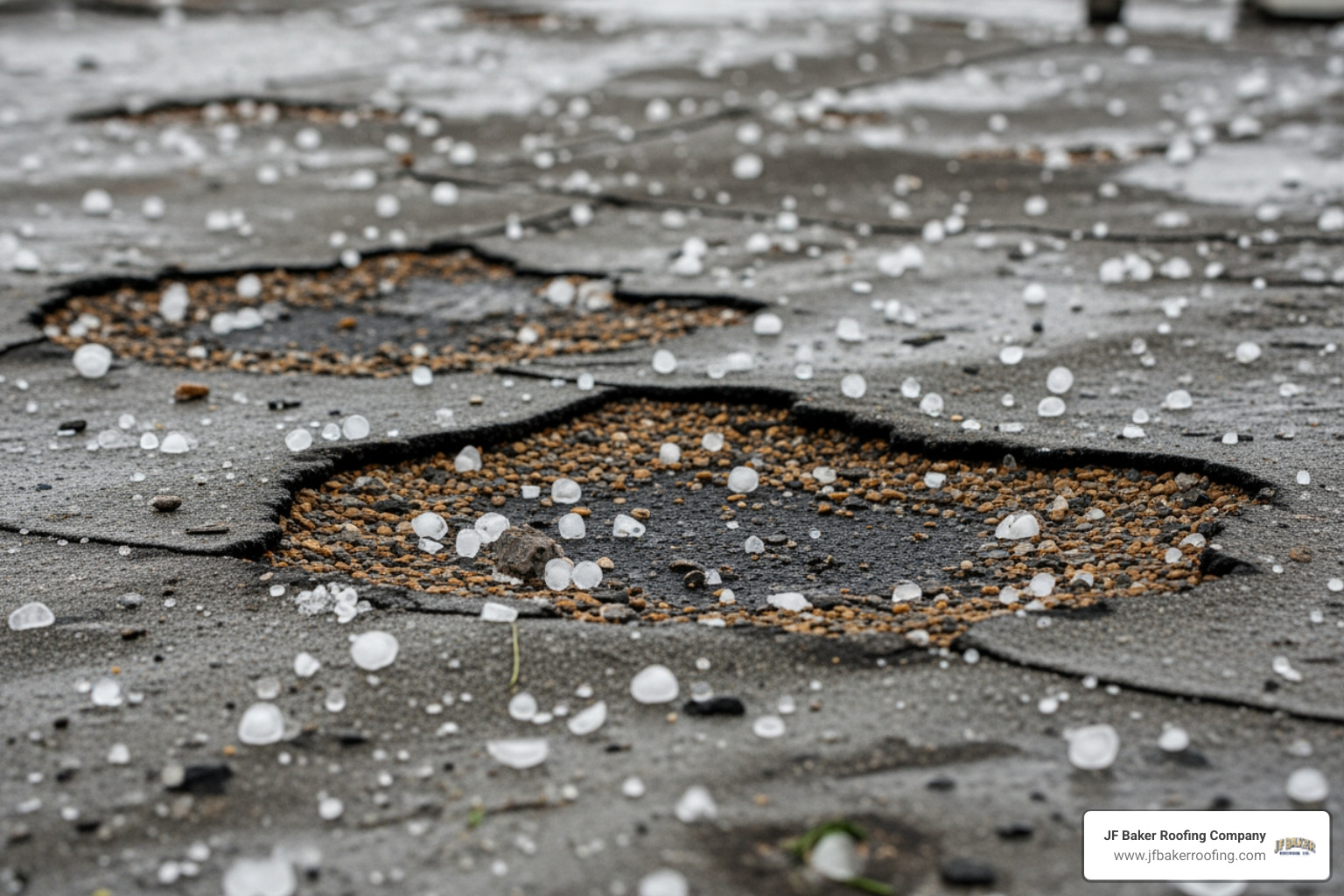
- Hail Damage: While EPDM can resist smaller hail, large Central Ohio hailstones can dimple or tear the membrane, especially as it gets older and less flexible.
If you do find a hole, you will need a Rubber Flat Roof Repair kit quickly to prevent water from soaking your roof deck.
Chemical Sensitivity and Ponding Water
EPDM does not play well with others, chemically speaking. It is highly sensitive to petroleum-based products. If your roof is near a kitchen exhaust that vents grease, or if someone spills oil or solvent on the membrane, the rubber will actually begin to dissolve and swell.
Furthermore, EPDM is often used on roofs with very little slope. If the roof has "low spots," water will sit there after a rain. This is called ponding water. While the rubber itself is waterproof, standing water puts immense pressure on the seams. If water sits on a seam for days at a time, it will eventually find a way through, leading to structural rot and mold growth inside your building.
Energy Efficiency and Aesthetic Limitations

In April 2026, as we look at modern building standards, energy efficiency is more important than ever. This is where standard black EPDM really struggles.
Heat Absorption as one of the Disadvantages of EPDM Roofing
Standard EPDM is black, and as anyone who has sat in a dark car in July knows, black absorbs heat. A black EPDM roof can absorb up to 90% of sunlight. On a 90-degree day in Columbus, your roof surface temperature can easily soar above 150°F.
This creates a massive "heat sink" on top of your building. That heat radiates downward, raising interior temperatures by 20 to 30 degrees and forcing your air conditioning to work overtime. While you can buy white EPDM, it typically comes with a 30% price premium, which often negates the initial cost savings that made EPDM attractive in the first place.
Visual Appeal and Property Value
Let's be honest: EPDM is not a "pretty" roof. It looks like a dull, flat sheet of rubber. For a warehouse in an industrial park, that might be fine. But for a residential home in Upper Arlington or a retail shop in Grandview, it can look like an "eyesore."
The "inner tube" appearance does nothing for curb appeal. Over time, the rubber also undergoes "chalking" due to UV exposure, leaving a white powdery residue that can run down the sides of your building and stain your siding or brickwork.
Comparing EPDM to TPO, PVC, and Metal Alternatives
When deciding if the disadvantages of epdm roofing are a dealbreaker, it helps to see how it stacks up against the competition.
| Feature | EPDM (Rubber) | TPO (Thermoplastic) | PVC (Vinyl) | Metal Roofing |
|---|---|---|---|---|
| Seam Method | Adhesive/Tape | Heat-Welded | Heat-Welded | Overlapped/Locked |
| Puncture Resistance | Low | Moderate | High | Very High |
| Energy Efficiency | Poor (Black) | Excellent (White) | Excellent (White) | High (Reflective) |
| Expected Lifespan | 20-30 Years | 20-30 Years | 20-30+ Years | 40-50+ Years |
| Common Issues | Seams, Shrinkage | Installation Error | Chemical Sensitivity | Higher Upfront Cost |
When comparing these materials, EPDM is often the budget choice, but it lacks the heat-welded seams that make TPO and PVC so much more reliable against leaks.
Performance vs Cost
The main reason people choose EPDM is the lower upfront cost. However, we always encourage our clients to look at the "lifecycle cost." If you save money today but have to pay for three major repairs over the next ten years because of seam failures or punctures, did you really save anything? Metal roofing, while much more expensive initially, can last twice as long with almost zero maintenance.
Maintenance Requirements and Long-Term Costs
An EPDM roof is not a "set it and forget it" system. To get the full 20 to 30 years out of it, you have to be diligent. In Central Ohio, this means at least two inspections per year.
The typical cost for EPDM installation ranges from $4 to $13 per square foot, depending on the complexity and the insulation used. However, you should also budget for:
- Bi-annual inspections: Checking for lifting seams and debris.
- Seam resealing: Expect to have a professional touch up the edges every 7 to 10 years.
- Puncture repairs: Patching small holes before they rot your roof deck.
Ohio Seasonal Maintenance
Our local climate is tough on rubber.
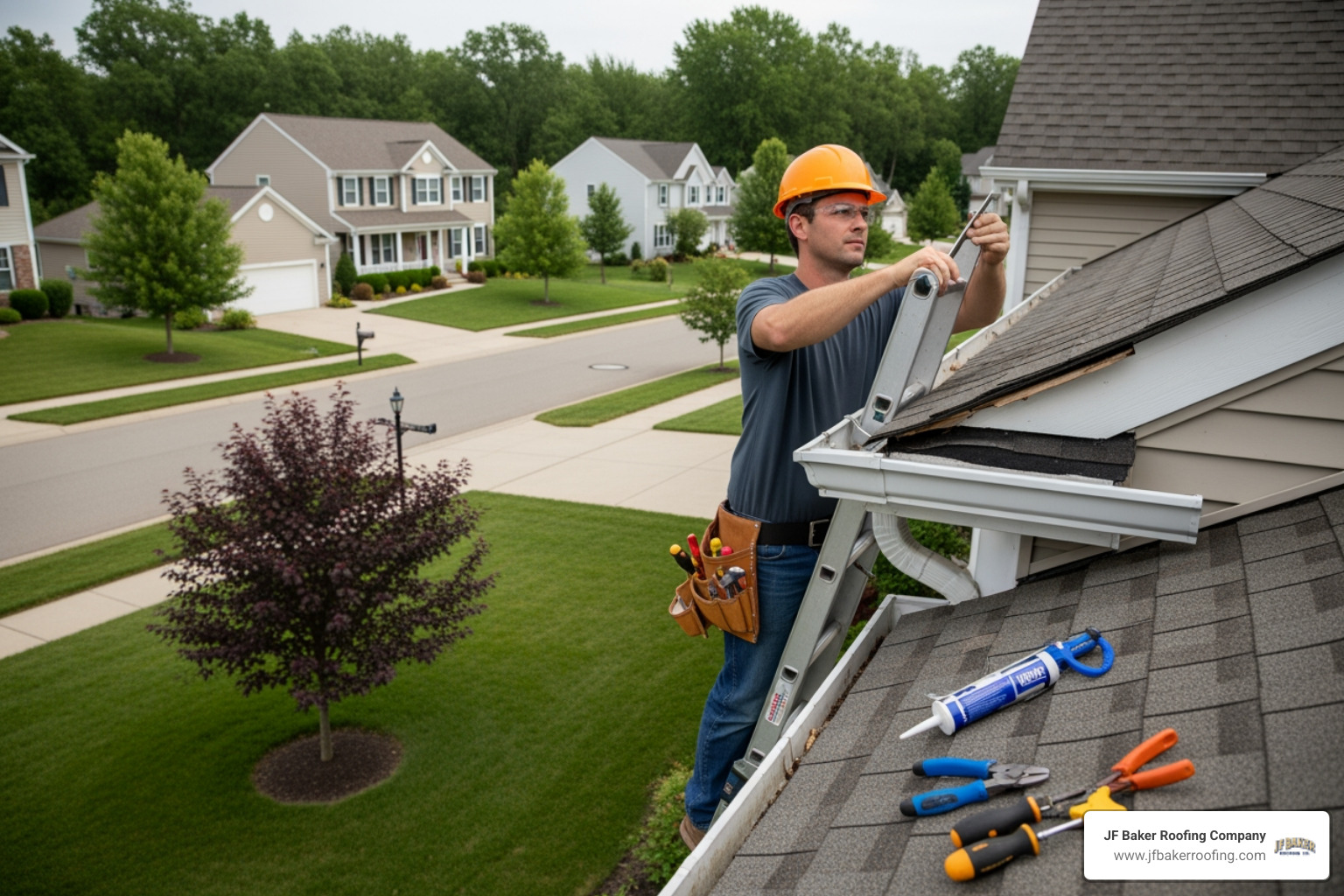
- Spring: Check for damage from winter ice and clear out gutters so water doesn't pond.
- Summer: Inspect for "blistering" where the adhesive might be failing due to extreme heat.
- Fall: Remove leaves and branches. Organic matter sitting on EPDM can trap moisture and accelerate seam breakdown.
- Winter: Be careful with snow removal. Shoveling a flat roof is a great way to accidentally slice your EPDM membrane.
Frequently Asked Questions about EPDM Drawbacks
How long does an EPDM roof really last?
While you might see 50-year warranties on the material itself, the system usually lasts 20 to 30 years in Ohio. If it was installed poorly, you might only get 5 to 7 years before major leaks begin.
Can you walk on an EPDM roof safely?
You can, but you shouldn't do it often. If you must walk on it, wear soft-soled shoes and be extremely careful not to grind any dirt or pebbles into the rubber. For roofs with high traffic, we recommend installing reinforced "walkway pads."
Is EPDM roofing prone to leaking?
The rubber itself is very waterproof, but the seams are prone to leaking. Because the seams rely on glue and tape, they are the most common point of failure. If you see water stains on your ceiling, the seam is usually the culprit.
Conclusion
At JF Baker Roofing, we believe in honest assessments. EPDM is a functional, budget-friendly choice for many flat roofs, but the disadvantages of epdm roofing, like seam failures, heat absorption, and puncture risks, cannot be ignored.
We have been family-owned and community-rooted in Columbus since 1929. Whether you are in Dublin, Hilliard, or downtown, our goal is to provide quality craftsmanship that stands the test of time. If you are struggling with a leaky flat roof or trying to decide which material is right for your building, let our reputation be your security. We will give you a straight answer on whether a repair will do the job or if it is time for a replacement.
If you would like to learn more about how we handle flat roofs, you can find more info about commercial roofing services on our website. We are here to help you protect your investment with a roof that is built on integrity and proven by performance. Give us a call for a no-pressure consultation today.

.jpeg)