Rubber Roof Leak Specialists and Where to Find Them
When Your Flat Roof Needs a Closer Look
A rubber roof inspection service is the most reliable way to catch small problems before they turn into expensive ones. Here is a quick summary of what you need to know:
What to expect from a rubber roof inspection service:
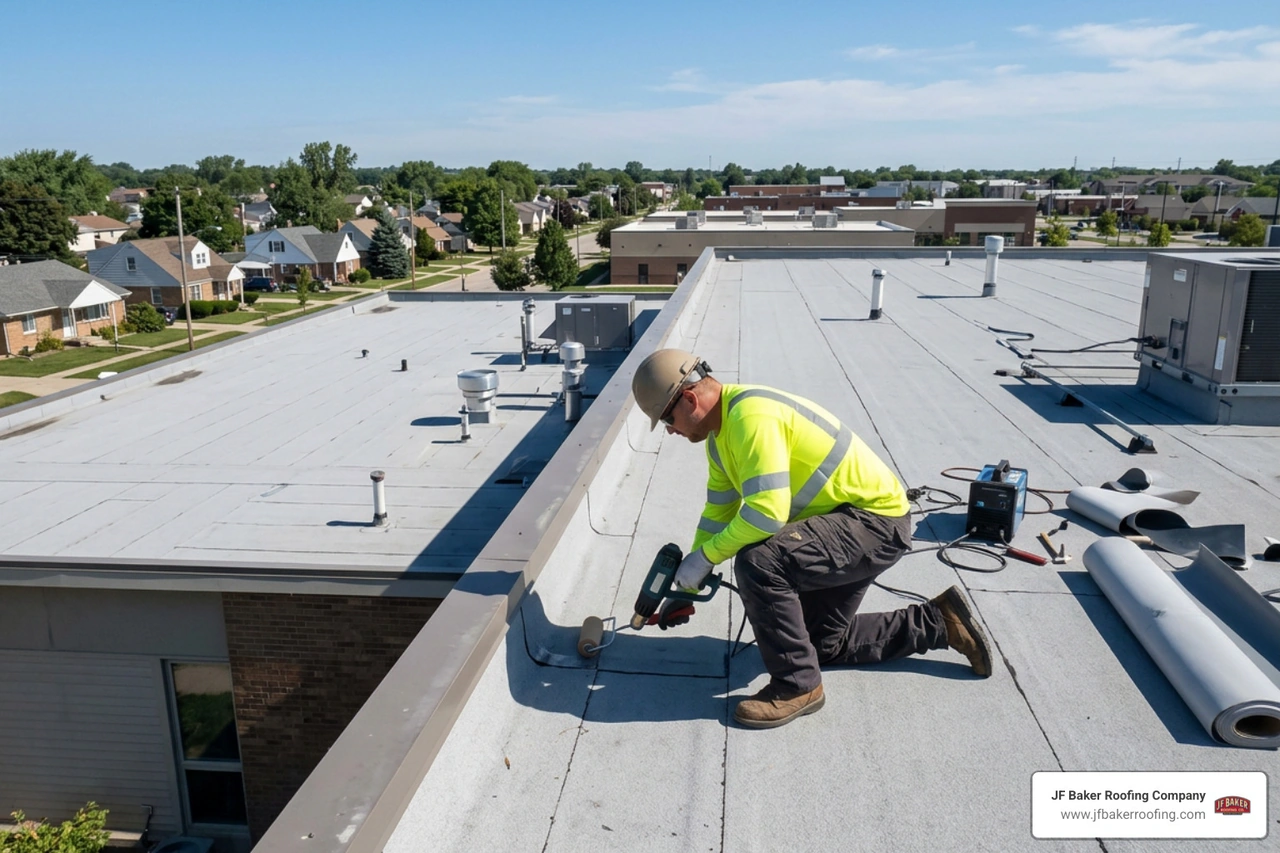
- A qualified roofer examines the full surface of your EPDM or rubber membrane
- They check seams, flashings, and edges for lifting, cracking, or separation
- Drainage systems and penetrations (HVAC units, vents, skylights) are evaluated
- You receive a written report with photos and recommended next steps
- Inspections typically cost between $150 and $800 depending on property size and complexity
Rubber roofs are built to last. With proper care, an EPDM membrane can perform well for 20 to 25 years. But Central Ohio weather is hard on flat roofs. Freeze-thaw cycles in winter, heavy spring rains, and summer heat all take a toll on the membrane over time.
The tricky part? Most rubber roof damage is not visible from the ground. Seams can start to separate. Water can pool in spots you can't see from a window. Small punctures go unnoticed until water shows up on your ceiling.
That is why a professional inspection matters. Industry data shows that 87% of commercial roofs develop minor issues within the first five years of installation, and catching those issues early costs about 75% less to fix than waiting.
At JF Baker Roofing, we have been helping Columbus-area homeowners and business owners stay ahead of roof problems since 1929. This guide walks you through everything you need to find the right rubber roof inspection service and know what to do with the results.
Why a Professional Rubber Roof Inspection Service is Essential
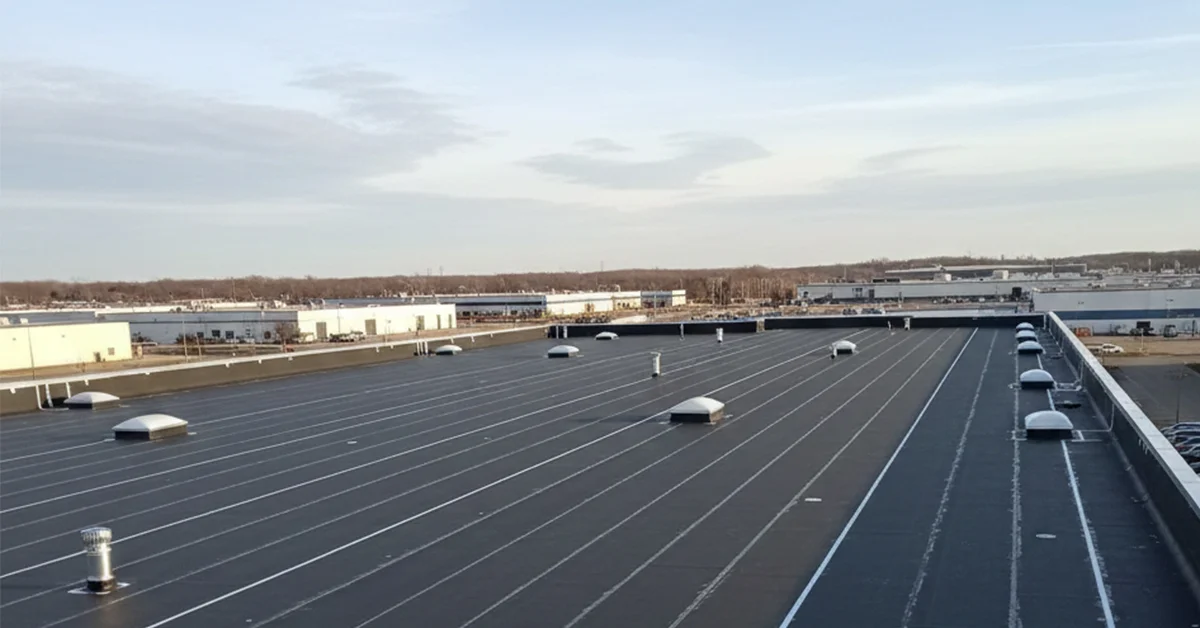
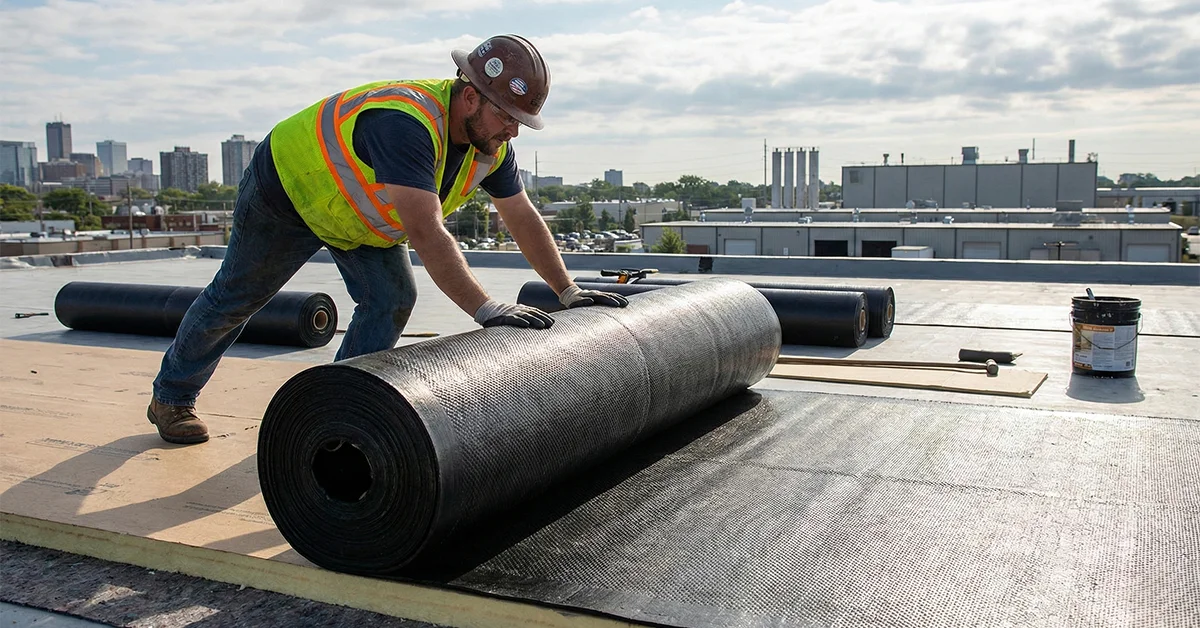
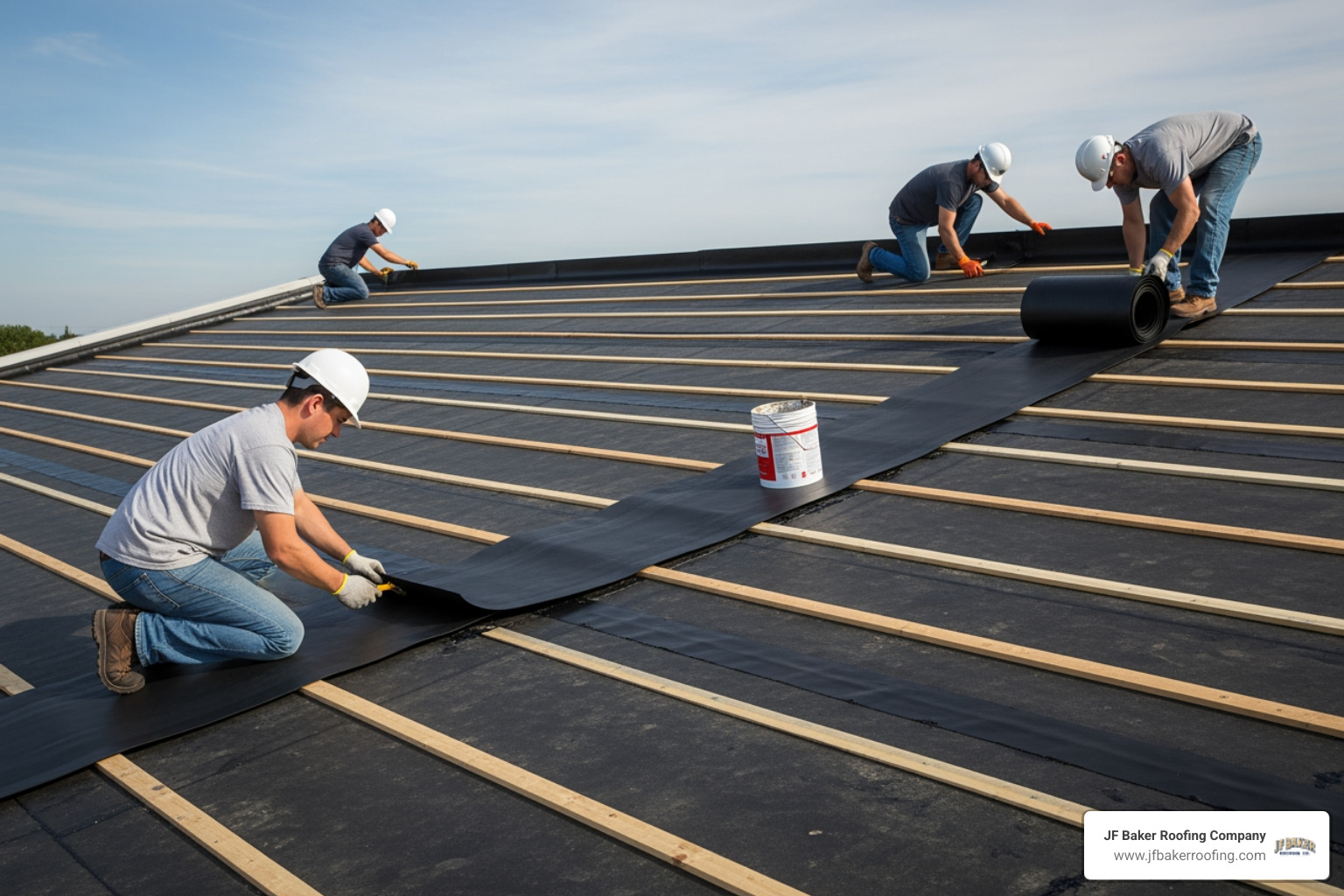
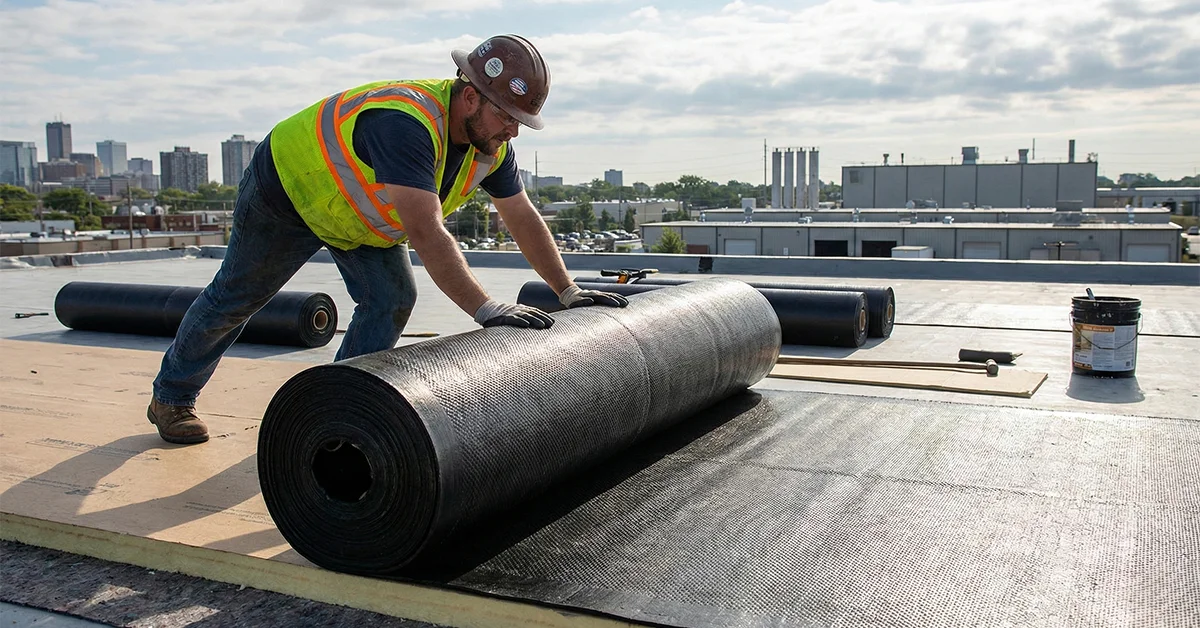
If you own a building with a flat or low-slope roof in Central Ohio, you likely have an EPDM (Ethylene Propylene Diene Monomer) membrane. While these "rubber roofs" are famous for their durability and flexibility, they are not "set it and forget it" systems.
A professional rubber roof inspection service serves as your first line of defense. Think of it like a wellness checkup for your building. EPDM roofs typically have a lifespan of 20 to 25 years, but reaching that milestone requires proactive care. According to industry research on Roof Maintenance Priority, preventative practices are the most effective way to prolong a roof's performance.
Beyond just finding leaks, these inspections are vital for two business-critical reasons:
- Insurance Claim Support: If a major storm rolls through Upper Arlington or Westerville, having a recent inspection report on file proves the pre-storm condition of your roof, making insurance claims much smoother.
- Warranty Maintenance: Many manufacturers require proof of regular inspections to keep your warranty valid. Without them, a premature failure might come entirely out of your pocket.
With 87% of commercial roofs experiencing minor issues within the first five years, catching a small tear or a lifting seam early is the difference between a simple patch and a catastrophic interior flood. Protecting your investment starts with knowing exactly what is happening on top of your building.
The Professional Assessment Process
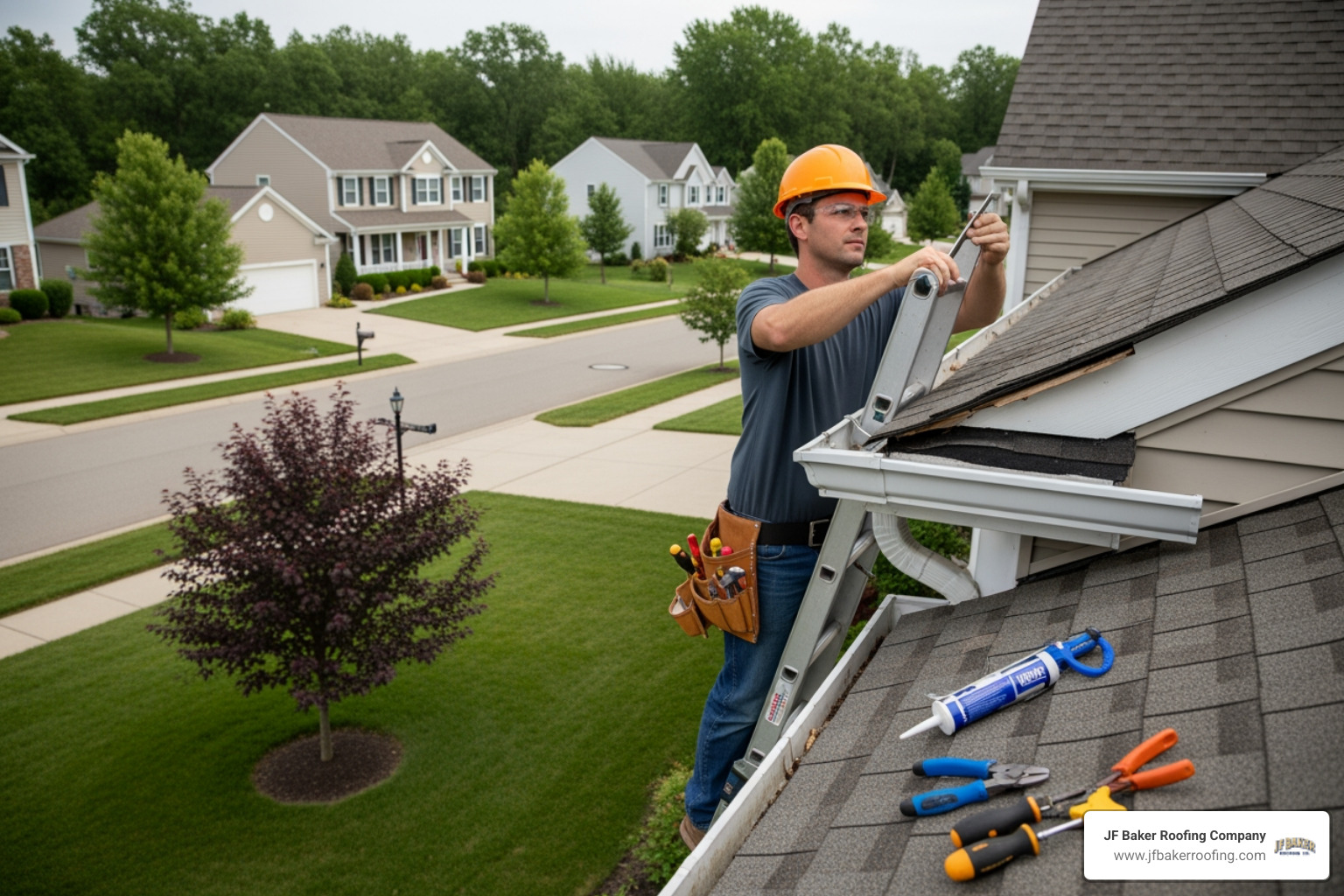
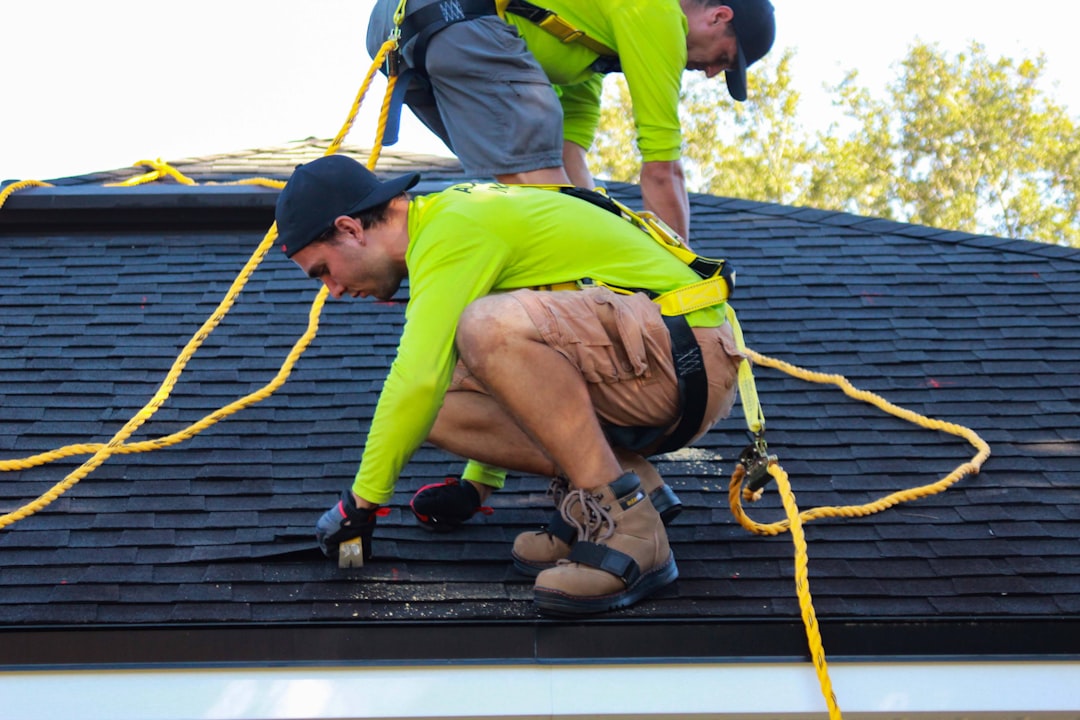
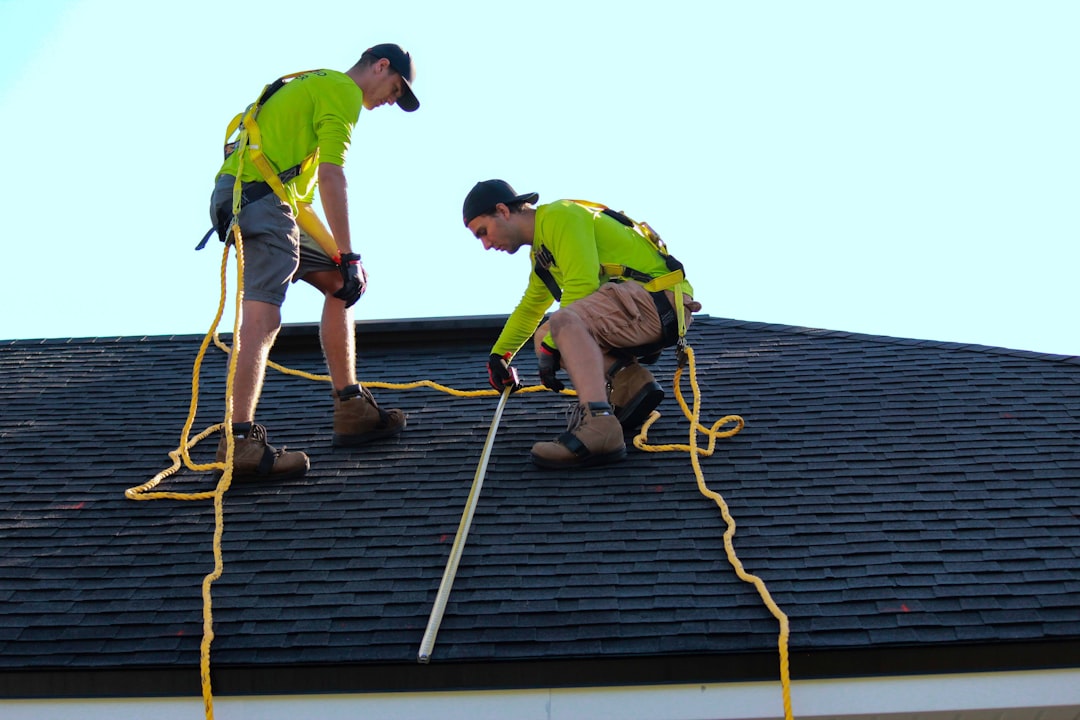
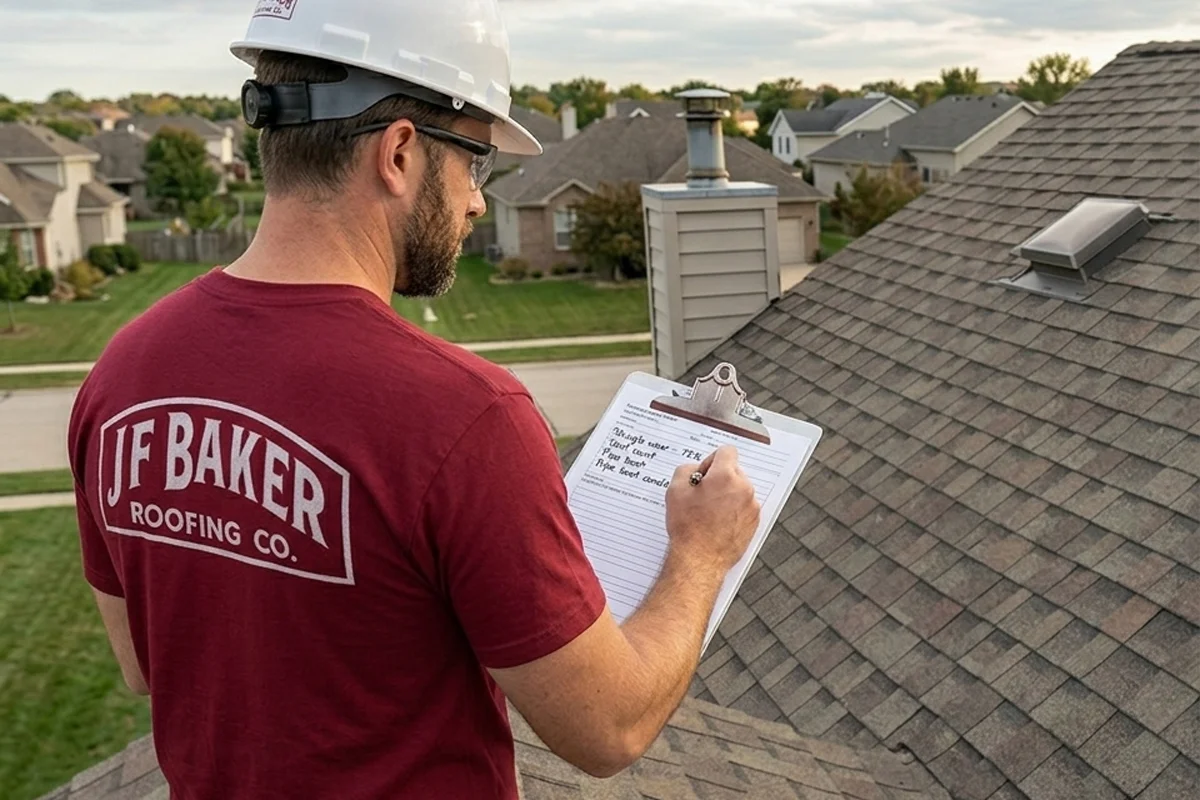
When we arrive for a rubber roof inspection service, we don't just walk around and glance at the surface. A thorough assessment is a multi-step process designed to find vulnerabilities before they become leaks.

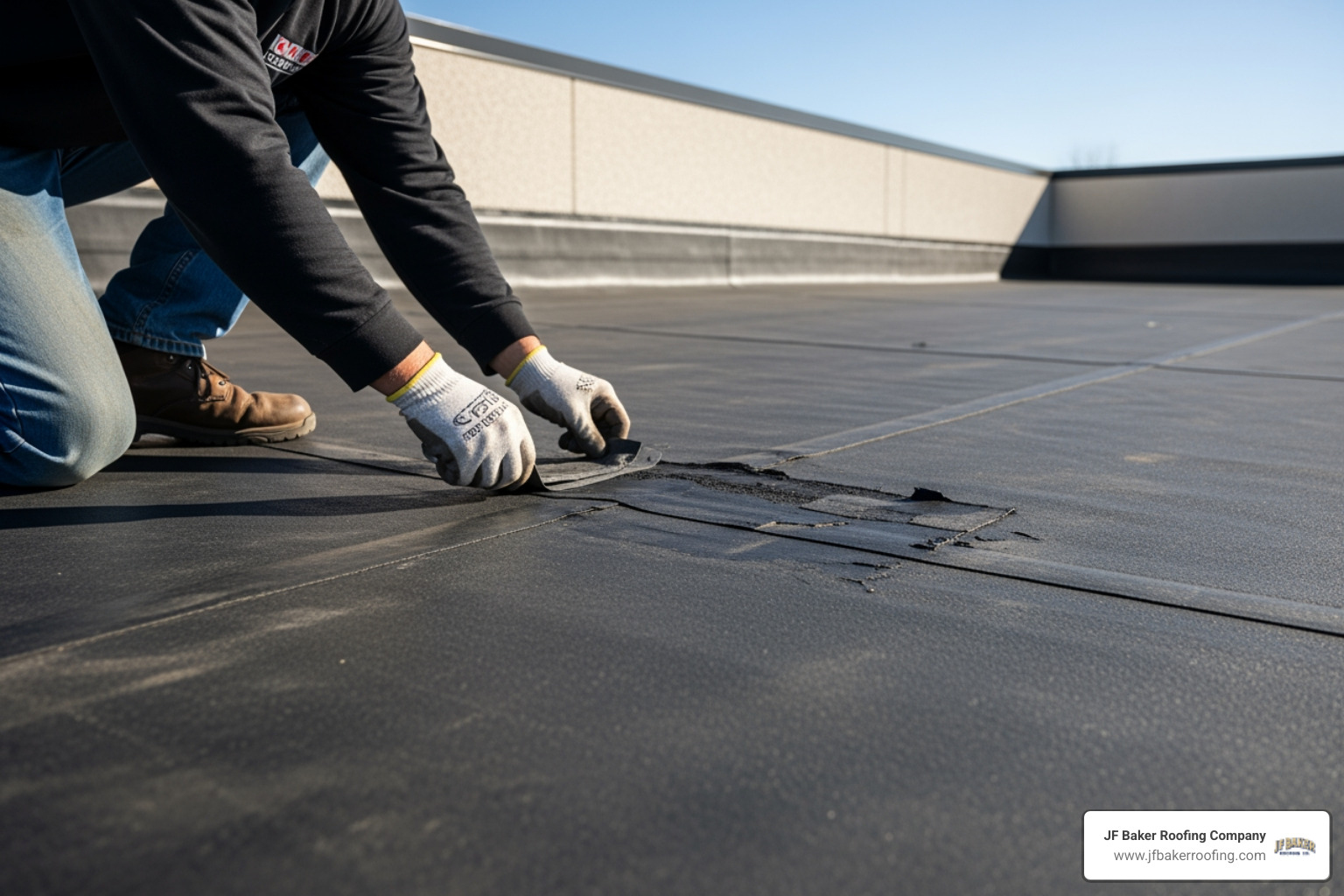
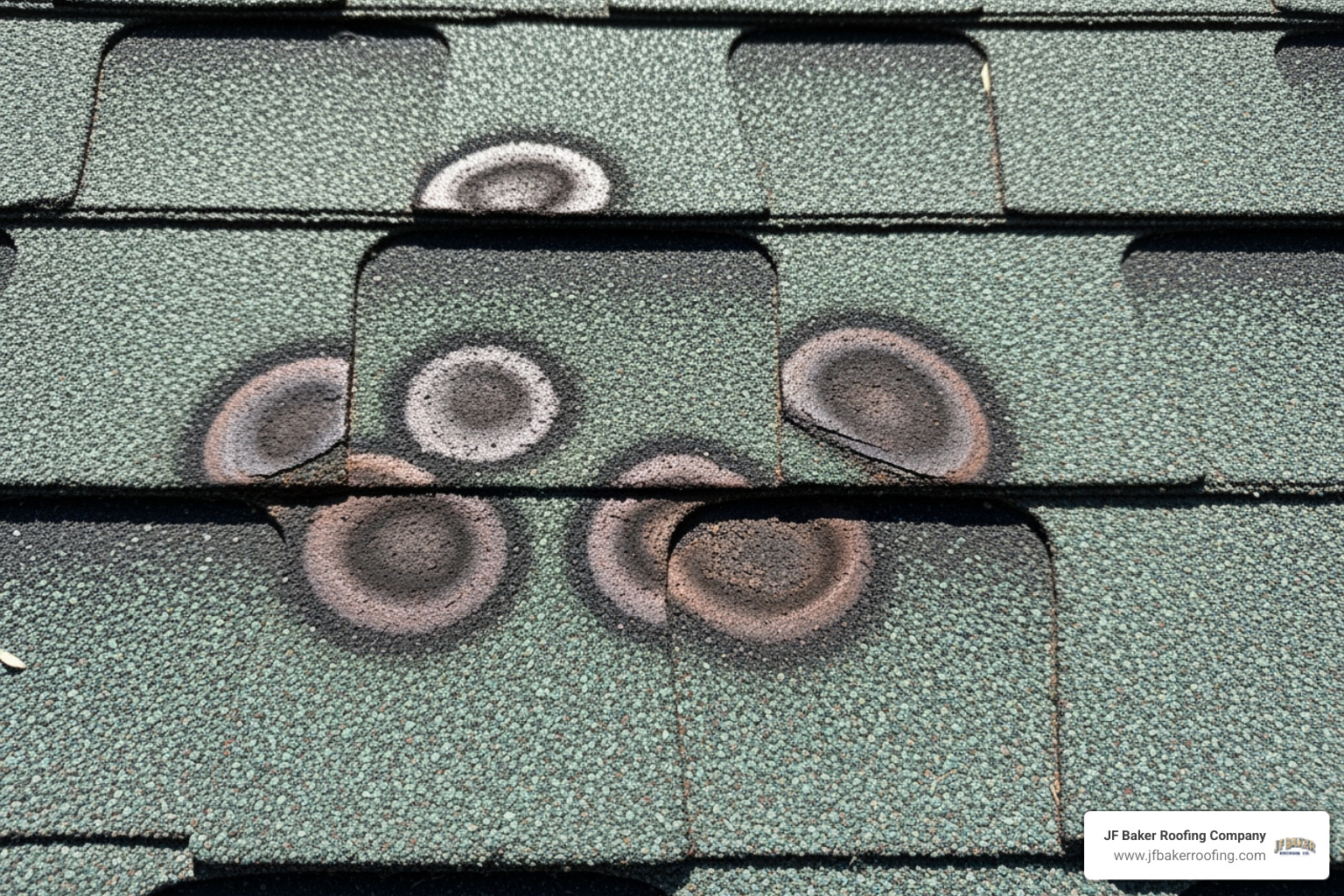
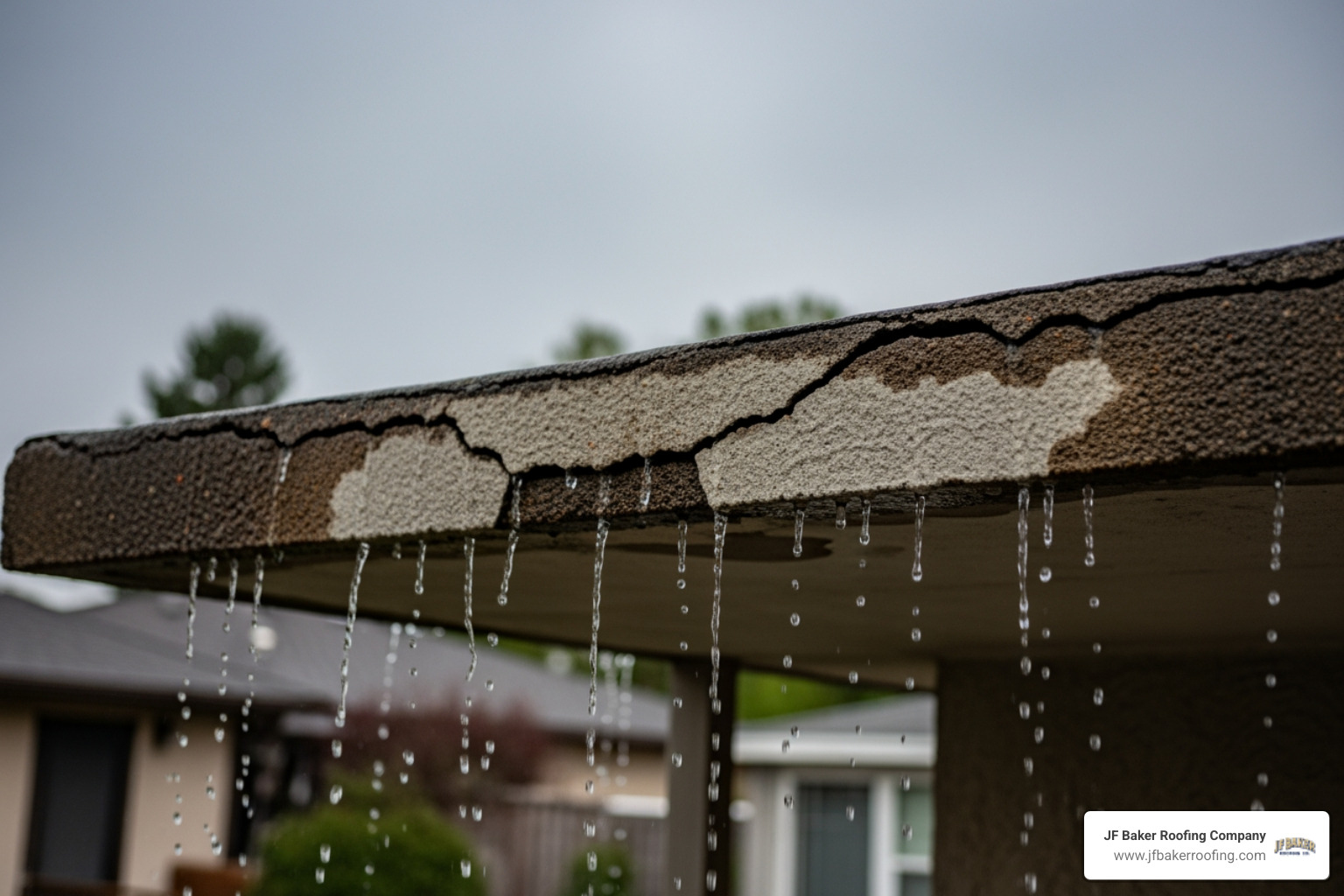
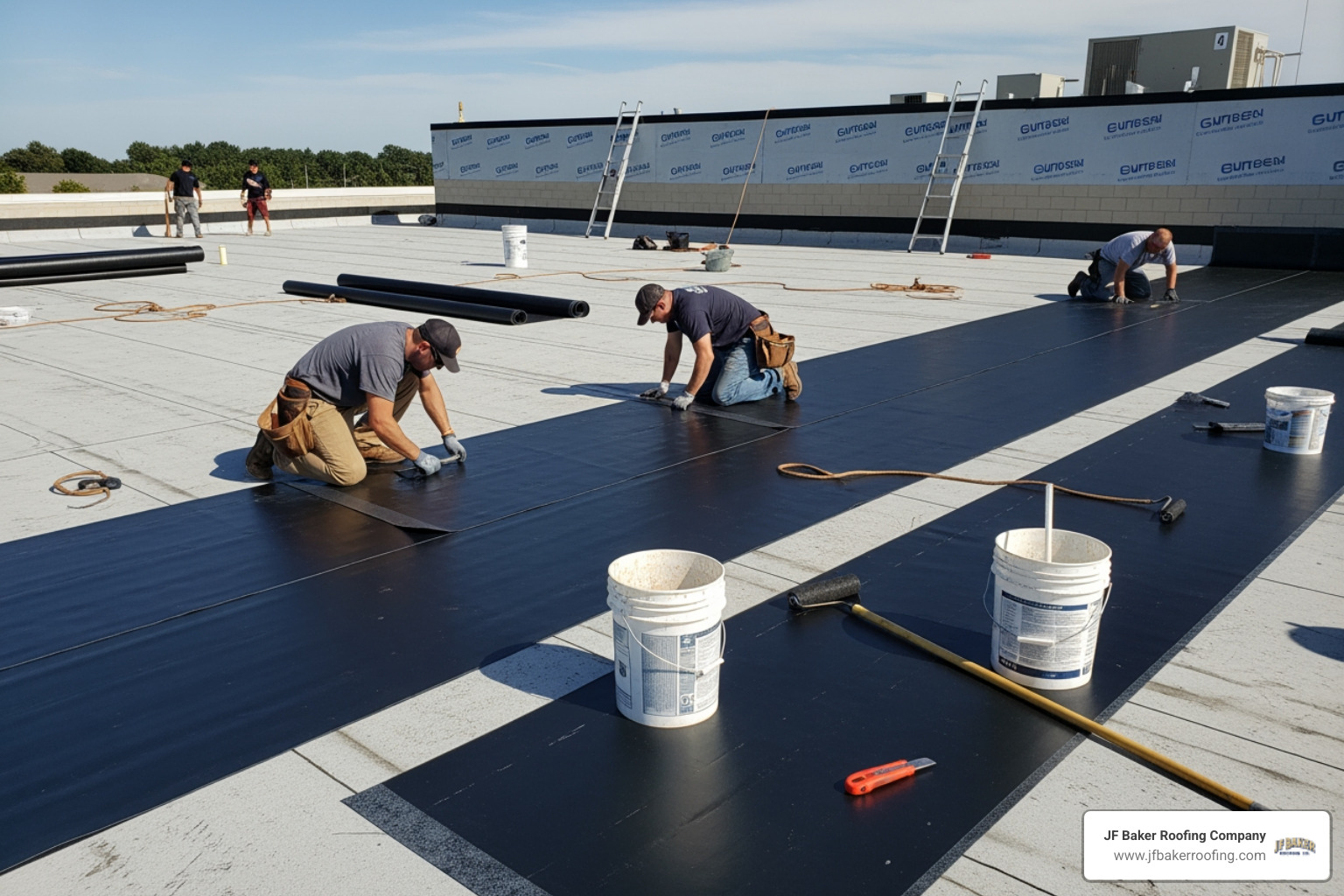
The process begins with a visual membrane check. We look for "alligatoring" (cracking that looks like reptile skin), blisters caused by trapped moisture, and punctures from debris or foot traffic. We pay special attention to the seams. Because rubber roofs are installed in large sheets, the points where those sheets meet are naturally the most common areas for failure as adhesives age.
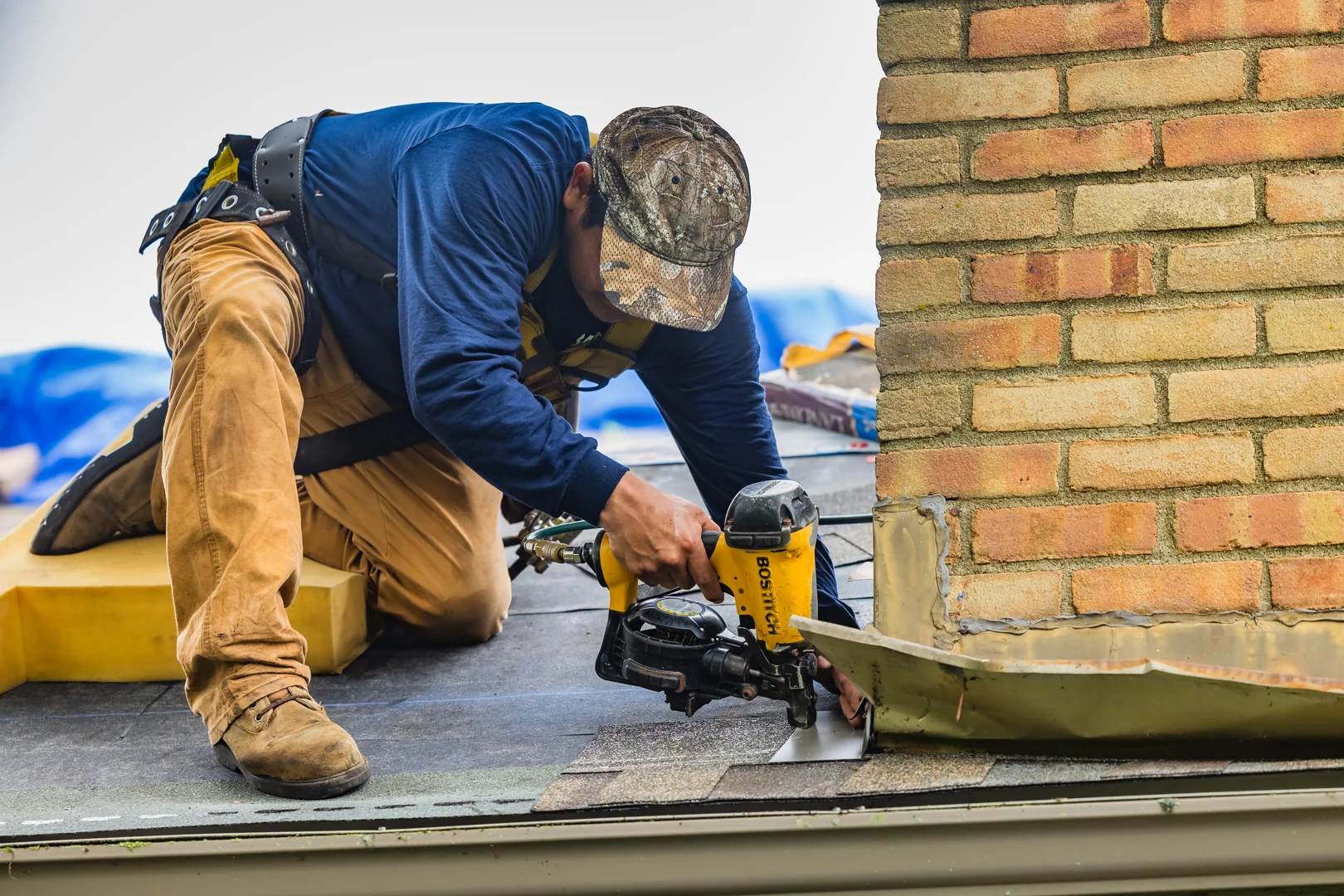
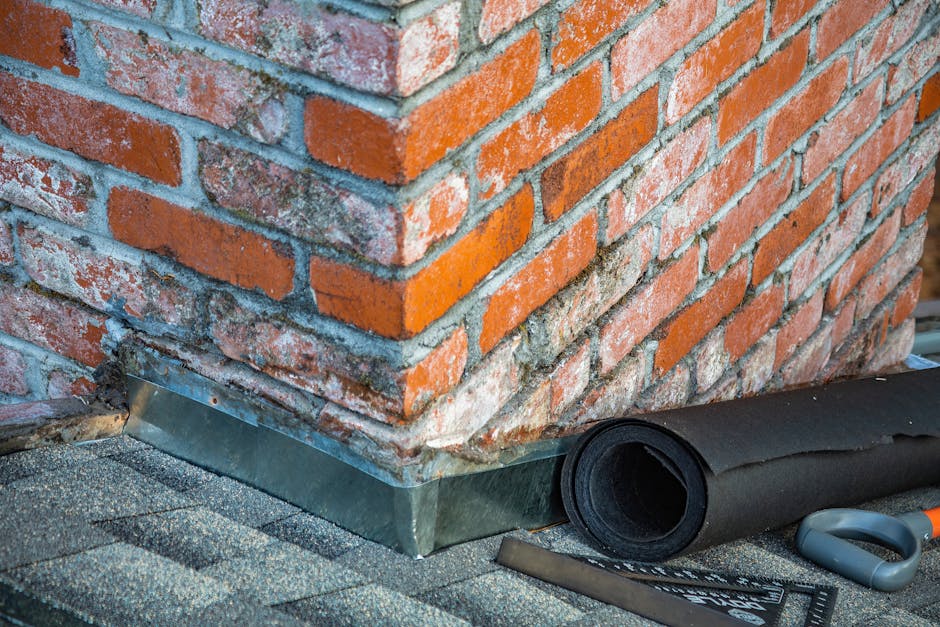
Next, we evaluate the flashing integrity and drainage systems. Flashing is the material used to seal the edges of the roof and the areas around chimneys or walls. If the flashing pulls away, water has a direct path into your structure. We also check for Residential Roofing Services needs by looking at gutters and downspouts. If water isn't moving off the roof quickly, it sits and creates "ponding," which puts immense pressure on the membrane.
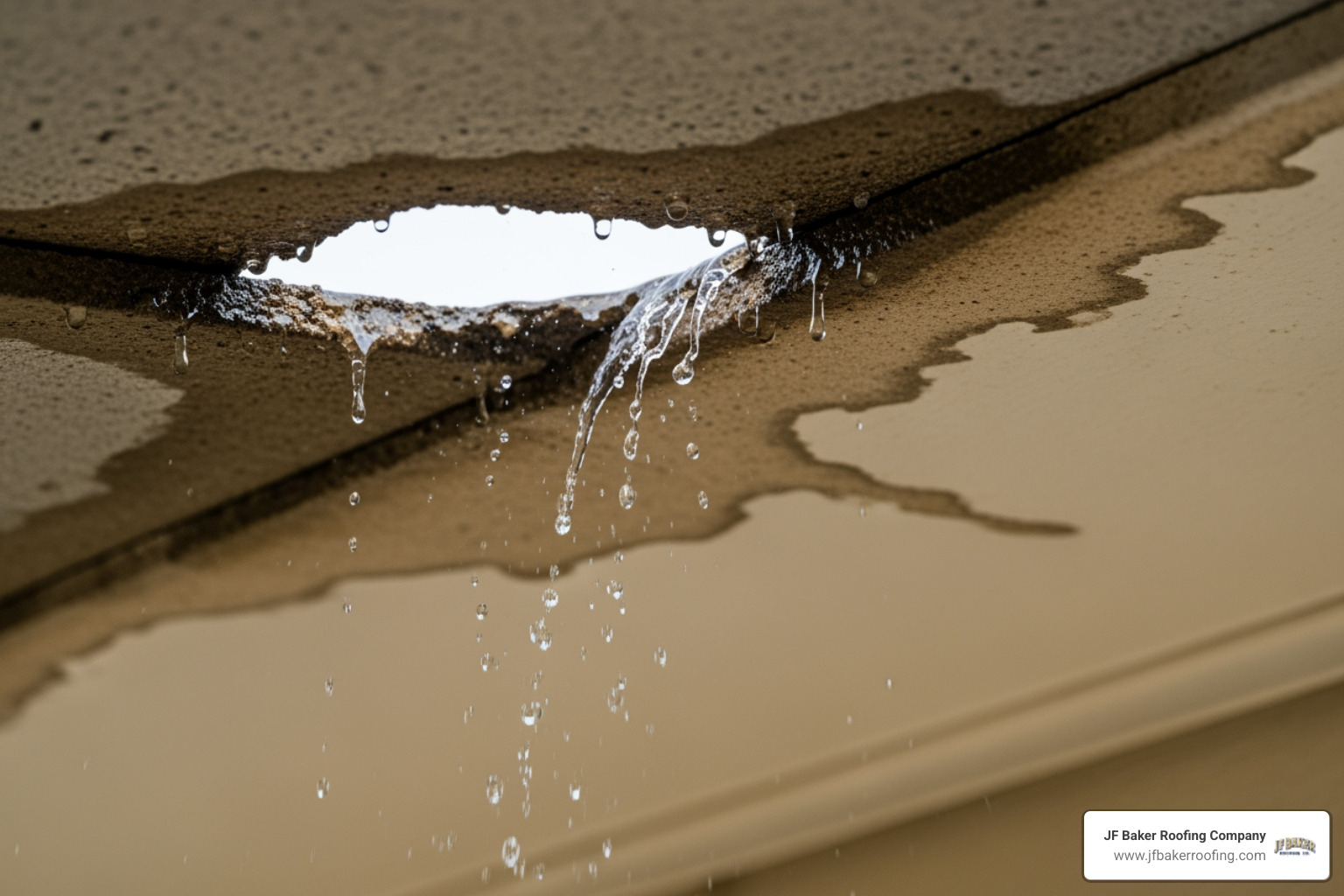
Finally, we look inside. A good inspector will check the interior of the building or the attic space. Signs of Ceiling Water Damage like staining, mold, or damp insulation often tell a story that the roof surface hasn't revealed yet.
What to Expect During a Rubber Roof Inspection Service
Modern technology has changed how we look at roofs. While a pair of experienced eyes is irreplaceable, we often use advanced tools to be even more precise:
- Infrared Thermography: This allows us to see temperature variations. Since wet insulation holds heat differently than dry insulation, an infrared scan can find trapped moisture under the membrane that is invisible to the naked eye.
- Drone Technology: For large commercial buildings in Columbus or Dublin, drones allow us to capture high-resolution photos of hard-to-reach areas safely and quickly.
- Moisture Meters: These tools help us confirm if a suspicious spot is actually damp without having to cut into the roof.
One of the most important parts of the inspection is looking at penetration points. These are spots where something goes through the roof, such as HVAC units, skylights, vents, or plumbing stacks. Research shows that penetrations account for approximately 60% of all commercial roof leaks. We check the rubber boots and seals around every single one of these units to ensure they remain watertight.
Scheduling and Budgeting for Maintenance
Timing is everything when it comes to roof health. In Central Ohio, we recommend a rubber roof inspection service twice a year: once in the Spring and once in the Fall.
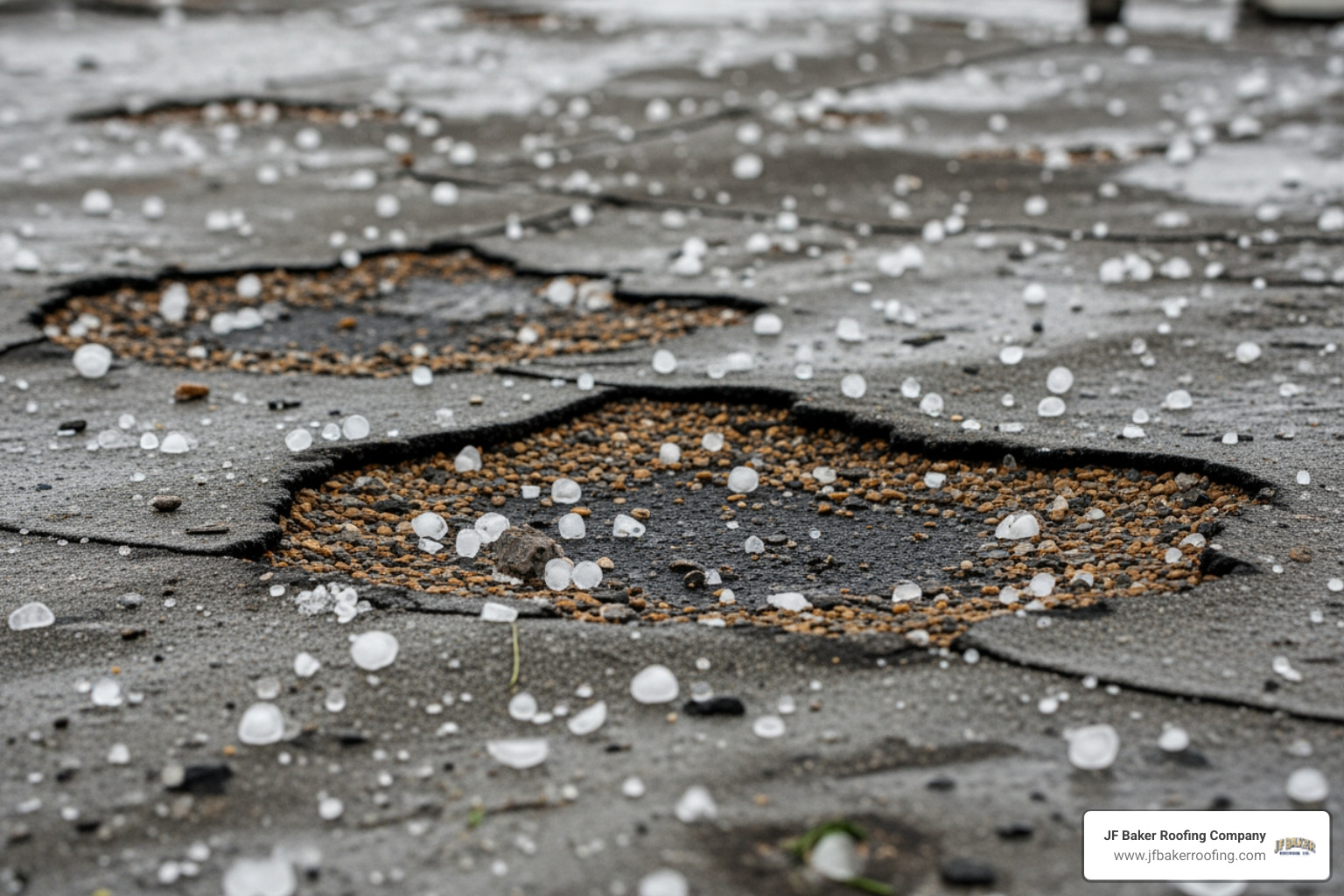
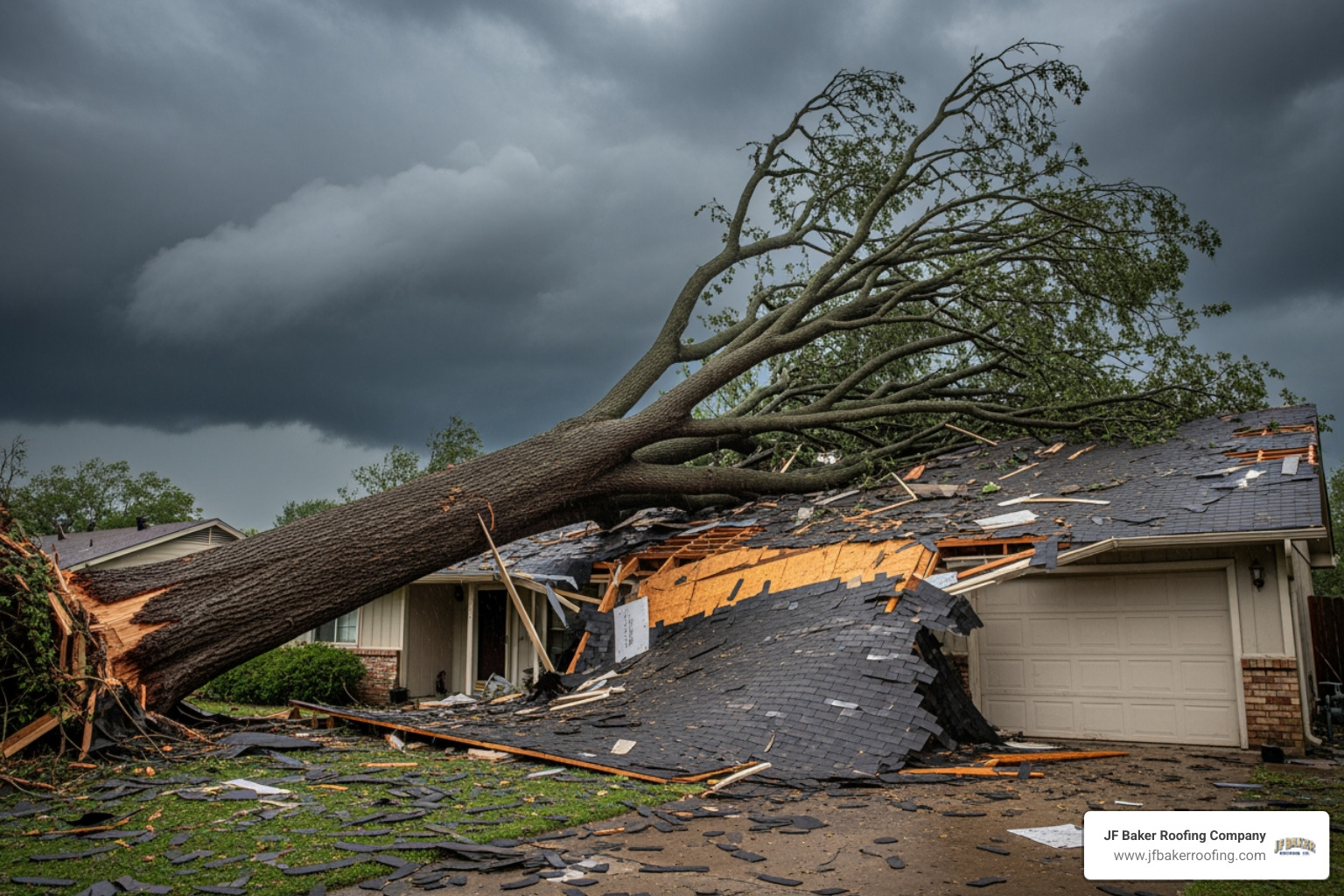
The Spring inspection identifies any damage caused by heavy snow loads or ice dams during the winter. The Fall inspection ensures the roof is ready for the upcoming freeze-thaw cycles. Additionally, you should always schedule an assessment after a major weather event. Our Storm Damage Repairs team often finds that hail or high winds have created small punctures that property owners wouldn't notice until the next big rain.
The math for preventative maintenance is simple but powerful. On average, regular maintenance saves businesses $4 in reactive repairs for every $1 spent on inspections. It is much cheaper to pay for a professional to clear your drains and seal a seam than it is to pay for emergency repairs and interior restoration.
Timing and Costs for Your Next Rubber Roof Inspection Service
While we don't provide fixed quotes without seeing the property, most professional inspections fall within the $150 to $800 range. Several factors influence where your property will land on that scale:
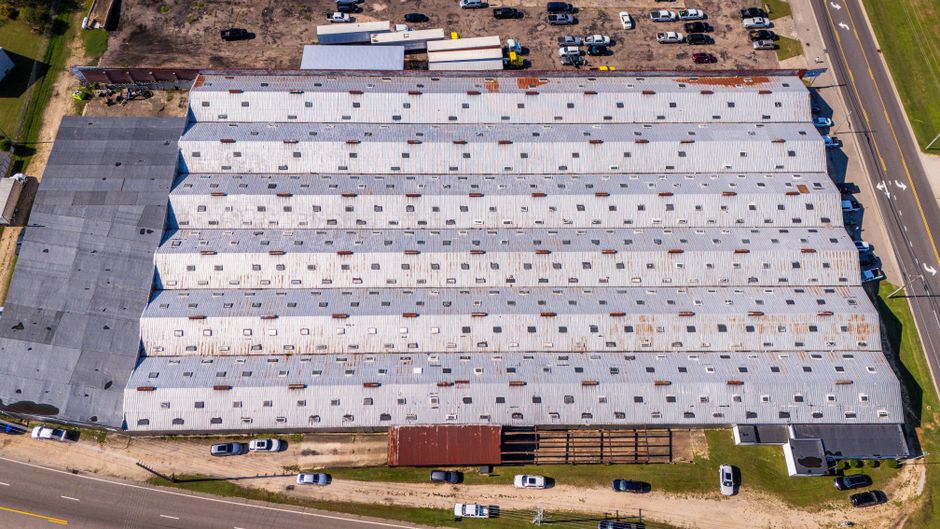
- Property Size: A small detached garage in Grandview will cost less to inspect than a massive warehouse in Whitehall.
- Roof Complexity: A roof with twenty HVAC units, multiple levels, and several skylights takes significantly longer to evaluate than a simple, flat expanse.
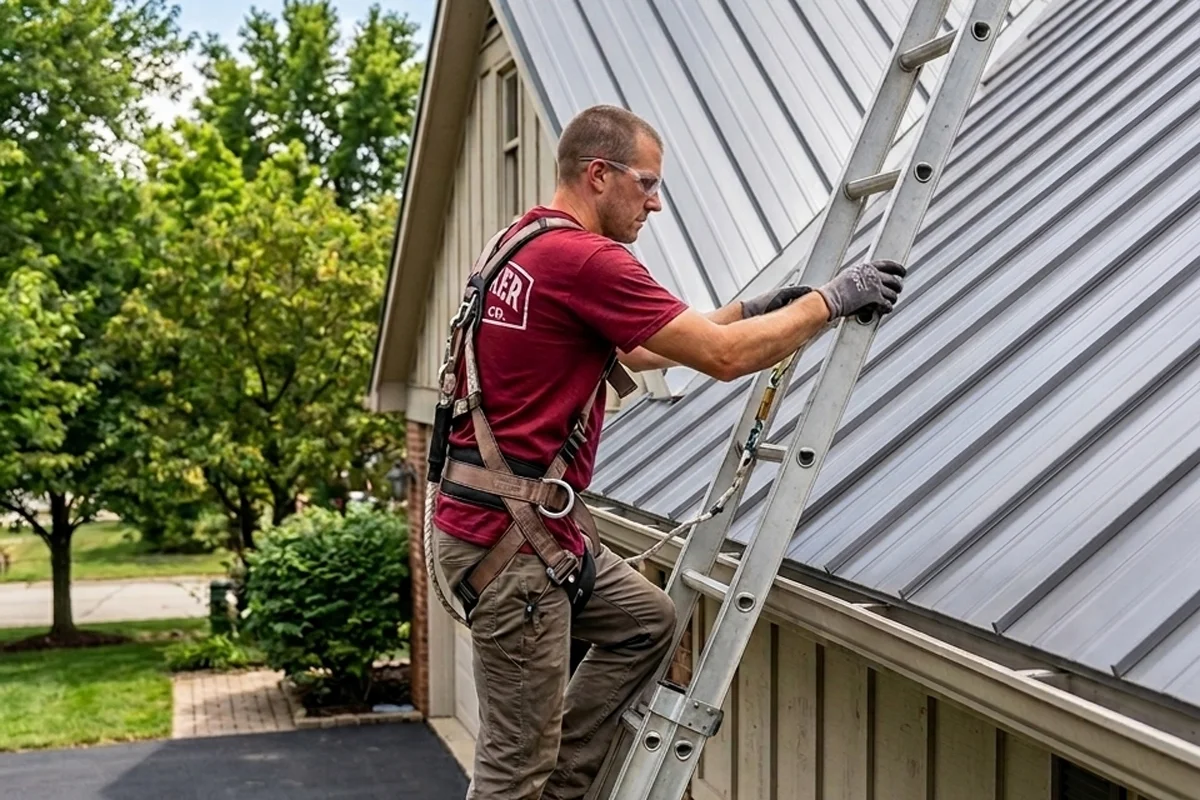
- Safety Requirements: Roofs that require specialized equipment or safety harnesses for access may have higher associated costs.
- Reporting Detail: A high-quality rubber roof inspection service includes a comprehensive report with photographic evidence of every issue found.
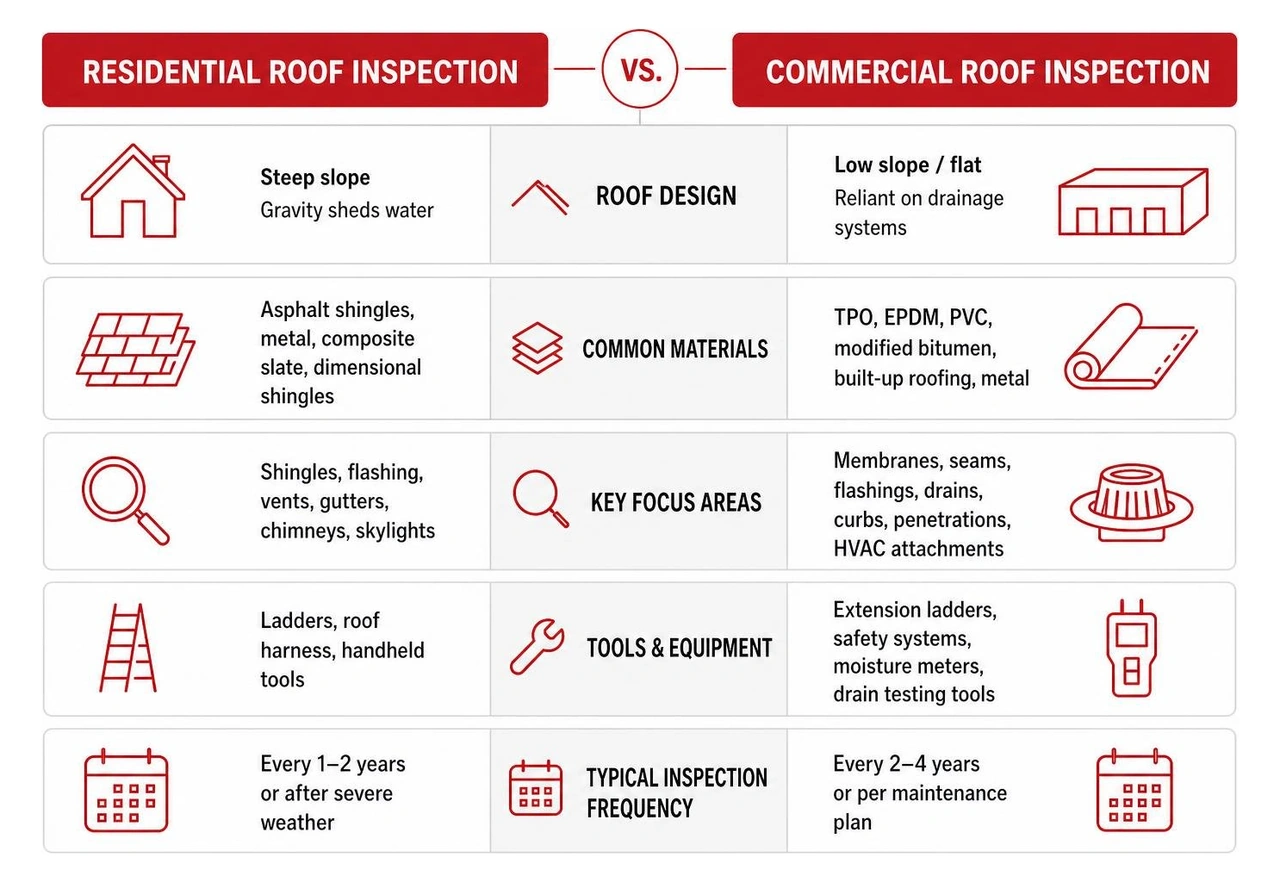
| Property Type | Recommended Frequency | Primary Focus |
|---|---|---|
| Residential Flat Roof | Annually | Debris, Seams, Gutters |
| Commercial Building | Bi-Annually | HVAC Penetrations, Drains, Seams |
| High-Traffic Roof | Quarterly | Punctures, Mechanical Wear, Seams |
Repair vs. Replacement: Making the Right Choice
After the inspection is complete, you are often faced with a choice: do I repair the issues found, or is it time for a full replacement? At JF Baker Roofing, our policy has always been to recommend repairs whenever they will safely do the job. We only suggest replacement when it is genuinely needed for the integrity of the building.
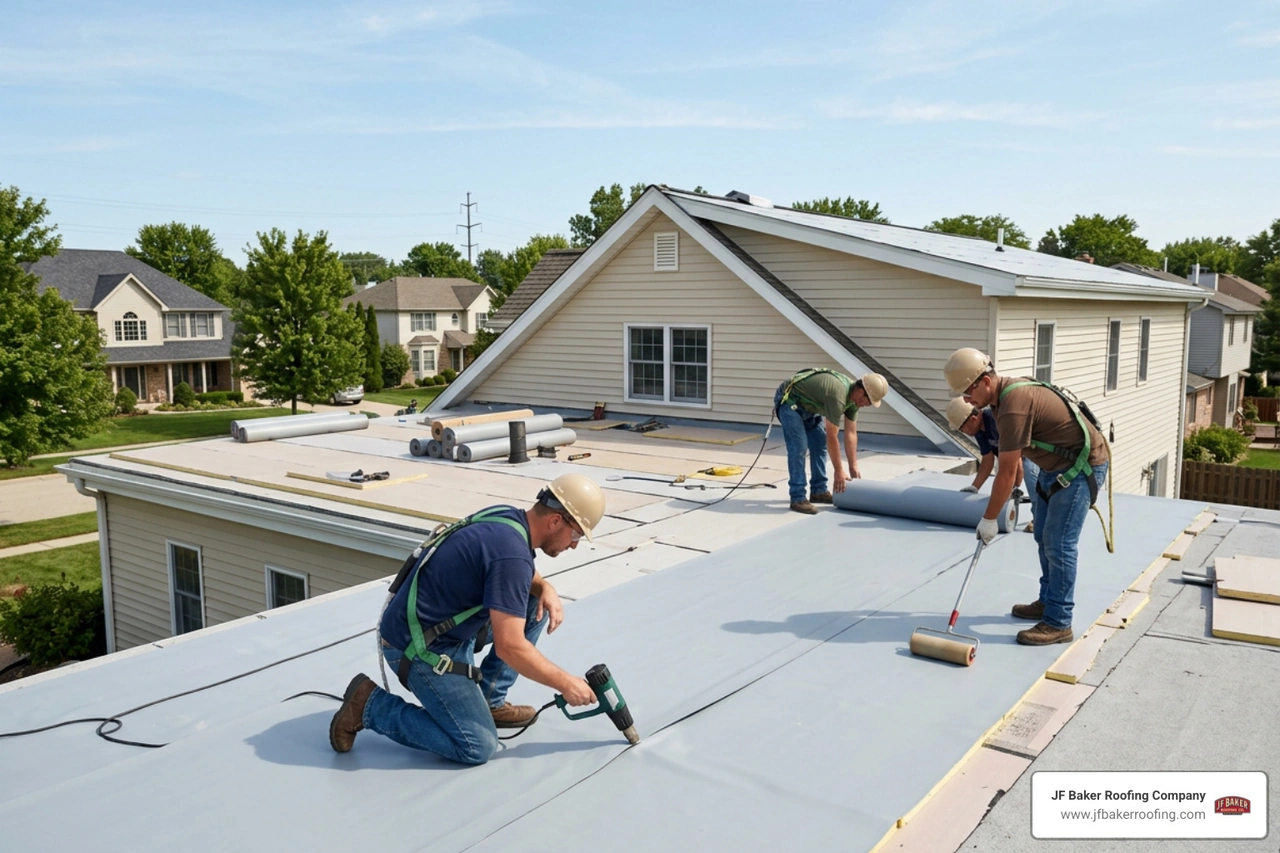
If your roof is less than 15 years old and the damage is localized (like a few leaky seams or a small puncture), a Rubber Flat Roof Repair is usually the best path forward. We can often extend the life of an aging membrane by applying professional-grade coatings. Silicone or acrylic coatings provide an extra layer of UV resistance and can seal minor cracks, essentially "resetting" the clock on your roof’s lifespan.
However, if your roof is over 20 years old, has widespread moisture under the membrane, or requires constant "emergency" patches, it might be time to look at How to Know When It's Time to Replace Your Roof. A new roof isn't just a cost; it is an opportunity to improve your building's energy efficiency. Modern EPDM and TPO systems offer much better thermal performance than those installed two decades ago, which can lower your Columbus energy bills significantly.
Frequently Asked Questions
Can I perform a DIY rubber roof inspection?
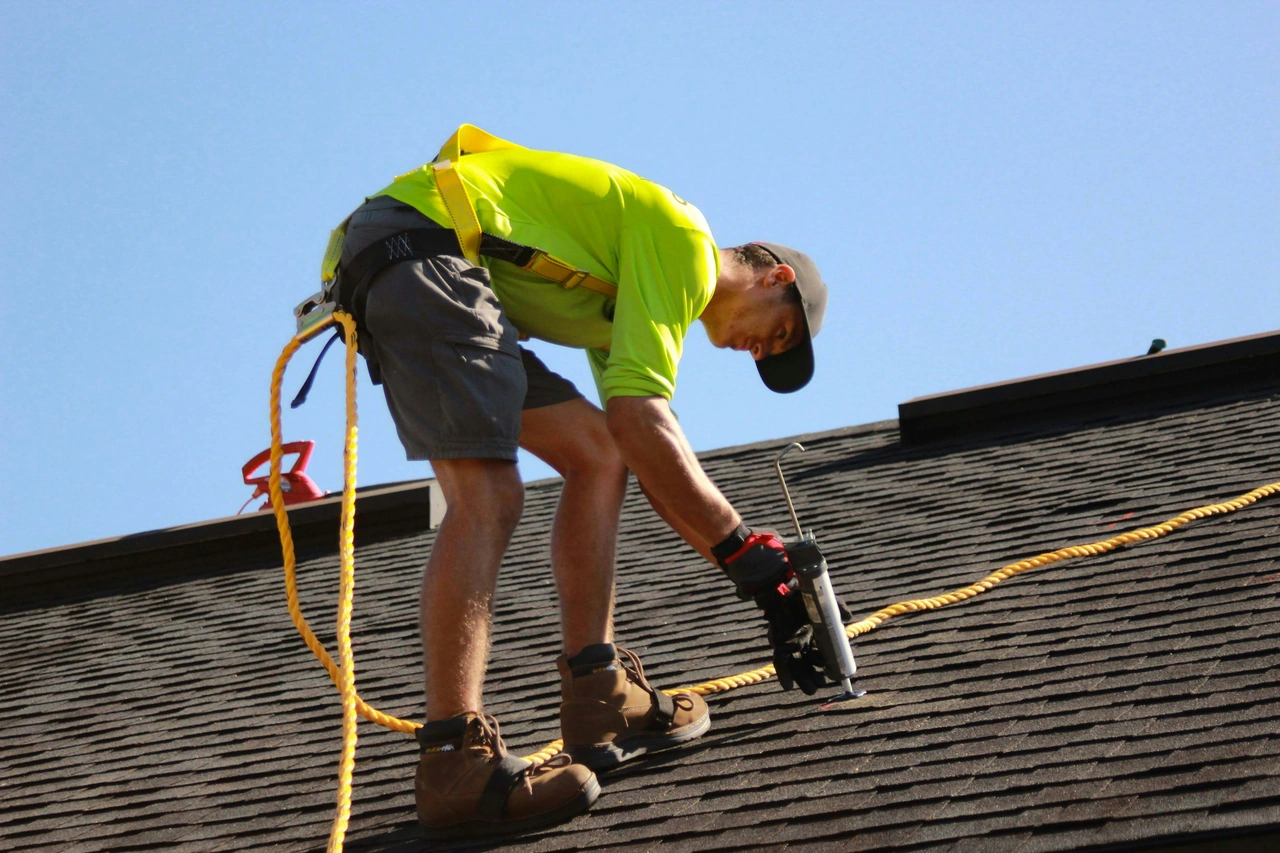
We strongly advise against it. While it might be tempting to grab a ladder and take a look yourself, there are three big risks. First is safety; flat roofs can be surprisingly slippery, and falls are a leading cause of injury. Second, you can actually cause damage. Walking on an older rubber roof, especially in extreme heat or cold, can cause the membrane to crack or puncture if you aren't using the right footwork. Finally, professionals have the tools (like moisture meters) to find "hidden" leaks that aren't visible to an untrained eye.
What are the most common issues found?
During a rubber roof inspection service, we frequently find:
- Ponding Water: Standing water that doesn't drain within 48 hours. This degrades the membrane and can lead to structural sagging.
- Seam Separation: The adhesive or tape used to join sheets of EPDM eventually fails, creating a gap for water.
- UV Cracking: Over decades, the sun's rays can make the rubber brittle, leading to "alligatoring."
- Punctures: Often caused by dropped tools during HVAC maintenance or wind-blown debris.
- Shrinkage: EPDM can shrink slightly over time, pulling the membrane away from the walls and edges.
How does Ohio weather affect my rubber roof?
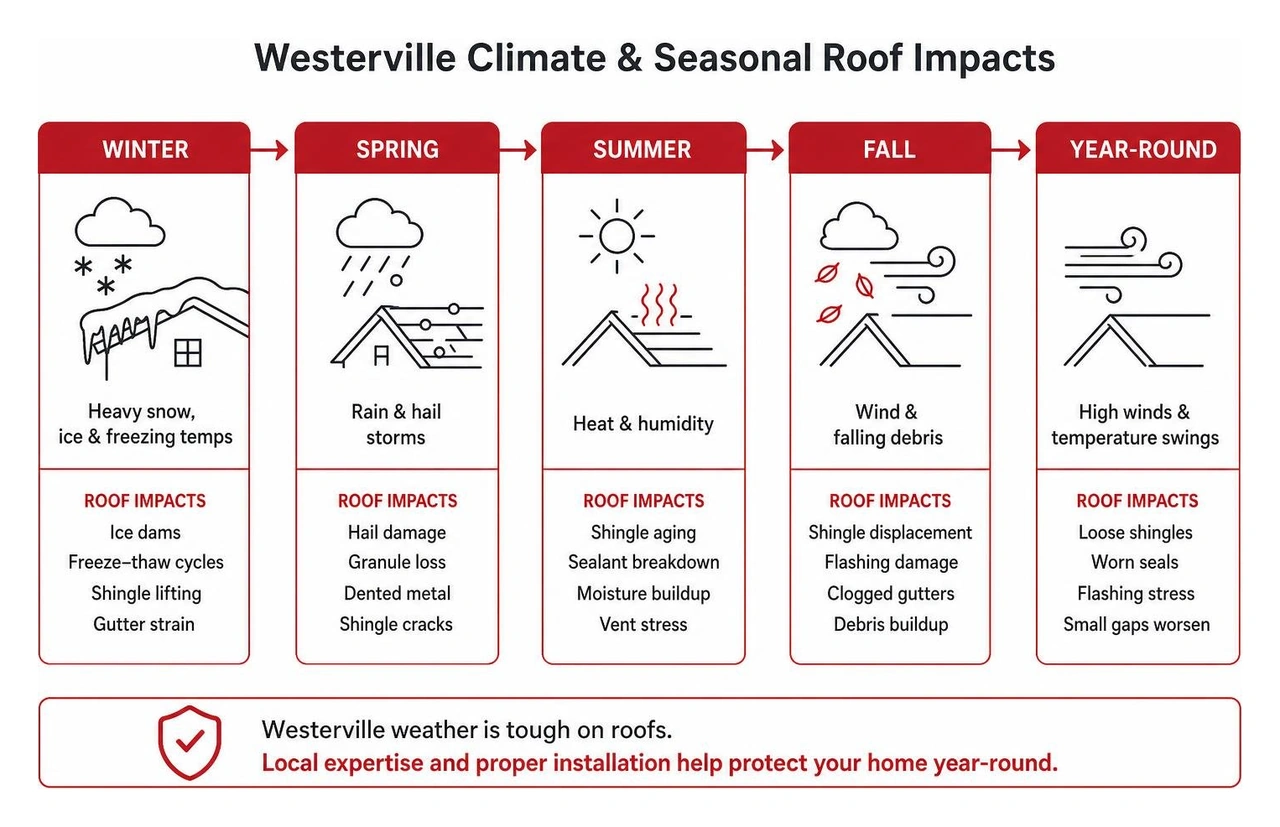
The Columbus climate is particularly tough on rubber. Our freeze-thaw cycles mean that water can get into a tiny crack, freeze (which expands the crack), and then melt, allowing more water in next time. This "thermal expansion" puts constant stress on the seams and flashings. Additionally, heavy snow loads can cause the roof deck to flex, which may strain the membrane if it has lost its elasticity due to age.
Conclusion
A rubber roof inspection service is more than just a line item in your maintenance budget; it is peace of mind. By catching minor issues before they become major headaches, you protect your property, your tenants, and your bottom line.
At JF Baker Roofing, we have been part of the Central Ohio community since 1929. Now led by third-generation owners Chad and Pat Baker, we continue our family tradition of honest assessments and quality craftsmanship. Whether you are in Dublin, Upper Arlington, Hilliard, or right here in Columbus, we are ready to help you manage your roof with integrity.
We do not believe in high-pressure sales. We believe in standing behind every roof we install and every inspection we perform. If you are concerned about the state of your flat roof or simply want to stay ahead of the next Ohio storm season, we invite you to reach out. Visit our Commercial Roofing Services page to learn more about how we can protect your building. Let our reputation be your security. We are here to provide the honest assessment you need to prepare your roof for the changing Ohio seasons.






.jpeg)