A Practical Guide to Finding Reliable Storm Damage Repairs
When Storm Damage Strikes Your Central Ohio Home, Here's What to Do
Storm damage repairs are time-sensitive. The longer you wait, the worse the problem gets.
Here is a quick summary of what to do after a storm hits your home:
- Stay safe first — do not walk on a damaged roof or enter rooms with sagging, wet ceilings.
- Document everything — take photos of all visible damage before touching anything.
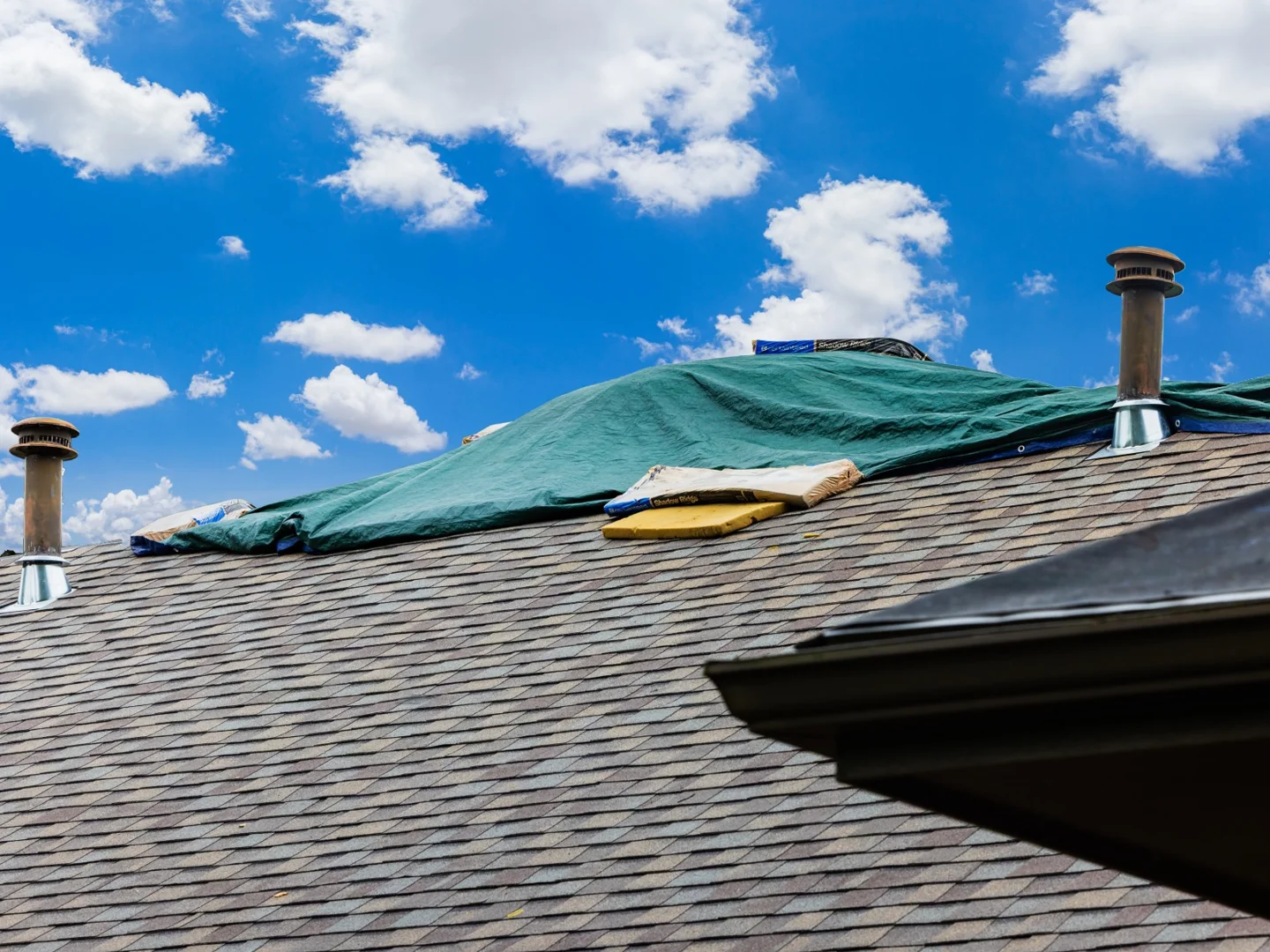
- Protect the property — call a roofing professional to apply emergency tarping if the roof is open to the weather.
- Contact your insurance company — most policies give you 12 months from the date of loss to file a claim.
- Hire a licensed local contractor — verify credentials before signing anything.
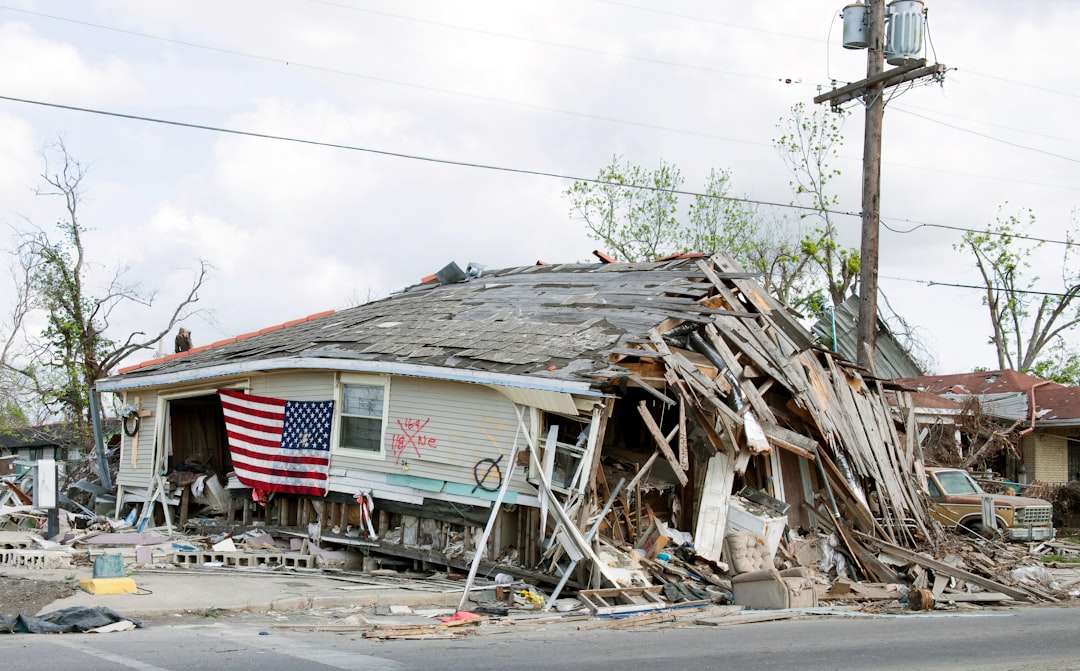
Ohio storms do not follow a schedule. Hail, high winds, and heavy rain can roll through Columbus in any month, and July 2026 has already brought its share of severe weather across Central Ohio. One bad storm can strip shingles, bend gutters, crack siding, and leave water working its way into places you cannot see yet.
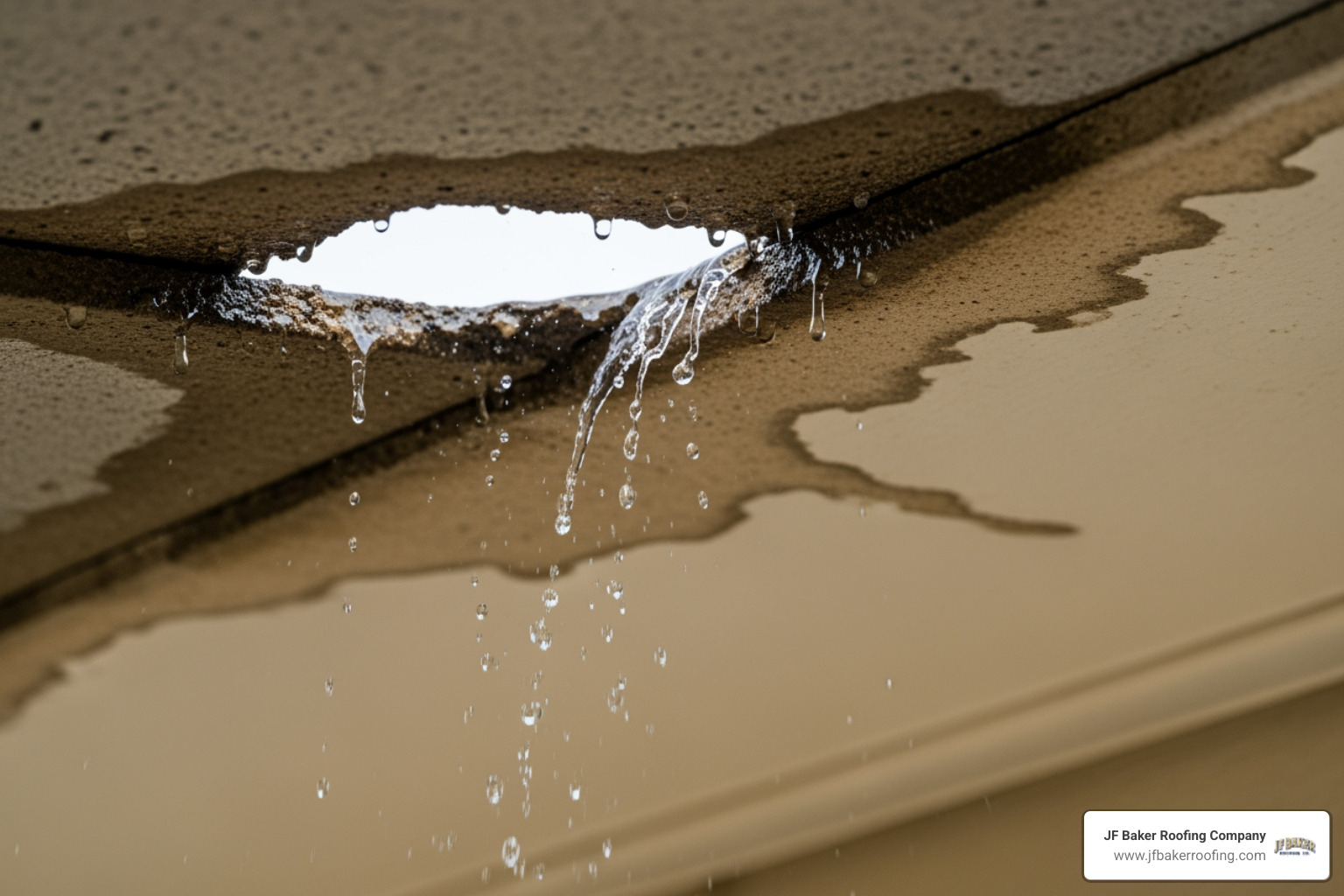
The problem is not always what you can see right away. Hidden water intrusion, compromised underlayment, and damaged flashing can quietly cause mold, rot, and structural issues for months before a homeowner notices anything inside the house.
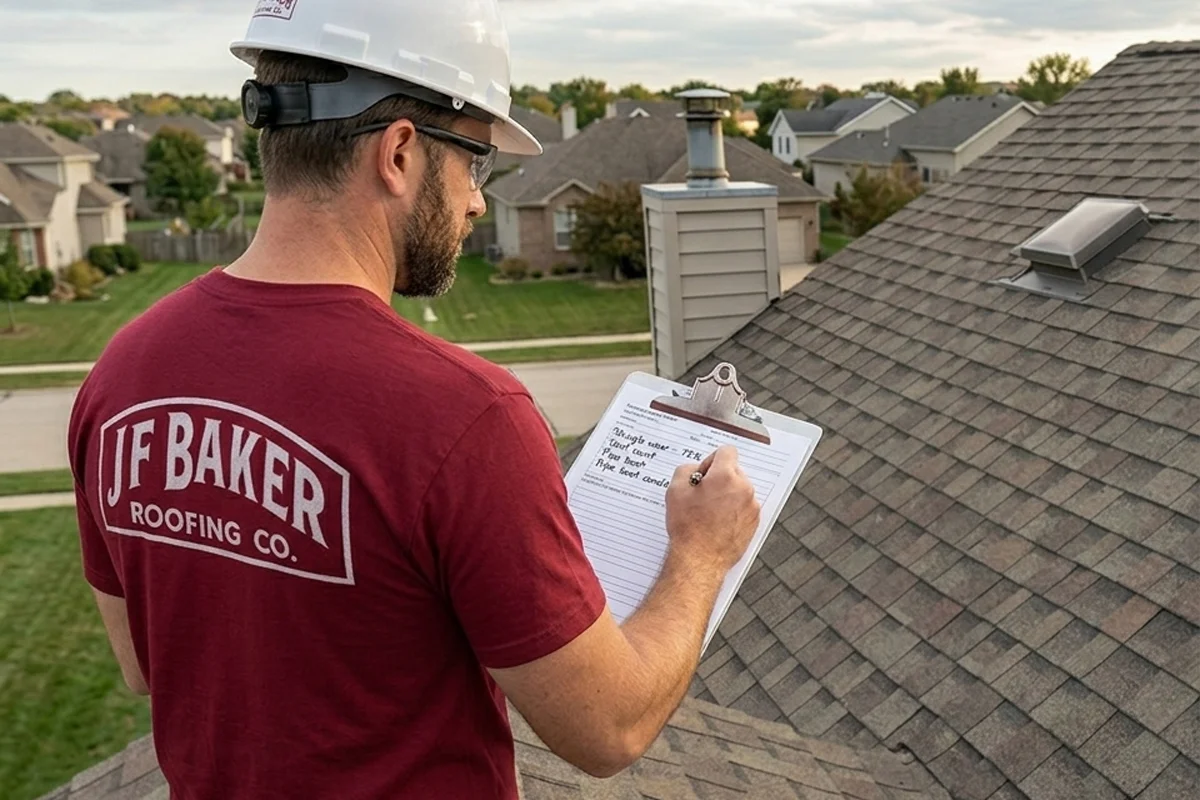
At JF Baker Roofing, we have been helping Central Ohio homeowners navigate storm damage since 1929. This guide walks you through everything honestly — from spotting damage, to working with your insurance adjuster, to choosing a contractor you can actually trust.
Identifying and Documenting Storm Damage on Your Property

After a severe thunderstorm, tornado warning, or heavy hailstorm passes through our area, the first step is always a visual assessment. Knowing what to look for can save you from costly surprises down the road.
While some damage is obvious, like a tree limb resting on your roof, other forms of damage are subtle. If you are looking for professional assistance, you might search for hail damage roof repair near me to find a local team that knows the neighborhood and can perform a safe, thorough evaluation.
Spotting Wind and Hail Damage on the Roof
Wind and hail affect roofing materials in very different ways. High winds place extraordinary pressure on your roof, lifting shingles and breaking their adhesive seals. You should look for:
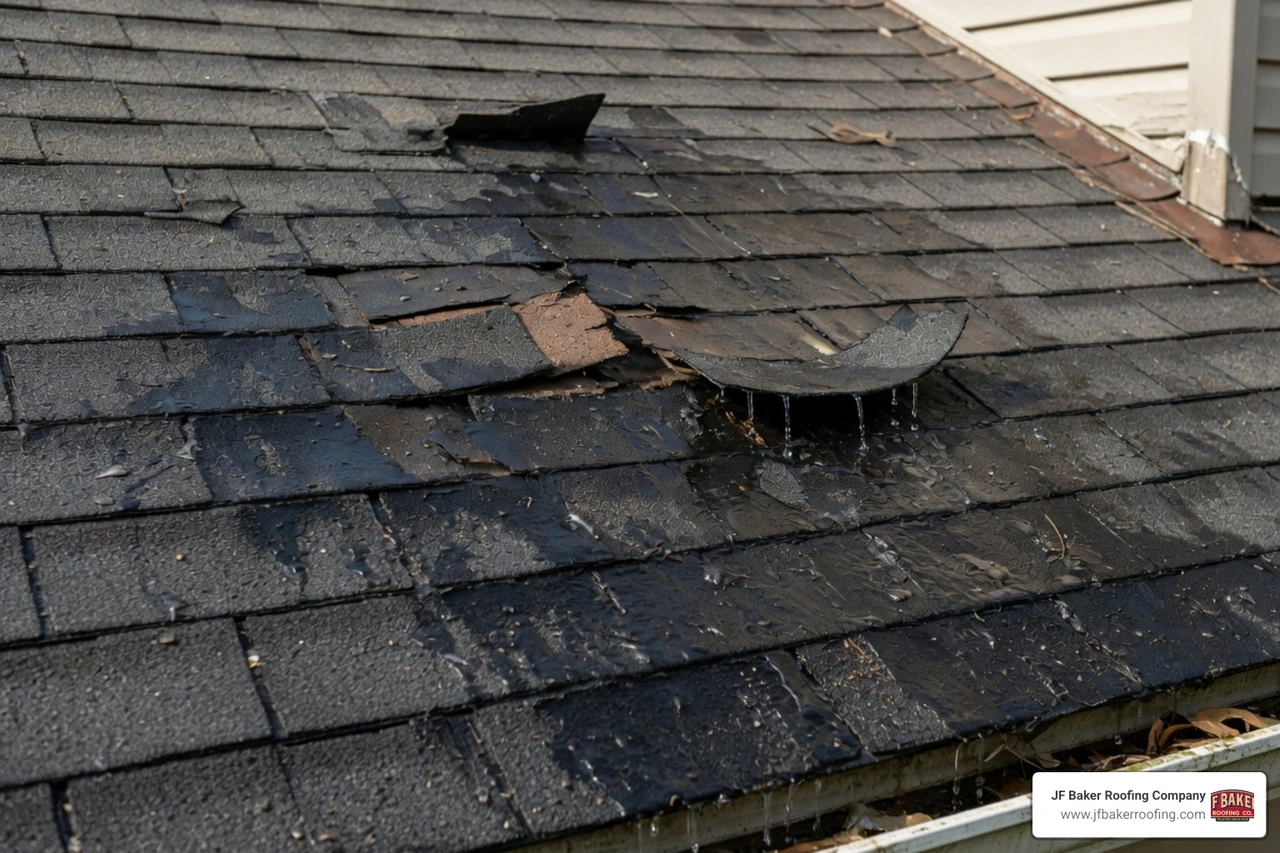
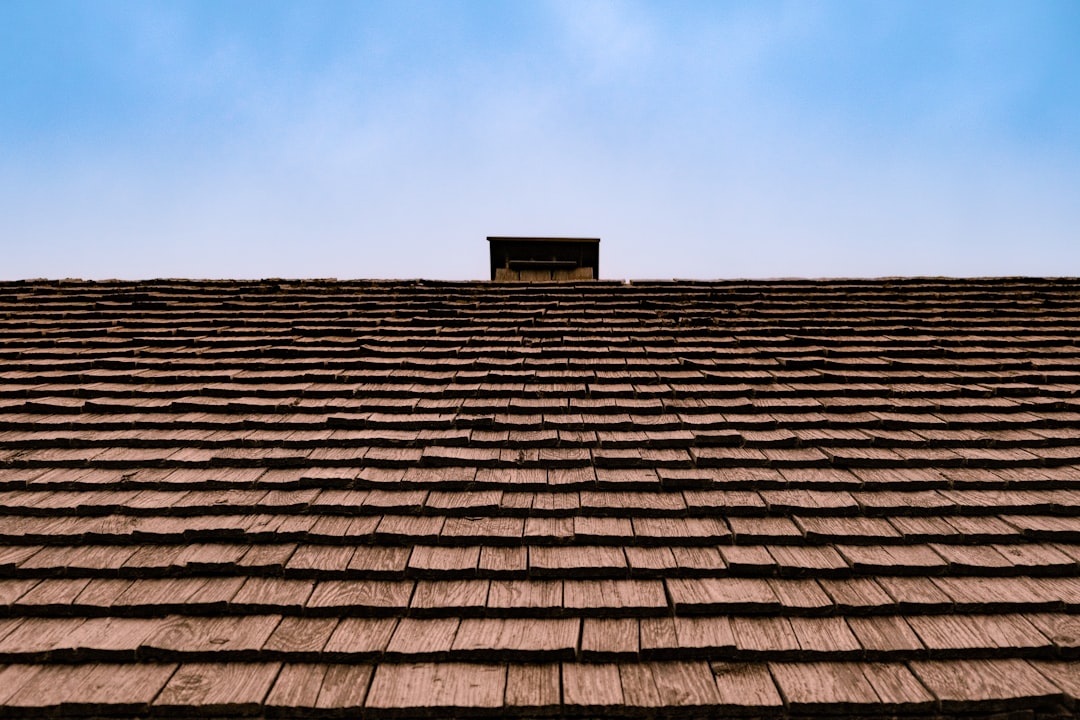
- Missing or displaced shingles: Areas where the dark underlayment or wood deck is exposed.
- Creased or curling shingles: Wind can lift a shingle and bend it backward, leaving a dark crease line across the top where the asphalt has cracked.
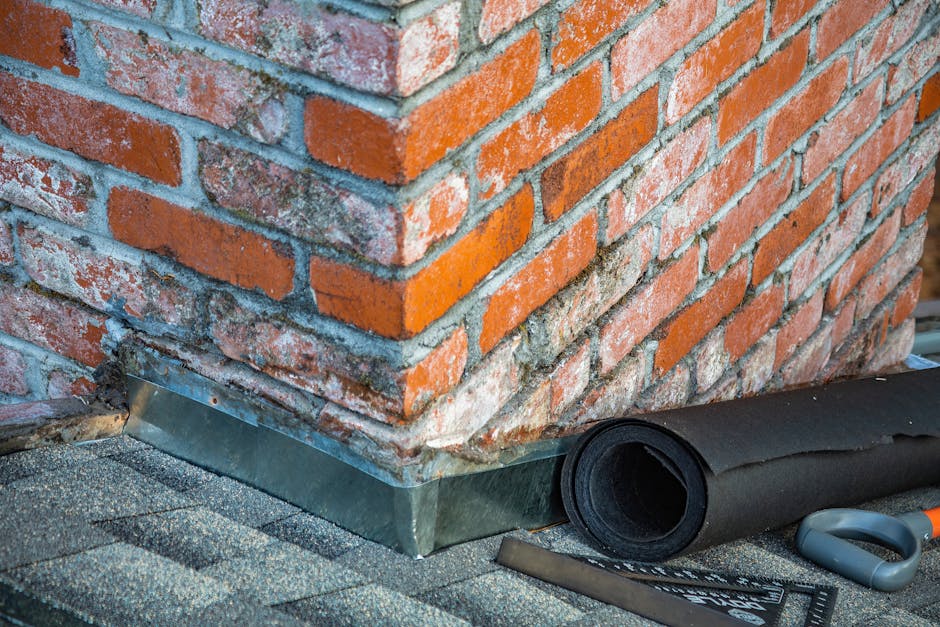
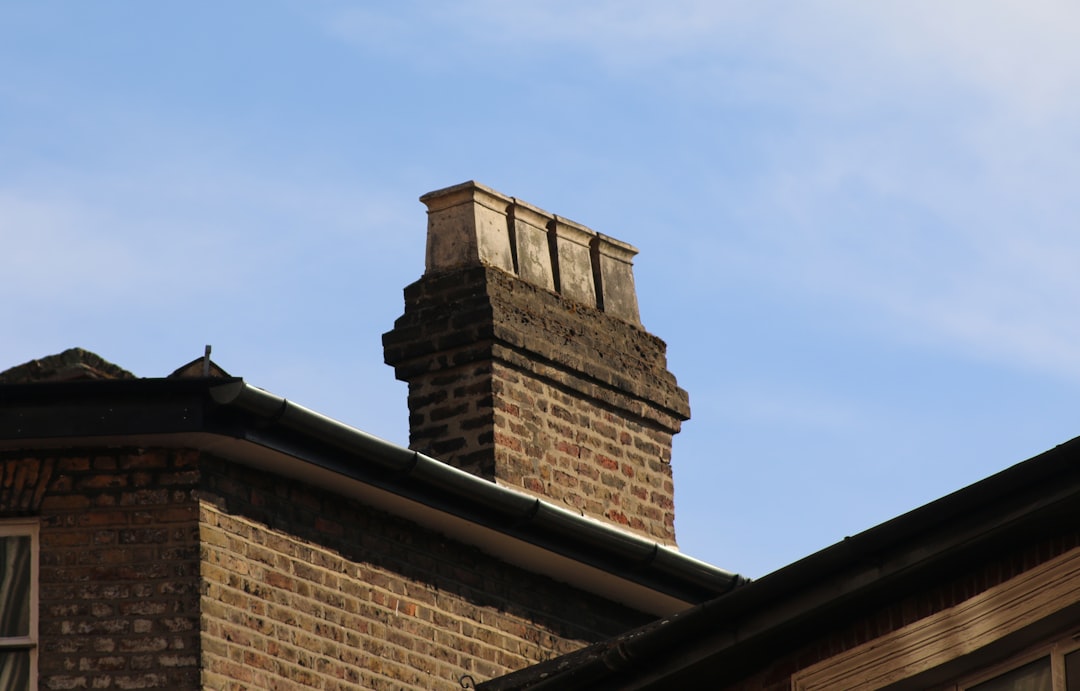
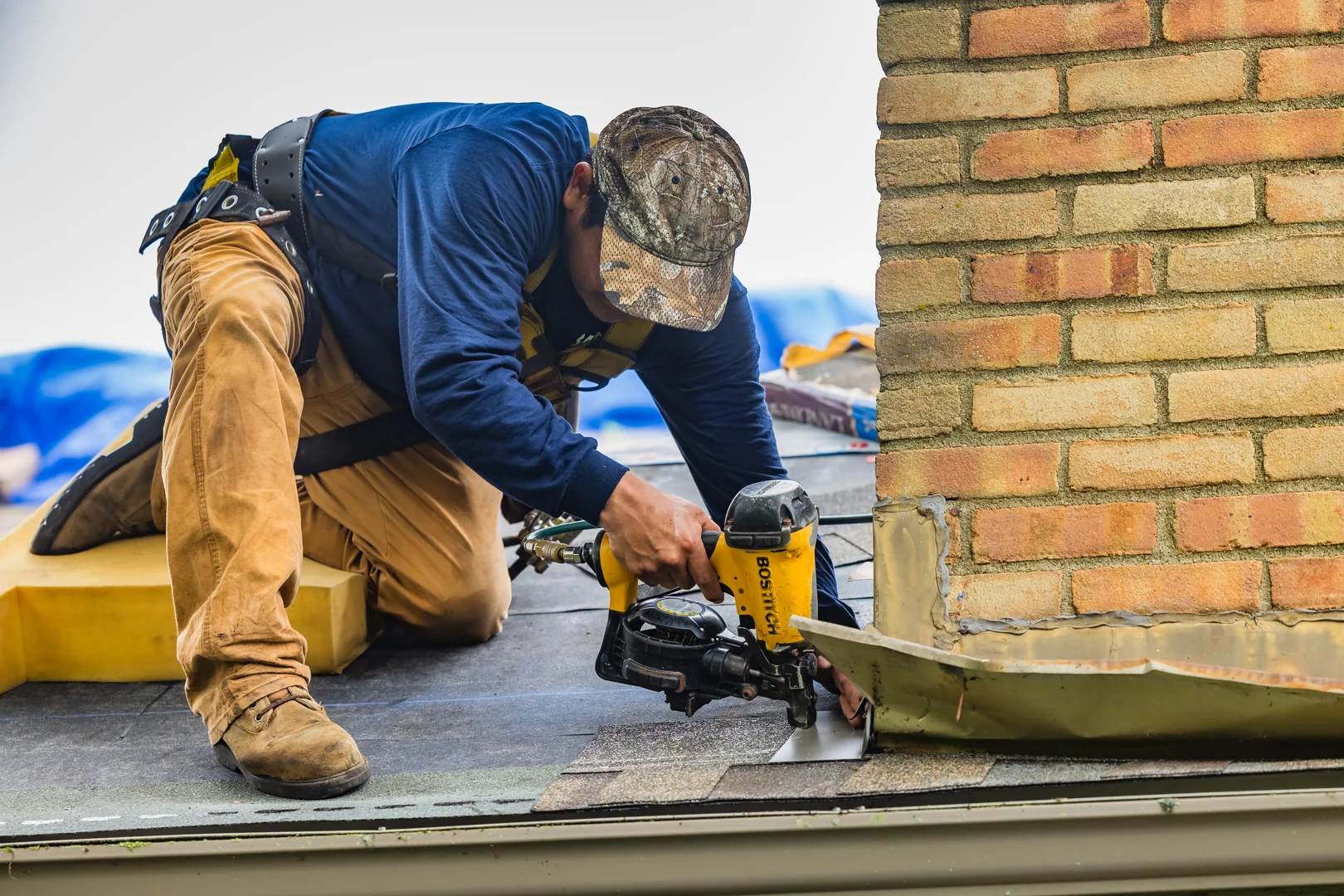
- Exposed flashing and chimney caps: Chimney flashing and caps are highly vulnerable to high winds and are often overlooked indicators of roof storm damage.
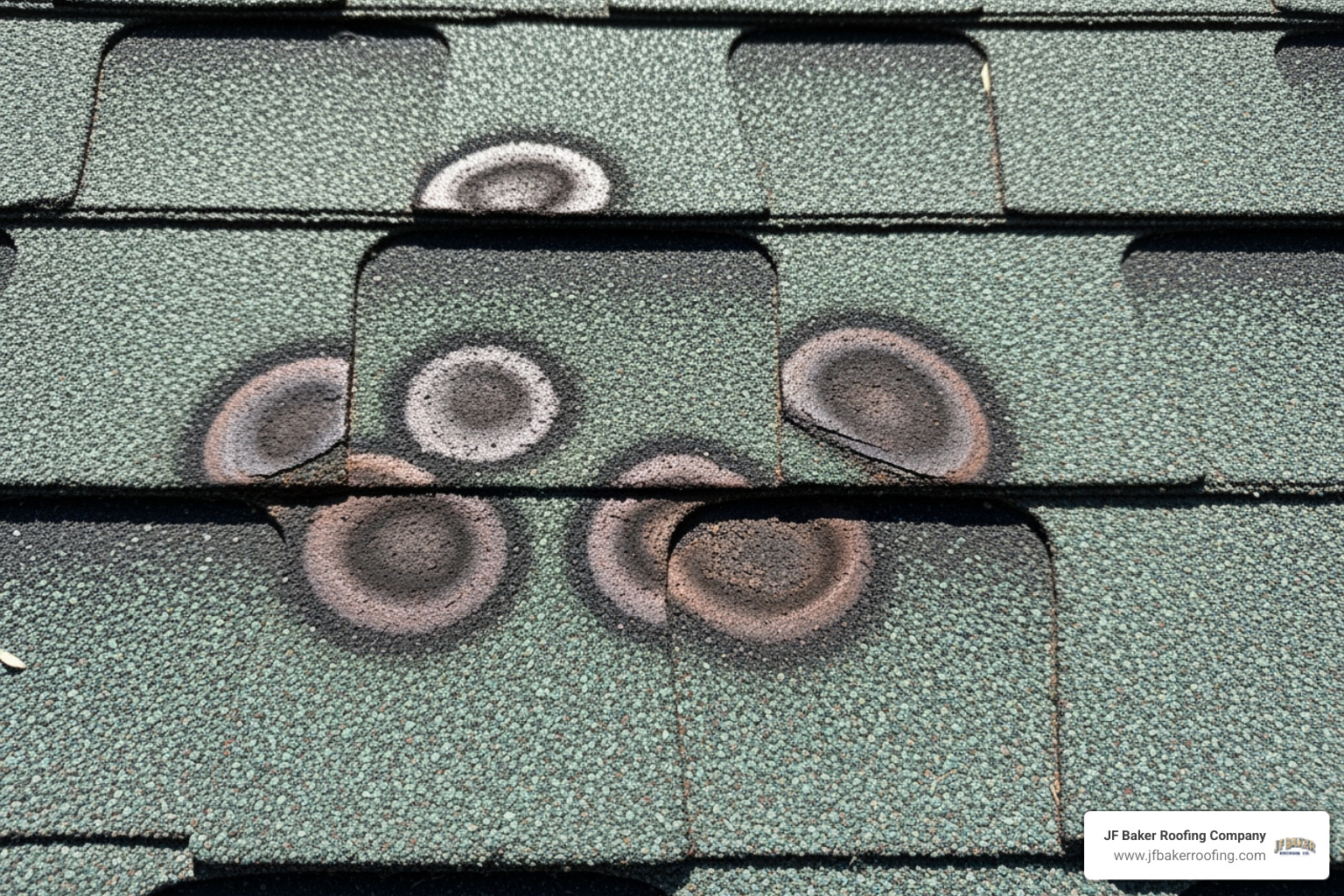
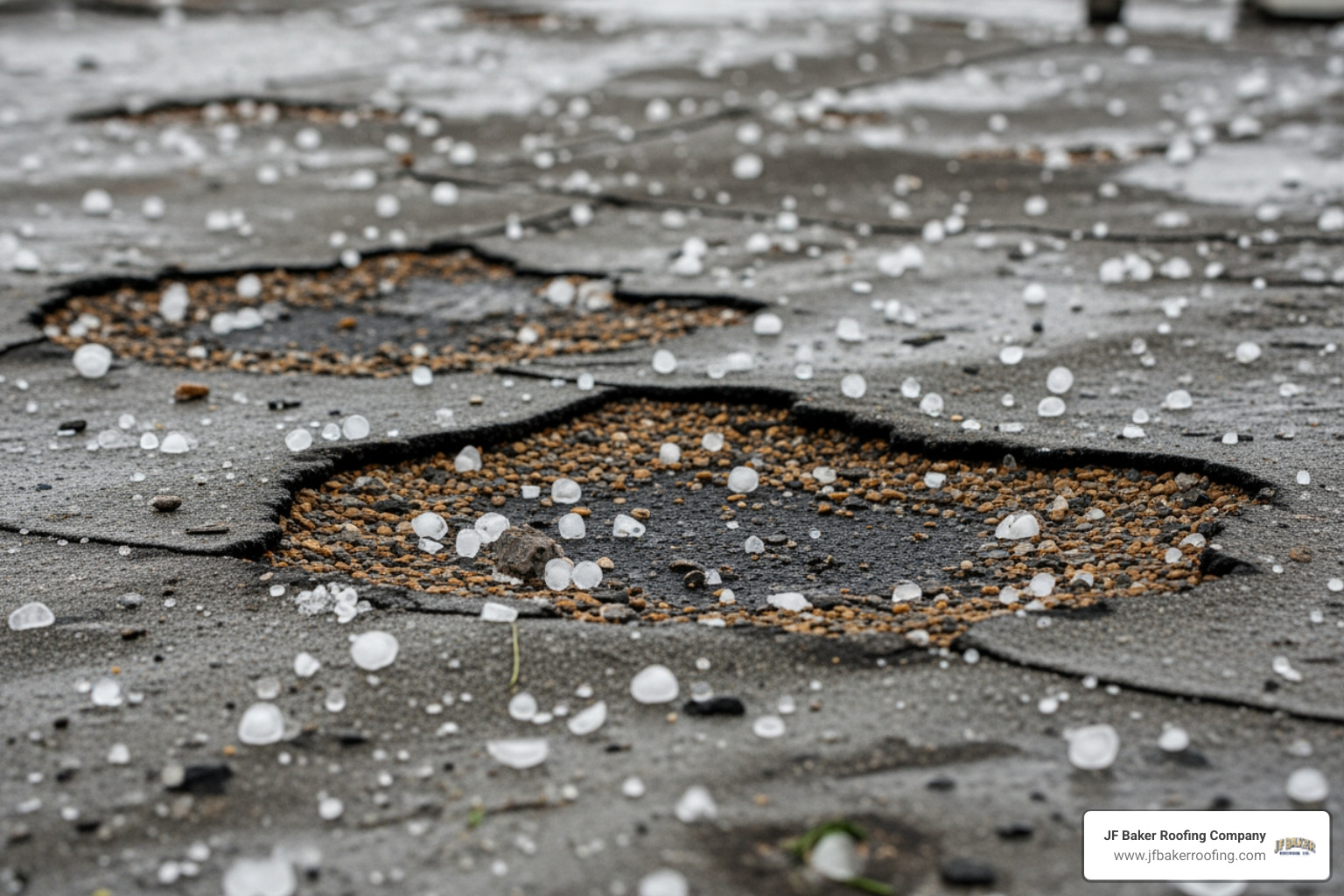
Hail, on the other hand, causes impact damage. When hail hits an asphalt shingle, it knocks away the protective mineral granules, exposing the dark asphalt substrate underneath. This is often called "bruising" because the spot feels soft to the touch, similar to a bruised apple.
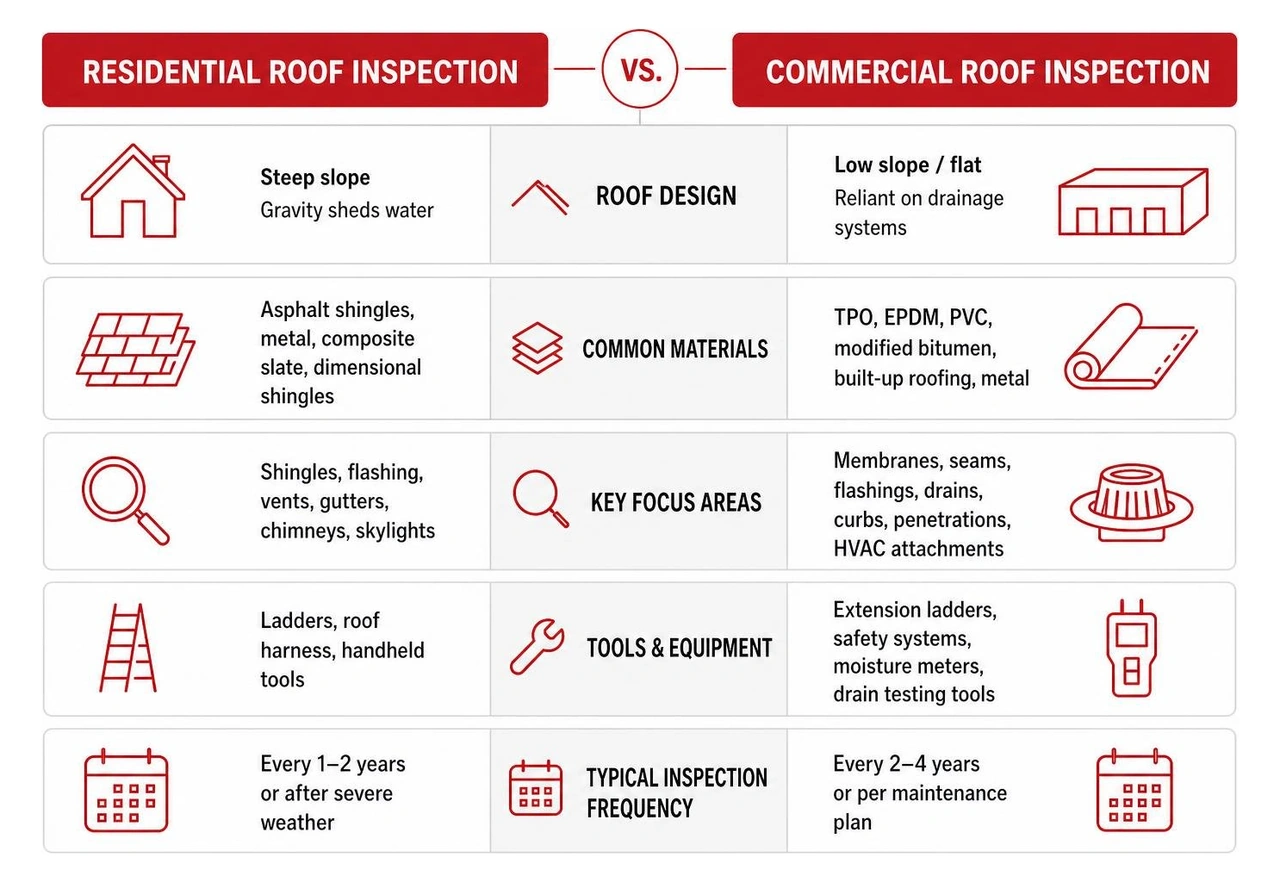
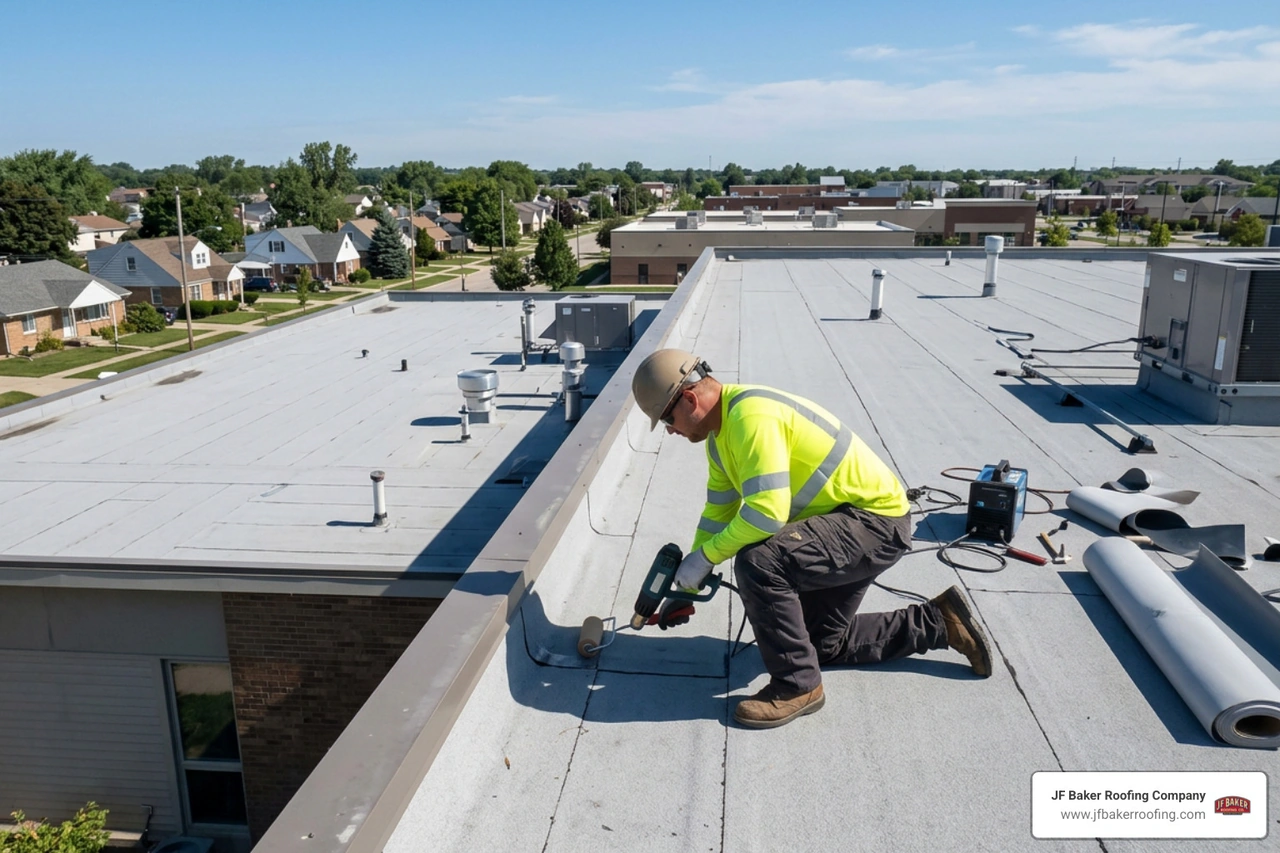
Over time, these bruised spots degrade under the sun, leading to leaks. For business owners, checking for these signs is just as critical, which is why we offer specialized guidance on hail damage commercial roofing to protect commercial assets.
Recognizing Gutter and Siding Issues
Your roof is not the only part of your home that bears the brunt of a storm. Hail and high winds frequently damage your home's drainage systems and exterior walls. When inspecting your property from the ground, look for:
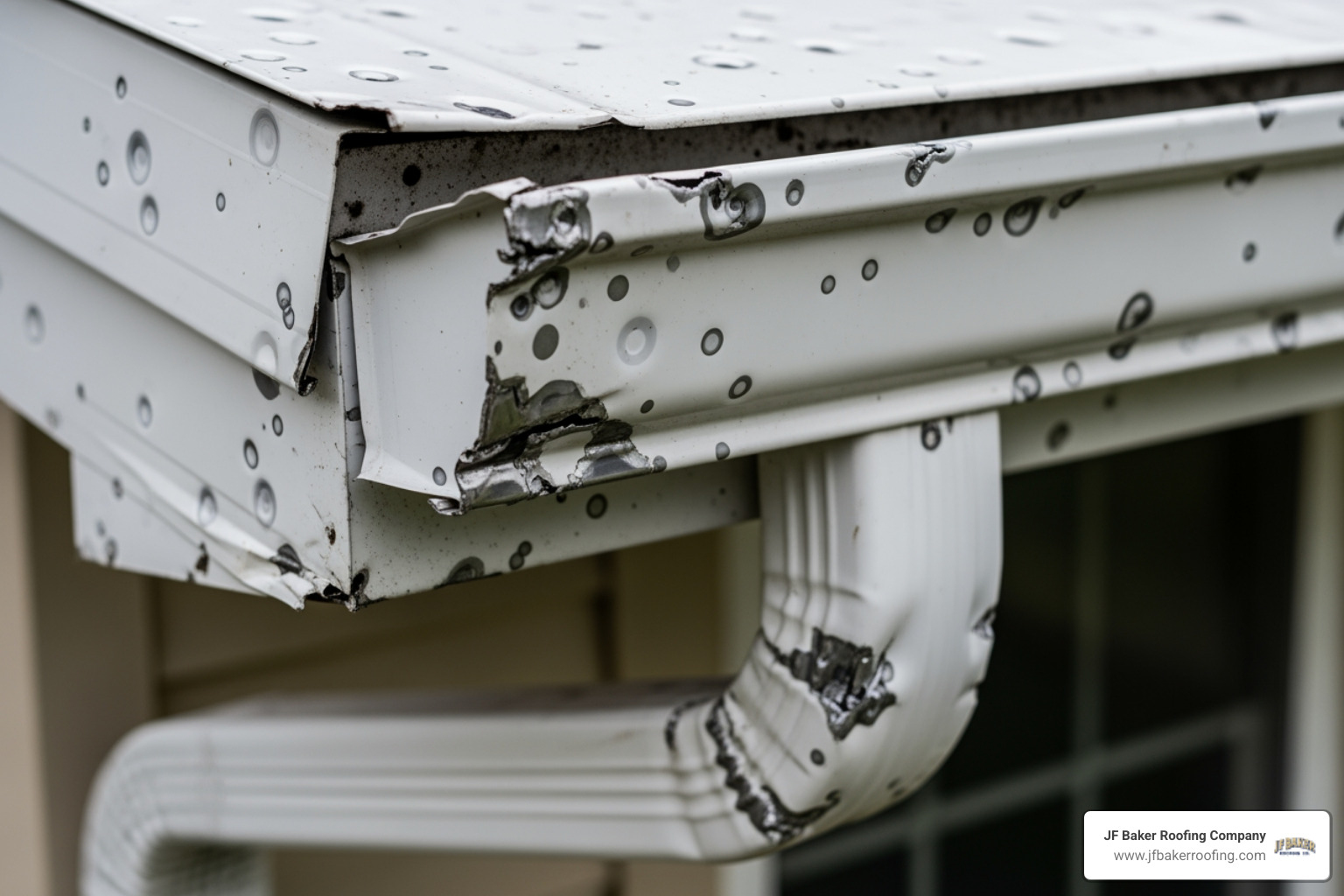
- Dented or loose gutters: Gutters that have been bent by hail or heavy debris will not drain water properly, leading to water pooling near your foundation.
- Loose or missing downspouts: High winds can easily tear downspouts away from the siding.
- Cracked or dented siding: Vinyl siding can crack or split under hail impact, while aluminum siding will show clear, circular dents.
If your drainage system has been compromised, addressing it quickly is essential to prevent foundation issues. You can read more about gutter repair after storm to understand how we restore your home's water shedding system.
Documenting the Damage for Your Insurance Claim
Before you clean up any debris or make temporary repairs, you must document the condition of your property. This documentation is the foundation of your insurance claim.
Start by taking clear, high-resolution photographs of the damage from multiple angles. Walk the entire perimeter of your home and photograph dented gutters, cracked siding, damaged window screens, and any fallen tree limbs.
Indoors, check your attic and top-floor ceilings for water stains, yellow spots, or active leaks. If you notice any interior issues, refer to our roof inspection after storm resource to make sure you do not miss hidden moisture pockets.
Navigating the Insurance Claims Process for Storm Damage Repairs

Filing an insurance claim can feel overwhelming, especially when you are dealing with the stress of a damaged home. However, understanding how the process works and knowing your rights as a policyholder can make a world of difference.
Understanding the Role of Supplements in Storm Damage Repairs
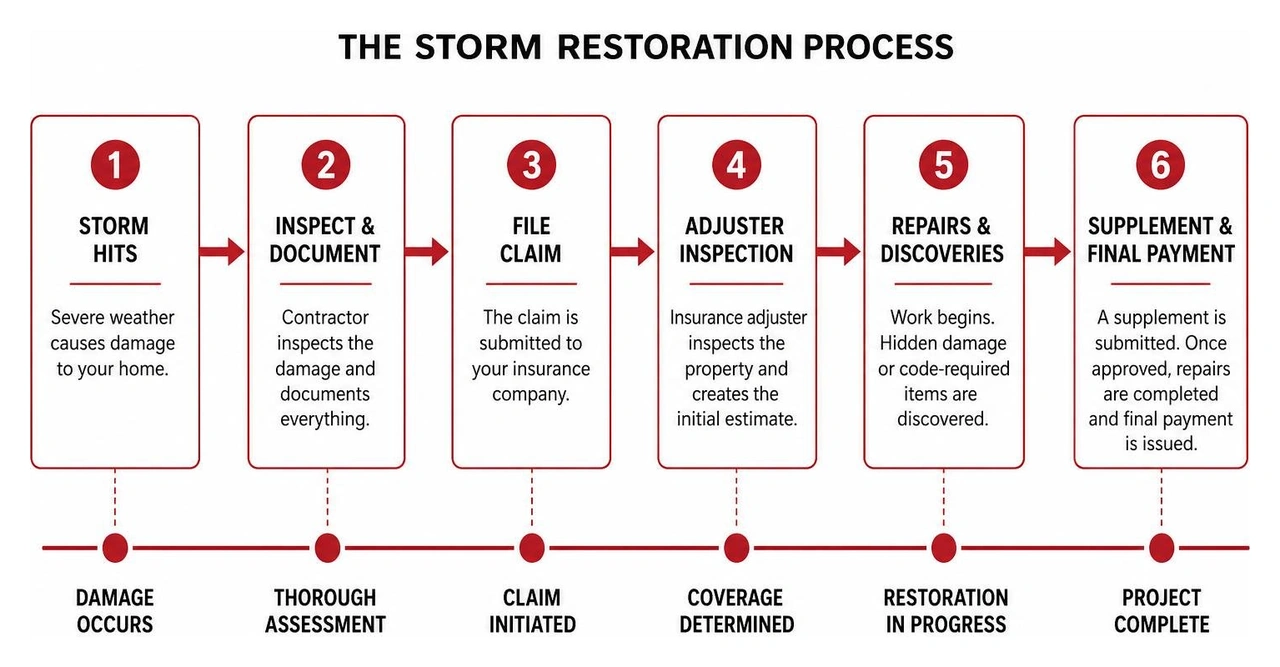
One of the most misunderstood parts of the restoration process is the "supplement." When an insurance adjuster inspects your home, they write an initial estimate based on what is visible at that exact moment. However, once the old roofing materials are torn off, hidden damage is frequently discovered. This can include rotted roof decking, damaged underlayment, or local building code requirements that were not accounted for in the original scope.
Industry data shows that 60% to 70% of storm damage restoration projects require supplements to cover these hidden or code-required items. A supplement is simply an official request sent to your insurance carrier, backed by photo evidence and detailed documentation, to adjust the claim payout.
To learn more about how we manage these situations, visit our main storm damage repairs page.
Meeting with the Insurance Adjuster
When your insurance company sends an adjuster to inspect your property, it is highly beneficial to have your contractor present at the meeting. Adjusters are busy, and they can easily miss subtle signs of hail damage, soft-metal dents, or damaged flashing.
We use industry-standard estimating software like Xactimate to ensure our estimates align perfectly with what insurance adjusters expect. When we meet the adjuster on-site, we walk the property together to ensure every single damaged item is documented and included in the initial scope of loss.
For a complete breakdown of this process, see our storm damage repair guide 2026.
How to Choose a Reliable Local Contractor and Avoid Storm Chasers
In the wake of a severe storm, out-of-town contractors, often called "storm chasers," often descend on affected neighborhoods. They knock on doors, offer quick-fix deals, and promise to handle your deductible.
Hiring these roaming crews can lead to poor craftsmanship, invalid warranties, and serious legal issues.
Red Flags of Storm Chasers
- Knocking on doors uninvited immediately following a severe weather event.
- Using out-of-state phone numbers or driving vehicles with out-of-state license plates.
- Offering to "waive" or pay your insurance deductible (which is illegal in many jurisdictions).
- Pressuring you to sign a contract before providing a detailed, written estimate.
- Lacking a permanent physical office or listing only a post office box as their address.
Verifying Credentials and Local Presence
A reliable contractor should have a deep root system in the local community. At JF Baker Roofing, we have been family-owned and community-rooted in Central Ohio since 1929. When you hire a local contractor, you know exactly where to find them if you ever have a warranty issue years down the road.
Always verify that your contractor is licensed, bonded, and carries active liability and workers' compensation insurance. Ask for their physical address and check their standing with the Better Business Bureau.
Whether you need residential repairs in Upper Arlington or storm restoration services columbus, choosing an established local name ensures you are protected by a real, transferable workmanship warranty.
The Risks of Unlicensed Work and Bypassing Permits
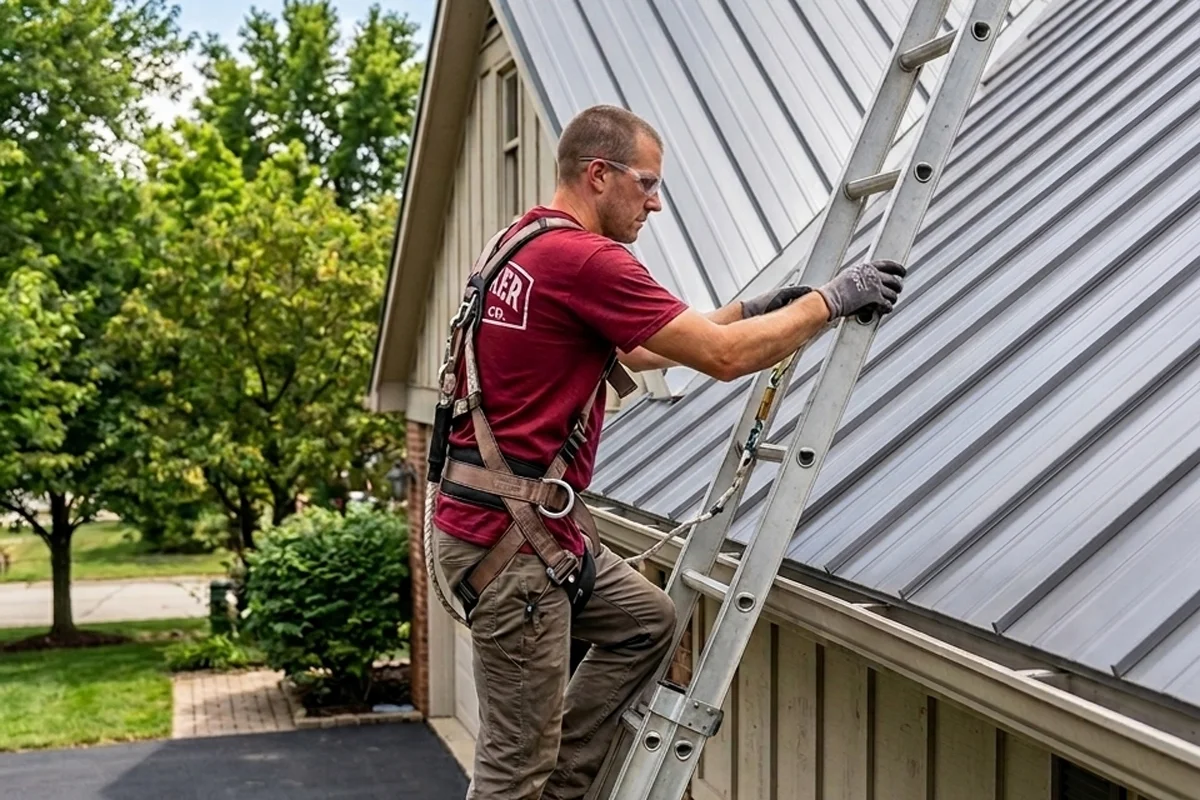
Some homeowners are tempted to hire unlicensed handymen to save money on storm repairs. However, this decision carries immense physical and financial liability. If an unlicensed worker falls off a ladder on your property and does not have workers' compensation insurance, you could be held legally responsible for their medical bills.
Furthermore, major repairs like replacing a roof or rebuilding an electrical mast require local building permits. If work is done without a permit, your insurance company may refuse to cover future claims on that part of the home, classifying any subsequent issues as neglected wear and tear.
Always insist that your contractor pulls the proper municipal permits and schedules all necessary final inspections.
What to Expect During the Storm Restoration Process
Understanding the timeline and phases of a restoration project can help you prepare your family and minimize disruption to your daily life.
Securing Your Home with Emergency Storm Damage Repairs
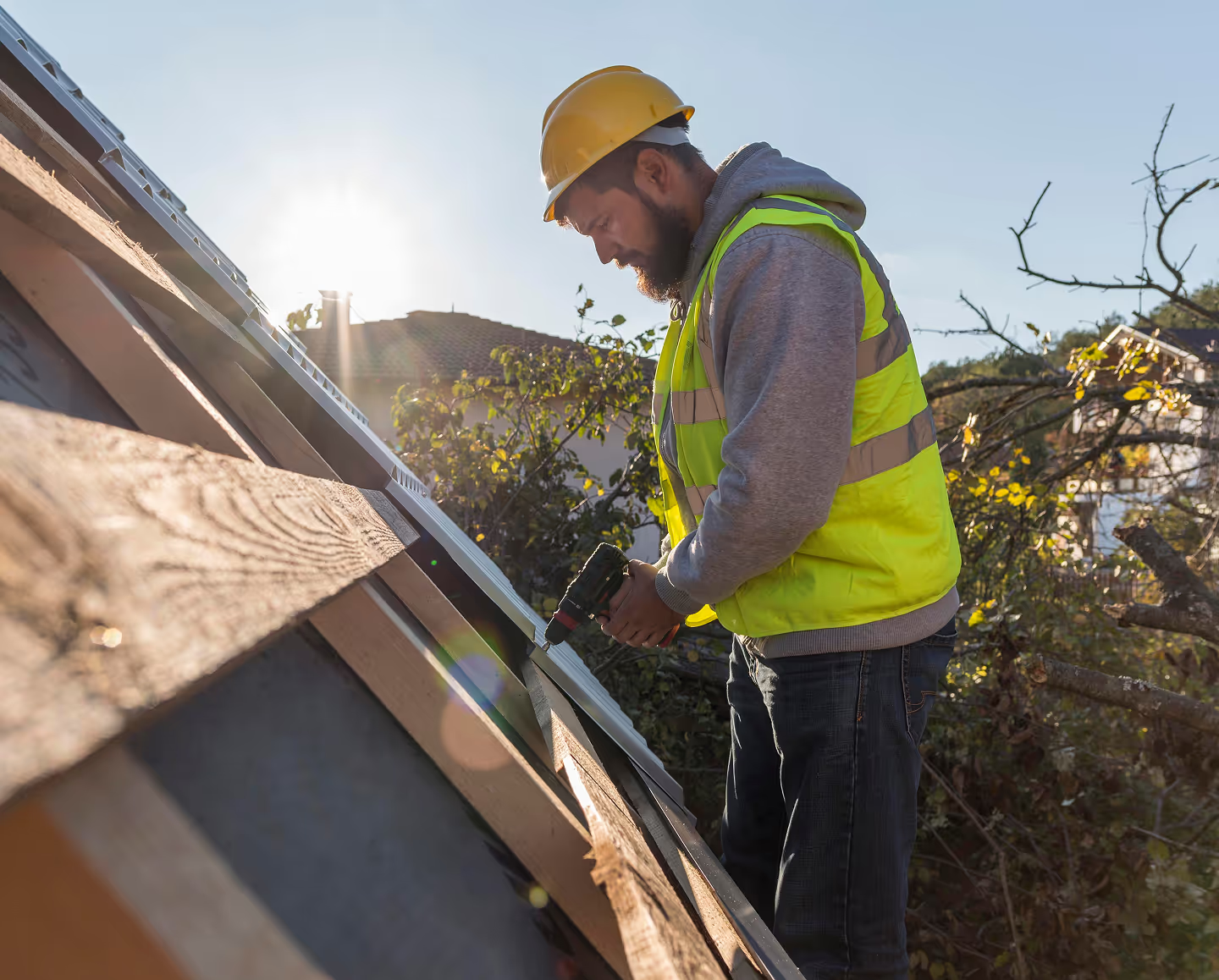
The very first phase of any storm restoration project is emergency stabilization. If a storm has left a hole in your roof or torn away your gutters, water will continue to pour into your home with every rain shower.
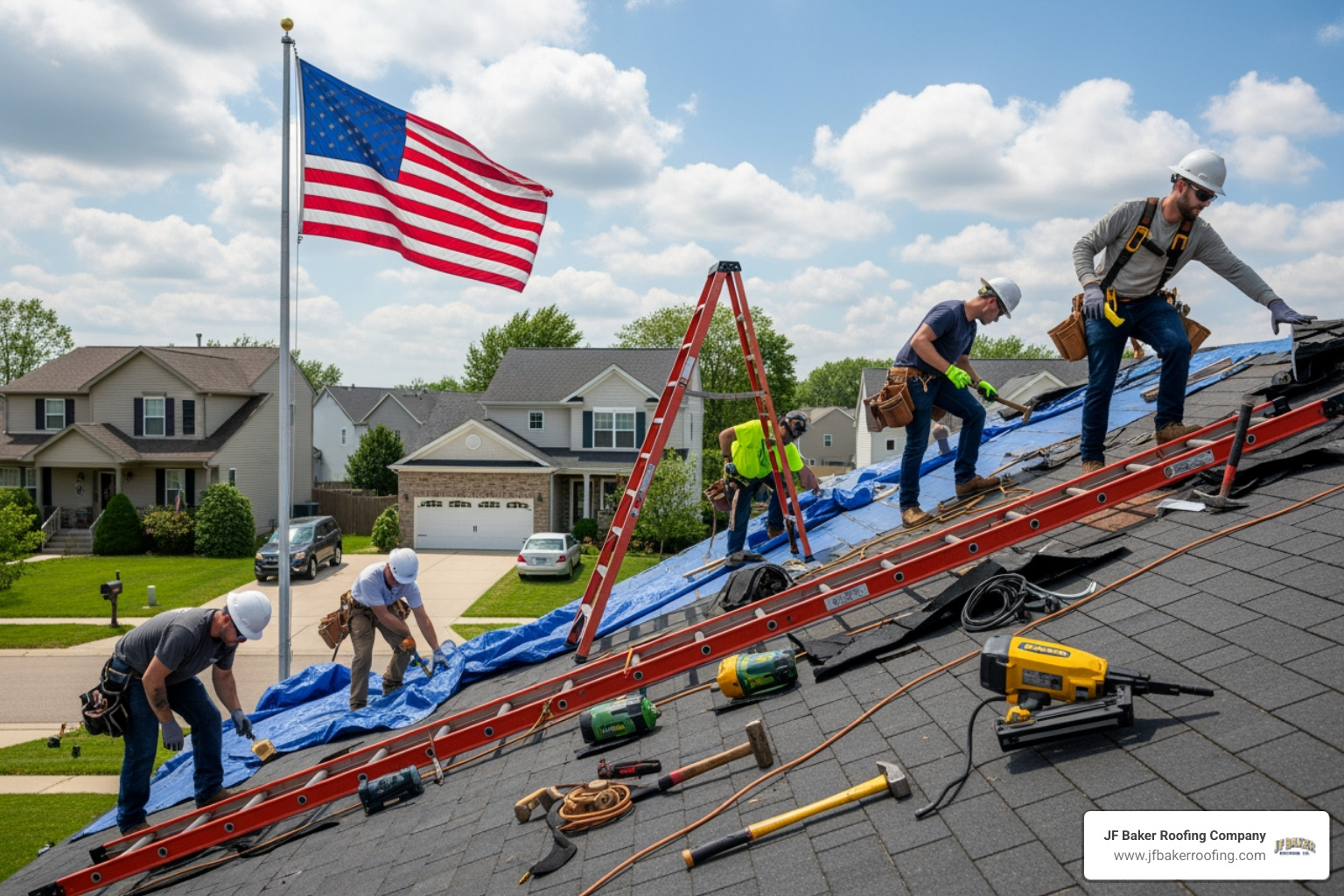
Our priority is always to secure the property immediately. We apply industrial-grade roof tarping and board-up services to prevent secondary water damage, mold growth, and structural rot.
If you have a compromised drainage system, you can learn about our emergency storm gutter fix options. For local businesses, we also provide commercial emergency roofing whitehall to protect inventory and keep operations running safely.
Staying in Your Home During Storm Damage Repairs
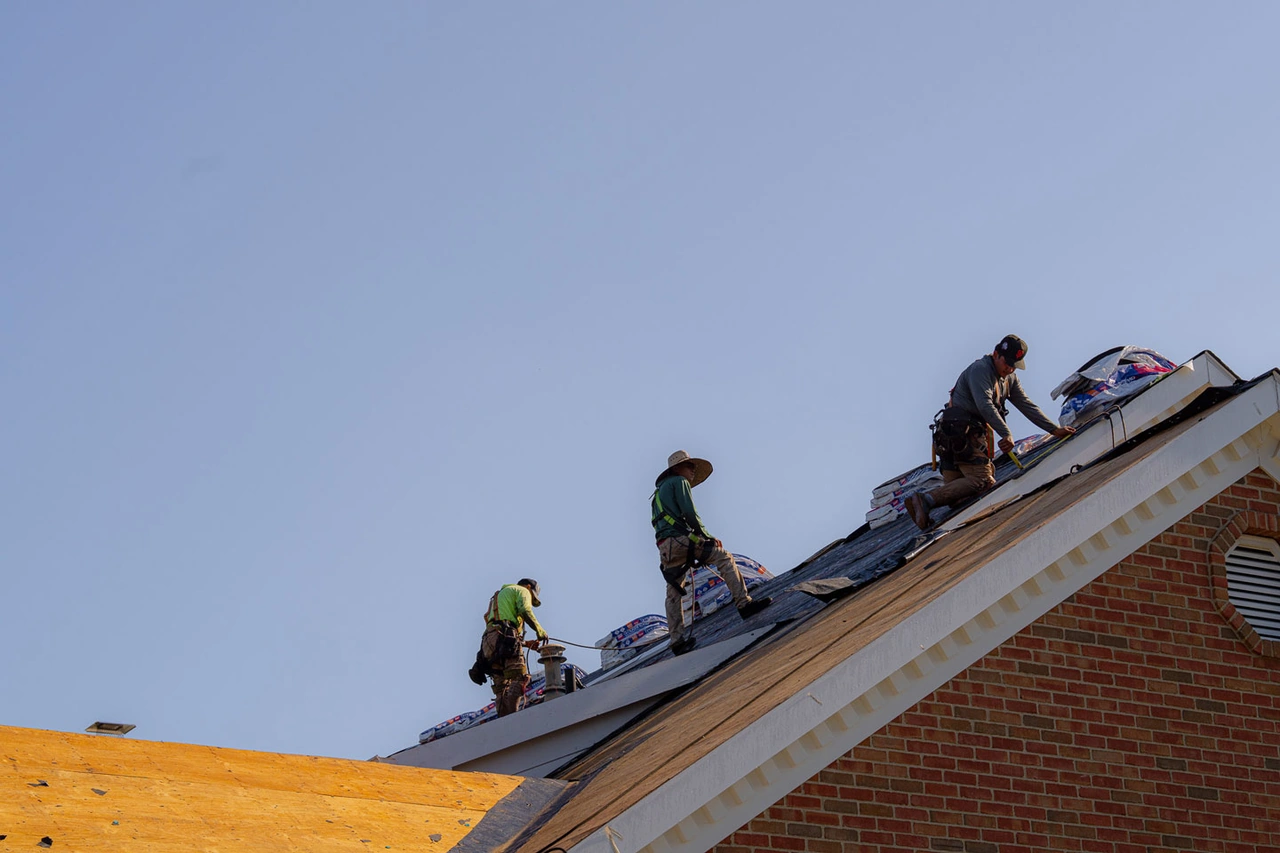
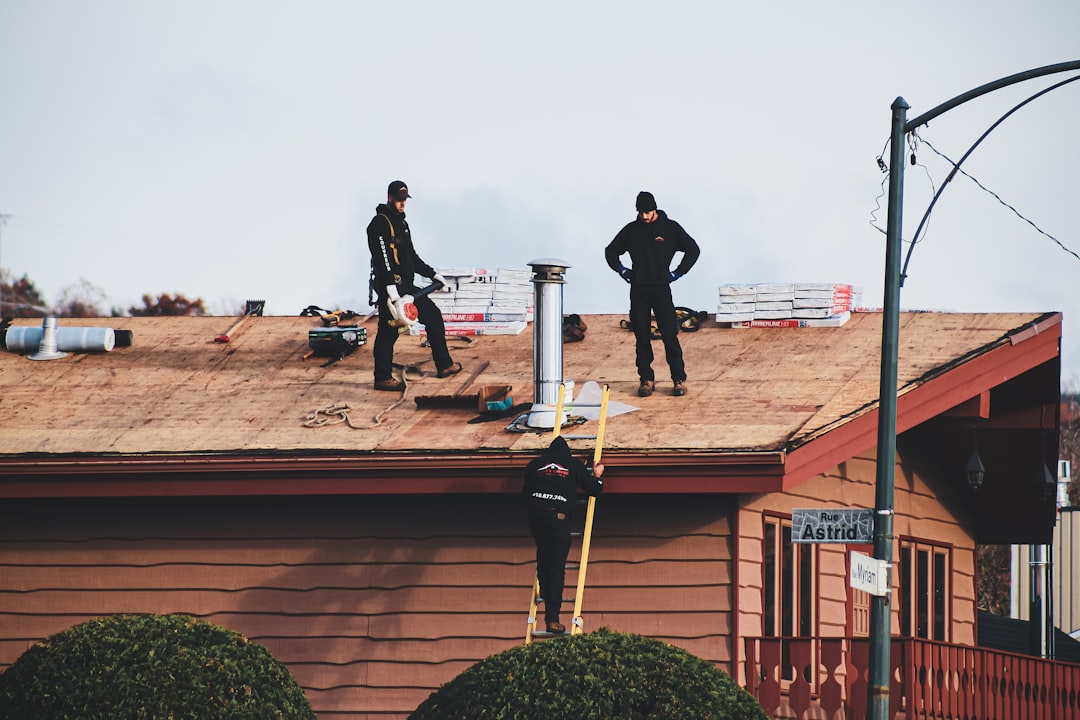
A typical residential roof replacement takes between 3 and 7 days on-site, depending on the size of the home and any structural repairs needed. Most homeowners choose to stay in their homes during the process, but you should prepare for a noisy environment.
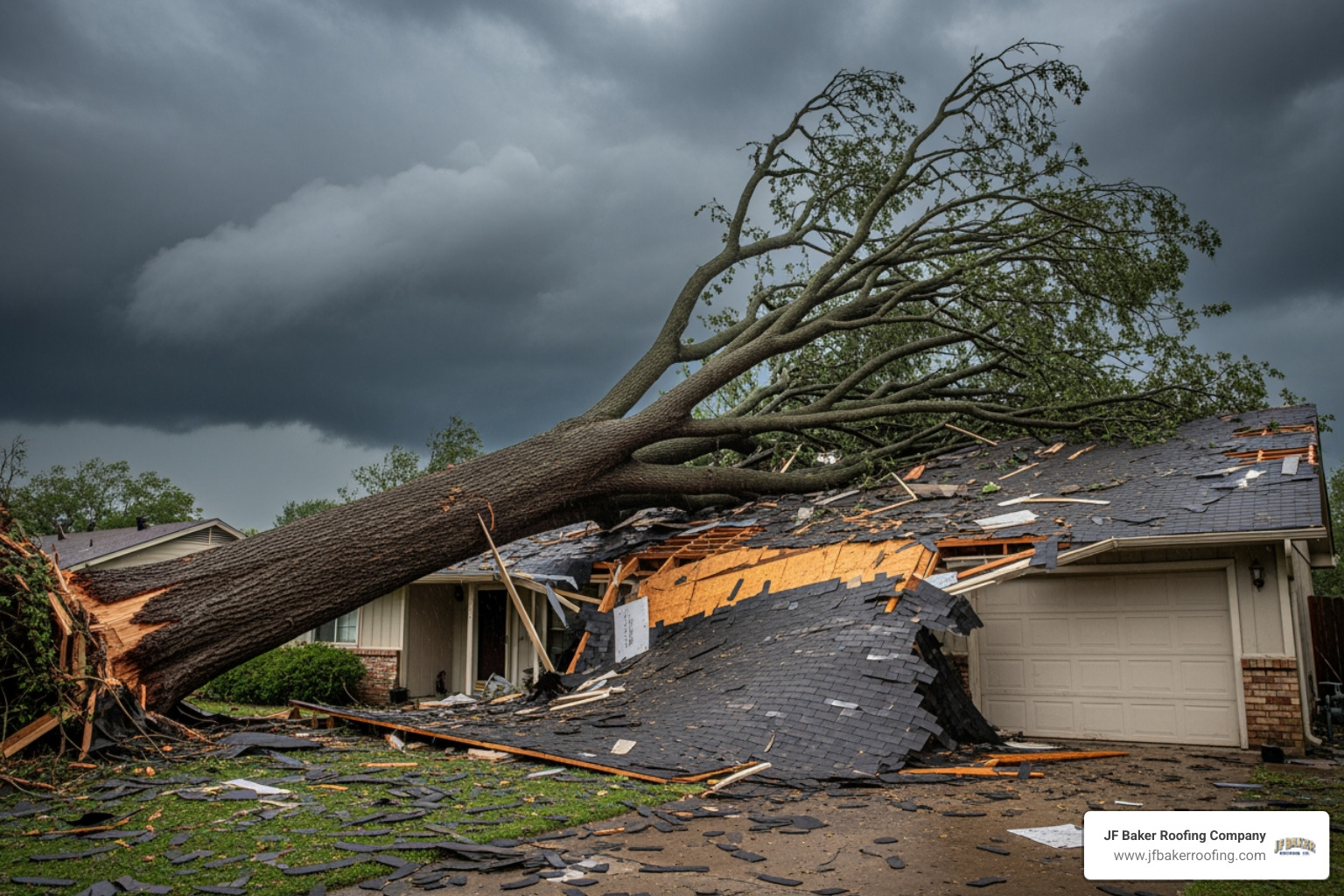
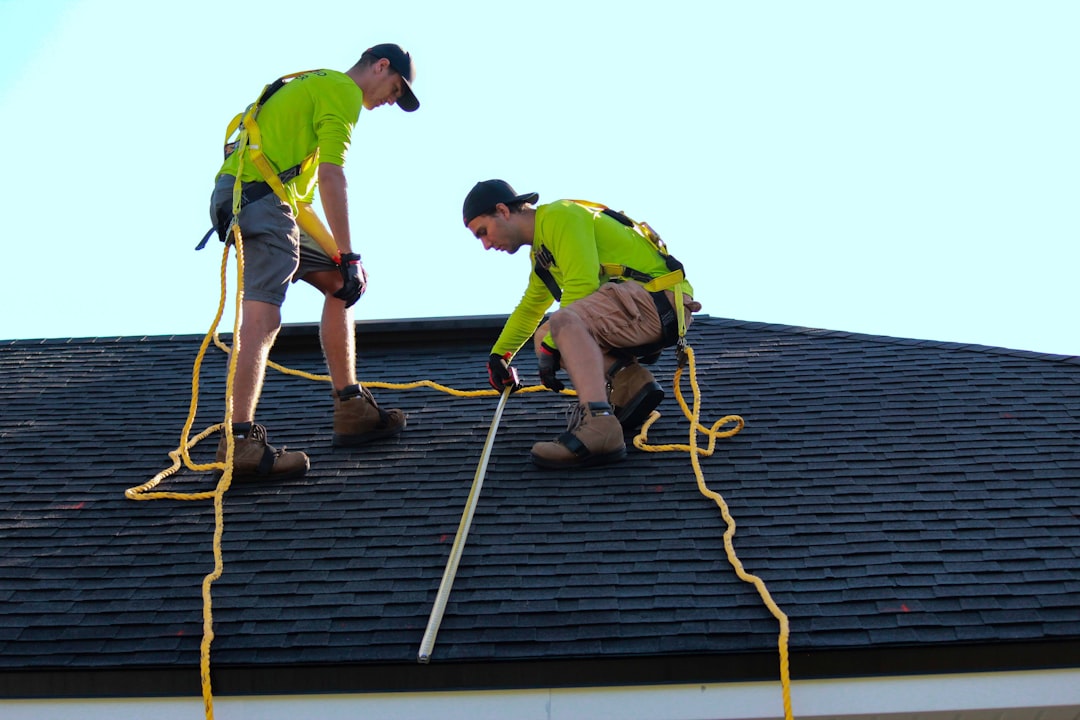
Our professional crews maintain clean job sites and establish clear safety zones to protect your family and pets from falling debris. However, if a tree has fallen directly onto your home, the structural integrity of the building must be assessed first.
In severe cases, you can read our guide on tree fallen roof repair to understand when it is safe to remain at home and when temporary relocation is recommended.
Frequently Asked Questions About Storm Restoration
We believe in honest assessments and clear communication. Here are the answers to the most common questions we hear from Central Ohio homeowners after a storm.
How long do I have to file an insurance claim after a storm?
Most standard homeowners insurance policies give you a 12-month window from the date of the storm to file a property damage claim. However, we strongly advise filing as quickly as possible.
If you wait too long, the natural wear and tear of Ohio's seasons will make it difficult to prove that the damage was caused by a specific storm rather than general neglect. Additionally, unresolved leaks will compound over time, causing structural rot that your insurer may refuse to cover.
Can I repair only the damaged section of my roof?
While spot repairs are sometimes possible for minor wind damage, they are rarely the best option for hail damage. Hail typically impacts the entire roof surface, weakening the shingles across the board.
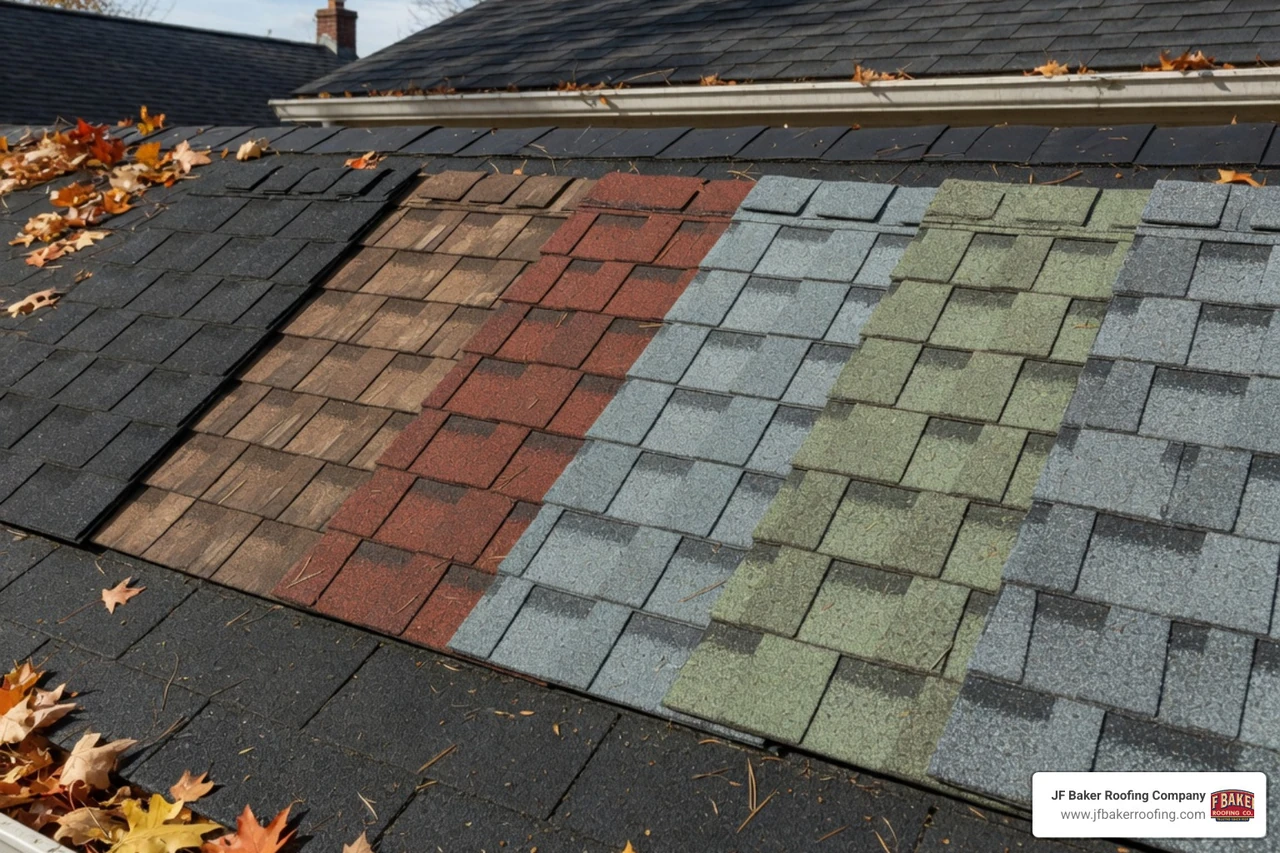
Furthermore, matching the color of aged, weathered shingles with brand-new ones is incredibly difficult, leaving your roof looking patchy. If your shingles are older, a full replacement is often the only way to restore the structural envelope of your home and maintain its aesthetic appeal.
How can I protect my home from future storm damage?
The best way to protect your home is through preventative maintenance and high-quality materials. During your next roof replacement, consider upgrading to impact-resistant shingles. These shingles are specifically engineered to withstand hail impact and high winds without cracking.
Additionally, keeping your gutters clean, trimming overhanging tree branches, and scheduling regular professional inspections will significantly reduce your home's vulnerability to severe weather.
For families looking to prepare their homes for severe weather seasons, official safety guidelines and planning resources can be found on Ready.gov.
Restoring Your Peace of Mind with JF Baker Roofing
When severe weather damages your home, you do not have to navigate the recovery process alone. At JF Baker Roofing Company, we have built our reputation over three generations on honesty, quality craftsmanship, and transparent pricing. Led today by Chad and Pat Baker, we are proud to be a CertainTeed ShingleMaster Preferred Contractor and a long-standing member of the National Roofing Contractors Association (NRCA).
We do not believe in high-pressure sales tactics. We recommend repairs when repairs will do the job, and we only recommend a full replacement when it is genuinely necessary to protect your home.
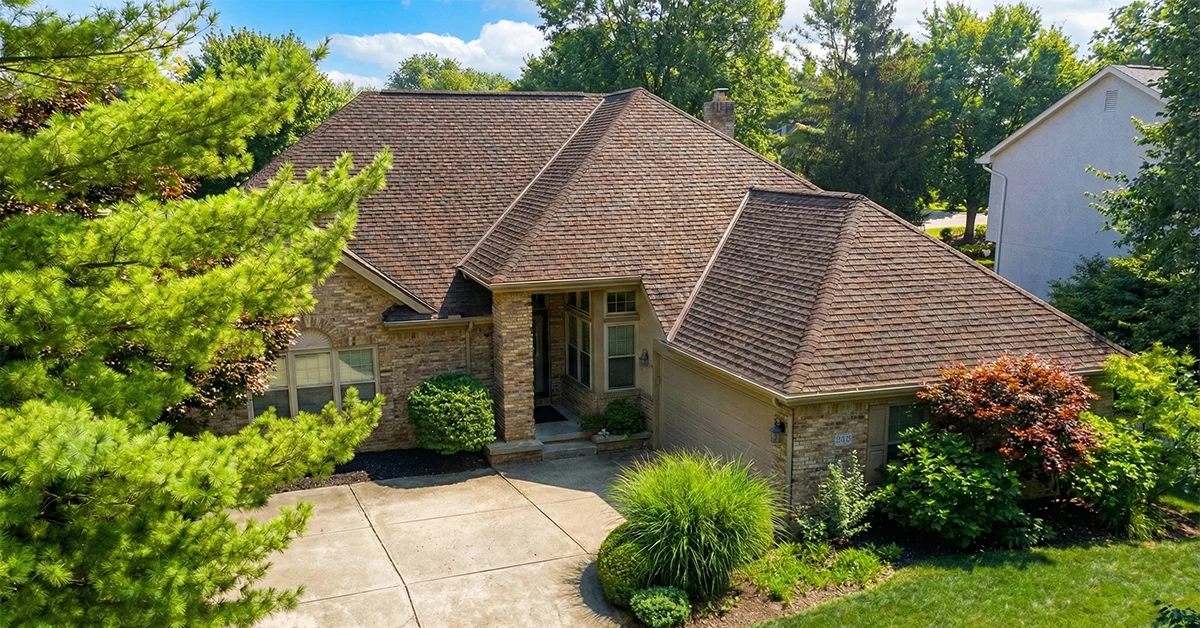
If your home in Columbus, Dublin, Upper Arlington, Hilliard, Grandview Heights, Worthington, or Westerville has been affected by recent storms, let our reputation be your security.
Schedule a professional inspection with JF Baker Roofing today, and let us help you rebuild stronger.







.jpeg)