Emergency Guide to Fixing Your Roof When Nature Knocks Too Hard
When a Tree Hits Your Roof: What to Do Right Now
Tree fallen roof repair is an emergency situation that demands immediate action to protect your home, your family, and your wallet.
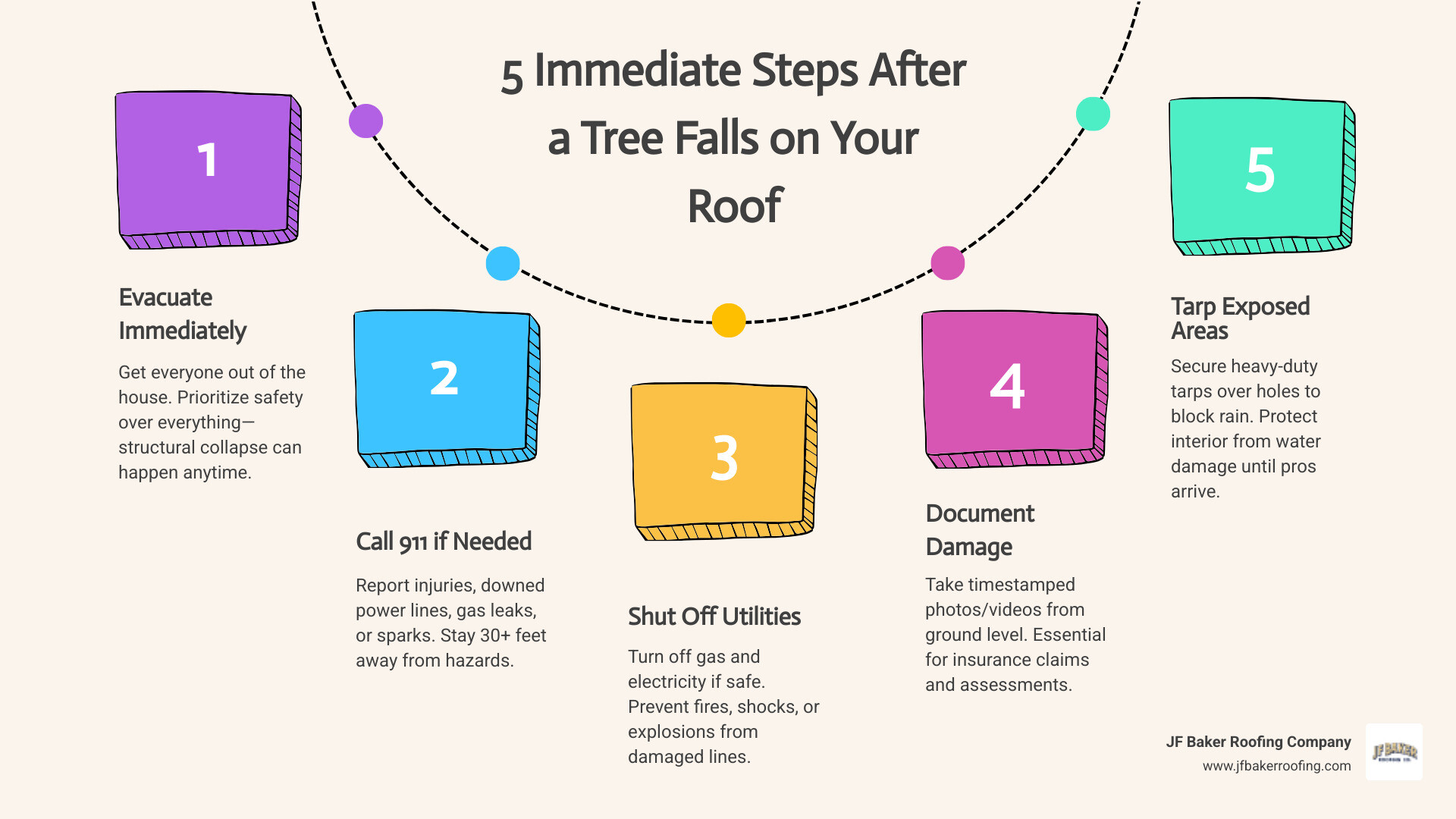
Here are the critical first steps to take right now:
- Get everyone out of the affected area of the house immediately
- Call 911 if there are downed power lines, gas leaks, or injuries
- Shut off utilities (gas and electricity) if it's safe to do so
- Document the damage with photos and video from a safe distance — before touching anything
- Call your insurance company to start your claim as soon as everyone is safe
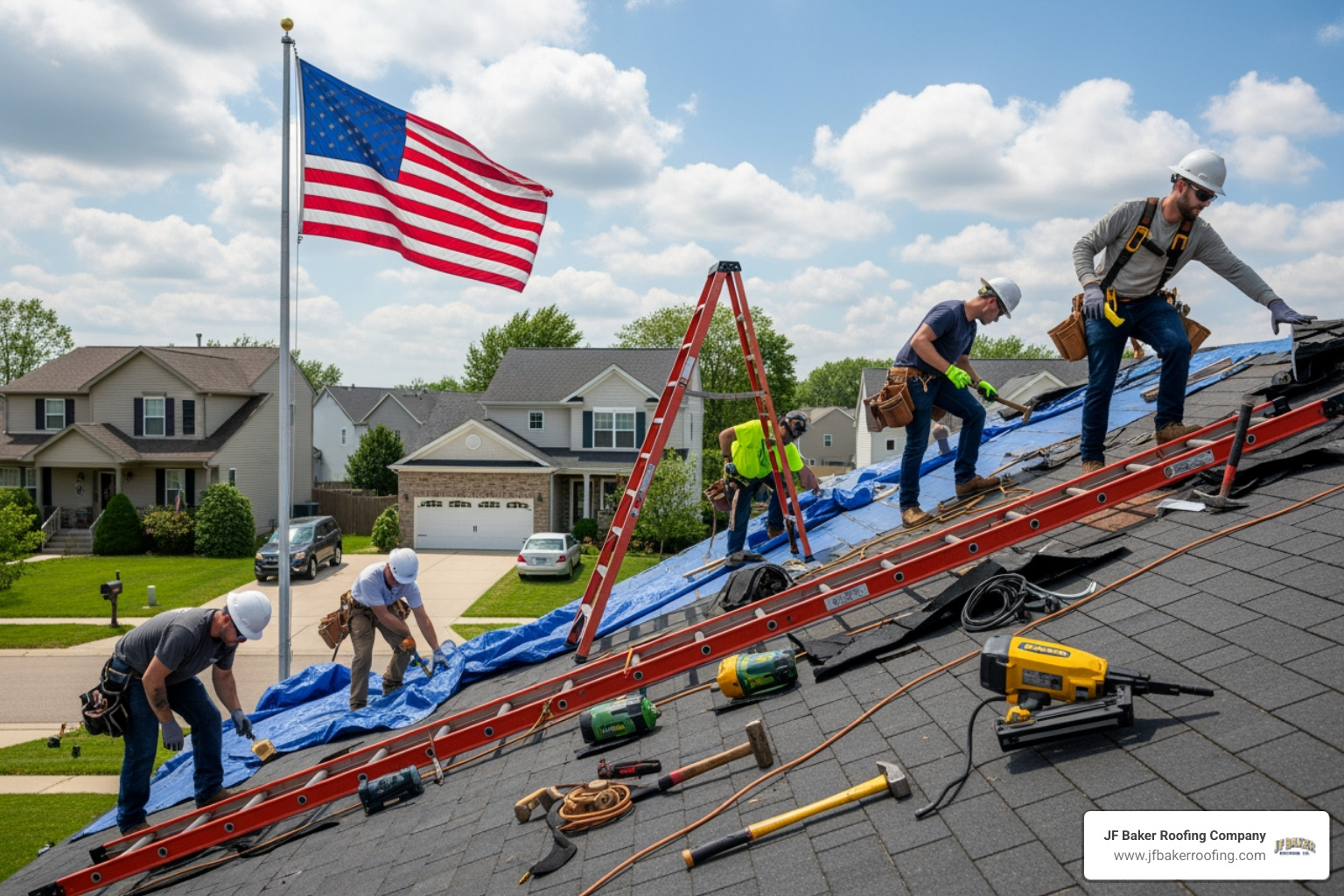
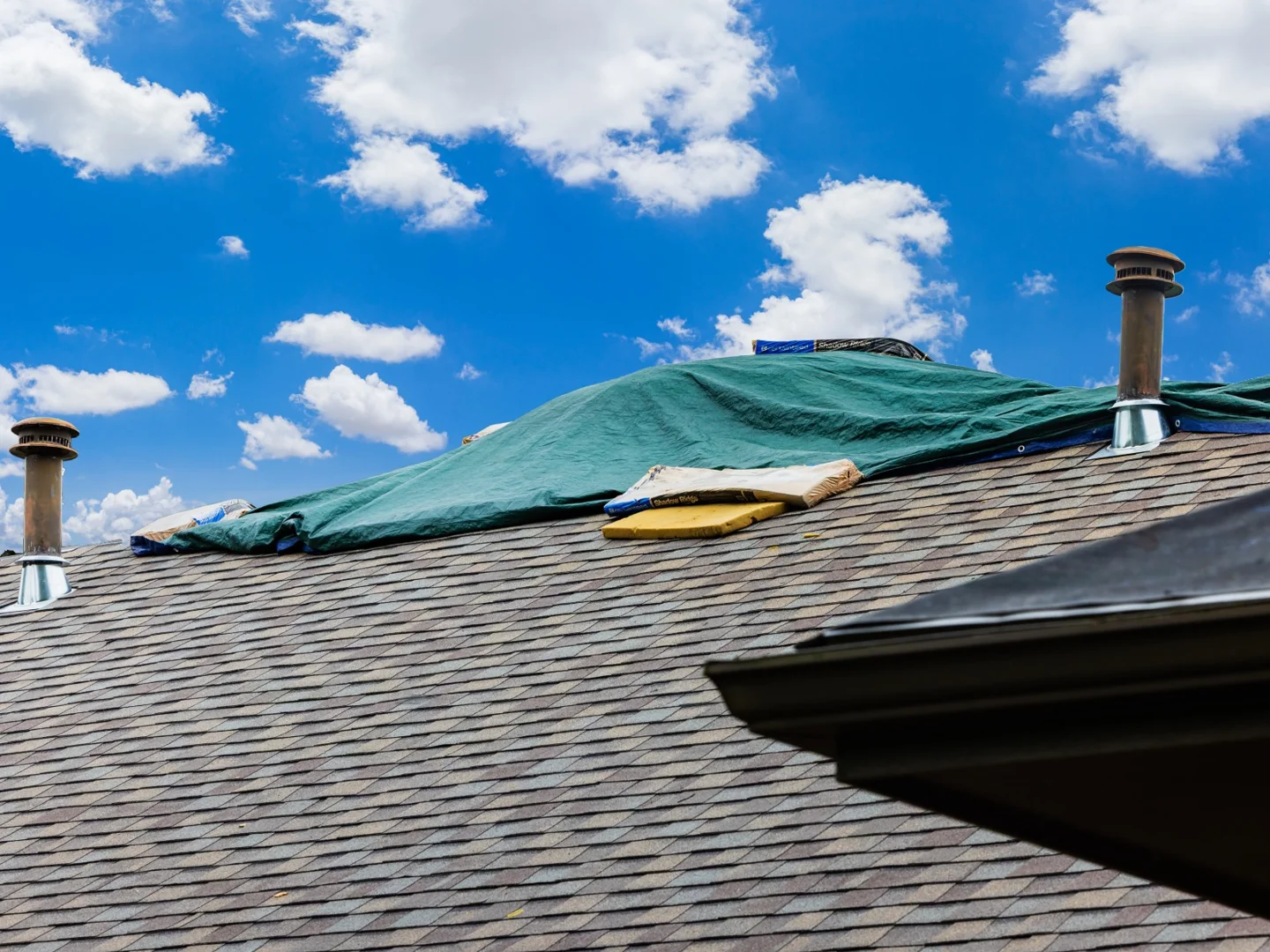
- Cover exposed areas with a heavy-duty tarp to stop water from getting inside
- Hire a certified arborist and licensed roofing contractor — do not attempt tree removal yourself
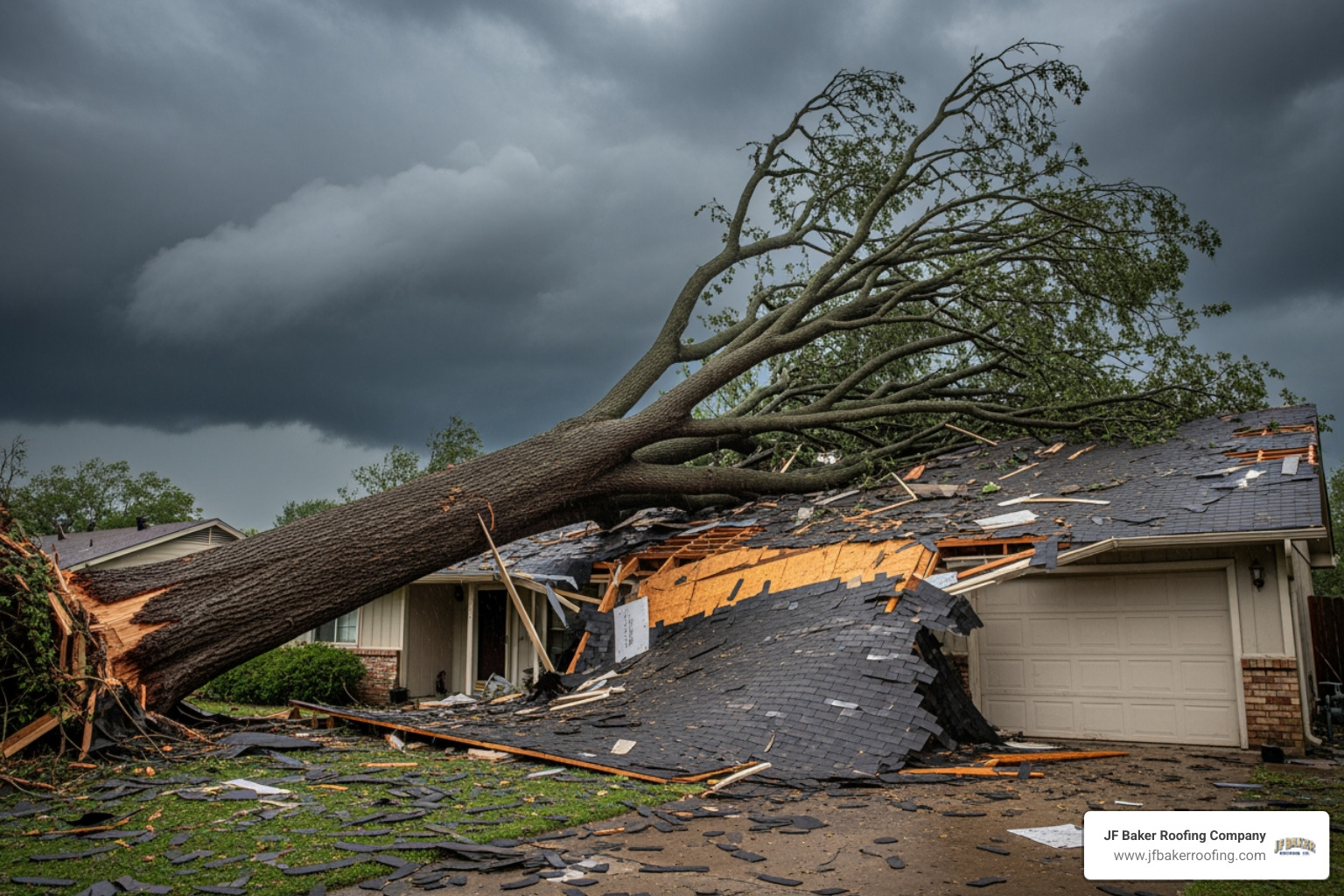
A tree crashing onto your roof is one of the most alarming things that can happen to a homeowner. It often strikes without warning — during a windstorm, after heavy snow, or when a weakened tree finally gives way.
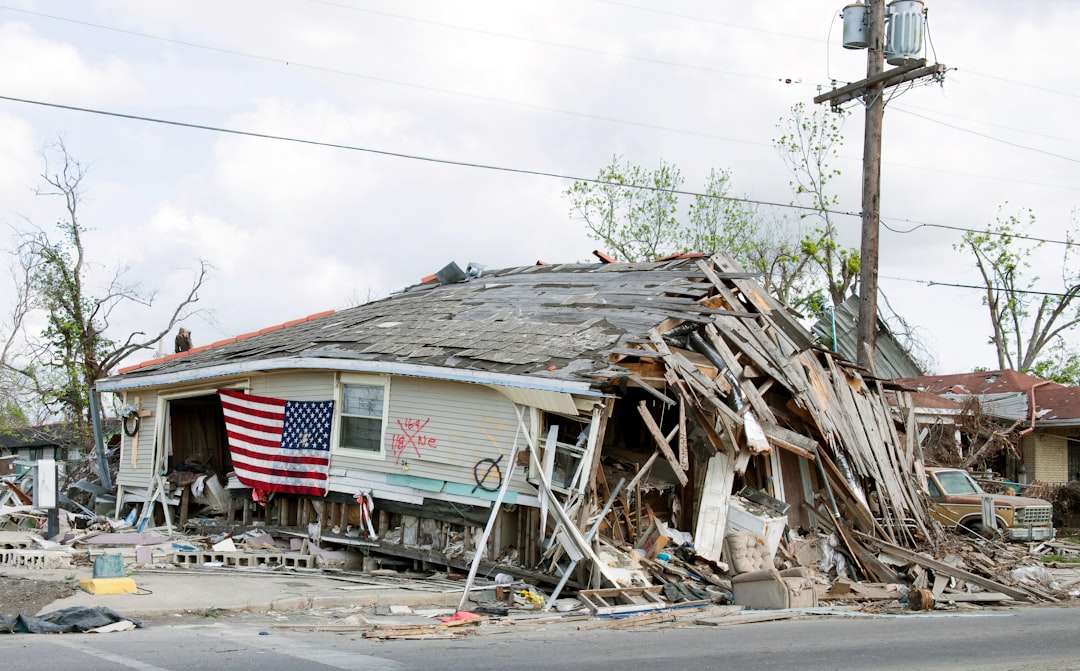
The damage can range from a few cracked shingles to collapsed rafters and a flooded interior. And what looks minor from the ground is often much worse underneath the surface.
This guide walks you through every step — from the moment the tree hits to getting your roof fully restored.
Immediate Safety Steps After a Tree Falls on Your Roof
When nature decides to relocate a 50-foot Oak into your living room, your adrenaline will be pumping. However, the very first thing we want you to do is breathe and prioritize safety. A house can be fixed; people cannot. If the impact was significant enough to shake the house, pierce the roof, or cause walls to crack, you must evacuate immediately.
Structural instability is a silent killer. Even if the roof hasn't fully collapsed, the added weight of several tons of wood can cause rafters to fail minutes or hours after the initial impact. Furthermore, trees rarely fall "cleanly." They often snag power lines on the way down. If you see sparks, hear humming, or notice downed lines anywhere near your property, stay at least 30 feet away and call 911. Electricity can travel through wet ground or the metal components of your home.
If it is safe to access your utility meters, shut off the gas and electricity. Impact damage can sever gas lines or pinch electrical wiring inside the walls, creating a massive fire risk. Once you’ve secured the perimeter and ensured everyone is accounted for, you can begin the process of understanding What to Know About Roof Damage from Fallen Trees.
Assessing and Documenting Damage Safely
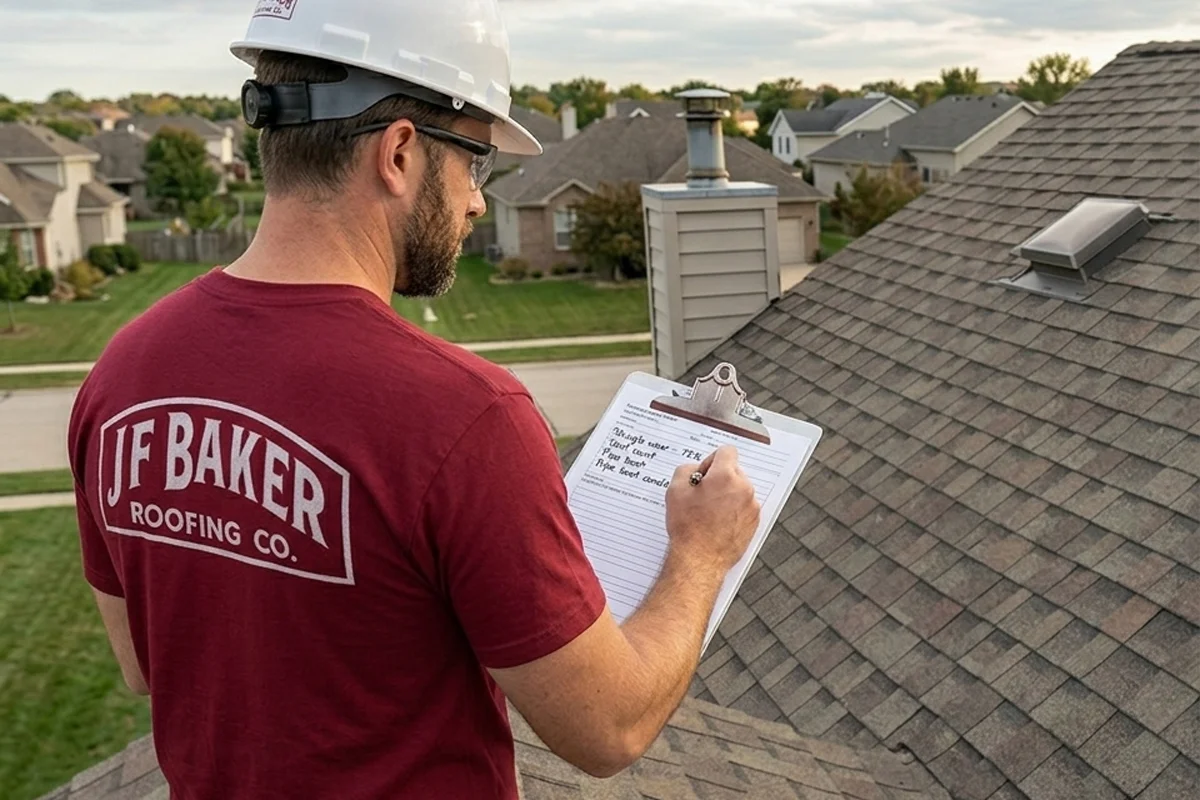
Once the immediate danger has passed and the storm has subsided, it’s time to play detective. But remember: stay off the roof. We cannot stress this enough. A roof that has been hit by a tree is fundamentally compromised. Walking on it could lead to a collapse or a nasty fall.
Perform a ground-level inspection using a pair of binoculars if you have them. Walk around the perimeter and take high-quality, timestamped photos and videos from every angle. Insurance adjusters love documentation, and the more you have, the smoother your claim will go. Look for:
- Visible punctures or holes in the roofing material.
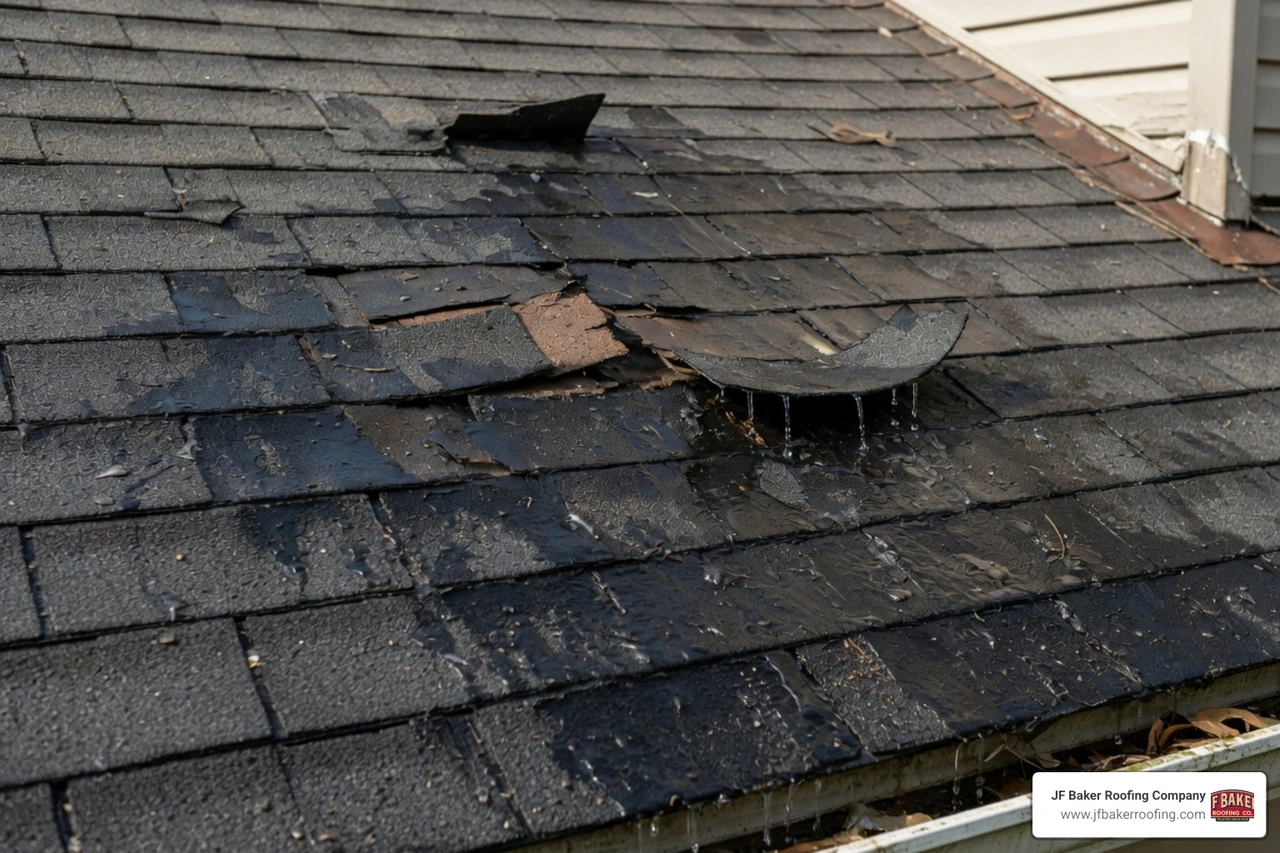
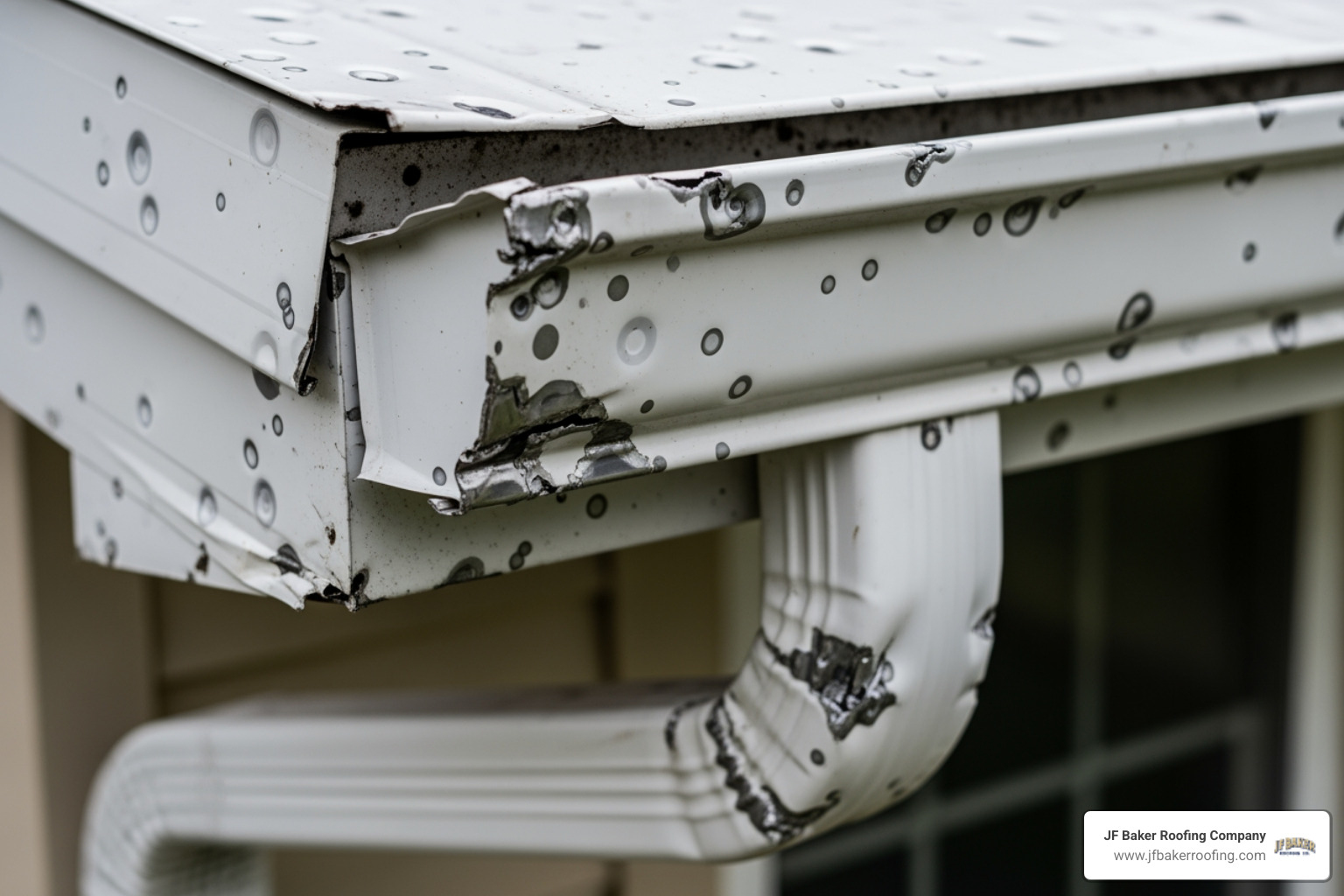
- Cracked, missing, or dented shingles.
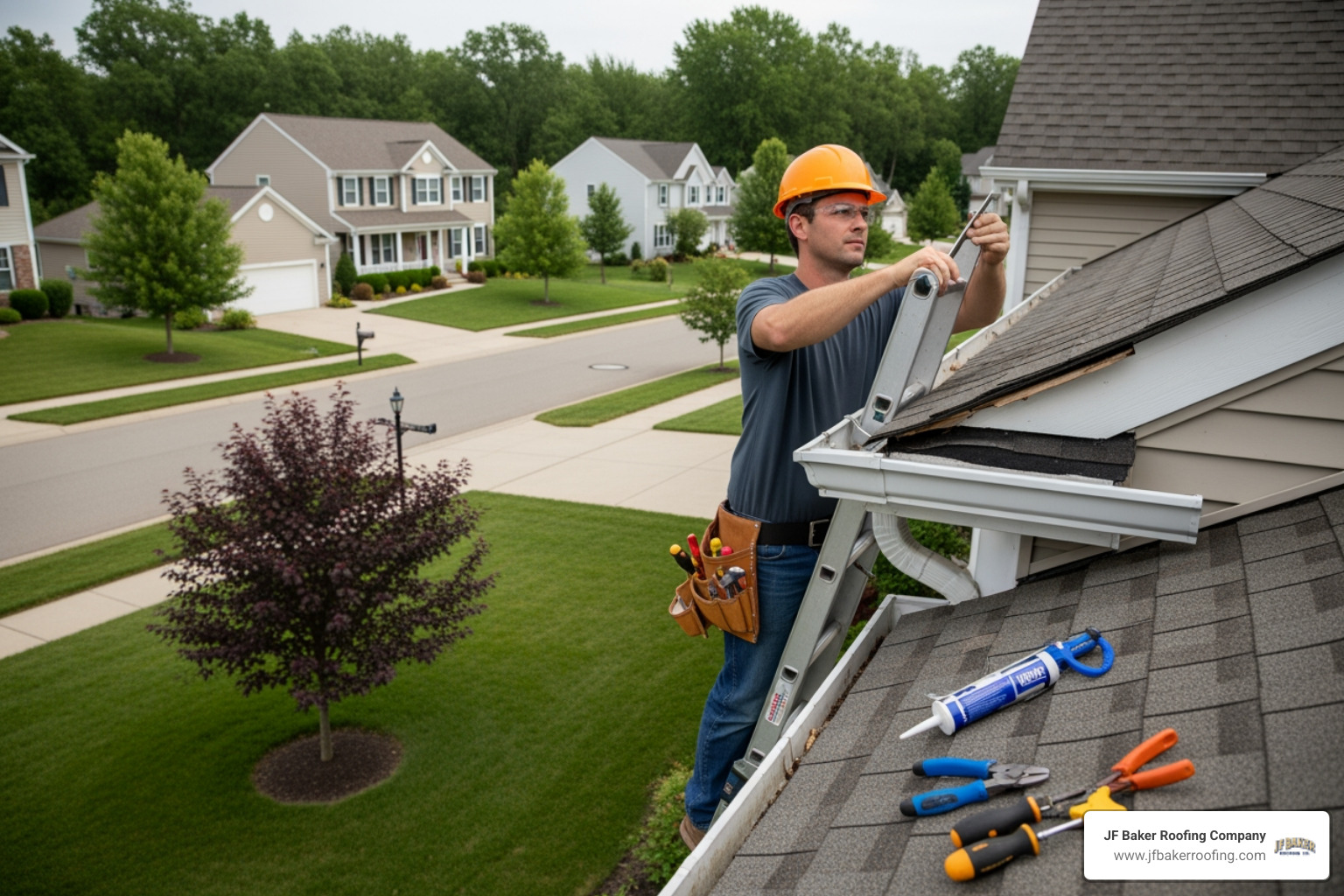
- Bent or detached gutters and downspouts.
- Structural sagging or leaning of the roofline.
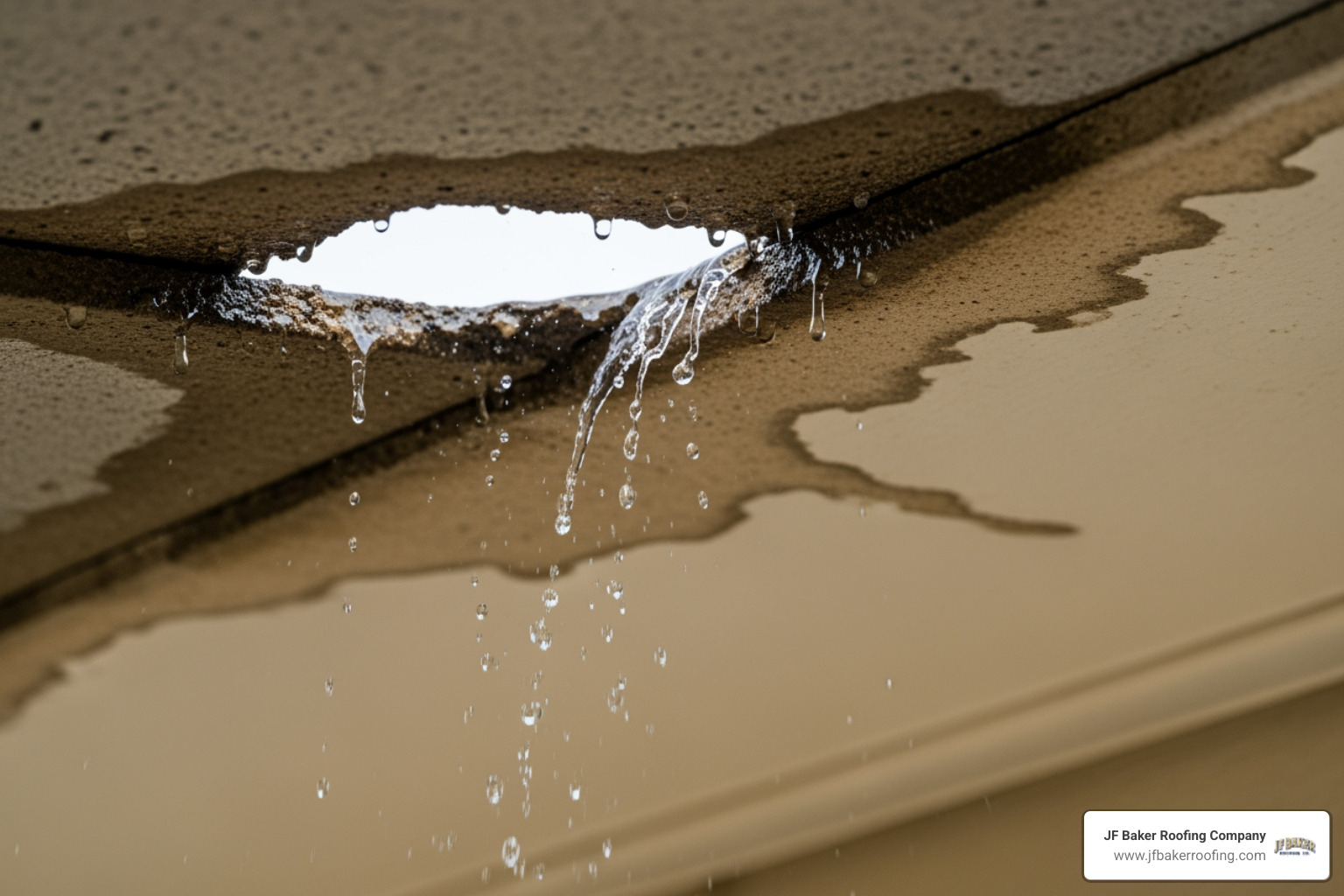
Don't forget to check the interior. Head into the attic (if it’s structurally sound) to look for snapped rafters or daylight peeking through. Check your ceilings for brown stains or active drips. If you find leaks, our team specializing in Storm Damage Repairs can help mitigate further interior destruction.
Professional Tree Fallen Roof Repair: From Removal to Restoration
Repairing a roof after a tree strike isn't as simple as slapping on a few new shingles. It's a multi-layered restoration process. When a heavy limb or trunk hits, the energy is transferred through the entire system. This can lead to "hidden" damage, such as hairline cracks in shingles or shifted flashing that will leak months later.
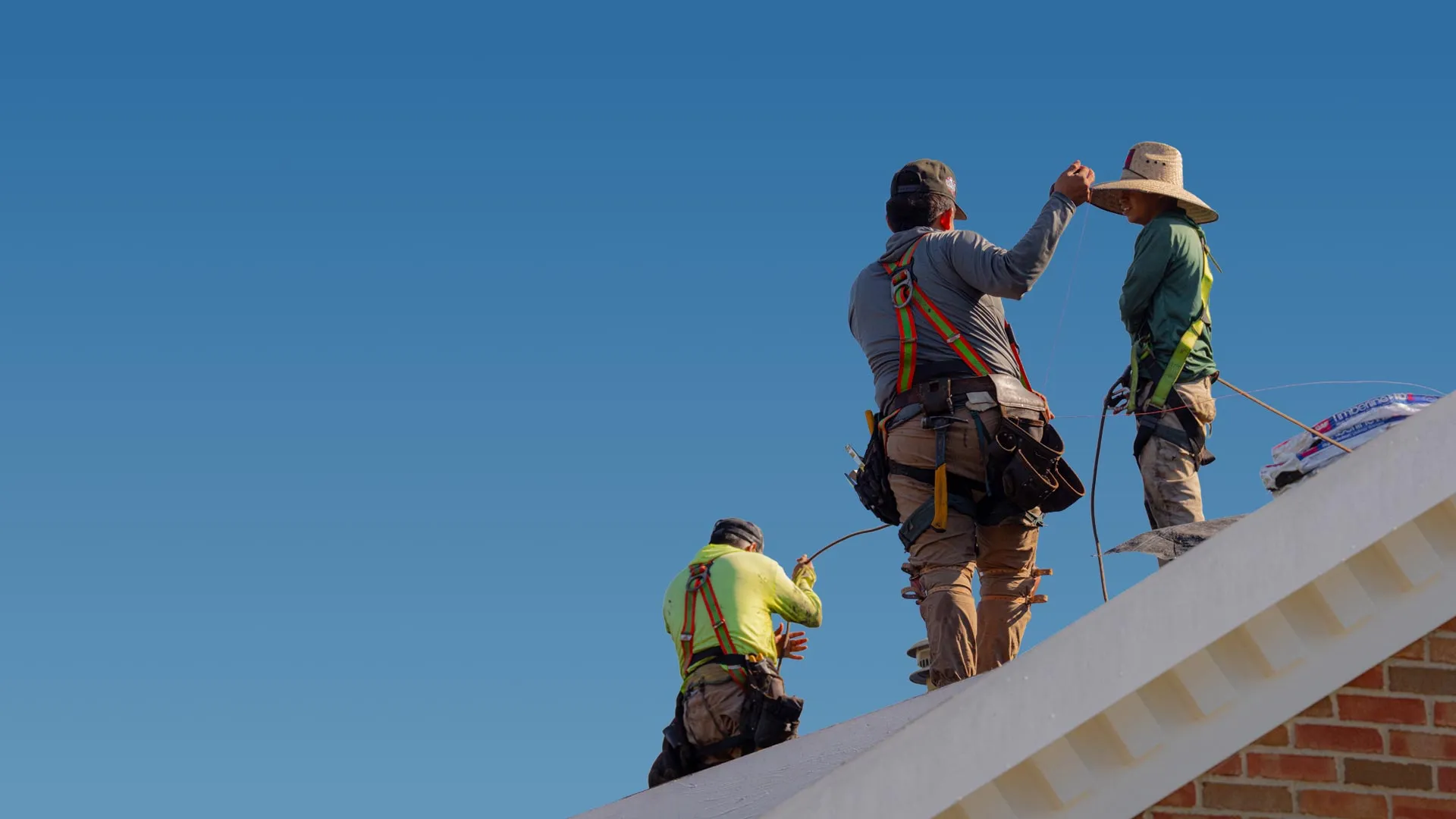
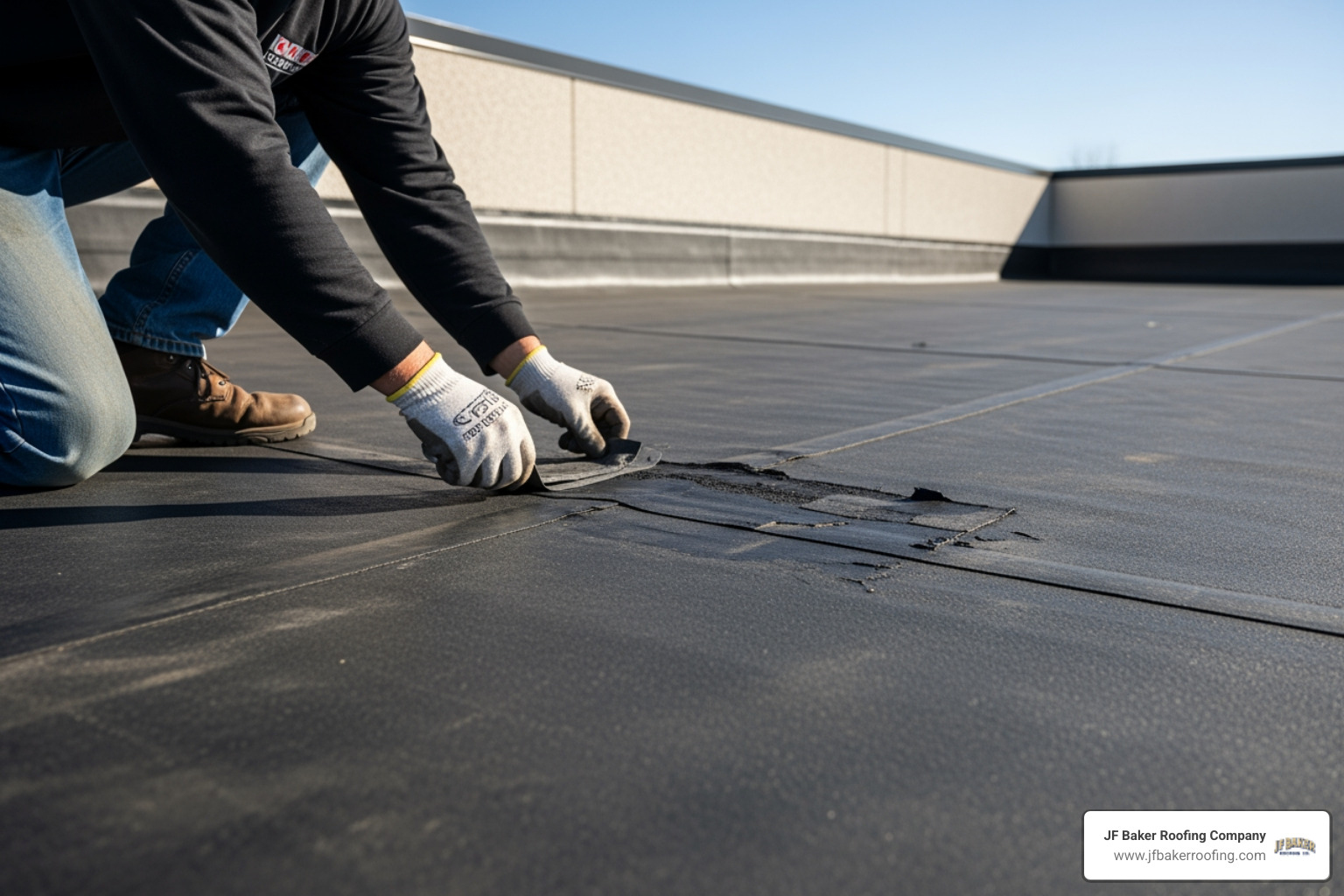
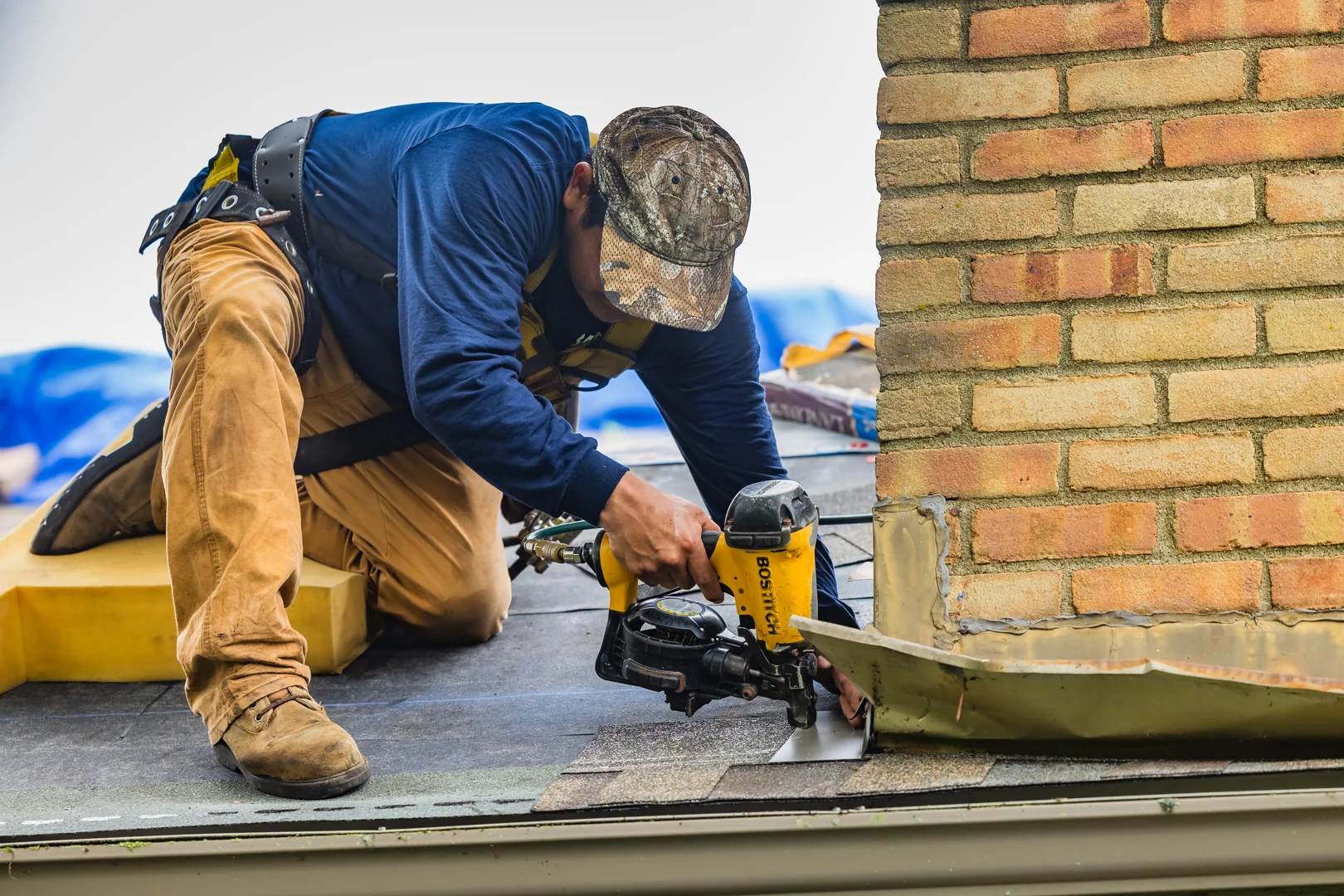
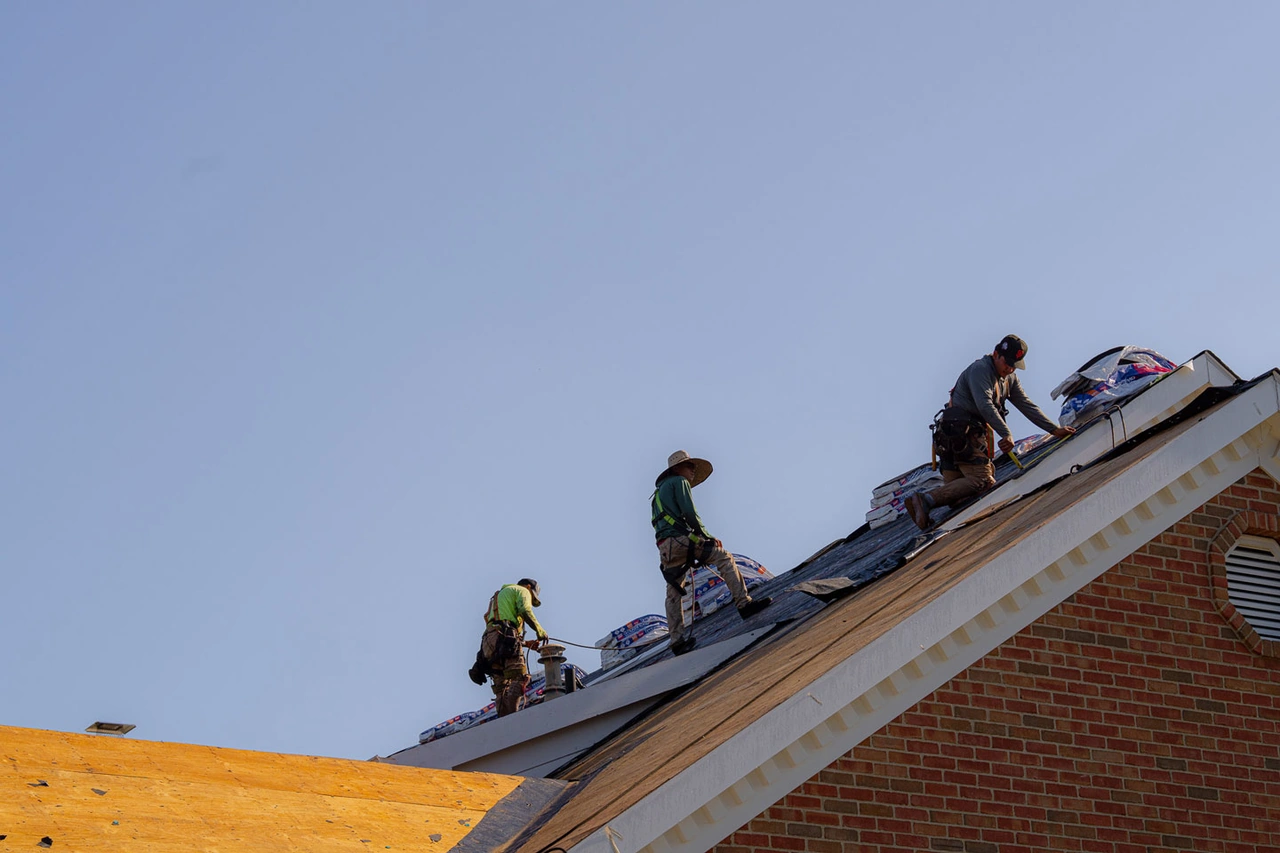
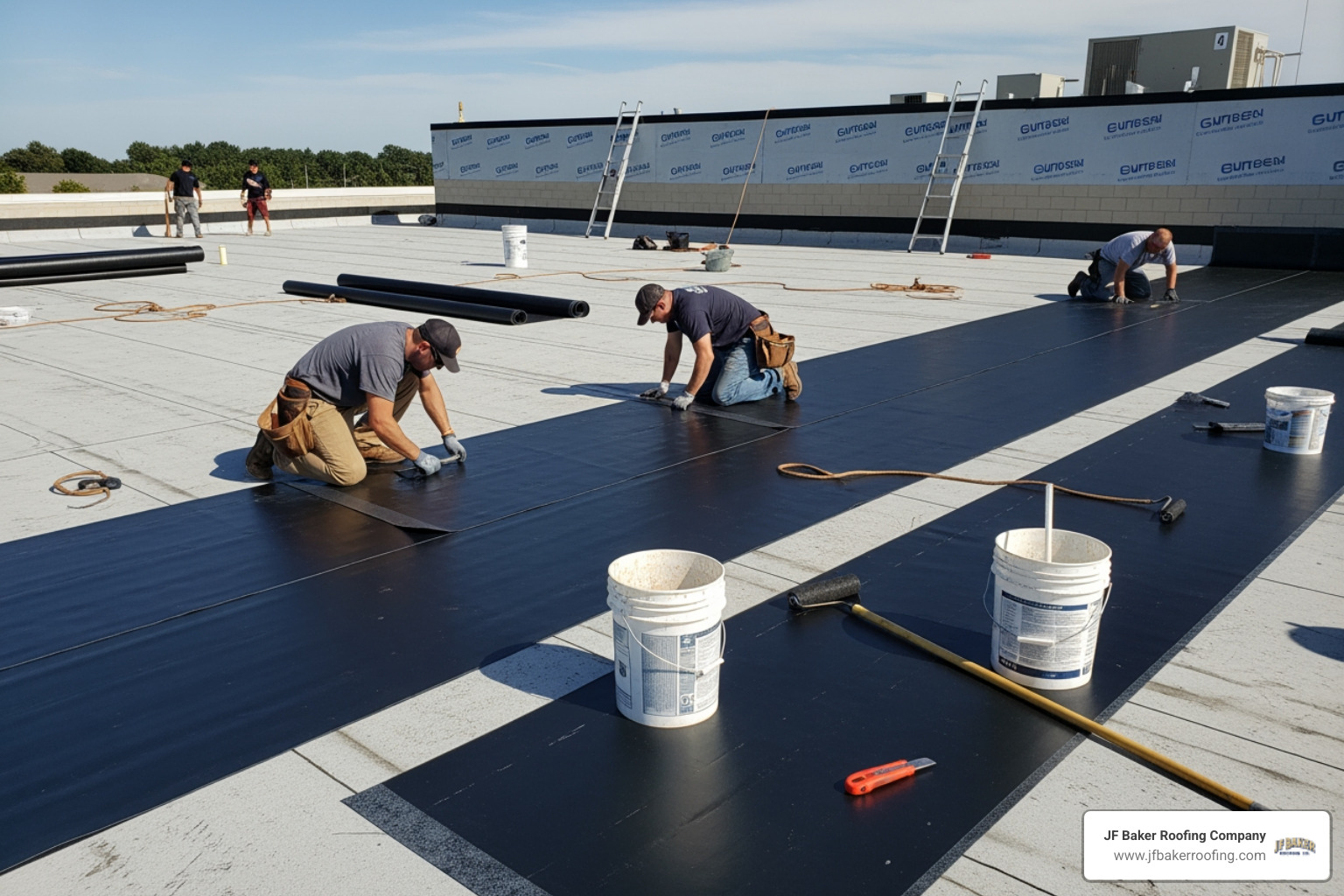
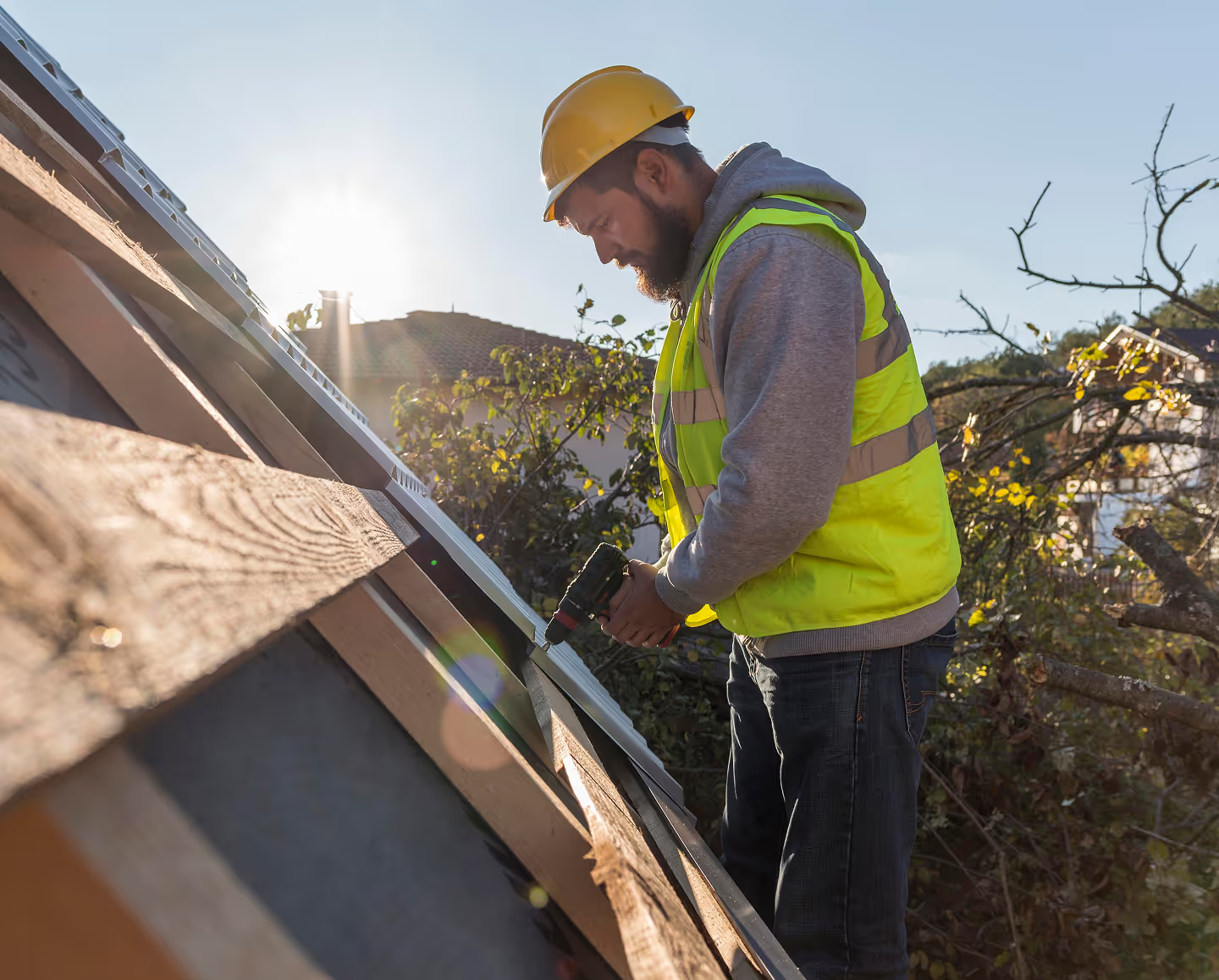
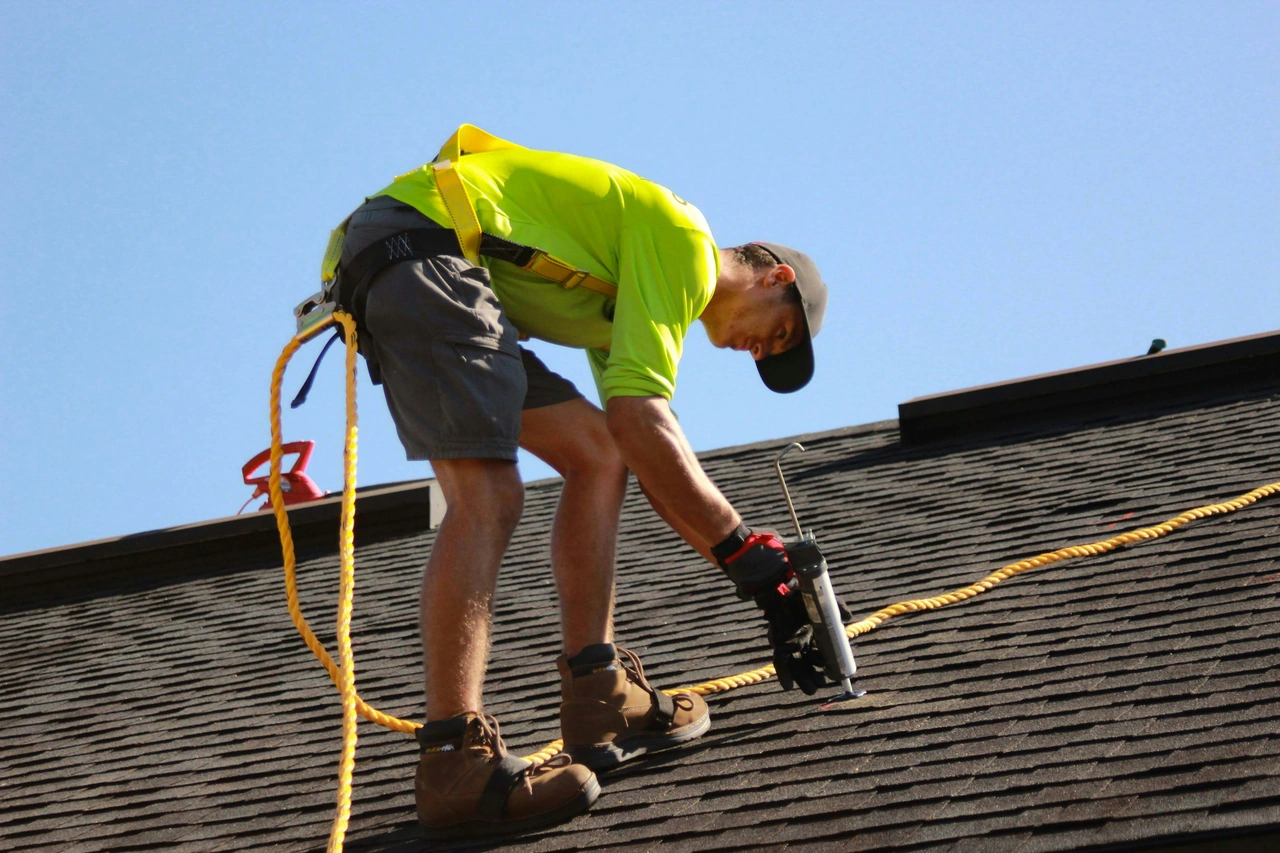
The restoration usually begins with structural reinforcement. We examine the roof deck (the plywood layer) and the trusses or rafters beneath it. If a rafter is cracked, the structural integrity of your entire home is at risk. We often have to replace sections of the decking, reinstall underlayment, and then meticulously match your existing shingles to ensure a seamless look. Throughout this process, we keep a keen eye on water infiltration, ensuring that every layer is watertight. For more detailed insights, you can explore professional resources on structural roof repair.
Coordinating Tree Removal with Tree Fallen Roof Repair
One of the biggest mistakes homeowners make is trying to handle the tree removal and the roof repair as two completely separate, uncoordinated events. This is a recipe for disaster. If a tree is removed incorrectly, the shift in weight can cause the remaining roof structure to buckle or collapse inward.
We recommend hiring a professional tree removal service or a certified arborist who has experience with "crane-assisted" removals. Using a crane allows the crew to lift the tree straight up off the house rather than dragging it across your shingles, which would cause even more damage. We coordinate closely with these experts to ensure that as soon as the tree is lifted, our team is ready to provide professional support by immediately tarping the hole to prevent rain from entering your home.
Estimating the Cost of Tree Fallen Roof Repair
Let's talk numbers. We know the cost is the first thing on your mind after the initial shock wears off. The price of tree fallen roof repair varies wildly based on the severity of the strike.
| Damage Level | Typical Repairs Needed | Estimated Cost Range |
|---|---|---|
| Minor | Shingle replacement, gutter repair, minor flashing fix | $300 - $1,500 |
| Moderate | Roof deck replacement, multiple shingle squares, minor rafter bracing | $1,500 - $5,000 |
| Major/Structural | Rafter/Truss replacement, large sections of decking, interior ceiling repair | $5,000 - $15,000+ |
| Full Replacement | Total structural failure or aged roof with widespread damage | $10,000 - $30,000+ |
Factors that influence these prices include the height of your roof, the pitch (steepness), the materials used (asphalt vs. slate), and whether emergency tarping fees apply. Most emergency tarping services range from $300 to $1,000 depending on the size of the area covered.
Deciding Between Roof Repair or Full Replacement
One of the most common questions we get in Central Ohio is: "Do I just fix the hole, or do I need a whole new roof?"
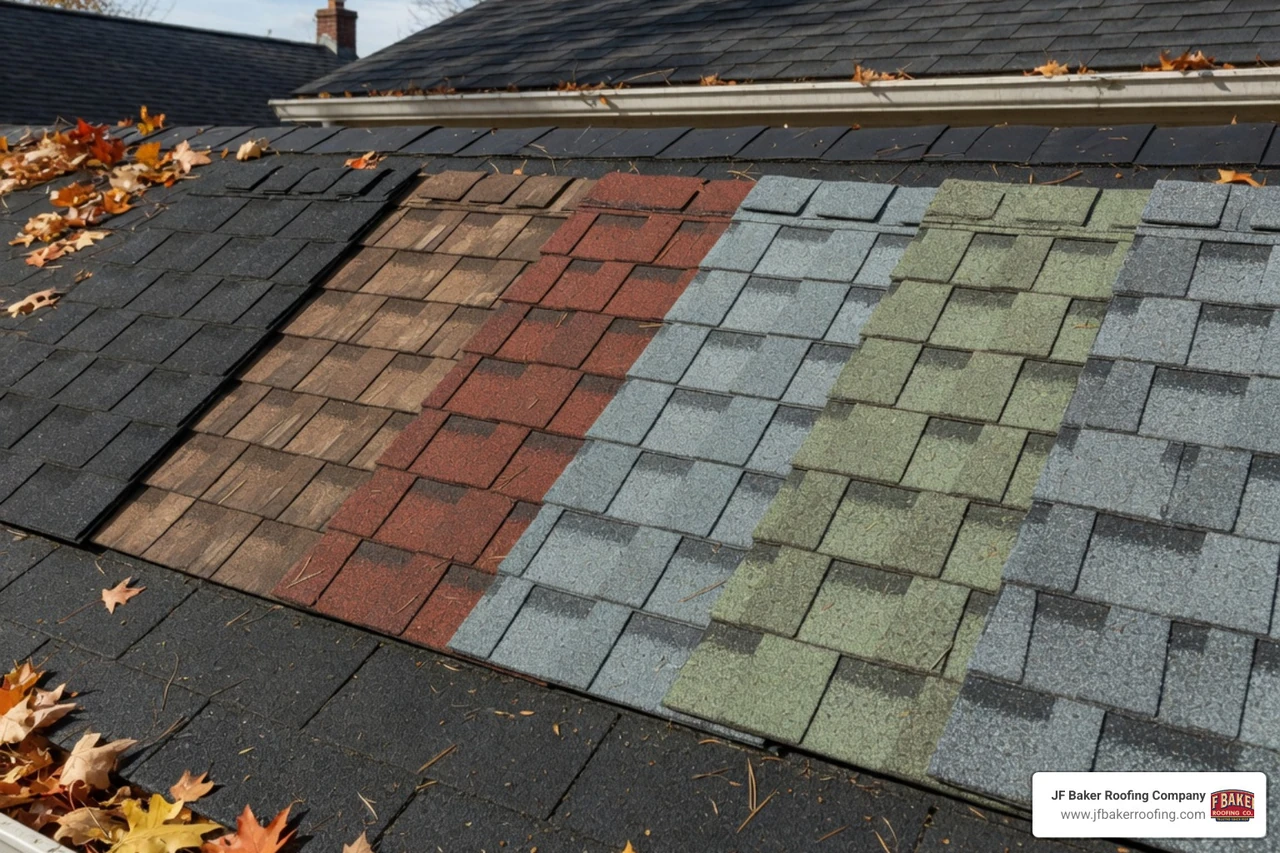
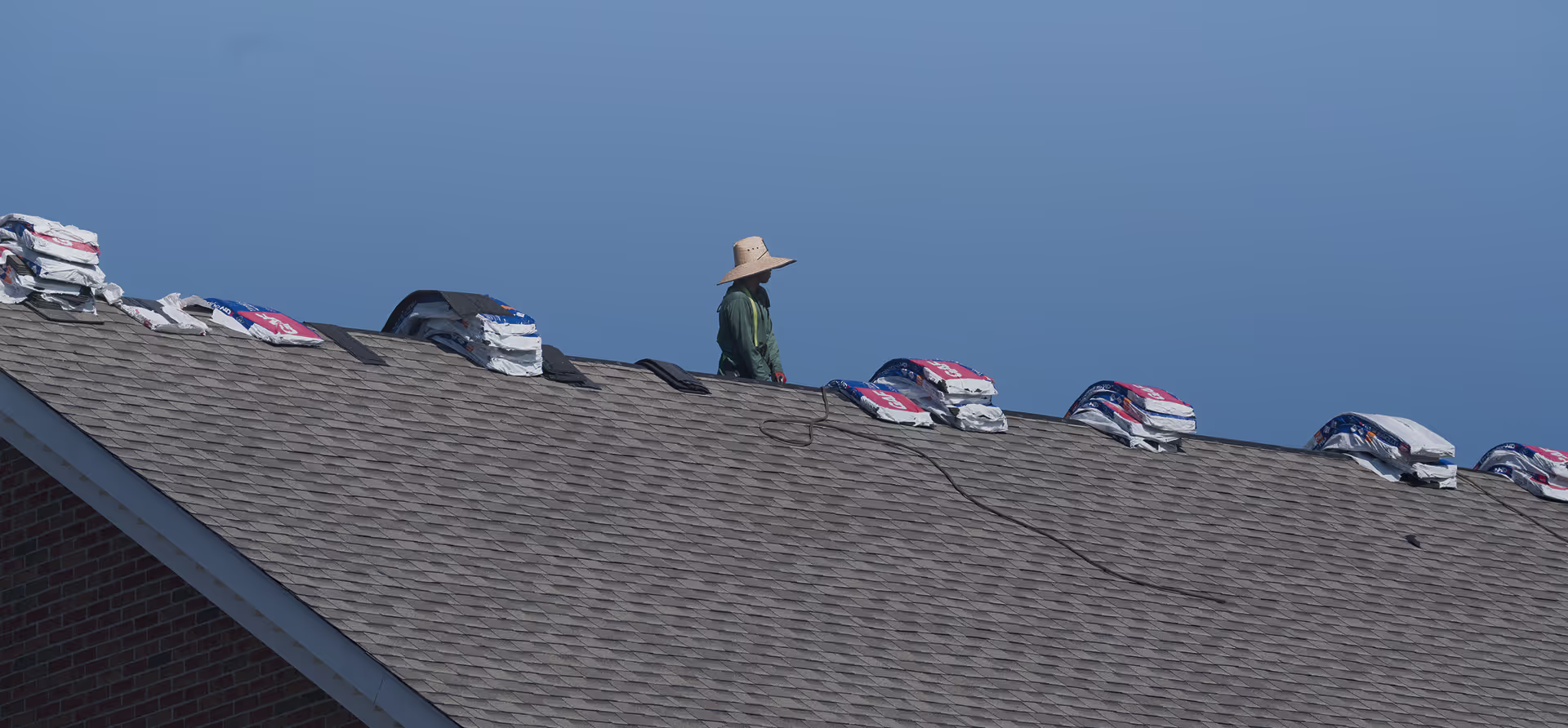
The answer often depends on the age of your roof. Standard asphalt shingles have a lifespan of about 20 years. If your roof is already 15 years old and a tree damages 30% of it, it usually makes more financial sense to go for a full replacement. Why? Because 85% of the U.S. roofing market is focused on replacing existing roofs, and insurance may cover a significant portion of that cost if the damage is storm-related. If you're unsure, our Residential Roofing experts can provide an honest assessment of whether a repair will hold up or if you're just throwing good money after bad.
Navigating Insurance Claims and Avoiding Scams
Filing an insurance claim can feel like learning a second language. Generally, homeowners insurance covers tree damage caused by "perils" like wind, hail, or lightning. However, they may deny a claim if they determine "negligence"—for example, if you let a dead, rotting tree stand for years despite warnings.
Watch out for "storm chasers." These are contractors who knock on doors after a big storm in Dublin or Westerville, offering "free" roofs or asking for money upfront. Always work with a local company that has a permanent address and a solid reputation. For a deeper dive into the mechanics of these repairs, it is essential to work with professionals who understand structural load and water mitigation.
How to Prevent Future Tree Damage to Your Roof
The best way to handle a tree on your roof is to make sure it never gets there in the first place. Proactive maintenance is significantly cheaper than an emergency repair bill.
We recommend maintaining a 6-foot clearance between your roof and any overhanging branches. This prevents branches from scraping away the protective granules on your shingles—a process that acts like sandpaper every time the wind blows. Regular pruning helps trees grow stronger crotches that are less likely to snap during an Ohio ice storm. Additionally, keeping your Gutters and Drainage clear prevents debris from trapping moisture against your roof, which can rot the wood and make it easier for a falling branch to punch through.
Warning Signs of Unstable Trees
You don't need to be a botanist to spot a dangerous tree. Keep an eye out for these "red flags" during your next yard walk:
- Cracked or Heaving Soil: This suggests the root system is failing and the tree could uproot at any moment.
- Peeling Bark or Fungus: Mushrooms growing on the trunk are often a sign of internal rot.
- Hollow Cavities: Large holes in the trunk significantly weaken the tree's structural integrity.
- Dead Limbs: If the top of the tree (the crown) has no leaves while the rest does, those branches are likely dead and ready to fall.
If you notice these signs, call a certified arborist immediately to evaluate the tree.
Frequently Asked Questions about Tree-Related Roof Damage
Will homeowners insurance cover a tree falling on my roof?
In most cases, yes. If a healthy tree falls due to a covered peril like a windstorm or lightning, your policy should cover the cost of tree removal (if it hit a structure) and roof repairs, minus your deductible. It may even cover personal property inside the home that was damaged by the impact or subsequent rain. However, if the tree was dead and you ignored it, the insurance company might claim "maintenance negligence" and deny the payout.
Can I remove the tree from my roof myself?
We strongly advise against this. DIY tree removal is incredibly dangerous. Aside from the risk of falling or being hit by a shifting log, removing weight from a damaged roof can cause the structure to "spring" or collapse. Professionals use specialized equipment and rigging to ensure the tree comes off without further compromising your home’s safety.
What temporary measures prevent water damage until help arrives?
If it is safe to do so, cover any holes with heavy-duty plastic sheeting or tarps. Secure them with 2x4 wooden strips or sandbags—never use nails if you can avoid it, as they create more holes! Inside the house, move your valuables to a dry room and place buckets under any active drips. If the ceiling is sagging from water weight, you can carefully poke a small hole in the center of the sag to drain the water into a bucket, preventing a sudden, messy ceiling collapse.
Conclusion
At JF Baker Roofing Company, we’ve spent over 96 years helping our neighbors in Columbus, Upper Arlington, Delaware, and throughout Central Ohio recover from nature’s toughest blows. We pride ourselves on family-owned integrity, quality craftsmanship, and transparent pricing that keeps our customers coming back (though we hope you never have another tree emergency!).
If you are facing the aftermath of a storm, don't wait for the damage to get worse. From emergency tarping to full structural restoration, our team is ready to help. Contact us today for expert Storm Damage Repairs and let us put a solid roof back over your head.











.jpeg)