Should I Replace My Roof Before It Starts Leaking
Should You Replace My Roof Before It Leaks? Here's the Short Answer
If you're wondering whether it's time to replace my roof, here are the key situations where replacement makes sense before a leak ever appears:
- Your roof is 20+ years old (asphalt shingles) or showing widespread wear
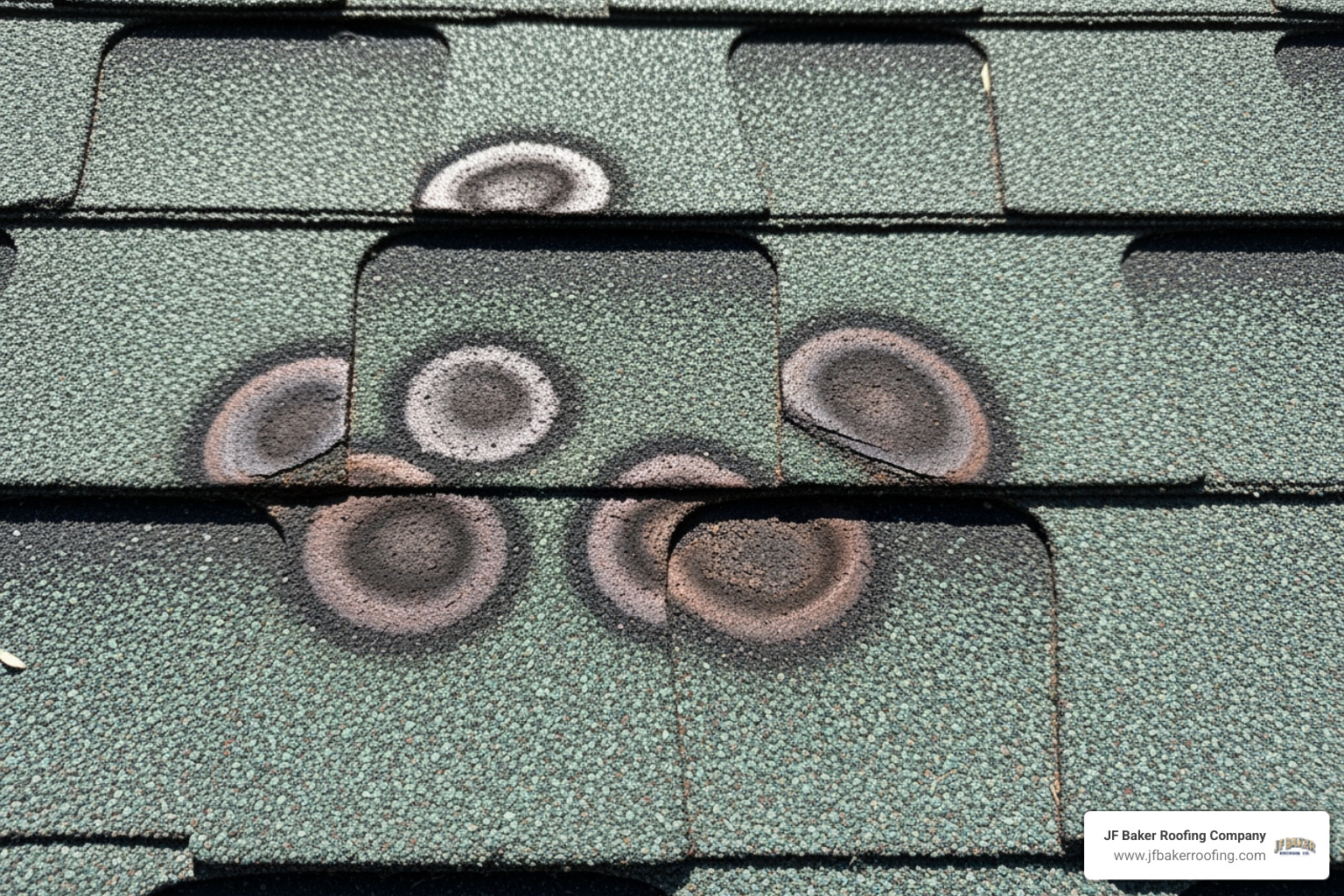
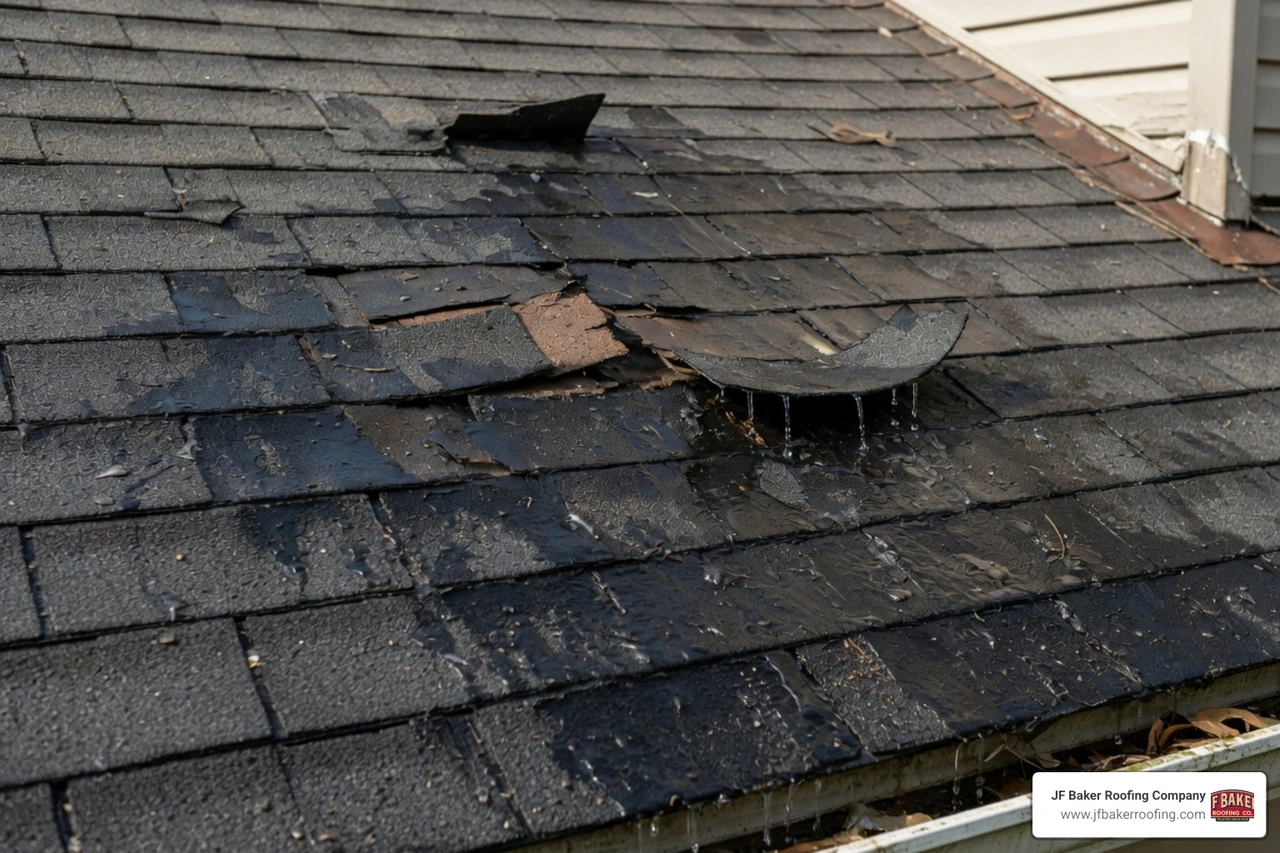
- You see curling, cracking, or missing shingles across large areas
- Granules are collecting in your gutters regularly
- Your roof deck is sagging in any area
- You've had multiple repairs and problems keep coming back
- Repair costs would exceed 30% of the price of a full replacement
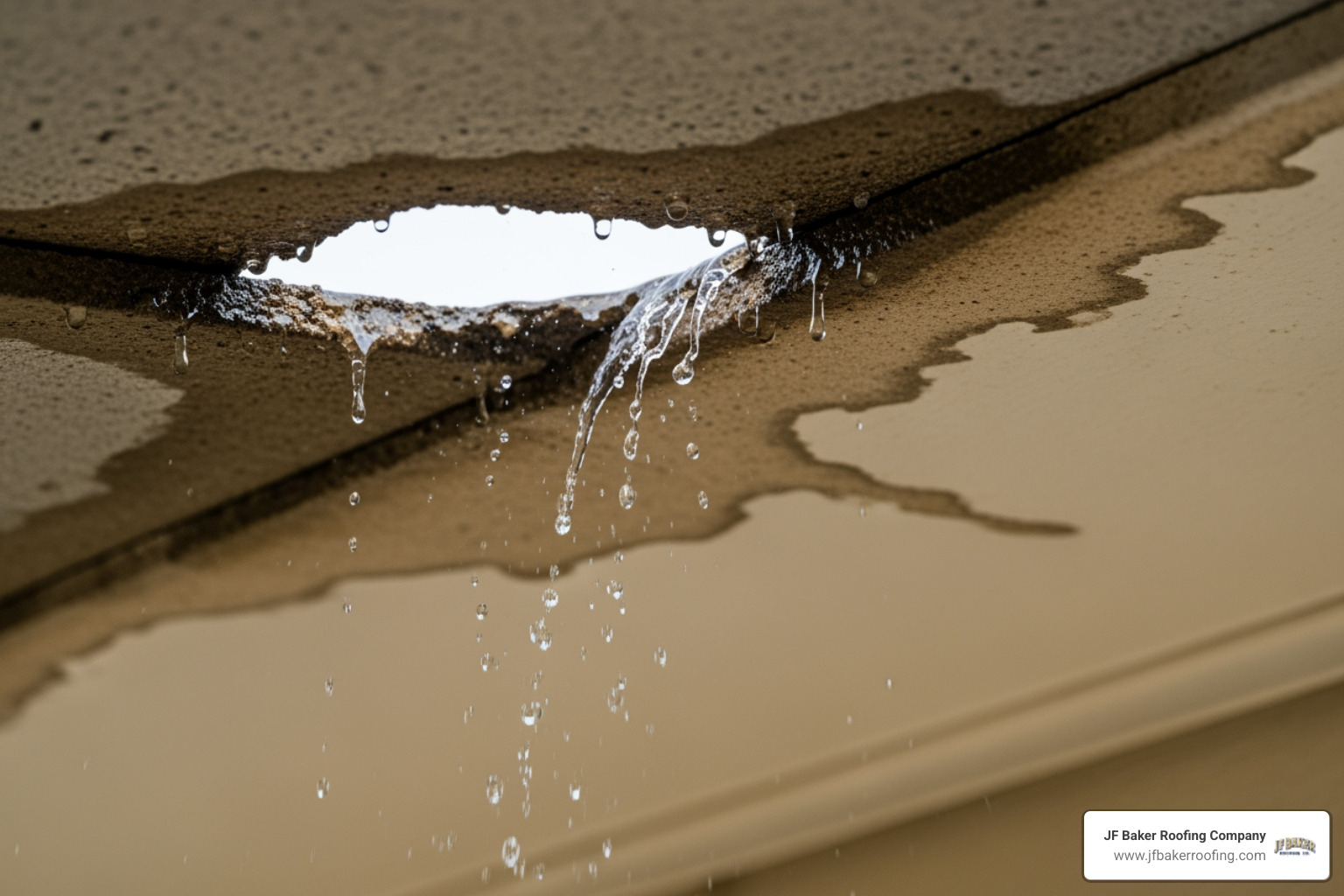
Most homeowners wait for a drip to hit the ceiling before they think about their roof. By then, water has often already worked its way into the decking, insulation, and sometimes the walls. What started as a manageable roofing issue becomes a much bigger, more expensive problem.
JF Baker Roofing has been helping Columbus families protect their homes since 1929. Now led by third-generation owners Chad and Pat Baker, we have seen how Ohio winters and spring storms affect local roofs. In nearly a century of work, the pattern is consistent: homeowners who act before a leak starts almost always spend less and stress less than those who wait. This guide helps you figure out where your roof stands, with the kind of honest advice you would expect from a neighbor.
Key Signs It Is Time to Replace My Roof

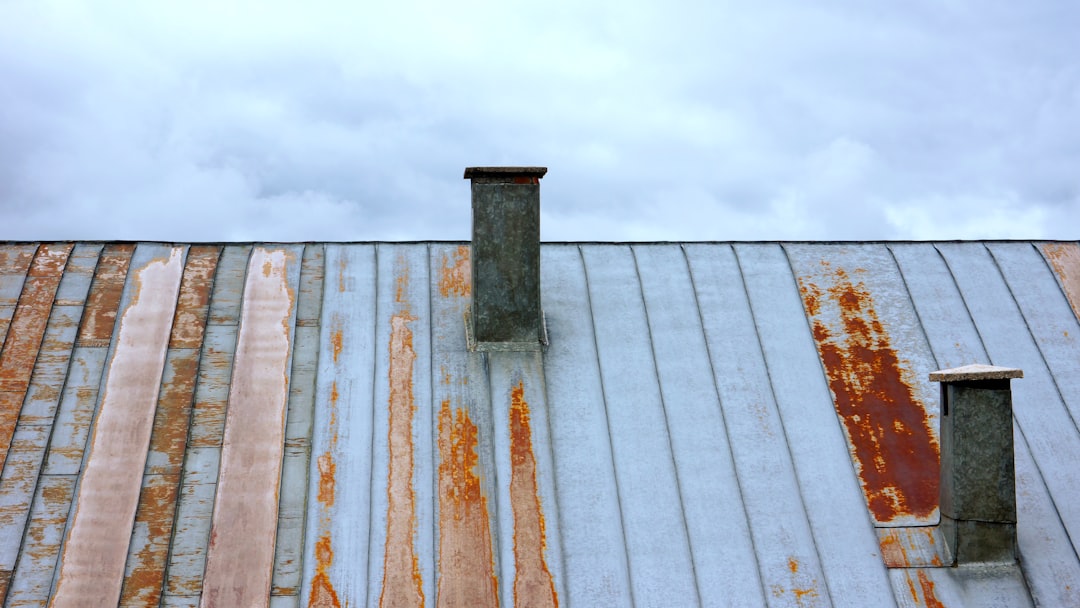
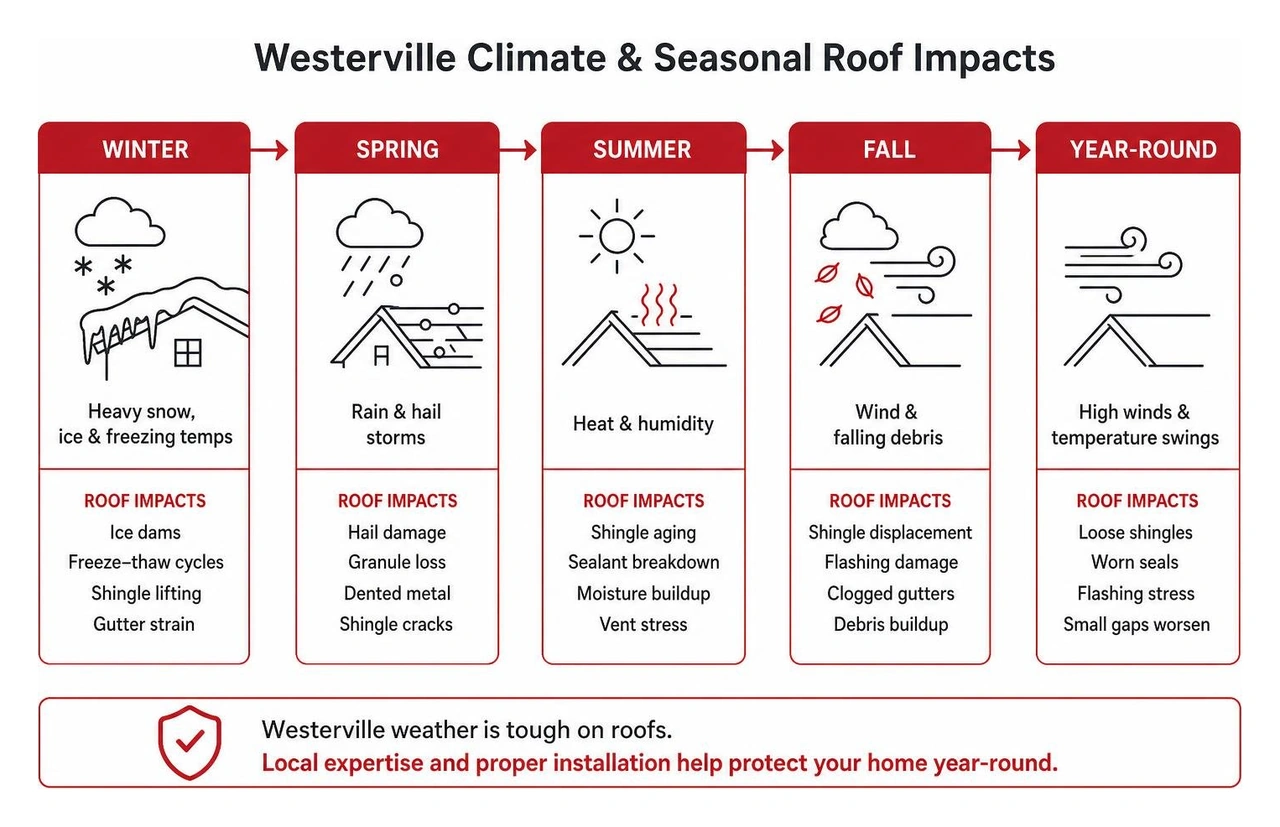
Identifying the need for a new roof often starts with a visual inspection from the ground. You don't necessarily need to climb a ladder to see the most common warning signs. One of the most obvious indicators is the condition of your shingles. When asphalt shingles reach the end of their functional life, they begin to curl at the edges or buckle in the middle. This happens because the asphalt base dries out over years of exposure to the Ohio sun and fluctuating temperatures.
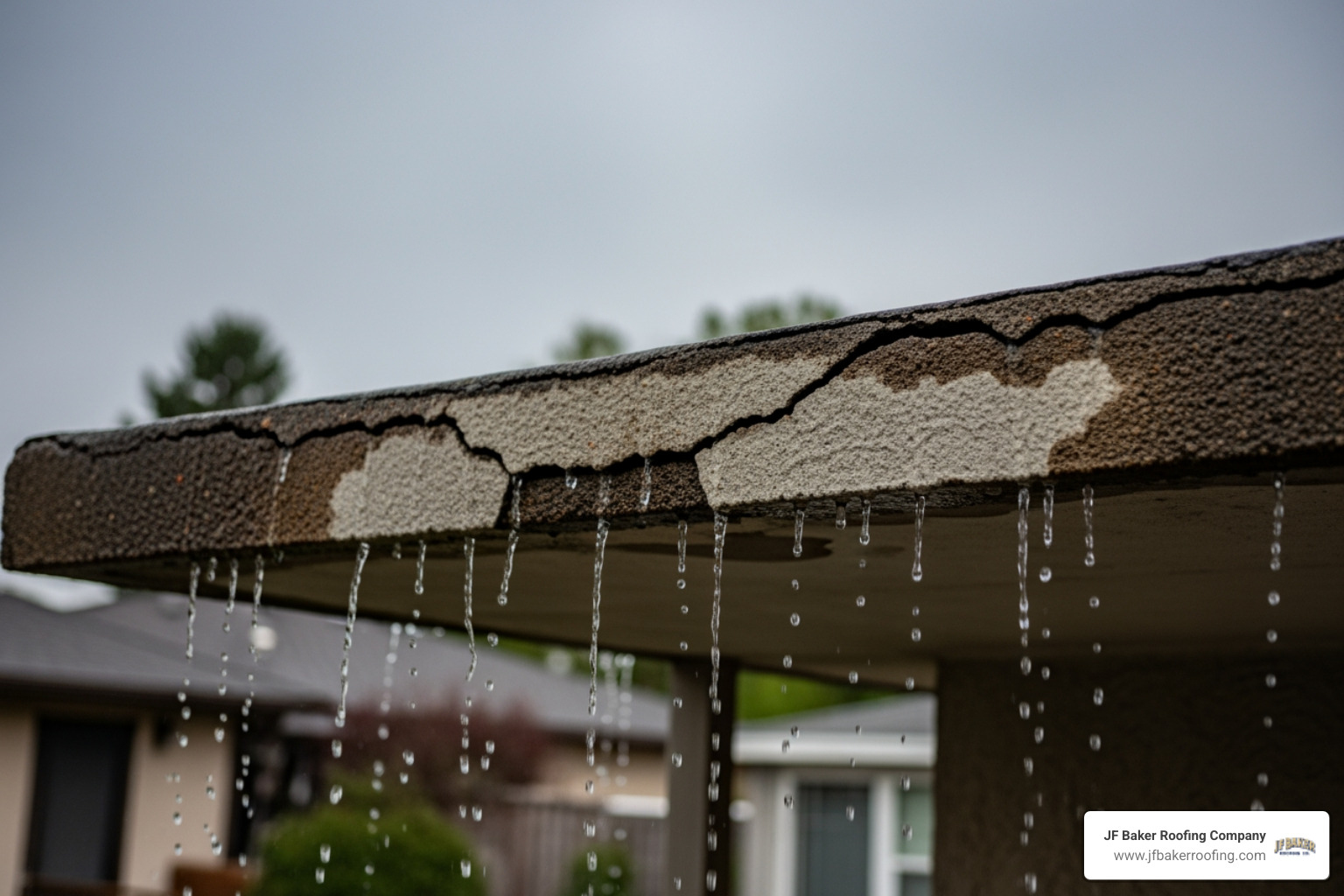
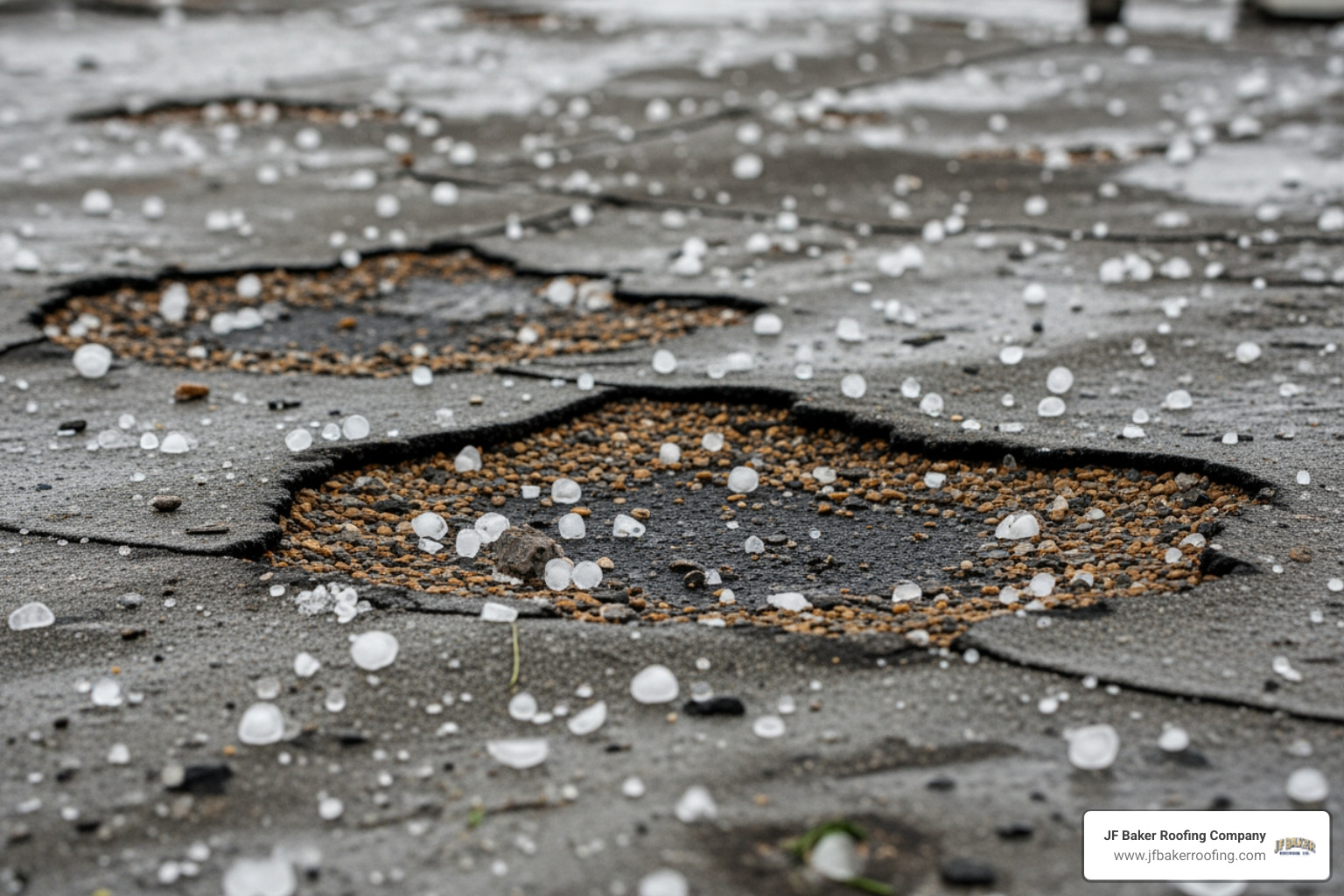
Another major sign is granule loss. Those tiny, sand-like pebbles on your shingles aren't just for color; they protect the asphalt from UV rays. If you notice "roof sand" piling up in your gutters or washing out of your downspouts after a heavy rain in Dublin or Westerville, it’s a sign your shingles are becoming brittle. Without that protective layer, the shingles will crack and fail much faster.
According to InterNACHI’s Standard Estimated Life Expectancy Chart for Homes, while high-quality asphalt shingles can provide decades of protection, they eventually succumb to the elements. If you want to dive deeper into these indicators, our How to Know When It's Time to Replace Your Roof: A Complete Homeowner's Guide offers a comprehensive checklist.
Inside your home, the attic is your best friend for early detection. On a sunny day, turn off the lights in your attic. If you see pinpricks of daylight coming through the roof boards, water can definitely get in too. Also, keep an eye out for a sagging roof deck. A roofline should be straight; if you notice dips or "waves" in the surface, it could indicate trapped moisture has rotted the underlying wood.
Comparing Costs and Materials for Your New Roof
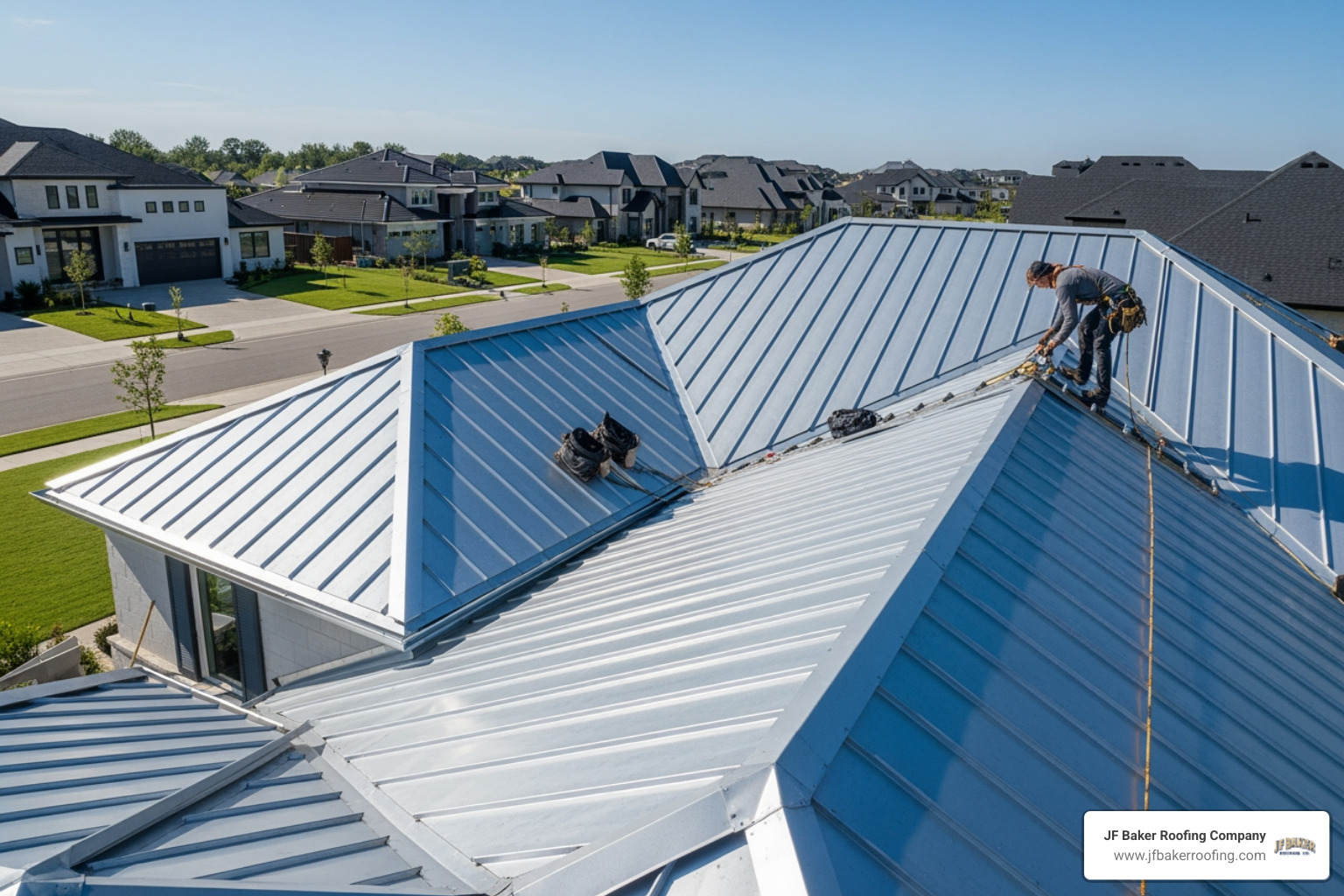
When you decide to replace my roof, the material you choose is the biggest factor in both the project's longevity and its overall cost. In Central Ohio, asphalt shingles remain the most popular choice due to their balance of performance and value. However, modern options like metal or even synthetic slate are gaining traction for homeowners looking for "lifetime" solutions.
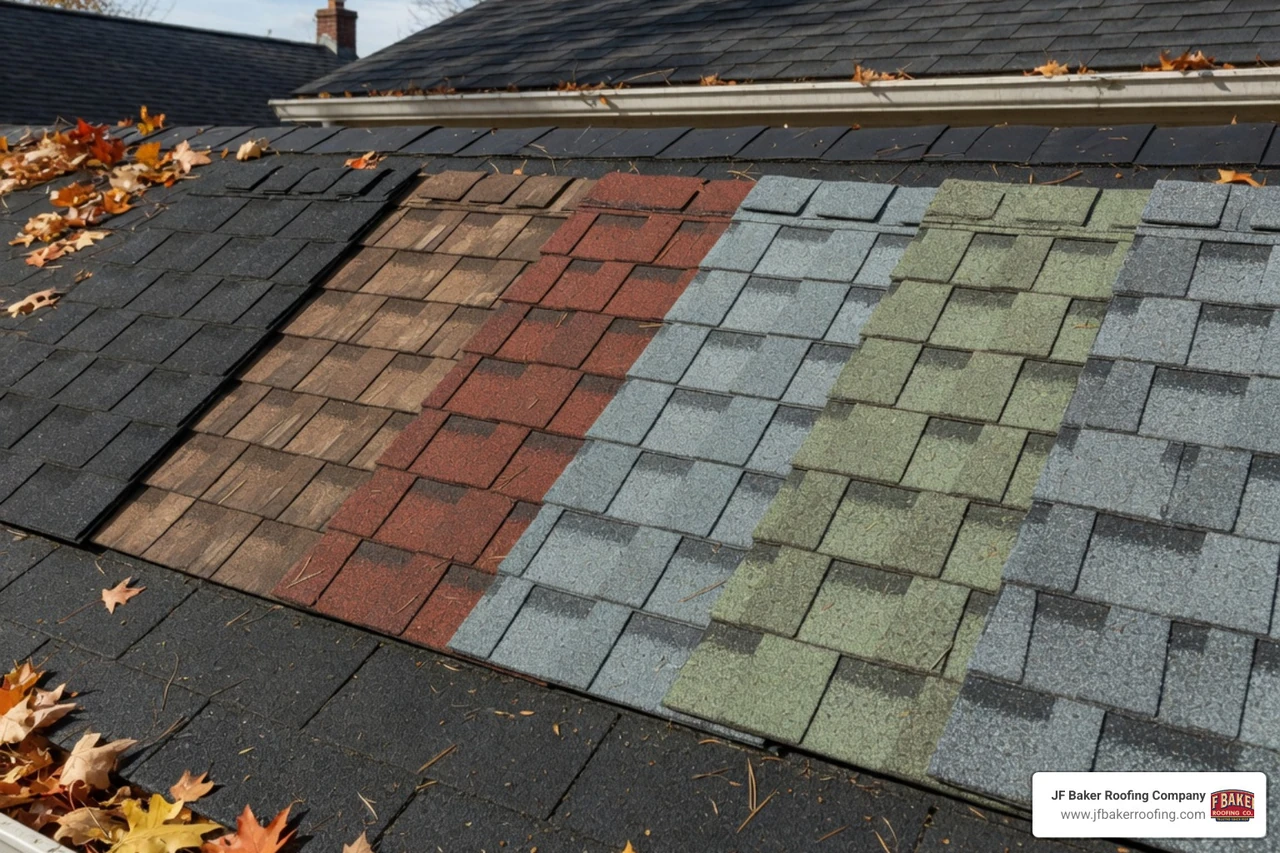
Asphalt shingles come in two main varieties: 3-tab and architectural. 3-tab shingles are the traditional, flat-looking option, while architectural shingles are thicker, more durable, and offer a dimensional look. For those living in areas like Upper Arlington or Bexley where aesthetic charm is key, architectural shingles often provide the best curb appeal.
Here is a quick look at how common materials compare:
| Material Type | Estimated Lifespan | Main Pros | Main Cons |
|---|---|---|---|
| 3-Tab Asphalt | 15-20 Years | Most affordable upfront | Shorter life, lower wind resistance |
| Architectural Shingle | 25-30 Years | Better wind resistance, great look | Higher cost than 3-tab |
| Metal Roofing | 40-70 Years | Extremely durable, energy-efficient | Higher initial investment |
| Slate or Tile | 50-100+ Years | Historical beauty, fire-resistant | Very heavy, requires reinforced framing |
Beyond the material itself, factors like roof pitch and square footage play a huge role. A steep roof requires more safety equipment and labor time, which increases the cost. Additionally, the complexity of your roof, including the number of valleys, dormers, and chimneys, will influence the final estimate. For a breakdown of what exactly goes into your roofing system, check out The Main Components of a Residential Roof in Columbus, Ohio: What Central Ohio Homeowners Should Know.
We understand that a new roof is a significant investment. That is why we focus on transparent communication and offer financing options to help make the project manageable for your family budget.
Deciding Between Roof Repair and Full Replacement
One of the most frequent questions we hear is: "Can I just patch it?" It’s a fair question. If you have a single leak or a few shingles that blew off during a storm in Gahanna, a repair is often the most sensible and cost-effective route.
We generally use the "30% Rule" as a guide. If the damaged area covers more than 30% of the roof, or if the cost of multiple repairs starts approaching a significant portion of the replacement cost, it’s usually smarter to invest in a new roof. Continually patching an old roof is like playing "whack-a-mole" with leaks; eventually, the cost of the patches will exceed the cost of the replacement, and you’ll still have an old roof.
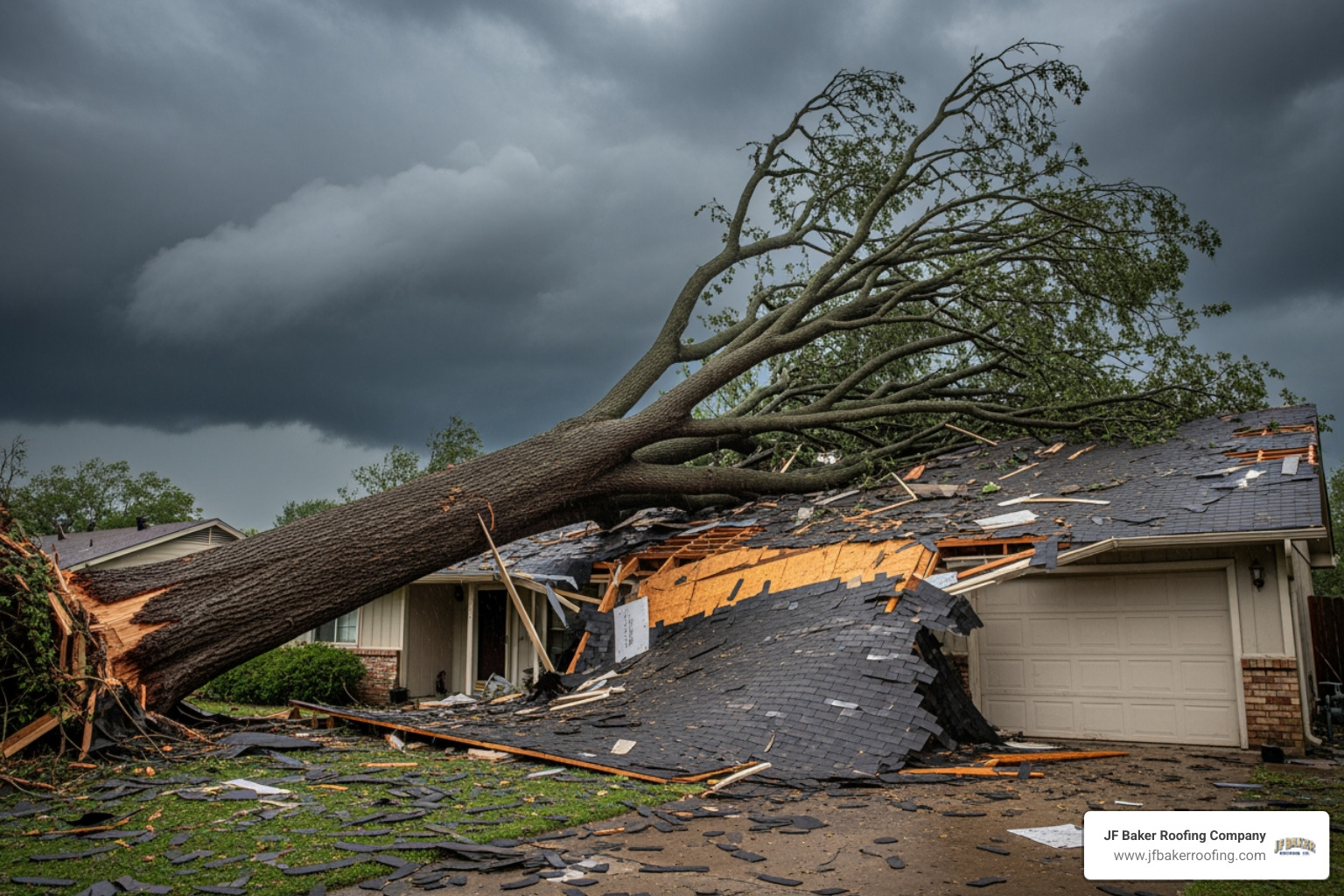
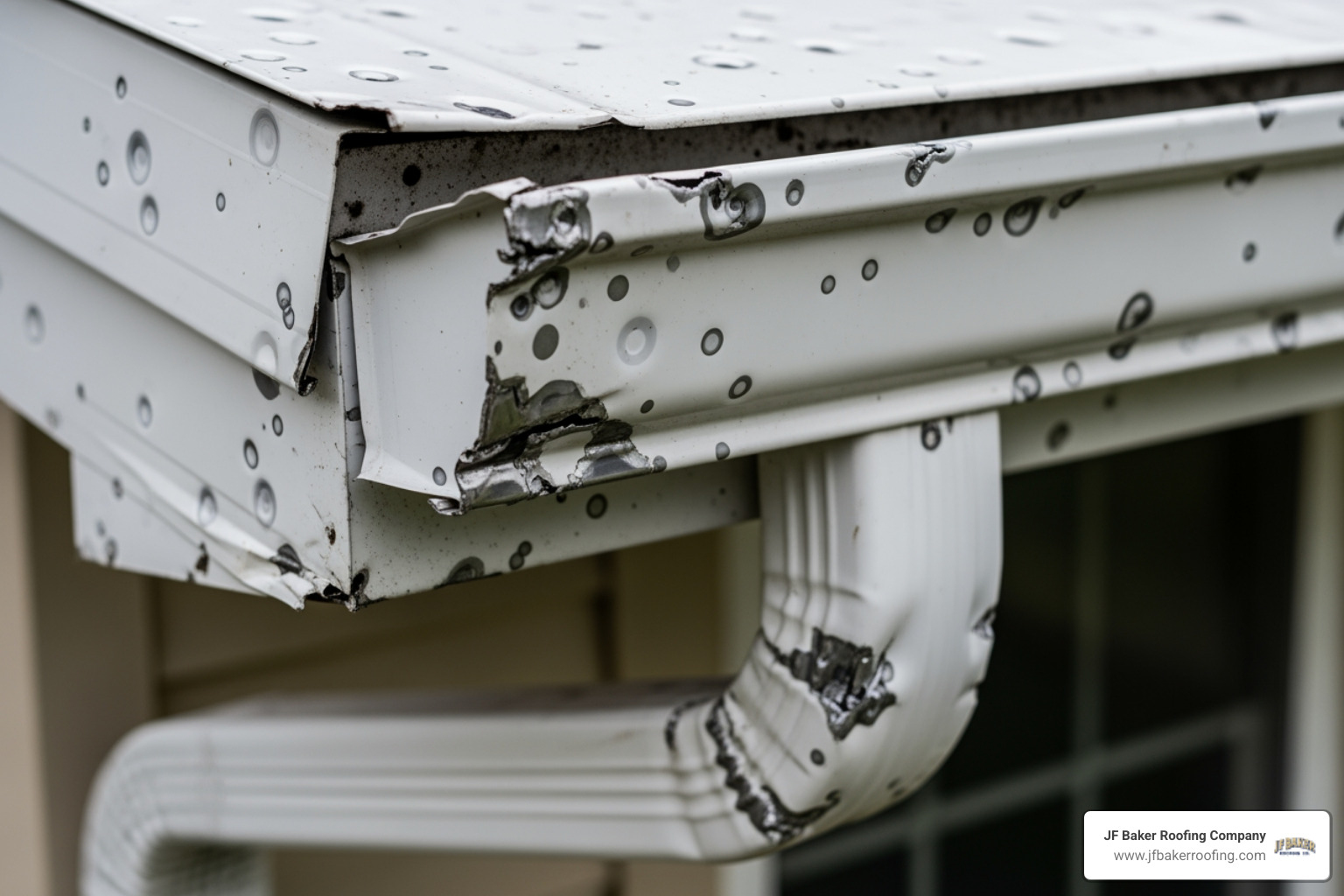
Age is the other deciding factor. If your roof is 20 years old and starts leaking, a repair is often just a temporary bandage on a system that has reached its natural expiration. However, if a relatively new roof is damaged by a fallen branch or high winds, a localized repair is perfectly appropriate. The National Severe Storms Laboratory wind damage classifications note that winds over 50-60 mph can cause damage even to healthy roofs, making professional inspections vital after severe weather.
If you are unsure which path to take, our team provides honest assessments. We won't try to sell you a full replacement if a repair will genuinely solve the problem. You can learn more about our approach to Residential Roofing and how we help homeowners make this choice.
The Professional Process to Replace My Roof

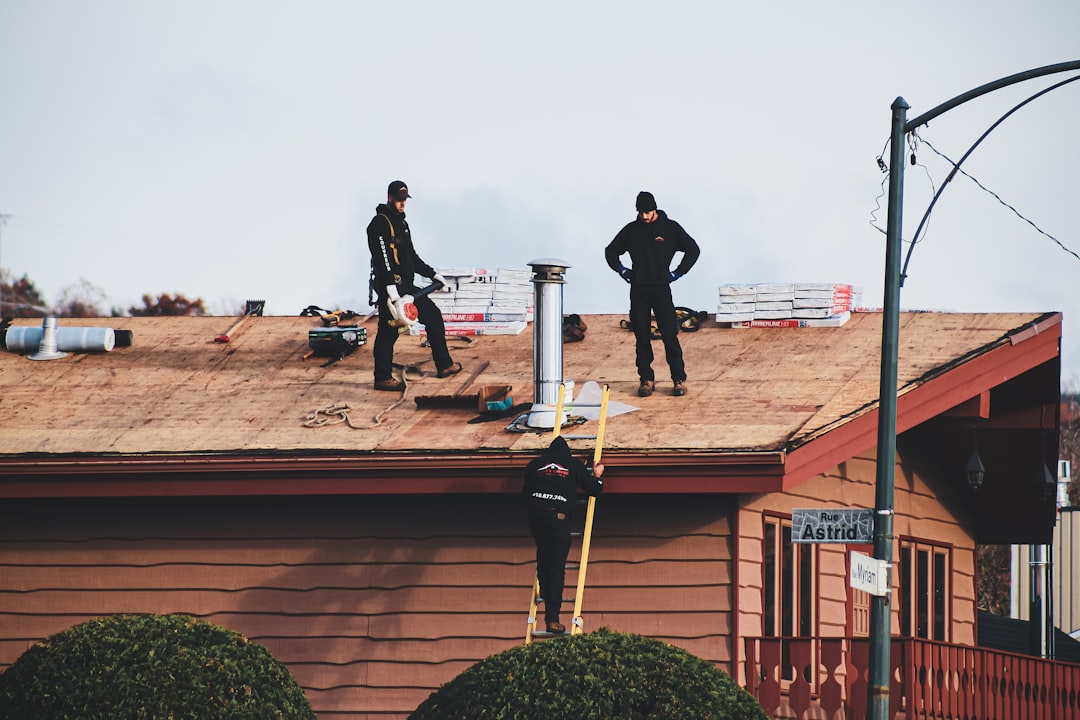
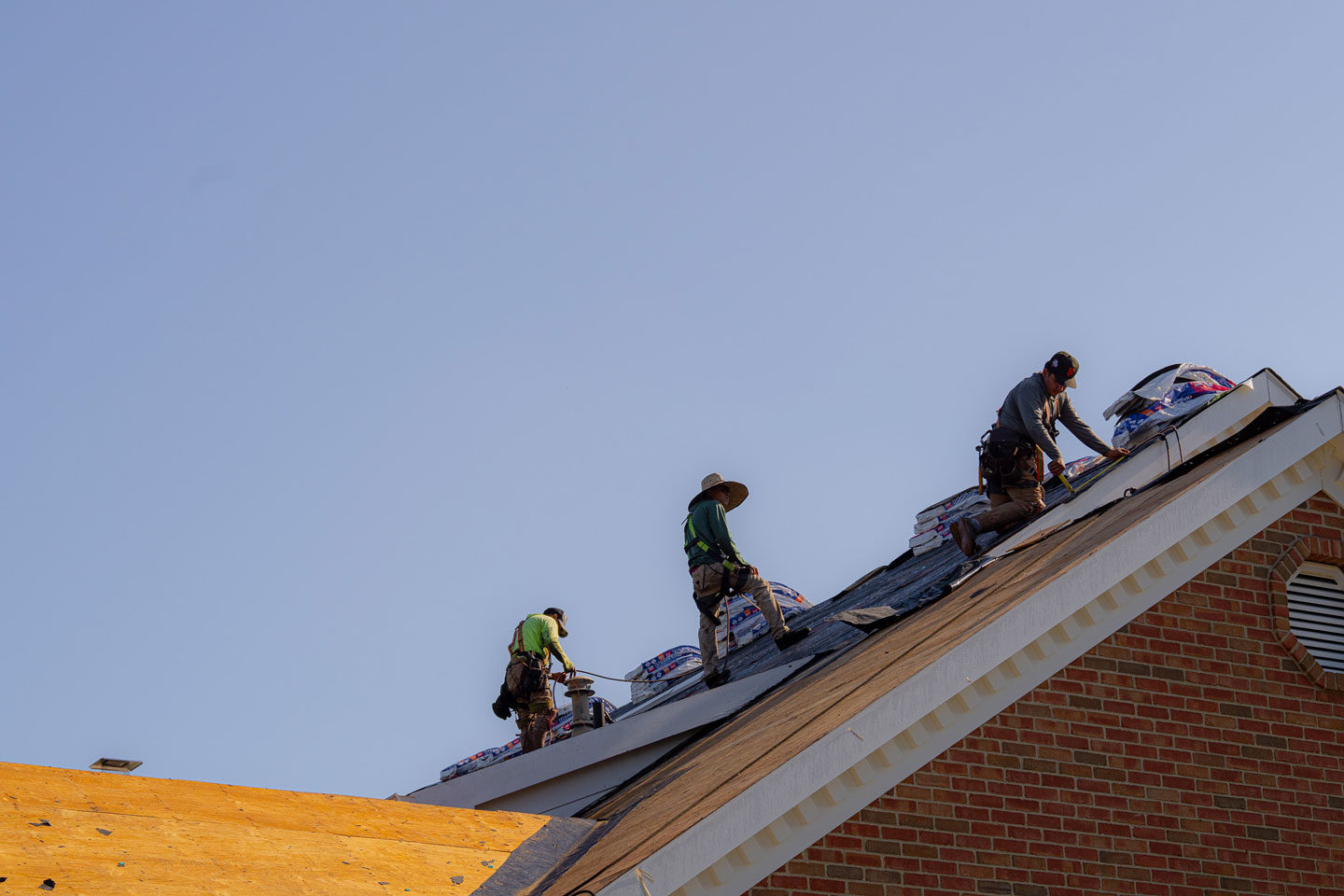
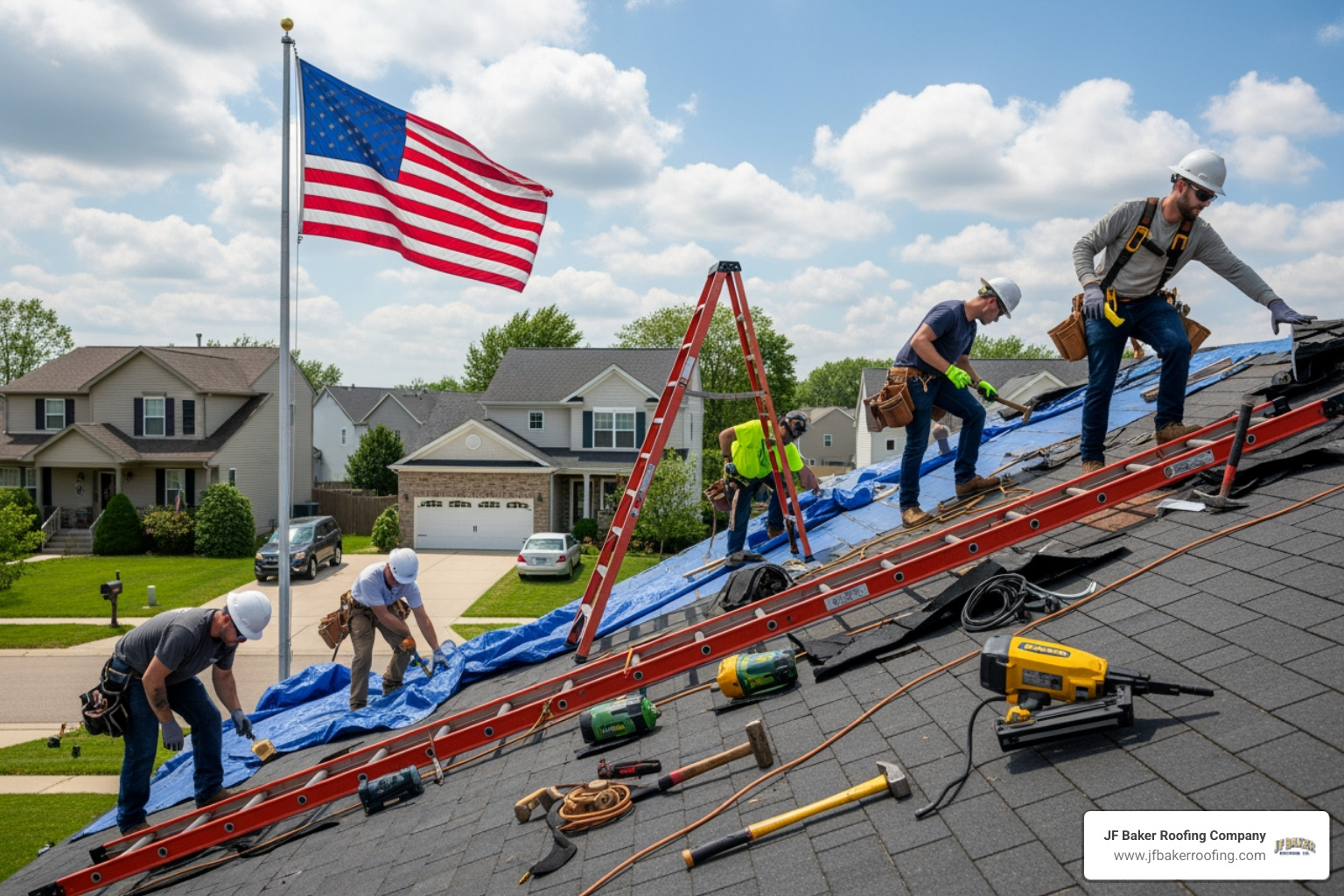
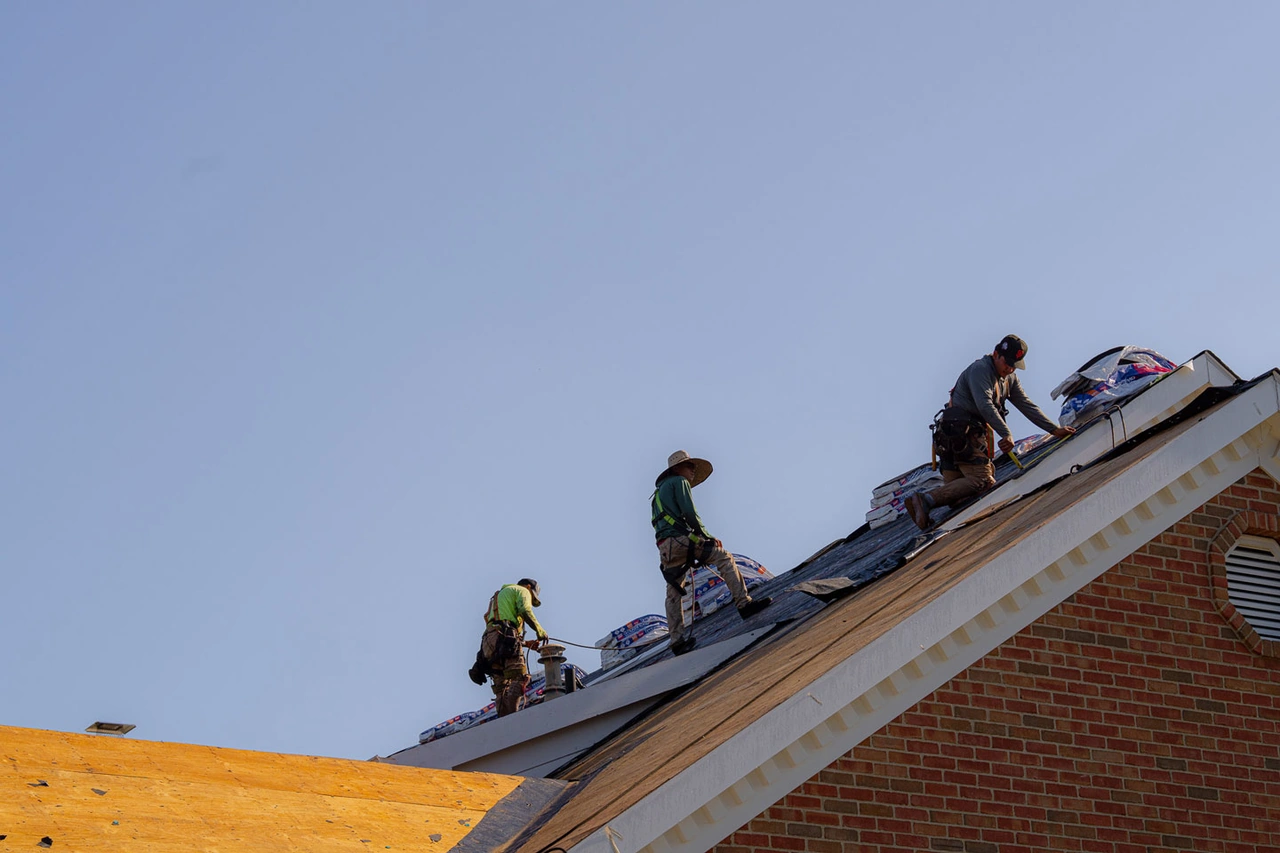
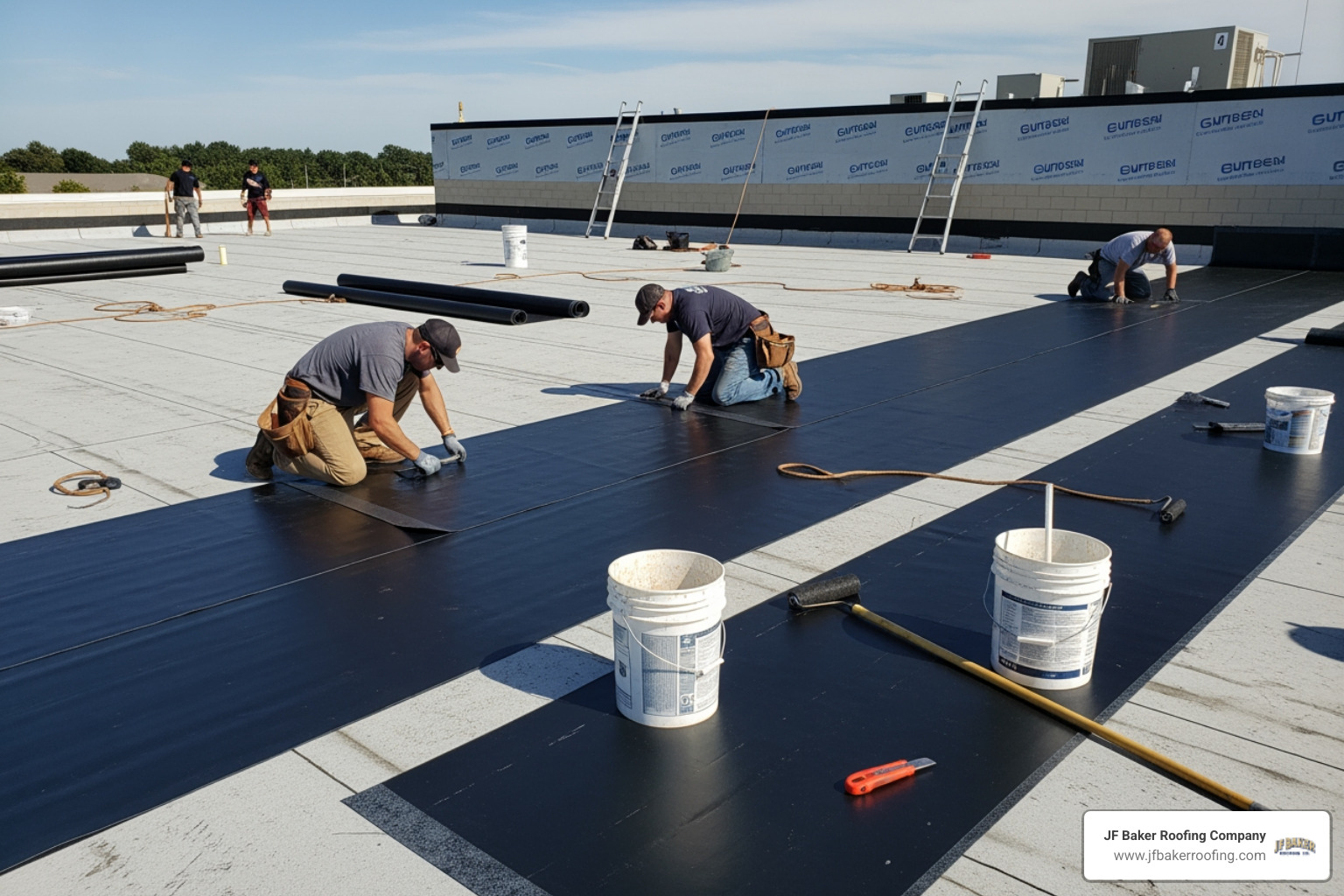
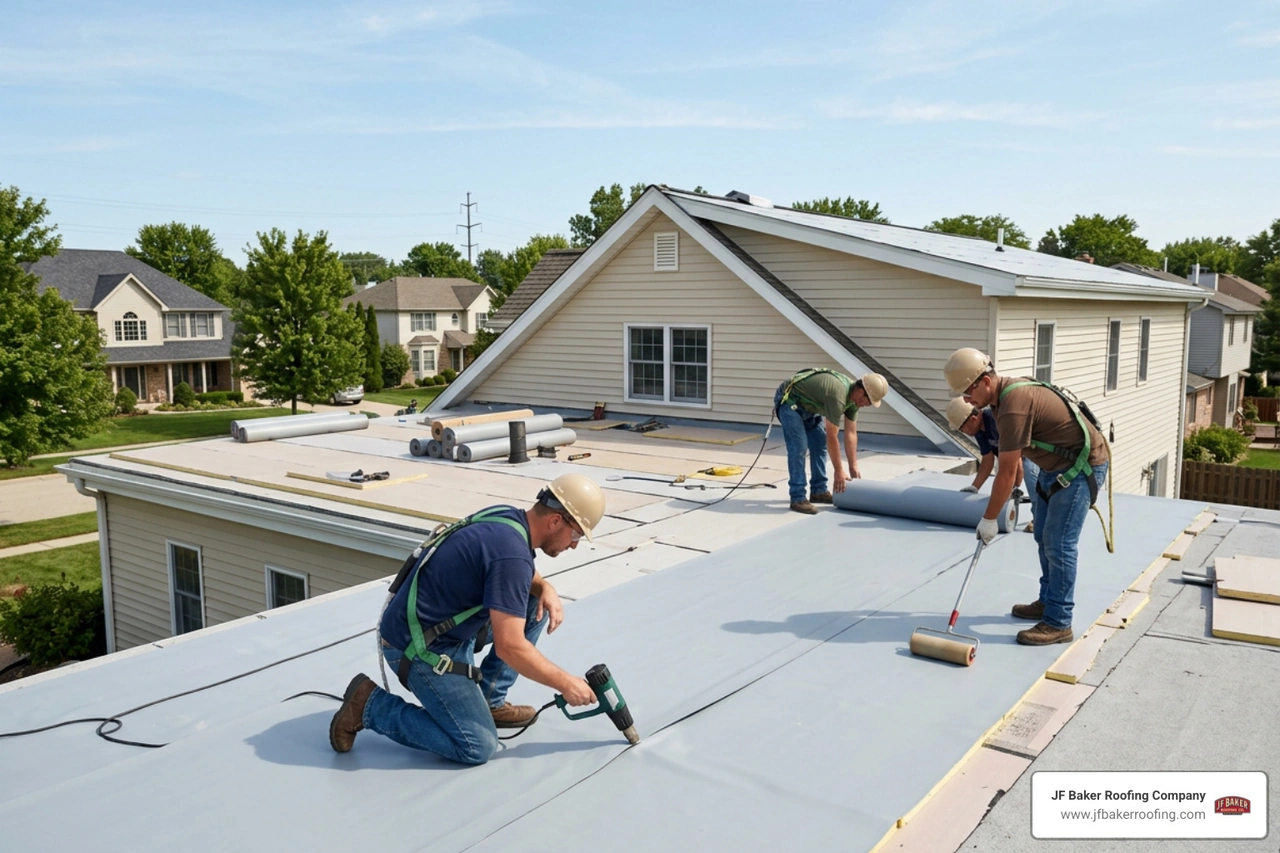
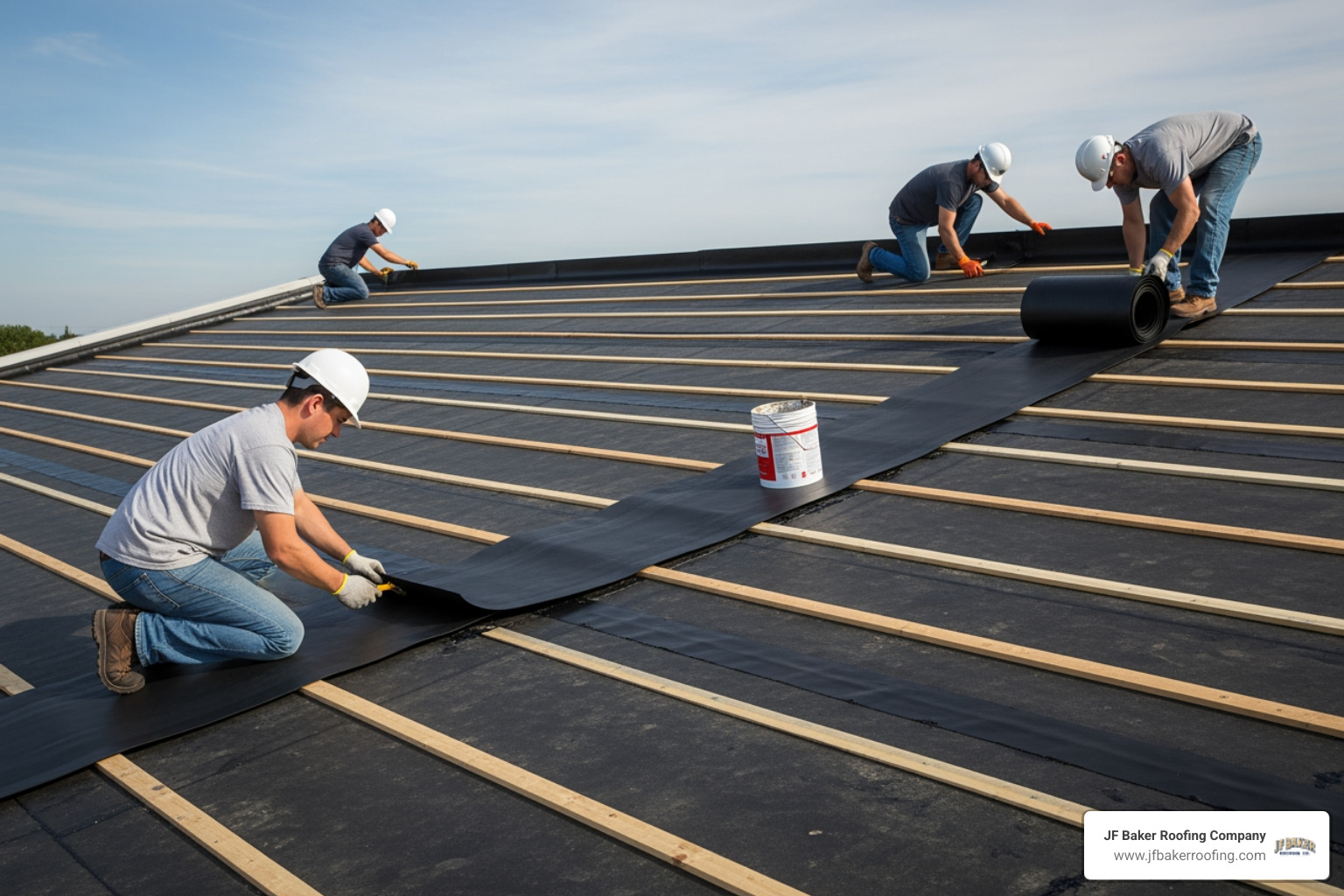
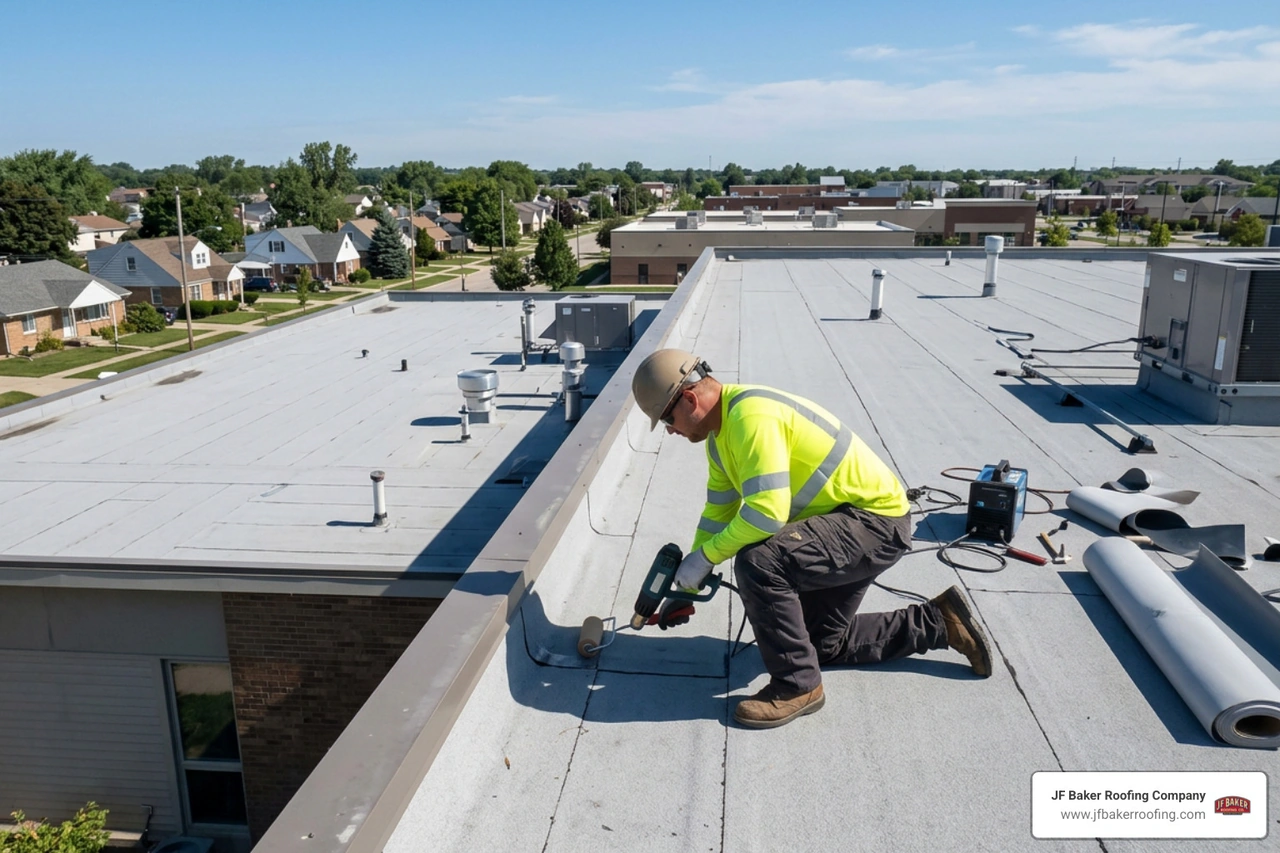
A professional roof replacement is a highly coordinated event. While it might look like chaos from the sidewalk, a structured process ensures the new roof will last for decades.
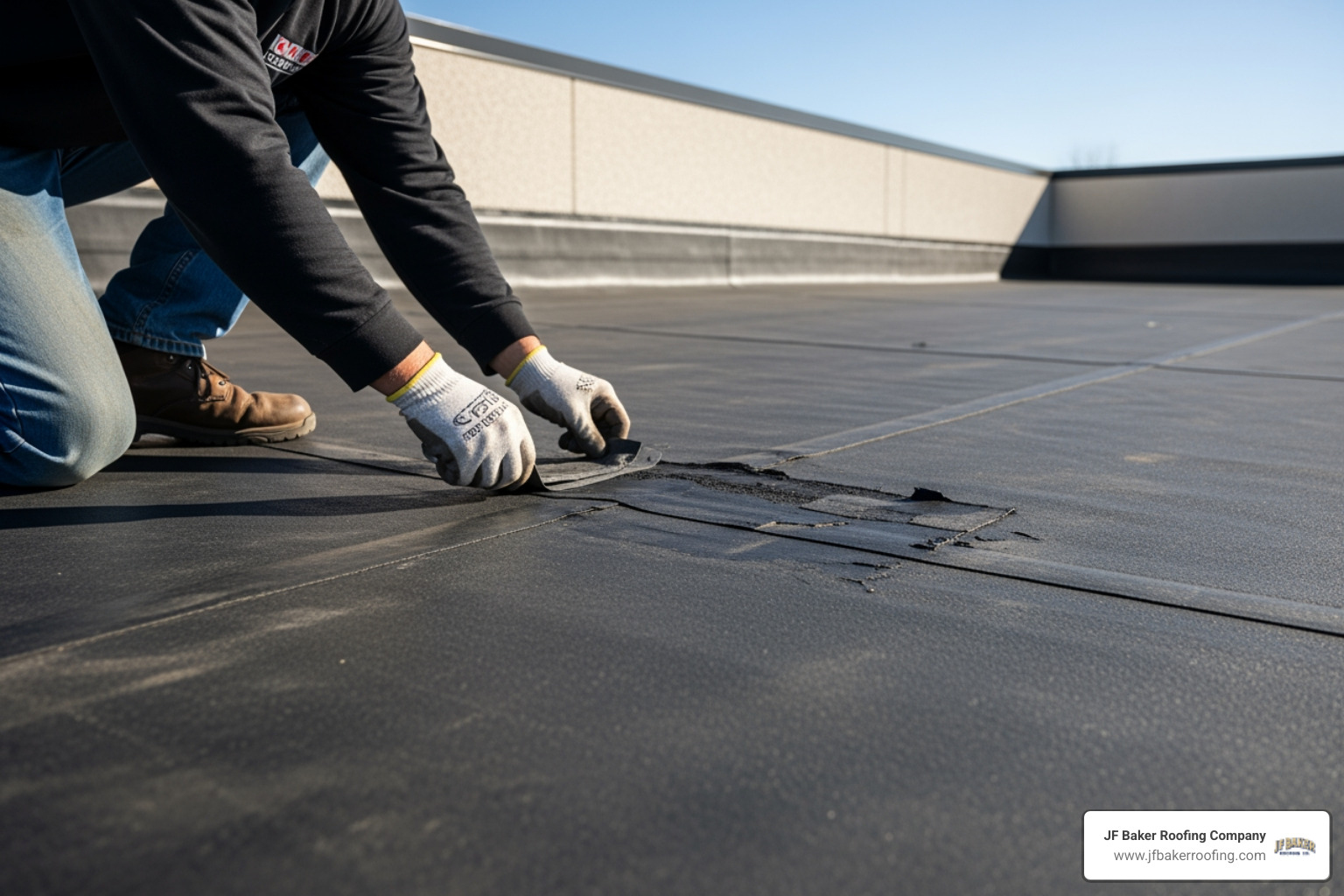
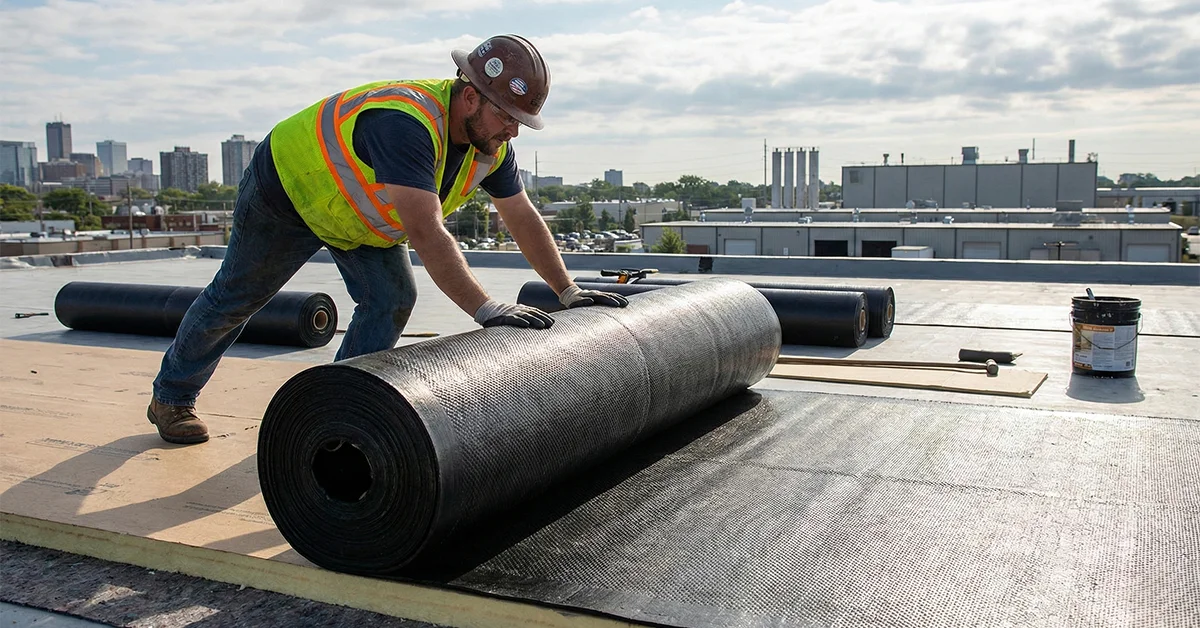
The process begins with a full tear-off. Some companies might suggest "roofing over" your old shingles to save money, but we strongly advise against this. A tear-off is the only way to inspect the wooden decking underneath for rot or damage. If you nail new shingles into rotted wood, they won't stay secure for long.
Once the deck is prepped and repaired, we install the critical layers of protection:
- Drip Edge: Metal flashing installed along the eaves to direct water away from the fascia and into the gutters.
- Ice and Water Shield: A self-adhering waterproof membrane placed in valleys and along eaves. This is non-negotiable in Central Ohio to protect against ice dams during our freezing winters.
- Underlayment: A breathable, synthetic layer that provides a secondary barrier against moisture.
- Starter Strips: Specialized shingles that ensure the first row has a strong bond against wind uplift.
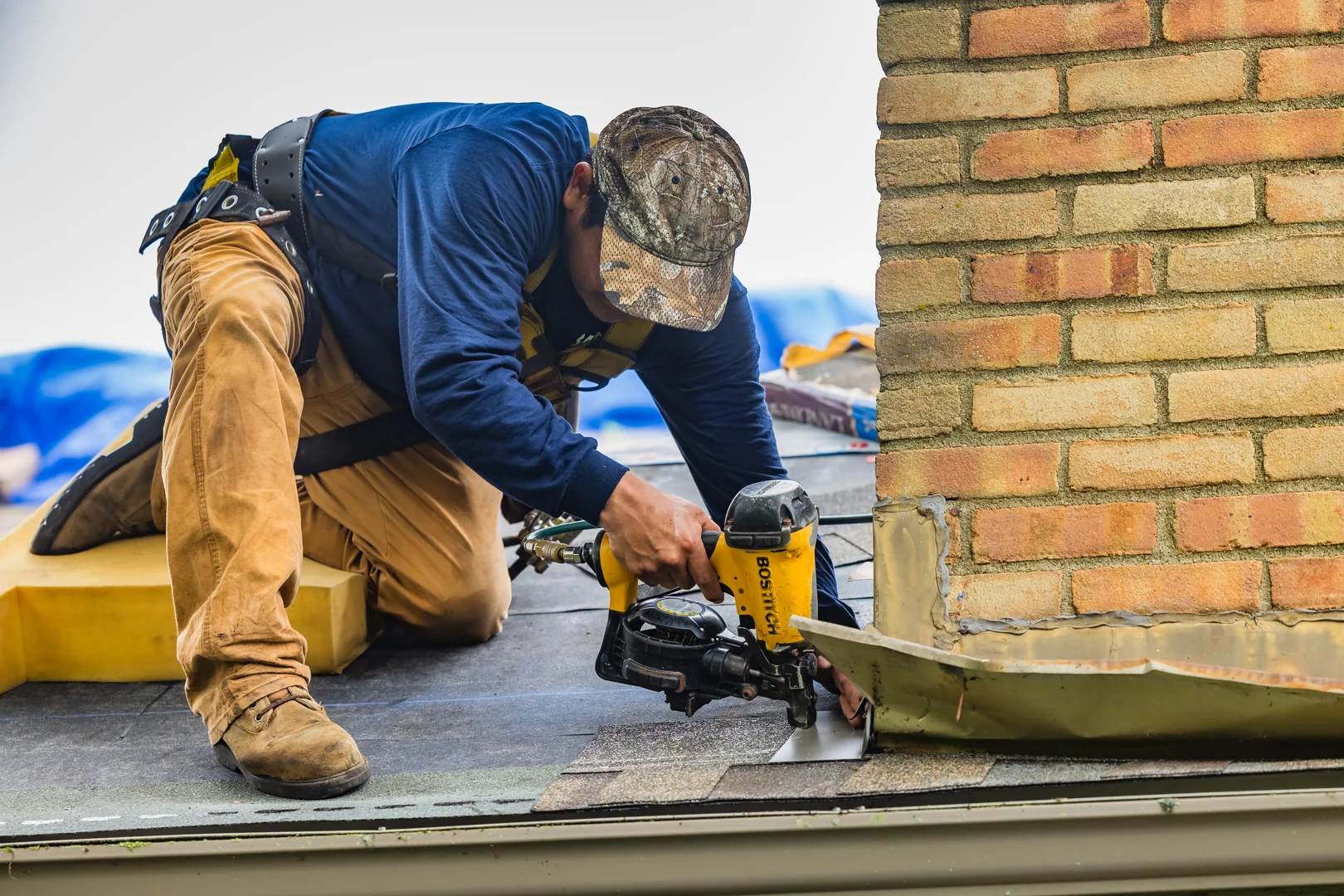
- Shingles and Flashing: The visible layer, installed with specific nailing patterns for maximum wind resistance.
- Ventilation: Installing ridge vents and ensuring soffit vents are clear to allow the attic to "breathe," which prevents heat buildup and extends shingle life.
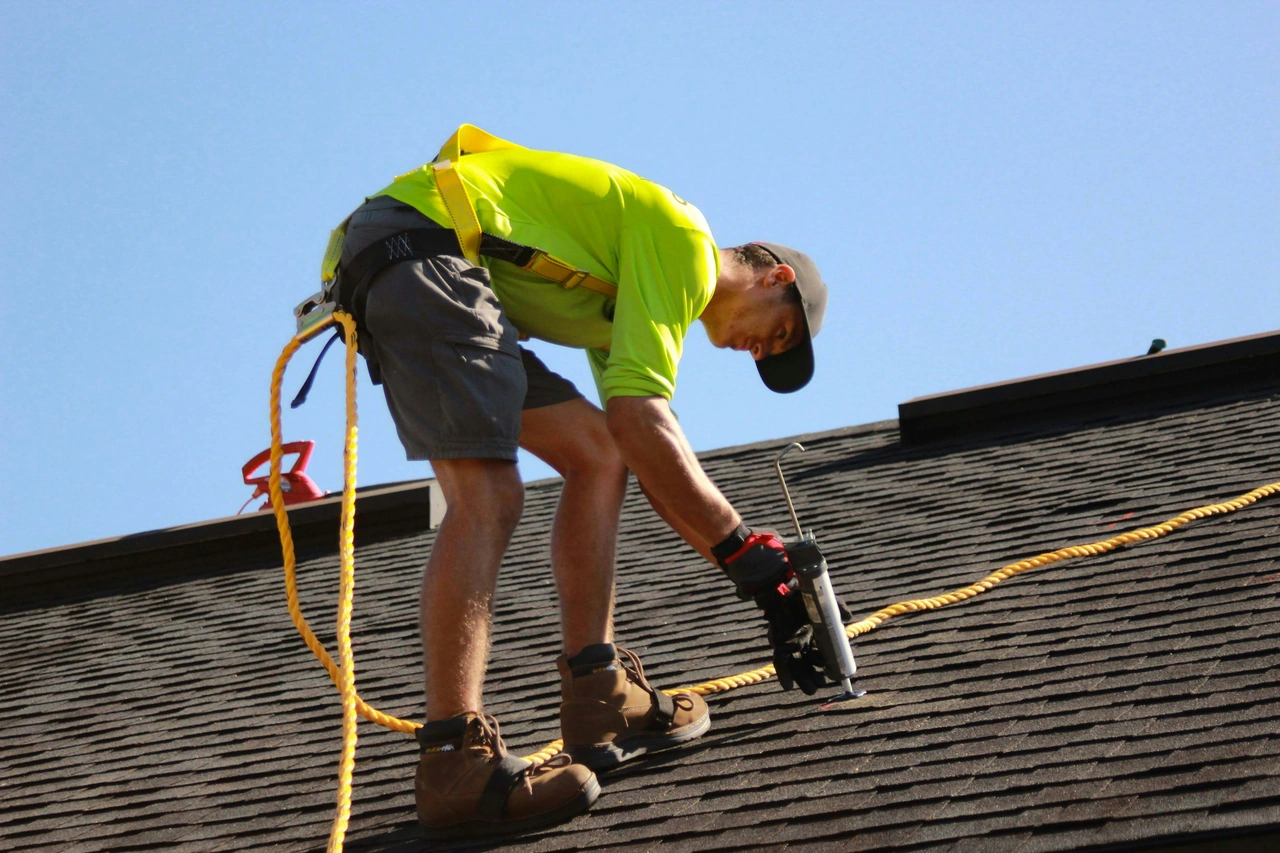
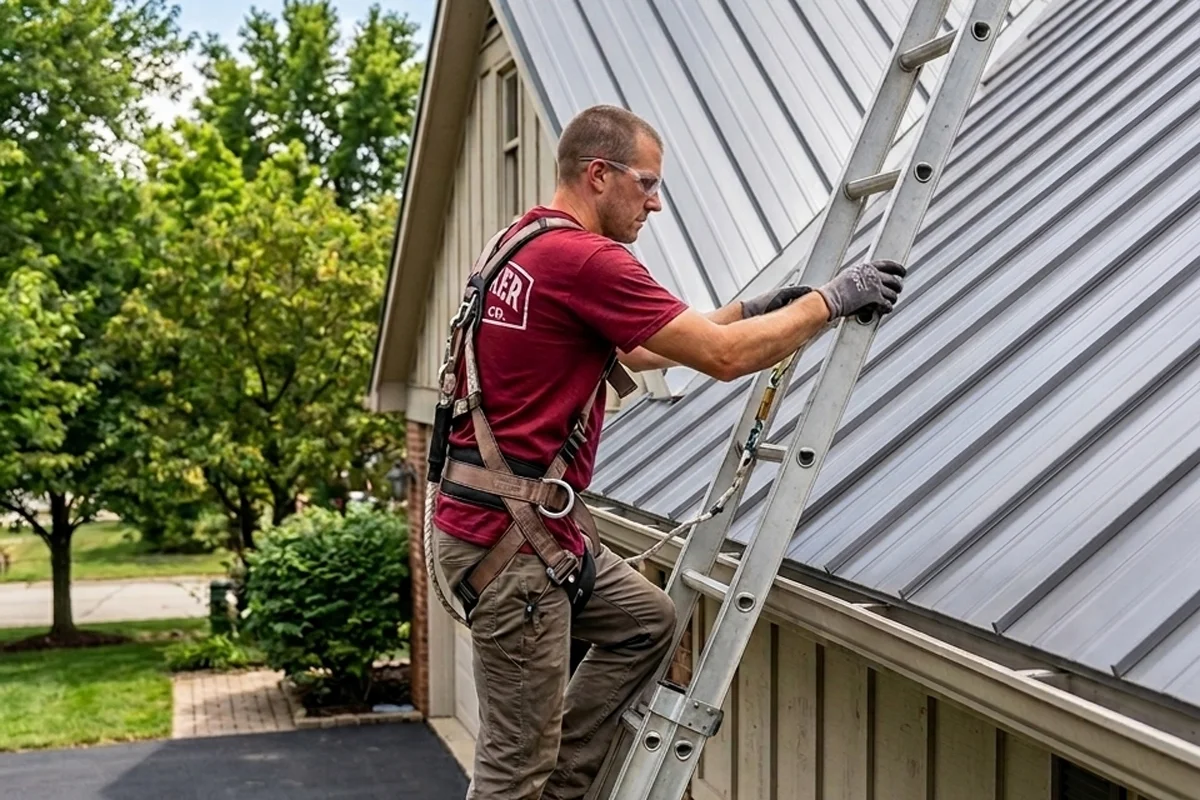
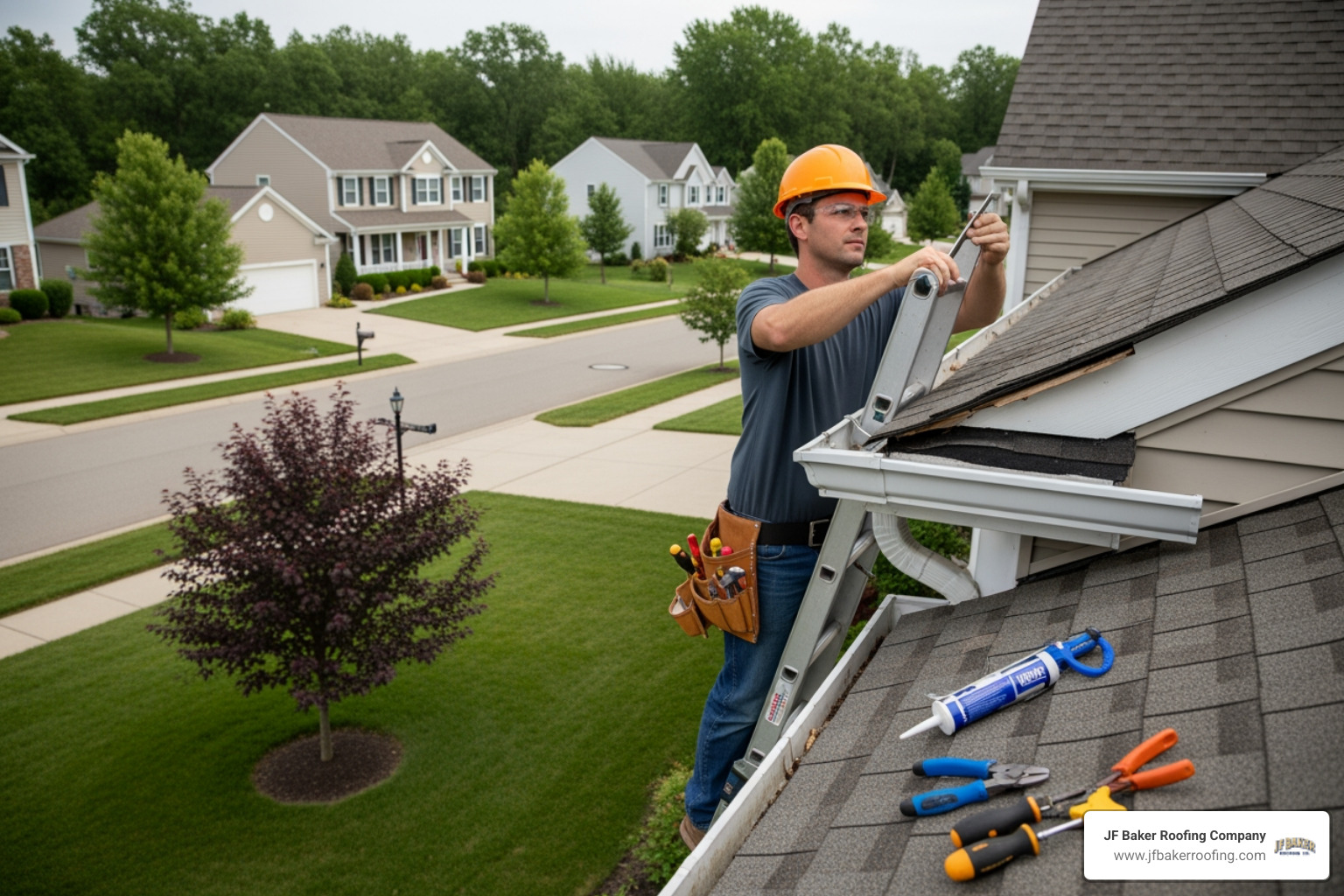
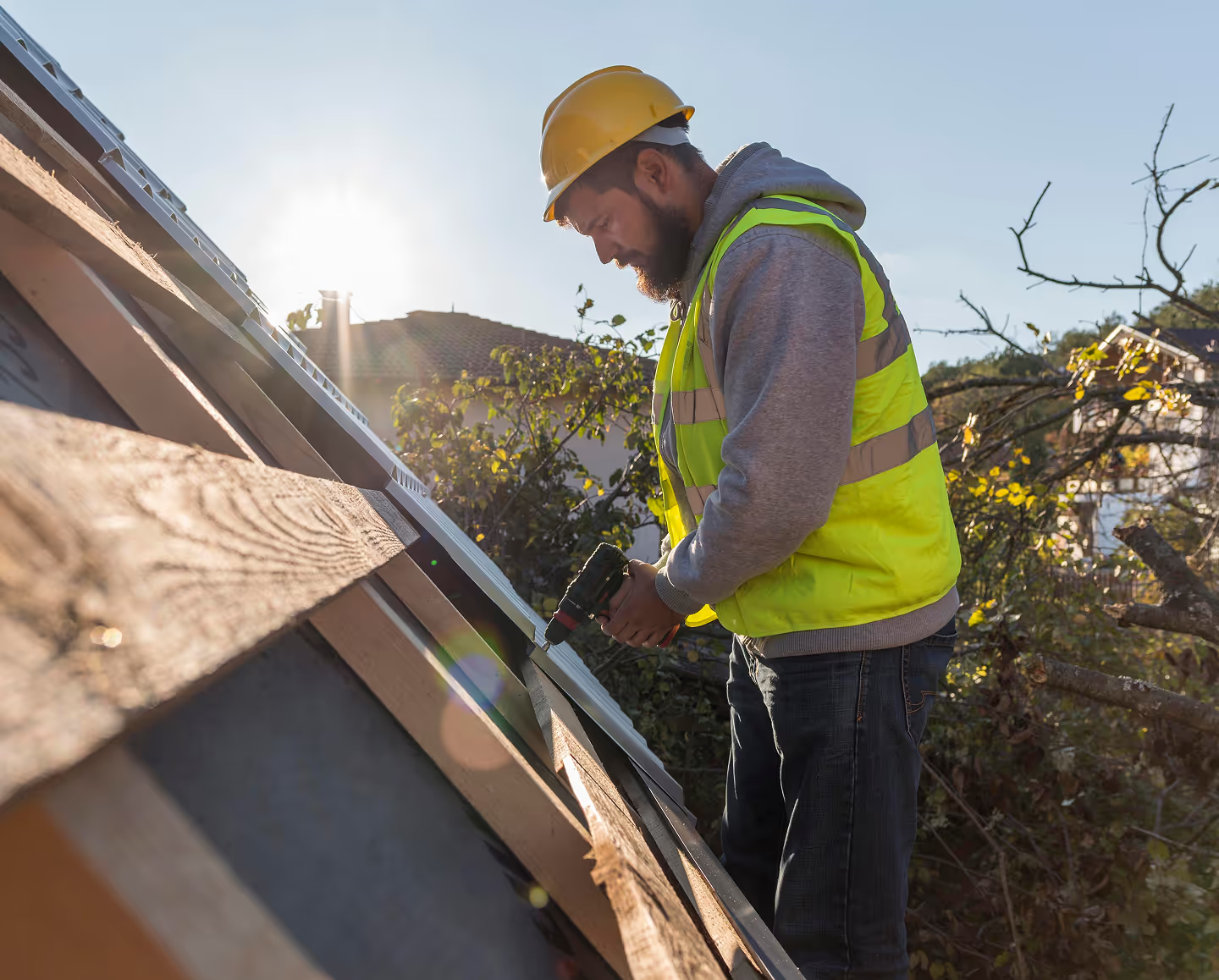
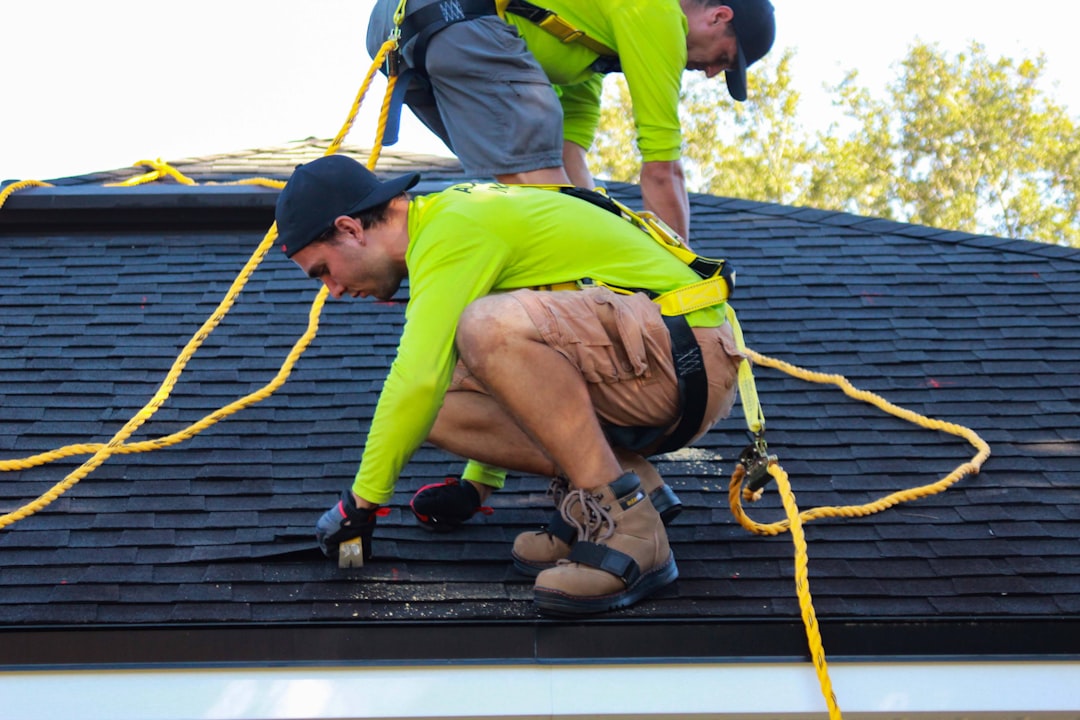
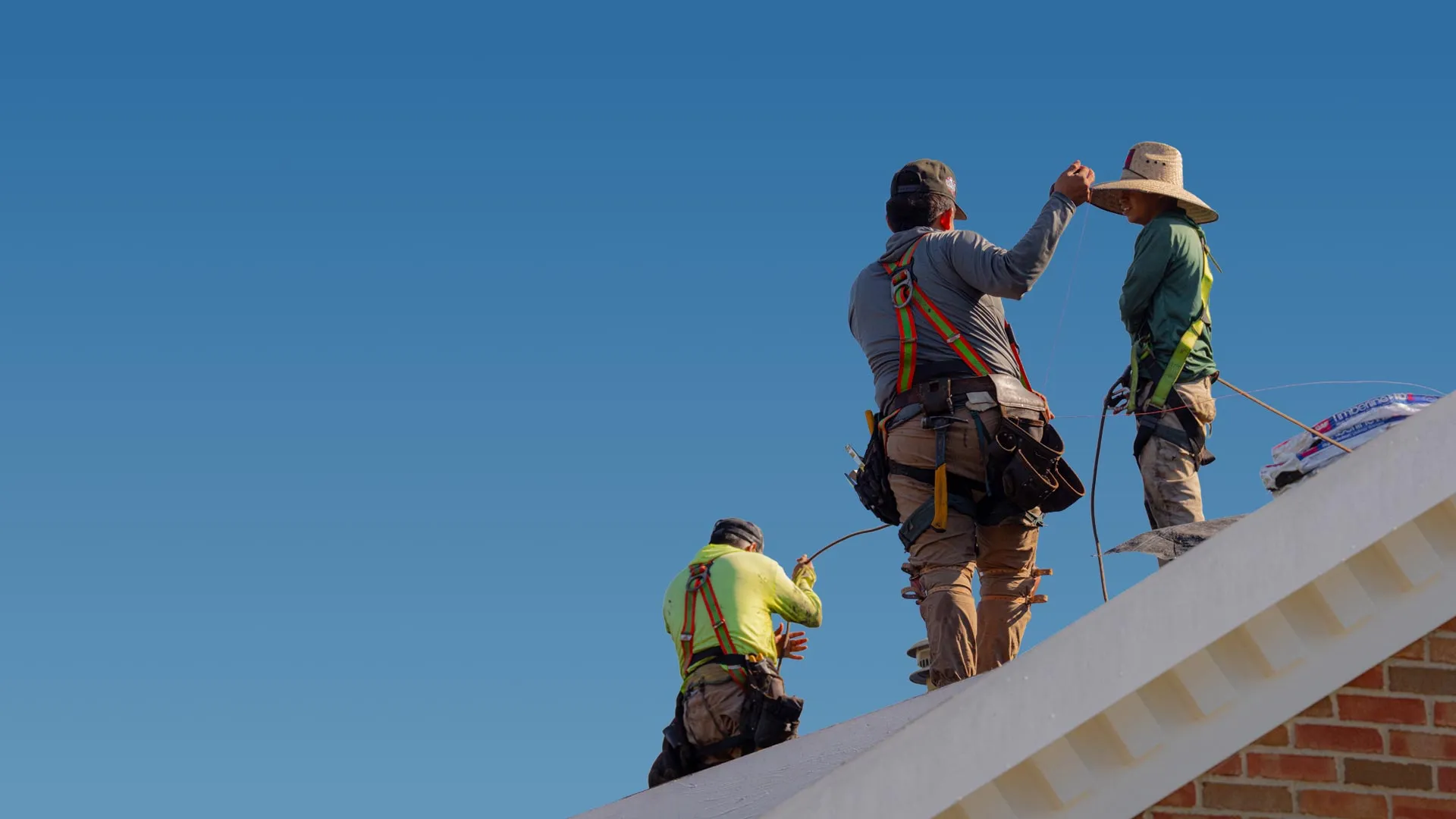
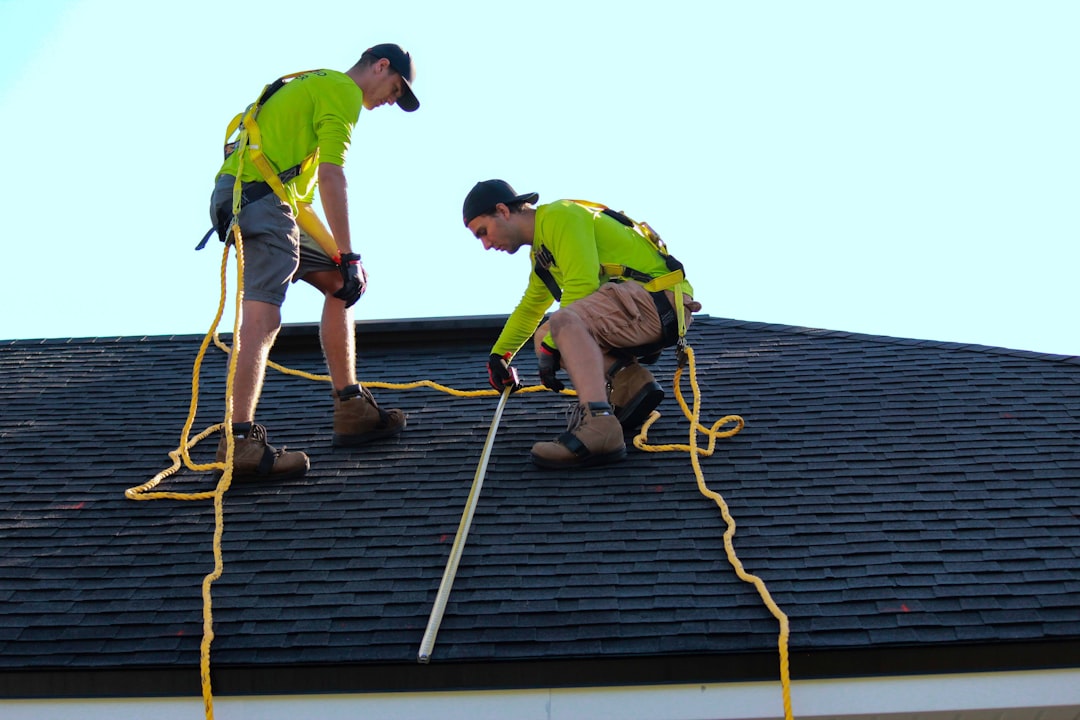
Throughout this process, safety is our priority. Our crews use safety harnesses and roof brackets, especially on steep pitches. We also ensure all work meets local building codes and that necessary permits are obtained for your specific municipality, whether you are in Hilliard, Grove City, or Powell.
How to prepare to replace my roof
Replacing a roof is a major construction project, and a little preparation goes a long way in making the day go smoothly.
- Clear the Driveway: We will need space for a dumpster and our material trucks. It is also a good idea to move cars out of the garage so you aren't blocked in.
- Protect the Interior: The vibration from hammers can cause items on walls or shelves to shift. We recommend taking down fragile pictures or mirrors and covering items in the attic with a tarp to catch any dust.
- Notify the Neighbors: Let your neighbors know when the work will happen. It is a loud process, and they will appreciate the heads-up.
- Secure the Yard: Move patio furniture, potted plants, and grills away from the house. We use tarps to protect your landscaping, but clearing the area makes cleanup much easier.
Choosing a contractor to replace my roof
Your roof is only as good as the people who install it. JF Baker Roofing has been family-owned across three generations. Today, Chad and Pat Baker lead our team with a focus on clear communication and professional work. We are a CertainTeed ShingleMaster Preferred Contractor, a member of the NRCA, and a BBB Accredited Business with an A+ rating. We stand behind every roof we install. Always verify that a contractor carries full liability insurance and workers' compensation. This protects you from being held responsible if an accident occurs on your property. You should also ask about both material warranties (from the manufacturer) and workmanship warranties (from the contractor). For more tips on finding the right fit, read our guide on How to Choose the Right Roofing Contractor in Columbus, Ohio: A Central Ohio Homeowner's Guide.
Maximizing Home Value and Insurance Benefits
Many homeowners view a new roof as a 'grudge purchase,' something they have to do but do not want to. However, a new roof is one of the best investments you can make in your home’s value. According to the 2024 Cost vs. Value report, homeowners typically recoup a significant portion of their roof replacement costs at resale. A new roof provides "buyer confidence," as the new owners won't have to worry about a major repair for twenty or thirty years.
Energy efficiency is another hidden benefit. Modern roofing materials and improved ventilation systems can significantly reduce your cooling costs in the summer. By reflecting more sunlight and allowing hot air to escape the attic more efficiently, a new roof helps your HVAC system work less.
From an insurance perspective, a new roof can sometimes lead to lower premiums. Many insurance companies offer discounts for impact-resistant shingles or for simply having a roof that is less than five years old. If you are replacing your roof due to storm damage, we can help you navigate the claim process, ensuring you have the documentation needed to show the full extent of the damage to your adjuster.
Frequently Asked Questions about Roof Replacement
How long does a roof replacement typically take?
For most standard-sized homes in Central Ohio, a professional crew can complete a roof replacement in one to three days. Factors like the size of the roof, the complexity of the design, and the weather can extend this timeline. If we find significant wood rot that needs repair, that may add a day to the process. We always aim to get the "dry-in" (making the roof waterproof) done as quickly as possible to protect your home.
Does homeowners insurance cover roof replacement for old age?
Generally, no. Homeowners insurance is designed to cover "sudden and accidental" damage, such as a tree falling on the house or a severe hailstorm. It typically does not cover standard wear and tear or a roof that has simply reached the end of its life. However, if your old roof suffers wind damage during a storm, insurance may cover a portion of the replacement, depending on your policy’s age-based depreciation (ACV vs. RCV).
Is it feasible and safe to replace your roof yourself?
While some DIY-savvy homeowners tackle their own roofs, we generally don't recommend it. Roofing is physically exhausting and dangerous work. Beyond the risk of falls, there is the risk of improper installation. Small mistakes in flashing or underlayment can lead to leaks that stay hidden for years, causing structural rot. Furthermore, many manufacturer warranties are only valid if the shingles are installed by a licensed professional.
Conclusion
Deciding to replace my roof is a big step, but it does not have to be a stressful one. By staying proactive and watching for the early warning signs, you can protect your home and avoid the emergency of an active leak.
At JF Baker Roofing, we believe in building relationships that last as long as our roofs. Trusted since 1929, we serve families in Columbus, Dublin, Upper Arlington, Hilliard, Grandview Heights, Worthington, and Westerville. Built on integrity. Proven by performance. We provide honest assessments. If you do not need a new roof yet, we will tell you. If you do, we will provide a clear, transparent plan to get the job done right.
If you have questions about the state of your roof or want to explore your options, we invite you to reach out for a conversation. Let our reputation be your security as you look toward your next home improvement project. For more information on our services, visit our Service Category: Residential Roofing page.





.jpeg)