Can You Finance a New Roof? In-Depth Guide

When a New Roof Costs More Than You Have on Hand
Can you finance a new roof? Yes, and most homeowners do. Here are the most common ways to pay for a roof replacement without cash upfront:
- Personal loan - Unsecured, fast approval (sometimes same day), no home equity required
- Home equity loan or HELOC - Lower interest rates, but slower approval and your home is used as collateral
- Cash-out refinance - Replaces your mortgage with a larger one and gives you the difference in cash
- Contractor financing - Arranged through your roofing company, often with promotional 0% APR periods
- Government-backed loans - FHA Title 1, FHA 203(k), and USDA repair loans for eligible homeowners
- Credit card - Quick access but high interest rates make this a last resort for most people
Most lenders work with a wide range of credit profiles. Financing terms typically run from 3 to 12 years, and some options fund in as little as 24 hours.
A new roof is one of the largest single expenses a homeowner faces. The average replacement runs around $9,500, and costs can climb well past that depending on the size of your home, the materials you choose, and the condition of what is underneath.
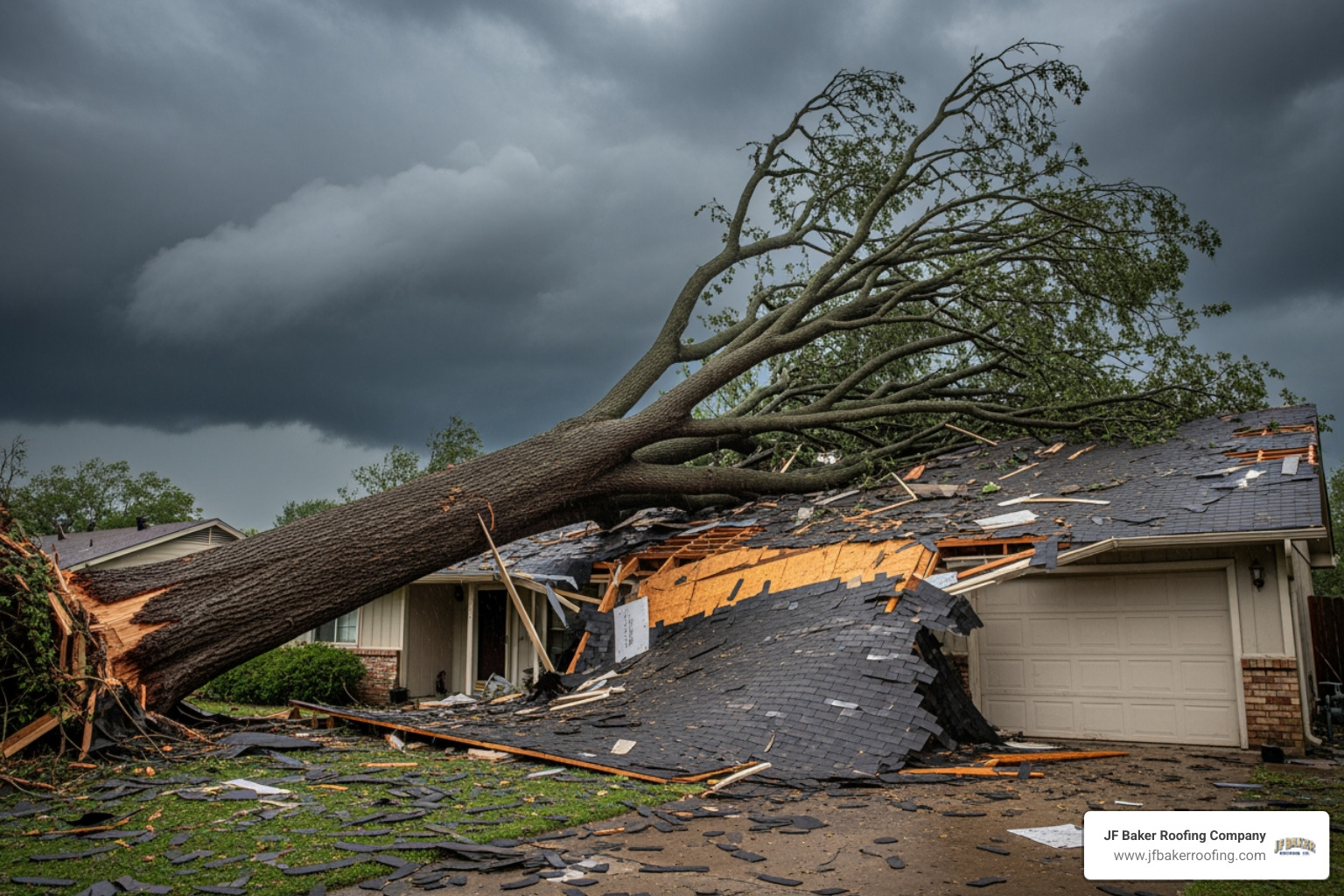
For most people, that kind of bill does not come at a convenient time. A storm rolls through Central Ohio, or a slow leak finally gets bad enough to ignore, and suddenly you are looking at a major repair with no plan for how to pay for it.
The good news is that roof financing is widely available and more accessible than many homeowners expect. Whether your credit is strong or you have had some bumps along the way, there are real options worth knowing about.
This guide walks through all of them honestly, so you can make the right call for your home and your budget.
Can You Finance a New Roof? Understanding Your Options
When faced with a failing roof, many homeowners in the Columbus area wonder how they will cover the cost without draining their hard-earned savings. If you do not have the cash sitting in an emergency fund, you are certainly not alone. Most property owners look for a flexible monthly payment structure to break the project down into manageable pieces.
According to industry data compiled by Angi, the average cost to replace a roof is $9,519. Depending on the size of your home, the design of your roof, and the regional climate challenges we face here in Central Ohio, basic replacements can range from $5,868 to $13,213. If you decide to upgrade to premium materials, the total cost can easily surpass $45,000.
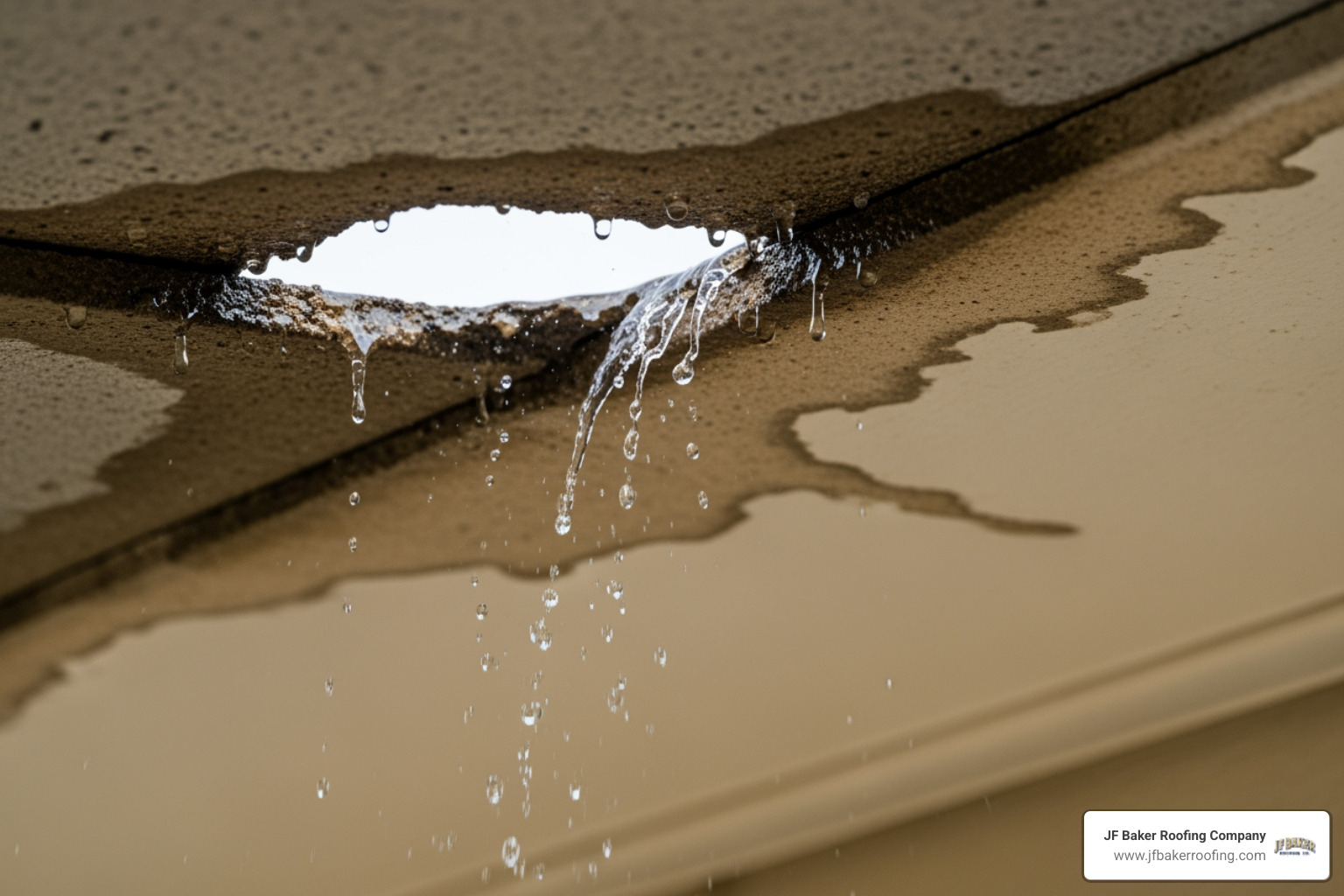
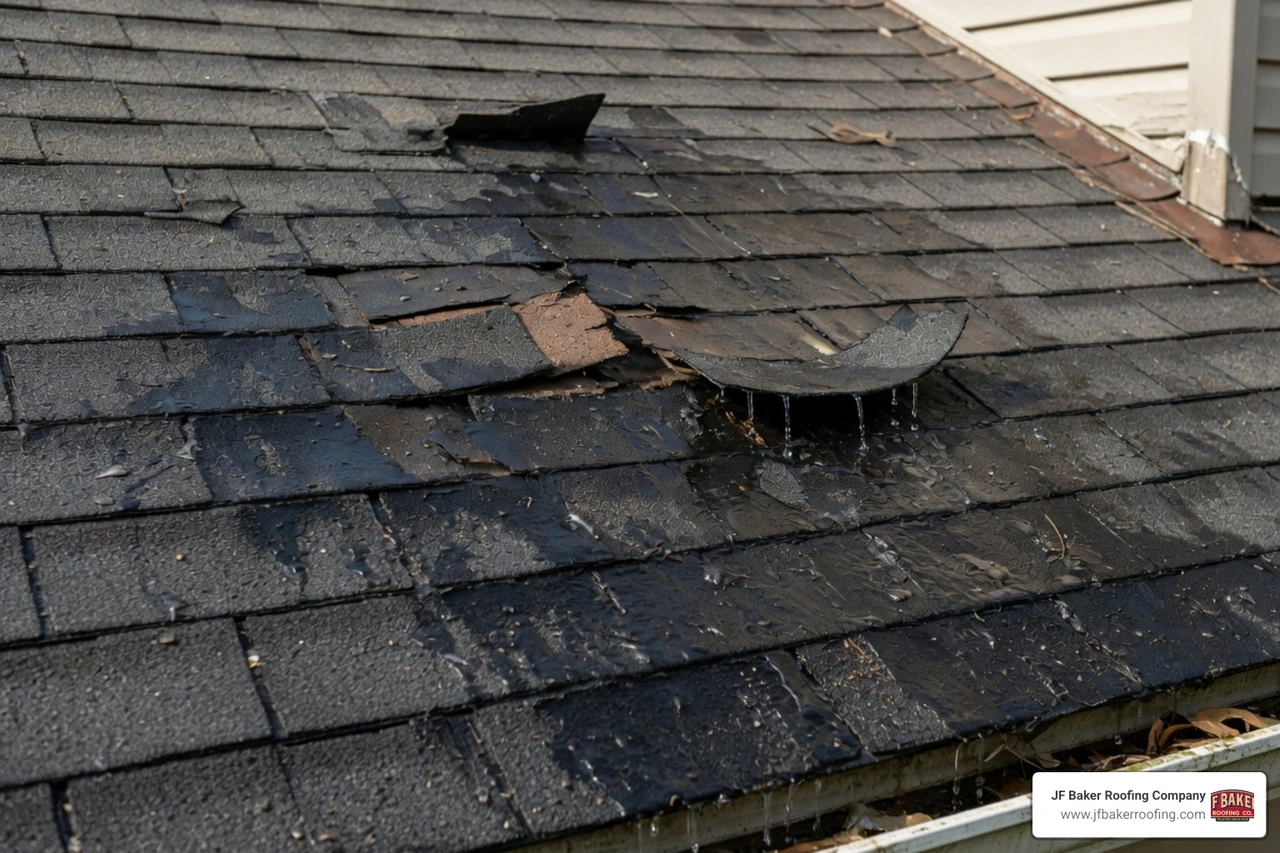
Because a roof is your home’s primary shield against rain, snow, and ice, putting off a replacement is rarely a safe option. Delaying the project can lead to rotting wood, ruined attic insulation, and expensive mold growth, transforming a straightforward roofing job into a massive structural restoration. If you are trying to figure out if your current roof is simply showing its age or is actively failing, reading our guide on How to Know When It's Time to Replace Your Roof can help you assess the situation before you begin looking at financing.
Fortunately, there are several reliable ways to finance a new roof in 2026. The most common paths include:
- Unsecured personal loans that require no collateral
- Home equity loans and home equity lines of credit (HELOCs)
- Contractor-sponsored financing plans
- Government-insured programs like FHA Title I loans
- Homeowners insurance claims if the damage was caused by a sudden storm
By exploring these options, you can protect your property immediately while maintaining a budget that fits your household's financial situation.
Comparing Personal Loans vs. Home Equity Options

When you decide to borrow money for a new roof, your choices generally fall into two main categories: unsecured borrowing (like personal loans) and secured borrowing (which uses your home as collateral). Both paths have distinct advantages and drawbacks depending on your financial health, how much equity you have built up, and how quickly you need the work to begin.
Secured home equity options usually offer the lowest interest rates because the lender takes on very little risk. However, they come with a major catch: if you run into severe financial hardship and cannot make your payments, the lender can foreclose on your property. Unsecured personal loans carry higher interest rates, but they do not put your home at risk.
To help you compare, you can look at specialized lending networks like Roof Financing Near Me: Replacement Loans For Good & Bad Credit: No Hard Credit Check to get an idea of the rates and terms currently available across different loan structures.
How to Finance a New Roof with a Personal Loan
A personal loan is an unsecured installment loan. This means you do not have to pledge your home, car, or any other asset to qualify. Once approved, you receive the funds in a lump sum, pay your roofing contractor, and then pay back the lender in fixed monthly installments over a set term, usually ranging from 2 to 7 years, though some lenders offer terms up to 12 years.
The biggest benefit of a personal loan is speed. While a home equity product can take more than a month to process, a personal loan can often be approved and funded in as little as 24 to 48 hours. This makes personal loans the ideal choice for urgent situations where water is actively entering your living space.
Because these loans are unsecured, lenders rely heavily on your credit score and debt-to-income ratio to set your interest rate. If you have excellent credit, you can secure highly competitive rates. If your credit is less than perfect, your interest rate will be higher, but you can still qualify. If you are ready to explore what a full replacement involves, you can learn more about the process on our Replace My Roof page.
Using Home Equity to Finance a New Roof
If you have lived in your home for several years and have built up a significant amount of equity, using that value to fund your roof is often the most cost-effective route. There are two primary ways to do this:
- Home Equity Loans: This is a second mortgage that provides a lump sum upfront with a fixed interest rate and fixed monthly payments over a term of 5 to 30 years.
- Home Equity Lines of Credit (HELOCs): This functions similarly to a credit card. You are approved for a maximum credit line based on your equity, and you can draw funds as needed during a set "draw period" (usually 10 years), paying variable interest only on what you borrow.
Because these loans are secured by your property, the interest rates are typically much lower than personal loan rates. Additionally, the interest paid on home equity loans or HELOCs may be tax-deductible if the funds are used directly to make substantial improvements to your primary residence. You should always consult a tax professional to confirm your eligibility.
The downside to home equity financing is the timeline. Lenders will require a formal home appraisal and a thorough review of your current mortgage balance, a process that typically takes 4 to 6 weeks. If you have time to plan your project, utilizing home equity is an excellent way to keep your long-term costs low. You can view our standard residential services on our Residential Roofing page to see how we approach these projects.
Government-Backed and Contractor Financing Programs
For homeowners who might not qualify for traditional bank loans, or those looking for specialized terms, government-backed programs and contractor-sponsored financing are excellent alternatives.
Government programs are designed to help families maintain safe, energy-efficient housing. Some of the most common options include:
- FHA Title I Property Improvement Loans: These loans are insured by the Federal Housing Administration and are designed for light-to-moderate home repairs. One of the biggest benefits is that you do not need to have significant equity in your home to qualify, making them ideal for newer homeowners.
- FHA 203(k) Rehabilitation Loans: If you are purchasing a home that needs immediate work, or if your current home requires massive renovations, a 203(k) loan allows you to refinance your primary mortgage and bundle the cost of the roof replacement into one single monthly payment.
- USDA Section 504 Home Repair Program: For low-income homeowners living in designated rural areas, the United States Department of Agriculture offers loans up to $40,000 at an incredibly low 1% fixed interest rate with repayment terms up to 20 years.
If you prefer a simpler, streamlined process, contractor-arranged financing is highly popular. Many professional roofing companies partner with reputable financial institutions, such as GreenSky, to offer flexible payment options directly to customers. The application process is typically paperless, takes less than two minutes, and provides an instant credit decision.
By working with an established local contractor, you can navigate these programs smoothly and find a payment structure that keeps your home protected without straining your monthly budget.
Key Factors That Affect Your Total Roofing Cost
Before you apply for any loan, it is crucial to understand what drives the total cost of a roof replacement. Knowing these factors helps you request the right financing amount and prevents unexpected budget overruns.
The main elements that dictate your final bill include:
- Roof Size: Roofing is priced by the "square," which is a 10-foot by 10-foot area (100 square feet). The larger your home’s footprint, the more materials and labor will be required.
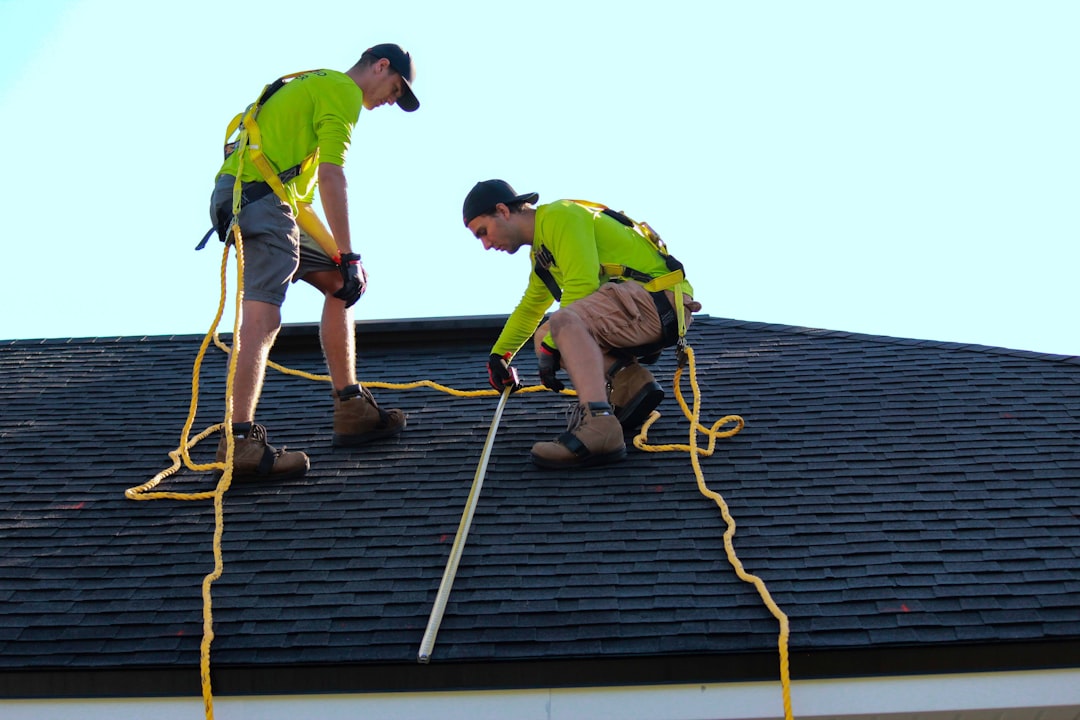
- Pitch and Complexity: A steep roof is more dangerous to work on and requires specialized safety equipment and extra labor. Roofs with multiple valleys, dormers, chimneys, or skylights also take longer to install correctly.
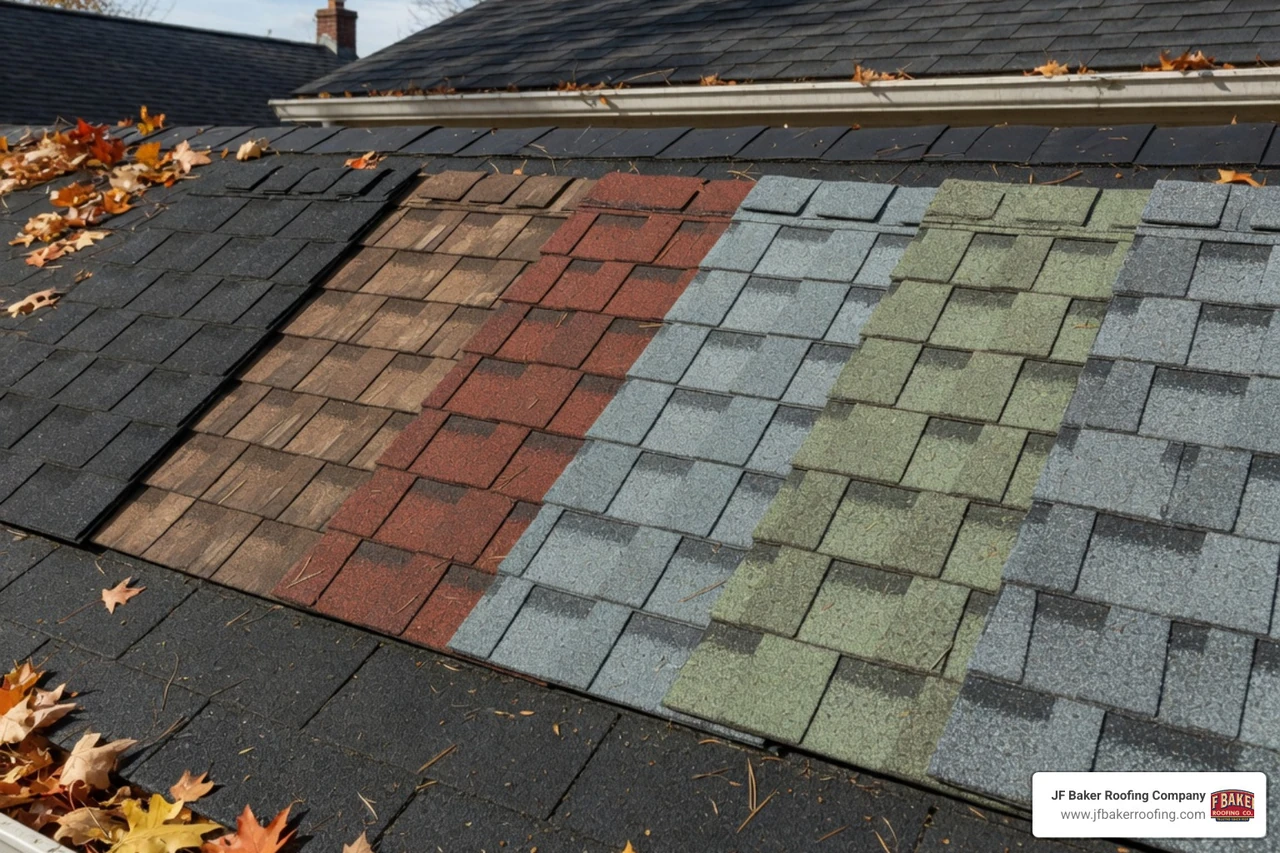
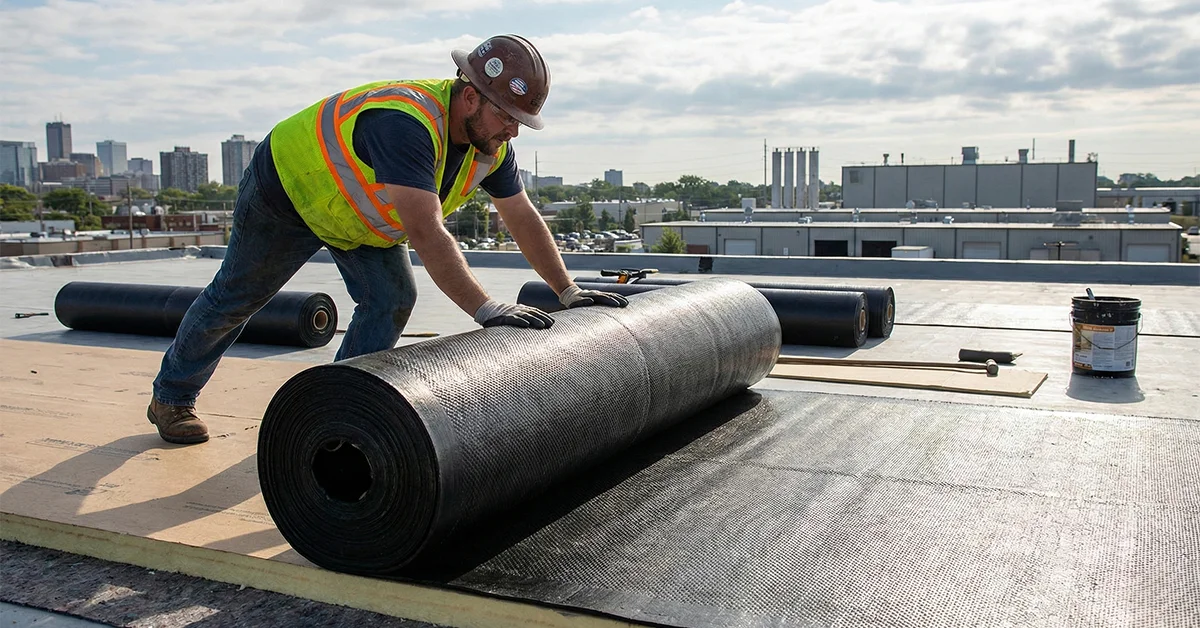
- Materials: Standard asphalt shingles are the most common and budget-friendly choice. However, if you choose premium architectural shingles or highly durable metal roofing, your material costs will increase. You can compare the benefits of these options by reading our Residential Shingle Roofing Ohio Guide 2026 or our Residential Metal Roofing Ohio Guide.
- Underlying Damage: Sometimes, the true condition of your roof cannot be seen until the old shingles are torn away. If the wooden decking underneath is rotted from years of slow leaks, it must be replaced to ensure your new roof has a solid foundation.
- Local Permits and Inspections: Depending on where you live in Central Ohio, local building codes require permits and official inspections to ensure the work is done safely.
While a new roof is a significant investment, it also brings a strong return. According to data from Remodeling Magazine, a new asphalt shingle roof adds an average of roughly $14,000 to a home's resale value. Additionally, if you are considering modern updates like solar shingles, doing so during a roof replacement can save you money on labor, though these premium upgrades typically make the most sense if you plan to stay in your home for at least five years.
Whether you are planning a project in Delaware, Grove City, or anywhere else in the Columbus metro area, keeping these variables in mind will help you choose the right financing path for your home.
Frequently Asked Questions About Roof Financing
Navigating the financial side of home improvement can feel overwhelming. Here are clear, straightforward answers to the questions we hear most often from local homeowners.
What credit score is typically required to qualify for roof financing?
Your credit score plays a significant role in determining which financing options are open to you and what interest rate you will receive. Lenders generally group applicants into credit tiers:
- Excellent Credit (720+): Homeowners in this tier qualify for the lowest interest rates on personal loans, often starting around 6% to 7% APR, and can easily secure high loan limits.
- Good Credit (680 to 719): You will have access to a wide variety of competitive personal loans and home equity options with reasonable rates.
- Fair Credit (620 to 679): Traditional home equity loans may be more difficult to secure, but many personal loan providers and contractor financing programs specialize in this range.
- Challenged Credit (550 to 619): While options are more limited, you can still find specialized personal loan lenders or look into government-backed programs like FHA Title I loans, which have more flexible credit requirements.
If your credit score is on the lower end, applying with a co-signer who has strong credit can help you secure a much lower interest rate and save you thousands of dollars over the life of the loan.
Can you finance a new roof with no money down?
Yes, many financing options allow you to start your project with zero dollars down. Unsecured personal loans do not require any upfront payment; the lender simply sends the funds to you or your contractor, and your first monthly payment is typically due 30 days later.
Contractor-sponsored financing programs also frequently feature "no money down" promotional periods. One common option is a 12-Month Same-as-Cash plan. Under this structure, you pay zero down and zero interest as long as you pay off the entire balance within the first 12 months. This is an excellent solution if you expect a tax refund, an insurance payout, or a work bonus in the near future, but need to get the roof installed immediately to prevent damage. Just be sure to read the fine print: if you do not pay off the full balance within the promotional window, high interest rates may apply retroactively to the original loan amount.
How long does it take to get approved and funded for a roof loan?
The timeline depends entirely on the type of financing you choose:
- Personal Loans: The application process is online and usually takes less than ten minutes. Many lenders use automated underwriting to provide an instant decision, and funds are often deposited into your bank account within 1 to 3 business days.
- Contractor Financing: Because these applications are handled electronically through partner networks, you will typically receive a decision within minutes, allowing your roofing crew to schedule the project almost immediately.
- Home Equity Loans and HELOCs: Because these products require a home appraisal, title search, and extensive financial verification, they generally take 4 to 6 weeks to fund.
If you are dealing with active structural damage or severe leaks after a major storm, waiting a month for a home equity loan is usually not practical. In those urgent situations, a fast-funding personal loan or contractor option is the safest way to protect your home. If your roof has suffered sudden storm damage, you should also contact your homeowners insurance provider immediately. You can read more about how we handle emergency situations on our Storm Damage Repairs page.
Conclusion
A failing roof is not a problem that gets better with time. While the upfront cost of a replacement can feel daunting, modern financing options make it possible to protect your home and your family without draining your savings. From fast-funding personal loans to low-rate home equity options, there is a solution that can fit your monthly budget.
At JF Baker Roofing, we have been serving Columbus and the surrounding Central Ohio communities since 1929. Led by third-generation owners Chad and Pat Baker, our family-owned business is built on a simple foundation: honest assessments, quality craftsmanship, and transparent pricing. As a CertainTeed ShingleMaster Preferred Contractor and a BBB Accredited Business with an A+ rating, we believe in giving our neighbors straightforward advice. We recommend repairs when repairs will do the job, and we only recommend a replacement when it is genuinely needed.
Whether you need residential roof work, commercial services, or assistance with gutters and storm damage, we are here to help you find the right path forward. You can view all of our core solutions on our Services page, including Residential Roofing, Commercial Roofing, and Gutters and Drainage.
If you are ready to take the next step, we invite you to read our guide on How to Choose the Right Roofing Contractor in Columbus Ohio to ensure your investment is in safe hands. When you are ready, get in touch with our team for an honest, no-pressure assessment of your roof. We stand behind every roof we install, and we look forward to serving you.



.jpeg)