Why Your Metal Roof Leaks at the Ridge
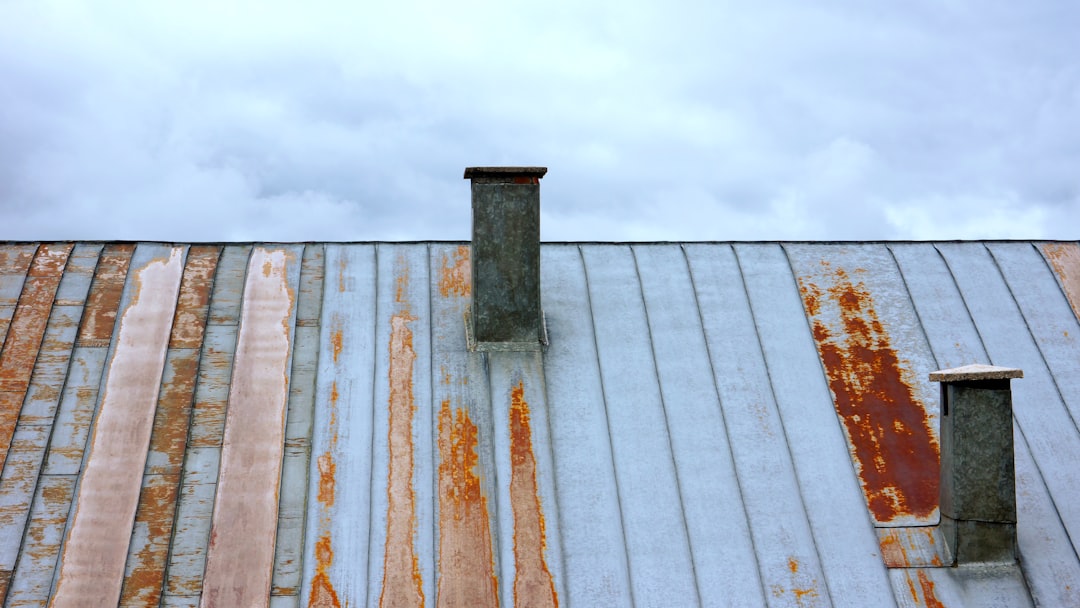
Understanding the Ridge Cap on Standing Seam Systems
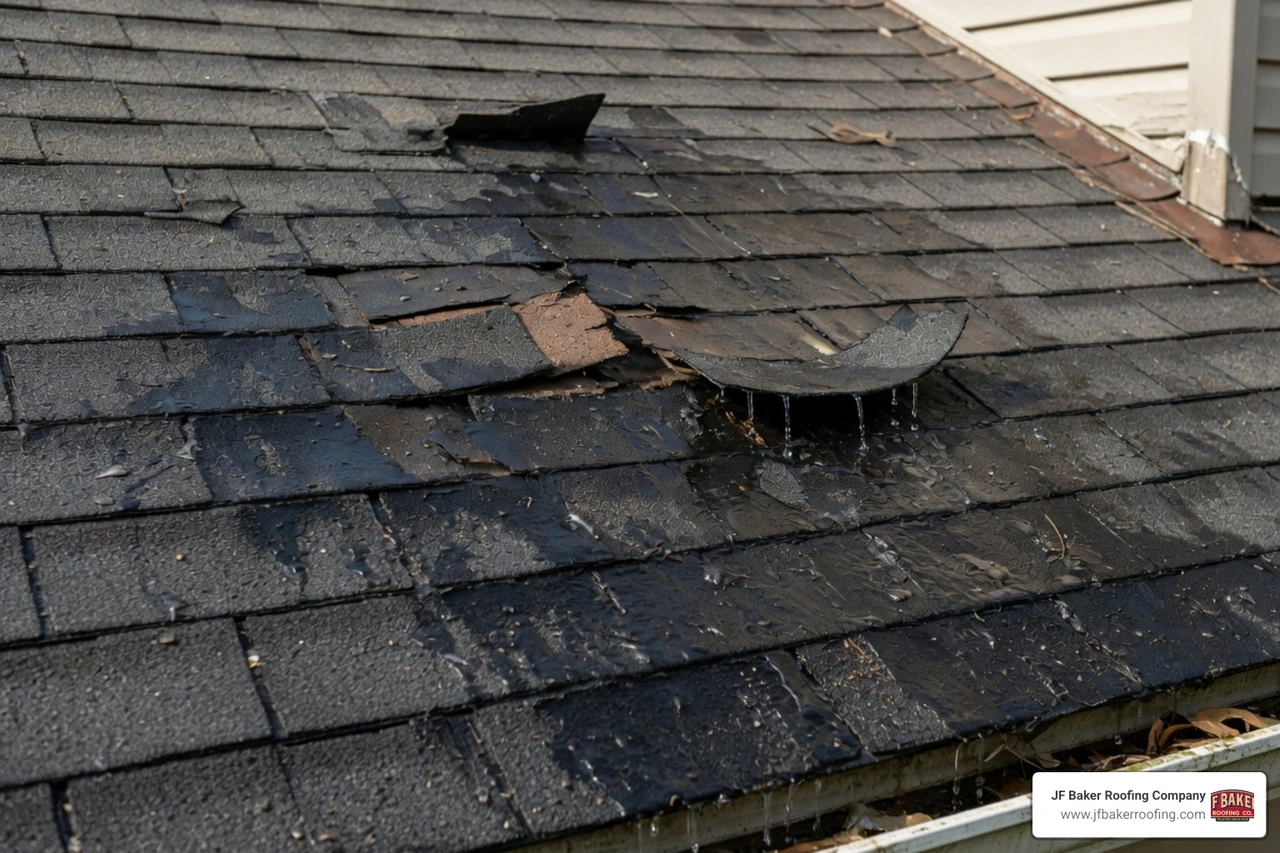
A metal roof ridge cap leaking is almost always caused by one of these issues:
- Sealant failure -- the original sealant dried out, cracked, or separated from the metal surface
- Penetration gaps -- safety ties, vents, or other objects cut through the ridge cap and the seals around them have failed
- Wind-driven rain -- water is forced up and under the cap by strong gusts
- Capillary draw -- water creeps into tiny gaps between overlapping metal panels
- Poor closure strips -- foam or hog hair closures at the ridge ends have deteriorated or were never installed correctly
Most ridge cap leaks can be repaired without replacing the entire roof. The key is finding the exact entry point and using the right sealant for your roof's paint finish.
If you have a metal roof, you already know it's built to last. But even the most durable roofing systems have one common weak spot: the ridge.
The ridge cap sits at the very peak of your roof, where two sloping panels meet. It takes more wind, more UV exposure, and more thermal stress than almost any other part of the roof. Over time, that adds up -- and small sealant gaps or failed closures can let water in before you ever notice a problem.
We hear this a lot from Central Ohio homeowners. The roof looks fine from the ground, but there are water stains showing up on attic rafters after a heavy spring storm. By the time it's visible inside, the leak has often been going on for a while.
This guide walks you through exactly why ridge cap leaks happen on standing seam metal roofs, how to spot the warning signs early, and what a proper repair actually looks like.
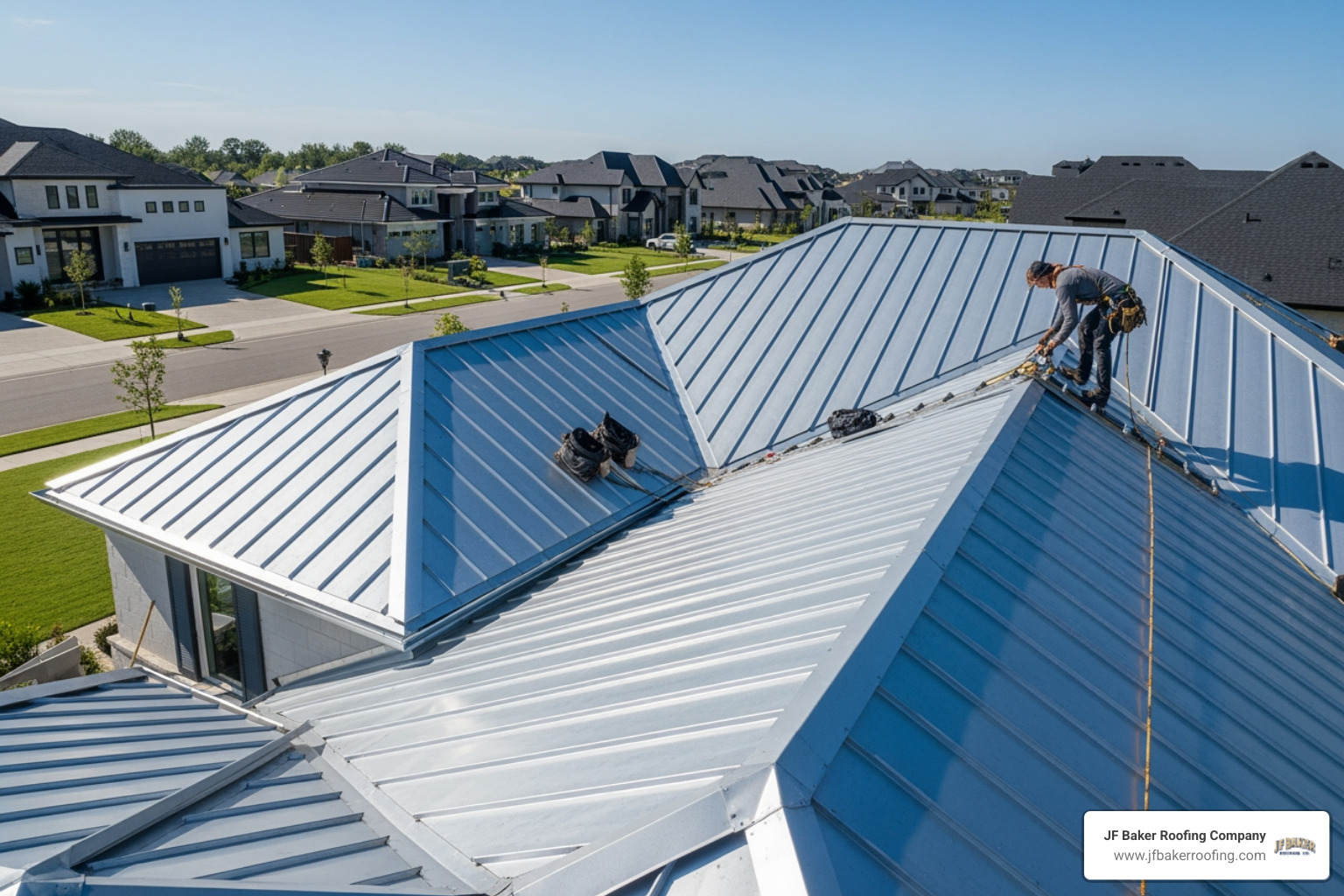
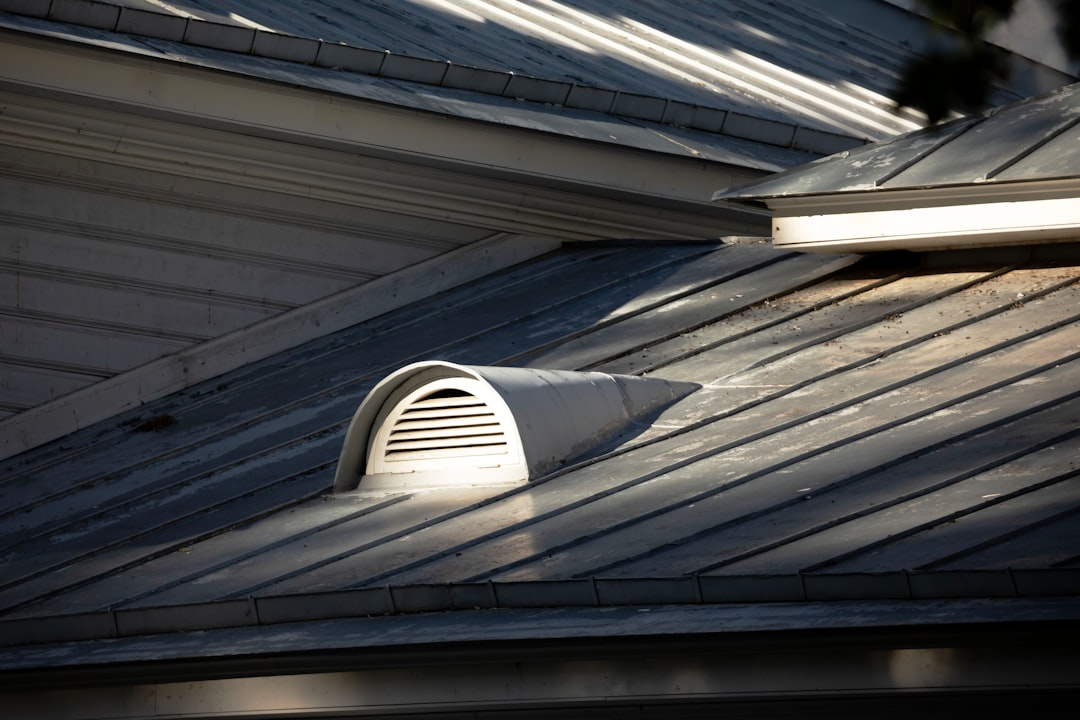
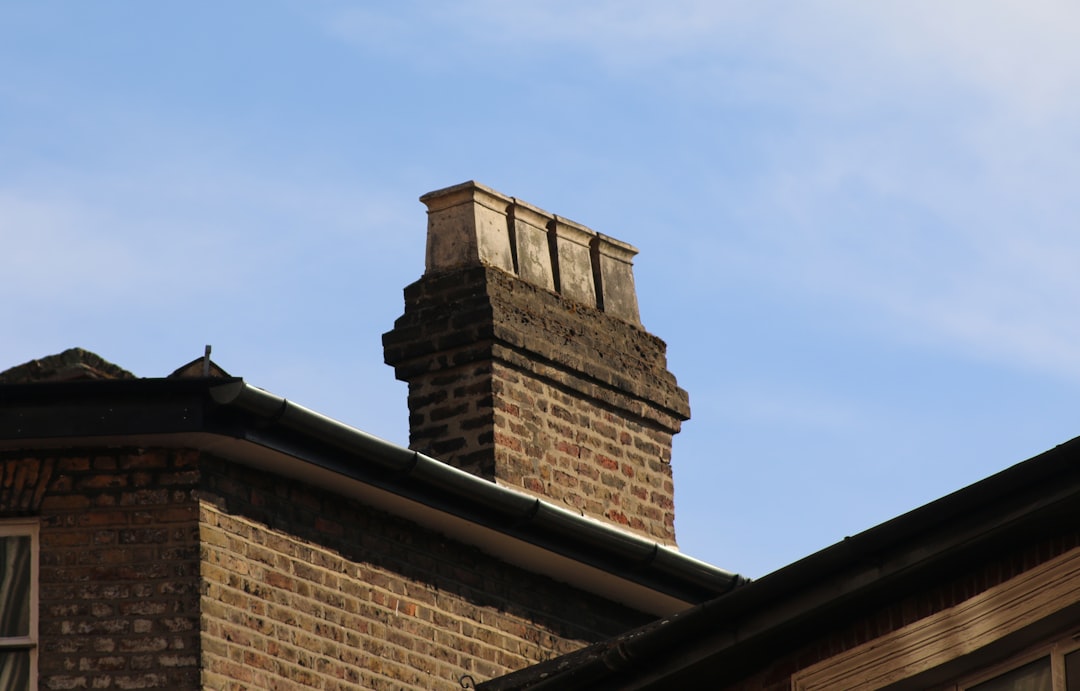
On a standing seam metal roof, the ridge cap is the "crown" of the house. It is a formed piece of metal trim that covers the gap where two roof planes meet at the highest point. Its primary job is to keep rain and snow out while often allowing hot air to escape from the attic.
In a well-designed metal roofing system, the ridge cap is more than just a cover. It works in tandem with the panels. Standing seam roofs are unique because the fasteners are hidden, allowing the panels to slide back and forth as they heat up and cool down. The ridge cap must accommodate this movement while remaining watertight.
Beyond weather protection, many ridge caps in Columbus are part of a vented system. They sit slightly elevated above the panels, protected by "closure strips" that allow air to flow out but block bugs and rain. Understanding The Main Components of a Residential Roof in Columbus Ohio helps you see how this single piece of trim is vital for both moisture control and airflow management.
Troubleshooting a Metal Roof Ridge Cap Leaking
When a metal roof ridge cap leaking issue begins, the cause isn't always a hole in the metal. In fact, the metal itself rarely fails. Instead, the leak usually stems from the "accessories" or the physics of water movement.
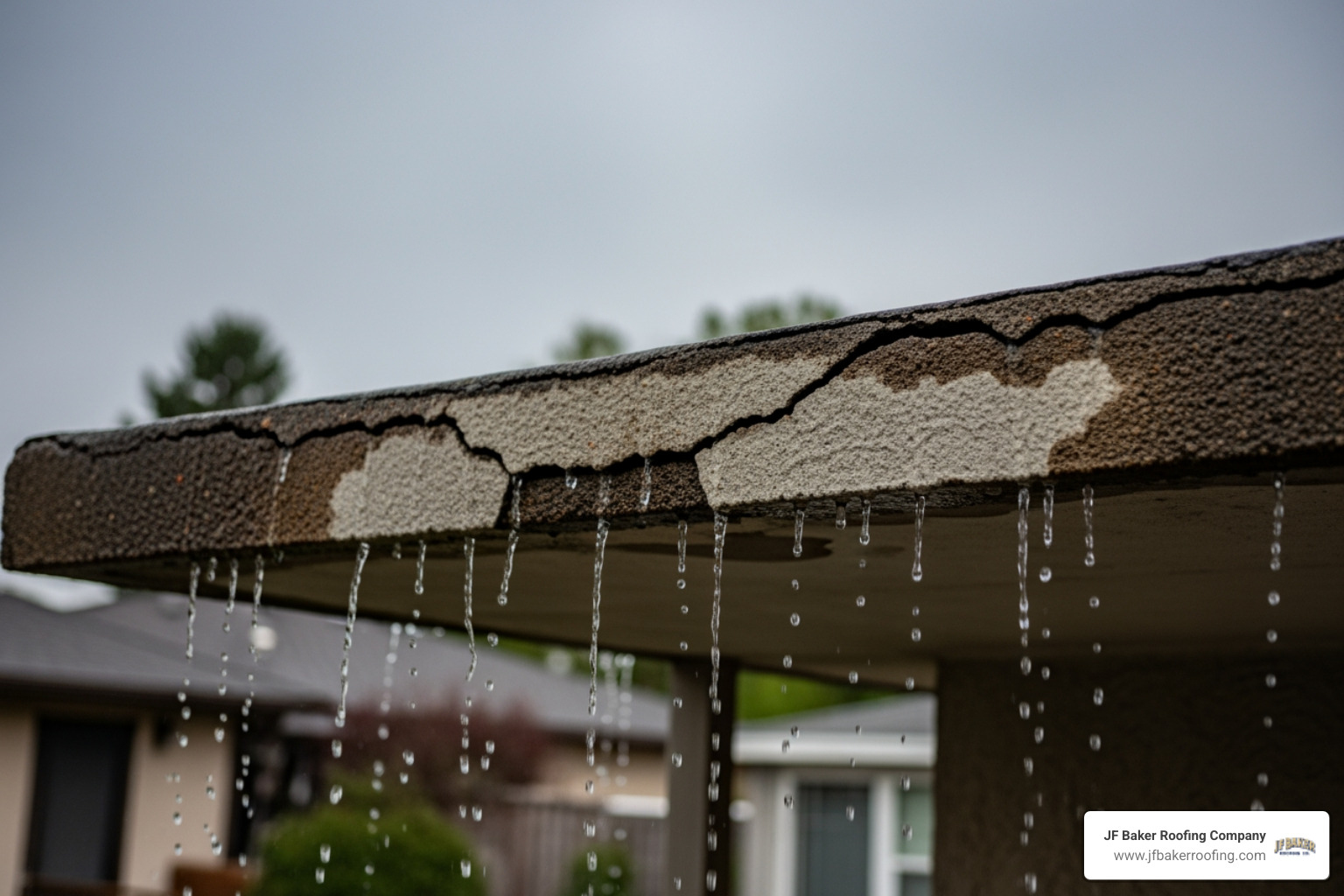
One of the biggest culprits is thermal expansion. Metal expands and contracts significantly with Central Ohio’s temperature swings. A dark bronze roof in the July sun can reach 160 degrees, then drop to 60 degrees overnight. This constant "breathing" puts immense stress on the sealants and fasteners holding the ridge cap in place. Over time, the sealant can fatigue and pull away from the metal, creating a microscopic gap that’s just big enough for water to enter.
Another sneaky cause is capillary draw. This happens when two flat surfaces (like the ridge cap and the roof panel) are pressed close together. Surface tension actually pulls water "uphill" through the tiny gap between the sheets. If the installer didn't use proper butyl tape or mastic seals during the initial build, rain can literally crawl under your ridge cap and into your home. If you've recently experienced heavy weather, you might need to look into Storm Damage Repairs to see if wind uplift has loosened these critical joints.
Common Causes for a Metal Roof Ridge Cap Leaking
While general wear is common, we often see leaks centered around specific penetrations.
- Safety Ties: In many commercial and high-end residential builds, stainless steel safety ties are bolted to the trusses and poke through the ridge cap. If the sealant around these 2x2 or 3-inch ties fails, it provides a direct path for water to pour into the attic.
- Failed Sealants: Many "50-year" sealants sold at big-box stores aren't actually compatible with the Kynar or silicone-modified polyester (SMP) finishes on metal roofs. When the sealant doesn't bond correctly, it separates within just a few seasons.
- Improper Fasteners: If a contractor used the wrong type of screws or over-driven them, the rubber washers can crack or "mushroom," breaking the seal.
Identifying Signs of Ridge Penetration Failure
You don't always need to climb a ladder to know you have a problem. Inside your attic, look for:
- Damp Rafters: Look specifically at the ridge board (the very top beam). If it’s dark or damp, the ridge cap is the likely culprit.
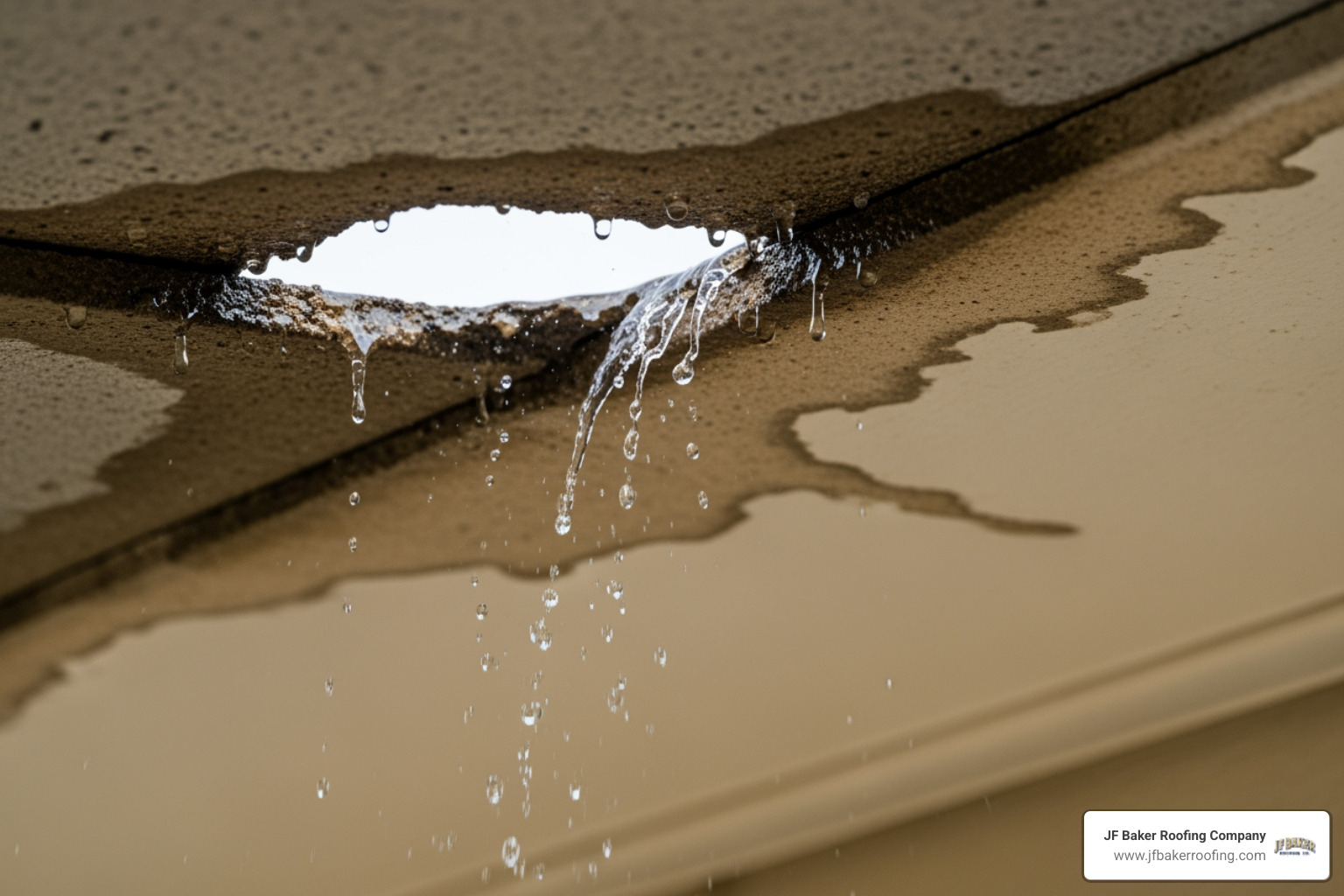
- Wet Insulation: Water often drips from the ridge and lands directly on the floor of the attic.
- Daylight Gaps: If you turn off the lights in the attic on a sunny day and see sparks of light at the peak, water can get in those same spots.
- Rust Streaks: On the exterior, look for rust trails bleeding out from under the ridge cap or around fasteners.
Recognizing these signs early can save you from a full replacement. If you aren't sure of the age or condition of your system, check out our guide on How to Know When It's Time to Replace Your Roof.
Preparing the Surface for Lasting Repairs

A repair is only as good as the preparation. You can buy the most expensive sealant in the world, but if you apply it over old, crusty caulk or a layer of pollen, it will fail by next winter.
When we perform Sheet Metal Work or repairs, the first step is always total removal of the old material. You cannot simply "layer" new sealant over old. Use a plastic putty knife to scrape away the failed sealant without scratching the paint finish.
Once the old material is gone, the metal must be chemically cleaned. This removes oils, factory residues, and environmental film. For most painted metal ridge caps, isopropyl alcohol is a safe and effective cleaner. If you are dealing with heavy residue on stainless steel ties, mineral spirits can be used, but you must be careful not to let it sit on the painted roof panels, as it can soften some finishes.
Selecting Compatible Sealants and Solvents
Choosing the right "glue" is where most DIY repairs go wrong.
- Avoid standard silicone: Many cheap silicones contain acetic acid, which can actually corrode certain metal finishes.
- Use High-Solids Polyether or Tri-Polymer Sealants: These are designed specifically for the high-movement environment of a metal roof. They have excellent UV resistance and stay flexible even when the metal is freezing cold.
- Compatibility Check: Always check if your roof has a Kynar 500 finish. This high-end paint is famously "non-stick," and only specific sealants (like those recommended by the manufacturer) will bond to it long-term.
Step-by-Step Repair for a Metal Roof Ridge Cap Leaking
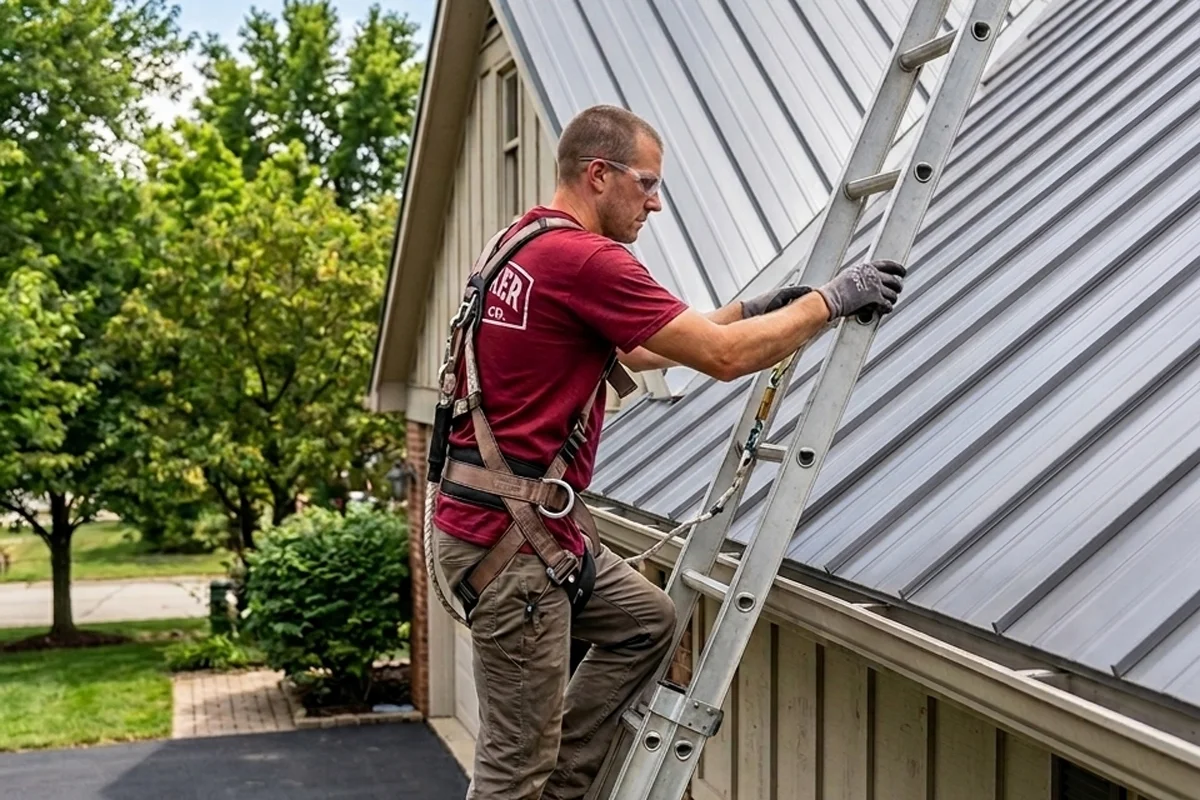
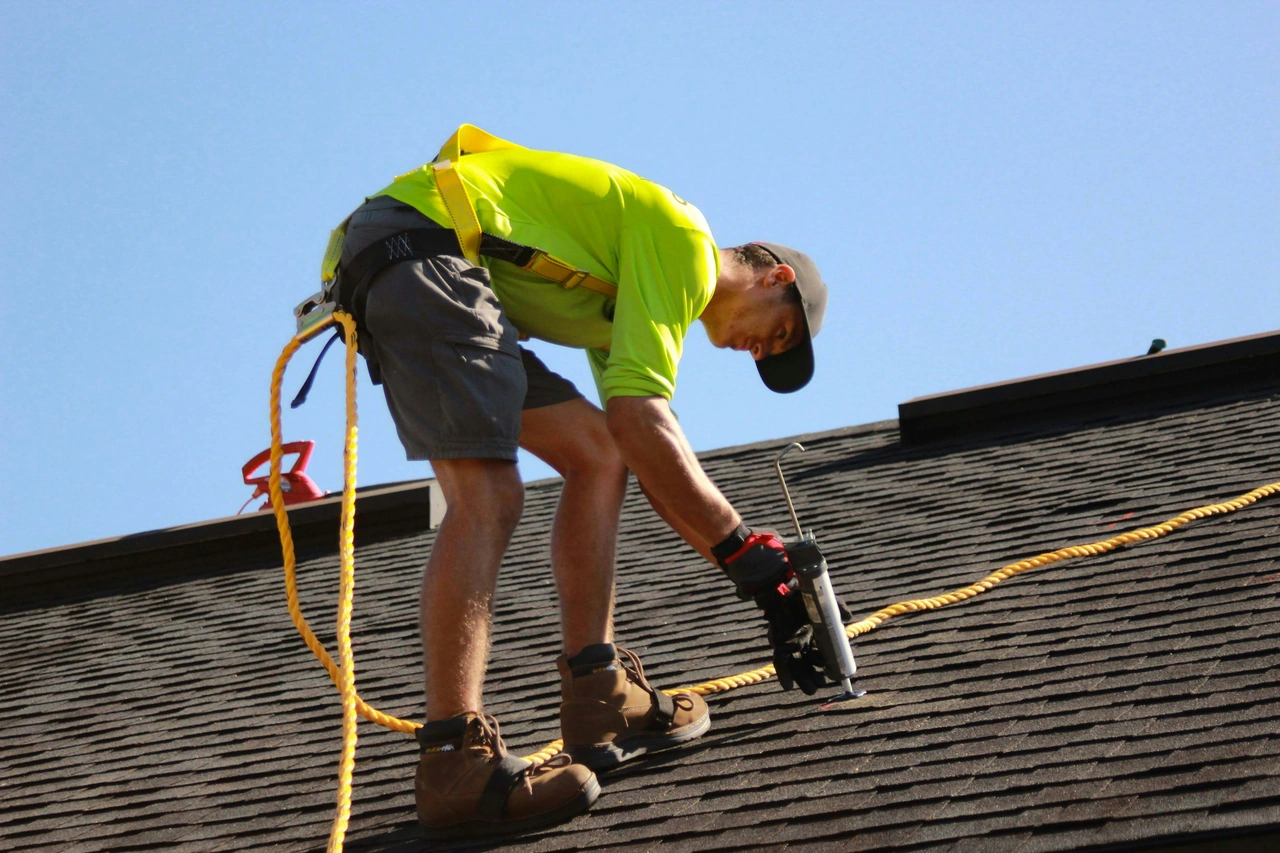
- Safety First: Metal roofs are incredibly slippery, especially when cleaning. Use proper fall protection.
- Clear the Area: Remove all old sealant and debris.
- Scuff the Surface: Lightly scuffing the area with a Scotch-Brite pad can help the new sealant "bite" into the surface.
- Solvent Wipe: Clean both the ridge cap and the penetration (like a safety tie) with a clean rag and solvent.
- Apply the Bead: Apply a continuous, thick bead of sealant. If you are sealing a rectangular penetration, ensure the corners are heavily reinforced.
- Consider Extra Flashing: For high-risk areas, we often install a "Z-flashing" or a custom metal skirt behind the penetration. This acts as a secondary dam to block wind-driven rain from ever reaching the sealant joint.
- Tool the Sealant: Use a gloved finger or a tool to press the sealant into the gap, ensuring there are no air bubbles.
Long-Term Prevention and Maintenance Strategies
The best way to handle a metal roof ridge cap leaking is to prevent it from starting. We recommend an annual inspection of your ridge line, especially after the heavy wind storms we get in Central Ohio.
One of the best upgrades you can make is installing high-quality closure strips. Pro-Vent Hip and Ridge Vented Closure systems are made of specially formulated polyester that allows air to pass but stops water in its tracks. Unlike old-fashioned foam closures that can crumble over time, "hog hair" style closures or breathable mesh stay resilient for decades.
Also, keep an eye on your Gutters and Drainage. While it seems unrelated, a clogged gutter can cause moisture to back up into the attic space, which may mimic a ridge leak due to condensation.
Frequently Asked Questions about Ridge Leaks
Why does wind-driven rain enter my ridge vent?
Most ridge vents are designed to stop vertical rain, but high-velocity winds can push water horizontally or even "uphill." If your ridge vent doesn't have an internal weather baffle or a high-quality closure strip, the wind can force water through the air gaps.
Can I use spray foam to seal a leaking ridge?
We generally advise against this. While closed-cell spray foam is waterproof, applying it inside a ridge vent can void your roof warranty and block essential attic ventilation. It also makes future repairs nearly impossible because the foam is so difficult to remove from the metal.
How does thermal expansion affect my ridge seals?
Metal can expand up to an inch or more over a long run. If your ridge cap is pinned too tightly or the sealant is too rigid, the metal will literally tear the sealant apart as it moves. This is why using high-stretch, professional-grade sealants is non-negotiable.
Professional Solutions for Central Ohio Homeowners
Repairing a metal roof requires a different set of skills than standard shingle work. It requires an eye for detail, knowledge of metallurgy, and the right safety equipment. If you’re uncomfortable on a high-pitch metal peak, or if you’ve tried to fix a leak and it keeps coming back, it’s time to call in the experts.
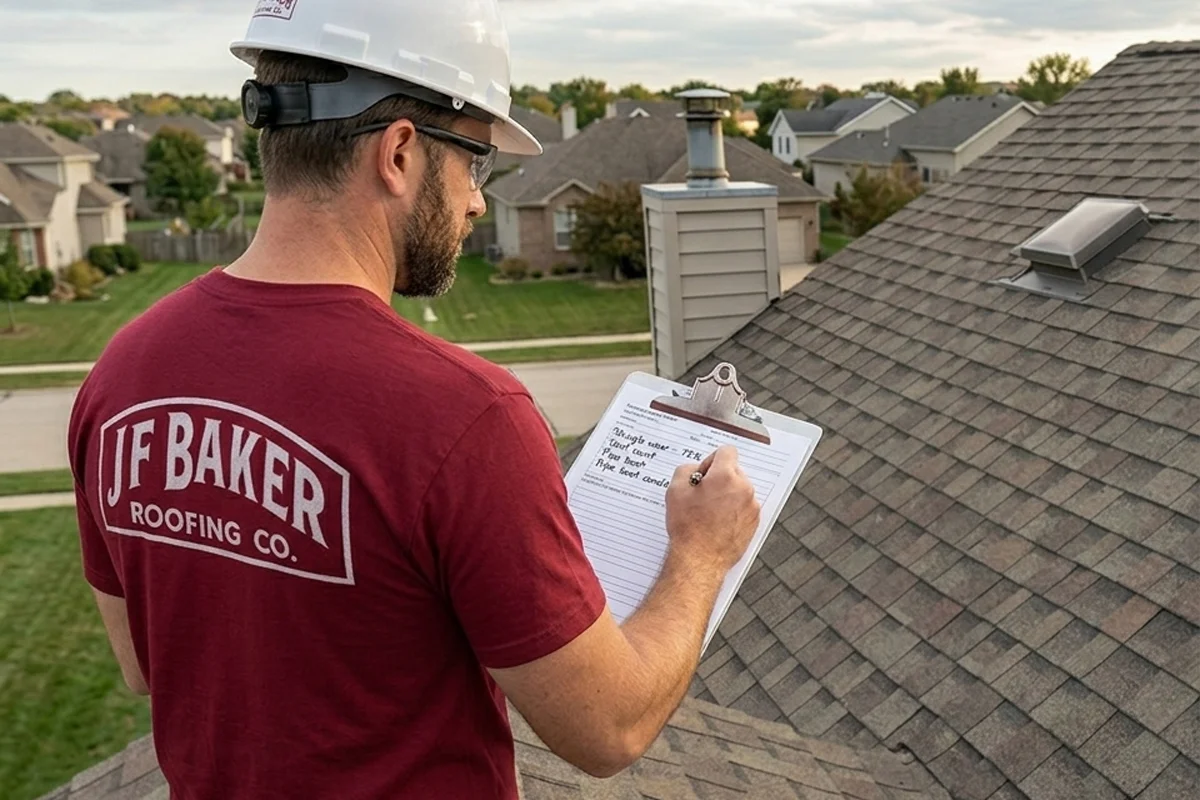
At JF Baker Roofing, we’ve been serving the Central Ohio community since 1929. Now led by third-generation owners Chad and Pat Baker, we bring nearly a century of integrity to every job. Whether you’re in Dublin, Upper Arlington, or right here in Columbus, we provide honest assessments. If a simple re-sealing will fix your ridge cap, that’s exactly what we’ll recommend.
We are a CertainTeed ShingleMaster Preferred Contractor and an A+ rated BBB member. We stand behind every roof we install and every repair we make. If you're struggling with a metal roof ridge cap leaking, let our family help yours.
Knowing How to Choose the Right Roofing Contractor in Columbus Ohio is the first step toward a dry home. Give us a call for a no-pressure evaluation of your Residential Roofing needs. We’ve been built on integrity and proven by performance for three generations.













.jpeg)