Roofing Warranties Explained for Ohio Homeowners
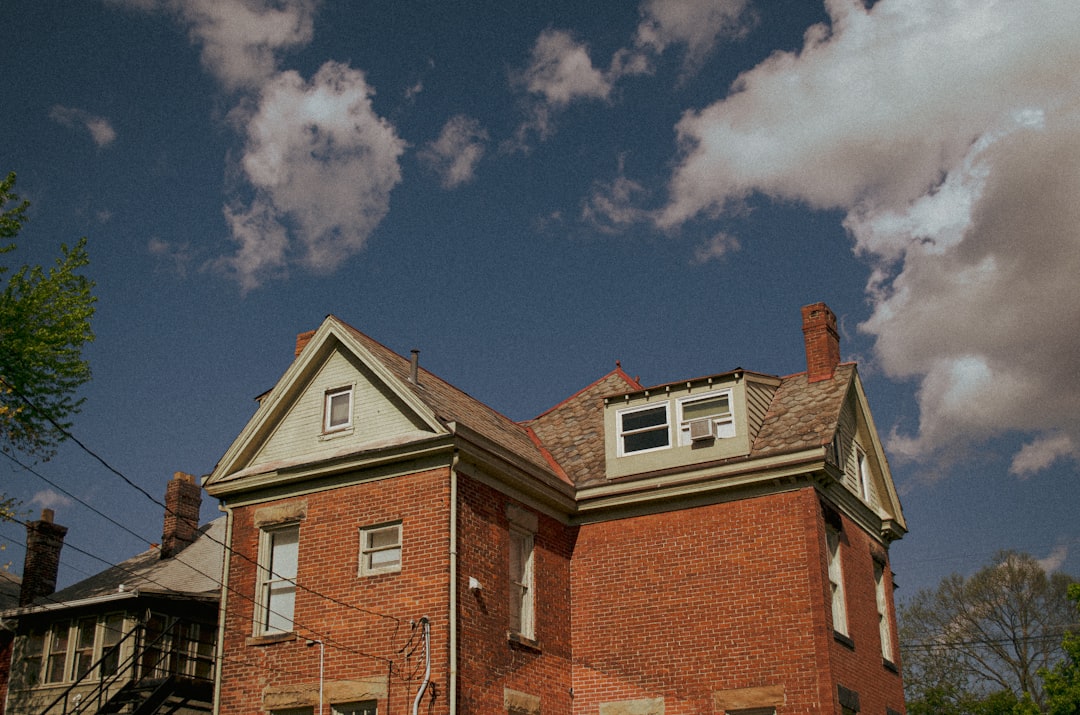
Understanding Your Residential Roofing Warranty in Columbus
Residential roofing warranty columbus is one of the most important things to understand before you sign any roofing contract. Here is a quick overview of what Columbus homeowners need to know:
Types of roofing warranties available in Columbus:
| Warranty Type | What It Covers | Typical Length |
|---|---|---|
| Manufacturer warranty | Material defects in shingles and components | 20 years to lifetime |
| Workmanship warranty | Installation errors by the contractor | 5 to 25 years |
| Extended/system warranty | Both materials and labor, combined | Varies by certification level |
Key things to check:
- Is the warranty prorated or non-prorated?
- Is it transferable if you sell your home?
- What maintenance is required to keep it valid?
- Is the contractor certified by the manufacturer?
Your roof is one of the biggest investments your home has. In Columbus, that investment faces real pressure every year from ice dams in January, wind-driven rain in spring, and the constant freeze-thaw cycles that push and pull at every seam and shingle.
A warranty is supposed to protect that investment. But not all warranties work the same way. Some sound strong on paper and fall short when you actually need them.
At JF Baker Roofing, we have been helping Central Ohio homeowners understand exactly what they are getting since 1929. We are a family-owned company, now in its third generation, and we have seen what happens when homeowners choose a roof based on price alone, without asking the right questions about coverage.
This guide gives you honest, plain-spoken answers about roofing warranties in Columbus so you can make a decision you will feel good about for decades.
When you start looking into a new roof, you will hear a lot of talk about "coverage." To keep it simple, think of a roofing warranty as having two main parts: the parts and the labor.
Manufacturer Warranties
This is the most common type of coverage. It comes from the company that made the shingles, such as CertainTeed, GAF, or Owens Corning. This warranty protects you if the shingles themselves are defective. If the granules fall off too soon or the shingles crack because they weren't made right, the manufacturer steps in. Most standard manufacturer warranties last between 20 and 50 years, but they often only cover the cost of the materials, not the labor to tear off the old roof or install the new one. If you want a neutral overview of how roofing materials and assemblies are generally classified, the roof article on Wikipedia is a useful starting point.
Workmanship Warranties
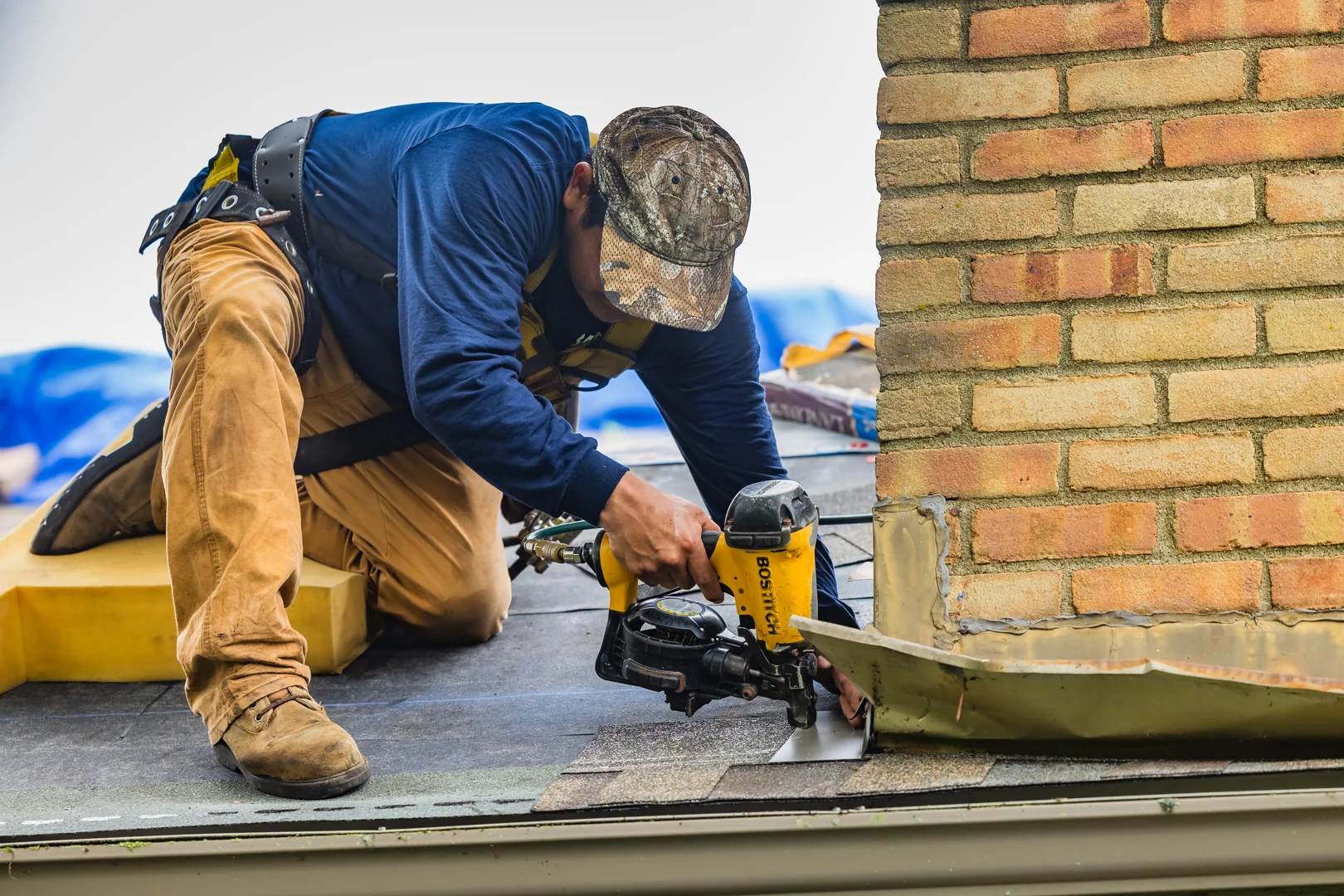
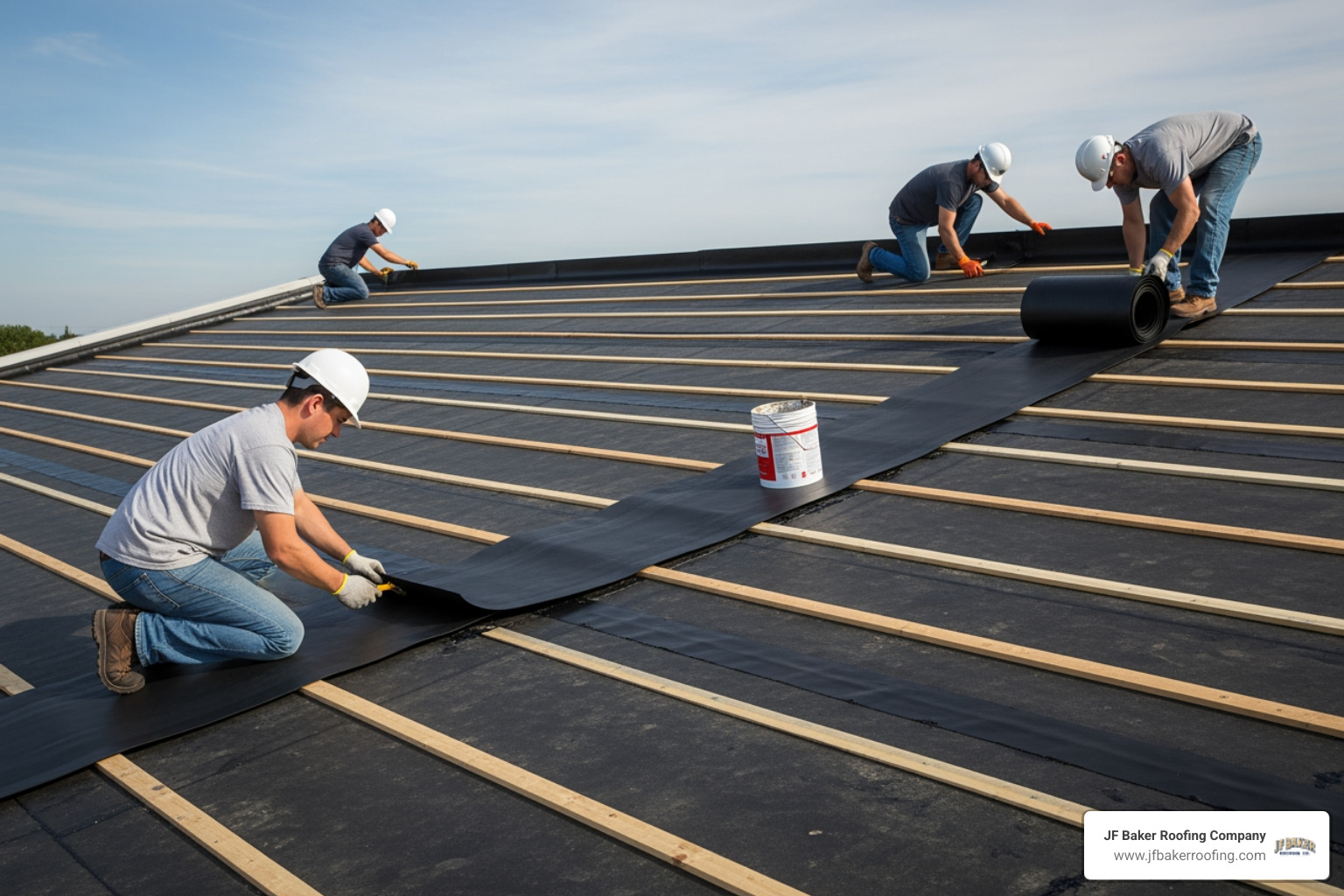
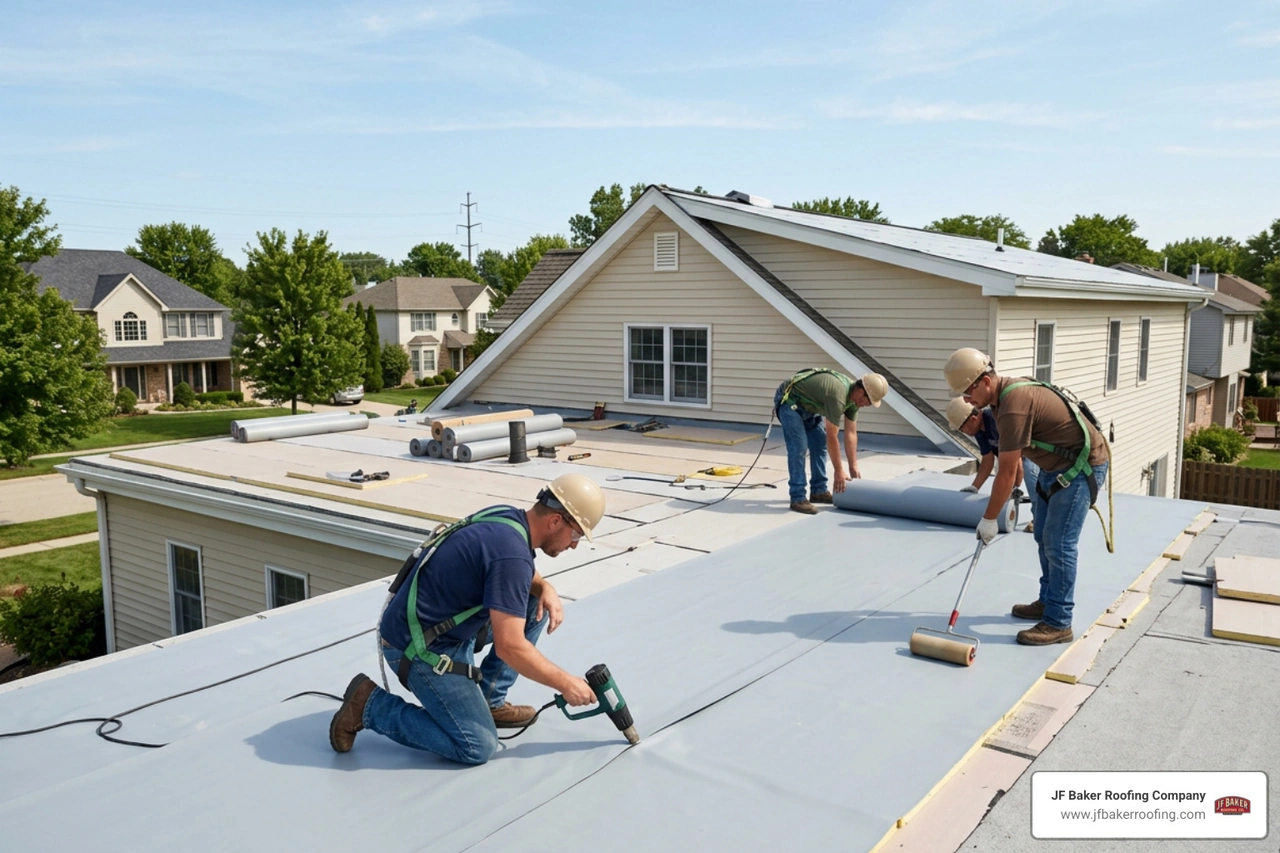
This is the promise made by us, the contractor. It covers the actual installation. Even the best shingles in the world will leak if they aren't nailed down correctly or if the flashing around your chimney isn't sealed right. A workmanship warranty ensures that if a leak happens because of how the roof was put together, the contractor will come back and fix it at no cost to you. At JF Baker Roofing, we believe in standing behind every roof we install, which is why our family has been trusted in Central Ohio for over 90 years.
Extended Warranties
These are often called "system warranties." To get one, you usually have to use a certified contractor and install a complete set of components from one manufacturer, including the shingles, underlayment, and ventilation. These are the "gold standard" because they often cover both materials and labor for a much longer period.

What does a lifetime warranty actually mean?
You will see the word "lifetime" all over roofing brochures in Columbus. It sounds like the roof will last forever, but in the roofing world, "lifetime" has a specific legal definition. For a single-family detached residence, it usually means as long as the original owner (or the second owner, if transferred properly) owns the home.
However, for other types of buildings like apartments or commercial properties, that "lifetime" is often capped at 40 years. It is also important to know that "lifetime" usually refers to manufacturing defects, not normal wear and tear. No shingle lasts forever against the Ohio sun and wind, so the warranty is there to protect you against the roof failing much sooner than it should. Understanding these terms is the first step in ensuring your home remains protected for the long haul.
The importance of manufacturer certifications
Not every roofer can offer the best warranties. Manufacturers like CertainTeed and GAF only allow their top-tier contractors to provide enhanced coverage. For example, JF Baker Roofing is a CertainTeed ShingleMaster Preferred Contractor.
To earn these titles, a company has to go through rigorous training, prove they are financially stable, and maintain high levels of insurance and licensing. When you hire a certified contractor, the manufacturer is essentially vouching for their work. This gives you an extra layer of accountability. If that contractor ever went out of business, the manufacturer would still honor the enhanced labor warranty because they inspected and approved the contractor's methods.
Prorated vs. Non-Prorated Coverage in Ohio
This is where the "fine print" can really cost you money. Many standard warranties are prorated. This means the value of the warranty goes down every year your roof gets older.
Imagine you have a $30,000 roof with a 30-year prorated warranty. If that roof fails in year 25, the manufacturer might only cover a tiny fraction of the cost, leaving you to pay $25,000 or more out of your own pocket.
A non-prorated warranty (often called "Smart Choice Protection" or "Full Coverage Period") stays at 100% value for a set number of years. If the roof fails during that period, the manufacturer covers the full cost of replacement, including labor. In a climate like ours, where the weather is tough on shingles, having a non-prorated period of 20 to 50 years is a massive financial safety net. Understanding the main components of a residential roof can help you see why full coverage matters for every layer of your system.
Comparing long-term warranty costs
To see the real-world impact, look at how much a homeowner might pay for a $30,000 roof replacement if a manufacturer defect is found years down the road:
| Year of Claim | Prorated Warranty (Out-of-Pocket) | Non-Prorated Warranty (Out-of-Pocket) |
|---|---|---|
| Year 1 | $0 | $0 |
| Year 15 | $15,000 | $0 |
| Year 25 | $25,000 | $0 |
As you can see, a "free" standard warranty that is heavily prorated can end up being very expensive if something goes wrong later on.
How Central Ohio Weather Affects Your Coverage
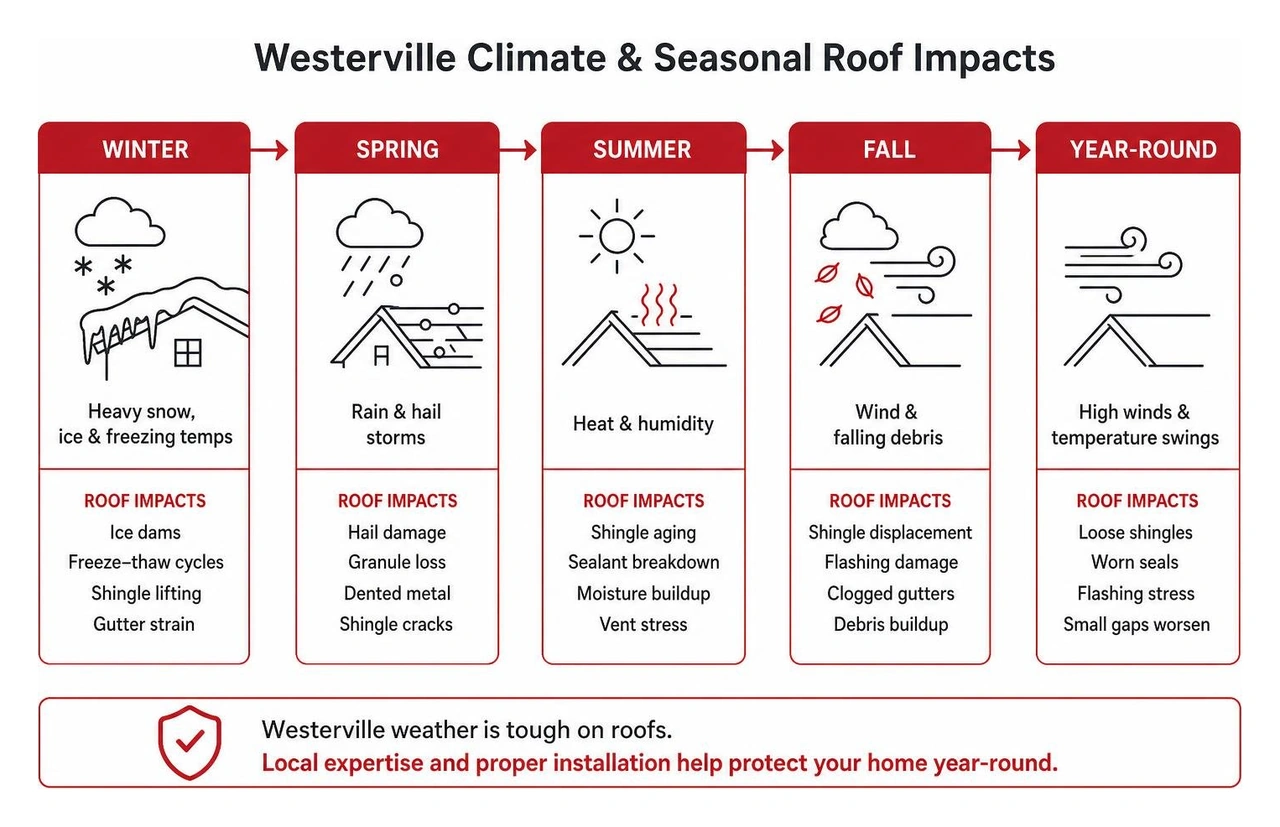
Columbus weather is unique. We don't just get snow; we get "freeze-thaw" cycles. This is when snow melts during the day and freezes at night, often leading to ice dams. If your roof isn't installed with the right underlayment and ventilation, these ice dams can push water under your shingles.
Most warranties do not cover damage caused by "acts of God" or extreme weather that exceeds the design limits of the shingles. However, a good warranty will cover you if the shingles fail to perform under normal Ohio conditions.
Why Local Expertise Matters for a Residential Roofing Warranty in Columbus
Hiring a local company that has been here since 1929 means you are working with people who understand Columbus building codes and exactly how much wind-driven rain hits a house in Upper Arlington or Westerville.
National "storm chaser" companies often breeze through town after a hail storm, install a roof quickly, and leave. If you have a warranty issue two years later, they are nowhere to be found. A local contractor who stands behind their work is your best insurance policy. They ensure the roof is installed to meet the specific requirements of the manufacturer so your warranty remains valid.
Filing a claim after storm damage
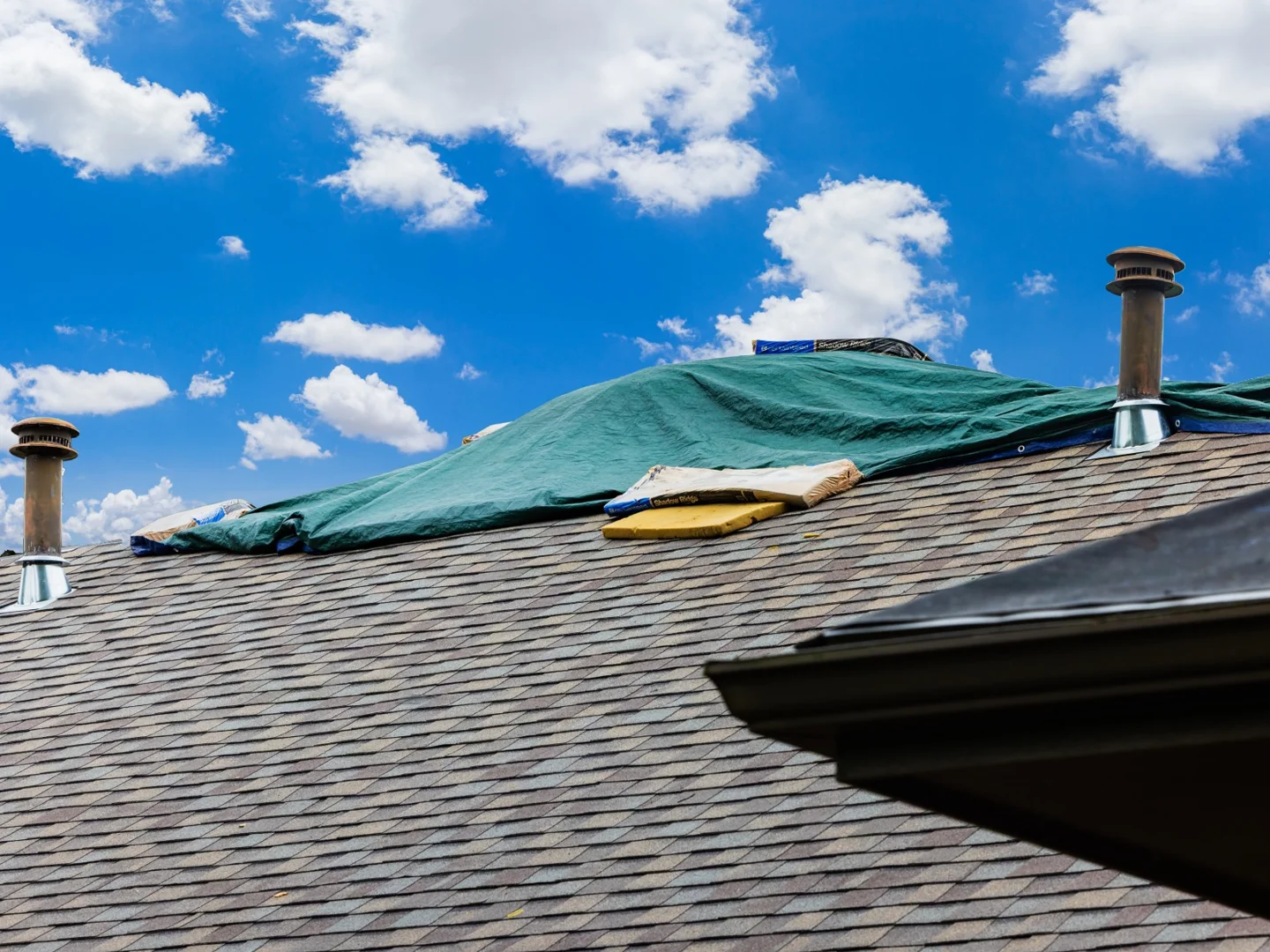
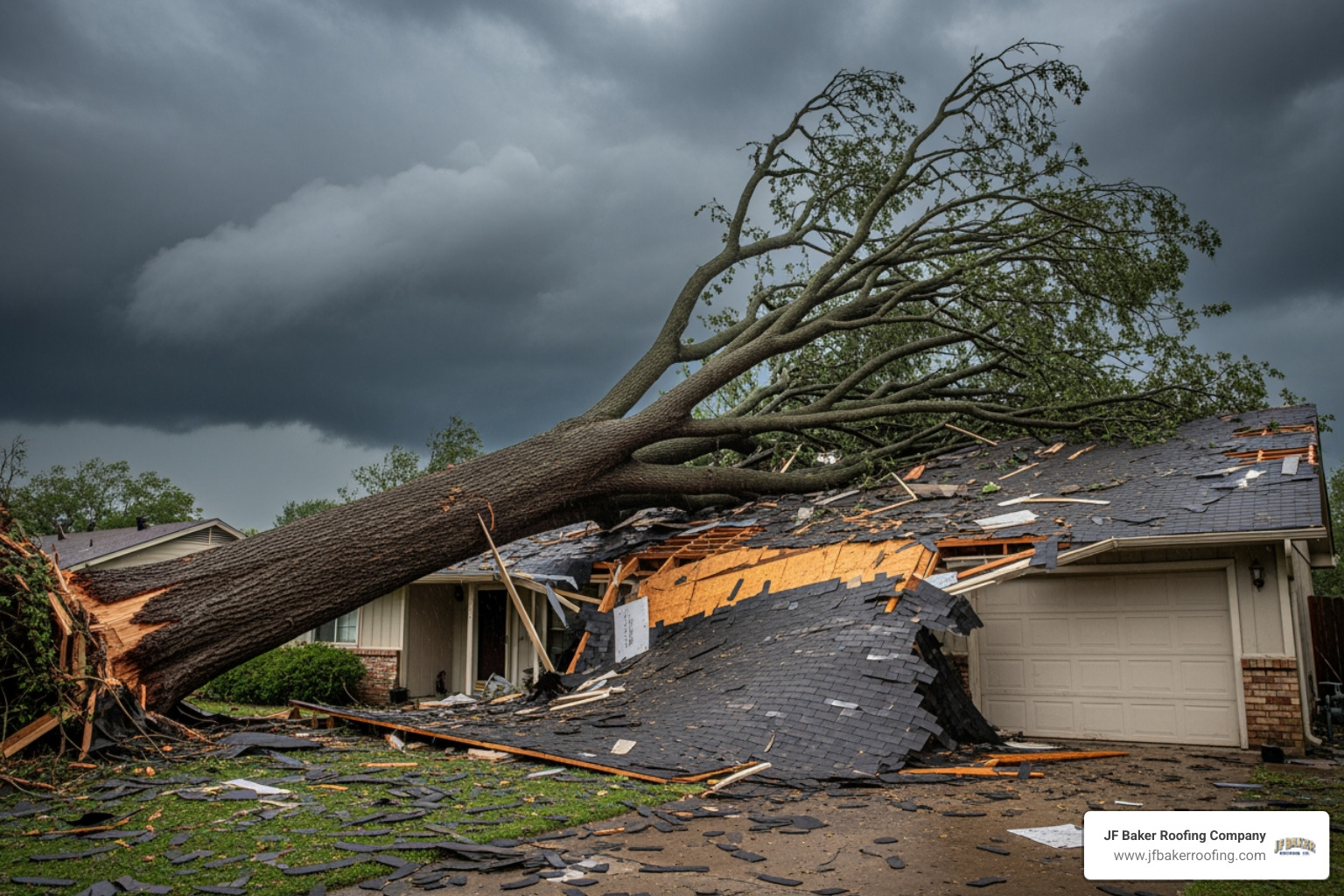
If a big storm hits Hilliard or Dublin and you see shingles in your yard, the first step isn't calling the manufacturer; it's calling for a professional inspection. We can help you determine if the damage is a material defect (which is a warranty claim) or storm damage (which is an insurance claim).
When filing a claim, documentation is king. You will need:
- The original contract and date of installation.
- Proof of any maintenance or inspections performed.
- Clear photos of the damage.
- The "batch number" of the shingles (usually found on the original packaging or the contractor's invoice).
If you aren't sure if your roof is just old or actually damaged, check out our guide on how to know when it is time to replace your roof.
Protecting Your Investment Through Proper Maintenance
A warranty is a two-way street. The manufacturer promises the shingles will last, but you have to promise to take care of the roof. If you neglect your roof, you might accidentally void your coverage.
What Voids a Residential Roofing Warranty in Columbus?
There are a few common mistakes that can kill a warranty faster than a hailstorm:
- Improper Ventilation: If your attic gets too hot because there isn't enough airflow, it literally "cooks" the shingles from the inside out. Manufacturers will often deny a claim if they find the attic wasn't vented to their standards.
- Layering Shingles: Some people try to save money by putting new shingles over old ones. This is a bad idea in Ohio. It traps heat and moisture, and almost every manufacturer will void the warranty immediately.
- Unauthorized Repairs: If you have a small leak and let a "handyman" slather roofing cement all over it, you might void the warranty for that entire section of the roof.
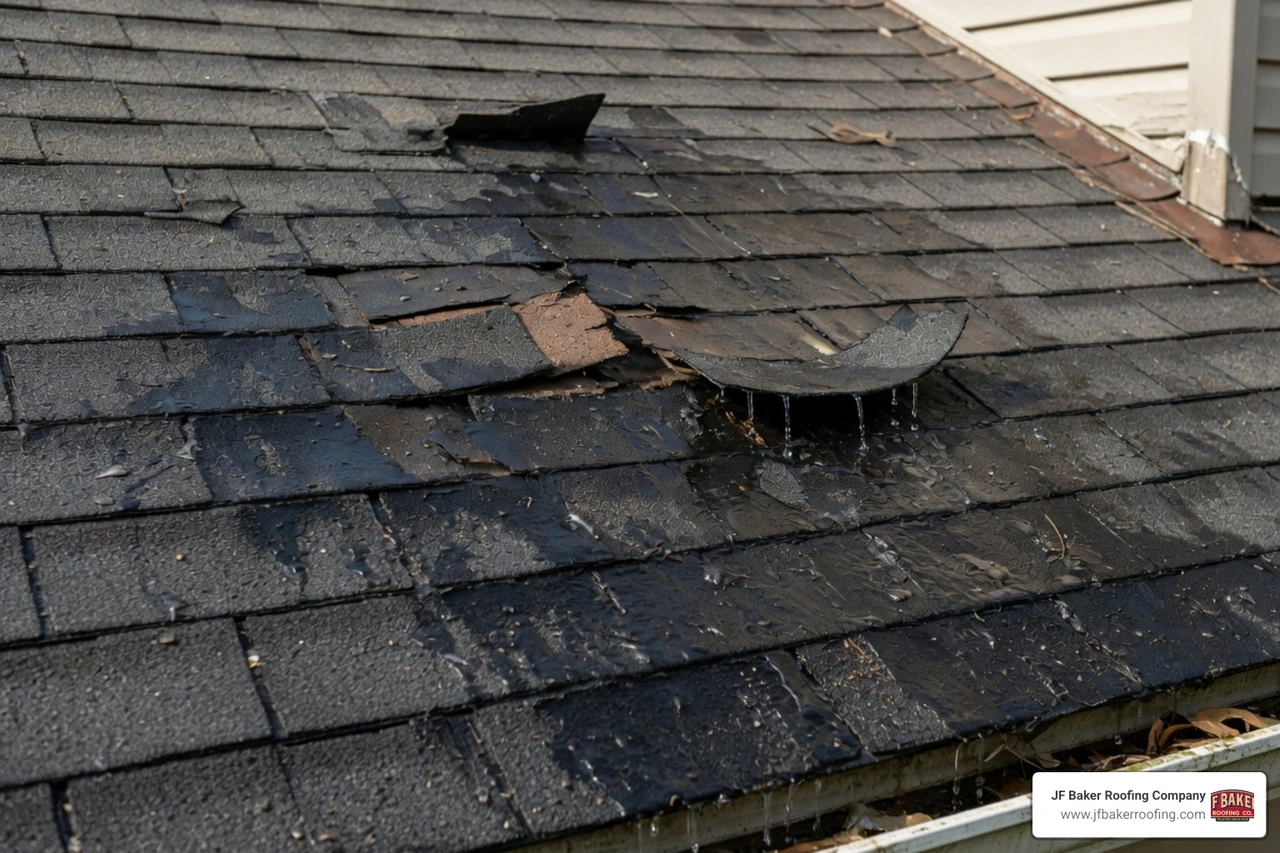
- Lack of Maintenance: Clogged gutters can cause water to back up under the eaves. If this leads to rot, the manufacturer isn't going to pay for it.
Choosing the right partner is the first step in avoiding these pitfalls. We recommend reading our advice on how to choose the right roofing contractor in Columbus Ohio to ensure your installer follows all the rules.
Transferring your warranty to a new owner
If you plan on selling your home in Bexley or Grandview Heights in the next few years, a transferable warranty is a huge selling point. It tells the buyer that the roof is protected, which adds real value to the home.
Most enhanced warranties allow for one transfer to a new owner. However, there are usually rules. You often have to notify the manufacturer in writing within 30 or 60 days of the home sale, and there might be a small transfer fee. If you don't follow these steps, the warranty might stay with you (the person who no longer owns the house) and become useless to the new buyer.
Conclusion
A residential roofing warranty columbus shouldn't be a mystery. It is a tool designed to give you peace of mind, provided you choose the right materials and the right team to install them.
At JF Baker Roofing, we don't believe in high-pressure sales or confusing jargon. We have been family-owned and community-rooted since 1929, built on a foundation of integrity and quality craftsmanship. Whether you need a simple repair or a full replacement, we provide honest assessments and stand behind every roof we install.
If you have questions about your current warranty or want to ensure your next roof is protected for a lifetime, we are here to help. Our reputation is your security. Schedule your residential roofing service with us today and let three generations of Central Ohio experience work for you.










.jpeg)