The Legal Side of DIY Roofing Permits
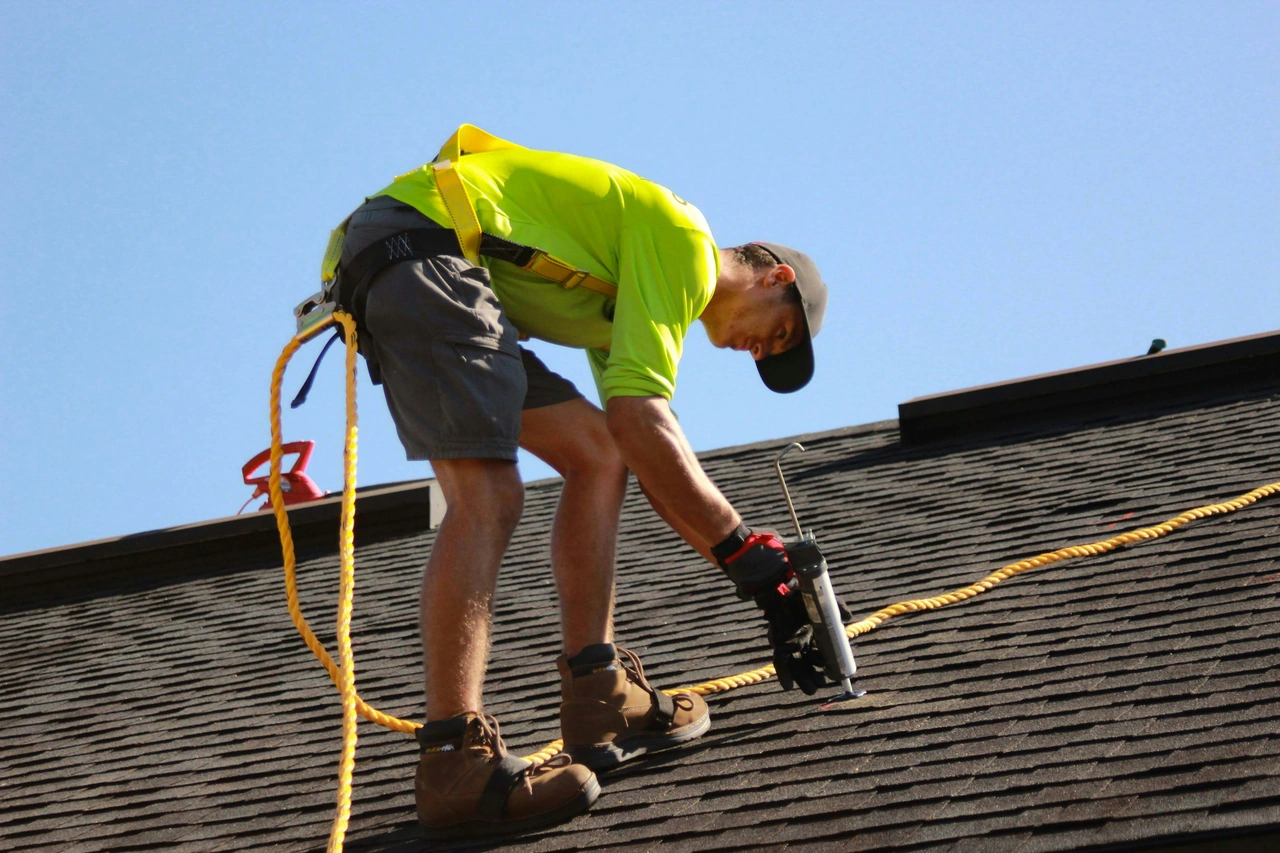
The Quick Answer: Do You Need a Permit to Replace Your Roof Yourself?
Do I need a permit to replace my roof myself? In most cases, yes.
Here is a fast breakdown to answer the most common scenarios:
In most areas, a permit is usually required for a full roof replacement, a tear-off and re-roof, replacing more than 25% of the roof surface, switching roofing materials, or making structural changes like roof deck replacement. Minor repairs, such as patching a small area or replacing a few shingles, usually do not require a permit.
The short version: If you are doing anything beyond a small patch job, plan on pulling a permit. Rules vary by city and county, but most jurisdictions in Ohio and across the country require a permit for a full replacement.
You are standing in your backyard, staring up at a worn-out roof, and you are wondering if you can just handle it yourself and skip the paperwork. It is a fair question. Permits take time. They cost money. And it is tempting to think no one will notice.
But here is the thing: the consequences of skipping a permit can follow you for years. We have seen it cause problems at home sales, void insurance claims, and lead to costly redo orders.
This guide walks you through exactly what Central Ohio homeowners need to know before picking up a nail gun, from when a permit is actually required to how to pull one yourself, and when it makes more sense to call a professional.
Do I Need a Permit to Replace My Roof Myself?

When you start researching do i need a permit to replace my roof myself, you will find that the answer is almost always a resounding "yes" for any significant work. According to the National Roofing Contractors Association (NRCA), building permits are a fundamental requirement in most municipalities to ensure that construction meets safety and structural standards.
Building codes are not just bureaucratic red tape. They are designed to protect the structural integrity of your home and the safety of everyone inside. The U.S. Department of Housing and Urban Development (HUD) emphasizes that proper roofing is critical to the longevity of a residential structure. Without a permit, there is no official record that your new roof meets these essential safety criteria.
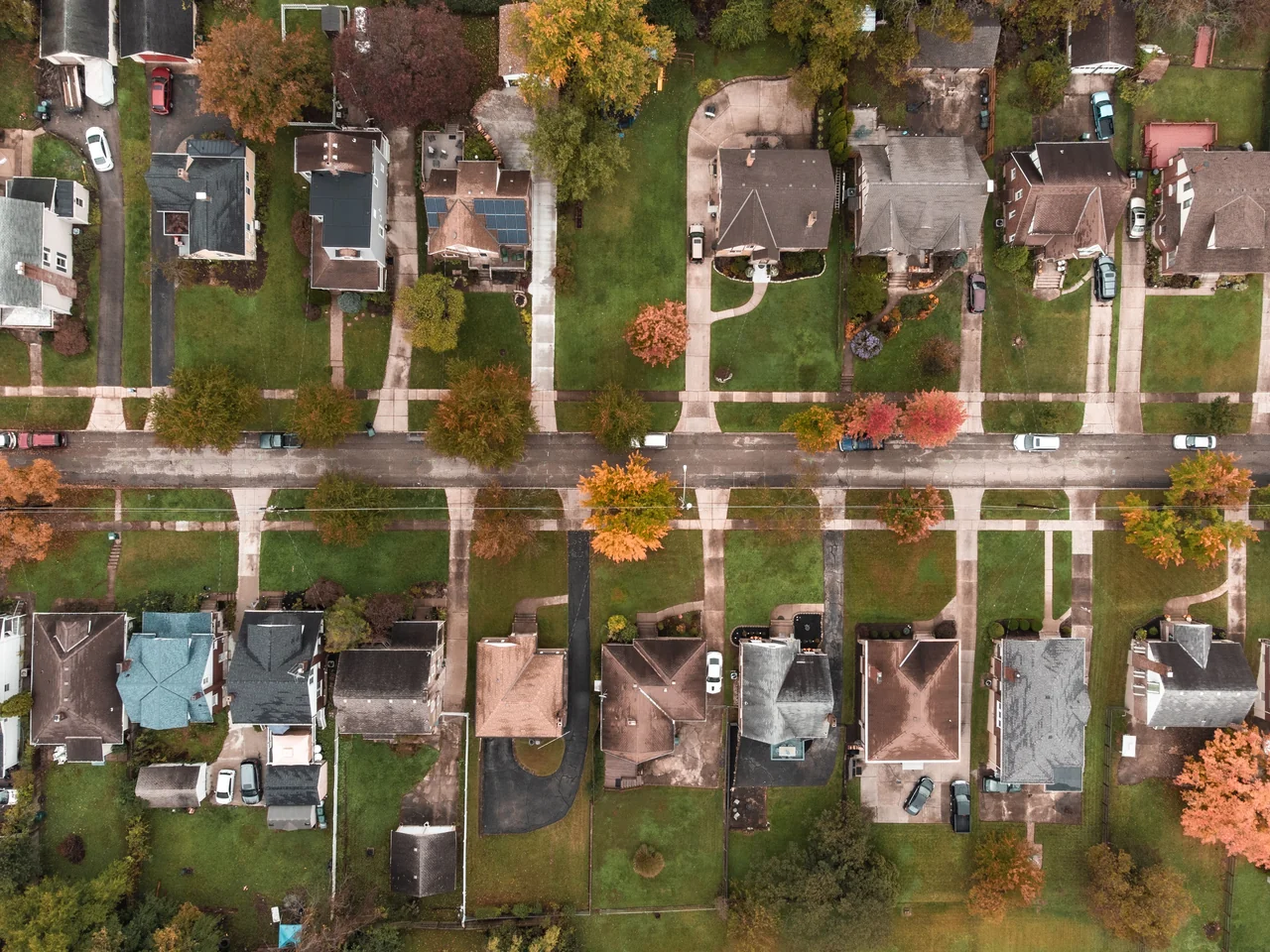
In Central Ohio, whether you live in Columbus, Upper Arlington, or Delaware, local ordinances dictate that a roof replacement is a major structural event. Even if you are the one swinging the hammer, the city or county still needs to verify that the materials you use and the way you install them won't lead to a collapse or a fire hazard. While some homeowners hope to fly under the radar, local building departments are increasingly vigilant, often using satellite imagery or responding to neighbor reports to identify unpermitted work.
When a Permit is Required vs. Not Required
Understanding the line between a "repair" and a "replacement" is key to staying legal. Most local building departments use a percentage-based rule or a "scope of work" definition to determine if you need to file paperwork.
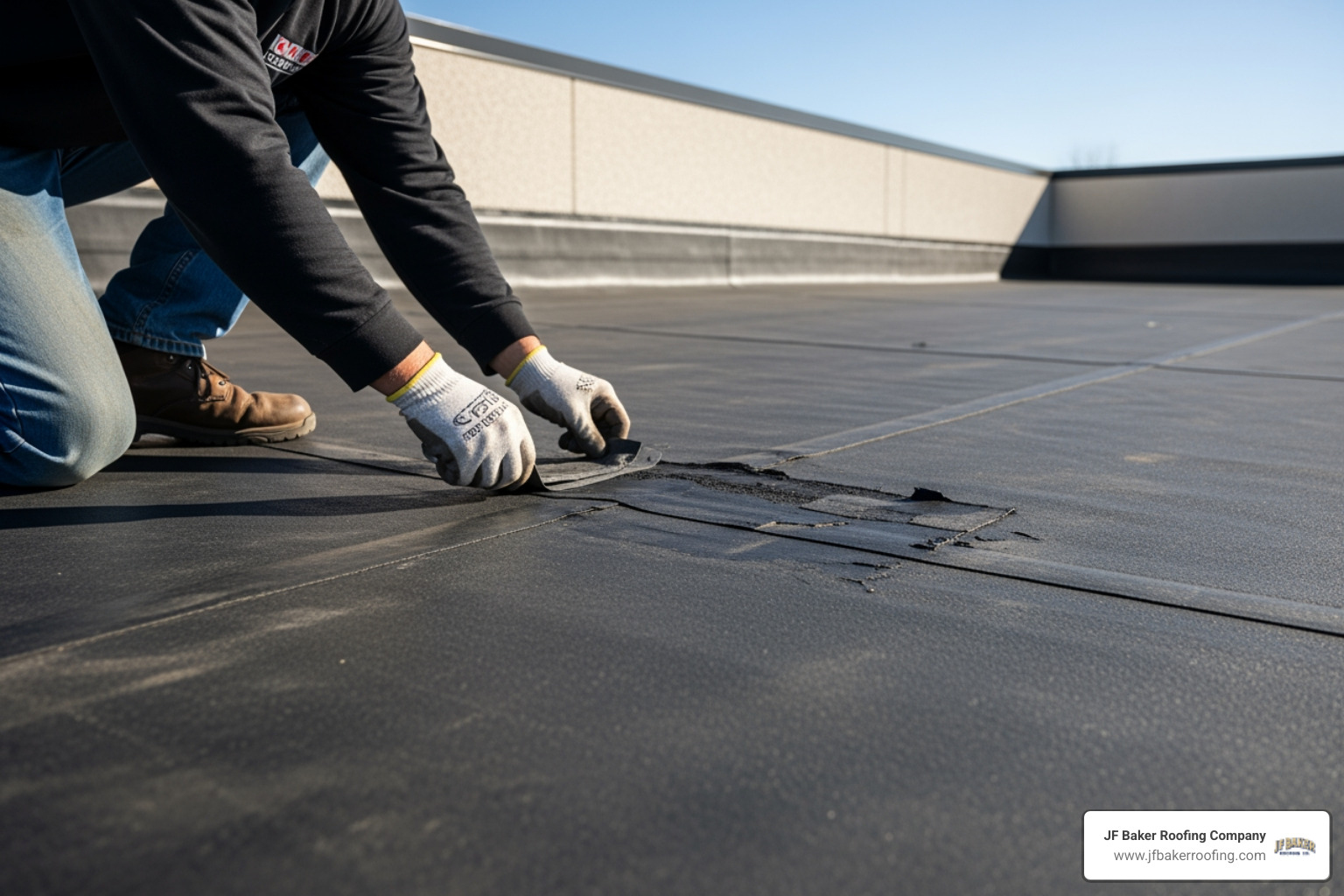
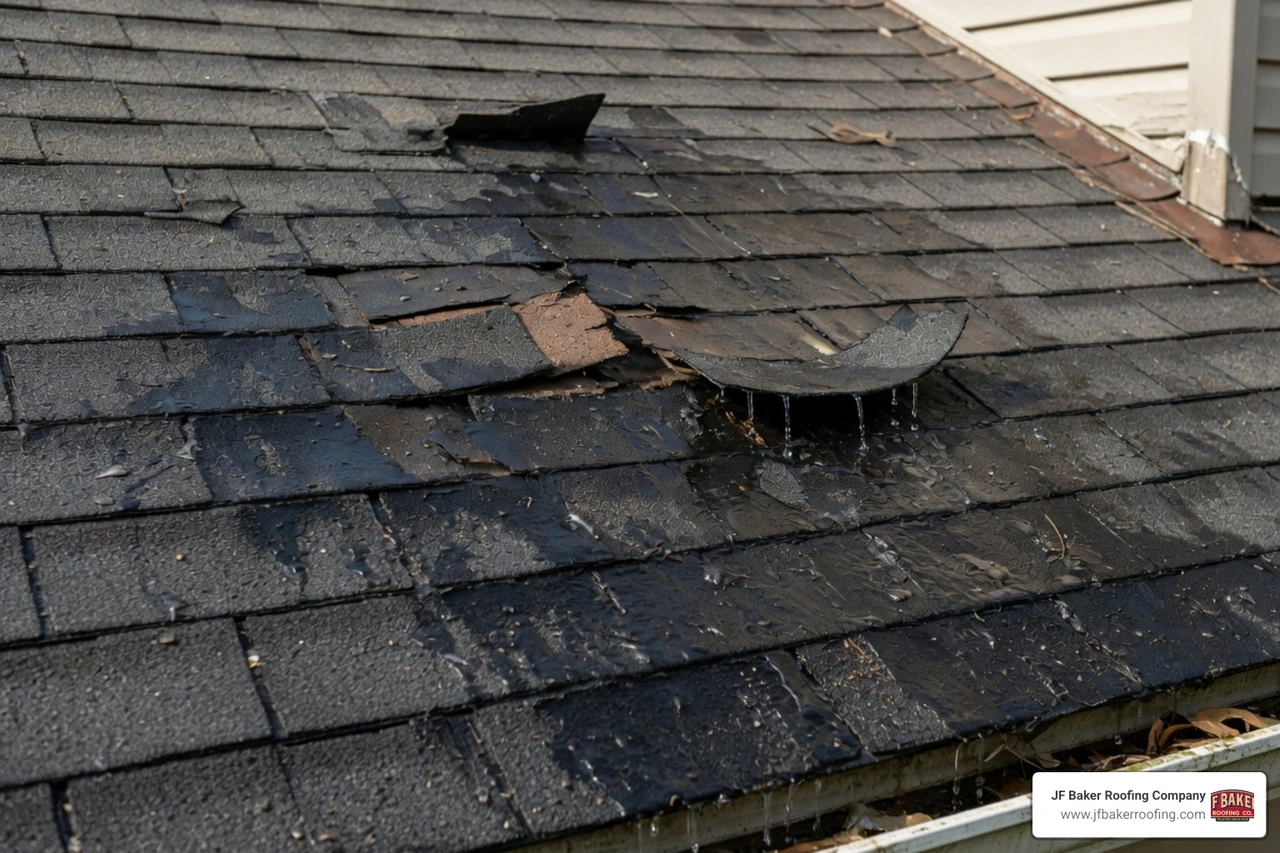
Minor shingle patching: Usually no permit needed. Replacing a few blown-off shingles is typically treated as basic maintenance.
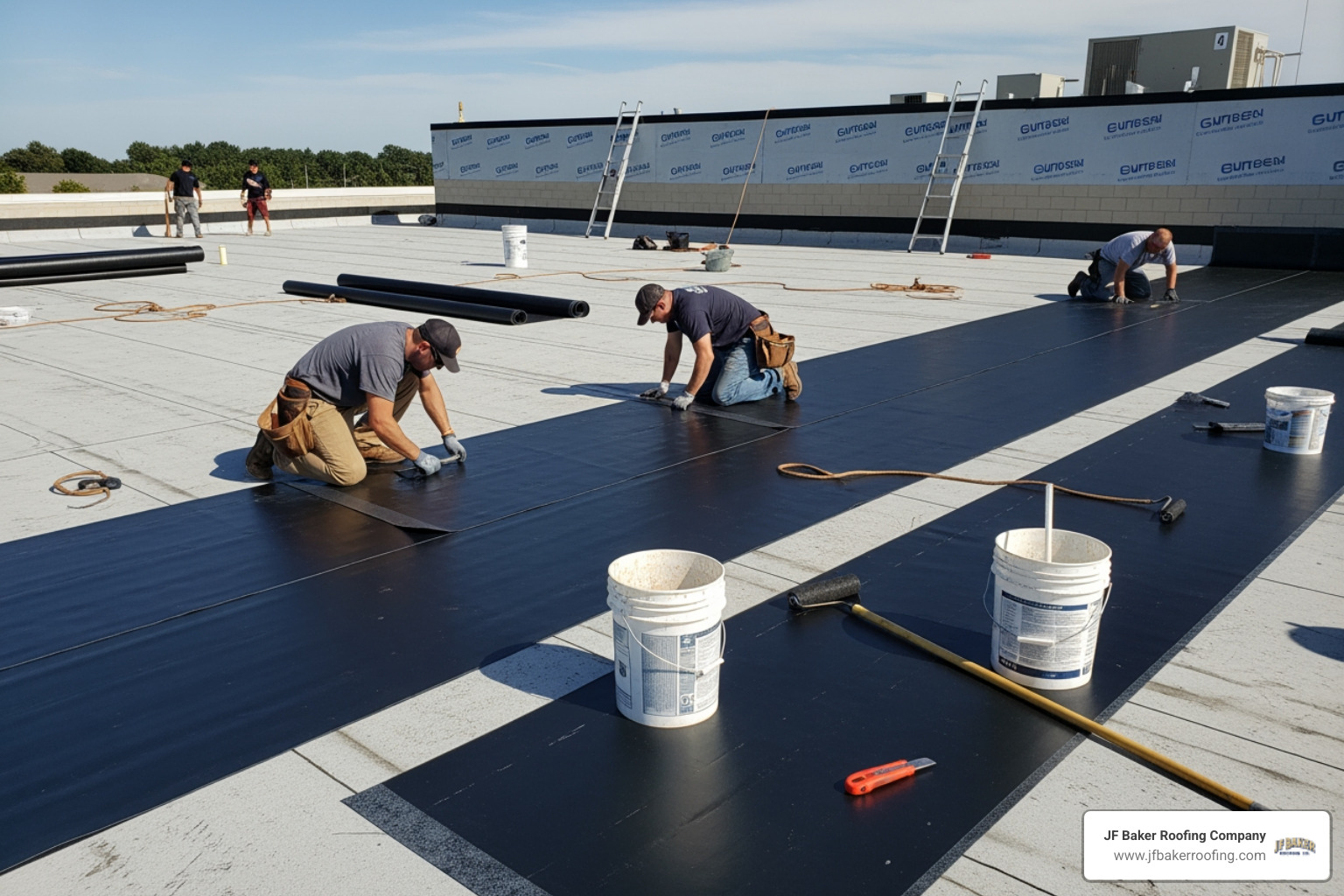
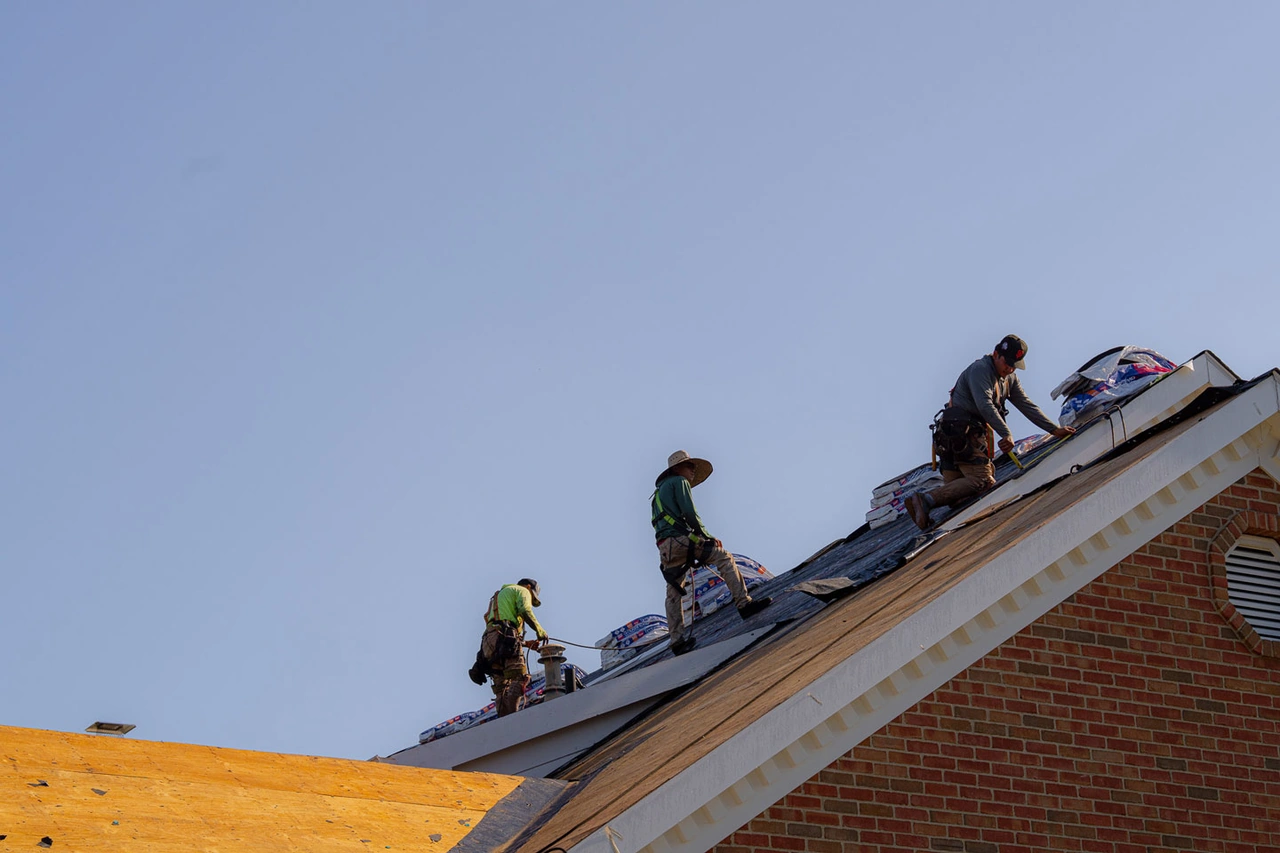
Full tear-off: Usually requires a permit. Removing all roofing layers down to the deck is considered a major roofing project.
Partial replacement over 25%: Often requires a permit. Many local codes use a 25 percent rule for larger roof sections.
Structural decking repair: Permit required in most cases. Replacing rotted plywood can affect the roof's load-bearing capacity.
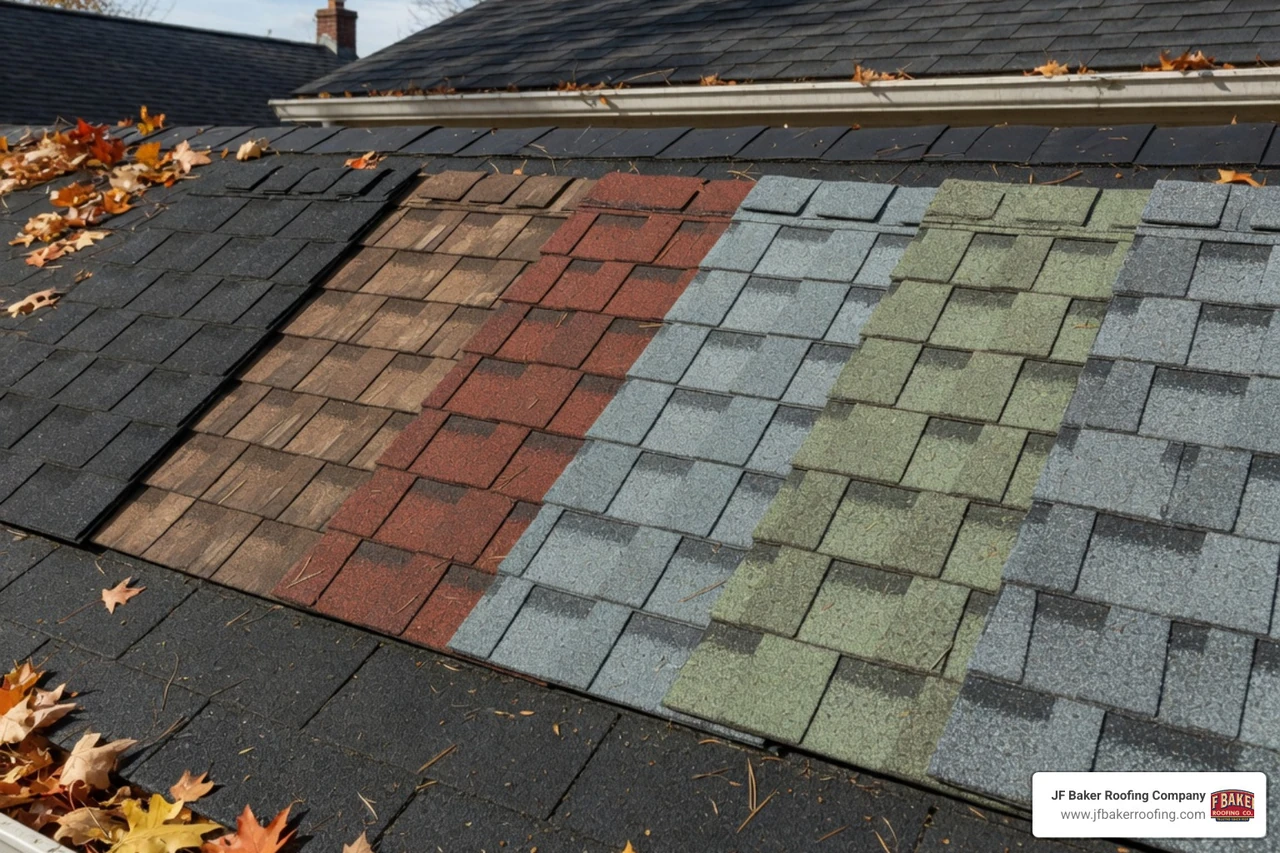
Material change: Permit required in most cases. Switching from asphalt shingles to metal, tile, or another material can change weight, fire ratings, and installation requirements.
Adding another shingle layer: Usually requires a permit. A second layer adds weight to the rafters and may not be allowed under local code.
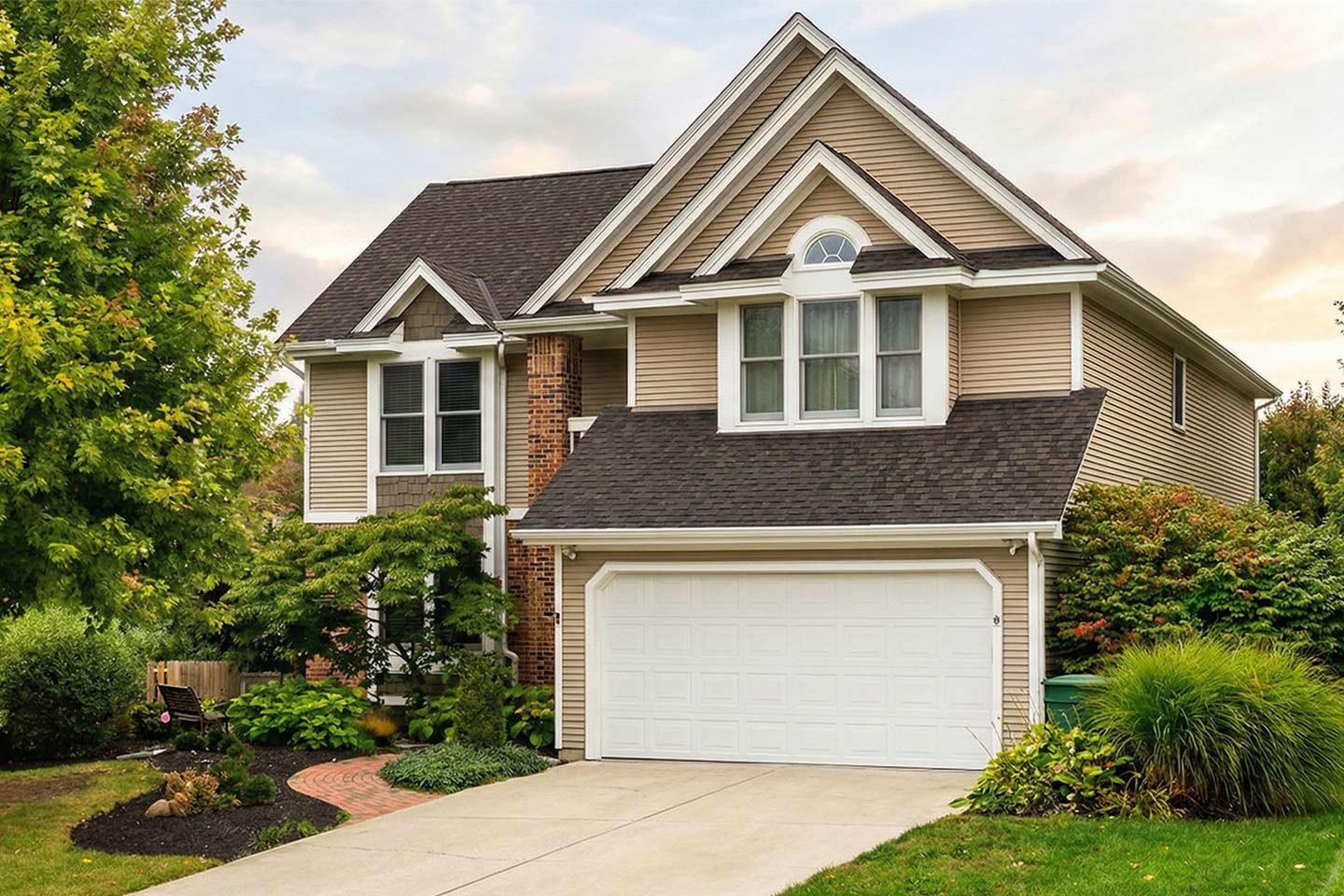
In many jurisdictions, if you are replacing more than 25 percent of the roof surface within a 12-month period, a permit is non-negotiable. Furthermore, if your project involves Residential Roofing upgrades, such as switching from asphalt shingles to a heavy slate or metal roof, the building department must ensure your home's frame can handle the new load.
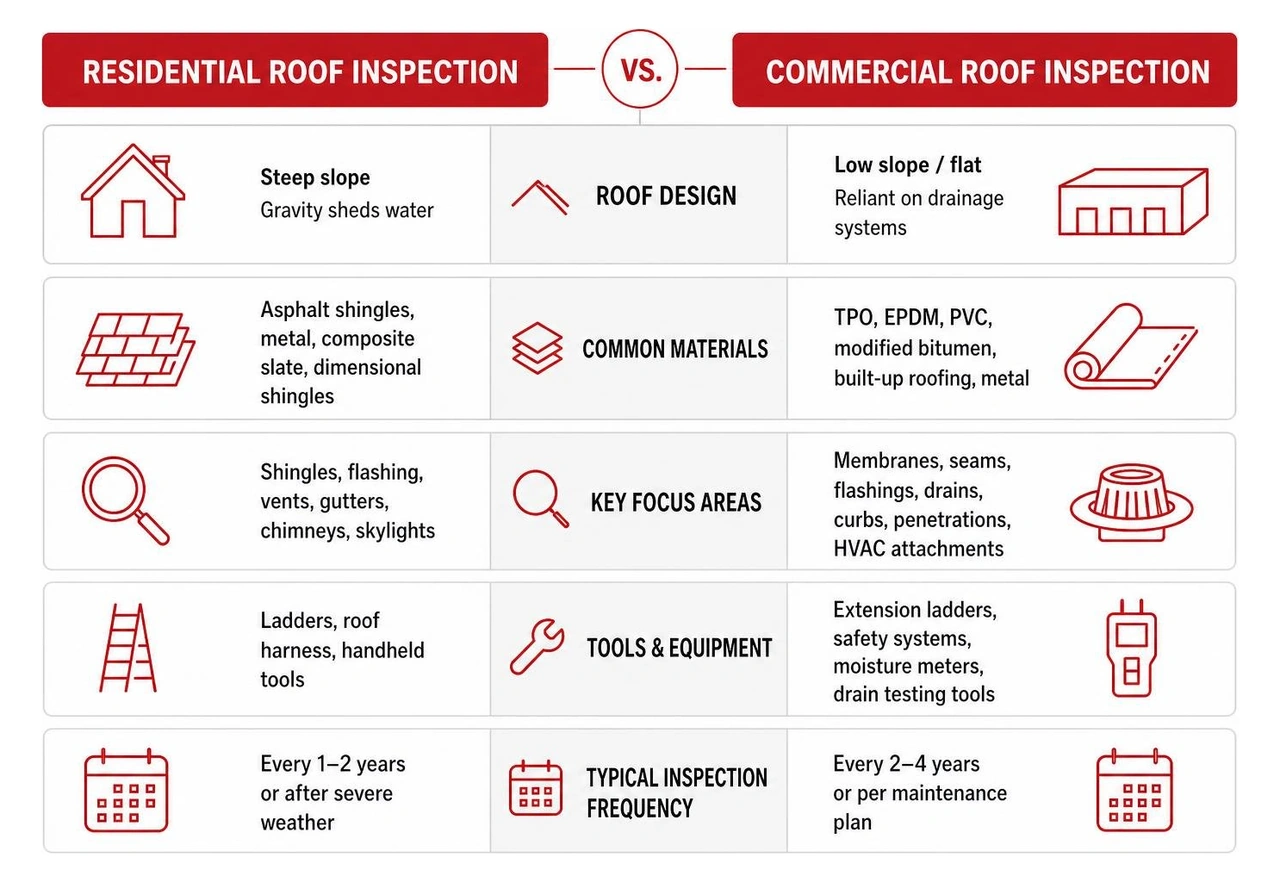
Pitch also matters. If you are working on a steep-slope roof, safety requirements and material specifications become even more rigid. Even something as seemingly simple as replacing the roof deck (the wooden boards shingles nail into) triggers a permit requirement because the deck is a structural component of the house.
The Risks of Skipping the Permit Process

It might be tempting to save the $150 to $500 that a permit typically costs, but the long-term risks far outweigh those initial savings. One of the biggest dangers involves your homeowners insurance. If a storm hits and causes damage, insurance companies may deny the claim if they discover the roof was installed without a permit or by an unlicensed individual. They may argue that the "unpermitted" work contributed to the failure, leaving you to pay for the entire repair out of pocket.
Then there is the issue of home resale value. When you go to sell your home in Columbus or Dublin, the buyer’s inspector and the title company will look for permit records. If you are caught replacing the roof of your home without a permit, it can derail the sale. Lenders often refuse to provide a mortgage for a home with known unpermitted structural work. You might be forced to pay for a retroactive permit, which often comes with double or triple the original fee, or worse, you might be ordered to tear the roof off and start over so an inspector can see the "dry-in" phase.
To avoid these headaches, it is helpful to understand How to Know When It's Time to Replace Your Roof: A Complete Homeowner's Guide. Knowing the signs of a failing roof early gives you the time to plan the permitting process properly rather than rushing into a DIY job that could lead to a stop-work order from the city.
How to Pull a Roofing Permit as a Homeowner
If you have decided to move forward with the DIY route, you need to know how to obtain the necessary building permits. In Central Ohio, most building departments allow homeowners to pull their own permits if the home is their primary residence. This is often called an "Owner-Builder" permit.
Here is the general process for homeowners in areas like Worthington or Hilliard:
- Visit the Building Department Website: Most cities, like Columbus, have online portals where you can download the application.
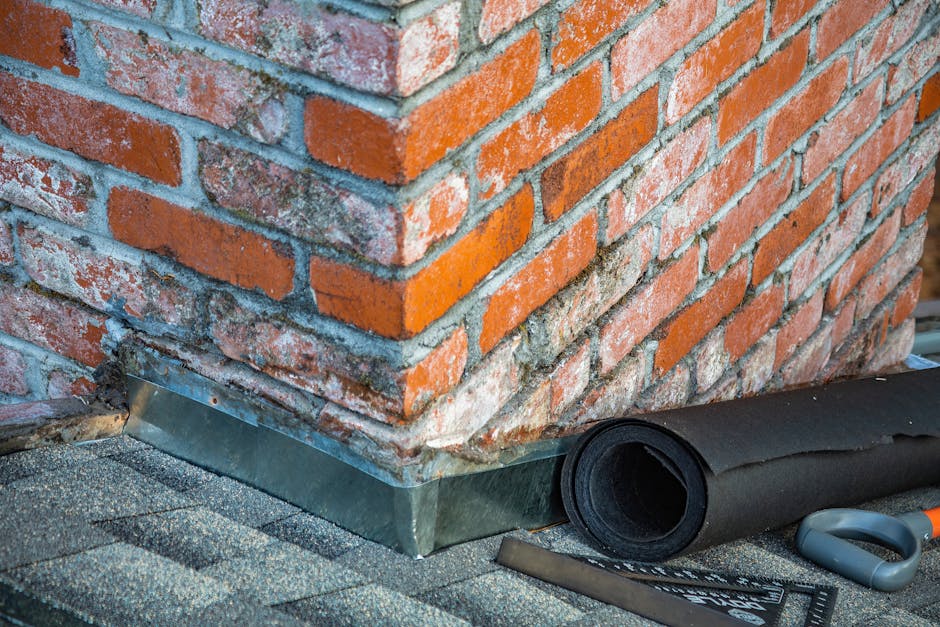
- Submit Your Site Plan: You will need to provide a basic sketch of your home and specify the materials you plan to use. It helps to understand The Main Components of a Residential Roof in Columbus Ohio: What Central Ohio Homeowners Should Know so you can accurately describe the underlayment, flashing, and ventilation.
- Pay the Fee: Permit costs in Ohio generally range from $150 to $400 depending on the size of the roof and the specific municipality.
- Proof of Ownership: You may need to show that you actually live in the house and own it.
- Schedule Inspections: This is the part most DIYers forget. You usually need at least two inspections: one during the "dry-in" phase (after the old shingles are off and underlayment is down) and a final inspection once the shingles and flashing are finished.
By pulling the permit yourself, you take on all the legal liability for the project. If the work doesn't pass inspection, you are responsible for fixing it until it meets the local building code.
DIY vs. Professional: Making the Right Choice for Your Home
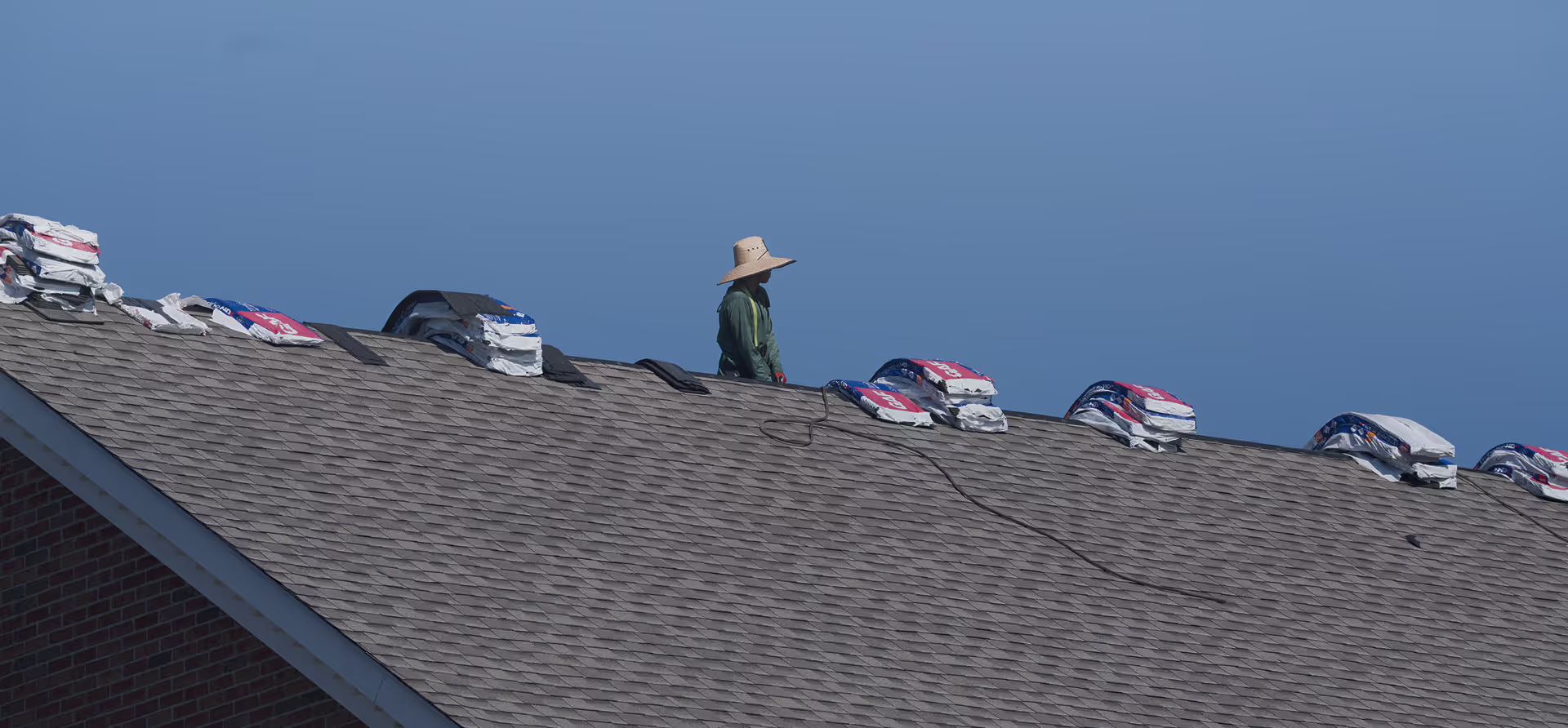
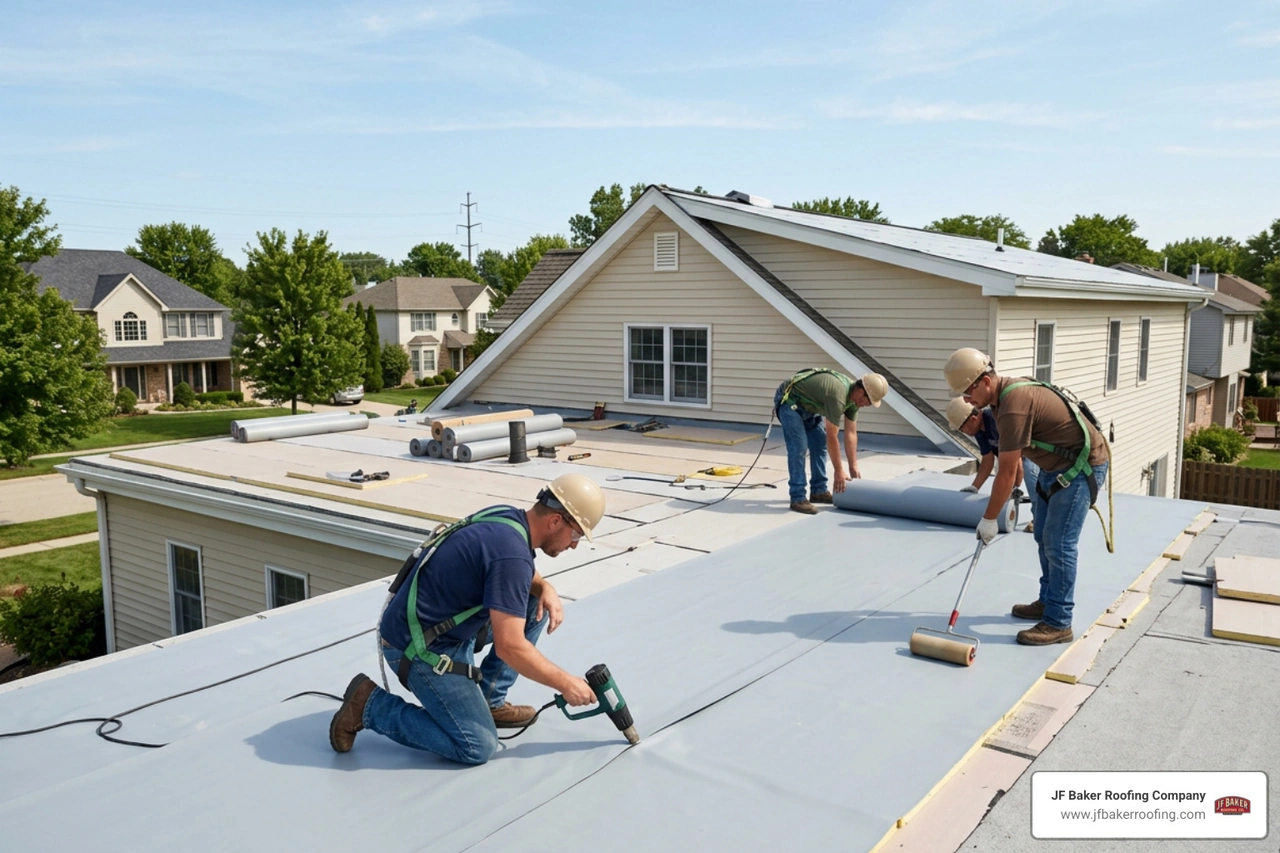
While the idea of saving money is appealing, you have to ask whether a DIY roof installation will actually save money in the long run. Roofing is physically demanding and dangerous work. According to the CDC, over 150,000 Americans require medical treatment every year due to roofing-related injuries. Falls from roofs account for a third of all fatal accidents in the construction industry.
Beyond the safety risks, there are the technical challenges:
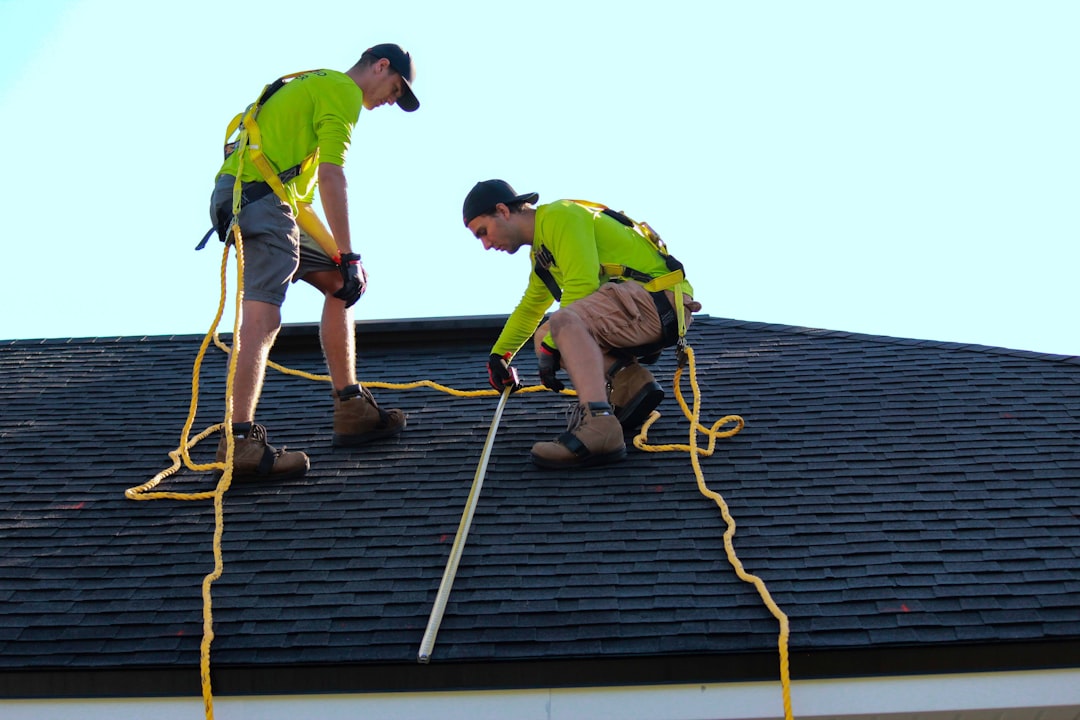
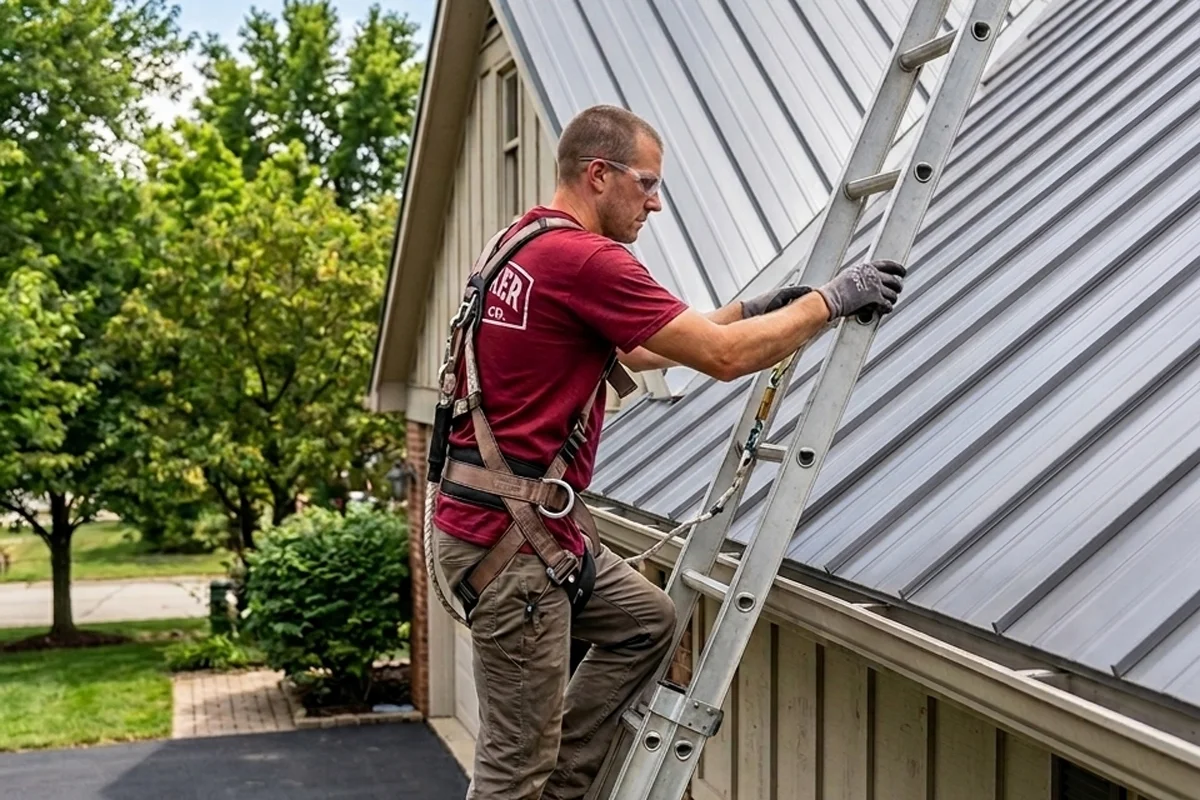
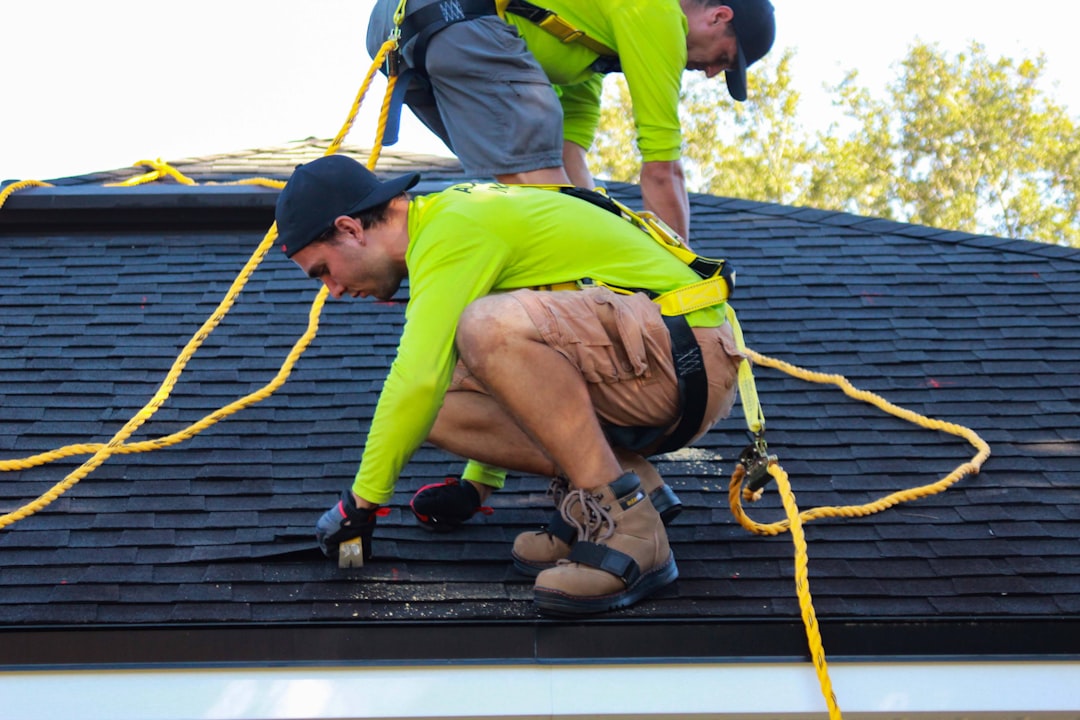
- Specialized Tools: You will need more than just a hammer. Proper fall protection harnesses, roofing nailers, scaffolding, and sturdy ladders are essential and expensive to buy or rent.
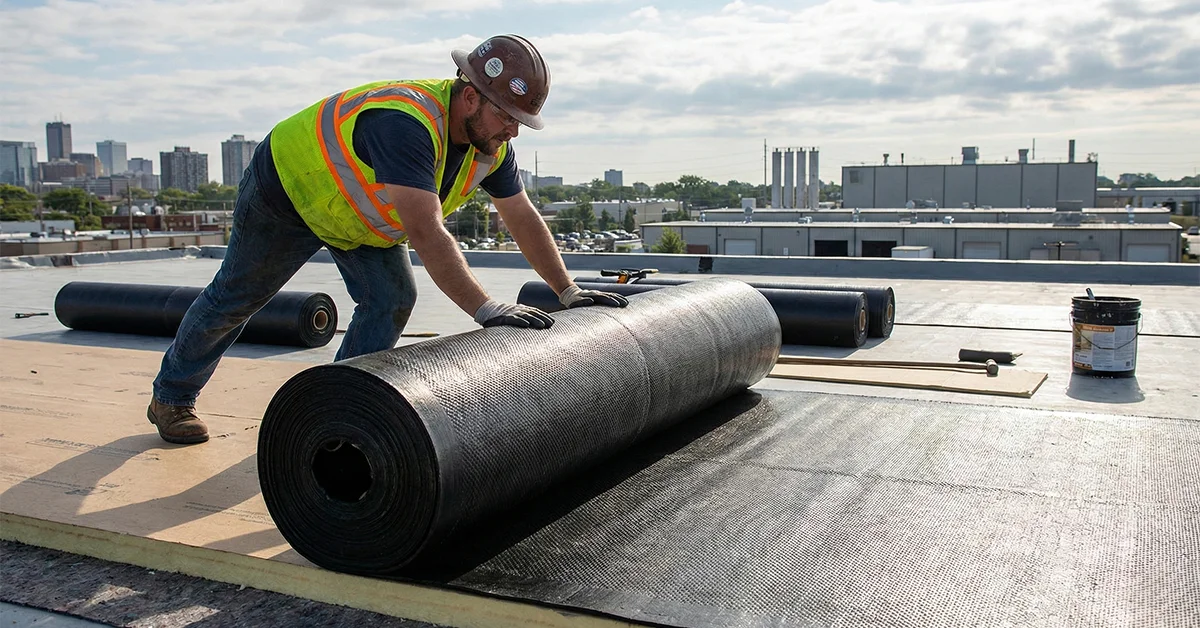
- Time Commitment: A professional crew can often strip and replace a roof in one or two days. For a homeowner working alone or with a friend, the project can stretch into weeks, leaving your home vulnerable to Ohio’s unpredictable rain and wind.
- Warranties: When you DIY, you only get the manufacturer's warranty on the materials. You do not get a workmanship warranty. If the roof leaks because of a small mistake in the flashing, you have no one to call but yourself.
- Cleanup: Professional crews use specialized equipment like the "Catch-All" system or magnetic rakes to ensure your yard is free of thousands of old nails. DIYers often find nails in their tires and flowerbeds for months afterward.
If you are feeling overwhelmed by the technical requirements or the safety risks, it is worth reading How to Choose the Right Roofing Contractor in Columbus Ohio: A Central Ohio Homeowner's Guide. A professional contractor handles the permitting, the inspections, and the liability, giving you peace of mind that the job is done right since the first time.
Frequently Asked Questions
Do I need a permit to replace my roof myself in Ohio?
Yes, in almost every Central Ohio municipality, including Columbus, Gahanna, and Westerville, a permit is required for a full roof replacement. While minor repairs might be exempt, a full tear-off and re-roof always triggers a permit requirement. Each city has its own fee structure and inspection schedule, so you should always check with your specific local building department before you start.
What happens if I replace my roof without a permit?
If code enforcement discovers unpermitted work, they can issue a stop-work order immediately. You may face daily fines until a permit is obtained. In many cases, the city will charge double the normal permit fee as a penalty. Furthermore, you may face significant hurdles when trying to sell your home, as lenders and buyers will want to see proof that the roof was installed to code and passed inspection.
Can I pull a roofing permit myself as a homeowner?
In Ohio, most jurisdictions allow a homeowner to pull a permit for their primary residence. However, you cannot pull a permit for a rental property or a house you do not live in; those typically require a licensed contractor. When you pull the permit yourself, you are legally acting as the "general contractor" and are responsible for ensuring the work meets all safety standards and passes every required inspection.
Conclusion
Replacing a roof is one of the most significant investments you will ever make in your home. While the DIY route is legally possible in Central Ohio if you follow the permitting process, it comes with heavy risks to your safety, your home's value, and your insurance coverage.
At JF Baker Roofing, we have been serving the Columbus community since 1929. Built on integrity and proven by performance, our family-owned business is now in its third generation of providing honest assessments and quality craftsmanship. We believe in doing things the right way, which means we handle all the permits, follow every safety protocol, and stand behind every roof we install.
Whether you need a full replacement or just want an honest opinion on a repair, we are here to help. Our team serves neighbors in Dublin, Upper Arlington, Hilliard, and across Central Ohio with the same dedication to quality that has kept us in business for nearly a century. If you are looking for a Residential Roofing Service Category expert you can trust, let our reputation be your security.
Honest assessments. No pressure. Just quality roofing since 1929. Contact us today for a consultation on your next roofing project.






.jpeg)