Detailed Reviews of the Top 10 Storm Damage Roofing Contractors
How to Choose Reliable Storm Damage Roofing Contractors
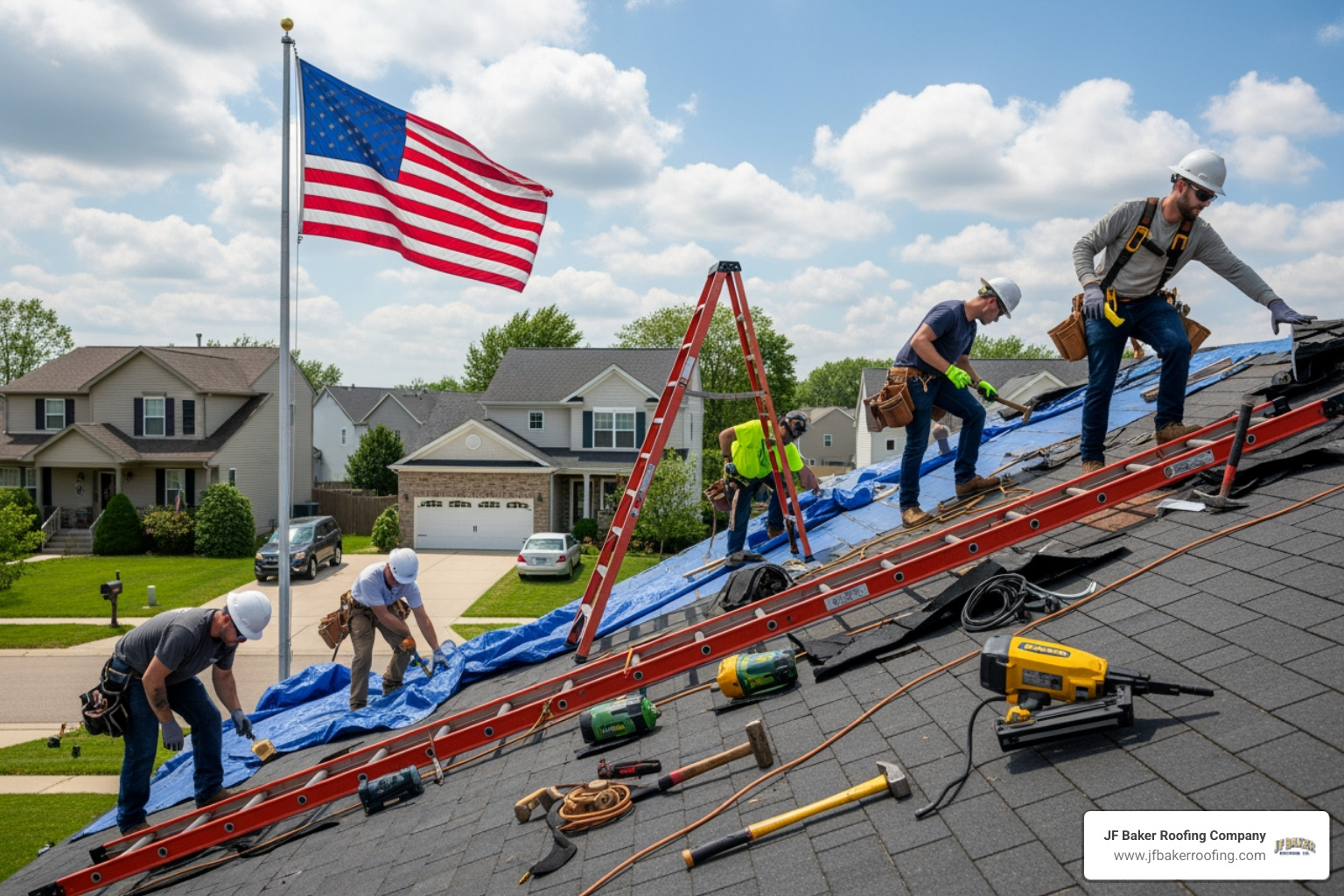
When a severe storm rolls through Central Ohio, finding the right storm damage roofing contractors quickly can mean the difference between a straightforward repair and months of compounding problems.
Here are the most important things to know right away:
- Stay off your roof. Do a visual check from the ground after any storm.
- Document everything. Take photos of visible damage before any work begins.
- Call a licensed, local contractor. Not a door-to-door solicitor who shows up the next morning.
- Contact your insurance company. Most policies have a one-year deadline to file a storm damage claim.
- Get a professional inspection. Storm damage is often hidden and won't show up until it causes bigger problems inside your home.
After a major storm, it is tempting to call the first contractor who knocks on your door. That is usually a mistake.
Storm damage is one of the few situations where roofing scams are most common. Out-of-town "storm chasers" move from neighborhood to neighborhood after severe weather, offering quick fixes at low prices. They often disappear before the work holds up.
Choosing the wrong contractor can leave you with a bad repair, a denied insurance claim, or both.
This guide reviews what separates reliable storm damage roofing contractors from the rest, so you can make a confident decision when it matters most. Whether you're dealing with hail hits, missing shingles, or a tree on your roof, the goal is simple: get your home protected the right way, by someone you can trust.
Finding a contractor you can trust during a high-stress situation requires a clear head. When high winds or heavy hail sweep through Columbus, the immediate aftermath can feel chaotic. However, taking a few minutes to verify a contractor's credentials will save you thousands of dollars and endless headaches down the road.
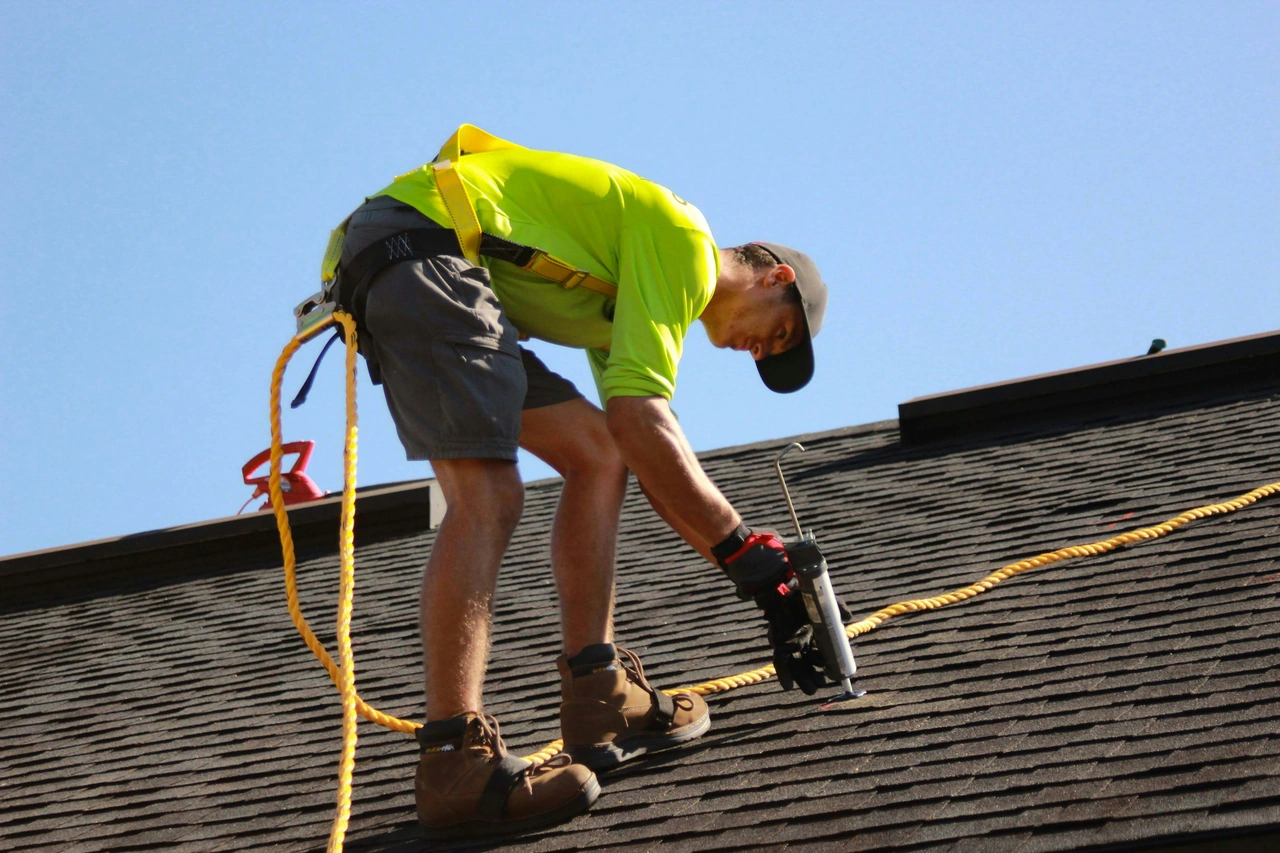
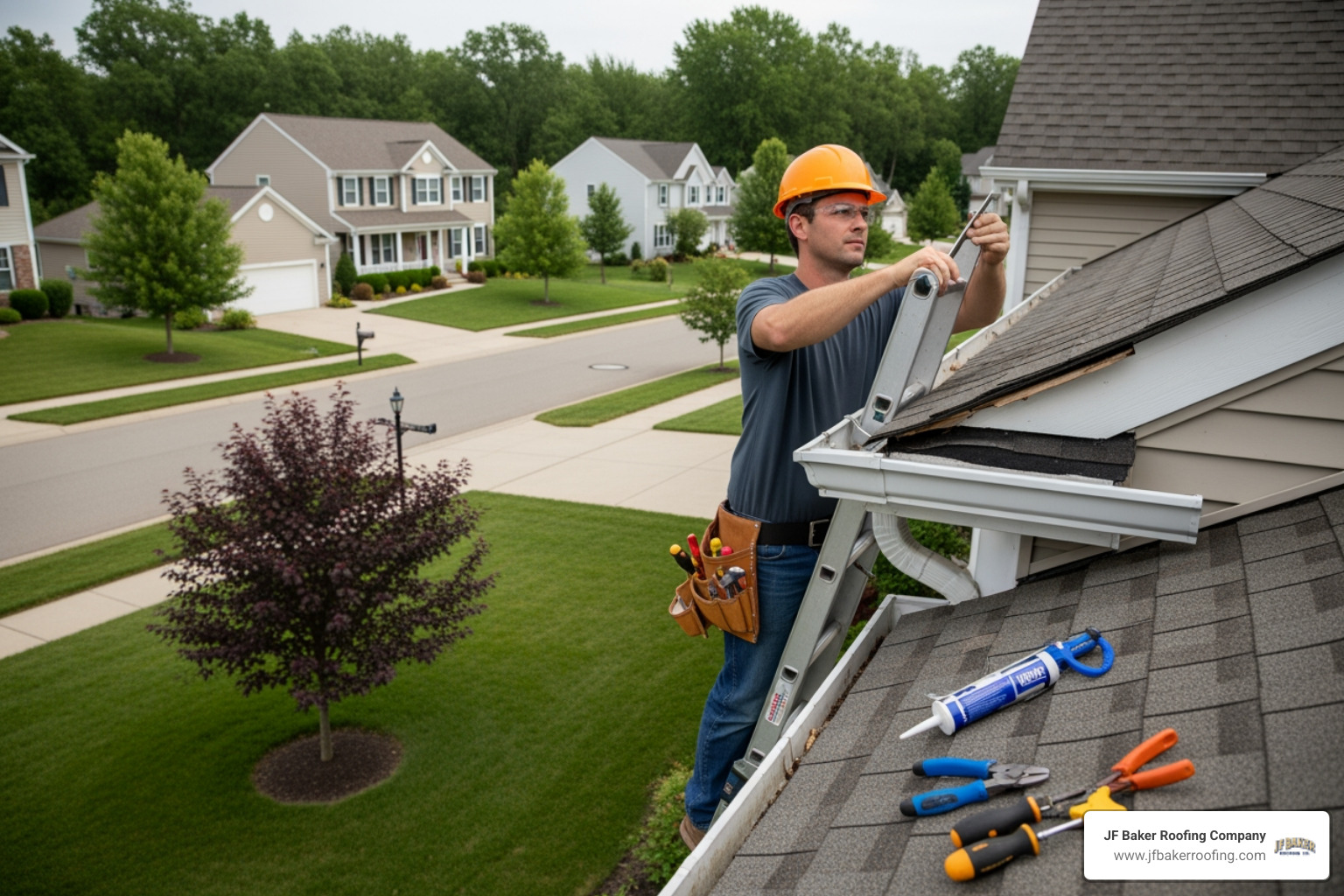
First, always verify that any contractor you consider carries active general liability insurance and workers' compensation. If an uninsured worker is injured on your property, or if they cause structural damage to your home while attempting a repair, you could be held liable. A reputable local contractor will happily provide proof of insurance before they ever set foot on your ladder.
Second, check their local reputation and history. Look for established businesses with physical offices in the area. A high Better Business Bureau rating, particularly an A+ rating, is a strong indicator of ethical business practices. You should also look for consistent online reviews from actual local homeowners.
To help you get started on your search for reputable services in our region, it is best to focus on established local companies with a proven track record of serving Central Ohio homeowners.
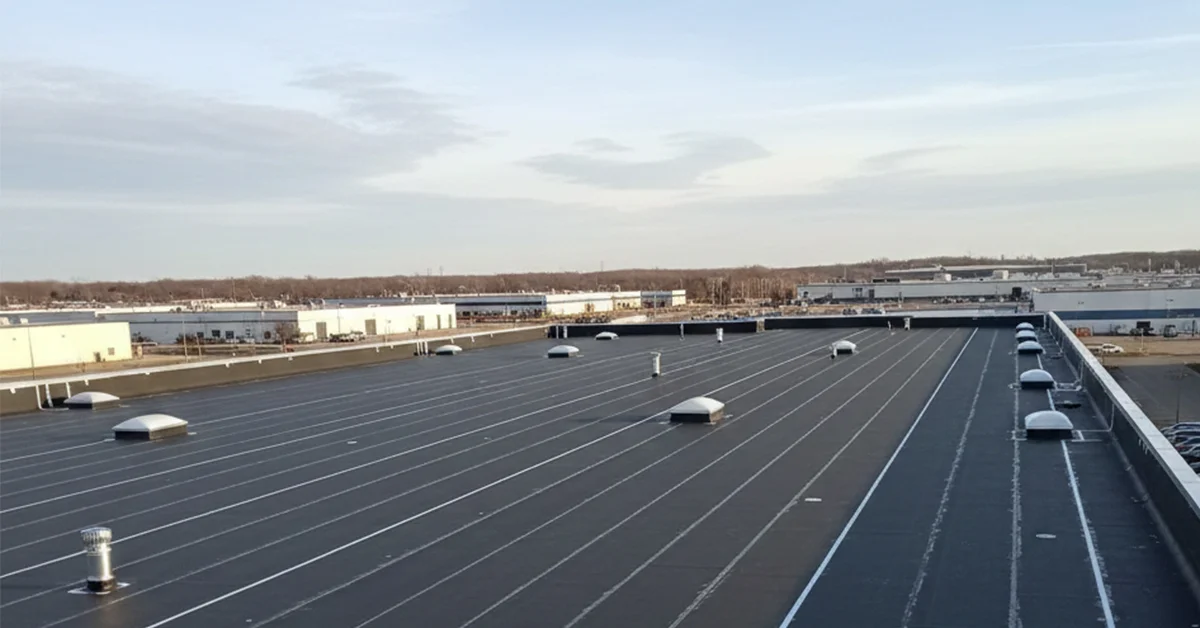
If you are dealing with commercial properties, the rules remain the same. The scale of the project might be larger, but the need for licensed, insured, and verified professionals is identical. You can learn more about how we handle these larger projects by reading our guide on Commercial Storm Restoration.
For residential properties, we always emphasize the importance of thorough, professional assessments. If you want to understand the baseline of what a professional team looks for during an initial visit, you can read our detailed overview of Storm Restoration Services Columbus.
Why Local Storm Damage Roofing Contractors Are Essential
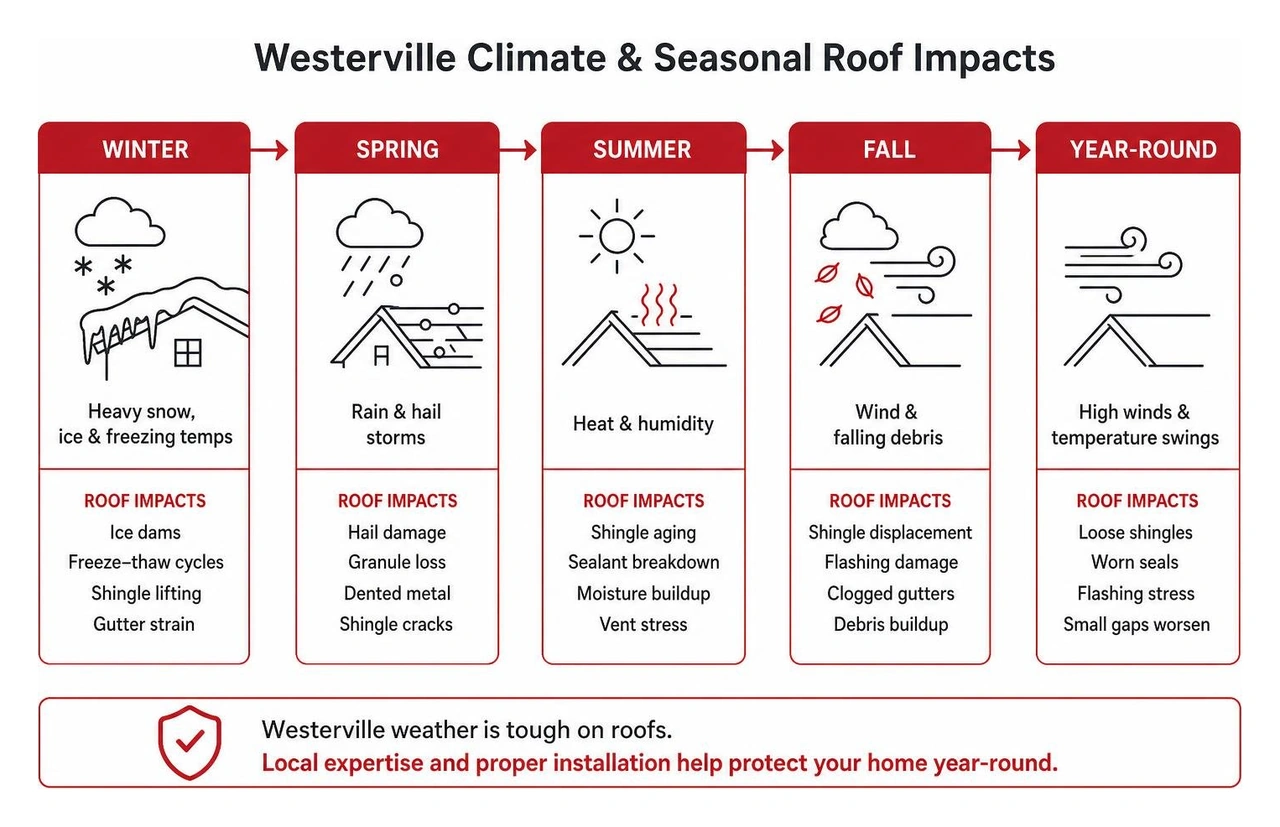
Hiring a contractor with deep community roots is your best defense against poor craftsmanship. Local contractors understand the specific weather patterns of Central Ohio, from our humid, storm-heavy summers to the brutal freeze-and-thaw cycles of our winters.
Furthermore, local contractors are intimately familiar with local building codes and municipal permit requirements. Every municipality, whether you live in Columbus, Dublin, or Westerville, has its own rules regarding roof replacements, flashing requirements, and ice barrier installations. An out-of-town contractor will often overlook these details, leaving you with a roof that does not meet local code.
Whether you live in Upper Arlington, Delaware, or other surrounding suburbs, working with a contractor who understands the specific needs of your neighborhood is crucial.
Similarly, if you reside in Dublin, Westerville, or Grove City, working with contractors who know these specific communities ensures your roof is built to last and fully compliant with local laws.
Red Flags When Dealing with Storm Damage Roofing Contractors
The most common red flag after a storm is the classic door-to-door solicitor. These individuals often use high-pressure sales tactics, claiming they "just finished a roof down the street" and noticed damage on yours. Legitimate, established local contractors are typically very busy helping existing customers after a major storm. They do not need to knock on doors to find work.
Another major red flag is the offer of a "deductible waiver" or a promise to "absorb" your insurance deductible. In the state of Ohio, as in most states, it is illegal for a contractor to pay, waive, or rebate a homeowner's insurance deductible. Any contractor offering to do this is committing insurance fraud, which should make you question their honesty in every other aspect of the job.
Additionally, be wary of contractors who lack an online presence, do not have a physical local address, or demand a large cash down payment before any materials are delivered. To protect yourself from these predatory practices, we recommend reading our comprehensive Storm Damage Repair Guide 2026, which outlines how to spot scams and secure your property safely.
The 10-Point Checklist for Evaluating Storm Damage Restoration

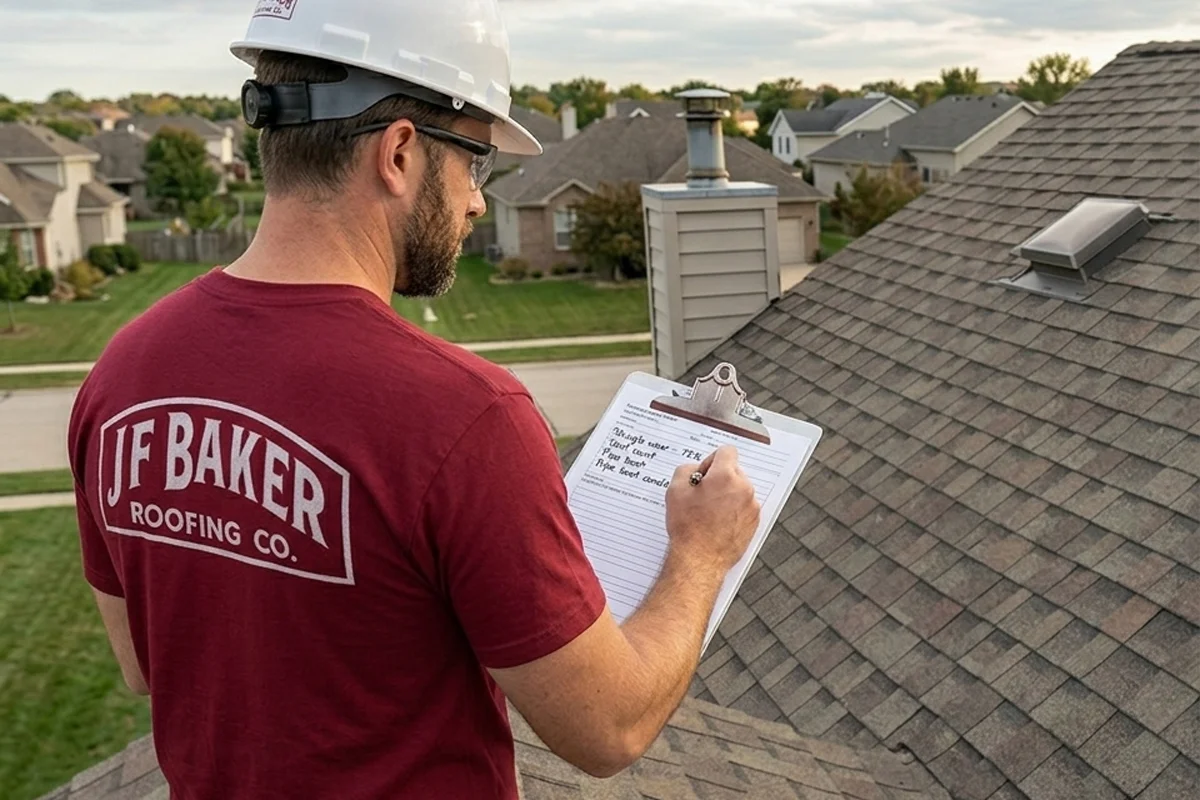
When you are evaluating a contractor's assessment of your home, you should compare their findings against a standard checklist. A thorough restoration process should never be limited to a quick glance at your shingles. Here is our 10-point checklist for evaluating a complete storm damage restoration:
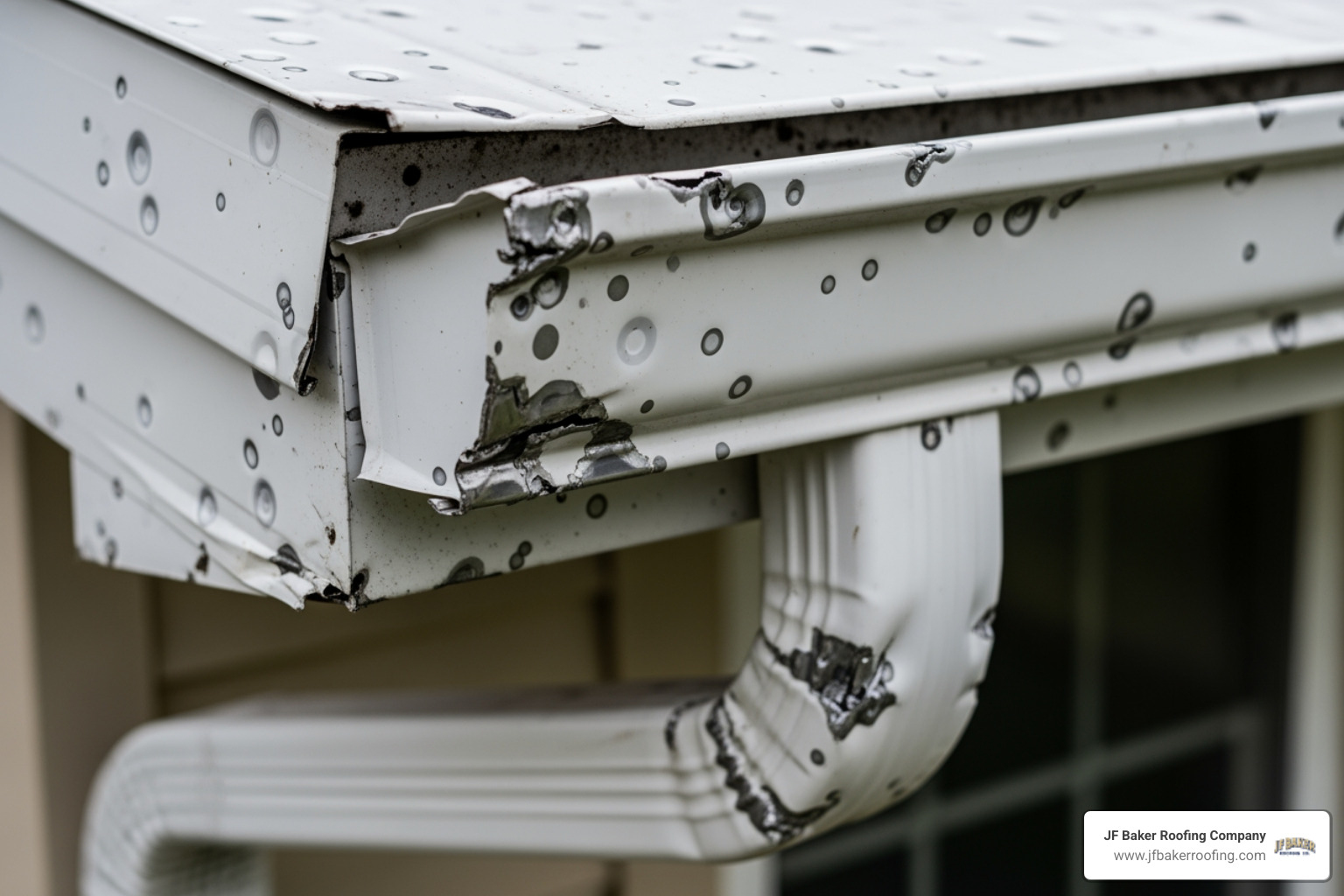
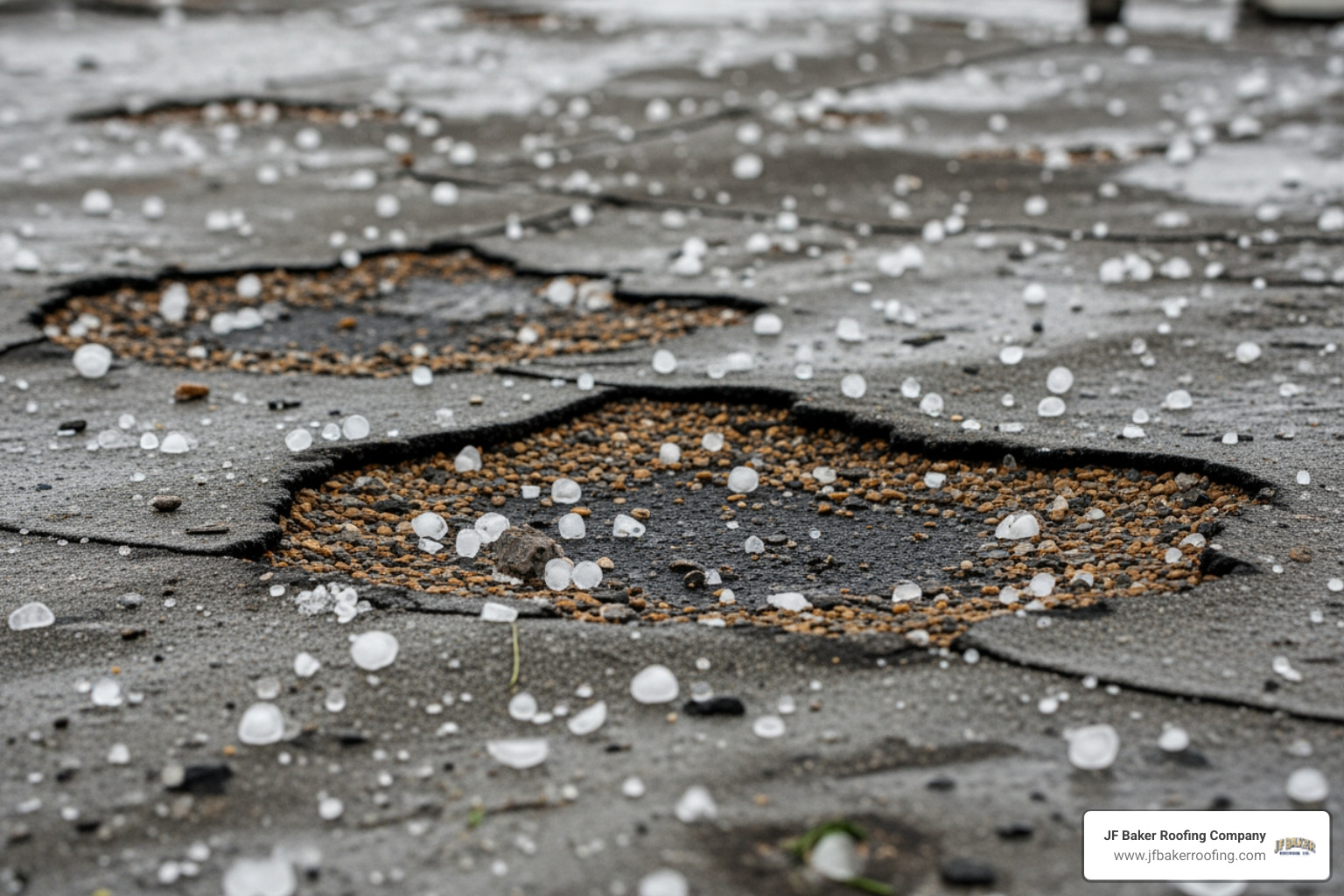
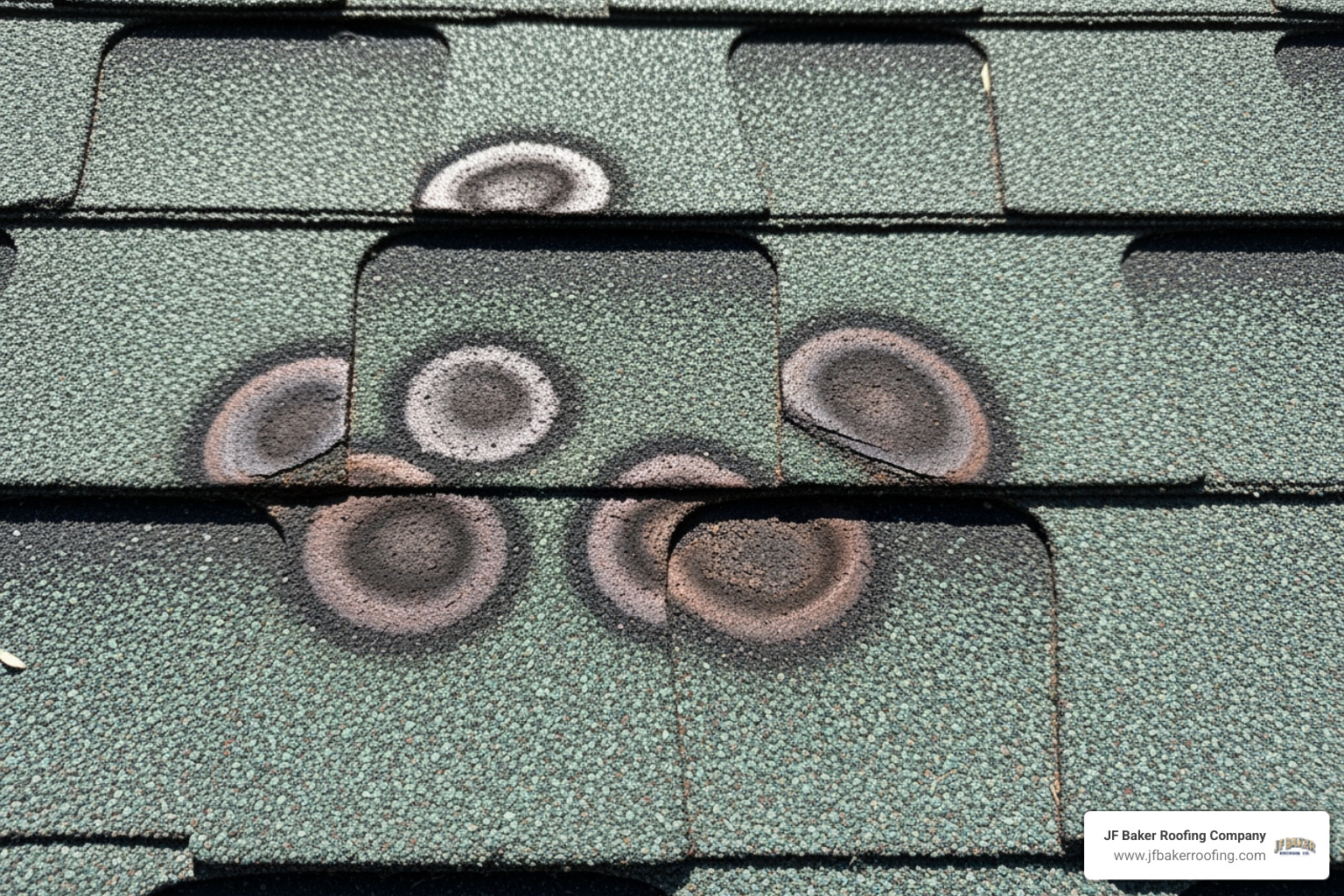
- Hail Bruising: Hail does not always tear a shingle immediately. Often, it leaves a dark bruise where the asphalt granules have been knocked away, exposing the underlying fiberglass mat to solar heat and water. If you suspect hail, you can read our guide on Hail Damage Roof Repair Near Me.
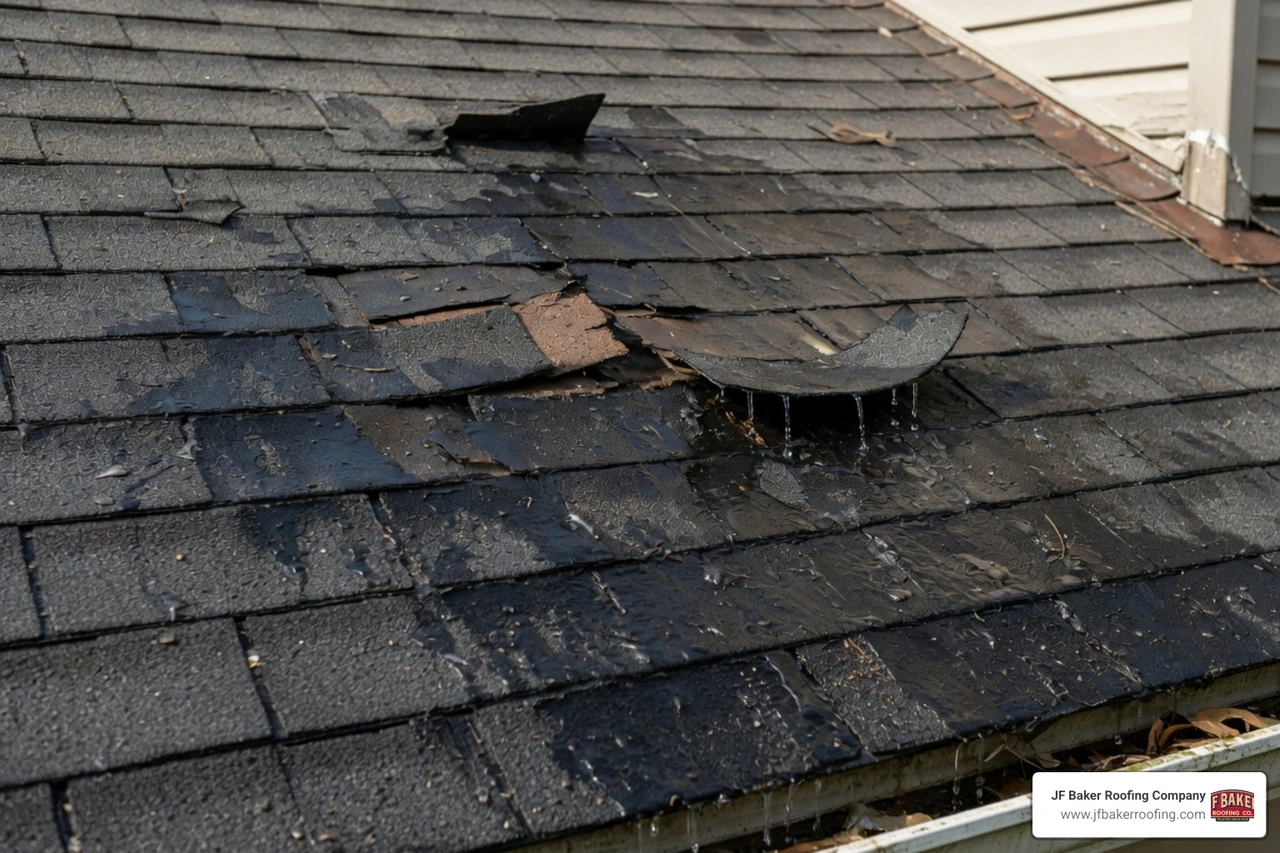
- Wind Uplift and Creased Shingles: High winds can lift shingles up without tearing them off completely. This breaks the sealant strip underneath. Once the seal is broken, dust gets in, preventing the shingle from resealing and leaving it vulnerable to the next gust of wind.
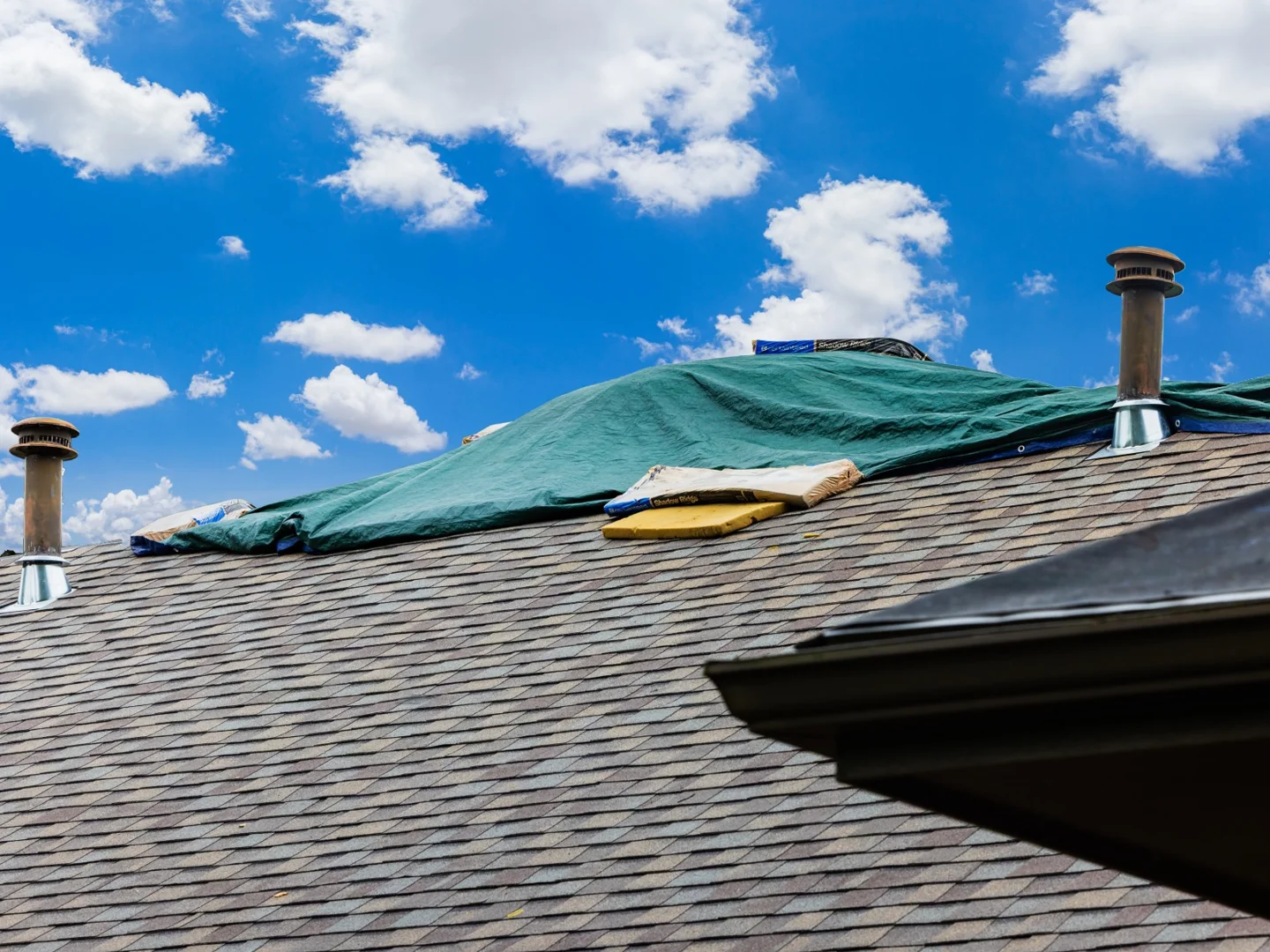
- Emergency Water Mitigation: A quality contractor will offer immediate temporary protection, such as emergency tarping, to prevent water from entering your home while permanent repairs are being scheduled.
- Gutter and Drainage System Damage: Storms do not just damage shingles. Heavy winds and fallen branches can warp, loosen, or pull gutters away from the fascia board. If your drainage system has been compromised, you can find details on how we handle these issues through our resource on Columbus Gutter Storm Damage.
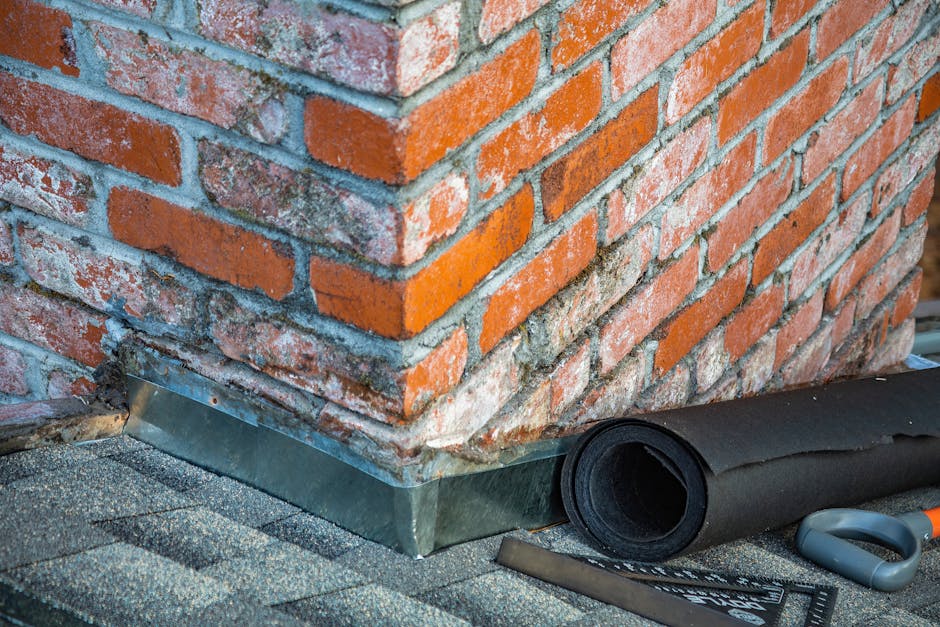
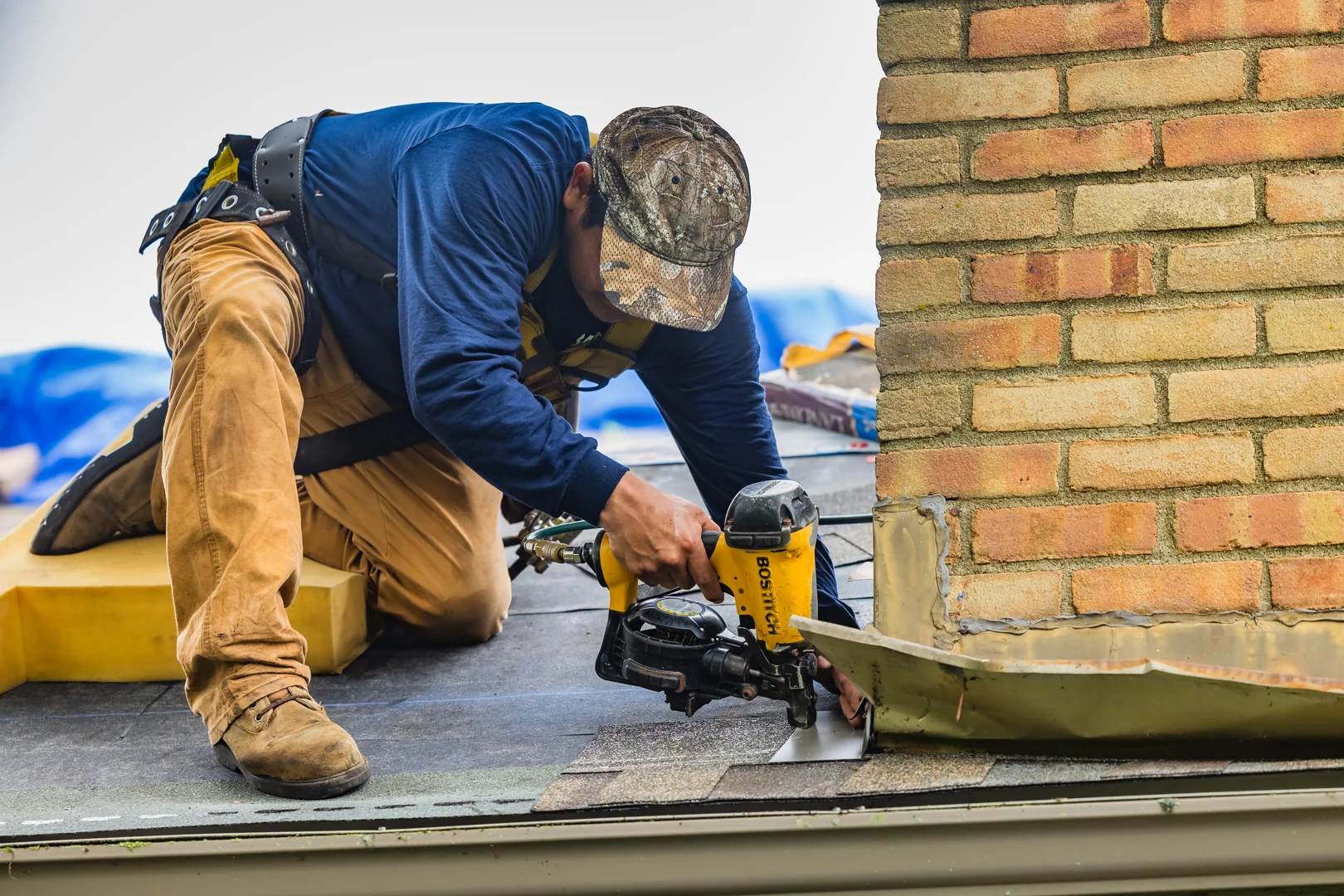
- Flashing and Valley Leaks: Valleys and flashing around chimneys, walls, and vents are highly vulnerable during severe weather. A proper inspection must include these metal transition areas.
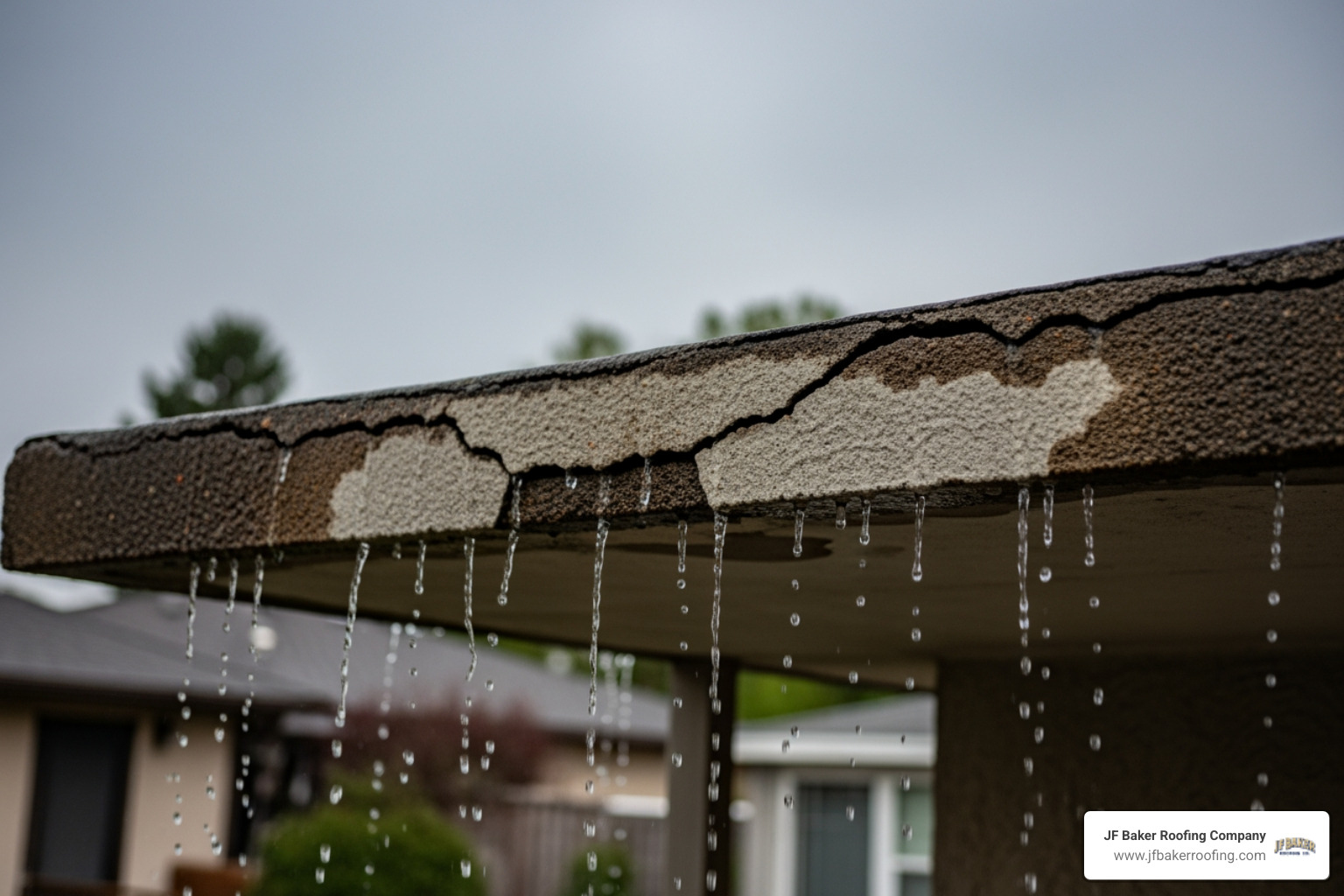
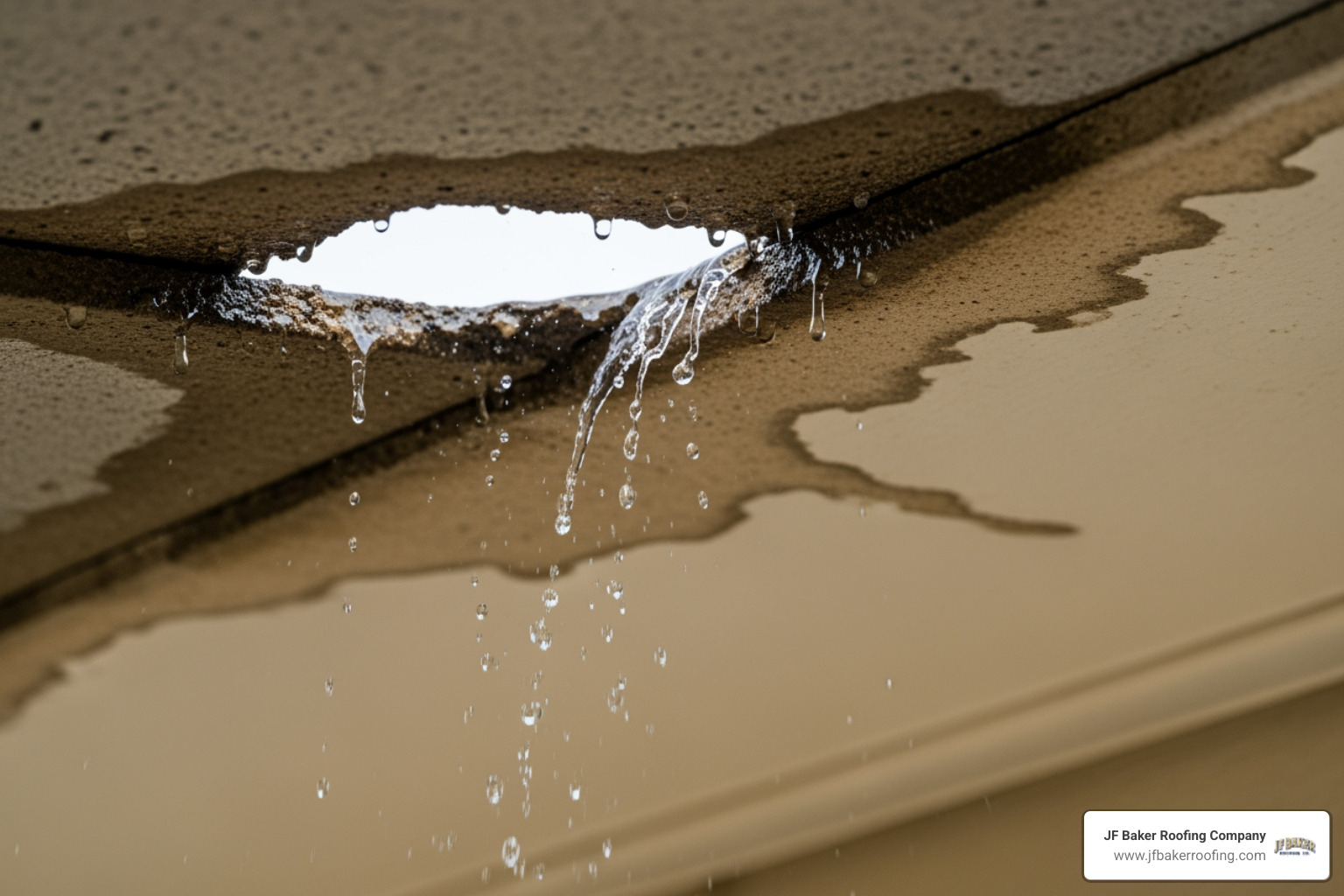
- Attic and Interior Inspection: A complete assessment must look inside. Water stains on your ceiling, damp insulation, bulging drywall, or a musty smell in the attic are clear indicators that your roof's water barrier has failed.
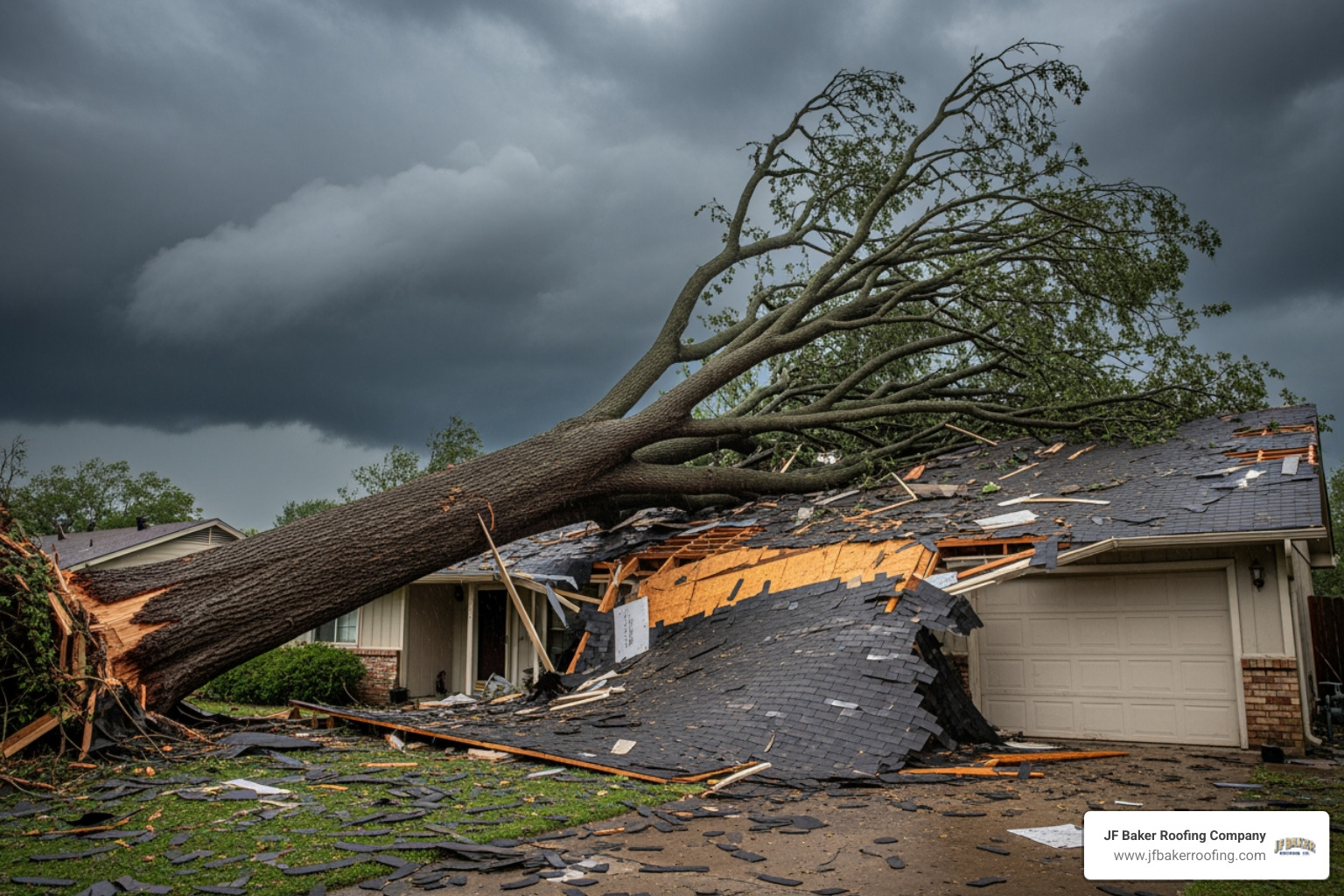
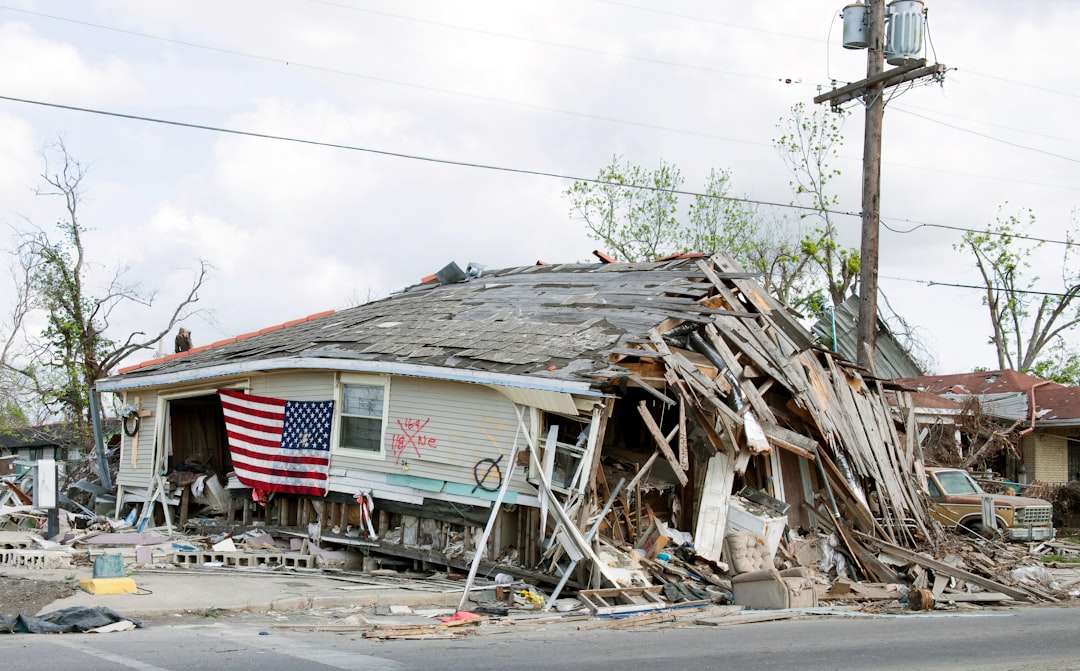
- Structural Integrity Checks: If a storm has knocked branches or trees onto your home, the structural decking beneath the shingles may be cracked or broken. For homes dealing with direct physical impacts, we provide specialized advice in our guide on Tree Fallen Roof Repair.
- Manufacturer Certifications: Ensure your contractor holds advanced manufacturer credentials, such as CertainTeed ShingleMaster status. This allows them to offer extended warranties that uncertified roofers cannot provide.
- Workmanship Warranties: A manufacturer's warranty only covers material defects. You must ensure your contractor stands behind their labor with a clear, written workmanship warranty.
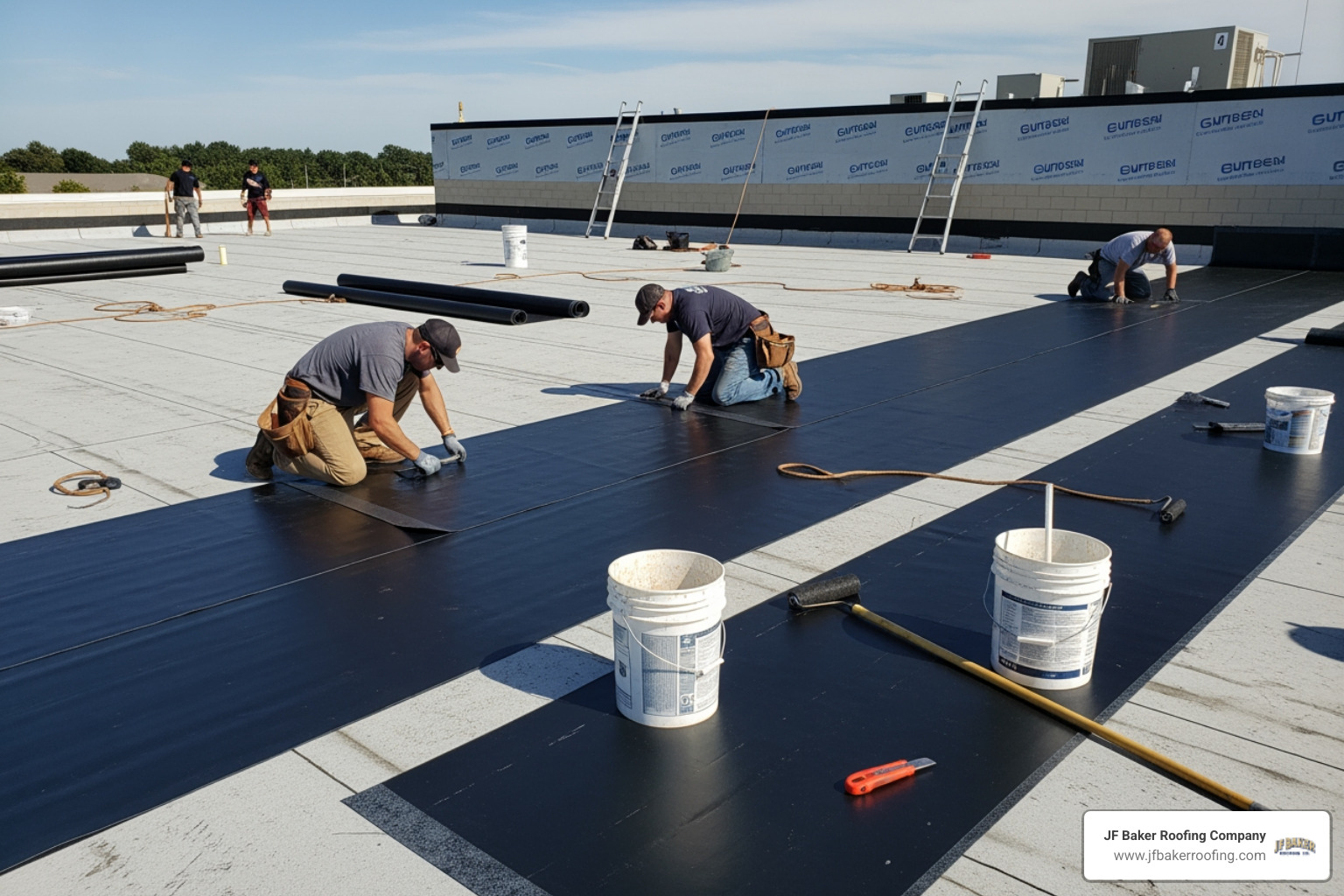
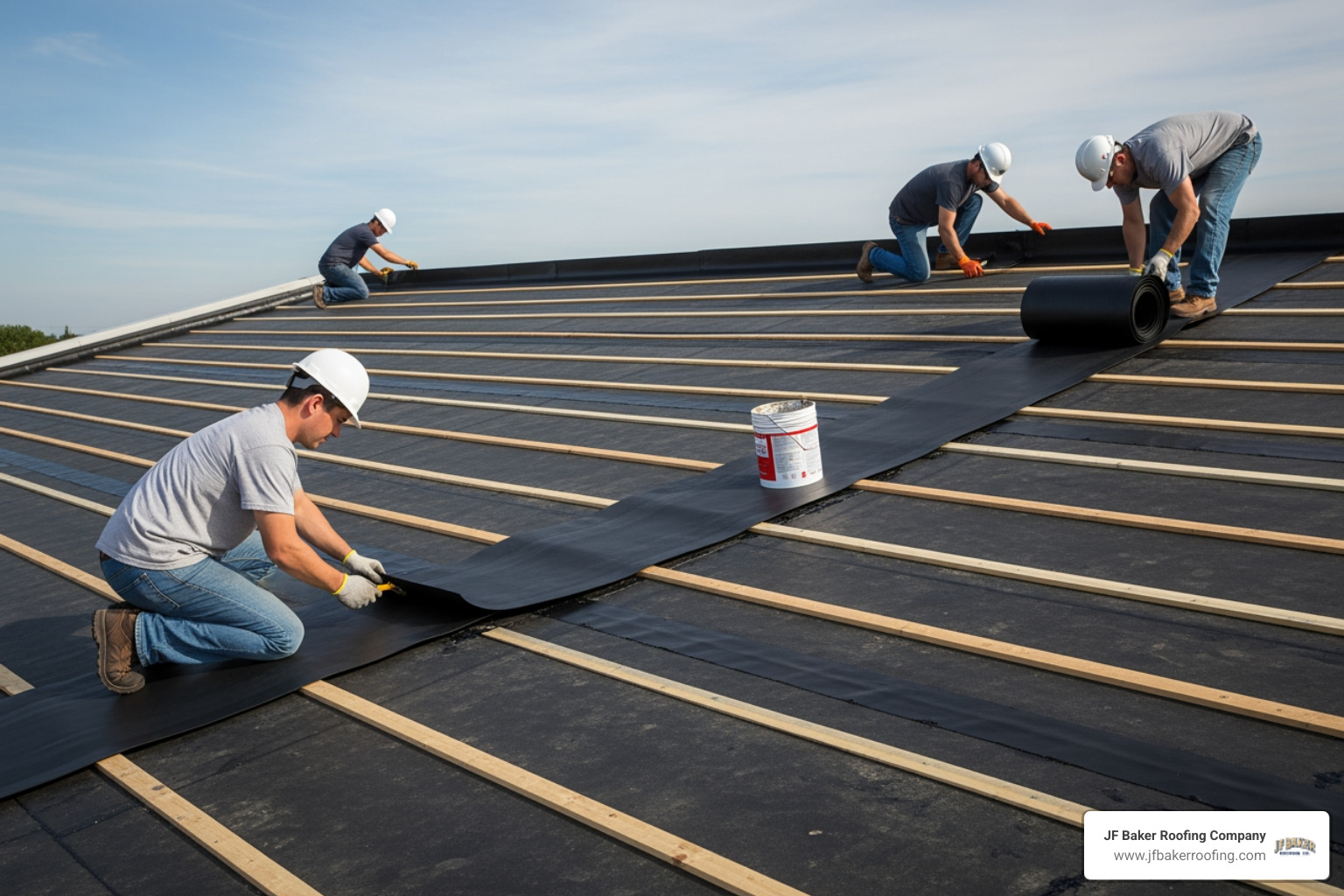
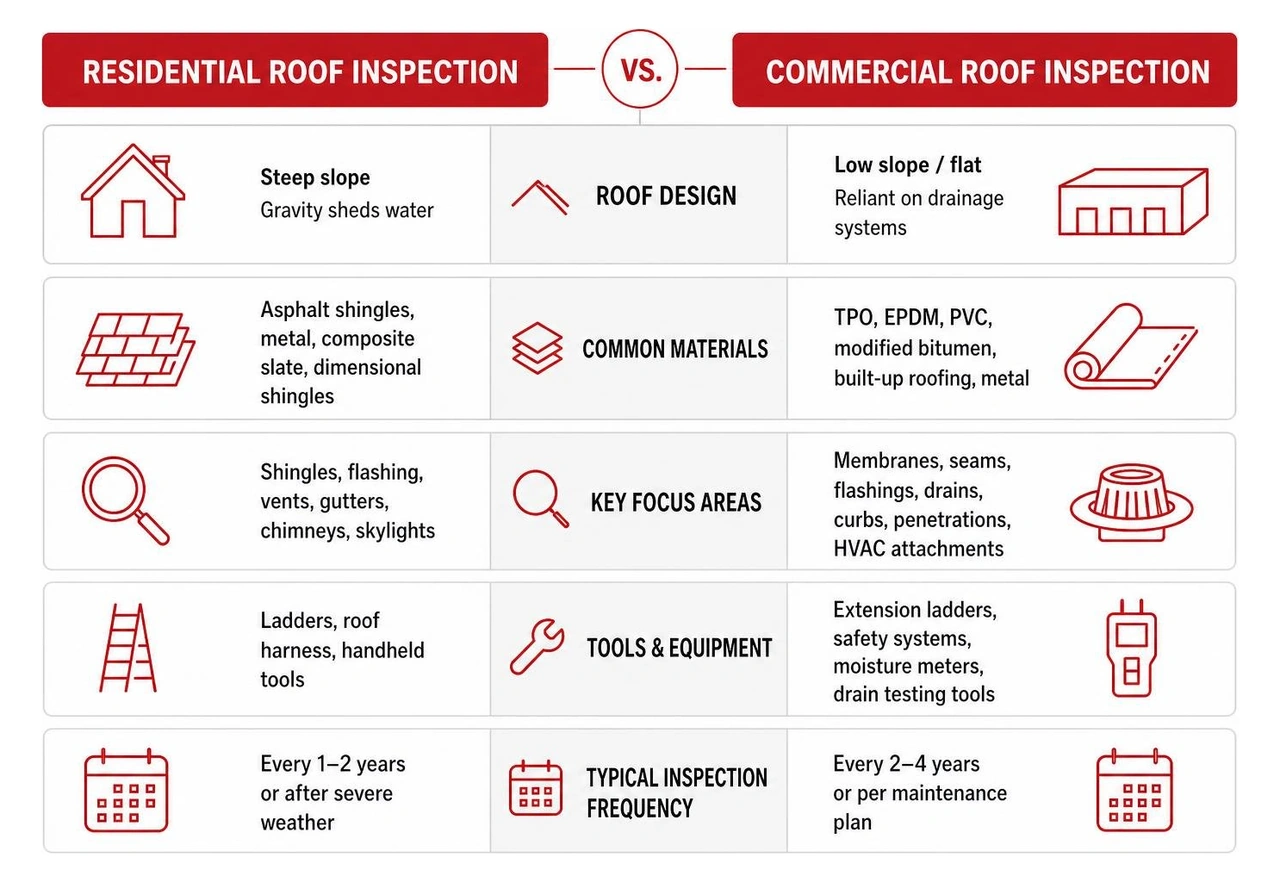
- Commercial Property Considerations: If you are managing a commercial building, the roofing systems, such as flat TPO or EPDM membranes, require different inspection techniques. For commercial-specific storm damage, check out our resource on Hail Damage Commercial Roofing.
Navigating the Insurance Claims Process Safely
Navigating an insurance claim can feel like learning a foreign language. After you file a claim, your insurance carrier will send an adjuster to inspect the damage. It is highly beneficial to have your chosen roofing contractor present during this meeting.
Your contractor can point out hidden damage, such as subtle hail bruising or wind-compromised seals, that the adjuster might otherwise overlook. A trustworthy contractor acts as your advocate, ensuring the scope of work approved by the insurance company actually covers everything required to restore your home to its pre-storm condition.
We use industry-standard estimating software like Xactimate to ensure our pricing matches what insurance carriers expect. It is also common for hidden damage to be discovered once the old shingles are torn off. When this happens, we submit "supplements" to the insurance company, which are requests for additional funds to cover code-required items or unexpected structural repairs. In fact, industry data shows that 60 to 70 percent of storm restoration projects require supplements to address hidden issues safely.
For general consumer information about insurance in Ohio, the Ohio Department of Insurance provides resources that can help homeowners understand their rights, responsibilities, and policy questions.
To make sure you are prepared before the adjuster arrives, we recommend reviewing our guide on Roof Inspection After Storm. Additionally, because storm damage often extends to your home's drainage systems, you should make sure your gutters are properly documented and repaired by visiting our resource on Gutter Repair After Storm.
Frequently Asked Questions About Storm Damage Repairs
How do I safely assess my roof after a storm?
You should always assess your roof from the ground. Never climb onto a wet, damaged roof yourself. Use a pair of binoculars to look for missing shingles, exposed underlayment, or damaged metal flashing. Walk the perimeter of your yard and look for pieces of shingles, metal, or massive amounts of asphalt granules accumulating at the end of your gutter downspouts. Take photos of any damage you can see from the ground, as well as any hail accumulation or fallen tree limbs, to help document the event for your insurance carrier.
What types of storm damage do contractors commonly repair?
Contractors commonly repair wind damage, which includes replaced shingles, secured flashing, and sealed joints. Hail damage is another frequent issue, requiring repairs for bruised shingles, dented gutters, and compromised ventilation systems. Water damage from wind-driven rain is also common, especially when water gets forced under shingles that have lost their seal. In severe cases involving physical impacts, such as a collapsed oak or maple tree, we perform complete decking replacements and structural stabilization. You can read more about this process in our guide on Tree Fallen Roof Repair.
How long do I have to file a storm damage claim?
Most homeowners insurance policies in Ohio have a strict time limit for filing a storm damage claim, which is typically one year from the date of the storm. However, some policies may allow up to two years. It is critical to document the exact date of the storm and contact a contractor for an inspection as soon as possible. Delaying your claim can lead to a denial, especially if the insurance company determines that subsequent weather events or neglect made the original damage worse.
Conclusion
Dealing with storm damage is never easy, but choosing the right partner makes all the difference. At JF Baker Roofing, we have been serving Central Ohio since 1929. Led by third-generation owners Chad and Pat Baker, our business is built on integrity and proven by performance.
As a CertainTeed ShingleMaster Preferred Contractor, an NRCA member, and an A+ BBB Accredited Business, we provide honest assessments, transparent pricing, and clear communication. We recommend repairs when repairs will do the job, and we only recommend replacement when it is genuinely needed. We stand behind every single roof we install.
If you suspect your home has suffered storm damage, do not wait for a small leak to become a major structural problem. Contact us today to secure your home.










.jpeg)