How to Find Local Attic Vent Repair Near You
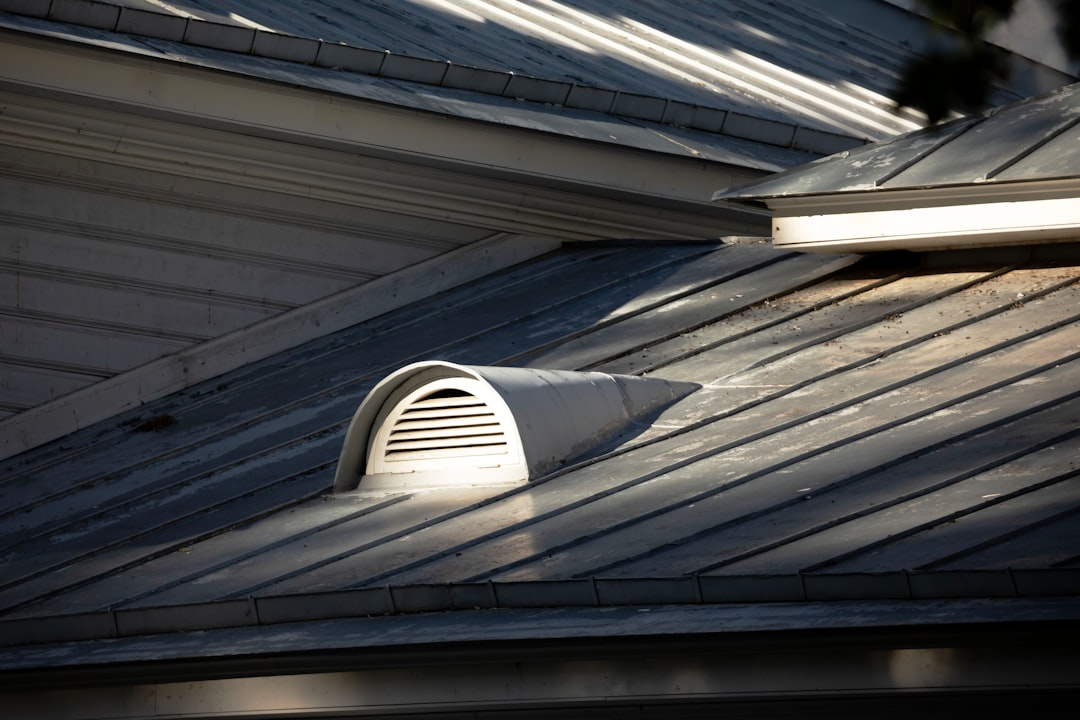
Find Reliable Attic Vent Repair Near Me in Central Ohio
Attic vent repair near me starts with a roofing contractor who can identify whether the problem is a damaged vent, failed flashing, a cracked pipe boot, or poor airflow across the whole attic.
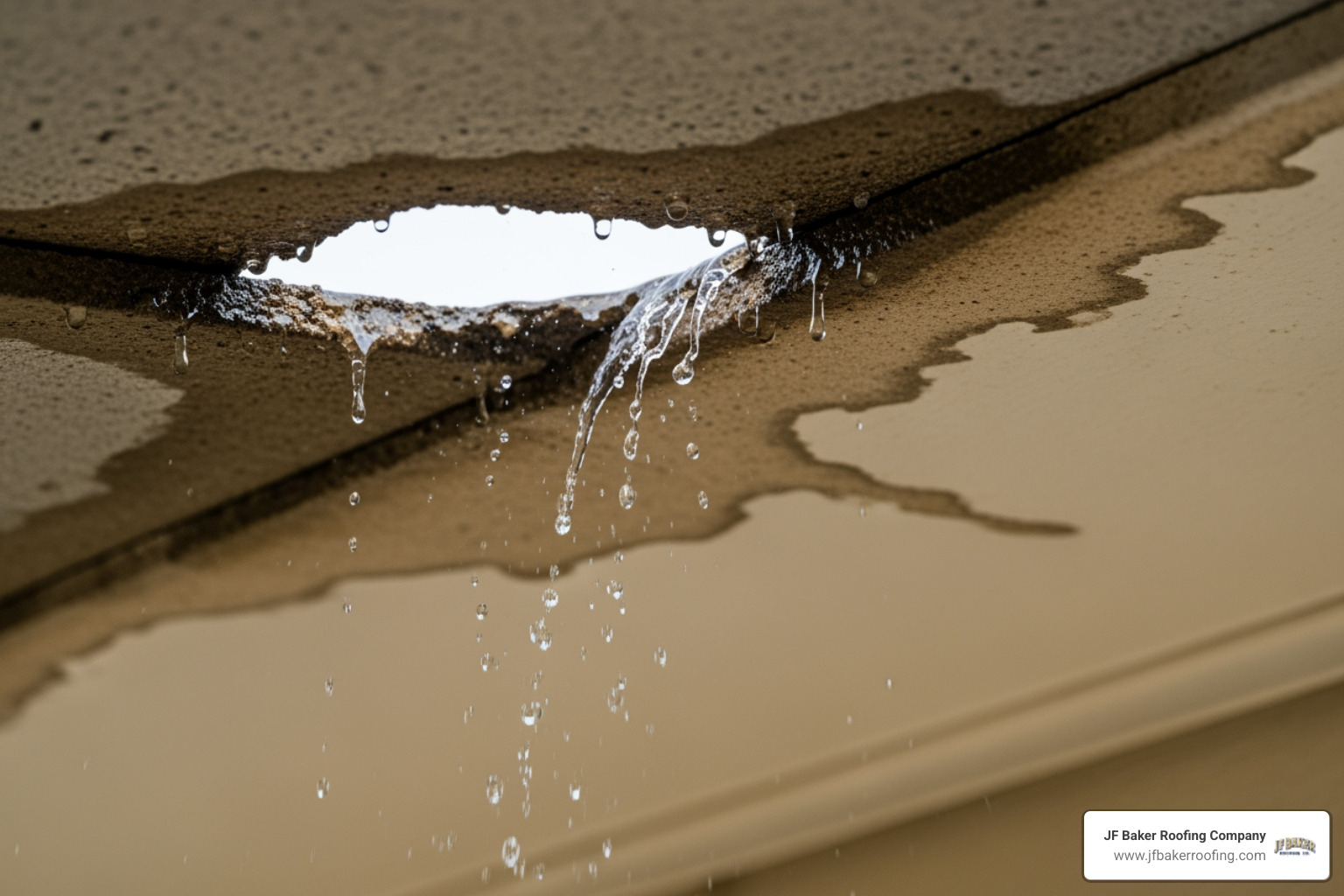
A broken, blocked, or leaking attic vent can trap heat and moisture above your ceiling. That can lead to damp insulation, mold, wood damage, early shingle wear, and ice dams during Central Ohio winters. Because vents cut through the roof surface, repairs need proper flashing and sealing to keep water out.
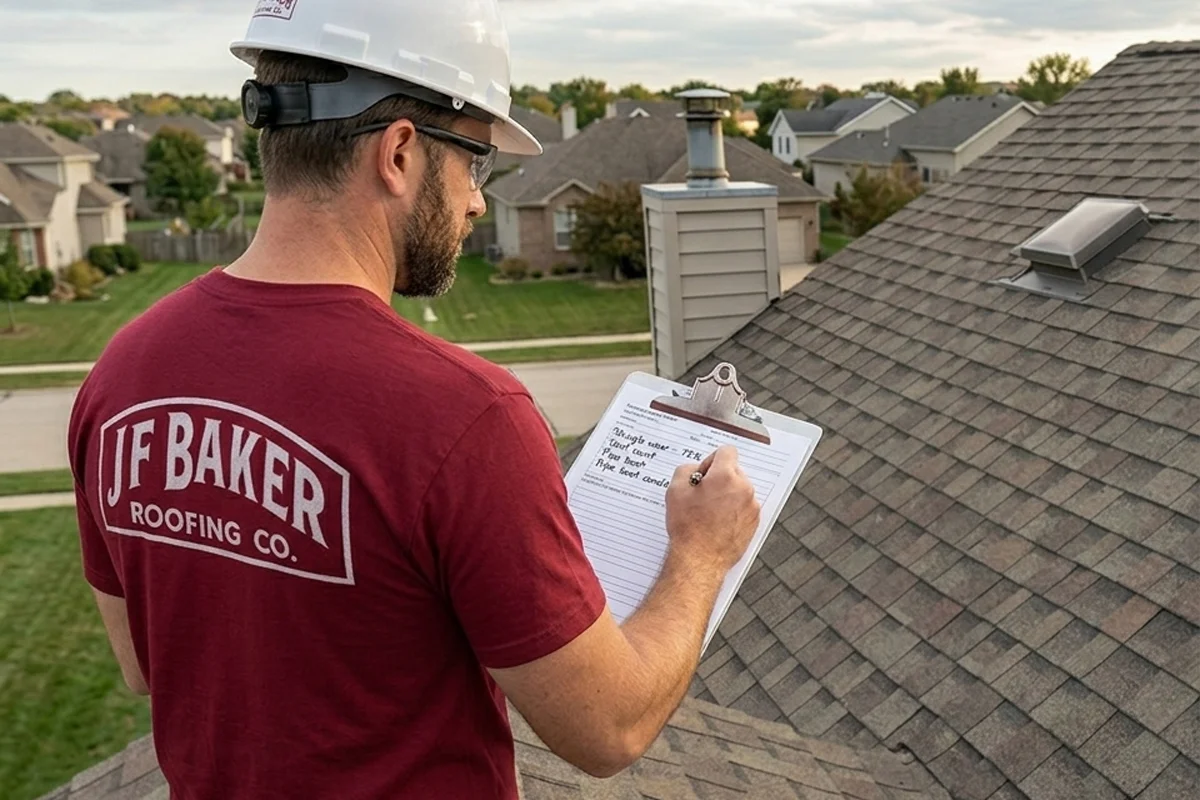
JF Baker Roofing has served Central Ohio since 1929. Led by third-generation owners Chad and Pat Baker, our team serves residential and commercial clients in Columbus, Dublin, Upper Arlington, Hilliard, Grandview Heights, Worthington, Westerville, and nearby communities. We are a CertainTeed ShingleMaster Preferred Contractor, an NRCA member, and a BBB Accredited Business with an A+ rating.
We provide honest assessments, transparent pricing, clean job sites, and clear communication without high-pressure sales tactics. If a repair will solve the issue, that is what we recommend. Beyond vent repairs, our work includes residential and commercial roofing, roof repair and replacement, storm damage roofing, gutters, and sheet metal work.
I am Chad M. Baker, and the next sections will help you spot a vent problem and choose the right local repair approach.
Explore more about attic vent repair near me:
Critical Signs You Need Attic Vent Repair Near Me
When searching for attic vent repair near me, many homeowners only realize they have a problem when water starts dripping through an upper floor ceiling. However, ventilation failures often broadcast subtle warning signs long before a major leak occurs. Keeping a close eye on both your attic space and your exterior roof helps you catch small issues before they turn into costly structural repairs.
Warning Signs Inside the Attic
Your attic space gives direct clues about how well your ventilation system is working. When moisture cannot escape, vapor settles on cold structural elements. An average family generates two to four gallons of water vapor each day from daily cooking, bathing, and breathing. Without adequate ventilation, that water vapor remains trapped.
- Mold and Mildew Growth: Dark spotty patches on the underside of your roof deck or on wooden roof trusses indicate elevated humidity levels.
- Rusted Roofing Nails: Frost or rust forming on exposed nail heads sticking through the roof deck is a clear symptom of trapped indoor humidity freezing or condensing in winter.
- Damp or Compressed Insulation: When fiberglass insulation absorbs airborne moisture, it loses its loft and thermal effectiveness, leading to higher heating bills.
- Musty Odors: Persistent, stale odors inside the attic or top-floor closets signal stagnant air and moisture accumulation.
Warning Signs on the Roof Exterior
Walk around your yard and inspect your roofline from the ground. Weathering, storm activity, and sun exposure take a toll on roof penetrations over time.
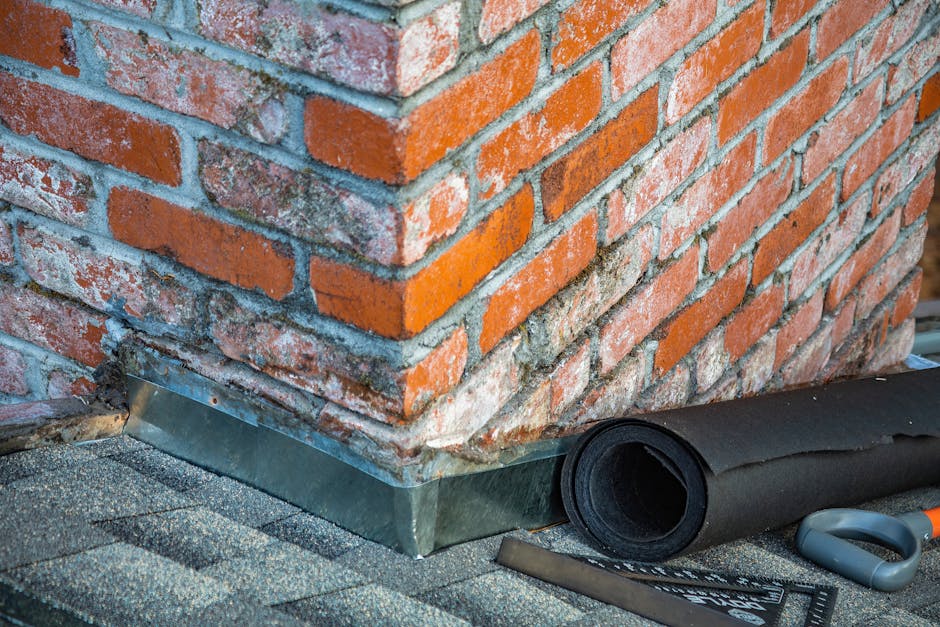
- Cracked or Damaged Flashing: Metal flashing surrounding static box vents or turbine bases can lift, corrode, or warp, allowing rain to flow directly beneath shingles.
- Degraded Rubber Pipe Boots: Rubber collars around plumbing vent pipes degrade under UV radiation, developing cracks that let water slide down the pipe into interior walls.
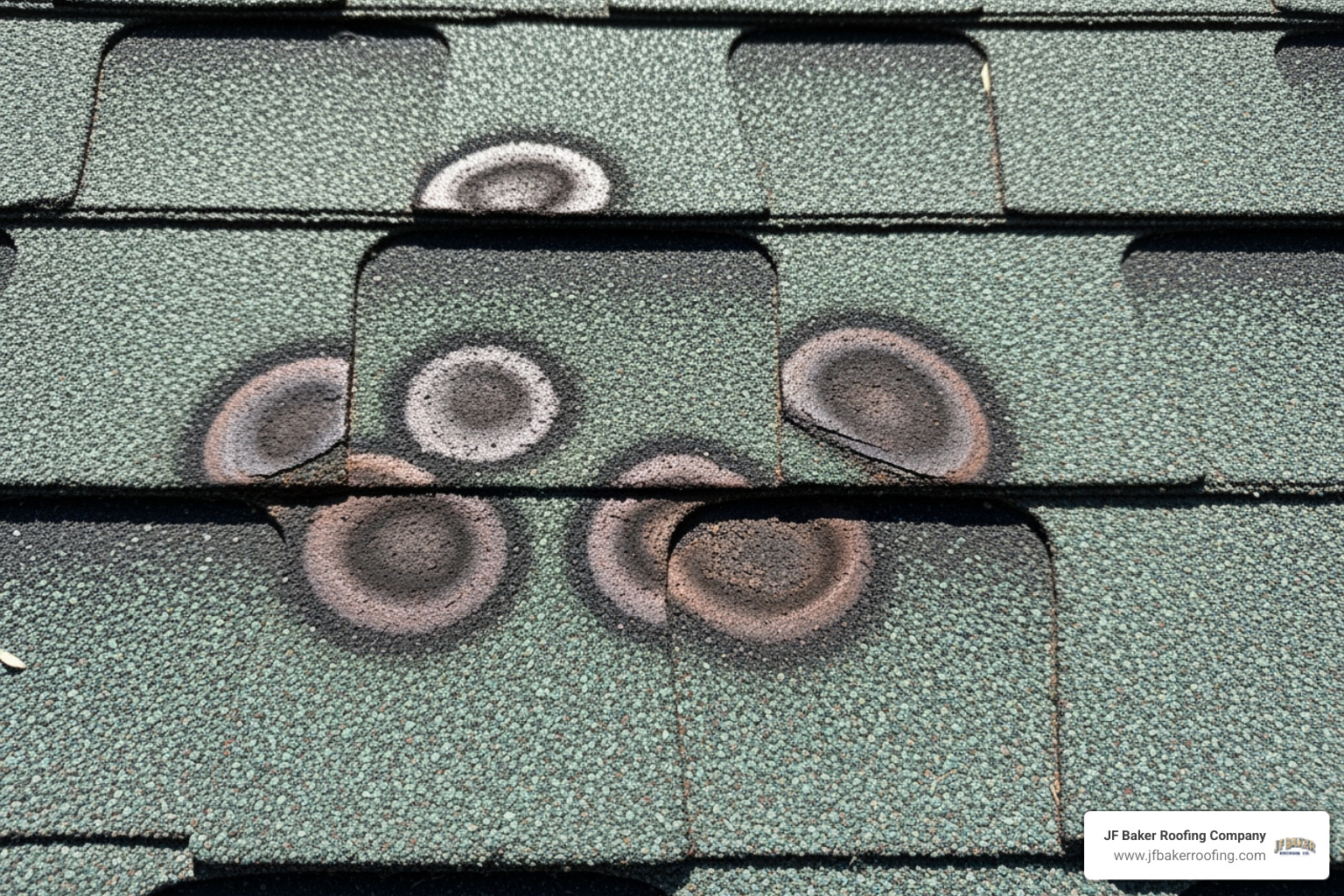
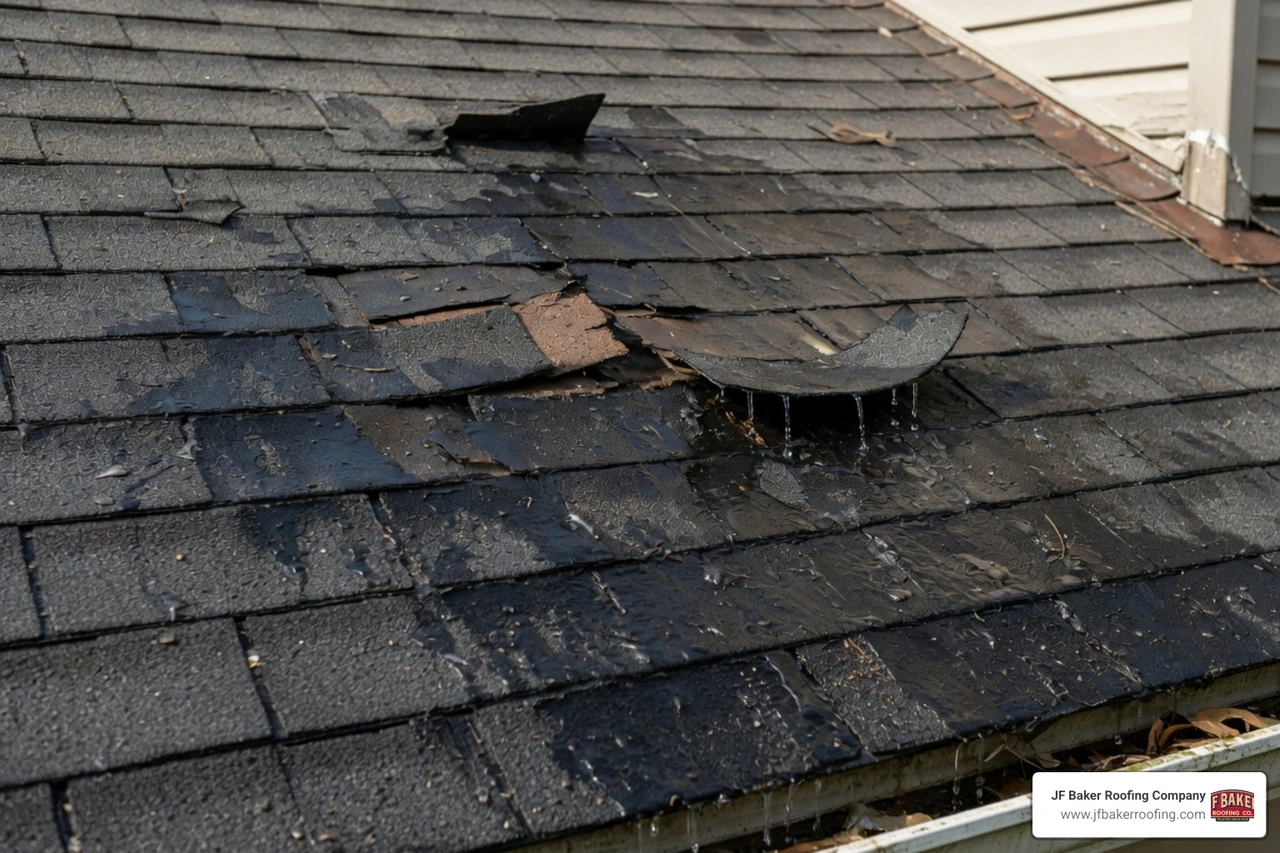
- Blistered or Missing Shingles Around Vents: Extreme heat build-up under damaged vents can cause adjacent shingles to blister, lose granules, or curl. When this happens, targeted Roof Repair is needed to restore your roof line.
What Happens When Your Roof Is Improperly Vented
When attic airflow collapses, excess heat accumulates in the summer, raising attic temperatures significantly. This excessive heat bakes asphalt shingles from underneath, causing them to age prematurely and voiding manufacturer warranties.
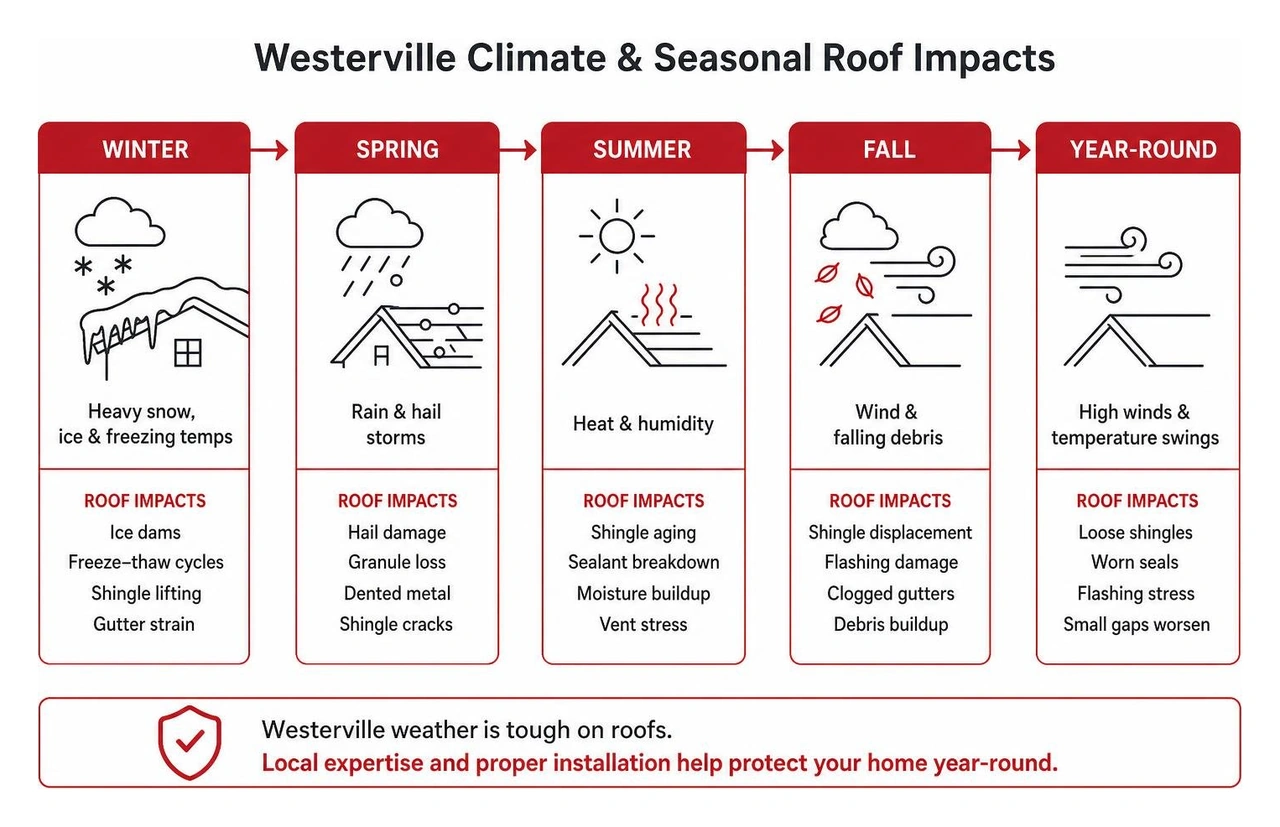
In Central Ohio winters, improper ventilation causes warm indoor air to rise into the attic space, melting snow on the upper roof deck. That melted snow flows down to cold eave overhangs, where it freezes into solid ice dams. Ice dams back up water beneath shingles, destroying fascia boards and rotting underlying roof sheathing.
Understanding Types of Roof Vents and Vent Repairs
Every home relies on a specific combination of intake and exhaust vents to create continuous airflow. Intake vents pull cool, fresh outdoor air into the low eave spaces, while exhaust vents expel warm, moist air out through the higher sections of the roof.
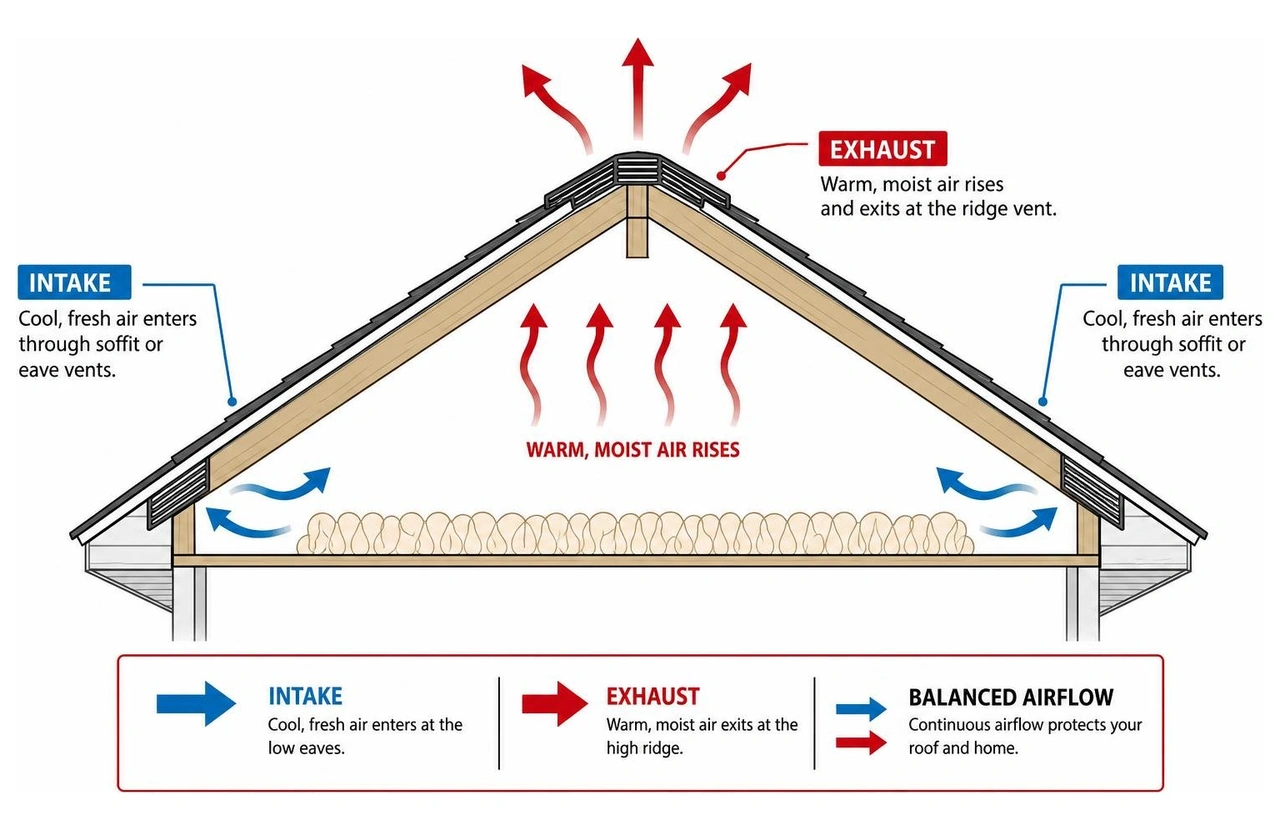
To maintain structural health, building standards usually call for 1 square foot of net free vent area for every 300 square feet of attic floor space when a vapor barrier is present. This total square footage should ideally be divided evenly between low-level intake and high-level exhaust.
Ridge, Box, and Whirlybird Turbine Vents
Exhaust vents come in several designs, each requiring specific repair techniques:
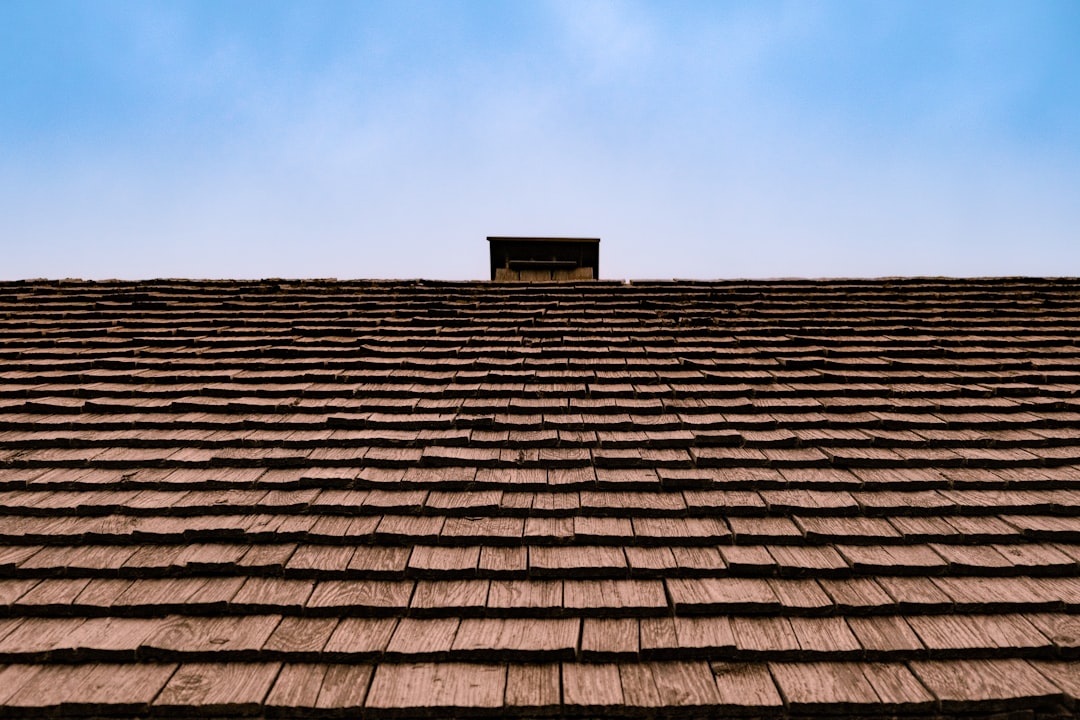
- Ridge Vents: These static vents run continuously along the peak of the roof. They offer balanced airflow and low visual impact. Repairs usually involve re-securing lifted end caps, removing trapped debris, or replacing damaged top shingles.
- Static Box Vents (Turtle Vents): Metal or plastic box vents sit near the roof ridge. Over time, plastic housings can crack from hail or cold weather, while sealant around metal flanges can dry out. Replacing damaged box vents requires removing adjacent shingles, fitting new flashing, and shingling around the replacement unit.
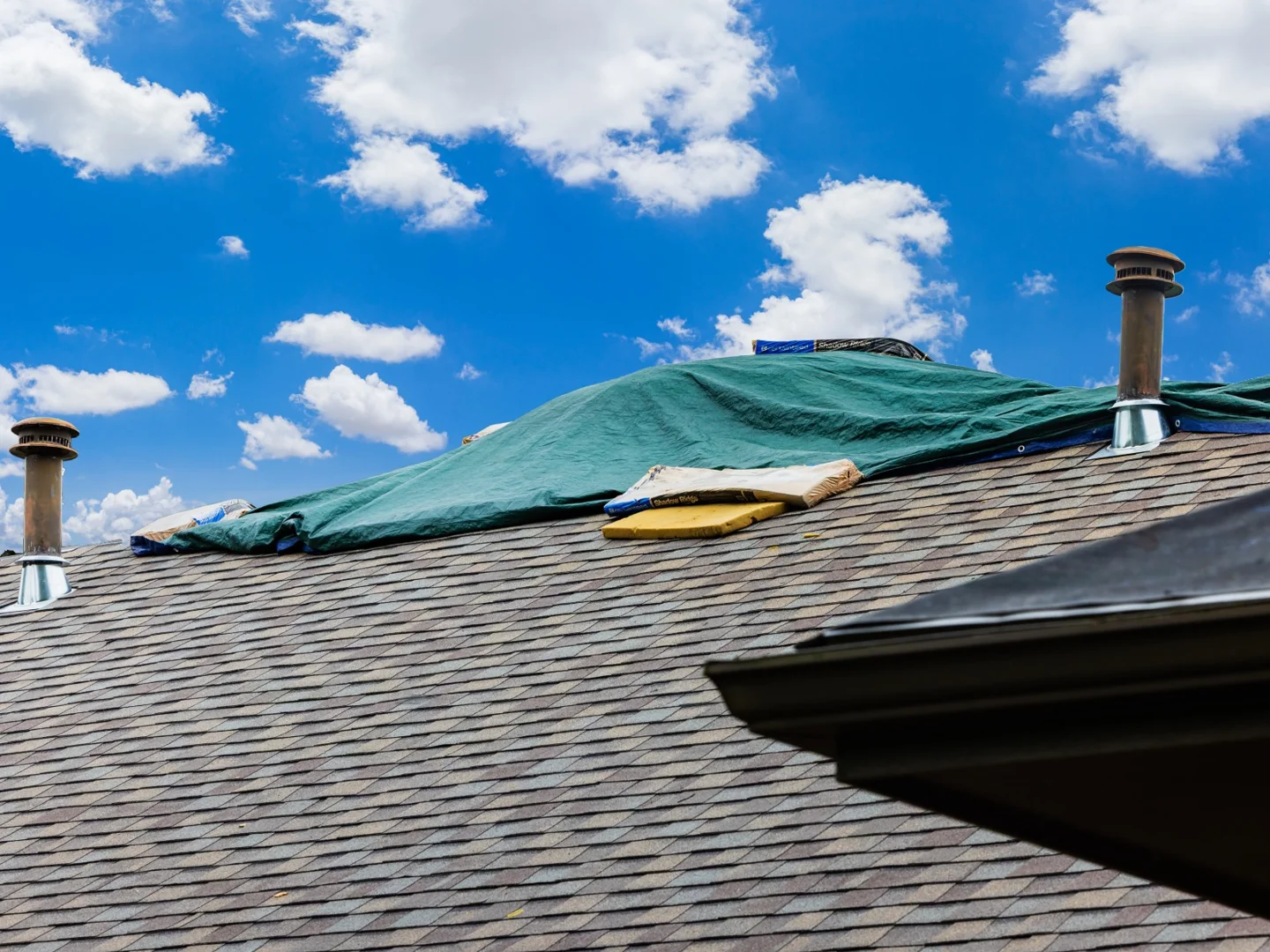
- Whirlybird Turbine Vents: Wind-driven turbines draw air out actively when wind blows. Internal bearings can rust or seize, leading to squeaking noises or complete lack of rotation. Replacing the rotating head or re-leveling the base stops leaks and restores airflow. Understanding how these fit together is a key part of learning The Main Components of a Residential Roof.
Soffit, Eave, and Gable Vents
Exhaust vents cannot function without working intake vents. Low-level intake options include:
- Soffit and Eave Vents: Located under the roof overhangs, continuous or individual perforated soffit panels allow cool air into the attic. Over time, homeowners or insulation crews might accidentally blow loose-fill insulation over soffit openings. Installing plastic attic baffles (vent chutes) keeps air pathways clear above the top wall plates.
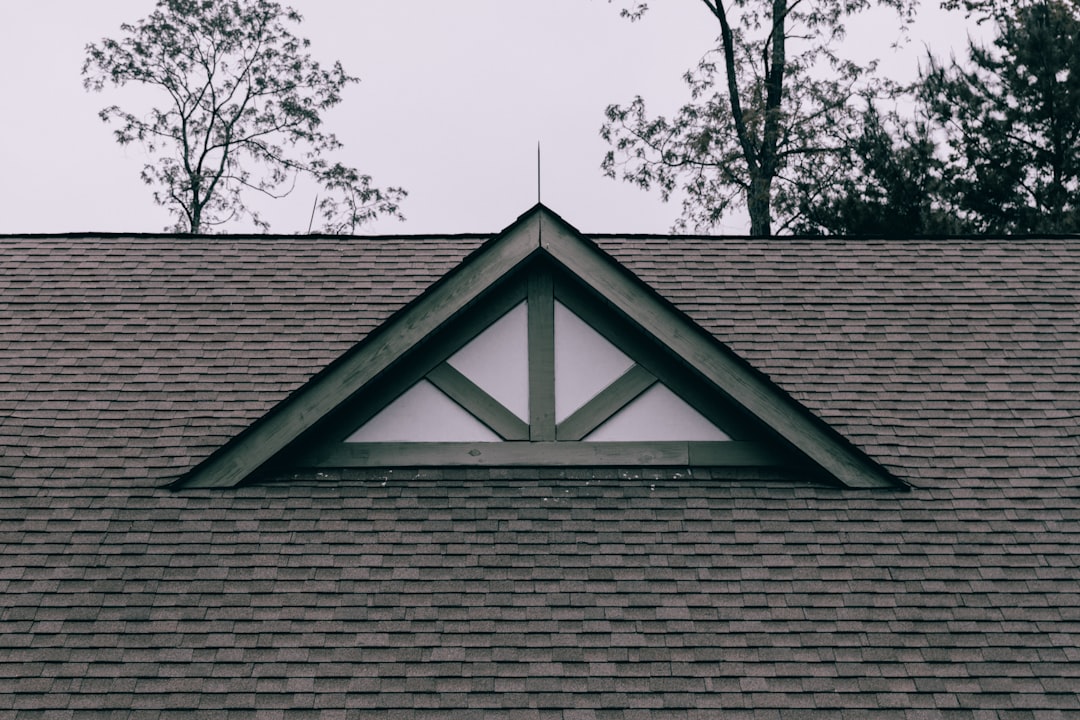
- Gable Vents: Located on the exterior end walls of a gable roof, these louvers help vent upper attic spaces. Repairs often involve repairing broken louvers, replacing torn insect screening to keep out pests, and re-caulking exterior trim perimeter seams.
Adding Vents to an Existing Roof
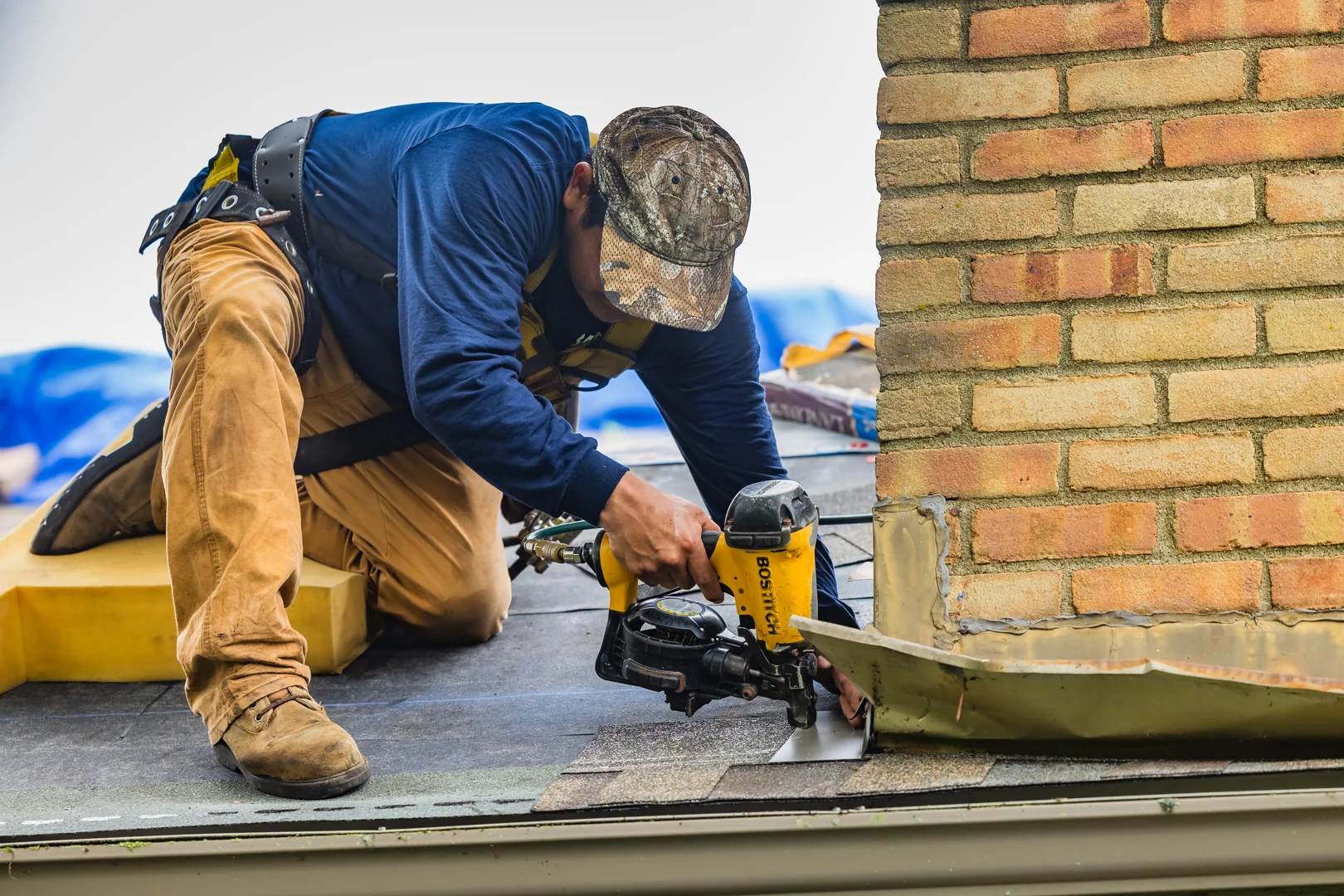
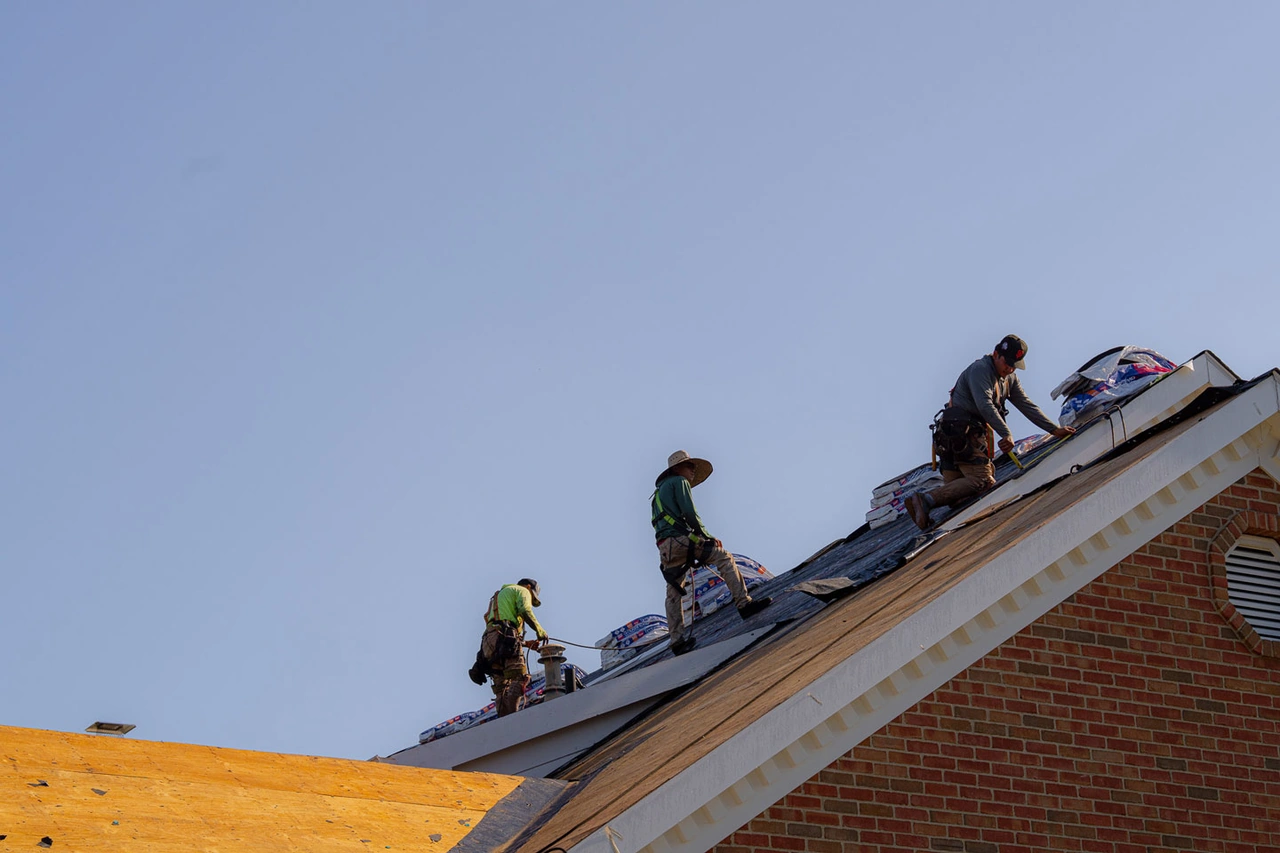
If your current setup lacks sufficient intake or exhaust area, a qualified contractor can retrofit new vents into an existing roof deck without taking off the whole roof. The roofer carefully removes local shingles, cuts precision openings through the roof deck, installs proper underlayment, and flashes the new units securely. Check out our detailed guide on Attic Vent Installation Near Me for additional insights on retrofitting existing properties.
Cost Factors for Professional Roof Vent Repair
When searching for attic vent repair near me, understanding how contractors evaluate job scope helps you know what to expect during an inspection.
Average Vent Repair and Boot Replacement Costs
Repairing a simple vent issue can range from replacing a split neoprene plumbing boot collar to replacing an entire damaged turbine or static unit. Most established roofing companies maintain a standard minimum trip fee to cover labor overhead, safety staging, and travel expenses. Combining vent repairs with routine roof tune-ups or gutter cleaning is often an efficient way to address overall roof maintenance in a single visit.
Key Factors Affecting Repair Pricing
Several technical variables influence the total scope of labor and materials needed for a vent repair:
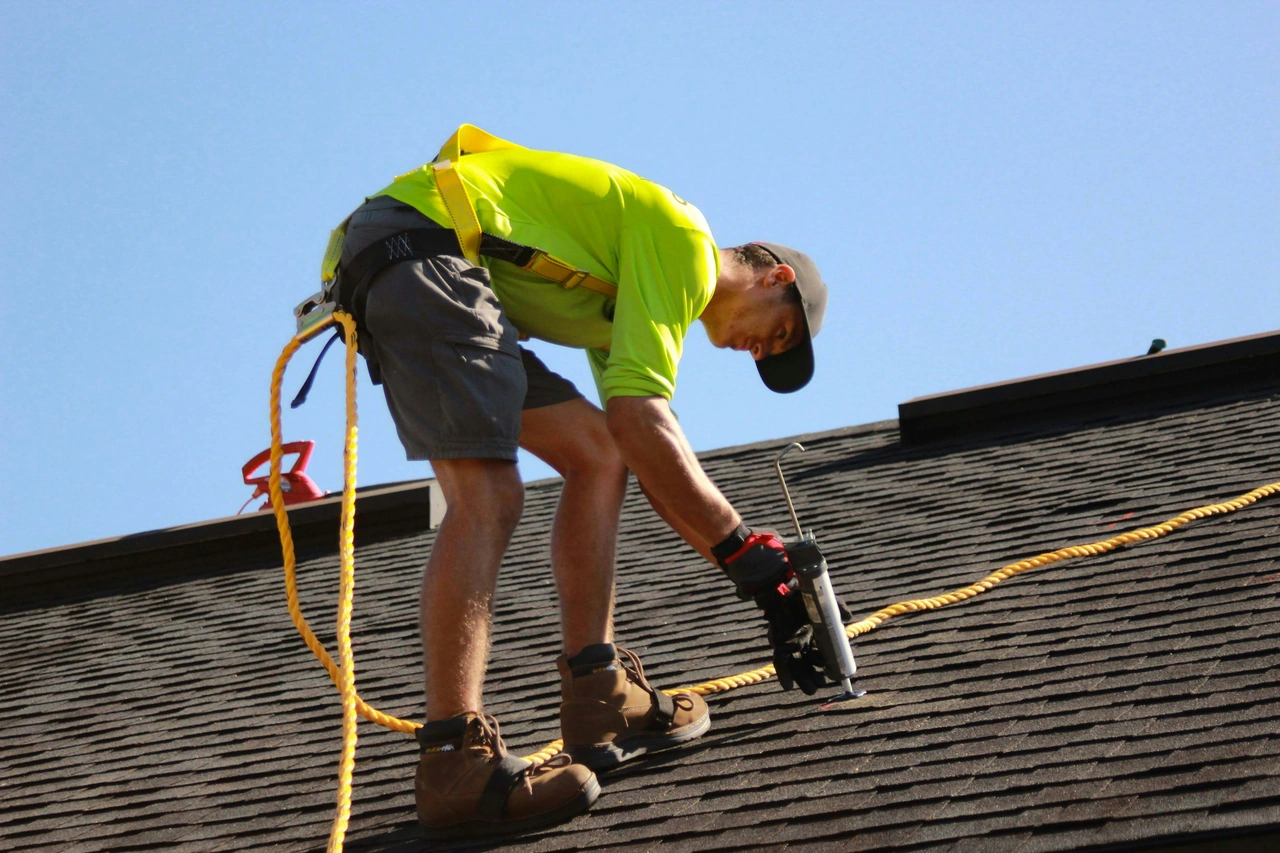
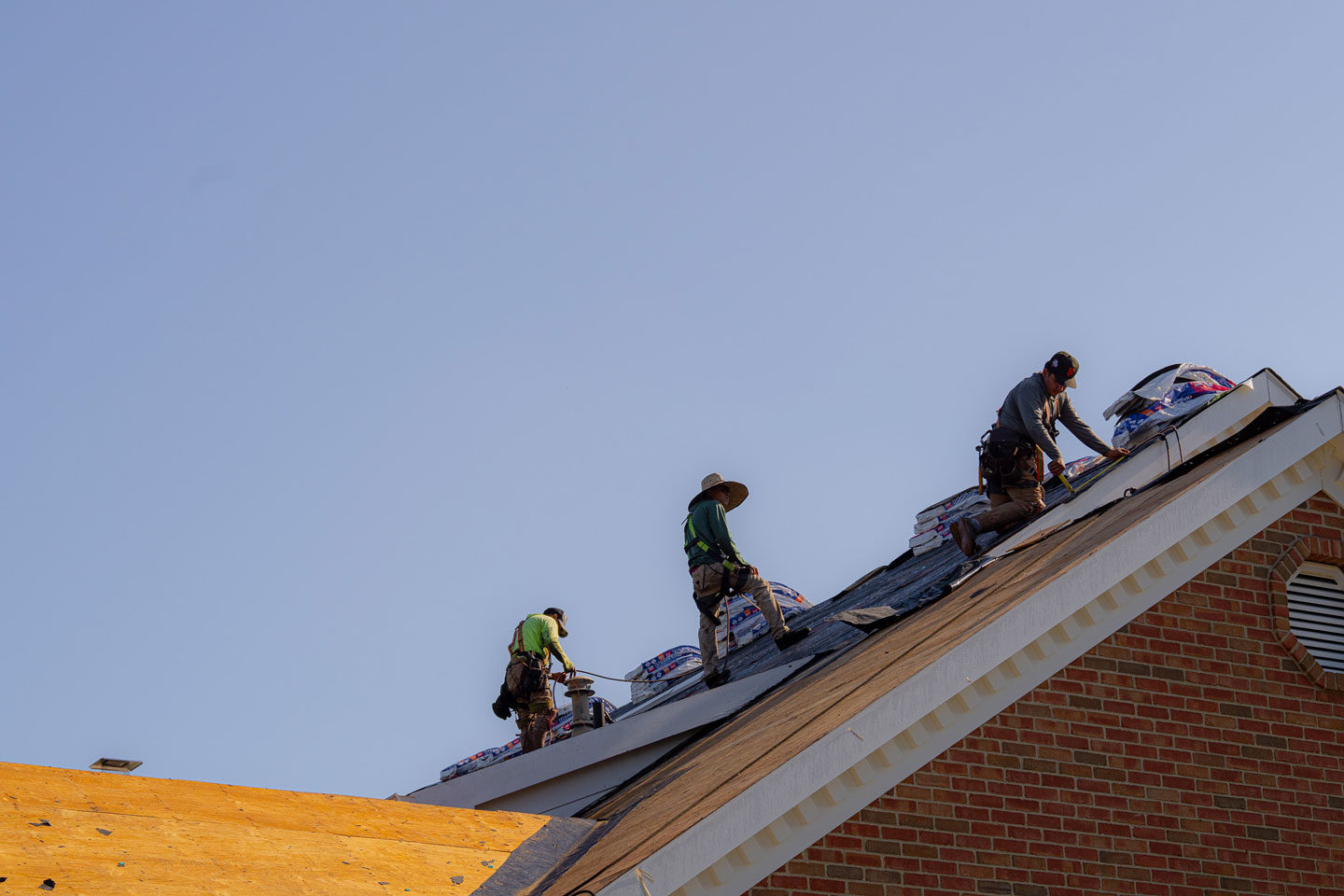
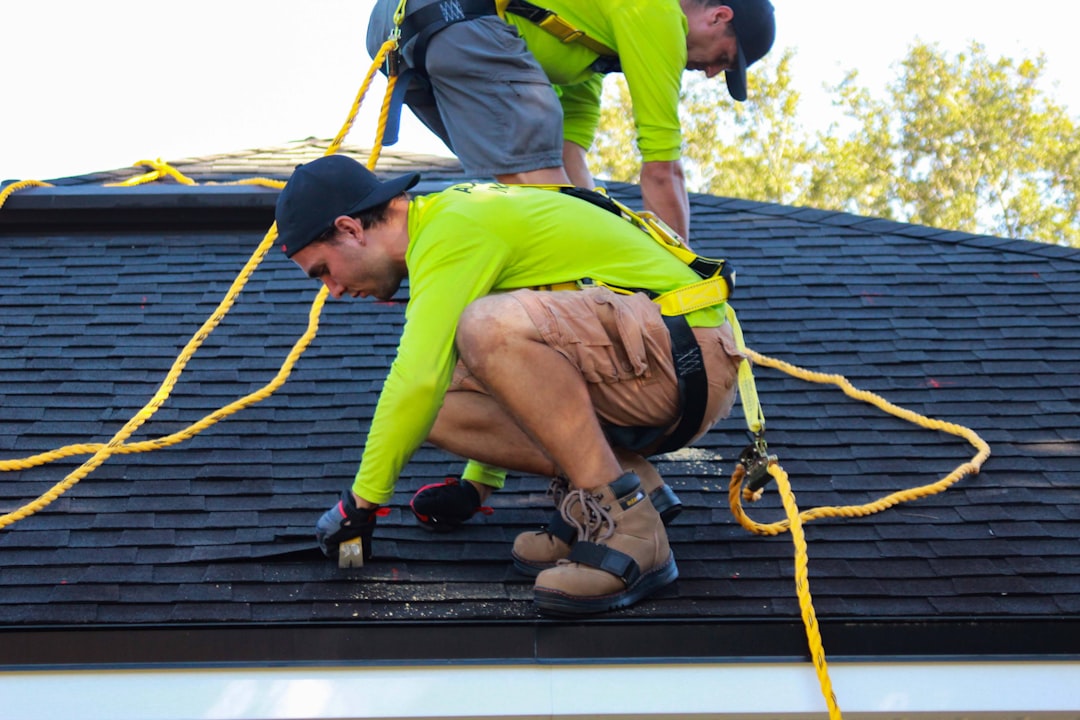
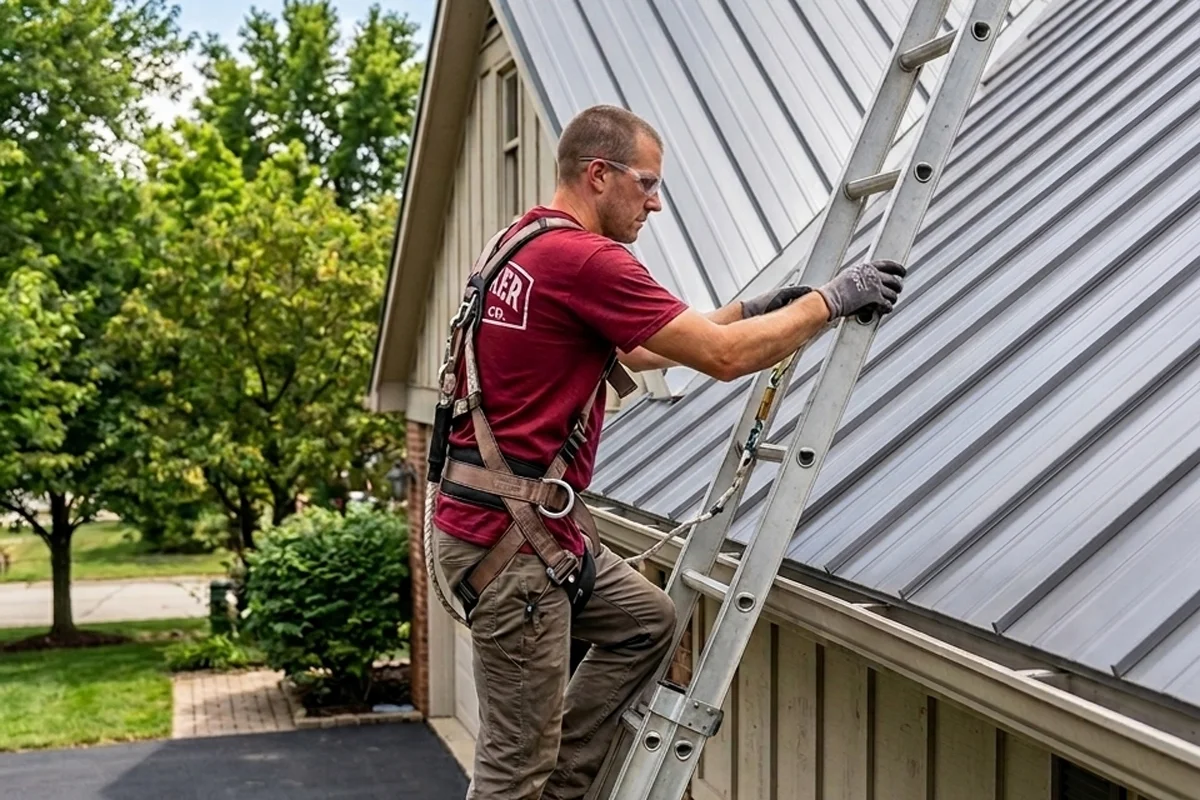
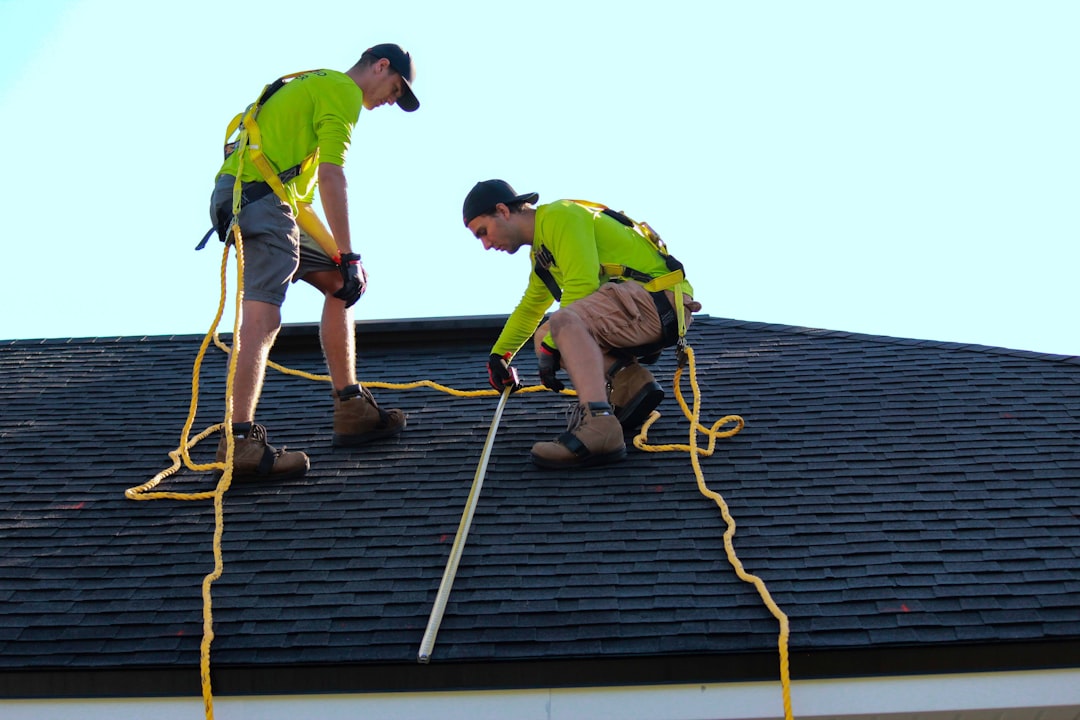
- Roof Pitch and Accessibility: Steeply pitched roofs (steeper than a 6:12 slope) require harness tie-offs and specialized safety staging, which increases labor setup time.
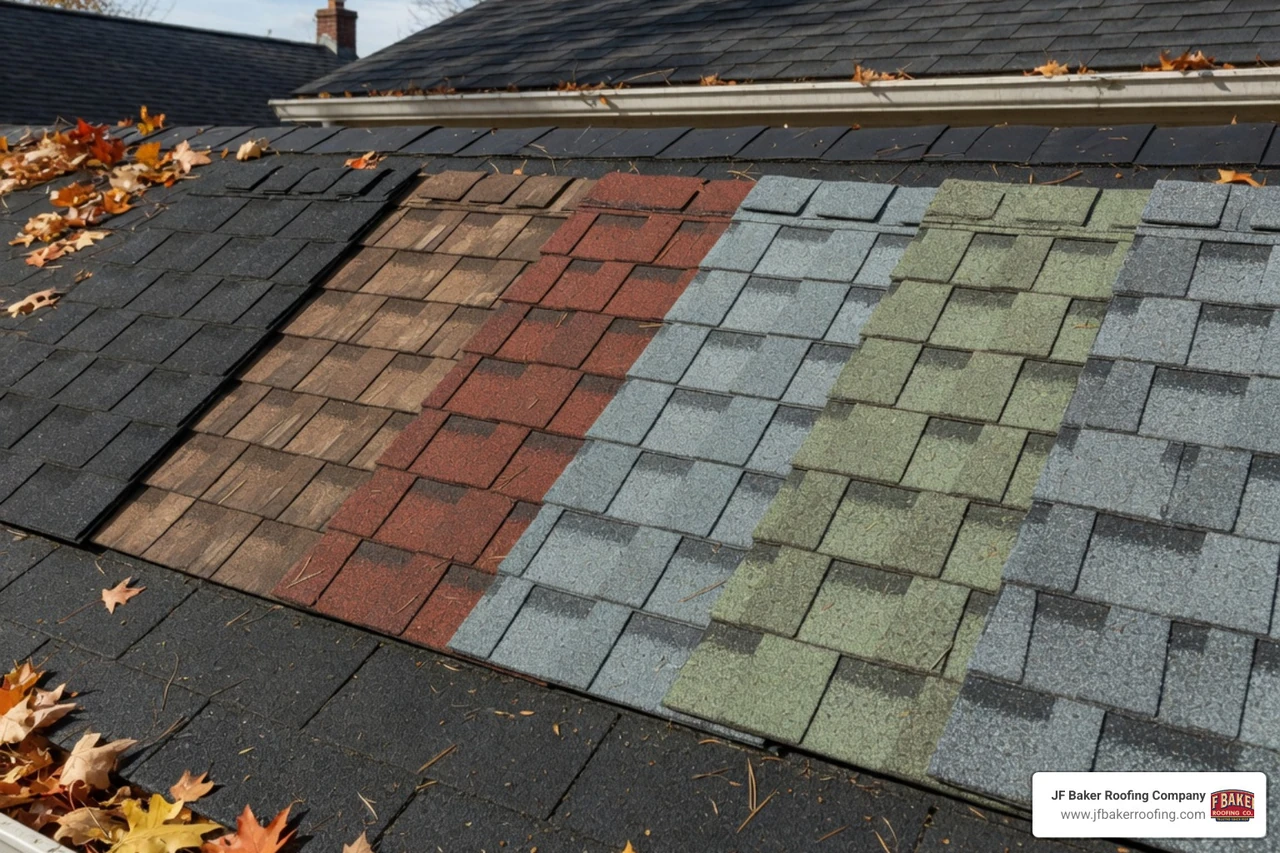
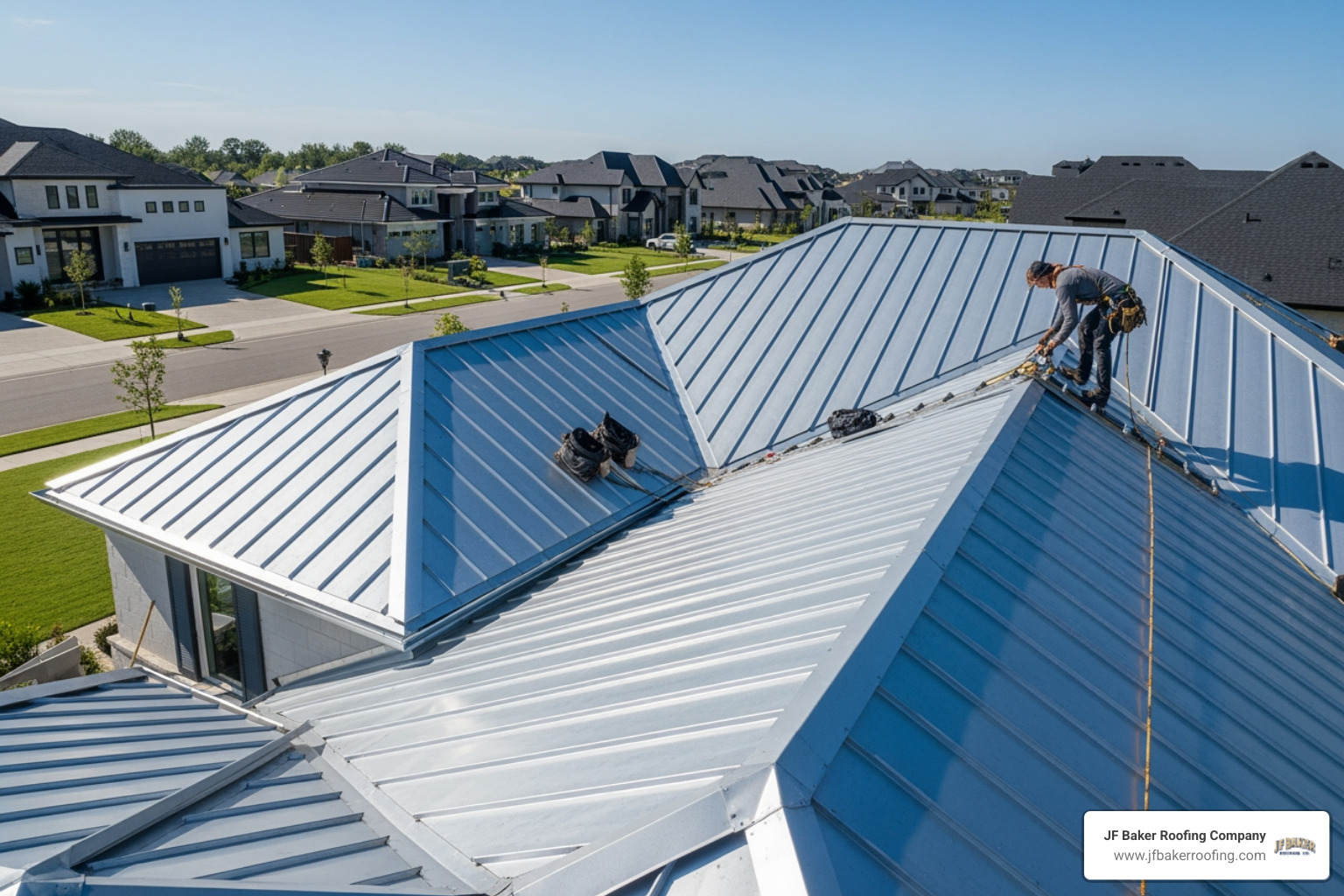
- Roofing Material Complexity: Standard asphalt shingles are straightforward to lift and re-seal around new flashing. Specialty surfaces like slate, metal panels, or clay tile require custom sheet metal fabrication and specialized handling.
- Extending Repairs to Sub-decking: If a leaking vent base has gone unnoticed for months, water may have rotted the underlying plywood deck or nearby rafters. Replacing rotted decking adds material and structural labor expenses to the project.
- Height and Multi-Story Access: Two-story and three-story homes require longer ladders and additional safety precautions compared to single-story ranch homes.
How to Select the Best Ventilation Contractor
Finding the right professional for attic vent repair near me protects your home from future water intrusion.
Roofing Contractor vs Handyman for Vent Repairs
While a general handyman can fix minor interior trim, roof penetrations demand specialized roofer knowledge. Roofing contractors understand wind-driven rain dynamics, proper shingle weaving techniques, and complex attic airflow ratios.
A general handyman fix often relies heavily on surface caulk or tar, which breaks down rapidly under thermal movement and UV light. Specialized roofers use self-adhering ice-and-water membranes, step flashing, and proper mechanical fasteners to ensure water drains away naturally.
Finding Reliable Attic Vent Repair Near Me
Start by searching for local, established roofing contractors with physical addresses in your community. Local companies understand specific weather stresses in Central Ohio, from heavy spring rains to winter thaw cycles. Look for contractors who belong to national industry groups, carry solid manufacturer credentials, and maintain strong local customer feedback.
Questions to Ask an Attic Vent Repair Near Me Specialist
Before signing an agreement for vent repairs, ask candidate contractors the following questions:
- Are you fully licensed, bonded, and backed by general liability and workers' compensation insurance?
- Will you calculate the Net Free Area needed for my specific attic size before adding or changing vents?
- How do you seal the base flashing to prevent future wind-driven rain leaks?
- Do you offer a written workmanship warranty on repair work?
- Will you inspect the attic interior for rotted deck sheathing before starting repairs on top of the roof?
Asking these targeted questions ensures you receive a thorough repair rather than a temporary cover-up. For a deeper look at vetting roofers, review our full guide on How to Choose the Right Roofing Contractor in Columbus Ohio.
Frequently Asked Questions About Roof Vent Repair
How long does it take to repair or install a roof vent?
Most straightforward roof vent repairs, such as replacing a broken pipe boot or installing a single static box vent, take a specialized roofing crew under two hours once safety equipment and materials are set up. Complete ventilation retrofits across an entire roof ridge typically wrap up within a single day.
How long do rubber vent boots last?
Standard neoprene or rubber plumbing vent boots generally last between 10 and 20 years. Constant exposure to sun, rain, and rapid heat shifts causes rubber to harden, split, and shrink away from the pipe collar. Inspecting boot seals every few years helps catch cracking before water seeps into interior walls.
Can vents be repaired without replacing the whole roof?
Yes. Damaged vents, cracked boots, and lifted ridge caps can easily be repaired or replaced as standalone projects without needing a full roof replacement. Experienced roofers carefully loosen surrounding shingles, remove the damaged component, install fresh flashing and underlayment, and re-integrate the original shingles safely.
Conclusion
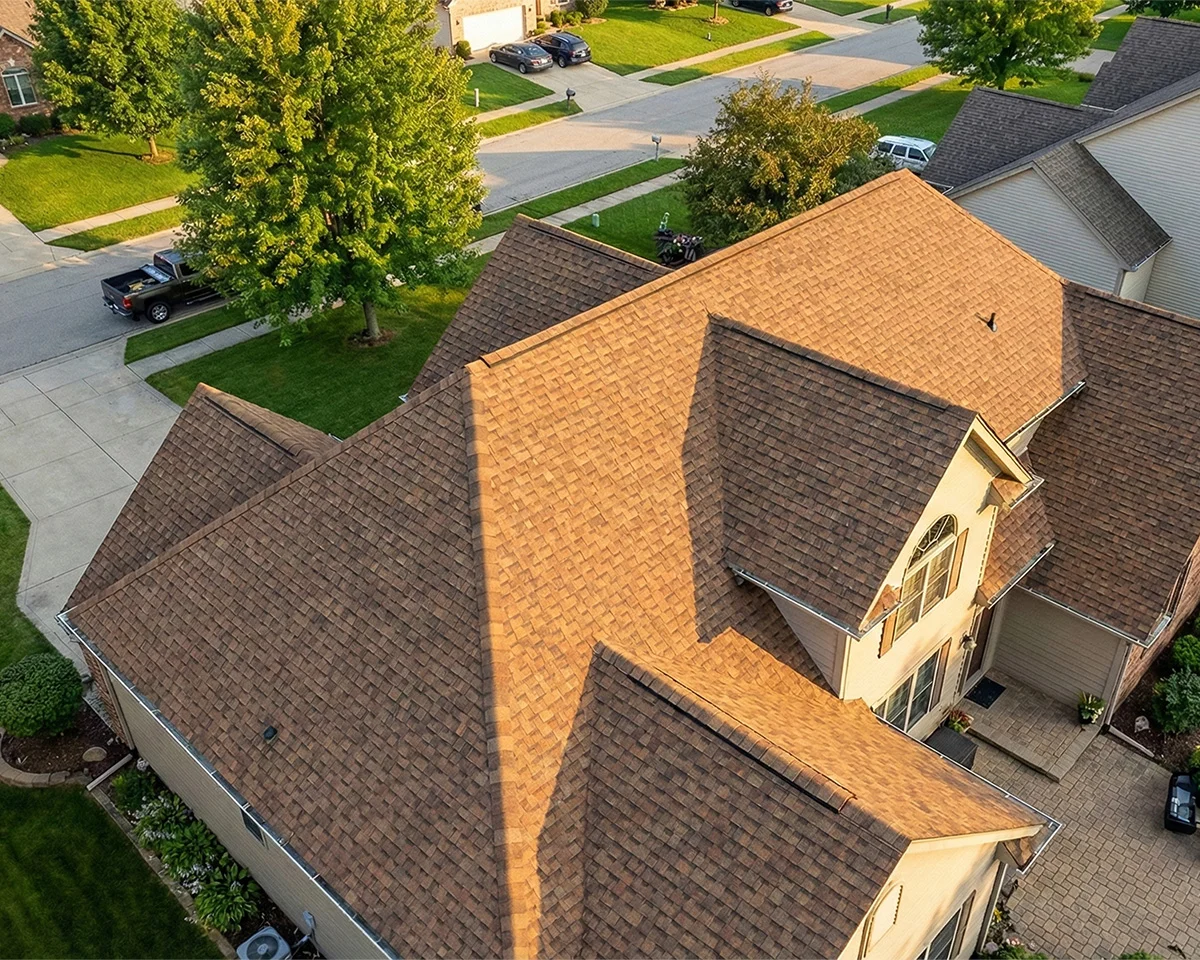
When you look for attic vent repair near me, choose a contractor who looks at the complete picture, including roof flashing, intake pathways, attic moisture levels, and overall airflow balance. Proper vent maintenance keeps your home comfortable, cuts summer cooling demand, prevents winter ice dams, and preserves the life of your entire roofing system.
JF Baker Roofing has served Central Ohio since 1929. Led by third-generation owners Chad and Pat Baker, our team serves residential and commercial clients across Columbus, Dublin, Upper Arlington, Hilliard, Grandview Heights, Worthington, and Westerville. We are a CertainTeed ShingleMaster Preferred Contractor, an NRCA member, and a BBB Accredited Business with an A+ rating.
We provide honest assessments, transparent pricing, clean job sites, and clear communication without high-pressure sales tactics. We recommend simple repairs whenever possible and suggest replacement only when genuinely needed. Our full range of services includes Residential Roofing, commercial roofing, roof repair, roof replacement, storm damage repairs, gutter installation, and custom sheet metal work.
Built on integrity. Proven by performance. If you have questions about your attic ventilation or notice signs of a vent leak, contact us today to schedule a thorough assessment. Let our reputation be your security.









.jpeg)