Dependable Rubber Roof Repair for Upper Arlington Homes and Businesses
When an Upper Arlington Rubber Roof Needs Repair
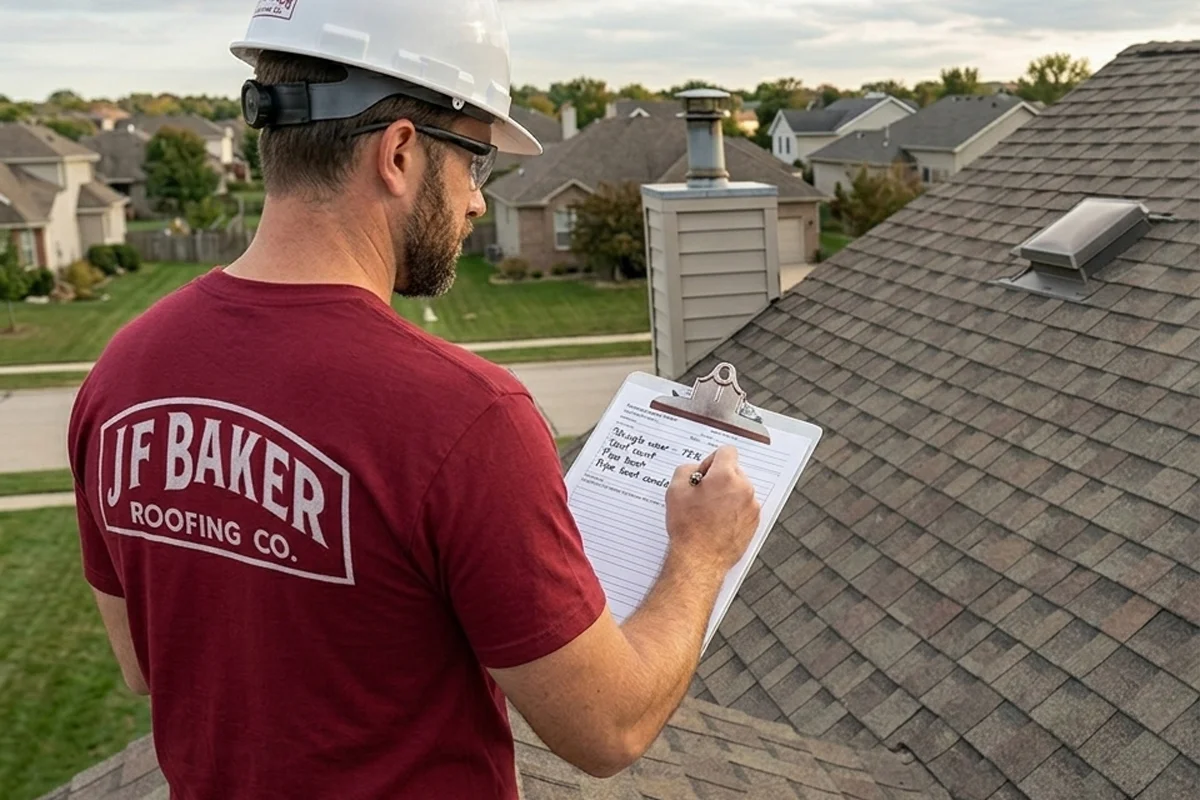
If your rubber roof is leaking, start by noting where water appears inside and checking for visible damage from a safe spot on the ground. Then arrange an EPDM roof inspection. A loose seam or small puncture may be repairable; widespread damage or wet insulation may call for replacement. Many of our customers searching for rubber roof repair Upper Arlington contractors find that catching problems early saves them from a costly full replacement later.
JF Baker Roofing repairs rubber roofs for Upper Arlington homes and businesses. We give honest assessments, explain the work and pricing clearly, and do not use high-pressure sales tactics. Serving Central Ohio since 1929, we also handle residential and commercial roofing, roof replacement, storm damage, gutters, and sheet metal work.
I'm Chad M. Baker, and Pat Baker and I lead this third-generation family business.
For additional guidance on rubber roof repair in Upper Arlington, see:
Common Causes and Signs of EPDM Rubber Roof Damage in Central Ohio
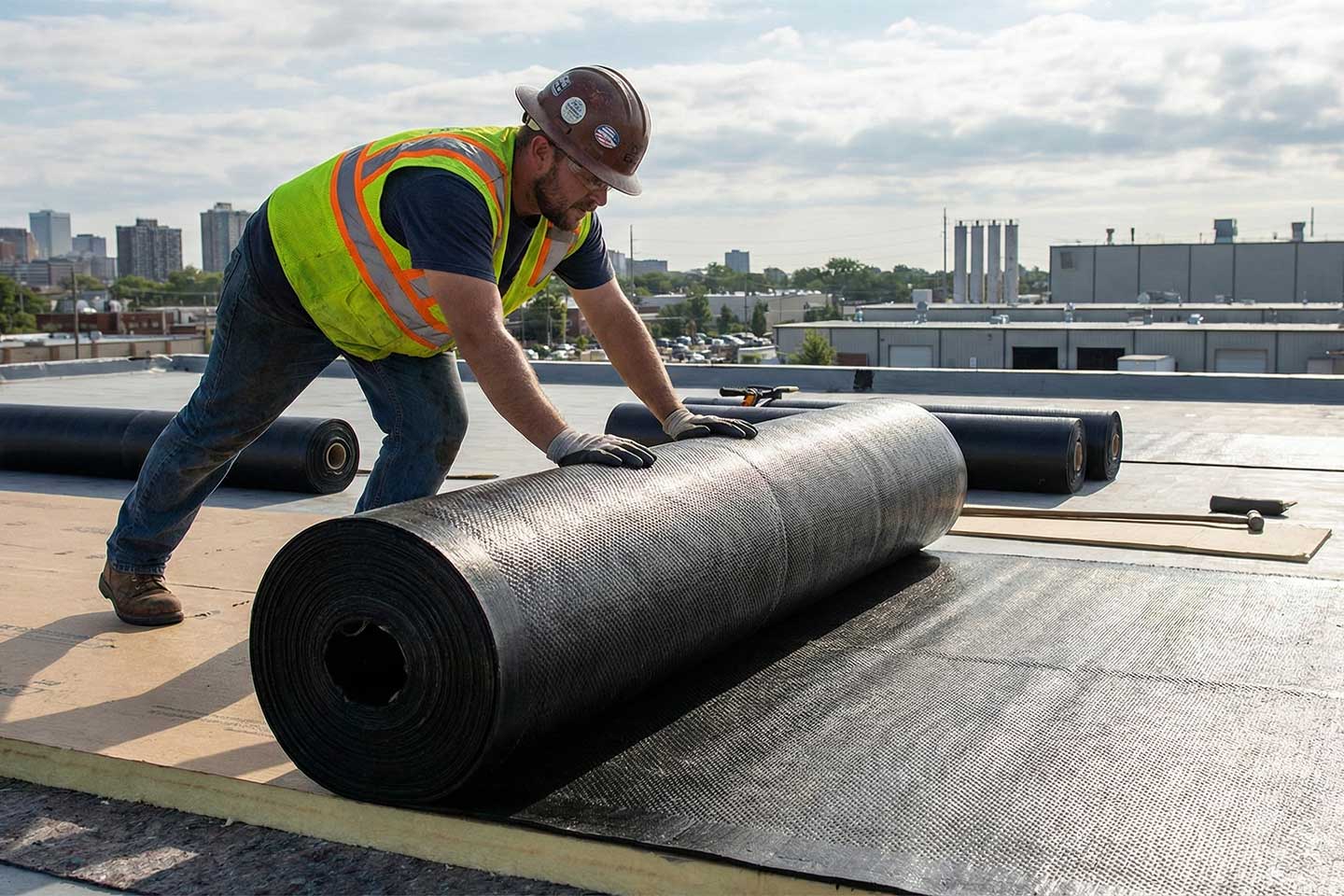
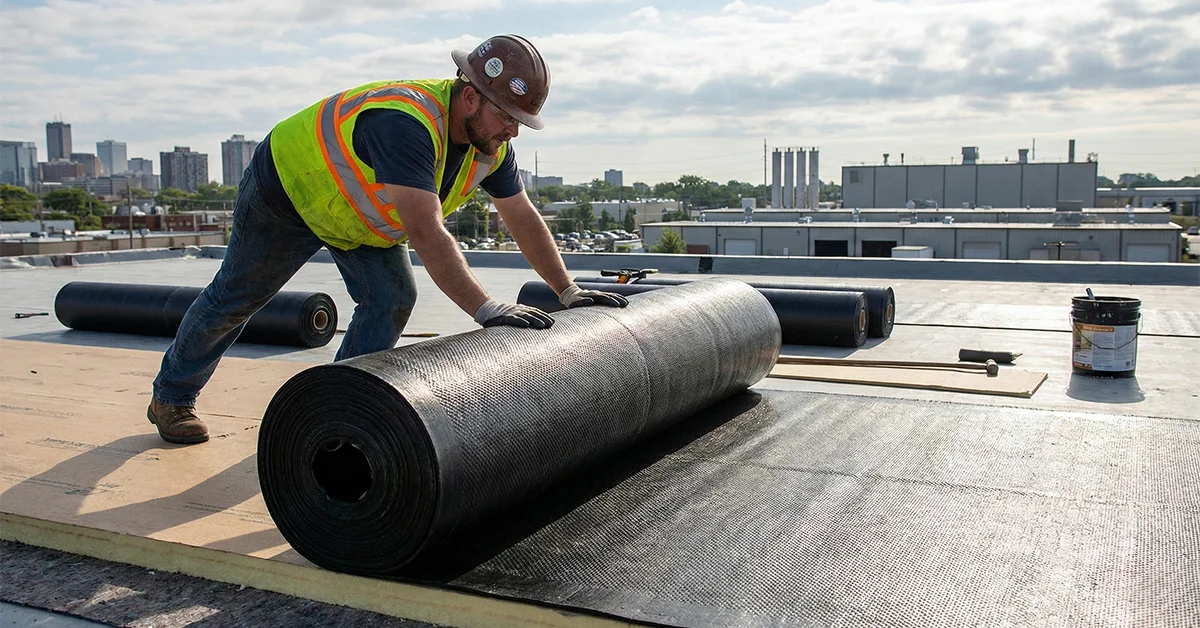
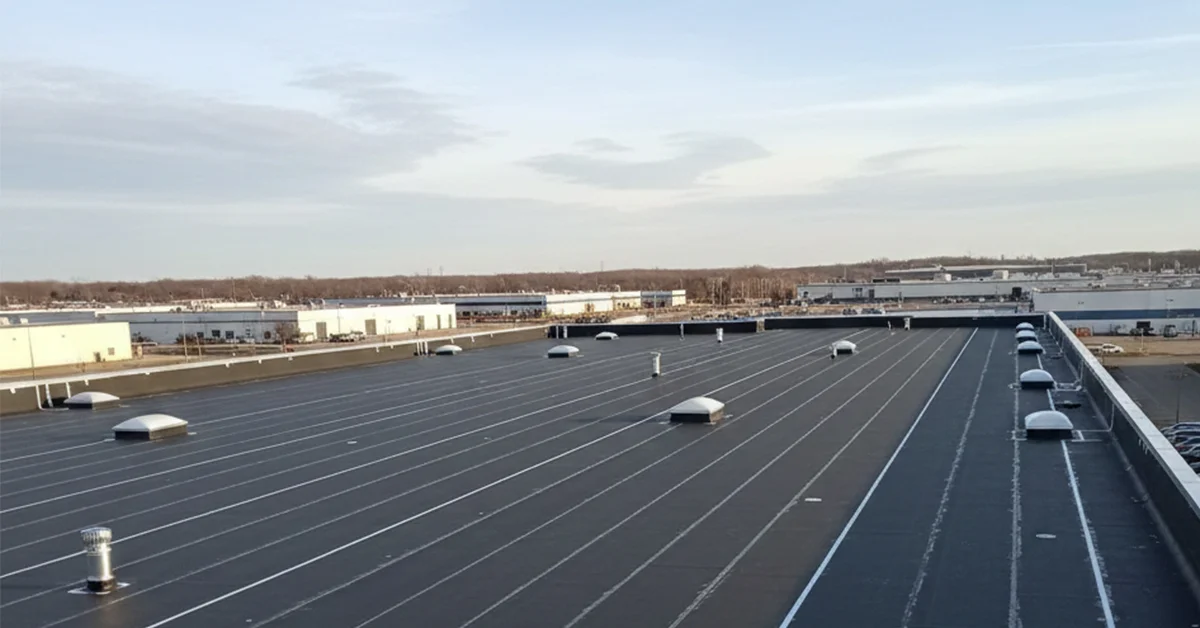
Ethylene Propylene Diene Monomer, commonly known as EPDM, is one of the most durable, flexible, and time-tested materials used for flat and low-slope roofing systems across Central Ohio. Whether protecting a mid-century modern home, an addition, a detached garage, or a commercial storefront along Lane Avenue, an EPDM roof provides outstanding defense against the elements. However, no roofing material is completely immune to wear, tear, and weather.
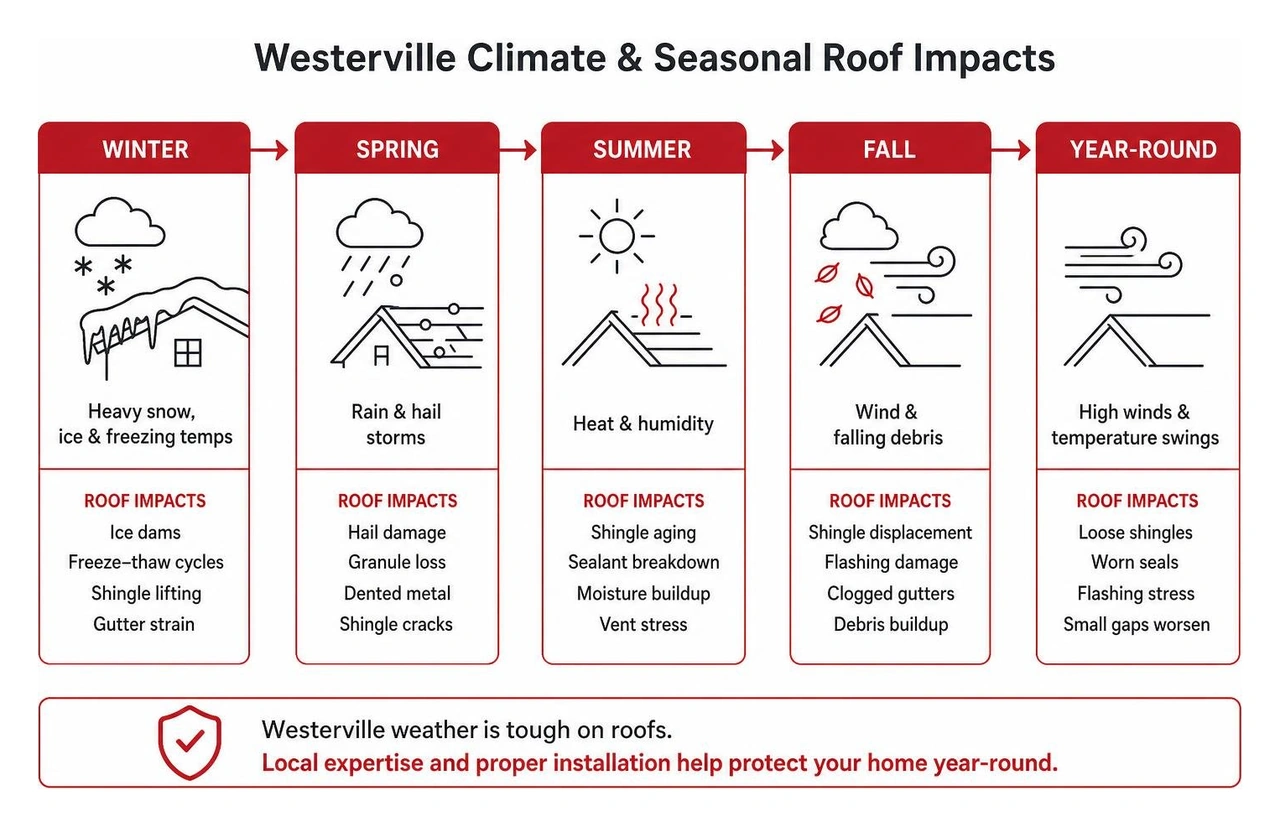
Our local climate puts distinct stresses on rubber membranes. Upper Arlington experiences intense seasonal shifts. We see hot, humid summers with strong ultraviolet exposure, followed quickly by crisp autumns and freezing winters. These temperature swings cause building materials to expand and contract repeatedly. Over years of thermal cycling, this movement can stress adhered lap seams, perimeter flashings, and corner details.
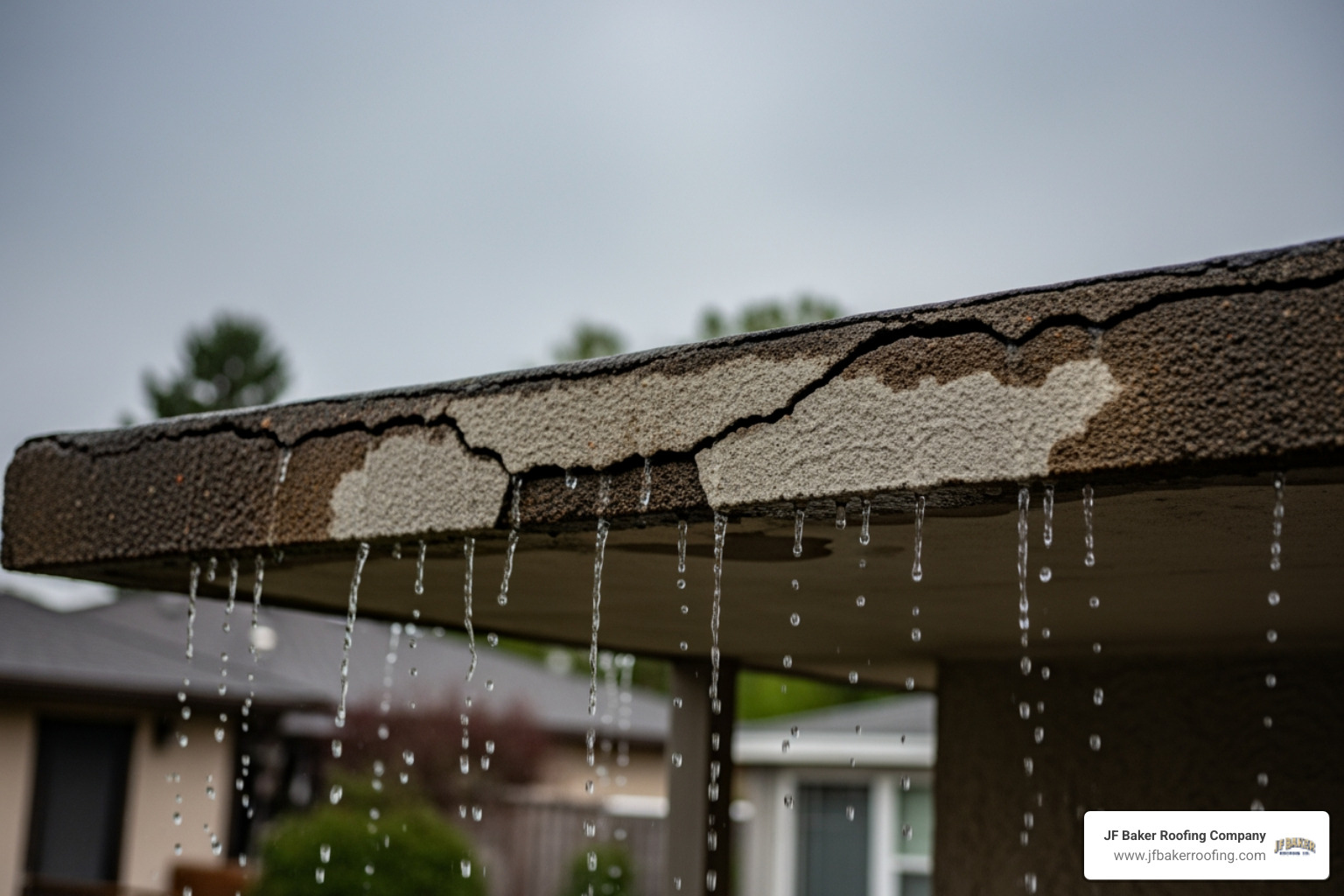
Ponding water is another common culprit behind membrane distress. When water sits on a low-slope roof for more than 48 hours without draining or evaporating, it accelerates the breakdown of underlying adhesives and places extra structural weight on the decking. Left unchecked, small weaknesses turn into active leaks.
Signs You Need Rubber Roof Repair Upper Arlington Property Inspections Reveal
Catching rubber roof problems early prevents minor moisture intrusion from turning into rotted roof decking or saturated insulation. Scheduling a periodic rubber roof inspection service helps you identify hidden vulnerabilities before they cause interior disruption.
Watch for these clear signs that your membrane requires professional attention:
- Open or lifting seams: The adhesives or seam tapes bonding adjacent sheets together can dry out or pull apart as the building shifts.
- Membrane shrinkage and tenting: As EPDM ages, it can lose elasticity and pull away from parapet walls, curbs, or roof edges.
- Blistering or bubbling: Pockets of trapped moisture or air beneath the membrane indicate adhesion loss between the rubber and the substrate.
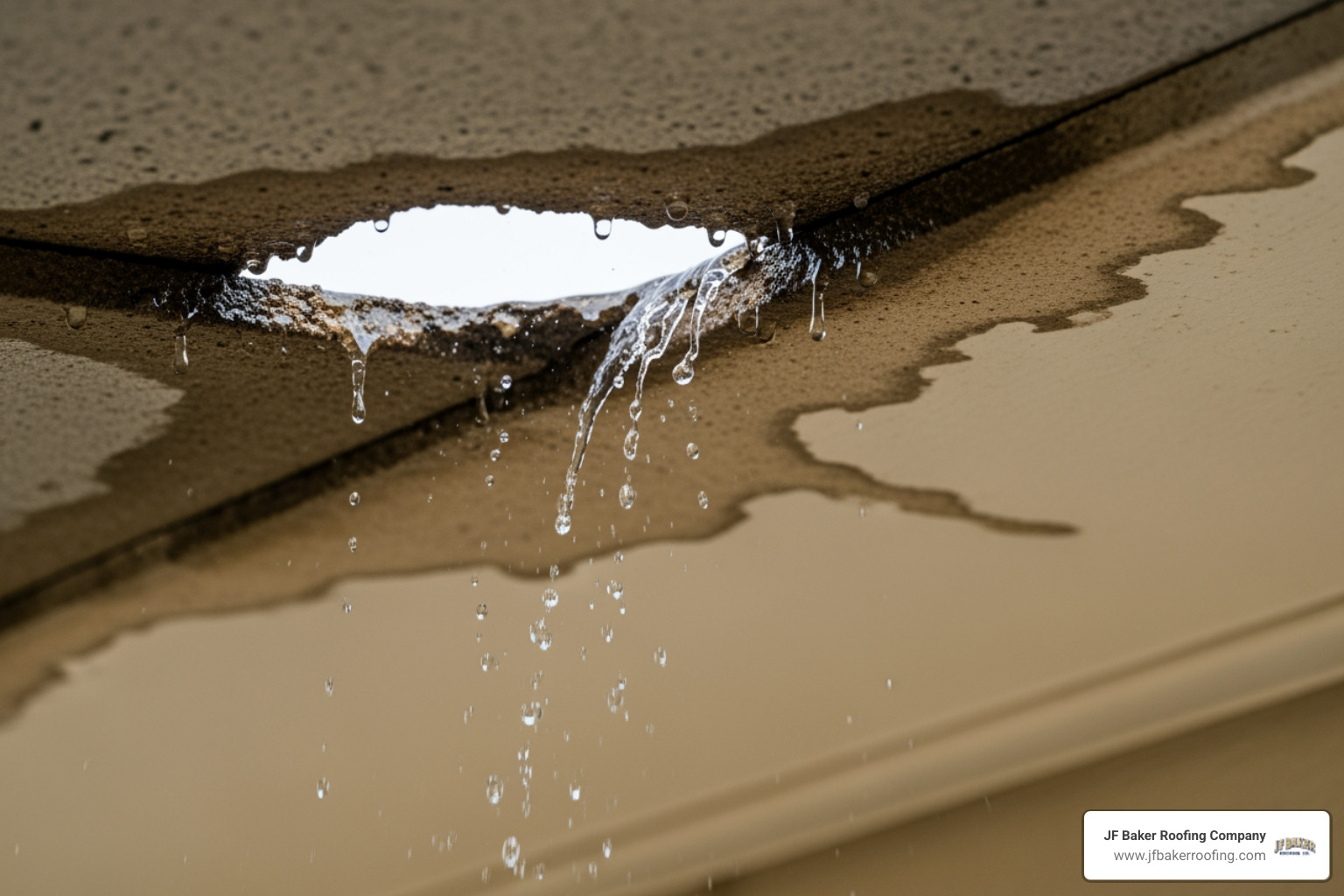
- Interior ceiling spots: Water stains, peeling paint, or damp drywall inside your building usually point to water traveling along the roof deck from an unsealed penetration.
- Standing water along gutter lines: Sagging deck sections or blocked drainage scuppers cause ponding that weakens seam integrity.
Assessing Storm Damage, Punctures, and Membrane Shrinkage
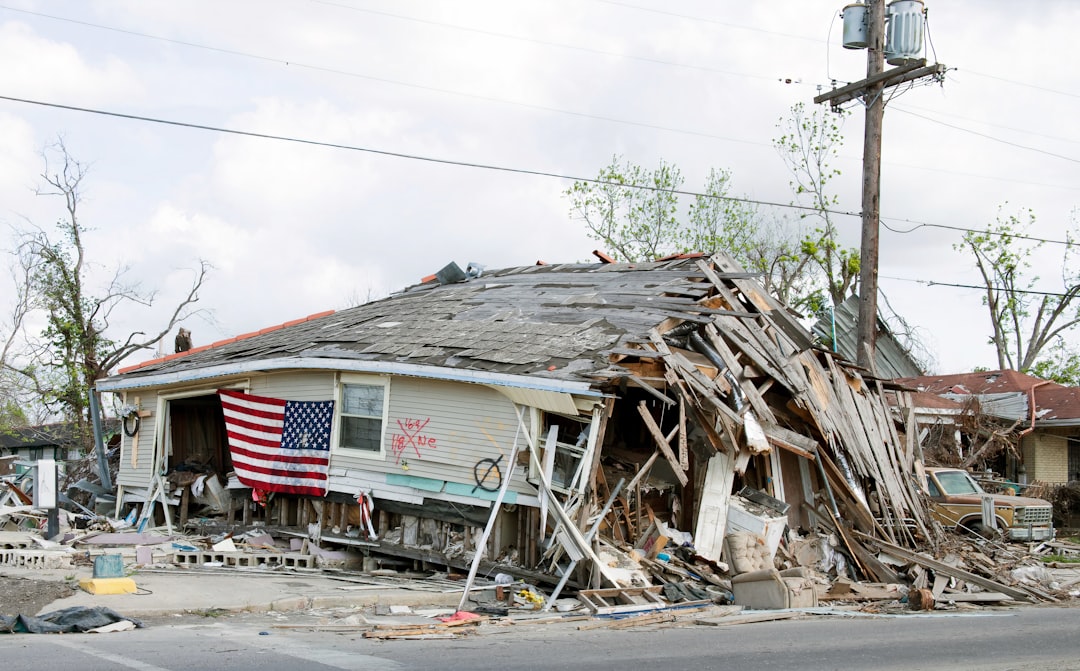
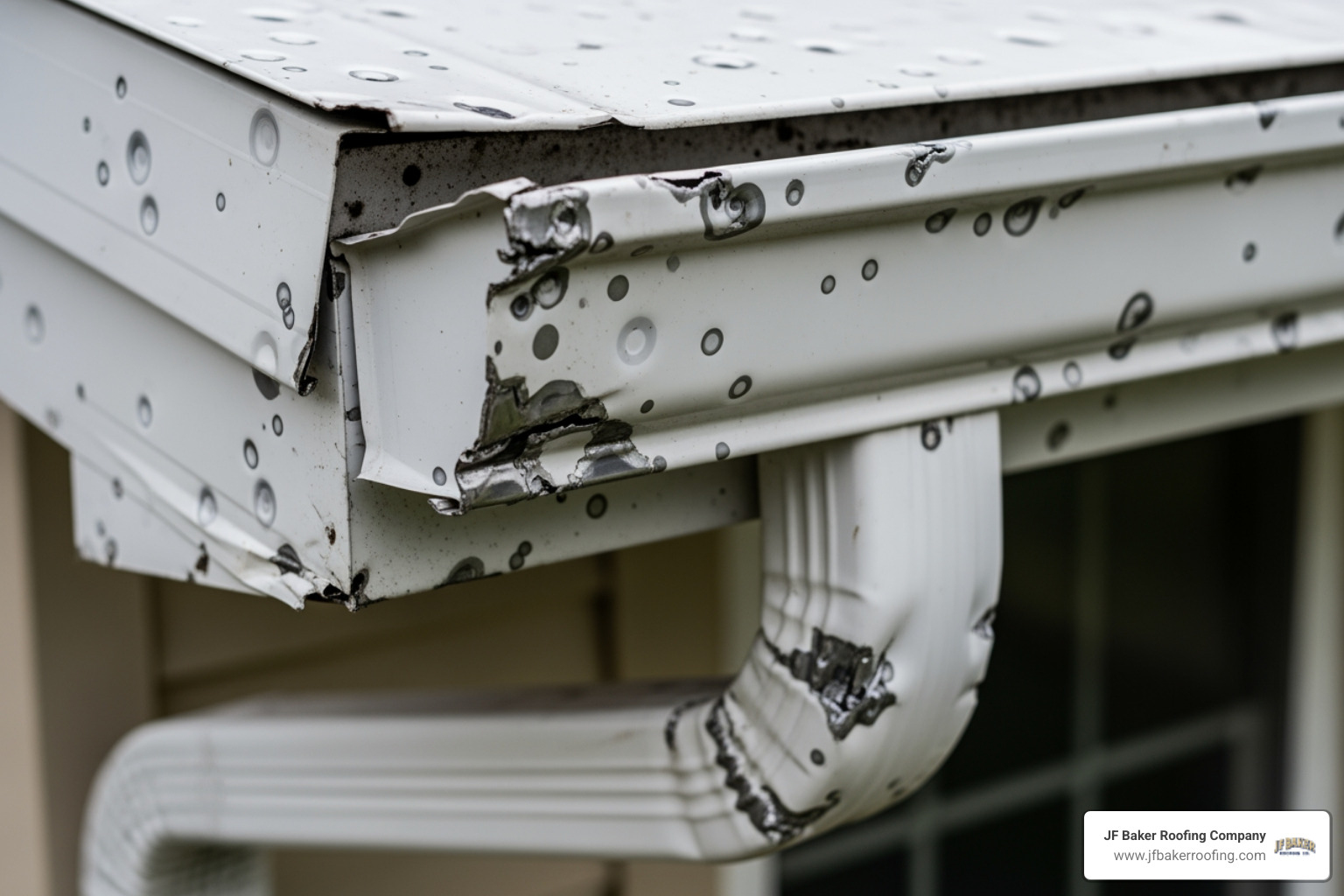
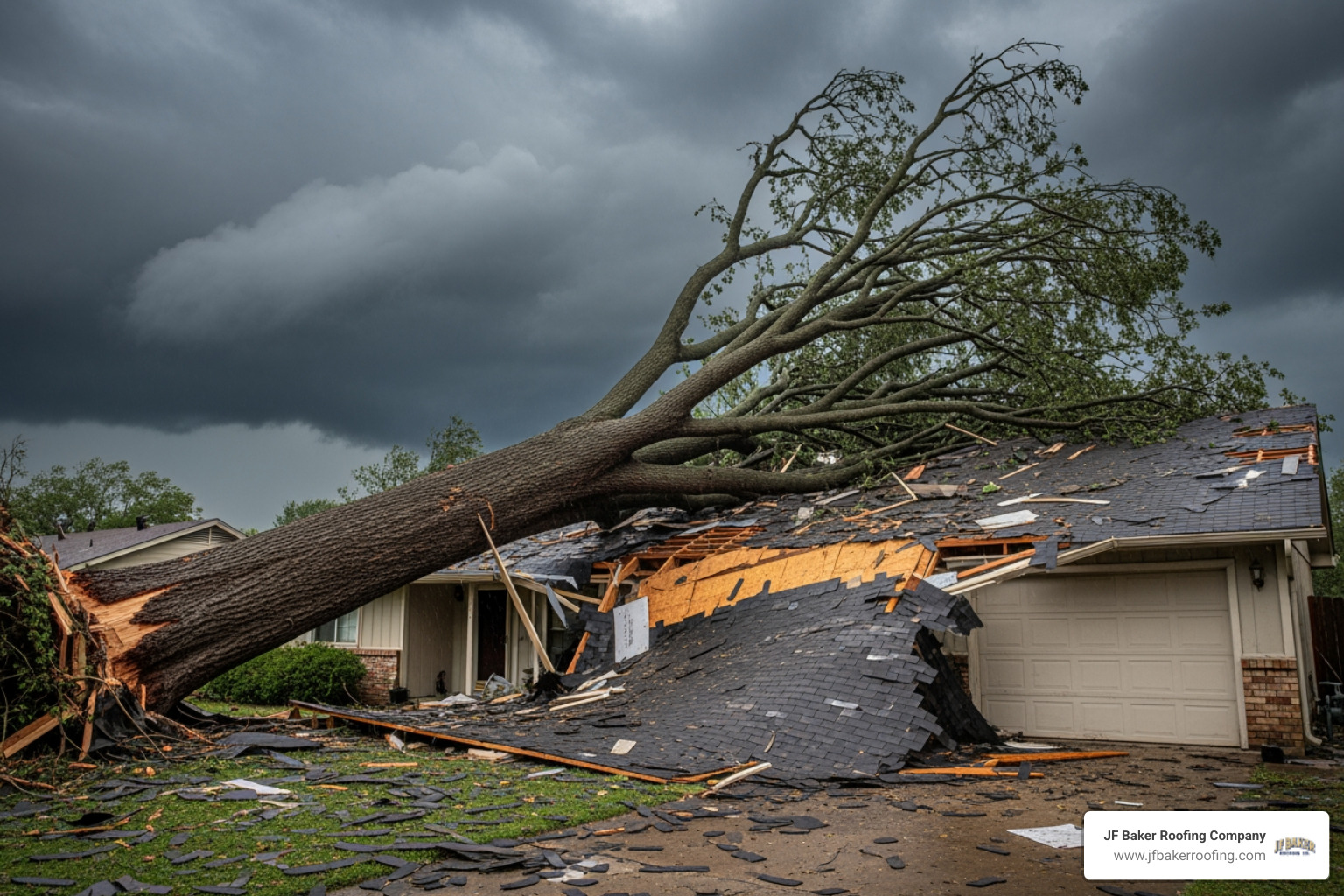
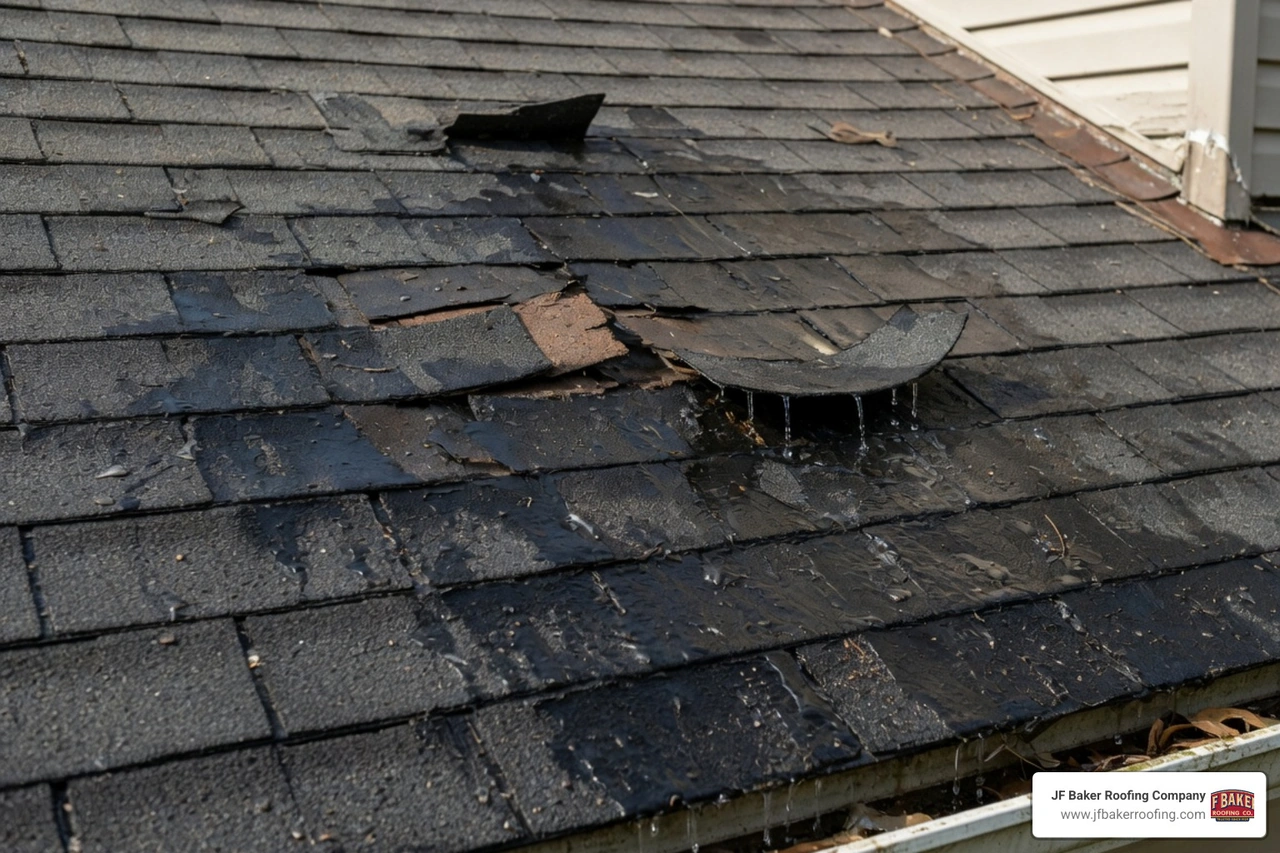
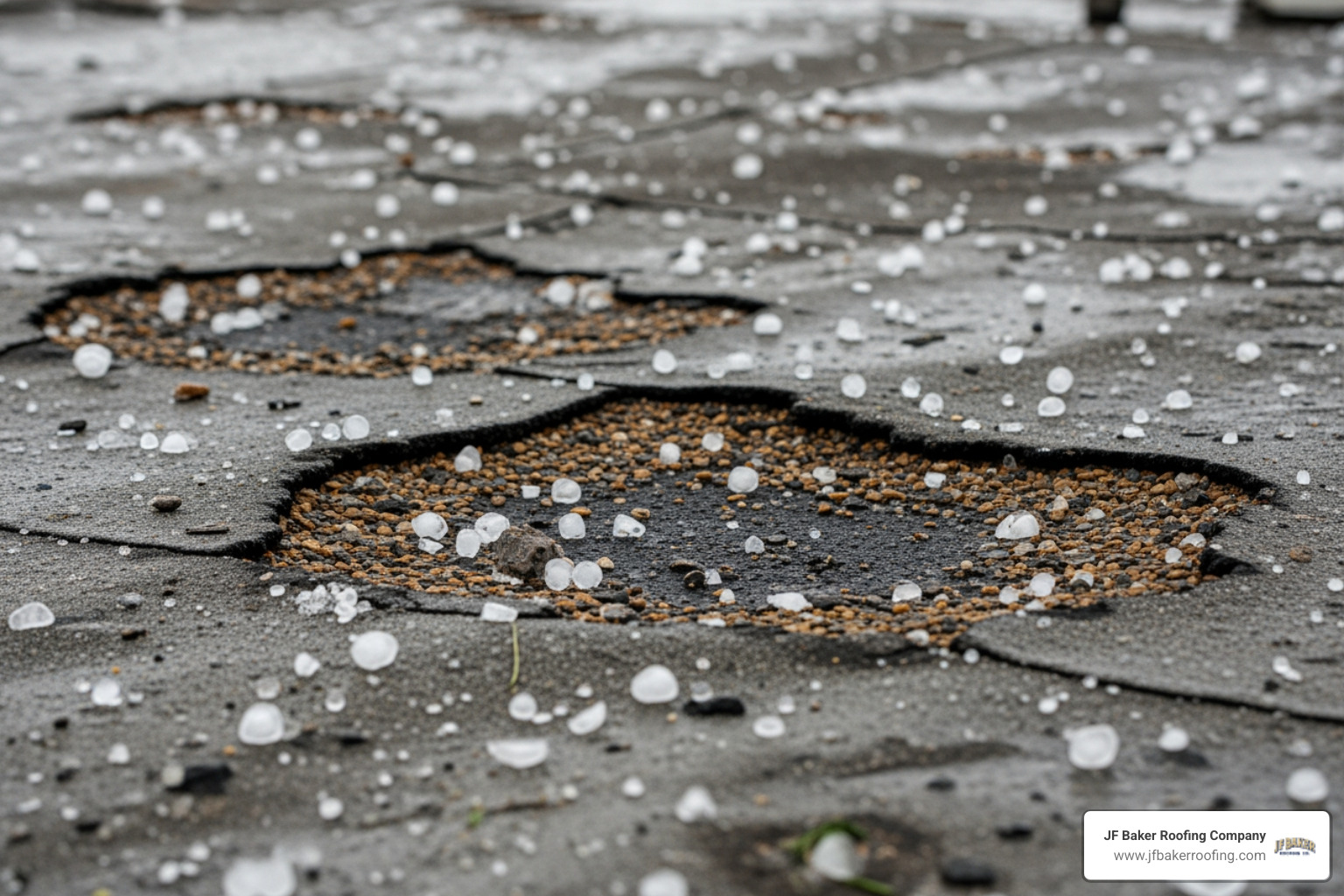
Severe weather is a frequent visitor to Central Ohio. Spring and summer thunderstorms can bring hail, high winds, and heavy branch strikes from our mature neighborhood tree canopies. While synthetic rubber absorbs minor impacts well, sharp tree limbs or large hail stones can create clean cuts, punctures, or tears in the membrane.
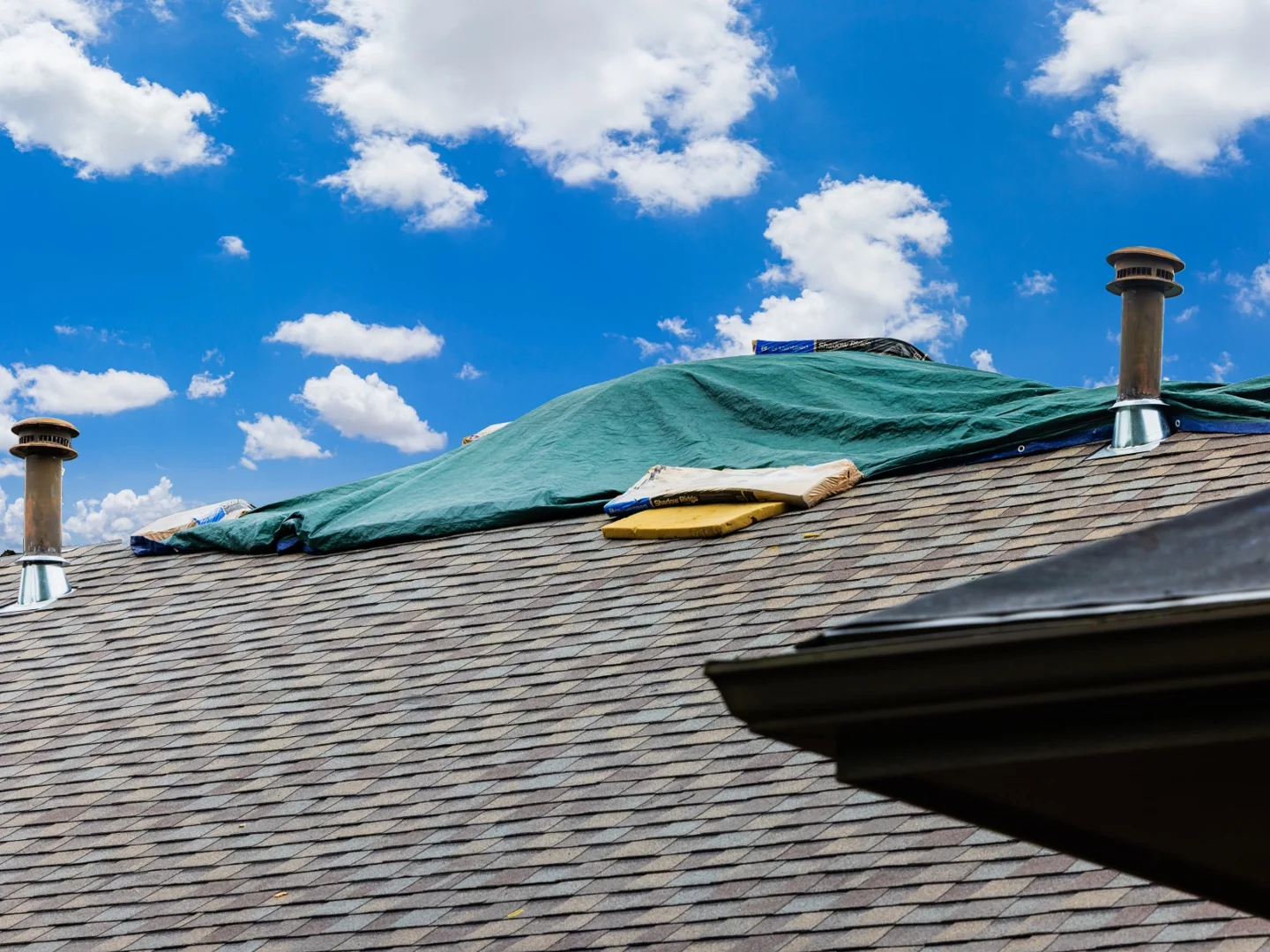
Wind uplift is another major hazard during sudden squalls. If perimeter termination bars or gravel stops are loose, strong winds can get underneath the membrane, lifting the edges and pulling flashings away from masonry walls. When unexpected weather strikes, securing prompt storm damage repairs with emergency tarping stops water in its tracks and protects your property from secondary structural damage.
Professional Rubber Roof Repair Upper Arlington Property Owners Trust
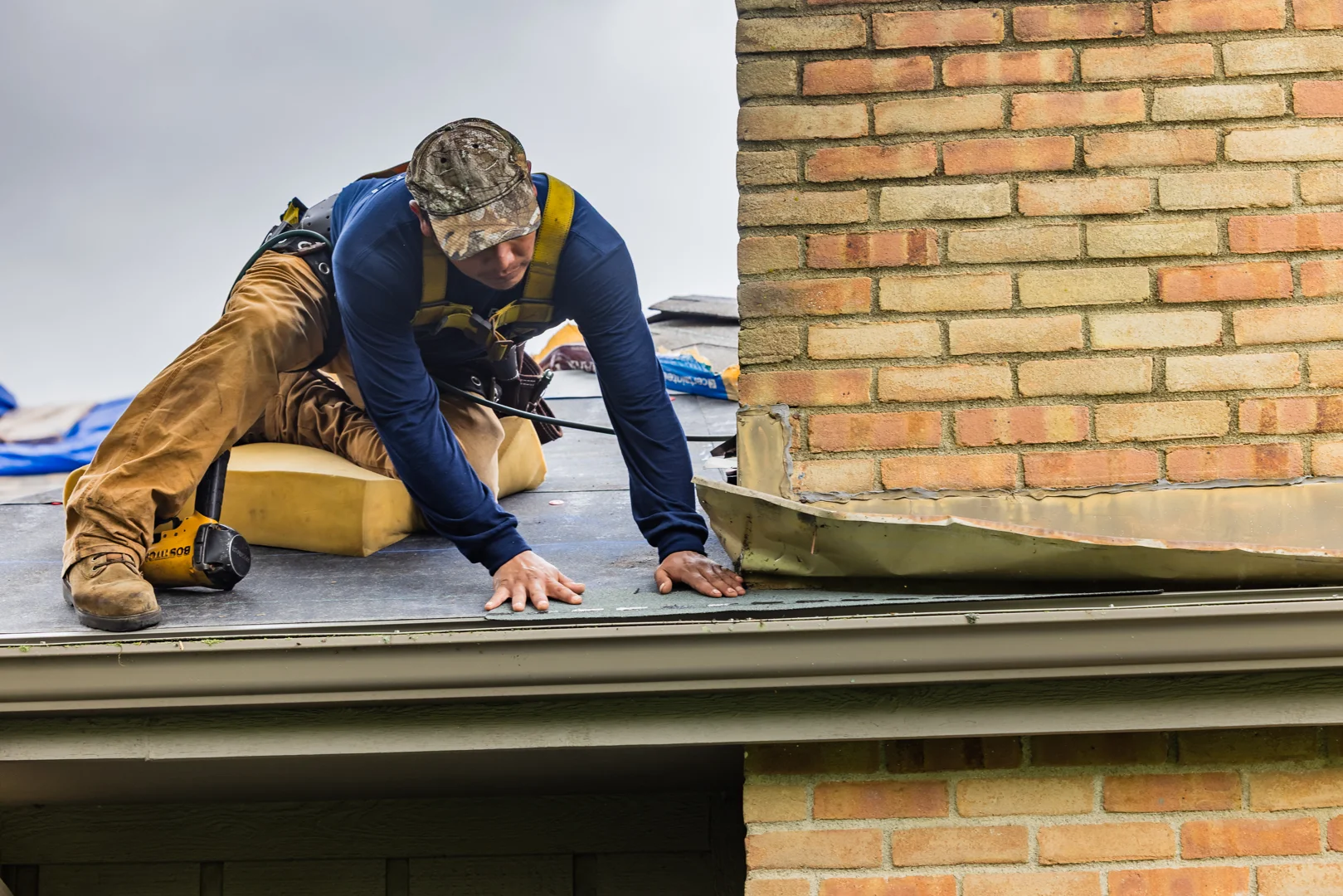
Repairing an EPDM roof requires a clear understanding of polymer chemistry and surface preparation. A common mistake made on rubber roofs is applying standard asphalt roof cement or plastic tar over an EPDM seam. Petroleum-based products actively dissolve synthetic rubber, turning a simple seam repair into an extensive mess that ruins the surrounding membrane.
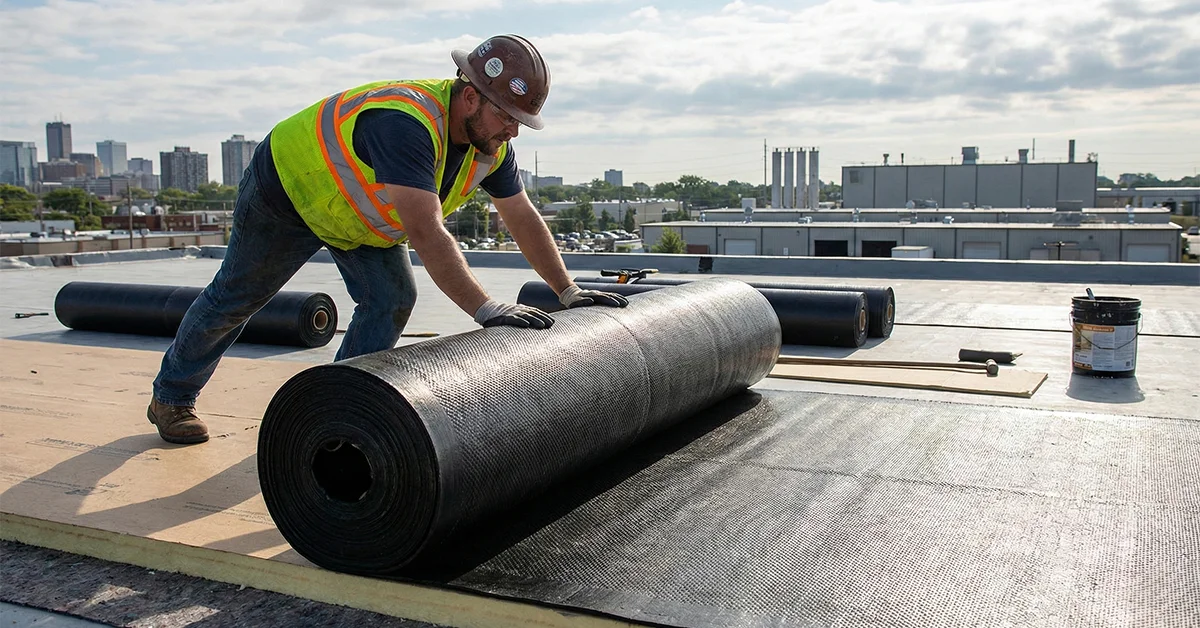
Professional roofers use purpose-built cleaners, primers, and cured EPDM materials designed specifically to create a vulcanized, watertight bond with the existing rubber. Doing the job right ensures the repaired section expands and contracts naturally with the rest of the roof deck through every season.
Step-by-Step Rubber Roof Repair Upper Arlington Contractors Follow
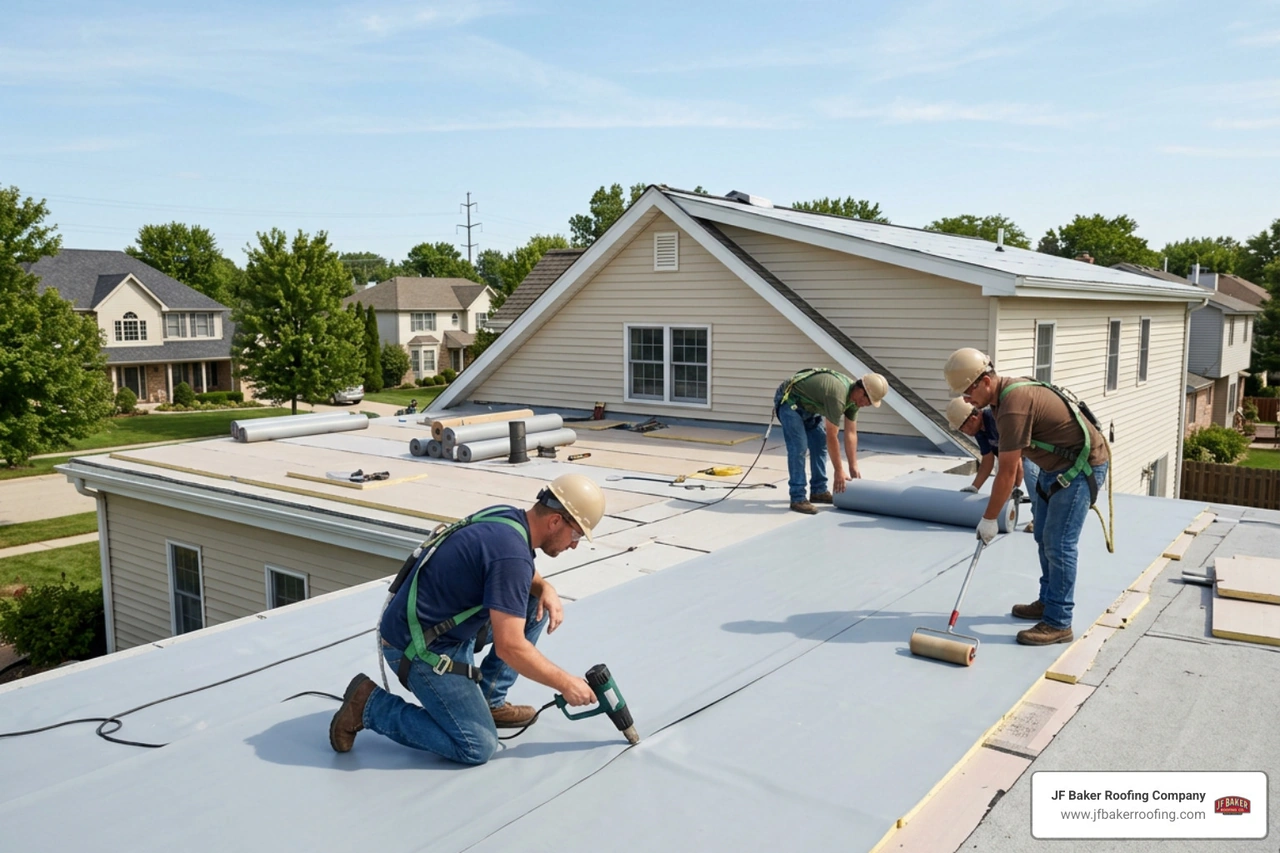
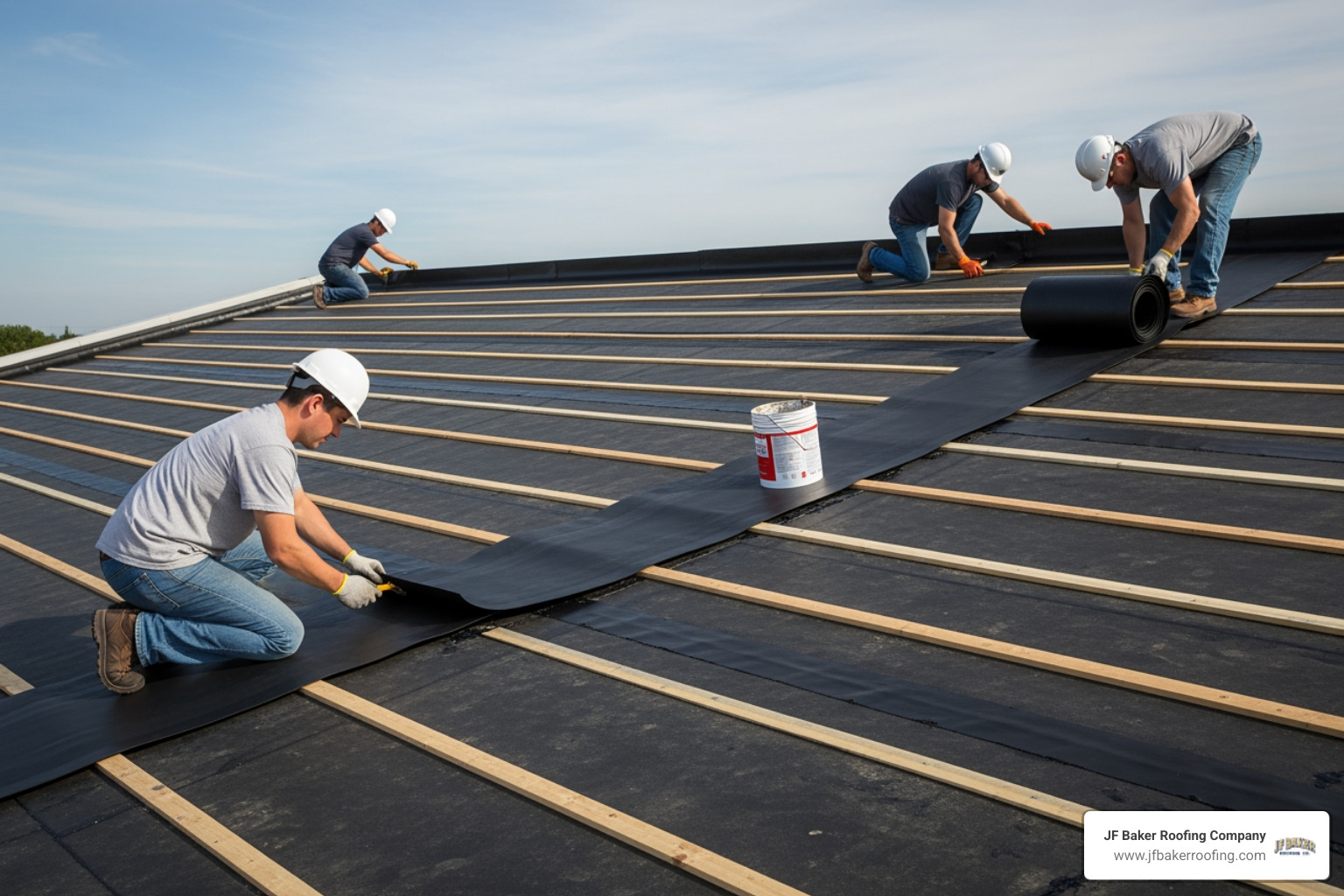
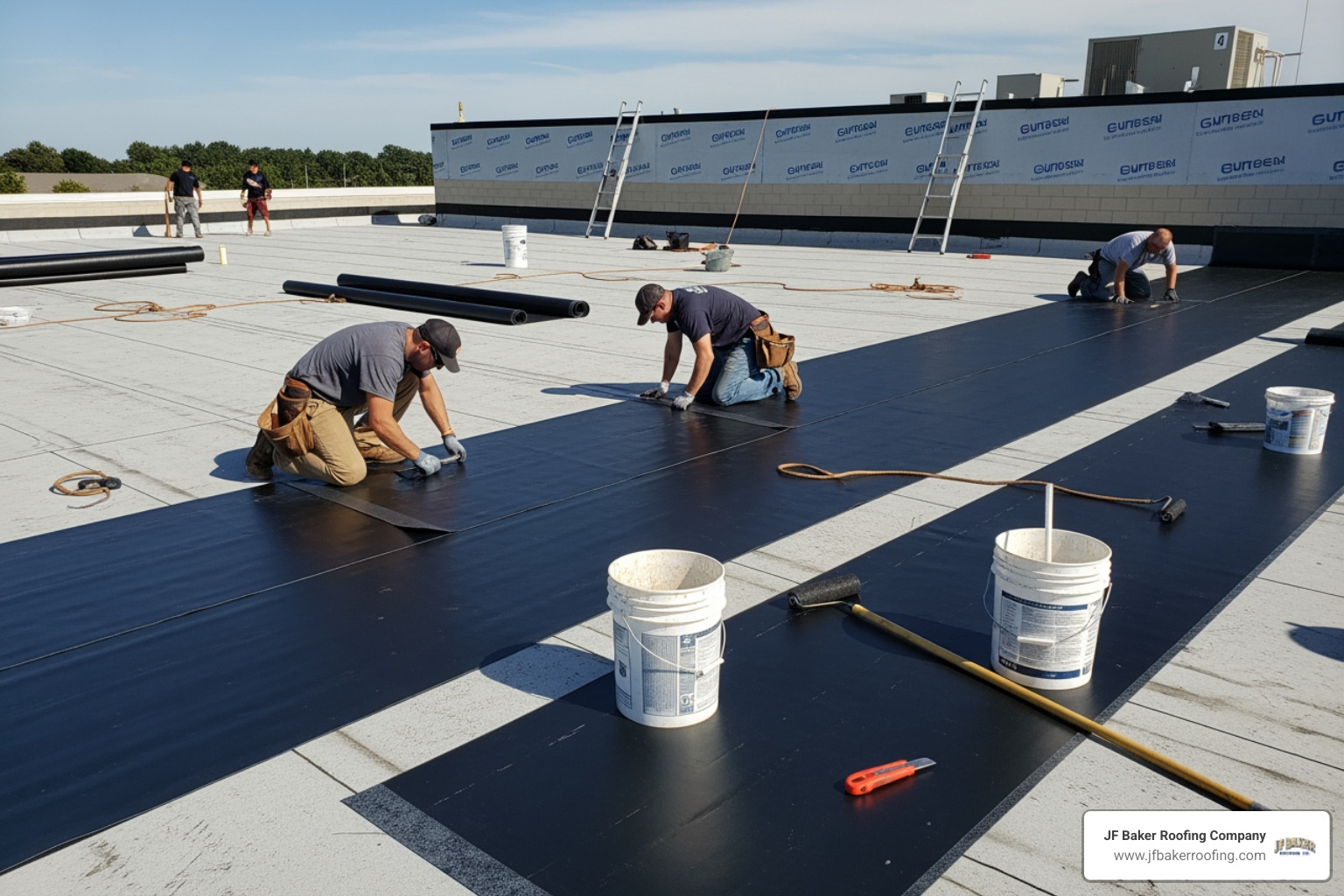
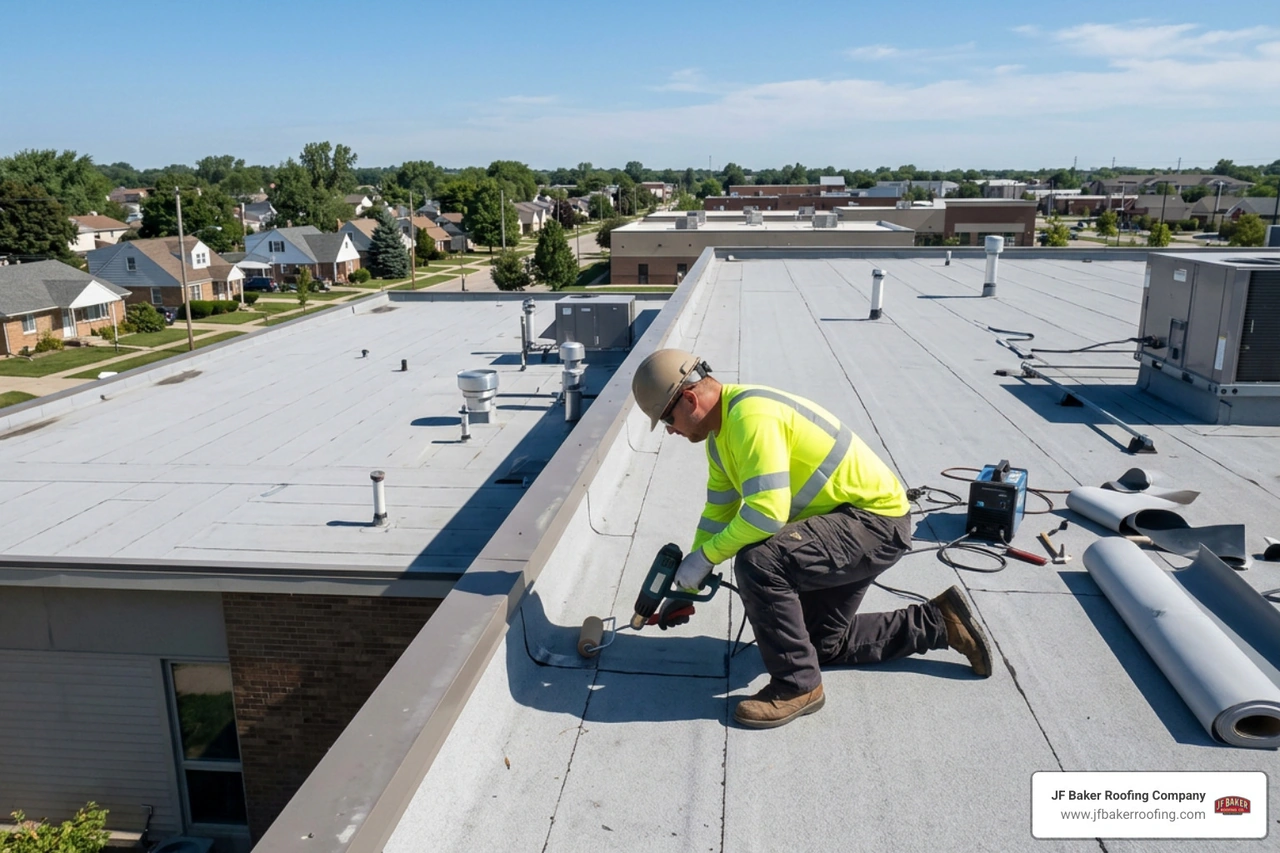
Executing a lasting repair on a low-slope rubber roof follows a strict, step-by-step procedure. When we perform rubber flat roof repair, we follow industry standards to restore the membrane to full weather resistance:
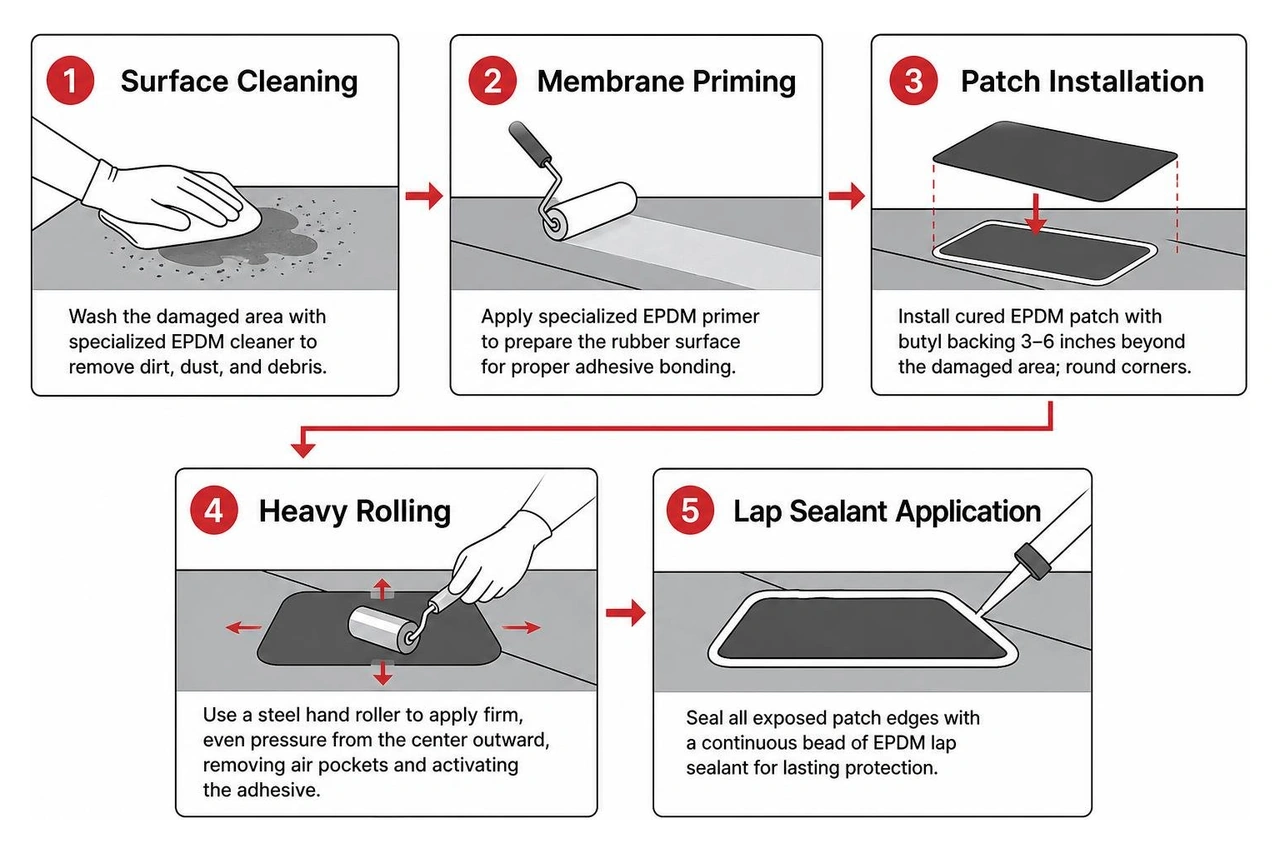
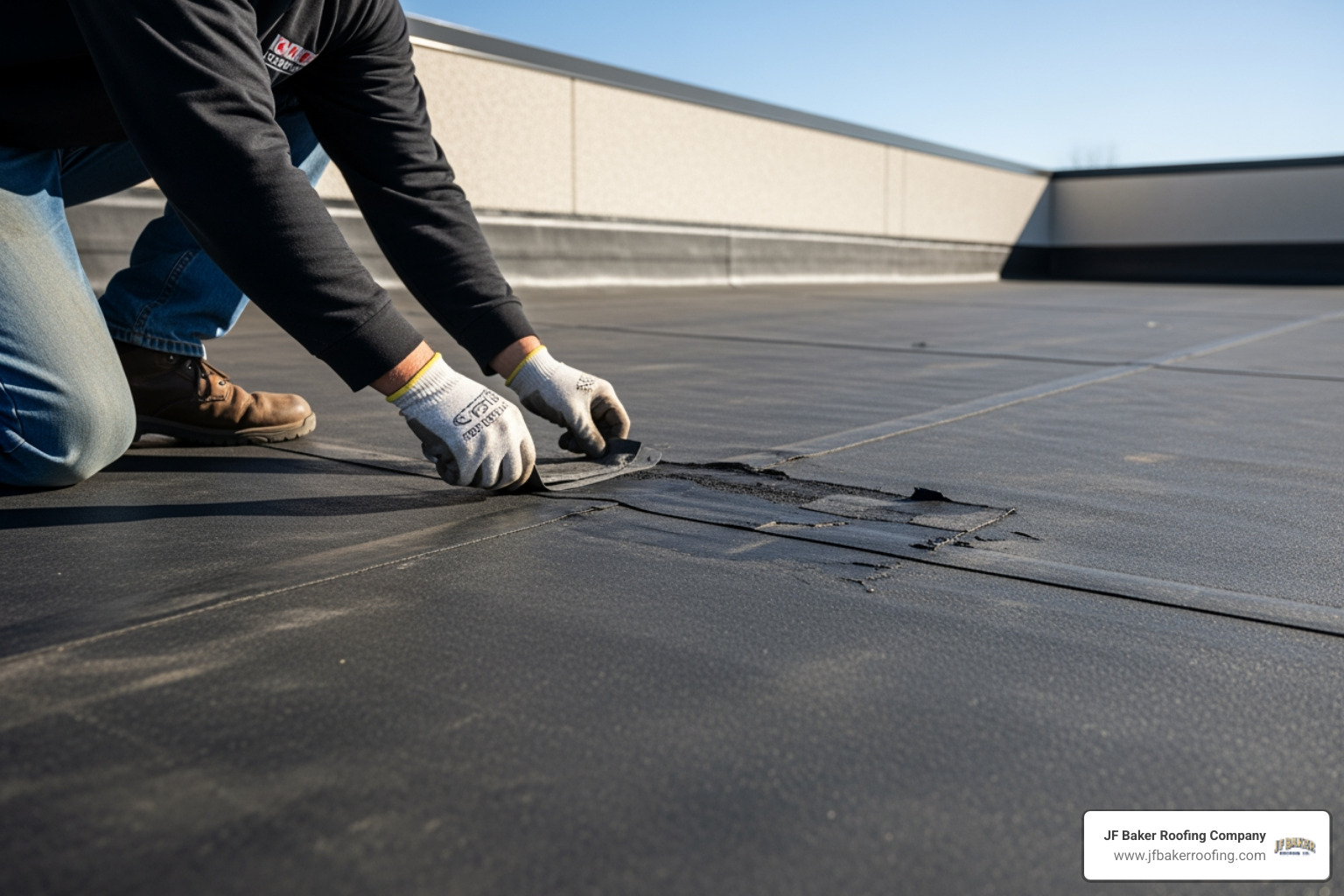
- Surface Cleaning: We wash the damaged area thoroughly with specialized EPDM cleaner to remove decades of atmospheric dust, pollen, oxidized rubber powder, and biological growth.
- Membrane Priming: We apply a specialized, quick-drying EPDM primer. This step alters the surface tension of the rubber, preparing it for proper adhesive bonding. Standard adhesives will not adhere permanently to bare, unprimed EPDM.
- Patch Installation: Using cured EPDM membrane backed with high-grade butyl tape, we install a patch that extends at least three to six inches beyond the damaged area in every direction, rounding the corners to prevent future snagging. Knowing how to select and apply the best flat roof patch ensures long-term performance.
- Heavy Rolling: We use a steel hand roller to apply consistent, firm pressure from the center of the patch outward, driving out trapped air pockets and fully activating the pressure-sensitive adhesive.
- Lap Sealant Application: We seal all exposed patch edges with a continuous bead of heavy-duty EPDM lap sealant, creating a durable barrier against edge moisture.
Determining Between Rubber Roof Repair and Full Membrane Replacement
Property owners often ask whether an aging rubber roof can be safely repaired or if a full tear-off is necessary. The answer comes down to the overall condition of the membrane, the moisture level within the insulation, and the total area of failure.
Our detailed flat roof repair guide 2026 explains that isolated punctures, individual failed seam sections, and perimeter flashing tears on membranes under 15 years old are excellent candidates for targeted repairs. If the underlying insulation board remains dry and the rubber retains its natural flexibility, a repair will reliably extend the life of your roof.
On the other hand, if an EPDM membrane is over 25 to 30 years old, has shrunk severely across large spans, or covers widespread wet insulation, repeated repairs offer diminishing returns. In those cases, consulting a flat roof installation ultimate guide 2026 helps you evaluate modern low-slope options, including fresh EPDM or energy-efficient TPO single-ply systems.
Protecting Your Investment with Proactive Care and Insurance Support
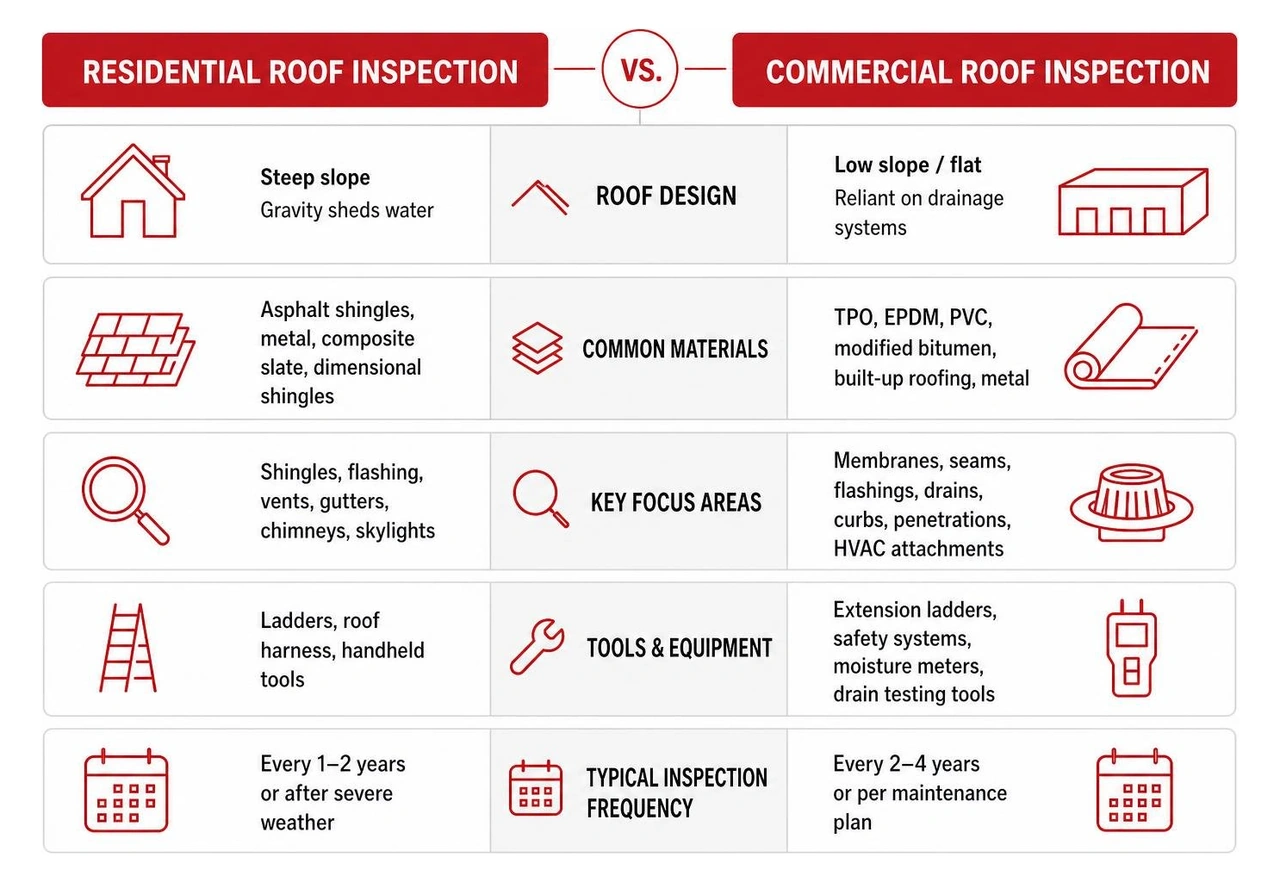
A low-slope roof requires steady maintenance to achieve its full potential lifespan. Because gravity does not shed water from flat roofs as quickly as it does from steep sloped roofs, keeping your drainage pathways clear and inspecting key transitions is essential.
Preventive Maintenance and Seam Care to Extend Roof Lifespan
Carrying out routine house rubber roof maintenance twice a year, especially in spring and late autumn, prevents minor wear from becoming an emergency. Pair these checks with your overall roof maintenance routine to protect your property year-round.
- Clear out roof drains, scuppers, and conductor heads so heavy rain drains away quickly.
- Sweep away fallen leaves, pine needles, and organic debris that trap standing moisture and encourage plant growth.
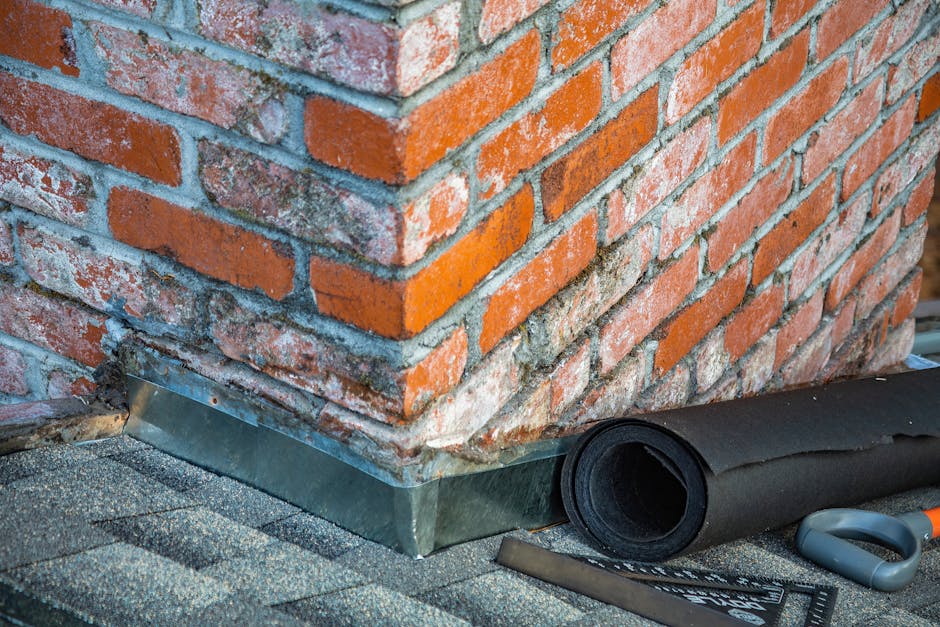
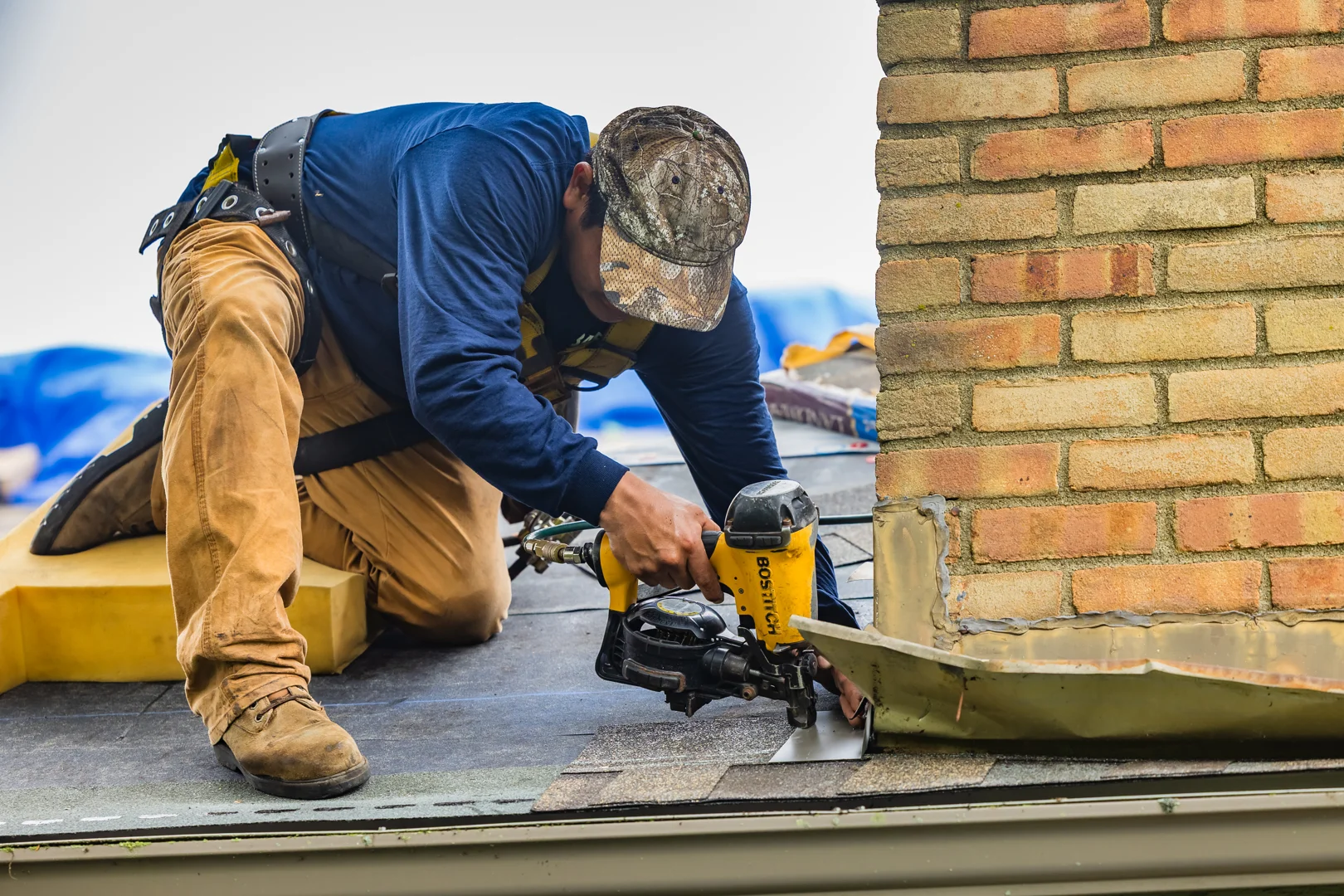
- Inspect caulking along masonry counterflashings, chimney transitions, and plumbing vent boots.
- Trim back overhanging tree branches that scrape against the membrane in high winds or drop heavy sticks.
For properties with a mix of pitched shingle roofs and flat sections, working with a team skilled in all aspects of residential roofing guarantees every transition between materials remains sealed and secure.
Handling Insurance Claims for Severe Storm and Hail Impacts
When a severe storm damages your roof, dealing with an insurance claim can feel overwhelming. Having an experienced, local roofing contractor walk you through the assessment takes the confusion out of the process.
We help property owners identify storm-created punctures, hail bruises, and wind-torn flashings. We document the damage with clear photos, prepare detailed scopes of work, and meet on-site with your insurance adjuster to ensure all necessary repairs are included in the claim. Honest assessments and open communication allow you to restore your property without unnecessary stress.
Frequently Asked Questions About Rubber Roof Repair
How long does a professional EPDM rubber roof repair last?
A professional repair performed with proper surface cleaner, primer, cured EPDM patch material, and lap sealant can easily last as long as the surrounding membrane, often 10 to 15 years or more. Because EPDM has excellent resistance to UV rays and ozone, a properly vulcanized patch becomes an integral part of the roofing system rather than a temporary fix.
Can I repair a leaking rubber flat roof myself with a DIY kit?
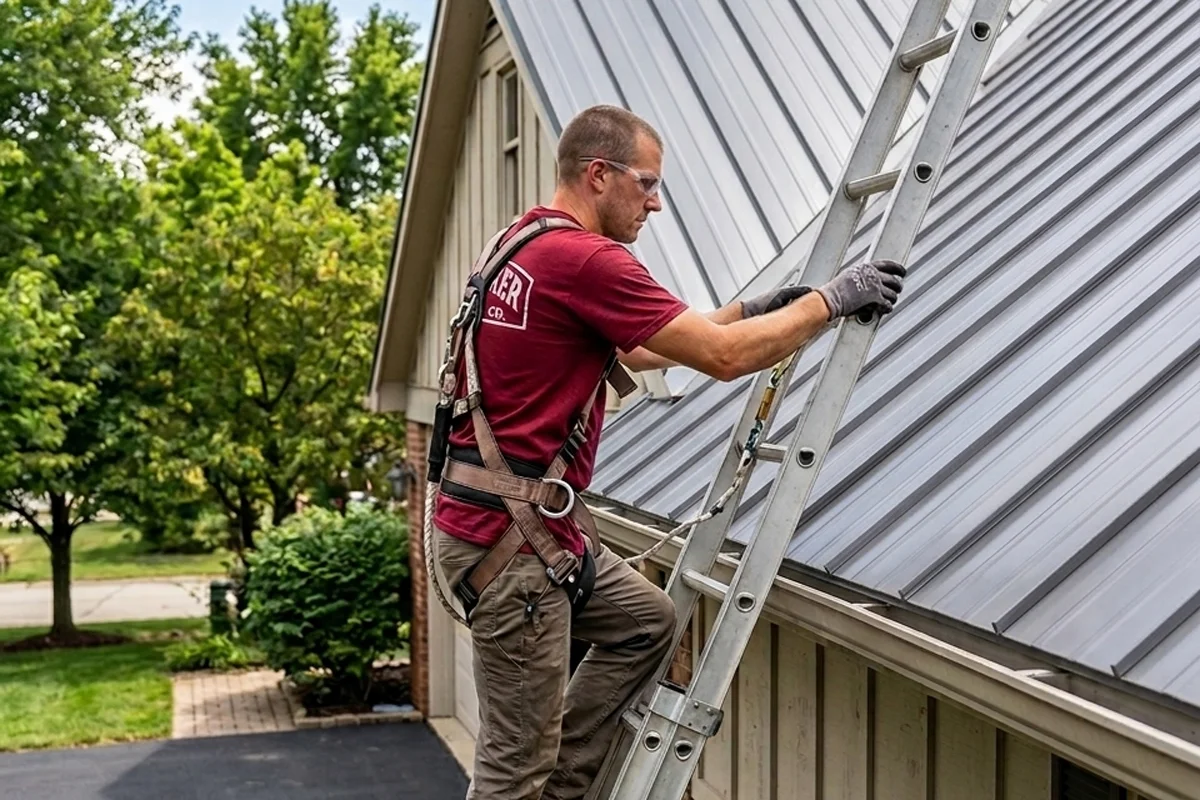
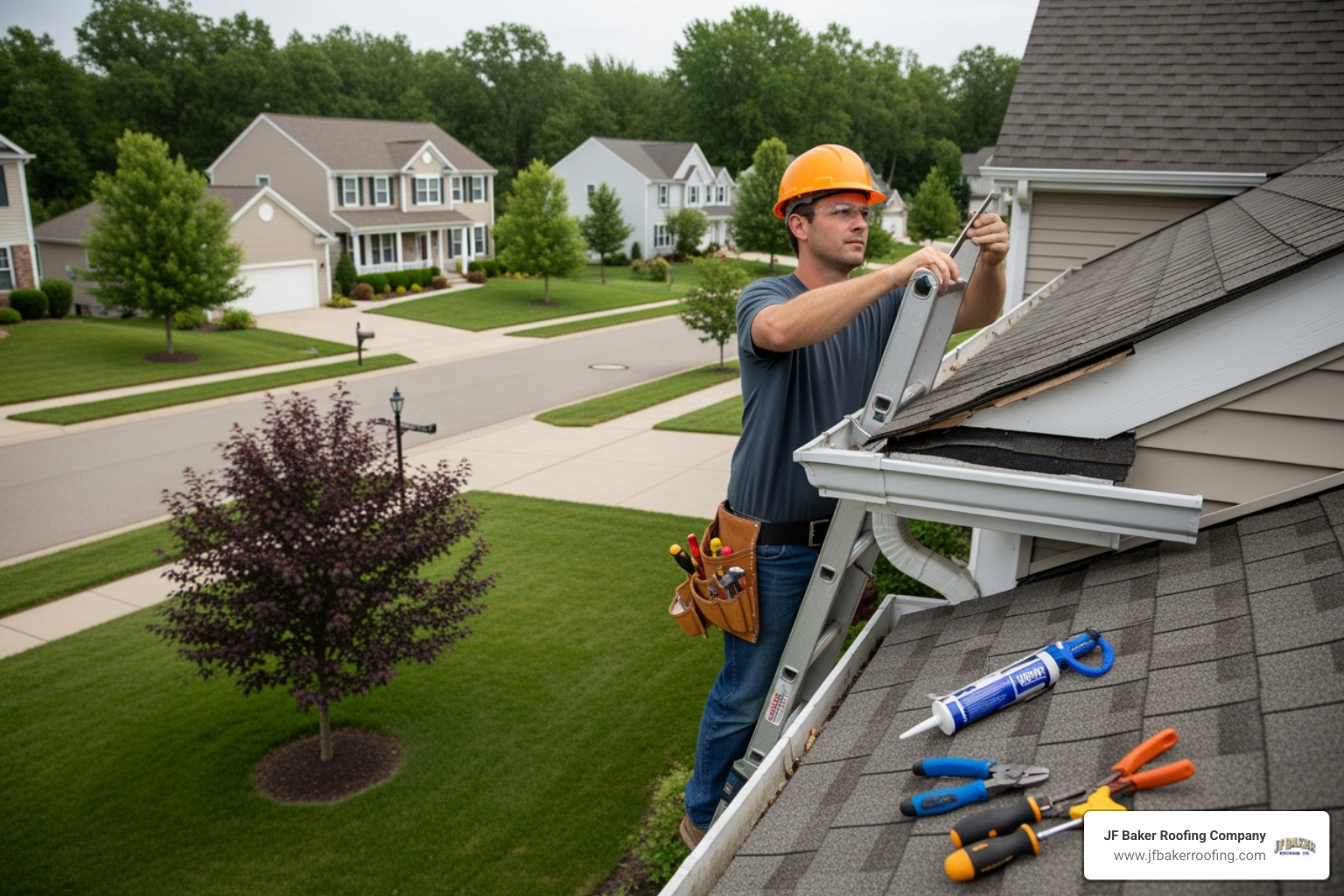
While you can purchase consumer patch kits, repairing an EPDM membrane requires precise surface preparation and the correct chemical primers. Many off-the-shelf consumer products rely on standard adhesives that break down under standing water or temperature extremes. Furthermore, walking on wet or aging rubber roofs can be dangerous. Hiring a trained professional ensures safe ladder access, proper membrane preparation, and a lasting seal.
How much does rubber roof repair typically cost in Upper Arlington?
The cost of a rubber roof repair depends on several practical factors: the overall size and number of patch areas, the accessibility of the roof, the condition of the underlying insulation board, and whether metal edge flashings or drain boots need rebuilding. A targeted repair on a single seam or puncture is a budget-friendly way to preserve your roof without the expense of a full replacement. We provide clear, itemized estimates so you know exactly what the job entails before work begins.
Dependable Rubber Roof Solutions for Central Ohio
JF Baker Roofing provides residential roofing, commercial roofing, roof repair, roof replacement, storm damage roofing, gutter installation and repair, and sheet metal work, with honest assessments, transparent pricing, and no high-pressure sales tactics. Built on integrity and proven by performance, we have been serving Central Ohio since 1929.
Our company is led by third-generation owners Chad and Pat Baker. We are proud to be a CertainTeed ShingleMaster Preferred Contractor, NRCA member, and BBB Accredited Business with an A+ rating. Three generations of Central Ohio roofing experience back our work across Columbus, Upper Arlington, Dublin, Hilliard, Grandview Heights, Worthington, Westerville, and surrounding communities.
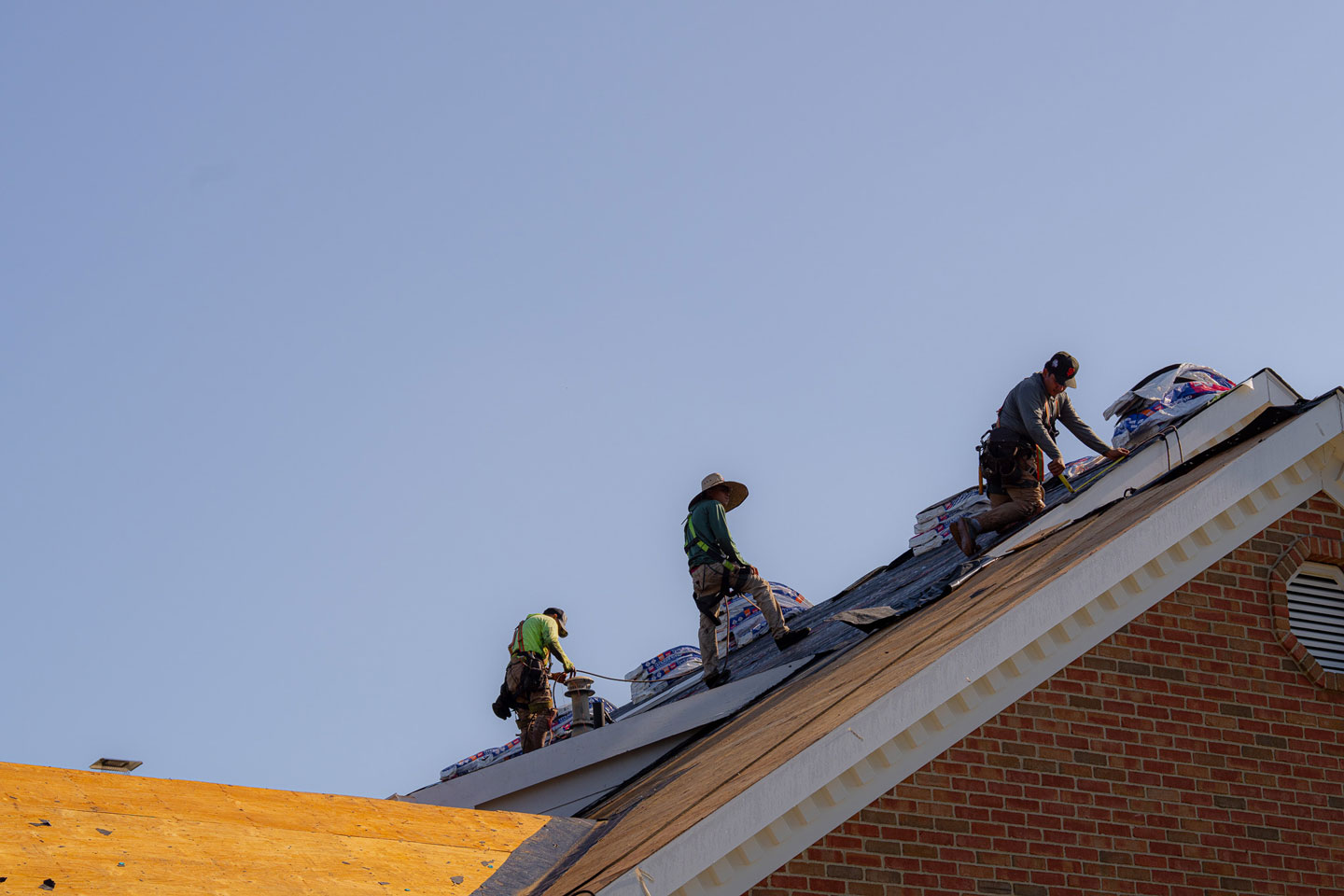
We stand behind every roof we install. Whether you need a simple seam repair on an EPDM flat roof, storm damage restoration, or a complete replacement, our professional crews maintain clean job sites and clear communication from start to finish. We recommend repairs when repairs suffice and replacement only when genuinely needed.
When you need an experienced evaluation of your flat or low-slope roof, contact our family-owned team today. Let our reputation be your security.