The Ultimate Guide to Roof Inspection Before Buying a House

Why a Roof Inspection Before Buying a House Matters
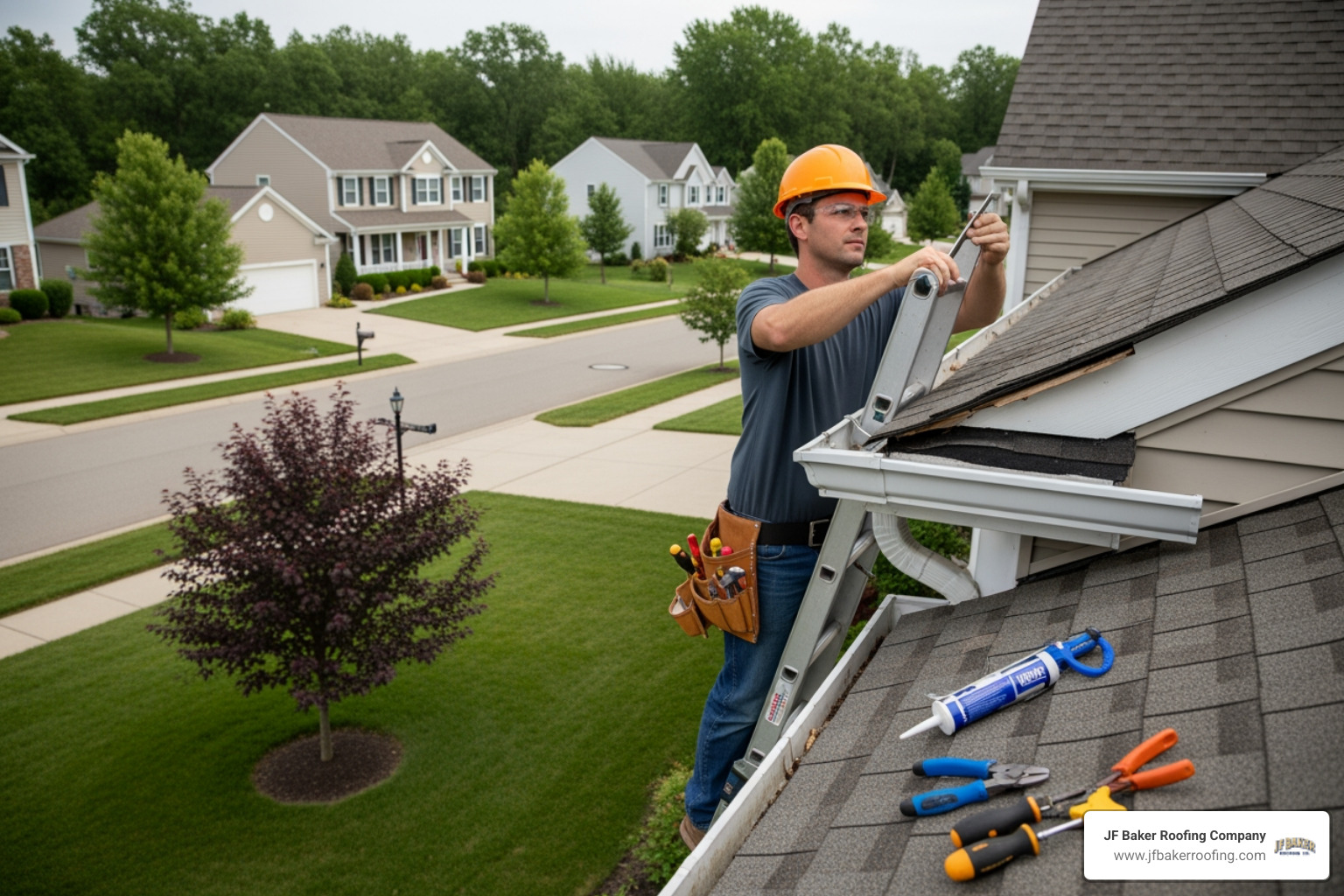
A roof inspection before buying a house is a smart way to uncover leaks, aging materials, poor drainage, and hidden structural damage before those problems become yours. A general home inspection is important, but it may only view the roof from the ground or a ladder, especially when the roof is steep, high, wet, or unsafe to walk.
Before you move forward with a purchase, make sure the inspection answers these basic questions:
- How old is the roof, and how much useful life may remain?
- Are shingles, flashing, valleys, vents, gutters, and roof edges in sound condition?
- Is there evidence of leaking, wood rot, sagging, mold, or moisture in the attic?
- Does the report identify repairs needed now versus items to monitor?
- Could the findings support a repair request, seller credit, or price adjustment?
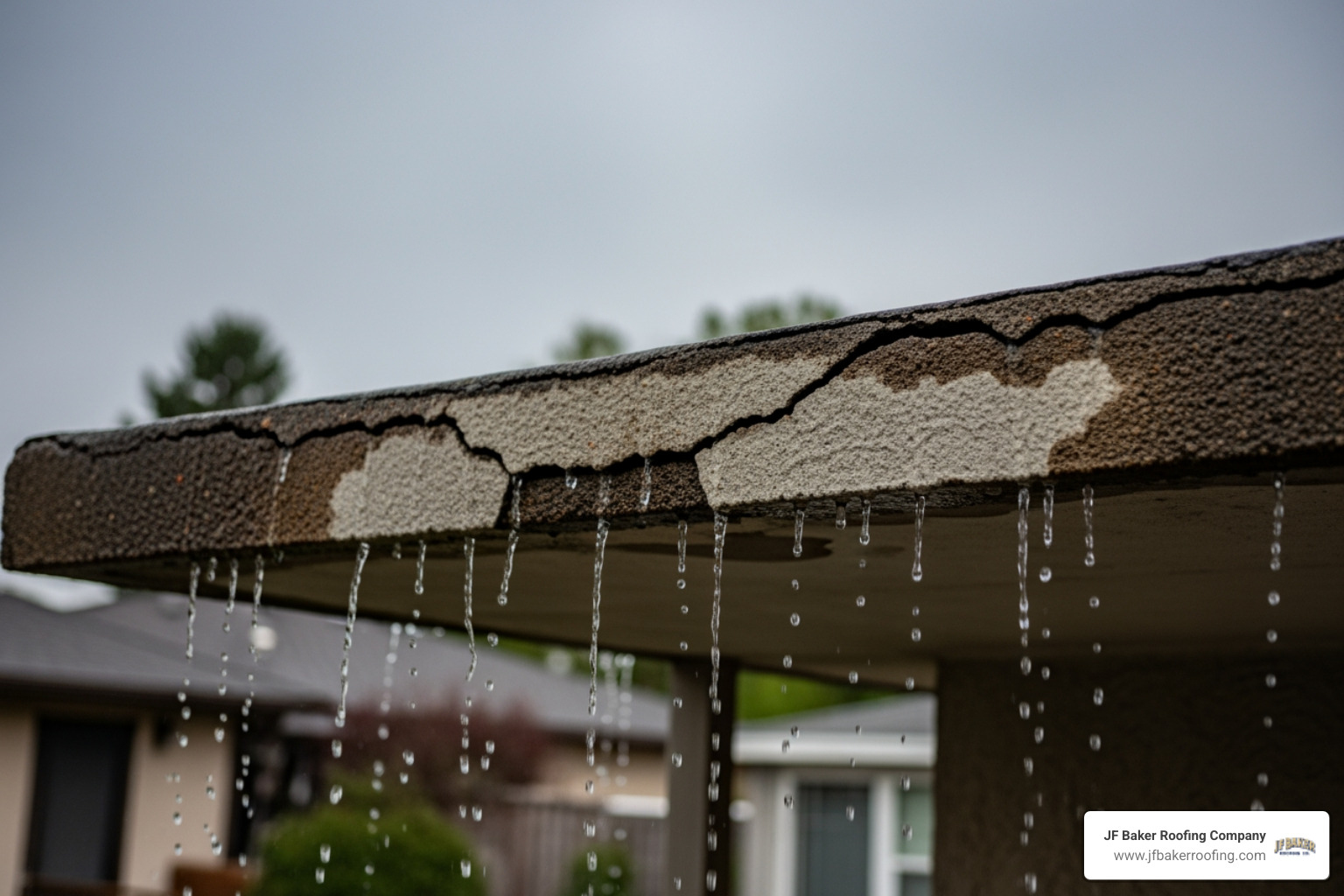
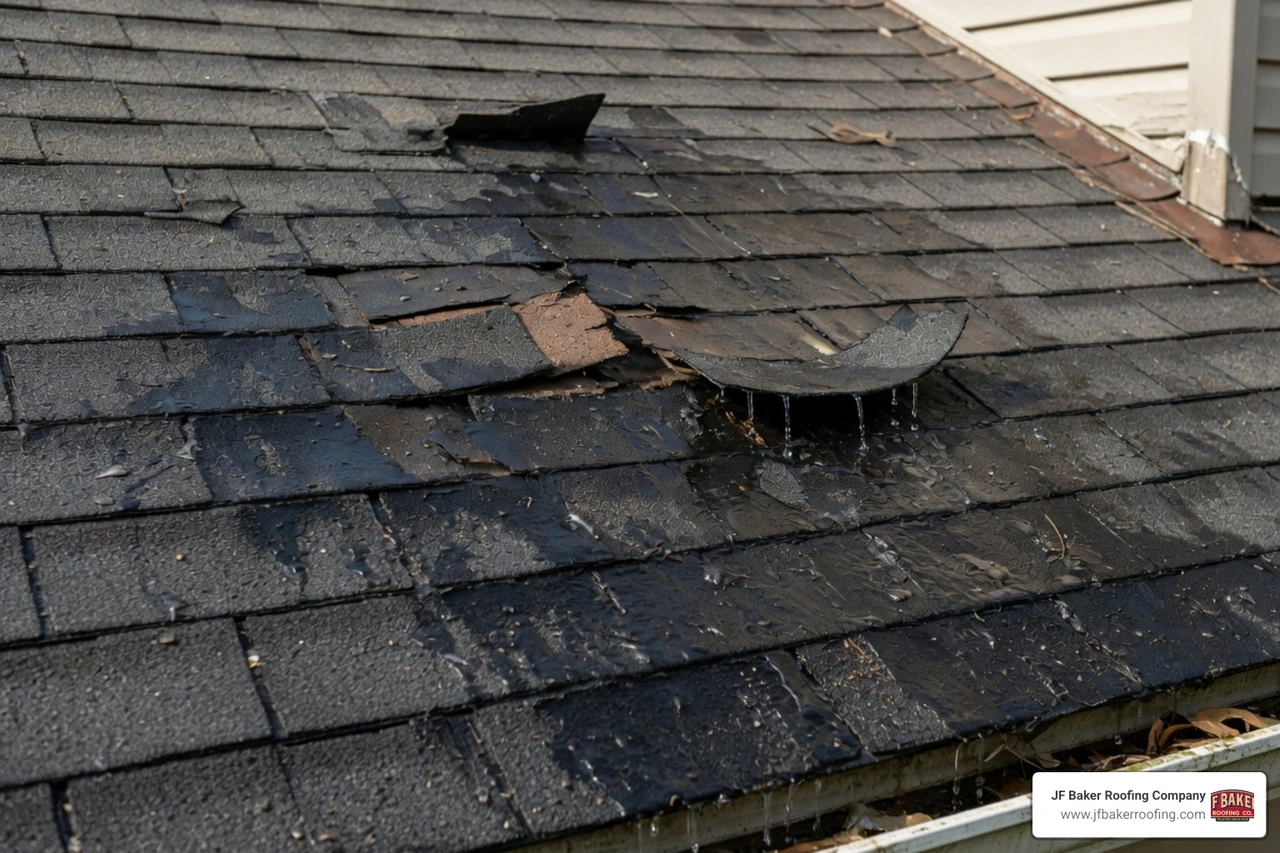
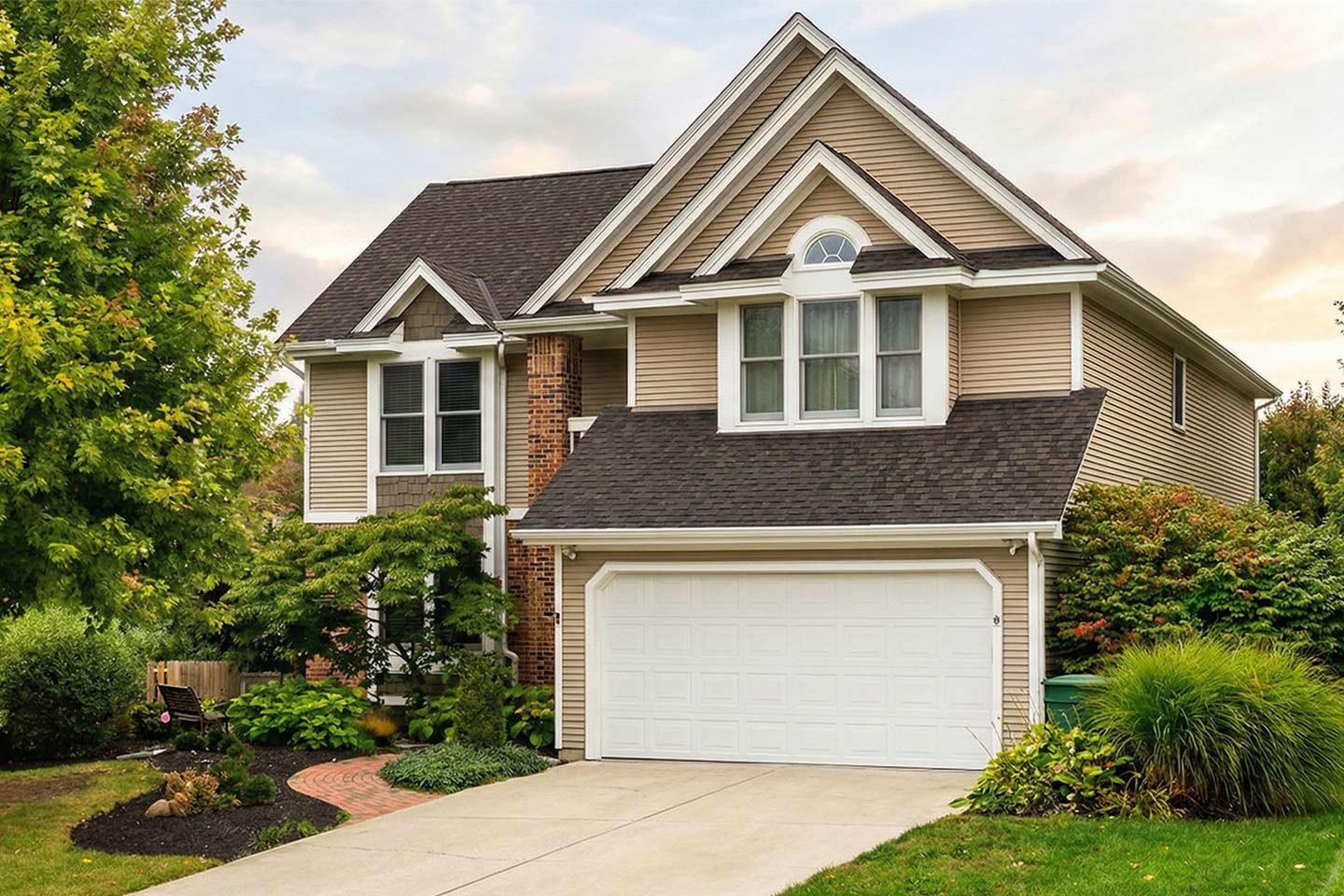
A roof can look fine from the driveway while problems hide around chimneys, pipe boots, valleys, and inside the attic. That matters because a roof replacement can be one of the largest expenses a buyer faces soon after closing. A detailed inspection gives you facts, not guesses, so you can decide whether to negotiate, plan for repairs, or reconsider the home.
At JF Baker Roofing, we have served Central Ohio since 1929. As a CertainTeed ShingleMaster Preferred Contractor, NRCA member, and BBB Accredited Business with an A+ rating, we believe in honest assessments, transparent pricing, clean job sites, clear communication, and no high-pressure sales tactics. I am Chad M. Baker, and in the sections ahead, I will show you what to look for and how to use the results before you buy.
Roof inspection before buying a house word guide:
Why a Roof Inspection Before Buying a House Is Essential
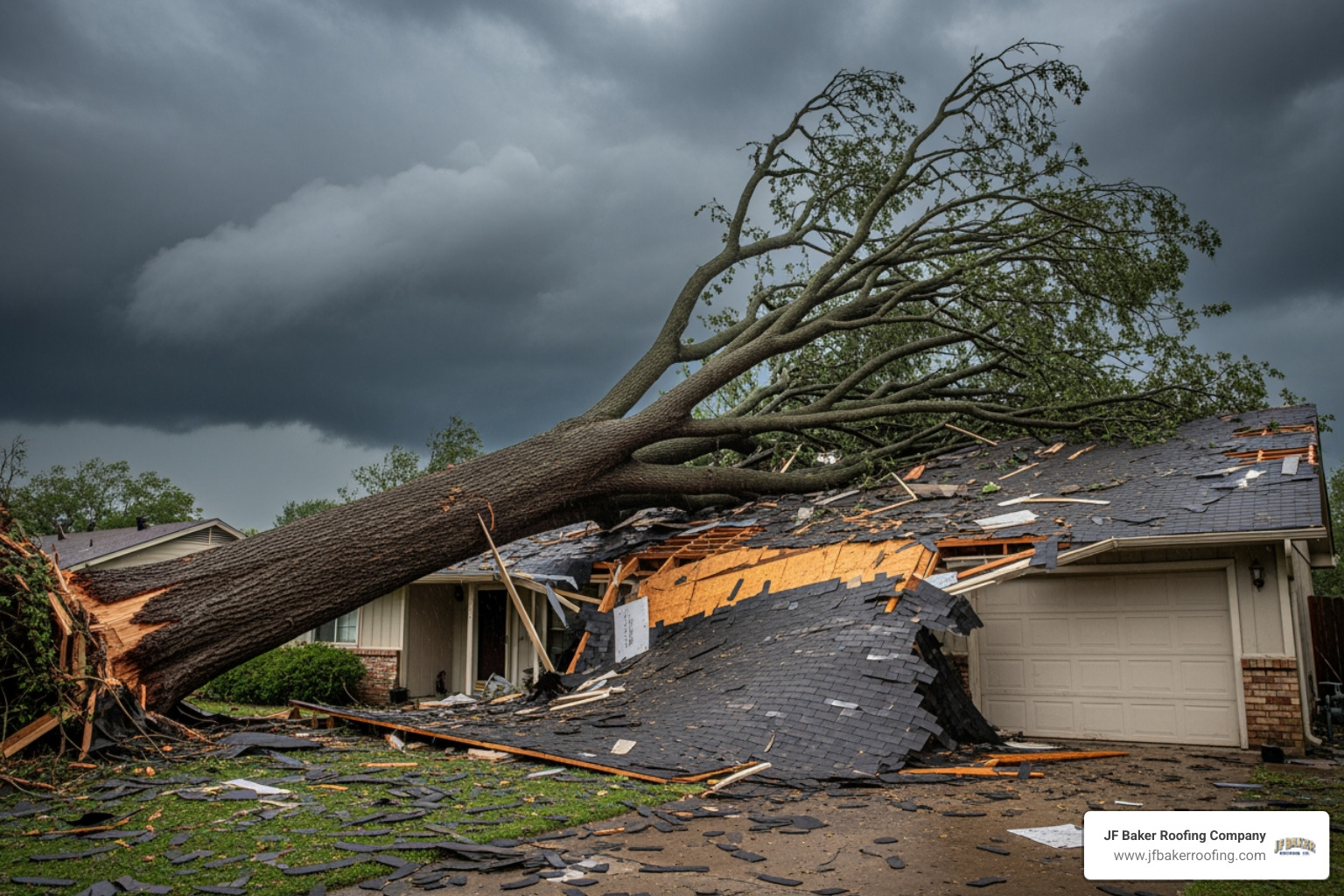
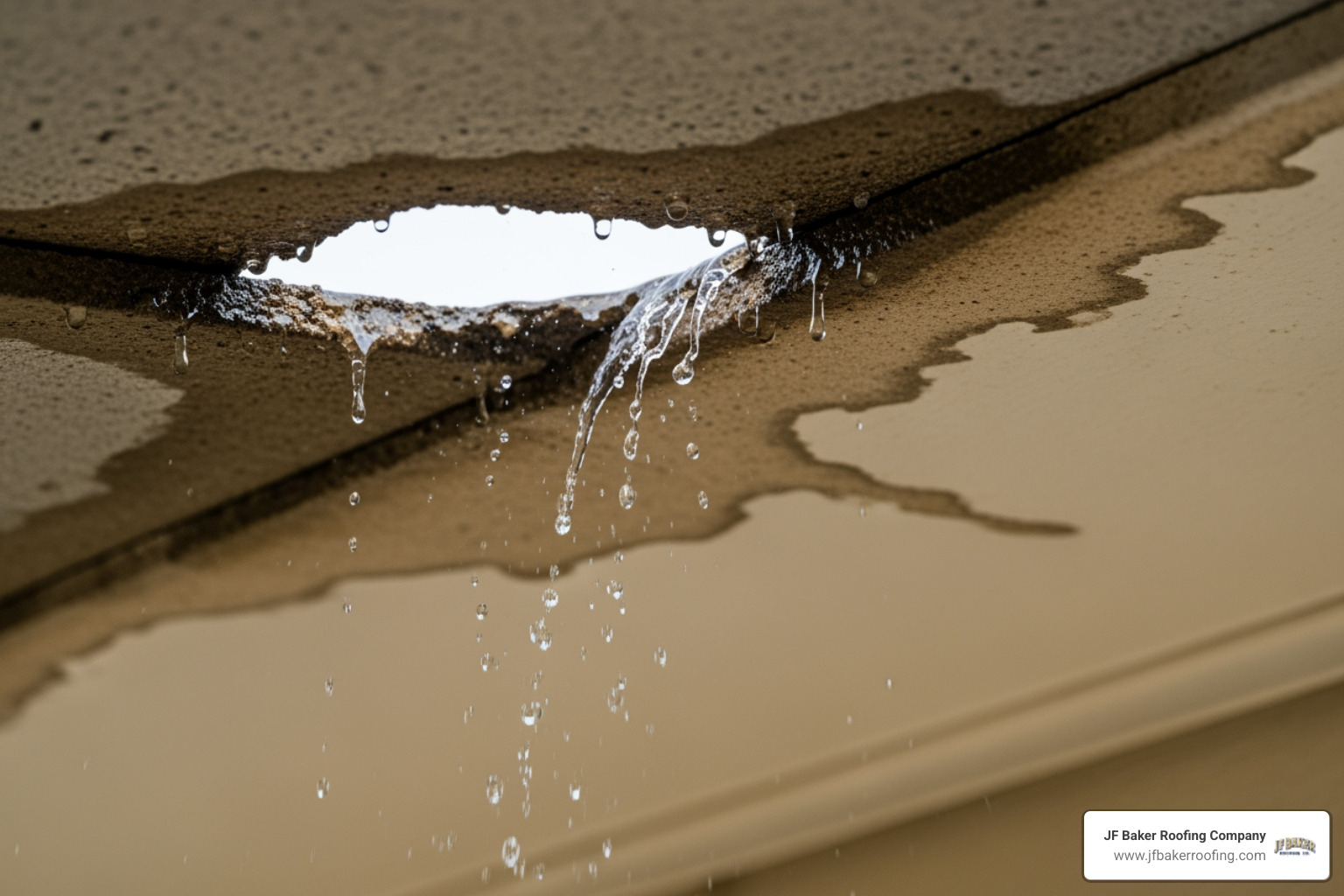
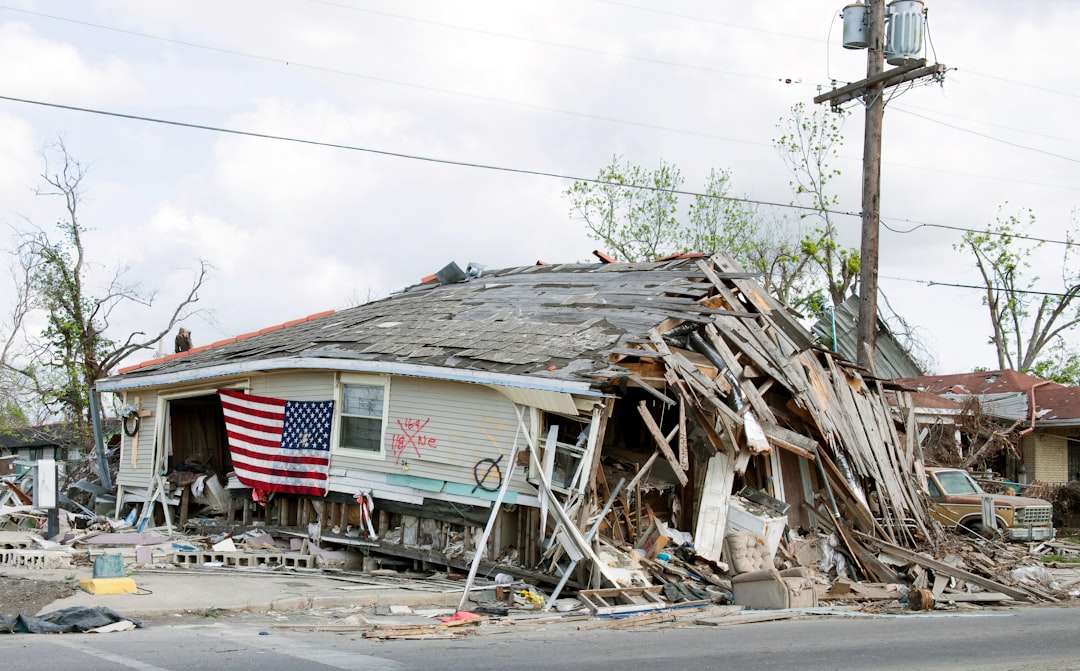
Buying a home is one of the most significant financial investments you will ever make. While cosmetic updates like new paint or refinished floors are easy to budget for, major structural systems require careful evaluation. The roof stands as your primary defense against moisture, freeze-thaw cycles, and extreme storm events. When a roof fails, water intrusion can ruin drywall, destroy insulation, promote toxic mold growth, and compromise the structural framing of the building.
Scheduling a dedicated roof inspection before buying a house protects your financial equity. A standard real estate transaction moves fast, and emotional excitement can make it easy to overlook subtle wear. By conducting a thorough evaluation before closing, you gain complete clarity on the true condition of the shelter covering your investment.
General Home Inspection vs. Specialized Inspection
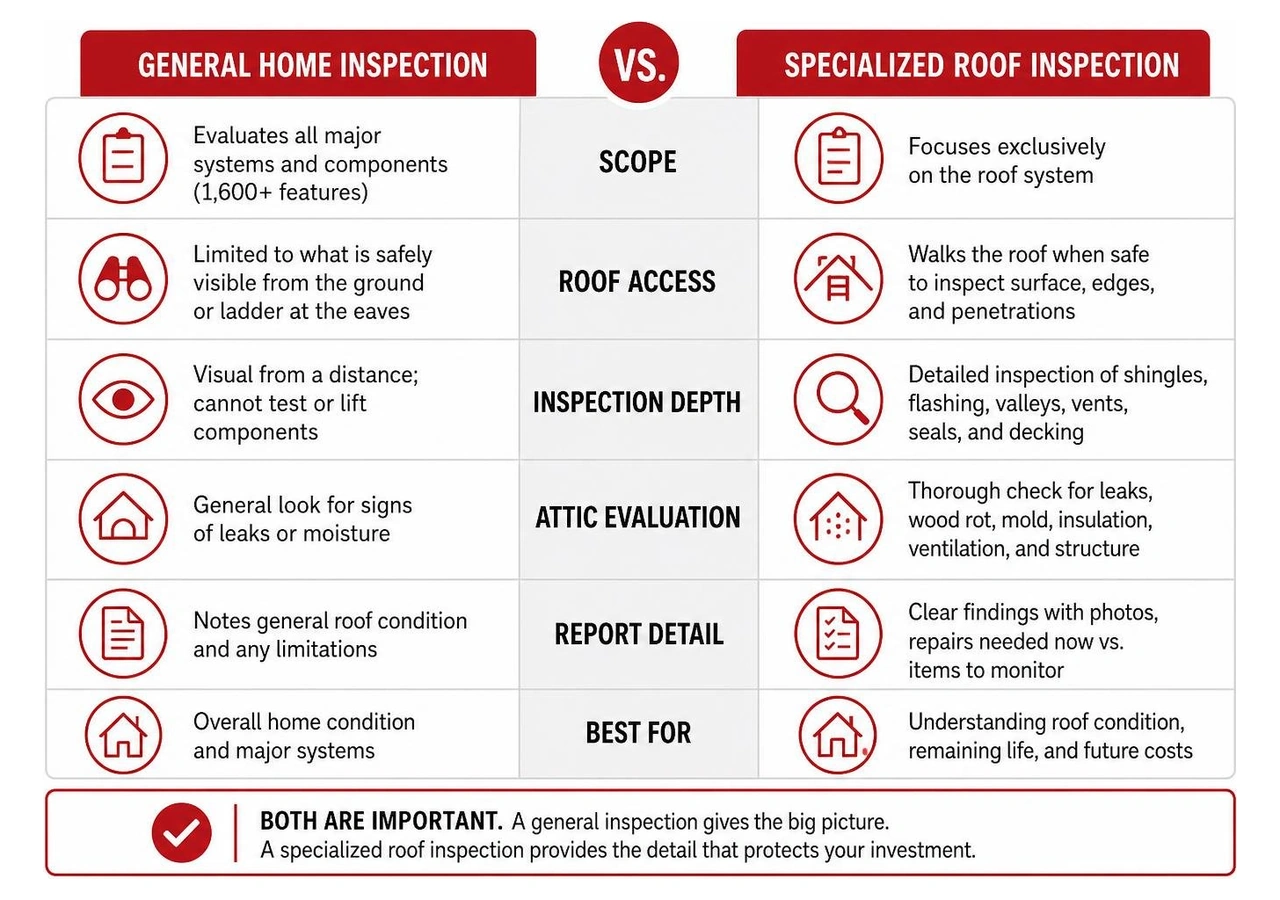
Many buyers assume that hiring a general home inspector covers all their bases. While general inspectors evaluate over 1,600 features throughout a property, they are generalists by definition. Standard home inspection standards require them to check accessible areas, but physical and safety limitations often restrict how closely they can check a roof.
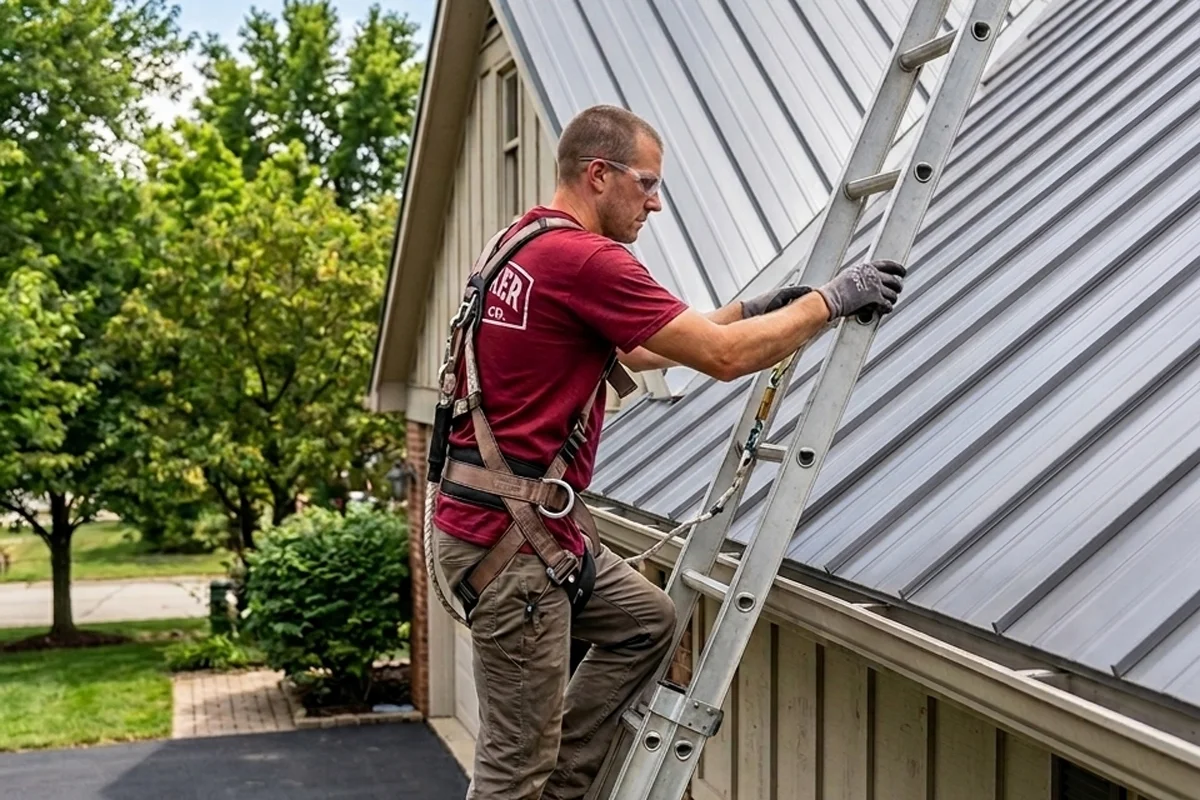
If a roof is taller than two stories, excessively steep (typically above an 8/12 pitch), wet, or covered in moss, a standard inspector will evaluate it from the ground with binoculars or from the ladder eaves. They will not walk the surface to feel for soft decking, check seam seals, or lift compromised flashings.
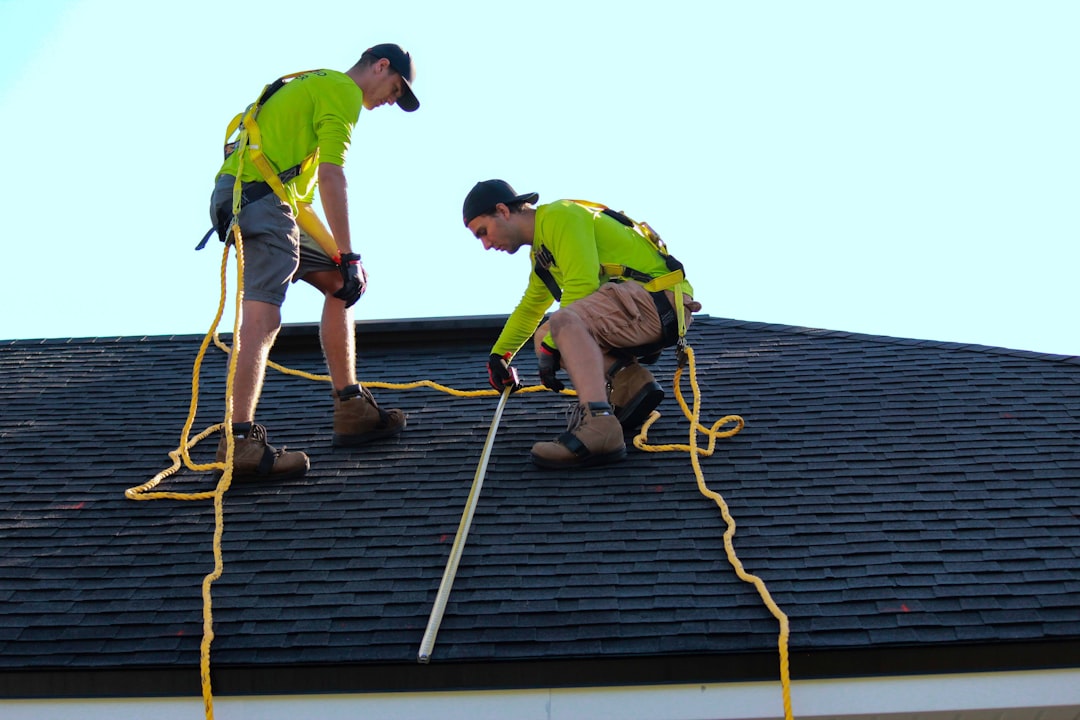
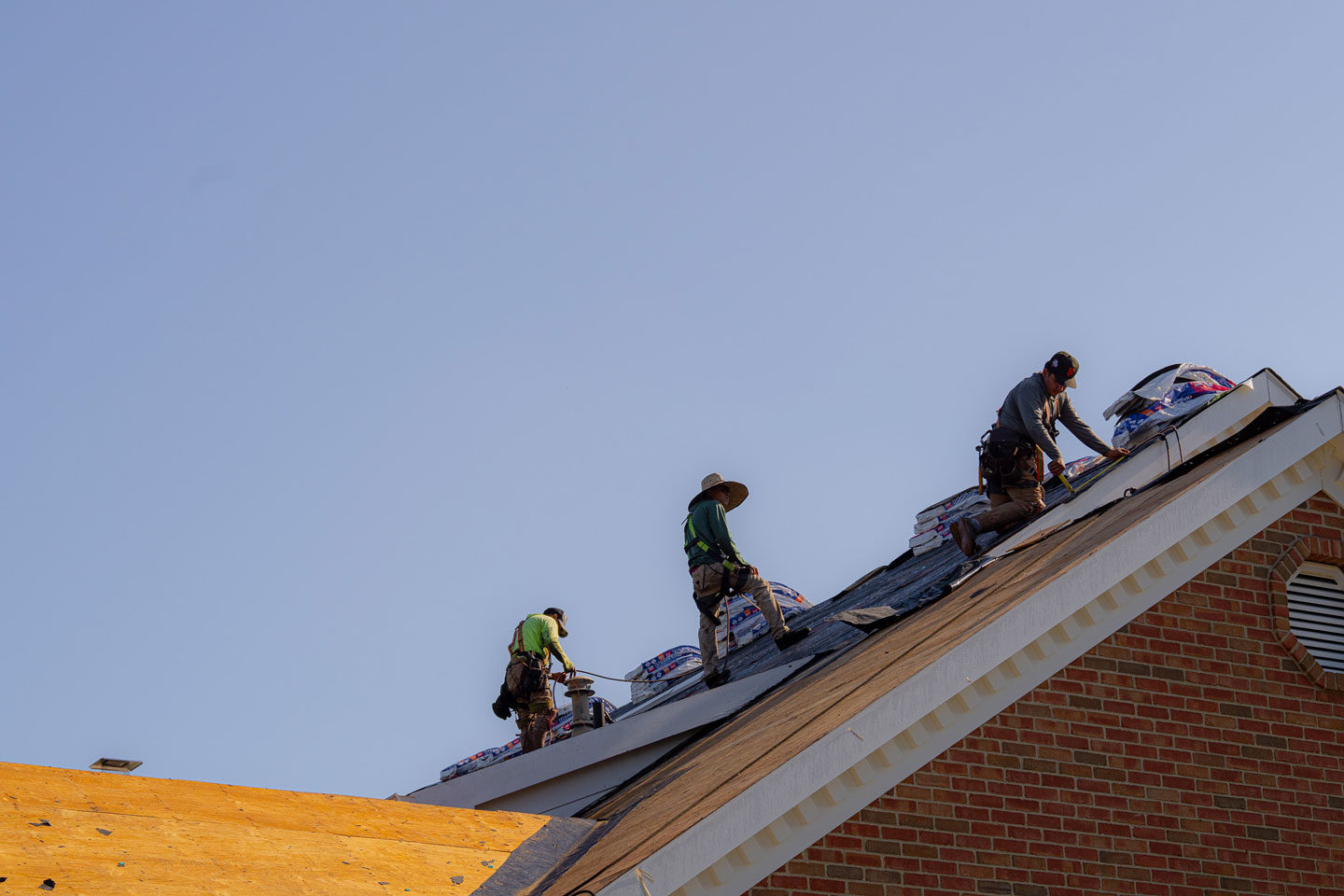
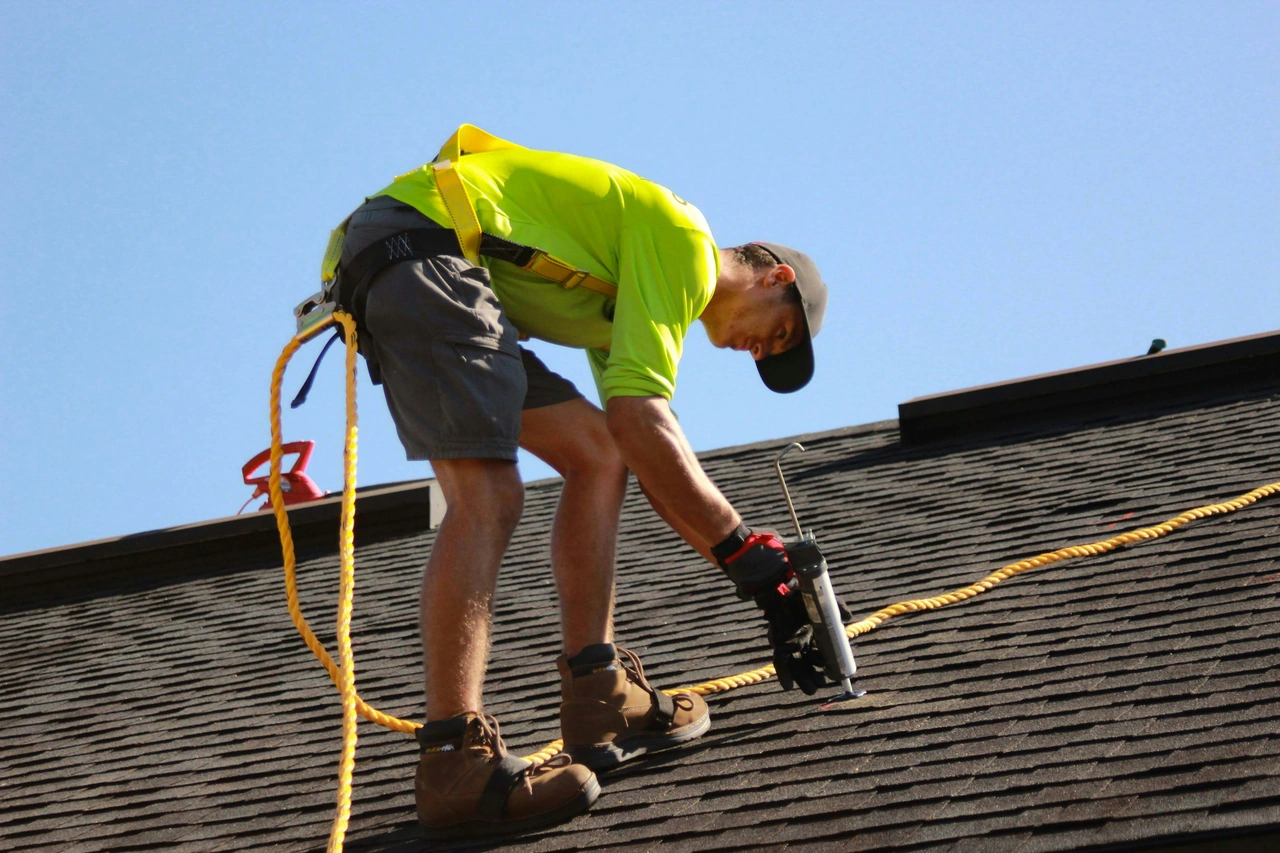
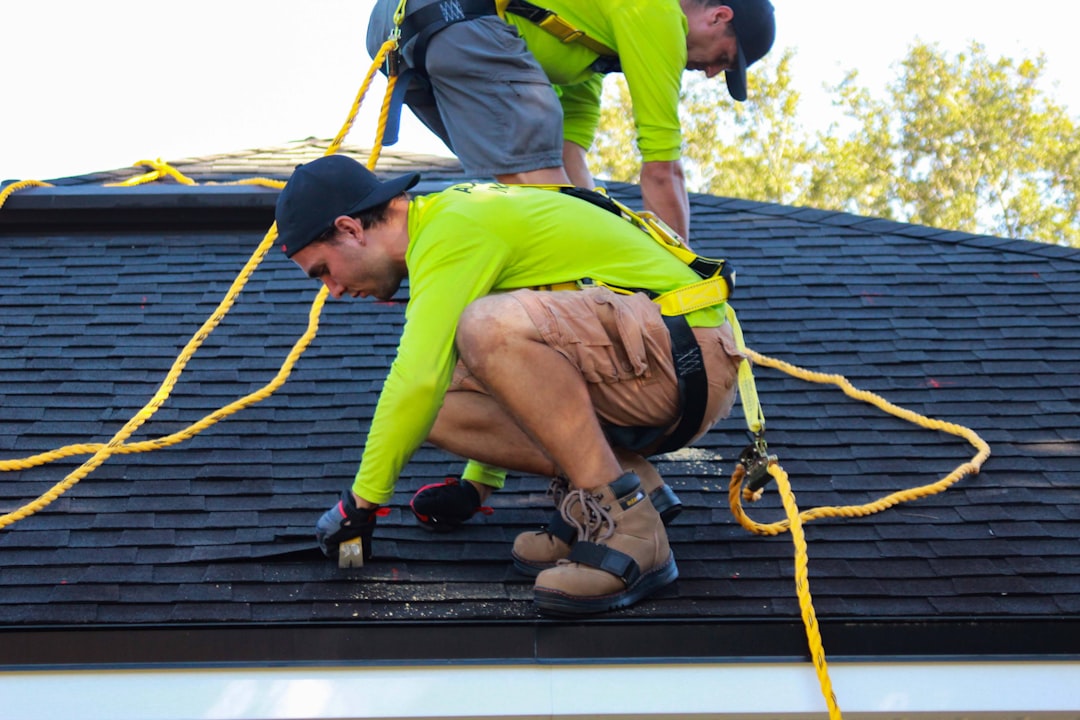
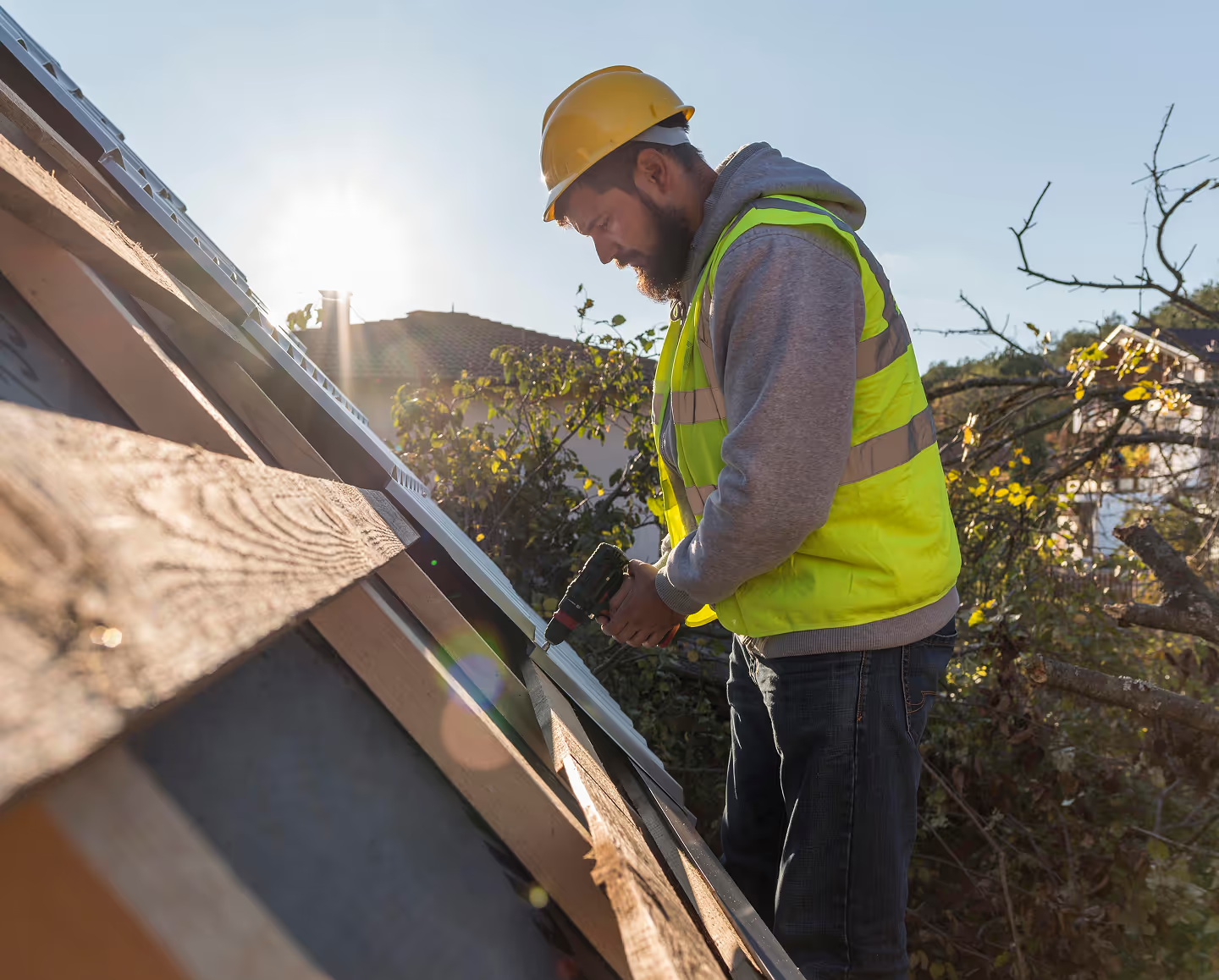
A specialized roofing specialist conducts a dedicated assessment, walking the deck when safe, examining penetrations, and cross-referencing exterior signs with interior attic conditions. For buyers considering properties in areas like Delaware or Dublin, securing a Professional Roof Inspection Delaware ensures high-risk architectural designs are thoroughly checked before contract contingencies expire.
When to Hire a Specialized Inspector
You should hire a dedicated roof inspector whenever the general home inspection report notes limitations, or when specific property factors increase risk. Consider scheduling a specialized review if:
- The roof is more than 10 to 15 years old.
- The structure features steep gables, complex dormers, or multiple valleys.
- The general home inspector flagged potential leaks or refused to walk the roof due to slope or height.
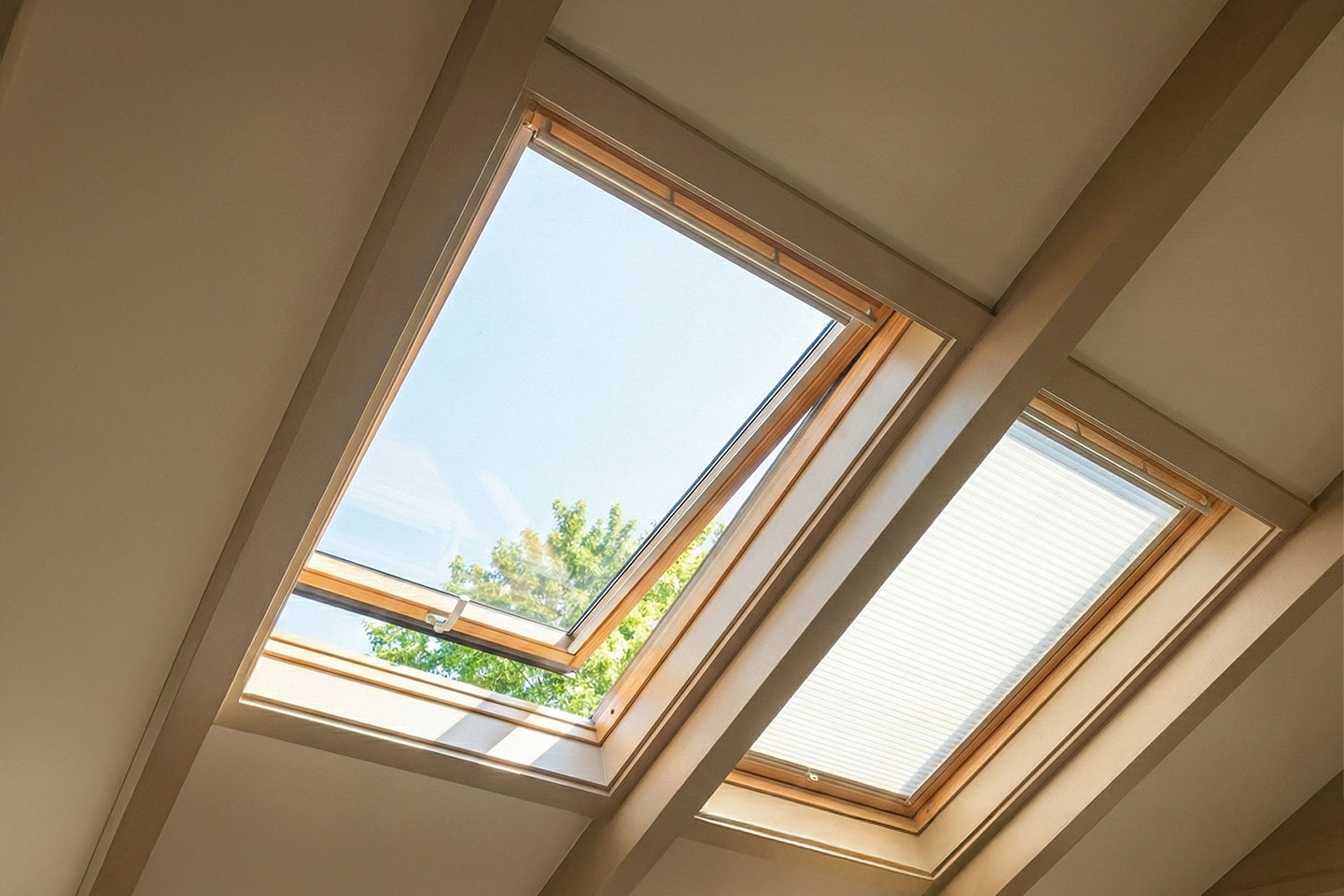
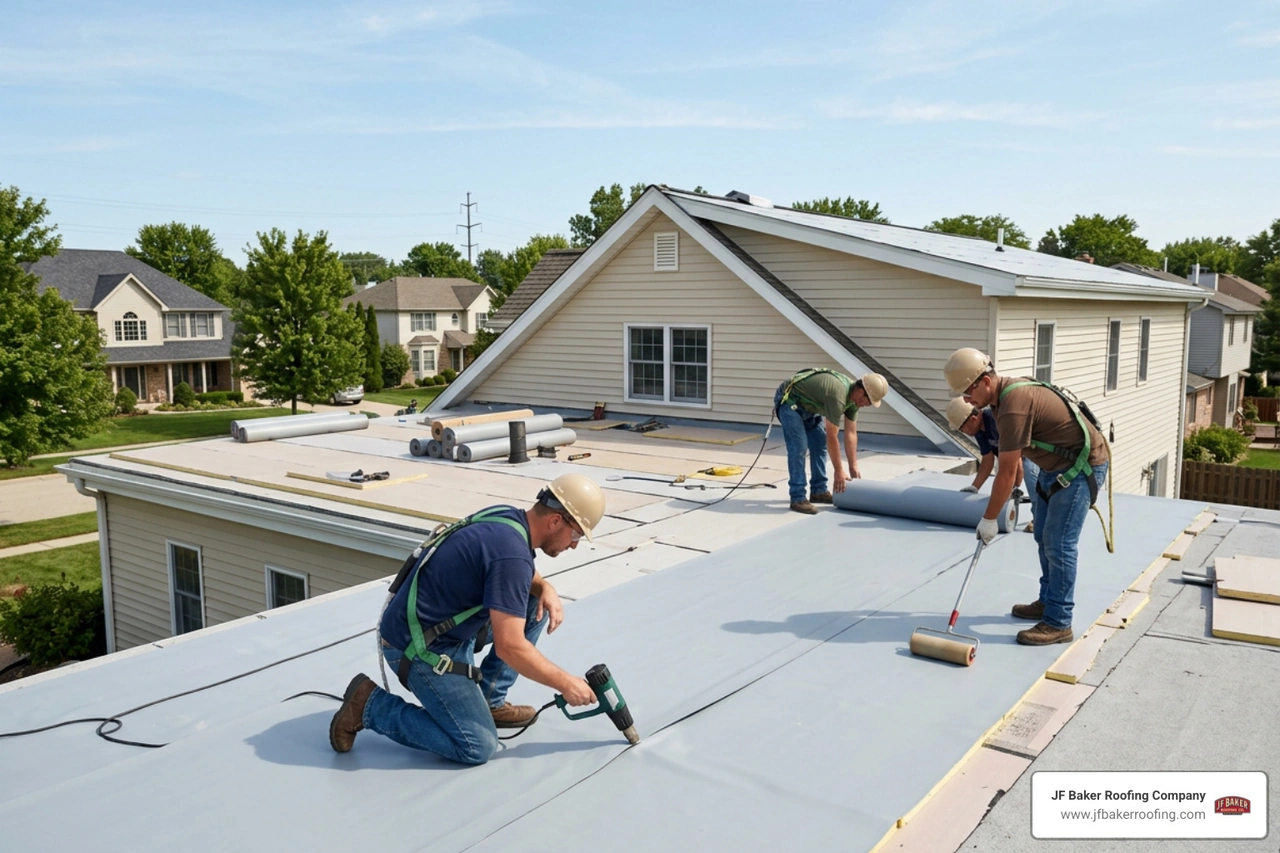
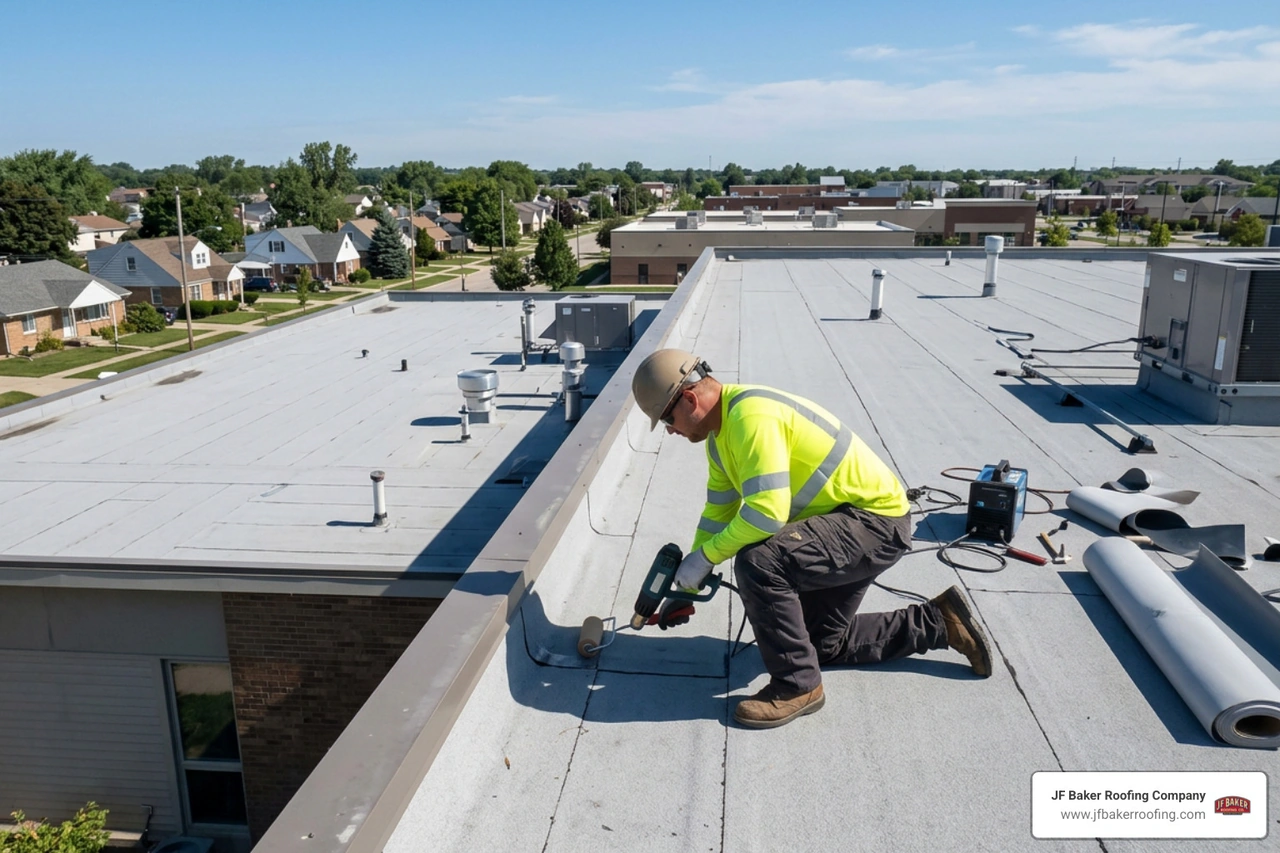
- The home has modern architectural features like skylights, flat roof additions, or custom masonry chimneys.
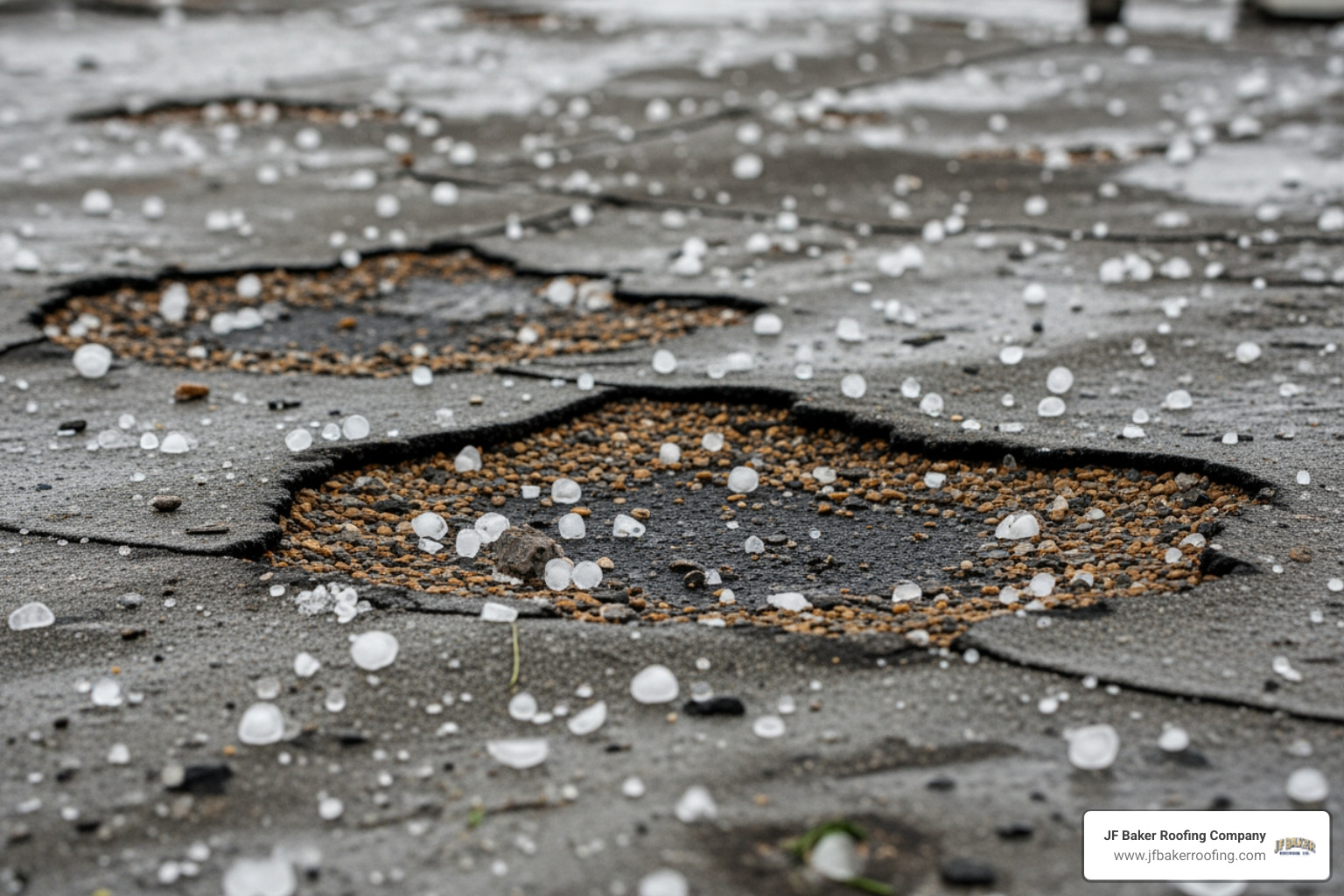
- There are signs of past storm activity, hail impact, or unpermitted DIY patches.
Specialists can also use advanced tools such as infrared thermal imaging to check temperature variations across the ceiling and attic, revealing hidden moisture traps without tearing into materials.
What a Professional Roof Inspection Covers
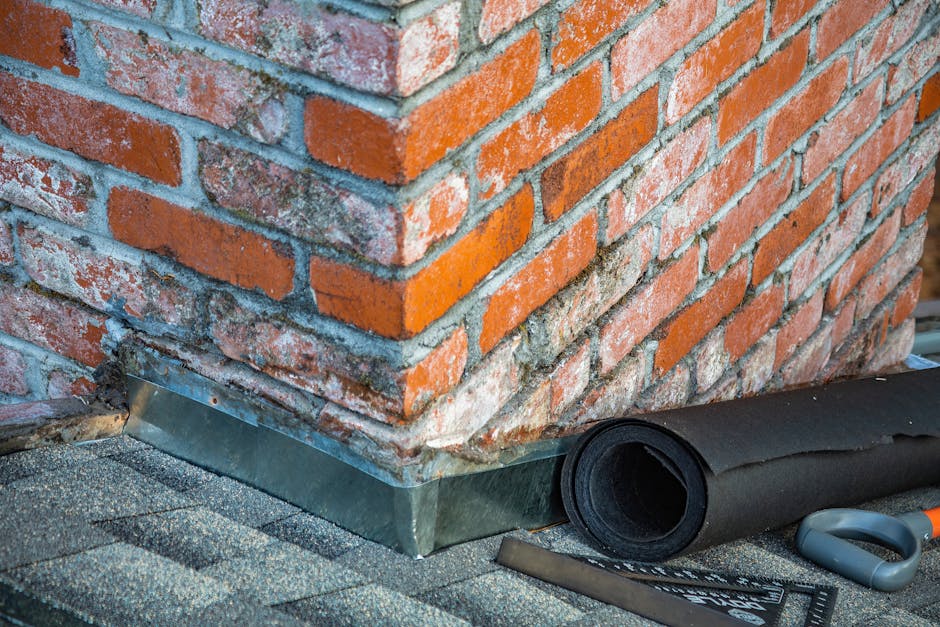
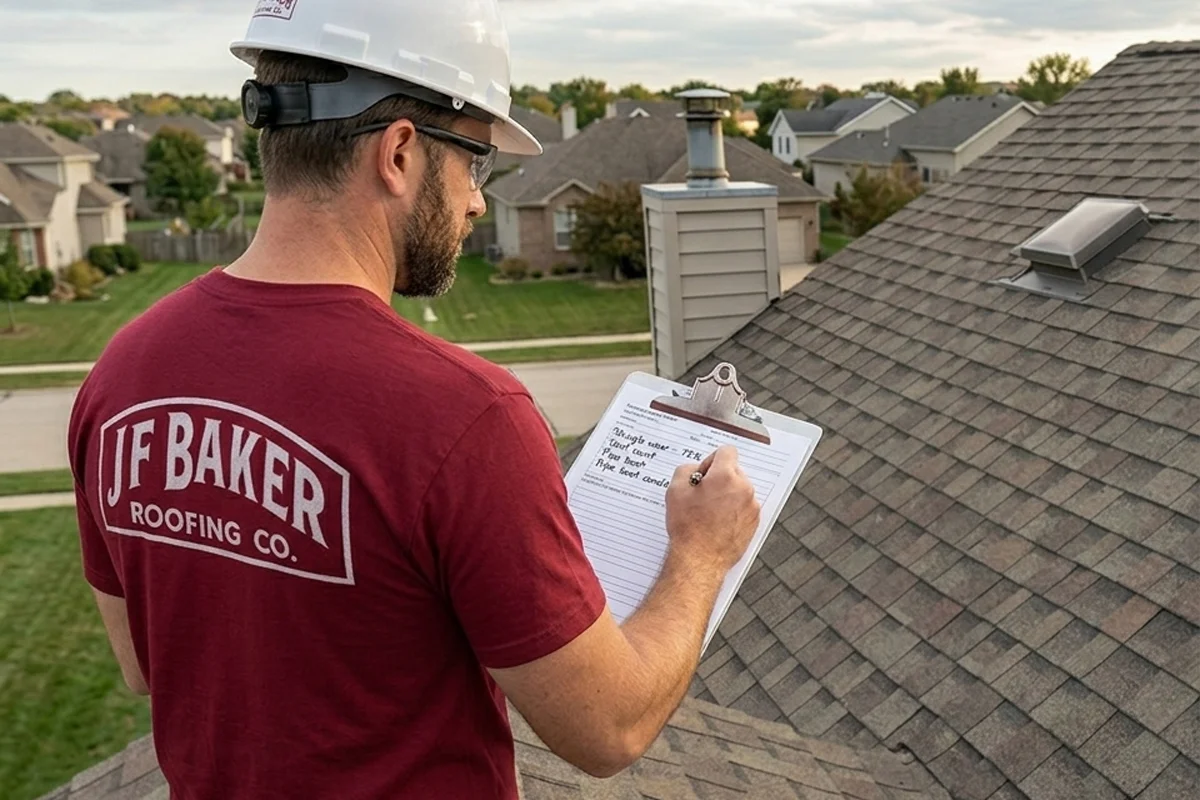
A proper roof evaluation goes far beyond taking a couple of photos from the gutter line. A thorough inspector systematically evaluates the roof across distinct layers and interconnected systems to confirm weather resistance and structural safety.
Core Components and Systems Checked
A complete evaluation follows an exhaustive checklist covering exterior materials, flashings, structural integrity, and interior spaces. To review the key areas inspected, consult our comprehensive Residential Roof Inspection Checklist alongside industry standards such as the 30-Point Roof Inspection Checklist.
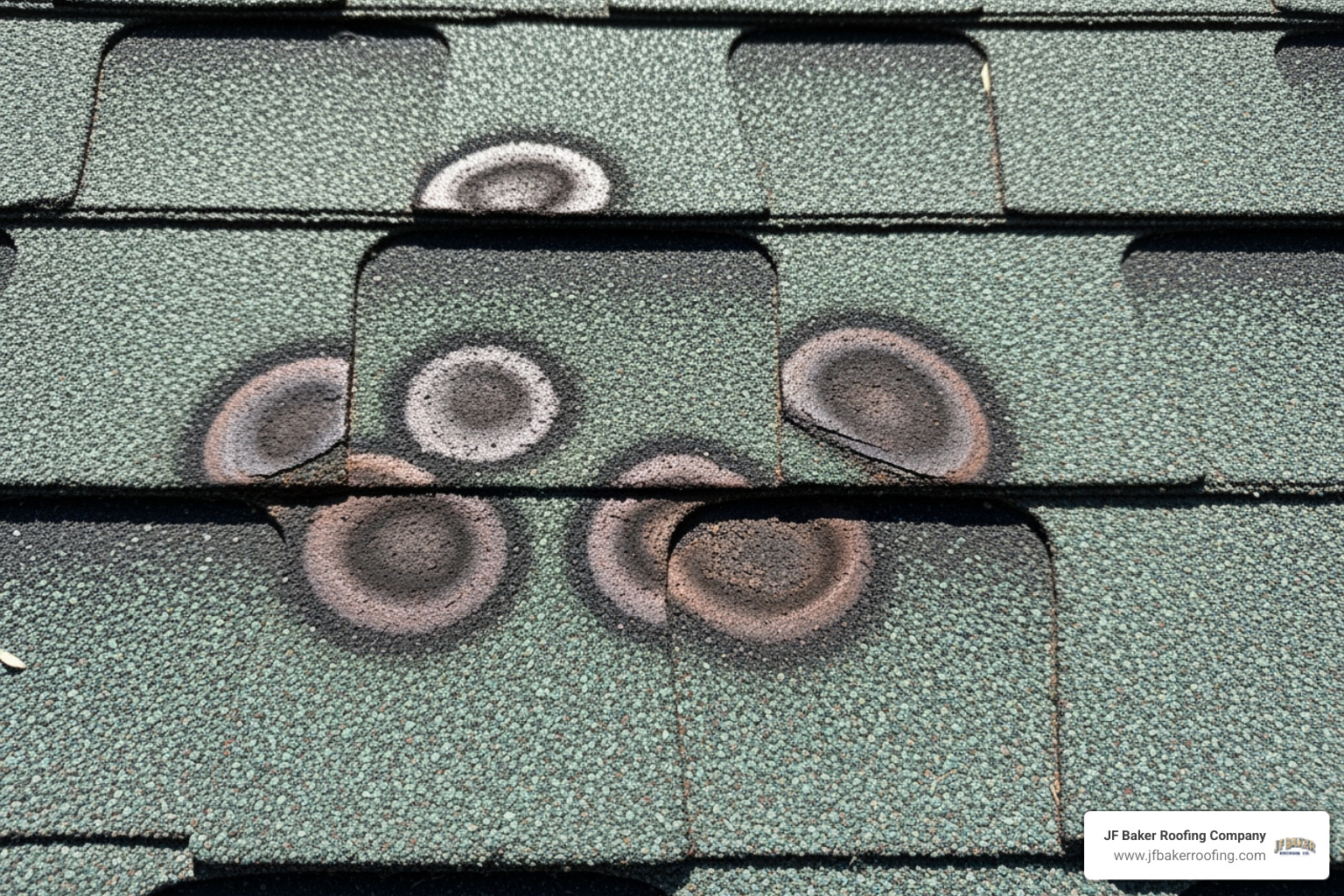
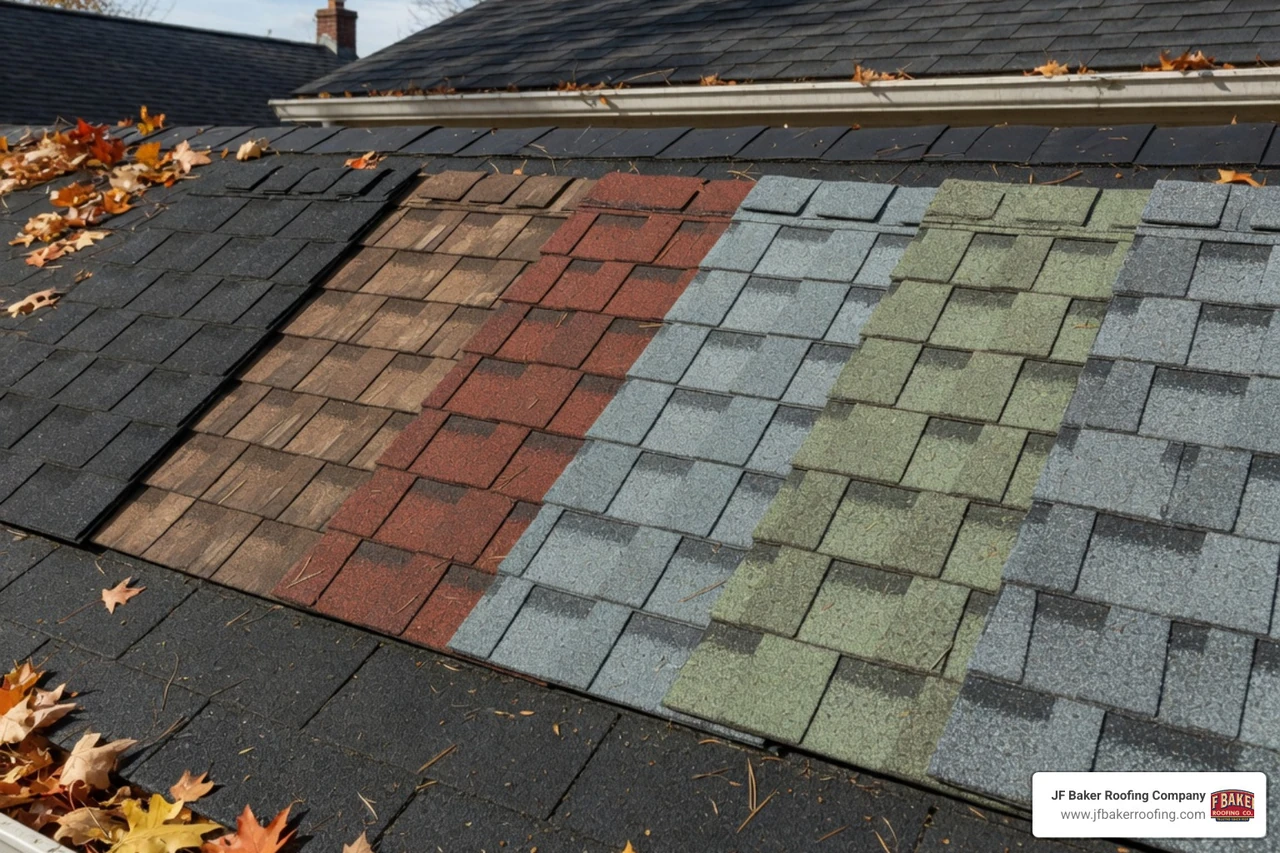
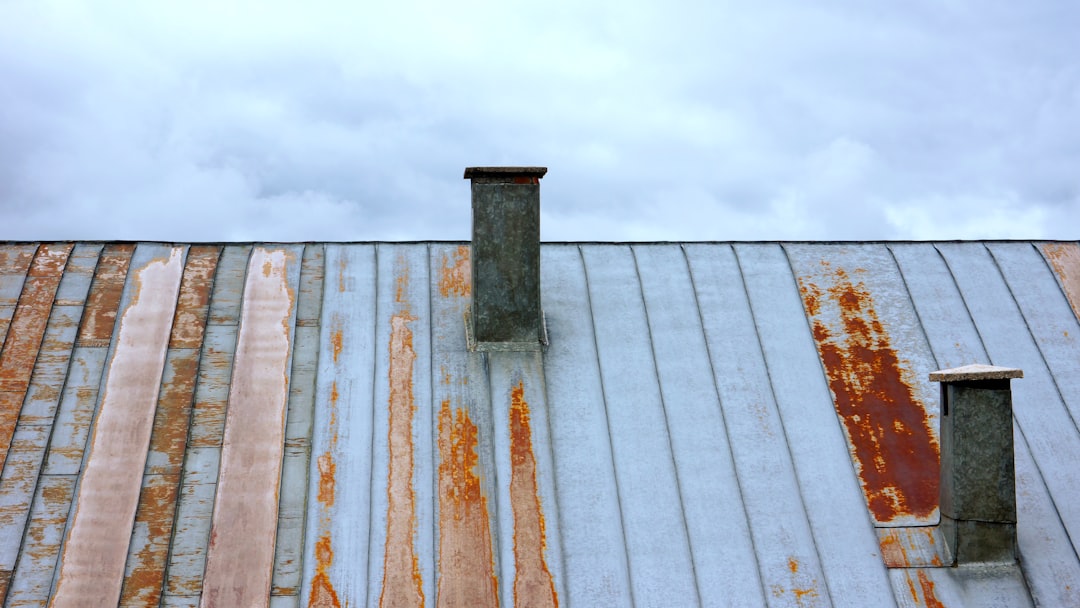
- Field Surface Materials: Evaluating shingle condition, checking for curling, cracking, blistering, or granule loss. For metal or tile surfaces, inspectors check for rust, loose fasteners, or cracked units.
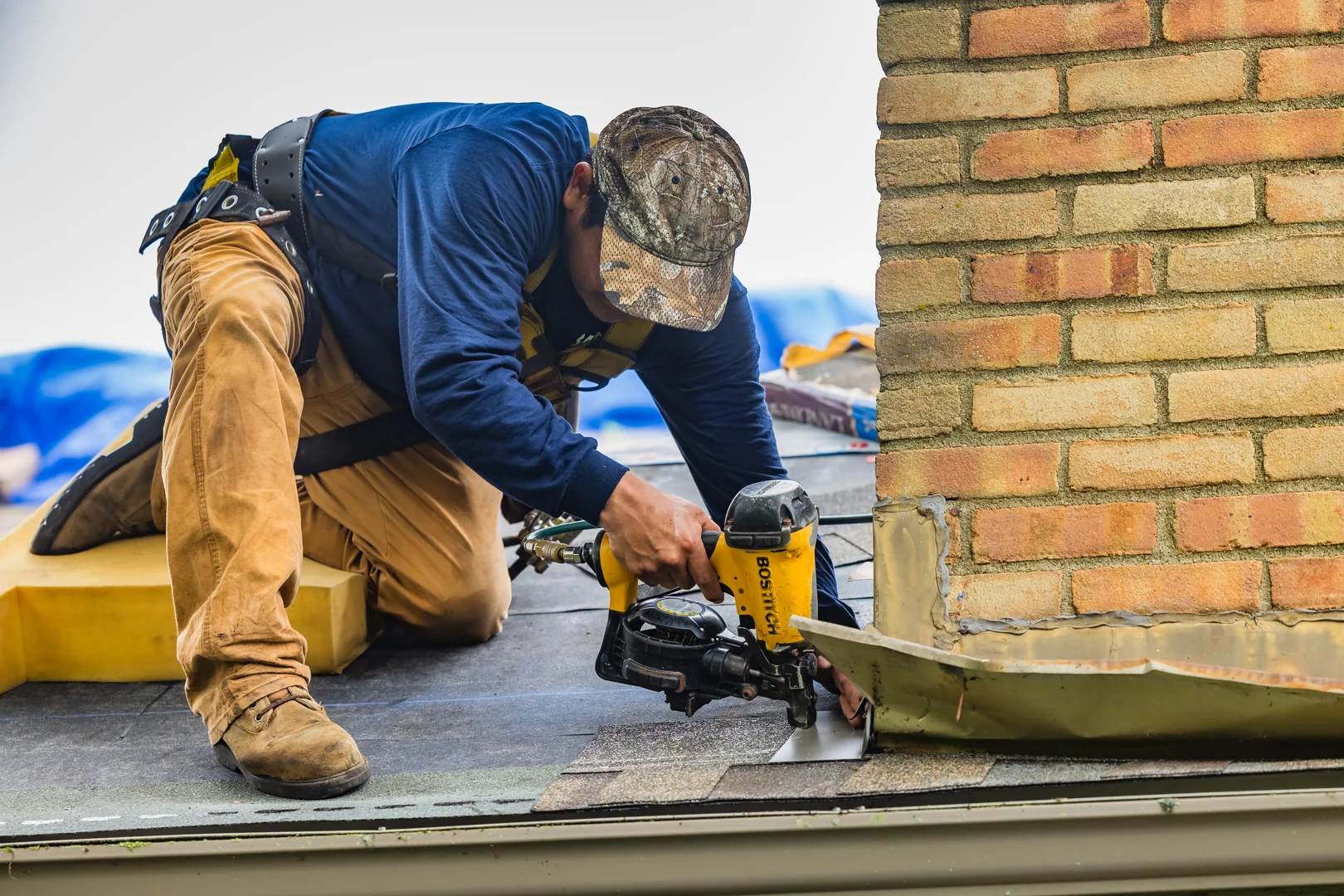
- Flashing and Penetrations: Inspecting sheet metal flashings around chimneys, step flashings along wall intersections, and rubber boots surrounding plumbing vent pipes. Flashing defects are the single leading cause of roof leaks.
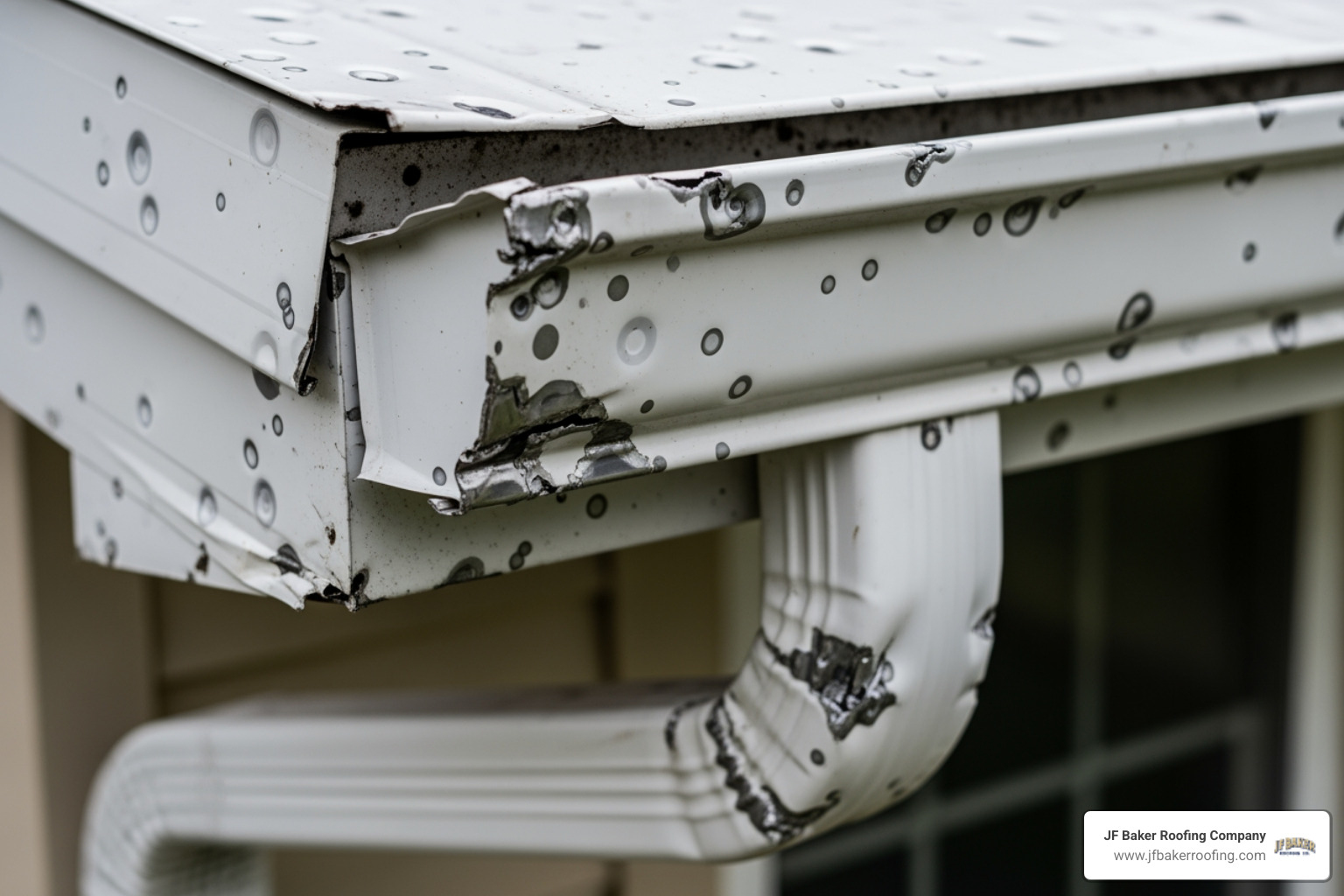
- Gutters and Water Management: Checking gutter pitch, secure attachment to fascia boards, seamless joints, and downspout extensions to keep water away from the foundation.
- Eaves and Ventilation: Inspecting drip edges, soffits, and ridge vents to ensure intake and exhaust air ratio keeps the roof deck cool and dry.
- Attic Interior and Decking: Checking the underside of roof sheathing for water stains, rusted nails, sagging rafters, mold growth, and proper insulation depth.
Standard vs. Certified Roof Inspections
A standard inspection offers a visual assessment of current conditions at a single point in time. It provides an expert opinion on what is visible during the walkthrough.
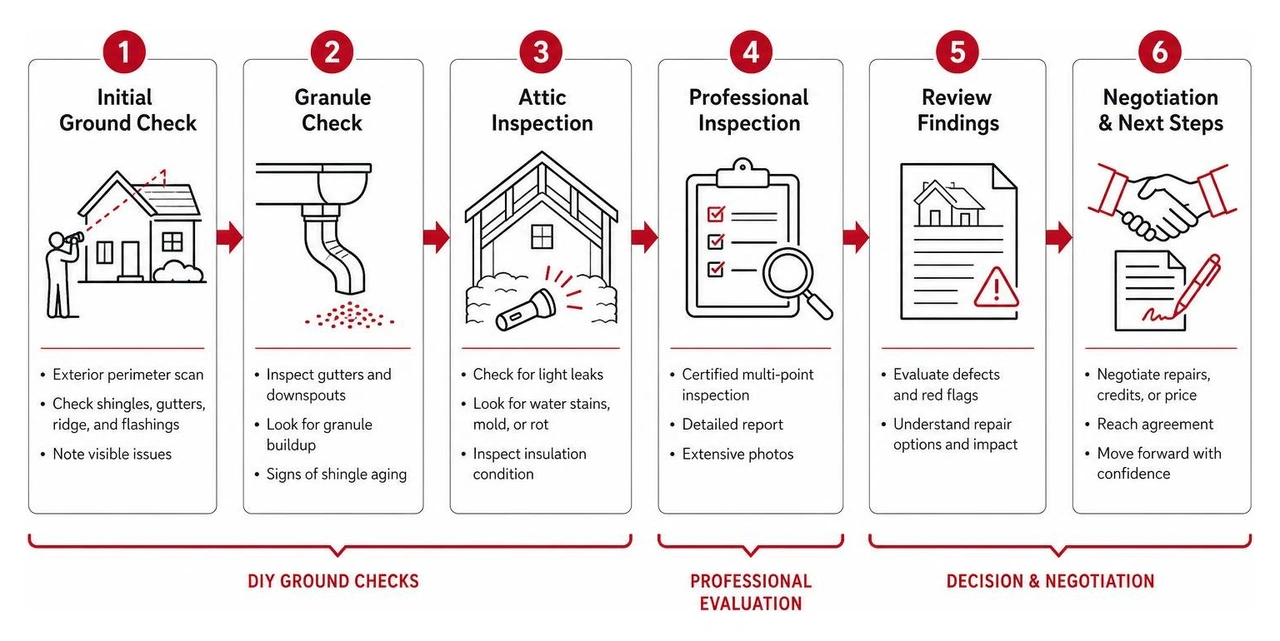
A certified roof inspection takes this process further. Performed under formal guidelines like InterNACHI Roof Inspection Standards, a certified inspection includes a detailed multi-point report with extensive photo documentation. In many cases, a certified inspection can qualify the roof for a leak-free certification or transferable warranty, providing the buyer with written backing that covers future performance over a specified period.
DIY Inspection Steps and Common Red Flags
While a professional evaluation is essential before signing final closing papers, home buyers can perform preliminary visual checks during initial open houses or walkthroughs.
DIY Ground Checks for a Roof Inspection Before Buying a House
You can safely check key areas without ever climbing a ladder:
- Exterior Perimeter Scan: Walk around the property using binoculars. Look for uneven shingle lines, sagging ridge boards, missing shingles, or misaligned gutters.
- Granule Accumulation Check: Look at downspout discharge zones or inside open gutter troughs. Heavy accumulation of coarse, sand-like granules indicates that asphalt shingles are reaching the end of their useful service lifespan.
- Attic Inspection: Head into the attic space with a flashlight. Turn off the light to look for daylight leaking through sheathing gaps. Look at rafter boards for dark water rings, white efflorescence, or soft, rotted wood. Look for damp or flattened insulation.
Critical Red Flags and Estimated Repair Costs
When evaluating a report, certain defects carry higher financial risks than others. Identifying these early gives you clear insight into potential long-term costs. For additional guidance on evaluating structural age, read our resource on How to Know When It's Time to Replace Your Roof.
Major red flags to watch for include:
- Structural Sagging: Curved or dipping roof lines indicate compromised framing, overloaded trusses, or rotten sheathing.
- Multiple Layers of Shingles: Building codes generally limit roofs to two shingle layers. Installing a new layer over old shingles traps heat, accelerates decay, and increases eventual tear-off costs.
- Extensive Moisture and Mold: Widespread dark mold or rotted plywood in the attic indicates long-term ventilation failure or active leaks.
- Damaged Valley Flashings: Valleys carry the highest volume of runoff water. Broken metal or cracked rolled valley materials lead directly to interior ceiling leaks.
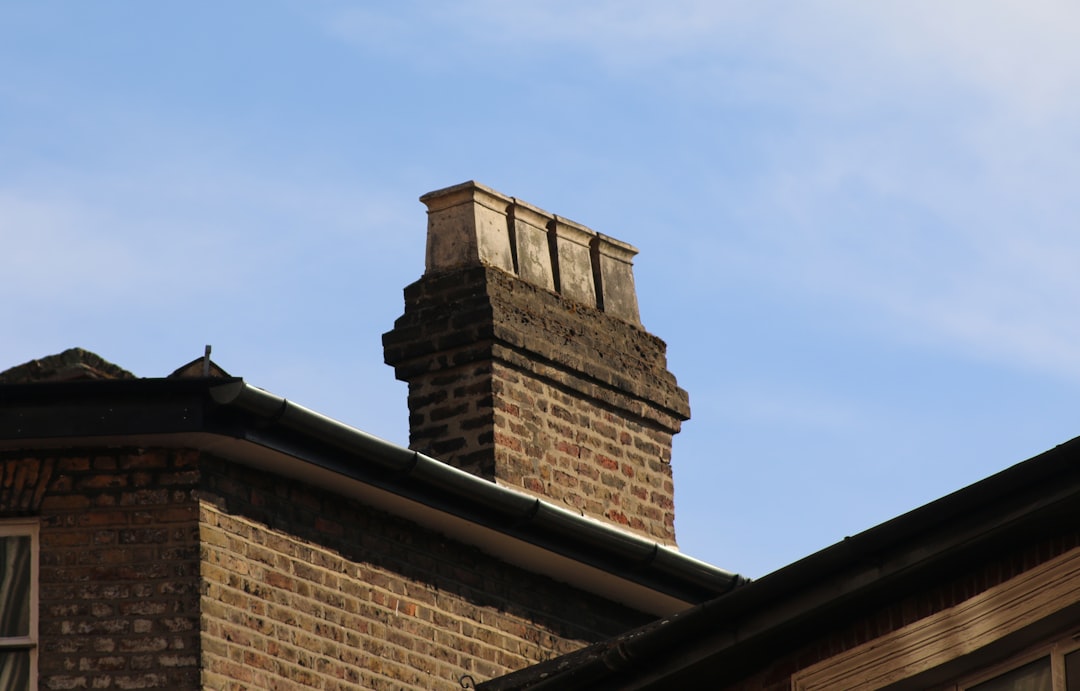
- Deteriorated Masonry and Flashing around Chimneys: Missing counter-flashing or cracked chimney mortar permits water to run straight down interior wall cavities.
Post-Inspection Steps and Long-Term Value
Once the inspection report is complete, the findings become an essential tool for contract negotiations.
Negotiating Repairs After a Roof Inspection Before Buying a House
Uncovering defects before purchase gives you distinct negotiation pathways:
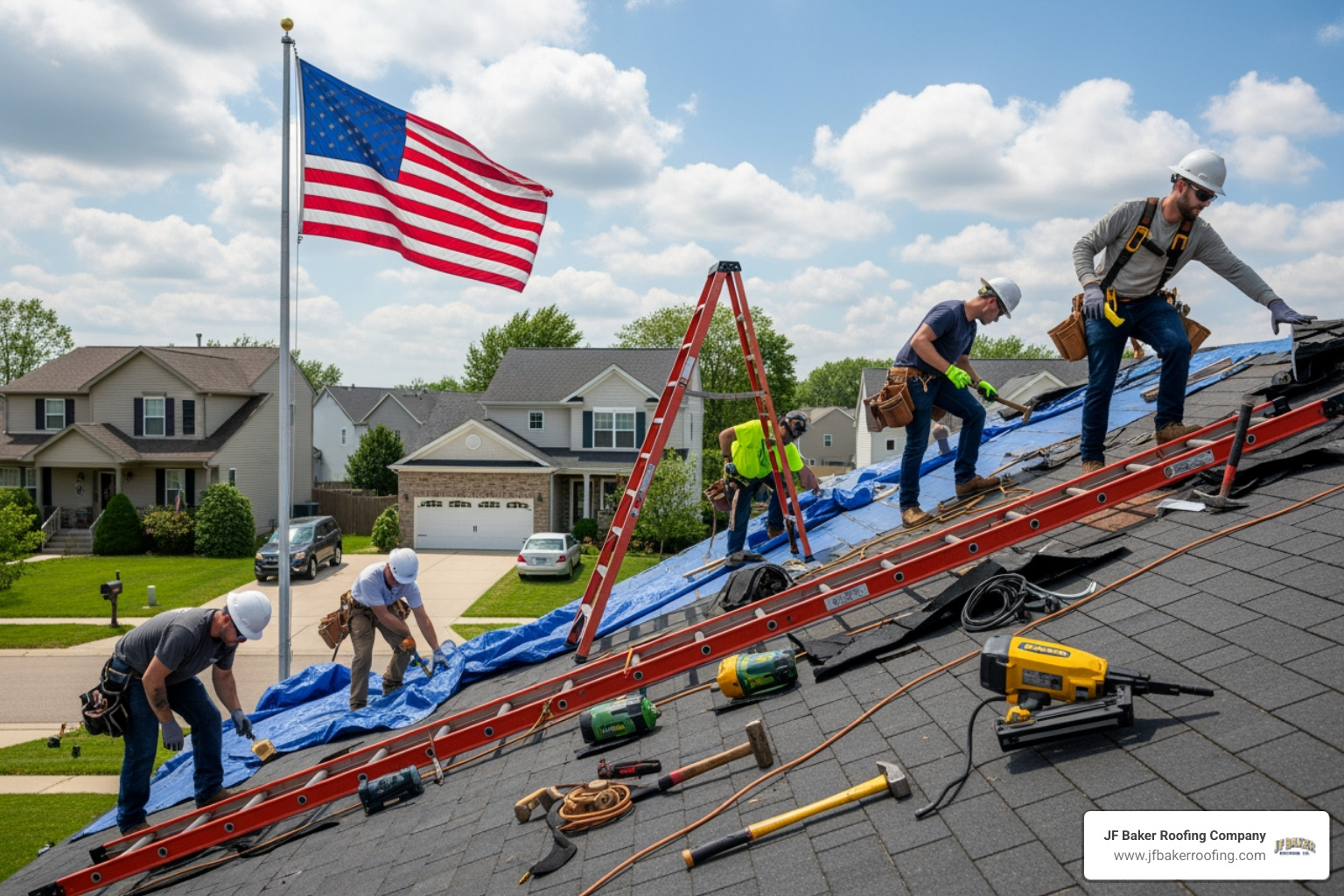
- Request Seller Repairs: Ask the seller to hire a licensed, insured roofing contractor to complete specific repairs before the closing date.
- Request a Financial Seller Credit: Request a credit toward closing costs or a purchase price adjustment. This option allows you to select your own trusted contractor and ensure quality craftsmanship after closing.
- Establish an Escrow Holdback: If weather delays immediate repairs prior to closing, funds can be held in escrow until work is completed.
Lifespan Factors and Ongoing Maintenance
Understanding material longevity helps you plan future maintenance. Roof lifespans vary depending on climate and material type:
- Standard 3-Tab Asphalt Shingles: Typically last 15 to 20 years.
- Architectural Asphalt Shingles: Typically last 25 to 30 years.
- Metal Roofing: Can last 40 to 70 years.
- Slate and Tile: Can last 50 to 100+ years.
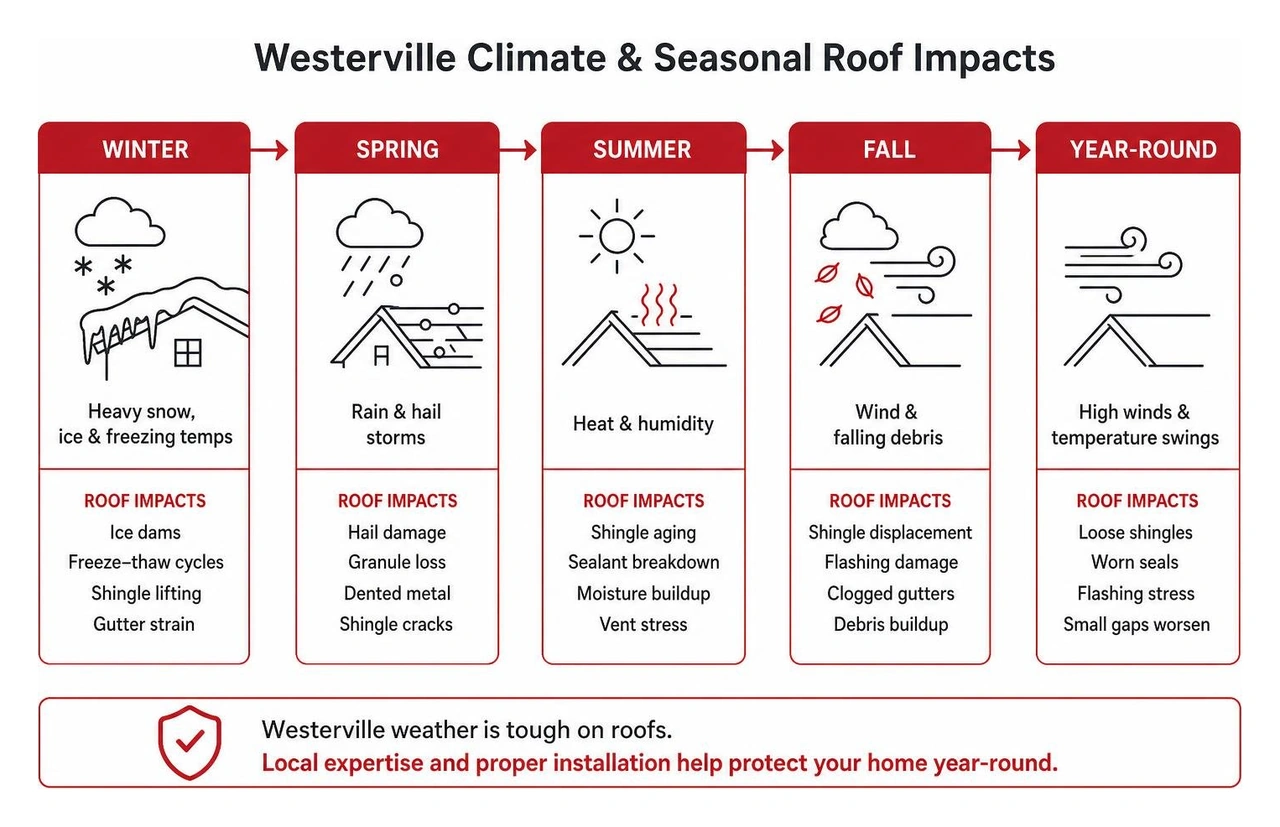
For local property owners, regional climate plays a major role in roofing endurance. Ohio winters bring freeze-thaw cycles, snow loads, and ice damming risks, while humid summers accelerate granule degradation. Reading about Asphalt Roof Lifespan Ohio will help you tailor your long-term maintenance schedule to local weather patterns.
Routine maintenance, including biannual gutter cleanings and post-storm visual checks, keeps your investment sound for decades.
Frequently Asked Questions About Roof Inspections
How much does a roof inspection cost when buying a house?
Inspection costs vary depending on square footage, roof pitch, height, location, and whether specialized tools like thermal imaging or drones are required. Dedicated evaluations by licensed specialists reflect the time required to perform safe physical walkovers and detail thorough photo reports.
What is the biggest red flag on a roof inspection report?
The most critical red flag is structural sagging or widespread wood rot in the roof deck and rafters. While damaged shingles or pipe boots are simple fixes, structural sagging indicates long-term water exposure or load-bearing failure, requiring extensive structural restoration.
How often should a roof be inspected after purchase?
After purchasing a home, plan to have your roof inspected every 3 to 5 years if it is under 10 years old. Once a roof passes 10 to 15 years of age, scheduling a professional check every 1 to 2 years, as well as after major hail or wind events, helps catch minor flashing tears before they become costly interior leaks.
Protecting Your Investment with Central Ohio's Trusted Roofing Experts
A thorough roof inspection before buying a house provides clarity, financial leverage, and long-term peace of mind. Uncovering hidden defects before taking ownership ensures you can negotiate fair terms and protect your household budget from unexpected repair expenses.
At JF Baker Roofing, we have been built on integrity and proven by performance across Central Ohio since 1929. Led by third-generation owners Chad and Pat Baker, our family-owned business brings nearly a century of hands-on expertise to every property we evaluate.
As a CertainTeed ShingleMaster Preferred Contractor, NRCA member, and BBB Accredited Business with an A+ rating, we provide honest assessments, transparent pricing, clean job sites, clear communication, and no high-pressure sales tactics. We recommend repairs whenever possible and suggest replacement only when genuinely needed.
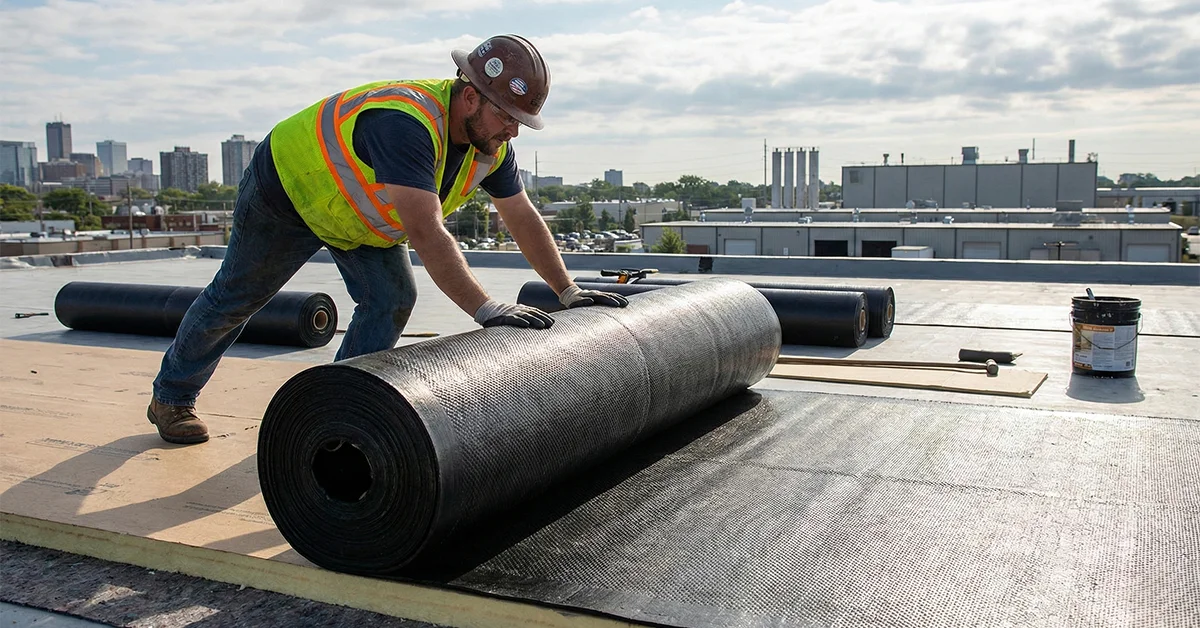
Whether you need residential roofing, commercial roofing, roof repair, roof replacement, storm damage roofing, gutter installation and repair, or custom sheet metal work, our team is here to support you. We proudly serve homeowners and businesses across Columbus, Dublin, Upper Arlington, Hilliard, Grandview Heights, Worthington, Westerville, and surrounding communities.
Let our reputation be your security as you navigate your next home purchase. Explore our comprehensive Residential Roofing Services today or reach out directly to schedule an honest assessment with three generations of Central Ohio roofing experience behind it.

.jpeg)