Metal Roofs That Last Long and Look Good Too
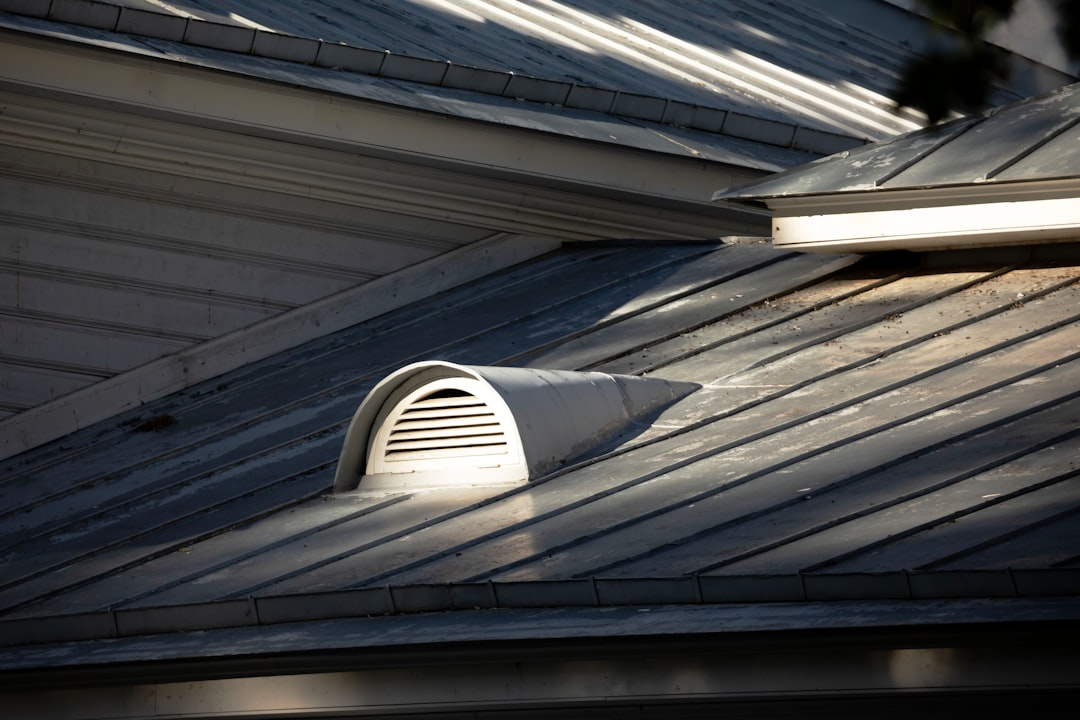
Is a Metal Roof Really Worth It? Here's What Central Ohio Homeowners Should Know
If you're weighing your roofing options, durable metal roof lifespan is one of the most important factors to understand before making a decision. Here's the short answer:
| Metal Type | Typical Lifespan |
|---|---|
| Steel (Galvalume) | 40-70 years |
| Aluminum | 50+ years |
| Zinc | 60-100+ years |
| Copper | 70-100+ years |
| Asphalt shingles (for comparison) | 15-30 years |
Metal roofs routinely last two to three times longer than asphalt shingles. For many homeowners, that means never replacing a roof again.
That's a significant shift in how you think about roofing. Not an expense you repeat every couple of decades. A one-time investment that protects your home for the long haul.
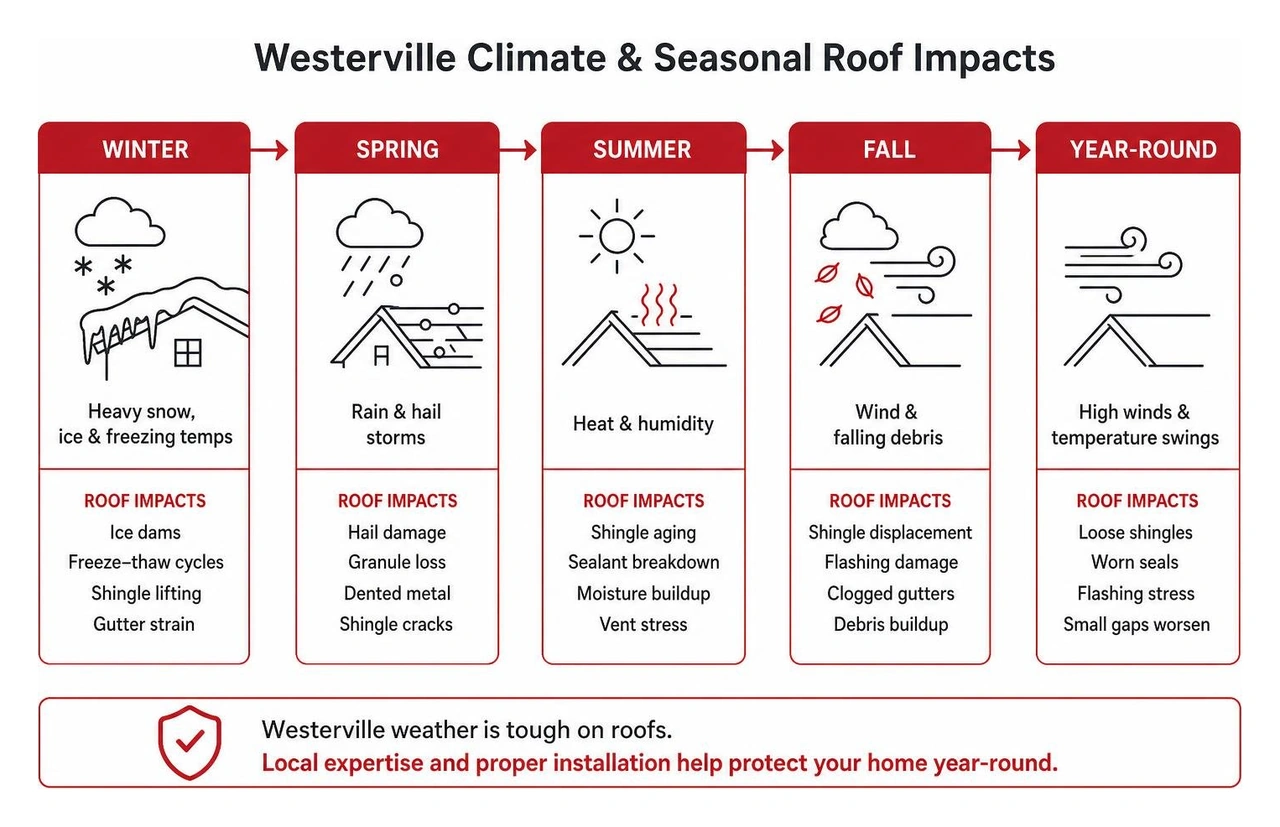
Central Ohio weather puts roofs through a lot. Freezing winters, spring hail, summer heat, and heavy rain cycles test every material year after year. At JF Baker Roofing, trusted since 1929, we've seen which roofs hold up and which ones don't. Metal consistently earns its reputation.
This guide walks you through everything you need to know to evaluate your options honestly, from material types and installation quality to maintenance and long-term value.
Understanding the Average Longevity of Metal Systems
When we talk about how long a roof lasts, we are really talking about the peace of mind you have when a storm rolls through Columbus or a heavy snow sits on your house in January. The average durable metal roof lifespan falls between 40 and 70 years, though premium materials can easily push past the century mark.
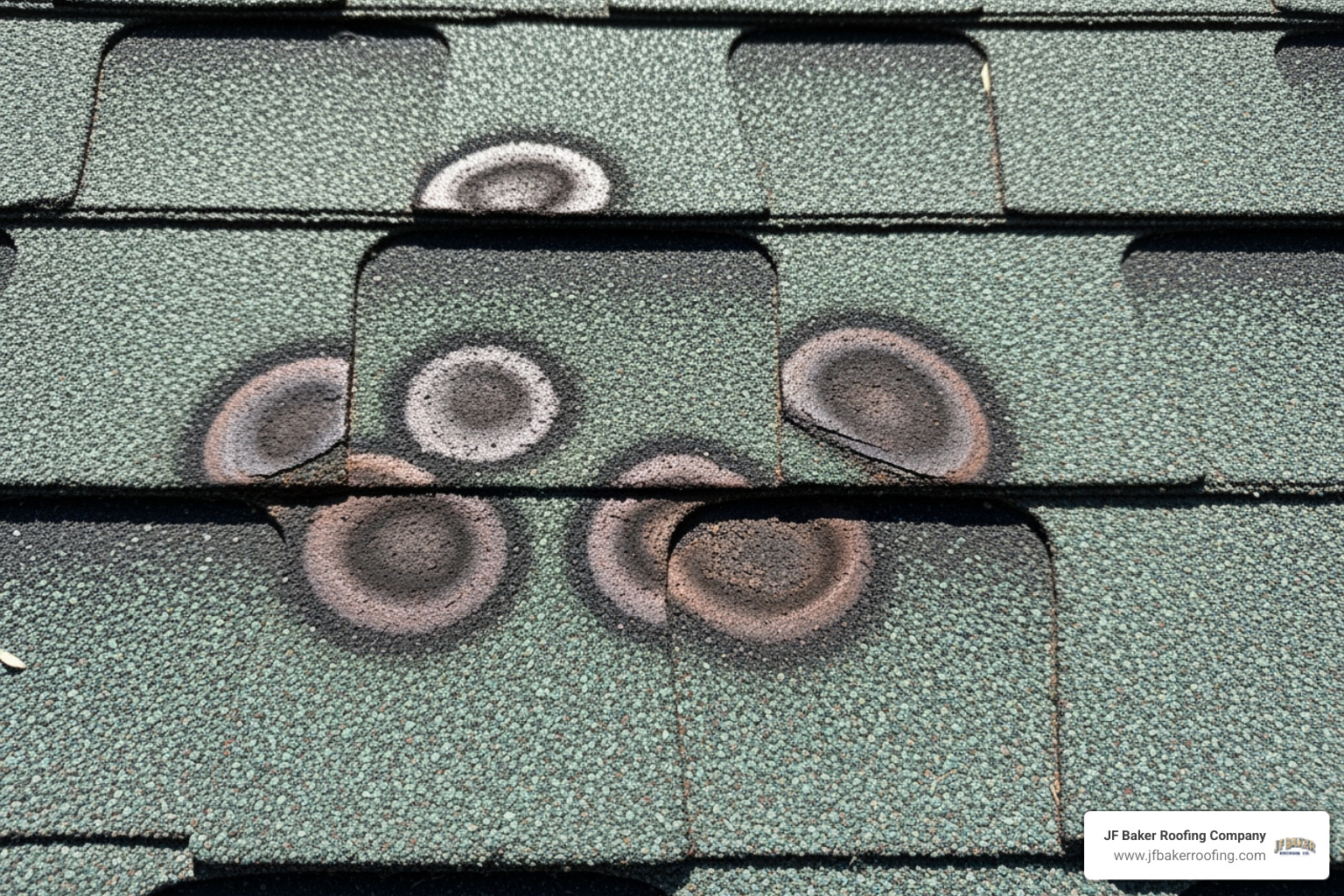
Metal roofs can last for fifty years or more, outpacing a shingle roof's lifespan by decades. This is a stark contrast to the materials most of us grew up with. For instance, the Metal Roofing Alliance puts the lifespan of asphalt shingles at 10-20 years before requiring a replacement. Even the best architectural shingles rarely make it past 25 or 30 years in the fluctuating Ohio climate.
Think of it this way: if you install an asphalt roof today, you might be looking at another full replacement by the time your mortgage is paid off. With a metal system, the roof is likely to outlast the mortgage and the next one after that.
Investment vs. Expense
It is helpful to view a metal roof as an investment in your home equity rather than a simple maintenance expense. While the initial cost is higher, the long-term math favors metal. Over a 60-year period, a homeowner with an asphalt roof might pay for three separate installations, including the labor, materials, and disposal fees for each. A metal roof homeowner pays once. When you factor in the rising costs of materials and labor over those decades, the "expensive" roof often ends up being the most affordable choice.
Factors That Define a Durable Metal Roof Lifespan

Not every metal roof is created equal. Several variables determine whether your roof hits the 40-year mark or the 70-year mark. Understanding these can help you choose the right system for your specific property in Central Ohio.
Environmental Exposure
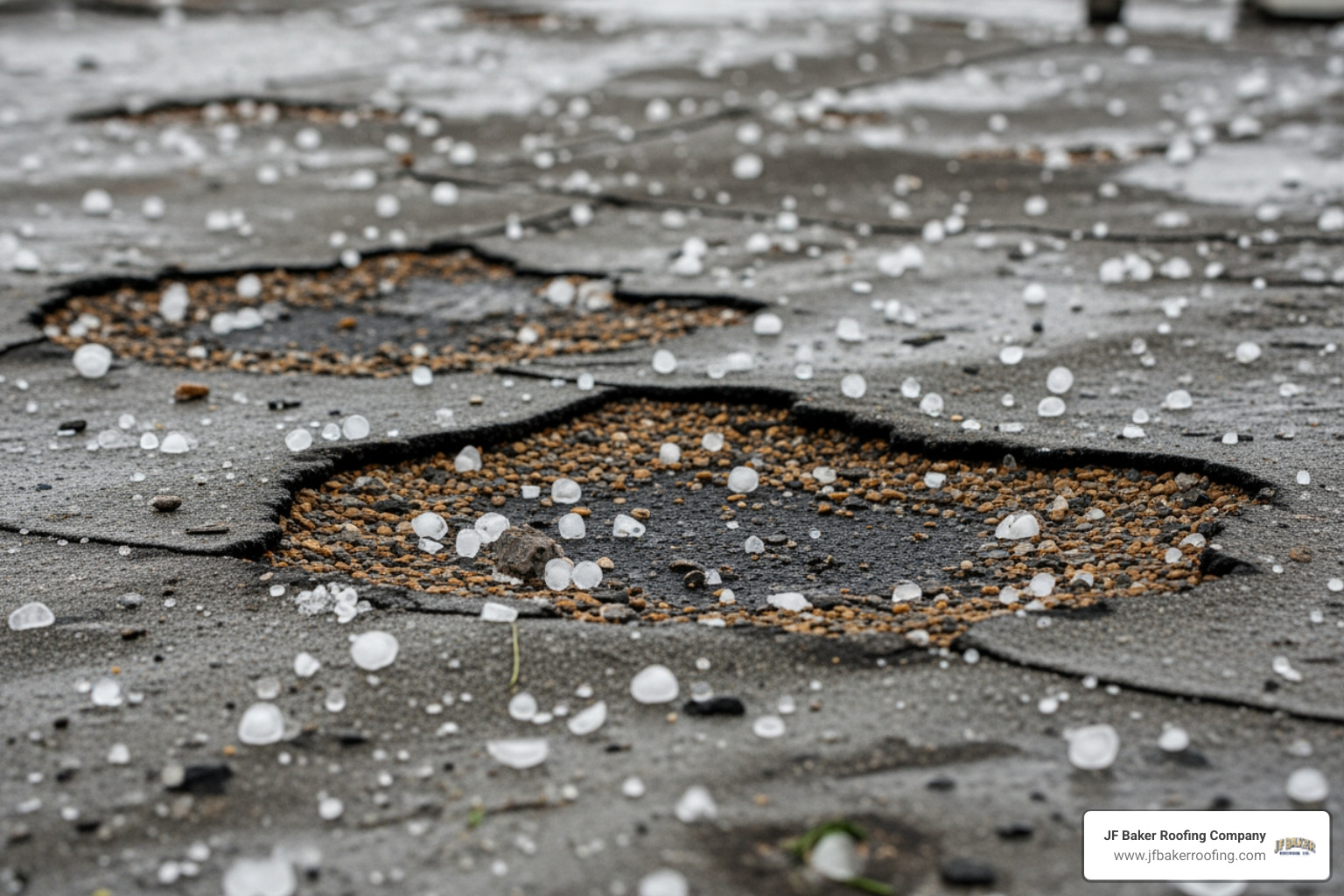
Our local weather is a major factor. We deal with high humidity, rapid temperature swings, and significant UV exposure. Metal is naturally resistant to many of the issues that plague other materials. Metal roofs are also resistant to shrinking, eroding, and cracking making them able to withstand extreme weather conditions like heavy snow and hail storms.
It is also crucial to understand how climate impacts roof durability when planning for the future. In Ohio, the freeze-thaw cycle can cause shingles to brittle and crack, but metal panels expand and contract without losing their structural integrity.
Roof Slope and Ventilation
The pitch of your roof changes how it sheds water and debris. Steeper slopes generally last longer because they prevent water from pooling and allow snow to slide off more easily. Ventilation is just as important. A well-ventilated attic prevents moisture from becoming trapped underneath the roof deck, which protects the substrate from rot and the metal from underside corrosion.
Thermal Expansion
Metal moves. When the sun beats down on a Gahanna home in July, the metal expands. When the temperature drops at night, it contracts. A durable metal roof lifespan depends on a system designed to handle this movement. If the panels are pinned too tightly or the fasteners don't allow for this "breathing," the roof can develop leaks or wavy "oil canning" over time.
How Material Choice Affects Your Durable Metal Roof Lifespan
The type of metal you choose is perhaps the biggest driver of longevity.
- Steel: Most residential metal roofs are made of steel. To prevent rust, the steel is coated with either zinc (Galvanized) or a mix of aluminum and zinc (Galvalume). Galvalume steel roofs can be expected to last in excess of 60 years in most environments.
- Aluminum: This is a fantastic choice for longevity because aluminum does not rust. It is naturally resistant to corrosion, making it a "forever" material for many homeowners in Dublin or Westerville.
- Copper and Zinc: These are the kings of durability. Copper and zinc roofs can exceed 70 to 100 years or more with proper care. They develop a natural patina over time that acts as a protective layer. Copper roof systems often remain intact for over 80 years and can function properly for over 100 years.
Why Installation Quality Dictates a Durable Metal Roof Lifespan
You can buy the most expensive copper panels in the world, but if they are installed poorly, they won't last. Proper installation is about the details that you can't see from the curb.
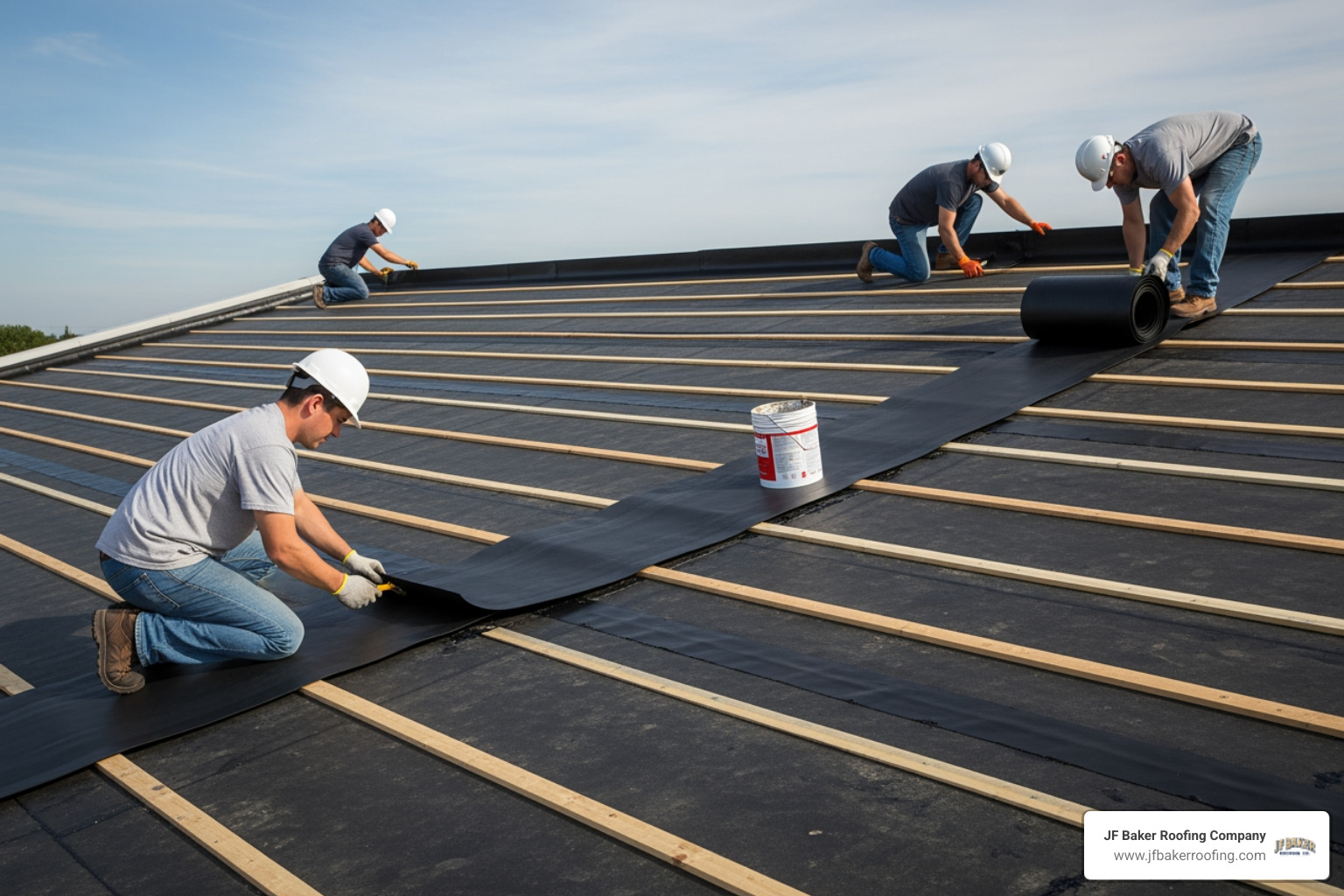
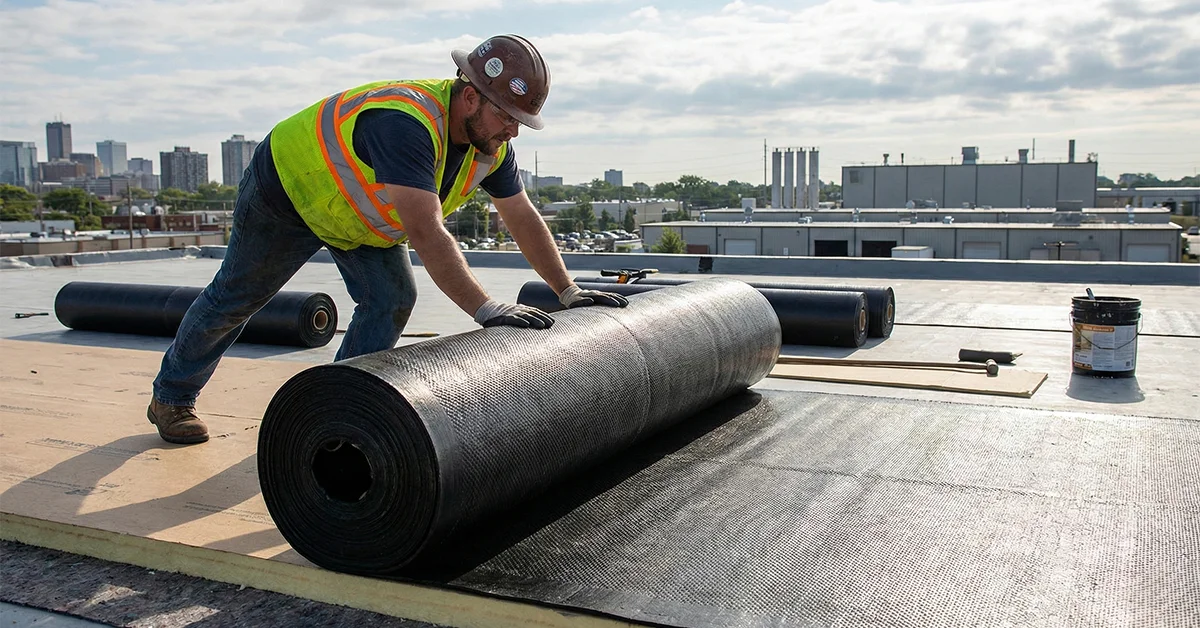
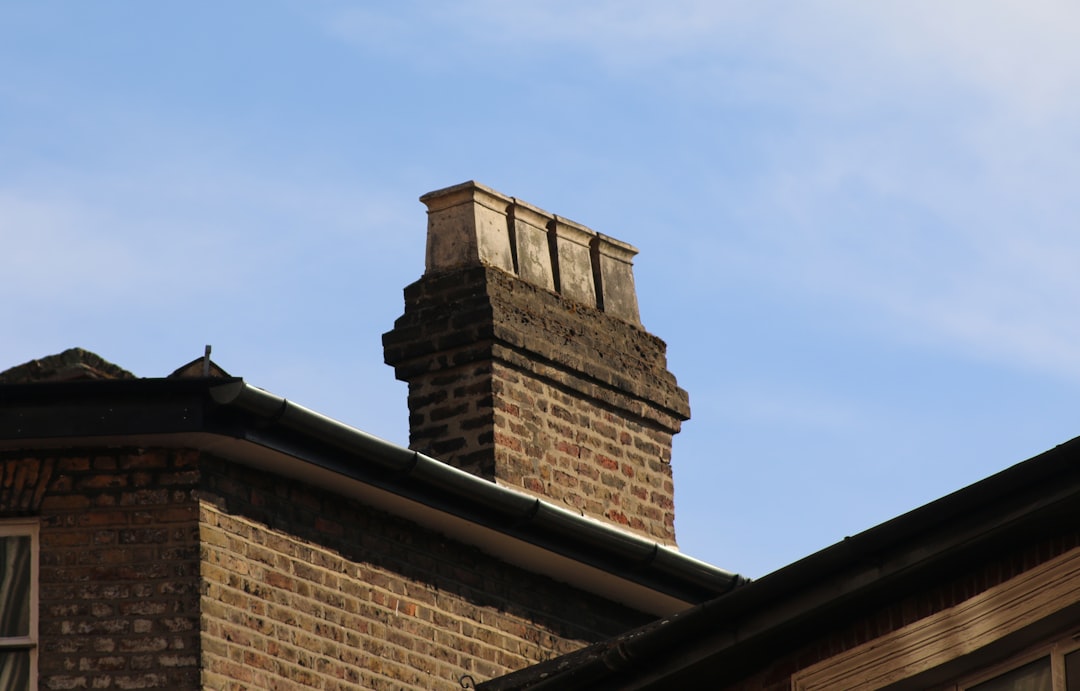
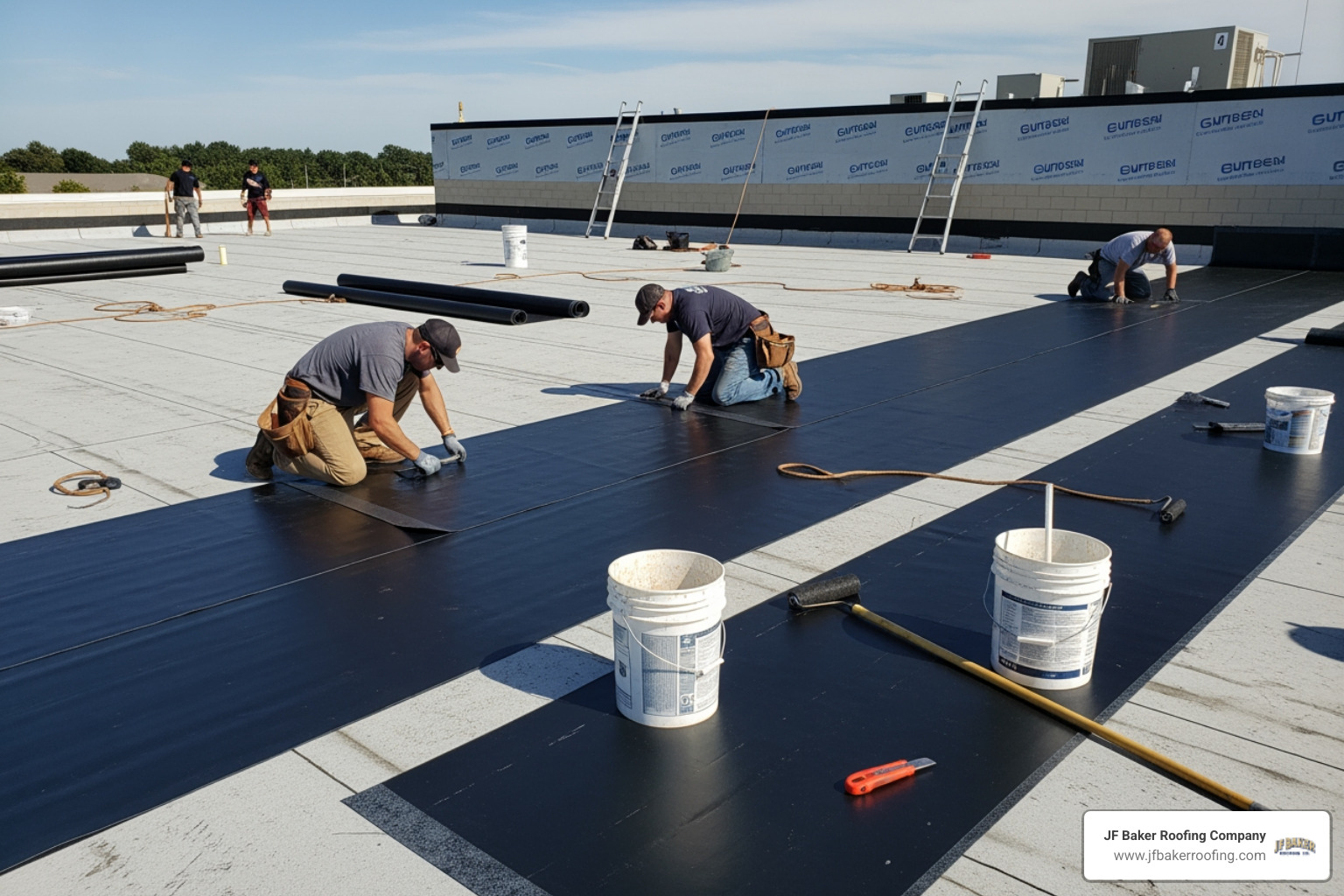
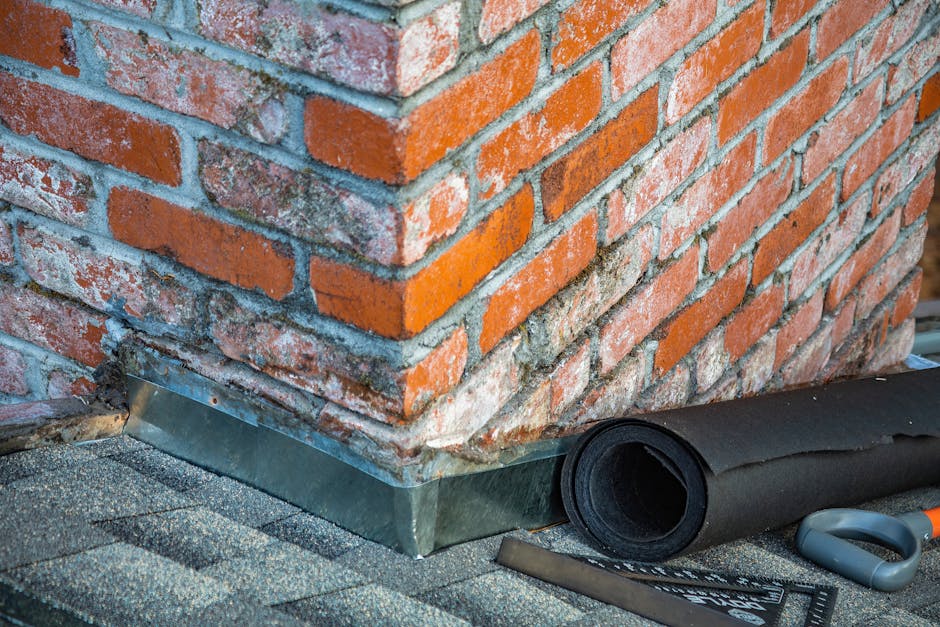
We focus heavily on the "skeleton" of the roof. This includes using high-quality underlayment and moisture barriers that provide a second line of defense. Flashing details around chimneys and valleys must be precise to ensure water is always directed away from the home. For those interested in the technical side, you can find more info about sheet metal work and how custom fabrication ensures a watertight fit.
Fastener placement is another area where craftsmanship shows. Screws that are over-driven or under-driven can lead to leaks. Using the right number of fasteners for the local wind load ensures the roof stays put during the heavy storms we occasionally see in the Columbus area.
Comparing Standing Seam and Screw-Down Systems
When researching a durable metal roof lifespan, you will come across two main types of panel systems: standing seam and screw-down (also called exposed fastener).
Standing Seam Systems
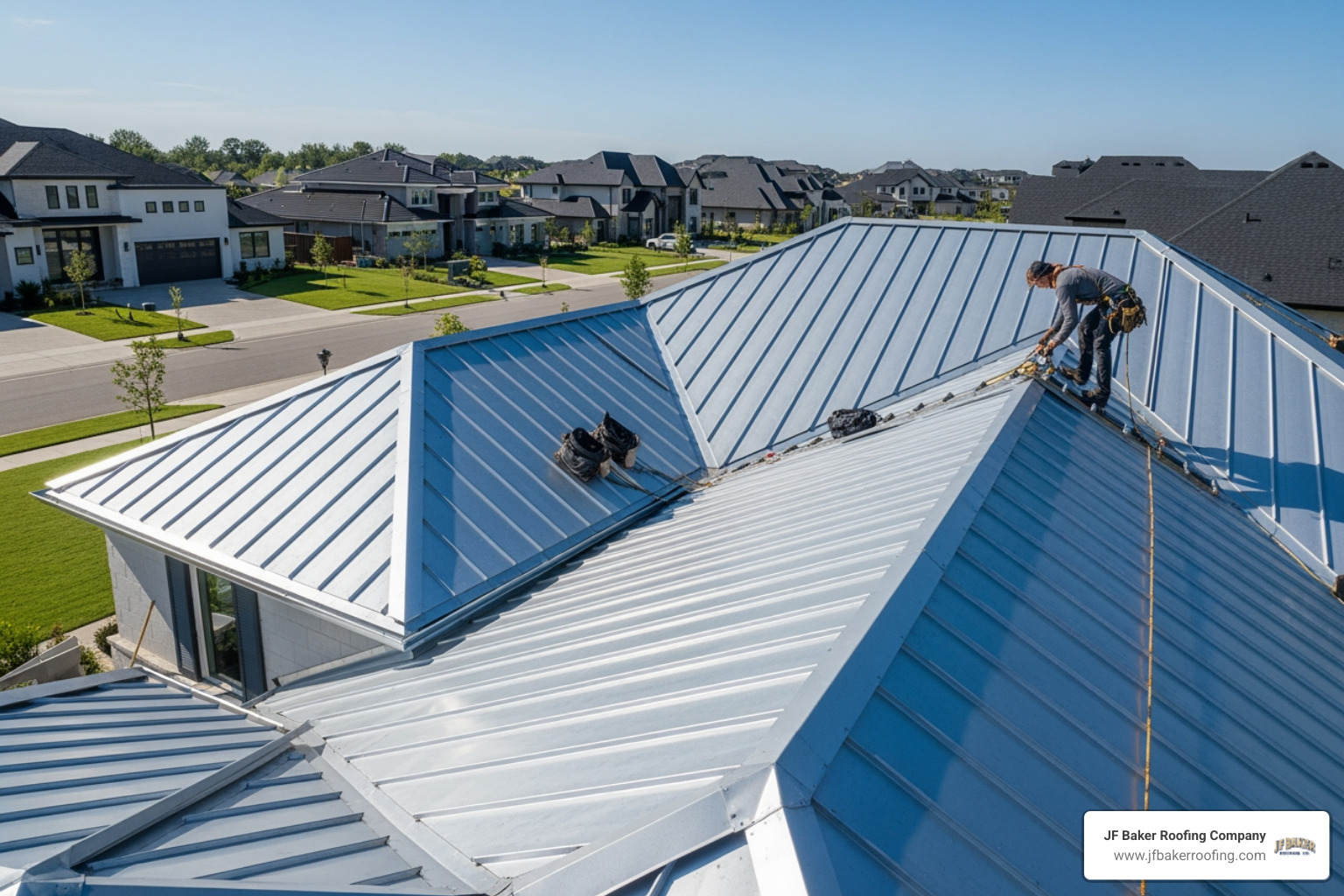
This is the gold standard for residential metal roofing. In a standing seam system, the fasteners are hidden beneath the panels. The panels are joined by a locking seam that stands above the level of the roof surface.
- Longevity: These systems typically last 50 to 70 years or more.
- Thermal Movement: Because the panels are attached with clips that allow them to slide, they handle Ohio's temperature swings beautifully.
- Leak Resistance: With no holes poked through the metal for screws, the chance of a leak is significantly reduced.
- Research: A report by the Metal Construction Association on service life offers an in-depth look at why these systems are expected to last 60 years or more.
Screw-Down (Exposed Fastener) Panels
These are more common on barns or sheds, but they are sometimes used on homes to save on initial costs. In this system, the screws go directly through the face of the metal.
- Longevity: These usually have a 20 to 30 year expectancy.
- Maintenance: The rubber washers on the screws eventually dry out and crack due to UV exposure. This means you may need to replace thousands of screws every 10 to 15 years to prevent leaks.
- Movement Issues: Because the panels are screwed down tight, they cannot move as easily during thermal expansion, which can eventually enlarge the screw holes.
For a homeowner looking for a "one and done" solution, standing seam is almost always the better long-term value.
Maintenance Practices for Long-Term Performance
One of the best things about metal is that it is very low maintenance. However, "low maintenance" does not mean "no maintenance." If you want to maximize your durable metal roof lifespan, a little bit of attention goes a long way.
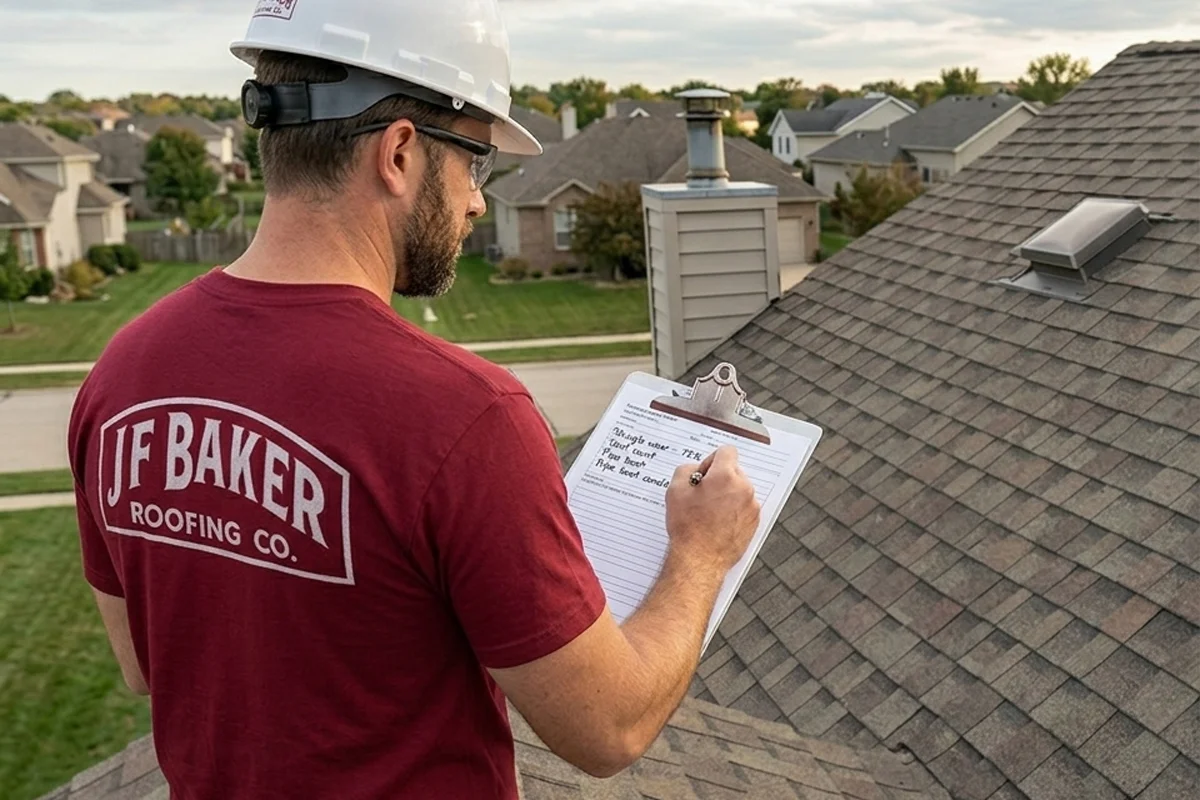
We recommend a quick check-up once a year, ideally in the fall before the snow flies or in the spring after the big storms. Here is a simple checklist to keep your roof in top shape:
- Clean the surface: Use a garden hose to wash off dirt, pollen, or bird droppings.
- Debris removal: Don't let leaves or branches pile up in valleys or behind chimneys. Trapped debris holds moisture against the metal.
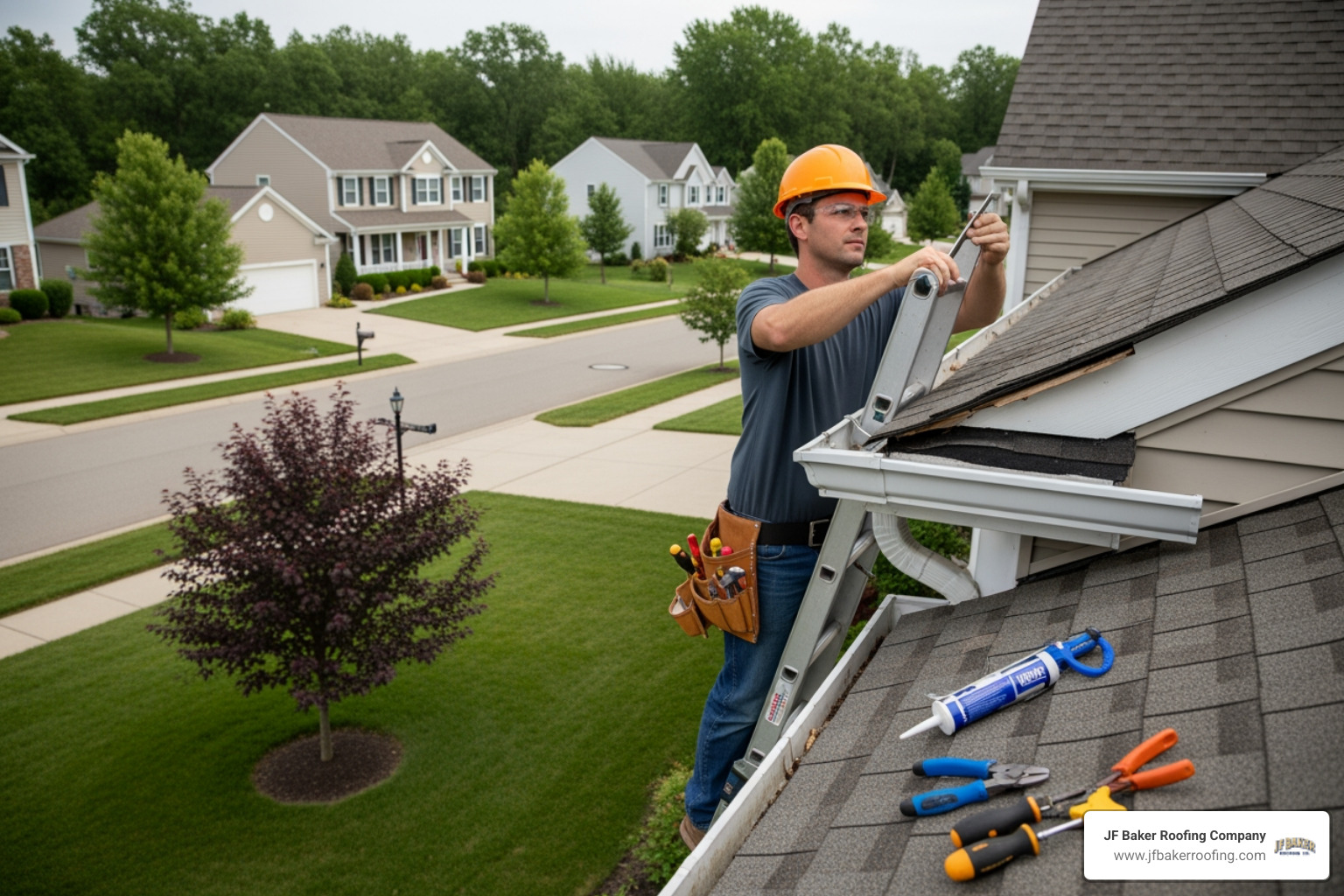
- Clear your gutters: This is vital. Clear your gutters to prevent edge corrosion because backed-up water can sit against the edge of the metal panels and eventually cause rust.
- Check the fasteners: If you have a screw-down roof, look for any screws that have backed out or washers that look brittle.
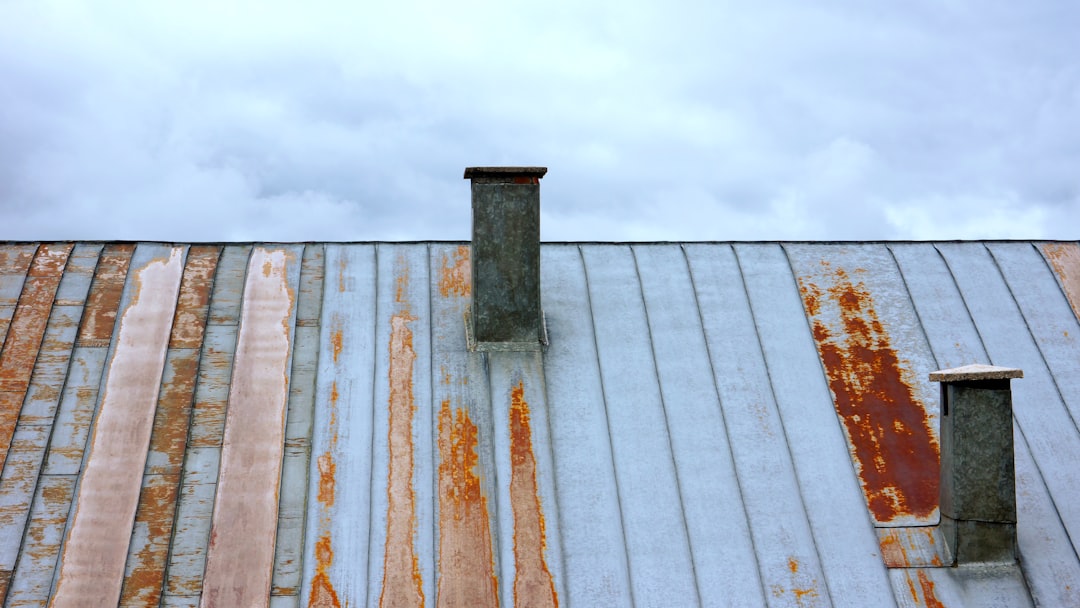
- Inspect the paint: While modern Kynar finishes are incredibly tough, check for any deep scratches that go through to the bare metal. A quick touch-up with manufacturer-approved paint can prevent rust.
- Sealant checks: Inspect the caulking around vents and pipes. Sealants don't last as long as the metal, so they may need a refresh every decade or so.
For a more detailed guide, you can refer to this metal roof maintenance checklist by Sheffield Metals which outlines professional standards for keeping your roof pristine.
Additional Benefits of Metal Roofing
Beyond the impressive durable metal roof lifespan, there are several reasons why our neighbors in Upper Arlington and Hilliard are choosing metal.
Energy Efficiency
Metal is a "cool" roofing material. Unlike asphalt shingles that absorb heat and radiate it into your attic, metal roofing reflects a high percentage of radiant energy off the surface and away from your home. This makes your attic cooler and increases energy savings.
By using cool roof coatings that reflect heat and reduce energy consumption, you can often see a reduction in cooling costs by up to 25%. In the middle of a humid Columbus summer, that's a difference you can feel in your wallet.
Weather and Fire Resistance
Metal roofs are non-combustible and usually carry a Class A fire rating, the highest possible. They also offer superior wind resistance. Many metal systems are rated to withstand wind gusts up to 140 mph, which is far beyond what a standard shingle can handle. For homeowners worried about hail, metal roofs often have a Class 4 impact rating, meaning they can take a beating without leaking.
Sustainability
If you care about the environment, metal is the clear winner. Metal roofs are 100% recyclable at the end of their long life. Unlike asphalt shingles, which contribute billions of pounds of waste to landfills every year, your old metal roof can be turned into a new one, or even a car or a bridge.
Insurance and Resale Value
Because of their fire and wind resistance, some insurance companies offer discounts on homeowners' premiums for metal roofs. Additionally, a metal roof adds significant curb appeal and resale value. Potential buyers love the idea of moving into a home where they won't have to worry about the roof for the next 50 years.
Frequently Asked Questions
Are metal roofs worth the higher upfront cost?
Yes, if you plan on staying in your home for more than 10 or 15 years. While the initial price tag is higher, you have to look at the total cost of ownership. When you subtract the cost of two future asphalt roof replacements, add in the energy savings, and consider the increased home value, metal often pays for itself. As we like to say, it's the last roof you'll ever buy.
Do metal roofs attract lightning?
This is a common myth. Metal conducts electricity, but it doesn't "attract" it. Lightning is looking for the highest point, regardless of material. In fact, if your house is struck, a metal roof is actually safer than other materials. It is non-combustible and will safely disperse the electrical charge across the surface of the roof rather than letting it concentrate in one spot where it could start a fire.
What are the signs a metal roof needs replacement?
Even though they last a long time, nothing is permanent. You should consider a replacement if you notice:
- Widespread corrosion: Small spots of surface rust can be fixed, but if the panels are rusting through from the underside, the structural integrity is gone.
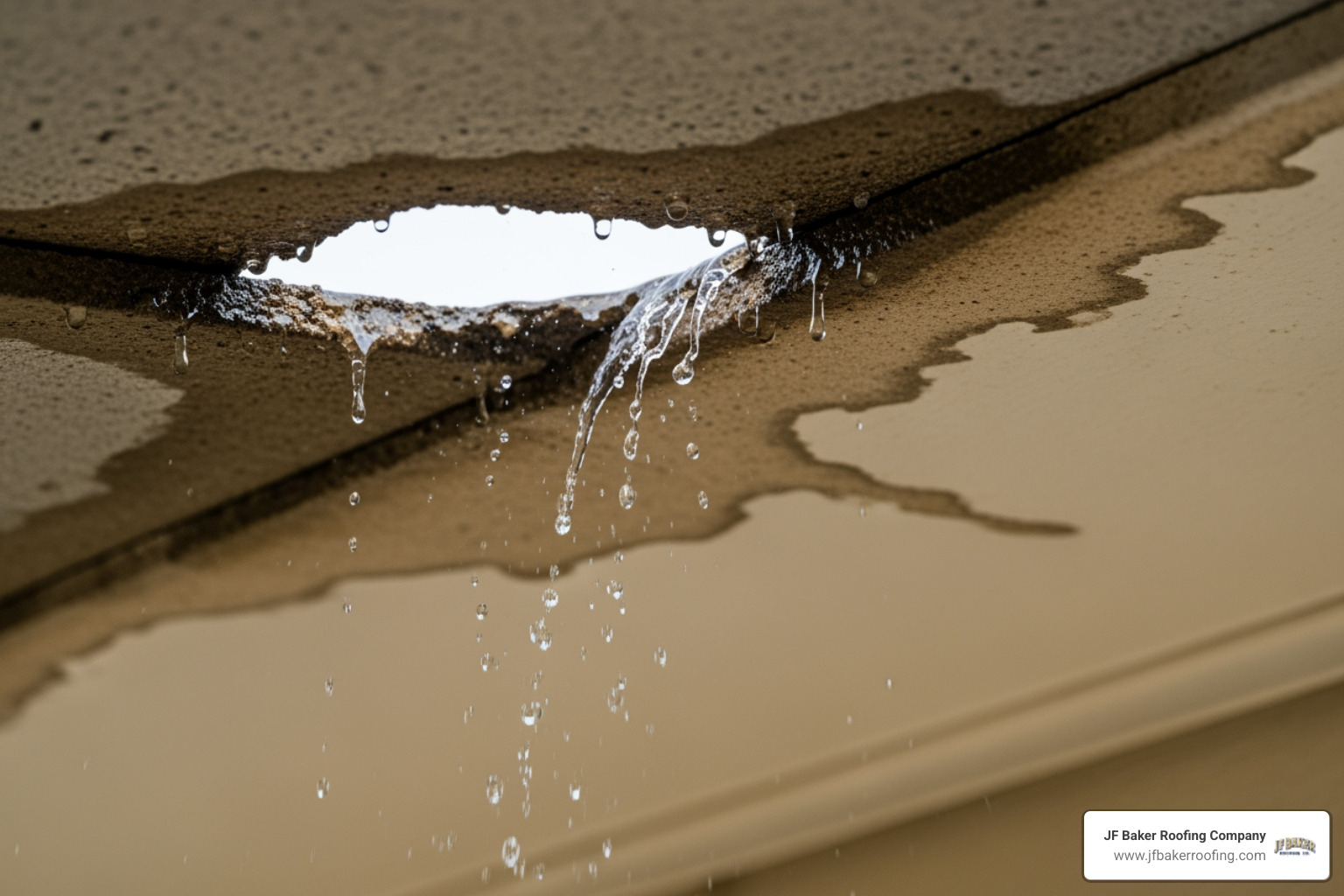
- Persistent leaks: If you've had multiple repairs and water is still finding a way in, the system may have reached the end of its functional life.
- Loose panels or structural sagging: This often points to issues with the roof deck or improper installation that has finally caught up with the home.
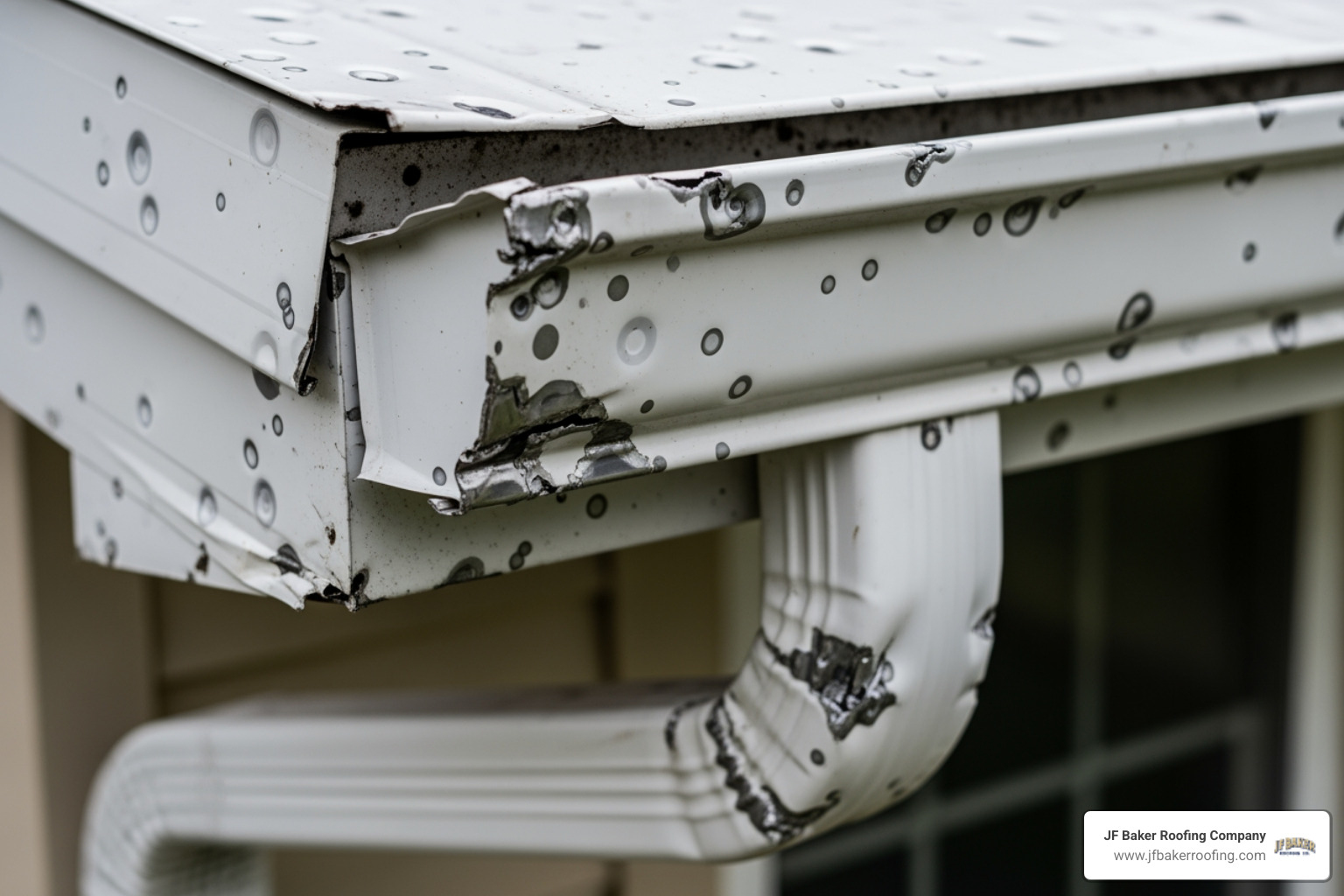
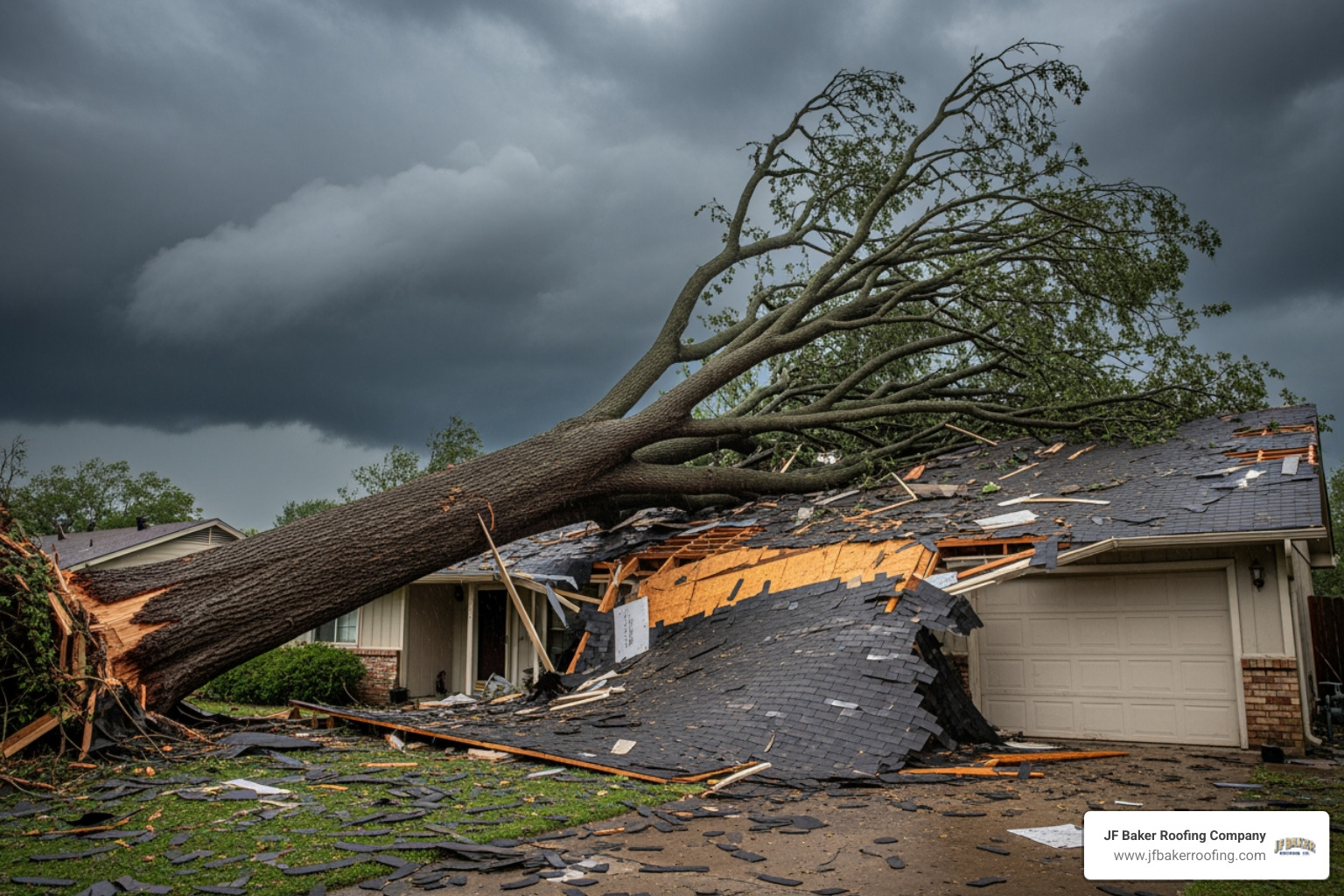
- Extreme storm damage: While metal is tough, massive hail or falling trees can cause damage that is more cost-effective to replace than repair.
Choosing a Partner for the Long Haul
A durable metal roof lifespan is only possible when high-quality materials meet expert craftsmanship. At JF Baker Roofing, we've been serving Central Ohio since 1929. Now led by third-generation owners Chad and Pat Baker, our company is built on nearly a century of integrity and local trust.
We don't believe in high-pressure sales tactics or corporate jargon. We are a family-owned, community-rooted business that treats every home like it belongs to a neighbor. Whether you're in Columbus, Dublin, Upper Arlington, or Grove City, we provide honest assessments. If a repair will fix your problem, we'll tell you. If a replacement is truly needed, we'll explain why and show you the best options for your budget.
We are a CertainTeed ShingleMaster Preferred Contractor, an NRCA member, and an A+ rated BBB Accredited Business. Most importantly, we stand behind every roof we install. When you choose a metal roof, you're making a 50-year commitment to your home. You deserve a roofing partner who has been around just as long.
If you're ready to explore how a metal roof can protect your home, we invite you to let our reputation be your security for residential roofing. Give us a call for a transparent, no-pressure consultation. We look forward to helping you build a roof that lasts.







.jpeg)