Why Is My Chimney Leaking and How Do I Fix It?
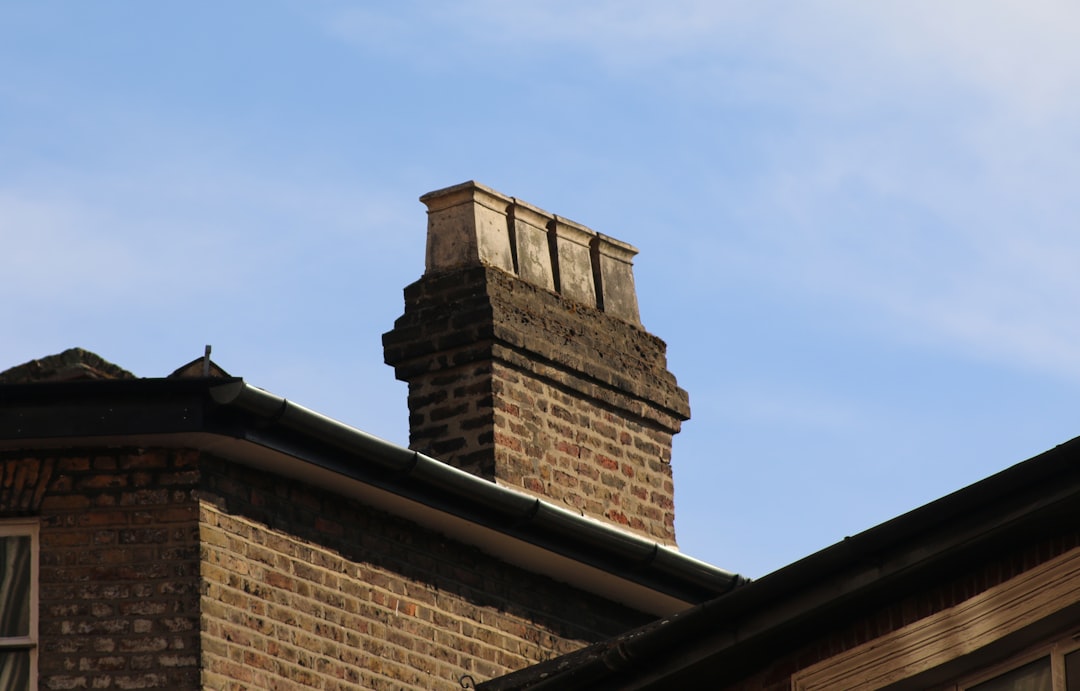
A Chimney Leak Can Cause Serious Damage — Here's What to Do
A chimney leak fix typically involves one or more of these steps, depending on the cause:
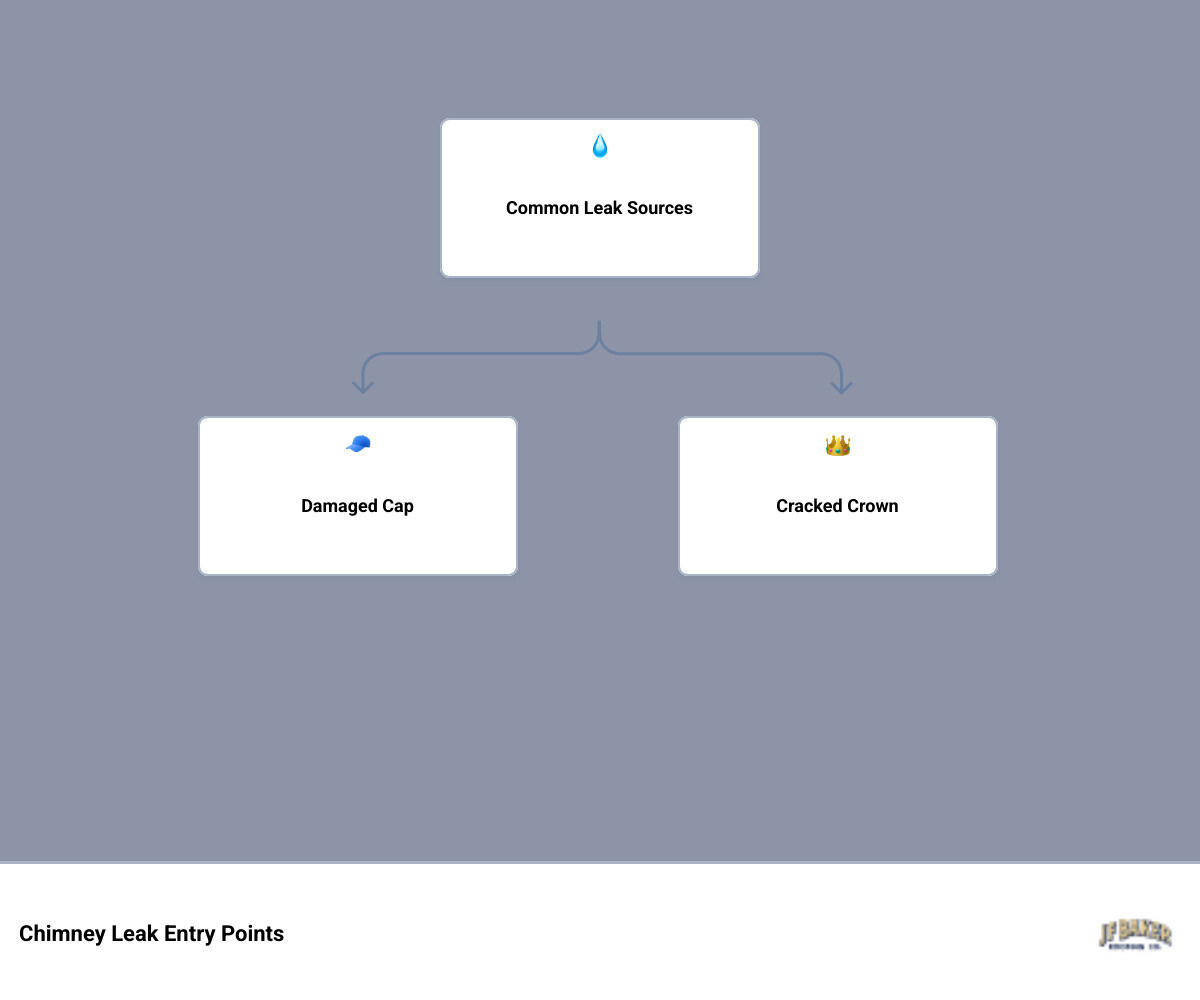
- Replace or repair a damaged chimney cap — stops rain from entering the flue directly
- Patch or rebuild the chimney crown — seals the concrete slab at the top of the chimney
- Repair or replace chimney flashing — reseals the joint where the chimney meets the roof
- Tuckpoint or replace damaged bricks and mortar — stops water soaking through masonry
- Apply a breathable waterproof sealant — protects masonry after structural repairs are done
Most leaks come from one of these five sources. The tricky part is figuring out which one — because water often shows up inside your home far from where it actually got in.
Chimney leaks are one of the most common — and most misdiagnosed — problems homeowners face. You might notice water in your firebox after a rainstorm, damp stains on the ceiling near your fireplace, or a musty smell you can't quite place. What looks like a roof problem could actually be a cracked chimney crown. What looks like a chimney problem could be damaged flashing letting water travel 10 or 20 feet before it drips through your ceiling.
The good news: most chimney leaks are fixable, and many can be caught early before they cause expensive structural damage.
This guide walks you through how to identify the source of your leak, what repairs are needed, and when it makes sense to call a professional rather than tackle it yourself.
Identifying the Signs of a Leaky Chimney
Before you can start on a chimney leak fix, you have to know what you’re looking for. In Central Ohio, our weather can be quite the rollercoaster. From the humid summers in Gahanna to the freezing winters in Delaware, your chimney takes a beating.
Water is sneaky. It doesn't always present as a steady drip from the ceiling. Here are the telltale signs we see most often:
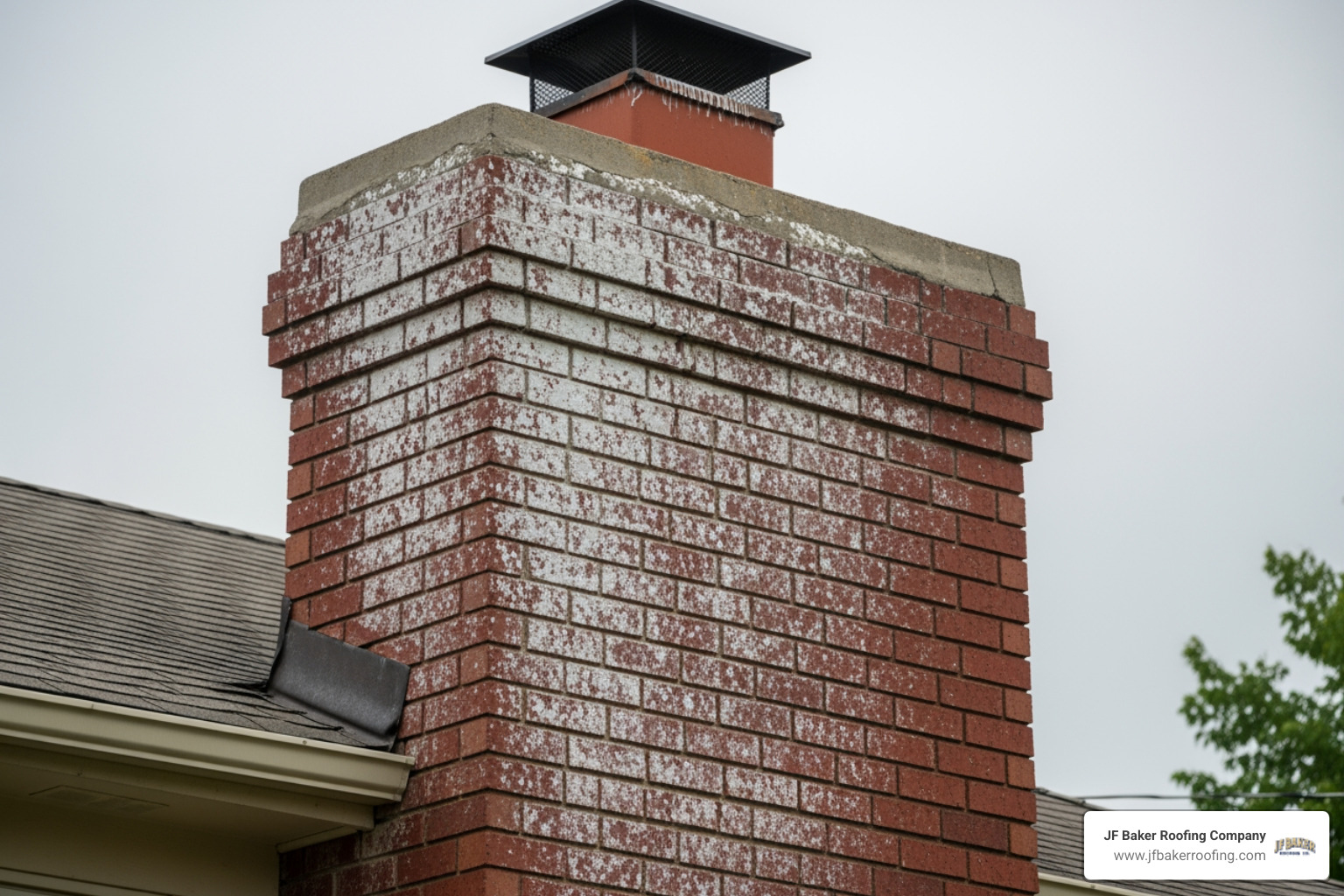
- Efflorescence: Have you noticed a white, powdery substance on your exterior bricks? That’s efflorescence. It happens when water moves through the masonry, dissolving salts along the way. When the water evaporates on the surface, it leaves the salt behind. It’s a clear signal that your bricks are saturated.
- Water in the Firebox: If you see puddles or dampness inside the fireplace itself, water is likely coming straight down the flue. This usually points to a missing or damaged chimney cap.
- Musty Odors: That "old basement" smell coming from your fireplace is often caused by wet soot and creosote. If the smell gets worse when it rains, you definitely have a leak.
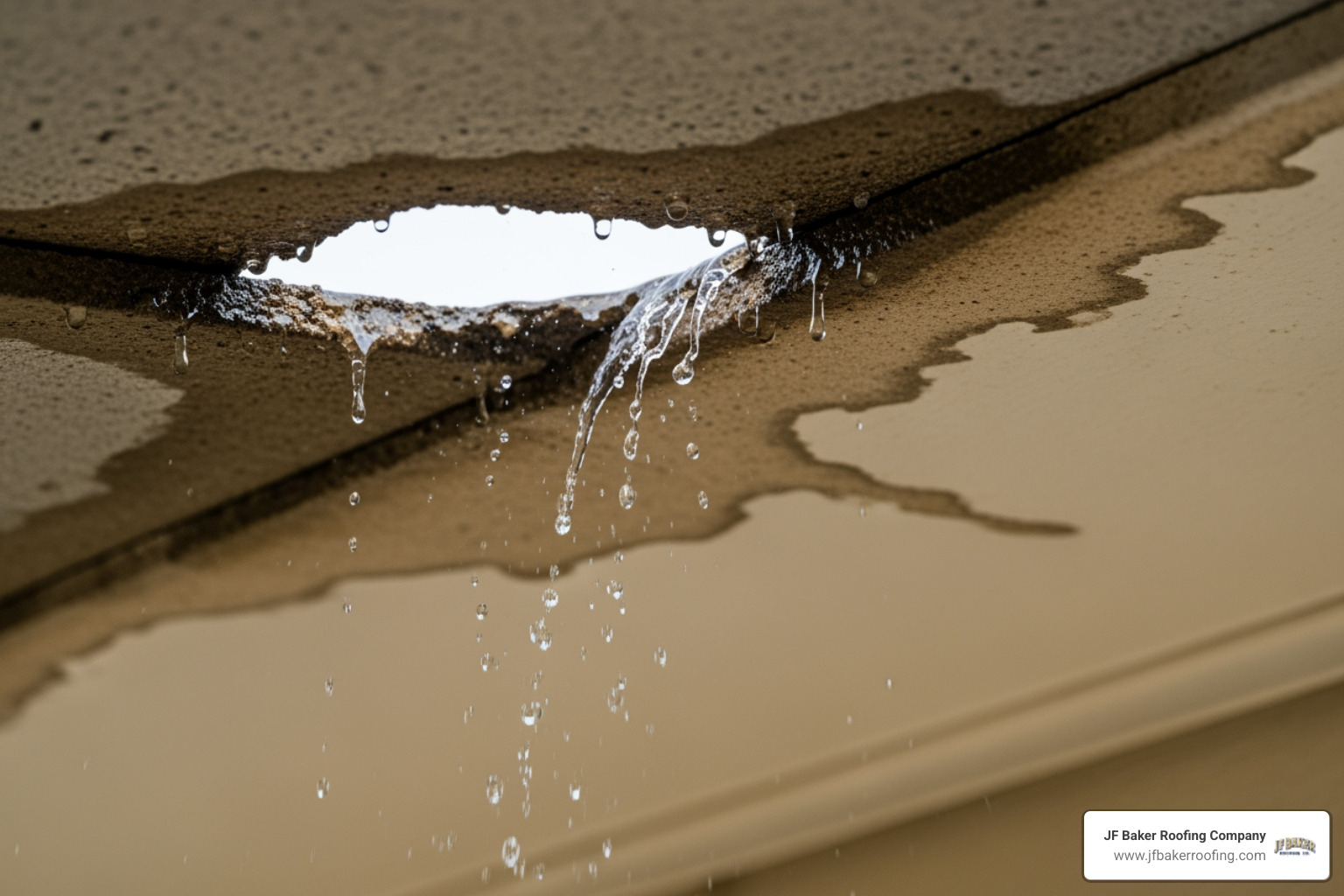
- Interior Stains: Look at the drywall or wallpaper around the chimney breast. Peeling wallpaper or brown "tea-colored" stains on the ceiling are classic signs of flashing failure.
- Spalling Bricks: This is when the surface of the brick starts to flake or pop off. In our region, this is usually caused by the freeze-thaw cycle. Water gets into the brick, freezes, expands, and literally pushes the face of the brick off.
- Rusty Damper: If your metal damper is hard to operate or covered in rust, moisture is hanging out in your chimney system far longer than it should.
If you notice these signs, it’s time to look closer at your Residential Roofing and chimney structure to prevent structural rot.
Common Causes and Your Chimney Leak Fix
Understanding the "why" behind a leak helps you choose the right "how" for the repair. Here is a quick breakdown of common leak sources we encounter in the Columbus area:
Leak SourceDifficulty LevelCommon RepairMissing Chimney CapEasyInstall new stainless steel capCracked Chimney CrownModerateApply elastomeric coating or rebuildDamaged FlashingHardReseal or replace metal flashingSaturated MasonryModerateApply breathable waterproof sealantMissing CricketHardConstruct a new roof cricket
The Chimney Cap
Think of the chimney cap as your chimney’s umbrella. Without it, rain, snow, and even local Westerville squirrels can drop right into your home. A missing cap is the easiest chimney leak fix—you simply measure your flue and install a new stainless steel or copper model.
The Chimney Crown
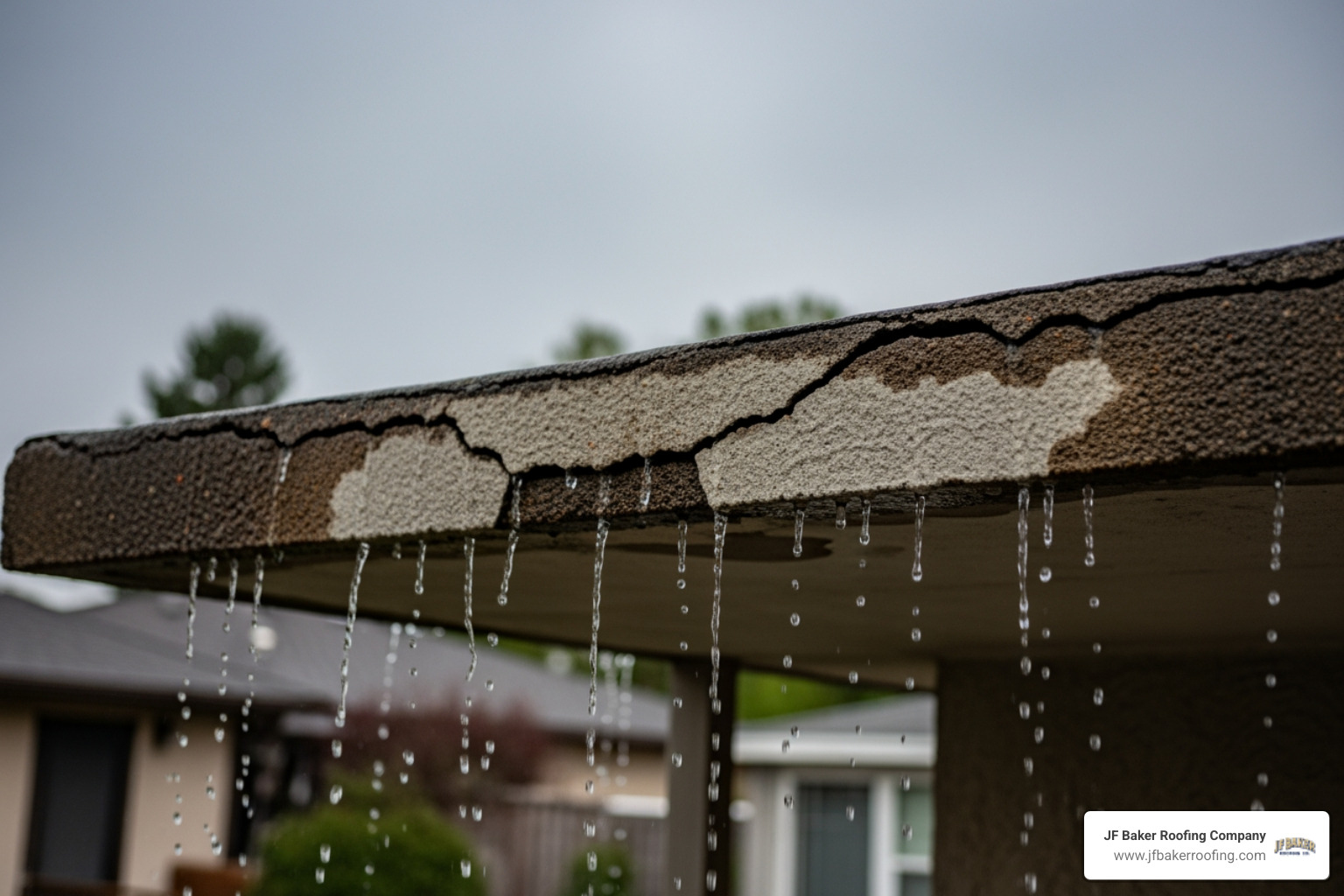
The chimney crown problem is perhaps the most misunderstood. The crown is the concrete or mortar slab that covers the top of the chimney masonry. Because it’s flat and exposed to the sun and snow, it frequently develops cracks. Small cracks can be sealed, but a severely deteriorated crown may need a full rebuild to keep water from seeping into the hollow space between the flue and the exterior bricks.
Flashing Failures
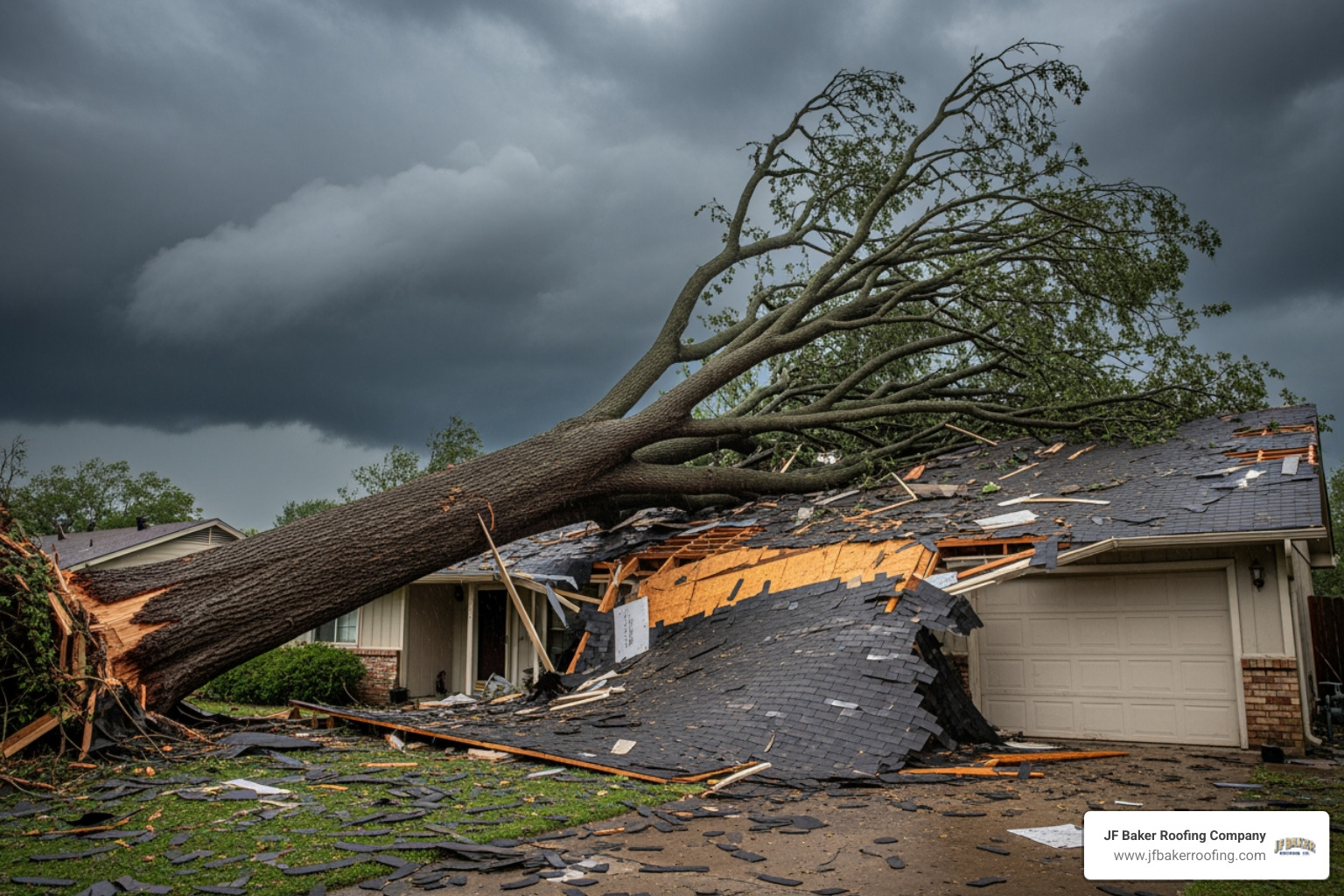
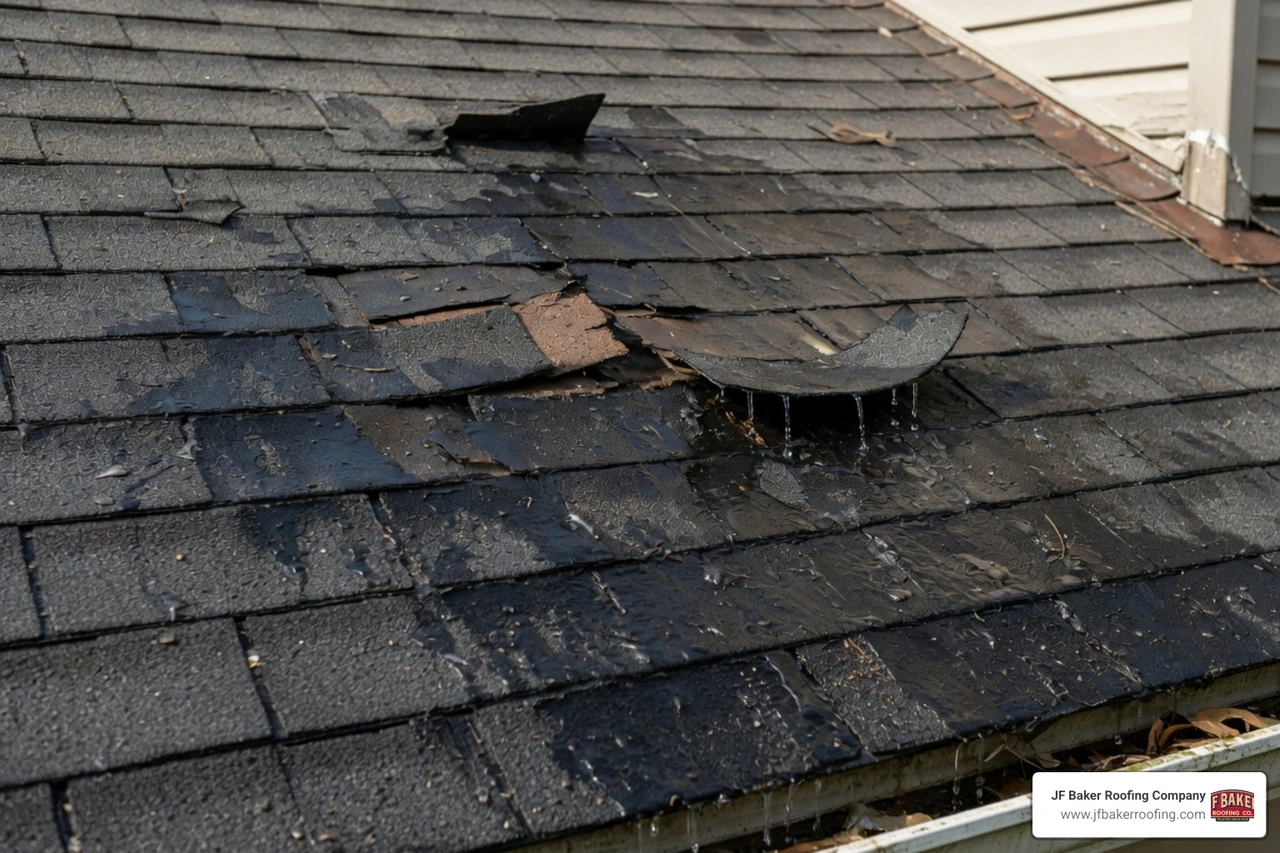
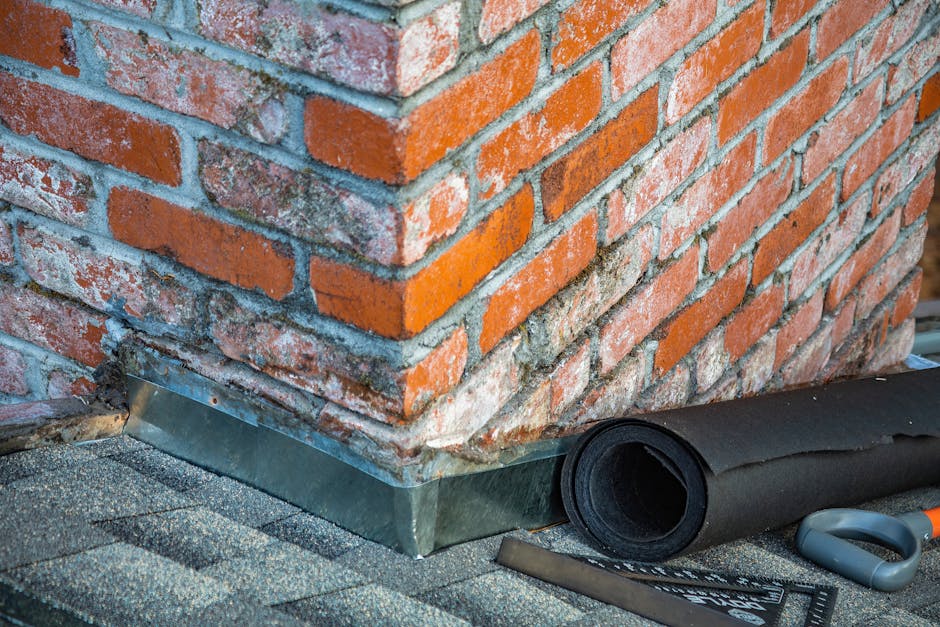
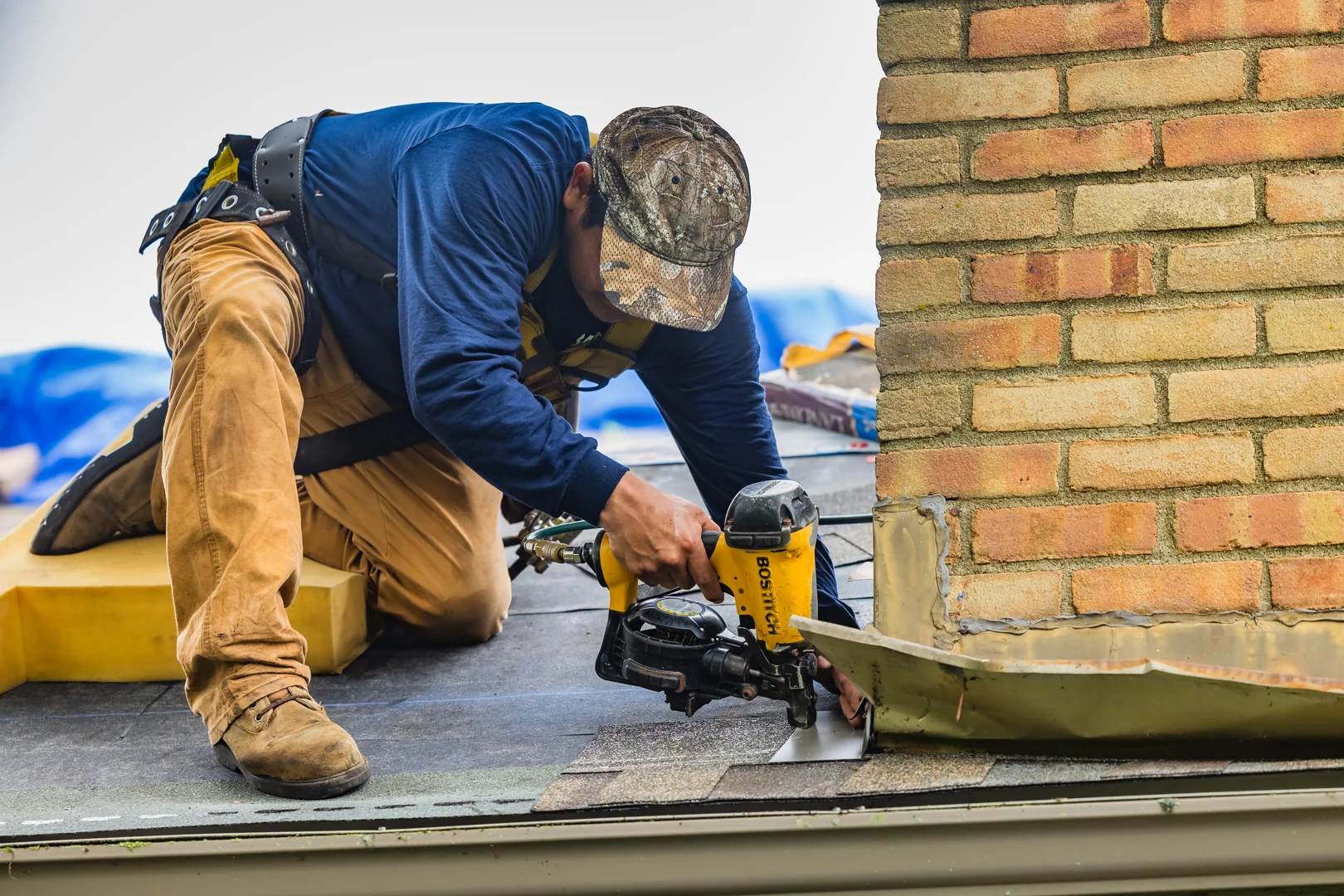
Flashing is the metal transition between your roof and the chimney. Because chimneys and roofs are made of different materials, they expand and contract at different rates. Over time, the seal breaks. If you’ve recently had a big storm in Hilliard or Upper Arlington, you might need Storm Damage Repairs to address lifted or rusted flashing.
Masonry Saturation
Bricks are like sponges. If they aren't protected, they will soak up water. During our Ohio winters, that water freezes and creates internal pressure, leading to cracks and leaks.
Step-by-Step Guide to Repairing Your Chimney
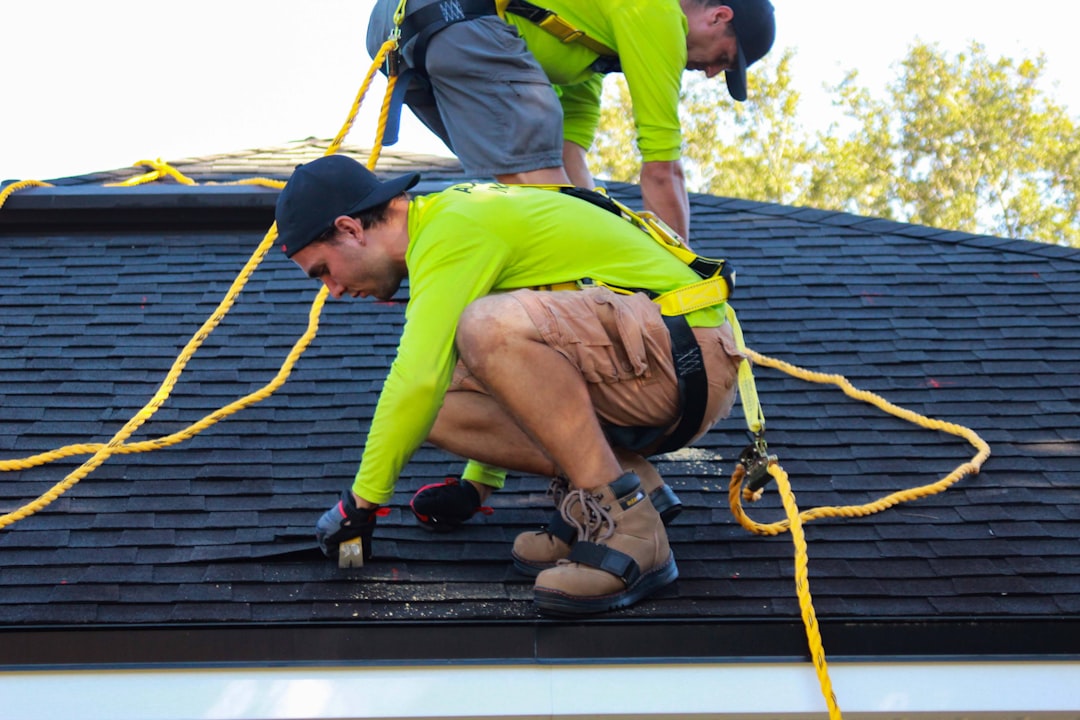
If you’re a handy homeowner in Worthington or Powell, you might want to attempt a DIY chimney leak fix for minor issues. Before you start, safety is the most important part of any job.
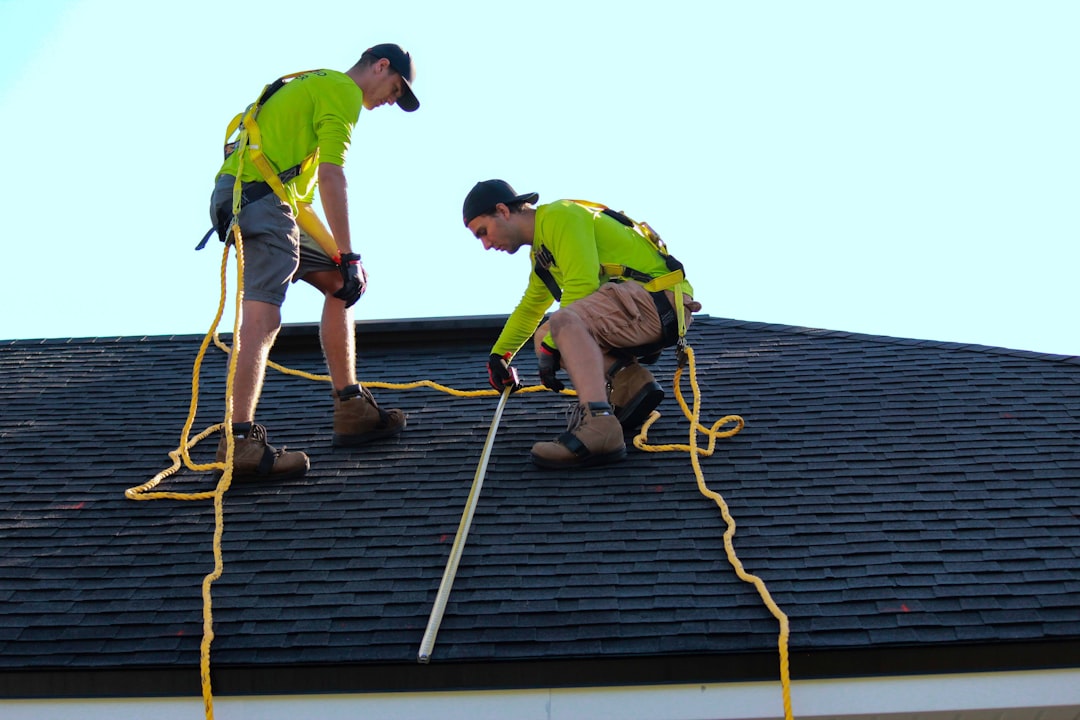
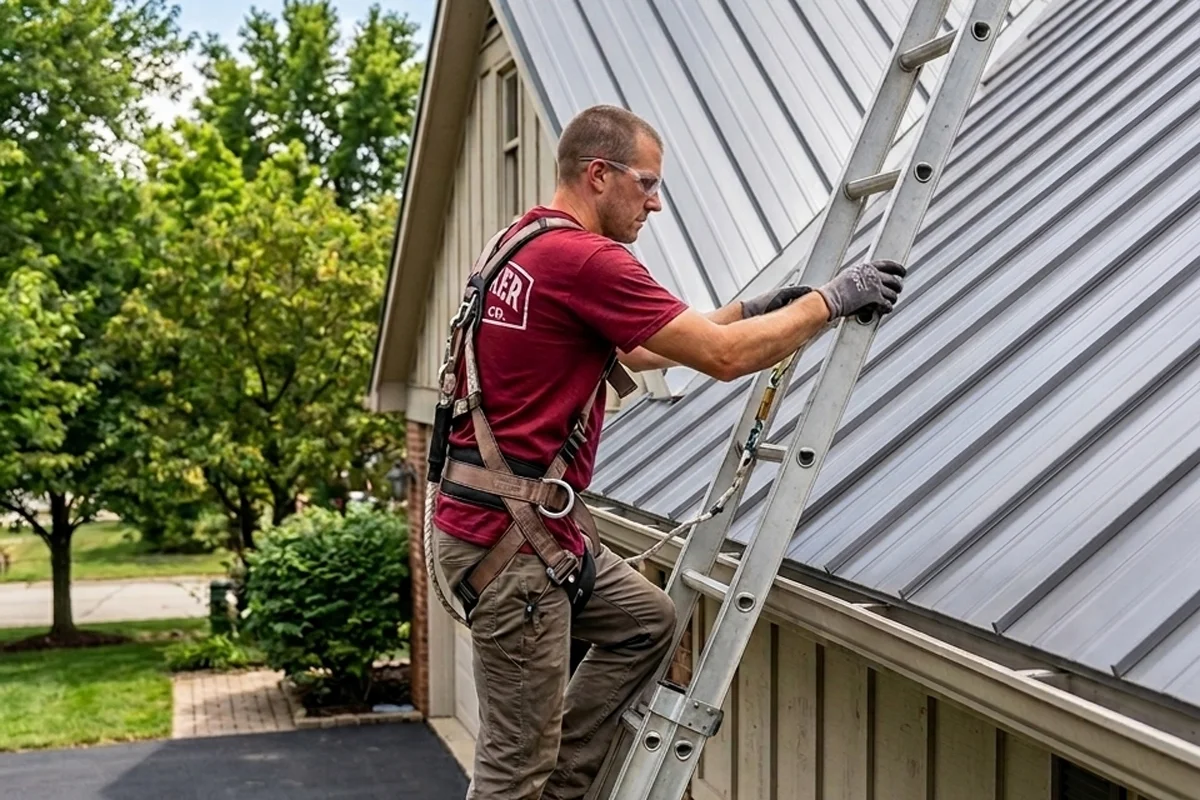
- Safety Gear: Always use a sturdy, slip-resistant ladder. If your roof is steep, use a roof harness.
- Inspection: Start by cleaning the area. Use a stiff brush to remove moss, loose mortar, and debris. You can't fix what you can't see.
- Knowledge: Understanding The Main Components of a Residential Roof in Columbus Ohio will help you identify where the chimney ends and the roofing system begins.
Materials Needed for a DIY Chimney Leak Fix
To do the job right, you’ll need specific materials. Don't grab a tube of cheap bathroom caulk; it won't last a month in the Ohio sun.
- Stiff Wire Brush: For cleaning masonry.
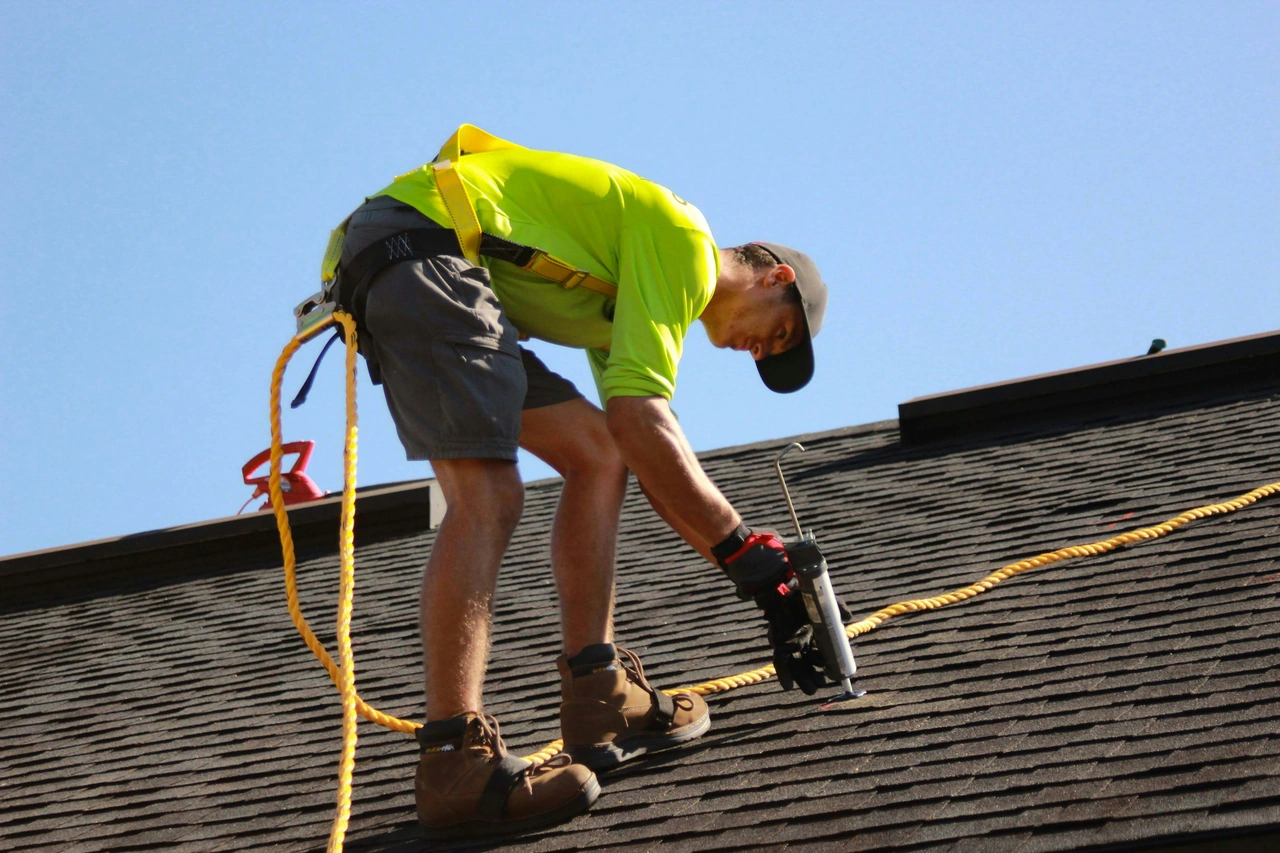
- Caulking Gun and High-Quality Sealant: Look for "Flash Seal" or similar elastomeric products designed for high-movement areas.
- Roof Cement: Useful for temporary flashing patches.
- Special Elastomeric Coating: For the crown, we recommend a special elastomeric coating that stays flexible even when the temperature drops.
- Trowel: For applying mortar or heavy sealants.
- Breathable Waterproofing: A silane/siloxane-based repellent.
- Stainless Steel Cap: Ensure it has a mesh screen to keep out pests.
Addressing Flashing and Masonry for a Chimney Leak Fix
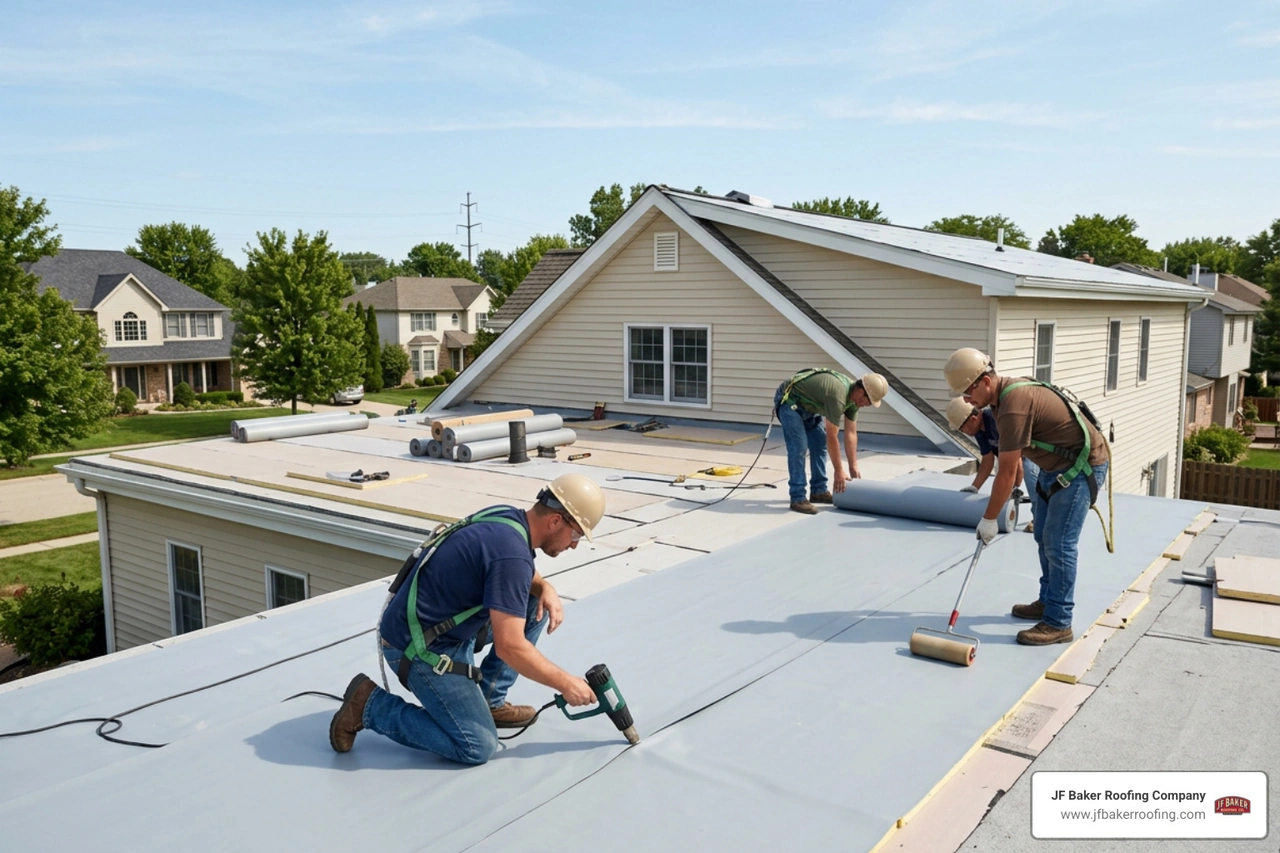
Repairing flashing is a layered process. You have the "step flashing" (which goes under the shingles) and the "counter flashing" (which is tucked into the brick mortar).
- Clean the Joint: Remove old, cracked caulk or tar.
- Seal the Gaps: Use a flexible sealant to fill the gap between the metal and the brick.
- Tuckpointing: If the mortar between your bricks is crumbling, you’ll need to "tuckpoint." This involves scraping out the old mortar and pressing in new mortar.
- Avoid Silicone: When it comes to masonry, you should generally avoid silicone-based sealants. Silicone can trap moisture inside the brick, which leads to spalling.
- Waterproofing: Once repairs are dry, apply a UV-resistant masonry coating to the entire exterior. This allows the brick to "breathe" (letting internal moisture out) while preventing rain from getting in.
Advanced Solutions: Crickets and Condensation
Sometimes, a chimney leak fix requires more than just a tube of sealant.
The Chimney Cricket
If your chimney is wider than 30 inches, Ohio building codes usually require a "cricket." A cricket is a small, peaked roof structure built on the high side of the chimney. Its job is to divert water around the chimney rather than letting it pool against the masonry.
We find that over half of all chimney leaks originate from areas where a cricket is either missing or poorly constructed. If you see water ponding behind your chimney after a downpour in Bexley, a cricket is likely your only permanent solution.
Gas Condensation Issues
Is your chimney leaking even when it hasn't rained? This is a common "phantom leak" in modern homes with high-efficiency gas furnaces. These appliances produce cooler exhaust. If your chimney doesn't have a properly sized stainless steel liner, that exhaust cools down and turns into water (condensation) inside the flue. This water can soak through the bricks from the inside out, causing efflorescence and damp walls.
If you suspect this is the case, it might be How to Know When It's Time to Replace Your Roof or at least upgrade your chimney lining system to handle modern appliance venting.
Professional Repair Costs and Prevention
While a DIY approach can save money on small tasks, some repairs are best left to the pros. Here’s what you can expect for average professional costs in the Central Ohio market:
- Chimney Flashing Replacement: $400 to $1,600.
- Chimney Crown Replacement: $400 to $2,200 (depending on size and height).
- General Masonry Repairs: $160 to $750.
- Stainless Steel Chimney Cap: $160 to $450+.
Prevention is the Best Fix
You don't want to be searching for a chimney leak fix in the middle of a November sleet storm. Follow this maintenance schedule to keep things dry:
- Annual Inspection: Have a professional look at your cap, crown, and flashing every spring.
- Gutter Cleaning: Clogged gutters can cause water to back up near the chimney base. Keep them clear, especially in leaf-heavy areas like Clintonville or Bexley.
- Attic Insulation: Proper insulation prevents ice dams. Ice dams can force water under your flashing, even if the flashing is in good shape.
- Re-Seal Every 5-7 Years: Waterproofing coatings don't last forever. Plan to re-apply a breathable repellent periodically.
Frequently Asked Questions about Chimney Leaks
When should I call a professional instead of attempting a DIY fix?
If the leak is structural (cracked bricks, missing cricket), if the roof is very high or steep, or if you’ve tried basic sealing and the leak persists, call a professional. Working on a roof is dangerous, and improper repairs can trap moisture, making the damage worse.
How much does it cost to replace chimney flashing?
In the Columbus area, you can expect to pay between $400 and $1,600. The price varies based on the type of metal used (aluminum vs. copper) and the complexity of the roof's pitch.
Why is there white powder on my chimney bricks?
That is efflorescence. It’s a sign that water is saturating your masonry. While the powder itself isn't harmful, it’s a "warning light" that your chimney needs a waterproof coating or that there is a leak higher up (like a cracked crown) allowing water into the brickwork.
Conclusion
A leaky chimney is more than just a nuisance; it’s a threat to the structural integrity of your home. Whether it's a simple cap replacement or a complex flashing overhaul, addressing the issue early is the key to saving money and stress.
At JF Baker Roofing, we’ve been serving the Central Ohio community for over 96 years. As a family-owned business, we pride ourselves on integrity, quality craftsmanship, and transparent pricing. From Dublin to Whitehall, we know exactly what our local weather does to chimneys and roofs.
If you’re struggling with a leak and need a permanent chimney leak fix, don't wait for the next storm. We offer expert Storm Damage Repairs and comprehensive chimney services to keep your home safe and dry. Give us a call today and let our family take care of yours!























.jpeg)