The Main Components of a Residential Roof in Columbus, Ohio: What Central Ohio Homeowners Should Know
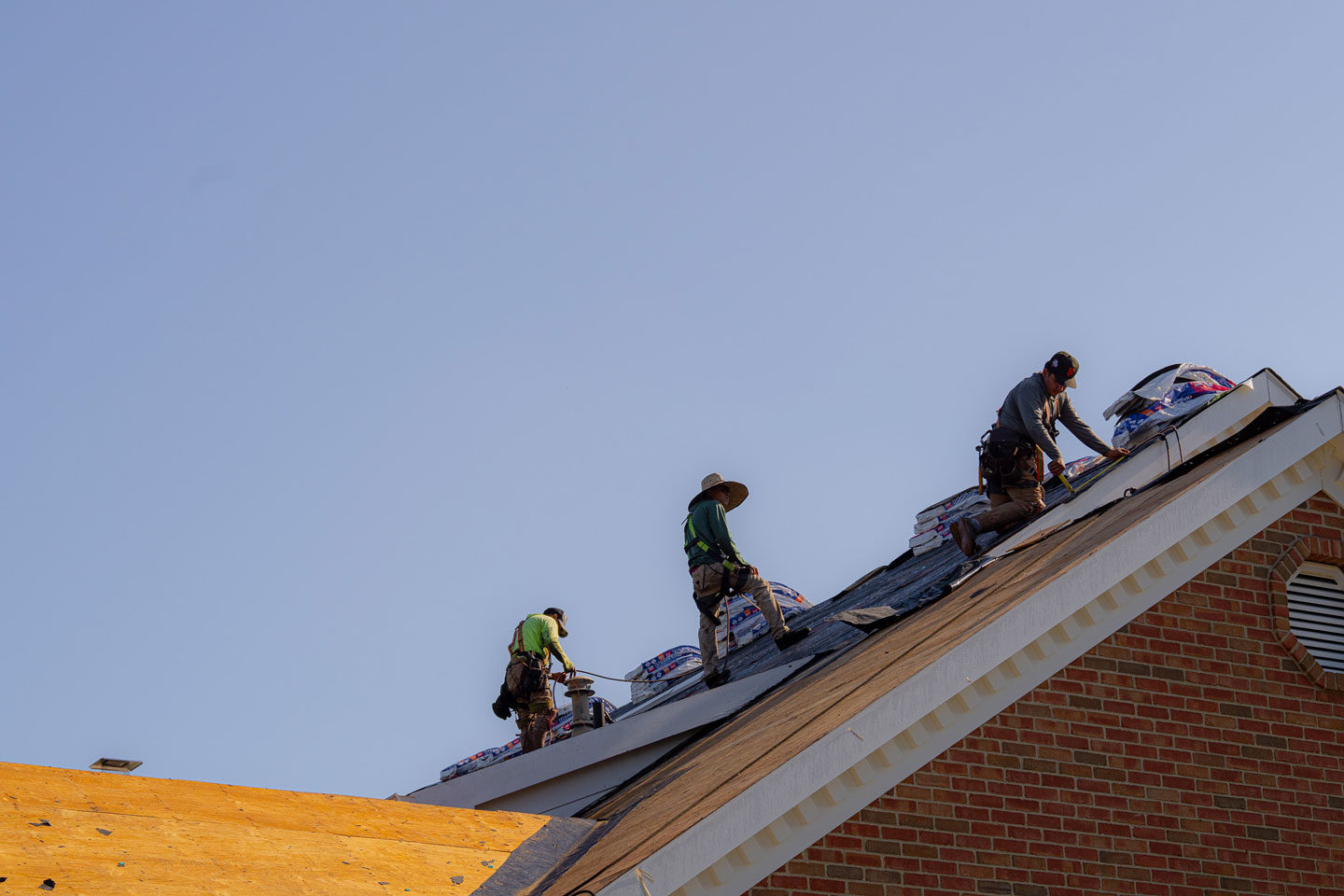
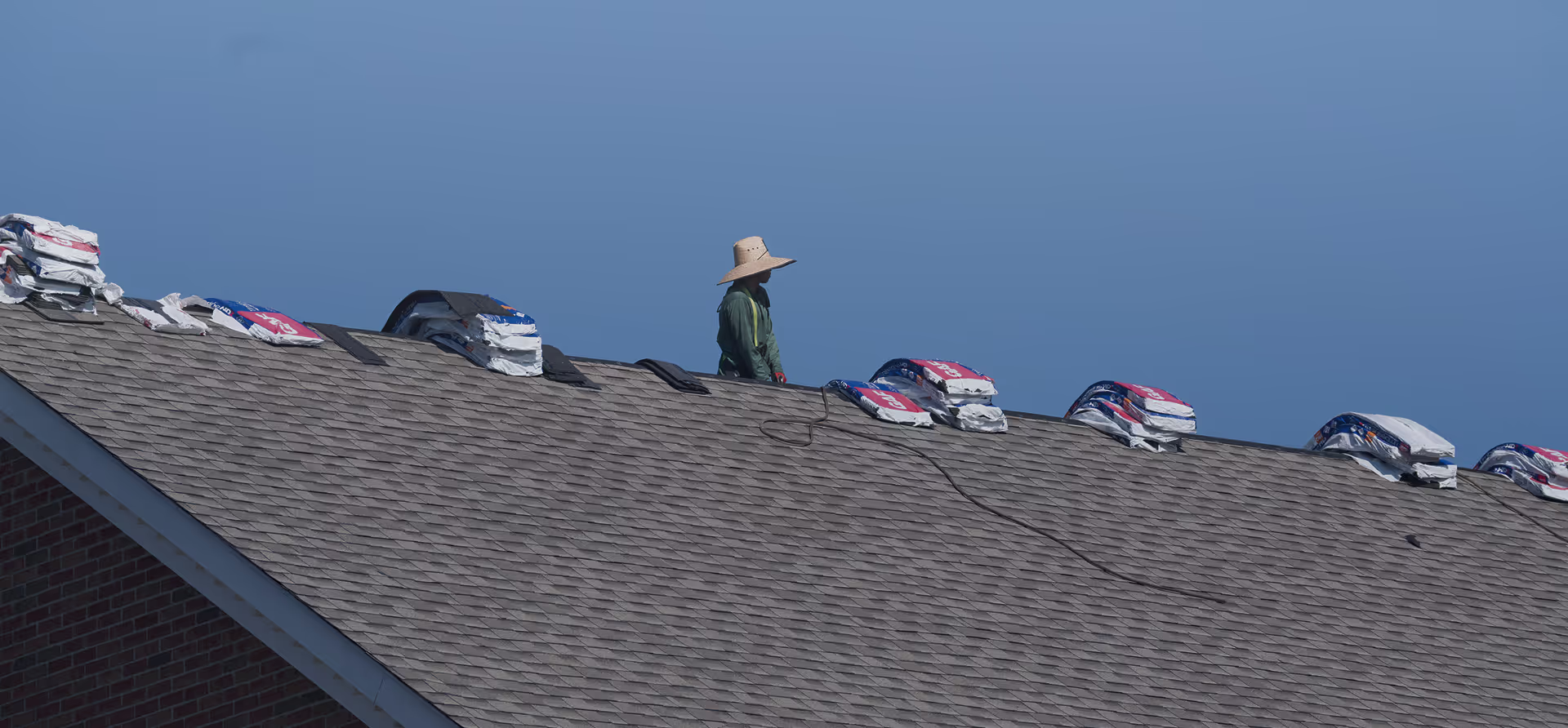
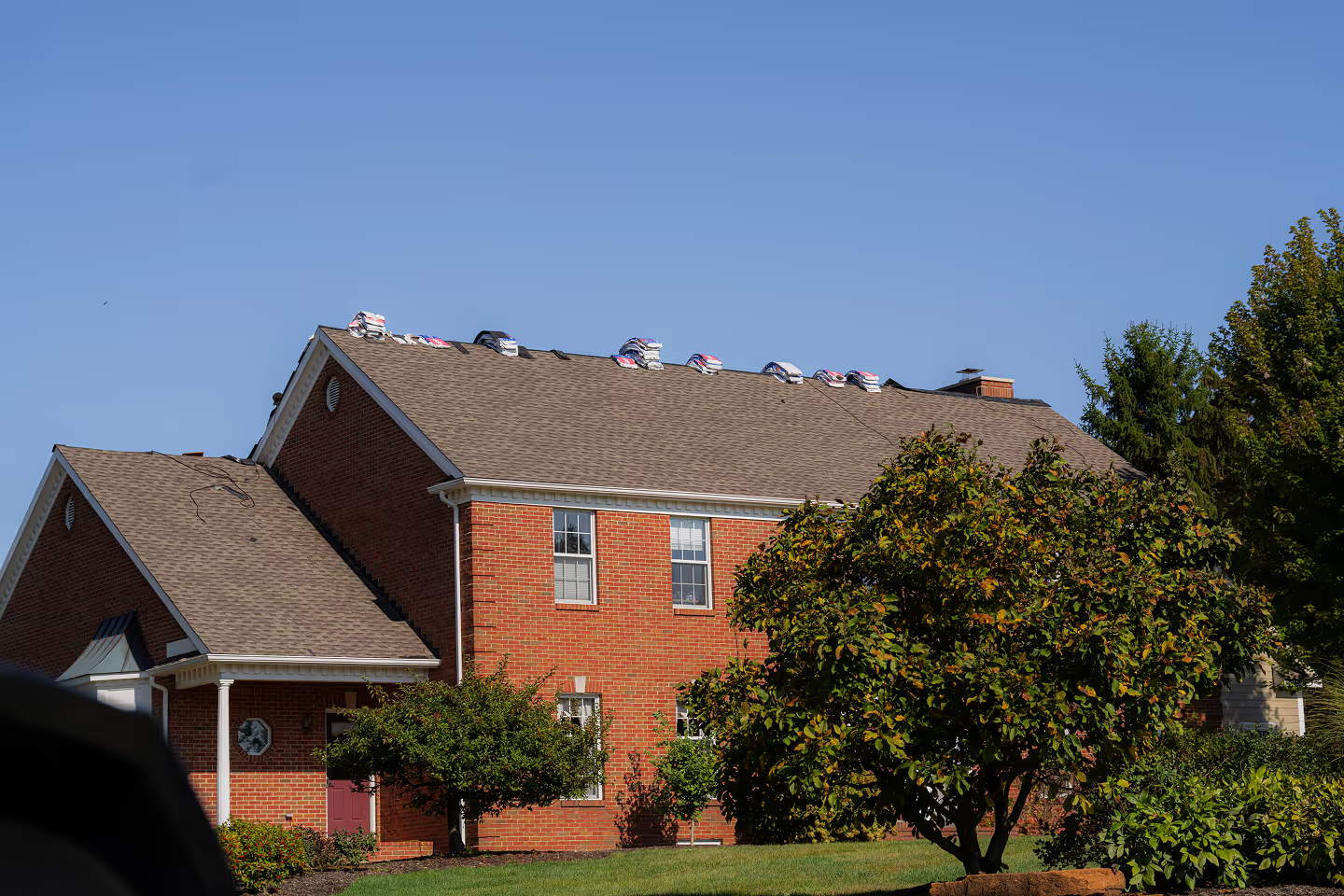
A residential roof is more than just shingles. In Central Ohio, where homes face snow, ice, heavy rain, wind, and extreme temperature swings, your roof functions as a complete system designed to protect your home year-round.
Understanding the key components of a residential roofing system helps Columbus-area homeowners make better decisions when repairing or replacing a roof. This guide explains each major roof component, why it matters, and how proper installation affects long-term performance.
Why Roofing Systems Matter in Central Ohio
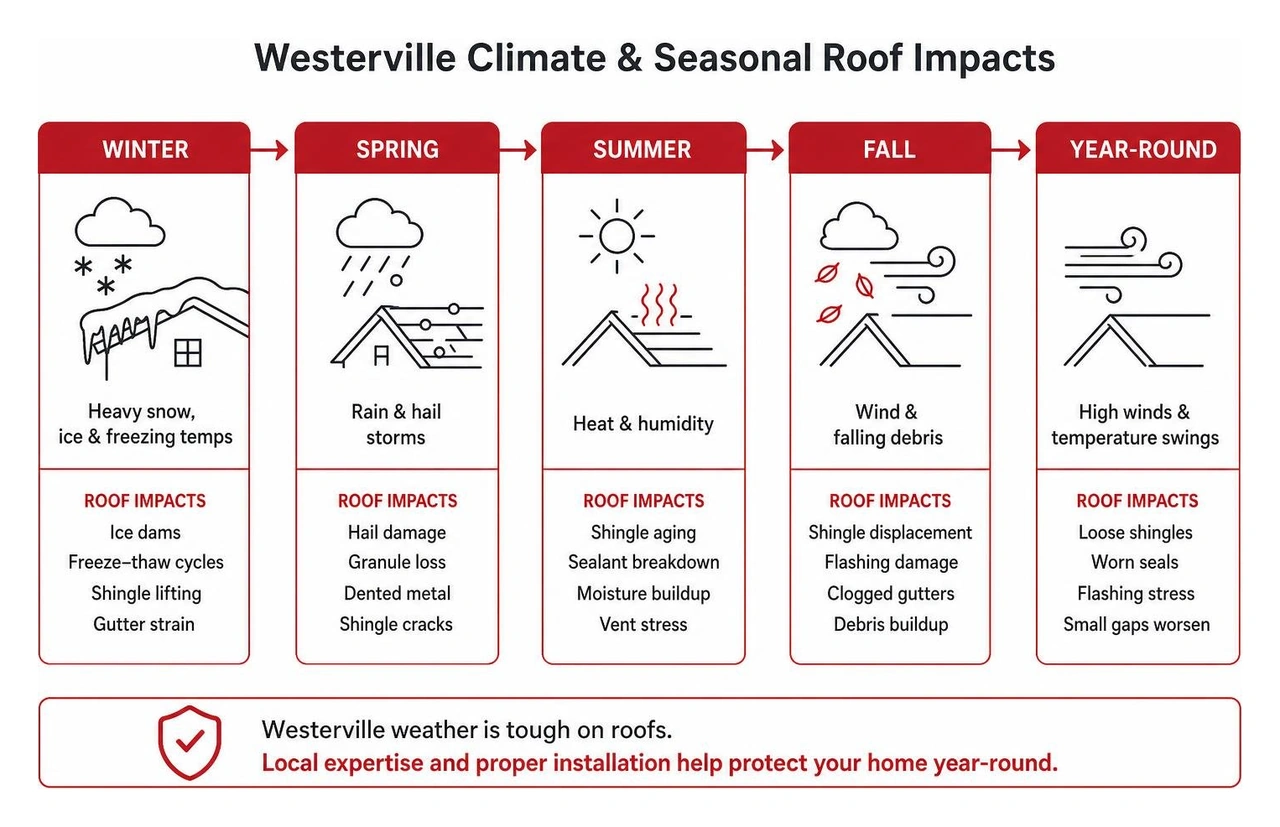
Ohio’s climate puts constant stress on residential roofs. Ice dams in winter, spring storms, summer heat, and fall wind events all test the strength of every roofing layer.
Manufacturers like CertainTeed design roofing systems so each component works together. When even one layer is missing or installed incorrectly, the entire roof can be compromised.
The Core Components of a Residential Roofing System
1. Roof Deck (Sheathing)
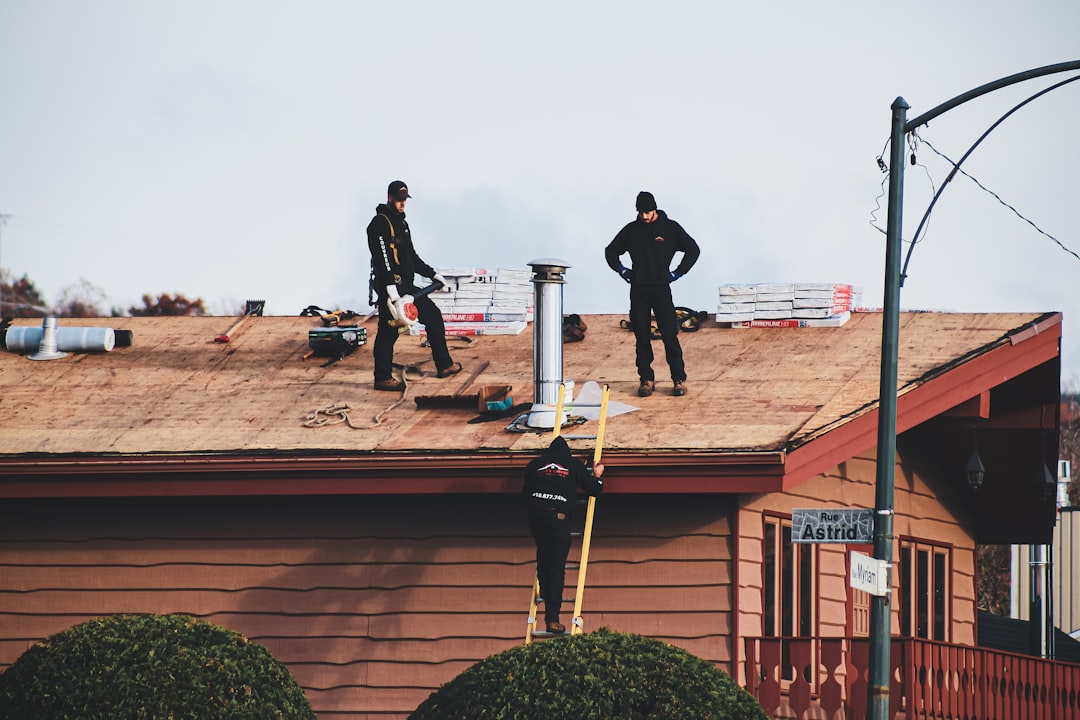
The roof deck is the structural base of the roof, typically made of plywood or OSB. All other roofing materials are installed on top of this surface.
In Central Ohio, a solid roof deck is critical because freeze-thaw cycles can expose weaknesses quickly if the deck is damaged or uneven.
2. Underlayment and Waterproofing Protection
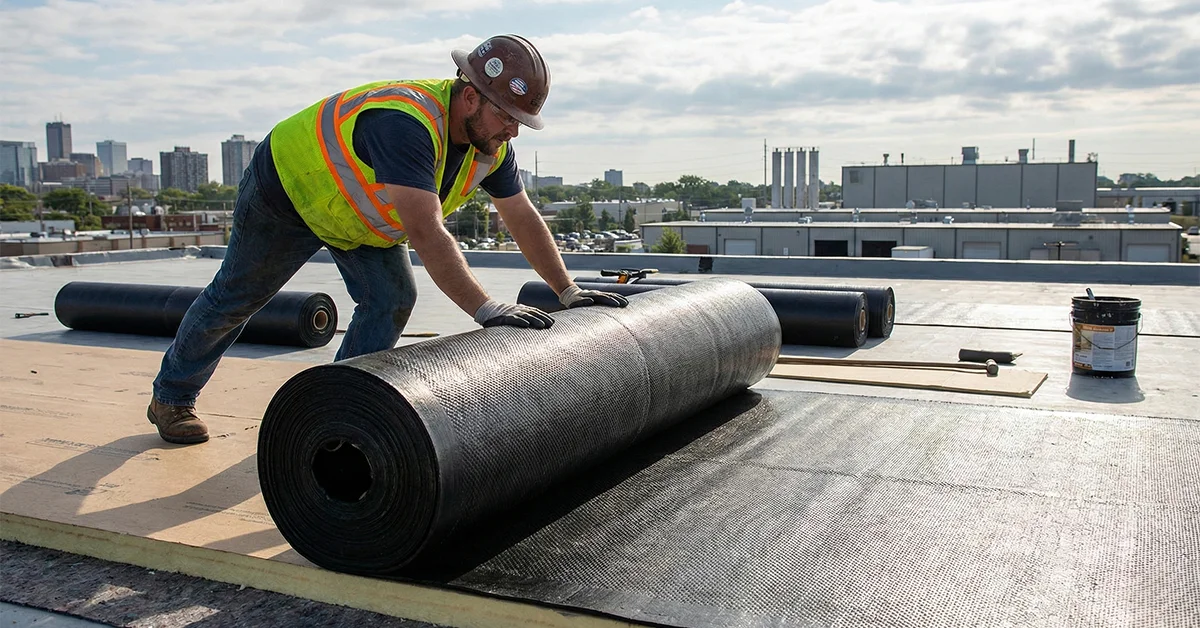
Underlayment acts as a secondary barrier against moisture. In areas prone to ice dams, additional waterproofing underlayment is installed at vulnerable points like eaves and valleys.
For Ohio homes, this layer helps protect against:
- Ice dam backups
- Wind-driven rain
- Snow melt infiltration
3. Starter Shingles
Starter shingles are installed along the roof’s edges. They help seal the first row of shingles and improve wind resistance.
Skipping or improperly installing starter shingles can lead to shingle blow-offs during strong Columbus-area wind events.
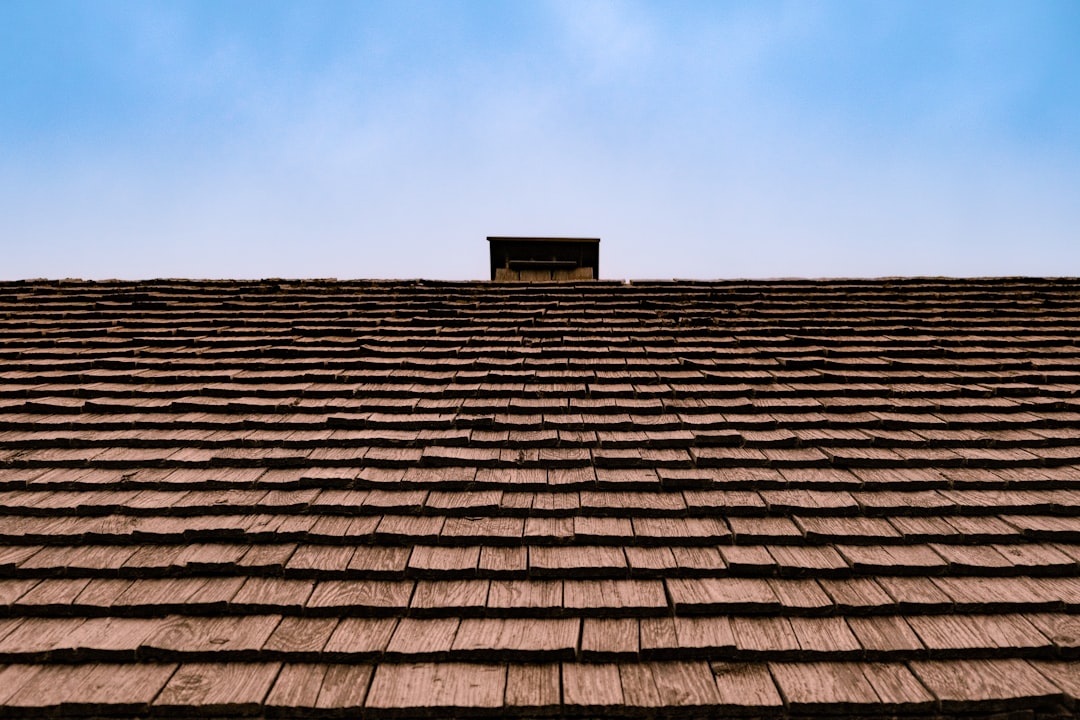
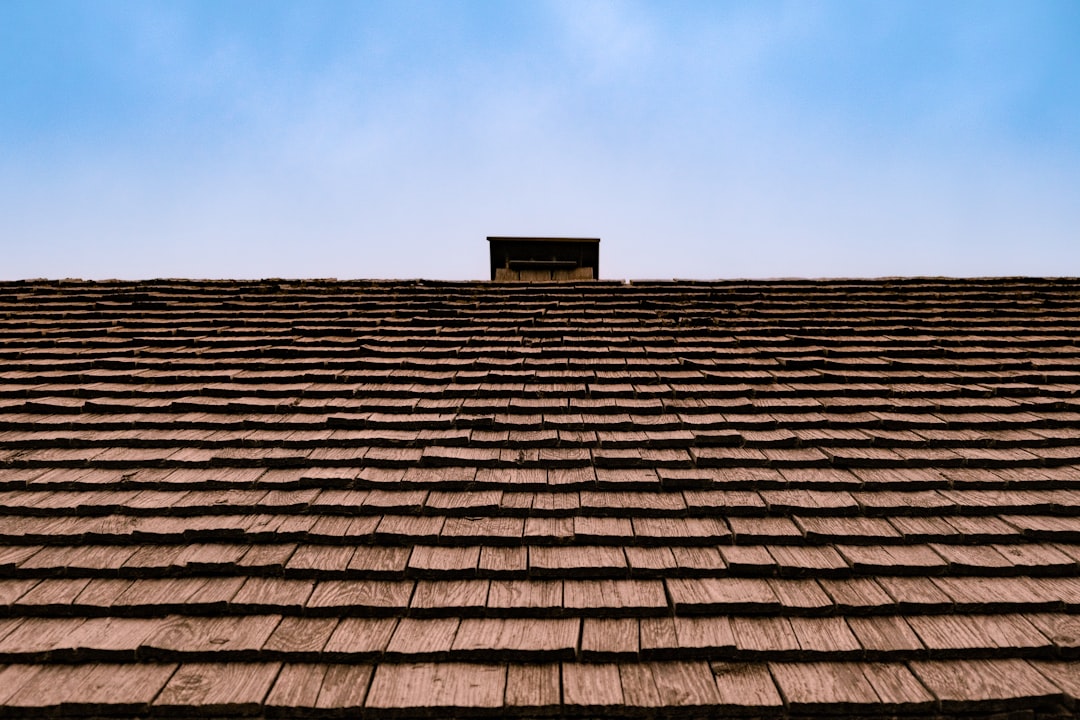
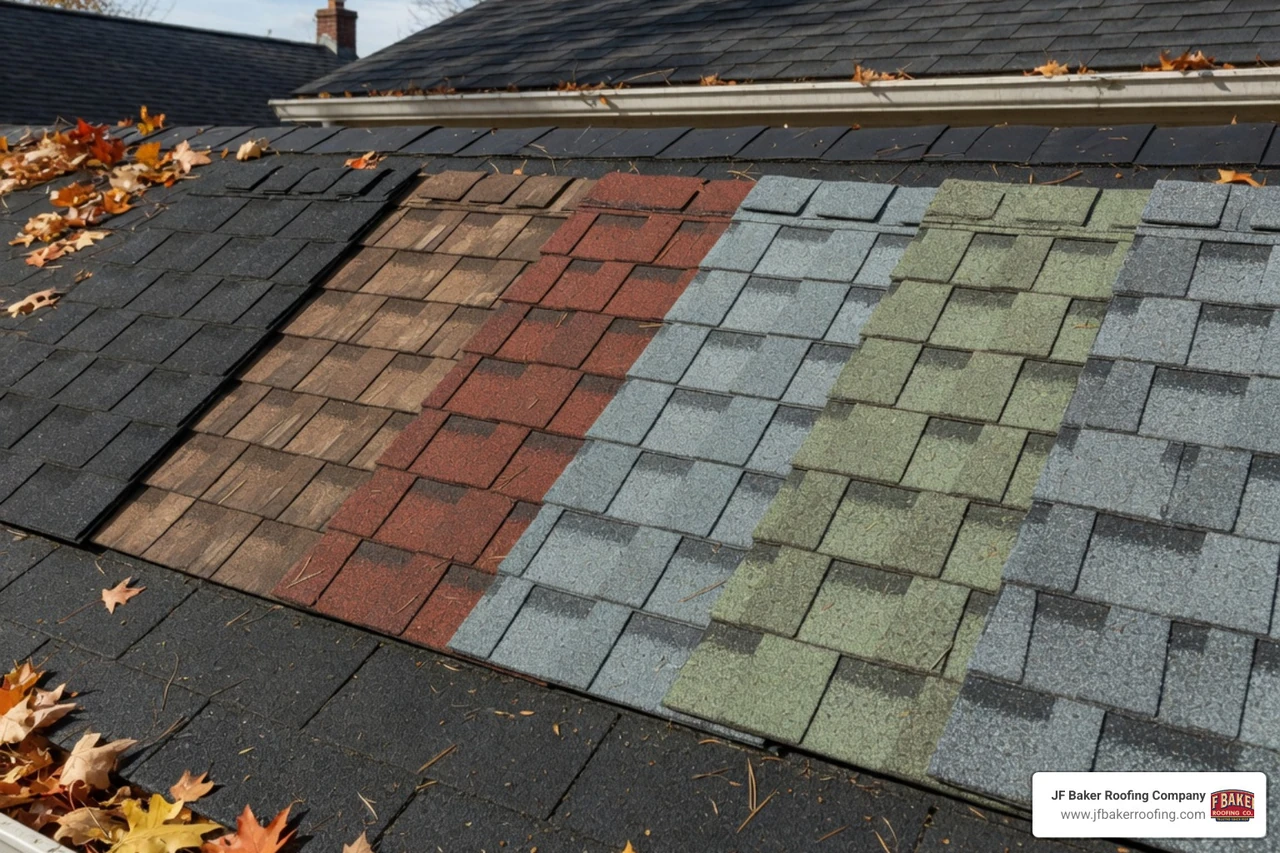
4. Roof Shingles
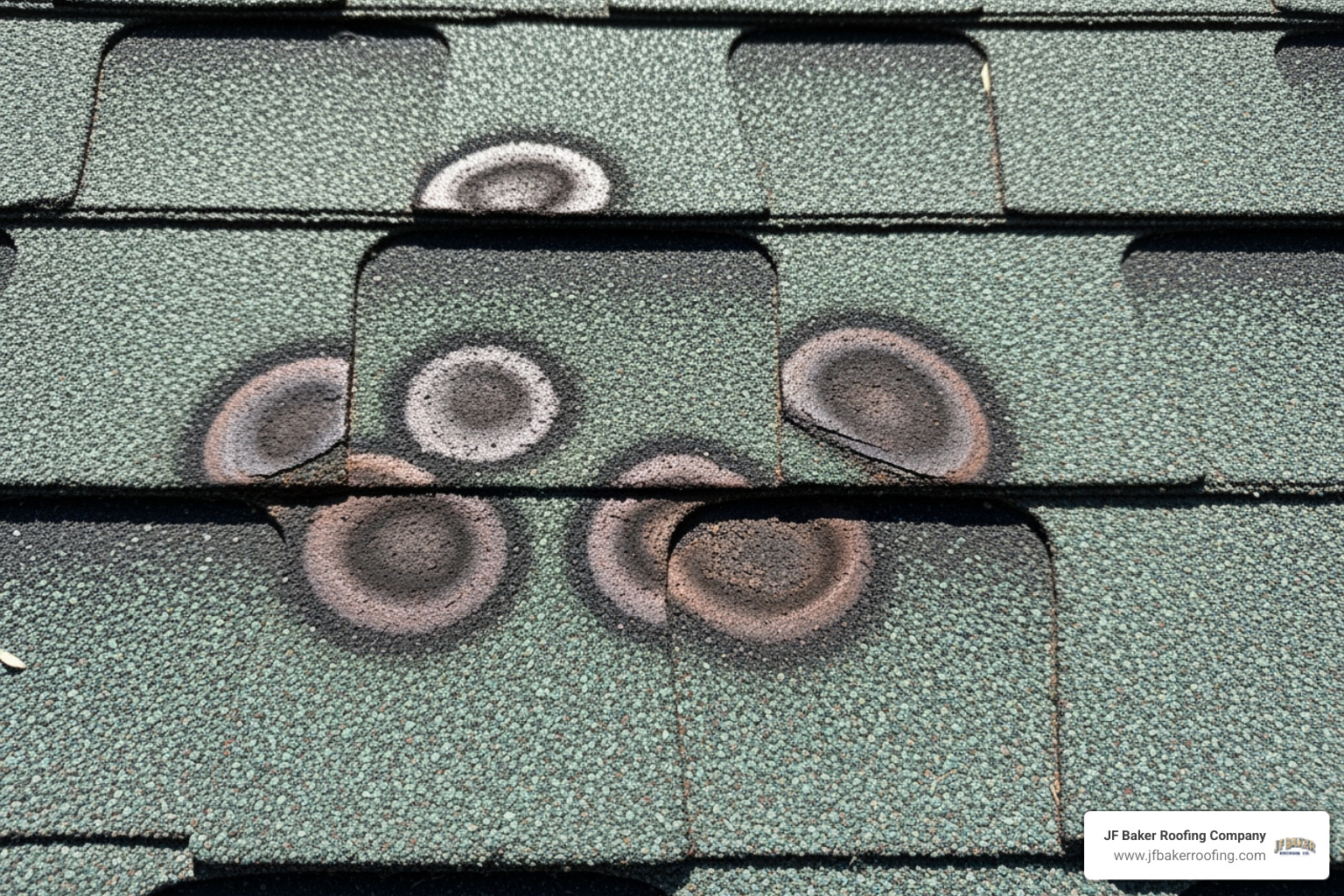
Shingles are the most visible part of your roof, but their performance depends on everything underneath them.
Quality shingles protect against:
- UV exposure
- Rain and snow
- Wind uplift
The right shingle choice should match both your home’s design and Central Ohio’s climate demands.
5. Flashing
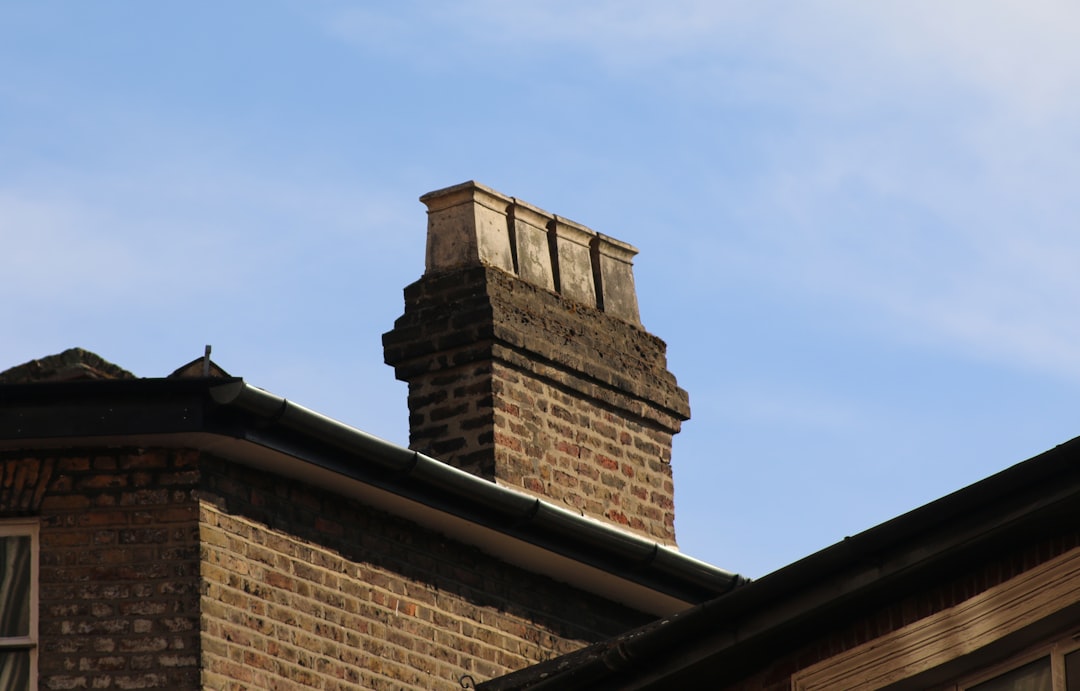
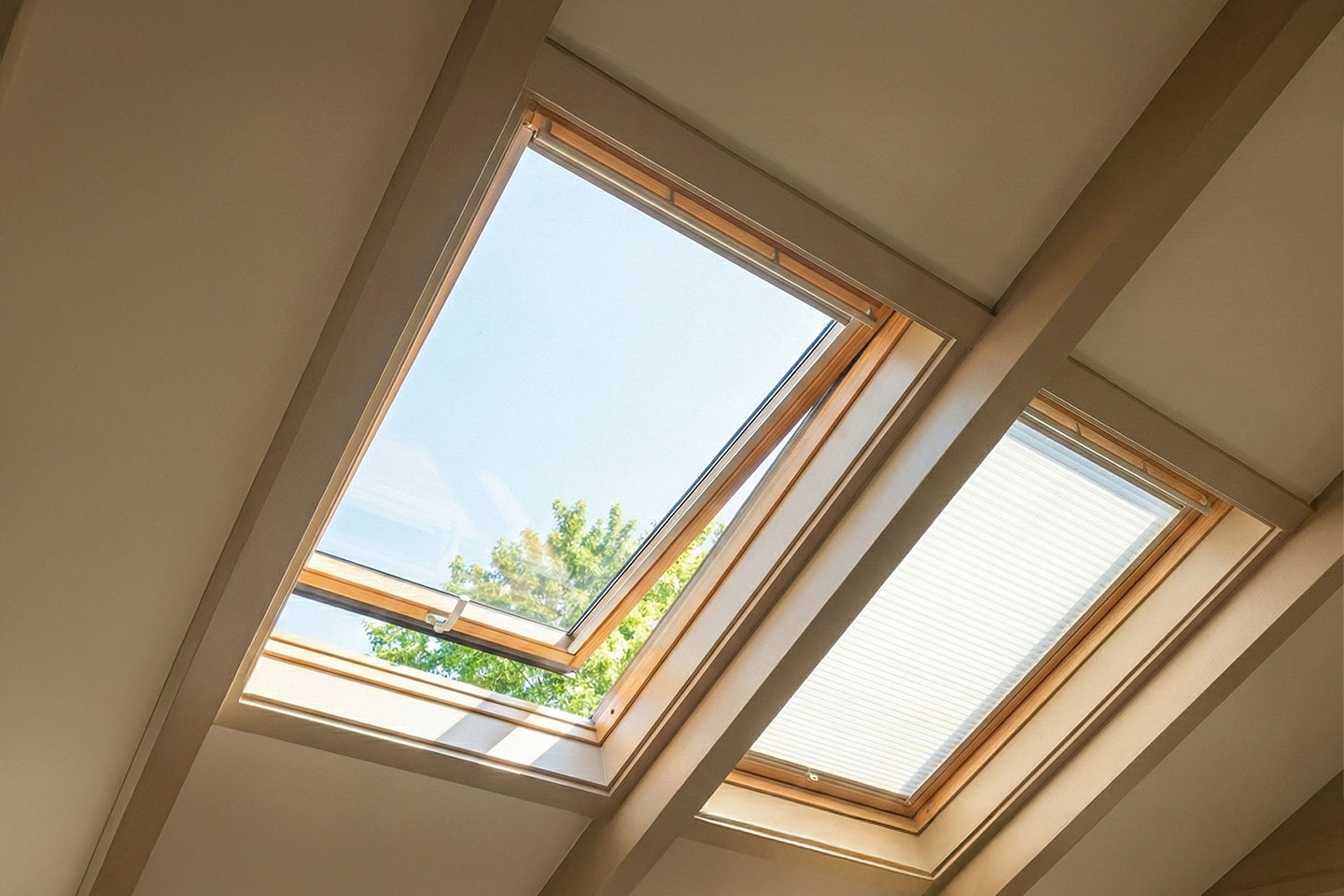
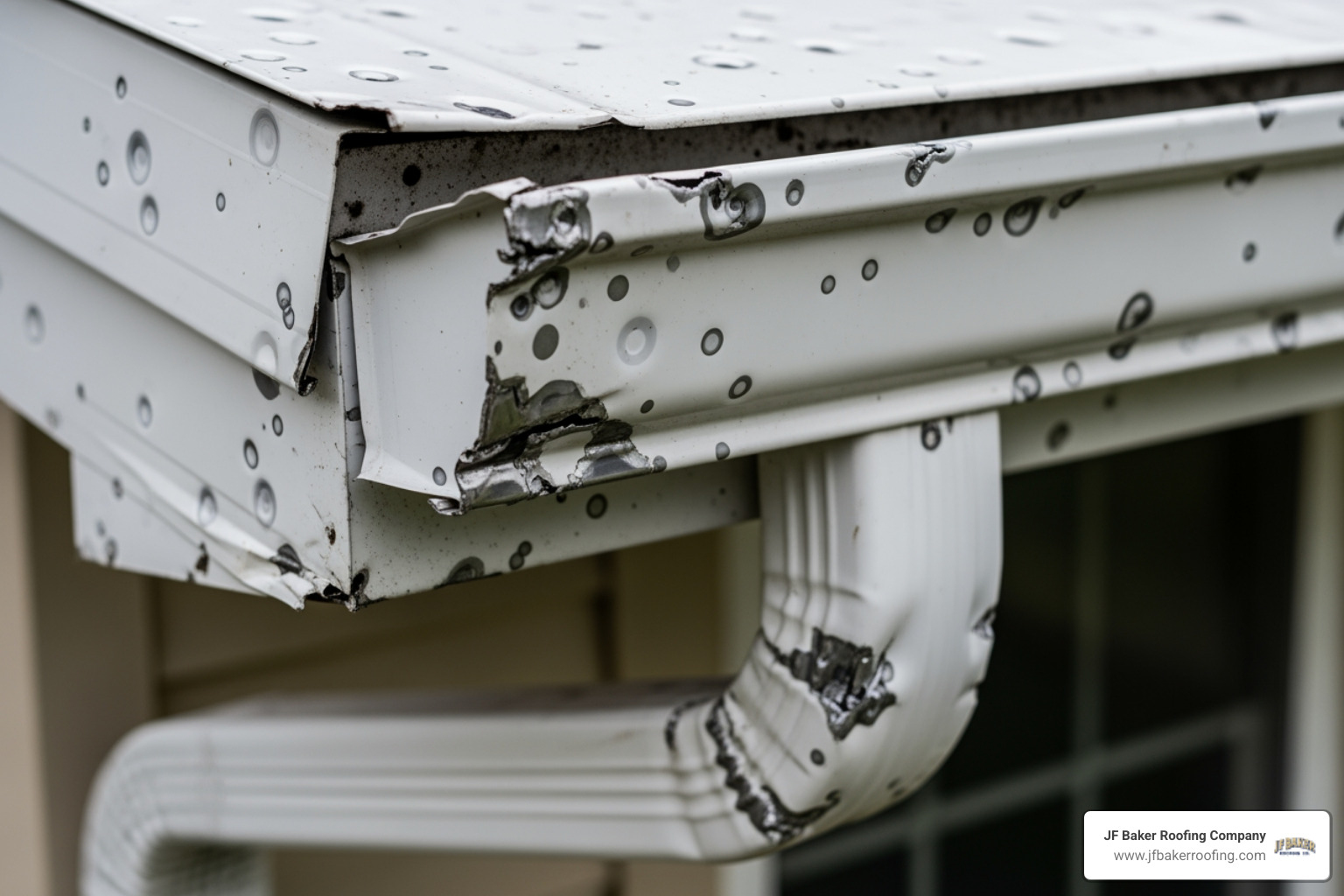
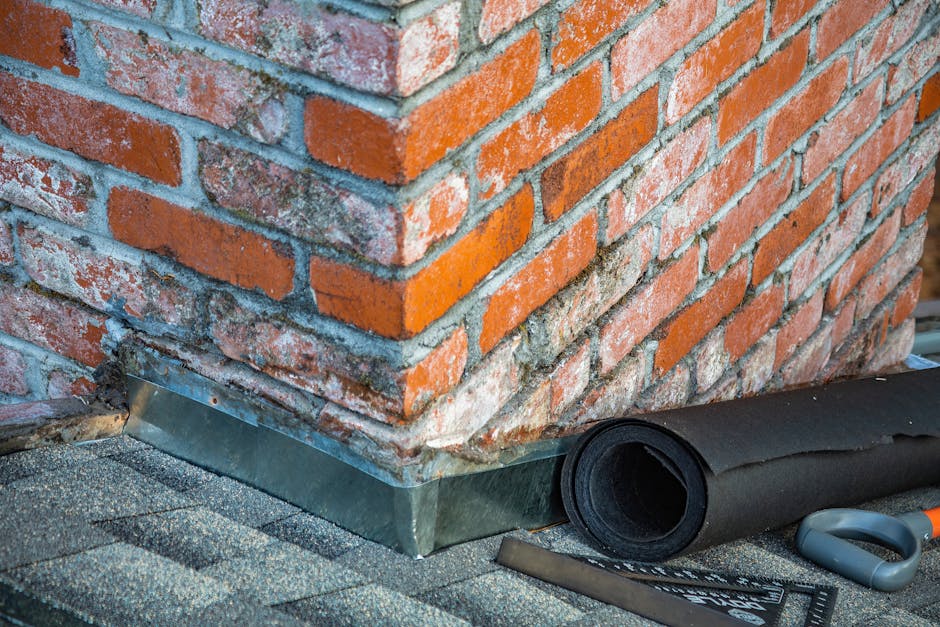
Flashing is installed around roof penetrations like chimneys, vents, and skylights. It directs water away from seams where leaks are most likely to occur.
Improper flashing is one of the most common causes of roof leaks in older Columbus homes.
6. Ventilation
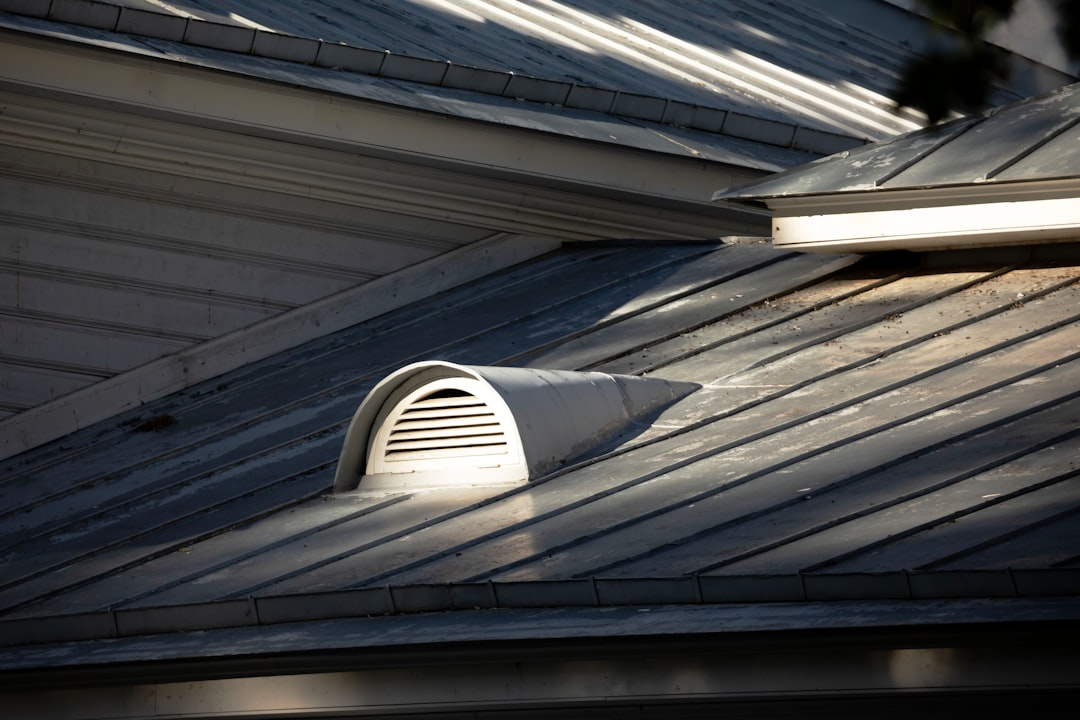
Roof ventilation regulates attic temperature and moisture. Proper airflow helps prevent:
- Ice dams in winter
- Excess heat buildup in summer
- Mold and moisture damage
Balanced ventilation plays a major role in extending roof life in Central Ohio.
7. Ridge Caps and Hip Caps
Ridge and hip caps seal the roof’s highest points. These components protect against wind-driven rain and complete the roofing system.
Why Professional Installation Matters
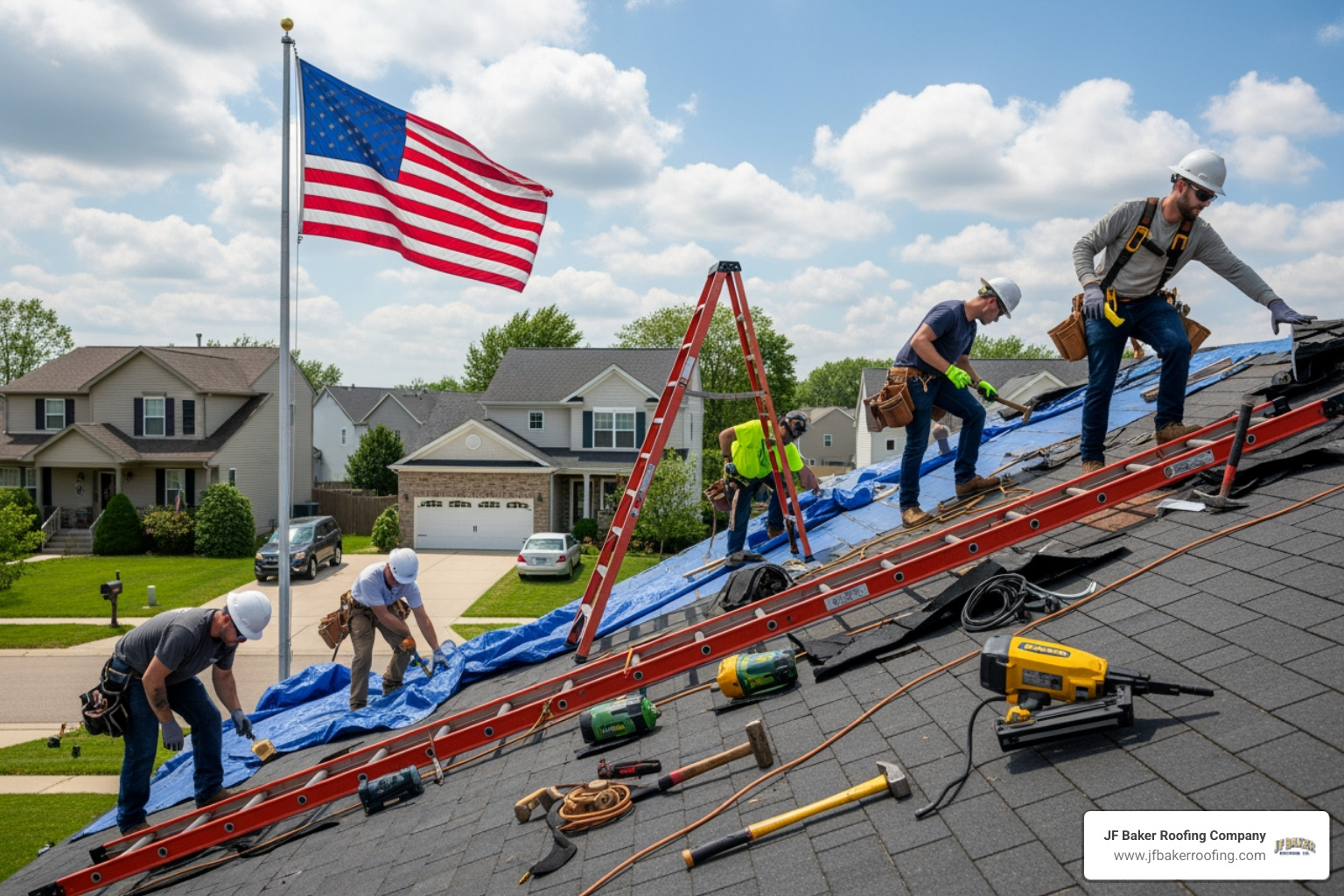
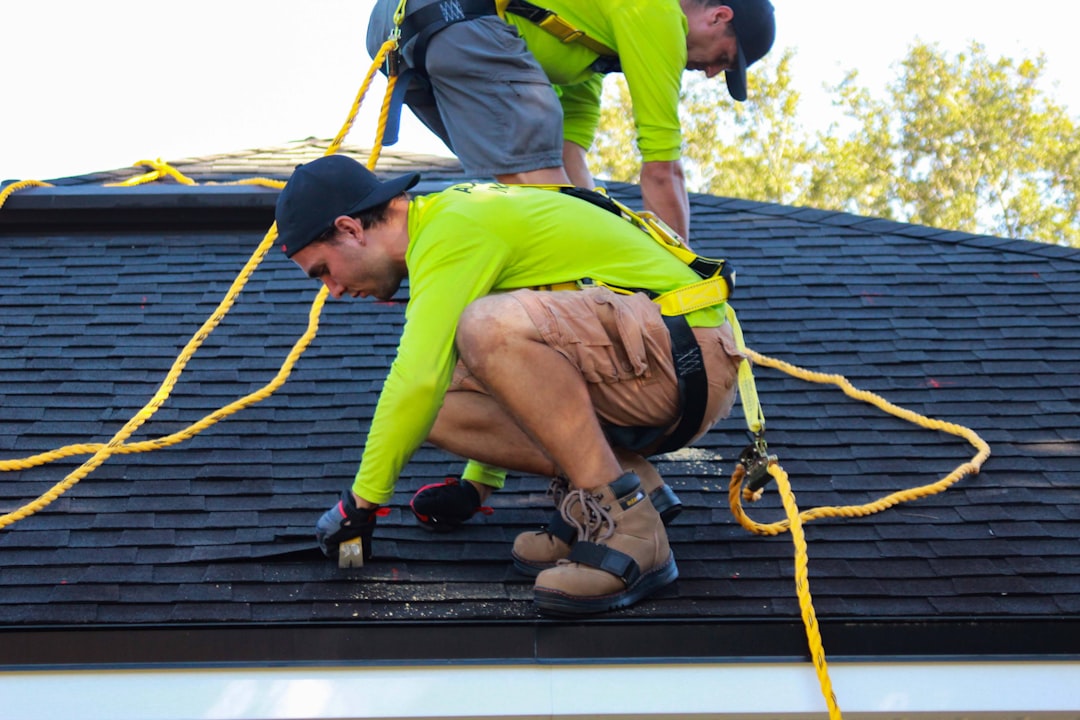
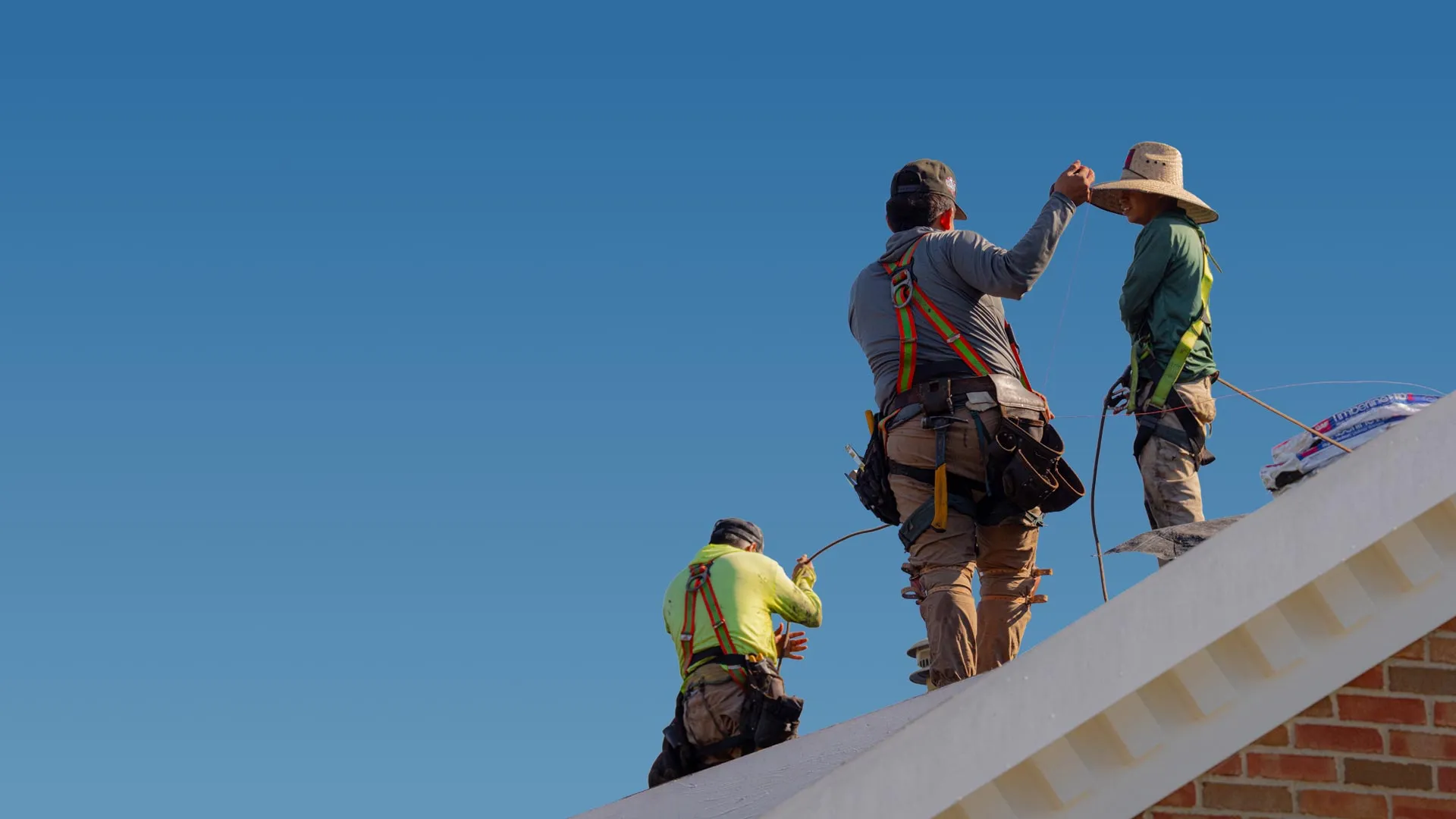
Even the best roofing materials can fail early if they are not installed correctly. Roofing systems are engineered to work together, and installation shortcuts often lead to leaks, warranty issues, and premature roof replacement.
That’s why many Central Ohio homeowners trust J.F. Baker Roofing, a local company serving the region since 1929, for system-based roofing solutions, certified installation, and education-first service.
Frequently Asked Questions About Residential Roof Components
What are the main components of a residential roof?
A residential roof includes the roof deck, underlayment, starter shingles, shingles, flashing, ventilation, and ridge caps. Each component plays a role in protecting the home.
Why is underlayment important in Ohio?
Underlayment provides an extra layer of protection against moisture, especially during ice dam formation and heavy rain common in Central Ohio.
Can poor ventilation shorten roof life?
Yes. Improper ventilation can trap heat and moisture, leading to shingle damage, mold growth, and premature roof failure.
Do all roof components need to be replaced at the same time?
Not always, but during full roof replacement, upgrading all components together ensures the system performs as designed.
How do I know if my roof components are failing?
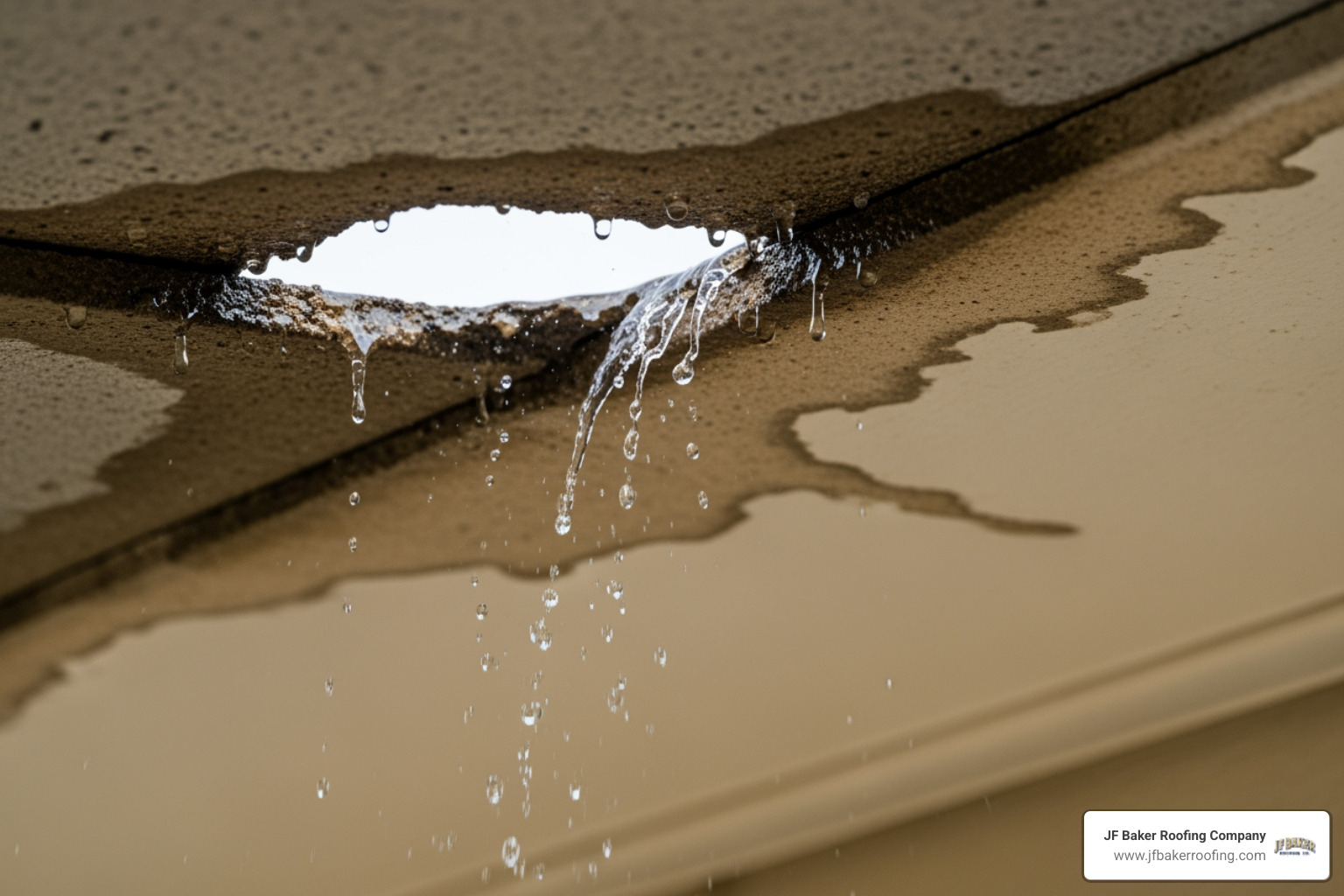
Warning signs include leaks, uneven shingles, attic moisture, ice dams, and visible flashing damage. A professional inspection can identify issues early.



.jpeg)