Don't Let Your Gutters Hang Out to Dry After a Storm

Identifying Storm Damage to Your Gutters
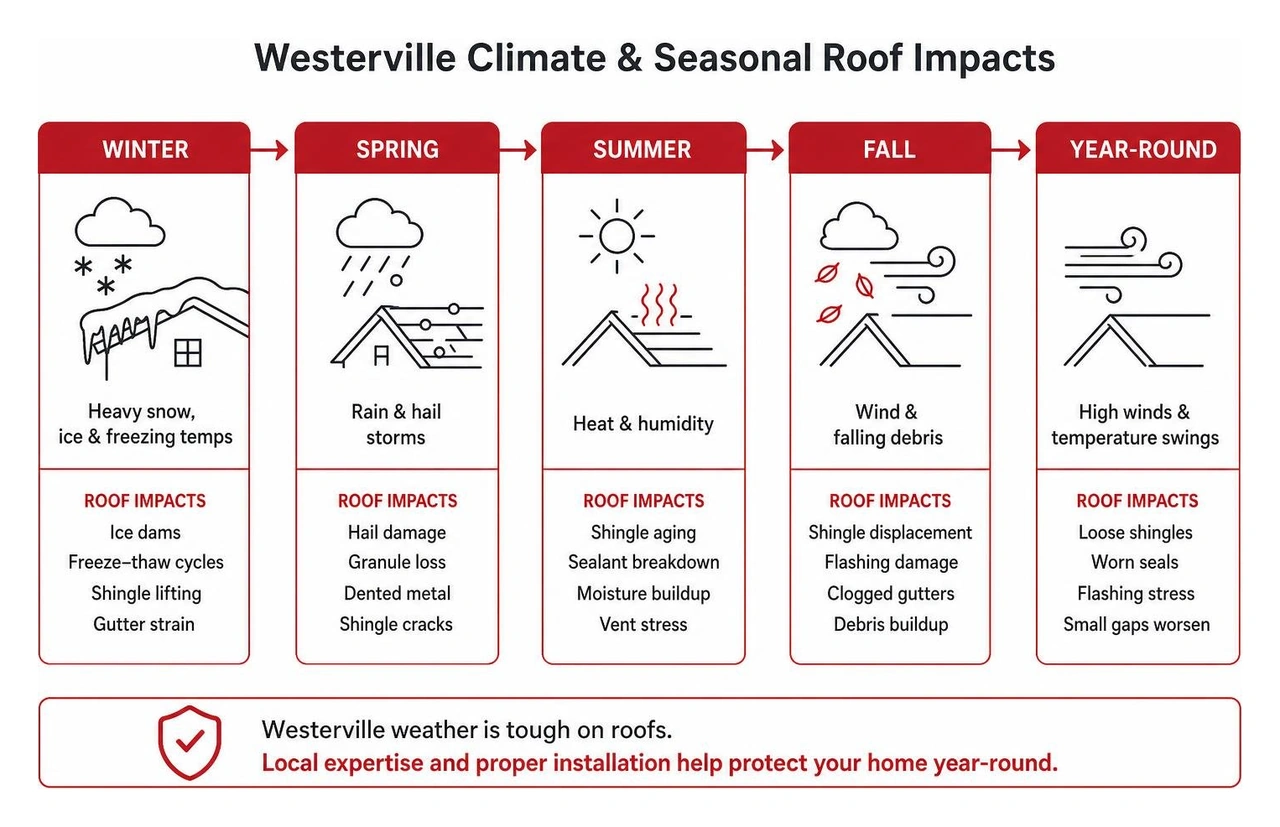
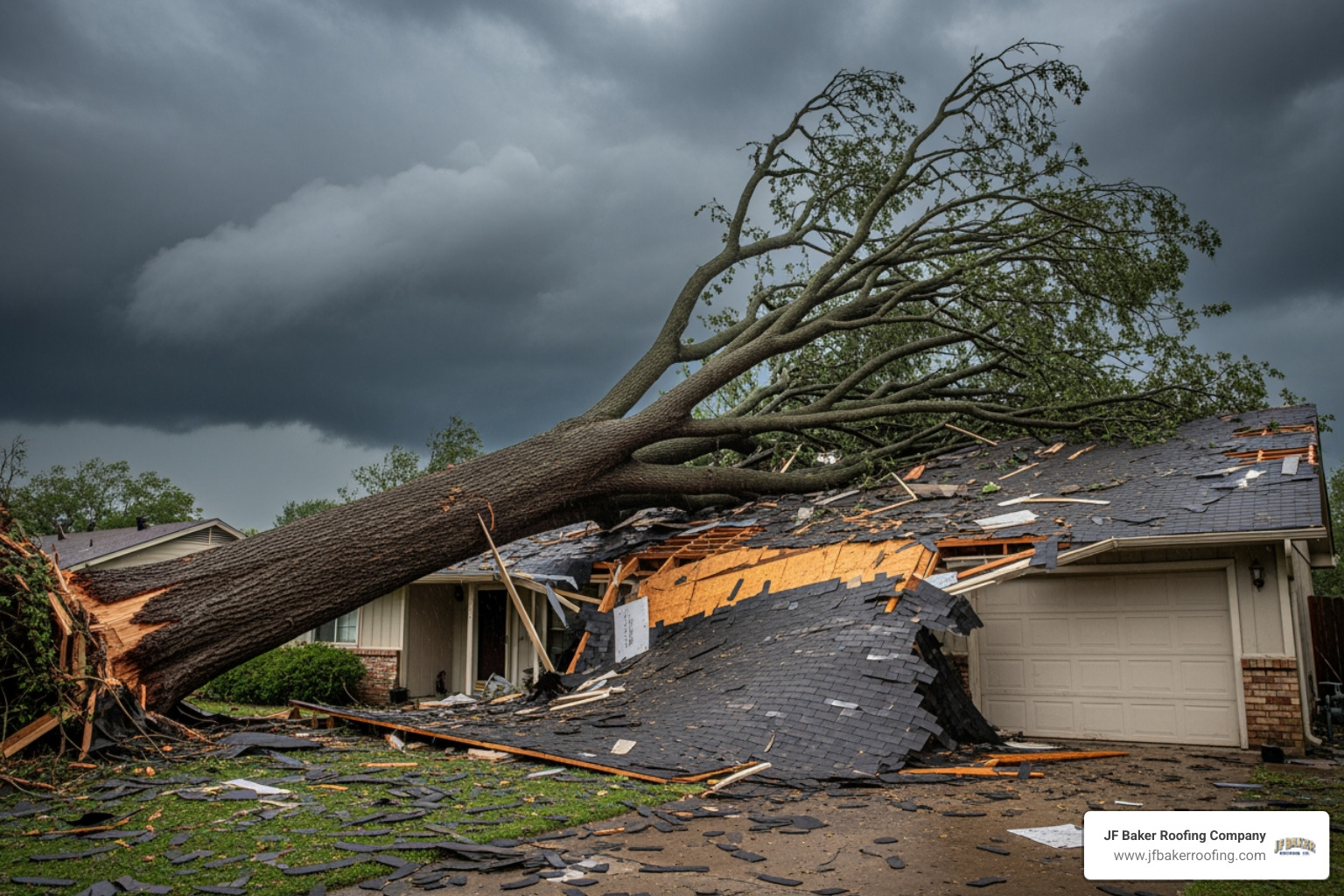
In Central Ohio, our weather can turn on a dime. One minute it’s a calm afternoon in Westerville, and the next, a wall of wind and rain is slamming into your siding. Because your gutters are perched at the very edge of your roof, they are the "canary in the coal mine" for storm impact.
High winds are often the primary culprit. They don't just blow leaves around; they create a phenomenon called wind lift. This occurs when powerful gusts get underneath the gutter trough or the shingles, literally prying the gutter system away from the fascia board. You might even hear a "shredding" sound during the peak of a storm—that’s often the sound of metal fasteners being pulled out of wood.
Other common signs of damage include:
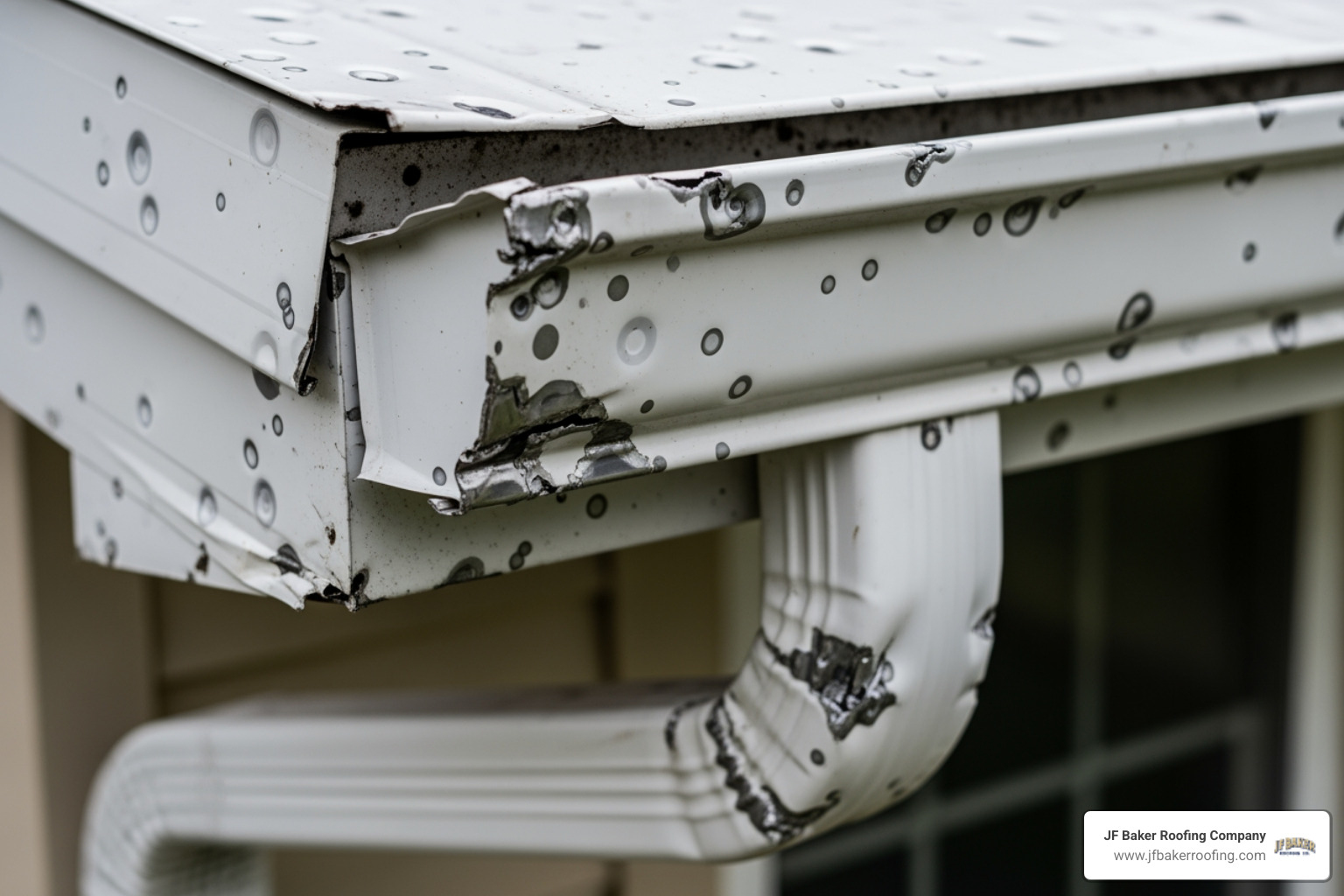
- Hail Impacts: Heavy hail can leave "dimples" or dents in aluminum gutters. While small dents might seem cosmetic, they can disrupt the flow of water and create pooling areas where rust can start.
- Debris Accumulation: Storms strip leaves, twigs, and even asphalt shingles granules from your roof. This heavy sludge sits in your troughs, causing sagging troughs that can eventually collapse under the weight.
- Detached Downspouts: High winds or heavy runoff can vibrate downspouts loose. If a downspout isn't directing water at least five to ten feet away from your home, you're looking at a foundation nightmare.
- Rust and Oxidation: Storm debris creates a moist environment. If wet leaves sit in a metal gutter for weeks after a storm, they accelerate oxidation, leading to holes.
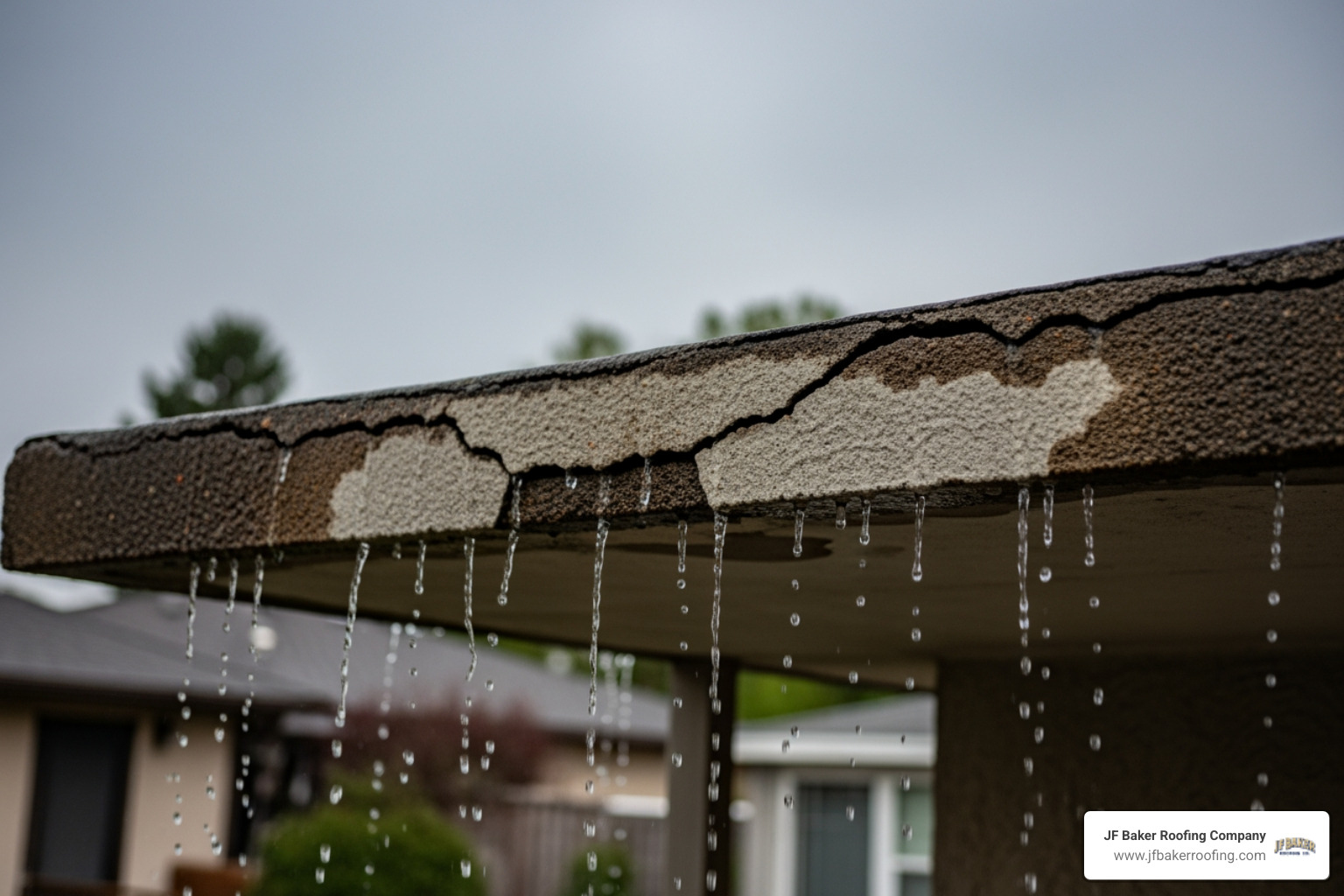
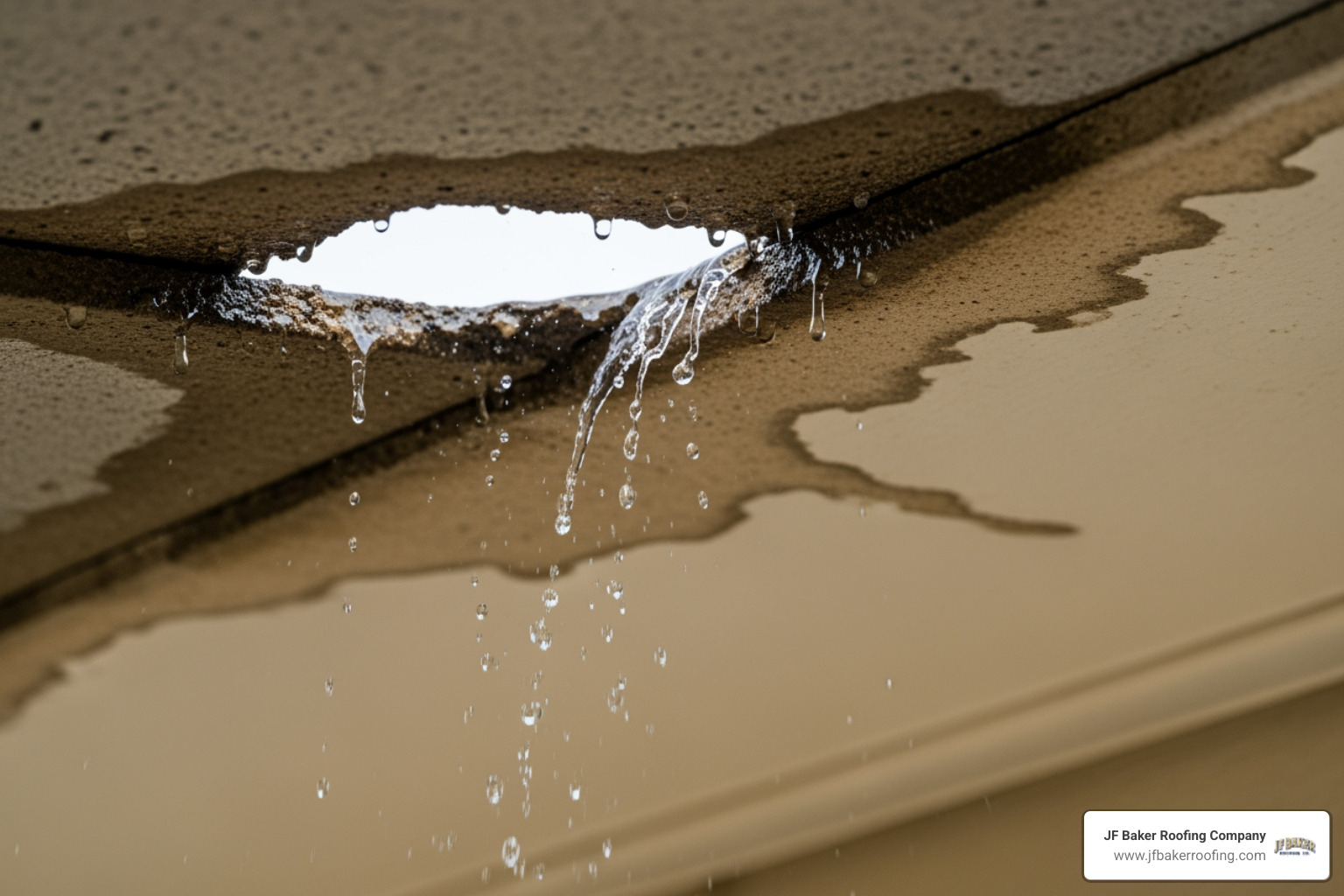
If you notice water dripping from joints or seams rather than flowing through the downspout, it's time to look into Storm Damage Repairs. For homeowners in specific areas, seeking Gutter Repair and Replacement Pros in Upper Arlington can help identify these issues before they compromise your roof's structural integrity.
Essential Steps for Gutter Repair After Storm
Once the clouds clear over Dublin or Gahanna, it’s time for a systematic assessment. Don't grab the ladder just yet! Most of your initial inspection should happen with your feet firmly on the ground.

1. The Ground-Level Assessment
Walk around your entire perimeter. Look for "tiger stripes" (dark streaks on the front of the gutters), which indicate water is overflowing the top rather than going inside. Check the ground for "trenching"—little lines in your mulch or soil caused by water falling directly from the roof because the gutter is failing.
2. Documentation for Insurance
Before you touch anything, take photos. If a tree limb hit your gutters or high winds bent a seamless run, your insurance company will need visual proof. Take wide shots of the house and close-ups of the specific damage.
3. Safety First
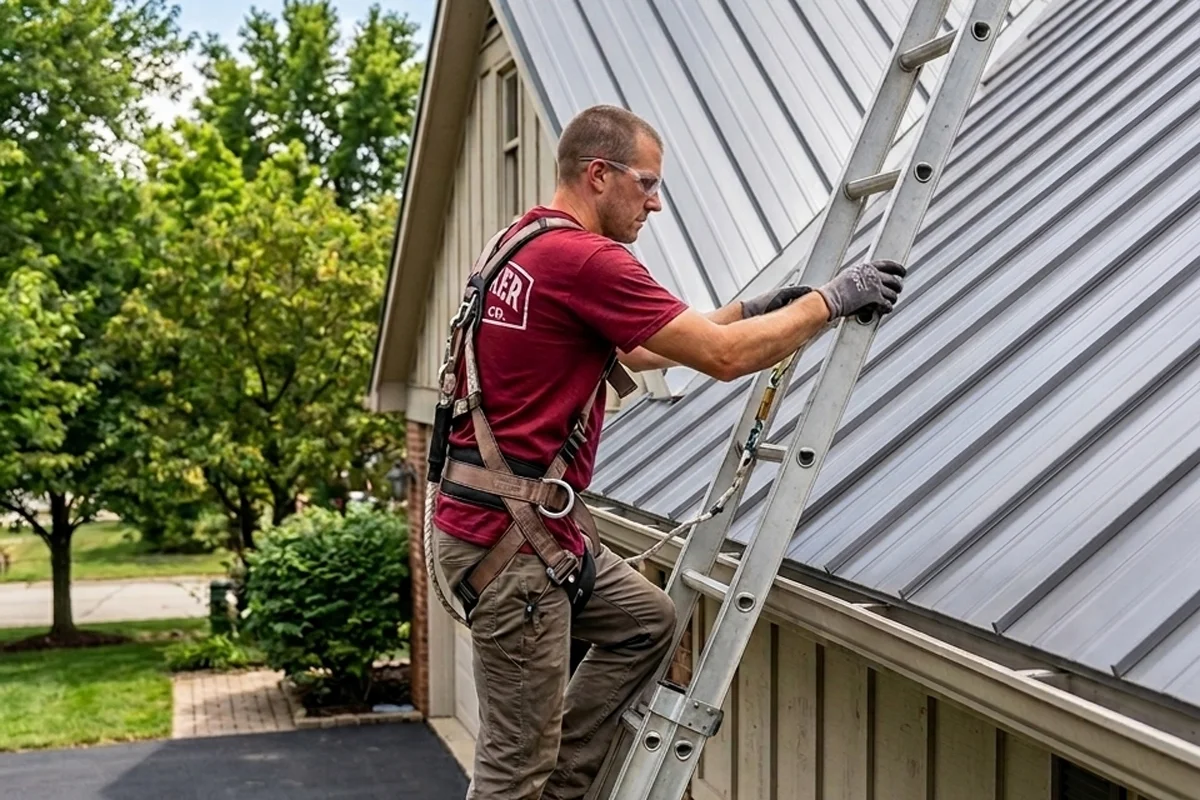
If you do decide to use a ladder, ensure it is on level ground and leaning against a sturdy surface (not the gutter itself, which may be weakened). Always have a spotter. In the roofing industry, we see far too many injuries from homeowners trying to DIY repairs on slick, post-storm roofs.
4. Debris Removal
If the gutters are just overflowing, they might just be clogged. Using a gutter scoop and gloves, clear out the "muck." Once the debris is gone, run a garden hose through the system to check the pitch. Learning how to fix sagging gutters often starts with simply removing the weight that’s causing the sag.
| Symptom | Likely Cleaning Fix | Likely Professional Repair |
|---|---|---|
| Water overflowing near downspout | Clear debris/clog in the drop | Replace bent or crushed downspout |
| Water spilling over the middle | Remove heavy wet leaves | Re-pitching or replacing broken brackets |
| Water leaking behind the gutter | Clear roof-line debris | Replace rotten fascia or re-secure fasteners |
| Visible daylight between gutter and house | N/A | Structural re-attachment and fascia repair |
When to DIY Your Gutter Repair After Storm
We love a handy homeowner, and some tasks are perfectly suited for a Saturday afternoon. If you have a single-story home in Grove City or Hilliard and the damage is minor, you can likely handle it yourself.
You’ll need a few basic tools: a gutter scoop, high-quality gutter sealant (liquid rubber sealants work best), a drill with gutter screws, and a level. Minor leaks at the seams can often be fixed by cleaning the area thoroughly with a wire brush and applying a fresh bead of sealant. If a bracket has popped loose, you can usually drive a new, longer gutter screw into a fresh section of the fascia board to pull the trough back tight.
For more information on maintaining these systems, check out our section on Gutters and Drainage.
Why Professional Gutter Repair After Storm is Necessary
While DIY is great for small leaks, gutter repair after storm damage often uncovers "hidden" problems. Here is when you should put down the wrench and call us:
- Multi-story Homes: The risk of falling from a second or third story is never worth the savings.
- Fascia Rot: If your gutters have been leaking for a while, the wood behind them (the fascia) might be soft or rotten. You can't screw a gutter into rotten wood; the wood must be replaced first.
- Seamless Gutters: If a long run of seamless aluminum is bent or buckled, it usually requires specialized equipment to extrude a new piece that matches your home perfectly.
- Structural Issues: If the "wind lift" was strong enough to pull the roof flashing or drip edge away, you need a roofer who understands Storm Damage Repairs to ensure your shingles aren't compromised.
The True Cost of Ignoring Gutter Damage
It’s tempting to look at a sagging gutter and think, "I'll get to that next year." But in Central Ohio, "next year" usually means several more months of heavy rain and snow.

When water isn't channeled away, it pools at the base of your home. This leads to foundation erosion and hydrostatic pressure, which can crack your basement walls. Once those cracks form, basement flooding and mold growth are almost inevitable. Furthermore, water splashing back onto your siding causes wood rot and attracts pests like carpenter ants or mosquitoes that breed in standing water.
Deciding between Gutter Replacement vs Repair: When Columbus Homeowners Should Replace Their Gutters is often a matter of timing. Spending a few hundred dollars on a repair today can save you $10,000 in foundation piering or mold remediation tomorrow.
Financials and Insurance for Post-Storm Repairs
Let’s talk numbers. We know pricing is a major factor for our neighbors in Delaware and Worthington.
On average, a gutter repair job in the U.S. falls between $179 and $560, with a typical average of $369. However, labor for professional contractors usually runs between $4 and $30 per linear foot.
- Square gutters are generally more affordable to install ($10–$30/ft).
- Curved or specialty gutters can cost significantly more to repair ($40–$100/ft).
- Fascia repair adds an additional $6 to $20 per linear foot if the wood is rotten.
If the damage was caused by a "sudden and accidental" event—like a tornado, hailstorm, or a fallen limb—your homeowners insurance likely covers it. You will need a professional estimate to submit to your adjuster. We recommend working with Gutter Repair and Replacement Pros in Delaware or local experts who understand how to document storm damage specifically for insurance claims.
Protecting Your Gutters from Future Storms
At JF Baker Roofing, we believe the best repair is the one you never have to make. To "storm-proof" your home, consider these upgrades:
- Gutter Guards: These prevent debris from ever entering the trough. While they don't eliminate maintenance entirely (you still need to brush off the tops occasionally), they prevent the heavy sludge that causes sagging.
- Tree Trimming: Keep branches at least 6–10 feet away from your roofline to prevent them from falling during high winds.
- Heavy-Duty Brackets: If you live in a high-wind area like Powell or Lewis Center, upgrading to brackets spaced every 12–18 inches (instead of the standard 24–30) provides much better support.
- Seamless Upgrades: Seamless gutters have fewer joints, which means fewer places for leaks to start after a storm.
Proper Gutters and Drainage maintenance, including a pitch adjustment of 1/4 inch for every 10 feet, ensures that even during a Central Ohio downpour, the water keeps moving.
Frequently Asked Questions about Gutter Storm Damage
How much does gutter repair cost after a storm?
As mentioned, the average repair is around $369, but for a full system overhaul after a major storm, labor and materials can range from $1,600 to $2,175. Costs increase by about $200 for every additional story on your home due to the increased risk and equipment needed.
Does homeowners insurance cover storm-damaged gutters?
Generally, yes, if the damage is from a specific storm event. It does not cover "wear and tear" or damage caused by years of neglected cleaning. This is why documenting the storm date and having a professional inspection is vital.
How can I tell if my gutters are sagging or just clogged?
A simple test: wait for a dry day and pour a bucket of water into the far end of the gutter. If the water stays put in the middle, your pitch is off (sagging). If the water flows toward the downspout but overflows there, you have a clog.
Conclusion
Your gutters might not be the most glamorous part of your home, but they are essential for its survival. After a storm hits Central Ohio, taking a few minutes to inspect your system can save you years of headaches. Whether you're in Columbus, Dublin, or Bexley, don't let a small leak turn into a foundation failure.
At JF Baker Roofing, we’ve spent over 96 years providing family-owned integrity and quality craftsmanship to our neighbors. If you’re worried about your home’s Gutters and Drainage, give us a call. We’ll provide a transparent estimate and ensure your home is ready for whatever the Ohio sky decides to throw at it next.




































.jpeg)