Stop Concrete Roof Leaks in Their Tracks
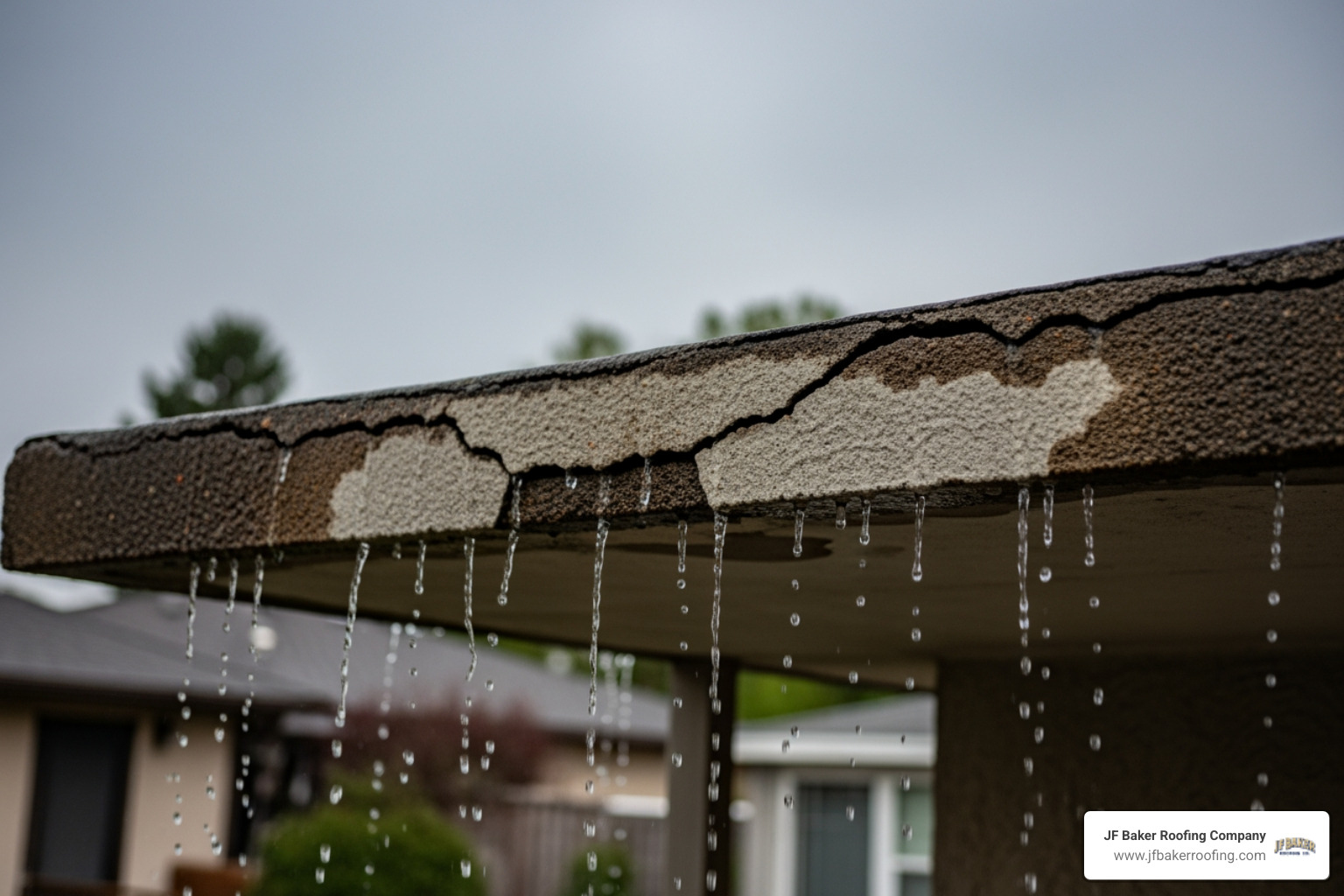
When Your Concrete Roof Leaks, Every Hour Counts
Concrete roof leakage solution options range from simple crack repairs to full waterproofing membrane systems — here's a quick overview of what works:
- Seal small cracks with elastomeric sealant, epoxy filler, or hydraulic cement
- Clean and prep the surface with a pressure washer before any repair
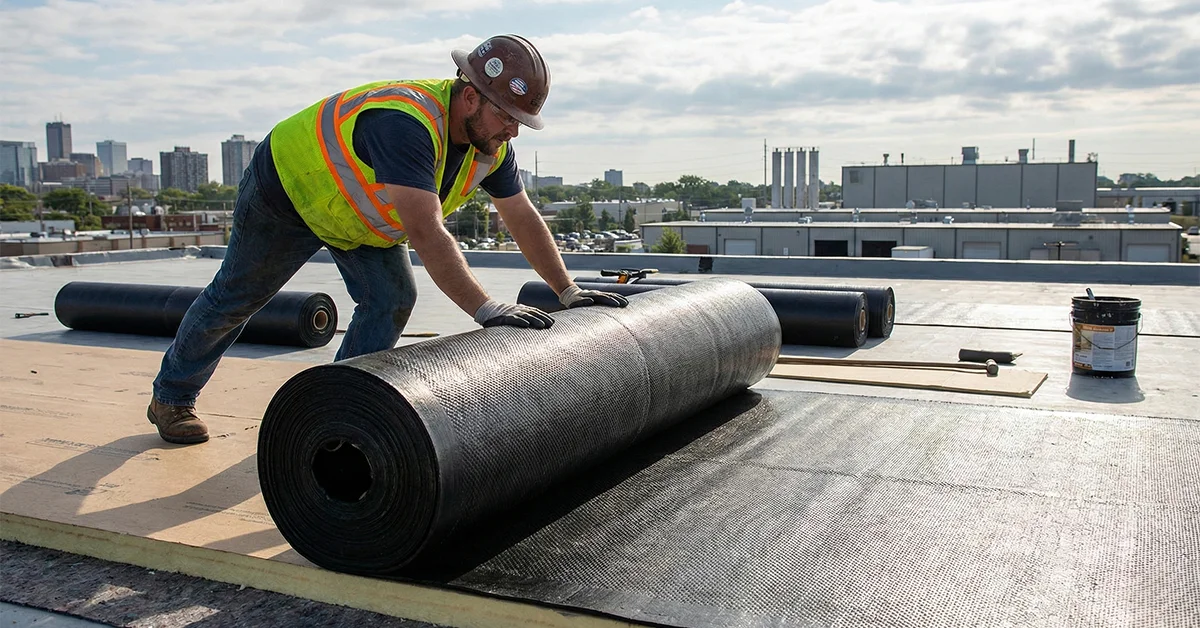
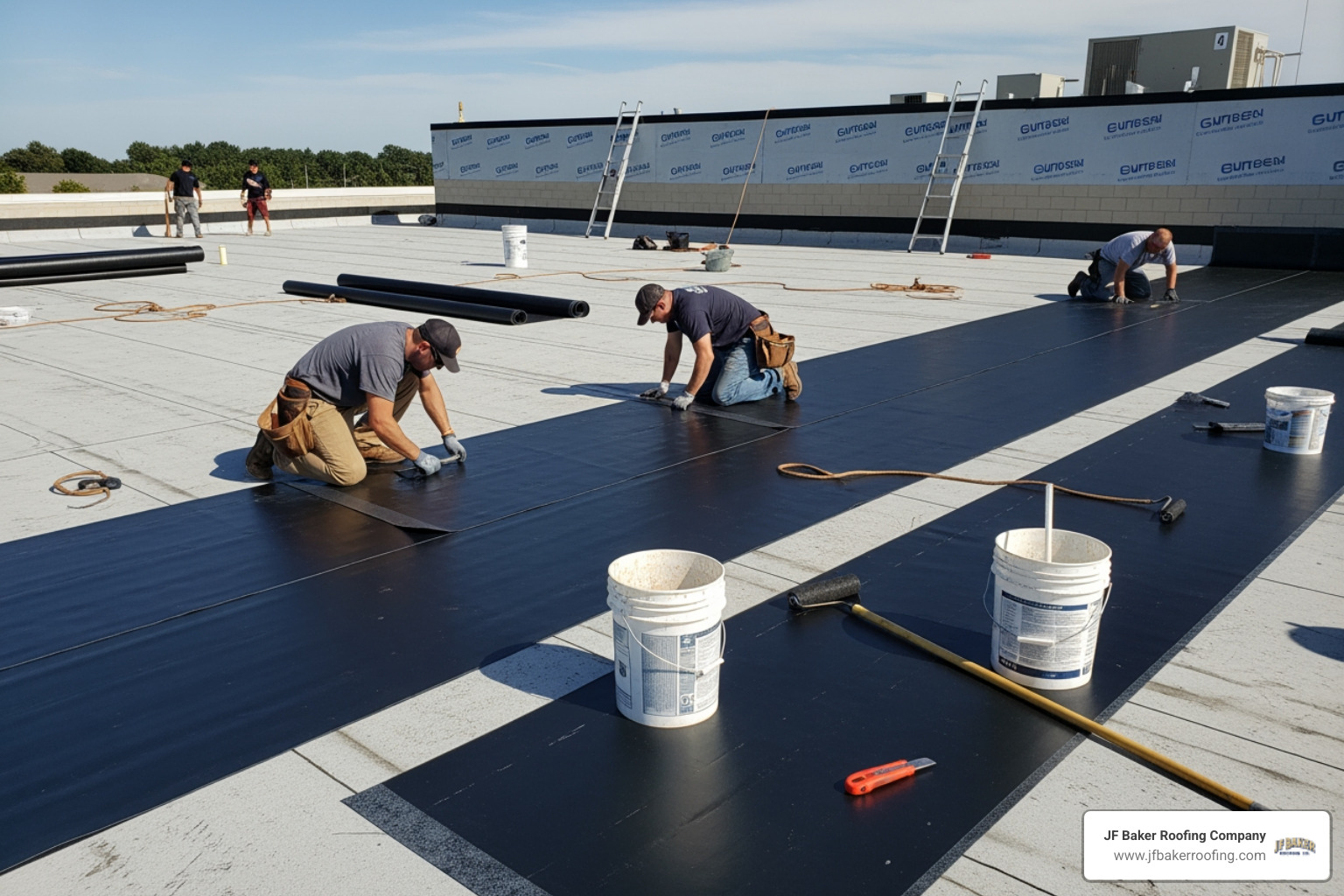
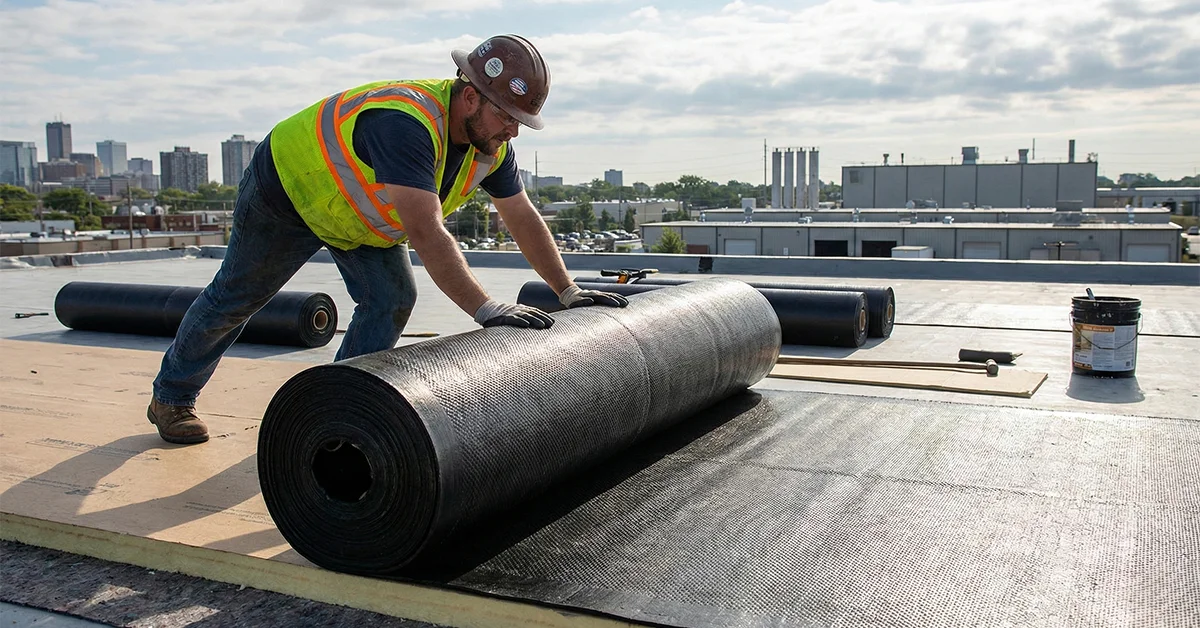
- Apply a waterproofing membrane (elastomeric, bituminous, or PVC) over the entire surface
- Fix drainage issues — remove ponding water and clear blocked gutters
- Repair joints and penetrations with polyurethane sealant and metal flashing
- Schedule bi-annual inspections to catch damage before it spreads
Concrete feels indestructible. But it isn't.
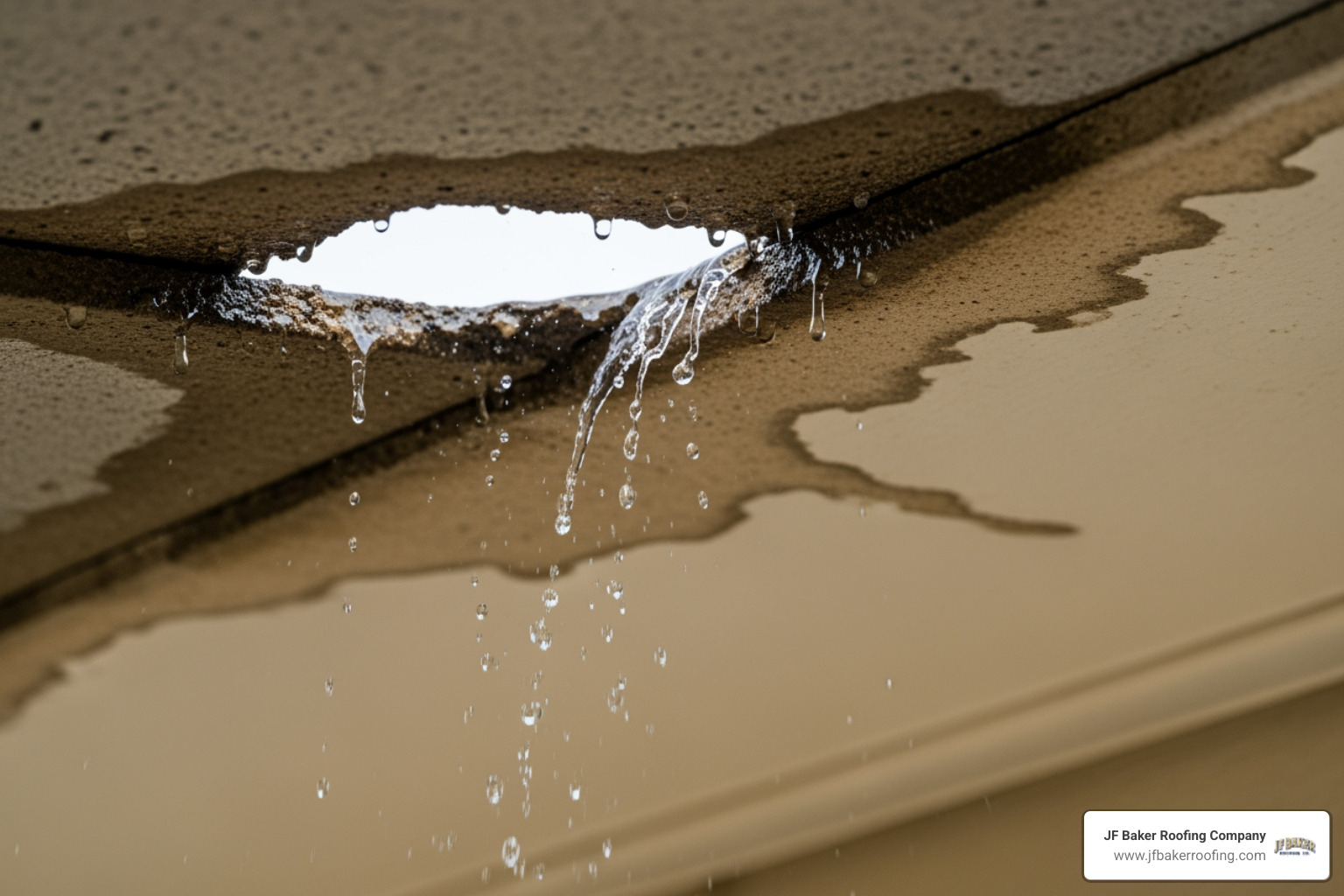
Concrete is naturally porous. Water finds its way through microscopic capillaries, hairline cracks, and poorly sealed joints — often without any obvious warning. By the time you see a stain on your ceiling, the damage inside can already be significant.
Here's what makes it worse: 60–70% of roof leaks are caused by poor installation or application errors, not the concrete itself. That means many leaks were preventable from day one.
And if left untreated, repair costs don't just grow — they multiply. Each stage of concrete deterioration can cost roughly five times more to fix than the stage before it.
Whether you're dealing with a slow drip after a Central Ohio rainstorm or a growing damp patch that's been spreading for months, this guide walks you through every step — from finding the source to applying a lasting fix.
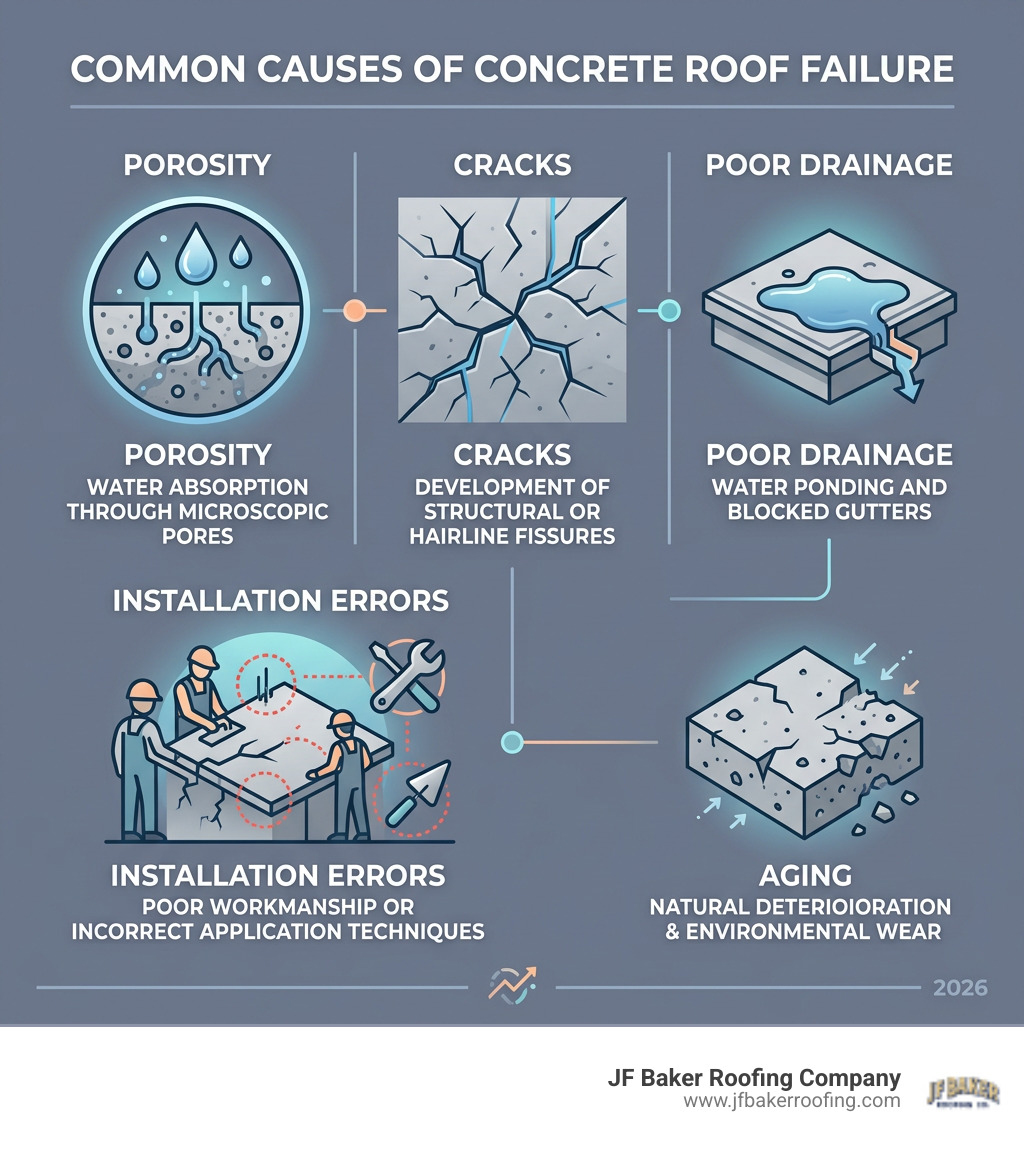
Common Causes of Concrete Roof Failure
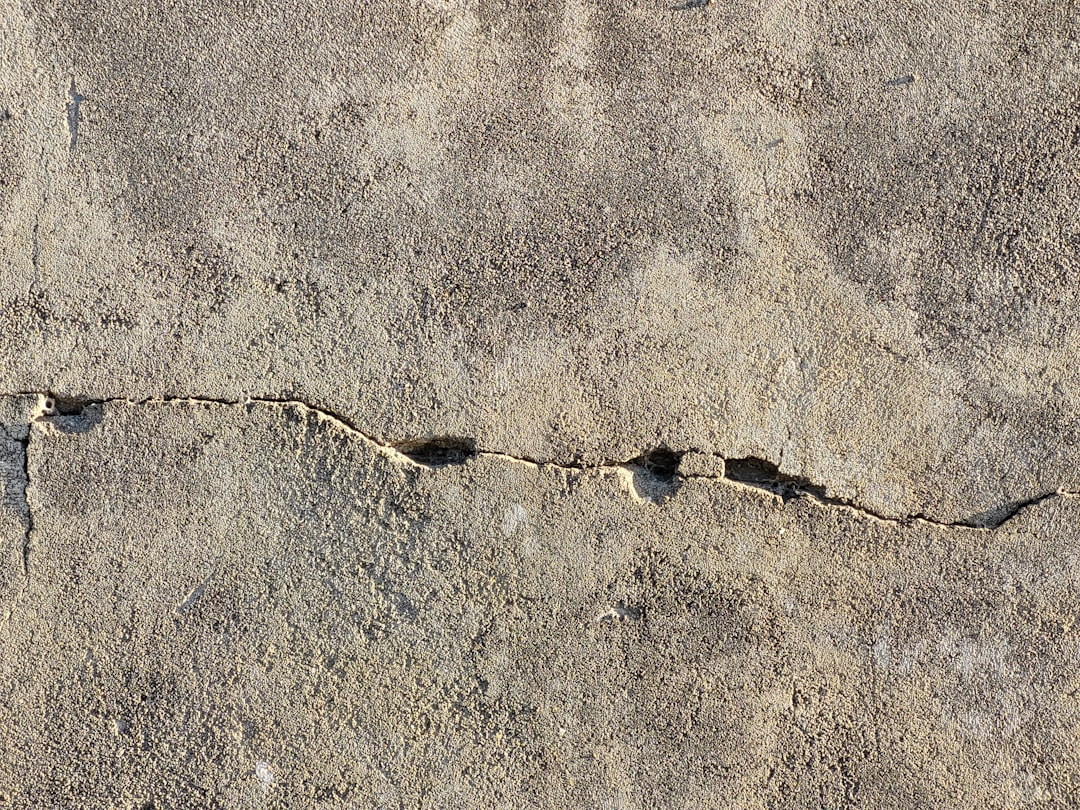
When we talk about concrete roof failure, we aren't usually talking about the roof collapsing. We are talking about the failure of the concrete to act as a moisture barrier. Concrete is a fantastic structural material, but it is a challenging roofing material.
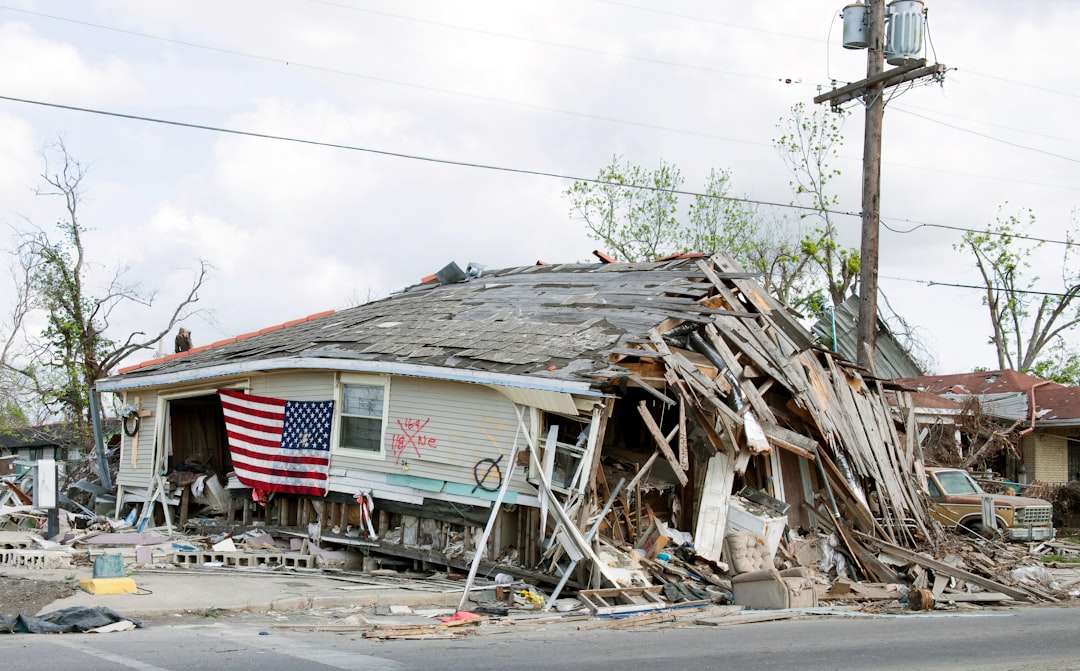
One of the most significant concepts in our industry is the "Law of Fives." This rule states that for every $1.00 of repair cost you skip during the design and construction phase, it will cost $5.00 to fix once the structure is built. If you ignore that repair until the concrete starts to deteriorate, the cost jumps to $25.00. By the time the damage is structural, you’re looking at $125.00. In short: procrastination is expensive.
Research shows that 60-70% of roof leakage problems are due to incorrect application or installation, not the failure of the materials themselves. This includes issues like improper thermal expansion joints, where the concrete has no room to "breathe" as temperatures change, leading to massive stress cracks. Structural movement, often caused by the settling of the building, can also tear through even the toughest concrete slabs.
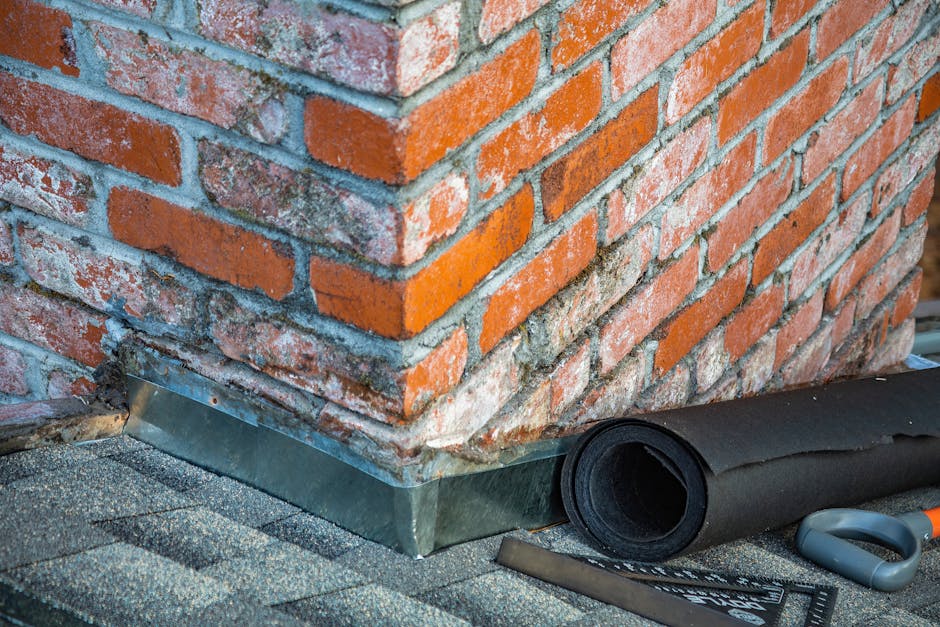
Perhaps the most "terminal" cause of failure is "concrete cancer." This happens when water reaches the internal steel reinforcement bars. The steel rusts and expands, causing the surrounding concrete to crack and break away (spalling). To learn more about the mechanics of these failures, check out this guide on How to Stop Water Leakage from the Concrete Roof?
Understanding Porosity and Permeability
To find the right concrete roof leakage solution, you have to understand that concrete is essentially a hard sponge. It is made of gravel, sand, water, and cement. If the aggregates (the stones and sand) aren't graded perfectly, or if the mixture was "segregated" (separated) while being poured from a height, tiny voids are created.
Through capillary action, water is literally sucked into these tiny holes. Once the concrete becomes saturated, it retains that moisture. This creates a playground for mold and mildew and eventually allows water to drip into your living space.
Environmental Impact on Concrete Slabs
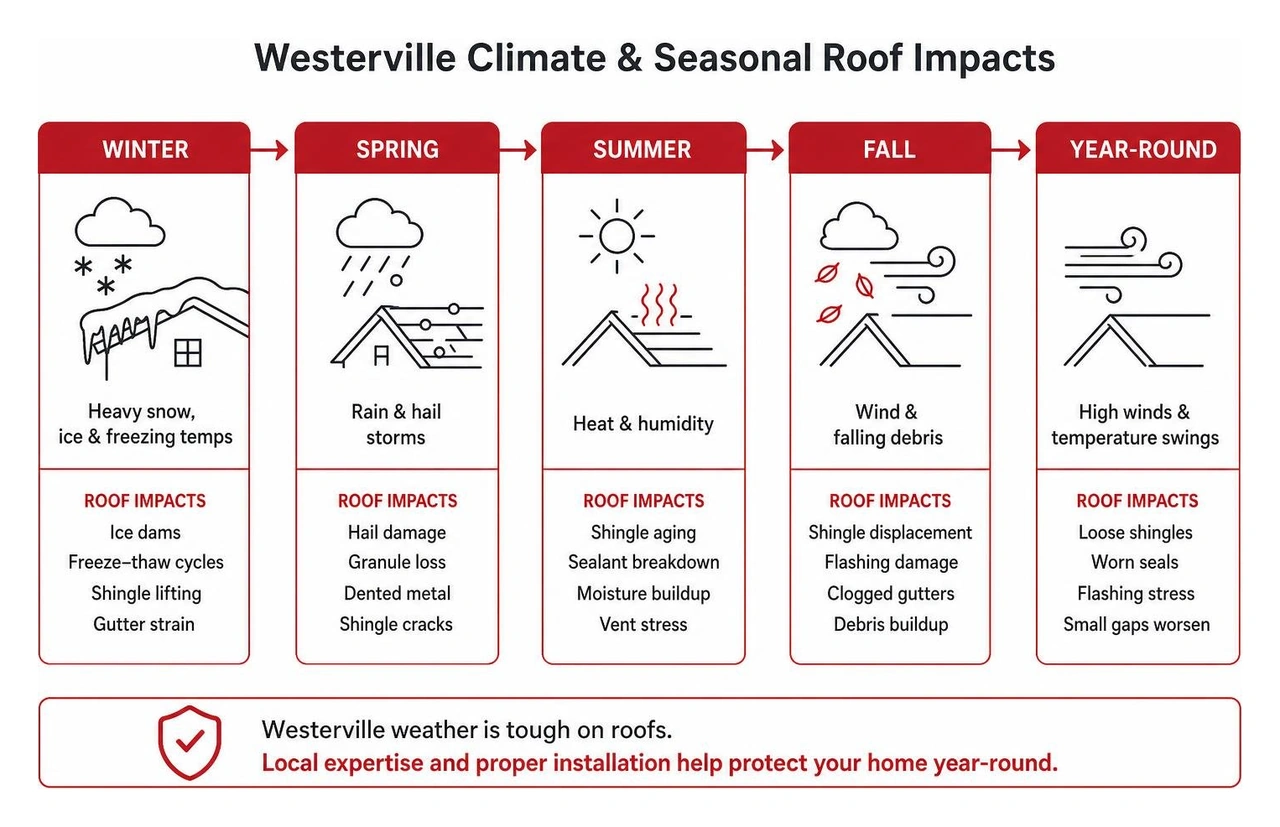
Here in Central Ohio—from Dublin and Westerville to Grove City—our roofs take a beating. We deal with intense UV degradation in the summer, which "bakes" the concrete and any surface sealants. Then comes the winter.
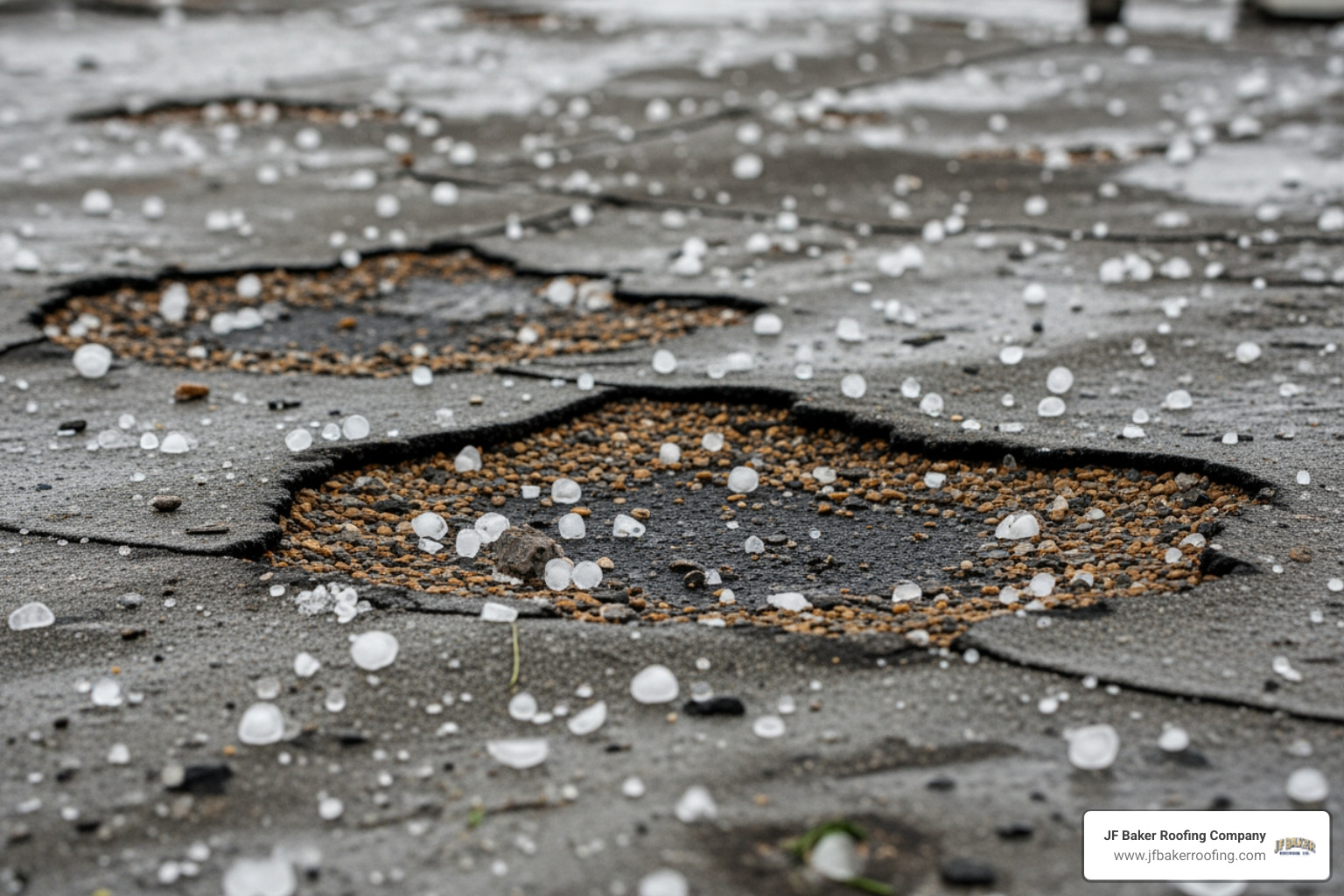
The freeze-thaw cycle is a concrete killer. When water gets into those pores and freezes, it expands. This expansion creates "crazing" (fine surface cracks) and "scaling" (peeling of the surface). Over time, these small issues become major leaks. If you've noticed these signs after a rough winter, our team at JF Baker Roofing can help with Residential Roofing assessments to see if the damage has reached the structural level.
Identifying Signs and Inspecting for a Concrete Roof Leakage Solution
You don't always need a bucket in the middle of the kitchen to know you have a leak. Sometimes the signs are much subtler.
- Efflorescence: Have you seen white, powdery streaks on your concrete? That’s efflorescence. It happens when water moves through the concrete and brings internal salts to the surface. It’s a "smoking gun" for water transit.
- Damp Patches & Bubbling Paint: If your ceiling paint looks like it’s forming a blister, there’s water trapped behind it.
- Musty Odors: If your attic or upper floors smell like a damp basement, you likely have mold growth hidden within the roofing assembly.
For a deeper dive into these symptoms, read How Do I Fix Concrete Roof Leakage?
Safe Inspection Techniques
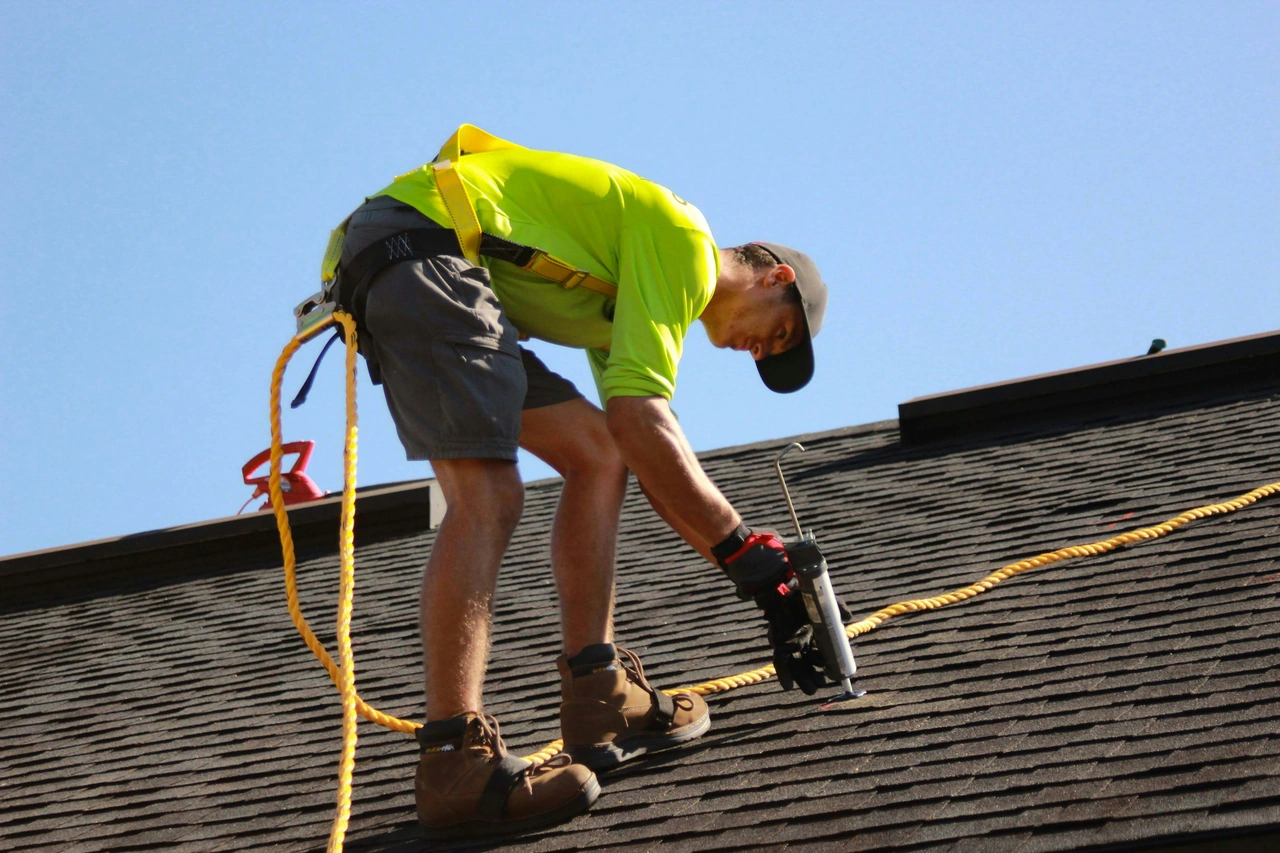
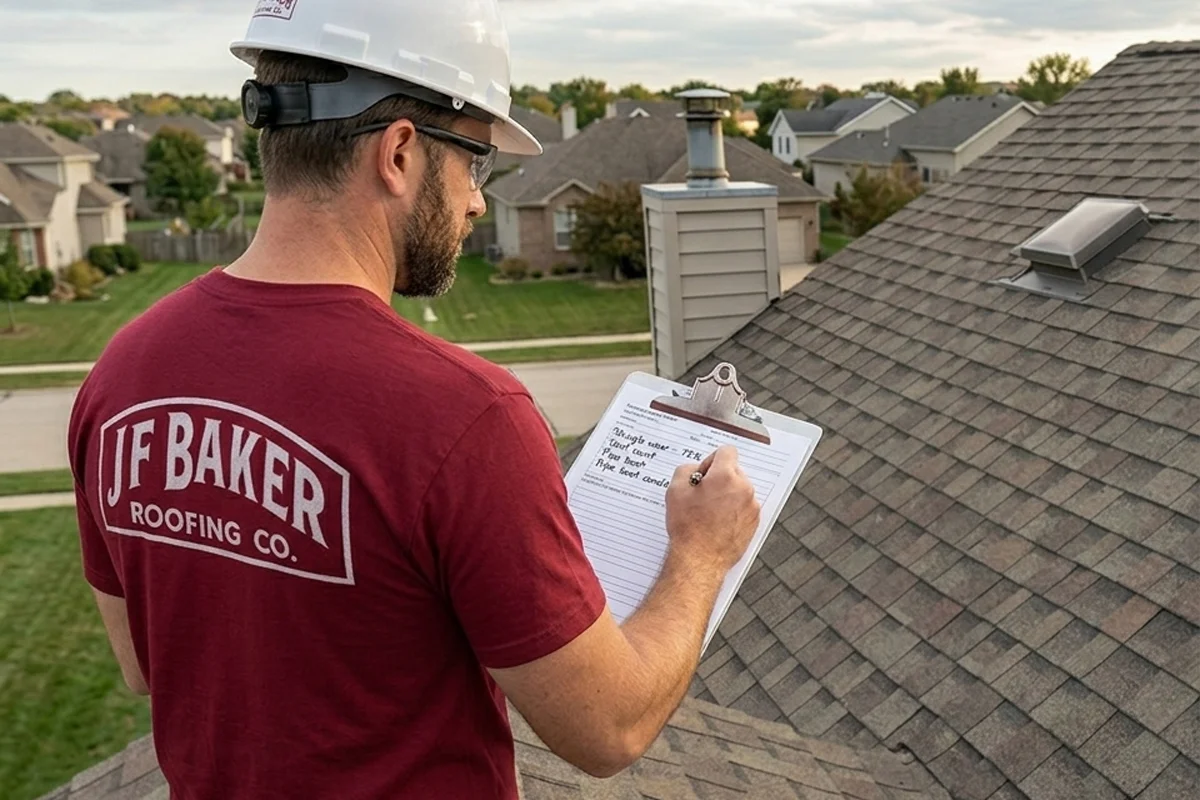
Safety first! We never recommend walking on a roof if you aren't trained, but you can do a lot from the ground or a ladder.
- Binoculars: Use them to scan the roof surface for visible cracks or "spalling" (where chunks of concrete have fallen off).
- Loft/Attic Inspection: Go into the highest point of your home with a flashlight during a rainstorm. Look for dampness along the roof timbers. Remember: water travels. The drip on your floor might be ten feet away from the actual hole in the roof.
- Plumbing and Drainage: Check the corners where the roof meets the walls. These "joints" are the most common fail points.
Evaluating Ponding Water Risks
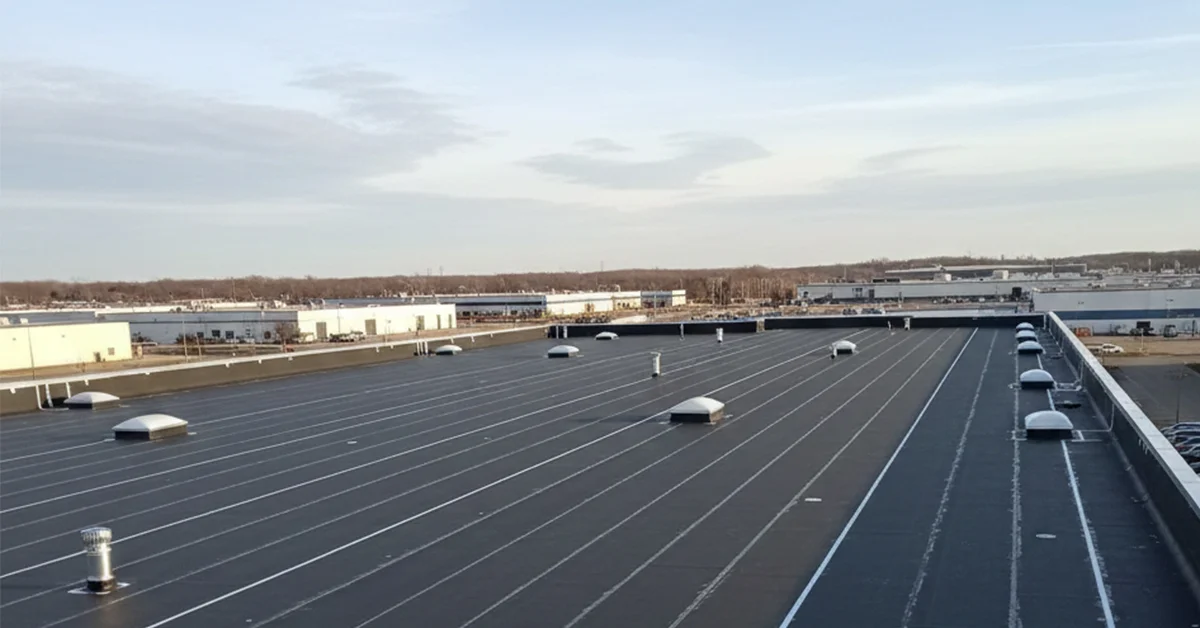
Flat concrete roofs are prone to "ponding." If you see water sitting on your roof more than 48 hours after a rain, you have a problem. This is the "48-hour rule."
Standing water is heavy and creates constant hydrostatic pressure, forcing water into the concrete's pores. If the water is deeper than one inch, it must be mechanically diverted. This might mean clearing a blocked drain or, in more serious cases, calling us for Commercial Roofing services to install tapered insulation or new drainage lines.
Essential Materials and Waterproofing Methods
Not all sealants are created equal. Choosing the wrong concrete roof leakage solution is often why repairs fail within a single season.
MethodBest ForLongevityElastomeric SealantsSmall cracks and surface coating5-10 YearsPVC MembranesFull roof coverage, highly durable15-20+ YearsBituminous CoatingsBudget-friendly, high insulation5-7 YearsCrystalline AdmixturesNew concrete or deep structural repairPermanent
Essential Materials for a Lasting Concrete Roof Leakage Solution
- Elastomeric Sealants: These are like liquid rubber. They stretch when the concrete expands in the heat and contract when it freezes.
- Polyurethane Sealants: Best for joints and gaps around vents or pipes.
- Reinforcement Fabric: When sealing a large crack, we often embed a polyester fabric into the wet sealant to give it "muscle" and prevent it from tearing.
Advanced Waterproofing Technologies
For high-end protection, we look at Integral Crystalline Waterproofing. These products react with water to grow millions of needle-like crystals that plug the pores of the concrete permanently.
Heat-reflective coatings are also popular in Columbus. They serve a dual purpose: they waterproof the roof while reflecting UV rays, which keeps your cooling bills lower during those humid Ohio Julys.
Step-by-Step Repair and Application
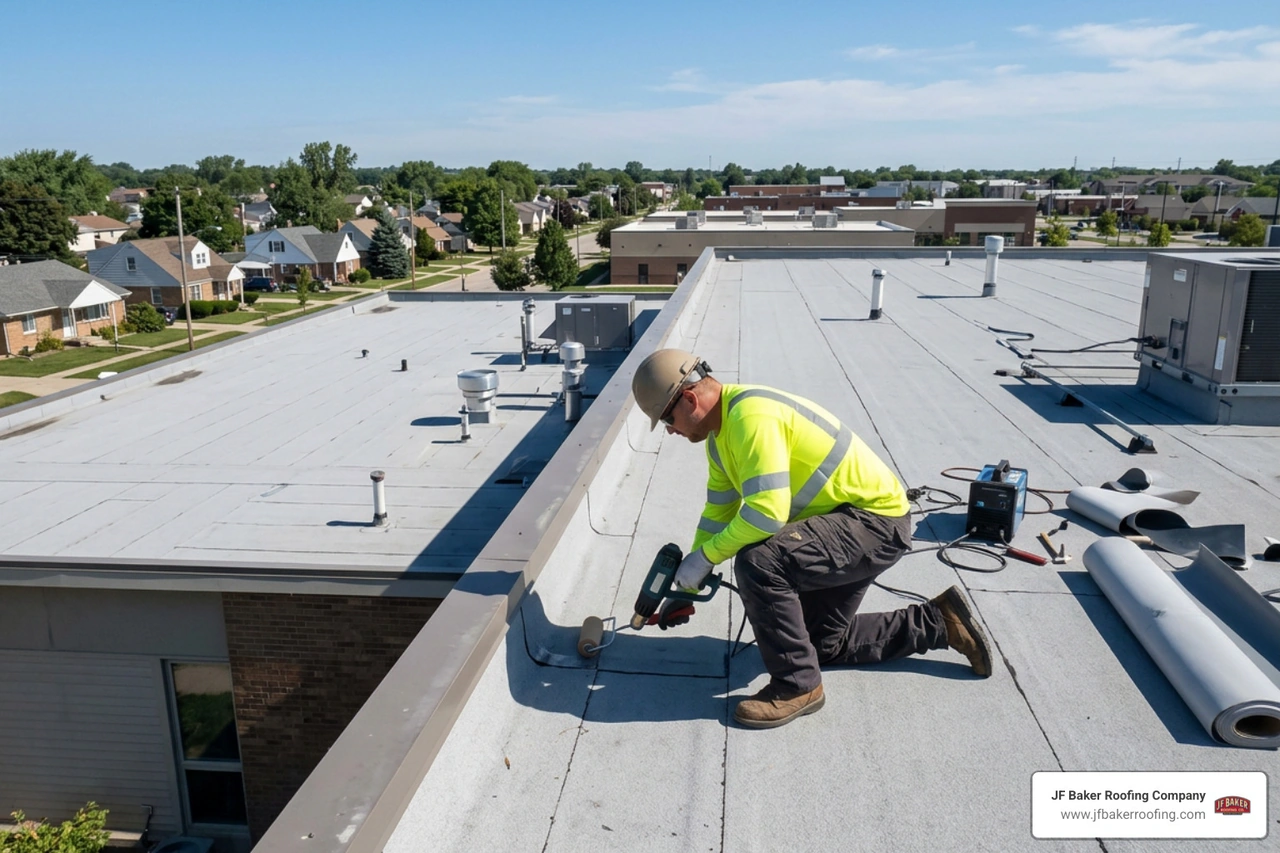
If you’re a DIY enthusiast, you can handle minor cracks, but the process must be exact.
Repairing Cracks and Damaged Areas
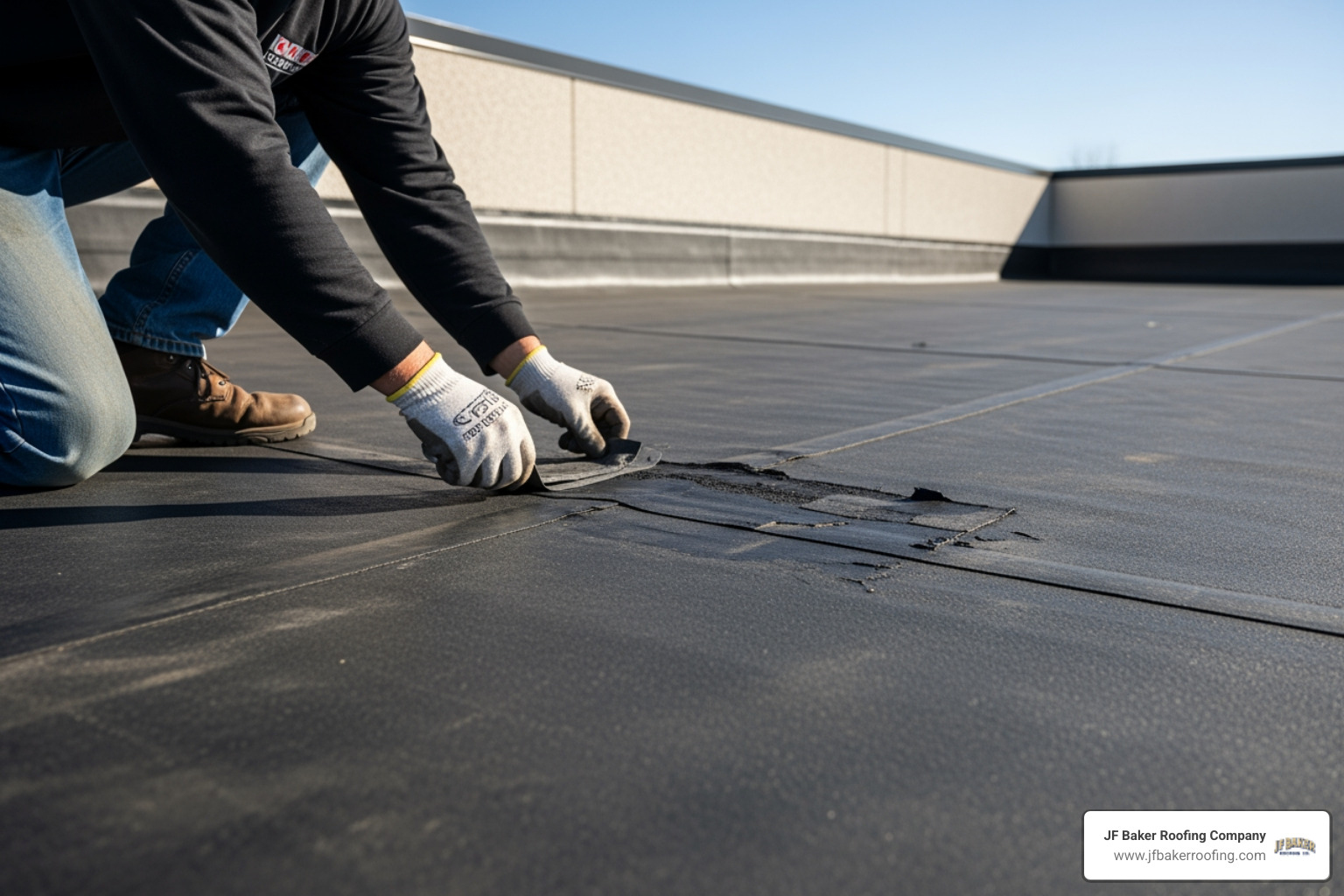
- V-Grooving: Don't just slap sealant over a crack. Use a grinder or chisel to turn the crack into a "V" shape. This gives the repair material more surface area to bond to.
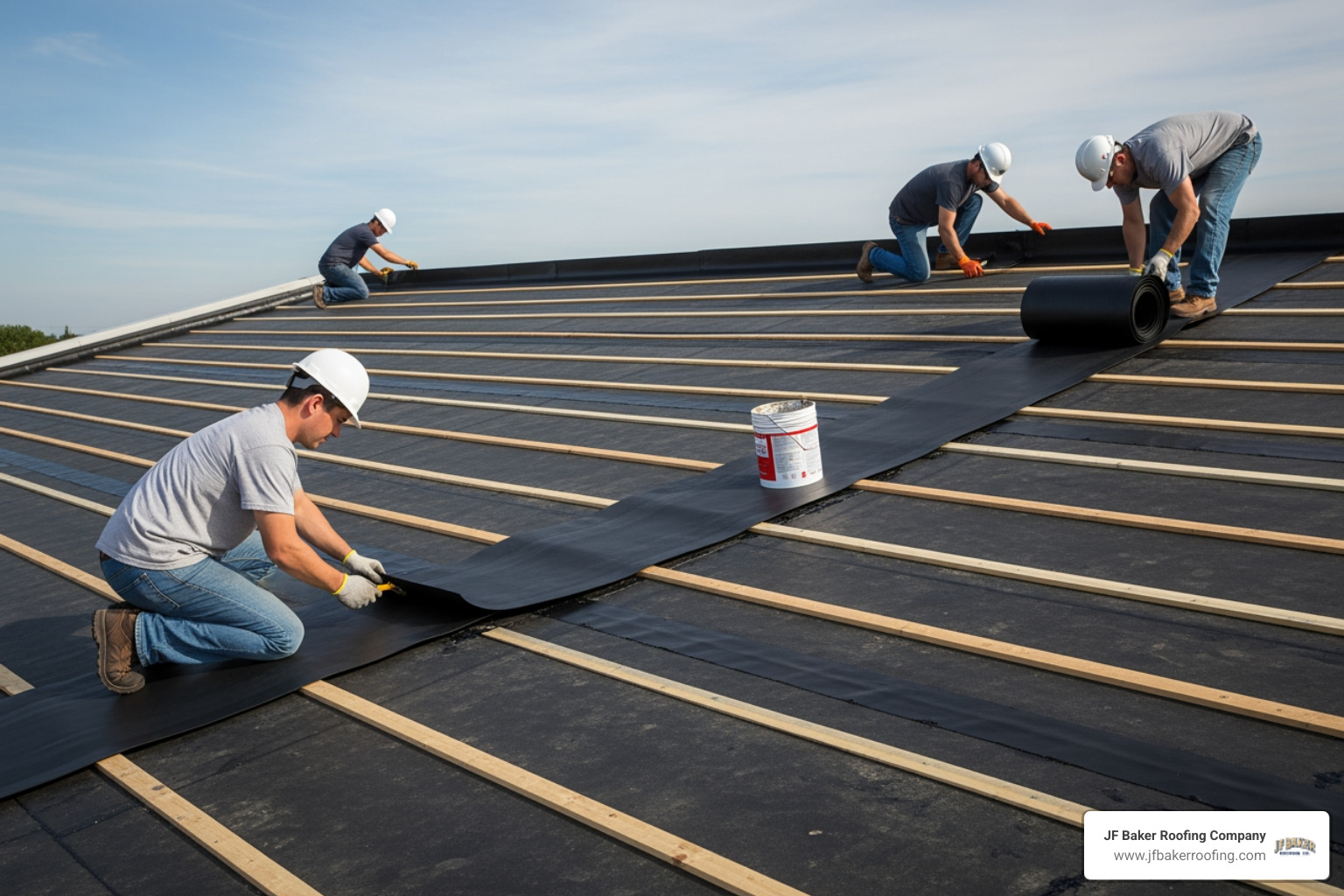
- Cleaning: Use a pressure washer to remove every bit of algae, dirt, and loose concrete. If the surface isn't clean, the sealant will peel off like a cheap sticker.
- Filling: Use a high-quality hydraulic cement or epoxy filler for structural cracks. For moving joints, stick with polyurethane.
Applying the Concrete Roof Leakage Solution
Once the cracks are filled, you need a "whole-roof" approach.
- Adhesion Test: Apply a small patch of your chosen coating to ensure it sticks.
- Primer: Always use a primer. It acts as the "glue" between the old concrete and the new waterproofing.
- The Cross-Hatch Technique: Apply the first coat horizontally. Once dry, apply the second coat vertically. This ensures you don't miss any microscopic pinholes.
- Curing: Most systems need at least 48 hours to cure. Check the weather forecast! You don't want a surprise thunderstorm in Hilliard or Upper Arlington ruining your hard work.
If you’re unsure if your roof is worth repairing or if it’s time for a fresh start, consult our How to Know When It's Time to Replace Your Roof: A Complete Homeowner's Guide.
Long-Term Prevention and Maintenance
The best concrete roof leakage solution is a proactive one.
- Bi-Annual Inspections: Check your roof every spring and fall.
- Gutter Cleaning: If your gutters are clogged, water backs up onto the roof, leading to the ponding issues we discussed earlier.
- Tree Trimming: Branches can scrape the waterproofing layer or drop debris that holds moisture against the concrete.
- Slope Correction: If you have persistent ponding, a professional can apply a concrete "screed" (a thin layer of specialized concrete) to create a slight slope toward the drains.
If a major storm hits Central Ohio, don't wait. Check out our Storm Damage Repairs page to get an expert eye on your property before small leaks become big headaches.
Frequently Asked Questions about Concrete Roof Repairs
How long do concrete roof repairs typically last?
A high-quality surface sealer usually lasts about five years. However, a professional terrace waterproofing system using membranes can last 10 to 20 years. The key is the maintenance schedule; re-applying a topcoat every 5-7 years can extend the life of the underlying membrane indefinitely.
What is the cost of concrete roof waterproofing?
Generally, the cost of proper waterproofing is only about 1% of the total construction cost of the building. Compared to the "Law of Fives"—where repair costs quintuple as damage progresses—waterproofing is the best ROI you can get for your home.
When should I call a professional roofer?
If you see exposed rebar (the metal rods inside the concrete), extensive spalling, or if the roof is too steep to walk on safely, put down the DIY tools. Structural issues require professional diagnosis to ensure your home remains safe.
Conclusion
At JF Baker Roofing Company, we’ve spent over 96 years perfecting the art of protecting homes in Central Ohio. From Columbus to Delaware and everywhere in between, our family-owned integrity means we don't just "patch" problems—we provide lasting solutions. Whether you need a simple concrete roof leakage solution or a comprehensive Storm Damage Repairs plan, we are here to help.
Don't let a small drip turn into a structural disaster.
Ready to secure your roof?










.jpeg)