Cement Sheet Leakage Solutions That Actually Work
Why a Cement Sheet Water Leakage Solution Can't Wait
A cement sheet water leakage solution is something most property owners need at some point — and sooner is always better than later.
Here's a quick overview of how to stop a leaking cement sheet roof:
- Locate the leak — check interior stains, the attic, and the roof surface for cracks or gaps
- Clean the area — remove debris, moss, and loose material with a wire brush
- Fill cracks — use roofing cement or an elastomeric sealant for small cracks; polymer-modified mortar for larger ones
- Prime the surface — apply a roof primer to improve adhesion
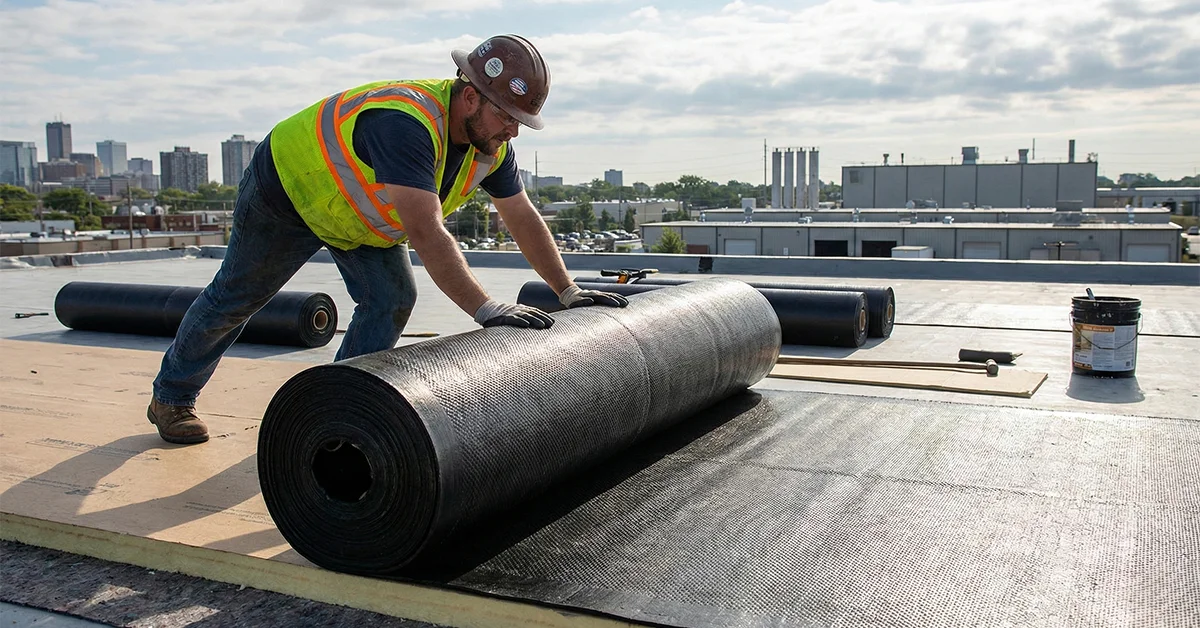
- Seal and coat — apply an elastomeric or cementitious waterproof coating in two thin layers
- Test the repair — flood test with a few inches of water for 48-72 hours to confirm the fix
Roughly 80% of property owners experience some form of roof leakage — and cement sheet roofs are one of the most common culprits in both homes and commercial buildings.
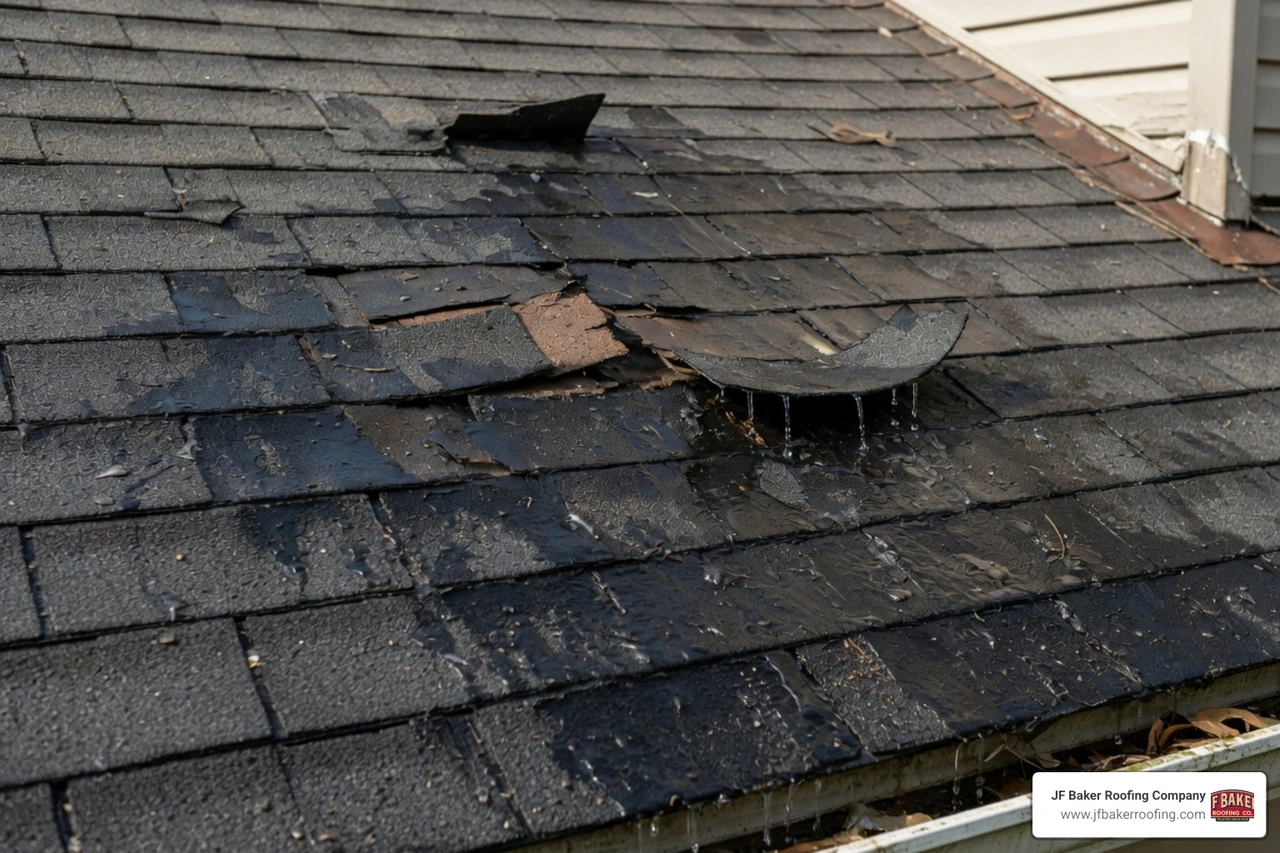
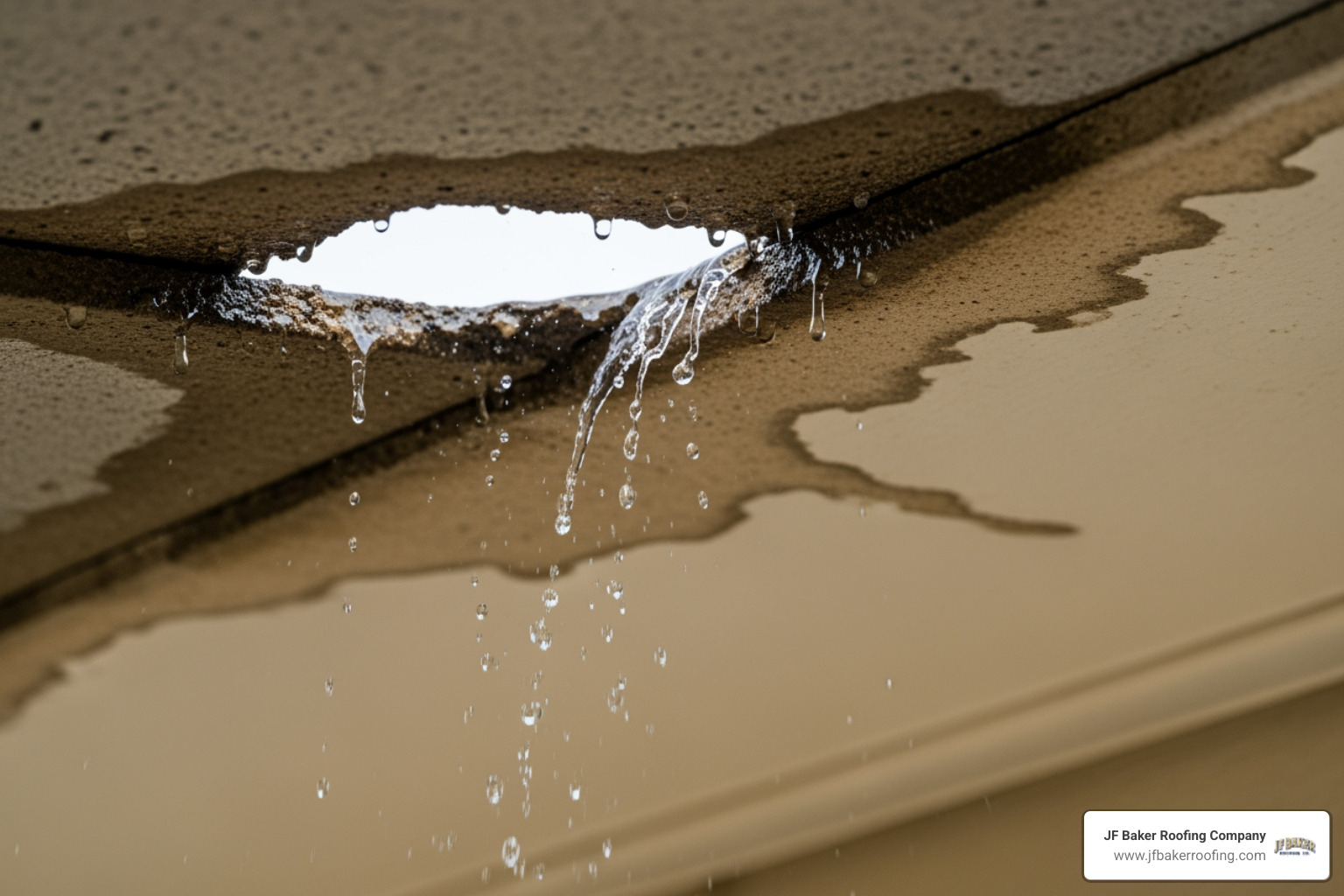
The problem isn't just a drip. Left untreated, a small leak can quietly cause mould growth, rotting structural timbers, damaged insulation, and even electrical hazards. What starts as a minor nuisance can turn into a costly repair job — or a full roof replacement.
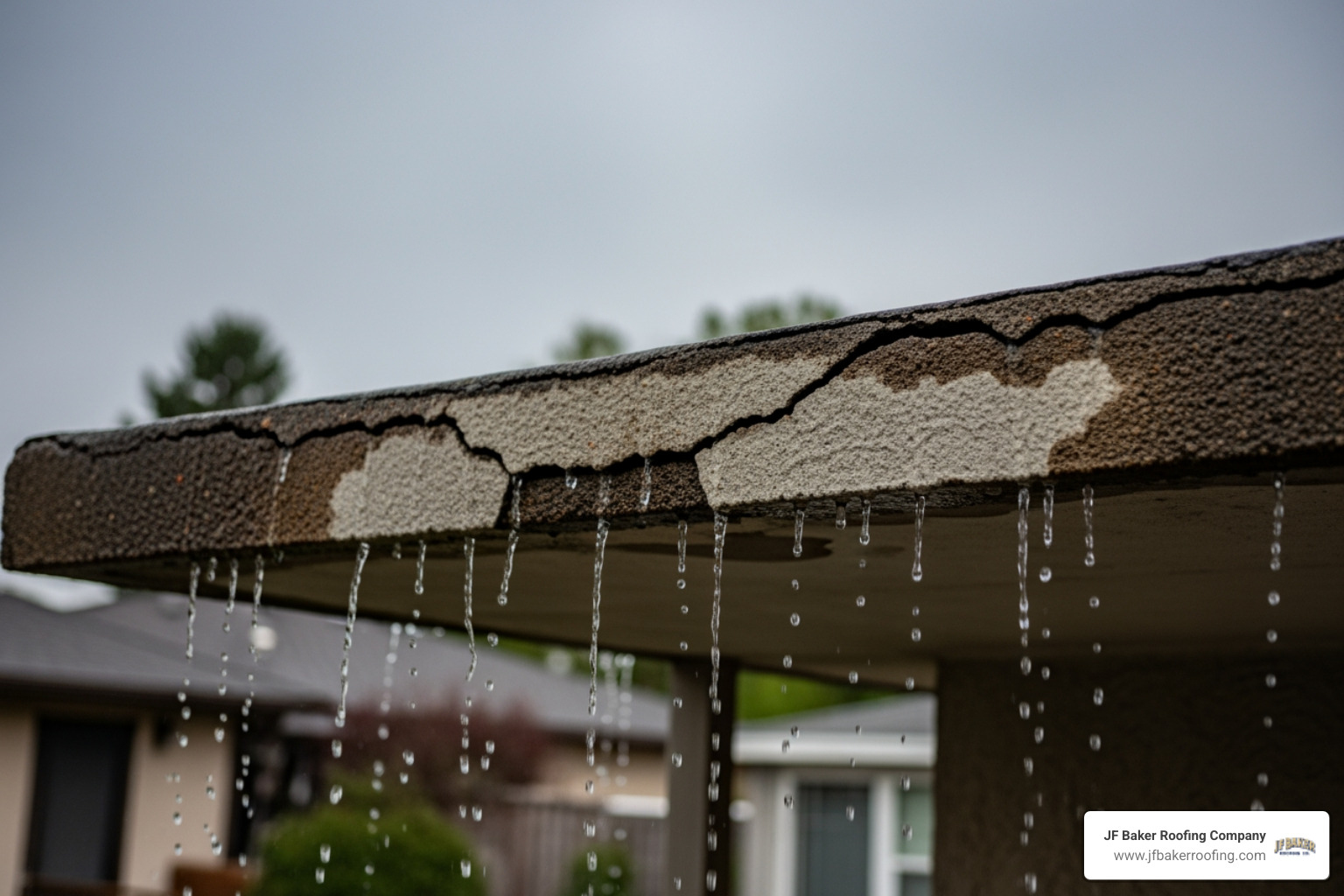
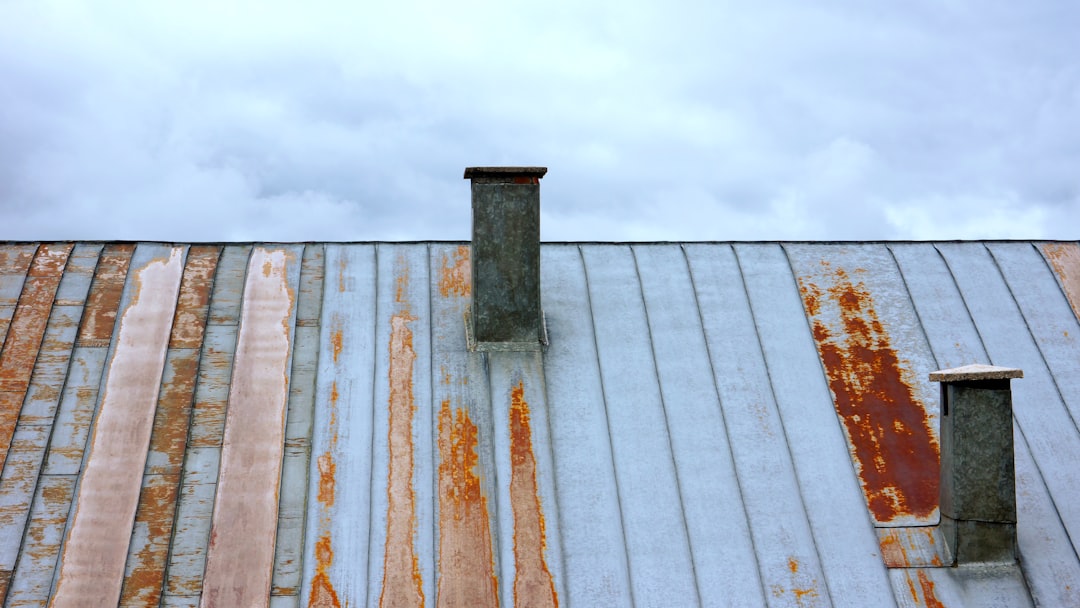
Cement sheet roofs are durable, but they're not immune to time and weather. Thermal expansion, storm impact, aging fasteners, and poor drainage all create openings for water to get in. In Central Ohio, where storms can be sudden and severe, even a small gap in the roof can let in a surprising amount of water.
The good news? Many cement sheet leaks are fixable — if you catch them early and use the right approach.
Common Causes and Identification of Cement Sheet Leaks
Before we can apply a cement sheet water leakage solution, we have to understand why these roofs fail in the first place. Cement sheets (often called fiber cement or transite in older builds) are rigid. While that makes them tough, it also makes them prone to cracking under stress.
Why Do They Leak?
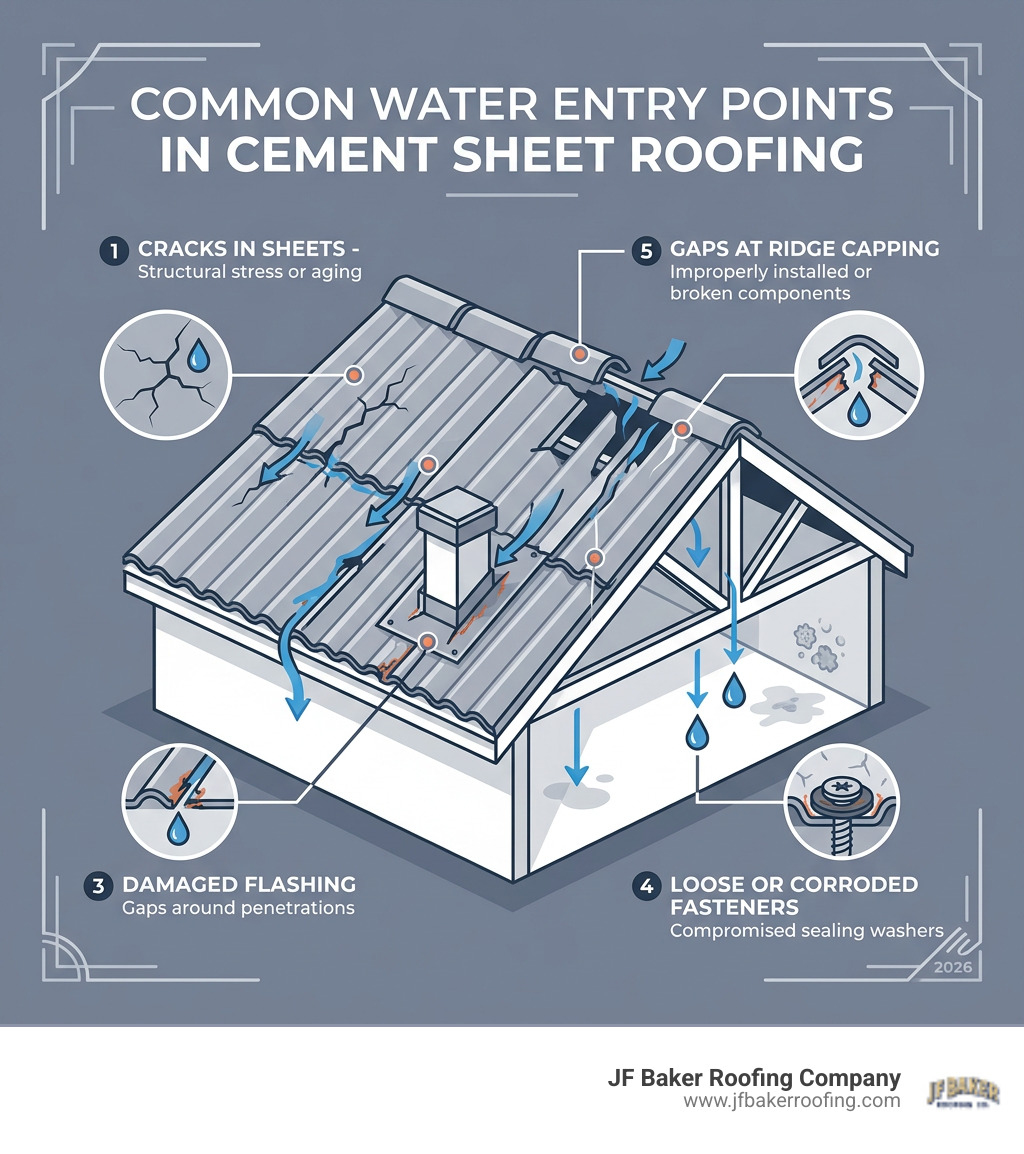
- Thermal Expansion: In Central Ohio, our temperatures swing wildly. This causes the sheets to expand and shrink. Over time, this movement stresses the material, leading to hairline fractures or widening existing gaps.
- Loose or Rusted Fasteners: Cement sheets are usually bolted or screwed down. As the roof ages, these fasteners can loosen or the rubber washers can perish, creating a direct "straw" for water to suck into your building.
- Brittle Sheets: As these roofs hit the 20-30 year mark, they lose their flexibility and become porous. They stop shedding water and start absorbing it.
- Capillary Action: Water is sneaky. It can actually travel "uphill" between overlapping sheets if the pitch is too shallow or if debris is trapped between the layers.
How to Find the Source
Finding a leak is often harder than fixing it. Water rarely travels in a straight line; it might enter at the ridge but drip from a light fixture ten feet away.
We recommend a two-step approach. First, perform an attic inspection. Look for damp insulation, "trails" on the rafters, or dark water stains. If you can't see anything obvious, try a hose test. Have someone stand on the roof with a hose while you stay in the attic. Start at the bottom of the roof and work your way up slowly. When the "rain" starts inside, you've found your culprit.
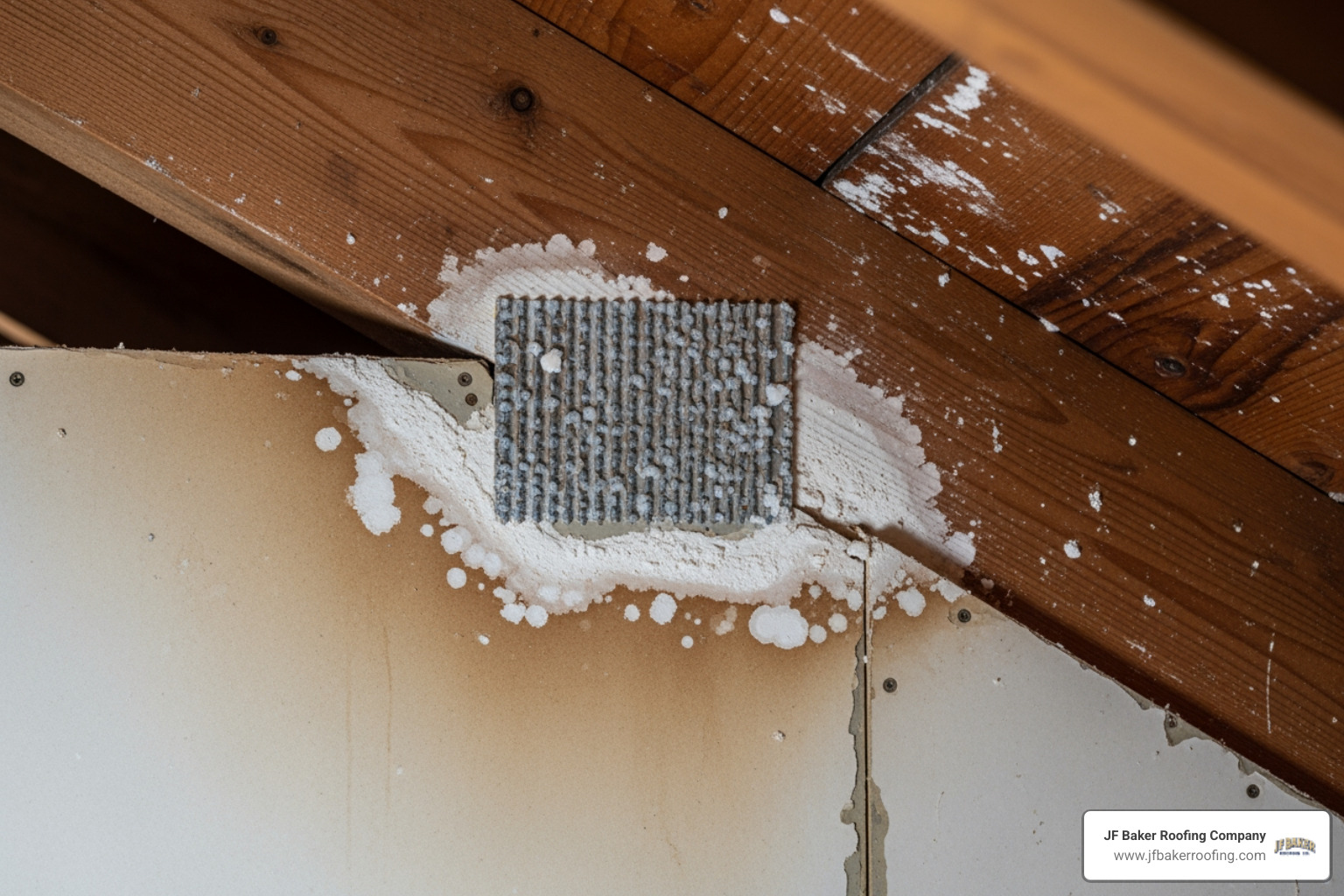
If you see white, chalky powder on your interior walls or the underside of the sheets, that's efflorescence. It’s a sure sign that moisture is moving through the cement material. For more on identifying these issues, check out this comprehensive guide to understanding water leakage problems and solutions.
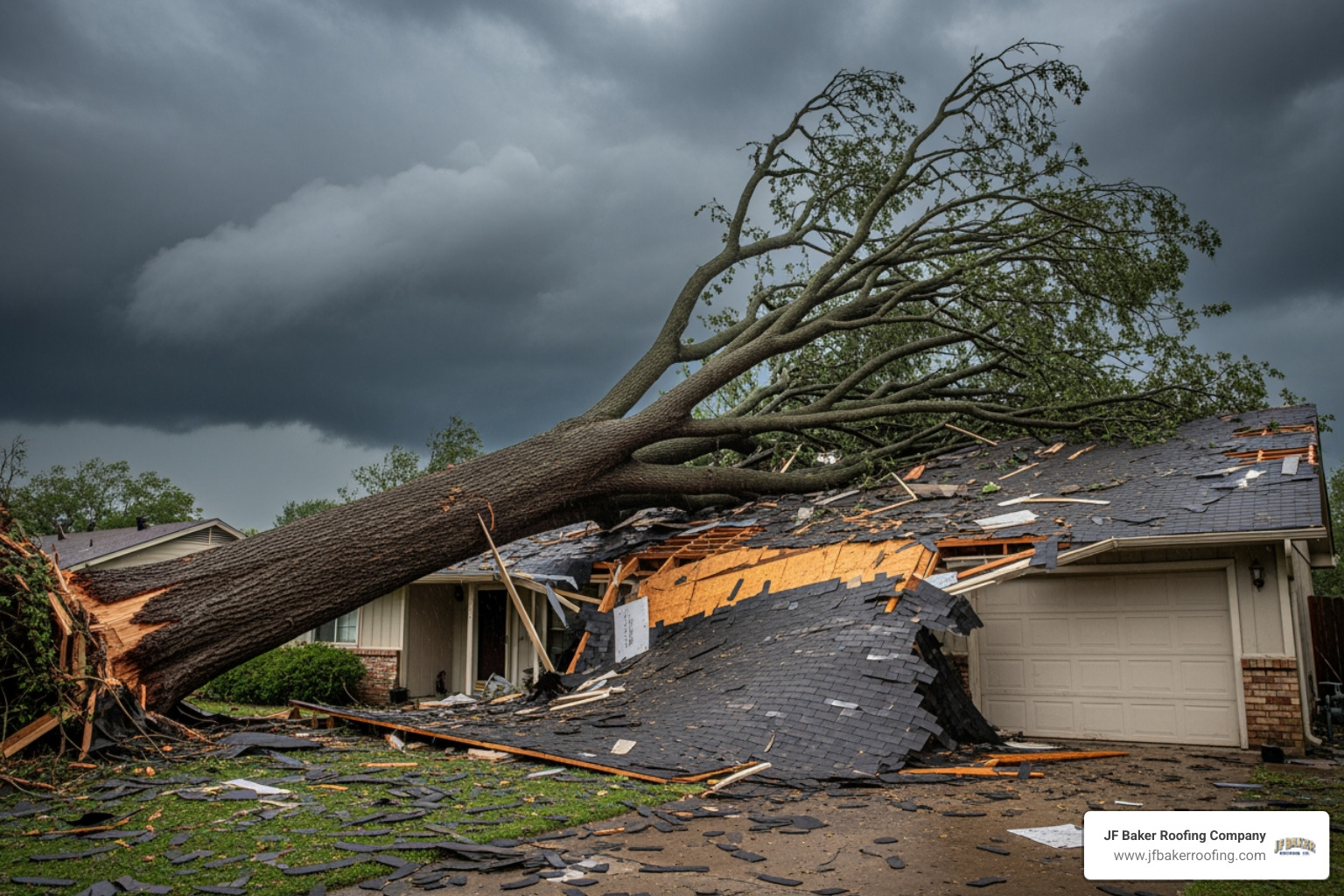
If you suspect the damage is due to a recent Ohio gale, you might need professional storm damage repairs to ensure the structural integrity of the roof isn't compromised.
Essential Materials for a Cement Sheet Water Leakage Solution
Choosing the right material is the difference between a fix that lasts five years and one that fails during the next thunderstorm. You can't just slap any old caulk on a cement sheet and expect it to stick.
Material TypeBest ForKey BenefitElastomeric SealantsSmall cracks and fastenersHigh flexibility; moves with the roofBitumen MembranesLarge gaps and jointsHeavy-duty waterproofing; very durableCementitious CoatingsPorous, aging sheetsBonds chemically to the cement surfacePolyurethane ResinsDeep cracks and voidsExpands to fill the space completelyNeutral Cure SiliconeFlashing and skylightsUV resistant; won't corrode metal
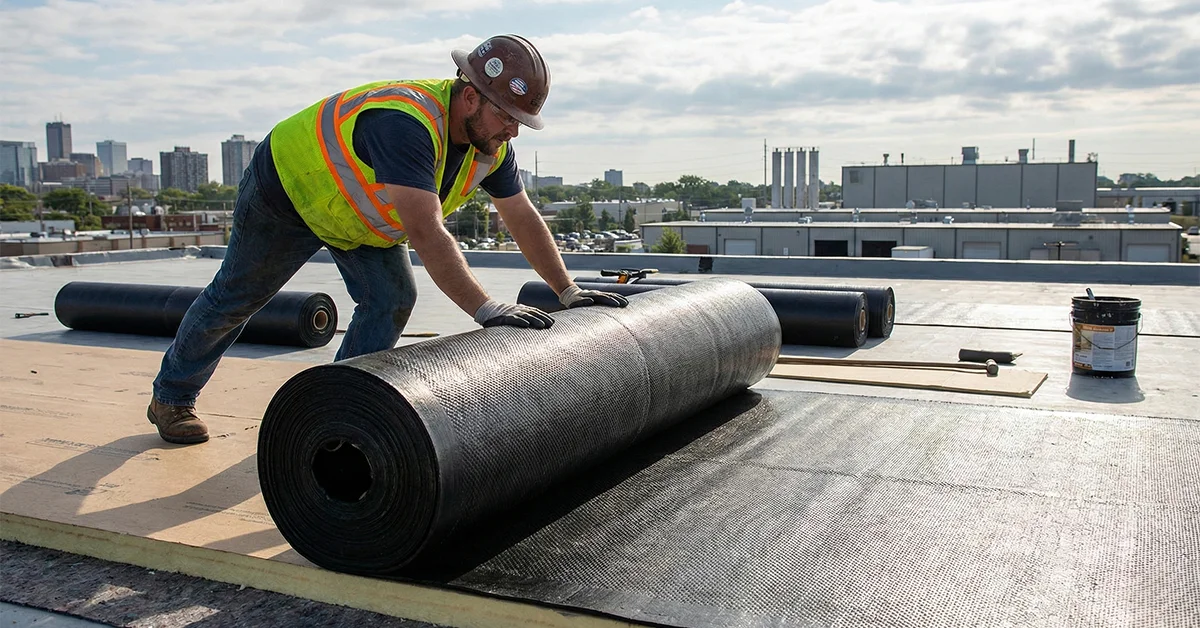
For a long-term fix, many experts suggest that a bitumen membrane is a reliable solution for covering large sections of troubled cement sheeting.
Choosing the Right Cement Sheet Water Leakage Solution for Cracks
The width of the crack dictates the tool.
- Hairline Cracks (<2mm): These can often be bridged by a high-quality liquid membrane or an elastomeric coating.
- Medium Cracks (2mm - 5mm): These require a fiber-reinforced filler or a dedicated crack-sealant.
- Large Cracks (>5mm): These need a "plug" of polymer-modified mortar followed by a waterproof topcoat.
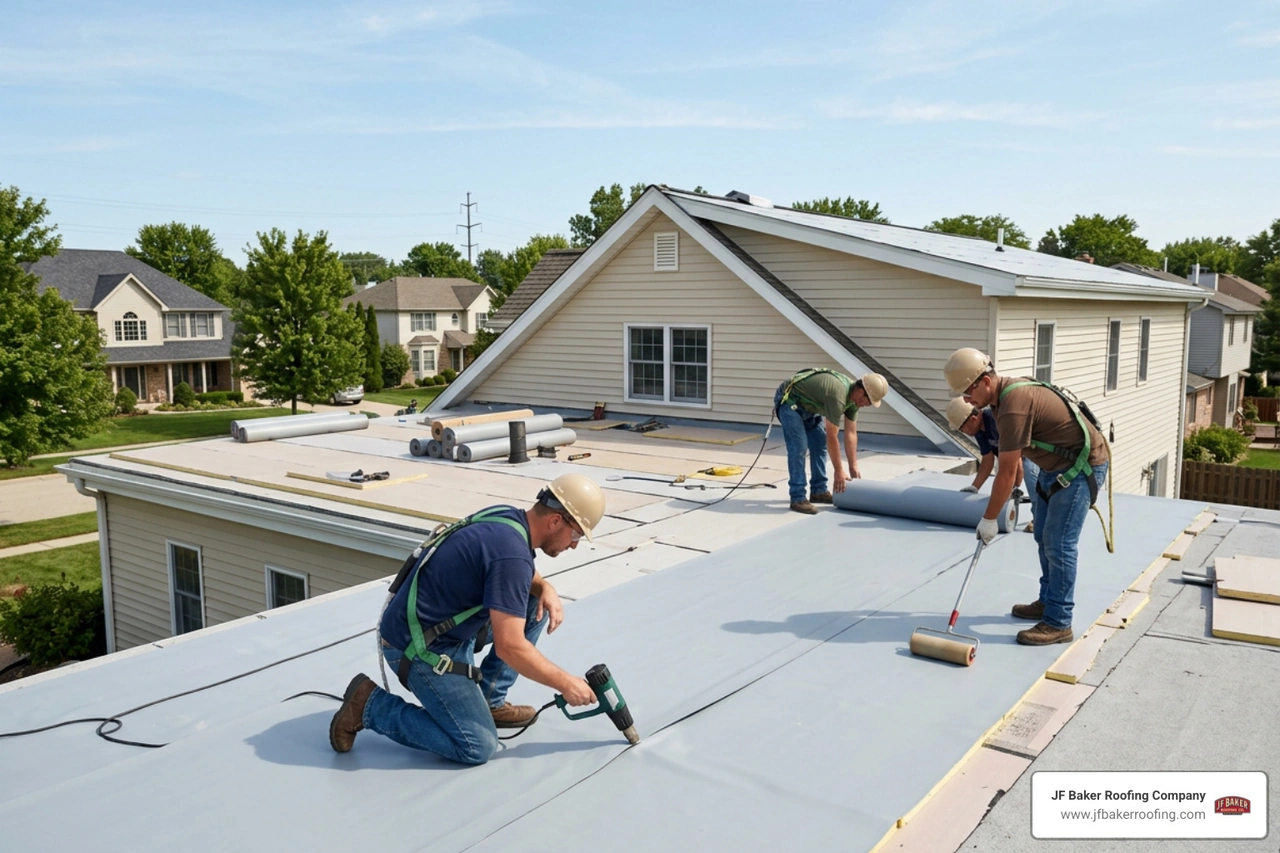
When dealing with a home roof, our residential roofing services often utilize multi-layered systems to ensure the repair handles the expansion and contraction common in the Columbus area.
Safety Precautions and Asbestos Considerations
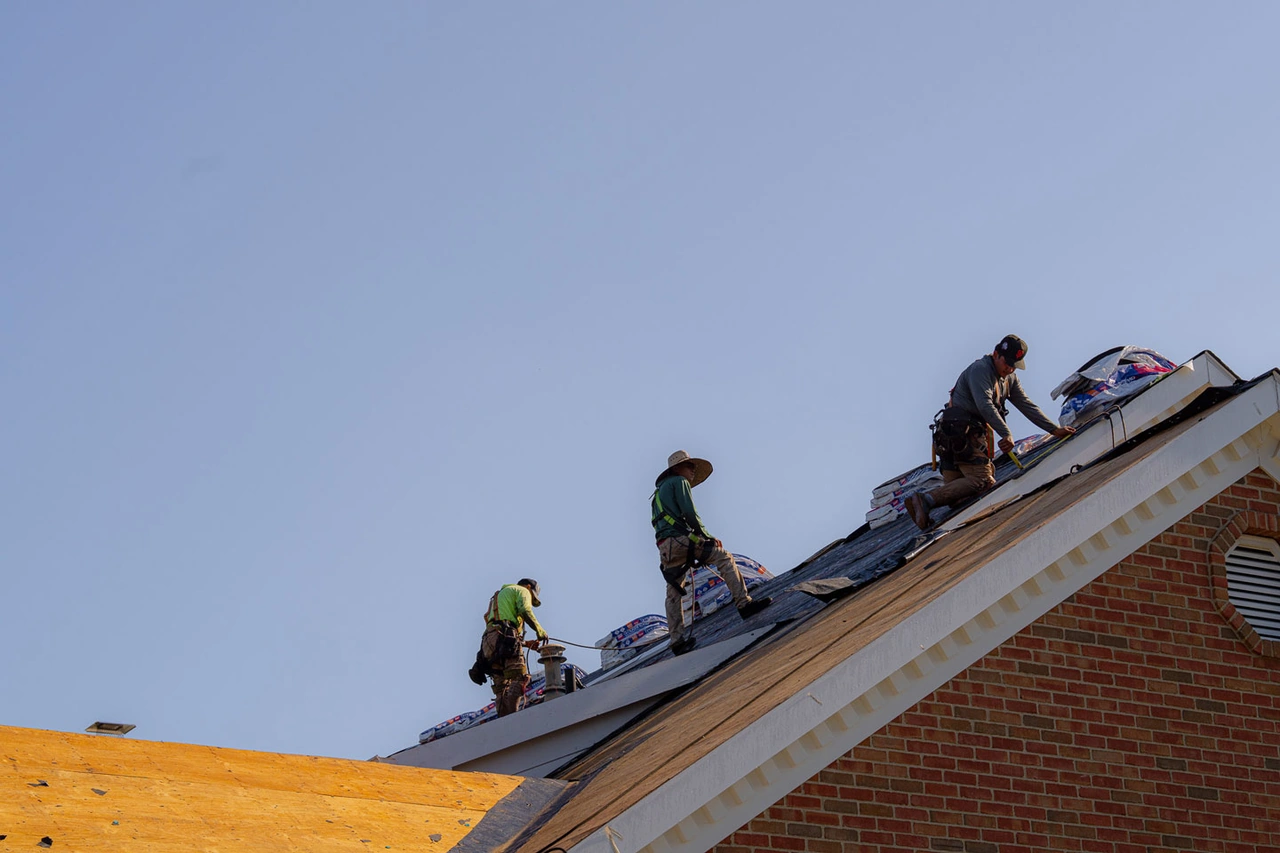
Safety isn't just a suggestion; it's a requirement. Cement sheets can be incredibly slippery when wet, and older sheets can be brittle enough to snap under a person's weight.
The Asbestos Warning: If your cement sheet roof was installed before the 1980s, there is a very high probability it contains asbestos. Never sand, saw, or pressure wash an asbestos-cement roof. Doing so releases toxic fibers into the air. If you suspect asbestos, stop what you are doing and call a professional for abatement or encapsulation.
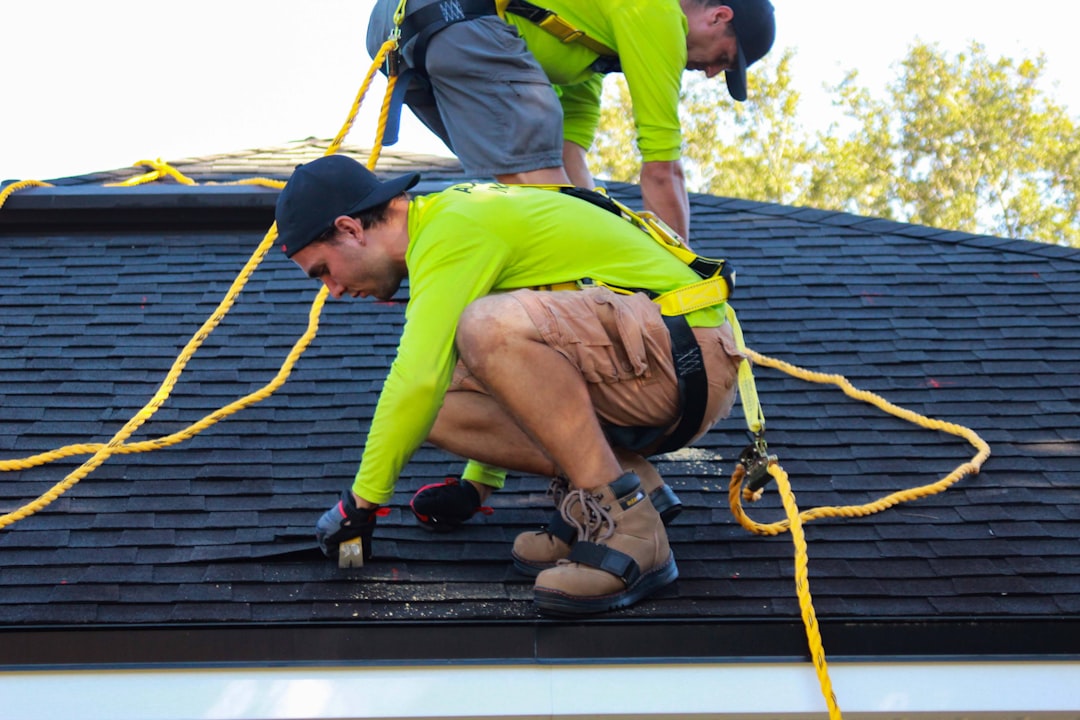
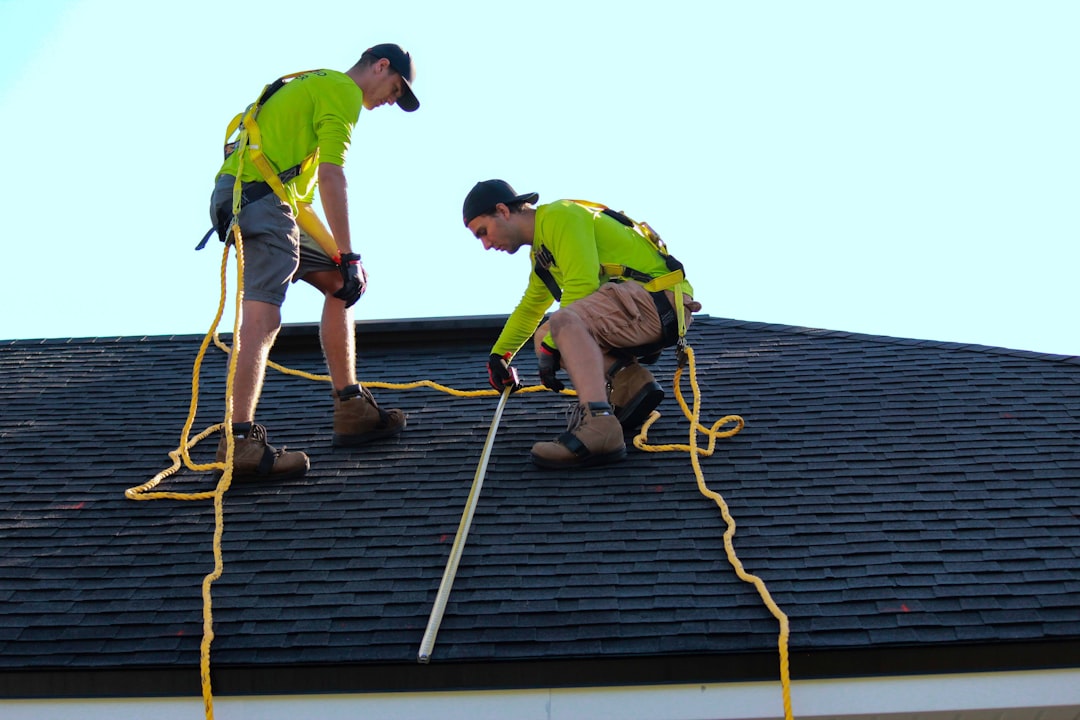
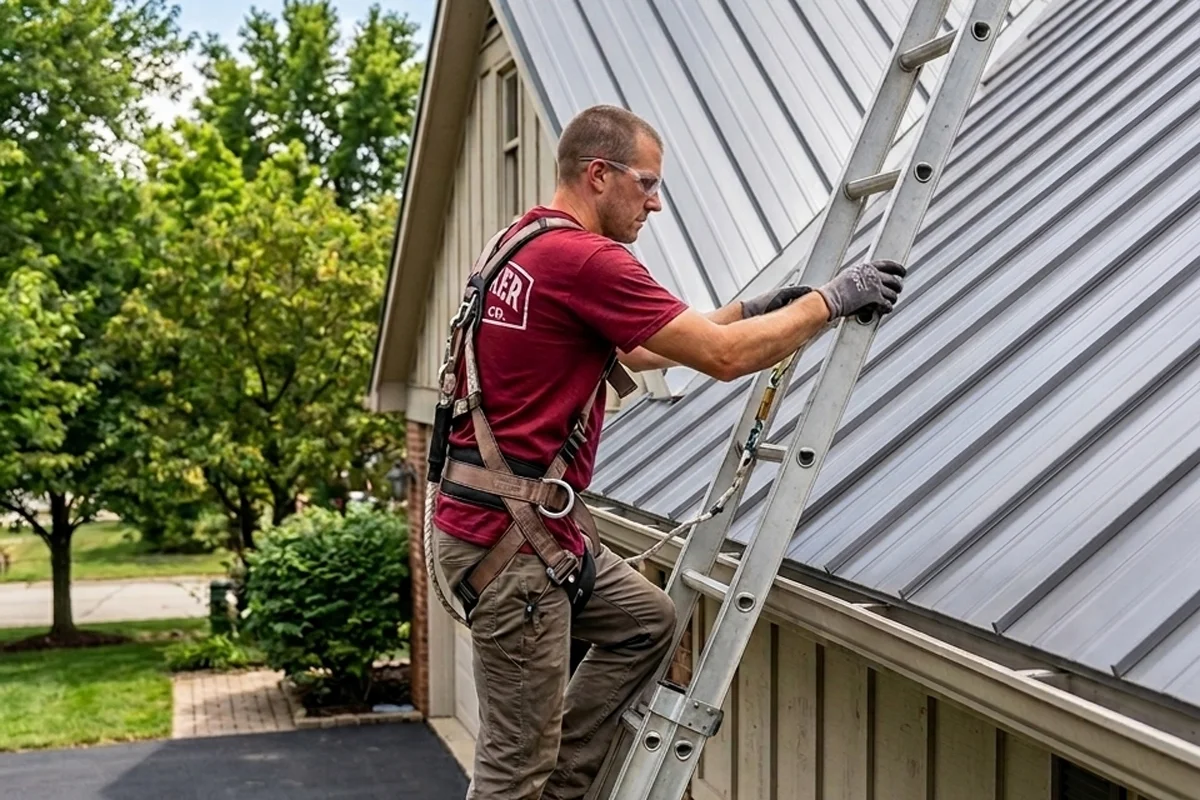
Always wear non-slip shoes, use a safety harness, and work with a partner.
Step-by-Step Guide to Repairing Cement Sheet Leaks
Ready to get your hands dirty? Follow this process to ensure your cement sheet water leakage solution actually sticks.
1. Surface Preparation
You can buy the most expensive sealant in the world, but if you apply it over moss and dust, it will peel off in a week. Use a wire brush to scrub the area around the leak. If the roof isn't asbestos-based, a low-pressure wash can help, but make sure the area is bone-dry before proceeding.
2. Priming
Cement is naturally porous and "thirsty." If you apply sealant directly, the cement might suck the oils out of the sealant, causing it to become brittle. A dedicated roof primer acts as a bridge, ensuring the sealant bonds tightly to the sheet.
3. Filling and Sealing
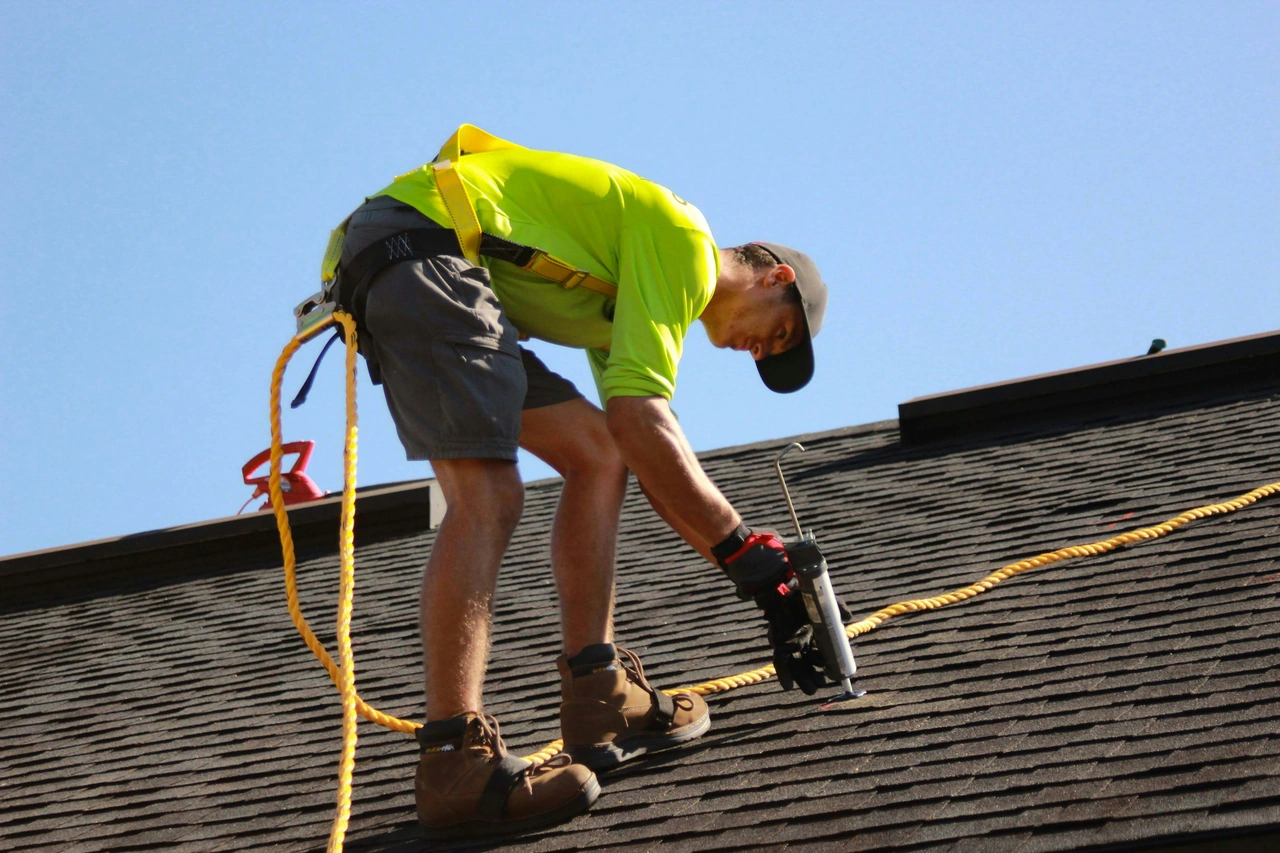
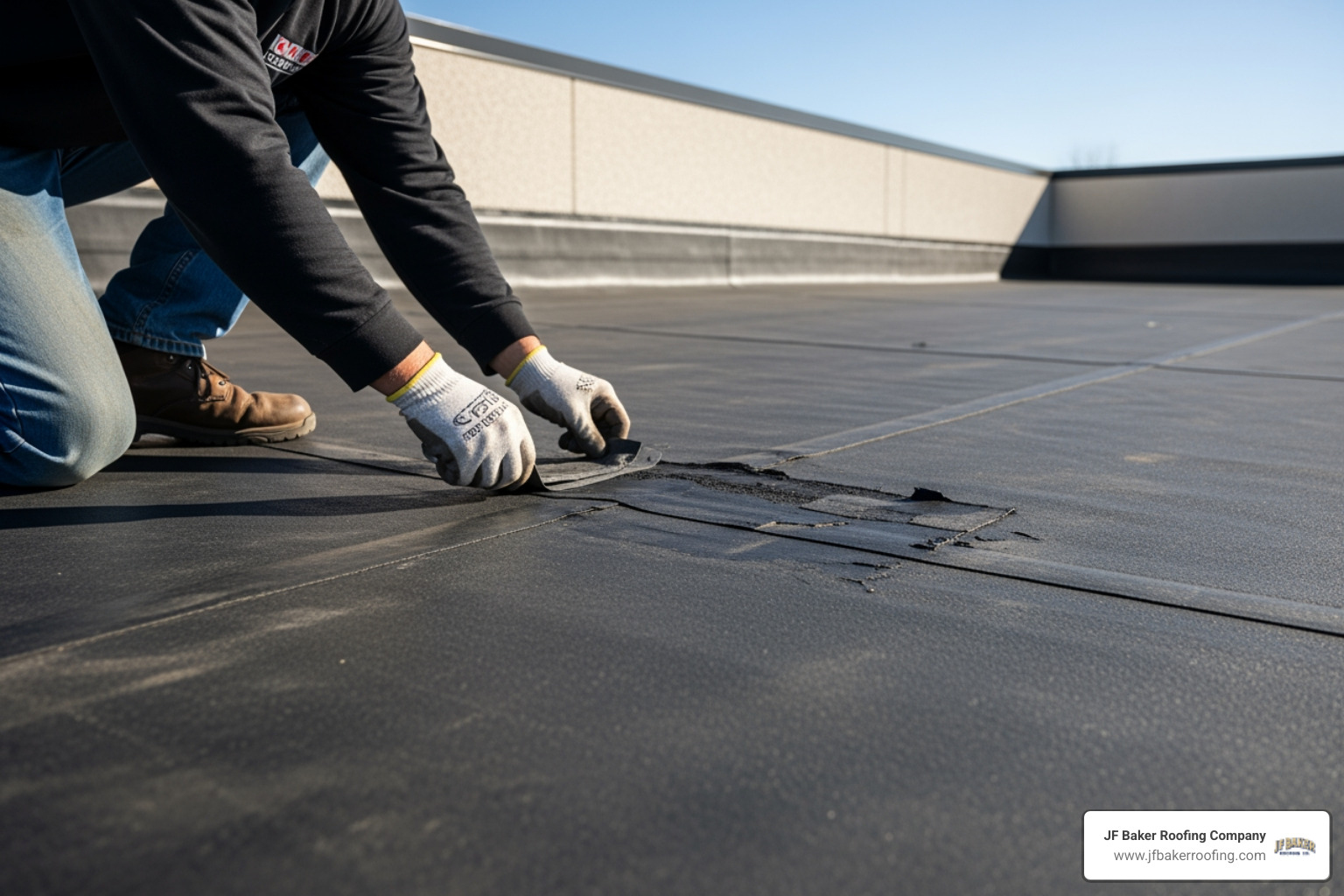
For small holes or cracks, apply your chosen sealant. For larger repairs, you may need to integrate sheet metal work for flashing or use a step-by-step guide to applying cement-based waterproof materials to ensure the mortar is mixed and applied at the correct thickness (usually 1-2mm per layer).
4. Curing
Don't rush this. Most high-quality sealants need at least 24 hours to cure. If it rains two hours after you finish, you might have to start all over again.
Applying a Permanent Cement Sheet Water Leakage Solution
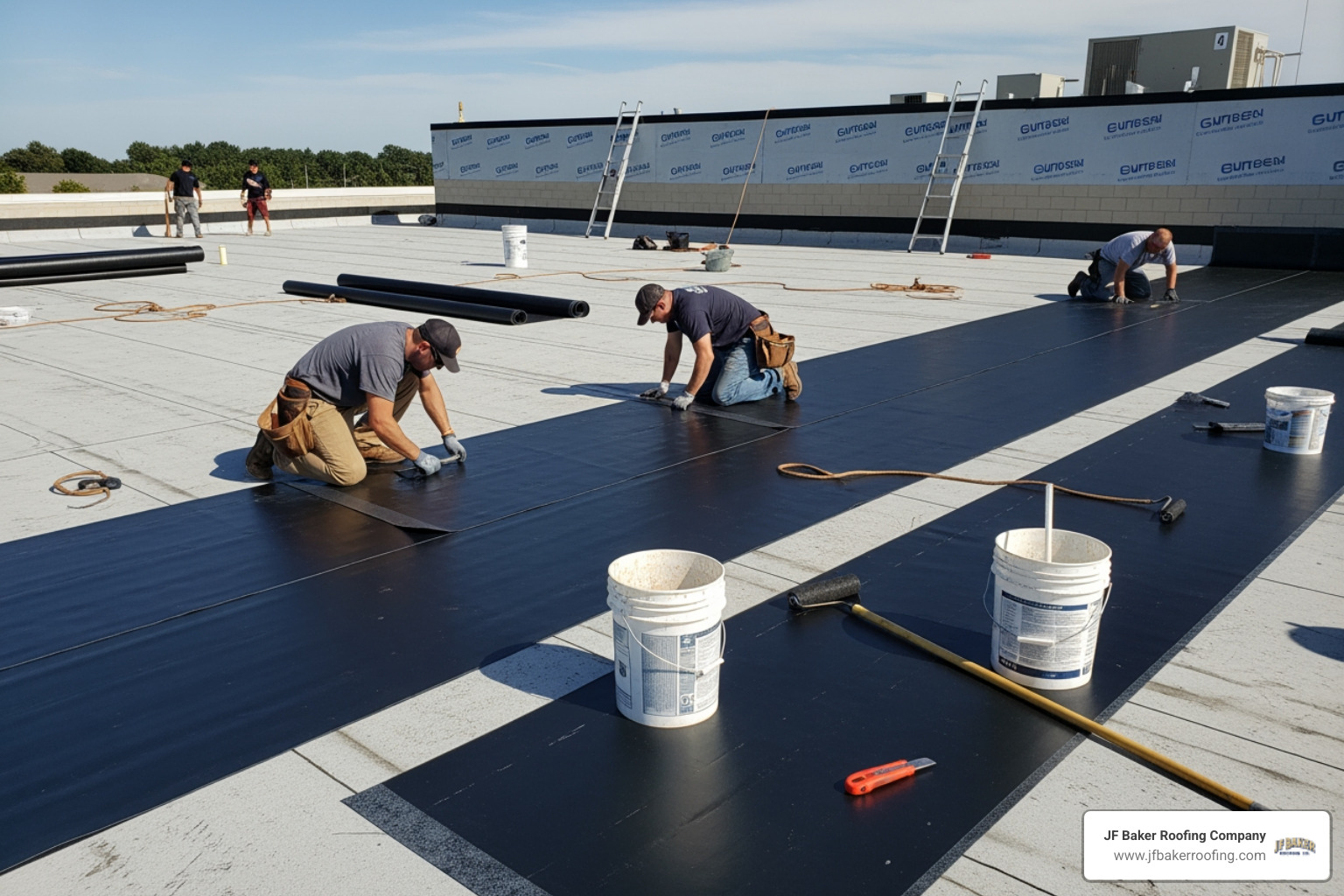
For a "set it and forget it" fix, we recommend a two-coat application.
- First Coat: Apply the sealant or coating, extending it at least 6 inches past the damaged area.
- Reinforcement: While the first coat is wet, lay down a layer of alkaline-resistant mesh.
- Second Coat: Once the first is tacky, apply a second coat over the mesh. This creates a "sandwich" that is incredibly strong and flexible.
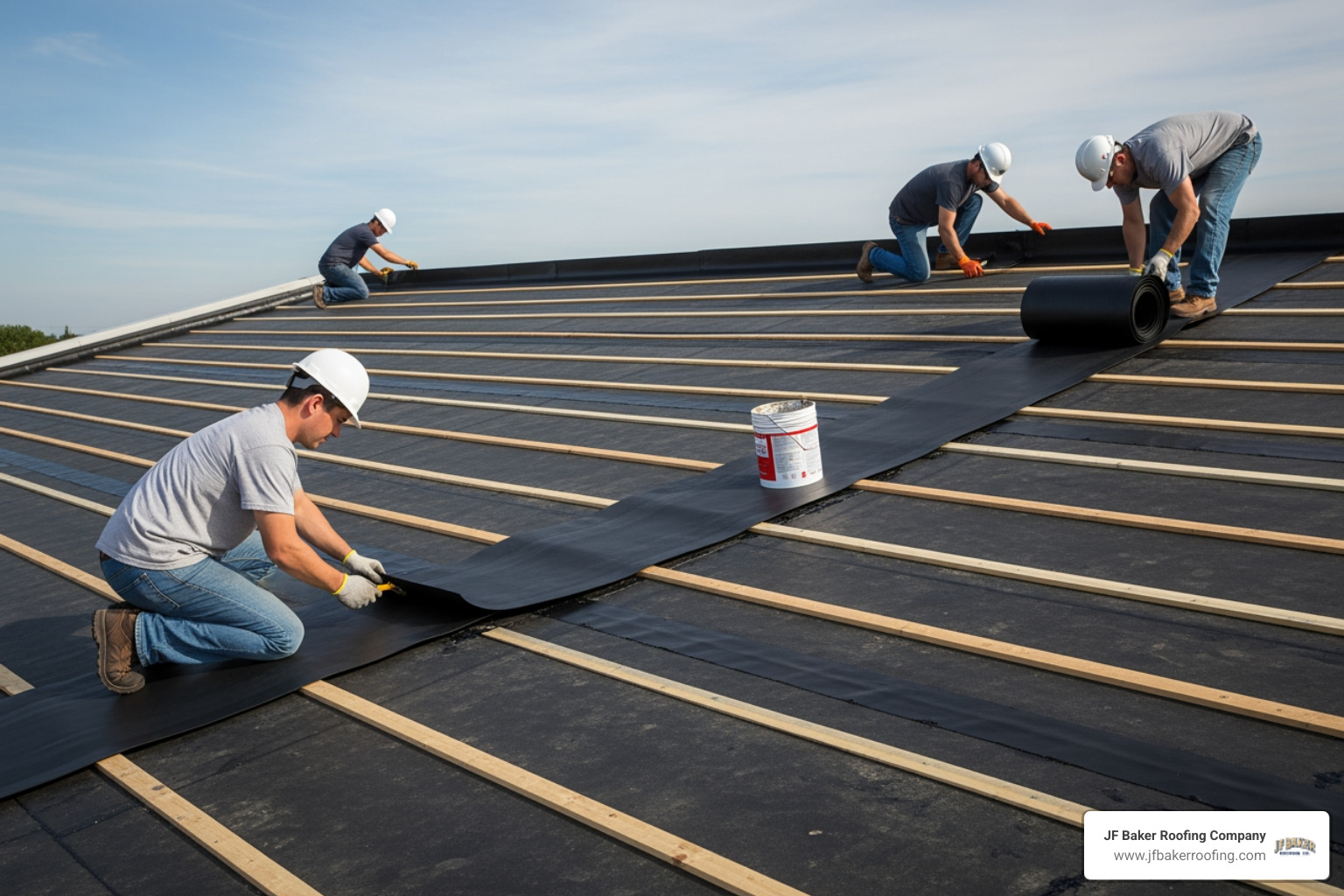
This method is standard in our commercial roofing services, where durability is the top priority. Finally, perform a flood test by blocking the drains and letting a small amount of water sit over the repair for 48 hours. If the attic stays dry, you're golden!
Long-Term Prevention and Maintenance Strategies
A repair is a cure, but maintenance is the prevention. You don't want to be back up on that ladder every six months.
- Gutters and Drainage: If your gutters are clogged, water backs up under the cement sheets. Keeping your gutters and drainage clear is the easiest way to prevent leaks.
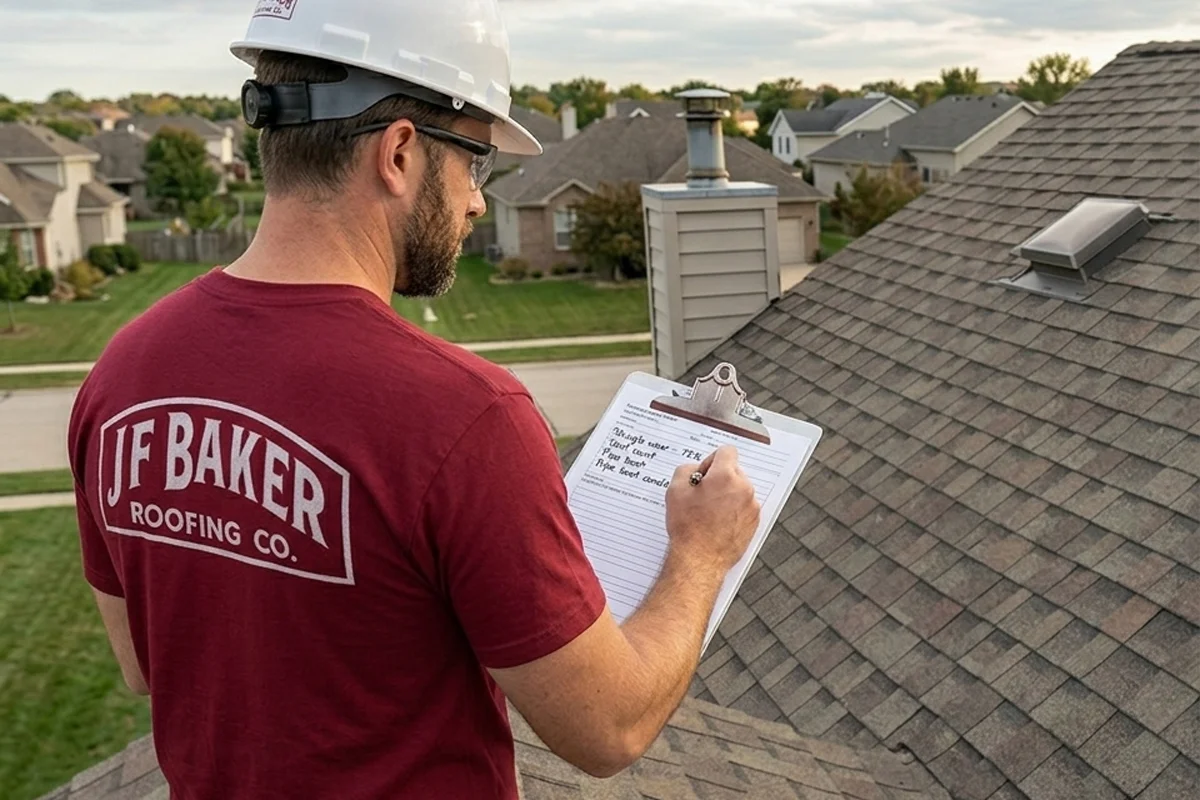
- Annual Inspections: Check your roof every spring and fall. Look for "alligatoring" (small surface cracks) or fasteners that have started to "back out."
- Branch Trimming: Overhanging branches can drop debris that holds moisture against the cement or, worse, scrape the surface during a storm.
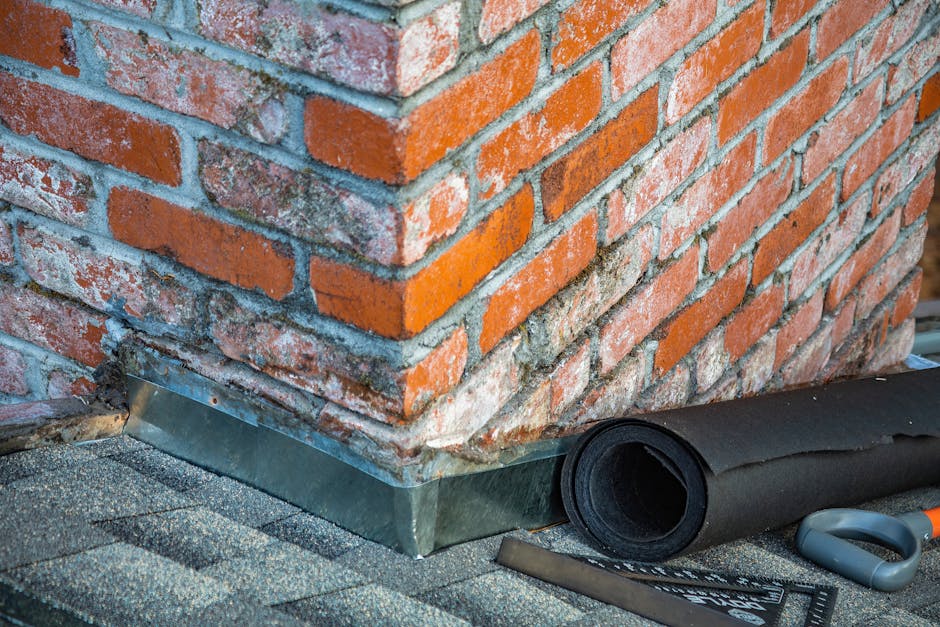
- Flashing Repair: Check the metal bits around chimneys and vents. If the caulk is cracking, scrape it out and replace it before it fails.
For a deeper dive into whole-home protection, this guide to water leakage solutions covers everything from the roof down to the floor.
Frequently Asked Questions about Cement Sheet Leaks
How long does a typical cement sheet roof repair last?
A "quick fix" with basic hardware store caulk might only last a single season. However, a professional-grade cement sheet water leakage solution using elastomeric coatings and mesh reinforcement can easily last 5 to 10 years. The lifespan depends heavily on Central Ohio's weather; extreme heat can eventually degrade even the best UV-resistant coatings.
Can I paint over a cement sheet leak repair?
Yes! In fact, we recommend it. Most elastomeric and acrylic-based sealants are paintable once fully cured. Using a reflective, light-colored roof paint can actually help protect the repair from UV damage and reduce your cooling costs in the summer. Just make sure the sealant is moisture-resistant and specifically labeled as "paintable."
When should I choose replacement over repair?
We generally follow the "30% Rule." If more than 30% of your roof sheets are cracked, porous, or showing signs of structural sagging, it’s usually more cost-effective to replace the roof than to keep patching it. Additionally, if the roof is over 30 years old, the material may be too brittle to safely walk on for repairs. In these cases, a full replacement provides 20-30 years of peace of mind.
Conclusion
Dealing with a leaky roof is stressful, but finding a cement sheet water leakage solution doesn't have to be a nightmare. Whether you're tackling a small DIY crack or realizing it's time for a professional touch, the key is to act fast and use materials that can handle the Ohio elements.
At JF Baker Roofing, we’ve been serving the Central Ohio community—from Upper Arlington to Westerville and everywhere in between—for over 96 years. As a family-owned business, we pride ourselves on integrity and quality craftsmanship. If your cement sheet roof is giving you trouble, or if you need expert storm damage repairs services, we're here to help. We offer transparent pricing and the kind of consistent 5-star service that only comes from nearly a century of experience.
Don't let a small drip become a big disaster. Reach out to us today, and let’s get your roof back in top shape!


.jpeg)