Don't Wait for Leaks to Look Up After the Storm
The Clock Is Already Ticking After Your Storm
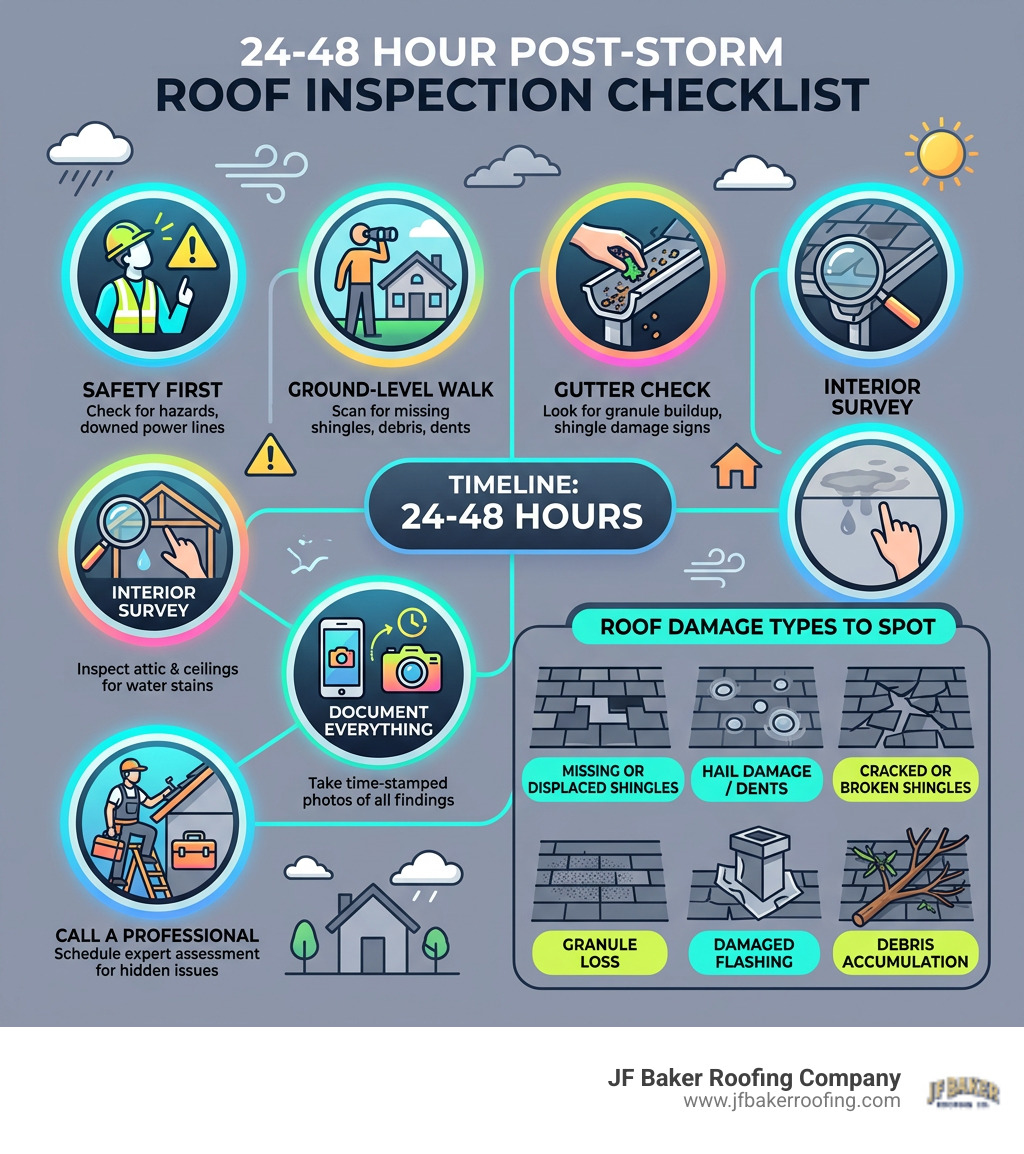
Roof inspection after storm damage should happen within 24 to 48 hours — before hidden problems get worse and before insurance deadlines slip by.
Here's what to do right after a storm:
- Stay safe first — check for downed power lines and structural hazards before going outside
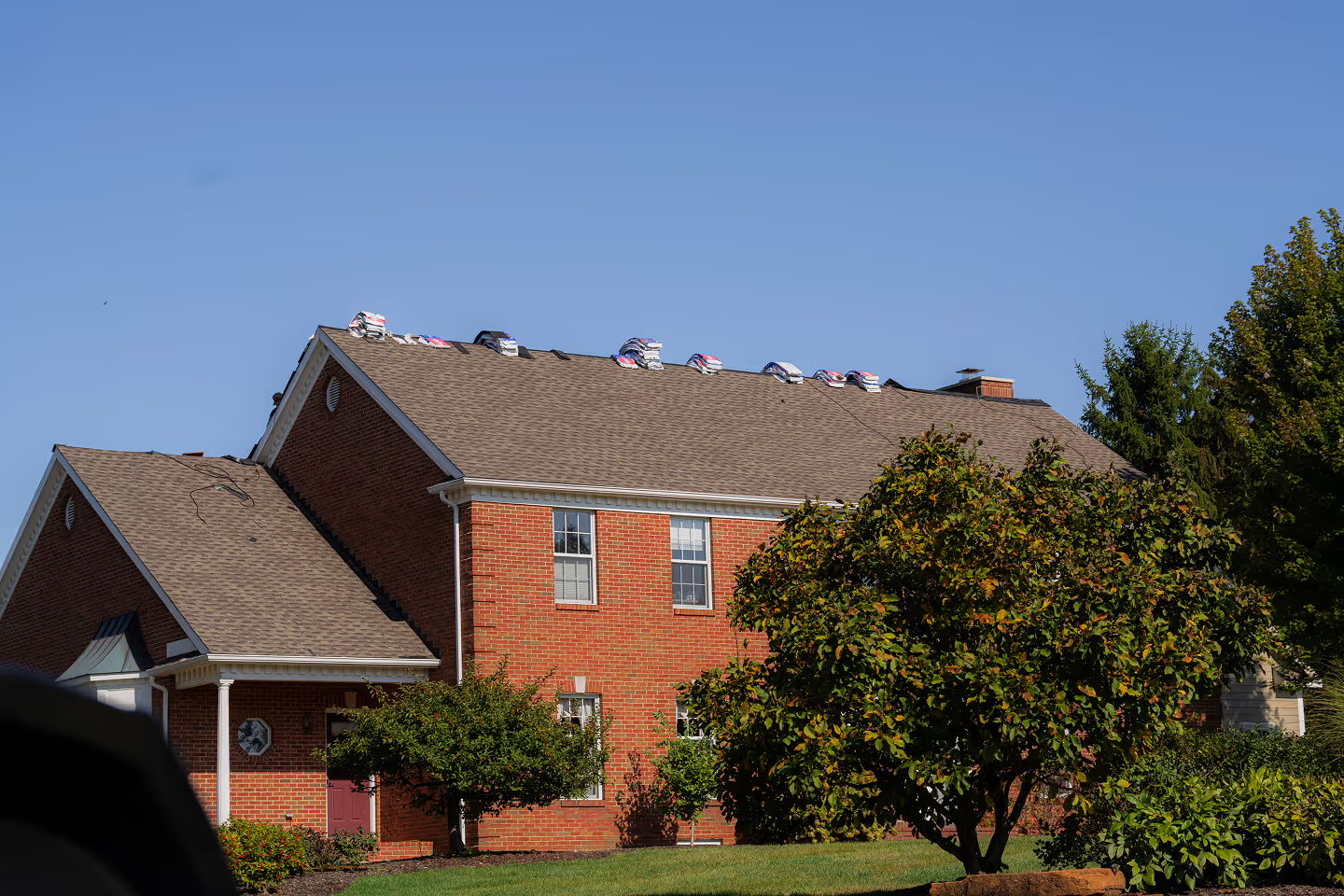
- Do a ground-level walk around your home and look for missing shingles, debris, and dents
- Check your gutters for granule buildup, a key sign of shingle damage
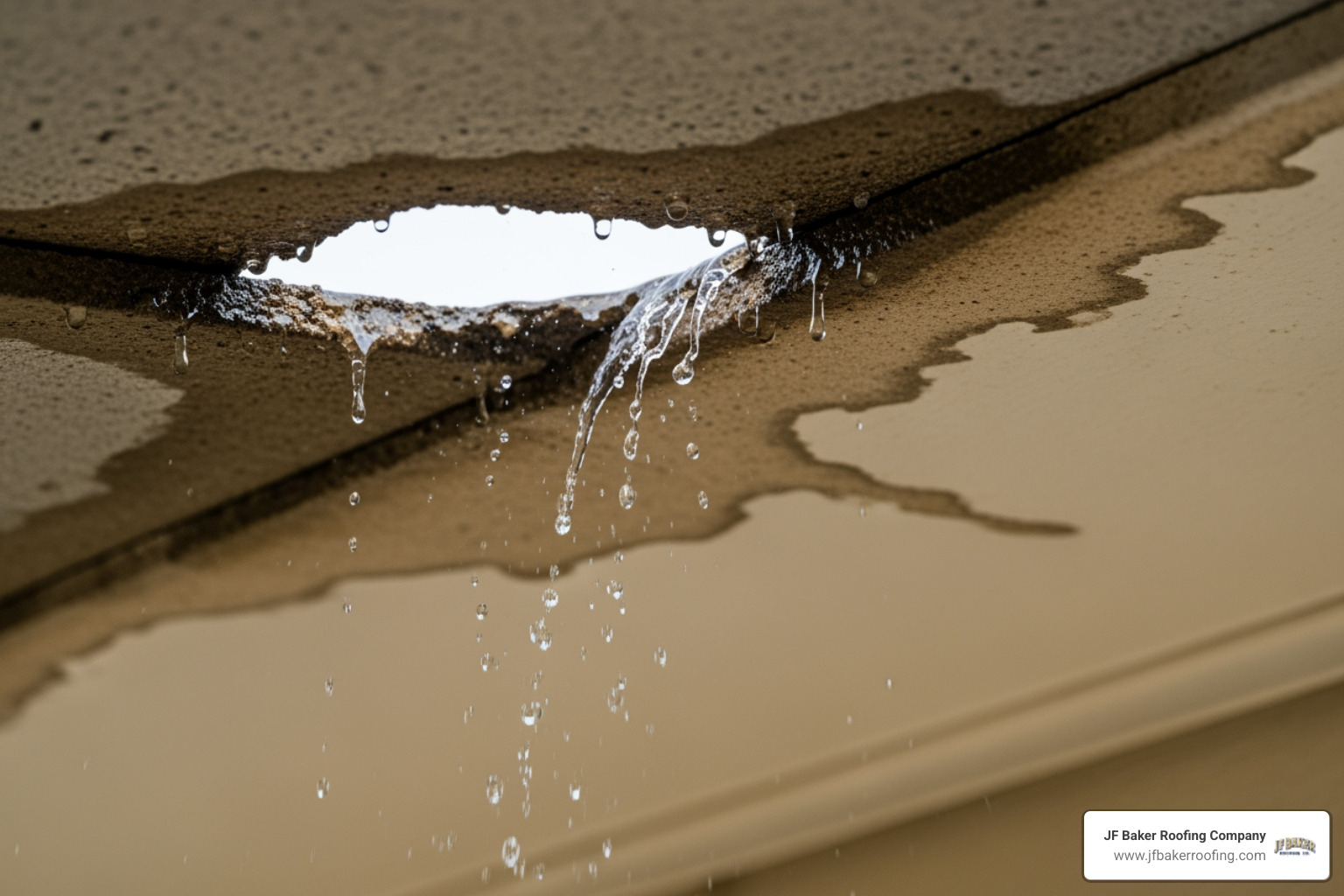
- Go inside and look for water stains on ceilings and in the attic
- Document everything with time-stamped photos before touching anything
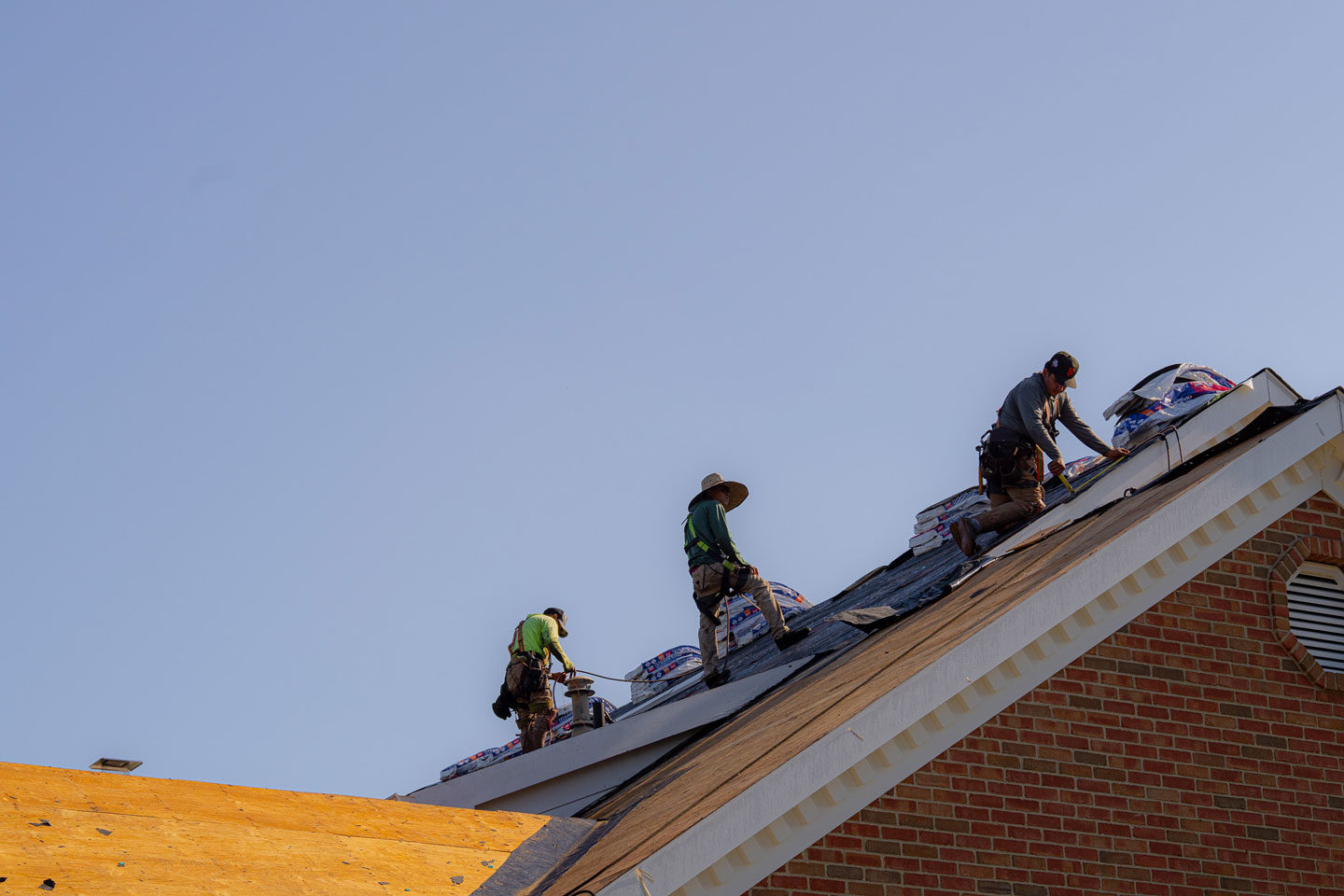
- Call a professional roofer to inspect what you can't safely see yourself
Storms don't always leave obvious clues. A roof can look fine from the street and still have damage that quietly lets in water, grows mold, or weakens your structure over time.
That's the part most homeowners miss.
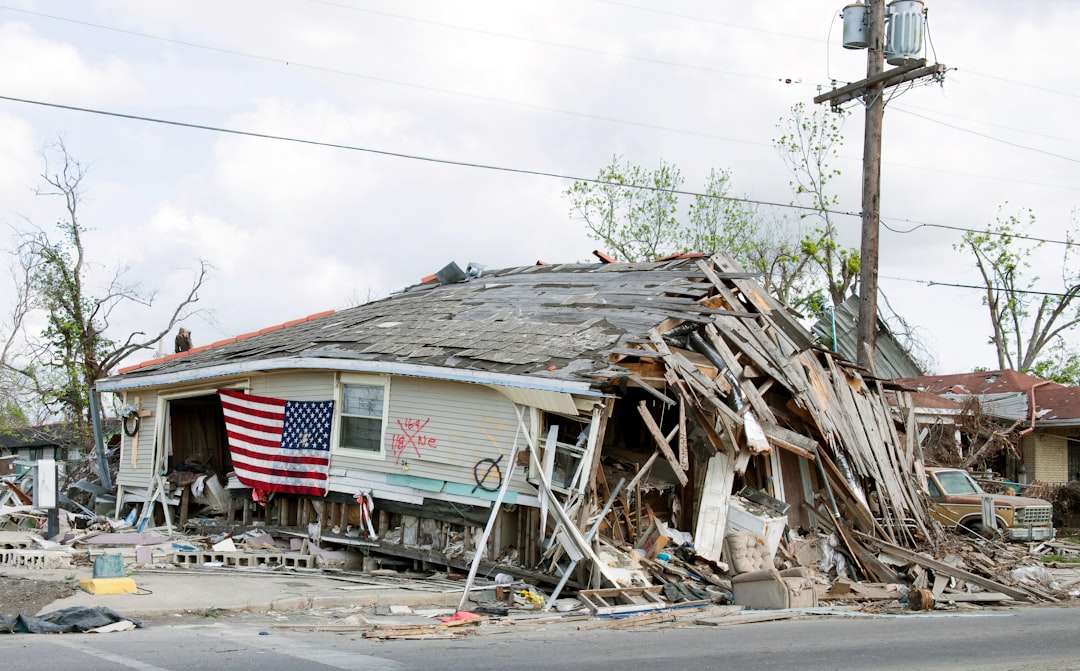
Severe weather is becoming more frequent, not less. In 2024, the U.S. experienced one of its most extreme years for weather and climate disasters on record, according to NOAA. And when storms hit, roofs take the first punch — often absorbing damage that won't show up as a leak until weeks later.
Waiting to act isn't just risky for your home. It can also put your insurance coverage at risk if you miss filing deadlines or fail to document damage in time.
This guide walks you through exactly what to look for, how to do it safely, and when to call in a pro.
Why a Professional Roof Inspection After Storm is Critical
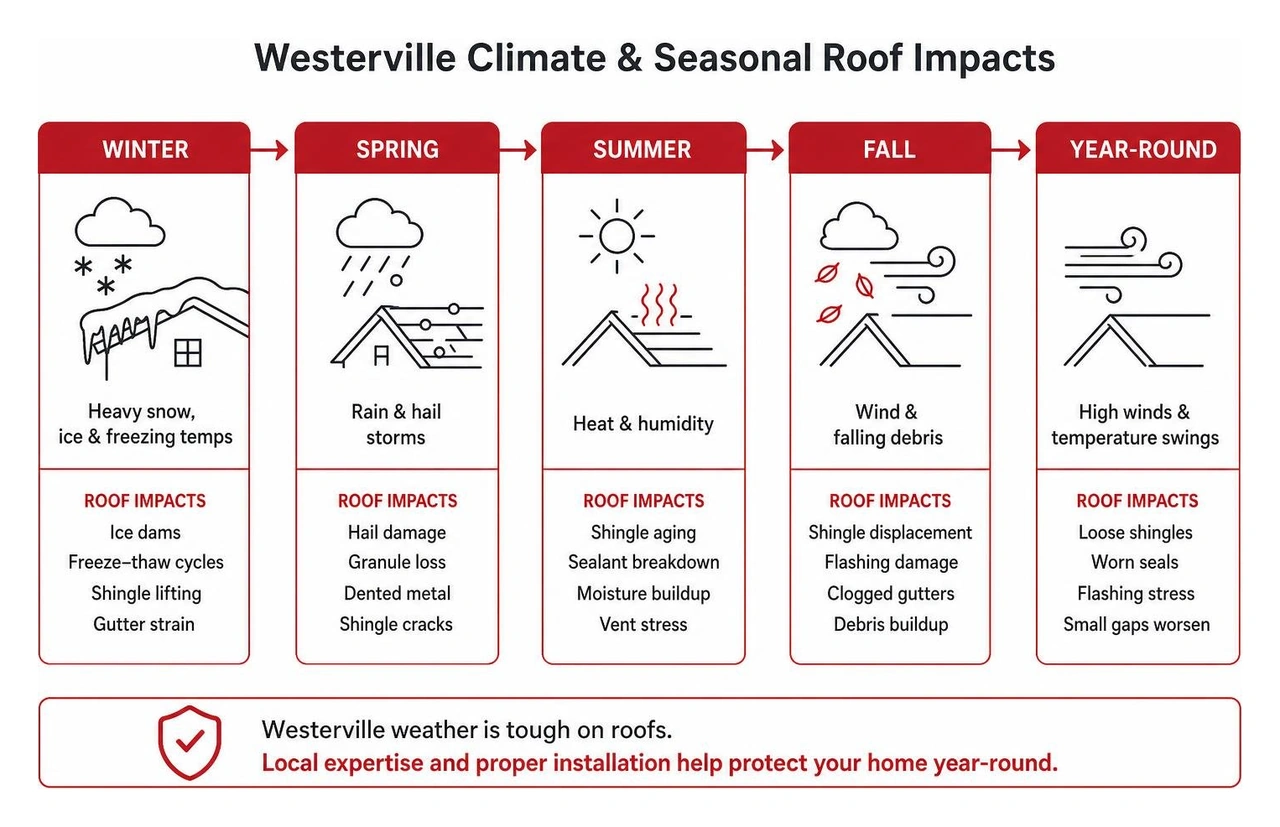
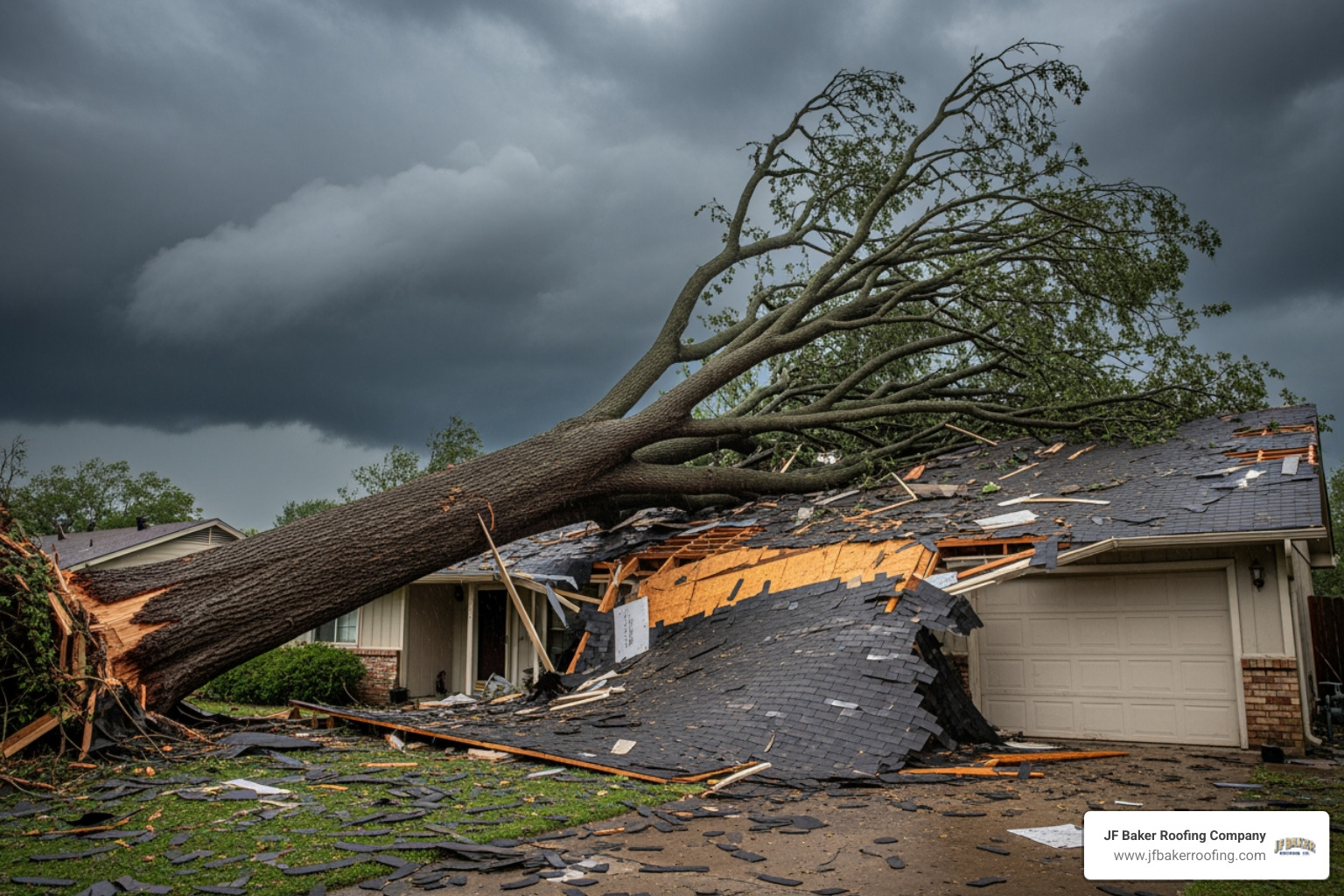
When a major weather event rolls through Central Ohio—whether it's a summer thunderstorm in Dublin or a spring hailstorm in Westerville—the damage isn't always as obvious as a fallen tree limb. Often, the most dangerous damage is the kind you can’t see from your driveway.
We cannot stress enough that the 24-48 hour window following a storm is the "golden hour" for your home’s exterior. Acting quickly allows us to identify issues before they evolve into costly secondary problems like wood rot or black mold. Furthermore, insurance companies often have strict timelines. If you wait six months to report a leak that started during a June hailstorm, your claim might be denied because the damage "could have been prevented" with a timely inspection.
The statistics are sobering. According to the Insurance Information Institute, hail-related losses in the U.S. exceeded $3.5 billion in 2022, with regions like ours seeing a significant portion of that activity. NOAA data from 2024 further confirms that extreme weather is the new normal.
At JF Baker Roofing, we’ve seen how a small, overlooked shingle "bruise" from a hailstone can turn into a major interior leak by the next season. Professional Storm Damage Repairs ensure that your home remains the fortress it was designed to be, protecting your family and your investment.
5 Essential Steps for a Safe Ground-Level Inspection
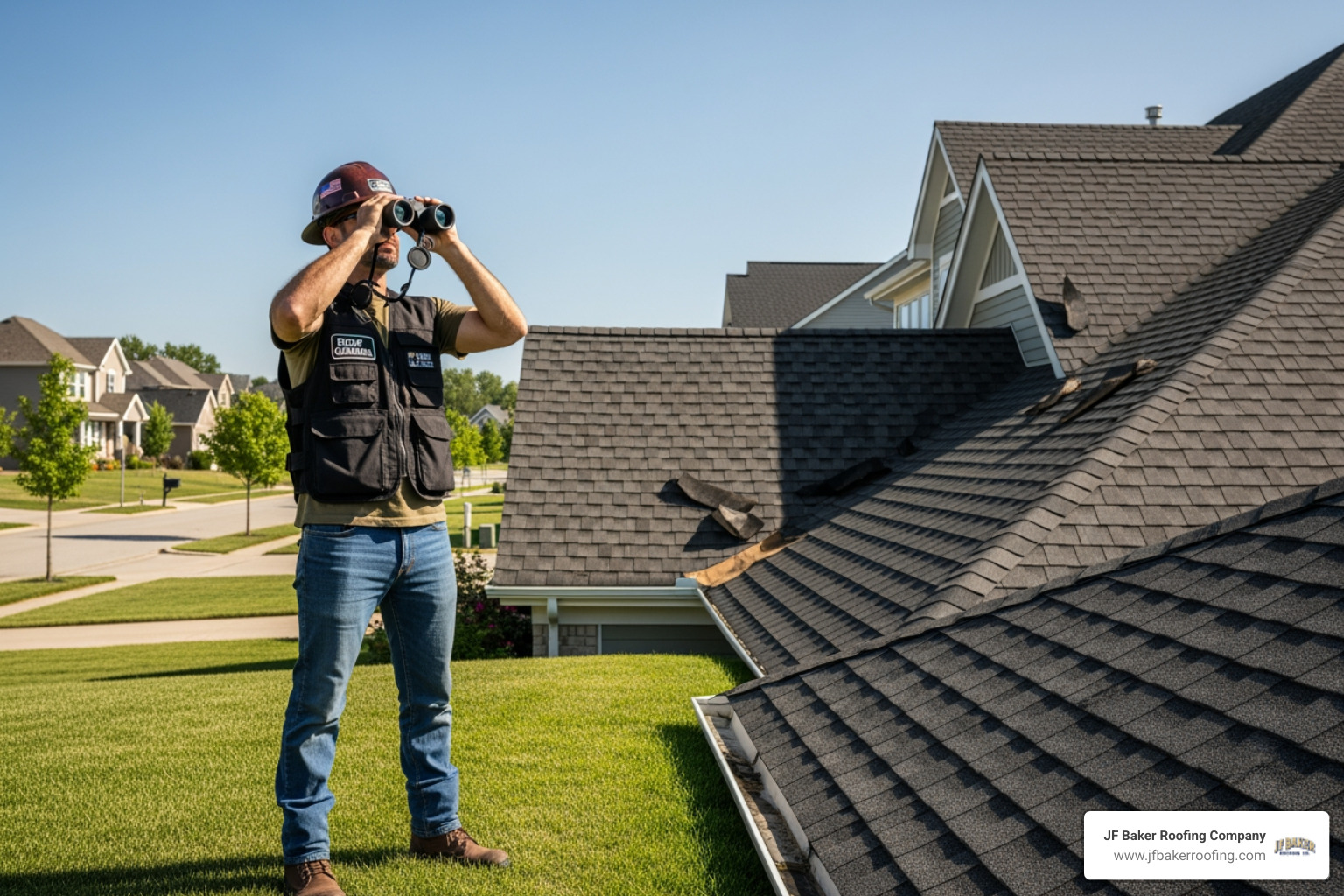
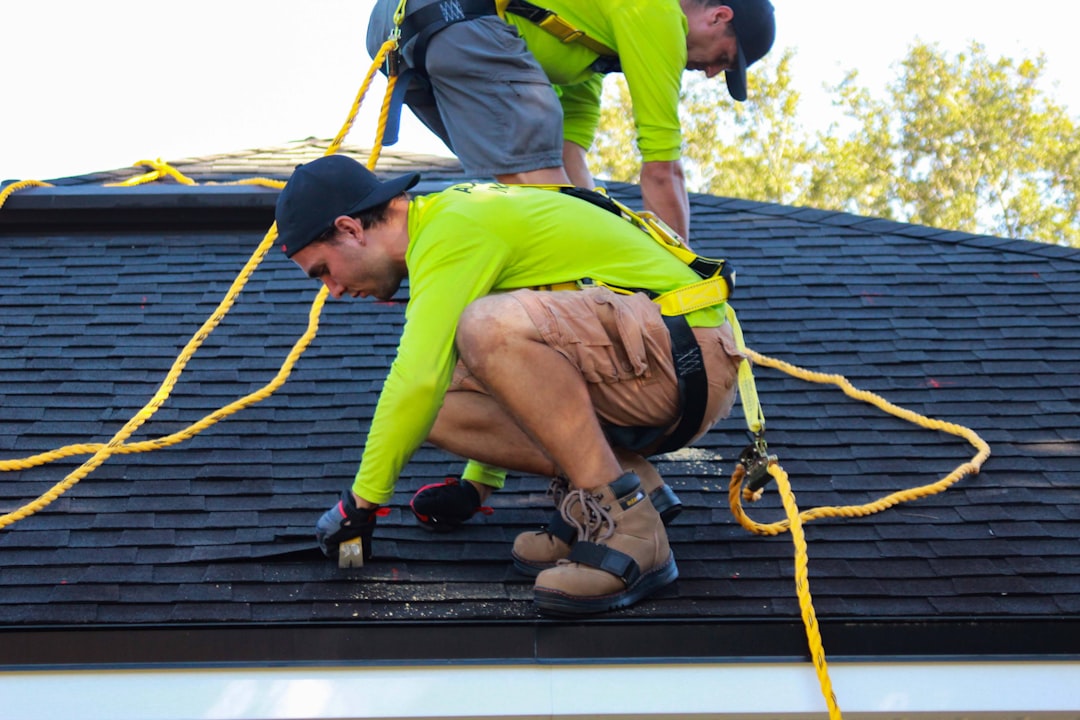
You don't need to be a daredevil to check your roof. In fact, we strongly advise against homeowners climbing onto their roofs after a storm. Surfaces can be slippery, and structural integrity might be compromised. Instead, you can perform a very effective "detective" walk-through from the safety of the ground.
Follow these five steps to assess the situation:
- The Perimeter Walk: Walk slowly around the entire base of your home. Look for pieces of shingles, metal flashing, or plastic vent caps that may have been blown off.
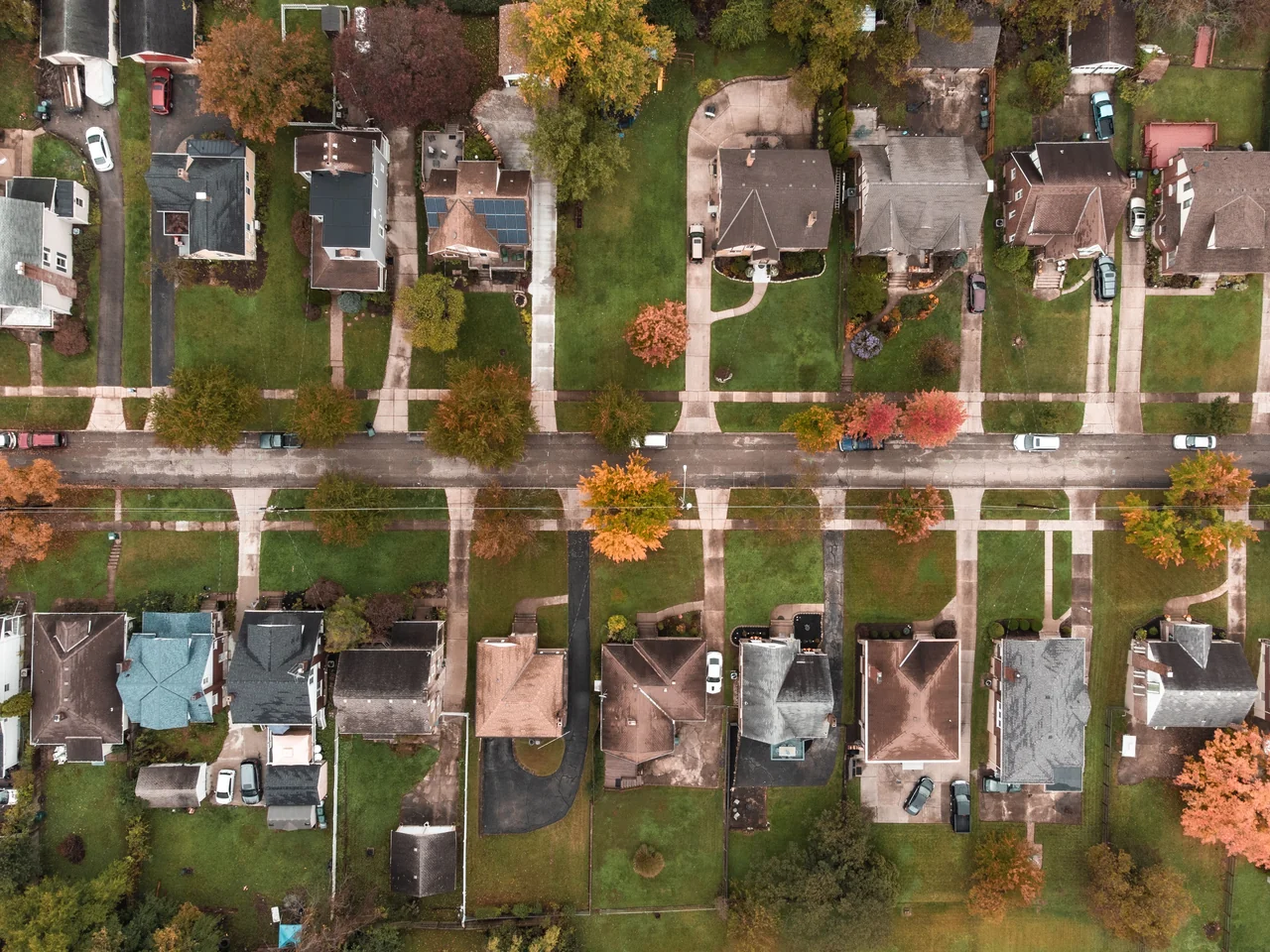
- Use Binoculars: This is your best tool. Stand across the street or at the edge of your property to get a better angle on the roof surface. Look for "bald spots" where granules are missing or shingles that look "ruffled."
- Check Secondary Indicators: Sometimes the roof doesn't show damage clearly, but other items do. Check your car for new dents, look at your mailbox, and inspect your backyard fence for fresh wood chips or dents. If the hail was hard enough to dent a metal car hood, it was hard enough to damage an asphalt shingle.
- Inspect the Gutters: Look inside your gutter downspouts. If you see what looks like "sand" or large amounts of dark granules, your shingles have lost their protective UV coating.
- Downspout Flow: Ensure water is flowing freely. Clogged gutters after a storm can lead to water backing up under the roof's edge, causing ice dams later in the winter.
Sign of DamageLikely CauseWhat it MeansMissing/Torn ShinglesHigh WindExposed underlayment; high leak riskCircular Dents/BruisesHailBroken fiberglass mat; shortened roof lifeGranules in GuttersHail/Heavy RainAccelerated aging; loss of UV protectionLifted Shingle EdgesWindSealant failure; "wind lift" potential
Don’t wait to inspect—document immediately. The sooner you have photos of these signs, the stronger your insurance case will be.
Identifying Specific Types of Storm Damage
Different storms leave different fingerprints. Understanding what you are looking for during a roof inspection after storm helps you communicate more effectively with your insurance adjuster and your contractor.
Spotting Wind Damage and Shingle Lift During a Roof Inspection After Storm
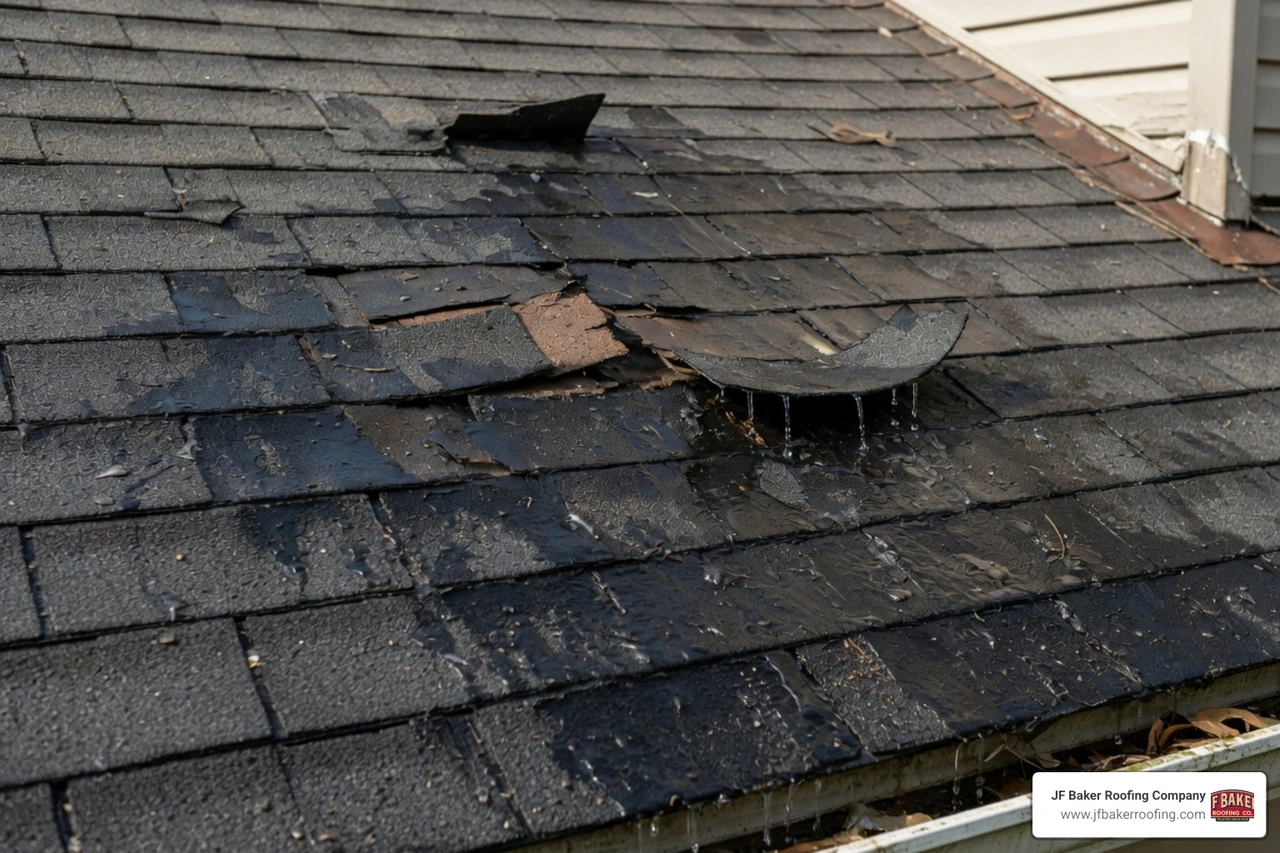
Wind is a tricky beast. It doesn't always blow shingles off the roof. Often, it creates "wind lift." This happens when strong gusts (usually 50-60 mph or higher) get underneath the shingle and break the sealant strip. The shingle lifts up, then settles back down when the wind stops.
From the ground, it looks fine. But the seal is broken. Now, the next rain will be driven underneath that shingle by the wind. Look for:
- Creased tabs: A dark horizontal line across the shingle where it folded back.
- Diagonal patterns: Wind often hits a corner of the house harder, leaving a "stair-step" pattern of damage.
- Exposed underlayment: If you see black felt paper or plywood, you have an emergency.
Recognizing Hail Damage During a Roof Inspection After Storm
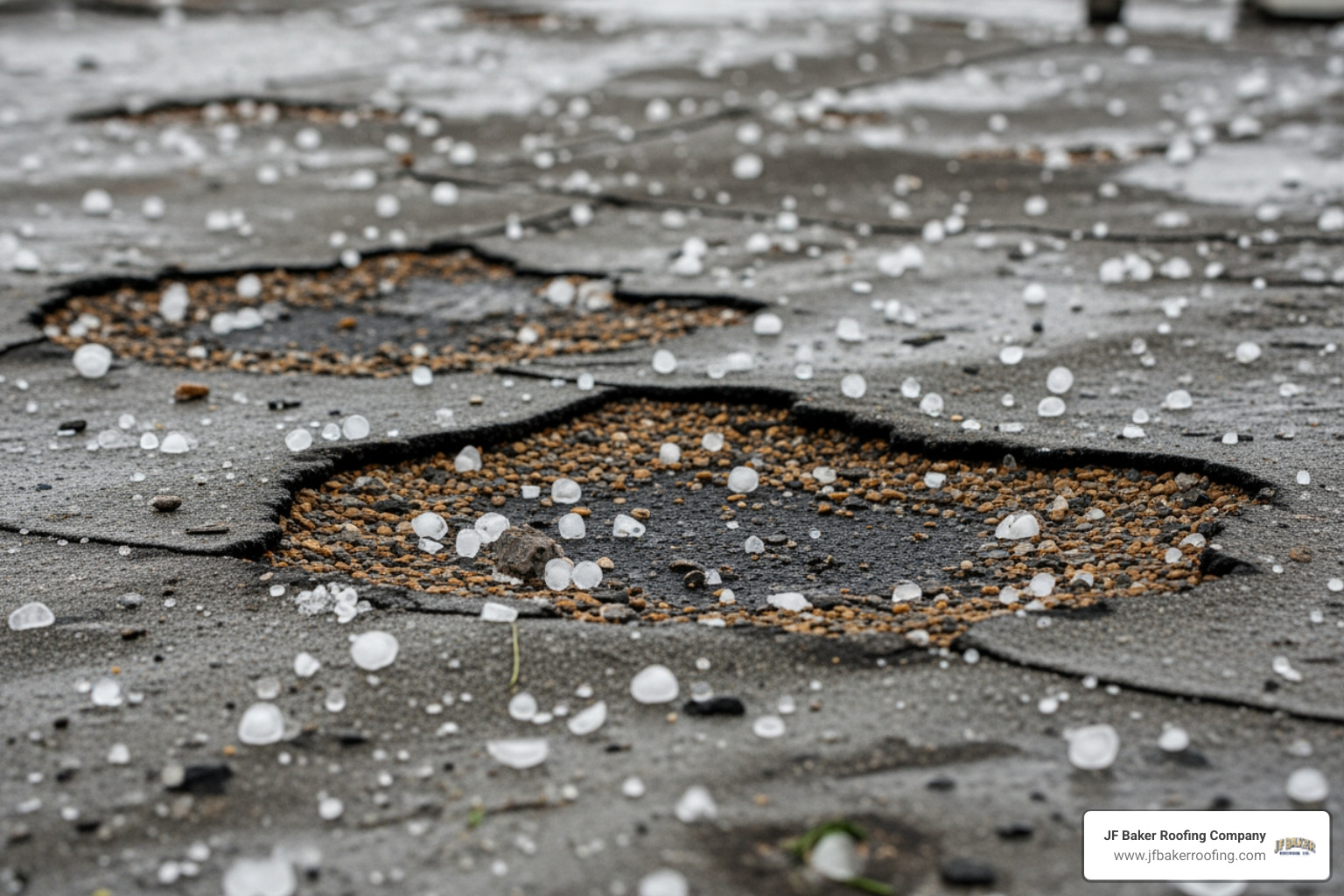
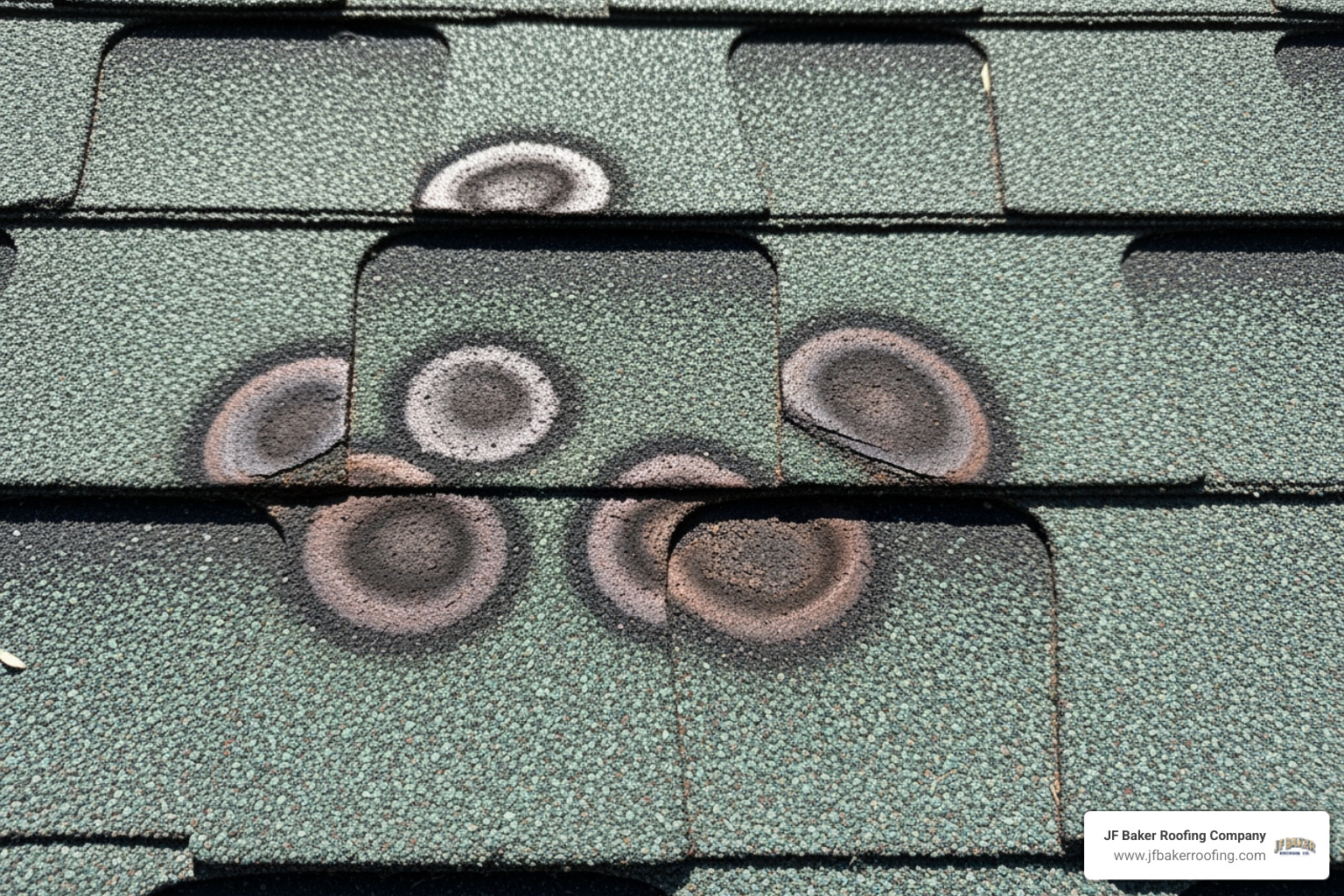
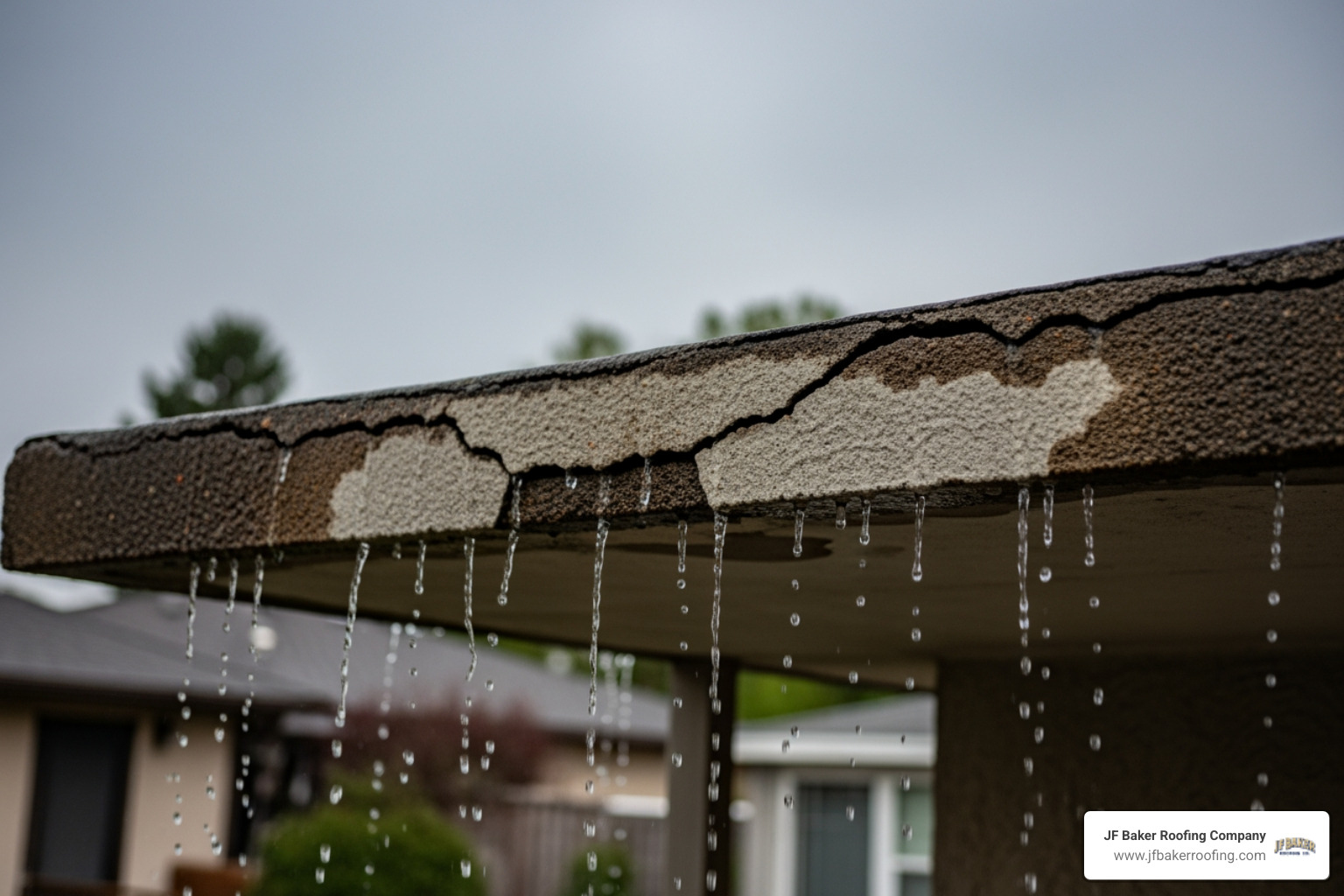
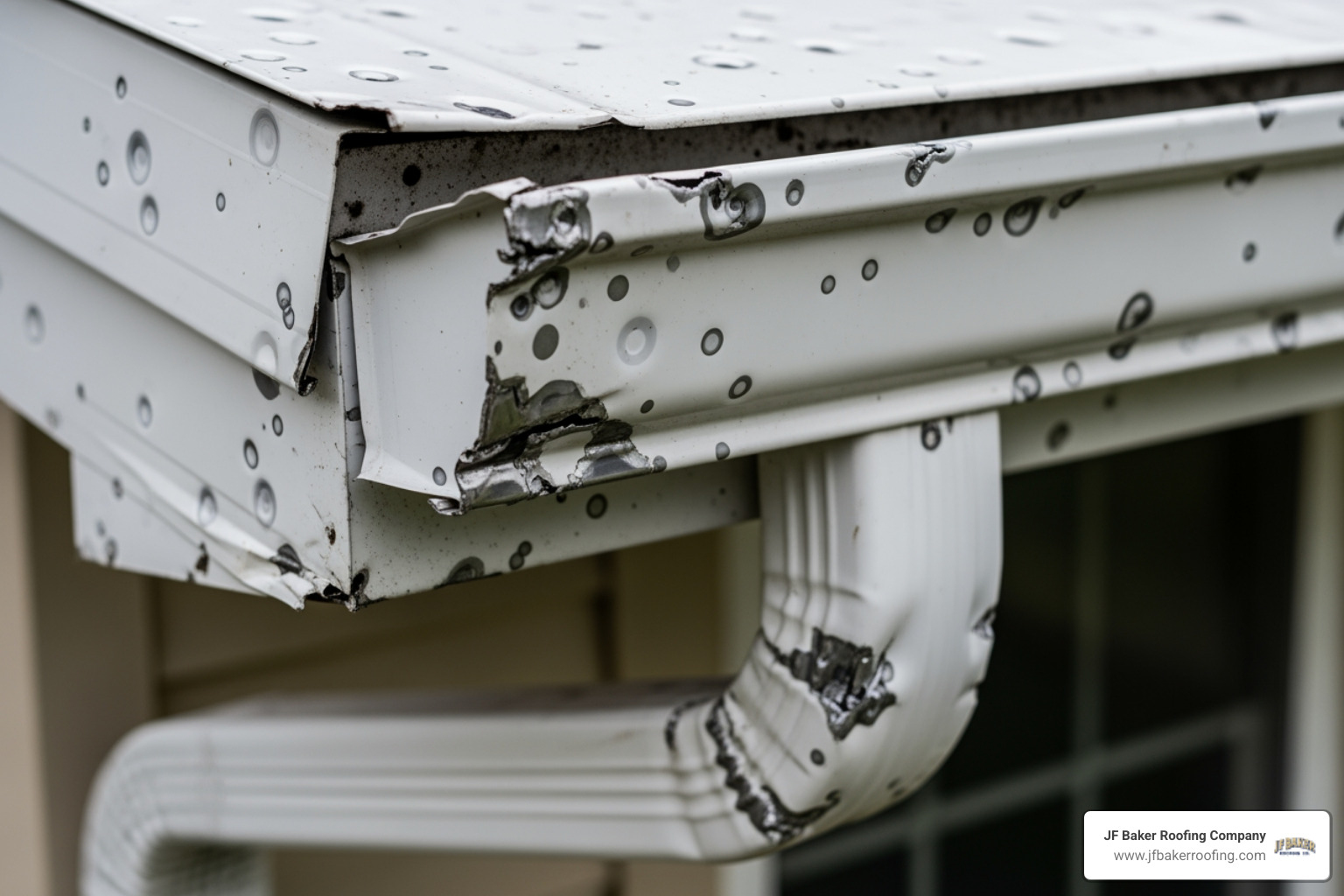
Hail damage is often subtle. On asphalt shingles, it looks like a "bruise" or a dark spot where the granules have been knocked away, exposing the black substrate. Over time, the sun’s UV rays will hit these spots, making the shingle brittle and causing it to crack.
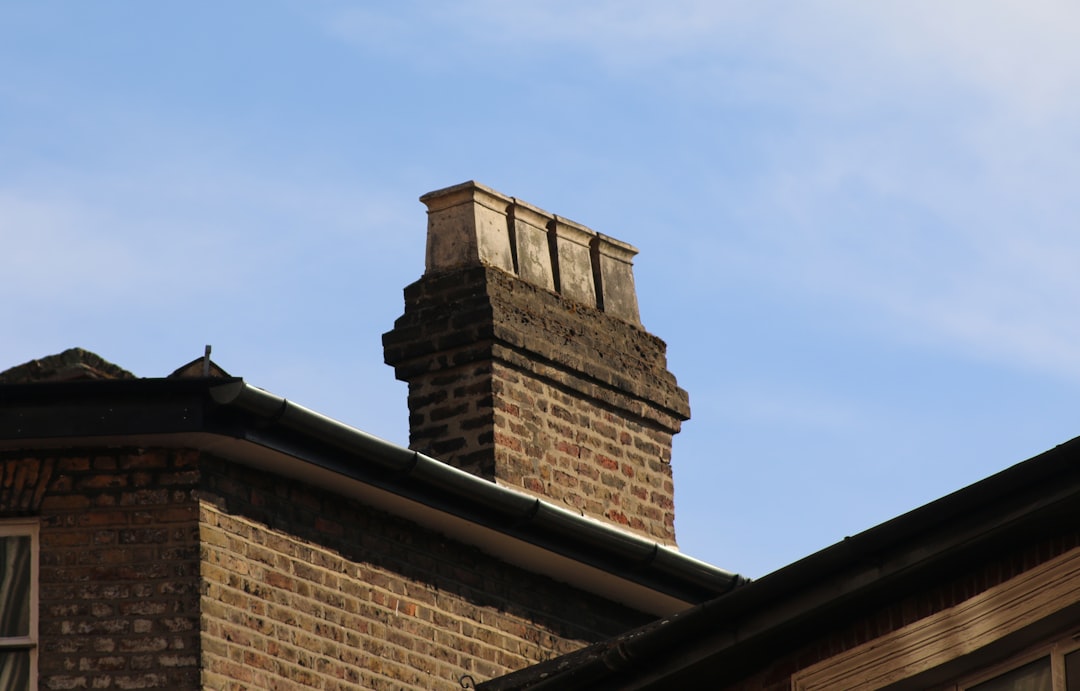
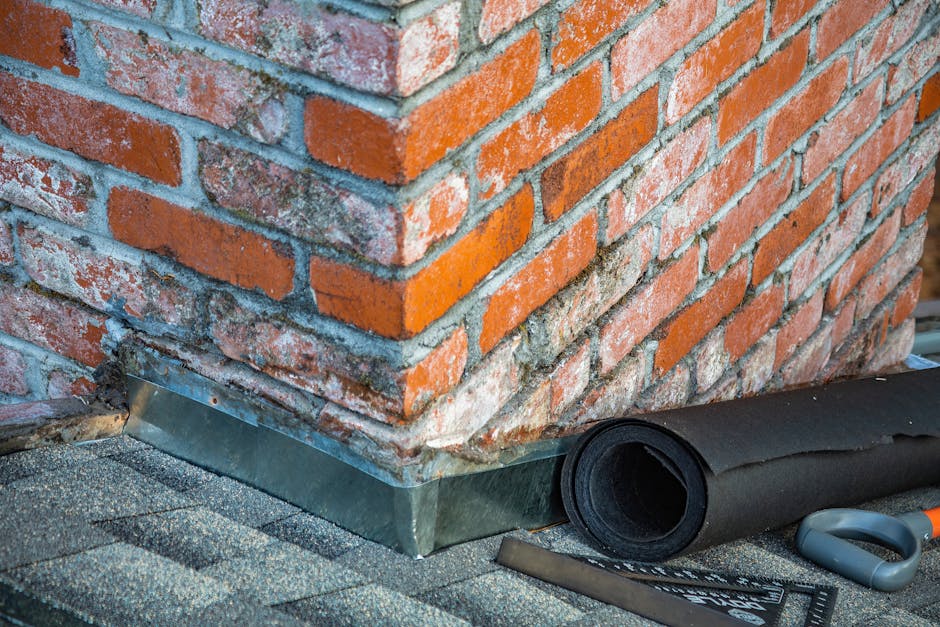
Check this roof storm damage checklist to see how professionals categorize these impacts. On metal components like chimney flashing or roof vents, hail leaves clear, shiny dents. If your soft metal vents look like a golf ball, your shingles likely took a beating too.
What to Check Inside Your Home and Attic
Sometimes the best roof inspection after storm happens in the dark—specifically, in your attic with a flashlight.
Grab a high-powered flashlight and head upstairs. You are looking for:
- Daylight: If you see "stars" (pinpricks of light) coming through the roof boards, you have a hole that needs immediate attention.
- Damp Insulation: Wet insulation loses its R-value and becomes a breeding ground for mold. Feel around the areas directly under roof valleys or chimneys.
- Water Stains: Look for yellow, brown, or grey rings on the wood rafters or the underside of the roof deck. Fresh stains will feel tacky or damp; older ones might be dry but indicate a recurring problem.
- The "Detective" Trace: If you see a stain on your bedroom ceiling, the leak might actually be five feet away on the roof. Water travels down rafters before it drips onto your drywall.
If you find an active leak, place a bucket under the drip. If the ceiling is bulging with water, you may need to carefully puncture the center of the bulge with a small nail to let the water drain into a bucket—this prevents the entire ceiling from collapsing under the weight of the water.
Documenting Damage for a Successful Insurance Claim
Insurance adjusters love data. The more organized you are, the smoother your claim process will be.
When we perform a professional inspection, we provide a comprehensive report, but your initial documentation is vital.
- Use a Scale: When taking photos of hail dents or shingle tears, place a ruler or a coin next to the damage. This gives the adjuster a sense of scale.
- Wide and Close: Take a wide-angle shot of the whole roof slope, then move in for close-up shots of specific damage.
- Time-Stamp Everything: Most smartphones do this automatically. It proves the damage happened during the specific storm event you are claiming.
- Log the Date and Time: Keep a simple notebook of when the storm hit, what the weather was like (e.g., "1-inch hail for 10 minutes"), and when you first noticed any leaks.
Navigating the paperwork can be a headache, which is why we offer specialized Storm Damage Repairs services that include assisting you with the documentation needed for your claim.
Frequently Asked Questions about Post-Storm Inspections
How soon after a storm should you inspect your roof?
Ideally, within 24 to 48 hours. This ensures you catch damage before the next rain makes it worse. It also puts you at the front of the line for repairs; after a major storm in Central Ohio, roofing schedules fill up fast!
Can I perform a roof inspection myself?
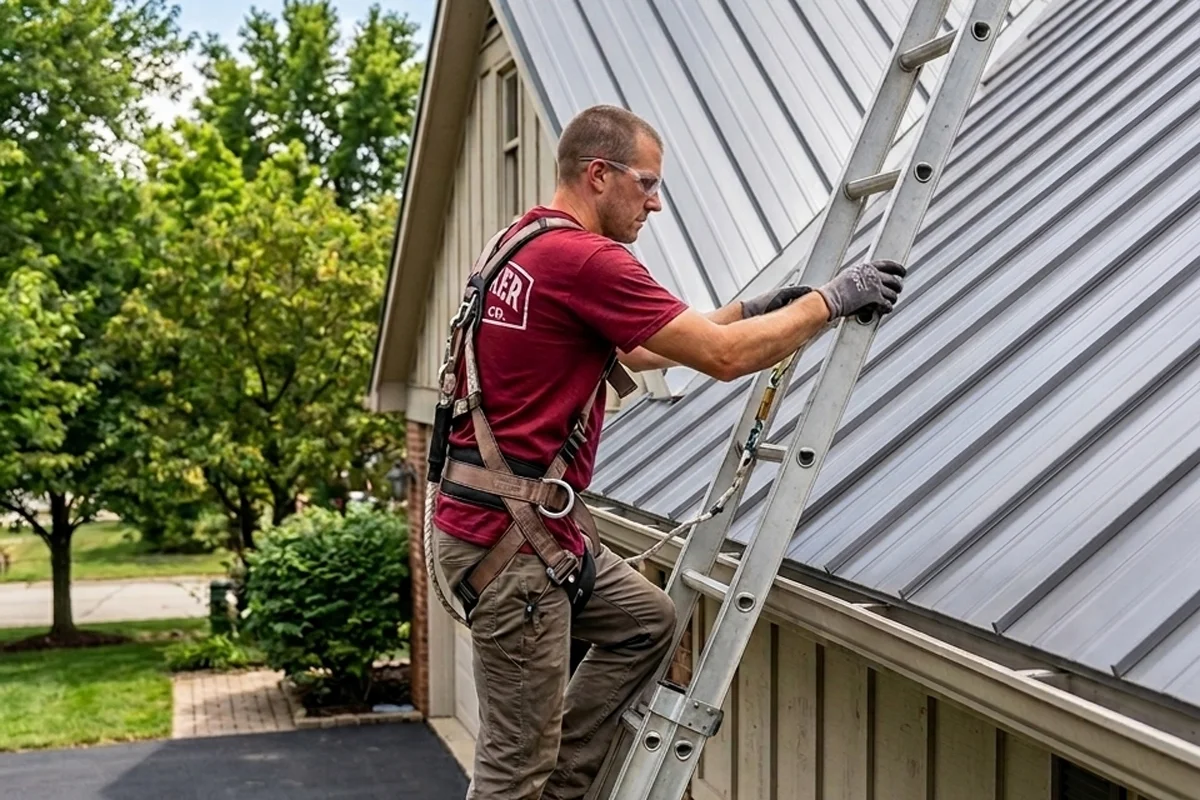
You can perform a ground-level inspection using binoculars and checking your attic. However, we never recommend homeowners walk on their own roofs. Not only is it dangerous, but you might also accidentally damage shingles or tiles that are already brittle from the storm, potentially voiding your warranty.
What tools are recommended for a modern roof inspection?
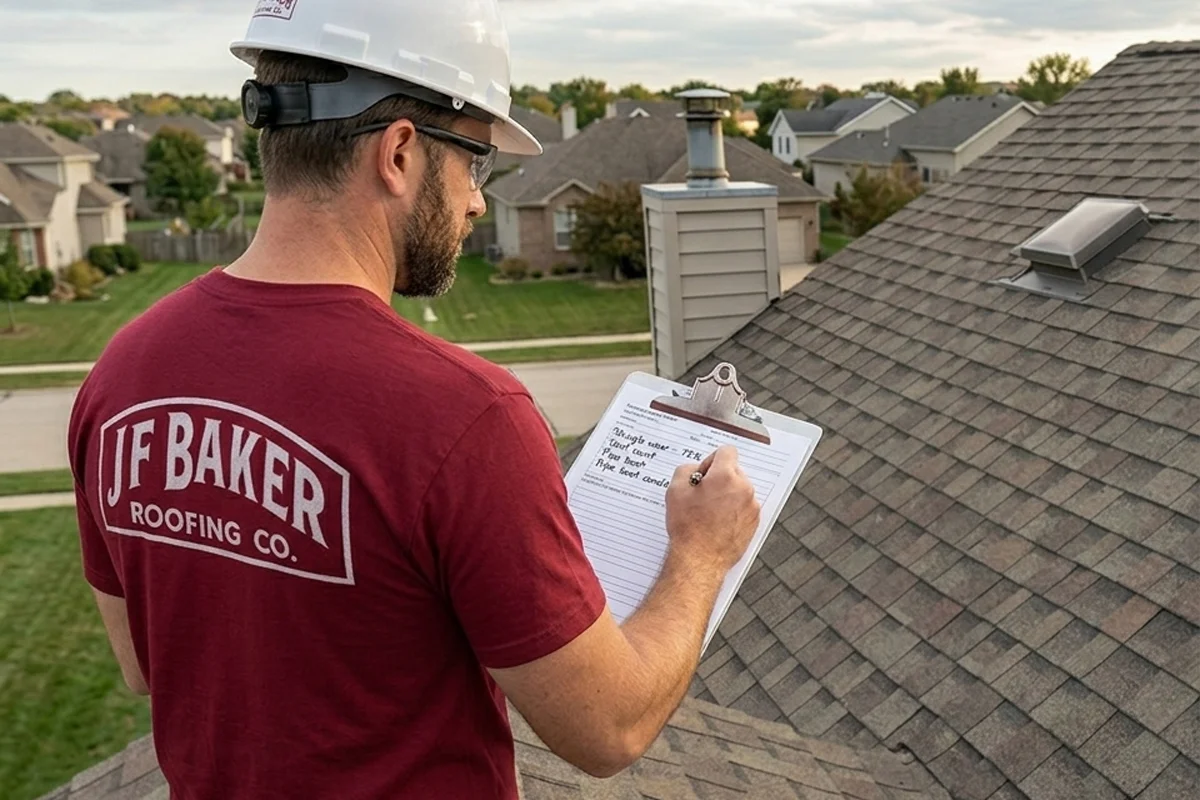
While binoculars are great for homeowners, we use advanced technology. High-resolution drones allow us to see every inch of your roof safely. We also use moisture meters and, in some cases, thermal imaging to find water trapped behind walls or under layers of roofing that hasn't reached your ceiling yet.
Conclusion
A storm doesn't have to mean a disaster for your home, but it does require a proactive response. By performing a safe ground-level roof inspection after storm activity and checking your attic for early warning signs, you can save yourself thousands of dollars in long-term repairs.
At JF Baker Roofing, we’ve spent over 96 years serving the Central Ohio community—from the historic homes of Bexley to the growing neighborhoods of Lewis Center and Powell. As a family-owned business, we pride ourselves on integrity and transparent pricing. We aren't "storm chasers" who disappear after the check clears; we are your neighbors, and we stand by our craftsmanship.
Don't wait for the first drip to hit your floor. If you suspect your roof took a hit, let us give you the peace of mind you deserve.
Need a professional eye on your roof?Schedule your Storm Damage Repairs assessment with JF Baker Roofing today!





.jpeg)