Commercial Roofing Contractor Columbus: Trusted Local Guide
Why Choosing the Right Commercial Roofing Contractor in Columbus Matters
Finding a reliable commercial roofing contractor Columbus businesses can count on comes down to a few key things: experience, honest assessments, and a track record built over time in the local area.
Quick answer for Columbus business owners looking for commercial roofing services:
- Get at least two or three estimates from licensed, insured local contractors
- Ask for references from similar commercial projects in Central Ohio
- Confirm the contractor carries general liability and workers' compensation insurance
- Look for manufacturer certifications and verifiable local reputation
- Expect a written scope of work, clear timeline, and transparent pricing before any work begins
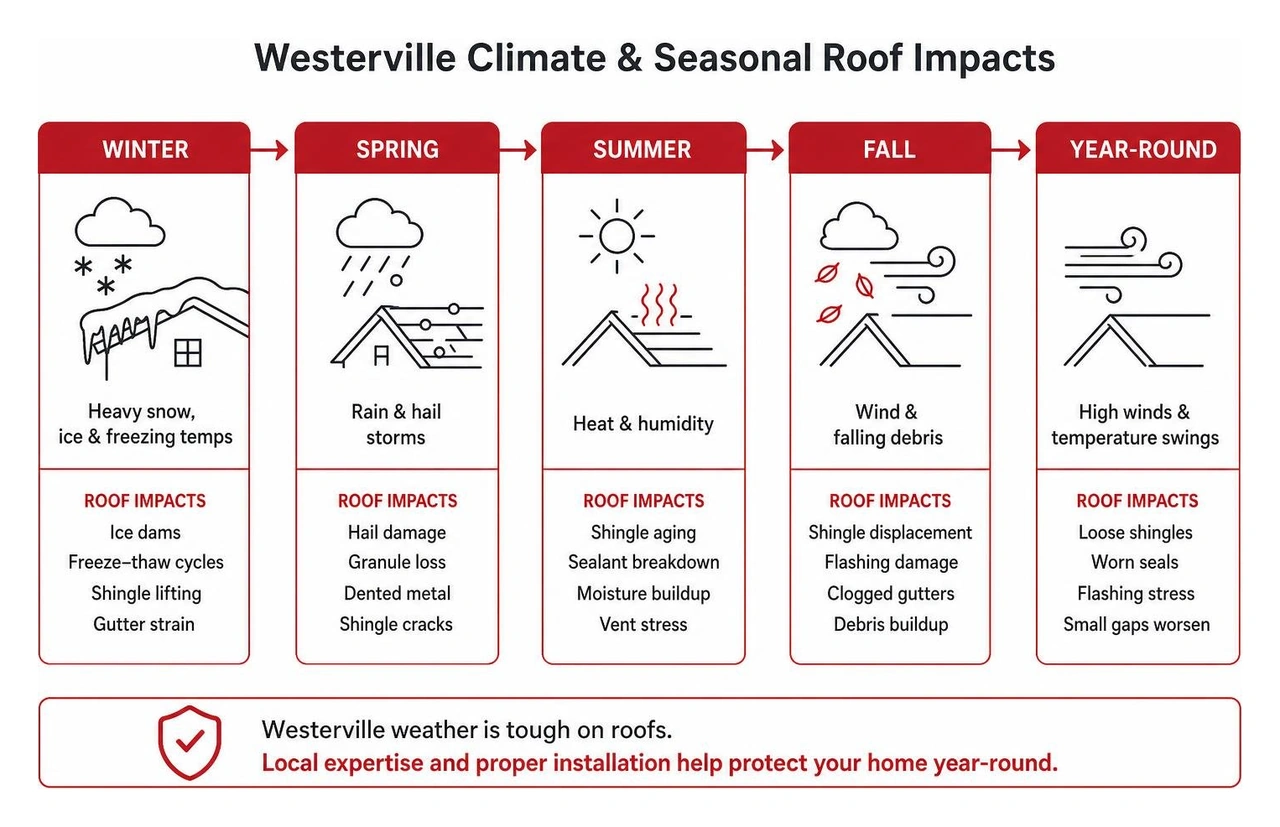
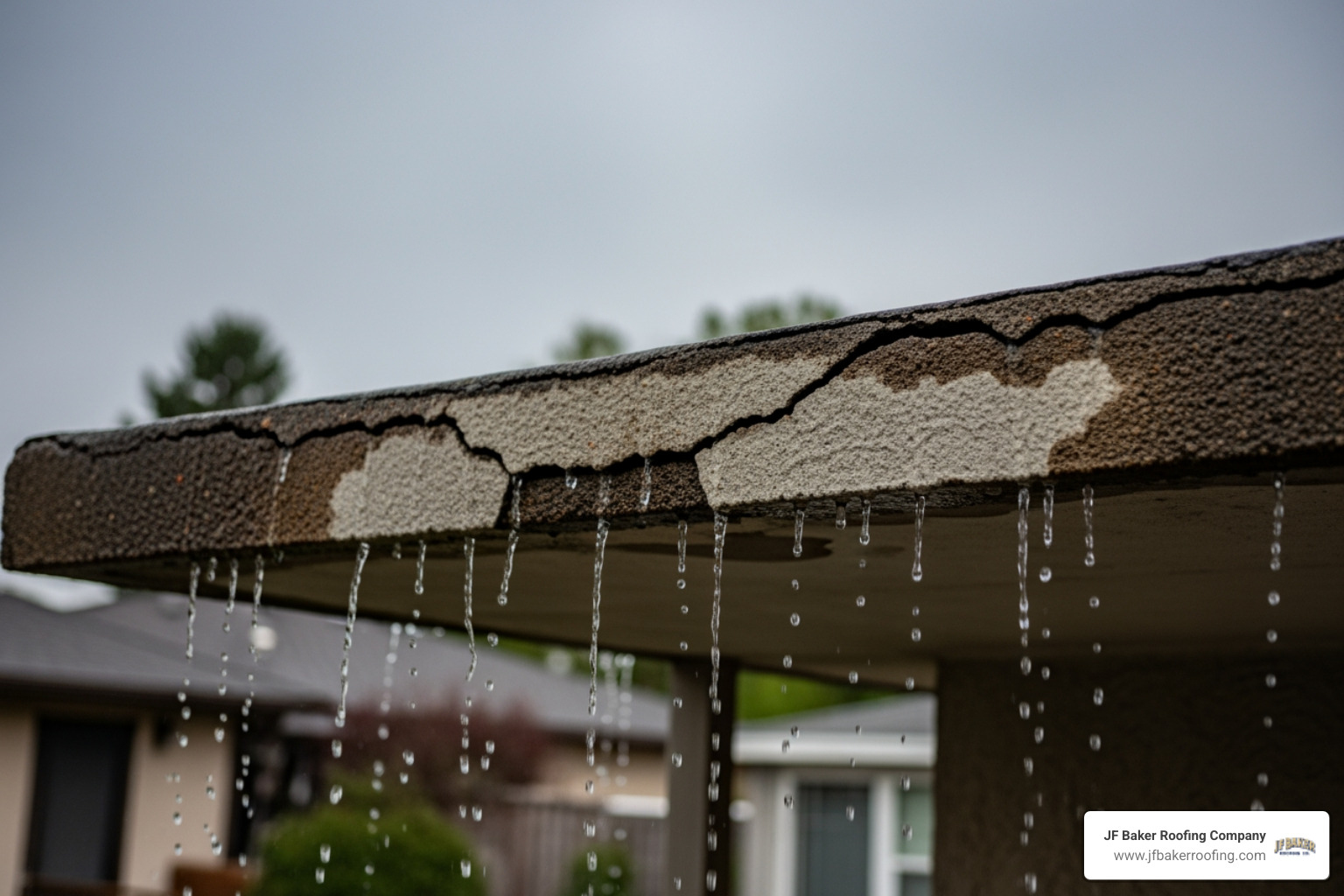
Ohio's climate puts serious pressure on commercial roofs. Freeze-thaw cycles crack seams. Spring hailstorms punch through membranes. Summer heat causes flat roofs to expand. Fall debris clogs drains and holds moisture. A roof that was installed ten years ago may be quietly failing right now.
For Columbus business owners and property managers, roofing is one of the largest maintenance expenditures a building will ever face. Getting it wrong is expensive. Getting it right means decades of protection with minimal headaches.
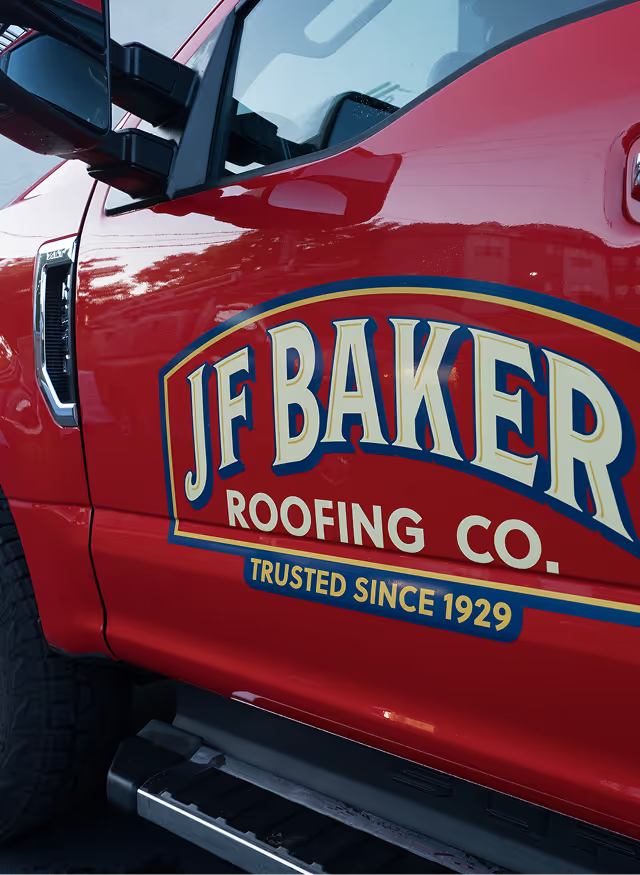
JF Baker Roofing has been serving Central Ohio since 1929. Three generations of the Baker family have built this company on honest work and plain-spoken advice. If a repair will solve the problem, that is what we recommend. If replacement is needed, we will tell you why, clearly and without pressure.
If you want to talk through your building's situation, we are easy to reach. No obligation, no hard sell.
Understanding Commercial Roofing Systems in Central Ohio
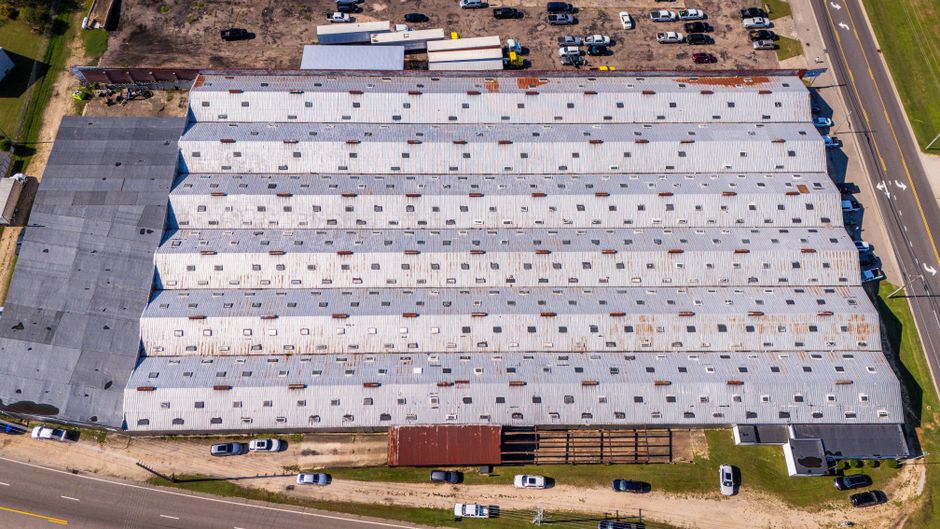
Selecting the right roofing system is not a one size fits all decision. In Central Ohio, our buildings range from historic brick structures in German Village to sprawling modern logistics warehouses in Lockbourne and Groveport. Each structure requires a specific approach based on its slope, usage, and structural load capacity.
When evaluating options, it helps to understand the core differences outlined in our guide on the Types of Commercial Roofing Systems. The system you choose dictates your building's energy efficiency, maintenance requirements, and long term durability.
Single-Ply Membranes: TPO, EPDM, and PVC
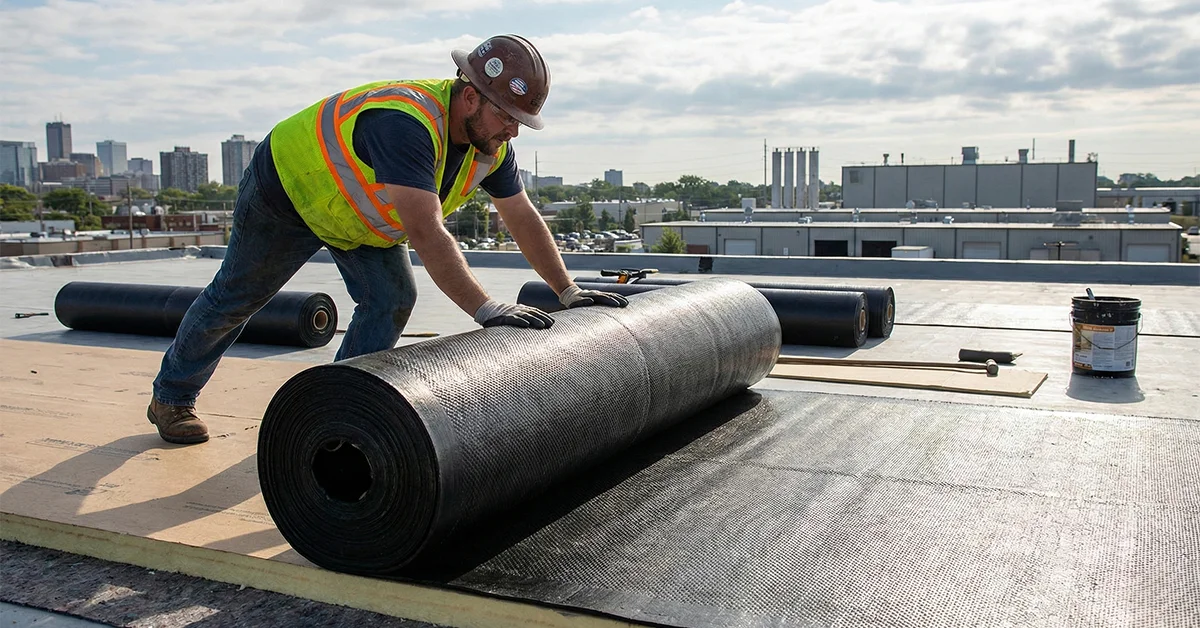
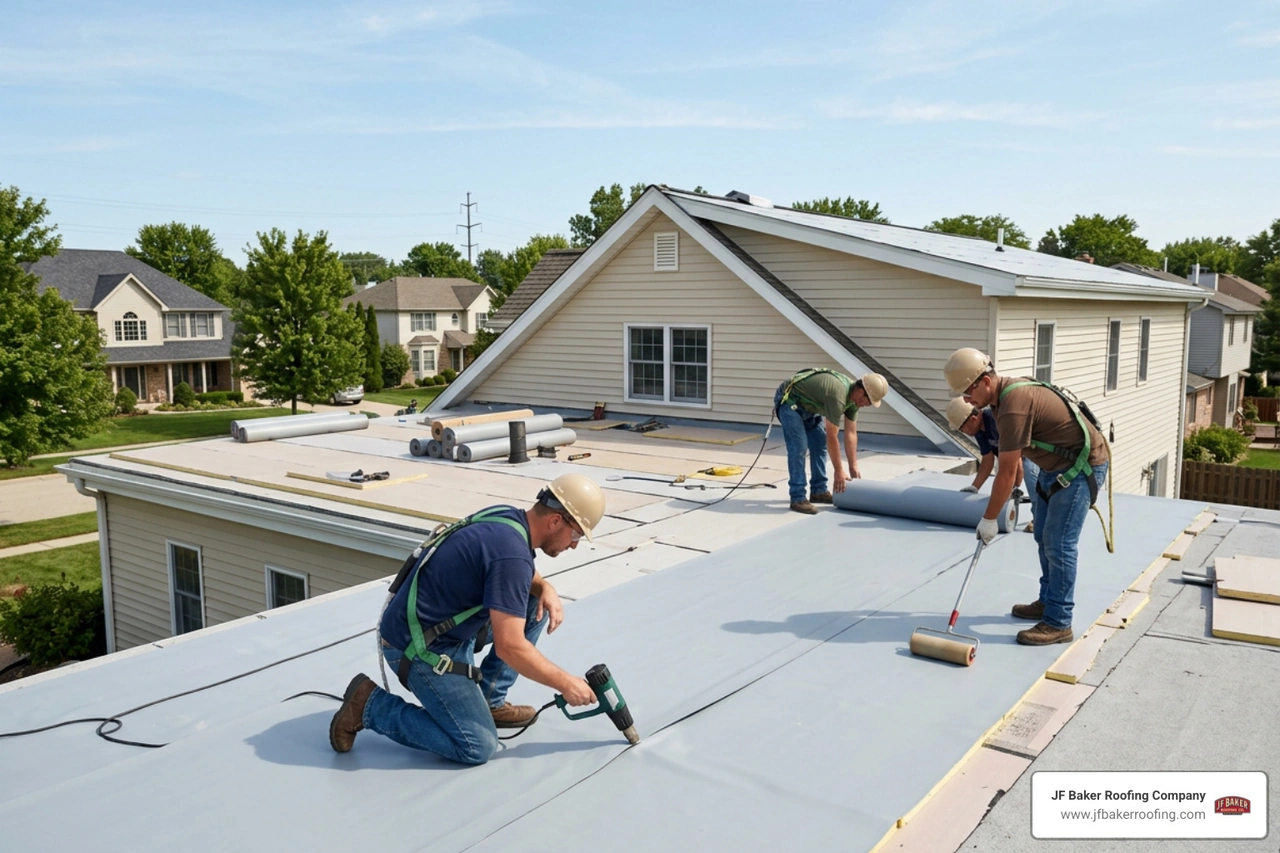
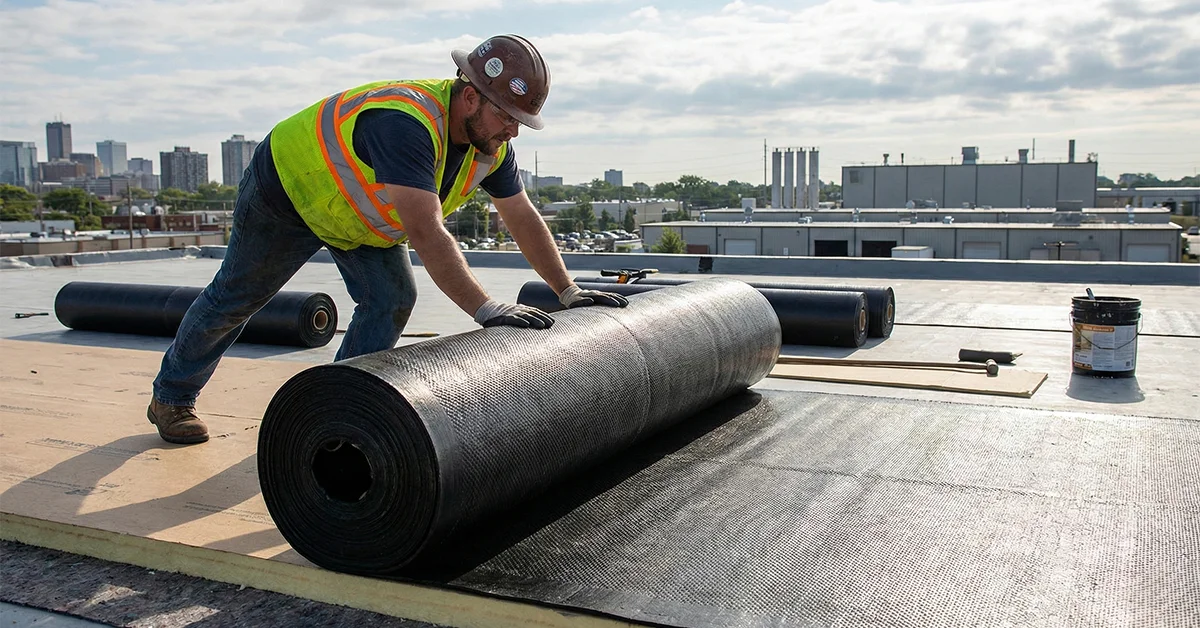
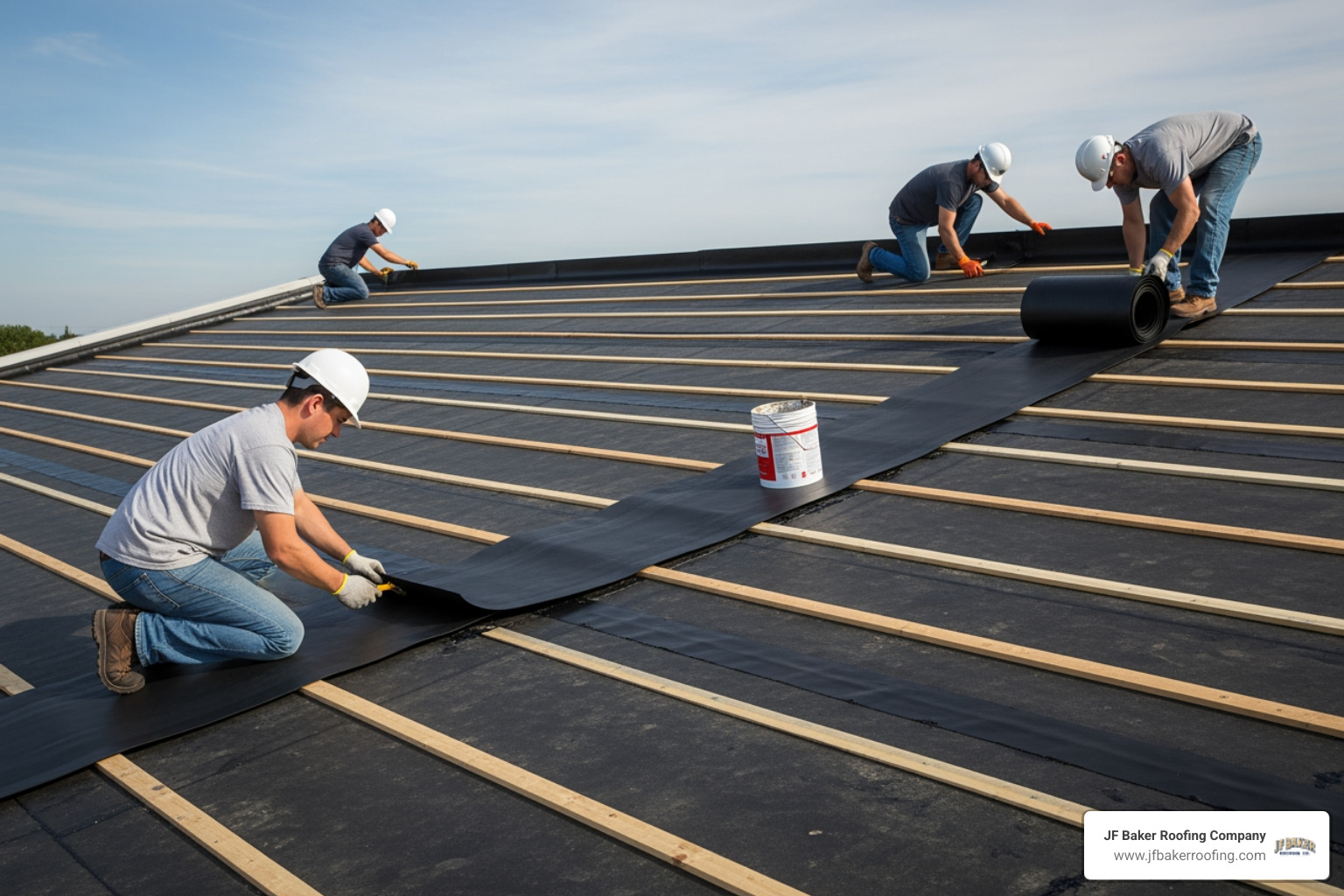
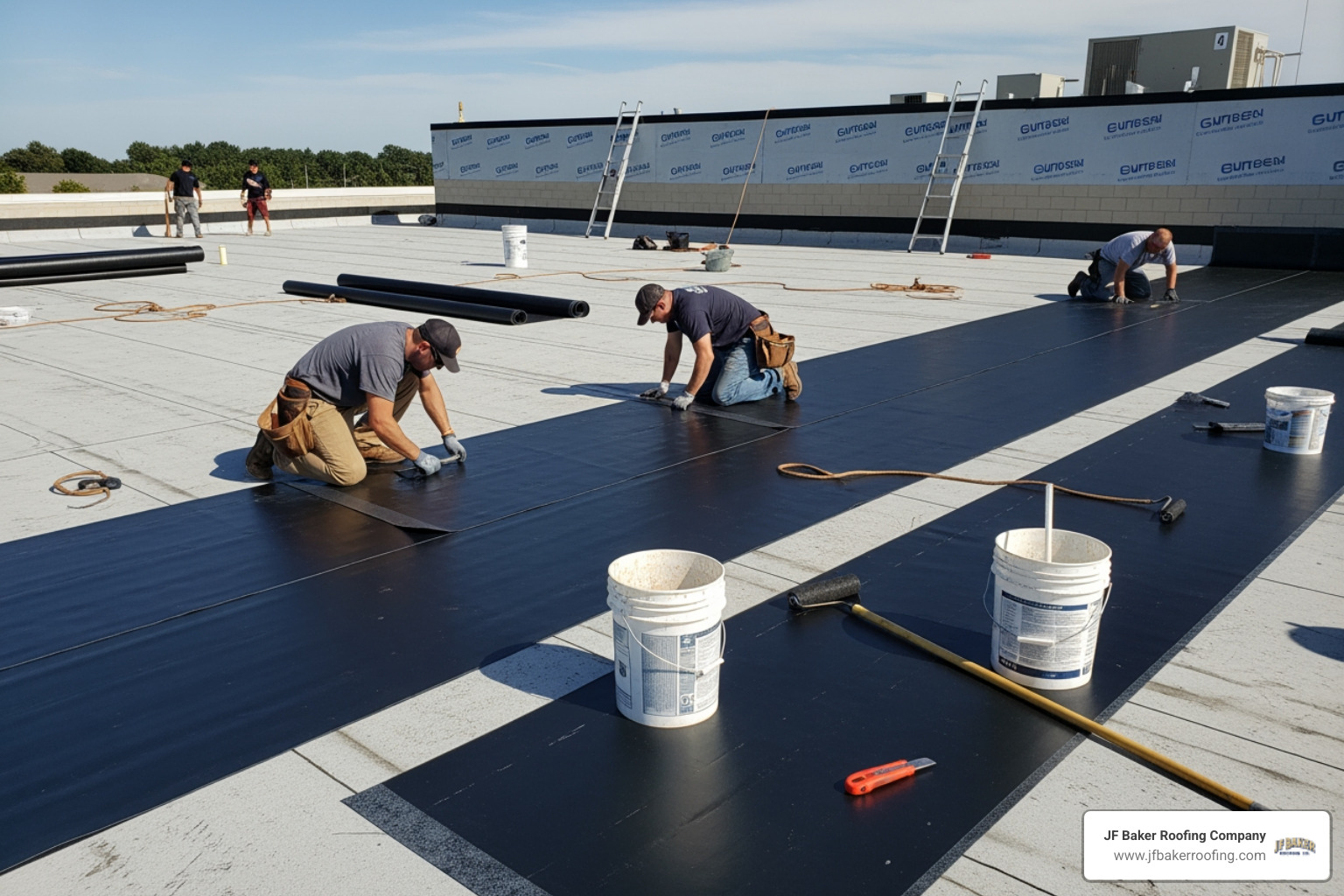
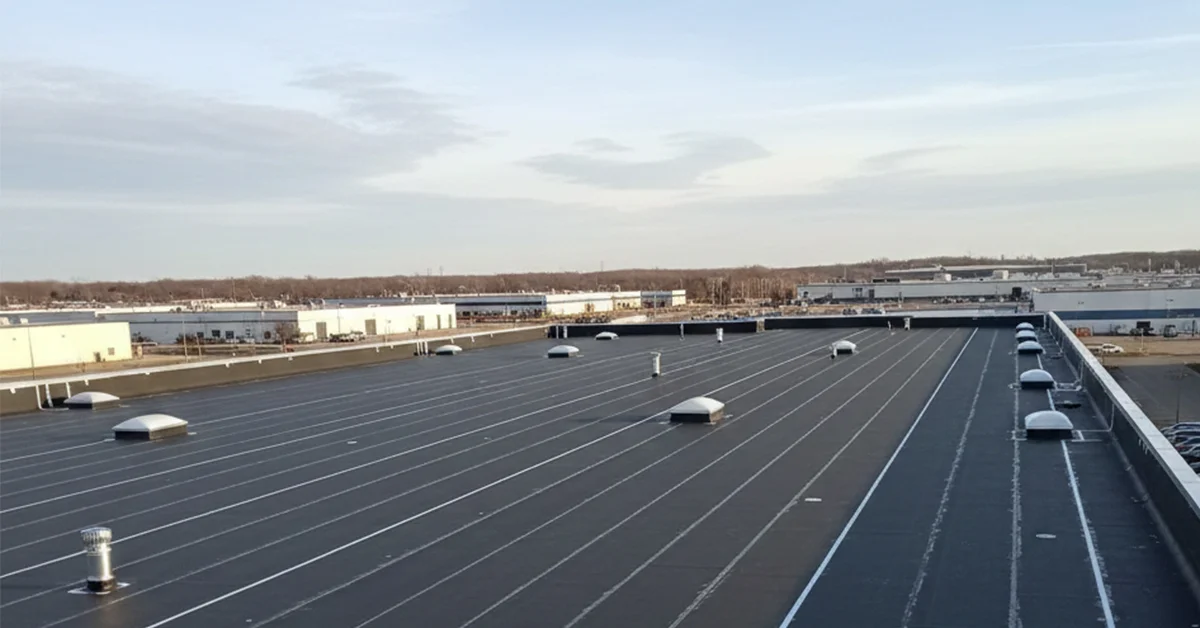
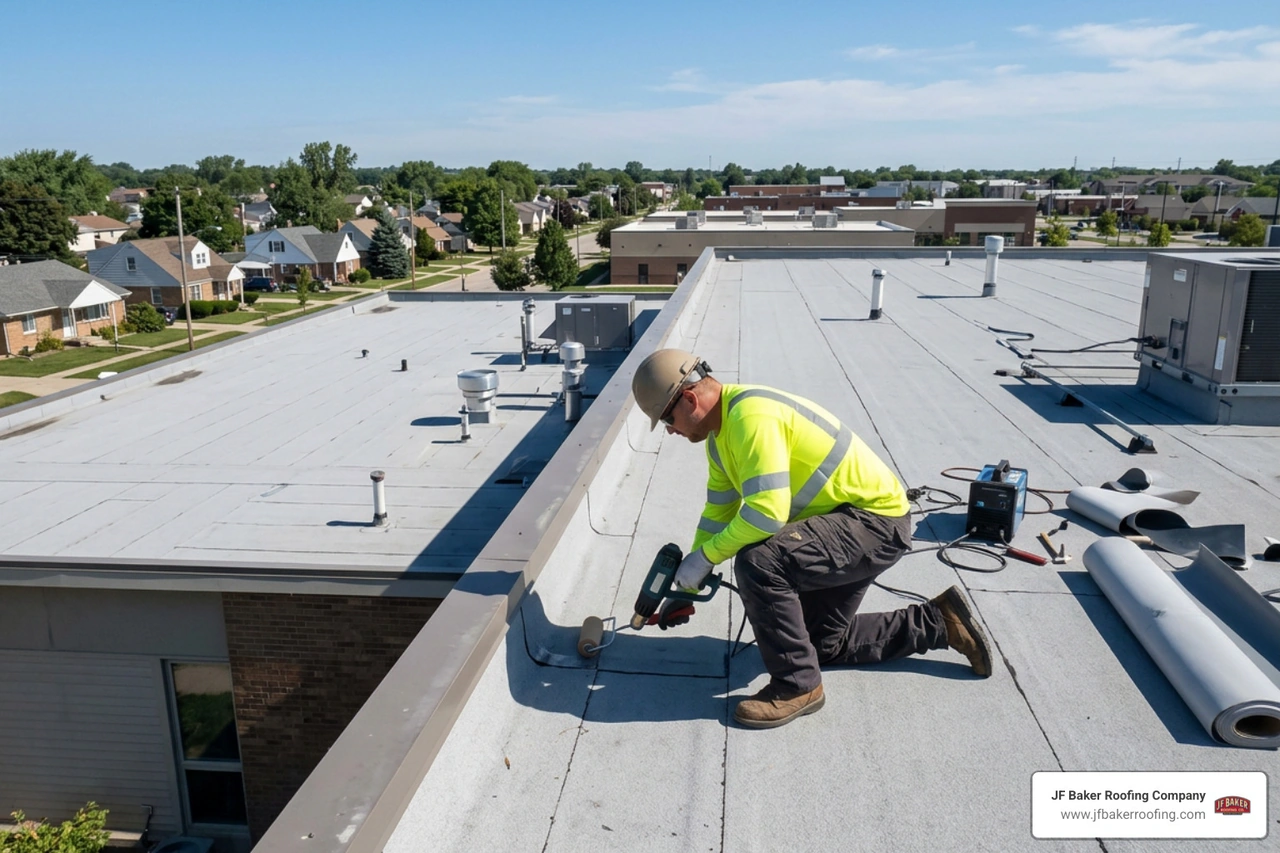
Single-ply membranes are the most common choice for low-slope and flat roofs across Columbus. These systems consist of flexible sheets of synthetic materials that are chemically adhered, mechanically fastened, or heat-welded at the seams to create a continuous waterproof barrier.
- TPO (Thermoplastic Polyolefin): TPO is highly popular for modern commercial structures. Its bright white surface reflects UV rays, which keeps rooftop temperatures lower during hot Ohio summers. This reflective property directly reduces cooling costs for your facility. TPO seams are hot-air welded, creating a physical bond that is incredibly resistant to leaks.
- EPDM (Ethylene Propylene Diene Monomer): Often referred to simply as rubber roofing, EPDM is a time-tested material known for its extreme durability. EPDM is highly resistant to weathering, ozone, and thermal shock. While traditionally black, which absorbs heat during our cold winters, it can be treated with reflective coatings to improve summer performance. A properly maintained EPDM roof can easily last 20 to 30 years.
- PVC (Polyvinyl Chloride): PVC is the heavy-duty option in the single-ply family. It is highly resistant to chemicals, oils, grease, and animal fats, making it the standard choice for restaurants, food processing plants, and manufacturing facilities. Like TPO, PVC is highly reflective and features hot-air welded seams for superior strength.
Metal Roofing and Asphalt Shingle Options
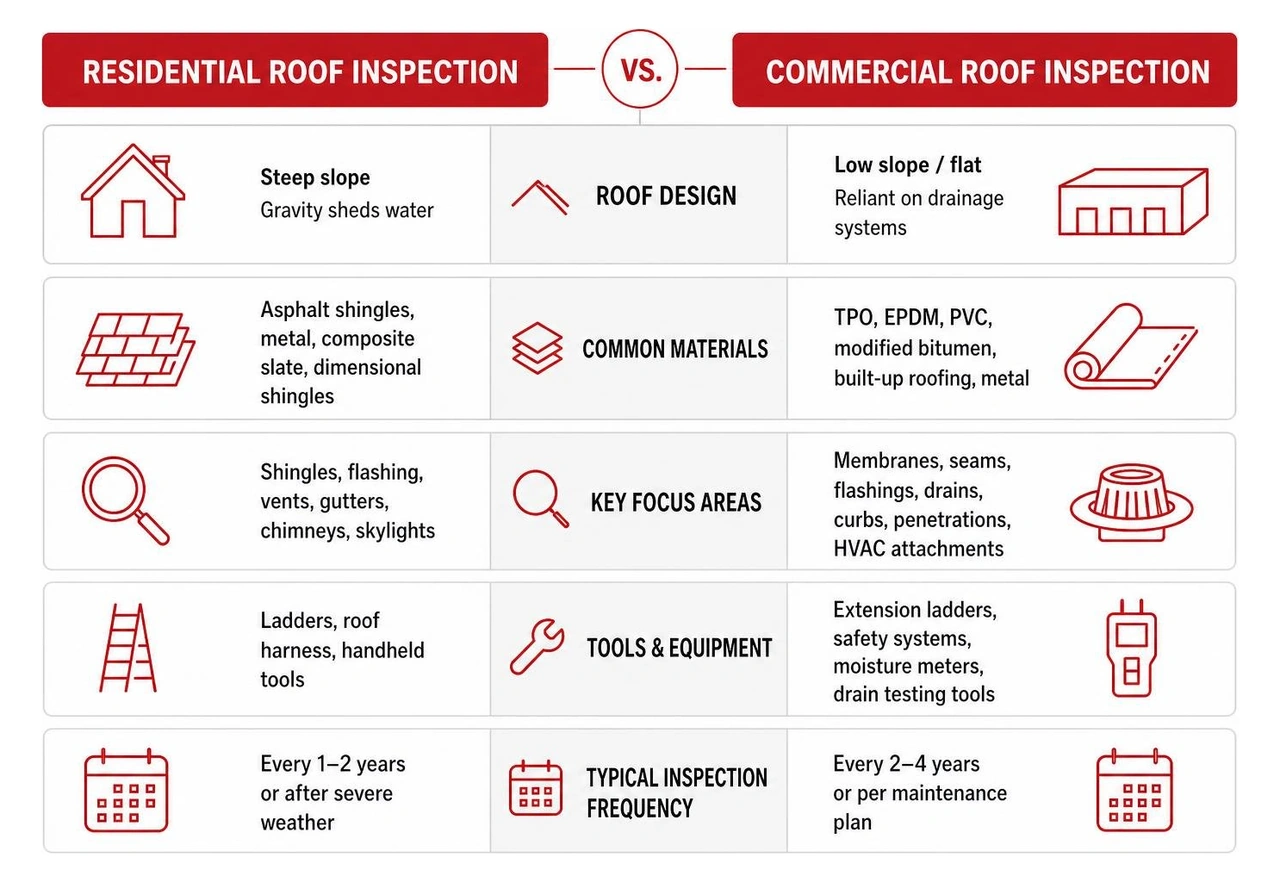
For steep-slope commercial properties, such as churches, multi-family apartment complexes, and office parks, traditional flat roofing systems are not applicable. These buildings require systems designed to shed water quickly.
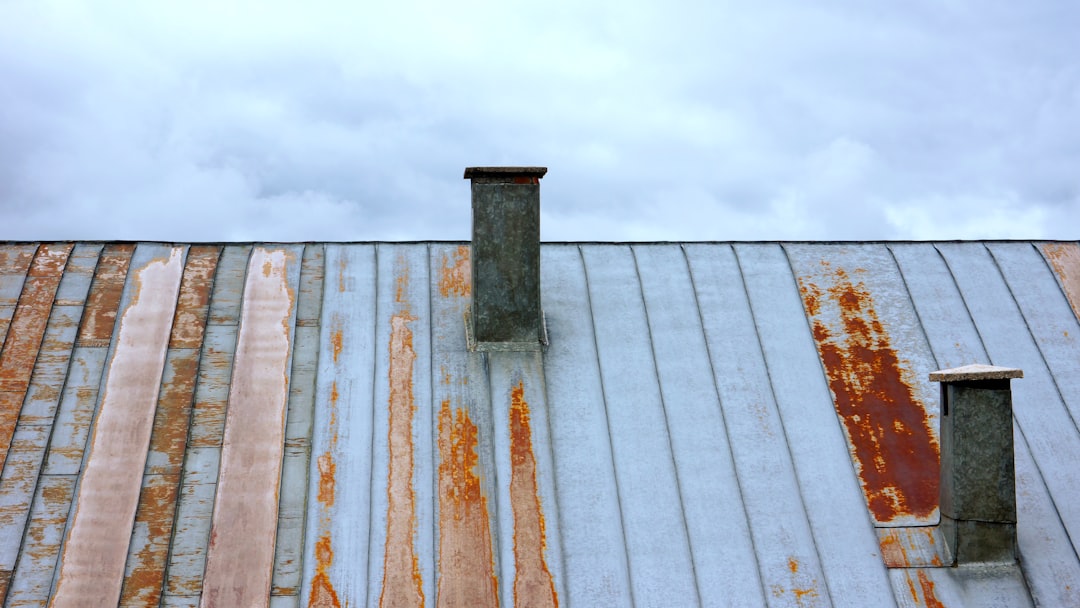
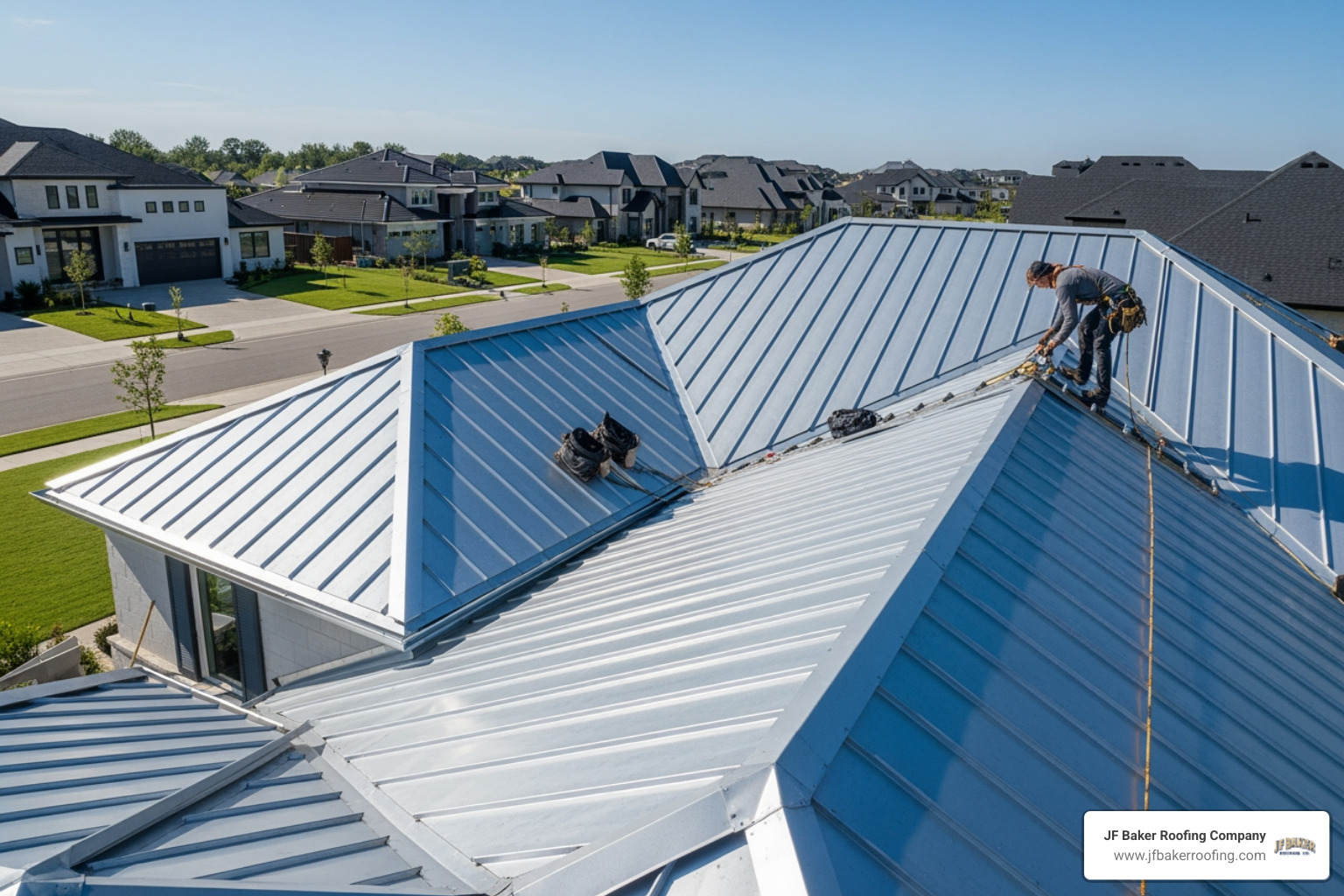
- Standing Seam Metal Roofing: Metal roofing is an excellent long-term investment. Standing seam systems feature concealed fasteners that protect the structural attachments from weather exposure. Metal roofs are highly durable, can withstand high winds, and often last up to 50 years with minimal maintenance. They also give buildings a clean, modern architectural look.
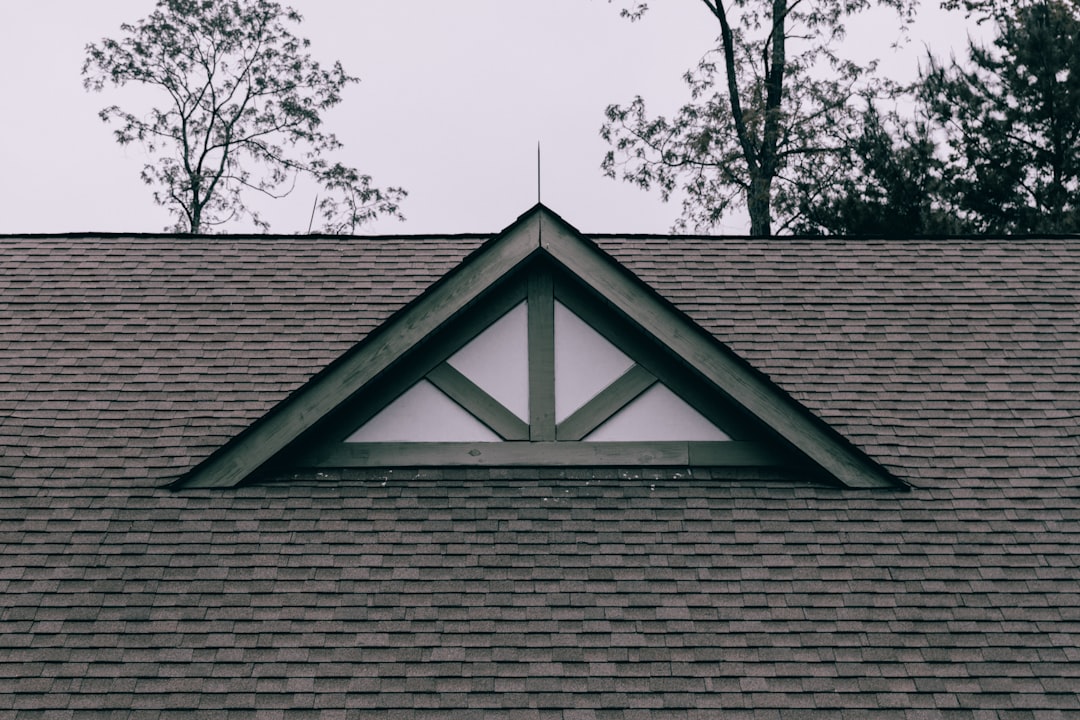
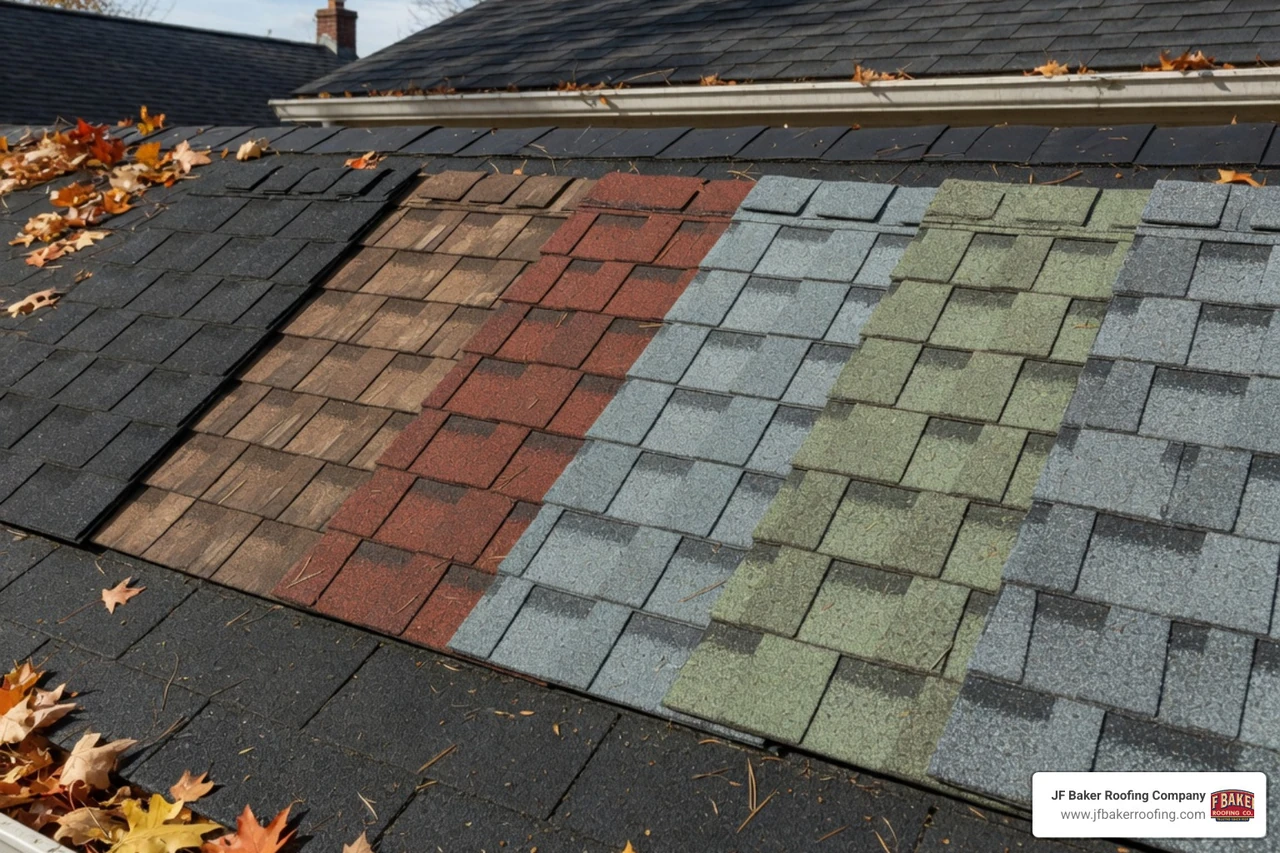
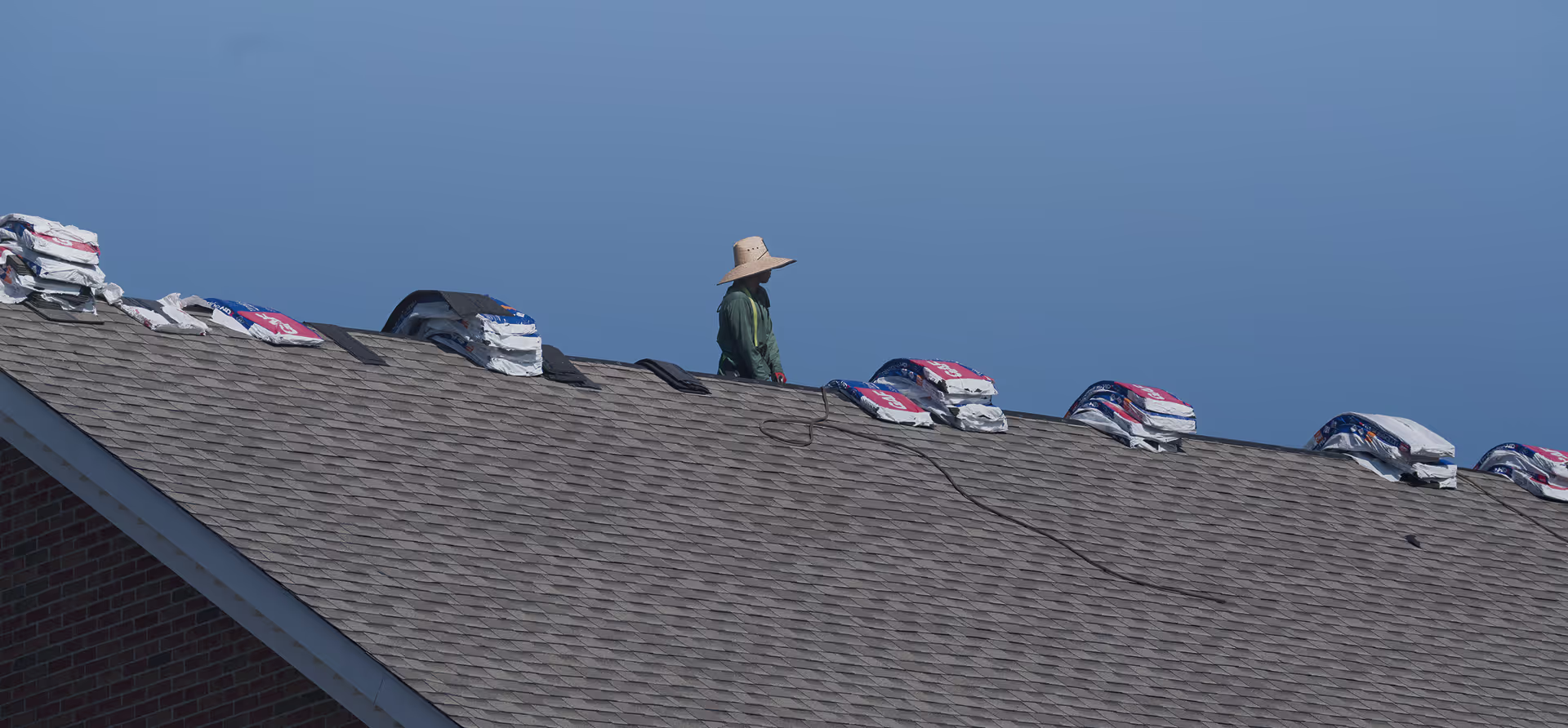
- Asphalt Shingles: For multi-family properties, light commercial offices, and retail spaces with pitched roofs, heavy-duty architectural asphalt shingles offer a cost-effective, durable solution. Modern commercial-grade shingles are engineered to resist high winds and algae growth, providing excellent protection at a lower initial price point.
- Architectural Metals and Custom Trim: Beyond the main roof deck, commercial buildings require specialized metalwork. This includes custom gutters, downspouts, coping caps, and gravel stops that prevent wind uplift and water intrusion at the roof's edges.
If you are unsure which system fits your property, you can read more about our full range of Commercial Roofing options.
How Ohio Weather Impacts Your Commercial Roof
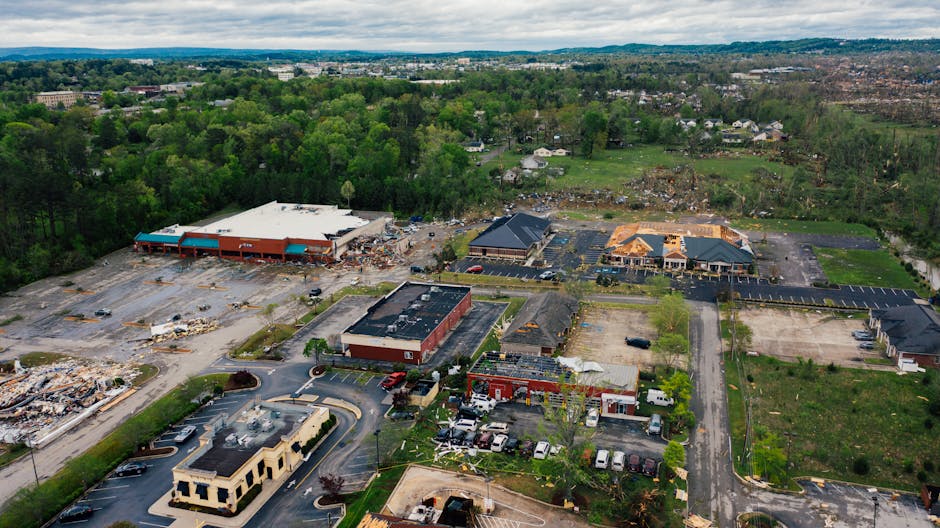
Columbus weather is notoriously unpredictable. Our commercial roofs must withstand rapid temperature swings, heavy snow loads, torrential spring rains, and intense summer sun. Over time, these environmental forces wear down even the highest quality materials.
Managing Severe Storms and Hail Damage
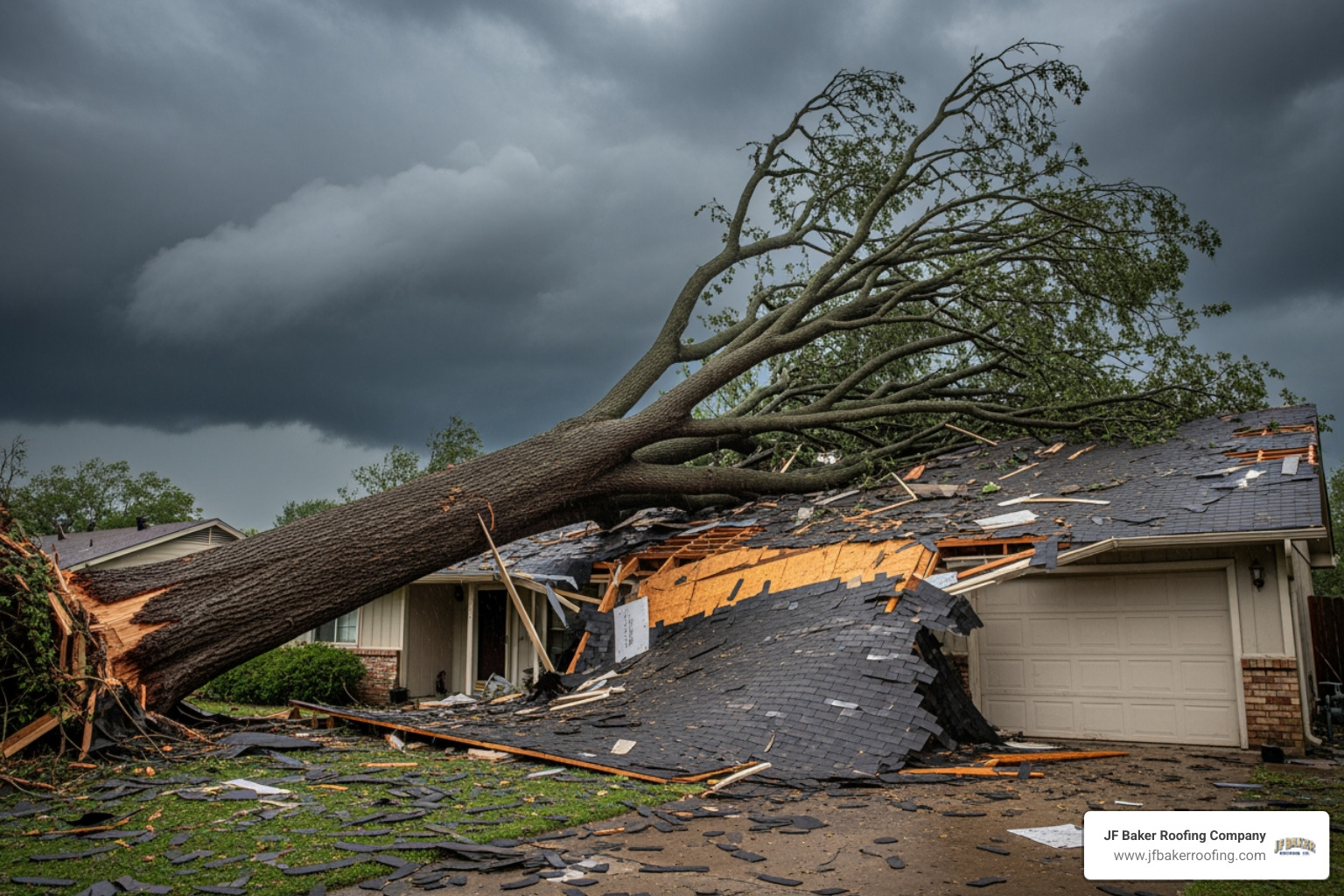
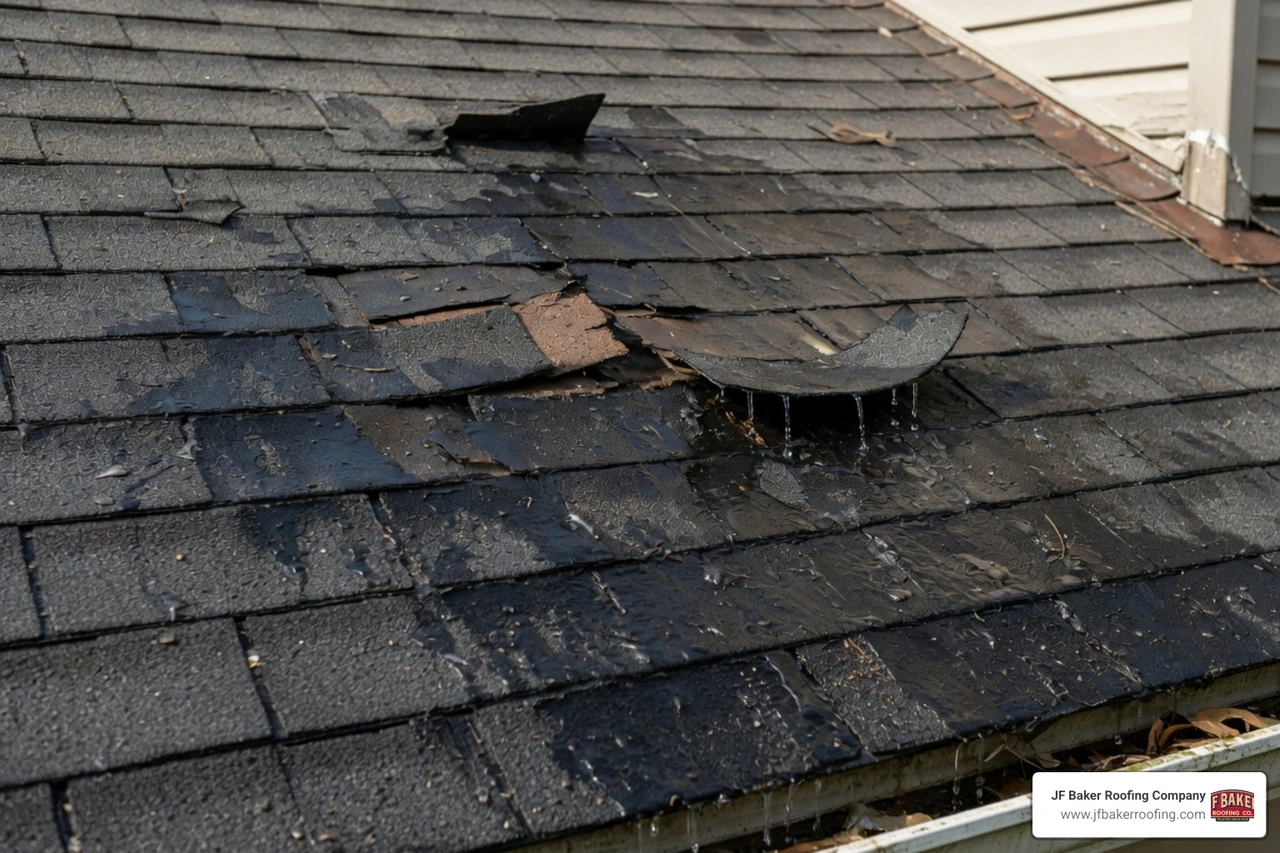
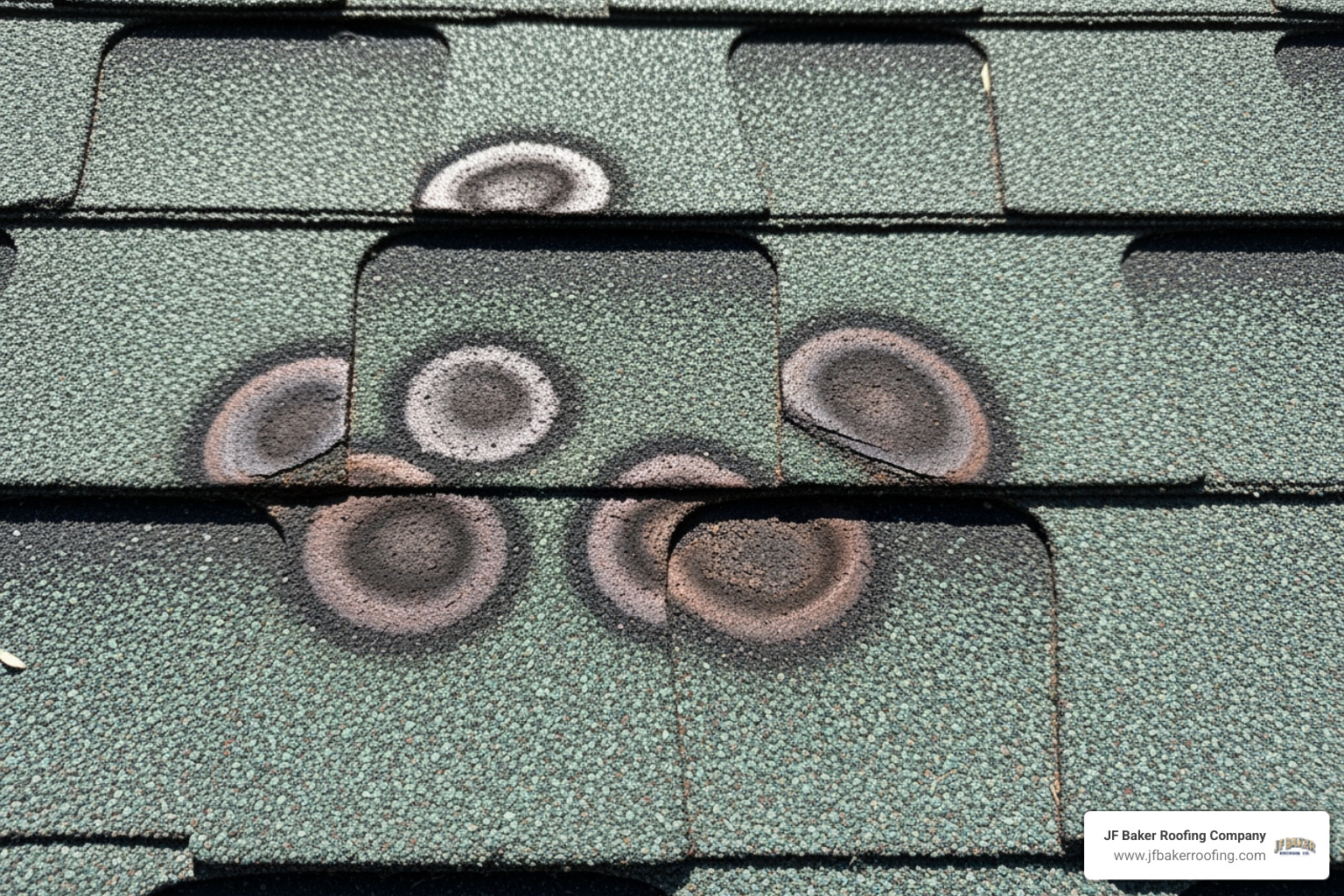
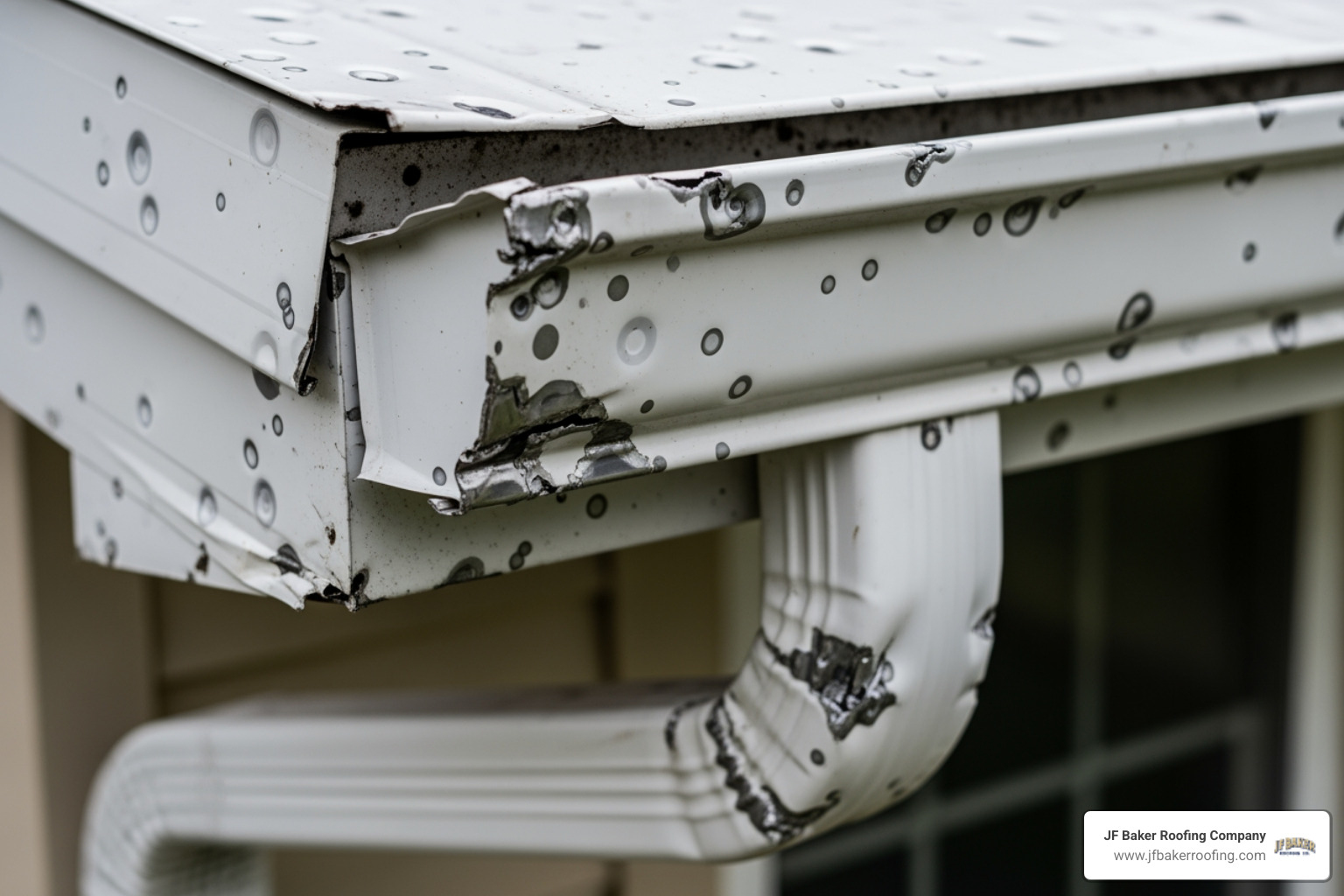
Severe storms in Central Ohio can bring heavy winds and large hail that compromise your building's envelope. Hail impact can fracture the underlying substrate of a single-ply membrane or bruise asphalt shingles, creating soft spots that eventually turn into leaks.
High winds pose a different threat: wind uplift. If wind gets underneath a loose edge of your roof or a compromised seam, it can peel back large sections of the membrane in seconds. This exposure leaves your inventory, equipment, and structural deck completely unprotected.
When a storm hits, prompt action is critical. Our team specializes in identifying hard-to-spot damage. You can learn more about identifying and addressing these issues in our guide to Hail Damage Commercial Roofing and our comprehensive overview of Storm Damage Repairs.
Preparing for Freeze-Thaw Cycles and Summer Heat
The transition between seasons is particularly brutal on Columbus roofs.
During winter, water can find its way into tiny cracks or unsealed seams. When temperatures drop below freezing, that trapped water expands, widening the gap. When it melts, it seeps deeper. This freeze-thaw cycle repeats dozens of times each winter, slowly tearing apart seams, flashing, and brick masonry.
In the summer, the opposite problem occurs. Rooftop temperatures on dark flat roofs can exceed 150 degrees. This intense heat causes the entire roof structure to expand. At night, as temperatures drop, the roof contracts. This constant thermal movement puts immense stress on fasteners, seams, and expansion joints.
Applying reflective roof coatings and performing regular preventative maintenance are key ways to mitigate this stress. For a deeper dive into protecting your property year-round, check out our Storm Damage Repair Guide 2026.
Key Factors When Choosing a Commercial Roofing Contractor Columbus
Choosing a commercial roofing contractor Columbus business owners can trust requires looking beyond the lowest bid. Commercial roofing is different from residential roofing. It involves complex safety requirements, heavy machinery, specialized material welding, and local building codes.
What to Expect When Hiring a Commercial Roofing Contractor Columbus
A professional roofing partner should provide clear, steady communication from your first phone call to the final cleanup. You should expect:
- Honest Assessments: If your roof only needs a few seams re-welded or some flashing replaced, a reputable contractor will tell you. We believe in recommending repairs whenever they are viable, saving full replacements for when they are truly necessary.
- Detailed, Written Estimates: Your bid should clearly outline material costs, labor, disposal fees, and permit costs. There should be no hidden fees or surprise charges.
- Local References: Ask for examples of completed commercial projects in the local area. Whether you need work done on a retail space in Upper Arlington or a warehouse in Dublin, a local contractor should have a solid portfolio of nearby work that they are proud to share.
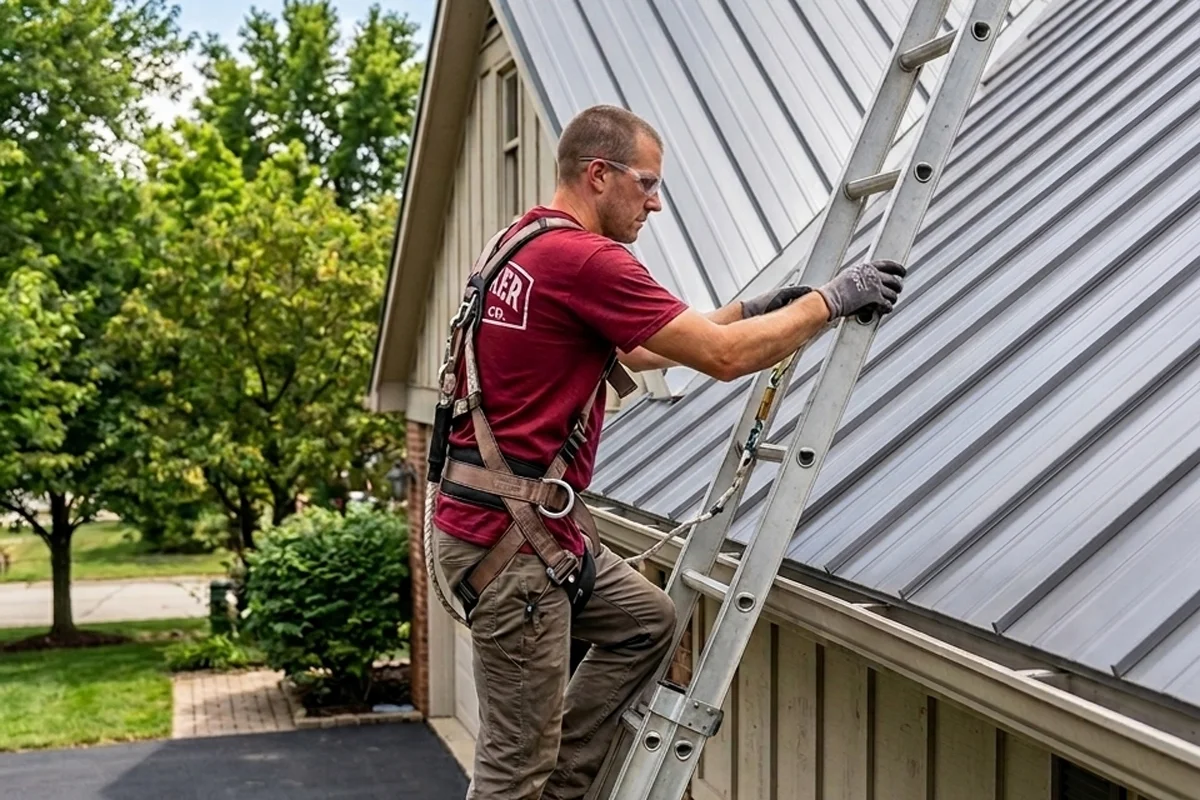
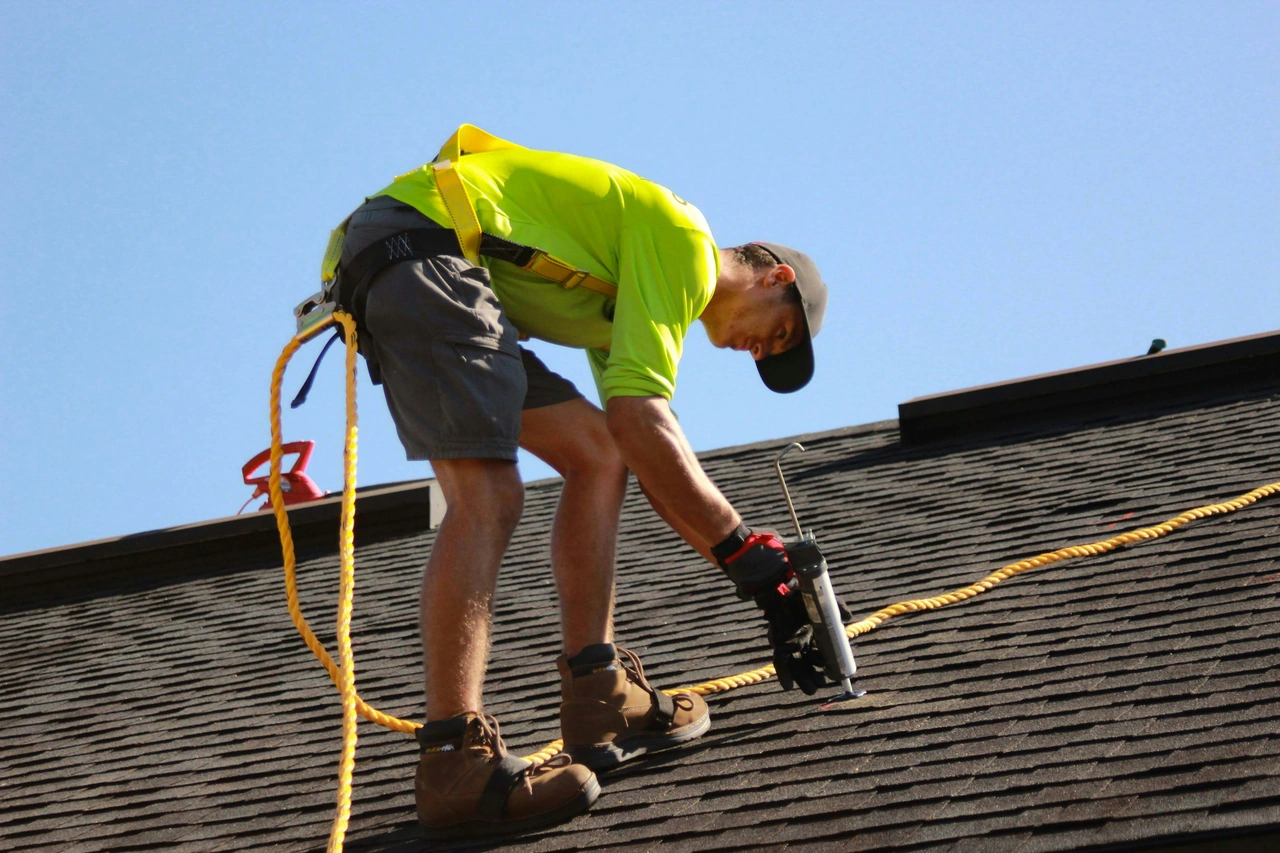
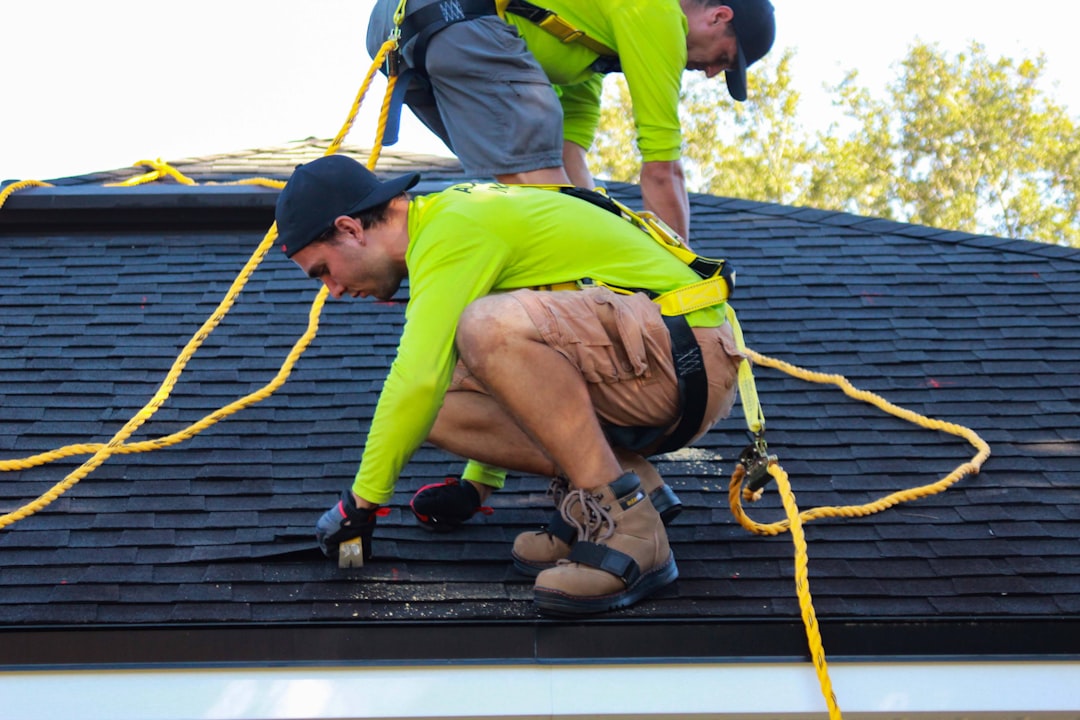
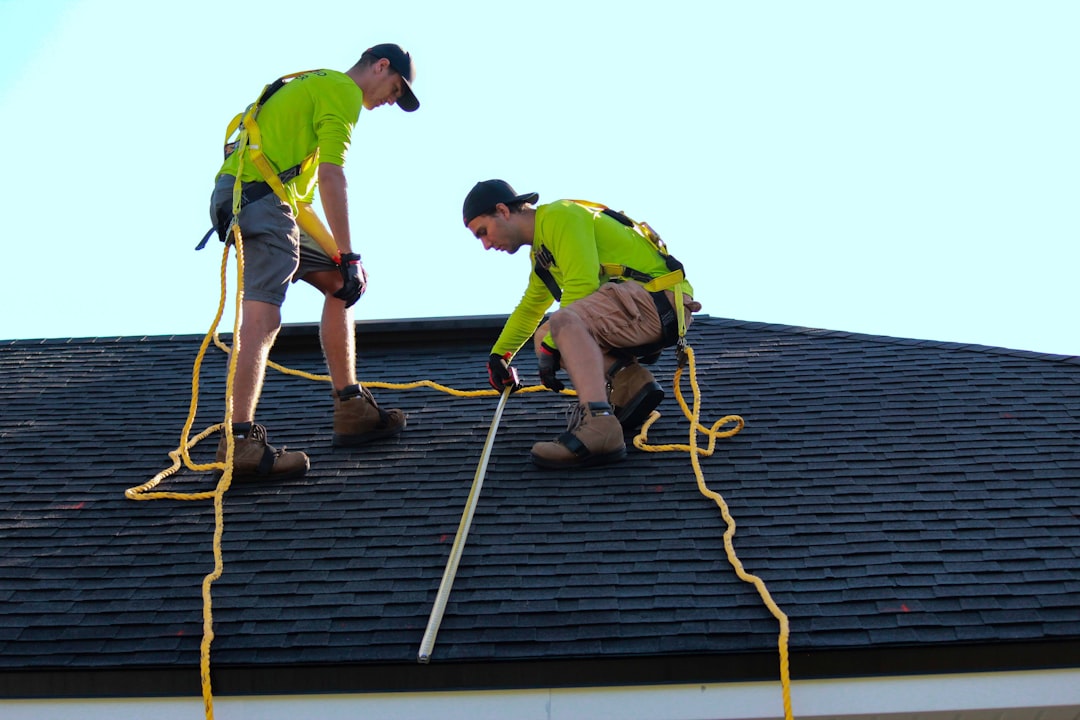
- Uncompromised Safety Standards: Commercial jobsites must follow OSHA safety requirements, including fall protection systems, safety barriers, and proper personal protective equipment for every crew member. You can review general federal guidance through OSHA's fall protection resources.
If you are looking for a contractor with deep roots in the community, we invite you to learn more about our philosophy on our Commercial Roofing Services page.
Local Reputation and Manufacturer Certifications
A contractor's longevity and certifications are strong indicators of the quality of work they perform.
- Manufacturer Certifications: Top-tier certifications, such as being a CertainTeed ShingleMaster, mean the contractor's crews have undergone training directly from the manufacturer. This allows them to offer warranty options that uncertified contractors may not be able to provide.
- Trade Memberships and Ratings: Look for active membership in the National Roofing Contractors Association (NRCA) and a consistent A+ rating with the Better Business Bureau (BBB). These credentials show a long-term commitment to industry best practices and ethical business standards.
- Local Roots: A company that has been around for decades has a reputation to protect. Unlike out-of-state storm chasers who vanish after the work is done, a local family-owned business will be here to stand behind their work for years to come.
You can see the standard of work we deliver by viewing our completed Projects. We are proud to serve businesses throughout Central Ohio, including Grove City, Hilliard, and beyond.
Commercial Roof Maintenance, Repair, and Replacement Processes
Managing a commercial roof requires balancing immediate repair needs with long-term asset management. Knowing whether to repair, restore, or completely replace a roof is the key to keeping your building dry without blowing your maintenance budget.
Routine Inspections and Preventative Maintenance
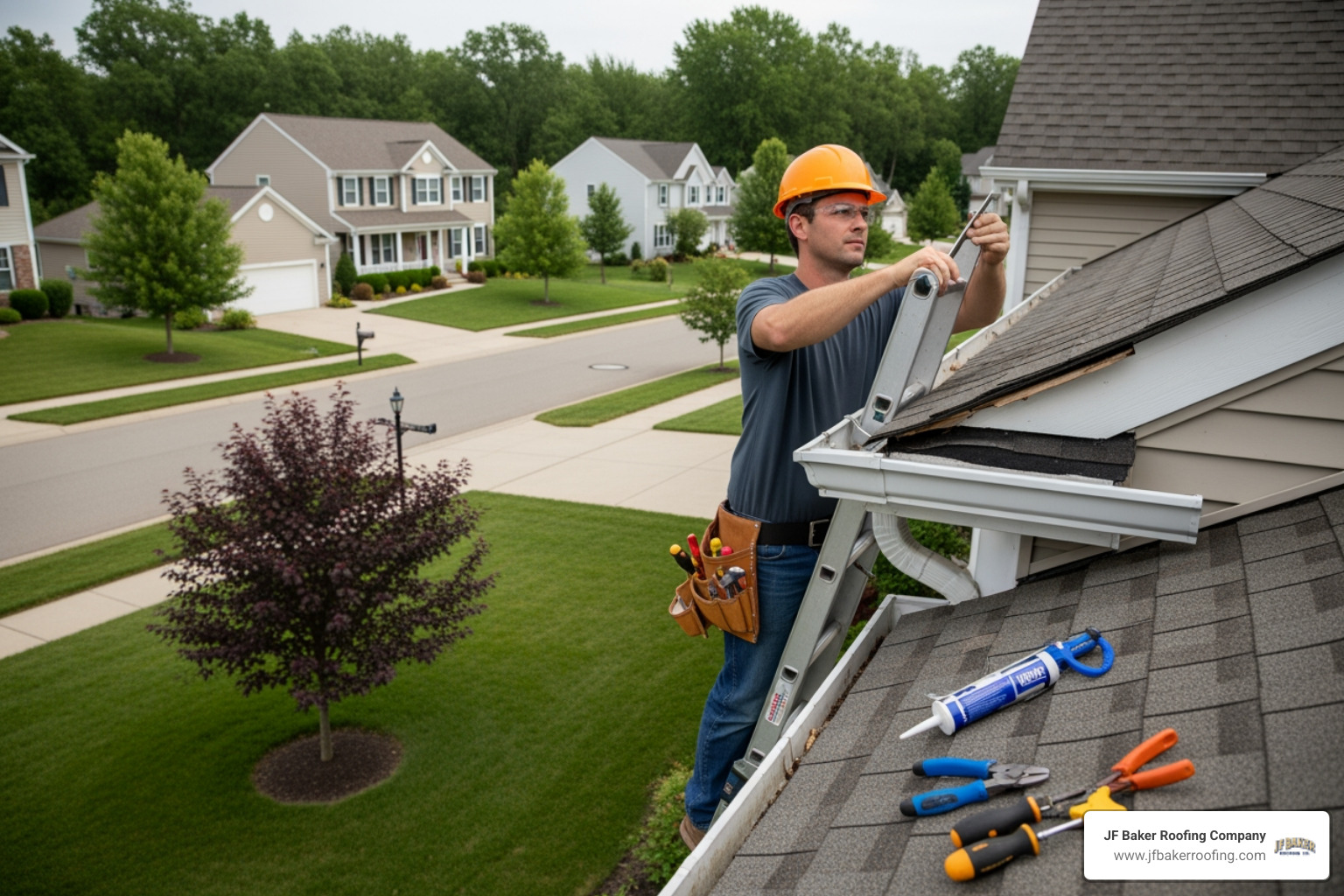
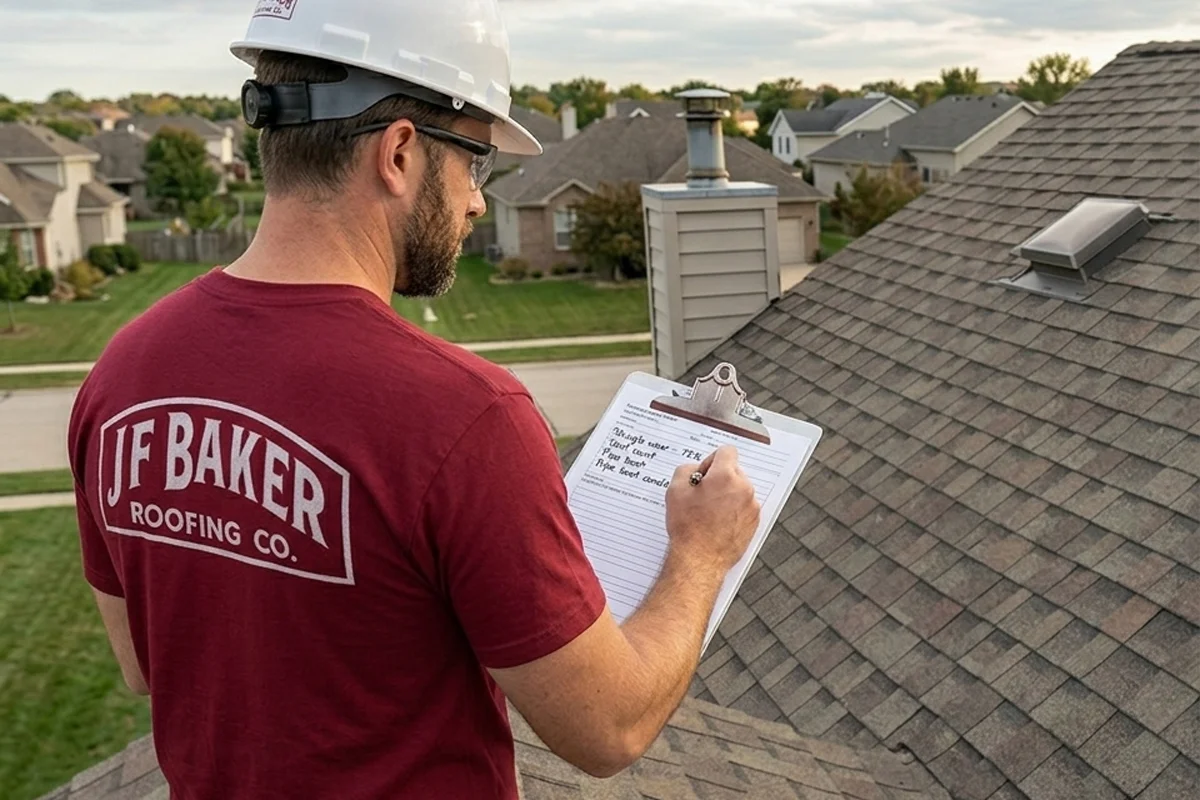
The most cost-effective way to manage a commercial roof is to stop leaks before they start. We recommend having your roof professionally inspected twice a year, once in the spring and once in the fall, as well as after any major storm.
During a routine maintenance visit, a technician should perform:
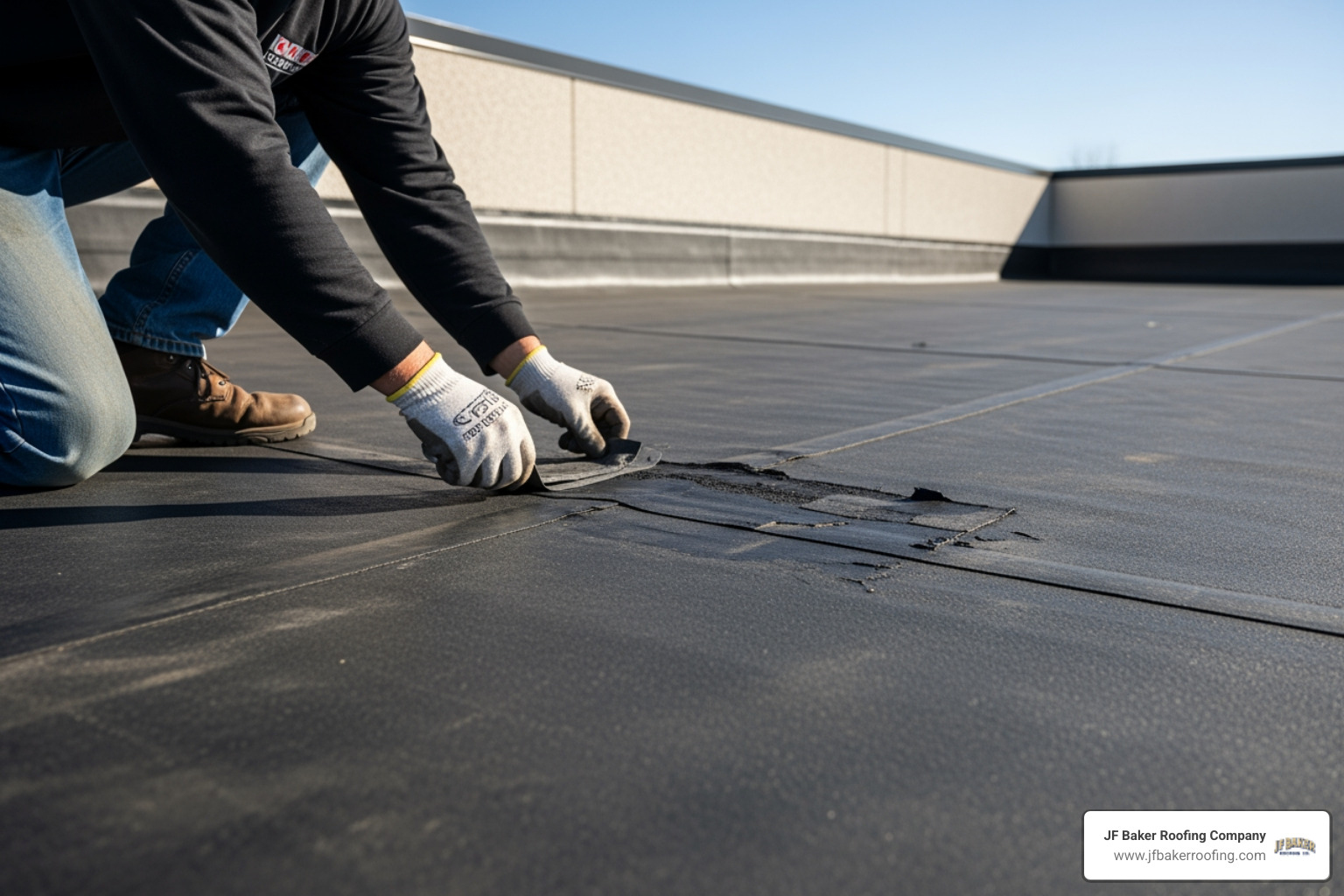
- Seam Checks: Inspecting single-ply seams to ensure they remain tightly bonded and water-tight.
- Fastener Review: Checking for loose, backed-out, or rusted fasteners that could compromise wind resistance.
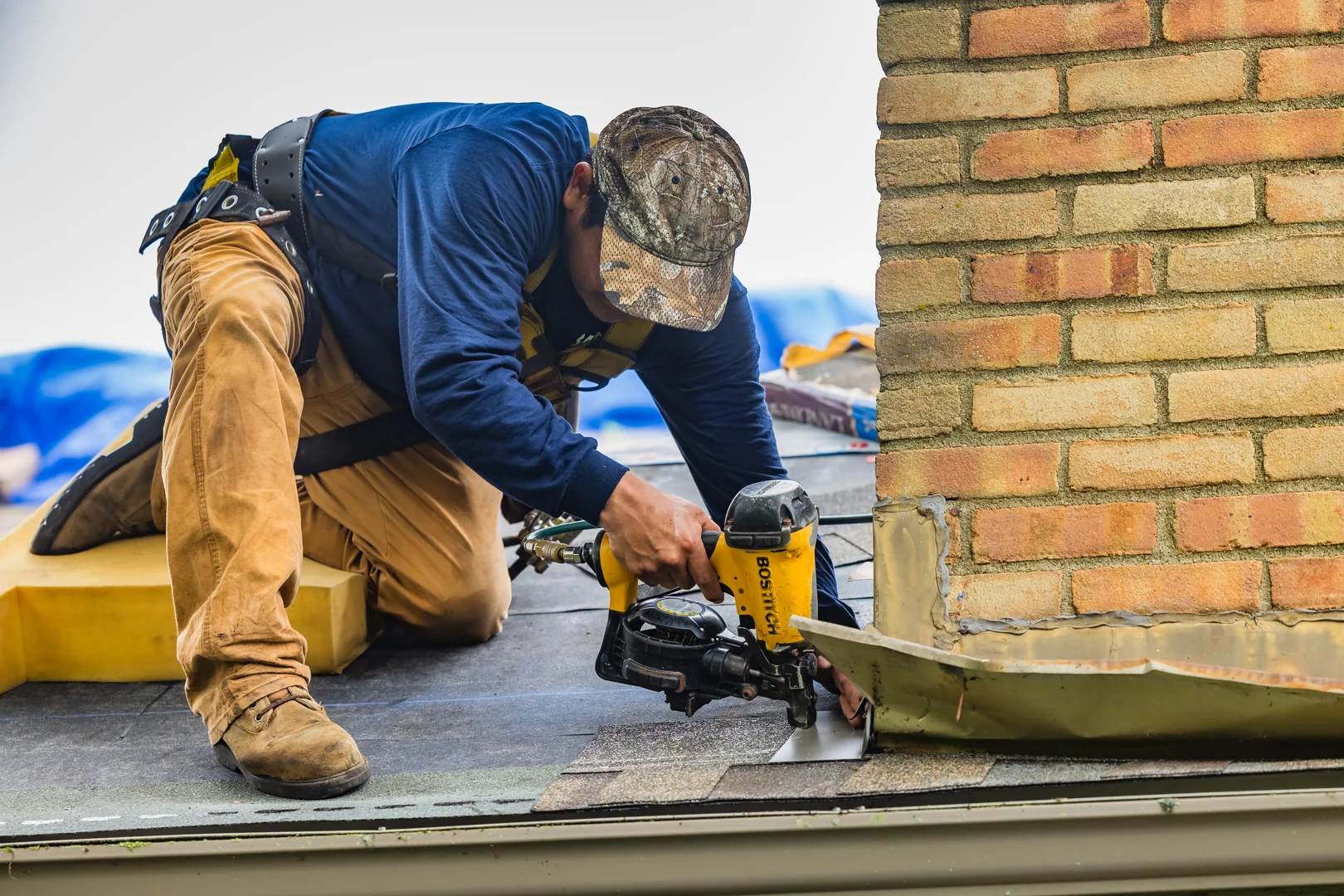
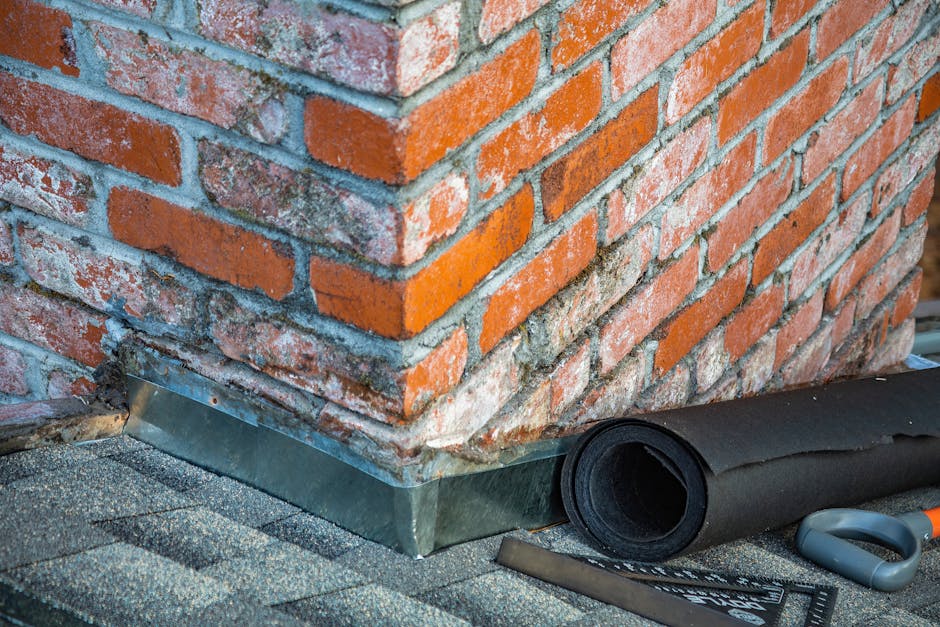
- Penetration Sealing: Inspecting the flashing and sealant around HVAC units, pipes, vents, and skylights.
- Debris Removal: Clearing leaves, branches, and trash from drains, scuppers, and gutters to prevent ponding water.
Keeping drains clear is incredibly simple, yet ignoring it is one of the leading causes of premature flat roof failure. When water ponds on a flat roof, its immense weight stresses the structural deck, and the standing water accelerates the deterioration of the roofing membrane.
How a Professional Commercial Roofing Contractor Columbus Handles Emergency Repairs
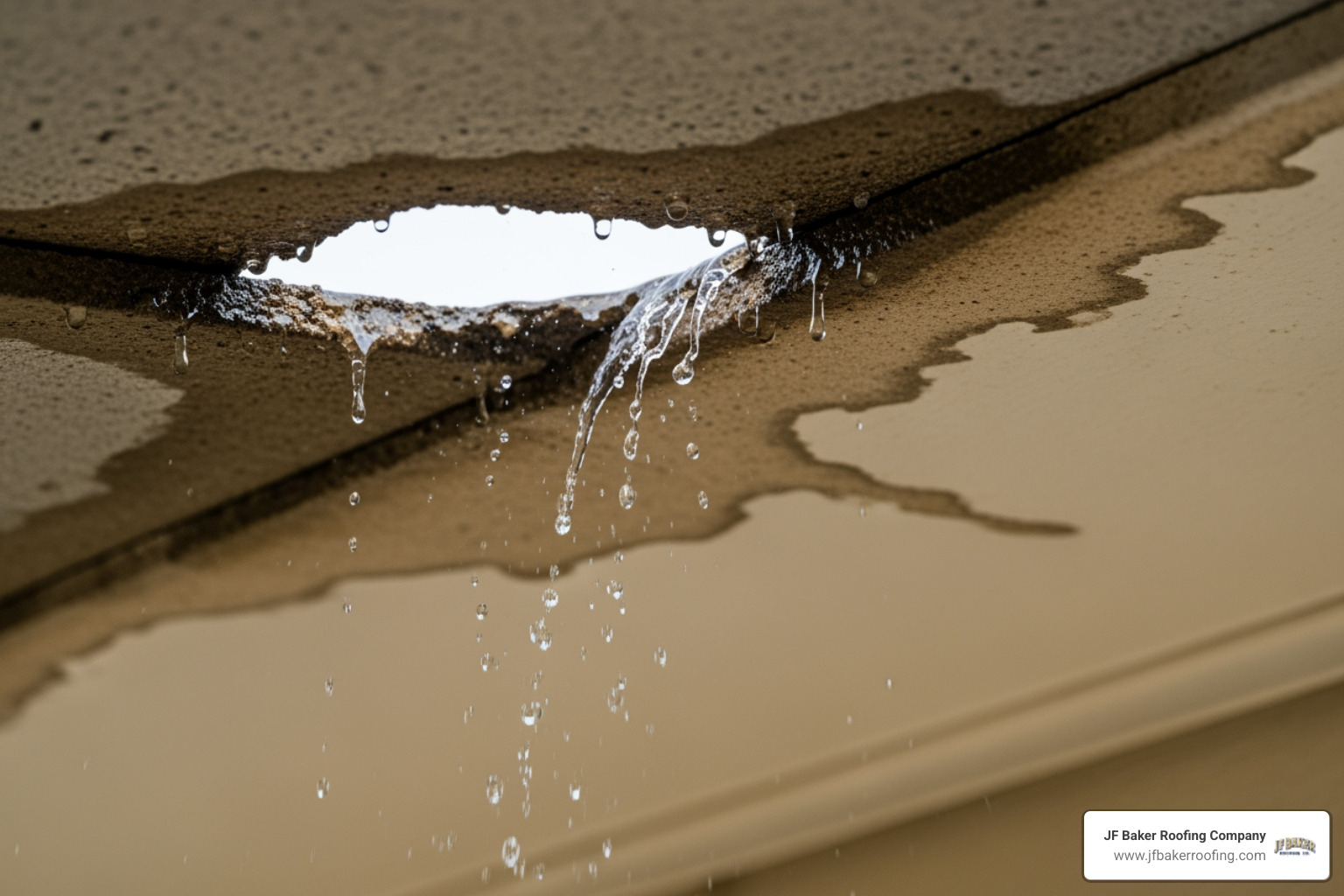
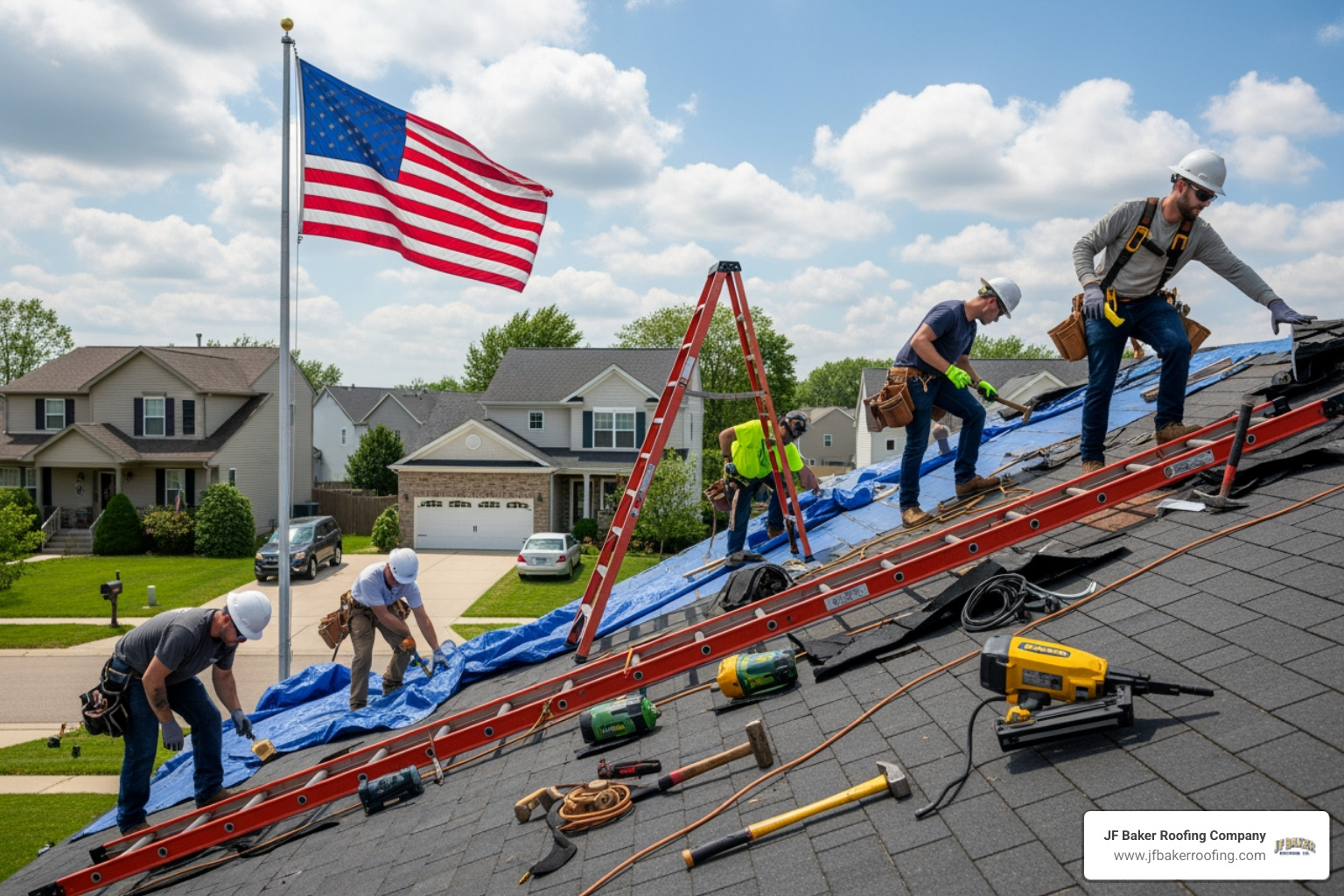
When a roof leak occurs, it can disrupt your business, damage expensive equipment, and create safety hazards for your employees. A professional commercial contractor should respond quickly to mitigate the damage.
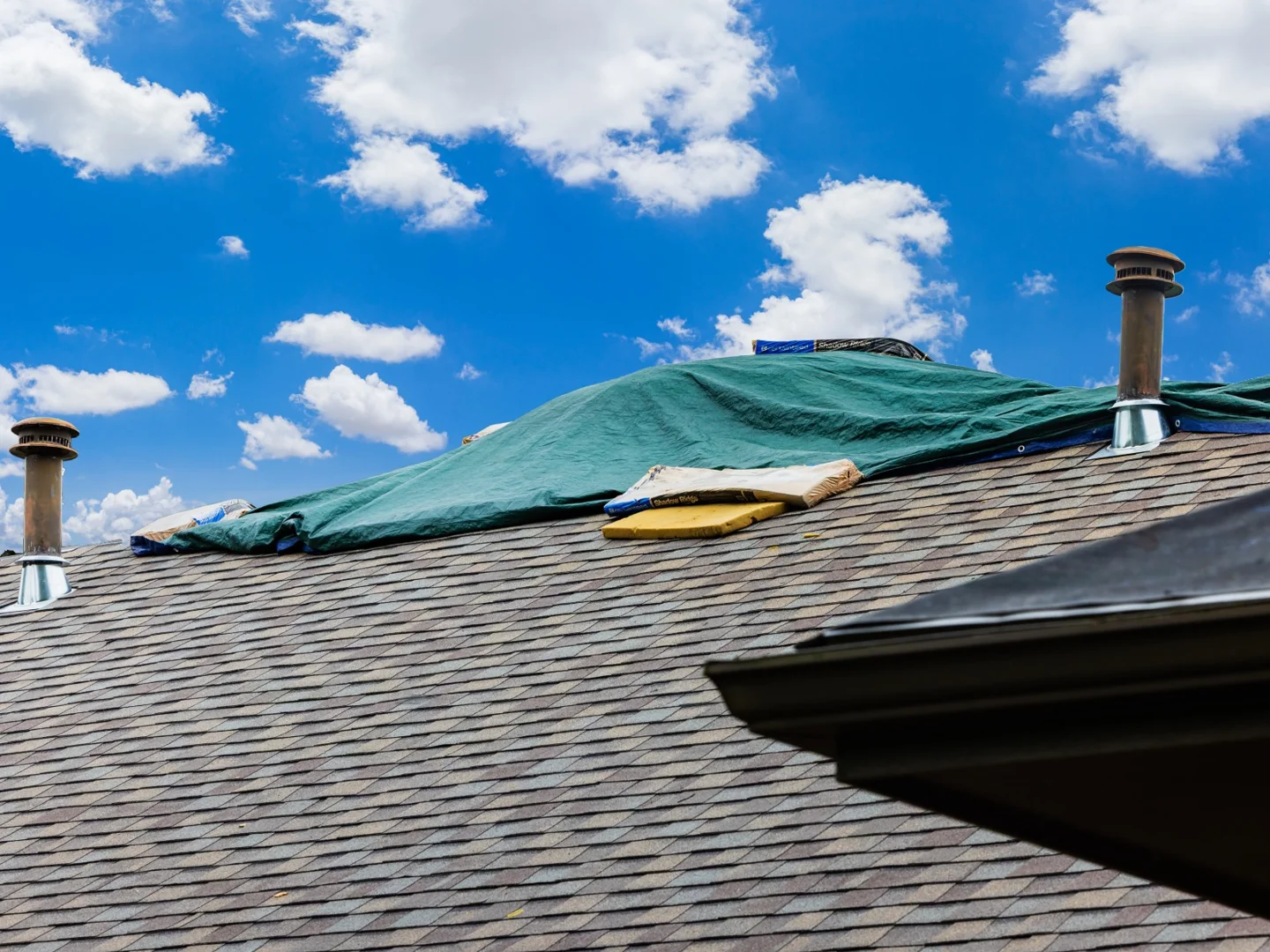
Emergency services typically involve dispatching a dedicated service crew to locate the source of the leak, perform temporary tarping or sealing to stop water intrusion immediately, and document the damage. Once the weather clears, the crew can return to perform a permanent, warrantied repair.
For businesses in the eastern suburbs, having a plan for Commercial Emergency Roofing Whitehall can save thousands of dollars in interior water damage. If your building has suffered widespread storm damage, you can read about the full restoration process on our Commercial Storm Restoration page.
Project Timelines, Costs, and Minimizing Business Disruption
A commercial roofing project is a major undertaking. The key to a successful project is thorough planning and clear communication, ensuring your business continues to run smoothly while the work is being completed.
Estimating Timelines and Costs for Commercial Projects
The timeline and cost of a commercial roofing project depend on several variables:
- Project Scope: A simple overlay (installing a new membrane over an existing, dry roof) takes significantly less time than a complete tear-off of multiple wet insulation layers.
- Square Footage: Large industrial warehouses naturally require more time and materials than a small retail storefront.
- Weather Conditions: Roofing work requires dry, safe conditions. Rain, high winds, or extreme cold can delay progress.
- Material Lead Times: Specialized materials, custom metal fabrication, or specific insulation thicknesses must be ordered and coordinated well in advance.
Generally, a minor flat roof repair can be completed in a few hours, while a full roof replacement on a mid-sized commercial building can take anywhere from a few days to two weeks.
Coordinating with Facility Managers and Property Teams
We understand that you have a business to run. A professional commercial contractor will work closely with your facility managers and property teams to minimize disruptions. This coordination includes:
- Strategic Scheduling: Performing noisy work (like staging materials or heavy drilling) early in the morning or during off-peak hours.
- Safety Barriers: Setting up clear pedestrian barriers, warning flags, and debris chutes to keep your employees, tenants, and customers safe.
- Staging Areas: Coordinating where heavy equipment, dumpsters, and materials will be stored to avoid blocking customer parking or delivery docks.
- Continuous Communication: Providing daily updates on progress, upcoming work, and any changes to the schedule.
Frequently Asked Questions About Columbus Commercial Roofing
How often should a commercial roof be inspected in Central Ohio?
We recommend professional inspections at least twice a year: once in the spring to assess any damage caused by winter snow and ice, and once in the fall to prepare the roof for the upcoming winter. You should also schedule an inspection immediately following any severe storm with high winds or hail. Regular inspections are often a requirement to keep manufacturer warranties valid.
Can a new commercial roof be installed over an existing one?
Yes, in many cases you can install a new single-ply membrane over an existing roof, a process known as an overlay or recover. This can save significant money on labor and disposal fees.
However, building codes typically limit roofs to a maximum of two layers. Additionally, an overlay should only be performed if the existing roof deck is structurally sound and the current insulation is completely dry. Installing a new roof over wet insulation will trap moisture, leading to mold, wood rot, and premature roof failure.
What is the average lifespan of a commercial roof in Columbus?
The lifespan of your roof depends heavily on the material used and how well it is maintained:
- TPO and PVC: Typically last 20 to 30 years.
- EPDM: Can last 25 to 35 years with proper seam maintenance.
- Standing Seam Metal: Easily lasts 50 years or more.
- Asphalt Shingles: Generally last 20 to 25 years.
Performing regular preventative maintenance, keeping drains clear, and addressing minor leaks immediately are the best ways to maximize the lifespan of any roofing system.
Conclusion
Your commercial roof is the first line of defense protecting your business, employees, and inventory. Partnering with an experienced, local commercial roofing contractor Columbus business owners trust is the best way to ensure your property remains secure for decades to come.
At JF Baker Roofing, we have been serving Central Ohio since 1929. Our business is built on three generations of family integrity, quality craftsmanship, and honest, plain-spoken advice. We do not use high-pressure sales tactics. We recommend repairs when they will solve the problem, and we only recommend replacements when they are genuinely necessary.
If you have questions about your commercial roof, need to schedule a routine inspection, or want to discuss a project, we are here to help. Contact us today to learn more about our Commercial Roofing Services and let our reputation be your security.








.jpeg)