All About Residential Roof Replacement Companies
When Is the Right Time to Call a Residential Roof Replacement Company?
If you are trying to figure out whether your roof needs replacing, here is a quick answer:
Most roofs need replacement when they are 20-30 years old, show active leaks, have widespread shingle damage, or have suffered significant storm damage that repairs cannot reliably fix.
Key signs it is time to call a residential roof replacement company:
- Your roof is 20 years old or older
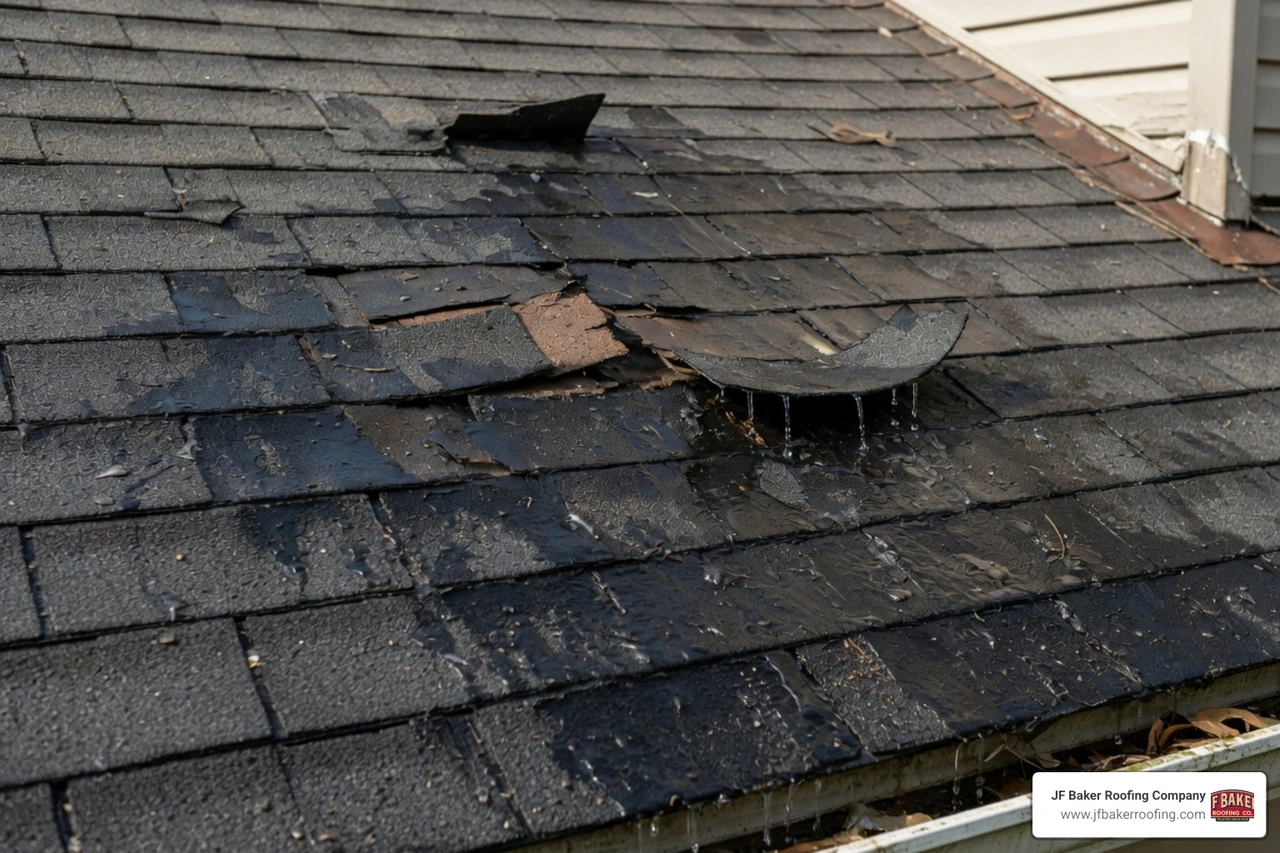
- You have missing, curling, or cracked shingles across a large area
- Water stains are appearing on your ceilings or in your attic
- Your energy bills have been rising without another clear cause
- You have had repeated leaks that keep coming back after repairs
- A recent hail or wind storm caused visible damage
Central Ohio homeowners face a real challenge when it comes to roof timing. Ohio winters are hard on roofs. Spring storms bring hail and wind. Summer heat accelerates shingle aging. By the time most people notice a problem, the roof has often been struggling for a while.
The good news is that not every roof problem means a full replacement. At JF Baker Roofing Company, trusted since 1929, we believe in giving you an honest picture first. If a repair will do the job, we will tell you that. If replacement is genuinely needed, we will explain exactly why.
This guide walks you through how to spot the warning signs, how to choose the right contractor, what materials to consider, and what to expect from the process, so you can make a confident decision without any pressure.
How to Know When It's Time to Replace Your Roof
Determining whether to repair or replace your home's roof is one of the most significant maintenance decisions you will make as a homeowner. A roof is not just a collection of shingles; it is a complex system designed to shed water, handle extreme temperature shifts, and keep your family safe. Understanding the health of this system is the first step in protecting your investment.
Warning Signs of Roof Failure
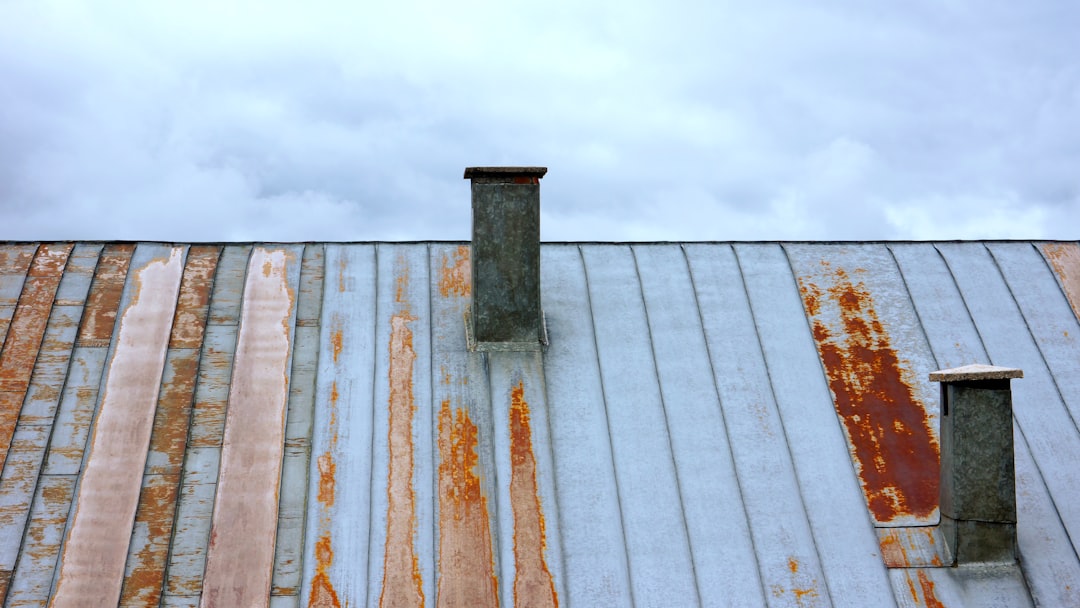
The aging process of a roof is often quiet and gradual, but there are clear, physical indicators that show when the system is reaching the end of its useful life. Homeowners should regularly look for these key warning signs:
- Age of the Roof: Asphalt shingle roofs typically last 20 to 30 years, making age one of the most reliable indicators for a residential roof replacement. If your roof is approaching or has passed the two-decade mark, it is wise to start planning ahead, even if there are no active leaks.
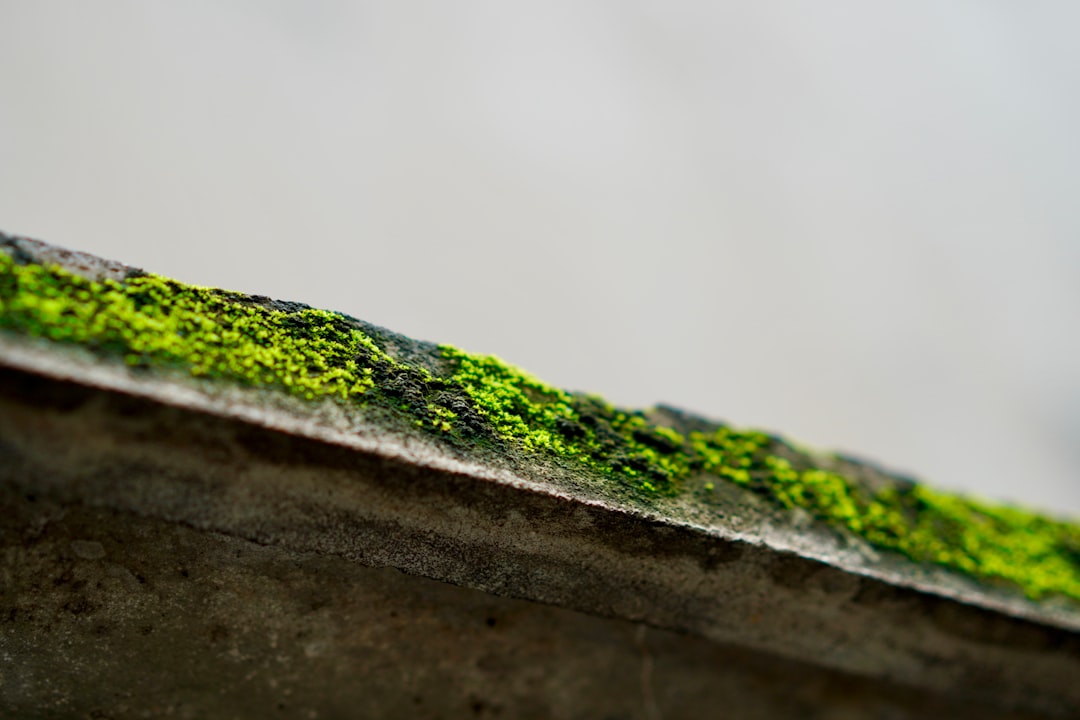
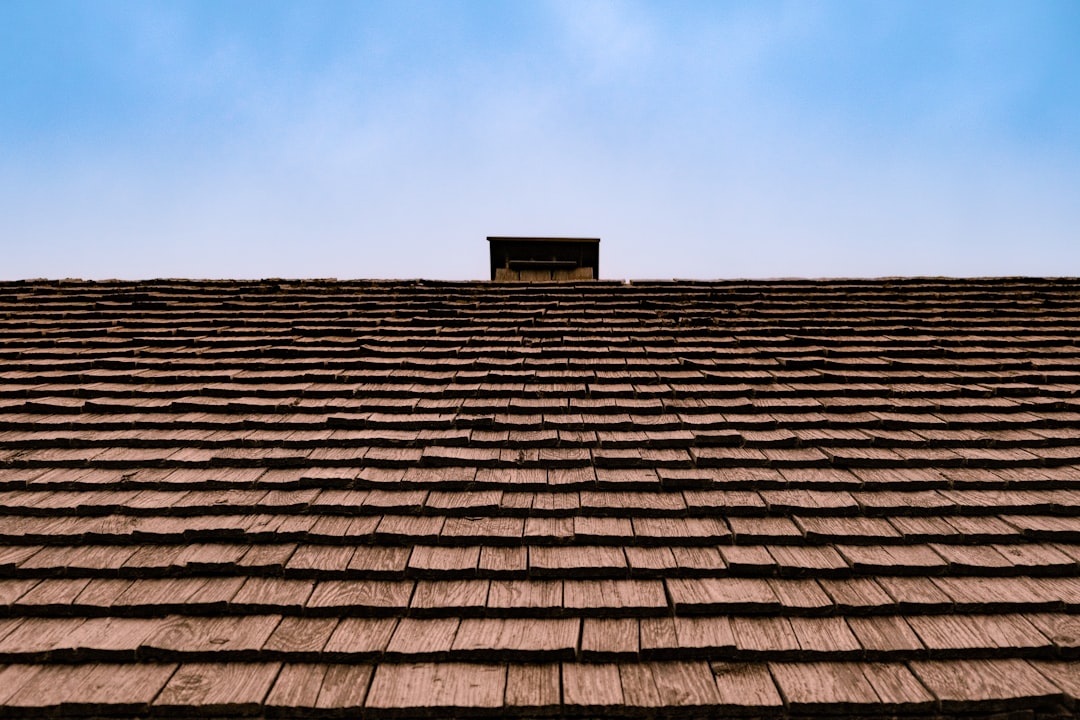
- Missing, Curling, or Buckling Shingles: When shingles are exposed to decades of Central Ohio heat and freezing winters, they lose their flexibility. They may begin to curl at the edges, cup upward, or lose their adhesive bond entirely, leaving them vulnerable to being blown away by high winds.
- Granule Loss in the Gutters: Shingles are coated with mineral granules to protect the underlying asphalt from destructive ultraviolet rays. As shingles decay, these granules flake off and wash into your gutter system. If you notice a heavy accumulation of sand-like material in your gutters, your shingles are losing their protective barrier.
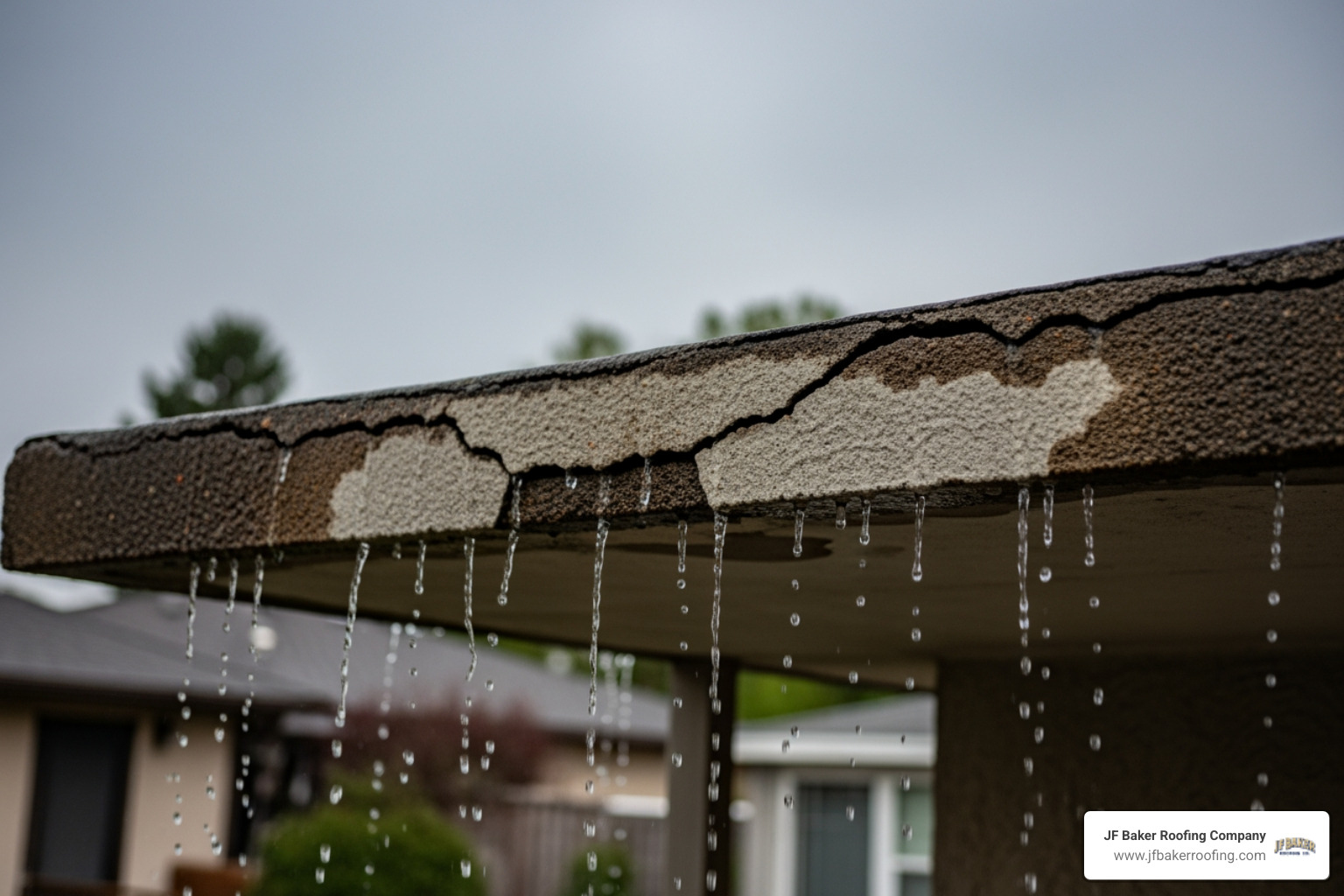
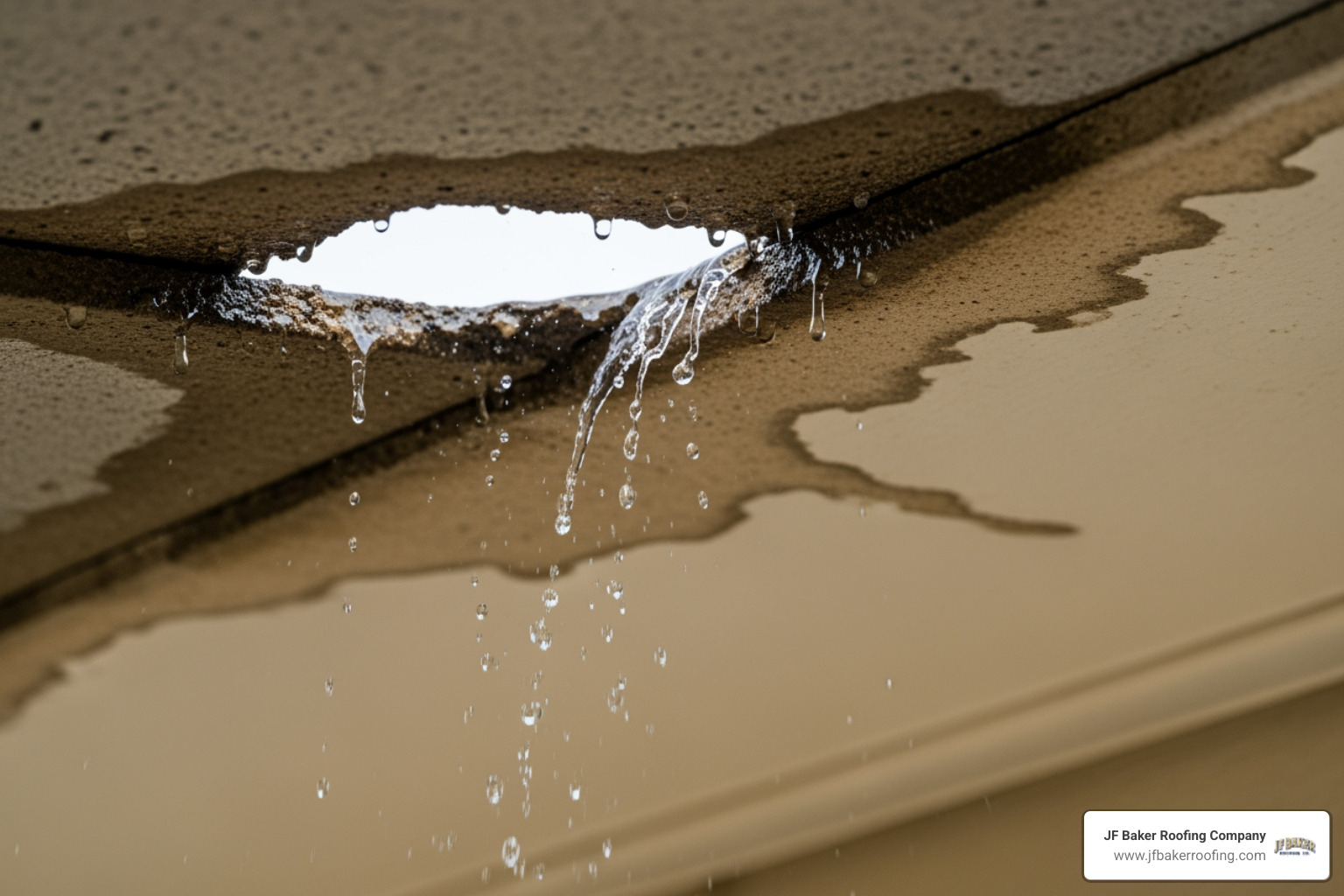
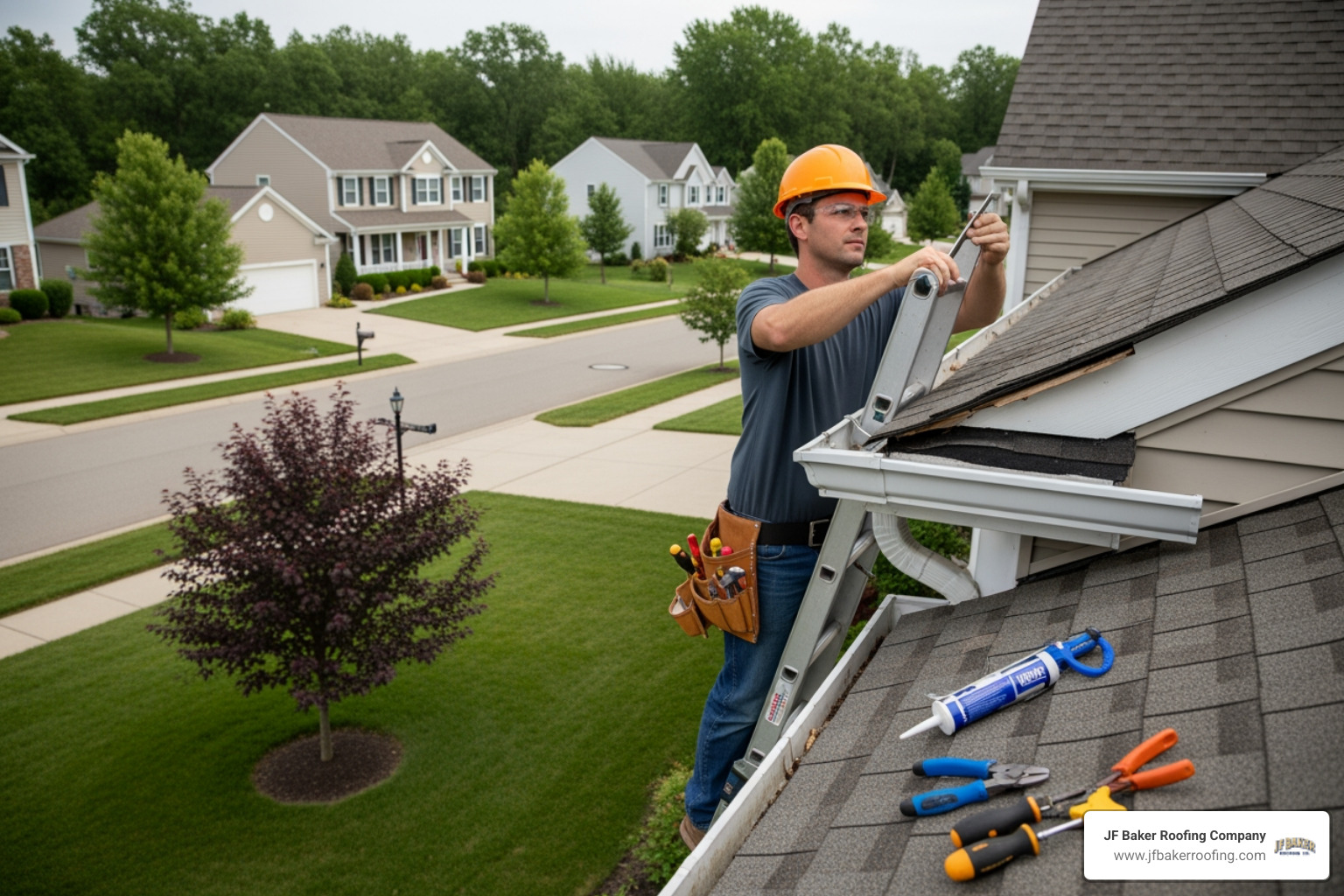
- Water Stains and Attic Moisture: Water stains on your ceilings or active leaks in your attic are obvious signs of system failure. If you notice dark spots, damp insulation, or mold growing on the underside of your roof deck, water is breaching your outer defenses.
- Sagging Roofline: A sagging roof is a structural emergency. It typically indicates long-term water damage that has rotted the decking, rafters, or support trusses. If you notice any dipping or sagging along the ridges or valleys, you should contact a professional immediately.
- Rising Energy Bills: A roof that has lost its integrity or lacks proper ventilation can cause your heating and cooling systems to work overtime. If your energy bills are climbing during the peak of summer or winter, your roof system may no longer be insulating or ventilating your home efficiently.
For a deeper dive into these warning signs, you can read our detailed guide on How to Know When It's Time to Replace Your Roof, which helps Central Ohio residents identify subtle issues before they turn into costly disasters. If you are already seeing these signs and want to explore your options, you can read more about the transition process at Replace My Roof.
Assessing Storm Damage and Insurance Claims
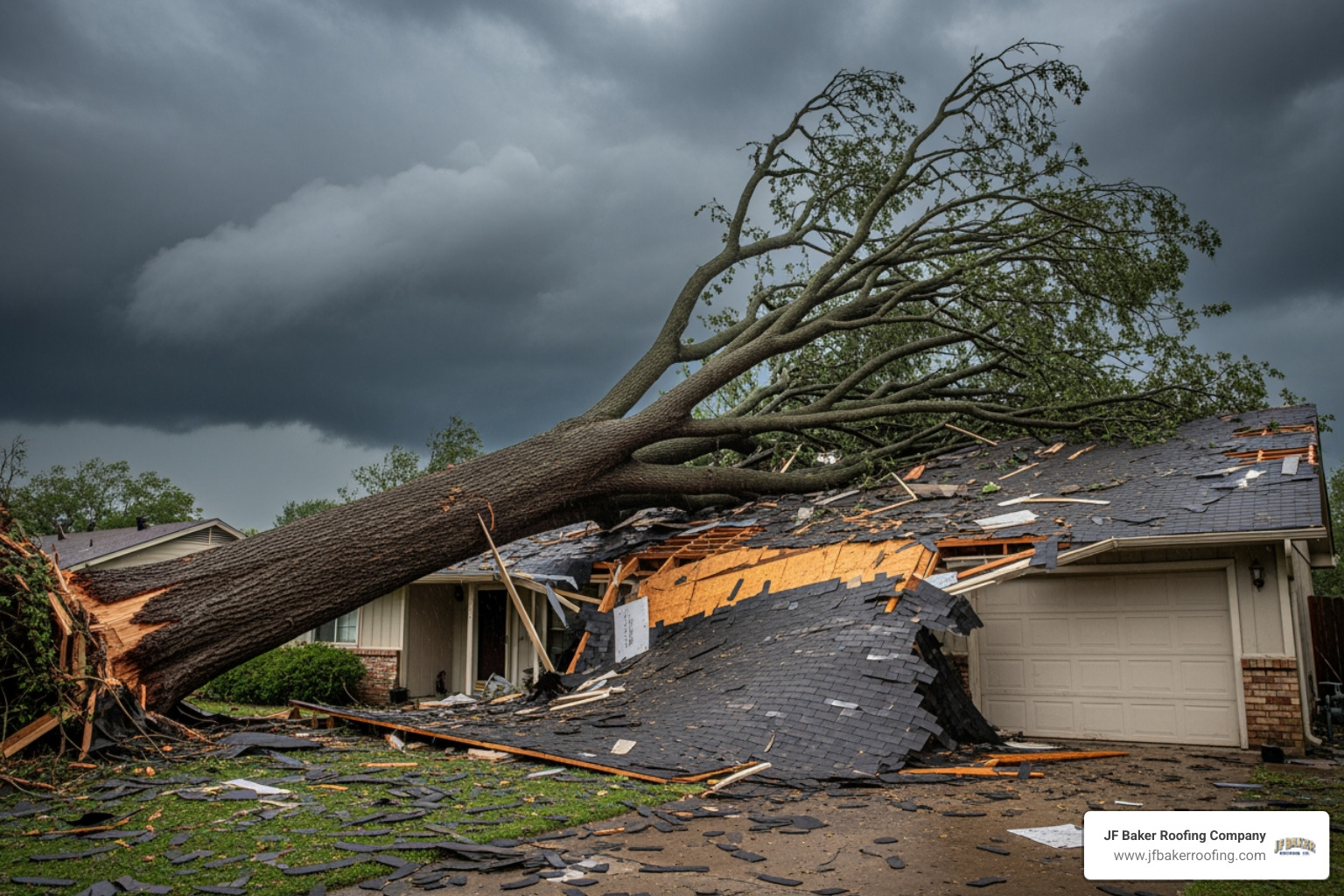
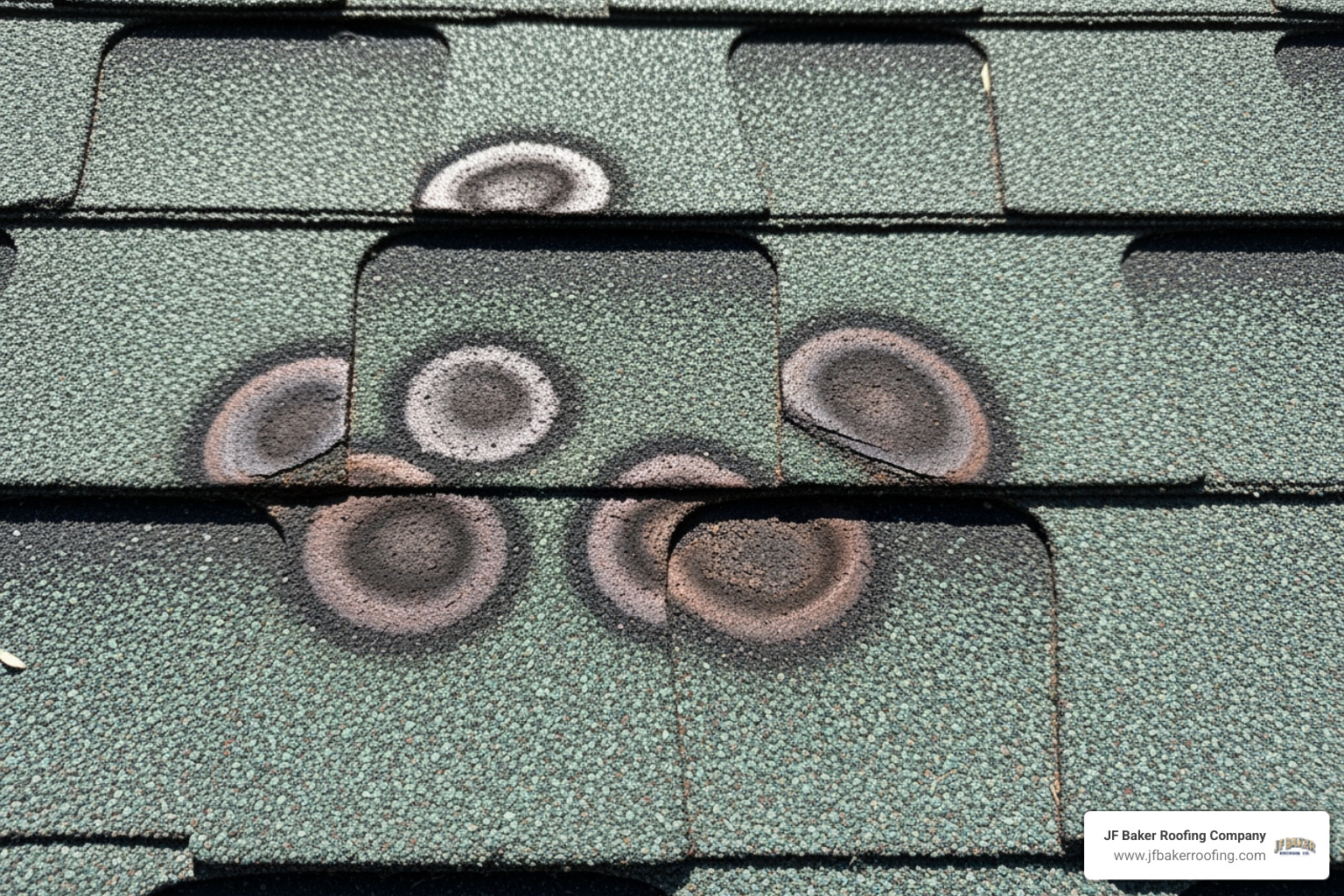
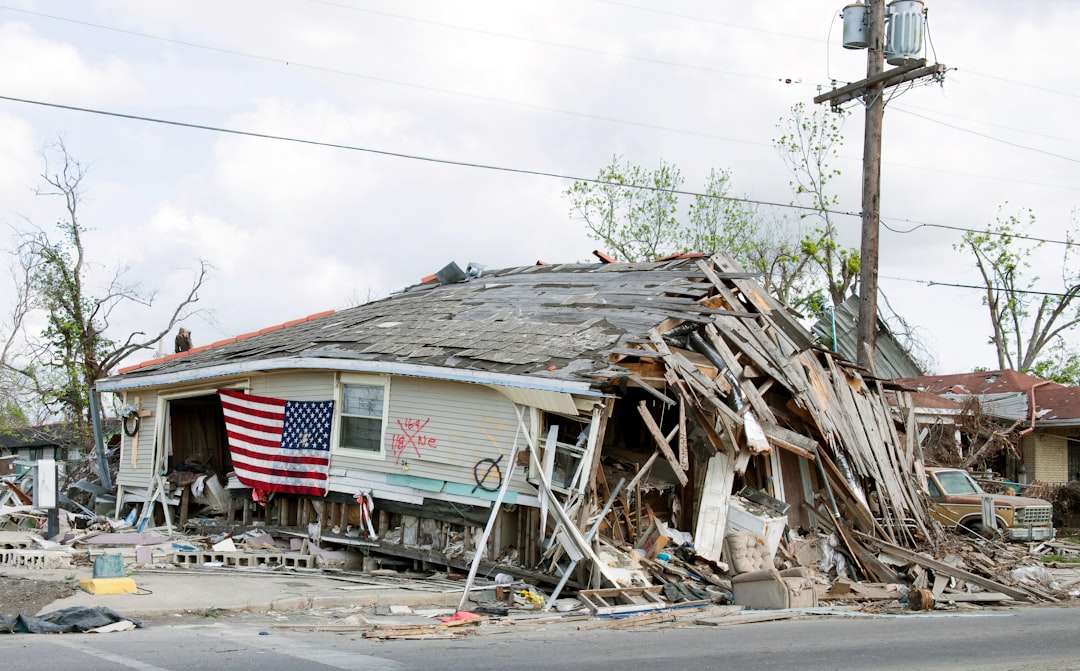
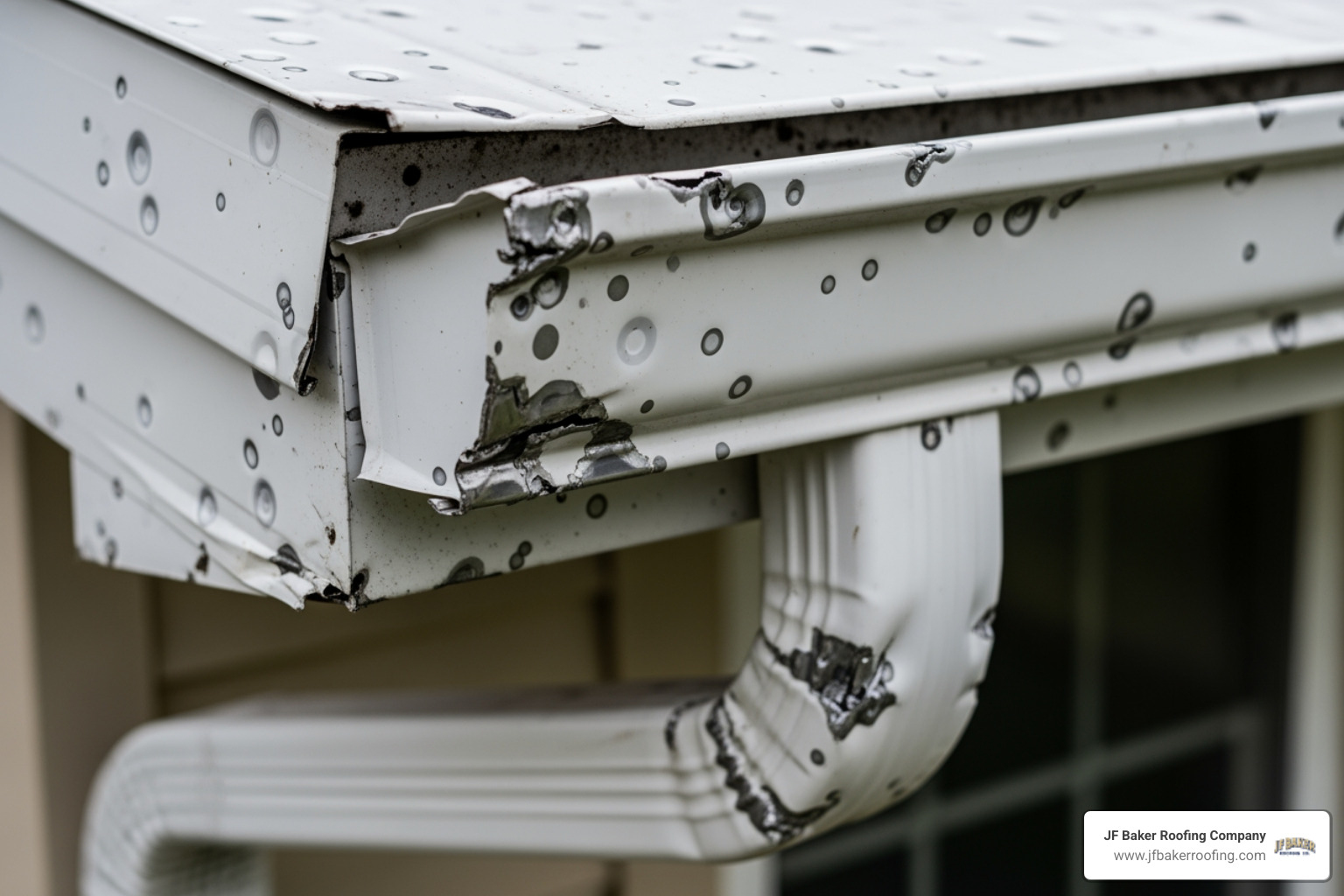
Severe weather is a common catalyst for roof replacements in Central Ohio. High winds can tear shingles clean off, while hail can bruise the asphalt mat, causing rapid deterioration. The NOAA National Severe Storms Laboratory explains how hail forms and why hail size, storm strength, and wind can all affect the damage left behind. When storm damage occurs, navigating the insurance claim process can feel overwhelming, but a systematic approach makes it manageable.
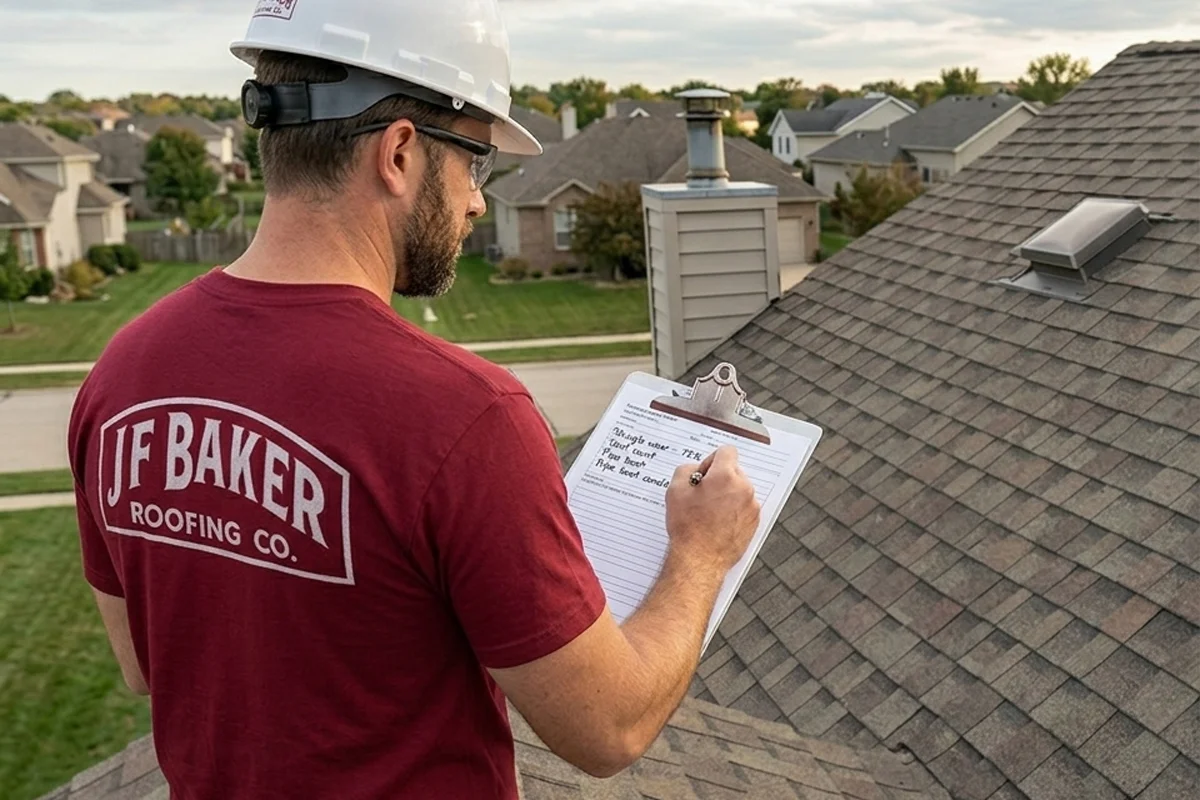
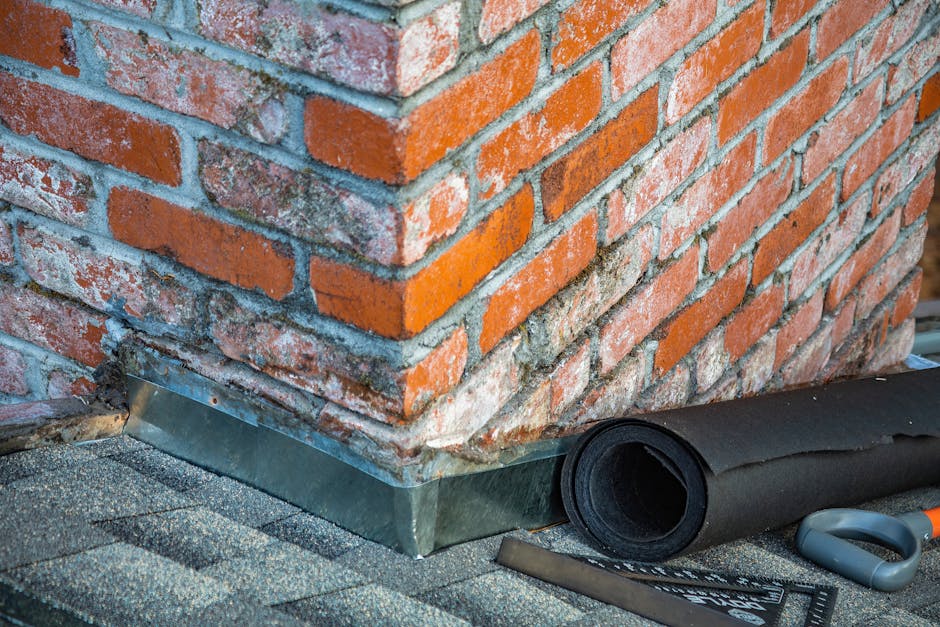
First, safety is paramount. After a major storm, perform a visual inspection from the ground. Look for missing shingles, damaged metal flashing, or fallen tree limbs. If you suspect damage, scheduling a professional inspection is the safest and most reliable next step. A professional contractor can safely climb the roof to document wind damage, split shingles, or subtle hail bruises that are invisible from the ground.
When filing an insurance claim, documentation is your best asset. Your contractor should provide a detailed inspection report complete with clear photographs of the damage. When the insurance adjuster visits your property, having your contractor present ensures that all damaged areas are pointed out and discussed, which helps prevent key repairs from being overlooked in the initial estimate.
It is also important to understand local regulations. For example, some regional building codes stipulate that if more than 25% of a roof is damaged, a full replacement is required rather than a localized repair. This rule ensures the structural safety of your home and is an important factor during insurance negotiations. Working with a knowledgeable local contractor who understands Central Ohio building codes ensures your replacement meets all municipal standards and structural requirements.
Choosing a Residential Roof Replacement Company
Selecting the right contractor to replace your roof is just as important as choosing the right materials. A high-quality shingle will still fail if it is installed incorrectly. Because a roof replacement is a major investment, you deserve to work with a company that prioritizes honest assessments and clear communication.

What to Expect from a Professional Residential Roof Replacement Company
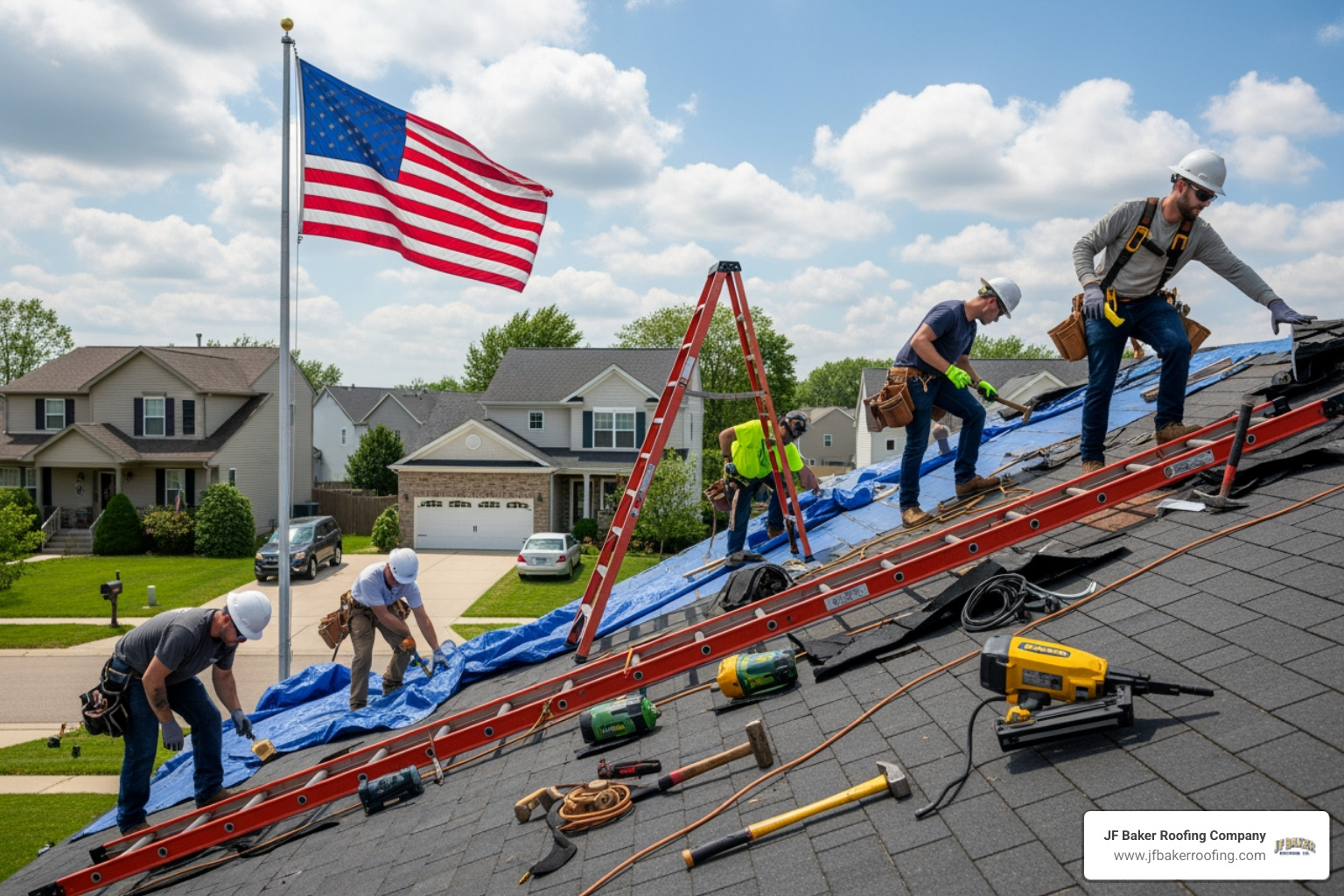
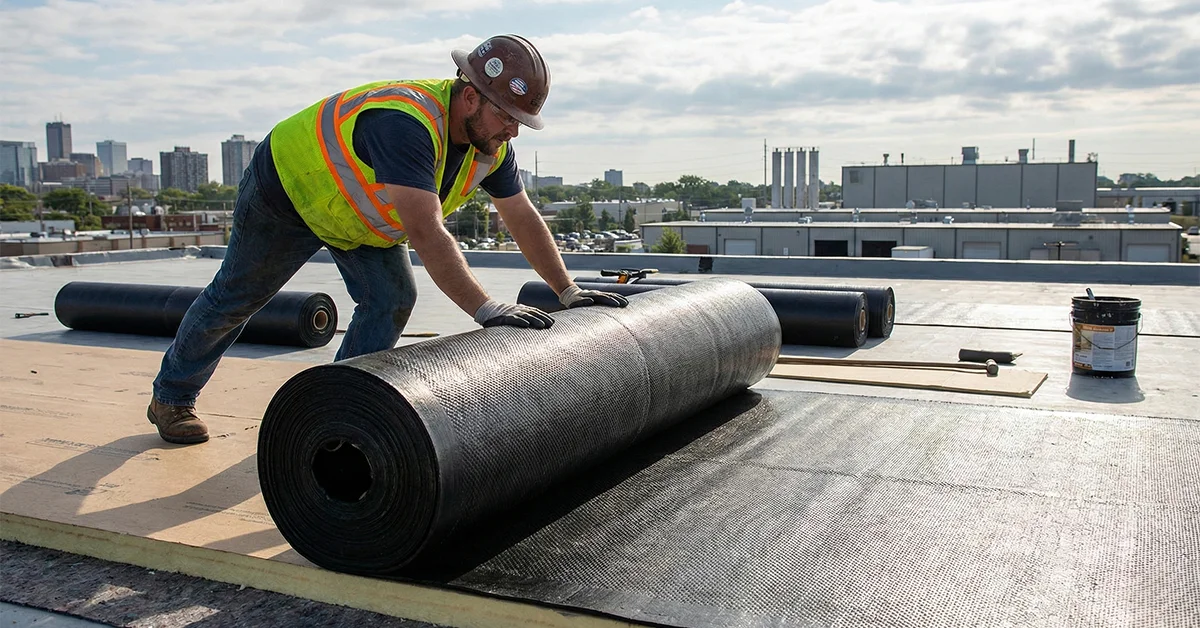
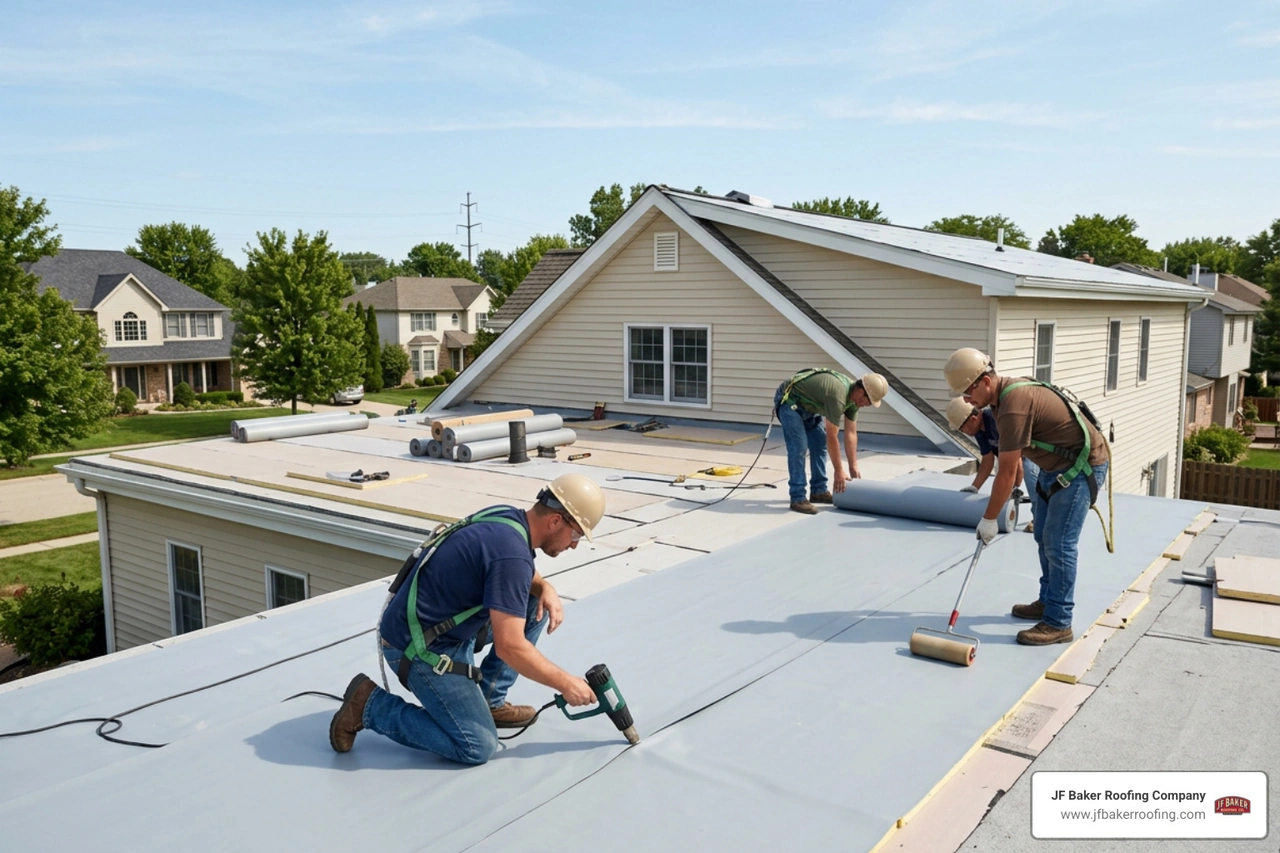
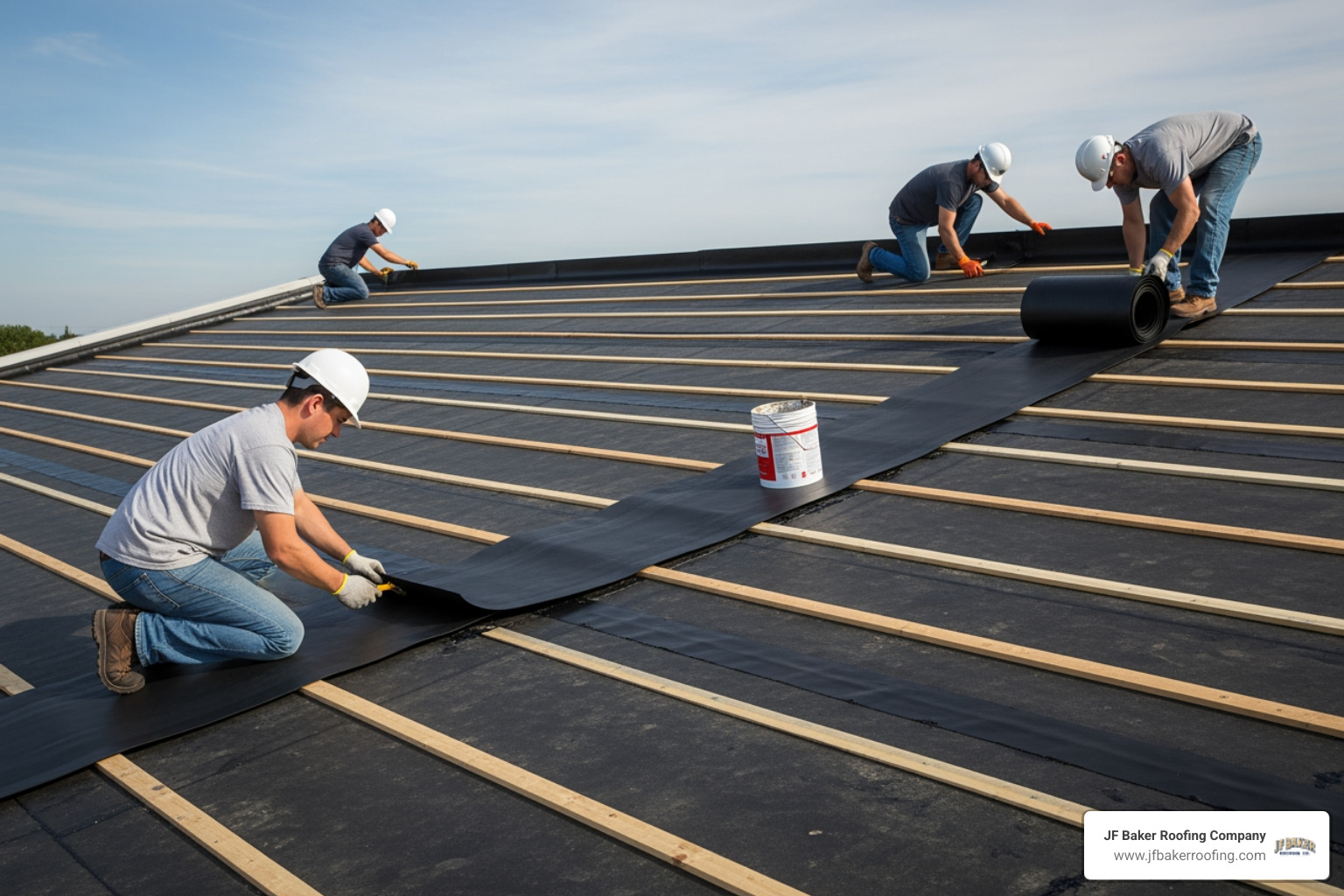
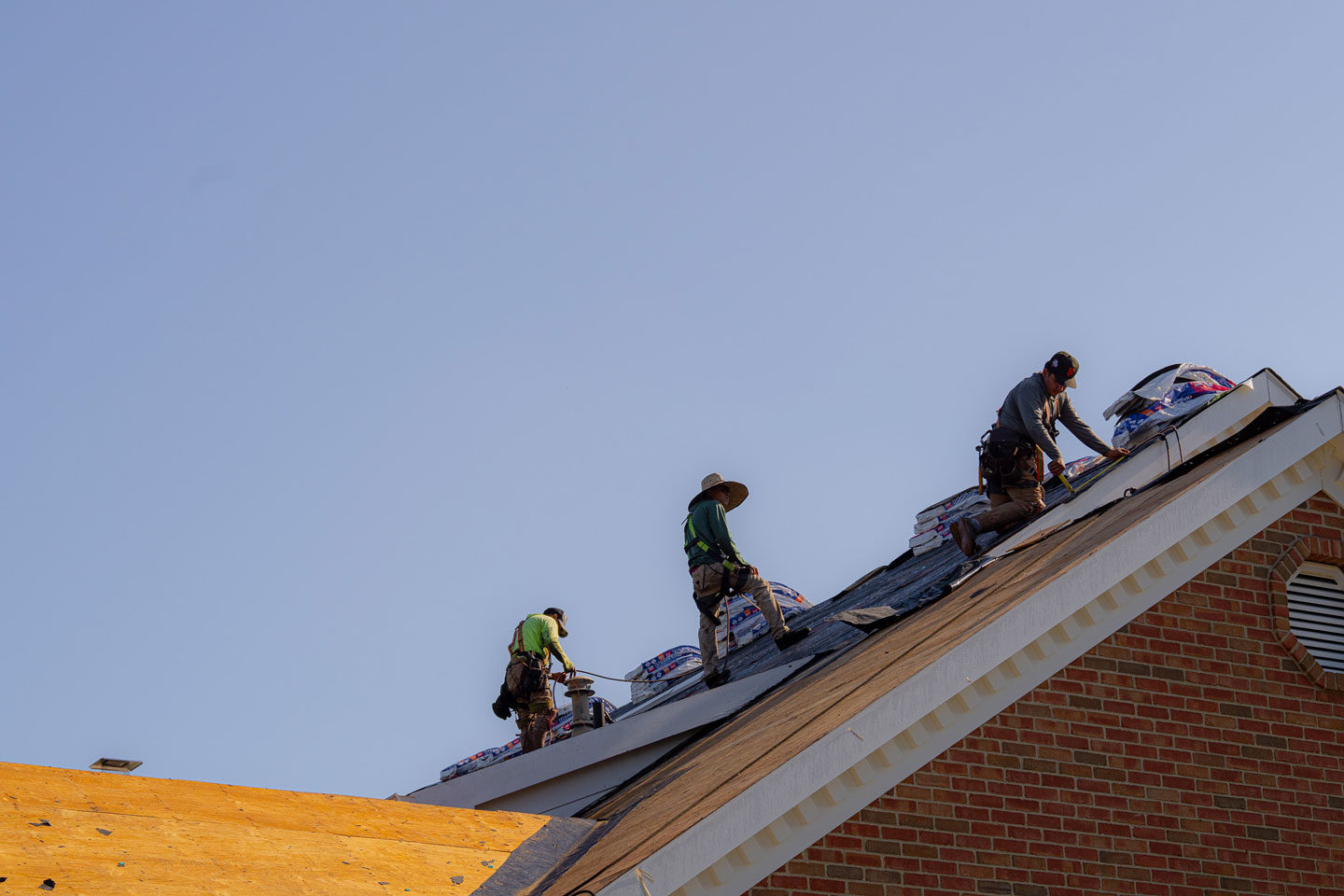
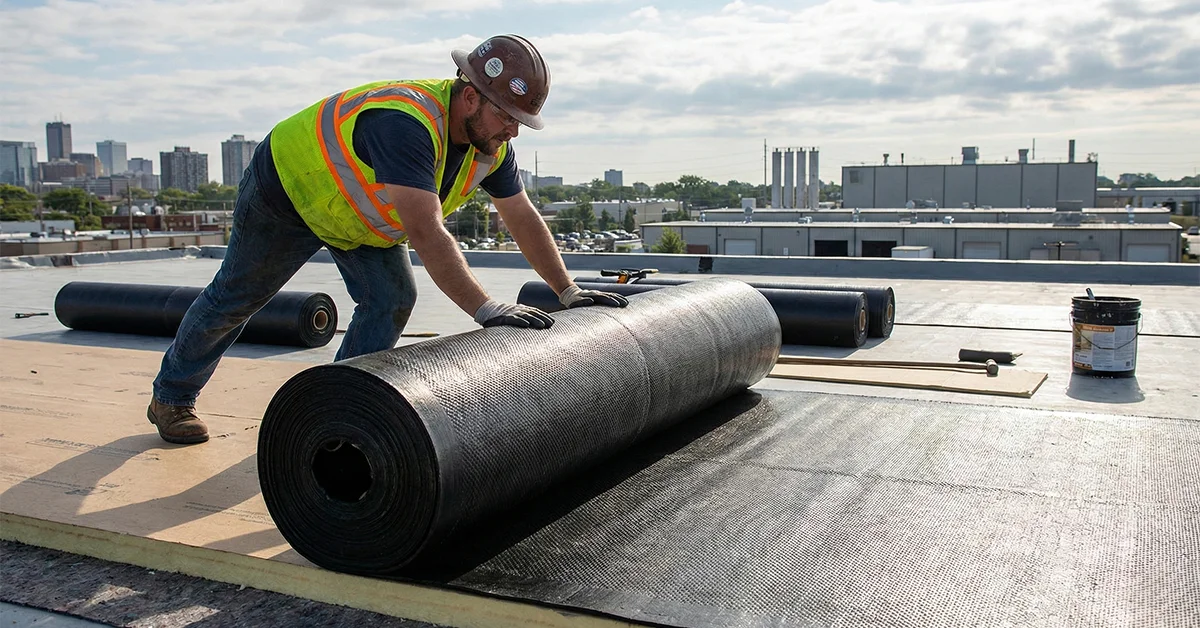
A professional residential roof replacement company should make the entire process transparent and stress-free. From the moment you request an estimate to the final cleanup, you should expect a high level of professionalism and organization.
- A Detailed, Written Estimate: A trustworthy contractor will never give you a vague, single-number bid on the back of a business card. You should receive an itemized proposal detailing the cost of labor, materials, waste disposal, permits, and any potential extra costs, such as replacing rotted plywood decking.
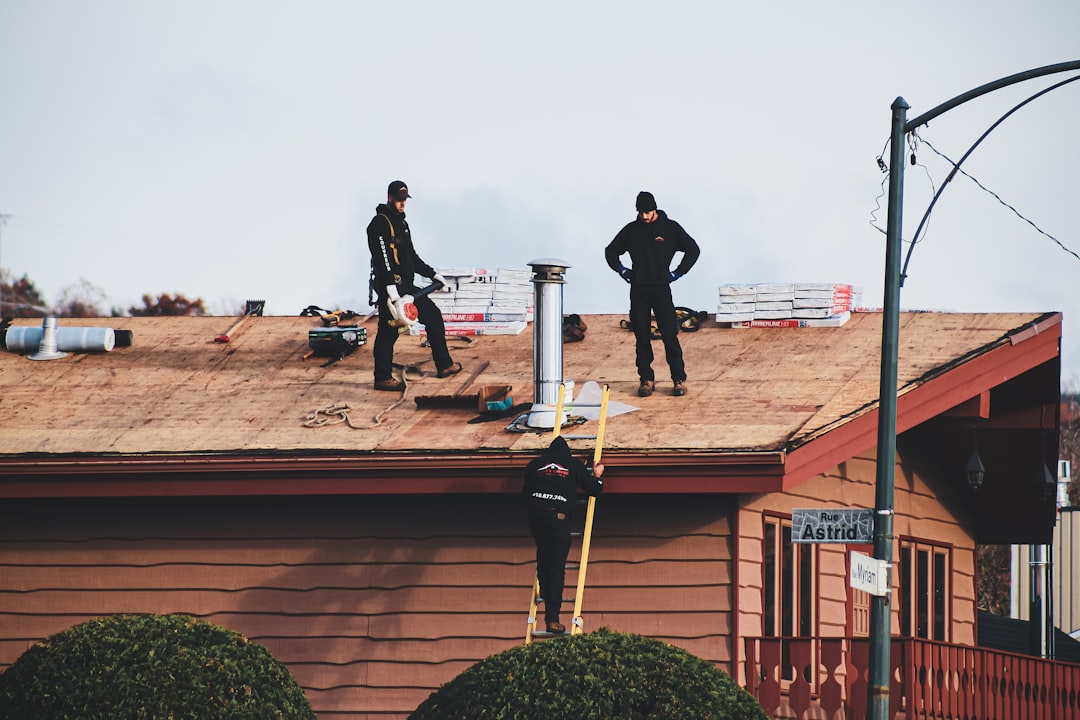
- A Clear Project Timeline: While weather is always a factor, your contractor should provide a realistic start date and estimated duration for the project. Most standard residential roof replacements are completed within 1 to 3 days.
- Property Protection Protocols: Roof replacement is a messy, heavy construction project. Professional crews will take active measures to protect your home and yard. This includes placing tarps over landscaping, covering your deck, and using specialized catch-all systems to collect falling debris and stray nails.
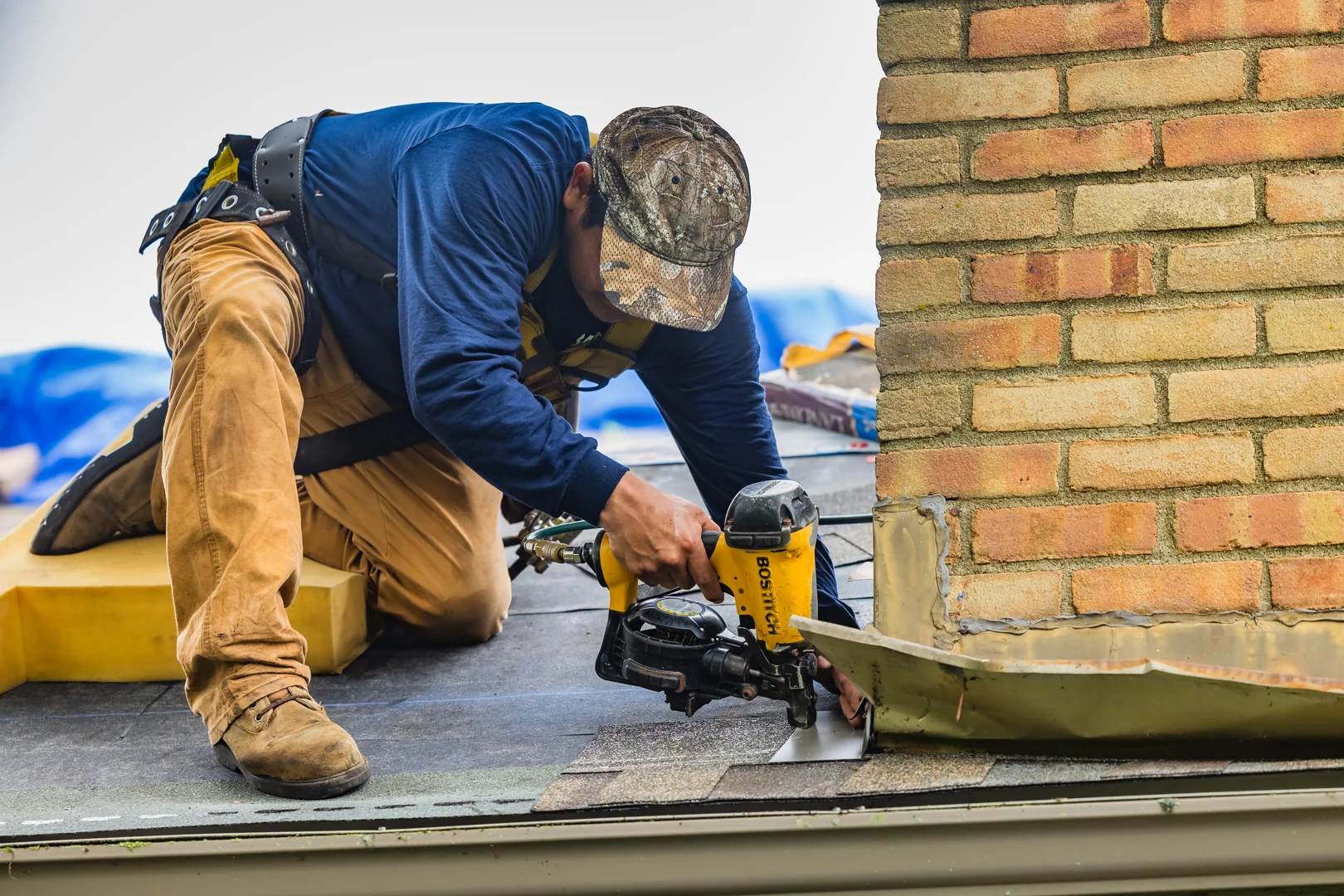
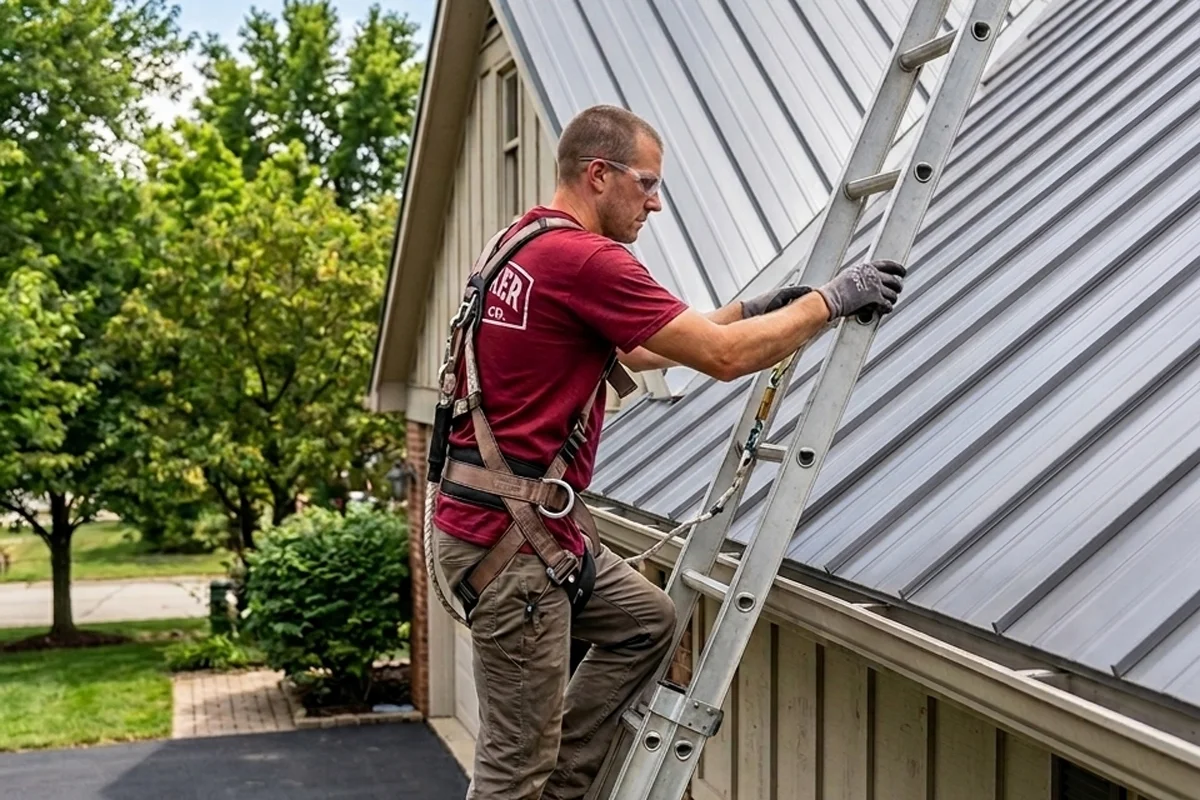
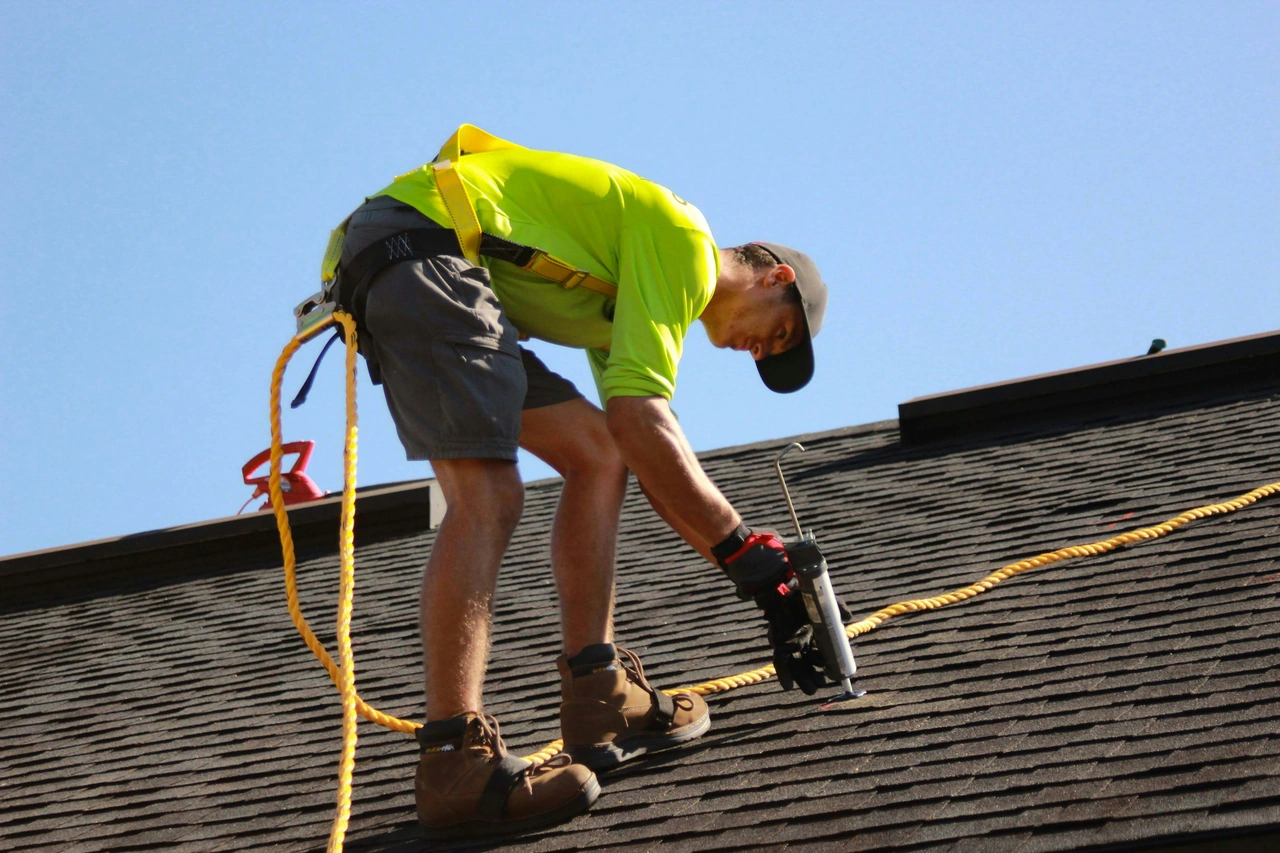
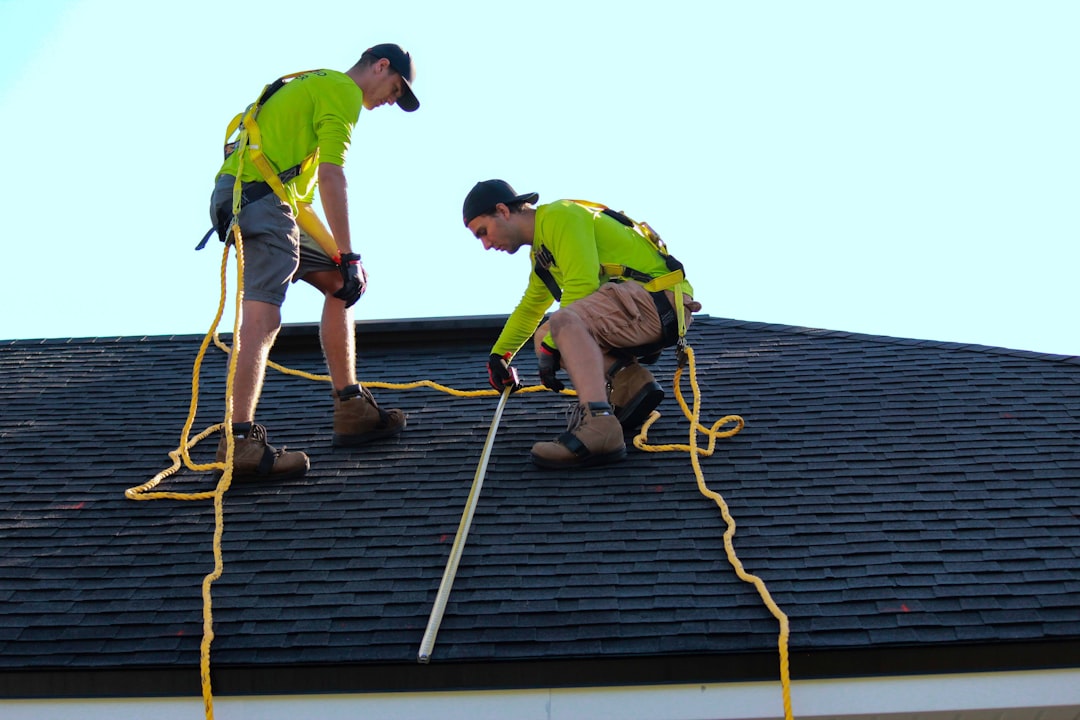
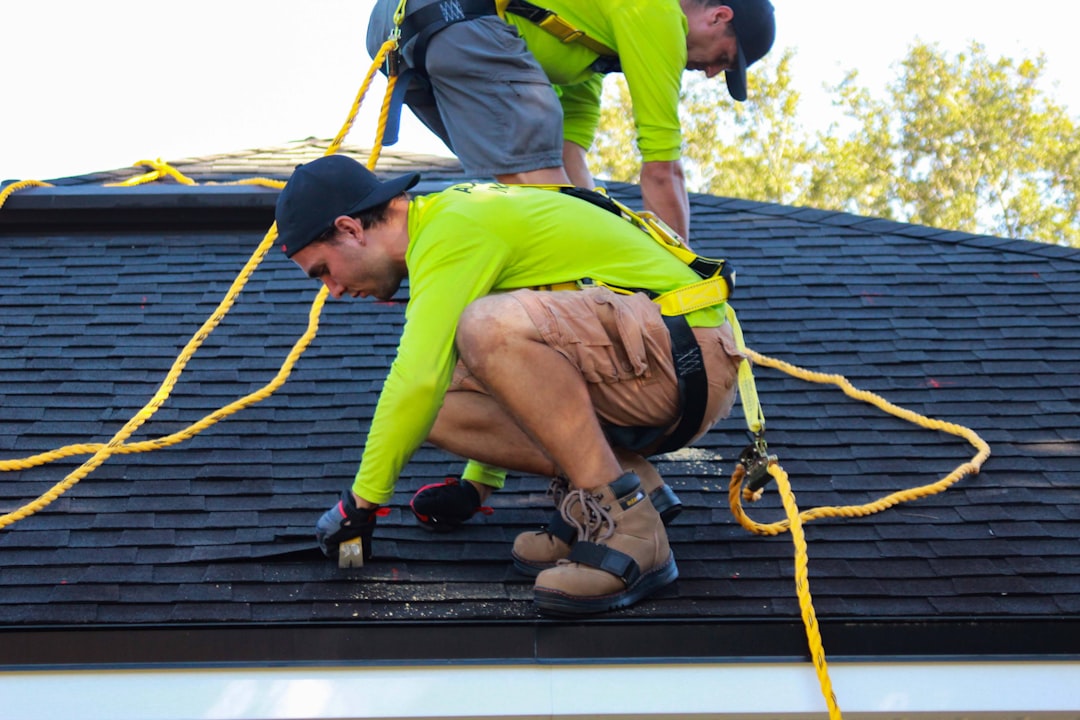
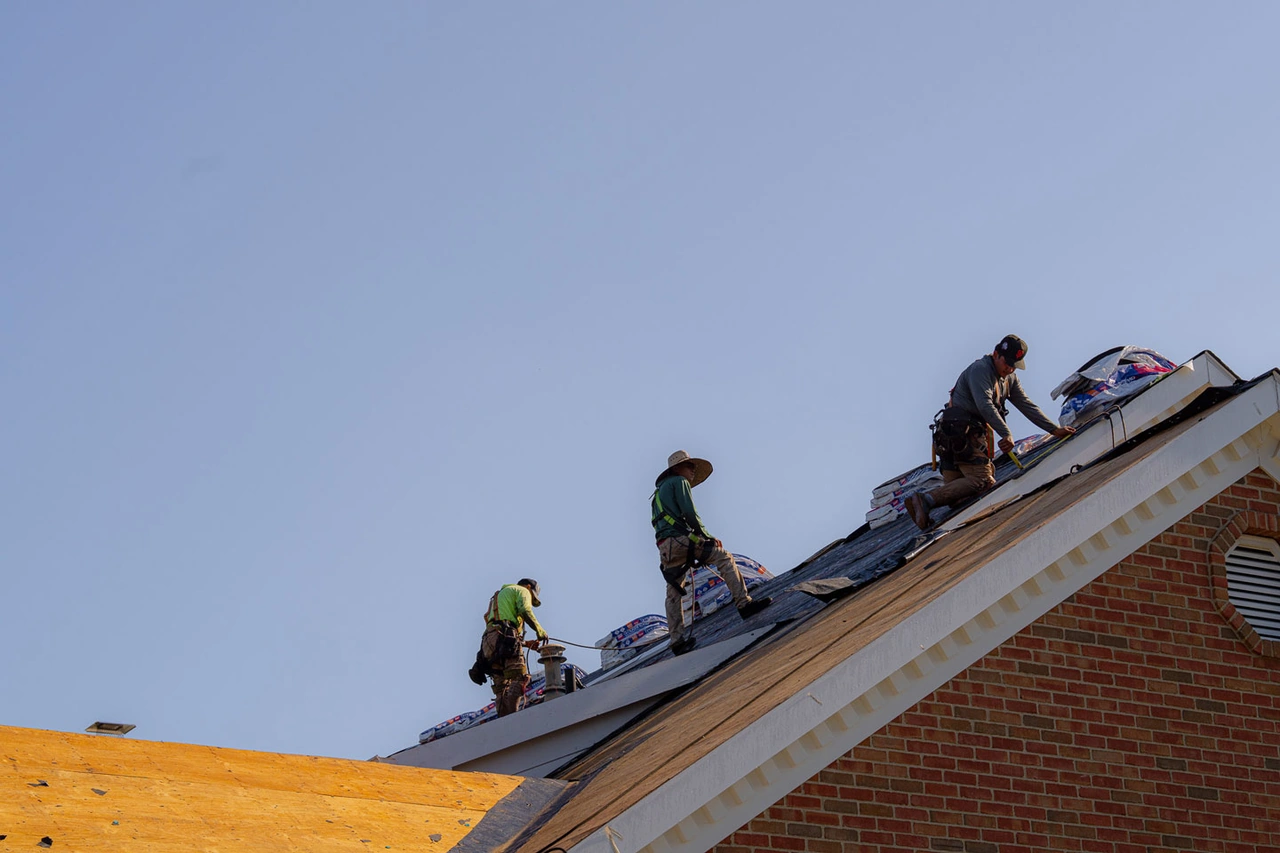
- Safety Standards: The crew should follow strict safety protocols, including wearing harnesses when working on steep pitches and wearing proper protective gear.
- Permit and Code Compliance: Your contractor should handle all local building permits and ensure that the installation complies with local building codes, protecting you from future legal or structural liabilities.
For a comprehensive checklist on evaluating local professionals, take a look at our guide on How to Choose the Right Roofing Contractor in Columbus Ohio.
Questions to Ask Your Residential Roof Replacement Company
Before signing any contract, it is highly recommended to ask a few direct questions to ensure you are working with a reputable, local business rather than an out-of-state storm chaser.
- Are you licensed, bonded, and insured? Always verify that the contractor carries active general liability insurance and workers' compensation. This protects you from financial liability in the event of property damage or an on-site injury.
- Do you use your own crews or subcontractors? Some companies sell the job and then hand it off to a third-party crew they have never met. Working with a company that utilizes its own trained, in-house crews ensures consistent quality control and clear accountability.
- What warranties do you offer? You should receive two types of warranties: a manufacturer warranty covering material defects and a workmanship warranty covering the actual installation. Make sure you understand the duration and coverage details of both.
- How do you handle debris and cleanup? Ask how they plan to dispose of the old shingles and how they will sweep the yard for stray nails. A professional crew will use magnetic sweeps to ensure your driveway and lawn are safe for your family and pets.
- Are you certified by major manufacturers? Contractors who hold certifications from top manufacturers, such as CertainTeed or GAF, can offer extended warranties that are unavailable to uncertified roofers.
If you are looking for trusted local services in surrounding communities, we proudly serve homeowners throughout the entire Columbus metro area, including Delaware, Gahanna, Grove City, Dublin, Hilliard, and Upper Arlington. Working with a local team ensures you get prompt service and a contractor who understands the specific weather challenges of Central Ohio.
Roofing Materials, Lifespans, and Gutter Integration
When replacing your roof, you have the opportunity to upgrade your home’s curb appeal, energy efficiency, and weather resistance by choosing the right materials. Your roof is a complete system where shingles, underlayment, ventilation, and gutters must work in perfect harmony to protect your home.
Comparing Asphalt Shingles and Metal Roofing
The two most common choices for residential homes in Central Ohio are asphalt shingles and metal roofing. Each material has its own unique set of strengths, lifespans, and performance characteristics.
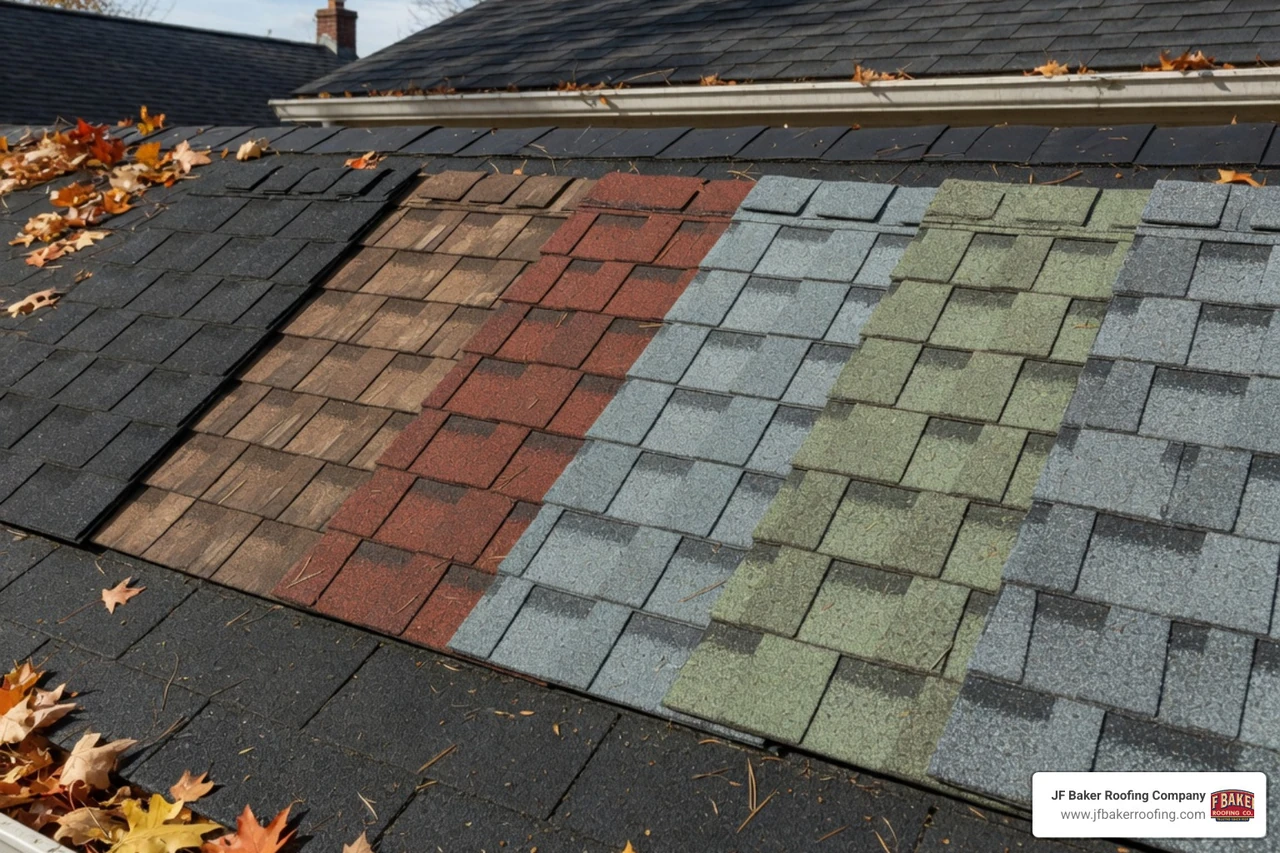
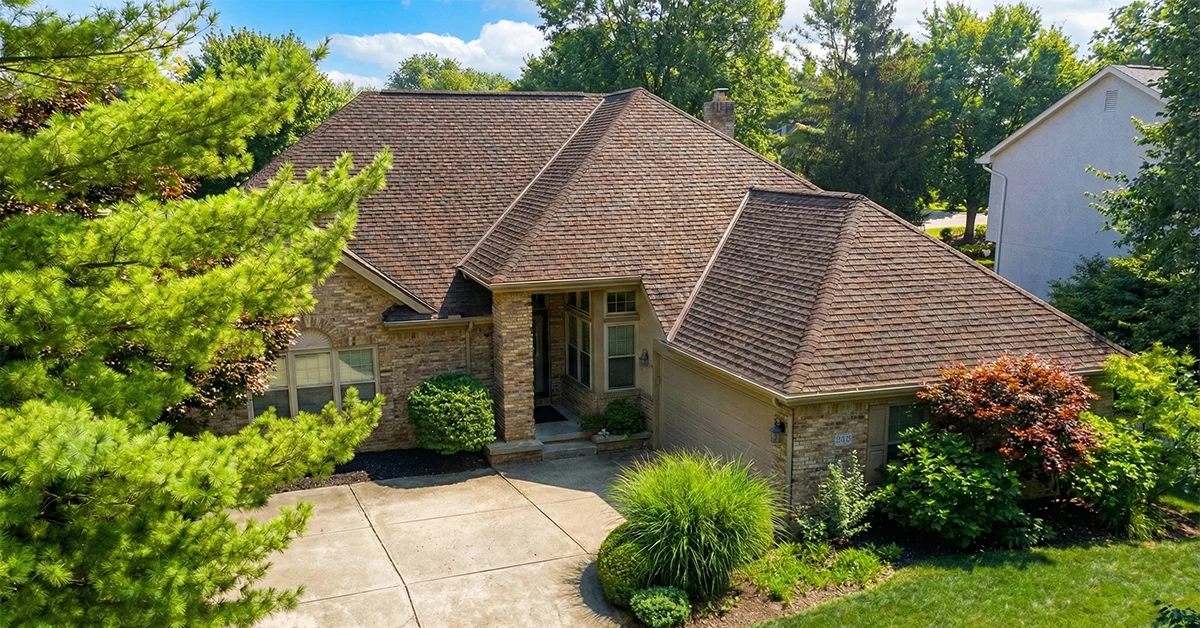
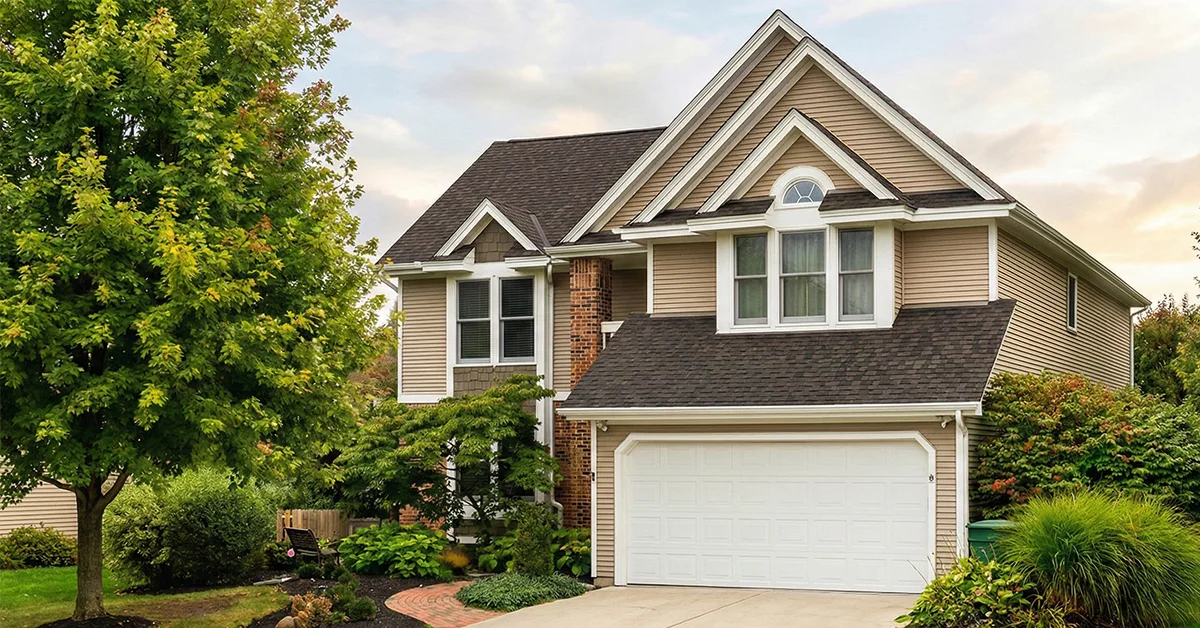
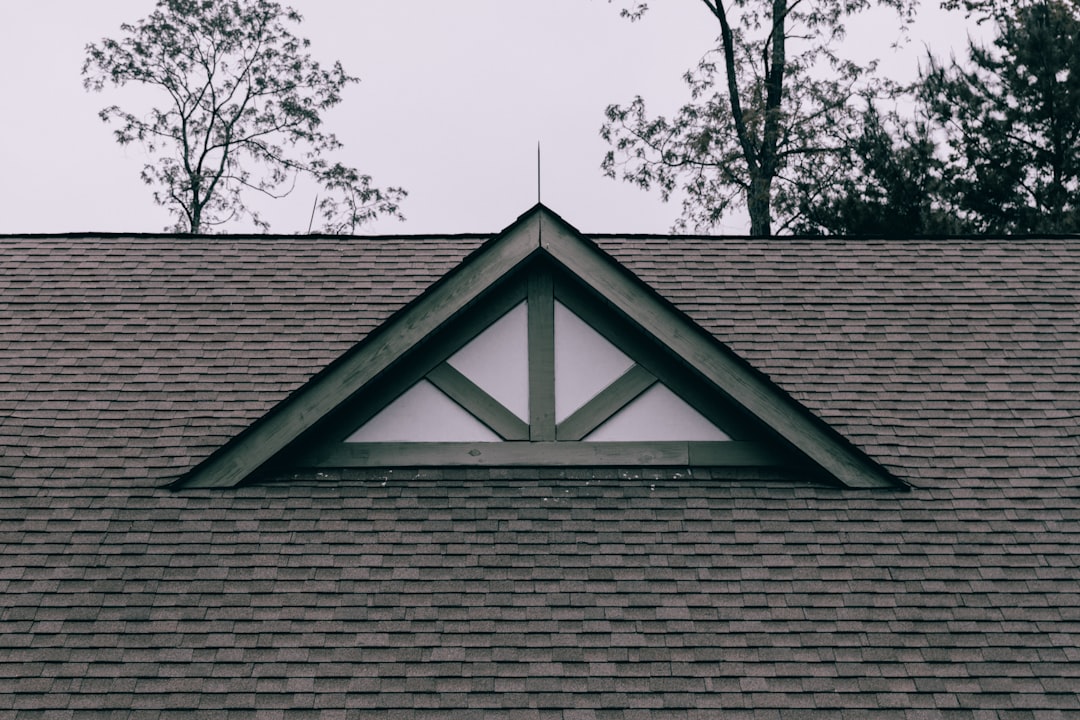
- Asphalt Shingles: This remains the most popular option for residential properties due to its balance of affordability, versatility, and reliable performance. Modern architectural shingles offer exceptional wind resistance and come in a wide variety of colors and styles to match any home design. Typically, a high-quality asphalt roof will last between 20 and 30 years with proper maintenance. For a complete breakdown of shingle styles and options, see our Residential Shingle Roofing Ohio Guide 2026.
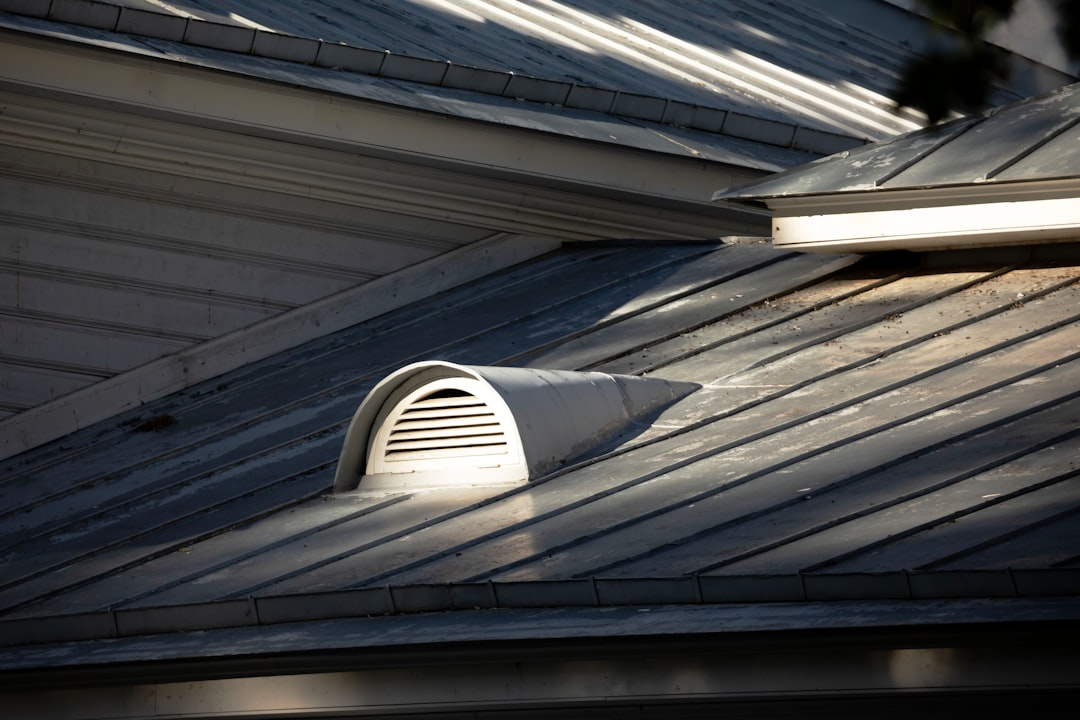
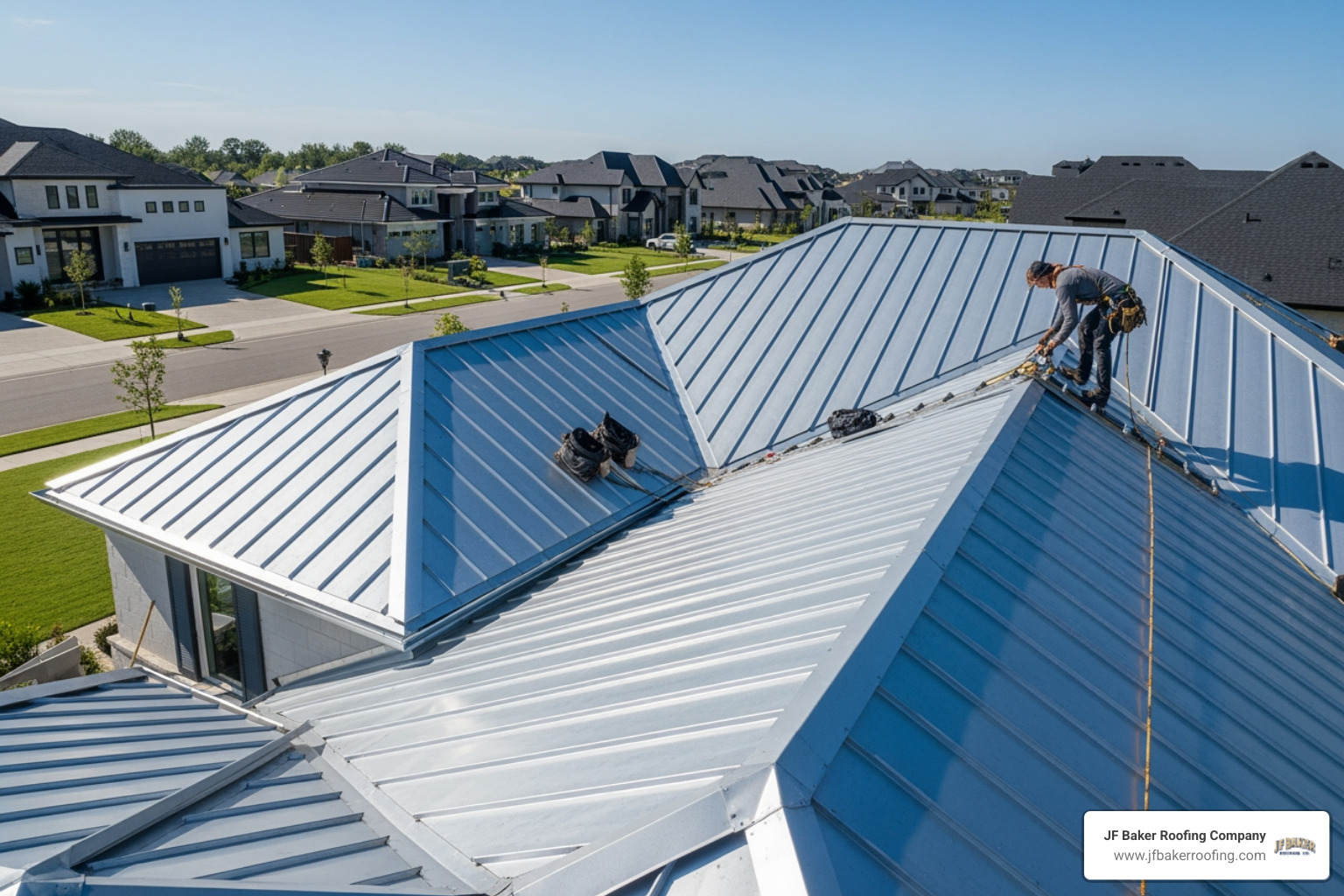
- Metal Roofing: For homeowners looking for maximum longevity, metal roofing is an excellent choice. It is highly durable, reflects solar heat to improve energy efficiency, and can easily last 50 years or more, often making it the last roof you will ever need to install. While the upfront investment is higher than asphalt, its long lifespan and minimal maintenance requirements offer great long-term value. You can explore the benefits of metal systems in our Residential Metal Roofing Ohio Guide.
To understand how these materials fit into the broader structure of your home, you can read about The Main Components of a Residential Roof in Columbus Ohio, which details how decking, underlayment, flashing, and ventilation work together to create a watertight seal.
The Role of Seamless Gutters and Gutter Guards
A new roof is only as good as the drainage system that supports it. When rain falls on your roof, thousands of gallons of water must be safely funneled away from your home's siding, landscaping, and foundation. This is where seamless gutters and gutter guards play a crucial role.
- Seamless Gutters: Traditional sectional gutters have seams every few feet, which naturally become weak points where debris catches and leaks develop. Seamless gutters are custom-extruded on-site from a single piece of aluminum or copper to perfectly fit the dimensions of your home. This elimination of seams dramatically reduces the risk of leaks and clogs.
- Gutter Guards: Installing gutter guards, such as mesh screens or surface tension covers, prevents leaves, twigs, and pests from entering your gutters. This keeps the water flowing freely and eliminates the dangerous, seasonal chore of climbing ladders to clean out muck.
- Downspout Placement: Proper water management requires strategic downspout placement. As a general rule of thumb, you should have at least one downspout for every 30 to 40 feet of guttering. This ensures that heavy rain can be drained quickly without overflowing the gutter walls and spilling down your home's siding.
Frequently Asked Questions About Roof Replacement
We understand that a roof replacement is a major undertaking, and homeowners naturally have many questions about what to expect. Below are answers to some of the most common questions we receive.
How long does a typical roof replacement take?
For most standard-sized residential homes, a professional crew can complete a full tear-off and replacement in 1 to 3 days. The exact timeline depends on several factors:
- The size of your home: Larger homes or homes with highly complex rooflines, multiple valleys, and steep pitches will take longer to complete.
- Weather conditions: Rain, snow, high winds, or extreme heat can delay work, as safety and maintaining a dry interior are always the top priorities.
- The material being installed: Asphalt shingles can generally be installed faster than metal roofing panels or specialty tiles.
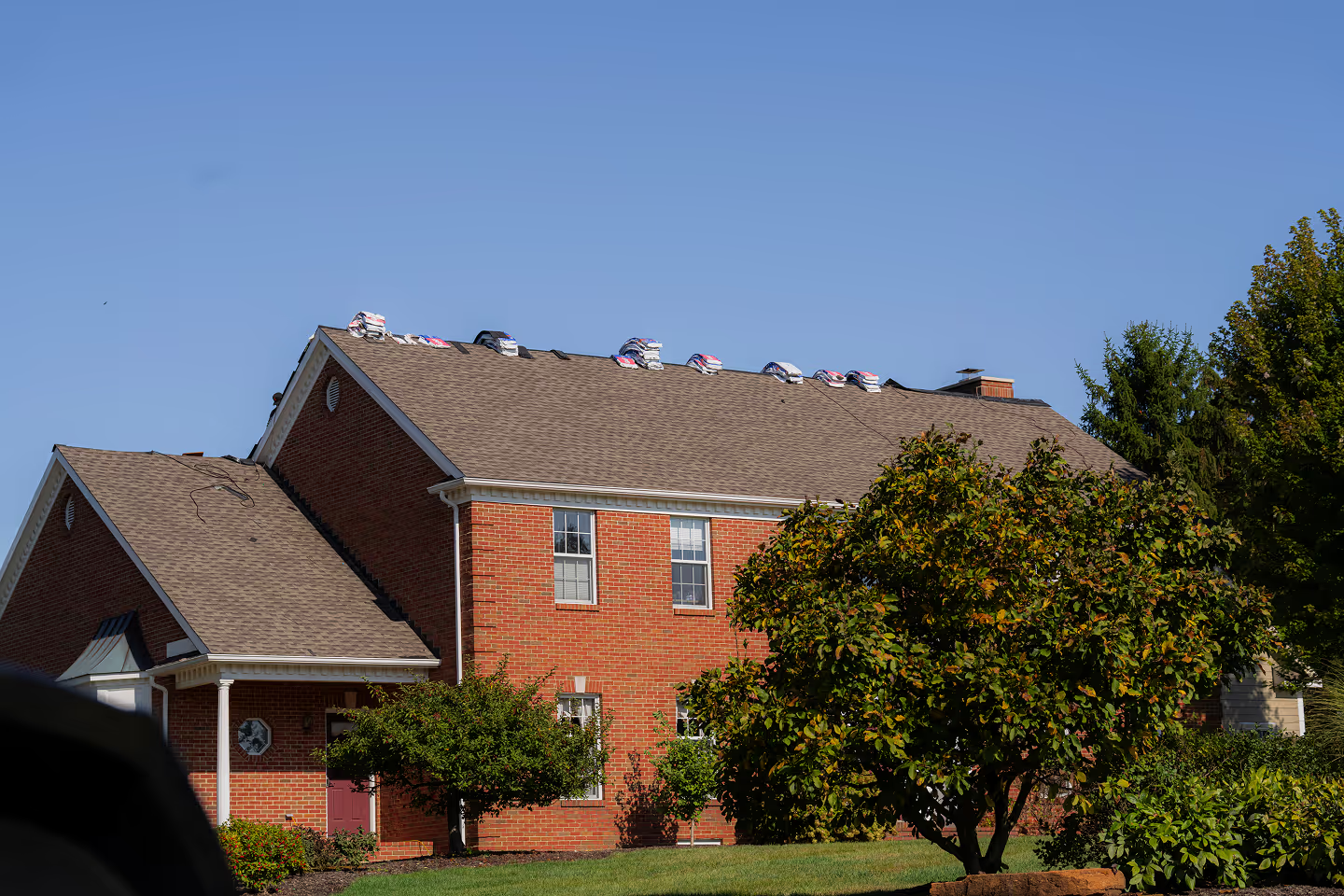
You can see examples of completed projects and their timelines by exploring our past work, such as this Dublin Residential Roof Replacement or our project notes on this Norton Hilliard Residential Roof Replacement.
What should homeowners do to prepare for installation day?
While our professional crews handle all the heavy lifting, there are a few simple steps you can take to ensure a smooth, safe installation day:
- Clear the Driveway: Park your vehicles on the street the night before. This gives our crews easy access to the roof and ensures your cars are safe from any falling debris or stray nails.
- Secure Wall Decorations: The vibration from tearing off old shingles and nailing down new ones can cause walls to shake slightly. It is a good idea to temporarily remove fragile pictures, mirrors, or loose shelving from your walls.
- Protect Your Attic: If you store valuable items in your attic, consider covering them with plastic drop cloths, as small bits of dust and wood shavings can fall through the gaps in your roof decking during construction.
- Keep Pets and Children Indoors: A construction site has many moving parts, falling debris, and loud noises. For their safety, it is best to keep pets and young children safely inside or arrange for them to stay elsewhere during the active hours of construction.
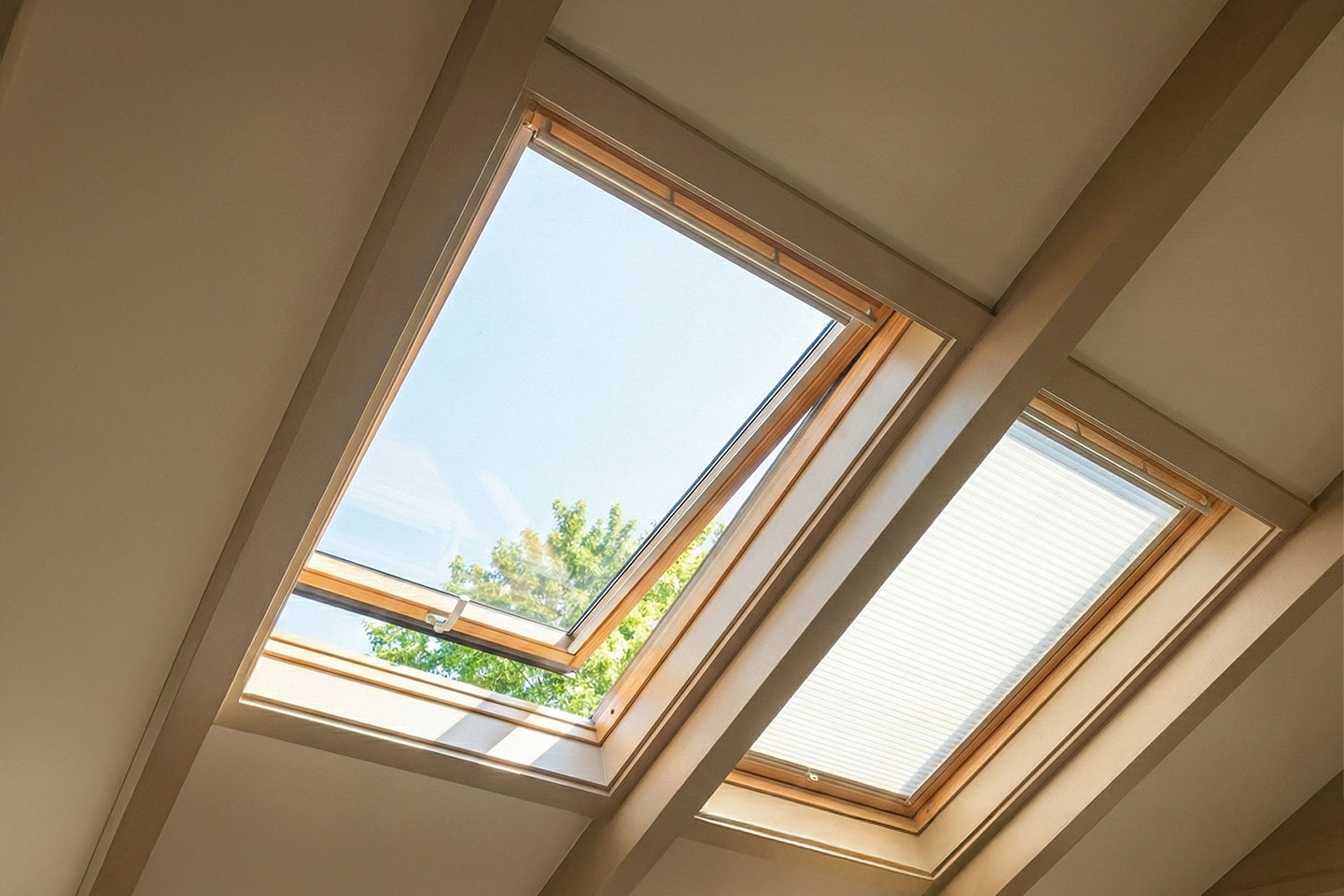
To see how we manage specialized details on-site, such as protecting surrounding structures and integrating skylights, you can read about our work on the Joy Barney - UA Roof Replacement Skylight project, or review our notes on the Drew B Dublin Roof Replacement.
What kind of warranties protect my new roof?
A quality roof replacement is protected by two distinct types of warranties:
- Manufacturer Warranties: These cover defects in the roofing materials themselves, such as premature shingle degradation or failure of the asphalt sealant. Standard manufacturer warranties typically range from 20 years to a limited lifetime, depending on the product you choose.
- Workmanship Warranties: These are provided directly by your installing contractor and cover any issues arising from installation errors. A workmanship warranty is a reflection of a contractor's confidence in their crews' skills and attention to detail.
Understanding how these warranties interact is essential for long-term peace of mind. For a detailed breakdown of what is covered, what can void your coverage, and how to protect your investment, read our guide on Residential Roofing Warranty Columbus.
Conclusion
Your roof is your home's first line of defense against the elements. When it comes to replacing it, you deserve a partner who brings decades of experience, honest advice, and quality craftsmanship to the table.
At JF Baker Roofing Company, we have been serving the Central Ohio community since 1929. Across three generations of family ownership, we have built our reputation on a simple, grounded principle: we recommend repairs when repairs will do the job, and we only recommend replacement when it is genuinely needed. We stand behind every roof we install, using our own professional crews, maintaining clean job sites, and keeping communication clear from start to finish.
Whether you are dealing with storm damage, noticing warning signs of aging, or simply want an honest assessment of your roof's current health, we are here to help. We invite you to learn more about our commitment to quality by exploring our Residential Roofing Services. When you are ready for a straightforward, no-pressure conversation about your home, please reach out to us. Let our reputation be your security.















.jpeg)