Local Roofers: How JF Baker Roofing Can Help You to Install a Durable Flat Roof
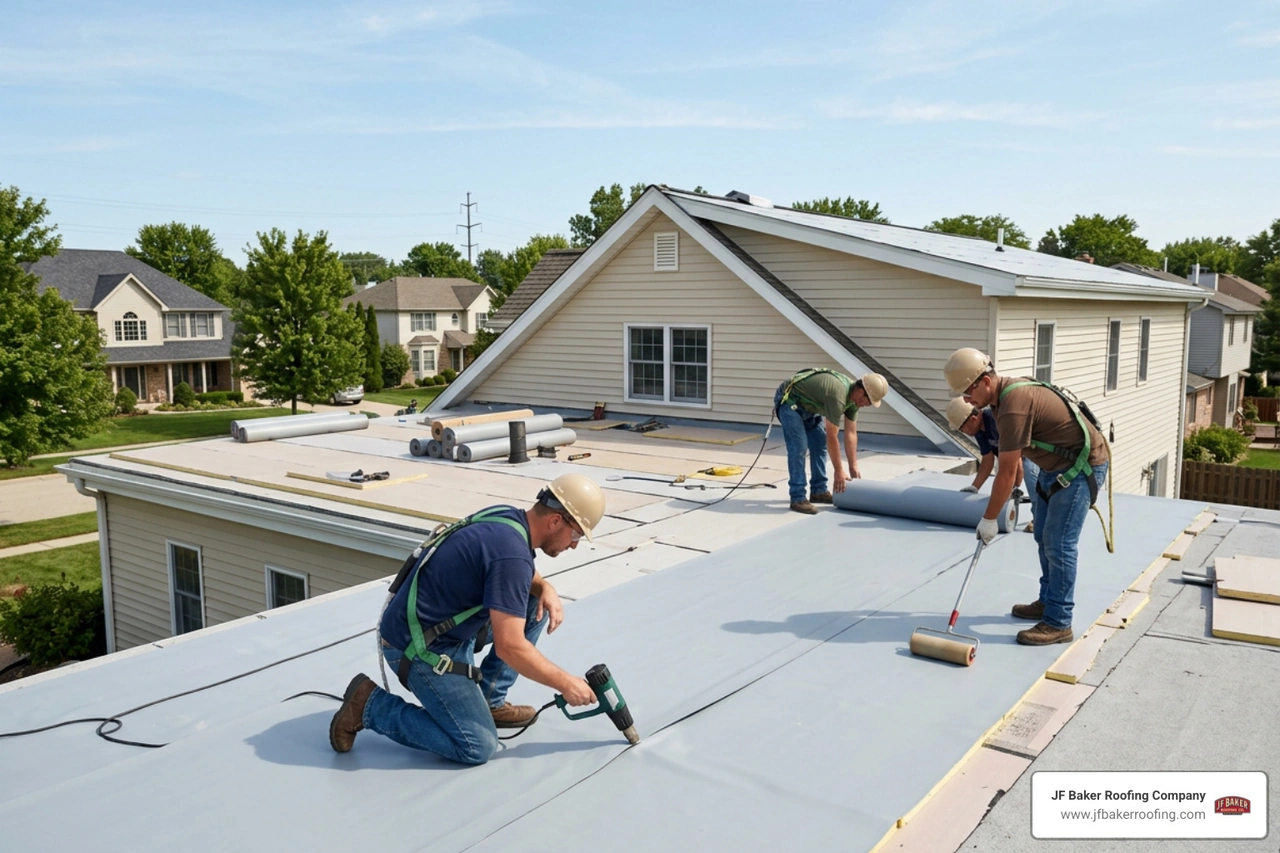
Comparing Flat Roofing Materials for Your Property
Choosing the right membrane or material is the foundation of any successful flat roof installation. Unlike steep-sloped roofs that rely heavily on gravity to shed shedding rain and snow, low-slope and flat roofs require a continuous watertight barrier. Selecting a system that matches the environmental conditions of Central Ohio ensures your building stays protected year-round.
There are several major flat roofing systems commonly installed on residential and commercial properties:
- EPDM (Ethylene Propylene Diene Monomer): A synthetic rubber membrane known for high resistance to tearing, weathering, and extreme temperatures. EPDM rubber can last 40+ years with minimal maintenance. For a detailed breakdown of this material, read our EPDM Rubber Roof Installation Guide.
- TPO (Thermoplastic Polyolefin): A popular single-ply membrane with heat-welded seams. TPO is naturally white or light-colored, delivering high thermal reflectivity that reduces cooling loads during hot Midwestern summers.
- PVC (Polyvinyl Chloride): Extremely durable single-ply material featuring hot-air welded seams that form a permanent, continuous bond. PVC offers exceptional resistance to chemical exposure, grease, and fires, making it ideal for commercial kitchens and industrial buildings.
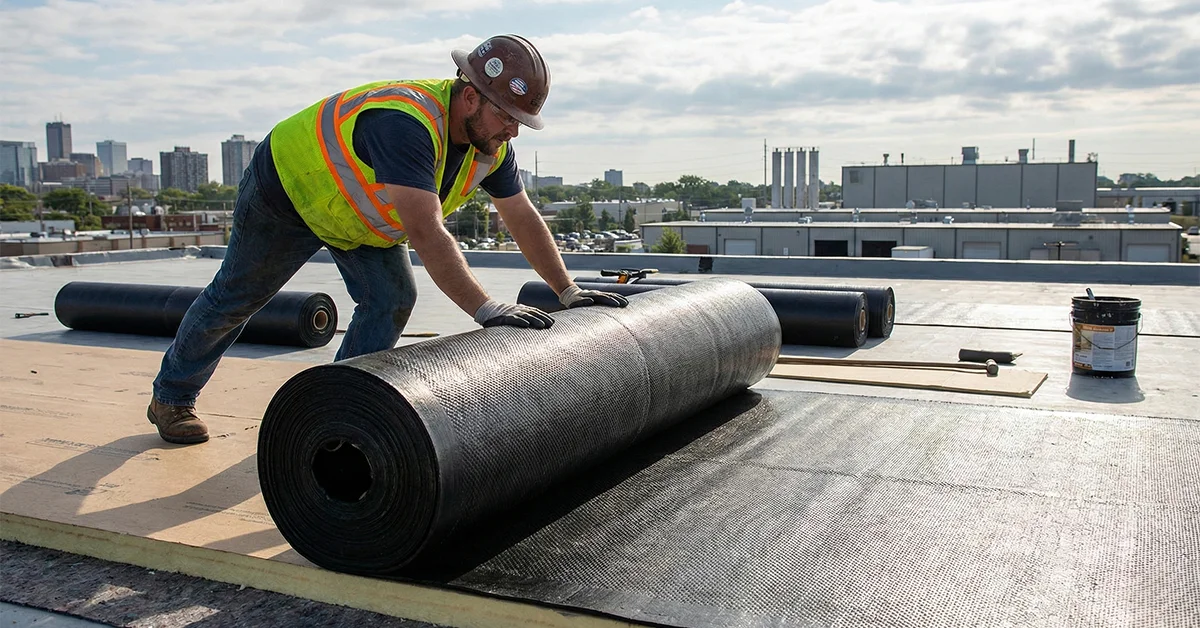
- Modified Bitumen: An evolution of asphalt roofing that blends asphalt with polymer modifiers (such as APP or SBS) for increased elasticity and cold-weather flexibility. It can be torch-applied, self-adhered, or cold-applied in multiple plies.
- Built-Up Roofing (BUR): Traditional asphalt and gravel systems composed of alternating layers of bitumen and reinforcing fabrics. BUR provides robust puncture resistance and multiple backup layers of waterproofing.
To learn more about how these options suit different commercial property designs, check out our guide on Types of Commercial Roofing Systems.
Choosing the Best System During Flat Roof Installation Near Me
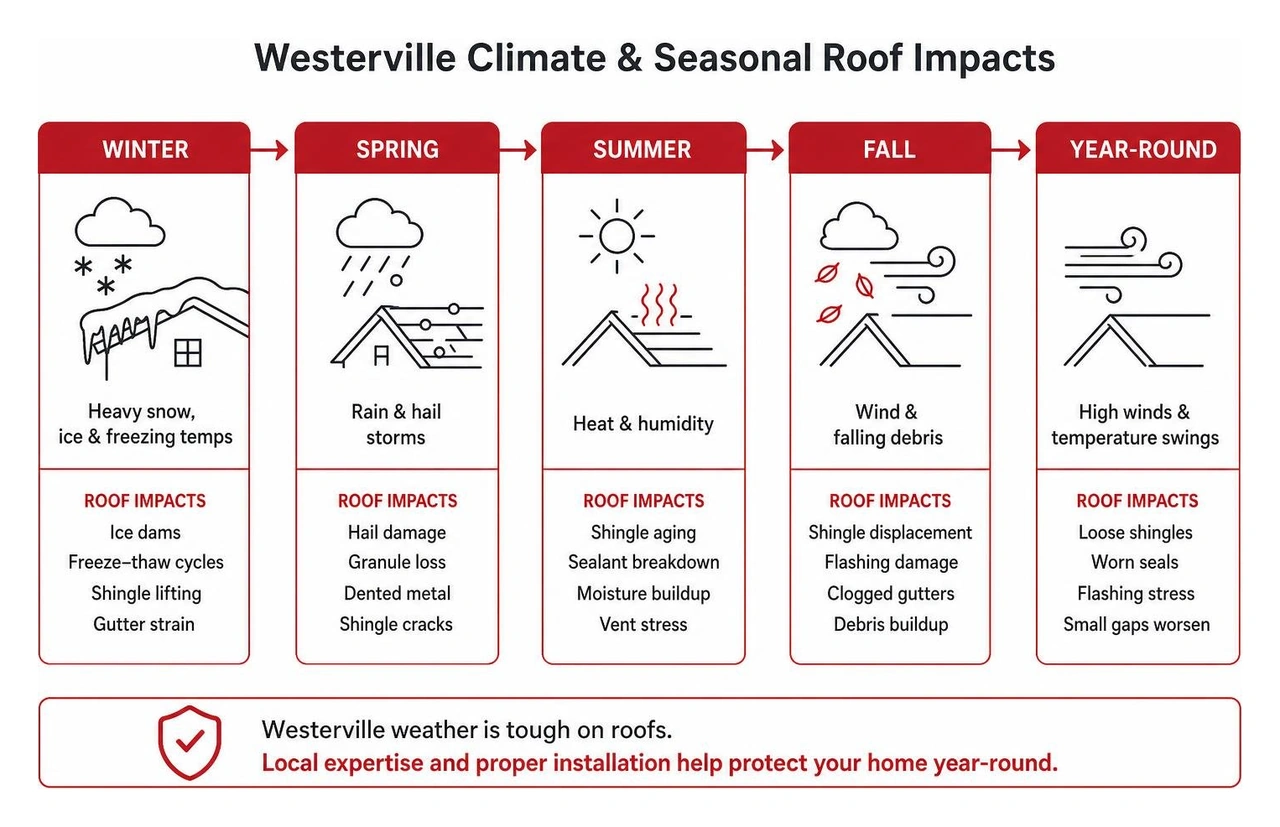
When searching for a local roofing contractor for your property, evaluating climate resilience should be your highest priority. Central Ohio experiences dramatic temperature swings, from freezing winter snowstorms to intense summer heat.
The ideal flat roofing system must withstand continuous freeze-thaw cycles without cracking or expanding beyond its structural tolerance. Single-ply membranes like TPO and EPDM offer exceptional thermal flexibility, allowing the material to expand and contract smoothly as weather conditions change.
In addition to thermal tolerance, pay attention to the insulation R-value beneath the membrane. Installing thick polyisocyanurate (polyiso) insulation boards under a light-colored TPO or PVC membrane boosts your building's energy efficiency, lowering utility demands and keeping indoor temperatures balanced.
Key Factors That Determine Costs and Installation Timelines
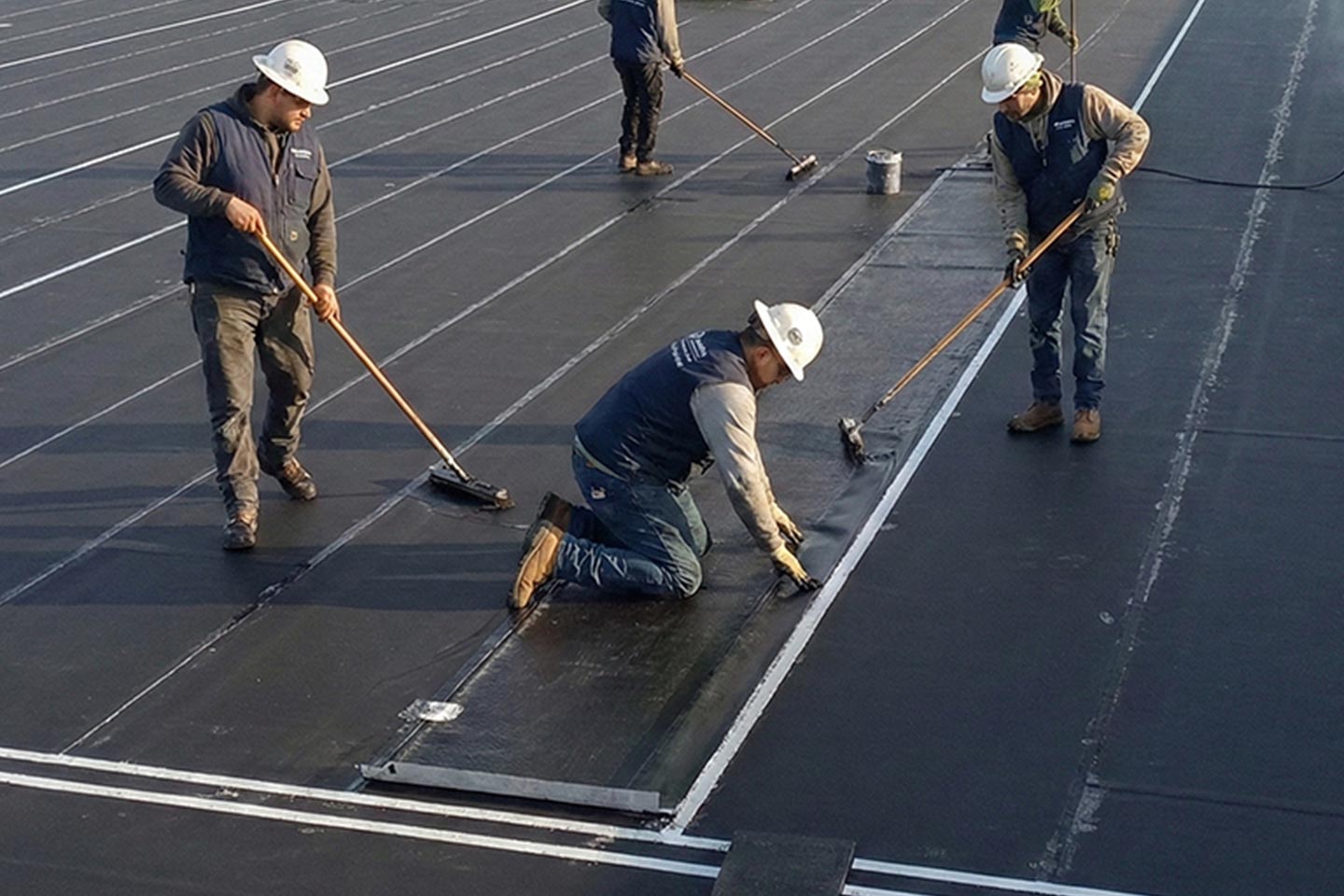
When planning your flat roof project, understanding the scope of labor, materials, and structural preparation helps set clear expectations. Because every building presents unique access points, deck conditions, and drainage layouts, every project requires an individualized assessment.
Key elements that influence project complexity and overall investment include:
- Roof Size and Layout: Total square footage directly dictates material volume and crew hours. Complex shapes with multiple HVAC curb flashings or skylights require additional hand-sealing.
- Tear-Off Requirements: Removing old layers of saturated bitumen or damaged rubber increases labor and waste disposal needs compared to laying a recovery board over a clean substrate.
- Substrate and Deck Repairs: If underlying plywood, OSB, or metal deck panels show rot or structural weakness, they must be repaired before applying the new membrane.
- Material Grade and Thickness: Higher mil thickness single-ply membranes (such as 60-mil or 80-mil TPO/PVC) carry longer manufacturer warranties and offer enhanced puncture resistance.
Understanding Timeline Expectations for Flat Roof Installation Near Me
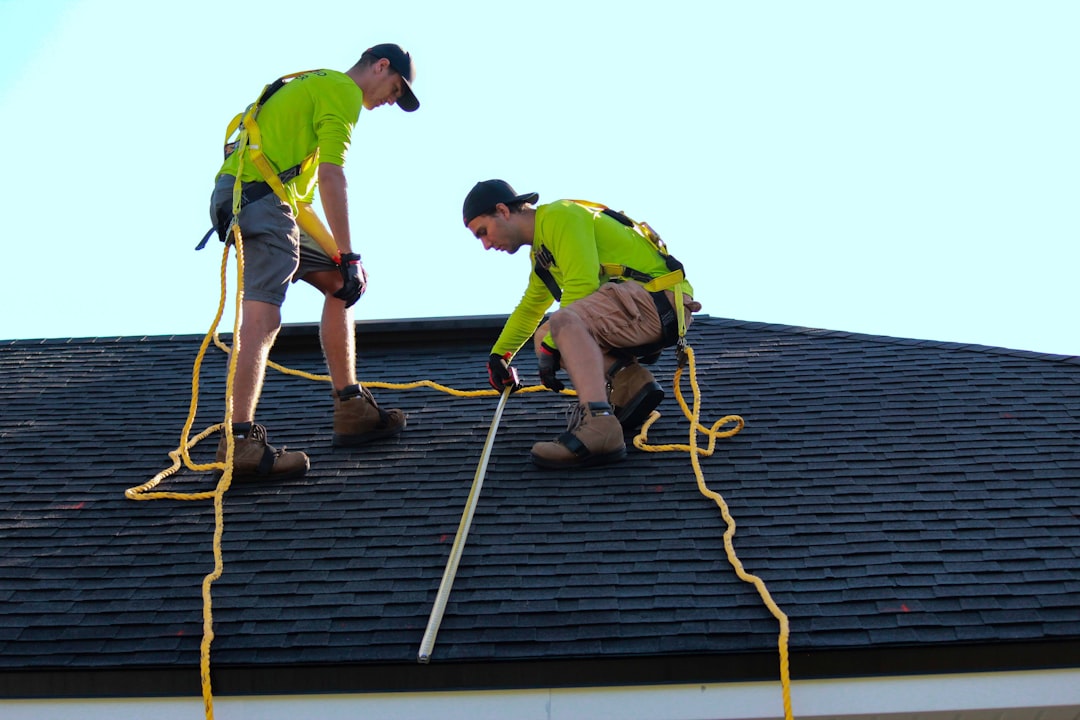
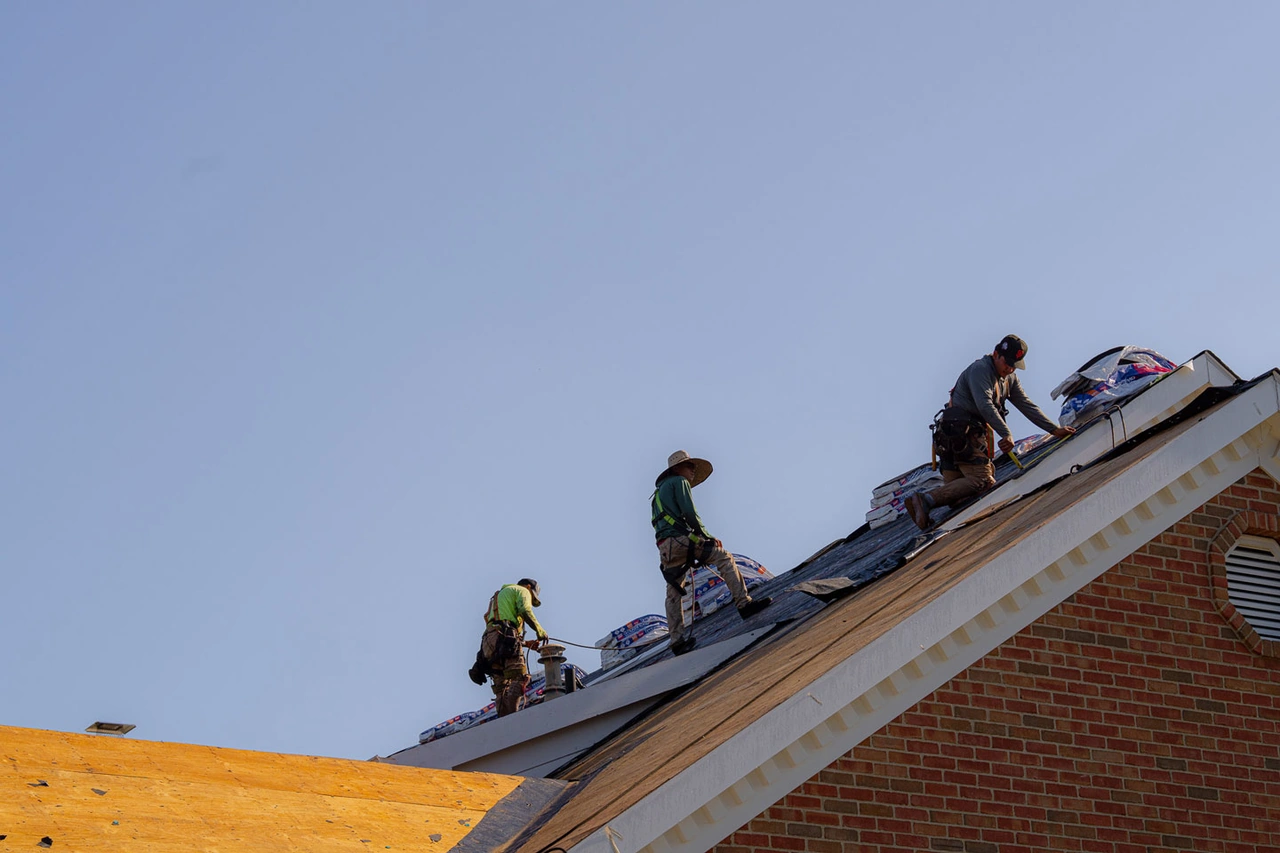
Most flat roof installations take between 2 to 4 days to complete, depending on roof size, complexity, weather conditions, and whether a complete tear-off is necessary.
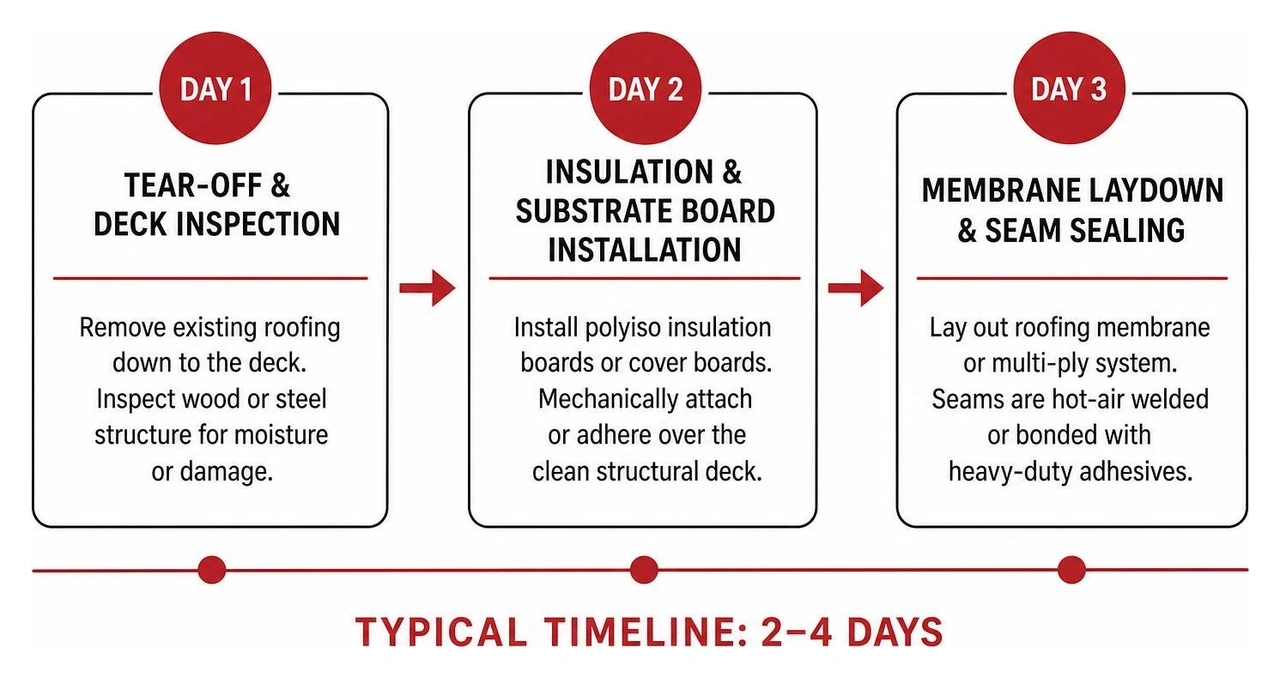
A structured flat roof project follows these key operational steps:
- Day 1: Tear-off and Deck Inspection. Old materials are removed down to the deck. Contractors examine the wood or steel structure for moisture penetration or decay.
- Day 2: Insulation and Substrate Board Installation. Polyiso insulation boards or cover boards are mechanically attached or adhered over the clean structural deck.
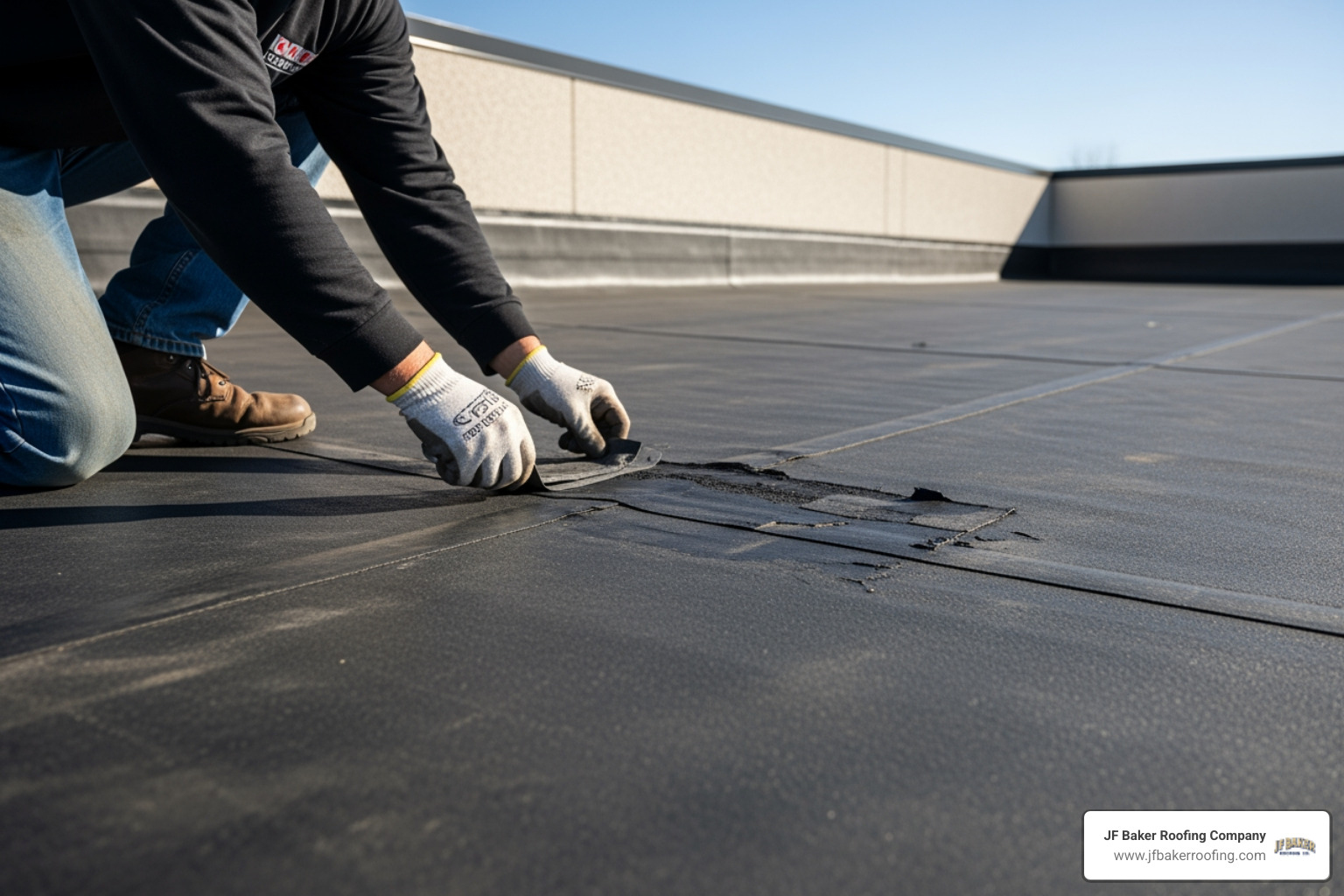
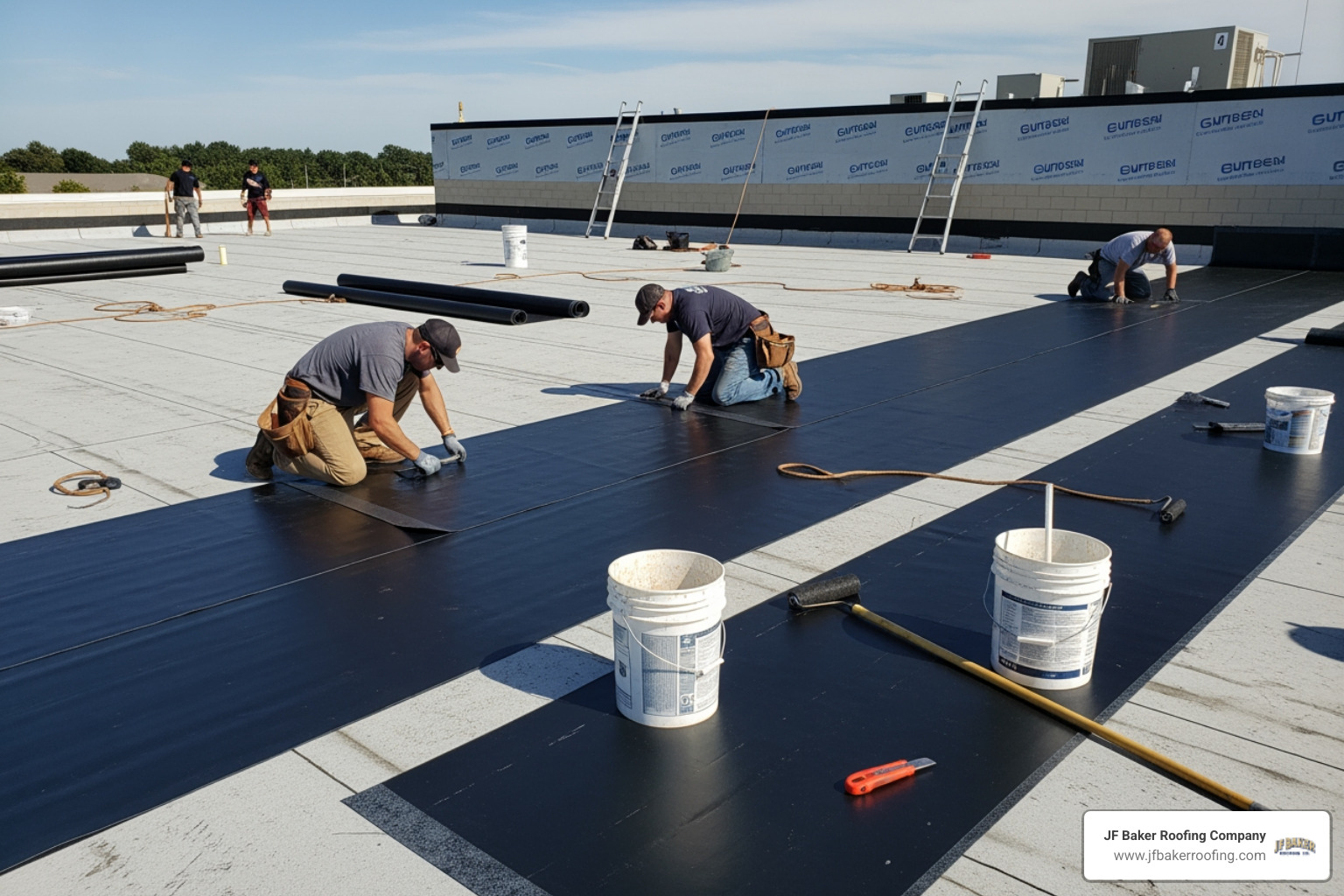
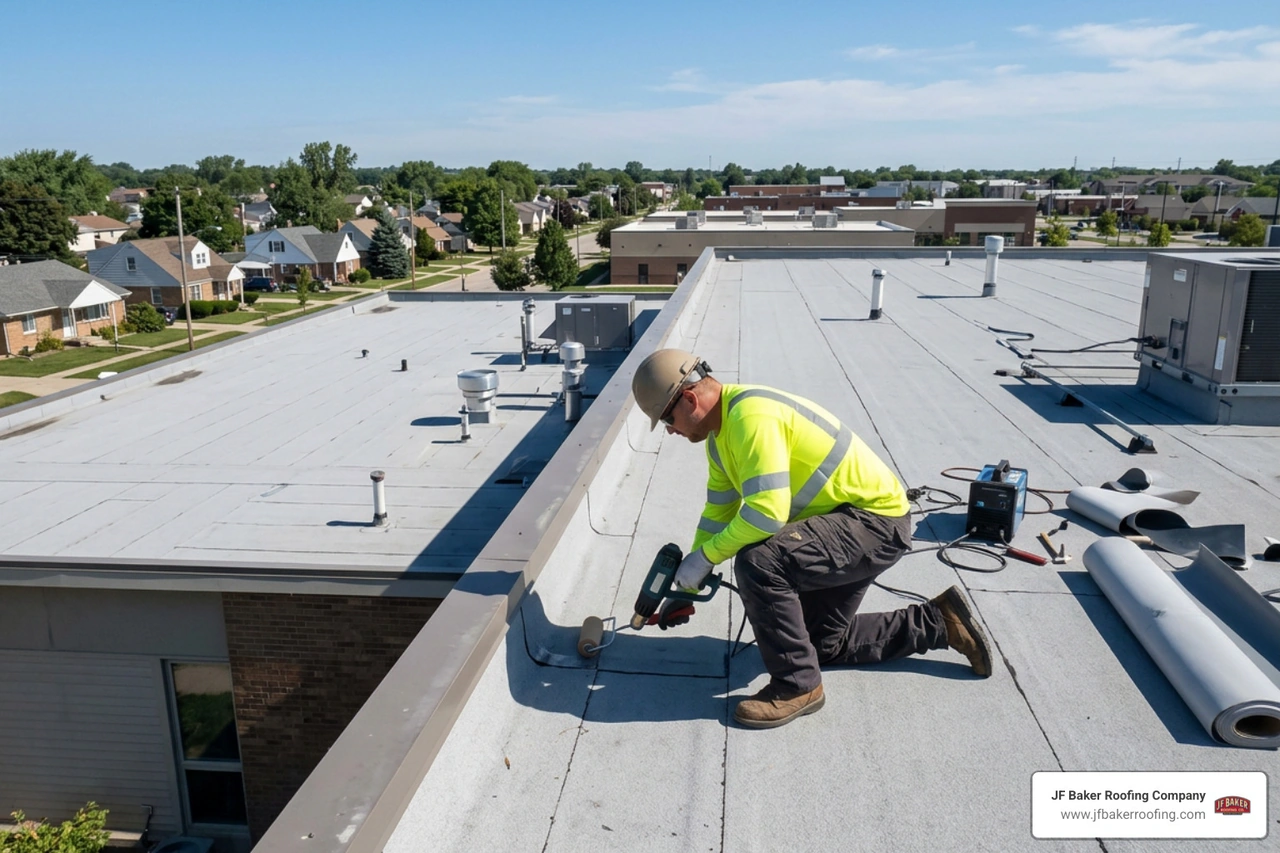
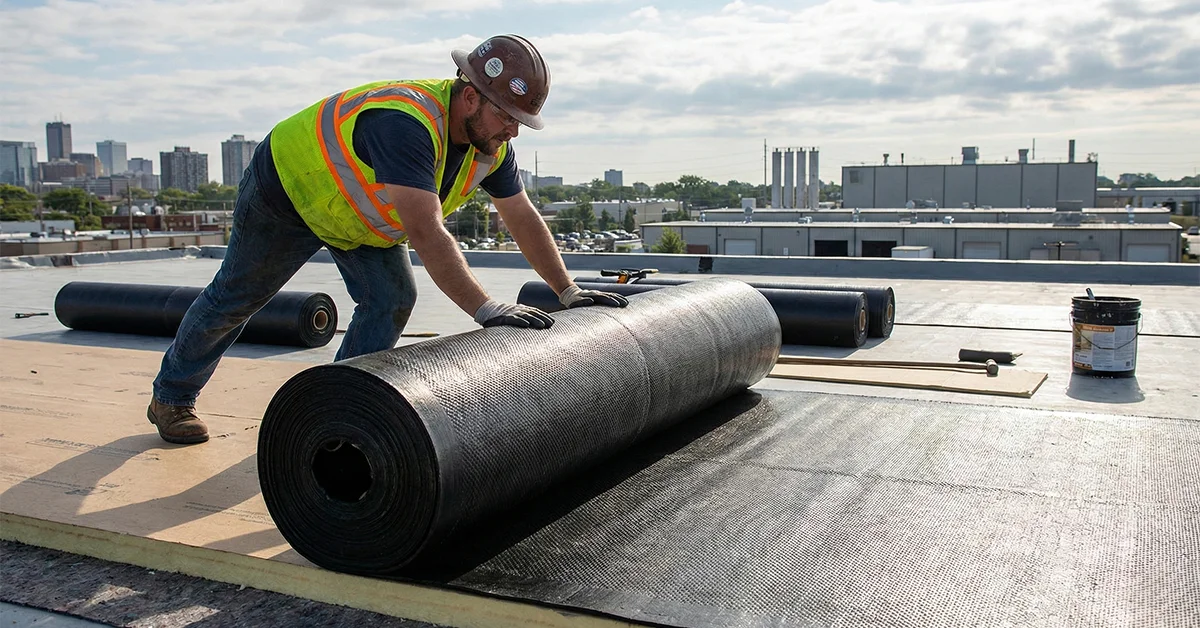
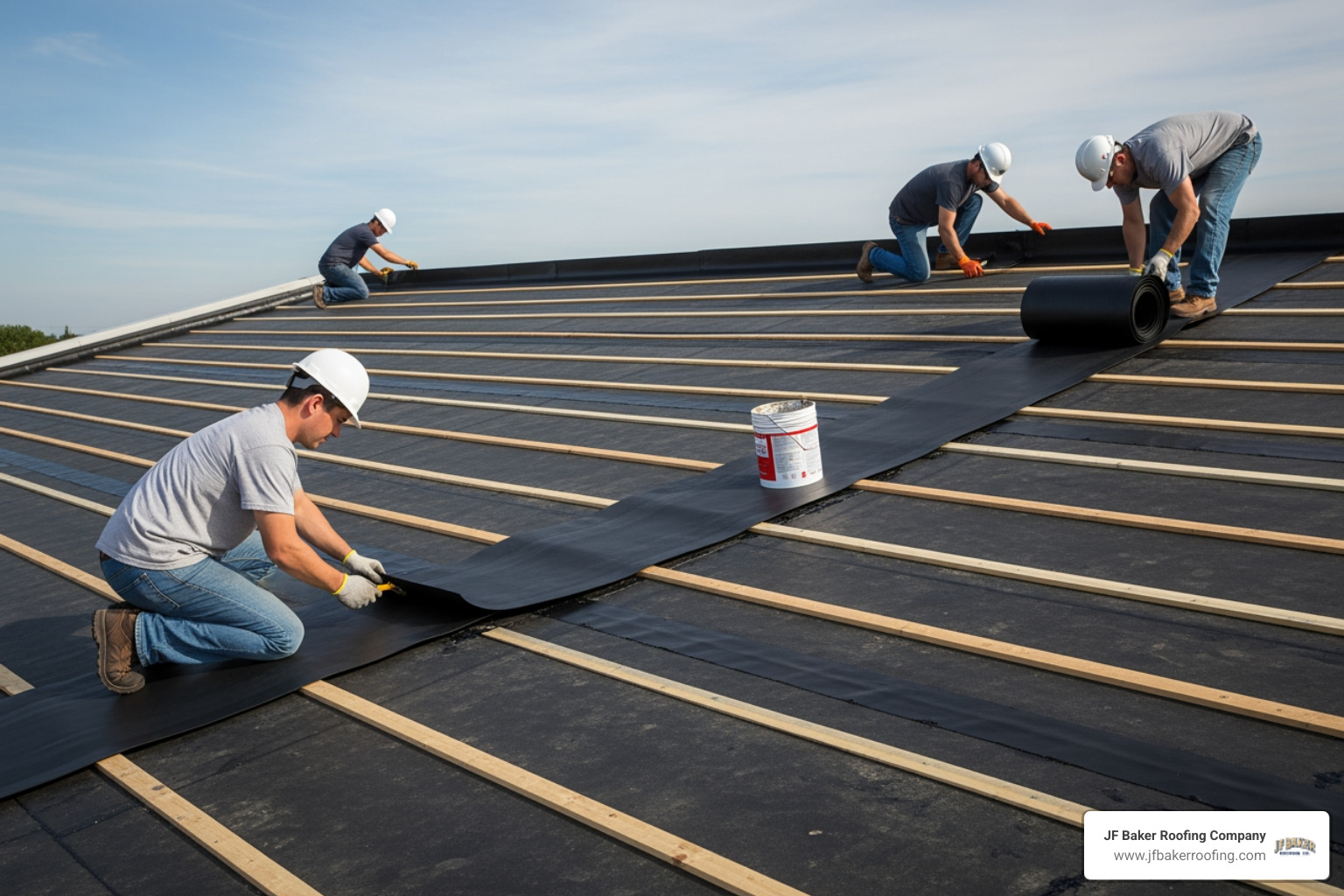
- Day 3: Membrane Laydown and Seam Sealing. Single-ply membranes or multi-ply asphalt systems are laid out. Seams are hot-air welded or bonded with heavy-duty adhesives.
- Day 4: Flashing, Drainage Integration, and Site Cleanup. Custom metal edge flashing, pipe boots, wall termination bars, and drain boots are secured. The job site undergoes a complete final cleanup and safety walkthrough.
Local municipal permits are pulled prior to starting work, ensuring all work meets local building code requirements from start to finish.
Drainage Planning, Leak Prevention, and Roof Maintenance
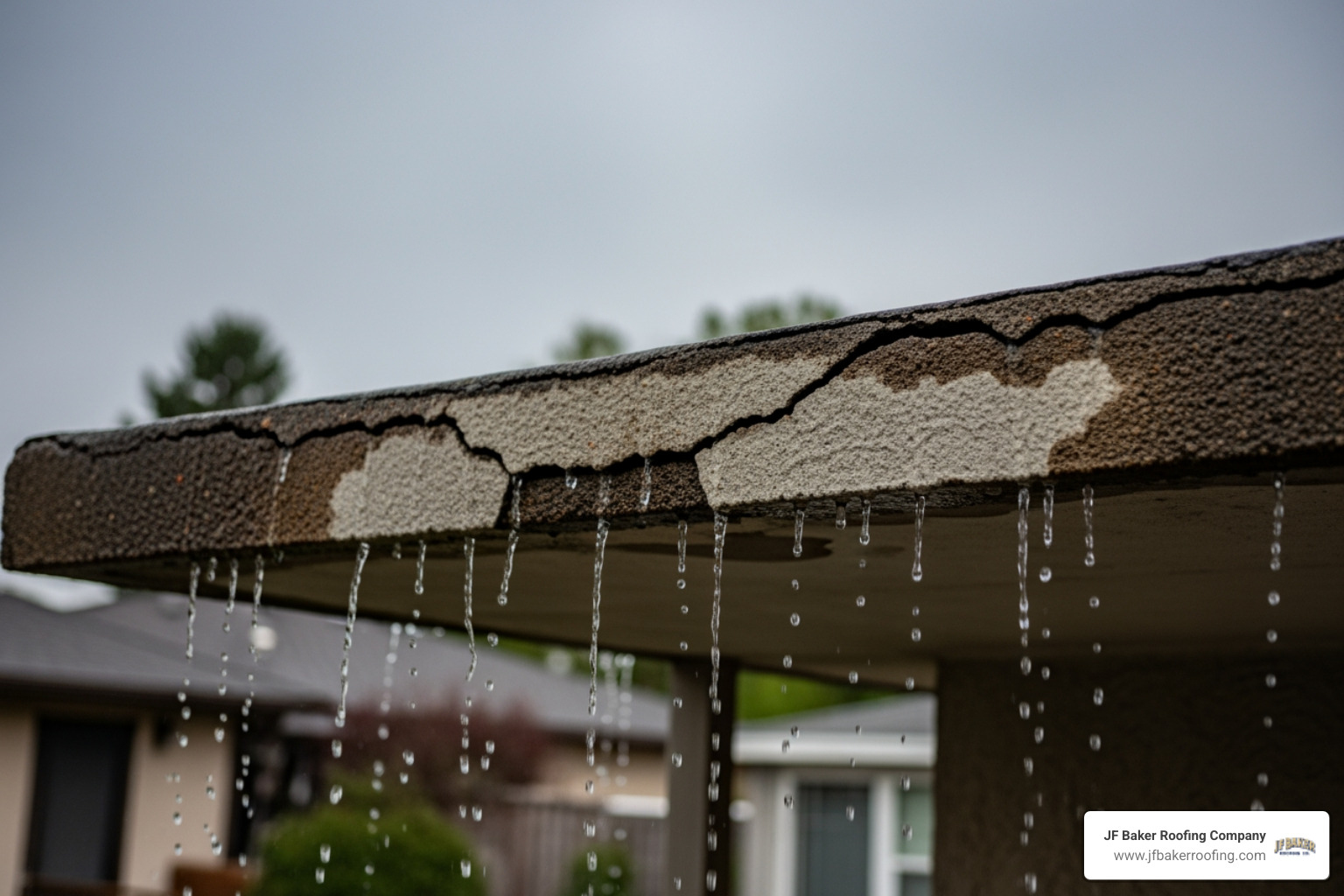
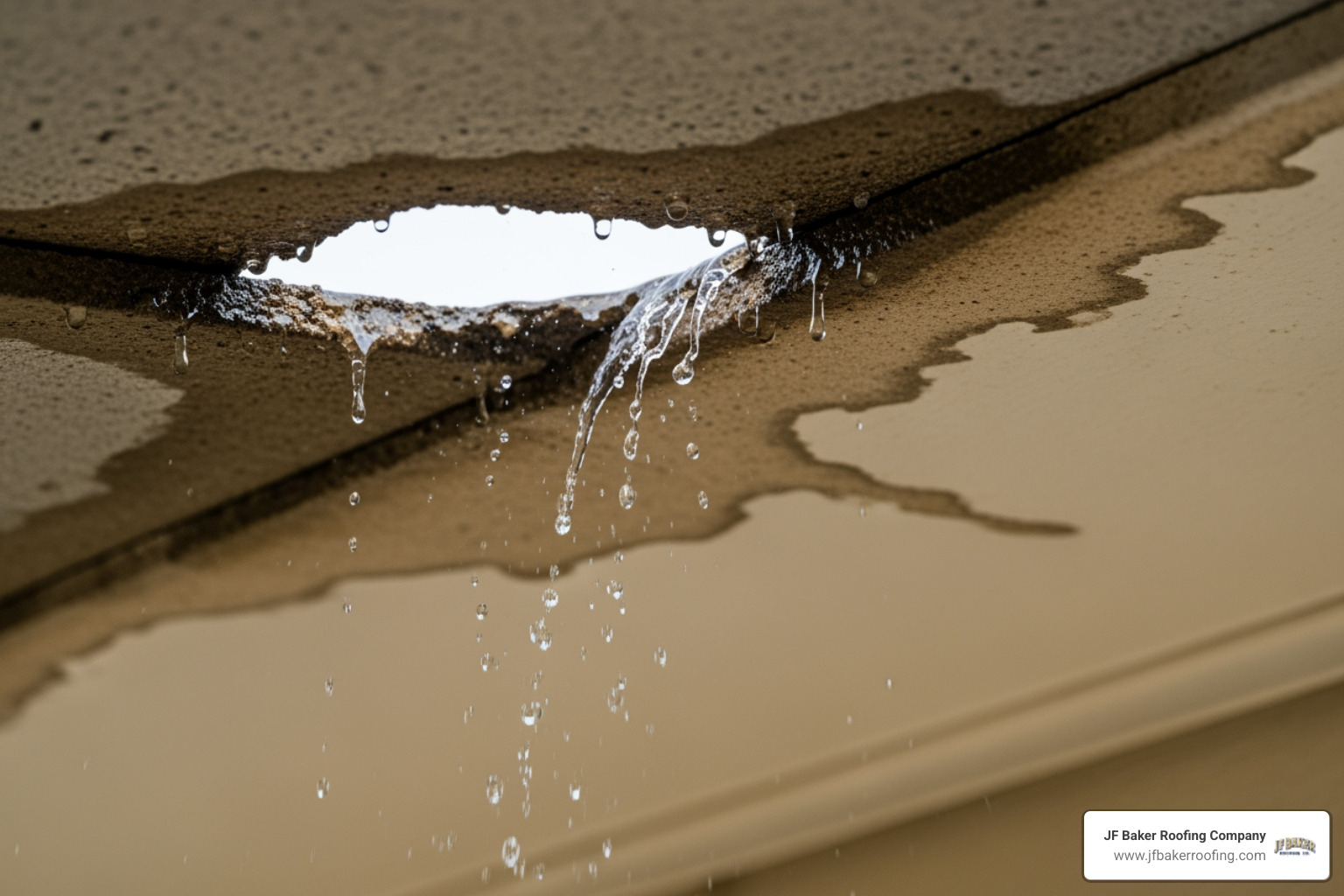
Water control is the single most critical factor in extending the life of a low-slope roof. Because flat roofs lack steep pitches, water relies entirely on calculated sloped substrates and dedicated drainage points to flow off the structure.
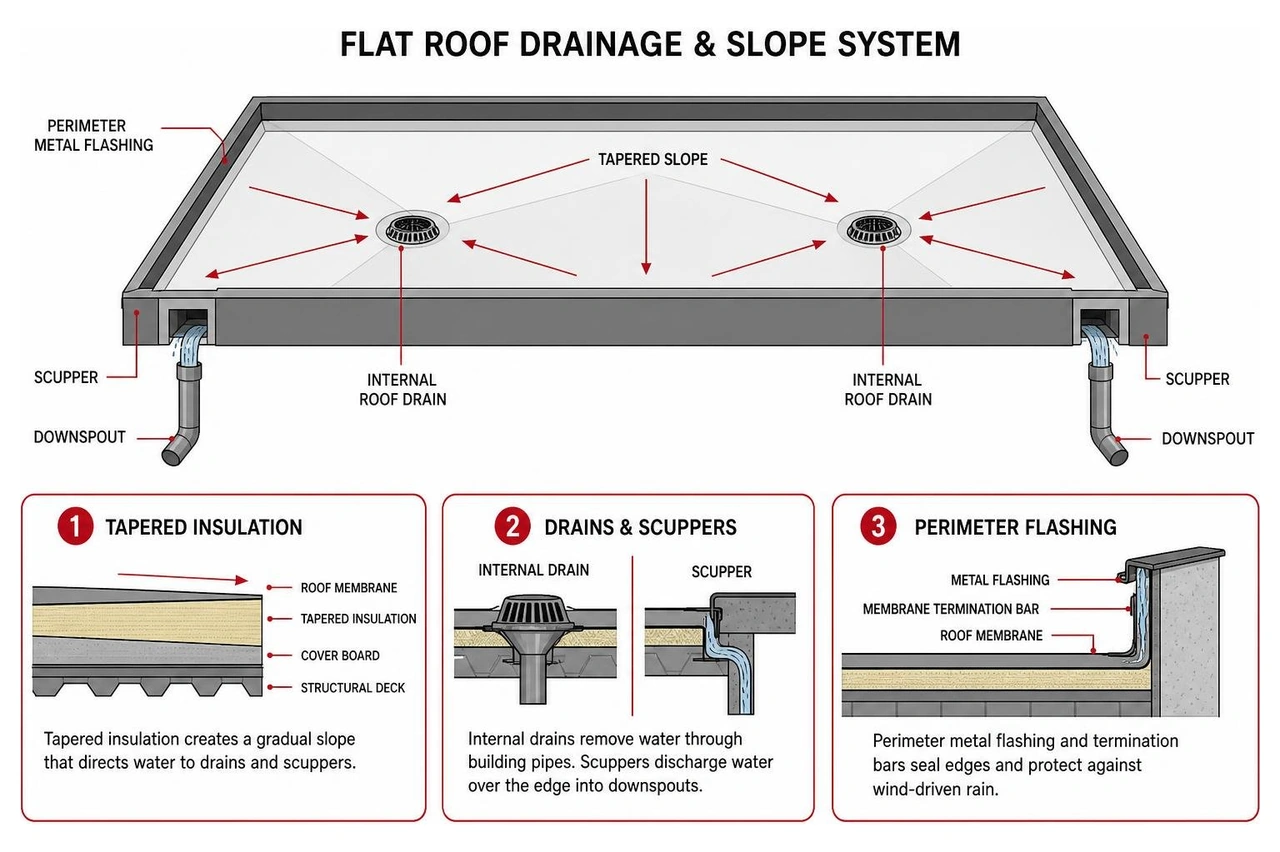
Effective drainage strategies incorporate three primary components:
- Tapered Insulation: Custom insulation boards designed with a gradual slope direct standing water away from low spots toward drains and scuppers.
- Roof Drains and Scuppers: Internal drains funnel water down through interior pipes, while perimeter wall scuppers allow water to spill safely into downspouts.
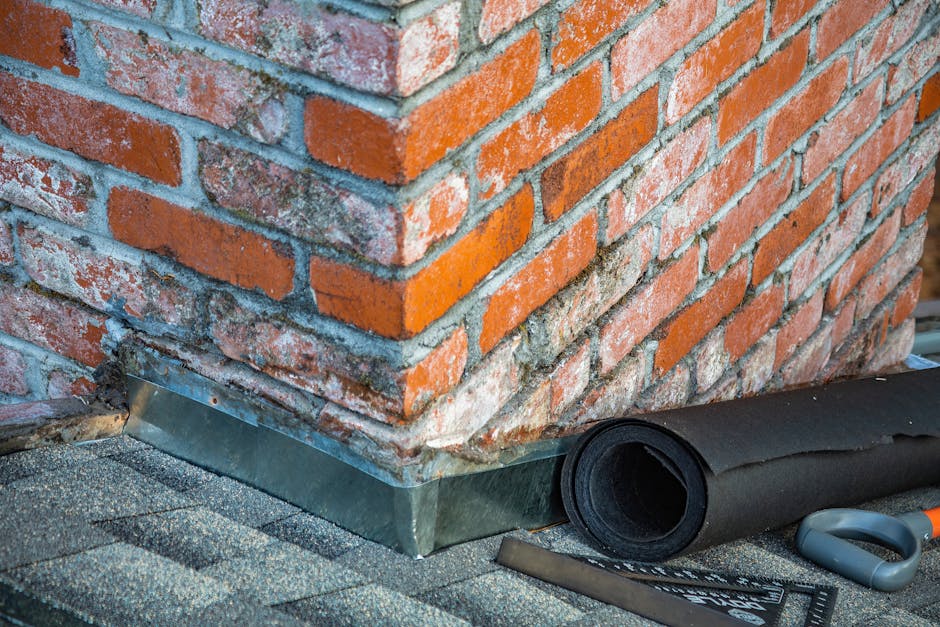
- Perimeter Metal Flashing: Custom sheet metal edge details prevent driving wind and rain from getting under the edges of the single-ply membrane.
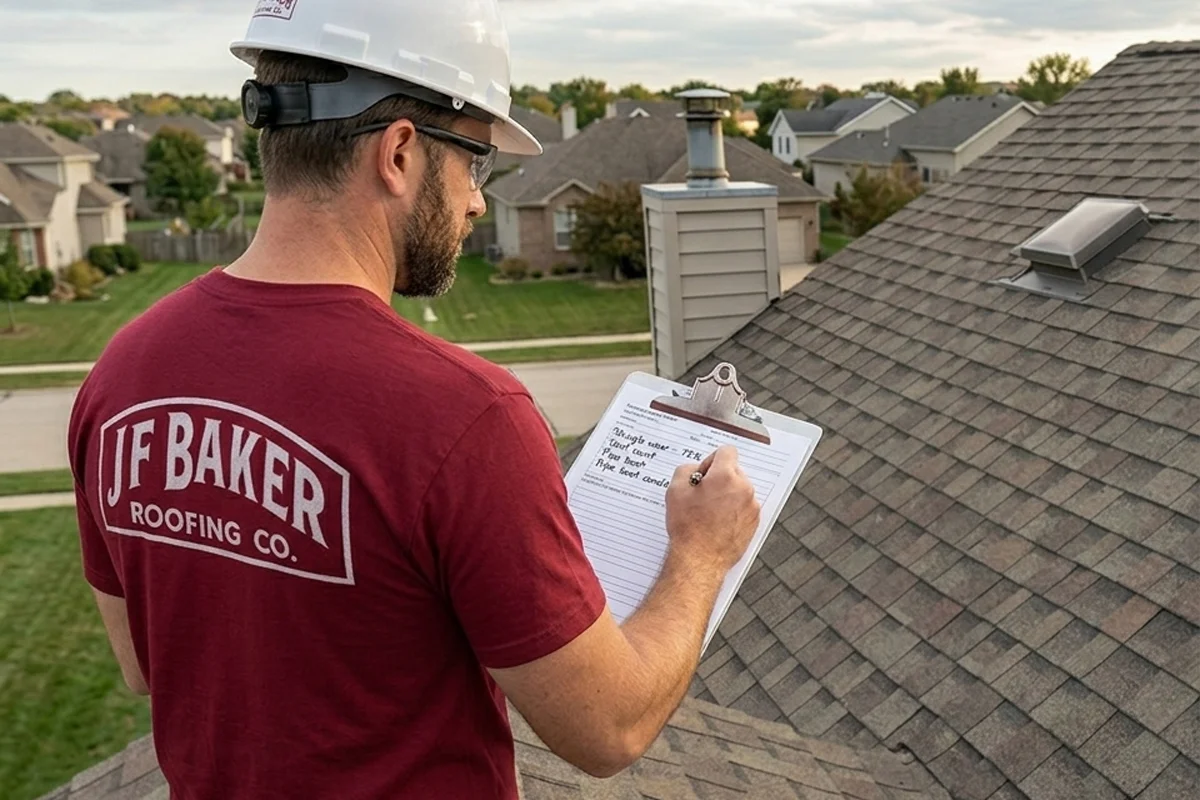
To maintain waterproofing performance, routine bi-annual inspections are essential. Catching minor punctures or deteriorating sealant early prevents water from saturating insulation boards underneath. To schedule a thorough professional evaluation, visit our page on Rubber Roof Inspection Service. For minor surface blemishes or pinhole leaks, using the Best Flat Roof Patch provides an immediate stopgap solution until complete repairs can be carried out.
When to Repair vs Replace Your Flat Roof Surface
Property owners often wonder whether an aging low-slope roof requires targeted maintenance or a full tear-off.
Consider repair if:
- The membrane is relatively young (under 10–12 years old) and overall substrate insulation remains dry.
- Leak issues are limited to isolated penetrations like a loose pipe flange cap or a open flashing seam.
- Surface membrane blisters or punctures are localized to a small area. Explore your repair options on our Rubber Flat Roof Repair page.
Consider a complete replacement if:
- Substrate insulation boards are waterlogged and soft underfoot, indicating widespread moisture saturation.
- Single-ply seams are separating across large areas of the roof due to adhesive failure or structural age.
- The roofing system has reached the end of its typical 15- to 30-year lifespan and requires ongoing surface patching.
How to Choose the Best Contractor for Flat Roof Installation Near Me
Flat roofing installation requires specialized tools, heating equipment, and membrane welding expertise that differ significantly from steep-slope shingle installations. Choosing an experienced contractor ensures your investment is protected by valid manufacturer warranties and proper installation practices.
When searching for a trustworthy installer, verify the following credentials:
- Licensing and Insurance: Ensure the contractor holds active state and local licenses along with comprehensive general liability and workers' compensation coverage.
- Manufacturer Certifications: Certified installers can offer extended manufacturer material and non-prorated system warranties that uncertified roofers cannot provide.
- Transparent Written Scope: Look for clear, detailed written proposals detailing exact membrane thickness, insulation R-value, flashing details, and cleanup protocols.
- Local Proven History: A contractor with a long history in your local area understands local building codes, weather patterns, and substrate requirements.
For more helpful guidelines on selecting a qualified roofer in Central Ohio, read our guide on How to Choose the Right Roofing Contractor. If you own a business or manage multi-family properties, our Commercial Roofing Contractor Columbus resource provides additional industry insights. You can also consult industry guidelines from the National Roofing Contractors Association to review standard quality benchmarks across commercial markets.
Frequently Asked Questions About Flat Roof Systems
How long does a flat roof installation typically last?
With professional installation and routine maintenance, most flat roofing systems last between 10 and 30 years. EPDM synthetic rubber membranes can perform for 40+ years thanks to superior UV and weathering resistance. System longevity depends on material selection, slope design, surface foot traffic, and bi-annual maintenance.
Can I convert a flat roof into a usable rooftop deck or patio?
Yes! Flat roofs can often be adapted into outdoor living spaces, rooftop patios, or bases for solar panel arrays. However, a structural engineering assessment must be performed prior to installation to confirm that the roof framing can support additional weight loads. Specialized walkable membranes or floating deck pedestal systems must be used to protect the underlying waterproof layer from puncture damage.
What pre-installation checks are required during a flat roof inspection?
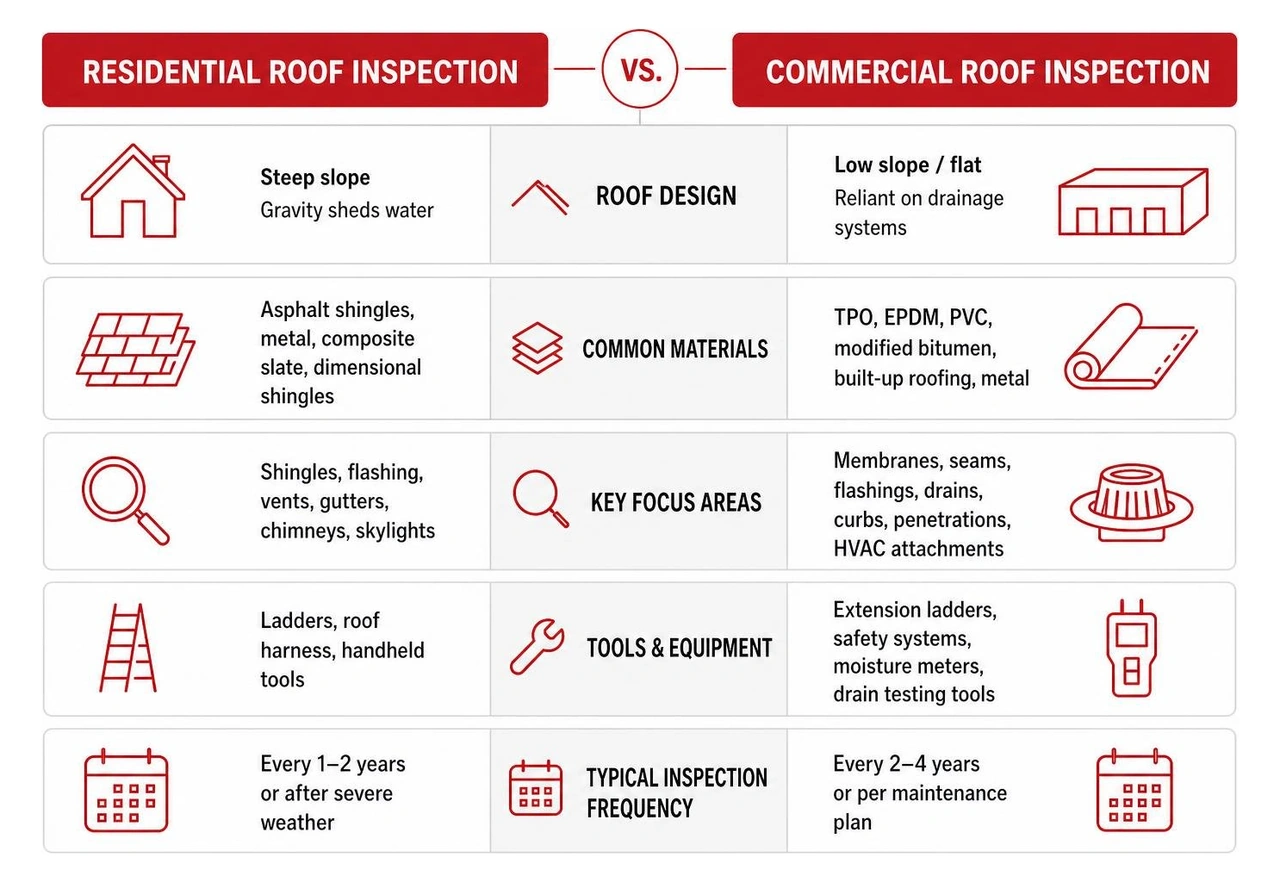
A thorough pre-installation inspection checks structural deck integrity, substrate dryness, existing slope calculations, drainage points (drains, gutters, scuppers), and wall flashing condition. Catching deck rot or improper pitch before laying down fresh membrane layers ensures a long-lasting, watertight roof system. Schedule an evaluation through our Roof Inspection Residential Commercial service page.
Conclusion
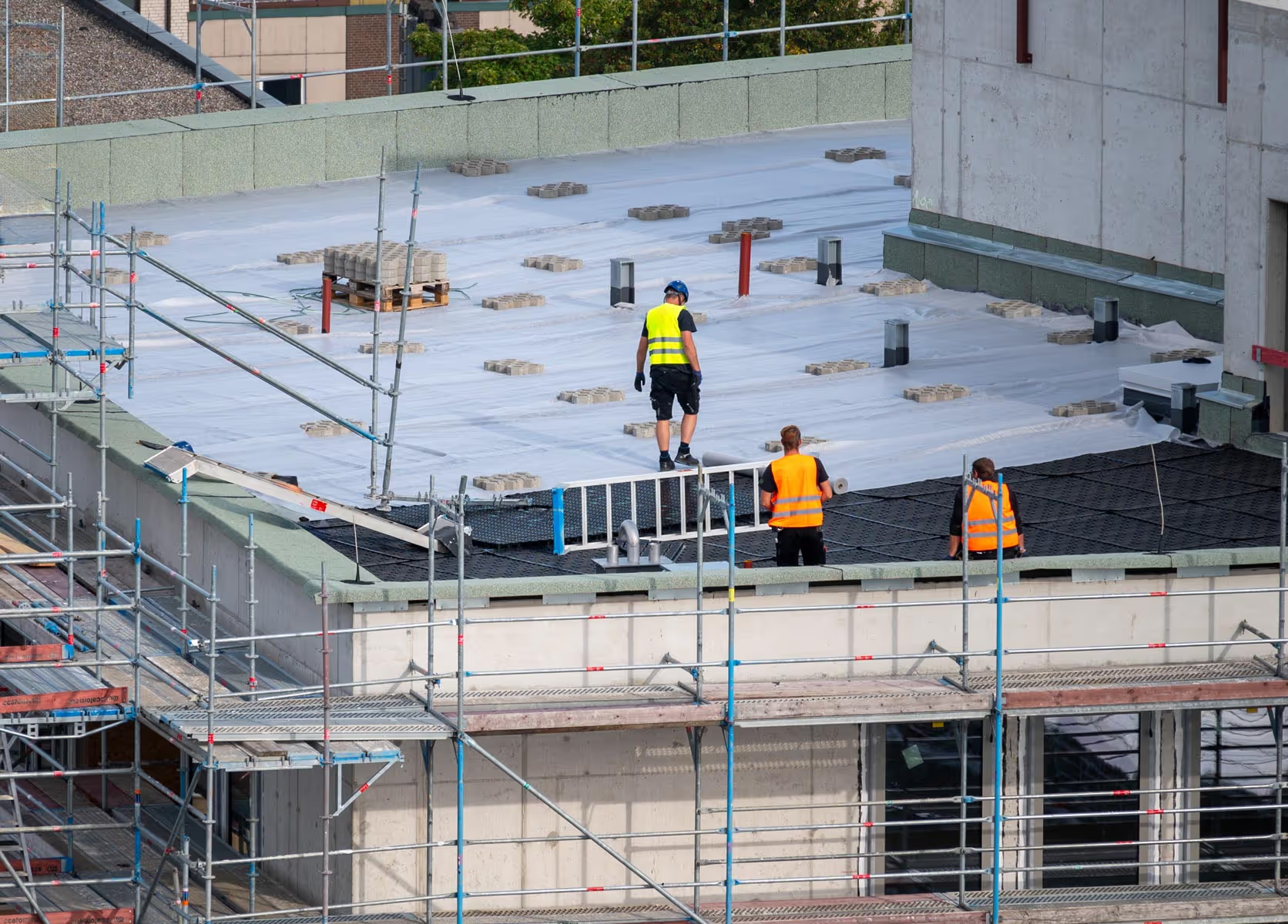
A durable flat roof is an investment in your property's safety, energy efficiency, and overall structure. Whether you are managing a commercial facility or protecting a modern residential home, proper material selection, deliberate slope planning, and precision seam welding are essential to long-term performance.
Three generations of Central Ohio roofing experience back our work at JF Baker Roofing. Serving Central Ohio since 1929, we are led by third-generation owners Chad and Pat Baker. As a CertainTeed ShingleMaster Preferred Contractor, NRCA member, and BBB Accredited Business with an A+ rating, we bring clear expertise to every job site.
Our full suite of property protection services includes residential roofing, commercial roofing, roof repair, roof replacement, storm damage roofing, gutter installation and repair, and custom sheet metal work across Columbus, Dublin, Upper Arlington, Hilliard, Grandview Heights, Worthington, Westerville, and neighboring areas.
Honest assessments. No pressure. We provide transparent pricing, clear communication, clean job sites, and recommendations based on genuine building needs. We suggest repairs whenever viable and full replacement only when necessary. Built on integrity. Proven by performance.
When you need advice on low-slope or single-ply membrane projects, Explore Professional Roofing Services with JF Baker Roofing. Let our reputation be your security—we stand behind every roof we install.









.jpeg)