Is It Time for Commercial Shingle Replacement on Your Hilliard Property?
Commercial Shingle Replacement in Hilliard: Know When to Act
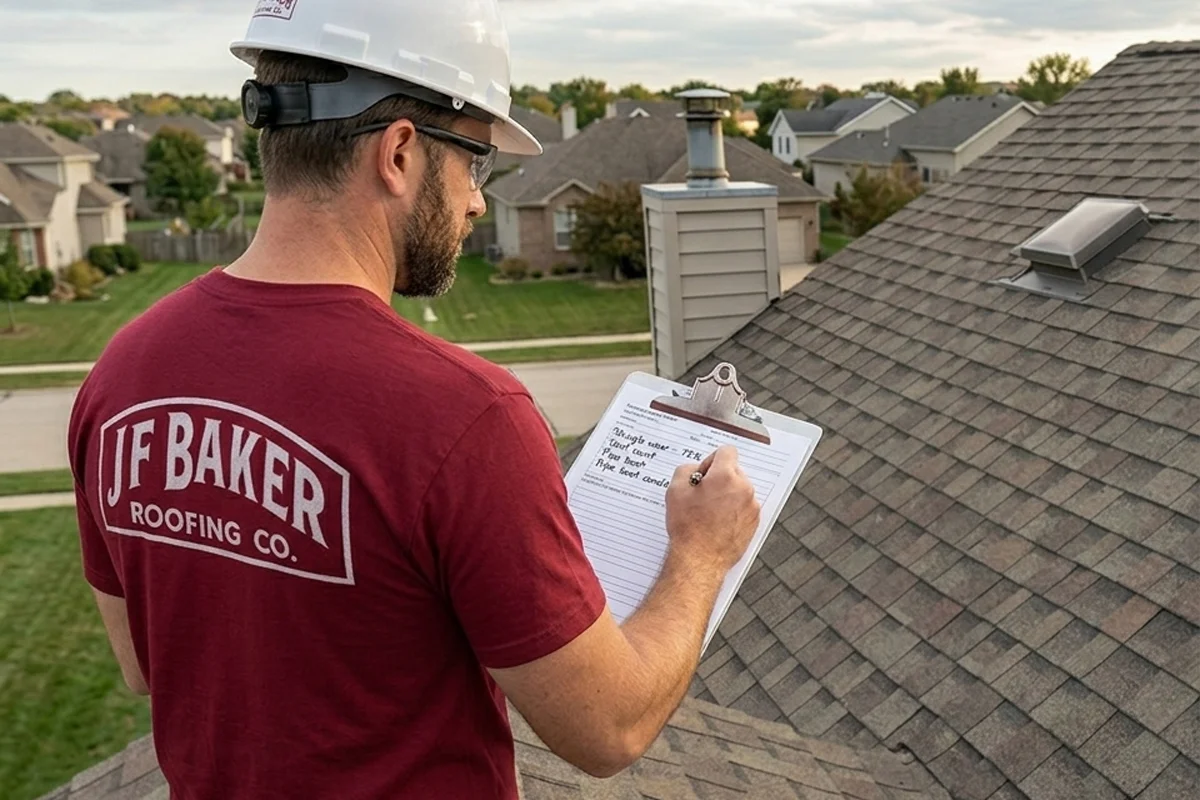
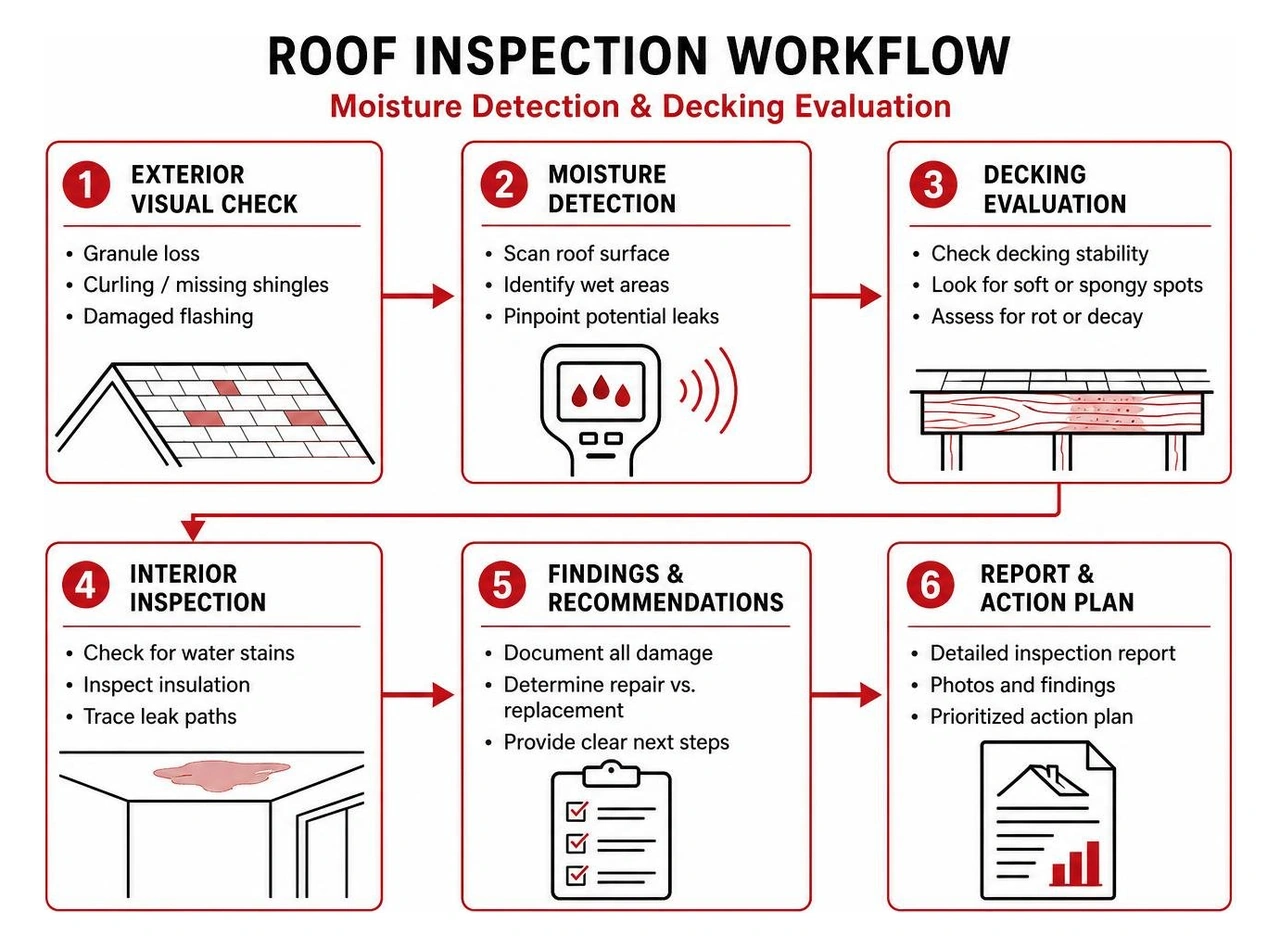
If your Hilliard commercial roof has widespread missing, cracked, curling, or loose shingles, recurring leaks, granule loss, or soft decking, it is time to schedule a professional inspection. A qualified commercial roofing contractor can determine whether targeted repairs will protect the building or whether full replacement is the safer long-term choice. Do not wait for a small leak to become interior damage, rot, or a business disruption.
At JF Baker Roofing, we provide honest assessments, transparent pricing, clean job sites, clear communication, and no high-pressure sales tactics. We recommend repairs when possible and replacement only when it is genuinely needed.
Trusted since 1929, JF Baker Roofing serves commercial and residential clients throughout Columbus, Hilliard, Dublin, Upper Arlington, Grandview Heights, Worthington, Westerville, and nearby Central Ohio communities. We are a CertainTeed ShingleMaster Preferred Contractor, an NRCA member, and a BBB Accredited Business with an A+ rating. Our services include residential and commercial roofing, roof repair, roof replacement, storm damage roofing, gutter installation and repair, and sheet metal work.
I am Chad M. Baker, a third-generation owner alongside Pat Baker, and the next section will help you spot the warning signs that call for a closer look.
Similar topics to commercial shingle replacement hilliard:
- asphalt shingle installation dublin
- residential shingle roofing ohio
- commercial emergency roofing whitehall
Key Warning Signs Your Commercial Shingle Roof Needs Full Replacement
Commercial steep-slope roofing systems face continuous exposure to severe weather, UV radiation, and seasonal temperature swings. Over time, asphalt shingles break down, losing the protective qualities that shield your building envelope from water intrusion. When you manage an office building, retail center, apartment complex, or light industrial facility, recognizing the early indicators of roof failure protects your inventory, tenants, and physical structure.
Common Physical Symptoms of Deterioration
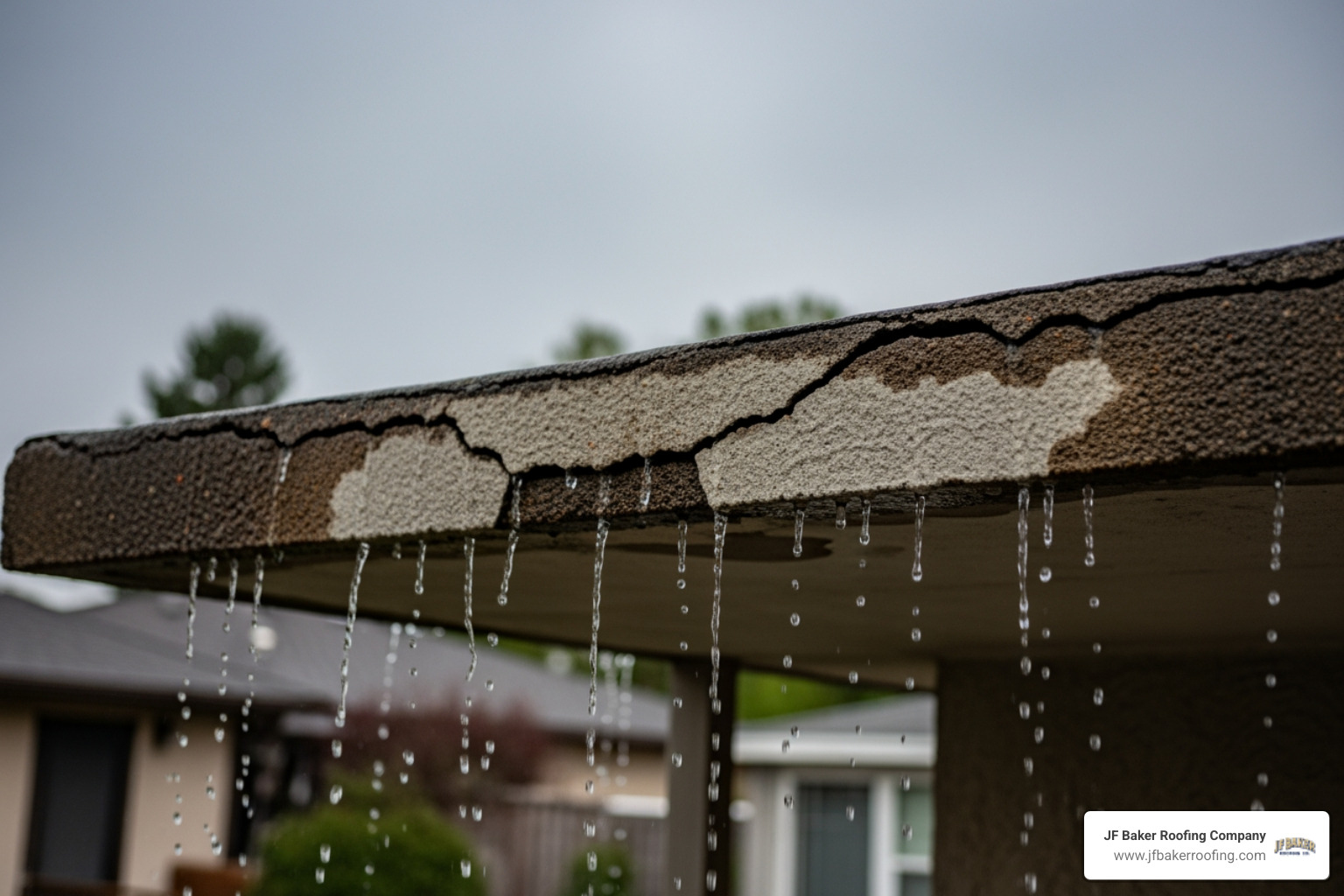
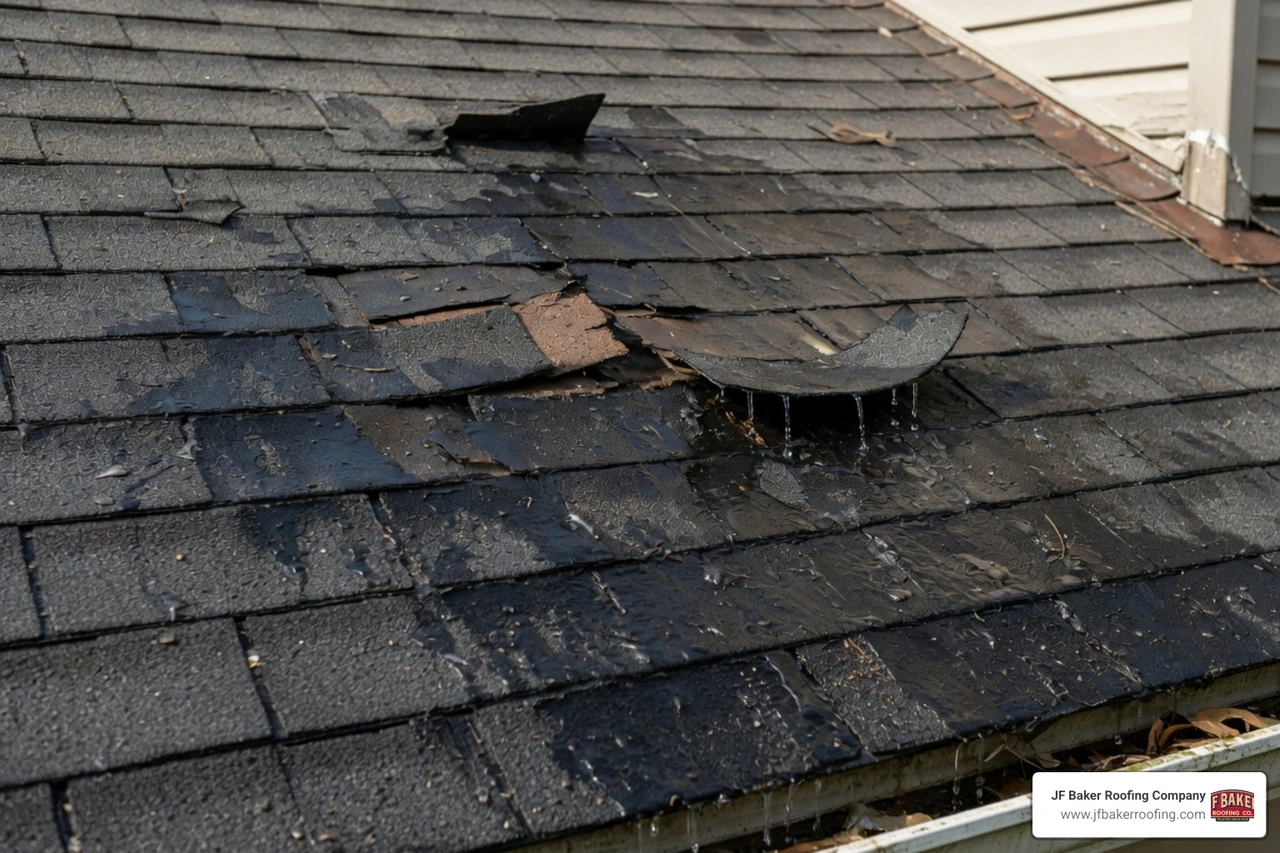
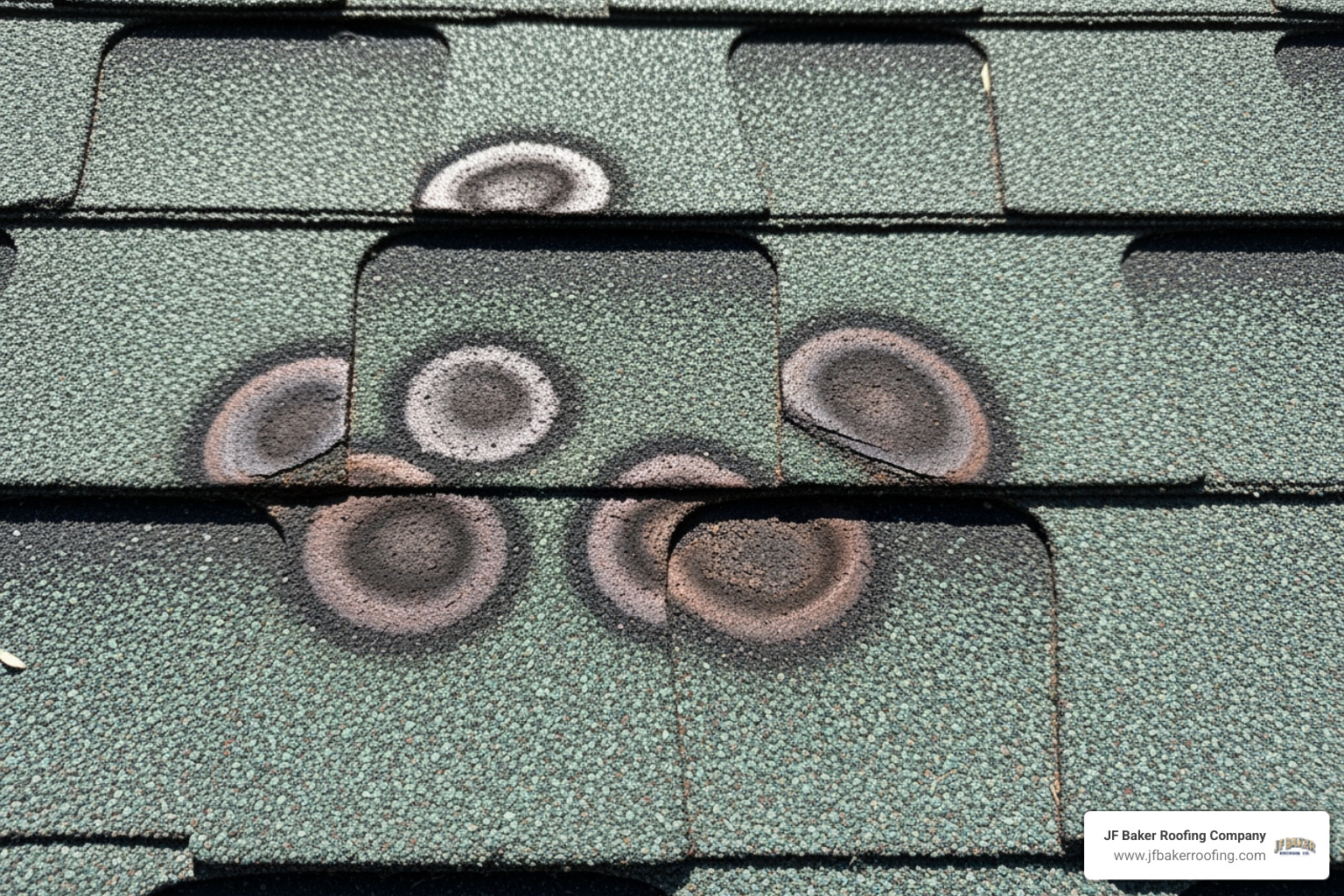
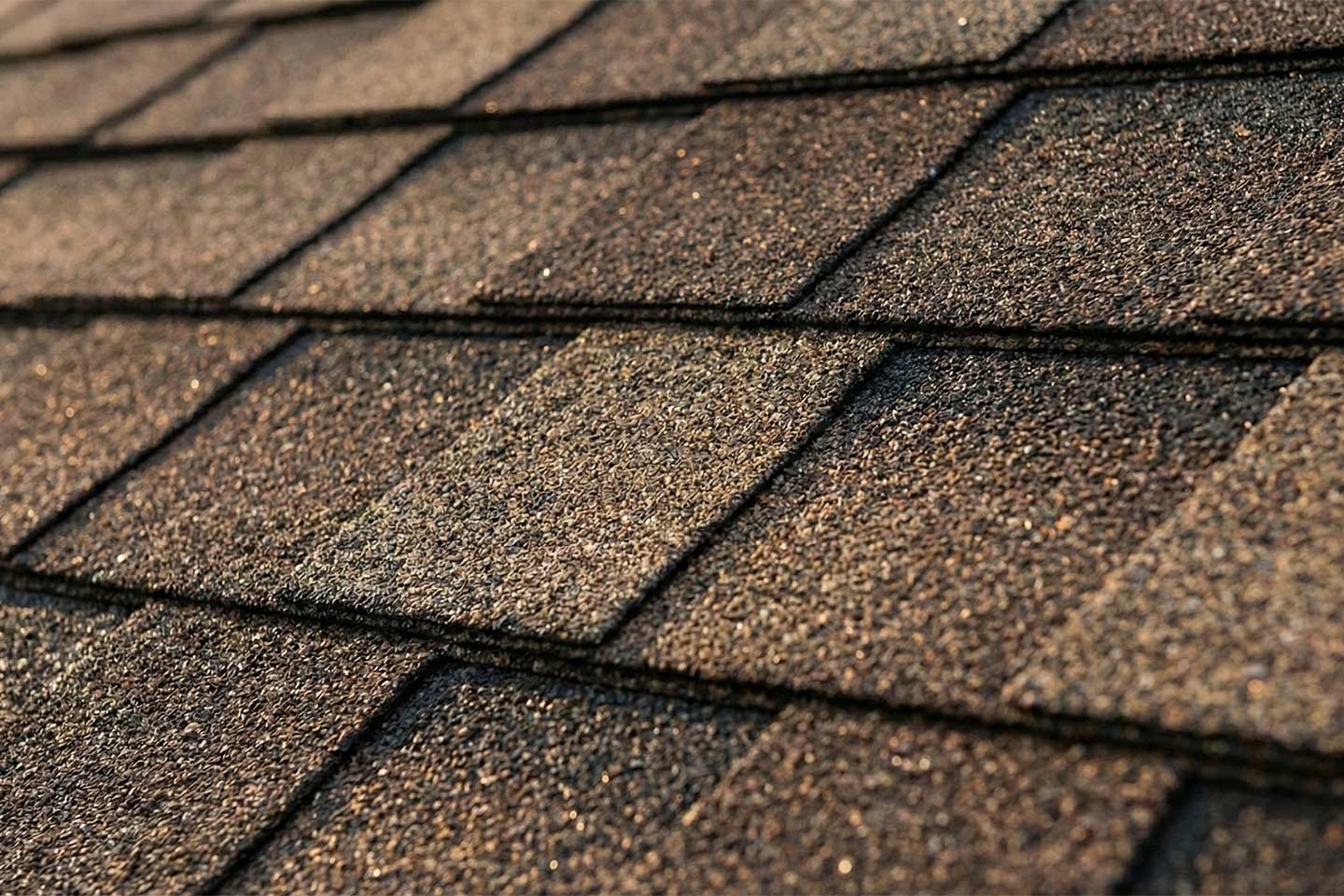
- Widespread Granule Loss and Bald Spots: As asphalt shingles age, their protective mineral granules loosen and wash into gutter systems. Without these granules, the underlying asphalt substrate is directly exposed to sunlight, causing rapid cracking and brittleness.
- Curling, Cupping, and Clawing: When shingles lose their flexibility, the edges curl upward or the centers bow. This prevents the shingles from lying flat against the roof deck, leaving the building vulnerable to wind-driven rain.
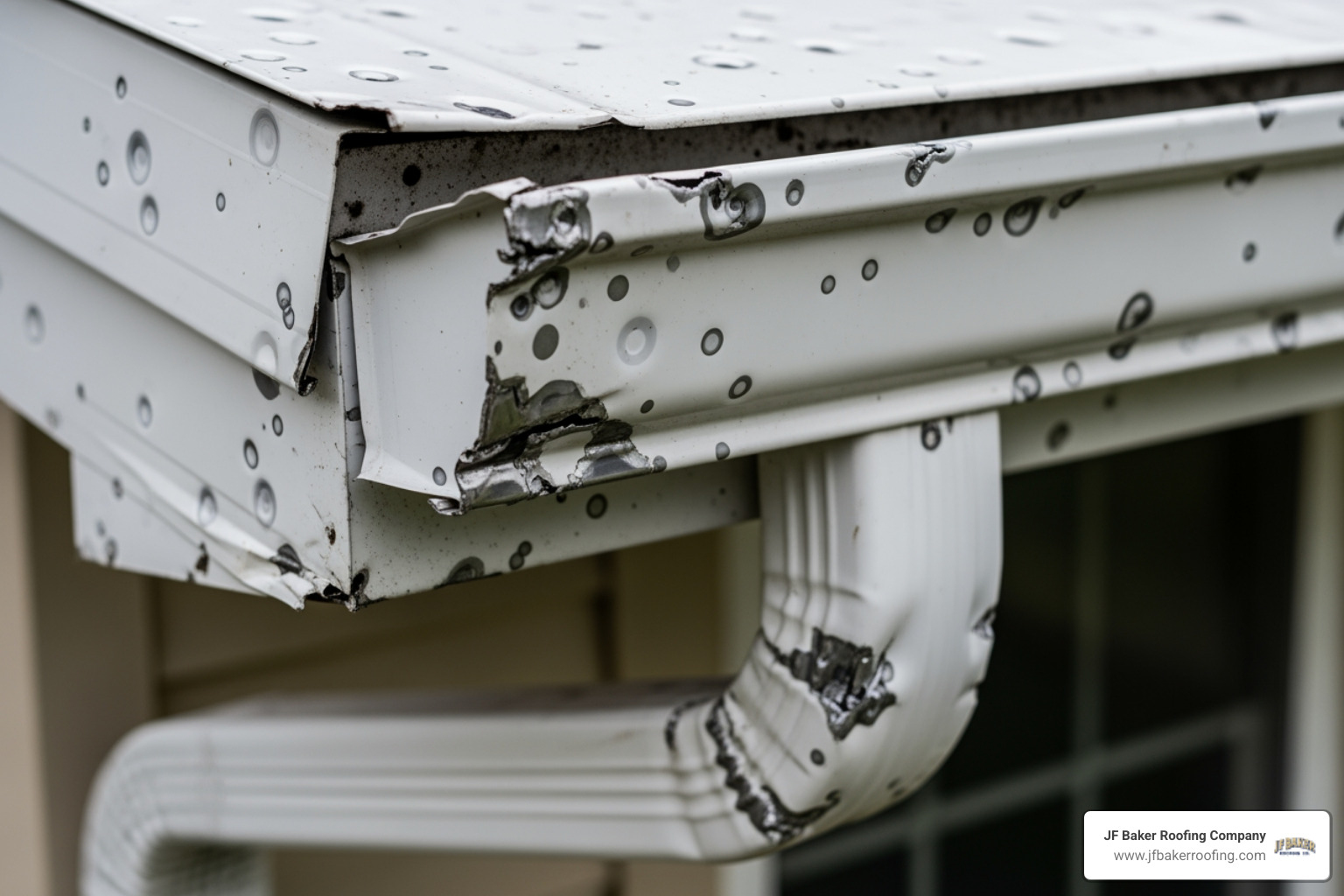
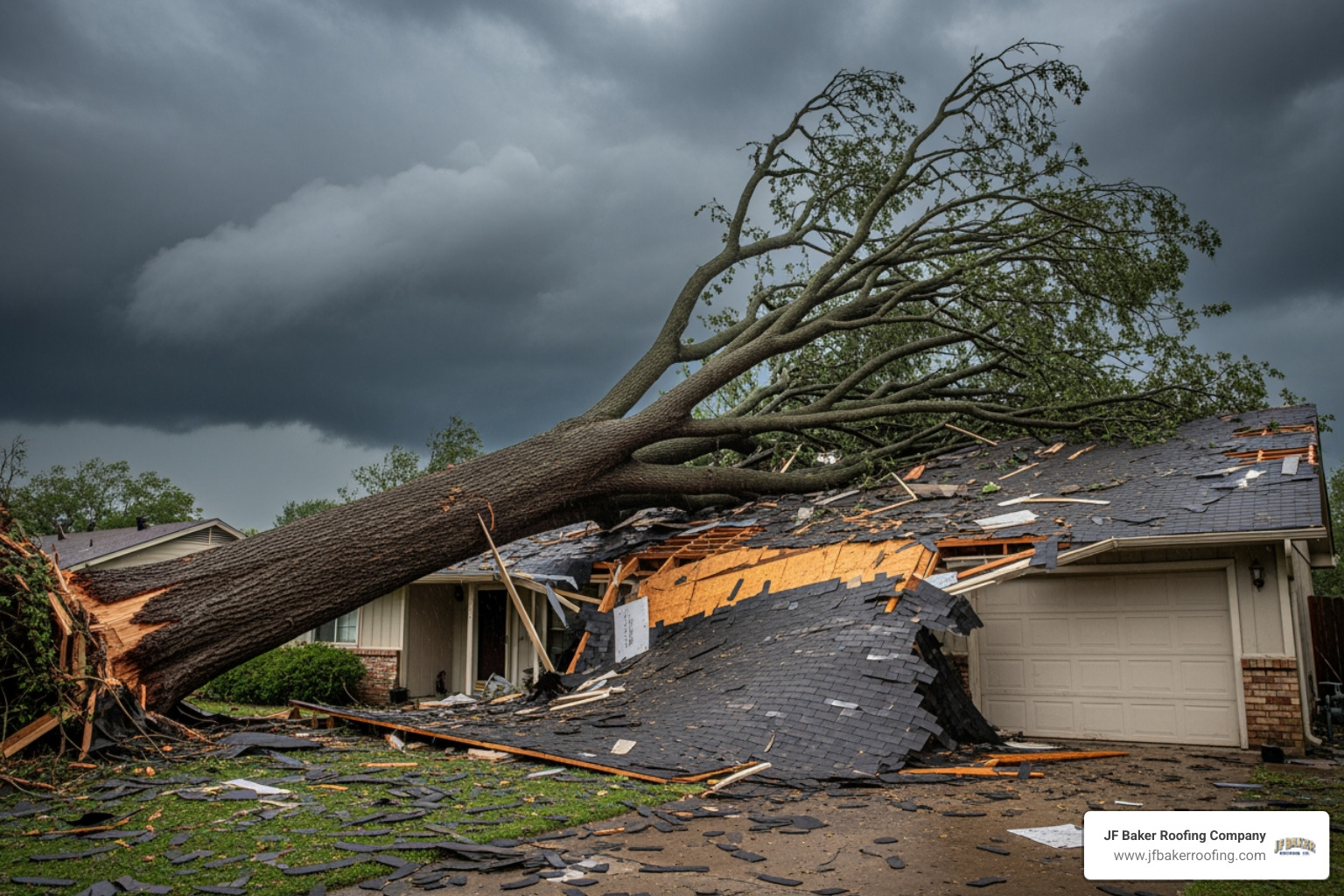
- Cracked or Missing Shingles: Strong wind gusts can lift and snap aged shingles or blow them off entirely. When shingles tear away, the underlayment underneath is quickly compromised. If your property suffers sudden damage during severe weather, our team can handle commercial storm restoration to stabilize the structure.
- Soft or Sagging Roof Decking: Walking on a compromised roof may reveal spongy spots. This indicates that chronic moisture has penetrated the underlayment and rotted the plywood or OSB roof deck underneath.
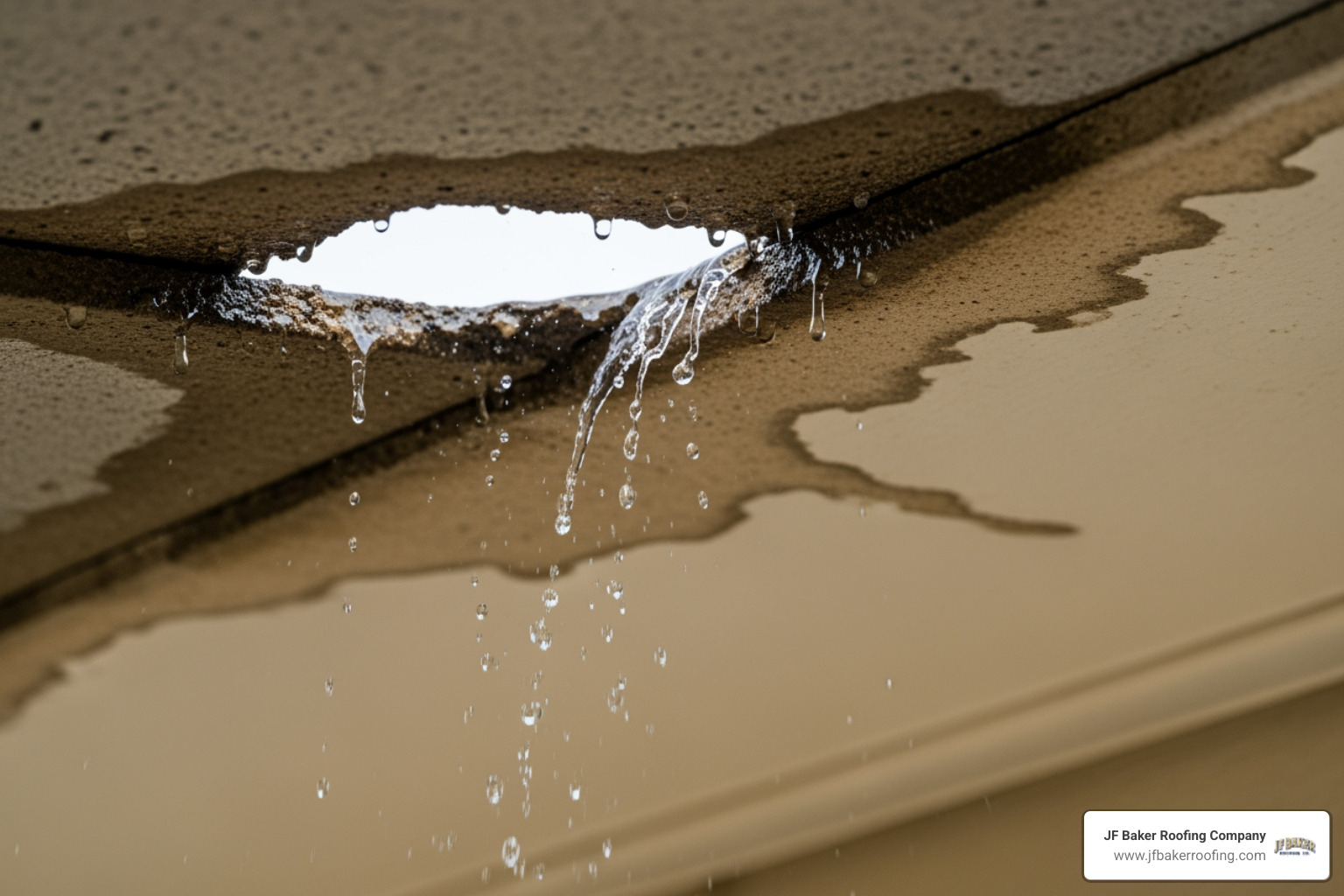
- Interior Water Stains and Ceiling Discoloration: Dark rings on ceiling tiles, peeling paint along exterior walls, or damp insulation in attic spaces are clear signs that water is finding a path through your roofing system.
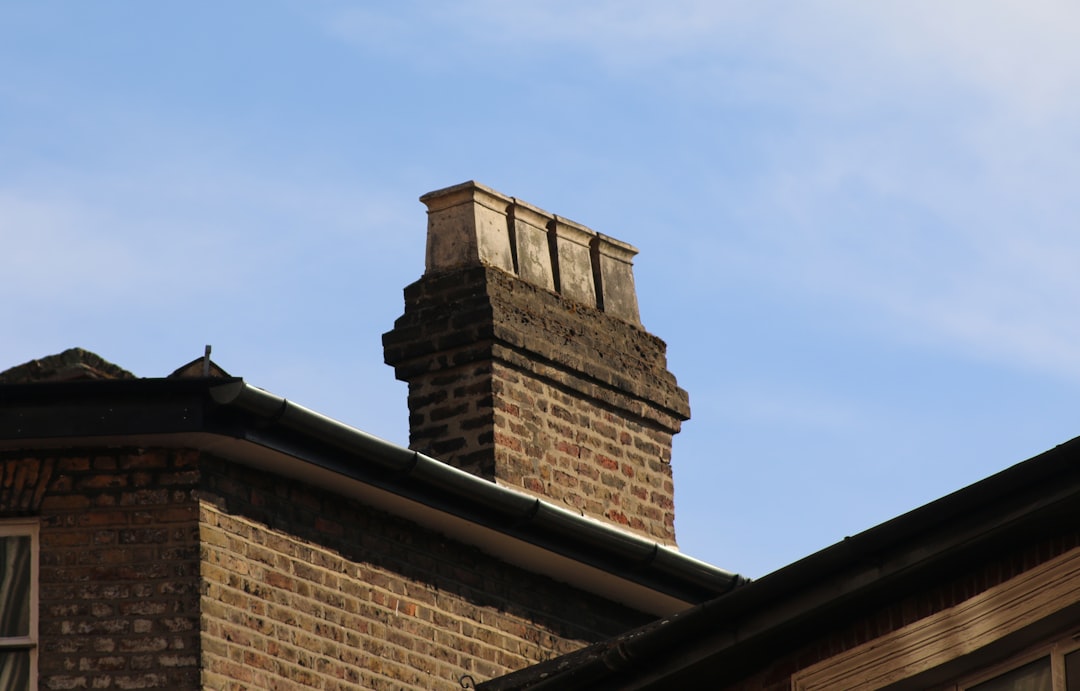
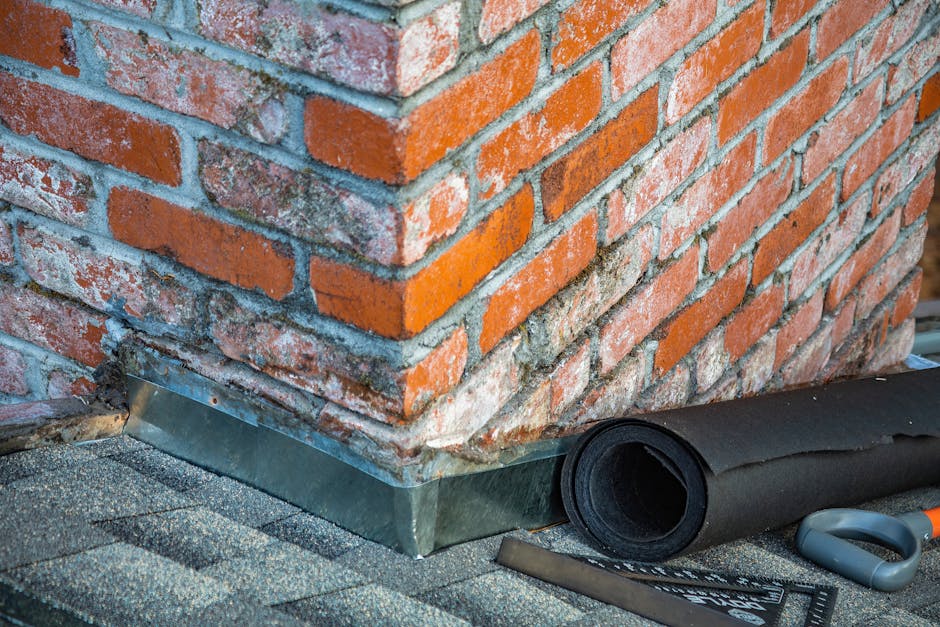
- Damaged or Corroded Flashing: Chimneys, parapet transitions, skylights, and rooftop HVAC curbs rely on metal flashing to maintain a watertight barrier. Rusted, bent, or pulling flashing invites leaks.
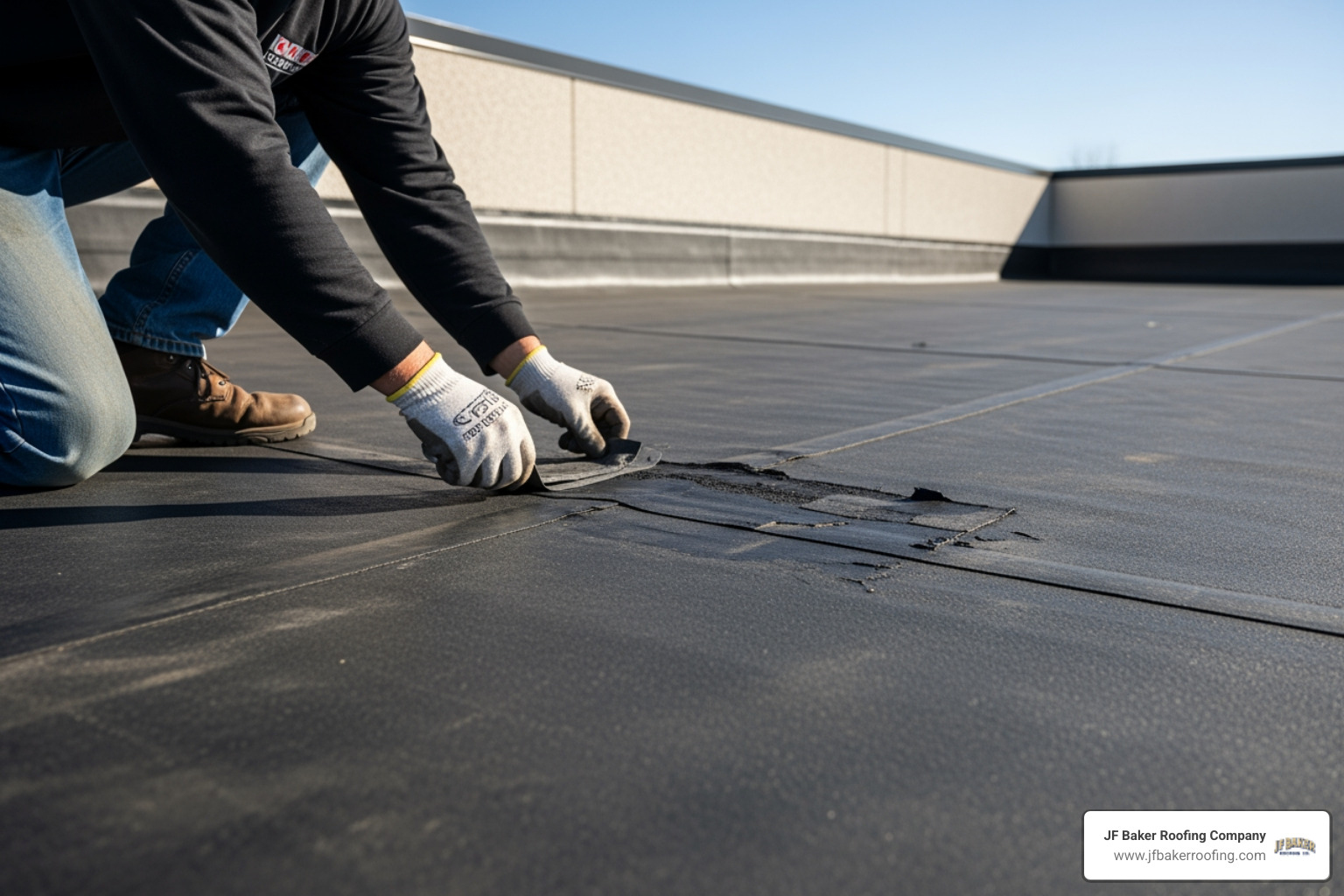
When isolated damage occurs on a newer installation, targeted patching works well. However, when multiple warning signs appear across several roof slopes, it is often necessary to replace roof shingles entirely to prevent structural deterioration.
Why Schedule a Commercial Shingle Replacement Hilliard Inspection Early?
Delaying a roof inspection when you suspect damage is a risky gamble. Roof leaks rarely remain localized. Water follows gravity along rafters, pipes, and electrical conduits, often showing up inside the building far from the actual entry point.
Early commercial roof inspections help property managers address problems before moisture rots structural trusses, ruins drywall, or encourages mold growth inside wall cavities. Catching decay early also preserves interior air quality and avoids unplanned operational shutdowns.
A compromised roof envelope allows conditioned air to escape, placing extra strain on your HVAC equipment and raising utility costs. By reviewing our commercial roofing guide 2026, building owners can better understand modern thermal requirements, ventilation balance, and system upgrades that lower operating expenses.
Evaluating Repair vs. Full Replacement for Business Roofs
Deciding whether to repair or replace a commercial roof comes down to age, the extent of damage, and overall financial practicality. Asphalt shingles typically carry a lifespan of 20 to 30 years under optimal conditions. However, commercial buildings exposed to severe storm seasons and heavy sun exposure often need replacement between 15 and 20 years.
Industry studies show that over 70% of commercial roofing failures are caused by improper initial installation or neglected maintenance rather than material defects. When an aging roof reaches the end of its serviceable life, spending money on continuous patchwork becomes a drain on capital reserves. Furthermore, commercial properties with damaged or worn roofs can see a 10% to 15% decrease in overall property valuation until the system is fully renewed.
When evaluating your options with established roofing contractors, consider this rule of thumb: if localized repairs cost more than 25% to 30% of a complete replacement, or if more than a third of the roof shows active deterioration, a complete tear-off and replacement provides greater long-term value, cleaner aesthetics, and full warranty coverage.
The Step-by-Step Process for Commercial Shingle Replacement Hilliard Facilities Require
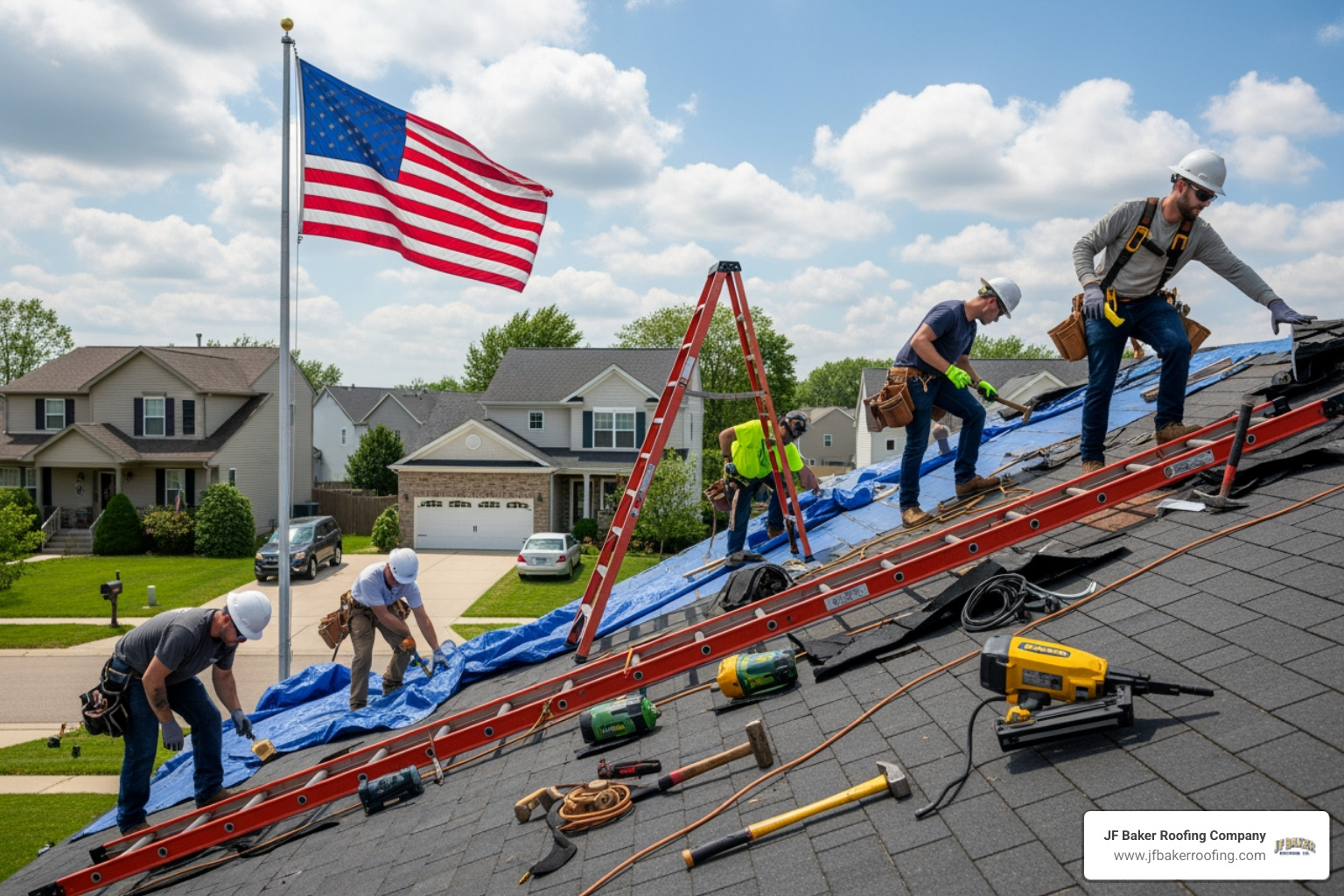
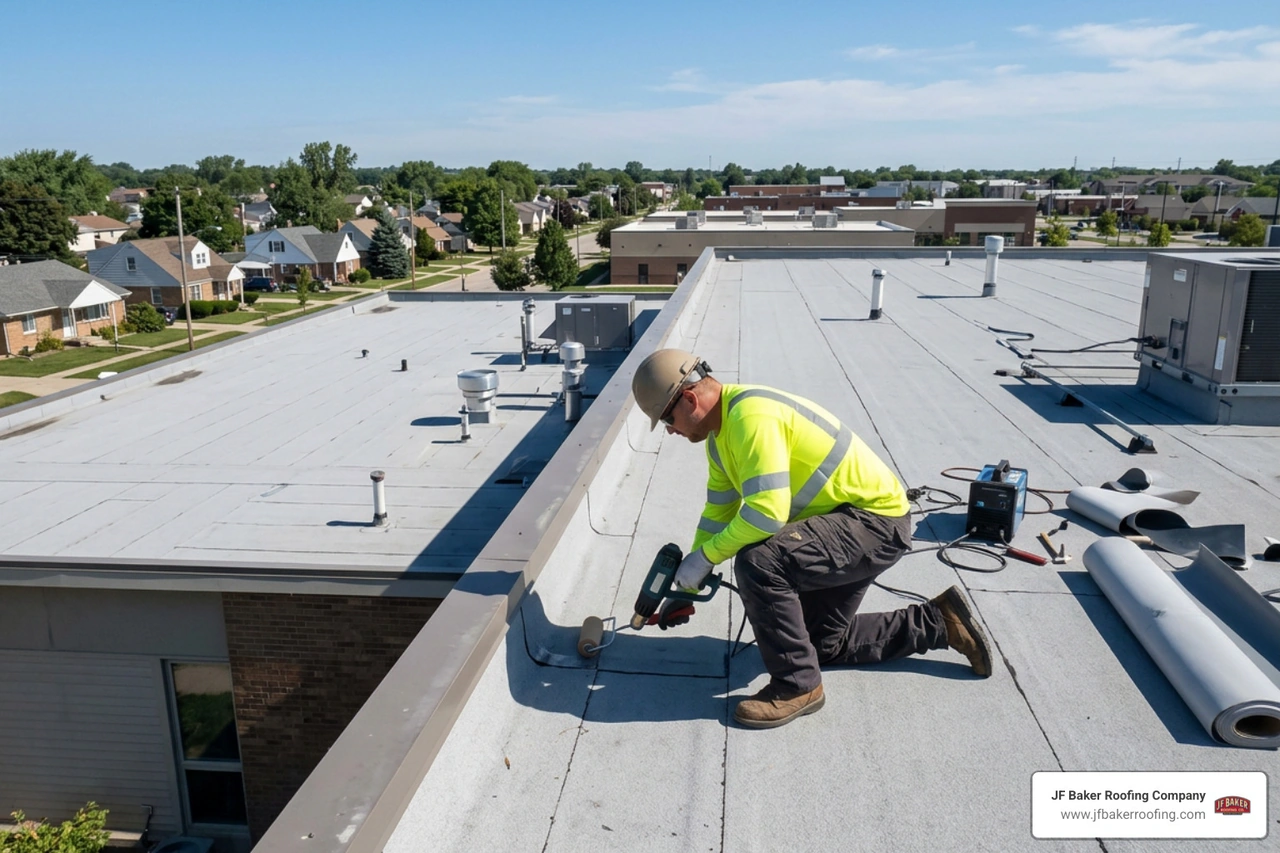
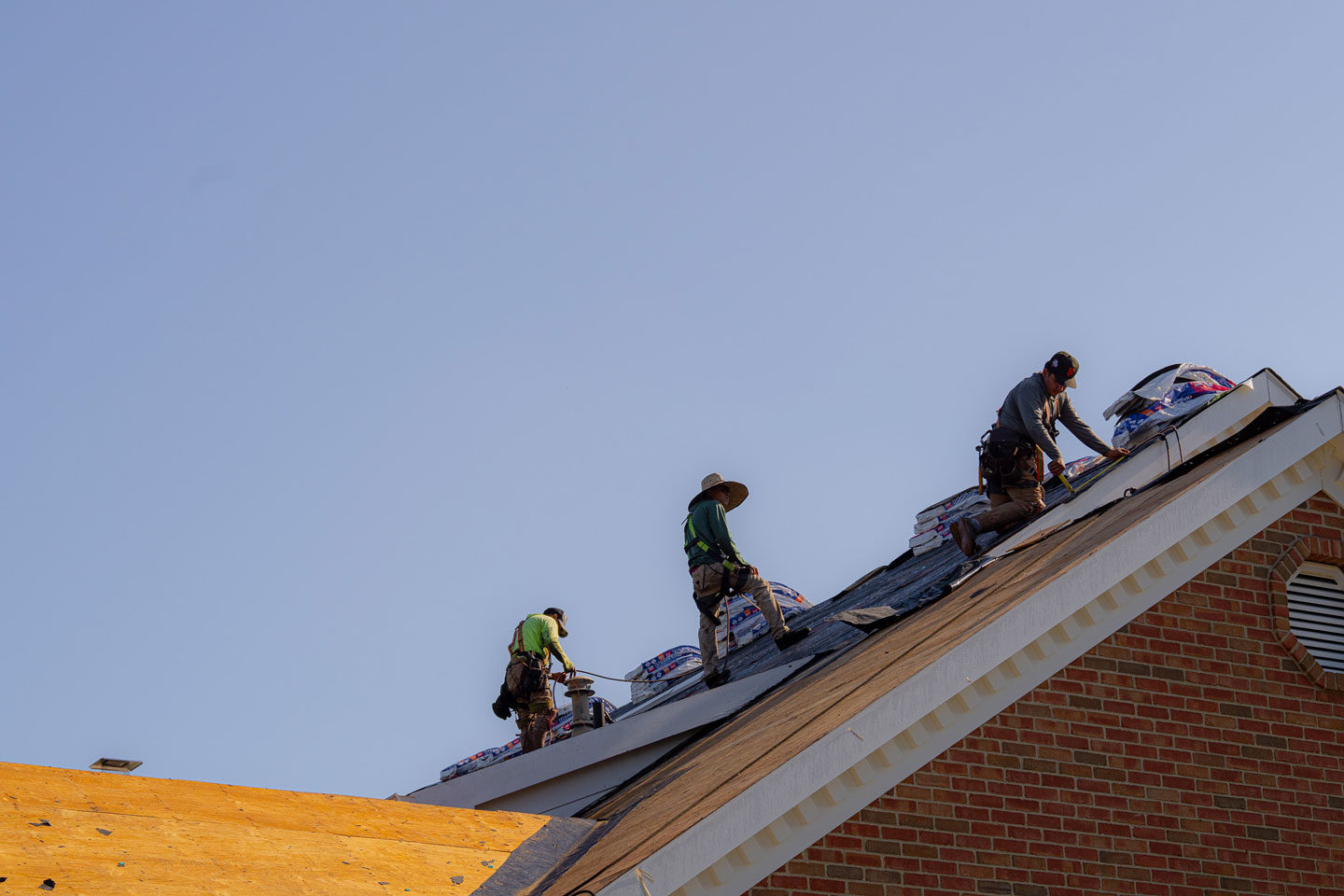
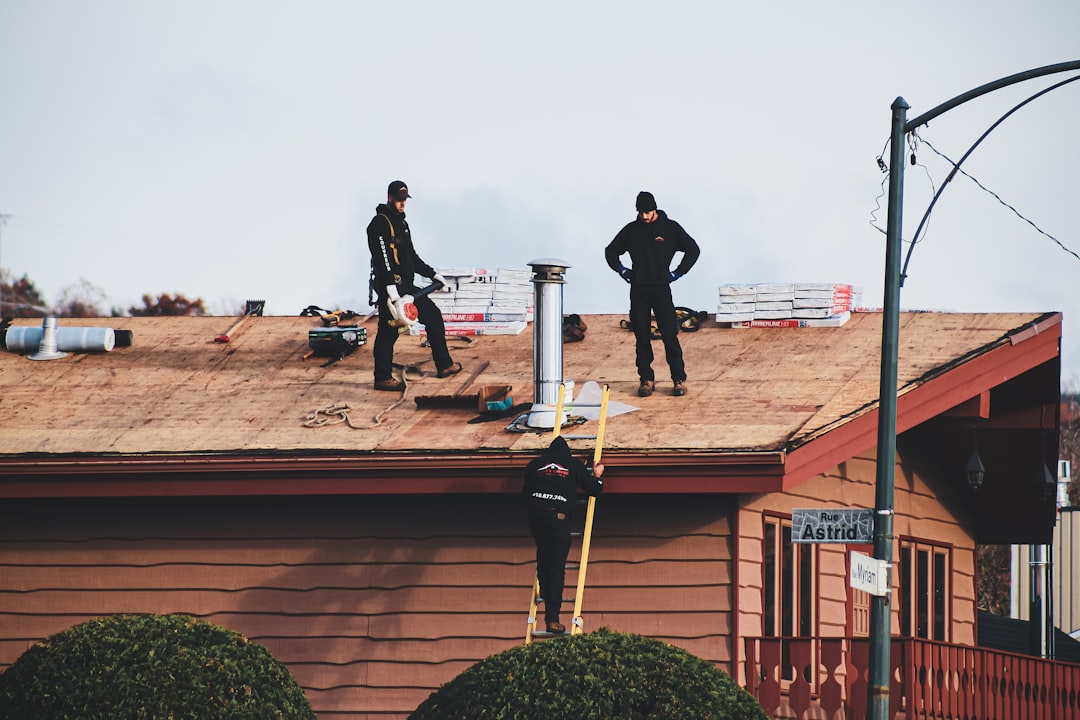
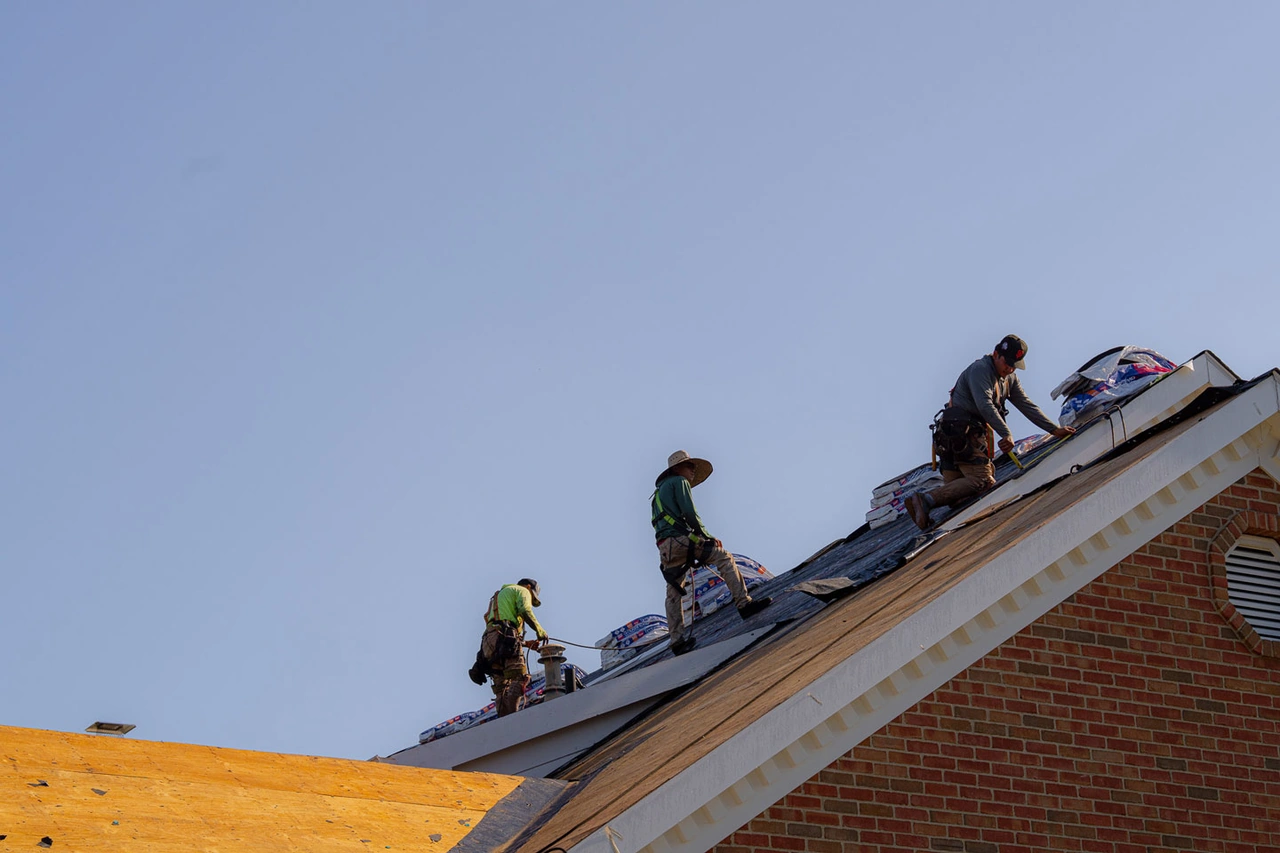
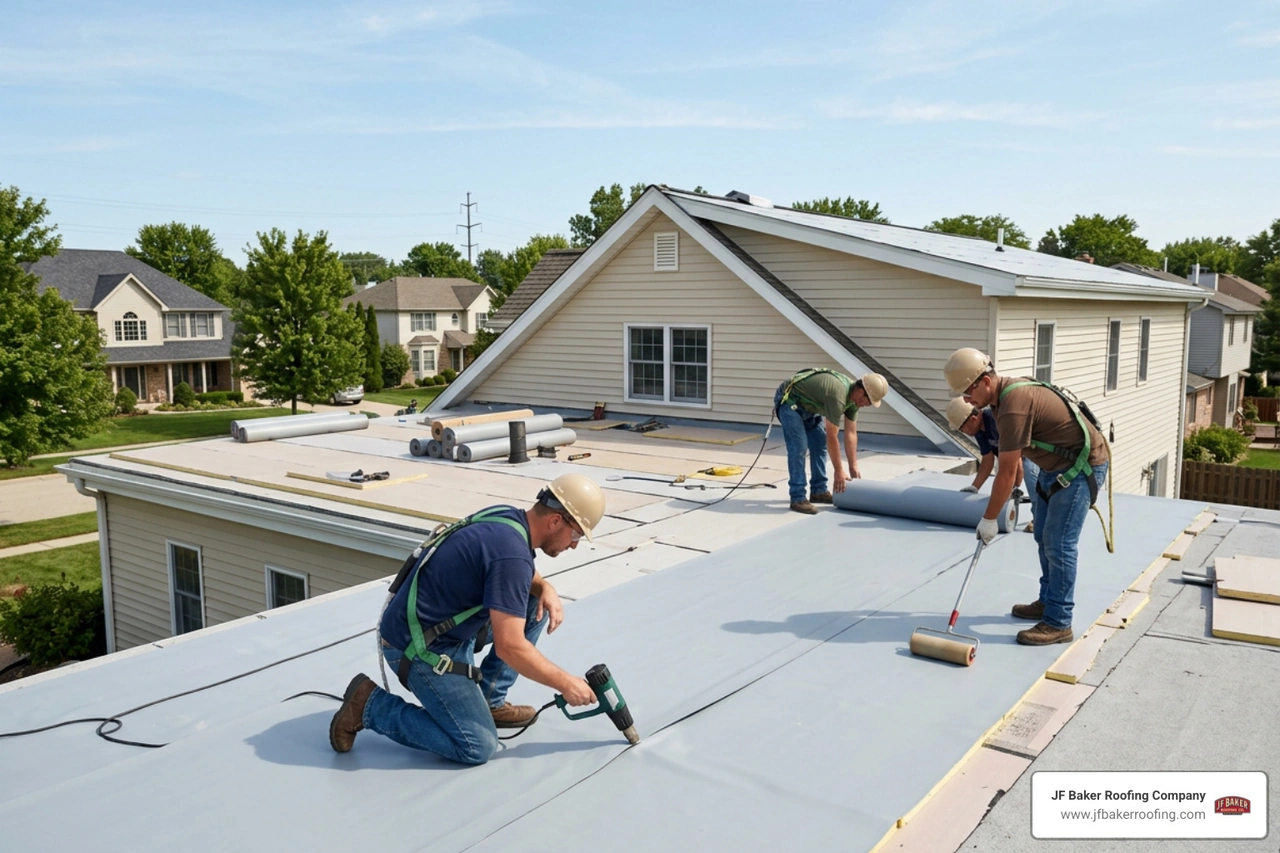
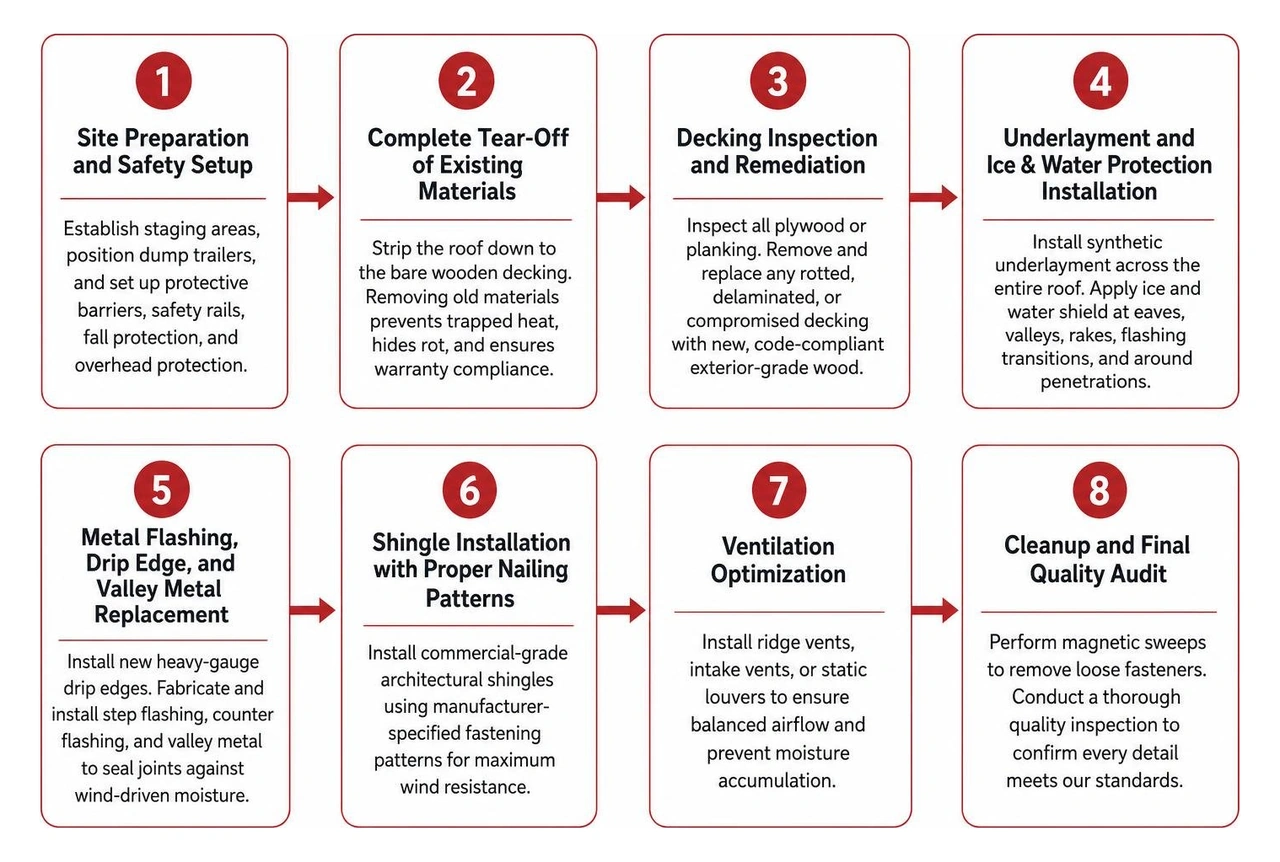
A commercial roofing project requires methodical execution, rigorous safety protocols, and strict adherence to local building codes. When our crews manage a project, we follow an organized, multi-step process designed to deliver durable protection with minimal interruption to your operations.
1. Site Preparation and Safety Setup
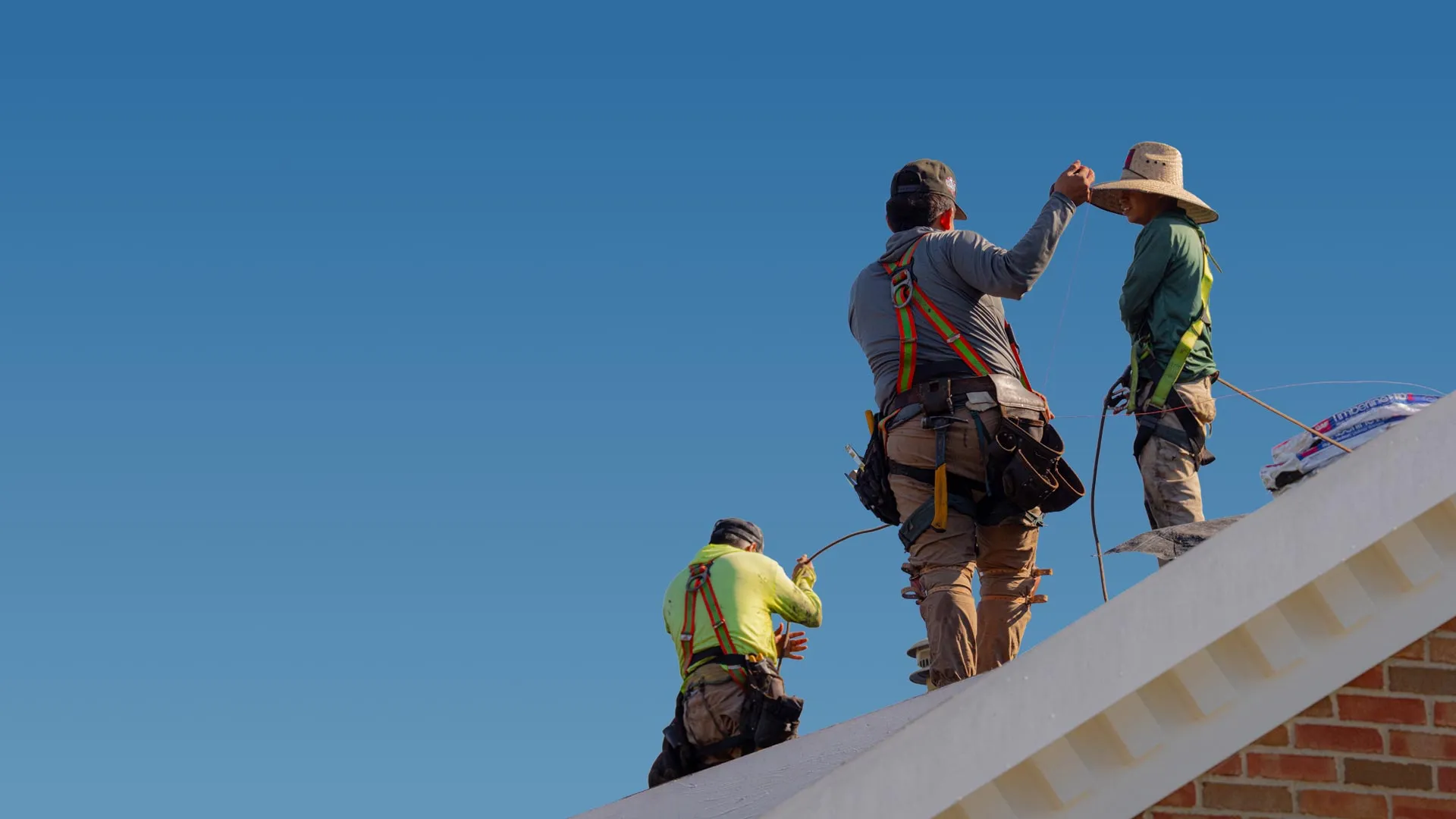
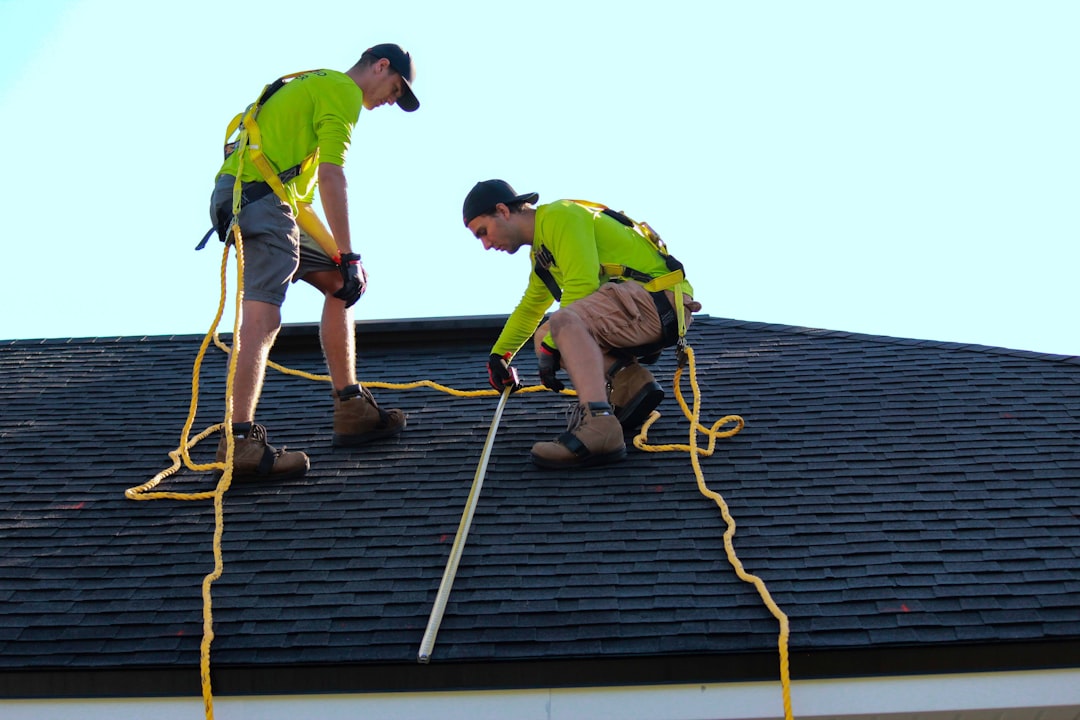
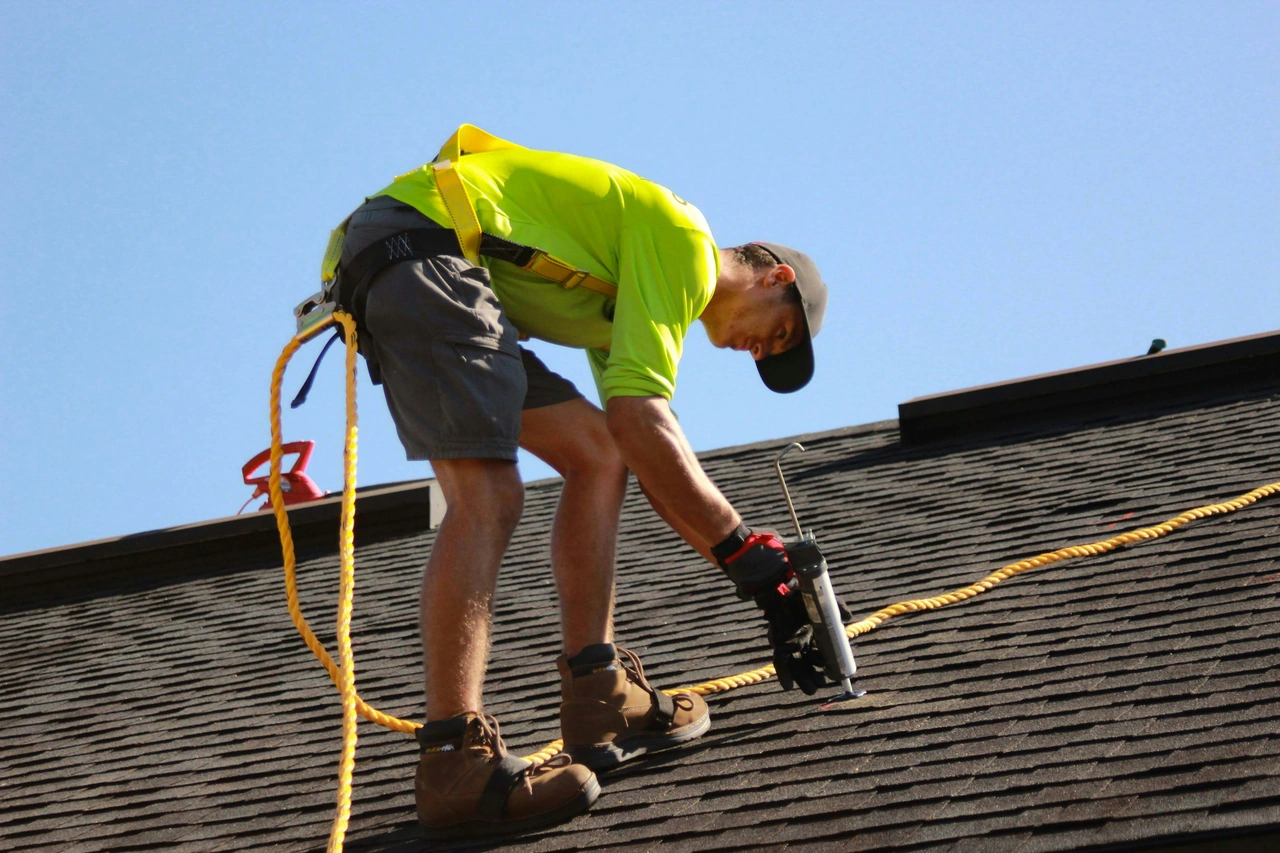
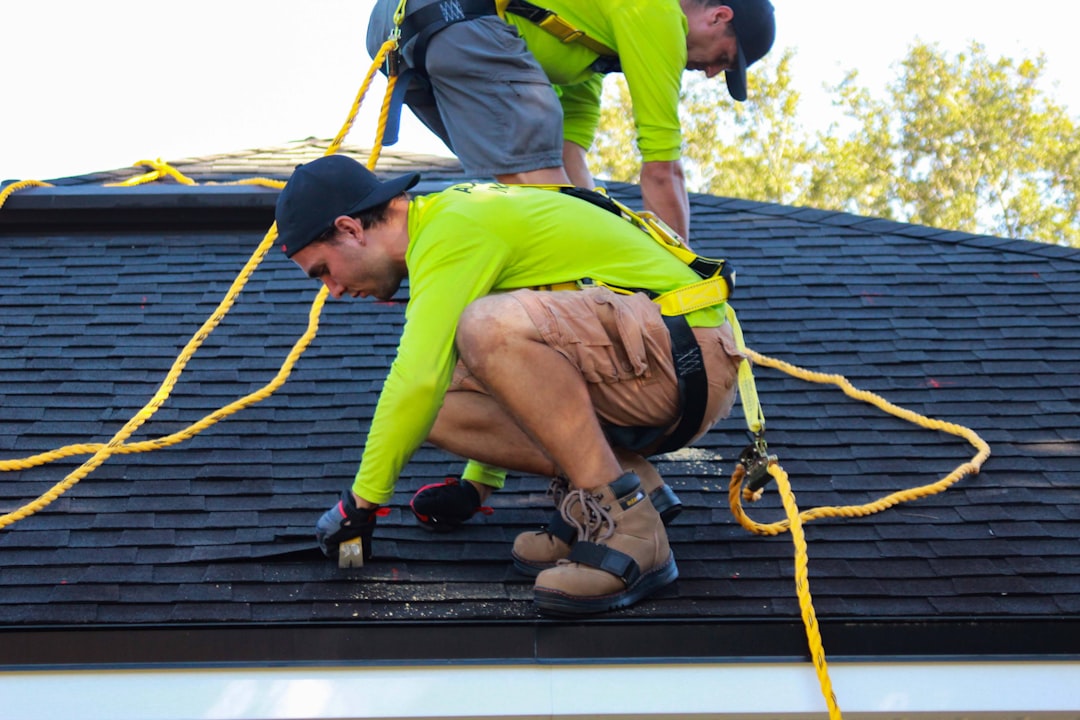
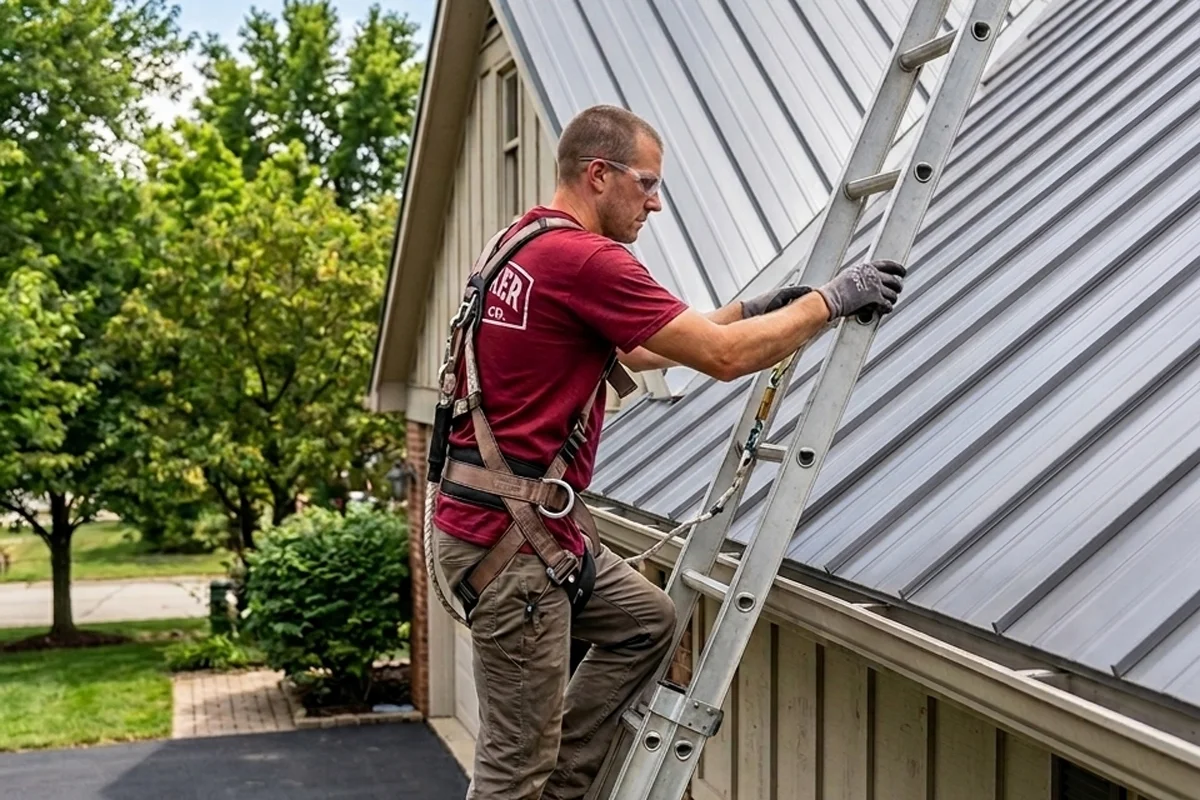
Before any tear-off begins, we establish dedicated staging areas, position dump trailers, and erect protective barriers around building entrances, walkways, and landscaping. Safety rails, fall-arrest harnesses, and overhead protection are deployed to protect tenants, visitors, and our crew members.
2. Complete Tear-Off of Existing Materials
We strip the roof down to the bare wooden decking. Tearing off old materials is vital because installing a new layer over old shingles traps heat, hides underlying rot, and violates many manufacturer warranty specifications.
3. Decking Inspection and Remediation
Once the wood deck is fully exposed, we inspect every sheet of plywood or planking. Any rotted, delaminated, or structurally compromised decking is removed and replaced with new, code-compliant exterior-grade wood to ensure a secure nailing surface.
4. Underlayment and Ice & Water Protection Installation
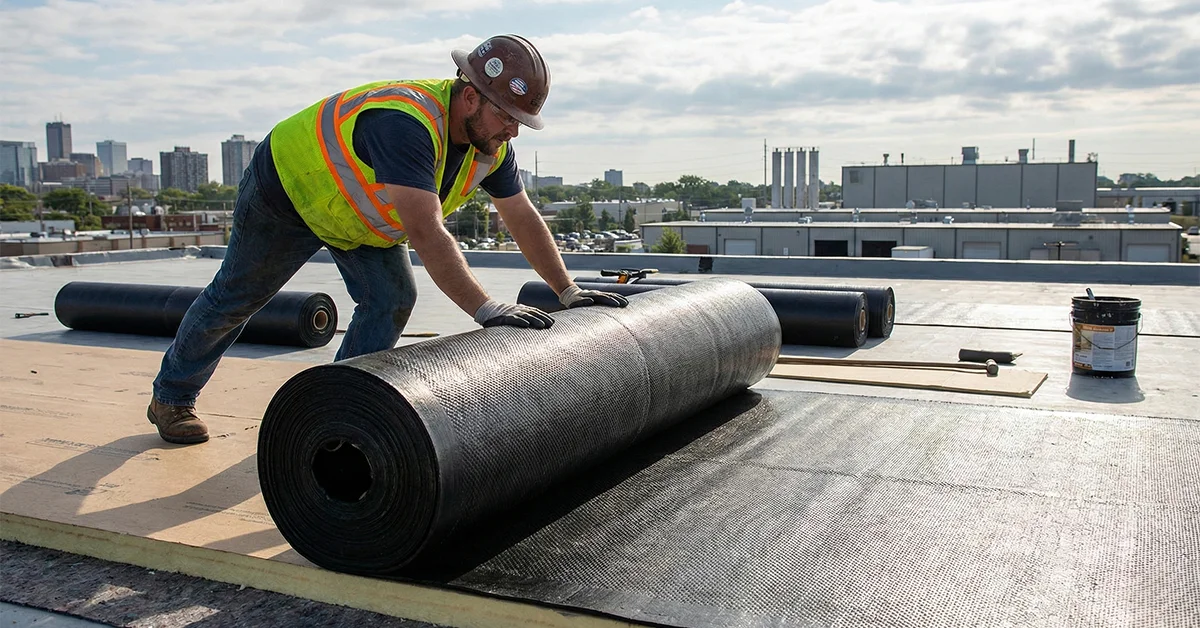
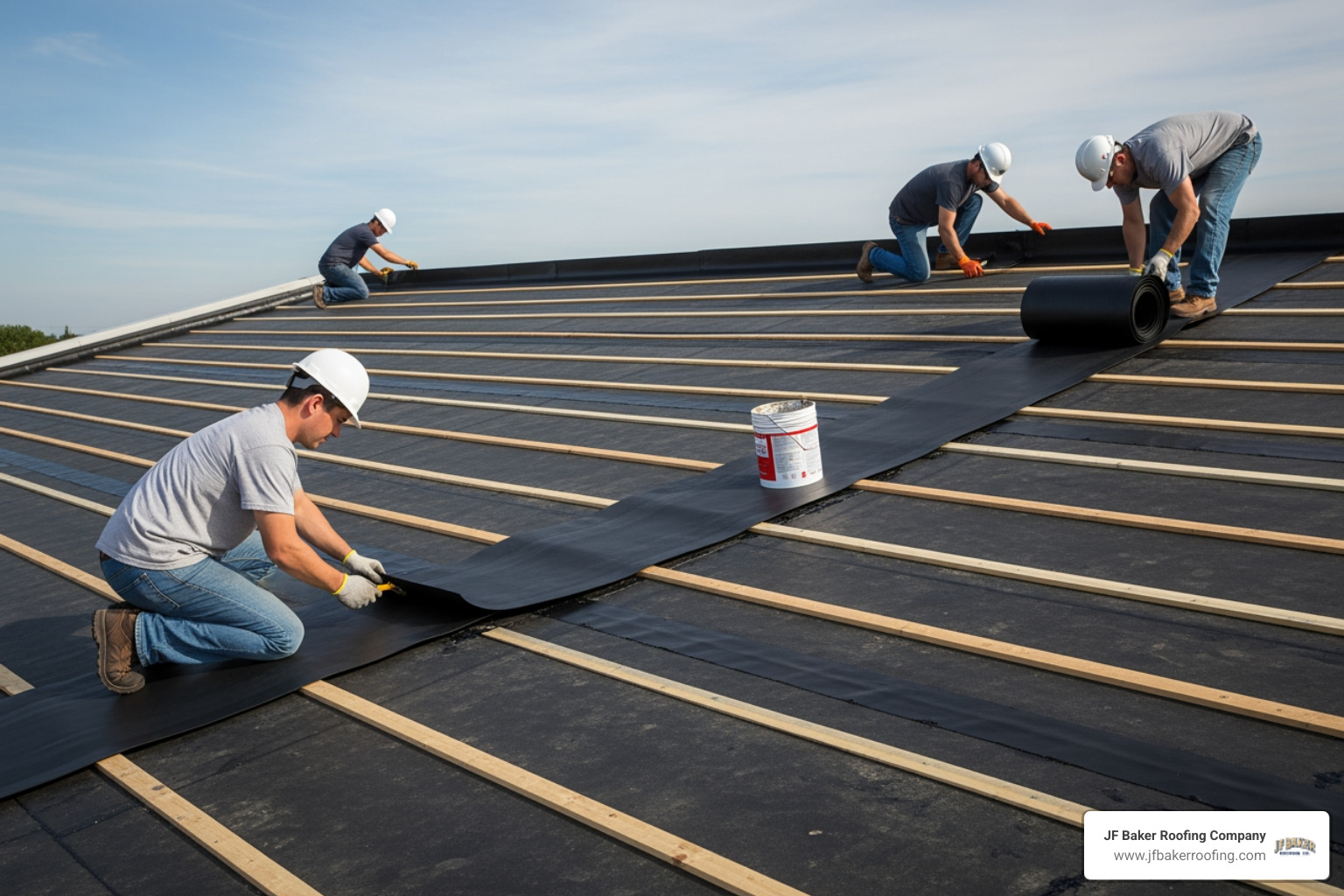
High-performance synthetic underlayment is rolled out across the entire roof surface, providing a durable secondary water barrier. Self-adhering ice and water shield membranes are applied along critical vulnerable points, including eaves, valleys, rakes, flashing transitions, and around rooftop penetrations.
5. Metal Flashing, Drip Edge, and Valley Metal Replacement
New heavy-gauge corrosion-resistant drip edges are installed along all roof perimeters to guide water directly into the gutters. We custom-fabricate and install step flashing, counter flashing, and valley metal to seal joints against wind-driven moisture.
6. Shingle Installation with Proper Nailing Patterns
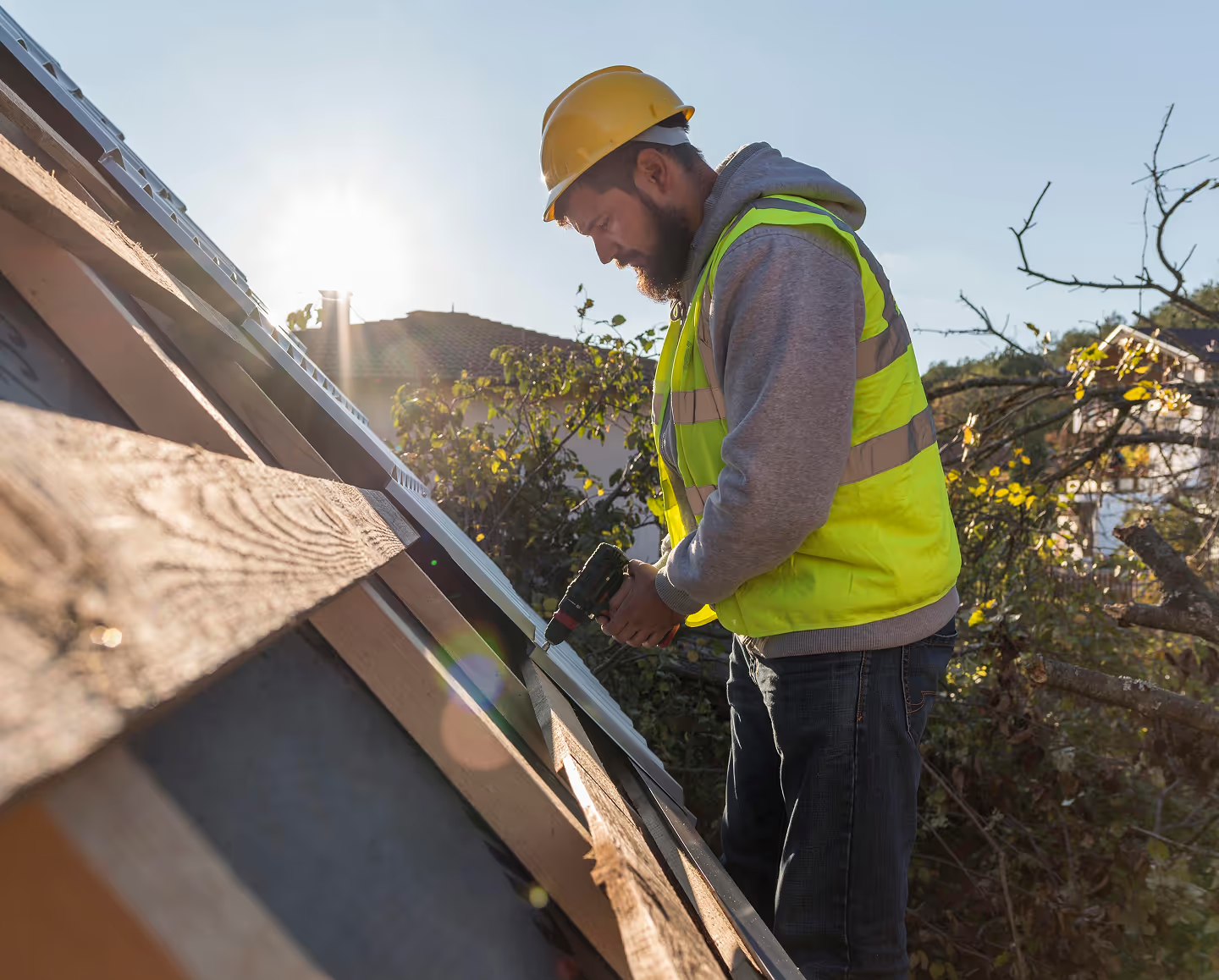
Our certified roofers install commercial-grade architectural shingles using manufacturer-specified fastening patterns. Correct nail placement, pneumatic pressure, and proper offset patterns prevent blow-offs during high-wind events.
7. Ventilation Optimization
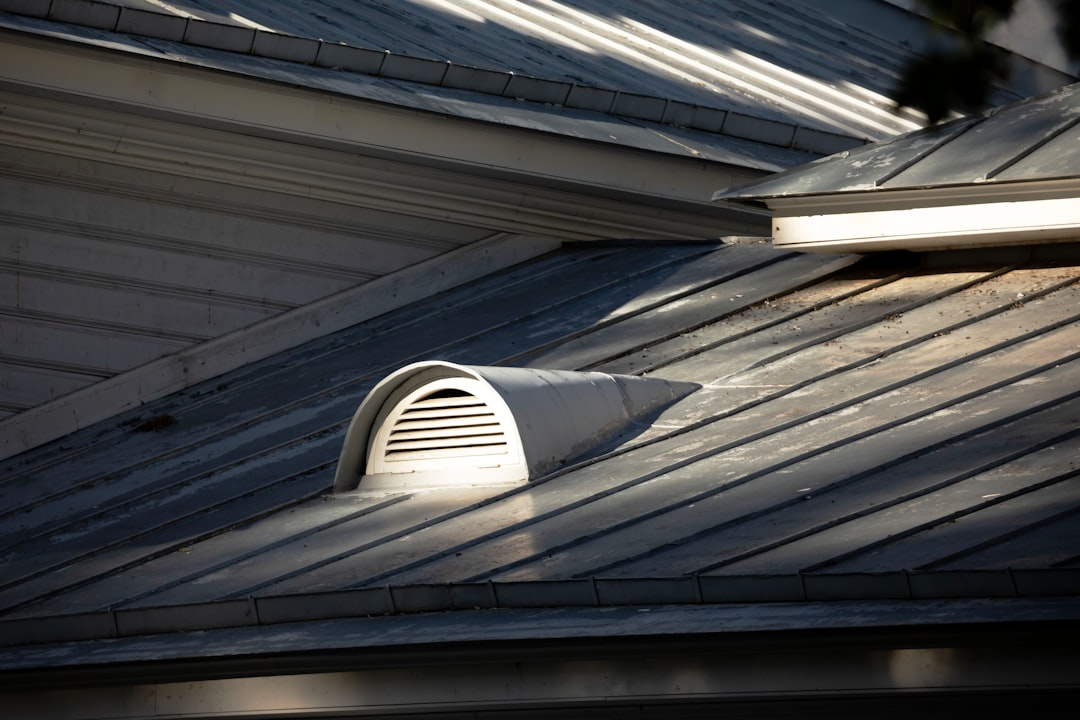
Balanced attic and deck ventilation is critical. We install modern ridge vents, intake vents, or static louvers to ensure consistent airflow, preventing moisture accumulation and extending the life of the shingle asphalt matrix.
8. Cleanup and Final Quality Audit
Our team runs continuous magnetic sweeps across parking lots, walkways, and lawns to collect loose fasteners. A thorough quality inspection confirms that every detail meets our high standards before we sign off on the project.
Working with a licensed insured roofing contractor ensures that your installation complies with all municipal building standards, safety regulations, and warranty registration protocols.
Commercial Shingle Material Options and Performance Profiles
Commercial facilities require durable shingle products that balance curb appeal, weather resistance, and life-cycle costs. Property owners can select from several commercial shingle categories based on their building architecture and aesthetic goals:
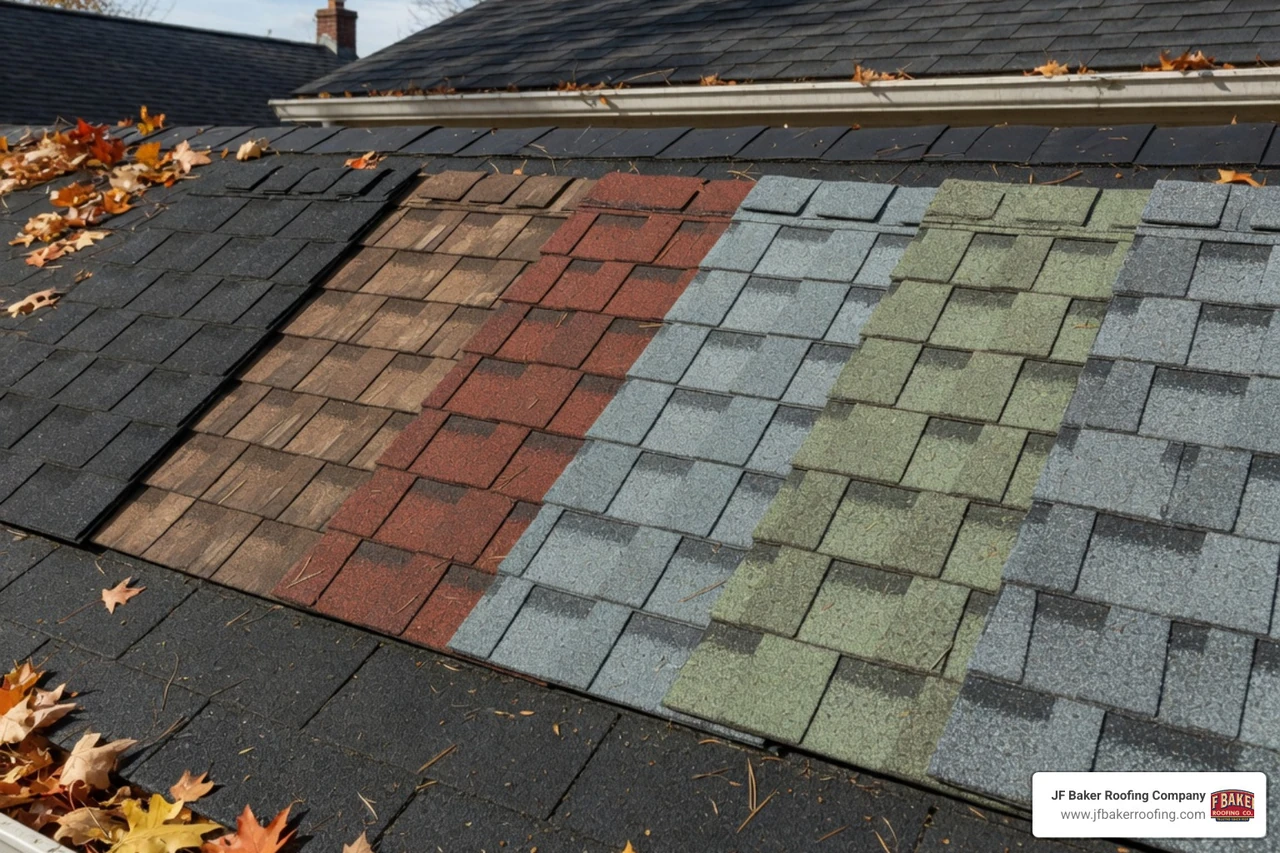
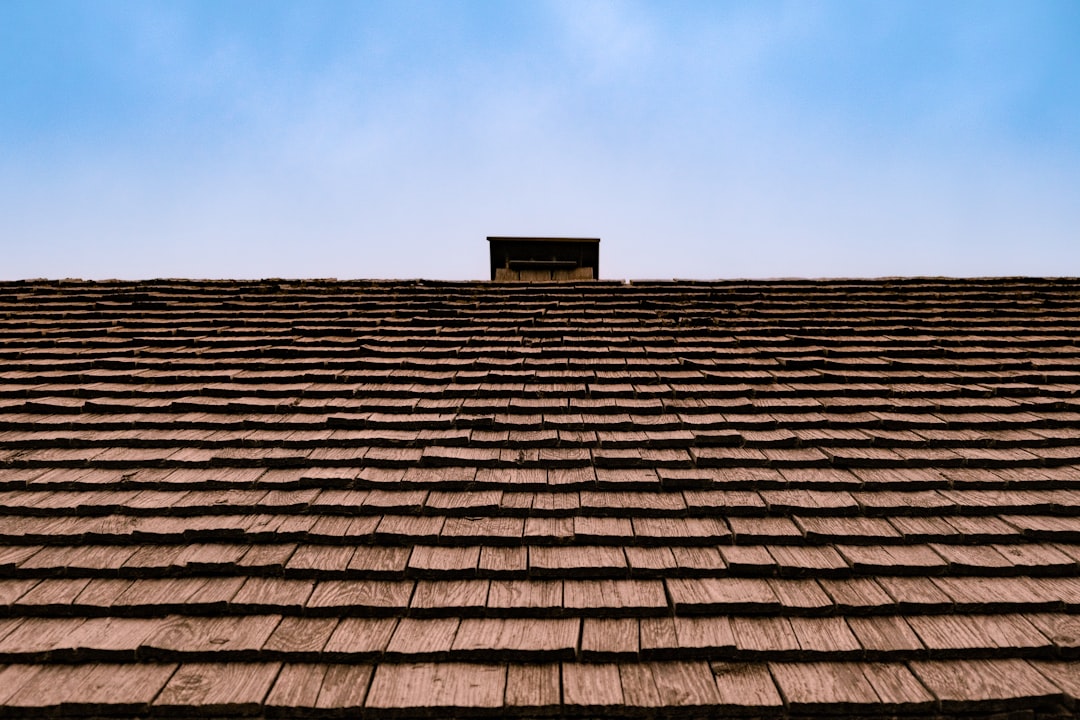
- Architectural (Laminated) Shingles: The standard choice for commercial steep-slope applications. These shingles feature multiple bonded layers of fiberglass and asphalt, offering superior dimensional depth, wind resistance up to 130 mph, and excellent durability.
- Impact-Resistant (Class 4) Shingles: Engineered with rubberized SBS (styrene-butadiene-styrene) polymers, Class 4 shingles are built to withstand severe hail impacts without cracking. Choosing impact-rated shingles can also help lower insurance premiums for commercial property owners.
- Designer / Luxury Shingles: For office parks, financial institutions, and high-end retail developments where exterior presentation matters, luxury shingles replicate the appearance of natural slate or cedar shakes while providing heavy-duty asphalt performance.
- Cool Roofing Shingles: Formulated with specialized reflective granules, cool shingles reflect solar radiation away from the roof surface, reducing urban heat island effects and cutting interior cooling loads during hot summer months.
When researching regional material options, property owners can review industry guidelines from the National Roofing Contractors Association to compare performance standards and product configurations.
Managing Timelines and Costs for Commercial Shingle Replacement Hilliard Projects
Planning a capital improvement project requires clear expectations regarding schedule and budget. The average commercial roof replacement in our region takes between 3 to 5 days for a standard-sized commercial building, though exact turnaround depends on total square footage, roof pitch, structural complexity, and weather conditions.
Several factors influence the overall investment required for a commercial shingle project:
- Total Roof Square Footage and Pitch: Larger footprints and steep slopes require additional staging, safety equipment, and labor hours.
- Decking Repairs: Replacing rotted plywood substrate uncovered during tear-off will adjust initial material requirements.
- Architectural Complexity: Multiple valleys, dormers, skylights, parapet walls, and HVAC units require detailed hand-flashing work.
- Selected Shingle Grade: Class 4 impact-resistant or designer luxury shingles carry higher initial material costs than standard architectural lines, though they offer longer warranties and improved durability.
- Access and Staging Constraints: Tight commercial properties with limited parking or zero lot lines require specialized debris handling and delivery logistics.
To plan your capital budgets effectively, review our breakdown on roof shingle installation cost to understand how different components shape the overall scope of work.
Minimizing Daily Business Disruption During Commercial Roofing Projects
Replacing a commercial roof should not bring your business operations to a halt. When property owners partner with an experienced commercial roofing contractor columbus, proactive site management keeps your tenants, employees, and customers safe while maintaining normal daily business routines.
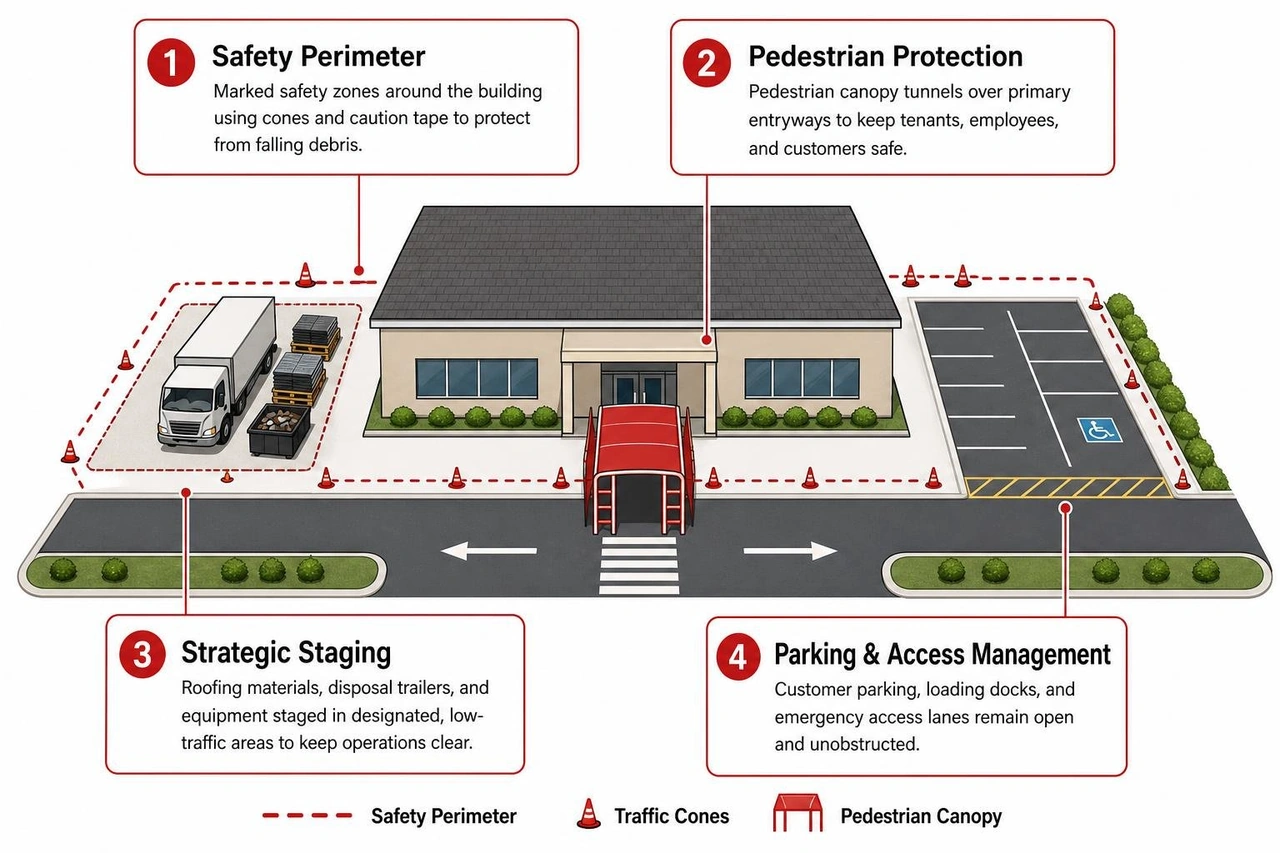
Safety Perimeters and Pedestrian Protection
We establish marked safety zones around the building perimeter using safety cones, caution tape, and pedestrian canopy tunnels over primary customer entryways. This ensures zero risk from falling debris during the tear-off phase.
Strategic Staging and Parking Management
Roofing materials, disposal trailers, and heavy equipment are staged in designated, low-traffic areas of your property. We coordinate with facility managers ahead of time to keep customer parking spaces, loading docks, and emergency access lanes open.
Proactive Tenant and Customer Communication
Clear communication prevents frustration. We provide facility management with detailed project timelines and daily schedules. This allows you to notify tenants and staff in advance regarding planned work zones, material deliveries, and noise expectations.
Worksite Cleanliness and Magnet Sweeps
A clean worksite is a safe worksite. Our crews clean up continuously throughout the day, bagging loose debris and operating industrial magnetic sweepers across parking lots and walkways to collect stray nails before vehicles drive over them.
Flexible Working Hours
For medical facilities, professional offices, or retail centers that require quiet environments during regular business hours, we offer flexible scheduling options, including early morning, evening, or weekend work shifts to keep disturbances to a minimum.
Frequently Asked Questions About Commercial Shingle Replacement
How long does a commercial shingle replacement take?
For a standard commercial building (such as a single-story professional office, strip retail center, or multi-family building), a complete shingle replacement typically takes 3 to 5 business days. Larger facilities, multi-building complexes, or roofs with complex architectural features may take longer. Weather delays can occasionally affect the schedule, but professional crews stage tear-offs in manageable sections so the building remains watertight every evening.
How does severe weather affect commercial shingle roofs?
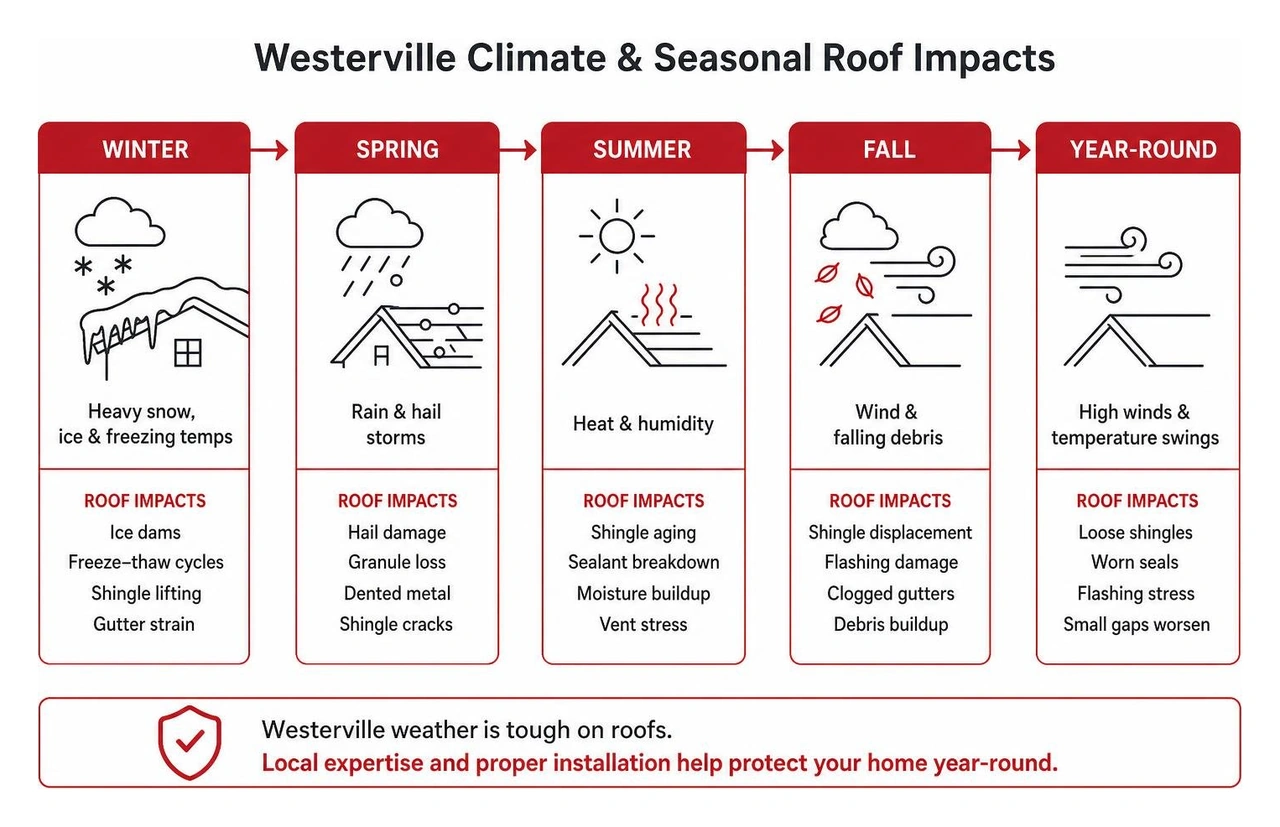
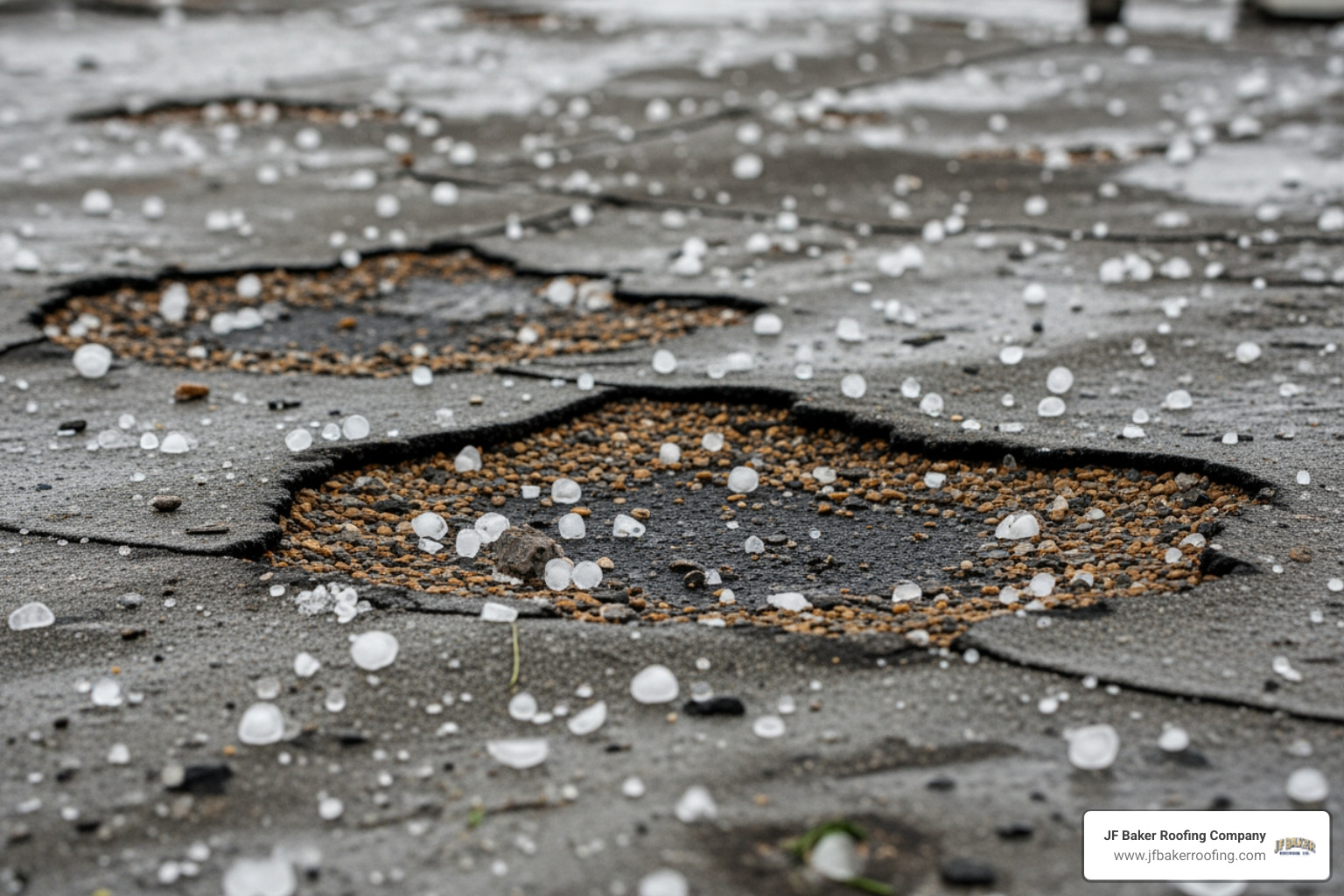
High wind gusts can lift unsealed shingle tabs, breaking the thermal sealant bond and allowing rain to blow beneath the shingles. Hail strikes can fracture the protective fiberglass mat or dislodge granules, exposing asphalt to rapid deterioration. Furthermore, seasonal freeze-thaw cycles expand trapped water under flashing, widening seams over time. When severe weather causes sudden leaks, our commercial emergency roofing whitehall team provides prompt temporary tarping and emergency stabilization to secure the structure.
How can businesses maintain their new shingle roof to maximize lifespan?
To get the longest life out of your new roofing system, implement a structured preventive maintenance routine:
- Bi-Annual Inspections: Inspect your roof every spring and fall to check flashing, sealants, and drainage systems.
- Clear Gutters and Downspouts: Keep drainage paths clear of leaves, twigs, and debris to prevent water from backing up under the eaves.
- Trim Overhanging Tree Branches: Keep nearby trees trimmed back to prevent physical abrasion from limbs and reduce organic litter accumulation.
- Monitor Rooftop Mechanical Service: Ensure HVAC technicians do not puncture or drop heavy equipment on roof shingles during routine mechanical servicing.
- Maintain Detailed Service Records: Keep documented logs of all inspections, repairs, and cleanings to support manufacturer warranty requirements.
For additional maintenance insights and best practices, check out our residential shingle roofing ohio guide 2026.
Conclusion
A commercial roof replacement is a vital investment in your property's safety, efficiency, and long-term asset value. Ignoring worn shingles, recurring leaks, or aging underlayment only leads to costly structural damage and unnecessary operational headaches. By choosing durable materials and proven installation practices, you protect your building for decades to come.
Three generations of Central Ohio roofing experience guide everything we do. At JF Baker Roofing, we have been serving commercial and residential clients throughout Columbus, Hilliard, Dublin, Upper Arlington, Grandview Heights, Worthington, and Westerville since 1929. Led by third-generation owners Chad and Pat Baker, our team is built on integrity and proven by performance.
We are a CertainTeed ShingleMaster Preferred Contractor, an active NRCA member, and a BBB Accredited Business with an A+ rating. Whether you need complete commercial roofing, roof repair, storm damage repairs, gutter installation, or custom sheet metal work, we provide honest assessments with no high-pressure sales tactics. We stand behind every roof we install, recommending repairs when possible and replacement only when it is genuinely needed.
If you have questions about the condition of your commercial roof or want to explore your replacement options, let our reputation be your security. Reach out to our team at JF Baker Roofing today to schedule a comprehensive roof assessment.


.jpeg)