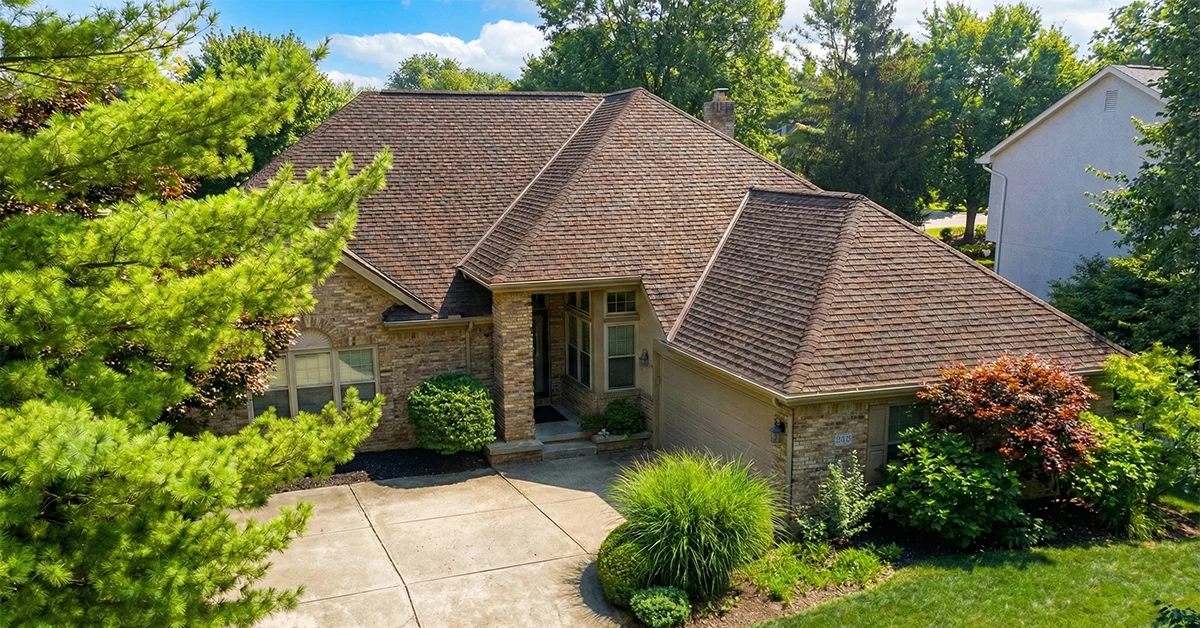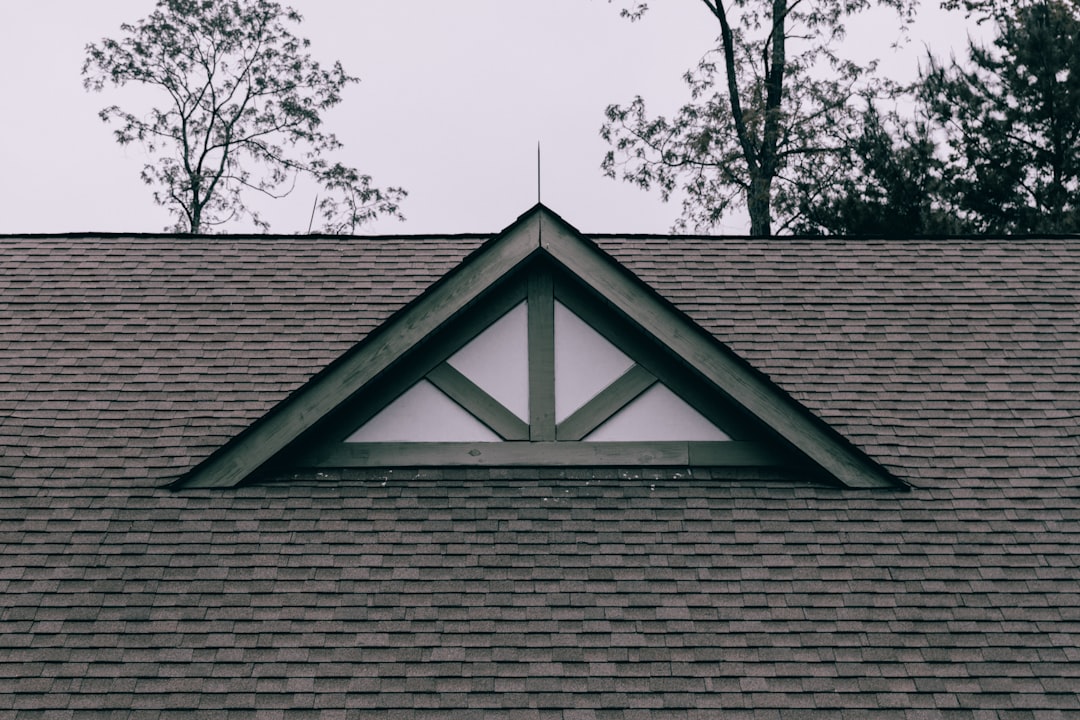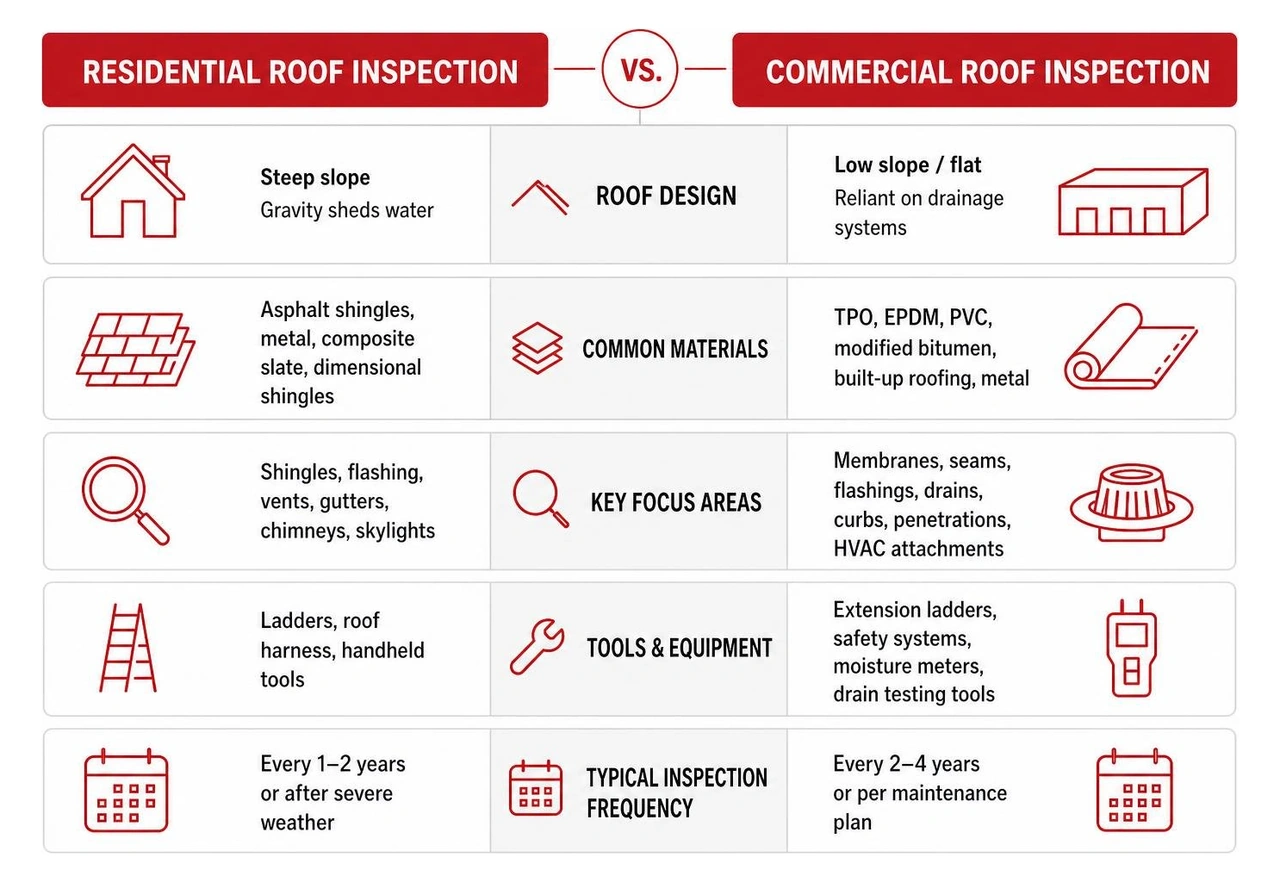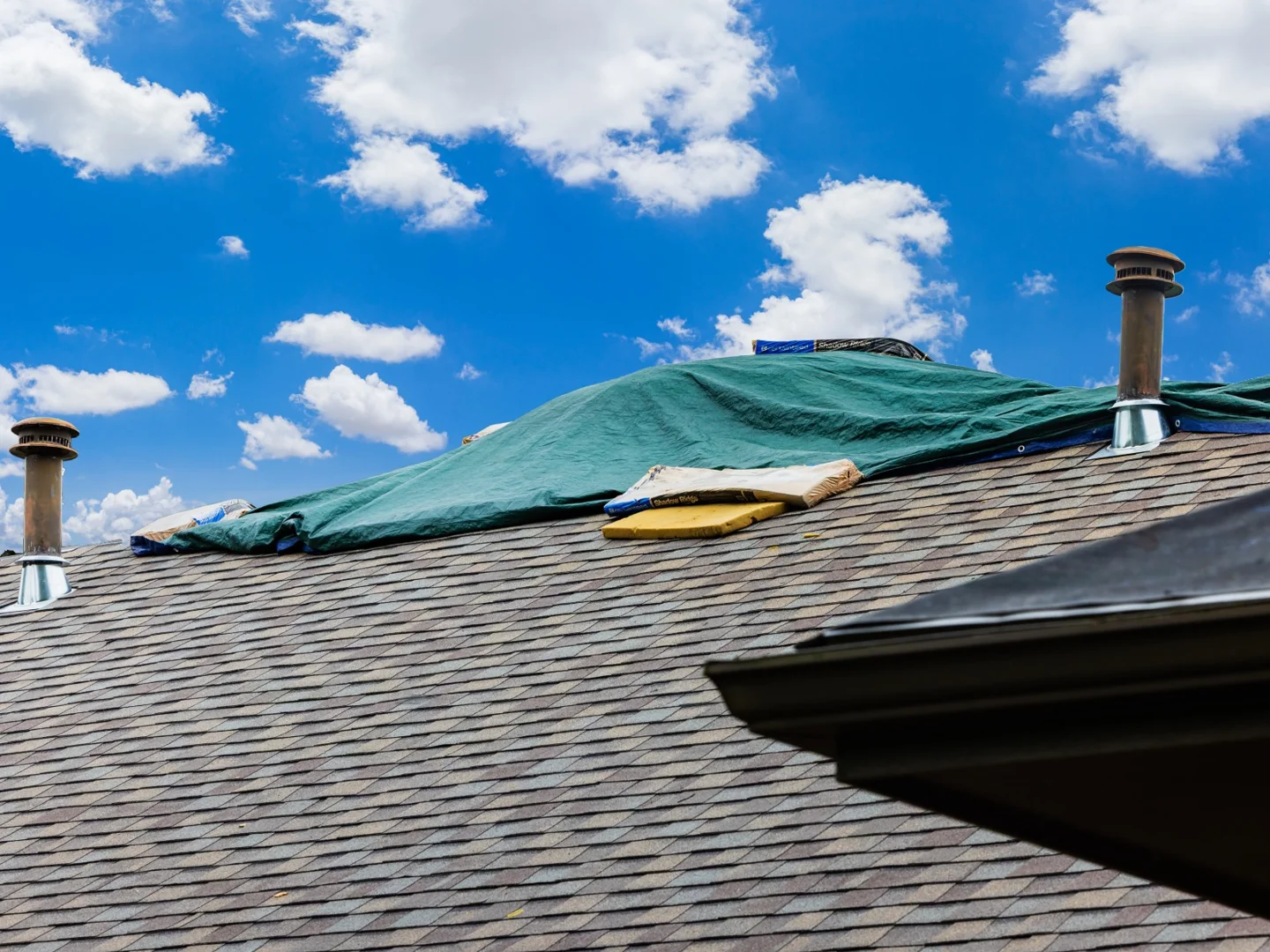
The Complete Guide to Roof Shingle Installation Cost Estimates
What Shapes Roof Shingle Installation Cost?
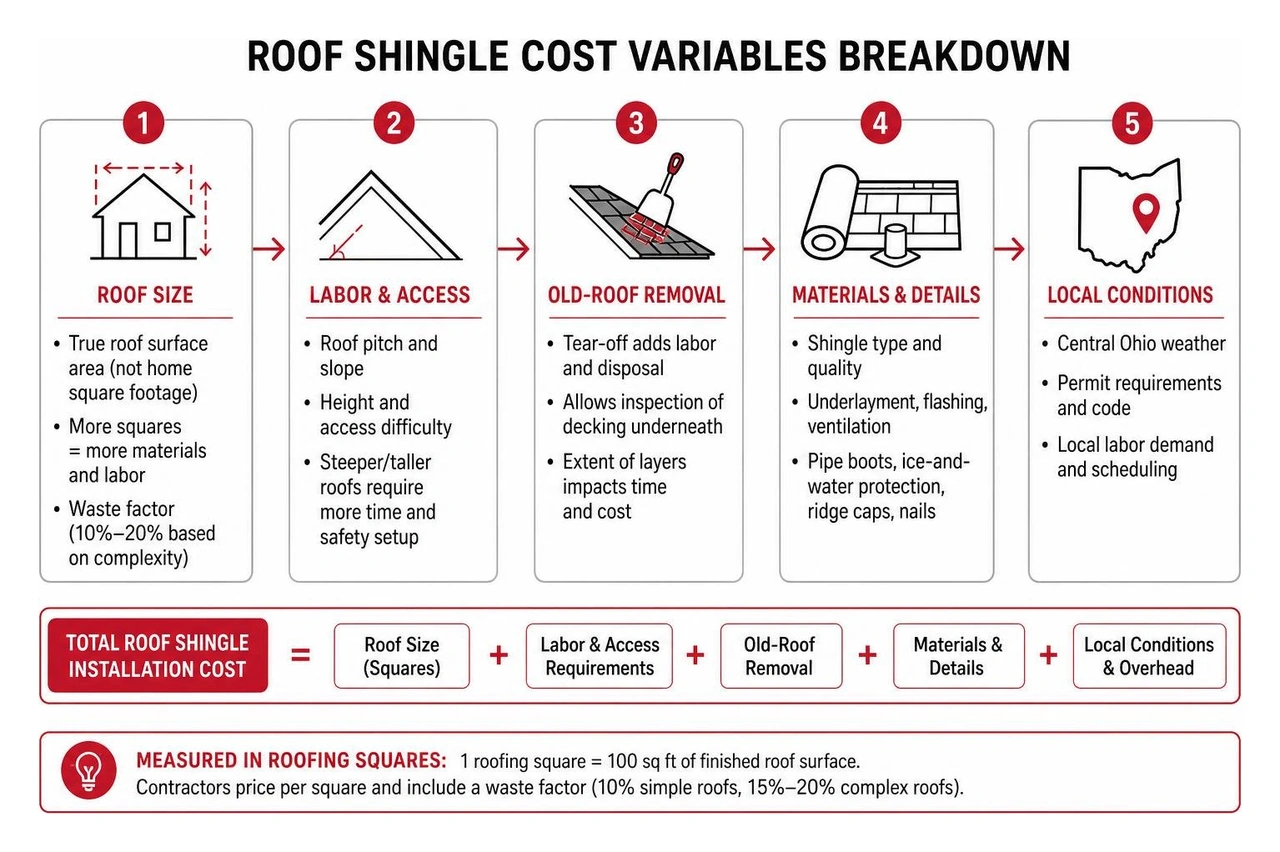
Roof shingle installation cost depends on the true roof surface area, shingle type, labor needs, roof pitch, tear-off requirements, and the condition of the decking beneath the old roof.
For a quick estimate, focus on these parts of the quote:
- Roof size: Roofing is measured by surface area, not just the home's square footage.
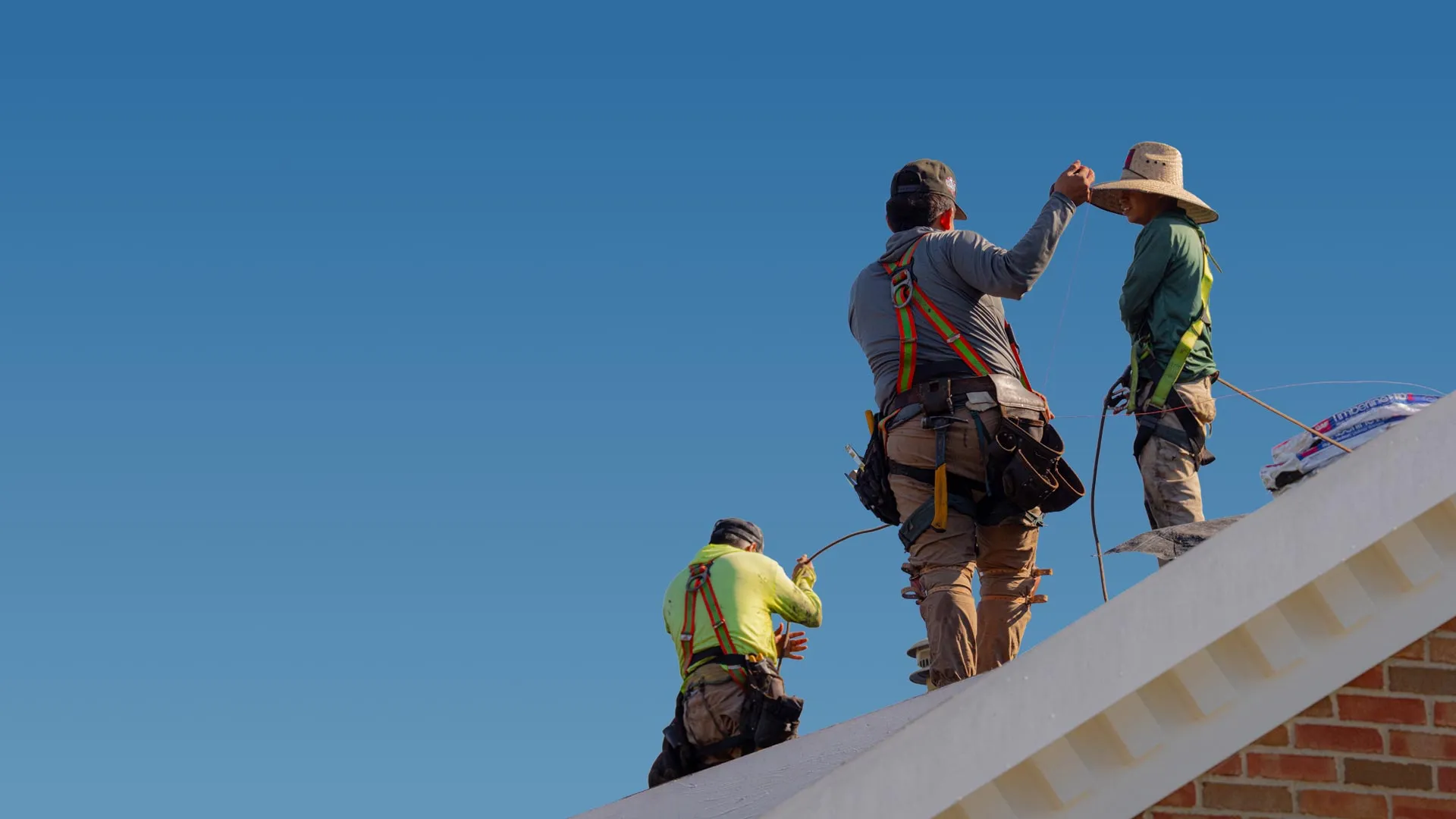
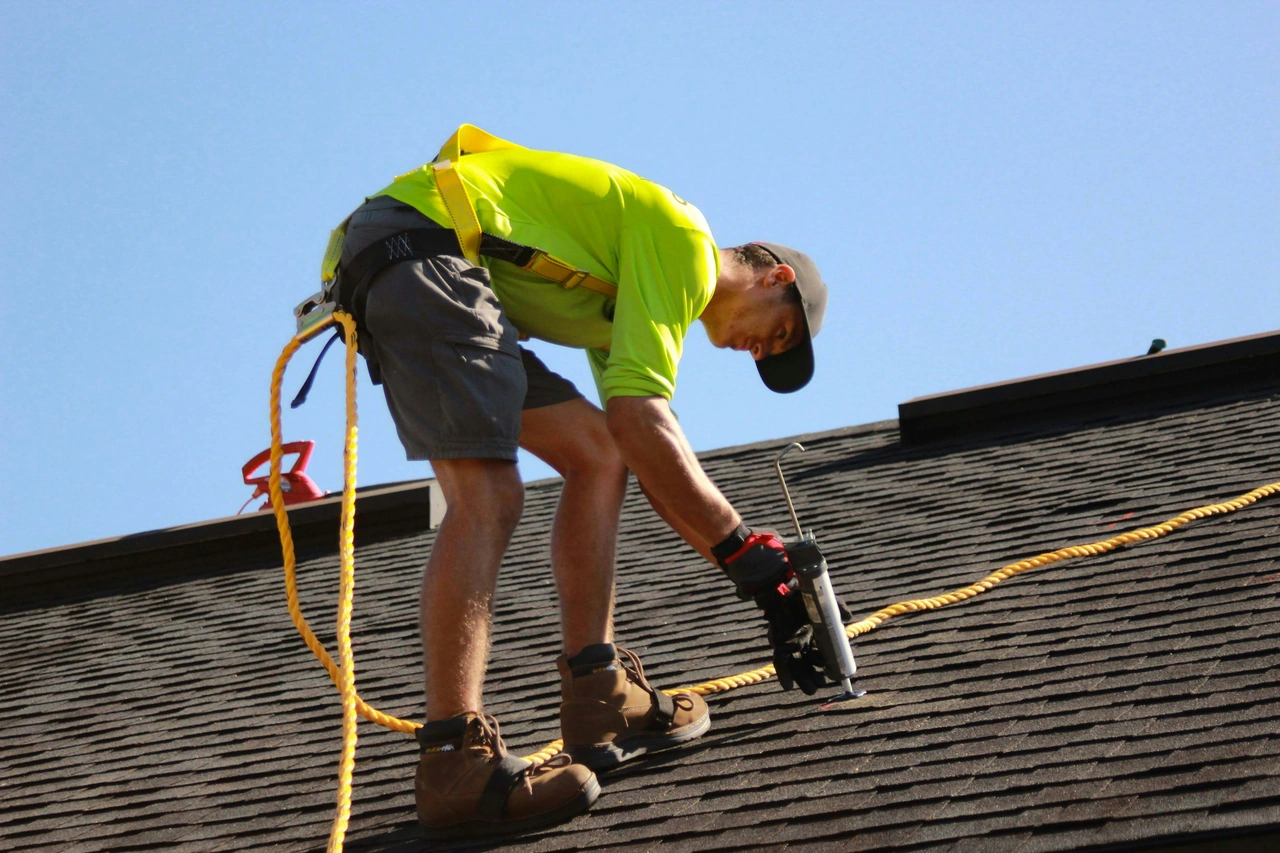
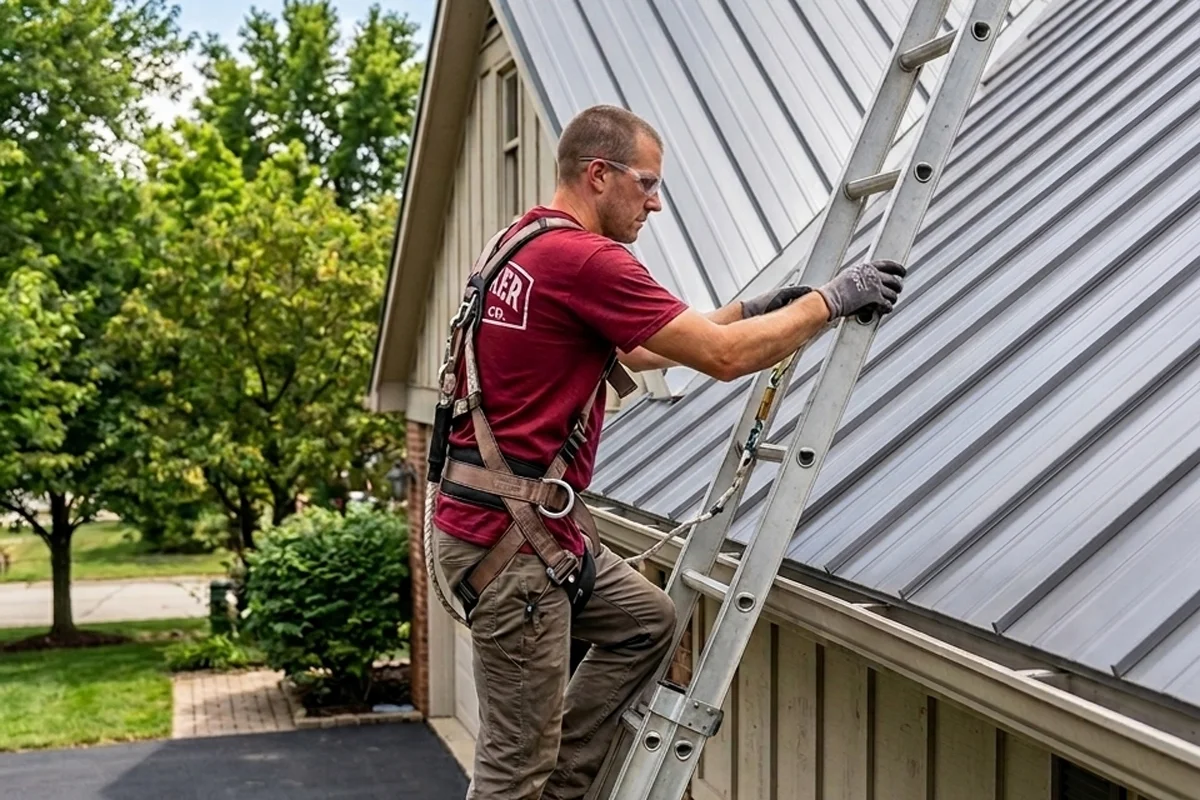
- Labor and access: Steep, tall, or complex roofs take more time and safety setup.
- Old-roof removal: A tear-off adds work and disposal but lets the crew inspect the deck.
- Materials and details: Underlayment, flashing, ventilation, pipe boots, and ice-and-water protection all matter.
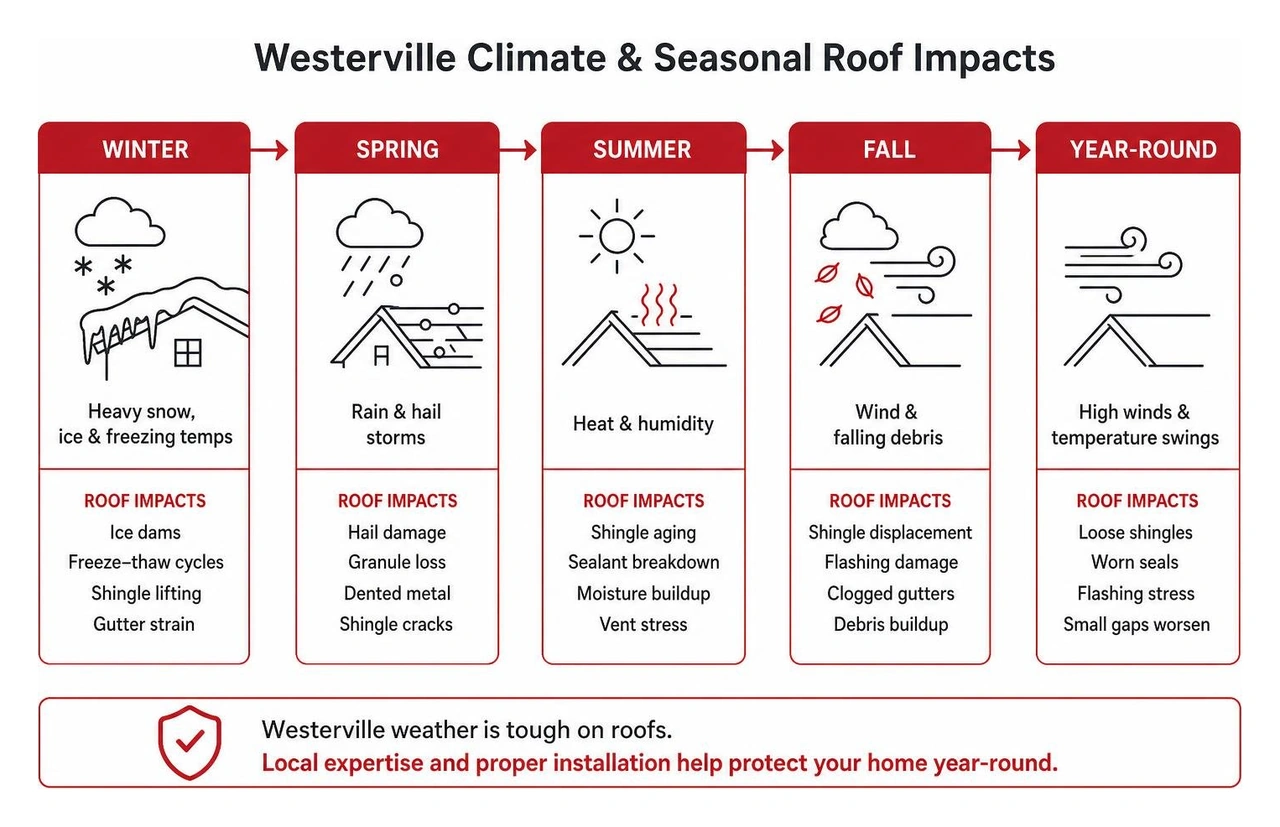
- Local conditions: Central Ohio weather, permit rules, and local labor demand can affect the final scope.
At JF Baker Roofing, we provide honest assessments, transparent pricing, clean job sites, clear communication, and no high-pressure sales tactics. We recommend repairs when possible and replacement only when it is genuinely needed. Trusted since 1929, our family-owned team serves residential and commercial clients across Columbus, Dublin, Upper Arlington, Hilliard, Grandview Heights, Worthington, Westerville, and surrounding Central Ohio communities.
JF Baker Roofing is a CertainTeed ShingleMaster Preferred Contractor, an NRCA member, and a BBB Accredited Business with an A+ rating. Our services include residential roofing, commercial roofing, roof repair, roof replacement, storm damage roofing, gutter installation and repair, and sheet metal work.
I’m Chad M. Baker, a third-generation owner alongside Pat Baker, and the next section will help you understand the factors that shape a clear, fair roofing estimate.
Key Factors Driving Total Roof Shingle Installation Cost
When evaluating an estimate for your home, understanding how contractors calculate expenses helps clear up confusion. Every roof is unique, and two homes with identical ground-floor footprints can have vastly different total project budgets. The overall roof shingle installation cost is shaped by a mix of physical home characteristics, material grades, and labor requirements.
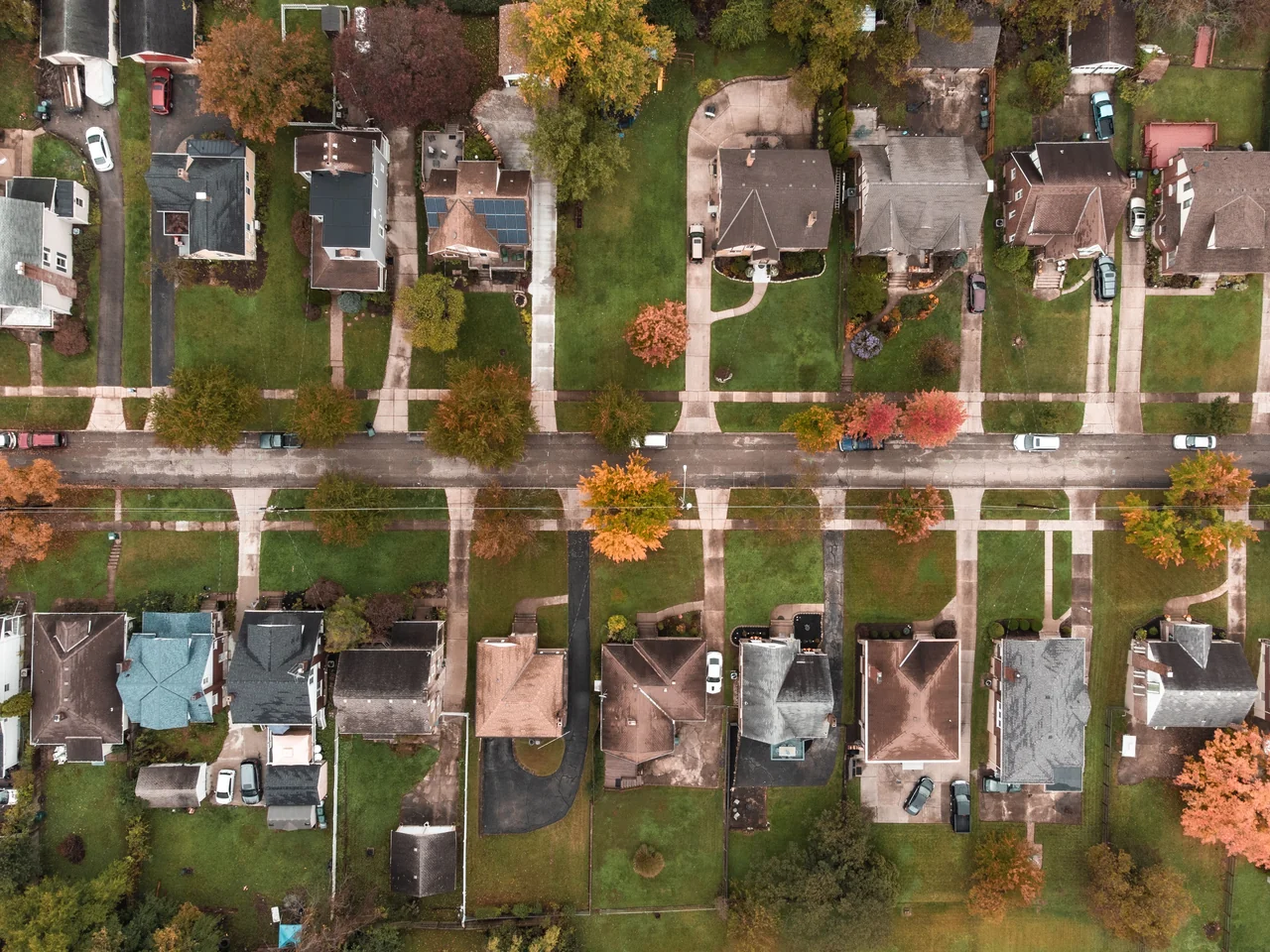
The primary element is true surface area. Roof surface area differs from interior floor space because slope, eaves, and architectural geometry expand the total plane that needs covering. Understanding the average cost of roof replacement per square foot starts with measuring this sloped surface area rather than looking strictly at living space dimensions.
Key variables driving your installation estimate include:
- Overall roof size and geometric layout: More surface area requires more bundles of shingles, extra coils of nails, and additional labor hours.
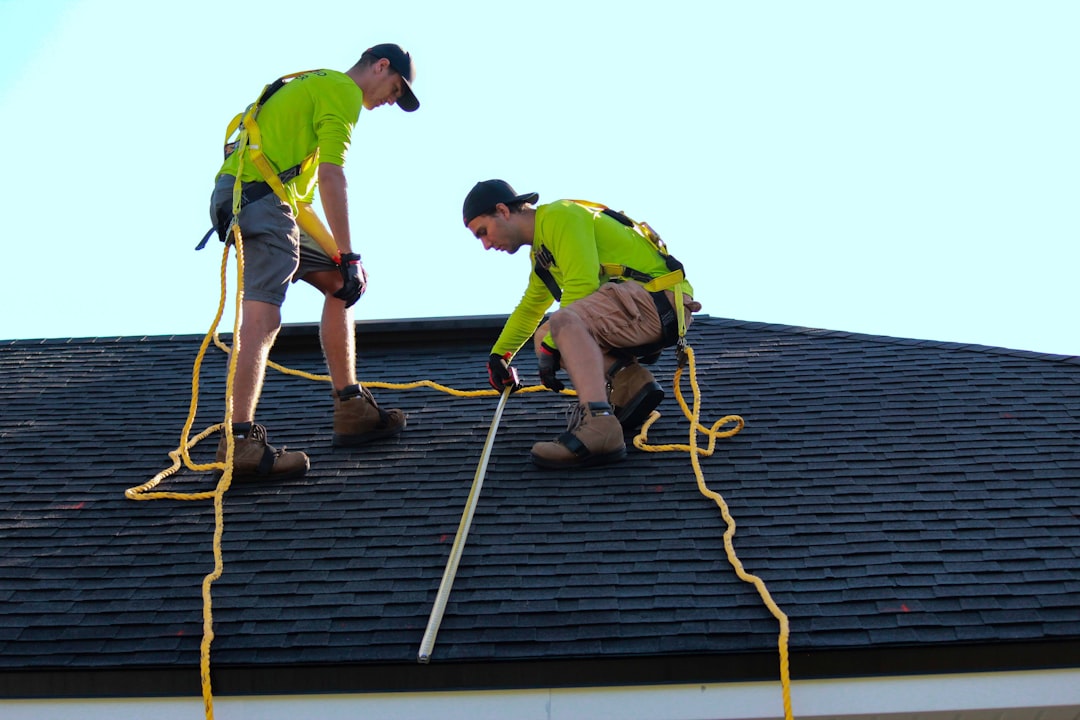
- Pitch and slope multipliers: A low-slope roof is simple to walk on, whereas steep pitches require scaffolding, safety harnesses, and slower, more deliberate work.
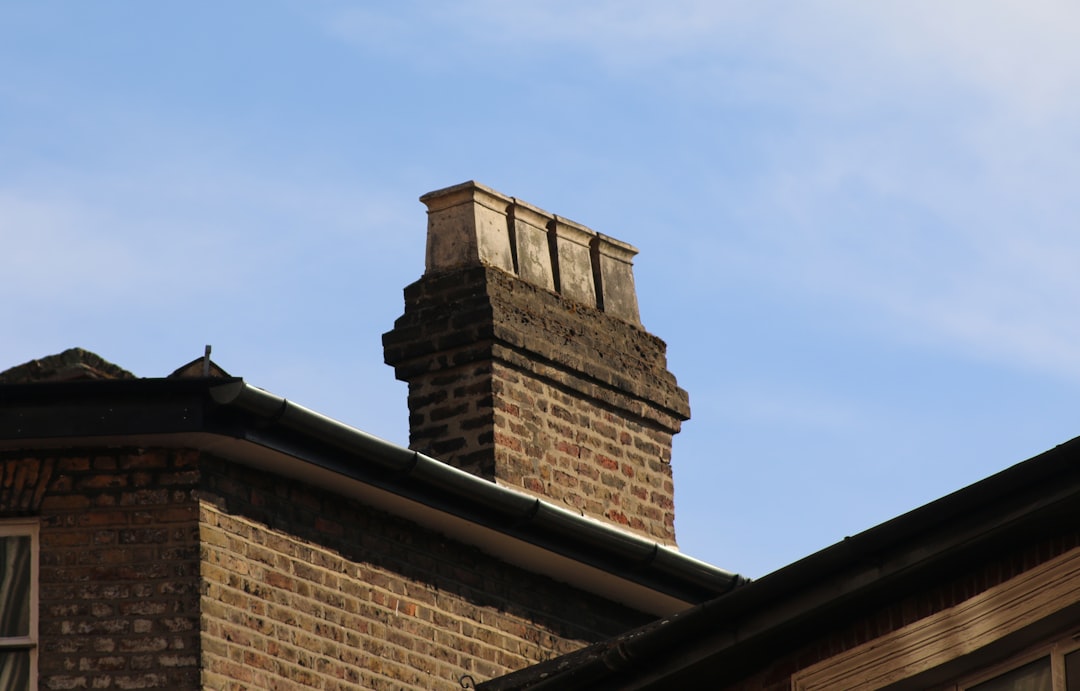
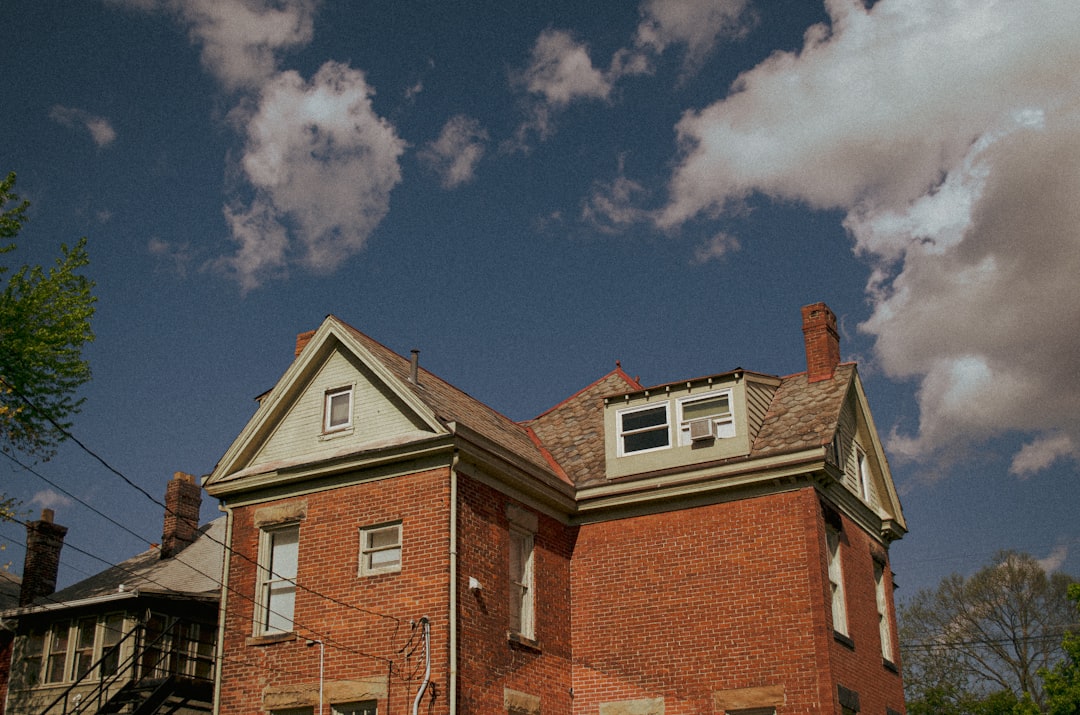
- Roof complexity: Valleys, dormers, sidewalls, skylights, and multiple chimneys require precise flashing cuts, custom bending, and extra sealing work.
- Regional labor dynamics: Trade demand, local licensing requirements, and weather conditions across Central Ohio influence crew rates and scheduling.
Average Roof Shingle Installation Cost per Square Foot
In the roofing trade, projects are commonly estimated using "roofing squares." A single roofing square represents 100 square feet of finished roof surface. Contractors use per-square unit pricing to bundle material expenses, basic labor, crew setup, and hardware requirements into a consistent baseline metric.
When contractors calculate per-square costs, they must include a "waste factor." Roofing materials are sold in full bundles, and fitting shingles around hips, valleys, gables, and ridge lines results in trimmed waste. Simple gable roofs usually carry a 10% waste factor, whereas complex roofs with multiple hips, valleys, and dormers require a 15% to 20% waste factor to ensure complete coverage without material shortages. Referencing a comprehensive Asphalt Shingle Roof Cost 2026 Pricing Guide can help homeowners contextualize how material tiers and labor variables blend into total per-square units.
Estimating Overall Roof Shingle Installation Cost for a 2,000 Sq Ft Home
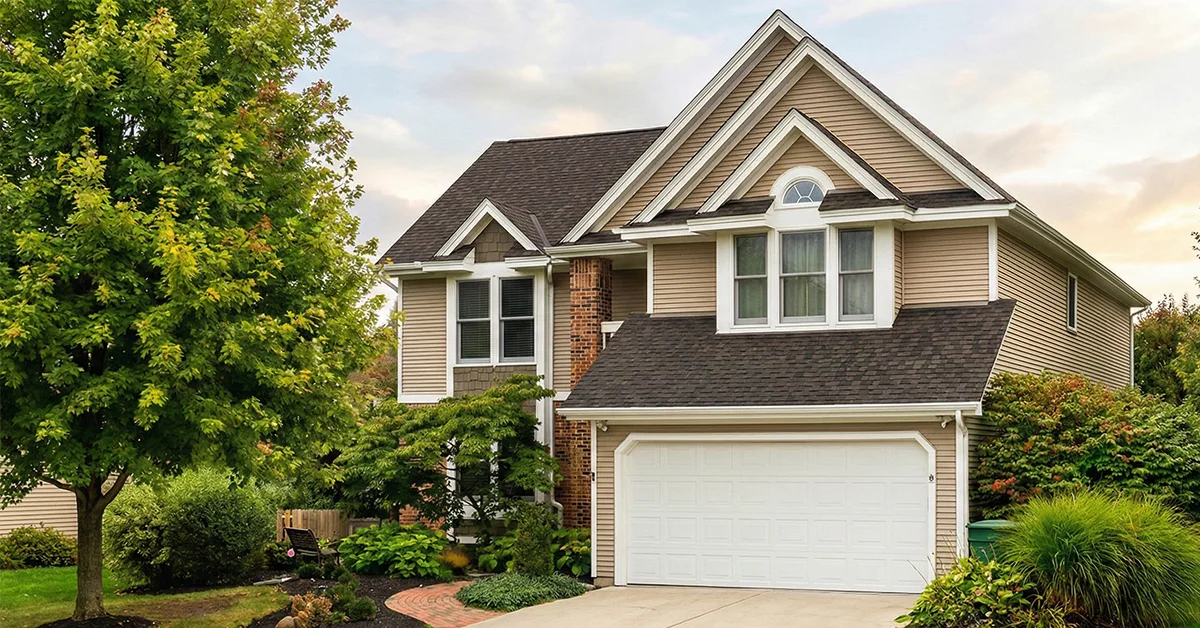
To visualize how these calculations work on a real home, consider a standard single-family property with a 2,000 square foot floor footprint. A home of this size does not simply take 20 squares of roofing material. Factors like roof slope, garage coverage, and porch overhangs expand the actual roof surface area to roughly 22 to 26 squares.
When estimating the total investment for a 2,000 square foot home footprint, homeowners should account for:
- Actual surface square count: Applying pitch multipliers converts floor dimensions into true sloped surface area.
- Waste allowance: Adding 10% to 15% extra material ensures consistent dye-lot matches across all hips and valleys.
- Component bundles: Beyond shingles, estimates cover underlayment, drip edges, ridge caps, starter strips, and ice-and-water shields.
- Decking contingency buffer: Setting aside a small emergency reserve funds potential sheet replacement if damaged plywood is uncovered during tear-off.
Shingle Roof Replacement Cost by Material Tier
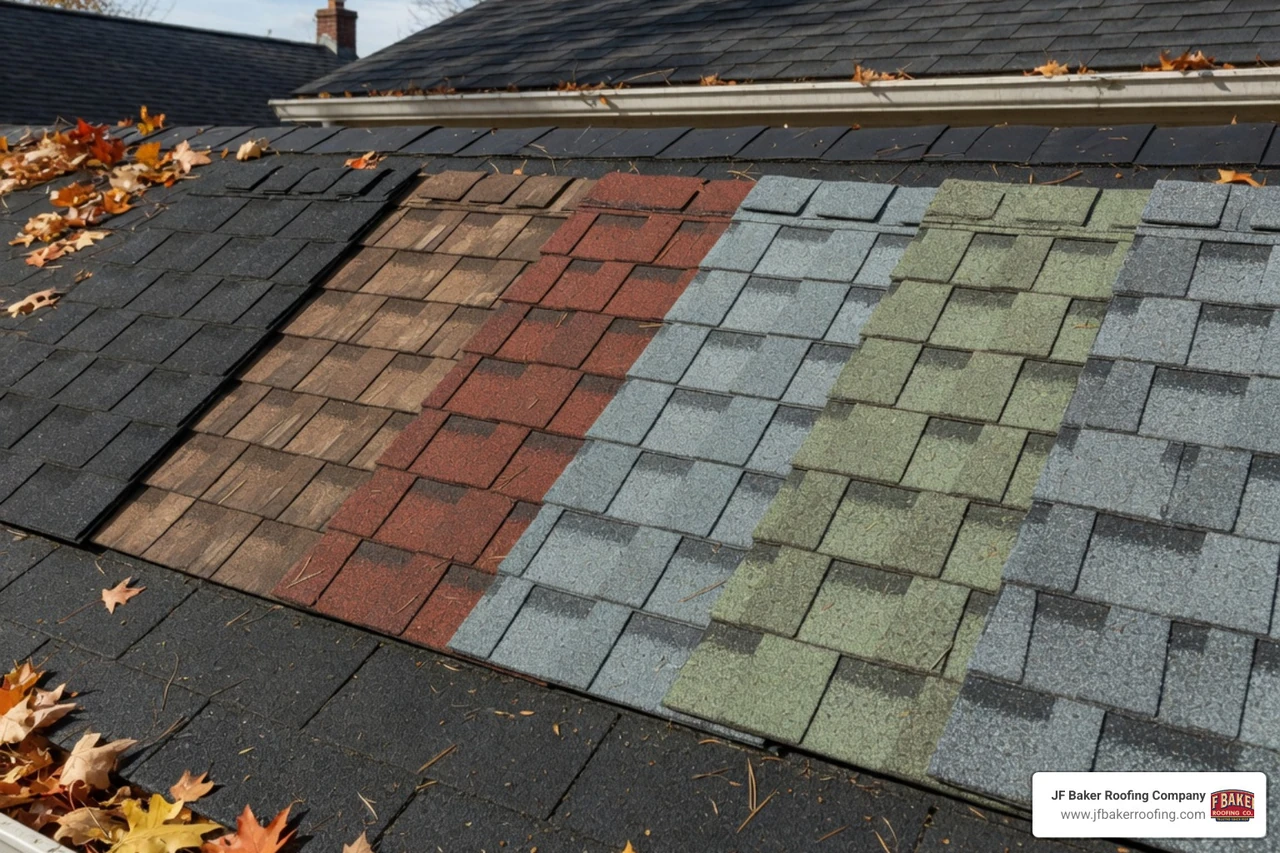
The grade of asphalt shingle you select plays a substantial role in both initial installation expenses and long-term performance. Shingles fall into three primary categories: entry-level 3-tab, widely popular architectural (dimensional), and premium luxury lines. Detailed reviews in our residential shingle roofing ohio guide 2026 show how selecting the right tier protects your property against wind, driving rain, and winter freeze-thaw cycles.
3-Tab Asphalt Shingles Cost
Three-tab shingles represent the traditional entry point for asphalt roofing. Constructed from a single flat layer of asphalt-saturated fiberglass, 3-tab shingles feature cutouts that create a uniform, slate-like rectangular pattern across the roof.
- Lifespan: Typically designed for a 15 to 20 year service life under optimal conditions.
- Wind resistance: Rated for basic wind speeds around 60 mph.
- Pros and cons: While offering the lowest upfront material expense, 3-tab shingles are thinner, blow off more easily during severe storms, and lack the multi-layered depth of modern alternatives.
Architectural and Dimensional Shingles
Architectural shingles—also known as dimensional or laminated shingles—are the standard choice for modern residential properties. They are constructed by laminating two or more layers of asphalt together, producing a textured, multi-dimensional shadow line that mimics real wood shakes or natural slate.
- Durability and lifespan: Engineered to last 25 to 30 years or more with proper attic ventilation.
- Wind resistance: Feature robust adhesive strips with wind ratings up to 130 mph.
- Value proposition: Though slightly higher in upfront cost than 3-tab options, architectural shingles provide substantially better curb appeal, enhanced weather protection, and stronger long-term return on investment.
Premium and Designer Shingles
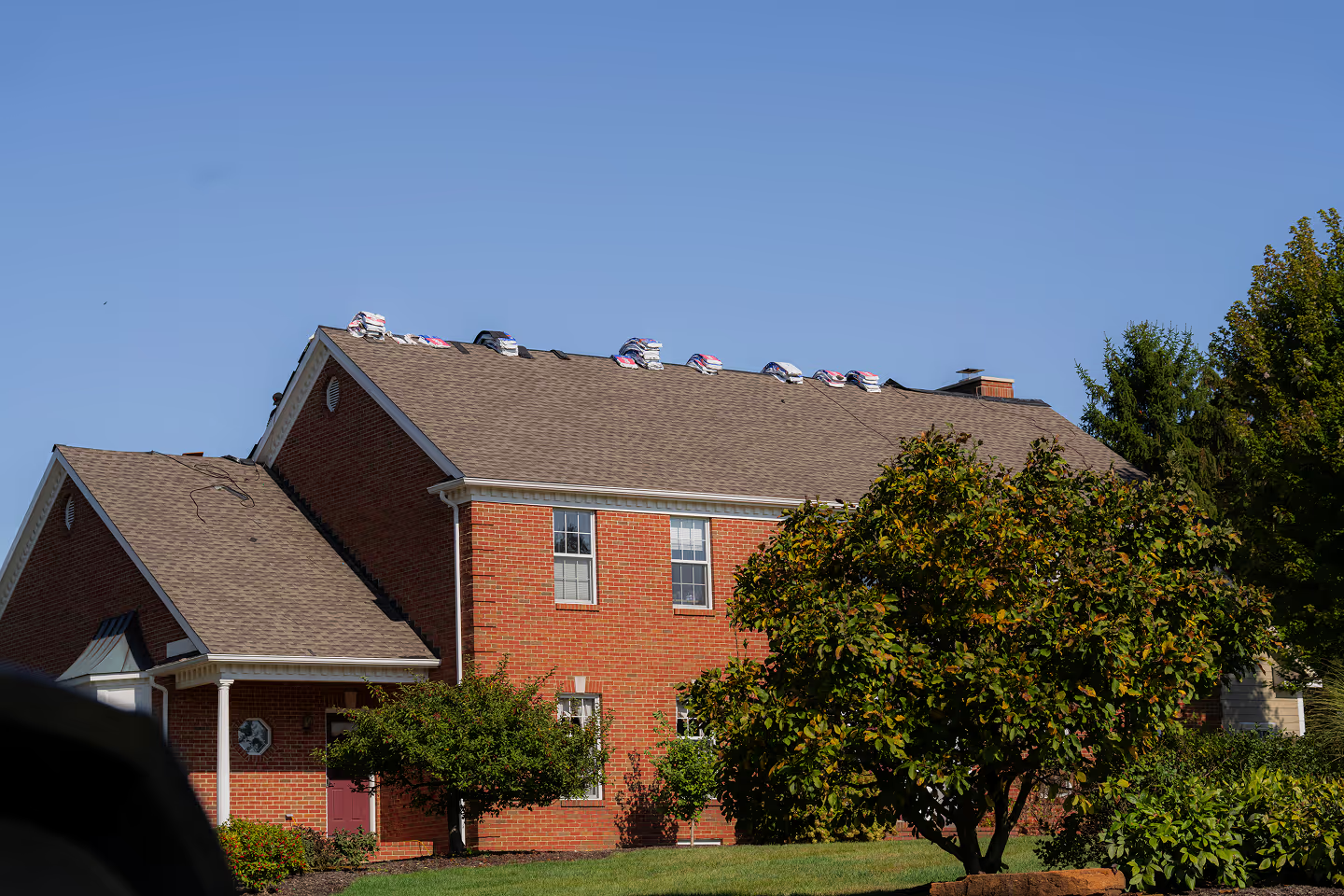
Premium and designer shingles sit at the top of the asphalt product hierarchy. These heavy-duty products feature extra-thick construction, rich color blends, and dramatic shapes designed to replicate historic slate, tile, or thick cedar shakes.
As detailed in industry reports like Roof Shingles Cost 2026: 3-Tab to Premium Designer, luxury shingles weigh significantly more per square than standard options. This additional mass requires extra labor handling, specialized fasteners, and careful installation. Many premium lines also carry Class 4 impact resistance ratings, providing protection against severe hail damage and potential home insurance discounts in weather-prone areas.
Understanding Roof Shingle Labor Costs and Tear-Off Expenses
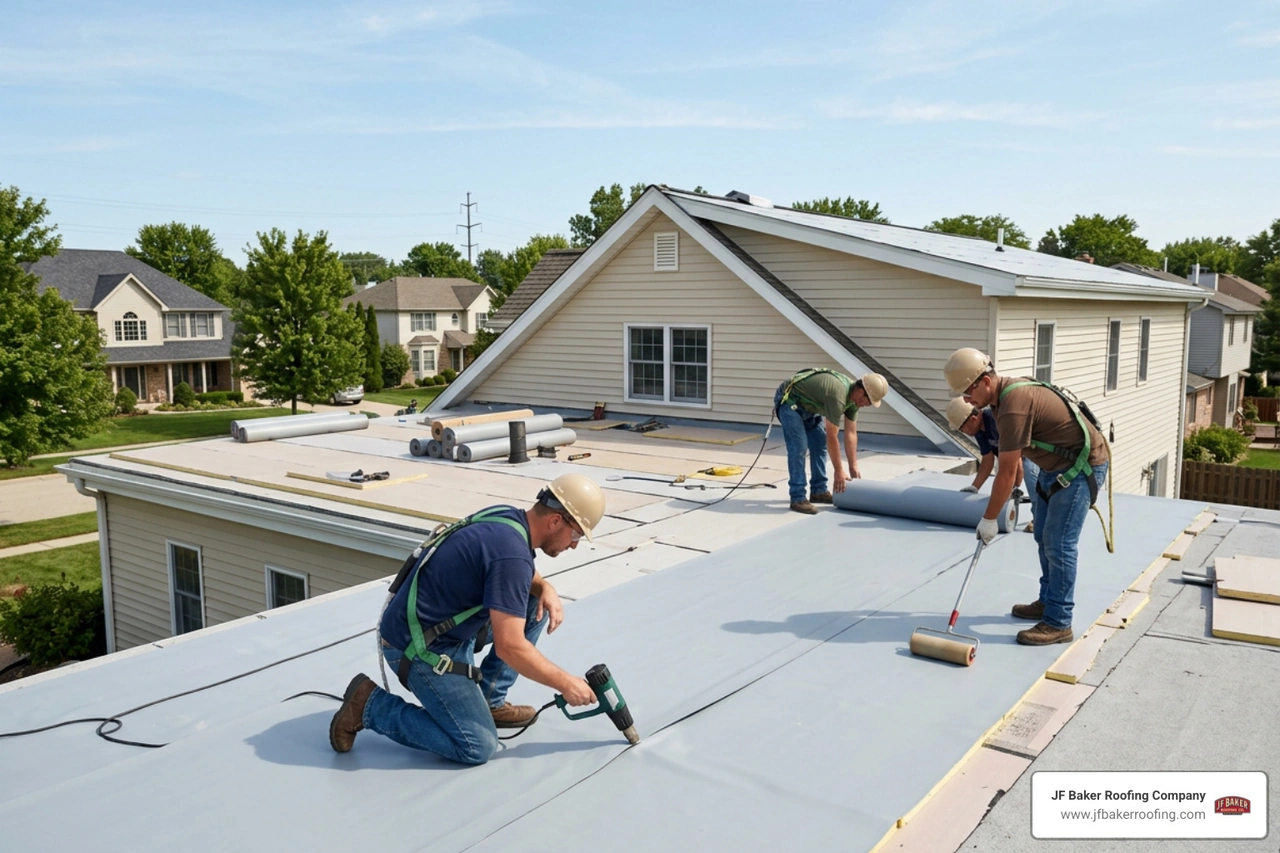
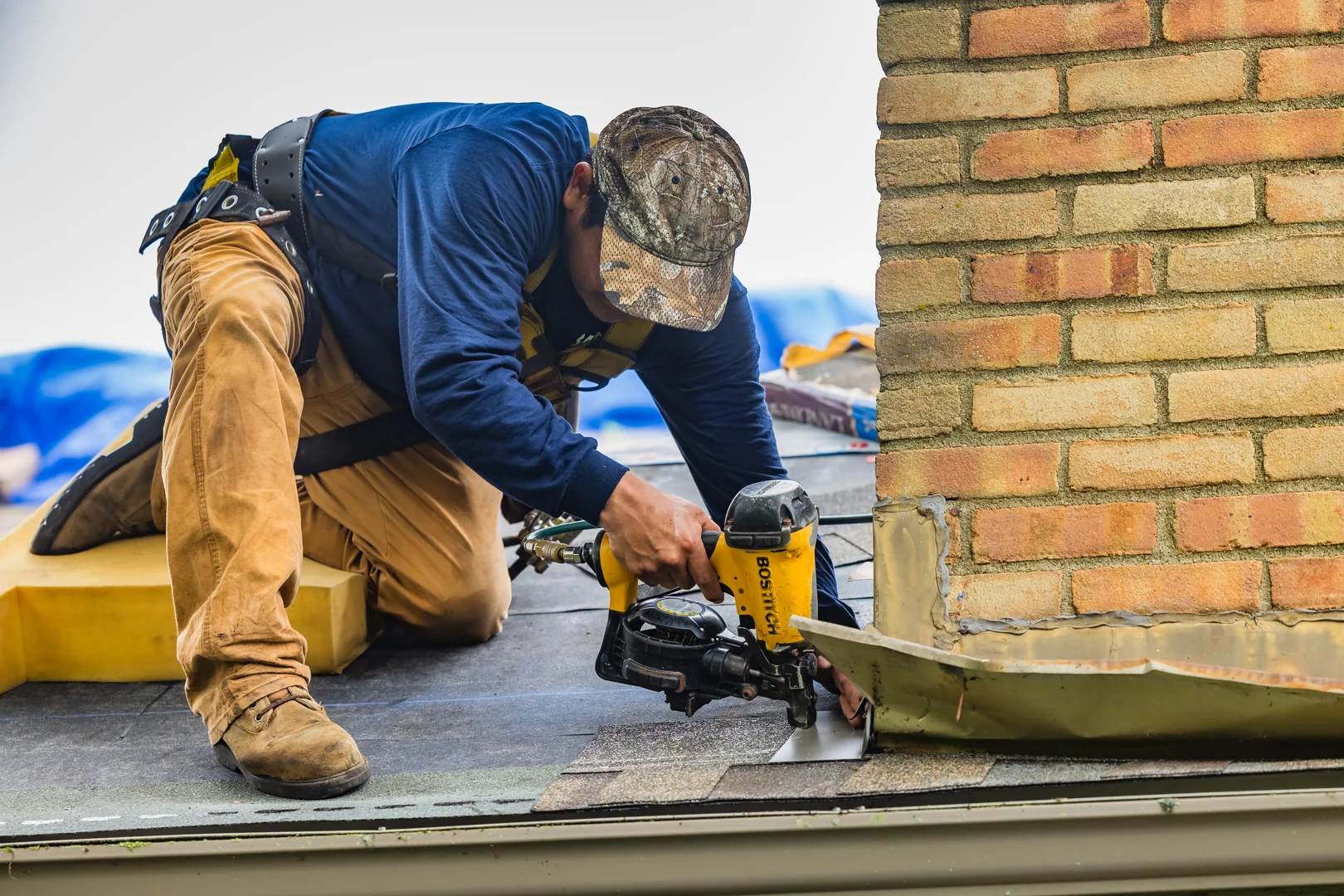
In residential roofing, labor typically accounts for roughly 50% to 60% of the total project investment. Installing a roof is physically demanding, technical trade work that requires specialized safety equipment, certified craftsmanship, and strict adherence to building codes.
When you evaluate a professional proposal, the labor portion covers far more than nailing down new shingles:
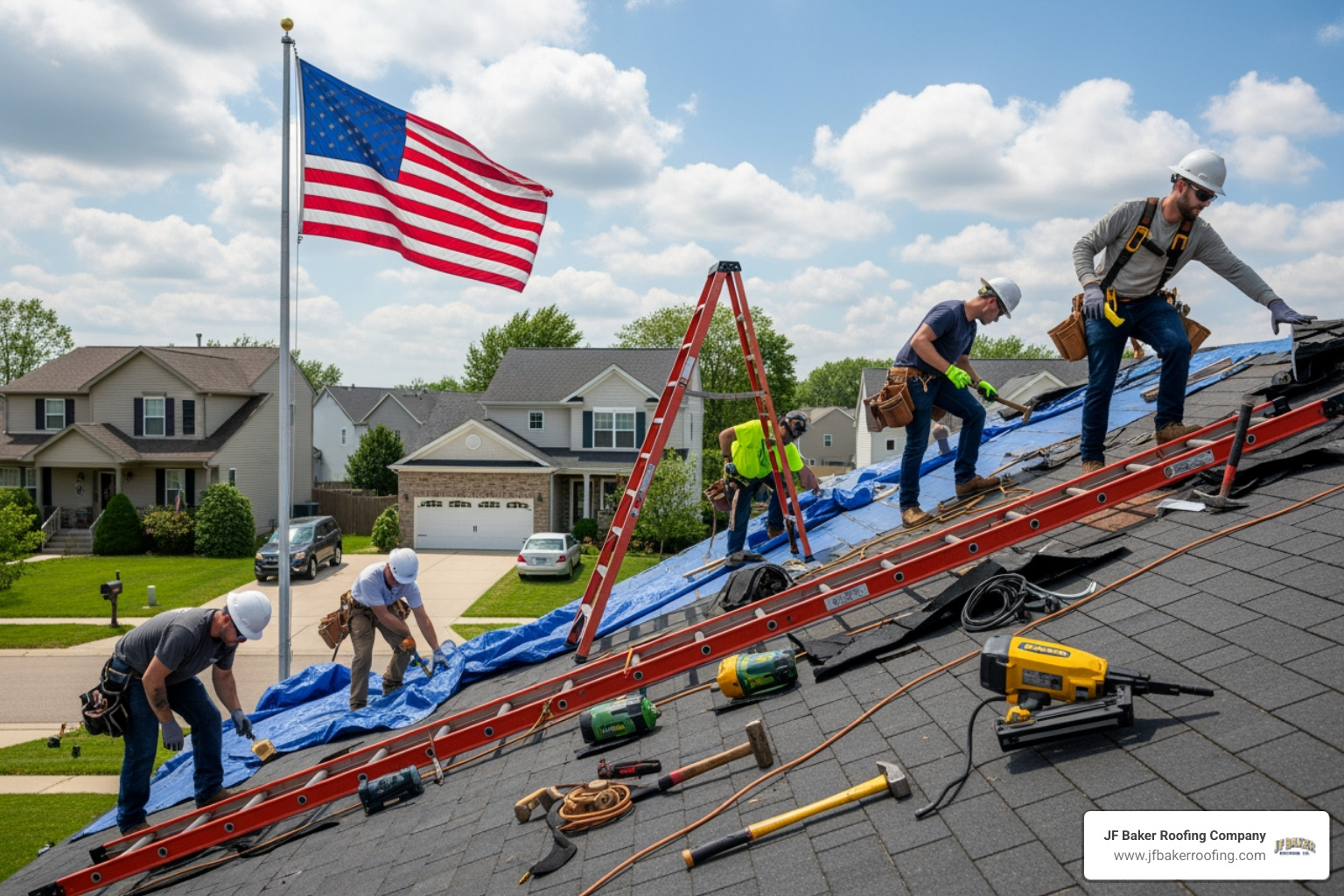
- Site preparation and property protection: Laying out heavy tarps, protecting landscaping, and safeguarding gutters.
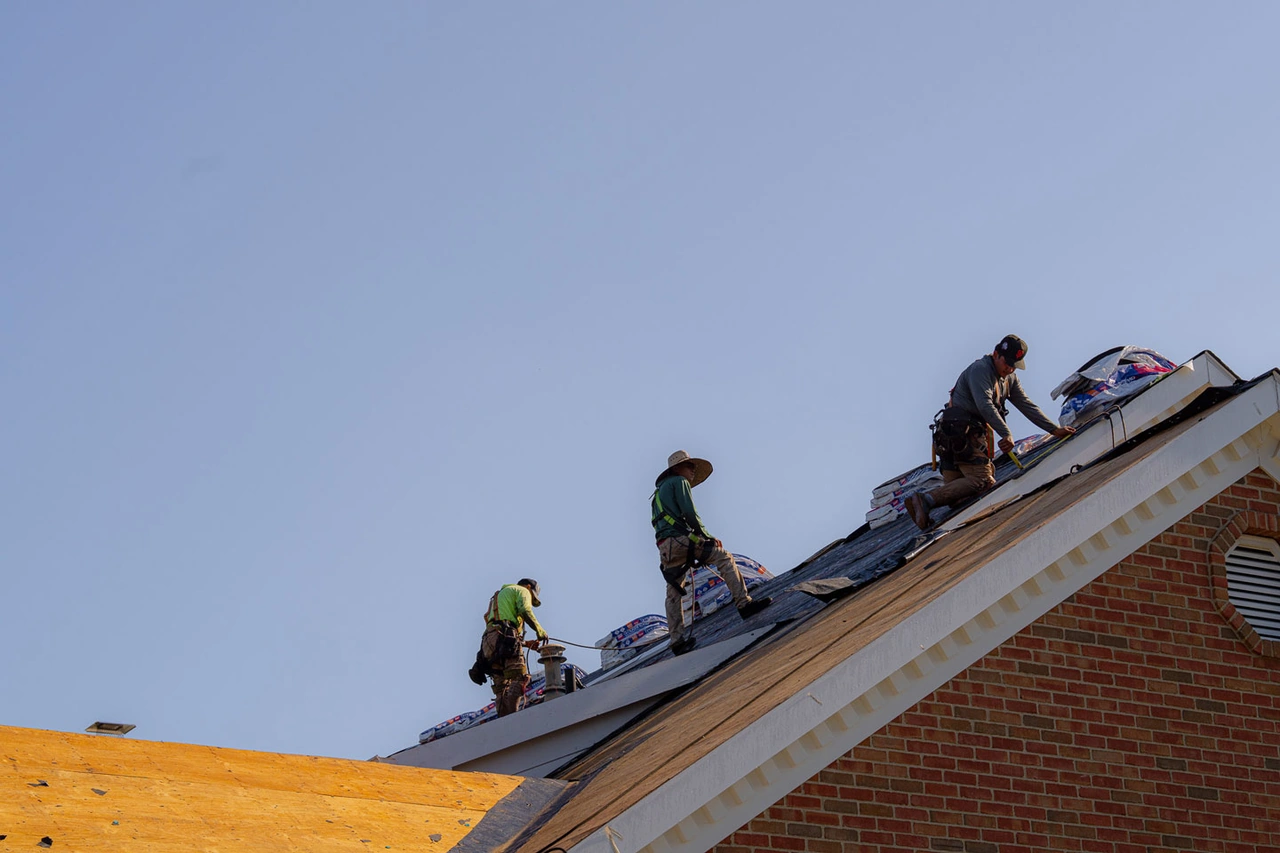
- Tear-off crew labor: Stripping old layers cleanly without damaging structural trusses.
- Deck inspection and prep: Sweeping the deck, hammering down loose nails, and replacing rotted plywood.
- Flashing and detailing: Hand-crafting custom metal flashing around chimneys, dormers, and sidewalls.
- Final magnetic cleanup: Sweeping the driveway, yard, and flower beds to capture loose nails and metallic debris.
Tear-Off vs. Overlay Installation Costs
When replacing an aging roof, homeowners face an important choice: performing a complete tear-off down to the bare wooden deck, or installing a new layer directly over existing shingles (an overlay).
While an overlay avoids initial tear-off labor and dumpster fees, professional contractors generally recommend a full tear-off. Building codes limit residential roofs to a maximum of two layers due to structural weight limits. More importantly, leaving old shingles in place prevents installers from inspecting the underlying decking for hidden rot, water stains, or insect damage. Overlays also trap excess heat, which can shorten the lifespan of the new shingle layer and compromise manufacturer warranty coverage. When planning to replace roof shingles, choosing a full tear-off ensures long-term structural integrity.
Underlayment, Decking, and Flashing Adders
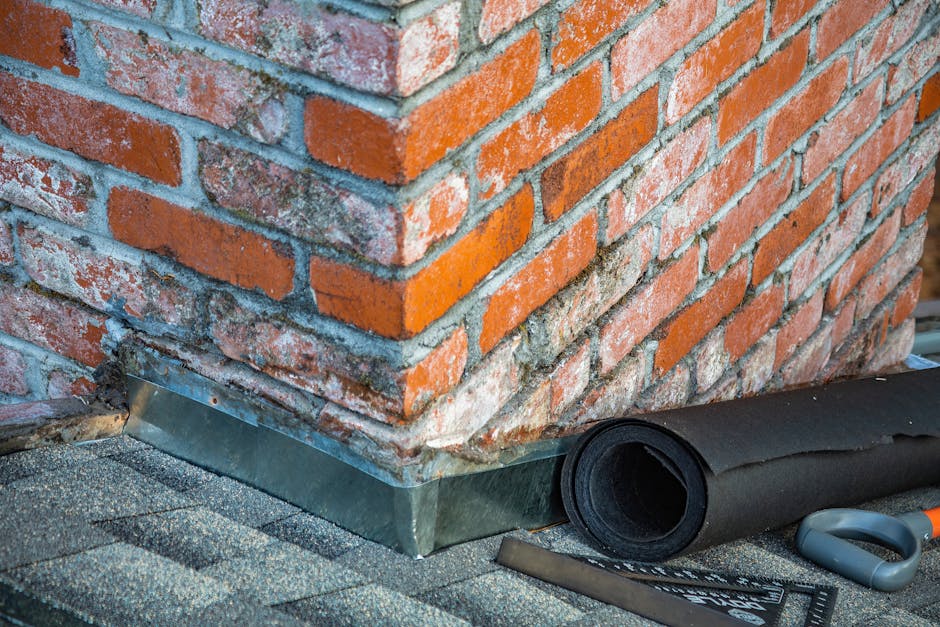
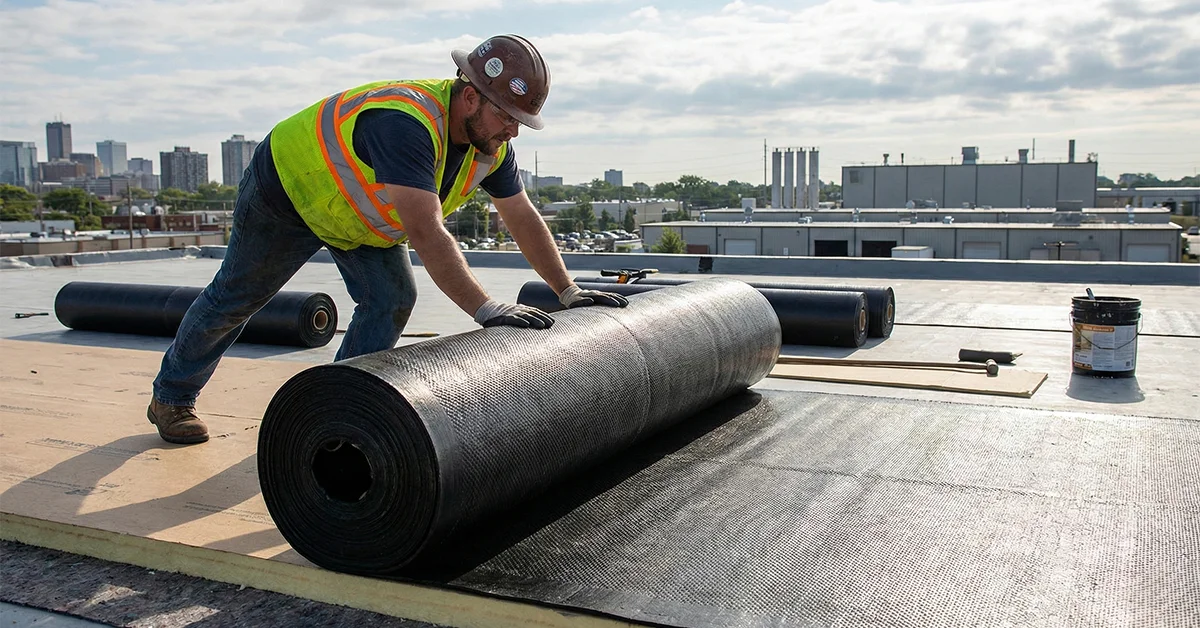
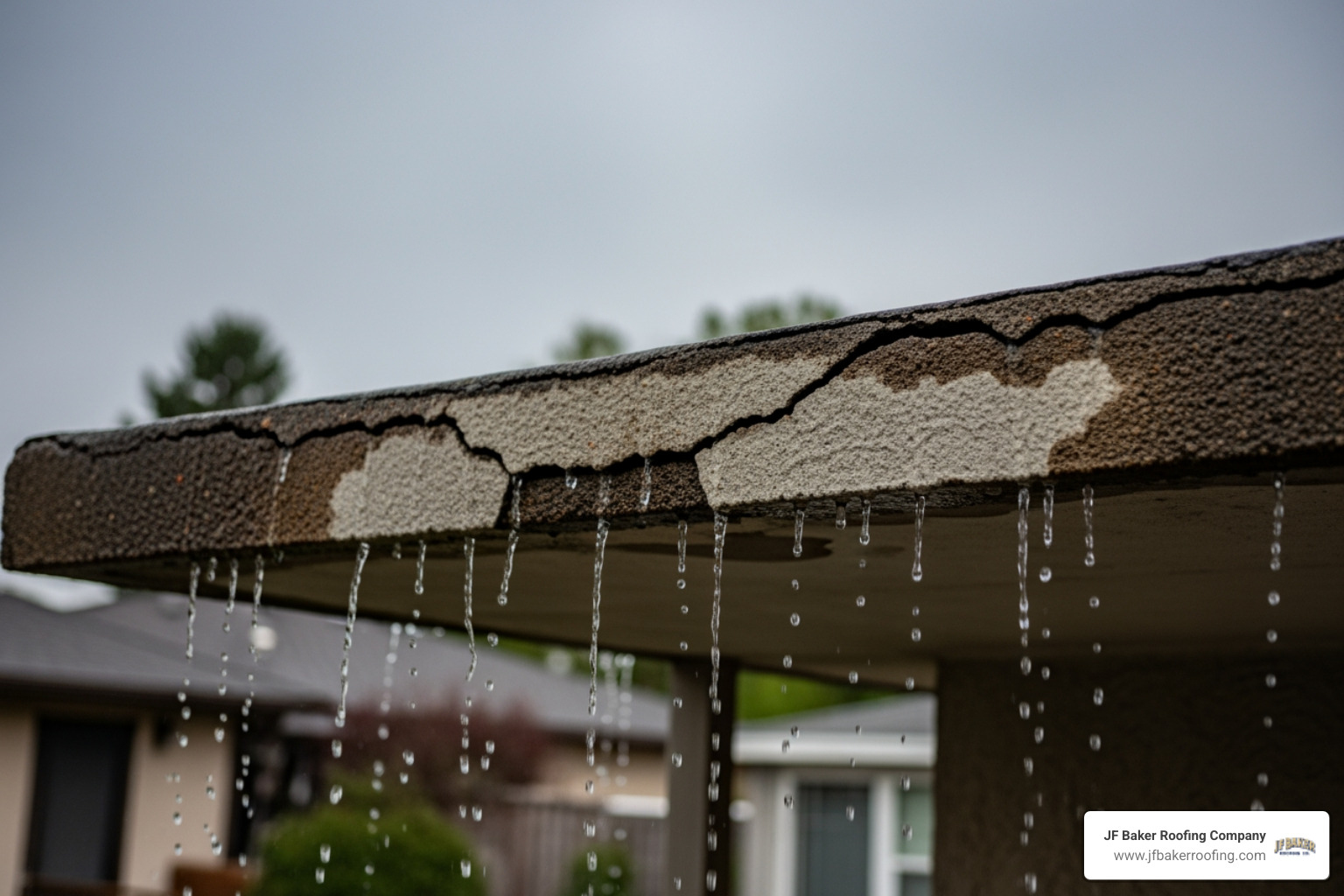
A complete roofing system relies on multiple protective layers working together beneath the visible shingles. Skipping or skimping on these essential underlying components leads to premature leaks and costly interior water damage.
Key system components included in a comprehensive estimate:
- Synthetic underlayment: High-strength synthetic felt acts as a secondary water barrier across the entire deck, offering far superior tear resistance and moisture protection compared to outdated paper felt.
- Ice and water shield: Self-adhering waterproof membrane installed along eaves, valleys, rakes, and around penetrations to protect against ice dam backing and wind-driven rain.
- Decking repairs: Damaged, delaminated, or water-rotted plywood sheets must be cut out and replaced before laying new underlayment.
- Flashing and boots: New aluminum or copper step flashing, wall flashing, counter-flashing, and neoprene pipe boots ensure watertight seals around roof penetrations.
When to Repair vs. Replace a Shingle Roof
Deciding whether to perform localized spot repairs or invest in a complete roof replacement comes down to age, overall condition, and the extent of storm damage.
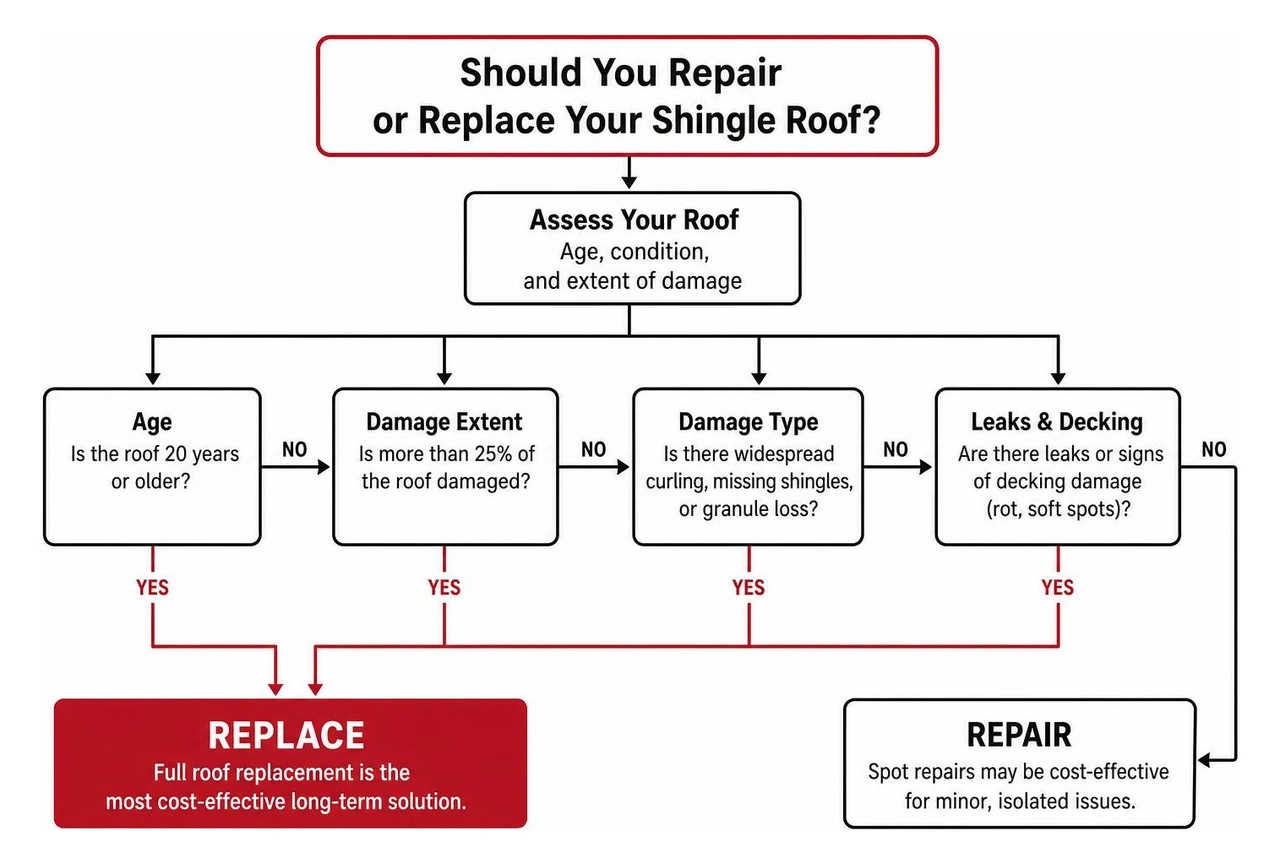
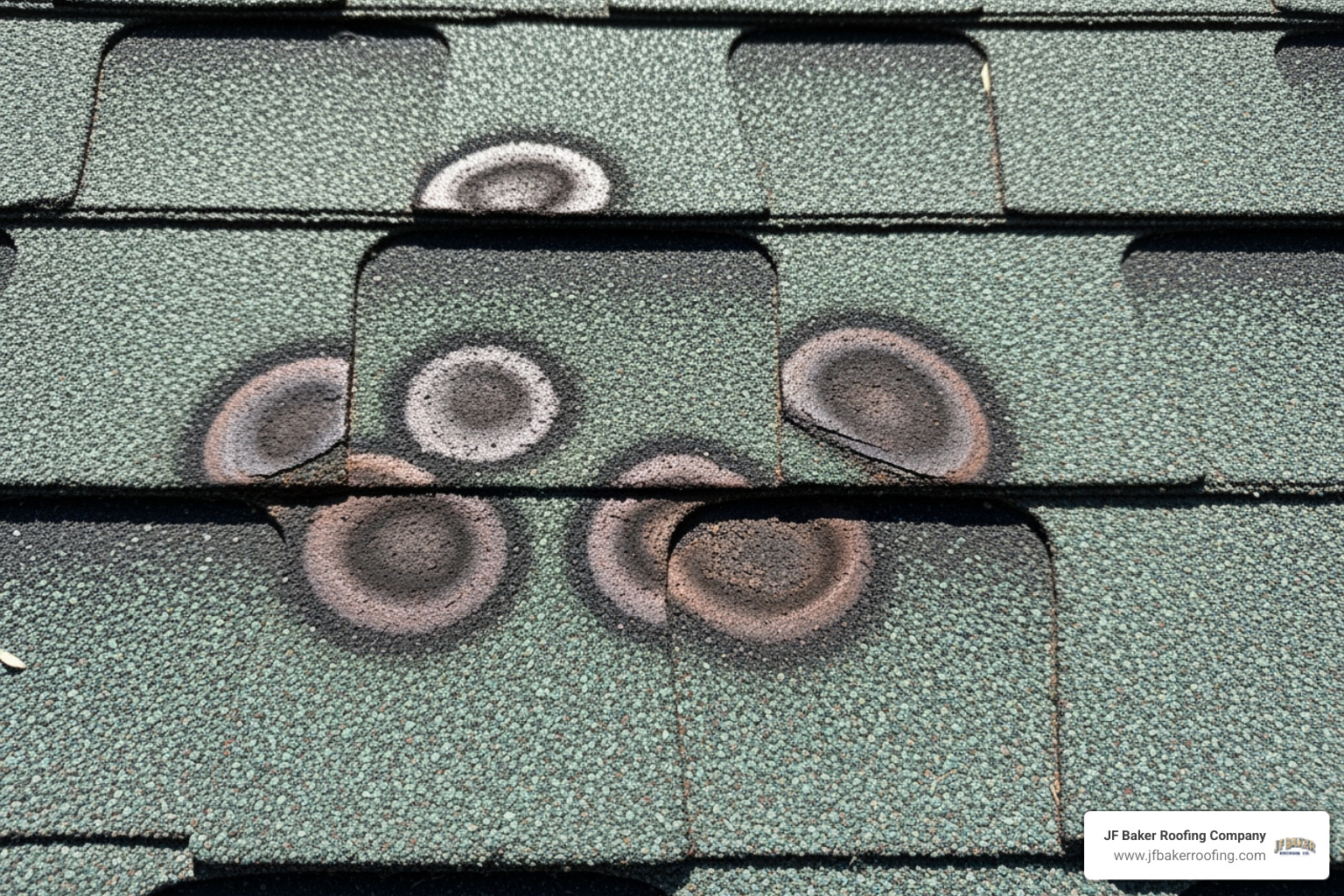
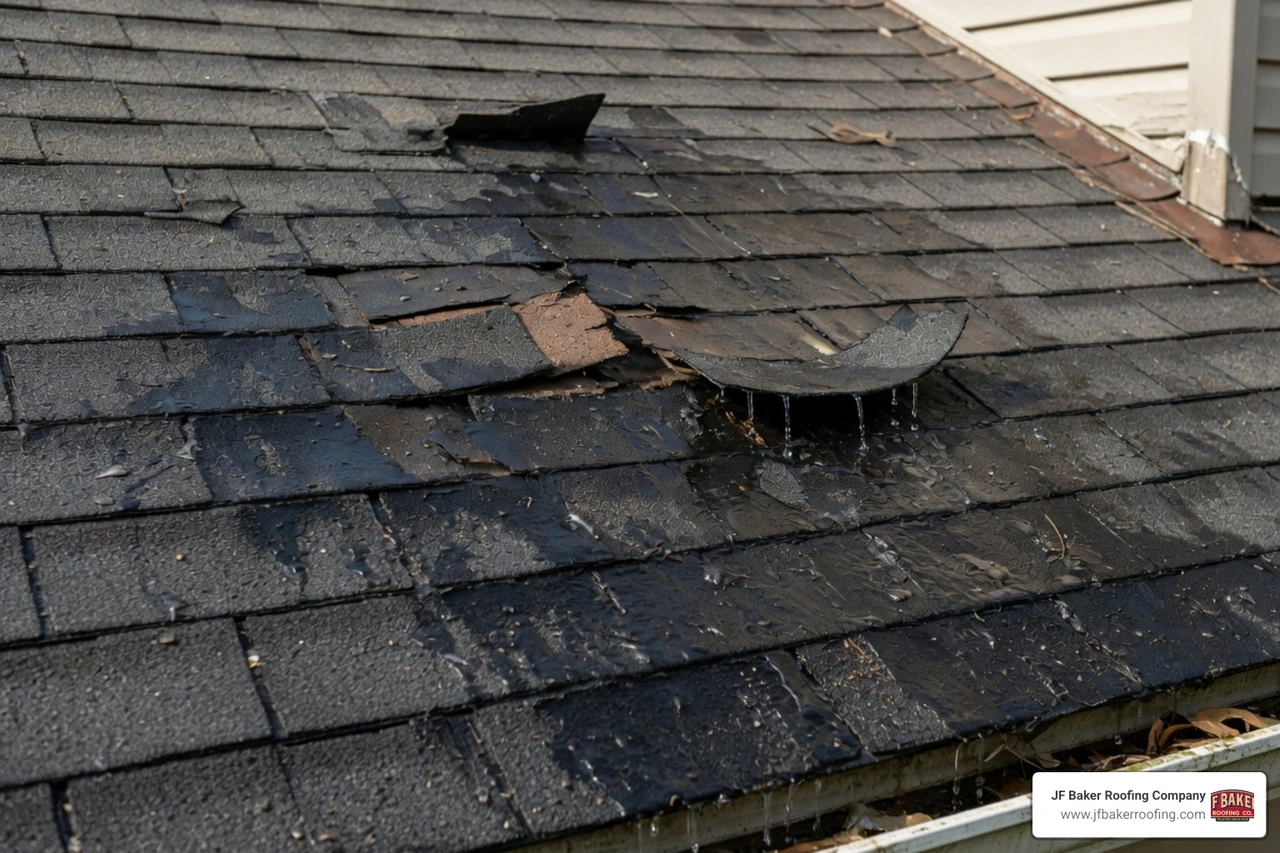
A general guideline in the roofing trade is the "25 percent rule." If more than 25% of your total roof surface area exhibits damage, curled edges, missing shingles, or severe granule loss, full replacement is almost always more cost-effective than ongoing spot repairs. Patching an older roof often leads to mismatched shingle colors, vulnerable seam transitions, and repeated repair calls as aging adjacent sections fail.
Consider replacement over repair when:
- The existing roof is approaching or past its 20-year age mark.
- Granule loss has exposed the underlying fiberglass mat to solar UV degradation.
- Multiple active leaks appear across different rooms or attic zones.
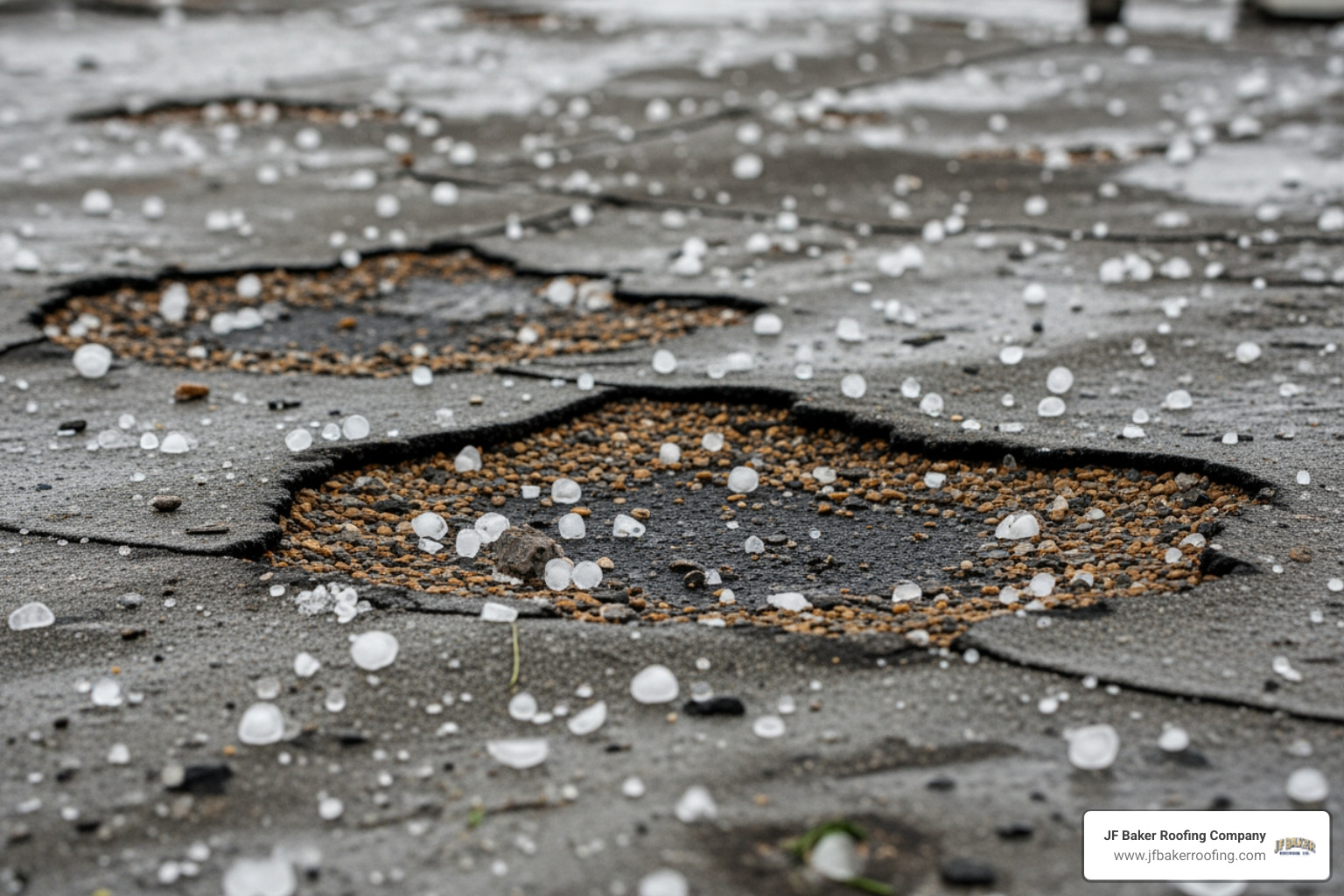
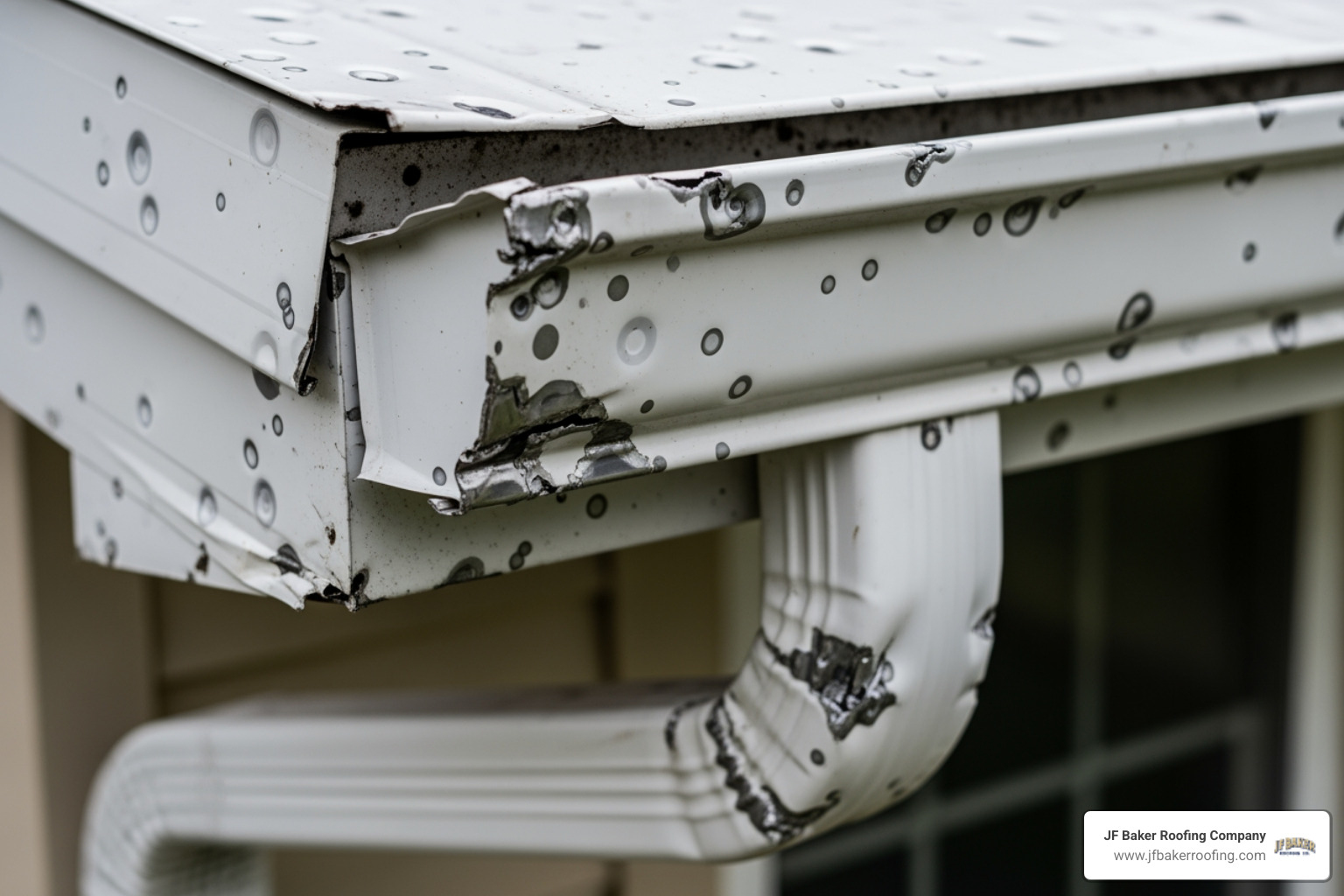
- Widespread storm damage, hail impact, or severe wind uplift has lifted shingle tabs across multiple slopes.
Homeowners exploring local service options in Central Ohio can review our specialized guides on roof installation central ohio and asphalt shingle installation dublin for localized advice on climate considerations and seasonal timing.
Frequently Asked Questions About Shingle Roofing Costs
How much does labor account for in a roof shingle replacement?
Labor typically accounts for approximately 50% to 60% of the overall quote for a residential shingle roof replacement. The remaining percentage covers materials, equipment allowances, dumpster disposal fees, local permits, and contractor warranty backing. Labor rates reflect crew size, specialized equipment setups, safety gear requirements, and the technical complexity or pitch of the roof layout.
What is the average cost to replace a shingle roof on a 2,000 sq ft house?
The total investment to replace a shingle roof on a 2,000 square foot home footprint depends on the actual roof surface area (typically 22 to 26 squares), the shingle grade chosen (3-tab, architectural, or designer), roof pitch, and whether decking replacement is needed. A standard replacement using quality architectural shingles includes complete tear-off, synthetic underlayment, ice-and-water protection, new ridge vents, and full property cleanup.
Can you install new shingles directly over old shingles to save money?
While an overlay (installing new shingles over an existing single layer) saves upfront tear-off labor and debris disposal fees, it is rarely recommended. Installing over old shingles hides underlying decking rot, adds double the weight load to your rafters, traps heat, and reduces the service life of the new layer. Furthermore, many shingle manufacturers limit or alter warranty terms on overlay applications.
Conclusion
Investing in a new asphalt shingle roof is one of the most vital property improvements a homeowner can make. Understanding how surface area, pitch, shingle materials, labor dynamics, and essential flashing components interact ensures you can evaluate quotes with confidence and clarity.
At JF Baker Roofing, we have been serving Central Ohio since 1929. Led by third-generation owners Chad and Pat Baker, our family-owned business is built on integrity and proven by performance. As a CertainTeed ShingleMaster Preferred Contractor, an NRCA member, and a BBB Accredited Business with an A+ rating, we take pride in delivering clean job sites, clear communication, and quality craftsmanship. We provide honest assessments, transparent pricing, and no high-pressure sales tactics—recommending repairs when possible and full replacement only when genuinely needed.
Whether you need residential roofing, commercial roofing, roof repair, full roof replacement, storm damage restoration, gutter installation and repair, or custom sheet metal work, our team stands behind every roof we install. We proudly serve residential and commercial clients across Columbus, Dublin, Upper Arlington, Hilliard, Grandview Heights, Worthington, Westerville, and surrounding Central Ohio communities.
If you have questions about your roof's condition or wish to discuss an estimate, explore our residential roofing services or contact our friendly team today. Let our reputation be your security.




.jpeg)