One Simple Way to Find Reliable Residential Roof Repair in Dublin
Find Reliable Residential Roof Repair in Dublin, Ohio
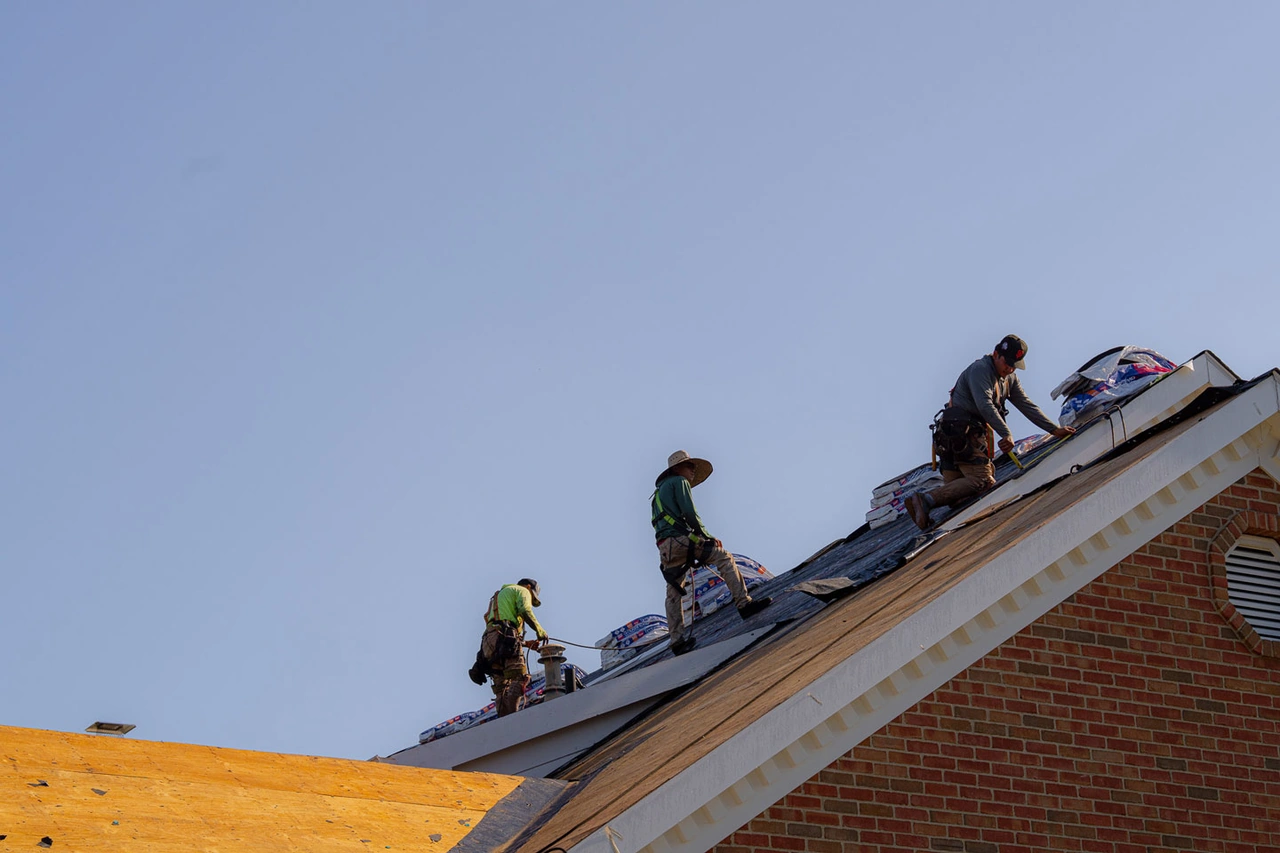
For residential roof repair in Dublin, start by choosing a local contractor who will inspect the full roof system, explain the source of the problem, and provide a written repair plan without pressure. If you see a ceiling stain, missing shingles, loose flashing, or storm damage, protect the area inside, take photos, and arrange a professional inspection promptly.
JF Baker Roofing provides honest assessments, transparent pricing, clean job sites, and clear communication. We recommend repair when it makes sense and replacement only when it is genuinely needed.
Trusted since 1929, JF Baker Roofing serves residential and commercial clients in Dublin, Upper Arlington, Hilliard, Grandview Heights, Worthington, Westerville, and surrounding Central Ohio communities. Our services include residential and commercial roofing, roof repair, roof replacement, storm damage roofing, gutter installation and repair, and sheet metal work. We are a CertainTeed ShingleMaster Preferred Contractor, an NRCA member, and a BBB Accredited Business with an A+ rating.
I am Chad M. Baker, a third-generation owner of JF Baker Roofing, and this guide will help you spot roof trouble, choose the right repair, and hire with confidence.
Common residential roof repair dublin vocab:
Critical Signs You Need Residential Roof Repair in Dublin
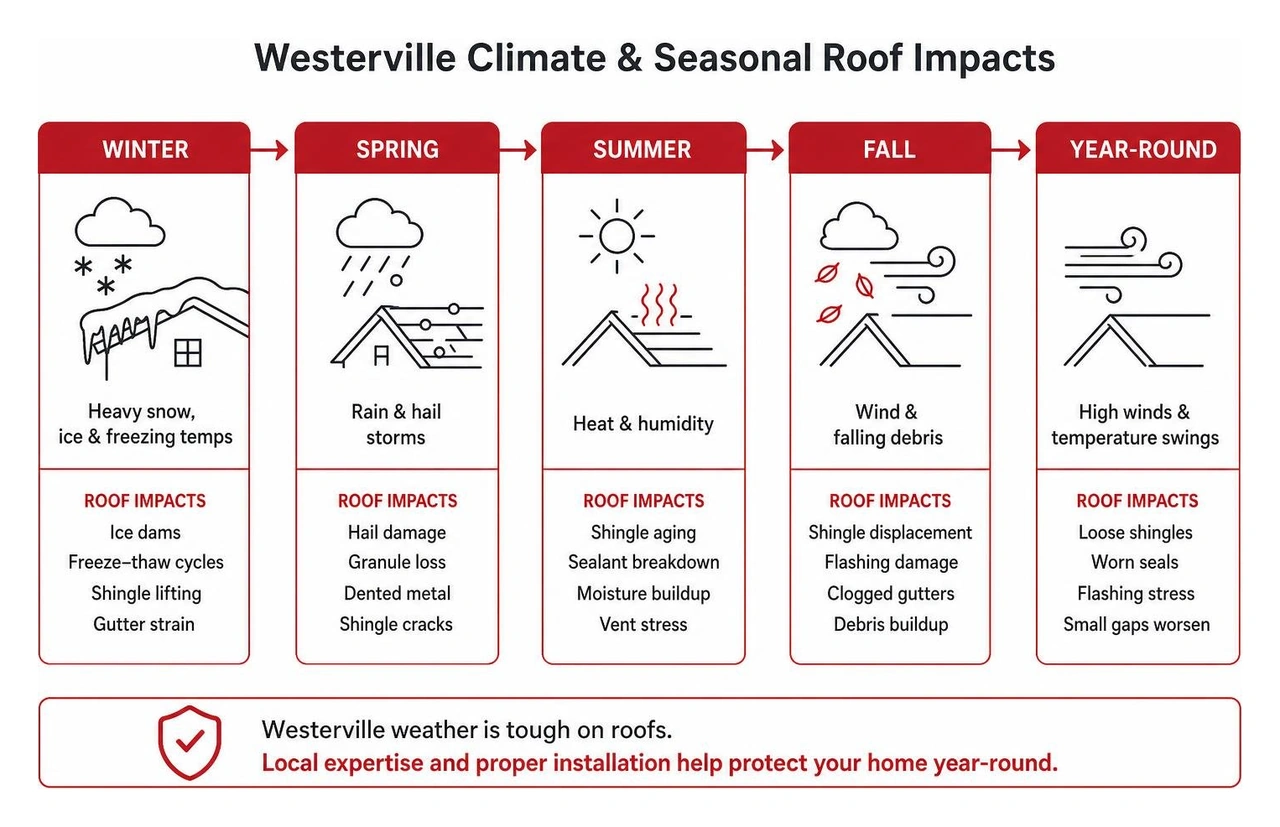
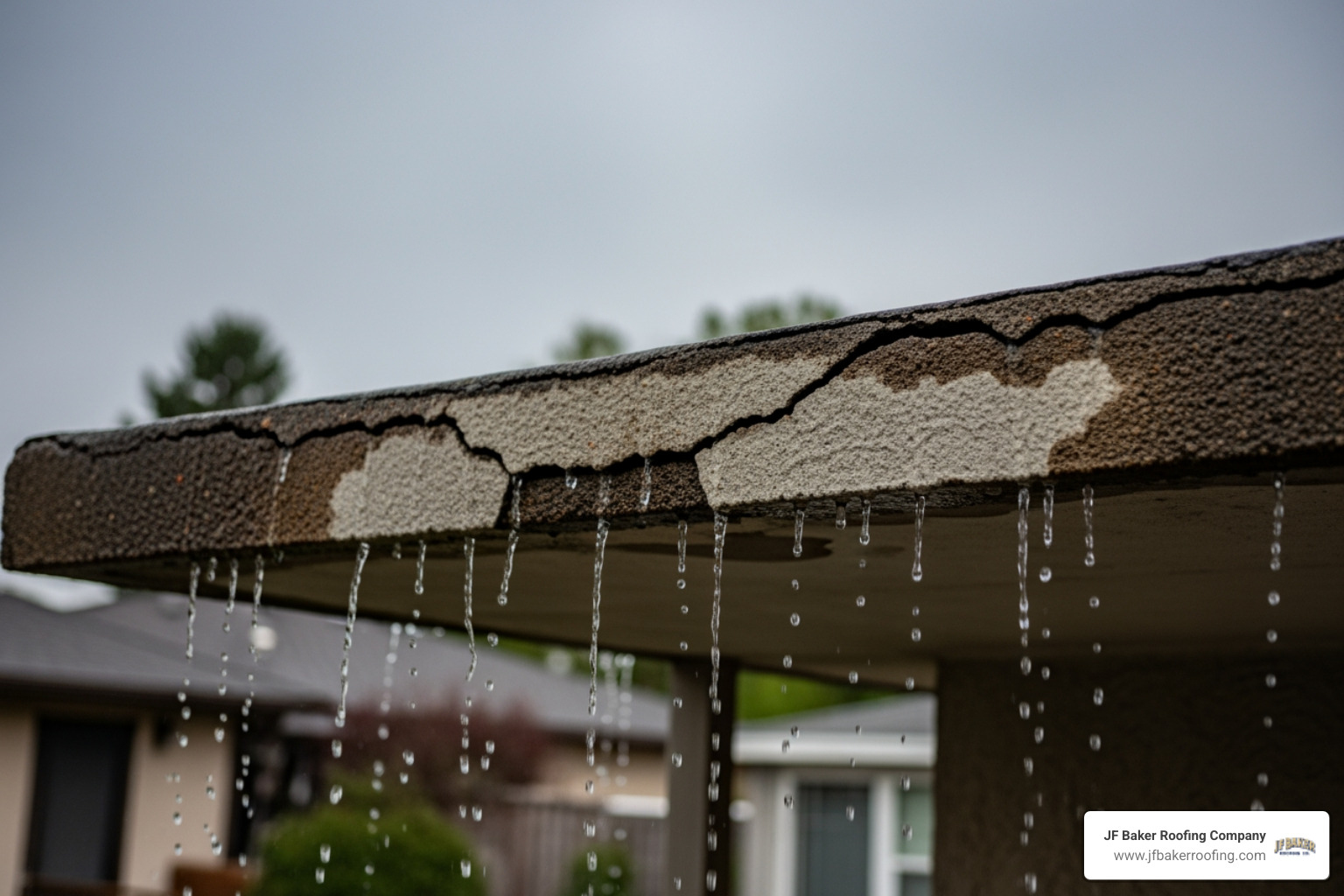
Roofing problems rarely start with a dramatic collapse. Instead, they begin quietly. A single lifted shingle after a windy afternoon, an aging seal around a pipe boot, or a hairline crack in chimney flashing can allow moisture to seep past your exterior defenses. Central Ohio experiences hot, humid summers, heavy spring thunderstorms, and freezing winters with freeze-thaw cycles, creating an environment that quickly turns tiny vulnerabilities into serious water intrusion.
Understanding the early warning signs allows you to address localized issues before they reach your drywall, attic insulation, and structural framing.
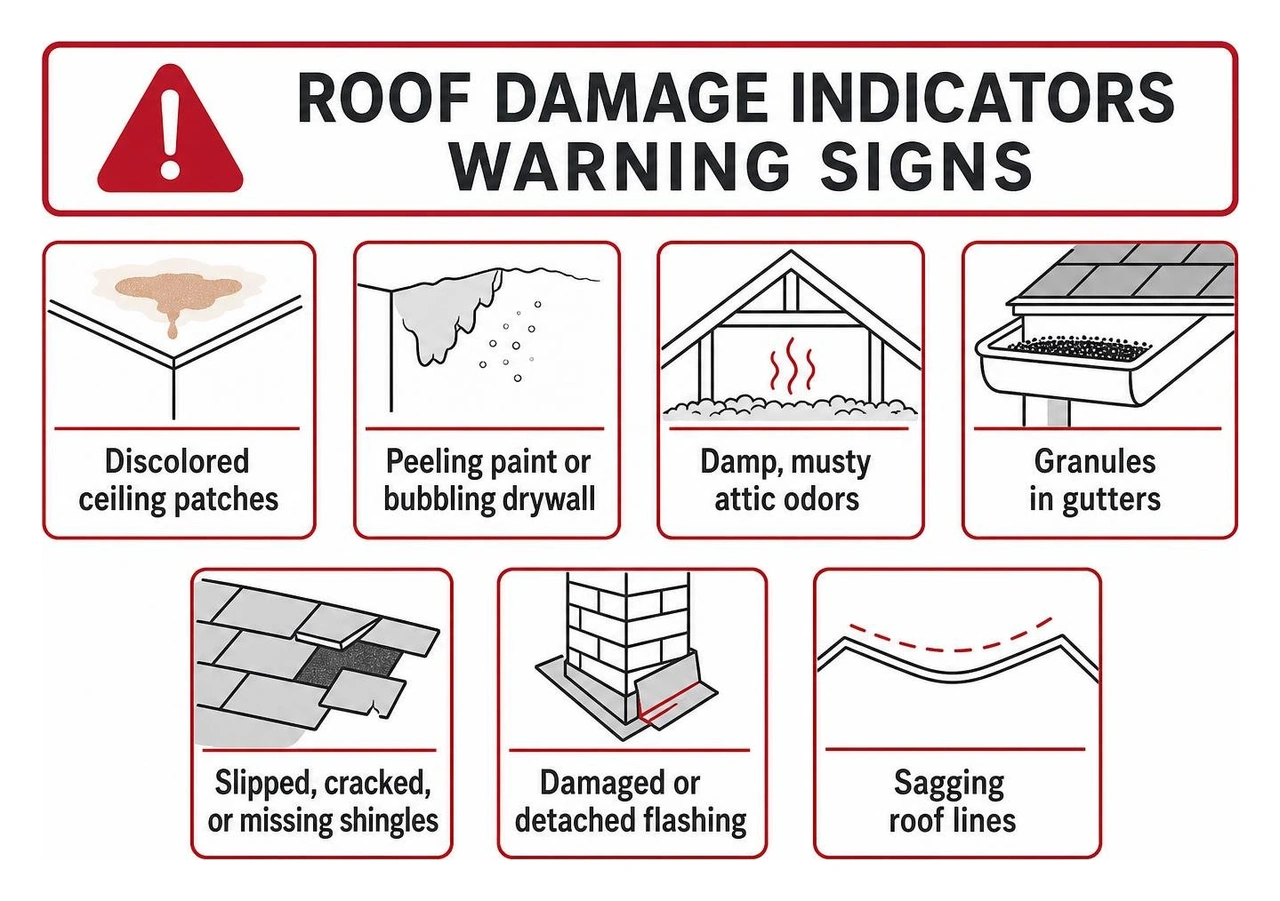
Here are the primary warning signs every homeowner should watch for:
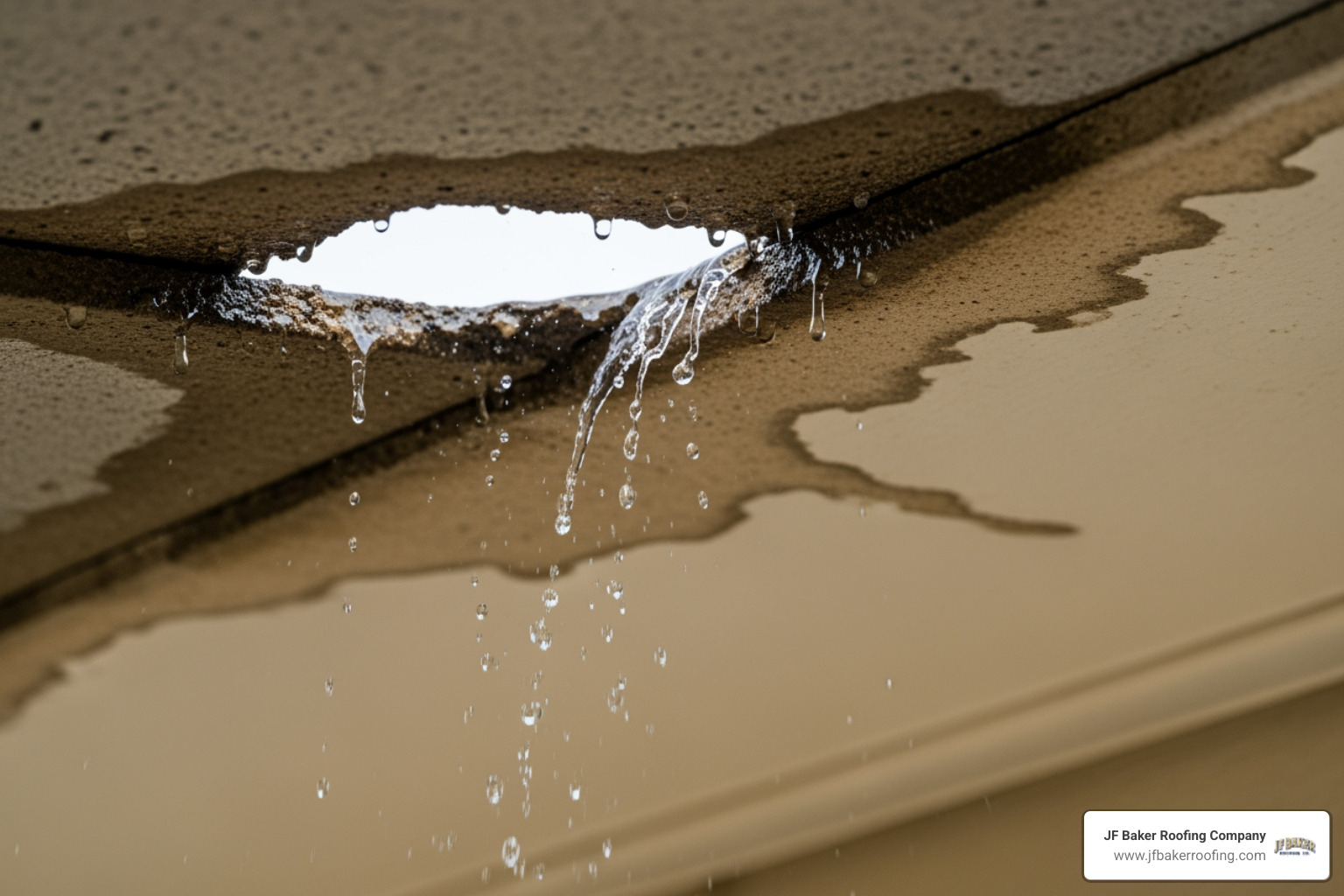
- Discolored ceiling patches: Faint yellow or brown water rings on drywall or plaster ceilings indicate moisture traveling down from the attic.
- Peeling paint or bubbling drywall: Moisture trapped behind interior paint causes bubbling, blistering, and peeling along upper walls and ceiling corners.
- Damp, musty attic odors: A persistent earthy smell in your attic points to wet insulation, hidden dampness, or early fungal growth.
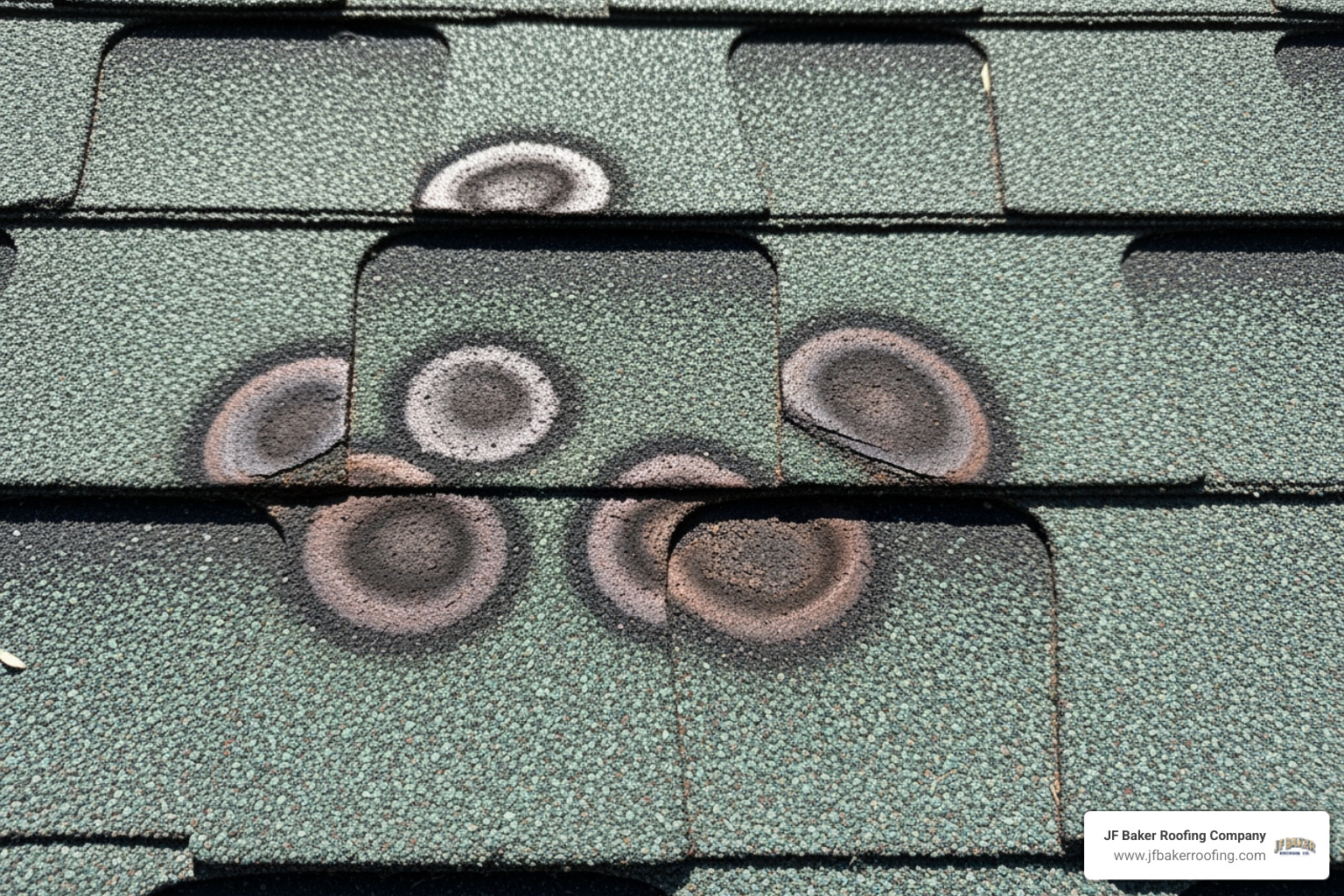
- Granules in gutters: Finding excessive asphalt granules collecting in your gutters or washing out through downspouts indicates advanced shingle surface wear.
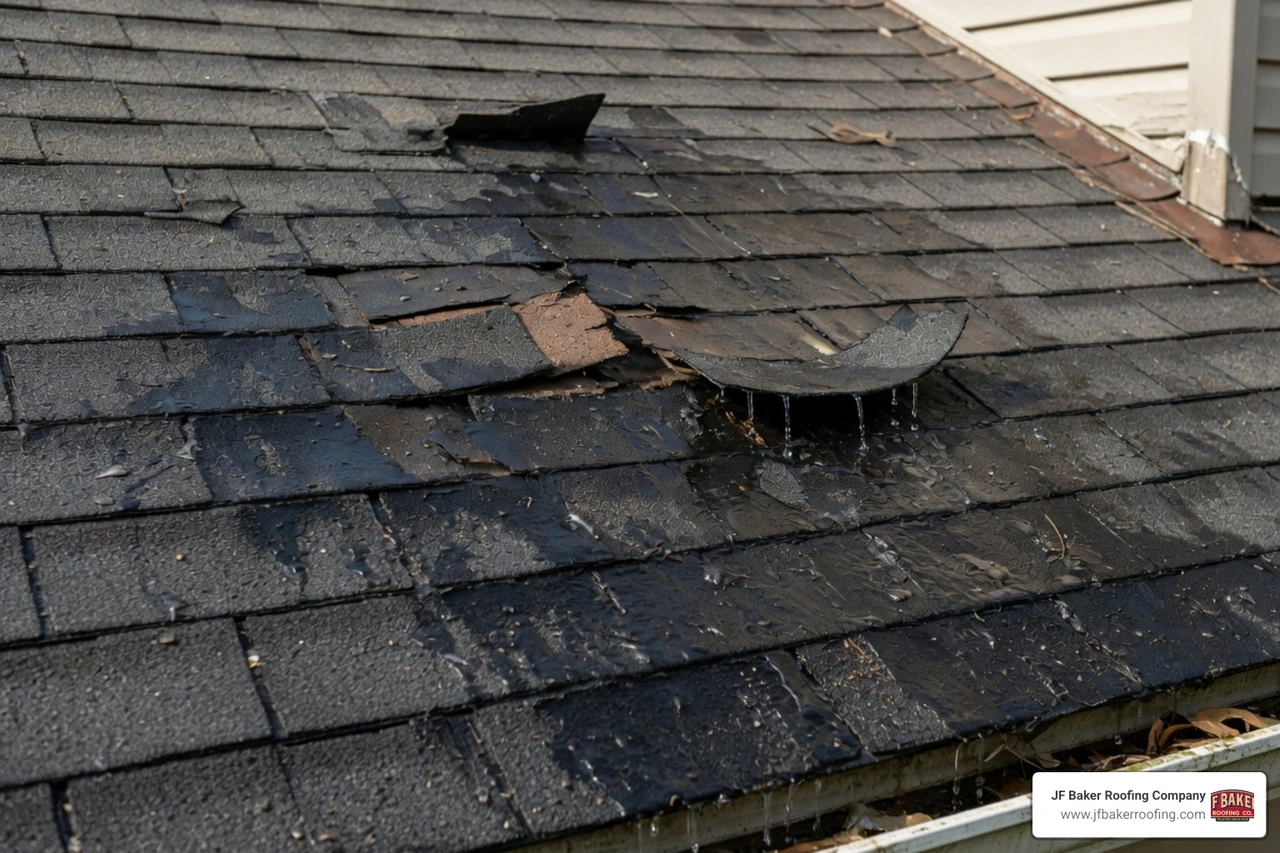
- Slipped, cracked, or missing shingles: High winds can lift tabs or tear shingles away entirely, exposing the underlayment underneath.
- Damaged or detached flashing: Rusted, loose, or improperly sealed sheet metal around chimneys, dormers, and sidewalls allows driving rain straight into the roof deck.
- Sagging roof lines: Visible dips in your roof plane suggest compromised plywood decking beneath the shingles.
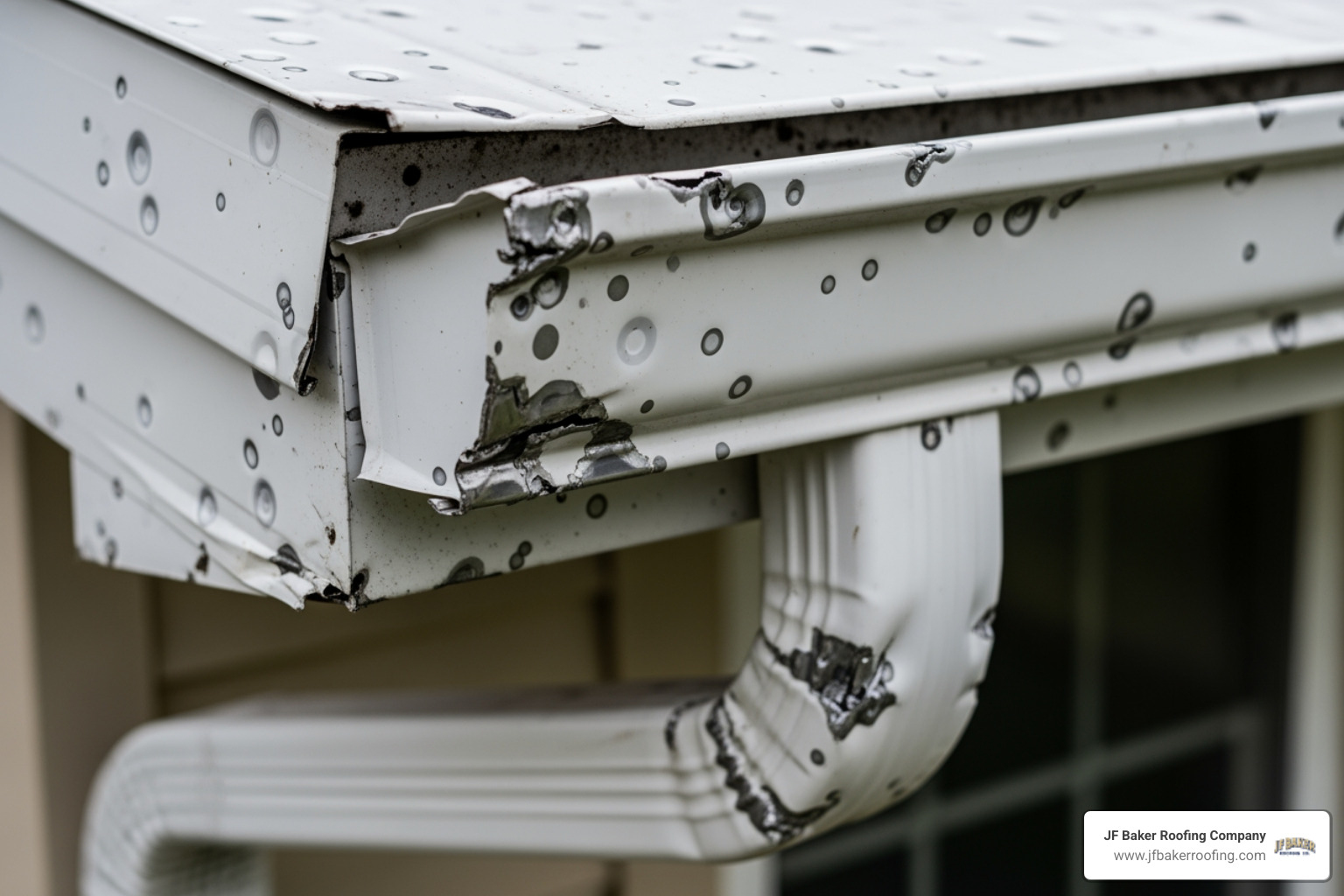
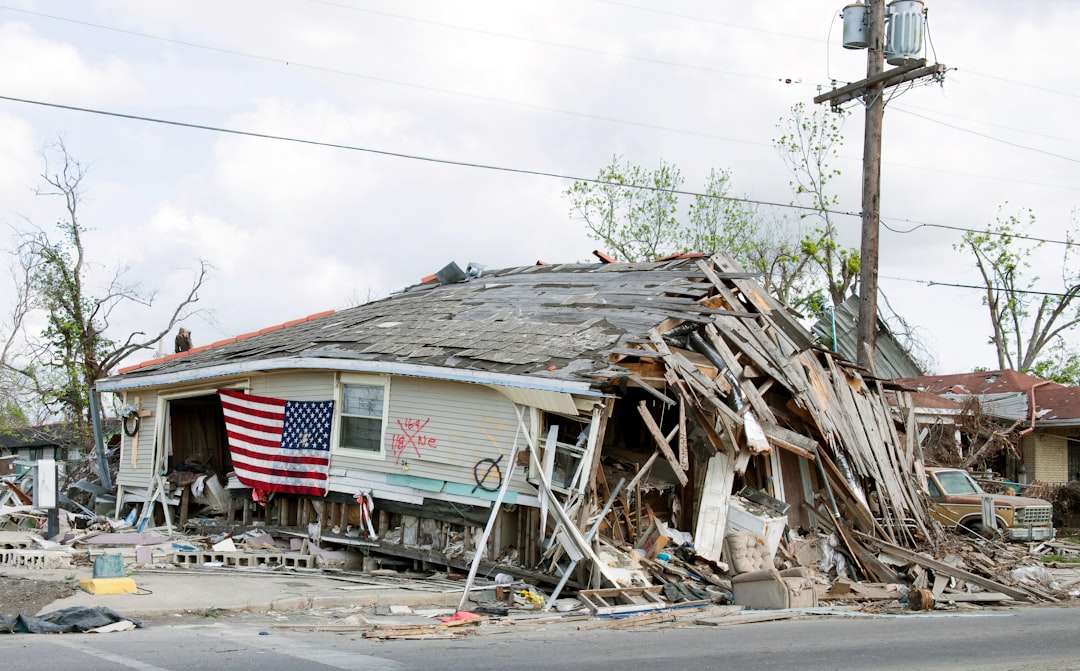
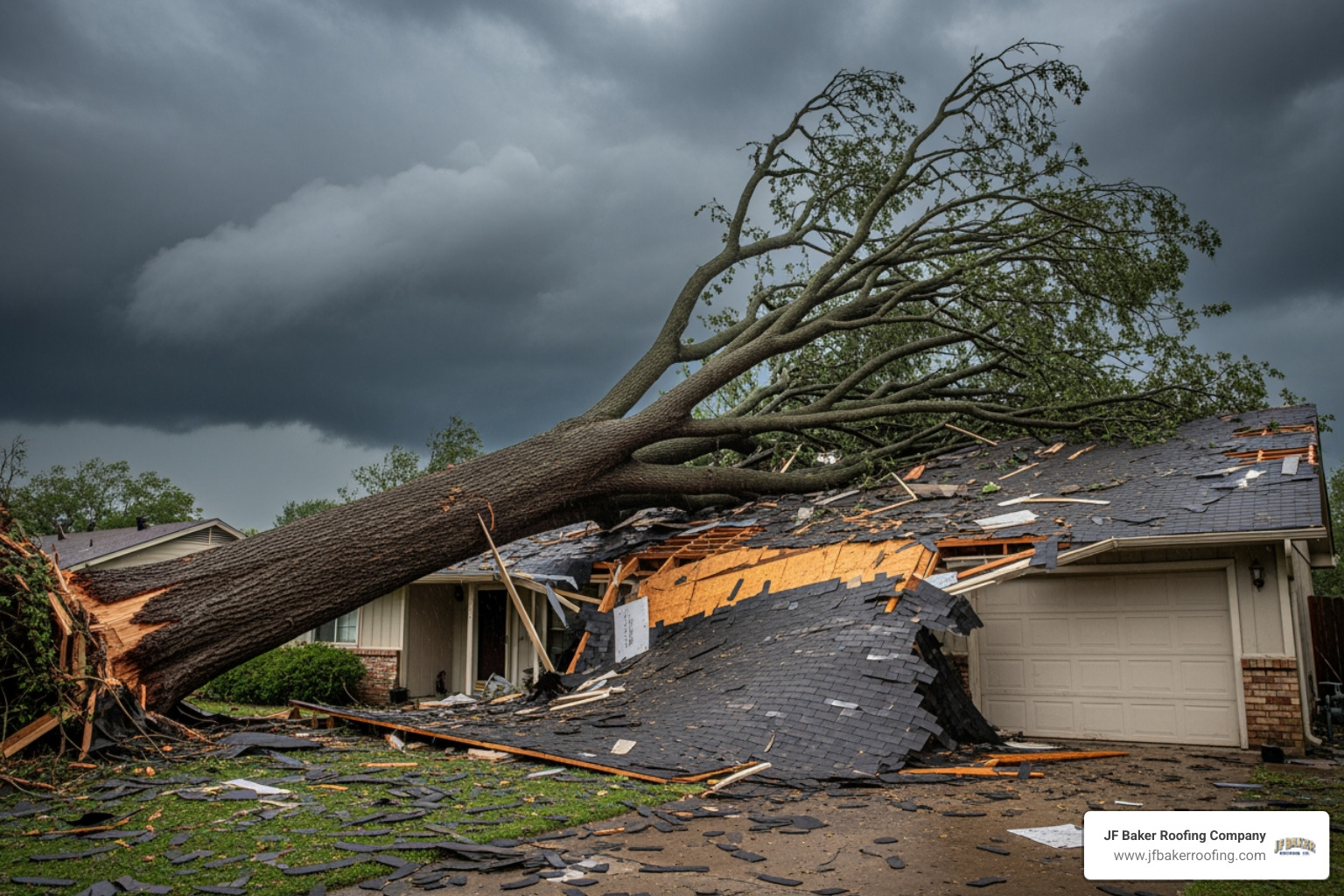
Whenever severe weather hits our area, performing a visual assessment from ground level is essential. If you suspect your home has weathered hail or high winds, scheduling a prompt post-storm roof inspection will uncover subtle damage that is invisible from the driveway.
Immediate Steps to Take When You Notice a Leak
Discovering active water dripping into your living space can be stressful, but taking prompt, methodical action minimizes interior damage while you wait for a contractor to arrive.
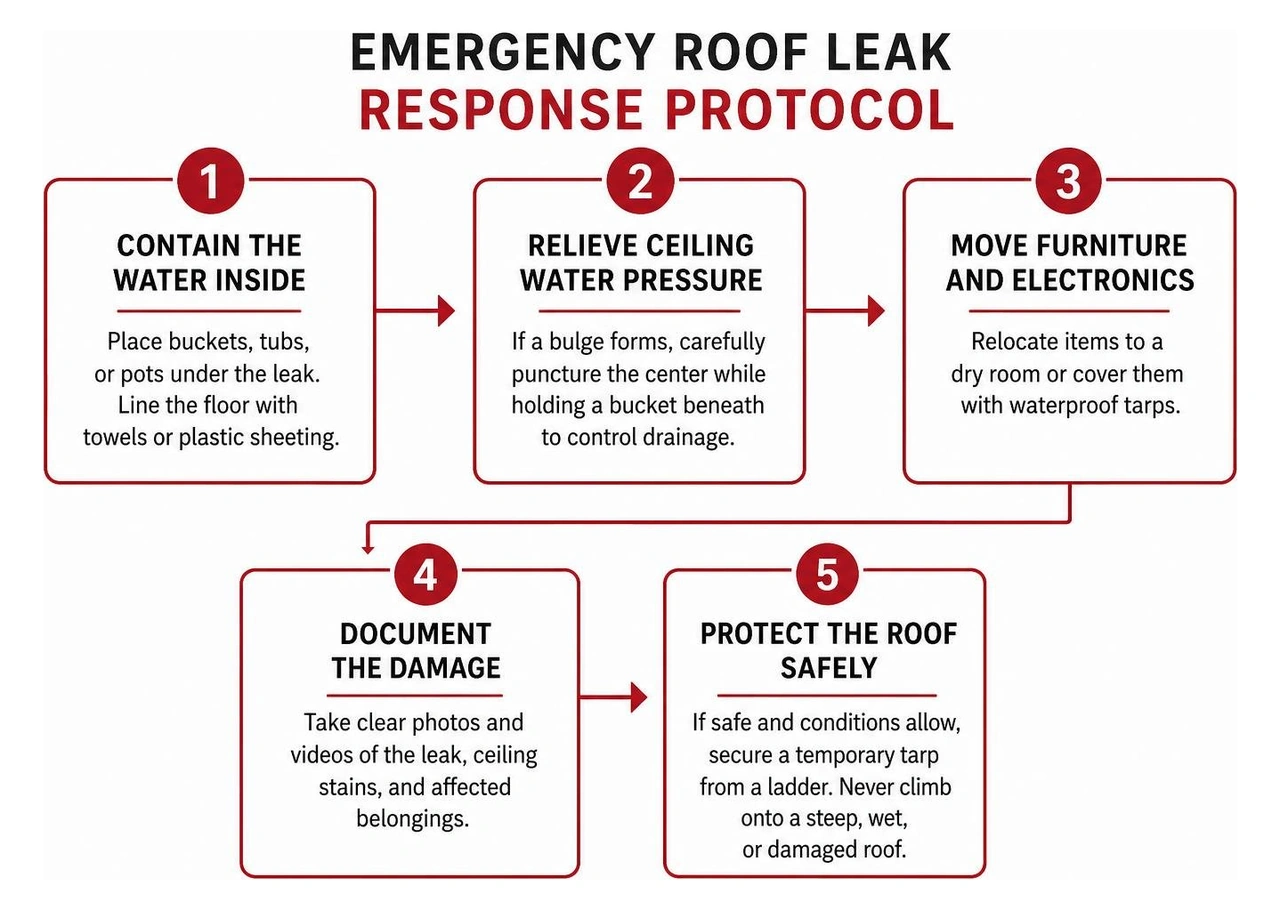
- Contain the water inside: Place buckets, plastic tubs, or cooking pots directly under the leak. Line the surrounding floor with old towels or plastic sheeting to prevent moisture from penetrating hardwood or carpet.
- Relieve ceiling water pressure: If you notice a bulging, water-filled blister forming in your ceiling drywall, carefully puncture the center with a small screwdriver or nail while holding a bucket directly underneath. This controls the drainage point and prevents a sudden, widespread ceiling collapse.
- Move furnishings and electronics: Relocate nearby furniture, rugs, and electronic devices to a dry room, or drape them with waterproof tarps.
- Document the damage: Take clear photos and videos of the active leak, ceiling stains, and any affected household belongings for your records.
- Protect the roof safely: If weather conditions permit and it is entirely safe to do so from a ladder without walking on a slick slope, a temporary tarp can be secured. However, never climb onto a steep, wet, or damaged roof yourself.
- Schedule an expert evaluation: Contact our team for a comprehensive roof inspection. We will locate the primary point of entry and establish a lasting repair plan.
Slipped Shingles, Flashing Damage, and Hidden Leaks
Water rarely travels in a straight vertical line. It often enters through a cracked shingle near the peak, flows along rafters or horizontal roof decking, and finally manifests on a ceiling several yards away from the actual leak source. Diagnosing these hidden pathways requires deep familiarity with roofing assemblies.
Common leak locations include:
- Valleys: Where two roof slopes meet, water runoff concentrates in high volume. Lifted valley shingles or worn underlayment will quickly allow water penetration.
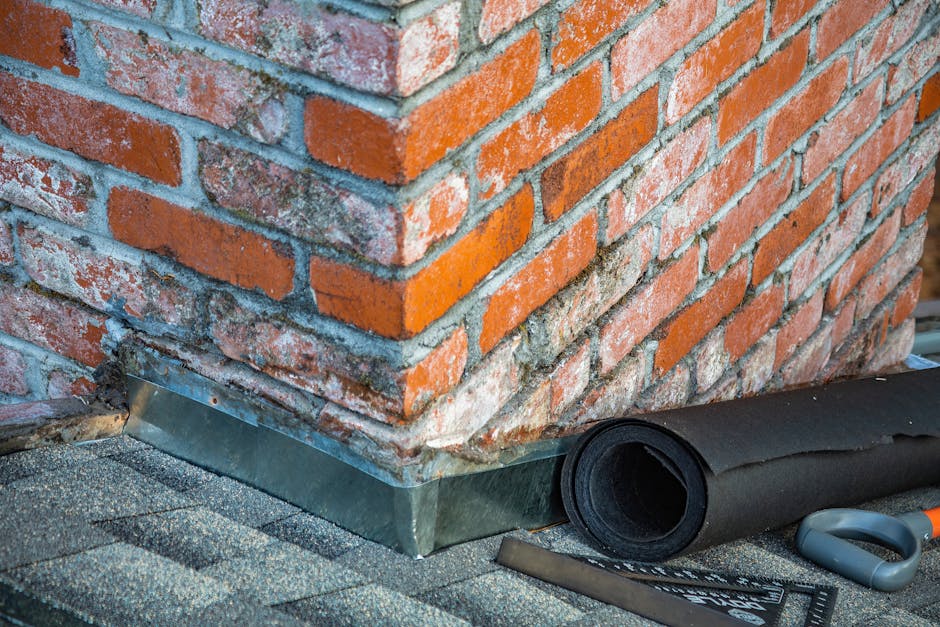
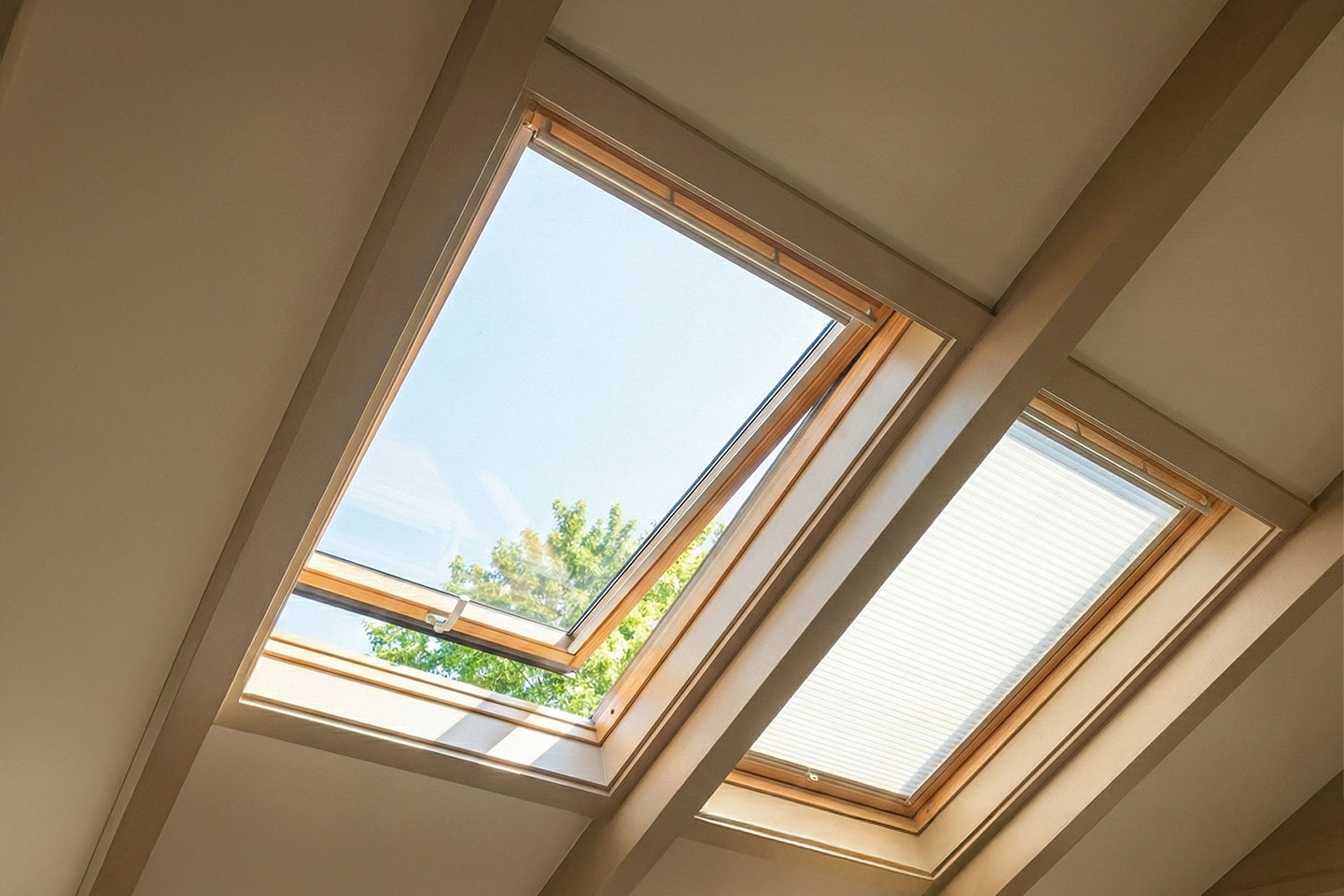
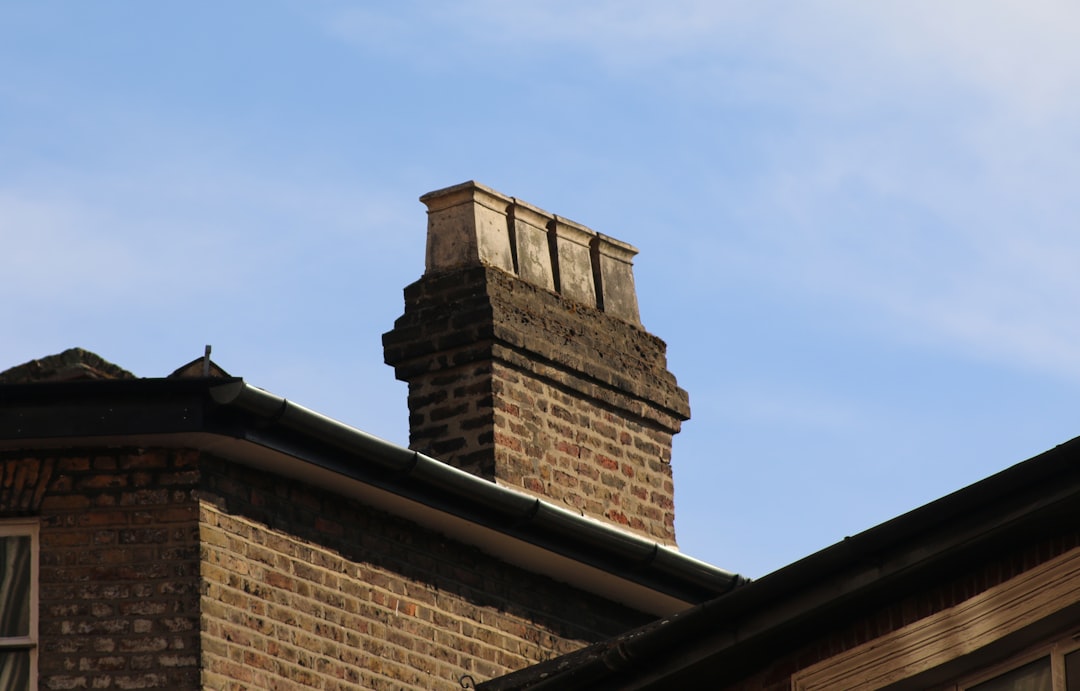
- Chimneys and skylights: Metal flashing around brick chimneys and skylight curbs expands and contracts with temperature shifts. When caulking dries out or metal corrodes, water seeps behind the flashing.
- Plumbing vent boots: Neoprene rubber collars surrounding plumbing vent pipes degrade over time from sun exposure, cracking around the pipe base.
Restoring the roof often involves carefully replacing damaged roof shingles, resealing transitional joints, and installing fresh metal flashing. In challenging leak scenarios, professional moisture meters and thermal imaging cameras help pinpoint temperature anomalies within ceilings and roof decks, ensuring every hidden moisture pocket is resolved.
Comprehensive Diagnosis: Repair vs. Full Replacement
Homeowners often ask whether an aging roof requires targeted repairs or a complete overhaul. The answer comes down to the roof's overall age, the scope of physical deterioration, and the integrity of the underlying decking.
A targeted repair is suitable when:
- The damage is confined to an isolated area (such as localized wind damage or a single failing plumbing boot).
- The surrounding shingles remain supple, securely adhered, and retain their protective mineral granules.
- The roof is in the first half of its expected service life.
- The roof deck beneath remains solid with no widespread wood rot.
A full roof replacement is recommended when:
- Shingles across multiple slopes are brittle, curled, cracked, or shedding granules heavily.
- Widespread decking rot or structural sagging is present.
- The roof has reached or exceeded its manufacturer lifespan.
- Repeated leak repairs across different areas have become a frequent necessity.
Reviewing the primary signs it is time to replace your roof helps evaluate whether further repairs remain practical. If extensive wear is evident across your entire home, reviewing our complete residential roof replacement guide will walk you through the full installation process from start to finish.
Understanding the Costs of Residential Roof Repair in Dublin
The cost of fixing a residential roof depends on multiple technical factors rather than a one-size-fits-all figure. Every home features distinct architectural layouts, materials, and accessibility considerations.
Key factors that influence repair expenses include:
- Roof Pitch and Complexity: Steep pitches, multi-story heights, and complex rooflines with multiple dormers require specialized safety staging and additional labor.
- Scope of Damage: Replacing three wind-damaged shingles on an open plane is straightforward, whereas rebuilding rotted rafter tails or repairing recessed valley flashing involves more extensive labor.
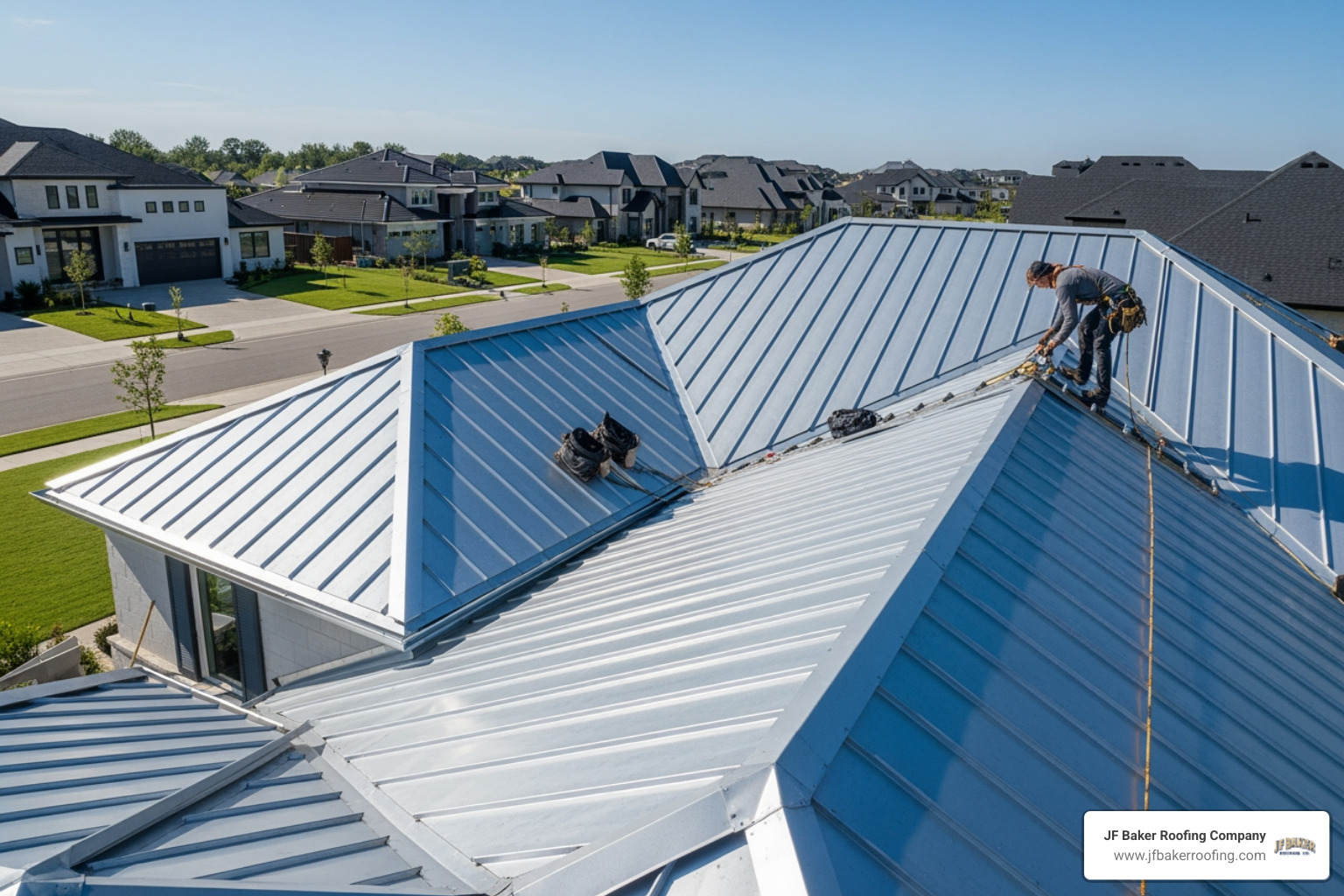
- Material Selection: Repairing architectural asphalt shingles involves different material and labor requirements than working with traditional slate, synthetic shake, or standing-seam sheet metal.
- Underlying Structural Work: If water has softened the wood sheathing, the rotted plywood must be cut out and replaced before new underlayment and surface materials are applied.
Homeowners weighing whether to keep investing in repairs or replace an aging roof system can explore average roof replacement cost considerations to compare long-term value. For targeted service in our community, we outline local options for Dublin roof repair designed around Central Ohio weather demands.
Durability, Materials, and Weather Standards
Central Ohio weather presents demanding conditions for roofing materials. Winter brings sub-freezing temperatures, heavy snow, and ice dams, while summer introduces intense UV radiation and humid heat.
To withstand these extremes, every repair must utilize premium materials that integrate seamlessly with your existing roofing system:
- Self-Adhering Ice and Water Barriers: Applied directly to the roof deck along eaves, valleys, and vulnerable roof-to-wall intersections to prevent moisture backups caused by winter ice dams.
- Synthetic Underlayment: Far superior to traditional organic felt paper, high-grade synthetic underlayment provides exceptional tear resistance and enhanced water repellency.
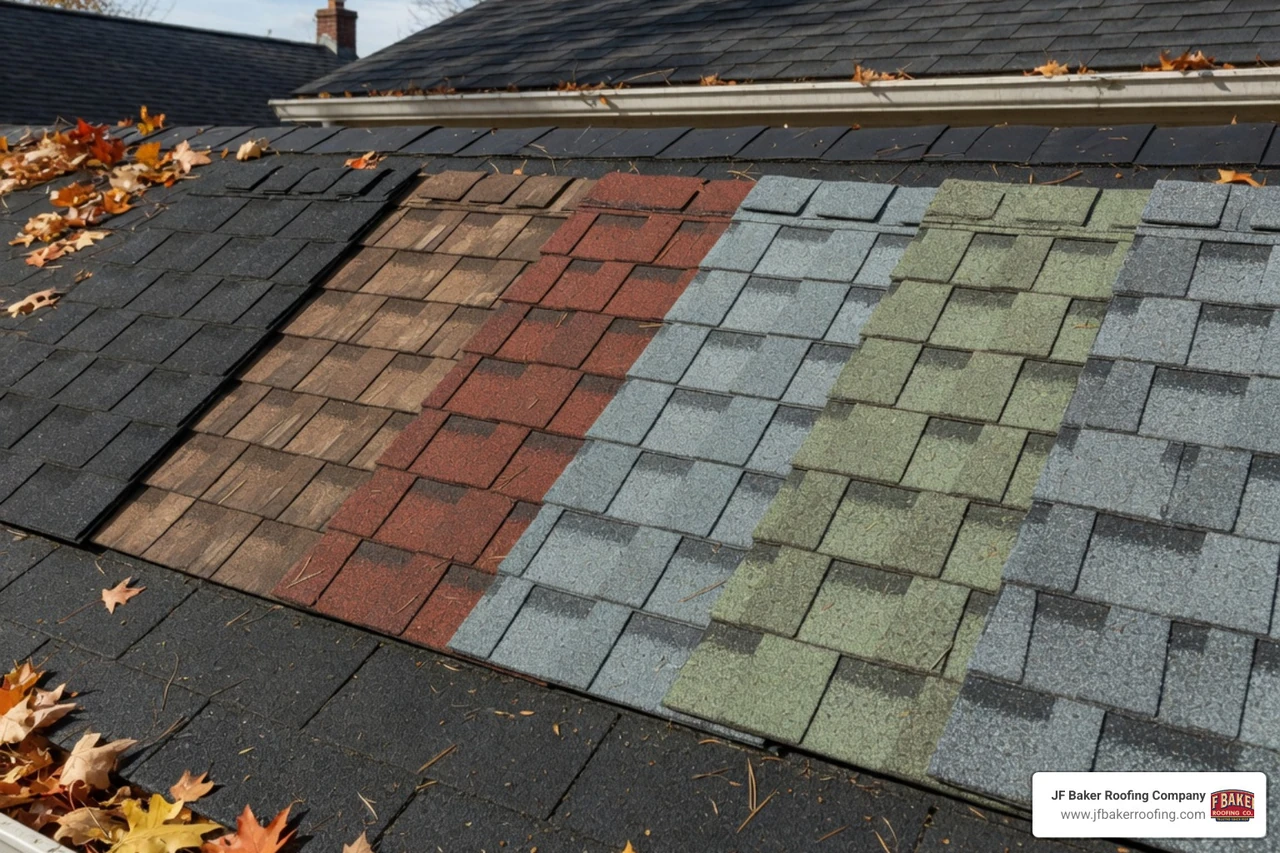
- Heavy-Duty Architectural Shingles: Multi-layered asphalt shingles provide high wind resistance, impact durability against hail, and algae-resistant surface granules.
- Corrosion-Resistant Metal Flashing: Heavy-gauge aluminum, galvanized steel, or copper flashing ensures long-lasting watertight transitions around chimneys, dormers, and parapets.
For a deeper dive into material performance in our local climate, refer to our Ohio residential shingle roofing guide. Selecting components that meet strict certified manufacturer roofing standards guarantees that repairs endure through every season.
How to Find and Vet Reliable Local Roofing Contractors
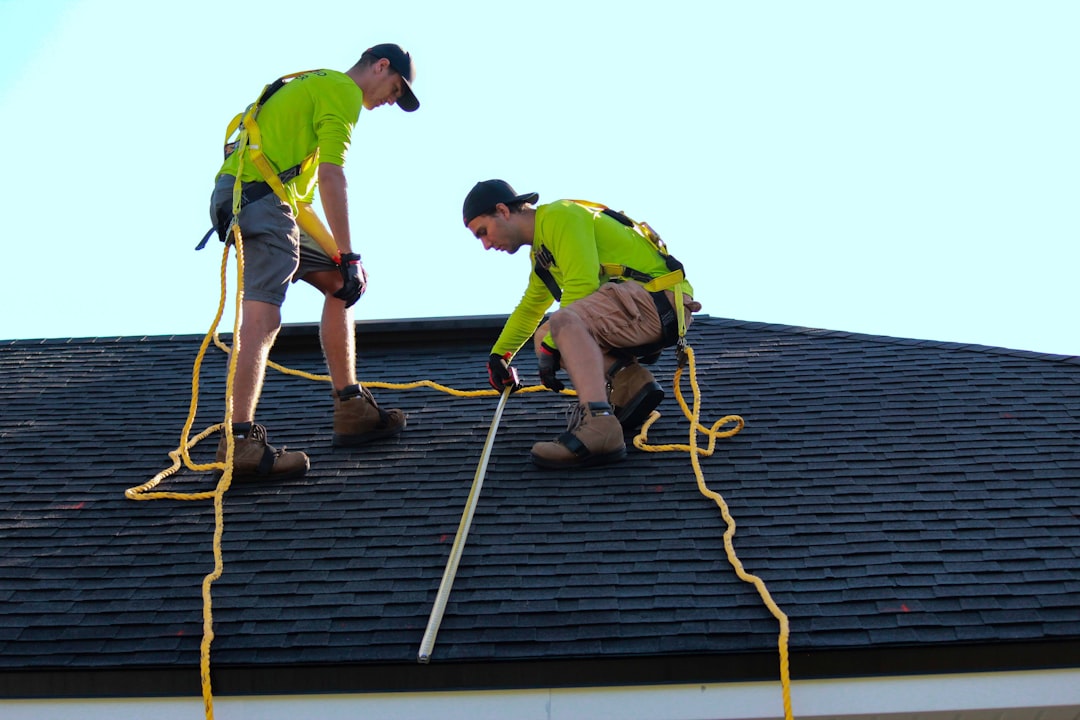
Finding a dependable contractor in Central Ohio does not have to be an overwhelming process. Unfortunately, after severe weather, traveling storm-chasing crews often move through neighborhoods offering quick patches and high-pressure sales pitches, only to disappear when follow-up service is needed.
Protecting your home requires partnering with established, locally rooted professionals who hold verified credentials and a proven history in the community.
When vetting roofing companies, always confirm the following essentials:
- Permanent Local Presence: Choose a contractor with a physical office in Central Ohio, established local phone numbers, and deep roots in the community.
- Full Insurance Coverage: Verify active workers' compensation and substantial general liability coverage to protect your property and workers on site.
- Detailed Written Estimates: Professional contractors provide itemized, written proposals outlining scope of work, material brands, project timelines, and warranty terms.
- Manufacturer Certifications: Certifications from leading manufacturers demonstrate that the crew undergoes continuous training and adheres to strict installation guidelines.
Working exclusively with licensed and insured roofing contractors ensures that all work complies with local building codes. Partnering with seasoned professional roofing contractors protects your property investment from subpar workmanship.
How to Choose Certified Contractors for Residential Roof Repair in Dublin
Selecting the right team for residential roof repair requires looking past marketing claims to evaluate verified craftsmanship and business integrity. A reputable roofing partner focuses on diagnostic accuracy rather than pushing premature replacements.
Key credentials to prioritize include:
- Industry Accreditations: Active membership in the National Roofing Contractors Association (NRCA) and accreditation with the Better Business Bureau (BBB) reflect ongoing adherence to high ethical standards.
- Manufacturer-Backed Status: Working with a certified installer—such as a CertainTeed ShingleMaster Preferred Contractor—confirms advanced technical competency and access to superior manufacturer warranties.
- Direct Communication: You should always have direct access to experienced project managers who answer questions clearly and keep job sites spotless.
Read our complete guide on choosing the right roofing contractor in Central Ohio to learn what questions to ask during an estimate. Furthermore, ensure you understand your residential roofing warranty coverage so both materials and craftsmanship are protected over the long haul.
Preventative Roof Maintenance and Annual Inspections
Preventative maintenance is the single most effective way to extend the lifespan of your roof and avoid sudden interior leaks. Regular care catches small issues—like a loosened flashing screw or an accumulation of debris—before moisture penetrates your home.
Essential seasonal maintenance practices include:
- Clearing Gutters and Downspouts: Keeping drainage pathways clear prevents water from backing up beneath your roof eaves, rotting the fascia boards, and overflowing down exterior siding.
- Removing Tree Debris: Clearing leaves, twigs, and branches from valleys prevents moisture from being trapped against shingles.
- Trimming Overhanging Branches: Pruning limbs prevents physical abrasion against shingle surfaces during windstorms and limits animal access to your roof.
- Monitoring Attic Ventilation: Ensuring soffit and ridge vents remain unobstructed prevents excess heat and moisture buildup that damages shingles from below.
- Removing Algae and Moss: Safely treating moss or algae growth prevents rootlets from working beneath shingle edges and lifting them.
Using our structured residential roof inspection checklist helps you keep track of maintenance tasks throughout the year. For comprehensive property care, our guide to Dublin roofing maintenance details how proactive upkeep preserves structural integrity across all seasons.
Frequently Asked Questions About Dublin Roof Repairs
How much does a typical residential roof repair cost?
Repair costs vary based on the specific type of damage, the pitch and height of your home, the materials required, and whether underlying wood decking needs replacement. Simple shingle replacements or minor pipe boot resealing require less labor and materials than extensive chimney flashing rebuilds or structural valley repairs. We provide clear, itemized written proposals after conducting a thorough inspection so you know exactly what is required.
Can a small leak be repaired without replacing the entire roof?
Yes. If your roof is generally in good condition and the leak stems from an isolated issue—such as a cracked flashing seam, a storm-damaged shingle, or a failing vent collar—a targeted repair is typically all that is needed. We believe in providing honest assessments, recommending repairs whenever they make practical sense, and suggesting a replacement only when the roof system is genuinely compromised.
How long does a standard residential roof repair take to complete?
Most standard residential roof repairs can be completed within a single day. Smaller repairs, such as replacing pipe boots or securing loose flashing, often take just a few hours. More complex repairs involving rotted decking replacement or multi-layered valley reconstructions may take one to two days depending on weather conditions.
Conclusion
Taking care of your roof protects everything beneath it. Whether you are dealing with a minor flashing leak, loose shingles from a recent thunderstorm, or general wear from seasonal weather changes, resolving issues early prevents structural wood damage, ruined insulation, and costly interior repairs.
Built on integrity. Proven by performance. JF Baker Roofing has been serving Central Ohio since 1929 and is led by third-generation owners Chad and Pat Baker. We serve both residential and commercial clients across Columbus and surrounding areas including Dublin, Upper Arlington, Hilliard, Grandview Heights, Worthington, and Westerville.
Our services include residential roofing, commercial roofing, roof repair, roof replacement, storm damage roofing, gutter installation and repair, and sheet metal work. As a CertainTeed ShingleMaster Preferred Contractor, an NRCA member, and a BBB Accredited Business with an A+ rating, we provide honest assessments, transparent pricing, clean job sites, clear communication, and no high-pressure sales tactics. Three generations of Central Ohio roofing means we stand behind every roof we install.
If you have questions about the condition of your roof or want a knowledgeable neighbor to take a look, we invite you to explore our trusted residential roofing services or reach out to our family team today. Let our reputation be your security.










.jpeg)