All About Average Cost of Roof Replacement Per Square Foot
Why the Average Cost of Roof Replacement Per Square Foot Is the Number Every Homeowner Needs to Know
The average cost of roof replacement per square foot in 2026 runs roughly $6 to $12 for most homes, depending on material, labor, and location. Here is a quick breakdown by material:
- Asphalt shingles: $3.50 - $8.00 per sq ft
- Metal roofing: $6.00 - $24.50 per sq ft
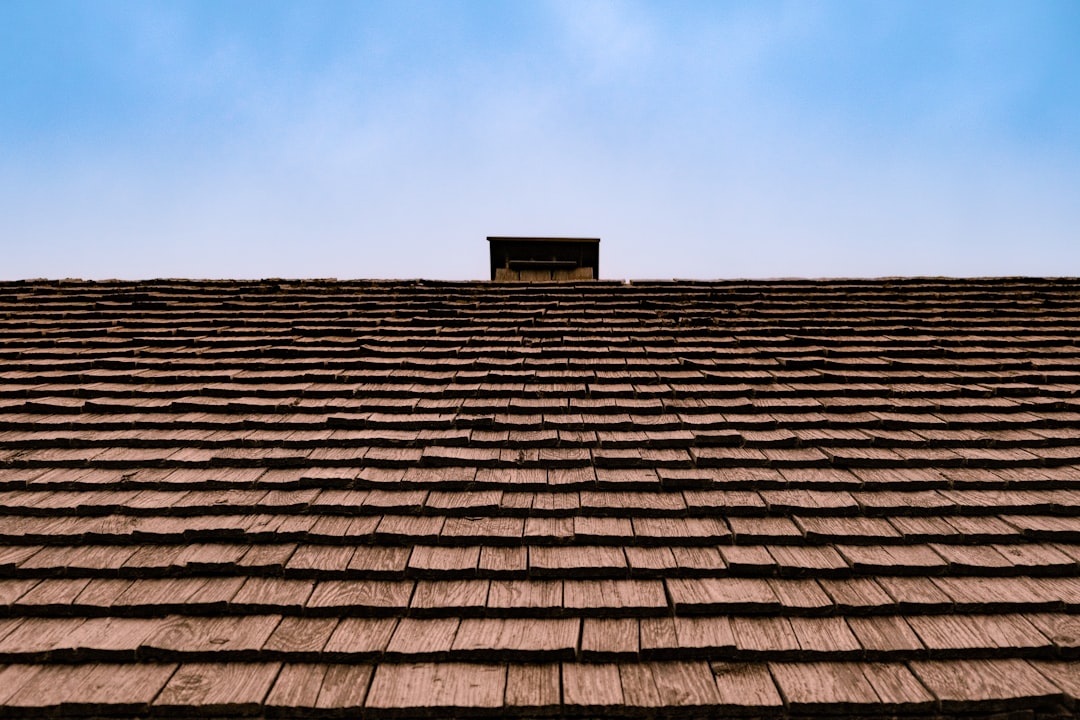
- Wood shakes: $6.00 - $9.15 per sq ft
- Clay or concrete tile: $6.30 - $12.30 per sq ft
- Slate: $23.00 - $32.00 per sq ft
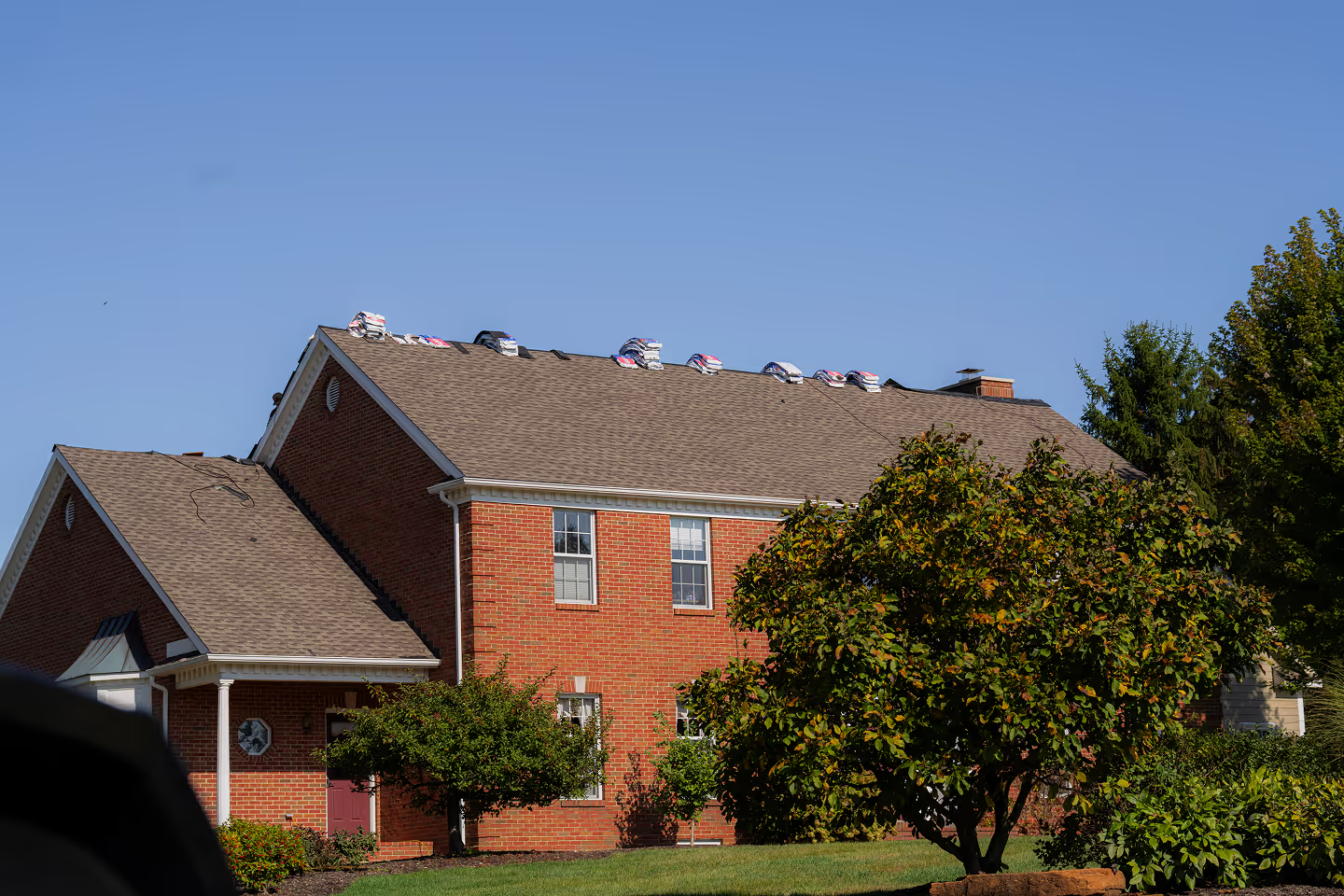
For a typical Columbus-area home, a full asphalt shingle replacement lands somewhere between $9,000 and $18,000 installed.
A new roof is one of the biggest purchases you will make as a homeowner. Most people do it once, maybe twice in a lifetime. That means there is very little room to learn from mistakes.
Getting the number right before you talk to a contractor matters. It helps you spot a fair bid, ask the right questions, and avoid surprises when the job starts.
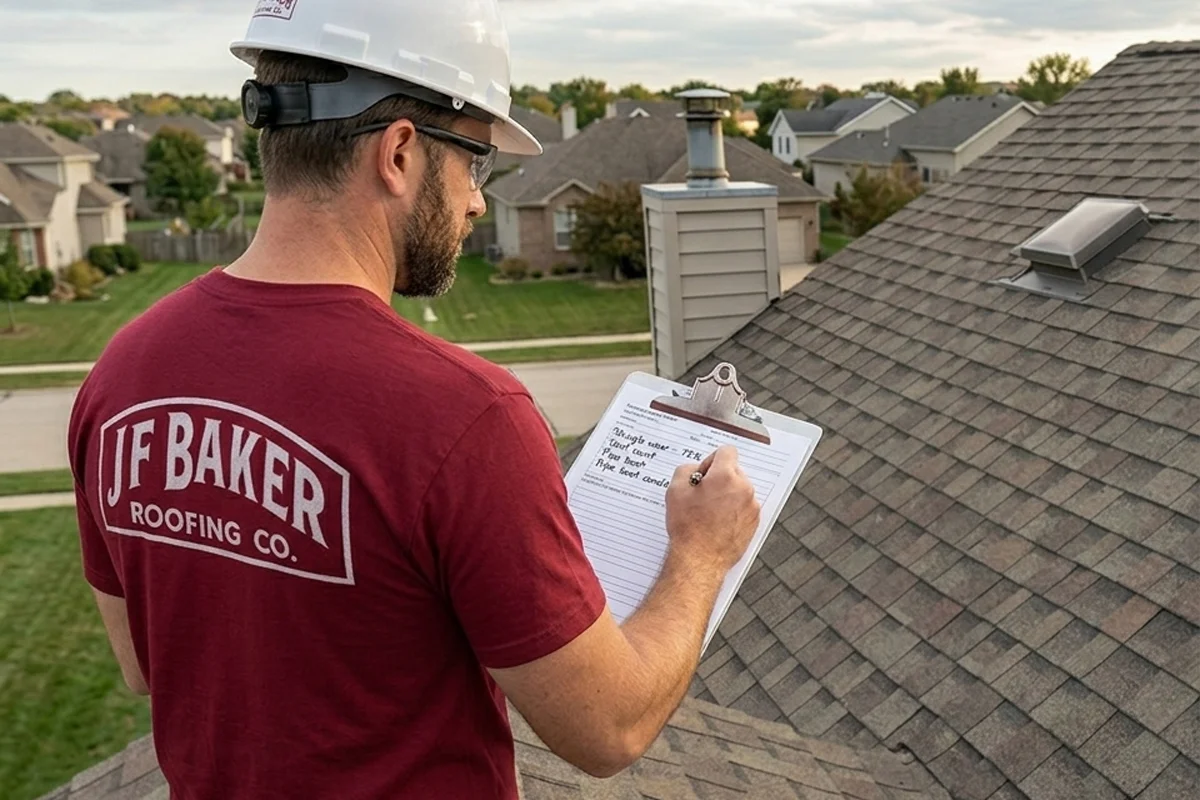
At JF Baker Roofing, we have been helping Central Ohio homeowners understand exactly what goes into a roof replacement since 1929. This guide breaks down what drives the cost per square foot, what gets left off quotes, and how Ohio's climate affects what your roof actually needs.
Basic average cost of roof replacement per square foot terms:
Understanding the Average Cost of Roof Replacement Per Square Foot in 2026

When you start researching the cost of a new roof, you will quickly notice that professional contractors talk about pricing in a very specific unit: the roofing square.
In the roofing industry, a square is a unit of measurement equal to 100 square feet of roof surface. For example, if a home has a roof surface area of 2,000 square feet, a contractor will write the estimate based on 20 squares.
Understanding this distinction is crucial when evaluating the average cost of roof replacement per square foot. Your home's interior square footage, which is the footprint of your living space, is not the same as your roof's square footage. Because of the slope, overhangs, and garage spaces, your roof's actual surface area is almost always 10 to 25 percent larger than the heated living space below it.
To get a realistic sense of what a full replacement entails, you can read more in this How Much Does a New Roof Cost in 2026? US Pricing Guide and explore our specialized Residential Roofing services.
Material Costs Per Square Foot
The materials you choose play a massive role in where your final estimate lands. The roofing market offers a wide spectrum of options, ranging from budget-friendly utility materials to ultra-premium, lifetime architectural solutions.
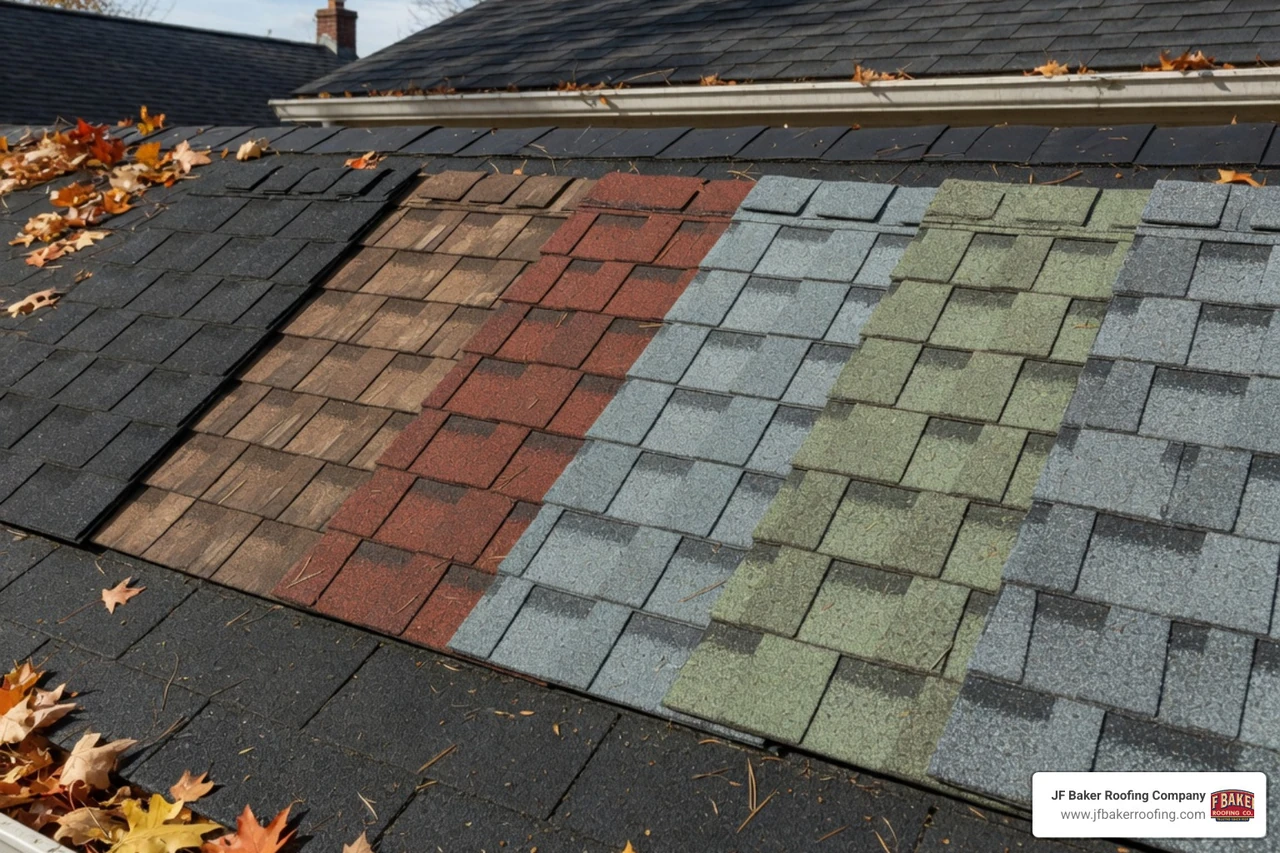
Asphalt shingles remain the most popular choice for residential properties in Columbus and surrounding areas like Dublin, Westerville, and Upper Arlington. Within the asphalt category, you have three primary tiers:
- Three-Tab Shingles: These are the traditional, flat shingles that have been used for decades. They are the most affordable option upfront, but they are lighter, have lower wind ratings, and carry shorter lifespans.
- Architectural Laminated Shingles: This is the modern baseline standard for most Central Ohio homes. They are significantly thicker and heavier than three-tab shingles, offering a textured, dimensional appearance that mimics wood shakes. They provide superior wind resistance and a much longer service life.
- Premium and Impact-Resistant Shingles: These are heavy-duty shingles designed to withstand severe weather, including large hail. They offer deep shadow lines for maximum curb appeal and often qualify homeowners for insurance discounts.
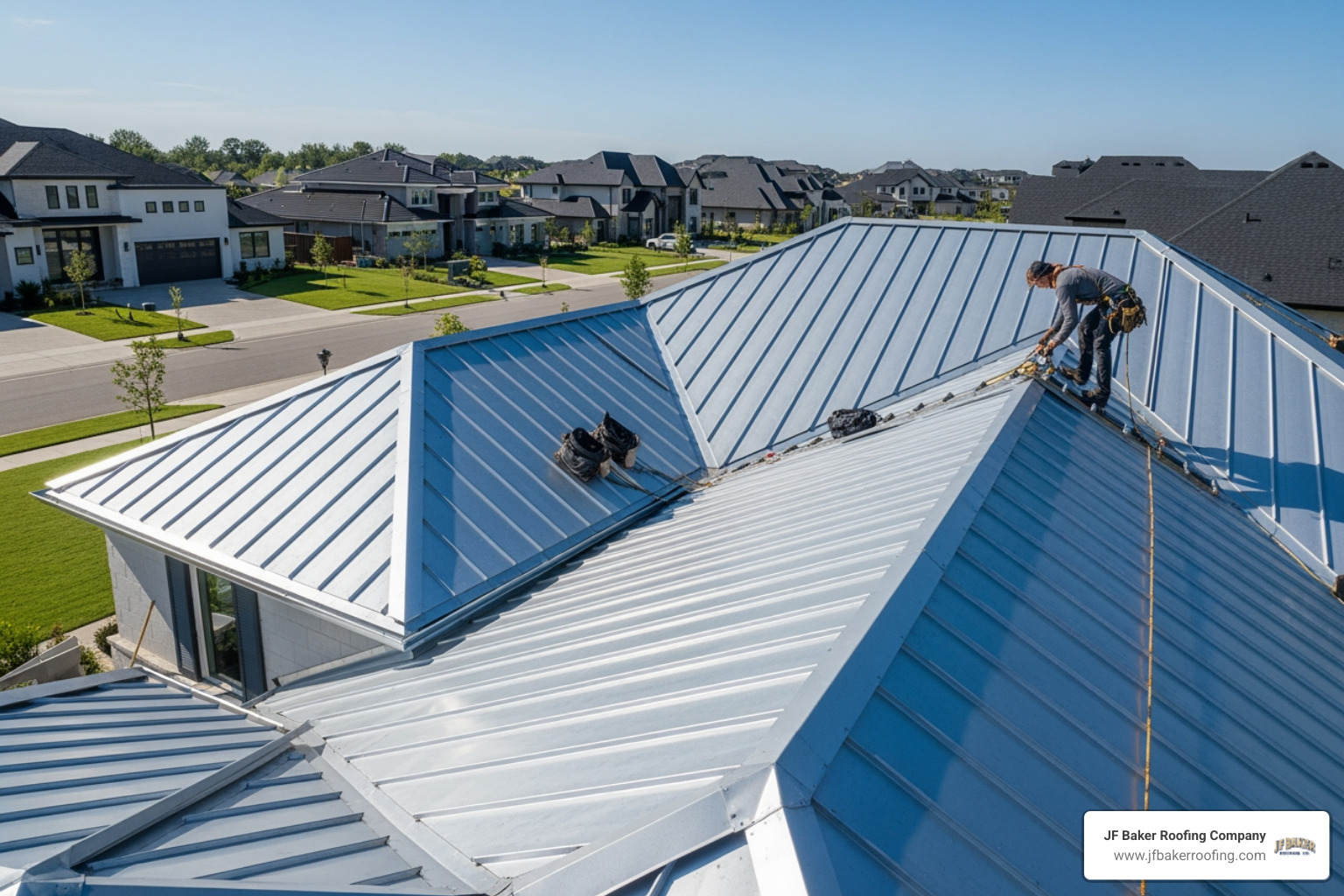
Beyond asphalt, homeowners can choose from metal roofing, which is highly prized for its durability and modern aesthetic. Standing seam metal systems use hidden fasteners to eliminate leak points, while metal shingles can replicate the look of slate or tile.
Clay tile, concrete tile, wood shakes, and natural slate represent the high end of the market. While these materials offer unmatched longevity and distinct historical styling, they require specialized installation techniques and are substantially heavier, meaning your home's structural framing must be strong enough to support the load.
To understand how shingle quality impacts long-term value, take a look at this guide on Asphalt Shingle Roof Cost (2026): $9K-$22K Average and our comprehensive Residential Shingle Roofing Ohio Guide 2026.
Labor and Installation Rates
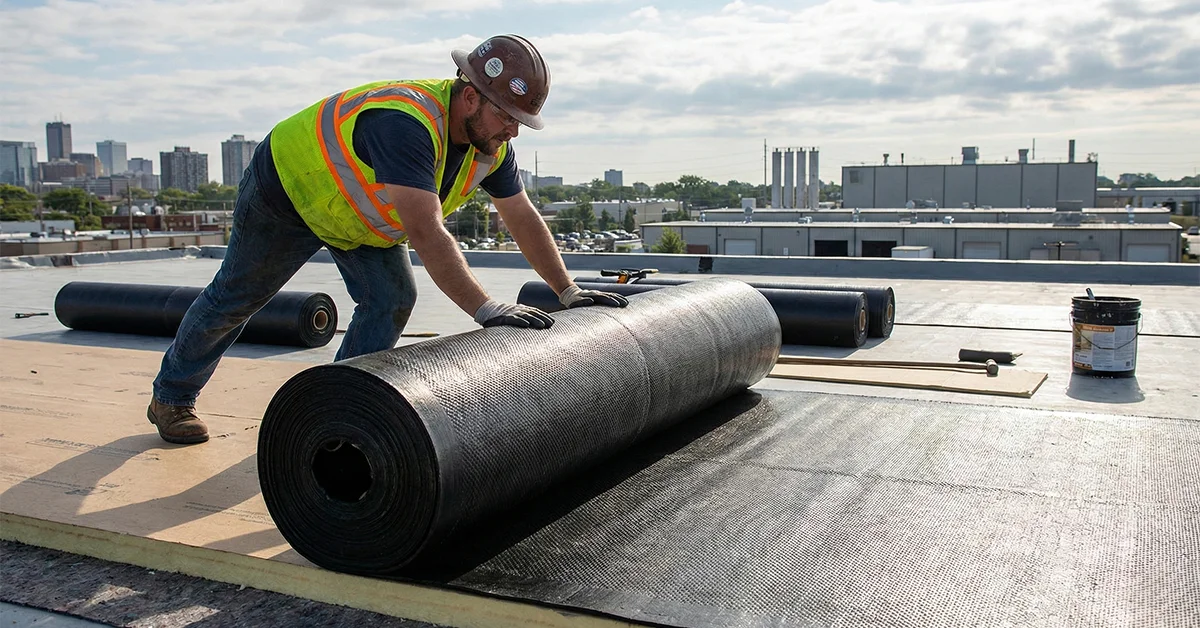
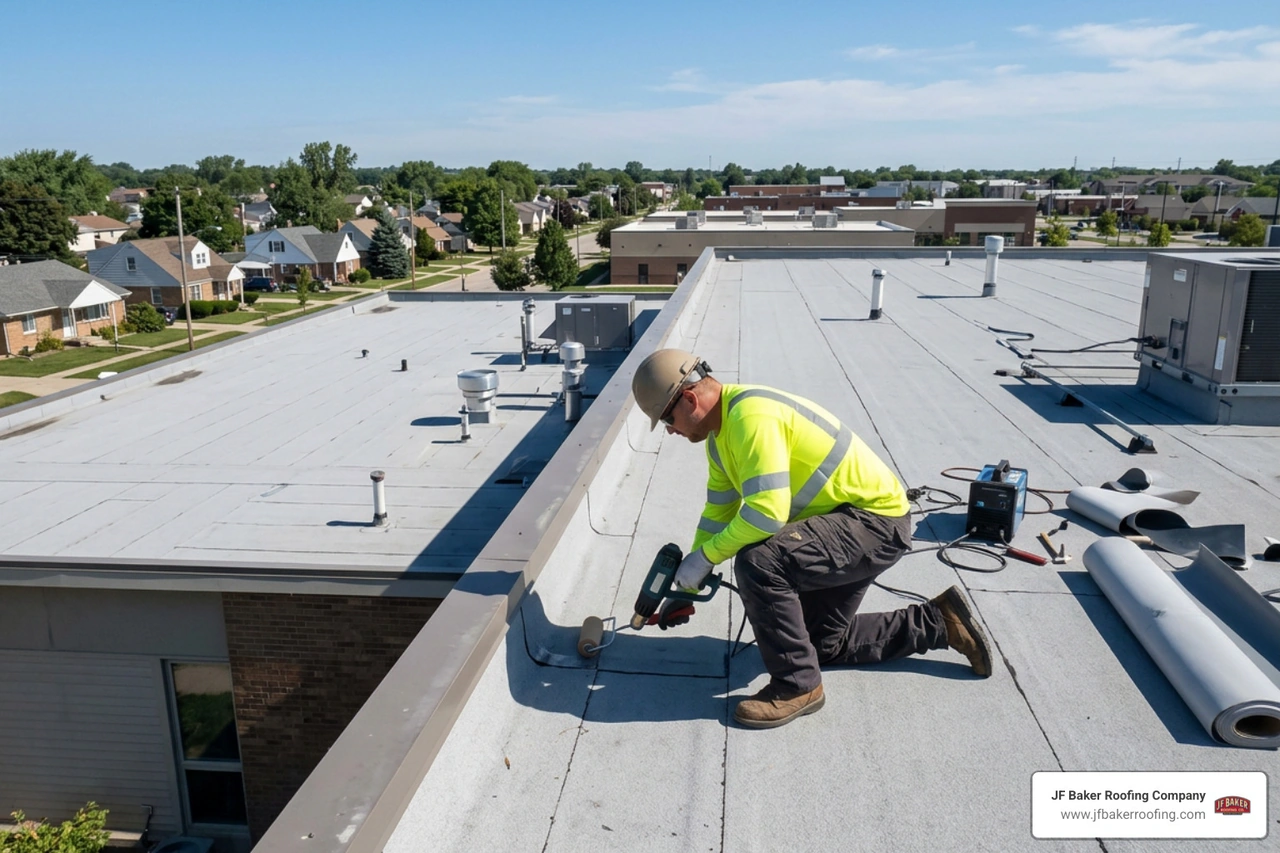
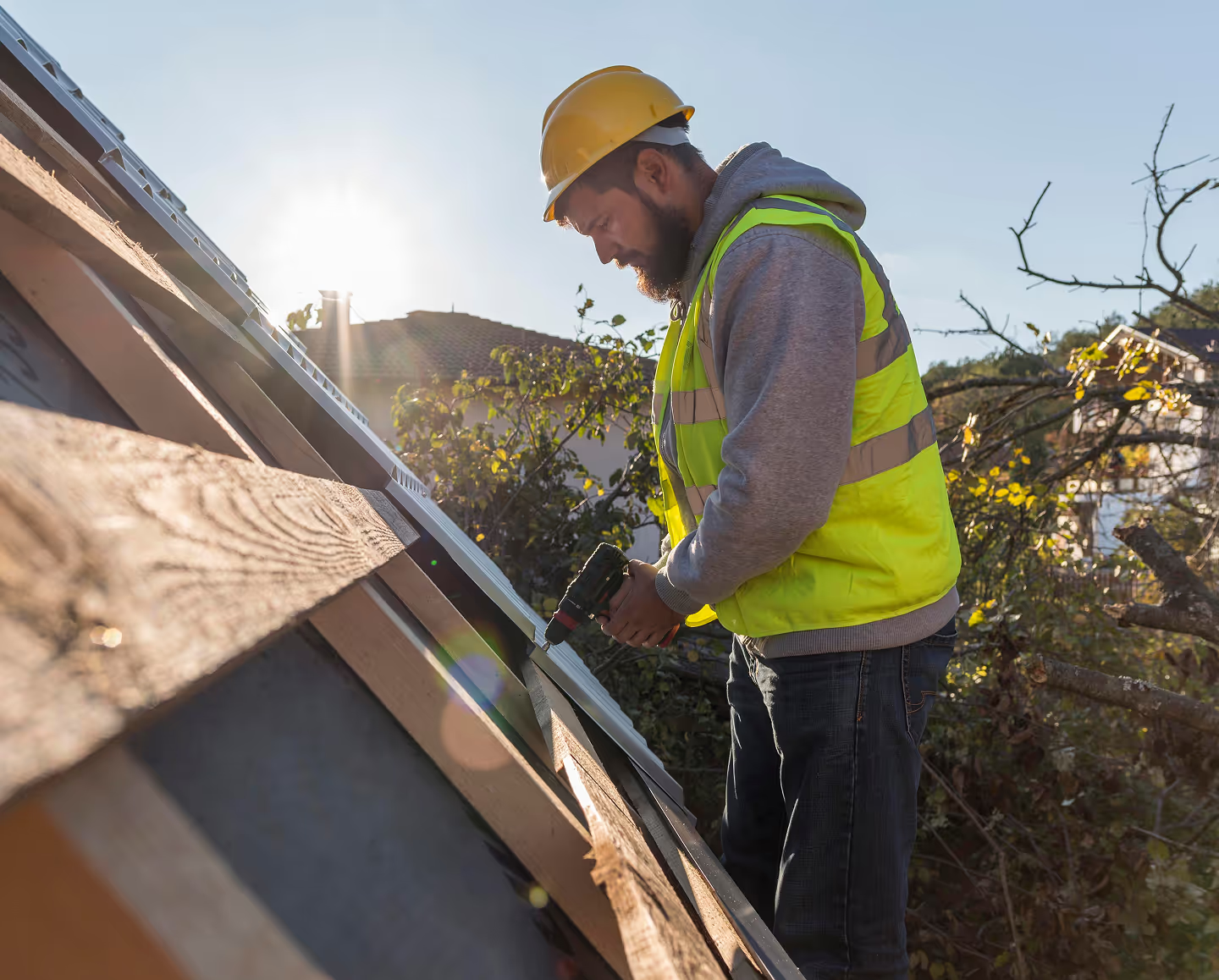
While materials represent a visible part of your investment, labor and installation costs actually make up the largest share of your total bill. In the professional roofing industry, labor typically accounts for 50 to 60 percent of the total project cost.
Roofing is highly physical, dangerous, and skilled work. Labor rates are driven by several key factors:
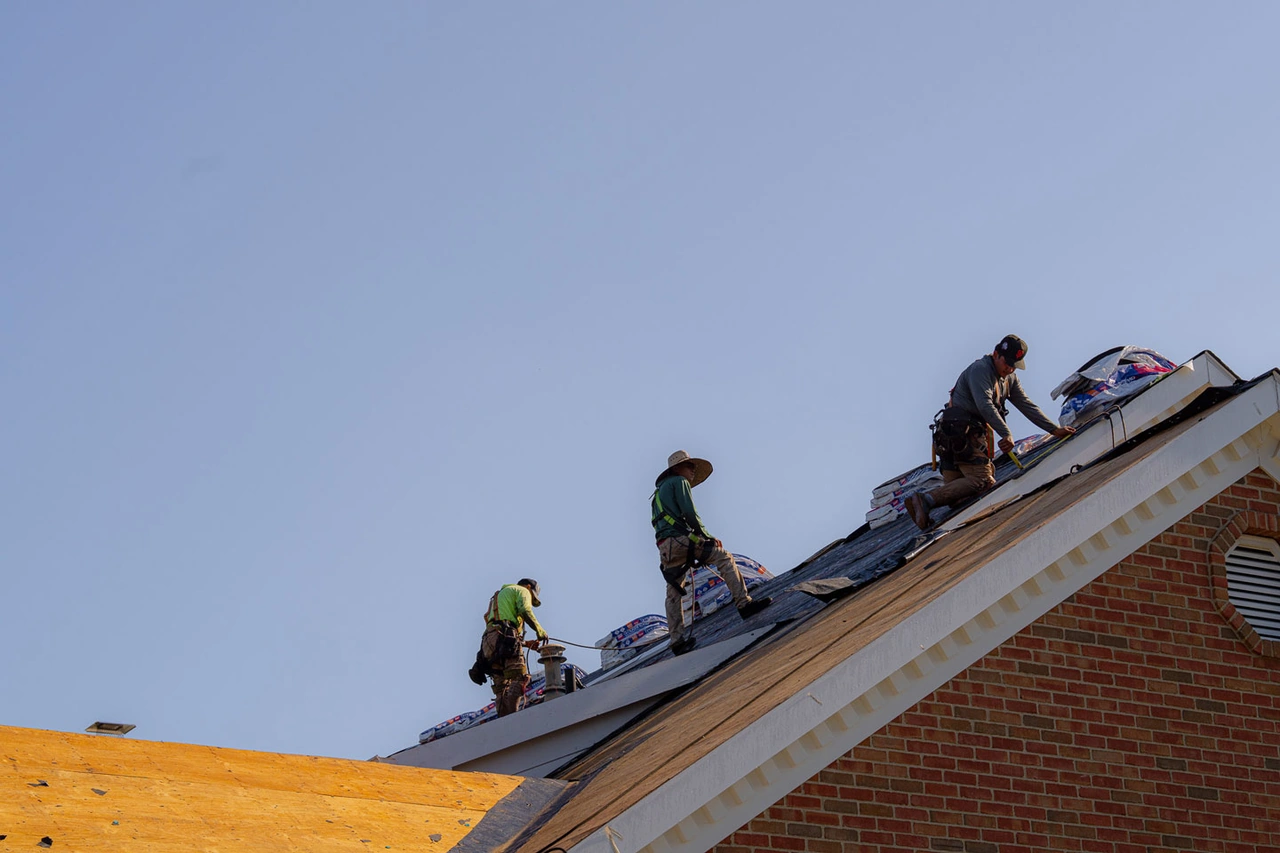
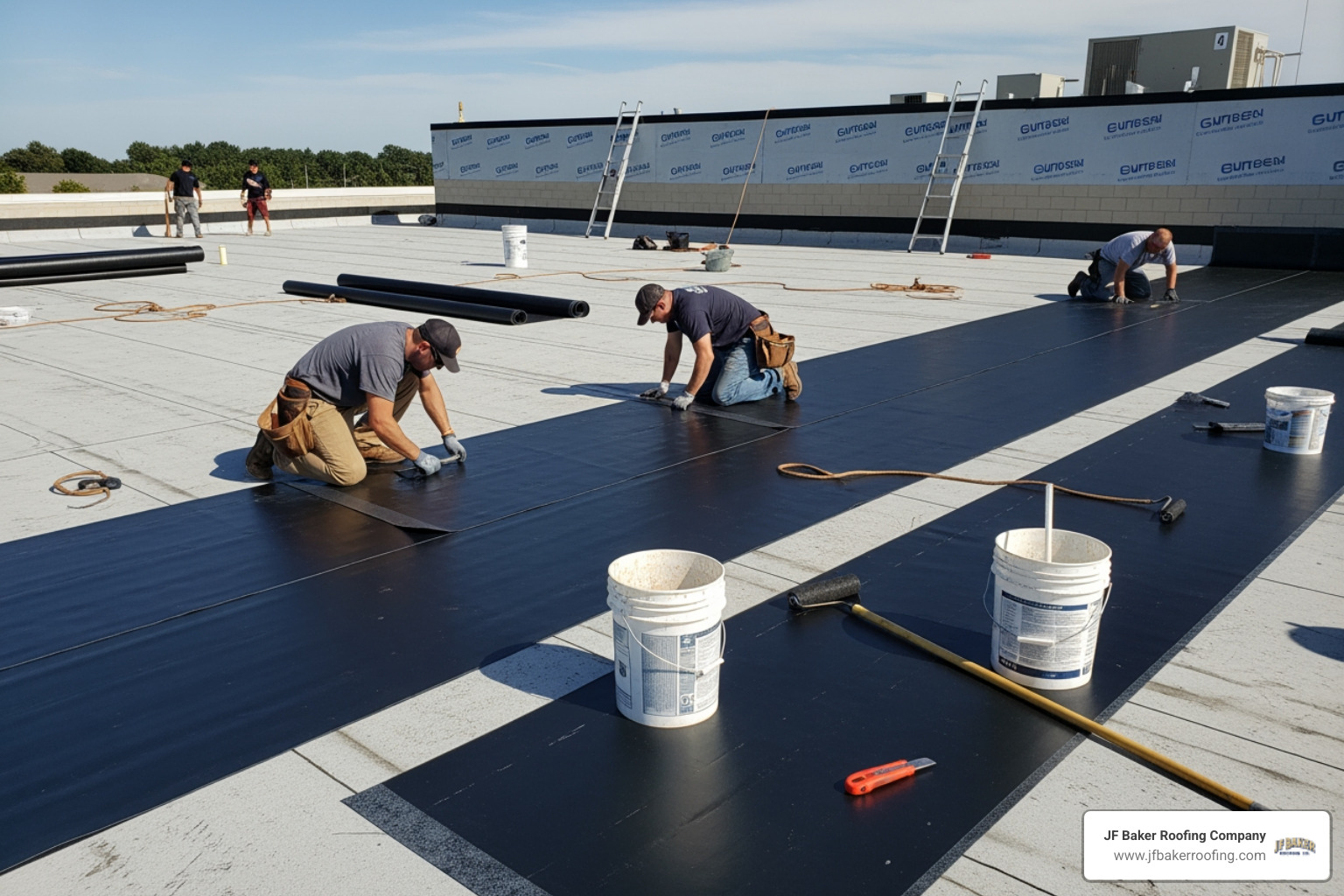
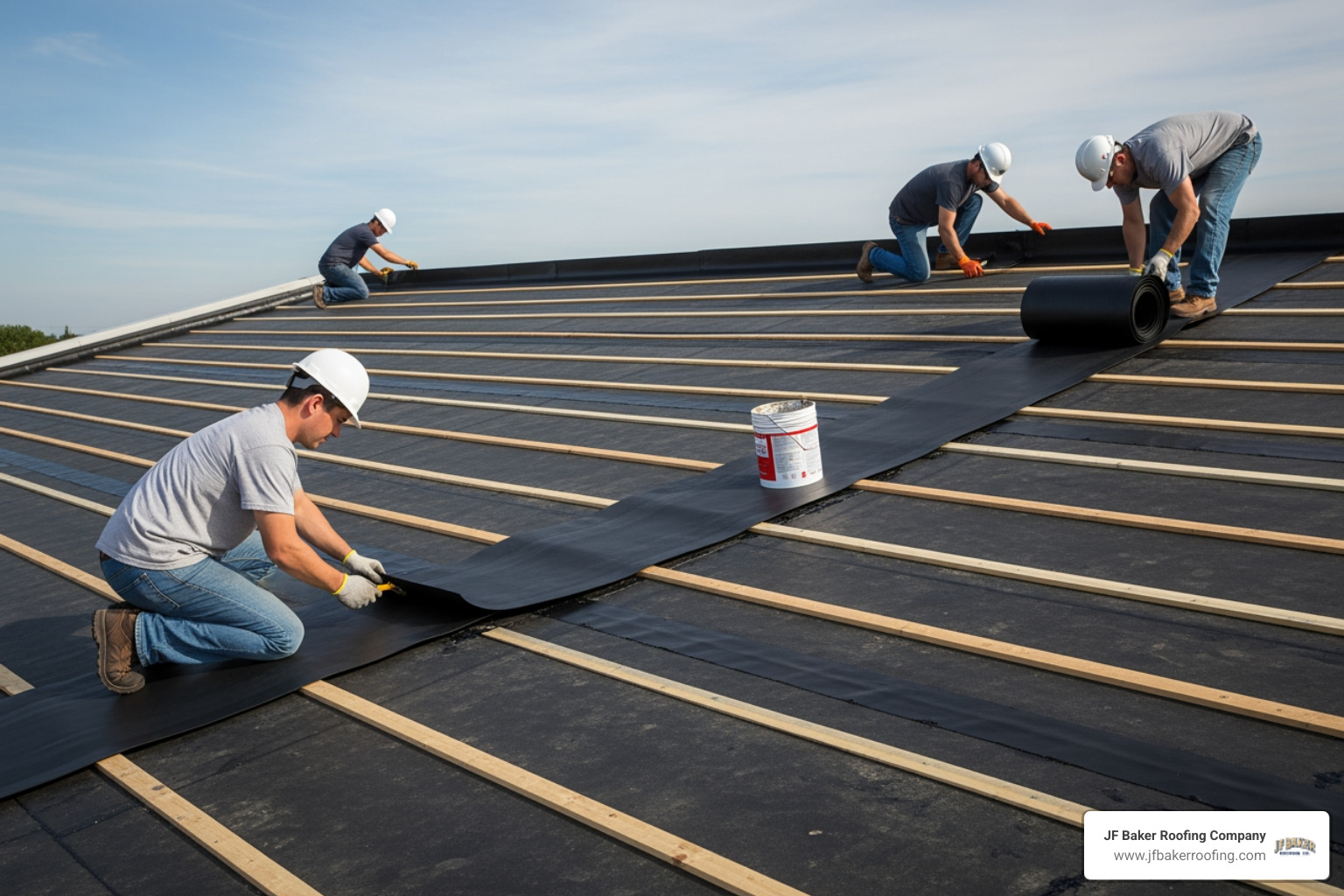
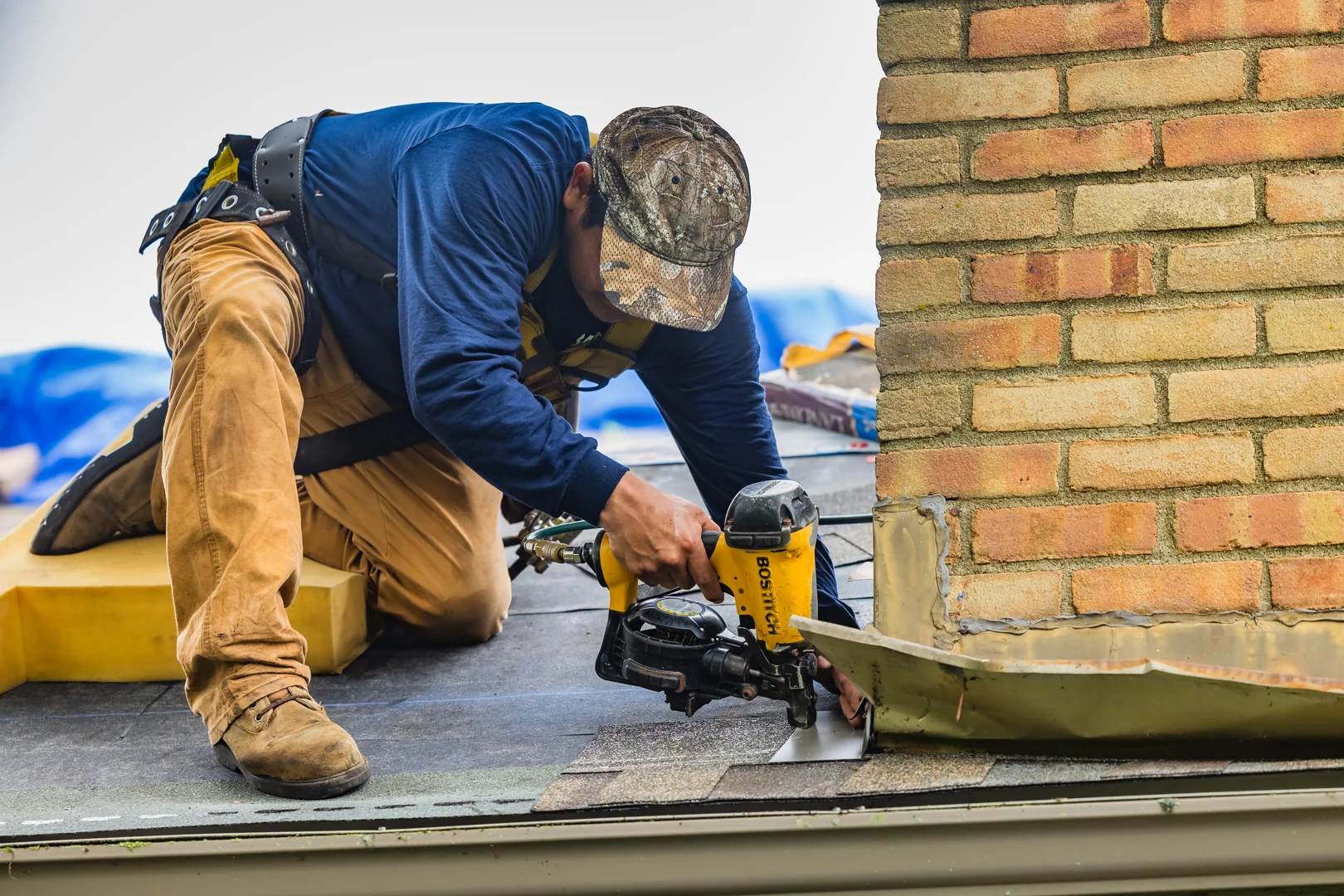
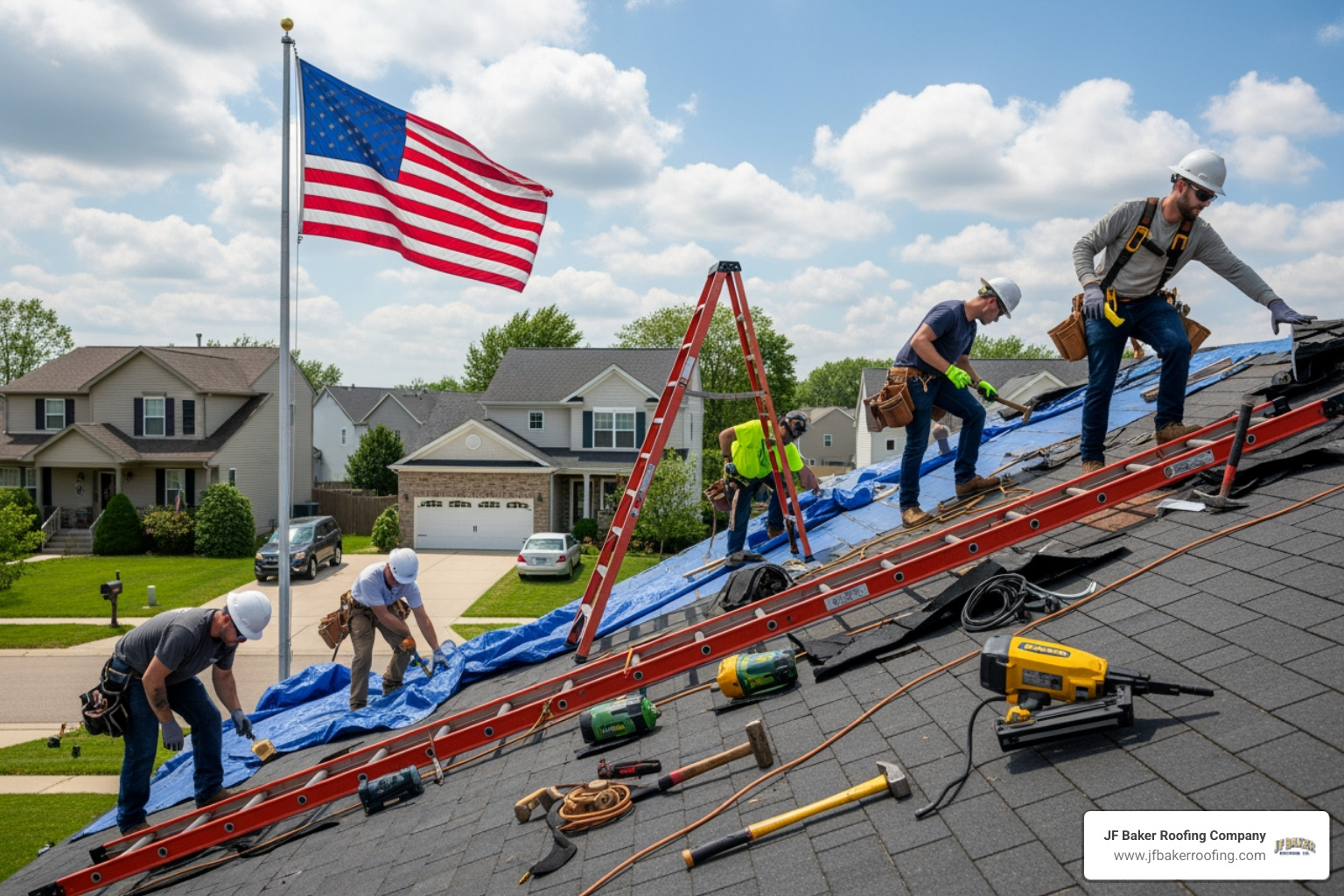
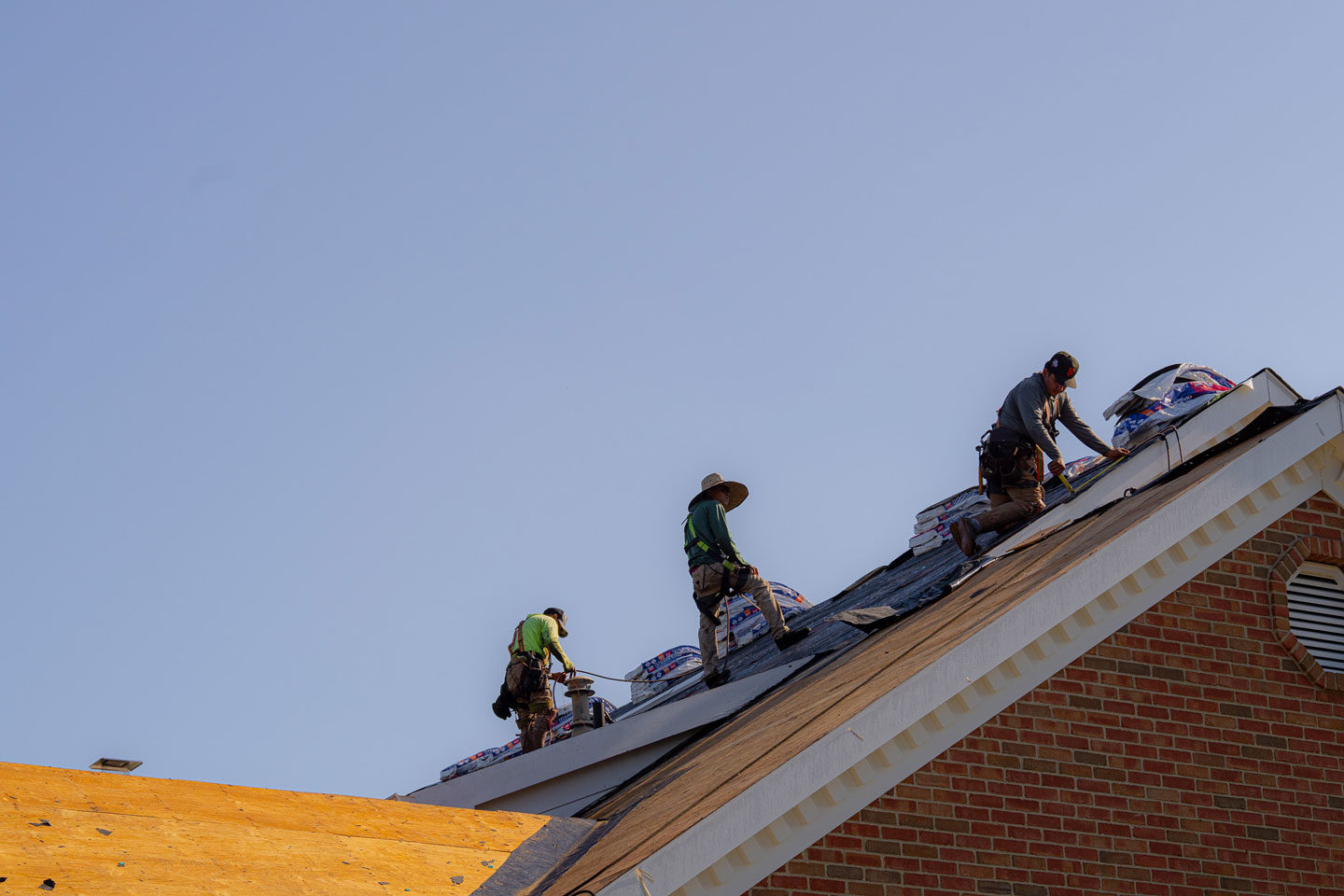
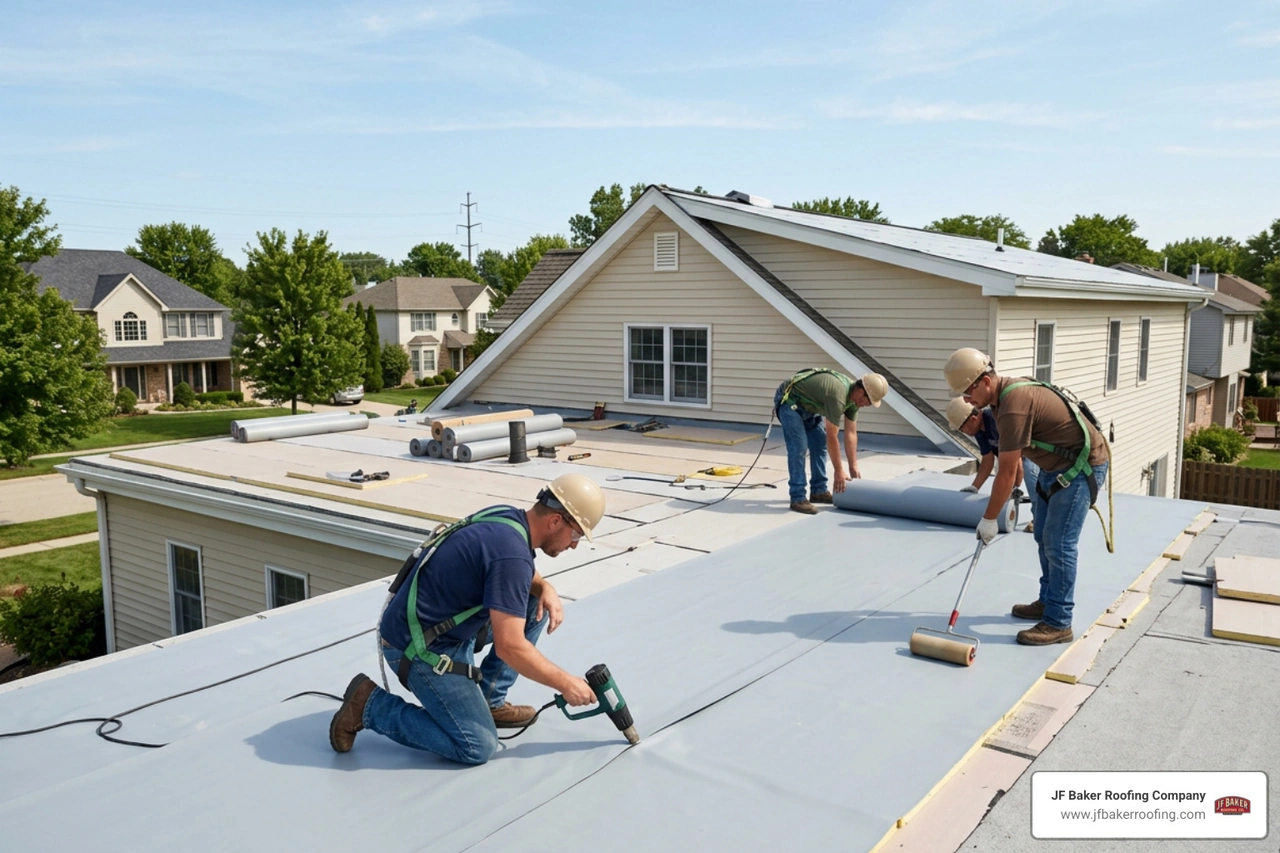
- Crew Size and Speed: A professional, experienced crew can tear off and replace a standard residential roof in one to two days. A smaller or less experienced crew may take much longer, leaving your home exposed to the elements.
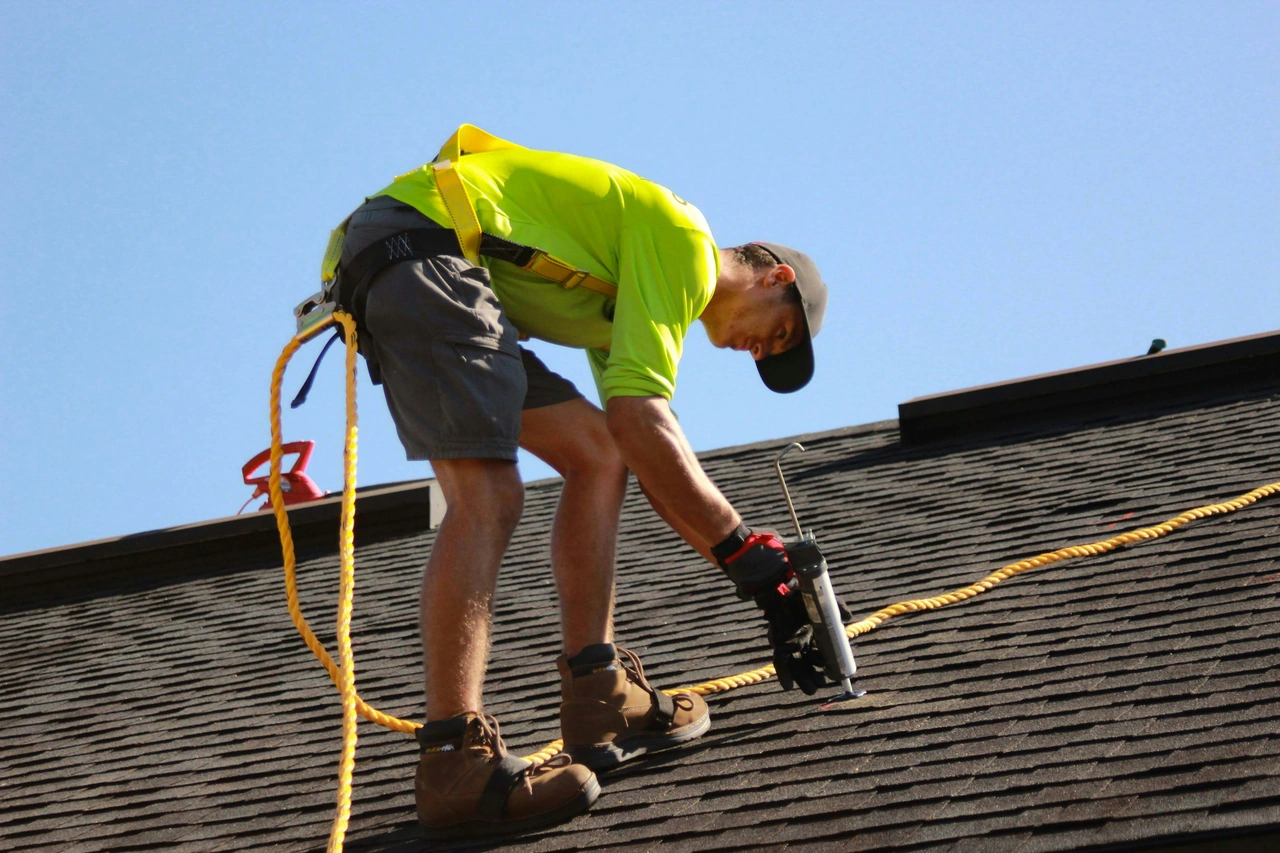
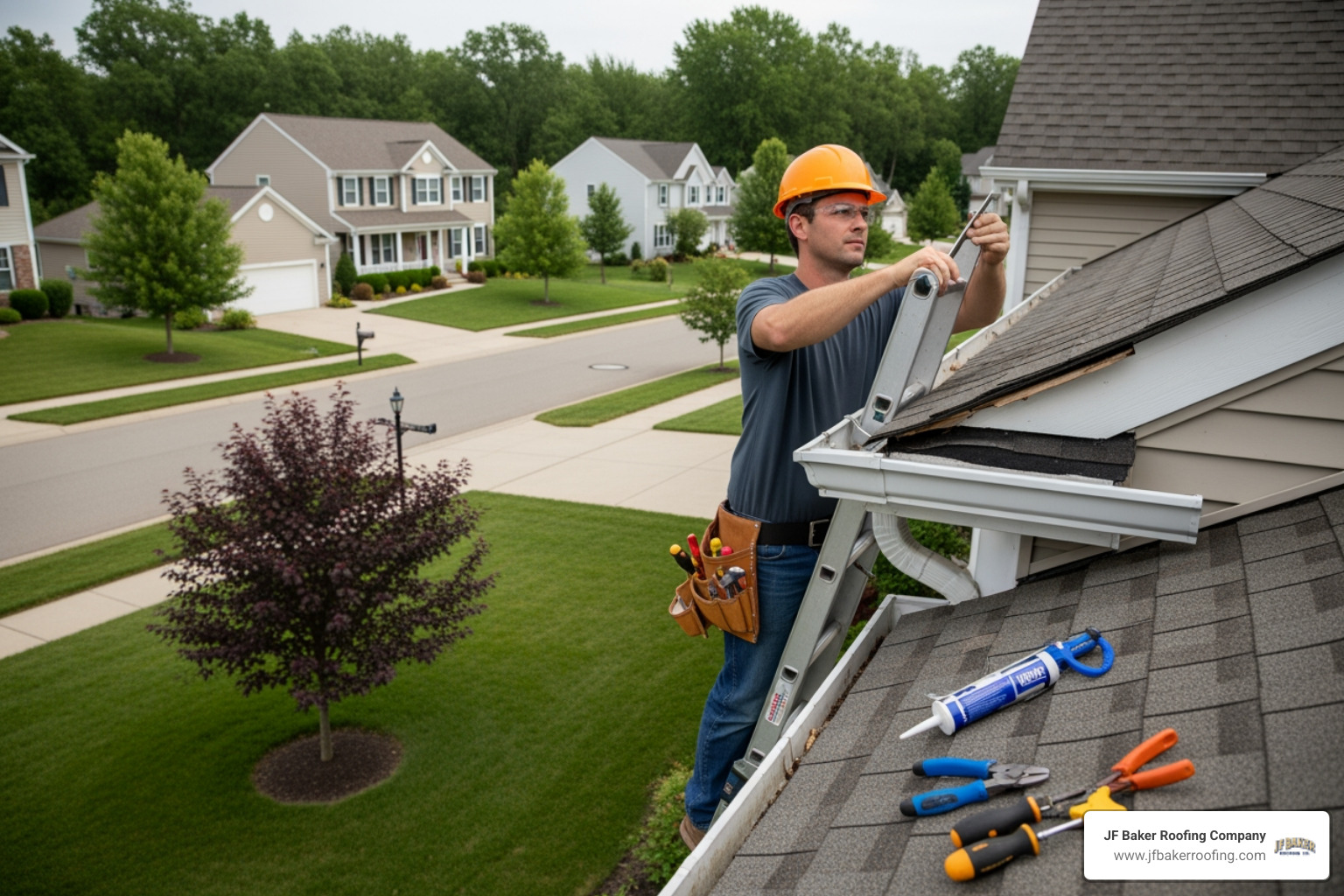
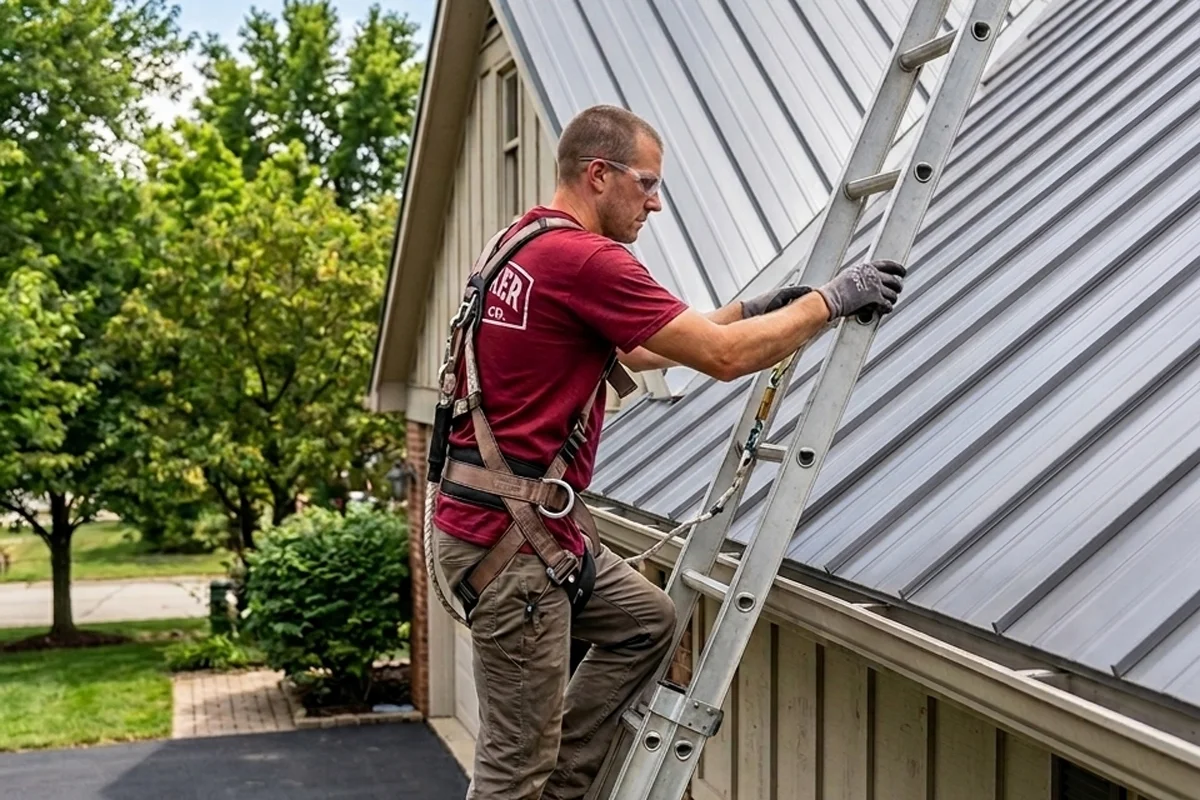
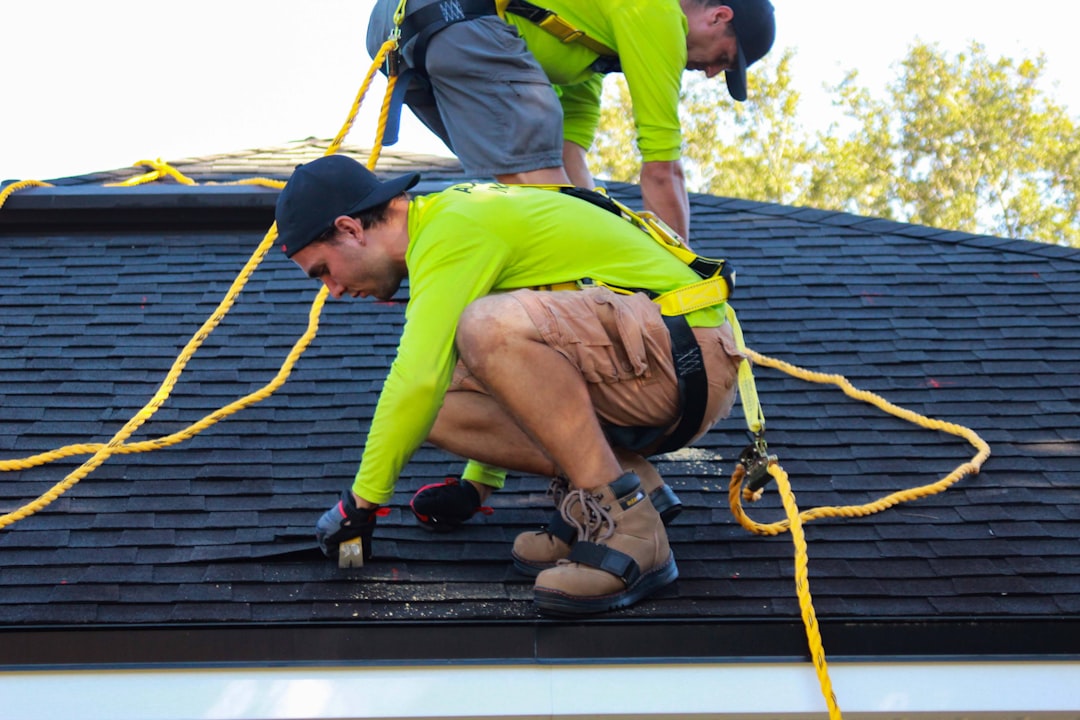
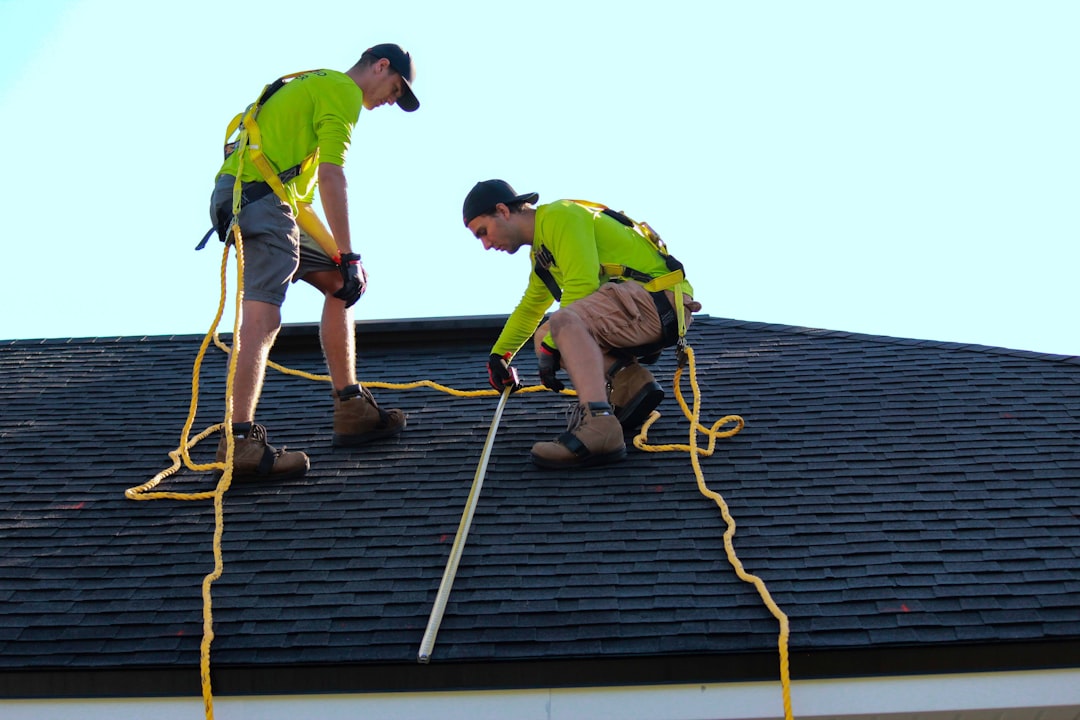
- Safety Requirements: Working on high, steep, or complex roofs requires specialized safety harnesses, scaffolding, and staging, which increases the labor hours required to complete the job safely.
- Workmanship Warranties: Contractors who employ certified, factory-trained installers generally have higher labor rates because they stand behind their work with robust warranties.
To learn more about how we structure our professional installation teams to ensure quality and safety, visit our page on Roof Installation Central Ohio.
Key Factors That Influence Your Per-Square-Foot Estimate
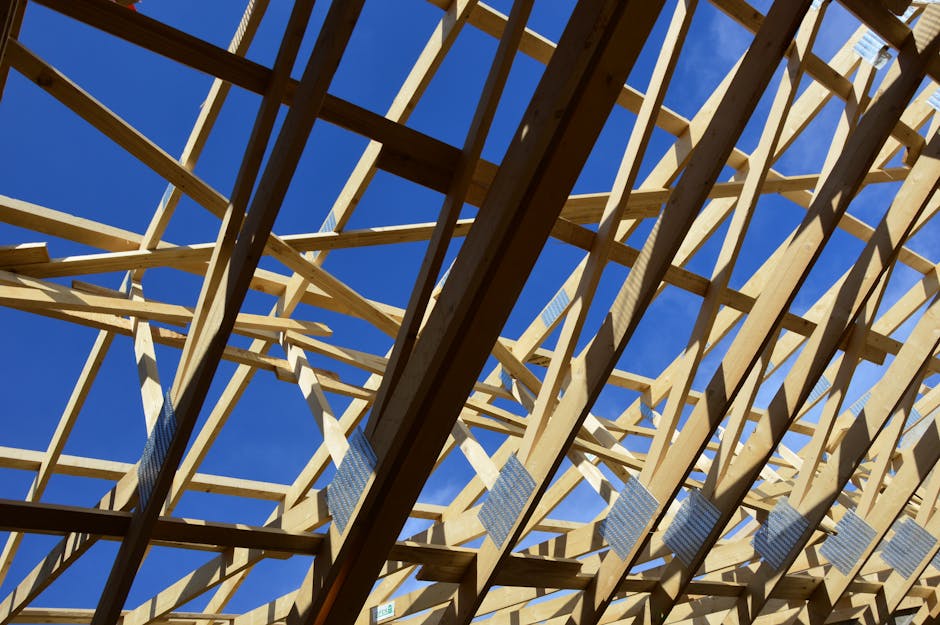
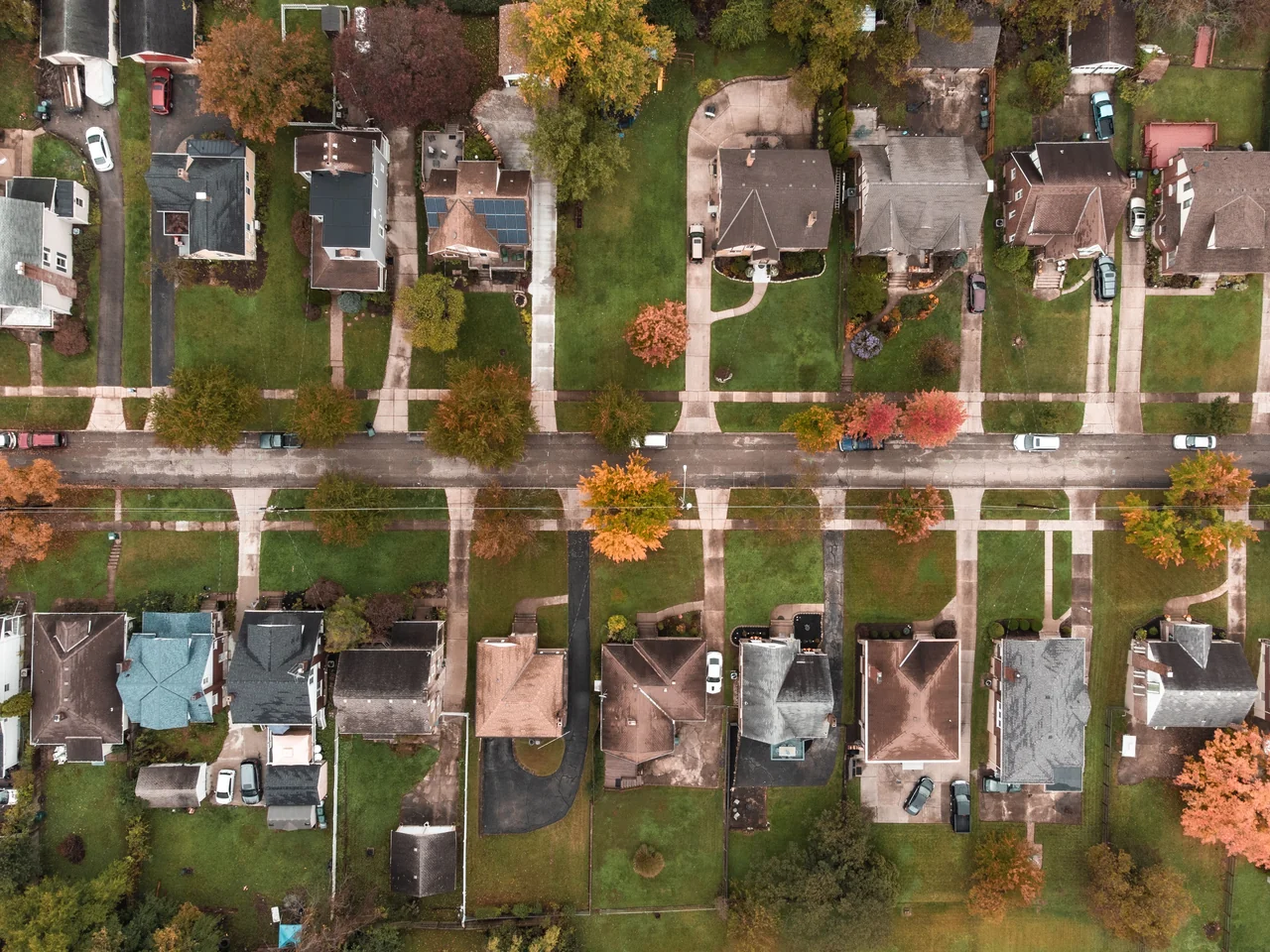
No two roofs are exactly alike. Even two homes with identical floor plans built on the same street in Hilliard or Gahanna can have vastly different roof replacement costs. When a professional estimator steps onto your property, they look at several physical characteristics of your home to determine the difficulty of the job.
Roof Pitch, Height, and Complexity
The design of your roof directly impacts the time and effort required to replace it.
- Roof Pitch: The pitch, or slope, is measured by how many inches the roof rises vertically for every twelve inches it runs horizontally. A low-pitch roof is relatively easy to walk on, allowing crews to move quickly and stage materials directly on the deck. A steep-pitch roof requires specialized safety gear, brackets, and ropes. Crews must work much more slowly and carefully, which naturally increases the labor cost per square foot.
- Roof Height: A single-story ranch home is far easier to access and work on than a two- or three-story home. High roofs require longer ladders, advanced staging, and more effort to transport heavy materials up and old materials down.
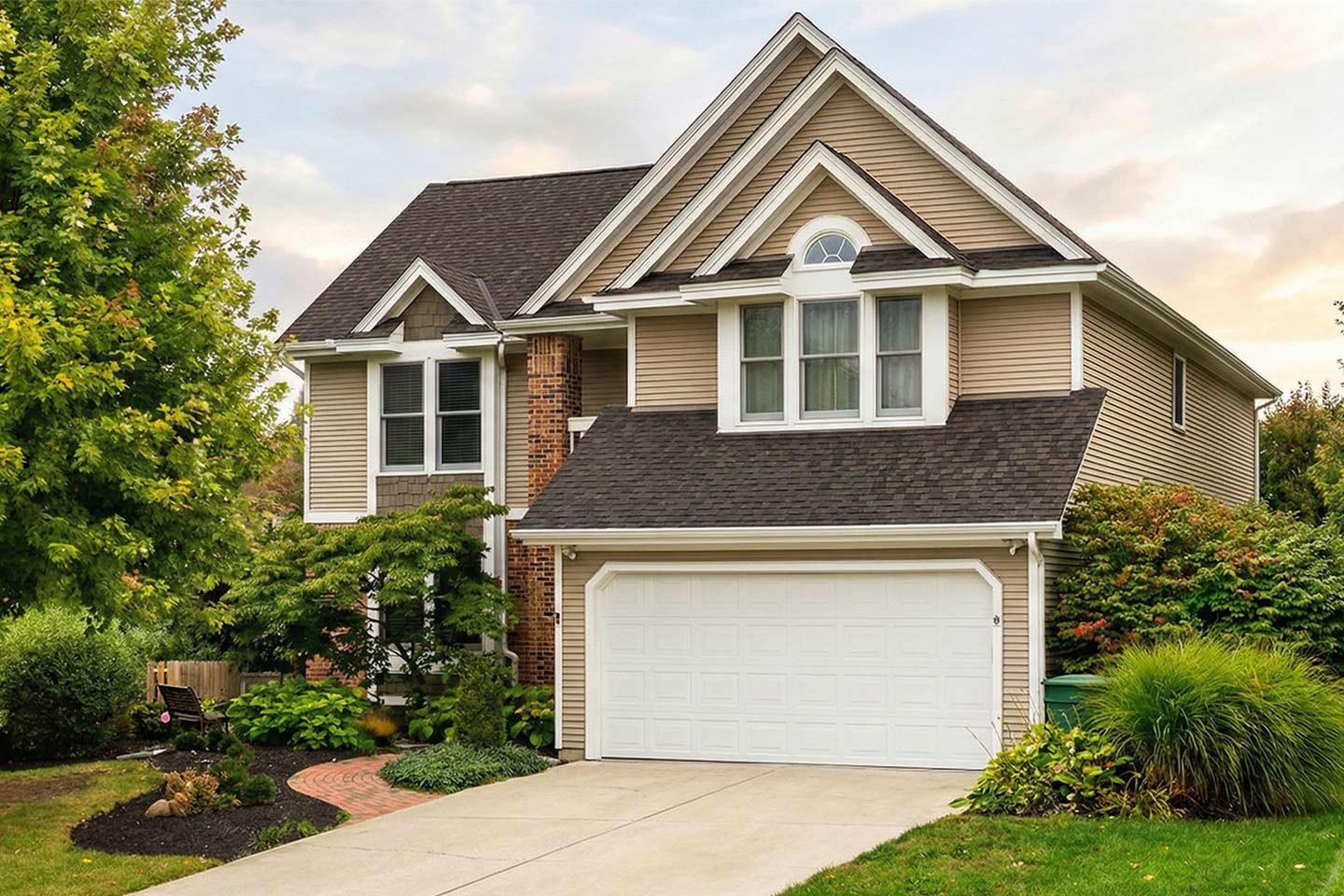
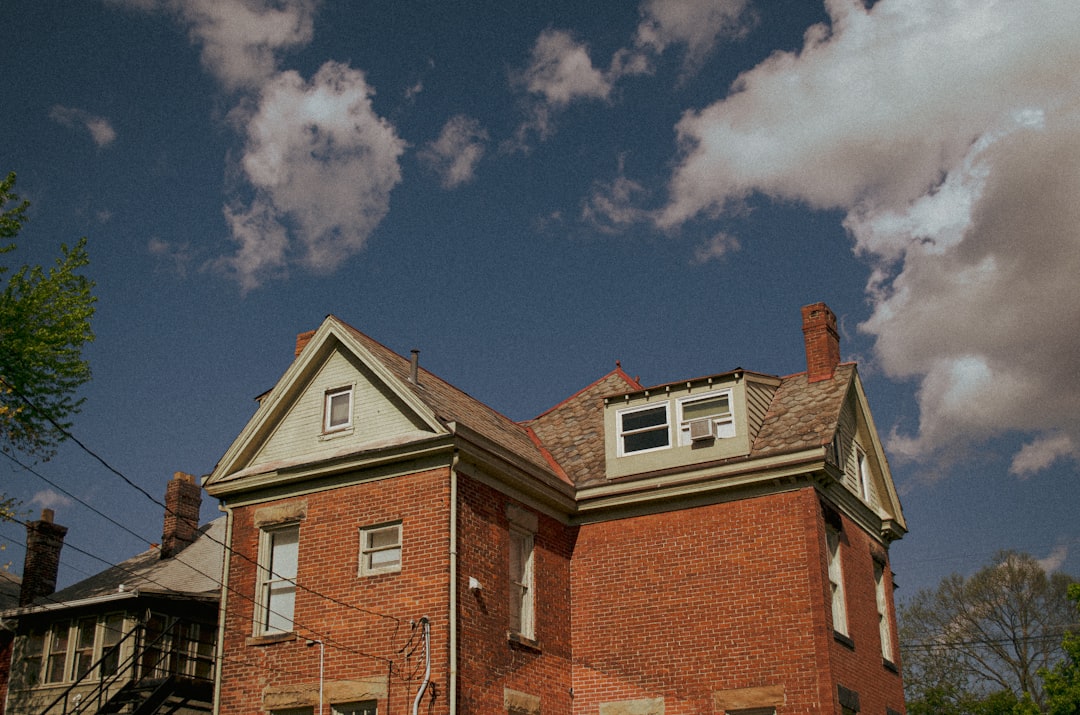
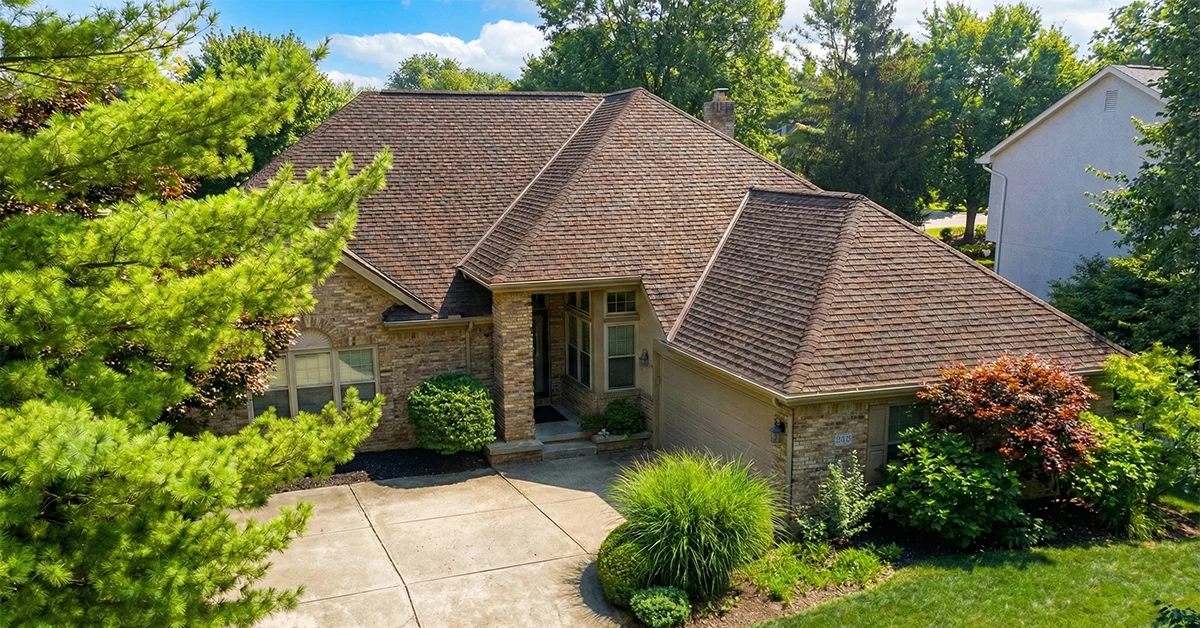
- Complexity: A simple gable roof with two flat slopes is the easiest and most cost-effective to replace. A complex roof features multiple valleys, hips, dormers, skylights, and intersecting roof lines. Each of these features requires custom cutting of shingles and extra flashing, which increases both labor time and material waste. A standard roof has a waste factor of about 10 percent, but a highly complex roof can require a waste factor of 15 percent or more.
Tear-Off vs. Roof-Over Installations
One of the most common questions homeowners ask is whether they can save money by installing new shingles directly over their existing roof, a process known as a roof-over or overlay.
While a roof-over saves money upfront on labor and disposal costs, we almost always recommend a full tear-off. Here is why:
- Hiding Rotten Wood: Installing new shingles over old ones prevents the crew from inspecting the wood decking underneath. If there is existing water damage or dry rot, it will continue to spread, eventually compromising the structural integrity of your roof.
- Weight Restrictions: Shingles are heavy. Adding a second layer of asphalt shingles can put immense stress on your home's rafters and trusses, especially when heavy winter snow piles up on top.
- Building Codes: Ohio building codes strictly limit the number of shingle layers allowed on a residential structure.
- Voiding Warranties: Many top shingle manufacturers will limit or entirely void their material warranties if the shingles are installed over an existing layer.
For a deeper dive into why a clean slate is the best foundation for your home, read our guide on when to Replace My Roof.
Hidden Costs and Additional Line Items
When comparing estimates, the lowest bid is not always the best deal. Many low-ball quotes only cover the bare minimum, leaving out critical components that are discovered or billed as expensive extras later. A transparent, professional estimate should detail all the components required to build a complete, durable roofing system.
Hidden Costs Beyond the Base Average Cost of Roof Replacement Per Square Foot
The most common hidden cost in any roof replacement is rotten wood decking. Your roof decking, usually made of plywood or oriented strand board (OSB) sheets, is the structural foundation that your shingles are nailed into.
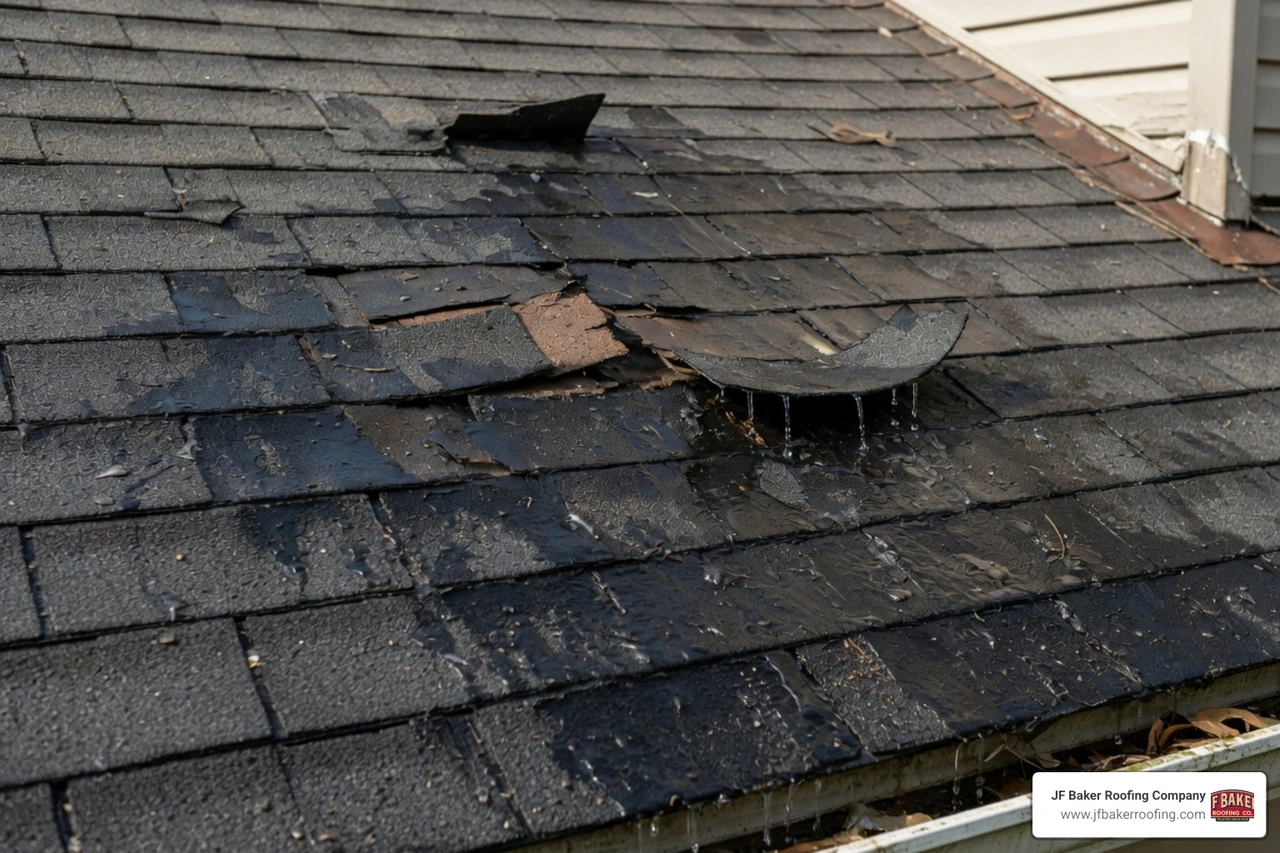
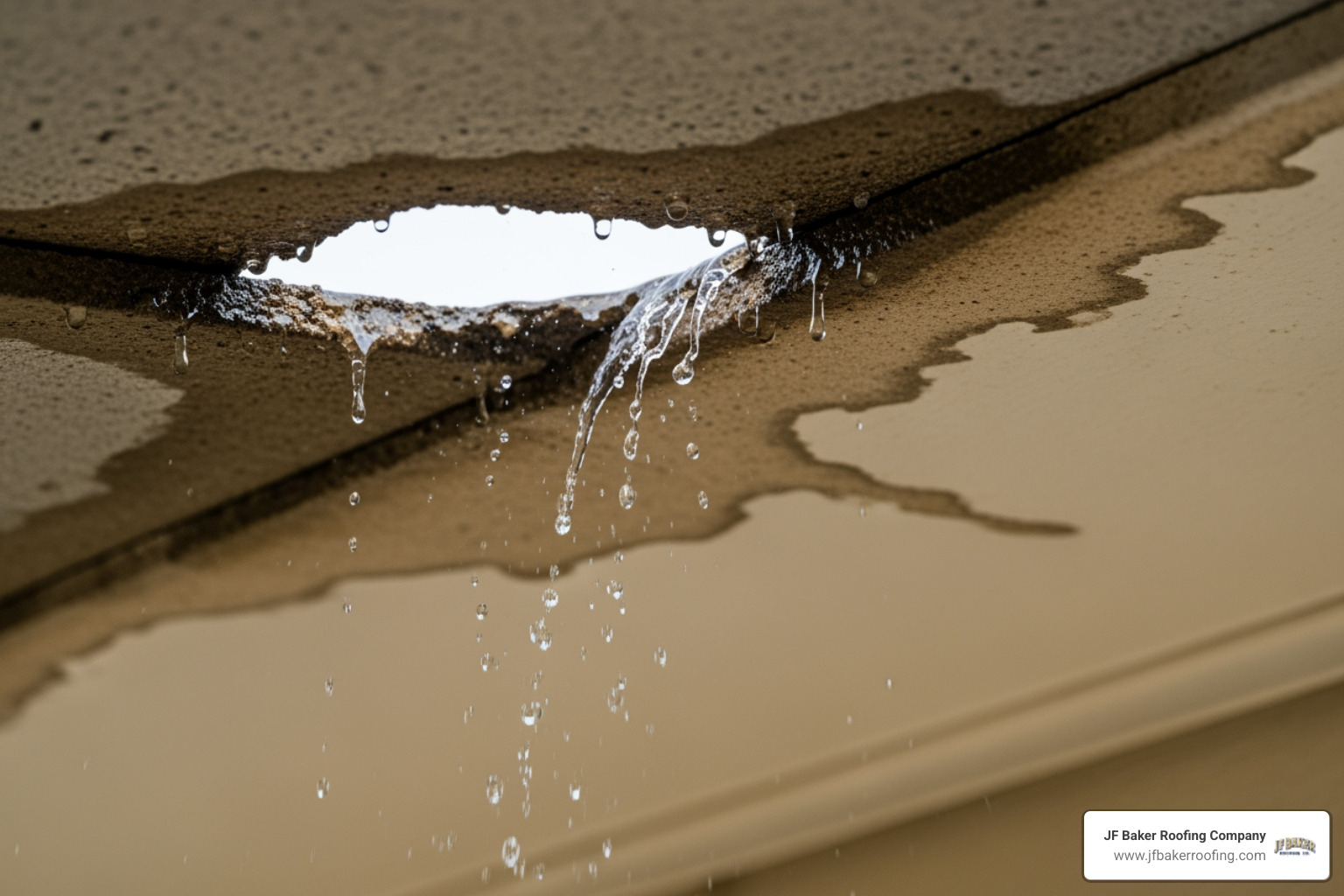
Because we cannot see through your existing shingles, we cannot know the exact condition of the wood deck until the old roof is completely torn off. If water has bypassed the shingles through old leaks, the wood can rot, soften, or develop mold. Nails will not hold securely in rotten wood, so any damaged sheets must be replaced.
A reputable contractor will explain this possibility upfront and specify a clear, per-sheet cost for decking replacement in the contract, rather than surprising you with a massive change order mid-project.
To learn more about what to expect during the tear-off phase, read our article about getting a New Roof.
Flashing, Ventilation, and Local Permits
A roof is much more than just shingles. It is an engineered system designed to keep water out and manage airflow. A complete replacement estimate should always include:
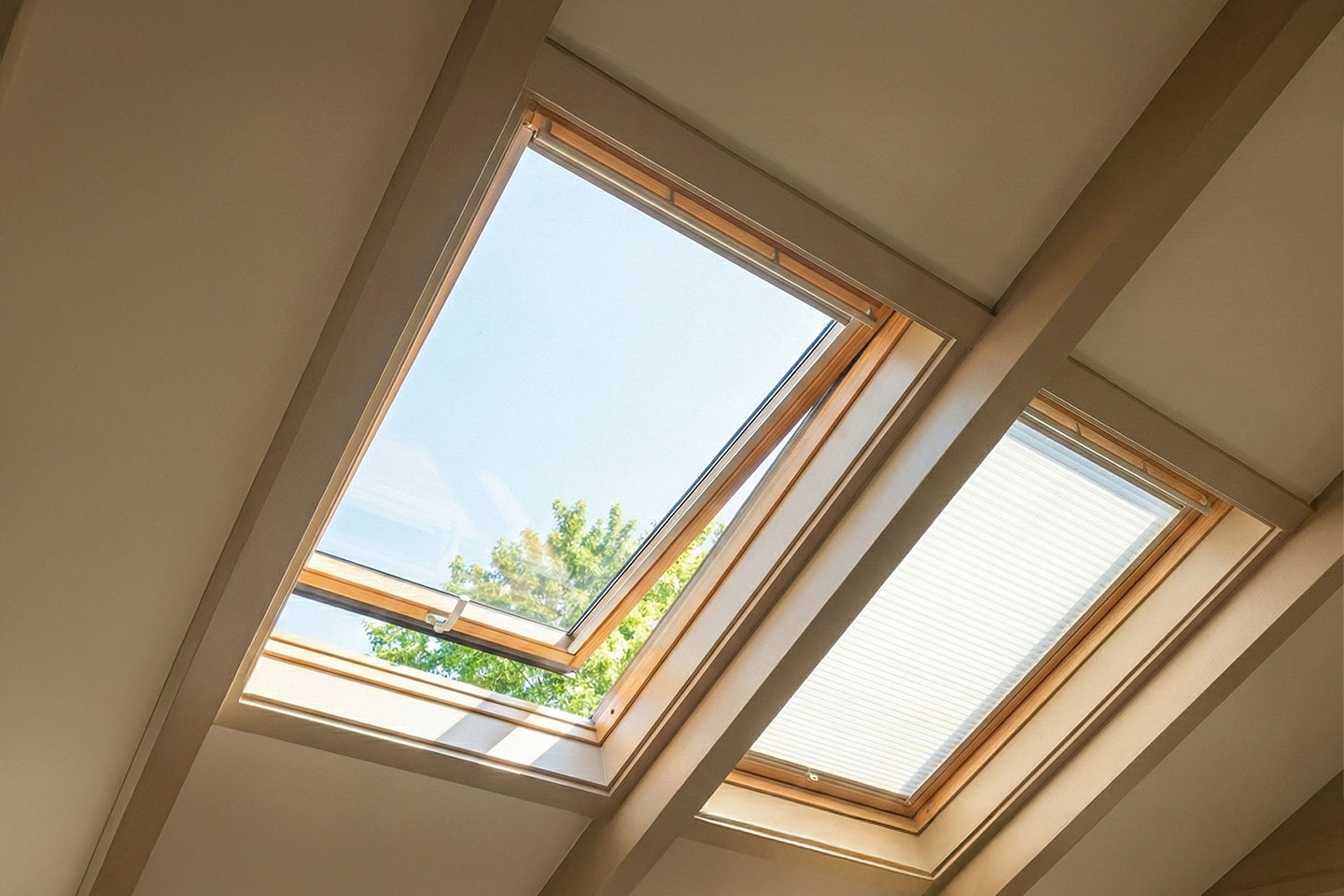
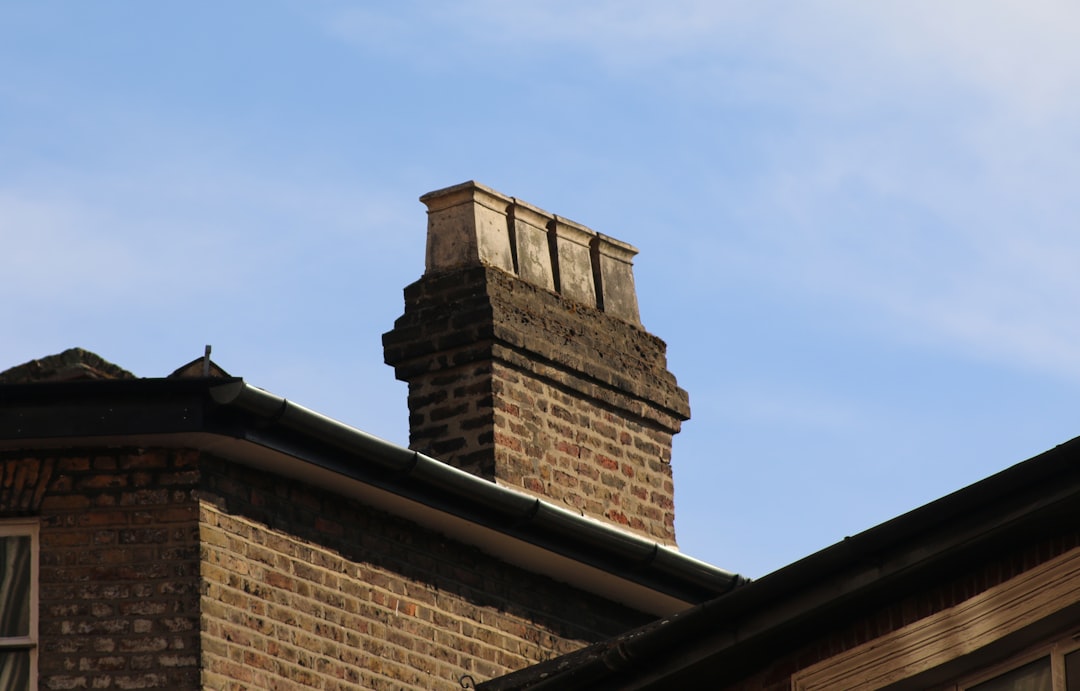
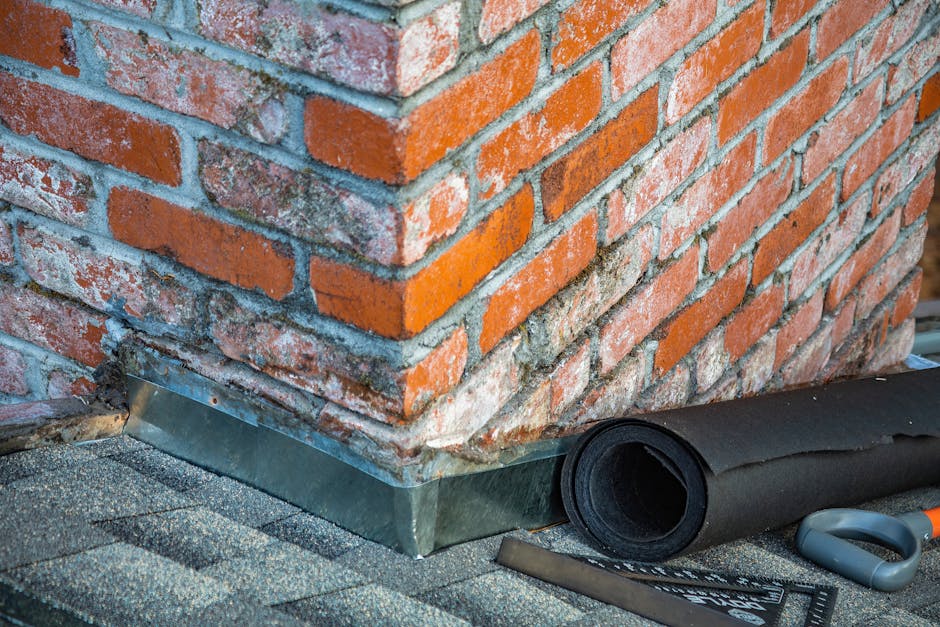
- Flashing: This refers to the metal pieces installed in high-risk water areas, such as around chimneys, skylights, dormers, and where roof slopes meet vertical walls. Reusing old, corroded flashing is a primary cause of roof leaks on newer roofs.
- Underlayment and Ice Barrier: Modern building codes require a high-quality synthetic underlayment over the wood deck, along with a specialized self-adhering ice and water shield along the eaves and valleys.
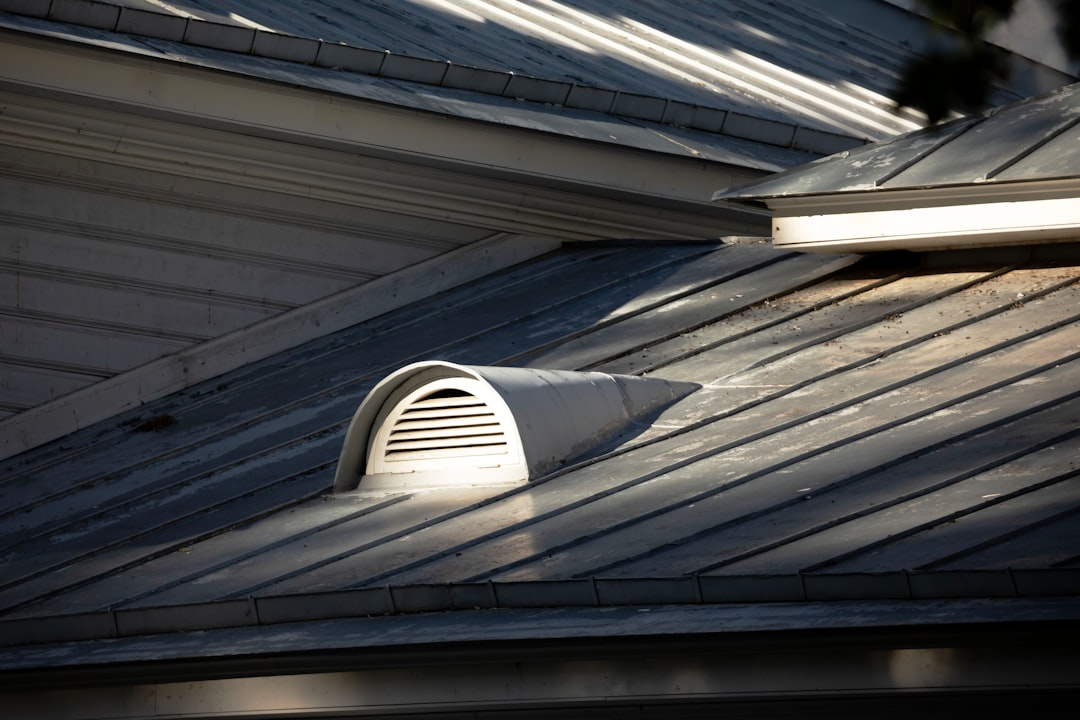
- Ventilation: Your attic needs to breathe. Proper ventilation includes a balance of intake vents (usually in the soffits) and exhaust vents (such as ridge vents). Without proper ventilation, heat and moisture will build up in your attic, baking your shingles from the inside out and drastically shortening their lifespan.
- Permits and Fees: Standard residential roof replacements require local building permits in Columbus and surrounding suburbs like Bexley, Grandview Heights, and Powell. Your contractor should handle pulling these permits and include the fees in the initial estimate.
You can read more about these critical system components on our Residential Roofing service page.
Regional Pricing and Climate Considerations in Ohio
National cost averages can be highly misleading because they do not account for local labor markets, material availability, or regional climate demands. In Central Ohio, our weather patterns dictate specific installation practices that directly affect the cost of a replacement.
How Ohio Weather Affects Your Average Cost of Roof Replacement Per Square Foot
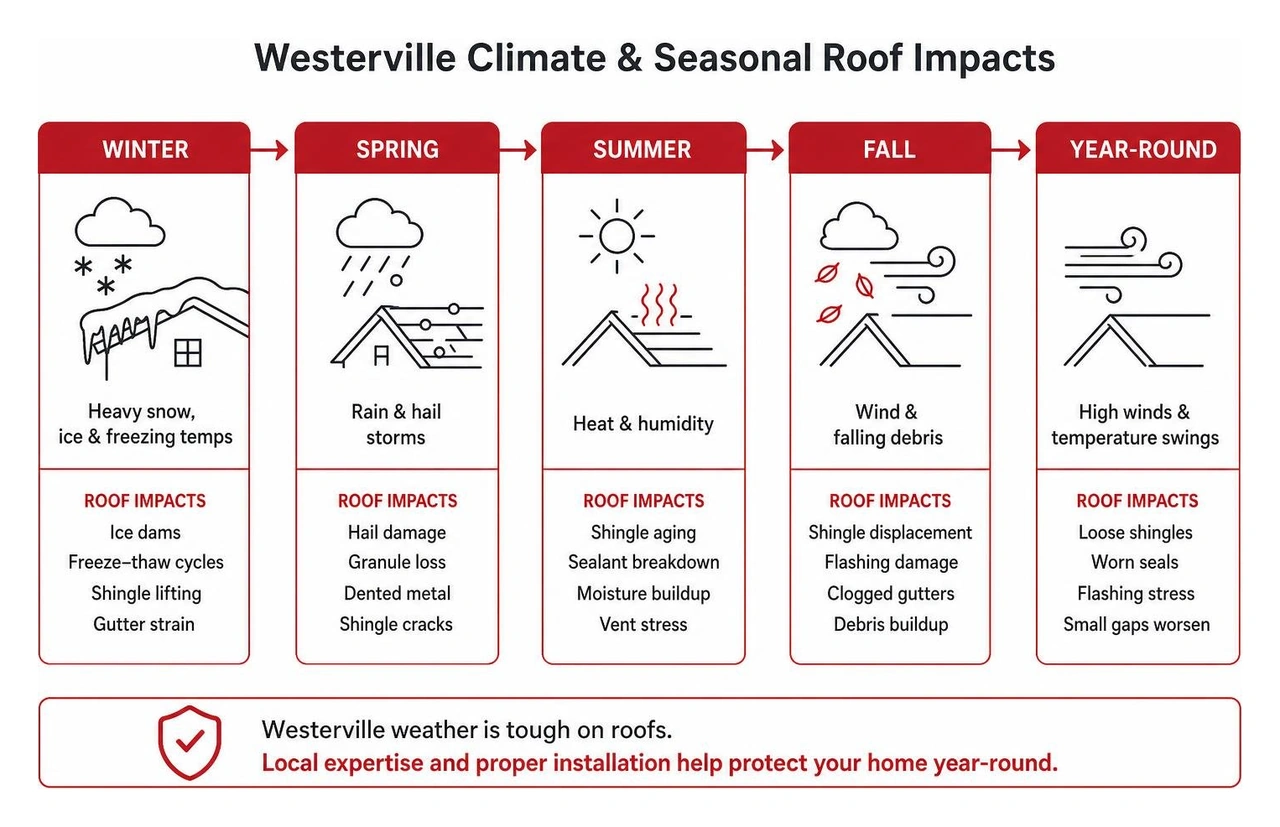
Central Ohio homeowners experience the full force of all four seasons: hot, humid summers, severe spring windstorms, and freezing winters with heavy snow and ice.
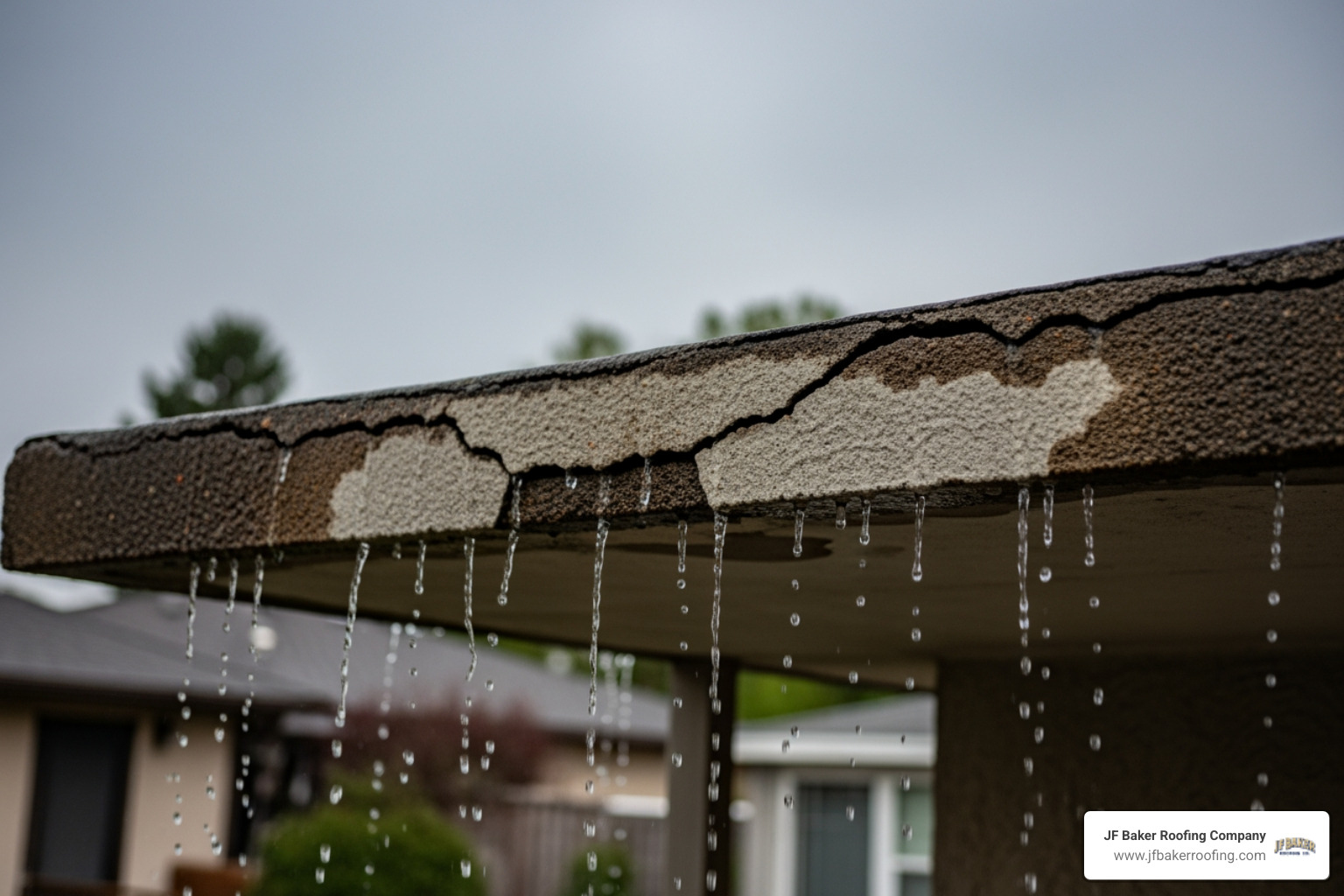
Our freeze-thaw cycles are particularly brutal on roofs. When snow melts on a warm roof and refreezes at the cold gutters, it creates ice dams. Water backs up under the shingles, causing severe interior leaks. To prevent this, local building codes require the installation of a waterproof ice and water barrier along the eaves, extending at least 24 inches inside the warm wall line of the home.
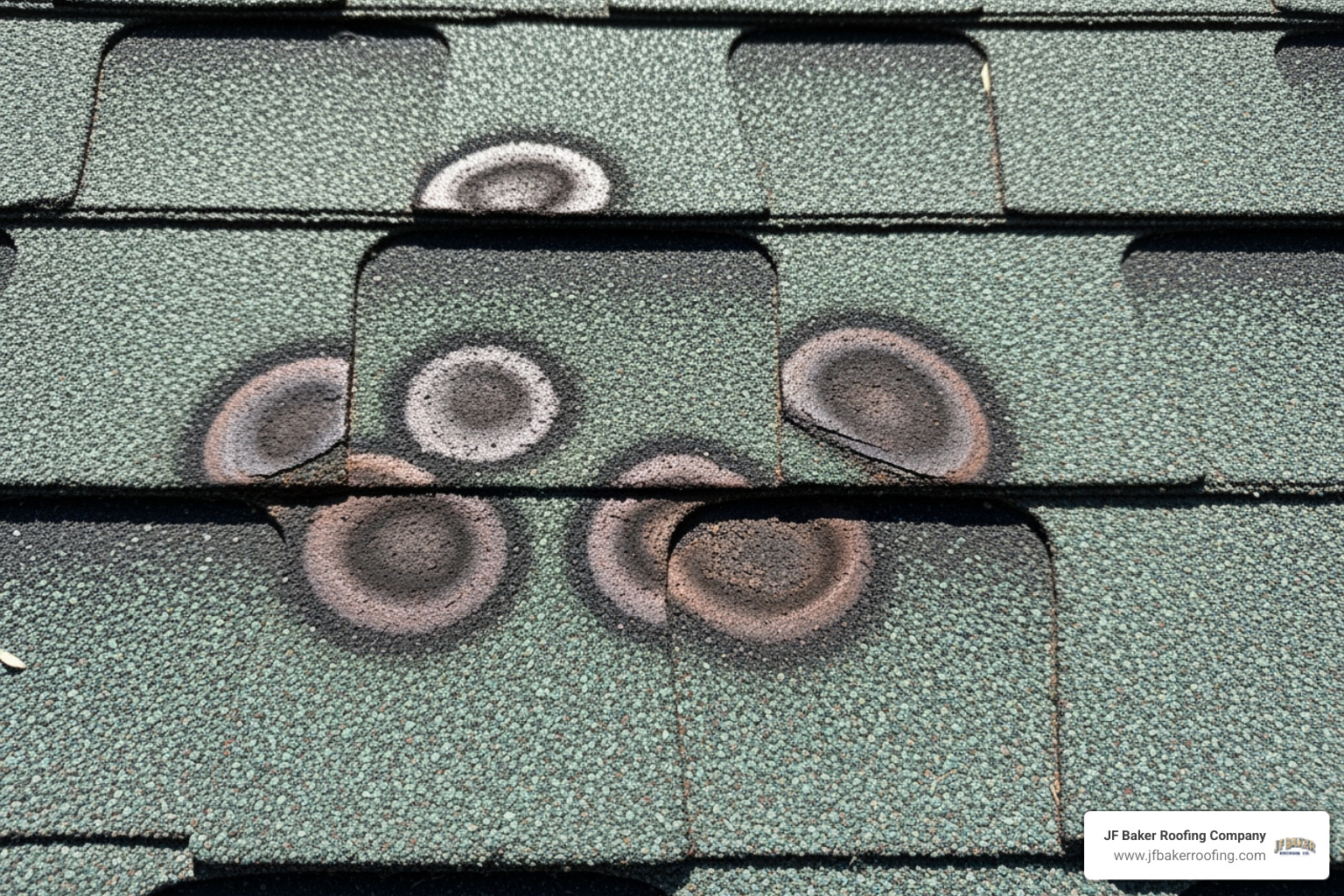
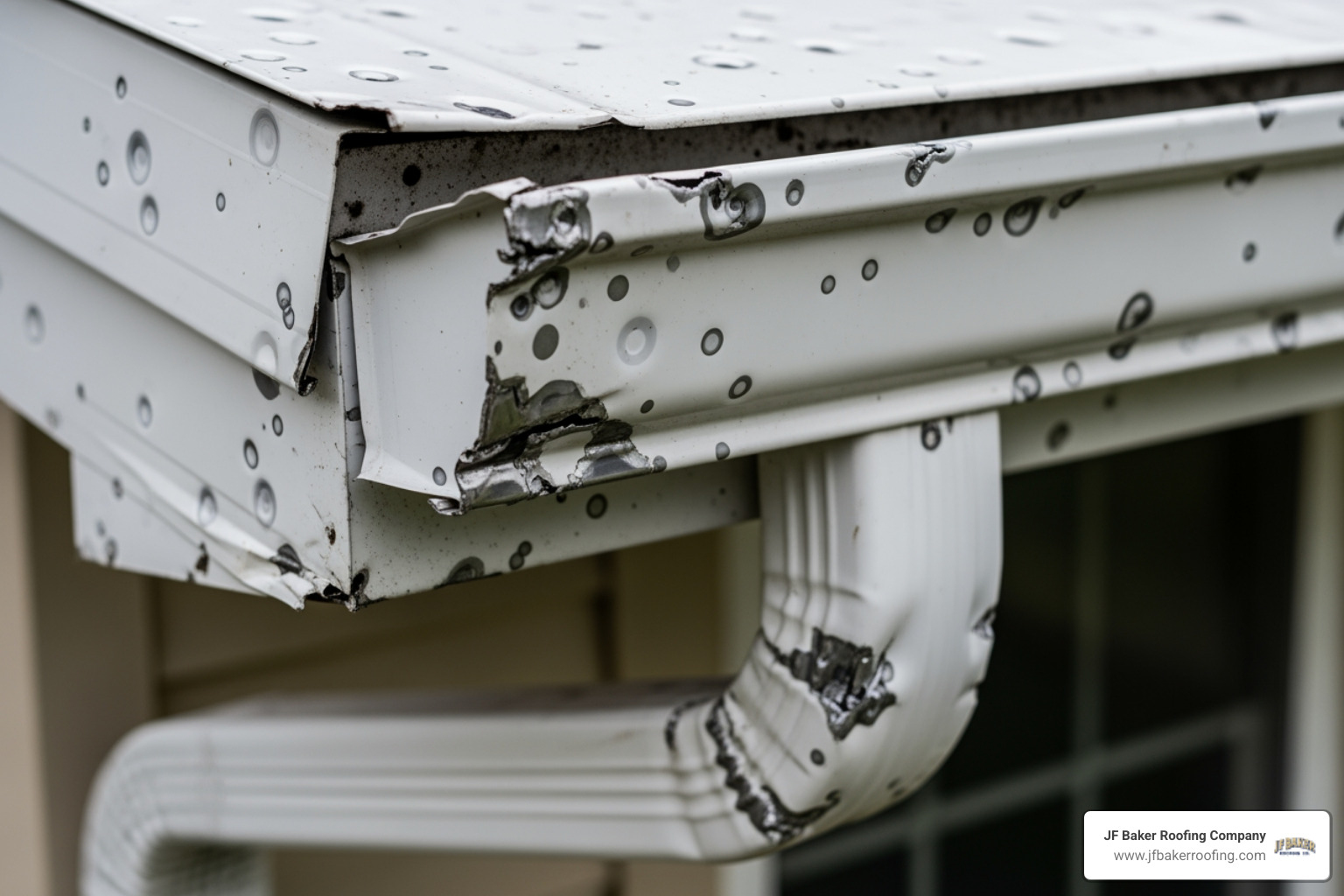
Additionally, spring storms in areas like Delaware, Lewis Center, and Grove City can bring high winds. Investing in architectural shingles with high wind ratings, or Class 4 impact-resistant shingles, provides peace of mind and can save you money on long-term repairs.
To understand how our local climate impacts the lifespan of your materials, check out our guide on Asphalt Roof Lifespan Ohio.
Choosing the Right Materials for Central Ohio Homes
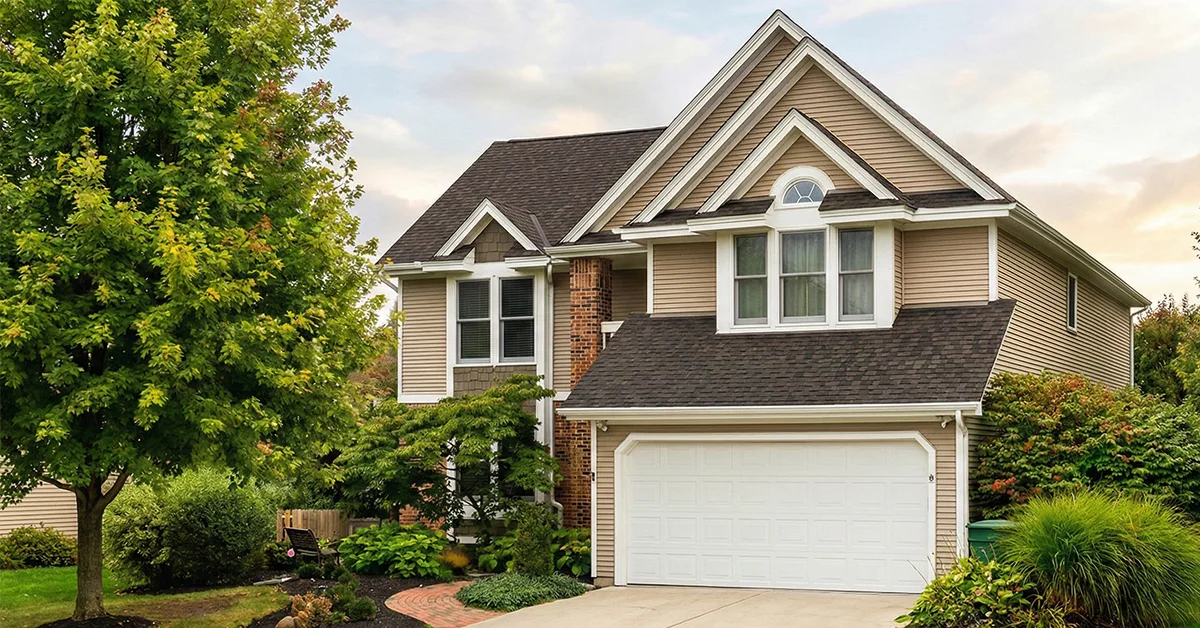
Because a roof replacement is a major aesthetic change, you want to choose a material that complements your neighborhood's style while standing up to Ohio's climate. Architectural shingles are the most common choice in communities like Worthington and Upper Arlington because they offer a classic, upscale look that pairs beautifully with traditional siding and brick homes.
If you are looking for an honest, local perspective on selecting the right materials and choosing a trustworthy team to install them, read our guide on How to Choose the Right Roofing Contractor in Columbus Ohio.
Frequently Asked Questions About Roof Replacement Costs
Is it cheaper to roof over existing shingles rather than doing a full tear-off?
While a roof-over saves on upfront labor and disposal costs, it is rarely the smartest financial move in the long run. An overlay prevents a thorough inspection of the wood decking, meaning hidden rot will go unaddressed. Furthermore, installing a second layer of shingles adds immense weight to your home's structure and can trap heat, which shortens the lifespan of the new shingles. Most major manufacturers also restrict or void their warranties on overlay installations.
Does homeowners insurance cover the cost of a roof replacement?
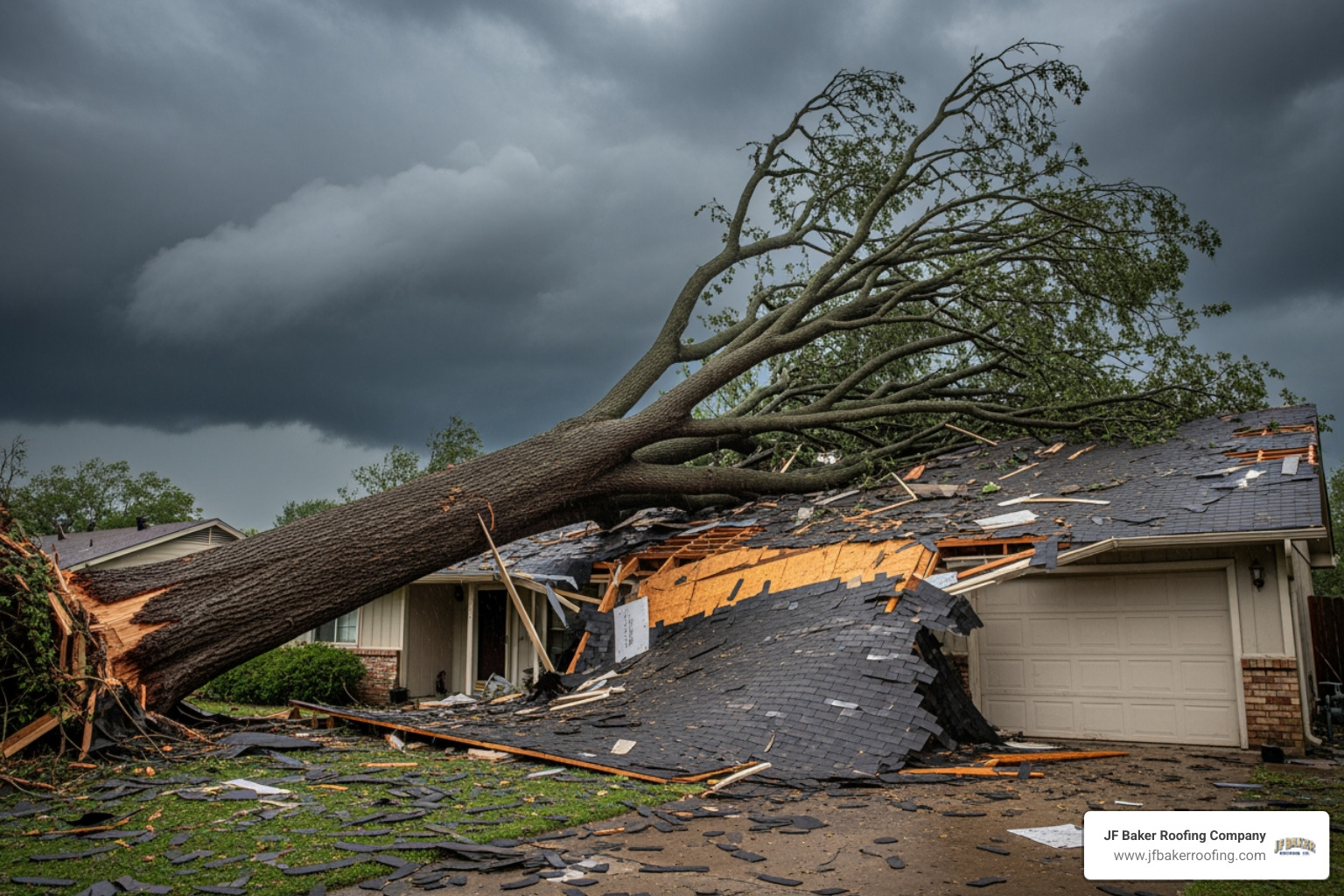
Homeowners insurance is designed to cover sudden, accidental damage caused by covered perils, such as windstorms, hail, or fallen trees. It does not cover gradual wear and tear, neglect, or old age. If your roof is damaged during a storm, your insurance company may pay for a full replacement, minus your deductible. The payout will depend on whether you have an Actual Cash Value (ACV) policy, which factors in depreciation, or a Replacement Cost Value (RCV) policy, which covers the full cost of the new materials.
How can I finance a new roof replacement?
Because a roof replacement is a significant investment, many homeowners look for flexible payment options. Common ways to finance a new roof include Home Equity Lines of Credit (HELOCs), personal home improvement loans, or specialized financing programs offered directly through your roofing contractor.
To explore the different ways you can budget for this project, read our detailed guide on Can You Finance a New Roof.
Conclusion
Calculating the average cost of roof replacement per square foot is the first step toward making an informed decision for your home. While it is tempting to focus solely on finding the lowest price, a roof is your home's primary line of defense against the elements. Cutting corners on materials, ventilation, or skilled labor will almost always cost you more in premature repairs and water damage.
At JF Baker Roofing, we have built our reputation on nearly a century of family-owned integrity. Since 1929, we have provided Central Ohio homeowners with honest assessments, transparent pricing, and quality craftsmanship that stands the test of time. We never use high-pressure sales tactics, and we only recommend a full replacement when it is genuinely necessary.
If you are ready for a straightforward, honest evaluation of your roof, we invite you to Schedule a consultation with JF Baker Roofing today. Let our reputation be your security.





.jpeg)