The Ultimate Guide to New Roof Costs
How Much Does a New Roof Cost? A Quick Answer for Central Ohio Homeowners
Getting a new roof is one of the largest home improvement investments you will make. Here is what most Central Ohio homeowners need to know upfront:
- National average cost: Around $10,500 for a standard home with architectural asphalt shingles
- Typical range: $8,500 to $14,800 for a 2,000 sq ft home, depending on materials and complexity
- Labor: Accounts for roughly 60% of the total project cost
- Timeline: Most residential roofs are replaced in 1 to 3 days
- Lifespan: Asphalt shingles last 15 to 30 years; metal roofs 40 to 70 years
Your actual cost will depend on your roof size, pitch, material choice, and what the crew finds once old shingles come off.
A roof replacement is not something most homeowners plan for until something goes wrong. A leak after a spring storm. Shingles curling after a hard Ohio winter. A home inspector flagging concerns before a sale.
When that moment arrives, the questions come fast. How much will this cost? What material should I choose? How do I know I'm getting a fair price?
This guide walks you through all of it, from spotting the early warning signs to understanding what drives your final estimate. We have been installing and replacing roofs across Columbus and Central Ohio since 1929, and we have seen just about every situation a homeowner can face. The goal here is simple: give you honest, clear information so you can make a confident decision, whether you end up calling us or not.
Signs It Is Time for a New Roof

Before you start worrying about the cost of a new roof, you need to know if you actually need one. We believe in providing honest assessments. If a simple repair can safely extend the life of your roof, we will tell you. However, ignoring a roof that is past its prime can lead to structural rot, ruined drywall, and mold inside your home.
Recognizing the warning signs early can save you from far more expensive repairs down the road. For a deeper look, check out our guide on How to Know When It's Time to Replace Your Roof.
Exterior Warning Signs
The most obvious indicators of roof wear are visible from your yard or a secure ladder.
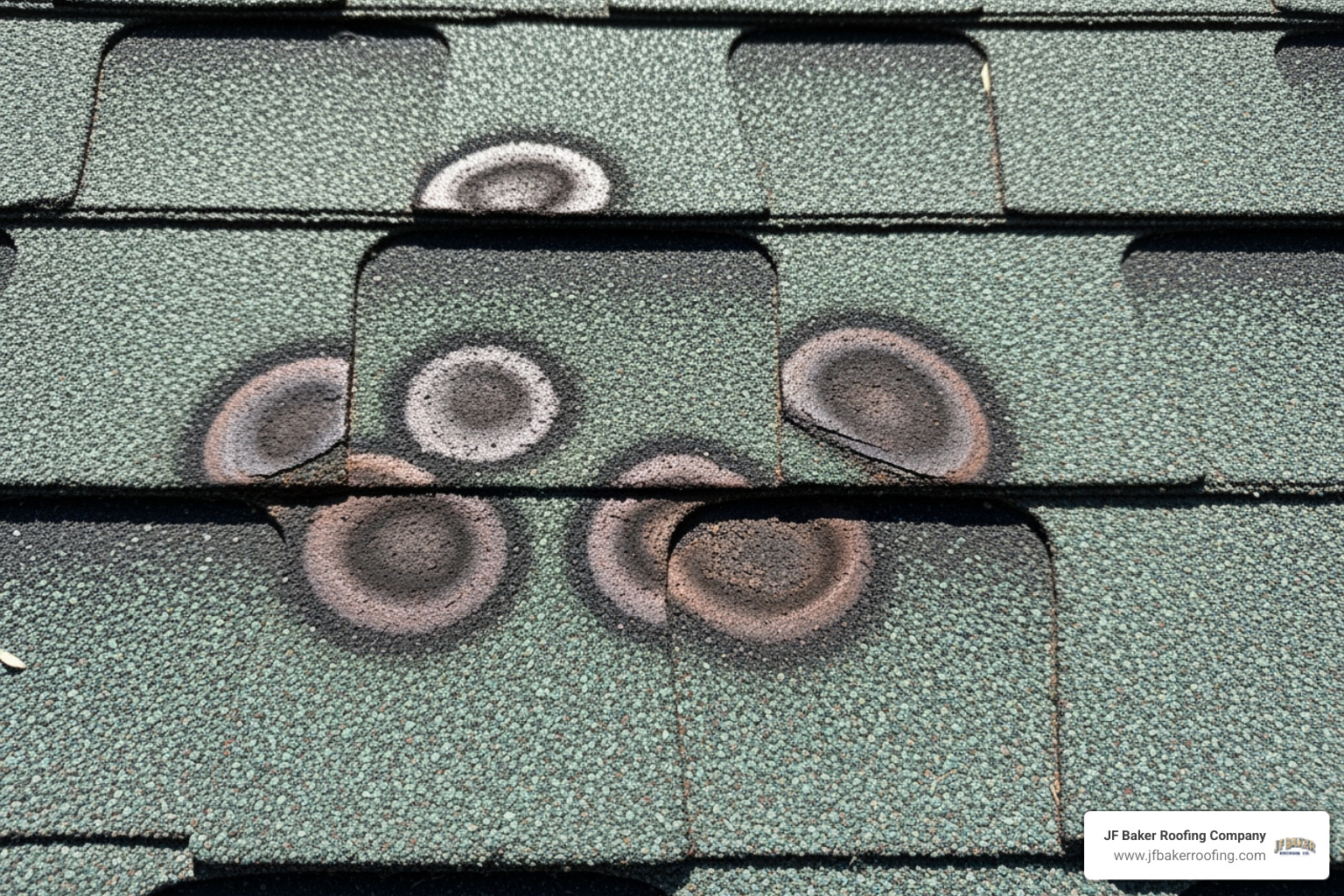
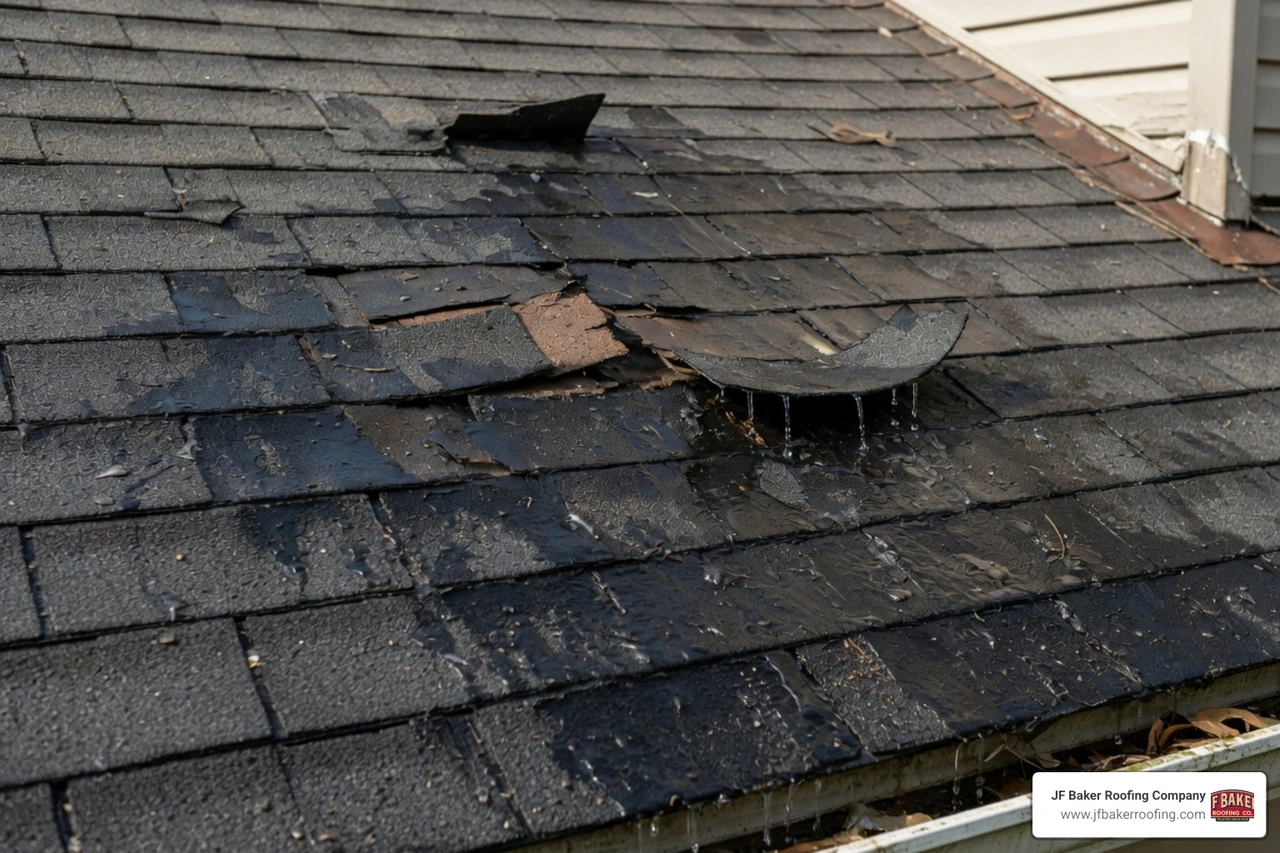
First, look at the condition of your shingles. If you notice curling, buckling, or clawing, the shingles are reaching the end of their functional lifespan. When asphalt shingles age, they lose their flexibility and begin to curl upward or cup at the edges.
Missing shingles are another common issue, especially after high winds sweep through Central Ohio. While you can sometimes Replace Roof Shingles individually to patch minor wind damage, a roof that is constantly shedding shingles likely has widespread adhesion failure.
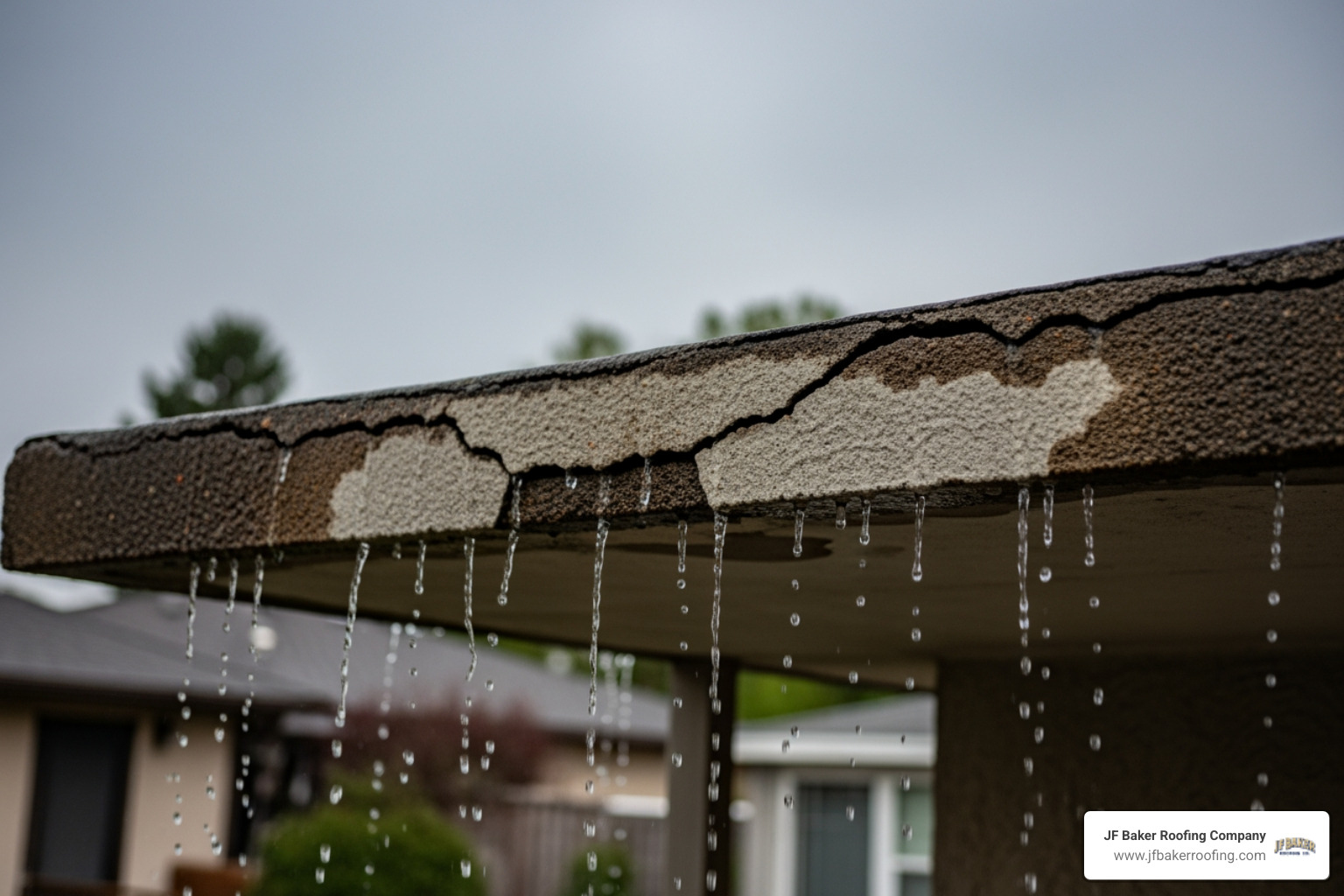
Keep an eye on your gutters as well. If you find a heavy accumulation of dark, sandy granules in your gutters, your shingles are shedding their protective outer layer. Without these granules, the raw asphalt is exposed to harsh UV rays, which accelerates cracking and leaking.
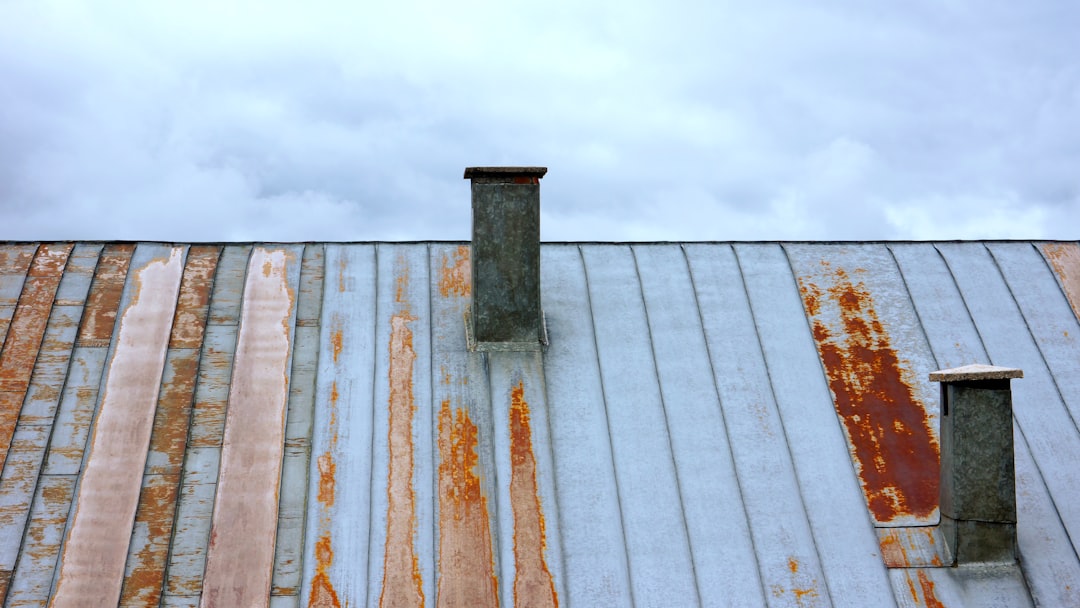
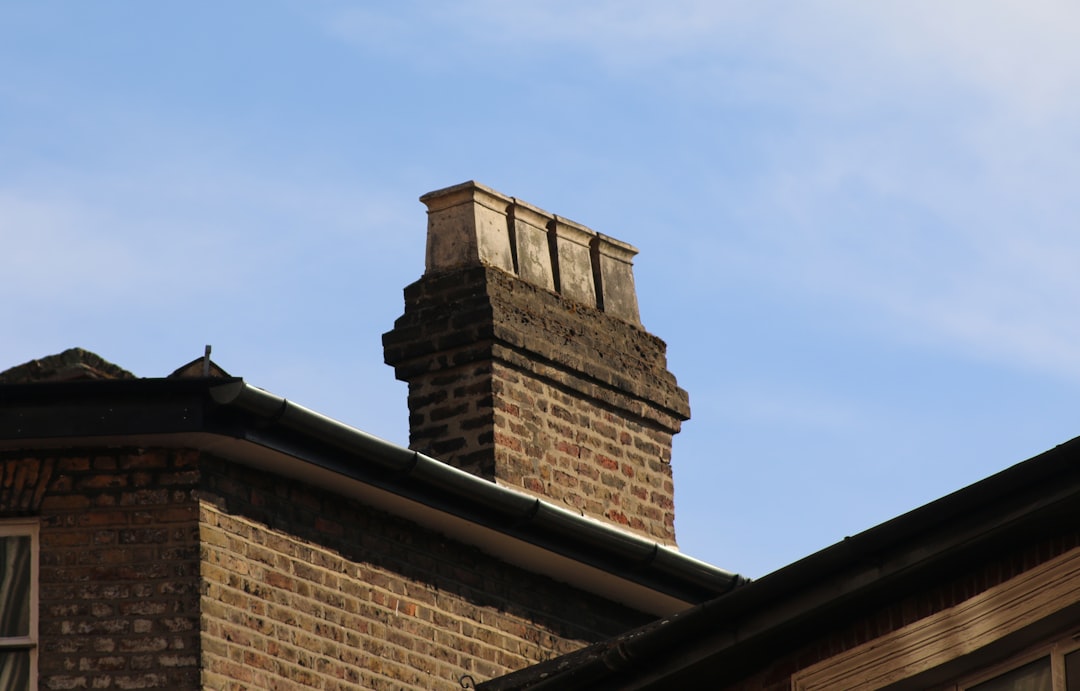
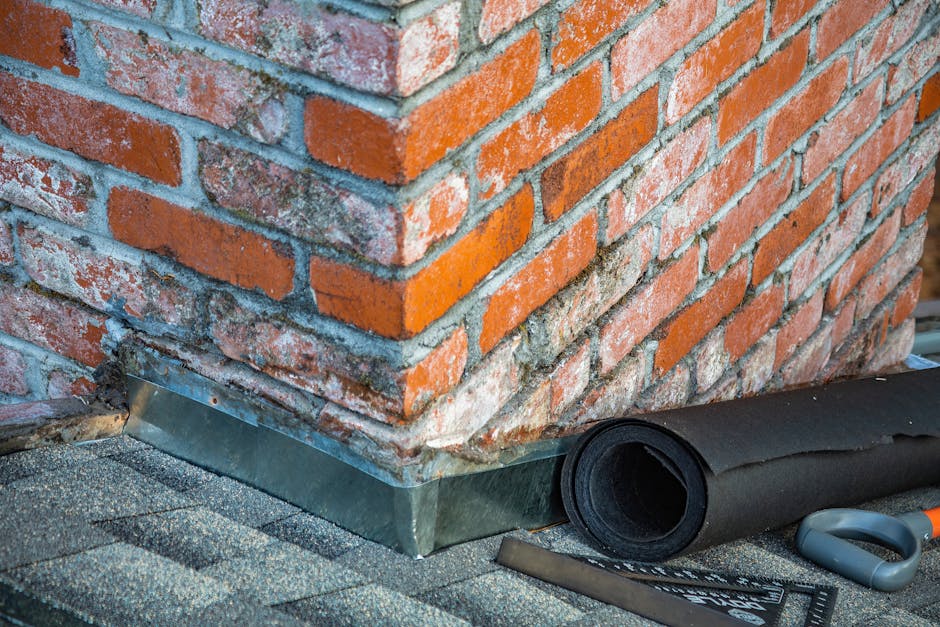
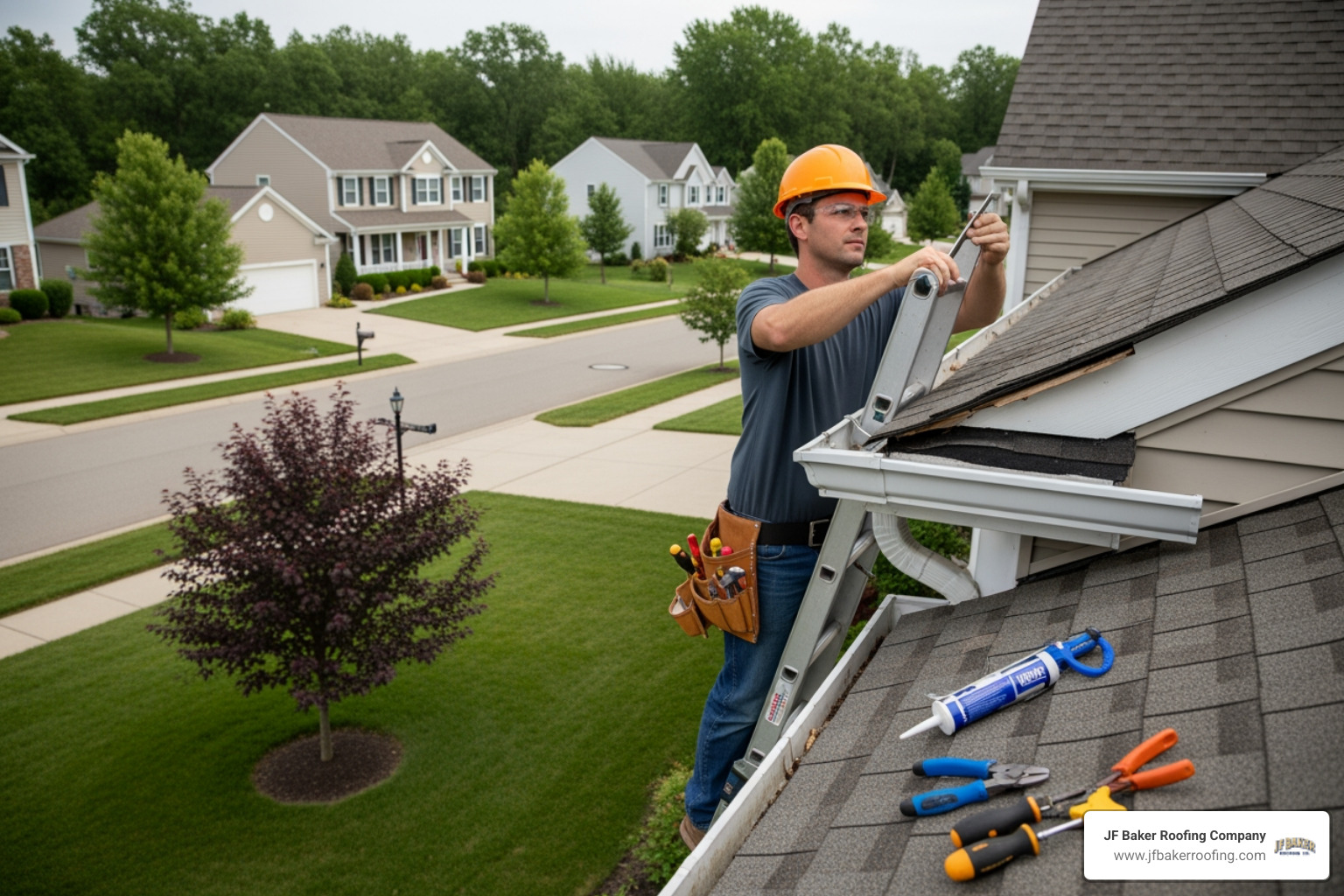
Finally, check the flashing around your chimney, skylights, and valleys. Damaged, rusted, or missing flashing is one of the most common sources of active leaks.
Interior and Attic Indicators
You do not always have to climb onto the roof to know there is a problem. Some of the most critical warning signs are found inside your home, particularly in your attic.
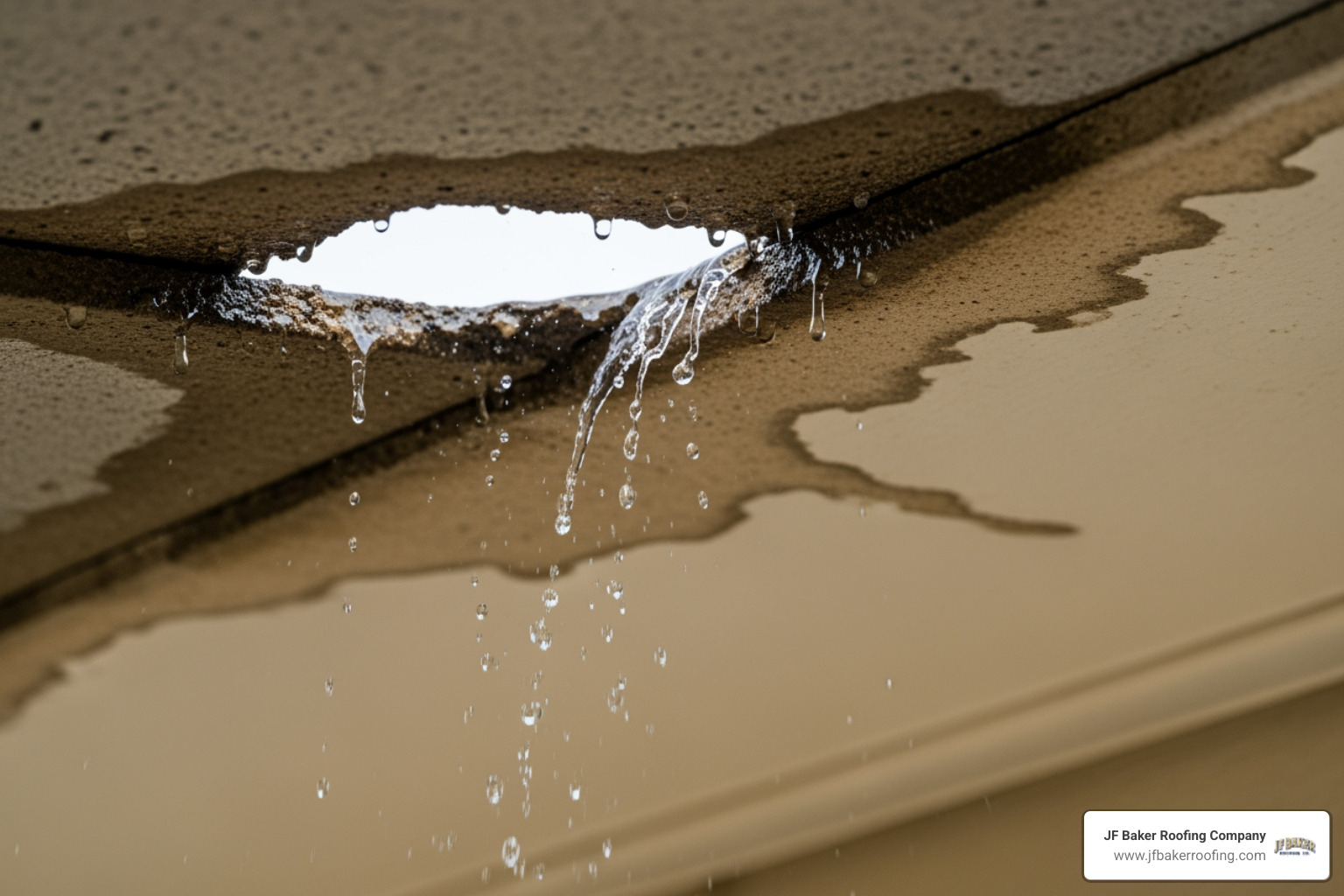
Take a flashlight into your attic during a heavy rainstorm. Look for active drips, damp rafters, or dark water stains on the wood decking. If you see daylight peeking through the roof boards, that is a clear path for water to enter.
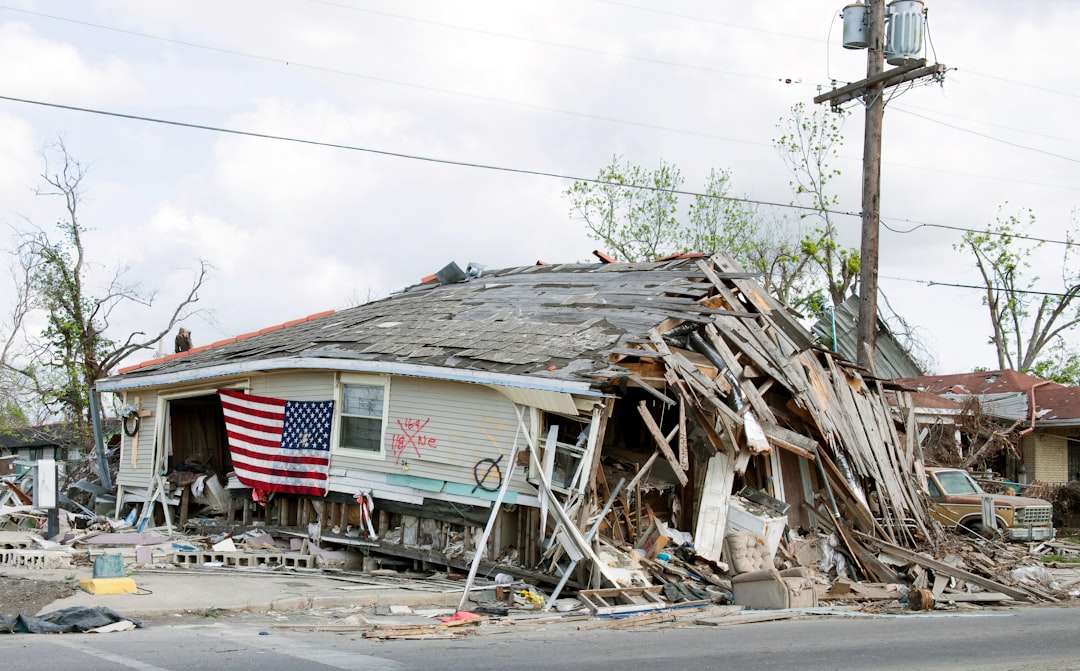
Down in your living areas, look for peeling paint, sagging drywall, or brown water spots on your ceilings and walls. If your roofline looks saggy or droopy from the outside, this is a serious structural concern that indicates long-term water damage has weakened the underlying rafters or roof deck.
Average Cost of a New Roof in 2026
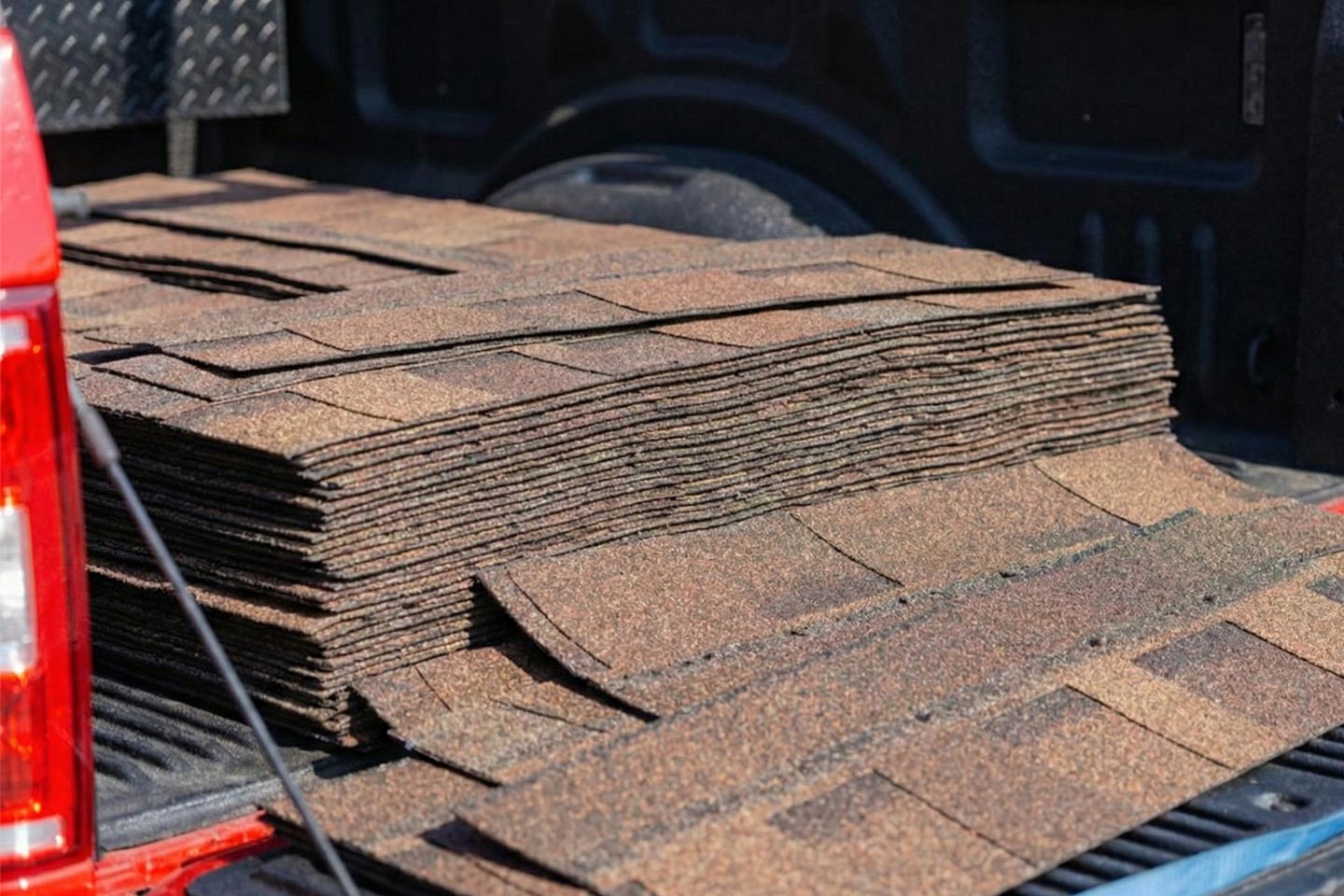
When planning a roof replacement, understanding the baseline costs is essential. While we do not quote specific, rigid pricing without seeing a property, we want to help you understand how a typical estimate is built.
To explore national cost baselines, you can read the resource on How Much Does a New Roof Cost in 2026? (Full Price Breakdown) | CalculatorCove or refer to the How Much Does a New Roof Cost in 2026? US Pricing Guide .
Material Costs for a New Roof
The material you select has a major impact on your overall investment and how long your roof will protect your home. Here is a breakdown of the most common options:
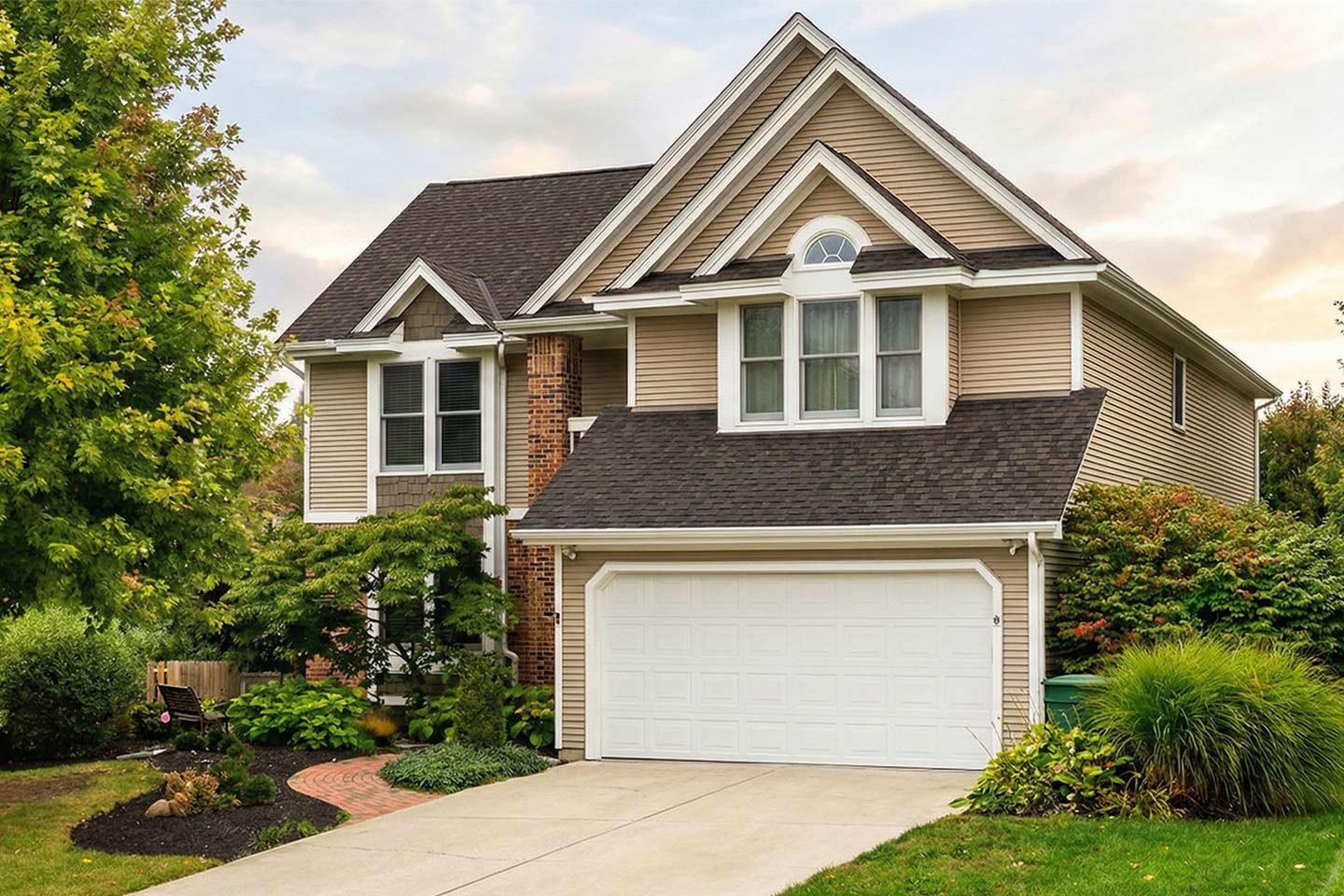
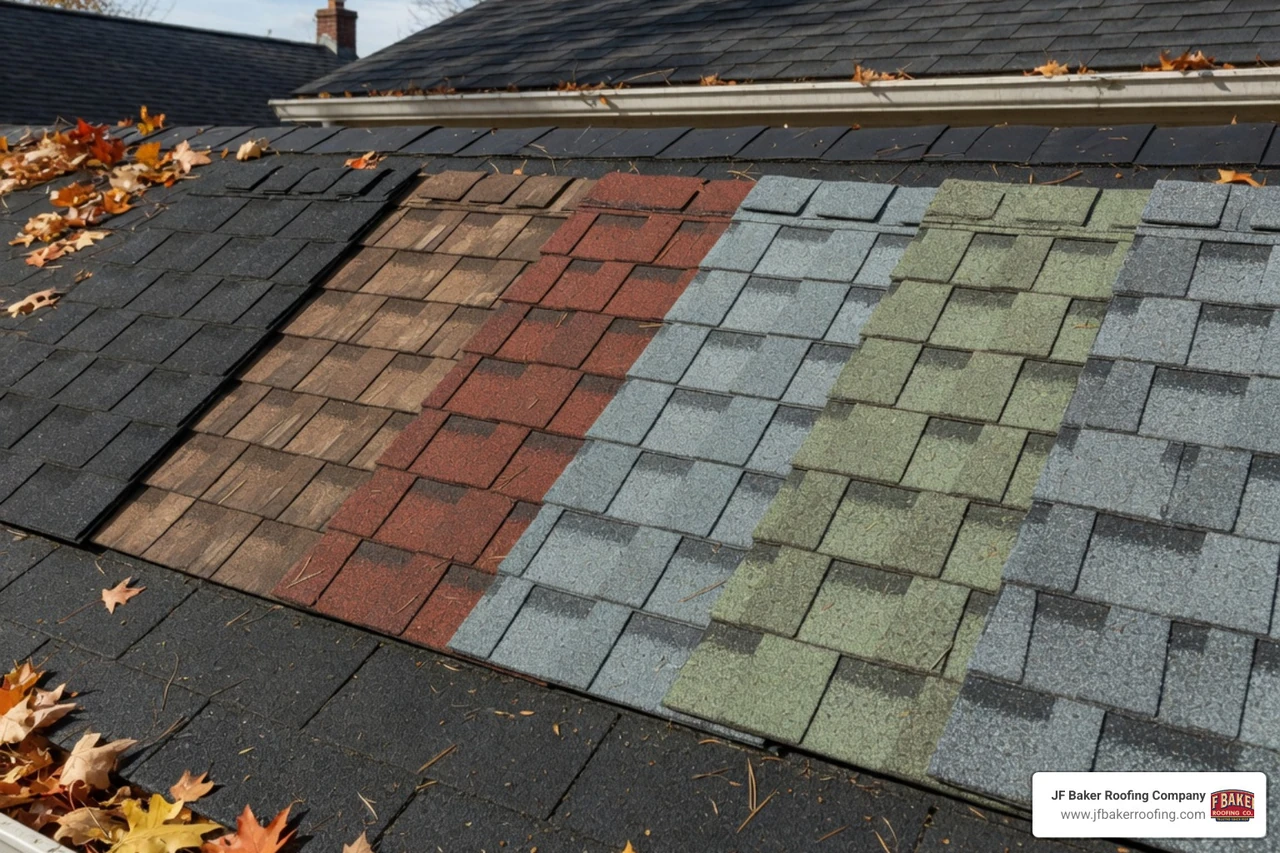
- Asphalt Shingles: This remains the most popular choice for Central Ohio homeowners due to its balance of durability and affordability. Traditional three-tab shingles are the most budget-friendly, but architectural (dimensional) shingles are highly recommended. They are thicker, handle high winds better, and look more substantial. To learn more about how long these roofs last in our local climate, read about the Asphalt Roof Lifespan Ohio and explore our Residential Shingle Roofing Ohio Guide 2026.
- Metal Roofing: Metal is a premium material that is growing in popularity. While the upfront material cost is higher than asphalt, it is incredibly durable, fire-resistant, and sheds snow easily during Ohio winters. If you are curious about this option, take a look at our Residential Metal Roofing Ohio Guide and read about the Durable Metal Roof Lifespan.
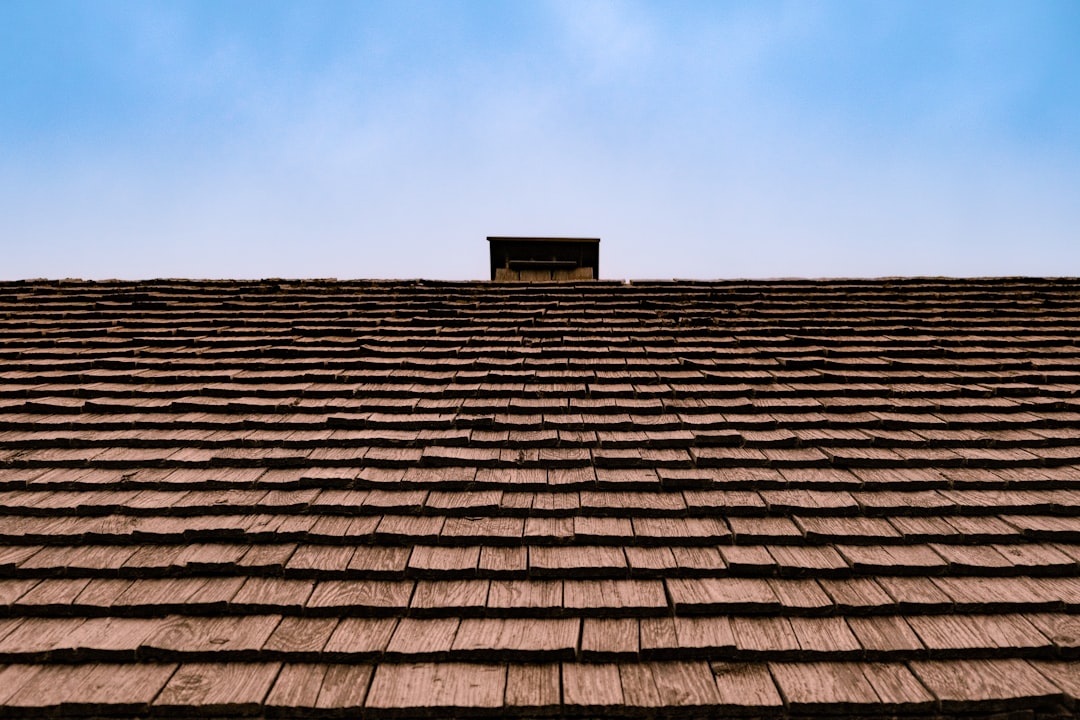
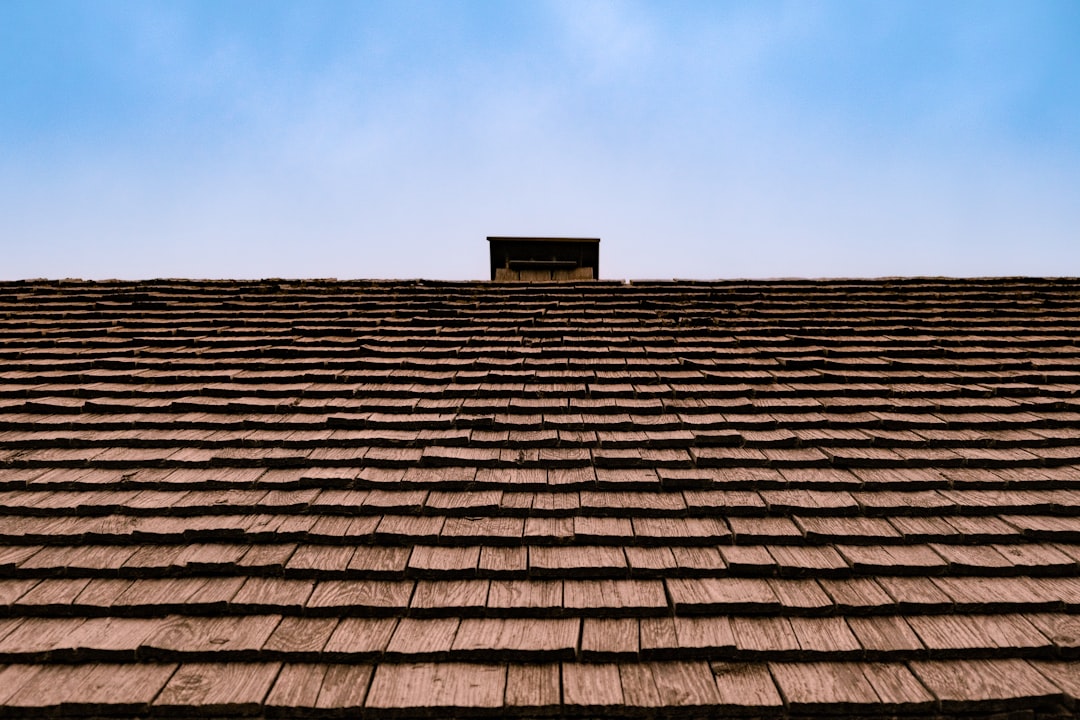
- Wood Shakes, Tile, and Slate: These are high-end, specialty materials. Wood shakes offer a rustic, natural beauty but require regular maintenance. Clay or concrete tiles are exceptionally durable but are very heavy and require a reinforced roof structure. Slate is the longest-lasting roofing material available, often lasting well over a century, but it represents a very high upfront investment and requires specialized, highly skilled installers.
Labor and Installation Fees
A common misconception is that materials make up the bulk of a roofing estimate. In reality, labor typically accounts for roughly 60% of the total cost of a roof replacement.
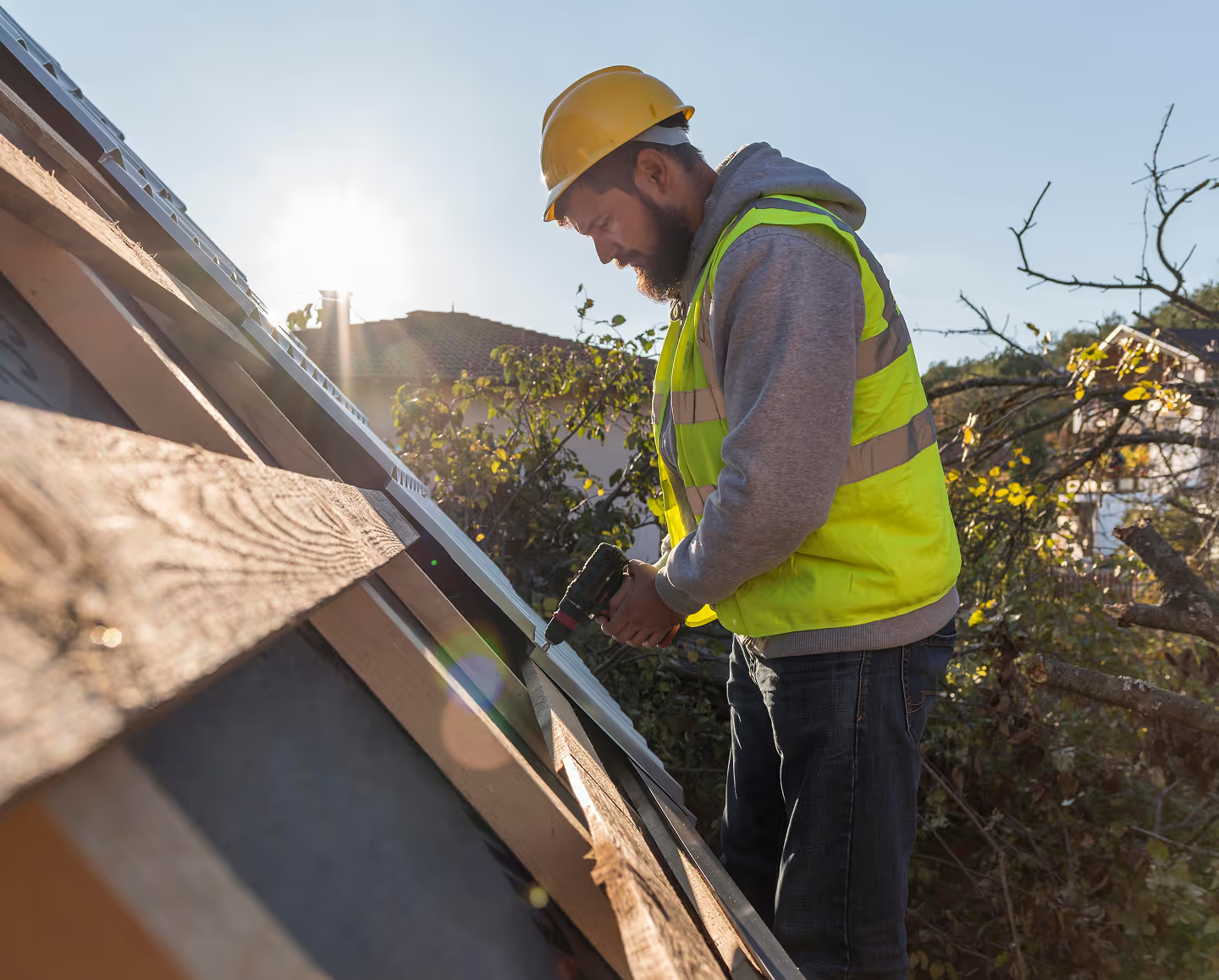
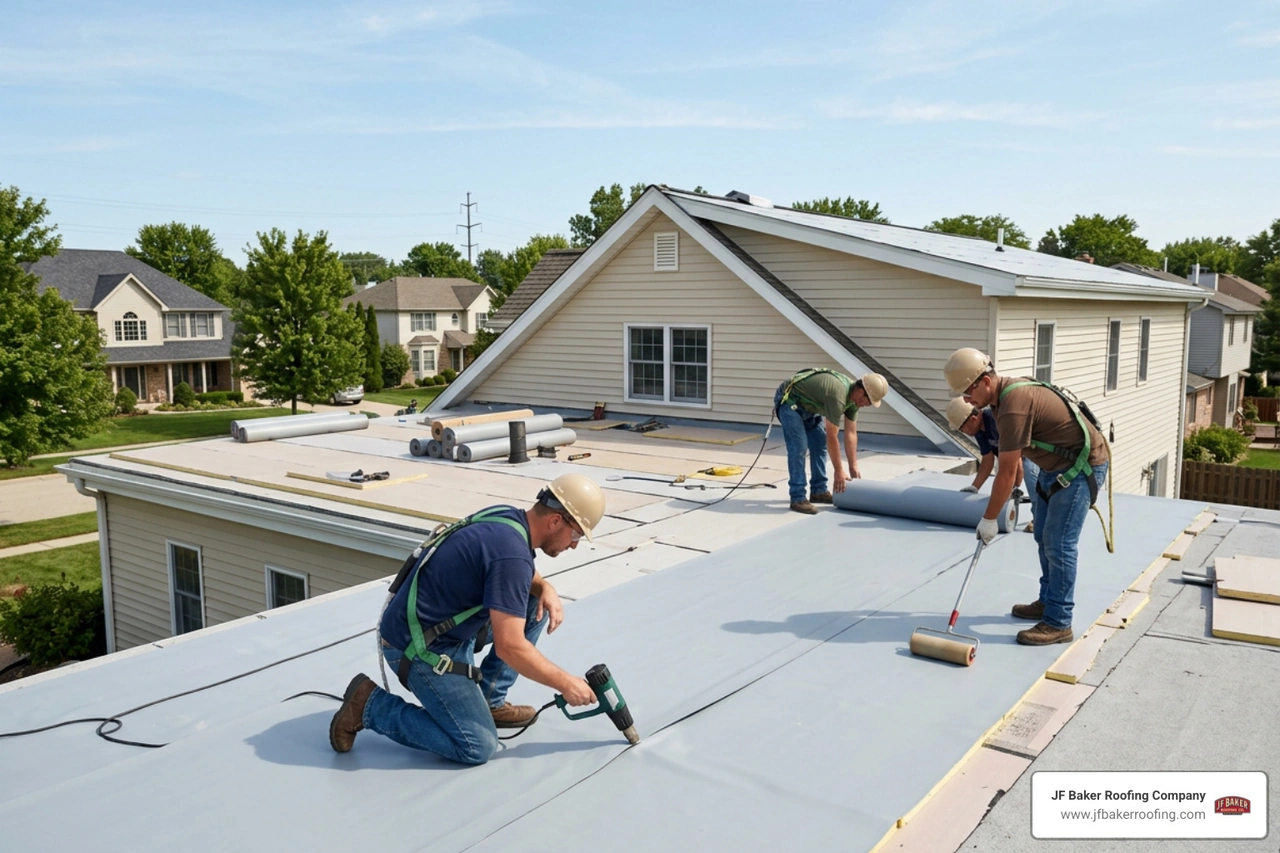
Roofing is physically demanding, highly dangerous, and technical work. Labor rates depend heavily on the complexity of your roof and local market conditions.
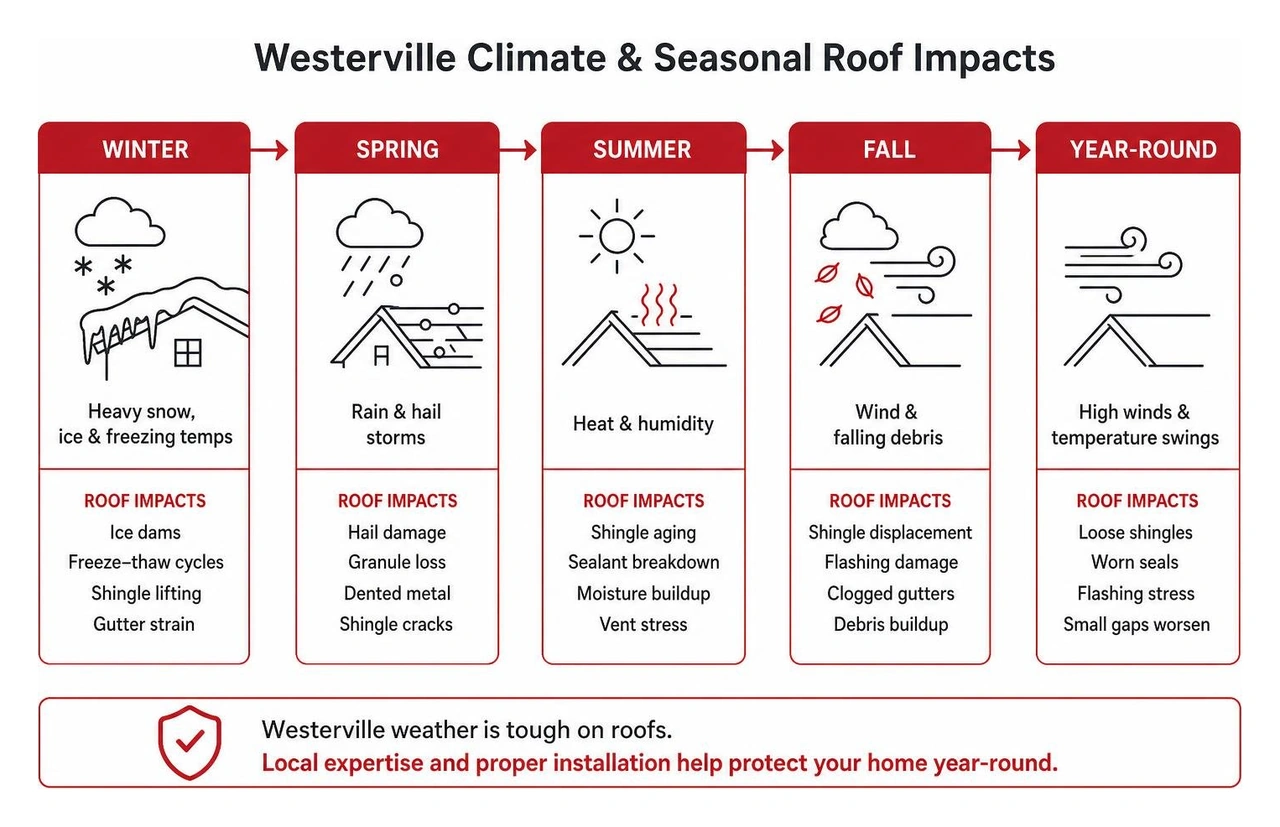
You might hear news about automation in the industry, such as how the Rufus roofing robot installs shingles three times faster than a human . While robotic technology is an interesting development in some East Coast markets, professional roofing in Central Ohio remains a hands-on, highly skilled craft. Our experienced, local crews understand how to navigate the specific structural nuances of historic homes in neighborhoods like Grandview Heights and older properties in Westerville.
Key Factors That Influence Your Roofing Estimate
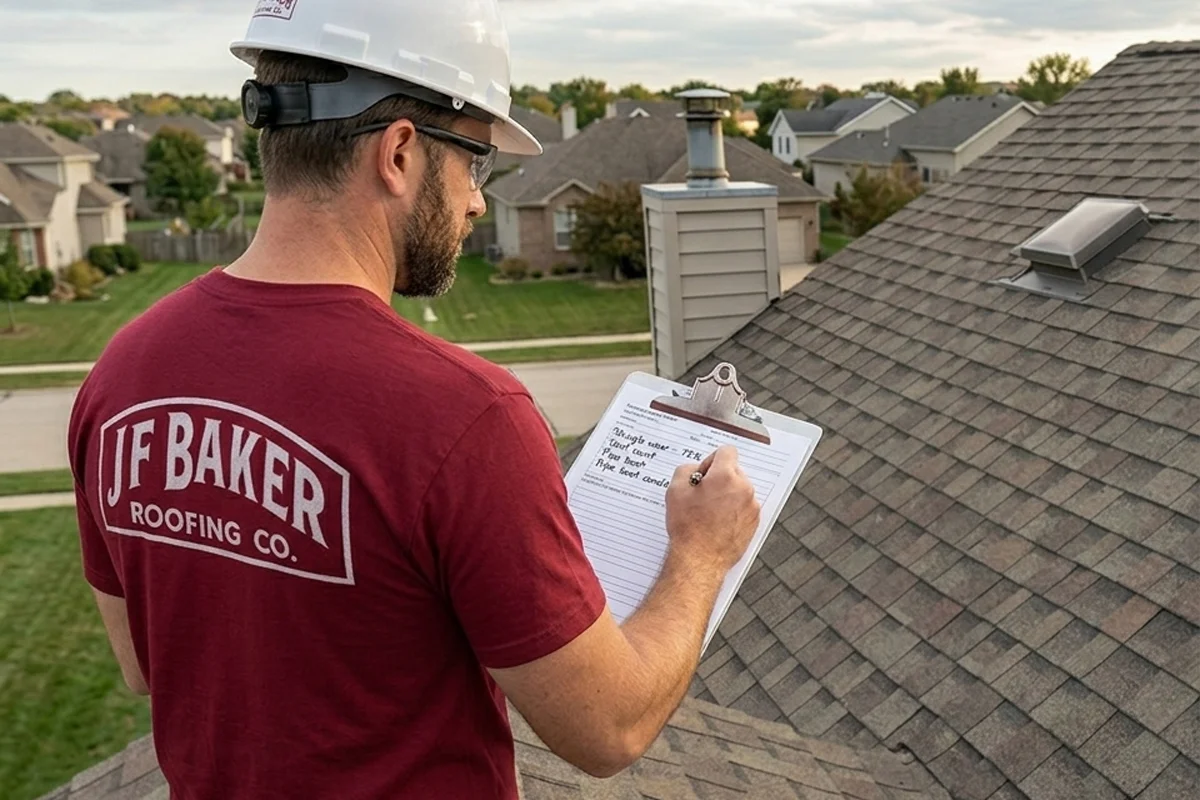
No two roofs are identical, which is why a reputable contractor must inspect your home in person before giving a firm estimate. Several physical characteristics of your home dictate the final price of a new roof.
Roof Size and Complexity
Roofing work is measured and priced by the "square." One roofing square is equal to 100 square feet of actual roof surface. Your roof's surface area is always larger than your home's square footage because of the slope and overhangs.
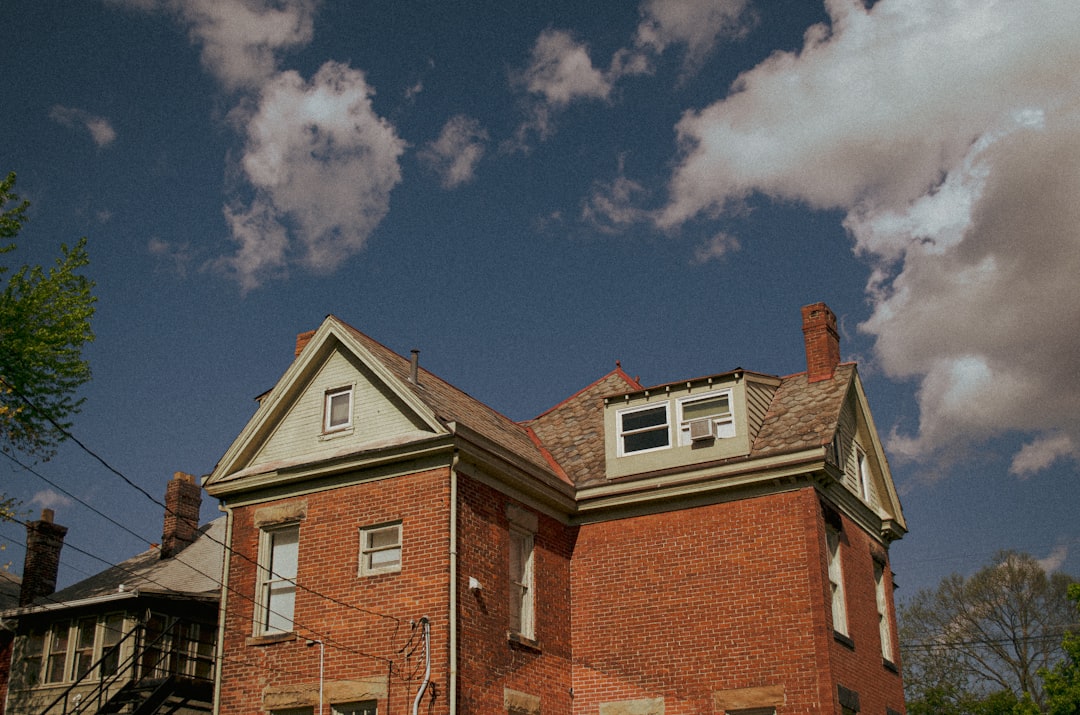
Complexity also plays a massive role. A simple ranch home with a straightforward gable roof (two flat slopes) is much easier and faster to roof than a multi-gabled Tudor with valleys, hips, dormers, and intersecting rooflines. Every valley requires extra flashing and waterproofing, and complex angles mean more waste material and slower, more meticulous labor.
Pitch, Height, and Accessibility
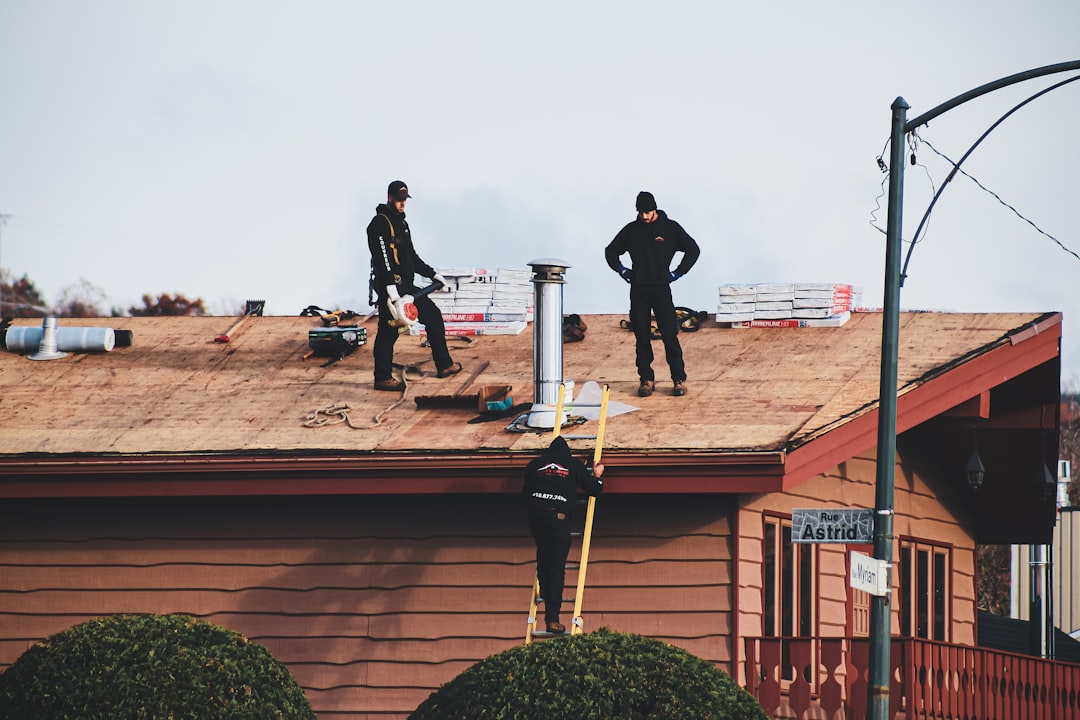
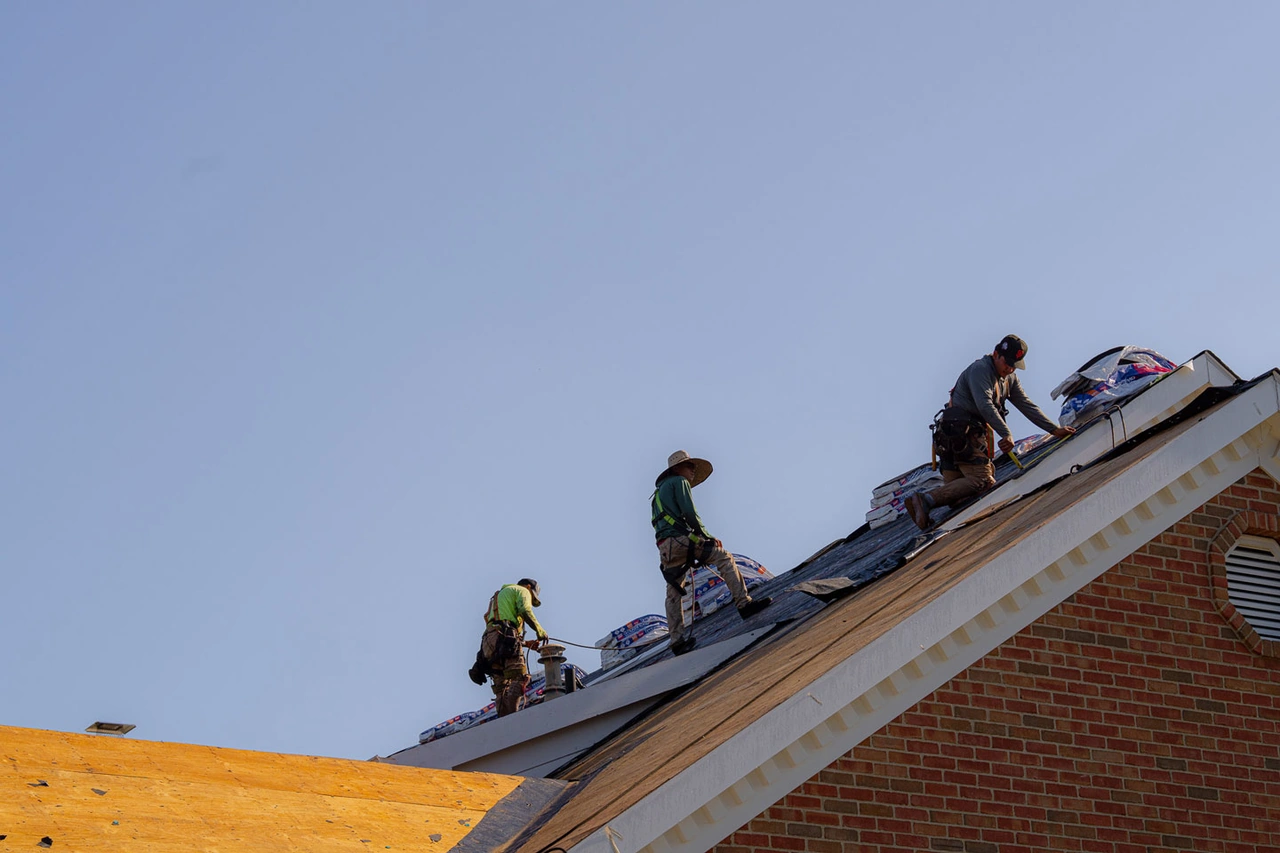
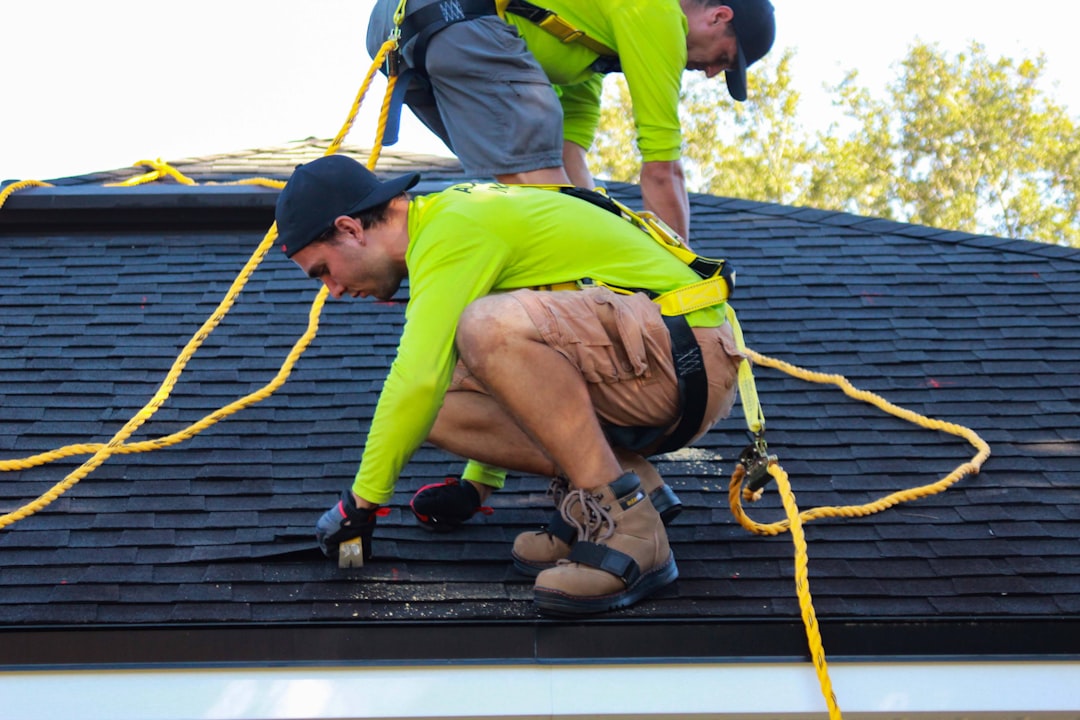
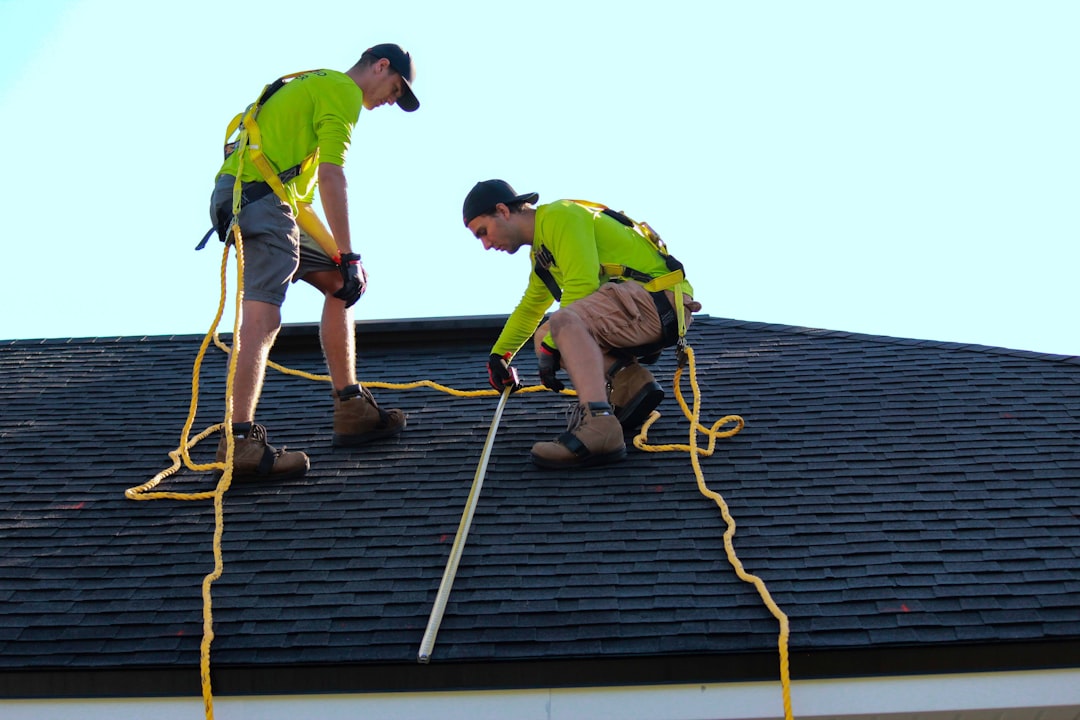
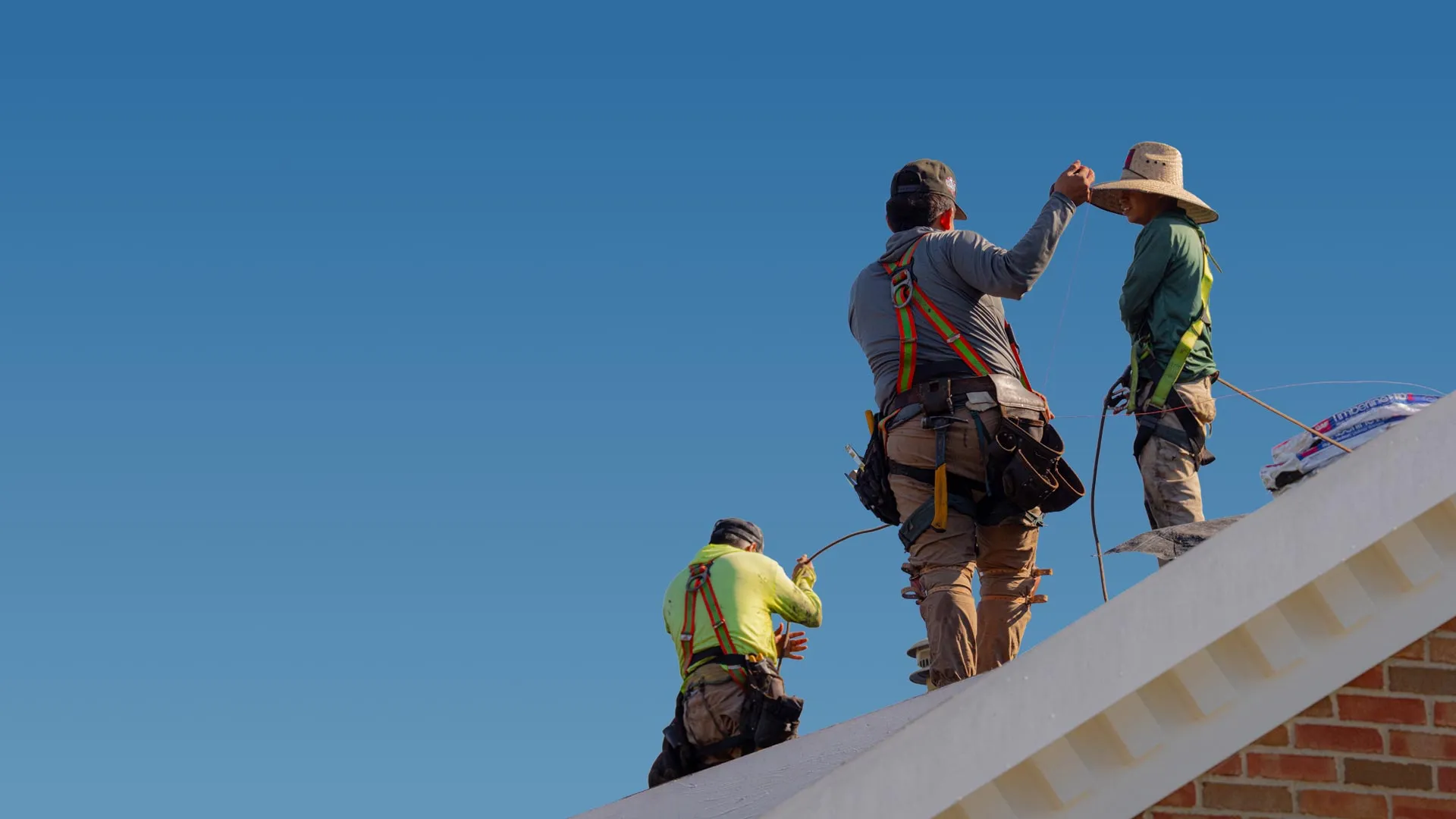
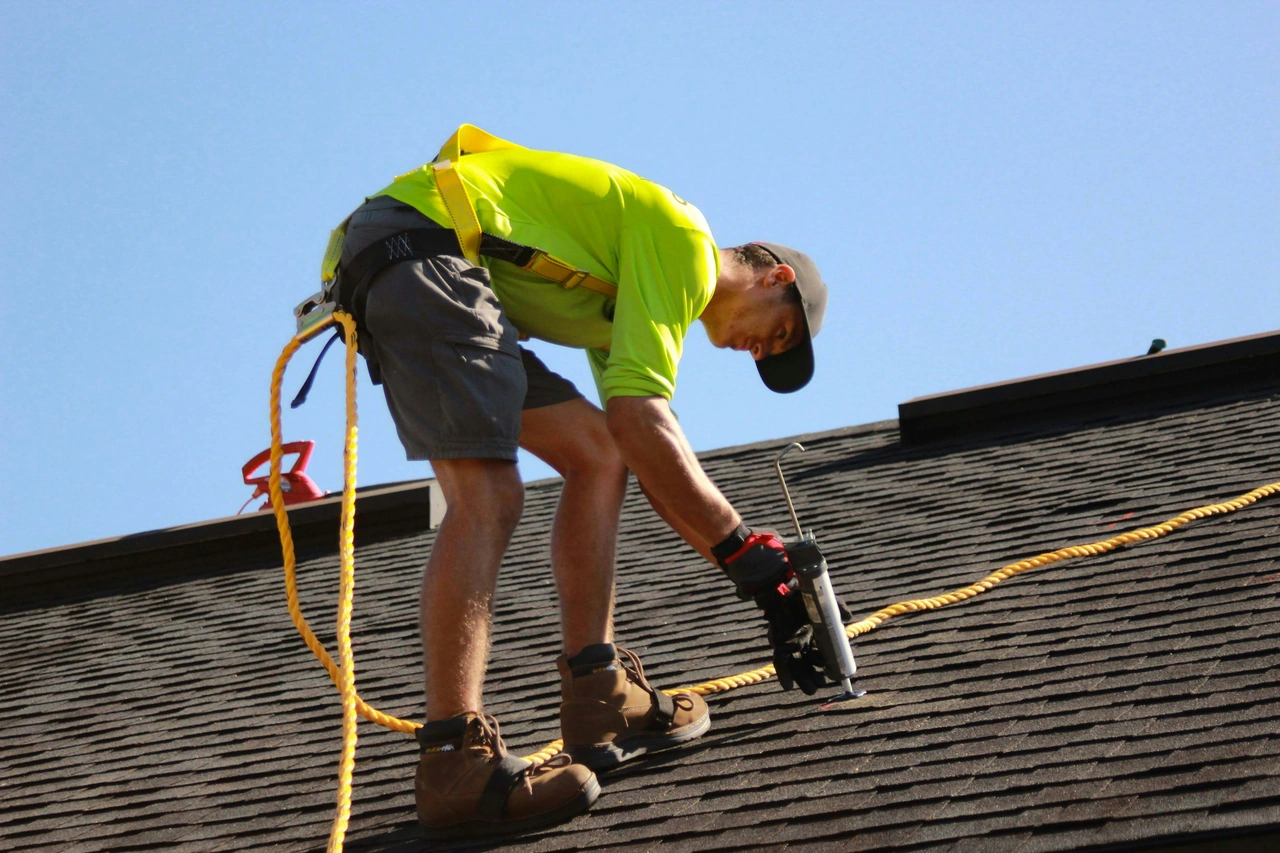
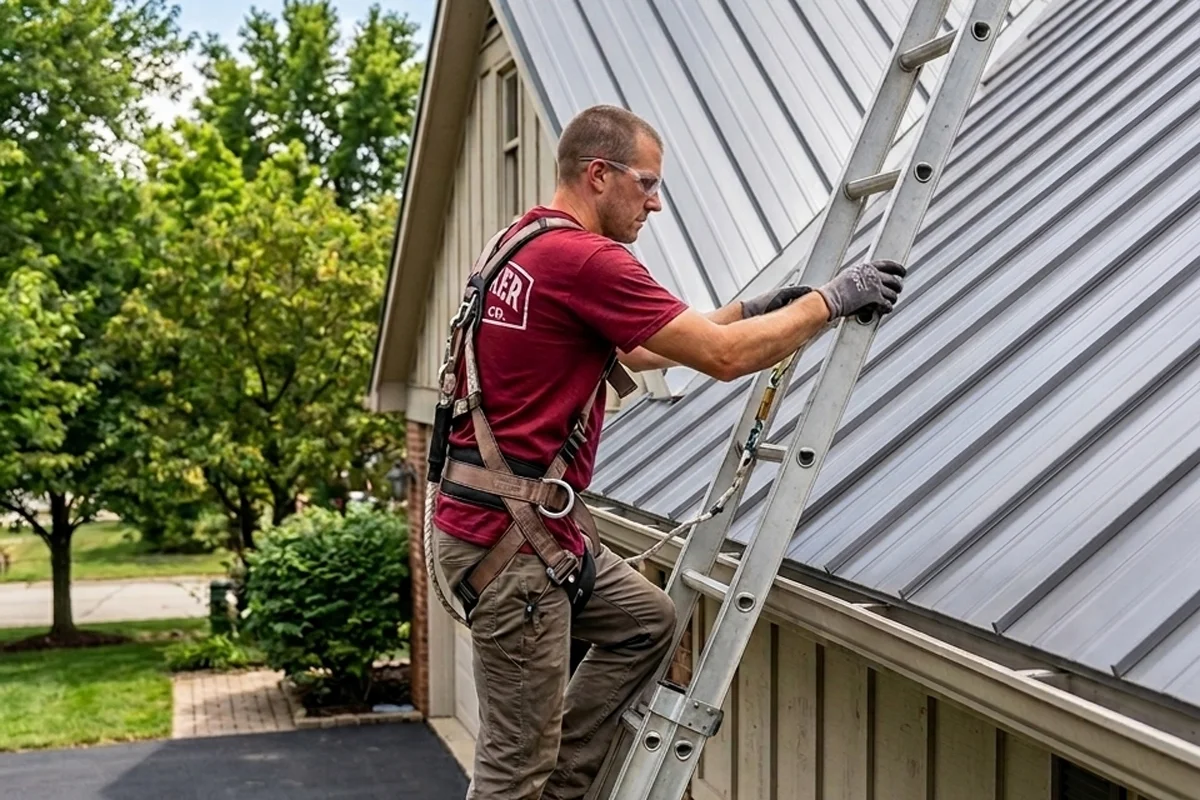
The pitch, or steepness, of your roof directly affects how safety equipment is used and how fast the crew can work. A standard pitch roof is walkable, allowing the crew to move freely. A steep-slope roof requires specialized safety harnesses, scaffolding, and ropes, which naturally slows down the installation process.
Height is another factor. A two-story or three-story home requires more effort to transport materials up and old materials down.
Finally, accessibility matters. If your home has a tight driveway, delicate landscaping, or is positioned very close to your neighbors, as is common in parts of Upper Arlington - Roof Ohio or older sections of Grove City, OH Roofers , staging the materials and placing the disposal containers takes extra time and care.
Additional Expenses to Budget For
When planning for a new roof, it is important to budget for the entire project, not just the shingles and labor. There are several often-forgotten line items that can affect your final bill. If you are preparing for this project, you can read more about what to expect on our page about how to Replace My Roof.
Decking Repairs and Underlayment
The roof deck, or sheathing, is the wood foundation (usually plywood or OSB boards) that your shingles are nailed to. When a contractor prepares an estimate, they cannot fully see the condition of this wood because it is covered by the old shingles and underlayment.
Once the old roof is torn off, if the crew finds soft, rotted, or water-damaged wood, those sheets must be replaced to ensure the new shingles hold securely. A reputable contractor will charge a clear, per-sheet rate for decking replacement.
Additionally, your estimate should include high-quality synthetic underlayment, which is far stronger and more water-resistant than old felt paper, and an ice and water shield. In Ohio, an ice and water shield is a critical code requirement installed along the eaves and valleys to prevent water from backing up under the shingles during winter freeze-and-thaw cycles.
Permits, Flashing, and Disposal Fees
A proper roof replacement requires a local building permit and subsequent municipal inspections to ensure everything is done to code. Your estimate should clearly state whether the contractor is pulling and paying for these permits.
Replacing the flashing around your chimney, walls, and valleys is another essential cost. Reusing old, rusted flashing to save a few dollars is a shortcut that almost always results in a leak.
Finally, the old shingles have to go somewhere. Your estimate should cover the labor to tear off the old layers, the cost of a dumpster rental, and the disposal or recycling fees at the local landfill.
The Roof Replacement Process and Timeline
Knowing what to expect during the installation can help reduce the stress of having a construction crew at your home.
Full Tear-Off vs. Overlay
Some homeowners ask if they can save money by simply nailing new shingles directly over their old ones, a process known as an overlay. While most building codes allow up to two layers of shingles, we strongly advise against overlays.
An overlay adds significant structural weight to your home and traps heat, which can shorten the lifespan of your new shingles. More importantly, an overlay prevents the crew from inspecting the wood decking underneath. If there is hidden rot or water damage, nailing new shingles over it simply hides a serious problem that will eventually fail.
A full tear-off is always the best long-term choice because it ensures a clean, stable wood deck and allows for the installation of modern water barriers and underlayment.
Step-by-Step Installation Timeline
For a standard-sized home, the actual installation is surprisingly fast, usually taking between one and three days. Here is how the process typically unfolds:
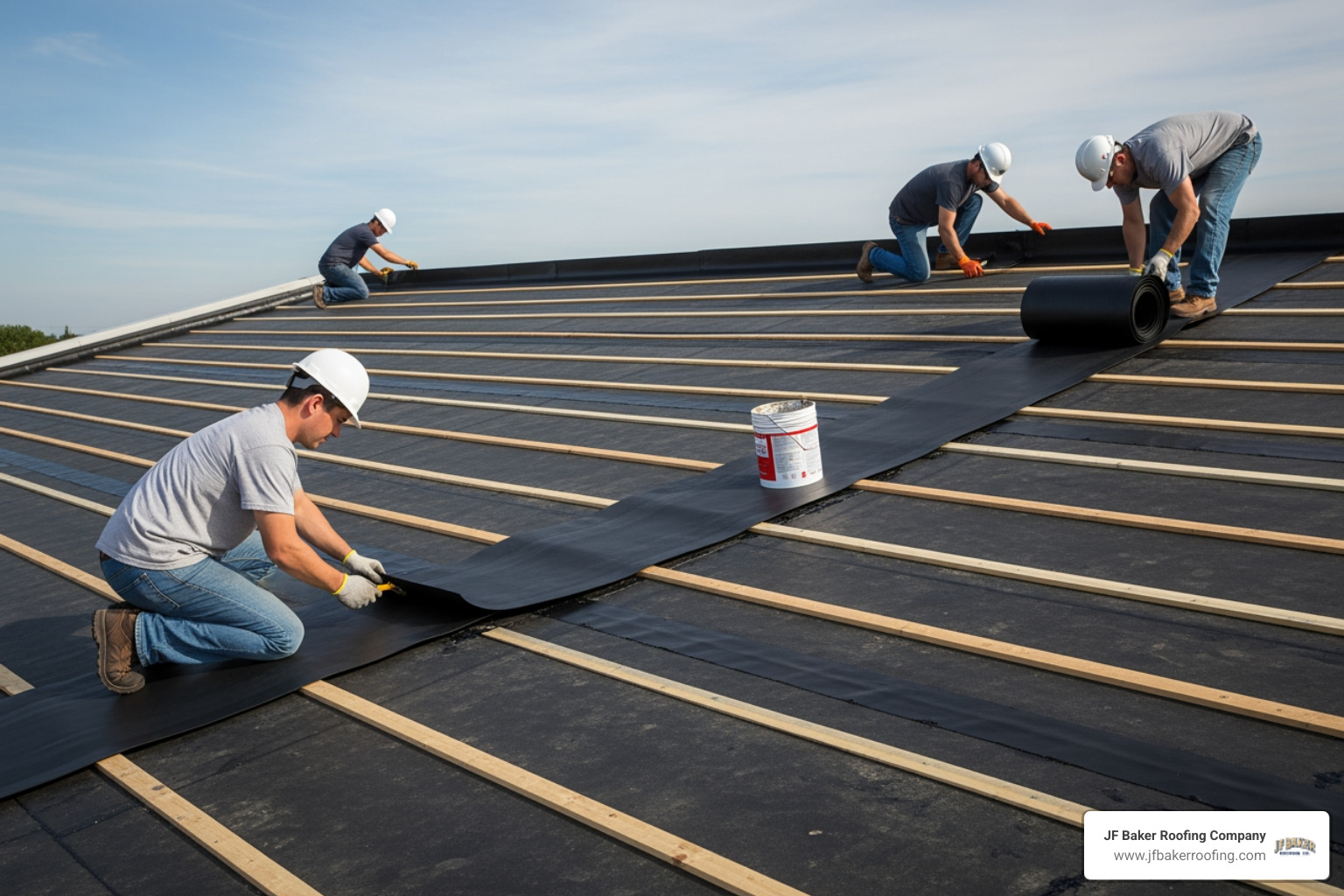
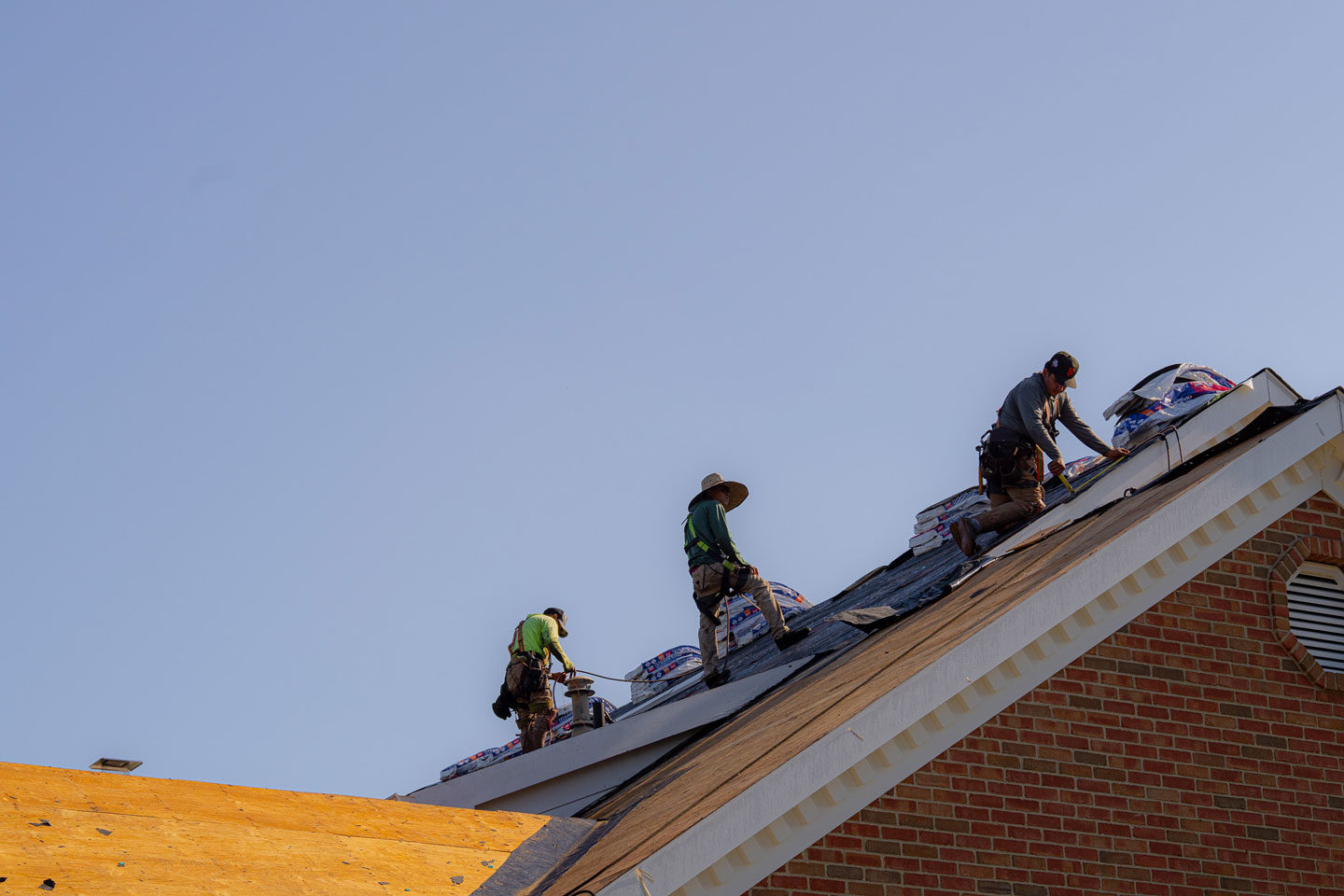
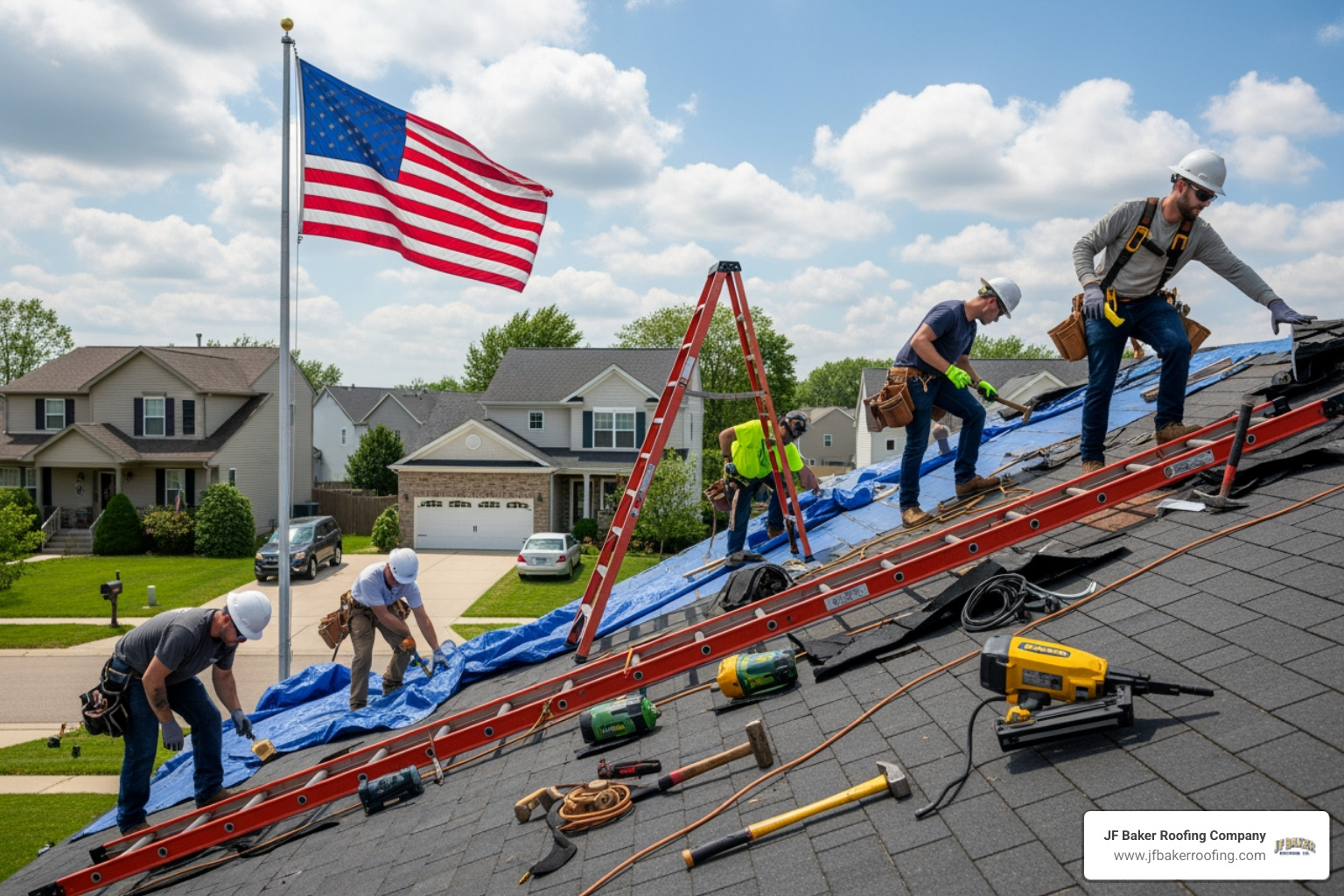
- Day 1: Tear-Off and Preparation: The crew arrives early and installs protective tarps over your landscaping, deck, and siding. They begin removing the old shingles, underlayment, and flashing down to the bare wood deck. Any rotted wood sheathing is identified and replaced.
- Day 2: Underlayment and Shingle Installation: The crew installs the drip edge, ice and water shield in the valleys and eaves, and the synthetic underlayment across the entire roof. The new shingles are then meticulously nailed down, starting from the bottom edge and working upward.
- Day 3: Finishing and Site Cleanup: The ridge vents, pipe boots, and flashing are completed. The crew then performs a thorough cleanup of your yard, driveway, and garden beds, using heavy-duty magnetic sweeps to collect any stray nails. A final inspection ensures everything is installed perfectly.
Frequently Asked Questions About Roofing Costs
Does homeowners insurance cover a new roof?
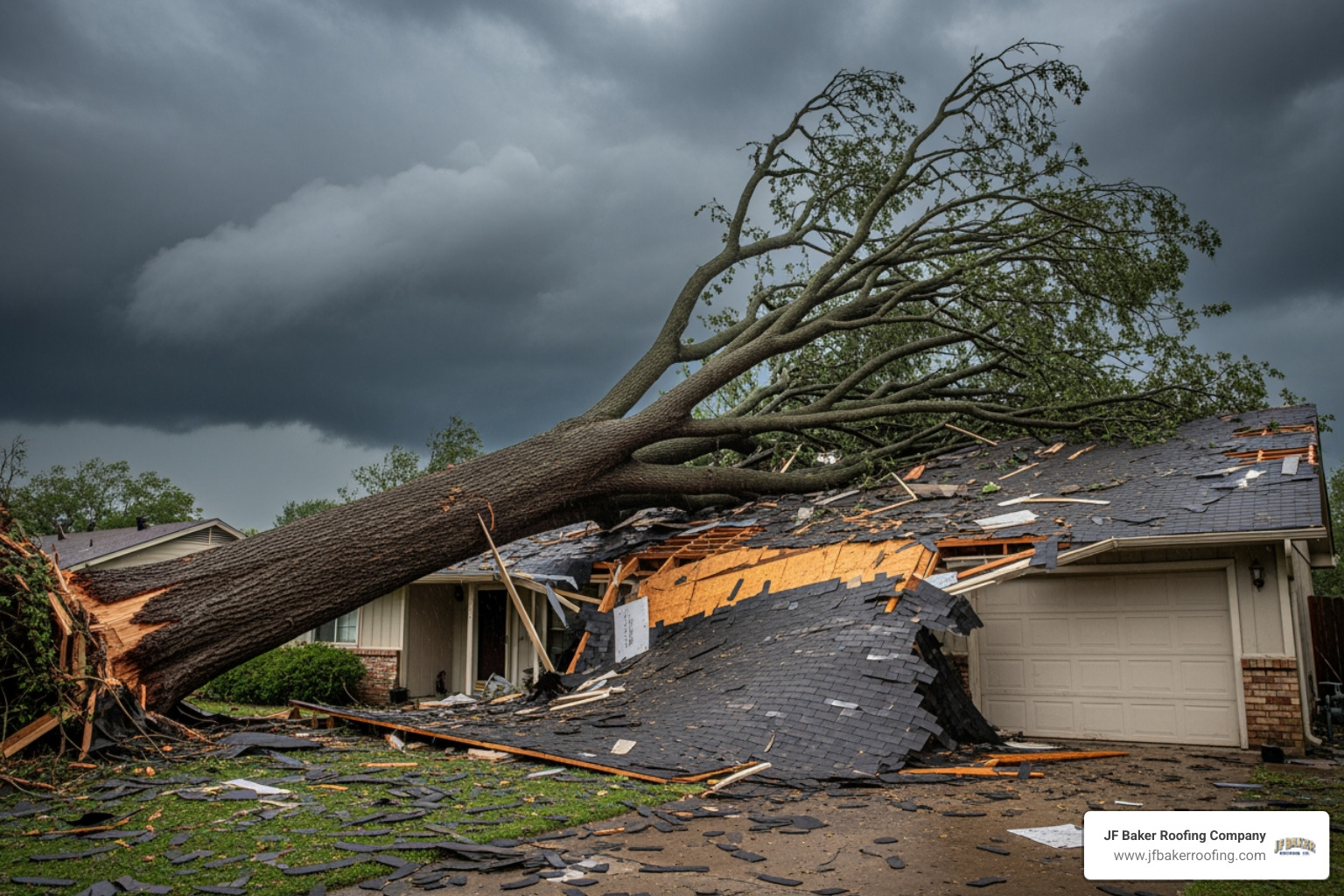
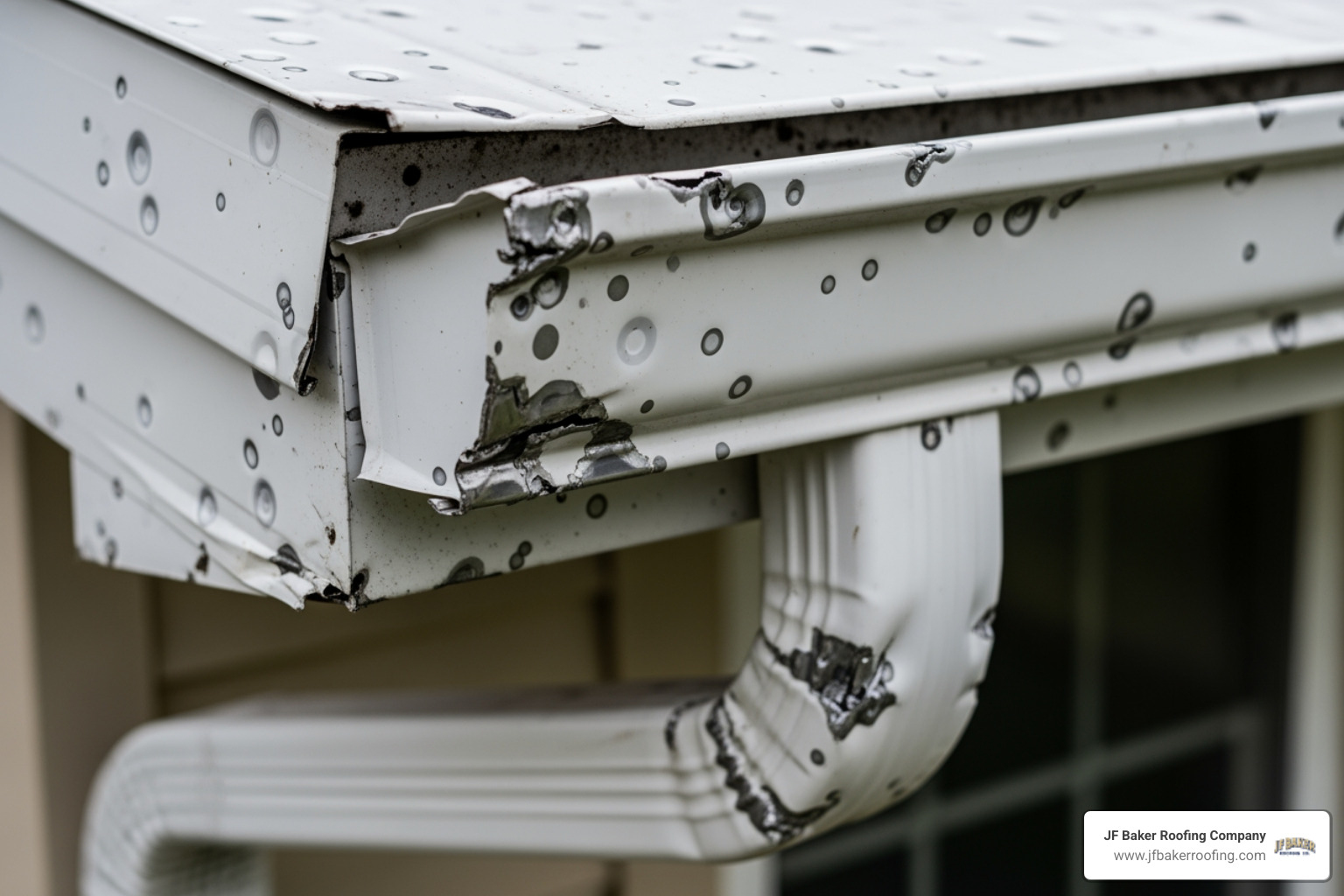
Homeowners insurance is designed to cover sudden, accidental damage caused by storms, high winds, hail, falling trees, or fire. It does not cover normal wear and tear or age-related deterioration.
If a severe storm damages your roof, your coverage will depend on whether you have an Actual Cash Value (ACV) or Replacement Cost Value (RCV) policy. An ACV policy pays out the value of your roof at the time of the damage, factoring in depreciation for its age. An RCV policy covers the actual cost of replacing the roof with a new one of similar quality.
To learn more about keeping your investment secure, read about our Residential Roofing Warranty Columbus.
How long does a typical roof replacement take?
Most standard residential roofs are replaced in one to three days. A simple, single-story home can often be completed in a single day, while larger, steeper, or more complex roofs may take two to three days.
The main factor that can disrupt this timeline is the weather. Professional crews will not tear off a roof if rain is in the forecast, as keeping your home dry and protected is the top priority.
What is the best time of year to replace a roof in Ohio?
Late spring and fall are traditionally the busiest seasons for roofing because the mild, dry weather is ideal for both the installation crew and the shingles. Asphalt shingles require a certain amount of warmth and sunlight for the self-sealing adhesive strip to activate and bond properly.
While winter installations are possible when necessary, they require extra care to ensure the shingles are handled gently and seal correctly. If you want to explore energy-efficient upgrades during your replacement, check out our guide on Energy Star Roofing Columbus.
Conclusion
A new roof is a significant investment, but it is also the single most important line of defense protecting your family, your belongings, and your home's structure.
We have been serving Central Ohio since 1929. Led by third-generation owners Chad and Pat Baker, we are a CertainTeed ShingleMaster Preferred Contractor, an NRCA member, and a BBB Accredited Business with an A+ rating.
We serve residential and commercial clients across Columbus, Dublin, Upper Arlington, Hilliard, Grandview Heights, Worthington, and Westerville.
Our approach is built on integrity and proven by performance. We recommend repairs when repairs will do the job, and we only recommend replacement when it is genuinely needed. We stand behind every roof we install.
If you suspect your roof has storm damage or is simply reaching the end of its natural life, let our reputation be your security. We provide honest assessments with no high-pressure sales tactics.
Schedule a Residential Roofing Consultation with us today for a straightforward, transparent assessment of your home's roof.














.jpeg)