Best Attic Vent Installation Near Me Survival Guide
Why Attic Vent Installation Near Me Matters More Than You Think
If you're looking for attic vent installation near me, here's what you need to know right away:
The fastest way to find a qualified local attic vent installer:
- Look for a licensed roofing contractor with ventilation experience in your area.
- Ask for an attic inspection before any work begins.
- Make sure they calculate your net free area and check your intake-to-exhaust balance.
- Confirm they follow local building codes and roofing manufacturer warranty requirements.
- Get a written, transparent estimate with no pressure to commit on the spot.
Most Central Ohio homeowners don't think about their attic until something goes wrong. But by then, the damage is often already done.
An attic without proper ventilation can reach temperatures of 160 degrees or more during summer. That trapped heat doesn't just sit there. It radiates down into your living space, forces your air conditioning to work harder, and slowly bakes your shingles from underneath.
And it's not just a summer problem. In winter, warm air rising from inside your home carries moisture up into the attic. A family of four generates 2 to 4 gallons of water vapor every single day. Without adequate airflow to flush that moisture out, you get condensation, mold, wood rot, and the kind of damage that shortens the life of your entire roof system.
Poor attic ventilation is one of the most common reasons roofing warranty claims get denied. Most shingle manufacturers require adequate ventilation as a condition of coverage.
The good news is that this is a solvable problem, and solving it is often simpler than homeowners expect.
I'm Chad M. Baker, third-generation owner of JF Baker Roofing Company, and in this guide I'll walk you through everything you need to know to make a confident, informed decision about attic ventilation for your home.
Key Signs You Need Attic Vent Installation Near Me
Detecting a ventilation issue in your home does not require crawling through fiberglass insulation on a humid summer afternoon. Your roof and second-story living spaces send clear warning signs when airflow is restricted.
If you notice any of these warning signs, it is time to consult an Attic Ventilation Specialist Near Me:
- Hot upstairs rooms in summer: When your attic reaches 150°F to 160°F, heat radiates directly through your ceiling drywall into bedrooms, making upper floors uncomfortably warm despite continuous air conditioning.
- Unusually high cooling bills: When trapped heat forces your HVAC system to run continuously, your monthly utility bills spike during summer months.
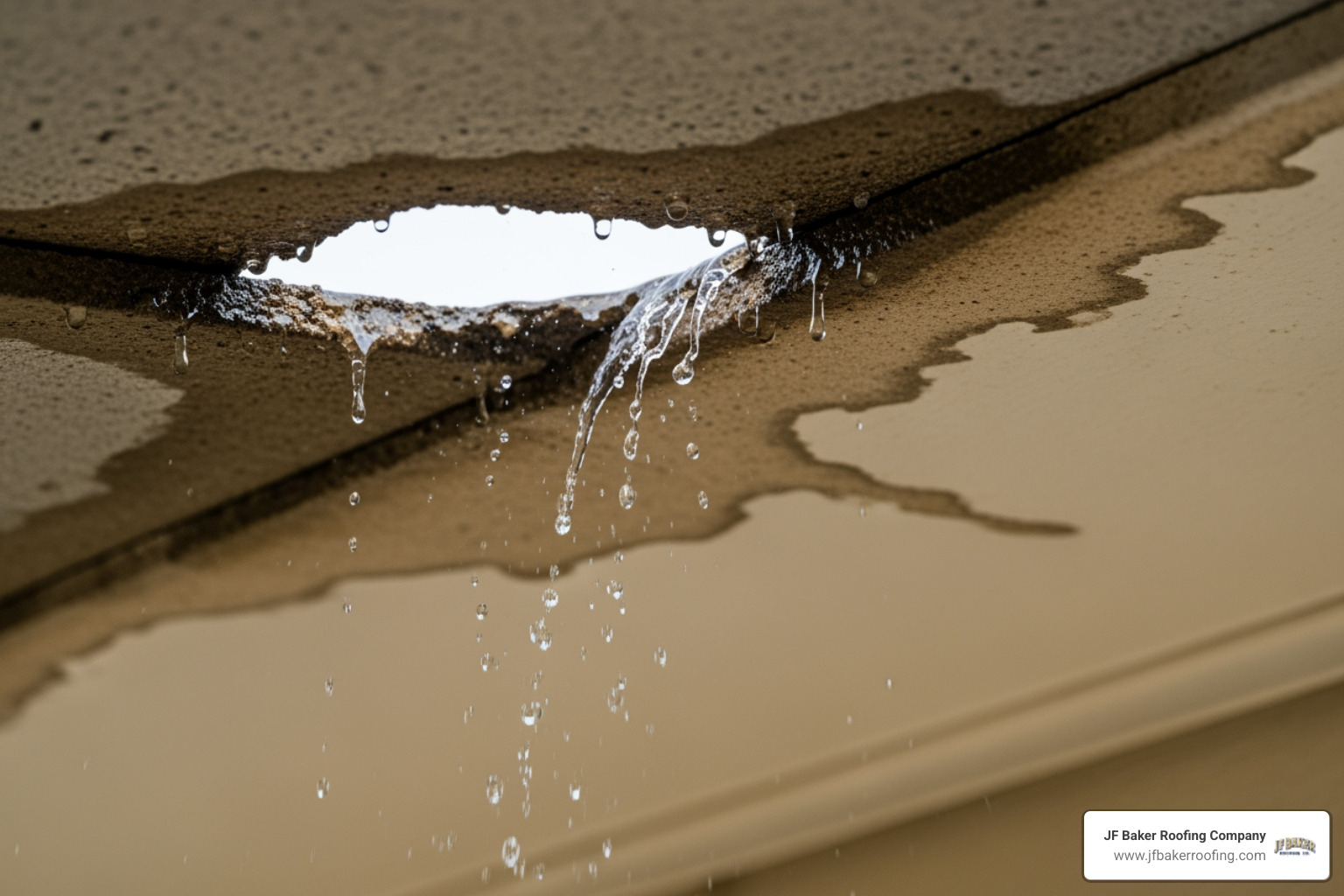
- Ice dams along the eaves in winter: When warm attic air melts snow on the upper roof, water trickles down to frozen eaves and refreezes. This creates ice dams that back up under shingles and leak into ceiling drywall.
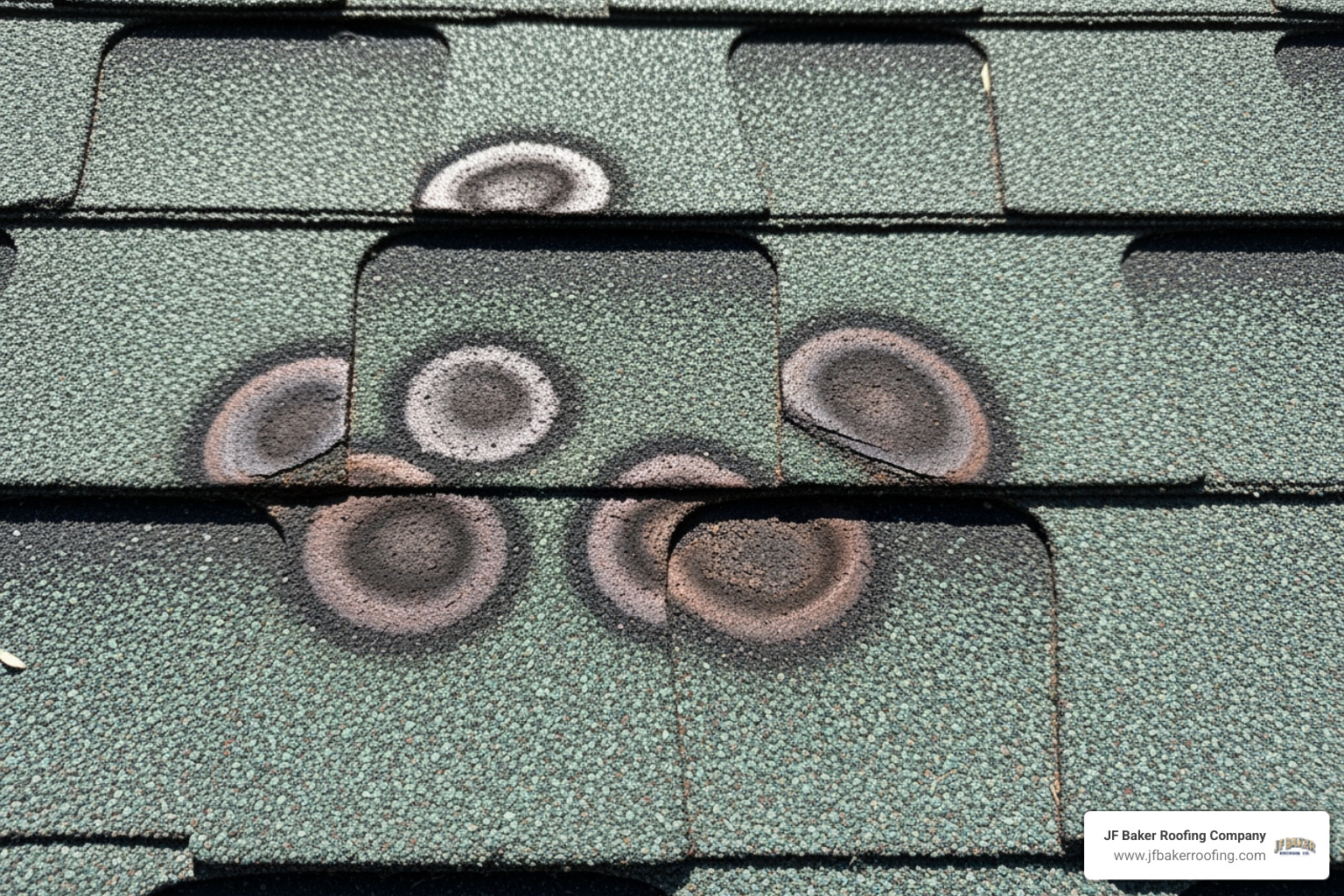
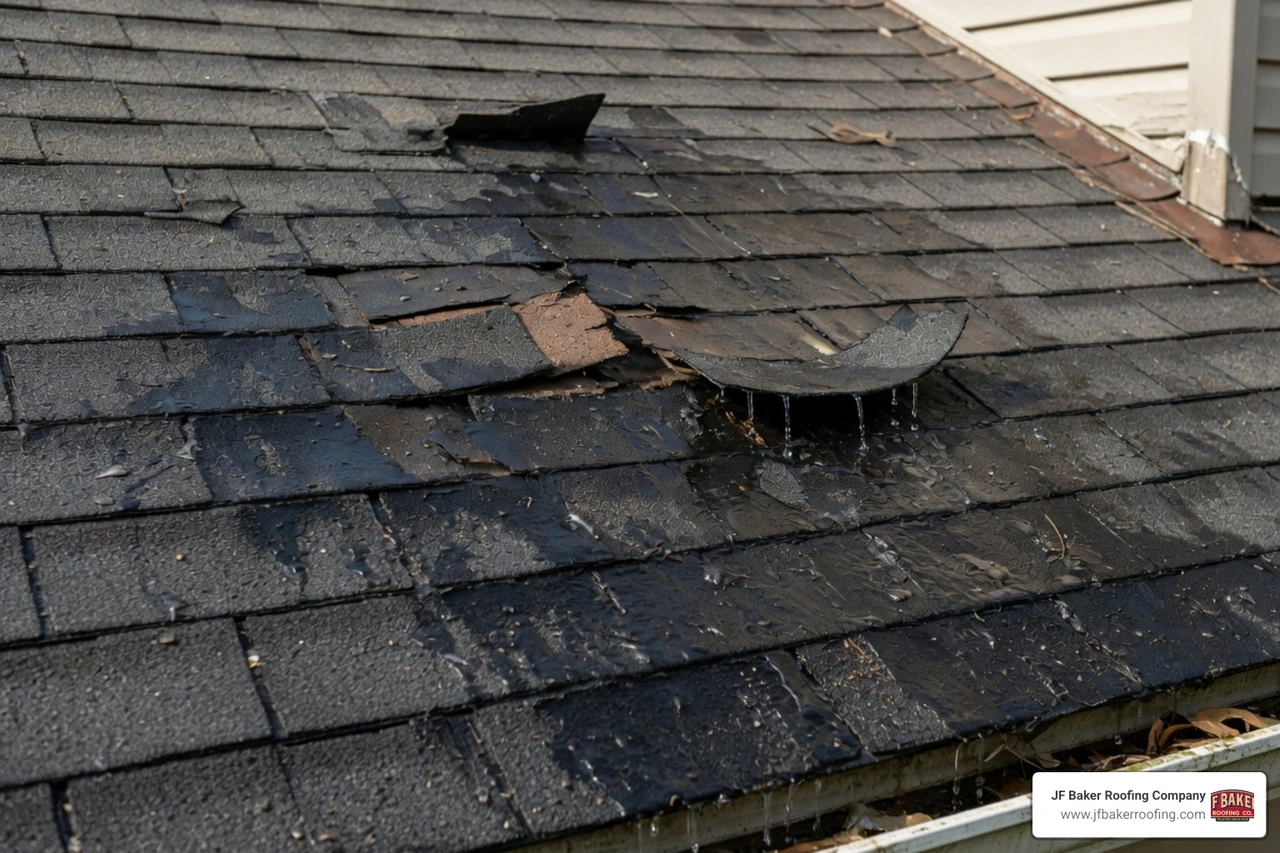
- Curling, cracking, or prematurely aging shingles: Excessive heat under roof decking cooks asphalt shingles from the underside, causing loss of protective granules and prematurely curling edges.
- Musty odors or visible mold growth: Trapped water vapor condenses on roof rafters, attic sheathing, and exposed roofing nails, causing mold, mildew, and wood decay.
- Rusting metal fasteners or hardware: Condensation dripping from nails or structural gusset plates indicates excess water vapor trapped inside the attic space.
Addressing these issues promptly prevents structural decay and preserves indoor air quality throughout your home.
Comparing Vent Types: Static Vents vs. Powered Fans
Choosing the correct ventilation equipment depends on your roof design, attic layout, and regional weather conditions. Attic ventilation falls into two primary categories: static (passive) systems and powered (mechanical) systems.
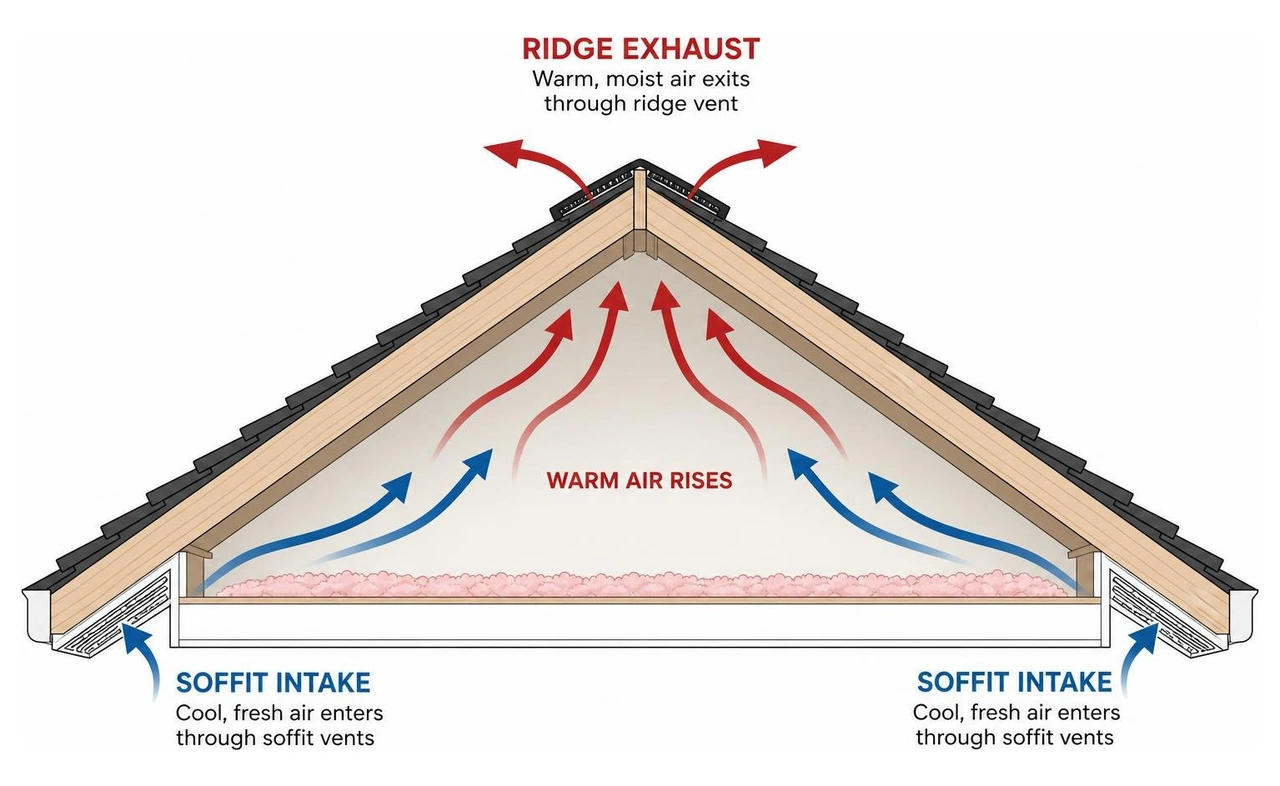
Static vents rely on natural convection and atmospheric wind pressure. Warm air rises naturally and exhausts through openings high on the roofline, creating a gentle vacuum that pulls cool air through lower intake vents.
Mechanical ventilation uses electric or solar-driven motors to draw air through the space continuously.
Common intake and exhaust vent options include:
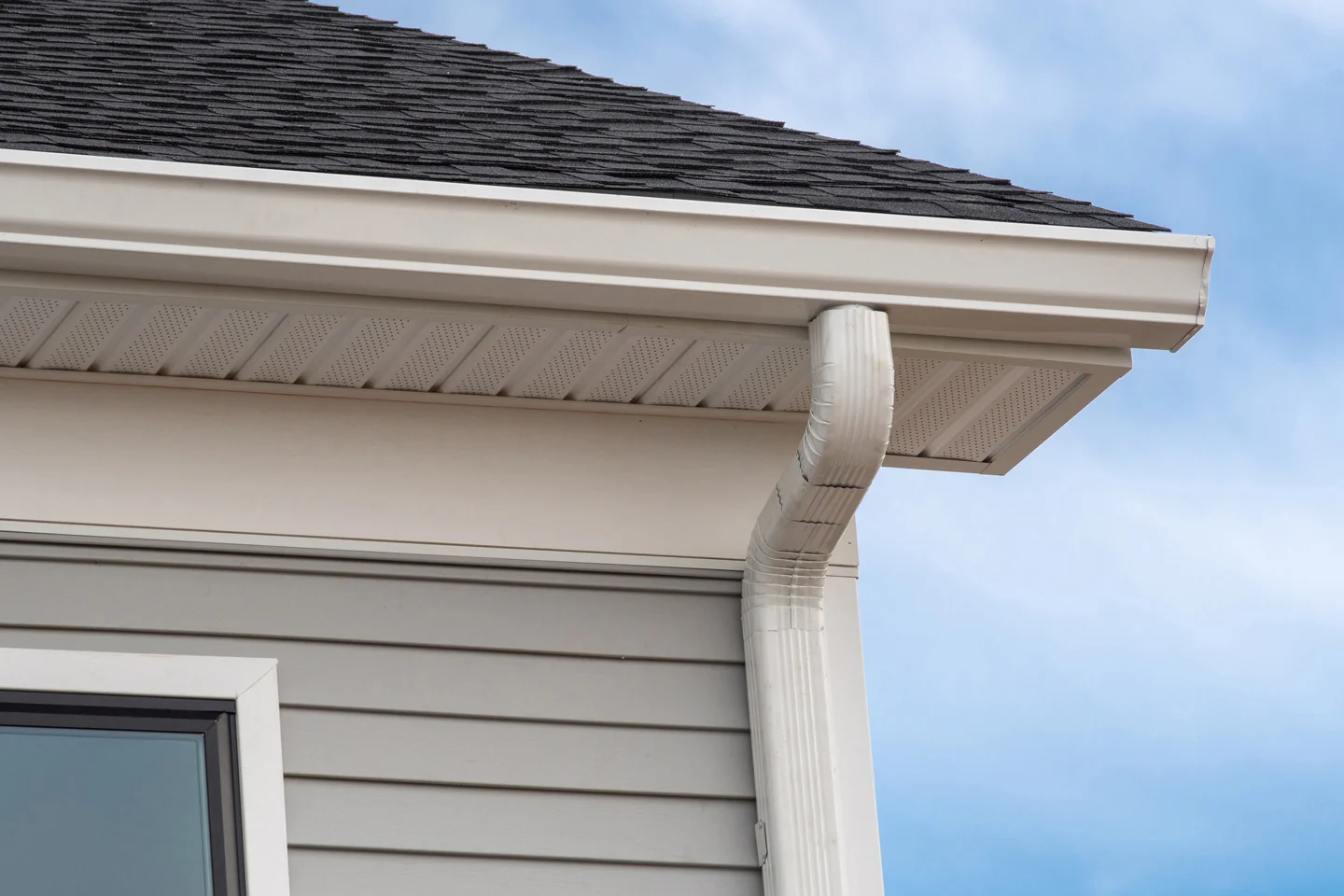
- Continuous soffit vents (Intake): Installed beneath the roof eaves, these vents serve as the primary source for cool outside air intake.
- Ridge vents (Exhaust): Positioned along the peak of the roof, continuous ridge vents allow rising heat and water vapor to exit evenly across the entire roof line.
- Box vents or roof louvers (Exhaust): Individual static vents installed near the roof ridge, suitable for smaller attics or complex roof structures.
- Turbine vents (Exhaust): Wind-driven mechanical vents that spin as outdoor breezes blow, pulling heat and moisture up from the attic.
- Power attic ventilation fans (Mechanical Exhaust): Hardwired or solar-powered fans equipped with built-in thermostats and humidistats to pull air out when attic heat or humidity crosses target thresholds.
- Gable vents (Intake or Exhaust): Vents installed on the exterior vertical end walls of a gabled roof.
For comprehensive details on external industry benchmarks, homeowners can explore resources provided by Attic Insulation & Ventilation Experts | Chicago Suburbs and Roof & Attic Ventilation Contractor | Roof Geeks. Homeowners searching for local contractors in Central Ohio can also view options via The Best Attic Ventilation Contractors in Columbus, OH.
Benefits of Solar Vents for Attic Vent Installation Near Me
Solar-powered attic fans offer an efficient option for mechanical airflow without increasing monthly utility bills.
Unlike traditional hardwired electric attic fans, solar fans operate using integrated solar panels mounted directly on the unit casing. During bright daylight hours when heat builds up fastest, solar fans run at peak capacity.
Key benefits of solar attic fans include:
- Zero electrical operating costs: Powered entirely by daylight, solar fans do not add to your electric bill.
- Simpler installation: Solar units operate independently without requiring dedicated high-voltage electrical wiring or panel connections.
- Targeted summer thermal reduction: Solar fans run hardest when solar radiation is highest, exhausting extreme heat before it transfers into upstairs living spaces.
- Quiet operation: Direct-current brushless motors operate quietly compared to heavy electric motors.
Achieving a Balanced System: Intake-to-Exhaust Ratios
A healthy attic ventilation system relies on balance. Simply adding roof exhaust vents without sufficient air intake will not cool your attic efficiently. In fact, an unbalanced system can draw air from inside your home through light fixtures and attic hatches, wasting energy.
Building codes require a calculation based on Net Free Area (NFA). Net Free Area measures the total unobstructed opening available for air to flow through a vent screen or grate.
The baseline standard calls for 1 square foot of Net Free Area for every 300 square feet of attic floor space, split evenly between intake and exhaust.
A balanced ventilation design requires:
- 50% Intake ventilation: Located low on the roofline, typically beneath soffits or eave overhangs, to bring in fresh, cool outside air.
- 50% Exhaust ventilation: Located high on the roof peak, usually through a continuous ridge vent or high box vents, allowing hot air to exit smoothly.
Preventing short-circuit airflow is critical. If gable vents or individual box vents are installed too close to a ridge vent, fresh air enters through the higher vent and exits immediately without circulating through the lower attic space.
To learn more about how ventilation integrates with decking, underlayment, and shingles, read our detailed guide on The Main Components of a Residential Roof in Columbus Ohio.
Step-by-Step Process for Attic Vent Upgrades
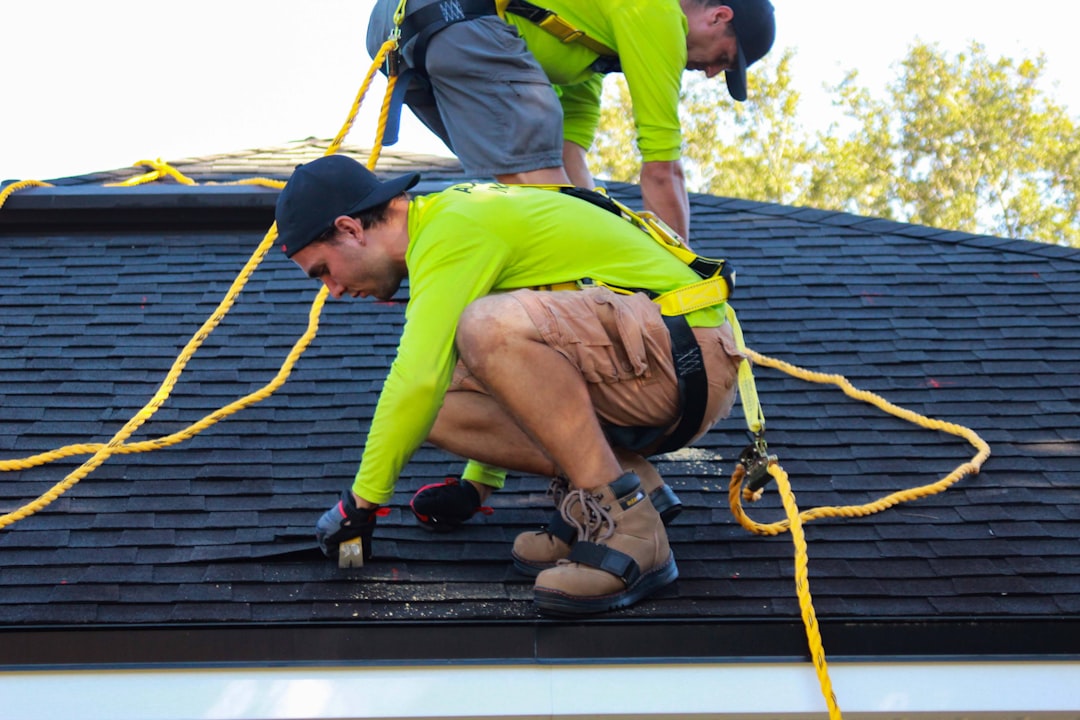
Upgrading or installing new attic vents requires care to keep your home watertight and energy efficient. Working on roof decks demands correct safety protocols, clean flashing integration, and attention to attic insulation.
If you are researching contractor qualifications for your home, review our helpful guide on How to Choose the Right Roofing Contractor in Columbus Ohio.
What to Expect During Attic Vent Installation Near Me
When our crews execute a professional ventilation project, the process follows these steps:
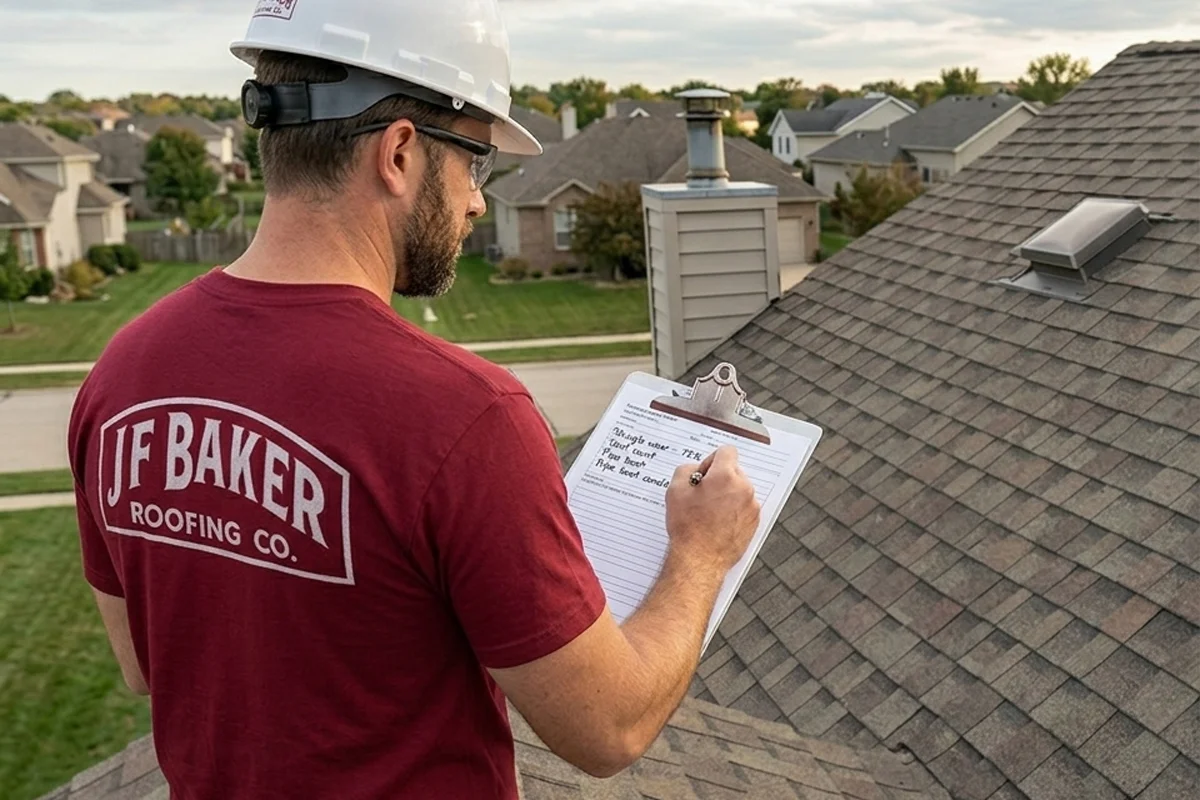
- Initial inspection and thermal measurement: We inspect the attic interior, check insulation coverage, measure floor square footage, and evaluate existing vent openings.
- Net Free Area mathematical calculation: We calculate exact square inches of intake and exhaust openings needed to establish a balanced airflow circuit.
- Clearing blocked soffit pathways: We clear any insulation blocking soffit vents and install rafter baffles (wind washing guards) to keep air channels open.
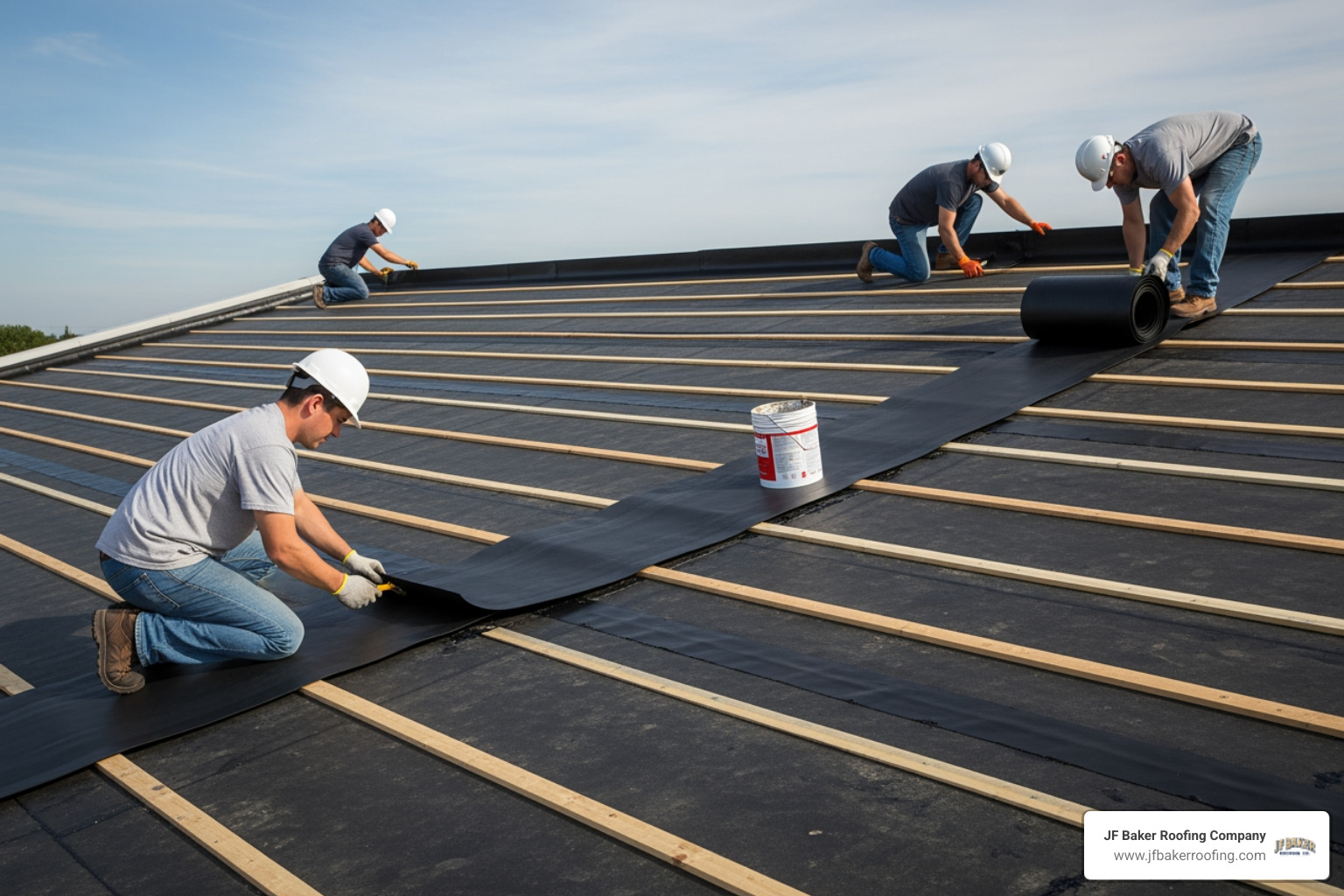
- Precision roof deck penetrations: For ridge vents, box vents, or powered fans, we cut clean openings through roof decking while protecting underlying rafters.
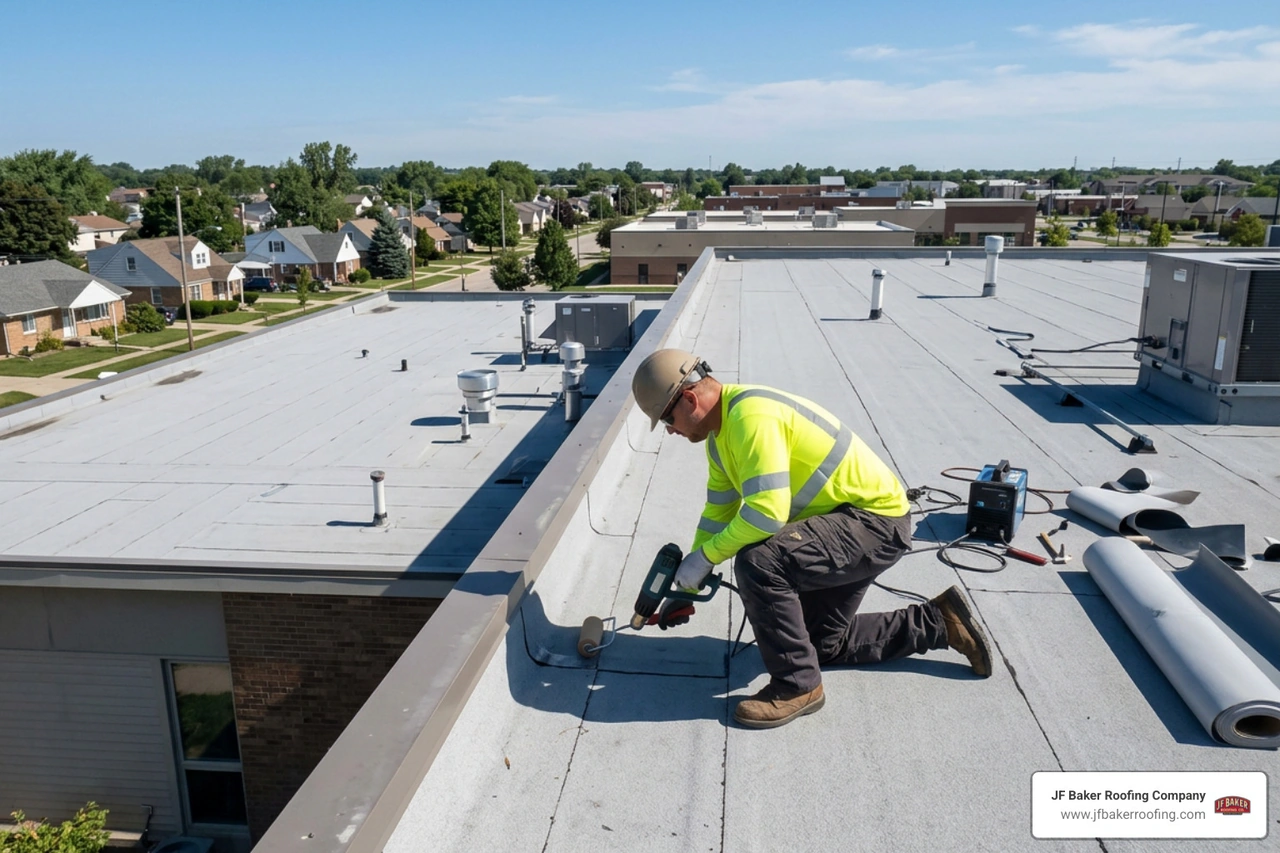
- Weather-tight flashing and seal installation: We integrate ice and water shields, aluminum step flashing, and commercial-grade sealants to prevent rain penetration.
- Fan mounting and smart control integration: If installing powered or solar fans, we secure units tightly with vibration-dampening mounts and configure thermostat controls.
- Cleanup and final safety inspection: We clean job sites thoroughly and inspect all roof penetrations to ensure long-term performance.
Knowing When to Repair or Replace an Existing Attic Fan
Electric and solar attic fans contain moving mechanical parts that wear down over time. If your fan displays performance issues, repair or complete replacement may be necessary.
Signs that an attic fan requires repair or replacement include:
- Screeching, grinding, or rattling noises: Worn motor bearings produce loud metal-on-metal noises that echo through home framing.
- Failure to turn on during hot weather: Worn motor windings or failed thermostat sensors prevent fans from turning on when attic temperatures spike.
- Constant running: A faulty thermostat or stuck humidistat can cause a fan motor to run continuously, burning out bearings and wasting power.
- Excessive fan housing vibration: Unbalanced or bent fan blades cause vibration that can loosen surrounding roof seals and leads to leaks.
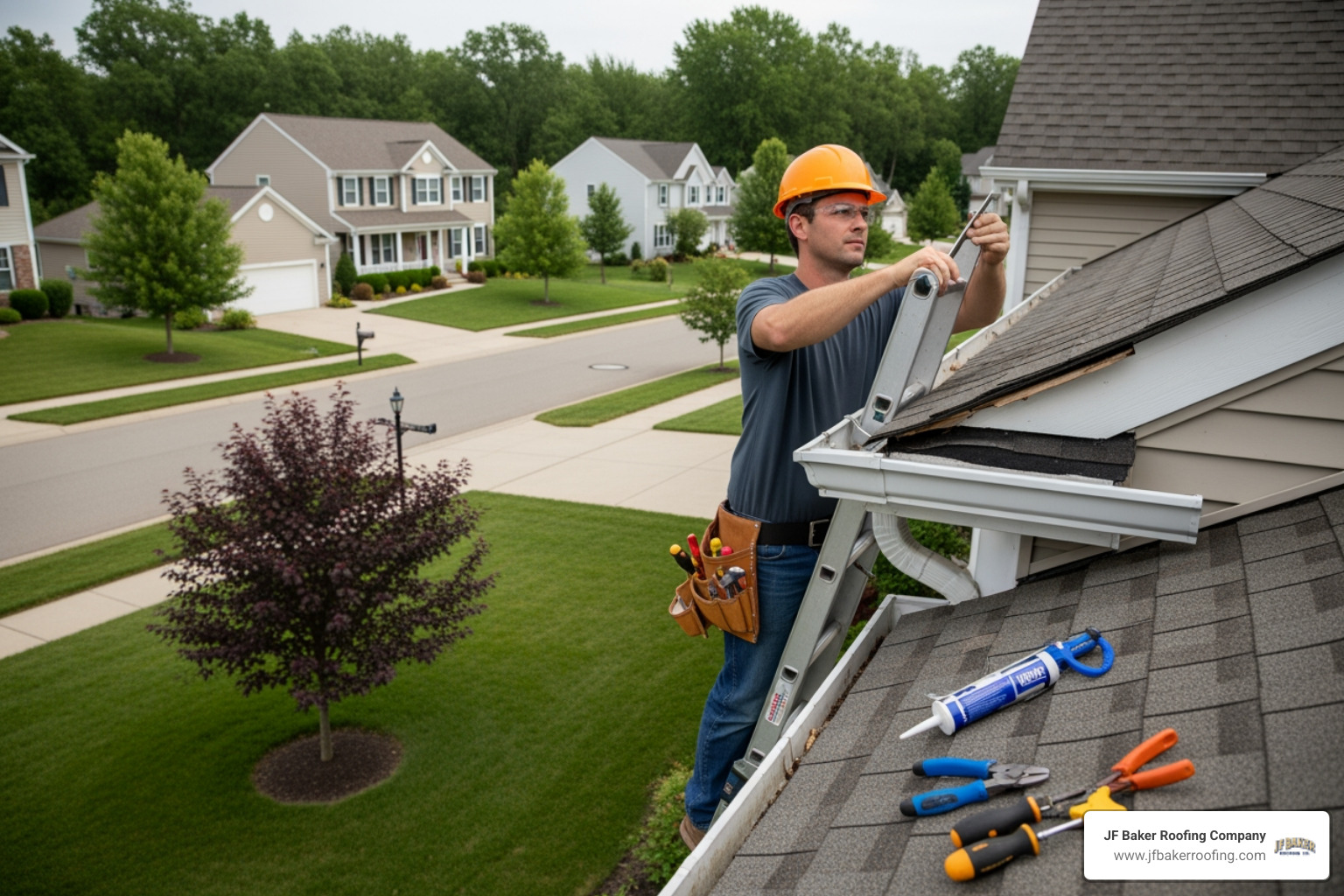
If your ventilation hardware is aging or leaking water, explore our specialized Roof Repair services to restore protection.
Inspection Schedules and Roof Warranty Protection
Attic ventilation systems are not set-it-and-forget-it components. Leaves, bird nests, windblown dirt, and shifting insulation can gradually choke intake and exhaust vents over time.
We recommend having your roof and attic ventilation inspected every 2 to 3 years, as well as after severe hail or windstorms. Regular maintenance keeps air moving freely and catches minor defects before they lead to structural damage.
For a complete checklist of items evaluated during professional visits, see our Residential Roof Inspection Checklist or learn more about scheduling a Professional Roof Inspection Delaware.
Proper ventilation is also essential for preserving your roof's warranty. Major shingle manufacturers explicitly require balanced attic ventilation matching regional building codes as a condition of coverage.
When attic heat builds up due to inadequate airflow, shingles overheat, crack, and fail prematurely. In those cases, manufacturers may deny warranty claims for thermal blistering or premature granule loss. Keeping clear records of proper vent installation protects your warranty investment.
Frequently Asked Questions About Attic Ventilation
How often should attic ventilation systems be inspected?
Attic ventilation systems should be inspected every 2 to 3 years. These evaluations check for soffit blockages, inspect rafter baffles, confirm thermostat accuracy on mechanical fans, and verify that roof penetrations remain leak-free.
Will adding attic vents affect my roof shingle warranty?
Adding properly installed attic vents protects your roof shingle warranty rather than harming it. Most roofing material manufacturers require adequate attic ventilation as a condition of their product warranty. Unbalanced or missing ventilation is a frequent reason manufacturers deny warranty claims when shingles show premature heat degradation.
Can proper attic ventilation lower my summer cooling bills?
Yes. In hot weather, unvented attics trap heat that climbs above 150°F. This heat transfers down into upper-floor rooms, forcing your air conditioner to run constantly. By exhausting trapped thermal energy and maintaining balanced airflow, proper ventilation reduces strain on your HVAC system and helps keep cooling costs under control.
Conclusion
Since 1929, JF Baker Roofing has helped Central Ohio homeowners protect their properties with honest assessments, clear communication, and quality workmanship. As a family-owned business spanning three generations, we believe in giving straight answers and doing every job right the first time.
If your home upstairs feels uncomfortably hot in summer, if you notice ice dams forming in winter, or if you simply want to ensure your roof warranty remains protected, our team is here to help. We inspect your attic space, calculate your system's exact airflow needs, and provide clear recommendations with no pressure.
Whether you live in Columbus, Upper Arlington, Dublin, Worthington, Westerville, Hilliard, or surrounding areas, let our family serve yours. Learn more about our complete range of Residential Roofing Services or contact our team today to schedule your attic ventilation evaluation.
















.jpeg)