Professional Roof Inspection Delaware: A Practical Guide
Why a Professional Roof Inspection in Delaware, Ohio Is Worth Your Time
If you need a professional roof inspection Delaware (Ohio) homeowners can rely on, here is what matters most:
- Get inspected at least twice a year -- spring and fall are ideal
- Schedule an inspection after any major storm, hail event, or high winds
- Always hire someone who is licensed, insured, and familiar with Central Ohio's climate
- A professional inspection is not the same as a free estimate -- it is a documented evaluation of your roof's condition
- Expect a written report with photos, findings, and clear next steps
Your roof takes a beating in Central Ohio. Harsh winters, freeze-thaw cycles, and the region's 25+ thunderstorm days a year put real stress on shingles, flashing, and gutters. Most of that damage builds quietly, out of sight, long before a leak shows up inside your home.
The problem? Many homeowners only call a roofer when something goes visibly wrong. By then, what started as a minor flashing issue or a few cracked shingles can turn into a repair bill of $1,200 to $2,500 or more.
A professional inspection catches those problems early. It gives you an honest picture of where your roof stands, what needs attention now, and what can wait.
At JF Baker Roofing Company, we have been doing honest roof assessments for Central Ohio homeowners since 1929. No pressure. No upselling. Just a clear-eyed look at your roof and straight talk about what we find.
Key professional roof inspection delaware vocabulary:
The Value of a Professional Roof Inspection Delaware Homeowners Need
Your roof is the single most important barrier protecting your family, your furniture, and your home's structural framing from the elements. Yet, because it is high up and hard to see, it is often the most neglected part of a house.
A professional roof health evaluation is not just about looking for leaks that have already made their way to your ceiling. It is a form of preventative care designed to find weak spots before they fail. By catching minor deterioration early, you can avoid premature roof failure and extend the life of your existing shingles.
For property owners in Central Ohio, having a reliable assessment is key to maintaining long-term property value. Whether you are looking for local home inspections or specific commercial property evaluations, working with certified experts like Delaware Inspections ensures you get a clear look at your property's overall structural health.
The Difference Between an Inspection and a Free Estimate
A common point of confusion for homeowners is the difference between a free estimate and a professional diagnostic assessment.
- A Free Estimate: This is a sales-focused tool. If you already know you have a leak, or if your roof is obviously at the end of its life, a roofing contractor will provide a free estimate. This document simply outlines the scope of work and the price to repair or replace the roof. The contractor is looking at the roof with the primary goal of pricing a project.
- A Professional Diagnostic Assessment: This is a comprehensive, paid evaluation. The inspector's job is not to sell you a new roof, but to document its current condition. They will look at every component of your roof system, from the attic ventilation to the flashing around your chimney.
You receive a detailed, unbiased report outlining the remaining lifespan of your roof, minor issues that need immediate attention, and potential problem areas to watch. Many reputable contractors offer credit-back policies, meaning if the inspection reveals that you do need repairs or a replacement, the cost of the inspection is credited back to you when you have them perform the work.
Key Qualifications for a Professional Roof Inspection Delaware Expert
When you are ready to hire someone to walk your roof, you want to make sure they know exactly what to look for. Not all roofers are qualified inspectors, and not all home inspectors understand the nuances of complex roofing systems.
First, ensure the contractor is fully licensed and insured in the state of Ohio. This protects you in the rare event of an accident on your property.
Second, look for deep local expertise. Central Ohio has its own unique weather patterns, and an inspector needs to understand how our local climate affects different materials over time.
Finally, check for manufacturer certifications. For example, working with a CertainTeed ShingleMaster Preferred Contractor ensures the team has undergone rigorous training on proper installation and material performance. For more advice on finding the right fit, check out our guide on How to Choose the Right Roofing Contractor in Columbus Ohio: A Central Ohio Homeowners Guide.
Why and When to Schedule a Roof Assessment in Central Ohio
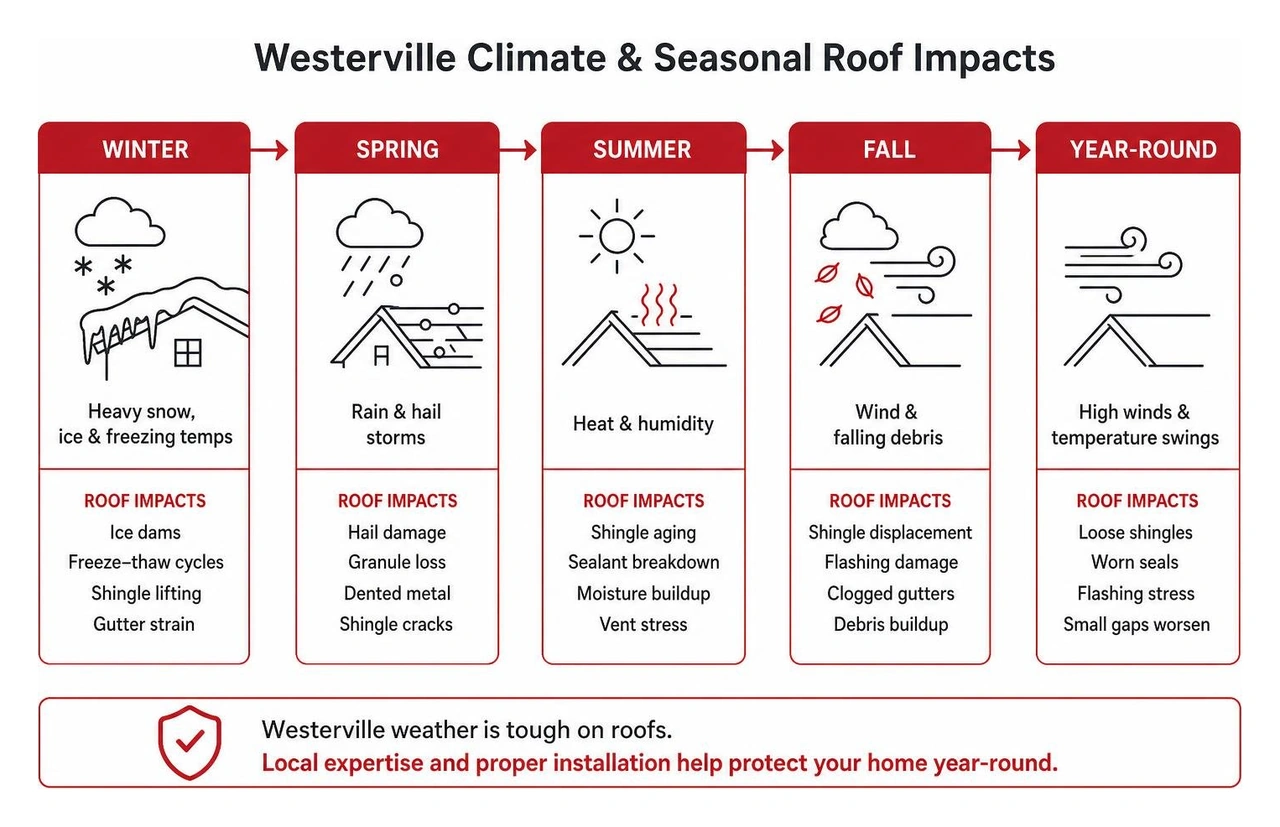
The weather in Delaware, Ohio, and the surrounding Central Ohio region can be incredibly unpredictable. Our local climate features hot, humid summers, freezing winters, and sudden, severe spring storms.
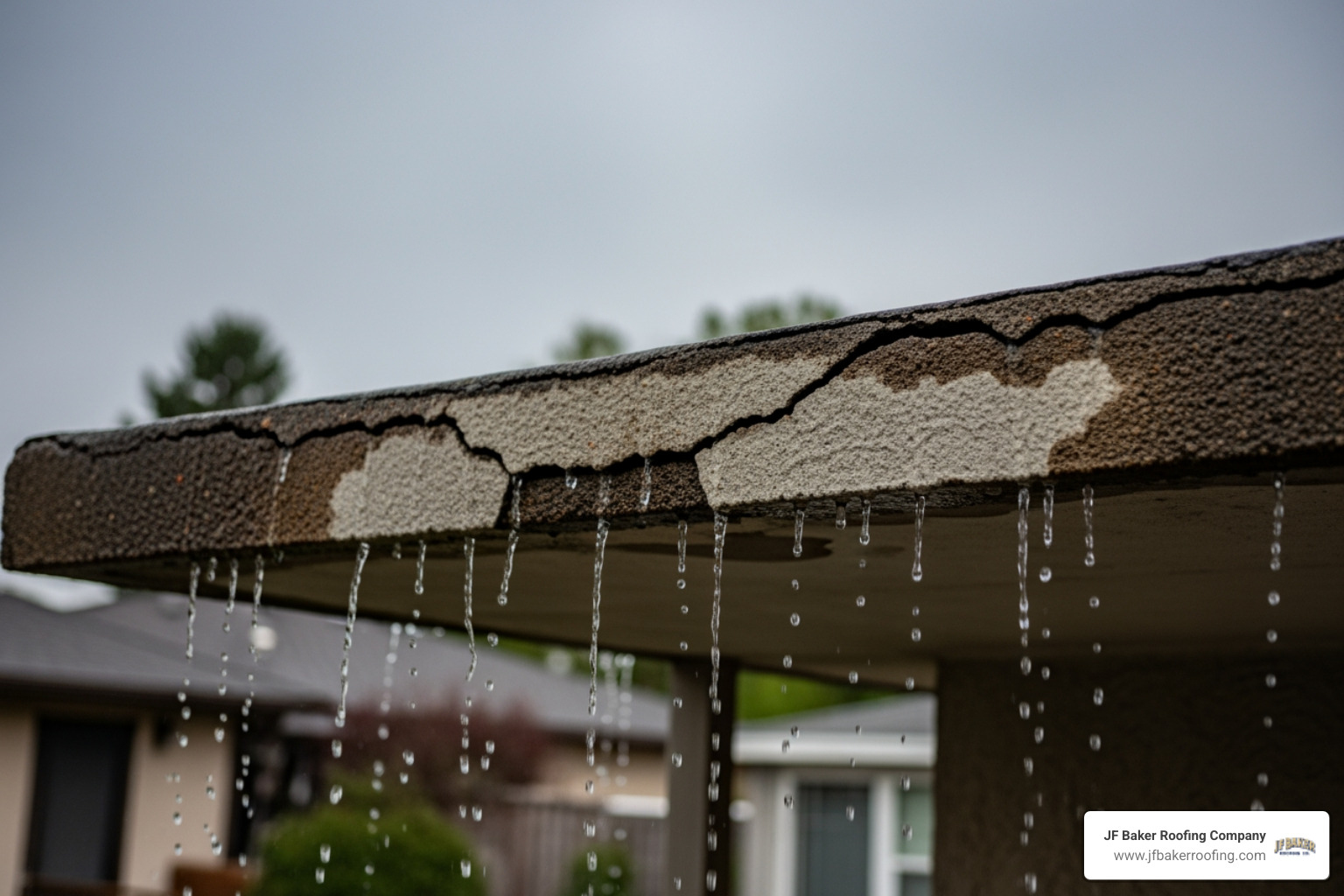
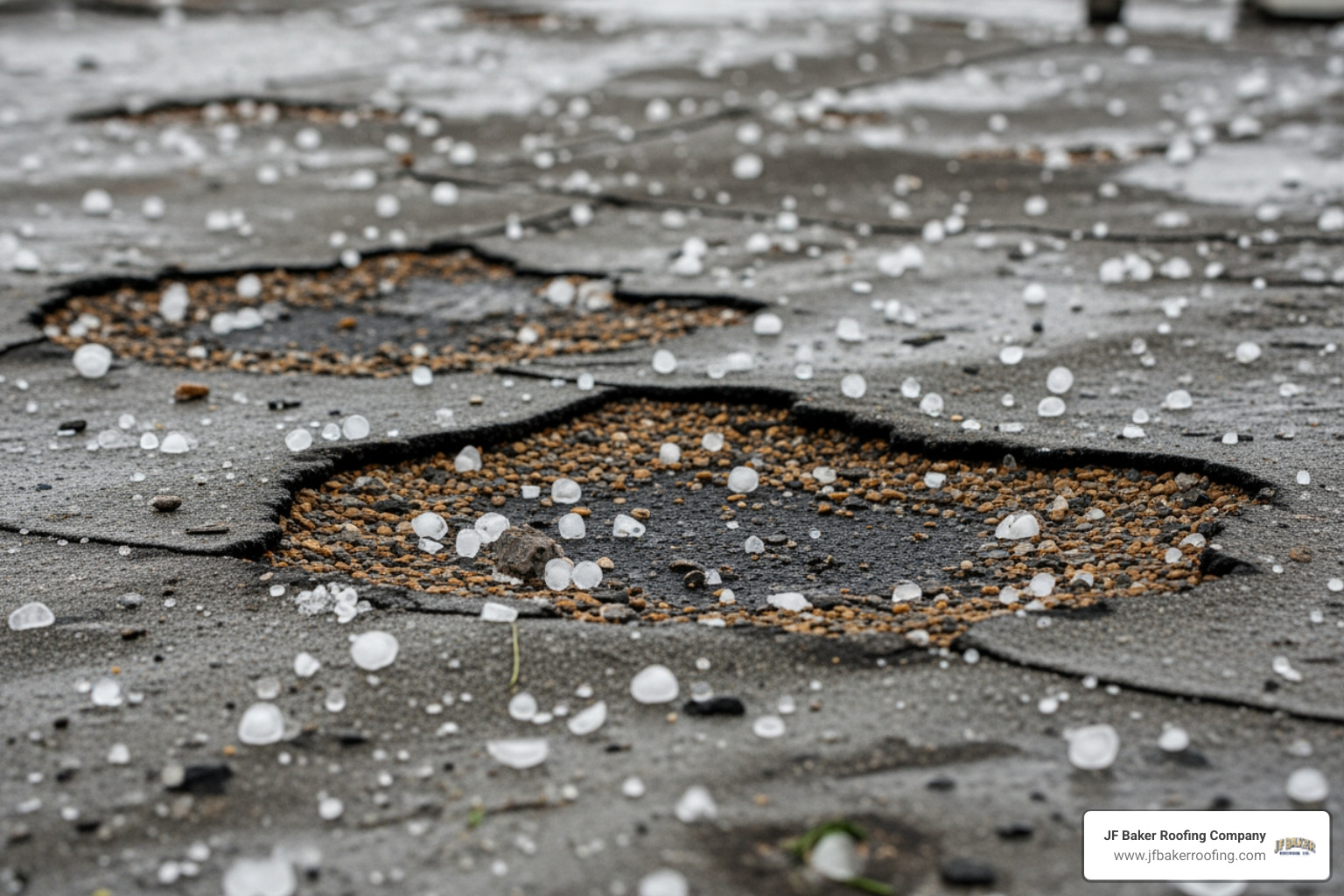
Delaware averages more than 25 thunderstorm days per year. These storms bring heavy downpours, high wind gusts that can lift shingles, and occasional hail. Additionally, our winter freeze-thaw cycles are brutal on roofing materials. When water gets trapped under shingles or behind flashing, it freezes and expands, slowly pushing materials apart and breaking down watertight seals.
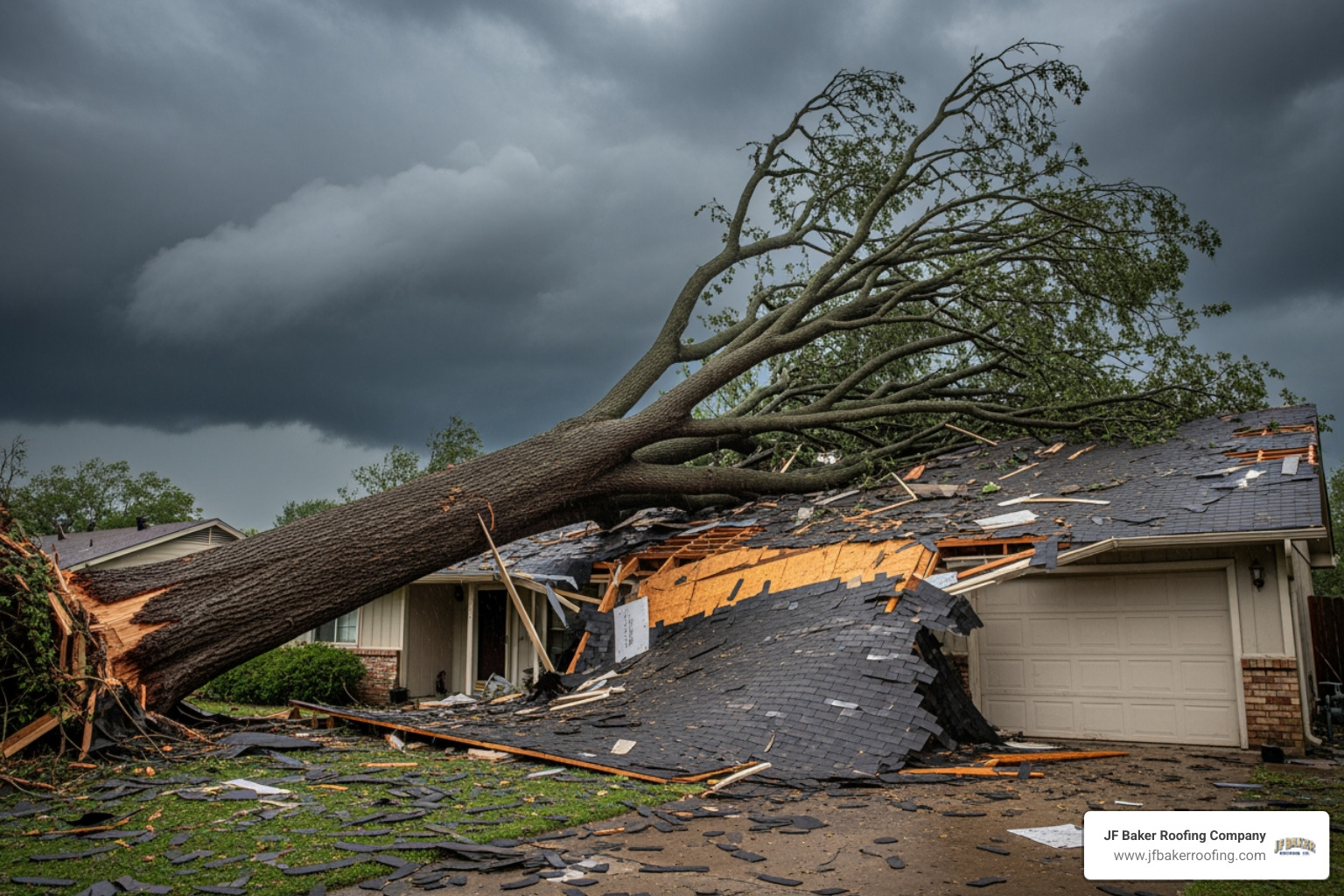
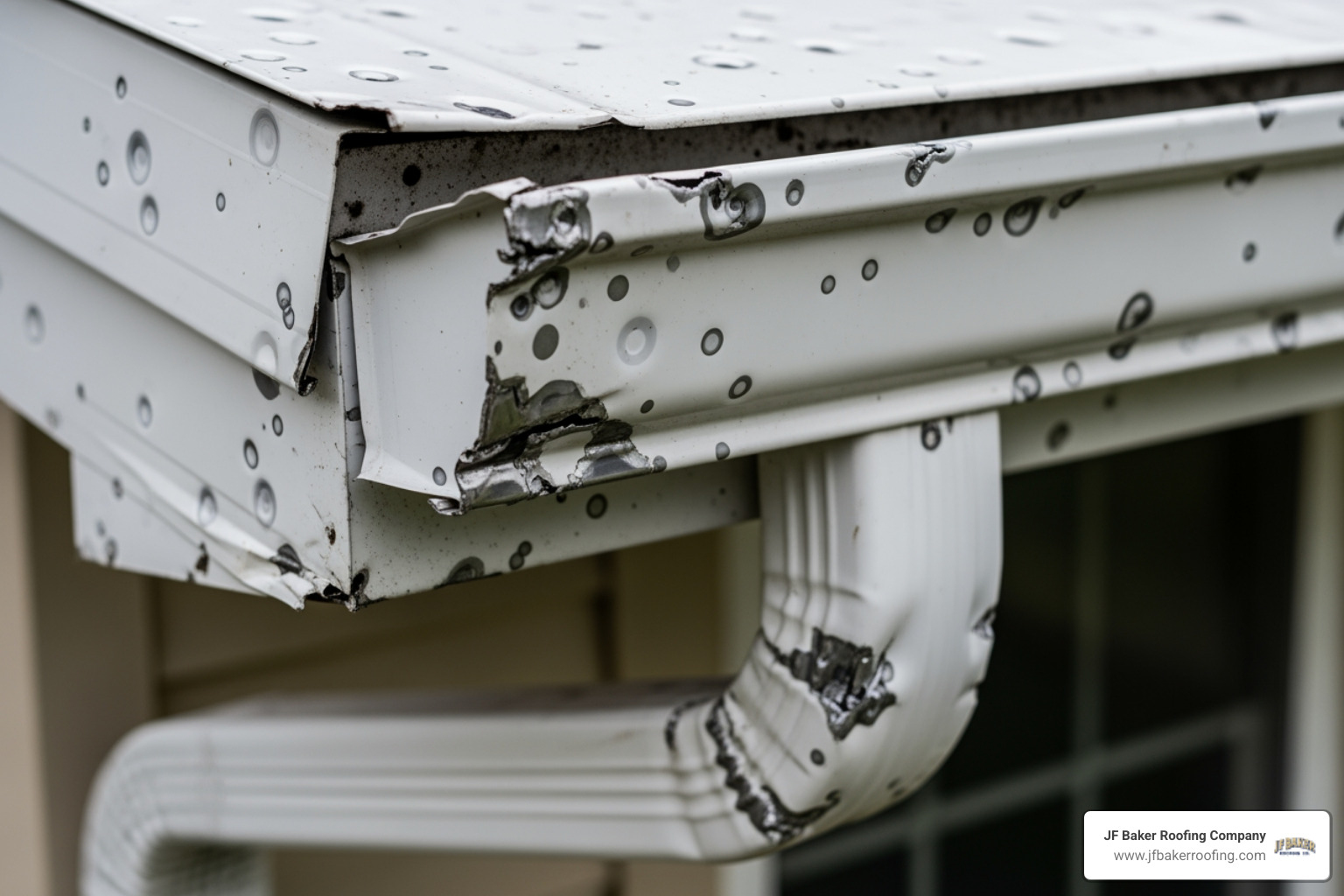
Because of these environmental stresses, regular assessments are vital. If your neighborhood has recently experienced high winds or hail, you should schedule a Roof Inspection After Storm to ensure no hidden damage has occurred.
Seasonal Timing and Frequency for Delaware Roofs
We recommend that Central Ohio homeowners have their roofs professionally inspected twice a year: once in the spring and once in the fall.
- Spring Inspections: The goal here is to assess how your roof fared during the harsh winter. The inspector will look for shingles cracked by freezing temperatures, ice dam damage along the eaves, and flashing that may have pulled away due to shifting snow and ice.
- Fall Inspections: This is your preventative check before winter arrives. The inspector will make sure your gutters are clear, flashing is secure, and shingles are sealed tightly to prevent winter wind and ice from causing leaks.
Outside of this bi-annual schedule, you should always schedule an inspection after any major storm event. If you suspect your roof has suffered wind or hail damage, consult our Storm Damage Repair Guide 2026 to learn how to handle the situation safely and effectively.
Common Signs Your Home Needs a Professional Roof Inspection Delaware Service
While some roof damage is invisible from the ground, there are several warning signs that you can easily spot. If you notice any of the following issues, it is time to schedule a professional evaluation:
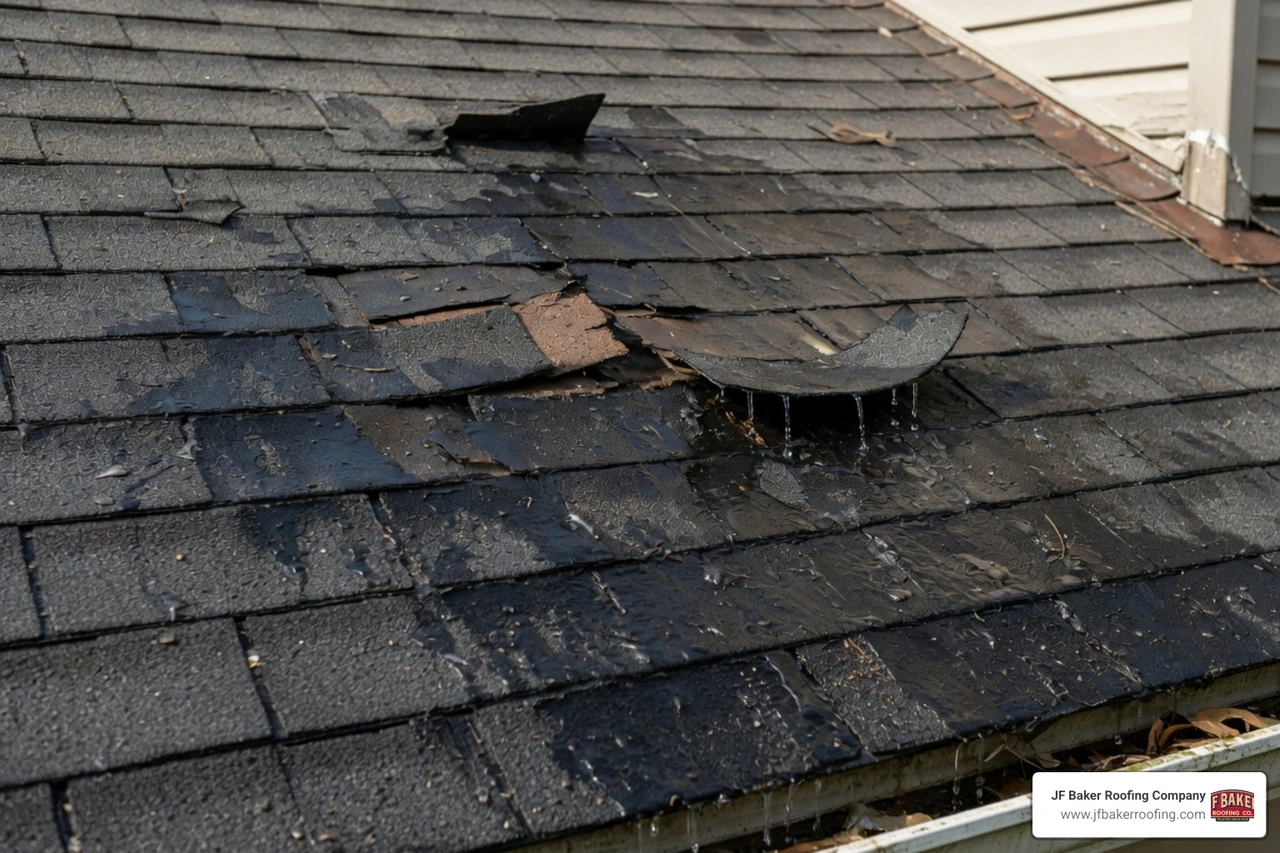
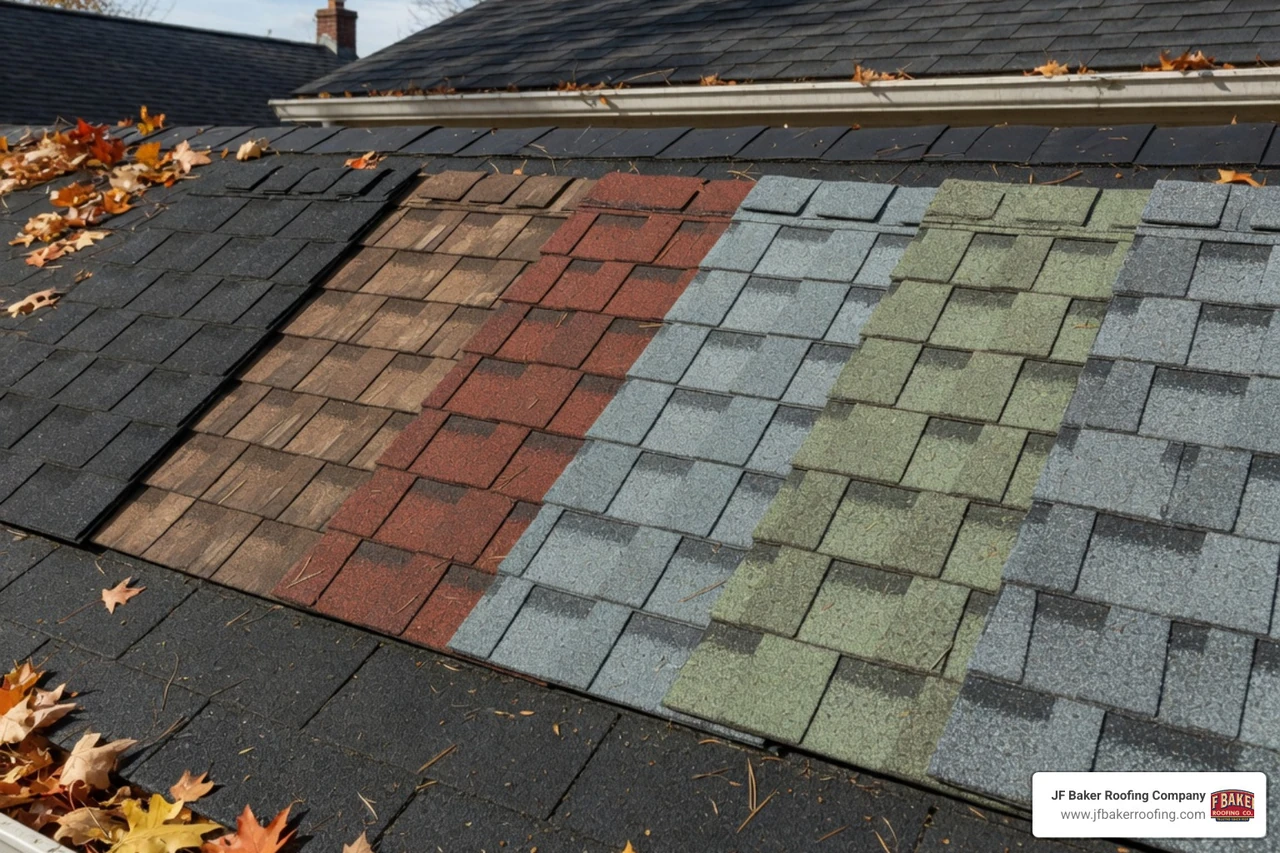
- Missing, Curled, or Cracked Shingles: When shingles lose their flexibility, they can curl at the edges, crack, or blow off entirely in high winds, leaving the underlayment exposed.
- Clogged or Sagging Gutters: Gutters that constantly overflow or sag can cause water to back up under the roof's edge, rotting the fascia boards and decking.
- Damaged Soffit and Fascia: Rotting wood or peeling paint along your roofline often indicates that water is not draining properly off the roof.
- Cracked Caulk and Sealants: The sealants around your vents, pipe boots, and chimney flashing dry out and crack over time, creating easy entry points for water.
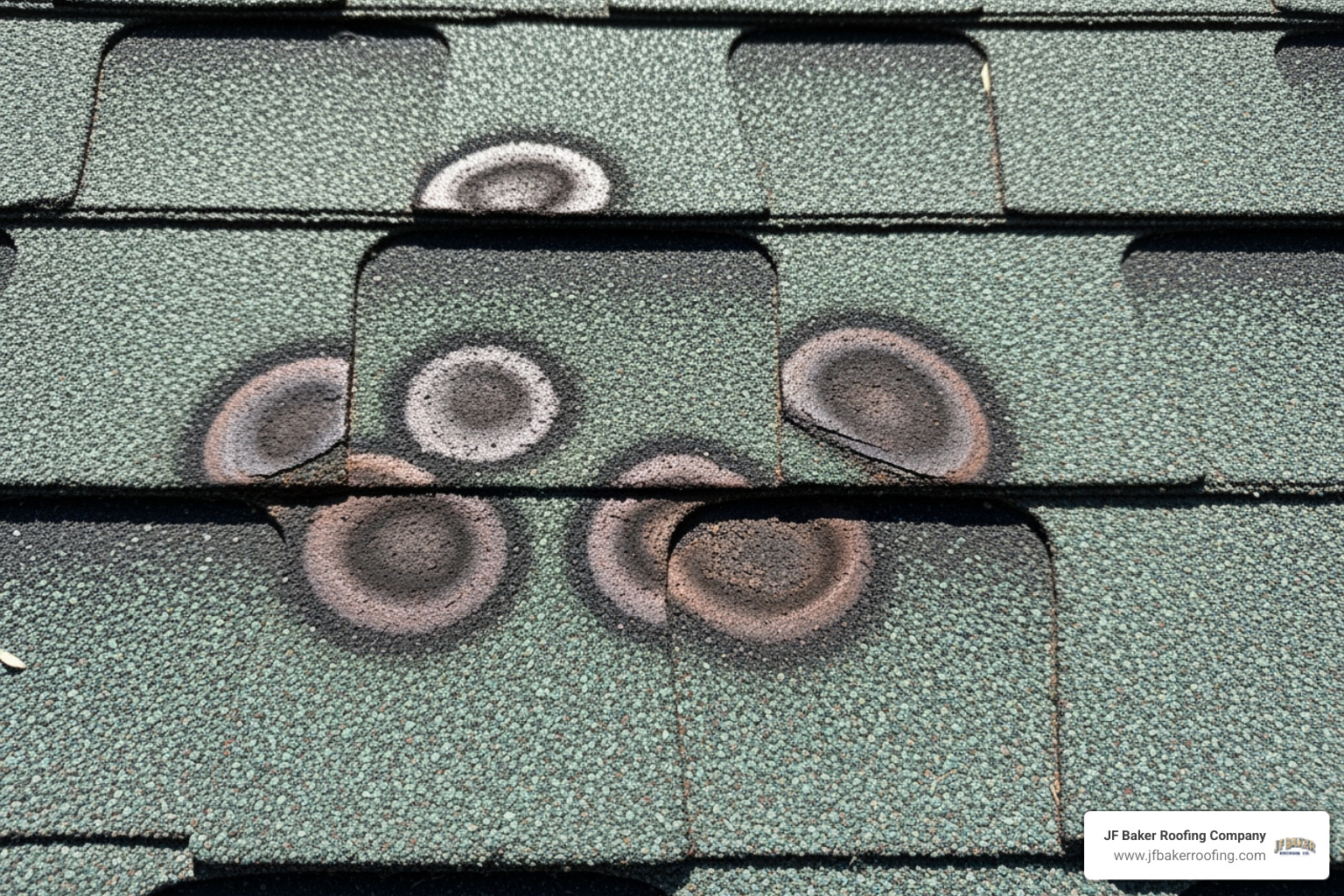
- Granule Loss: If you find a large amount of sandy granules in your gutters or at the bottom of your downspouts, your shingles are losing their protective coating and nearing the end of their lifespan.
For a deeper dive into evaluating your roof's age and condition, read our resource on How to Know When It's Time to Replace Your Roof: A Complete Homeowners Guide.
What Does a Comprehensive Roof Inspection Include?
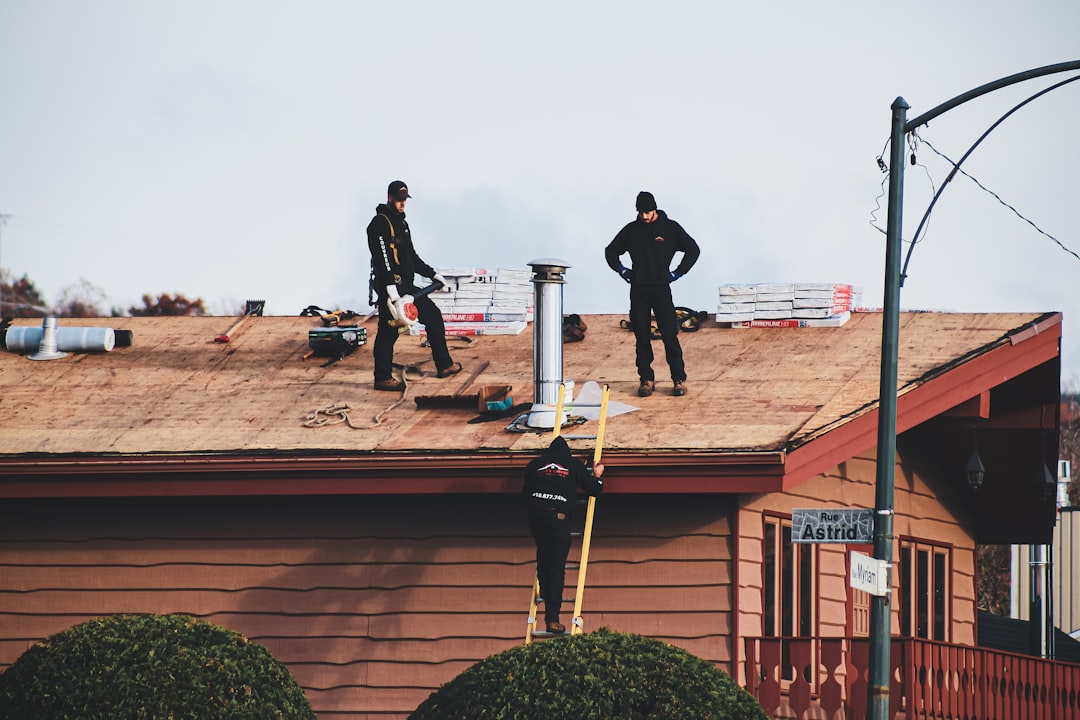
A thorough roof inspection is much more than a quick glance from the driveway. A qualified professional will perform a systematic, top-to-bottom assessment of your entire roofing system.
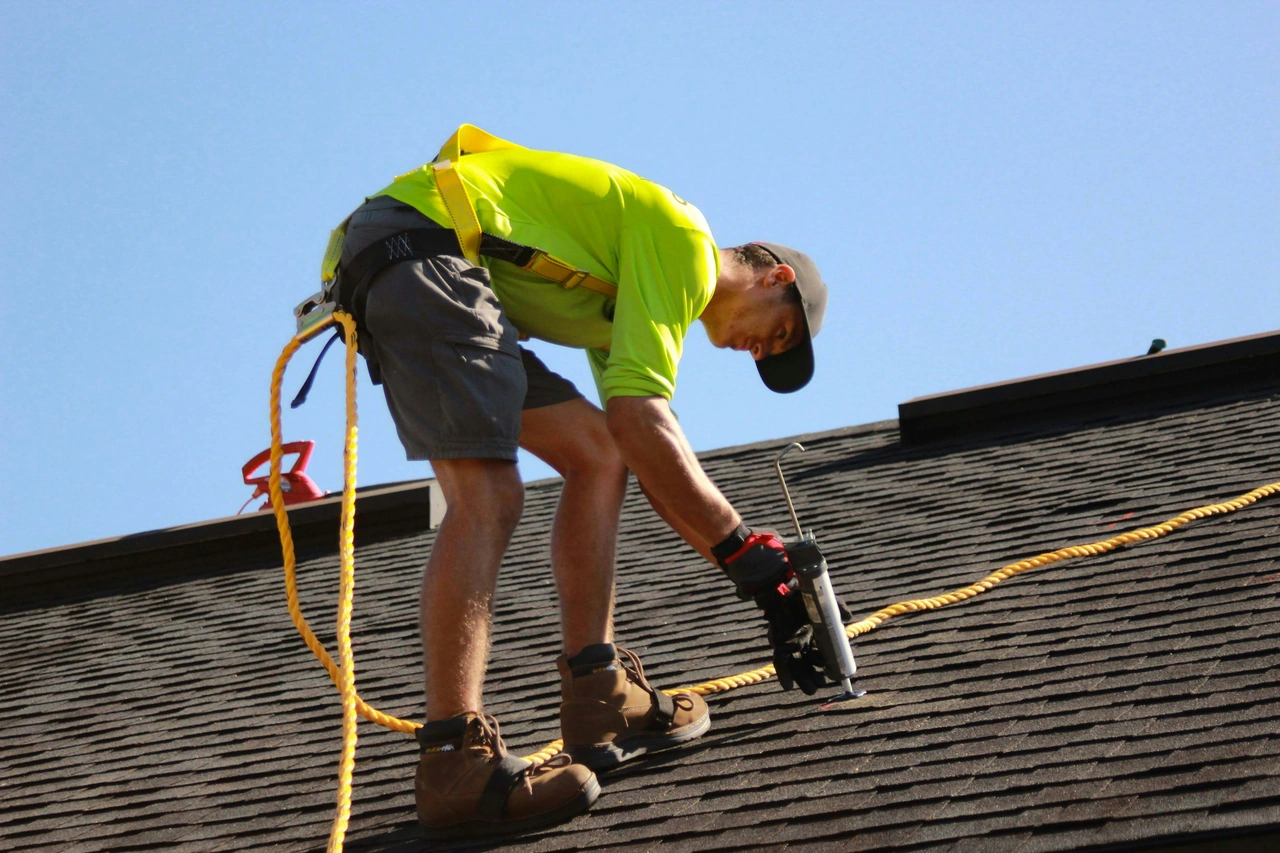
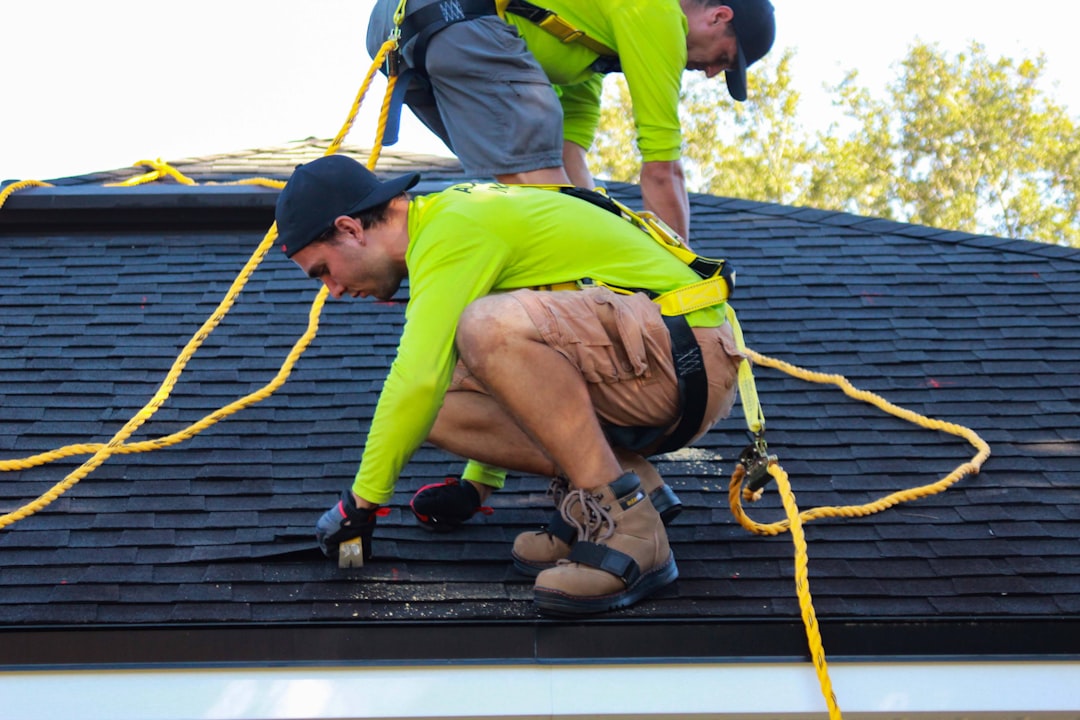
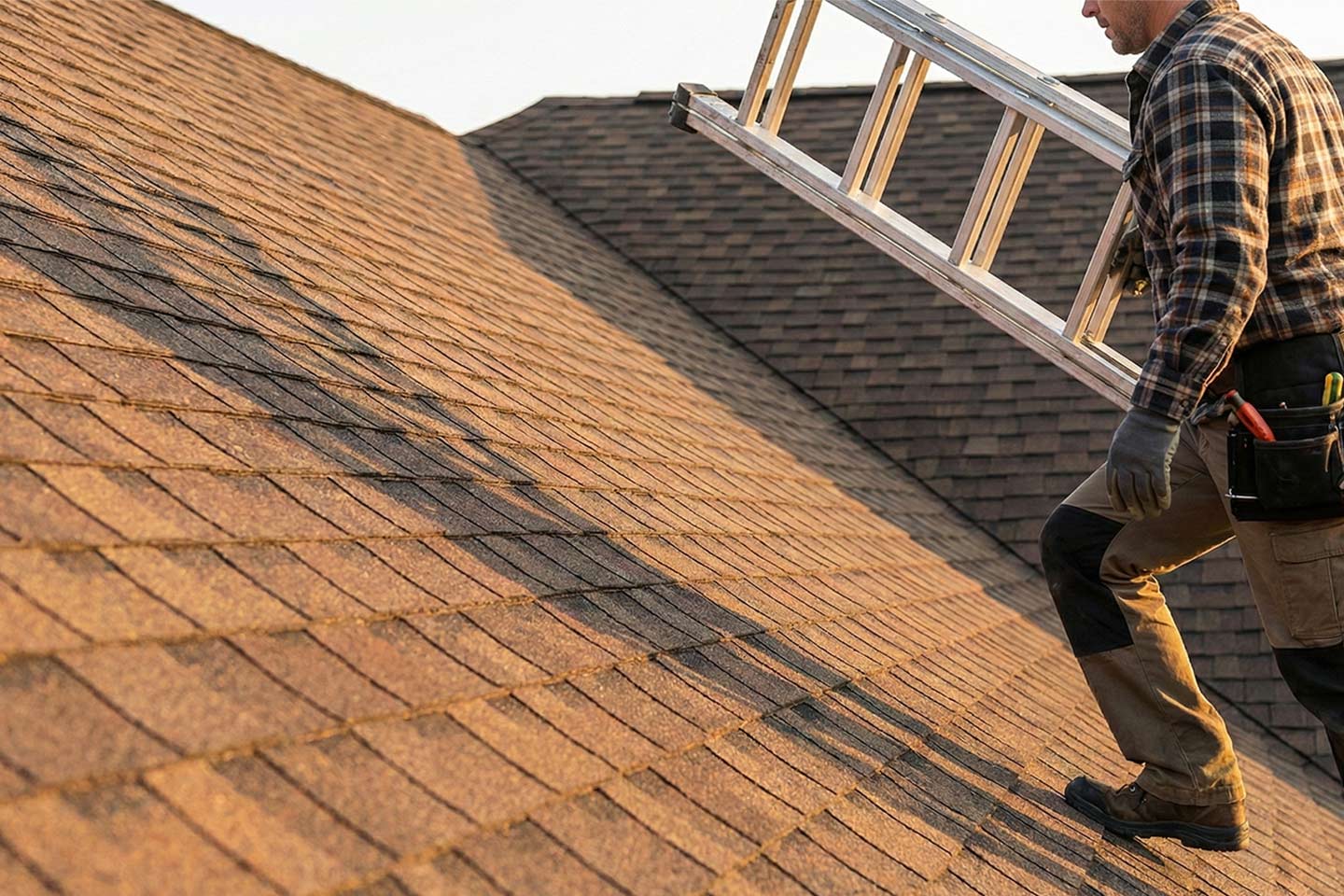
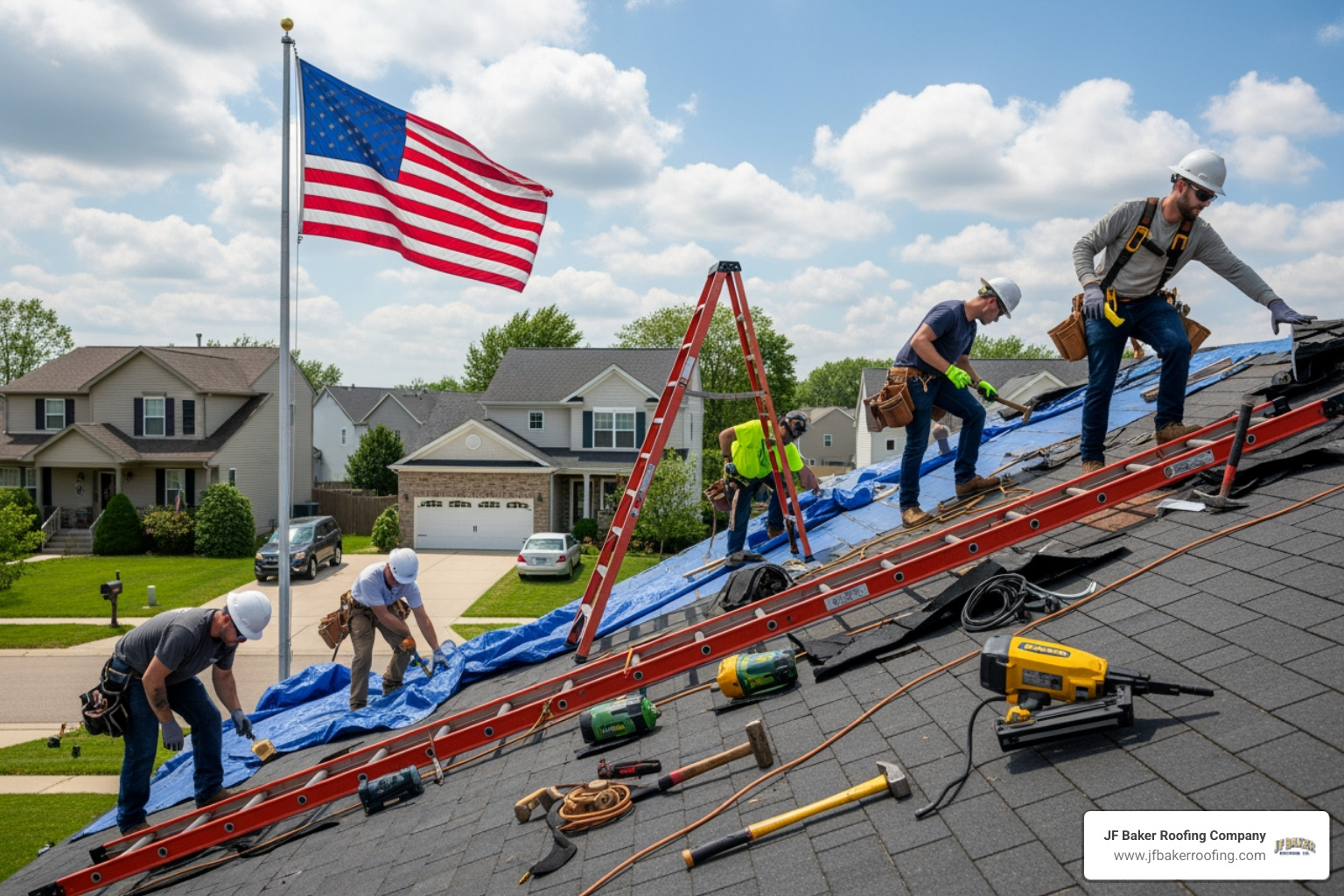
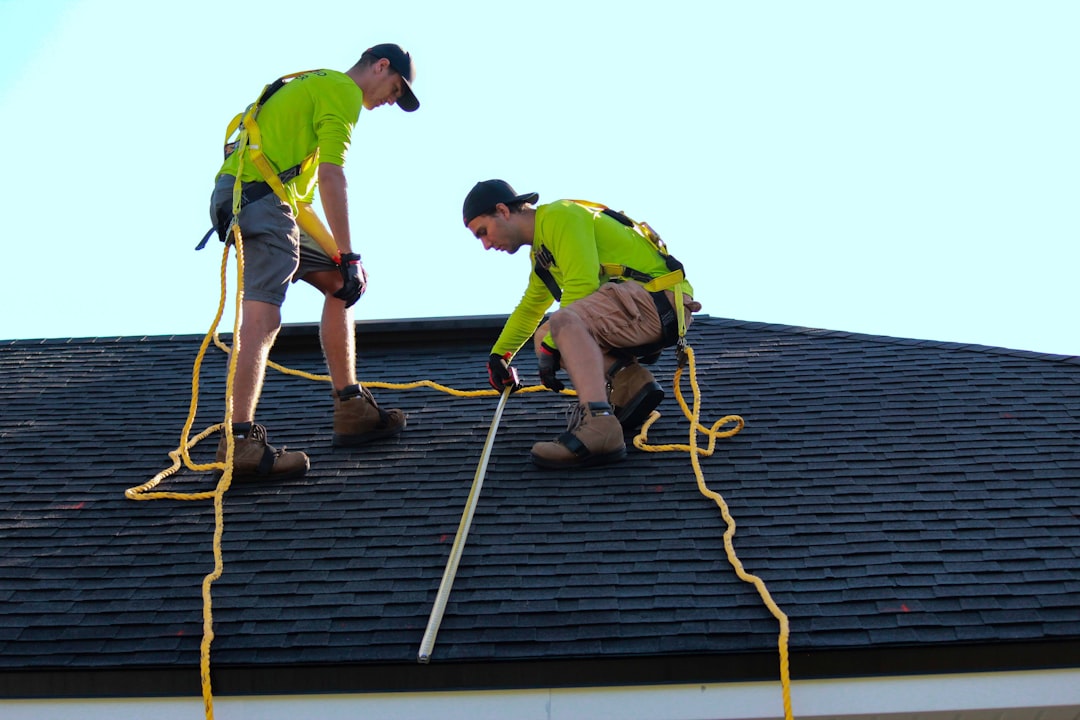
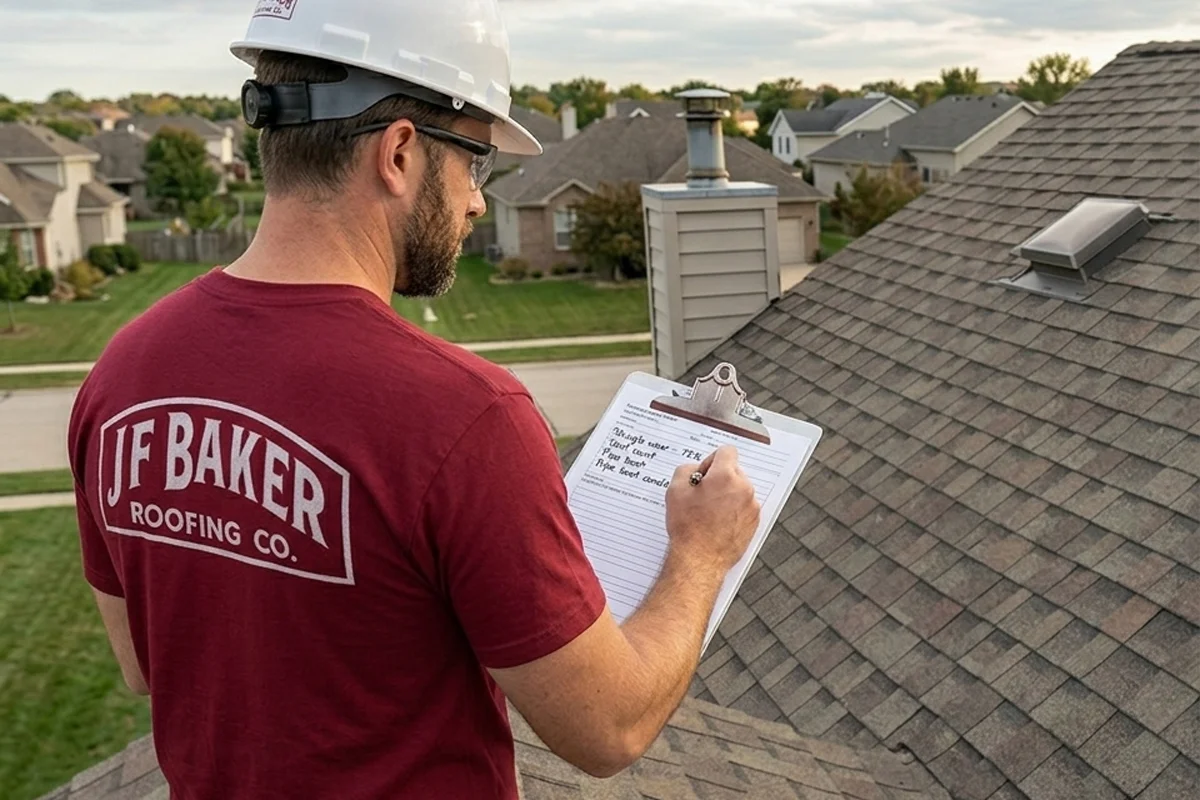
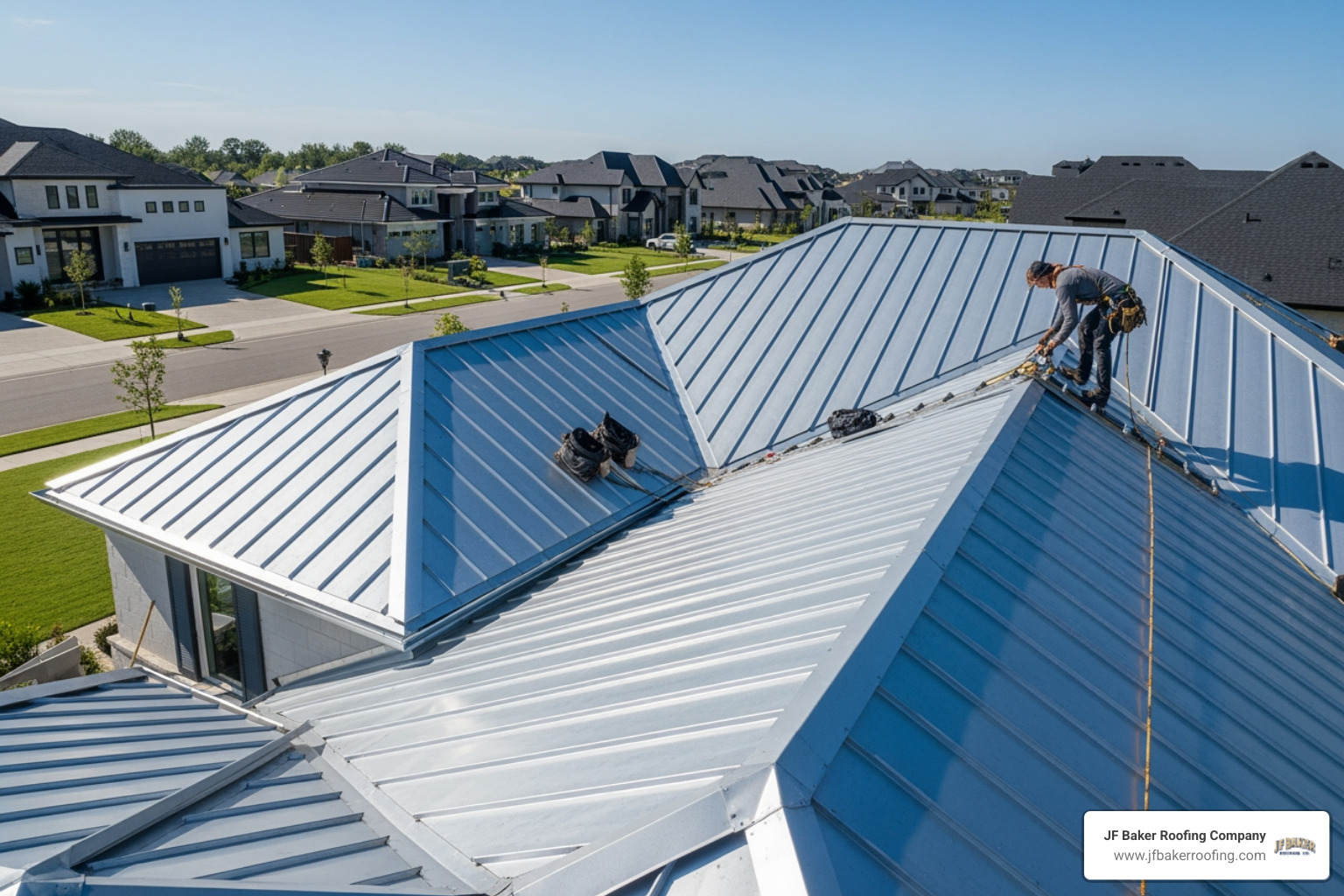
This process typically begins with a physical roof walk, allowing the inspector to feel for soft spots in the decking and examine shingles up close. However, modern inspectors also utilize advanced technology. Drone scans can capture high-resolution imagery of hard-to-reach peaks, while moisture meters and thermal imaging cameras can detect hidden water trapped beneath the surface of the roof or behind walls.
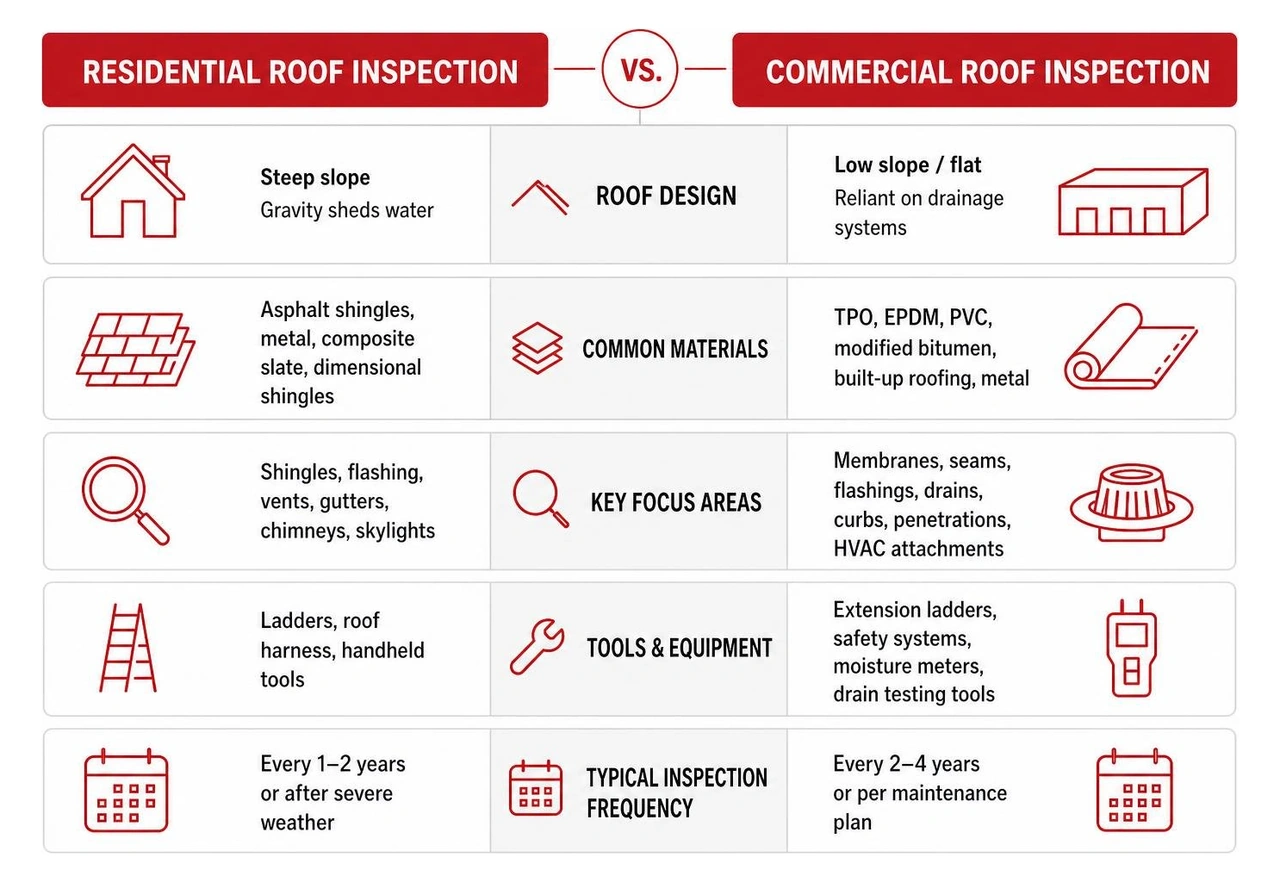
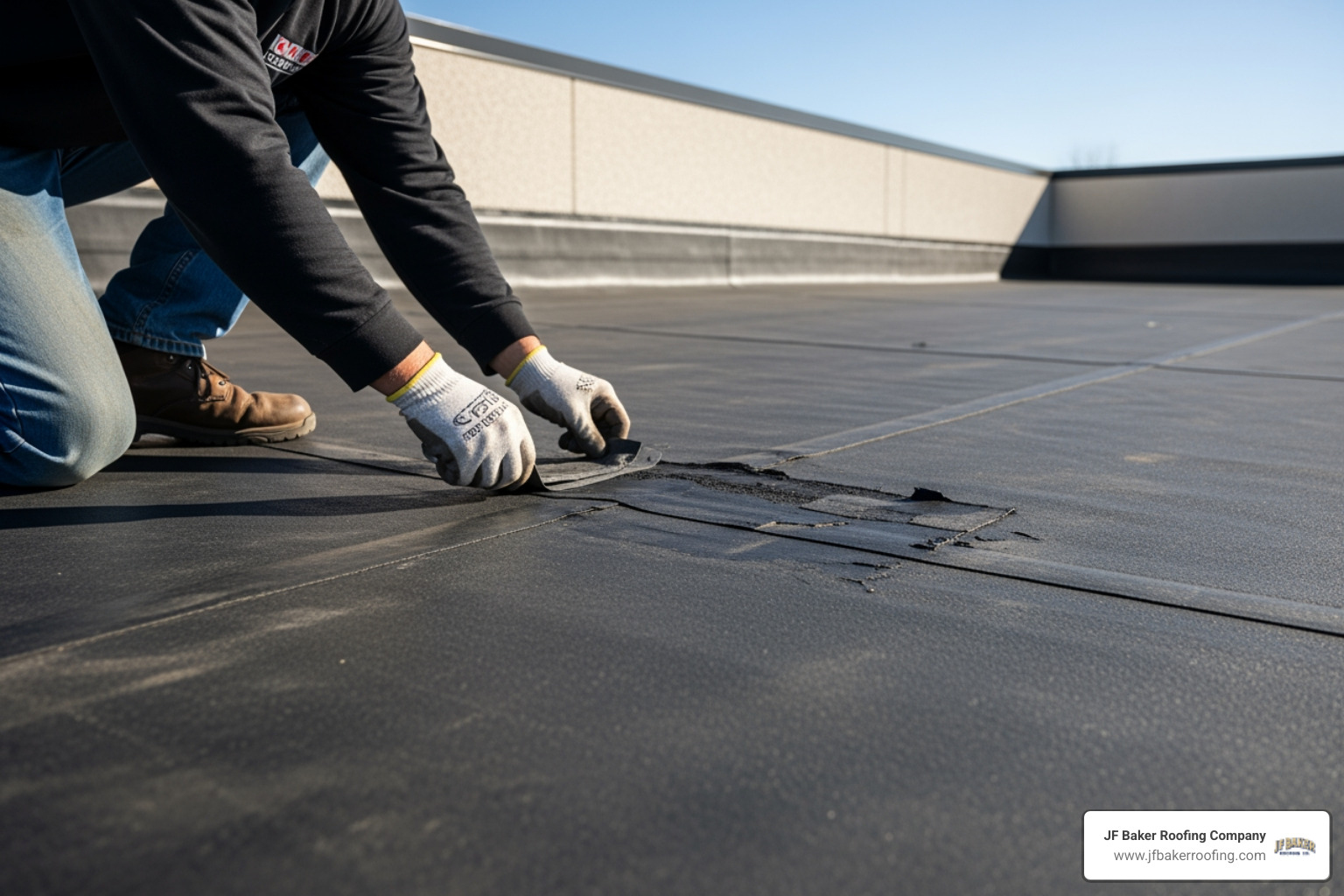
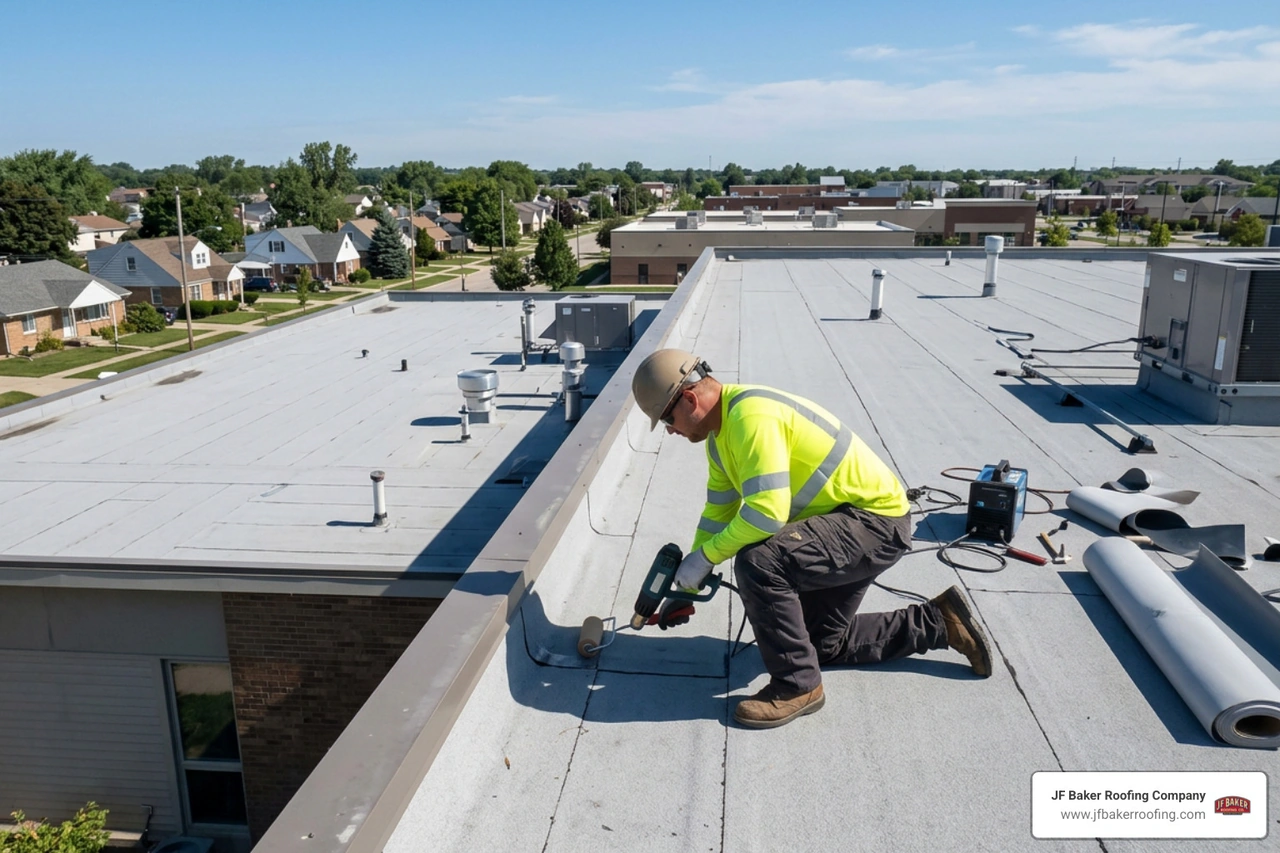
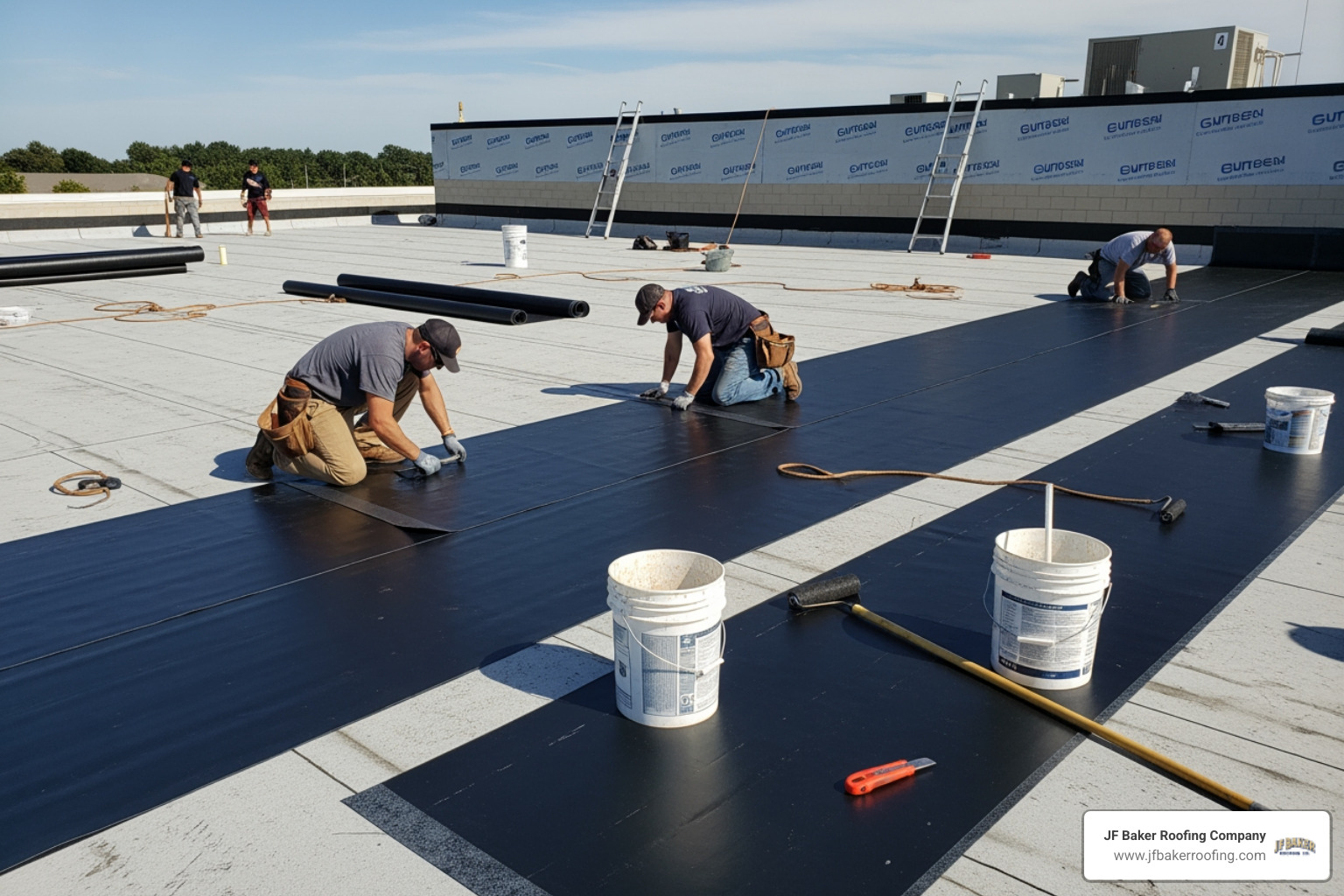
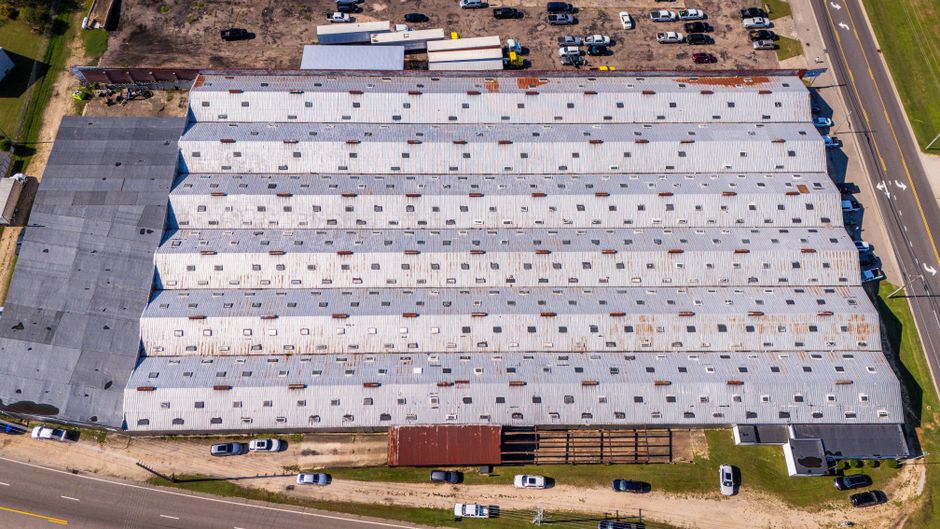
For business owners, specialized Commercial Inspections look at low-slope membrane systems, but residential checks are just as detailed, focusing on the complex slopes and valleys of steep-slope homes.
The Step-by-Step Inspection Checklist
During a standard residential inspection, the professional should check the following key areas:
- Shingle Condition: Looking for wear, missing granules, cracks, curling, and wind damage.
- Ridge Caps and Valleys: Checking these high-stress areas for proper sealing and secure fastening.
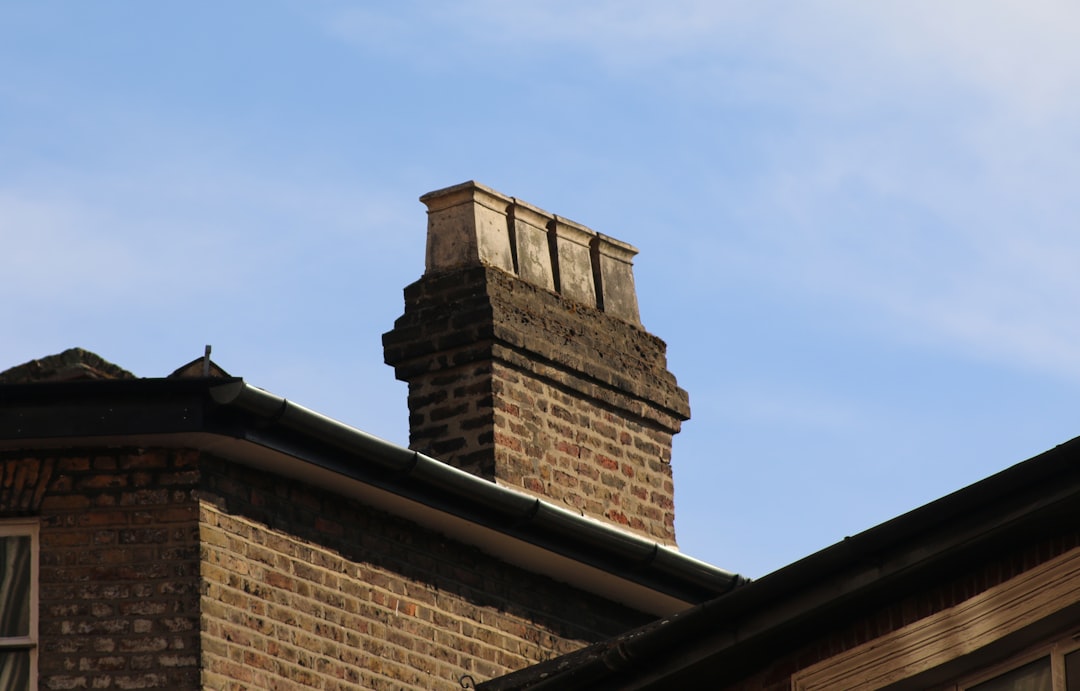
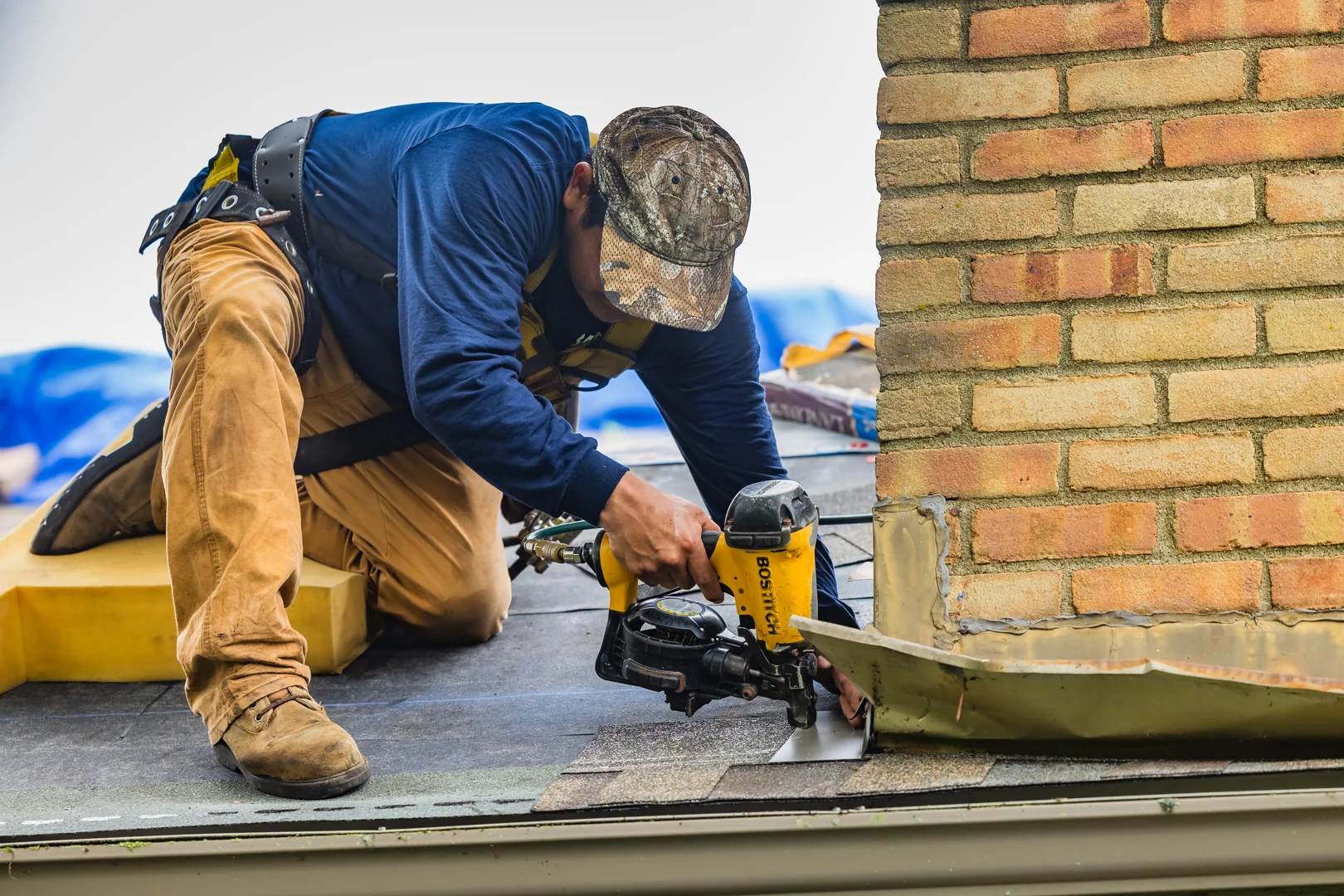
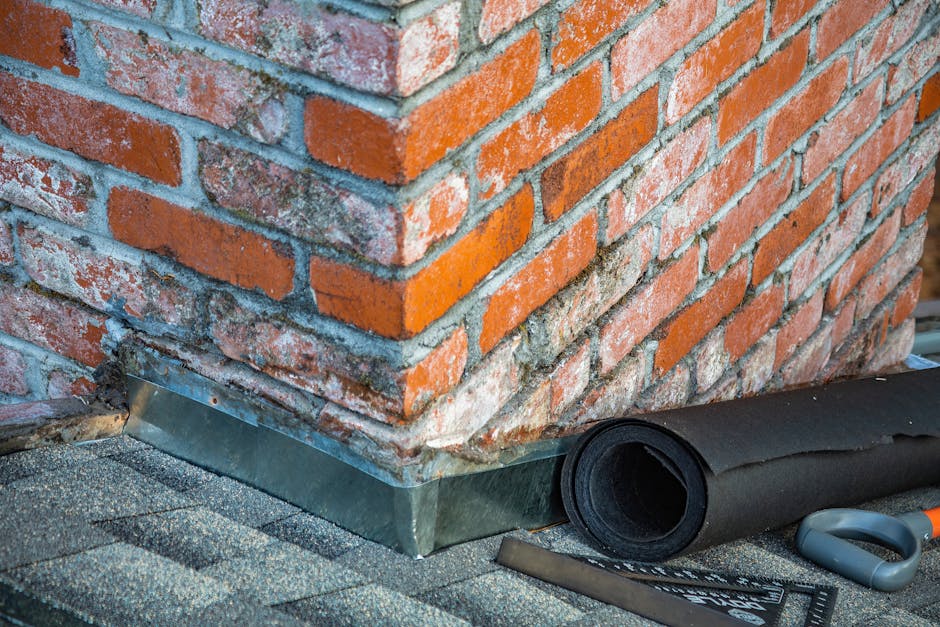
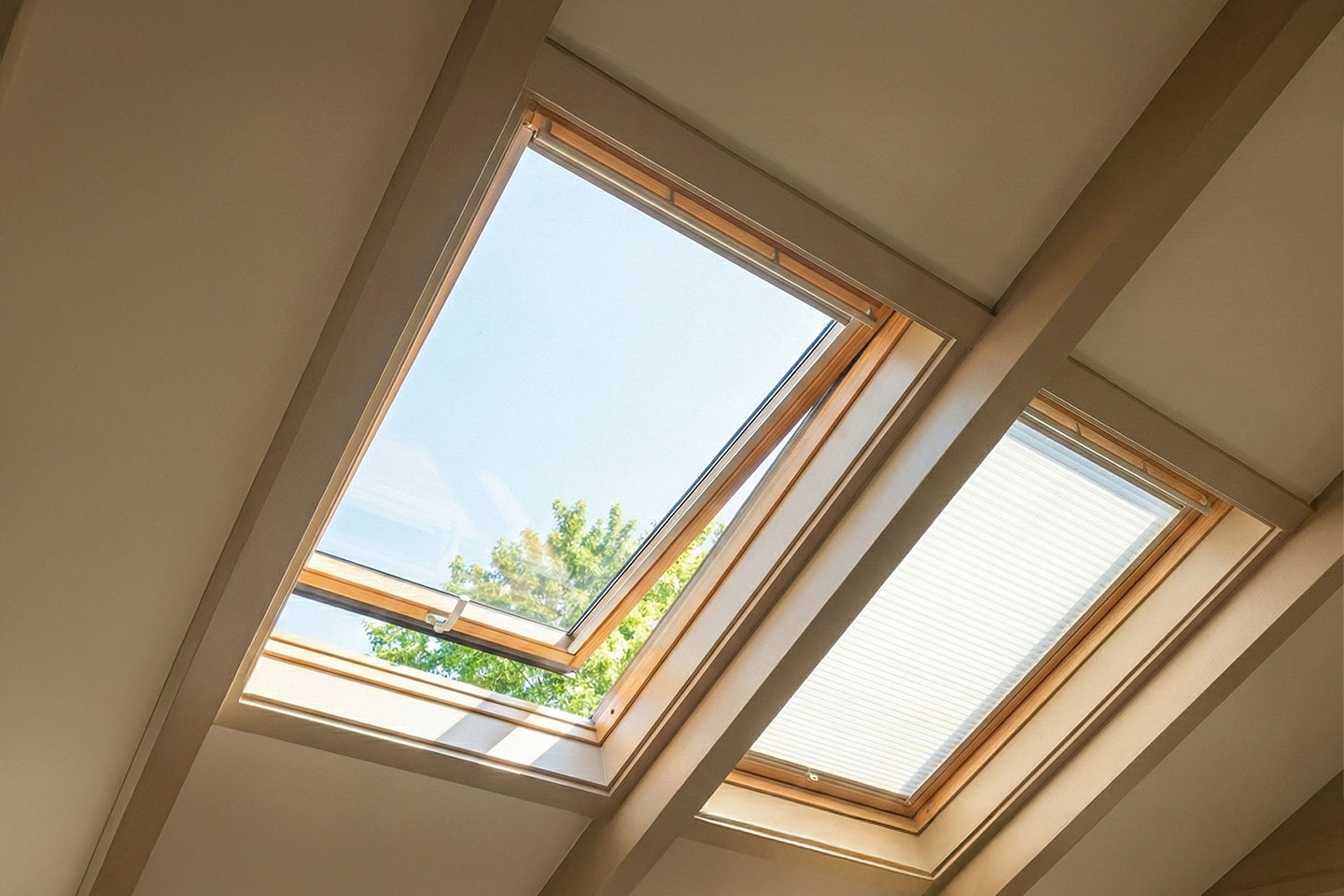
- Flashing: Inspecting the metal transitions around chimneys, dormers, skylights, and sidewalls where leaks are most common.
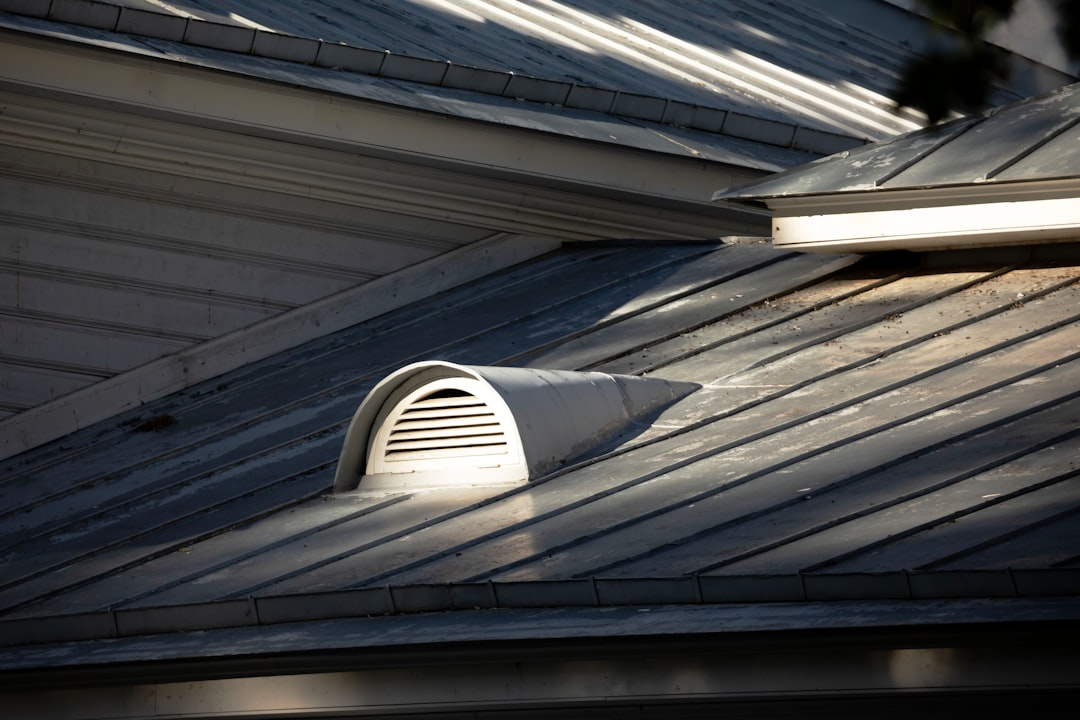
- Pipe Boots and Vents: Ensuring the rubber collars around plumbing pipes are not cracked or dry-rotted.
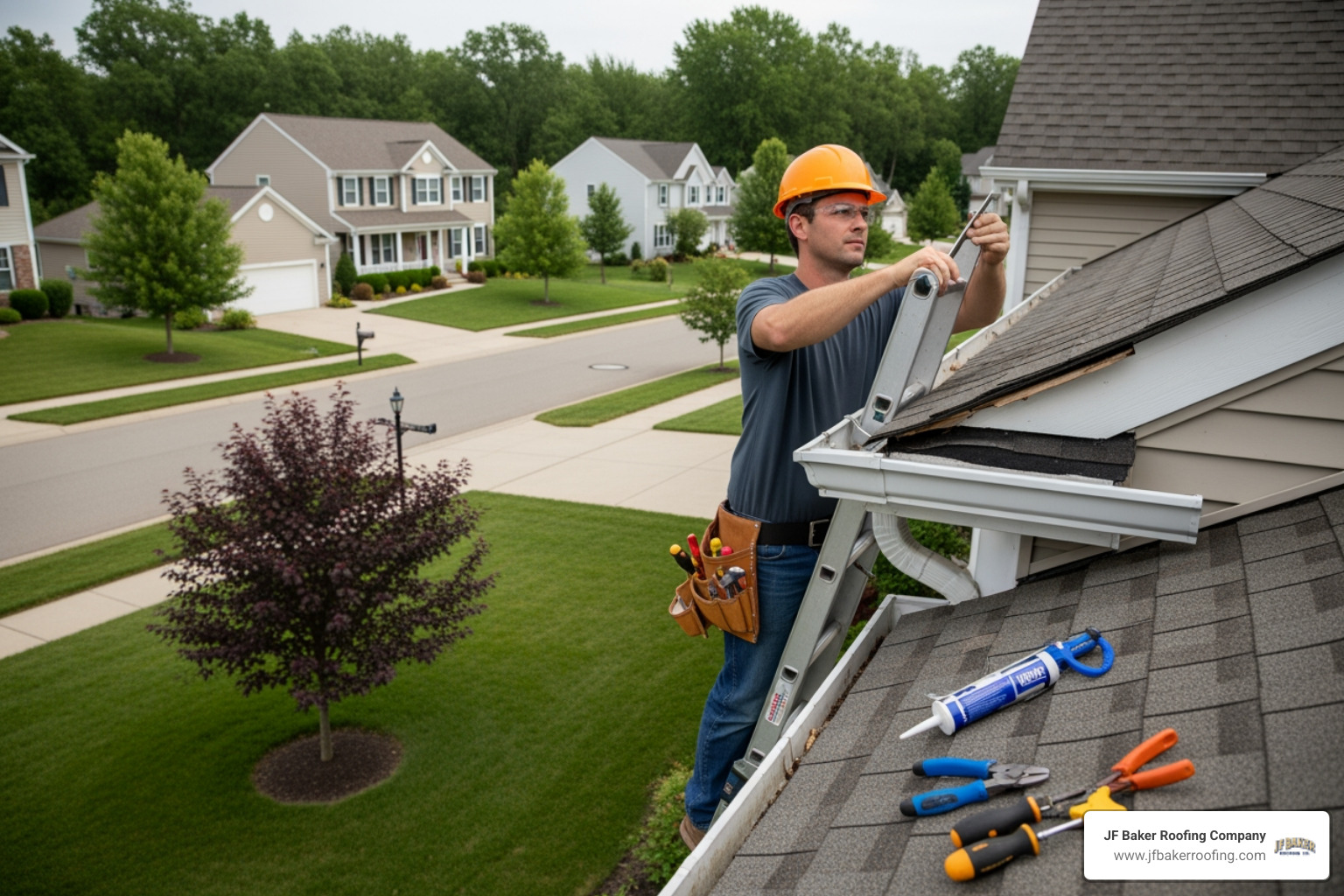
- Gutters and Drainage: Verifying that gutters are clean, properly sloped, and securely attached.
- Attic Ventilation and Insulation: Checking the underside of the roof deck for moisture, mold, or light shining through, and ensuring vents are not blocked.
What You Receive After the Inspection
Once the inspection is complete, you should receive a formal, detailed report. This is not a simple one-page checklist. A quality report includes:
- Detailed photographic evidence of all observed issues.
- A material-specific wear analysis explaining how your shingles or metal panels are aging.
- Clear recommendations for next steps, prioritizing urgent repairs versus minor maintenance.
- Lifespan estimates to help you budget for a future replacement.
Navigating Costs, Real Estate Transactions, and Insurance Claims
Understanding the financial side of roof maintenance is key to protecting your investment. While some homeowners hesitate to spend money on diagnostic services, the long-term savings are substantial.
A professional report can also help you preserve your Residential Roofing Warranty Columbus by proving that you have performed regular, professional maintenance on your home.
Inspection Costs vs. Long-Term Savings
While a basic visual estimate is often free, a comprehensive, documented diagnostic inspection is a paid service. The fee covers the inspector's time, expertise, safety equipment, and the creation of your detailed report.
Think of this fee as an investment. If an inspector catches a cracked pipe boot or loose flashing early, the repair is minor. If left undetected, that small leak can rot your roof decking, ruin your insulation, and damage your interior ceilings. On average, repairing water damage and structural rot after missing these early signs costs between $1,200 and $2,500. Spending a small amount on an inspection now can save you thousands down the road.
How Inspections Support Insurance Claims and Home Sales
If your home has been hit by a storm, a professional inspection report is your best tool when dealing with insurance companies. Insurance adjusters are busy, and they sometimes miss subtle wind or hail damage. Having a detailed, photographic report from a trusted local roofer provides the objective proof you need to support your claim.
If you are buying or selling a home in Delaware, Ohio, a professional roof inspection is invaluable. For sellers, providing a clean roof report gives potential buyers peace of mind and prevents last-minute negotiation hurdles. For buyers, a professional assessment ensures you will not be surprised by a failing roof shortly after moving in.
Frequently Asked Questions about Delaware Roof Inspections
Here are answers to some of the most common questions we hear from Central Ohio homeowners.
Can I inspect my own roof?
While you can easily perform ground-level visual checks using binoculars, we do not recommend walking your own roof. Walking on shingles, especially steep slopes or older roofs, carries significant safety risks. Furthermore, professional inspectors are trained to spot subtle signs of damage, such as hairline cracks in flashing or minor granule loss, that are easily missed by an untrained eye. They also use specialized equipment like moisture meters and thermal cameras to find hidden leaks.
How long does a professional roof inspection take?
A typical residential roof inspection takes between 45 minutes and 1.5 hours. The exact duration depends on the size of your home, the complexity of your roof's design, and how easily the inspector can access your attic space.
Are roof inspections necessary if there are no visible leaks?
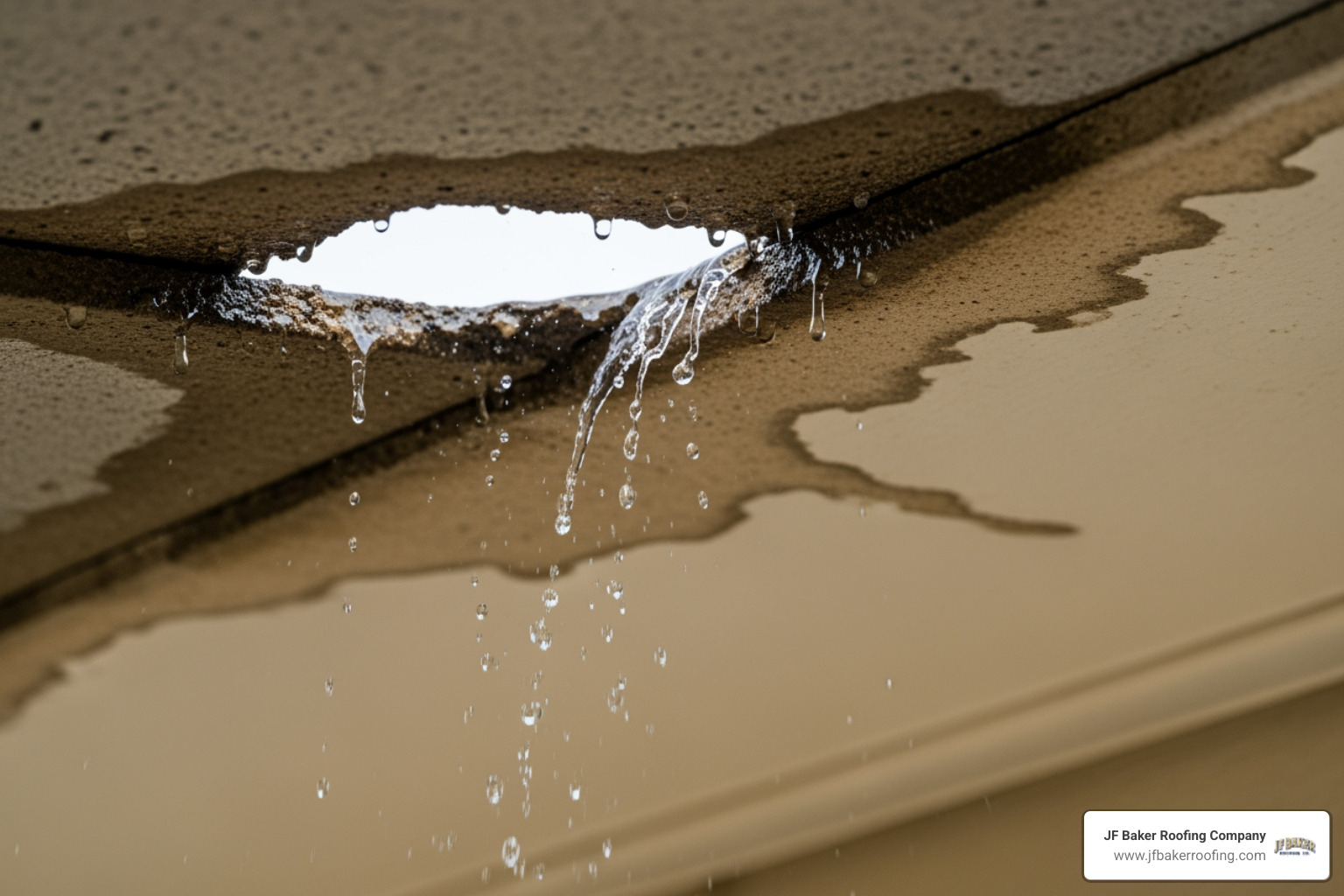
Yes. Water is incredibly patient. It can seep through a cracked shingle or failing flashing and pool on your attic floor for months before it finally saturates your drywall and becomes visible inside your living space. By the time you notice a water stain on your ceiling, significant wood rot and mold growth may have already occurred. Regular inspections catch these slow, invisible leaks early.
Conclusion
Your roof is your home's first line of defense against Central Ohio's unpredictable weather. Keeping it in top shape requires more than just waiting for a leak to appear. Regular, professional maintenance is the key to protecting your family, your home, and your wallet.
At JF Baker Roofing Company, we have been serving our neighbors with honest assessments and quality craftsmanship since 1929. Built on integrity and proven by performance, our family-owned business is community-rooted across three generations of Central Ohio roofing. We recommend repairs when repairs will do the job, and we only recommend replacement when it is genuinely needed. We stand behind every roof we install.
If you want to ensure your home is fully protected, contact us today to Schedule a professional roof inspection. Let our reputation be your security.





.jpeg)