How to Check if Storm Damage Repairs Are Tax Deductible
Understanding the Rules: Are Storm Damage Repairs Tax Deductible?
Are storm damage repairs tax deductible? The short answer: sometimes yes, but the rules are specific.
Here is what determines whether you can deduct storm damage on your federal taxes:
- The damage must be sudden and unexpected (storms, floods, tornadoes, hail -- not gradual wear and tear)
- For personal-use property, the loss must be tied to a federally declared disaster (after 2017)
- For rental or business property, the rules are more flexible and generally allow a full deduction
- You must subtract insurance reimbursements before calculating any deductible amount
- Additional limits apply based on your adjusted gross income (AGI)
Central Ohio sees its share of punishing weather -- spring hailstorms, summer derechos, ice-loaded roofs in January. When a storm tears through and leaves damage behind, most homeowners want to know two things: how do I fix it, and can I get any tax relief?
The answer to the second question depends on a handful of IRS rules that have also shifted in recent years, most recently with the One Big Beautiful Bill signed in July 2025. Understanding those rules before you file can make a real difference in what you recover.
This guide walks you through exactly how to check whether your storm damage repairs qualify, how to calculate what you can deduct, and what paperwork you will need to back it up.
When we talk about deducting home repairs, the IRS does not let you write off standard home maintenance. If you decide to replace your shingles because they are twenty years old and look tired, that is a capital improvement, not a deductible expense. However, when Mother Nature steps in with a sudden, violent event, the tax code shifts.
To determine if your situation fits the bill, we have to look at the official definition of a casualty loss. The IRS defines a casualty as the damage, destruction, or loss of property resulting from an identifiable event that is sudden, unexpected, or unusual.
A sudden event is one that is swift, not gradual or progressive. An unexpected event is one that is ordinarily unanticipated and unintended. An unusual event is one that is not a day to day occurrence and is atypical for the activity in which you were engaged.
You can find the foundational rules for these situations in Topic no. 515, Casualty, disaster, and theft losses | Internal Revenue Service. This topic outlines how the federal government separates sudden acts of nature from the slow, expected degradation of a building.
Qualifying Events vs. Progressive Deterioration
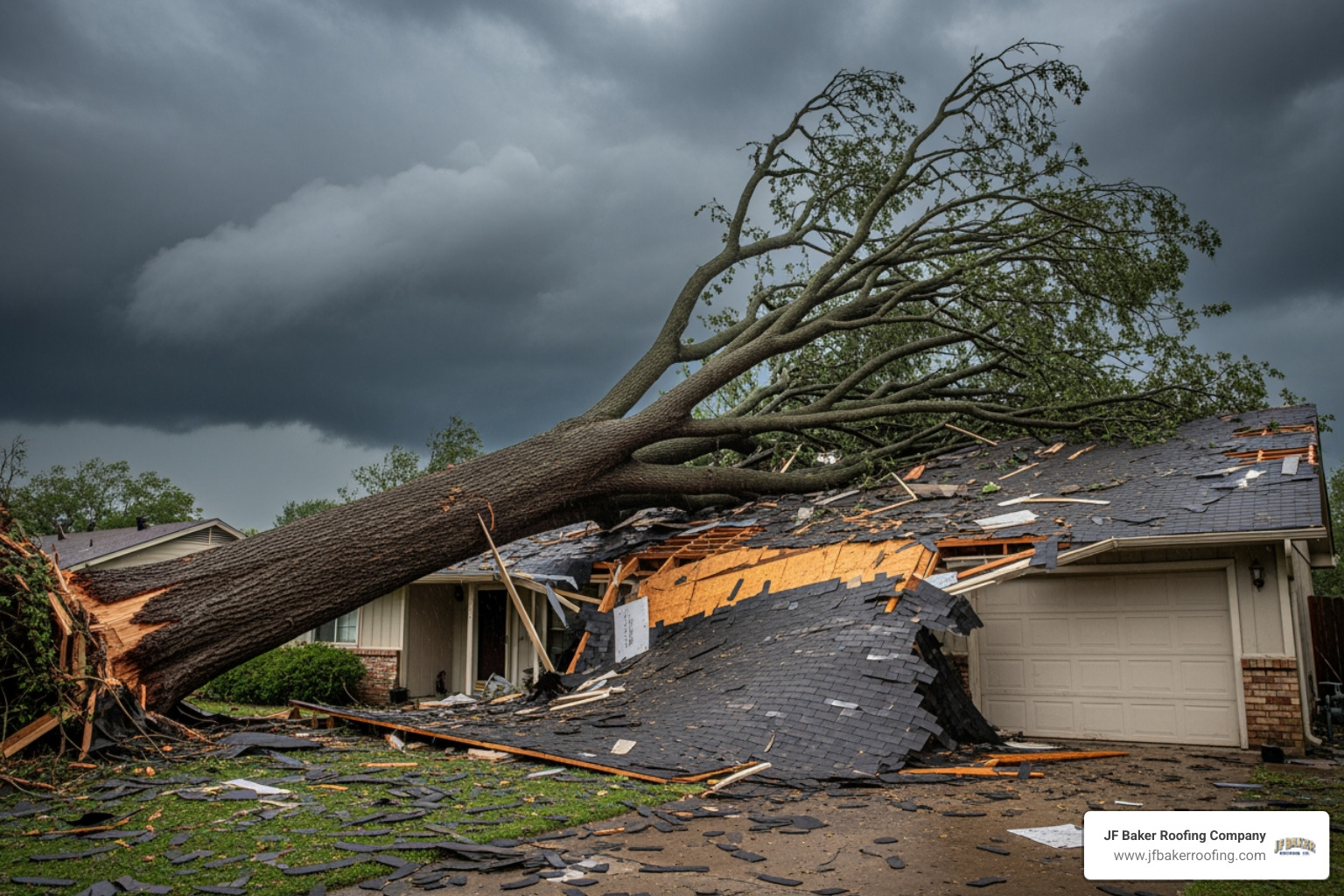
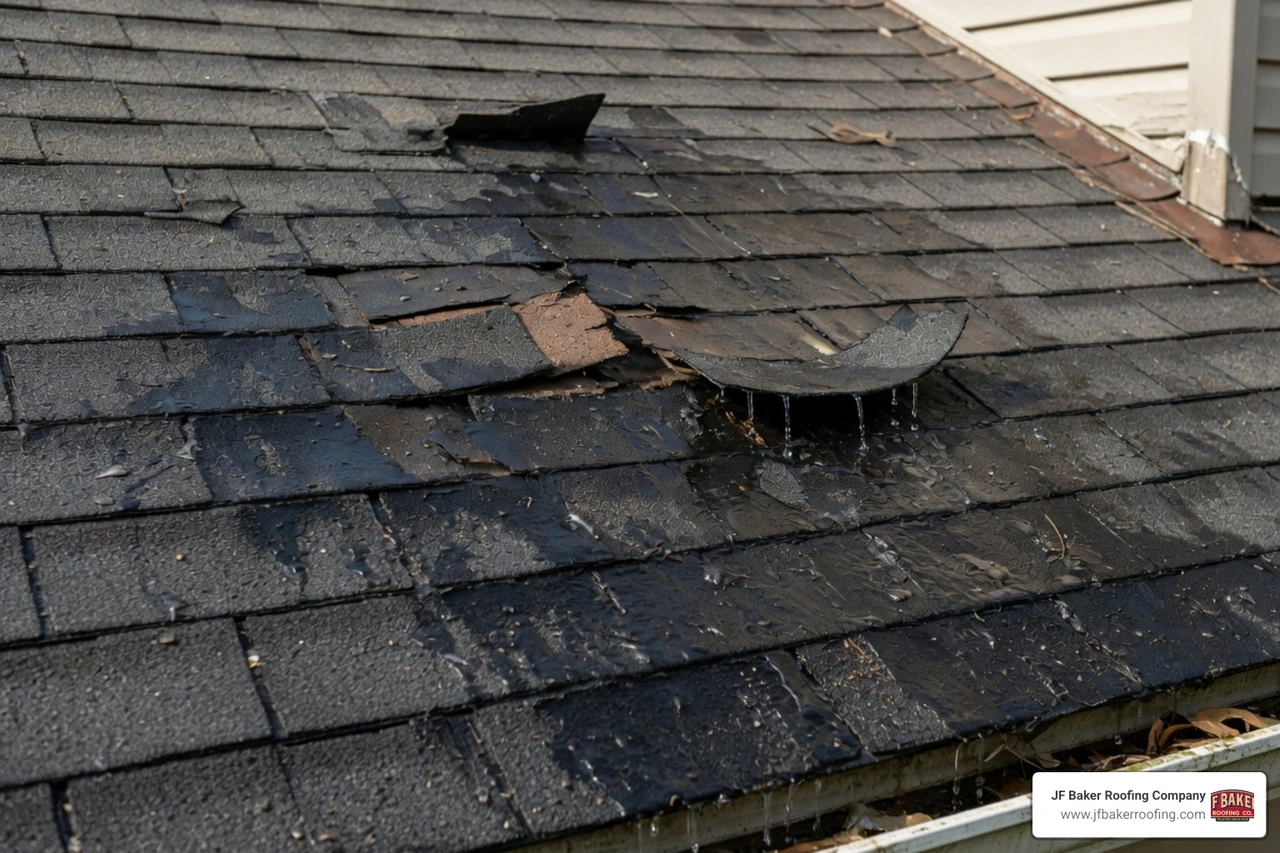
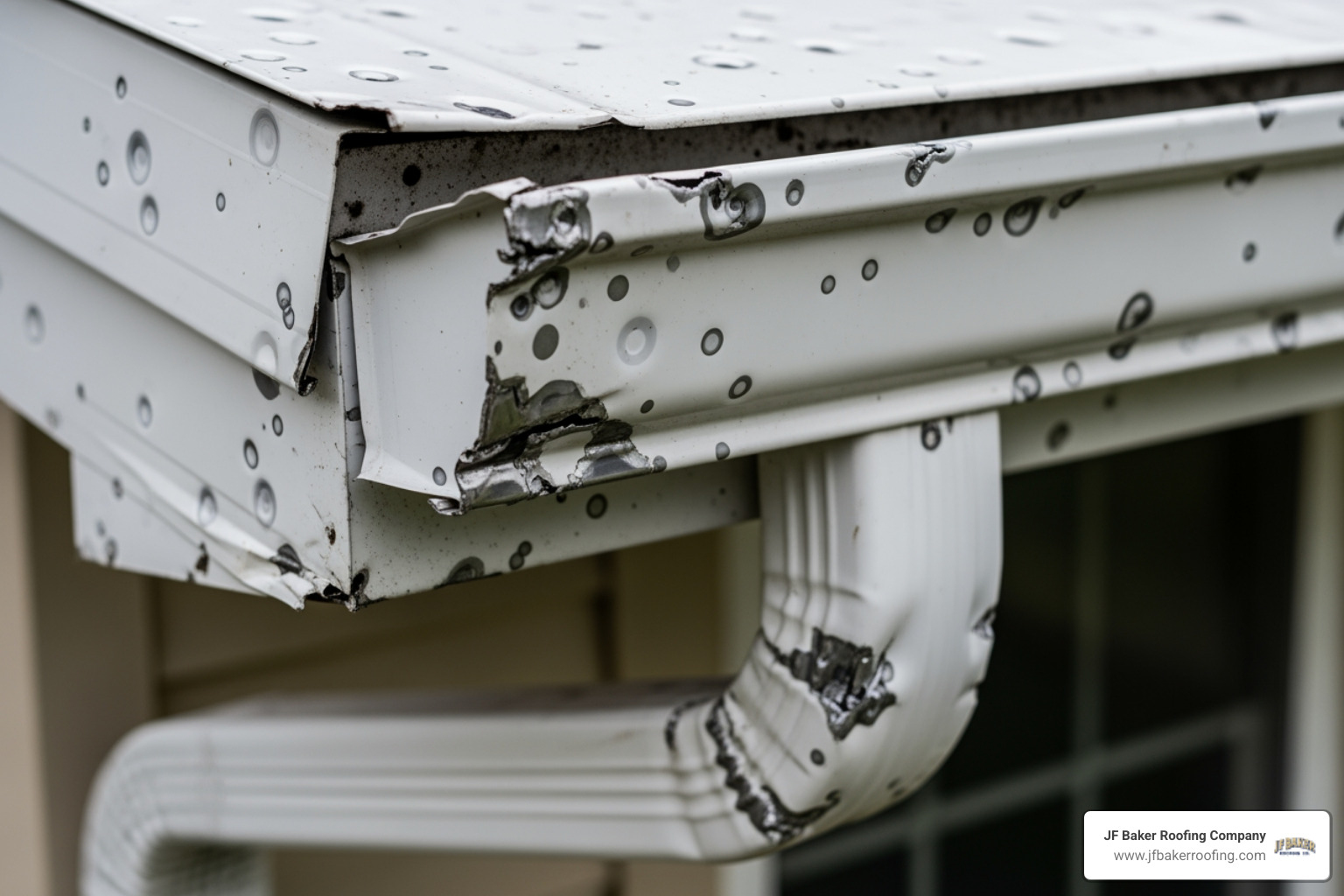
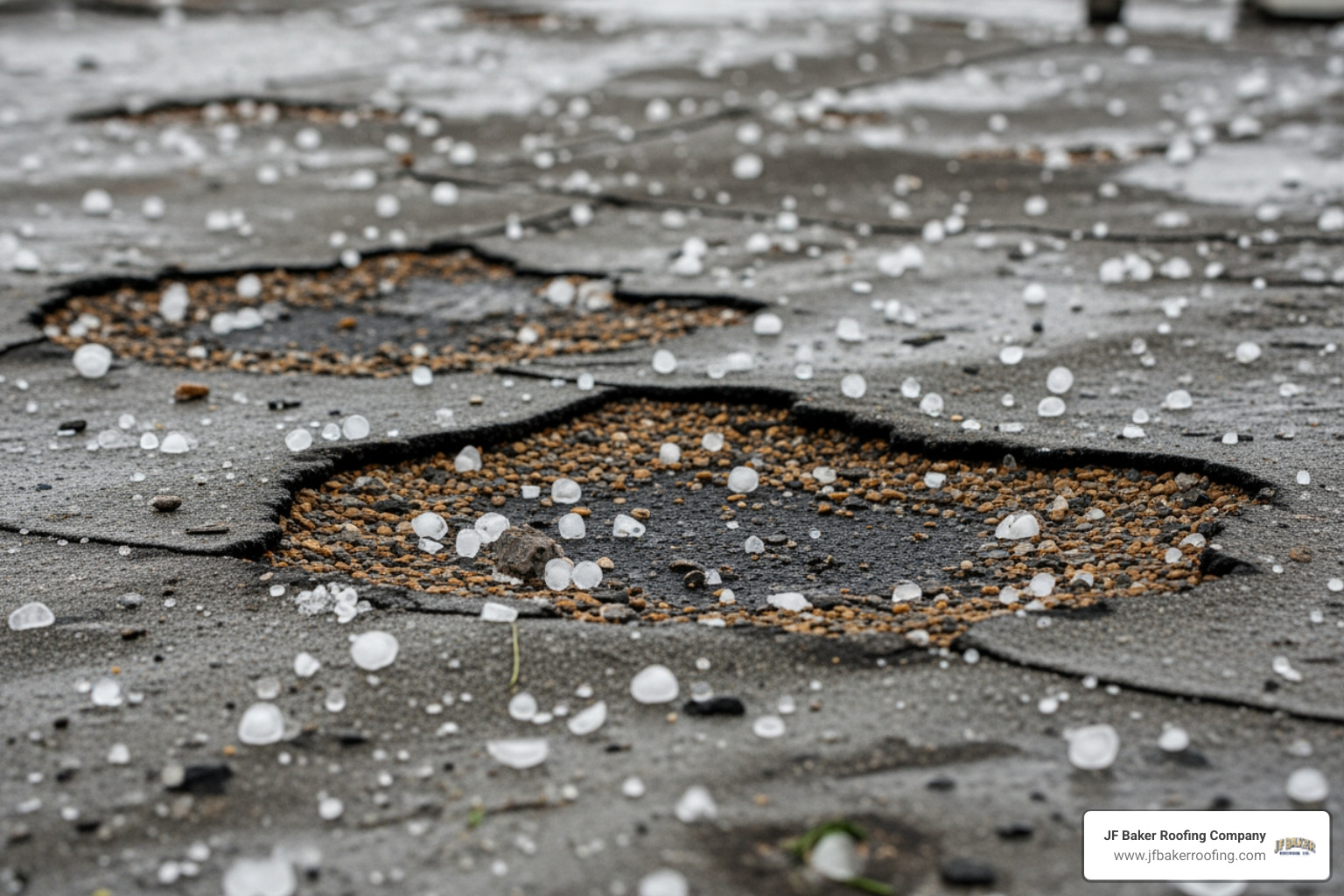
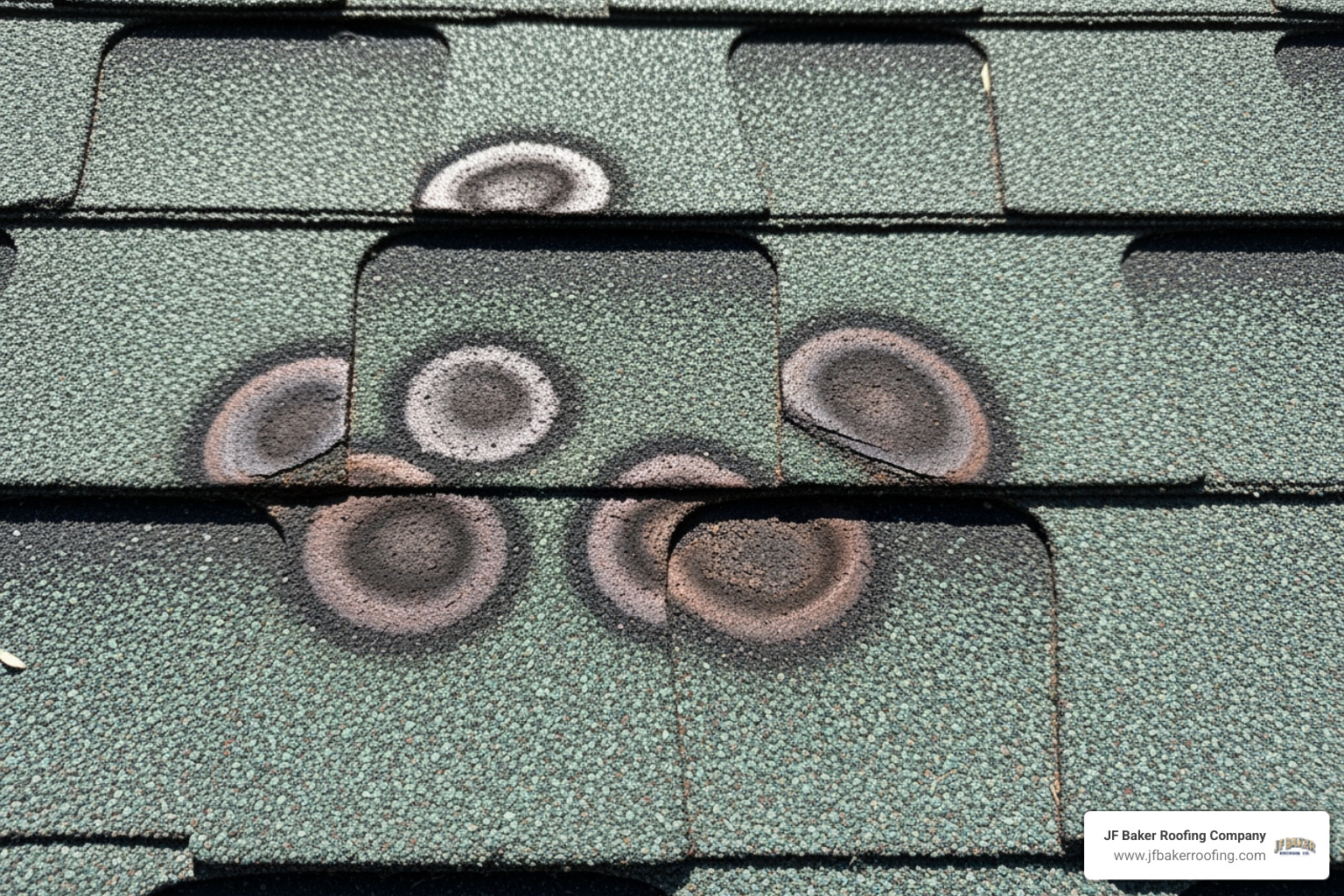
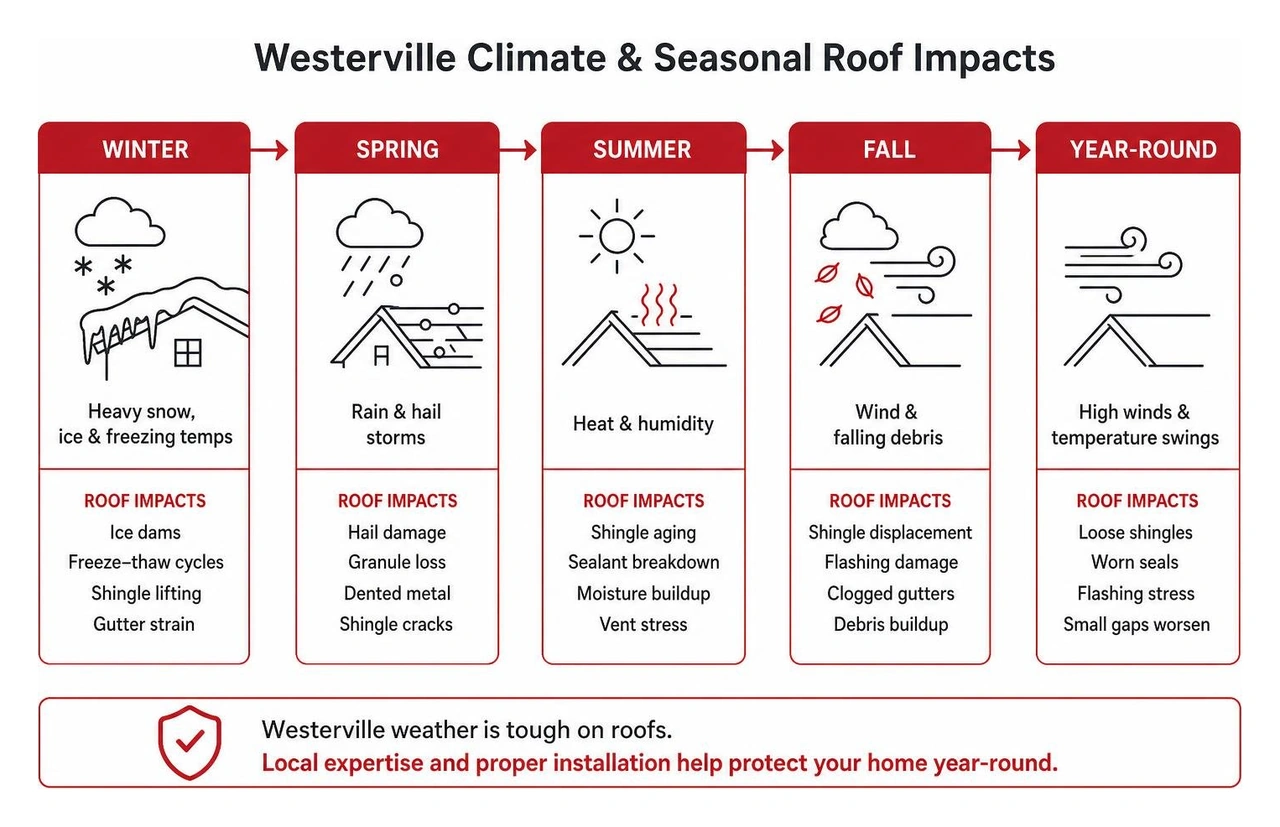
In Central Ohio, we experience everything from severe windstorms in Dublin to heavy winter ice in Westerville. If a tornado rips through your neighborhood or a severe hailstorm cracks your roof shingles, these are classic examples of qualifying casualty events. Heavy storms, sudden floods, and trees crashing onto structures are all considered sudden and unexpected.
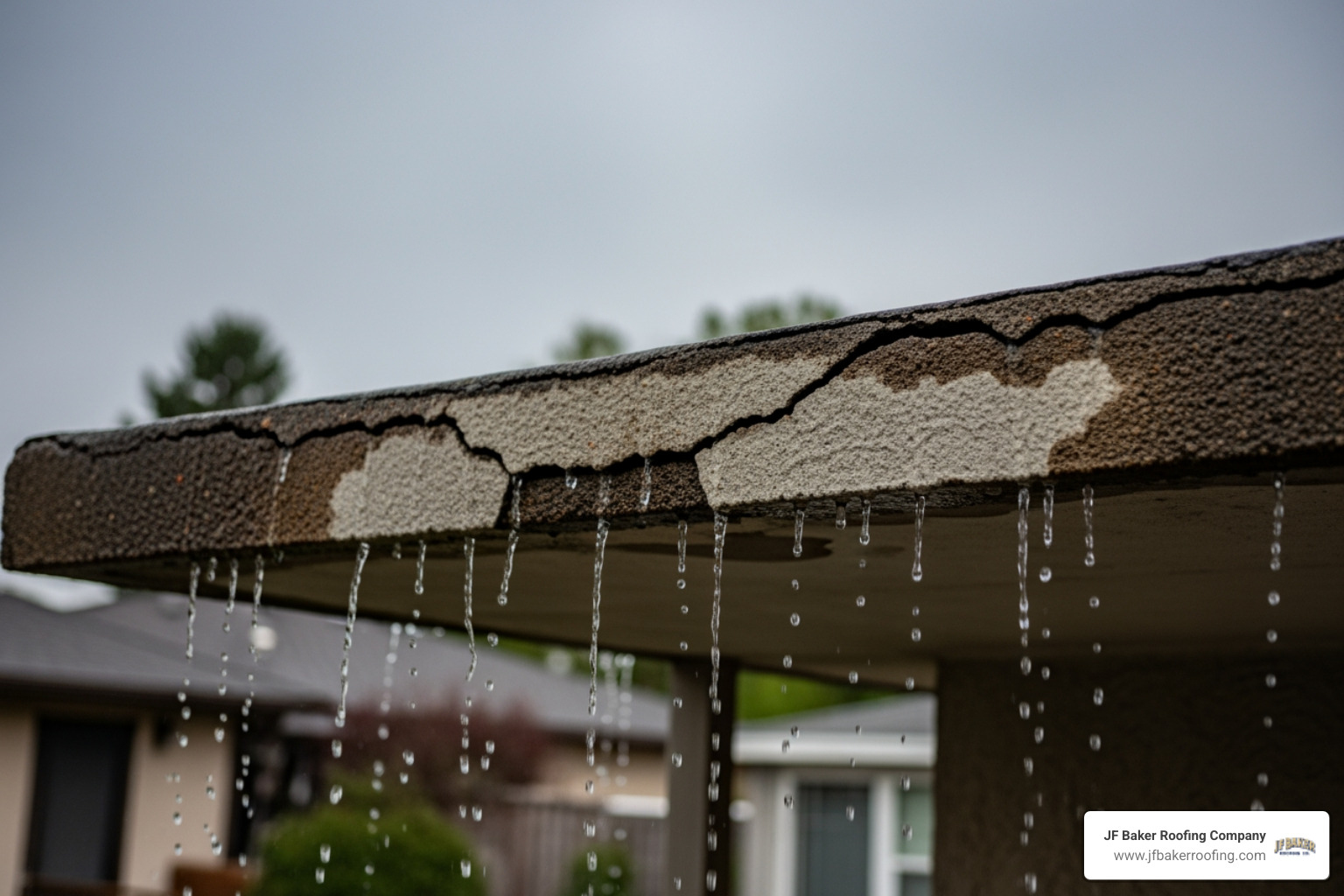
On the flip side, progressive deterioration is not deductible. If your roof has been slowly leaking for five years because the flashing was installed poorly, or if rot and mold have slowly weakened your roof decking, the IRS will not consider those repairs deductible. The same goes for termite damage or normal weathering.
To help you navigate what to do immediately after a storm hit, you can read our detailed Storm Damage Repair Guide 2026. It outlines the physical steps of securing your property before you even begin thinking about your tax return.
Personal-Use vs. Business Property Rules
The tax code draws a sharp line between the home you live in and property you use for business or income generation.
For personal-use property, which includes your primary residence in areas like Upper Arlington or Gahanna, you can only claim a casualty loss deduction if the damage was caused by a federally declared disaster. This restriction was put in place by the Tax Cuts and Jobs Act of 2017. If a localized storm damages only your street but does not trigger a federal disaster declaration, you cannot deduct the loss on your personal taxes, even if the repairs are extensive.
For business or income-producing property, the rules are much more favorable. If you own a commercial building in downtown Columbus or a rental property in Grandview Heights, you do not need a federal disaster declaration to deduct storm damage. These losses are treated as business expenses. They are fully deductible and are not subject to the strict adjusted gross income (AGI) thresholds that apply to personal residences.
You can read more about how these distinctions play out across different property types in the Natural Disaster Tax Deductions: Casualty Loss Guide 2026 | MissedDeductions.
How to Calculate Your Deductible Casualty Loss
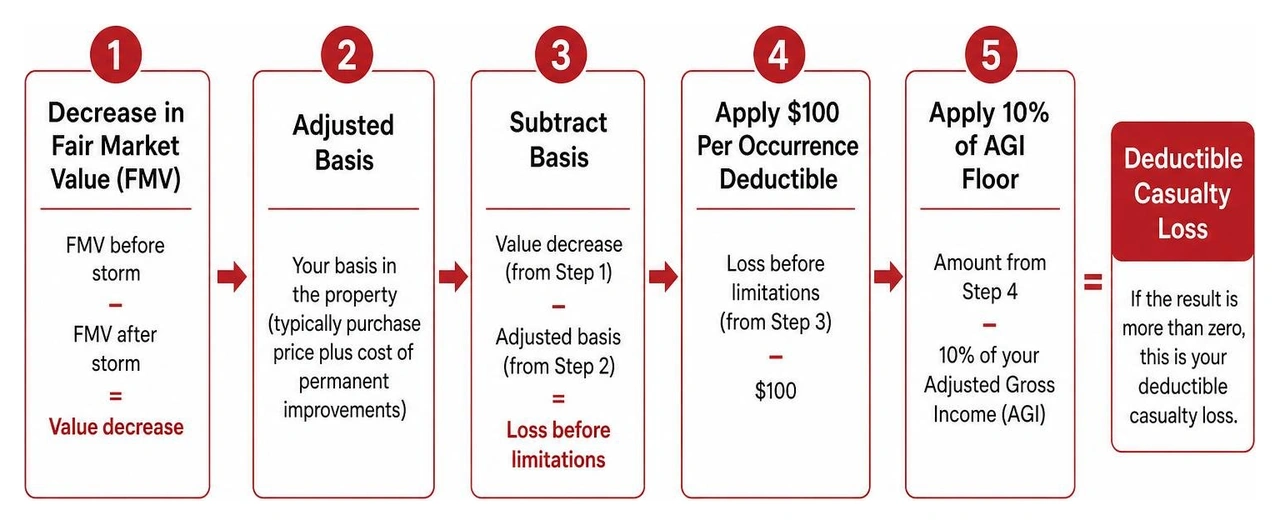
Calculating how much you can actually deduct is not as simple as adding up your repair bills. The IRS requires a specific multi-step calculation to find your actual deductible loss.
First, you must determine the decrease in the Fair Market Value (FMV) of your property as a result of the storm. This is the difference between the property's FMV immediately before the storm and its FMV immediately after.
Second, you must know your adjusted basis in the property. For most homeowners, this is what you paid for the home plus the cost of any permanent improvements you have made over the years.
The starting point for your loss calculation is the smaller of these two amounts:
- The decrease in Fair Market Value
- Your adjusted basis in the property
Once you have this starting number, you must subtract any insurance payouts or other reimbursements you received or expect to receive. If your insurance covers the entire cost of the repair minus your deductible, your potential tax deduction is limited to that unreimbursed portion.
For a complete breakdown of these calculation rules, refer to Publication 547 (2025), Casualties, Disasters, and Thefts | Internal Revenue Service.
Applying the AGI Threshold and the $100 or $500 Limits
If you are claiming a casualty loss on your personal-use property, you must apply two different limits to your calculated loss before you can deduct it on Schedule A as an itemized deduction.
First, you must reduce the loss from each individual storm event by $100. If you had two separate storms cause damage in the same year, you must apply this $100 reduction to each event. However, if the damage was caused by a qualified disaster, this individual event reduction increases to $500.
Second, you must add up all your personal casualty losses for the year after subtracting the individual event limits and then subtract 10% of your Adjusted Gross Income (AGI). Only the amount that exceeds 10% of your AGI is actually deductible.
For example, if your AGI is $80,000, 10% of your AGI is $8,000. If you have a net uninsured storm loss of $10,000, you subtract the $100 event limit to get $9,900. You then subtract the $8,000 AGI floor, which leaves you with a final deductible amount of $1,900.
Safe Harbor Methods for Determining Loss in Value
Because determining the exact Fair Market Value of a home before and after a storm can be incredibly difficult, the IRS provides safe harbor methods. These methods give you a simpler, pre-approved way to calculate your loss without needing a full, expensive real estate appraisal.
One of the most common safe harbor methods for residential real property is the repair cost method. You can use the actual cost of your repairs to measure the decrease in FMV if you meet the following conditions:
- The repairs are necessary to restore the property to its pre-casualty condition.
- The amount spent for repairs is not excessive.
- The repairs do not care for more than the actual damage sustained.
- The repairs do not increase the value of the property to more than its value before the casualty.
If we perform a roof repair on your home in Delaware, Ohio, to fix wind damage, and the repair simply restores the roof to its original state, you can use that repair cost as your measure of the decrease in value.
Recent Legislative Changes and Disaster Area Rules
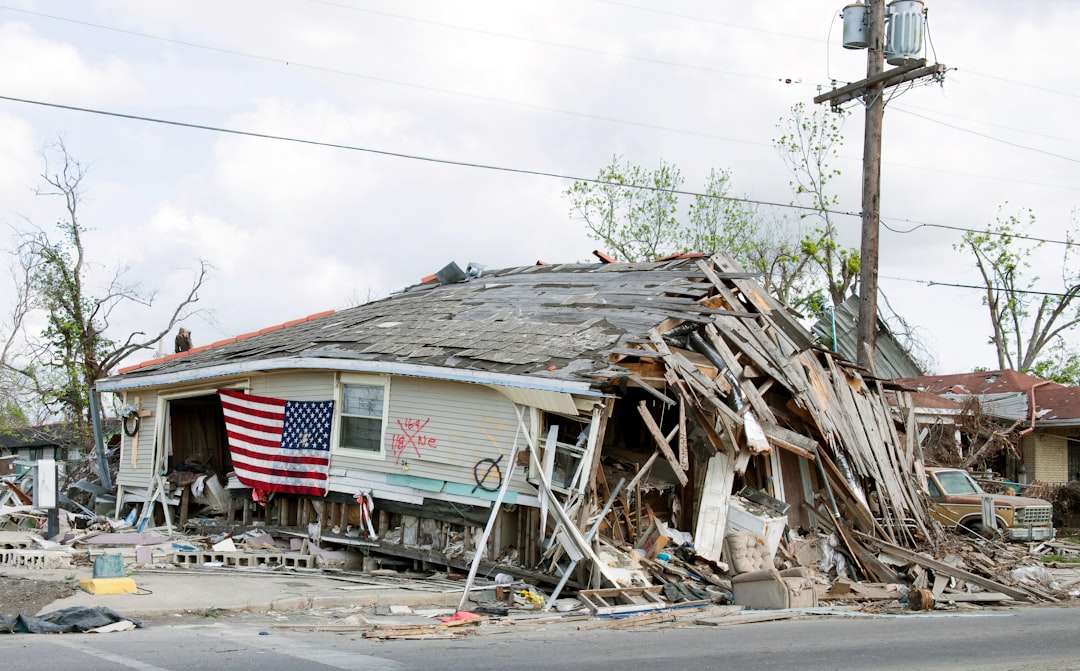
The landscape of disaster tax relief is constantly evolving. When severe weather strikes Central Ohio, the president can issue a major disaster declaration. This declaration unlocks federal assistance and triggers special tax rules that make it easier for homeowners to claim deductions.
In 2026, we are operating under the rules established by recent federal legislation, which has changed how disaster-related losses are handled on your tax return.
How the One Big Beautiful Bill Affects Your Claim
The One Big Beautiful Bill, which was signed into law in July 2025, brought significant relief for taxpayers facing disaster-related losses. This legislation extended and expanded many of the temporary relief measures from previous years, including elements of the Federal Disaster Relief Act of 2023.
Under this law, if your storm damage is classified as a qualified disaster loss, you receive several major tax advantages:
- You can claim the deduction even if you take the standard deduction instead of itemizing your deductions.
- The deduction is added directly to your standard deduction.
- The requirement that your net losses exceed 10% of your AGI is waived.
- The individual event reduction is set at $500 instead of $100.
This means if a major tornado hits Powell or Hilliard and is declared a qualified disaster, you can deduct your uninsured losses directly on your return without having to clear the high hurdle of the 10% AGI floor.
Electing to Deduct Losses in the Preceding Tax Year
If your storm damage occurs within a federally declared disaster area, you do not have to wait until you file your 2026 tax return next year to get your tax relief. The IRS allows you to make a preceding tax year election.
This election lets you treat the loss as if it occurred in the year immediately preceding the disaster. If a severe storm damages your home in June of 2026, you can choose to deduct that loss on your 2025 tax return.
If you have already filed your 2025 return, you can file an amended return using Form 1040-X. This is often the fastest way to get a tax refund, putting cash back in your pocket when you need it most to pay for repairs.
Step-by-Step Guide to Documenting and Reporting Your Loss

If you plan to claim that are storm damage repairs tax deductible, you must be prepared to back up your claim with bulletproof documentation. The IRS scrutinizes casualty loss deductions closely, and without proper proof, your deduction could be disallowed.
As soon as it is safe to go outside after a storm, your first step should be to document the physical state of your property. Do not touch or clean up anything until you have captured clear evidence of the damage.
To make sure you do not miss any critical steps during your initial cleanup, we recommend reviewing our guide on Roof Inspection After Storm. It will help you identify hidden damage that you might otherwise overlook.
Essential Proof to Substantiate Your Claim
To build a solid case for your deduction, you should gather and save the following items:
- Before and after photographs: If you have recent photos of your home before the storm, keep them alongside photos taken immediately after the damage occurred.
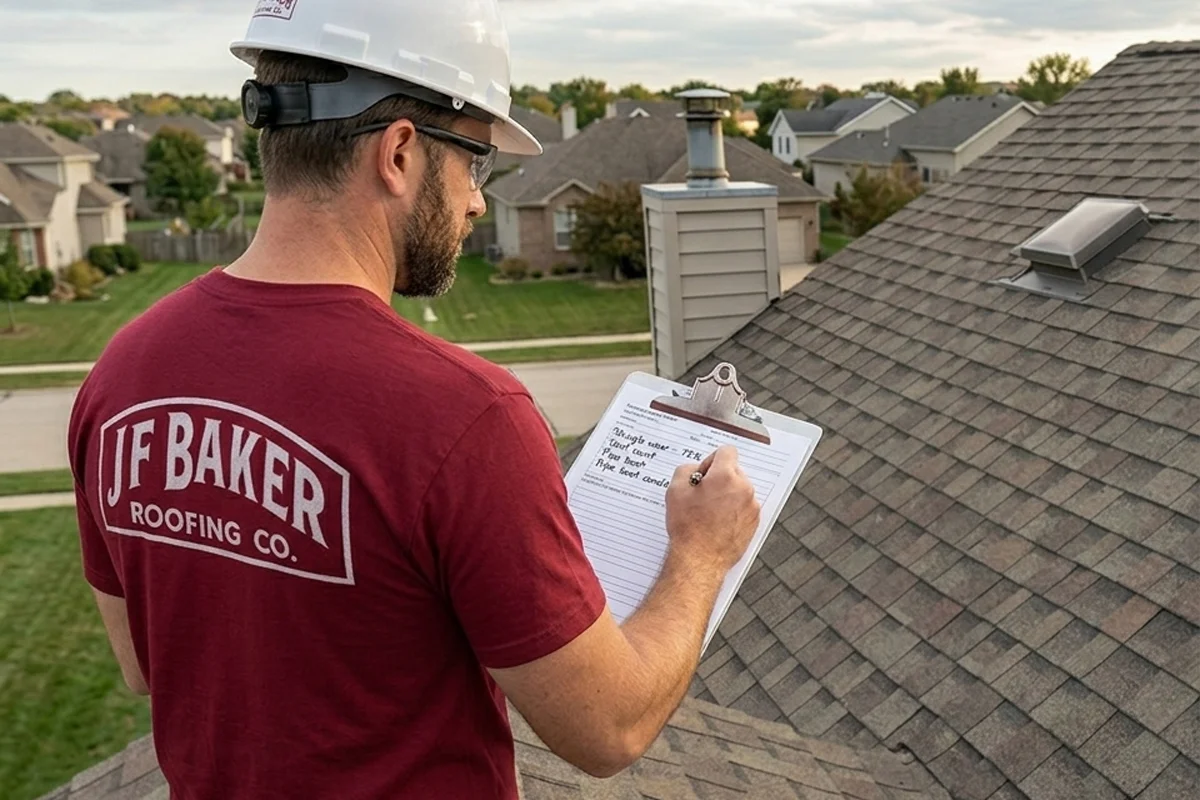
- Detailed repair estimates: Get a written, itemized estimate from a professional roofing contractor.
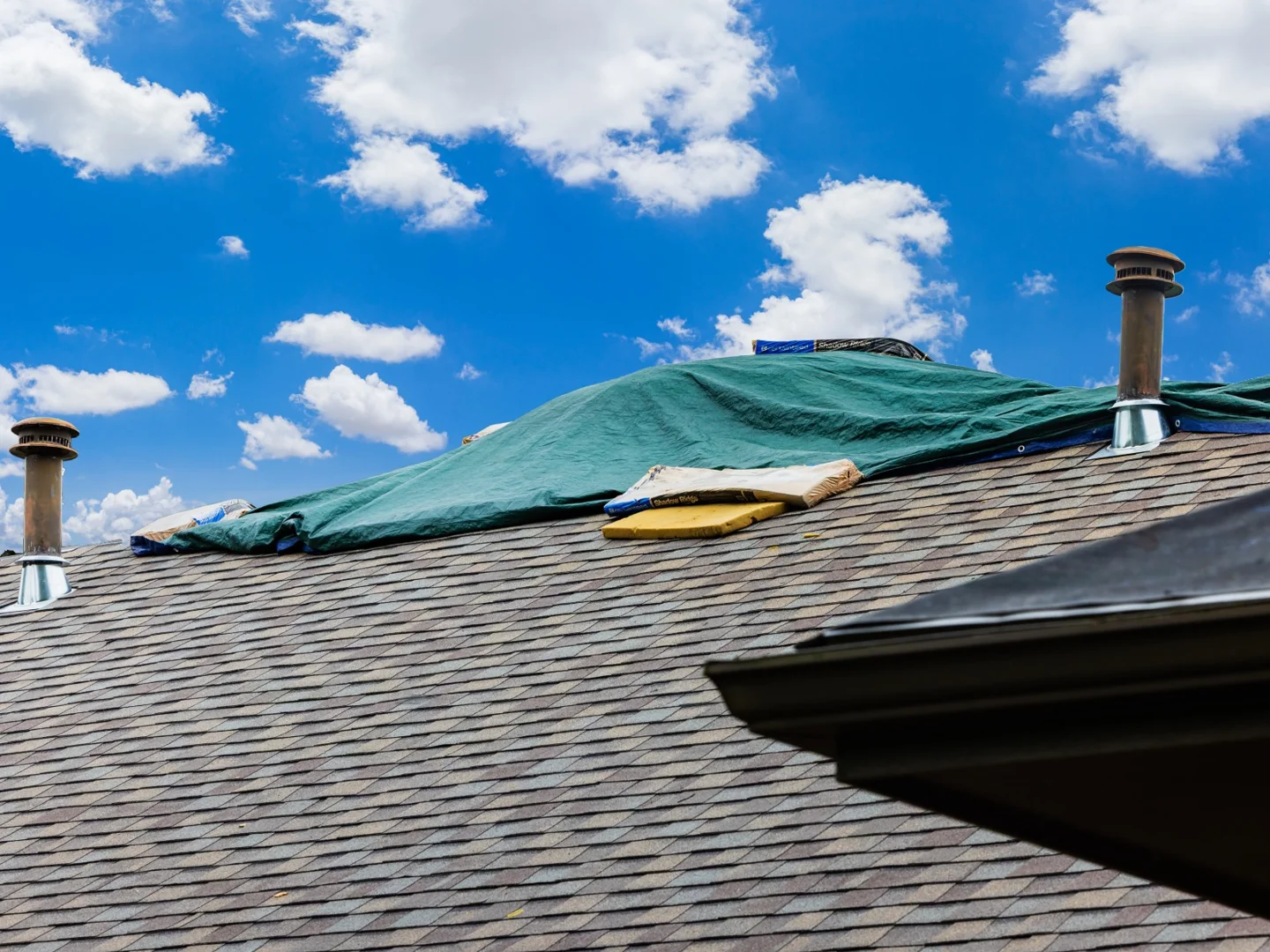
- Receipts and canceled checks: Keep every receipt for emergency mitigation, such as tarping, as well as the final repair bills.
- Proof of ownership: Keep a copy of your deed or property tax bills.
- Professional appraisals: If you are not using the safe harbor repair cost method, you will need a qualified appraisal showing the home's value before and after the storm.
If a tree has fallen on your home, the damage is often structural and complex. You can read our advice on how to handle these specific emergencies in our article on Tree Fallen Roof Repair.
Filing Form 4684 and Handling Delayed Insurance Payouts
To report your storm damage on your tax return, you must complete IRS Form 4684. This form is divided into different sections depending on whether your property is personal-use or business-use. You can view the form itself by downloading the 2025 Form 4684.
For step-by-step instructions on how to fill out each line of the form, you can consult the official Instructions for Form 4684 (2025) | Internal Revenue Service.
One common issue homeowners face is delayed insurance payouts. If your roof is damaged in 2026, but your insurance company does not settle your claim until 2027, you must estimate your expected reimbursement when you file your 2026 return.
If it turns out that you received less insurance money than you expected, you can deduct the remaining loss in the year the insurance claim is finally resolved. If you receive more than you expected, you must report that extra amount as income in the year you receive it.
Frequently Asked Questions About Storm Damage Tax Deductions
Are storm damage repairs tax deductible for rental properties?
Yes. If you own a rental property in Central Ohio, any storm damage repairs are treated as business expenses. You do not need a federal disaster declaration to deduct these costs. You can deduct the cost of ordinary repairs directly on Schedule E in the year you pay for them. If the storm requires you to replace the entire roof, you will generally capitalize that cost and depreciate it over time.
Are storm damage repairs tax deductible if I don't itemize?
Generally, personal casualty losses require you to itemize your deductions on Schedule A. However, if your damage occurred in a federally declared disaster area and qualifies as a qualified disaster loss under the One Big Beautiful Bill, you can claim the deduction as an addition to your standard deduction. This means you do not have to itemize to receive the tax benefit.
Can I deduct the cost of a new roof after a storm?
If a storm completely destroys your roof and you have to replace it, you cannot simply deduct the entire cost of the new roof as an ordinary repair on your personal taxes. Instead, you calculate your casualty loss based on the decrease in the property's overall value or its adjusted basis.
The cost of the new roof is considered a capital improvement that increases your property's basis. For a complete look at how to handle a full roof replacement after severe weather, read our Roof Damage Repair Guide 2026.
Conclusion
Navigating the tax rules around storm damage can feel just as overwhelming as dealing with the physical damage to your home. While the IRS provides pathways to tax relief, those pathways require careful calculation, strict adherence to deadlines, and thorough documentation.
At JF Baker Roofing, we have been helping our neighbors in Columbus and the surrounding areas navigate storm recovery for nearly a century. Three generations of Central Ohio roofing have taught us that the best way to handle a stressful situation is with clear communication, honest assessments, and no pressure.
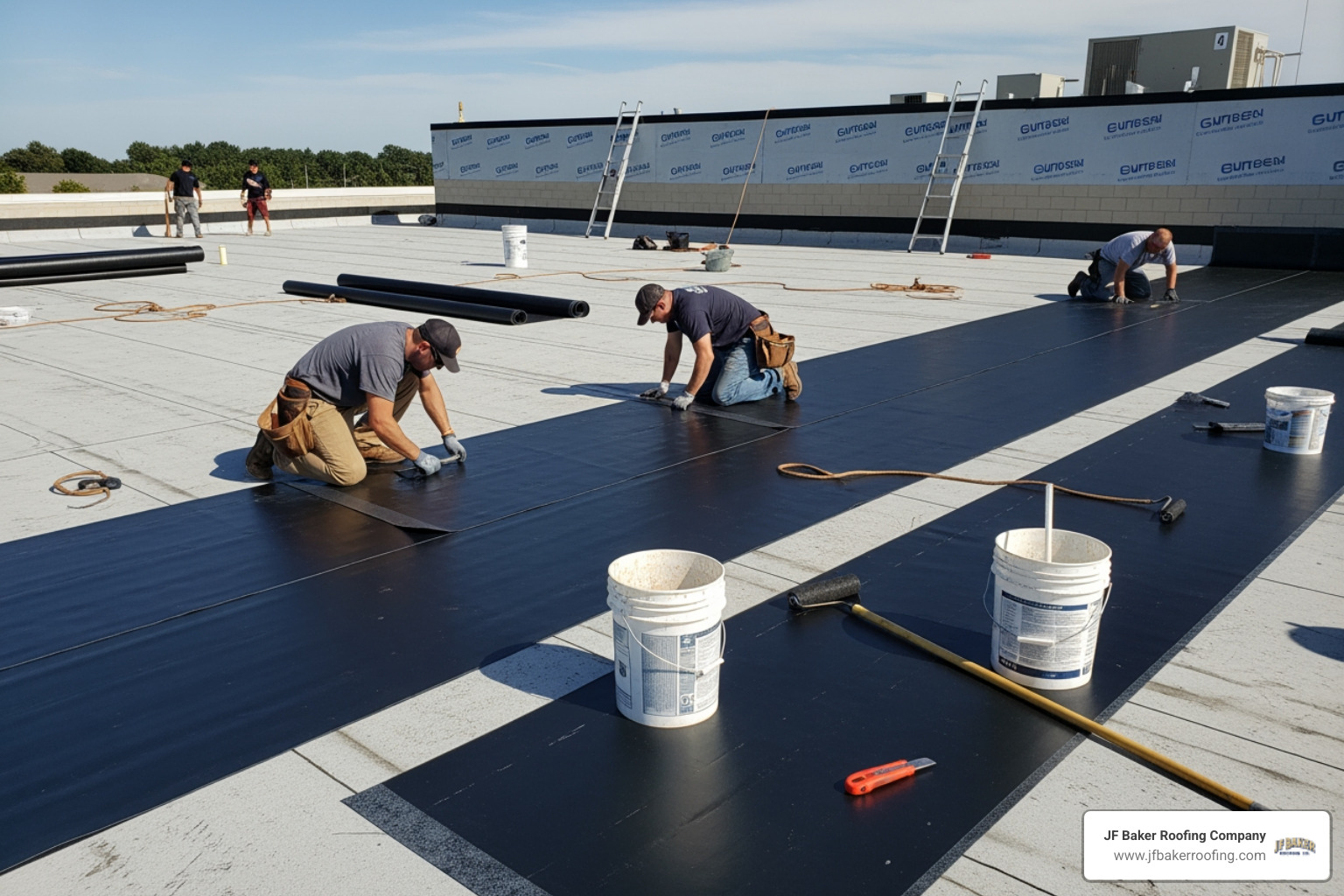
Our business is built on integrity and proven by performance. Whether you need emergency tarping in Dublin, a professional storm damage assessment in Worthington, or a complete roof replacement in Westerville, we stand behind every roof we install.
If you are dealing with recent storm damage and need a detailed, itemized estimate to help substantiate your tax records or insurance claims, let our reputation be your security. Contact us today to schedule an honest assessment of your roof.
To learn more about our storm recovery options, visit our Storm Damage Repairs service page.






















.jpeg)