The Ultimate Guide to Finding Qualified Roofers in Columbus, OH
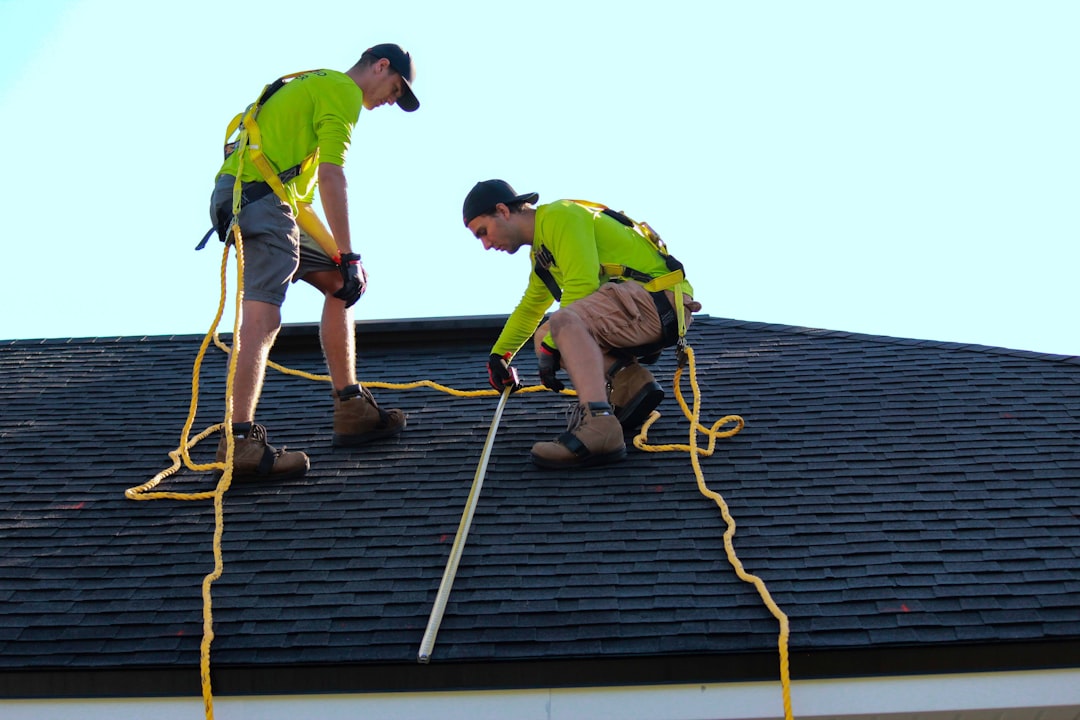
How to Choose Qualified Roofers Columbus OH Can Trust
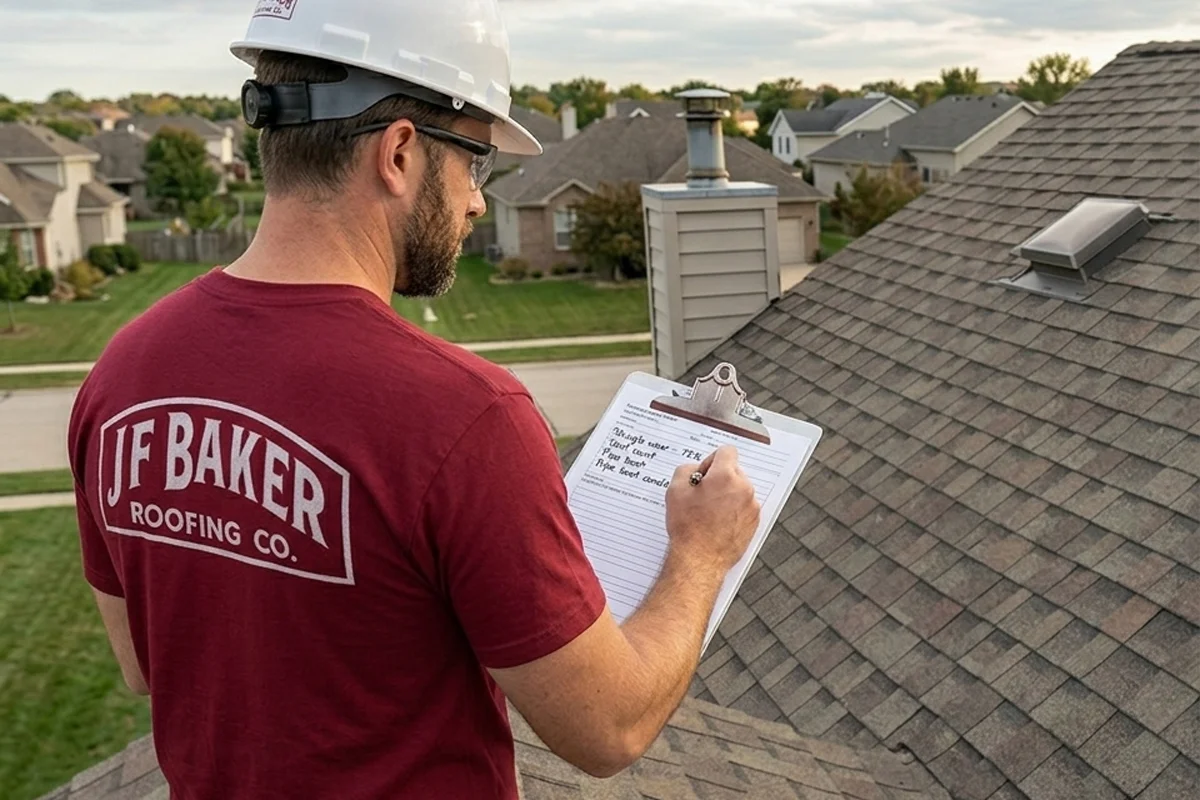
Roofers Columbus OH homeowners and business owners can trust should provide proof of insurance, a clear written estimate, local references, and a straightforward explanation of whether a repair or replacement makes sense.
Before signing a contract, look for a contractor who:
- Explains the roof condition in plain language.
- Recommends repairs when they can solve the problem.
- Provides transparent pricing, a defined scope of work, and warranty details in writing.
- Carries appropriate insurance and has a solid local reputation.
- Plans for Central Ohio rain, snow, wind, hail, and freeze-thaw cycles.
Columbus roofs face more than ordinary wear. Snow, heavy rain, summer storms, and changing temperatures can expose weak shingles, flashing, gutters, and roof decking. That makes a careful inspection and a qualified local crew especially important, whether you have a small leak, storm damage, or an aging roof.
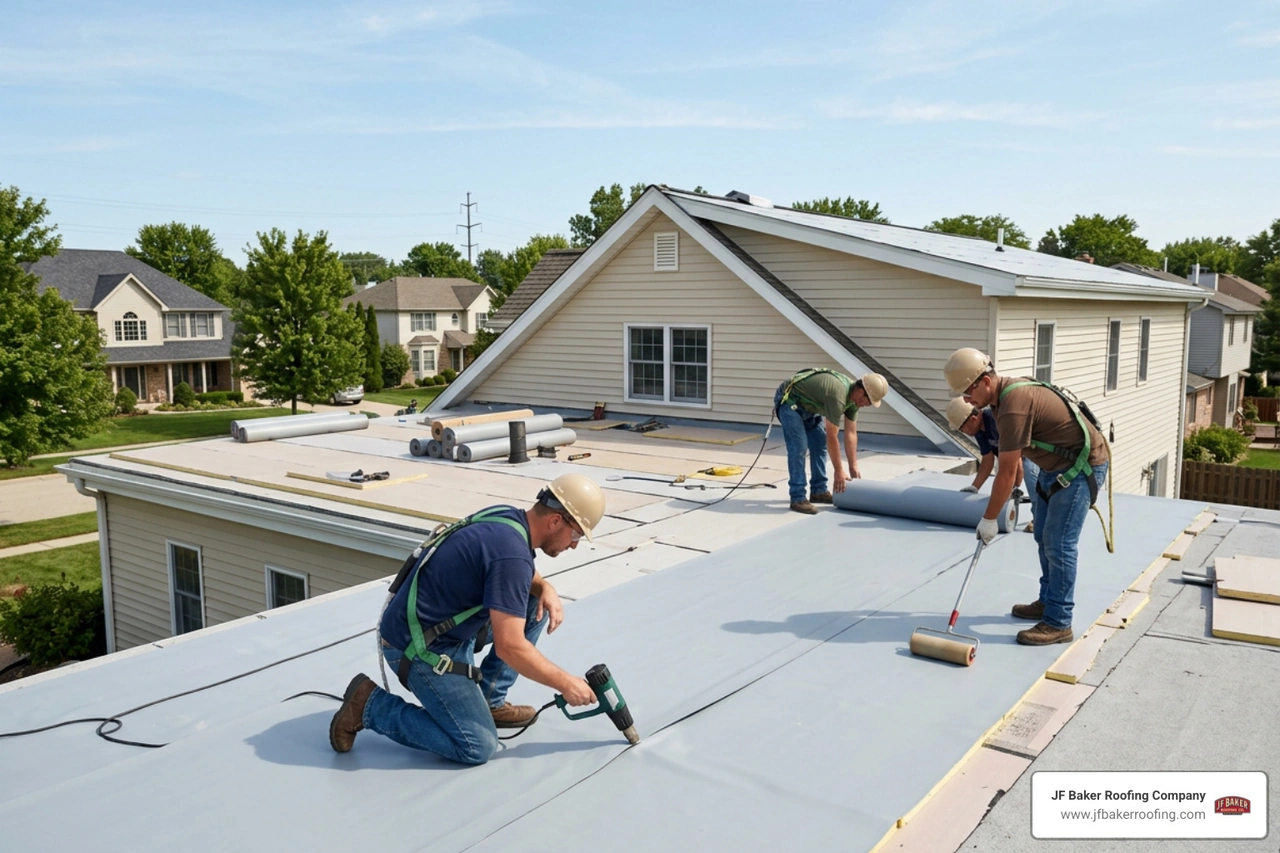
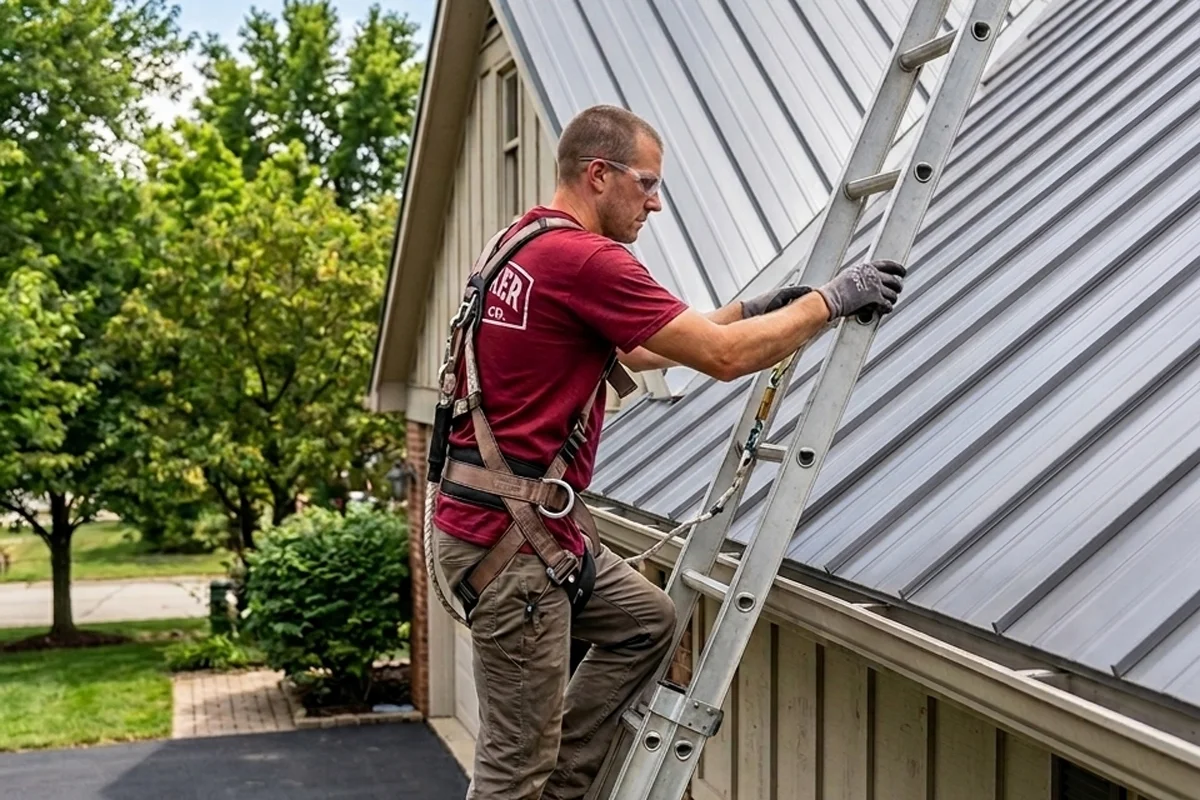
JF Baker Roofing has served Central Ohio since 1929, helping residential and commercial clients throughout Columbus, Dublin, Upper Arlington, Hilliard, Grandview Heights, Worthington, and Westerville. As a CertainTeed ShingleMaster Preferred Contractor, NRCA member, and BBB Accredited Business with an A+ rating, we provide honest assessments, clean job sites, clear communication, and no high-pressure sales tactics across roofing, gutters, storm damage, and sheet metal work.
I am Chad M. Baker, a third-generation owner at JF Baker Roofing, and this guide will help you evaluate your options with confidence.
Roofers columbus oh vocabulary:
7 Key Standards for Evaluating Roofers Columbus OH
Finding a reliable contractor in Central Ohio requires looking past glossy marketing materials. There are over 200 licensed roofing contractors operating in the Columbus metro area, which means options are plentiful, but quality and reliability vary significantly. Evaluating contractors using a consistent set of standards protects your home investment and gives you peace of mind.
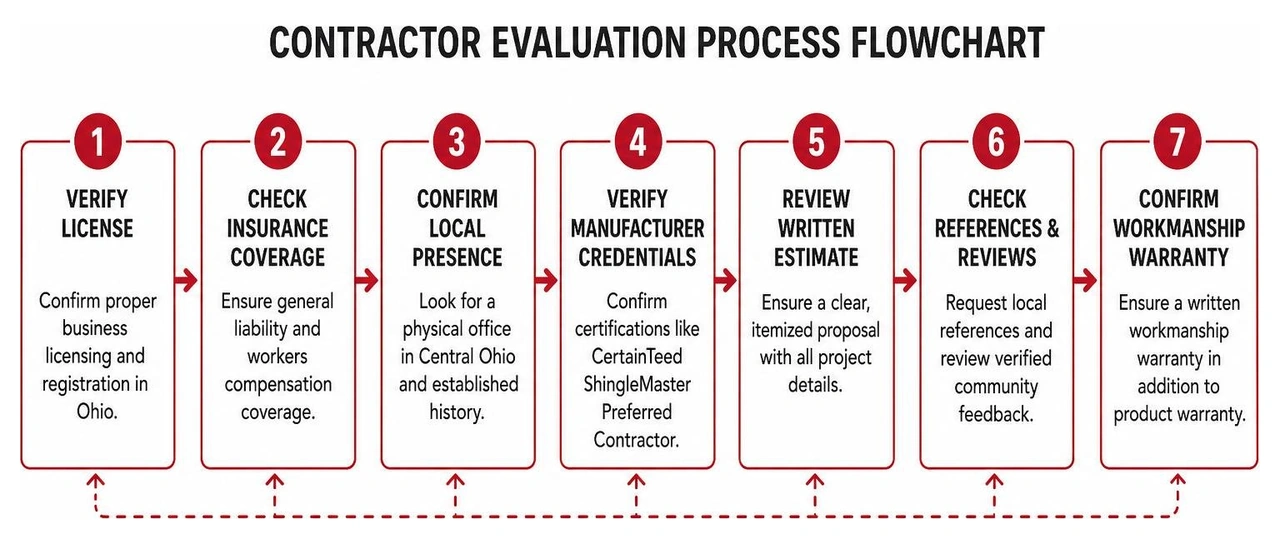
Here are the 7 key standards to check before making your decision:
- Proper Business Licensing and Registration: Verify that the company is registered to operate legally in Ohio. You can check credentials through the Ohio Construction Industry Licensing Board and local municipal agencies.
- Comprehensive Liability and Workers Compensation Coverage: Never hire a contractor who cannot provide current certificates of general liability insurance and workers compensation. Liability insurance covers property damage, while workers compensation protects you from financial liability if an installer is injured on your property.
- Local Physical Presence and Established History: Look for a business with a physical office in Central Ohio, clean history in the community, and proven longevity. Companies that have operated locally across decades demonstrate deep accountability to area residents.
- Manufacturer Credentials and Certifications: Manufacturer credentials, such as being a CertainTeed ShingleMaster Preferred Contractor, indicate that installers undergo ongoing technical training and can offer enhanced manufacturer warranties that uncertified contractors cannot provide.
- Clear, Itemized Estimates in Writing: A professional proposal breaks down material specifications, labor, tear-off costs, ventilation updates, flashing details, site protection, and cleanup terms. Avoid vague, single-line quotes.
- Local References and Verified Community Reviews: Request local references from recent jobs in neighborhoods like Upper Arlington, Worthington, or Westerville. Review rating platforms to ensure consistent performance over time. For more tips on evaluating contractors, read our guide on How to Choose the Right Roofing Contractor in Columbus Ohio.
- Comprehensive Workmanship Guarantees: Ensure the contractor provides a written workmanship warranty covering their installation labor in addition to the standard product warranty provided by the material manufacturer.
The roofing industry across Ohio has expanded steadily over recent years due to community growth and frequent severe weather. With more operators entering the market, insisting on these seven standards ensures you work with established professionals who stand behind their work.
Red Flags to Avoid When Selecting Roofers Columbus OH
Unfortunately, bad actors and inexperienced crews operate in every major home service market. Recognizing warning signs early prevents major headaches, unexpected bills, and subpar work.
Watch out for these common red flags:
- Storm Chasers: Out-of-state contractors who arrive in Central Ohio immediately following severe wind or hail storms. They push quick contracts, harvest insurance payouts, and vanish before installation issues surface.
- Aggressive Door-to-Door Sales Tactics: Beware of salespeople who pressure you to sign immediately on the spot, claim to have leftover materials from a neighbor's roof, or offer to waive your insurance deductible, which is illegal in Ohio.
- Unusually Lowball Estimates: An estimate significantly lower than other quotes usually indicates missing project components, inferior materials, uncertified labor, or hidden fees that will be added later.
- Demands for Large Upfront Cash Payments: Reputable contractors maintain established credit lines with local material suppliers and do not require full payment before work begins or materials arrive on site.
- Lack of Written Contracts: Verbal agreements leave you unprotected. If a contractor refuses to outline scope, timelines, payment schedules, and warranty details in writing, walk away immediately.
Questions to Ask Roofers Columbus OH
Asking targeted questions during your consultation helps you gauge communication, professionalism, and job quality. Reviewing our guide on Roofing Contractors provides additional context on what sets qualified teams apart.
When meeting with prospective contractors, ask the following questions:
- Will you provide a fully itemized written estimate specifying materials, underlayment type, flashing, and ventilation systems?
- Are you fully insured with general liability and active Ohio workers compensation coverage?
- What specific manufacturer warranties and contractor workmanship guarantees cover this project?
- Will an experienced full-time supervisor be on site during installation to oversee quality control?
- How do you protect landscaping, driveways, siding, and gutters during tear-off and construction?
- What is your step-by-step cleanup process, including magnetic sweeping for nails around lawn and driveway areas?
Comparing Common Roofing Materials for Central Ohio Homes

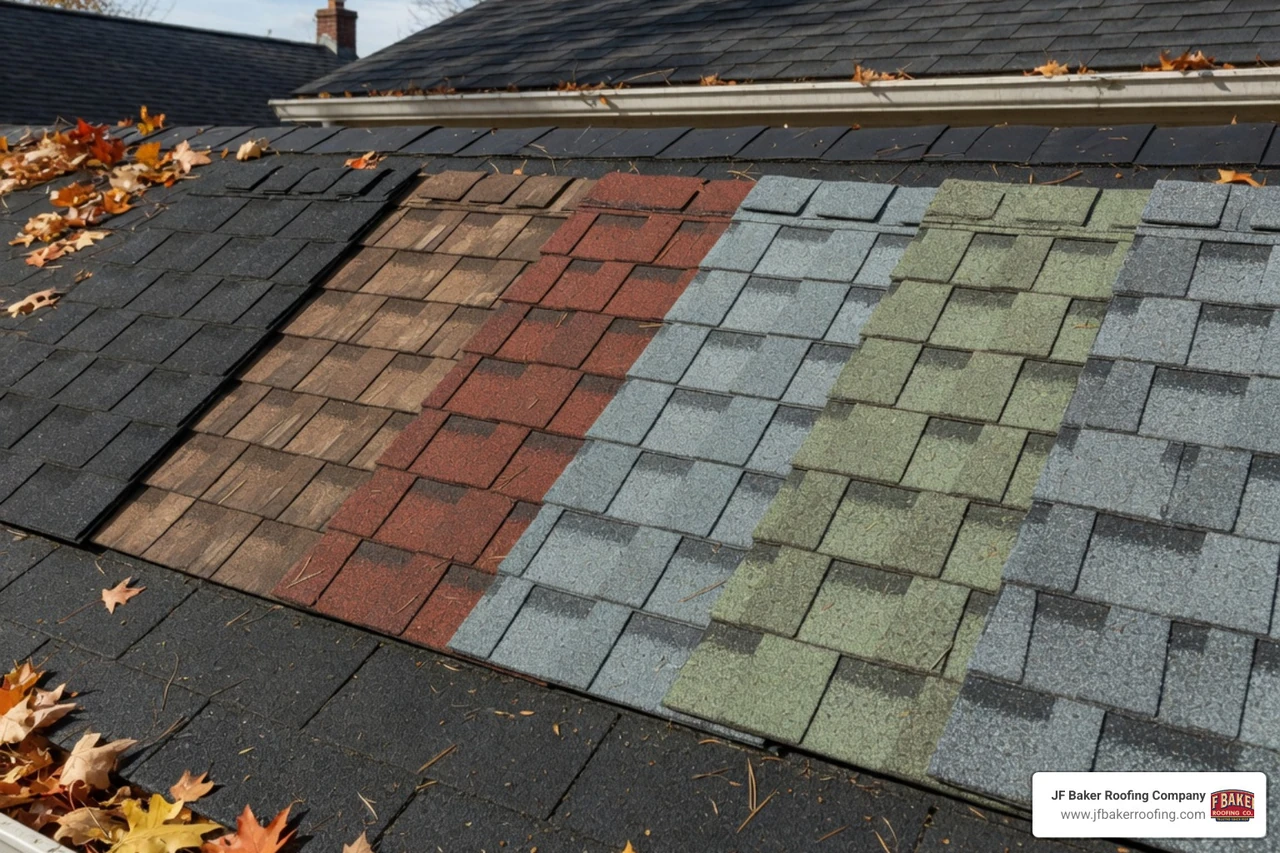
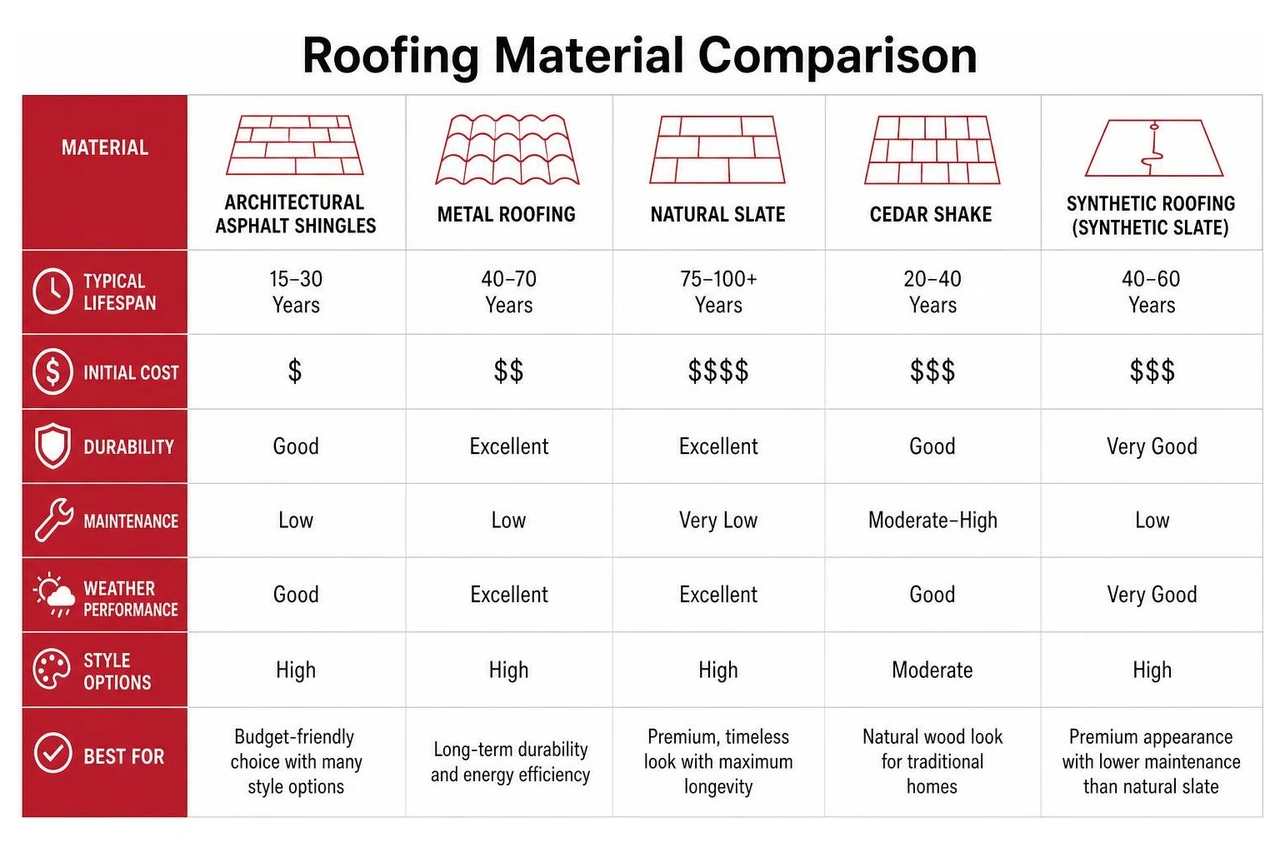
Selecting the right roofing material involves balancing architectural style, initial investment, durability, and maintenance needs. Columbus experiences diverse weather extremes, making proper material selection essential for long-term performance. Detailed considerations for choosing materials are covered in our comprehensive Residential Roofing Guide 2026.
Pros and Cons of Popular Materials
Architectural Asphalt Shingles:
- Pros: Highly popular across Central Ohio homes; excellent balance of affordability, style choices, and weather protection; available with strong wind and algae resistance ratings; relatively easy to repair.
- Cons: Shorter overall service life compared to slate or high-end metal; subject to granule loss over time due to severe thermal cycling.
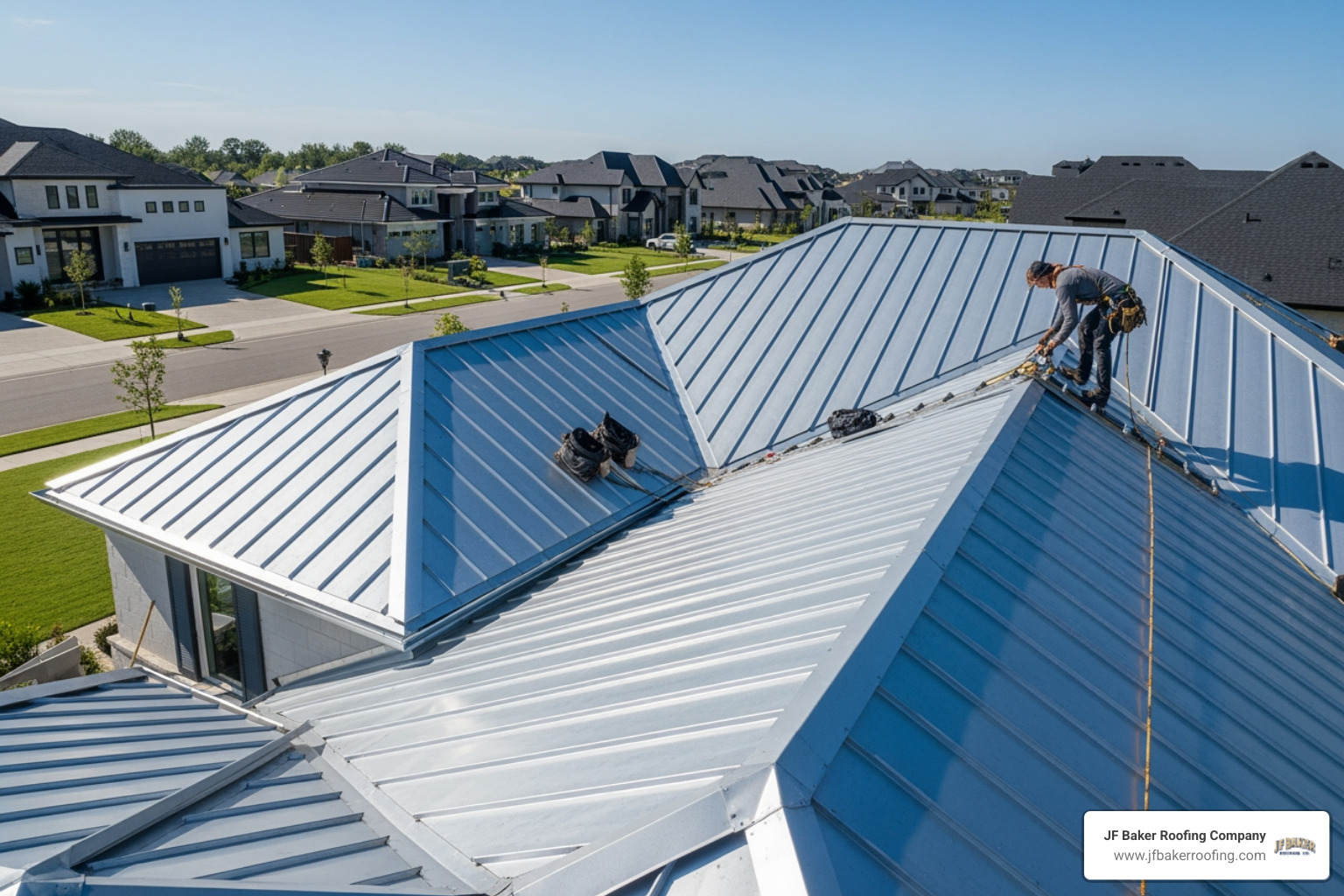
Standing Seam Metal Roofing:
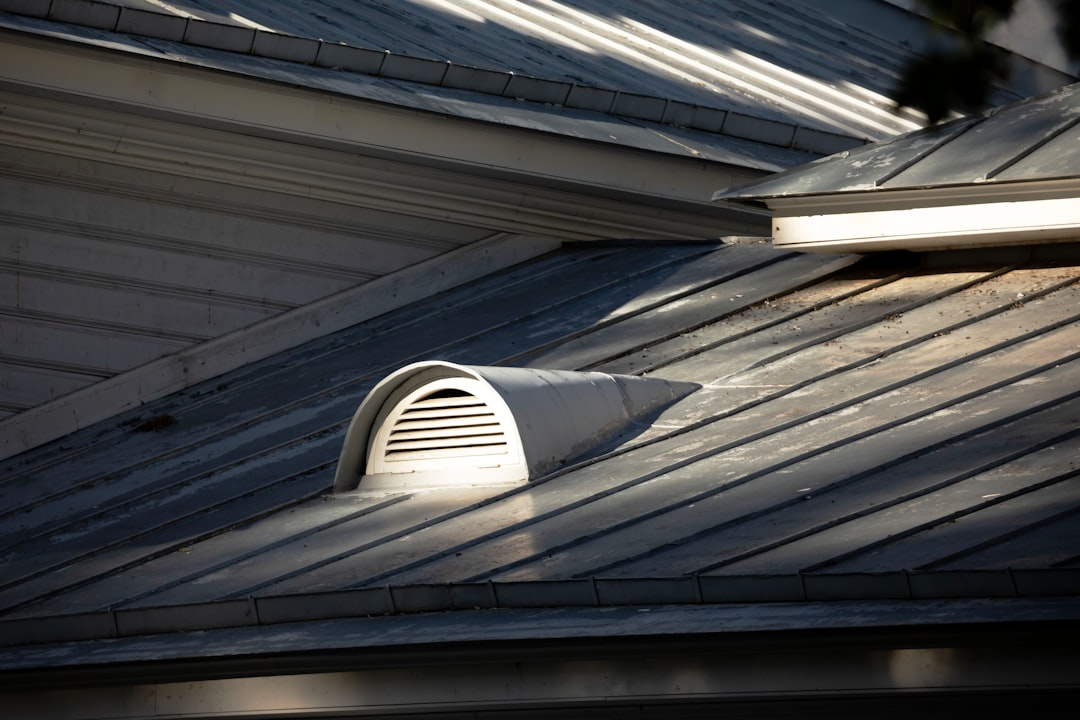
- Pros: Superior longevity; outstanding resistance to high winds, heavy snow loads, and hail impact; smooth surface sheds snow quickly; highly energy efficient with heat-reflective coatings.
- Cons: Higher initial material and skilled installation cost; requires specialized installers experienced in custom sheet metal fabrication.
Slate Tile Roofing:
- Pros: Exceptional natural beauty and historic charm, frequently seen in historic Grandview Heights, Bexley, and German Village neighborhoods; virtually fireproof and capable of lasting over a century with proper care.
- Cons: Significantly heavier requiring reinforced structural roof decking; high initial cost; requires highly specialized historic restoration expertise.
Dimensional or Luxury Shingles:
- Pros: Thicker, multi-layered construction provides rich architectural shadow lines resembling wood shake or slate; increased impact and wind resistance ratings.
- Cons: Slightly higher investment than standard architectural shingles, though offering extended aesthetic appeal and performance.
Impact of Columbus Climate and Seasons on Roofing Maintenance
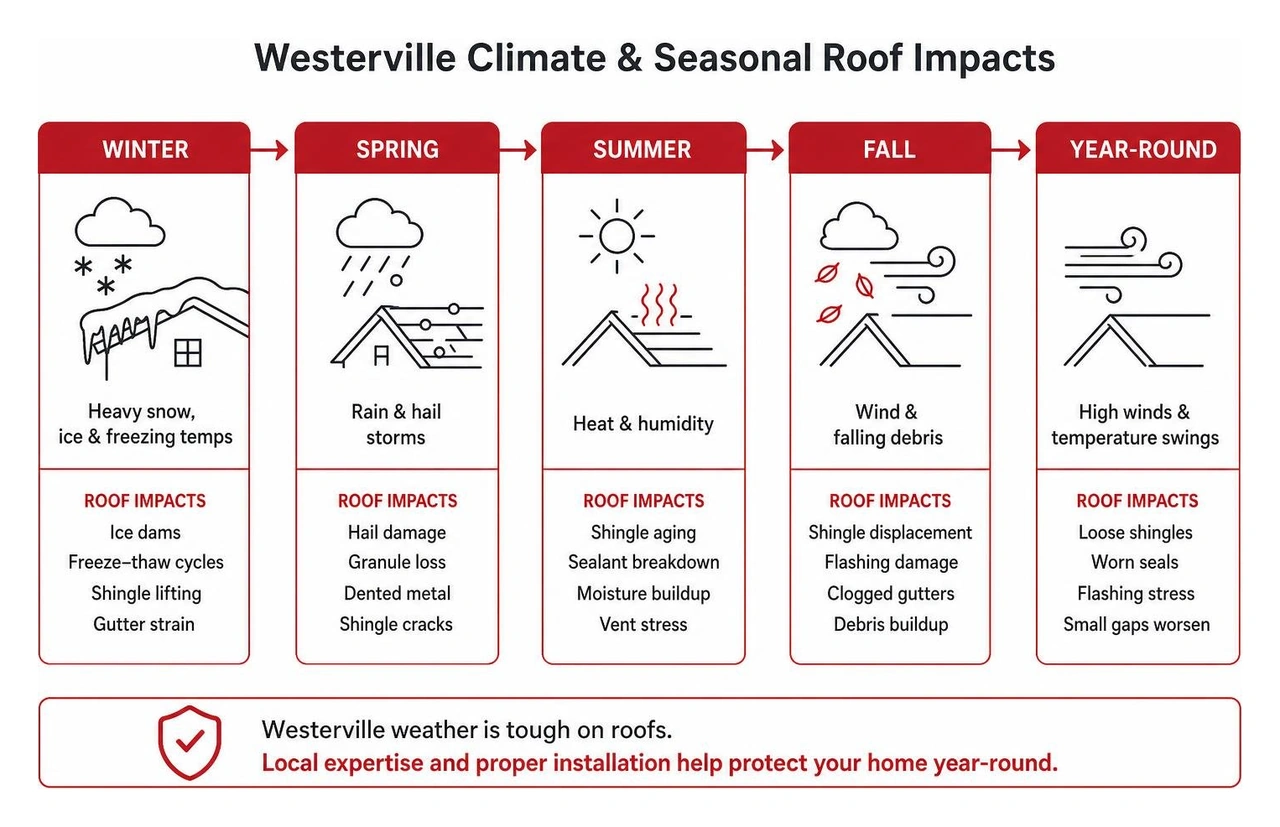
Central Ohio weather presents unique challenges for residential and commercial roofs. Columbus records an average of 28 inches of snow per year, exceeding national averages. Beyond snowfall, constant temperature swings create severe freeze-thaw cycles through late autumn, winter, and early spring.
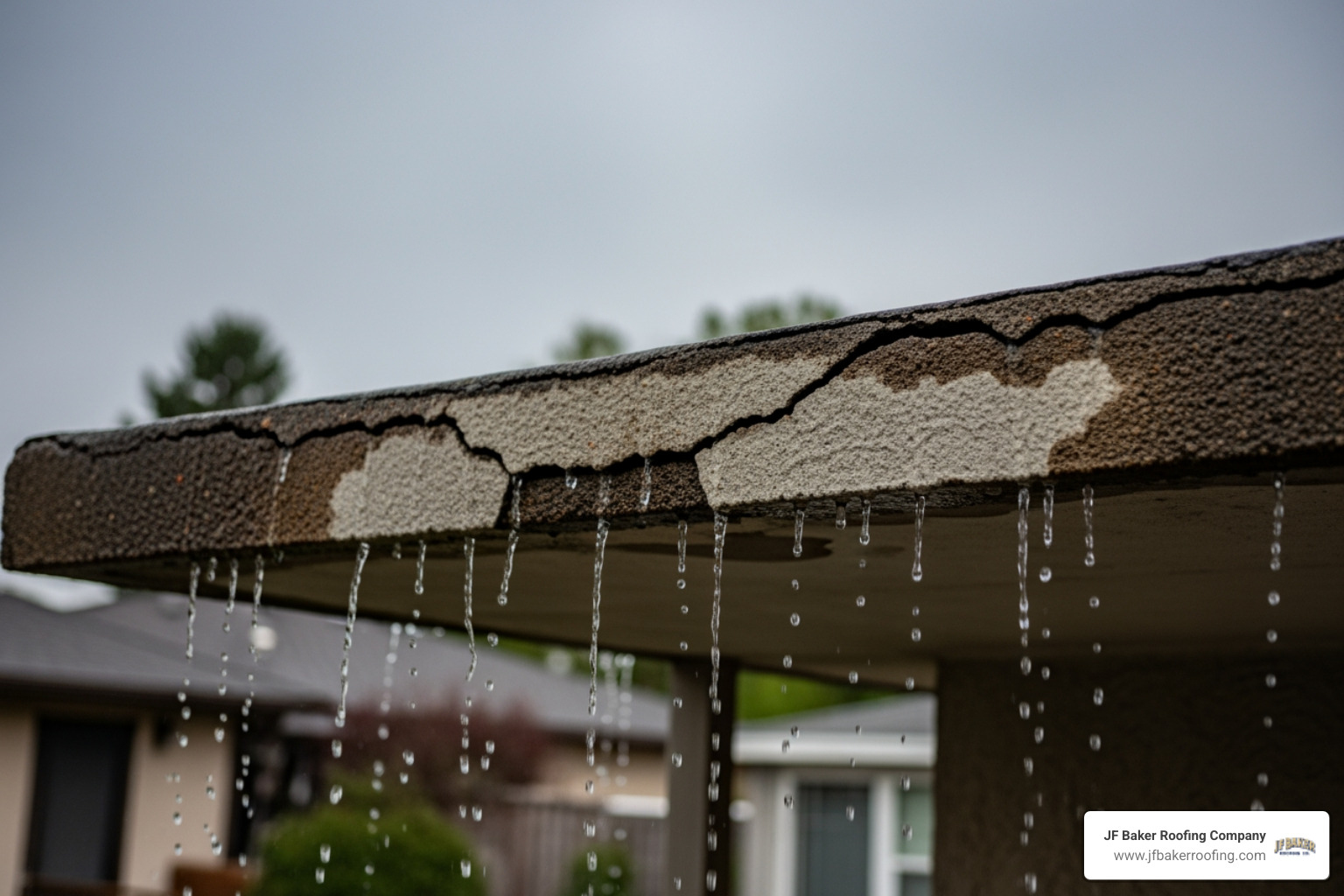
Winter weather forces meltwater under unsealed shingle edges where it freezes, expands, and lifts shingles from the deck. This expansion contributes to ice damming along roof eaves and valley lines, which can force water upward beneath underlayment and into home ceilings.
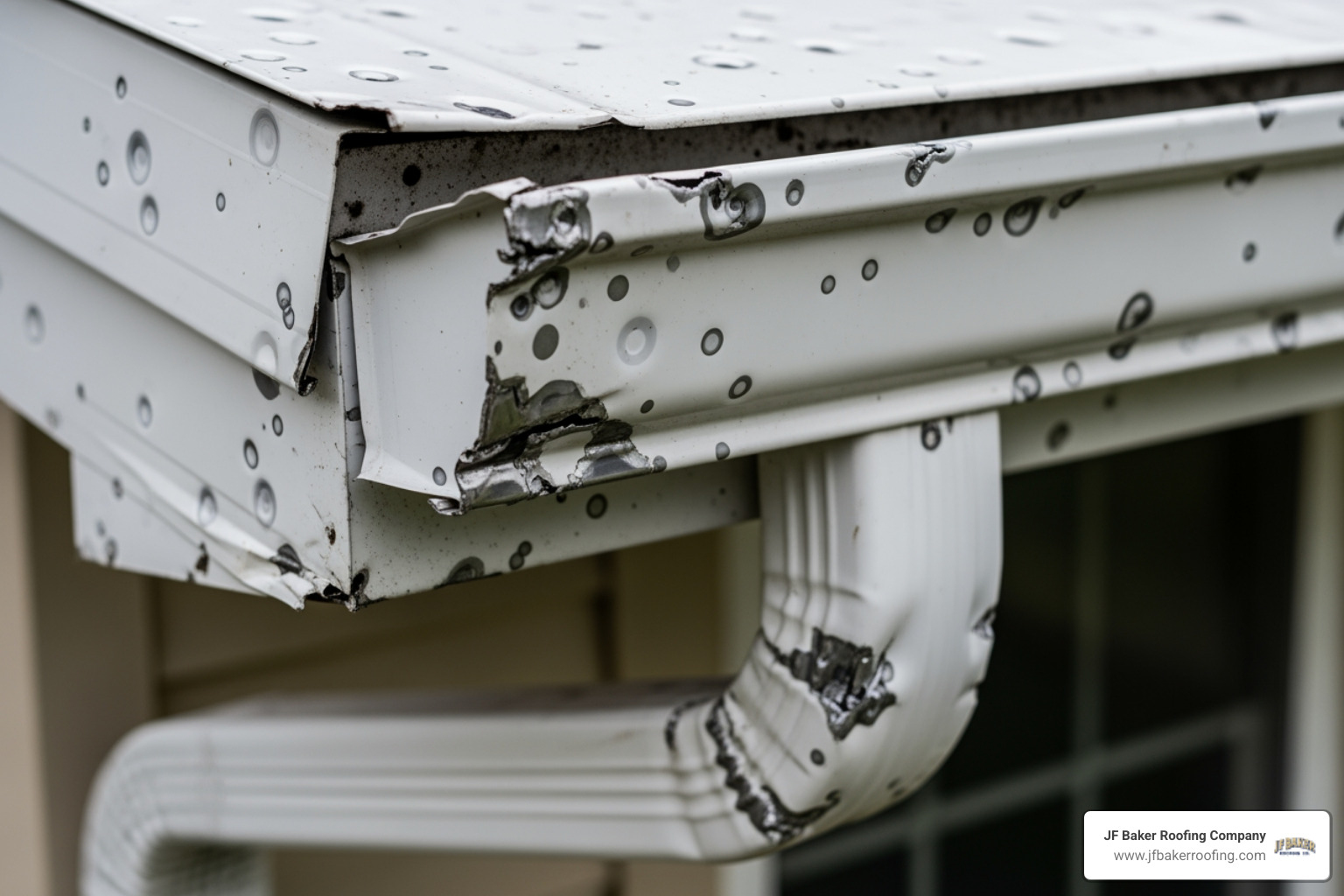
Spring brings heavy rainfall and severe windstorms, exposing loose flashing and underlying leaks. Summer introduces high temperatures, strong ultraviolet radiation, and occasional intense hail. Summer heat bakes asphalt shingles, accelerating oil loss and granule shedding, while heavy fall foliage can clog gutters and trap moisture along roof margins.
Regular seasonal care minimizes weather-related degradation:
- Spring: Inspect the roof for missing shingles, lifted flashing, and winter ice damage. Clear debris from gutters and schedule necessary Storm Damage Repairs.
- Summer: Monitor attic ventilation to prevent heat and humidity buildup from damaging roof decking from underneath.
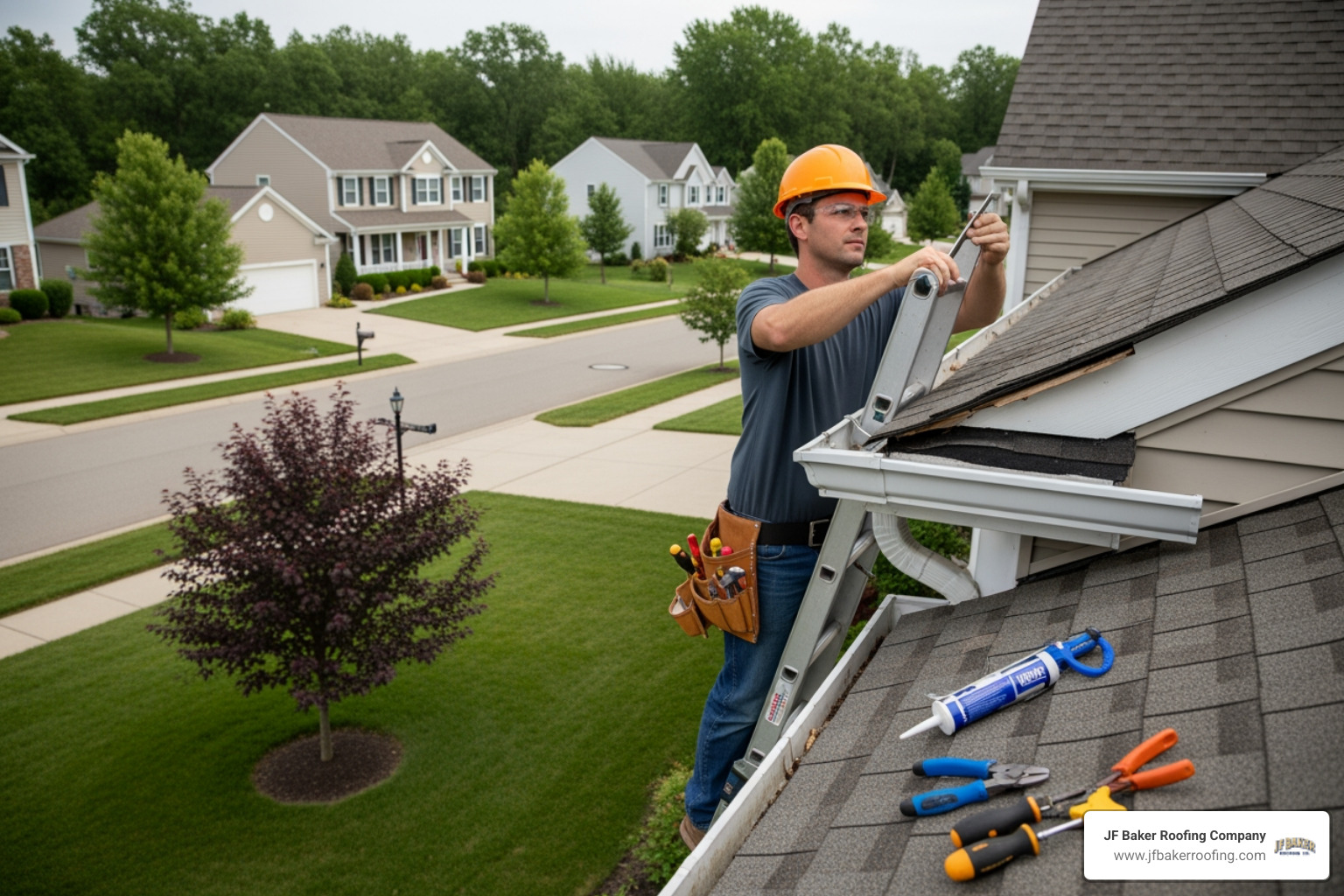
- Autumn: Clear leaves and twigs from gutters, inspect downspouts, and schedule a professional roof maintenance assessment before snow arrives.
- Winter: Keep eaves clear of excessive heavy snow accumulations where safely possible, and ensure attic insulation prevents heat loss that triggers ice dams.
Roof Repair vs. Replacement: Costs, Codes, and Warning Signs
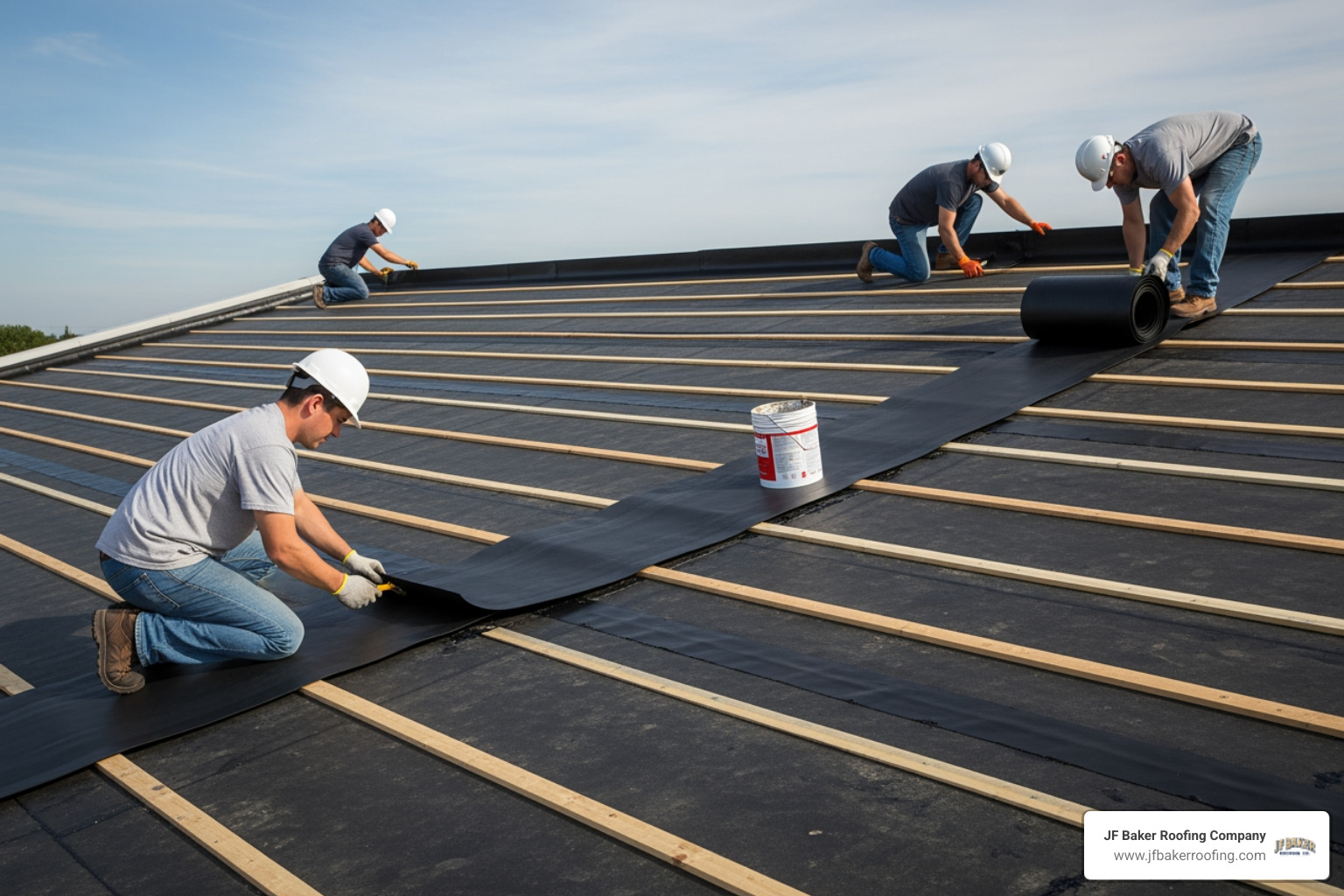
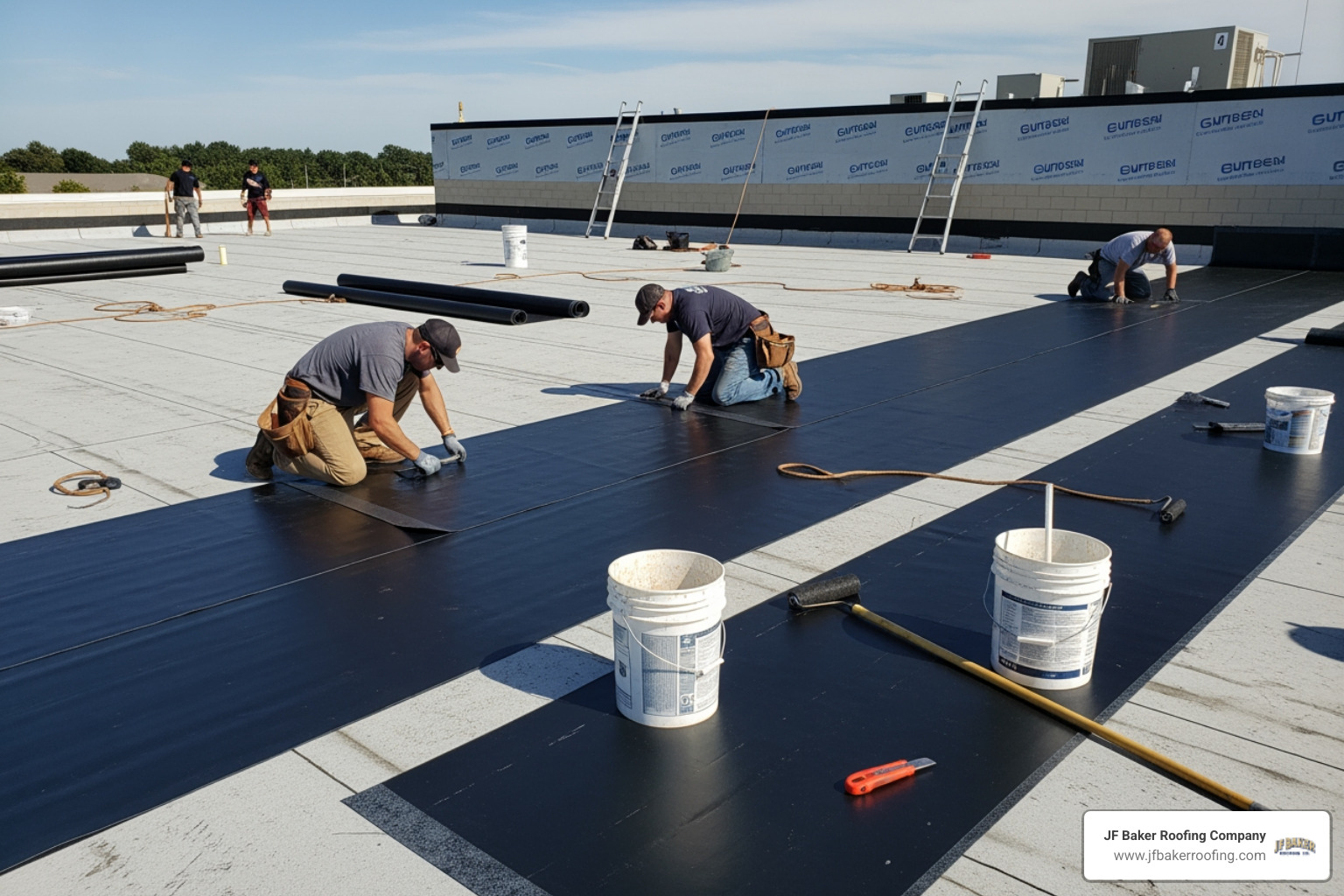
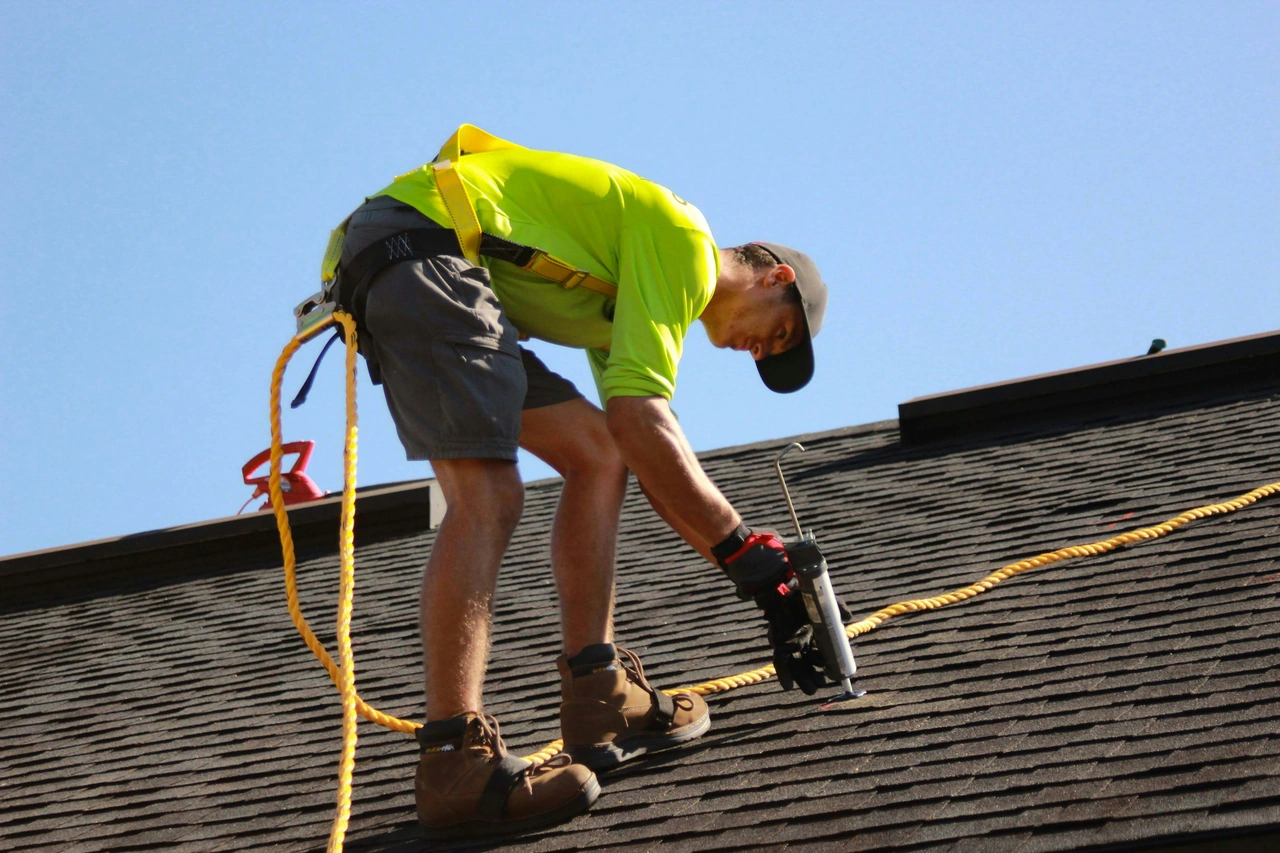
Deciding whether to repair or replace your roof depends on the age of the structure, the extent of damage, and overall deck integrity. Small leaks around pipe boots, isolated wind-blown shingles, or minor flashing issues can usually be resolved with targeted repairs.
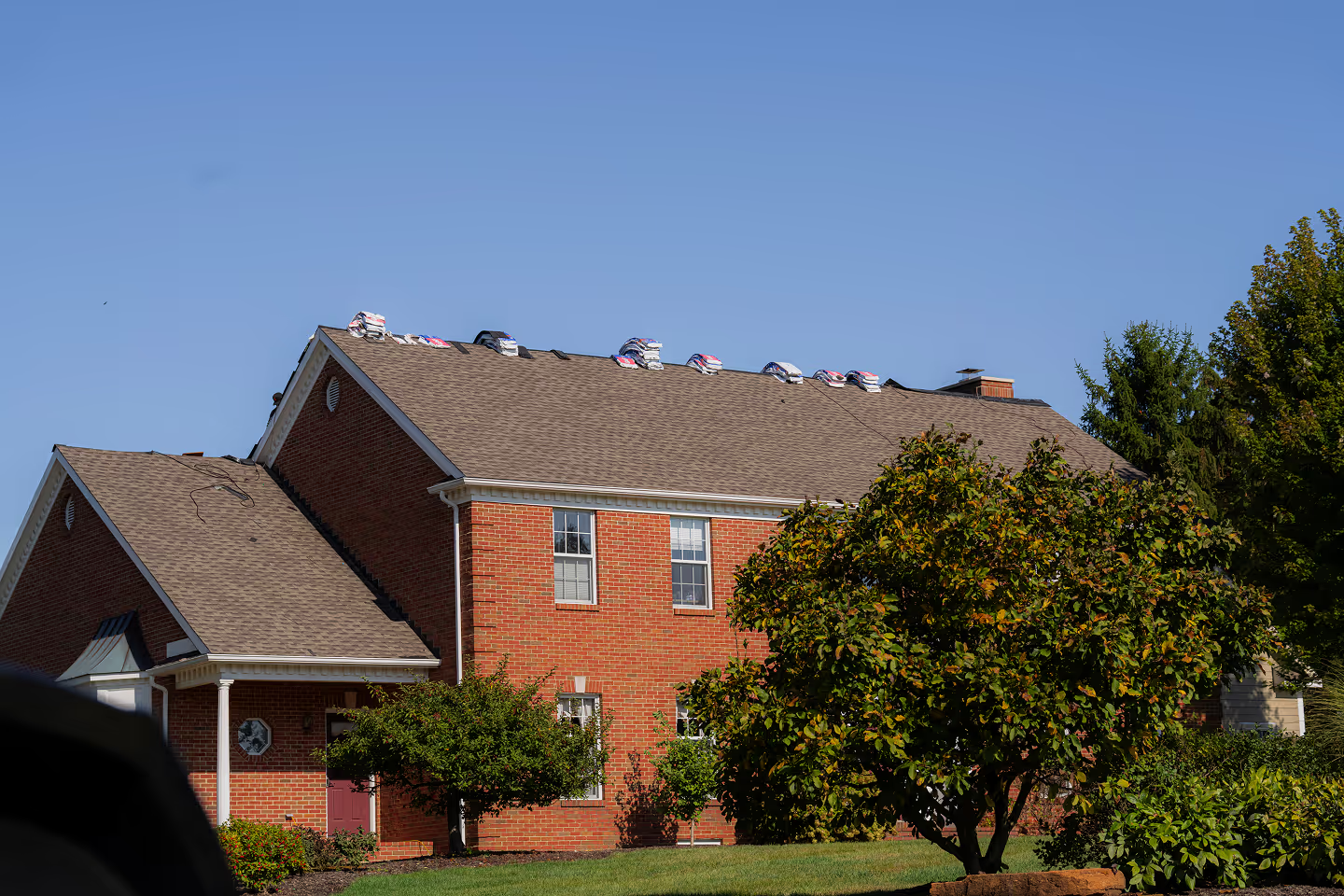
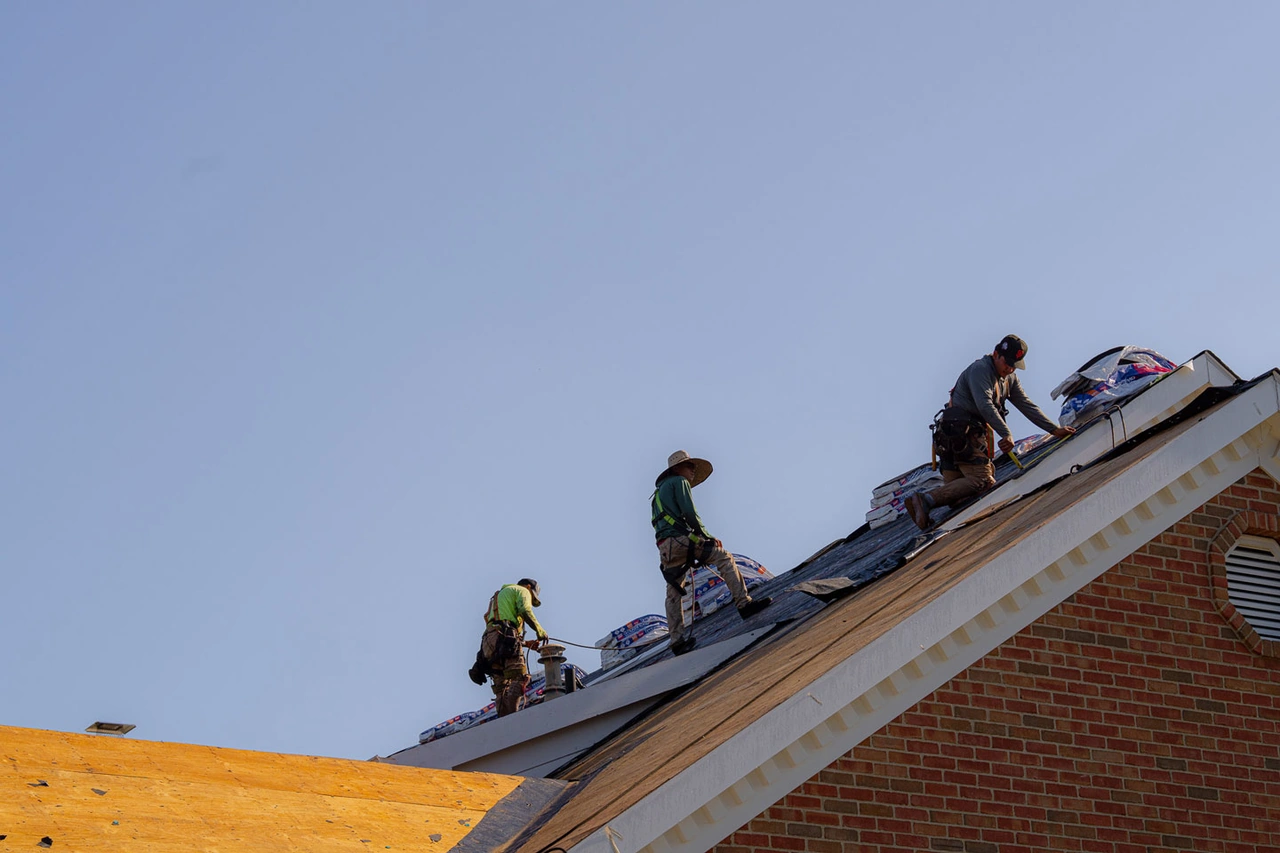
When structural decking sags, multiple leak points emerge, or shingles show widespread deterioration across an aging roof, full replacement becomes the practical, long-term solution. To better understand your options, explore our dedicated Roof Repair services.
Roofing projects in Central Ohio must strictly adhere to local building codes. Building regulations enforced by the City of Columbus Building Department and surrounding municipal departments regulate permit requirements, structural decking specifications, ice and water shield installation rules along eaves, and approved ventilation ratios. Working with an established local contractor ensures all permit filings, inspections, and code standards are handled seamlessly.
Recognizing Critical Roof Damage
Identifying early signs of roof failure prevents extensive interior water damage and structural decay. Look out for these critical indicators:
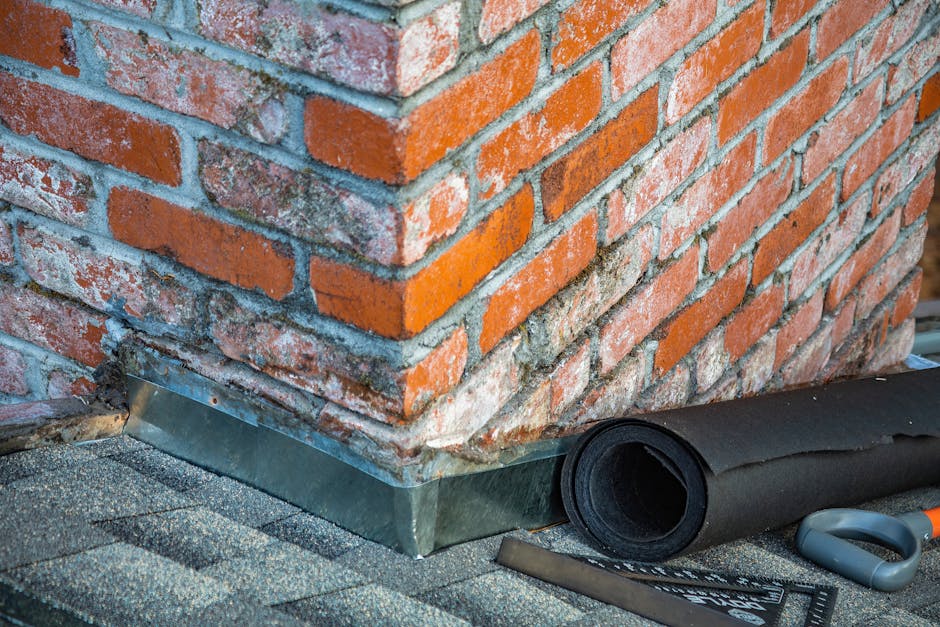
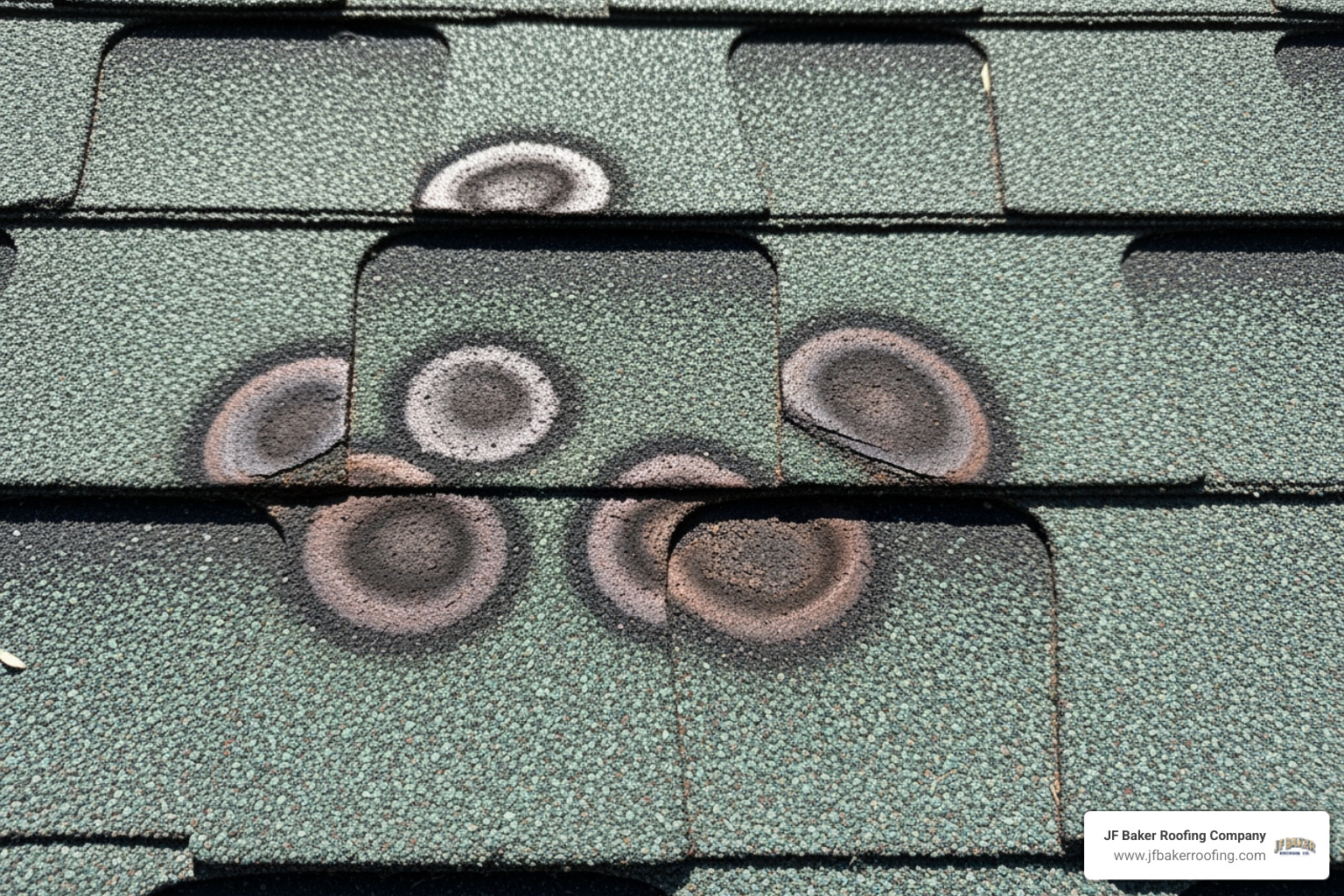
- Granule Accumulation in Gutters: Heavy sand-like granule accumulation inside gutter troughs signals that shingle asphalt is unprotected from ultraviolet rays.
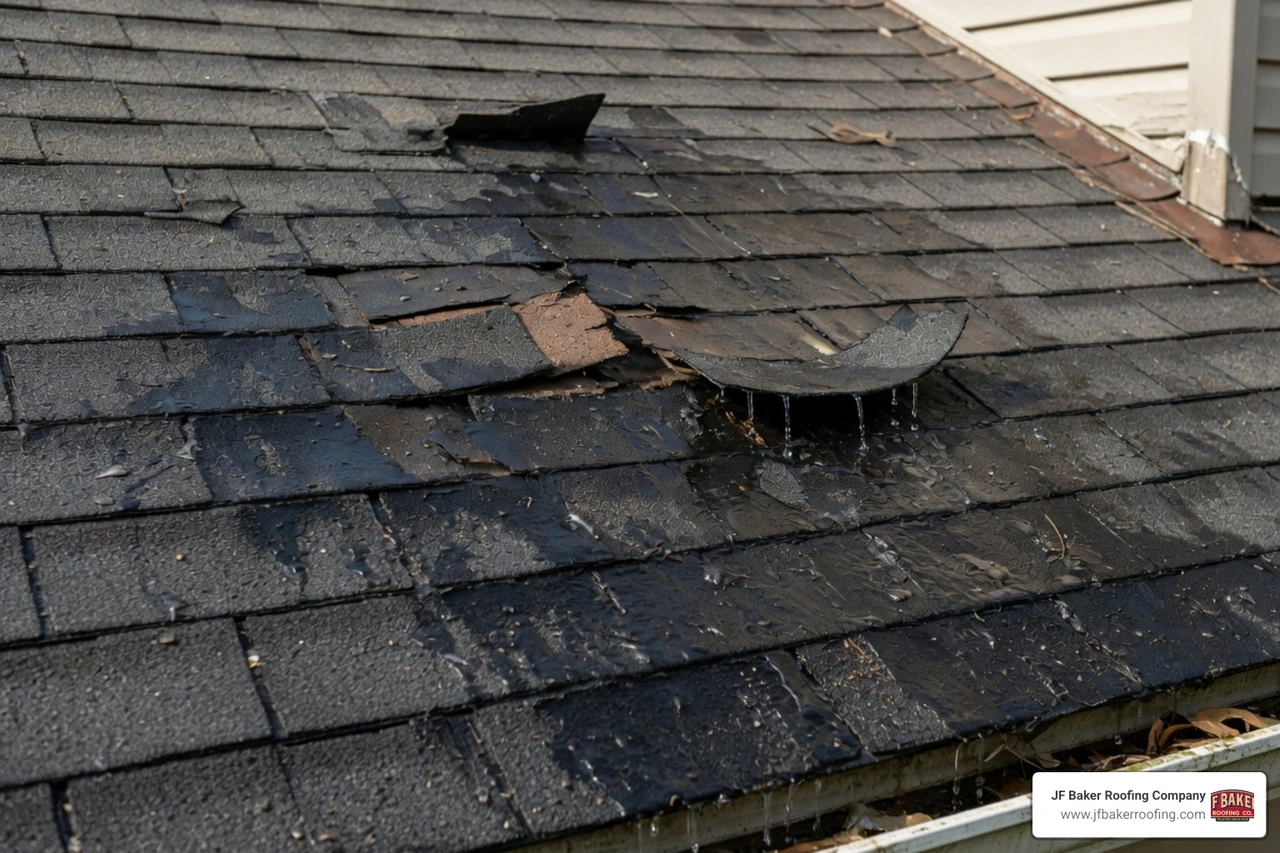
- Curled, Cupped, or Cracked Shingles: Shingles that curl at the edges or buckle in the middle have reached the end of their functional lifespan.
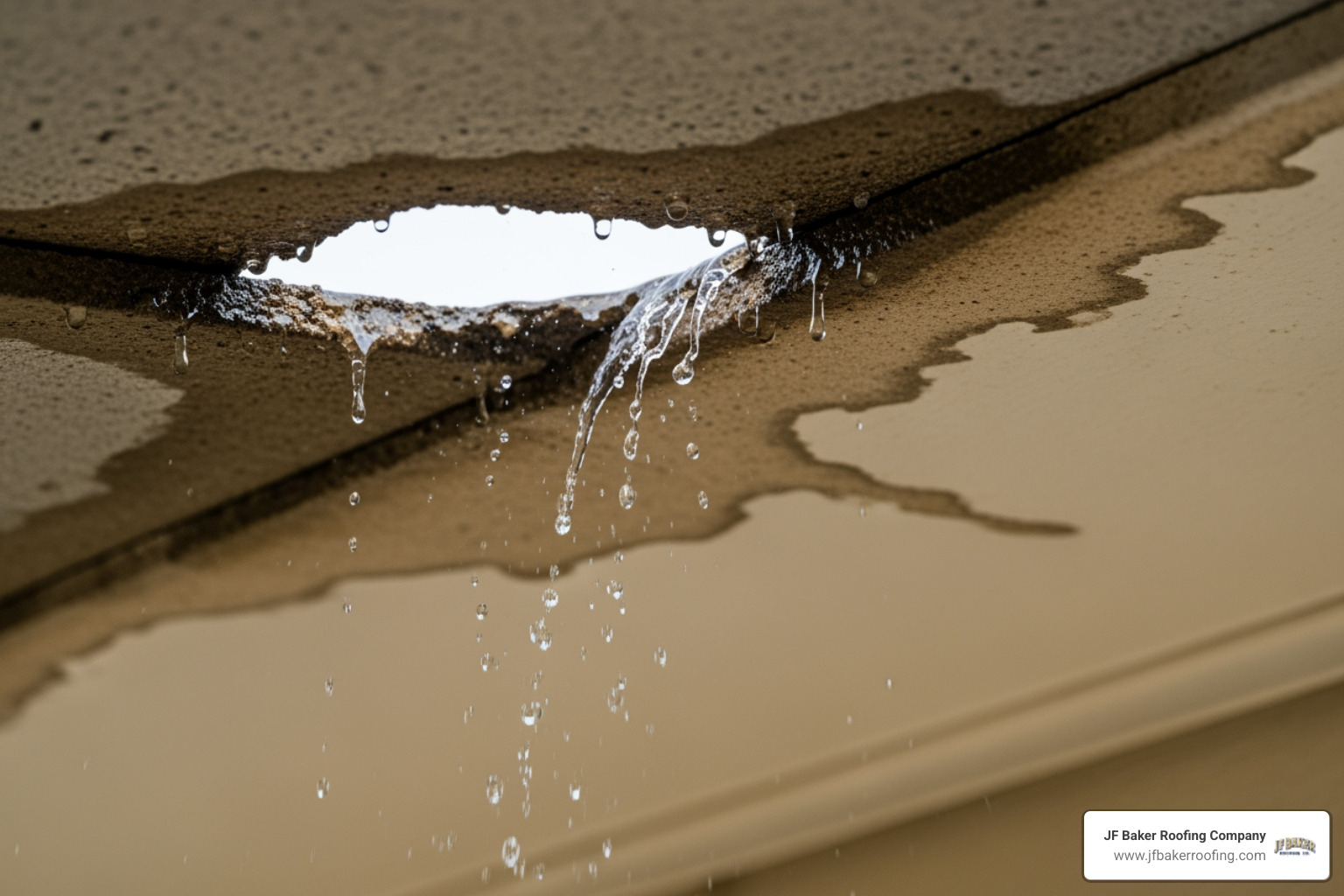
- Water Stains on Ceilings and Drywall: Discolored patches on interior ceilings or upper-floor walls point to active roof leaks or flashing failures.
- Missing Shingles or Exposed Nails: Wind-torn shingles or unsealed nail heads create direct paths for water infiltration.
- Sagging Roof Line: A visibly dipped or sagging roof deck indicates serious underlying moisture damage, rotted rafters, or compromised structural plywood.
- Damp Attic Insulation and Mold Growth: High attic humidity, surface mold on framing, or wet insulation indicate inadequate attic ventilation or roof deck leaks.
Frequently Asked Questions About Roofing in Columbus
How much does a roof replacement cost in Columbus, OH?
Roof replacement costs vary depending on square footage, pitch, material selection, tear-off complexity, structural repairs, and flashing needs. Rather than relying on generic ballpark estimates, home and business owners should request an itemized inspection and written estimate from a reputable contractor who evaluates the specific conditions of your building.
What is the best season to hire roofers in Columbus?
Late spring, summer, and early autumn offer consistent warm temperatures and predictable weather, making them popular seasons for major roof replacement projects. Warm weather allows asphalt shingles to seal quickly. However, experienced crews perform repairs and full roof replacements year-round in Central Ohio whenever dry, safe conditions exist.
How does Columbus winter weather affect shingle roof lifespans?
While quality asphalt shingles carry nominal ratings of 20 to 30 years under ideal conditions, Central Ohio weather extremes, including 28 inches of annual snow, rapid freeze-thaw cycles, hail, and high summer humidity, can reduce real-world service life by 5 to 10 years if the roof is not properly maintained or adequately ventilated.
Conclusion
Choosing qualified roofers across Central Ohio requires clear communication, verified local experience, and honest evaluation. Whether you are addressing severe storm damage, repairing a localized leak, or planning a complete roof replacement, working with an established local contractor protects your home, your family, and your investment.
At JF Baker Roofing, we have been serving Central Ohio since 1929. Led by third-generation owners Chad and Pat Baker, our team is built on integrity and proven by performance. We are a CertainTeed ShingleMaster Preferred Contractor, an NRCA member, and a BBB Accredited Business with an A+ rating.
We serve residential and commercial clients across Columbus, Dublin, Upper Arlington, Hilliard, Grandview Heights, Worthington, Westerville, and surrounding Central Ohio communities. Our full suite of services includes residential roofing, commercial roofing, roof repair, roof replacement, storm damage roofing, gutter installation and repair, and custom sheet metal work.
When you choose us, you get honest assessments, transparent pricing, clean job sites, clear communication, and no high-pressure sales tactics. We recommend repairs whenever possible and advise replacement only when genuinely needed. We stand behind every roof we install.
If you have questions about your roof or need a straightforward, professional assessment, we invite you to reach out today. Explore Quality Residential Roofing Services and let our reputation be your security.













.jpeg)